The Xiaomi backed Kingsoft Cloud Holdings Ltd. is set to debut this Friday (8th May 2020). The company has set the terms of its initial public offerings that may be one of the largest Chinese company listings in New York this year.
The company aims to raise 450 million US Dollars on the Nasdaq Global Select Market. Furthermore, it hopes to sell 25 million American depositary shares, which it expects within the range of 16 to 18 Dollars per ADS. Kingsoft Cloud Holdings is a subsidiary of the Kingsoft Group, with a major investor being Xiaomi Corp, which has indicated an interest in 50 million US Dollars worth of ADSs.
Kingsoft claims that it is China’s largest independent cloud based service provider and that it aims to monetize on the growing applications of networking and technology. This includes increasing scope of 5G networking, artificial intelligence, IoT (Internet of Things), and demand for multi-cloud and neutrality that are also supported by favorable government policies.
This is a big deal considering the public debut arrives at a time where Chinese companies are being scrutinized across the globe, especially by US investors. Other Chinese brands like Oriental Culture and MingZhu Logistics are still waiting for their public entry, but Kingsoft Cloud has had a rather quick and uneventful run to Wall Street. But will Kingsoft Cloud change the perception around Chinese companies in the US? We can only wait and find out.
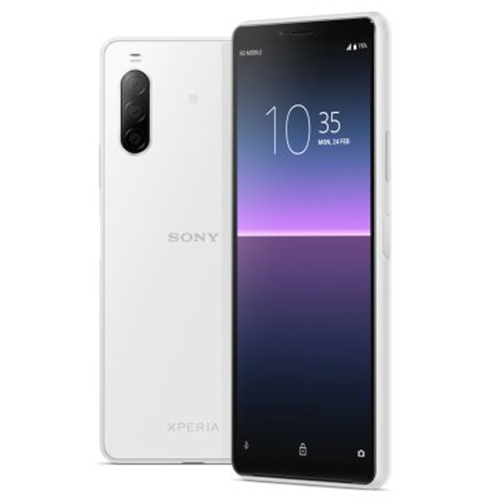
Earlier this year, Sony had announced the Xperia 1 II and Xperia 10 II in an online conference after the MWC 2020 event got canceled. Despite being announced a while back, the company had yet to reveal any details regarding the pricing or availability of the device. But now, the Sony Xperia 10 II is finally available through pre-orders in Europe.
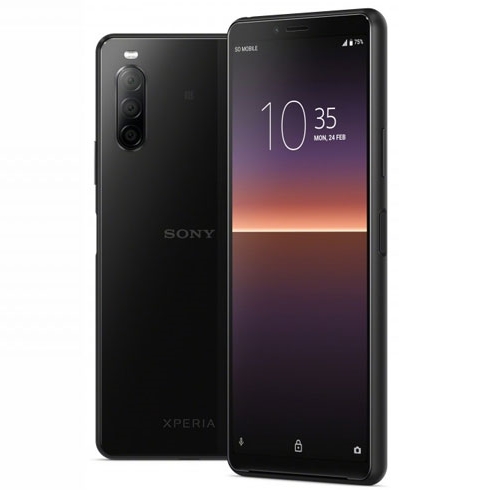
According to the official press release from Sony, the Xperia 10 II, a mid range smartphone, is priced at €369/£319 (roughly 399 US Dollars). The device is offered in two color variants, namely black and white, and will be available for pre-orders through local operators and retailers. For a quick roundup of specs, the Xperia 10 II features Qualcomm’s Snapdragon 665 SoC alongside 4GB of RAM and 128GB of storage.
It is powered by a 3,600mAh battery and supports 18W Qualcomm Quick Charge 3.0. For optics, the device houses a triple camera setup with a 12 megapixel primary camera, 8 megapixel wide-angle lens, and an 8 megapixel telephoto sensor with 2x optical zoom. On the front, a single 8 megapixel camera can be found. The device also supports a 3.5mm headphone jack and 4G networks.
The display is a 6 inch FHD+ OLED display and features an aspect 21:9 ratio. The device runs Sony’s custom UI based on Android 10 OS out of the box and even has a side mounted fingerprint scanner as well. So for those looking for a new mid range device in Europe, can look out for this one.
When the under screen camera was first revealed, it had some glaring faults. The camera quality wasn’t on par with the conventional ones of that time and images came out darker than usual. All of this was done to achieve a true full screen body at the front. While the technology wasn’t ready then, the company probably has had enough time to work out a lot of the original issues.
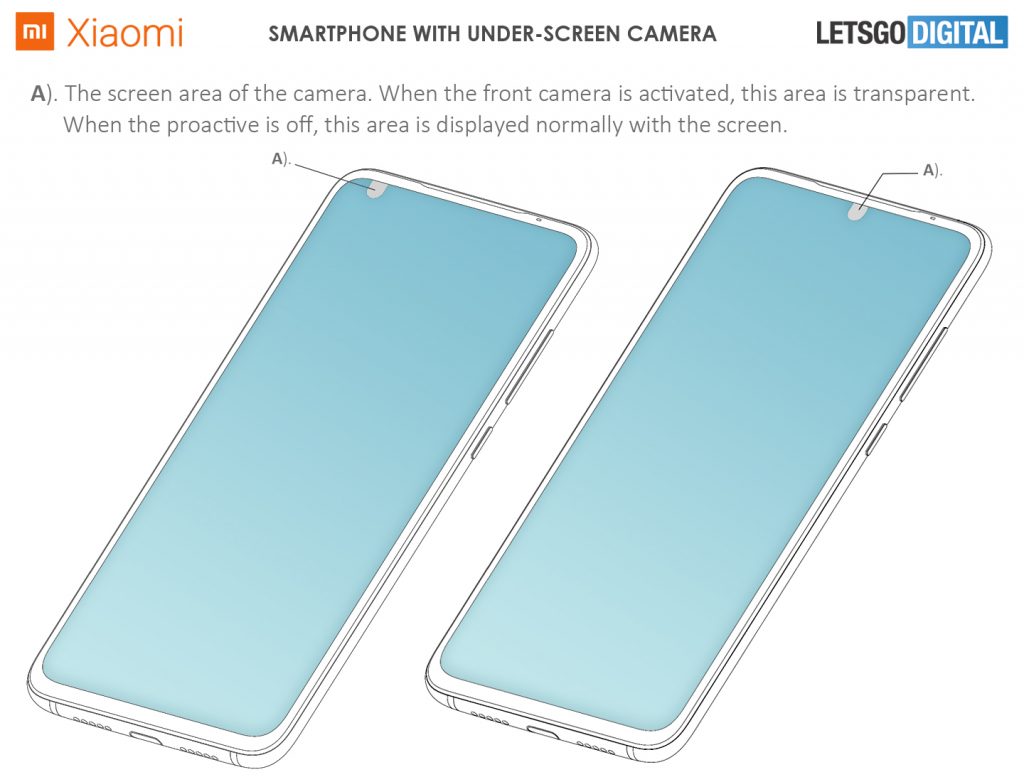
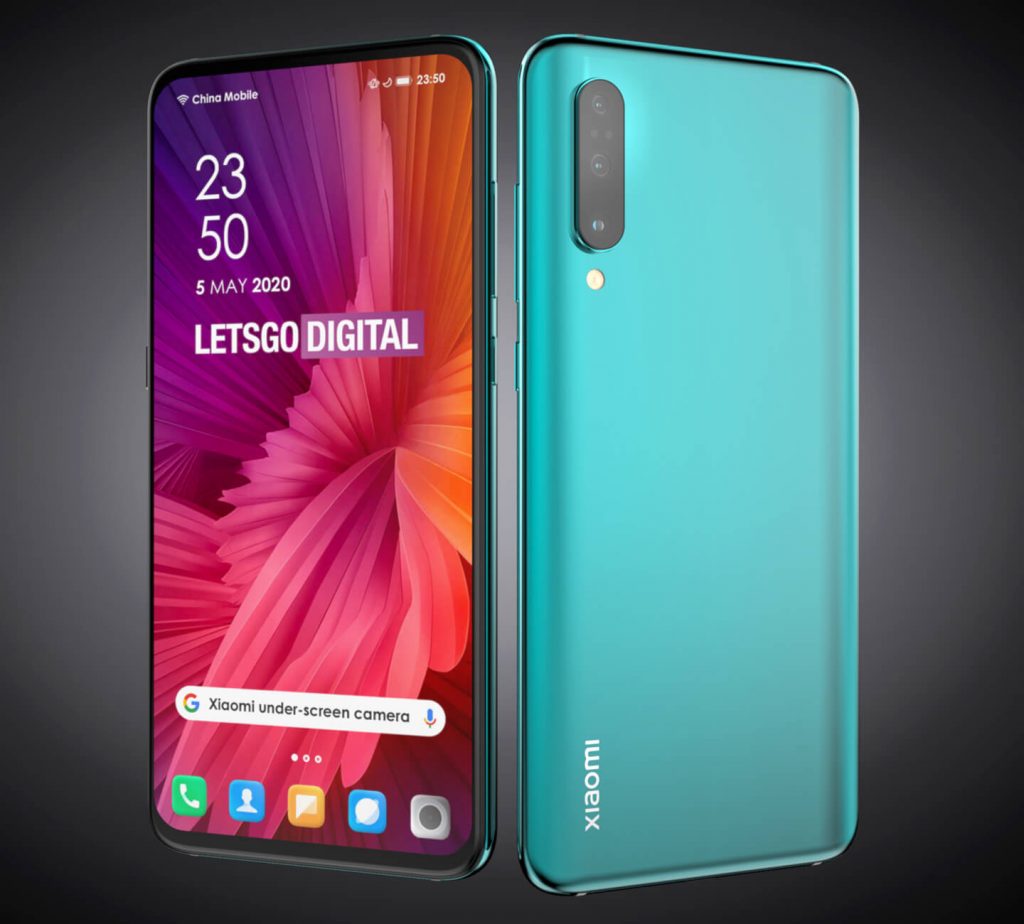
As per a new report from LetsGoDigital, a new design patent from Xiaomi depicts a smartphone with the new camera technology. Looking at the patent images, the design reveals a handset with the under display camera either on the top left corner of the screen or directly in the middle. This design was filled by Xiaomi back in April 2019 with the CNIPA (China Intellectual Property Administration) and was recently published.
The images showcase a smartphone with a full screen front body with narrow bezels on all sides. The patent description states that the front camera when activated, makes the small portion in front of the sensor transparent, allowing for the lens to capture images. This portion of the display returns once the camera is inactive again. The under screen technology might not be seen anytime soon still but could make it in an upcoming flagship. Unfortunately, finer details are still at large but we hope to see this implemented at least by the Xiaomi Mi 11 series.
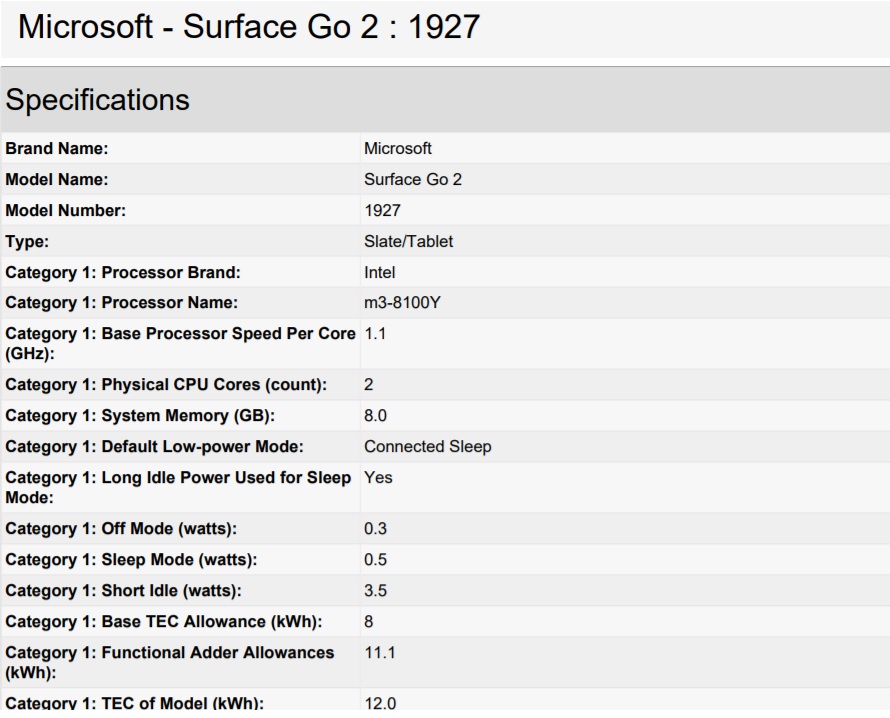
In August 2018, Microsoft had launched the Surface Go as its cheapest and smallest tablet. Recent reports have revealed that the Redmond-based tech giant is working on the successor device i.e. the Surface Go 2. Leaked details that surfaced last month revealed that the Surface Go 2 will be debuting in coming weeks. Fresh information shared by Windows Latest reveals that the Surface Go 2 has received certification from the Energy Star through which some of its vital specs have been revealed.
First of all, the Energy Star listing confirms that the Surface Go’s successor will be heading to the market as “Surface Go 2.” It has revealed that it is fueled by the Intel Core m3-8100Y processor. Built with 14nm process, the 8th-generation processor was introduced in 2018.
The processor has two cores and four threads. It works at a base frequency of 1.1GHz. The “Max Turbo” frequency of 3.40Ghz. The chipset could be couple with 8 GB of RAM. It is unclear whether the Surface Go 2 will be available in other variants.
Leaked information from last month had revealed that the Surface Go 2 will be arriving with a 10.5-inch display. The original model had come with a smaller display. It is said that the size of the Surface Go 2 will remain as the predecessor model. This suggests that the company may cut down on the size of the bezels to accommodate a 10.5-inch display.
Some of the other features that are expected to be available on the Surface Go 2 include Windows 10 home in S Mode, Windows Hello facial scanning, microSD card slot, a USB-C port, a 3.5mm audio jack and Surface Connect port. The Surface Go had debuted with a price tag of $399. The successor model may also arrive with the same pricing.
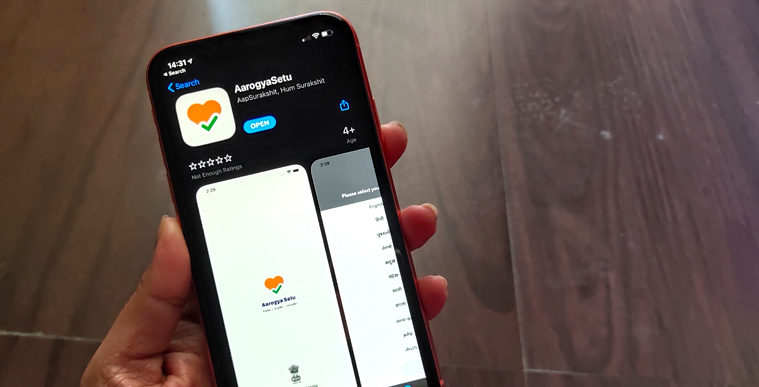
Smartphone brands like Xiaomi, Oppo, Huawei, and more are looking to pre-install the Aarogya Setu app on handsets following mandatory orders from the Indian Government. OEMs have stated that they will fully comply with the move and will include private sector employees as well.
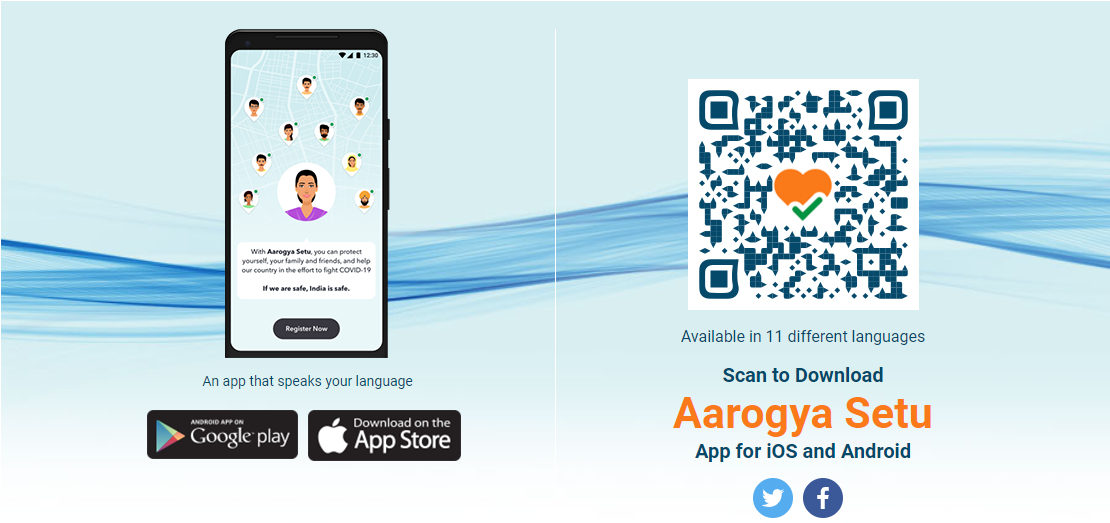
For those unaware, Aarogya Setu is a contact tracing app developed by the Indian government to help to combat the coronavirus. This app essentially connects COVID-19 related health services to Indian citizens and also shares various practices and advisories. This app utilizes smartphones’ connectivity features like Bluetooth and GPS to determine the area of infected people and informing a person whether they have come in close proximity of a person tested positive.
Arriving back at the current situation, the government had also made this app mandatory for people that are still going to work, especially in the private sectors. But now, it seems that the app will be a lot more pervasive in our lives as it may soon arrive pre-installed in every smartphone from major vendors. This will also include telecom operators like the telecom equipment provider Ericsson, that is already having employees download the app.
So far, the Aarogya Setu app mainly is compulsory for those venturing out during this time of crisis for their jobs, but soon this may change. Xiaomi India’s Managing Director, Manu Jain, stated that the company will comply if the government made it mandatory for the app to be pre-installed. This basically means, that soon other OEMs will soon follow suit and will ensure 100 percent coverage of this app throughout employees and upcoming smartphones.
One factor buyers now take into consideration when purchasing a phone is software support. While Android phones generally suck at software support compared to iPhones, a few Android manufacturers try to provide at least two major OS upgrades for their phones. iQOO has now joined that group with its promise of three years of updates for its iQOO 3 flagship phone.
The official iQOO India account made the announcement yesterday on Twitter. The tweet said the iQOO 3 will get two major OS upgrades. This means the phone, which launched with Android 10 out of the box, will get upgraded to Android 11 and Android 12.
Get the best of everything in a single package. Buy an #iQOO3, and get 2 major Android updates, along with regular security, and OTA updates for 3 years. pic.twitter.com/BB7nguK6Oa
The tweet also revealed the iQOO 3 will get security and OTA updates for 3 years. So, software support until 2023. Not bad at all.
This sure is good news for owners of the phone. And for those who have set their eyes on the device but are yet to purchase, this announcement might just be the push they’ve been waiting for.
The iQOO 3 has a 6.44-inch Super AMOLED display with a punch-hole at the top right corner of the screen and Gorilla Glass 6 protection. It has a Snapdragon 865 processor inside and comes with up to 12GB of RAM and 256GB of UFS 3.1 storage.
The phone also packs a 48MP quad rear camera setup, a 16MP selfie camera, and a 4400mAh battery capacity with support for 55W fast wired charging. You also get NFC, an audio jack, and an in-display fingerprint scanner.
With a starting price of INR 34,990 (~$462), the iQOO 3 is definitely a device you can’t ignore.
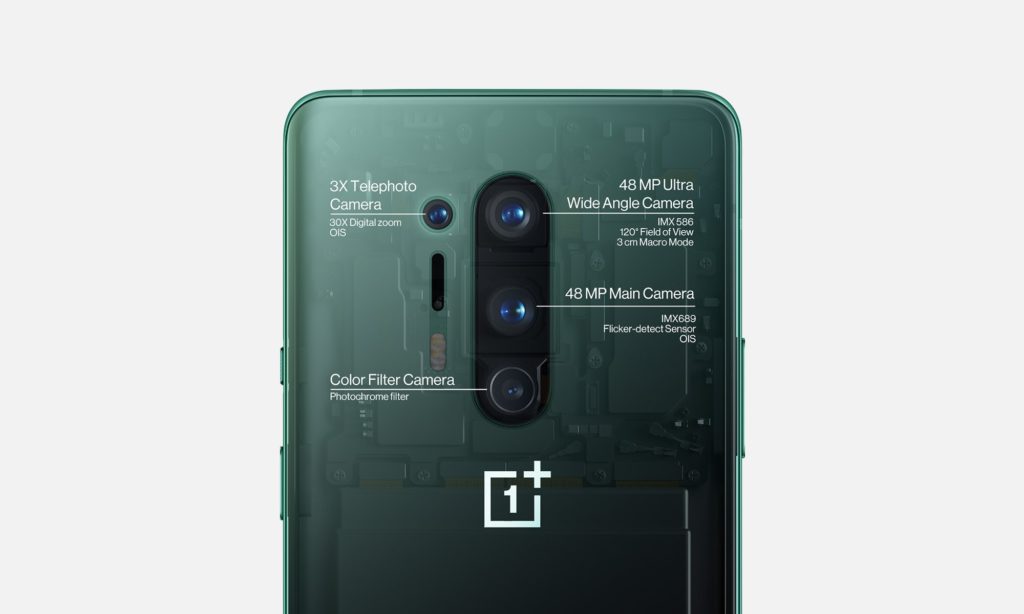
OnePlus 8 Pro, the brand’s costliest mainstream flagship smartphone till date got off to a rough start. At first, some of the users were facing ‘green tint’ issue on their units similar to Galaxy S20 Ultra. But the company seems to have fixed it temporarily with an update last week. Followed by that, a set of few users reported ‘black crush’ issue. For which, the brand is offering refund, replacement, or free repair depending on what the customer wishes towill roll out an OTA update in the near future.
Now, OnePlus is rolling out OxygenOS 10.5.6 update to the device with camera-related improvements.
Users of OnePlus 8 Pro are receiving a new OTA update weighing about 125MB. The update bumps up the software build to OxygenOS 10.5.6. It does not bring any visual changes instead, it claims to fix certain known issues and improved the stability of the system.
The update also brings improvement to front camera shooting experience and overall stability. Also, it insists to refine the dirt detection capability so that the device can notify users to wipe off the camera lens when needed.
Anyway, here’s the official changelog of OxygenOS 10.5.6 update for OnePlus 8 Pro.
System
Fixed known issues and improved system stability
Camera
Refined the dirt detection capability to be more accurate than ever
Improved the camera’s shooting experience with the front camera
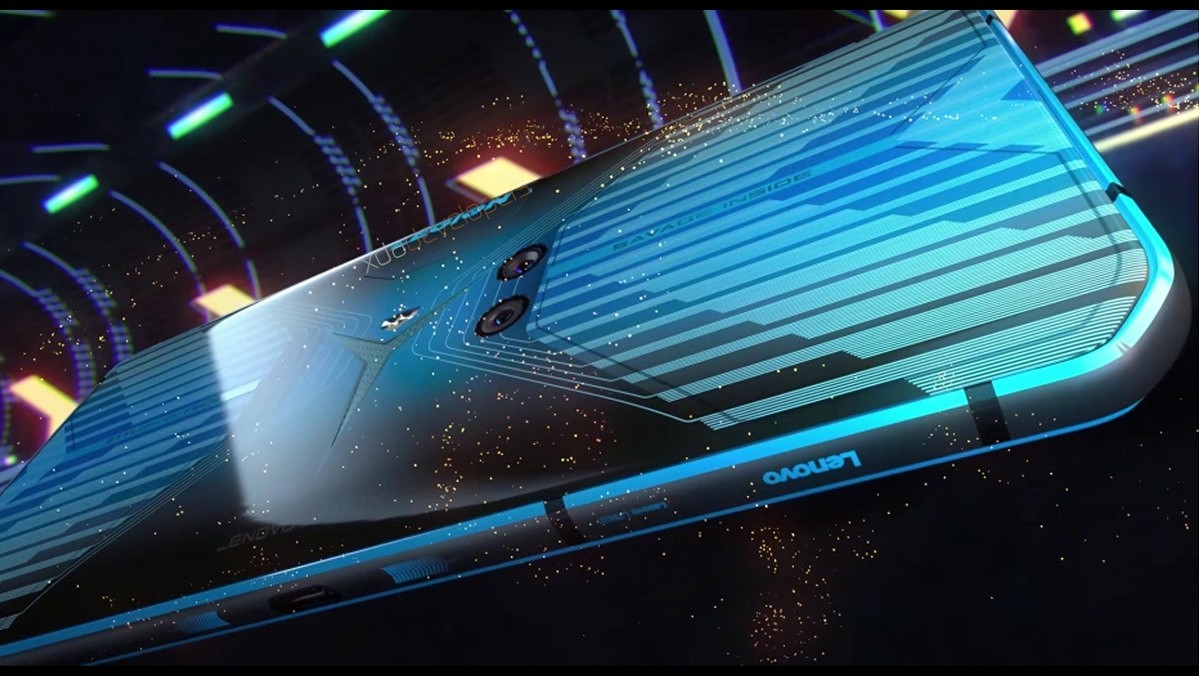
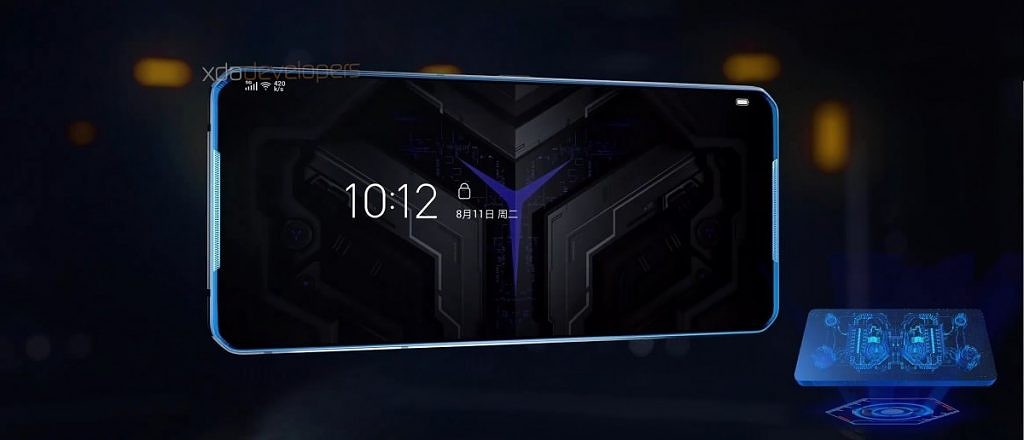
Recently, reports regarding Lenovo launching its first Android gaming smartphone had been making rounds online. The company is expected to launch a gaming device under its popular Legion lineup of gaming products and will mark the series expansion to mobile. While there were rumors up until now, a new leak has granted a more detailed look at the upcoming Legion smartphone, which is said to feature a side popup camera along with a higher refresh rate and more.
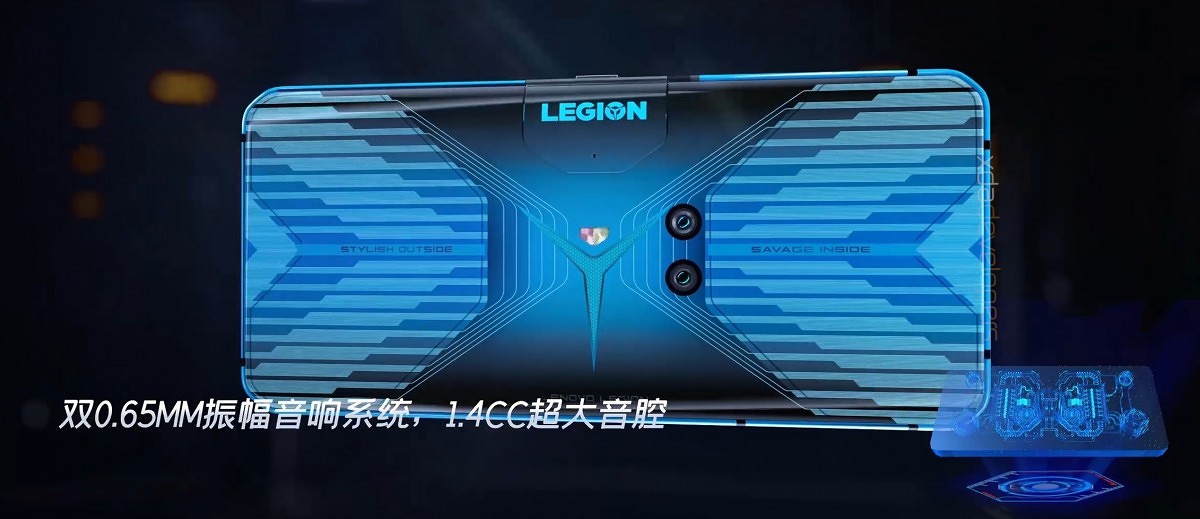
Looking at the screenshots, Lenovo teases its 90W fast charging technology again, which will be supported through two USB Type C ports (on the bottom and one of the sides during gaming). Through this image, we can observe that the rear panel has an LED flash right in the middle just below its dual camera setup which is also placed uniquely near the center of the back panel. The overall aesthetics of the device hints at gaming with angular designs that simulate speed and power through 3D textures.
Among the leaked screenshots, a few other details were also revealed. This includes Lenovo Legion’s new uEngine technology, which is its symmetrical dual X-axis linear vibration motor and hints at the device’s cooling and audio capabilities. The gaming phone will reportedly feature a 3D cooling tower structure with dual heat pipe partitions for long-lasting cooling. For audio, it will sport positive stereo sound from its full symmetrical 65mm dual speakers, dual 0.6mm amp speaker system, and 1.4cc large sound cavity.
Notably, the Legion logo can also be observed on the back on top of which a side mounted popup camera is also housed. The selfie camera’s placement is quite interesting, to say the least, and the company probably made the move for a full front display design. Furthermore, the report also revealed that the device carried the model number L79031 and is codenamed “moba.” Unfortunately, this has yet to be confirmed officially so stay tuned.
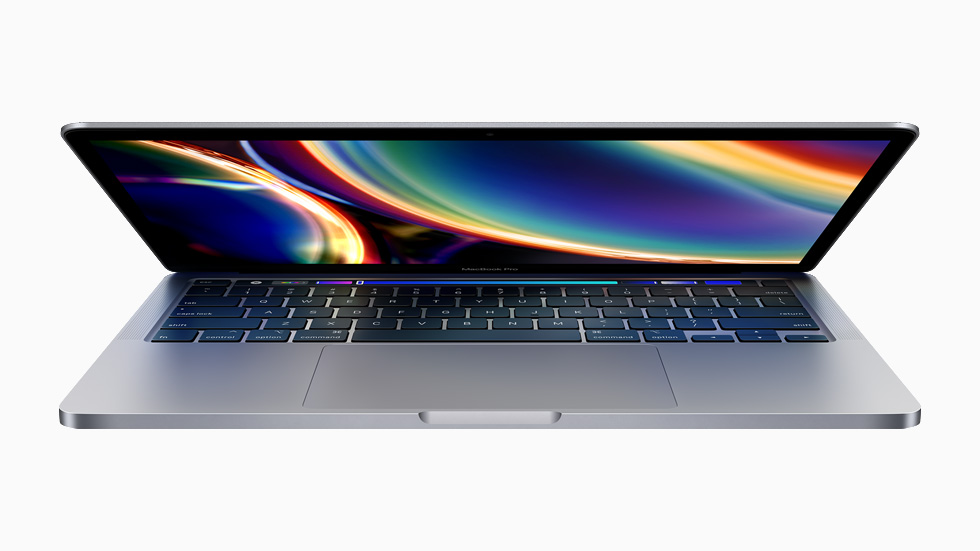
After launching the new MacBook Air in March this year, the US-based company has now revamped the MacBook Pro lineup with a new 13-inch model that replaces the problematic butterfly keyboard with the new magic keyboard.
The new MacBook Pro features a 13.3-inch LED-backlit display that offers a screen resolution of 2560 x 1600 pixels, 500 nits brightness level, P3 colour gamut support, and True Tone technology.
The base model comes powered by the 8th-generation Intel Core i5 processor and 8GB of RAM and 256GB storage. However, all the other variants feature the latest 10th-generation Intel Core processors, with up to 32GB RAM and 4TB storage.
The latest MacBook Pro also comes with a Touch Bar as a standard, along with a Touch ID fingerprint sensor and the keyboard has a physical Escape key. It also has four Thunderbolt 3 or USB-C connectors as well as a headphone jack.
As for the performance of the new laptop, Apple says that the 10th generation Intel Core processors have a turbo boost up to 4.1Ghz and that the new Intel Iris graphics support the Pro Display XDR at full 6K resolution.
The new Apple MacBook Pro 13-inch starts at $1,299 and is now available for order through the company’s official website in the United States and is slated to arrive in “select Apple Stores and Apple Authorized Resellers later this week.” In India, it starts at ₹1,22,990 but the sale date is not yet revealed.
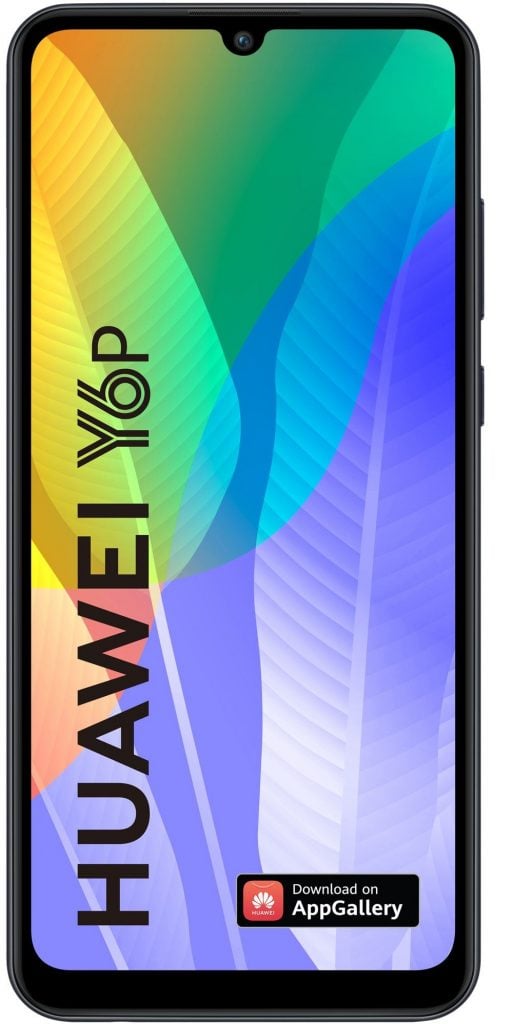
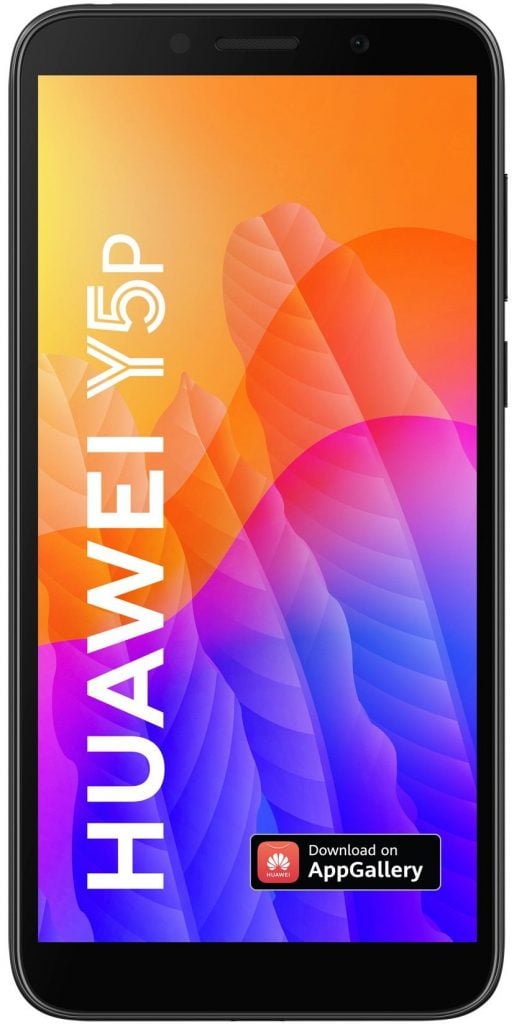
The Huawei Y6p and Huawei Y5p are the upcoming mid-range phones from the company. Yesterday, leaked renders of both phones had surfaced online. Today, the Chinese firm has officially teasing on the arrival of the Huawei Y6p phone.
Huawei Y6p specifications
Huawei Cambodia’s Facebook page has a new promo of the upcoming Huawei Y6p smartphone. The handset is expected to as an upgraded version of last year’s Huawei Y6 and Huawei Y6s phones.
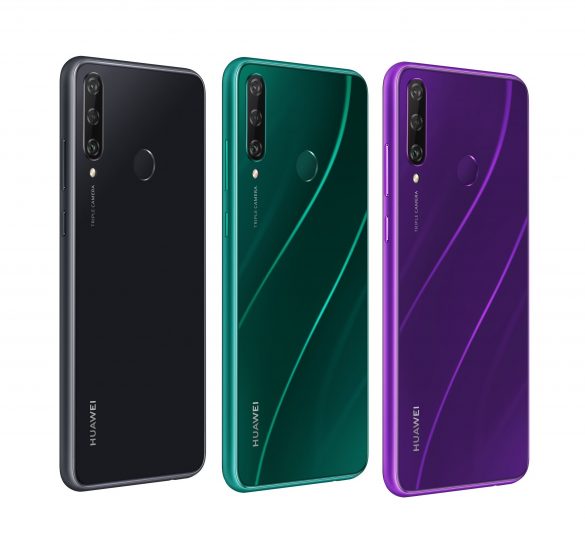
It is now known that the Huawei Y6p features a 6.3-inch IPS LCD display with waterdrop notch. It carries support for HD+ resolution of 720 x 1600 pixels. The handset has a front-facing camera of 8-megapixel. The backside of the camera has a triple camera system that has a 13-megapixel main lens, a 5-megapixel ultrawide lens and a 2-megapixel depth sensor. A fingerprint scanner is placed on the backside of the device.
The Helio P22 chipset is present under the hood of the Huawei Y6p and 4 GB of RAM. The EMUI 10 based Android 10 OS comes preinstalled on the device. There is a 5,000mAh battery inside the device. Emerald Green, Phantom Purple and Midnight Black are the three color variants of the phone. The 4 GB RAM + 64 GB storage will be priced at $139.
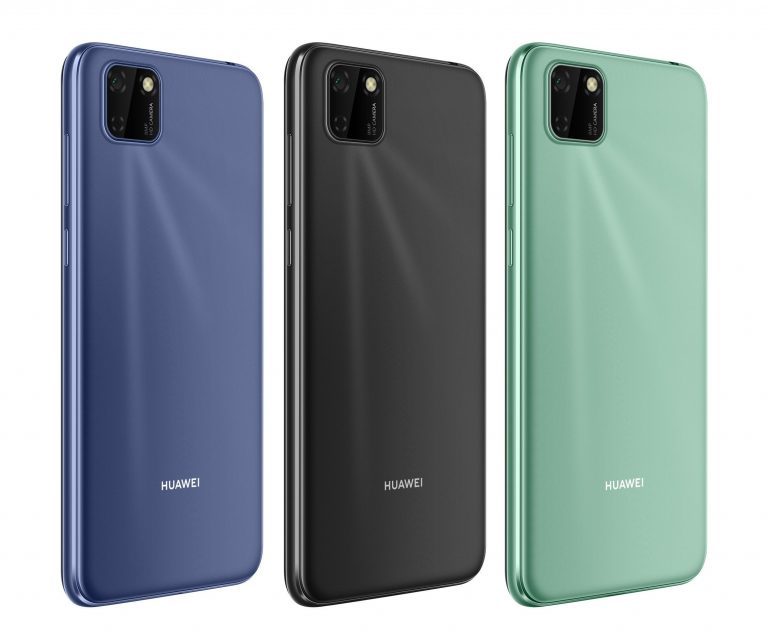
The Huawei Y5p appears to be a rebranded edition of the Honor 9S that was unveiled recently. It has a 5.45-inch IPS LCD HD+ display that supports 18:9 aspect ratio. It has a front camera of 5-megapixel.
The back panel has an 8-megapixel camera with LED flash. The Helio P22 chipset along with 2 GB of RAM powers the device. There is a 32 GB internal storage on the phone. A microSD card is available for additional storage. A 3,020mAh battery powers the phone. The EMUI 10.1 based Android 10 OS runs on the Huawei Y5p.
There is no word on the release date of Huawei Y6p and Huawei Y5p smartphones.
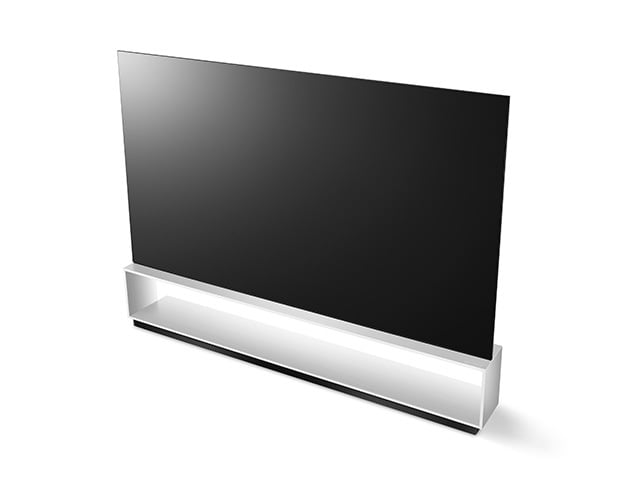
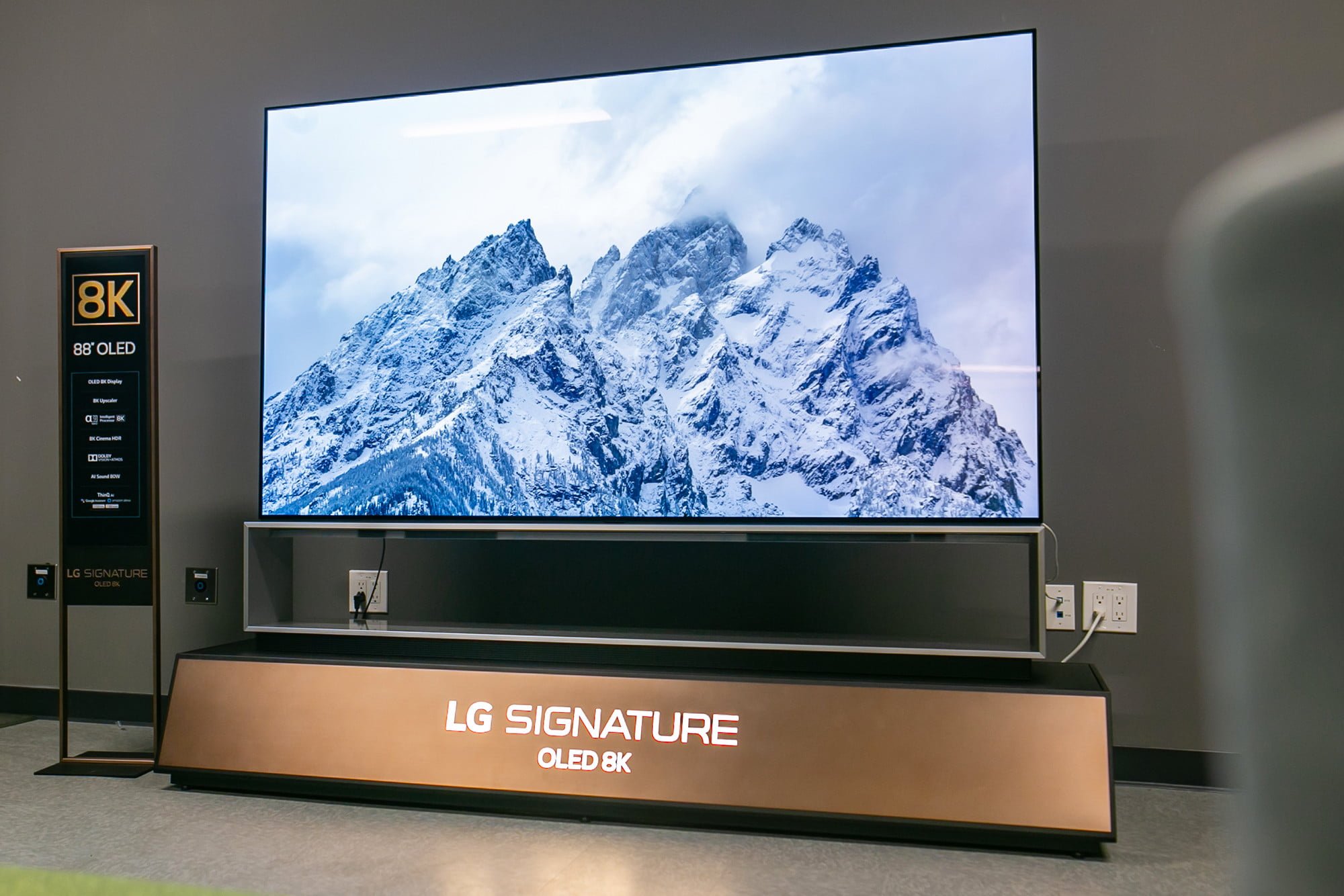
LG has recently released it’s largest and one of its most expensive TV ever. The TV will be a part of the LG Signature Series and is a massive 88 inch TV which also features the 8K resolution and will be available sometime in June 2020.
The LG OLED 8K model arrives in the ZX series and will be available in two sizes, namely, an 88 inch OLED display with an 8K resolution or another 8K 77 inch panel. The South Korean tech giant claims that it will offer sharper images thanks to its pixel density being 4 times higher than most 4K screens out there. This display is also one of the primary reasons for its exorbitant pricing.
Unfortunately, there is no real 8K content that is readily available at the moment. Thus, it offers only a marginal image quality improvement over regular 4K TVs. Apart from this, the only real difference one can observe is by looking closely at the display. The model number for the 88 inch variant is 88ZXPJA while the 77 inch version is called 77ZXPJA. The former is priced at 3.7 million yen (roughly 34,676 US Dollars) and the latter will sell for 2.5 million yen (roughly 23,430 US Dollars).
Amongst other things, the design of the LG 8K TV is quite impressive as well. It arrives in an extremely thin form factor, which can even have it resemble a picture on the wall setup if put up on a wall. Furthermore, it also arrives with an Artistic Sculpture Design stand and has support for the LG ThinQ voice assistant. For sound, the premium flagship TVs sport front firing 60W speakers that are claimed to offer a more cinematic experience in your homes.
In terms of other features, the LG 88 inch 8K OLED TV houses a Gen 3 AI processor technology alongside HDMI 2.1 inputs (which enables 8K output at up to 120fps) and other screen protection related measures for the expensive TV. The custom processor also improves image quality and reduces overall noise. So, if you really want to go all out on your next TV purchase, look no further.
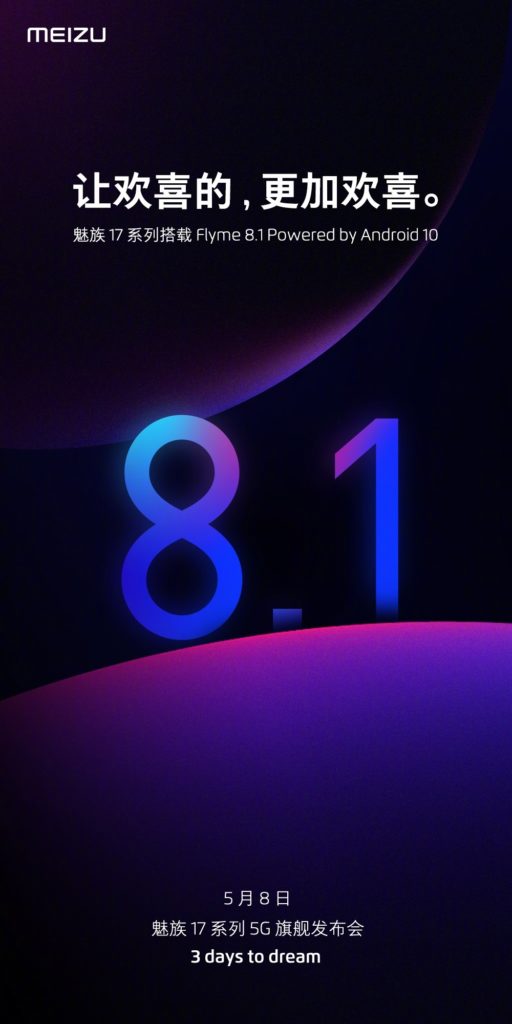
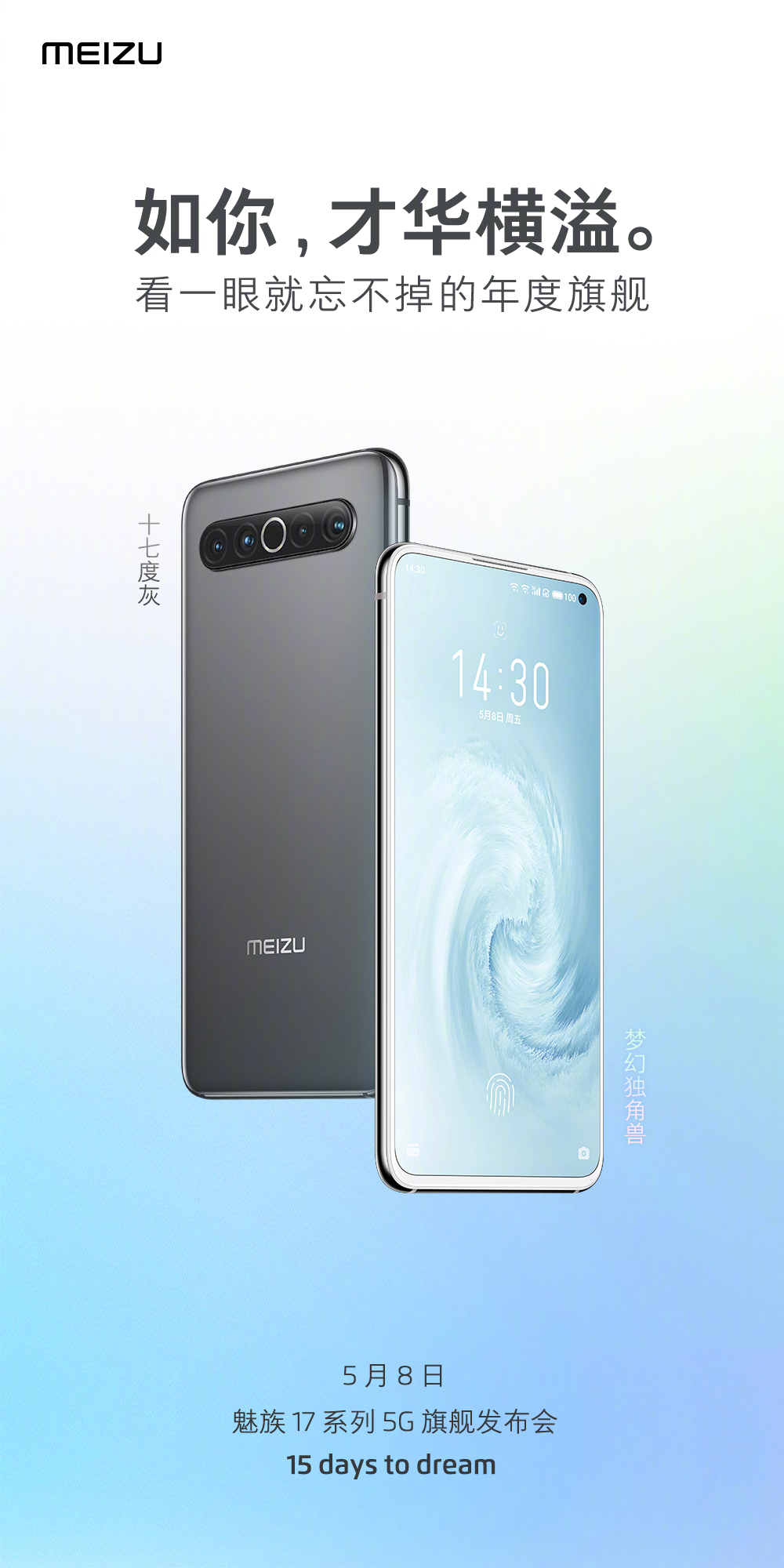
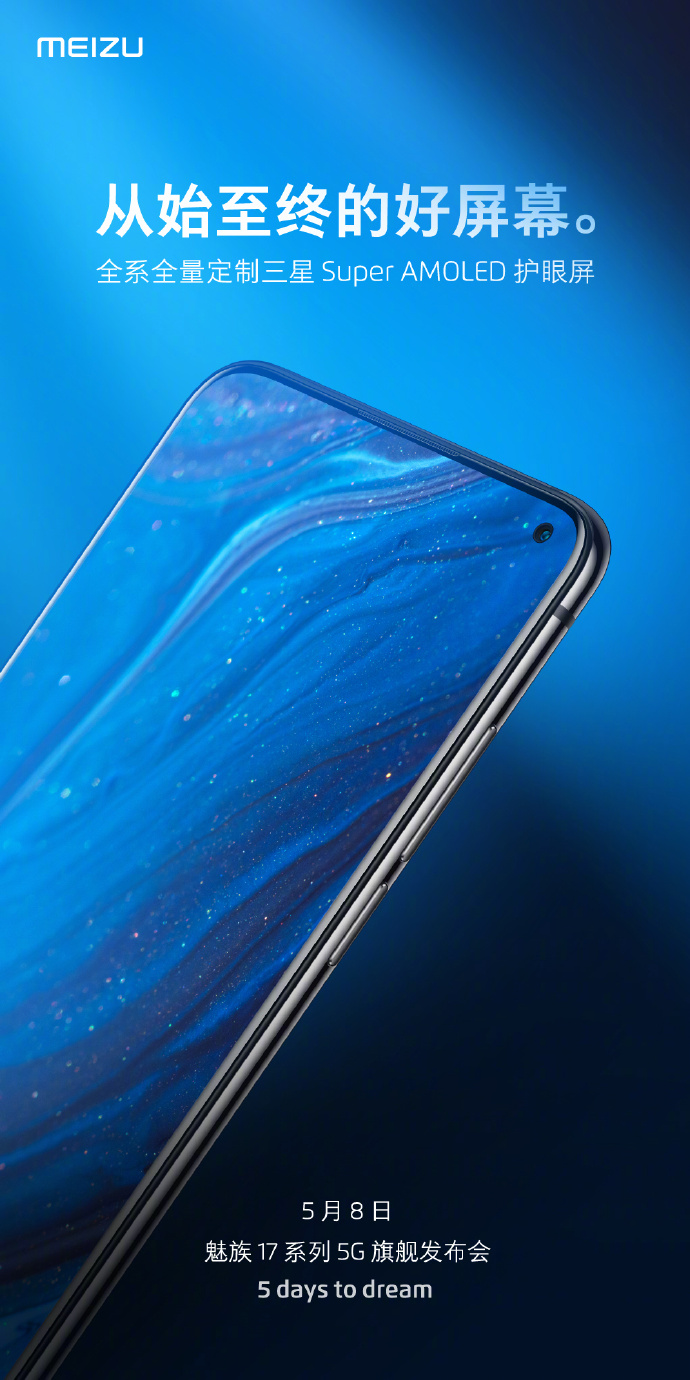
Meizu 17 series will be debuting on May 8 as flagship phones of the brand. The Meizu 17 and Meizu 17 Pro duo will be the first 5G smartphones from the company. According to the latest teaser by the brand on Weibo, they will be also the first devices from the manufacturer to run Android 10 with Flyme 8.1 skin on top of it.
Meizu is popular for its design among geeks worldwide. Similarly, it is known for Flyme Android Skin in its home country China. Sadly, the current latest version of the software called Flyme 8 is still based on Android Pie.
Finally, that will be changing with the introduction of Android 10-baed Flyme 8.1 on Meizu 17 series. Unfortunately, the teaser shared by the company does not reveal anything about the new version of its mobile software.
However, we do know that the latest software will be adopting the native Android 10 dark mode. For the unaware, dark mode on Meizu smartphones is known as Night Mode and its present since Flyme 7.
With the release of Flyme 8, the Night Mode was updated to version 2.0 with new features and improvements. Now, once again with Flyme 8.1, it is expected to get a facelift utilizing stock option offered by Google.
Anyway, we will know more about Flyme 8.1 at the launch event of Meizu 17 series. The brand might even announce the list of eligible devices for the update.
Last year, Microsoft announced its Windows 10X operating system along with the new Surface Neo and Surface Duo devices. At that time, the company had revealed that the new OS will only be coming to the dual-screen devices.
The Windows 10X for phones, tablets and laptops featuring two displays was set to first come with the Surface Neo during holiday season this year, however the device has now reportedly been delayed until 2021, which is in line with our previous reporting.
Microsoft Surface Neo
Meanwhile, the company has confirmed that it is changing focus and will now launch the Windows 10X operating system first for the single-screen devices, which is basically laptops. In a blog post, Microsoft’s chief product officer Panos Panay says: “With Windows 10X, we designed for flexibility, and that flexibility has enabled us to pivot our focus toward single-screen Windows 10X devices that leverage the power of the cloud to help our customers work, learn and play in new ways.”
He goes on to add that the single-screen devices will be the first expression of Windows 10X for the customers and the company continues to work with its OEM partners to bring dual-screen devices to the market at the right time.
It seems that the company decided to take this step because its timeline has been disrupted due to the on-going COVID-19 pandemic. Panos Panay also hints at this when he says that “the world is a very different place than it was last October when we shared our vision for a new category of dual-screen Windows devices.”
While it has been confirmed that the Windows 10X will first come for single-screen devices, it has not been revealed when this operating system would arrive. Since the company isn’t focusing on dual-screen devices, the launch could happen soon. To know for sure, we’ll have to wait for the announcement from Microsoft.
Xiaomi’s Youpin platform has today launched a new fan on its platform named EDON Foldable Fan. While the company has launched this fan in China, it is yet to share details about the pricing and availability.
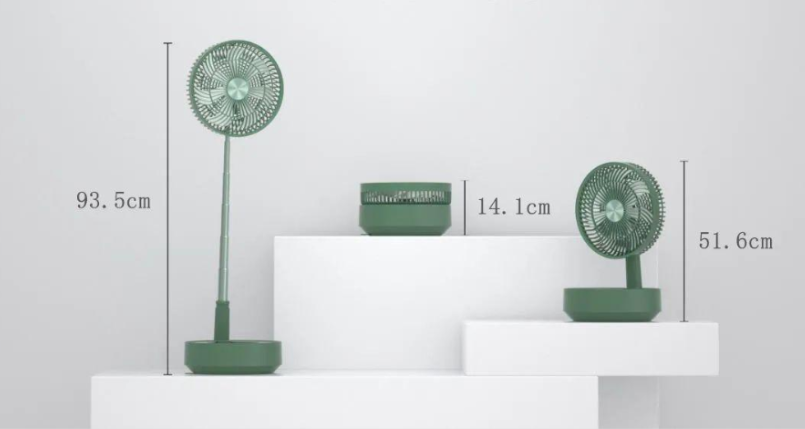
The foldable fan, along with helping circulate fresh air in the room, also comes with purification and humidification feature. The wireless fan can be mounted on a platform or can also be used on the ground. It uses a step-less rotating shaft design, which can rotate the head 120-degree on the sides and 360-degree up and down to circulate the air.
There is a humidifier at the bottom which can instantly release 1-5um fine water mist with its 3000rpm cross-flow wind pressure technology. With this feature, it can moisturise the skin and can effectively solve the problem of skin heat and dry itching which is usually caused by the hot and closed space.
It is designed in a seamless manner without any screws around. Weighing at just about 1.5 kilograms, the EDON Foldable Fan can be easily folded in just three steps into a small round units, looking similar to the Mi Robot Vacuum Cleaner.
With the fan being foldable, it can be easily stored into the bed drawer or under the sofa as it does not take up much space. It has an LED touch module for all the operations and can also be controlled through a remote control up to 80 meters away.When not in use, the remote controller can also be magnetically attached in front of the fan to prevent loss.
Meizu will be officially launching the Meizu 17 series of flagship smartphones with 5G connectivity on May 8. Ahead of it, the brand has revealed most of the specifications of these forthcoming devices. It has been also teasing the announcement of several accessories like Super mCharge power bank. Today, the company has also revealed to release a new GaN charger.
Meizu GaN Charger Teaser
Chinese smartphone maker Meizu has already confirmed its Meizu 17 series to come with GaN (Gallium Nitride) charger. The in-box charger will operate at a maximum rate of 30W, which the phone will support to fill its 4,500 mAh battery.
Besides that, the company will be also launching a separate GaN charger for multi-purpose. According to the teaser poster, this charger will have three ports and a foldable plug. Also, although the Weibo post does not say anything about the capacity of the upcoming accessory, it is expected to operate at a higher capacity than what the brand’s upcoming flagship series will support.
Gallium Nitride chargers are not new as they are becoming quite popular since last year. OEMs like Oppo, Realme, and Nubia are now providing GaN charger in-box with their products like Oppo Reno Ace, Realme X50 Pro 5G, and Nubia Red Magic 5G.
Additionally, companies like Huawei and Xiaomi are also selling their standalone Nitride chargers.
Apple Watch has been credited for a few times for saving life of its user after the device reportedly detected a potentially fatal incidents. Now, it seems that the smartwatch is again in news for helping its user detect a medical condition.
An 80-year old woman in Germany complained about chest pain but after the standard ECG and lab tests, nothing was detected to be out of ordinary. But then she showed her Apple Watch ECG records to the doctor.
While using Apple watch, after installing the mobile application, it records ECG when a finger is placed in the watch’s digital crown. Now, a 30-second tracking is stored in a PDF file which can be retrieved later.
The records showcased that she was exhibiting a specific pattern of change whenever she was having the pains. As it turns out, the signs were for “marked ST-segment depressions” which is commonly associated with the condition of coronary artery ischemia.
After noticing this and based on the readings of Apple Watch ECG records, she was sent for a procedure to scan vital artery in more detail. It resulted in a clear image of stenosis (or narrowing) in the left main stem of the vessel, with an additional obstruction in another part of it.
The doctors treated these anomalies and the patient was discharged from the hospital next day. This highlights it being second case where the Apple Watch has saved a patient’s life thanks to the clinical-grade diagnosis.
With the launch of Apple Watch Series 4, the company introduced Fall Detection feature that uses data from accelerometer and gyroscope to identify when the user has suffered a fall. If this happens, the Watch will initiate a call to emergency services and if the user is unresponsive after 60 seconds, the emergency call is placed.
The feature has already saved a life when a 67-year-old man in Norway was home alone. When he fainted and suffered a hard fall in his bathroom, but as he was wearing his Apple Watch Series 4, first responders were automatically alerted. They are a few more examples of this wearable saving lives, from a man in UK by promptly detecting low heart rate to saving two stranded Kayakers at sea with Emergency SOS feature.
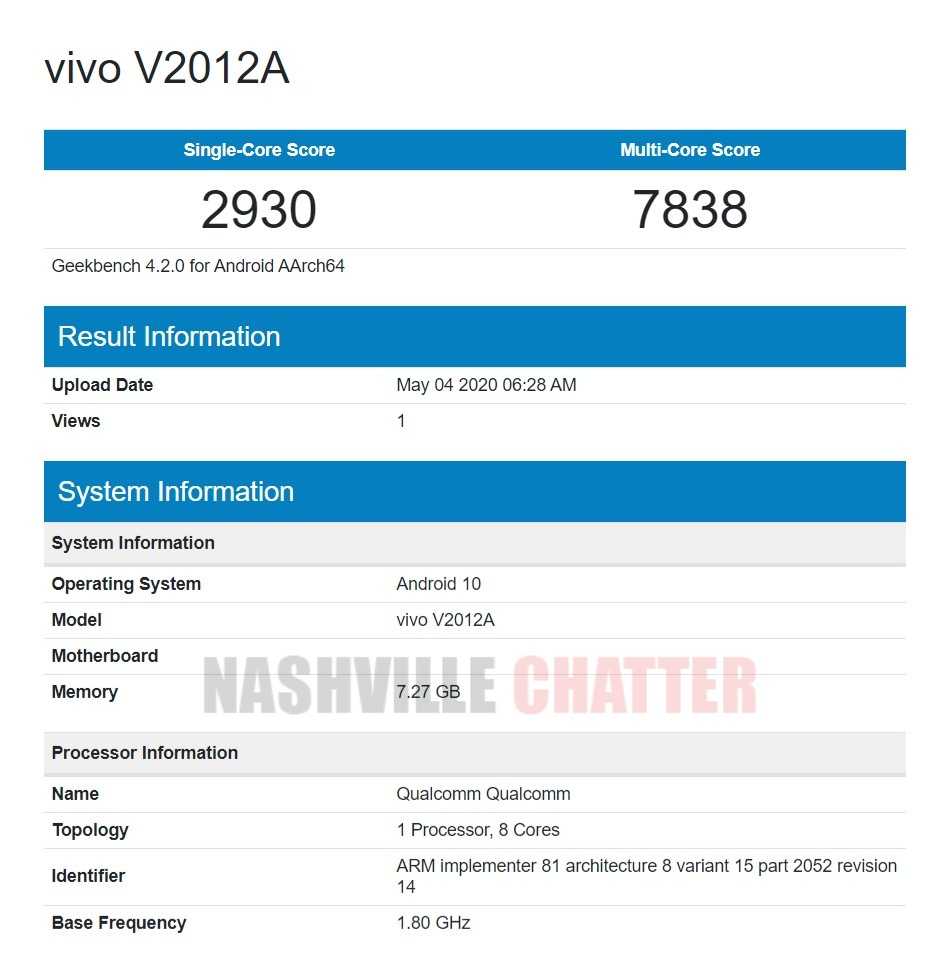
An unannounced Vivo smartphone with model number V2012A has been spotted on Geekbench. While the identity of the phone is under the wraps, it appears to be an upcoming upper mid-range handset from the company.
The Geekbench listing of the Vivo V2012A reveals that it scored 2930 and 7838 points respectively in the single-core and multi-core tests. The phone is running on the latest Android 10 OS.
The phone is driven by Qualcomm’s octa-core processor chipset. The Identifier field mentions it as “ARM implementer 81 architecture 8 variant 15 part 2052 revision 14.” It has a base frequency of 1.80GHz. While the name of the chipset is not mentioned, it appears to be powered by the Snapdragon 765G chipset.
In February, Vivo launched the Snapdragon 765G powered Vivo Z6 5G phone in China. The newly spotted V2012A phone could be a completely new device. There is a possibility that it could be a global version of the Vivo Z6 5G. It is advisable to wait for further reports to know more about the V2012A phone.
The Vivo Z6 5G has a punch-hole display that measures 6.57 inches. The 20:9 aspect ratio screen supports full HD+ resolution. The Snapdragon 765G fuels the device. The handset comes in 6 GB and 8 GB RAM versions in the home market. Both models have native storage of 128 GB.
It has a front-facing camera of 16-megapixel. The rear side of the device is fitted with a quad camera setup. It comprises of a primary lens of 48-megapixel, an ultrawide sensor of 8-megapixel, a macro lens of 2-megapixel and a depth lens of 2-megapixel. The receives power to perform from a 5,000mAh battery. The handset comes with a 44W fast charger.
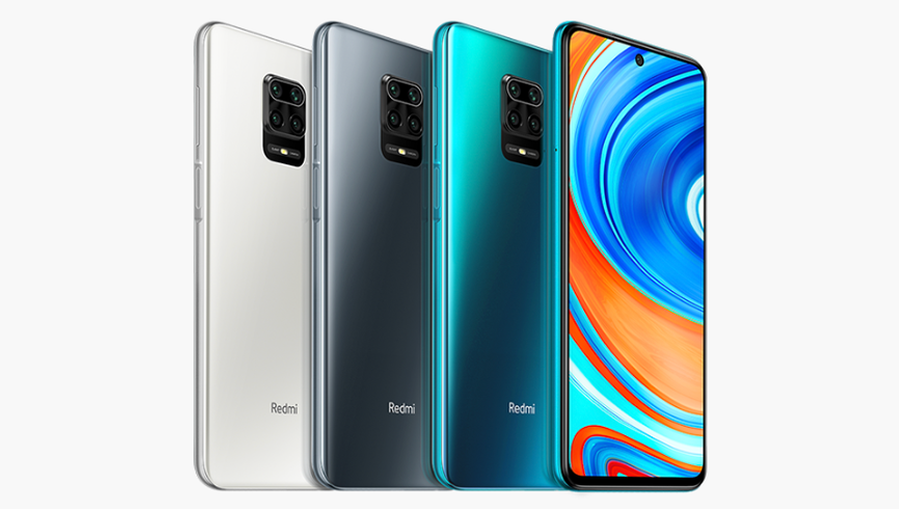
The COVID-19 lockdown has been reduced in India. This has allowed e-commerce sites to begin the sales of non-essential products in certain parts of the country. The Redmi Note 9 Pro is also up for sale once again in India. Xiaomi India Managing Director Manu Kumar Jain took to Twitter yesterday to reveal the sales of the Redmi Note 9 Pro will begin today.
As mentioned in the tweet by Jain, starting from 12 PM (local time) today in India, the Redmi Note 9 Pro can be availed through Mi.com and Amazon India. Customers can avail Rs. 1,000 discount on transactions through ICICI Bank credit cards and EMI transactions.
Since the time when the Coronavirus lockdown was imposed for the first time in the first week of March, the sales of smartphones were stopped across India. Customers living in the Red zone will not be purchase the Redmi Note 9 Pro. However, the smartphone will be available for consumers who belong to the Green or Orange zones in the country.
Redmi Note 9 Pro price in India
The Redmi Note 9 Pro is available in India in two options such as 4 GB RAM + 64 GB storage and 6 GB RAM + 128 GB storage. They are priced at Rs. 13,999 and Rs. 16,999, respectively.
The Redmi Note 9 Pro has a massive 6.67-inch IPS LCD display that offers full HD+ resolution and 20:9 aspect ratio. The Snapdragon 720G processor powers the Redmi Note 9 Pro along with LPDDR4X RAM. It features UFS 2.1 storage.
The quad camera setup placed on the backside of the Redmi Note 9 Pro has a 48-megapixel main lens, an 8-megapixel ultrawide shooter, a 5-megapixel macro shooter and a 2-megapixel depth sensor. It has a front-facing camera of 16-megapixel. The device houses a 5,020mAh battery with support for 18W fast charging.
After several months of silence, Meizu is preparing to launch a new series of smartphones: Meizu 17. It will be composed of at least three models: Meizu 17, 17 Pro and 17T. Just a few days are separating us from the official launch and, thanks to several leaks and rumors, we learned almost everything about the specifications. In this article, we gathered all the most reliable pieces of information we got until now in order to give you a complete overview of the new upcoming flagship lineup. Note that a lot of info is still based on rumors and unofficial sources, so take everything with a pinch of salt unless we say it has been officially confirmed by the company.
Meizu 17 series rumor roundup
Design
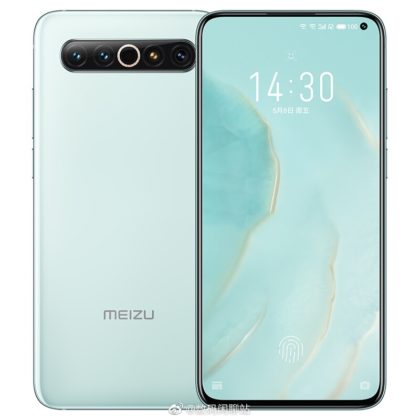
Thanks to several leaked renders, we had the chance to see the whole design of the new Meizu 17 which will be similar to its variants. The handset will come with a glass back and an aluminum frame. But the Pro variant, as officially confirmed by the company, will ship with a ceramic chassis, as well as a curved display. For its previous flagships, Meizu adopted a unique solution in order to get rid of bezels around the display: it always guaranteed a symmetric design by reducing the bezels without adopting a notch or other similar solutions. This year, Meizu will go mainstream by opting for a punch-hole display with a selfie camera on the top right corner. The volume balancer will be placed on the right side of the phone, alongside the power key. On the rear side, there will be a quad-camera setup placed horizontally in a unique camera module, with a flash ring including multiple LEDs in the middle. There will be at least three color variants: Dark Green, Fantasy Unicorn White, and 17-Degree Gray.
Meizu said that Meizu 17 will sport a fully-custom Samsung Super AMOLED display supporting a high 90 Hz refresh rate. The resolution is expected to be Full HD+. Naturally, we expect the Meizu 17 Pro to come at least with the same Super AMOLED display. The panel is tipped to have a 6.5-inch diagonal and it will surely come with a punch hole at the top-right corner, as mentioned above and as you can see in the renders. The display will have very narrow bezels and it is likely to have curved edges on the Pro version. The company revealed that the Meizu 17 will come with mEngine 3.0 horizontal linear motor for better haptic feedback. Naturally, there will also be an in-display fingerprint reader.
As Meizu already confirmed, Meizu 17 and 17 Pro will have a top-tier hardware department. It will include the Snapdragon 865 chipset by Qualcomm with 5G support as well as a fast UFS 3.1 internal storage: UFS 3.1 is the latest and best technology for mobile storages. The Pro variant should also come with LPDDR5 RAM, while the vanilla version is said to sport an LPDDR4X RAM. Leaked benchmarks showed that Meizu 17 is able to reach more than 580,000 points on AnTuTu benchmark. However, the device spotted on benchmarks is said to be just a prototype: the final score of the flagship may be way higher. There will also be a technology called OneMind 4.0 AI for improving performance through software optimizations. The Qualcomm Snapdragon 865 found on the Meizu 17 and 17 Pro paired with a Snapdragon X55 modem will allow for download speeds up to 2,457 Mbps and supports SA/NSA dual mode 5G network. The phones will also support WiFi 6 with download speeds up to 4,151 Mbps. The lineup will come with stereo speakers for a better multimedia experience. Android 10 will be obviously installed out of the box, customized by Flyme OS that is the company’s own Android personalization.
In an official teaser poster, Meizu confirmed that Meizu 17 will feature a quad-camera setup where the primary sensor will be a 64 MP Sony IMX686 lens. The phone will also feature a 3D depth sensor: while the company has not revealed information about the 3D depth sensor, it is believed to be a LiDAR scanner used in iPad Pro. Unfortunately, we have no info about the other sensors of the rear cameras. On the front panel, there will be a 32 MP selfie snapper housed in a punch hole.
Meizu 17 will be powered by a large 4,500 mAh battery which should help the phone get through an entire day even with 5G enabled. The battery is said to support a 40W fast charging technology on the Meizu 17 Pro and 30W fast charging on the vanilla Meizu 17. The Pro version will also support wireless charging with the Super wireless mCharge technology. It is also said to ship with a fast GaN charger supporting a high power in a compact body. Meizu 17 will lack wireless charging. Meizu 17 achieved 11.77 Hours in the internal battery endurance test.
Meizu 17 series will be official on May 8. The lineup will hit the Chinese market first. It may expand on the global market as well. The Meizu 17 may arrive in China with a starting price of 3,999 Yuan, while the Meizu 17 Pro may carry a price tag of 4,500 Yuan in China. At the actual change, 3,999 Yuan roughly translates into $566, while 4,500 Yuan is equivalent to about $637. What do you think about the specifications and possible prices of the new lineup? Will Meizu succeed? Let us know your opinion by using the comment box below.
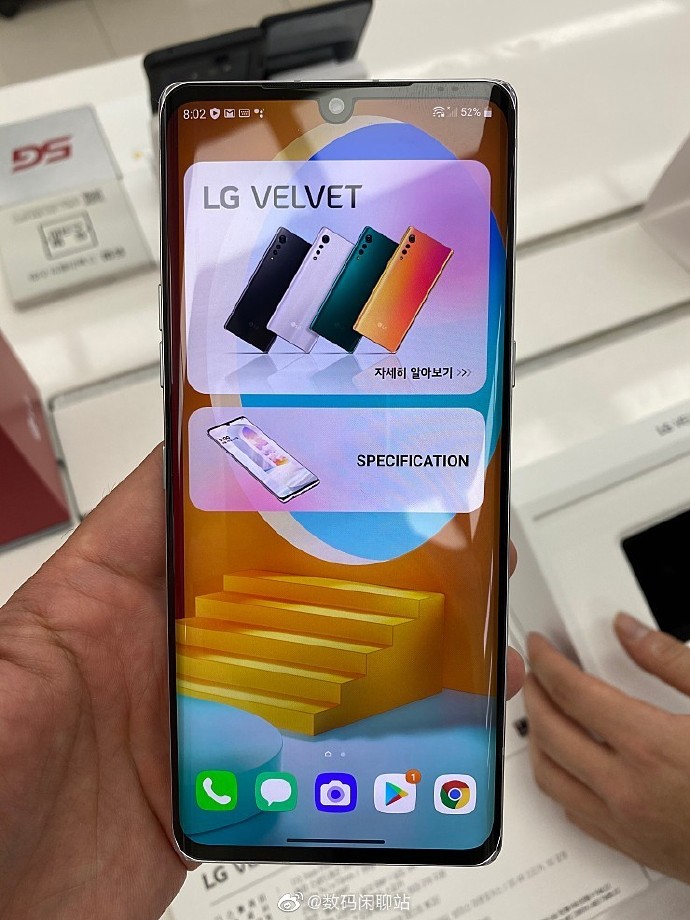
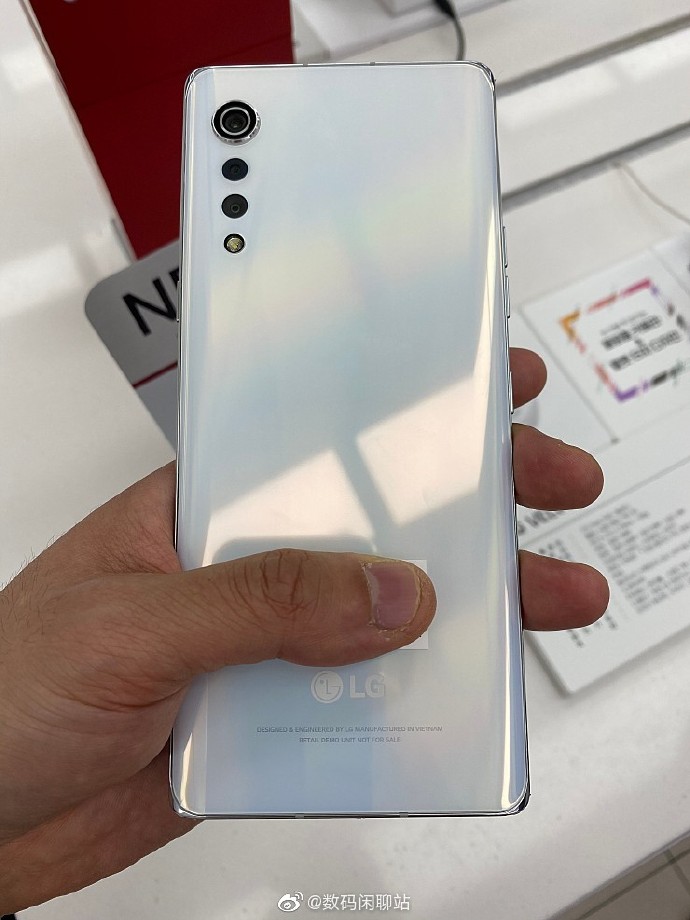
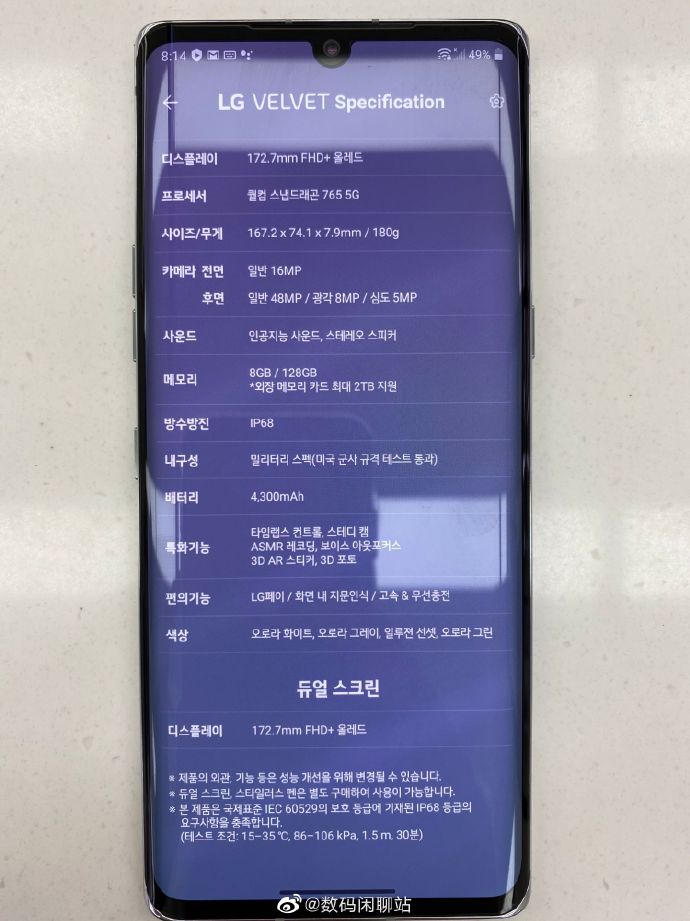
LG Velvet is expected to be launched on May 7 and there is no doubt that the full details of the phone are already in the open. Images of the device have appeared online severally but we have just spotted clear images of the device. The images were posted on the website of a Korean store along with a short hands-on video.
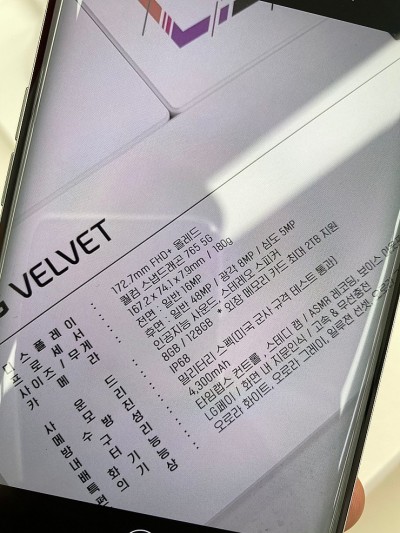
The specs listing shows the device features a 6.8-inch Full HD+ OLED panel with a U shaped notch housing a 16MP camera. It further confirms the presence of a Qualcomm Snapdragon 765 paired with 8GB RAM and 128GB with support for microSD card up to 2TB. We expect the phone to have other memory configuration.
The rear camera setup is consistent with what we already know. That is a 48MP primary sensor, an 8MP ultra-wide shooter, and a 5MP depth sensor. The handset measures 167.1 x 74.0 x 7.85mm in dimensions, has IP68 water and dustproof rating and weighs 180 grams. It crams a 4300mAh battery and has wireless charging support. Other important features we were able to pick up from the photos include AI-powered stereo loudspeakers, ASMR video recording and gimbal-like video stabilization.
Finally, it will be available in Aurora White, Aurora Grey, Aurora Green, and Sunset colour options. What is left is for LG to announce the pricing and availability.
We use cookies on our website to give you the most relevant experience by remembering your preferences and repeat visits. By clicking “Accept”, you consent to the use of ALL the cookies.
This website uses cookies to improve your experience while you navigate through the website. Out of these, the cookies that are categorized as necessary are stored on your browser as they are essential for the working of basic functionalities of the website. We also use third-party cookies that help us analyze and understand how you use this website. These cookies will be stored in your browser only with your consent. You also have the option to opt-out of these cookies. But opting out of some of these cookies may affect your browsing experience.
Necessary cookies are absolutely essential for the website to function properly. This category only includes cookies that ensures basic functionalities and security features of the website. These cookies do not store any personal information.
Any cookies that may not be particularly necessary for the website to function and is used specifically to collect user personal data via analytics, ads, other embedded contents are termed as non-necessary cookies. It is mandatory to procure user consent prior to running these cookies on your website.










UP NEXT: Huawei Matebook 14 2020 gets GPU upgrade without price increase