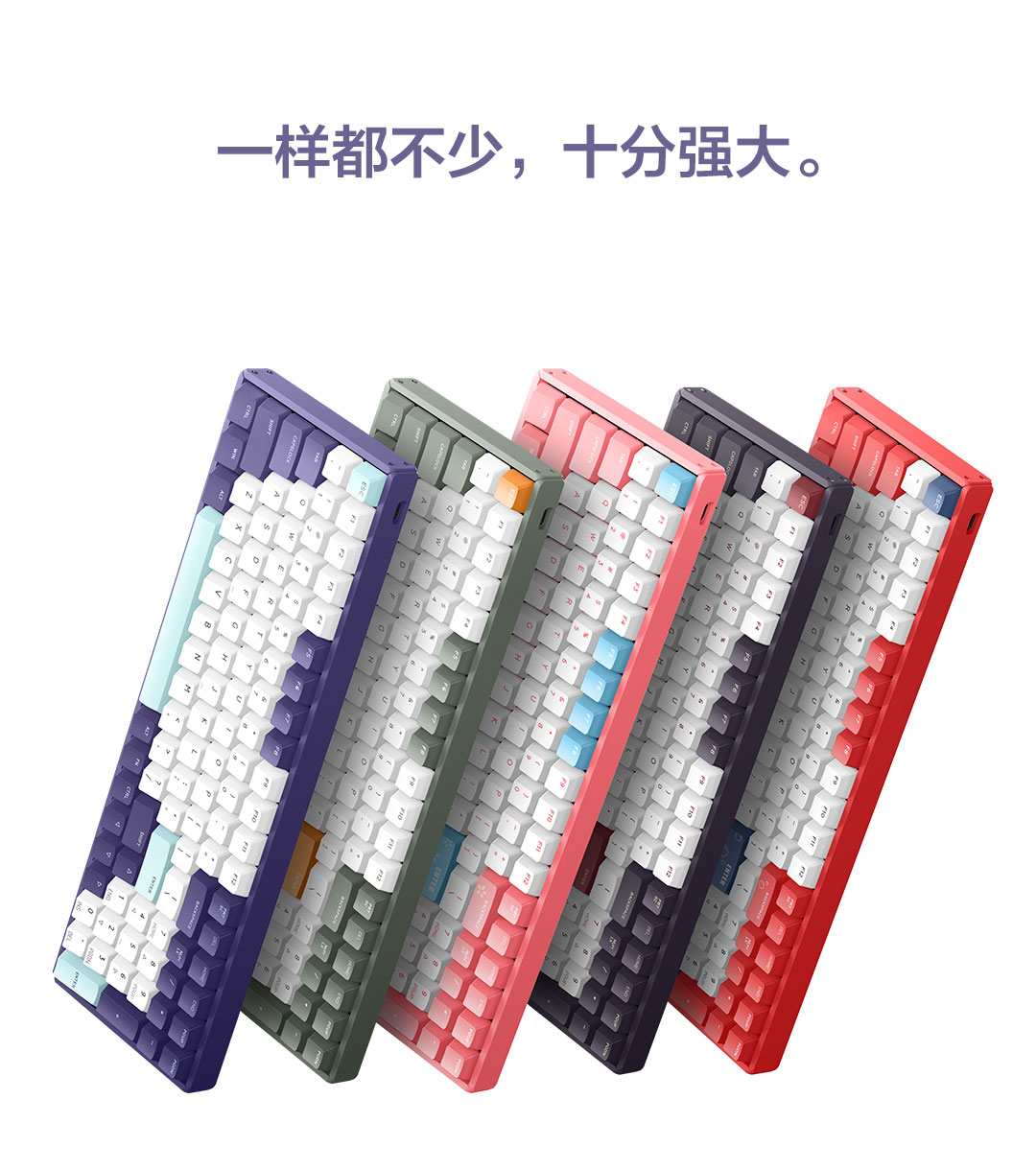
IQUNIX is a Chinese company known for its mechanical keyboards. Earlier this year, it announced the F96, a mechanical keyboard that comes in both wired and wireless variants. The manufacturer has now announced new colorways for the wired version. The new colors which are five in number are called the Summer Series.
The F96 was originally available in purple, coral orange and white but now comes in Soda Bubbles, Blueberry, Peach, Avocado, and Grape Milk.
The IQUNIX F96 has an aluminum body, Cherry MX switches, dynamic RGB lights, PBT Keycaps, and a 96% layout. This wired version connects via USB-C and works with both Windows and macOS.
[envira-gallery id=”319306″]
IQUNIX says it expects to begin shipping the keyboard by May 13. Pricing starts at ¥796 (~$112) and goes up to ¥888 (~$125) depending on the configuration you choose. It is available for pre-order on the Youpin store.
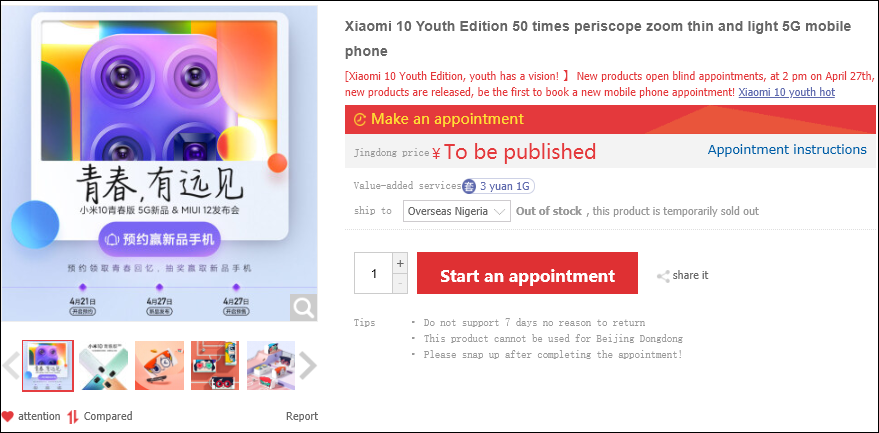
Xiaomi Mi 10 Youth Edition is scheduled to go official on April 27 alongside the MIUI 12 custom ROM. Ahead of the launch, Chinese e-tailer Jingdong (JD.com) has opened reservation for the smartphone. The firm will start accepting pre-orders from April 27 after it has been officially launched.
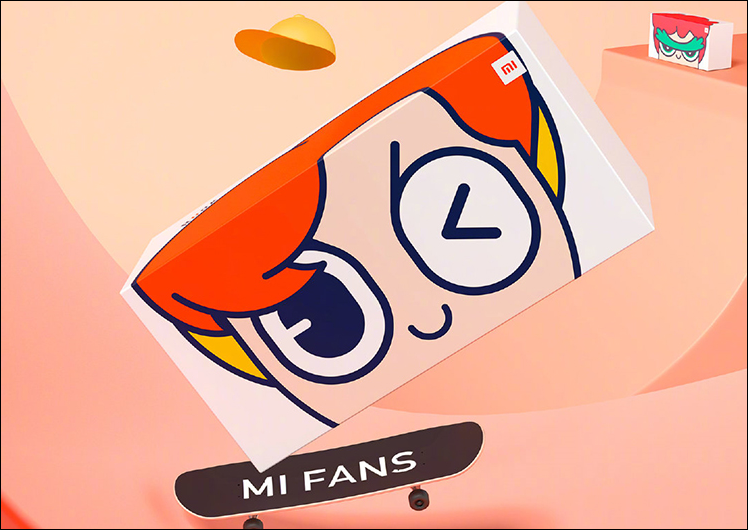
Looks like Xiaomi will ship the Mi 10 Youth in attractive retail boxes. The promotional images on the product page reveal several attractive boxes that the Mi 10 Youth will ship in. What we can’t confirm is if the entire products will be in this type of boxes or if it will be for just a limited number of units for its fans.
The Mi 10 Youth has kept the rumour mill buzzing for several weeks now. The device is expected as a “Lite” version of the Mi 10 flagship model. It is said to be powered by a Snapdragon 765G processor which incorporates a 5G modem.
In terms of the specifications, the Mi 10 Youth Edition is expected to sport a 6.57-inch AMOLED display with a waterdrop notch and FHD+ resolution of 2400 × 1080 pixels. It will be available in 4GB, 6GB and 8GB. There will also be 64GB, 128GB and 256GB storage options.
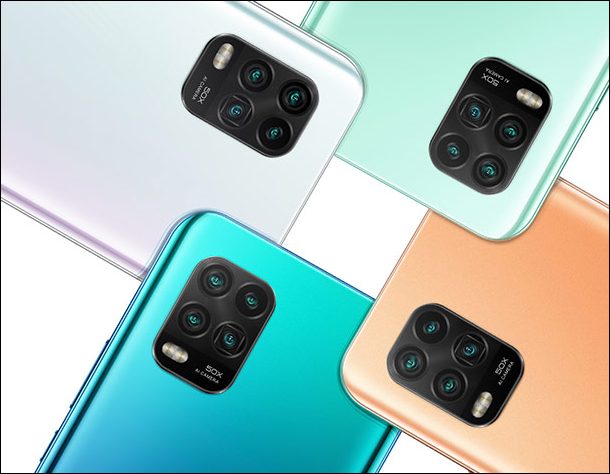
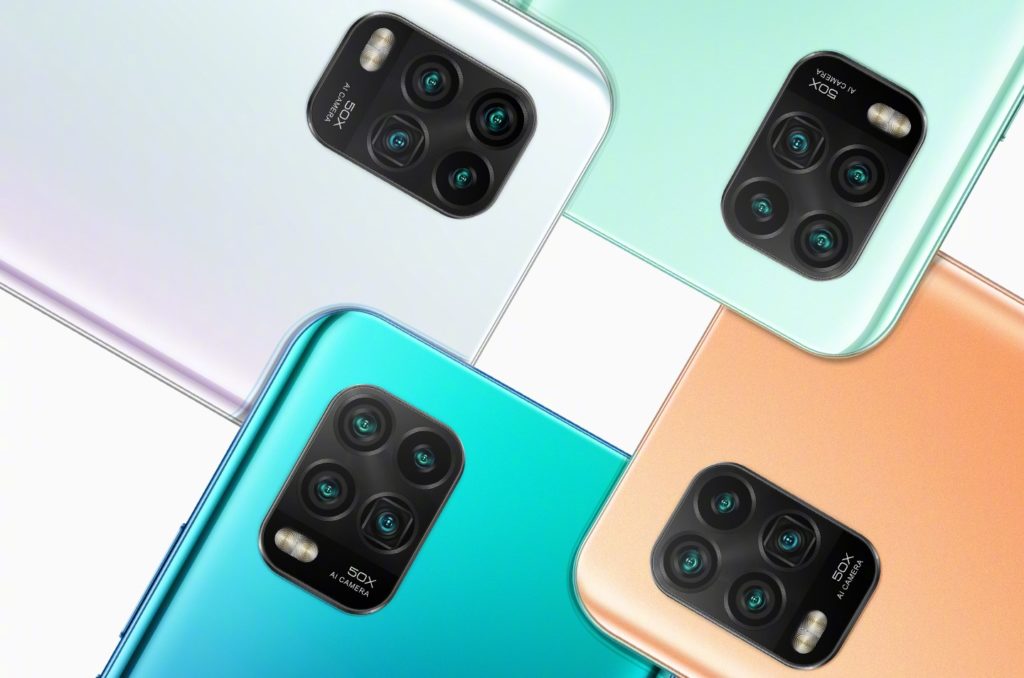
The Mi 10 Youth Edition is equipped with a quad-camera setup at the rear, housed in a rectangular module. The main camera is a 48MP sensor but there is a periscope telephoto lens which supports 50x zoom. The mobile phone will get its power from a 4060mAh battery.
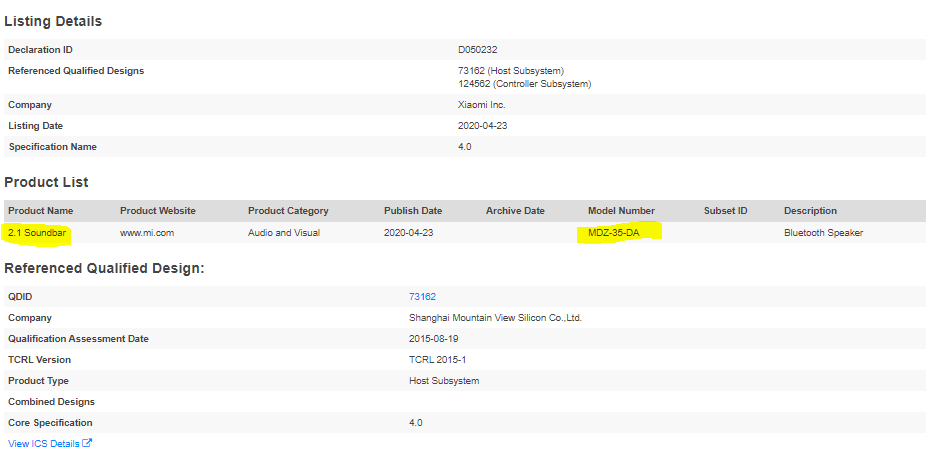
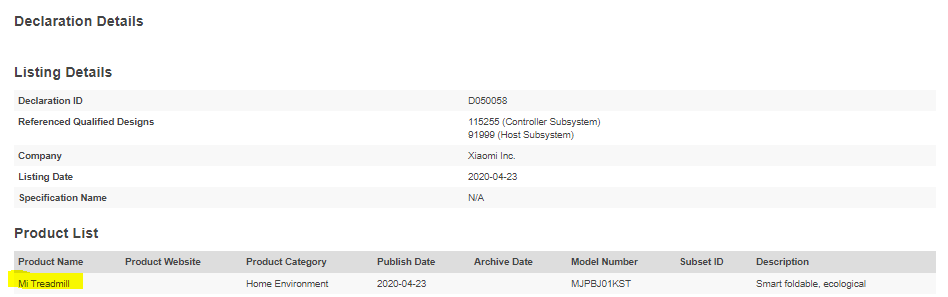
Two new Xiaomi products have received Bluetooth certification by the Bluetooth SIG. The two devices are a soundbar and a treadmill and were certified a few days ago.
Xiaomi currently has a soundbar that is sold in India and China, so this should be a successor to it. The certificate reveals the product name is “2.1 Soundbar” and it has the model number MDZ-35-DA. The model number is actually similar to that of the Redmi Soundbar 2.0 (MDZ-34-DA) that received its own certification last month. This should be an indication that both products are closely related.
The new Xiaomi soundbar surprisingly supports Bluetooth 4.0 and not the more recent Bluetooth 5.0 protocol. It should launch first in China before making its way to other markets.
Alongside the soundbar, the Bluetooth SIG also certified the Mi Treadmill which has model number MJPBJ01KST. The description says it is foldable which isn’t a first for a Xiaomi treadmill. It will connect via Bluetooth 4.2.
Going by Xiaomi’s other treadmills, this should connect to your phone to sync your exercise sessions and may also have a controller to adjust the speed.
Both products might launch anytime which can be soon or even much later. Nevertheless, once they are announced, we will let you know.
The performance and efficiency of chipsets depend on the number of transistors they have. To accommodate more transistors on a chip, their size needs to be reduced. This is known as ‘Moore’s Law’, which states the number of transistors on microprocessors should double every two years by decreasing their size. The current-gen best processors are built-on 7nm process, which is expected to be replaced with 5nm later this year. However, even before that, TSMC has now revealed to have started R&D for 2nm chips.
In its recent annual report to shareholders, TSMC has announced that it has kick-started research and development for the 2nm process in 2019 itself. The semiconductor manufacturing company is yet to deliver Apple’s next-gen 5nm mobile chip slated to release in the last quarter of this year.
For context, the 2nm chips will be able to hold 3.5 times more transistors than the now best 7nm chipsets available in the market.
Additionally, it also revealed the roadmap for 3nm chips lask week, which is progressing as planned. The first batch of risk production is expected to begin in 2021, followed by volume production in the second half of 2022.
The only major competitor for TSMC is Samsung, however, it is yet to mass-manufacture 5nm chips and has even delayed 3nm chipsets to 2022 due to COVID-19 pandemic.
Nevertheless, although TSMC has started working on 2nm chips, we won’t be able to see it anytime soon. The earliest we can expect it to be ready for the masses is 2025.
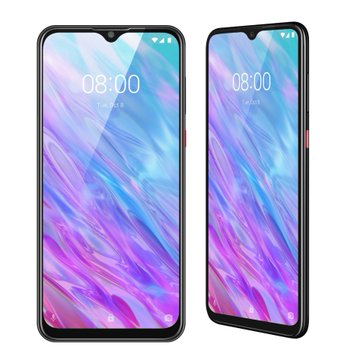
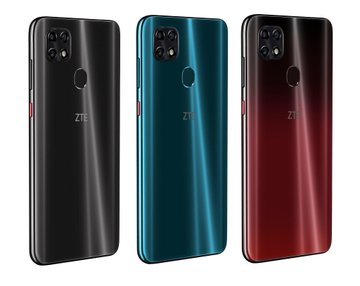
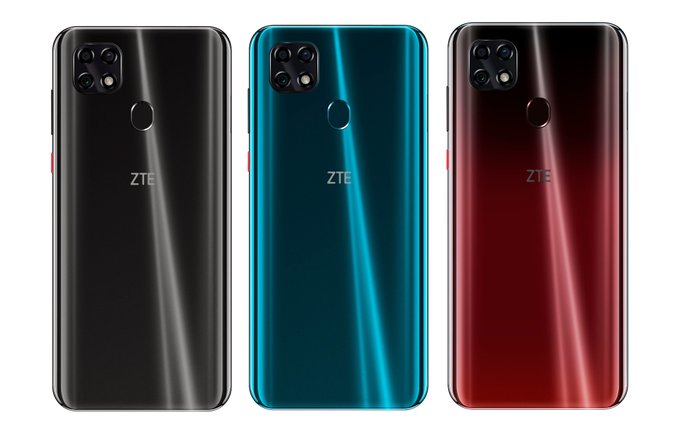
Alongside the Blade V 2020, ZTE also has another mid-range phone heading to Europe according to a new leak. The device is the ZTE Blade 10 Smart and it has a cheaper price tag than the Blade V 2020.
The Blade 10 Smart will come in three colorways – Black, Green, and Red. The phone has a waterdrop notch with a moderately-sized lower bezel. On the back of the phone are three rear cameras housed in a squircle housing along with an LED flash. There is also a fingerprint scanner on the back.
The Blade 10 Smart has ZTE’s familiar red-colored power button and it is positioned on the right side along with the volume control buttons.
The specs of the device are currently unknown but the leaker says it will have 4GB of RAM and 128GB of storage. It will also sell for €199 when it launches.
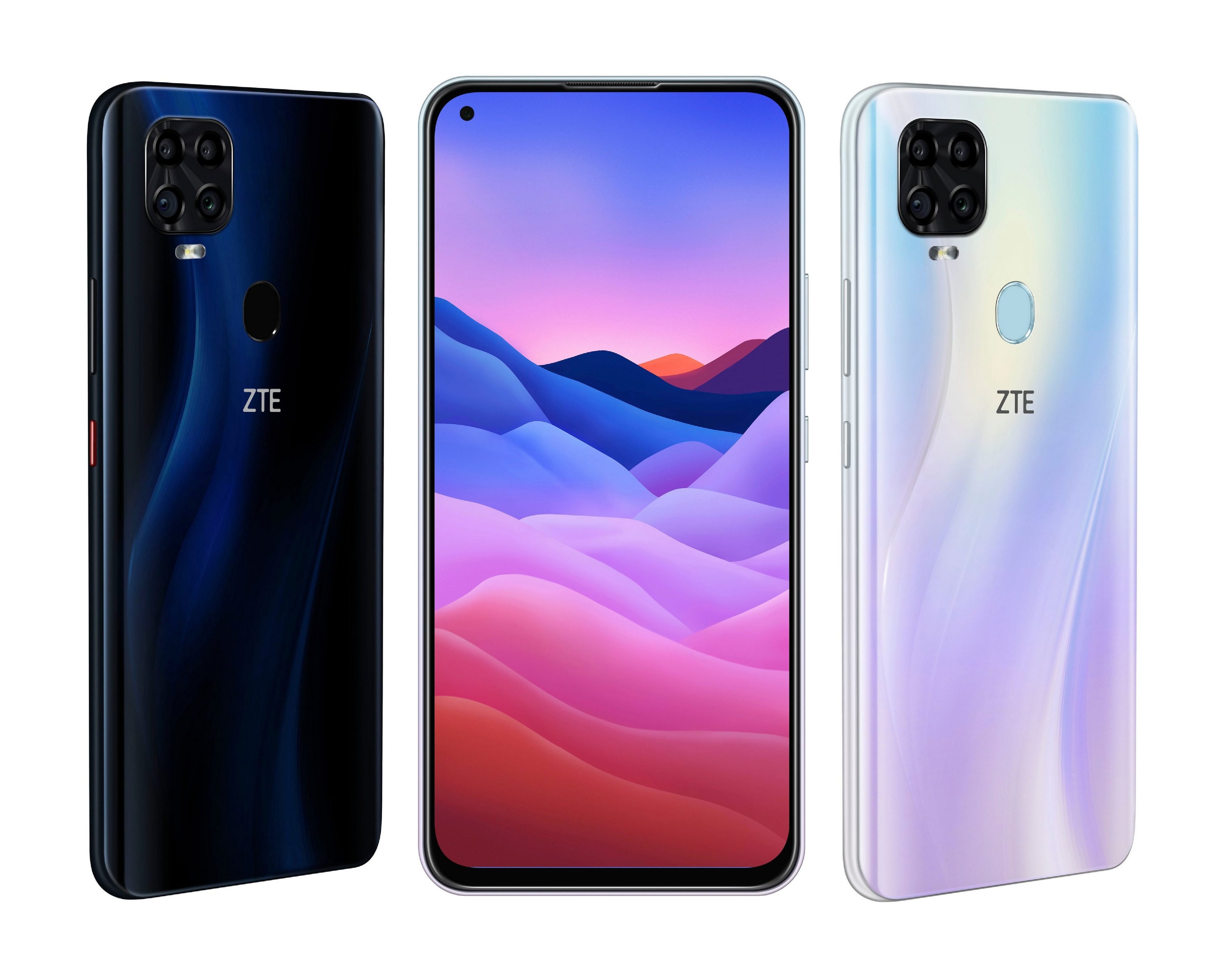
ZTE is bringing a new mid-range smartphone to Europe soon. According to a leak posted on the internet, the phone is the ZTE Blade V 2020 and it will come with MediaTek’s Helio P70 processor.
Renders, specs, as well as the price of the phone, were posted on Twitter by Sudhanshu Ambhore (Sudhanshu1414).
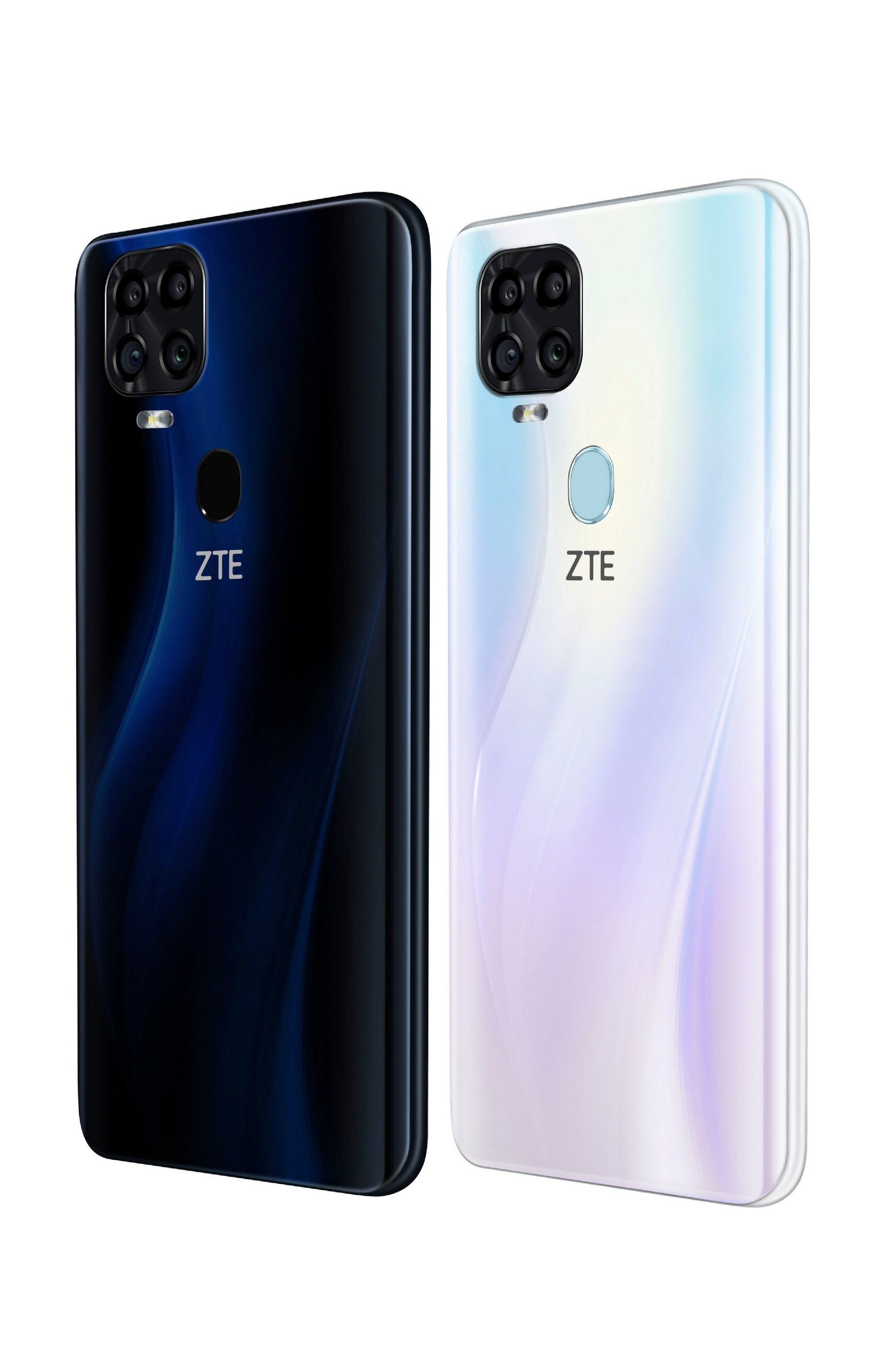
According to the images, the phone shares most of its design with the ZTE a1 5G phone sold in Japan. So you get a phone with a punch-hole display, a squircle camera housing that holds four cameras, and a rear-mounted fingerprint scanner.
The Blade V 2020 will have a 6.53-inch FHD+ (2340 x 1080) display with a punch-hole at the top left corner of the display. The renders show the hole is pretty small but expect the real device to be much bigger.
As stated above, there is an Helio P70 processor inside the phone and it has been paired with 4GB of RAM. There is also 128GB of storage and support for storage expansion (512GB max.).
The Blade V 2020 is said to have a 48MP primary camera with an 8MP secondary sensor, and a third 2MP camera. The fourth sensor isn’t stated but might be a ToF sensor like that of the ZTE a1. The phone also has a 16MP selfie camera.
ZTE has put a 4000mAh battery inside the phone that charges via USB-C. The phone also has an audio jack. It will be available in Blue and White with a price tag of €279 (~$302/INR 23,043). That sure is a lot to ask for a phone powered by a MediaTek P70 chipset.
There is no info on when ZTE will launch the Blade V 2020 but it shouldn’t be far.
We are aware of Xiaomi unveiling Mi 10 Youth Edition and MIUI 12 on April 27 in China. Additionally, we also know the features of these products. Now, thanks to Ishan Agarwal, a reliable Indian tipster, the price of the handset is also out, in addition to the company’s plan of introducing new Mi Bluetooth Headset Youth Edition and RedmiBook 13 Ryzen Edition models at the same event.
The upcoming Mi 10 Youth Edition is a rebranded Mi 10 Lite 5G announced last month in Europe with a minor change. The Chinese version of the handset will feature a periscope camera with up to 50x digital zoom replacing the 2MP depth sensor present on the international version.
The device will be available in four colors namely Pink Peach, Orange Storm, Green Tea and Blue Berry, which we previously referred to as white gradient, peach, turquoise, and blue.
Anyway, here’s the alleged price of Mi 10 Youth Edition in China for all the storage configurations.
Storage Configuration
Price
6GB + 64GB
2,299 Yuan ($325)
6GB + 128GB
2,499 Yuan ($353)
8GB + 128GB
2,699 Yuan ($381)
8GB + 256GB
2,999 Yuan ($423)
As mentioned in the beginning, Xiaomi will also announce two new products at the same launch event. One of which will be a new Mi Bluetooth Headset Youth Edition that could replace the older neckband model from 2018 with the same name.
The second product will be the Ryzen Editions of RedmiBook 13 whose original variants launched in December 2019 is powered by 10th generation Intel Core processors. The new models will come in both Ryzen 5 and Ryzen 7 processors with up to 16GB RAM and 512GB storage.
Unfortunately, the price of the above-mentioned two products is unknown at the moment.
In response to the news about OnePlus’ layoffs in Europe, the company clarified that it was a strategic restructuring move limited to its European division. In an official forum post, Tuomas L., head of OnePlus’ Strategy in Europe, revealed that around 20 employees were affected by this restructuring in Germany, France, and the UK.
You can read the forum post here. An excerpt from the post has been added below.
“As part of our strategy, we are looking to capitalize on opportunities in the Nordic region and Benelux by hiring for new positions, relocating some existing European staff and further enhancing our capabilities in these strategic markets. At the same time, we are making organizational changes in some existing markets, specifically Germany, France and the UK.”
“We are doing everything we can to support the approximately 20 total employees in these three markets who will be affected by this restructuring, including offering redundancy packages per local regulations. We highly value the contributions of these staff members and will do our best to ensure a smooth transition through this process.”
OnePlus just launched the OnePlus 8 series, consisting of OnePlus 8 Pro, the company’s most ambitious smartphone till date. However, the same cannot be said for its employees. According to a report by Engadget, the Chinese smartphone company has reportedly laid off several workers in Europe.
It is not the first time OnePlus has downsized in Europe. Last year, staffs in Spain and Italy had to face the same and as of now, the company has not a single worker in those regions.
The current lay-off includes removing up to 80% of employees (around 20 employees) in the regional offices of France, Germany, and the UK. To this, OnePlus responded that it is carrying out some strategic restructuring in Europe and even confirmed to be hiring in the region.
According to a source close to the matter, the teams in Denmark, Finland, Netherlands and Belgium seem to be unaffected. The company considers these markets to have more potential and thus even asked some of its employees to relocate to Helsinki, which is expected to replace London as OnePlus’ European headquarters.
The primary reason for OnePlus to make such decisions lies in its new philosophy. As the company raced towards premium 5G smartphones, carriers like O2 and EE discontinued their partnerships with the brand in the UK. The new OnePlus 8 series is only available on 3 in the region.
As per Ben Wood, Chief Analyst at CCS Insight, ‘OnePlus has fallen into the trap of over-promising and under-delivering’. The company is struggling hard to maintain relationships with carriers in Europe and has even turned back on core fans by stepping into the premium range.
Anyway, before the recent layoff, OnePlus had over 2,000 employees worldwide. The current tally of workes is unknown at the moment.
There have been multiple rumours over the past few months regarding LG ditching its G series. The South Korean electronics giant confirmed it by revealing new ‘Velvet’ branding, which was later followed by a teaser video exposing the entire design to the public ahead of official launch scheduled for May 7. Now, thanks to a set of promotional teaser posters and a retail spec sheet, we know almost everything about the upcoming LG Velvet.
According to the official teaser posters, the new LG Velvet will have all the useful features from flagship smartphones, even though it will be a mid-range handset with support for 5G connectivity priced around 800,000 Won ($650).
The device will have support for stabilization on video recordings but the teaser does not say clearly whether it will be software-based or via OIS. It will also have different modes such as slow-motion and time-lapse to name a few.
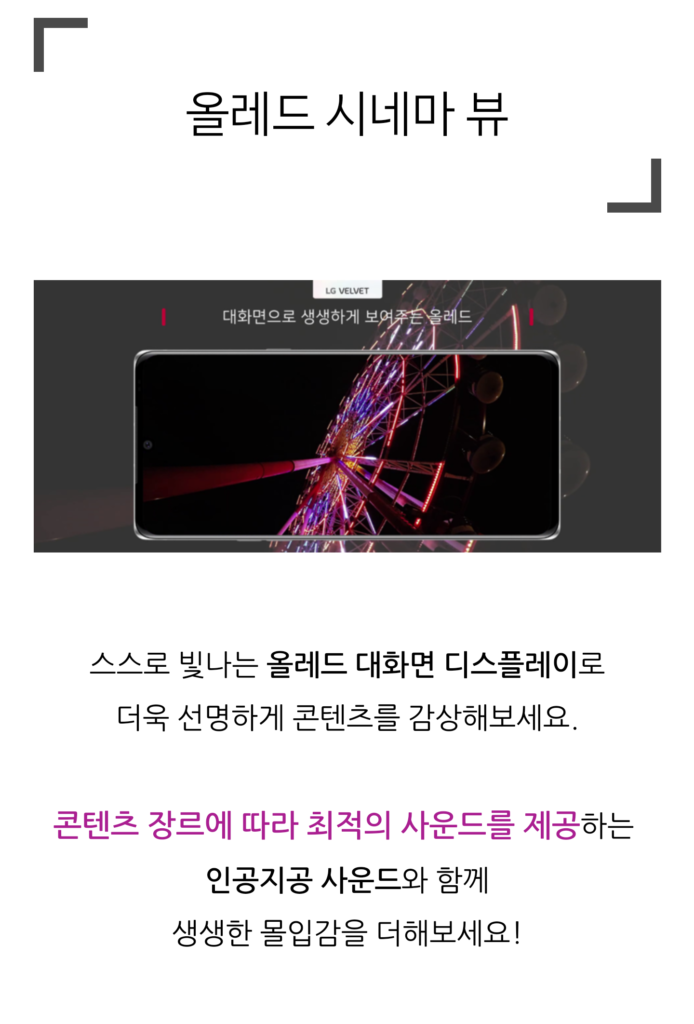
The display on the phone will be using an OLED panel with a tiny dew-drop notch at the top similar to the Mi 10 Youth Edition to accommodate the selfie camera. As per the poster, the phone will output immersive stereo sound through vibrations from the panel just like last year’s LG G8 ThinQ and high-end OLED TVs from LG and Sony.
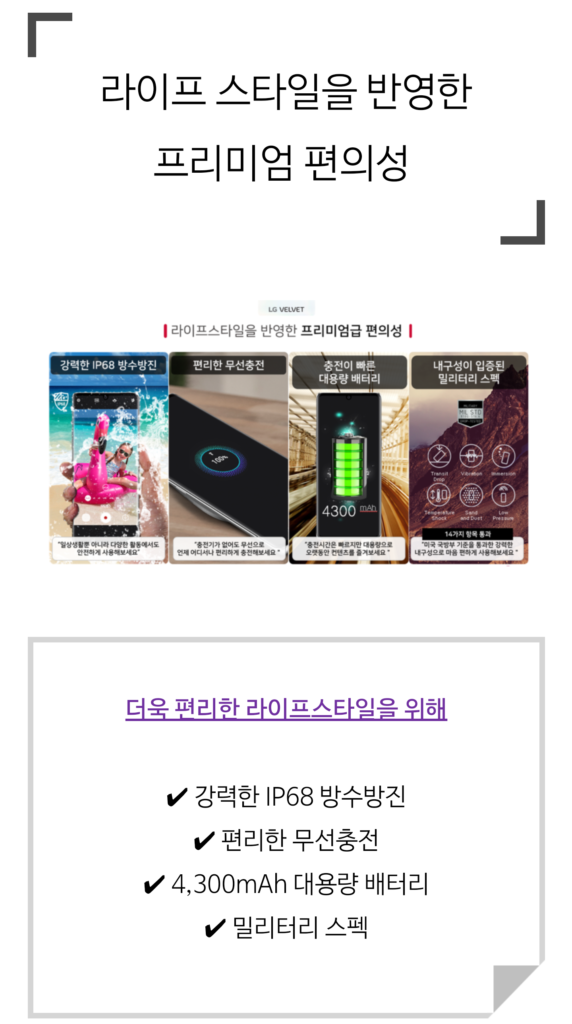
Also, the device will have all the basic necessary stuff such as IP68 dust and water resistance, MIL-STD-810G certification for durability, a 4,300 mAh battery, and wireless charging.
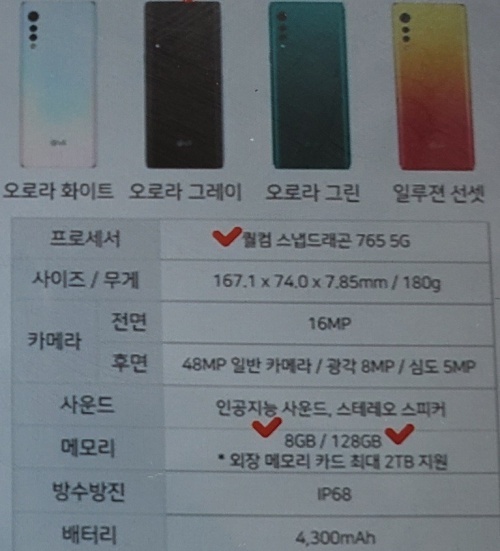
The retail spec sheet further confirms the presence of Qualcomm Snapdragon 765 paired with 8GB RAM and 128GB with support for microSD card up to 2TB. It also reveals the phone’s camera setup. The rear rain drop triple camera will include a 48MP primary sensor, an 8MP ultra-wide shooter, and a 5MP depth sensor. Whereas, the front camera will be of 16 megapixels.
The handset will measure 167.1 x 74.0 x 7.85mm in dimensions and will weigh 180 grams. Last but not least, it will be available in Aurora White, Aurora Grey, Aurora Green, and Sunset color options.
iQOO unveiled a new 5G flagship dubbed the iQOO Neo 3 5G in China. Staying true to its reputation, Vivo’s popular sub-brand has come up yet again with a feature-laden smartphone that supports 5G connectivity and bears a reasonable price tag.
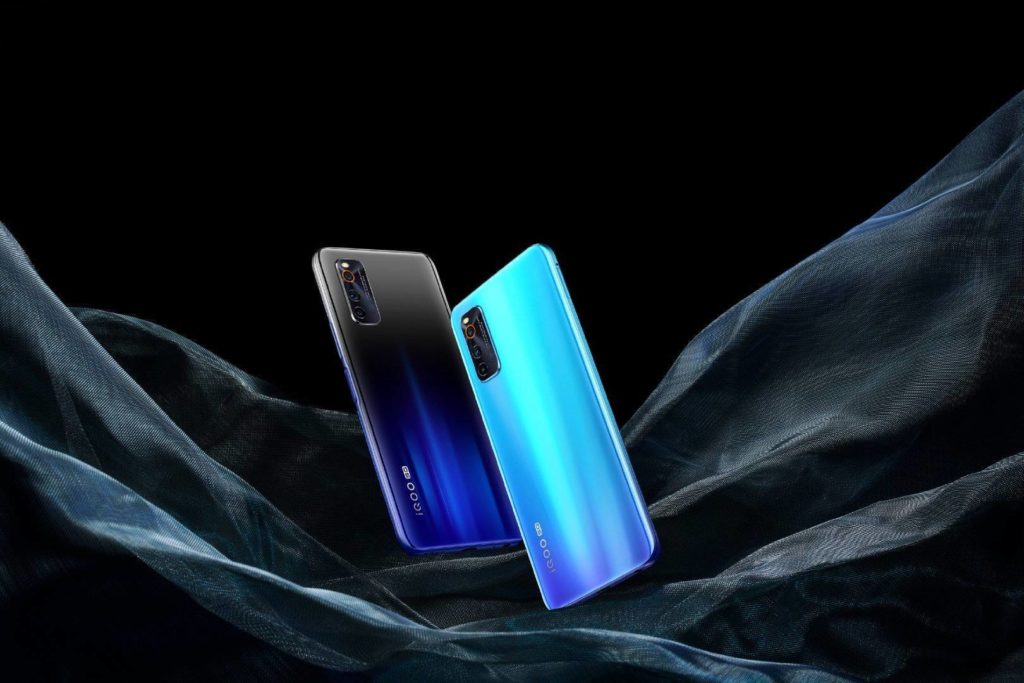
Available in two appealing colorways and three efficient storage options, the iQOO Neo 3 5G has gone up for sale through Giztop. Featuring 6GB of RAM with 128GB of internal storage, the smallest model will set you back $469. You can choose between black and blue color options.
The larger 8GB RAM+128GB ROM variant comes in black, as well as blue color options carrying a $519 price tag. Those looking for more internal storage space might want to check out the next model that ships with 8GB of RAM and offers 256GB of onboard storage capacity for $589.
Alternatively, you can go for the 8GB RAM+128GB ROM variant that is available for $519 through the popular Chinese e-tailer. This model comes in two color options including black and blue.
With a mammoth 6.57inch FHD+ LCD that offers an impressive refresh rate of 144Hz, the iQOO Neo 3 5G is powered by a 7nm Qualcomm Snapdragon 865 Octa-core processor. It packs a highly competent Adreno 650 GPU under the hood.
In the optics department, the iQOO Neo 3 5G houses a triple camera setup with a 48MP, an 8MP, and a 2MP camera. Upfront, it houses a 16MP camera for capturing selfies and video calling. Moreover, the phone runs iQOO UI based on Android 10.0 OS.
The iQOO Neo 3 5G draws its juices from a 4500mAh battery that supports a 44W fast charge. Aside from that, the phone supports dual-mode 5G SA/NSA, NFC, and Wi-Fi6+. You can follow this link to check out more details about the 5G-enabled iQOO Neo 3 model and place your order.
Xiaomi Mi 10 Youth Edition will be unveiled this coming Monday (April 27) alongside much-anticipated MIUI 12. The company has been teasing the features of these products since it announced the launch date earlier this week. As for today, the brand has revealed the display specs of the handset on its official Weibo account.
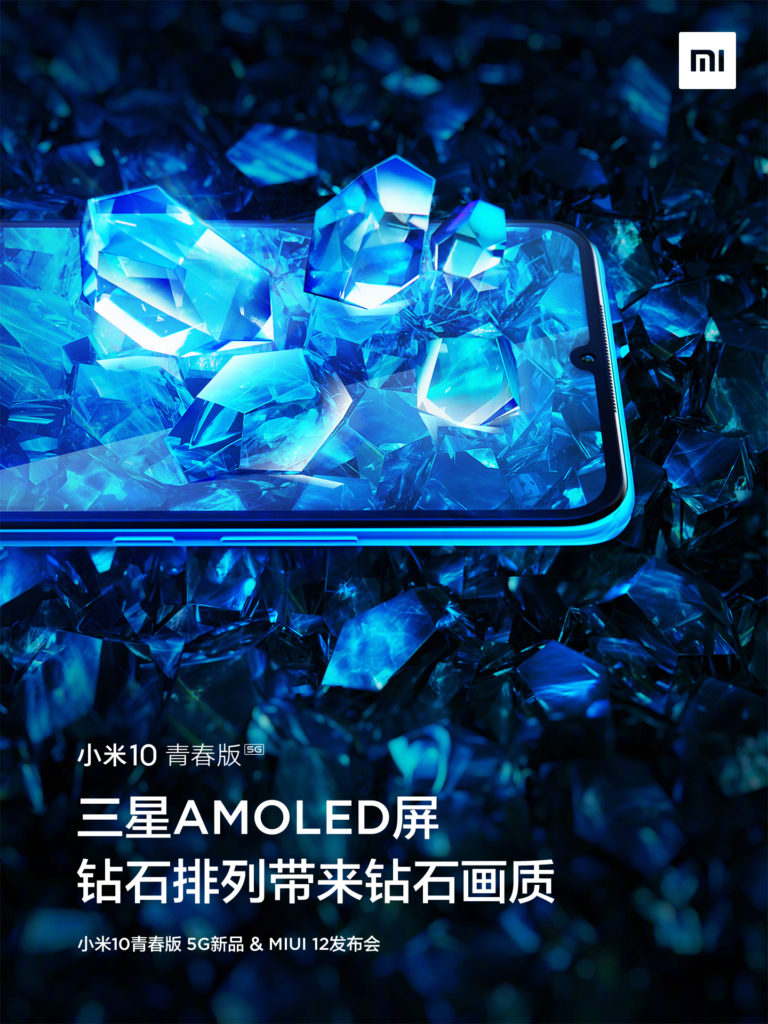
According to the teasers, the upcoming Mi 10 Youth Edition will come equipped with Samsung’s diamond pixel PenTile AMOLED panel. Xiaomi claims the display will offer crisp picture quality with accurate colors and smooth transitions while zooming in.
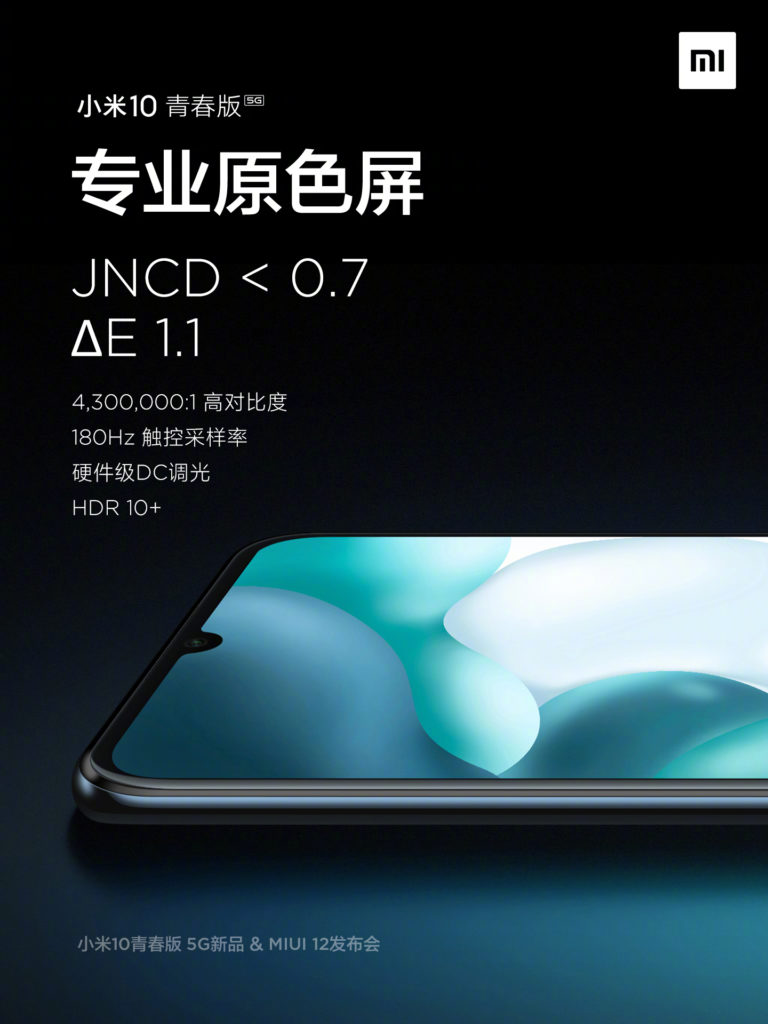
Further, detailing the display specs, the company says the panel will have a ΔE value of 1.1, whereas JNCD value will be 0.7. Along with 4,300,000: 1 ultra-high contrast ratio, the panel will also support hardware-level DC dimming.
Apart from the above-mentioned parameters, the display on Mi 10 Youth Edition will have a 180Hz touch sampling rate as well as support for HDR10+ content. Last but not least, it is also said to feature one of the smallest dew-drop notches on any smartphone.
As for other specifications, the handset will be powered by Qualcomm Snapdragon 765 with support for dual-mode 5G connectivity (SA/NSA). It will sport a quad-camera setup including a periscope module with up to 50x digital zoom and OIS, a 48MP primary wide camera, an 8MP ultra-wide unit, and a 5MP macro shooter. On the front, it is expected to come with a 16MP selfie camera. These cameras will be backed by new multiplicity and burst modes.
Other features of the device include LPDDR4X RAM, UFS 2.1 storage, 4,160 mAh battery, 22.5W fast charging, 7.98mm in thickness, 192 grams weight, and four colors – white gradient, peach, turquoise, and blue.
The price of the top-tier flagships increased a lot during the last year. But at the same time, the number of flagship killers increased as well. The mainstream smartphone manufacturers are now releasing their main flagship lineups in more than one variant, and most of the time the base variant is a flagship killer with a very high value for money. In this comparison, we included the latest base variants from the latest flagship lineups released by Huawei and OnePlus. We are talking about the vanilla Honor 30, Huawei Nova 7, and OnePlus 8. Here you will learn the main differences between their specs sheets.
Huawei Honor 30 vs Huawei Nova 7 5G vs OnePlus 8
Huawei Honor 30
Huawei Nova 7 5G
OnePlus 8
DIMENSIONS AND WEIGHT
160.3 x 74.2 x 8.1 mm, 185 g
160.6 x 74.3 x 8 mm, 180 g
160.2 x 72.9 x 8 mm, 180 g
DISPLAY
6.53 inches, 1080 x 2400p (Full HD+), OLED
6.53 inches, 1080 x 2400p (Full HD+), OLED
6.55 inches, 1080 x 2400p (Full HD+), Fluid AMOLED
Triple 48 + 16 + 2 MP camera, f/1.8 + f/2.2 + f/2.4
16 MP f/2.0 front camera
BATTERY
4000 mAh, fast charging 40W
4000 mAh, fast charging 40W
4300 mAh, fast charging 30W
ADDITIONAL FEATURES
Hybrid Dual SIM slot, fast reverse charging 5W, 5G
Dual SIM slot, reverse charging, 5G
Dual SIM slot, 5G
Design
Honor 30, Huawei Nova 7, and OnePlus 8 come with a premium design including a glass back and a punch-hole display with very narrow bezels. Given the bigger camera modules found on the Honor 30 and the Huawei Nova 7 and the curved screen of the OnePlus 8, I personally prefer the design of the OnePlus 8. Further, the Interstellar Glow color variant looks very gorgeous. But it is mainly a matter of taste. There are several people not liking curved displays, just to make an example.
Display
The most advanced display panel belongs to the OnePlus 8. It is a Fluid AMOLED screen with the support of HDR10+ and a high 90 Hz refresh rate. Both these features lack on the Honor 30 and the Huawei Nova 7. So the OnePlus 8 is essentially able to provide richer image quality and smoother viewing experience. The OnePlus 8 also boasts a slightly higher screen-to-body ratio, but it has curved edges, while Honor 30 and Huawei Nova 7 offers flat displays.
Hardware/Software
Again, OnePlus 8 is the winner. It has the strongest processor: the Snapdragon 865 by Qualcomm running at a max frequency of 2.84 GHz. And it even offers a higher amount of RAM in its more expensive version: up to 12 GB paired with 256 GB of UFS 3.0, 2-LANE internal storage. Honor 30 and Huawei Nova 7 are fueled by the Kirin 985 mobile platform: this chip is even weaker than the Kirin 990, and the Kirin 990 is inferior to the Snapdragon 865 in terms of performance. But the Honor 30 offers an external card slot to expand the internal storage which is not present on the OnePlus 8. Honor 30, Huawei Nova 7 and OnePlus 8 run Android 10 out of the box, but unfortunately, Honor 30 and Huawei Nova 7 do not have Google services out of the box due to the U.S. ban.
Camera
Despite it lacks an optical stabilization system (unlike the OnePlus 8), Honor 30 boasts the most advanced rear camera setup, at least on the paper. The handset is equipped with a main 40 MP sensor, a periscope lens with up to 5x optical zoom, an 8 MP ultrawide sensor and a 2 MP depth sensor. Right after (but it might be even better than Honor 30 in some scenarios such as video stabilization), we got the OnePlus 8 with its 48 MP triple camera including OIS and a 16 MP ultrawide sensor. Huawei Nova 7 is still a pretty nice camera phone, especially thanks to the presence of a nice telephoto sensor with up to 3x optical zoom, but it lags behind its competitors.
Battery
OnePlus 8 has a bigger 4300 mAh, so it will likely last more on a single charge in a lot of scenarios. But it has to manage a display with higher energy consumption, so do not underestimate its rivals. In each case you get 5G connectivity, so do not expect the typical battery life of a 4000 or 4300 mAh battery. Note that Honor 30 and Huawei Nova 7 offer a faster charging technology (40W vs 30W) and, unlike the OnePlus 8, they support reverse charging.
Price
Honor 30 is priced $425/€393 in its base variant in China, OnePlus 8 starts from $565/$523, and Huawei Nova 7 starts from $392/€363. Thanks to its more advanced display, better chipset, and a bigger battery, OnePlus 8 wins this specs comparison. But with its great charging capabilities and amazing cameras, Honor 30 is a very good alternative and offers a higher value for money.
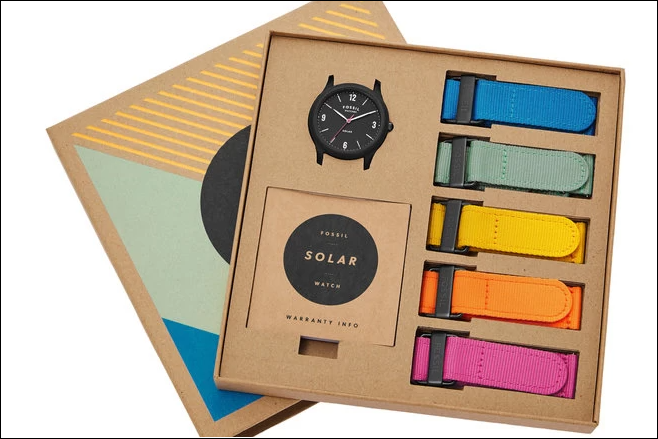
Renowned watchmaker Fossil has a new watch series which happens to be the first to adopt an eco-friendly approach. The analogue watch dubbed Fossil Solar is manufactured from materials that support environmental sustainability. The watch also uses energy converted from sunlight.
Fossil says the watch is part of efforts aimed at meeting its own ‘pro-planet criteria’ by 2025. In clear terms, the brand expects that all of its products will include at least one material that’s sustainability-approved. All products will also ship in fully recyclable and/or reusable packaging.
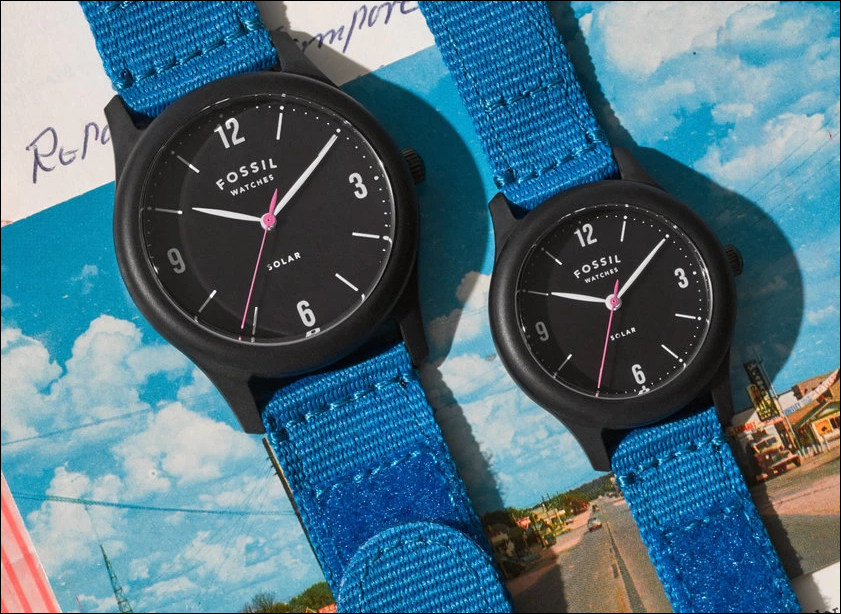
In terms of the design, the watch adopts a simple but attractive design. It uses white analogue hand and markings while the retire watch dial comes in black. This creates a perfect contrast that makes it visible under the sun. The watch’s bezel around the case acts like a solar panel as it houses a solar cell placed underneath which converts the light energy into electrical energy which is then stored in its rechargeable battery. It is available in 36mm and 42mm sizes.
Since it is basically an analogue watch, the battery is durable as a single charge can last for up to four months before you’ll need to charge the watch again. The watch also has a single rotating crown located at the right side.
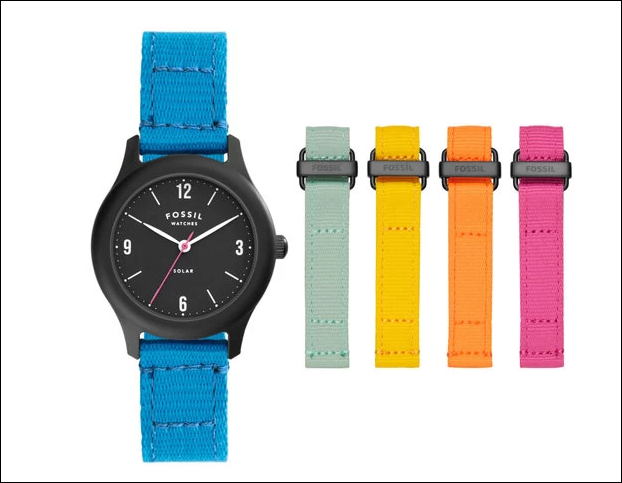
In addition, the watch case is built from bio-plastics made from castor oil. It also adopts several straps made from yarn spun from discarded plastic bottles. Each unit ships with five different straps each having a unique colour. The retail box is also made entirely from cardboard which can be used to store the straps or can be recycled.
As for the pricing and availability, the Fossil Solar watch will be available from mid-May. Both the 36mm and 42mm sizes are priced at £129 (~$159) in the UK or €149 in Europe.
Xiaomi has taken to Twitter to release a poster announcing the launch date of the next-generation Redmi Note 9 series model. The Redmi Note 9 was left out when the company took the wraps off the Redmi Note 9 Pro, Note 9 Pro Max and later the Note 9s. The poster hints that the Redmi Note 9 will be announced in an online event that would hold on April 30 and will begin at 20:00 GMT +8.
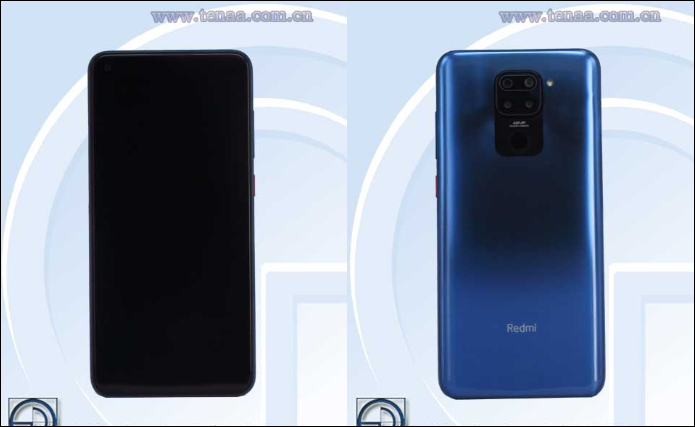
The Redmi Note 9 is expected to launch in China as Redmi 10X. The model was recently certified by China’s telecom’s regulatory agency TENAA, giving us a glimpse of the design and some ideas of the specs.
The device appeared bearing the model number M2003J15SC. It is listed as having a 6.43-inch IPS LCD display with an FHD+ resolution of 1080 x 2340 pixels. The device is 8.9mm thick and weighs just 198g. It equally comes with a 4,920mAh battery.
In terms of the design, the front and rear designs are similar to those of the Note 9 Pro with a few modifications. First, the device packs a punch-hole located at the upper-left corner as against a centrally placed one. Also, there is a rear-mounted fingerprint sensor just underneath the quad-camera setup. Recall that the Note 9 Pro models feature a side-mounted fingerprint sensor.
The mobile phone is said to pack a 2.0GHz Octa-core MediaTek Helio G85 chipset. The device will have 4GB, 6GB and 8GB RAM versions as well as 32GB, 64GB and 128GB internal storage options. For photography, there is a 48MP main sensor and a 13MP selfie shooter. It will run on Android 10 OS which will definitely have the MIUI custom overlay. we can say if it will have the latest MIUI 12 which will drop a few days earlier.
The Redmi Note 9 is expected to be available in Sky Blue, Green and White colours.
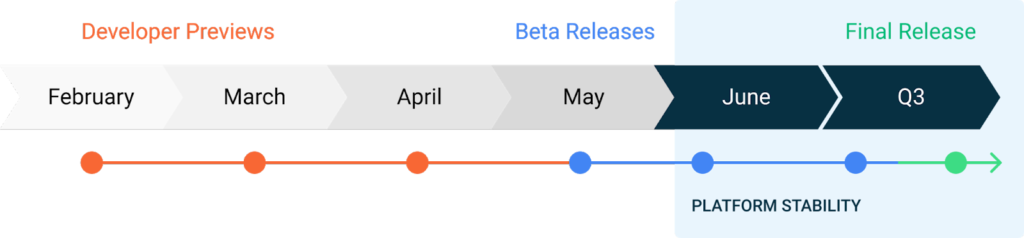
Google released Android 11 Developer Preview 3 yesterday. It can be installed on all the Pixel smartphones except on the original duo. The DP1 debuted in February, followed by the DP2 in March. The search giant has planned a total of six Android 11 Developer Previews before officially launching the new OS in the second half of the year. That being said, just like the first two DPs, the Android 11 DP3 has also brought new features and changes.
Officially, Google has stated five new changes in Android 11 DP3 and they are as mentioned below.
App exit reasons updates
Apps on Android can exit for various reasons such as crash, system kill or user action. Being a developer, its necessary to know why the app exited. Hence, Google has introduced new exit reasons API to request details of the app’s recent exits.
GWP-ASan heap analysis
With GWP-ASan heap analysis, developers can find and fix memory safety issues. It is a sampling allocation tool that detects heap memory errors. It is enabled by default in platform binaries and system apps but developers can enable it on their apps as well.
ADB Incremental
Google has increased the installation speed of large APKs (2GB+) like games over ADB by 10x times. This feature is currently only available on Pixel 4/4XL as it requires the new Incremental File System. Developers will have to sign their APKs with the new APK signature scheme v4 format and use updated ADB command line tool to install them. Devices launching with Android 11 in the future will have the new file system to support this feature.
Wireless Debugging
The new ‘Wireless debugging’ in Developer options can utilize the full speed of the latest Wi-Fi standards. Developers can pair their Android 11 DP3-running device with their PC simply entering pair code. To further improve the experience, Google has plans to add QR code scanning for pairing in the future.
Data access auditing updates
Data access auditing lets developer instrument their app to better understand how it accesses user data and from which user flows. Additionally, several APIs have been renamed and hence it is advised to check out the changes.
Further, as per the timeline provided by Google, Android 11 Beta releases will begin next month, i.e. May. Which means like the last two years, developers and interested users will be able to try the latest Android on specific devices from different OEMs.
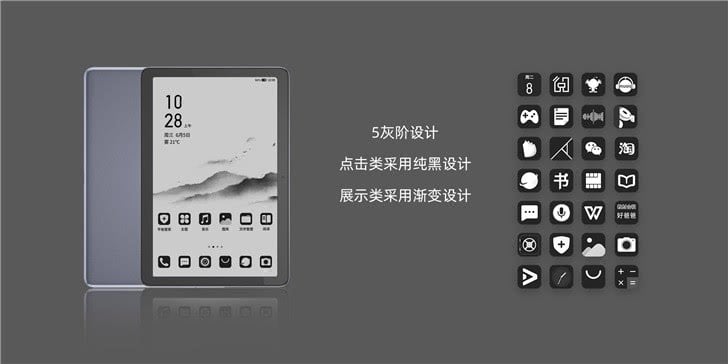
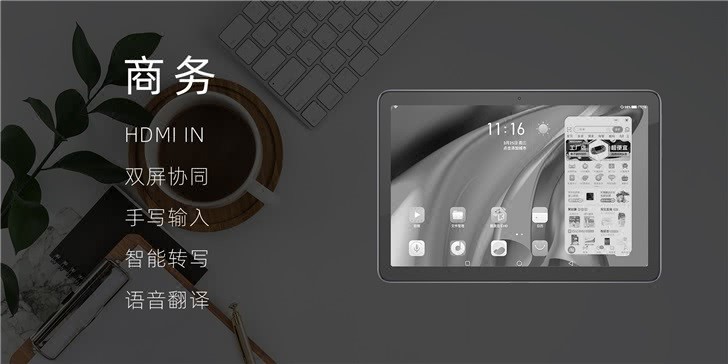
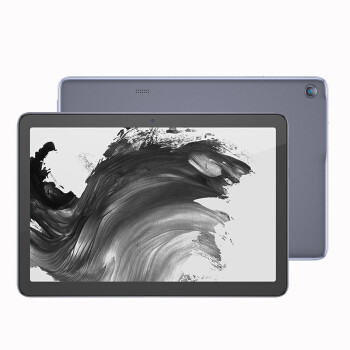
As reported earlier on, Hisense went official with its latest smartphones, including colour ink models in China on April 23rd. The Chinese tech giant also launched an e-ink tablet. The Hisense Q5 tablet as it called utilises an e-ink display which isn’t only gentle on the eyes but also goes easy on battery consumption.
The Hisense Q5 features a 10.5-inch monochrome RLCD display with a 16:9 aspect ratio and HD resolution. The display technology is said to be based on the principle of natural light reflection and doesn’t project any harmful blue light. The tablet is powered by an Octa-core UNISOC Tiger T610 processor. The chipset pairs with a 4GB RAM and there is 64GB of storage crammed inside.
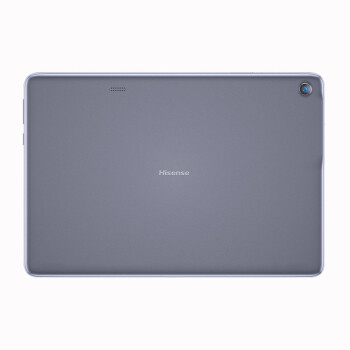
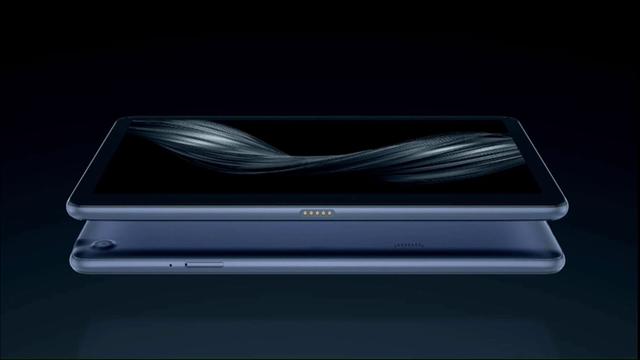
The Hisense Q5 tablet adopts a metallic grey plastic rear panel with a 5MP f/2.2 camera sensor located at the upper left corner. The rear camera has an LED flashlight by its side. There is also a centrally placed 2MP f/2.4 aperture selfie camera at the front. The camera is in the landscape orientation which should make video chatting easy. The tablet also comes with dual SIM slots and a microSD slot.
Keeping the lights on is a 5,050mAh non-removable battery with 5V/2A quick charge support. The tablet comes with a 3.5mm audio jack, an HDMI and micro USB ports. It supports 4G LTE, 3G, 2G and several bands.
Hisense Q5 tablet
The Hisense Q5 carries a price tag of 2299 yuan (~$324) and will be up for pre-sale starting from June 10. It runs Android 10 OS out-of-the-box.
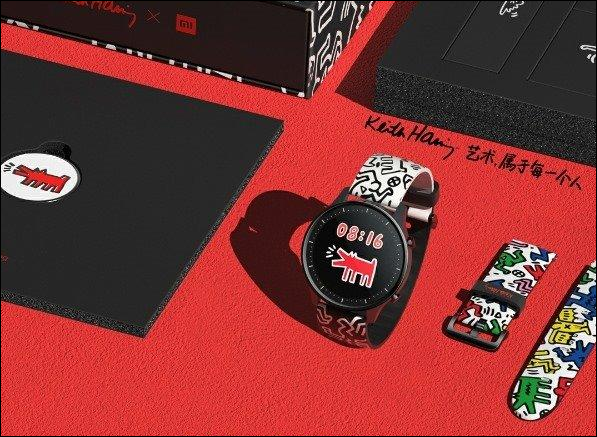
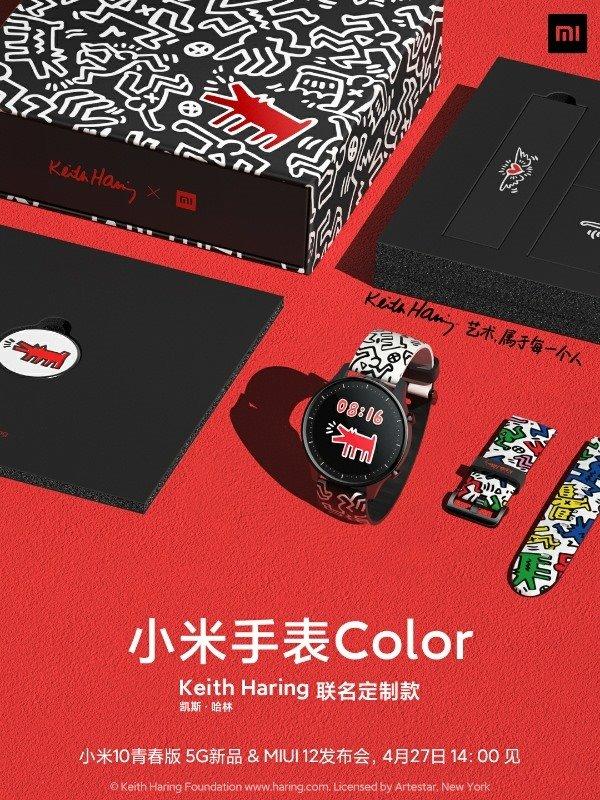
As you already know, Xiaomi will hold an online event on April 27 where the Mi 10 Youth Edition and MIUI 12 OS are expected to be unveiled. Xiaomi’s MIJIA brand has now released a poster pointing to the launch of a new version of the Xiaomi Watch Color that same day.
The new version is a Xiaomi Watch Color Keith Haring edition. As the name implies this edition is the product of a cooperation between the Chinese tech giant and Keith Haring Foundation. Keith Haring was a popular artist and activist who was part of the legendary New York art scene during the 1980s. While he is known for his colourful works and his iconic motifs such as the radiant baby and the barking dog, much of his work responded to contemporary social and political events. The new Xiaomi Watch Color lives up to its name as it comes with a Keith Haring artwork-themed outlook. The watch utilises a colourful strap and there is even a colourful spare strap. The watch face also has an artistic theme with his famous barking dog artwork. The smartwatch’s packaging box is also designed with the same artworks including the barking dog drawing.
The rest of the specifications remain the same. As a reminder, the Xiaomi Watch Color uses a 1.39-inch circular AMOLED high definition screen with a resolution of 454 x 454 pixels. The watch supports Bluetooth 5.0. It has a battery capacity of 420mAh which can last up to 14 days. It comes with 5ATM waterproof build, NFC support and built-in XiaoAI voice assistant. It also has all the features you find on regular fitness tracker such as heart rate monitor, sleep monitor, step counter, sedentary reminder etc.
Apart from making smartphones, Xiaomi is also known for its services as well as ecosystem products and Mi Pay is one of them. This service is available in a number of regions where the company has its presence. Now, users in India can trade gold on Mi Pay app with the latest update.
Since its introduction in the country, the company has added new features such as options to book trains/flights, buy life insurance, and even lets users generate their credit report. But it was missing the ‘Gold Trading’ feature, which is available on competitors like Paytm, Google Pay, and PhonePe. But not anymore, as Mi Pay also gets this option in the new update.
Xiaomi has partnered with gold investment startup SafeGold to bring ‘Gold Trading’ to Mi Pay. After updating the app to the latest version from Play Store or GetApps (Xiaomi’s official app store), users can purchase and sell gold from a dedicated option.
The service lets users store their 24-karat physical gold with vaulting firm Brink’s India and even delivers them if required. Additionally, users can also track their existing gold balance and exchange them for jewellery from partner jewellers.
The Mi Pay payment service by Xiaomi landed as a beta in December of 2018 in India. Unlike the original with NFC, the Indian version uses UPI(Unified Payment Interface), debit/credit cards, and internet banking for transactions. The service went live for MIUI users in March 2019, followed by all users in October 2019 via Google Play Store.
Hisense has been at the forefront of deploying E-ink displays on smartphones and have even launched a couple of models with e-ink displays, some with dual screens. The company recently teased the launch of what should be the world’s first Color ink display smartphone billed for April 23. Indeed, the Chinese brand has now unveiled three new smartphones with colour ink screens. The models are Hisense A5C, A5 Pro and A5 Pro CC.
The models were unveiled at the 2020 China Digital Reading Cloud Conference organised to mark the World Reading Day. They use the latest typographic colour e-ink technology which is produced by adding a layer of colour filters to the original black and white ink screen. This new type of colour electronic ink technology can display 4096 kinds of rich colours.
In terms of functional interaction, the mobile phones retain a minimalist desktop design, volume keys to turn pages, high-fidelity (HIFI) chip and other functions. Also, the Do Not Disturb (DND) mode has been upgraded such that when using an app, system notifications and other social messages will pop up in the form of floating windows. Let’s take a look at the configurations of the smartphones.
Hisense A5 Pro / Hisense A5 Pro CC version
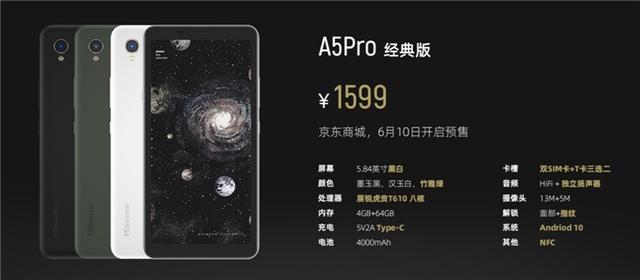
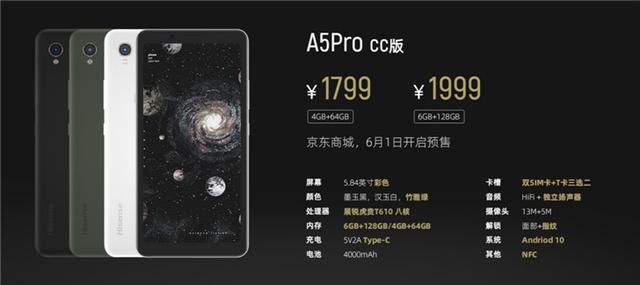
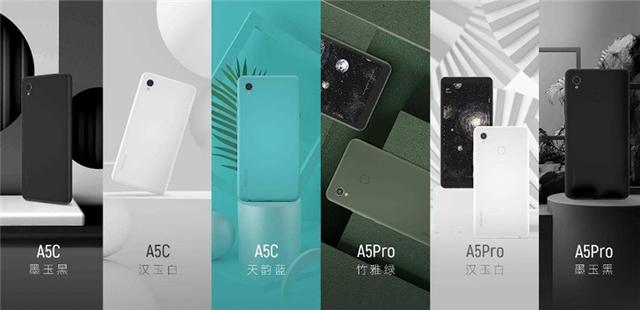
Hisense launched two Pro models; A5 Pro and A5 Pro CC version. The A5 Pro is an upgraded version of the Hisense A5 smartphone that was launched in October last year with a black and white e-ink display. On the other hand, the A5 Pro CC version features a colour ink screen. Both models sport a 5.84-inch display and adopt a minimalist integrated 3D arc design at the rear. The back panel is coated using a baby-skin texture paint spraying process. The A5 Pro is available in Jade Black, White and Bamboo Green colours. In terms of the configuration, the Hisense A5 Pro and A5 Pro CC version are powered by a UNISOC Tiger T610 processor which adds a new fast refresh mode with a refreshing time of only 136ms. The A5 Pro comes in 4GB RAM + 64GB memory option. The colour screen version will be available 4GB + 64GB and 6GB RAM + 128GB storage options.
It is also equipped with an independent HiFi speaker, dual SIM slots and a separate microSD slot. It runs on Android 10 operating system. Keeping the lights on is a 4000mAh battery with 5V/2A fast charge using a USB Type-C port. The phone also has a rear-mounted fingerprint sensor and supports NFC for contactless payment.
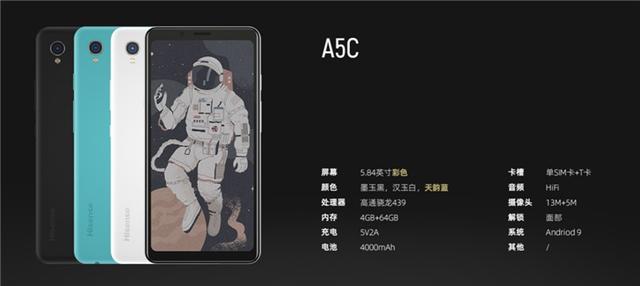
Hisense A5C
The A5C sports a 5.84-inch colour ink screen and is powered by a Qualcomm Snapdragon 439 processor. The processor is paired with 4GB of RAM and there is 64GB of storage onboard.
The phone gets its juice from a 4000mAh battery and has support for 5V/2A fast charge but it uses a USB 2.0 port. The phone runs on Android 9 Pie and supports 4G full Netcom. It is a dual SIM phone with a separate microSD slot.
For photography, there is a single 13MP rear camera while at the front, there is a 5MP selfie camera at the front. There is no fingerprint sensor on board.
Hisense A5C, A5 Pro and A5 Pro CC – Pricing and Availability
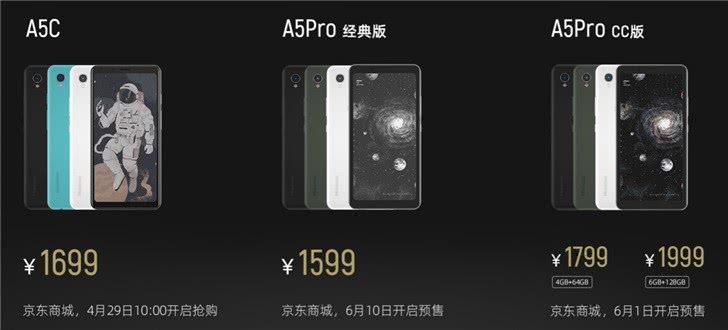
The Hisense A5C is priced at 1699 yuan (~$239) and will be launched in Jingdong Mall at 10 o’clock on April 29.
The Hisense A5 Pro which comes in a sole 4GB RAM + 64GB internal storage is priced at 1599 yuan (~$225). The model will be on pre-sale in Jingdong Mall on June 10. On the other hand, the Hisense A5 Pro CC version 4GB + 64GB option is 1799 yuan (~$254) and the 6GB + 128GB version is priced at 1999 yuan (~$282). The pre-sale will start on June 1 in Jingdong Mall.
Two days back, Xiaomi revealed AOD+ (Always-on Display) ahead of MIUI 12 announcement scheduled for April 27. Now, the feature is already live for MIUI 11 users via the latest versions of MIUI Themes and MIUI Always-on display. Interested users of Xiaomi and Redmi smartphones with OLED display can try it now.
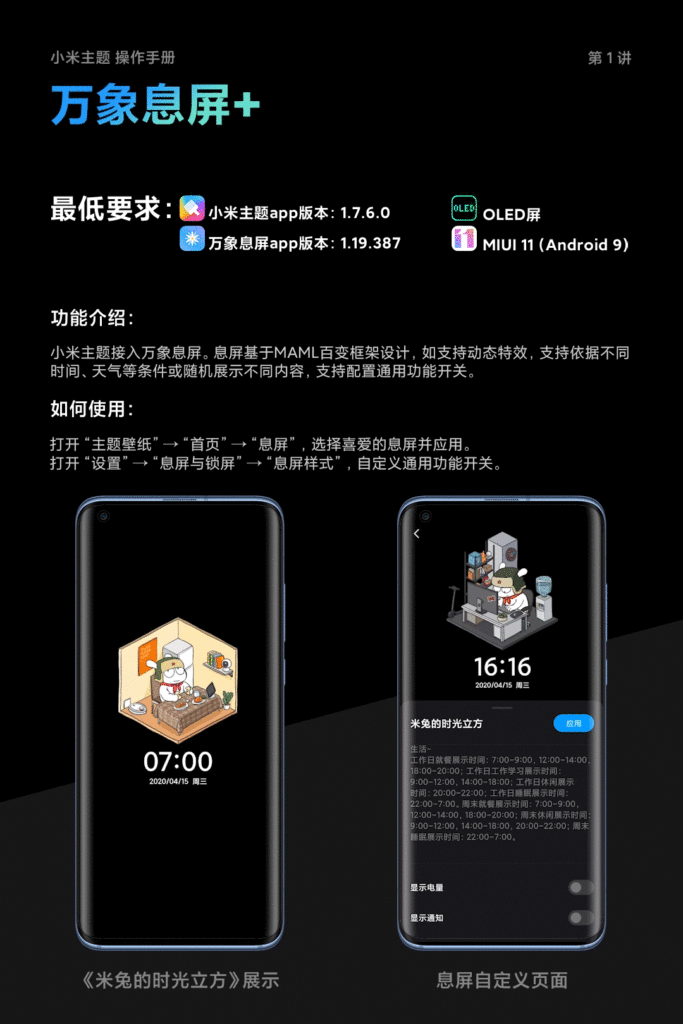
To use the new AOD+ functionality on MIUI 11, the user’s phone must have an OLED display and should run Android Pie or Android 10. Then, they will have to install MIUI Themes v1.7.6.0 and MIUI Always-on display v1.19.387, which you can download from the link provided at the end of the post.
Once the APKs are installed, open MIUI Themes, navigate to the new AOD section and download as well as apply a style of your choice from over 1000+ options. Followed by that, head over to Settings -> Always-on display & Lock screen, then turn on Ambient display if it is not. Lastly, go to Style which is present on the same page and customize the applied AOD style as per your choice.
Unfortunately, the specified version of MIUI Themes app is not installing on our Redmi K20 Pro Indian unit running the current stable MIUI v11.0.4.0. But the MIUI Always-on display app does install, however, without the former app, it is impossible to download new MAML format animated AOD styles.
Also, we don’t have access to any other Xiaomi / Redmi smartphone with an OLED display at the moment. Additionally, the early access for AOD+ could be limited to Chinese devices. Hence, if it’s not working on your region-specific MIUI ROM, then do try flashing the latest MIUI China ROM available for your handset.
We use cookies on our website to give you the most relevant experience by remembering your preferences and repeat visits. By clicking “Accept”, you consent to the use of ALL the cookies.
This website uses cookies to improve your experience while you navigate through the website. Out of these, the cookies that are categorized as necessary are stored on your browser as they are essential for the working of basic functionalities of the website. We also use third-party cookies that help us analyze and understand how you use this website. These cookies will be stored in your browser only with your consent. You also have the option to opt-out of these cookies. But opting out of some of these cookies may affect your browsing experience.
Necessary cookies are absolutely essential for the website to function properly. This category only includes cookies that ensures basic functionalities and security features of the website. These cookies do not store any personal information.
Any cookies that may not be particularly necessary for the website to function and is used specifically to collect user personal data via analytics, ads, other embedded contents are termed as non-necessary cookies. It is mandatory to procure user consent prior to running these cookies on your website.