Advertisement

All you need to know about MEMC (Motion Estimation, Motion Compensation)

It was erroneously stated in the first published version of this post that the OnePlus 8 Pro will be the first smartphone with MEMC technology. The post has now been corrected.


When it comes to smartphones, one major feature that is compared across brands is the camera performance. However, lately, another area where manufacturers are trying to outdo each other is in the display department. From a shift from LCDs to AMOLED panels; to special chips that upscale SDR to HDR; and to screens with high refresh rates – the display of a phone is now more important than ever.

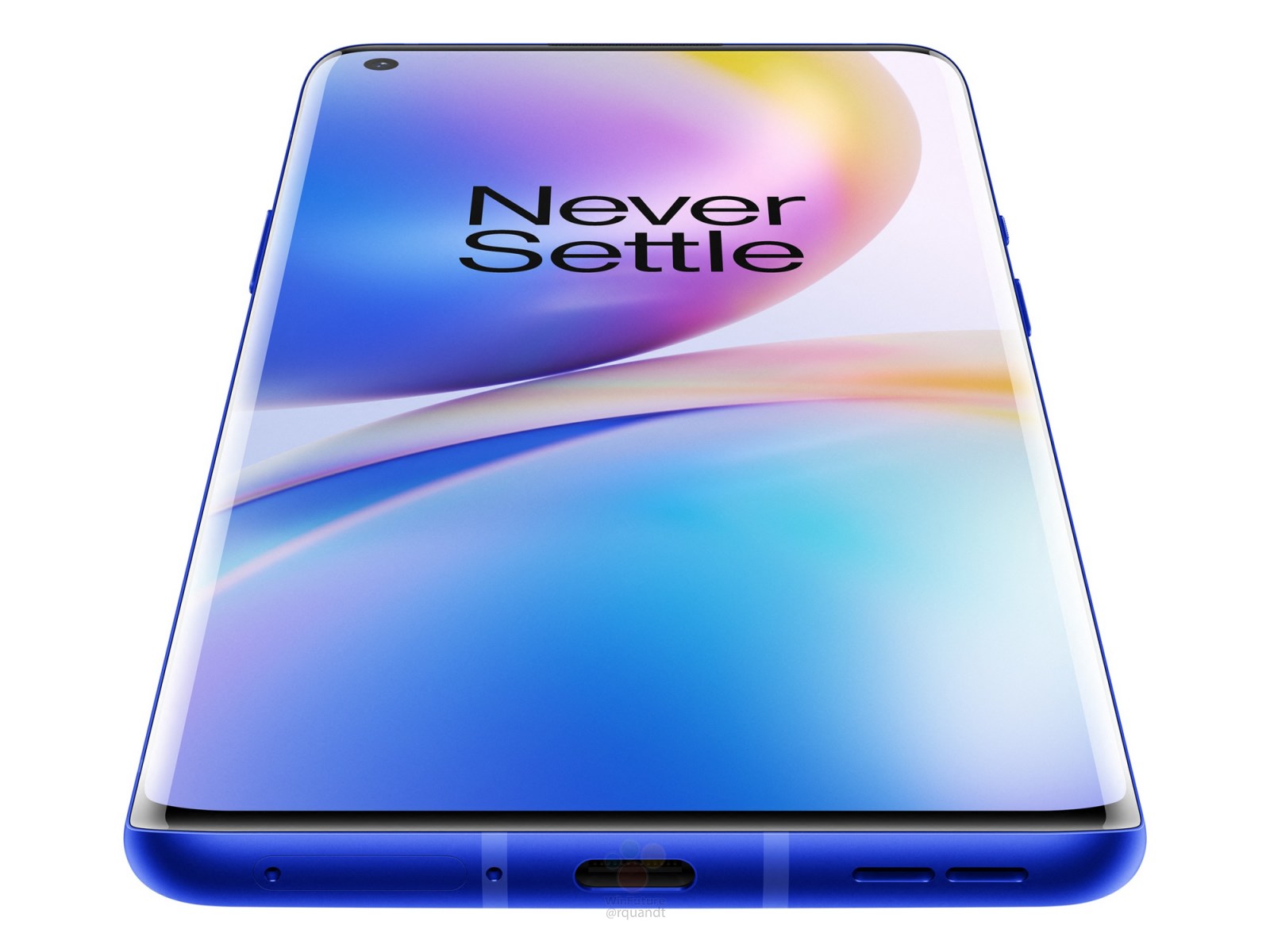
The upcoming OnePlus 8 Pro will have a 120Hz refresh rate just like the Galaxy S20 series and the OPPO Find X2. This refresh rate is even higher than that of the OnePlus 7 Pro which has a 90Hz refresh rate.

While a display with a higher refresh rate brings a whole new experience to users, there is not a lot of content out there that takes advantage of this new feature on your phone as most videos you watch play at 24 fps or 30fps. To solve this problem of lack of content, OnePlus has come up with a solution, albeit not a unique one.


MEMC (Motion Estimation, Motion Compensation)

MEMC is a feature found in a lot of TVs and is infamously called the “Soap opera effect” because of the way it makes what you are watching look like a soap opera. On some TVs, it is called motion smoothing, and how it works is by artificially adding frames to a video with a low frame rate so that it has a higher frame rate and gives it that smooth effect. The video below shows the feature in action.

As you can see, the clips shown in the video above when the feature is turned on play much smoother than when the feature is turned off. However, when playback is set to slow motion, you can see the level of detail is low when MEMC is on.

However, it has its disadvantages and a lot of movie directors are against watching a movie with the feature turned on.


MEMC in phones

Back in January, Pete Lau, CEO and founder of OnePlus, revealed that they have created a custom MEMC chip that can “push ordinary 30fps video to 120fps, so the video takes advantage of our 120Hz Fluid Display”.

Since we know the OnePlus 8 Pro is the one with a 120Hz Fluid Display, it will come with the MEMC chip. The OnePlus 8 has a 90Hz display and most likely won’t have the chip.

The OnePlus 8 isn’t the first phone to have a MEMC chip. Black Shark introduced it to phones back in 2018 and its Black Shark 3 flagship has a new version called MEMC 2.0. The OPPO Find X2 Pro also has a similar chip but called the “O1 Ultra Vision Engine” which has a feature called Motion Clear that upscale 30fps content to 60fps or 120fps.

Prior to the release of the aforementioned phones, MediaTek processors released as far back as 2015 (for example, the Helio X10) have come with a feature called Clear Motion that does the same job as a MEMC chip.

OnePlus’s MEMC chip will use what it calls High Frame 2.0 to convert content from a lower frame rate to a higher frame rate. The manufacturer even released a list of apps that are supported and it includes YouTube, Netflix, Hotstar, MXPlayer, VLC, Prime Video, and even the Gallery app on your phone.
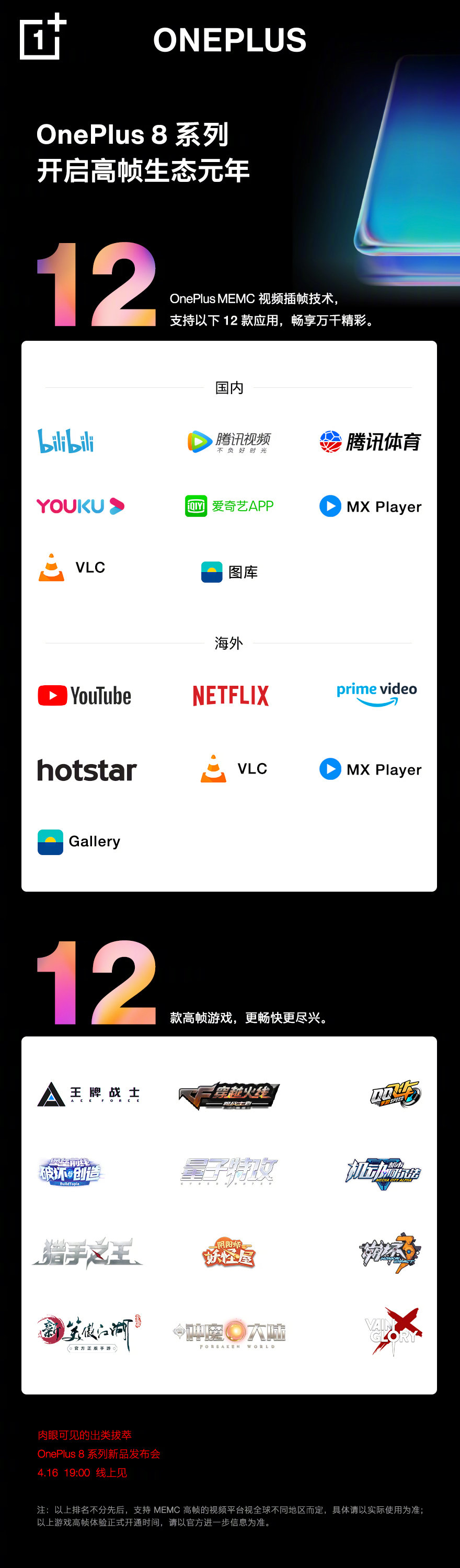
List of High Frame 2.0-supported apps and games

OnePlus is not limiting the feature to just video players and streaming apps but also includes games such as Vain Glory. At launch, the feature will work with a total of 12 video players and streaming apps and 12 games. More apps and games are expected to be added in the future.


Disadvantages of MEMC in phones

The major and only disadvantage we believe it will bring is a reduction in battery life. Just as using your phone at the highest refresh rate will affect battery life, High Frame 2.0 is also expected to further drain your battery faster.

OnePlus has not yet said anything about it yet and may have actually found a way to minimize battery drain, but nevertheless, it will still be there. However, we expect there will be a way to turn off the feature to conserve battery or if you do not like it in the first place.


Will more manufacturers follow in OnePlus’ footsteps?

Most likely. If the feature is well received, we may see more phones with high refresh rates come with a similar or improved feature. A lot more people consume content on their phones from movies to TV shows and even sports games which actually benefit most from motion smoothing. So this looks like a feature that may become standard in flagship phones in a year or two.

What do you think about MEMC on phones, Yay or Nay?


Huawei Mate 40 to feature Kirin 1020 and FreeForm lens technology: Ming Chi-Kuo

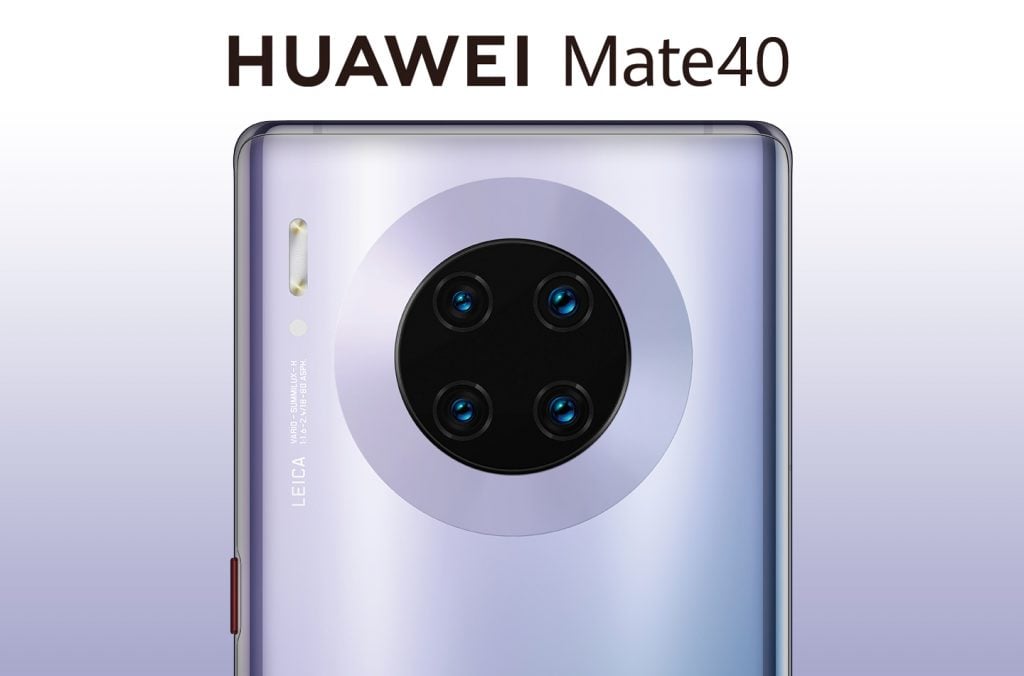
Huawei is known to launch multiple flagships in a year. These premium grade handsets are also updated annually. The Huawei P40 series has already been launched, and now the anticipation for the Mate 40 series has begun. Although the announcement is still a while away, a renowned analyst, Ming Chi-Kuo, has revealed that the device will feature the HiSilicon Kirin 1020 alongside a new FreeForm lens technology.

Huawei
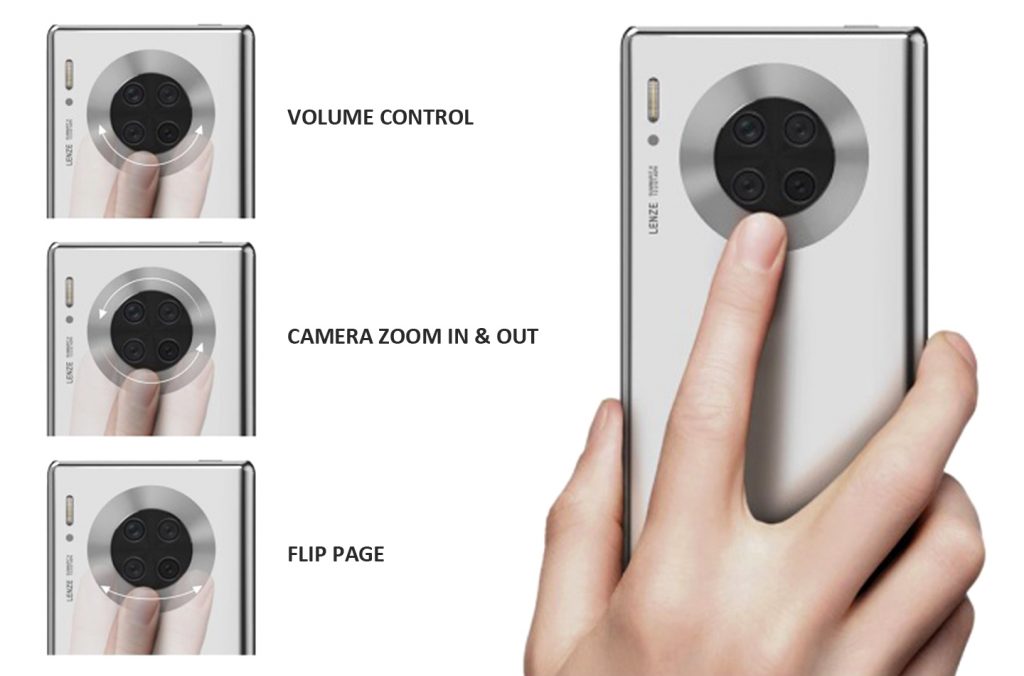
The ring touch control which we had previously reported on

According to the international analyst, the Huawei Mate 40 will see the debut of the company’s proprietary chipset, the Kirin 1020. It has been codenamed as Baltimore and will be manufactured on a 5nm process, with improvements across the board regarding the CPU and GPU. Reportedly, the 5nm process will bring 15 percent high performance while reducing power consumption by 30 percent. It is said to be based on the Cortex A77 or even the A78 architecture.

Another interesting inclusion in the report from Ming Chi-Kuo is the FreeForm lens technology. The new camera technology can potentially reduce distortion in wide angle lenses. Distortion being the fisheye effect or the slight blurring on the edge of a captured image. According to the company behind this technology, “the freeform lenses are optimized only across a cellphone’s rectangular image field rather than the conventional circular image field.”

Huawei

Furthermore, “the designs enable zero chromatic aberration and zero vignetting.” In other words, a clearer picture with the benefit of optimizations specifically for smartphones and their wide angle lens. Unfortunately, Huawei has yet to confirm any of the reports, but since its from a reliable source, there is a good possibility of the company adding these features.


Honor 30 series to arrive in special color scheme

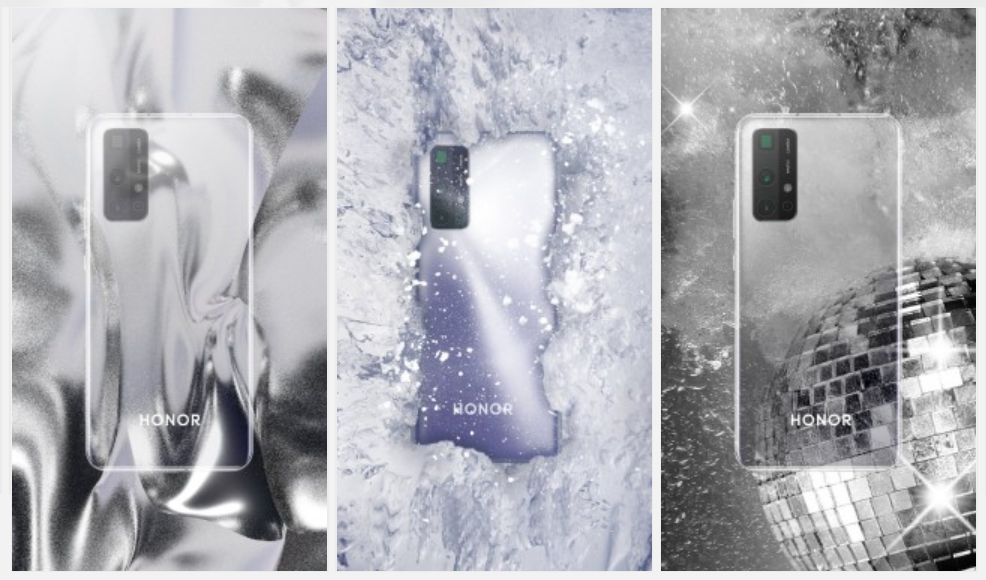
Honor will be launching the Honor 30 series of smartphones with flagship capabilities on April 15 at 2:30 PM (local time) in China.  The entire specifications of the Honor 30 and Honor 30 Pro smartphones have surfaced through their TENAA appearance. The Weibo post rolled out by the company suggests that design and camera will be the main selling points of the Honor 30 and Honor 30 Pro. The Weibo post also suggests that these phones are also expected to arrive in an attractive new silver color scheme.

Honor 30 series new color

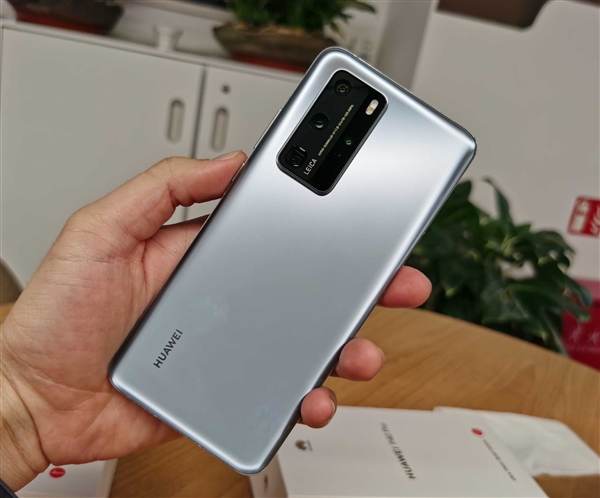
One of the color editions of the recently announced Huawei P40 series is Silver Frost. Leaked renders of the silver edition are now doing rounds on Weibo. Hence, there is a possibility that the Honor 30 and 30 Pro may come in a Silver Frost like color.

Honor 30 silver

Honor 30 and Honor 30 Pro specifications

The Honor 30 and 30 Pro are expected to arrive with identical specs in only differ in aspects like chipset, RAM and cameras. The Honor 30 will be a Kirin 985 chipset phone and 8 GB of RAM while the Honor 30 Pro edition’s 8 GB and 12 GB RAM variants will be powered by Kirin 990 5G. The Honor 30 Pro is expected to come with a 50-megapixel Sony IMX500 main lens while the vanilla version will have a 40-megapixel primary shooter.

Honor 30 Pro silver edition

The Honor 30 series features a 6.57-inch OLED display with support for full HD+ resolution. Both phones are expected to arrive in 128 GB and 256 GB storage options. They will come with 32-megapixel front-facing cameras. Their 4,000mAh batteries will support 40W fast charging. There is no word on its pricing yet.


OnePlus 8 series uses 5th Gen Anti Glare glass, with a “soft” texture: Pete Lau

The OnePlus 8 series launch is just around the corner. As we get close to the 14th April announcement, more of the flagship series features gets leaked. Now, the company’s CEO, Pete Lau, officially shared information regarding the rear panel of the OnePlus 8 series.

OnePlus

The announcement regarding the back cover of the OnePlus 8 series was made on Weibo, a Chinese microblogging website. According to the senior executive, the latest flagship series will feature the 5th generation Anti Glare glass process this time around. This brings certain improvements to both its functionality and also the overall feel in the hands of users.

OnePlus 6 was the first device from the company to use an Anti Glare process. It used a chemical etching process to give the glass surface a matte effect. Similarly, the OnePlus 7T also used an Anti Glare coating process to further improve upon this. However, the OnePlus 8 series will be receiving another improvement in this regard, with its back textures being described as “soft” to the touch thanks to the new generation process.

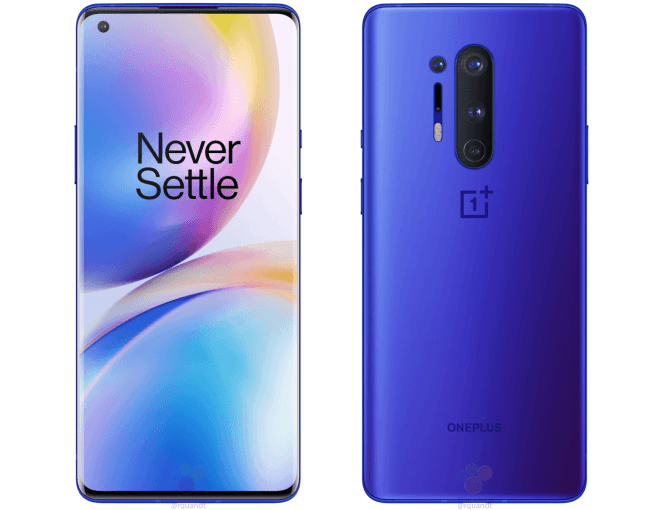
OnePlus 8 Pro Ultramarine Blue

Unfortunately, this was just a short tease posted by the CEO, Pete Lau. An image poster was also shared alongside this minor reveal, and we can expect more to pop up just prior to the OnePlus 8 series launch conference as well. So stay tuned for more news regarding upcoming launch events.


OPPO Ace2 official renders, variants revealed; 65W fast charging confirmed

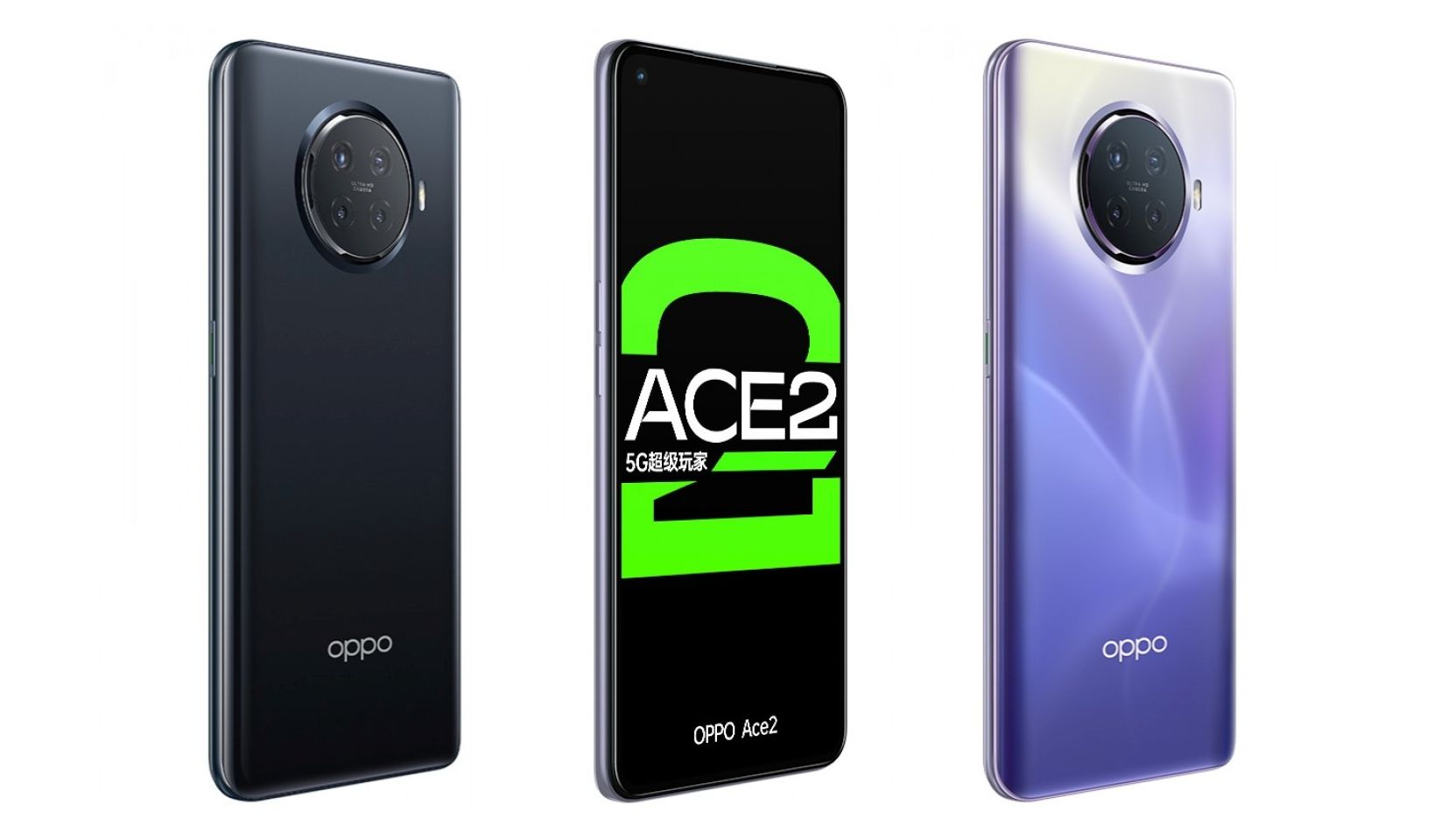
OPPO Ace2 is confirmed to debut on April 13 at 5PM (local time) in China. Ahead of the launch, the Ace2 is now listed on Chinese retailer site JD.com for reservations. The listing has carries official renders of its two colorways. Moreover, the Chinese firm confirmed the fast charging capabilities of the smartphone.

The JD listing of the Ace2 reveals that it will be arriving in two color options like Moon Rock Ash and Fantasy Purple. The listing further states that the Ace2 will be available in three variants in China such as 8 GB RAM + 128 GB storage, 8 GB RAM + 256 GB storage and 12 GB RAM + 256 GB storage. Their price tags will be confirmed on April 13. The handset is expected to be priced 3,000 Yuan and 4,000 Yuan in China.

Today, the Chinese manufacturer took to Weibo to reveal the support for 65W SuperVOOC 2.0 fast charging. It was bound to come with the said feature as the predecessor OPPO Reno Ace had also supported 65W fast charging. The Ace2 will be also coming with support for 40W wireless charging.

OPPO Ace2 front
OPPO Ace2

OPPO Ace2 specifications

The Snapdragon 865 mobile platform will be powering the Ace2 along with LPDDR5 RAM. The handset will be flaunting a 6.5-inch AMOLED punch-hole display that delivers full HD+ resolution and 20:9 aspect ratio support. The phone will be housing a 4,000mAh battery.

The handset will come with 48-megapixel + 8-megapixel + 2-megapixel + 2-megapixel quad camera system. It will have a 16-megapixel front-facing camera.


LG showcases new design language for its upcoming smartphone

LG Electronics has been offering almost the same design for its flagship smartphones since past few years, making it difficult to differentiate between them just by looking at them. However, the company is now finally ready to adopt new design.

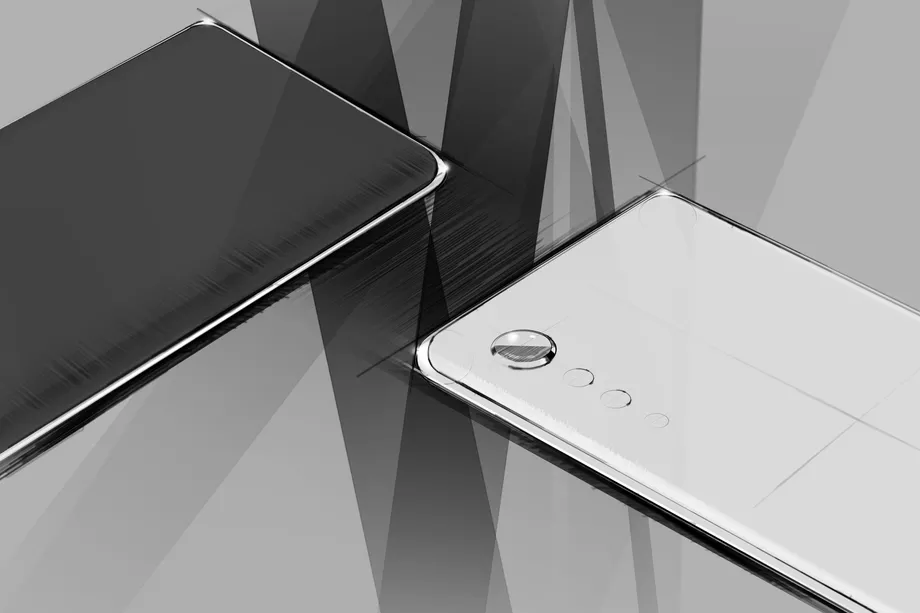
The South Korean company has now said that it will use an altogether new design language for its upcoming flagship smartphone. LG describes the design as “a nod to the natural world with a visual form factor that differs from the industry trend.”

LG New Smartphone Design Language

The company will be using a new “3D Arc Design” element which involves symmetrical curves on the display and the back of the phone, but LG is yet to reveal how that would be unique. It will come with a “raindrop” camera that will feature smaller lenses and an LED flash below the larger main camera, evoking dripping water. The company says that this is in opposition to current trends for big camera bumps.

While LG has not yet revealed much about this nor details about the upcoming smartphone, but it seems that this new design language will not be limited just to flagship smartphones but the entire range of devices could adopt it.

Cha Yong-duk, VP and Mobile Design Lab Head at LG said in a statement that “this handset will be a first-look at the competitive edge we will be bringing to every LG smartphone going forward.”

As per the reports, the company could launch a new smartphone on 15th May 2020 with this new design language. The said device could come powered by the Qualcomm Snapdragon 765G SoC with 5G connectivity support.


Huawei 65W GaN charger launched for 249 yuan ($35); going on sale in May

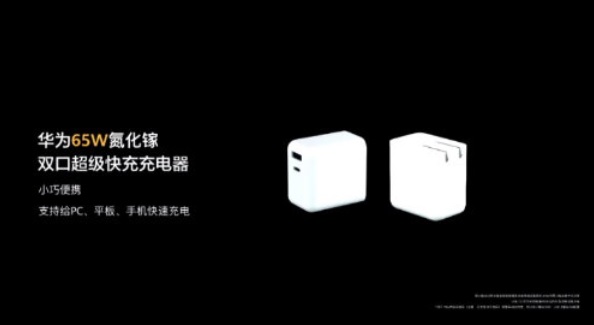
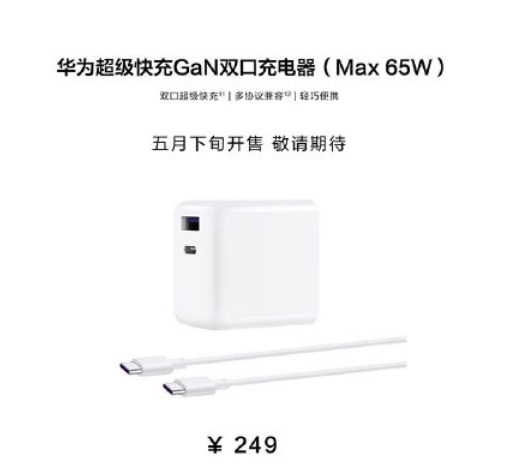
In line with our recent report, Chinese giant Huawei has officially launched its fast super charing gallium nitride dual-port charger which offers 65W maximum charging power. The device is priced at 249 yuan (~$35) and will officially go on sale from next month.

As per the report, the super fast Huawei 65W GaN charger comes with dual-port fast charging and the USB Type-C port also supports standard PD protocol. The device has a foldable pin design but the company is yet to reveal more details about the charger.

Huawei 65W GaN Charger

So far, we have been relying on using silicon chargers to fuel up electronic devices, it is expected to change soon as Gallium Nitride (GaN) chargers, simply known as Nitride chargers, could take over the world.

Gallium Nitride (GaN) is said to be a better alternative to silicon in chargers as it can withstand more power and temperature. Also, these chargers are relatively smaller than the regular high capacity silicon chargers.

Huawei 65W GaN Charger

With the launch of this Huawei 65W GaN Charger, the company has joined the list of companies like Xiaomi, Anker, RAVPower, Aukey, and more, which have already launched nitride chargers in the market.

Report claims that the Huawei 65W Gallium Nitride Charger has both USB Type-A and Type-C ports, allowing users to charge smartphones, tablets, and even laptops. We expect the company to reveal more details in the coming days or weeks.


Huawei Sound X Platinum Edition officially launched in China; now up for pre-orders

A couple of weeks ago, along with the launch of Huawei P40 series flagship smartphones, the company also launched the Huawei Sound X speaker, which is jointly developed with Devialet, with an aim to revolutionize high-end acoustic technology with sonorous audio.

Now, the company has announced a new variant of the device, called Huawei Sound X Platinum Edition. Instead of the black color option, this one comes with White and Grey outer casing with a Golden hue inside.

Huawei Sound X Platinum Edition

It is said that the golden speakers produce a kaleidoscopic effect according to the rhythm of the notes, with brightness, texture and color saturation, while interpreting the eternal state of music.

The high-end Hi-Res smart speaker comes with two woofers which are equipped with 60W peak power and vibration amplitude of up to 20mm. The innovative, visible bass unit creates a lasting visual impression to pair with the resonance of the audio.

The speaker provides lossless, low-latency audio which can be further bolstered by a proprietary EMUI 10.1 multi-device control panel. This is Huawei’s equivalent of Apple’s AirPlay and is only available on the Huawei P40 as it is the only model running EMUI 10.1.

Huawei Sound X Platinum Edition

It also comes with the Huawei Share function, saving users the hassle of waiting for a wireless or Bluetooth connection to establish. Users can simply tap their phone’s NFC area against the Sound X, and the speaker will begin to play without delay.

The device also comes with background noise suppression giving listeners a distortion-free sound even at maximum volume levels as well as low-pitched vibrations that can literally be felt in the listener’s bones. It packs Devialet‘s patented signal-processing SAM® (Speaker Active Matching) technology, and iconic Push-Push symmetrical structure.

Huawei Sound X Platinum Edition is currently up for pre-orders on Huawei Mall, Tmall, JD.com, and Suning Tesco. While it is priced at 1,999 yuan (~$283), the company is offering a 300 yuan (~$42) discount for those who pre-order.


OnePlus 8 and OnePlus 8 Pro pricing and specifications appear before launch

The OnePlus 8 and OnePlus 8 Pro smartphones are scheduled to go official on April 14. Various leaks have already revealed the entire specifications of the upcoming OnePlus 8 series. Winfuture.de’s new report not only reveals the full specs of both phones once again but also, it carries their pricing.

OnePlus 8 and OnePlus 8 Pro specifications

The Snapdragon 865 mobile platform powered OnePlus 8 and 8 Pro phones will respectively feature 6.55-inch full HD+ and 6.78-inch quad HD+ resolution supporting AMOLED displays that respectively deliver 90Hz and 120Hz refresh rates. The OP8 will offer 20:9 aspect ratio while the Pro will offer 19.8:9 aspect ratio and carry support for Adaptive Display and MEMC.

OnePlus 8
OnePlus 8

Both phones support HDR10+ and are equipped with in-screen fingerprint reader. The punch-hole screens of both phones feature EIS enabled 16-megapixel Sony IMX471 front cameras. Both phones will support 1080 30fps video recording through front camera.

The rear side of the OnePlus 8 has a dual LED flash assisted triple camera system with 48-megapixel Sony IMX586 main lens with OIS and EIS, a 116-degree 16-megapixel ultrawide shooter, a 2-megapixel macro lens. The OnePlus 8 Pro has a quad camera system on its back which consists of a Sony IMX689 48-megapixel primary sensor with OIS and EIS, a 120-degreeSony IMX586 ultrawide lens, an 8-megapixel telephoto lens with 3x optical zoom, 30x digital zoom and OIS and a 5-megapixel color filter with PDAF. The quad cameras are coupled with dual-LED flash and Laser AF. The OnePlus 8 and 8 Pro supports 30/60fps 4K video shooting. The Pro model also support 48fps and 240fps slow-motion video recording, 3D Audio Zoom and flicker sensor.

The OnePlus 8 has LPDDR4X RAM while OnePlus 8 Pro features LPDDR5 RAM. Both have UFS 3.0 storage. The OP8 is backed by a 4,300mAh battery with 30W Warp Charge 30T and the OnePlus 8 Pro has a larger 4,510mAh battery with same fast charging support. The latter also comes with 30W wireless charging and 3W reverse wireless charging.

OnePlus 8 Pro
OnePlus 8 Pro

The OxygenOS 10 based Android 10 will be loaded on both devices. Both phones are equipped with Dolby Atmos powered stereo speakers. The connectivity features available on the OnePlus 8 series are 5G, dual SIM support, Wi-Fi 6, Bluetooth 5.1, GPS and USB-C. The OnePlus 8 measures 160.2 x 72.9 x 8mm and weighs 180 grams. The IP68 rated OP8 Pro has 165.3 x 74.4 x 8.5mm dimensions and weighs 199 grams.

OnePlus 8 and OnePlus 8 Pro pricing

The OnePlus 8 variants like 8 GB RAM + 128 GB storage and 12 GB RAM + 256 GB will arrive in Europe for 729 euros and 835 euros, respectively. Onyx Black, Glacial Green and Interstellar Glow are its three color editions. The 8 GB RAM + 128 GB and 12 GBR AM + 256 GB storage editions of the OnePlus 8 Pro will cost 930 euros and 1,020 euros. It will come in Onyx Black, Glacial Green and Ultramine Blue colors. They are expected to go on sale from April 30.


(source 1, 2, 3)

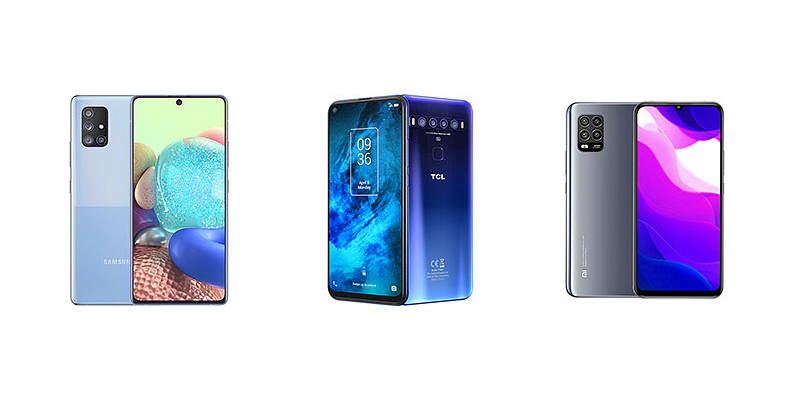
Samsung Galaxy A71 5G vs TCL 10 5G vs Xiaomi Mi 10 Lite: Specs Comparison

The end of H1 2020 is still far but there are already several affordable 5G smartphones out there. However, this is only the situation of the Asian market, while currently, you can not find a lot of 5G mid-rangers in the global market. Most of the 5G midrange phones are yet to debut globally. Among the next 5G mid-rangers which will be available globally during the next months, there are Samsung Galaxy A71 5G, TCL 10 5G, and Xiaomi Mi 10 Lite. The Samsung’s mid-ranger has just been announced in the U.S, TCL 10 5G will launch in a few months, and Xiaomi Mi 10 Lite should be available very soon. But is it worth going for the Mi 10 Lite or waiting for its two rivals? This comparison will clear your ideas.

Samsung Galaxy A71 5G vs Xiaomi Mi 10 Lite vs TCL 10 5G

Samsung Galaxy A71 5G Xiaomi Mi 10 Lite TCL 10 5G
DIMENSIONS AND WEIGHT 162.5 x 75.5 x 8.1 mm, 185 g 163.9 x 74.8 x 8 mm, 192 grams 163.7 x 76.6 x 9 mm, 210 grams
DISPLAY  6.7 inches, 1080 x 2400p (Full HD+), 393 ppi, Super AMOLED 6.57 inches, 1080 x 2340p (Full HD+), 392 ppi, AMOLED 6.53 inches, 1080 x 2340p (Full HD+), 395 ppi, IPS LCD
PROCESSOR Samsung Exynos 980, octa-core 2.2 GHz Qualcomm Snapdragon 765G, octa-core 2.4 GHz Qualcomm Snapdragon 765G, octa-core 2.4 GHz
MEMORY  6 GB RAM, 128 GB – 8 GB RAM, 128 GB – micro SD dedicated slot 6 GB RAM, 128 GB – 8 GB RAM, 128 GB – micro SD slot 6 GB RAM, 128 GB – micro SD slot
SOFTWARE  Android 10, One UI Android 10, MIUI Android 10, TCL UI
CONNECTIVITY  Wi-Fi 802.11 a/b/g/n/ac, Bluetooth 5.0, GPS Wi-Fi 802.11 a/b/g/n/ac, Bluetooth 5.0, GPS Wi-Fi 802.11 a/b/g/n/ac, Bluetooth 5.0, GPS
CAMERA  Quad 64 + 12 + 5 + 5 MP, f/1.8 + f/2.2 + f/2.4 + f/2.2
32 MP f/2.2 front camera
 Quad 48 + 8 MP + 5 + 2 MP f/1.8, f/2.2, f/2.4 and f/2.4
16 MP f/2.5 front camera
Quad 64 + 8 + 5 + 2 MP f/1.9, f/2.2, f/2.2 and f/2.4
32 MP f/2.2 front camera
BATTERY  4500 mAh, fast charging 25W  4160 mAh
Fast charging 20W
4500 mAh, Fast charging 18W
ADDITIONAL FEATURES Dual SIM slot, 5G Dual SIM slot, 5G Hybrid Dual SIM slot, 5G

Design

Well, if you want the most beautiful and premium design, there is just a single answer: TCL 10 5G. The Samsung Galaxy A71 5G has nice and original aesthetics, but it has a policarbonate body. TCL 10 5G comes with a glass back and an aluminum frame just like flagship smartphones, as well as a punch-hole display with very narrow bezels. Xiaomi Mi 10 Lite is not the most beautiful device out there with its square camera module and it still comes with a notch. It has a thinner body, but thickness is just a detail here.

Display

The Super AMOLED Plus display found on the Samsung Galaxy A71 5G looks more promising. It should be able to provide a more accurate color reproduction and, unlike the TCL 10 5G, it integrates an in-display fingerprint reader. But you should not underestimate the display of the TCL 10 5G, despite it is an IPS panel. It is an HDR10-compliant screen and it even comes with high brightness and wide viewing angles. Xiaomi Mi 10 Lite sits in the middle with a pretty nice AMOLED panel and an in-display biometric sensor.

Hardware/Software

According to benchmarks, the Exynos 980 chipset found on the Samsung Galaxy A71 5G and the Snapdragon 765G found on the TCL 10 5G and Xiaomi Mi 10 Lite are very close. Exynos 980 scores slightly better results, but Snapdragon 765G is more optimized for games and more efficient. Software optimization will play a very important role here and it will make the difference. Note that TCL 10 5G comes with just 6 GB of RAM, while the most expensive memory configuration of Samsung Galaxy A71 5G and Xiaomi Mi 10 Lite are 8/128 GB. Android 10 is out of the box in each case. Thanks to Super Bluetooth, TCL 10 5G allows connecting to up to 4 wireless speakers simultaneously.

Camera

On the paper, Samsung Galaxy A71 5G wins the camera comparison. We know how that camera performs, and it is great for a mid-rangers. Not saying it is the best midrange camera phone, but definitely among the most advanced ones. Secondary sensors make the difference with their higher resolutions and better image quality, but there is no OIS, neither a telephoto lens. The silver medal should go to the quad camera setup found on the TCL 10 5G, while Xiaomi Mi 10 Lite does not look like an amazing camera phone.

Battery

Samsung Galaxy A71 5G and TCL 10 5G will probably last more than Xiaomi Mi 10 Lite due to their bigger batteries. TCL 10 5G has a more efficient chipset, while Samsung Galaxy A71 5G has a more efficient display. It is impossible to say which one will last more just by looking at the specs.

Price

TCL 10 5G will start from €400/$435 globally, Xiaomi Mi 10 Lite is expected to cost less than €350/$380, we still do not know how much Galaxy A71 5G will cost in all the global markets (the A71 4G actually ranges from €350 to €400), but surely more than its rivals. While Xiaomi Mi 10 Lite is definitely the most inferior device, there is not a clear winner between Samsung Galaxy A71 5G and TCL 10 5G. The former offers better cameras, the latter has a more premium design. For the rest, if we exclude software (better on the A71, in my opinion) they are more or less at the same level, but we believe TCL 10 5G will offer a higher value for money due to its lower price.


Samsung Galaxy A71 5G vs Xiaomi Mi 10 Lite vs TCL 10 5G: PRO and CONS

Samsung Galaxy A71 5G

PROS

  • Very good cameras
  • Advanced display
  • Micro SD dedicated slot
  • In-display fingerprint reader

CONS

  • Plastic body

TCL 10 5G

PROS

  • Super Bluetooth
  • Premium design
  • HDR display
  • Affordable price

CONS

  • IPS display

Xiaomi Mi 10 Lite

PROS

  • Very affordable
  • In-display fingerprint reader
  • AMOLED display

CONS

  • Inferior cameras
  • Smaller battery

Huawei’s CEO reveals why the P40 Pro didn’t get support for 120Hz refresh rate

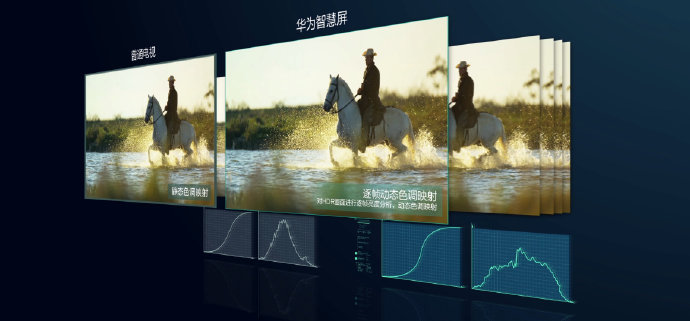
Huawei today officially released a number for products in its home market with the P40 series smartphones at the helms. The company equally unveiled the X65 Smart TV with an OLED display and several amazing features.

During the launch event, Huawei’s CEO Yu Chengdong took time to respond to complaints about the P40 series not featuring support for 120Hz screen refresh rate. Yu Chengdong disclosed that the Huawei P40 Pro can naturally be configured to support the 120Hz refresh rate. However, the company took into consideration other factors such as the power consumption of the phone and others which he did not mention. Thus, the Chinese giant decided to stick with the 90Hz refresh rate as the maximum for the P40 Pro.

The Huawei CEO argued that the 90Hz display of the P40 Pro and P40 Pro+ has been optimized to be very smooth. For the avoidance of doubt, while the P40 Pro and P40 Pro+ features support for 90Hz refresh rate, the standard Huawei P40 has a 60Hz screen refresh rate.

Higher screen refresh rates have become important components of flagship models. We have seen OEMs bump up the refresh rates of their smartphone models from the usual 60 Hertz to 90 Hertz and even up to 120 Hertz especially on gaming smartphones. This has brought improvement to the gaming experience. Even though the P40 Pro only has support for 90Hz refresh rate, it is widely accepted that 90Hz is just adequate to handle most of the mobile games with heavy graphics smoothly. It also offers better battery consumption than a 120Hz refresh rate.

UP NEXT: Chip Battle: Huawei’s Kirin 820 5G vs Qualcomm’s Snapdragon 765G


(source)


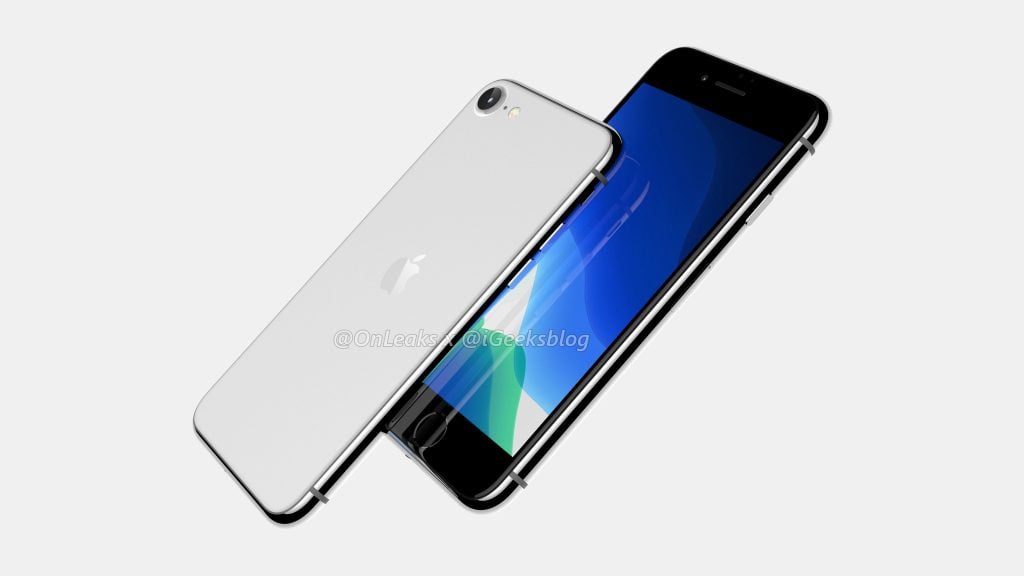
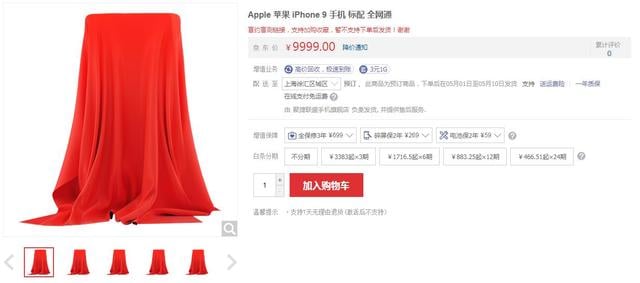
Apple iPhone 9 listed for pre-order on JD.com, ships on May 1st

A recent report had disclosed that Apple will launch the iPhone 9 as the iPhone SE 2. Before the report, the next-gen compact and affordable model which will be a successor to the iPhone SE was rumoured to launch this year as iPhone 9. Despite the new report, a third-party retailer is now accepting pre-orders for the iPhone 9 on Jingdong (JD.com) in China.

The listing generated a lot of discussions among netizens in China where Apple products are still relatively popular. The third-part store known as JD Sanfang Store listed the iPhone 9 to start shipping between May 1 and May 10.

The landing page doesn’t reveal any detail of the iPhone 9 except that it won’t have support for 5G connectivity. Of course, Apple is yet to launch a 5G phone and we don’t expect the iPhone 9 to beat the flagship models to that crown. There also no pictures of the device on display. iphone 9, iphone se 2

The iPhone 9 or iPhone SE 2 has been tipped to be launched on April 15 and go on sale from April 22. But like all details of Apple’s unannounced product, information about the product has been a closely guarded secret. The company is yet to officially announce a launch date for the smartphone.


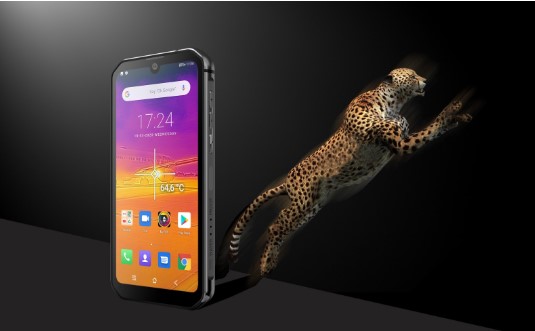
Blackview BV9900 Pro with 4K-video recording and thermal imaging technology available for $439.99

Last month, Blackview launched a BV9900 Pro rugged smartphone featuring 4K display and various other magnificent features. The smartphone hosts a thermal imaging camera that can be useful in industries or while doing adventurous activities. BlackView BV9900 Pro is the newest member fo the Blackview’s rugged smartphone series with 4K video recording capabilities.

blackview bv9900 pro

The new smartphone is a beautiful yet powerful smartphone housing a MediaTek Helio P90 processor coupled with 8GB RAM and 128 GB internal storage. You would be amazed by its camera features as it houses Sony’s 48-megapixel ultra-clear visible camera with the ability to record 4K videos at 30 frames per second. There won’t be any wear and tear of the hardware and the users will be able to enjoy without distorting the multimedia experience. It is capable of shooting high-quality pictures possessing greater details.

Blackview BV9900 Pro features a FLIR thermal imaging camera for an outstanding thermal experience. The sensor from the industry’s leading company will allow the users to detect temperature anomalies, measure temperature values of objects, detect insulation problems at home or work, etc. Moreover, the users will be able to inspect critical machinery and electrical connections from a safe distance. It is also useful for doing some fun activities outdoors or indoors while experiencing detectable thermal imaging.

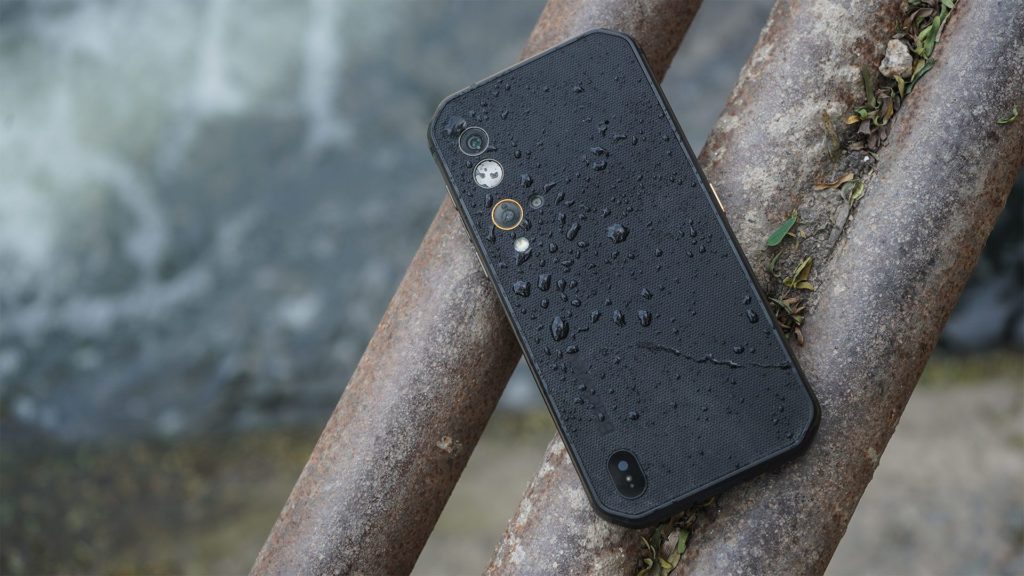
blackview bv9900 pro

BlackView BV9900 Pro carries a rugged design with IP68, IP69K, and MIL-STD-810G ratings. It can even run smoothly under -30°C thanks to the IceMod. There’s a 5.84-inch Full HD+ waterdrop display and comes with Corning Gorilla Glass 5. The users can initiate wireless payments by using inbuilt NFC. There’s a heart rate monitor and barometer to know heart rate and air pressure respectively.

BlackView BV9900 Pro is now available from AliExpress for the discount price of $549. However, from April 4 to April 10 the users can get it for $439 on the occasion of appreciation flash sale at AliEpress. You can buy it here.

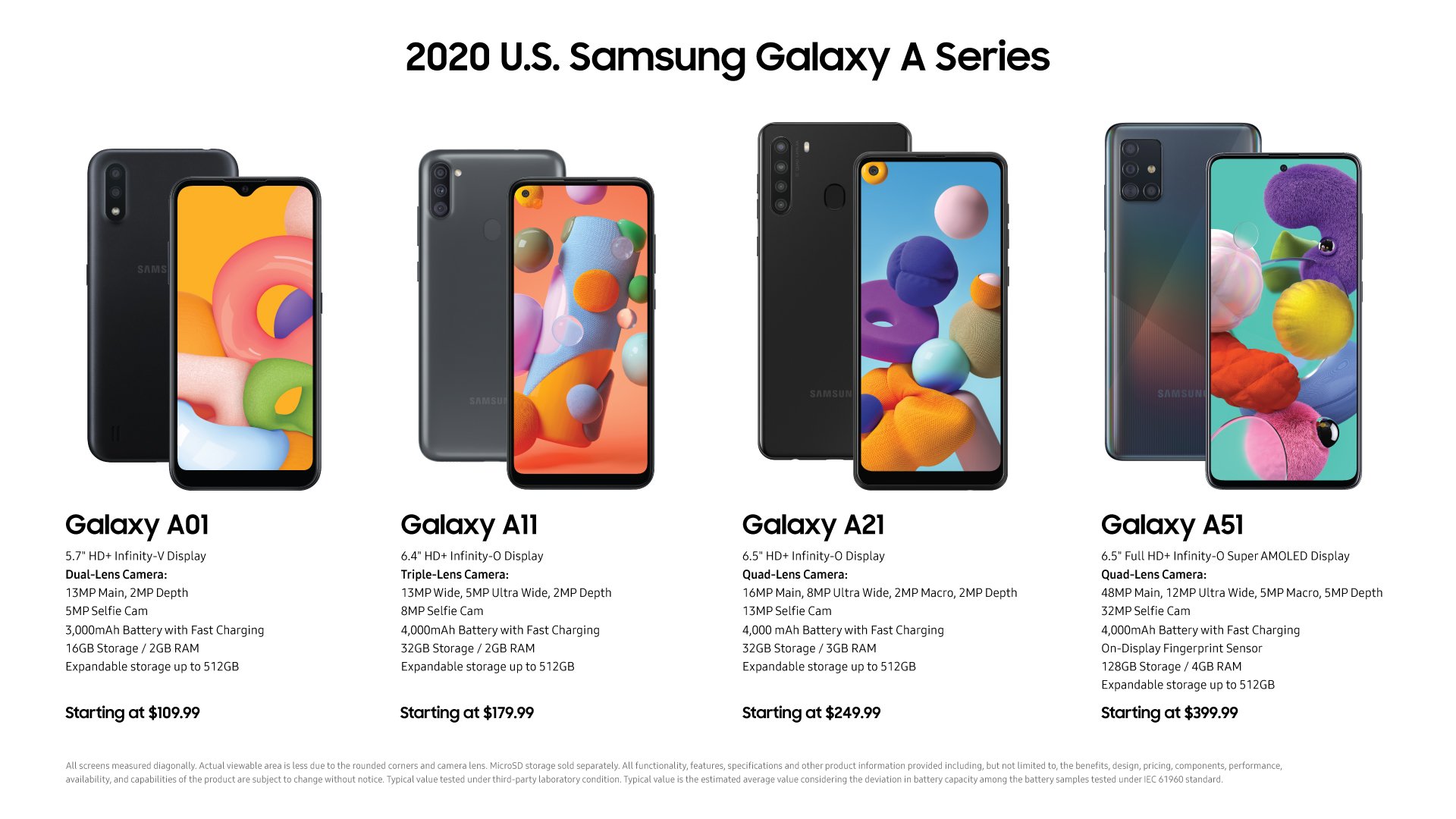
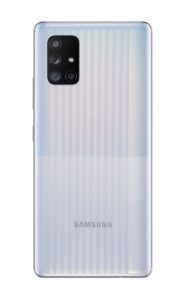
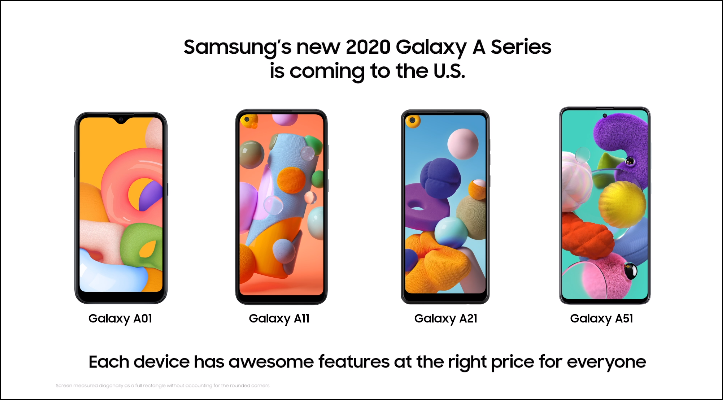
Samsung Galaxy A71 5G, A51 5G, A21 and other 2020 A-series models launched

Samsung has unveiled a number of its 2020 Galaxy A-series models for the US market. The A-series smartphones unveiled includes the much-touted Galaxy A71 5G, the Galaxy A51 5G and the Galaxy A21. Some of the models will go on sale on Thursday (April 9) in the US while others, including the Galaxy A71 5G and Galaxy A51 5G, are scheduled to be released in the summer.Samsung Galaxy A71

The Samsung Galaxy A71 5G is an upgraded version of the Galaxy A71 that was launched earlier this year. The phone has the same design with its sibling and the 5G chipset onboard this new variant is the only distinguishing feature.

As for the specs, the Galaxy A71 5G features a 6.7-inch Super AMOLED display FHD+ resolution of 1080pixels. The device utilises a punch-hole design which houses a 32MP selfie camera.

At the rear, the Galaxy A71 5G packs a Quad camera setup. The setup consists of a 64MP main camera paired up with a 12MP ultra-wide camera, a 5MP macro cam and finally, a 5MP depth sensor.

Samsung didn’t reveal the chipset onboard the device but considering that the 4G version is powered by a Snapdragon 730 chipset, this model is likely using the Snapdragon 765G SoC. The phone gets its juice from a 4,500mAh battery and supports 25W fast charging.

Samsung Galaxy A21
Samsung Galaxy A21

Samsung Galaxy A21

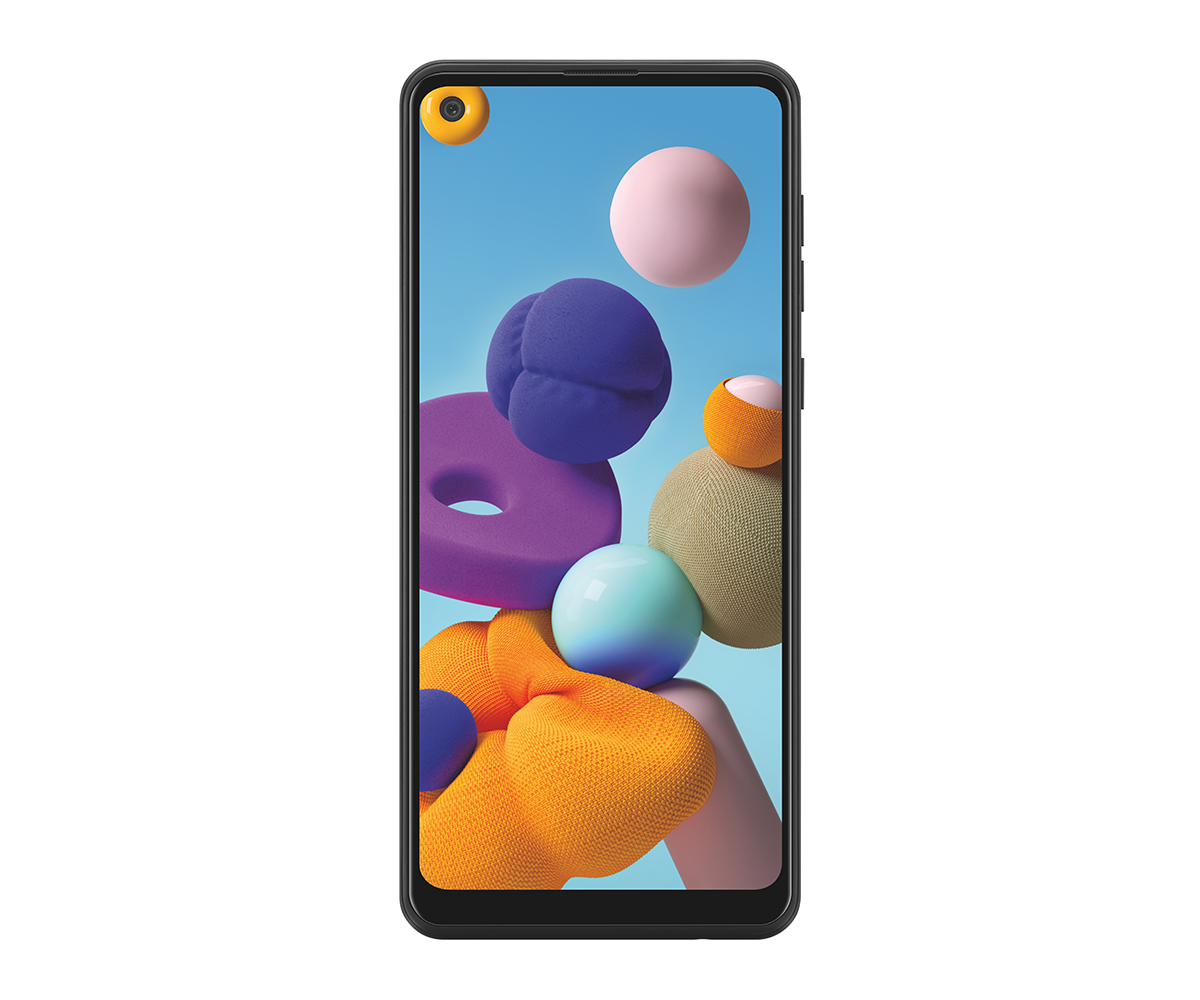
Samsung equally took the wraps off the Galaxy A21 which has not been launched anywhere else. The phone features a 6.5-inch display with 720p+ (HD+) resolution. The device crams a massive 4,000mAh battery under the hood and has support for 15W fast charge.

The phone’s processor wasn’t mentioned but it pairs with 3GB of RAM and there is 32GB of storage onboard. The device has a microSD card slot which means the storage is expandable.

On the camera end, the Samsung Galaxy A21 packs a quad-camera arrangement on the back. The cameras include a 16MP main sensor, an 8MP ultra-wide and 2MP macro cameras and finally, a 2MP depth sensor. For selfies,m the Galaxy A21 utilises a punch-hole design which houses a 13MP sensor.

The Galaxy A21 comes with a price tag of $250. Samsung Galaxy A51

Samsung Galaxy A51

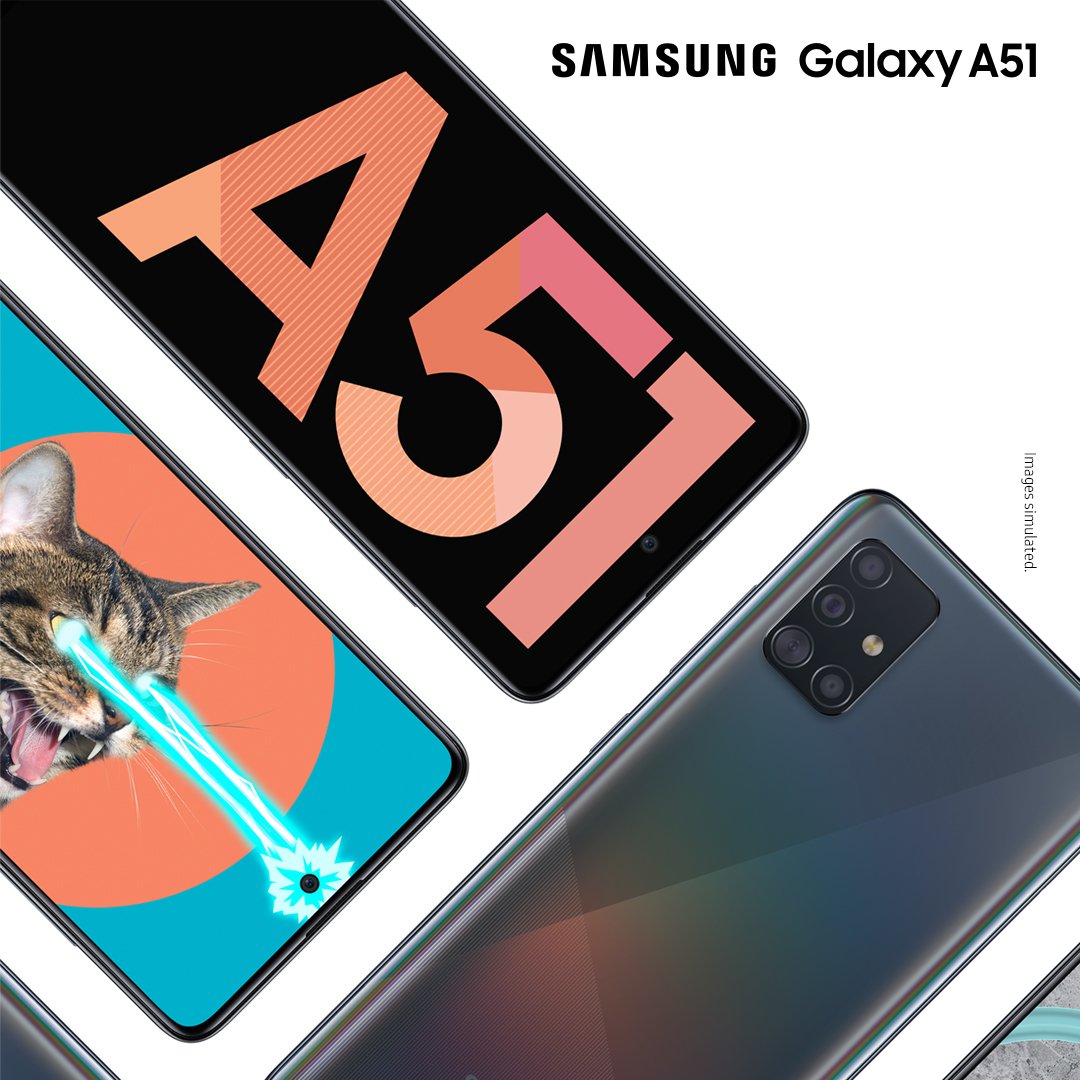
Samsung also launched the premium midrange Galaxy A51 for the US market. The Galaxy A51 will be among the models that will go on sale tomorrow. The Galaxy A51 will be available in 4GB RAM + 128GB storage option which costs $400.

Samsung is also scheduled to release the 5G version of the Galaxy A51 this summer. The major difference with this model is the Exynos 980 chipset onboard that model which will usher in 5G connectivity. The phone will come in at $500 which is just $100 higher than the 4G version.

Samsung Galaxy A01
Samsung Galaxy A01

Samsung Galaxy A01

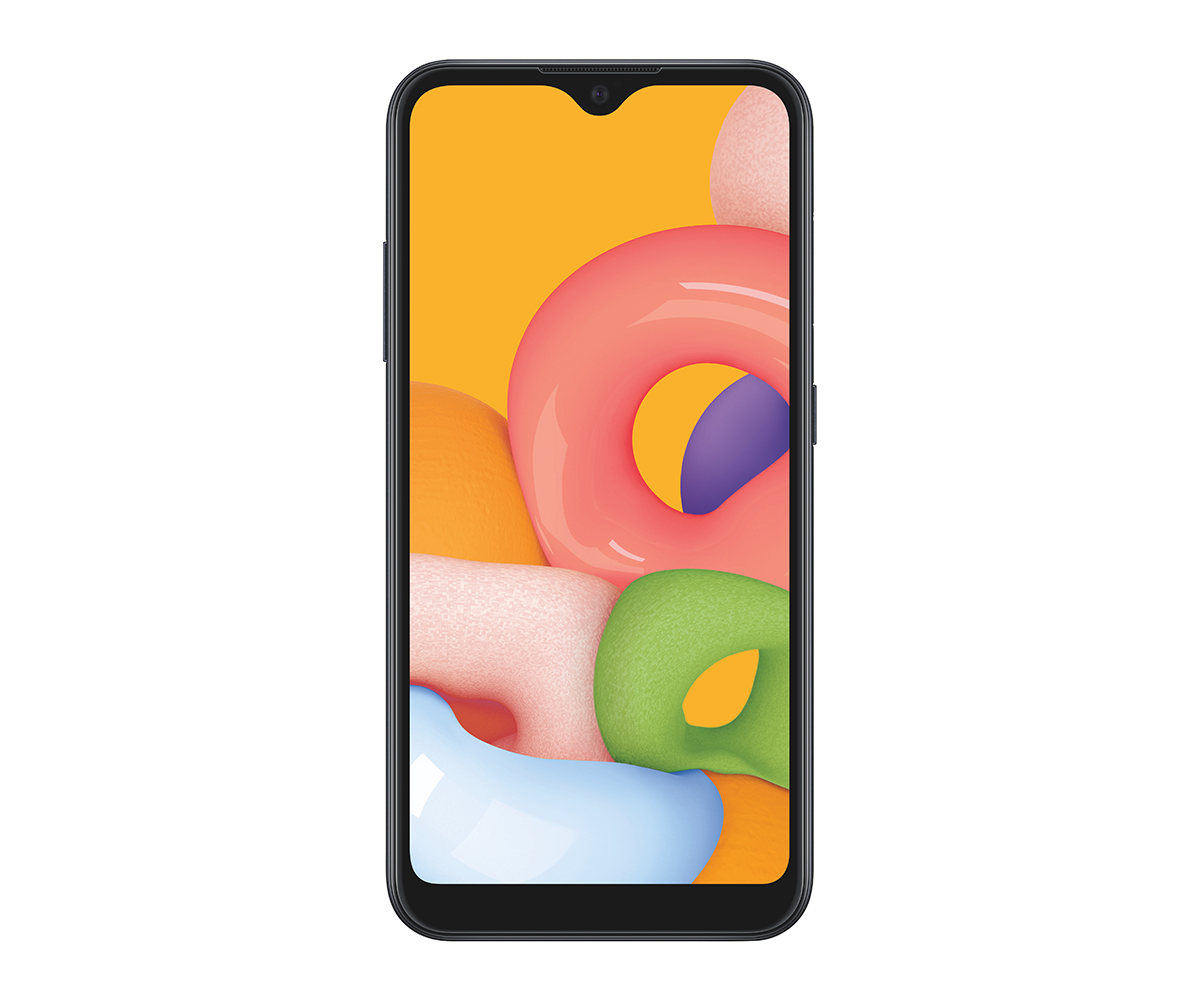
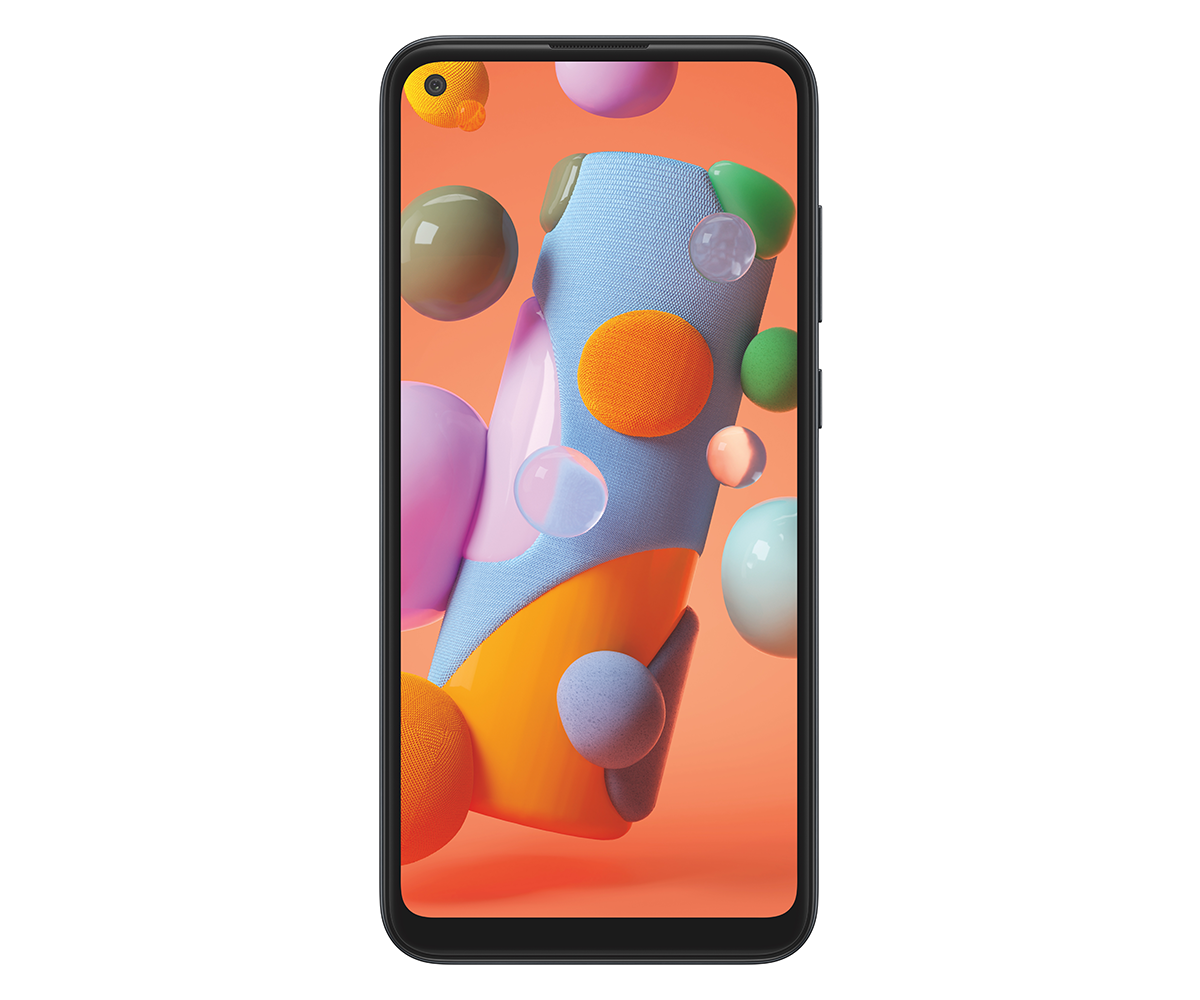
In addition, Samsung announced two cheaper models that adopt the moniker Galaxy A01 and Galaxy A11. The Galaxy A01 is an entry-level model but it runs on full Android and is not a Go Edition model. It carries a $110 price tag.

Samsung Galaxy A11
Samsung Galaxy A11

Samsung Galaxy A11

On the other hand, the Galaxy A11 is said to be a more affordable version of the A21. It packs the same 4,000mAh battery with 15W charging support. However, the device defers from the A21 in the rear camera configuration which makes the camera less powerful than the Galaxy A21’s.

The Galaxy A11 comes with a price tag of $180.


(source)


Sharp is reported to supply LCD panels to Samsung Electronics

Last week, Samsung Display announced its plan to stop making LCD displays by the end of 2020. Now, according to insiders from Taiwan, Sharp will be supplying LCD panels to Samsung Electronics for its lineup of TVs in place of its sister company.

Sharp logo

Sharp ditched supplying LCD panels for Samsung Electronics in 2017 when it was acquired by Foxconn, which is one of the biggest competitors of Samsung’s TV business. Since then, Samsung Display, its sister company has been providing the panels.

But now, as Samsung Display is ending its production of LCD panels to focus more on quantum dot displays, Samsung Electronics and Sharp will once again partner after over 2 years since their partnership last ended. However, this new deal is expected to only last for a short while.

According to the announcement made last week by Samsung Display, the company is no longer taking new orders for LCD panels. It will only continue to deliver the existing orders, most of which are place by Samsung Electronics. Thus, to fill in this gap, Samsung has once again roped in Sharp for the aid.


(Via)

Xiaomi Mi A3 starts receiving Android 10 update once again

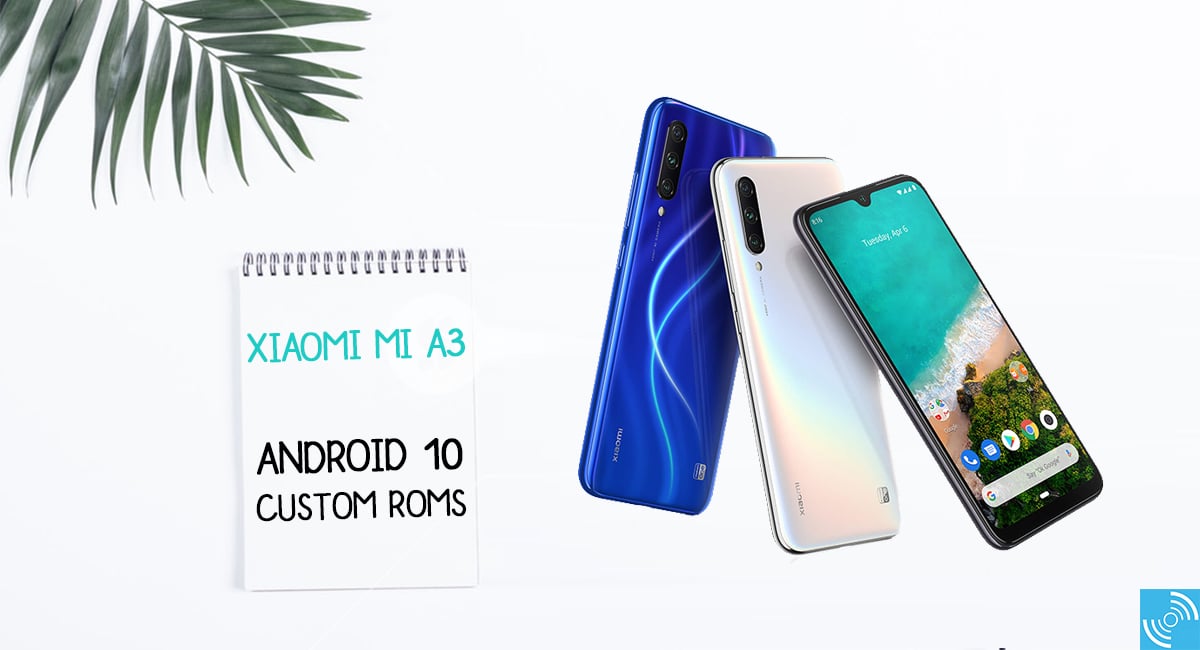
When Xiaomi first launched the Mi A1 running stock Android, fans outside China were ecstatic about the development. Moreso, it was launched under Google’s Android One programme which meant Android updates would be prompt and regular. However, that hasn’t really been the case. Owners of the company’s latest Mi A3 had to petition Xiaomi over the delay to push the latest update.android 10 custom roms xiaomi mi a3

The update was also reportedly delayed by the Coronavirus outbreak. However, when it started rolling out, the ROM was full of bugs and even got some models bricked. Xiaomi had to roll back the OTA update. The company has now started pushing the Android 10 update to the Mi A3.

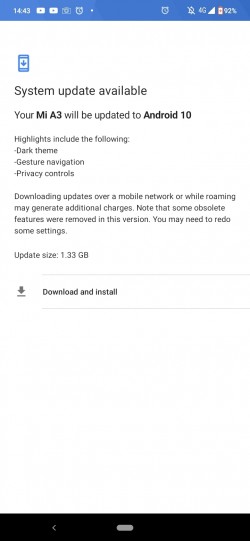
The update comes with the version number V11.0.11.0 QFQMIXM and is expected to hit Mi A3 units Over-The-Air. Of course, the rollout should be pushed in batches so as to ensure there is no issue. So, if you are yet to receive the update you may want to exercise some patience. Alternatively, you may check from the system setting if a new update is available for your device.

XIaomi Mi A3 Android 10

The update for the Mi A3 is 1.33GB in size and some of the new features include a system-wide dark mode, gesture navigation and privacy controls, among others. It is hoped that this new update won’t come with any issue.


Huawei Vision Smart TV X65 launched: OLED screen, pop-up cam, ultra-thin body

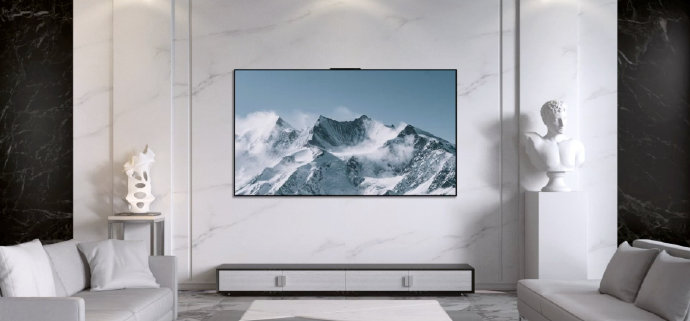
Huawei entered the smart TV market last year with the lunch f the Honor Vision and later the Huawei Vision Smart TV. Both models featured Huawei’s proprietary Hongmeng OS which is the company’s Android replacement OS. The smart TV models are already on sale in China and overseas. Huawei has now taken things a notch higher with the launch, today, of the Huawei Vision Smart TV X65.

The Huawei Vision Smart TV X65 comes as Huawei’s first OLED TV as it packs a humongous 65-inch self-illuminating 4K OLED panel with a high screen ratio. Huawei has garnered a reputation for beautifully-designed products especially its smartphones. The Huawei X65 adopts an ultra-thin body with 24.9mm thickness. The smart TV equally has a high screen to body ratio as a result of the thin bezels that surround the display. Huawei Vision Smart TV X65

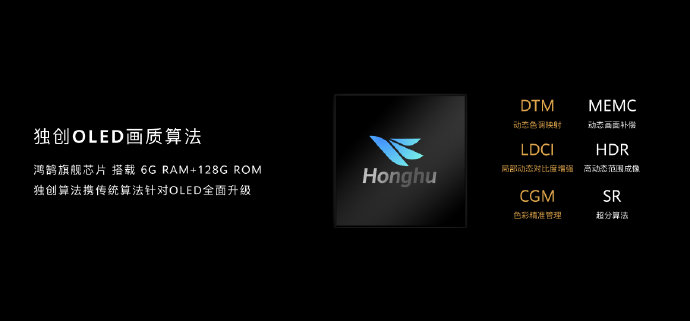
The smart OLED TV is equipped with HiSilicon’s new self-developed Honghu 898 flagship smart chip designed for OLEDs. The processor uses advanced multi-channel sensors to adjust the color and speed of the screen. It also adapts the display to ambient light, making the display more natural as well as allows rich and dark details to be displayed, thus improving the image quality.

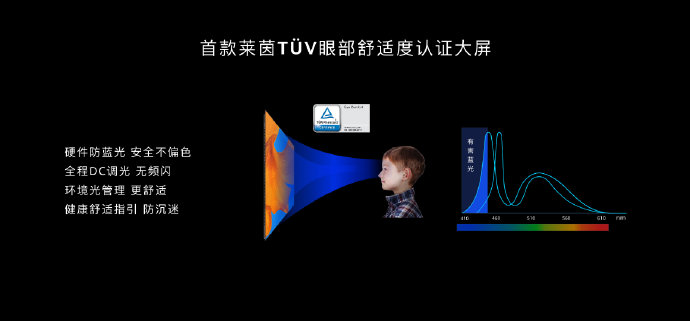
The processor automatically matches the image standard accurately in order to display images in their original color atmosphere, as well as light and shadow texture. The display is certified by German TUV Rheinland for eye comfort which makes it the first large-screen device to get such certification.

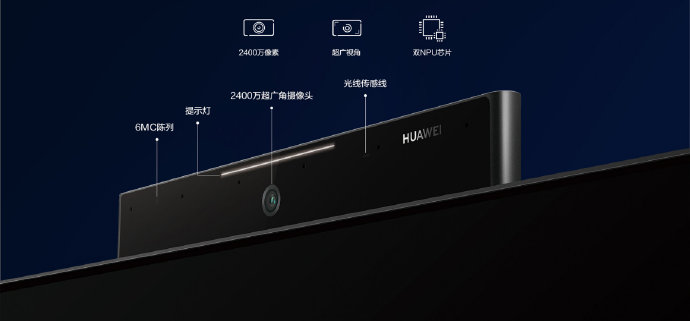
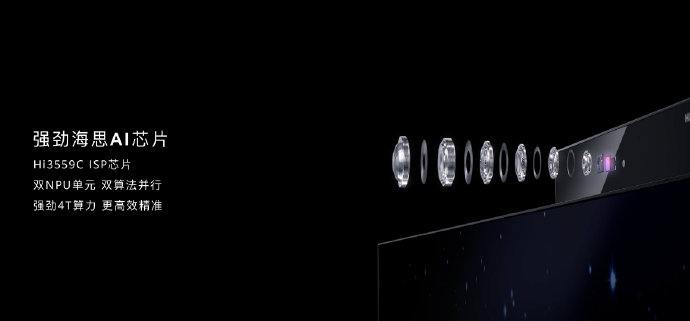
One of the spectacular features of the display is a 24MP ultra-wide-angle AI camera which is equipped with the self-developed HiSilicon dual NPU chips and 4T super-powerful computing power. The camera is wider, clearer and smarter. The camera supports Air gesture control which will definitely bring ease to the control. It equally supports video calling.

The smart TV is equipped with 14 speakers which provide a surround sound field. It also comes with 5.1 channels and provides a distributed 3D smart sound field with stunning sound effects. The smart TV can intelligently identify the spatial structure and emits sound waves to detect the room structure and receive feedback. This helps in establishing a virtual spatial sound field model, and to create an exclusive sound field by automatically matching the sound effect solution in the spatial scene.

The Huawei Vision Smart TV X65 is priced at 24,999 yuan ($3,522). However, there is no word yet on the availability.

Huawei Vision Smart TV V55i 

Huawei also launched the Huawei Vision Smart TV V55i with an LCD display. The smart TV models are powered by the Honghu 818, quad-core 1.5GHz processor. It also has a 1080p front pop-up camera. It comes in two storage variants –  V55i-B (4 + 32GB) which is priced at 3799 yuan ($535), and V55i-A (4 + 64GB), priced at 3999 yuan ($563). The Smart vision V55i will go on pre-order tonight and will start shipping on April 30


Smartisan joins Xiaomi, OPPO as the newest member of Unified Push Alliance

Smartisan officially joins the Unified Push Alliance in China for notifications on its smartphones. The company has successfully met the requirements of the alliance’s T-UPA0002-2019 unified push interface layer specification.

The unified notification protocol will be first available on Smartisan Nut Pro 3 smartphone and all the upcoming models from the company. Also, old devices will be supported via a system update in the coming days.
Smartisan Unified Push Alliance

Notifications on smartphones is a crucial part of the experience. Improper implementation could lead to various complications such as battery drain, waking of apps in the background, and more. On Android smartphones, Google Play Services takes care of proper delivery and maintenance of notifications from apps, however, since Google is banned in China, this service is not available in smartphones sold in the country.
In China, OEMs have their own implementation of notifications in their devices. To mitigate this, The Ministry of Industry and Information Technology of China formed Unified Push Alliance in 2017. The smartphones released by the member companies follow a common protocol for notifications.
Now, Smartisan is the latest smartphone company to join the Unified Push Alliance. Last, when we reported on this topic, Samsung had joined the alliance. In addition to these two OEMs, the alliance also has all the popular smartphone manufacturers like Oppo, Vivo, Xiaomi, Redmi, OnePlus, iQOO, and Realme to name a few.



Huawei launches AR Map; exclusive to P40 series for now

At the P40 series launch today in China, Huawei announced a new product called AR Maps that it didn’t announce at the launch in Paris last month. It is understandable why Huwaei’s AR Maps is debuting in its home country and the reason is that the places on the maps are only in China.

Huawei AR Map

Huawei says it has focused on details for the AR Map and boasts centimeter accuracy. Huawei says the 3D locations are actually a 1:1 replica of their real-world counterparts.

With the AR Map, users can experience virtually real-world locations. The AR map isn’t just for experiencing virtual locations from the comfort of your home, it actually works like a regular map too and includes live navigation and seamlessly integrates with the real world when you step out of your home.

Huawei says it has also added fun activities such as mythical creatures and virtual characters which can be found when using the map in the real world.

The app is currently available on Huawei AppGallery but as stated above, it only works on the P40 series. Hopefully, more devices are supported soon.


(Via)

Huawei P40 series launched in China, Starts at €545

Huawei has officially launched the Huawei P40 series in China today, nearly two weeks after it was announced internationally via an online event. The company has unveiled three flagship smartphones in the domestic market: Huawei P40, Huawei P40 Pro, and Huawei P40 Pro Premium.

huawei p40 DeepSea Blue Featured

Since we already know all about the specs and features of the new devices, let’s first take a look at the China pricing of the Huawei P40 series.

Huawei P40 China Pricing & Availability

The Huawei P40 China pricing is as follows. 

  • 6GB RAM + 128GB ROM – 4188 yuan (~$593  | €545)
  • 8GB RAM + 128GB ROM – 4488 yuan (~$635  | €584)
  • 8GB RAM + 256GB ROM – 4988 yuan (~$706  | €649)

In comparison, the Huawei P40 starts at €799 ($880) for 8GB RAM and 128GB ROM in Europe.

Huawei P40 Pro China pricing is as follows. 

  • 8GB RAM + 128GB ROM – 5988 yuan (~$848  | €778)
  • 8GB RAM + 256GB ROM – 6488 yuan (~$918  | €844)
  • 8GB RAM + 512GB ROM – 7388 yuan (~$1046  | €961)
  • 8GB RAM + 256GB ROM – 6888 yuan (~$975  | €896) – GIFT BOX SPECIAL EDITION

In comparison, the Huawei P40 Pro starts at €999 ($1095) for 8GB + 256GB variant in Europe.

Huawei P40 Pro Plus China pricing is as follows. 

  • 8GB RAM + 256GB ROM – 7988 yuan (~$1131  | €1039)
  • 8GB RAM + 512GB ROM – 8888 yuan (~$1258  | €1156)

In comparison, the Huawei P40 Pro Plus starts at €1399 ($1533) for its 8GB RAM and 512GB ROM variant in Europe.

As you can see, the Huawei P40 series models are priced way cheaper in China, just like its predecessors. This difference in the European and Chinese pricing of the P40 series is similar to what we saw for the P30 series last year.


The Huawei P40 and P40 Pro models will go on sale in China later today (April 8) at 10 PM. The Huawei P40 Pro Plus will go on sale on June 1, 2020.

huawei p40 Silver Frost Featured
huawei p40 Silver Frost

Huawei P40 Series Specs

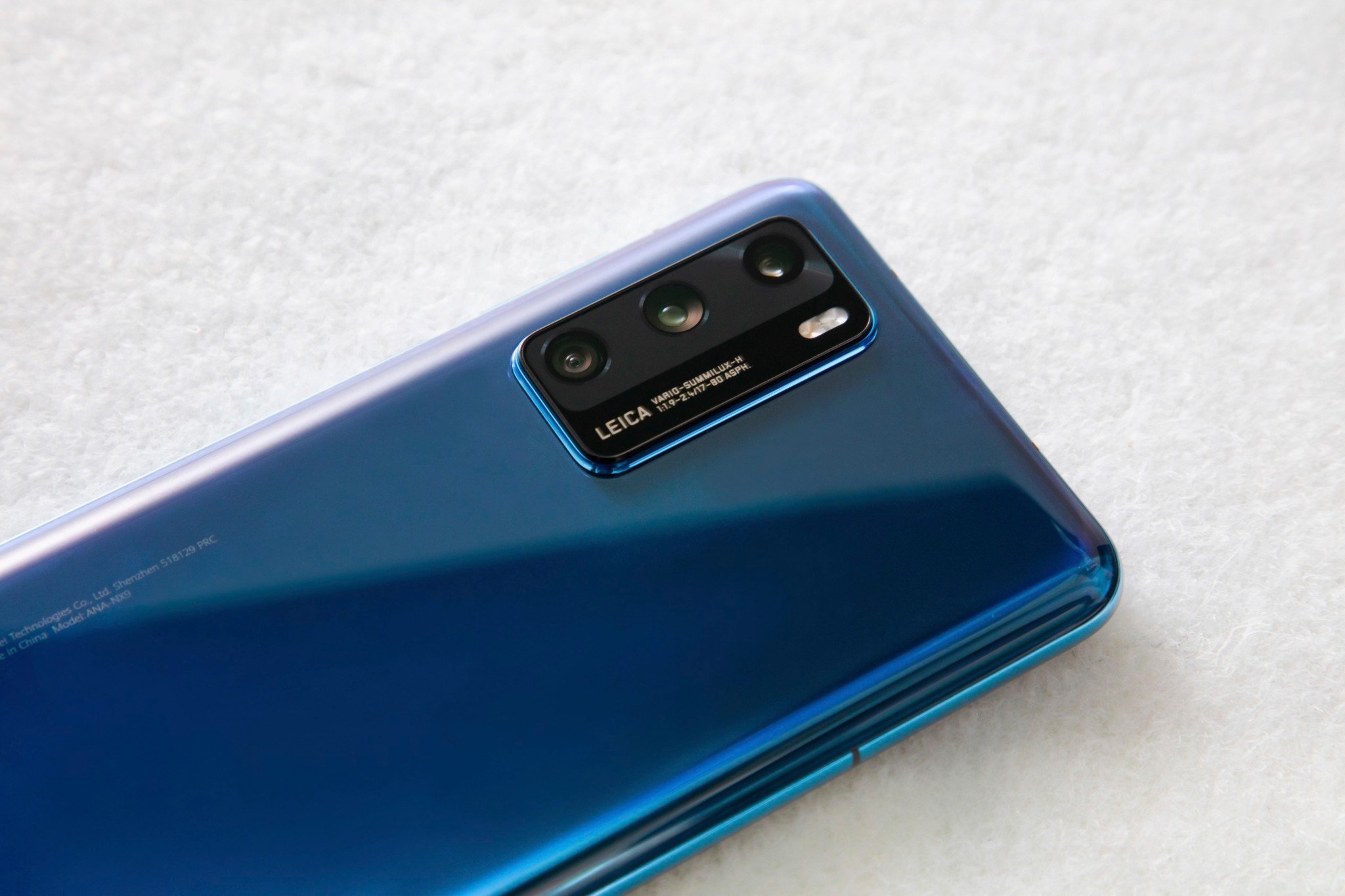
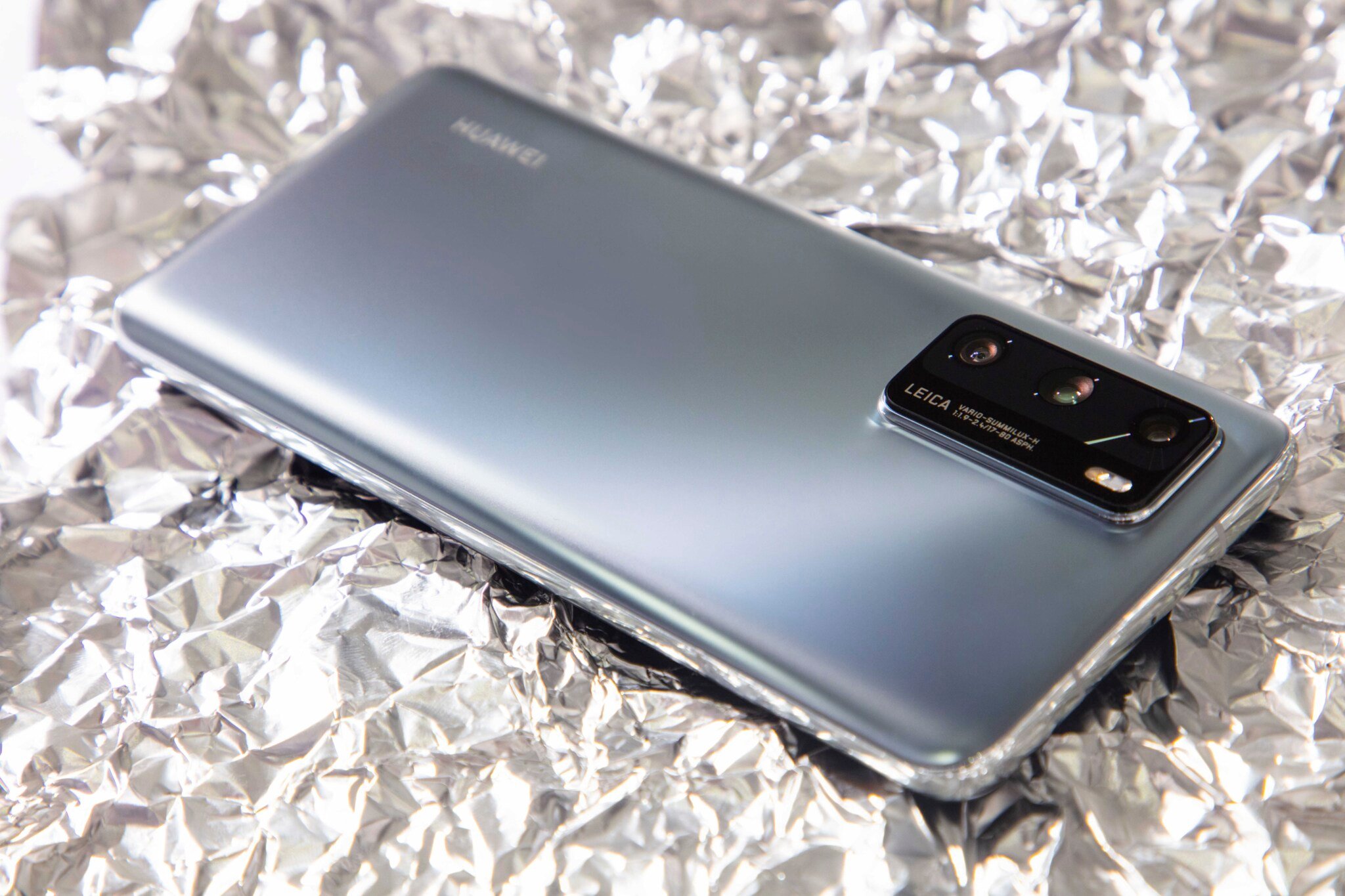
The Huawei P40 series share a similar design profile. So you get a rectangular camera housing at the back with soft-matte glass finish on the P40 and the P40 Pro models. The premium P40 Pro Plus comes with a ceramic back. Up front, the P40 model comes with a 6.1-inch flat OLED display with dual punch-hole cameras on the top left corner. On the other hand, the P40 Pro and Pro Plus models feature an “overflow” curved 6.58-inch display with dual punch-hole cameras in the same position as the P40.

Huawei P40 Pro

Owing to a smaller display and battery, the standard Huawei P40 is lightweight and compact. The phone weighs just 175 grams and measures just 8.5mm in thickness. In comparison, the P40 Pro weighs 209 grams and is nearly 9mm thick. The P40 is not as water-resistant as the IP68 certified Pro and Plus models, but the IP53 rating ensures it can withstand a few splashes. All three models feature a larger screen fingerprint sensor which is 30 percent larger and faster than its predecessor.

Under the hood, all three models feature Huawei Kirin 990 5G flagship processor, starting with 8GB of RAM. They support NaVIC in addition to GPS, AGPS, Glonass, and BeiDou along with Wi-Fi 6 and Bluetooth 5.1. The new Huawei P40 series comes with the latest EMUI 10.1 OS based on Android 10 with HMS.

The Huawei P40 comes with a 3800mAh battery with 22.5W SuperCharge charging technology. The P40 Pro and Pro Plus have much faster wired charging solutions for its 4200mAh battery, maxing at 40W. What’s even more interesting is that the Huawei P40 Pro Plus comes with 40W wireless charging support, making it the world’s fastest wireless charging smartphone right now.

Huawei P40 Pro

The Huawei P40 has a triple camera setup. The P40 Pro has quad-cameras while the P40 Pro Plus has a penta-camera setup.

The standard Huawei P40 comes with a 50MP RYYB f/1.9 UltraVision camera along with a 16MP UltraWide Angle shooter and an 8MP f/2.4 telephoto shooter. The telephoto lens supports 3x optical zoom, 5x hybrid zoom, and 30x digital zoom. The phone gets OIS and AIS for image stabilization and can shoot 4K 60fps videos.

The Huawei P40 Pro comes with a 40MP f/1.8 Ultra Wide Cine lens, an upgraded 50MP RYYB f/1.9 sensor with OIS, an 8MP optical periscope camera, and a ToF sensor. The Huawei P40 Pro Plus has an additional 8MP f/2.4 SuperPeriscope lens. This enables 10x optical, 20x hybrid, and up to 100x digital zoom on the Pro Plus model. On the other hand, the P40 Pro features a 5x optical zoom, 10x hybrid zoom, and 50x digital zoom.


China is an important market for Huawei and the P series has been extremely well received in the domestic market. We can expect the same response for the P40 series as well.