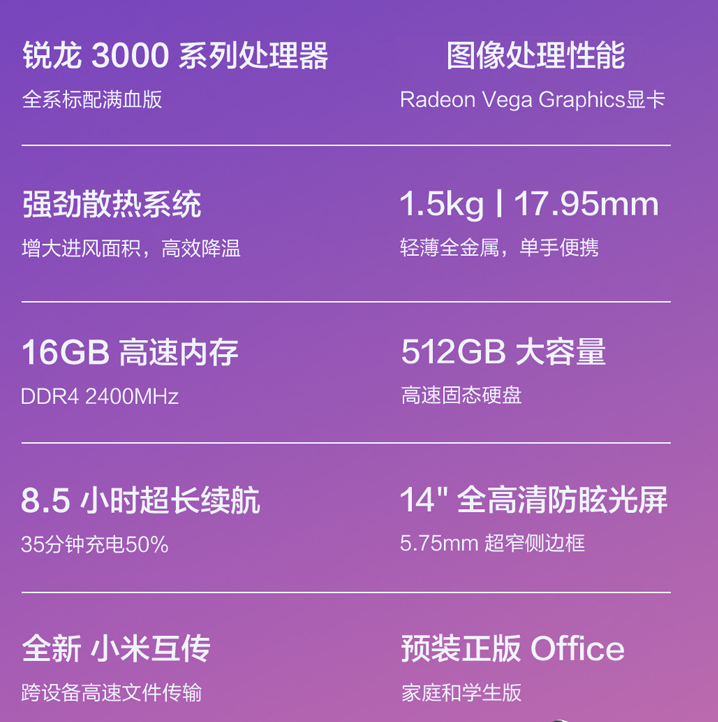
Xiaomi has officially released the RedmiBook 14 Ryzen Edition in China. The version was first announced around October 2019 and is touted to offer powerful hardware at affordable pricing. It is now available for pre-order on Jingdong with sales set to commence on April 9.
The RedmiBook 14 was initially launched in May featuring Intel Core processors. The Ryzen edition retains the 14-inch display that offers an 81.2 per cent screen-to-body ratio. The laptops equally come with support for Dolby DTS audio for an immersive experience.
The RedmiBook 14 Ryzen Edition comes in two variants in terms of processor, some models pack an AMD Ryzen 5 3500U processor while and others pack an AMD Ryzen 7 3700U processor. Both processor versions are bundled with 8GB/16GB RAM versions and 512GB storage.
Yesterday, the company has also revealed that it will come with support for a new feature on the device — support for the company’s new cross-brand file transfer feature. The feature was launched earlier this year in cooperation with Xiaomi, Oppo, and Vivo for transferring files between the devices from these brands. It can transfer files between laptops and smartphones without any file size limit and can transfer over 1000 images and HD videos in a blink of an eye.
As for the prices, the RedmiBook 14 AMD Ryzen 5 8GB+512GB storage version is listed for 3299 yuan ($464). The top-end AMD Ryzen 7 16GB +512GB version is priced at 3999 yuan ($563).
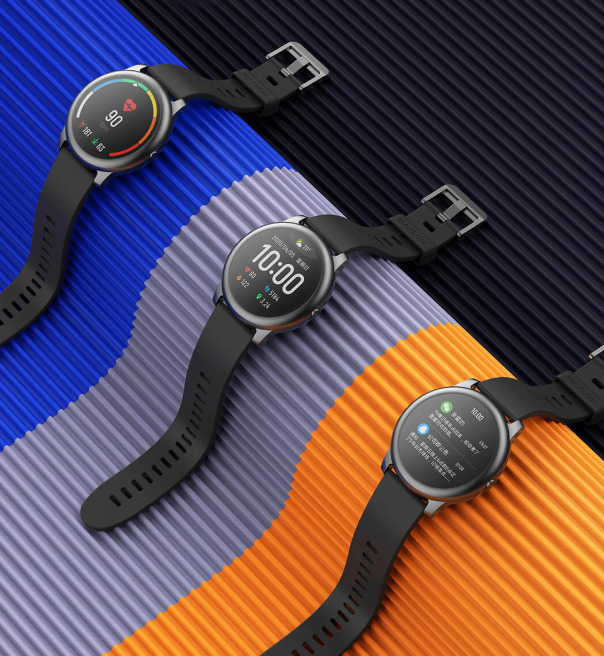
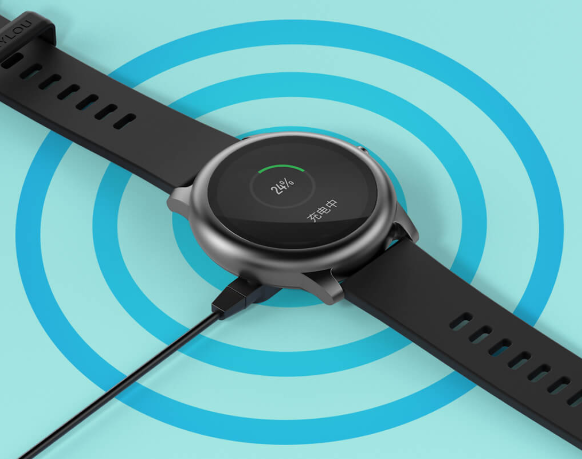
Haylou (pronounced as “Hello”) is one of the first companies under Xiaomi’s ecosystem. Established in 2015, the company was originally known for its audio products including TWS earbuds. However, it wasn’t really popular until it announced its very first “smartwatch” – the Haylou LS01 – which costs just ¥99 (~$14). The Chinese company is back with another smartwatch called the Haylou Solar and this too packs some really nice features matched with an affordable price tag.
The Haylou Solar has a round dial like a regular watch and Haylou says they have adopted a minimalist design that appeals to the younger generation. The screen is a 1.28 TFT color 240 x 240 display that is sharp and bright even under direct sunlight. It is surrounded by a metal frame and attached to it are 22mm silicone breathable straps that can be comfortably worn for long.
The Haylou Solar can track a total of 12 different physical activities:
Outdoor running
Walking
Mountain Climbing
Cycling
Elliptical training
Yoga
Treadmill running
Free training
Gymnastics
Basketball
Soccer
Rowing
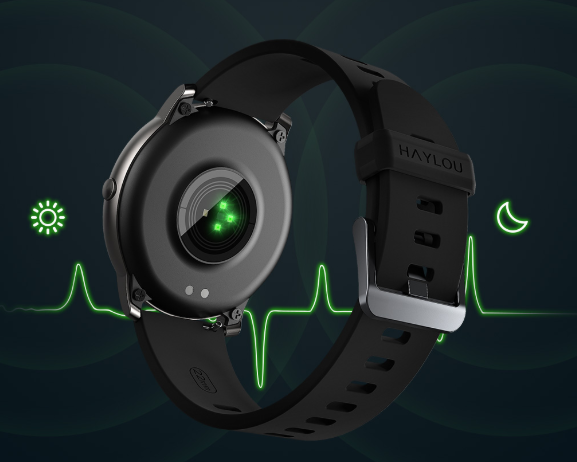
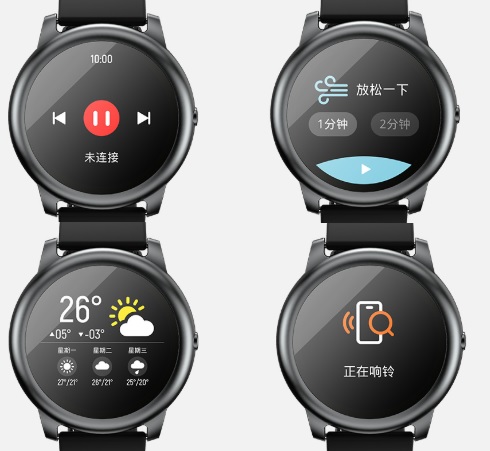
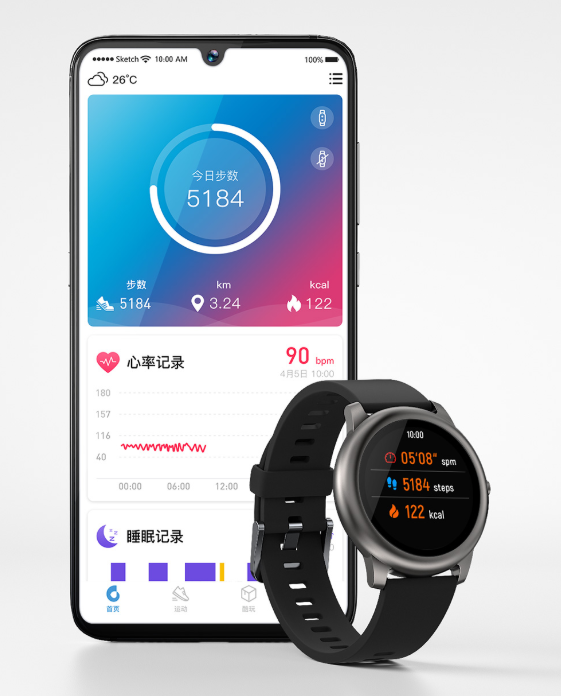
The watch also has sleep tracking, a pedometer, a calorie counter, and a heart rate sensor for 24-hour heart rate monitoring. There is also a sedentary reminder, a stopwatch, a phone finder, support for music playback, weather alerts, breathing training, and support for app notification alerts.
1 of 5
haylou solar
The Haylou Solar has a 30-day battery life (340mAh) but it drops by half if 24-hour heart rate monitoring is turned on. While it is called the Haylou Solar, it doesn’t charge via solar but has charging pins at the back. The watch also has an IP68 rating which means you can take it swimming or wear it in the shower.
The Haylou Solar connects via Bluetooth 5.0 and there is a dedicated app called the Haylou Fit for setting up the watch and for more detailed info on your physical activities. It works with both Android (Android 4.4+) and iOS (iOS 8.0+) devices. The watch is 264 millimeters long and weighs 54 grams.
Just like the LSO1, the Haylou Solar (LS05) is really affordable with its price tag of ¥149 (~$21). It has crossed its crowdfunding goal and will begin shipping May 18, 2020.
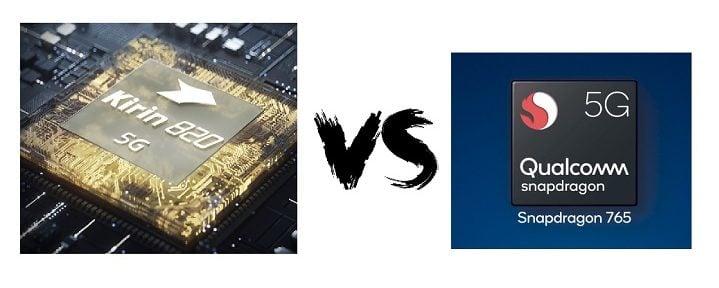
The Kirin 820 5G is the latest 5G mid-range processor. Announced last week and appearing first in the spanking new Honor 30S, this chipset is one of Huawei’s most powerful processor. For this edition of Chip Battle, we want to see how it measures up to another mid-range 5G chipset – the Snapdragon 765G.
CPU
The Kirin 820 5G is a 7nm chipset with a prime core (Cortex-A76) clocked at 2.36GHz and three performance cores (Cortex-A76) at 2.22GHz and four efficiency cores clocked at 1.84GHz.
For the Snapdragon 765G, we have a 7nm octa-core chipset too with a Kryo 475 Prime core (Cortex-A76) clocked at 2.4GHz, a Kryo 475 Gold core (Cortex-A76) clocked at 2.2GHz and six Kryo 475 Silver cores (Cortex-A55) clocked at 1.8GHz.
Just looking at the cores, one can see the Kirin 820 5G is the more powerful processor as it has four Cortex-A76 cores whereas the Snapdragon 765G has just two. However, for more practical evidence, below are benchmark results from Geekbench.
[envira-gallery id=”314838″]
As you can see, the Kirin 820 5G has significantly higher scores compared to the Snapdragon 765G (Redmi K30 5G).
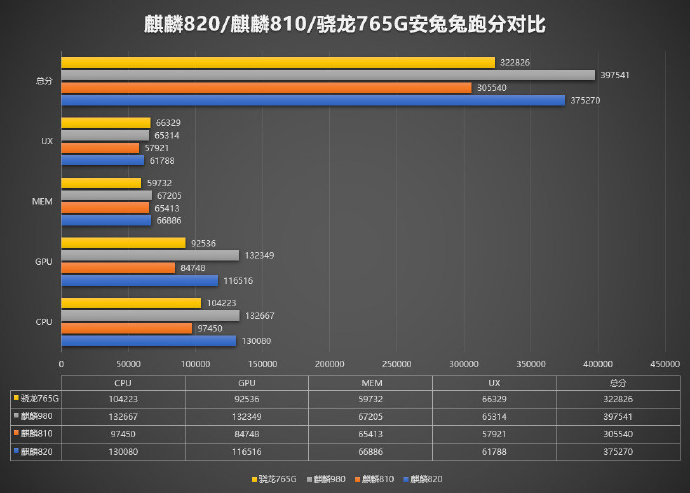
Scores from AnTuTu are no different either as the Kirin 820 5G scored 130,080 points while the Snapdragon 765G scored 104,223 points.
GPU
The GPU of the Kirin 820 5G is a Mali-G57 with six cores while that of the Snapdragon 765G is the Adreno 620. According to the AnTuTu benchmark result above, the Mali-G57 is a more powerful GPU as it scored 116,516 points in the benchmark result as against the Adreno 620 which scored 92,536 points.
[envira-gallery id=”314843″]
In another AnTuTu test, the Kirin 820 5G scored 119,839 points (GPU) which is higher than the 93,977 points scored by the Snapdragon 765G-powered OPPO Reno3 Pro.
In the above benchmark result, the Honor 30S (Kirin 820 5G) doesn’t just floor the OPPO Reno3 Pro 5G (Snapdragon 765G) in CPU and GPU performance but also outshines it in the other areas too. Yes, we know the AnTuTu version numbers are not the same but even if they were, the Kirin 820 5G will still come out on top.
Others
In terms of connectivity, both processors support SA and NSA 5G networks. There is Bluetooth 5.0 on the Snapdragon 765G while the Kirin 820 5G has Bluetooth 5.1. With respect to GPS, the Kirin 820 5G doesn’t support NavIC, unlike the Snapdragon 765G which does.
Conclusion
The Kirin 820 5G is definitely one of the most powerful processors Huawei has ever made and no Qualcomm mid-range chipset can hold its own against it. However, we won’t be surprised if Qualcomm announces a new mid-range chipset later this year that surpasses the Kirin 820 5G. The San Diego-based semiconductor company is known for churning out new SoCs pretty frequently and it most likely already has one on the horizon.
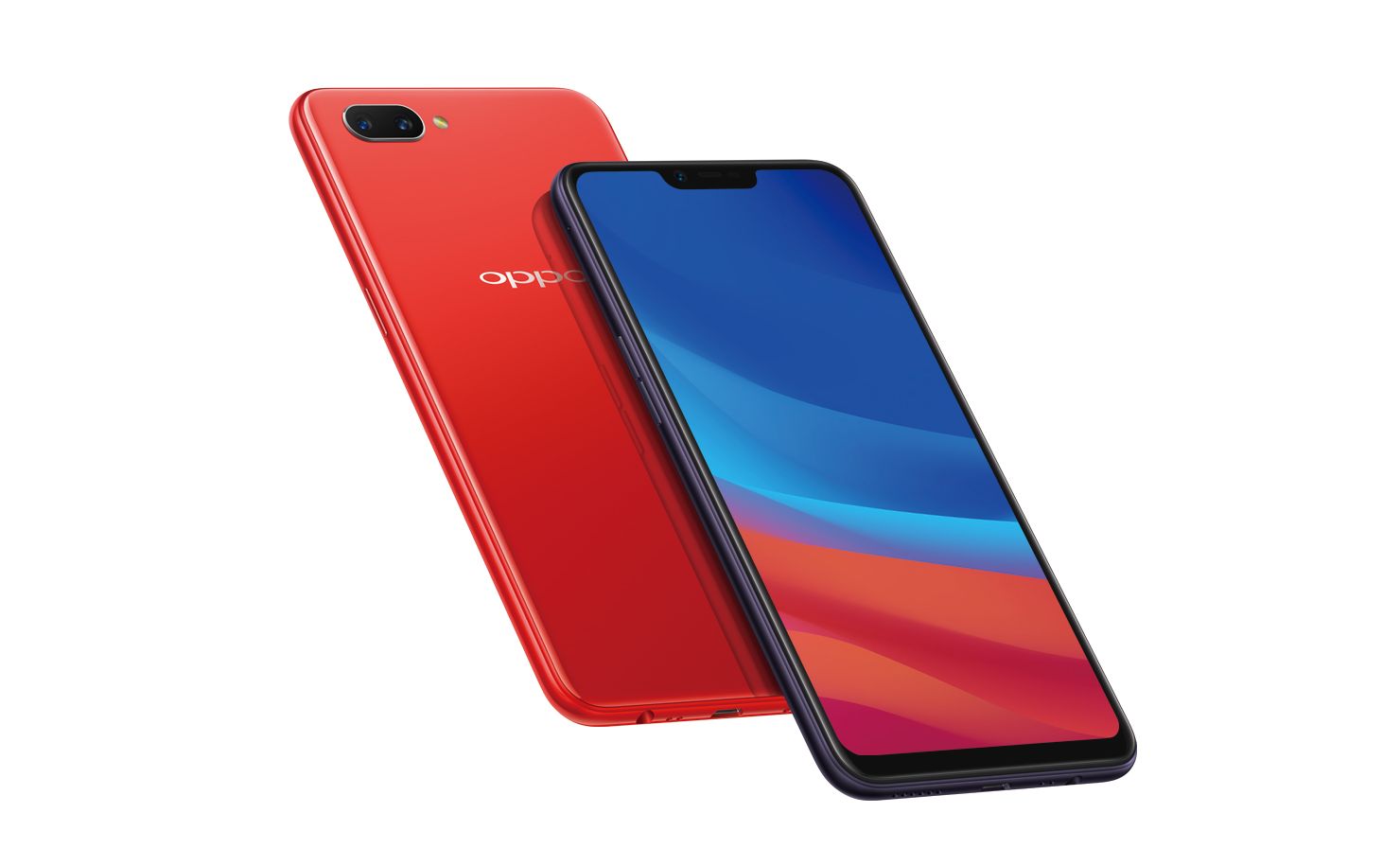
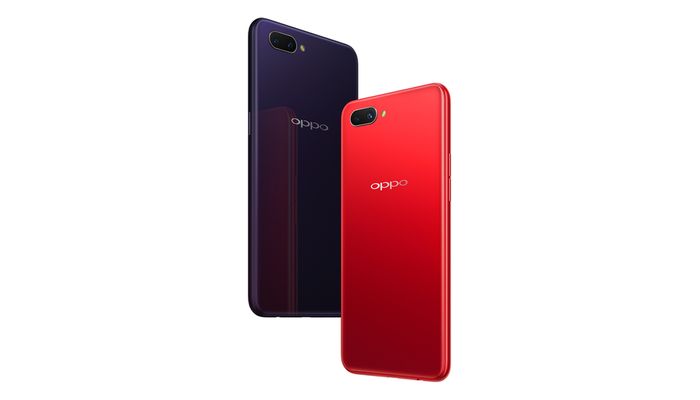
The OPPO A12e smartphone that is yet to get a formal announcement popped up on the official website of OPPO Vietnam. The listing is no longer accessible as it has been taken down. The listing revealed the key specs and images of the phone. it revealed that it could be a rebranded version of the OPPO A3s phone that went official in India last year.
OPPO A12e specifications
The appearance of the OPPO A12e on official site revealed that it has 156.2 x 75.6 x 8.2mm and it weighs 168 grams. The phone is equipped with a 6.2-inch IPS LCD panel with a wide notch that houses a selfie camera of 8-megapixel. The rear side of the device has a 13-megapixel + 2-megapixel dual camera system.
OPPO A12e
The older ColorOS 5.1 based Android 8.0 Oreo runs on the OPPO A12e. The Snapdragon 450 chipset drives the phone with 3 GB of RAM. It has a 64 GB internal storage and a microSD card slot. The 4,230mAh battery with 10W charging support powers the device.
The device supports Music Party function through which the A12e can be paired with other’s phone to play music simultaneously. Face unlock is the only biometric recognition feature on the phone as it lacks support for fingerprint reader. The phone could be coming in Red and White color editions.
OPPO A12e
OPPO India had launched the OPPO A3s budget-friendly phone in India in July. The entire specs and images of the A3s are identical with Vietnam’s OPPO A12e. Hence, it appears that the country will be receiving the A12e as a rebranded as A3s.
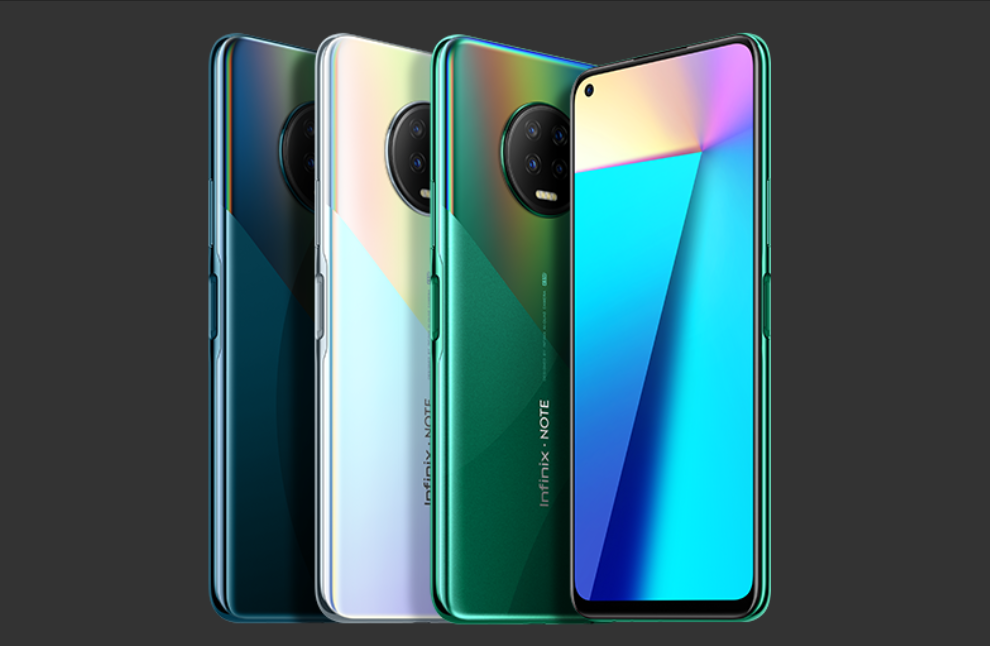
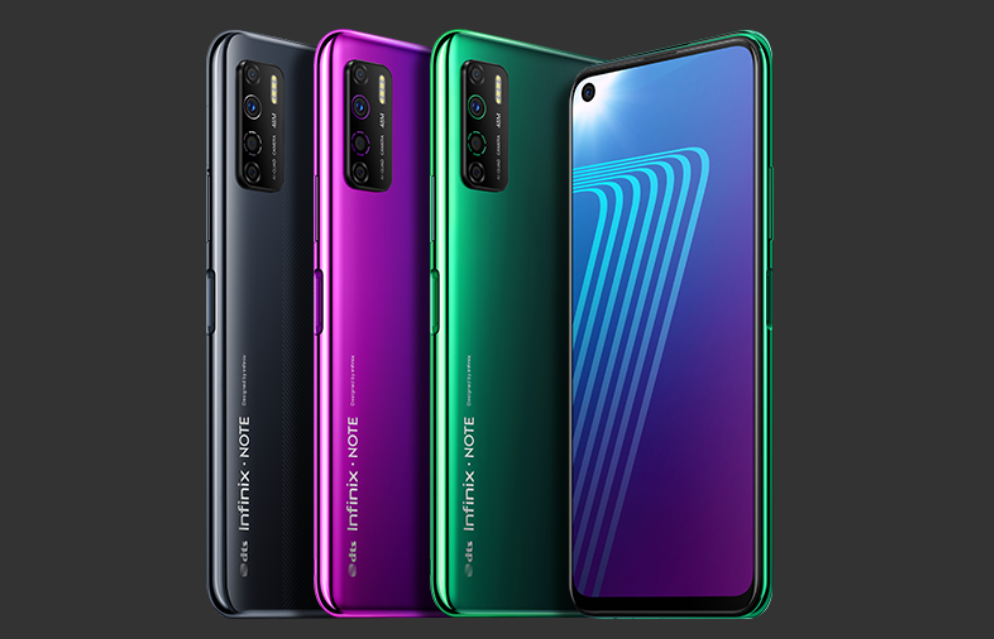
Infinix has unveiled the Infinix Note 7 and Note 7 Lite smartphones. The Infinix Note 7 comes with a trendy round-shaped camera module that houses four cameras and it features a punch-hole display. The Note 7 Lite is also equipped with a display with punch-hole and its rear has four cameras packed inside a rectangular camera system. Both phones are blessed large-sized screens, 48-megapixel quad cameras and large-sized batteries.
Infinix Note 7 and Note 7 Lite specifications
The Infinix Note 7 houses a 6.95-inch IPS LCD Infinity-O screen that offers HD+ resolution of 720 x 1640 pixels. It produces 20.5:9 aspect ratio, 580nits brightness and 91.5 percent screen-to-body ratio. The Helio G70 chipset is at the helm of the smartphone. The SoC is coupled with 6 GB of RAM.
On the other side, the Infinix Note 7 Lite has a 6.6-inch IPS LCD Infinity O- display that delivers 720 x 1600 pixels. The handset supports 20:9 aspect ratio and 90.5 percent screen space. The Helio P22 along with 4 GB of RAM powers the device.
Infinix Note 7
The Note 7 and Note 7 Lite are both equipped with an internal storage of 128 GB. A microSD card slot is available onboard for additional storage. Both phones are backed by large-sized 5,000mAh batteries. However, only the Note 7 comes with support for 18W rapid charging. The Note 7 Lite supports 10W charging. The company claims that the handset can last for up to 4 days once charged.
The Infinix Note 7 has a front-facing camera of 16-megapixel and the Note 7 Lite has a selfie camera of 8-megapixel. The quad camera setup of the smartphone has a 48-megapixel with f/1.79 aperture, a 25mm 2-megapixel macro lens, a 2-megapixel depth sensor and a low light video camera. It is assisted by quad-LED unit. A similar 48-megaipxel + 2-megapixel + 2-megapixel + low light video lens quad camera system is available on the rear side of the Note 7 Lite.
Infinix Note 7 Lite
The Android 10 coupled with XOS 6.0 UI runs on Infinix Note 7 and Note 7 Lite. There is support for gesture-based navigation on the Note 7 and it is equipped with stereo speakers. Both phones support DTS Audio processing. Both smartphones are equipped with side-mounted fingerprint sensors. The predecessor Note 6 had featured an X Pen stylus, but the successor model lacks support for it.
Infinix Note 7 and Note 7 Lite price and availability
While the entire specs of the Infinix Note 7 and Note 7 Lite are listed on the official site, there is no word on their pricing and availability.
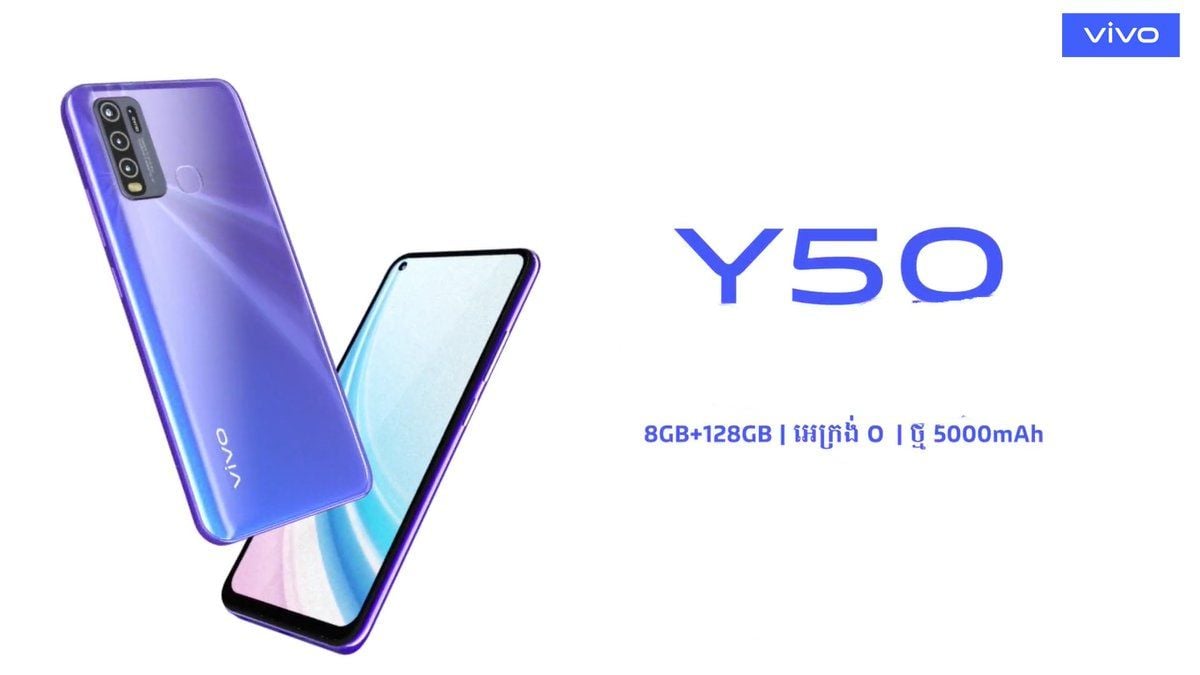
The Vivo Y50 moniker was first confirmed through its appearance at IMEI database in the beginning of this year. Recently, the Vivo Y50 smartphone that has a model number of Vivo V1935 surfaced on Google Play Console recently, which suggested that it may go official soon. Tipster Sudhanshu Ambhore has shared official renders and key specifications that appears to have been taken from some sort of official listing of the handset in Cambodia.
Vivo Y50 design
The Vivo Y50 renders show that it is equipped with a punch-hole display. The two color options of the smartphone are black and gradient violet. The rear side of the device has a fingerprint scanner and a rectangular camera module that houses four cameras and an LED flash.
The Vivo Y50 has a 6.53-inch Ultra O screen that produces full HD+ resolution of 1080 x 2340 pixels. The Snapdragon 665 mobile platform is present under the hood of the device. The handset comes with 8 GB of RAM and an internal storage of 128 GB. The Google Play listing of the phone had revealed that it has a lower version of 6 GB of RAM.
The rear camera setup of the device has a 13-megapixel primary shooter, an 8-megapixel wide-angle shooter with a field-of-view of 120 degrees, a 2-megapixel portrait lens and a 2-megapixel macro sensor with 4cm focal length. The smartphone is equipped with a 5,000mAh battery that carries support for 18W fast charging.
Vivo Y50 price
On Vivo Cambodia’s Facebook page, the pricing of the Vivo Y50 phone is mentioned as $249. There is no word on the availability of the Vivo Y50. There is no word on the availability of the smartphone.
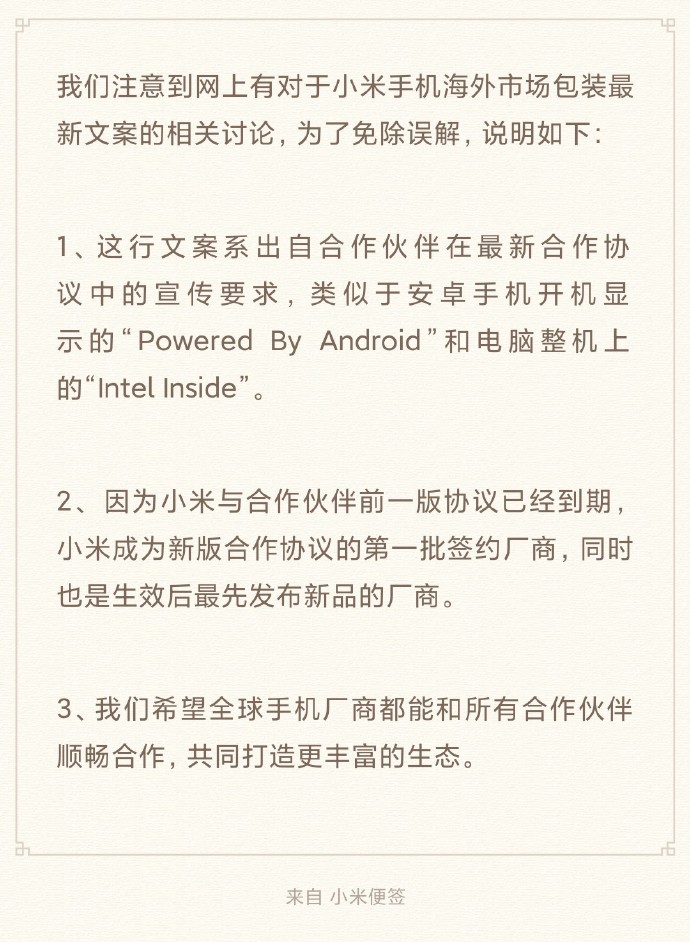
UPDATE: A spokesperson for Xiaomi has released an official statement regarding the retail box inscription which has now generated lots of discussions both in China and even overseas. The statement hints that the inscription is actually one of the promotional requirements of its partner (Google) in the latest partnership agreement. The statement revealed that it is similar to the “Powered by Android” booth message and “Intel Inside” stickers that are stamped on Intel-powered laptops.
The reason why it appeared on Xiaomi’s smartphones first is that the Chinese company’s license recently expired and it had to renew the same with the partner which is no doubt Google. The Mi 10 Pro happened to be the first model to be released after the requirement went into effect, the statement hinted.
Official Clarification by Xiaomi in Chinese
The original story continues……..
Rival smartphone OEMs have several ways of trolling each other, especially when promoting their smartphones. We’ve seen Huawei take on Samsung or Apple but in recent times Xiaomi seems to have upped its game in trolling rival smartphone OEMs.
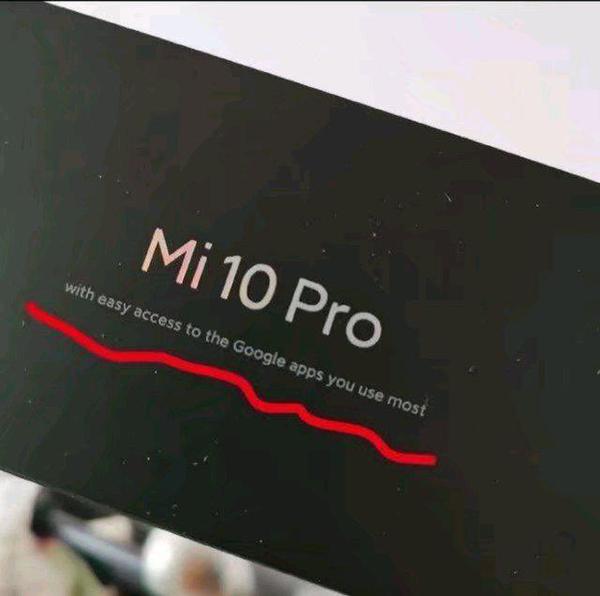
The Chinese giant recently launched the Mi 10 and Mi 10 Pro model for the global market in Europe. While the models are already in the market, what many didn’t take note of is an inscription on the retail box of the Mi 10 Pro global version. The inscription just under the Mi 10 Pro branding reads, “with easy access to the Google apps you use most”. This is seen as a direct marketing strategy, taking a dig at Huawei whose smartphones which are very popular in Europe.
Of course, Huawei recently launched the P40 series which is a flagship model like the Mi 10 Pro. Sadly, the P40 series doesn’t come with Google services which would affect its market performance. Xiaomi is looking to improve on its growing popularity in Europe and it is no surprise the company will fight dirty in a bid to see that happen.
The Mi 10 Pro and Huawei P40 Pro seems to have similar starting prices of 999 Euros. So, both models are rivals in several aspects so, one can see where Xiaomi is looking at when drawing up the retail box campaign. In China, it doesn’t matter but in Europe, the presence of Google services will influence the sales of Xiaomi’s flagship.
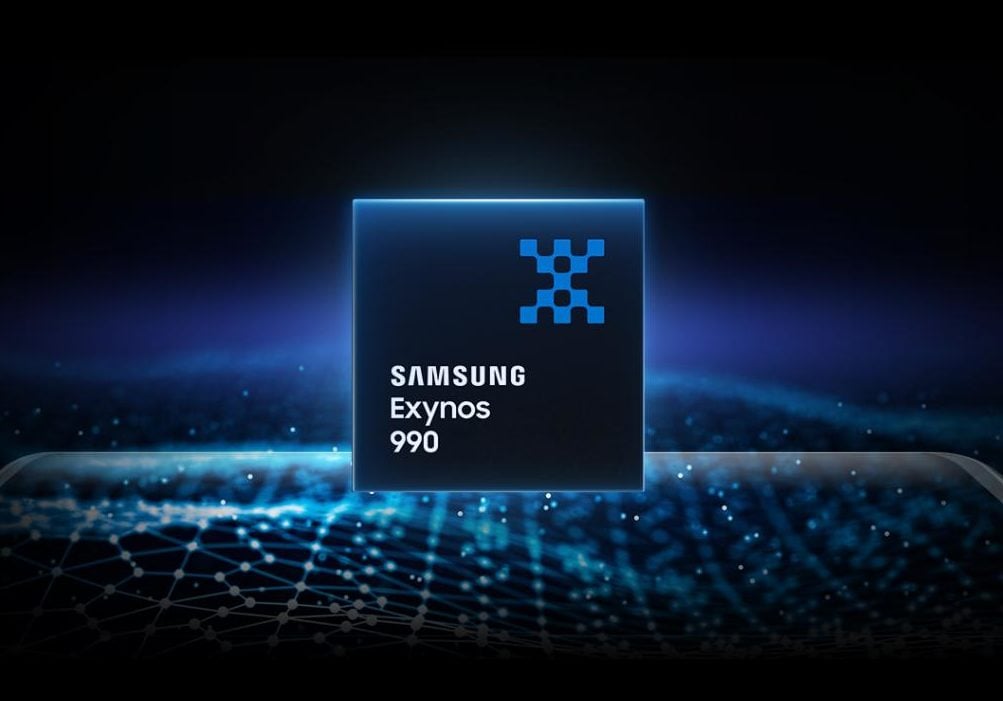
Samsung is one of the few smartphone makers to develop their own processors. Additionally, it is the only one to sell its premium flagship smartphones with two different processors – in-house Exynos and Qualcomm. However, there has always been a performance difference between the two. Now, as Galaxy S20 series is out, various media publications have confirmed the Exynos 990 to lag behind the Snapdragon 865 variant, however, Samsung says otherwise. In a statement to SamMobile, the South Korean tech giant reassures both the versions of their latest high-end smartphones to perform equally.
Samsung has been making Exynos chips for a very long time but they have mostly performed inferior to counterparts from Qualcomm. It becomes even more complicated as the company sells its flagship smartphones with both the chips in different regions although the device is priced similarly.
This has now led to tensions among fans as the latest Galaxy S20 series cost higher than the previous generations and only the US, China, and South Korea get the Snapdragon 865 variant, which is better than the Exynos 990 version sold in other markets.
Despite there being proofs all over the internet with reviews from reputed media that confirm the Exynos 990 to throttle performance while also being less power efficient, Samsung has released a statement saying both the variants of Galaxy S20 series have undergone the same rigorous tests and perform equally in real life.
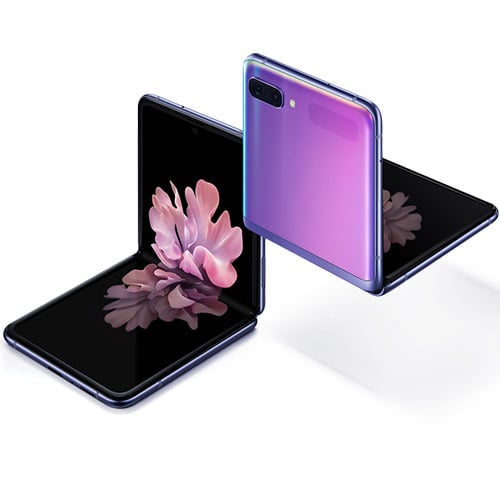
In order to lower the price of foldable smartphones, Samsung Electronics is looking to manufacture foldable glass on its own. Until now, the company has been sourcing supplies from its sister company Samsung Display. If this plan goes as expected, the price of foldables may drop gradually making them affordable than ever before.
The current cheapest foldable smartphone by Samsung, the Galaxy Z Flip costs $1,400, which is not affordable in any way and even the company feels the same. The foldable glass used on this device has a thickness of 30 micrometers and costs $40 to make, compared to $2 for flat glass on normal phones.
The foldable glass, known as UTG (Ultra-Thin Glass), used in the Galaxy Z Flip is manufactured by DOWOO INSYS whose biggest shareholder is Samsung Display, who then incorporates its OLED panel with the glass and supplies the final product to Samsung Electronics. But if the phone maker can manufacture its own foldable glass, Samsung Electronics can compete directly with its sister company. This could lead to competition between other folding glass manufacturers over the years, eventually bringing down the cost.
In fact, Samsung Electronics is already in talks with multiple foldable glass manufacturers. However, it is not certain if the company will succeed in signing a deal but if it does, we can expect foldable smartphones to get cheaper in the coming years.
Samsung has announced two TWS earbuds this year – the Galaxy Buds+ that launched alongside the Galaxy S20 series and the AKG N400 that was announced recently in South Korea. However, a new leak has revealed a new Galaxy Buds is in development and it may launch later this year at the earliest.
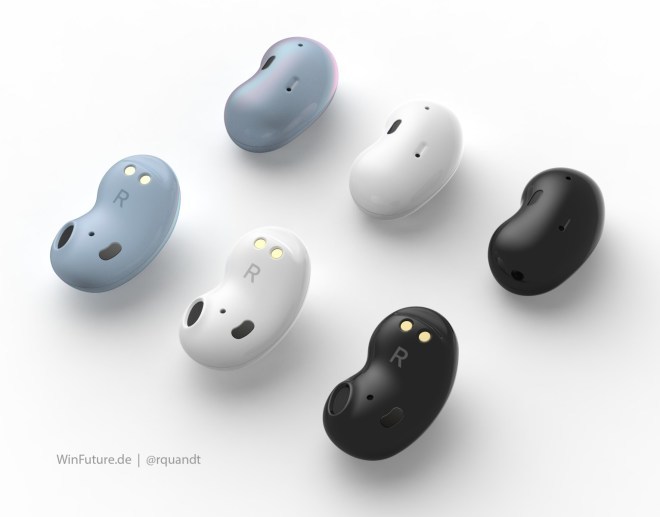
The source of the leak is Winfuture.de and the German tech blog has provided us with our first look at the upcoming earbuds which have a design unlike any we have seen before.
The official name of the upcoming earbuds is unknown but its codename is revealed to be “Bean” which should not be a surprise since it actually does look like a kidney bean. It also has the model number SM-R180. Winfuture.de reports they were able to get their hands on sketches and 3D models of the earbuds.
Based on the renders, the earbuds should provide a secure fit for several users with its bean-like design. It has two speakers with one likely for treble and midrange or low tones. There are also two contact pins for charging and three microphones.
[envira-gallery id=”314796″]
The specifications and features of the new earbuds are unknown at the moment but more details should surface once it passes the Engineering Validation Testing 1 stage.
With respect to its release date, we may see it launch alongside the Galaxy Note20 series in August.
When Honor announced the lunch date of Honor Play 4T series, the brand also appointed Wei Xialong as the new Product Manager of the series. Now, this executive has posted a selfie on his Weibo, which happens to slightly reveal the rear of the new handset in line with the teaser renders spotted on the product pre-order page.
1 of 2
As you can see from the picture posted by him, the upcoming Honor Play 4T / Pro will indeed have a vertical camera alignment like on a rectangular bump like most phones from the past few months. Although this picture does not reveal anything about the phone, we already know some of its specs from previous leaks and official teaser renders.
The Honor Play 4T will also be accompanied by a Pro variant with a major difference between the two being a 6.39-inches HD+ IPS LCD punch-hole panel with a traditional rear-mounted fingerprint scanner on the regular version and a dew-drop notched 6.3-inches FHD+ OLED display with an in-screen fingerprint sensor on the Pro model.
Under the hood, the Pro variant is expected to feature the all-new Kirin 820 5G chipset, which recently debuted on the Honor 30S. On the other hand, the standard model will be powered by an unknown octa-core processor clocked at 2.0 GHz. Both devices will come in 6GB + 128GB configuration but the standard version will also be available in 4GB + 64GB in addition to 6GB + 256GB configuration of the Pro model.
1 of 2
Honor Play 4T Pro
Honor Play 4T Pro
They both will have the 4,000 mAh battery but the Pro variant will have support for 22.5W fast charging. As for cameras, the Honor Play 4T will come with 48MP + 2MP dual-camera setup paired with an 8MP selfie camera. Whereas, the Honor Play 4T Pro will feature a 48MP + 8MP + 2MP triple camera setup and a 16MP selfie camera.
Leading phone makers are slowly but surely eliminating the 3.5mm audio jack from mobile devices, which explain why users are now turning to true wireless earbuds as the next viable alternative. Given that wireless earbuds are all the rage, we have listed the top wire-free models for 2020 that you can buy at unbeatable prices.
Sennheiser – MOMENTUM True Wireless 2
The Sennheiser – MOMENTUM True Wireless 2 lives up to the company’s reputation for putting sound first. It is currently up for pre-order at Best Buy for $300. While it carries a slightly steep price tag, the MOMENTUM True Wireless 2 offers enhanced overall performance as compared to the original models.
It adopts a smaller, yet more comfortable design and offers active noise canceling worthy of comparison with the AirPod Pro. Aside from that, it is backed by a larger battery that lasts up to seven hours, while the original only offered four hours of battery life. On top of that, it offers improved noise reduction during calls.
Moreover, the Sennheiser – MOMENTUM True Wireless 2 uses Bluetooth 5.1 that supports the AAC and AptX codecs (for phones that have AptX). It is also IPX4 rated, which means they can efficiently withstand accidental splashes. You can follow this link to purchase them from Best Buy. Note that it will be ready for pick up by April 14.
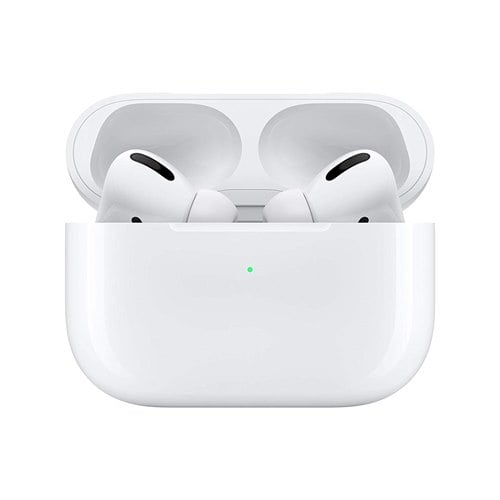
With a $249 price sticker assigned to it, you’d normally expect the AirPods Pro to produce a sound that’s nothing short of magical. While that’s not that the case, it is still a great pair of truly wireless earphones, particularly due to its amazing design and fit, enhanced bass performance, impressive noise-canceling, and superior call quality.
Just like the AirPods, the AirPods Pro connects to your iPhone and Apple Watch and is ready to use as soon as you take them out of the case. The AirPods Pro can be purchased from Apple’s official online store for $249 simply by following this link. You can even get Free Engraving.
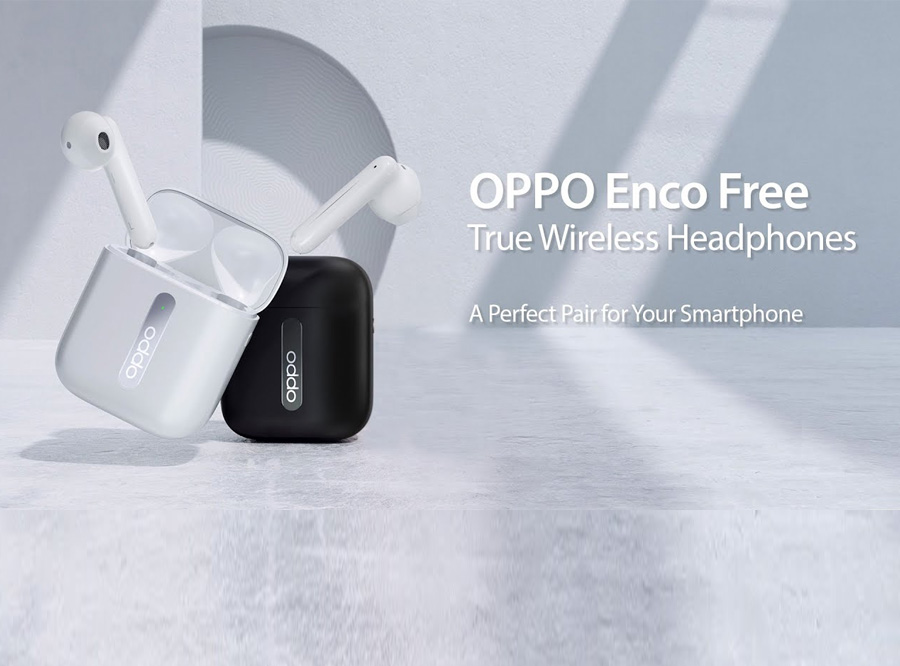
Available in three highly appealing color options including black, white and pink, the Enco Free true-wireless earphones can now be yours for a lowered price of only $89 from Giztop. This is a noteworthy reduction in the device’s original asking price of $129.
Oppo Enco Free sports an open-fit design and support touch controls. It is compact, lightweight and comes with silicone in-ear tips for a more adaptable fit. Featuring a smooth matte surface, the charging case also serves as a wireless charger for the earphones.
You can use the USB-C port placed at the bottom to recharge the buds, as well as the case. To know more about the Oppo Enco Free and to place your order, simply follow this link.
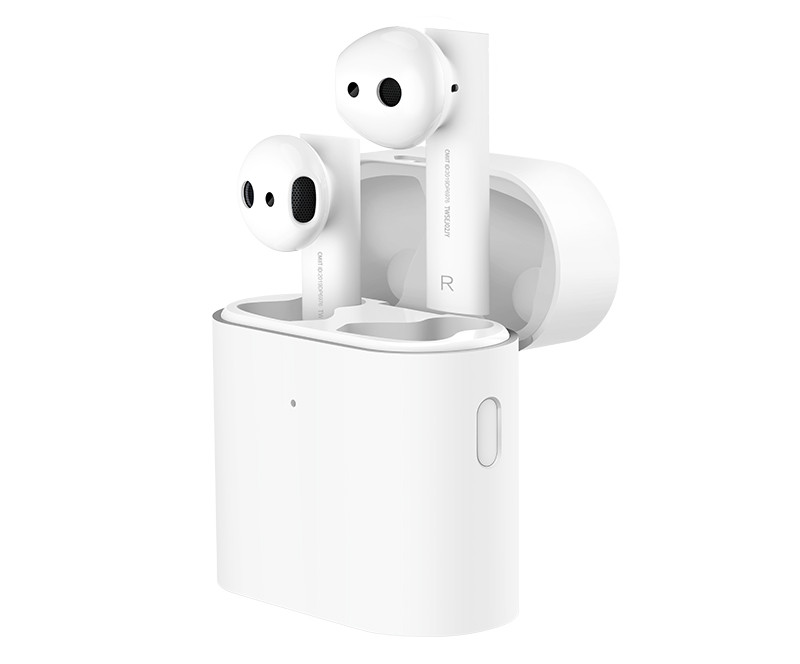
As part of its latest flash sale, Gearbest is doling out 30 percent off on the Xiaomi Mi Airdots Pro 2 True Wireless Earbuds that normally sells for $104.27. Thanks to the aforesaid discount, you can now purchase it for a lowered price of just $72.99.
Aside from the discount, there are several other reasons you might want to get your hands on the Xiaomi Mi Airdots Pro 2. These white-tinted earbuds are touted as a high-res audio headset and support LHDC Bluetooth decoding, which enables three times more data transmission and high definition wireless audio as compared to the LHDC audio format.
Furthermore, the Xiaomi Mi Airdots Pro 2 uses dual-microphone array environment noise reduction technology for effectively reducing the environmental noises during the call. This ensures high-definition voice recognition and superior call quality even in vociferous environments.
You can follow this link to purchase the Xiaomi Mi Airdots Pro 2 from Gearbest and avail of the aforesaid discount. Note that the flash sale will come to an end in 25 days.
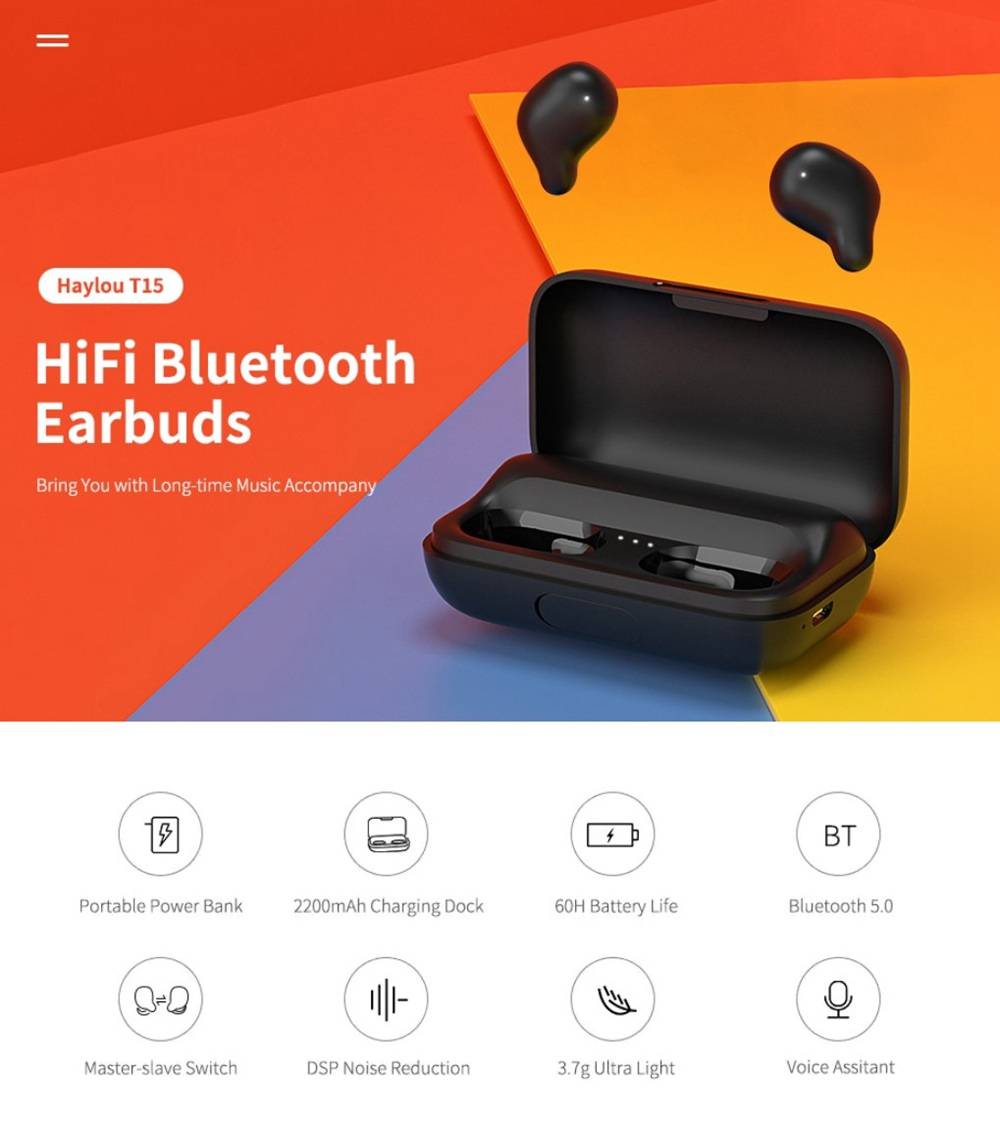
With Realtek 8763VXP Bluetooth 5.0 chipset under the hood, the Haylou T15 provides three times faster response, making them one of the fastest and most stable earphones available on the market today. The Bluetooth chipset is integrated with the DSP smart digital noise reduction module to eliminate voice and enhance sound quality.
On top of that, the Haylou T15 draws its juices from a 2200mAh battery that lasts 60 hours and can even be used to charge mobile phones. You can separately connect each headphone to two different devices. The Haylou T15 comes with an IPX5 waterproof rating and adopts a sweat-proof design so that you can exercise without worrying about damaging the earbuds.
While you’d normally expect feature-laden true wireless earbuds to cost a bomb, the Haylou T15 has gone up for grabs for just $ 44.99 on GeekBuying. This is a 33 percent drop in the earphones’ original asking price of $66.99. You can save more money by applying the 2% Off New User Coupon at checkout.
You can head straight to this link to place your order before the promotion comes to an end.
The Gizmochina Coupons is a community that finds, reports and evaluates deals and coupons of Chinese products from online shops. Please visit it here to find more coupons to save money on mobiles and smart gadgets.
It was rumored that Honor has a large stock of 4G smartphones but now the brand’s president George Zhao denies that allegation in an interview with a Chinese media called C114. Also, he boasted his brand to have performed better than March 2019 even during these hard times.
Like any other smartphone brand, Honor too lacked supplies during the COVID-19 crisis in China, confirmed the brand’s president. But still, it managed to do well than competitors and was even the country’s second-largest smartphone brand in February 2020.
Denying the large pile of 4G stock rumour, he said if it was true they could have set a new sales record in March 2020, albeit doing better than last year. Also, now as the effect of coronavirus is fading away, he expects Honor to further grow rapidly.
Taking about switching from 4G to 5G networks, Mr Zhao said the process is gradual and hence companies have been launching dual-mode (SA & NSA) 5G smartphones. He also said that 5G phones will get cheaper in the coming months just like the brand’s newly launched Honor 30S.
Last but not least, he confirms Honor will offer more value for money products later on this year like the upcoming Honor 30 series and Honor X series.
The coronavirus outbreak stopped smartphone manufacturers to hold physical events, but it did not stop them from announcing their new devices. Despite the COVID-19 pandemic, several upcoming smartphones are going to be officially unveiled in April 2020, including flagship smartphones from a few mainstream brands. In this post, you will find the top upcoming smartphones of April 2020 with the most important piece of info we have about each of these devices. For more information, check our daily coverage and you will find a lot of leaks and confirmation about the upcoming phones. Note that several info you will find below is based on rumors, so take everything with a pinch of salt unless you read it is official info.
Top upcoming smartphones of the month
Oppo Reno Ace 2
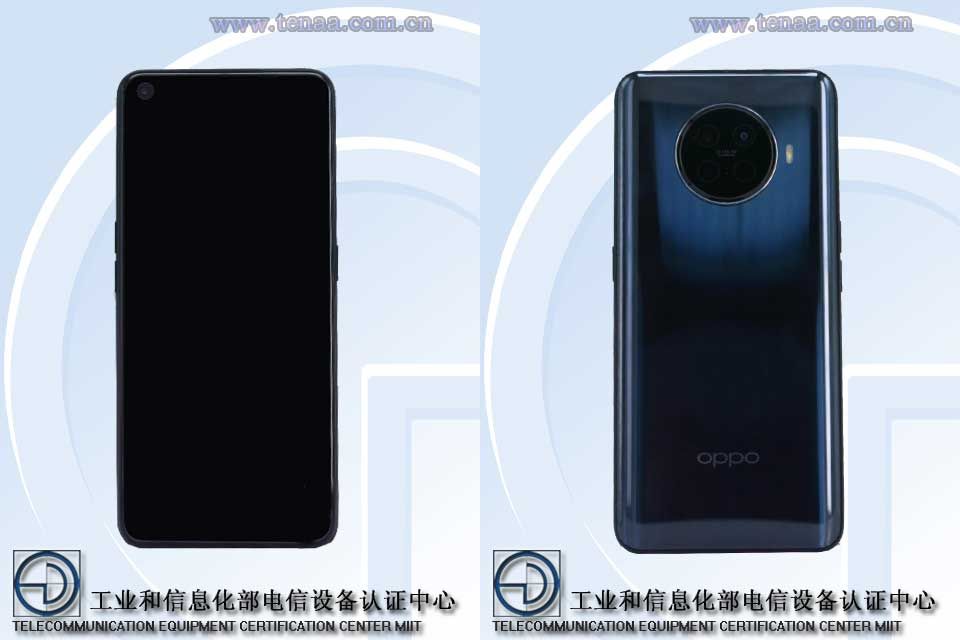
After launching the top-tier flagships Find X2 and X2 Pro, Oppo is going to announce its 2020 affordable flagship. We are talking about the Reno Ace 2: VP Brian Shen confirmed that the phone will be official on April 13. Most of the specifications has already been revealed thanks to a TENAA listing. According to the Chinese regulatory agency, Oppo Reno Ace 2 will sport a 6.5-inch AMOLED display with a resolution of 1080 x 2400 pixels and a 20:9 aspect ratio. It will be a punch-hole display with a 16 MP front camera embedded. On the rear side, there will be a quad-camera setup including a 48 MP primary lens, an 8 MP lens and a pair of 2 MP sensors. The sensors will be included in a round-shaped camera module with a dual LED flash on its right. Under the hood, there will be a 2.8 GHz octa-core processor, most likely the Snapdragon 865 paired with 8 or 12 GB of RAM and 128 or 256 GB of internal storage. The color variants will be black, blue and purple.
The OnePlus 8 lineup will be officially announced on Tuesday, April 14. The event will be live-streamed and it will begin at 11 AM EDT, as officially confirmed by the company. OnePlus will unveil at least two variants of the new series: OnePlus 8 and 8 Pro. But according to reports, the company will also launch a more affordable variant called OnePlus Z. Both OnePlus 8 and 8 Pro are expected to be powered by the Snapdragon 865 mobile platform supporting 5G connectivity. They will come with LPDDR5 RAM and UFS 3.0 internal storage, as well as MEMC technology. They will boast 90 and 120 Hz Fluid AMOLED display, respectively. The standard version will provide a 1080p resolution, while the Pro variant will be Quad HD+. Among the specs, there will also be reverse wireless charging and a camera department with up to 30x digital zoom.
The day after the launch of the OnePlus 8 series, on April 15, another brand will unveil its new flagships: Honor. The brand brought to success by Huawei will unveil the new Honor 30 series composed of Honor 30 and 30 Pro. Last month, the company launched the affordable variant Honor 30S which is also the first smartphone equipped with the new Kirin 820 5G chipset. Honor 30 and 30 Pro will probably be equipped with the Kirin 990 5G SoC. The lineup will be released in four color variants: pink, blue, silver, and purple. According to rumors, they will house a 50 MP Sony IMX7XX main sensor, a 12 MP ultrawide shooter and an 8 Megapixel telephoto lens with 3x optical zoom. We also expect a dual punch-hole display with a 90 Hz refresh rate.
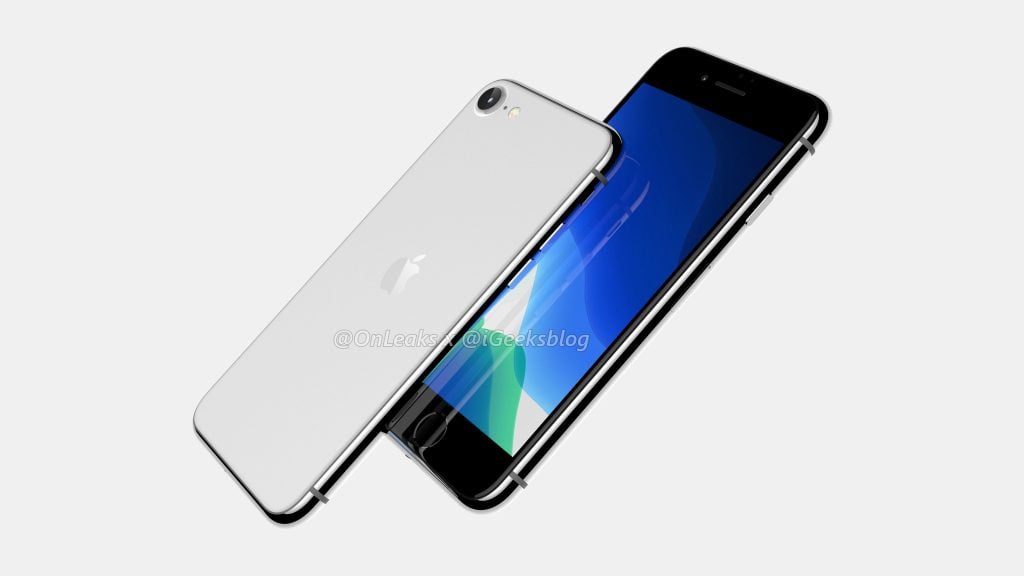
On April 15, an Apple phone might steal the attention reserved for the Honor 30 series. We are talking about the new affordable iPhone which, according to the latest reports, will be called iPhone SE once again (2020 version). A screen protector listed on Apple’s online store confirmed the iPhone SE moniker. It seems like the new iPhone will have the same front panel as the iPhone 7 and 8, including a 4.7-inch display. It is rumored to come with up to 256 GB of internal storage and an Apple A13 Bionic processor, the same as the iPhone 11 series. It is also supposed to hit the shelves in three color variants: black, white and red.
There is still no official confirmation, but Huawei Nova 7 is likely to debut on April 23. That is what the latest reliable leak suggested. The Huawei Nova 7 series is supposed to include three devices: Nova 7 5G, Nova 7 Pro 5G, and Nova 7 SE 5G. The three variants are rumored to be fueled by three different processors: Kirin 985, Kirin 990 and Kirin 820. The Nova 7 SE could carry price tags between 2,000 Yuan (~$282) and 3,000 Yuan (~$423). The Nova 7 may cost around 3,000 Yuan and the Nova 7 Pro may reach a price range between 3,500 Yuan (~$493) and 4,000 Yuan (~$564).
Meizu is going to celebrate its 17th anniversary by unveiling a new flagship: the Meizu 17. The company revealed that the phone will be launched sometime in April, but we still do not have an exact date. The handset is rumored to come with an OLED display sporting a Full HD+ resolution and a 90 Hz refresh rate. It is said to be powered by a Qualcomm Snapdragon 865 chipset paired with LPPDR5 RAM and UFS 3.0 internal storage. On the rear side, we expect to see a quad-camera setup with a 64 MP primary lens, an 8 MP ultrawide sensor, a 5 MP telephoto lens and a 2 MP depth sensor. There may also bee stereo speakers, WiFi 6, NFC, and a 4500 mAh battery with 30W fast charging. All with a 3,999 Yuan starting price.
Unlike the other devices listed above, this is a series of value for money smartphones and it does not include any flagship. Honor Play 4T and 4T Pro will be official on April 9 and some of the known retailers in China started taking reservations. Honor Play 4T Pro was certified by TENAA with a 6.3-inch AMOLED display sporting a Full HD+ resolution. It is equipped with a Kirin 810 chipset paired with 6 GB of RAM and up to 256 GB of storage. On the rear side, there will be a 48 MP triple camera, while the battery will have a 4000 mAh capacity.
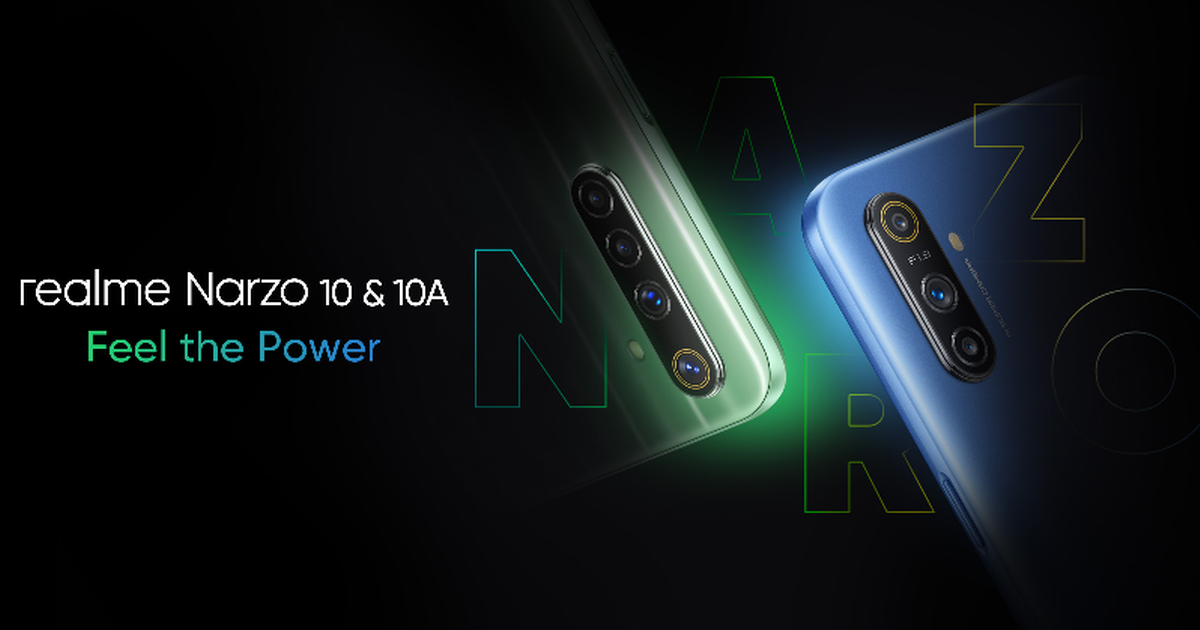
Realme had scheduled the official launch of the new Narzo series in India for March 26, but the day before the launch, CEO Madhav Sheth announced that the launch has been postponed owing to the nationwide lockdown announced in India starting today. The lockdown is obviously related to the Coronavirus outbreak. The Narzo series might debut in April, but nothing has been announced yet. Realme Narzo 10 and 10A will not be new phones: they will just be rebranded versions of the devices known as Realme C3 and 6i in the other markets.
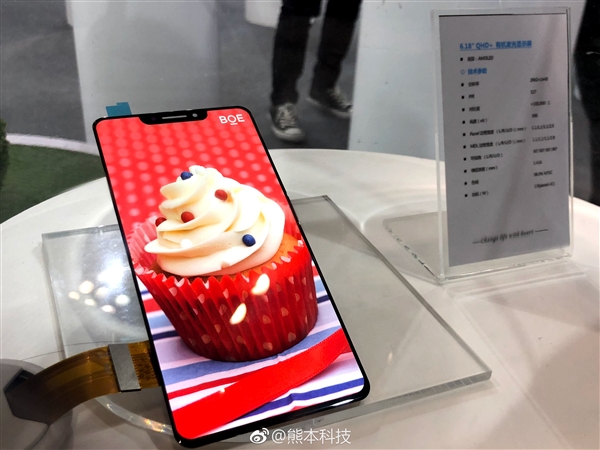
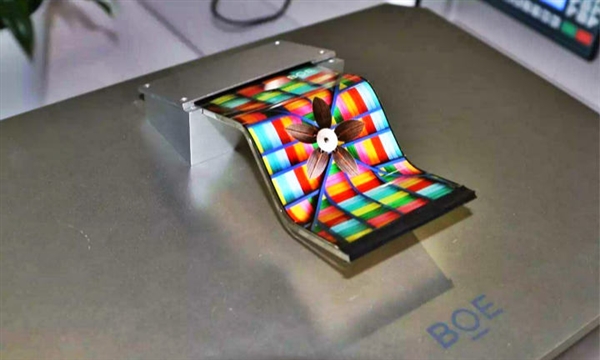
Mini-LED is touted to be the next-generation display technology and it is presently the focus of local manufacturers in China. Leading Chinese display maker BOE is reportedly developing a 27-inch 4K display with a 2048- zone mini LED backlight.
Mini-LED is a new display technology that promises improved contrast ratios and deeper blacks compared to LCD panels that are lit with regular LEDs (light-emitting diodes). As the name suggests, mini-LEDs are a lot smaller than regular LEDs. Diodes that are smaller than 0.2 mm are generally classed as mini-LEDs.
With the exit of South Korea ’s Samsung and LG from the LCD market and the focus on LED which has resulted in a reduction of LCD production, Chinese manufacturers are looking to revive the industry and they are turning to mini-LEDs. There are speculations that mini-LED technology is the future of LCD panels production and could help engineer a surge ahead of OLED.
BOE ’s mini-LED technology has been under development for some time. Currently, it is moving from the first generation of mini LED with PCB as the backplane to the second generation of matrix glass backplane technology, which can support more dimming areas.
The 27 -inch 4K display panel BOE is reportedly working on is said to support 64×32 array, which is 2048 partitions. The mini-LED backlight has a brightness while the peak brightness reached 1000nit. The display also supports HDR.
Apart from the brightness, other indicators of this display are also very high. The 10-bit panel supports 99% DCI-P3 color gamut. However, the refresh rate and response time are not mentioned. Mass production is yet to commence so the price is still unknown but we don’t expect it to be cheap. The price will likely be lower than LEDs though.
Android is the largest smartphone ecosystem used on over two billion devices across the globe. Google has crafted different Android versions for TVs, Wearables and other IoT devices. There are various advantages of using Android apart from its availability with affordable devices. Most of the useful apps on Android devices are built by Google namely, Photos, Maps, Search and Chrome Browser. Among the Browser, Google Chrome is the most used web browser on all primarily used operating systems like Android, Windows, and Linux. Whereas, Safari supersedes on macOS and iOS operating systems.
However, some users have a tough time looking for passwords stored on the Chrome browser. We have compiled a guide to let users access saved Chrome passwords on Android devices.
There are different locations to save passwords, and it varies according to different apps. Most of the time, these passwords are saved on the Stock Browser or most probably on the Chrome browser. Apart from saving passwords, it even carries the ability to sync them across multiple devices where you sign-in using the same account. Google Chrome has primarily used on most Android devices.
Benefits of Google Chrome
There are various benefits of using the Google Chrome browser.
It is a rapidly fast web browser.
It extends compatibility across different platforms like Windows, Android, Linux, iOS, and macOS.
Cross-Platform Sync of passwords, bookmarks, history and much more.
Simple and useful designed browser.
Easy to use and search using the CHrome browser.
It supports extensions to extend browser functionality.
It takes a few seconds to install.
Now, let’s proceed to see where our passwords are present on Google Chrome Browser.
Access saved passwords from Google Chrome
It is quite simple to get your saved passwords on Google Chrome. Follow the steps below:
Open the Chrome Browser on your Android smartphone.
Tap three dots on the top-right corner of the browser, and tap on the Settings.
Now, Tap on the passwords option, to see all the saved passwords present in the browser.
Find all your saved passwords, or you can even search if there are many.
Just tap them and get to know the password after entering the authentication PIN.
We hope you have successfully received access to saved passwords on Google Chrome. If you have any issues, then let us know via the comments below. In a similar way, the user can get their passwords from different browsers like Microsoft Edge, Mozilla Firefox, Opera and others.
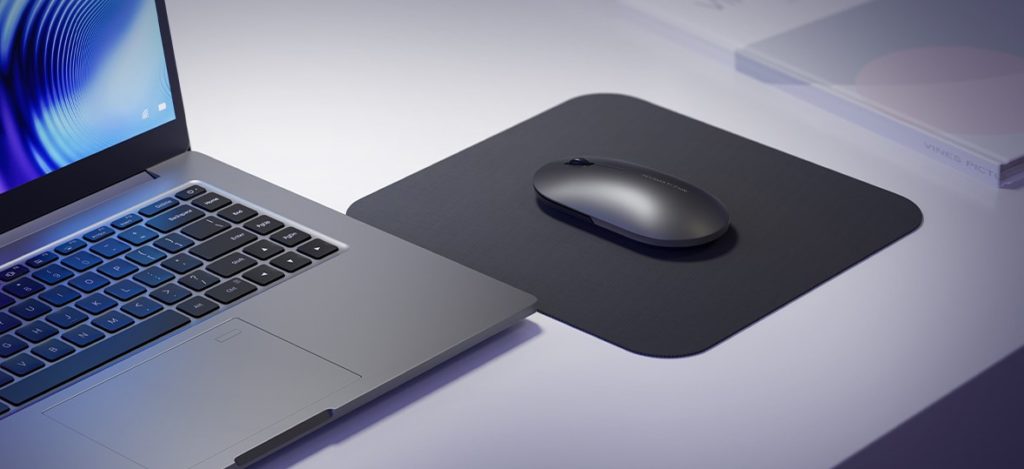
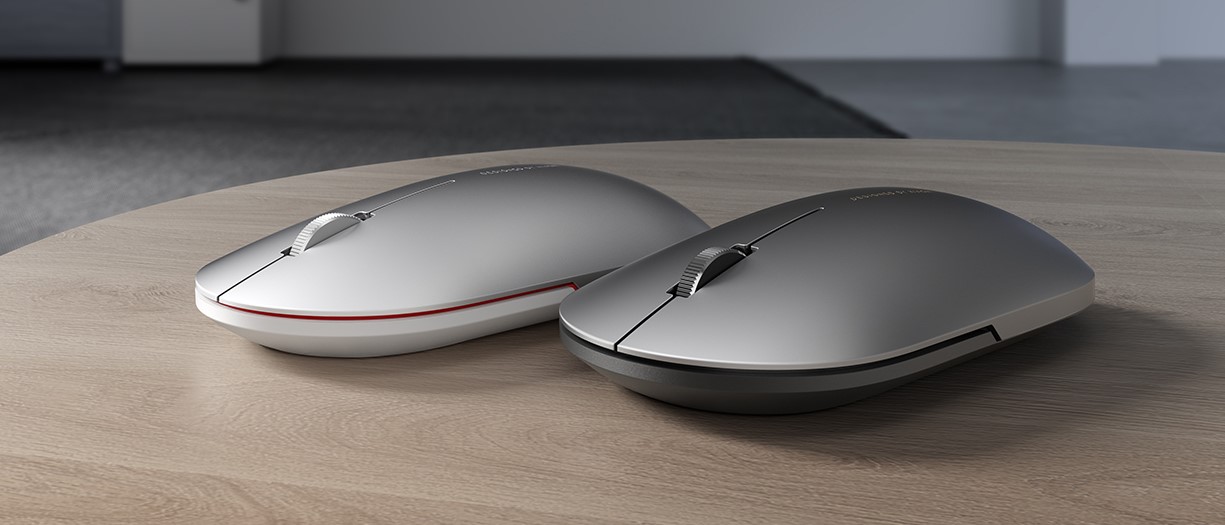
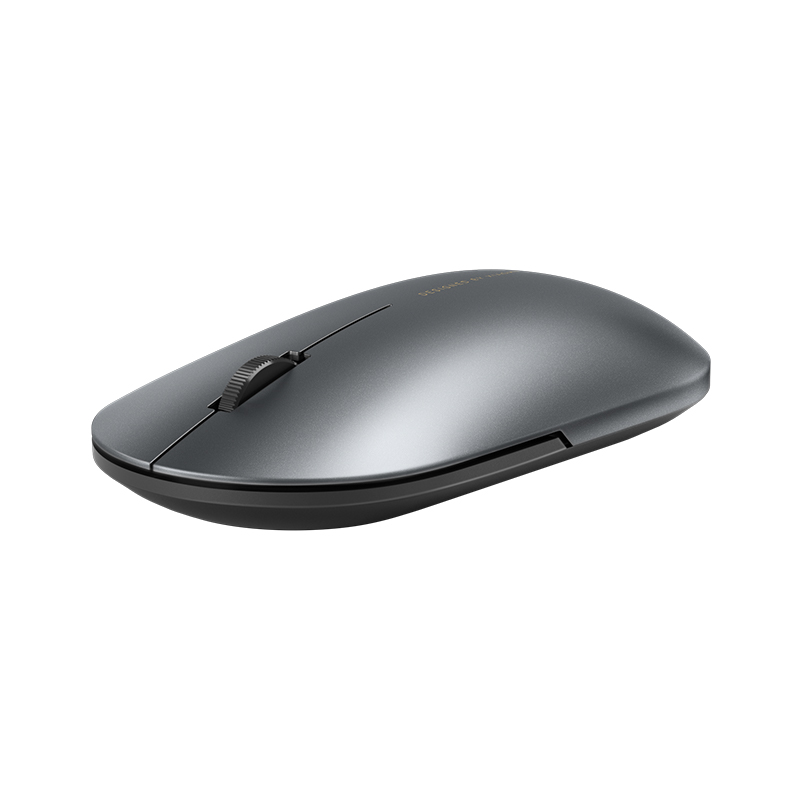
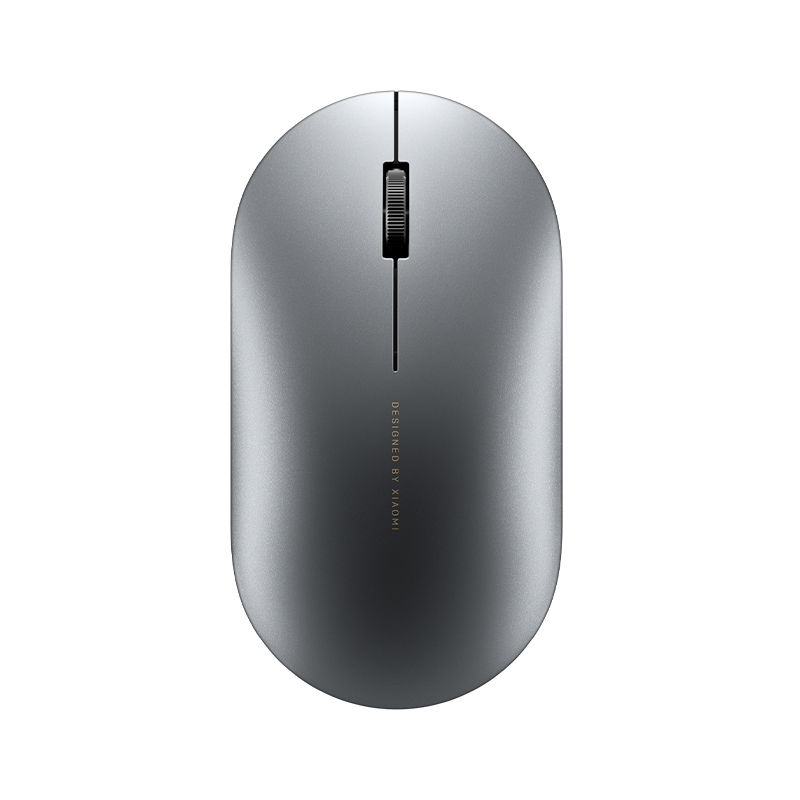
Xiaomi has launched a new wireless mouse called Mi Elegant Mouse Metallic Edition. This mouse works on both Bluetooth and via 2.4GHz wireless receiver. It costs only 99 Yuan ($14) and comes in two colours – Grey and Black. It will be available to purchase from April 9.
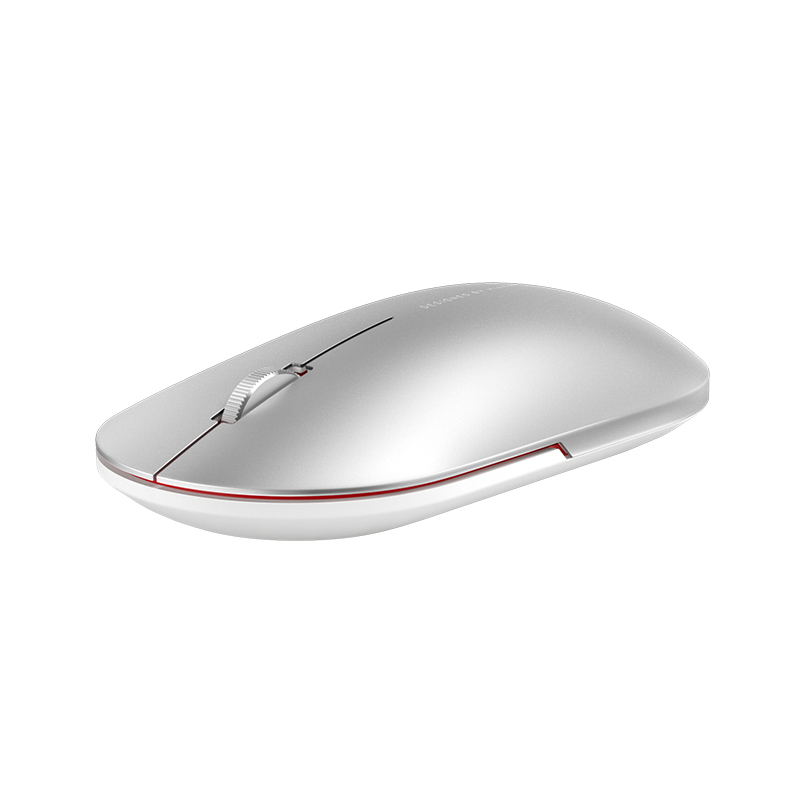
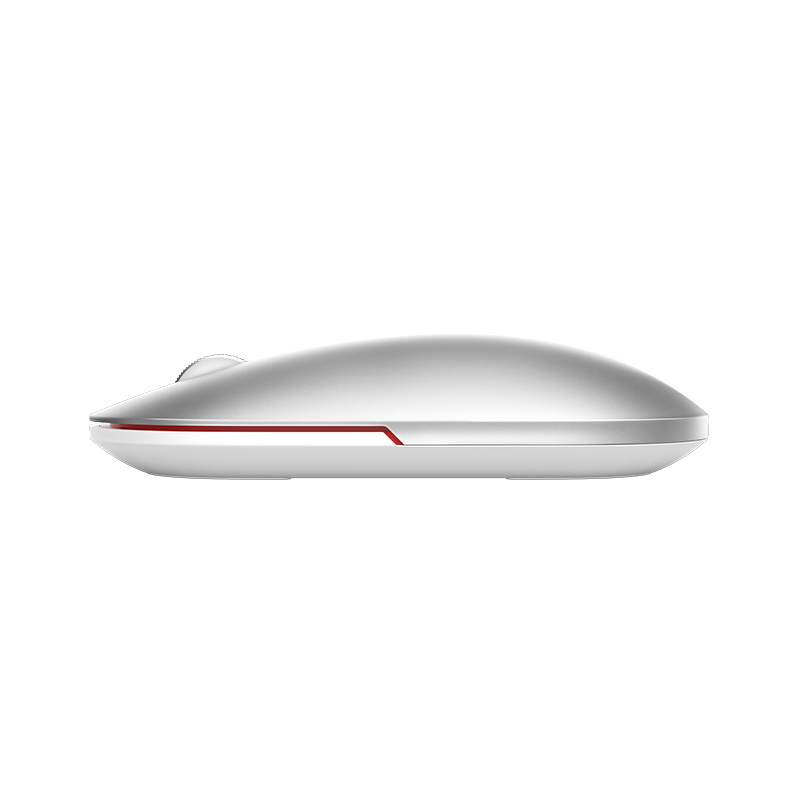
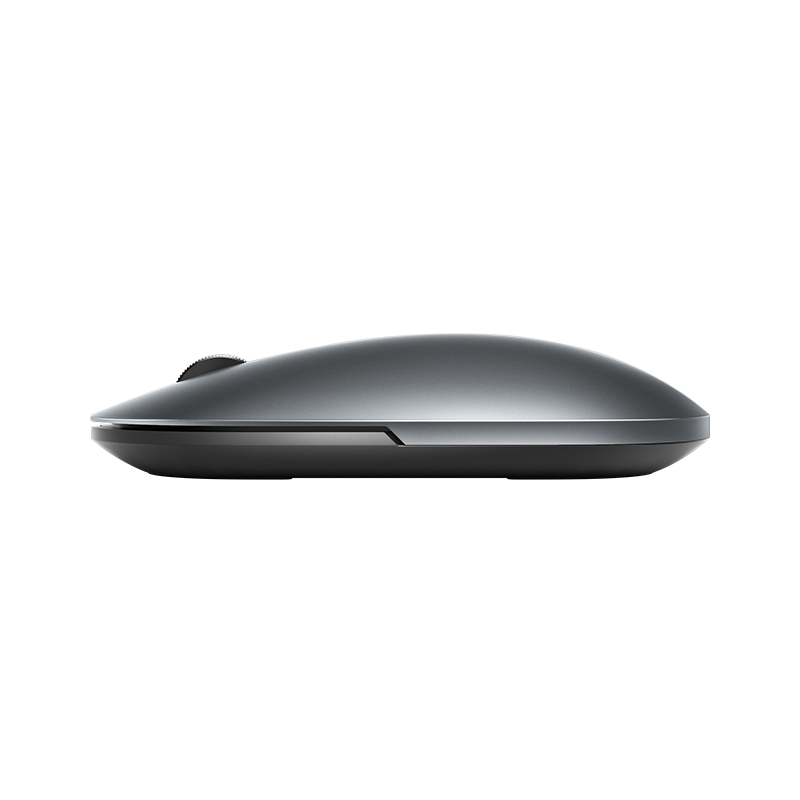
The new Mi Elegant Mouse Metallic Edition looks similar to the Mi Wireless Mouse 2 from November 2019 but cuvier and flatter looking similar to another Xiaomi mouse called Mi Portable Mouse from 2016. In simpler words, the design of this new mouse is a fusion of earlier models from the company.
As the name suggests, the latest portable wireless mouse from Xiaomi features a sandblasted anodized metal finish to give it a premium look. The company claims the metal used in the mouse to offer better durability over the years and as a bonus, the surface is even fingerprint-resistant.
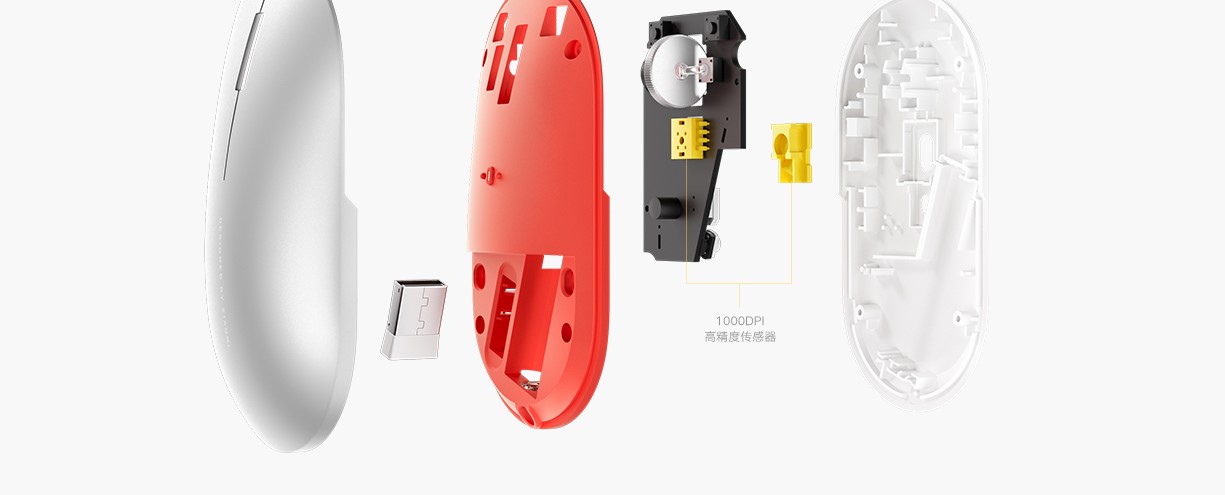
The mouse can be operated via 2.4GHz receiver and Bluetooth. And thus, it can be connected with two devices at a time. Further, the mouse features a 1000 DPI photoelectric sensor to offer a better experience while using it.
1 of 3
The Mi Elegant Mouse is small enough to be carried easily even in pockets. As for compatibility, it works well with devices running Windows 7/8/10, macOS 10.10+, Android 5.0+, and even iPads running iPadOS 13.4+. Due to its modern design, it goes well with almost every ultrabook in the market.
Talking about the battery, the mouse gets its juice from a AA battery offering 12 and 9 months of usage on 2.4GHz and Bluetooth respectively.
Mi Elegant Mouse Metallic Edition
1 of 6
Xiaomi announced a ton of new products ahead of the company’s annual Mi Fan Festival 2020 edition. We have covered almost all the important products from today’s announcement like the Redmi Band, Redmi Note 9S Limited Edition, new Smart TVs, new security cameras, and more. But the list does not seem to stop, you can check out our coverage on the new Xiaomi products from the news section.
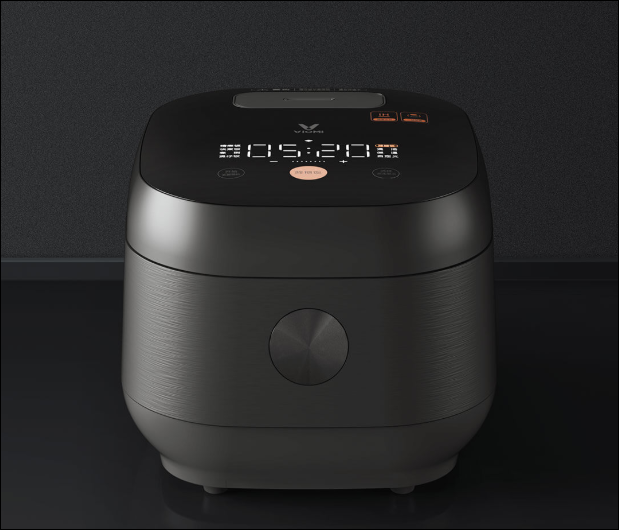
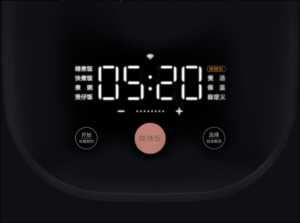
Xiaomi Youpin has launched the Viomi IH Sugar-free Rice Cooker. The smart home gadget comes with a solid price tag of 1199 yuan ($168) but a new product coupon is available which brings down the price to 599 yuan ($84).
The Viomi IH Sugar-free Rice Cooker uses IH heating technology and iron kettle pot. Compared with traditional rice cookers, the IH electromagnetic heating technology can form a three-dimensional heat vortex in the pot, just like cooking rice with firewood. This ensures that every grain of rice is fully heated and evenly cooked.
The pot is equipped with about 316 filter holes which makes it easy to separate the rice from the water or soup as the case may be. Combined with the siphon principle, the excess starch is dissolved into the rice soup repeatedly. The steamed rice has a low sugar content and is fluffy.
Viomi IH Sugar-free Rice Cooker
The pot uses 5 layers of a high-density fine cast-iron bladder, weighing 2.6 kg. The bladder is cast through multiple complex processes. The iron layer is thicker and the magnetic permeability is stronger. The iron bladder continues to heat up overall, improving cooking efficiency.
The Viomi IH Sugar-free Rice Cooker comes with 15 built-in classic recipes. All you need to do is to connect the rice cooker with your mobile phone, open the app, and select the recipe you desire. It also comes with 8 built-in gourmet functions. In addition to cooking rice, you can also make cakes, porridge, clay pot rice, soup and so on.
Meizu is expected to soon launch its next flagship smartphone called Meizu 17. The device has been leaked multiple times over the last few weeks revealing some of its specs. We even got to see a live image of the device earlier this month. Now, once again, the handset leaks in real life in a subway exposing its rear design.
1 of 2
The new purported Meizu 17 live image leak confirms the render leak from yesterday. As per the image and the previous render, the Meizu 17 will take a different approach in terms of camera placement. Instead of a rectangular/square matrix array, the cameras on this device will be placed in a horizontal manner similar to the Galaxy S10 series.
Although this image does not show us the front of the device, the render leak from yesterday revealed the phone to sport a display with a punch-hole camera at the top right corner. Additionally, the render confirmed the Meizu 17 to feature the signature ring flash with two cameras on either side in a horizontal alignment.
As for specifications, the device is rumoured to come with FHD+ OLED display with 90Hz refresh rate, Qualcomm Snapdragon 865, LPDDR65 RAM, UFS 3.0 storage, 64MP (primary) + 8MP (ultra-wide) + 5MP (telephoto) + 2MP (depth) quad-camera setup, stereo speakers, WiFi 6, NFC, 4,500 mAh battery, 30W fast charging, and 3,999 Yuan ($564) starting price.
Xiaomi Youpin has played host to a countless number of third-party products since Xiaomi carved it out of the MIJIA brand. One thing that makes the platform stand out is the array of products it houses, including non-tech gadgets as long as it is an innovative one. During the winter period, there were several clothes and apparels including heated goosedown jackets manufactured to meet the various needs. For summer, Xiaomi Youpin has launched a prime full-band high-index ice-cooling breathable sun protection clothing for crowdfunding.
The clothing is called Supield full-band high-index cool breathable sun protection clothing. It is produced using a patented sunscreen fabric which has an Ultraviolet Protection Factor (UPF) rating of ≥ 600+.
According to reports, this sun protection clothing uses high sun protection factor optical technology fabrics, combined with new textile technology and functional finishing technology. This design makes it capable of effectively blocking harmful light sources from harming the skin. The average UPF of knitted fabrics is 600+ and it has a visible and near-infrared blocking rate of more than 95%. It can block most of the sun’s rays that are harmful to the skin. The clothing is said to have 15 times more protective power than the ordinary sun protection clothing.
The Supield full-band high-index cool breathable sun protection clothing also uses special yarns with high thermal conductivity. It has contact cooling function and breathability. The measured contact cooling coefficient is 0.24 which can quickly dissipate heat from the human body.
This sun protection suit supports 360 ° circulation which improves the feeling of dryness and helps the body adjust easily to temperature changes in the morning and evening, and can also be used as a thin skinny jacket. It can also prevent mosquito bites.
The Supield full-band high-index cool breathable sun protection Jacket comes with a retail price of 249 yuan (~$35) but backers will pay 179 yuan (~$25) during the crowdfunding exercise.
We use cookies on our website to give you the most relevant experience by remembering your preferences and repeat visits. By clicking “Accept”, you consent to the use of ALL the cookies.
This website uses cookies to improve your experience while you navigate through the website. Out of these, the cookies that are categorized as necessary are stored on your browser as they are essential for the working of basic functionalities of the website. We also use third-party cookies that help us analyze and understand how you use this website. These cookies will be stored in your browser only with your consent. You also have the option to opt-out of these cookies. But opting out of some of these cookies may affect your browsing experience.
Necessary cookies are absolutely essential for the website to function properly. This category only includes cookies that ensures basic functionalities and security features of the website. These cookies do not store any personal information.
Any cookies that may not be particularly necessary for the website to function and is used specifically to collect user personal data via analytics, ads, other embedded contents are termed as non-necessary cookies. It is mandatory to procure user consent prior to running these cookies on your website.