Advertisement

Huawei now controls three-quarters of China’s foldable phone market

Huawei has tightened its grip on China’s foldable phone market, claiming a record 75% share in the first half of 2025, according to a new report from IDC. The overall foldable shipments in the country rose 12.6 percent year-on-year during the same period.

Since releasing its first foldable in 2019, Huawei has shipped more than 10 million foldables in total. It is the first Chinese brand to reach that milestone, which clearly shows its growth and user adoption.

Huawei-Mate-XT
Huawei Mate XT

Part of this success comes from Huawei’s willingness to experiment with new foldable categories. The Mate XT—the world’s first tri-fold, for instance—still has no competitors even after almost a year. 

Huawei doesn’t fear experimenting

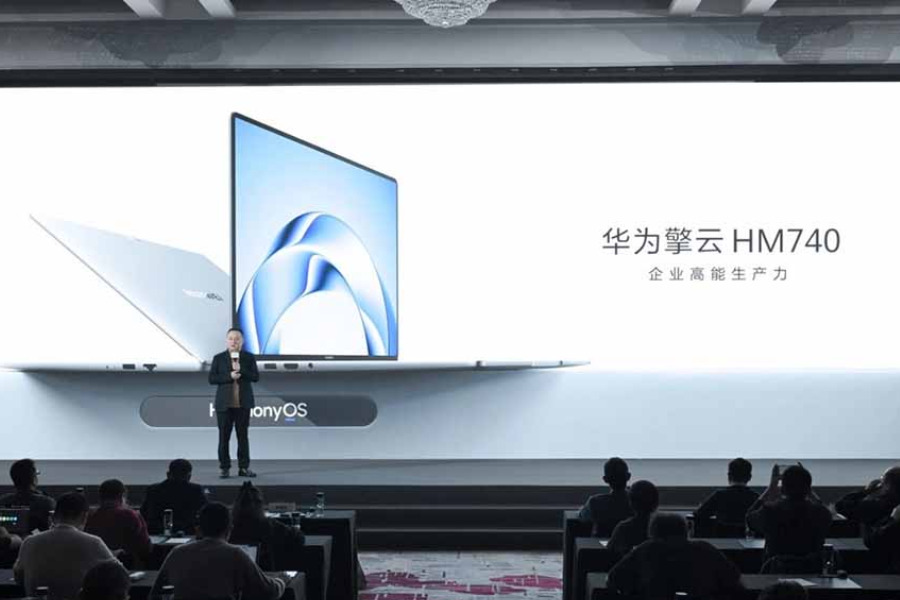
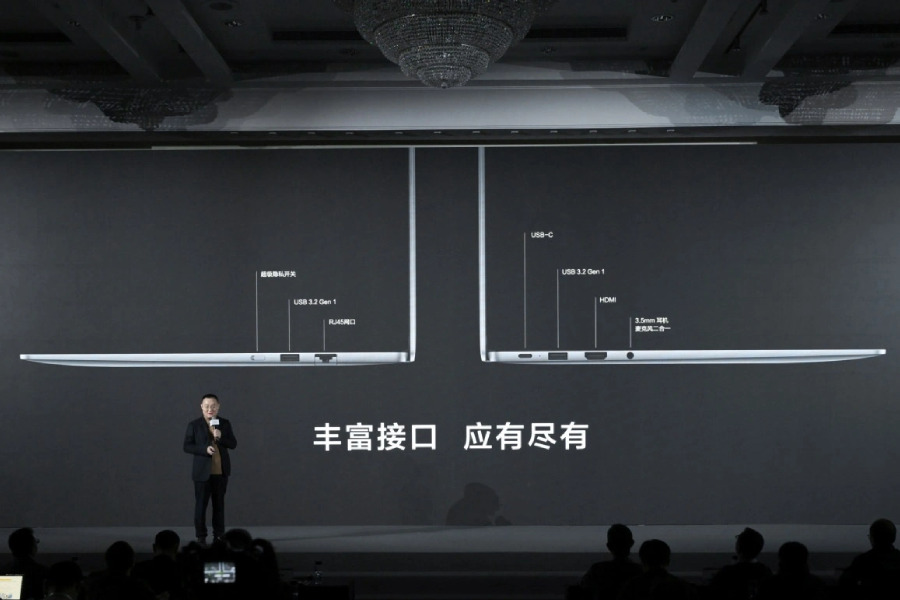
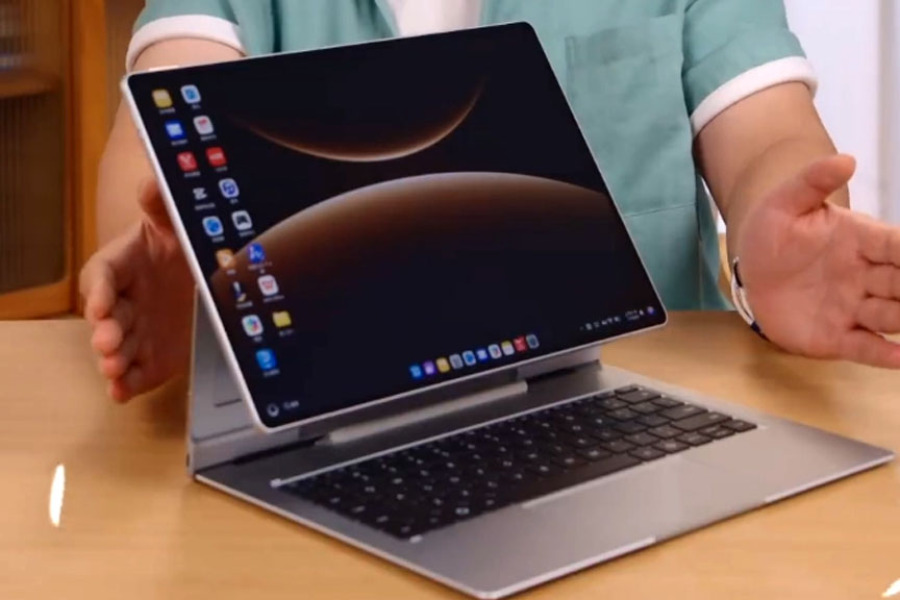
IDC says the tri-fold alone shipped close to half a million units within six months. In early 2025, Huawei added another category to its lineup with the Pura X, a so-called “wide-foldable.” The company followed it up with MateBook Fold Ultimate Design, it’s first foldable laptop with 18-inch display. 

However, the report suggests hardware alone won’t keep manufacturers competitive for long. As most brands are offering similar specs, foldables are entering a “software-defined hardware” era. That means user experience will increasingly depend on tailored apps, cross-device integration, and AI-powered features rather than just form factor experiments.

Huawei-MateBook-Fold-Ultimate-Design

Huawei’s rivals are far behind by comparison. Honor placed second with an 8.4 percent share, largely driven by its Magic V5. OPPO followed with 6.1 percent, while Xiaomi and Vivo trailed at 3.7 and 3.0 percent, respectively.

For now, Huawei’s dominance leaves little room for competitors. But as more brands explore tri-fold and wide-fold designs, and as software ecosystems take center stage, the fight for long-term leadership in foldables may look very different in the years ahead.

Don’t miss a thing! Join our Telegram community for instant updates and grab our free daily newsletter for the best tech stories!

For more daily updates, please visit our News Section.

Geekom launches A9 Mega Mini PC with AMD Ryzen AI Max+ 395, 128GB RAM & 8TB SSD

Geekom has announced the launch of the A9 Mega mini PC, powered by AMD’s Ryzen AI Max+ 395 “Strix Halo” processor. The device will debut on Kickstarter soon with a starting price of $1,899.

Geekom A9 Mega

Geekom A9 Mega Specifications

The A9 Mega measures 171 × 171 × 70.9mm, with a volume slightly above 2 liters. The chassis is built from aerospace-grade aluminum alloy and finished with CNC machining and sandblasting.

Geekom A9 Mega

The Ryzen AI Max+ 395 processor features 16 cores and 32 threads, paired with AMD’s XDNA 2 NPU. The system delivers a total of 126 TOPS of AI performance across CPU, GPU, and NPU. The NPU alone provides more than 50 TOPS, allowing local deployment of large language models such as Qwen, LLaMA, DeepSeek R1 70B, Stable Diffusion, and Whisper. Geekom claims the A9 Mega delivers 2.2 times faster inference in LM Studio than an RTX 4090 at only 13 percent of the power.

Graphics performance comes from the Radeon 8060S integrated GPU based on RDNA 3.5 with 40 compute units and ray tracing support. Geekom says the A9 Mega handles 4K video editing, 3D rendering, and AAA games. It compares performance to an RTX 4070 laptop GPU in certain workloads, running titles like Cyberpunk 2077, GTA V, and Elden Ring with ray tracing enabled.

For cooling, Geekom includes its IceBlast 5.0 cooling system, which uses dual turbo fans and copper heat pipes to sustain 120W TDP performance without throttling.

Geekom A9 Mega

The mini PC supports up to 128GB of LPDDR5X-8000 memory and up to 8TB of storage through dual M.2 PCIe 4.0 SSD slots. For connectivity, it includes dual USB4 Type-C ports with DisplayPort 2.1 support, two HDMI 2.1 ports, dual 2.5GbE LAN ports, multiple USB-A and USB-C ports, an SD card reader, audio jack, and a fingerprint-enabled power button. Wireless options include Wi-Fi 7 and Bluetooth 5.4.

The A9 Mega comes pre-installed with Windows 11 Pro and is fully compatible with Linux distributions such as Ubuntu and Debian.

In related news, Beelink has recently launched the EQi13 Pro mini PC powered by Intel’s i5-13500H or i7-13620H processors, while Gmktec has introduced the M6 Ultra mini PC featuring the Ryzen 5 7640HS and Radeon 760M GPU.

For more daily updates, please visit our News Section.

Tech enthusiast? Get the latest news first! Follow our Telegram channel and subscribe to our free newsletter for your daily tech fix! ⚡

(Source)

Galaxy S25 FE: New Listing Reveals Everything About Samsung’s Next Affordable Flagship

Samsung’s affordable Fan Edition line is about to get a new addition. A retail listing for the Galaxy S25 FE has surfaced online, revealing nearly everything about the device. The full specs, features, and design are now in full view, so let’s check it out.

Galaxy S25 FE Retail Listing Hints at Near Launch

The South Korean tech giant’s upcoming Galaxy S25 FE just surfaced on an accidental Portuguese retail listing, which has since been deleted. However, it was confirmed with the Exynos 2400 SoC, which is the same chip that powers last year’s flagships like the Galaxy S24 and Galaxy S24+. This processor is paired with 8GB of RAM and 128GB of internal storage on the listing.

Samsung Galaxy S25 FE

On the front, the Galaxy S25 FE sports a tall 6.7-inch FHD+ OLED display with a 120Hz refresh rate and Gorilla Glass Victus+ for protection. You also get a 12MP selfie punch hole camera. Meanwhile, the rear has a 50MP (Main) + 12MP (Ultra Wide) + 8MP (Telephoto) triple camera setup. A sizeable 4,900mAh battery pack powers this device, which gets an upgraded 45W wired fast charging speed along with 15W wireless charging support.

In the box, you only get the smartphone along with the USB Type-C to Type-C cable and a SIM ejector tool. All of this is in line with one of our recent reports as well. In related news, Samsung will debut the Galaxy S25 FE with a slimmer 7.4mm body and four color options, namely black, icy blue, white, and black.

For more daily updates, please visit our News Section.

Tech enthusiast? Get the latest news first! Follow our Telegram channel and subscribe to our free newsletter for your daily tech fix! ⚡

This Credit Card-Sized AI Recorder Could Replace Your Meeting Notes Forever

DingTalk, Alibaba’s enterprise communication and collaboration platform, unveiled its first AI hardware device, the DingTalk A1, at its 10th anniversary event. The company released an initial batch of 1,000 units at the venue, which sold out immediately.

DingTalk A1

DingTalk A1 Specifications

The DingTalk A1 is a slim AI-powered recording card that works with the newly launched AI Note system. It records, transcribes, translates, summarizes, and analyzes conversations. The device connects directly with the DingTalk app, making it a pocket-sized AI assistant for professionals.

The hardware targets roles such as sales teams, HR, lawyers, teachers, doctors, and customer service staff. It automatically turns spoken conversations into digital notes, summaries, and structured insights that can be shared within DingTalk. The device includes over 30 scenario-based templates covering meetings, interviews, consultations, and classroom use.

DingTalk A1

The A1 measures 3.8mm thick and weighs 40.8g. It attaches magnetically to the back of a smartphone for call recording and quick memos. The device uses a BES2800 6nm AI audio chip from Hengxuan Technology and features a 660mAh battery. It supports up to 45 hours of continuous recording or 60 days on standby. Local storage capacity is 64GB.

The flagship version has an aluminum alloy body, a small front display, and two control buttons. It comes with six microphones, including one bone conduction microphone, that capture voices within 8 meters. The system can reduce more than 500 types of background noise. Recordings are encrypted across device, app, and cloud, with enterprise options for private deployment and centralized data management.

The device also enables real-time translation, with text shown on the DingTalk app or projected on a larger screen. In interviews, HR teams can receive automatic summaries of candidates’ profiles and communication abilities. In meetings, it can generate mind maps and organize customer information.

DingTalk A1

Pricing and Availability

DingTalk launched two versions of the device. The flagship edition costs 799 yuan ($112) and includes unlimited speech-to-text conversion, unlimited cloud storage, support for 120 languages, and unlimited AI-generated analyses. The youth edition costs 499 yuan ($70) and has a leather-like finish without a front display. It includes 1,000 minutes of transcription and 10GB of cloud storage per month, with support for three languages.

The first batch of flagship models sold out on Tmall. DingTalk will begin open sales on September 15 through its official flagship store.

For more daily updates, please visit our News Section.

Stay ahead in tech! Join our Telegram community and sign up for our daily newsletter of top stories! 💡

(Via)

New Nothing Phone (2a) Update Adds Gallery Option, Fixes Bugs, and Boosts Stability

Nothing has rolled out a new update for the Phone (2a). The software, listed as Nothing OS V3.2-250815-1642, brings changes to widgets, camera, system stability, and includes the September 2025 security patch.

Nothing Phone (2a)

Widgets get several improvements. Shared widgets now support more sticker types. The Pedometer and Screentime widgets can now be shared. The Weather widget has an optimized location access prompt for smoother permission requests.

The camera app has been updated with better stability for photo and video use. A new setting allows users to choose a default gallery app to preview photos directly from the camera.

System functions see a number of fixes and optimizations. Pop-up View now runs with improved stability. Quick Settings tile display errors have been corrected. Cloned apps no longer fail to open PDF files. The VoNR icon in the status bar has been adjusted for clearer display.

Battery usage has been optimized when connecting watches to the phone. A fix has been applied for Inter font display problems that appeared in apps such as Instagram and Subito. System performance has been improved, and overall stability has been strengthened.

The update also applies the September Android security patch, which addresses vulnerabilities and improves device security.

Nothing OS V3.2-250815-1642 is rolling out in phases and will reach all Phone (2a) users in the coming days.

For more daily updates, please visit our News Section.

Stay ahead in tech! Join our Telegram community and sign up for our daily newsletter of top stories.

How to remove ads in Xiaomi phones (MIUI and HyperOS)

How to remove ads in Xiaomi phones

Xiaomi is the third-largest smartphone company with a market share of more than 10%, which means millions of users have to see those pesky ads that appear frequently, disturbing the user experience. Unfortunately, that’s true for premium phones as well.

Thankfully, there exist several methods that will remove the majority of ads on your Xiaomi smartphone to offer a cleaner software experience. Let’s go through them one by one.

If you’re wondering why Xiaomi shows ads on its phone, the answer is revenue, obviously. It has promised to keep hardware profits capped at 5% (after tax), but to grow the revenue, the brand offers many add-ons, extra services, and shows advertisements.

Disable ads by stopping the MSA app

MSA stands for “MIUI System Ads,” and it’s the hub of annoying ads on your Xiaomi phone. Disabling it will dramatically reduce the number of ads. However, you’ll still need to disable ads from Xiaomi apps to further clean up your software experience.

Steps to disable the MSA app:

  1. Open the Settings app.
  2. Select Fingerprints, face data, and screen lock. (MIUI users tap on Passwords & security).
  3. Go to Authorization & revocation and toggle off msa.
  4. Click Revoke to confirm your action.

Disable ad personalization

This won’t stop Xiaomi from serving you ads, but it instructs the brand not to use your usage data and personal preferences for showing personalized ads.

  1. Open the Settings app.
  2. Select Fingerprints, face data, and screen lock. (MIUI users tap on Passwords & security).
  3. Go to Privacy and tap on Ad services.
  4. Turn off Personalized ad recommendations.

Disable ads in Mi Browser

  1. Open the Mi Browser app.
  2. Tap the profile icon in the bottom-right corner and click the settings icon.
  3. Select Privacy & security and toggle off Personalized services.

Disable ads in File Manager

Only MIUI users can turn off ads inside File Manager. This option isn’t available on HyperOS.

  1. Open the File Manager app.
  2. Click the hamburger menu button (the one with three horizontal lines) in the upper-left corner.
  3. Select Settings and tap on About.
  4. Turn off Recommendations.

In HyperOS, you can instruct Xiaomi not to collect data for the File Manager. This should stop serving you personalized ads. Here’s how to do it:

  1. Open the File Manager app.
  2. Tap the three-dot menu button and choose Settings.
  3. Toggle off Withdrawal of consent.
  4. Tap OK to confirm.

Disable ads in Security

  1. Launch the Security app.
  2. Tap the gear icon in the upper-right corner.
  3. Toggle off Receive recommendations.
  4. Select Cleaner and toggle off Receive recommendations.

Disable ads in Music

  1. Open Xiaomi’s Music app.
  2. Tap the menu button in the upper-left corner and choose Settings.
  3. Select Advanced settings.
  4. Turn off the Show ads option.

Disable ads in Themes

  1. Open the Themes app.
  2. Click My account in the bottom-right corner.
  3. Tap the Settings icon in the upper-right corner.
  4. Toggle off Show ads.
  5.  Toggle off Personalized recommendations.

Disable ads in Downloads

  1. Open the Downloads app.
  2. Tap on the three-dot menu button in the top-right corner and choose Settings.
  3. Turn off Show recommended content.

Disable ads on Lock Screen

  1. Open the Settings app.
  2. Go to Lock screen and tap on Glance for Mi.
  3. Tap on Privacy policy.
  4. Toggle off Recommendations for you.

Disable ads in ShareMe

You can’t disable ads in ShareMe, but disable personalized ads.

  1. Open the ShareMe app.
  2. Tap on more at the top-right corner.
  3. Click About and then Help & Feedback.
  4. Turn off Personalized ads

Disable ads in folders

  1. Tap the folder you want to remove ads from.
  2. Tap on the folder name.
  3. Turn off Promoted apps.

Following all the solutions mentioned in this post, you should be able to easily remove the majority (if not 100%) of the ads on your Xiaomi smartphone and enjoy a cleaner software experience.

Also Read:
1. HyperOS 3 update: here’s everything you need to know about it
2. These popular Xiaomi phones won’t get the HyperOS 3 update

TCL RayNeo Air 3s Pro AR Glasses launched globally with 1200 nits OLED display and spatial audio

TCL‘s RayNeo has finally launched the Air 3s Pro AR glasses globally after their initial debut in China earlier this year. The new model focuses on brightness, comfort, and immersive audio performance.

RayNeo Air 3s Pro

RayNeo Air 3s Pro Specifications

The Air 3s Pro features HueView 2.0, a 5.5th-gen tandem Micro-OLED display that delivers 1,200 nits brightness, a 200,000:1 contrast ratio, and 98 percent DCI-P3 coverage.

The virtual display projects an image equivalent to 201 inches at six meters away. The glasses support six modes, including Movie Mode, Game Mode, Vision Boost, and Eye Protection Mode, making them suitable for different viewing environments.

RayNeo Air 3s Pro

RayNeo designed the Air 3s Pro for extended use. The glasses carry TÜV SÜD certification for low blue light and flicker-free visuals. They use 3,840Hz high-frequency PWM dimming and include 20 levels of brightness adjustment.

The frame weighs 76 grams and features balanced weight distribution, adjustable temples, and three levels of nose pads. The company says the design fits 93 percent of interpupillary distances and supports prescription lenses.

RayNeo Air 3s Pro

The Air 3s Pro uses a quad-speaker system and RayNeo’s spatial audio algorithms to deliver theater-like surround sound. The “Whisper Mode” directs audio toward the ears to reduce leakage in public spaces. This system enhances immersion while maintaining privacy.

The glasses support multiple devices, including iOS and Android smartphones, PCs, Xbox, PlayStation, and Nintendo Switch through the JoyDock accessory. RayNeo also offers a USB-C adapter with pass-through charging, which allows nonstop use without draining the connected device’s battery.

RayNeo Air 3s Pro

Pricing and Availability

The RayNeo Air 3s Pro is available globally at a launch price of $249, reduced from the regular $299. The company is also offering bundle packs such as the Air 3s Pro with Pocket TV or JoyDock for Nintendo Switch. Orders placed now ship from August 27, with deliveries scheduled to arrive between September 1 and September 3 in most regions.

For more daily updates, please visit our News Section.

Stay ahead in tech! Join our Telegram community and sign up for our daily newsletter of top stories! 💡

Apple set for three years of big iPhone redesigns

Apple looks ready to shake up its iPhone lineup in a way we haven’t seen in years. According to Bloomberg’s Mark Gurman, the company is planning three straight years of major design changes, kicking off with the iPhone 17 series in 2025.

iPhone 17 Air
Apple iPhone 17 Air

The standout is said to be the iPhone 17 Air, a super-slim model that could replace the current Plus version. Rumors point to a single 48MP rear camera, Apple’s first in-house C1 modem, a smaller 2,900mAh battery, and eSIM-only support. The regular iPhone 17 is expected to stick close to the iPhone 16’s design, while the Pro models may adopt a new rear camera layout, possibly horizontal.

Looking further ahead, Apple is also working on a foldable iPhone for 2026, codenamed V68. Early prototypes reportedly use a clamshell design with four cameras — two on the back, one on the cover, and one inside. The foldable is said to use an “in-cell touch panel” to cut down on crease visibility, and it could be powered by Apple’s next-gen C2 modem.

Pricing is still speculation, but reports suggest around $1,099 for the iPhone 17 Air and about $1,699 for the foldable model.

In 2027, Apple is expected to launch the iPhone 20 — its 20th anniversary iPhone — with major upgrades across several areas. The model was originally set to be called the iPhone 19 but is reportedly being rebranded to highlight the milestone.

Apple has stuck with the same flat-edge design since the iPhone 12, so if these reports hold true, the next few years could bring the most dramatic changes to the iPhone lineup in over a decade.

Don’t miss a thing! Join our Telegram community for instant updates and grab our free daily newsletter for the best tech stories!

For more daily updates, please visit our News Section.

(Source)

Google Pixel 10 Series Camera: New Features, Specs, and AI Upgrades Explained

Google has recently launched the Pixel 10 series with its most advanced camera features yet. The new phones combine upgraded hardware with AI-powered tools to deliver clearer photos, smoother videos, and easier editing. Here’s a breakdown of all the new camera features and improvements Pixel 10 series users will be able to enjoy.

Upgraded camera hardware

The Pixel 10 series introduces a 5x telephoto lens for the first time. The standard Pixel 10 comes with a 48 MP main sensor and a 13 MP ultra-wide sensor. The Pixel 10 Pro and Pixel 10 Pro XL feature a 50 MP wide camera and a 50 MP telephoto camera with 5x optical zoom. Both models also support Super Res Zoom up to 100x. All three devices run on Google’s Tensor G5 chip for faster processing and higher resolution output.

Video capture has been improved with a new optical image stabilization system that has twice the compensation range of the previous generation. Combined with Google’s Video Boost processing, this allows for steadier recording in all conditions.

The Pixel 10 Pro Fold adds a new 48 MP rear camera sensor along with advanced ultrawide and telephoto lenses that support Macro Focus and Super Res Zoom.

Improved photo processing

Google has refined its HDR+ pipeline to enhance color, focus, detail and noise reduction. Portrait Mode has been updated with better segmentation, sharpness and texture for more accurate results. On the Pixel 10 Pro and Pixel 10 Pro XL, users can capture 50 MP high-resolution images for added detail.

AI features for easier photography

Google has also added a pretty nifty feature called Camera Coach for novice photographers. It uses Gemini AI models to guide users while taking photos. It gives step-by-step suggestions for lighting, framing and composition to help improve results.

Auto Best Take simplifies group photos. The feature analyzes up to 150 frames within seconds and selects the one where everyone looks their best. If there is no single perfect frame, it blends frames together automatically.

Advanced zoom

Pro Res Zoom on the Pixel 10 Pro and Pixel 10 Pro XL extends zoom up to 100x. Tensor G5 processes these images using a diffusion model, preserving details even at long range. This feature is most useful for wildlife, landscapes and landmarks.

Easier editing

Editing in Google Photos now works with natural language. Users can type instructions such as “remove glare” or “brighten the photo” and the edits are applied automatically.

Accessibility and special modes

Guided Frame has been upgraded with Gemini AI to assist people who are blind or have low vision. The feature uses audio prompts, vibrations and scene descriptions to make it easier to capture photos independently.

Panorama Mode now supports the 5x telephoto lens. It can produce images up to 100 MP with manual focus, zoom support and overall quality improvements.

On the Pixel 10 Pro Fold, Instant View allows users to see their most recent shot next to the viewfinder while the phone is unfolded, making it quicker to review and retake photos if needed.

Content authenticity

All Pixel 10 phones now support C2PA Content Credentials. This system stores secure metadata with each photo to show how it was captured or edited. The information is processed on-device and can be reviewed directly in Google Photos.

For more daily updates, please visit our News Section.

Stay ahead in tech! Join our Telegram community and sign up for our daily newsletter of top stories!

(Source)

Honor 500, 500 Pro display size, primary camera, launch timeframe tipped

Honor is preparing a packed lineup of smartphones for the closing months of 2025. Reports have revealed that the Magic 8 lineup will be unveiled in October. The GT 2 series is expected to launch after the Magic 8 series in China. Now, a new leak claims that the Honor 500 series has also been planned for this year.

Honor 500, 500 Pro key specs, launch timeline (rumored)

In June 2025, Honor unveiled the Honor 400 and 400 Pro in China. These devices are different from their global versions. The Chinese variants came with a 6.55-inch display and a 200-megapixel primary camera. According to reliable tipster Digital Chat Station, two devices under the Honor 500 series are tipped to debut by the end of 2025.

While the exact names were not mentioned, they are expected to launch as the Honor 500 and Honor 500 Pro. The new models are said to carry forward the design approach of their predecessors with an iPhone-inspired appearance. The Honor 500 lineup will focus on being slim and lightweight while still being camera-centric, featuring a 6.5-inch display and a new 200-megapixel main sensor. As far as launch is concerned, it may debut in December this year.

Honor GT 2 series display size revealed (rumored)

DCS has mentioned in the same leak that the Honor GT 2 prototypes are equipped with a large 6.83-inch screen. He added that performance will be the main highlight, paired with a large-capacity battery.

Previous leaks suggest that the GT 2 could be powered by either the Snapdragon 8 Gen 5 or Snapdragon 8 Elite SoC, while the GT 2 Pro may house the newer Snapdragon 8 Elite 2. According to a recent report, the standard GT 2 may arrive with an 8,800mAh battery, up to 24GB of RAM, and 1TB of storage.

Honor Power 2 launch timeframe (rumored)

DCS revealed in the comments section of the same post that the Honor Power 2 is tentatively scheduled to launch in Q1 2026, with an invincible battery. As per reports, the Honor Power 2 will arrive with a 6.79-inch display, Dimensity 8500 chipset, and an enormous 10,000mAh battery.

In the original leak, the tipster mentioned that the brand is also working on compact tablets, but he did not share more details about them.

For more daily updates, please visit our News Section.

Stay ahead in tech! Join our Telegram community and sign up for our daily newsletter of top stories.

OnePlus Nord Buds 3R debut in India as OnePlus’ longest-lasting earbuds

OnePlus has launched its latest Nord Buds 3r earbuds in India. The earbuds arrive as a long-awaited successor to the Nord Buds 2r from 2023. Two years apart, they still feature the same stem-style and in-ear design.

OnePlus Nord Buds 3r Specifications

Inside are 12.4mm titanium-coated dynamic drivers, tuned for punchy bass and clear mids. OnePlus offers Sound Master EQ with three presets and a 6-band equalizer for users who prefer a more customized sound. 

On select OnePlus phones, you can get an extra perk in the form of 3D Audio, which simulates a 360-degree soundstage. The earbuds include dual-mic array with AI noise cancellation and wind resistance for calls. 

The headline feature here is battery life. OnePlus claims the Nord Buds 3R can run for up to 54 hours when paired with the charging case, the longest rating yet in the company’s TWS lineup. The earbuds also carry TÜV Rheinland Battery Health Certification, which is supposed to keep performance stable even after 1,000 charge cycles.

On the connectivity front, the Nord Buds 3R ship with Bluetooth 5.4, Google Fast Pair support, and the ability to connect to two devices simultaneously. It also has a dedicated low-latency gaming mode that brings audio delay down to 47ms. 

The earbuds support other features like Aqua Touch for more reliable tap controls, Tap 2 Take for triggering the phone’s camera, voice assistant shortcuts, Find My Earbuds, and even AI-based translation tools for on-the-go conversations. 

Last but not least, the Nord Buds 3r have IP55 for dust and water resistance. 

Pricing and Availability

The earbuds come in two color options—Aura Blue and Ash Black. While the official MRP is Rs 1,799, OnePlus has set the Nord Buds 3r’s launch price at Rs 1,599. It’s open sales will begin on September 8 across OnePlus channels, Amazon, Flipkart, Myntra, and major retail stores.

For more daily updates, please visit our News Section.

Stay ahead in tech! Join our Telegram community and sign up for our daily newsletter of top stories.

Blaupunkt Mini QD TVs launched in India with Dolby Atmos, 108W speakers, Rs 94,999 starting price

Blaupunkt has introduced a new addition to its television lineup in India, marking its entry into the ultra-premium smart TV category. The information comes via the official announcement of the company’s latest Mini QD TV models. The details highlight features that focus on advanced display quality, immersive audio, and a design built to deliver a premium viewing experience.

Blaupunkt Mini QD TV key specifications and features

Blaupunkt Mini QD TVs

The newly launched Blaupunkt Mini QD TVs are available in 65-inch and 75-inch sizes, bringing home-theater-like visuals and sound into living spaces. Equipped with Mini QD display technology, these TVs promise sharp details and vibrant colors with a peak brightness of 1500 nits, ensuring clarity even in bright rooms. With a contrast ratio of 100000:1 and support for Dolby Vision, HDR10, and HLG, the viewing experience is enhanced with deeper blacks and richer tones.

Audio performance has also been given significant attention. The televisions are fitted with a 108W Dolby Atmos-certified speaker system, which includes six drivers and two subwoofers. This setup creates a fuller surround sound effect, complementing sports, movies, and music playback. For gamers, the TVs offer a 120Hz refresh rate with MEMC, ALLM, and VRR support to reduce lag and deliver smoother motion during fast-paced gameplay.

Pricing and availability

The Mini QD TVs feature a bezel-less design with a premium metal base, Bluetooth 5.0, dual-band Wi-Fi, in-built Chromecast, and AirPlay support. They run on Google TV, offering access to thousands of apps and voice control through Google Assistant.

The Blaupunkt Mini QD TV 65-inch model is priced at Rs 94,999 (~$1,080), while the 75-inch version costs Rs 1,49,999 (~$1,710). Sales will begin on Flipkart from 28th August at 12 PM, with launch offers including up to 10 percent discount on select credit cards and a no-cost EMI option for up to 12 months.

For more daily updates, please visit our News Section.

Stay ahead in tech! Join our Telegram community and sign up for our daily newsletter of top stories.

Vivo T4 Pro 5G launched with quad-curved AMOLED display, 3x periscope zoom, Snapdragon 7 Gen 4

Vivo has introduced the T4 Pro 5G in India as a premium mid-range offering in the T-series lineup. Positioned lower than the Vivo T4 Ultra 5G, which debuted last month, T4 Pro offers a slim quad-curved AMOLED display, a periscope telephoto camera, the latest Snapdragon 7-series chipset, and an industry-leading IP68 & IP69 rating. Read ahead to know all about the Vivo T4 Pro’s specifications, features, and pricing.

Vivo T4 Pro 5G specifications and features

Vivo T4 Pro 5G launched
Vivo T4 Pro 5G

The Vivo T4 Pro features a 6.77-inch quad-curved AMOLED display with a resolution of 2800 x 1260 pixels (1.5K), 120Hz refresh rate, and up to 5,000 nits local peak brightness. The screen supports 1.07 billion colours, HDR, and comes with Schott Diamond Shield Glass protection offering 37% better drop resistance. The device is IP68 and IP69 certified for dust and water resistance, measures just 0.753cm in thickness, and weighs 192 grams.

Under the hood, the T4 Pro is powered by the Snapdragon 7 Gen 4 processor built on a 4nm process, paired with up to 12GB RAM, 12GB of virtual RAM, and up to 256GB of UFS 2.2 storage. For sustained performance, it houses a 10-layer VC cooling system with 16,470mm² heat dissipation. The phone packs a massive 6,500mAh battery with 90W fast charging support.

For photography, the T4 Pro comes with a triple rear camera setup led by a 50-megapixel Sony IMX882 main sensor with OIS, a 50-megapixel IMX882 3x periscope telephoto camera with up to 10x telephoto portrait zoom, and a 2-megapixel bokeh lens. On the front, a 32-megapixel selfie camera supports 4K video recording.

Vivo T4 Pro 5G
Vivo T4 Pro 5G

The Vivo T4 Pro runs Android 15 with Funtouch OS 15 on top. It comes with AI-powered tools, including AI Call Assistant, AI Captions, and spam call protection, alongside Google Gemini AI assistance. Vivo promises 4 years of Android OS updates and 6 years of security patches. Other features include dual stereo speakers, Wi-Fi 7, Bluetooth 5.3, NFC, and USB-C connectivity.

Vivo T4 Pro price in India, availability

The Vivo T4 Pro 5G is priced at Rs 27,999 (~$320) for the 8GB+128GB variant, Rs 29,999 (~$340) for the 8GB+256GB model, and Rs 31,999 (~$360) for the 12GB+256GB version. Color options include Nitro Blue and Blaze Gold.

The phone will go on sale starting Aug. 29 via Flipkart, Vivo India’s website, and partner offline stores. Launch offers include Rs 3,000 instant discount on select bank cards, up to Rs 3,000 exchange bonus, and up to 6 months of no-cost EMI. Buyers also get free premium access to 10 OTT apps for 2 months with the Rs 1,199 Jio prepaid plan.

For more daily updates, please visit our News Section.

Stay ahead in tech! Join our Telegram community and sign up for our daily newsletter of top stories.

Alleged Realme GT 8 radio certified while GT 8 Pro key specs emerge once again

Like major Chinese smartphone brands, Realme is gearing up to launch new flagship phones in October in China. It is speculated that the brand may unveil the Realme GT 8 and GT 8 Pro in the said month. In a new development, a new Realme device has surfaced in the database of China’s radio certification platform. This device is believed to be the standard Realme GT 8.

Realme RMX6699 radio certified

Realme GT 8 radio certified

As can be seen above, a Realme smartphone with the RMX6699 model number has been approved by China’s radio certification platform. As usual, the listing has not revealed anything significant about the device, but it hints that the launch is drawing near. According to Chinese tech blogger WHY LAB, this device is the forthcoming Realme GT 8.

Rumours surrounding the Realme GT 8 have revealed that it will feature a 6.6-inch flat OLED panel, and it will pack a battery of around 7,000mAh capacity. Under the hood, the device is expected to feature the Snapdragon 8 Elite 2 chipset.

Realme GT 8 Pro key specifications (rumored)

Realme GT 8 Pro leak by DCS

As can be seen, tipster Digital Chat Station has shared the key specifications of the Realme GT 8 Pro, which corroborates what he shared through multiple Weibo posts in the recent past.

The leak reveals that the Realme GT 8 Pro will feature a 2K OLED display, a 200-megapixel periscope telephoto camera, dual symmetrical speakers for enhanced audio output, a larger X-axis linear motor, and an ultrasonic in-screen fingerprint sensor. While he did not mention the chipset, the GT 8 Pro is expected to feature the Snapdragon 8 Elite 2.

For more daily updates, please visit our News Section.

Stay ahead in tech! Join our Telegram community and sign up for our daily newsletter of top stories.

Samsung’s Galaxy Tab A11 LTE moves closer to launch with Bluetooth SIG certification

Samsung looks set to refresh its budget tablet lineup with the upcoming Galaxy Tab A11 LTE. The device has now appeared on the Bluetooth SIG database, another indication that its official launch isn’t far away.

According to a report by The Tech Outlook on August 23, the Galaxy Tab A11 LTE (model number SM-X135G) has cleared Bluetooth SIG certification. This follows earlier appearances on Safety Korea, FCC, Wi-Fi Alliance, Nemko, and IMEI listings — all signs that the tablet is nearly ready to hit the market, possibly in September.

While the Bluetooth filing doesn’t add much in terms of specifications, earlier certifications have confirmed a 5,000mAh battery with 15W charging support. The tablet is also expected to include dual-band Wi-Fi, Bluetooth, GPS, and hotspot connectivity. A Safety Korea listing also revealed a front image, showing slim bezels that fit Samsung’s simple, budget-friendly design. The tablet measures 210.9mm x 124.7mm with a 238mm diagonal, pointing to an 8.7-inch TFT LCD similar to the Galaxy Tab A9.

Galaxy Tab A11 (SM-X135G)

The A11 series is expected to include a standard model as well as a Tab A11 Plus, which may offer a larger screen or performance upgrades. It’s still unclear what chipset will power the Tab A11. For context, the Tab A9 and A9+ from 2023 used the MediaTek Helio G99 (4G) and Snapdragon 695 (5G), respectively. Given that the Tab A11 still lacks 5G, it could be powered by the same Helio G99 as its predecessor from 2023. Samsung could unveil the tablet at its IFA 2025 event on September 5.

Key features could include an IP54 rating, stereo speakers, and support for up to 1TB of expandable storage. With these additions, the Galaxy Tab A11 LTE looks positioned as a practical, affordable option for streaming, browsing, and light productivity.

Don’t miss a thing! Join our Telegram community for instant updates and grab our free daily newsletter for the best tech stories!

For more daily updates, please visit our News Section.

(Source)

These 31 Xiaomi phones will reportedly not receive Android 16 update

Xiaomi Android 16 upgrade

Xiaomi is preparing for HyperOS 3 release, which is expected to be a major upgrade for Xiaomi devices, bringing visual upgrades, new features, AI upgrades, and a host of improvements. According to reports, the brand plans to release two versions of HyperOS 3: one based on Android 15 and another based on Android 16, as it has done with past HyperOS releases.

While a bunch of Xiaomi devices are set to receive the HyperOS 3 upgrade, many of them won’t be upgraded to Android 15, meaning they will only receive Android 15-based HyperOS 3 software. This includes several flagship phones as well. The folks at Xiaomi Time have prepared a list of 31 such Xiaomi devices, which we have mentioned below.

Xiaomi devices that won’t receive the Android 16 update

Several Xiaomi flagship and mid-range phones will reach the end of their update cycle with the HyperOS 3 upgrade.

  • Xiaomi 12
  • Xiaomi 12 Pro
  • Xiaomi 12S
  • Xiaomi 12S Pro
  • Xiaomi 12S Ultra
  • Xiaomi 12T
  • Xiaomi 12T Pro
  • Xiaomi Civi 3
  • Xiaomi MIX FOLD 2

Redmi devices that won’t receive the Android 16 update

Many Redmi models from the Note 12 series, Note 13 series, K series, and the number series will not be upgraded beyond Android 15.

  • Redmi 12
  • Redmi 12 5G
  • Redmi 13C
  • Redmi 13C 5G
  • Redmi 13R
  • Redmi K50 Ultra
  • Redmi K60
  • Redmi Note 12 4G
  • Redmi Note 12 NFC 4G
  • Redmi Note 12R
  • Redmi Note 12S
  • Redmi Note 12T Pro
  • Redmi Note 12 Turbo
  • Redmi Note 13 4G
  • Redmi Note 13 4G NFC
  • Redmi Note 13 5G
  • Redmi Note 13R Pro

Poco devices that won’t receive the Android 16 update

Several Poco phones will also reach the end of major upgrades upon receiving the Android 15-based HyperOS 3 update.

  • POCO C65
  • POCO F5 5G
  • POCO F5 Pro
  • POCO M6 Pro
  • POCO X6 Neo

If you have a Xiaomi smartphone that’s on the list above, you may need to upgrade to a newer model sometime next year to continue receiving the latest features and enhancements.

Related:
1. HyperOS 3 update will initially reach these 10 Xiaomi devices
2. These popular Xiaomi phones won’t get the HyperOS 3 update

When will Xiaomi start rolling out the HyperOS 3 update?

Xiaomi hasn’t announced a release date for HyperOS 3 just yet. However, according to recent reports, the brand has already stopped working on the current build to focus entirely on HyperOS 3. It could soon begin the HyperOS 3 beta program, based on Android 16.

If you have a recent flagship phone like the Xiaomi 15 or 14T Pro, you may have a chance to early access the HyperOS 3 software via the beta program. As the seats are limited, you might want to apply for the program as quickly as possible. We’ve a complete guide on how to sign up to become a HyperOS beta tester.

Be sure to visit our Xiaomi section regularly for the latest news and updates. Also, follow our Telegram channel and subscribe to our free newsletter for your daily dose of tech! ⚡

iQOO Neo 11 radio certified, expected to debut after iQOO 15

iQOO has a couple of new flagship phones lined up for the Chinese market this year. The Snapdragon 8 Elite 2-powered iQOO 15 is expected to break cover in October, followed by the Neo 11 series in November or December. The arrival of the Neo 11 is gradually moving forward as the standard model has now reportedly received approval from China’s radio certification platform.

iQOO Neo 11 radio certified in China

As can be seen above, a new Vivo phone bearing the V2520A model number has obtained radio certification in China. According to a couple of Chinese tech bloggers on Weibo, this device is the upcoming iQOO Neo 11.

As usual, the iQOO Neo 11’s radio certification has not revealed anything significant about the device. However, leaks surrounding it have already revealed what to expect from the device.

iQOO Neo 11 specifications (rumored)

Recent reports have revealed that the iQOO Neo 11 will feature a 6.8x-inch BOE Q10 display equipped with support for 2K resolution and an ultrasonic in-screen fingerprint sensor. It is expected to house a 7,000mAh battery with 100W charging. For durability, the device is said to have a metal middle frame, but it is yet to be confirmed whether it will have an IP68 rating.

The iQOO Neo 11 will be powered by the Snapdragon 8 Elite. On the other hand, the Neo 11 Pro is said to feature the upcoming Dimensity 9500, which is expected to debut next month. The above-mentioned specs for the Neo 11 will also be available on the Pro version. However, both devices may differ in the camera department. At present, there is no information about the model number of the Pro version.

For more daily updates, please visit our News Section.

Stay ahead in tech! Join our Telegram community and sign up for our daily newsletter of top stories.

Oppo A6 Max, Oppo A6 in works as rebranded versions of Oppo F31, F31 Pro Plus

A recent leak revealed that Oppo is working on the Oppo F31 series of smartphones for India. The lineup is expected to include three models, such as the F31, F31 Pro, and F31 Pro Plus. New developments suggest that these could be rebranded versions of the Oppo A6-series phones planned for the Chinese market.

Oppo A6 5G, A6 Max 5G in works

Oppo is reportedly working on a couple of new Oppo A6-series devices, such as the Oppo A6i 5G, Oppo A6 5G, Oppo A6 Pro 5G, and Oppo A6 Max 5G. A Chinese tech blogger on Weibo has claimed that the Oppo A6 5G and A6 Max 5G will be rebranded versions of the F31 and F31 Pro+.

Oppo A6 5G specifications (rumored)

Oppo A6 5G TENAA images

The Oppo A6 5G, which bears the PLS120 model number, has already appeared in China’s TENAA certification platform database. The device has also received 3C certification in the country, indicating that it will debut soon.

As per the TENAA listing, the A6 will feature a 6.57-inch AMOLED FHD+ display integrated with a fingerprint scanner, 8GB / 12GB of RAM, up to 512GB of storage, and a 7,000mAh battery with 80W charging. Like the Oppo F31, the A6 is expected to feature the Dimensity 6300 chipset.

For photography, it will feature a 16-megapixel front-facing camera and a 50-megapixel + 2-megapixel dual-camera setup on the back. It will measure 8mm in thickness and weigh around 185 grams.

Oppo A6 Max 5G specifications (rumored)

The Oppo F31 Pro+ is expected to feature a 6.8-inch flat AMOLED display, Snapdragon 7 Gen 3 chipset, 12GB of RAM, 256GB of storage, and a circular camera module. The rebranded version of this phone for the Chinese market is said to be dubbed the Oppo A6 Max 5G and is reported to have the PLL110 model number.

The F31 series also includes the F31 Pro, which will feature a Dimensity 7300 chipset, a 7000mAh battery with 80W charging support, and have a squircle camera module on the back. It is unclear whether this device will be rebranded as the Oppo A6 Pro in China.

For more daily updates, please visit our News Section.

Stay ahead in tech! Join our Telegram community and sign up for our daily newsletter of top stories.

Apple may bring back bumper cases for ultra-thin iPhone 17 Air

Apple could be planning the return of a classic accessory alongside its next flagship phone. According to Bloomberg’s Mark Gurman, the company is considering a bumper case designed specifically for the iPhone 17 Air, which is expected to debut in September 2025.

iPhone 17 Air
Apple iPhone 17 Air

A callback to the iPhone 4 era

The bumper case was first introduced with the iPhone 4 in 2010 to help with “antennagate” reception issues. Unlike traditional cases, it covers only the edges of the phone, leaving the back exposed. If Apple revives the design for the iPhone 17 Air, it would serve as a lightweight option to guard against drops and scratches while maintaining the handset’s slim 6.2mm profile.

The Information’s Wayne Ma also reports that Apple is developing a battery case for the device. This wouldn’t be the first time Apple offered such an accessory — the company previously sold Samst Battery Cases for the iPhone 11 lineup and the MagSafe Battery Pack for newer models, both of which have since been discontinued.

The iPhone 17 Air is rumored to feature a 6.6-inch OLED display, Apple’s A19 chip, and a single 48MP rear camera. It’s expected to sit between the standard iPhone 17 ($799) and the Pro model ($1,199), with a price tag of around $999.

Materials like silicone or recycled plastics are likely for the Bumper Case, and while it may not be tied to antenna concerns this time, it could help improve grip and durability. Meanwhile, the rumored battery case cound extend the 17 Air’s “around 2,900 mAh” battery for longer use, possibly with MagSafe support.

With Apple’s September launch event only weeks away, it won’t be long before we know whether this nostalgic accessory makes an official comeback.

Don’t miss a thing! Join our Telegram community for instant updates and grab our free daily newsletter for the best tech stories!

For more daily updates, please visit our News Section.

(Source)

Alleged iQOO 15 Mini with 7,000mAh battery may rival OnePlus 15T

There appears to be strong demand for compact flagship phones in China, with more brands rumoured to launch such devices in the coming months. This year, the Vivo X300, Xiaomi 16 Pro Mini (tentative name), Nubia Air are expected to debut with compact form factors. Moving into the first half of next year, the market could see the arrival of the Honor Magic 8 Mini, Oppo Find X9s, and OnePlus 15T in China. A recent report also revealed that iQOO is developing its own compact flagship phone, which, according to a new leak, may directly rival the OnePlus15T.

iQOO, OnePlus compact flagships to pack huge batteries

According to a leak by tipster Smart Pikachu, both OnePlus and iQOO are set to compete in the compact flat-screen smartphone segment in 2026. While the rumour mill refers to OnePlus’ offering as the OnePlus 15T, there is no information yet on the name of iQOO’s compact flagship, though it is speculated to be part of the iQOO 15 series. Therefore, it remains to be seen whether it will be called the iQOO 15 Mini or iQOO 15T.

The tipster revealed that the compact flagships from OnePlus and iQOO will feature flat displays with ultrasonic in-screen fingerprint sensors and are currently being tested with large batteries of around 7,000mAh capacity. He further added that both brands are pushing gaming-oriented performance scheduling on these compact flat devices to the extreme, although the bezel control is said to be only average. A previous leak revealed that both devices may feature the Snapdragon 8 Elite 2 chipset.

OnePlus is expected to unveil the OnePlus 15T in April 2026. Meanwhile, the iQOO’s compact phone may debut alongside the iQOO 15 Ultra. While the exact launch month is unclear, it is expected to arrive in Q2 2026, coinciding with the launch of “Ultra” branded flagships from other Chinese manufacturers.

For more daily updates, please visit our News Section.

Stay ahead in tech! Join our Telegram community and sign up for our daily newsletter of top stories.