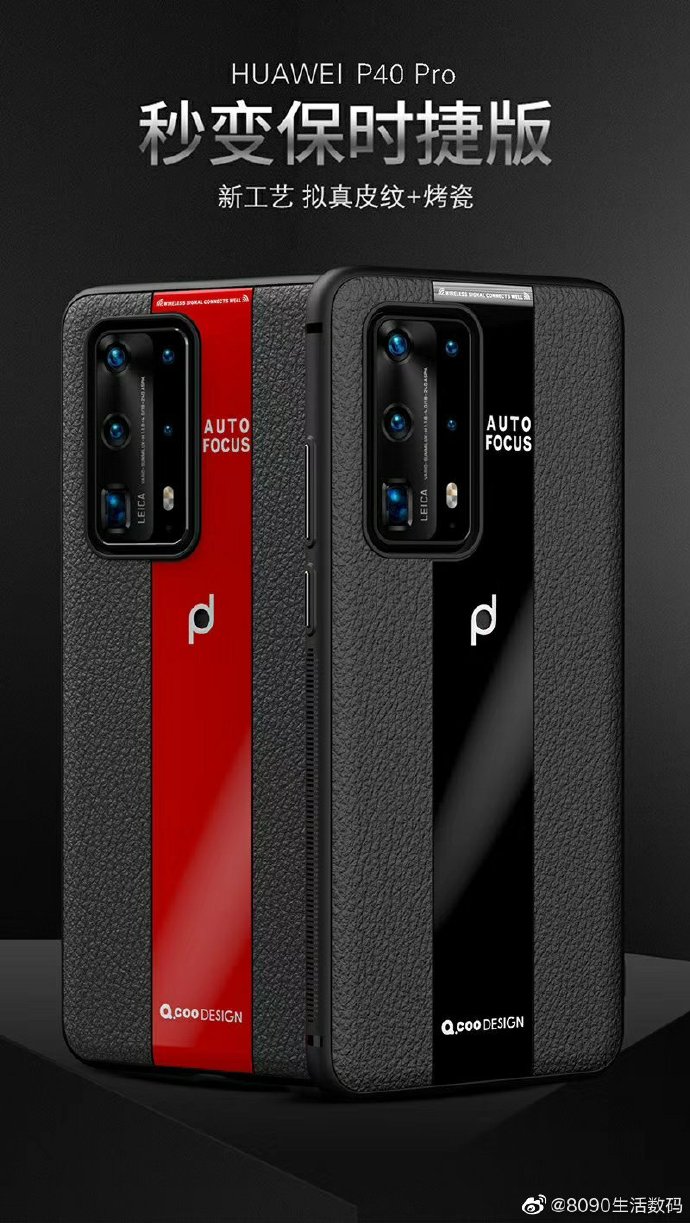
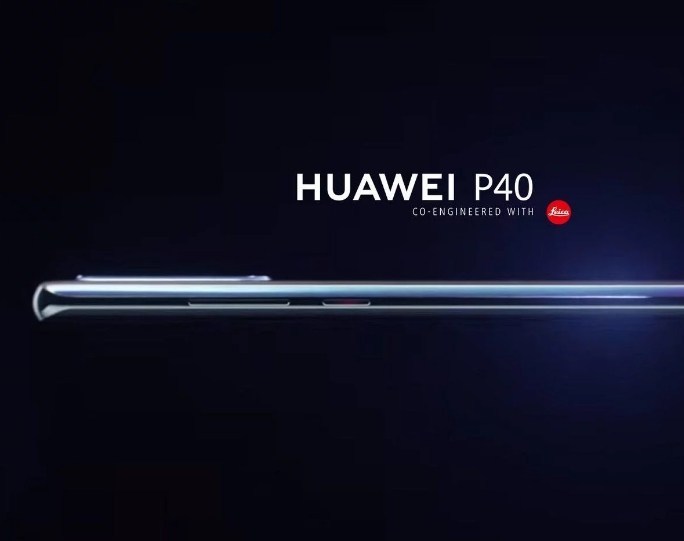
Huawei‘s P40 series is expected to go official later this month. The protective case of the P40 Pro has been leaked from the production factory. The protective case adopts a pseudo-skin pattern and porcelain technology. It bears some styling similar to the Porsche Design version of the Mate series.
While the protective case looks amazing, what is most interesting about the leak is the renders of the P40 Pro that was also revealed. The renders are those of the front and rear view of the device. The renders seem to confirm the presence of a curved edge display as well as a dual hole-punch camera design.
At the rear, the device packs a rectangular camera module which houses a Penta-camera setup as well as an LED flash. One of the five sensors looks like a periscope camera. The camera also bears the Leica badge which isn’t surprising. The power button and volume rockers are located on the right side of the display.
Previous leaks and rumours tipped the Huawei P40 Pro to pack a 32MP dual selfie camera setup. The phone will be powered by a Kirin 990 chipset which will bring 5G support. The phone is expected to launch in Paris on March 26.
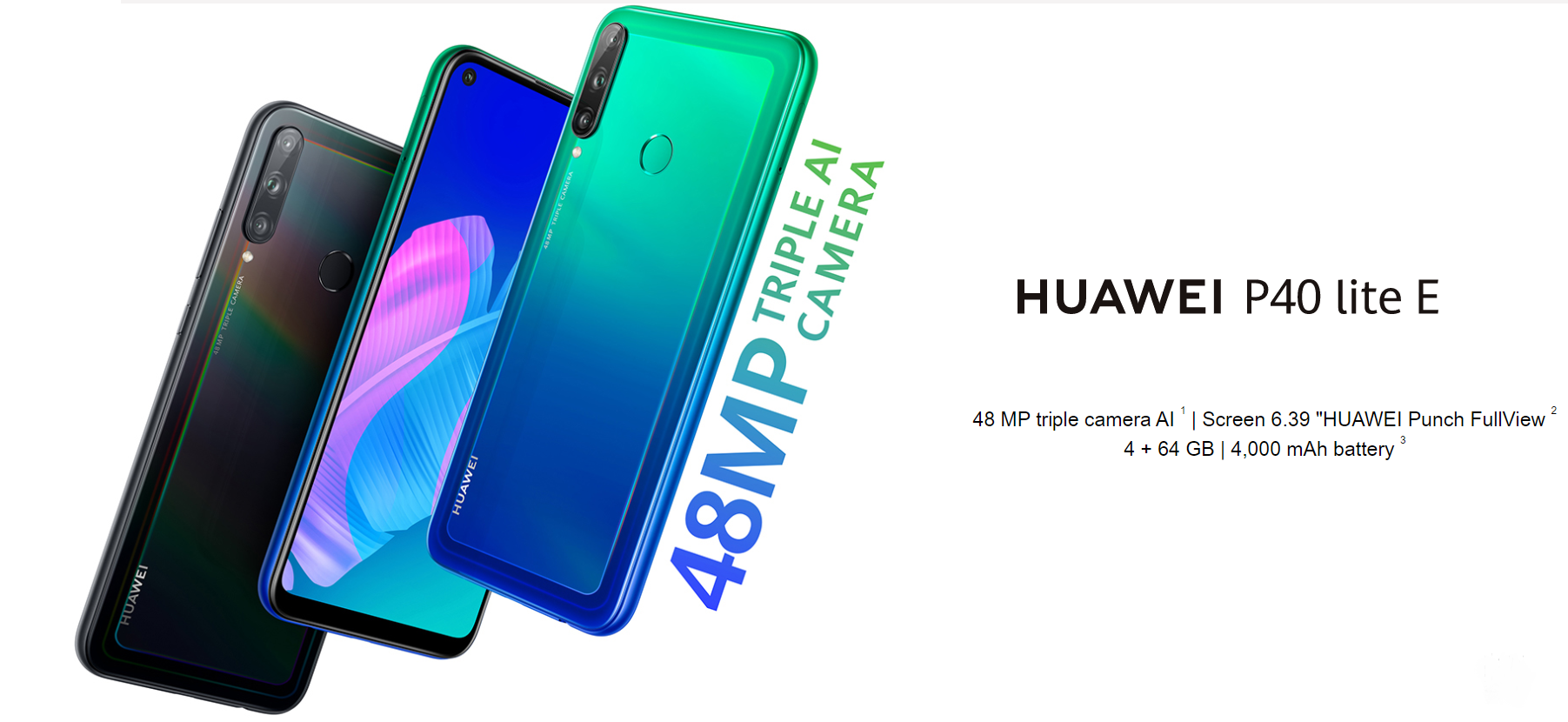
The Huawei P40 Lite E is a familiar device as it is practically a rebranded Huawei Y7p. The phone has a 6.39-inch Punch FullView Display. The hole is at the top left corner of the screen. Huawei says the screen covers over 90% of the front panel. The resolution for the screen is 1560 x 720 (HD+) and it is an LCD panel.
There is a Kirin 710F processor inside the phone and it is paired with 4GB of RAM and 64GB of storage. There is a MicroSD card slot that allows you to add up to an additional 512GB of storage.
The P40 Lite E has three rear cameras – a 48MP f/1.8 primary camera + 8MP f/2.4 ultrawide camera + 2MP depth of field camera. The front-facing camera is an 8MP sensor.
Huawei has put a fingerprint scanner on the back of the phone. There is a 4000mAh battery inside and it has support for 5V 2A charging via a MicroUSB port. The Huawei P40 Lite E also has dual SIM support, Bluetooth 5.0, and an audio jack. The phone runs EMUI 9.1 based on Android 9 Pie out of the box. You also get Huawei’s Mobile Services with apps like the Huawei AppGallery.
The P40 Lite E is available in Aurora Blue and Black. It has a pre-order price tag of PLN 699 (~$181) and Huawei will ship all pre-orders with a free Huawei Band 4. The pre-order page says orders will begin shipping on the 12th of March.
Taiwanese manufacturing firm Foxconn has long been the major supplier or Apple and several other phone companies. The firm has now disclosed that it expects a drop in revenue of up to 15% from its consumer electronics and enterprise products in the first quarter. The company projects that revenue will rebound in the second quarter as production returns to normal in its China factories.
Foxconn which is also known as Hon Hai Precision Industry Co Ltd has several factories domiciled in China where production has been halted due to the Coronavirus outbreak and an extended Lunar New Year holidays. The Taiwanese company disclosed that it does not expect to see any revenue growth in the first half and a “mild downward revision” from original guidance of “slight growth” for the year due to the coronavirus.
The development was responsible for Apple’s decision to reduce its March quarter sales guidance citing a slower production pace in China amid travel restrictions and an extended Lunar New Year break.
Foxconn isn’t the only company affected as overall manufacturing activity has been almost entirely crippled in China by travel restrictions and quarantine requirements aimed at containing person-to-person transmission of the coronavirus.
The Taiwanese manufacturing giant is, however, upbeat about its business as it expects normal production to resume in China by March ending.
The Coronavirus is a flu-like virus that was first detected in Wuhan from where it has spread to other regions in China. The virus has since spread to over 60 countries with more than 86,000 people infected and over 3,000 people, many of them in China.
Realme’s new 6 series is meeting us tomorrow at 12:30 PM IST in India. The company canceled the offline event and is keeping a virtual press conference to launch one of the most important smartphones from the brand this year. The Realme 6 and 6 Pro will be a bit different from its predecessors, in the sense that the Realme 6 is now targeted at a slightly higher price segment. The company executive cleared this in a tweet earlier this week, saying that the Realme 6 will be the real ‘Pro’ for the brand. This means the Realme 6 Pro will be pushed further higher up in the price segment as well, offering premium features unseen in its predecessors.
There’s a lot we know about the upcoming Realme 6 series, but there’s a lot we don’t know as well. Whenever possible, we’ll try to speculate the missing specifications in this article to give you a complete picture of what to expect from the online event tomorrow.
Realme 6 & 6 Pro Design
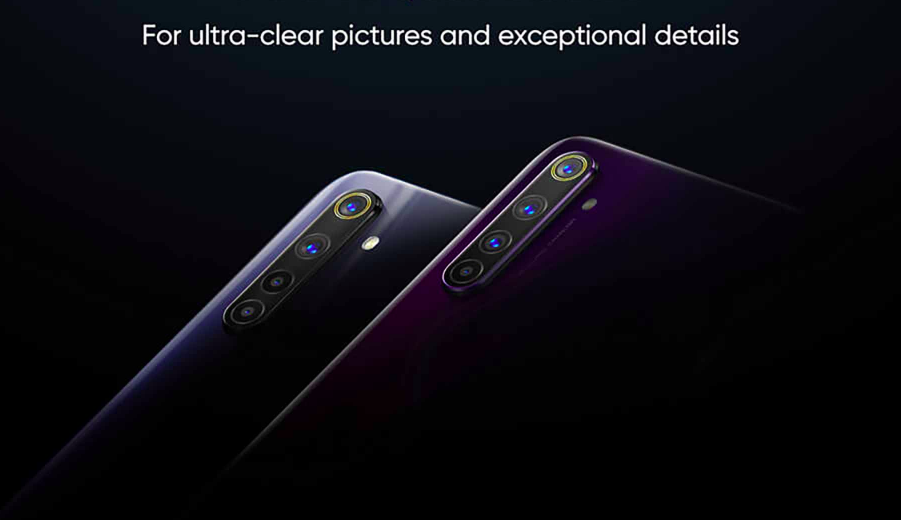
Both models are expected to feature a similar design, which includes a punch-hole camera in its display and quad-rear cameras. This would be a deviation from the waterdrop notch on its predecessor but fits right alongside other mid-range punch-hole devices like the Poco X2. One big difference between the two models in terms of design is in the front. The Realme 6 will come with a single punch hole shooter on its display, while the Realme 6 Pro adds two punch-hole cameras on the front.
We have no official word on the placement of the fingerprint sensor, but it could be placed on the side.
Realme 6 Specs
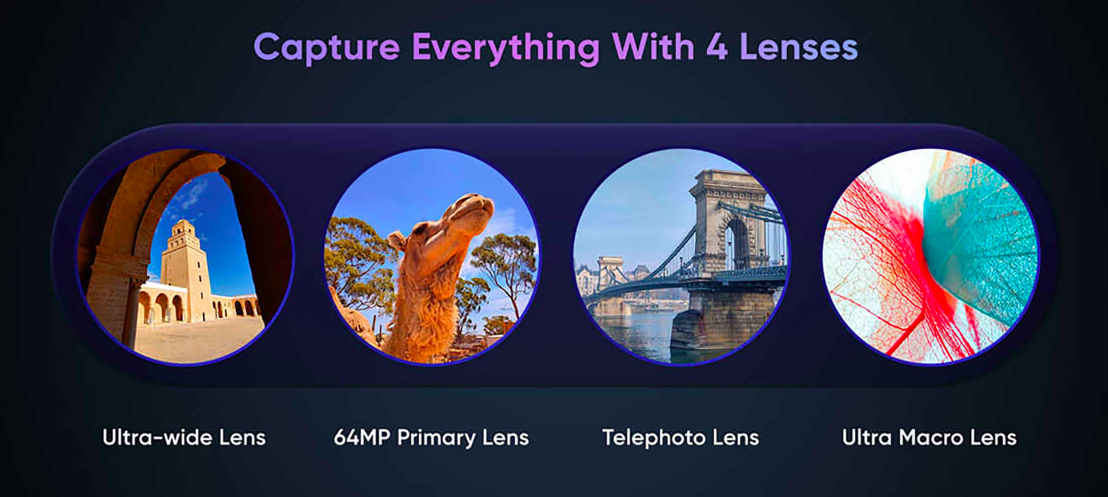
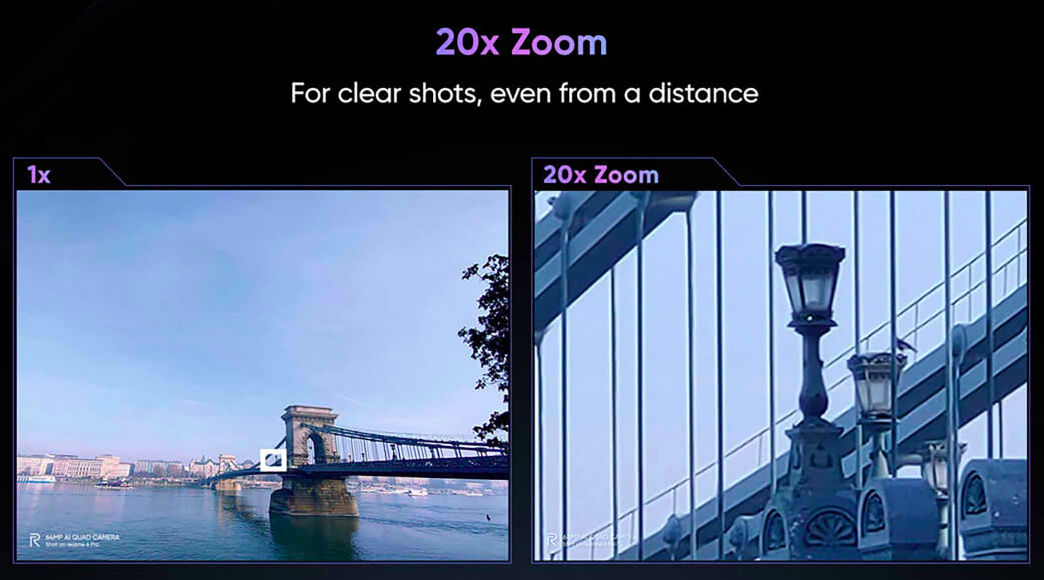
Let’s take a quick look at what to expect from the Realme 6 tomorrow. There are some really big upgrades in the new model. The phone is confirmed to feature a 64MP camera setup at the back likely with a new telephoto sensor. Realme teased 20x zoom on the Realme 6 series, which could be limited to the Pro model.
Another big change that’s expected is in the CPU department. Instead of the Snapdragon 665 chipset found on its predecessor, the Realme 6 should feature MediaTek’s gaming Helio G90T processor. Yes, I said G90T, the same chip found inside the Redmi Note 8 Pro. There were some rumors about the phone getting the slower G90 variant, but the Wi-Fi Alliance certification has practically confirmed MT6785T aka Helio G90T as the chip powering the new device. Also, G90 doesn’t support a 90Hz refresh rate panel, only the G90T does.
In places where we have added an * after the specs, note that those are pure speculations and not based on any trustworthy teasers or leaks.
6.4/6.5-inch IPS LCD display* with 90Hz refresh rate and FHD+ resolution (confirmed)
MediaTek Helio G90T @ 2.05GHz
4GB / 6GB RAM with 64GB / 128GB ROM*
Dedicated MicroSD card slot*
Quad-camera setup: 64MP primary camera + ultrawide camera + telephoto camera + Macro camera (confirmed)
Single punch-hole selfie shooter (confirmed)
3.5mm headphone jack*
Rear placed fingerprint sensor*
4500mAh battery capacity* with 30W fast charging (30 minutes for a day’s charge – confirmed)
The Realme 6 Pro will be a premium offering with mid-range pricing. Premium features include a high refresh rate display, 20x zoom via its telephoto lens, and Snapdragon 720G chipset.
6.4-inch IPS LCD display* with 90Hz refresh rate and FHD+ resolution (confirmed)
Snapdragon 720G @2.3GHz
4GB / 6GB RAM with 64GB / 128GB ROM*
Dedicated MicroSD card slot*
Quad-camera setup: 64MP primary camera + ultrawide camera + 20X zoom telephoto camera + Macro camera (confirmed)
Dual punch-hole selfie cameras including one ultra-wide angle shooter (confirmed)
3.5mm headphone jack*
Rear placed fingerprint sensor*
5000mAh battery capacity* with 30W fast charging (30 minutes for a day’s charge – confirmed)
Realme 6 & Realme 6 Pro Expected Pricing
Realme 6 is expected to start at around Rs. 12,000 ($164) – 13,000 ($178) in India. The Realme 6 Pro is expected to be priced between Rs 15,000 ($205) and Rs 20,000 ($274). The company has promised sufficient stock despite the Coronavirus epidemic that has affected China and countries globally. Both the models should be available via online as well as offline stores after its launch tomorrow.
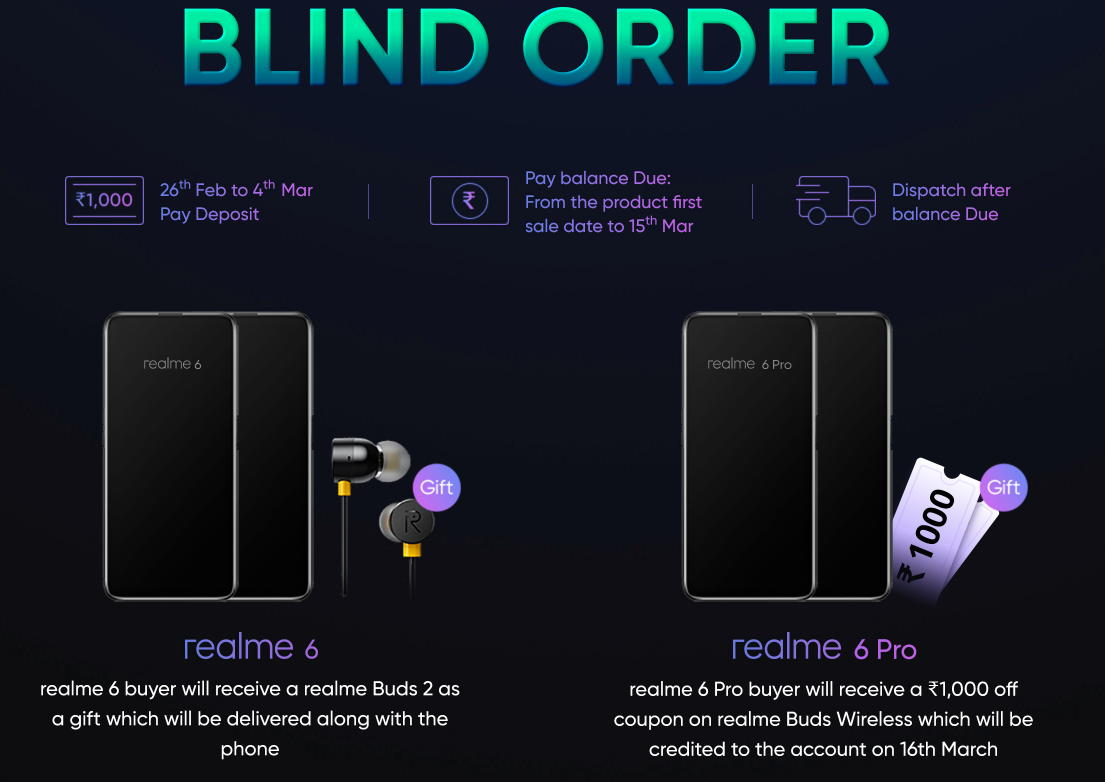
The company is currently running a promotional blind order event for the Realme 6 series. Details are as below. Note that the Realme Band will also launch alongside the Realme 6 series tomorrow. You can read all about the new band here.
Samsung‘s popular Galaxy A series has a couple of entries lined up for launch in the near future. However, prior to any official announcements, reports have surfaced regarding the Galaxy A31 and Galaxy A71. The former has been spotted on Geekbench, revealing its specs, while the latter has received 3C certification.
Samsung Galaxy A31
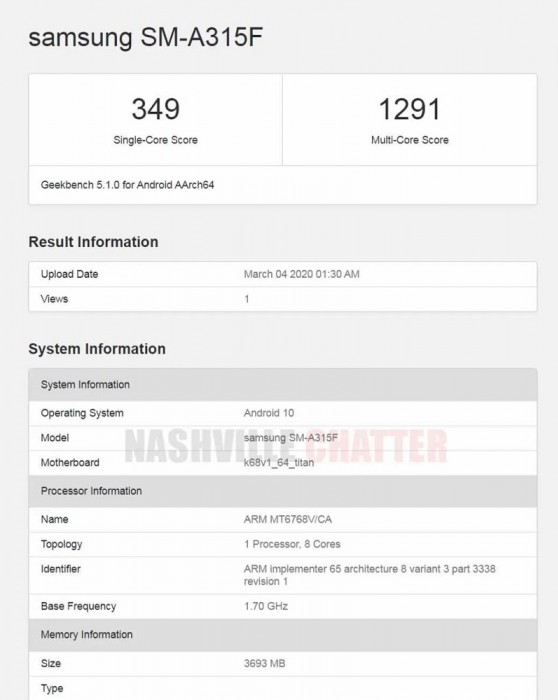
The Galaxy A31 is a mid range smartphone from the South Korean tech giant. It was spotted on the popular benchmarking software, Geekbench, bearing the model number SM-A315F. The device scored 349 points in single core performance and 1,291 points in the multi core performance. This score was achieved thanks to its MediaTek processor, dubbed MT6768V/CA, which could be the Helio P65 SoC.
Additionally, Samsung Galaxy A31 also runs the latest Android 10 OS and has 4GB of RAM. However, it is unknown if it will arrive with other memory configurations. Unfortunately, other finer details could not have been discerned from the benchmark, but reports have suggested that a 64GB base storage alongside a 5,000mAh battery and 48MP primary camera can be expected as well.
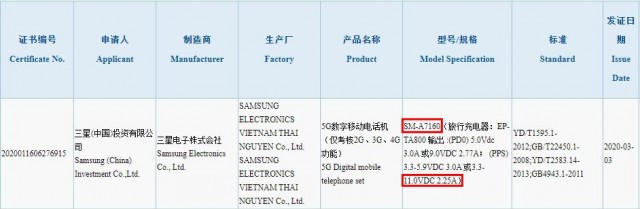
Samsung had launched the 4G version of the Galaxy A71 two months ago. But since then, there has been no sign of its 5G variant. But now, it might soon be available considering the smartphone has received China’s 3C certification. The certification also revealed certain specs regarding the device, namely support for 25W fast charging.
Samsung Galaxy A71 5G certification
The Galaxy A71 was spotted with the model number SM-A7160, similar to what had previously also been spotted on Geekbench listing. The handset will carry Exynos 980 SoC paired along with 8GB of RAM running Android 10 OS. It is expected to launch in various markets including, China, US, Australia, New Zealand, and European regions as well. Although no official announcement has been made, its launch might be just around the corner. So stay tuned for additional reports on Galaxy smartphones.
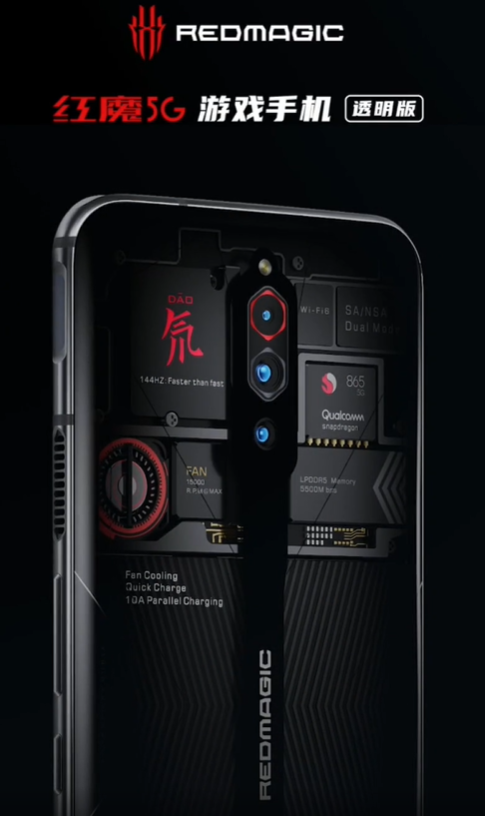
Transparent gadgets are really cool and have existed for decades. For example, different iterations of the Nintendo GameBoy have transparent editions. Microsoft and Sony also have transparent versions of their controllers. The mobile industry has also jumped on the train and you can find phones from HTC and Xiaomi with a see-through body. Nubia’s CEO has announced today that the Red Magic 5G will have a transparent edition and from the promotional video shared, we love it already.
Nubia is toeing the same line as Xiaomi with its Red Magic 5G Transparent Edition. What I mean is that what you actually see are not the device’s internals (save for the built-in fan) but a 3D printed one which of course looks much better than the real deal.
However, what makes it awesome is that you get to see the built-in cooling fan in action. That definitely makes for a cool party trick, right?
The printed board does list some of the device’s specs such as the Snapdragon 865 processor, LPDDR5 RAM, Wi-Fi 6, 144Hz refresh rate, and support for SA and NSA networks/Dual Mode 5G.
The Nubia Red Magic 5G Transparent Edition will definitely cost more than the other color variants. We also won’t be surprised if it is available at a much later date and not at the same time as the standard version.
The Red Magic 5G is shaping up to be a pretty interesting gaming smartphone. Nubia already confirmed it will have a 16GB RAM version, support for 55W fast charging, and a 64MP Sony camera. It will also run Android 10 out of the box.
Kickstarter is a known platform where inspiring inventors and more gather to share their ideas and dreams. This generally happens in the form of a product, which can be backed by monetary support that anyone wishes to pledge. Recently, a modular keyboard by the name of Everest is growing in popularity on the platform and is seeing sizeable support as well.
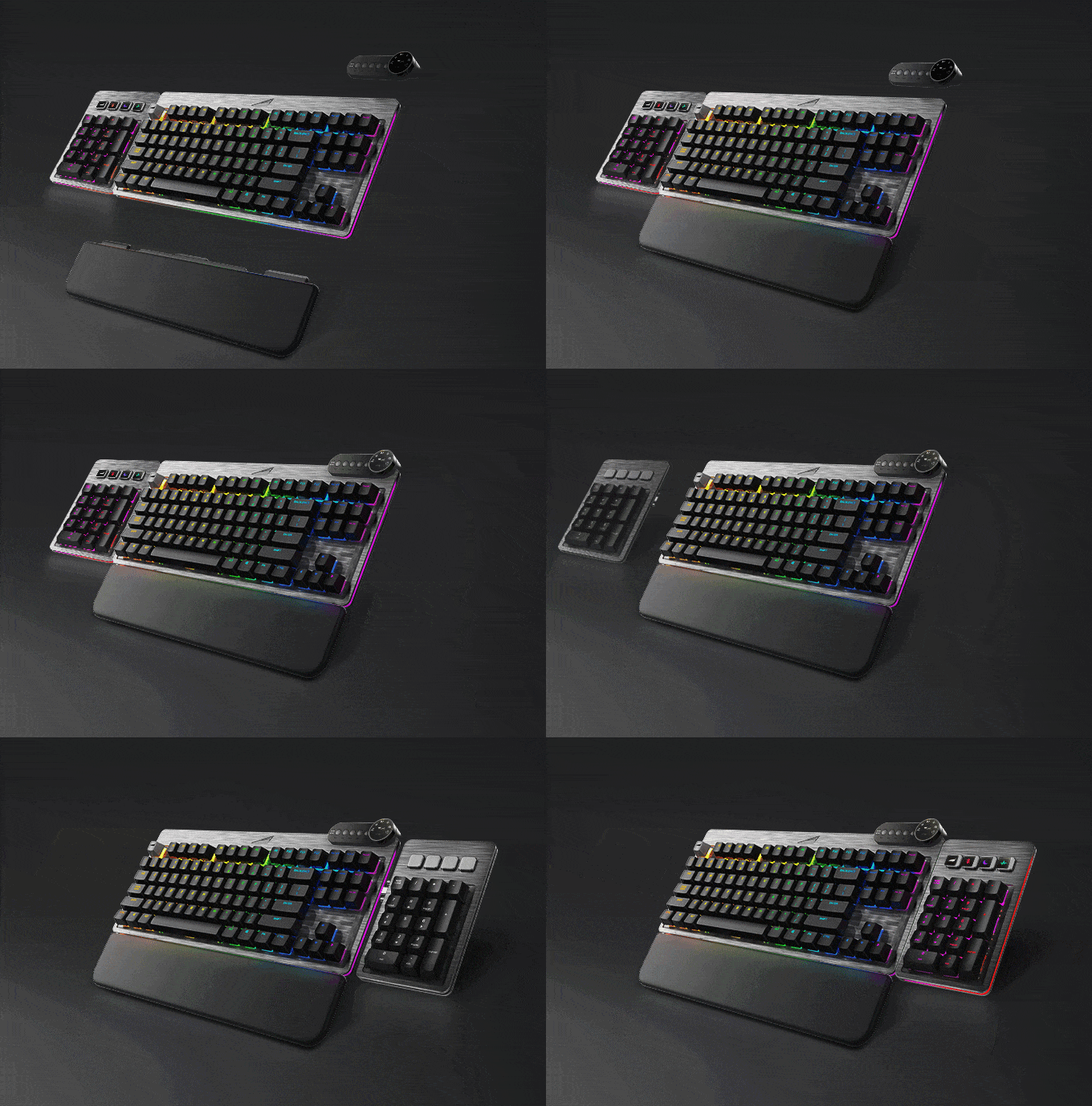
According to official notes, the modular keyboard is brought in as a high end gaming keyboard offering. The brand behind it (Mountain.gg) aims to provide a unique experience with features and sections being modular and interchangeable. A few of its notable features include a Numpad that can be connected on either side of the keyboard, display keys and even a Media dock with a display dial.
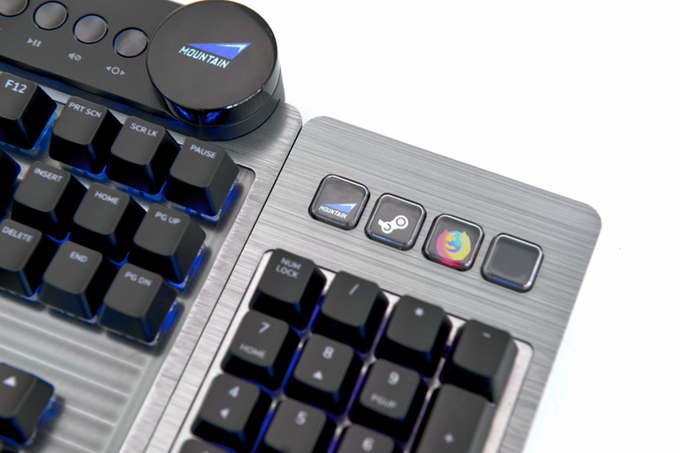
As mentioned above, the Numpad keys are independent of the main body and can be attached to either side of Everest. However, its other features, especially the display keys, present a lot of potential in a gaming keyboard. On the Numpad, users also get 4 dedicated color display keys. These are programmable and users can customize their favorite app icons on the keys. Examples of these include popular desktop apps like Steam, Discord and other more.
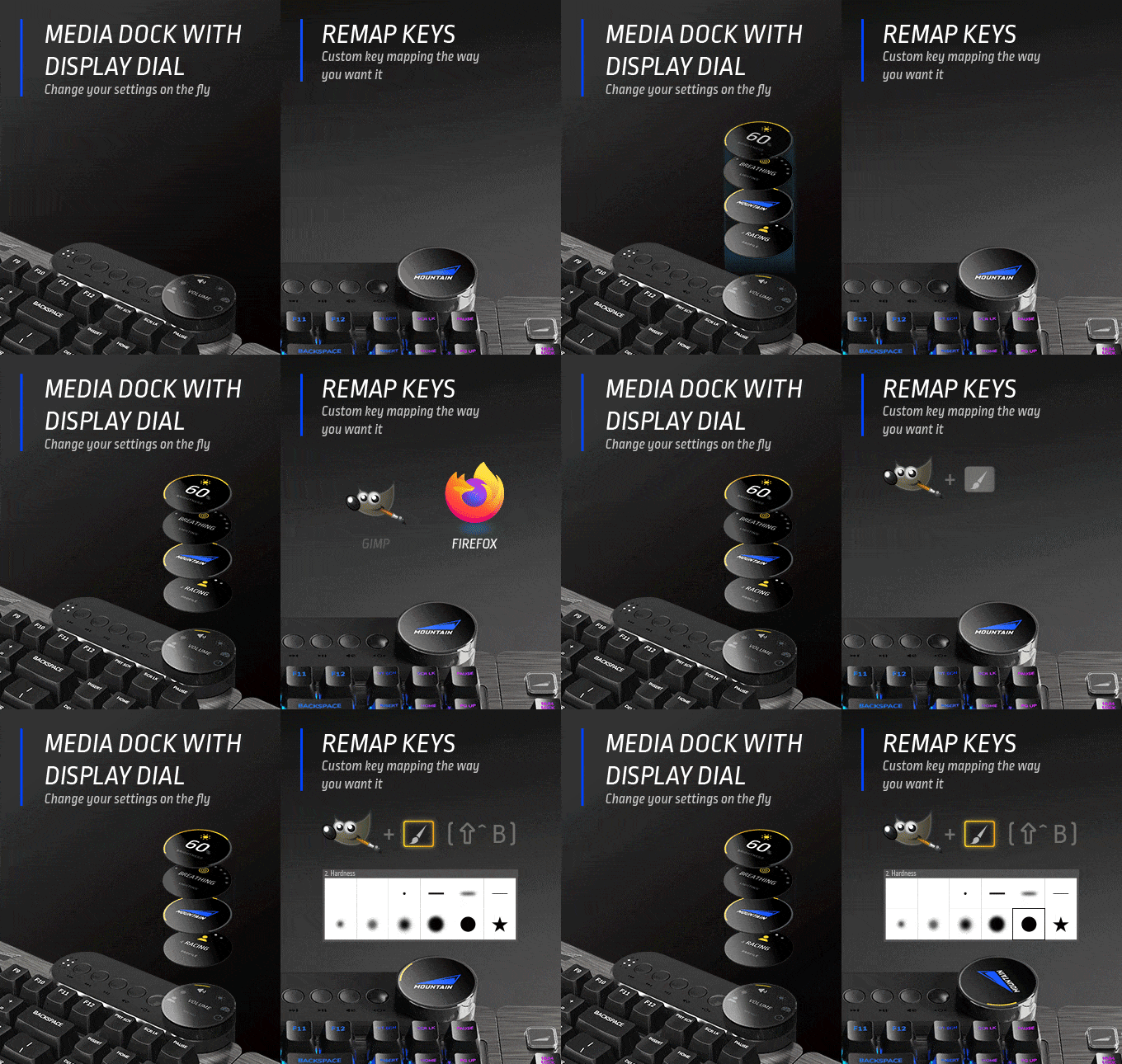
Another notable feature with Everest is the Media Dock which also features a display dial. Its the other modular component that can be positioned anywhere on the top of the keyboard. The Media Dock offers LED indicators as well alongside colored LCD screen. Through this, one can access many different controls and functions, including:
Volume
Brightness
APM (actions per minute) counter
Profile selection
Backlight mode selection
Computer system information.
Connected by magnets and positioned either to the top right or top left, it will also feature indicator LEDs
The features don’t stop there as the modular gaming keyboard also allows users to swap key switches, meaning mechanical keyboard enthusiasts can choose between Cherry HX Red or Blue keys. Furthermore, it offers a N-Key rollover, which enables multiple key presses to be registered. This is extremely useful for intense multiplayer games with numerous button layouts.
Since Everest is a gaming keyboard, it is only natural that it offers RGB backlit keys. Although, each key is individually programmable and users can choose between a vast variety of colors. In other words, a great emphasis has been placed on its customizability. For those interested to support this product, you can pledge on the online platform, which also offers numerous tiers to choose from.
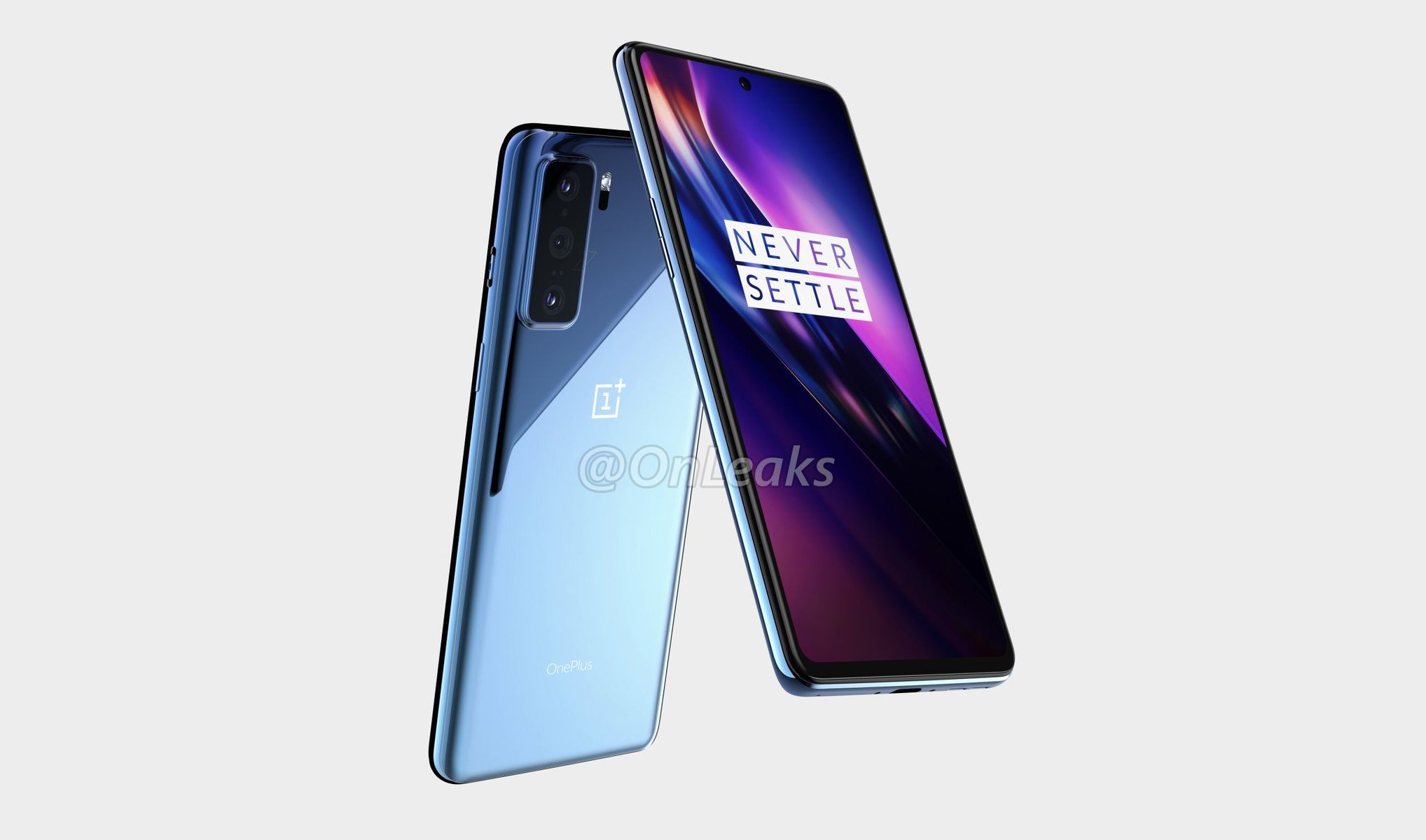
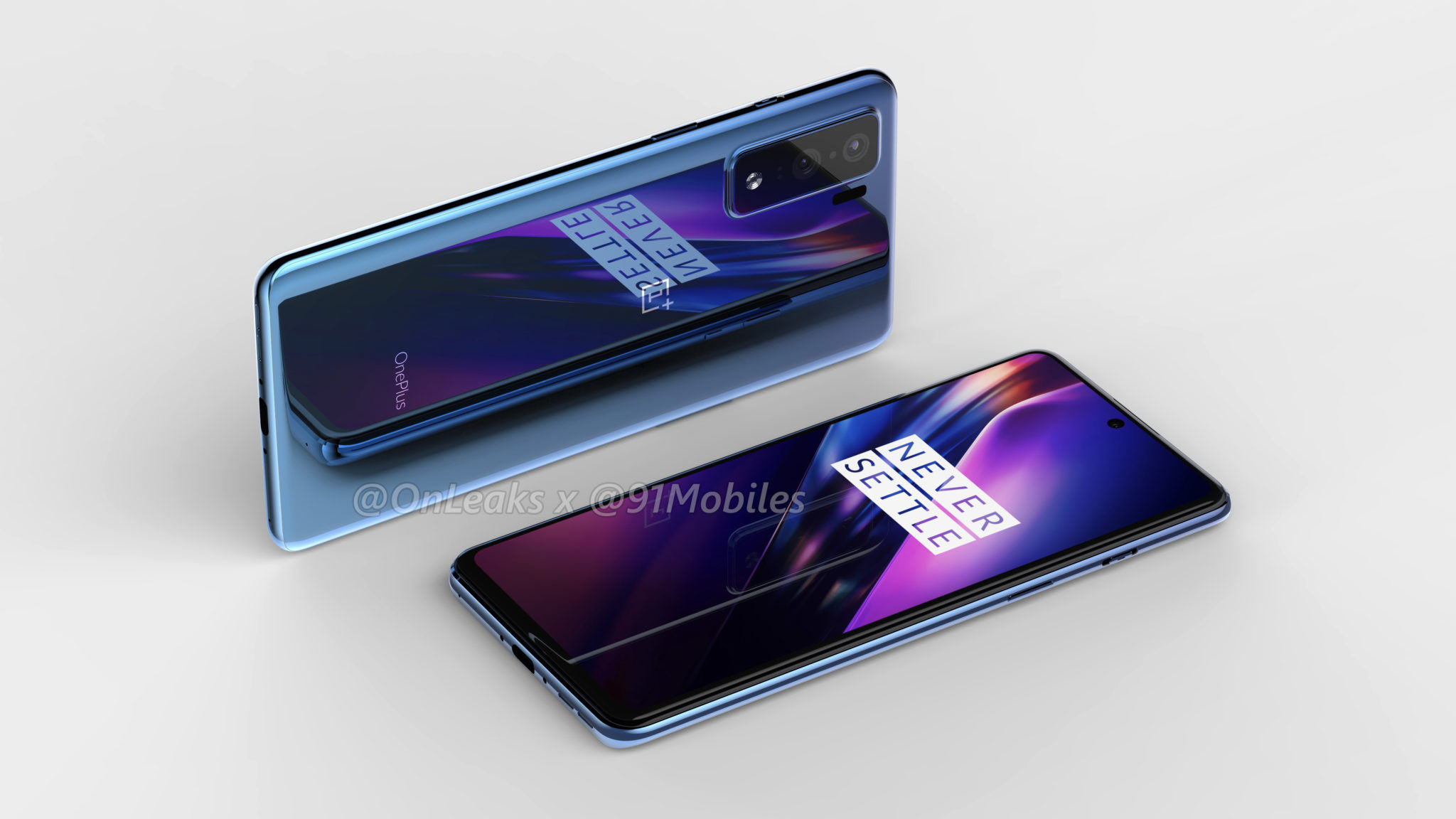
OnePlus, the relatively new and popular smartphone manufacturer is gearing up for the launch of its latest smartphone series, the OnePlus 8. However, the company is bringing something new this year, with 3 smartphones being launches together, namely OnePlus 8, OnePlus 8 Pro and the new OnePlus 8 Lite. However, before any official announcement, the specifications, price and launch timeline of the OnePlus 8 Lite have been revealed.
Specifications
The OnePlus 8 Lite had previously had some of its specifications reportedly revealed. Now, the new leak also backs the same details such as the device having a 90Hz display on the front. Another rumor is that the smartphone will be the first OnePlus device to sport a MediaTek processor, with reports pointing at Dimensity 1000 SoC.
OnePlus 8 Lite Renders
The high refresh rate display is said to be a 6.4 inch AMOLED panel with an in display fingerprint scanner as well. It will run the latest Android 10 OS and reportedly features a triple camera setup consisting of a 48MP primary lens alongside 16MP and 12MP sensors for ultra wide angle and telephoto lens. OnePlus 8 Lite will be powered by a large 4,000mAh battery pack that supports 30W fast charging and will be offered in two variants, 8GB + 128GB and 8GB + 256GB.
Although the specs have been rumored for a while now, the pricing of the smartphone was still unknown. However, a new report suggests that the handset will be priced 400 GBP or roughly INR 37,500 or 511 USD. That’s a high price to pay for a Lite iteration of a series but it is likely that the price of the device a little lower for the Indian market.
According to the source, OnePlus 8 Lite will be available in India and other markets by July 2020. Unfortunately, it is unknown if the launch event will be held in the same month, or a month or two prior, since news of an early launch had been making rounds recently.
Earlier today (4th March 2020), a senior executive of Xiaomi shared the second batch of 100MP shots for wallpapers. The images have been taken from the recently launched flagship Mi 10 Pro and are impressive shots of the Earth from high altitudes.
Xiaomi Founder and Chairman, Lei Jun, shared the second batch of high definition shots of the Earth on Weibo
The second batch of the high definition images was shared on Weibo, the Chinese microblogging website, on the official account of Xiaomi’s Founder and Chairman, Lei Jun. The Mi 10 Pro’s 108MP camera was used to capture all of the images which were shared and were taken in extreme conditions. In the images, the top view showcases the natural beauty of Antarctica.
The images captured the snow covered terrain alongside the large clouds which can be seen in the atmosphere. The images are all from high altitude, resembling a previous incident where Xiaomi had sent the Redmi Note 7 to space. This goes to show the effort the Chinese tech giant puts into its efforts on its smartphone offerings.
Furthermore, the images shared also depict regions apart from Antarctica as well. The pictures include tropical regions, ocean coastlines, tall mountain ranges and large stretches of flat plains as well. So for those interested in downloading these images, you can click on the link down below and input the code alongside it, once you’re redirected to the website.
Click here to download the original images and input the code given below to access them
Black Shark continues to take the gaming phone realm by storm with its awe-inspiring gaming flagships. The company usually sticks to its tradition of releasing a gaming handset at the start of the year and then announcing an upgraded version towards the second half of the year.
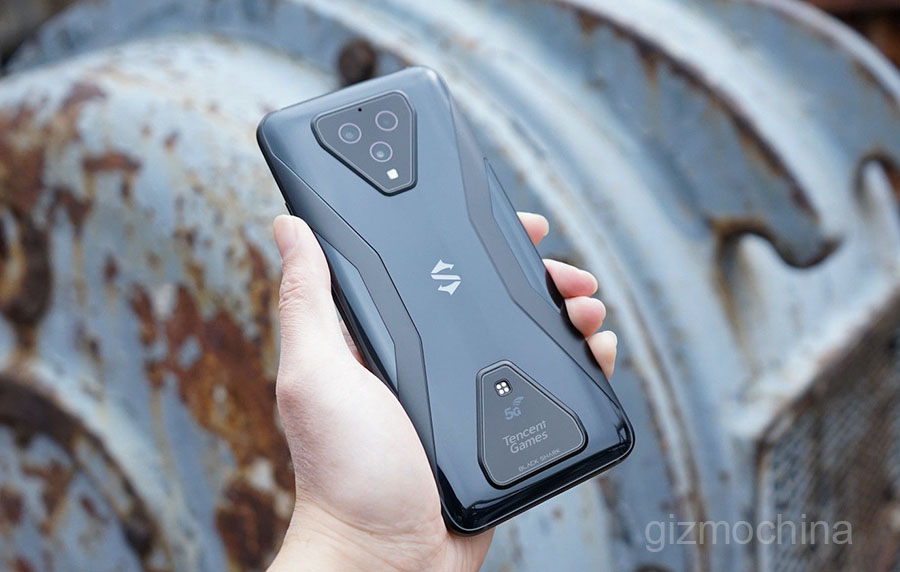
Black Shark 3
On Tuesday, March 3rd, Black Shark deviated from its release cycle and added a regular, as well as a Pro variant to its popular Black Shark gaming lineup. In short, China received two new Black Shark gaming devices including the Black Shark 3 and the Black Shark Pro.
More importantly, you can now purchase the Black Shark 3 gaming phone from one of the country’s most popular e-tailers, Giztop. So without wasting more time, let’s dive straight into the details.
The basic Black Shark 3 model that ships with 8GB of RAM and offers 128GB of internal storage will set you back $599. It comes in black, gray and silver color options.
Alternatively, you can go for the larger model that features 12GB of RAM, coupled with 256GB of internal storage capacity if you are willing to shell out $699. Likewise, the 12GB RAM+128GB ROM model has gone up for grabs bearing a price tag of $649 through Giztop.
Powered by the Tencent Solar Core game engine, the Xiaomi Black Shark 3 is outfitted with Sandwich liquid-cooled system. It sports a mammoth 6.67-inch AMOLED screen with 2400 x 1080 pixels resolution and its touch panel refreshes at 90Hz. The device also boasts the industry’s first 270Hz touch sampling rate. The Black Shark 3 packs a powerful Snapdragon 865 Octa-core processor, along with an Adreno 650 GPU under the hood. It runs Joy UI 11 based on Android 10 OS and draws its juices from a 4720mAh battery that supports 65W fast charging and 18W Back magnetic charging port.
Furthermore, the recently unveiled gaming phone supports Dual Mode 5G and WiFi 6 and comes with Dual Card Dual Standby. On top of that, it offers multi-language including English, Chinese and more. To know more about the Xiaomi Black Shark 3 and to place your order, simply visit this link.
The Gizmochina Coupons is a community that finds, reports and evaluates deals and coupons of Chinese products from online shops. Please visit it here to find more coupons to save money on mobiles and smart gadgets.
Xiaomi had announced the 5G-ready Xiaomi Mi 10 series of flagship phones on Feb. 13. Soon after its launch, it became the highest rated camera phone on DxOMark benchmarking platform with a score of 124. It managed to dethrone the Huawei Mate Pro 5G smartphone from last year that was leading DxOMark with a score of 123. A popular Chinese tipster claims that the Xiaomi Mi 10 Pro will soon lose its numero uno position to another phone this month.
The Xiaomi Mi 10 Pro 5G is currently leading the audio and camera benchmarks on DxOMark. The camera setup of the Xiaomi Mi 10 Pro 5G includes a 108-megapixel main sensor with OIS and 8P lens, a 20-megapixel ultrawide lens a, 12-megapixel portrait lens with 2x optical zoom and an OIS equipped with 8-megapixel telephoto lens with 10x hybrid optical zoom support. In photography and videography tests of DxOMark, the Mi 10 Pro 5G scored 104 and 124 points, respectively.
Two camera-centric flagship phones will be launching this month. The first one is the OPPO Find X2 series that is debuting on March 6 and the Huawei P40 series that is scheduled to break cover on March 26. It remains which of these phones will dethrone the Mi 10 Pro 5G on DxOMark. There is a possibility that both phones may end up removing the Xiaomi phone from the number one spot.
The Find X2 Pro has a triple camera setup. It is said to be equipped with a 13-megapixel periscope telephoto lens, a 48-megapixel Sony IMX586 ultrawide shooter and a 48-megapixel Sony IMX689 custom-lens developed by Sony and OPPO.
Huawei P40 Pro in Mint Green
On the other side, the Huawei P40 Pro has a quad camera setup that features a 52-megapixel main shooter, a 40-megapixel cine camera, an 8-megapixel periscope lens and a ToF (Time of Flight) sensor. There seems to be a Huawei P40 Pro PE smartphone with a penta-lens camera setup which is said to borrow four cameras from P40 Pro and feature an additional macro camera.
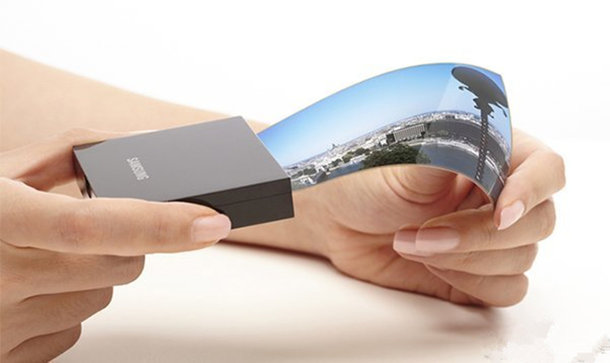
Samsung, the known smartphones and other consumer electronics manufacturer, is apparently planning to ramp up the production of its foldable displays. The South Korean tech giant’s production line is currently capable of manufacturing 260,000 units per month. However, this number is expected to grow by about 600,000 units per month by the end of May while by the end of 2020, the production capacity is expected to rise further, up to million units a month.
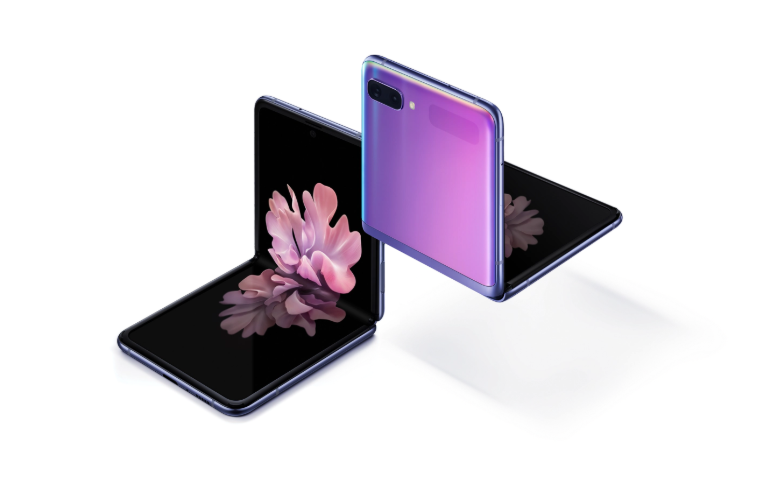
This sizeable growth would be around a quadruple that of current standards. For those unaware, Samsung is one of the leaders for flexible OLED displays. The company was one of the first to ever release the first foldable smartphone and has also recently unveiled the Galaxy Z Flip, showcasing its increasing focus on such smartphones.
Flexible OLED panels from Samsung
Since 2019, the demand for foldable screens has grown, thus, Samsung is aiming to supply such folding displays not just for its own offerings but for other OEMs as well. Furthermore, the company is also planning to build additional facilities to boost the production of the flexible display panels. These facilities are planned for Vietnam and will supplement the other production lines back in its home country, South Korea.
According to an announcement from Philoptics, responsible for supplying cutting equipment for Samsung displays, the company has plans to provide $13.8 million and $5.84 million worth of equipment by the end of both May and July. This is indicative of the increasing scales of operations for the foldable displays and is in line with Samsung’s schedule as well.
Samsung Galaxy Z Flip
Samsung is one of the largest manufacturers for OLED displays. The company is using this position of its to profit from a growing demand for such displays. It has been reported on multiple occasions that the smartphone market is under a stagnation period, so the increasing demand will only serve to benefit Samsung in this regard. Notably, Samsung had also recently achieved a breakthrough in displays with its UTG (Ultra Thin Glass) technology which is flexible while still offering better protection in comparison to plastic OLEDs.
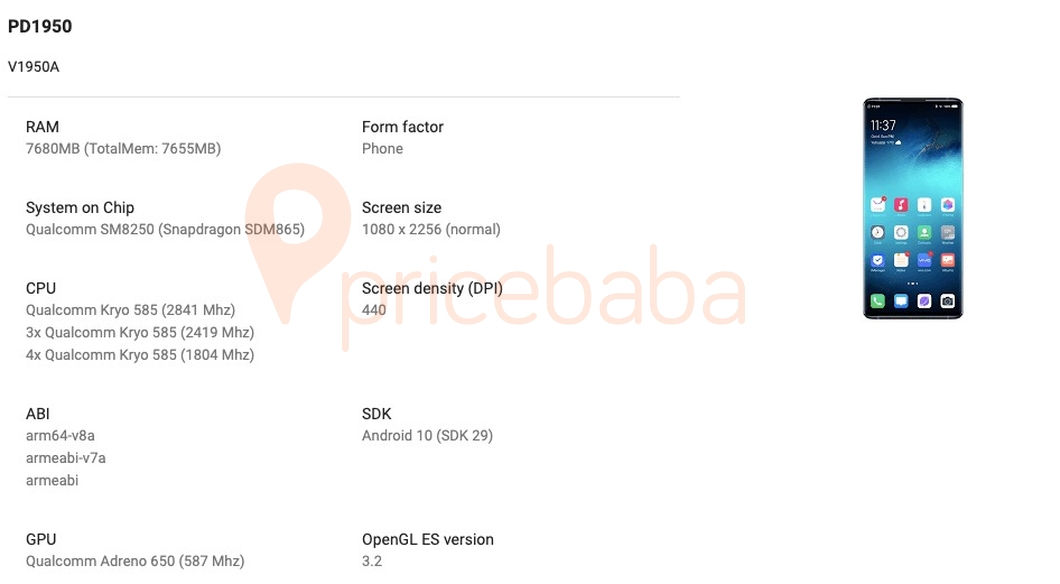
Vivo will be launching the Vivo NEX 3S 5G smartphone on March 10 in China. The entire specifications of the phone have been revealed through its TENAA listing. The handset is said to be arriving as a Snapdragon 865 powered version of the Vivo NEX 3 5G phone that was announced in September last year. Pricebaba has come across the Google Play Console listing of the Vivo NEX 3S 5G phone ahead of launch. The listing has revealed some of the key specs of the phone along with an image.
The Vivo NEX 3S 5G phone has a notch-less waterfall display with extremely curved display. The screen of the phone supports 1080 x 2256 pixels full HD+ resolution and a pixel density of 441ppi. The handset seems to feature the same waterfall display that was made available on the Vivo NEX 3 5G smartphone. Like the NEX 3 phone, the upcoming NEX 3S seems to be fitted with a pop-up selfie camera setup.
The Google Play Console listing reveals that the Snapdragon 865 mobile platform which includes Adreno 650 graphics powers the Vivo NEX 3S 5G smartphone. The SoC is coupled with 8 GB of RAM and the phone is loaded with Android 10 OS.
The TENAA appearance of the Vivo NEX 3S 5G revealed that it has a 6.89-inch S-AMOLED display. The screen of the phone is integrated with a fingerprint reader. The phone is expected to arrive in storage versions such as 128 GB and 256 GB. The latest FunTouchOS 10 is expected to come overlaid on the Android 10 OS of the smartphone.
The Vivo NEX 3S 5G may come with a 16-megapixel pop-up front camera. It could be equipped with a 64-megapixel + 13-megapixel + 13-megapixel triple camera system. The phone houses a minimum rated battery of 4,250mAh capacity. The phone is expected to arrive with some latest technologies like LPDDR5 RAM and UFS 3.1 storage. While the 3C listing of the phone revealed that it may come with a 55W charger, a recent leak stated that it could be coming with a 44W charger.
Historically, smartphone brands have been collaborating with various automobile manufacturers for making a special variant of their flagship offerings. Now, Huawei has is also collaborating with a Chinese luxury car brand named Hongqi for a special variant of the upcoming flagship, the P40.
Huawei P40 and Huawei P40 Pro series renders (Image via 91Mobiles)
The news apparently broke after the car brands “accidentally” revealed information about the partnership with Huawei. According to an image poster shared, the top 200 subscribers will win in a giveaway that hands out the Special P40 variant. This confirms the existence of the limited P40 edition, although it is unknown if its redesign is like the Porsche versions or if it is just a simple cobranded.
From what we know so far, Huawei P40 series is expected to be released later this month, on 26th March 2020. Its the latest iteration in the series and is the next installment succeeding the P30 series from last year. The P40 series is one of the flagships that the Chinese tech giant launches and will sport top notch specs as well.
Unfortunately, finer details regarding the smartphone are currently unknown, especially regarding the limited Hongqi limited edition. But we can expect certain defining aesthetics being added on to the base device, considering it is a giveaway for top subscribers. So a unique design might be planned. Stay tuned for more details which should be available in the arriving weeks.
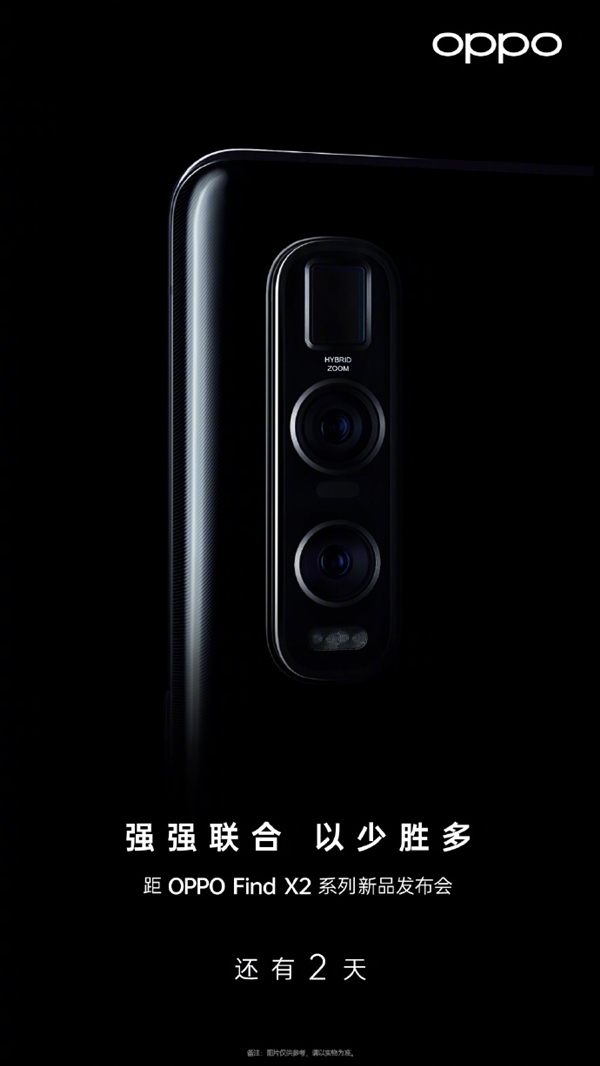
Recent reports have revealed that the upcoming OPPO Find X2 Pro has CPH2025 model number whereas the vanilla Find X2 has CPH2023 model number. The Find X2 series is expected to offer stellar photography experience. Past reports have revealed that the Find X2 Pro and Find X2 will differ in cameras. Earlier today, OPPO shared a poster on Weibo that revealed the triple camera system of the Find X2 Pro smartphone. It confirms the presence of a periscope telephoto lens.
The image reveals that the Find X2 Pro will be decked a triple camera setup on its back. The square-shaped sensor at the top is the periscope telephoto sensor. It is followed by two cameras and a dual LED flash unit.
The “Hybrid Zoom” text can be seen imprinted between the first and second lenses. There seems to be a laser autofocus module between the second and third sensors. The rear panel of the device appears to be curved towards the edges.
The Bluetooth SIG appearance of the Find X2 Pro revealed that it is equipped with a 13-megapixel + 48-megapixel + 48-megapixel triple camera setup. A recent leak revealed that setup comprises of a 13-megapixel periscope lens with OIS, a Sony IMX586 superwide sensor and an OIS assisted 48-megapixel custom-made Sony IMX689 sensor omni-directional focus. The Find X2 Pro is expected to offer exciting camera features such as 10x hybrid zoom, 60x digital zoom and Ultra Steady 2.0.
The OPPO Find X2 Pro is said to be equipped with a 10-bit 6.7-inch S-AMOLED curved display with a punch-hole for the 32-megapixel Sony IMX616 selfie camera. The Snapdragon 865 powered device could be coming with 12 GB of LPDDR5 RAM and UFS 3.0 256 GB storage. The phone could be backed by a 4,260mAh that will support 65W Super Charge 2.0 fast charging. Its other rumored features are IP68 rated body, NFC, dual stereo speakers and X-axis linear motor. The Find X2 series will go official on March 6.
After rigorous beta testing on WhatsApp beta, the Dark Mode is finally rolling out on WhatsApp stable version all around the globe. The new update featuring the long-awaited dark mode is finally available for both the Android and iOS devices.
While making the announcement for WhatsApp dark Mode, the company detailed research and development behind the feature. The company aims to reduce eye strain in low light environments and reduce “awkward moments.” However, the developers have optimized the dark mode with improved readability and by minimizing eye fatigue using system default colors on iPhone and Android.
Moreover, the dark UI is designed to focus on important information based on information hierarchy.
The feature can be used via a global Dark Mode switch on Android 10 and iOS 13. However, it can also be turned-on by heading to WhatsApp Settings > Chats > Theme > select ‘Dark’ on Android 9.0 Pie.
The new update will start rolling out in the next few days to all users. It may take a few days or some weeks for the upgrade to completely rollout.
Xiaomi India will be launching the Redmi Note 9 smartphone in India on March 12. Due to the Coronavirus outbreak, its announcement will be livestreamed across its social channels as there won’t be an offline unveil event. Like the predecessor Redmi Note 8 series, the Note 9 lineup reportedly includes Redmi Note 9 and Redmi Note 9 Pro. With a week remaining for its launch, the Redmi Note 9 Pro has been spotted on Geekbench with some keys specs.
The micro sites for Redmi Note 9 series on Xiaomi India’s website and Amazon India states that it is powered by a powerful processor. The Redmi Note 8 Pro was driven by the MediaTek Helio G90T processor whereas the Snapdragon 665 fueled the Redmi Note 8. It is yet to be confirmed which processors will be driving the Redmi Note 9 lineup.
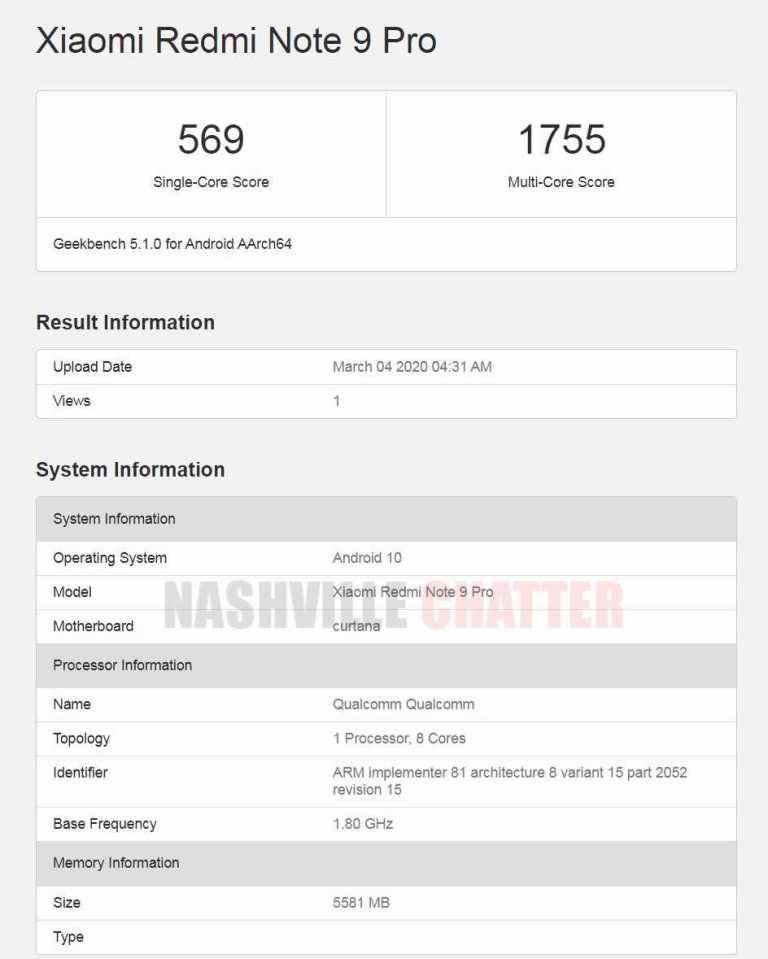
The Redmi Note 9 Pro that has appeared on Geekbench 5 does not reveal the name of the processor that powers it. There is “curtana” mentioned in the motherboard field which could be the codename of the smartphone or the CPU. What’s known is that it is fueled by a Qualcomm chipset that includes an octa-core processor with 1.80GHz base frequency.
The Redmi Note 9 Pro is equipped with 6 GB of RAM and the device is preinstalled with Android 10 OS. In the single-core test of Geekbench 5, the Redmi Note 5 Pro scored 569 whereas it recorded a score of 1755 in the multi-core test.
Recently, the 8 GB RAM edition of the Realme 6 Pro smartphone was spotted on Geekbench 5 with similar benchmarking scores. The Realme 6 Pro is expected to debut as the first ever phone with Snapdragon 720G. There is a possibility that the same SoC could be driving the Redmi Note 9 Pro. The other expected features of the Note 9 Pro are 22.5W fast charging, quad rear cameras and gaming capabilities.
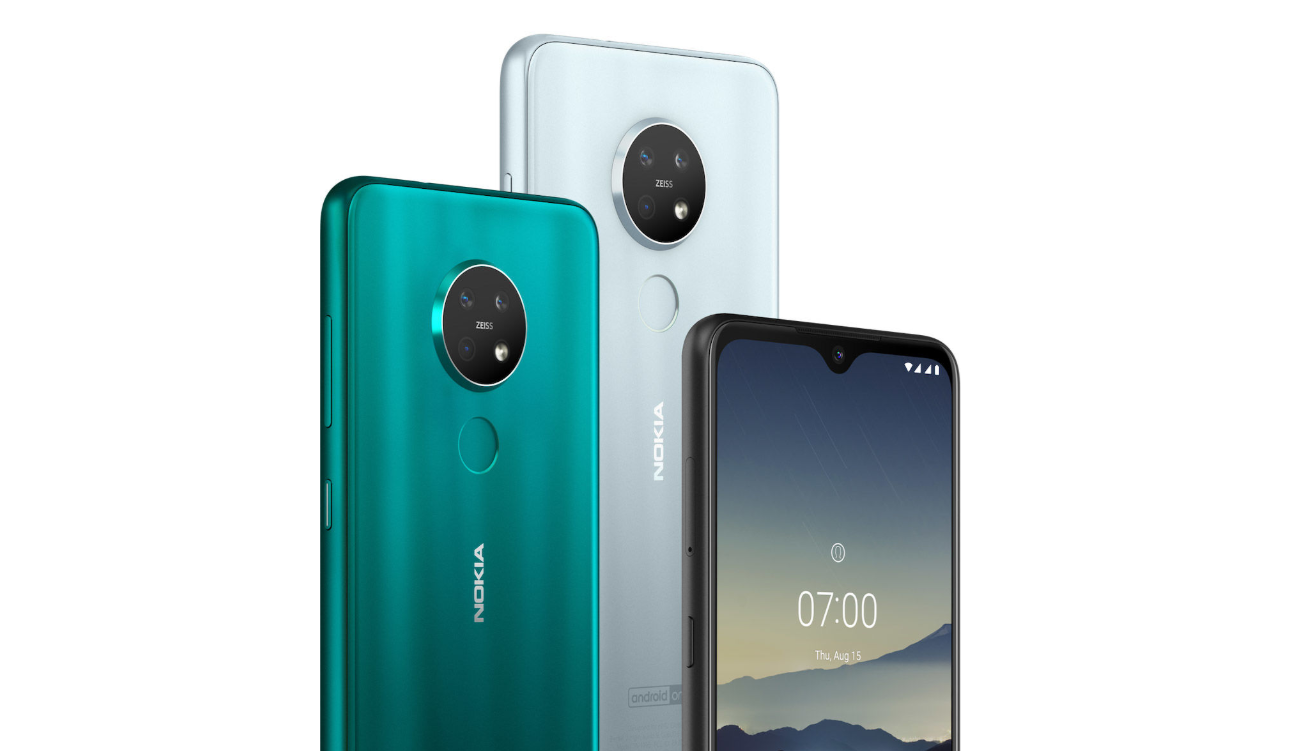
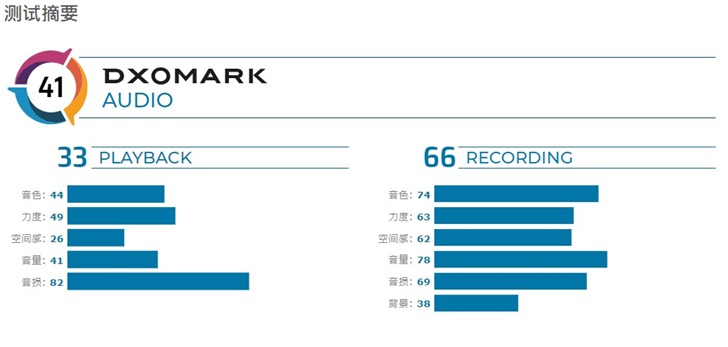
DxOMark, the popular smartphone tester, has just published its scores regarding the Nokia 7.2‘s audio capabilities. The mid-range smartphone received 41 points which is relatively very low and has seen its place at the bottom.
DxOMark initially focused on reviewing digital/professional grade cameras but has since diversified to include smartphone photography as well, and through its extension even audio testing. The tests for the Nokia 7.2 were done in two different categories and included aspects such as the smartphone’s single speaker, 3.5mm headphone jack, Qualcomm aptX audio and two microphones with spacial surround capture.
Nokia 7.2
According to DxOMark, the tests were done from trained officials that perform various tests which are undertaken over 20 hours. The Nokia 7.2 received a score of 33 from playback and 66 points for recording. For the former, DxOMark tests revealed a terrible playback in the spacial category. While its artifacts received a positive score, the timbre volume range, dynamics are relatively low, placing it at the very bottom of the list.
For the recording, the Nokia 7.2 fared a lot better here with positive scoring across most areas. Its volume range, timbre, and artifacts were again one of the top performers. However, its background recording saw one of the lowest scores ever. Furthermore, its dynamics and spatial during recording was only average in comparison.
The lack of its stereo speakers saw it take a hit on playback while its average recording capabilities aren’t enough to raise the score on itself, something expected of smartphones from this category. Notably, the Nokia 7.2 scored lower than even some of its lowest rated devices like Sony Xperia 1, Black Shark 2 Pro and LG G8 ThinQ.
People are now focusing more on leading a healthier lifestyle, and willing to spend a lot of money on fitness gadgets such as smartwatches, smart wristbands, fitness bracelet, etc.
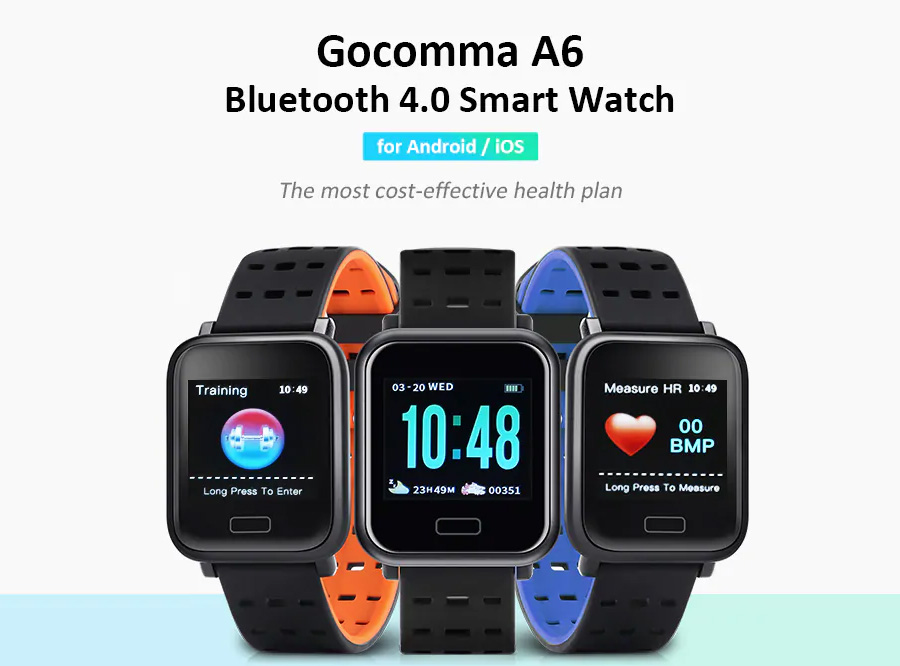
Sports and fitness enthusiasts who are on a tight budget, on the other hand, have to settle for inexpensive alternatives that are no great shakes as far as performance is concerned. Bent on making a feature-laden smartwatch available to cost-conscious buyers, Gearbest is now doling out a noteworthy discount on the Gocomma A6 Sports Smart Watch.
Touted as one of the most cost-effective fitness trainers available on the market today, the Gocomma A6 would normally set you back $13.84. Much to the relief of those who aren’t willing to spend that kind of money on a fitness gadget, Gearbest is now offering the Gocomma A6 for a lowered price of just $11.99.
This 13 percent discount is currently valid for the black-tinted (Single) variant. Alternatively, you can avail of a 14 percent off on the black color option (SET) that usually retails for $16.32. Thanks to the aforesaid discount, you can now purchase it for an unbeatable price of just $13.99. Likewise, you can grab a nine percent off on the blue, as well as orange color options.
With HS6620D chip under the hood, the Gocomma A6 Sports Smart Watch features a heart rate monitor, blood oxygen and blood pressure measurement, sedentary reminder, sleep monitor and pedometer. It offers multi-sports mode which is ideal for those love outdoor activities such as running, cycling, trekking, etc.
Furthermore, the Gocomma A6 provides a real-time reminder of call, SMS, notifications so that you do not end up missing an important message while working out. The smartwatch is certified IP64 waterproof, which means, it can withstand rain or water splashes from all sides.
The A6 draws its juices from a 180mAh high-capacity LiPo battery that lasts ten days. It sports an easy-to-read 1.3-inch screen with 240 x 240 pixels resolution. The smartwatch ships with 128KB of RAM and offers 1MB of onboard storage space.
To know more about the Gocomma A6 Sports Smart Watch and to take advantage of the discount, all you need to do is to follow this link without wasting time. Note that the promo is slated to end soon.
The Gizmochina Coupons is a community that finds, reports and evaluates deals and coupons of Chinese products from online shops. Please visit it here to find more coupons to save money on mobiles and smart gadgets.
Chinese giant Alibaba‘s global e-commerce platform AliExpress has warned its customers that there could be delay in delivering orders because of the coronavirus outbreak, adding that some shipping and logistics are experiencing longer waiting times for processing orders.
Customers have started complaining that orders were not only taking a long time to arrive but were being automatically renewed, instead of being canceled and refunded. AliExpress said that it was constantly monitoring the situation.
In a statement to NYTimes, the company said that “some deliveries may be affected but we are working hard to support our sellers in this difficult time while minimizing any inconvenience to our customers.”
AliExpress is one of the most downloaded shopping apps globally. This is partly helped by the trends of consumers worldwide buying products directly from manufacturers. However, unlike Alibaba’s Tmall or Taobao, AliExpress primarily caters to international buyers.
Alibaba Group had warned in February of a drop in revenue at its key e-commerce businesses as the coronavirus sweeping China has hit the company’s supply chains as well as product deliveries.
Launched in 2010, AliExpress is particularly popular in Russia, the United States, Brazil, Spain and France. The company had more than 79 million annual active consumers in the year ending Aug. 31, 2019.
Sellers of Amazon in the United States are also bracing for product shortages due to idled factories in China and canceled cargo flights from the country. As per the report, more than a million Amazon sellers source their products from Chinese merchants.
We use cookies on our website to give you the most relevant experience by remembering your preferences and repeat visits. By clicking “Accept”, you consent to the use of ALL the cookies.
This website uses cookies to improve your experience while you navigate through the website. Out of these, the cookies that are categorized as necessary are stored on your browser as they are essential for the working of basic functionalities of the website. We also use third-party cookies that help us analyze and understand how you use this website. These cookies will be stored in your browser only with your consent. You also have the option to opt-out of these cookies. But opting out of some of these cookies may affect your browsing experience.
Necessary cookies are absolutely essential for the website to function properly. This category only includes cookies that ensures basic functionalities and security features of the website. These cookies do not store any personal information.
Any cookies that may not be particularly necessary for the website to function and is used specifically to collect user personal data via analytics, ads, other embedded contents are termed as non-necessary cookies. It is mandatory to procure user consent prior to running these cookies on your website.












 The Black Shark 3 packs a powerful Snapdragon 865 Octa-core processor, along with an Adreno 650 GPU under the hood. It runs Joy UI 11 based on Android 10 OS and draws its juices from a 4720mAh battery that supports 65W fast charging and 18W Back magnetic charging port.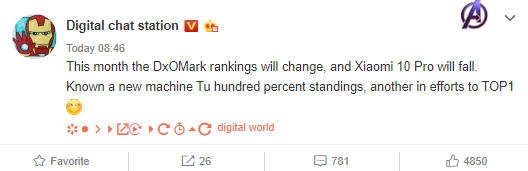





 This 13 percent discount is currently valid for the black-tinted (Single) variant. Alternatively, you can avail of a 14 percent off on the black color option (SET) that usually retails for $16.32. Thanks to the aforesaid discount, you can now purchase it for an unbeatable price of just $13.99. Likewise, you can grab a nine percent off on the blue, as well as orange color options.