Advertisement

Poco X2 Launch Tomorrow: All You Need To Know (Specs, Design, Price)

Poco is back and it has split up with Xiaomi to operate independently in the Indian market. The brand is all set to release its first phone in over 1.5 years tomorrow, called the Poco X2. The X2 isn’t exactly the successor to the incredibly popular Poco F1 flagship that was announced in 2018. The Poco ‘X’ series will be placed below the ‘F’ series in India, aimed at the mid-range segment. Since we are all excited for the device launching tomorrow, let’s take a quick look at what we know about the Poco X2.

POCO X2 launch

Poco X2 is going to be a rebranded Redmi K30 4G

If you think the Poco X2 is going to be anything more than a rebadged Redmi K30 4G, then you are in for disappointment. From all the teasers and the rumors we’ve heard so far, the X2 is basically a rebranded Redmi K30 4G model. If you are still not convinced after seeing the teasers, know that the Redmi K30 was certified on India’s BIS under the Poco branding.

The K30 was first announced in December 2019 in China. While the K30 is no flagship, it’s still an impressive smartphone. So even if Poco’s first smartphone doesn’t directly succeed the flagship Poco F1, it will still be an incredibly value for money device.

And since the Poco X2 will be a rebadged Redmi K30 4G, we know almost everything about the device.

Poco X2 Design & Specification

POCO X2 Display 120Hz

Poco has confirmed a couple of features on the X2. First, the phone will feature a 120Hz high refresh rate. Traditionally, high refresh rates are reserved for smartphones that are placed in the upper mid-range segment, so it’s a pleasant surprise to see a mid-ranger get this particular feature.

Another feature confirmed by the teaser is the Sony IMX 686 sensor. This new 64MP sensor from Sony is expected to provide slightly higher resolution photos than the 48MP IMX 586 sensor found on a number of mid-rangers last year. In fact, the IMX686 could potentially be used in the upcoming Huawei P40 Pro camera flagship too!

The side fingerprint sensor was also confirmed by a recent teaser video. The image showed off the sides of the violet / purple colored Poco X2. If you recall, the Redmi K30 4G also had a violet colored variant. And the fingerprint sensor on the device is also placed on the side.

poco x2

Poco X2’s fast charging speed was also confirmed in one of the teaser. The brand revealed that the phone can charge quickly from 0% to 40% in just 25 minutes. We can expect a large 4500mAh battery on board, the same capacity battery found on the Redmi K30. And in case you are wondering, yes, the K30 supported 27W fast charging too. Which means the Poco X2 should charge to 100% in just around 68 minutes.

The company has also confirmed liquid cooling on the X2, for extended gaming sessions. This shouldn’t come as a surprise as the K30 features a 5mm copper tube liquid cooling that can bring the the temperature of the phone down by up to 7 degrees. The headphone jack is also confirmed at the bottom of the device.

Here are the expected Poco X2 Specs (based on Redmi K30 4G)

  • 208 grams weight and 165.3 x 76.6 x 8.8mm dimensions
  • 6.67-inch IPS LCD 2400 x 1080p display with Corning Gorilla Glass 5
  • 120Hz screen refresh rate
  • Qualcomm Snapdragon 730G with Adreno 618
  • 6GB/ 8GB RAM with 64GB /128GB ROM UFS 2.1
  • Quad cameras: 64MP f/1.9 primary camera with 8MP f/2.2 ultrawide sensor, 2MP f/2.4 dedicated macro lens, and a 2MP f/2.4 dedicated depth sensor
  • Dual Selfie cameras: 20MP wide-angle shooter with a 2MP depth sensor
  • 4500mAh battery with 27W fast charging
  • 3.5mm headphone jack
  • Android 10 based MIUI 11
  • Side-mounted fingerprint sensor
  • NFC, BL 5.0, Wi-Fi ac

Will there be any difference between the Poco X2 and the Chinese Redmi K30 4G?

This is the real question that’ll be answered tomorrow. As of now, all teasers show that the Poco X2 is identical to the Redmi K30 4G model.


Poco X2 Pricing & Availability (Expected)

We have no official word on pricing or availability of the Poco X2. Rumors are putting the starting price somewhere between Rs. 14,999 and Rs. 18,999. The Chinese Redmi K30 4G variant starts at 1599 yuan for its 6GB + 64GB model. This comes to around Rs. 16,000 in India. So, it’s possible that the Poco X2 launches around this price tag in India.

Honestly, I think the Poco X2 could launch at Rs. 16,999 to directly take on the Realme X2 that features similar specs including the exact same Snapdragon 730G chipset. The Realme X2 starts at Rs. 16999 for its 4GB RAM model. So, Poco’s X2 could undercut the Realme mid-ranger if it offers its 6GB RAM variant at this price.

As for availability, we can expect the phone to go on sale a week or two after the launch event tomorrow. However, we’ll have to see if the recent coronavirus outbreak has any effect on its supply.


BlackBerry Mobile is dead; this time at the hands of TCL

BlackBerry Mobile is dead again. For the third time, but at the hands of its licensee, TCL. After a three-year partnership that began in 2016, we will not be seeing any new BlackBerry Mobile smartphones made by TCL anymore. The announcement was made via the official BlackBerry Mobiles Twitter account a short while ago.

TCL and BlackBerry Mobile entered into an agreement in December 2016 that saw the former manufacture new BlackBerry mobile phones such as the BlackBerry KEYone, BlackBerry KEY2, and BlackBerry KEY2 LE. Let’s also not forget the BlackBerry Motion.

The press release said beginning August 31, 2020, TCL Communication will no longer sell BlackBerry-branded mobile devices. It goes on to say that TCL Communications has no right to design, manufacture or sell any new Blackberry mobile devices. However, the company (TCL) will continue to provide support for the existing devices up until August 31, 2022.

TCL didn’t announce a new BlackBerry phone last year (not counting the BlackBerry KEY2 RED Edition) and neither did any of the other two licensees – Optiemus and BB Merah Putih of India and Indonesia respectively. Since no new products were announced, we could tell something was up. However, only the partnership with TCL Communications is ending as there is no news regarding the other two licensees.

TCL already announced its first branded smartphone last year and is set to announce three new models at MWC 2020. It also still manufactures Alcatel-branded devices and is very much still in the TV business.

Based on this new development, it is safe to say BlackBerry is dead again. Will it be resurrected one more time? Only time will tell.


(Source)

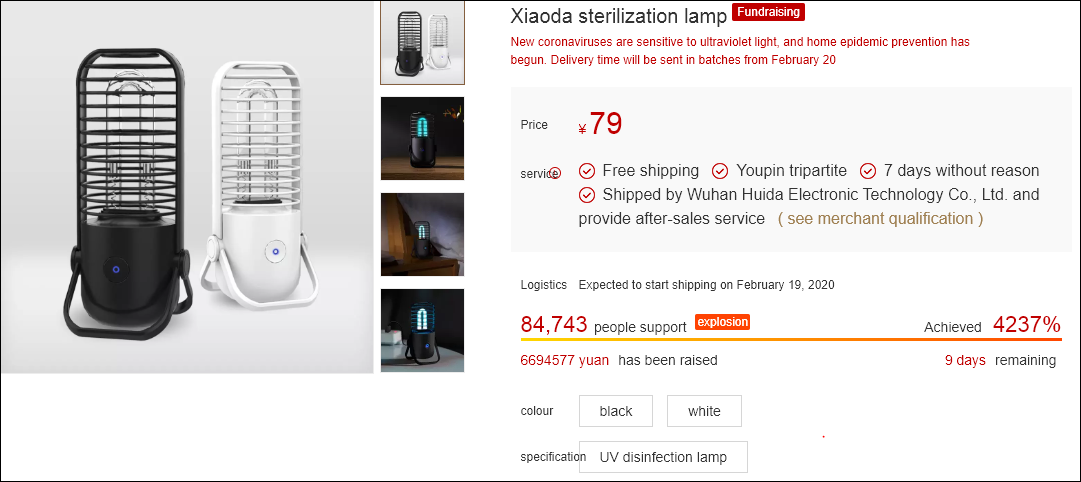
Xiaomi crowdfunds the Xiaoda UV Sterilization Lamp priced at 79 yuan ($11)

In the wake of the Coronavirus epidemic, Xiaomi has launched a couple of products that could help citizens fight the scourge. We have seen a couple of new facemasks and a UV sterilizing lamp. The company has now launched a second UV sterilizing lamp under the Youpin crowdfunding platform. The device is dubbed Xiaoda Sterilization Lamp and comes with an affordable 79 yuan ($11) price tag. It has proven to be a popular product.

The data obtained from Youpin crowdfunding page shows that the lamp was able to rake in a massive 4,942,503 yuan in just four days. That figure has since gone up to over 6.6million yuan as at the time of filing this report. Also, over 84,000 persons have supported the crowdfunding effort. Let’s take a quick look at the features.

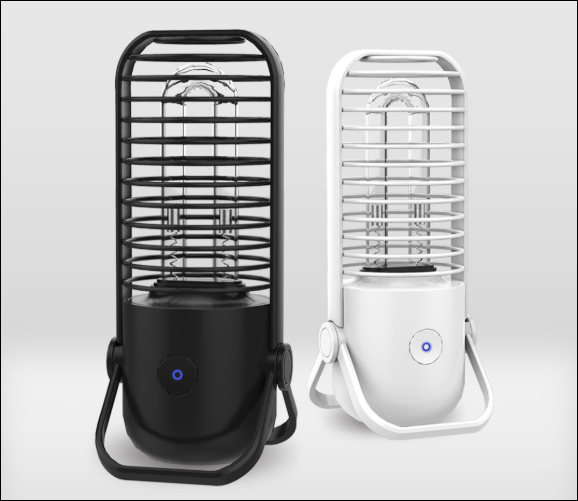
The device is portable with the size being like that of a Coca-cola can. It is shaped like a retro-styled microphone. and can be used in many scenes. It can remove viruses and odours from clothes in the bedroom closet, and also from the refrigerator. It can also sterilize the dead corners of the bathroom with no air circulation. In the living room, it reduces the risk of cross-infection if there are people inside.

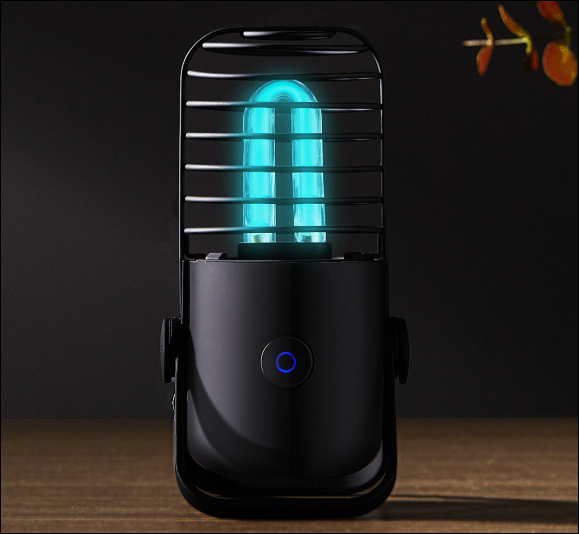
The Xiaoda UV Sterilization lamp uses a wide range of ultraviolet light for disinfection and sterilization. Ultraviolet light is used very often in the medical field and is similar to the sunlight in terms of intensity. Compared to traditional fluorescent lamp sterilization, this small sterilization lamp uses dual disinfection of ultraviolet and ozone, which effectively kills 5 common bacteria in the air, and the sterilization rate reaches 99.9%. Xiaoda UV Sterilization Lamp

For safety purpose, the device only comes on 30 seconds after it is switched on. This is to ensure the area s evacuated to avoid injury. The device is equipped with a 700 mAh large-capacity lithium battery and USB charging. It can be used 1-2 times on a single charge, reducing the trouble of frequent charging. It can fully disinfect a roo in 30 minutes, depending on the size.

The Xiaoda UV Sterilization Lamp is expected to start shipping in batches from February 20.


(source)


Xiaomi launches the $21 MIJIA All-in-One Electric Screwdriver under crowdfunding

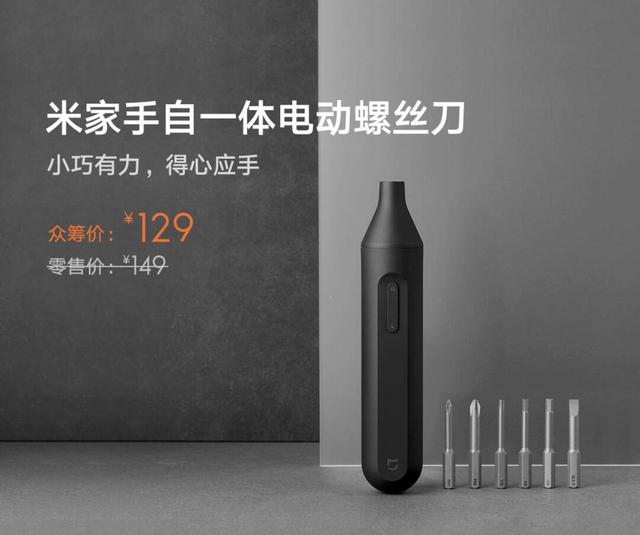
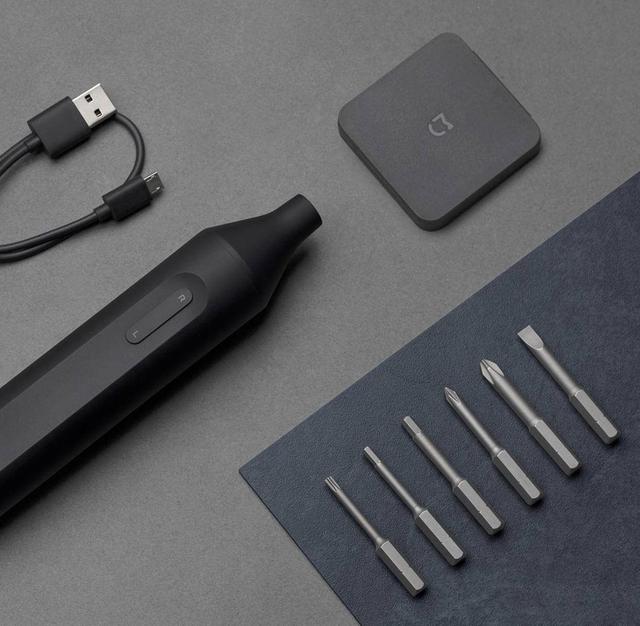
Xiaomi has taken to Weibo to announce a new product and it is the MIJIA All-in-One Electric Screwdriver. The product will be on sale on Xiaomi Home and Mi Mall from 10 AM on February 5. It comes with a retail price of 149 yuan ($22) but on crowdfunding, it is priced at 129 yuan ($21).MIJIA All-in-One Electric Screwdriver

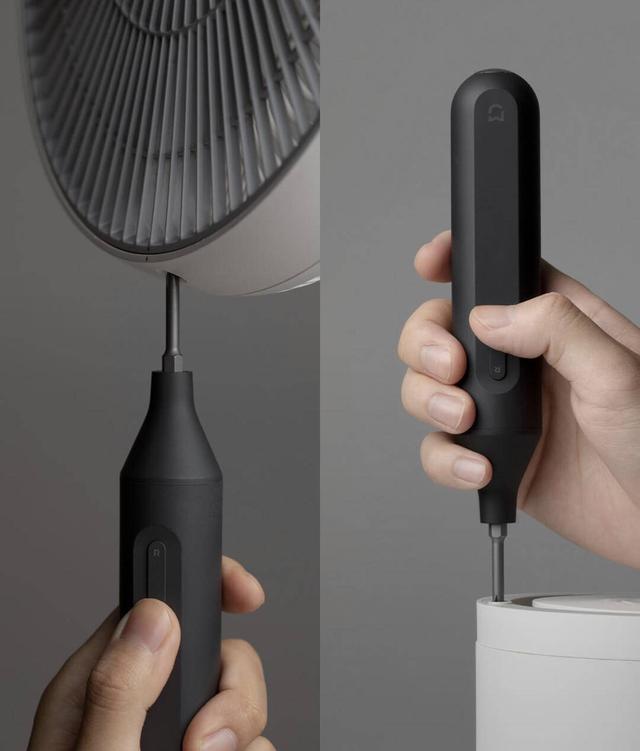
The MIJIA Electric screwdriver uses innovative, integrated screwless design. The body is made of high-quality engineering plastics coated using fine UV paint technology. The body also houses several contours that ensure it doesn’t slip off the hand easily. The head is also lightweight and durable. The narrowest grip of the fuselage is less than 30mm and it weighs just 185 grams.

In other respects, this screwdriver can be switched between electric mode and manual mode according to the needs. The built-in 1500mAh lithium battery can unscrew more than 180 screws when fully charged. It comes with S2 alloy steel bit and 50mm long bit, making it ideal for use in difficult places such as narrow spaces and deep holes. The device has a button which slides between L and R to determine the direction it spins.


(source)

MIJIA All-in-One Electric Screwdriver

Realme TV announcement to happen at MWC 2020

It is no longer news that Realme is working on launching its own smart TV. The phone manufacturer plans to expand its product portfolio to include new products such as wearables, TVs, and audio products. Now, an executive of the company has revealed there will be an announcement related to the TV at MWC 2020.

Realme new logo

Francis Wang, CMO of Realme Mobiles, responded to a fan asking about the Realme TV that we are going to hear “something exciting” about the TV at MWC. Based on the statement, we do not think the TV will be launched at MWC 2020 but will actually be an announcement about its features and launch. We may even get an official teaser.

Building a TV is a different ball game entirely and Realme will face stiff competition from brands that have been in the game for long such as Samsung, LG, TCL, etc., as well as fellow phone makers Xiaomi and OnePlus that also make TVs. Currently, Xiaomi is the market leader in the smart TV market in India and offers models across multiple categories.

Realme is also going to add fitness trackers (and possibly smartwatches) to its product portfolio. Madhav Sheth, the CEO of the company, already confirmed that the fitness band will launch this month.

This month is going to be a busy one for Realme starting this week with the launch of the Realme C3.


(Source)

Huawei applies for a patent for the Mate X2, design similar to Samsung’s Galaxy Fold

In 2019, Huawei launched the Mate X foldable smartphone. It was the first of its kind from the company and had a display that opened and closed outward, unlike Samsung’s Galaxy Fold which folded inward. Now, the Chinese tech giant has applied for a patent that reveals that it’s second foldable smartphone will feature an inward folding display, similar to Samsung.

Huawei

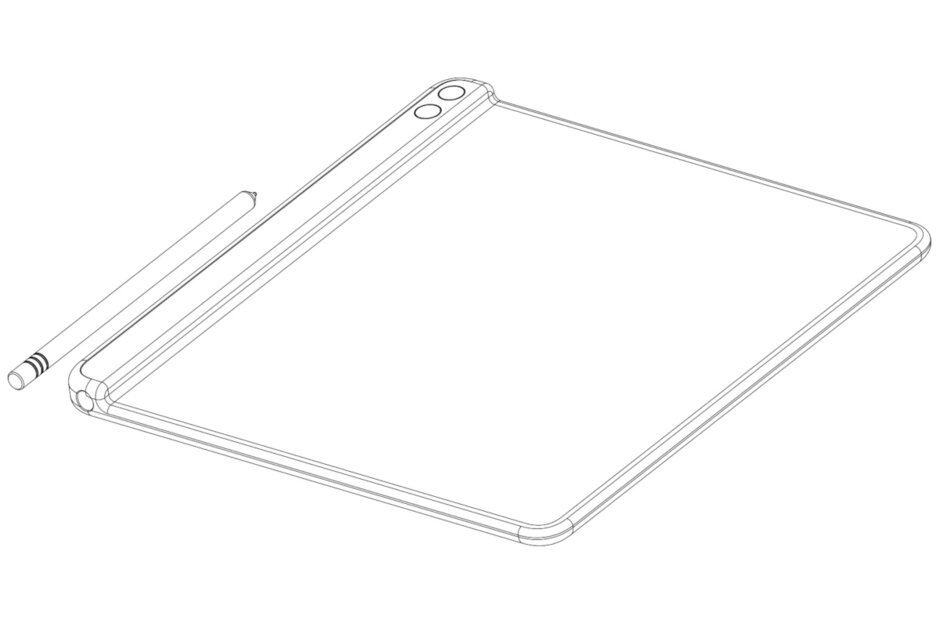
The patent application was filed in the European Union Intellectual Property Office (EUIPO) and is reportedly for the Mate X2. The device is expected to be released in the third quarter of 2020. According to the illustrations that accompany the patent, a foldable smartphone can be observed which has a design similar to the Mate X but with its display bending inwards.

On the front, dual front facing cameras are present while the rear features a quad camera setup, for a total of six cameras. Based on the schematics, the Huawei Mate X2 will arrive with a pen/stylus and has slightly more pronounced curved edges, unlike the square design of the Mate X. This lead to a sidebar also being provided where the front facing cameras are present which will include a narrow screen that displays notifications and other information like date, time or even weather and battery data.

Huawei

Unfortunately, the patent application does not reveal any finer details like specifications of the Huawei Mate X2. Although, the company’s latest 7nm Kirin 990 5G SoC is likely to be used since the handset would arrive just before its rumored 5nm Kirin 1020 processor. Currently, the Mate Xs, a refreshed Mate X variant, is slated to receive the Kirin 990 chipset as well. So, we might see the same or a special variant for the Mate X2, but that is unlikely.


(Via)


Vivo V19, V19 Pro pre-orders to begin in India by this month end

In December, Vivo had launched the Vivo V17 smartphone in India. Soon after its launch, it was revealed that Vivo India is planning to bring the Vivo V19 and Vivo V19 Pro smartphones to India by the end of Q1 2020. Citing information revealed through retail sources, 91mobiles has today reported that the Chinese firm will begin the pre-orders of the Vivo V19 and Vivo V19 Pro smartphones in India by February end.

The Chinese manufacturer is expected to capitalize on the upcoming Indian Premier League (IPL) 2020 cricket tournament for marketing the Vivo V19 series. The IPL series will kick off in India on March 23. As mentioned above, the pre-booking of the Vivo V19 and V19 Pro will kick by the end of this month.

The exact pricing of the Vivo V19 and Vivo V19 Pro are not known yet. They are expected to cost between Rs. 20,000 and Rs. 30,000. The Vivo V19 Pro will be arriving in the Indian market first whereas the Vivo V19 will be releasing some time later. The sales of the Vivo V19 and V19 Pro will be carried through online and offline channels in the country. The rumor mill is yet to spill information on the specifications of the Vivo V19 and V19 Pro smartphones. These phones will be arriving as successors of the Vivo V17 and Vivo V17 Pro.

Vivo V17 India edtion

Vivo V17 specifications

The Vivo V17 smartphone that was unveiled in India in December 2019 sport a different rear camera design than the phone by the name that can be found in Southeast Asian markets. The rectangle-shaped camera module includes a main lens of 48-megapixel, an ultrawide lens of 8-megapixel, a bokeh lens of 2-megapixel and a macro shooter of 2-megapixel. The OLED punch-hole display of the phone is fitted with a 32-megapixel selfie shooter.

The Vivo V17 has a 6.44-inch display with in-screen fingerprint sensor. It supports full HD+ resolution and a tall aspect ratio of 20:9. The Snapdragon 675 mobile platform powered smartphone has 8 GB of RAM. The internal storage of the device is 128 GB and it has a microSD card slot for more storage. The V17 draws power from a 4,500mAh battery. It supports 18W fast charging through USB-C. The handset comes preloaded with Android 9 Pie OS that is overlaid with FunTouch OS 9.


(source)

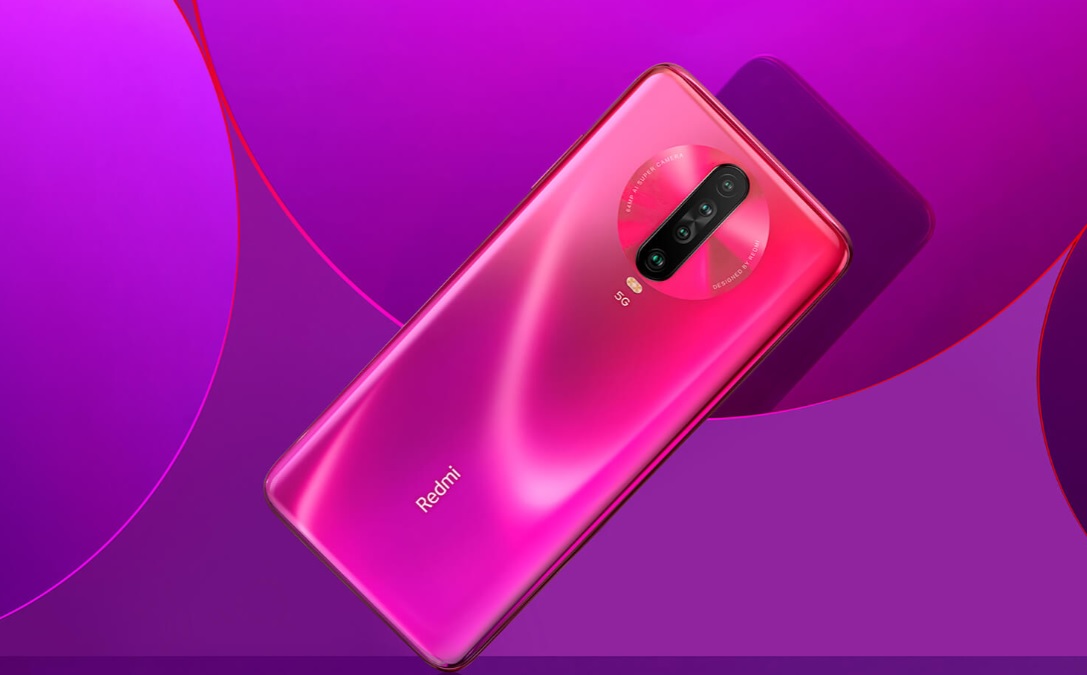
Another Snapdragon 865 Xiaomi phone coming but it won’t have a 108MP sensor; may be Redmi K30 Pro

In September 2019, the folks at XDA-Developers found evidence of four Xiaomi phones with a 108MP camera in development. Two of those devices have already been announced as the Mi Note 10 and the Mi MIX Alpha. The other two devices codenamed “umi” and “cmi” will launch as the Mi 10 and Mi 10 Pro respectively soon with the Snapdragon 865 powering them. A third device with a Snapdragon 865 processor has now been discovered but unlike the Mi 10 and Mi 10 Pro, it will not have a 108MP sensor. This device may as well be the Redmi K30 Pro.

The device is codenamed “Imi” and its build.prop which has been obtained by XDA Developers reveals a number of details. First, it confirms that it is a Redmi device but doesn’t specify which and also reveals it has a Snapdragon 865 processor powering it.

Redmi K30 5G featured

What further proves that “Imi” is the Redmi K30 Pro is the Geekbench result that was posted a few weeks ago. The motherboard says “Imi” which is the codename of the phone. The build ID from Geekbench’s raw data output also matches that of the build.prop and the raw data output of the CPU/GPU matches that of the Snapdragon 865.

A senior member of XDA that goes by kacskrz also discovered in the MIUI Gallery app “Imi” among the devices with support for 64MP camera. This means that the Redmi K30 Pro will have a 64MP sensor just as the non-pro model. There is a chance it is the same Sony IMX686 as the standard version but with a larger aperture size (larger than the F1.9 of the Redmi K30).

Since the phone will have a Snapdragon 865 processor, it is a 5G device as all phones powered by the chipset will have a Snapdragon X55 5G modem paired with it.

There is still no official info regarding the launch date of the Redmi K30 Pro but a leak from December said the phone will be unveiled in March 2020. That is just about a month after the launch of the Mi 10 and Mi 10 Pro.


(Source)

Man wearing Apple AirPods was denied being served coffee by barista

Apple has become a prominent figure in the truly wireless earphones category in recent times. It seems unlikely that a smartphone brand is a major player in the hearables industry but the company’s AirPods are one of the most popular wireless earbuds out there. This has led to many people adoring the product but with a few critics ever so often as well. However, none went as far as a barista that denied serving coffee to a customer just because he wore Apple’s AirPods.

According to the customer himself, he was “at the coffee shop counter, and the cashier wouldn’t take my order until I took off my AirPod! And it was only in one ear!” In other words, the barista denied service due to just one AirPod piece being worn. Reportedly, when the customer retaliated the response was based more on the socio-moral lines.

Apple

It is generally assumed to be bad manners or being rude when someone is in a conversation with another person while wearing either headphones or earphones. Meaning, people take it as an unwelcoming sign or an implication of not giving the person in the front one’s complete attention. The response given by the barista went along the same lines.

Furthermore, the cashier at the coffee shop even asked the customer to go to other stores like Starbucks or Dunkin’ if they desire a lack of human interaction. Going on to even state that removing one’s AirPods helps in confirming whether or not the order is accurate, whilst also treating a cashier like a human being and not simply a brief service provider.

Apple
Apple AirPods Pro

It’s an odd topic we discussed today so let us know in the comments down below regarding this scenario. Is it rude to talk to someone with earbuds on or should we move on with the growing trends and embrace technology.


(Source)

Honor’s first smartphone launch conference of 2020 will be held online

The prevailing Cornavirus epidemic in China has affected the way most companies run their businesses. Recently, Xiaomi announced the closure of its offline stores while continuing to take orders via its online channels. There are several other Chinese firms that have adopted this online work pattern in other to reduce person-to-person contacts. The health situation will also have an effect on new product launch events as it is unsafe to hold any public gathering at the moment. A report had emerged that Xiaomi and Blackshark may launch their products online. Honor is likely to adopt this pattern.honor

To this end, Guan Haitao Honor’s Honorary Deputy Minister of Marketing has revealed the pattern that the first conference for this year will take. The Honor official hinted in a Weibo post that the company’s first press conference will be held online.

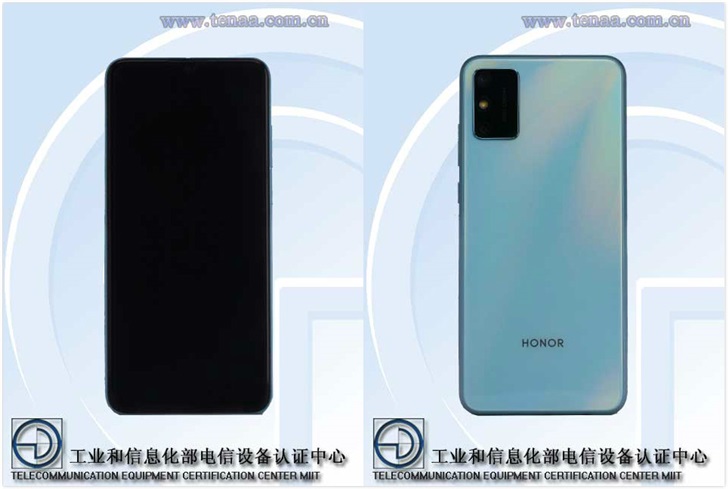
Guan Haitao did not specifically disclose which new products will be unveiled at this online conference. However, an unknown Honor model with the model number “MOA-AL00” appeared in the website of the Ministry of Industry and Information Technology (TENAA) a few years ago, with a waterdrop screen on the front, a matrix rear camera design and no fingerprint scanner on the rear panel. The device features a 6.3-inch display and a 4900mAh battery. The is no information yet as to when the first Honor conference for 2020 will hold. We’ll keep you updated when new details emerge.


(source)


Redmi India shares video teaser, might be for the Redmi Band

Redmi is yet to launch a new product in India this year but something may be coming soon judging from a video teaser shared by the official twitter account.

The video was posted a few hours ago with the caption “The genesis of power begins here.” and the hashtag #MorePowerToRedmi. However, the video itself doesn’t reveal much about what to expect.

There have been several guesses since the video was posted. The account did say it is not a new phone, which rules out the Redmi 9 and Redmi Note 9. It also said it is not a computer, so it is not the RedmiBook. There are other guesses including power banks and faster-charging technology but the responses were vague. However, there is one product that didn’t show up in the comments and that is the Redmi Band.

It has been reported that Redmi is working on its first fitness tracker which is expected to launch as the Redmi Band. The fitness tracker will support payment, have a heart rate sensor, alarm function, and also display weather info.

It is possible the teaser is for the Redmi Band or a different product entirely. It may even be a new phone (Redmi 9A, Redmi 9, or Redmi Note 9) but decided to deny it just to mislead fans. Nevertheless, we will keep our eyes peeled for more info.


(Source)

Huawei and few other Chinese firms continue operating production lines despite Coronavirus Outbreak

China has recently been hit by a dangerous epidemic caused by a new breed of Coronavirus. Infection is known to cause pneumonia and has even led to a few dozen deaths in the Southeast Asian country. During this time, many manufacturers have closed down production lines, factories and other areas with a larger workforce. However, a few Chinese chipmakers and Huawei have continued to keep their operations running.

These Chinese firms are continuing to manufacture parts and products despite the local government calling for work in certain cities and provinces to be stopped. Similarly, Huawei has resumed its own production of products that include home appliances, smartphones, and even network carrier equipment regardless of the ongoing outbreak.

Huawei 5G Coronavirus
As a 5G leader, Huawei is also helping out Wuhan to connect to 5G

The Coronavirus began spreading from the Wuhan region in China. A few isolated cases of infections have been found in a few foreign countries but are still under tight quarantine. Furthermore, the government plans to completely curb the infection before it reaches the capital, Beijing, which is why the order for halting production lines was called.

Notably, Huawei restarted its manufacturing line since the company obtained a special exemption that allows a few crucial industries to remain operational. Previously, the company had helped the Chinese Government in building a 5G network infrastructure for the special hospital that was built to combat the Coronavirus in the Wuhan district.

Huawei

The domestic tech supply chain has been labeled as critical as well since certain chipmakers remain operating, even through the Chinese new year. This sector is also an area where China faces friction against the US, so it arrives as no surprise that companies like Yangtze Memory Technologies Co Ltd (YMTC) are still running their manufacturing lines. YMTC is a state backed maker of flash memory chips in Wuhan.

(Via:1,2)

More Nubia Red Magic 5G phone’s specs leaks; has a 64MP camera

Nubia’s Red Magic line of gaming smartphone is preparing to announce a new phone. The device, which is currently referred to as the Red Magic 5G, first appeared in the news in early December. In the following weeks, details about some of its features such as its display, cameras, and charging technology were posted on the web. Today, more details have surfaced.

A tweet posted by Digital Chat Station today has disclosed some of the Red Magic 5G’s key specifications. Some of them we already know while others are new.

According to the leaker, the phone will have a 6.65-inch OLED display with a 2340 x 1080 resolution and a 144Hz refresh rate. The refresh rate was originally confirmed by Nubia’s own president back in mid-January. Most phones with a high refresh rate either have a 90Hz or 120Hz screen, so this will be a first for the mobile industry. However, there is a chance more manufacturers will jump on this train. Redmi has even released a video showing the Redmi K30 5G’s display can be tweaked to support a 144Hz refresh rate but the Red Magic 5G will likely be the first phone to launch with the feature right out of the box.

An image shared by Ni Fei, the CEO of Nubia, revealed the upcoming Red Magic 5G has triple rear cameras. Thanks to today’s leak, we now know the primary sensor is a 64MP sensor. Although unconfirmed, the sensor may be the Sony IMX686. Sadly, there is no info with respect to the other rear cameras and the front-facing camera.

With respect to the processor, it is no news that there will be a Snapdragon 865 chipset under the hood but now we know it will be paired with 12GB of LPDDR5 RAM.

The battery capacity is also still unknown but it is stated that the Red Magic 5G will have support for 55W Super Charge. That should help users recharge their device really fast irrespective of the battery capacity.

The Red Magic 5G’s release date is still unknown but we expect it to arrive this quarter.


(Source)

Vivo TWS earphones India launch imminent says a new report

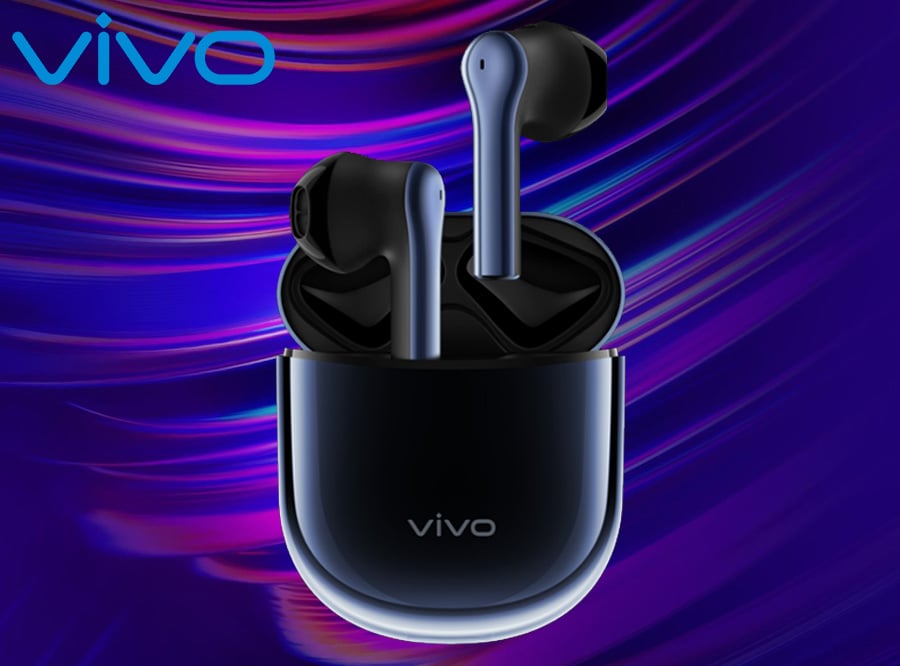
The Vivo truly wireless stereo (TWS) earphones are finally headed towards the Indian market, a report on 91mobiles claim. According to industry sources familiar with the development, the truly wireless earphones are currently undergoing intensive tests before the formal announcement. It is believed that its launch in India is imminent, and although Vivo India is yet to divulge official details, rumors suggest that the TWS will be unveiled alongside the Vivo V19 in March 2020.

Vivo announced the TWS earphones back in September 2019 in China. The earbuds went official alongside Vivo NEX 3 5G flagship smartphone. The key highlights of the TWS include the dual-core 32-bit processor based on a quad-core architecture along with high-definition audio decoding technology.

Vivo TWS earphones specifications and features

The Vivo TWS flaunts a 14.2mm driver that supports AAC and aptX high-definition audio decoding technology. The headset comes with Qualcomm QCC5126 chips that offer high-quality audio consistently. The earphones are IP54 water-resistant and flaunt touch-sensitive controls for adjusting the volume and playback speed. Vivo claims an average battery life of 4 hours on a single charge. It can last up to 24 hours when paired with the charging case.

Vivo TWS Earphone

The dual-channel transmission reduces power consumption up to 30% and latency up to 44% compared to standard transmission technology. The device also achieves a minimum latency of 180ms. Additional features include a dual microphone with noise reduction, not to be confused with noise cancelation. Also included in the list is Bone conduction, which can be used to interact with Jovi, Vivo’s AI assistant, and access features like fast payment, real-time translation, and WeChat broadcast.

Vivo TWS earphones price and availability

There is no word on the price and launch details of the TWS earphones. In China, it is available in two shades such as black and white. The device currently retails at RMB 999 (~$142) which roughly translates to Rs. 10,200. 


(source)

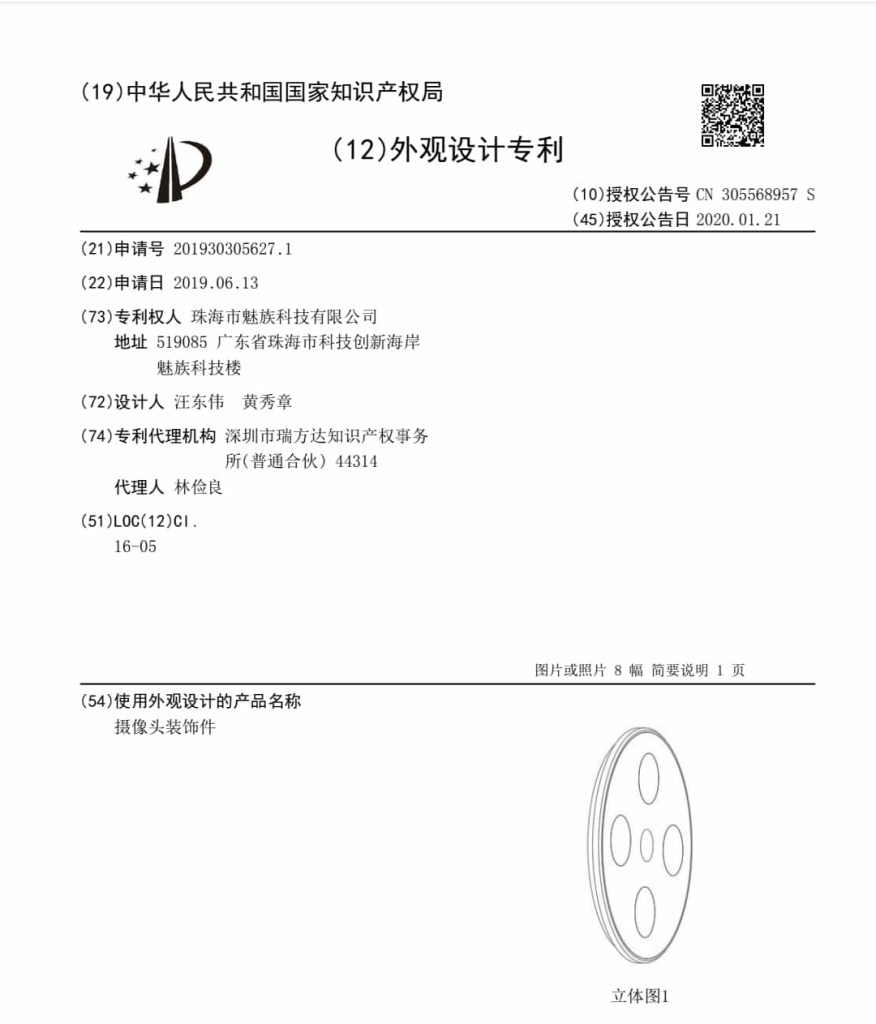
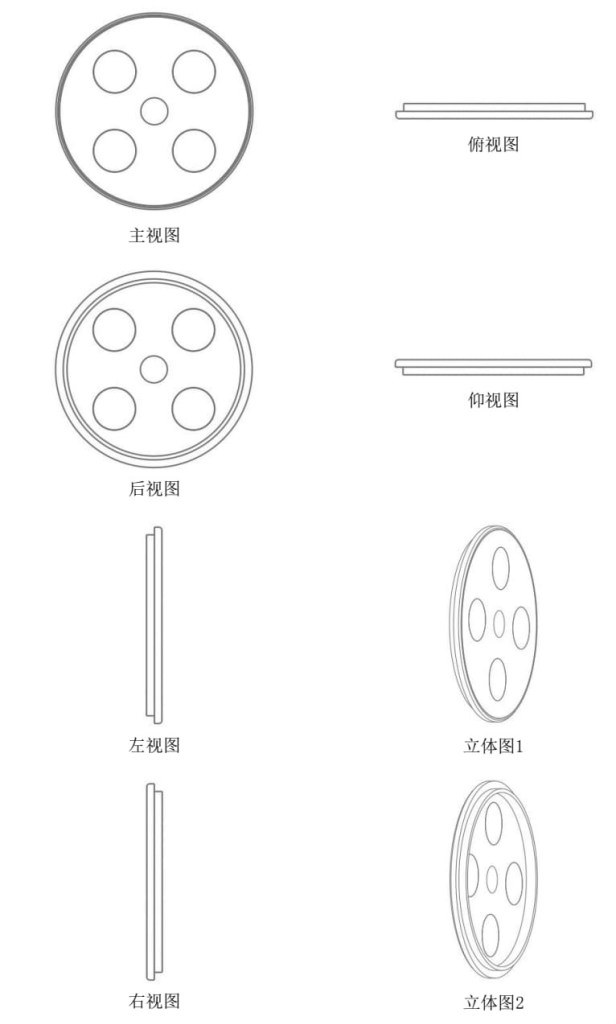
Meizu 17th may flaunt round-shaped quad camera module, reveals patent filing

Meizu 17 is the next flagship phone from Meizu. It will be debuting as the company’s first 5G-ready smartphone. In the previous month, it had teased the arrival of the Meizu 17 smartphone. The Meizu 16s fueled by the Snapdragon 855 mobile platform was made official in April last year. Hence, there is a possibility could be made official in the second quarter of 2020. Meizu had filed a in June last year with the State Intellectual Property Office (SIPO) in China. The patent application was recently approved through which a new round-shaped camera design has been revealed. It is being speculated that the upcoming Meizu 17 smartphone may sport the same round-shaped camera module.

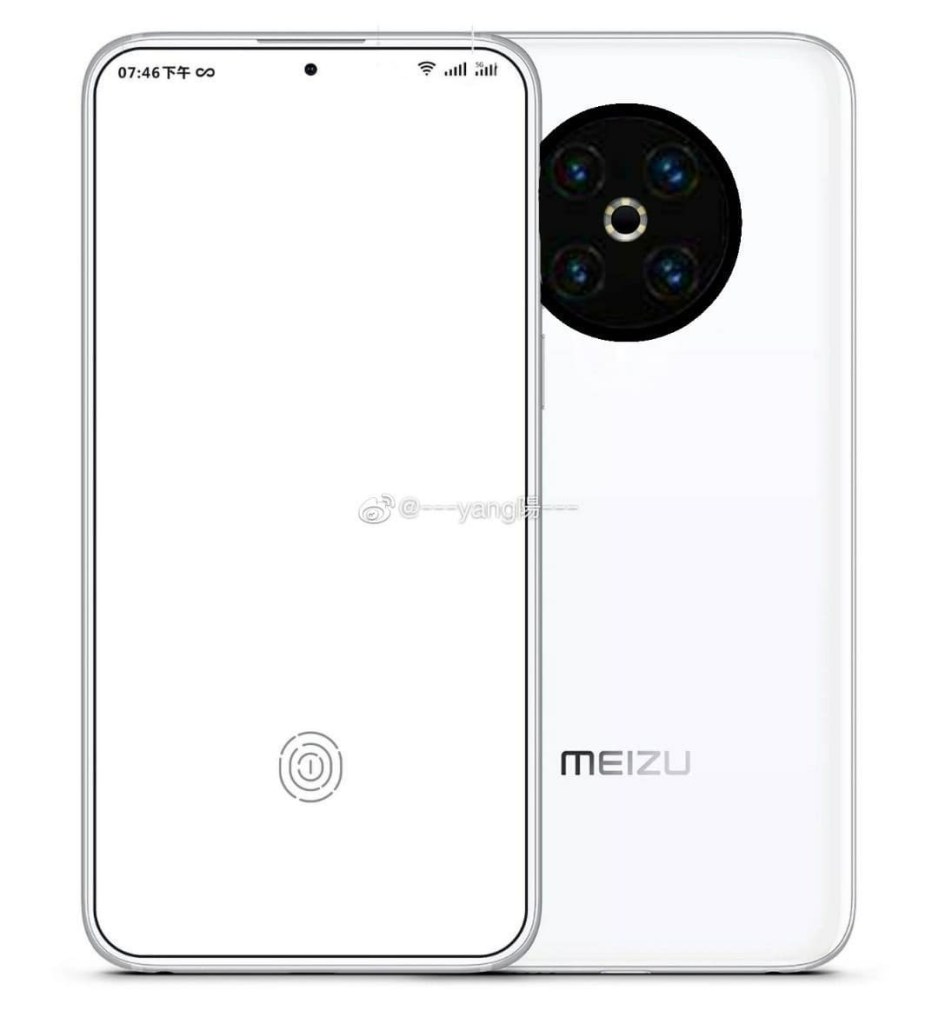
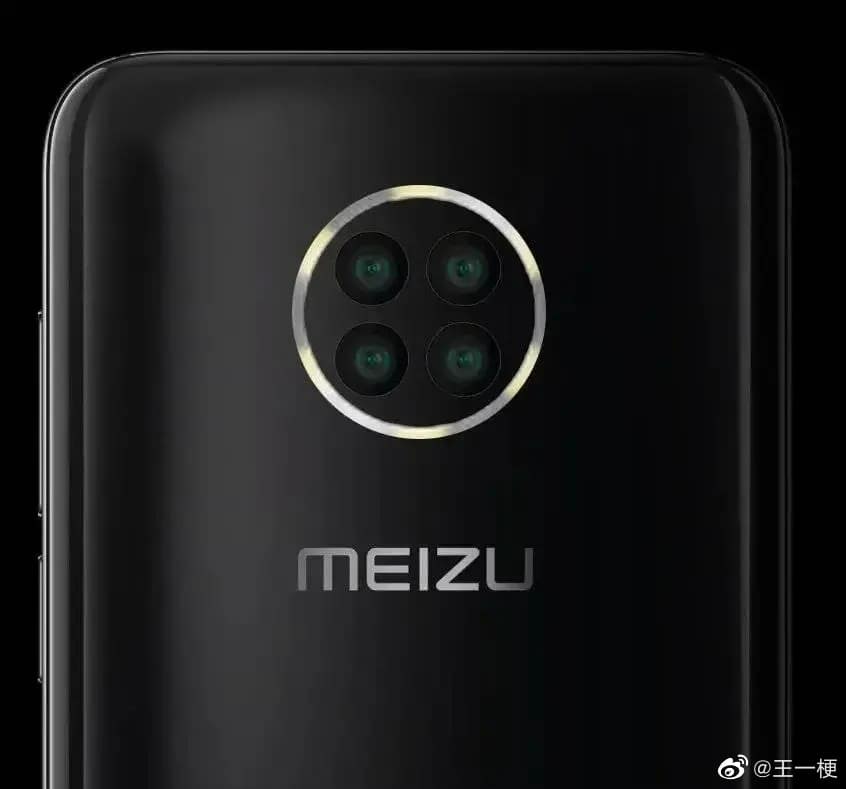
As it can be seen in the patent documents, the circular camera module has four lenses that are arranged symmetrically with an LED flash at the center. Shown below are some of the fan-made renders of the alleged Meizu 17 with the new round-shaped camera setup.

The Meizu flagship phones that were last year and 2018 had sported vertical camera setups. The Meizu 17 could become the company’s first phone to arrive with a refresh camera design. The white render that can be seen below seems to showcase the same camera design that have appeared in the patent filing. The black render seems to show an LED-enabled round lining encircling the four cameras. It is advisable to wait for further reports to see whether the Meizu 17 really arrives with the new camera arrangement.

Meizu 17 specifications (Rumored)

As far as the front of the Meizu 17 5G is concerned, a leaked shot of the phone that is now doing rounds on social media. The leaked shot reveals that the Meizu 17 will be sporting a notch-less display. It appears to feature bare minimum bezels. For the selfie camera, a small punch-hole on the right side of the time on the display.

The leaked shot reveals that so called Meizu 17th will be powered by the Snapdragon 865 mobile platform and 8 GB of RAM. It may ship with an internal storage of 128 GB. The phone will be loaded with Android 9 Pie OS and Flyme 8. The handset is expected to break cover in few months. Meizu fans will be disappointed if the Meizu 17th does not arrive with Android 10 OS preinstalled.

Lastly, the leak states that the Meizu 17th states that it will be sporting a 64-megapixel + 48-megapixel + 20-megapixel triple camera setup. Could be there a 3D ToF (Time of Flight) lens as the fourth sensor? There is no confirmation on the authenticity of the image. Readers are advised to take the report with a pinch of salt.


(via)

Samsung patents speaker designs, showcases a rollable display

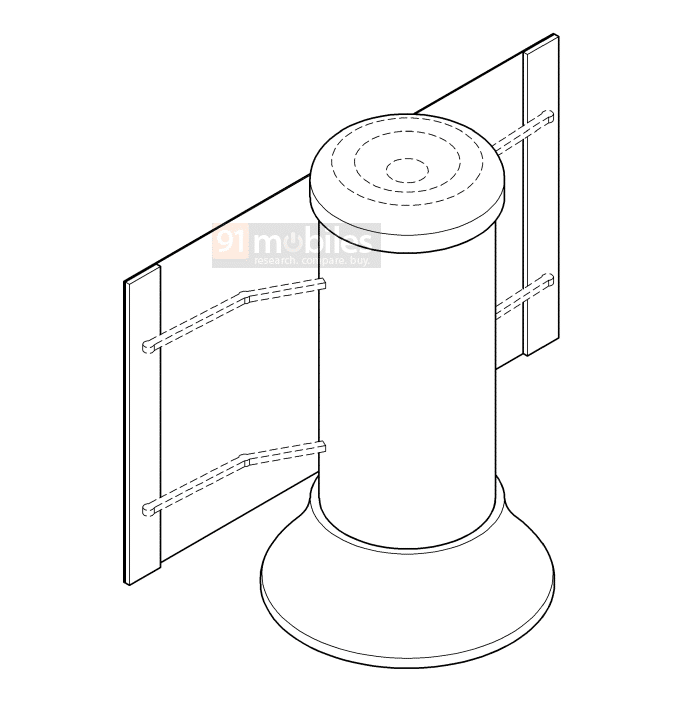
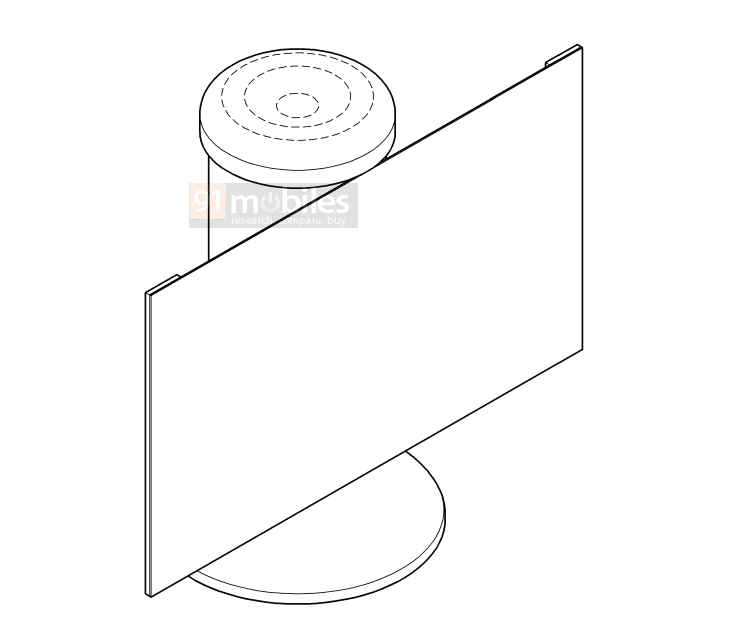
Samsung is apparently working on a new speaker that also features a unique rollable display. The South Korean tech giant has patented designs for the unique speaker in the Korean Intellectual Property office.

According to the patent, the Samsung speaker’s schematics can be observed. The gadget features a flexible display unit that can cover the cylindrical shaped speaker’s entire surface except for the woofer at the top. The display can also be unfurled and be used at a 180 degree angle. In other words, it can be unrolled and straightened, probably to provide a better viewing experience.

Samsung

The rollable display is supported from the back through a hinge mechanism although it is unclear if the unfolding method is mechanized and automated or require user input. Unfortunately, finer details regarding the speaker like its specifications and display resolution have not been detailed in the patent. But, it might be a smart speaker and arrive with Samsung’s Bixby voice assistant.

Smart speakers, on some occasions, arrive with displays for added touch input or viewing visual content. Hence, this could be Samsung’s idea of providing a better viewing experience coupled with a more portable and compact form factor. Meaning, users will have an easier time carrying it around and could also serve as a great mobile entertainment unit with greater visual and audio output.

Samsung

As of right now, Samsung has yet to have any commercially available smart speakers. Its Galaxy Home has already been delayed for about two years but the Galaxy Home Mini is expected to arrive after the Unpacked event, on 12th February 2020. While the patent might imply that Samsung could look into launching a product with this particular design, the company has yet to confirm its development or possibly a future launch.


(Via)

Xiaomi Mi 10 launch event could be held on February 13

Earlier today, a tipster from China claimed that Xiaomi Mi 10 series will not be announced through a traditional offline event. Considering the epidemic situation caused due to Coronavirus, Xiaomi may hold an online-only unveil event for the Mi 10 series. A fresh leak reveals that the launch event will be held on Feb. 13. The leak also states the market release date of these devices.

According to the leak, the model number of the Xiaomi Mi 10 Pro is J1J2 whereas the Mi 10 has a model number of J1J1. It states that the company will be make an official announcement on the launch event for the Mi 10 series on Feb. 7 and the online-only unveiling of the Mi 10 and Mi 10 Pro on Feb. 13.

On Feb. 10, the company may begin with its online reservations. At the Feb. 13 unveiling, the company will confirm the respectively market release date for the Mi 10 and Mi 10 Pro phones. After the event, the Xiaomi Mi 10 Pro will be available for pre-sale with 100 Yuan deposit.

Xiaomi MI 10 render
Xiaomi MI 10 leaked render

The Xiaomi Mi 10 will go on sale on Feb. 14. It will be directly made available for purchase without any pre-sale period. The first sale of the Xiaomi Mi 10 Pro will be held on Feb. 18.

By this, the Xiaomi Mi 10 series will possibly become the first Snapdragon 865 powered devices to hit the market. As far as the pricing is concerned, the Xiaomi Mi 10 and Mi 10 Pro phones are expected to cost between 3,500 Yuan and 5,000 Yuan. Hopefully, Xiaomi will soon confirm on the launch date for the Mi 10 series.

The first sale of the Xiaomi Mi 10 will be probably held on Feb. 13. It may go on sale directly and there may not be a pre-sale period for it. The Xiaomi Mi 10 Pro could be available for pre-orders on the same day after the Feb. 13 unveil event. Interested buyers could be able to pre-order it by paying 100 Yuan deposit amount. It is expected to the Chinese markets on Feb. 18.

It appears that Xiaomi could become the first company to release Snapdragon 865 mobile platform driven phones in the market as the Mi 10 and Mi 10 Pro are now rumored to be available for purchase within this month. It has been hinted by the company that the Mi 10 and Mi 10 Pro smartphones will be priced between 3,500 Yuan and 5,000 Yuan.


(via)

ZTE Axon 10 Pro users are now receiving Android 10 OS update

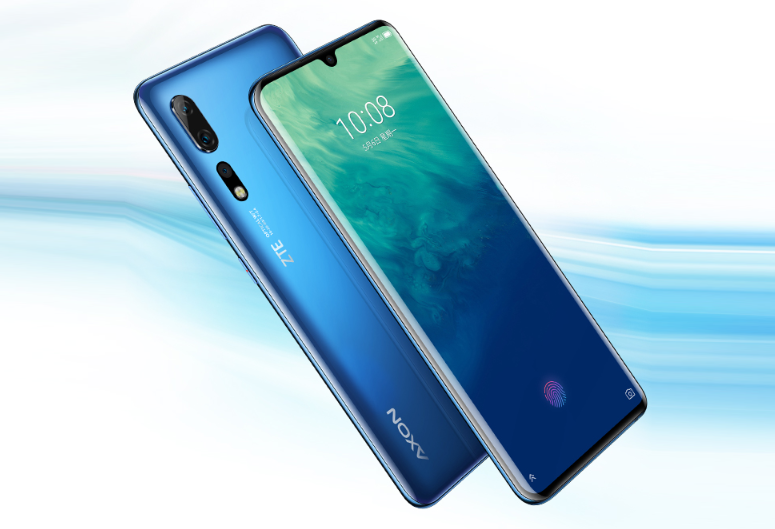
Chinese multinational tech conglomerate ZTE is yet to leave an impression on the highly-competitive global smartphone market. Even though the ZTE Axon 7 came quite close to being a hit in select areas, it never quite made it to the list of notable smartphones sold in the US. Last year, the company unveiled the ZTE Axon 10 Pro with impressive specs and pricing after the US trade ban that was imposed on it was canceled. The phone had arrived in February 2019 with Android 9 Pie OS and now its users in Europe and the U.S. are being treated with the latest Android 10 OS.

The Axon 10 Pro runs on ZTE’s proprietary MiFavor Android skin. The company surprised many by announcing the Android 10 OTA for the smartphone back in December 2019 before a lot of prominent smartphone manufacturers. Now a confirmation has come from the company that it has started rolling out Android 10 OTA updates for users. The size of the update is 1.6GB. 

ZTE started rolling out the Android 10 update for European customers a few days back. However, US customers are in for a treat as the company has added a download link to the software at the bottom of the device’s online brochure in the US for installing the update through sideloading. As mentioned, the Android 10 OS can be installed on Axon 10 Pro through OTA.

ZTE Axon 10 Pro

ZTE Axon 10 Pro Specifications and Features

The ZTE Axon 10 Pro was every bit a flagship smartphone of 2019. Flaunting a 6.47-inch FHD+ OLED display with the Snapdragon 855 flagship chipset and up to 12 GB of RAM, the device was at par with most flagship smartphones from last year. Although it did have its fair share of flaws like lower megapixel count and failure to work as advertised, the extremely competitive $550 price tag meant users did not have a ton of room for complaints.

The Axon 10 Pro smartphone flaunts a triple-camera setup at the rear, consisting of a 48-megapixel primary sensor, an 8-megapixel telephoto lens, and a 20-megapixel ultrawide sensor. The setup comprises of a dual-LED flash module. While the smartphone flaunts a 20-megapixel lens on the front. The Axon 10 Pro draws power from a 4,000 mAh battery with 18W fast charging support. Connectivity options include Wi-Fi 802.11 a/b/g/n/ac, USB 2.0, GPS, A-GPS, GLONASS, dual SIM 4G LTE, and wireless charging.


(source|via)

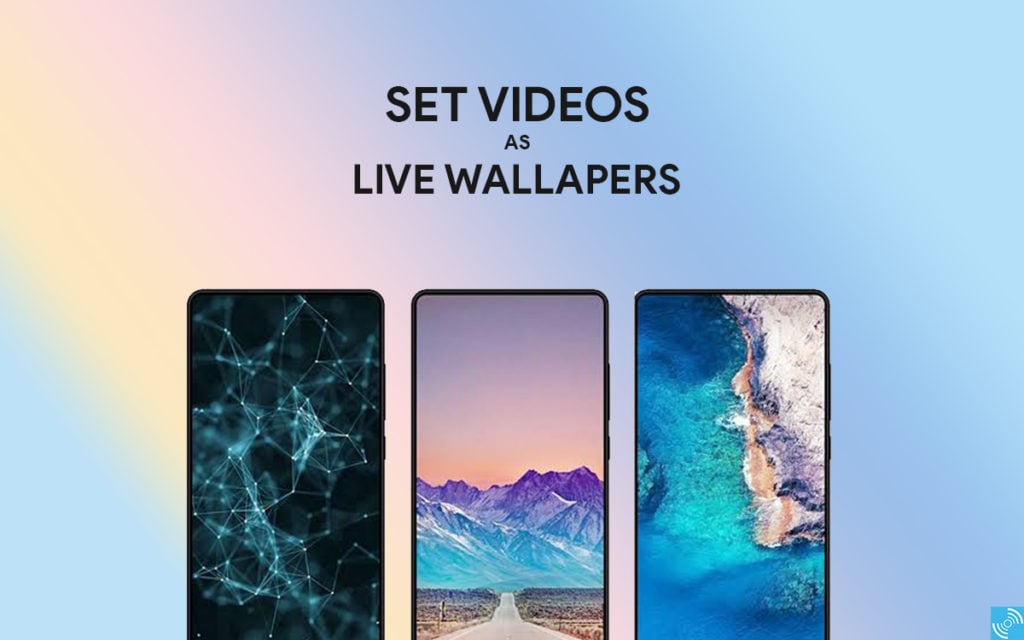
How to set videos as Live Wallpapers on Android?

Android Operating System is known for its ability to personalize and tailor-made experience. The user can set custom wallpapers, custom ringtones, custom live wallpapers, custom launchers, custom boot animations and can tweak different settings. Android has evolved a lot since its maiden version, it has received the ability to connect with smart devices, customizability has improved, and support for AI, IoT, and other new technologies. Among all, setting a live video as a live wallpaper is another addition to the feature set.

Must See: Download Gcam 7.3 APK mod for all Android devices

The users can either use GIF files or Video files to set the Live Wallpaper on Android devices. There are many pros and cons of using Live Wallpapers on your smartphone.

Advantages

  • Enhances the device look
  • Helps to personalize the smartphone
  • It even helps to make memories.
  • Makes devices look alive and beautiful.

Disadvantages

  • Live Wallpapers drains a lot of battery
  • Most of the Live Wallpaper apps are poorly coded
  • These uses smartphone sensors
  • Increase CPU and RAM usage.

So, if you really want to use the video as a live wallpaper, then follow our guide to set your favorite video of GIF as the smartphone wallpaper.

There are different apps to set live wallpapers, but it won’t let you create your own wallpaper from your personal video. So, we have crafted a tutorial to guide you step-by-step.

Set Video as a Live Wallpaper

There are multiple ways to assign any video or GIF as wallpaper, but using a specific app for the purpose is the easiest way.

Prerequisites:

Steps to use Video Live Wallpaper

  1. Download and Install Video Live Wallpaper.
  2. Select Choose Video, and then tap Allow to give Storage permission.
  3. Select a video, then adjust the start and end times. Drag the slider along the video’s timeline.
  4. Before settings, users can preview the video by tapping the Play button.
  5. Tweak other settings by heading to the gear icon present in the upper-right corner.
  6. Now, choose the set Wallpaper option, and select to set it as Home Screen or Home Screen and local screen.
  7. Enjoy!!

You can now enjoy your favorite video as wallpaper. If you get any problem then do let us know by commenting below.

Related: Download Samsung Galaxy S20 Wallpapers in HD Quality


Samsung and LG are selling major share of their LCD operations worth $33 Billion: Report

A new report has suggested that both Samsung and LG are planning on selling a major part of their respective production line that make LCD panels. The LCD business has an overall value of $106 billion which makes this recent news quite significant. Smaller stakeholders in the industry would seek to gain a higher standing by buying out the leading roles that are owned by Samsung and LG.

The news of selling major portions of the LCD business arrives after both South Korean tech giants move towards Quantum Dot and OLED displays. Notably, it has been speculated that this transition would seek to drive up prices for LCD panels in the first half of this year; since a shortage of supply is expected to arrive within the industry.

In the large $106 billion LCD industry, Samsung and LG represent a stake worth about $33 billion. This large sum represents a major share and both known electronics brands are reportedly planning on selling their respective stakes in the market. The OEMs are said to focus more on the booming OLED display and will also boost production large size displays for products like television using this technology.

According to reports, Samsung Display has sold its LCD manufacturing equipment at its Gen-8 LCD production line to a display manufacturer from China, named Efonlong. The equipment will be shipped to China next month and Samsung will use the capacity freed up to produce quantum dot displays. The Gen-8 line will now produce 65 inch or larger displays using the new and emerging display technology.

On the other hand, LG is looking to close a deal with another Chinese LCD display manufacturer. The South Korean brand also wishes to sell its LCD manufacturing equipment which is from its P8 manufacturing line. Unlike Samsung, LG will use the opened production capacity to boost OLED production in its manufacturing plants.

This marks a major shift in the market as previous key players are leaving the LCD industry for a popular technology which is seeing considerable growth recently. Even in smartphone markets, OLED displays have become a flagship standard while TV’s with the same technology is also witnessing increasing sales. Fortunately, the price hike that will accompany this notable transition will only last in the first half of 2020 and should recover later in the second half of this year.


(Via)