Advertisement

How to install TWRP and root Redmi Note 8 Pro?

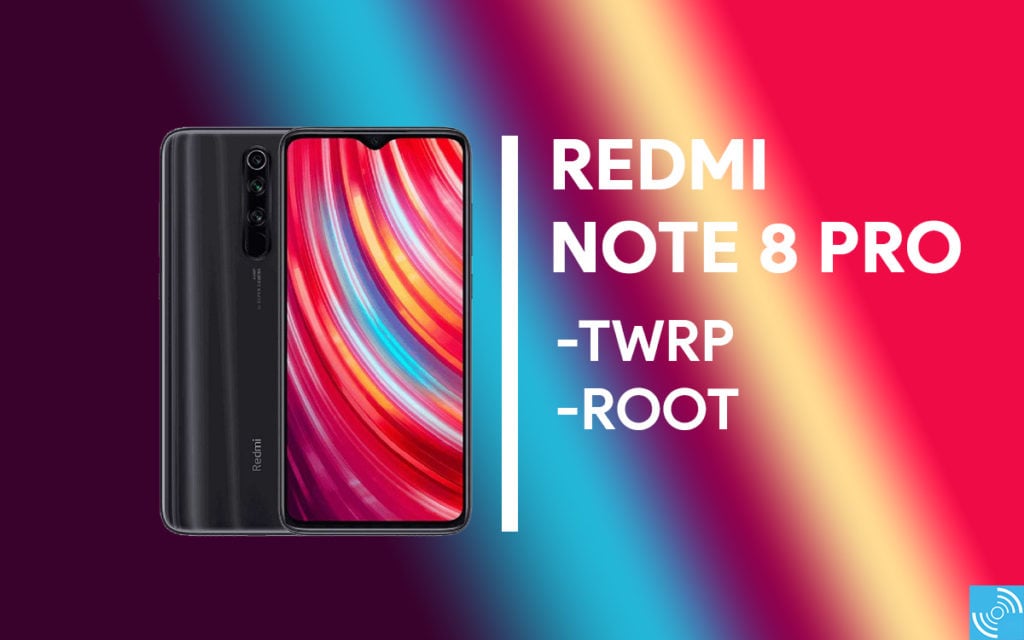
It was a remarkable year for Xiaomi and Redmi, as both the companies split up to bring more user-friendly and more relatable devices as per the user demands. Since Xiaomi and Redmi parted ways, both the companies have stormed the market with their respective devices and gained massive sales. It has increased the competition among the companies to offer better hardware specifications at affordable prices. Redmi Note 8 Pro is such a device that is available at competitive prices while offering high-end specifications. We have prepared a guide to install TWRP and root Redmi Note 8 Pro.
redmi note 8 pro root

Must See: Download Samsung Galaxy S20 Wallpapers in HD Quality

There are various advantages of rooting the Redmi Note 8 Pro. It will allow the advanced users to flash the mods and tweak the smartphones as per desire. The users can change themes, boot animations, lock screens, fonts, and a lot of other things after rooting the device. It even opens doors for a single click backup and restoration.

What is TWRP Custom Recovery?

TWRP stands for Team Win Recovery Project is an open-source recovery project for Android-based smartphones. It allows users to perform various functions from installing the custom mods, firmware to taking full system backups. TWRP has primarily used custom recovery on Android devices as it has extensive support. There are several benefits of using TWRP Custom Recovery.

Merits

  • GUI and touch-based interface
  • Easily flash zips of MODs, Frameworks, and ROMs
  • Brings the ability to flash custom Kernels.
  • Allows to make full system Backups
  • It helps to remove bloatware from the system.
  • Facilitate in rooting the device easily.
  • Ability to Wipe, Cache and Data.

Demerits

  • Your Warrant voids
  • It could brick your device permanently

Xiaomi Redmi Note 8 Pro Specifications

Xiaomi Redmi Note 8 Pro was launched in September 2019 with a lot of goodies. The smartphone comprises a 6.53-inch IPS LCD display with a resolution of 1080 x 2340 pixels and a 19.5:9 aspect ratio. The display sports a Corning Gorilla Glass 5 and supports 500 nits max brightness with a pixel density of 395 PPI.

It is powered with a MediaTek Helio G90T chipset packing an octa-core processor and Mali-G76 MC4 GPU. The smartphone is available in several different storage options like 64 GB + 6 GB, 128 GB + 6 GB, 128 GB + 8 GB and 256 GB + 8 GB. The user can use a microSDXC card along with the SIM slot to expand the storage.

In optics, Xiaomi Redmi Note 8 Pro consists of a quad camera setup featuring a 64-megapixel primary lens, an 8-megapixel ultrawide sensor, a 2-megapixel macro lens, and a 2-megapixel depth sensor. There’s a 20-megapixel front camera for beautiful selfies and video calling.

There’s support for WiFi, Bluetooth 5.0, NFC, GPS, Infrared, Radio and USB 2.0. Moreover, the smartphone supports a Fingerprint sensor, accelerometer, gyro, proximity, and compass. The smartphone comes with a 4500 mAh non-removable battery with 18W fast charging. It comes in different color variants including, Black, Red, Blue, White, Deep Sea Blue, Midnight Blue, Twilight Orange, and Electric Blue.

Install TWRP on Redmi Note 8 Pro

Follow the instructions carefully to get TWRP custom recovery on Redmi Note 8 Pro.

Note: It is recommended to proceed only if you’re an advanced user. The device hard bricks easily, and you may have to spend a few bucks to get it repaired from the service center. 

GizmoChina.com is not responsible for any damage to data or devices. Rooting or installing TWRP may void your warranty and you won’t be able to get direct OTA updates. 

Prerequisites

  • Backup all the important data using our guide.
  • Charge your device up to at least 50 %.
  • Download and Install ADB and Fastboot drivers on PC/MAC and extract it in a folder.
  • Download TWRP from here and keep it into the extracted ADB and Fastboot Drivers folder. (Note: rename the recovery to twrp.img.)
  • Unlocked Bootloader is necessary for the TWRP installation.
  • Enable Developers Option by heading to the Settings > About Phone > Tap MIUI Version 7 times.
  • Enable USB Debugging Mode by heading to the Settings > Additional Settings > toggle USB Debugging option.

Steps to install TWRP on Redmi Note 8 Pro

  1. Before proceeding, make sure USB Debugging and Bootloader is unlocked.
  2. Extract ADB and Fastboot tools in a folder.
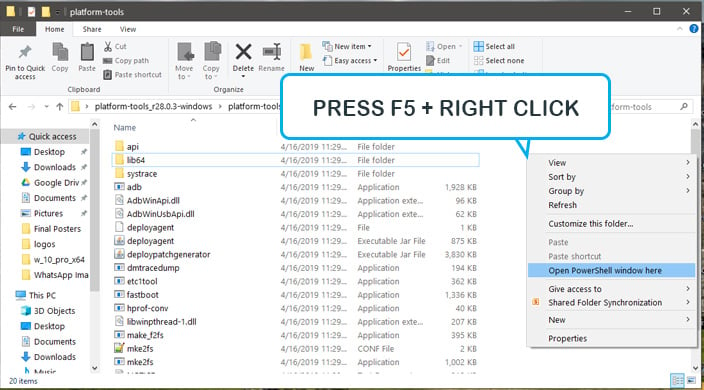
  3. Now, press Shift + Right Mouse Click in the same folder to open CMD or Powershell window.
    fastboot window
  4. Connect your device with PC via a USB cable.
  5. Now, turn off your device and execute the following command to reboot into the bootloader mode. (Note: Press OK if a popup to “Allow USB debugging” comes.)
    adb reboot bootloader
  6. Now to flash the TWRP, make sure to execute the following command after renaming the recovery file to twrp.img.
    fastboot flash recovery twrp.img
  7. Now, reboot your device upon typing the below command. (Note: Sometimes, the stock ROM replaces the TWRP. IN order to prevent that, hold the Volume UP + Power Key after typing the below command.)
    fastboot reboot
  8. You can normally reboot the device from TWRP and enjoy the TWRP recovery.

You have successfully installed the TWRP on Redmi Note 8 Pro. If you want to root, then follow the process below.

Root Xiaomi Redmi Note 8 Pro

Rooting is the initial step before installing any other custom MOD on the device. We have listed below the steps and the requirements that you need to download.

Prerequisites:

Magisk Manager Zip File to root and save it on your smartphone.

Download Disable_Dm-Verity_ForceEncrypt.zip and Save it in your mobile.

Steps to install Magisk on Redmi Note 8 Pro

  1. Turn off your device and boot into recovery by pressing the Volume Up + Power Key button for 3-5 seconds.
  2. Select Wipe > Advance Wipe > Select Cache Data.
  3. Now, Return to TWRP Home and select Install.
  4. Browse for Disable DM-Verity ForceEncrypt.zip
  5. Upon installation, now again select Install from TWRP Home.
  6. Browse Magisk.zip and install it.
  7. Now, Reboot your device and enjoy the root access via Magisk manager.

After following our guide, you have successfully installed the Magisk and gained root access on Redmi Note 8 Pro. If you have any problem or issue while following the steps above, then let us know via the comments below.

Related: Oppo F15 vs Samsung Galaxy A51 vs Redmi Note 8 Pro: Specs Comparison

Opinion: If Poco X2 turns out to be a rebranded Redmi K30, I’ll be disappointed

POCO is finally back.

For a brand that literally means ‘Little’ in Spanish, Poco managed to gather a HUGE fan following. It was so popular that Manu Kumar Jain, MD of Xiaomi India was bombarded with one question – every single day – ‘when is Poco F2 launching in India?’.

POCO X2 launch

And Poco’s popularity was backed by figures. Poco sold 700,000 units of its first smartphone in just three months. Counterpoint reports that Poco managed to grab a solid 3.6 percent market share in the year 2018 in the Rs. 15,000-30,000 price segment. This figure dropped to 1.1 percent in 2019. Notably, Poco has launched only one model so far: the Poco F1.


So what was the secret behind Poco’s incredible popularity?

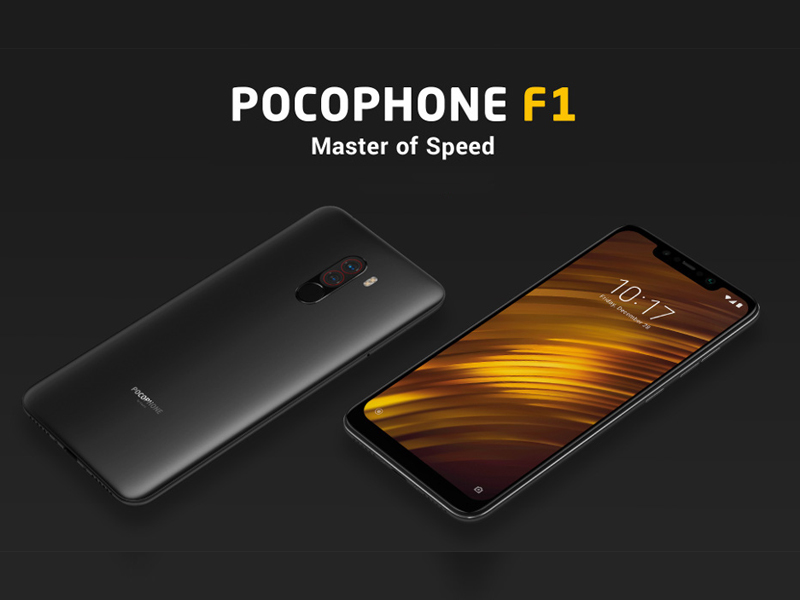
The Poco F1 tapped into a market that OnePlus opened up back in 2014. It came from a young & dynamic brand, was youth-oriented and affordable. But what made the Poco F1 truly special was its flagship Snapdragon 845 processor at the INR 20,000 or $300 price tag in India and €350 in Europe. Nobody could have ever imagined the all-powerful SD845 at this price point. The phone offered an incredibly smooth experience with a really capable camera. It was truly a phone built for enthusiasts.

Xiaomi Pocophone F1
POCO’s first model F1 was a hit in India


But even after 1.5 years, Poco’s popularity has shown no signs of dialing down.

Why?

Because there’s no one else like Poco. OnePlus sneaked its way into the premium segment recently, leaving a void in the INR 15,000-30,000 segment. Both Realme and Redmi have powerful phones in this segment right now, but their product portfolio is pretty huge, and the phones in this segment don’t really have their own separate identity.

Personally, I think fans are still waiting for Poco because they want something unique, with its own identity. So splitting up the Poco brand was definitely the right way forward.

However, if Poco X2, that’s all set to debut on February 4th in India, turns out to be a rebranded Redmi K30, I’d be really disappointed. Splitting up Poco from Xiaomi was a smart move, not just for better management. I feel Poco could have leveraged its separate identity to offer something unique to its customers, which is exactly what Poco F1 did back in 2018.

Almost everyone I have come across who have used or are still using the Poco F1 are extremely proud of their smartphones. I believe it’s because they feel no other phone can match the specifications or experience of the Poco F1, especially at its affordable price point.

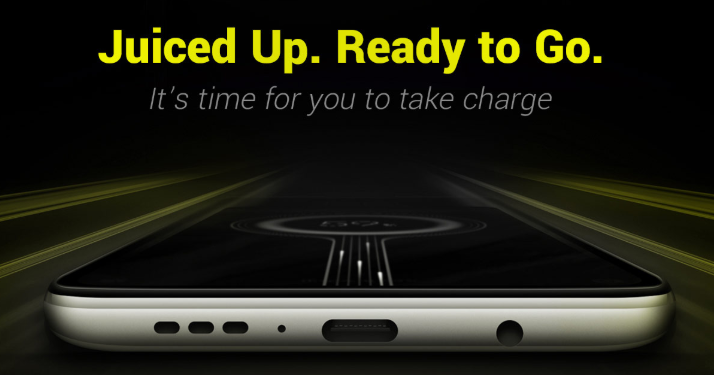
POCO X2 fast charge
Poco X2 teasers show its similarity with the Redmi K30

After the recent teasers, we are almost sure that the Poco X2 will be a rebranded Redmi K30. But that’s not really a good thing. The Redmi K series already had a pretty strong fan following in India. If Poco fans were looking for flagship specs for an affordable price tag, the Redmi K20 Pro should have been enough. But why were fans demanding Poco F2? Because they were looking for a smartphone that has its own identity, kind of like what OnePlus enjoys in the premium segment right now.


Poco X2 makes sense in the short term

So will the Poco X2 do well in the market? Of course! The Redmi K30 is an extremely value for money smartphone and in a price-sensitive market like India, it is bound to sell well.

But Poco could lose its exclusivity by launching a rebranded Redmi device. And given how Poco plans to release multiple devices this year, it could easily lose its charm. With this strategy, Poco is setting itself to become just another value for money brand in the Indian market. But are we looking for a Redmi replacement? I think not.

It’ll be a real shame if both Xiaomi and Poco miss out on this opportunity. After all, with the kind of fan following it enjoyed, Poco could have transformed into a real OnePlus rival in India. Unfortunately, the upcoming X2 isn’t a threat to OnePlus. In fact, it’s more of a threat to the Redmi Note 8 Pro!

POCO X2 Display 120Hz
Poco X2 will feature a high 120Hz refresh rate

Regardless of how Poco performs after splitting up, it’s a really exciting time to be a consumer in the Indian market. I guess we will have to patiently wait and see what it does in the coming months.


POCO X2 confirmed to feature 120Hz refresh rate display

A few weeks ago, Xiaomi announced the split of POCO and made it an independent smartphone brand. Soon after that, the company started teasing the launch of its next smartphone.

Recently, POCO confirmed that it will be hosting a launch event on 4th February in India where the company will launch its second smartphone — POCO X2. This will be the first device from POCO after becoming independent.

POCO X2 Display 120Hz

Now, in a teaser photo posted on the phone’s landing page on Flipkart, it has been confirmed that the POCO X2 will come with a 120Hz refresh rate display. Earlier, the company had teased “Extreme Refresh Rate” but had not revealed the exact specs.

The company has also teased a 64MP Sony IMX686 camera sensor, a Qualcomm Snapdragon chipset, and a some sort of liquid cooling feature. Since the brand has confirmed refresh rate, we expect the company to keep revealing more details about the smartphone as the launch date nears.

The 120Hz refresh rate for the smartphone seems to be confirming what the rumors have started about the upcoming POCO X2. The phone is said to be a rebranded version of the Redmi K30 that was launched in China last month.

Features of the POCO X2 teased by the company fits the features of Redmi K30. The Redmi K30 comes with a 120Hz refresh rate display, has a 64MP Sony IMX686 quad-camera setup on the back, dual front-facing cameras, and is powered by a Qualcomm Snapdragon SoC.

POCO X2 was also spotted on benchmarking platform Geekbench some time back, which revealed that the phone will come packed with 8GB of RAM and will be running the latest Android 10 operating system out-of-the-box, likely with MIUI 11 with POCO Launcher.

(Source)

Motorola is finally launching a Flagship smartphone at MWC 2020

Motorola hasn’t technically launched a flagship smartphone in over two years. But that’s going to change next month. Motorola has confirmed that it will launch a flagship device at MWC 2020 to be held from February 24 in Barcelona, Spain.

Motorola logo

Motorola has started sending out media invites confirming a launch event on February 23 at 7 PM CEST, just a day before the MWC 2020 kicks off. This could be a smart move from the Lenovo owned brand given that both Samsung and Huawei are not going to launch their flagship devices at this event. So Motorola’s new smartphone could get a decent spotlight at the Barcelona event.

The company’s last true flagship was the Motorola Z2 Force, which was announced in August 2017. And the closest thing to a flagship smartphone from Motorola lately is the new Razr 2019. However, even the Razr caters to a niche market with mid-range specs.

We don’t have much information on what device is meeting us at the event, but it could likely be the rumored Motorola Edge+ that was spotted on Geekbench today.


(Source)

Nokia 5.2 and Nokia 1.3 specifications and pricing leaked

HMD Global will be present at the Mobile World Congress (MWC) 2020 tech trade show to announce new devices. The rumored Nokia 9.2 flagship phone with Snapdragon 865 may not get unveiled at the MWC 2020 as it is speculated to go official few months later. A new report on Nokiamob.net that cites leaked information from a trusted source has revealed the specs of some of the phones like the Nokia 1.3, Nokia 5.2, Nokia 8.2 5G and the existence of a new series. Readers can read about the latter two devices through a dedicated article on our site.

Nokia 5.2 specifications and price (Rumored)

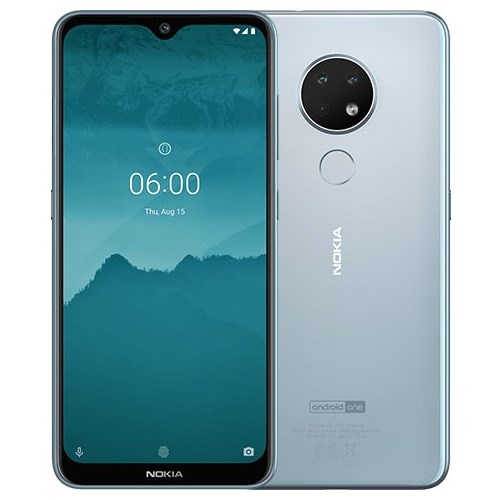
The Nokia 5.2 will be a mid-ranger powered by the Snapdragon 632 chipset. The phone is expected to house a 6.2-inch LCD panel. It may come with breathing light notification feature. The appearance of the rear camera setup on the Nokia 5.2 will be similar to the Nokia 6.2.

Nokia 6.2
Nokia 6.2

Hence, the round-shaped camera setup of the Nokia 5.2 could be fitted with an LED flash, a 16-megapixel main lens and an 8-megapixel secondary shooter. It could be sporting a front camera of 8-megapixel. The phone may draw power from a 3,500mAh battery. The phone may arrive in all markets in 3 GB RAM and 32 GB storage version with a pricing of 169 euros (~$186). The higher 4 GB RAM + 64 GB storage edition of the Nokia 5.2 could be available in select markets.

Nokia 1.3 specifications and price (Rumored)

Nokia 1.3 appears to be the next entry-level smartphone from the Finnish firm. In terms of design, it will look like the Nokia 2.3. That means it could be housed in a 3D nano-textured polycarbonate chassis and may sport a durable plastic frame. It may come in vibrant color choices like Nokia 1 Plus. A previous leak claimed that the model number of the Nokia 1.3 could be TA-1207.

The Nokia 1.3 could be sporting a large display of around 6 inches. The display may sport a U-shaped or a teardrop notch. The Nokia 1.3 could be fueled by the MediaTek chipset and 1 GB of RAM. The phone may arrive with a native storage of 8 GB of RAM. The smartphone could be drawing power from a removable 4,000mAh battery. It is likely to lack breathing notification light. The Nokia 1.3 could be costing around 79 euros (~$87) in European markets.

What’s your opinion on the specifications and leaked pricing of the Nokia 5.2 and Nokia 1.3? Share us your thoughts by posting your comments below.


(source)

Samsung Galaxy Note 20 design leak shows the phone taking cue from the S20 series

At a time when South Korean giant Samsung is gearing up to launch its next-generation S-series flagship smartphones on 11th February at its Unpacked event, details about the company’s next-gen Note device have started surfacing online.

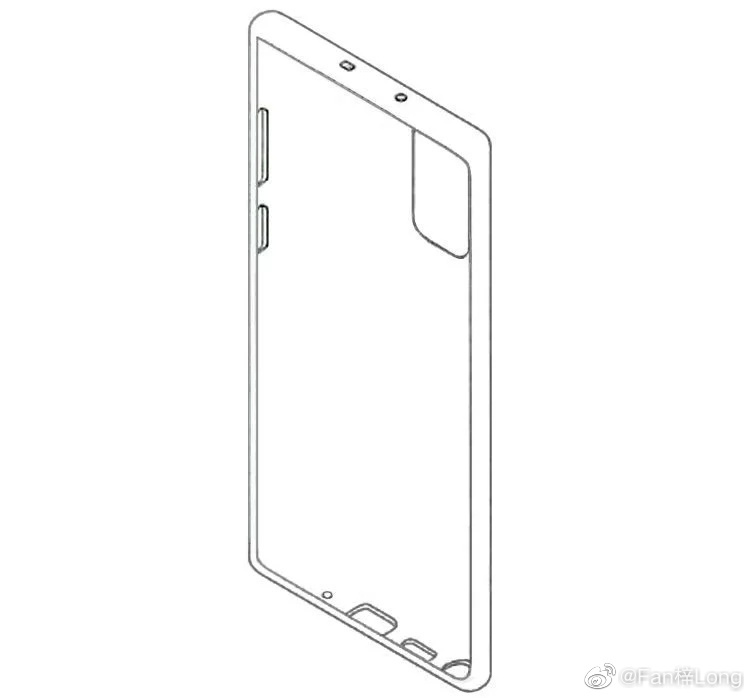
A purported case schematic for the Galaxy Note 20 has appeared on Chinese microblogging platform Weibo. Although the design seems to be a very early stage prototype, it depicts a design that resembles what we’ve seen so far about the S20-series.

Samsung Galaxy Note 20 Design

The first thing you may notice about the design is the huge rectangular camera module on the back of the same, similar to what we have already seen on the Galaxy A71 and Galaxy A51 smartphones.

On the front side, the smartphone will carry very thin bezels at the top as well as bottom, similar to the Galaxy S20 family, if the leaks related to the upcoming series are true. At the bottom, there’s USB Type-C port, dedicated section for the S-Pen stylus, a speaker grille and a microphone.

However, this seems very early to have a final design of the Galaxy Note 20 but you never known. Since the design seems to be in line with what Samsung has to offer with its premium flagship phones, this one could make the final cut.

The current-generation Galaxy Note10 comes with a 6.3-inch 1080 x 2280 Infinity-O display and is powered by either Snapdragon 855 SoC or Exynos 9825 processor. The hole in the display is home to a 10MP camera while the rear panel houses a 12MP + 12MP + 16MP triple camera setup. The device is powered by a 3,500mAh battery with support for 25W fast wired charging and 12W fast wireless charging.

There’s also a bigger variant of the phone, dubbed Galaxy Note10+ that comes with a larger 6.8-inch screen with a 3040 x 1440 resolution. It has the same configuration under the hood in terms of chipset. It also has the same selfie camera and adds a ToF camera for a quad-camera setup on the rear. The phone is backed by a bigger 4,300mAh battery with support for 45W fast wired charging and 15W fast wireless charging.

(Source)

Nokia 8.2 5G specifications, pricing leaked; Tipped to debut with new original series phone at MWC 2020

Since the past two years, HMD Global has been using the Mobile World Congress (MWC) tech exhibition platform to announce new devices. This year too, the Finnish firm will be unwrapping its new phones at the upcoming MWC 2020 event. A fresh leak courtesy of Nokiamob.net has revealed some of the names of the devices that may get announced at MWC. It has mentioned names like Nokia 1.3, Nokia 5.2 and Nokia 8.2 5G. The report claims that the monikers of these devices are not final. The Finland-based firm is also poised to unleash a new series of Nokia phones at MWC 2020.

Nokia 8.2 5G specifications and price (Rumored)

Citing information from a known source, the publication has revealed that the 4G edition of the Nokia 8.2 has been cancelled. The specs leak of the Nokia 8.2 5G suggests that it could be the Snapdragon 765 driven 5G phone will be announced at MWC 2020.

The leak states that the design of the rear camera setup of the Nokia 8.2 5G could be similar to the Nokia 7.2 phone from 2019. A leak from October 2019 had claimed that the phone will be sporting a round-shaped camera setup with four cameras with a 64-megapixel mains lens. The handset is expected to house a 32-megapixel pop-up selfie shooter. The phone could be coming with a pOLED or LCD screen and a side-mounted fingerprint reader that won’t come with breathing light notification feature. A previous leak had claimed that it could be coming with a curved display. However, the new report claims that it has been found to be incorrect.

Nokia 7.2 Turquoise
Nokia 7.2

The Nokia 8.2 5G could be housing a 3,500mAh battery. The phone could be coming with fast charging support, but the leak has not revealed details on its presence. The handset is likely to lack support for wireless charging. The device will come equipped with a 3.5mm audio jack.

The starting variant of the Nokia 8.2 5G could be featuring 6 GB of RAM and 128 GB storage. There could be a limited edition of the phone with 8 GB of RAM and 128 GB / 256 GB of storage. The base model of the Nokia 8.2 5G may carry a price tag of 459 euros (~$506).

New original series phone coming at MWC 2020

The report further states that Nokia was expected to announce a new original series device around the Spring Festival of China. However, due to the ongoing situation of Coronavirus, the company has reportedly pushed its launch to MWC 2020. Unfortunately, there is no word on the design, name and specs of the new original series phone.

The original series phone could be referring to a revised version of the one of the yesteryear feature phone.


(source)

With rising production cost in China, Pegatron moves to Indonesia and Vietnam

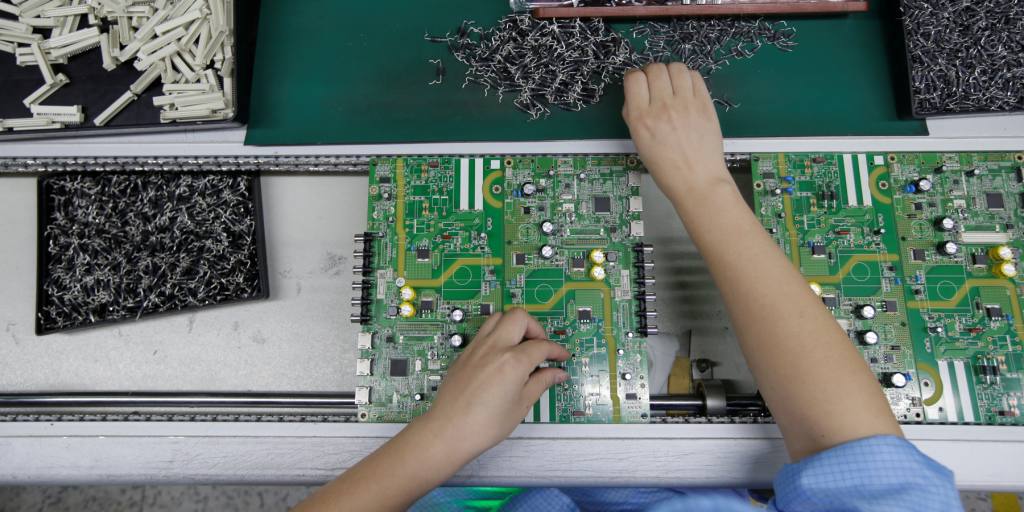
Pegatron, a Taiwanese company which is the world’s second largest contract manufacturer of electronics is reportedly planning to setup and run new factories in Indonesia and Vietnam by the end of this year.

With such as move, the company will essentially be shifting its production away from China as the production cost are rising because of higher labor costs as well as the on-going U.S.-China trade war. Further, the move is also aimed at diversifying production regions.

Pegatron Electronics Manufacturing

In an interview, Tung Tzu-hsien, Chairman of Pegatron said that China “has not been an optimum manufacturing location since more than five years.” He also added that when the U.S. President Donald Trump “threw a stone, diversification of production began like tumbling building blocks.”

Sharing details about the company’s new plans in Indonesia and Vietnam, Tung said that these new plants will make devices for internet connectivity. The Indonesian plant will on Batam Island, about 20 km from Singapore, while the Vietnamese plant will be in the north of that country.

Further, the company plans to expand domestic production lines in response to Taiwanese President Tsai Ing-wen’s policy of promoting local manufacturing. Pegatron makes a wide range of devices, including Apple iPhones, under contract. It is second only to fellow Taiwanese company Hon Hai Precision Industry, better known as Foxconn.

While some of the leading smartphone makers have established their manufacturing facilities in India and are doubling down on that, Pegatron is not ready to do so. Commenting on this, Tung said that India “is an important option, but we haven’t obtained consent from our customers.”

(Source)

Apple patents a new all-in-one computer with a curved glass sheet design

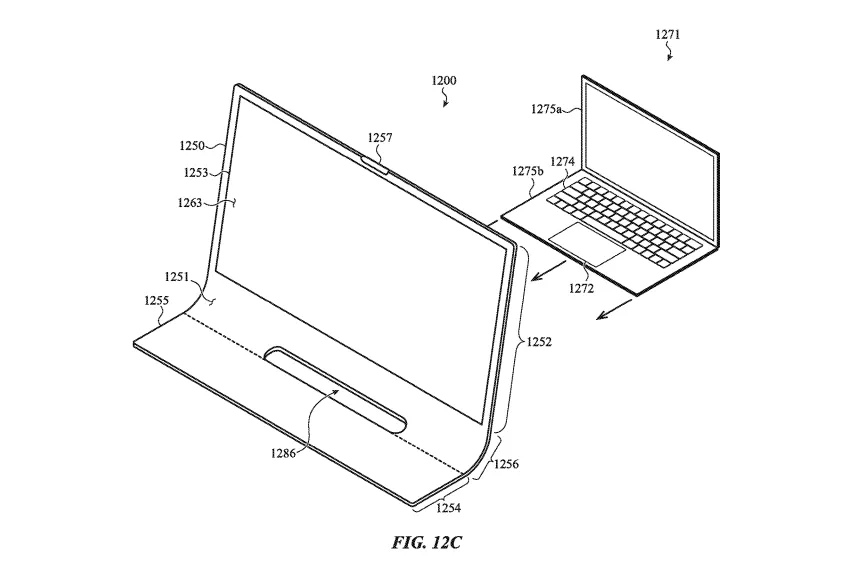
A new patent application filed by Apple suggests that the company is planning for an ambitious design for an all-in-one computer that integrates display as well as keyboard into a single curved glass sheet.

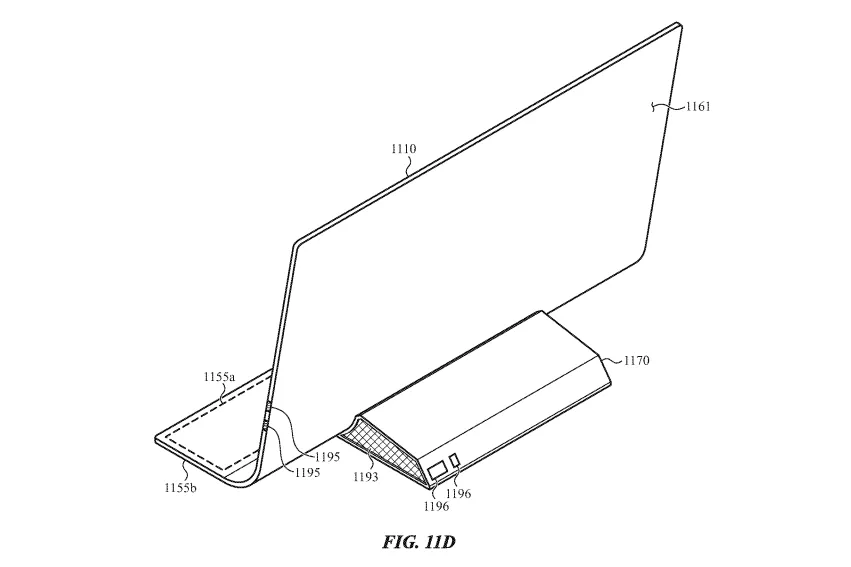
The patent was filed in May last year and showcased how a device similar to the iMac has the “input area” as well as “display area” built into a single surface. It seems like there is a support structure at the back of the display, which should contain CPU.

Apple iMac Curved Glass Patent

Apple has clarified that the glass housing could be made with materials that are transparent, coated, painted, or otherwise treated to produce a non-transparent component. Translucent components may be formed by producing a textured or frosted surface on an otherwise transparent material.

This is quite interesting, first of all from the design point-of-view that Apple is trying to implement the whole hardware on a curved sheet of glass, which the company has not done so far with any of its products.

Another interesting take on this is that the company is taking the all-in-one computer design to another level with the integration of computer, display, keyboard, as well as touchpad. However, it seems that the keyboard can be detached so that it can be used as per the users’ need.

Apple iMac Curved Glass Patent

While Apple has filed a patent for this new device, we don’t see the company planning to launch such as device in the market anytime soon and certainly not with this radical design, which the company is calling “Electronic Device with Glass Housing Member”.

However, we do expect the company to make some changes in the design of the iMac given that it has largely remained unchanged over the past decade. This hints that the designers at Apple are looking for ways to shake-up the design of the iMac.

(Source, Via)

Huawei P40 Pro ‘Premium’ concept video showcases its curved screen & penta camera lens

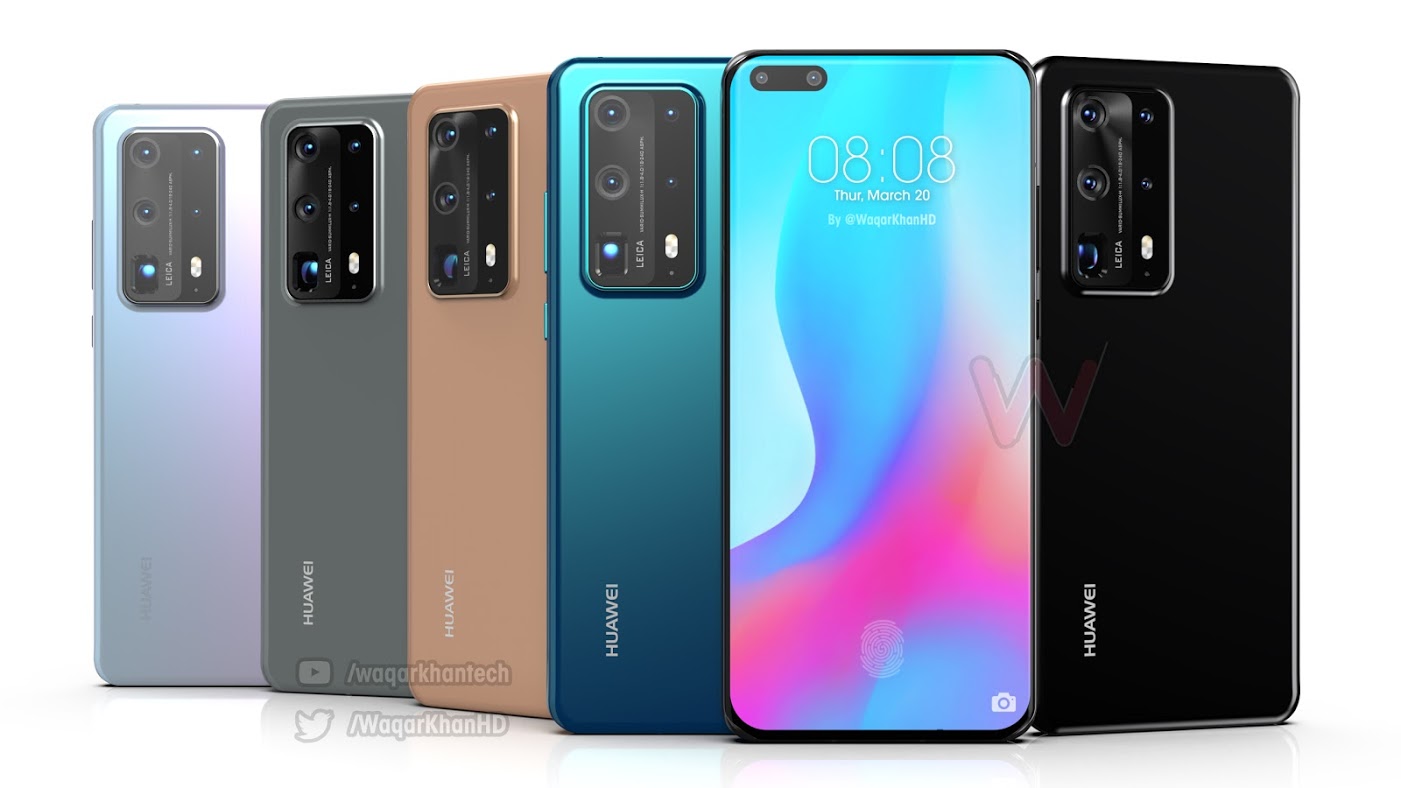
Huawei P40 series is one of the most anticipated lineups of the first half of 2020. After the immense success of the P30 Pro, the upcoming series has some pretty big shoes to fill. And according to the latest rumors, we can expect to see an even more powerful camera setup on the P40 lineup. One of the biggest changes this year is the presence of an additional premium variant in the P series lineup. In addition to the P40 and the P40 Pro devices, we could also see a P40 Pro Premium handset that’ll be the most powerful model in the series this year. The Premium model is said to feature five cameras at the back instead of the four sensors that’ll be found on the P40 Pro and non-Pro variants.

Today, Waqar Khan has brought the P40 Pro Premium design to life with a concept video. We know it’s the Premium edition because of the Penta camera setup at the back. The concept video showcases the phone’s curved screen up front as well as dual punch-hole cameras on the top left corner. Clearly, it looks like 2019 will be the year of the punch-hole shooter given how companies are freely embracing the design on their new models.

The Penta camera setup at the back will be placed in a rectangular housing at the back. Honestly, I don’t mind seeing this design come to reality, given how I personally find it pretty refined. However, note that the Huawei P40 Pro Premium’s camera setup will protrude quite significantly, much like most premium smartphones launched lately, including the OnePlus 7T.

Huawei P40 Pro Premium render

The five cameras at the back should feature an 8MP 240mm periscope lens with 10x optical zoom, a 52MP 1/1.3″ sensor, a 40MP cine camera, and a 3D ToF sensor. The fifth sensor could be a dedicated macro camera, but we don’t have specific details right now.

The Huawei P40 Pro is expected to launch sometime in March this year.


iPhone 11 Pro Max selfie camera makes the Top 10 on DXOMark

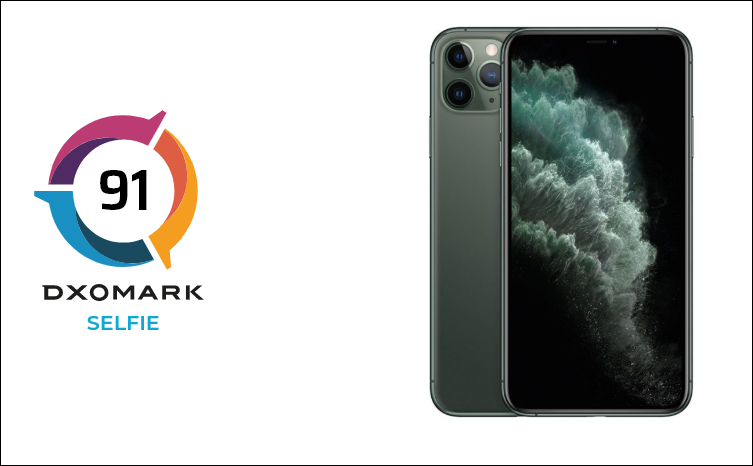
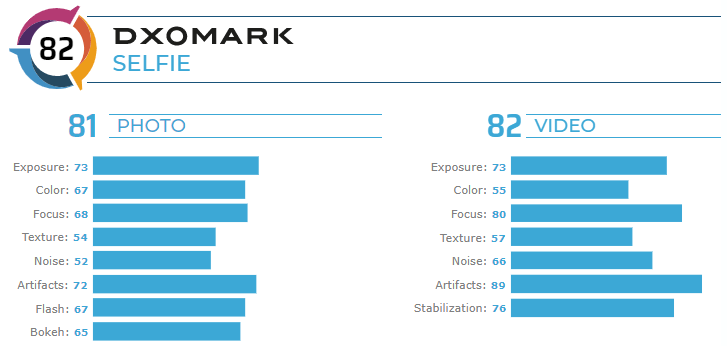
DXOMark added the review of selfie cameras to its itinerary in January last year. Since then, we have seen several phons’ selfie shooters get reviewed. The iPhone 11 Pro Max is the latest smartphone selfie that DXOMark would be reviewing. The smartphone had a score of 91 to rank among the Top 10 phones in DxOMark’s selfie cam charts.

The model edged out the Huawei P30 Pro which scored 89 points on the selfie camera charts. However, it is just a little below the Galaxy Note 9 which is ranked 9th. The score is 9 points higher than last year’s iPhone XS Max score put at 82 points.

According to DXO Mark, the front camera on the iPhone 11 Pro Max offers a nice improvement in image quality over the XS Max. The addition of a wider lens on the new device is a big plus, helping you fit more into the frame and get better compositions in a range of situations. There are other strengths, too, including a higher score for focus, with both faces and backgrounds boasting good detail at a range of distances, and effective bokeh shots when you want to blur the background. Selfies pack plenty of punch outdoors, too, with accurate exposure on faces, and fairly wide dynamic range ensuring well-controlled highlights and skin tones even in very bright conditions. Also, the new SL 3D camera performs well when it comes to rendering bokeh in portrait shots.

The camera is shown to have lagged in the aspects of noise and low-light performance. The phone lost most points in the aspect of low light tests.


(source)


Xiaomi’s offline stores across China will be shut from January 28 due to the Coronavirus epidemic

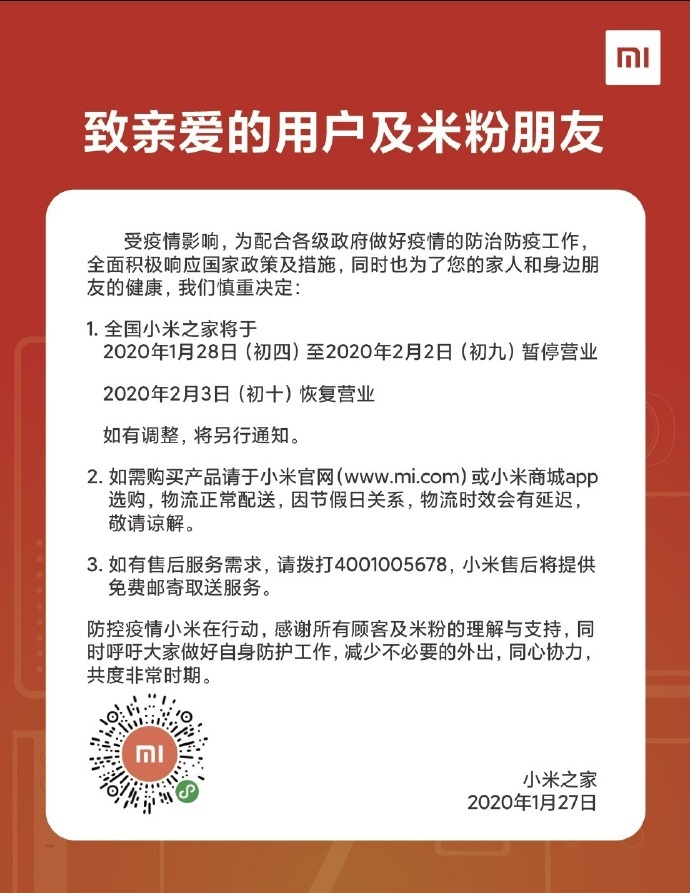
Xiaomi has announced that it will be shutting down its offline stores scattered across various cities in China. This was contained in a press release by the tech giant earlier today. The post cited the need to assist the epidemic prevention and control work in China, in relations to the Coronavirus outbreak that is currently ravaging the country. The closure will become effective from January 28. The stores will reopen on Monday, February 3 but there could be an extension depending on the prevailing situation. The company indicated that fans will be notified if there is an adjustment. Here’s a transcription of the press release below.Xiaomi Mi Store

“Affected by the epidemic situation, in order to cooperate with governments at all levels to do a good job in epidemic prevention and prevention, to comprehensively and actively respond to national policies and measures, and also for the health of your family and friends around us, we carefully decided:

1. The Xiaomi House nationwide will be closed from January 28, 2020 (the fourth day) to February 2, 2020 (the ninth day). It will resume operations on February 3, 2020 (the 10th day), and it will be notified separately if there is any adjustment.

2. If you need to purchase products, please purchase them on Xiaomi’s official website or Xiaomi Mall app. The logistics will be delivered normally. Due to the holidays, the logistics aging will be delayed. Please forgive me.

3. If you need after-sales service, please dial 4001005678. Xiaomi will provide free postal service after the sale.”

Thankfully, the company also disclosed that fans can continue to purchase their favourite products via the company’s online channels (Xiaomi Mall app and Mi.com). The shipping will be handled promptly as usual but may encounter some delays as a result of the New year holidays.

China has been battling with a strange virus belonging to the Coronavirus species that has already resulted in the death of 80 persons in Wuhan where it emanated from. Almost 2,800 cases have been confirmed across China.  The government has also placed 15 cities with a combined population of over 57 million people under full or partial lockdown. Wuhan has been effectively quarantined with major flights and long-distance transport systems suspended for the foreseeable future.


(source)

TCL rolls out Android 10 for the TCL Plex; bundles it with Modern Combat game

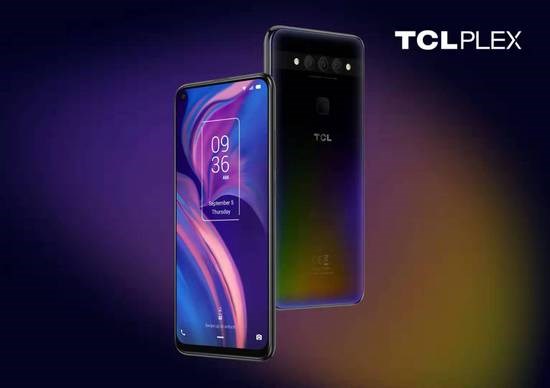
The TCL Plex is an upper mid-range phone that launched in September last year. It marked the entry of TCL-branded smartphones into the market. The device ran Android 9 Pie out of the box and is now getting an Android 10 update.

TCL Plex

The update arrives as version 2.0.2B.A.G and is 2.7GB in size. The changelog reveals there are a bunch of new features and optimizations. It also brings a file-sharing app and a Modern Combat mobile game. To be fair, the latter will practically be considered bloatware for a lot of people. Below is the full changelog:

Camera

  • Improves High Pixel mode performance for 48MP rear camera and front camera.
  • Improves video stability while in motion.
  • Improves skin color filters for the front camera.

System

  • Improves mobile security through a regular Android patch.
  • Enables EE/02 VoLEE and VoWIFI for UK open markets.
  • Adjusts the position of the sound control center.
  • Supports music player apps on the lockscreen.
  • Provides up to 30 shortcuts for smart key settings. Be aware that current smart key settings will be reset and their functions must be reconfigured.

New Features

  • Adds a File Share app and the game app “Modern Combat Rebel Guns”.
  • Adds gesture control for Google full screen and Google Assistant
  • Adds Game Mode to enhance your gaming experience.
  • Adds Dark Mode in which the current display theme can be substituted for one based on blacks and dark colors.

The TCL Plex has a 6.53-inch FHD+ display with a punch hole at the top left corner. It is powered by the Snapdragon 675 processor and paired with 6GB of RAM and 128GB of storage. It has a hybrid SIM slot which means you can swap out one of the SIMs for a MicroSD card.

On the back of the phone are triple rear cameras – a 48MP sensor paired with a 16MP ultrawide camera and a 2MP depth sensor. It also has a 24MP front-facing camera. There is a fingerprint scanner on the back, an audio jack, and a 3820mAh battery with support for Quick Charge 3.0.


(Source, Via)

Ulefone Armor 6S camera performance test (video)

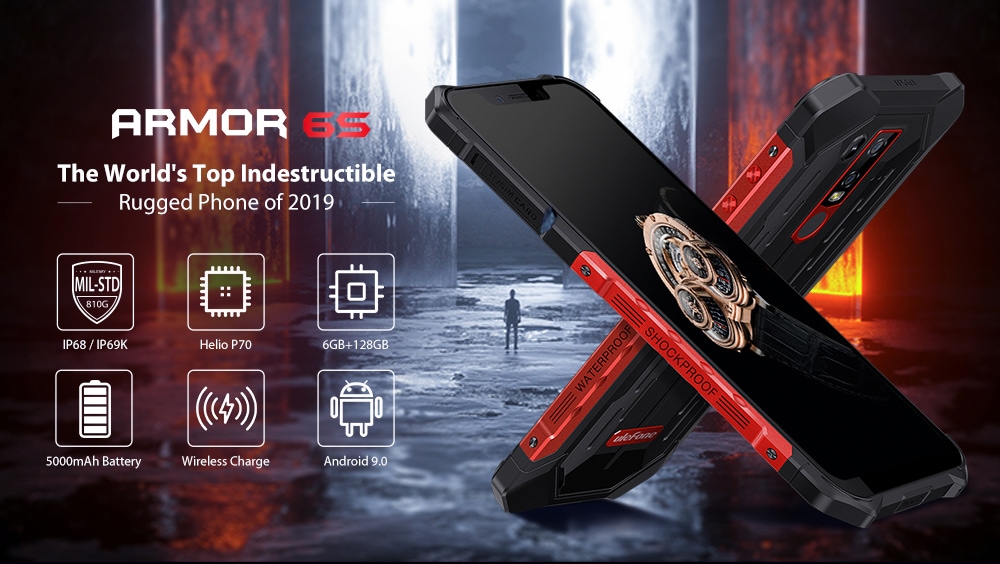
Rugged phones are a bit misunderstood as in early days, besides a durable chassis, there was nothing worth noting. That’s all in the past now as rugged smartphone manufacturers equip their devices with everything a modern smartphone should have. Including a decent camera. Two weeks ago, Ulefone uploaded a video demonstrating the camera performance of the Ulefone Armor 6S. Let’s check it out.

Hardware-wise, Armor 6S comes with a dual rear camera featuring a 16MP main camera and an 8MP secondary sensor. Also, it supports different modes including Mono Mode, Aperture Mode, and Pro Mode, to give the user more choices when shooting a photo. The Pro Mode enables you to freely adjust the white balance, ISO, and exposure, and if you are familiar with these terms you should get an excellent result. On the front, the phone hosts an 8MP selfie shooter with the ability to take beautiful and natural selfies.

Ulefone Armor 6S

What’s more, apart from the camera specs, Armor 6S is pretty powerful overall as it packs the Helio P70 SoC backed by 6GB of RAM and 128GB of storage. The display is a 6.2″ FHD+ IPS notch display for an immersive visual experience while there’s also wireless charging, fingerprint and face unlock, global network support, NFC with Google Pay, Android 9.0 Pie OS and more.

As we speak, the Ulefone Armor 6S is on promotion over at Aliexpress for just $269.49. A big discount compared to its official price so you can visit the product page here and grab yours. For more Ulefone devices, you can check out their official website.

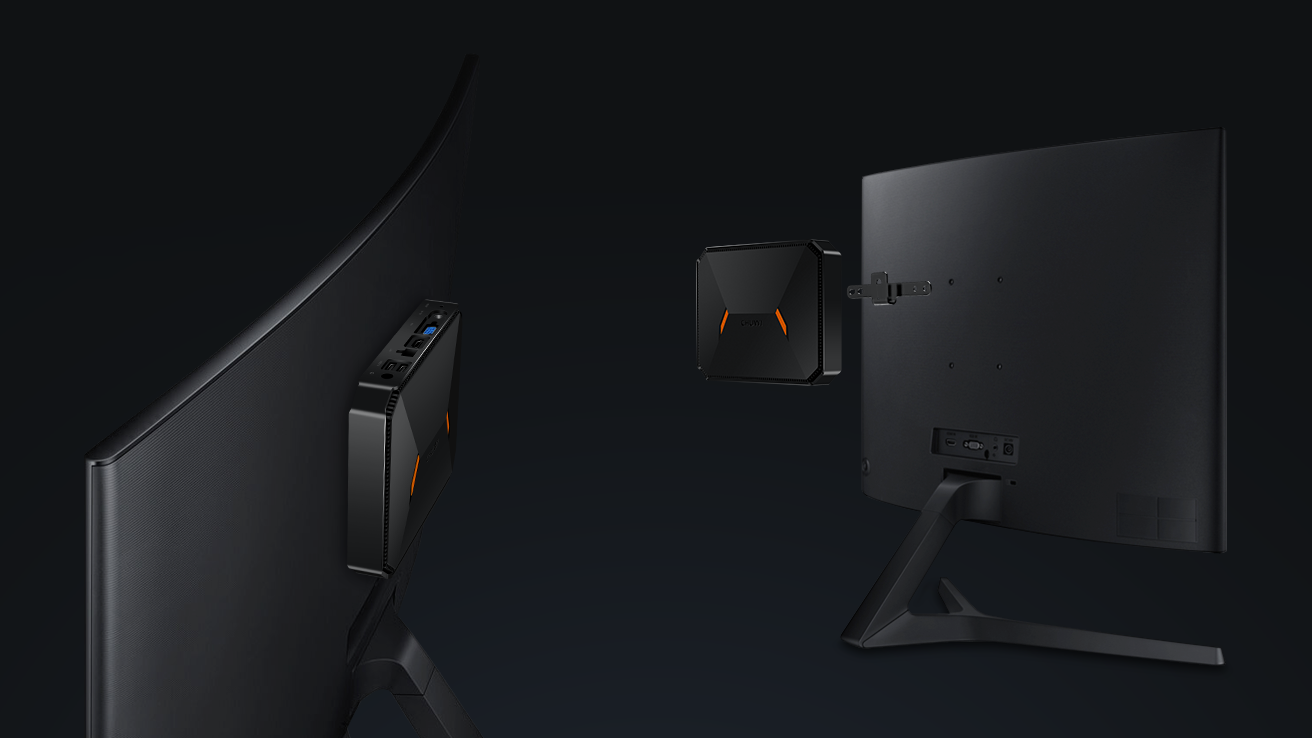
Chuwi HeroBox becomes a new and powerful choice in the HTPC market

Chuwi HeroBox was launched just recently in an effort from the company to offer an all-around PC that will serve you as an HTPC with ease as well as an all-in-one machine connected to a display or serving as a NAS. It comes equipped with Intel N4100 CPU backed by 8GB of RAM and 180GB SSD.


Powerful GPU that can decode 4K with ease

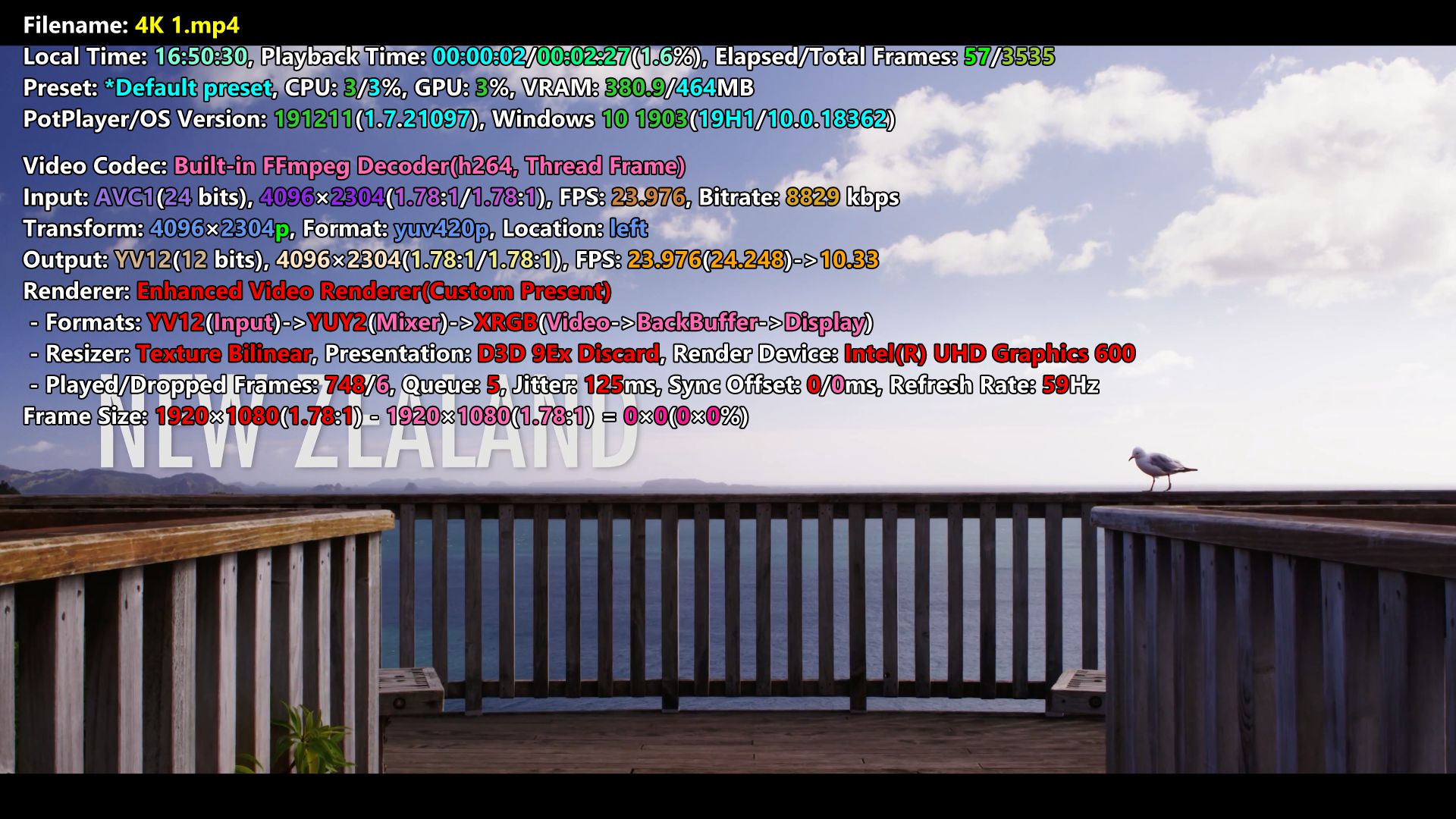
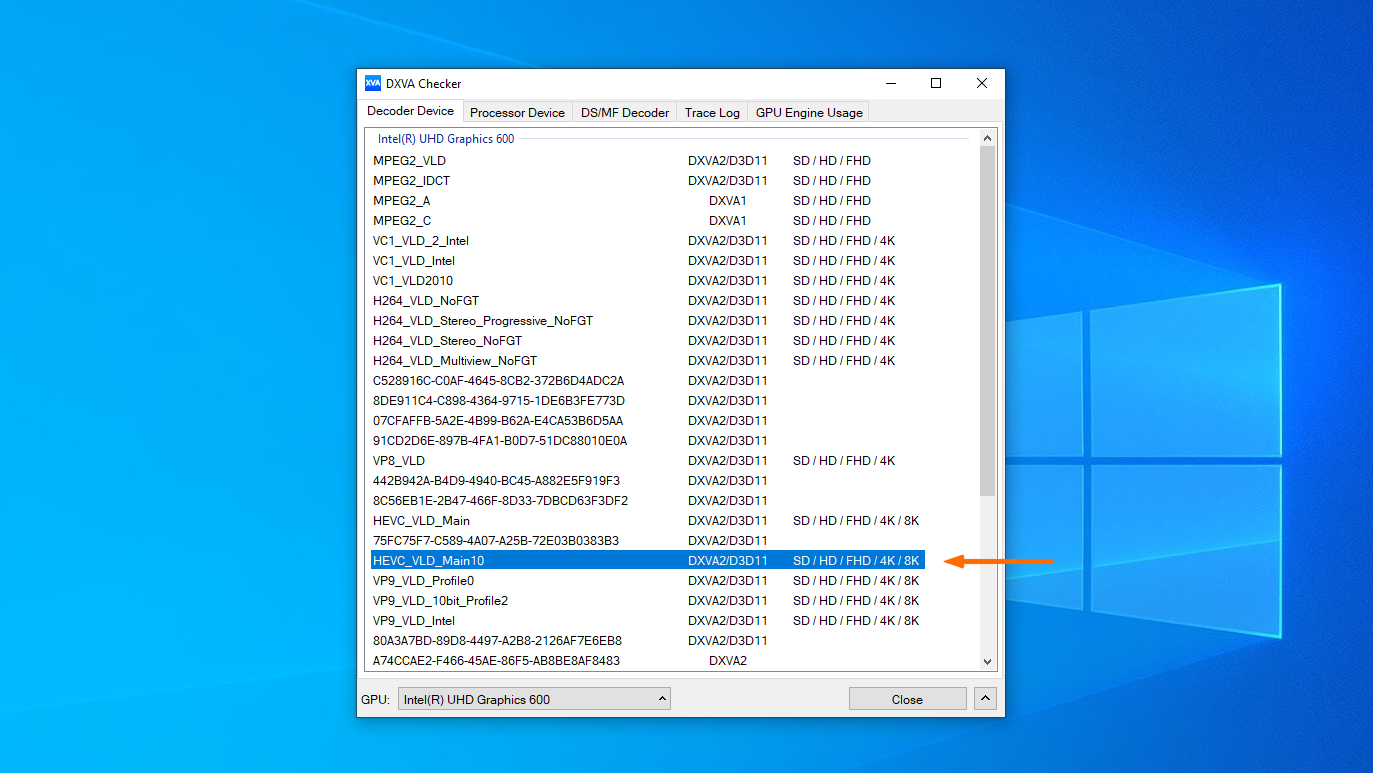
Intel N4100 comes with the 9th Gen Intel UHD Graphics 600 GPU and as a result, HeroBox can decode 4K VP9 10bit video smoothly. You can just place it under your living room TV and connect either via HDMI or VGA to watch 4K videos with a high frame rate.

As you can see from DXVAChecker, HeroBox can hard decode 4K video and supports up to 8K resolution.


Media Streaming as it should be

Chuwi HeroBox

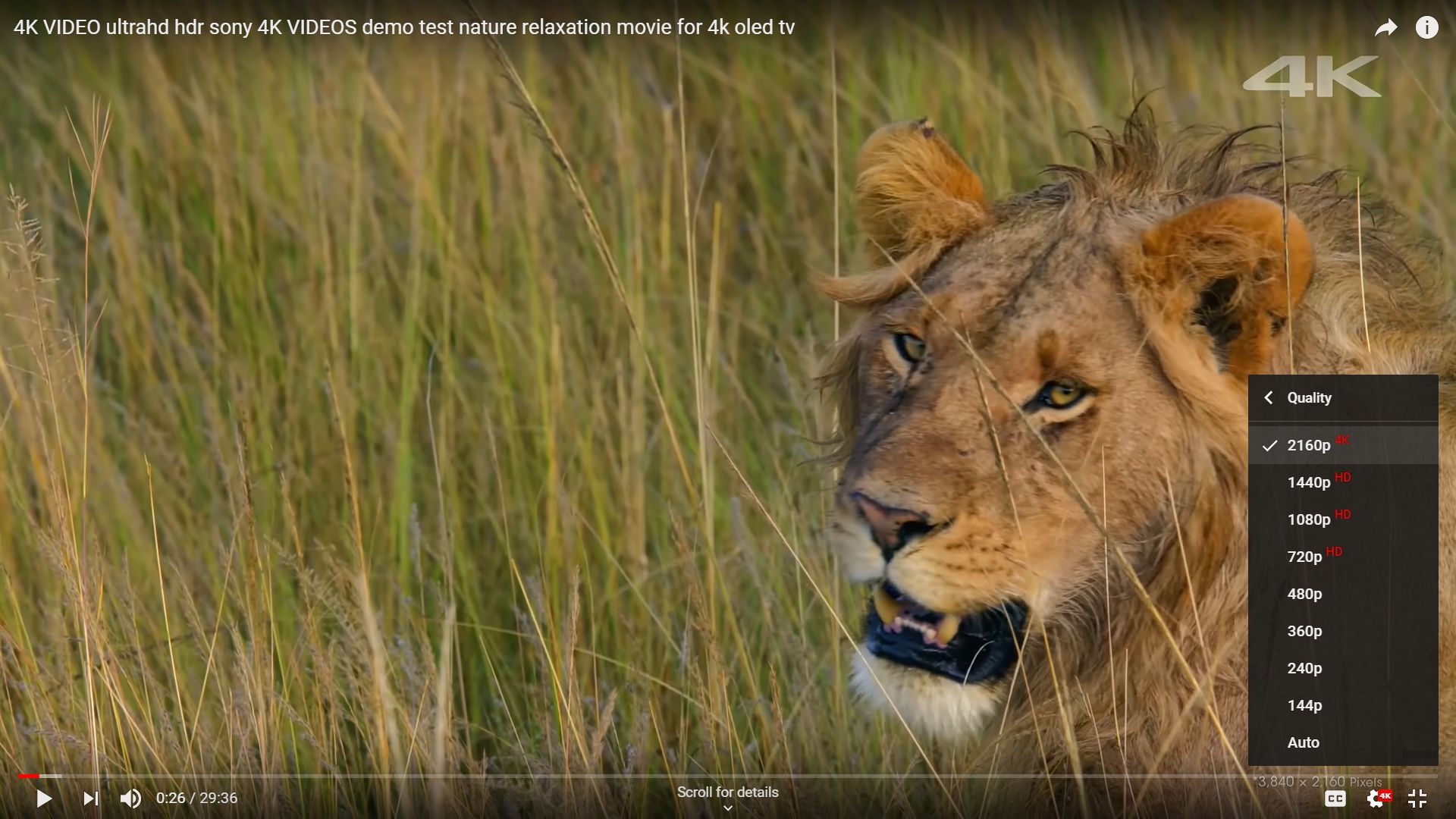
Many people buy random cheap Android boxes hoping they can use them to watch streaming services like Netflix, YouTube, Hulu at 4K quality but end up with a blurry result and buffering due to poor hardware performance and non-existent digital rights support. HeroBox faces none of the abovementioned problems as it runs Windows 10 on powerful hardware.


Storage expansion

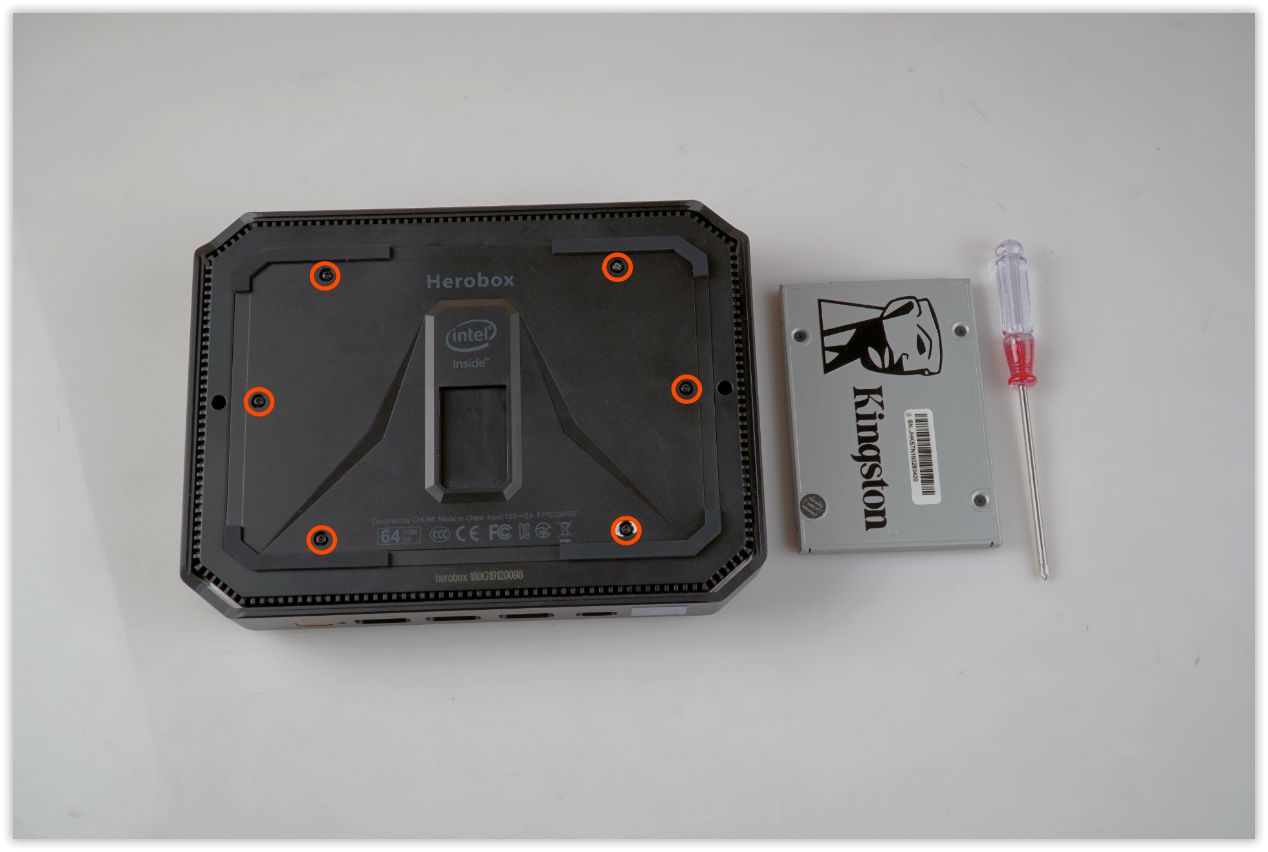
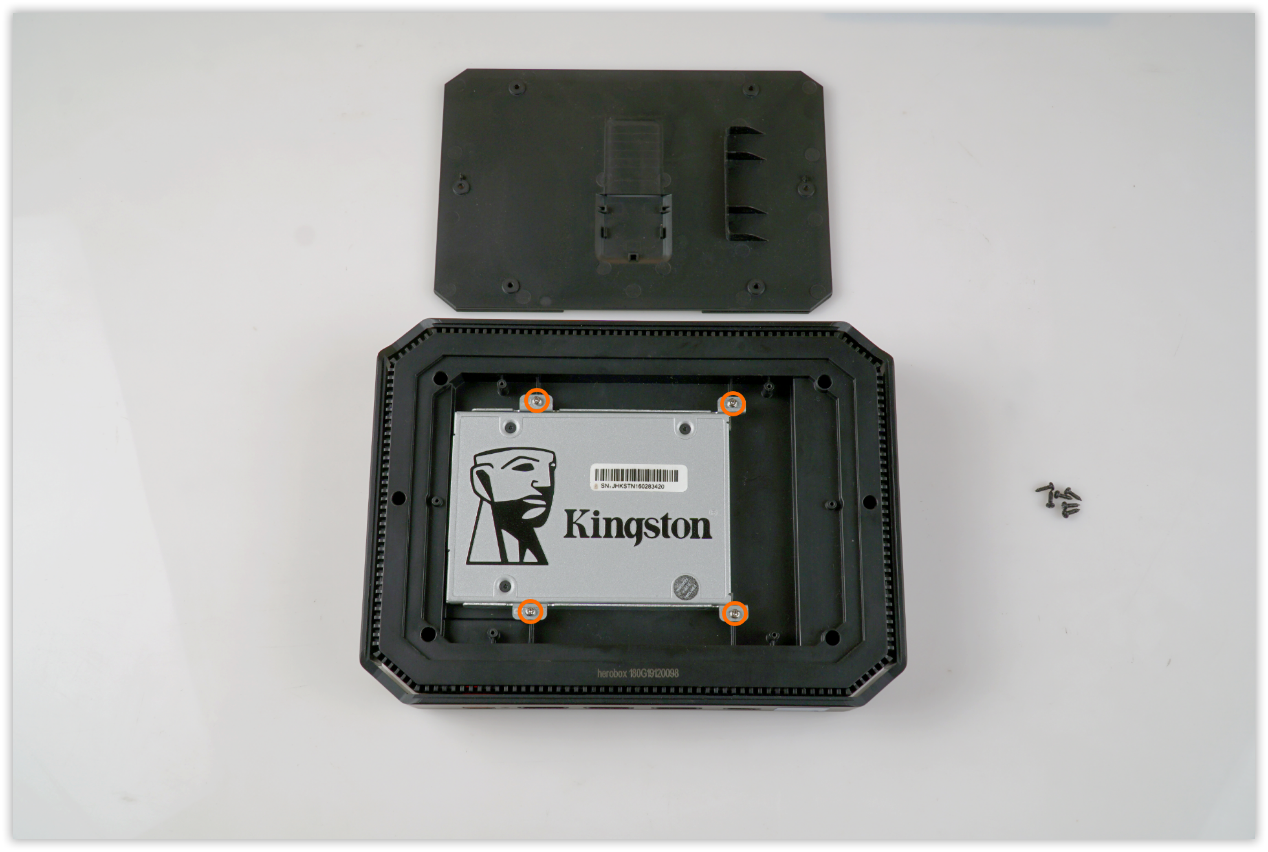
HeroBox comes with a relatively small SSD drive that serves as an installation drive for Windows 10 in order for the PC to be lightning fast. Of course, UHD videos are very large and you definitely need a larger storage disk. For that reason, HeroBox supports SATA hard disk expansion. You can use HDDs up to 2TB big so that you can store hundreds of 4K movies. As you can see in the photos below, installing a HDD is a piece of cake.

Just unscrew the back of the fuselage, open the back cover and install the 2.5″ HDD to the reserved installation position. The device comes with 2 supports and 4 screws to fix the drive in place.


Conclusion

Chuwi HeroBox

As you can see, this little box is a sight for sore eyes. It has a metal body, many connectivity capabilities and is as powerful as the average user needs it to be featuring Intel N4100 CPU, 8GB of RAM, and 180GB SSD. In addition, the GPU is capable of decoding 4K video easily in order to make the HeroBox the perfect HTPC companion. For more information about it, visit the official product page.

India likely to announce increase in import duties on electronics & other items next week

There are indications that the Indian government is wrapping up plans to increase import duties on several products. The affected items are said to be more than 50 in number and include electronics, electrical goods, chemicals and handicrafts worth around $56 billion (roughly Rs. 3,99,400 crores). As expected, imports from China will be most affected even though other countries will also be affected.

According to the report, citing a government official, India’s Finance Minister Nirmala Sitharaman may likely make the announcement when she presents her annual budget for 2020-21 on February 1, along with other stimulus measures to revive sagging economic growth.

Two government officials familiar with the matter also disclosed that the increased customs duties are expected to affect goods such as mobile phone chargers, industrial chemicals, lamps, wooden furniture, candles, jewellery and handicraft items. The government plans to increase import tariffs by 5%-10% as recommended by a panel of trade and finance ministry officials, among others.

The move is speculated to affect smartphone manufacturers that still import chargers or other components such as vibrator motors and ringers. However, since most of the OEMs manufacture their smartphones in India, the increase have little effect on smartphone prices.

In addition, retailers such as giant IKEA that is in the process of expanding its footprint in India may also be affected. IKEA had previously identified higher Indian customs duties as a challenge.

“Our aim is to curb imports of non-essential items,” said the official, adding a hike in import duties would provide a level playing field for local manufacturers-hit by cheap imports from China, the Association of Southeast Asian Nations (ASEAN), and other countries that enjoy trade pacts with India.


(source)


Samsung Galaxy A51, A71 to launch on January 29 in India

Samsung has recently launched the Galaxy Note 10 Lite and Galaxy S10 Lite smartphones in India. The landing page for the Galaxy A51 and Galaxy A71 had also gone live on Samsung India’s website in the recent, but their launch dates weren’t confirmed. Today through Twitter, the South Korean company released a new teaser to confirm that there are only two days remaining for the launch of the Galaxy A51 smartphone. The link that leads to the landing on Samsung India’s website has ‘galaxy-a5171’ mentioned in the URL. This indicates just as both phones had debuted together in Vietnam in December, they will go official together on Wednesday.

Samsung is currently receiving registrations for both smartphones. Some reports claim that the Galaxy A51 will be available for purchase in this month in India and the Galaxy A71 will be arriving some time later in February. The mystery behind it will be revealed on Jan. 29.

Samsung Galaxy A51 and Galaxy A71 prices in India (Rumored)

Leaked information has reveled that the Samsung Galaxy A51 will be arriving in two flavors in India namely, 4 GB RAM + 64 GB storage and 6 GB RAM + 128 GB storage. The pricing of the higher model is not known, but the base variant is likely to be priced at Rs. 22,990. The phone also exists in 8 GB RAM + 128 GB storage edition. This model is unlikely to release in India.

Samsung-Galaxy-A51The Galaxy A71 is expected to hit the India markets with a pricing of Rs. 29,990. However, it is not known whether both 6 GB RAM + 128 GB storage and 8 GB RAM + 128 GB storage options will be available in the country.


Samsung Galaxy A51 and Galaxy A71 specifications

The Galaxy A51 and Galaxy A71 are equipped with a 6.5-inch and 6.7-inch AMOLED displays. Both phones sport Infinity-O top-center punch-hole design and they are equipped with in-screen fingerprint readers. The A51 and A71 phones feature 32-megapixel front-facing cameras. The Android 10 OS along with One UI 2.0 comes preloaded on both devices.

The Galaxy A51 has a 48-megapixel main lens whereas the Galaxy A71 has a 64-megapixel primary shooter in their rear-facing quad camera system. The other lenses on both smartphones are a 12-megapixel ultrawide sensor, a 5-megapixel macro lens and a 5-megapixel depth sensor. The A51 has a 4,000mAh battery with 15W charging support. On other side, the A71 has a larger 4,500mAh battery with 25W rapid charging technology.


Facebook defends WhatsApp by blaming Apple for Amazon Founder’s iPhone getting hacked

Facebook has defended WhatsApp, its popular social messaging platform, and has shifted the blame towards Apple for an iPhone getting hacked. The reason why a hacked iPhone is making rounds in the news is due to its owner being Jeff Bezos, the founder and CEO of Amazon.

Facebook
Jeff Bezos, Founder and CEO of Amazon Group

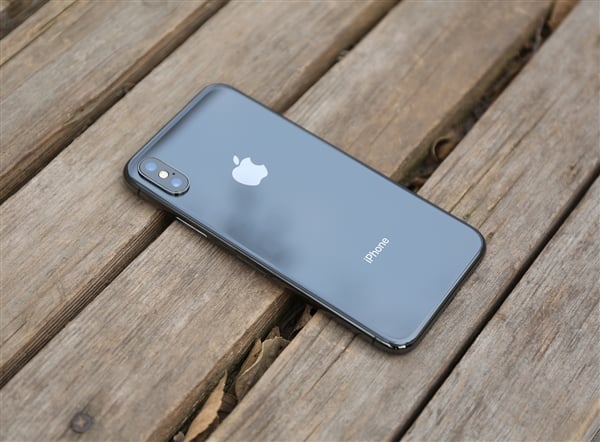
Nick Clegg, the Vice President of Global Affairs and Communications of Facebook, explained that WhatsApp is not the reason for the breach in the iPhone and that the fault lays with Apple. Reports regarding the attack have revealed that Jeff Bezos’ iPhone X received a 4.4MB video that contained malware. This has led to a few gigabytes of data and personal information being stolen from one of the world’s richest person’s smartphones.

A few had pointed to WhatsApp being the cause of the fault as it was claimed that the video was shared on the messaging application. However, Facebook, which also owns WhatsApp and Instagram, has defended its platform citing that its software is unhackable as the service uses end to end encrypting. Clegg stated that the encryption has yet to be hacked and is “very, very confident” in its security.

Facebook
The Apple iPhone X was hacked into by a 4.4MB malware infested video file

Furthermore, the senior executive state that the malware was intended for Apple’s iOS and that it affected the iPhone directly, managing to access private data stored behind the system’s own encryption. Notably, the Facebook official has claimed that end to end encryption is unhackable while WhatsApp has sued an NSO Group from Israel for building malware that was used to hack into high profiler users, journalists, and Government officials while other reports suggest that is still possible to hack an end to end security system as demonstrated by a Chinese hacker group.


(Source,Via)

Microsoft Windows feature stops working after a Zero-Day Bug Fix

Microsoft recently released a bug fix for a zero-day bug that affected Internet Explorer in its Windows PC OS. However, the fix seems to have broken more than fixed as it has also created problems with the operating system.

Previously, Microsoft confirmed that a zero-day bug had affected Internet Explorer in all supported versions of Windows and said that a fix will be rolled out by 11th February Tuesday Patch. But till the patch arrives, the tech giant provided users affected with the zero-day bug a method to secure their PC systems which involved them to restrict access to JScript.dll.

Microsoft
Internet Explorer

Unfortunately, this fix apparently broke down Windows printing and the only way to fix this is to undo the method provided by Microsoft to fix the vulnerability. According to multiple user reports on online forums and Reddit, the printer bug affects printers of any make and type, disregarding known brands.

Furthermore, Microsoft has stated that users affected with the zero-day bug are under “elevated risk” and are more susceptible to an attack on their desktop systems; and if the workaround method isn’t applied are vulnerable to hackers. Microsoft’s Security Advisory has revealed that an attacker is already exploiting this vulnerability which lets them take control of a system by simply directing users to a specially designed website.

Microsoft
Windows Operating System

The zero-day bug is reportedly capable of corrupting memory in a manner that allows an attacker to gain access to “execute arbitrary code in the context of the current user.” Meaning, a user’s PC can be vulnerable from a web-based attack where an attacker could host a special website that is designed to exploit the vulnerability through Internet Explorer and make users view the website an email.


(Via)

ZTE helps conduct China’s first 5G remote diagnosis of the new coronavirus

Over the past year, we’ve heard how 5G will benefit all industries in the market, including the medical field.  Today, ZTE in partnership with China Telecom has shown us how the new age network can help fight serious issues such as the outbreak of the new coronavirus pneumonia in China. ZTE, in partnership with China Telecom, has successfully conducted remote diagnosis of the new coronavirus in the Sichuan province of China – with the help of the new age 5G network. The telecommunication equipment maker helped set up a remote 5G diagnosis center in West China hospital and the Chengdu Public Health Clinic Center of Sichuan University last week.

ZTE Logo

On January 25, ZTE built and interconnected 5G indoor base stations in West China Hospital’s conference room assigned for remote diagnosis and treatment. This way, the conference room was connected to the remote diagnosis and treatment system for the new coronavirus. On January 26, the company built and optimized 5G indoor distribution system at another core point of the diagnosis system. Finally, when the 5G network went live in the area, the company helped the West China Hospital, Chengdu Public Health Clinic Center & Sichuan health and health commission to perform a remote video consultation.

The Sichuan Health Commission has made the West China Hospital of Sichuan University as the central node of the 5G remote diagnosis and consultation system. It will have access to 27 hospitals that have accepted and treated patients with the 2019 novel coronavirus (nCoV).

Huawei 5G Coronavirus
As a 5G leader, Huawei is also helping out Wuhan to connect to 5G

Further, ZTE plans to build China’s first 5G remote coronavirus diagnosis system covering Sichuan province, city, and county levels. This will provide ‘one network’ for the remote diagnosis at the front-line hospitals that are currently helping out Wuhan. In the next step, ZTE wants to connect Wuhan’s front-end medical rescue team with 5G so as to provide expert diagnosis and treatment services, remotely, from the West China Hospital.

ZTE has also announced that it is currently setting up the communications network for the Lei Shen Shan Hospital in Wuhan. This is the second makeshift hospital that being built in the heart of the city to diagnose and treat coronavirus patients. ZTE, in partnership with China Mobile, will set up a 5G network in this hospital for aiding patient treatment, likely via remote consultations. The hospital is expected to start operations from February 5, 2020.


(Source)