Noise, a company known for launching budget smartphone accessories and wearable devices, has launched a new smartwatch in the Indian market — NoiseFit Fusion. The company is calling it India’s first full touch hybrid smartwatch.
It integrates the traditional analog features along with the capabilities of a smartwatch. The device comes with a stainless steel and sapphire glass, featuring a 1.22-inch round, full-color and capacitive touch display that offers 240 x 240 pixels screen resolution.
The company is offering a range of 14 different watch faces, which Noise says that each of them are designed to appeal to distinct sensibilities. There are mechanical hands with smart movement intuitively align alongside crucial notifications such as phone calls, reminders and message notifications.
The smartwatch comes with features likes activity tracking and sleep tracking as well as optical heart rate sensor. It has Bluetooth 4.0 connectivity support and can be used to connect with Android or iOS smartphones.
It is powered by 200mAh battery which the company promises can offer three days of battery life in Smart Mode and about 30 days in analog mode.
The NoiseFit Fusion smartwatch comes in Classic Black, Vintage Brow, and Rose Gold color options. It comes with a leather strap and additional silicone strap. The device is priced at ₹6,999 which is roughly $98 and will be available for purchase in the country from Amazon, Flipkart and the company’s own website Gonoise.com.
Samsung recently launched its latest mid-ranger in the market: Samsung Galaxy A71. It offers well-balanced specifications at a non-expensive price, but is it really the best alternative for people with that budget? In the same price range, you can also find a few so-called flagship killers. We are talking especially about Realme X2 Pro and Redmi K20 Pro, also known in Europe as the Xiaomi Mi 9T Pro. This comparison will help you understand whether or not it is worth considering the new Samsung Galaxy A71 for a purchase.
Samsung Galaxy A71 vs Oppo Realme X2 Pro vs Xiaomi Redmi K20 Pro
Oppo Realme X2 Pro
Samsung Galaxy A71
Xiaomi Redmi K20 Pro
DIMENSIONS AND WEIGHT
161 x 75.7 x 8.7 mm, 199 grams
163.6 x 76 x 7.7 mm, 179 grams
156.7 x 74.3 x 8.8 mm, 191 grams
DISPLAY
6.5 inches, 1080 x 2400p (Full HD+), 402 ppi, 20:9 ratio, Super AMOLED
6.7 inches, 1080 x 2400p (Full HD+), 393 ppi, Super AMOLED
6.39 inches, 1080 x 2340p (Full HD+), 403 ppi, 19.5:9 ratio, Super AMOLED
Quad 64 + 13 + 8 + 2 MP f/1.8 and f/2.5 and f/2.2 and f/2.4
16 MP f/2.0 front camera
Quad 64 + 12 + 5 + 5 MP f/1.8, f/2.2, f/2.4 and f/2.2
32 MP f/2.2 front camera
Triple 48 + 8 + 13 MP f/1.8, f/2.4 and f/2.4
20 MP f/2.2 front camera
BATTERY
4000 mAh
Fast charging 50W with SuperVOOC Flash Charge
4500 mAh, fast charging 25W
4000 mAh, Fast Charging 27W with Quick Charge 4+
ADDITIONAL FEATURES
Dual SIM slot
Dual SIM slot
Dual SIM slot
Design
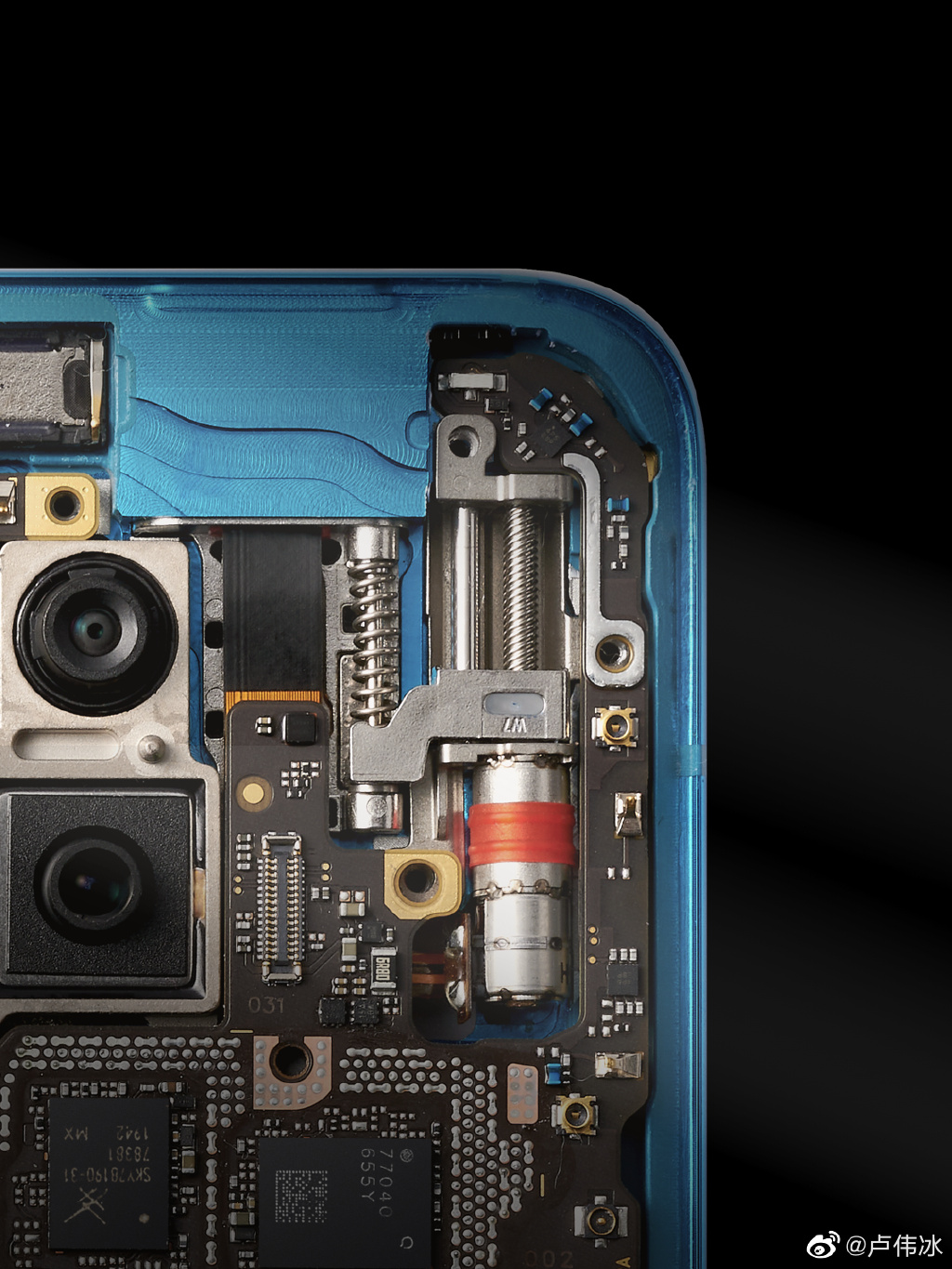
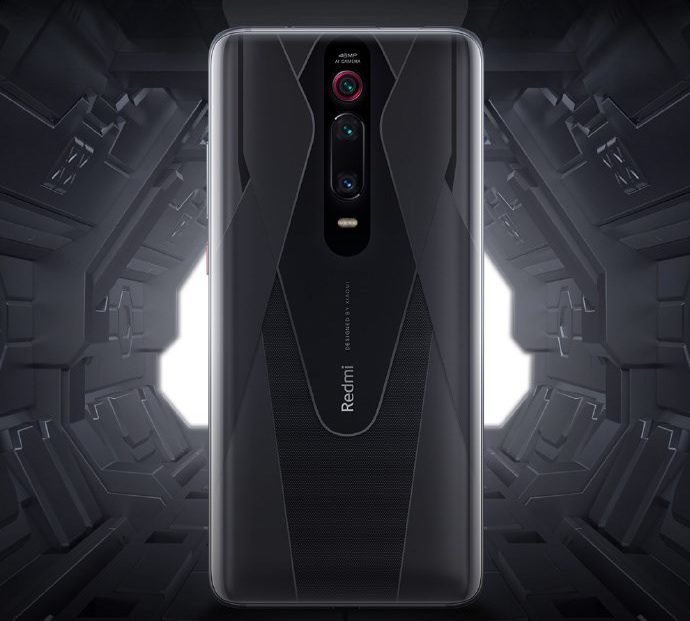
While Realme X2 Pro does not offer the most impressive design out there, Samsung Galaxy A71 and Redmi K20 Pro look very interesting. The former has a much thinner profile, as well as a punch-hole display minimizing the bezels without the need for a notch. The latter is thicker but it has narrow bezels with no notch and no holes thanks to its motorized pop-up camera. Samsung Galaxy A71’s body consists of a glass back and a plastic frame, while Redmi K20 Pro has a glass back and an aluminum frame, just like the Realme X2 Pro. Which one do you prefer?
Display
If you need the most advanced display, go for the Realme X2 Pro without thinking twice. First of all, it is the only with a 90 Hz refresh rate, so it provides a smoother viewing experience and better gaming experience. It even delivers a higher image quality thanks to HDR10+ and full DCI P3 coverage. It comes with a notch, but it is definitely a better panel. Right after, we got the Redmi K20 Pro with an HDR10-compliant display and a full DCI P3 coverage. But in each case, you get a pretty nice AMOLED panel with an in-display fingerprint reader.
Specs & Software
Both Redmi K20 Pro and Realme X2 Pro are flagship killers, so they are superior to Samsung Galaxy A71. Realme X2 Pro is the fastest and most powerful one since it is fueled by a better Snapdragon 855+ chipset paired with up to 12 GB of RAM and up to 256 GB of UFS 3.0 internal storage. Some may actually like the software of the Redmi K20 Pro more, but due to its lower-end Snapdragon 855 chipset, it is less performing (but still a flagship). Samsung Galaxy A71 is just a mid-ranger, so you should not go for it if you need the highest performance. But it is the only with Android 10 out of the box.
Camera
Unfortunately, we still had no chance to test it, but on the paper, Samsung Galaxy A71 seems to offer the most convincing camera department. We are talking about a quad camera with a 64 MP main sensor, a 12 MP ultrawide lens, a 5 MP dedicated macro camera and a 5 MP depth sensor. Even the front camera is great with its 32 MP resolution.
Battery
Samsung Galaxy A71 wins the battery life comparison thanks to a bigger 4500 mAh unit, but Realme X2 Pro offers the fastest charging technology with a power of 50W.
Price
Samsung Galaxy A71 will hit the global market with aa €469/$516 price tag, Realme X2 Pro starts from €399/$440 and Redmi K20 Pro is available for about €350/$385 thanks to online street prices. In my opinion, Realme X2 Pro is the most awesome device of this trio since it has better hardware and display which you can not often find on a device sold for less than €400. But Samsung Galaxy A71 has a better camera and a longer lasting battery, while Redmi K20 Pro offers a slightly higher value for money due to its more affordable price.
Nokia has always kept faith with its feature phones lineup. Even while the company was in limbo, the feature phones kept selling. Since HMD Global took ownership, they have made efforts to upgrade the feature phone’s connectivity from just 2G to 4G. The classic Nokia 3310 4G was one of the first feature phones launched with such hardware and it turned out to be a success. Nokia is now working o a feature phone with 4G capabilities identified as Nokia 400 4G.
The device comes with the model number TA-1208 and recently got Bluetooth certification as well as Wi-Fi Alliance. The certification also contained some key details of the device, one of which is that it will feature Bluetooth 4.2 and have support for LTE. It is said to be powered by Unisoc processor and feature the Wi-Fi component SC234X.
Furthermore, it is said to be running GAFP operating system which is likely a version of Android OS for feature phones. A video had emerged late last year which shows a Nokia feature phone working on Android 8.1 operating system. The device was listed as running GAFP OS but there has been no sign since then that the company will actually venture in that direction.
The TA-1208 has also appeared on the BIS website which is an indication that the device will be launched in India. We expect more information about the device to appear in the coming days.
On Feb. 11, Samsung will be holding its Galaxy Unpacked event. The company will be using the said platform to showcase the Galaxy S20 series to the world. Multiple reports have also revealed that the Galaxy Z Flip will also go official at the same event. Multiple leaks have revealed the specs and pricing of the Galaxy Z Flip. A fresh report on Winfuture.de has provided in-depth information on its specifications along with its renders. The report also carries the pricing of the Galaxy Z Flip for the European markets.
Samsung Galaxy Z Flip specifications
Codenamed as Galaxy Bloom, the Samsung Galaxy Z Flip clamshell phone measures 87.4 x 73.6 x ~17.3mm when folded. On the other side, when the device is vertically folded, it measures 167.9 x 73.6 x ~7.2mm. It weighs 183 grams. The rear side of the phone is safeguarded by Gorilla Glass 6. The handset has been designed to meet the demand for individuality. The phone is equipped with some software that makes it ideal device for users of apps like Instagram.
Samsung Galaxy Z Flip
The Galaxy Z Flip has a 6.7-inch Super AMOLED Dynamic screen that supports 1080 x 2636 full HD+ resolution and an aspect ratio of 22:9. The Infinity-O notch screen supports features like HDR10+ and Always-On Display. When opened, users will not be able to see the hinge as it is placed under the screen. It allows users to open the device at convenient angle between 70 and 110 degrees. On the outside, the Samsung logo can be seen on the hinge. The display is shielded with a layer of Ultra Thin Glass.
When closed, users can see the dual camera setup and a small-sized external screen. The 1.06-inch S-AMOLED display produces 300 x 116 pixels. It also supports Always-on Display. The external screen can be used for viewing time and notifications. A previous leaked had revealed that it can display charging rate, battery status and it can also serve as a viewfinder for using rear cameras for capturing selfies.
The Galaxy Z Flip’s dual camera setup has an f/1.8 aperture 12-megapixel primary shooter and a 123-degree f/2.2 aperture 12-megapixel ultrawide sensor. The dual cameras setup is equipped with features like LED flash, dual pixel autofocus, OIS and 60fps 4K video recording. Opening the device reveals its f/2.0 aperture selfie snapper of 10-megapixel that delivers features like autofocus, voice control and 30fps 4K video shooting support.
The 7nm Snapdragon 855+ mobile platform along with 8 GB of RAM drives the Galaxy Z Flip. It comes with 256 GB UFS 3.0 built-in storage. For more storage, the Z Flip can make user of services like Samsung Cloud, Google Drive and Microsoft OneDrive. The phone has two-part battery system that offers a total capacity of 3,300mAh. The Z Flip supports 15W rapid charging and 9W wireless charging.
The Android 10 OS along with Samsung’s One UI skin will come preloaded on the Galaxy Z Flip. The OS will tag along security features like Knox 3.4.1 and secure folder. Security on the device is further strengthened with features like side-facing fingerprint sensor and face recognition. The clamshell device is also equipped with AKG tuned and Dolby Atmos powered stereo speakers. The connectivity features that are available on the device include VoLTE, Wi-Fi 6, NFC, Bluetooth 5.0, NFC and USB-C. The phone lacks features such as microSD card slot, a 3.5mm audio jack and 5G support.
Samsung Galaxy Z Flip price and release date
The report states that the Galaxy Z Flip will be releasing in the European markets from Feb. 14 and it will be carrying a hefty price tag of nearly 1,500 euros (~$1,652). Buyers will be able to choose from Purple and Black color choices.
What’s your opinion on the pricing and specifications of the Galaxy Z Flip? Share us your thoughts by adding your comments below.
Indian electric vehicle company Ather Energy held a launch event in India earlier today where the company unveiled its latest electric scooter. The smart scooter is dubbed Ather 450x. The new model is an upgrade over the Ather 450.
Regarding the features, the Ather 450x smart electric scooter comes with a design similar to its predecessor but some improvements in its configuration. Of particular note, is the built-in 4G and WiFi support onboard. This is made possible due to the Snapdragon 212 chipset that is onboard the system. The chipset is backed by 1GB of RAM and 8GB of storage. The scooter packs a 7-inch TFT LCD touchscreen display with LED-backlit. Providing the interface is Android Open Source OS (AOSP). There is also Bluetooth connectivity onboard.
The smart scooter also has an impressive range of 85 km and crams a new 21700 battery inside. The scooter also comes with one of the quickest accelerations as it is capable of going from 0-60 km/hr in 6.5 seconds. It also has faster charging at 1.5km/ minute. The 450X comes in Plus and Pro versions with minor variations in peak power among others.
The Ather 450x is available in three colour variants; White with Green, Grey with Yellow, and Green with Orange. As for the price, the Smart scooter alone costs Rs. 99,000 in India but there are new Plus and Pro subscriptions that you can choose. You can choose to pay a monthly subscription of Rs. 1699 or 1999 per month, respectively. The company also stated that lease and financing options will be available. The scooter will go on sale from July 2020 in Bengaluru, Chennai, Delhi NCR, Mumbai, Pune and Hyderabad.
Lenovo is the largest PC maker in the world and it sells millions of laptops every year. The company has a wide range of premium as well as budget laptop options in the market. So it’s natural that the company tests out a number of new features to improve the experience of its users. One such feature, currently being tested, is the ‘Ultra Quiet Mode’.
ultra-quiet mode on a Lenovo laptop
According to a Chinese media website, Lenovo is testing a new ‘Ultra Quiet Mode’ on some of its notebooks in China. This particular feature can be turned on via the laptop’s BIOS setup. Once switched on, the CPU fan will enter a dynamic mode where it will automatically switch to the Ultra Quiet Mode when the laptop is not under stress. It will go back to the normal mode when the CPU needs cooling.
Some people are naturally more sensitive to a laptop fan’s whining noise. For them, this feature can be really useful. Unfortunately, we have no word on when this ‘Ultra Quiet Mode’ will be rolled out to Lenovo laptops in the market. Also, we don’t know whether this feature has any adverse effects on the laptop’s daily performance.
Medical masks are the most sought out product in China right now. And these masks are in very short supply across the country. So much so that Chinese citizens are flooding retailers, both online and offline, to get hold of a packet. Earlier today, when the Xiaomi Youpin website started selling a fresh batch of medical masks, they received so much traffic that the website crashed.
The new batch of medical masks went on sale at 4 PM on the Xiaomi Youpin website today. Due to the excessive demand for the product, the website decided to limit just one packet per user. A packet contains 20 masks and costs 39.9 yuan (~$5.75). It was further discounted for users from the Hubei province, who are at the center of the outbreak.
However, when the sale went live today, the website received so much traffic that it went down temporarily. Xiaomi Youpin published a statement confirming the downtime and apologized for the same. The online retailer explained that the traffic on its website at the time of sale was beyond their imagination and the server wasn’t capable of handling the kind of traffic it experienced today.
Xiaomi Youpin also promised to bring a fresh batch of medical masks on its website as soon as the new stock arrives.
DxOLabs have been reviewing more mid-range phones lately. A few weeks ago, they released the review for the Nokia 7.2 and now they have followed it up with that of the Redmi Note 8 Pro.
The Redmi Note 8 Pro is the flagbearer of Redmi’s Note line. It was launched last year as the first device powered by MediaTek’s Helio G90T processor. However, its camera performance puts it behind that of several smartphones including those released in 2016.
DxOMark has given the Redmi Note 8 Pro an overall score of 84 points which puts it under the Nokia 7.2 and the Samsung Galaxy A50.
The Redmi Note 8 Pro has four rear cameras and one of them is a 64MP f/1.9 camera. It also has an 8MP ultrawide angle camera, a 2MP macro camera, and a 2MP depth sensor.
The score is broken down into 87 points for photo and 78 points for video. The review says even with the high-resolution camera, there is a lack of fine detail in images. It also has a limited dynamic range that “results in clipping when shooting in difficult high-contrast situations”. The phone also can’t take detailed zoom shots since it doesn’t have a dedicated telephoto lens and its ultrawide angle photos also have low level of details due to lack of dynamic range.
The review praises its autofocus and subject isolation in bokeh mode.
With respect to video, the Redmi Note 8 Pro is said to show “good target exposure when recording outdoors or under typical indoor conditions”. The review also praises the electronic video stabilization and calls it effective. However, there are several areas where it could be better.
In changing light conditions, the Redmi Note 8 Pro has issues with white balance and exposure. It also has limited HDR and low detail levels with visible noise when recording in 4K.
The Redmi Note 8 Pro may have a high camera pixel count but it is not a great camera device. However, this is a mid-range device that is less than half of the cost of a flagship, so its camera performance is not expected to be stellar.
At CES 2020, OnePlus unveiled its first concept smartphone – the Concept One. The phone’s unique feature is its “disappearing” rear cameras. OnePlus was able to achieve this by covering the cameras with a piece of electrochromic glass which can change its transparency when a charge is applied. The glass is designed to become transparent when the camera app is launched and revert back to opaque when the app is closed.
OnePlus already said the phone will not be mass-produced. However, it has announced a world tour so fans of the brand can have a look and hands-on experience of the device. The world tour begins on February 5 and will be held in Europe, North America, and India. Below are the details for the world tour:
North America
Seattle, US
February 6, 2020, at 6:30 pm.
Block 41, 115 Bell Street, Seattle WA 98121.
Europe
Paris, France
February 5, 2020, at 6:00 pm.
Station F, Paris 13e.
Cologne, Germany
February 7, 2020, at 5:30 pm.
Bogen 2, Gladbacher Wall 5, 50670
The Motorola Razr has been postponed yet again. This is the second time Motorola is rescheduling the launch of its first foldable device. According to details on the official Motorola website as well as Verizon’s pre-order page, the 2019 Razr phone will no longer deliver to owners by February 6. The new date on both sites is the 18th of February, 2020.
Last December, the manufacturer announced that it was delaying the pre-order and shipping schedule of the phone. Originally scheduled to be available for pre-order on December 26 and delivered and released on January 9, the pre-order date and release dates were postponed to January 26 and February 6 respectively.
New delivery dates stated on the Motorola and Verizon pre-order pages
There is no official statement regarding the postponement but we do not think it has anything to do with demand as they said with the first one.
The Motorola Razr is not the first foldable device to get postponed multiple times. The Huawei Mate X was announced in February 2019 and was supposed to launch in June 2019 but didn’t. Shortly before the September launch, Huawei revealed there was a possibility it won’t make its September release date. The tablet eventually launched in China in October and went on sale in November, nearly a month after.
Samsung also had to postpone the launch of the Galaxy Fold after review units it sent out came up with screen issues. The Fold later went on sale in September, more than four months after it announced the postponement.
The Motorola Razr has a $1499.99 price tag and is exclusive to Verizon for now. There will be a 5G version of the phone that will be sold in China which should also have a more powerful processor, unlike the US version that has a Snapdragon 710 processor.
The phone has a 6.2-inch flexible display that folds vertically. There is a 2.7-inch screen on the outside too. Motorola has put in 6GB of RAM and 128GB of non-expandable storage. It also has a 5MP selfie camera and a 16MP rear camera. A pretty small 2510mAh battery powers it with support for 15W fast charge. Unfortunately, the phone will ship with Android Pie out of the box and not Android 10.
If you live in a place where you are the most tech-savvy person, you are probably going to be the unofficial tech support for the house. However, you don’t have to always be the go-to guy, at least for those who use Android devices.
Yesterday, the official Android Twitter account (@Android) announced that users can now get assistance for their Android-related issues by tweeting using the hashtag #AndroidHelp. Sounds cool, right?
Have questions related to your #Android 📱? We’re here to help. Now, you can get assistance by tweeting your issue using hashtag #AndroidHelp.
An official Reddit post revealed that the official Android Twitter handle will provide assistance for the following:
General troubleshooting
Identity and Authentication
Accessibility
Security
And many other Android features
With several Android users using different devices from a plethora of manufacturers, the hashtag may become a mess. Some speculate that questions not related to Google’s own phone such as Android update timelines may be redirected to the appropriate channels.
Over time, Smartphones have evolved a lot and have become everyone’s companion. The smartphones are getting new features to facilitate users in their daily life. Last year, most of the manufacturers played around the Quad rear camera setup. The new camera setup was present inside high-end as well as mid-range smartphones. We have concluded a list of some best quad cameras on the rear side.
The advent of powerful camera sensors on smartphones has shrunk the digital camera market. The sales of digital cameras have tanked over the last few years. It has become a new normal for smartphones to get a powerful quad-camera setup on the rear side. There is a lot of devices that feature quad-camera setup, however, we have listed some best devices featuring the powerful camera.

Such a camera evolution in smartphones has become a boon for photography enthusiasts. The user can snap high-quality photographs and can directly upload them to Instagram, Snapchat, Facebook and other social media websites. Let’s see what are the best smartphones featuring quad-camera setup on the rear side.
Best Quad Cameras Smartphones
The smartphones featuring four cameras on the rear side are listed below.
Samsung Galaxy Note 10 Plus
Galaxy Note 10 Plus / 10 Plus 5G Case Tough Armor
The Korean giant is known for its high-end Galaxy Note series. The Stylus packed Note series recently received its new successor – Galaxy Note 10 and Note 10 Plus. To improve the photography, the Galaxy Note 10+ features a quad rear camera. It consists of 12-megapixel primary sensors, a 12-megapixel telephoto lens, a 16-megapixel wide-angle lens, and a TOF sensor. The photography prowess of Galaxy Note 10+ is making it our top contender for the list.
Other feature of Samsung Galaxy Note 10 Plus:
It features a 6.8-inch Dynamic AMOLED capacitive touchscreen having 1440 x 3040 pixels resolution, 19:9 aspect ratio, corning Gorilla Glass 6, HDR 10+.
The smartphone features a Qualcomm Snapdragon 855 chipset packed with an Octa-Core processor and Adreno 640 GPU in the USA and China. Whereas, the Exynos 9825 chipset powers it in other regions with Mali-G76 MP12 GPU.
It comes available in UFS 3.0 256GB + 12 GB RAM and 512 GB + 12 GB RAM variants.
In Optics, there’s a 12 MP + 12 MP + 16 MP + 2 MP TOF sensors on rear side. A 10 MP camera is present on the front.
In Connectivity, the smartphone features a WiFi, Bluetooth 5.0, GPS, NFC, FM, USB 3.1 Type C.
There’s a 4300 mAh battery with 45W fast charging, 15W wireless charging support.
Galaxy Note 10 Plus is available in four color variants – Aura Glow, Aura White, Aura Black, Aura Blue.
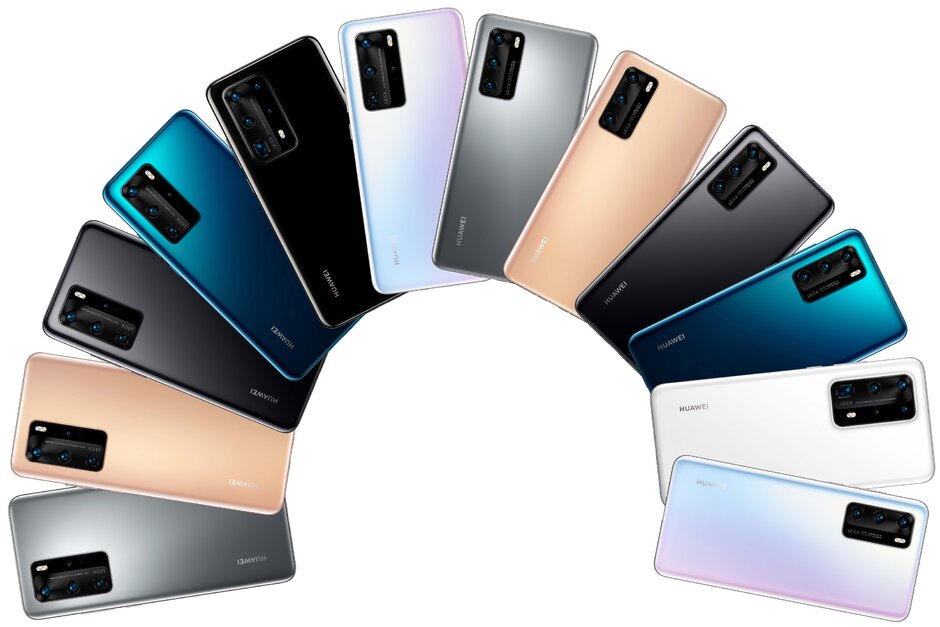
The Chinese giant is not far away when it comes to a powerful rear camera in smartphones. Huawei P30 Pro features a Quad Camera module featuring a 40-megapixel primary camera, an 8-megapixel telephoto lens, a 20-megapixel ultrawide lens, and a TOF 3D camera. Both the primary and telephoto lens features OIS (Optical Image Stabilization) feature. The Leica optics powered lens is coupled with dual-LED dual-tone flash.
Other features of Huawei P30 Pro
The smartphone hosts a 6.47-inch OLED capacitive touchscreen with a resolution of 1090 x 2340 pixels having an aspect ratio of 19.5:9. The display also supports HDR 10 and pixel per inch density stands at 398 PPI.
It is powered with a HiSilicon Kirin 980 chipset sporting an octa-core processor and Mali-G76 MP10 GPU.
Huawei P30 Pro runs on EMUI 10 based on Android 10.
It comes in different storage variants of 128 GB + 6 GB, 128 GB + 8 GB, 256 GB + 8 GB, and 512 GB + 8 GB. All the storage options use UFS 2.1.
In optics, there’s a 40 MP + 8 MP + 20 MP + 2 MP on the rear side. A 32 MP shooter is present on the front side.
There’s support for WiFI, Bluetooth 5.0, NFC, GPS, IR, and USB 3.1 Type-C reversible.
However, there are a Fingerprint optical under-display sensors along with accelerometer, gyro, compass, proximity, color spectrum.
A 4200 mAh Li-Po battery with 40W fast charging and 15W fast wireless charging is present.
It is available in Aurora, Amber Sunrise, Black, Misty Lavender, Pearl White, and Breathing Crystal.
Oppo’s newly launched first premium flagship device – Realme X2 Pro recently featuring high-end specifications and features. The smartphones host four rear cameras including a 64-megapixel primary camera, a 13-megapixel telephoto lens, an 8-megapixel ultra-wide lens, and a 2-megapixel depth sensor. The camera supports dual-LED flash, HDR and panorama features. A 16-megapixel selfie camera is present on the front.
Other features of Realme X2 Pro
The smartphone comes with a 6.5-inch Super AMOLED touchscreen having 1080 x 2400 pixels resolution, a 20:9 aspect ratio, and 402 PPI density. The display supports 1000 nits maximum brightness, 90Hz refresh rate, HDR10+, and DCI-P3 100%.
It is powered with Qualcomm Snapdragon 855+ chipset coupled with an Octa-Core processor and Adreno 640 GPU clocked at 700 MHz.
Realme X2 is available different storage variants like 64 GB + 6 GB, 128 GB + 8 GB, and 256 GB + 12 GB. The 64 GB storage is based on UFS 2.1 and the others are UFS 3.0.
In connectivity, there’s a WiFi, Bluetooth 5.0, GPS, NFC, Radio and USB 2.0 Type-C reversible connector.
There’s a Fingerprint under-display optical sensor for authentication. Moreover, there’s an accelerometer, gyro, proximity, and compass.
A 4000 mAh battery with 50W fast charging is present.
It is available in different colors including Lunar White, Neptune Blue, Red Master Edition and Gray Master Edition.
Huawei’s subsidiary – Honor launched Honor 20 in the summers last year. The flagship smartphone from Honor features a quad-camera module consisting of a 48-megapixel primary camera, a 16-megapixel ultrawide sensor, a 2-megapixel macro, and a 2-megapixel depth sensor. A 32-megapixel front sensor is present for selfies and video calling.
Other features of Honor 20
The smartphone consists of a 6.26-inch IPS LCD display featuring a 1080 x 2340 pixels resolution with a 19.5:9 aspect ratio. The display carries 412-pixel density.
Honor 20 is powered with HiSilicon Kirin 980 chipset featuring an octa-core processor and Mali-G76 MP10 GPU.
It is available two storage options of 128 GB + 6 GB and 128 GB + 8 GB RAM.
In Optics, there’s a quad-camera module with 48 MP + 16 MP + 2 MP + 2 MP lens. A 32 MP lens is present on the front.
In Connectivity there’s a WiFi, Bluetooth 5.0, GPS, NFC, USB 2.0 Type-C.
In Sensors, there’s a fingerprint, accelerometer, gyro, proximity, and compass.
A 3750 mAh battery with 22.5W fast charging technology is present.
A midnight black, sapphire blue, Icelandic white, and phantom blue colors are present.
Xiaomi launched the Redmi K30 and K30 5G last year with some mid-range specs.
Redmi K30
The Redmi K30 features four cameras – a 64-megapixel primary, an 8-megapixel ultrawide, a 2-megapixel dedicated macro and a 2-megapixel depth sensor. There’s a 20-megapixel selfie camera on the front.
Redmi K30 5G
The 5G enabled smartphones also comprise four-camera including a 64-megapixel primary, an 8-megapixel ultrawide, 5-megapixel dedicated macro and a 2-megapixel depth sensor. There’s a dual selfie camera of 20-megapixel and 2-megapixel on the front.
Other specs of Redmi K30/30 5G
Xiaomi Redmi K30 5G and K30 feature the same 6.67-inch IPS LCD display having the resolution of 1080 x 2400 pixels resolution with a 20:9 aspect ratio. It is protected with Corning Gorilla Glass 5, HDR10 and 120Hz refresh rate.
Redmi K30 is powered with Snapdragon 730G, whereas, the Redmi K30 5G comes with Snapdragon 765G.
Both the smartphones are available in 64 GB + 6 GB, 128 Gb + 6 GB, 128 GB + 8 GB and 256 GB + 8 GB storage variants.
These devices sport the same connectivity options like WiFi, GPS, NFC, IR, FM Radio and USB 2.0. However, the 5G version comes with Bluetooth 5.1 and the other with Bluetooth 5.0.
A 44500 mAh battery is present in both the devices. However, Redmi K30 5G supports 30W fast charging and K30 is limited to 27W fast charging.
Oppo announced the Quad camera device last year in December packing MediaTek Dimensity 1000L processor. The smartphone features a 64-megapixel primary camera, an 8-megapixel ultrawide sensor, a 2-megapixel B/W sensor, and a 2-megapixel depth sensor. The smartphone embeds a 32-megapixel selfie camera for video calling.
Other specs of Oppo Reno3
The smartphone consists of a 6.4-inch AMOLED capacitive touchscreen having 1080 x 2400 pixels resolution, a 20:9 aspect ratio, and 408 PPI pixel density.
It is powered with MediaTek Dimensity 1000L chipset with an octa-core processor on the board while featuring Mali-G77 MP9 GPU.
It comes in different storage options of 128 GB + 8 GB and 128 GB + 12 GB.
A Quad rear camera with 64 MP + 8 MP + 2 MP + 2 MP lens. A 32 MP lens on the front for selfies.
In connectivity, there’s a Wifi, Bluetooth 5.0, GPS, NFC, and USB 3.1.
It is available in three different colors of White, Black, Starry Night Blue and Sunrise.
Realme X2 is the younger sibling of Realme X2 Pro. It also features a quad rear camera consisting of a 64-megapixel primary lens, an 8-megapixel ultrawide sensor, a 2-megapixel dedicated macro camera, and a 2-megapixel depth sensor. There’s a 32-megapixel selfie camera on the front side.
Other specifications of Realme X2
It packs a 6.4-inch Super AMOLED capacitive touchscreen having 1080 x 2340 pixels resolution and 19.5:9 aspect ratio with 403 PPI of pixel density.
It is powered with a Snapdragon 730G processor consisting of an octa-core CPU processor and Adreno 618 GPU.
There are different storage variants including a 64 GB + 6GB, 128 GB + 6 GB, 128 GB + 8 GB, and 256 GB + 6 GB. The smartphone features UFS 2.1 storage.
In-camera department, there’s a 64 MP + 8 MP + 2 MP + 2 MP lens on rear side. A 32 MP lens is present on the front for selfies and video calling.
In Connectivity, Realme X2 comes with WiFI, Bluetooth 5.0, GPS, NFC, Radio and USB 2.0 TYpe-C.
Fingerprint sensor, accelerometer, gyro, proximity, compass are present on the device.
A 4000 mAh battery with 30 W fast charging technology is present.
It is available three different colors Pearl White, Pearl Blue, and Pearl Green.
The Chinese smartphone manufacturer announced the Vivo V17 Pro last year packed with Snapdragon 675 chipset. It houses four cameras on the rear side consisting of a 48-megapixel primary lens, an 8-megapixel ultrawide sensor, a 13-megapixel telephoto lens, and a 2-megapixel depth sensor. There’s a motorized pop-up dual selfie camera of 32-megapixel and 8-megapixel.
Other specifications of Vivo V17 Pro
The smartphone comes with a 6.4-inch Super AMOLED display having 1080 x 2400 pixels resolution and a 20:9 aspect ratio with 409-pixel density. The display is protected with Corning Gorilla Glass 6.
It is powered with Qualcomm Snapdragon 675 chipset coupled with an octa-core processor and Adreno 612 GPU.
Vivo V17 Pro is available in 128GB Storage + 8GB RAM version only.
In-camera department, there’s a 48 MP + 8 MP + 13 MP + 2 MP quad-camera unit. A dual selfie pop-up camera with 32 Mp + 8 MP is present on the front side.
The smartphones come with a WiFi, Bluetooth 5.0, FPS, NFC, Radio and USB 2.0 Type-C.
A 4100 mAh battery with 18W fast charging is present in the device.
It is available in Crystal Black, Crystal Sky, and Midnight Ocean colors.
These are some smartphones with four cameras that are present in the market. We will keep updating the list with new smartphones. If you have any device recommendations that we have missed, then don’t forget to comment below.
Huawei, a Chinese electronics brand, has been facing operational obstacles in multiple different countries, owing to its data privacy allegations. This accusation stems across different European regions and especially the United States of America. However, it is now official that the tech giant will be allowed to build 5G network infrastructure in certain parts of the United Kingdom.
Boris Johnson, Prime Minister of UK, has given Huawei the go-ahead for building 5G networking in parts of the country, despite facing pressures from the US and his own party. As of right now, the Chinese company can only develop “non core” parts of the newer and faster bandwidth. Notably, Huawei’s market share in the field is hard capped at just 35 percent, making it harder for the company, which is an expert in mobile networking, to form a monopoly or hold a major stake in the country.
This decision will go against the US Government’s policies against Huawei, as the US Commerce Department plans on further restricting the China based tech brand’s operations in the US. Mike Pompeo, US Secretary of State, has warned that this move from Boris Johnson risks intelligence sharing and endangers the post-Brexit nation alongside its trade deal with America.
In response to this news, Victor Zhang, Huawei Vice President, stated that the company is “reassured by the UK government’s confirmation” and will continue expanding its “5G rollout.” According to Mathew Fell, CBI’s Chief (Confederation of British Industry), the decision by the Prime Minister was “a sensible compromise,” since the Government took the time to assess the merits of Huawei’s involvement in the development of 5G networking within the country.
5G network has become the hallmark for developed nations and its benefits have been recognized in nations like South Korea and China, which were also one of the early adopters of the latest advancement in telecommunications technology. It has the potential to add real economic value to a nation and improve quality of life even in rural areas across the globe.
Xiaomi‘s Youpin crowdfunding platform has played host to a new product dubbed Five Smart Sterilization lamp. The device comes with a price tag of 149 yuan ($21).
The Five Smart Sterilization lamp features an H-shaped tube design and a dimension of 240x120x120mm. The tube houses a bacteriocidal UV lamp at the middle with a power rating of 35W. The lamp is a Philips lamp containing 1/10 of the mercury in a thermometer. The lamp also has a lifespan of 9000 hours. The device uses the standard 220v-50Hz voltage. The ultraviolet light has an applicable area of 20m-30m. At the top of the fuselage in a power button.
Further, the lamp comes with support for app control. It supports the MIJIA app as well as XiaoAI smart voice assistant. The app supports smartphones running Android 4.4 and higher as well as iOS 9.9 and higher. The lamp can be controlled by the app and data such as the working efficiency of the lamp can be viewed on the app.
A recent investigation has reportedly uncovered startling evidence that points to Avast, the antivirus software, collecting users’ browsing history data and selling it to third parties like Microsoft and Google.
The investigation was a joint effort from the Motherboard and PCMag that relied on leaked user data and other company documents to uncover the sale of private user data without user consent. Avast antivirus solutions are installed in nearly 435 million Windows, Mac and even mobile platforms globally. Reportedly, the company harvested users’ browsing history data via plugins and have been harvesting it for third party clients.
During the investigation, a document belonging to Jumpshot, an Avast subsidiary, was recovered. This detailed information regarding antivirus software which was installed on PC’s being capable of collecting data, which Jumpsht repackaged into multiple products that people bought for their computers. Reportedly, the names of clients potentially included industry giants like Google, Yelp, Microsoft, McKinsey, Pepsi, Sephora, Home Depot, Conde Nast, Intuit, and many others.
Since the report initially went public, Avast has stopped providing any browsing related data that is collected by extensions to Jumpshot. Furthermore, Jumpshot contracts have also been revealed which include dealings with a marketing firm that paid over $2 million for access to users’ browsing data in 2019.
Avast is being accused of tracking the exact date and time of when a user enters a website, alongside search history, and even keeping track of digital content like videos being viewed. This has raised a number of flags regarding the users being privy of this information. Currently, Avast is also being investigated for harvesting user data via its Antivirus software itself, apart from browser plugins.
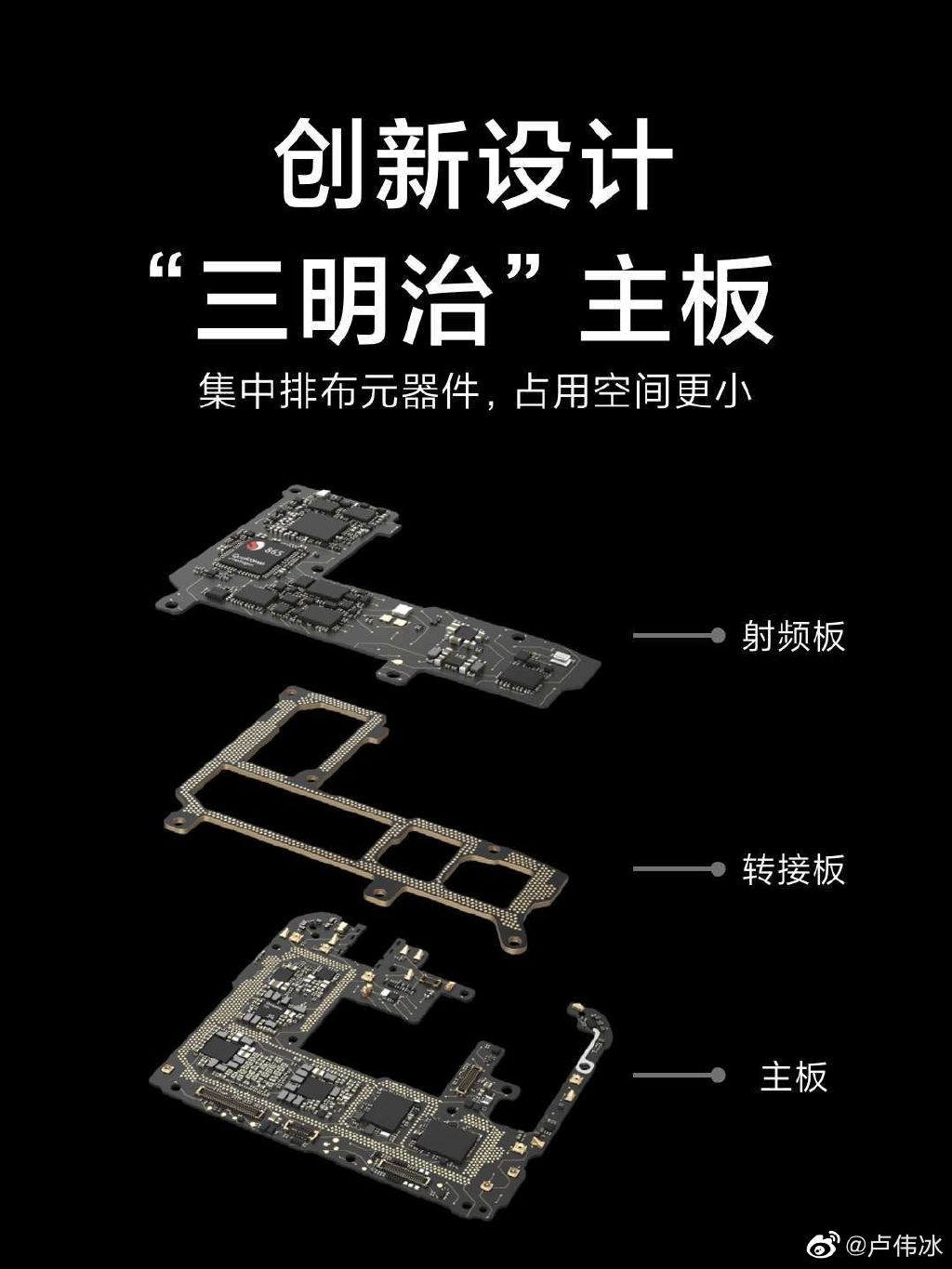
According to Digital Chat Station, there will be no Mi 10 Explorer Edition with a transparent glass back this year. We have no idea why but hope more details will surface in the near future. However, we presume sales might not have been stellar, hence the reason for not launching one this year. At the moment, there is no information about a Mi 10 SE or Mi 10 Lite.
No new Mi Pad in development
The leaker also revealed there is no new Mi Pad tablet in development. The last Xiaomi tablet, the Mi Pad 4, was released in 2018, and to be honest, we are better off without another Xiaomi tablet. The Chinese giant didn’t release the MIUI 11 update for the Mi Pad 4 and Mi Pad 4 Plus, which means it no longer offers software support for the two tablets. Based on this, we will not advise our readers to pick up any future Xiaomi tablet, if there will be one, unless things change for the better.
Mi 10 series sticking to 1080p displays


Another key info he revealed is that the Mi 10 series will not have a 2K 120Hz display. Xiaomi has always kept the resolution of its flagships at 1080p and it appears it is sticking to that for the upcoming Mi 10 series.
While this may be surprising to some, it will not be to others. Xiaomi probably has a reason for not jumping on the QHD+ train, and if you ask us, we will say it’s because of the price. A higher-resolution display costs more and will increase the cost of production which will translate to a higher selling price of the device.
Xiaomi is expected to unveil its new flagships in February before MWC 2020. A leaked poster says the launch event will hold on February 11, the same day Samsung will unveil the Galaxy S20 series.
The latest news on popular tech forum XDA Developers is about the market release of the forthcoming Samsung phones. The update comes from notable XDA writer Max Weinbach, who was also responsible for announcing a number of credible leaks regarding the Galaxy S20 earlier this month. The latest round of updates from Weinbach that reveals the pricing and availability of the Galaxy Z Flip, Galaxy S20 Ultra and Galaxy Buds+.
Samsung Galaxy Z Flip pricing and availability
According to Weinbach, the Samsung Galaxy Z Flip will reportedly launch on Feb. 14, sporting a price tag of $1,400. He further adds that there is a chance that the smartphone will be an AT&T exclusive in the U.S, although it is too early to tell. If the device is indeed an AT&T exclusive, it will not be long before Samsung introduces an unlocked variant for the mass market.
Samsung is looking to take on the Motorola Razr head-on, and this is evident from its launch strategy. Motorola will be arriving in the U.S markets on Feb. 6. It is now up for pre-orders exclusively at Verizon in the U.S. with a hefty price tag of $1,500. The Razr is a mid-ranger featuring Snapdragon 710 whereas the Galaxy Z Flip is more powerful with Snapdragon 855 onboard.
Samsung Galaxy S20, S20+, S20 Ultra and Galaxy Buds+ pricing and availability
Next in line, the Galaxy S20, Galaxy S20+ 5G, and the S20 Ultra 5G are expected to hit the markets on March 6. Initial estimates suggest that the S20 Ultra will cost a cool $1,300 in the U.S. Prices for the other variants are currently unknown. All three variants will come pre-installed with screen protectors from the factory and is likely to be rated for IP68 water resistance at 5M.
The Galaxy Buds+ are expected to arrive in February, sporting double the battery life of the existing Galaxy Buds. This effectively rates the Buds+ for 12-hour battery backup, since the 1st generation lasts for up to 6 hours on a single charge. The Buds+ is expected to retail at $149 and features Adaptive Noise Isolation, which should not be confused with Active Noise Cancellation. The Galaxy Buds+ will be available for free for those who pre-order Galaxy S20 series phones.
A new rumor has suggested that Nokia could soon launch a foldable smartphone later this year. The news was reported via a source that had previously leaked various Nokia smartphone launched, so there exists a possibility of the rumor being true.
According to the source, HMD Global, the parent company, is planning on releasing a foldable smartphone under the Finnish brand’s name in late 2020 or early 2021. In which case, we can expect to maybe see a glimpse of the foldable smartphone at the upcoming MWC 2020 (Mobile World Congress), considering the company is actually planning on releasing within the year.
HMD Global, the parent company of Nokia
Nokia’s smartphone with a bending display will directly compete with Samsung’s Galaxy Fold series and the recently released Motorola Razr. It is possible that Nokia’s take on the unique form of smartphone could include features that set it apart from the competition like a Z-shaped dual fold format.
Furthermore, the source claimed that the first prototype was completed in mid 2019 and HMD Global has even marked the handset as virtually ready earlier this month. Unfortunately, the information has not been announced by the company, yet, so we can not provide any concrete statements at the moment.
Nokia 9 PureView (rear)
Notably, it has also been reported that Nokia, after delaying the Nokia 9 PureView multiple times, has skipped the Nokia 9.1 PureView and is currently focusing its efforts on the newer Nokia 9.2 PureView as a direct successor to its previous flagship model. Nokia 9.2 is expected to arrive with Qualcomm’s Snapdragon 865 SoC and may feature a 32 or 48 megapixel front facing camera. Its rear camera configurations are still at large and it is suggested that the device will feature wireless charging as well.
The Realme 5 Pro has just received a price drop in India. This could indicate the company’s intentions of introducing the next-gen Realme 6 lineup in the coming months. The Realme 3 was unveiled in March followed by Realme 3 Pro in April last year. Hence, the arrival of the Realme 6 series that is speculated to include Realme 6i, Realme 6 and Realme 6 Pro could be drawing near.
Realme 5 Pro Price and Availability
The base variant of Realme 5 Pro with 4GB of RAM and 64GB of native storage is currently listed at Rs. 12,999 (~$182) on Flipkart. The base variant was priced at Rs. 14,999 (~$210) at launch.
The 6GB + 64GB variant originally priced at Rs. 15,999 (~$224) is now priced at Rs. 13,999 (~$196). While the top of the line variant with 8GB of RAM and 128GB of storage is now priced at Rs. 15,999 (~$238) instead of the original Rs. 17,999 (~$252).
Realme 5 Pro Features and Specifications
The Realme 5 Pro flaunts a 6.3-inch LCD display with an HD+ resolution. The device is powered by a Snapdragon 712 SoC with a list of memory and storage combinations listed above. The key feature of the smartphone is its quad rear camera setup comprising of the highly-valued 48-megapixel Sony IMX586 primary sensor. It is paired with an 8-megapixel ultra-wide lens and two 2-megapixel sensors in-charge of macro and depth sensing.
Realme 5 Pro
The Realme 5 Pro flaunts a 16-megapixel selfie camera housed within the waterdrop notch. The smartphone draws power from a 4,035 mAh battery with support for 30W VOOC charge and runs on Android 9.0 Pie-based ColorOS 6. It gets a rear panel-mounted fingerprint sensor in terms of security. Connectivity options include 4G LTE, Bluetooth v5.0, GPS, Wi-Fi 802.11, and more. The smartphone is available in two color options namely Crystal Green and Sparkling Blue.
In related news, the Realme 6i has been certified by Singapore’s Infocomm Media Development Authority, better known as the IMDA. There is no clear report on when the certification came through. Initial reports claim that the smartphone bears model number RMX2040.
Mystery Realme Smartphones Spotted at FCC
Two mystery Realme smartphones featuring model numbers RMX2063 and RMX2001 was recently approved by the United States Federal Communications Commission (FCC). The RMX2063 measures 163.9 x 75.8 x 9.4 mm and weighs 196 grams. Judging by these dimensions, the smartphone is likely to flaunt a 6.5-inch display. It is possible that Realme plans to include a 4,300 mAh battery on the device, which might run on ColorOS 7. The RMX2001, on the other hand, measures 162.1 x 74.8 x 9.6 mm and weighs 191 grams. It could sport a slightly smaller display than the one found on the RMX2063. It also features a 4,300mAh battery.
Poco put the rumour mills to rest when it indeed revealed that the first phone from the independent Poco brand will be the Poco X2. The company has equally confirmed the device will be launched on February 4. The Poco X2 has now been confirmed to be sold on Flipkart in India. A landing page for the device has now gone live on Flipkart’s website.
The landing page only contained the teasers that have already been revealed by the tech giant. This includes a display refresh rate of 120Hz. Flipkart promises to reveal more about the smartphone in the days leading to the official announcement.
The Poco X2 is said to be a rebranded version of the Redmi K30 that was launched in China last month. If that be the case, the device is expected to feature a 6.67-inch FHD+ display and will be powered by a Snapdragon 730G SoC with a 4,500mAh battery under the hood.
On the camera end, the Poco X2 is expected to pack a dual selfie camera setup made up of a 20MP+2MP combo. At the rear, there will be a quad camera setup. The device may also pack a rear-mounted fingerprint sensor on board even though the Redmi K30 packs a side-mounted fingerprint sensor.
We use cookies on our website to give you the most relevant experience by remembering your preferences and repeat visits. By clicking “Accept”, you consent to the use of ALL the cookies.
This website uses cookies to improve your experience while you navigate through the website. Out of these, the cookies that are categorized as necessary are stored on your browser as they are essential for the working of basic functionalities of the website. We also use third-party cookies that help us analyze and understand how you use this website. These cookies will be stored in your browser only with your consent. You also have the option to opt-out of these cookies. But opting out of some of these cookies may affect your browsing experience.
Necessary cookies are absolutely essential for the website to function properly. This category only includes cookies that ensures basic functionalities and security features of the website. These cookies do not store any personal information.
Any cookies that may not be particularly necessary for the website to function and is used specifically to collect user personal data via analytics, ads, other embedded contents are termed as non-necessary cookies. It is mandatory to procure user consent prior to running these cookies on your website.