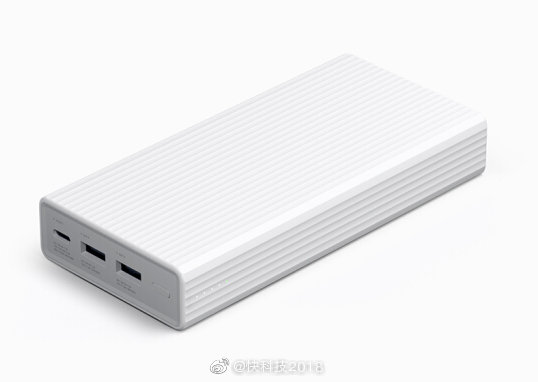
Most smartphones today come with pretty impressive performance and aesthetic build. But one problem has consistently persisted is the issue of battery life. With increased performance comes an increased strain on the battery regardless of power-saving and low energy consuming features the modern SoC and latest OS bring. Thus, mobile power pack have remained important accessories for most phone users. Smartisan has released a new power bank that brings fast charging.
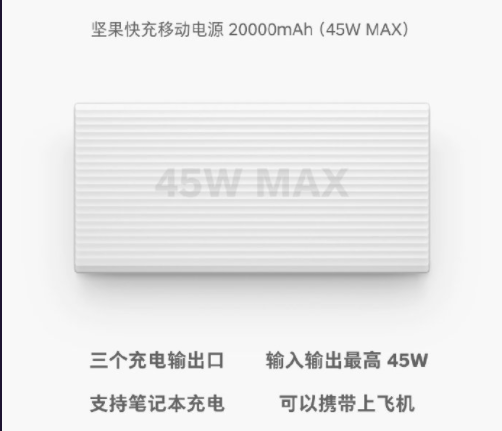
The Nuts Power bank has a large 20000mAh battery capacity with a maximum charging power of 45W. The outer casing is manufactured from a fire-resistant and flame-retardant PC+ABS material which to a large extent ensures it is safe for use.
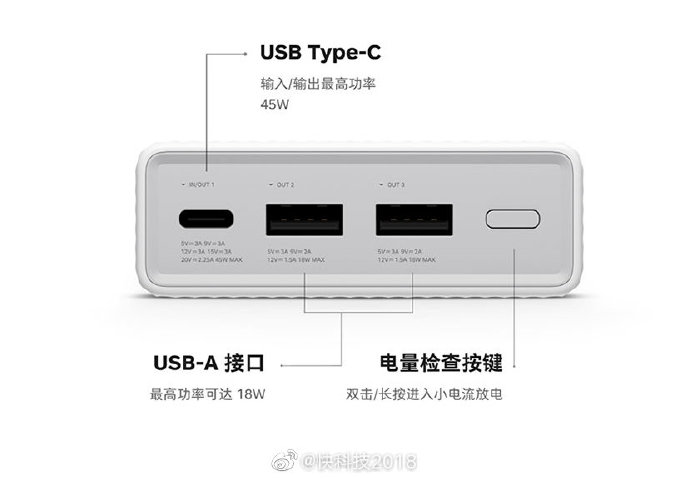
The power bank presents with two USB-A ports and one USB-C interface which has a maximum power output of 45W. The USB-A interfaces have 18W output each bt when all three ports are in use simultaneously, the USB-A outputs 30W max and the USB-A delivers 15W output respectively.
The Nuts Fast charge power bank comes with a price tag of 249 yuan ($35). It is currently available for pre-sale in Jingdong Mall with a deposit of 1 yuan.
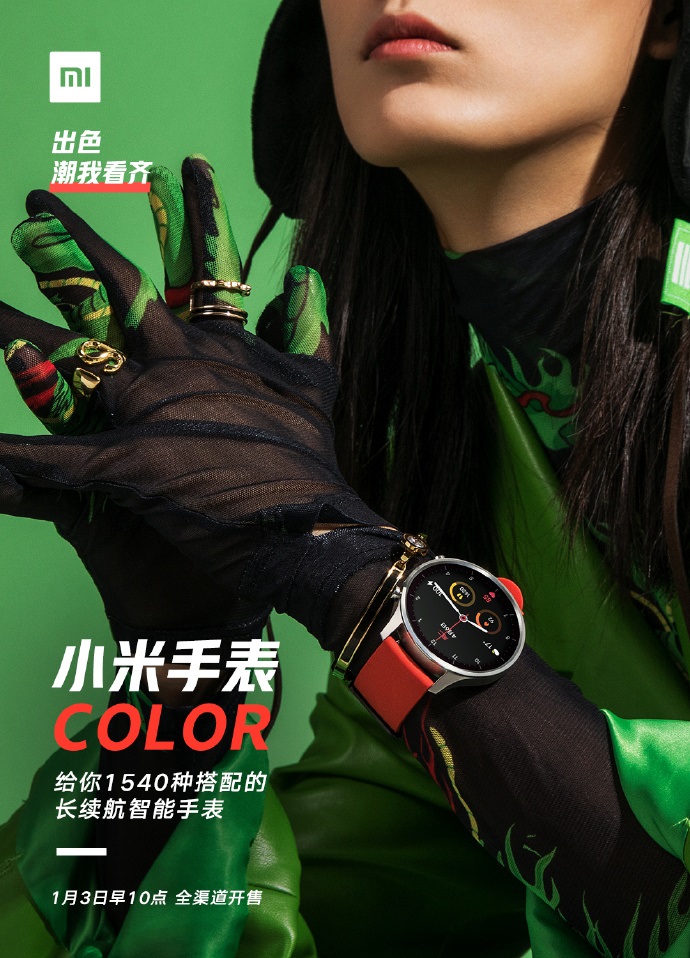
Xiaomi had just recently unveiled its latest smart wearables product dubbed the Xiaomi Watch Color which is known for its impressively long battery life. And today (31st December 2019), the General Manager of Xiaomi’s Ecological Chain, Qu Heng, explained the strategy behind the Xiaomi Color Watch and the wearables/IoT devices as a whole through Weibo.
According to Qu Heng, many people did not expect a New Year release of a new wearable product. Furthermore, the Xiaomi Watch Color is a new start for the company which is now focusing on a new category that intends to deliver smart bands with a long-lasting battery life that is useful at work, exercising and even when relaxing.
True Smartwatches and Long lasting Smartwatches
One of the core ideas the General Manager wanted to get across is that he hopes the industry distinguishes between a “true smartwatch” and a “long battery life smartwatch.” He states that the difference between the two categories should be clear, offering the user more knowledge and the right to choose between both of them. Hu Qeng mentions that a true smartwatch should use eSIMs and have the ability to make calls and download apps, and function independently from a smartphone to some degree.
Customizability
Going forward, Xiaomi with the Watch Color also wanted to make the wearables a more sought after and attractive product; One that a person might wear fashionably as well as for utility. It needed to be trendy and yet maintain strong cultural attributes as well. The Chinese smartphone manufacturer apparently took cues from the Mi Band 4 and brought all the popular functions, themes, and UI functions to the Watch Color.
Additionally, the company added a larger screen, more color options and also offered multiple dials themes to choose from (options for leather bands for formal wear is a welcomed option too). All of this translates to a freely customizable experience so the user is never bound to a particular look that an OEM dictates.
Making wearables more essential
Xiaomi had intended to make the Watch Color a more accessible and go to product from the company. It was meant to be more supplementary to a user’s life and not just a luxury tech product offered alongside its smartphones. In other words, it is not just an accessory but aims to be a part of one’s life. With the launch of the Xiaomi Watch Color, the company plans to target the individualistic needs of a user that may require a true smartwatch or a long-lasting smartwatch.
The Xiaomi Watch Color also fills in the gap between Mi Band 4 and Xiaomi Watch. The release was from a core strategic point of view and the new Xiaomi wearable product only seeks to boost its AIoT lineup. Lastly, this entry from the company might also end up encouraging other OEMs to offer long lasting smartwatches as well.
Historically, Turkey has been largely dependent on foreign automobile manufacturers. However, recently the country has made a step away from reliance and to independence in the industry. TOGG which is a collaboration of various Turkish companies has just unveiled an electric crossover SUV that is the country’s first completely indigenous car.
Notably, the only foreign impact on the vehicle is the Italian design firm Pininfarina so it is safe to still call it homegrown. The vehicle isn’t simply an electric vehicle as its base versions arrives with a singe 200 horsepower rear-axle moto. This means that the car is capable of 0-60MPH in about 7.6 seconds, which is commendable. On the other hand, its most beefed up version goe up to a 400 horsepower dual motor setup that can achieve o-62MPH in 4.8 seconds flat.
TOGG EV Crossover SUV
The operational range of the TOGG EV SUV’s battery is about 300 miles (482 kilometres) that is capable of reaching an 80 percent charge in just 30 minutes. It achieves this with a (rough estimate) 150kW charger. The car features a bunch of useful functions and follows a futuristic and tech-savvy design philosophy. It offers a “Sow Traffic Pilot” that will offer Level 2 semi-autonomous that could go with Level 3 autonomy and higher.
The Turkish EV SUV’s interior controls are primarily digital carry a Porsche style passenger display. It is also claimed to have a holographic assistant that will utilize eye-tracking to better provide information so the driver need not take his eyes off the road. The vehicle is also connected to the internet so it will link the SUV to the grid and deliver OTA updates periodically.
Although the crossover is clearly directed and marketed with nationalistic ideals, it also draws attention to Turkey’s inequality. According to a report from TurkStat, the average yearly income within the country is under 5000 US Dollars (roughly 34,812 Yuan) while people in Istanbul make a bit over 6000 US Dollars (roughly 41,775 Yuan). So, even if TOGG prices the EV SUV reasonably or affordably, it won’t be as easily accessible considering the features the car offers. Thus, it might be a good start for the country, but one that might not hit it off with the masses.
Over the past couple of years, smartphone companies have made a habit of releasing two variants of its devices in a lineup. Almost all major devices this year, got a higher-end ‘Pro’ variant including the OPPO Reno3 series. OPPO announced the new series last week featuring two devices, the OPPO Reno3 and the OPPO Reno3 Pro. We are not specifically adding 5G to their names because they both support 5G, unlike the Redmi K30 which has got a 4G as well as a 5G variant.
These two devices have a lot of similarities as well as differences. But are they like the OnePlus 7T and the 7T Pro with just a couple of major changes?
Or is it like the Redmi K20 and the K20 Pro where things are a lot more different? Let’s find it out in this OPPO Reno3 vs Reno3 Pro comparison.
OPPO Reno3 vs Reno3 Pro: DESIGN
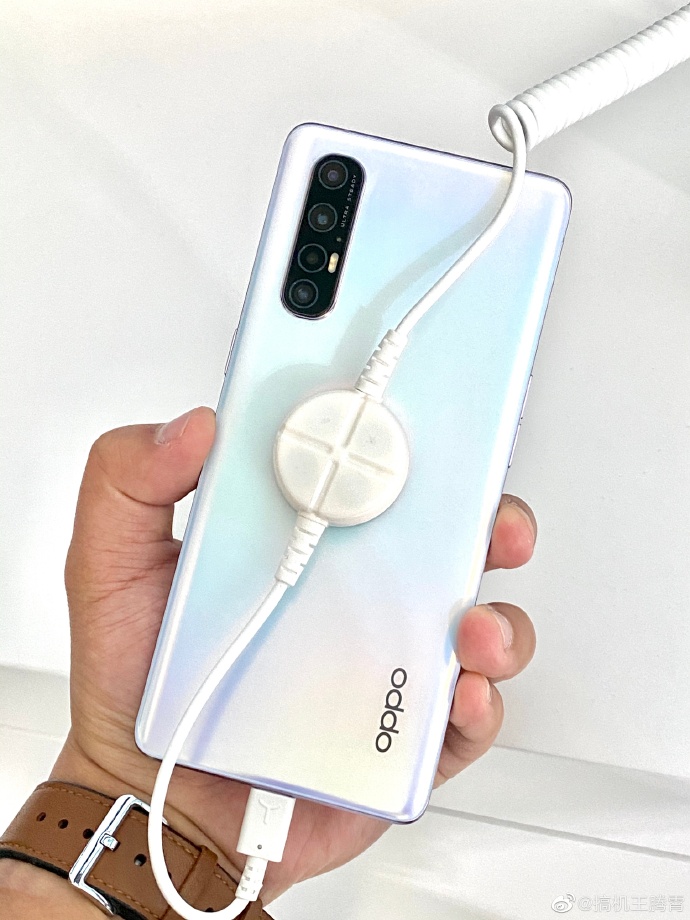
The Reno3 duo share a basic design which includes a gradient back finish and a vertically arranged quad-camera setup. At first glance, the rear setup looks identical, but on closer inspection, we can see that the two lower cameras on the Reno3 get their own sub-housing. On the other hand, the OPPO Reno3 Pro has a single housing featuring all four cameras one below the other.
OPPO Reno3
OPPO Reno3 Pro
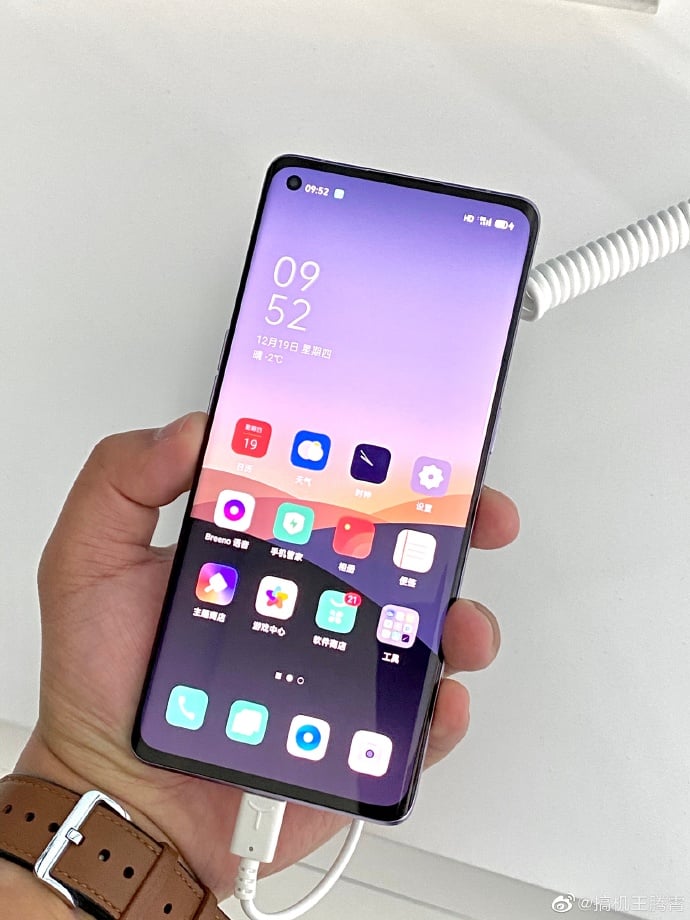
Things are a lot different when you compare OPPO Reno3 vs Reno3 Pro upfront. The cheaper Reno3 uses a more traditional waterdrop flat display. On the other hand, the Reno3 Pro comes with a curved AMOLED panel with a single punch-hole camera on the top-left corner. It’s evident from the front that the Reno3 Pro is the more premium device in the series.
From the curved display and the more premium appearance, you would have assumed that the Reno3 Pro would be heavier and bulkier than the Reno3, right? But its the exact opposite. The Reno3 Pro features a slim 7.7mm form factor, weighing just 171 grams. On the other hand, the Reno3 features an 8mm body and is heavier at 181 grams. Note that both the phones have the same 4025mAh battery on board.
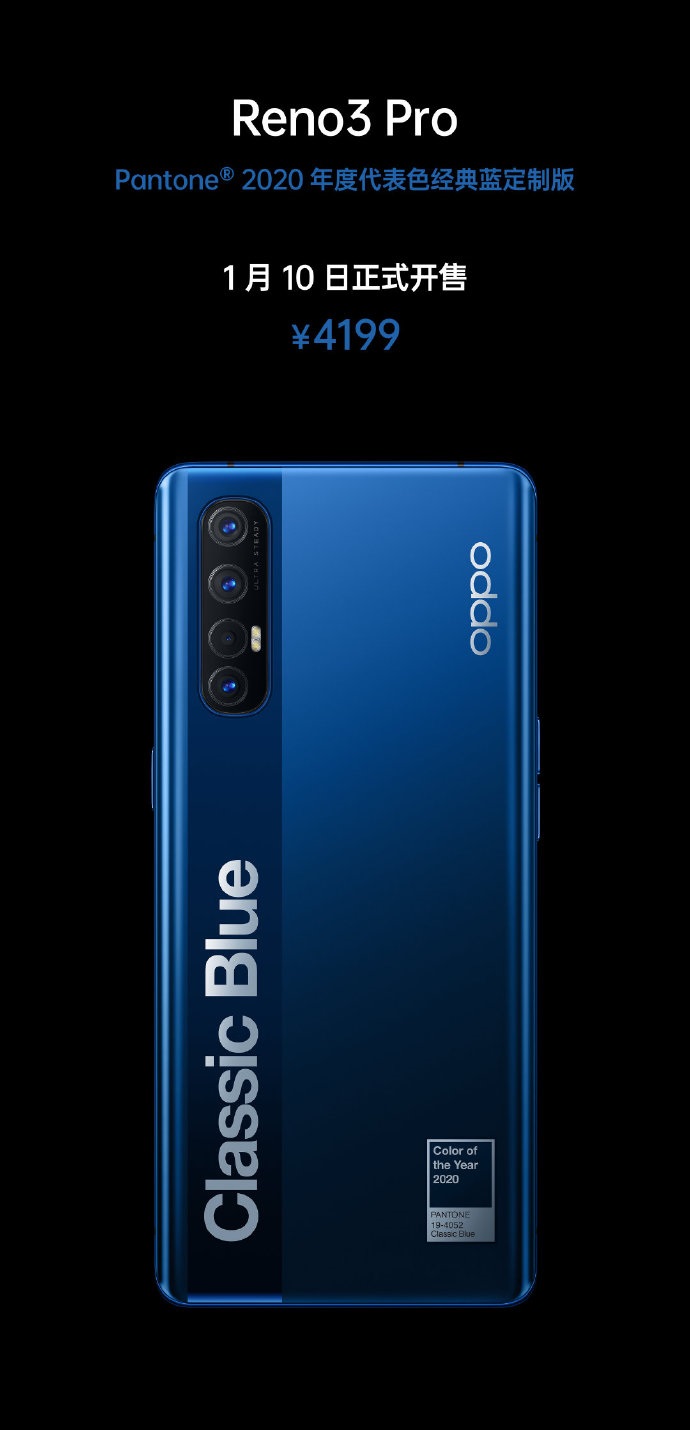
It is also worth adding that the OPPO Reno3 Pro gets a special Pantone Color of the Year edition called Reno3 Pro Classic Blue.
OPPO Reno3 vs Reno3 Pro 5G: Specs
Things get a lot more interesting when you take a look at their hardware. The OPPO Reno3 vs Reno3 Pro differences are quite stark, justifying its pricing difference. The Reno3 is powered by the MediaTek Dimensity 1000L octa-core 5G integrated chipset while the Reno3 Pro is powered by the new Snapdragon 765G chipset. The 6.4-inch AMOLED display on the Reno3 is flat while the Reno3 Pro has a curved AMOLED panel with a high 90Hz refresh rate. You get up to 12GB of RAM and 128G GB of storage on the Reno3 while the Pro version takes the storage up to 256GB along with 12GB of RAM.
Their cameras are quite different as well.
The OPPO Reno3 comes with a 64MP primary shooter with an 8MP wide-angle lens, 2MP monochrome camera, and a 2MP depth sensor. On the other hand, the Reno3 Pro comes with a more flagship-like camera setup which includes a 13MP telephoto lens with 2x optical zoom along with a 48MP primary shooter, 8MP ultra-wide shooter, and a 2MP monochrome sensor. So, it skips on the depth sensor in favor of a powerful telephoto lens. For selfies, both the phone have the same 32MP f/2.4 shooter up front.
As mentioned above, the OPPO Reno3 and REno3 Pro have the exact same battery capacity: a 4025mAh battery with 30W VOOC 4.0 fast charging technology.
Both support 5G networks and come with USB-C ports at the bottom.
China’s OPPO Reno3 Pro
OPPO Reno3 vs Reno3 Pro 5G: Pricing
The OPPO Reno3 Pro 5G starts at 3999 yuan ($571) for the 8GB +128GB variant and goes up to 4499 yuan ($643) for the 12GB + 256GB variant. The 8GB RAM model goes on sale on December 31 while the 12GB model goes on sale on January 10, 2020. The special Class Blue edition costs 4199 yuan ($600) (8GB+128GB) and goes on sale on January 10.
The OPPO Reno3 5G starts at 3399 yuan ($486) for the 8GB RAM and 128GB ROM variant and goes up to 3699 yuan ($528) for the 12GB RAM and 128GB variant.
The Reno3 Pro clearly has an advantage when it comes to its specs and design. But is it worth shelling out $100 more for the Pro version? Personally, I think it makes sense to go for the Pro version despite Dimensity 1000L having a slight advantage over SD765G in terms of performance.
Earlier today (31st December 2019), Xiaomi Group’s co-founder and Vice-Chairman, Lin Bin, had arrived with a big announcement. He announced that after more than a year of hard work, Xiaomi’s very own research and development production line is finally ready.
According to the Senior Executive, the R&D line is ready to start production and that he is currently in possession of the first Mi 9 Pro 5G variant that was made within the facility. Lin Bin also stated that the newly readied facility will pave the way for intelligent manufacturing and will be used in future collaborations as well.
Lin Bin from Xiaomi Group inaugurating the event in the new R&D facility
Reportedly, the facility being in charge of research and development for the Xiaomi’s flagship smartphones is just one of its diverse roles. It will also house the Chinese tech giant’s partners that will help develop both software and hardware for the large automation equipment. In other words, a truly smart factory that does not require human intervention or input for a majority of the cases.
In the last couple of years, Xiaomi has seen an increase in investments of its research and development department. At a business conference on 24th December 2019, Lei Jun, Co Founder and Chairman of Xiaomi Group, stated that the company has invested heavily in research and development alone. According to him, the company had invested 5.8 billion Yuan last year while this years investment is expected to surpass the 7 billion Yuan. For the next year, Lei Jun predicts the number will exceed even 10 billion Yuan.
Xiaomi’s latest R&D Facility that is ready for production and has started making Mi 9 Pro 5G
He believes that the company needs to heavily invest in R&D as it is where the future is uncovered. Innovation is what keeps the company ahead of the curve and with talent and innovation will it lead to success, according to Lei Jun.
In this era of smart devices, consumers are always looking for gadgets that are convenient and easy to use. And as we lean towards a sedentary lifestyle, we have to actively take care of our health.
Treadmills are an excellent option for staying fit, but they need a dedicated space as well as a significant upfront investment. This is where the Xiaomi Youpin backed WalkingPad R1 Pro comes to your rescue. It solves two major issues associated with traditional treadmills: bulky and heavy form factor and expensive price tag.
WalkingPad R1 Pro Hands-on: Design
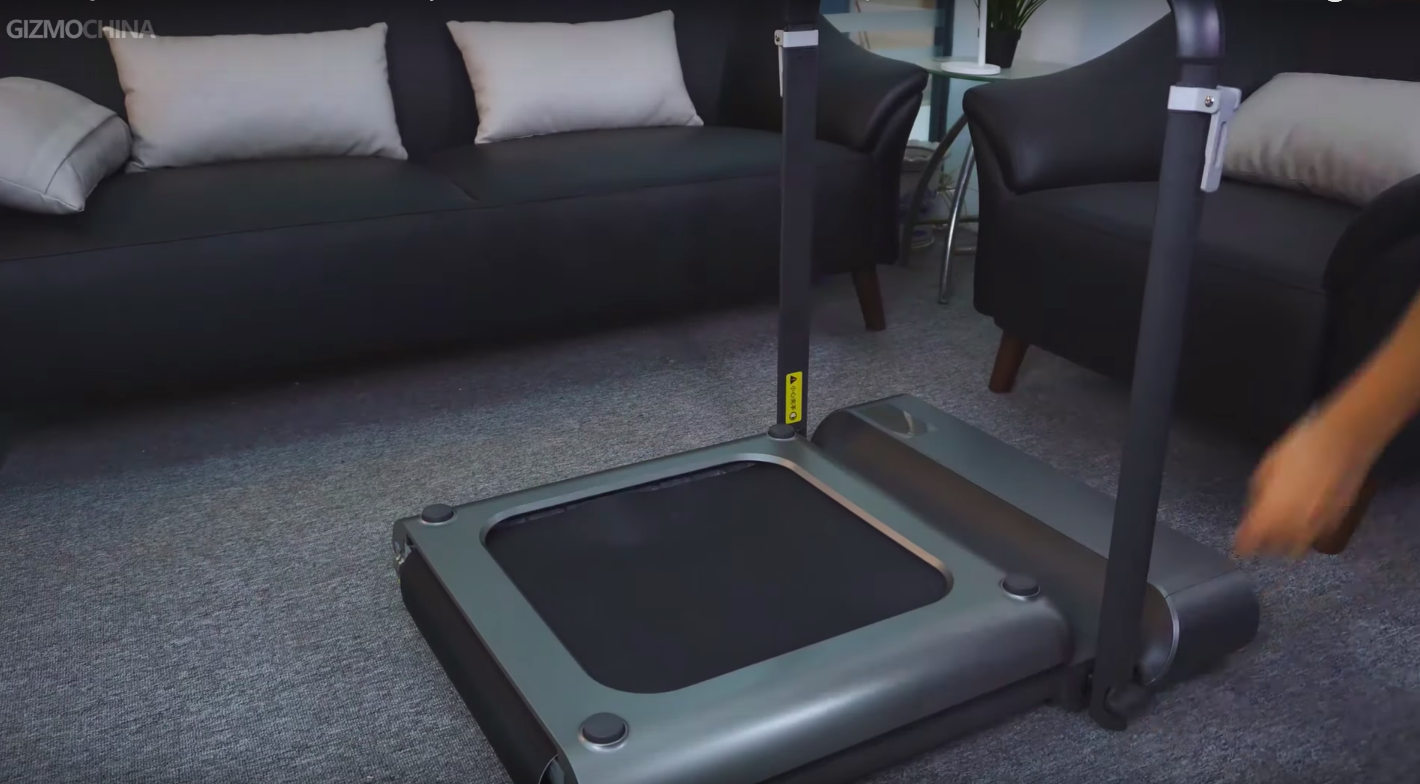
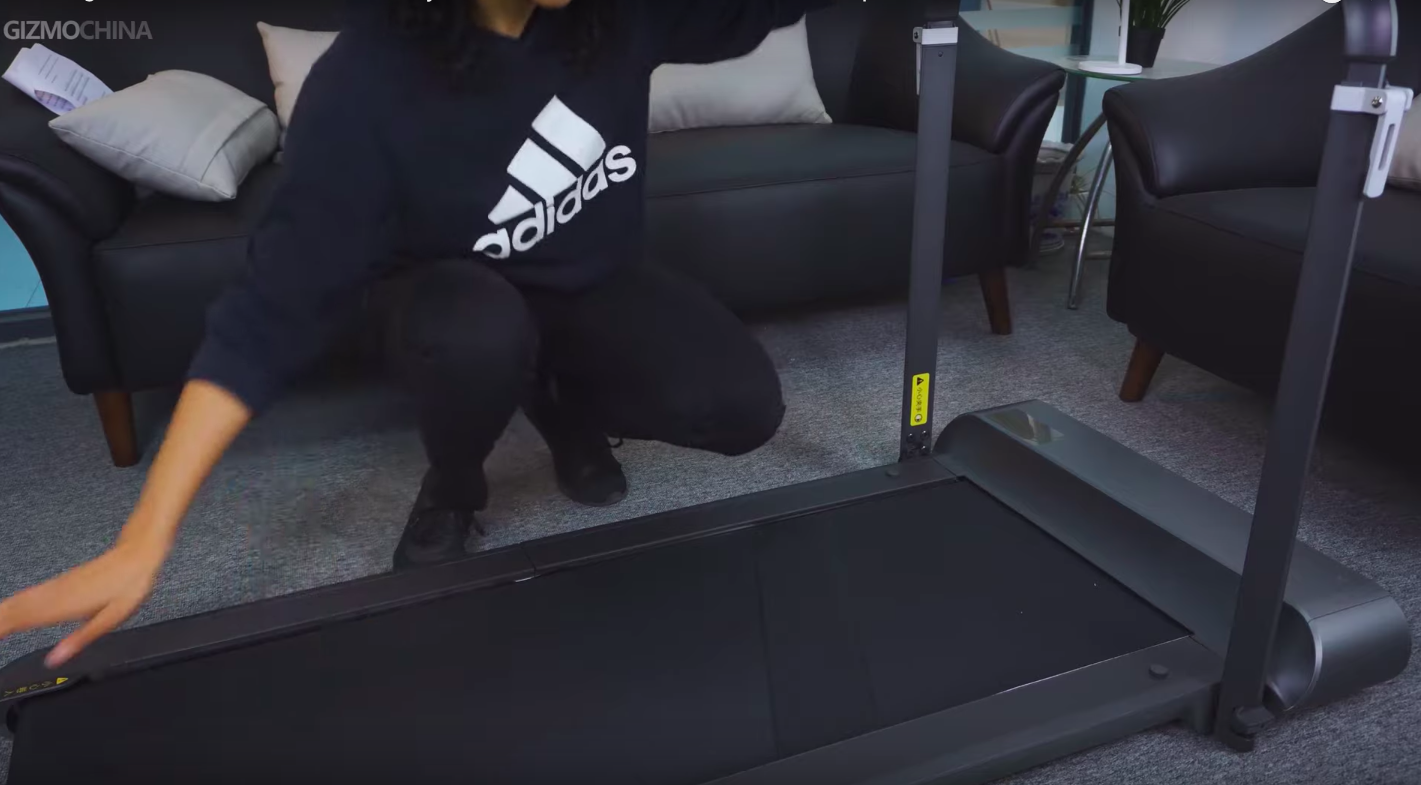
The WalkingPad R1 Pro is a foldable new-age treadmill that’s super-portable too. Yes, I said portable, because the R1 Pro folds in two stages to convert itself into the size of a long but extremely thin suitcase. It’s so thin that storing it under your sofa or beside your cupboard is a cakewalk. It will even fit inside your car boot, which can be extremely handy if you travel often.
The WalkingPad R1 Pro features an aluminum alloy frame with EVA cushioning that softens the impact on your knees while walking/ running. The treadmill is comprised of two major parts: Deck & Handle. The deck is the heart of the treadmill which features the anti-slip running belt and the motor. The handle is added for balance and safety. You can fold the deck in half in the middle and lift it up to line up with the handle. The handle is further retractable and the treadmill folds down into a suitcase-sized device. WalkingPad team claims that this design saves space by nearly 90 percent! Plus, the treadmill comes with rolling wheels which makes it very easy to move it around the house.
Thanks to this design, the WalkingPad Pro R1 can be used practically anywhere right from your small bedroom, office, balcony, or even a yard. You should have no trouble using it outdoors provided you have a power outlet nearby.
Despite its super-compact form factor, the WalkingPad Pro doesn’t compromise on traditional treadmill features. The treadmill has two modes: Walking & Running and the company offers several ways to control it.
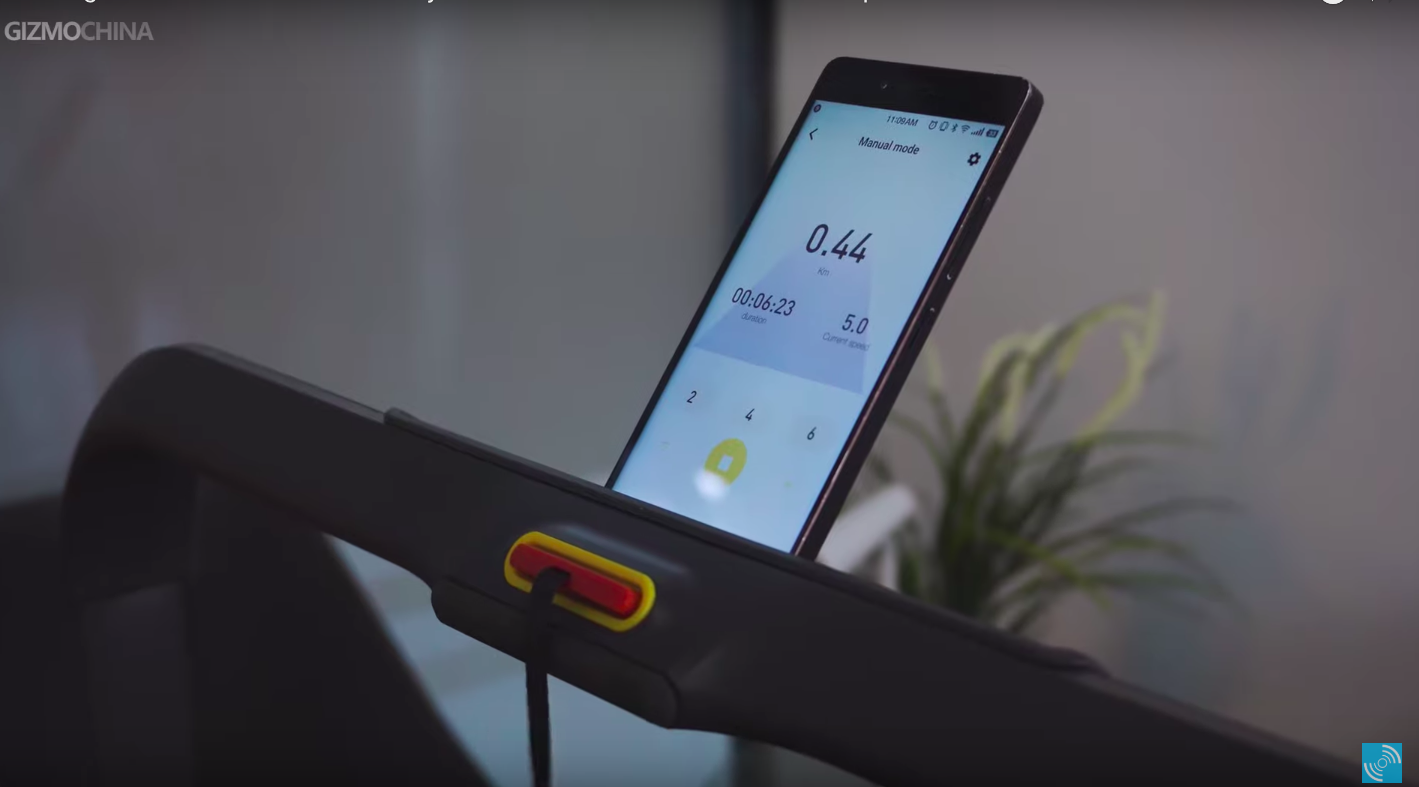
For example, you can connect your smartphone (via KS Fit app) to the treadmill to use it as a control panel. This would make for a solid setup especially when you place the phone or the tablet in the holder provided on the handle. Or you can use the provided remote button to control the speed. Finally, the WalkingPad Pro also comes with feet control, wherein you can simply change the position of your feet on the belt to increase, decrease, or maintain your speed.
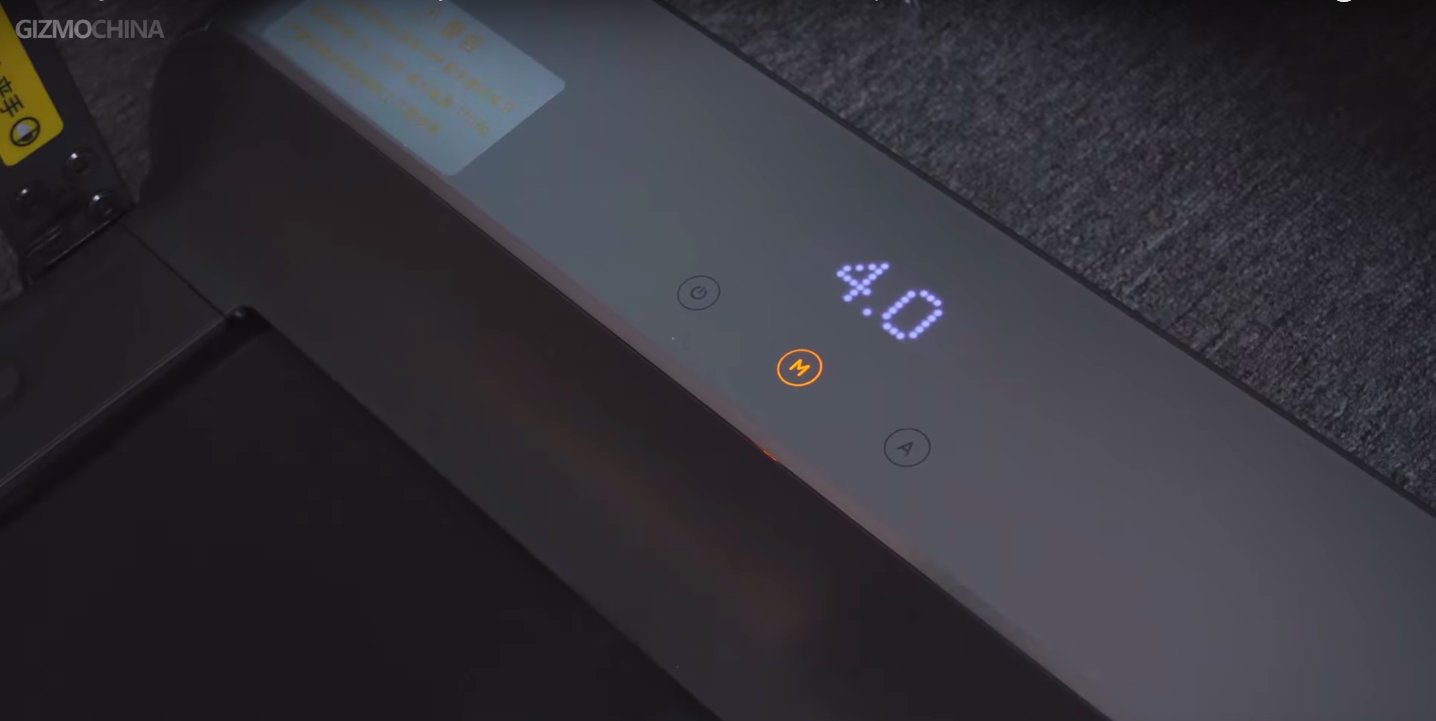
The treadmill also comes with an LED display on the front will show you essential features such as running speed, distance covered, and workout time. It’s nothing fancy but gets the job done. The maximum speed in the running mode is 6.2 miles per hour (10kmph) and in the walking mode, it is 3.75mph (6kmph). The handle helps you keep your balance and there’s a safety clip too (just like a regular treadmill) that acts as an emergency stop in case you lose your balance.
WalkingPad R1 Pro Hands-on: Price
The WalkingPad R1 Pro is currently available on IndieGoGo for $429 with worldwide free shipping. The project has already crossed 6743% of its initial goal with a few hours left. That’s an extremely competitive price, so make sure to check out their project for more details.
Meanwhile, would you like to see us check out more such smart gadgets from China? We would love to hear your opinion.
As the Chinese telecom giant Huawei is battling restrictions from the United States, the company has now warned about the slower growth and management cutbacks ahead in the year 2020.
Eric Xu, the rotating chairman of Huawei, said in an year-end letter that “it’s going to be a difficult year for us.” The message comes ahead of a new year that will test how well the company can compete for global 5G business and smartphone customers under pressure from the U.S.
Given that the company is still under the U.S. trade blacklist and the issue resolution isn’t in sight, he said that “we won’t grow as rapidly as we did in the first half of 2019” and added that the U.S. will create a challenging environment to survive and thrive.
To ensure the company’s growth, Huawei will toughen its stance on lagging units and managers. In the memo, Eric Xu talked about the need to weed out as many as 10% of the company’s worst-performing managers in 2020. Some support or even operational units will be merged or downsized, and employees could get re-assigned to other divisions.
Xu also said that the company will prioritize supply chain security and go “all out” to build its own mobile software system — Huawei Mobile Services — designed to replace many popular applications such as Google Maps, YouTube and Gmail.
Huawei has shown resilience amid the crackdown that began in May earlier this year. The company’s revenue grew 18 percent to 850 billion yuan (~$121 billion) in 2019, although the company missed its initial goal of $125 billion to $130 billion.
The smartphone business became the company’s biggest revenue contributor in the first half of this year. Shipments reached 240 million units for all of 2019, up 16.5 percent from 206 million last year. The company is expected to remain ahead of Apple and behind South Korea’s Samsung Electronics.
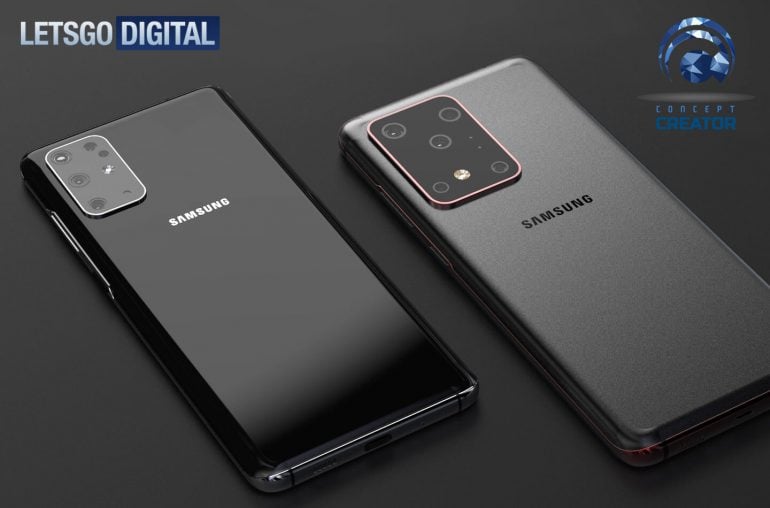
So far, we have all been calling Samsung’s upcoming 2020 flagship Galaxy series as Galaxy S11. However, according to a new report, the newest smartphone lineup from the smartphone manufacturer is skipping ahead in years to arrive at the Galaxy S20 series. This has yet to be announced officially but jumps in numeric naming are not unheard of in the industry.
Render of Samsung Galaxy S11 (Image via LetsGoDigital)
The report has yet to be confirmed but also offers some interesting insight about Samsung’s latest premium grade smartphone lineup. Reportedly, the South Korean tech giant will launch 3 variants with there not being a Galaxy S20e but rather a Galaxy S20; followed by Galaxy S20 Plus and Galaxy S20 Ultra. This is quite similar to Apple’s decision on not launching an iPhone 11R but having the entry level start with iPhone 11 and offered a Pro and Max Pro variant.
Furthermore, the information gathered from a Twitter leak also arrived with a few minor details alongside it. Samsung Galaxy S20 will feature a 6.2 inch display while the Galaxy S20+ will arrive with a 6.7 inch display. The Galaxy S20 Ultra, on the other hand, arrives with a large 6.9 inch display. This makes it clear that the three smartphones are large in size and are likely to feature minimal bezels on every side.
Samsung’s Galaxy S10 series arrived in 4 variants with the S10e, S10, S10+ and a 5G variant; not including the speculated upcoming Galaxy S10 Lite. However, 5G is going to be an integral part of Qualcomm’s Snapdragon 865 SoC, so each model will arrive with the faster bandwidth compatibility.
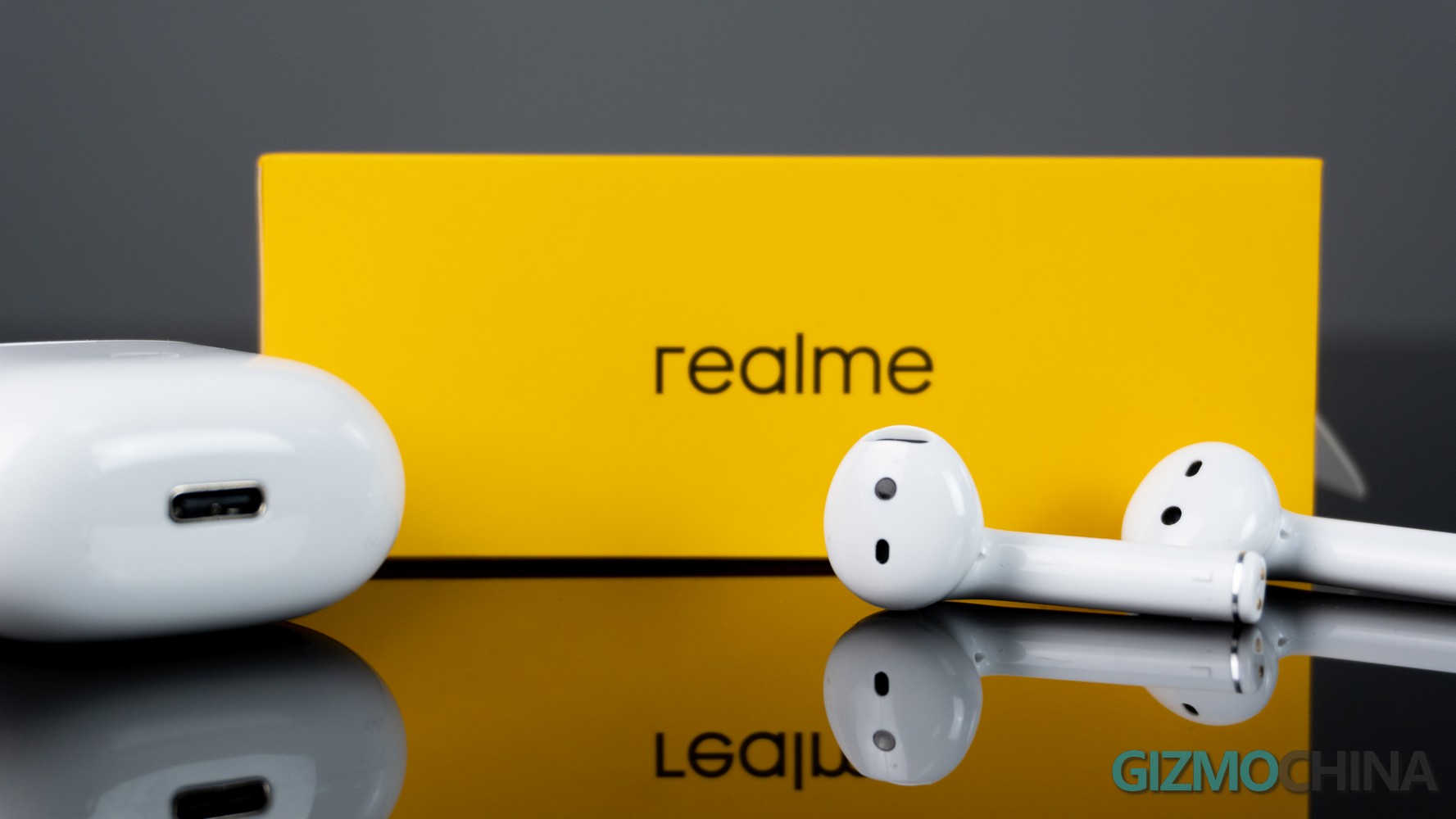
Realme just released its first true wireless earbuds, the Realme Buds Air. The wireless earbuds market was rapidly heated in 2019. No wonder almost every smartphone brand wanted to join the ‘wireless hearables’ trend. Another reason is that wireless earbuds technology has been widely developed among the whole supply chains. And the up-and-coming Realme always seems to bring surprises, which is also the reason why we are bringing the Realme Buds Air as the closed review of 2019 earbuds series.
Design
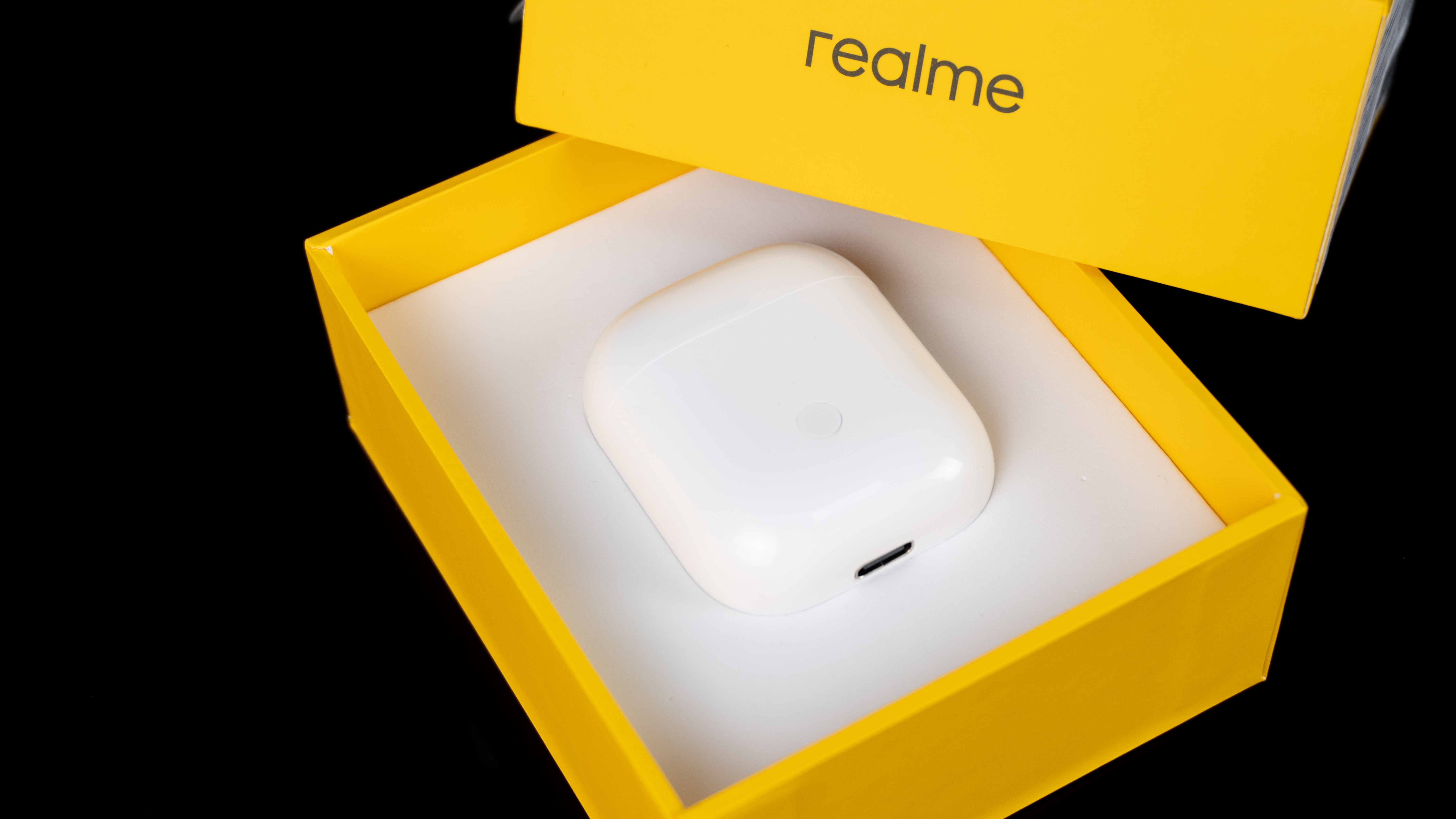
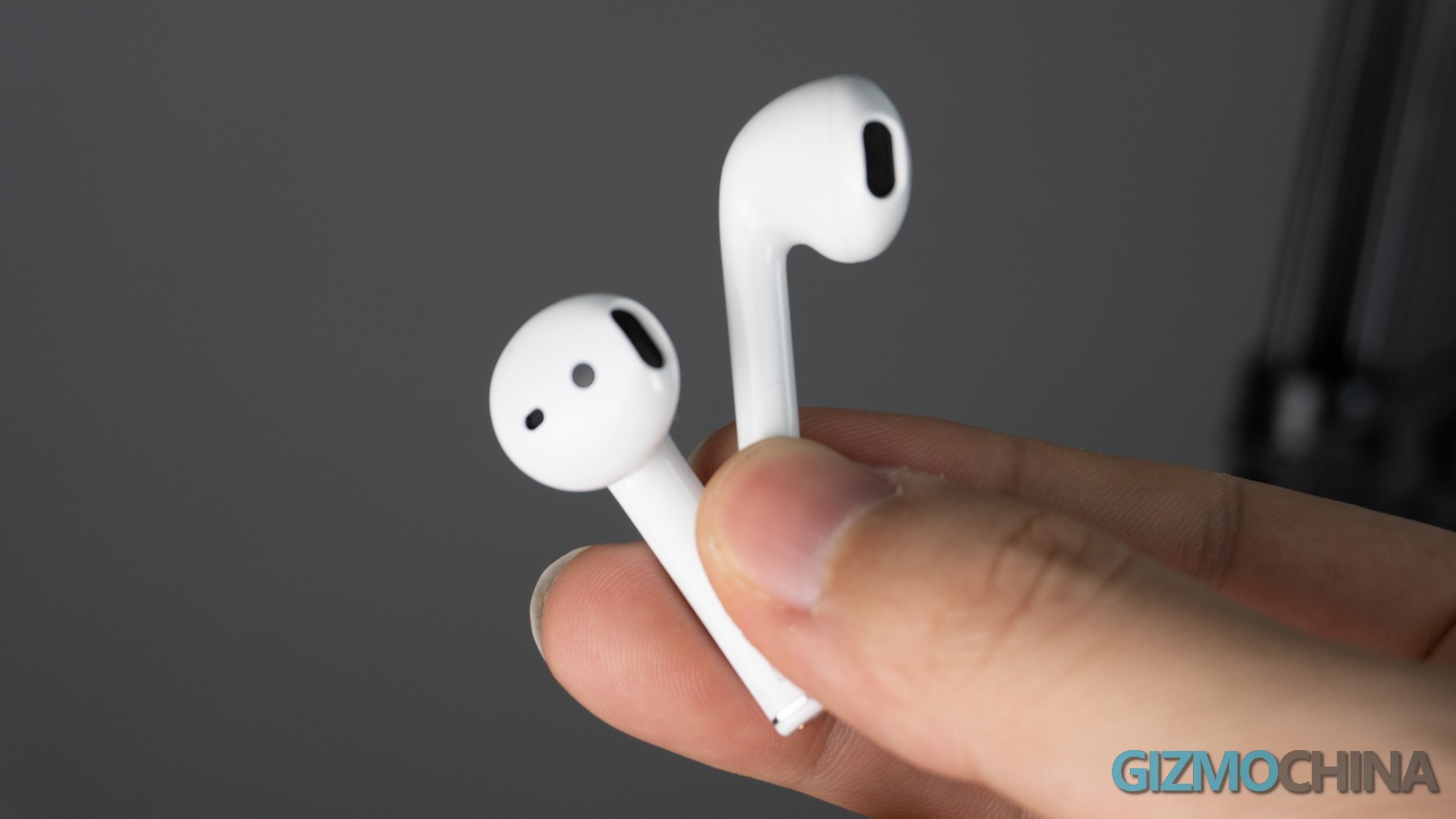
When we received the Buds Air, the white earbuds on the surface of the yellow earbuds reminded me that they just look like Apple AirPods. However, if I tell you that you can cost only double digits in US Dollars to have such clean design but with the similar quality, will you turn to the Realme Buds Air? Especially since we saw much that design of digital products converged to a final solution. for those who care about their receipts, it probably could be a better option.
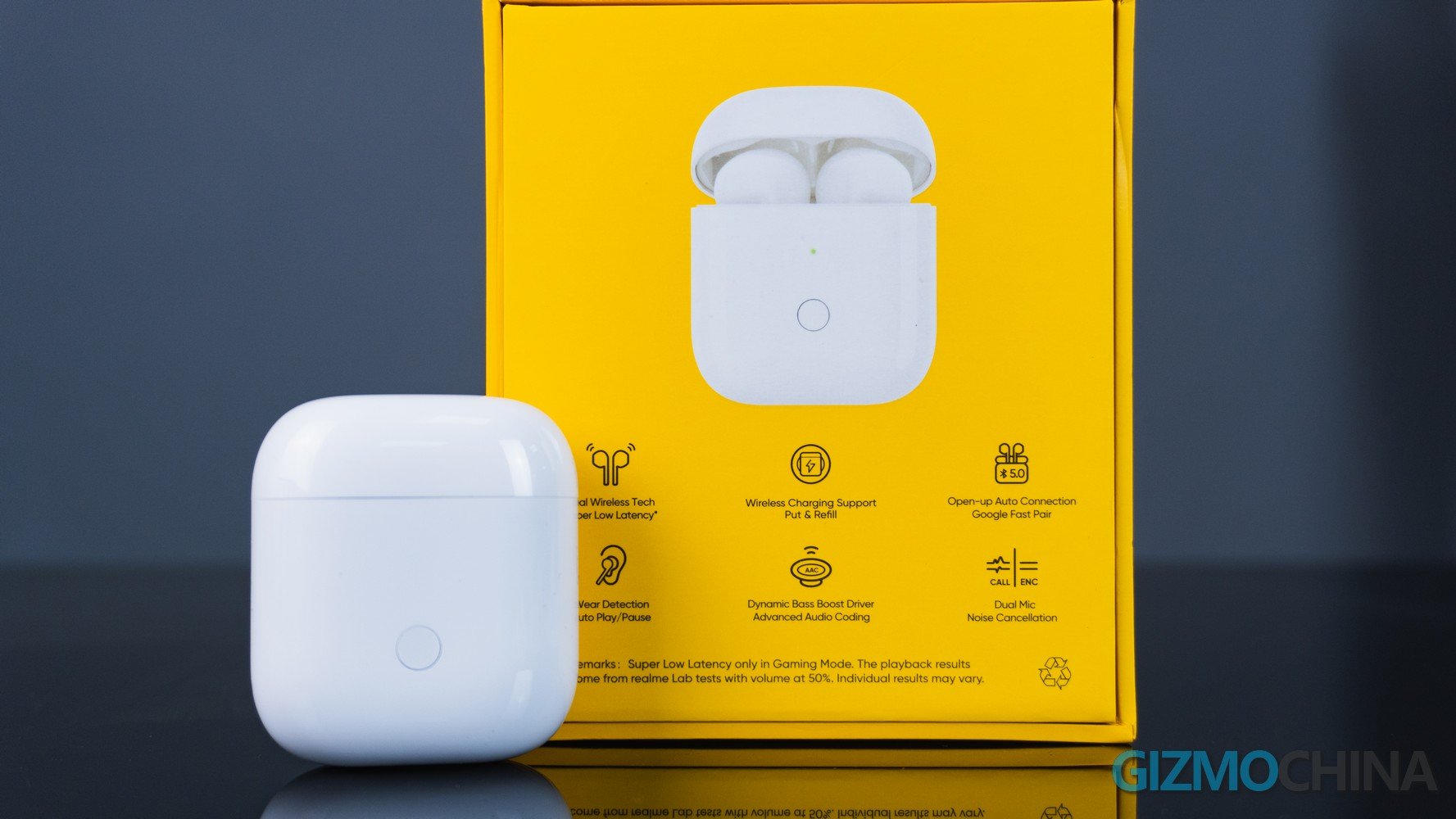
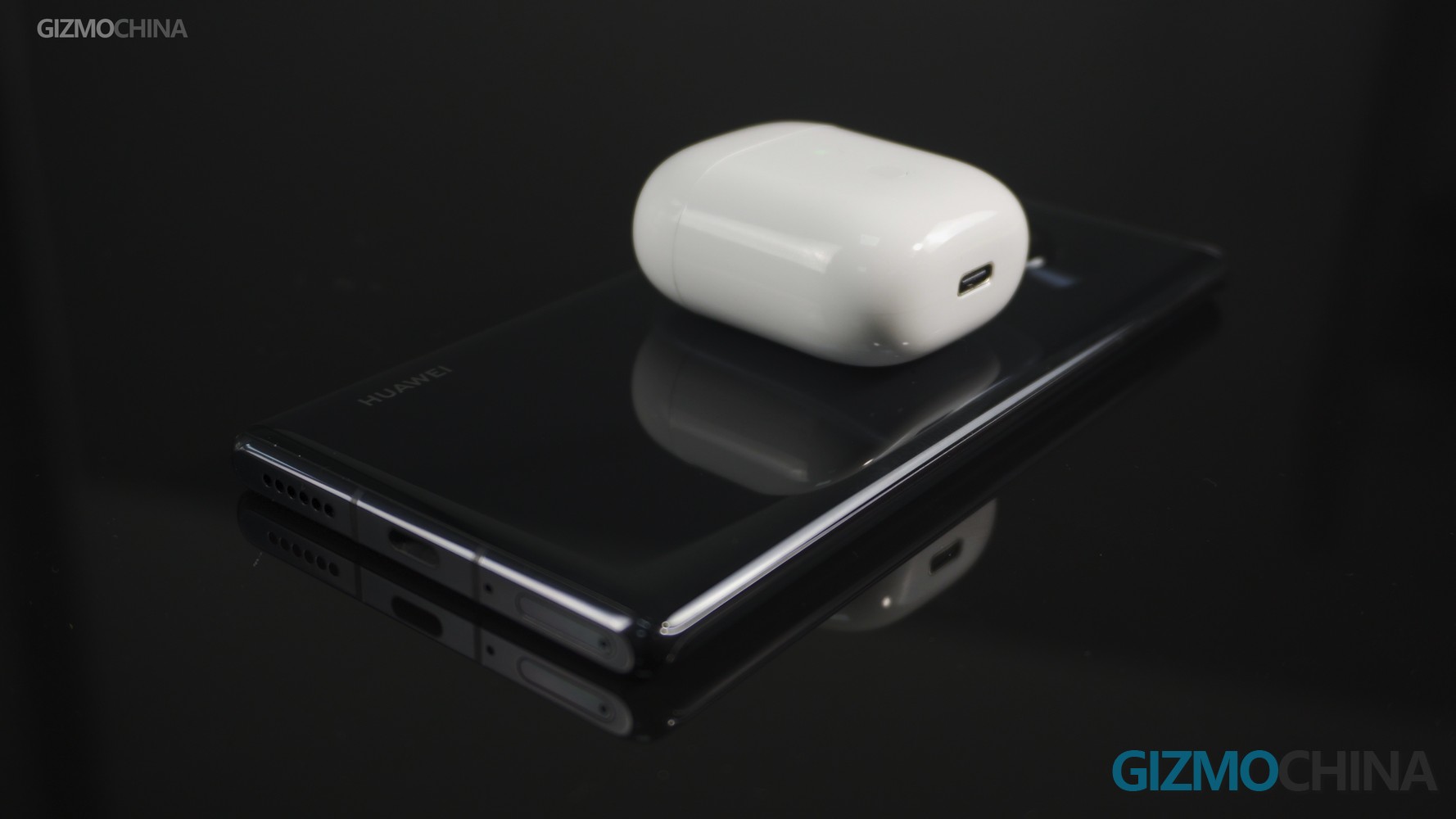
But when we look close to what’s in the box, the minimalistic design of the charging case is a bit different. The case of the Buds Air is entirely plastic but the lid is quite firmly. The case weighs just 42 grams, and each earbud just contributes about 4 grams, which is pretty lightweight. There is a USB-C port on the bottom for charging, but surprisingly the case supports wireless charging up to 10W on every basic Qi charger. The included wireless charging capabilities of the Realme Buds Air just challenged those competing earbuds which would ask you for an extra charge. And the Buds Air only costs you around 60 US dollars.
If you were afraid that the case breaks, Realme will allow you to buy just the case or even just a separate earbud. The earbuds are also made of plastic with a clean design, and three-color versions are available, yellow, white, and black.
Low latency
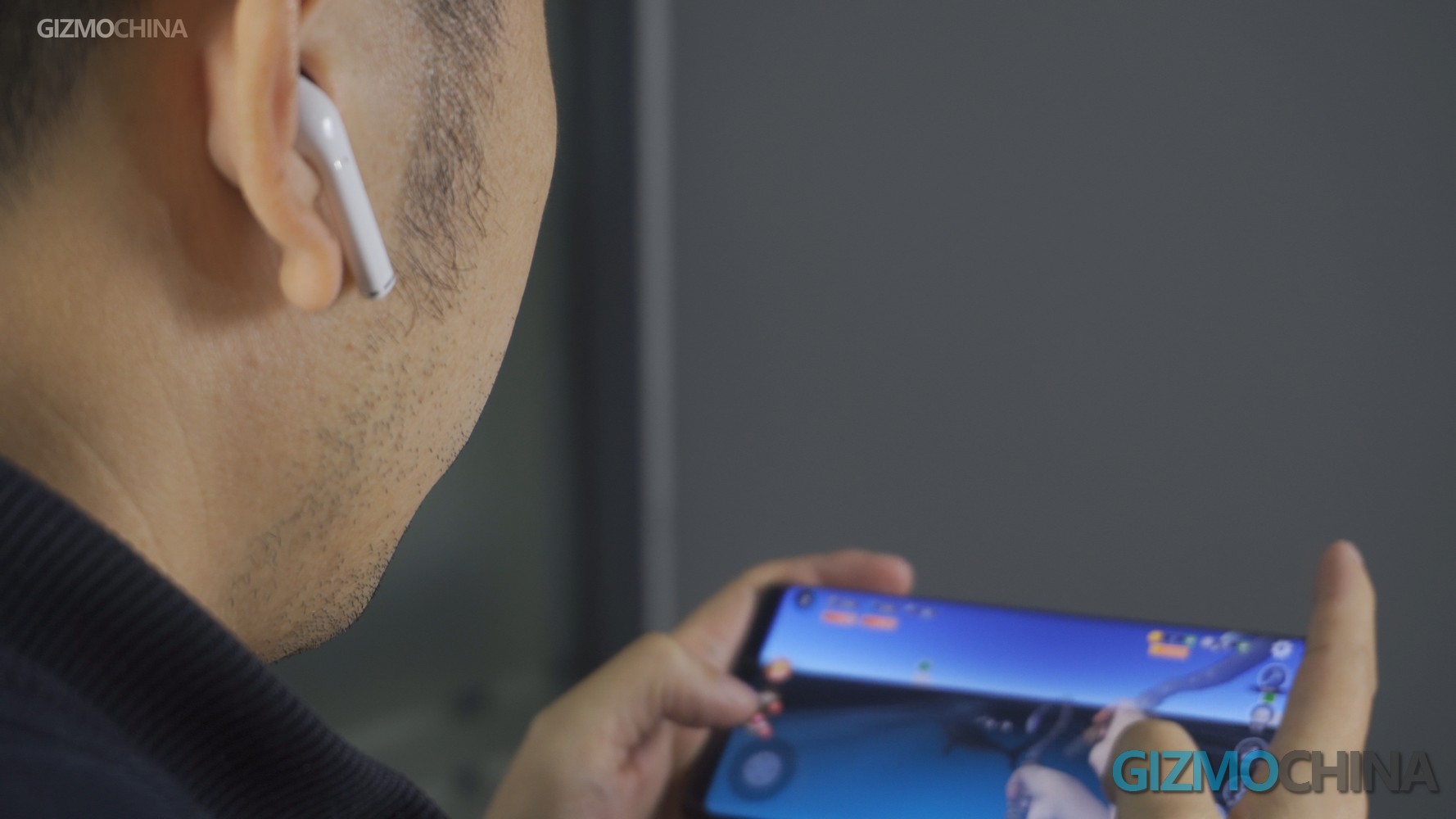
Both earbuds have a touch-sensitive button for multiple commands, like double-tap to pauses the track or answer a call, triple tap to skip to next song. And the Buds Air features a gaming mode which would reduce connection latency. You can press both buds for two seconds to enter the low-latency gaming mode.
Sound
Let’s get back to the sound and the overall performance of the earbuds. There are two microphones in each bud – one for conversations and one for talking noise canceling.
As budget wireless earbuds, the Realme Buds Air sounds good. To be more specific, I would say the sound is pretty pure and crisp. They reserve good detail of vocals and high-pitch sounds. relatively, the bass is good but not as impressive as the vocals.
Battery & wireless charging
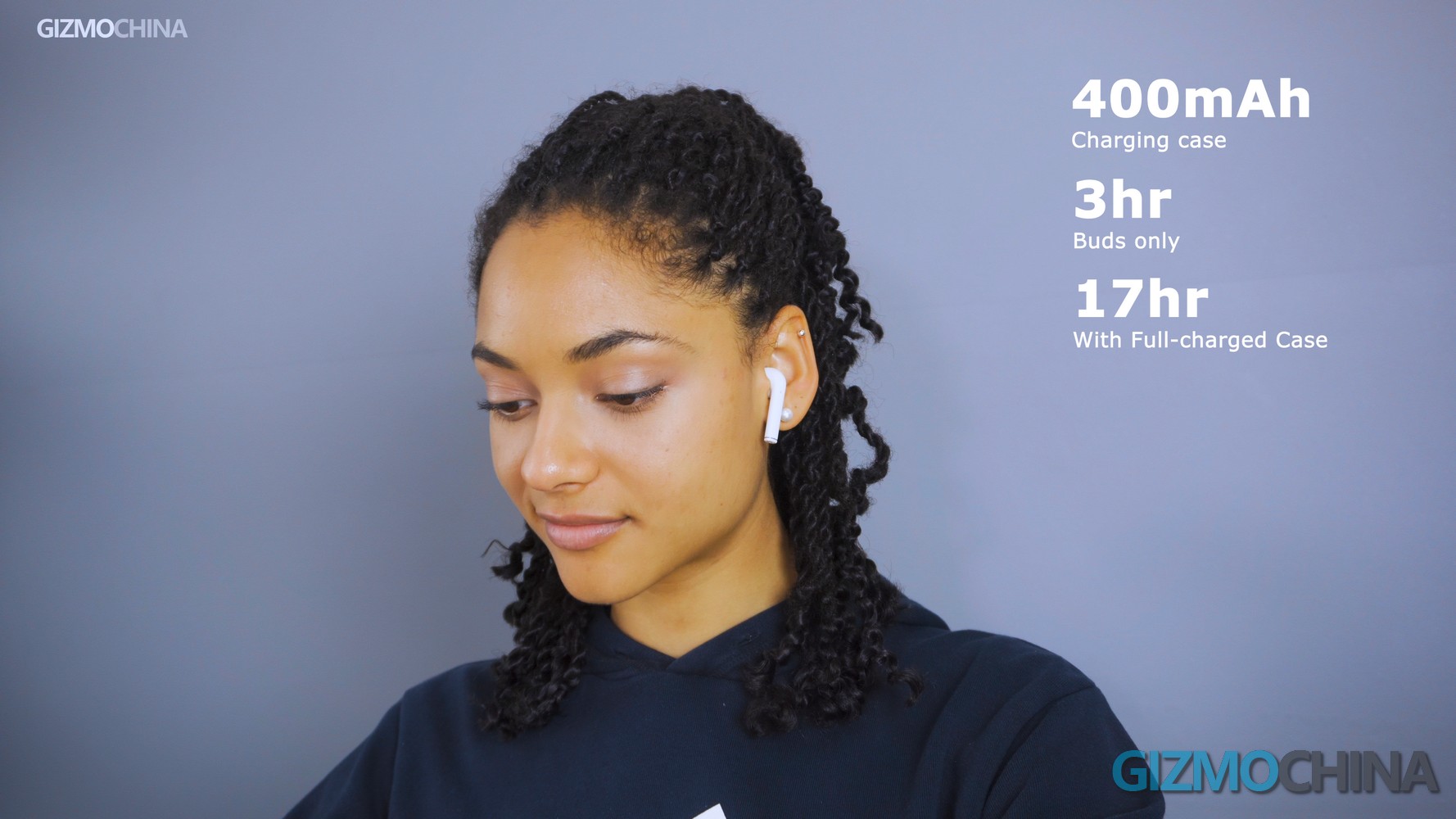
As for their battery life, The Realme Buds Air case has a 400 mAh battery. It helps expand the earbuds’ 3 hours battery life to 17 hours. There is an indicator lighting up and letting you know when the power is going to run out. There are different modes and three colors for the different levels of charge, but relying on your android phone to tell you the exact power seems more convenient.
The most surprising feature of the realme Buds Air is the super-low latency. It’s really better than most wireless earbuds that even are more expensive than the Realme buds Air. So, if you are looking for a wireless earbud for playing games, besides the expensive AirPods, the Realme Buds Air absolutely is the best choice. It’s really difficult to notice the latency when play gaming.
Conclusion
Throughout the several days of listening, the Realme Buds Air is definitely one of the most surprising earbuds in our workshop. Although they’re not a pair of high-pricing earbuds, we are confident to say that it’s able to challenge the big players in the wireless earbuds market. Realme is still the Realme that is always pricing aggressively while providing impressive performance. Based on what we tested above, we are looking forward to seeing how it challenges the market.
Few days ago, OPPO had launched the OPPO Reno3 series of smartphones in China. The Reno3 and Reno3 Pro phones were made available on reservations until today in China. On Dec. 27, the company had confirmed that the Reno3 series had met with 1.5 million registrations. Starting from today, the Reno3 and Reno3 Pro phones are for available for purchase in the home market.
OPPO Reno3 and Reno3 Pro Specifications
The OPPO Reno3 and Reno3 Pro are respectively equipped with a 6.4-inch and 6.5-inch AMOLED displays. The Reno3 has a waterdrop notch whereas the Pro edition features a punch-hole on the display. The Reno3 and Reno3 Pro offer full HD+ resolution of 1080 x 2400 pixels and 20:9 aspect ratio. Both phones posses front-facing cameras of 32-megapixel. The ColorOS 7 based Android 10 OS runs on both devices.
The rear side of the OPPO Reno3 Pro has a quad camera setup that includes an OIS assisted 48-megapixel Sony IMX586main lens, a 13-megapixel telephoto with 2x optical zoom, an 8-megapixel ultrawide sensor and a 2-megapixel monochrome lens. The Reno3 Pro is driven by Snapdragon 765G mobile platform.
The OPPO Reno3 has a quad camera system featuring a 64-megapixel main lens with OIS, an 8-megapixel ultrawide lens, a 2-megapixel monochrome lens and a 2-megapixel depth sensor. The smartphone draws power the from the MediaTek Dimensity 1000L chipset. Both devices are packed with 4,025mAh batteries that carry support for VOOC 4.0 Flash Charge technology. Both smartphones come with dual mode 5G, Bluetooth 5.0, Wi-Fi 802.11ac, GPS and USB-C. Both phones lack support for 3.5mm audio jack.
OPPO Reno3 and Reno3 Pro Pricing
The Reno3 comes in two flavors such as 8 GB RAM + 128 GB storage and 12 GB RAM + 128 GB storage. These models can be respectively availed for 3,399 Yuan (~$487) and 3,699 Yuan (~$530). Its color editions are Sunrise Impression, Moonlight White, Moonlight Night Black and Blue Starry Night.
The Reno3 Pro has two variants like 8 GB RAM + 128 GB storage and 12 GB RAM + 256 GB storage. Both variants are respectively priced at 3,999 Yuan (~$573) and 4,298 Yuan (~$616). Sunrise Impression, Misty White, Moonlight Night Black and Blue Starry Night.
Oppo, one of the leading smartphone brand from China, has been actively trying to diversify its portfolio of products. Recently, at a conference held by Oppo, the theme was set as “integrating the ecological and intelligent future”, hinting that the company plans to enrich its own product line.
Currently, the company’s lineup of products include smartphones and wearable devices, and to achieve ecological integration, the company needs to launch a few other products. It is being speculated that the Chinese company could soon launch a smart TV.
While the company has not yet announced anything related to launching its own smart TV line, rumors indicate that it could soon enter this space with the launch of Oppo TV, which makes perfect sense.
Currently, demand for the large-screen smart TVs in the market is growing and many smartphone brands have entered this segment to meet the demand. The likes of Xiaomi, Huawei, Honor, Motorola, and OnePlus have already launched their Smart TV line and Nokia branded TVs have also been launched in India.
Xiaomi Group recently announced that its smart TV shipments have crossed 10 million units in the year 2019; this breaks previous records in the history of Chinese television sales in just one year.
As for the Indian market, Xiaomi is leading the Indian Smart TV market and a report from IDC claims that Xiaomi’s Mi TV holds about 33 percent of the market share when it comes to Smart TVs in India. The second spot is grabbed by Samsung India with a market share of 14 percent while LG sits at third with a share of 13 percent.
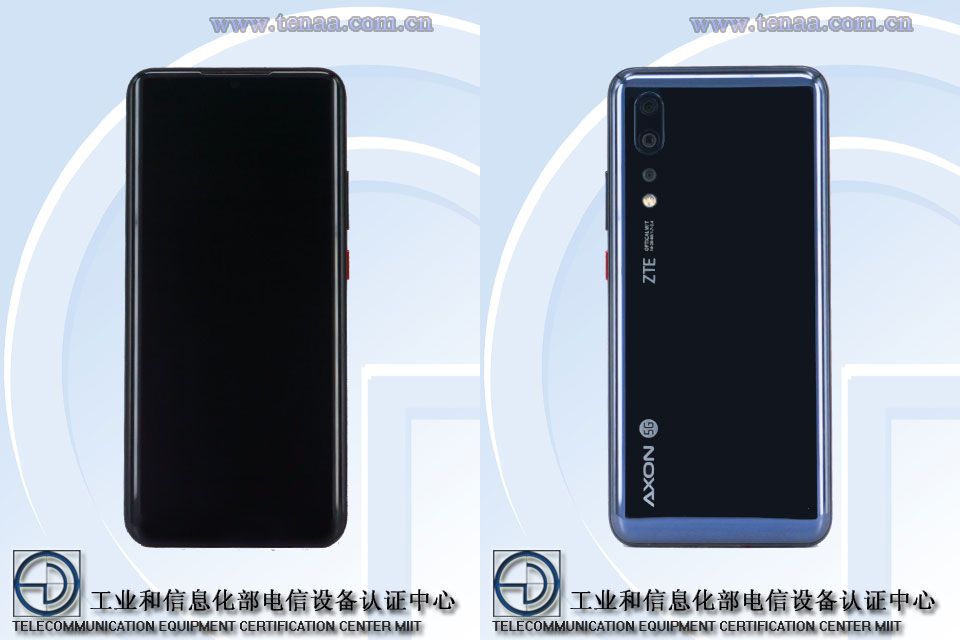
Yesterday, the forthcoming Axon 10s Pro 5G smartphone that has a model number of ZTE A2020 SP had surfaced on the database of TENAA. The listing had revealed the preliminary specs of the Axon 10s Pro 5G smartphone. Today, the handset has appeared with its entire specifications on TENAA. This indicates that the smartphone may go official in January in China.
ZTE Axon 10s Pro 5G Specifications
The TENAA listing of the ZTE Axon 10s Pro 5G states that its dimensions are 159.2 x 73.4 x 7.9mm and it weighs 175 grams. The smartphone is fitted with a waterdrop OLED display that is integrated with a fingerprint scanner. The display neatly curves towards its left and right edges. The screen offers 19.5:9 aspect ratio as it produces full HD+ resolution of 1080 x 2340 pixels.
The Snapdragon 865 mobile platform is present under the hood of the device. The phone comes in three RAM variants like 6 GB, 8 GB and 12 GB. The storage editions of the smartphone are 128 GB, 256 GB and 512 GB. The Android 10 OS comes preinstalled on the device. As the company has already confirmed, the Android 10 OS will be skinned with its latest MiFlavor 10 UI.
The Axon 10s Pro has a 48-megapixel + 8-megapixel + 2-megapixel triple camera setup. It has a front-facing camera of 20-megapixel. The phone is backed by a 3,900mAh minimum capacity battery. It carries support for fast charging. The Chinese firm has already confirmed that the ZTE Axon 10s Pro will come in Black color. The other color variant dubbed as Ochre is also listed on TENAA. Apart from these specs, the Chinese firm has already confirmed that the Axon 10s Pro 5G will arrive with LPDDR5 RAM and the latest Wi-Fi 6 connectivity.
ZTE is yet to confirm on the launch date of the Axon 10s Pro 5G. The TENAA appearance of the smartphone at TENAA is a good sign that it will go official soon in China. It remains to be seen whether ZTE will become the first brand to launch the Axon 10s Pro 5G as the Snapdragon 865 SoC powered device. As of this writing, there is no word on the pricing of the smartphone. The Chinese firm is slated to showcase the device at the Mobile World Congress (MWC) 2020 tech exhibition in February.
Smartphone industry has seen a lot of innovations in the past couple of years, including in-display fingerprint sensors, different display types and designs, and innovative camera solutions, among others.
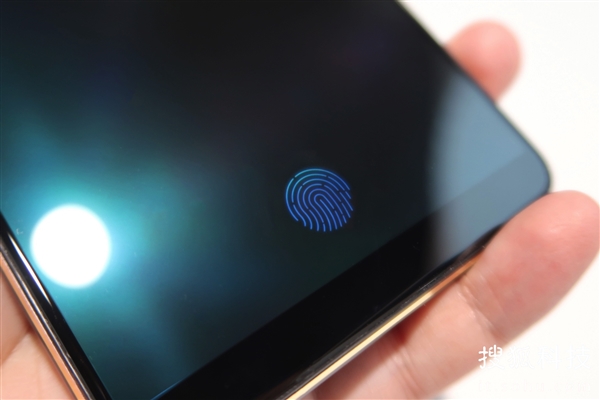
While the technology for the under-display fingerprint sensor has seen active advancement, it is still limited to OLED display. Zhang Fan, CEO of Goodix Technology has stated in his 2020 New Year’s speech about “Getting ready to innovate and broaden new channels” that the company will actively promote the large-scale commercialisation of ultra-thin screen optical fingerprint solutions.
The company is also planning to provide 5G terminals as well as biometric identification solutions with better performance. However, the major advancement will come with the company’s plan for the implementation of optical fingerprints under LCD screens.
Along with the mass production of the in-display fingerprint sensor for the LCD screens, the company also plans mass production of a new generation of On-Cell touch chips adapted for the new flexible OLED display. The company has also stated that it will launch a ToF solution in due course in 2020.
Further, the company has added that in the year 2019, a total of around 101 commercial models in the market, including Huawei Mate30 Pro, Xiaomi CC9 Pro, and OnePlus 7T Pro comes equipped with its under-screen optical fingerprint solution.
So far, the technology of under-display fingerprint sensor has been limited to OLED panels because their thinness allows light to pass through easier. Apart from Goodix Technology, companies like BOE and AUO Optronics are also working on LCD displays that support an optical in-display fingerprint scanner.
Lenovo‘s vice president and head of Lenovo Mobile China, Chang Cheng has officially announced that he would be leaving the company which he joined 19 years ago. Before now, it was reported that Chang Cheng had resigned on December 18, the same day Liu Chuanzhi retired.
Mr Cheng was transferred to the company’s MBG (Mobile Business Group) China and was detailed to take charge of product organization, research, and development. Before then, Cheng has been in the news in the past couple of years as the CEO and co-founder of the popular ZUK sub-brand of the Lenovo group. Chang is also popular among tech media especially because he was never shy to talk or reveal renders of ZUK products before launch.
Cheng joined Lenovo in 2000 as the director of research and development of the notebook business unit; in 2011, he was the vice president of Lenovo Group and the general manager of the mobile end-to-end software platform, Lenovo Music Store and Aubergine Express, and also participated in the development of Lenovo Yoga tablet. Computer and Lenovo K900 smartphone; In June 2015, he became CEO of ZUK mobile phone brand.
In recent times, Mr Cheng has often courted a controversial posture for hyping the firm’s upcoming smartphones. We can’t forget in a hurry how we expected a Lamborghini looking flagship in the Lenovo Z5 but ended up getting a different thing. Just like other models the CEO has built hype around, the Z5 wasn’t in any way a disappointment for a mid-ranger and that was what has always pacified fans.
We’ll sure miss his frequent Weibo post which usually gives us the specs of several models before they were released. The tech giant is yet to announce a replacement.
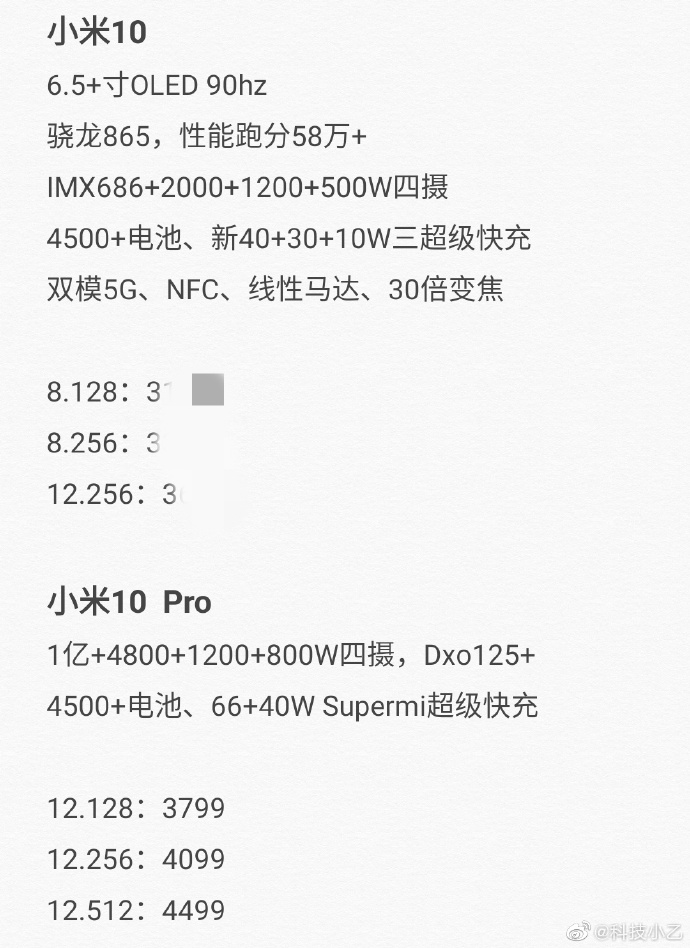
Now, another leaker has posted the specs of the two phones along with their prices. Before we dive in, we want to state that these specifications and prices are unconfirmed, hence the reason why you should take them with a pinch of salt.
Mi 10 Specs and Price
According to the source, the standard Mi 10 will have a 6.5-inch OLED display with a 90Hz refresh rate but doesn’t mention the design of the display.
The spec sheet says the phone will have four rear cameras – a Sony IMX686 primary camera paired with a 20MP camera which should have an ultrawide lens; a 12MP camera with a telephoto lens; and a 5MP camera which should be a depth sensor or macro camera. It is also stated that the phone will have 30x (digital) zoom.
The Mi 10 will pack a battery capacity that is above 4500mAh and will support a triple fast-charging system that includes 40W fast wired charging, 30W wireless fast charging, and what we presume to be 10W reverse wireless charging. Other features mentioned include dual-mode 5G, NFC, and a linear motor.
The source says the Mi 10 will be available in three configurations – 8GB RAM + 128GB, 8GB RAM + 256GB, and 12GB RAM + 256GB. Their respective prices have been blurred out save for the first digit that is “3” in all cases. This means the Mi 10’s price tags fall under the ¥3999 (~$573) mark.
Mi 10 Pro Specs and Price
The leaked Mi 10 Pro’s specs are fewer. There is no mention of the screen size, type, and resolution. We do not know if to presume they are the same as that of the Mi 10 above or if the source has no info on them.
With respect to cameras, the Mi 10 Pro will also have a quad camera setup. The primary camera is a 108MP sensor and it is paired with a 48MP camera whose function is unknown, a 12MP sensor that probably has a telephoto lens while the fourth sensor is an 8MP camera.
Its battery capacity is also stated as over 4500mAh and it has support for 66W fast wired charging and 40W wireless charging. There is no mention of support for reverse wireless charging.
The Mi 10 Pro is also stated to come in three configurations – 12GB RAM + 128GB, 12GB RAM + 256GB, an 12GB RAM + 512GB. Unlike the Mi 10, the prices for the Pro version have not been blurred out.
The 128GB version has a ¥3799 (~$544) price tag, the 256GB variant is priced at ¥4099 (~$587), while the 512GB version is ¥4499 (~$644)
Both phones should run MIUI 11 based on Android 10 out of the box.
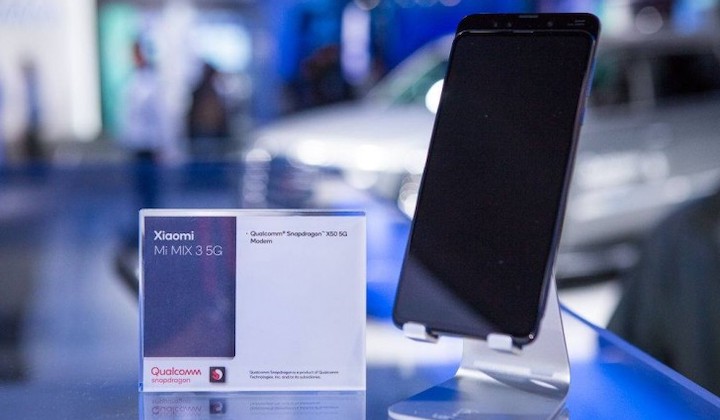
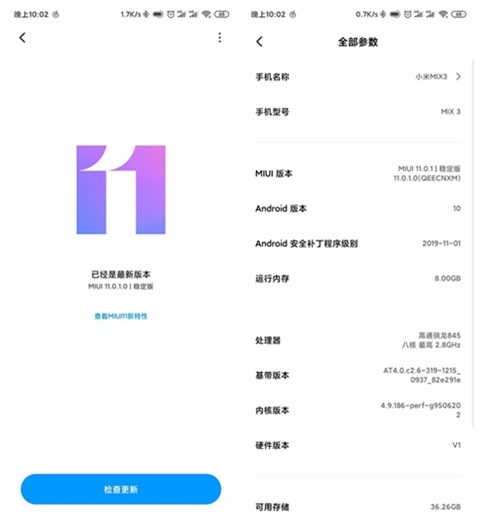
Xiaomi‘s latest MIUI 11 custom ROM is available on almost all known eligible Mi smartphones. The thing is, the update didn’t usher in Google‘s latest Android 10 even though there are several new features inspired by Android 10 onboard. The Mi Mix 3 is one of the early models to get MIUI 11 update based on Android 9. Xiaomi later rolled out beta update of Android 10-based MIUI 11 for beta testers in China late October. Right now, there are indications that the stable version is now being pushed to Mix 3 users in China.
Xiaomi’s MIUI 11 is a big update that changes up a lot of things for the popular Android skin. Starting with the visual aspects, you get slightly softer icons, a system-wide dark mode, new Mi Lan Pro system font and improved always-on display functionality. There are also new animations, themes, wallpapers and improved notification system.
MIUI 11 also delivers an enhanced audio experience with all-new dynamic natural sound effects and alarms. Xiaomi also announced the new Mi Go Travel suite which will help you with booking tickets for a broad range of transport ranging from aeroplane to rail and bus. The update also brings an improved currency converter and an extreme power-saving mode.
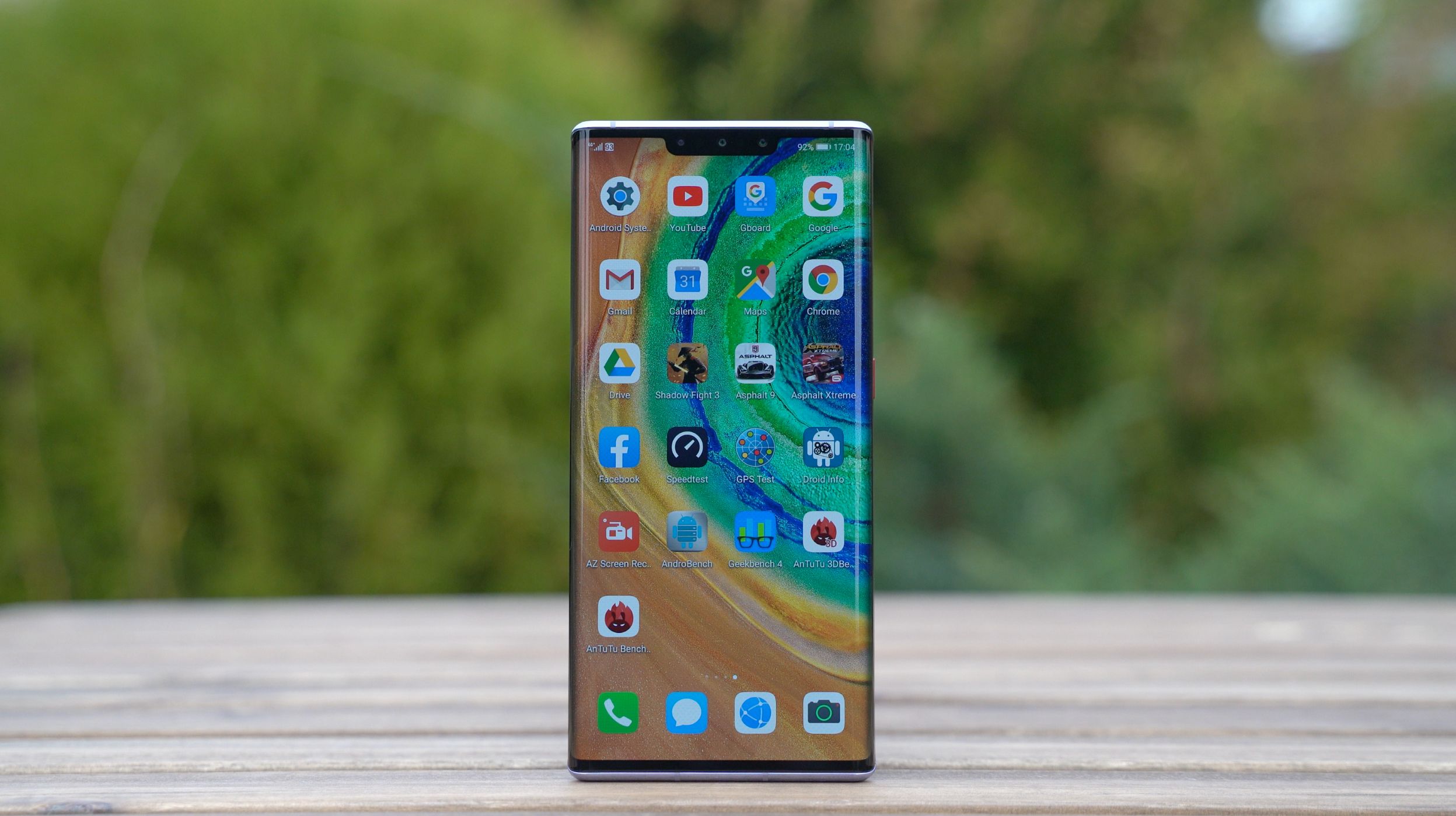
Huawei‘s 2019 flagship Mate 30 series was heavily affected by the trade ban imposed by tech US government on the tech giant. Thus, it was sort of a surprise when Huawei announced back in October that it had shipped over 7 million Mate 30 series models. The models are apparently selling amazingly well as a report by Chinese blog Sina has shown that the Mate 30 series sales figure has reached an amazing 12 million units.
This should come as a surprise as there were fears the shipment would be affected by the US ban which ensured the models shipped without Google Mobile Services. That also meant the phone was only available in limited supply outside China even in Huawei’s strongholds like Europe. That means most of the sales have emanated from China and rightly so, a report in October revealed the Mate 30 and 30 Pro were selling pretty well in China.
Huawei’s goal with the Mate 30 lineup is to top the 20 million shipments mark which seems like an attainable goal judging by the current sales volumes.
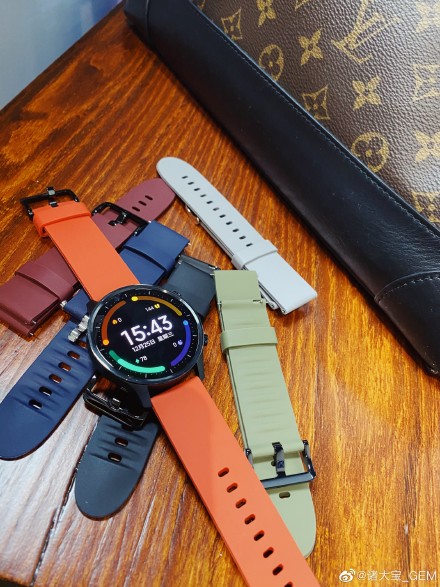
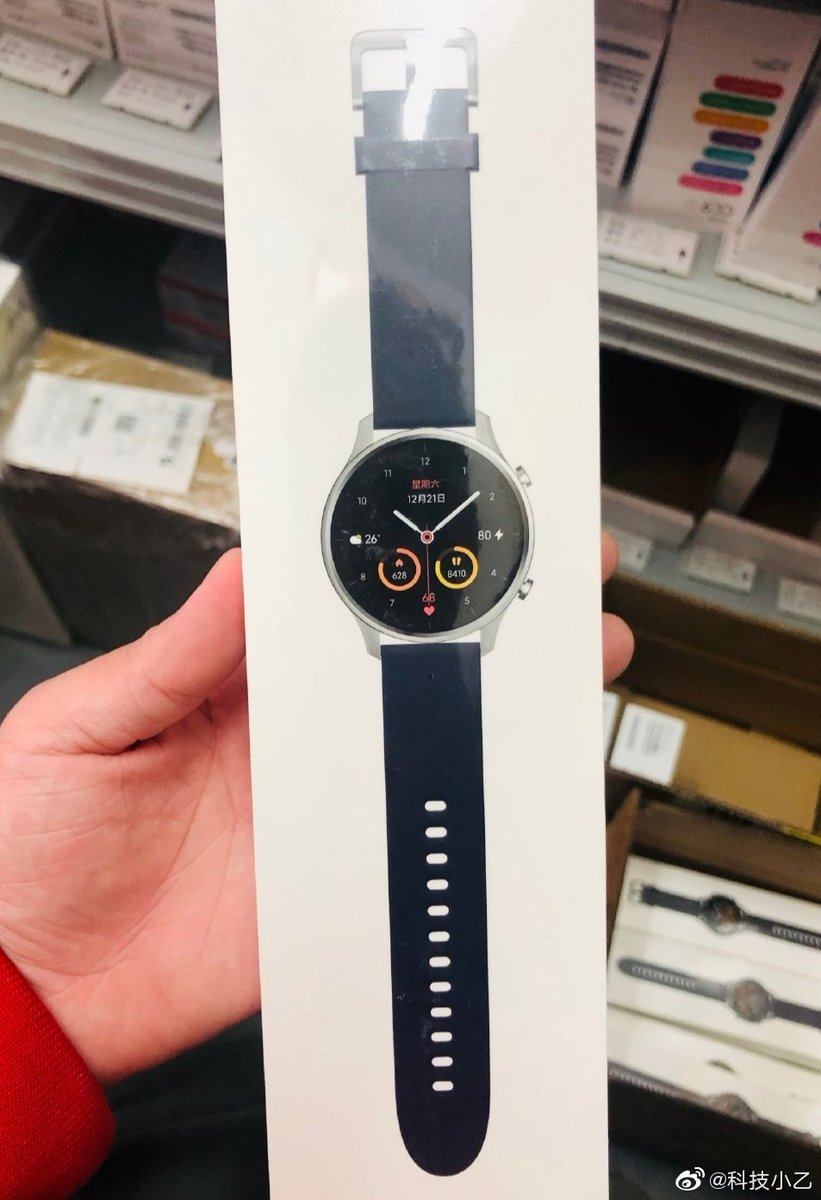
The Xiaomi Watch Color is trending today following its partial unveiling earlier in the morning. Hours later, more news about the new smartwatch keeps pouring in. The latest is a bunch of live photos of the smartwatch alongside pictures of the retail box which reveals some of the watch’s key specifications.
The images of the retail box were posted on Weibo by a user that goes by @科技小乙. The color variant is different from the one we saw earlier today. It has a silver frame rather than black with matching buttons and black/dark blue straps.
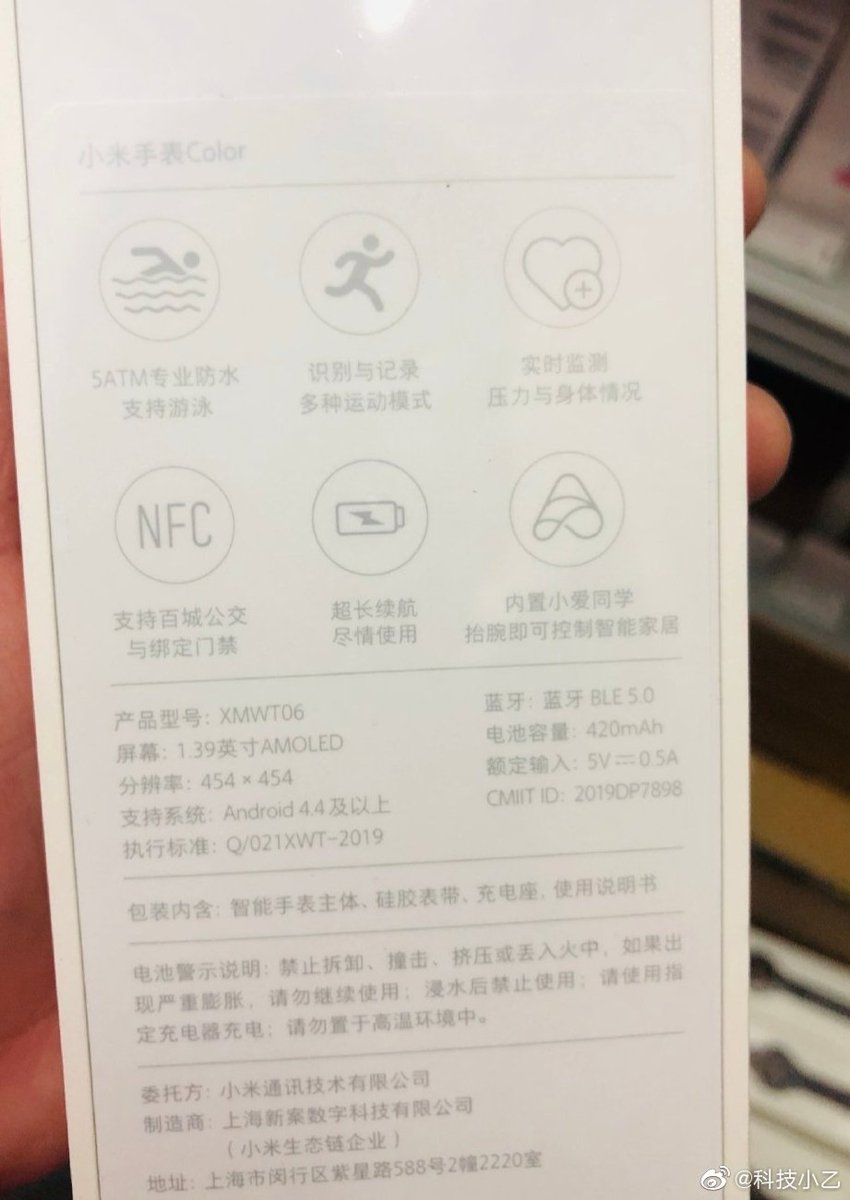
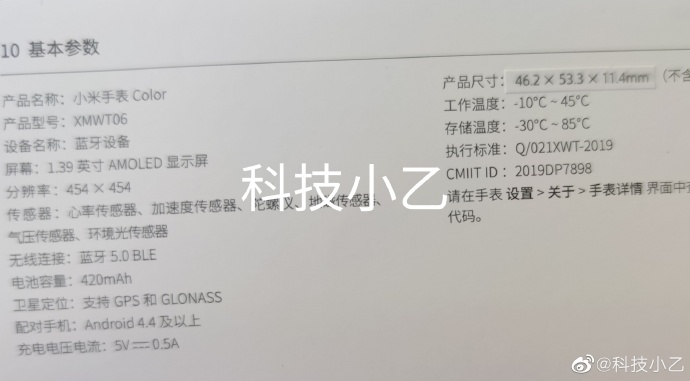
The back of the retail box reveals the watch’s model number as XMWT06. It has a 1.39-inch AMOLED display as we correctly guessed with a 454 x 454 resolution. The retail box also shows the watch has Bluetooth 5.0 LE and GPS + GLONASS.
Another key info revealed is the battery capacity which is 420mAh, 10mAh more than that of the Amazfit GTR 47mm version. So it should have a slightly better battery life since they both have the same screen size and resolution. The watch has a power rating of 5V 0.5A.
Other features mentioned include NFC, water-resistance up to 5ATM, activity tracking, heart-rate monitoring, and support for XiaoAI Assistant. The retail box says the watch supports devices running Android 4.4 KitKat and above.
Since the Xiaomi Watch Color doesn’t have LTE support, it should have a price tag lower than the Xiaomi Watch. The source mentions there is a 42mm version. That should have a smaller battery capacity and an even lower price tag.
[envira-gallery id=”298078″]
Alongside the photos of the retail box, we also got some live photos of the watch in different color variants. Does the orange variant give you some Amazfit Pace vibes?
Unlike our previous Best Budget, Mid-Range and even Flagship Killer lists, this one has no real surprises. Huawei, Samsung, and Apple dominate the flagship segment, as always. However, one new addition in this product category is OnePlus, all thanks to its new dual-smartphone strategy. The Chinese smartphone maker has slowly sneaked its way over to the premium segment this year and it shouldn’t come as a surprise that its flagship is the cheapest one in this list.
So let’s look at our picks for the Best Flagship Smartphones of 2019.
Unlike most other smartphone companies, OnePlus‘ limited product portfolio helps it to perfect its existing products in the market. So OnePlus smartphones are one of the most fluid devices in the Android segment. That rubs off on the new OnePlus 7T Pro as well.
The 7T Pro looks beautiful, is superfluid, comes with powerful rear cameras, and a fancy dual-curved display. It is powered by the fastest flagship processor from Qualcomm, the Snapdragon 855+ with up to 12GB of RAM and 256GB of UFS 3.0 storage. It features a slightly better camera setup as compared to its cheaper sibling which includes a 48MP primary shooter paired with an 8MP telephoto lens (3X optical zoom) and an ultra-wide 16MP lens. This setup enables the 7T Pro to capture amazing shots, coming closer to flagships like the Huawei P30 Pro and the Galaxy Note 10+. The flexible curved display up front with 2K+ resolution looks exceptional and is my favorite feature of this phone! You get all this for at least Rs. 10,000 or €150 cheaper than the other models in this list. We do miss wireless charging on the 7T Pro, but it won’t be a deal-breaker for most users.
If there was one Huawei phone that stood out in 2019, it would be none other than the Huawei P30 Pro. Huawei stunned us all with the amazing periscope camera setup and the fancy moon mode, never before seen on a smartphone of its size.
The P30 Pro is one of the best camera smartphones of 2019. The phone features a powerful quad-camera setup with a Leica lens that includes a 40MP primary camera, an 8MP periscope lens, a 20MP ultra wide-angle shooter, and a 3D ToF sensor. It was a product of innovation, being the world’s first phone to employ the RYYG based Sony’s new IMX650 sensor instead of a traditional RGB Bayer color filter.
But the P30 Pro was not all about cameras. The phone camera with the powerful Kirin 980 octa-core processor, up to 8GB RAM, a beautiful 6.4-inch OLED display, and a 4200mAh battery with fast wireless charging. The phone also featured relatively fast 15W wireless charging and even reverse wireless charging, just like the Mate 20 Pro!
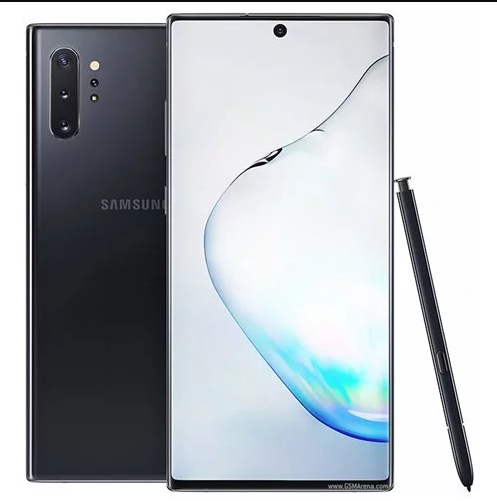
What’s the Best Flagship Phones list without a Galaxy Note device, right? Samsung made a solid comeback this year with the Galaxy Note 10+. The phone comes with Snapdragon 855 (or Exynos 9825) with 12GB of RAM, a large 6.8-inch Dynamic AMOLED flexible display and 45W 4300mAh battery on board. The Galaxy Note 10+ camera isn’t all fancy like the P30 Pro but its quad-camera setup featuring a 12MP primary (dual-pixel) sensor, another 12MP telephoto sensor for 2x optical zoom, a 16MP ultrawide lens, and a ToF 3D VGA camera takes consistent high-quality images. For the past few years, Samsung Galaxy Note devices have featured one of the best cameras in the market, and the 2019 Galaxy Note 10+ is no exception. It’s also IP68 certified like its predecessor and comes with 15W wireless charging (reverse wireless charging too!).
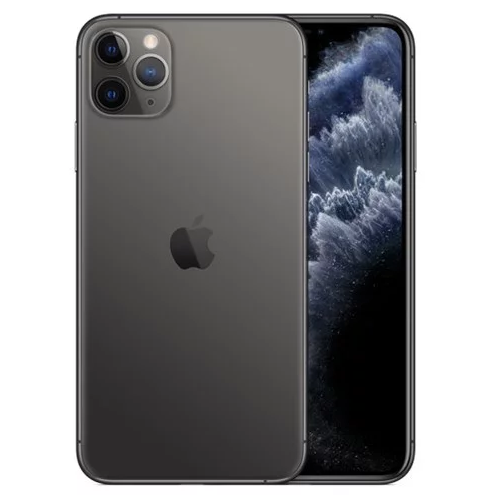
Traditionally, the iPhone series wouldn’t have made it to our Best Flagship Smartphones list. But in 2019, things are different and Apple has clearly upped its game. The Apple iPhone 11 series features one of the best smartphone cameras in the market today. And the 11 Pro Max takes things to another level. The phone features a beautiful 6.5-inch 1242 x 2688 pixel resolution XDR OLED display with 120Hz touch sensing for fluid touch response. The Hexa-core A13 Bionic chip is one of the fastest smartphone processors in the market right now and that’s paired with a 4-core Apple GPU. The 4000mAh battery inside the iPhone 11 Pro Max is the largest battery capacity on an iPhone, ever!
All these features are top of the line, but the real reason this phone makes it to the Best Flagship Smartphones of 2019 is because of its triple camera setup at the back. The 11 Pro Max features three 12MP shooters, a primary dual-pixel sensor paired with a 2x optical zoom telephoto sensor and an ultrawide lens. The setup enables the phone to capture amazing photos. And the phone shoots videos better than almost all other smartphones on this list. Clearly, it wouldn’t be a fair Best Flagship Smartphone list without including the iPhone 11 Pro Max. Did you know the phone is IP68 dust and water-resistant too?
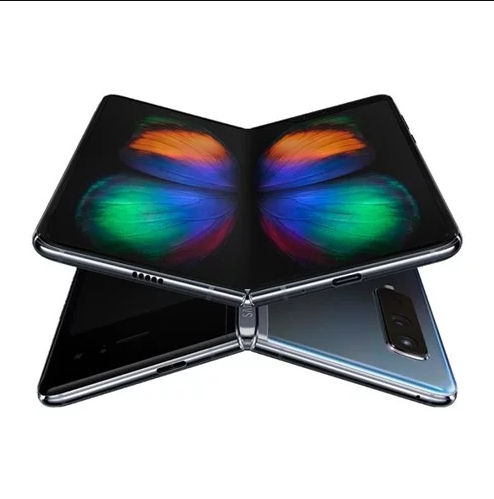
Honestly, we were not sure whether to include the Galaxy Fold to our list of the Best Flagship Smartphones of 2019. We were even more confused when the Fold made it to the Verge’s Biggest Fails of the Decade. However, after discussing the Pros and Cons of the Galaxy Fold, we decided to include it as a special category. After all, it is the world’s first commercial foldable in the market right now and selling more than 500,000 units of an experimental smartphone is success in itself!
The Galaxy Fold is the world’s first true commercial foldable available for purchase. Despite its ups and downs, Samsung has managed to create a phone that’s relatively durable, powered by top-end hardware, and features a display that transforms into a tablet with a simple unfold. If you have an eye for revolutionary technologies and an unlimited budget, the Galaxy Fold is the smartphone to buy in 2019.
The Galaxy Fold features two displays, a traditional 4.6-inch AMOLED panel outside and a Foldable Dynamic AMOLED 7.3-inch display inside. There are SIX cameras on board, three at the back which is very similar to the Note 10+, dual 10+8MP cameras on top of the flexible display inside, and another 10MP shooter on top of the cover display outside. A 4350mAh battery with 15W fast wired and wireless charging powers up the two displays. The software is one of the highlights of the Galaxy Fold, with the customized UI enabling a seamless transition between the two displays and allowing users to take full advantage of the tablet-sized display inside.
Next-gen technology often comes at an expensive price. And the Galaxy Fold starts at a staggering Rs. 1,64,999 in India or around €2000 in Europe! We have to add that, unlike other flagships, it won’t be easy getting hold of a unit.
So these were our picks for the Best Flagship Phones of 2019? Do you think any other device deserves a place on this list? Let us know!
The number of smart products launched by Xiaomi this year is huge. It is nearly impossible for everyone to remind them all. But fortunately, we followed the launch of every product and reported it on our portal. This made us know every product launched by the company in 2019 and make a selection of the best. Here, you will find a top 10 of the best Xiaomi smart products launched in 2019. We decided to include only products actually available in the market and not concepts or unfinished products. That is why you will not find products such as Amazfit X in this selection (despite being among the most innovative ones).
Top Xiaomi Smart Products of the year
Xiaomi Mi Watch
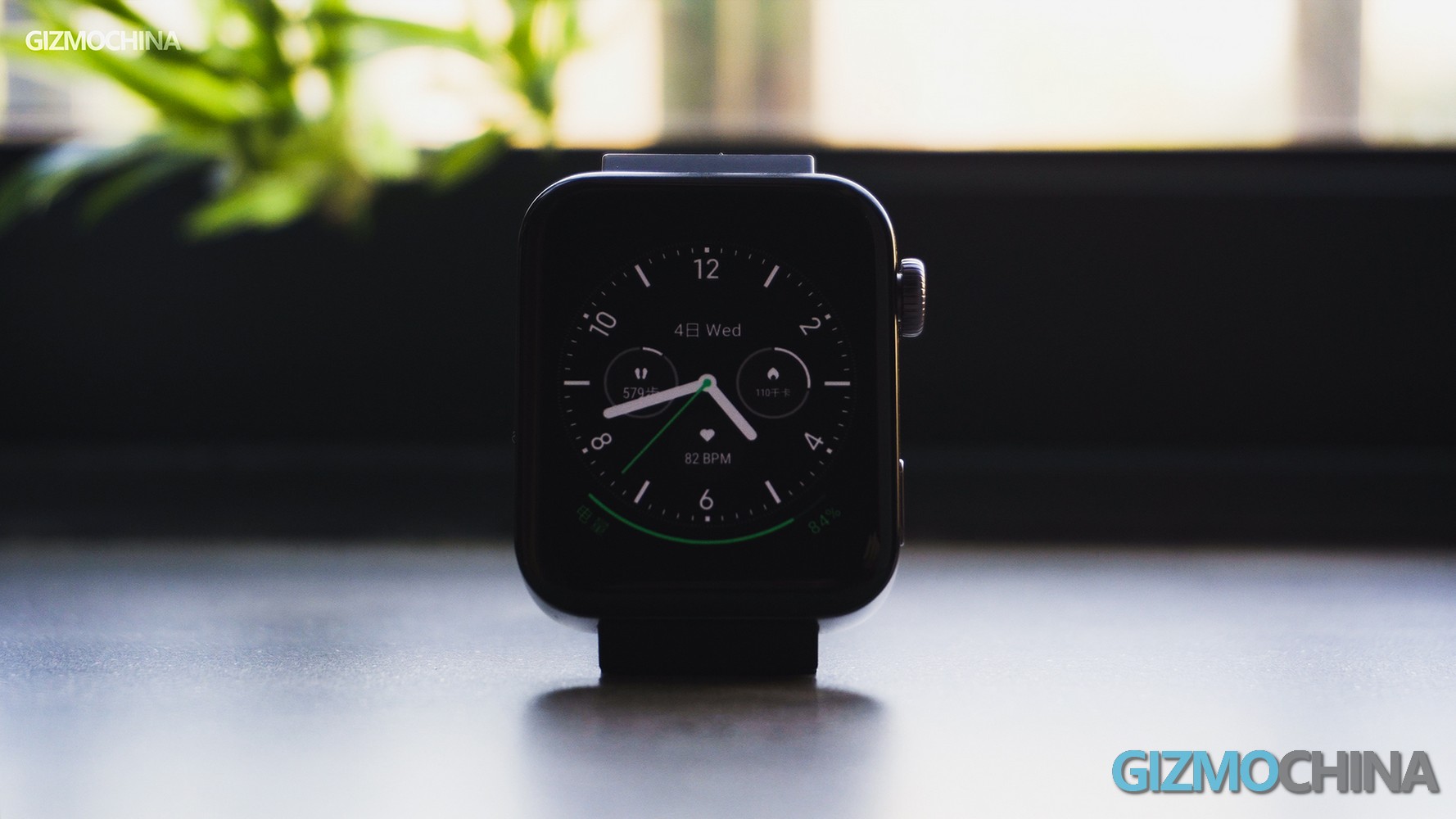
Xiaomi Mi Watch is Xiaomi’s first smartwatch (if we exclude the ones launched by its subsidiaries such as Amazfit, obviously) and the world’s first smartphone to run a customized version of Wear OS (it is customized by MIUI just like Xiaomi phones). Xiaomi calls this device a little smartphone on your wrist since it has a lot of smart functions and it can even be used as a phone thanks to its eSIM technology. It has a dedicated app store, a 1.78-inch square-shaped AMOLED display and the biggest battery even mounted on a smartwatch. Thanks to the 570 mAh battery, it offers up to 36 hours of battery life on a single charge.
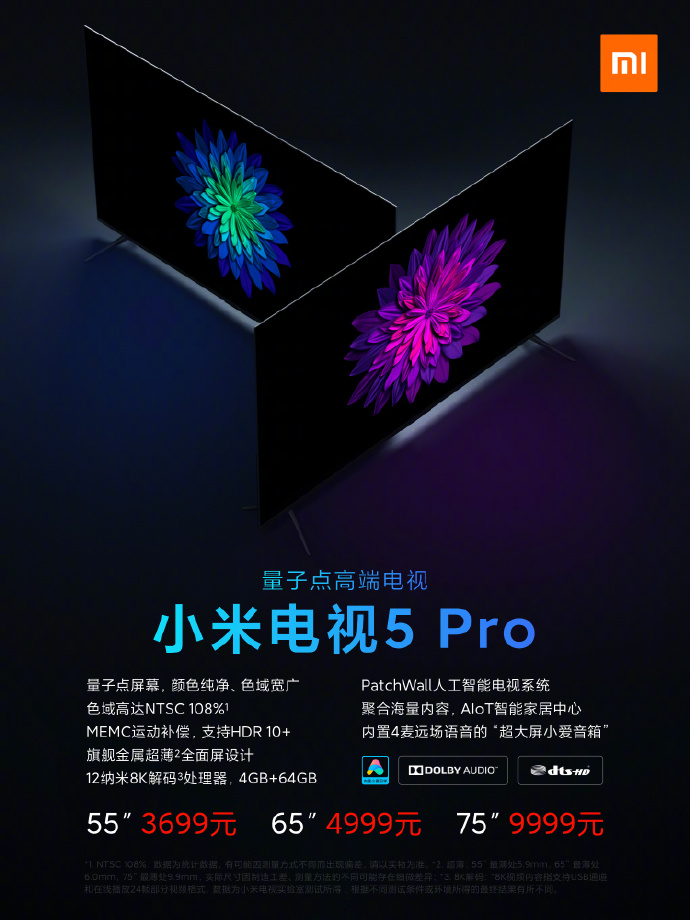
The Mi TV 5 Pro is not a budget TV like the other ones launched by Xiaomi. It is Xiaomi’s most advanced TV and it has a high-end panel with an amazing image reproduction. It is a Quantum Dot QLED display with the support to 8K decoding, HDR10+, MEMC motion compensation, and 108 percent NTSC color gamut. The display comes in three sizes: 55-inch, 65-inch, and 75-inch. Mi TV 5 Pro is even a smart TV and it is powered by the Amlogic T972 chipset with support for 8K video recording, paired with 4 GB of RAM and 64 GB of internal storage. Prices in China start from 3699 Yuan which roughly converts to $537.
Xiaomi Mi Band 4 launched in the half of this year became one of the best-selling fitness trackers of 2019. It is Xiaomi’s first smart band with a color display (finally) and, despite this, it is still able to offer a long battery life. Xiaomi Mi Band 4 is waterproof up to 5 atm and it monitors 6 sports and different types of swimming strokes. It supports Xiao AI voice assistant and also comes with NFC for mobile payments. All for a price inferior to €35.
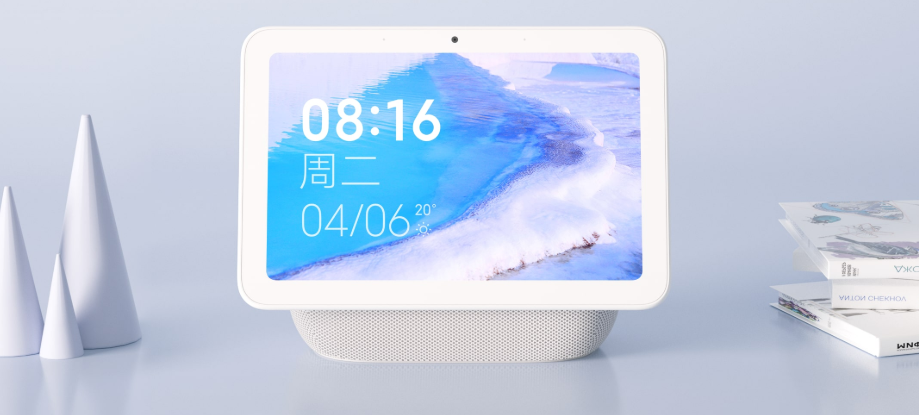
This year Xiaomi even launched a smart speaker which can be considered as an amazing alternative to Alexa for the Chinese market. Xiaomi Mi AI Touchscreen Speaker Pro 8 is a smart display with an 8-inch panel that works with Xiaomi’s own Xiao AI virtual assistant. It looks like the Google Nest Hub but with a bigger display (smaller than Nest Hub Max, though) and three subwoofers with Neodymium Iron Boron magnets and DTS audio. The smart display is able to interact with Xiaomi’s ecosystem allowing it to control a lot of Xiaomi smart products such as TVs, IP cameras and many other IoT platforms. It even has an integrated camera for video calls.
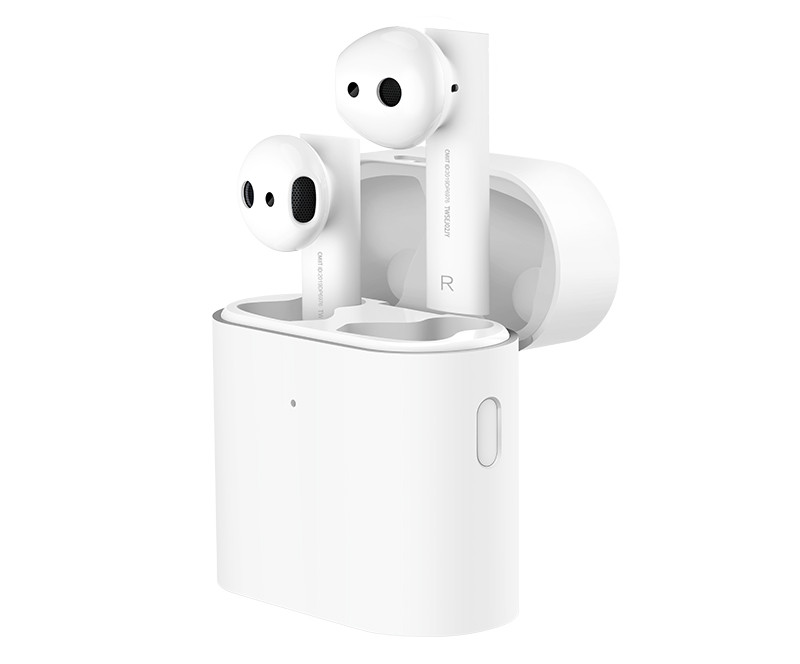
Xiaomi is the first real affordable alternative to AirPods released from a mainstream brand if we only consider half in-ear true wireless earphones. In a market in which every important earbud has an in-ear design, Xiaomi launched the first truly wireless earbuds with a non-in-ear design and priced them less than $60! Despite their very affordable price, they deliver a pretty good audio quality and they even support Xiao AI virtual assistant, as well as a noise reduction technology for calls and a lot of other smart features. And they can reach up to 12 hours of battery life thanks to their charging case.
This year Xiaomi launched the successor of the best-selling electric scooter of all time. We are talking about the Xiaomi M365 Pro which makes room for important improvements compared to the previous model. Battery life improved: you can make up to 45 km on a single charge. It has slightly bigger dimensions as it is taller and larger in order to make the driving experience more comfortable. There is more space for the feet and better control. And now you even get an LCD display indicating the speed, the Bluetooth status, lights info, and alarms. Xiaomi even added a third driving mode called Drive with a max speed of 20 km/h (through the sport mode you can reach 25 km/h).
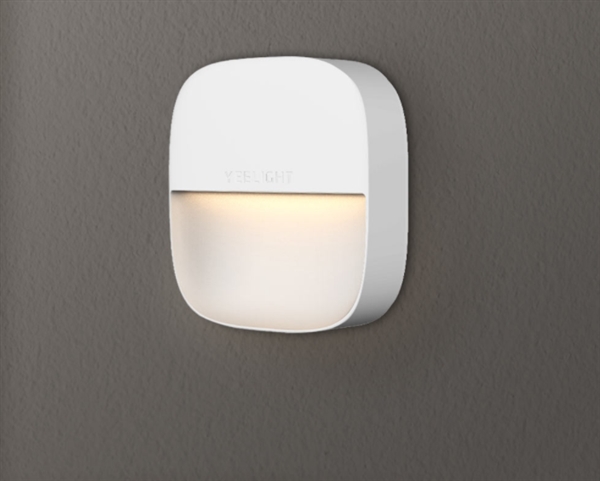
If you need the smartest night light with motion detection, you will love this Yeelight product. It has a motion sensor as well as daylight sensing capability making it automatically understand when to turn on and off even if no people are near. It even mounts a built-in light sensor able to detect the brightness of the ambient light. And it costs just $4.
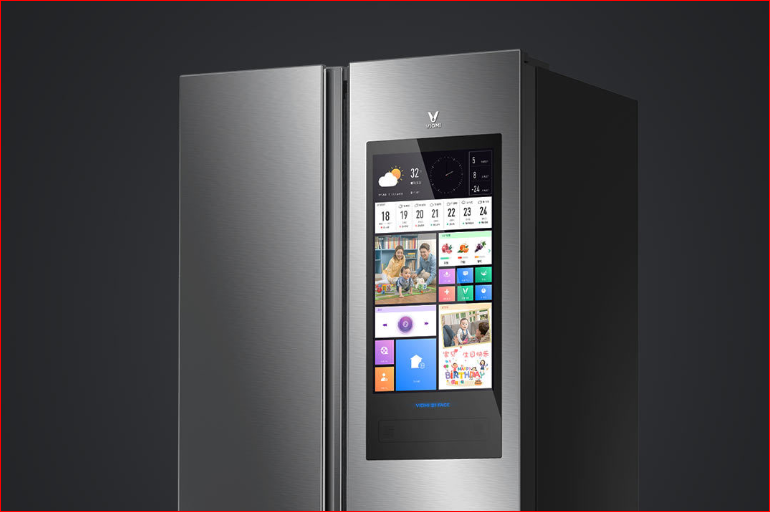
With Viomi Internet Refrigerator, even your refrigerator can act as a PC. With a similar design to the Samsung Family Hub, this Viomi product is equipped with a 21-inch IPS display with a Full HD resolution and touch screen. It even supports voice control thanks to Viobrain AI. You can use it as a smart speaker or even watch the weather, and a lot more. It even provides users with 1 milion+ online recipes and millions of songs thanks to a dedicated streaming app. It can be linked to the Mijia app and it can interact with other smart home appliances.
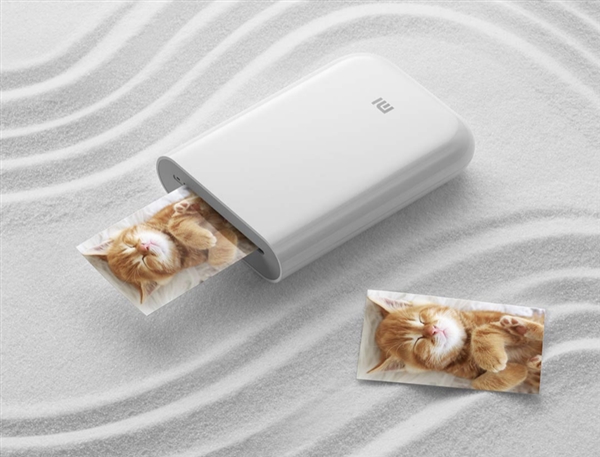
According to a few experts, we are leaving a digital cemetery behind ourselves. We do not print photos anymore and it became harder to keep memories safe. But now there is a new gadget which may let you print a lot of photos again: the Mi Pocket Photo Printer. It uses ZINK inkless printing technology and supports AR photos and music. It can even connect to the Mijia app and print photos from videos.
This year Xiaomi released the smartphone with the fastest commercial wireless charging technology boasting a 30W power. And the Xiaomi Vertical Air-Cooled Wireless Charger takes advantage of this technology and charges the phone while dissipating the heat thanks to an ultra-quiet built-in fan. The charger also doubles as a smartphone kickstand and it is based on Qi charging standard.
We use cookies on our website to give you the most relevant experience by remembering your preferences and repeat visits. By clicking “Accept”, you consent to the use of ALL the cookies.
This website uses cookies to improve your experience while you navigate through the website. Out of these, the cookies that are categorized as necessary are stored on your browser as they are essential for the working of basic functionalities of the website. We also use third-party cookies that help us analyze and understand how you use this website. These cookies will be stored in your browser only with your consent. You also have the option to opt-out of these cookies. But opting out of some of these cookies may affect your browsing experience.
Necessary cookies are absolutely essential for the website to function properly. This category only includes cookies that ensures basic functionalities and security features of the website. These cookies do not store any personal information.
Any cookies that may not be particularly necessary for the website to function and is used specifically to collect user personal data via analytics, ads, other embedded contents are termed as non-necessary cookies. It is mandatory to procure user consent prior to running these cookies on your website.