Advertisement

Snapdragon 865 mobile platform’s specifications confirmed

Yesterday, on the day one of the Snapdragon Tech Summit 2019, Qualcomm announced the Snapdragon 865 mobile platform for flagship phones and Snapdragon 765 and Snapdragon 765G SoCs for the mid-range smartphones. However, the US based chip maker did not give out detailed information on the specs of these chipsets. On the day of the tech summit, the company confirmed all the specifications of SD865, SD765 and SD765G. Devices powered by the new Qualcomm mobile platforms will be debuting in the first quarter of 2020.

Snapdragon 865 Specifications

The 7mm Snapdragon 865 octa-core chipset includes four ARM Cortex-A77 performance cores out of which three Kryo 585 cores clock at up to 2.4GHz and the other Kryo 585 core works at up to 2.84GHz. The Kryo 585 ARM Cortex-A55 efficiency cores deliver a maximum clock speed of 1.8Hz. The chipset includes Adreno 650 graphics. Phones featuring the SD865 chipset can support up to 4K resolution at 60GHz, Quad HD+ resolution with 144Hz refresh rate, Rec2020 color gamut, HDR10 and HDR10+. The CPU and GPU both offer 25 percent better performance than their predecessors.

The SoC supports up to 16 GB of LPDDR4X RAM at 2133MHz and LPDDR5 RAM at 2750MHz. The chipset requires the external Snapdragon X55 5G modem for mmWave and sub-6GHz 5G networks. The X55 modem promises download speeds of up to 7.5Gbps and upload speeds of 3Gbps on 5G.
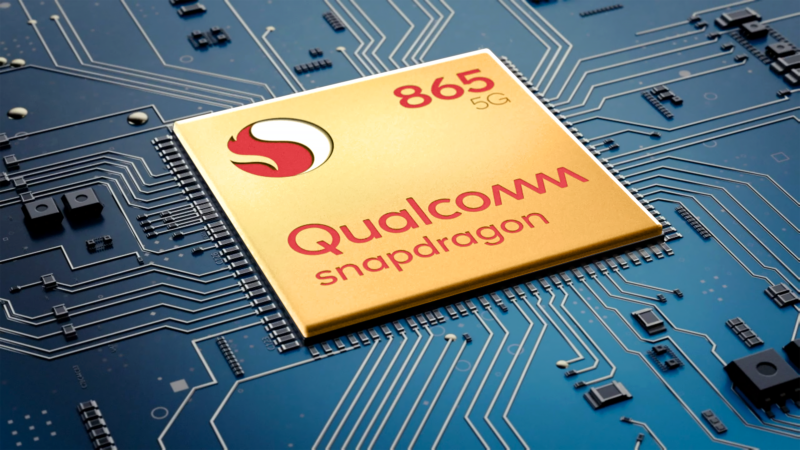
qualcomm-snapdragon-865-5g-mobile-platform-hero-image-800x450
Qualcomm Snapdragon 865

The Spectra 480 ISP will make it possible to shoot photos of up to 200-megapixel, dual 25-megapixel cameras and single 64-megapixel camera with zero shutter lag, capture 8K video recording at 30fps, simultaneous 4K HDR with portrait mode, 4K videos recording at 120fps, 720p slow-motion videos at 960fps and incorporation of Dolby Vision and HDR10. The highest storage capacity offered by an SD865 will 512 GB.

When it comes to connectivity, the Snapdragon 865 offers Wi-Fi 6 with peak speed of 1.744Gbps, Bluetooth 5.1, NFC, dual-frequency GPS, USB-C and more. Super Wide Band voice over Bluetooth and TrueWireless Stereo Plus technologies will ensure stable connection for truly wireless earbuds. The audio capabilities of the chipset include Aqstic™ audio codec up to WCD9385, Aqstic™ smart speaker amplifier up to WSA8815, Aqstic audio technology. There is support for biometric recognition features such as fingerprint (3D Sonic Sensor), iris, voice and face.

The Snapdragon 865 comes with company’s 5th generation AI engine which is coupled with Hexagon Tensor Accelerator to deliver 15TOPs computing power. The Sensing Hub AI engine ensures highly accurate voice recognition and always-on contextual awareness for smarter virtual assistants. The SD865 phone with the all new Snapdragon Elite Gaming features will offer desktop grade gaming experience. Lastly, it comes with support for Quick Charge 4+and Quick Charge AI charging capabilities.


Xiaomi launches the Qicycle Electric Power-assisted Bicycle

Xiaomi has built a reputation over the years for affordable products without a compromise on quality. Thus, it was a surprise in 2016 when the company announced its most expensive product yet, the Qicyle R1  bicycle priced around $3000. Despite the high price tag, the Qicycle R1 was a huge hit in terms of sales and popularity and it catapulted the company to fame. Since then, the Qicycle brand has released several other popular bikes including e-bikes. The brand has just launched the Qicycle Electric Power-assisted Bicycle.Qicycle Electric Power-assisted Bicycle

The new bike is similar in design to the Qicycle EF1 foldable electric bike. This is a second-generation model which has been upgraded and improved in many aspects from appearance to performance. Compared with the previous generation Qicycle foldable electric bike, the size of the new bike is larger. The 20-inch wheel diameter makes the whole car more stable and adapted for use on complex roads such as cities and mountain roads.Qicycle Electric Power-assisted Bicycle

In terms of appearance, Xiaomi’s electric power-assisted bicycle maintains a simple design style. If it is not intentionally emphasized that it is an electric bike, it looks like an ordinary bicycle. The battery is completely built into the main beam tube. It not only has the high-value appearance of a regular bicycle but also performs marvellously well as an electric bike. Users can use the power system on the bicycle to control the drive chain on the bike to achieve three pedalling modes: pure pedal, boost, and electric.Qicycle Electric Power-assisted Bicycle

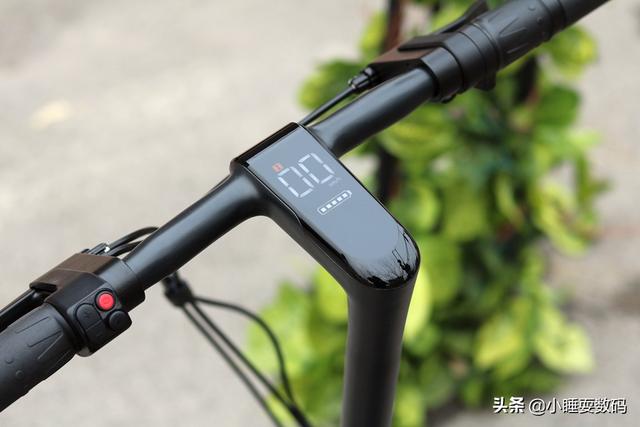
There is a light-sensitive display in the center of the handlebar of the e-bike, which shows the gear, speed, battery power, lights, alarm prompts and the percentage of battery power during charging. Users can easily grasp all the information during the commute. The display has the light-sensing capability whereby the brightness will be automatically reduced at night so as not to disturb the sight of the ride. The left side of the handlebar is the control area, including the power switch, horn buttons, high and low gear switches.Qicycle Electric Power-assisted Bicycle

On the right side of the handlebar, there is a rotary throttle switch that is the same as that of an electric bike. Turning inward in 1,2,3 positions turns on the full electric mode riding.

The frame of Xiaomi’s Qicycle electric power-assisted bicycle is made of 6061 aviation aluminum alloy material, which is finely polished through the CNC process to improve the appearance. In addition to the built-in battery, the circuit cables are also hidden inside the body; the brake lines, signal lines, control lines, and throttle lines in front of the front are integrated into three and fixed by the clips, making the entire bike look very simple. The seat height can be adjusted by the wrench screws below, so as to adapt to the use of people of different heights. There is a printed scale on the seat tube showing the height.Qicycle Electric Power-assisted Bicycle

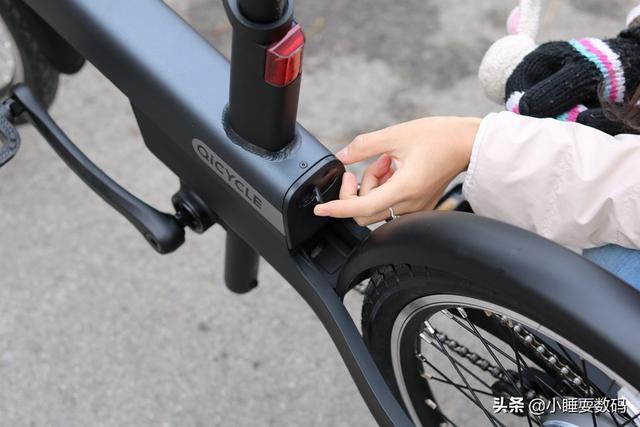
The biggest highlight of this power-assisted electric bike is its 5.2Ah lithium battery, which can provide 40km of battery life. The output of the electric mode can reach 25km/h during riding. In addition, the battery can be fully charged in just 3 and a half hours. The charging interface is located at the rear of the frame just behind the brake light.

Furthermore, the Qicycle e-bike uses calliper brakes on its front wheels which will be more convenient to install and disassemble. In terms of overall braking performance, if the bike is travelling at a speed of about 20km/h, the braking distance is about 3 meters. There is a high-brightness LED light on the front of the frame, and a red warning light on the rear, which will automatically light up when braking.

The Qicycle Electric Power-Assisted bicycle comes with a price tag of 2999 yuan ($425) and is said to be on reservation at Xiaomi Youpin. However, our search on the Youpin website didn’t show the listing.


(via)

Honor V30 Pro vs OnePlus 7T Pro vs Google Pixel 4: Specs Comparison

Despite the U.S. ban Huawei keeps releasing amazing flagships. The latest is Honor V30 and V30 Pro which belong to the affordable flagship segment and debuted in the Chinese market. While waiting for their arrival in Europe which may be scheduled for Q1 2020, we think it is useful to compare them with their most important rivals. After comparing the Honor V30 to Oppo Reno 2 and Xiaomi Mi Note 10, it is time for comparisons regarding the Honor V30 Pro. We decided to compare it with OnePlus 7T Pro and Google Pixel 4 since they are among the most complete alternatives you can get at a not very high price.

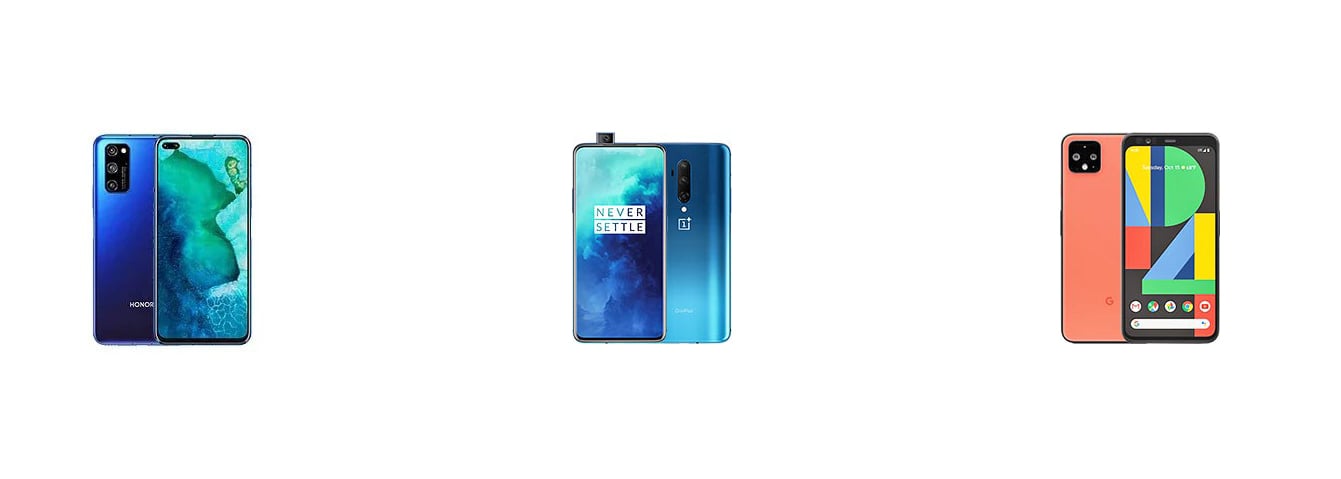
Huawei Honor V30 Pro vs OnePlus 7T Pro vs Google Pixel 4

Google Pixel 4 OnePlus 7T Pro Huawei Honor V30 Pro
DIMENSIONS AND WEIGHT 147.1 x 68.8 x 8.2 mm, 162 g 162.6 x 75.9 x 8.8 mm, 206 grams 162.7 x 75.8 x 8.8 mm, 206 g
DISPLAY  5.7 inches, 1080 x 2280p (Full HD+), P-OLED 6.67 inches, 1440 x 3120p (Quad HD+), Fluid AMOLED 6.57 inches, 1080 x 2400p (Full HD+), IPS LCD
PROCESSOR Qualcomm Snapdragon 855, octa-core 2.84 GHz Qualcomm Snapdragon 855+, octa-core 2.96 GHz Huawei Hisilicon Kirin 990, octa-core 2.86 GHz
MEMORY 6 GB RAM, 128 GB – 6 GB RAM, 64 GB 8 GB RAM, 256 GB – 12 GB RAM, 256 GB 8 GB RAM, 128 GB – 8 GB RAM, 256 GB
SOFTWARE  Android 10 Android 10, Oxygen OS Android 10, Magic UI
CONNECTIVITY  Wi-Fi 802.11 a/b/g/n/ac, Bluetooth 5.0, GPS Wi-Fi 802.11 a/b/g/n/ac, Bluetooth 5.0, GPS  Wi-Fi 802.11 a/b/g/n/ac, Bluetooth 5.0, GPS
CAMERA  Dual 12.2 + 16 MP, f/1.7 and f/2.4
8 MP f/2.0 front camera
Triple 48 + 8 + 16 MP, f/1.6, f/2.4 and f/2.2
16 MP f/2.0 front camera
Triple 40 + 8 + 12 MP, f/1.6, f/2.4 and f/2.2
Dual 32 + 8 MP f/2.0 and f/2.2 front camera
BATTERY  2800 mAh, fast charging 18W and Qi wireless charging 4085 mAh, fast charging 30W 4100 mAh, fast charging 40W and fast wireless charging 27W
ADDITIONAL FEATURES  Dual SIM slot, IP68 waterproof, eSIM Dual SIM slot Dual SIM slot, reverse wireless charging, 5G

Design

OnePlus and Honor put a lot of effort into reducing the bezels around the display of their handsets: while the former opted for a pop-up camera in order to get rid of the notch on the OnePlus 7T Pro, the latter chose a punch-hole display for the Honor V30 Pro. But despite both have slimmer bezels than Google Pixel 4, the Pixel 4 is more compact and lightweight as it packs a smaller display and battery. Further, unlike its rivals, it has a waterproof body with the IP68 certification. It does not have the best look, according to my tastes the OnePlus 7T Pro is the most beautiful (but it has the biggest dimensions). But it is the most compact and it has a higher build quality, that is why I would go for it.


Display

OnePlus 7T Pro’s screen is the king of displays. It has everything you can expect from a display in 2019. It provides very accurate colors and a rich image quality thanks to the HDR10+ standard and full DCI P3 coverage. It has a very high level of detail thanks to the Quad HD+ resolution and it even provides a smoother user experience thanks to its 90 Hz refresh rate. The silver medal goes to the Google Pixel 4 rocking a P-OLED display with the support to HDR and a 90 Hz refresh rate. Honor V30 Pro has a midrange IPS panel, so nothing so exciting.


Hardware/Software

The speed is probably the most loved feature of the OnePlus 7T Pro. Thanks to an astonishing hardware department and an excellent software optimization, the handset provides blazing speeds and the smoothest user experience. It rocks a Snapdragon 855+ chipset, up to 12 GB of RAM and UFS 3.0 native storage, there is really nothing better for high performance. Right after, we got the Honor V30 Pro which, unlike the OnePlus 7T Pro, comes with the support to 5G connectivity. Google Pixel 4 does not support 5G and it has a lower-end chipset than both OnePlus 7T Pro and Honor V30 Pro, but it is a Google phone and it gets updated faster and more constantly with the latest patch and Android versions. That is why it is a better phone for developers.


Camera

Honor V30 Pro has the most advanced camera setup: a triple rear camera with OIS and 3x optical zoom, as well as an amazing dual front camera with an additional ultrawide sensor. It is a very hard fight between OnePlus 7T Pro and Google Pixel 4, but they are both inferior to the Honor V30 Pro.


Battery

Honor V30 Pro packs the biggest battery and it will probably last more on a single charge. It is also the only to support reverse wireless charging. Right after, we got the OnePlus 7T Pro with a slightly smaller battery, while Google Pixel 4 has a way smaller one and can not compete with its opponents.


Price

Honor V30 Pro starts from €500/$555 in China, OnePlus 7T Pro starts from €585/$649 in China and €759/$799 globally, and Google Pixel 4 costs €759/$799 globally. Overall, OnePlus 7T Pro is more advanced due to its better display and hardware, but it lacks 5G unlike the Honor V30 Pro, and Honor V30 Pro offers a better camera. We do not recommend the Google Pixel 4 instead of Honor V30 Pro and OnePlus 7T Pro unless you are a developer or a user needing the most updated software, but note that it is the only waterproof and compact device here.


Huawei Honor V30 Pro vs OnePlus 7T Pro vs Google Pixel 4: PRO and CONS

OnePlus 7T Pro

PROS

  • Wider display diagonal
  • Best display
  • Very high performance
  • Stereo speakers

CONS

  • Dimensions


Google Pixel 4

PROS

  • Compact and lightweight
  • More updated software
  • Wireless charging
  • Waterproof
  • Stereo speakers

CONS

  • Older chipset
  • Smaller display


Huawei Honor V30 Pro

PROS

  • Amazing cameras
  • 5G
  • Wireless charging
  • Reverse wireless charging

CONS

  • IPS display


Red Magic 5G will be first dual-mode Snapdragon 865 gaming phone

In the last 24 hours, quite a number of manufacturers have announced they will launch phones powered by the new Snapdragon 865 and Snapdragon 765G processors. So far, Xiaomi, Meizu, and OPPO have all confirmed they have Snapdragon 865 phones set to launch early next year. Joining them now is Red Magic, Nubia’s gaming smartphone line.

The official Red Magic Weibo account announced today that its upcoming smartphone (Red Magic 5G) will be the first dual-mode 5G gaming smartphone powered by the new Snapdragon 865.

Red Magic 5G Snapdragon 865

Other details about the upcoming phone are still unknown at the moment. The Red Magic 3 launched in May and if the manufacturer is sticking to the same timeline, there are still 5 months left before the new phone launches.
Some of the features we expect to see include a bigger battery capacity but probably not a significant increase since its predecessor already packs a large 5000mAh battery. We may also get more vents or a larger cooling pipe to keep the temperature down. The Red Magic 5G phone may also come with a much faster fast-charging technology and more than one rear camera.

We expect other gaming smartphone manufacturers such as Black Shark and ASUS will also announce their 2020 phones will also come with the new processor.

 

Amazon Echo Input Portable launched in India for Rs. 4,999 (~$70)

Amazon launched the Echo Input Portable, a new smart speaker that offers hands-free access to Alexa, in India earlier today.  The Input Portable is designed similar to the current Echo lineup that is currently on sale in the country. The Portable delivers a 360-degree audio experience along with a wider radius for voice recognition.

The smart speaker features four microphones that enable voice commands from across the room. However, the key difference between the Eco Input Portable and every other product in the Echo lineup is the battery that Amazon claims offer up to 10 hours of uninterrupted music playback when fully charged.

Amazon Echo Input Portable Features

The Amazon Echo Input Portable features a massive 4,800 mAh battery and operates similarly to the other speakers in the lineup. Users can listen to the latest news and weather reports, play music, or set an alarm simply with the use of voice commands. The device features a speaker driver along with four microphones to offer a smart speaker experience.

Amazon Echo Input Portable

Using the Amazon Echo Input Portable, users can control smart home devices such as plugs and lights using voice commands. The feature also works with popular music streaming applications such as Amazon Prime Music, Jio Saavn, Hungama Music, Gaana and Apple Music. Users can also use the Echo portable to access audiobooks from Amazon Kindle and Audible. Using Bluetooth connectivity, users can connect to portable speakers. However, Amazon is yet to enable pairing between multiple Input Portable devices. The feature exists in the Echo and the Echo Plus.

Editor's Pick: Motorola One Hyper official images leaked ahead of launch/su_note]

The Echo Input Portable is designed using the same hardware structure found on the Echo Input. Amazon introduced the Echo Input globally back in September 2018 and brought it to India in January 2019. The Input Portable features a physical volume controller, a power button along with a mute button. The device also features four LED indicators but misses out on the iconic LED ring present on current Echo devices.

While the Echo Input Portable features a micro USB port for charging, it misses out on AUX connectivity. Users need to rely solely on Bluetooth while pairing with a home theater system or smartphone. Parag Gupta, the Head of Amazon Devices in India, in an interview with Gadgets 360 revealed, while the Input Portable is based on the Echo Input, the Portable features a few major changes based on feedback from Indian customers. The Amazon India team that designed the Portable, used customer insights to fine-tune the product for the local market.

Amazon Echo Input Portable Price and Availability

Amazon introduced the Echo Input Portable at a discounted price of Rs. 4,999 (~$70) in India. The device is originally priced at Rs. 5,999 (~$84). The Input Portable is available for pre-order on Amazon India, while shipping starts from Dec. 18. Customers that wish to purchase the Portable offline can do so at Amazon Experience kiosks set up in shopping malls across the country. The device is available in black fabric design and is an India exclusive. The device will reach global markets eventually, although, Mr. Gupta did not reveal a tentative launch date.


Redmi Note 6 Pro finally gets MIUI 11 Global Stable update via OTA

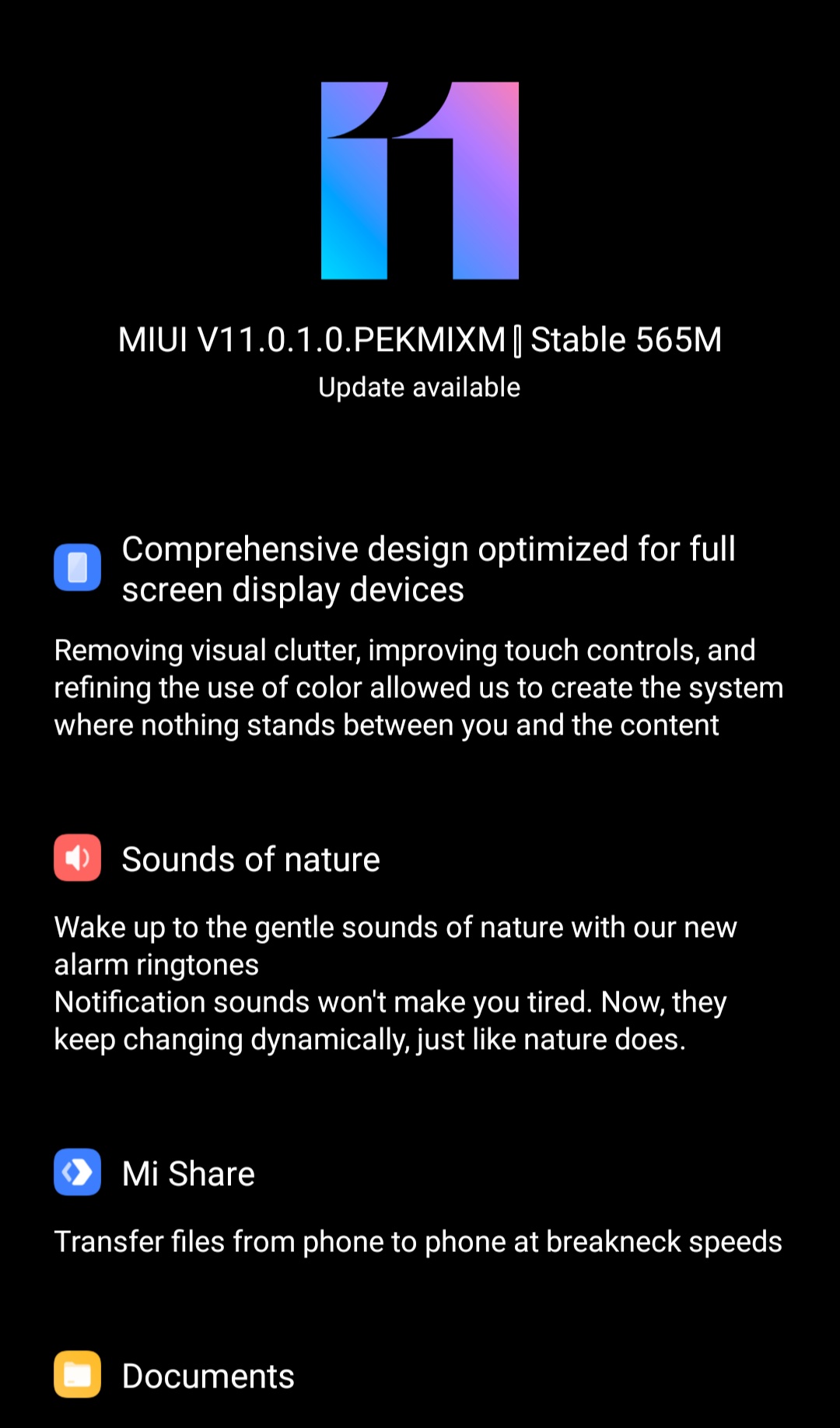
Xiaomi has pushed the latest MIUI 11 to a number of its models including the low-end Redmi 4. The Redmi Note 6 Pro has now joined the league of Xiaomi models running MIUI 11. The company has started pushing OTA updates to the Note 6 Pro which ushers in the MIUI 11 Global Stable ROM V11.0.1.0.PEKMIXM.

The Redmi Note 6 Pro is the last smartphone Xiaomi launched last year before splitting the Redmi band into an independent brand. The phone runs on MIUI 9 but was later updated to MIUI 10 based on Android 9. Sadly, this new update is still based on Android 9 but has several features that debut with Android 10.


For those whose models run the Global Stable ROM, the OTA update must have hit their models already. You can also go to Settings – About phone and check for a new update. But if you’re using Custom Stable ROM or Global Developer ROM, then perform clean upgrade via Fastboot update. It is important you back up your data before flashing or even before updating the Global Stable ROM as some users have complained of their device unable to boot again after the OTA update.

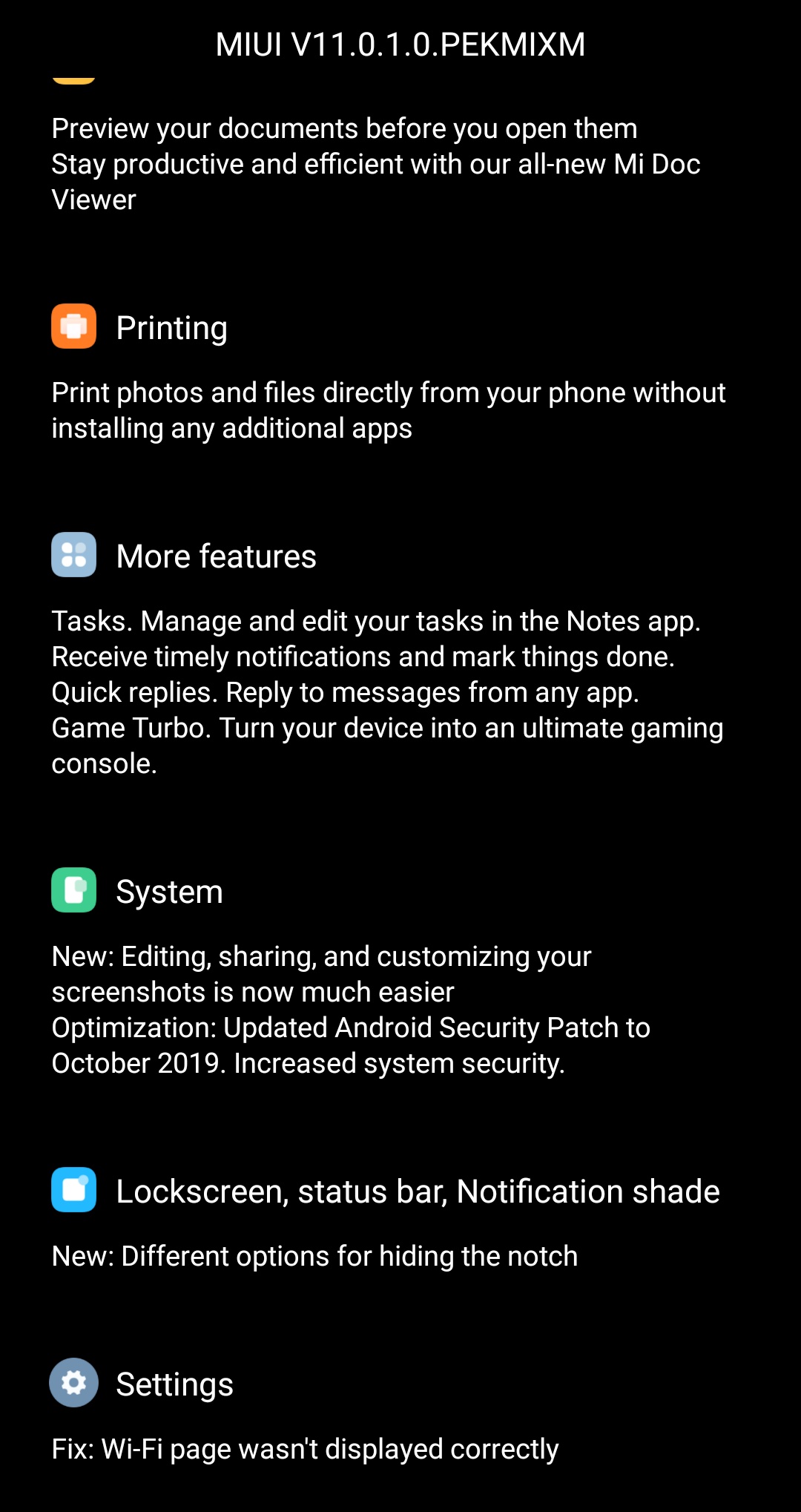
Here is the Redmi Note 6 Pro MIUI 11 Global Stable V11.0.1.0.PEKMIXM full changelog:

  • Comprehensive design optimized for full screen display devices
  • Removing visual clutter, improving touch controls, and refining the use of color allowed us to create a system where nothing stands between you and the conten

Sounds of nature

  • Wake up to the gentle sounds of nature with our new alarm ringtones
  • Notification sounds won’t make you tired. Now, they keep changing dynamically, just like nature does.
  • Mi Share
  • Transfer files from phone to phone at breakneck speeds

Documents

  • Preview your documents before you open them
  • Stay productive and efficient with our all-new Mi Doc Viewer

Printing

  • Print photos and files directly from your phone without installing any additional apps

More features

  • Tasks. Manage and edit your tasks in the Notes app. Receive timely notifications and mark things done.
  • Quick replies. Reply to messages from any app.
  • Game Turbo. Turn your device into an ultimate gaming console.

System

  • New: Editing, sharing, and customizing your screenshots is now much easier
  • Optimization: Updated Android Security Patch to October 2019. Increased system security.
  • Lockscreen, status bar, Notification shade
  • New: Different options for hiding the notch

Settings

  • Fix: Wi-Fi page wasn’t displayed correctly

Game speed booster

  • New: Continuous swiping opens an additional menu in Game Turbo now
  • New: You can create a Home screen shortcut for Game Turbo now
  • Refreshed start page of Game Turbo
  • Auto brightness, screenshot gestures, and Reading mode can be turned off automatically when Game Turbo is on
  • A major upgrade for the toolbox in Game Turbo: autoplay and switching between data SIM cards are available now


(source)


The $400 Motorola One Hyper has a pop-up selfie camera and 45W Hyper-Charging

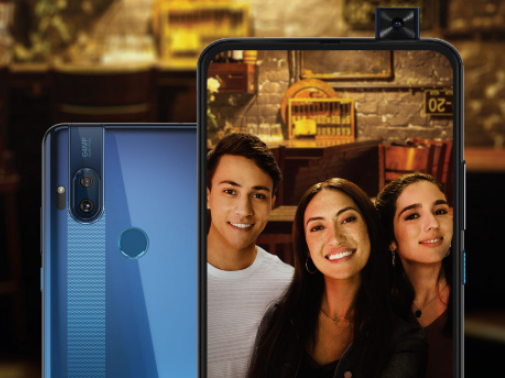
Expected to launch yesterday, the Motorola One Hyper is now official. It is the first Motorola phone with a pop-up selfie camera. However, its “Hyper“ name is actually gotten from its 45W “Hyper Charging” feature.

Motorola One Hyper featured

Design

The Motorola One Hyper’s adoption of the pop-up selfie camera design means there are no notches or punch holes to distract your viewing experience. The bezels are really slim, including the chin when compared to other Motorola phones.

Don’t be fooled by the glossy back, it is not glass but plastic. Motorola does say the phone has a water repellent design. While leaked renders have shown the phone in multiple colors, only the Deep Sea Blue variant is available.

Motorola One Hyper

Specifications

The phone has a 6.5-inch Total Vision display with a 2340 x 1080 resolution and a 90% screen-to-body ratio. Under the gradient body is a Snapdragon 675 processor and it has been paired with 4GB of RAM and 128GB of storage. There is support for storage expansion via a MicroSD card slot. Owners will be able to add up to 1TB of storage.

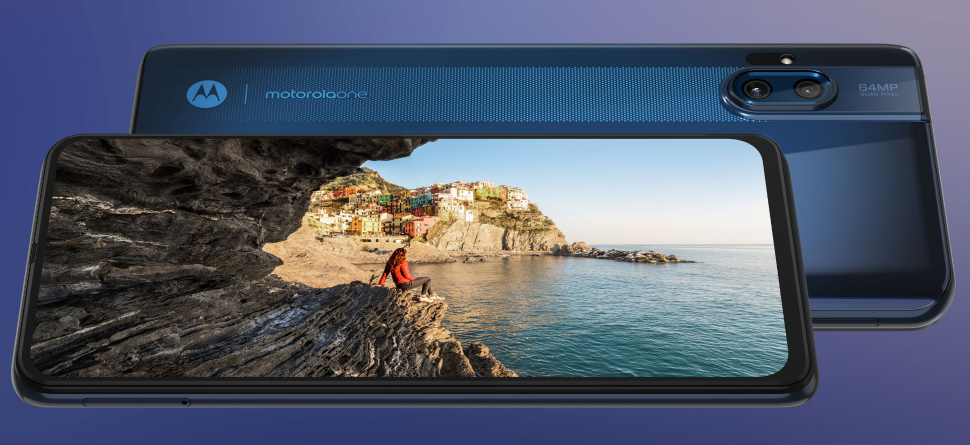
The Motorola One Hyper is also the first Motorola phone with a 64MP primary camera. It has been paired with an 8MP ultrawide angle sensor for a dual-camera setup. The secondary camera has a 118° viewing angle and allows you to fit 4x more into your frame than a standard camera.

The pop-up camera is a 32MP sensor and it can shoot quad-pixel 8MP photos too. The camera has AI features such as smart composition, auto smile capture, AI portrait lighting, and shot optimization. There is also a night mode available for the 32MP selfie and 64MP rear camera. Motorola has also added a laser autofocus system to allow you to focus the camera instantly and Electronic Image Stabilization. The phone has a portrait mode, a manual mode, spot color, slow motion mode, cinemagraph, high-res zoom, and support for RAW output.

The Motorola One Hyper has a 4000mAh battery that supports a new fast-charging technology it calls Hyper Charging. However, you only get a 15W TurboCharger in the box. Motorola says you have to purchase the 45W charger separately. However, if you have a USB PD 3.0 charger, that should work according to Motorola. The manufacturer says the phone should provide up to 38 hours of battery life.

The phone has NFC, Bluetooth 5.0, and a rear-mounted fingerprint scanner with a notification LED ring around it. It also has an audio jack, Dolby Audio, and a USB Type-C port. There are two variants of the phone – a Single SIM version with a MicroSD card slot and a Dual-SIM version with a hybrid SIM tray. The phone uses a nano-SIM.

Motorola ships the phone with Android 10 out of the box and includes Moto Actions such as Quick Capture, Fast Flashlight, Three Finger Screenshot, and Pick Up to Silence.

Motorola One Hyper Price

Motorola One Hyper Price and Availability

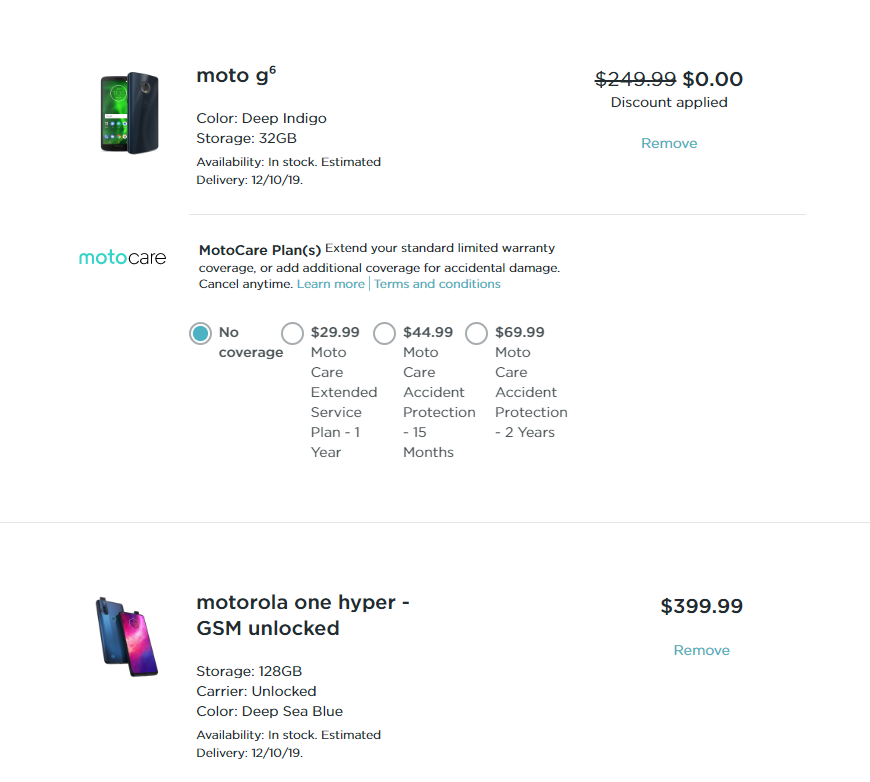
The Motorola One Hyper has a price tag of $399 unlocked. If you order the item on the Motorola US online store, you get a free 32GB Moto G6 or Moto G6 Play (we honestly don’t know why anyone will choose the latter). To get the free gift, you have to add both items to your cart. However, you will not be charged for the Moto G6 as its price will be $0.


Redmi 8 and Redmi 8A go official in Indonesia

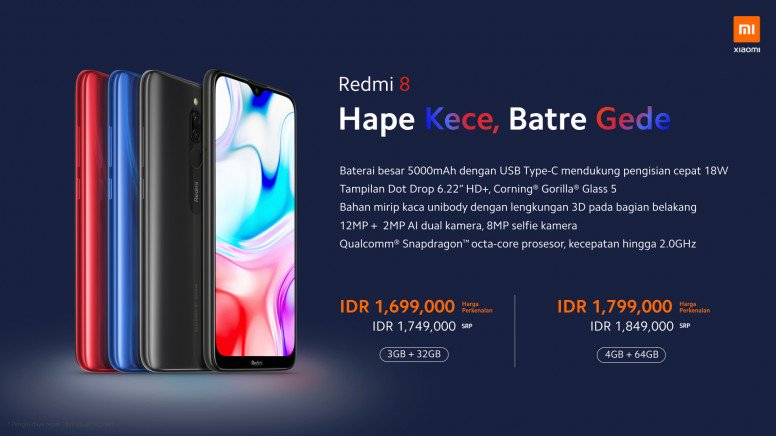
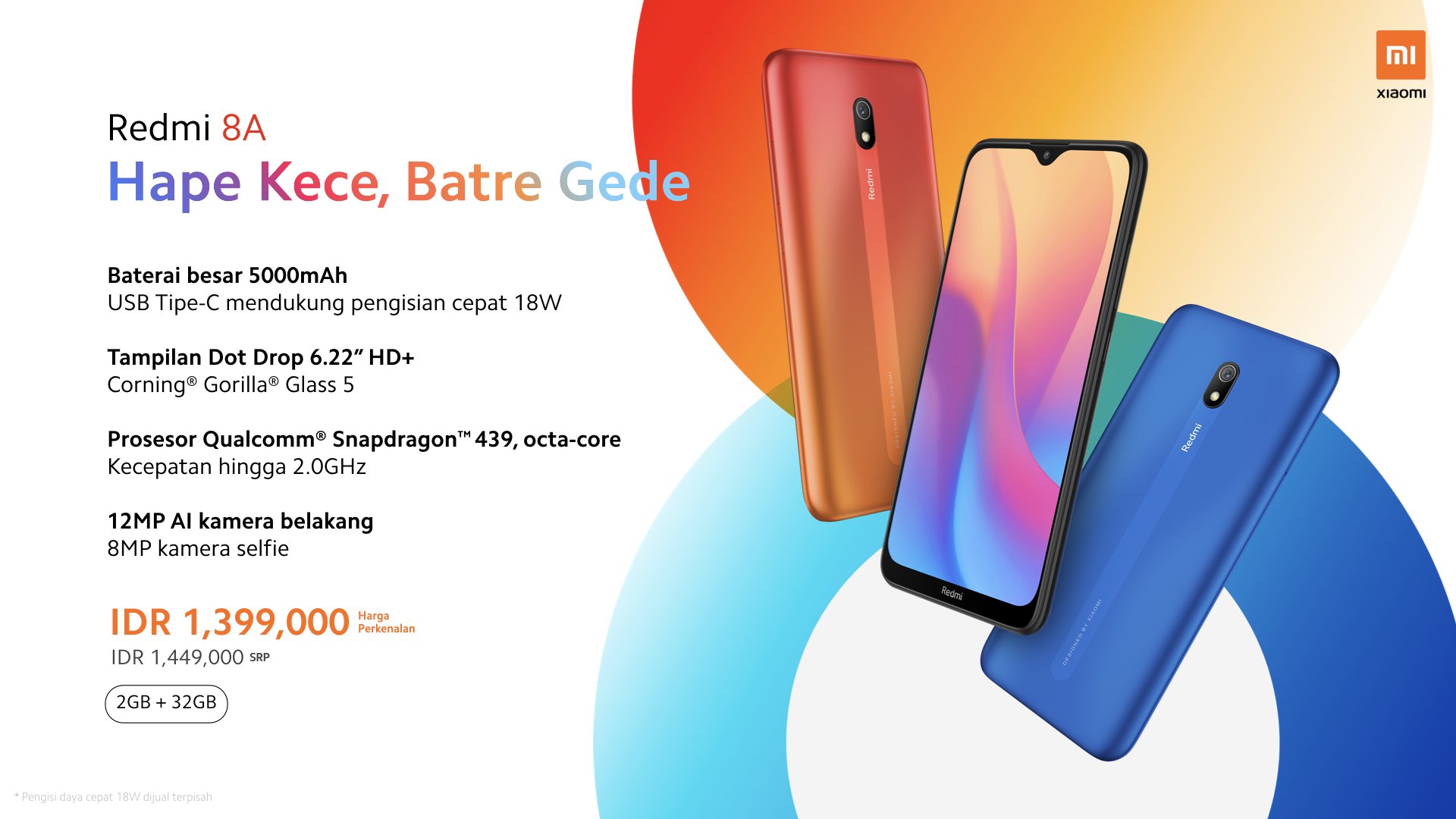
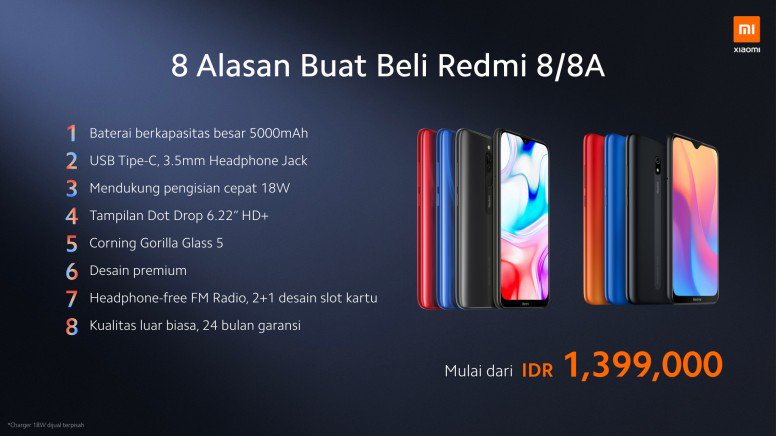
Almost two months after theRedmi 8  and Redmi 8A were released in China, Xiaomi has taken the wraps off the models in Indonesia. Since the popular Redmi 4 and 4A, the series has seen a tremendous change. The Redmi 8 and 8A just like their predecessors adopts a tall aspect ratio display with a notch design for the selfie camera. The models also saw improvements in their battery capacities and have support for 18W fast charging. The camera aspects were also upgraded. But Xiaomi still retains the affordable pricing the series is known for, with the pricing starting at IDR 1,399,000 ($99) for the Redmi 8A. The Redmi 8 3GB+32GB version adopts a price tag of 1,699,000 ($120) while the 4GB+64GB version will retail for IDR 1,799,000 ($127).

As for the specs, the Redmi 8 and 8A both come with polycarbonate bodies as well as P2i nano-coating for splash resistance. They adopt a 6.22-inch IPS LCD display that offers 19:9 aspect ratio and HD+ resolution of 720 x 1520 pixels. The displays on both phones are protected by Gorilla Glass 5. Redmi 8A

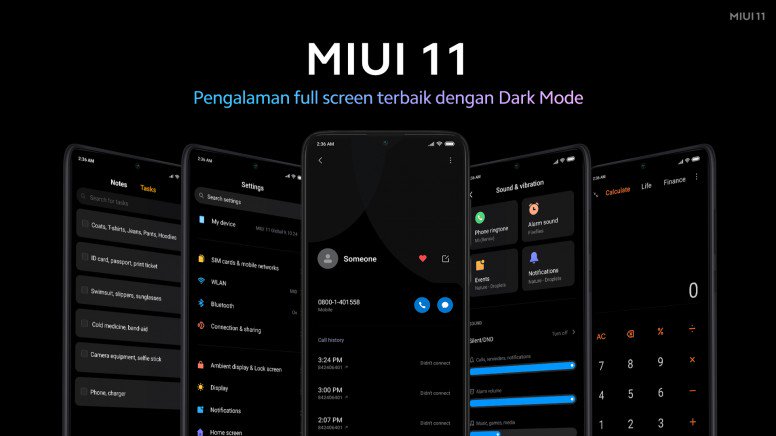
Interestingly, the Redmi 8 and 8A are both launching with the latest MIUI 11 preinstalled inside.  Both are equally powered by the Snapdragon 439 chipset and have a huge 5000mAH battery under their hood with support for 18W fast charging through USB-C.

On the camera aspect, the Redmi 8A features a single camera. The sensor is 12-megapixel Sony IMX363 which is also found on some of the older flagship phones like Xiaomi Poco F1, Google Pixel 3 and Vivo iQOO. On the other hand, the Redmi 8 has a dual-camera system on its rear. Its main sensor of 12-megapixel Sony IMX363 is coupled with a 2-megapixel depth sensor. For snapping selfies, the Redmi 8 series is fitted with an AI-driven 8-megapixel camera.

Furthermore, the Redmi 8 has a fingerprint scanner below its dual-camera system. The fingerprint sensor and the dual cameras differentiate the Redmi 8 from the 8A. The other common features available on the Redmi 8 and 8A include IR blaster, wireless FM radio, dual-SIM support, 4G VoLTE, Wi-Fi 802.11 b/g/n, Bluetooth 4.2, GPS and 3.5mm audio jack.

The Redmi 8 is available in Dark Blue, Coral Orange and Midnight Black while the Redmi 8 comes in Fairy Green, Sapphire Blue and Carbon Ash Black color options.


Samsung Galaxy S11 may scan up to two fingerprints simultaneously

Samsung‘s upcoming Galaxy S11 will be the company’s latest installment in the Galaxy flagship series of smartphones. Previously, it was expected to arrive with an in-display fingerprint scanner which should be considerably larger in surface size than its predecessor. However, these reports were unconfirmed up until Qualcomm announced its new 3D Sonic Max fingerprint sensor that can support up to two fingerprint scans at once.

Qualcomm 3D Sonic Max (Samsung Galaxy S11)
Qualcomm 3D Sonic Max

Qualcomm’s latest sensor brings about many crucial improvements to the sensor Samsung used on the Galaxy S10 and Galaxy Note 10. In other words, the Galaxy S11 fingerprint reader will be more accurate than the previous entry within the series. The new 3D Sonic Max is the successor to the 3D Sonic Sensor from last year and will allow users to scan two fingerprints together at once for added security.

The notable boost in the sensor’s capabilities is thanks to the 17 times larger recognition area. This improvement should result in faster recognition with a single fingerprint in daily use in comparison to the previous Qualcomm ultrasonic fingerprint sensor generation. It also allows for a 1 in a million accuracy rate over the 1 in 50,000 on the current sensor generation.

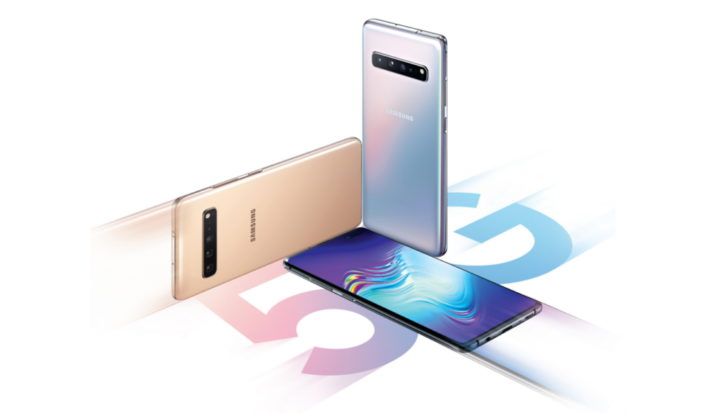
Samsung Galaxy S10 5G

Neither Qualcomm nor Samsung has confirmed if the Galaxy S11 would sport the new sensor. However, the South Korean tech giant might include it in its upcoming flagship considering the major improvements being made over the last year’s sonic sensor, which caused some serious security-related issues. It is still unconfirmed but we will have to wait and see if Samsung finally decides to stick with or move away from ultrasonic sensors.


(Via)

Redmi K30 has a 4500mAh battery and supports 30W Fast Flash Charge

One trend that phone manufacturers have adopted this year is to reveal details of their upcoming phones rather than leave it to leakers. Redmi is one of the brands that joined this train and it is repeating it with the upcoming Redmi K30.

Earlier today, Redmi released details about the phone’s screen size and design. Now, it has followed it up with details about the phone’s battery capacity.

Redmi K30 5G battery capacity

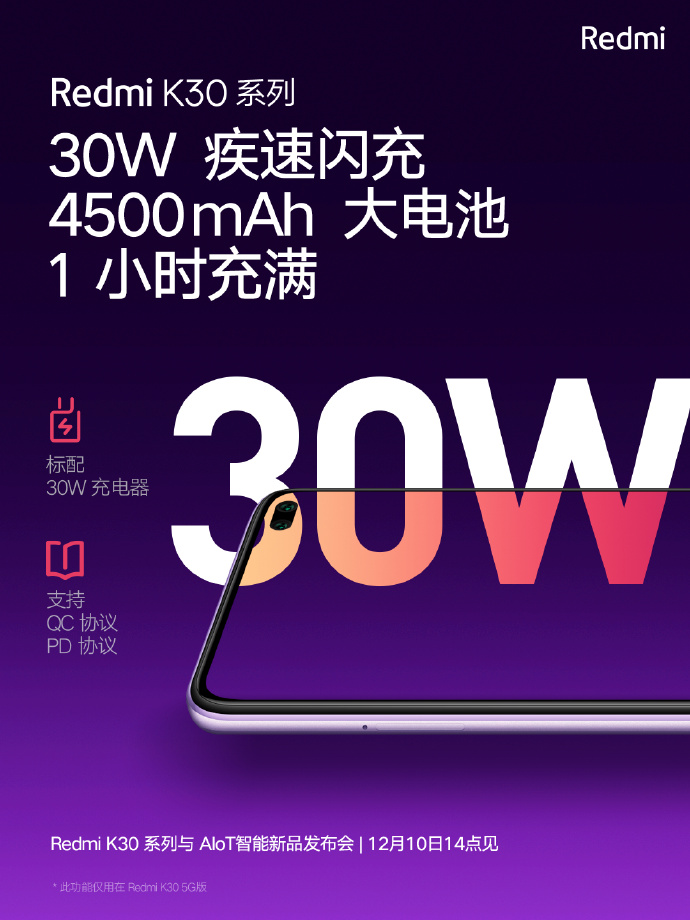
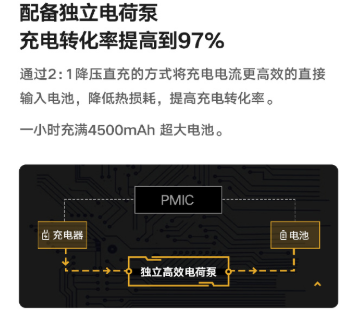
According to the latest teaser, the Redmi K30 5G will have a 4500mAh battery capacity. What’s more is that users will be able to charge it from empty to full in 1 hour thanks to the phone’s support for 30W Fast Flash Charge.

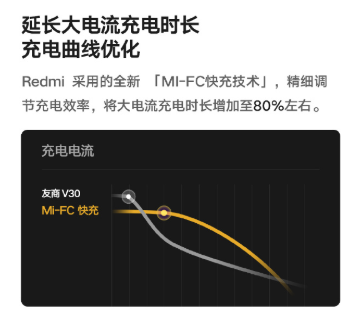
Redmi released an image explaining the technology behind the 30W Fast Flash Charge. Apparently, it uses it what is called MI-FC technology which was developed by Redmi. This allows the duration of charging at a high current to be extended by up to 80%. Redmi says there is also an independent charging pump with an efficiency of 97%.

The Redmi K30 5G’s bigger battery capacity over that of its predecessor is a welcome improvement seeing as 5G is known to consume more battery life. The battery capacity also translates into a win for the Redmi K30 5G over its closest competitor – the OPPO Reno3 Pro which has a 4025mAh battery capacity.


Xiaomi Mi Note 10 and Note 10 Pro launched in Malaysia

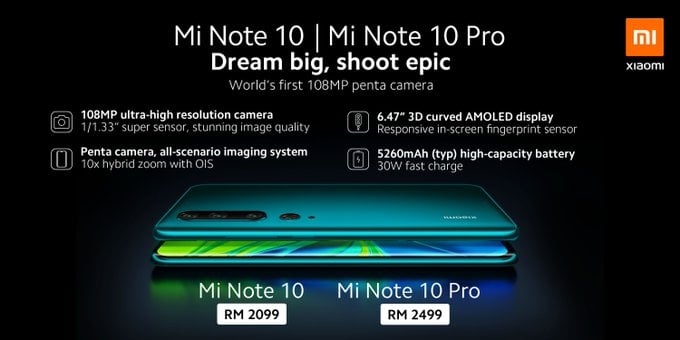
Xiaomi last month hinted that the much-publicized Mi Note 10 series will be launched in Malaysia on December 3. The Mi Note 10 and Mi Note 10 Pro were indeed unveiled in the Asian country yesterday as scheduled.Xiaomi Mi Note 10

The Mi Note 10 and Note 10 Pro are the global versions of the Mi CC9 Pro and CC9 Pro Premium Edition. The most outstanding feature on the models is no doubt the massive 108MP main camera sensor they pack. The camera setup is no gimmick as the Chinese variant floored several flagship models including the iPhone 11 and Galaxy Note 10 to top DXOMark ranking alongside the Mate 30 Pro. The device has clinched several rave reviews but as it is common with large sensors, big isn’t always better as there are times you may find the camera output unimpressive.

Apart from the powerful camera setup, the Mi Note 10 and Note 10 Pro equally comes with a sleek design and powerful specs marshalled by a Snapdragon 730G chipset. The Note 10 comes with 6GB of RAM while the Note 10 Pro is available in 8GB RAM + 256GB storage combo.

Xiaomi Mi Note 10

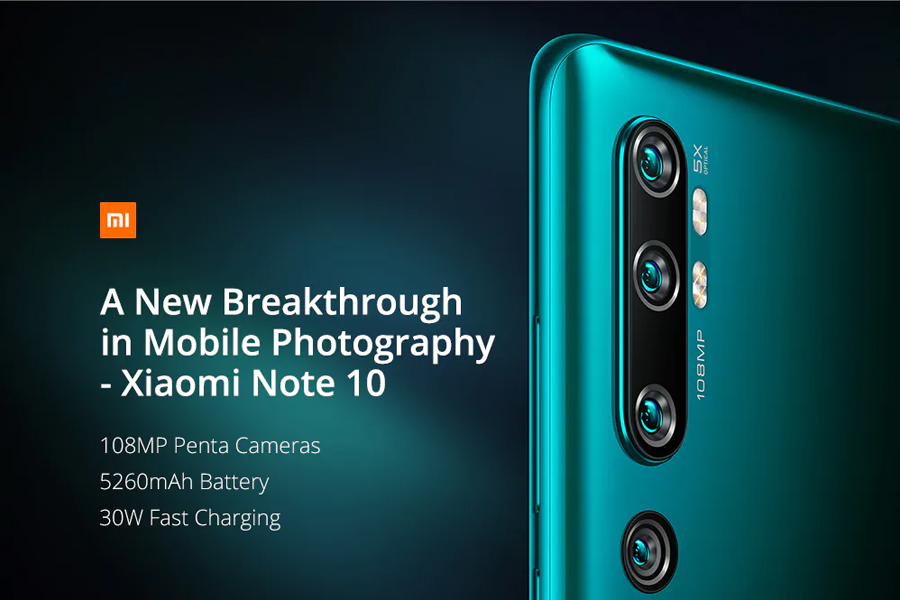
Both models pack a 6.47-inch FHD+ AMOLED display with a fingerprint reader underneath and a waterdrop notch at the top housing a 32MP selfie camera.  You may never run out of battery with the Mi Note 10 and Note 10 Pro as they have a big 5260mAh cell with 30W fast charge support.Xiaomi Mi Note 10

As for the price, the Mi Note 10 is priced at RM 2099 ($502) while the Mi Note 10 Pro comes in at RM 2499 ($598). This is far cheaper than the retail prices in Europe where the Mi Note 10 sells for €549 ($608) while the Mi Note 10 Pro is priced at €649 ($719).


Xiaomi Mi Credit app Launched in India with 1 Lakh INR (9,854 CNY) spending limit

Xiaomi, the Chinese electronics company, has officially launched its Mi Credit app on 3rd December 2019. The app is currently available on Google’s Play Store app and provides a credit lending service with a spending limit of 1,00,000 INR (or roughly 9,800 CNY).

The Mi Credit app marks the expansion of the tech giant’s financial services portfolio within the Indian subcontinent. It is an online marketplace for lenders and has support from five non-banking financial companies (NBFC) and FinTech firms that includes Aditya Birla Finance Limited, Money View, EarlySalary, Zestmoney, and CreditVidya. Additionally, Xiaomi has also partnered with Experian to provide a credit score report free of cost on the Mi Credit app.

Xiaomi Mi Credit App

Currently, the Mi Credit App is available in 10 states and supports up to 1500 pin codes. Xiaomi plans on the rolling out of the service to all pin codes by the end of this financial year, March 2020. For those interested, the app is available in Google Play Store, Xiaomi App Store and GetApps platforms for Android smartphones. Furthermore, the app will now arrive preloaded on the company’s MIUI OS powered smartphones.

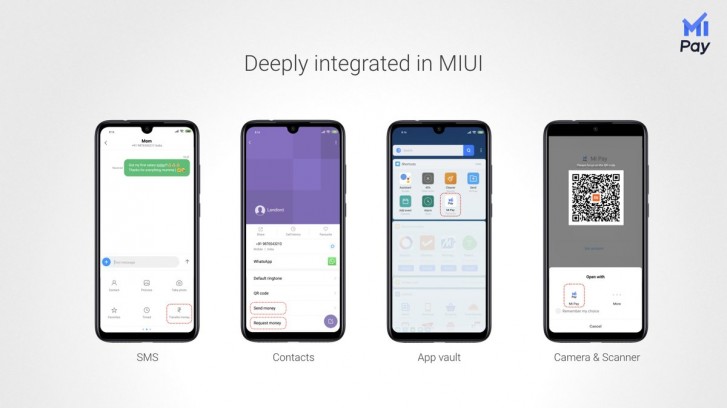
Xiaomi’s Mi Credit app is the company’s first financial service app since the Mi Pay which debuted in March 2019. According to the company, the app-based financial platform enable the firm and its lending partners to provide users with a complete digital experience with no paper involved in the process. This also extends to the process of uploading user documents (for KYC) for linking to the bank account.

Xiaomi Mi Pay & Credit App
Xiaomi Mi Pay app

The Chinese company sees a huge opportunity in consumer lending services in India. According to Hong Feng (Senior Vice President/co-founder of Xiaomi), the financial lending services sector could grow up to 1 trillion USD by 2023 and its Mi Pay and Mi Credit App can revolutionize the Indian FinTech industry. Lastly, to add a sense of security, Xiaomi’s India Managing Director, Manu Kumar Jain, stated that all user data on Mi Credit app was stored securely in an encrypted format in India. This was achieved by Amazon’s Web Services cloud infrastructure.


(Via)

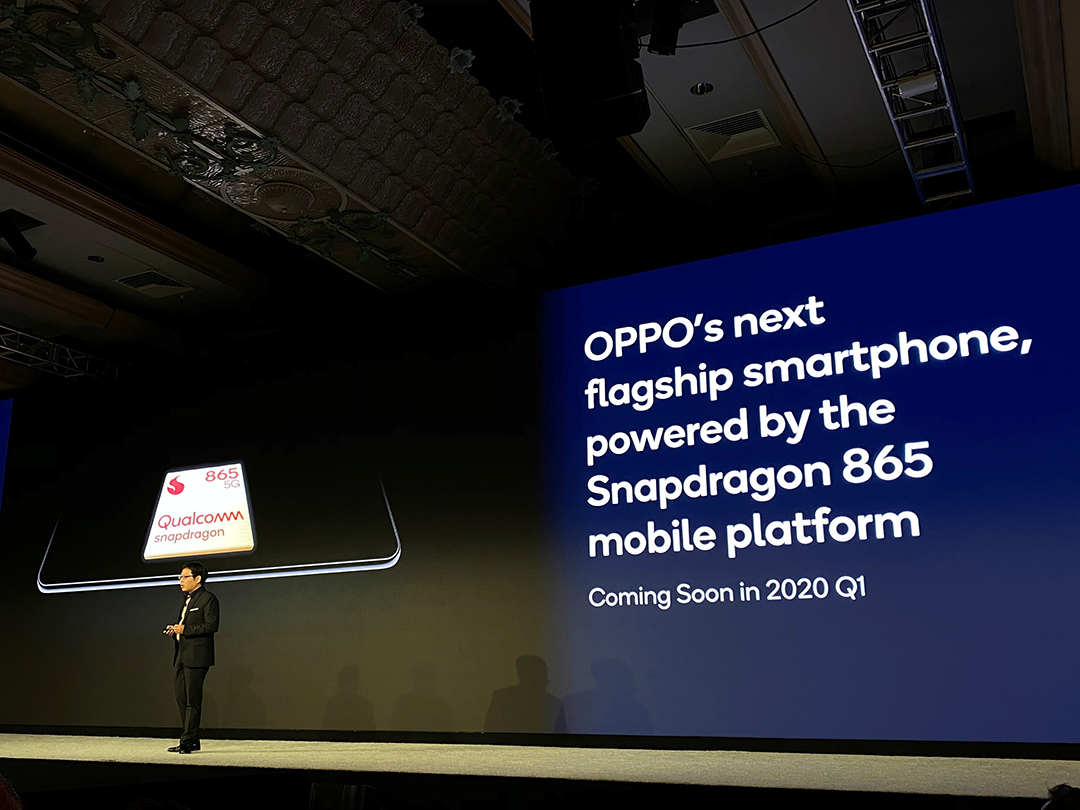
OPPO announces Reno3 Pro will be powered by Snapdragon 765G; SD865 flagship set for Q1 2020

Following the announcement of the Snapdragon 765G and the Snapdragon 865 processors, OPPO’s VP and President of Global Sales, Alen Wu, announced on stage that its upcoming Reno3 Pro smartphone scheduled to launch this month will feature the Snapdragon 765G processor.

The 7nm chipset will bring “5G connectivity, Snapdragon Elite Gaming, and outstanding performance in its ultra-thin form factor” a press statement said.

The Reno3 Pro will have a punch-hole display for a single front-facing camera. OPPO has also confirmed it has a 4025mAh battery capacity and the phone is just 7.7 millimeters thick.

OPPO 5G Snapdragon 865 Flagship

OPPO also announced that it will launch an unnamed flagship 5G smartphone powered by the Snapdragon 865 Mobile Platform in the first quarter of the coming year. According to OPPO, it will be one of the first companies to do so.

It will be interesting to see who first launches a Snapdragon 865 phone amongst the Chinese smartphone manufacturers. Xiaomi and Meizu are both gunning to be the first but the real winner will be whose phone is available for purchase first and not who announced first.

OPPO says its flagship phone will bring better experiences in camera, gaming, and artificial intelligence with enhanced performance thanks to the Snapdragon 865 Mobile Platform. It also revealed it plans to announce more 5G products in the future.


(Source)

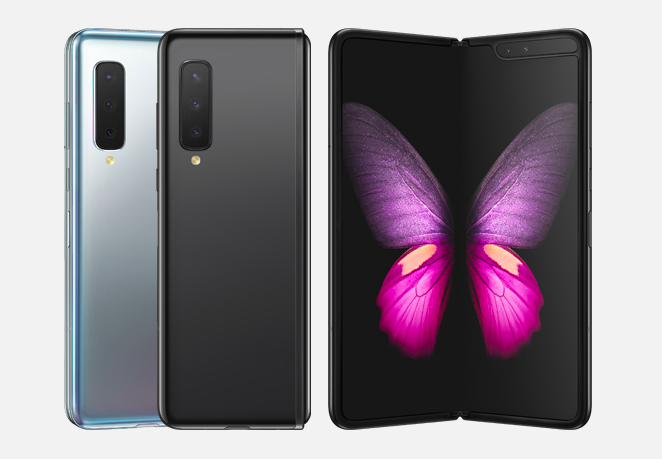
The next Samsung Galaxy Fold will have a hidden hinge mechanism

During the Developers Conference in October 2019, Samsung showcased a foldable smartphone concept. It sported a clamshell bending mechanism that folds vertically like the recently announced Motorola RAZR 2019. The device in question could be the Samsung Galaxy Fold 2 or another standalone handset in the range. It is expected to arrive in the first quarter of 2020 and will feature a “hideaway hinge.”

Galaxy Fold 4G
Samsung Galaxy Fold

With 2019 ending, Samsung’s first year after introducing the original Galaxy Fold has also drawn to a close. From what we know so far, Samsung is expected to release two foldable smartphones this year; one of which is expected to be the successor to the Galaxy Fold.  Looking at the designs, one of the upcoming handsets will have a clamshell bending mechanism (folding vertically). This will also make it look distinct from its predecessor owing to its new hinge.

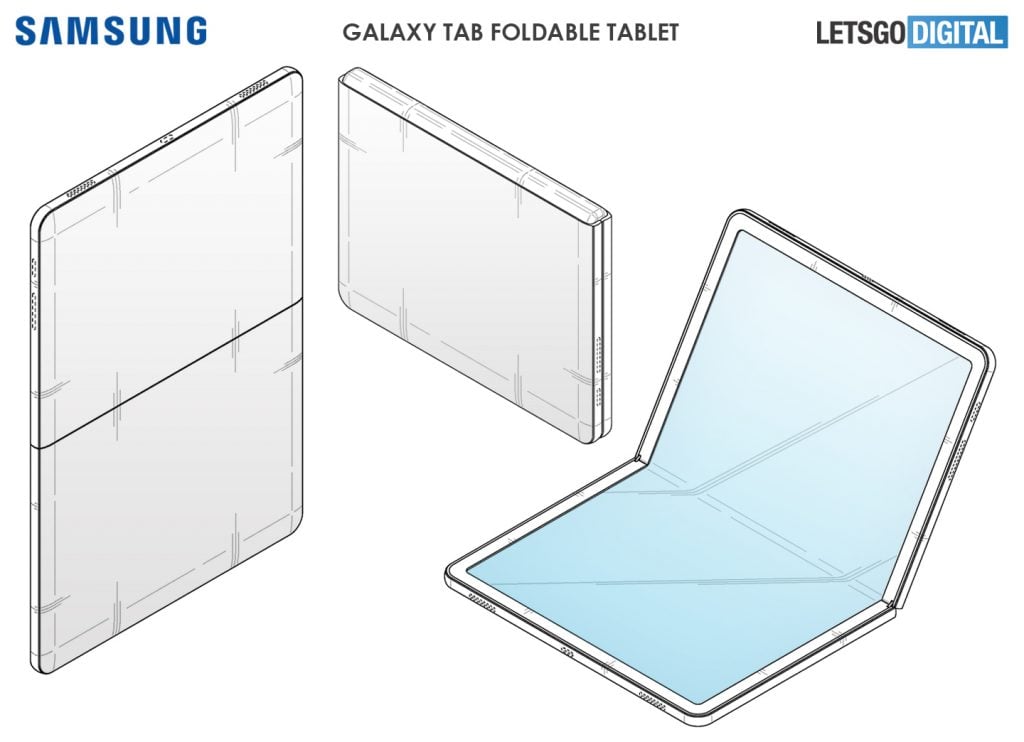
The original Galaxy Fold had a noticeable vertical line that can be observed which divides the smartphone into two halves. However, the upcoming entry is expected to feature a new kind of hinge hidden in the housing of the smartphone, making it less visible. The South Korean giant has trademarked the mechanism as “Hideaway Hinge” with the European Union Intellectual Property Office (EUIPO). Notably, the new design is can also be used in both smartphones and tablets since Samsung is reportedly working on folding tablets as well.

Samsung Galaxy Tab Fold
LetsGoDigital: Samsung Galaxy Tab Fold

Unfortunately, information is still scarce on the matter. It is currently unknown which of the two foldable devices will feature the new hinge design, as the Galaxy Fold 2 is expected around August 2020. Additionally, Samsung is also looking to expand rollout to 60 more countries and could potentially tackle the obstacle of high pricing with the new models as well.


(Source)

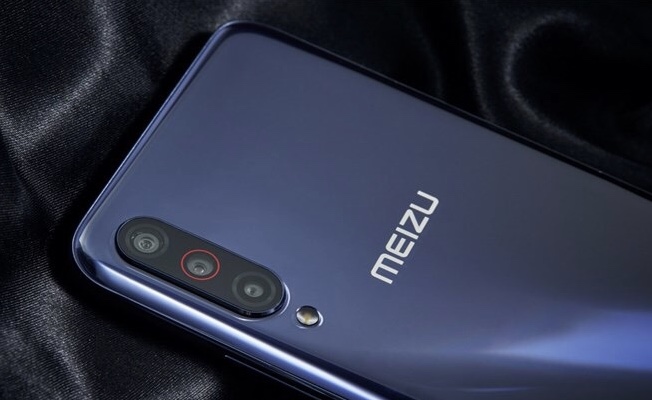
Meizu fires at Xiaomi, claim they will be the first to sell Snapdragon 865 smartphone

Meizu 16T
Meizu 16T

Earlier today we wrote about how Xiaomi would be one of, if not the first company to bring us a Snapdragon 865 powered device with the Xiaomi Mi 10. Turns out we may have been mistaken. While Xiaomi may have been the first to announce a Snapdragon 865 device, Meizu has gone to Weibo to announce that they will be the first ones to actually have a Snapdragon 865 out for sale, and that device will be their upcoming flagship Meizu 17.

Meizu were pretty scarce with details in their post, but we do know that the Meizu 17 is slated for a spring 2020 release. This is the first dual-mode 5G flagship device for the company, and it will be the most powerful flagship they’ve ever made. After a string of restructures and changes, will Meizu finally get a leg up on Xiaomi after all these years?

Xiaomi and OPPO have confirmed to launch Snapdragon 865 powered phones in the first quarter of 2020. Xiaomi confirmed that Xiaomi Mi 10 will be among the first phones to feature SD865. Motorola also confirmed that it will return to launching flagship phones next year, and now Meizu joins these ranks with a Snapdragon 865 smartphone in the works.

Qualcomm’s new Snapdragon 865 is designed exclusively for 5G flagship phones, and requires manufacturer to also purchase Snapdragon X55 5G modem as a packaged deal. OEMs aren’t able to make 4G phones powered by Snapdragon 865. Also, the SD865 will support up to 200-megapixel camera and come with support for 8K 30fps video recording.

(Source)

TikTok Sued for Harvesting and sending user data to China

The short video making app, TikTok, is facing a lawsuit charge which claims that it harvests users’ data and sends it back to China. Reportedly, American users of the app have come forward with numerous allegations regarding its recent censorship misconduct as well. The Chinese social networking platform has denied these claims as it faces a national security probe in Washington.

TikTok
TikTok

Last week, a consumer class action lawsuit was filed against TikTok in California, USA. ByteDance, the Beijing-based company behind TikTok, is facing charges for harvesting user data without notice or consent and sending it back to China. Furthermore, it was also claimed in the lawsuit that the app “includes Chinese surveillance software.” This allowed it to access user data and send it to Chinese servers, including those run by Tencent and Alibaba Group Holdings.

This arrives after a user in New Jersey was locked out of her TikTok account after posting a video spreading awareness of Beijing’s mass detention of Uighurs in Xinjiang. TikTok removed the video once it went viral and later claimed it was by mistake. Currently, TikTok’s parent company, ByteDance, is facing pressure from the US Government, facing an investigation by the Committee on Foreign Investment in the United States. CFIUS could force ByteDance to divest TikTok’s US operations if it is found that the company poses a national-security threat.

TikTok US-China Trade Disputes
US-China Trade Disputes

In the west, there is a pattern of increasing distrust over Chinese brands or those backed by Chinese companies. Huawei is one such example that faced similar allegations during the US-China trade disputes. Recently, TikTok claimed that it stores its US user data within the country and does not censor political content in line with Beijing’s instructions. Furthermore, ByteDance is reportedly considering moves to distance the TikTok brand from China.


(Via)

Qualcomm’s 3D Sonic Max fingerprint sensor can scan two fingers simultaneously

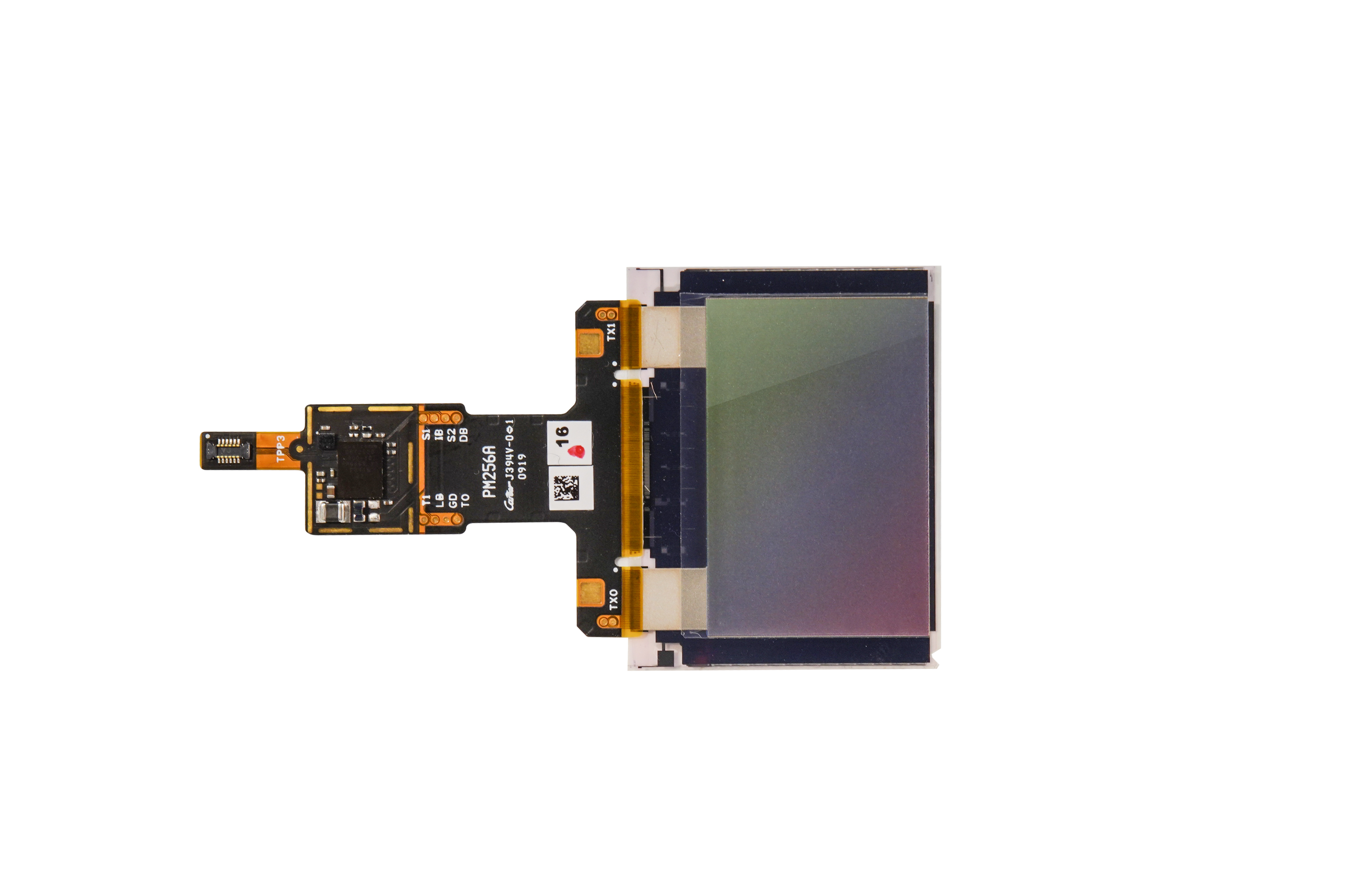
At yesterday’s Snapdragon Tech Summit, Qualcomm announced a new ultrasonic fingerprint sensor with some pretty interesting features. Called the 3D Sonic Max, the sensor is 17 times bigger than its predecessor, but that is not the only upgrade. Qualcomm says the sensor can also scan two fingers at the same time.

The 3D Sonic Max brings improvements over the 3D Sonic that Samsung used in the Galaxy S10. The new sensor measures 20mm x 30mm compared to its predecessor’s 4mm x 9mm. According to Qualcomm, the larger area will allow the scanner to capture a clearer and complete fingerprint and avoid screen protector issues.

The ability to scan two fingerprints at the same time also translates to better security. Qualcomm says that the scanning speed has also been improved in its blog post. However, The Verge reports that the speed is similar to that of the previous generation according to a statement by Alex Katouzian, a Senior VP and general manager of mobile at Qualcomm. So unlocking time will not be different from that of its predecessor.

It is not yet known which manufacturers will be adopting the new scanner for its phones. Samsung may decide to go with an alternative following the security mess that plagued the first version. However, there are reports Apple is considering Qualcomm’s technology for its 2020 smartphones.

Qualcomm CEO says cooperation with Huawei is needed for 5G development

Qualcomm CEO Steve Mollenkopf said in a recent interview that there is indeed competition between Qualcomm and Huawei in certain areas, but when it comes to 5G development both companies will need to cooperate to achieve optimal growth. This is in response to a question regarding the state of 5G and whether Qualcomm sees it as a race.

Mollenkopf states in the interview that he doesn’t believe Huawei and Qualcomm will be butting heads when it comes to 5G development. The two tech giants going head to head would certainly be interesting to watch unfold, but it’s counter intuitive to the actual development. Both companies need to work together to set international standards for 5G.

Mollenkopf then goes on to bluntly say that it especially won’t happen as it doesn’t benefit either company. While both companies do compete in certain fields such as market share in the IP field and some fields, they need to and have been working together to push faster and better 5G development forward.

Before that, Mollenkopf also stated in the interview that China has not overtaken the United States in terms of 5G technology, but in the deployment of 5G, especially the construction of base stations, China’s development is really very fast. While both companies may be cooperating, the 5G race is still unmistakably going on, and we’re excited to see how it goes.

(Source)

Oppo Executive: OEMs will no longer be simple Smartphone companies

According to Chen Mingyong, the OPPO co-founder and CEO, smartphone OEMs will no longer be simple mobile phone companies. The senior executive shared this statement on Weibo earlier today which also announced his attendance in the upcoming OPPO INNO DAY 2019 to deliver a speech. The event is to take place on the 10th of December 2019 and will mark Chen Mingyong’s first public appearance in 6 years.

Chen Mingyong: OPPO INNO DAY 2019

The CEO/Founder of Oppo has kept a low profile over recent years, being last seen in a product launch about 6 years ago. In the official poster release, Chen Mingyong is quoted saying, “the era of mutual integration, there will no more mobile phone companies in the pure sense.” This statement implies that the company is looking into further diversifying away from smartphones in the near future.

OEMs no longer being simple smartphone companies is already true in a few regards. A notable example of this is Apple which is highly touted for its robust and productive gadget ecosystem ranging from smartphones, smartwatches, laptops, computers and more. Microsoft and Huawei are also great examples and more companies can be expected to soon follow this business practice as well.

Chen Mingyong: OPPO INNO DAY 2019
Weibo: OPPO INNO DAY 2019

Thus, in the event, we might see the announcement of a similar philosophy from Oppo. It will be a major step from the tech giant which is one of the world’s top 10 smartphone brands. Additionally, the upcoming event will also see other important figures like Oppo’s Vice President, Oppo Chief 5G scientist, Microsoft China’s CTO, Executive Director of IHSMarkit, and various notable professors and financial writers.


(Via)

Nokia 5G phone with Snapdragon 765 to be announced in Q1 2020

Various smartphone manufacturers like Nokia Mobile, LG, Motorola, OPPO, Realme, Redmi, and Vivo confirmed at Qualcomm’s Snapdragon Tech Summit 2019 that they will be launching Snapdragon 765 5G powered phone in the year 2020. The Redmi K30 and OPPO Reno 3 Pro 5G phones that will go official later this month will be the first phones with Snapdragon 765G onboard. Nokia Mobile also confirmed some of the features of the its forthcoming SD765 SoC powered smartphone.

At the stage, Nokia Mobile Chief Product Officer Juho Sarvikas shared a teaser image of the unnamed Nokia phone featuring the SD765 chipset and not the SD765G SoC. In comparison to the Snapdragon 765, the SD765G SoC will offer better graphics experience.

The silhouette of the mysterious Nokia phone has revealed some of the key features of the phone. It reveals that the phone will be equipped with a side-mounted fingerprint scanner and a round-shaped camera module. The device seems to be equipped with a copper frame.

The first SD765G Nokia phone will be sporting a Pure Display like the recent phones from the Finnish firm that come with support for HDR10. Sarvikas revealed that the Nokia phone features a triple camera setup on its back. It will also users with ZEISS Imaging experience He also confirmed that the phone will be able capable at recording 4K videos through the ultrawide angle lens. Without mentioning the exact size of its battery, Sarvikas confirm that the device will offer all-day battery life.

The other details of the smartphone are currently under the wraps. The smartphone is confirmed to go official in the first quarter of 2020. The company is likely to use the Mobile World Congress (MWC) 2020 tech exhibition platform to announce the smartphone.

In the official Qualcomm press release, Sarvikas said, “Our highest priority for 2020 is making 5G more accessible – bringing an affordable yet premium grade, future proof 5G experience for the best possible performance in NSA and SA networks with the Snapdragon 765 Mobile Platform.” The Snapdragon 765 is integrated with the Snapdragon X52 5G modem and it promises maximum 5G download speeds of 3.7Gbps.