Amidst the virus outbreak responsible for causing pneumonia, the demand for face masks has risen immensely. It has also led to the face masks being sold out and a few retailers even raising prices for such face masks, prompting JD.com to ban or unlist such abnormal price surges.
For those unaware, China has been hit with a virus outbreak that has been causing pneumonia. The thing that is particularly dangerous about this virus is that it’s a new breed named coronavirus which is currently more difficult to treat in case of infection. Thus, the market has seen an explosive demand for face masks that citizens of the nation are buying for protection.
People in China wear Face Masks to prevent catching Pneumonia from the new Coronavirus
As of right now, masks are being sold on various e-commerce websites online as well, including Taobao and JD who are also two of the largest online retailers in China. Furthermore, other stores like Minnesota Minding and Manufacturing or 3M said that several varieties of its regular face masks have been sold out as of Tuesday morning (21st January 2020).
On top of this more brands that manufacture and retail face masks have also been seeing a surge in demand and have reported their troubles in keeping a sufficient stock. This has created a scenario with an excess demand and shortage of supply, which in turn has driven up the prices of such masks. These masks can also be bought from third party retailers but are being offered at higher prices.
Supply and Distribution has been a major concern for retailers
JD.com is one of the first to address these issues as the company bans raising prices for face masks. Additionally, anyone found offering such masks at abnormally high prices will be removed from its website altogether. The move is being done to guarantee the stability of the pricing of the crucial commodity. The online retailing giant is also working on gaining consistent resources to ensure supply, proper warehousing and distribution control.
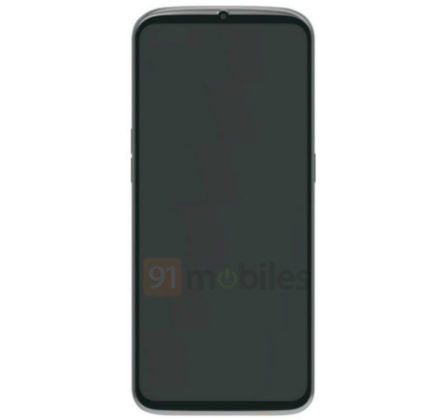
The Reno series of smartphones were introduced last year. The OPPO Reno lineup includes phones with different display designs such as notch-less screen and pop-up selfie camera, waterdrop notch display and punch-hole screen. The forthcoming OPPO phones may sport a new front. 91mobiles has come across a patent filing that showcases a new display design that features the selfie camera lodged in the narrow top bezel.
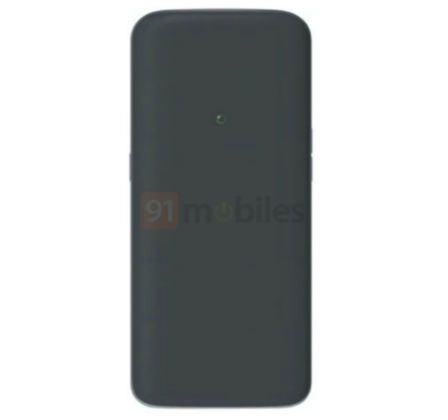
According to the publication, the Chinese manufacturer had filed a patent in March 2019, and it was published on Jan. 21. The patent design seems to belong to an upcoming Reno series phone as it features an O-Dot structure on the back. OPPO has claimed that the all the upcoming Reno smartphones will be equipped with O-Dot structure that protects the rear surface and cameras.
The main highlight of the phone’s design that can be seen in the new patent filing shows that its display is surrounded by slim bezels. The display sports a notch-less design as it features a selfie camera at the center of the slim top bezel. The design reminds of the recent flagship phones from Meizu that have very slim top bezel along with the selfie camera. However, none of the Meizu phones have featured the selfie snapper in top-center position.
1 of 3
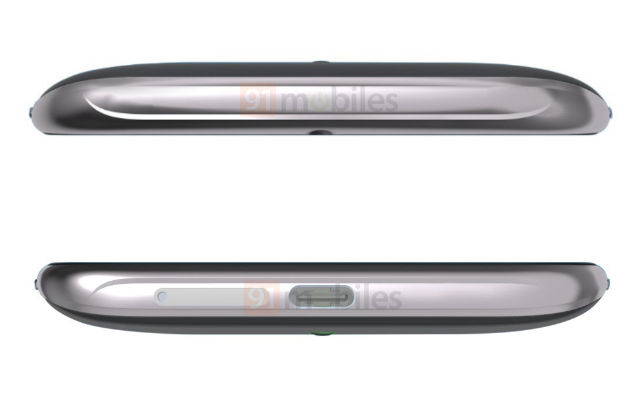
The patent images of the OPPO Reno phone further reveal that the power button is placed on the right spine of the device whereas the left side is populated with volume up and down buttons. The rear side of the phone has a green-colored O-Dot structure. Probably, the rear cameras will be placed above the O-Dot in vertical manner.
OPPO has recently launched the OPPO Reno 3 and Reno 3 Pro 5G smartphones in China. It remains to be seen whether the above shown design comes true on the OPPO Reno 4. Chinese firms are known for skipping number 4 in the names of their devices. Hence, forthcoming Reno phones could be called Reno 5.
In related news, OPPO is expected to soon launch a different Reno 3 Pro with dual front-facing cameras in India. YouTuber Mrwhosetheboss recently gave a first look at an OPPO phone with dual punch-hole design. It is said to be equipped with 44-megapixel + 2-megapixel dual selfie camera. Its main lens could be the 43.7-megapixel ISOCELL GH1 lens. There is no word on the other specs and arrival time of the Indian version of OPPO Reno 3 Pro.
Following Huawei being caught in the crossfires of the US-China trade disputes, drones have now become another area that is facing scrutiny by the US Government. Allegedly, Drones that are manufactured or belong to Chinese brands could potentially be used to spy in the US, according to Government officials.
Drones have been increasing in popularity in the US and it is not just limited to cinematography or plain entertainment. They can be highly useful in real world scenarios as well. The best example being the volcano eruption in Hawaii back in May 2018, where a drone was used by US scientists to save a man from the lava by asking him to follow the drone to make it out of a jungle.
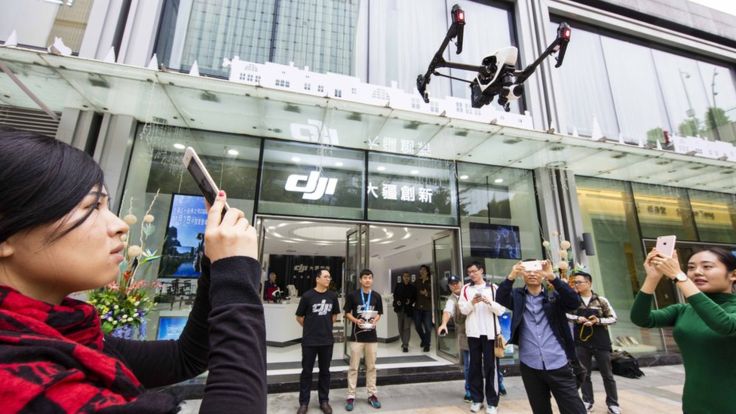
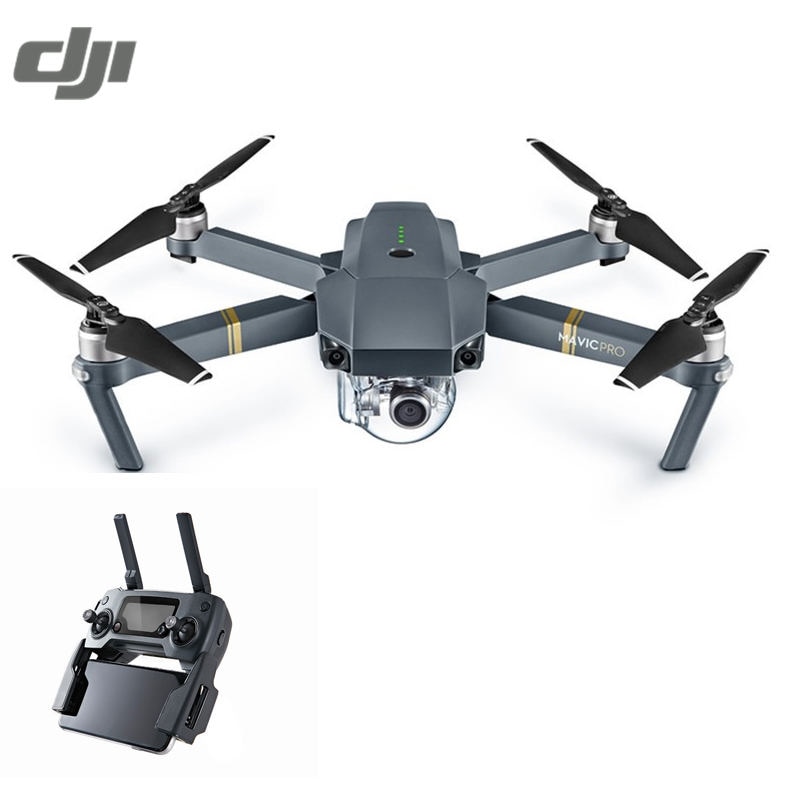
A drone from DJI, a renowned brand in unmanned drones and videography equipments
Examples such as these are indicative of the wide range of application and usefulness unmanned drones bring to the table. However, what about “espionage?” is the question the US Government is asking. With the increasing rivalry between the US and the east, namely China, the western nation is scrutinizing every avenue that the Chinese have a foothold in. One of these is the commercially available drones that are widely sold in the US.
DJI or Da Jiang Innovations Science and Technology Company is one of the market leaders in videography equipment and unmanned drones. Its offerings are used both for entertainment and to access areas for scientific research as well. But the company isn’t alone as even more Chinese drone manufacturers are seeking to enter the US market in the near future. These drones are also seeing an increase in adoption in various Government departments and have become a cause for worry for David Bernhardt, the Head of a Federal agency.
DJI Mavic Pro OcuSync
According to Bernhardt, these drones are currently under evaluation and review, which is an effort being made to deem their safety for being used in the nation. Furthermore, during this process, all drones made in China are grounded, as reported by the BBC network. Notably, crucial areas like drones used in fire fighting and to help rescue people are still allowed to fly.
Chinese analysts see US policies that hamper the operations of companies from China as a form of protectionism. In other words, the US is actively against foreign MNCs gaining a large market share within its nation. However, despite all of these allegations and friction, the US and Chinese leaders are well on their way to sign a trade deal to recuperate the ailing relations between the two.
Cupertino-based telecom giant Apple Inc. is gearing up to launch its latest budget-friendly smartphone this year. The device is likely the much-awaited iPhone SE 2. Some reports have claimed that it could be arriving in the market as the iPhone 9. Apple plans to begin assembly this February, ahead of its 2020 roadmap when it adds a range of 5G-enabled devices to the lineup.
According to a report on Bloomberg, a source close to Apple claims that the company is likely to officially unveil the new device in March. The three Taiwanese firms in charge of the assembly lineup are Wistron Corp., Pegatron Corp., and Hon Hai Precision Industry. The iPhone SE 2 / iPhone 9 will be the second low-cost iPhone following the first-generation iPhone SE from 2016 that based on the iPhone 6S. The smartphone is rumored to be based on the iPhone 8, which is currently priced at $499.
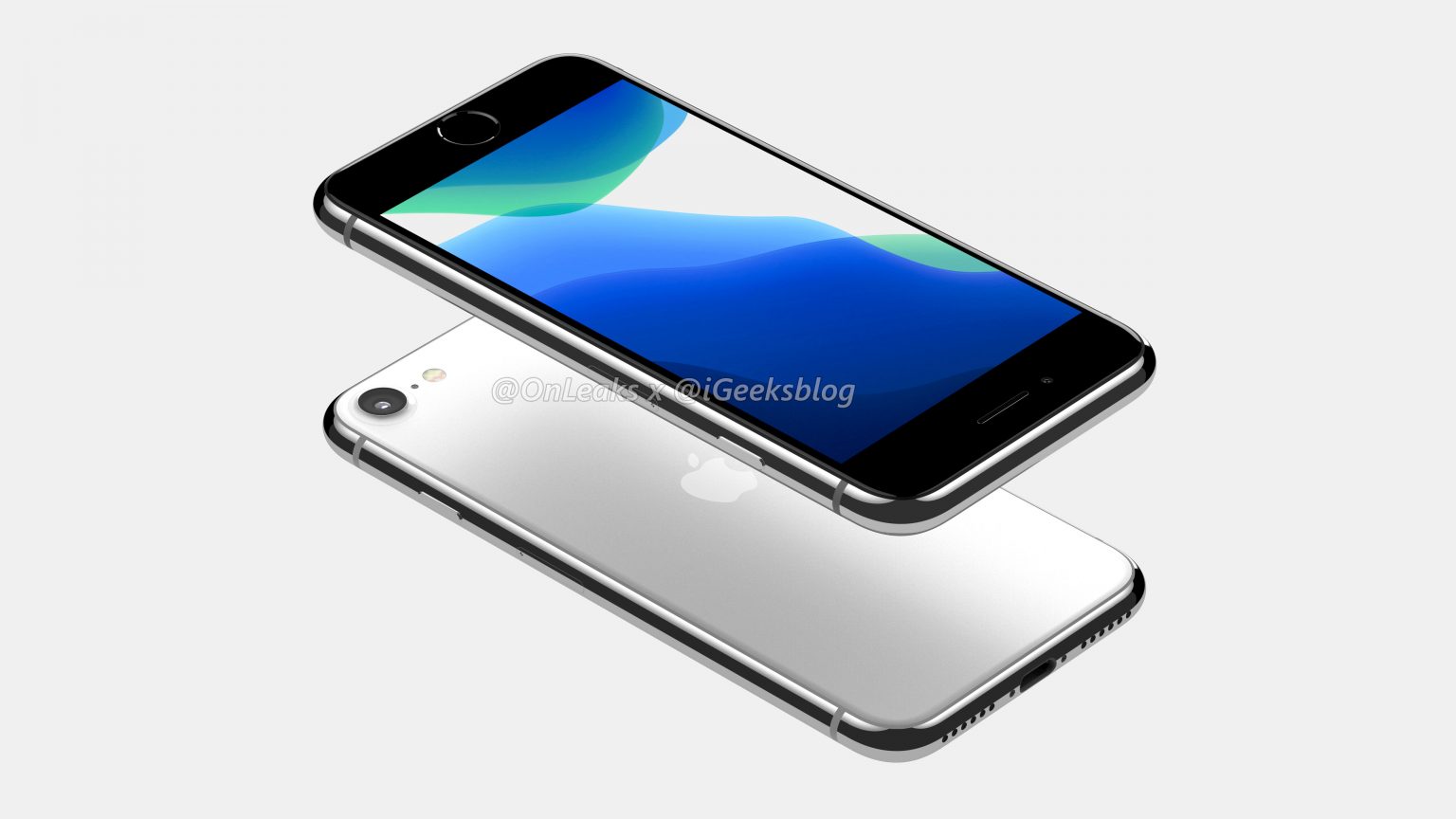
Everything We Know So Far About the iPhone 9 / iPhone SE 2
The demand for compact smartphones has increased recently, with the iPhone XR being well-received globally. Hence, Apple could be planning to launch a low-cost iPhone 9 / iPhone SE 2 smartphone. According to leaked renders that were shared by OnLeaks in the recent past, the iPhone SE 2 sports a 4.7-inch display with a thick bezel on top and an equally thick chin. Apple might do away with the more expensive XDR OLED Retina display in favor of a Liquid Retina LCD display to keep costs down.
The iPhone SE 2 sports an aspect ratio of 16:9, along with a physical fingerprint scanner on the chin. The device likely lacks Face ID. While the power button is located on the right edge, the volume rocker and alert slider are found on the left edge. The lightning port is located between two speakers grills on the bottom.
The frosted glass rear panel is similar to the one on the iPhone 8. The device sports a single camera with an LED flash on the top left corner, with the iconic Apple logo located in the center.
Powering the iPhone SE 2 is the Apple A13 Bionic chipset found on the latest iPhone 11 series. The device is likely to feature 3GB of RAM with 64GB/128GB of native storage, run on iOS 13 and sport a price tag of $399. Rumors of a second variant with a larger 5.5-inch or 6.1-inch display sporting a price tag of $499 are also doing the rounds on the internet. This phone might be called iPhone 9 Plus. There is no official word from Apple or any of its partner firms in-charge of assembly.
Affordable iPhones have proven to be quite popular with customers. Perhaps the best example of which is the iPhone 11, whose base price starts at $50 lower than Apple’s usual pricing. Keeping this steady rise in demand in mind, Apple has asked its semiconductor supplier to make more chips this quarter. iPhone sales have been dwindling in price-sensitive markets like India. The company plans to sell over 200 million units in 2020, and the iPhone SE 2 will play a major role in achieving the target.
According to a recent post on Reuters, Apple dropped plans to allow users to fully encrypt data on its iCloud services after the FBI warned such a move would hamper investigations. Quoting six sources familiar with the issue, the Reuters report highlights the extent to which Apple is willing to aid the US law enforcement agencies, despite facing the flak of the government in high-profile legal disputes in the recent past.
Apple’s compliance with the FBI’s demand surfaces two years after the talks formally commenced. Data encryption would have made it impossible for Apple to access user information stored on its iCloud servers even if law enforcement agencies sent a legal request. This is when the FBI sent in a stern warning saying such a step would negatively affect the organization’s ability to gather proof in cases where the perpetrator used an iPhone.
Around two years back, in an effort to block hackers, Apple informed the FBI about its plans to offer users end-to-end encryption when storing iPhone data on iCloud. As part of the plan, the company would no longer have the ability to access user data even under court order. Representatives of the FBI’s cybercrime wing soon objected to the plan arguing that it would open up a whole new level of difficulties gathering proof against suspects using an iPhone.
Apple dropped the effort soon after, along with the 10 key people involved in developing advanced encryption technology, codenamed Plesio and KeyDrop, a year later. A former Apple employee anonymously claimed, “The effort was dropped due to mounting legal pressures for reasons you can imagine”. However, it is unclear what role the FBI played in the matter.
The news will not go down well with Apple users, as the reversal clearly contradicts the company’s policy of preserving user data. However, it is easy to understand why Apple would not like to poke the bear, read US government, any longer following the long legal battle against law enforcement agencies back in 2016.
There is a silver lining to this, as pointed out by cybersecurity and privacy attorney Leeza Garber. “This decision does not hurt user information directly, as customers can still monitor what data gets uploaded to iCloud”. Physical data stored on the iPhone cannot be accessed remotely. Hence, users need to be more careful about what information they want to be stored on the cloud.
“While major corporations like Apple and Google are doing their best to preserve user data. This is a great opportunity for users to consider what we choose to store online. In the end, we need to take greater responsibility for our actions and decisions. Understanding privacy settings, backup choices, and digital security measures is a priority. We need to consider alternative backup options. While iCloud is easy to access, it has its fair share of flaws. Users could effectively use a 3TB hard drive stored in a safe for privacy” Garber adds.
Founder of Huawei, Ren Zhengfei, claimed at Davos that he suspects the U.S. will take more actions against the company while Huawei continues to survive. “We got the experience now,” he said during a session at the Winter Davos. “We have poured hundreds of billions of money into our Plan B, and that’s why we can withstand the first wave of U.S. attack.”
The comments by Huawei chief executive and founder Ren Zhengfei to business leaders at the World Economic Forum in Davos come amid a bitter court fight in Canada over a US demand to extradite Huawei’s chief financial officer Meng Wanzhou, who is his eldest daughter. Huawei has also been banned from working with American firms on the grounds that it poses a national security threat – an accusation the company has consistently denied.
In response to the U.S. attacks, Huawei disclosed some “Plan B” products that can be used to replace U.S. parts, including Huawei Mobile Services (HMS), a replacement of its Google counterpart. Huawei also started porting its IoT operating system “Harmony” to smartphones.
Ren also stressed that Huawei is a “pro-U.S.” company that hired tens of U.S. consulting firms to teach Huawei how to manage a big company. “The U.S. should be proud that their experience on management brought development to other places,” he said.
Ren also discussed aspects of the concurrent AI race, telling us that the fear of AI will fade away, comparing it to the fear of nuclear energy. “I was born around the time of Hiroshima, and I saw people around me being afraid of nuclear bombs,” he said. “But eventually nuclear power plants and the use of radiation in hospitals have benefited so many people. The same can be true for AI,” Ren stressed.
According to Ren, the U.S. is overthinking about China’s sci-tech power. “China’s education is still trying to train engineers instead of scientists, which means China does not have enough basic science research power to compete with the U.S.,” he explained. “There is only one truth. That’s why the tech world will not split,” he said. “Whoever gets the truth will share it with everyone else.”
Last year, Vivo had introduced iQOO sub-brand in China by launching the Vivo iQOO phone in April. It was previously believed that the iQOO brand will include gaming-centric phones that will take on the likes of Xiaomi Black Shark, ASUS ROG and Nubia Red Magic. However, iQOO phones that were unveiled last year all featured flagship chipsets and they were made available at affordable pricing. Hence, the iQOO brand is all about selling performance focused phones with some gaming capabilities. A recent report had claimed that iQOO brand will be introduced in India in March. Today, another report courtesy of India Tech Today has revealed that the first iQOO phone for India will be powered by Snapdragon 865 mobile platform.
The new report claims that India will be receiving the new iQOO phone soon. However, the name of the device is not known yet and the only thing known about it is that it has Snapdragon 865 onboard.
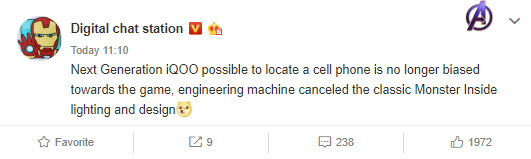
The first iQOO phone that was unveiled last year had a top variant called Monster Inside Edition. It had a sportier appeal with halo lights. However, a Chinese tipster has claimed that iQOO is no longer a gaming-focused brand. The company has cancelled the Monster Inside lighting and design an engineering machine of the next generation iQOO. He could be talking about the pre-production unit of the upcoming iQOO 3.
Rumors have revealed that the upcoming iQOO 3 for China will be the company’s first phone with Snapdragon 865 mobile platform. The SoC tags along X55 modem which enables support for NSA and SA 5G networks in the home market. The same iQOO phone could be also coming to India. It remains to be seen whether the device arrives with the iQOO 3 moniker or some other name. India is not 5G ready yet. Hence, the phone may arrive in its 4G version in the country. It is advisable to wait for further reports to known about the first iQOO phone for India.
Based on the recent reports, it can be said that the Vivo iQOO 3 will be arriving with a punch-hole S-AMOLED display that offers full HD+ resolution, an aspect ratio of 20:9 and a refresh rate of 60Hz. It could be featuring the same display that’s available on the Vivo X30 series, Vivo S5 and Vivo V17 India version.
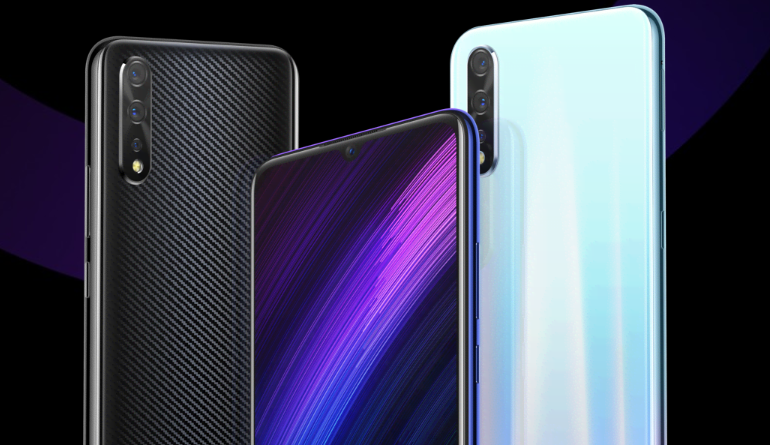
iQOO Neo 855
The Snapdragon 855 powered iQOO 3 will be equipped with a 4,410mAh battery. It seems that the Vivo V1950A that recently passed the 3C certification with 55W charger could be the iQOO 3 smartphone. The device is expected to come with a 48-megapixel quad camera setup on its back.
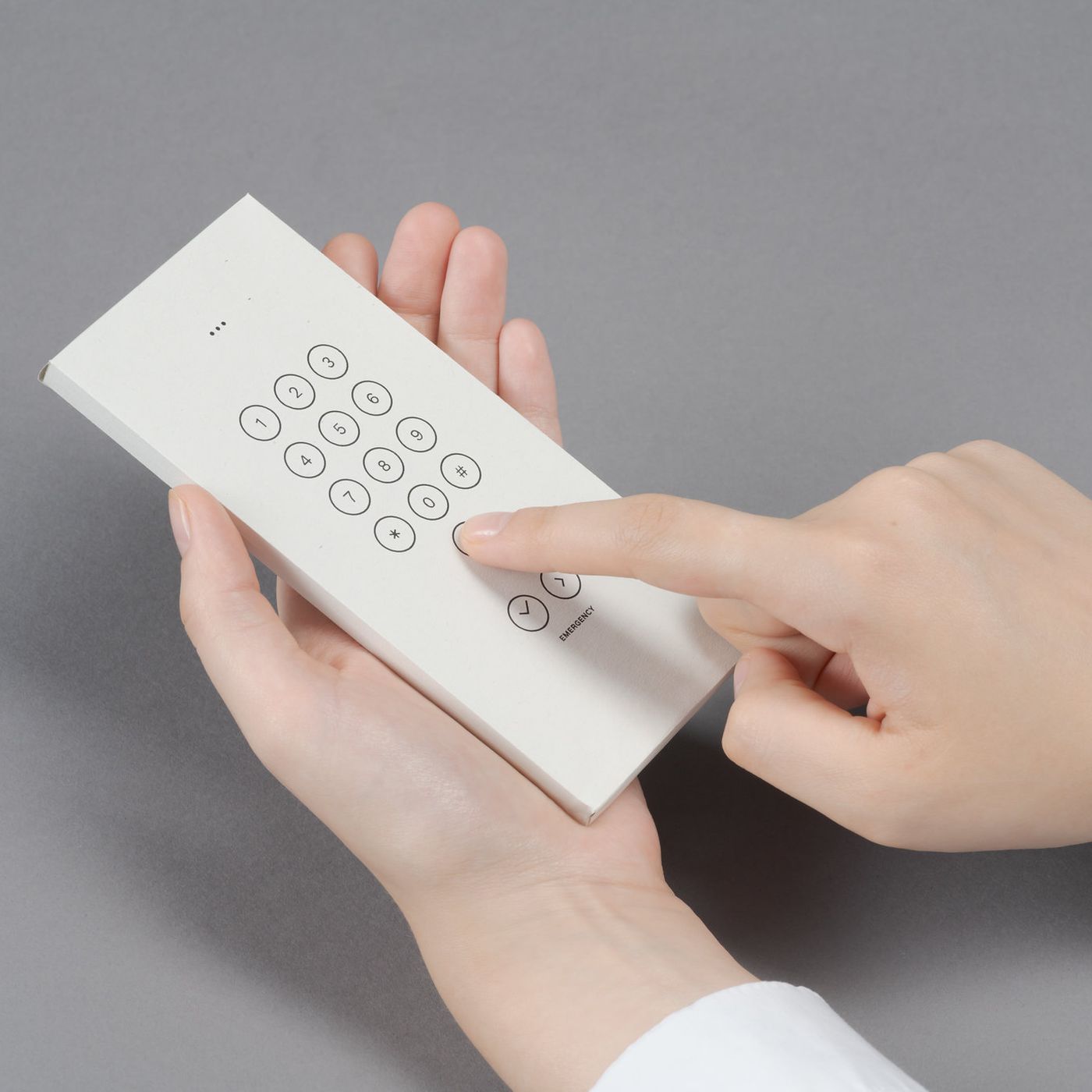
Google, the search engine giant, has launched three new and experimental apps to encourage one to use their smartphones less. These new apps are a part of the company’s Digital Wellbeing initiative and one of these offers a unique solution which basically involves you putting your handset in an envelope.
The new apps were launched on 21st January 2020 and are made to help people use their smartphones less often. However, the envelope from Google does let users make calls. Unfortunately, the envelope currently only supports Google’s Pixel 3A, for now at least. So for those interested, a Pixel 3A is the only way for one to experience it at the moment.
The app is called Envelope and can be downloaded from Google’s Play Store app. This app will have a PDF attached to it that is supposed to be printed out by the user. Then, cut out the template and build it according to the instructions provided. Once completed, users can put their Pixel 3A devices inside it and are only able to user the number keys for dialing, speed dials and even flashes the numbers on the same to tell the time.
The Envelope follows a design philosophy from Google that allows smartphone users to disconnect. The effort behind it is to silence digital distractions to allow for more focus in a given environment. Google has open sourced the Envelope app on GitHub so interested users do have the option to tinker with how it works, apart from just calling or being able to use the camera.
Google Envelope that allows users to only access the calling or camera feature
Furthermore, the way the envelope is built is also significant in this process. Once sealed, users will have to tear open the seal to access their smartphone. Thus, if one does tear open the seal, they will have to make another one from scratch as it is not designed for sealing and reopening, encouraging longer use in this manner.
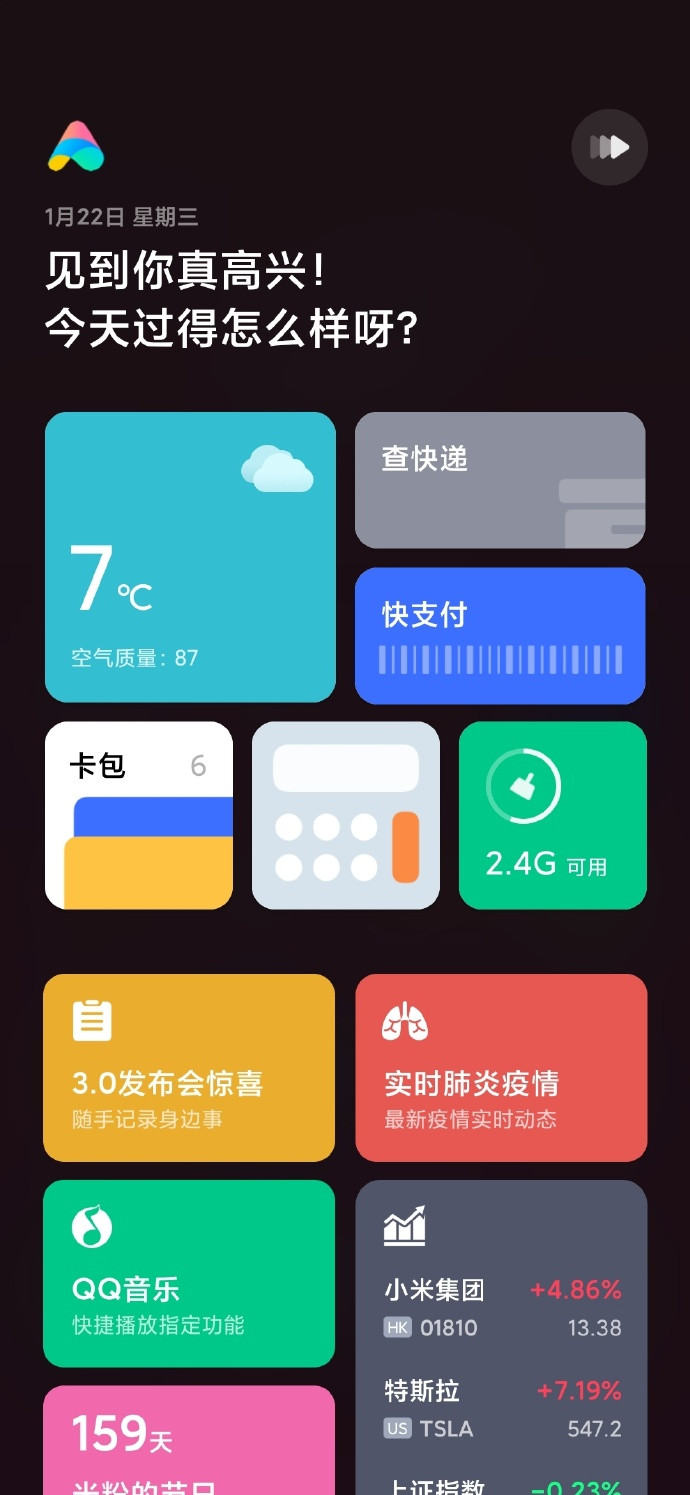
Earlier today, Xiaomi‘s XiaoAi division officially announced that the XiaoAi Shortcut app has added a “Real-Time Pneumonia Epidemic” card. This is obviously in response to the current coronavirus epidemic. Users can view the latest updates regarding the coronavirus epidemic information through the AI key on any Xiaomi smartphone, or by saying “real-time pneumonia epidemic” to the program.
The recent outbreak of a new coronavirus in China has killed nine people and sickened more than 400, and has spread to several other countries. The first case outside of Asia was announced on Tuesday, as federal health officials confirmed that a Washington State man who had recently traveled to China had been hospitalized. It is possibly one of the worst possible epidemics to take place in recent years.
Coronaviruses are named for the spikes that protrude from their membranes, which resemble the sun’s corona. They can infect both animals and people, and cause illnesses of the respiratory tract, ranging from the common cold to severe conditions like SARS, which sickened thousands of people around the world — and killed nearly 800 — during a 2003 outbreak.
It’s good to see that Xiaomi are taking the outbreak seriously and providing users with the relevant information as easily as possible. This quick response and addition will hopefully help Xiaomi users keep up-to-date with the current situation, as well as hopefully keep them safer. Users can also add the a shortcut to the XiaoAi card in the notification bar for quicker access.
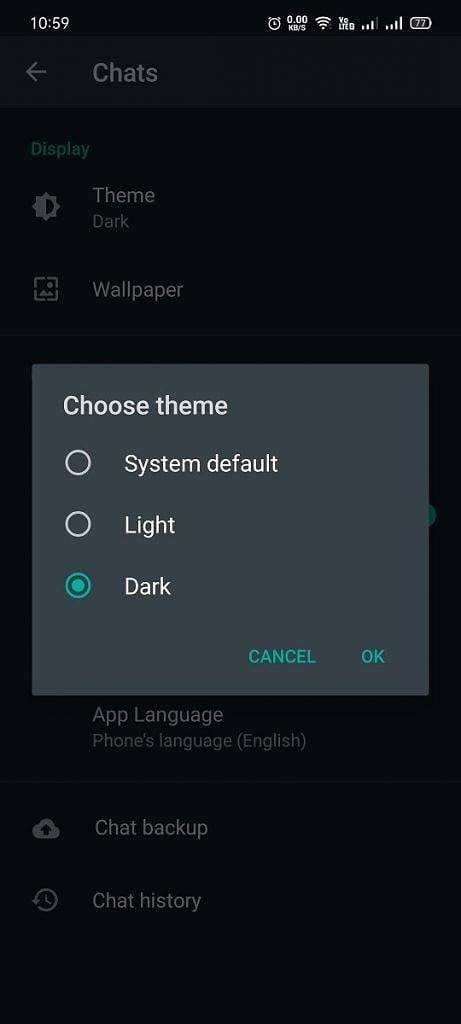
One of the most popular instant messaging platform WhatsApp is now finally rolling out the much-requested feature to its Android beta application — Dark Mode. This is the third major application from Facebook to get Dark Mode after the company rolled out similar feature for Messenger and Instagram.
Do note that the Dark Mode feature is rolling out to Android application and that too only for the users who have opted for the beta build. However, we expect the company to roll out dark mode for everyone in the coming weeks, at least for the Android users.
The latest beta version of the app with version number 2.20.13 through Google Play Beta Program comes with the new dark theme. If you are a part of this program, you can easily enable this dark theme by going to WhatsApp settings > Chats > Themes and then select “Dark” option.
Once you enable the Dark theme, the entire interface will be in the darker shade but it is not completely black. The green color remains as it is but the white shifts to dark grey while the fonts change color from white to black.
If you are not a WhatsApp beta tester, you can join the program from the Play Store but it seems that the program for this app is no longer accepting new entries. However, you can try out this latest update by sideloading the WhatsApp Beta APK on your phone.
Chromebooks, which started off as devices to help students get more resources in a limited budget, are now getting popular. However, it is no longer limited to budget segment and manufacturers are launching new Chromebooks with premium features.
Google has now announced that it is extending the length of time it plans to support new Chrome OS education devices with security and platform updates. From this year, the company will now offer updates for eight years.
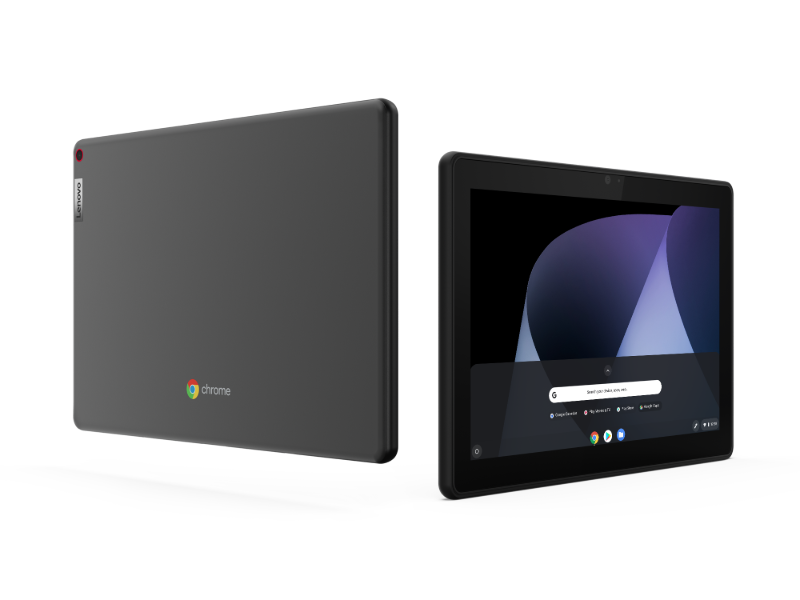
Lenovo 10e Chromebook Tablet
Prior to this, Google had guaranteed to support most devices with at least six years of automatic updates. With additional years of support, the company is also increasing the price of its Chrome Education Upgrade, a one-time license school boards can purchase, from $30 per device to $38 per device.
The company has also confirmed that from now-onwards, latest education devices from Lenovo and Acer — Lenovo 10e Chromebook Tablet and Acer Chromebook 712 will get automatic updates until June 2028. Other new devices could receive similar support as well, if the company opts for this.
So, not all the new Chrome OS devices will receive updates for eight years from manufacture date and the company has clarified that it is up to the manufacturer to detail exactly how long its devices will receive updates.
Alongside the new devices, Google is also introducing new search features to the Chromebook App Hub which is aimed at making it easier for teachers to find specific programs. It allows educators to narrow down an app search by school subject and availability of Google service integrations.
Xiaomi CFO Chew Shou Zhi recently went on Bloomberg for an interview, and he revealed some quite interesting information. According to Chew, Xiaomi is planning to make a huge push for the 5G market in China in 2020. More interestingly however, he also claims that the Xiaomi‘s plan for 2020 includes a big emphasis on Western Europe due to them gaining plenty of traction there.
Chew claims that the company has made huge strides in Western Europe, becoming the 4th largest smartphone maker there. In Spain, Xiaomi is even the LARG, a solid acheivement. The company’s success doesn’t end at smartphones however as they also conquer a big chunk of Western Europe’s wearable market, being the 2nd largest wearable company there.
Perhaps the biggest surprise when it comes to Western Europe however is that Xiaomi’s Scooters are big sellers. The company’s scooters conquer more than 70% of the market share in many countries in Western Europe, though he doesn’t specify which ones. He also mentions that Xiaomi grew by 90% in Western Europe over 2019, making them one of the top 4 fastest growing companies there.
Chew goes on to talk about how Xiaomi plans to launch 10 5G smartphones in China for 2020, and they’re also planning to bring their 5G product portfolio to their other countries of operation, which includes South-East Asian markets, African markets, Latin American markets, the Indian market and of course, the Western European market. When asked about whether Xiaomi plans to bring 5G devices the US however, Chew remains coy, meaning American Mi Fans will probably have to continue waiting.
Ahead of the March 2020 launch of the Huawei P40 series, alleged live shots of the Huawei P40 Pro have appeared online. The pictures show the front view of the device but there seems to be a casing at the rear which makes it impossible to see the back design, including the camera design.
From the pictures, we can make out the dual punch-hole design nested at the top left corner of the display panel giving the device a full-screen, notch-less and immersive display screen. The P40 Pro’s front design also includes a curved-edge design.
Even though we don’t have a view of the rear, the rear design has already been confirmed to include a rectangular camera module which now seems to be a growing trend. The design includes a wide rectangular cut out to project the rear camera. The P40 Pro is reported to feature a quad-camera setup which is one sensor more than that of the P30. The camera housing is expected to have a protrusion from the rest of the glass body.
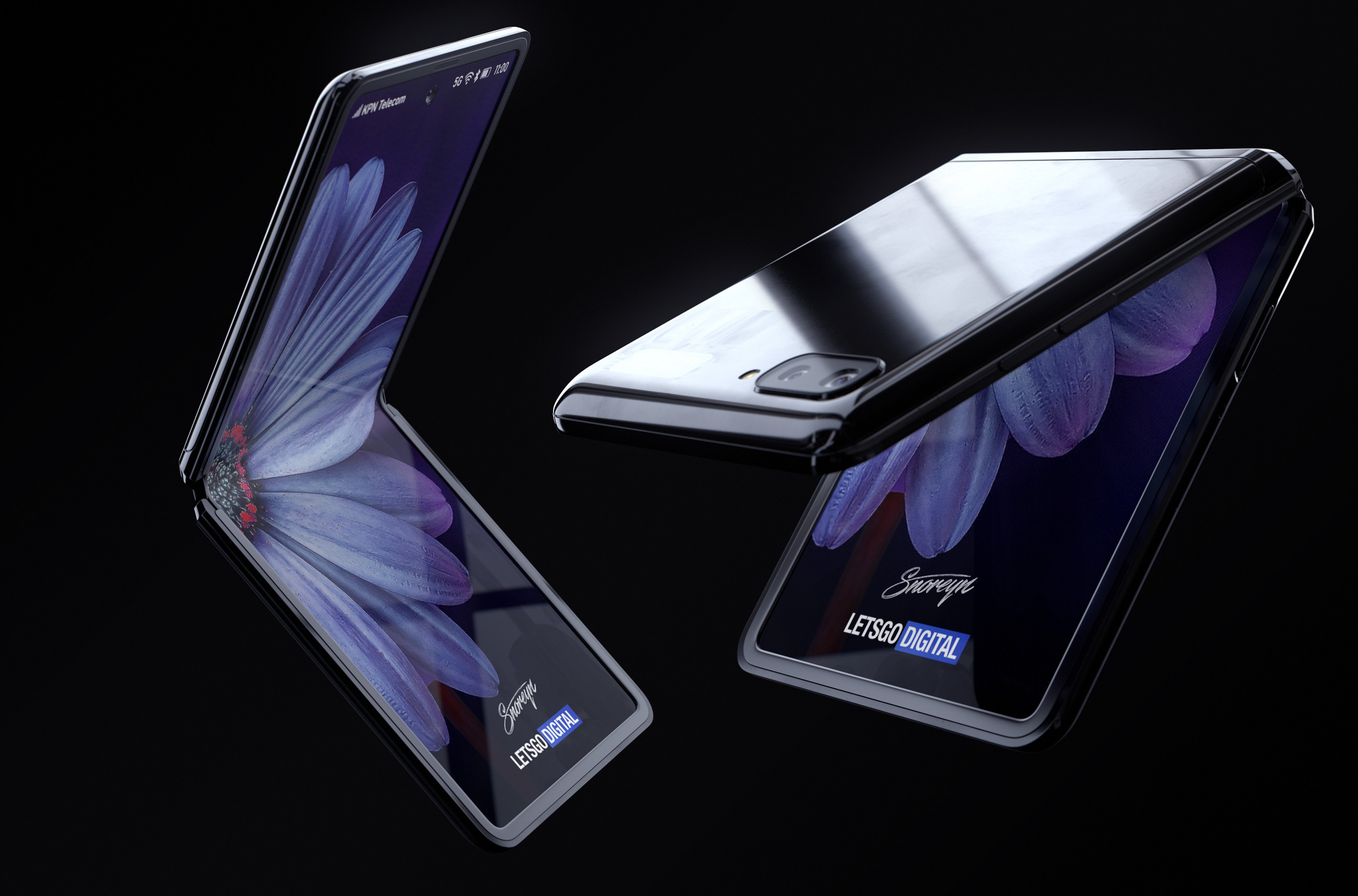
Recent reports have revealed plenty of information on the upcoming Samsung Galaxy S20 series and Galaxy Z Flip smartphones that are scheduled to go official on Feb. 11. The Galaxy S20 series includes Galaxy S20, Galaxy S20+ and Galaxy S20 Ultra 5G. The S20 and S20+ phones will come in 4G and 5G variants depending on the market. The Galaxy Z Flip is a clamshell device with a foldable display. Max Weinbach from XDA Developers had recently revealed plenty of information on the specs of the S20 series. Now he is back with the pricing information of the S20 lineup and Z Flip.
Galaxy S20, S20+ and S20 Ultra pricing (Rumored)
The tipster has revealed that the Galaxy S20 5G will be costing between 900 euros and 1,000 euros. The Galaxy S20+ could be priced between 1,050 euros and 1,100 euros.
The Galaxy S20 Ultra 5G will be priced at 1,300 euros. It is said that the 5G-ready countries will only receive the 5G variant of the S20 series. In countries with 4G, one can expect the S20 models to be cheaper by 100 euros. The Galaxy Z Flip could be priced at 1,400 euros. The tipster has claimed that the pricing could be lower than what he revealed.
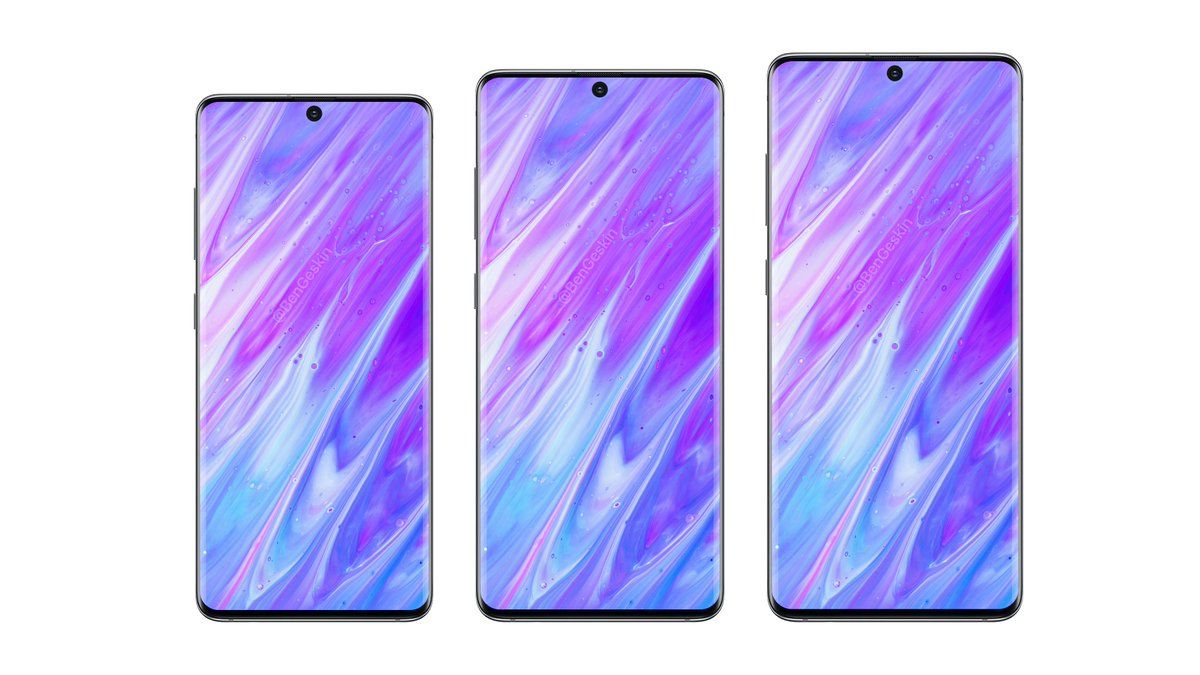
Samsung Galaxy S20 series early renders by Benjanim Geskin
Galaxy S20 series and Galaxy Z Flip specifications (Rumored)
Leaks have revealed that the Galaxy S20 has a 6.2-inch display and the S20+ is fitted with a 6.7-inch display. The more advanced Galaxy S20 Ultra has a bigger 6.9-inch screen. They all have Infinity-O design and carry support for quad HD+ resolution, 20:9 aspect ratio and 120Hz refresh rate. Depending on the market, S20 lineup will come in Exynos 990 SoC or Snapdragon 865 SoC versions. The RAM variants of these phones haven’t been revealed yet.
The S20 and S20+ may come with 128 GB built-in storage and they are going to be equipped with a microSD card slot for more storage. The S20 will have a 4,000mAh battery, S20+ will be featuring a bigger 4,500mAh battery and the Ultra edition will include a behemoth 5,000mAh battery. The One UI 2.0 based Android 10 OS will run on all S20 models.
The S20 and S20+ may have 10-megapixel front cameras whereas the S20 Ultra could be coming with a 40-megapixel front camera. The S20 is expected to arrive with 12-megapixel (main) + 64-megapixel (telephoto) + 12-megapixel (ultrawide) triple camera setup. The S20+ will have a quad camera setup featuring the same three camera lenses as S20 along with a 3D ToF lens. The S20 Ultra 5G will have a 108-megapixel (main) + 48-megapixel (telephoto) + 12-megapixel (ultrawide) + ToF quad camera system on its rear. The S20 series be sporting IP68 certified chassis.
The Galaxy Z Flip is rumored to be fitted with a 6.7-inch foldable AMOLED screen with Infinity-O design. The Snapdragon 855 powered phone could be having a 3,300mAh battery inside with 15W fast charging support. The dual camera setup of the phone may include a 12-megapixel primary shooter. It may come with a selfie snapper of 10-megapixel. The phone could be housing a 1-inch secondary display for checking notifications. The device may come with an internal storage of 256 GB.
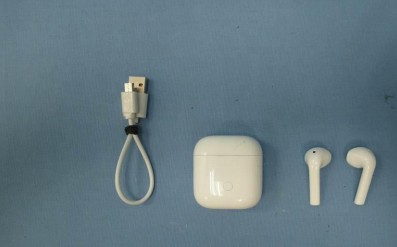
Now, the upcoming Realme Buds Air Neo have surfaced online through the listing on Taiwanese National Communication Commission (NCC). While it doesn’t reveal much information about the earbuds, it gives us a clear look at the design.
While the Realme Buds Air Neo looks very similar to the Apple AirPods-like design of the Buds Air, there are some minor difference. Firstly, the upcoming Buds Air Neo will come with a microUSB port for charging, unlike the USB Type-C port on its predecessor.
This means that the upcoming Realme Buds Air Neo could be a cheaper variant of the Buds Air TWS earbuds. Although it has the same carry case, we expect the company to drop wireless charging feature to make them more budget-friendly.
When the Buds Air Neo first appeared in a teaser video shared by the company, we expected it to be a premium and upgraded variant with features like active noise cancellation. However, that no longer seems to be the case given that its more of a budget-friendly option.
Since the device has already passed through certification process, we expect Realme to launch this Buds Air Neo in the coming weeks or months.
The recently launched Buds Air from Realme comes with a battery life of 3 hours for continuous playback and up to 17 hours with the charging case. At a price point of ₹3,999, the device comes with several interesting features like the charing case which comes with support for wireless charging and has a Type-C port for wired charging.
You can check out our review of the Realme Buds Air here.
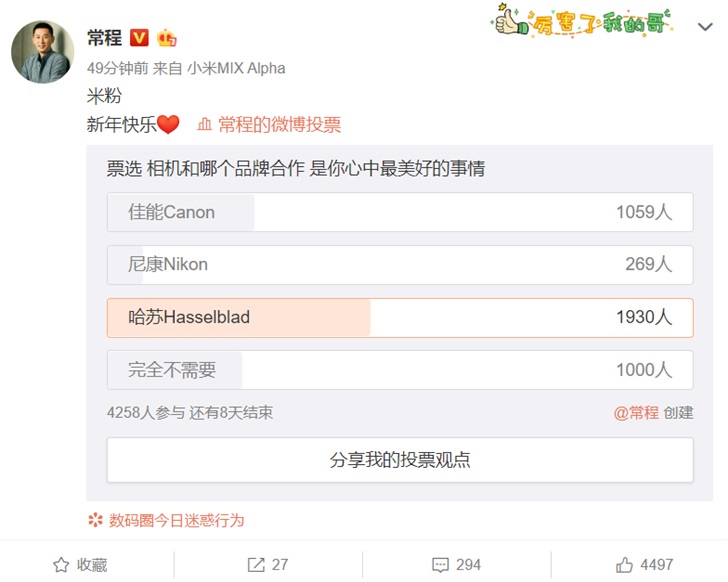
Today, Chang Cheng, who recently joined Xiaomi from Lenovo as a vice president, hosted a poll on his Weibo account asking users with which company should Xiaomi collaborate for the camera sensors.
He had listed out three companies — Canon, Nikon, and Hasselblad along with the fourth option that was for “No one”. Currently, Hasselblad is leading the list with most votes — 1,930. In comparison, Canon and Nikon have received 1,059 and 269 votes respectively.
With camera being one of the crucial department for smartphones, device manufacturers are now collaborating with camera sensor manufacturers to have an optimised camera sensor for their devices.
Nokia has been partnering with ZIESS since long time for their camera sensors while Huawei is also collaborating with Leica for its flagship smartphones. Xiaomi has also recently partnered with Samsung for the 108-megapixel camera sensor, touting the Mi Note 10 as the world’s first smartphone to have such high megapixel sensor.
However, do note that this is just a poll by Chang Cheng of Xiaomi and it does not mean that the company will indeed partner with any of this brand for camera sensors. It seems like this is just to gauge the user’s perspective.
For those who are unaware, Chang Cheng joined Xiaomi as Vice President earlier this month. Prior to that, he was the Head of Mobile Division at Lenovo, the company where he worked for about 19 years.
Soon after his announcement of joining Xiaomi, Lenovo released a statement that could possibly entangle the former VP in legal constraints. Lenovo says that Chang Cheng joining Xiaomi technically breaches the non-compete contract.
If you own the POCO F1, you may want to check your phone for the Android 10 update as a few users have reported that the update has hit their phones.
Actually, XDA Developers reported that it is a beta update but some users who say they are not beta testers have received the update and the changelog also confirms it is a stable update
The update arrives as version 11.0.4.0QEJMIXM and weighs in at 1.9GB in size. Apart from bringing Android 10, the update also comes with some improvements and optimizations and January 2020’s security patch.
Some of the fixes include the inability to open notification settings in the Notification shade in Second Space and inability to notification shade in some cases. Both bugs have now been fixed. The changelog also says that Game Turbo has been optimized. Some users in Europe have also reported that Themes is now available for them which was not the case before.
If you check your phone and do not get the update, then you may want to wait until there is a wider roll-out by POCO.
The POCO F1 was released in 2018 and was one of the best phones released that year. It received much praise for its low-price combined with flagship specs.
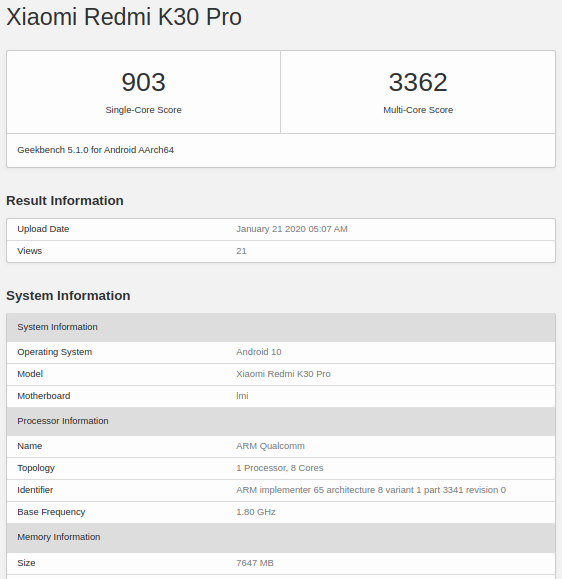
Xiaomi launched the Redmi K30 5G and 4G models in December last year and the models only went on sale this January. The models were premium mid-rangers with the 5G version packing a 5G-enabled Snapdragon 765G chipset while the 4G version features a Snapdragon 730G SoC. Redmi was expected to launch a K30 Pro in China having a flagship specs lineup including the latest Snapdragon 865 SoC. The Xiaomi Redmi K30 Pro has now appeared on the website of benchmarking outfit GeekBench.
The GeekBench listing shows the device is powered by a Qualcomm Snapdragon 865 chipset just as expected. However, the score isn’t too impressive but that may be because the device was underclocked to 1.80GHz. The device is also listed to feature 8GB of RAM and will run Android 10 out of the box likely with the MIUI 11 custom skin on top.
The Redmi K30 Pro is expected to continue with the dual punch-hole selfie camera and quad-camera setup at the rear. The phone is also expected t come with a curved edge display design. The K30 came with an LCD display as well as a side-mounted fingerprint sensor. We expect an even better OLED display with under-display fingerprint sensor onboard.
There is no word yet on when the K30 Pro will go official but we expect that to happen soon, likely after the Mi 10 series launch.
A few days after the official announcement, Samsung Galaxy Note 10 Lite is debuting in various markets. It just launched in India and now we even know its official listing price. That is why we think writing a specs comparison with other devices in the same price range may be extremely useful for potential buyers. In this specs comparison, we will highlight the differences between Samsung Galaxy Note 10 Lite, Huawei Nova 6 and Oppo Reno3 Pro: all high-end smartphones, but all with a non-excessive price. After reading the comparison, you can let us know which one would you pick by using the comment box below the post.
Samsung Galaxy Note 10 Lite vs Huawei Nova 6 vs Oppo Reno3 Pro
Samsung Galaxy Note 10 Lite
Huawei Nova 6
Oppo Reno3 Pro
DIMENSIONS AND WEIGHT
163.7 x 76.1 x 8.7 mm, 199 g
162.6 x 75.7 x 8.6 mm, 197 grams
159.4 x 72.4 x 7.7 mm, 171 g
DISPLAY
6.7 inches, 1080 x 2400p (Full HD+), Super AMOLED
6.57 inches, 1080 x 2400p (Full HD+), LTPS IPS LCD
Triple 12 + 12 + 12 MP, f/1.7, f/2.4 and f/2.2
32 MP f/2.2 front camera
Triple 40 + 8 + 8 MP, f/1.8, f/2.4 and f/2.4
Dual 32 + 8 MP f/2.0 and f/2.2 front camera
Quad 48 + 13 + 8 + 2 MP, f/1.7, f/2.4, f/2.2 and f/2.4
32 MP f/2.4 front camera
BATTERY
4500 mAh, fast charging
4100 mAh, fast charging 40W
4025 mAh, fast charging 30W with VOOC Flash Charge 4.0
ADDITIONAL FEATURES
Hybrid Dual SIM slot
Dual SIM slot, optional 5G
Dual SIM slot, 5G
Design
According to us, Oppo Reno3 Pro has undoubtedly the most attractive design. First of all, it is thinner and lighter, one of the thinnest smartphones to feature a battery with a capacity above 4000 mAh. Further, it has an almost totally clean rear side since all the elements of the camera are included in the camera module and there is an in-display fingerprint reader. The phone also comes with a punch-hole display and a very high screen-to-body ratio. While Oppo Reno3 Pro is the most attractive, Huawei Nova 6 looks like the most original with its “Nova” pattern on its glass back.
Display
The most amazing screen belongs to the Oppo Reno3 Pro. It is the only device of this trio to feature a display with a 90 Hz refresh rate. Further, it is HDR-compliant and it has a high DCI P3 coverage. The silver medal goes to the Samsung Galaxy Note 10 Lite that is the only affordable flagship to support the S Pen, great for productivity users. Huawei Nova 6 has an IPS panel, it is not a bad display but it offers nothing special, just an average screen like the ones you can find on a lot of mid-range smartphones.
Hardware/Software
Huawei Nova 6 wins the hardware comparison thanks to its Kirin 990 chipset: the latest flagship SoC from Huawei built at 7 nm. The device also comes in a variant with 5G connectivity. The Oppo Reno3 Pro comes right after with a Snapdragon 765G chipset paired with up to 12 GB of RAM and up to 256 GB of internal storage. Samsung Galaxy Note 10 Lite still comes with high-end hardware, but not at the same level as its rivals. On the other hand, it is the only to support micro SD. In each case, you get Android 10 out of the box with a customized user interface.
Camera
In order to give you a definitive opinion, we have to test each camera department of this trio. Unfortunately Samsung Galaxy Note 10 Lite just debuted, so we had no chance to test its camera performances. On the paper, Oppo Reno3 Pro looks more gorgeous with its 48 MP quad-camera, but Huawei Nova 6 is a valid opponent with its 40 MP triple camera and an ultrawide dual front camera.
Battery
The bigger 4500 mAh battery on board of the Samsung Galaxy Note 10 Lite will surely provide a longer battery life than both Huawei Nova 6 and Oppo Reno3. But Huawei Nova 6 has a way faster charging technology (70 percent in just 30 minutes).
Price
Huawei Nova 6 (without 5G) is sold for about €380/$421 in its base variant in India, Samsung Galaxy Note 10 Lite costs about €494/$548, and Oppo Reno3 Pro is rumored to launch in India next month with a €545/$605 price tag. While Oppo Reno3 Pro looks like a more refined choice, Huawei Nova 6 offers a higher value for money, while Samsung Galaxy Note 10 Lite may be better for productivity and power users due to the S Pen and a longer-lasting battery.
Canalys reports that after 8 long years of stagnation, the PC market has finally recorded its first full year of growth. According to Canalys, a total of 268.1 million units were shipped globally in 2019, which is a 2.7% over 2018. The top three vendors of vendors this year were Lenovo, HP and Dell who make up the bulk of sales for desktops, notebooks and workstations.
Ishan Dutt, an analyst at Canalys, claims that PCs had a very impressive holiday turnout. “This is impressive given the market registered record growth in Q3. Despite supply chain issues, vendors remain bullish, especially in commercial. Intel’s continued efforts to improve supply will help maintain volume in 2020, but constraints are unlikely to ease quickly. The upshot, however, is the upgrade opportunities OEMs have with SMBs who have delayed refreshes in anticipation of new chipsets.”
Lenovo has shipped 64.8 million units registering an 8.6 per cent growth. This was closely followed by HP that has registered a 4.7 per cent growth. Dell took the third spot with 46.5 million PCs shipped, recording a 5.3 per cent growth this year. Apple took the fourth spot with 19.1 million units and 3.3 per cent annual growth. Acer, at number fifth position, shipped a total of 17 million units, registering an annual decline of 5.3 per cent. Whereas Acer maintained the fifth spot.
“This past year was a wild one in the PC world, which resulted in impressive market growth that ultimately ended seven consecutive years of market contraction,” said IDC program veep Ryan Reith. He said that despite emerging form factors and demand for mobile computing, the bounce was a “clear sign PC demand is still there.” Shipments in three of the four quarters last year were up, IDC added.
Both research houses concurred that businesses fleeing Windows 7 – which has ran out of official support – was the main driver. Mikako Kitagawa, senior principal analyst, described it as “vibrant business demand.” “Contrasted against the ongoing weakness in consumer PC demand, business PC demand has led to unit growth in five of the last seven quarter,” she added.
Jitesh Ubrani, research manager at IDC, sounded a note of caution before the PC vendors get carried away on a way of growth. “Despite the positivity surrounding 2019, the next 12 to 18 months will be challenging for traditional PCs, as the majority of Windows 10 upgrades will be in the rearview mirror and lingering concerns around component shortages and trade negotiations get ironed out.”
We use cookies on our website to give you the most relevant experience by remembering your preferences and repeat visits. By clicking “Accept”, you consent to the use of ALL the cookies.
This website uses cookies to improve your experience while you navigate through the website. Out of these, the cookies that are categorized as necessary are stored on your browser as they are essential for the working of basic functionalities of the website. We also use third-party cookies that help us analyze and understand how you use this website. These cookies will be stored in your browser only with your consent. You also have the option to opt-out of these cookies. But opting out of some of these cookies may affect your browsing experience.
Necessary cookies are absolutely essential for the website to function properly. This category only includes cookies that ensures basic functionalities and security features of the website. These cookies do not store any personal information.
Any cookies that may not be particularly necessary for the website to function and is used specifically to collect user personal data via analytics, ads, other embedded contents are termed as non-necessary cookies. It is mandatory to procure user consent prior to running these cookies on your website.