Advertisement

Xiaomi Mi Watch vs Apple Watch Series 5 vs Huawei Watch GT 2 vs Samsung Galaxy Watch Active 2 : Specs Comparison

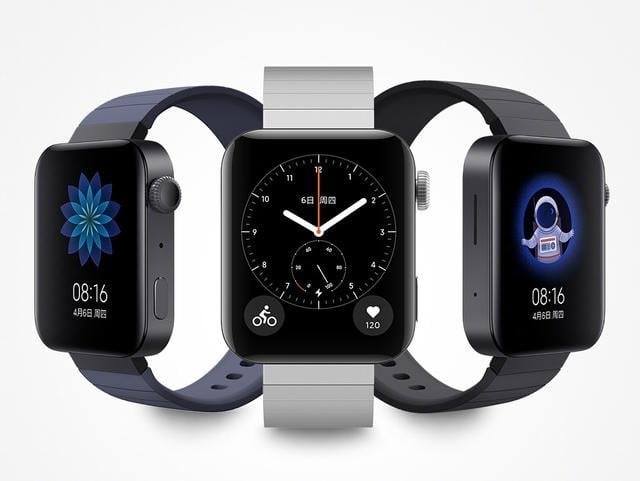
Earlier today, Xiaomi launched its first Google WearOS powered smartwatch which is simply called the “Mi Watch“. The key highlighting features of the smart wearable include a square 1.78-inch AMOLED display, heart rate monitor, NFC and support for e-sim which allows it to make phone calls directly, without having to connect to a smartphone.
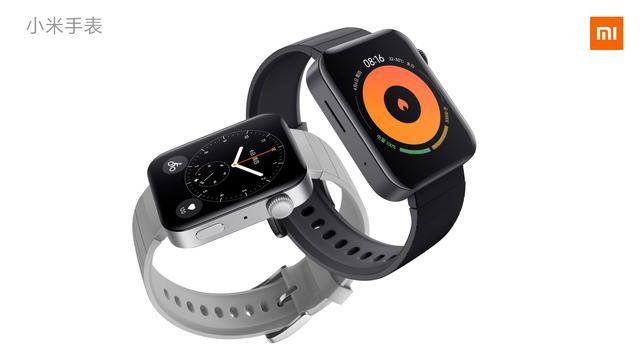
Xiaomi Mi WatchIn this article, we will put the newly launched Mi Watch against some of its competitors which include the Galaxy Watch Active 2 (44mm), Apple Watch Series 5 (44mm) and Huawei Watch GT 2 (46mm). Consequently, you will be able to choose the right smartwatch for yourself based upon your requirements.

Here is a specification comparison of all 4 smartwatches:

Xiaomi Mi Watch Apple Watch Series 5 Huawei Watch GT 2 Samsung Galaxy Watch Active
Display 1.78 inch AMOLED Display,

326 ppi,

Sapphire crystal glass (premium edition)

1.78 inch OLED Display,

326 ppi,

Sapphire crystal glass

1.39 inch OLED Display,

462 ppi,

1.4 inch Super AMOLED Display,

364 ppi,

Corning Gorilla Glass DX+

Shape of dial Square Square Round Round
Dimensions 44.7 x 36.9 x 12.3 mm 44 x 38 x 10.7 mm 45.9 x 45.9 x 10.7 mm 44 x 44 x 10.9 mm
Weight 56g 47.8 g 41 g 44 g
Battery Capacity and Backup 570mAh 296mAh 455mAh 340mAh
Charger Type Pogo Pin Wireless Charging Proprietary Charger Wireless Charging
OS MIUI based on Google WearOS Apple watchOS Huawei wearable platform Wearable OS 4.0 based on Tizen
Connectivity Features Wi-Fi 802.11 b/g/n,

Electronic SIM card,

Bluetooth 5.0,

GPS

Wi-Fi 802.11 b/g/n,

Electronic SIM card,

Bluetooth 5.0,

GPS

Bluetooth 5.1,

GPS, NFC

Wi-Fi 802.11 b/g/n,

Electronic SIM card,

Bluetooth 5.0,

GPS

Chipset Qualcomm Snapdragon 3100 Apple S5 In-House Developed Exynos 9110
Loudspeaker Yes Yes No Yes
Sensors Accelerometer, gyro, heart rate, barometer Accelerometer, gyro, heart rate (2nd gen), barometer, compass Accelerometer, gyro, heart rate, barometer, compass Accelerometer, gyro, heart rate, barometer
Built in Storage 8 GB 32 GB 4 GB 4 GB
Water Resistance 50m water resistant 50m water resistant 50m water resistant 50m water resistant
Price Yuan 1299 (~$ 185) Standard Variant,

Yuan 1999 Premium Edition (~$ 257)

Starts from $ 429 (GPS variant)’

$ 529 (GPS + Cellular)

€ 249 (~ $ 277) $299 (Bluetooth + Wi-Fi),

$449 (Bluetooth + Wi-Fi + Cellular)


Design and Display

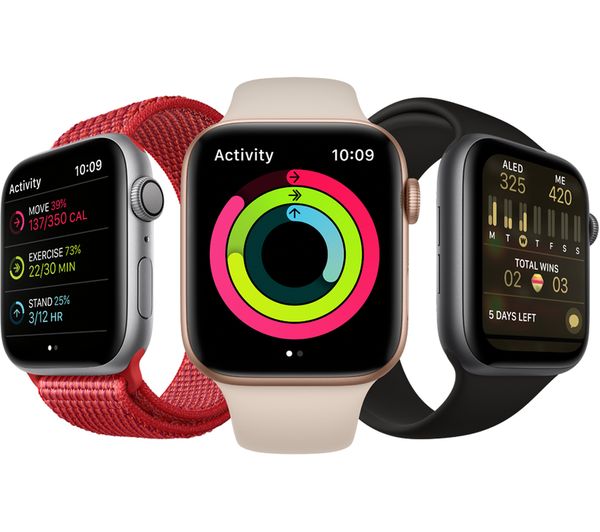
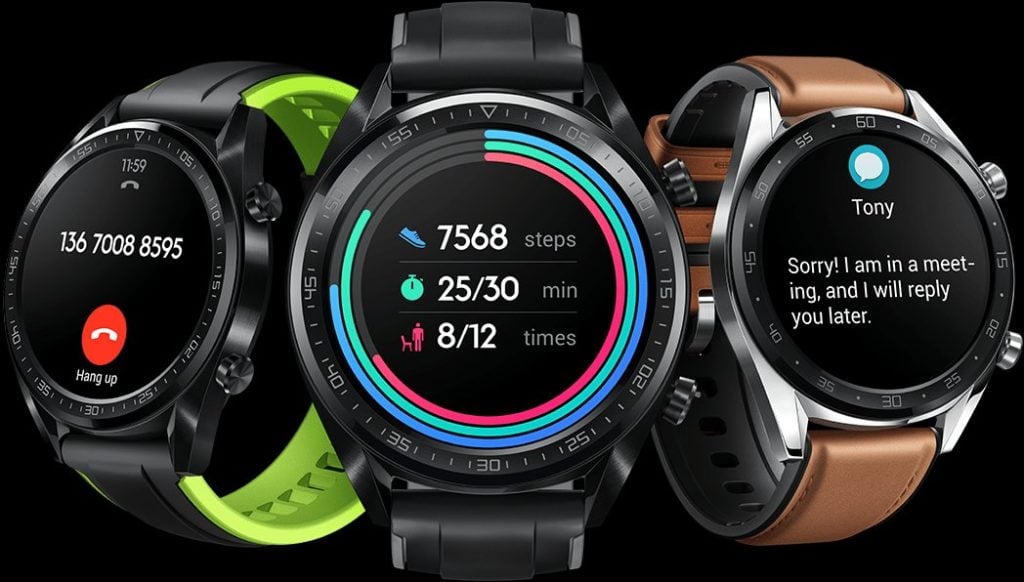
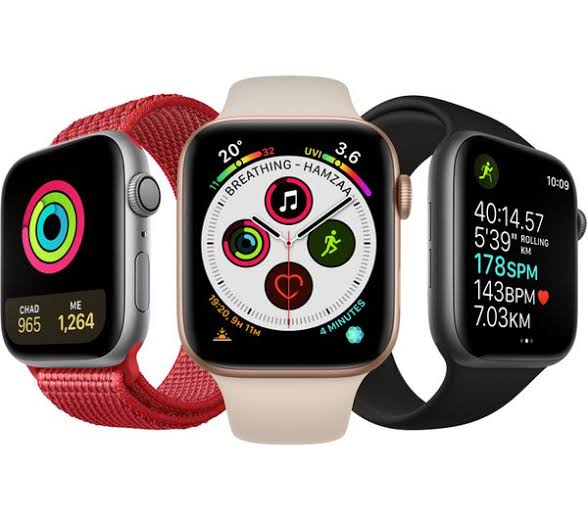
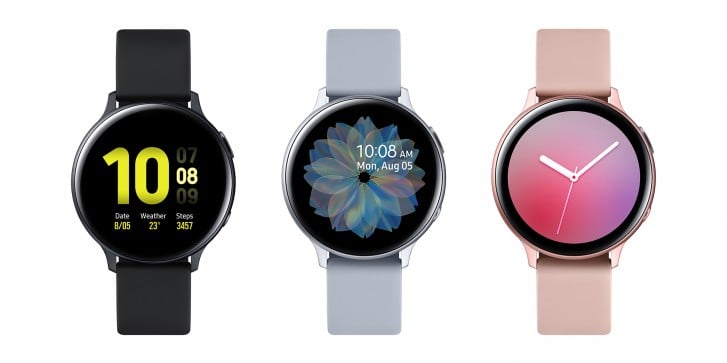
Xiaomi’s Mi Watch draws a lot of design inspiration from the immensely popular Apple Watch Series 5. Both of these devices sport a 1.78-inch square-shaped display with a ceramic back. In contrast, the Galaxy Watch Active 2 and Huawei Watch GT 2 have a round-shaped display that measures 1.4 inch and 1.39 inch respectively. Consumers who prefer a smartwatch that is not very distinguishable from a conventional wristwatch can choose either of these two.

Chipset, Software and Features
Samsung_Galaxy_Watch_Active_2_40mm_aluminum
Samsung Galaxy Watch Active 2 – 40mm Aluminum

The newly launched Mi is equipped with the Snapdragon 3100 series SoC which is developed by Qualcomm. Rest of the three smartwatches in this comparison pack a chip that is developed in-house by their respective manufacturers. In terms of OS, the Mi Watch and Apple Watch Series 5 have MIUI based on Google WearOS and Apple’s WatchOS, both of which can be navigated via a crown and multifunction buttons which are mounted on the sides of the two devices.

The Galaxy Watch Active 2 runs on Samsung’s WearableOS 4.0 which is based on top of Tizen. Finally, the Huwaei Watch GT2 has a custom OS which has a very vanilla feel and looks similar to stock WearOS from Google.

All of these smartwatches support fitness tracking features like step counter, sleep tracker, and can display notifications from the smartphone. The Apple Watch and Galaxy Watch Active 2 support ECG functionality. Whereas one distinguishing feature of the Mi Watch is its SpO2 sensor which can be used to measure oxygen in the blood.

Battery

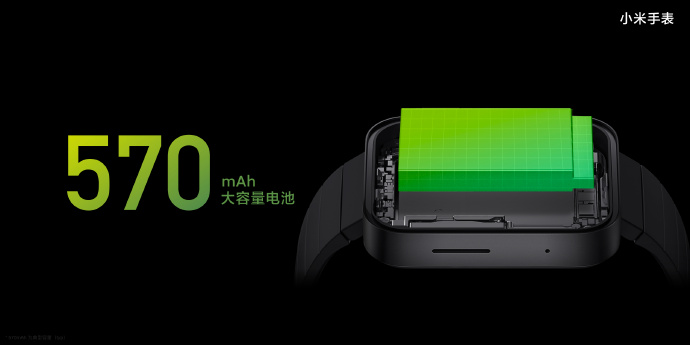
In terms of battery, the Mi Watch which is the most affordable smartwatch out of the bunch packs the largest battery which is rated at 570 mAh. In contrast, most expensive out of the pack, the Apple Watch Series 4 has the smallest battery which is rated at 296 mAh. The Huawei Watch GT 2 and the Galaxy Watch Active 2 are also equipped with decent sized batteries which are rated at 455 mAh and 340 mAh respectively.

PriceHuawei Watch

The non-cellular variant of the Apple Watch Series 5 (44mm) starts from $ 429 while the 4G enabled variant starts at $ 529. However, with premium strap options, it goes all the way upto $ 1399. The Mi Watch is currently limited to China and it is offered in two variants which includes standard and premium. The affordable variant costs Yuan 1299 (~$ 185) while the top of the line variant costs Yuan 1999 (~$ 257). Cheerfully, innards of both the variants remain the same but the premium variant has a stainless steel strap, sapphire glass protection, and a stainless-steel frame.

The Galaxy Watch Active 2 (44 mm) starts at $ 299 for the non-cellular variant, whereas the variant with 4G is priced at $ 449. Last but not least, the Huawei Watch GT 2 is offered in just one variant that skips on 4G and it costs Euro 249 which roughly translates to $ 277.

All of these smartwatches have their own USP’s but the Mi Watch from Xiaomi seems like the most value for money offering in this competition. All in all, the support for e-sim, a large battery and a swift chipset makes it a praiseworthy product which the Chinese corporation has managed to price aggressively.

Which one out of these 4 smartwatches do you thing is the most well-rounded package? Let us know in the comments below.


Xiaomi Mi Note 10 now listed on GearBest, sales to commence November 6
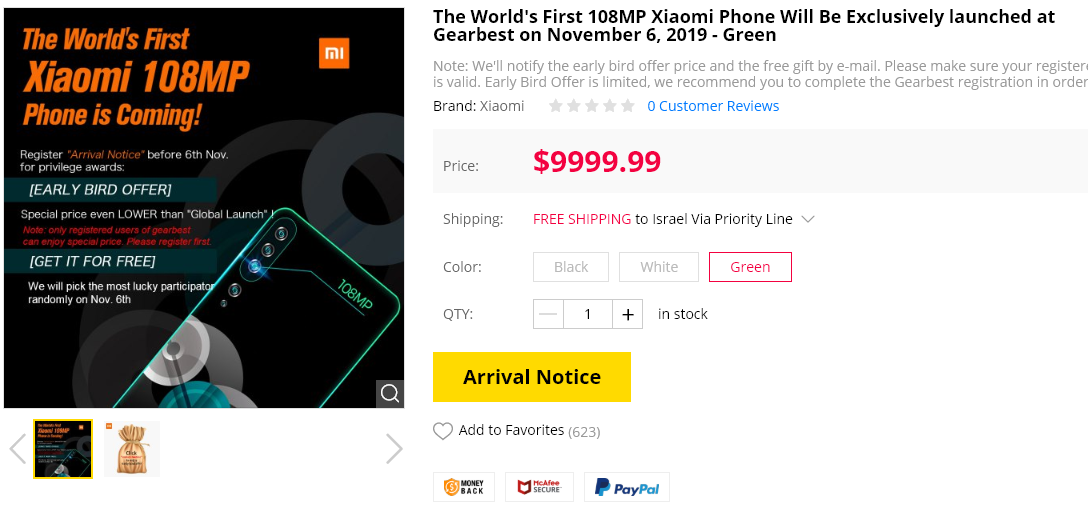
Xiaomi is again set to ignite yet another flame with its upcoming smartphone, the Mi Note 10 with its launch set for November 6. The Mi Note 10 is already tipped to pack the same specs as the Mi CC9 Pro which was unveiled in China earlier today. Popular online retailer GearBest has now listed the Mi Note 10 o its platform and has indicated that the device will be sold first on its platform on November 6. This will potentially make the e-tailer the first to sell the Mi Note 10 online. Mi Note 10

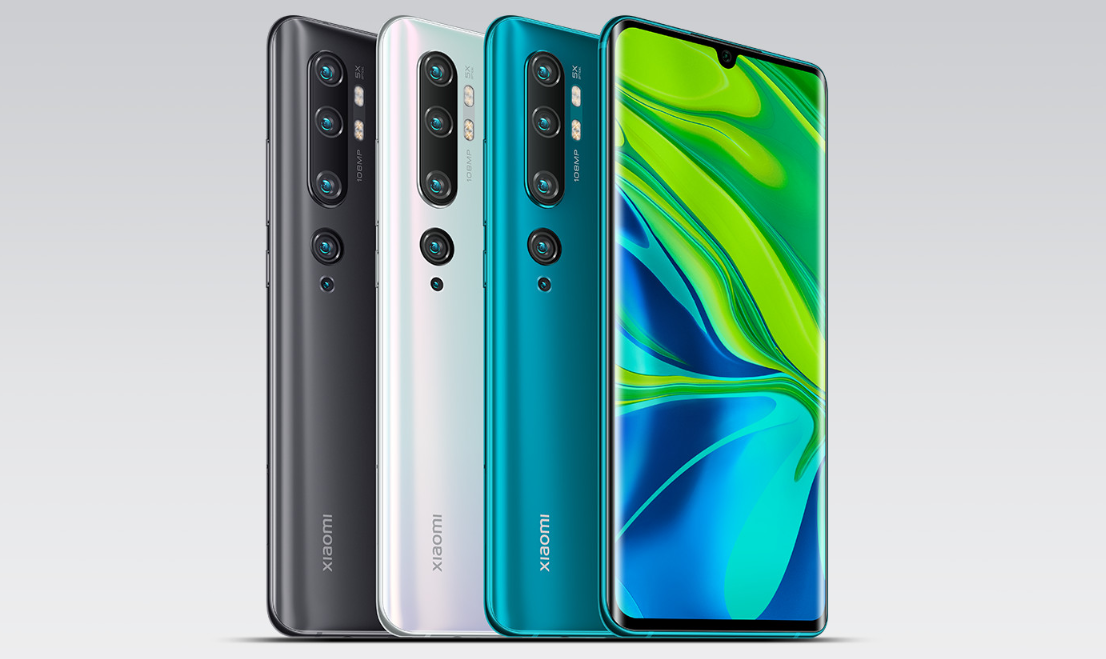
The premium mid-range Mi Note 10 will be released on November 6 at 19.00 UTC +8.  It will be available to buy in three colour options; Black, Deep Green and White. Although the time may be modified, if it goes ahead as scheduled, you’ll be in good stead to get special privileges if you register on GearBest. There is a limited Early Bird special price offer which GearBet is ye to unveil but says is even lower than the official global launch price. There is also a “Lucky Draw” to be held on November 6 which will see a lucky chap go home with a unit of the Mi Note 10.
To avail yourself of these promising offers, head over to the product page using the links below.

Xiaomi Mi Note 10 (Black variant) Arrival Notice 

Xiaomi Mi Note 10 (Green variant) Arrival Notice

Xiaomi Mi Note 10 (White variant) Arrival Notice

That isn’t all, you can also use the coupon: GBMINOTE10 to get a price slash when the official sales commence at 18: 30 UTC+8, 6th November 2019. You can find out more about the Mi Note 10 promo from here.

The Mi Note 10 is projected to be the “World’s first” 108MP Penta camera phone. The penta-lens camera setup consists of an OIS-enabled 108-megapixel primary lens, a 20-megapixel ultrawide lens with 117-degree field-of-view, an OIS assisted periscope 12-megapixel telephoto lens with support for 5x optical zoom, 10x hybrid zoom and 50x hybrid zoom, 2-megapixel a macro lens and a portrait lens.

The Mi Note 10 also excels in other aspects such as the display as it features a 6.47-inch curved AMOLED display with full HD+ resolution. The battery capacity is indeed another reason why you should want to own the premium device. You may never run out of battery with the Mi Note 10. Not only does it have a big 5260mAh cell, it equally comes with 30W fast charging said to go from 0 to 100% in just 65 minutes. The Xiaomi model is powered by a Snapdragon 730G chipset. The phone is also expected to utilise an in-display fingerprint sensor among others.

You can get more information about the Mi Note 10 from here.


Chuwi UBook Pro battery performance test reveals all-day battery life

Battery life in laptops used to be awful but things got better since hardware manufacturers released low-power components and high-density batteries that allowed for a bigger battery to fit into the same space. The Chuwi UBook Pro features a power-conservative Intel Core m3-8100Y CPU and despite the slim profile of the 2in1 laptop, it should have a great battery performance. But, does it? Let’s see in the battery life test of UBook Pro.

Office scene

Chuwi UBook Pro

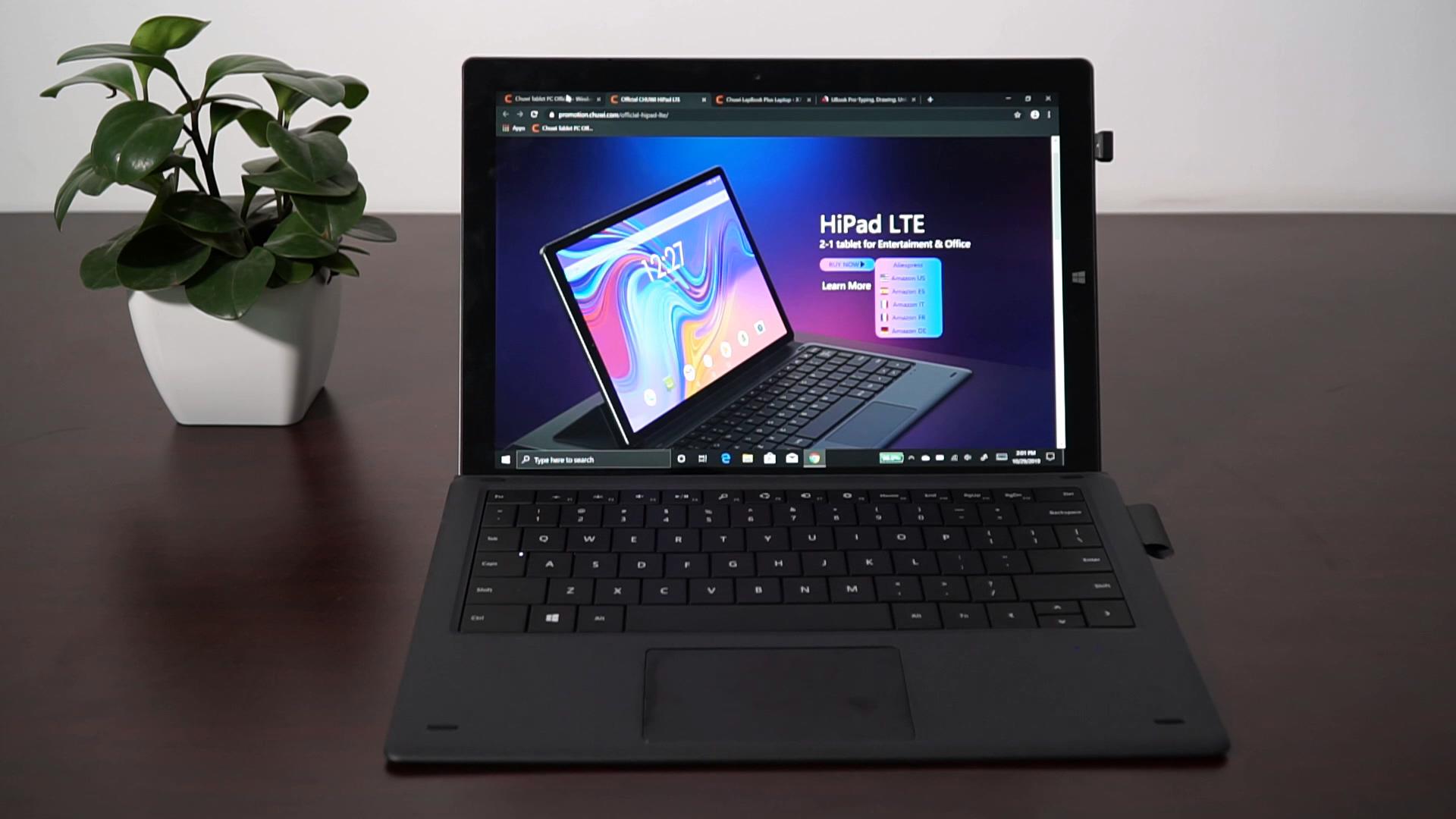
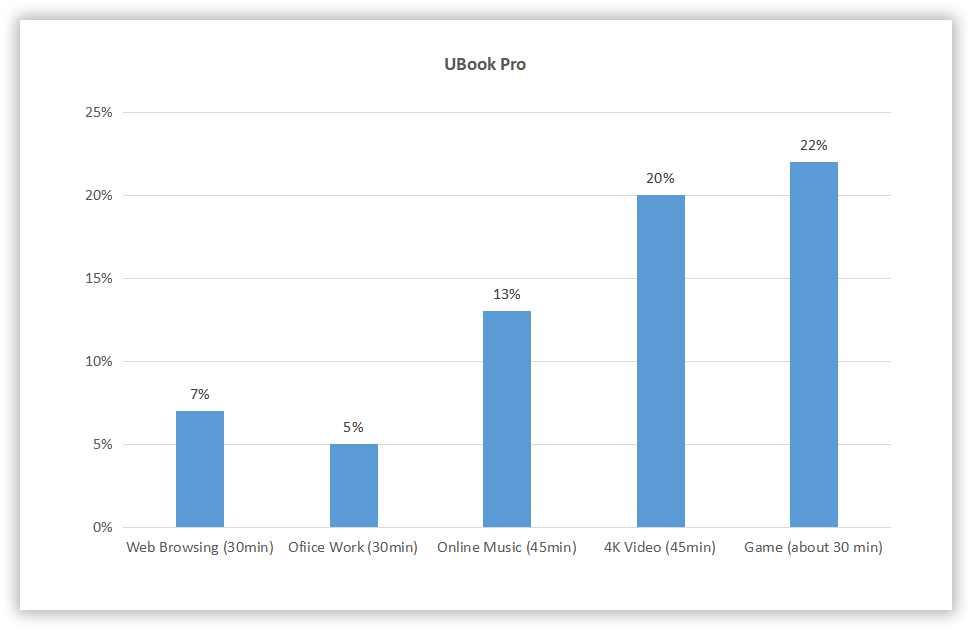
The first test is a simulation of office work, based on web browsing and document editing. As the device is mostly addressed to office personnel and students, it is the most important of all. As seen in the video below, 30min of web browsing consume 7% of the battery and 30min of document editing consume 5%. This means that you can go on for about 7 hours on a full charge.


Entertainment scene

Chuwi UBook Pro

Moving on to media consumption and gaming, the device lost just 13% of charge after 45min of online music playback while another 45min of 4K video playback consumed just 20% thanks to the UHD Graphics 615 GPU that supports hardware 4K decoding. That means about 4 continuous hours of 4K video playback on a single charge.

Chuwi UBook ProDuring the gaming test, the Core m3-8100Y processor proved to be quite powerful providing smooth experience during League of Legends gaming. It is not the heaviest gaming on earth but on the other hand, UBook Pro isn’t a gaming laptop either. During gaming, the battery went down just 22% in 30min.


Conclusion

Chuwi UBook Pro

After the test, UBook Pro still had 33% of battery left. According to the power consumption ratio calculated in the bar chart, UBook Pro can last 10 hours of office software usage or web browsing for 7 hours for every single charge. Obviously, the 38wh battery will take you through the day without the need for a recharge. Nevertheless, it supports PD quick charging, which can quickly restore full power without worrying about low battery.

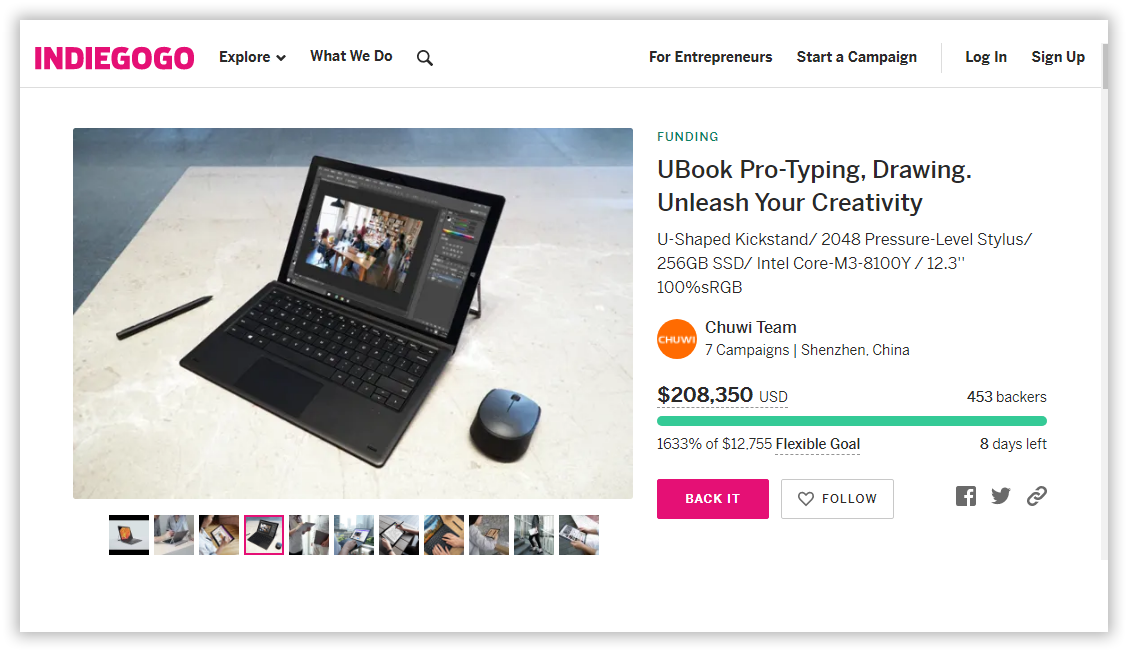
Chuwi UBook ProCombined with the excellent power control of Core m3-8100Y processor, low power memory, fanless design, and other hardware configuration, the UBook Pro is a battery champ. The device is still in crowdfunding process on Indiegogo and you can find more information about it here.

OPPO patents foldable device that reminds us of the ASUS Padfone X

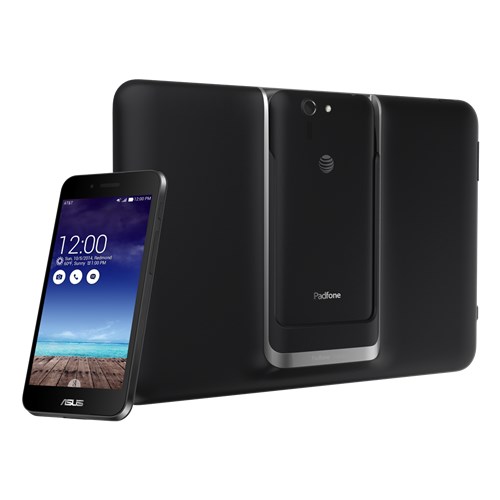
If there is a list of the most unusual mobile devices ever made, the ASUS PadFone X should definitely appear on it. The PadFone X was released in 2014 when tablets were still pretty popular. Rather than buying two devices i.e. a phone and a tablet, you could purchase the PadFone X which is a phone that transformed into a tablet by simply docking it into a larger screen called the PadFone Station. Neat, right? It has been years now since ASUS ditched the PadFone series but the design may be making a comeback thanks to a recent OPPO patent for a foldable device.

ASUS PadFone X
ASUS PadFone X

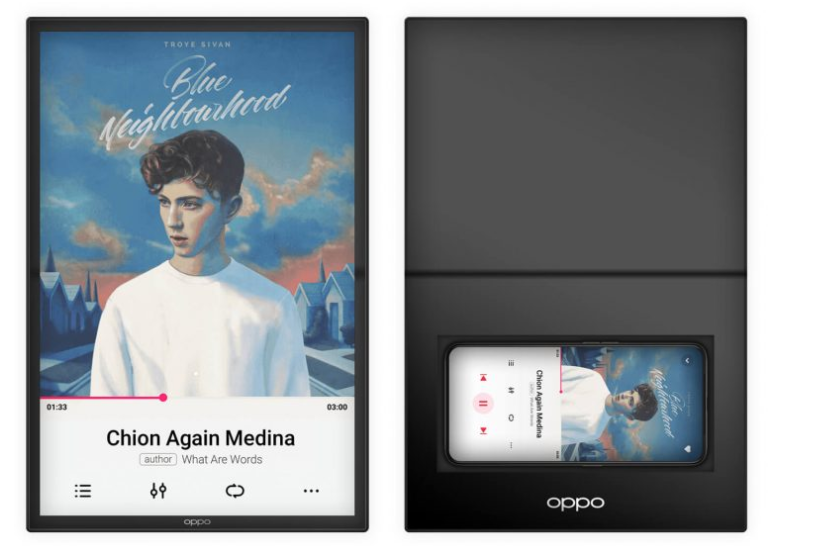
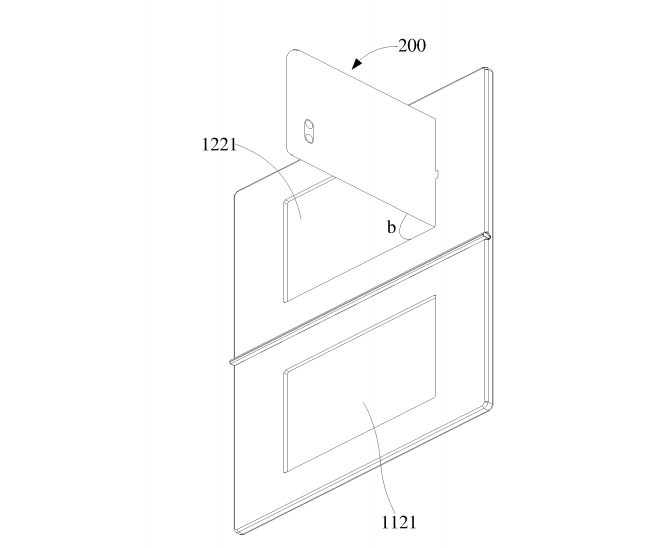
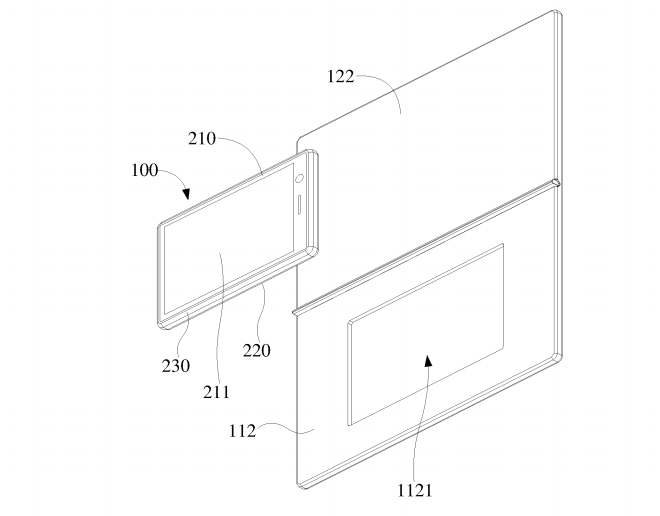
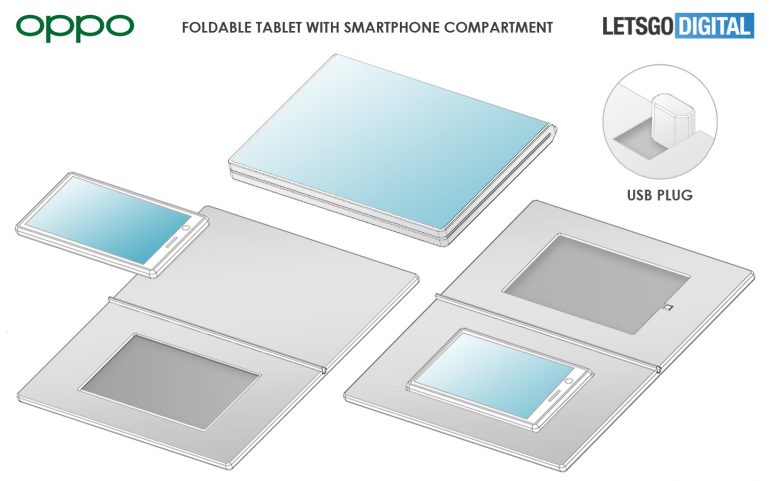
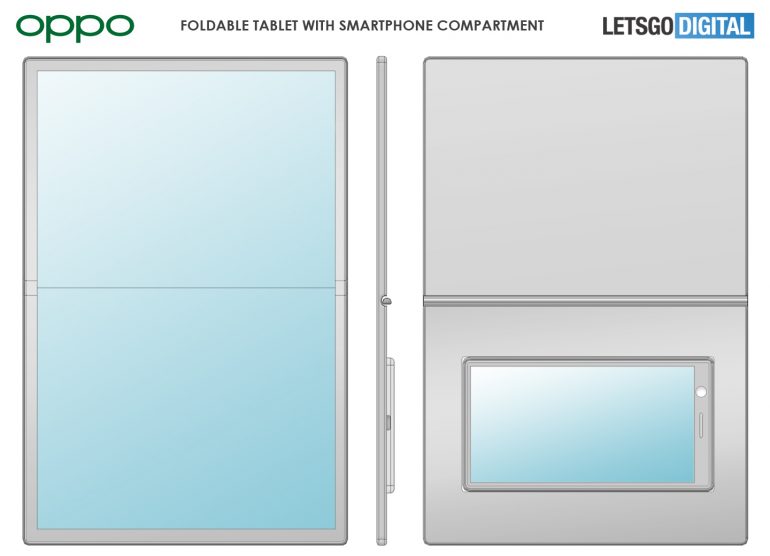
A recently published patent which was filed at the World Intellectual Property Office (WIPO) back in April has revealed a possible future OPPO foldable phone that borrows a leaf from the PadFone X. The patent diagrams show a large screen device with a flexible display that can be folded. This large screen device has a connector on its back that lets you attach a phone to it.

OPPO Foldable Device Patent

When a phone is connected to the large display, the content on the phone automatically displays on it. This comes in handy if you want to watch a video, play a game, or edit a document or any activity that works better on a larger screen.


Unlike the PadFone Station which is solely powered by the PadFone X, OPPO’s own large-screen device can work on its own as it has a built-in processor and battery. However, its functions are limited when used alone. The patent shows that the larger screen device has a groove but the phone doesn’t flush with the rest of the body when docked in.

This is a different take on the foldable devices category and OPPO may as well succeed where ASUS failed. Some of the complaints of the PadFone X include its very huge bezels and weight (when docked), so we expect OPPO will find a way to solve these issues. Android is also now better-suited for productivity with features such as split-screen multitasking and support for floating apps. We also won’t mind having a pressure-sensitive stylus.

OPPO and its sister company, Vivo, have demonstrated that they can pioneer new designs that will eventually be the industry standard. While the patent above isn’t entirely original, we sure do look forward to seeing OPPO release a device based on the design in the near future.


(Source)

Best Nova launcher theme setups you should try this year

Nova Launcher is the popular third-party launcher for Android devices. It’s the king of launchers and brings several advanced animations, features, and enhancements to the old as well as the latest smartphones. There is a huge fan following for Nova launcher due to its compatibility with several theme engines and mods available for Android. The simplicity to customize the launcher is the primary feature of the launcher. There are various other advantages of Nova Launcher that makes it the best and the most used launcher.

best nova launcher setups

Advantages of Nova Launcher 

  • Simple and Easy to use
  • The capability of vast Customisation
  • Discover Feed Integration (Dark Mode also available)
  • Swipe Gestures
  • Ability to create a new tab in the App drawer
  • Hidden folder swipe gestures
  • Quick shortcuts for app actions
  • Notification badges
  • Adaptive Icons

There is a freeware and a premium version of the Nova Launcher available via the Play Store. The Pro version retails for $4.99, but it’s a one-time amount to unlock unlimited possibilities. By paying the above fees, you will unlock various gestures, badges, and integrations.

We have concluded a list of best Nova launcher themes and setups that you guys can use or create yourself. Some of the setups have a backup file, which can be directly imported, but for others, you need to replicate the theme using the given icon pack and wallpaper. Before jumping into the list, follow the steps below to restore the backup on the Nova launcher theme and change icon pack.

How to restore the backup and change Icon pack on the Nova Launcher?

Please follow the steps below to restore the backup into the Nova launcher carefully.

  1. Open Nova Launcher Settings by holding the tap on the home screen.
  2. Now, choose Backup & import settings and select the import option.
  3. Now select Backups and select browse and execute it.

Steps to change icon pack on Nova Launcher:

  1. Open Nova launcher settings.
  2. Select the look and feel option.
  3. Now, select the theme icon pack you want to use.

List of Best Nova Launcher Themes

Minimalistic Nova theme

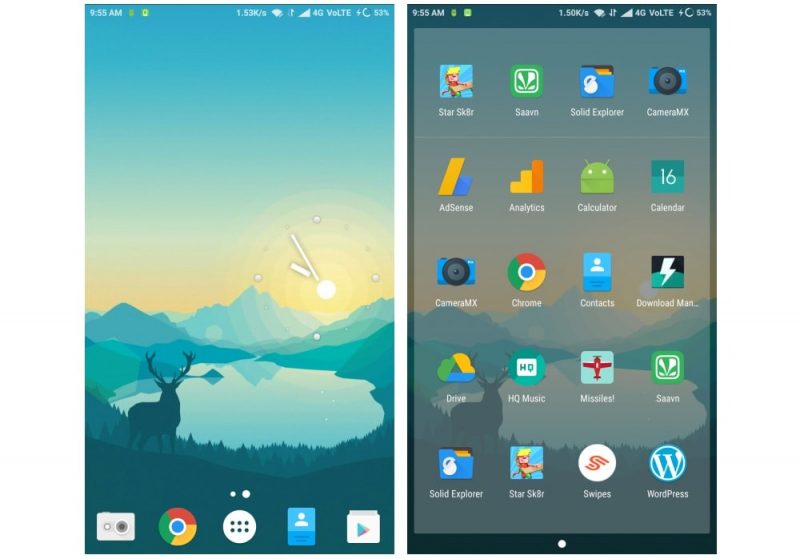
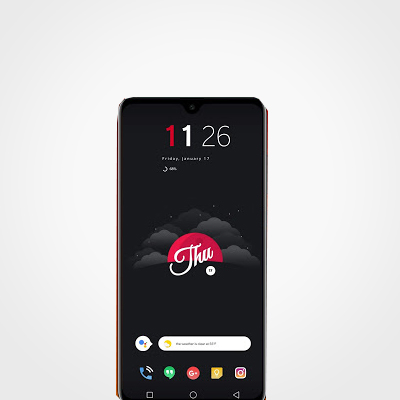
It uses a minimalistic artistic wallpaper and a minimalist clock. We can see how beautifully the author has utilized the sun in wallpaper by adding a clock precisely over it. However, the opacity is set to 75% on the drawer page. You can use the below ingredients to cook a similar look on your smartphone.

Minimal Theme

7 minimal theme

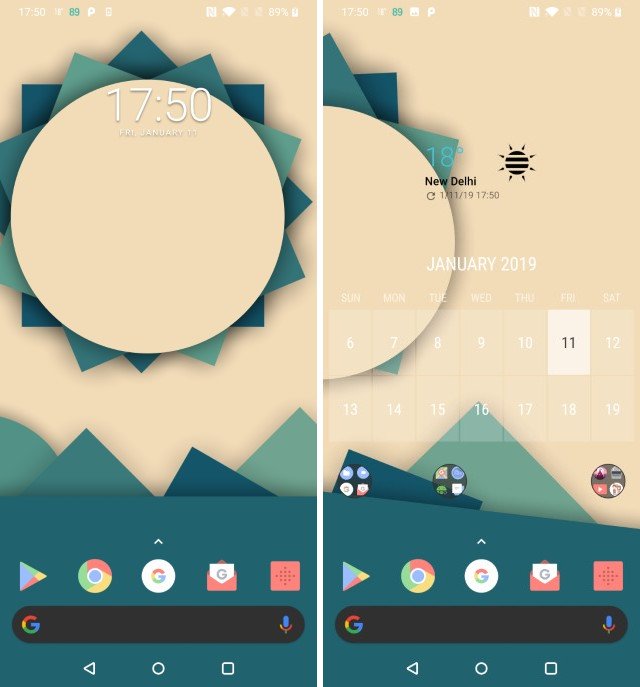
As the name suggests, it features minimal details about the widgets with neat and clean wallpaper on the background. The theme shows time, weather, calendar, and other information. To get the similar outlook, download the below-mentioned wallpapers, icons, and widgets.

Android Q

android q

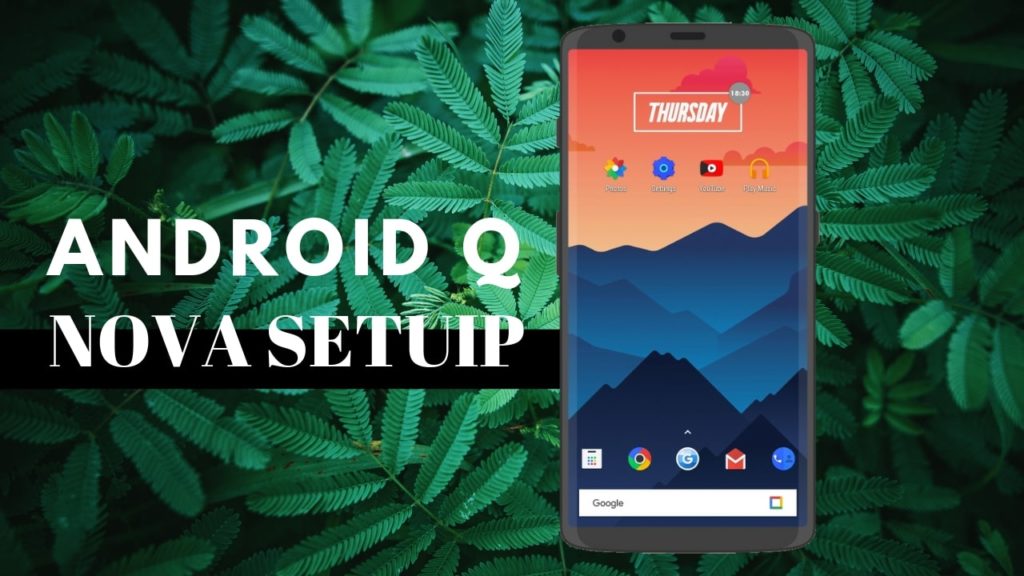
This theme use Splendid Icon Pack with a beautiful vector wallpaper. It features an elegant clock crafted using Zooper widget. The bottom placement of the search bar is making it look magnificent. You get the same look by downloading the dependencies from below:

Colorful Forest

colorful

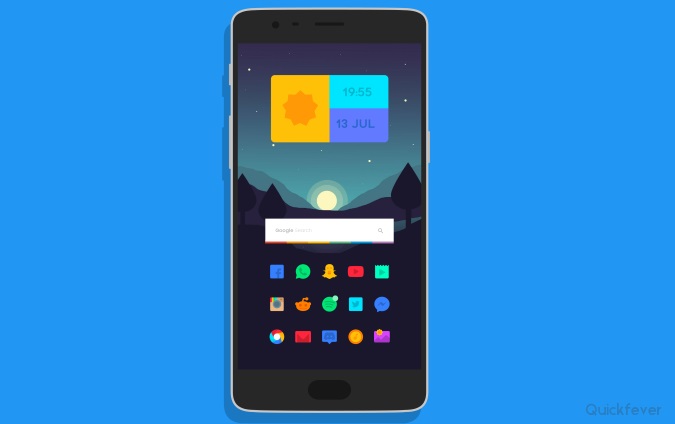
Are you fond of dark colors? Then you will surely love to make this theme as your home screen. It uses the Aivy widget to show Time, Weather, and Date information. Meanwhile, a beautiful minimalist wallpaper with Google Widget used via Zooper is a perfect combination. The grid size is set to 10 x 7. You can get the download links of the used things:

Halloween Theme

kgwt

It is a beautiful red Halloween Theme with a lovely Time, and Date custom made KWGT theme. The search is also replicated by using Free 099 skin from Huk KGWT. However, Icon packs are also customized using the Icon Pack studio.

  • Wallpaper – Elia Colombia via the Walli App
  • Widget – Customized KWGT creation
  • Search bar widget – Free 099 from Huk kgwt
  • Icon Pack – Customized using Icon Pack Studio

Cool Screen

It is inspired by the dark green leaves placed with neatly located icons and widgets.  It can be easily installed by using the below-mentioned material. The Setup uses the Rondo icon pack and a Ghosty widget for beautiful Date and Time alignment.

Red Dark Moon

dark red moon

A beautifully designed set up made with the help of the KWGT app. It uses Moonshine Icon pack along with a minimalistic clouds wallpaper. The clock at the top is crafted from Ornate Kwgt skin. It is a bit advanced setup, as you need some knowledge to use KWGT. Here are files you need to download to get this theme set up on your phone.

Monument Valley

monument valley

A blue-colored clean setup with minimal clock and app icons. The color matching perfectly suits the icons and vice versa. It is another colorful setup which you can try if you want to give a neat look to your phone’s home screen. It also uses a KWGT widget with a desktop grid of 9 x 6. You can grab the ingredients of the above setup below:

Dark bat

dark bat nova launcher setup

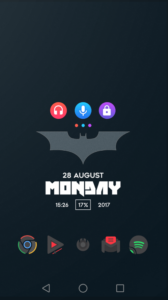
It is inspired by the bat, and the darkness around depicts the night. A beautiful icon pack is making it more realistic. How can we forget about the Ghosty Date and time widget, which perfectly matches the scene?  The interested users can easily install this theme set up by downloading the respective material.

Astronaut

nnova launcher

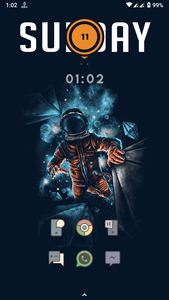
It is a perfect sci-fi setup that holds an artistic touch. Thanks to the beautiful wallpaper, which is making it more fascinating. The icon pack on the bottom gives it a minimal yet a little colorless feel. However, the dullness of the icons is covered by the date and time KWGT widget. It is a beautifully crafted setup and can be used using the things below.

There are endless setups available for Nova Launcher. Everyone has their taste of design and wants to design the home page as per their own choice. Still, we have tried to bring some best and readily available custom setups for Nova Launcher on Android. If you have any recommendations, then do let us know via the comments below. Until then, enjoy these setups on your Android device.

LG sues Chinese TV maker Hisense for patent infringement

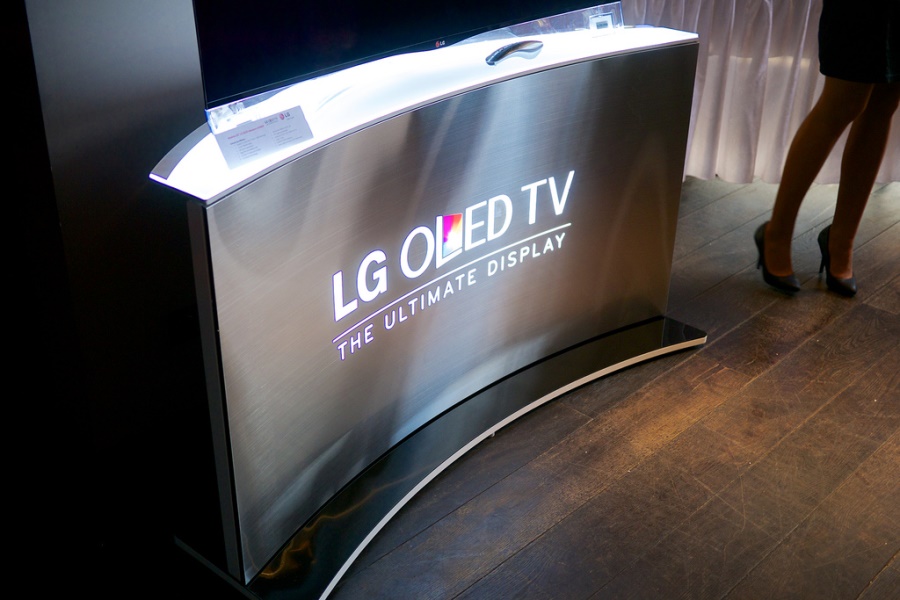
Chinese TV maker Hisense and Korean tech giant LG Electronics are set to lock horns in court. LG is a household name in the electronics industry and Hisense is also a brand wIt a strong presence in consumer electronics products, best known for its TVs. Hisense is particularly a popular brand in the US. LG has sued Hisense for allegedly infringing on four of its patents. In the suit filed before a US court, LG claims that most of the Hisense TV models being sold in the US use as many as four of its patented technologies.oled tv

In the suit filed with the District Court of California, LG demanded Hisense stop using its patented technologies and pay damages. court filing details the infringed patents to include those that improve user interface and speed up data transmission based on Wi-Fi.

Hisense has aggressively been expanding its operations in the US in recent times. Apart from its blossoming US market, Hisense is also growing astronomically in other parts of the world. The brand was ranked as the world’s fourth-largest TV provider by sales in the first half of the year. It has been aggressively expanding its operations in the US.

Hisense U9eQuite interestingly, LG and Hisense retail stores are usually situated side-by-side in most cities I have visited. But that doesn’t in any way suggest they are partners. LG seems to have stepped up measures aimed at curbing patent violations by both global and domestic rivals. LG reportedly sued three European home appliance manufacturers at a court in Munich in September alleging that they infringed its ice-making patents for side-by-side refrigerators. According to Jeon Saeng-gyu, executive vice president at LG Electronics, “The company will take stern measures against patent infringements in order to protect its intellectual property.”


(source)

Xiaomi cuts battery replacement cost by 50% for a limited time

A number of phone manufacturers have battery replacement plans where you can send in your old phone and have the battery replaced. The advantage is that you get to hold on to your phone for much longer and this also means there is less e-waste. Xiaomi also has its own battery replacement program and for a limited period, the service will cost 50% less.

The news has been well-received especially by owners of the Mi 6 flagship which launched in 2017 as it means the 2-year-old flagship can be held on to for longer. Its battery replacement is supposed to cost ¥99/15 (¥59 cost of battery + ¥40 for the replacement charge). However, the price slash means you only have to pay ¥49.5 (~$7).
Xiaomi Battery Replacement Program

The price slash began yesterday and it will run until the 10th of November. You also get a free screen protector applied for you. We have no info about the price for other models but since this is limited to China, not a lot of our readers will be able to take advantage of the price slash.

(Via)

Google rolling out November security update for Pixel devices; Patches 38 security vulnerabilities

Google is finally rolling out the November security patch to enhance the overall security of the smartphone. It is a significant upgrade as it fixes 38 security vulnerabilities making Android much safer and secure. The new security patch is gradually rolling out to all the compatible Pixel devices like Pixel 2 series, Pixel 3 series and the recently launched Pixel 4 and Pixel 4 XL. Surprisingly, the November Security patch is not rolling for the first Pixel series, which was launched in 2016.

Google Pixel 4 XL

The November security patch has resolved 6 high-severity bugs in the main framework that could enable a remote attacker to execute arbitrary code under the privileged process. Similarly, several high-severity bugs in media framework and system are fixed in the November security patch.
Apart from the usual Security patch, the Pixel 4 series also received new camera enhancements which will improve the overall picture quality. Google has not highlighted any specific feature that has been upgraded in the Pixel 4 series camera but will enhance the picture quality. The update also added, “Smooth Display improvements” to fix the refresh rate adjustment issue, which was reported by several users and even got an eye of prominent media houses.

Pixel 2 and Pixel 2 XL series also received some improvements and new features. A notable Xbox Bluetooth controller mapping feature support has arrived for almost every Pixel device excluding the first generation Pixel. There were several improvements related to Google Assistant hotword, fix for devices getting stuck in bootloop, and a lot more changes are part of the latest update.

The new update will get on to each supported Pixel device by the end of this week. You can manually check for the update by heading to the settings panel. Moreover, if you want to flash the OTA or factory image, then head over to the source below.

(source, via)


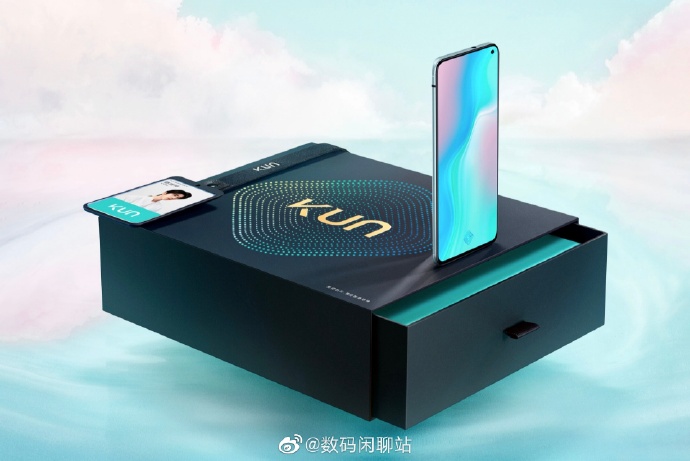
Vivo S5 will be first Chinese phone with an AMOLED punch hole display

While there are several phones with a punch-hole display from multiple manufacturers, only the Galaxy S10 series actually have one with an AMOLED display. It also means the Galaxy S10 and its siblings are the only with an in-display fingerprint scanner. That will change when the Vivo S5 launches.

The Vivo S5 will be the first Chinese phone with a punch-hole display and an in-display fingerprint scanner. Since it will have an in-display fingerprint scanner, it means its an AMOLED display. The info was revealed on Weibo by @Digital Chat Station.

Vivo S5

This is definitely good news for fans of the punch hole design as this means that there will be several other alternatives to the Galaxy S10 series. Based on this, we can say for sure that the Redmi K30’s dual-punch hole display will be an AMOLED screen. Its predecessor has an AMOLED screen albeit one with a notch and it will not make any sense to fall back to LCD for the Redmi K30.

Vivo S5 display

The OnePlus 8 and OnePlus 8 Pro scheduled to arrive next year will also have punch hole displays and will definitely be AMOLED. We do not know other manufacturers that will jump on the train but there surely will be multiple options to choose from in the coming months.

The Vivo S5 will be announced on November 5. Other than its display and that it will come with quad rear cameras, the rest of the phone’s specs are still unknown.


(Source)

Vivo is the leading 5G smartphone brand in China with 54% market share: IDC

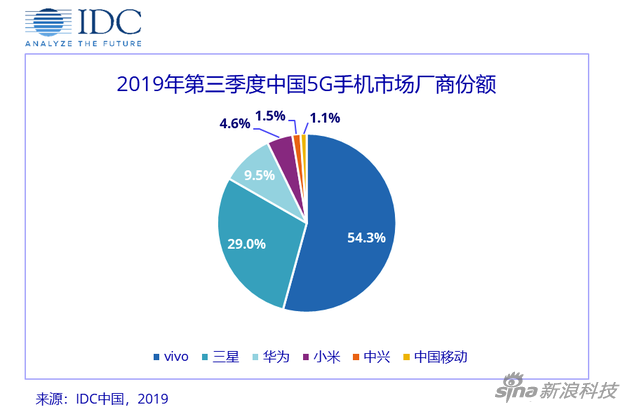
Research firm IDC has today announced the result of market share in the Chinese market for 5G smartphones in the third quarter of 2019. According to the data revealed, Vivo, Samsung, and Huawei were the top three brands for 5G.

The report also reveals that the top three brands accounted for 92.8 percent of the market share for 5G smartphones in China for Q3 2019. Vivo ranked first in terms of market share, capturing 54.3 percent of the market.

IDC 5G Smartphone China Q3 2019

There are two 5G smartphones from Vivo available in the market — iQOO Pro 5G and Vivo NEX 3, costing 3,798 Yuan (~$543) and 5,698 Yuan (~$815.05) respectively. Samsung, on the other hand, comes second with a market share of 29 percent. It is selling two devices in the market — Samsung Galaxy Note10 Plus and Samsung Galaxy A90 5G, costing 7,999 Yuan (~$1,144) and 4,999 Yuan (~$715) respectively.

IDC analysis adds that the 5G smartphone market in China is currently divided into two parts — “budget flagship” and “premium flagship”. While Vivo covers both these categories with its 5G devices, Huawei and Samsung have presence in the “premium flagship” market.

Apart from these three brands, Xiaomi is mainly present in the mid-to-high-end segment while ZTE and China Mobile have presence in the segment costing 4,000-4,500 Yuan which is around $572-644.

According to the “IDC China Smartphone Market Monthly Tracking Report”, as of September 2019, the total shipment of 5G smartphones is about 485,000 units.


Xiaomi Mi Note 10 Pro camera sample released; Launch could be imminent

Xiaomi has launched the Xiaomi Mi CC9 Pro smartphone in China. The device is gearing up for a subsequent global launch. According to the official Facebook page of Xiaomi Poland, the CC9 Pro will launch on Nov. 14 as Xiaomi Mi Note 10. However, its European debut will be on Nov. 6 at an event in Madrid, Spain, Fresh details that the arrival of the Xiaomi Mi Note 10 Pro smartphone could be close at hand. 

Xiaomi Mi Note 10 Pro camera sample

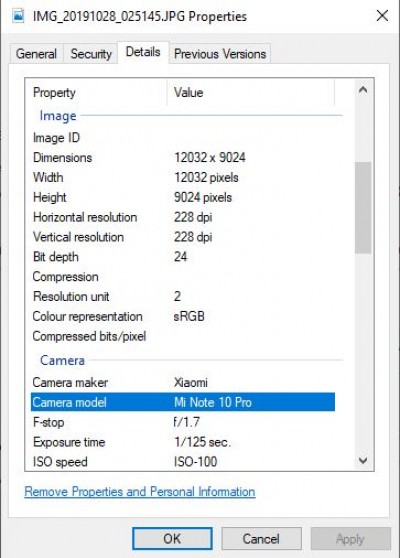
A camera sample of the Mi Note 10 published on the Mi community by Xiaomi Poland revealed the existence of Mi Note 10 Pro. The post has a downloadable high-resolution Halloween-themed image in the Google Drive link. The EXIF data clearly states that the image was captured using a 108-megapixel camera on the Mi Note 10 Pro. The resolution of the image is a mammoth 12032 x 9024 pixels and size 71.8 MB.

This is not the first time the Mi Note 10 Pro was mentioned online. The device previously appeared on Thailand’s National Telecommunication and Broadcasting Commission (NBTC) during certification. The model number is M1910F4S. According to initial reports, the Mi Note 10 Pro is likely to feature a similar design as the Mi Note 10/CC9 Pro. The smartphone could be powered by the Snapdragon 855+. However, it is too early to speculate any further. Probably, the Mi Note 10 Pro may go official alongside the Mi Note 10.

Xiaomi Mi CC9 Pro Specifications and Pricing

The Xiaomi Mi CC9 Pro has a 6.47-inch full HD+ curved OLED display with an in-screen fingerprint scanner. The device has the Snapdragon 730G under the hood that is paired with up to 8GB of RAM. It draws power from a 5,260 mAh battery that supports 30W fast charge. It is the “world’s first” smartphone with a 108-megapixel penta-camera setup.

Xiaomi Mi CC9 Pro_

The device uses Samsung’s 108-megapixel primary lens, coupled with a 20-megapixel ultrawide sensor with a 117-degree field-of-view. There is an OIS-assisted periscope 5-megapixel telephoto unit with 5x optical zoom, 10x and 50x hybrid zoom. The penta-camera system also features a 12-megapixel portrait lens and a 2-megapixel macro unit. For capturing selfies, it has a selfie snapper of 32-megapixel housed in the waterdrop notch at the front. It has arrived in China with a starting price of 2,799 Yuan (~$399).


(source|via)

Xiaomi unveils Internet Air Conditioner and Internet Vertical Air Conditioner

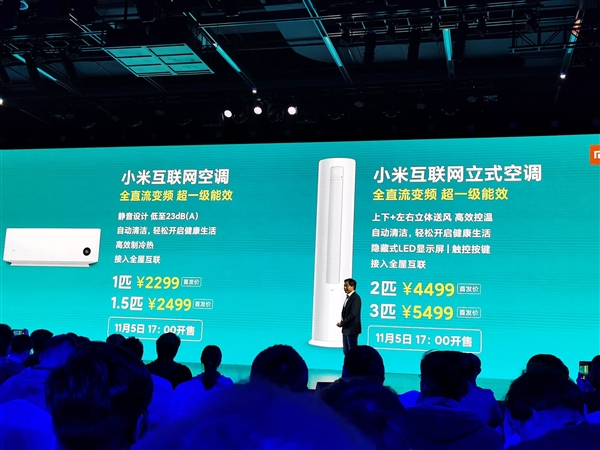
Xiaomi‘s had plenty of big launches today, ranging from the impressive Xiaomi CC9 Pro to the new Mi Watch. This unveiling however, while not as big of a deal, was equally interesting to us. Amidst the TVs and smartphones, Xiaomi made time to launch two air conditioners, those being the Internet Air Conditioner and Internet Vertical Air Conditioner.

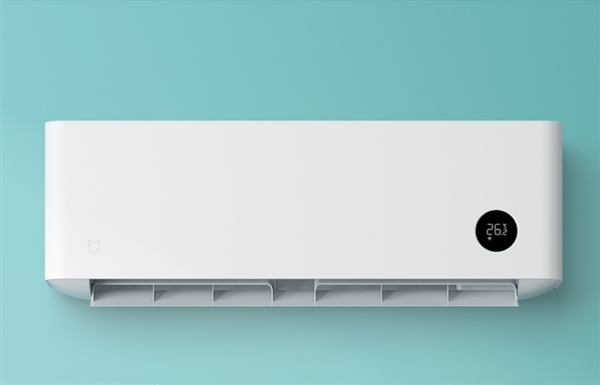
These new air conditioners put a heavy emphasis on saving power while still cooling very well. They all feature full DC frequency conversion technology to achieve this goal, which is a nice sentiment. The devices all follow the company’s minimalist design language, and they all come in the single white colour option. They also all feature mini displays for info.

On top of all this, the air conditioners also adopt a silent design, generating only 23dB of noise at the highest. They support automatic cleaning and as previously assumed, they’re also IoT devices. This means they can freely connect and interact with your other IoT devices. This continues Xiaomi’s focus on IoT devices, and it’s good to see them not drop the idea.

The pricing of the air conditioners is dependent on the horsepower of the model. The hanging house models come in a 1HP and 1.5HP variants that cost 2299 yuan ($329) and 2499 yuan ($358) respectively. The vertical models on the other hand come in 2HP and 3HP variants, for 4499 yuan ($644) and 5499 yuan ($787), making them significantly pricier.

(Source)

Xiaomi plans to enter Japan by 2020

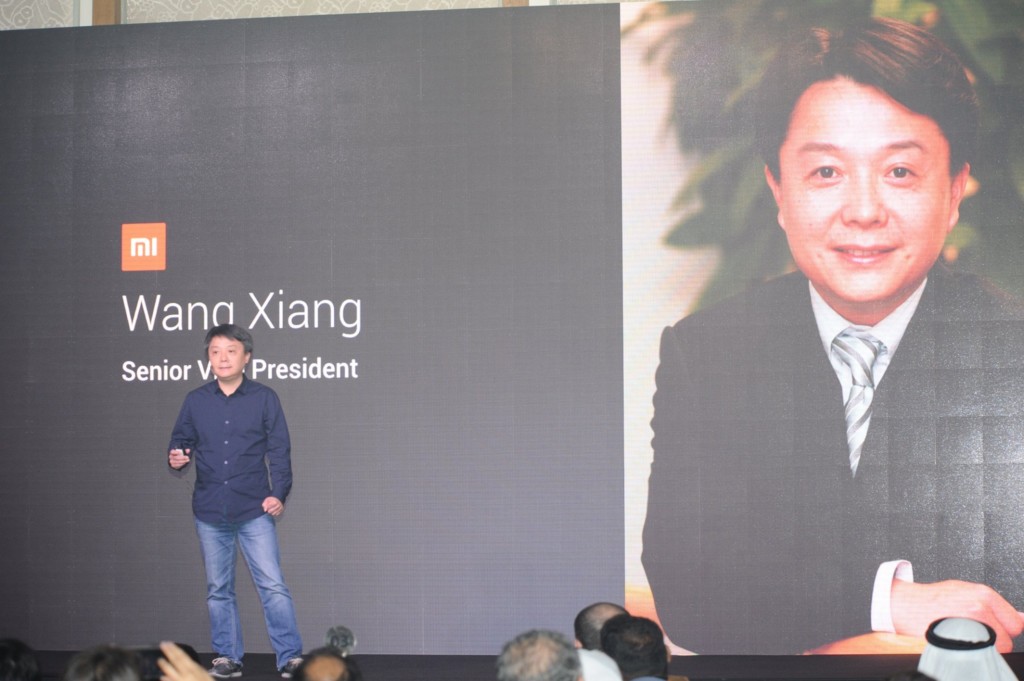
After taking the Indian market by storm, Xiaomi now plans to make its presence felt in Japan. According to the latest report on Nikkei Asian Review, the confirmation came directly from Wang Xiang, Head of International Operations at Xiaomi. The Chinese tech giants plan to introduce its extensive range of smartphones and wearable devices by 2020. Although a deadline has not been announced yet, Wang maintains, “We should be able to establish our presence in Japan by 2020. The sooner the better”.

The list of products that Xiaomi plans to introduce is currently under wraps. According to Wang, the company plans to offer devices that the Japanese audience will enjoy. He claims Xiaomi is looking for local telecom companies to partner with, without taking names. Like the US, telecom companies are the largest smartphone distributors in Japan. Smartphone companies that do not have tie-ups typically struggle to gain a foothold in the country.

During the interactive media session on Oct. 4, Wang tried to downplay concerns about data privacy with Chinese companies. He referred to Xiaomi’s successful streak in Europe during the past decade in which the company made its foray in numerous European markets. He said, “We cooperate with companies like Google, and have a clean track record of adhering to personal data laws in Europe. We will do the same in Japan.”

wang-xiang-presidente-xiaomi

The fourth-largest smartphone supplier in the world, Xiaomi plans to proactively establish its retail channels outside China. As of June 30, 2019, Xiaomi operates 520 Mi Home Stores outside China, recording year-on-year growth of over 90%. According to Akira Sugawara, a Senior Market Analyst at IDC, “With Japan racing towards adopting the 5G spectrum, Xiaomi might be able to find opportunities, as most major Japanese smartphone manufacturers are eyeing the premium category”.

“Xiaomi might find the perfect opportunity as the gap between market demand and supply increases. Even in the 4G sector, Japanese consumers are looking for value-for-money devices. If Xiaomi manages to offer its products within the $250 – $400 mark, It should be quite successful” Sugawara continues. “OPPO increased its shipment in the third quarter of 2019. Xiaomi might try to take a piece of the pie.”


(source)

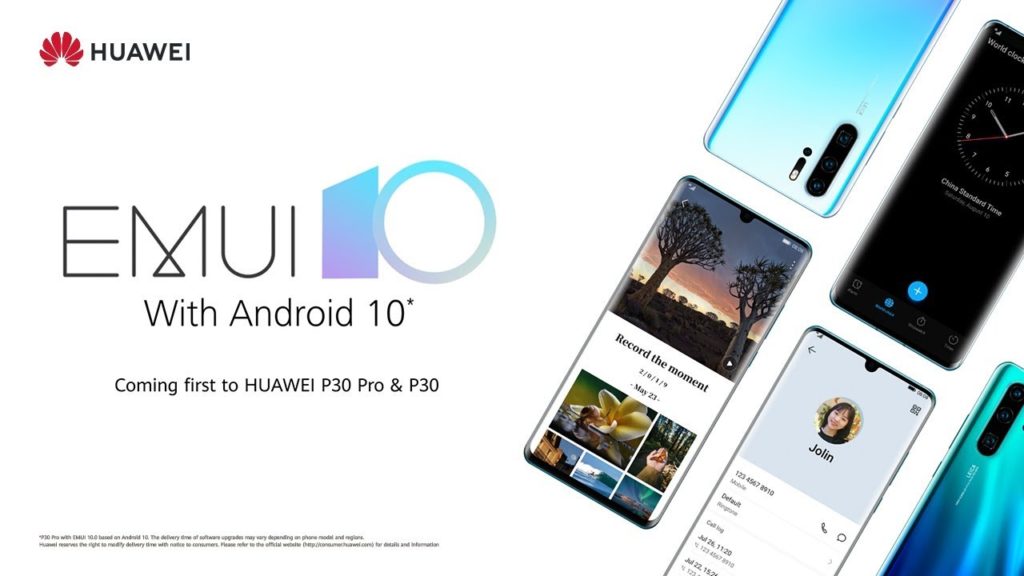
Huawei commences EMUI 10 beta recruitment for Nova 5 Pro and MediaPad M6

Huawei recently unveiled the roadmap for EMUI 10 update rollout on over 30 devices. Initially, the flagship devices are slated to get the update, and later the update will roll out on the remaining devices listed in the road map. The Chinese electronics maker is planning to fully rollout the EMUI 10 on the 30 listed devices by Q2 2020. However, after rolling out the EMUI 10 for Huawei P30 and P30 Pro, Huawei is commencing the EMUI 10 beta testing for Nova 5 Pro and Huawei MediaPad M6.

emui 10

The application for Nova 5 Pro beta testers is open from November 5th to November 10th. Whereas, the owners of MediaPad M6 can apply for beta testing from November 5th to November 15th. Huawei will recruit 500 beta testers supporting log version, and another 1500 testers without the log version. The beta testers will have first-hand access to all the new features before the official release. Before proceeding for the Beta 10 upgrade, make sure your Nova 5 Pro (SEA-AL10) is running EMUI 9.1.1.175 firmware version, and all the MediaPad M6 variants are on EMUI 9.1.1.160 version.

In the beta testing program, Huawei will bring all the Android 10-based features along with other EMUI based enhancements. While applying for the beta tester, you should pay proper attention to details, and upon successful registration, you will be notified by SMS notification.

Apply for EMUI 10 Beta Program

The user needs to install a beta user app and then follow the instructions below.

  1. Open beta user app and accept terms and conditions.
  2. Now, login with the Huawei ID with an appropriate phone number and email.
  3. Select “Personal” from the bottom bar > tap on “Join Project” > select “Available Project” and finally Sign Up.

Note: Before applying, make sure you’re on the latest version of the EMUI, and the device should not be rooted. There will be some bugs and third-party apps can behave abnormally. Your device must have 6GB of free internal space. Otherwise, the upgrade may fail.

EMUI 10 features

EMUI 10 features various new advancements and performance tweaks. It comes with a whole new UX inspired by a Magazine style layout depicting cleaner UI elements, new screen transitions, menus and notifications panel. The new colourful Always-On-Display brings a unique charm to the device.

  • Dark Mode support
  • Enhanced security with a distributed system.
  • Mutual aid sharing to improve hardware capabilities.
  • One-Touch Screen Sharing
  • Multi-Screen Sharing collaboration
  • Huawei HiCar
  • ARK Compiler
  • GPU Turbo
  • Super File System
  • Lin Turbo

It also incorporates the Android 10 features, which will improve the overall performance and security of the device.

The EMUI 10 Beta recruitment is only for Huawei Nova 5 Pro and Huawei MediaPad M6. However, the devices like Huawei 10 lite, Mate 20 family, P30 series and others are already receiving the EMUI 10 beta update.

(via)

Xiaomi Mi Watch launched with WearOS & a very large Battery

Xiaomi has officially announced the Mi Watch today at an event in Beijing, China. This marks the first true smartwatch from the company, after launching four successive generations of the fitness-centric Mi Band series since 2014. Xiaomi’s first real smartwatch is special not just because it’s feature-rich, but also because the company has a reputation of shaking-up every industry that it enters.

Xiaomi Mi Watch Is A Cheaper Apple Watch

Xiaomi Mi Watch

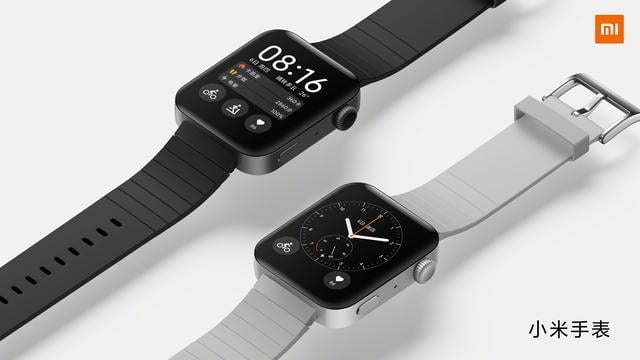
Xiaomi has shamelessly copied the Apple Watch for the Mi Watch’s design and that’s not necessarily a bad thing. Apple Watch is one of the best smartwatches available in the market today and taking inspiration from the best is always a good sign. But I just wish it wasn’t an exact replica of the Apple Watch, especially since Xiaomi has released a number of original designs in the past, including the Mi Mix Alpha and the original Mi Mix.

Now that we have established that the Mi Watch design isn’t original, let’s take a closer look at its body. The smartwatch comes with a square touchscreen display protected by sapphire Corning gorilla glass 3. The watch features a 1.78-inch AMOLED curved display with 326 PPI. The back of the watch is made out of ceramic.

There’s a crown on the right that can be used to navigate through the watch UI. Apart from the crown, there’s a multi-purpose button as well as a microphone on the right side. On the left, you have another microphone hole along with a speaker vent. The Mi Watch features an aluminum alloy body with a matte finish, but it has sharper curves than the Apple Watch. At the bottom, you’ll see the pins for the charging dock and the heart rate monitor.

Xiaomi Mi Watch

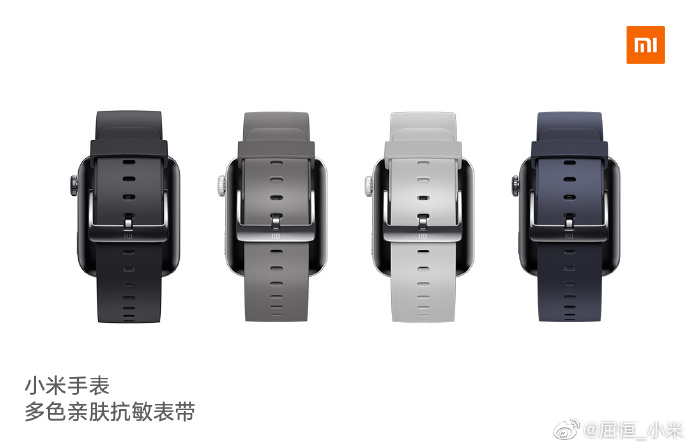
Coming to the strap, Xiaomi is offering removable straps made out of fluoro rubber which is skin-friendly and anti-allergic. There are multiple color options including white, blue, silver, and black. Note that the strap buckle comes with the MI branding in a metallic black shade.

Xiaomi Mi Watch straps


Xiaomi Mi Watch is the first to use the SD3100 4G chip

Inside, the Xiaomi Mi Watch comes with the Snapdragon Wear 3100 4G chipset featuring four Cortex A7 cores clocked at 1.2GHz. The company is calling it the first wearable with Snapdragon 3100 4G, probably because the Fossil Gen 5 watches with Snapdragon 3100 didn’t have cellular connectivity.

Mi Watch large battery


One of the highlights of the Mi Smartwatch is its battery. The watch features one of the biggest batteries ever seen on a smartwatch featuring 570mAh in capacity. In comparison, watches like the 46mm Huawei Watch GT 2, the Galaxy Watch Active 2 (44mm), or even the Apple Watch 5 come with just 455mAh, 340mAh, and 296mAh batteries respectively. The company claims the Mi Watch can last up to 36 hours or up to two days on a single charge.Mi Watch eSIM

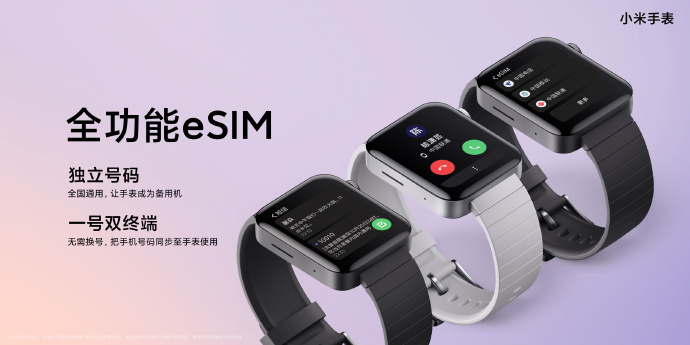
The Xiaomi smartwatch will be loaded with features such as NFC, Bluetooth 4.2, Wi-Fi (n), GPS, an independent vibration motor, and a pretty large speaker. Just like the top-end smartwatches of 2019, the Mi Watch also supports eSIM, which ensures you can connect to the internet via cellular network as well as make and receive calls independently.


Mi Watch is Powered By Google’s WearOS

In a surprise move, Xiaomi is adopting Google’s WearOS platform for its new smartwatch. However, like its smartphones, the WearOS running on the Xiaomi watch will be customized with its own MIUI for Watch skin. The company will offer a number of interesting watch faces for the watch. It also, unsurprisingly, comes integrated with Xiaomi’s own XiaoAI assistant.

Mi Watch Exclusive Edition

Apart from the usual fitness-centric features found on a wearable, Xiaomi smartwatch supports heart rate monitoring, blood oxygen VO2 max sensor, sleep monitoring, and body energy monitoring. In one of the marketing videos, Xiaomi confirmed that the Mi Watch is safe for swimming as well.

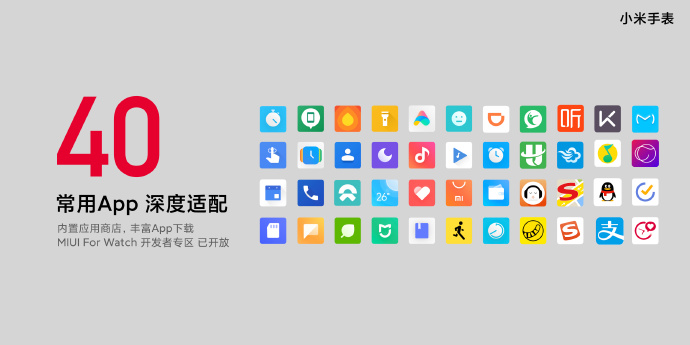
Powered by the WearOS platform, the Xiaomi Mi watch comes with its own in-built app store that will offer 40+ optimized apps for the new watch. This includes popular Chinese apps like QQ, WeChat, and Keep (fitness). Thanks to NFC, the Mi Watch can also be used to make payments in China.

The Mi Watch is also capable of connecting to and controlling smart home appliances at your home.


Xiaomi Mi Watch Is Priced Aggressively

The Xiaomi Mi Watch is priced at 1299 yuan ($185 or Rs. 13,116) in China. The watch is up for reservations from 5 PM today (November 5) and will go on sale at 12 AM sharp on November 11th in China.

Mi Watch Exclusive Edition

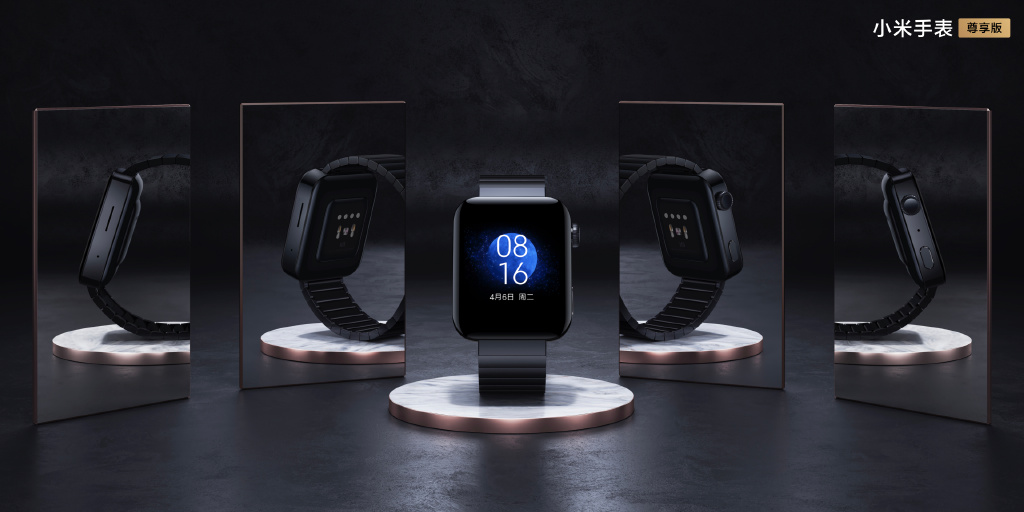
Just like the Mi CC9 Pro, there’s an exclusive edition that features a sapphire glass display with a polished stainless steel body and a stainless steel strap. The exclusive edition looks a lot more premium than the regular one and will retail for 1999 yuan ($285 or Rs. 20,184). The exclusive edition will go on sale in December 2019.


Xiaomi Mi TV 5 launched in China in three sizes; pricing starts at 2,999 Yuan ($428)

Along with the Mi TV 5 Pro series, Xiaomi also launched the Mi TV 5 series, which as the name suggests, is a lighter version of the Mi TV 5 Pro. Similar to the Pro variant, the Mi TV 5 comes in three models — 55-inch, 65-inch, and 75-inch.

mi tv 5 launch

The major difference between the standard model and the Pro model is that unlike the Pro variant, the Mi TV 5 doesn’t come with Quantum Dot display. Also, the internals differ compared to the Pro version. It too runs the company’s own PatchWall interface which Xiaomi has designed for Smart TVs.

It comes with just 3GB of RAM and 32GB of internal storage. For comparision, the Pro version comes with 4GB of RAM and 64GB of eMMC storage. Similar to the Pro model, this one too comes with Dolby Atmos and DTS support and has 2 x 8w Stereo speakers.

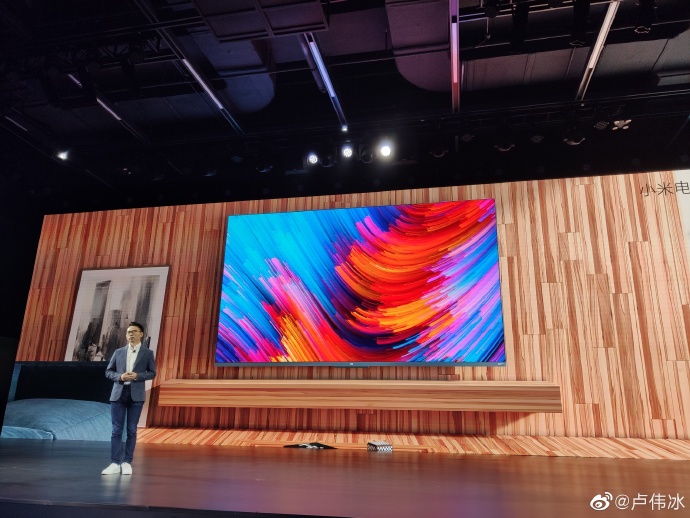
In terms of design, both the Pro variant and the standard variants are same, featuring just 5.9mm thickness, which is less than the thickness of iPhone 11 measuring 8.1mm. The bezel surrounding the display is 47.1 percent narrower compared to the Mi TV 4, measuring just 1.8mm. The device is made up of aluminium and comes with a screw-less design.

Coming to the pricing, the Mi TV 5’s 55-inch model costs 2,999 Yuan (~$428) while the 65-inch and 75-inch models are priced at 3,999 Yuan (~$571) and 7,999 Yuan (~$1,142) respectively. It will go on sale from 11th November in China.


Vivo V17 debuting this month; V17 Pro likely to be discontinued

Vivo has been steadily increasing its market share in India. As of Q3 2019, its market share in the country is 17 percent. The company seems to be working on a strategy to take over the second spot from Samsung that now holds a market share of 20 percent in India. The Vivo V17 Pro that was introduced in September has reportedly encountered lackluster sales. Fresh information shared by 91mobiles reveals that the company may discontinue the V17 Pro. The publication has also claimed that the Chinese firm will be introducing a cheaper Vivo V17 handset by the end of this month.

The publication has learnt from a company executive whose named has not been disclosed that the Vivo V17 will be debuting in India by the last week of November. The Vivo V17 will be up for purchase in India by the first week of December.

The device is expected to cost around Rs. 25,000 (~$353). However, there are no details on the specs of the phone. It could be featuring a dual selfie camera system and quad rear cameras. As far as V17 Pro is concerned, it will be gradually phased out after the release of Vivo V17.

Vivo V17 Pro
Vivo V17 Pro

Vivo V17 Pro Specifications

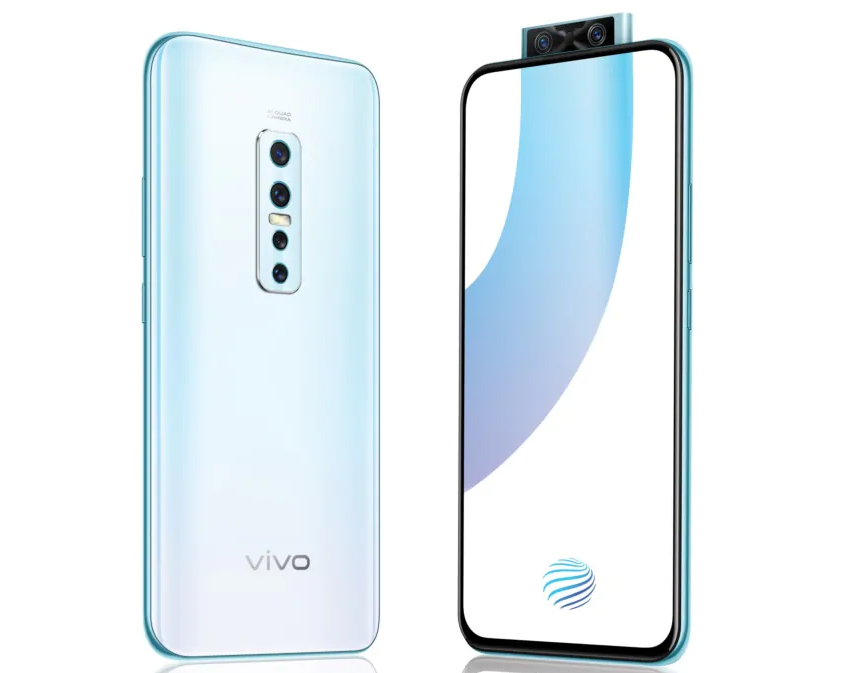
The Vivo V17 Pro comes with a 6.59-inch S-AMOLED display with notch-less design. It supports 20:9 aspect ratio and 1080 x 2400 pixels full HD+ resolution. The display is integrated with an under-display fingerprint reader. The Snapdragon 675 chipset powers the phone with 8 GB of RAM. It has an internal storage of 256 GB. The Android 9 Pie OS coupled with FunTouch OS 9.1 UI runs on the device.

The 4,100mAh present inside the Vivo V17 Pro supports 18W dual-engine fast charging. For shooting selfies, it has a 32-megapixel + 8-megapixel (ultrawide) dual selfie pop-up camera system. The back panel of the phone has a 48-megapixel + 8-megapixel (ultrawide) + 13-megapixel (telephoto) + 2-megapixel (depth) quad camera setup.


(source)

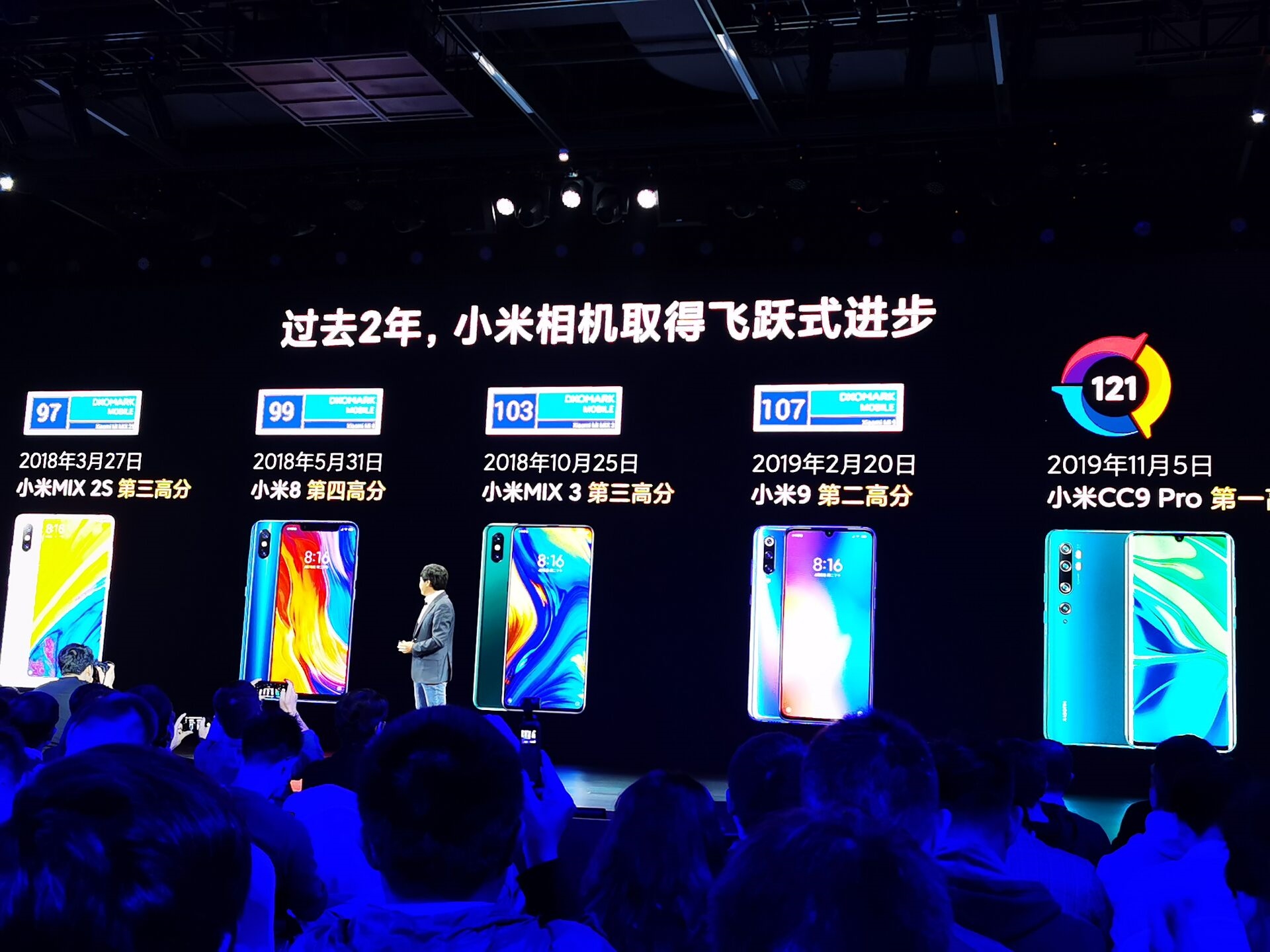
Xiaomi Mi CC9 Pro scores 121 on DxOmark, ties for highest score with Mate 30 Pro

Xiaomi have never been known for their camera performance, but the latest Xiaomi Mi CC9 Pro has broken that tradition. Reputed smartphone camera reviewers DxOmark have taken the Mi CC9 Pro’s penta camera setup for a test run, and they’ve determined that it’s not just an excellent camera, but also one of the best cameras in the smartphone industry.

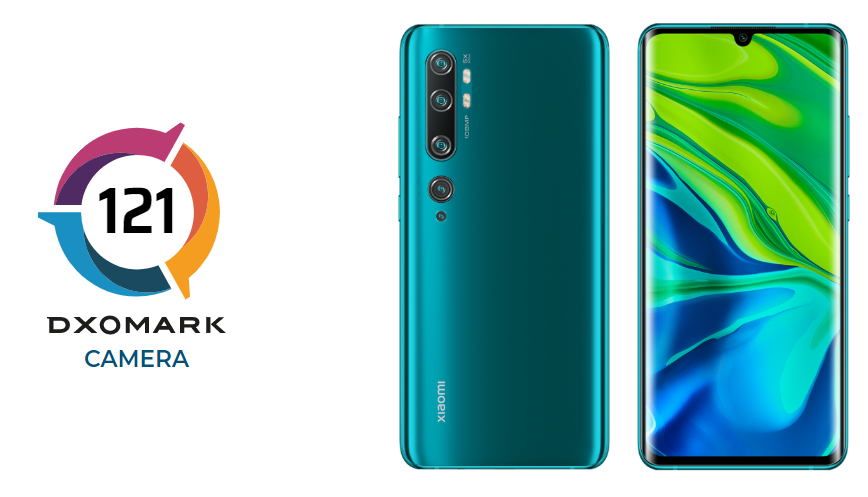
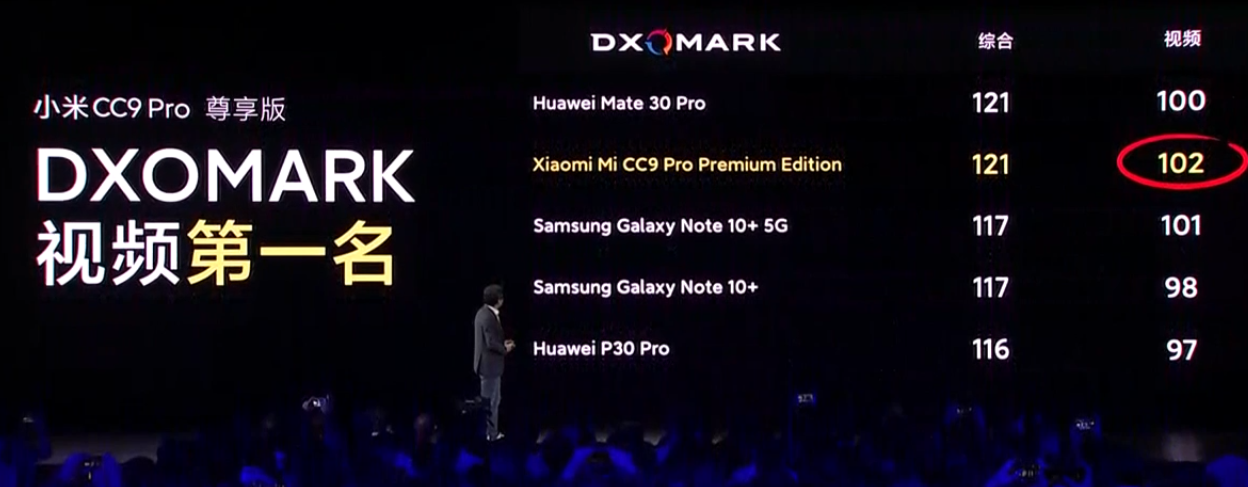
With an overall score of 121, the Xiaomi Mi CC9 Pro Premium Edition has tied with the Huawei Mate 30 Pro for the highest overall camera score of any phone tested so far. Its Photo score is two points lower than the Mate 30 Pro’s (130 versus 132), although it is still one of the highest photo scores ever, even beating devices like the Galaxy Note 10+

As if that weren’t enough, the new device also tops the list in the zoom subcategory with a score of 109. This is thanks to its two different focal length telephoto cameras, as well as an imaging pipeline that uses them to provide high-quality telephoto images across an entire range of different focal lengths.

The Xiaomi CC9 Pro’s video score of 102 on the other hand is the highest ever recorded by DxOmark, edging out devices like the Google Pixel 4 and the Samsung Galaxy Note 10+ 5G. The overall Video score is derived from performance and results across a range of attributes, and it’s a huge sign of improvement from Xiaomi. It’s definitely a huge surprise from them, and we can’t wait to see what else lies in store.

(Source)

Xiaomi Mi CC9 Pro debuts with 108MP penta-lens, SD730G, curved display and 5,260mAh battery for 2,799 Yuan (~$399)

Xiaomi Mi CC9 Pro is now official. It is the phone to commercially arrive with 108-megapixel camera sensor. After the Nokia 9 PureView, it is the second phone to boast five rear-mounted cameras. This upper mid-range phone is powered by Snapdragon 730G processor. The Mi CC9 Pro with its curved OLED display boasts a premium appeal. It is the largest battery phone from the company.  All this is offered at an enticing starting price of 2,799 Yuan (~$399).

Xiaomi Mi CC9 Pro_

Xiaomi Mi CC9 Pro Specifications and Features

The Xiaomi Mi CC9 Pro flaunts a waterdrop notch enabled edge-to-edge curved AMOLED display of 6.47 inches. It delivers 1080 x 2340 pixels full HD+ resolution. The TUV Rheinland approved screen does well in filtering harmful blue rays. The 19.5:9 aspect ratio display offers 400000:1 contrast ratio, HDR, 600-nits brightness and DCI-P3 wide color gamut.

Xiaomi Mi CC9 Pro curved display-

There is breathing light feature on the display that allows its edges to blink when the phone receives a notification. The Chinese firm has proudly boasted that it is the world’s first phone to feature ultra-thin optical in-display fingerprint sensor. It comes with a larger fingerprint recognition area and can be unlocked even with very dry or wet fingers.

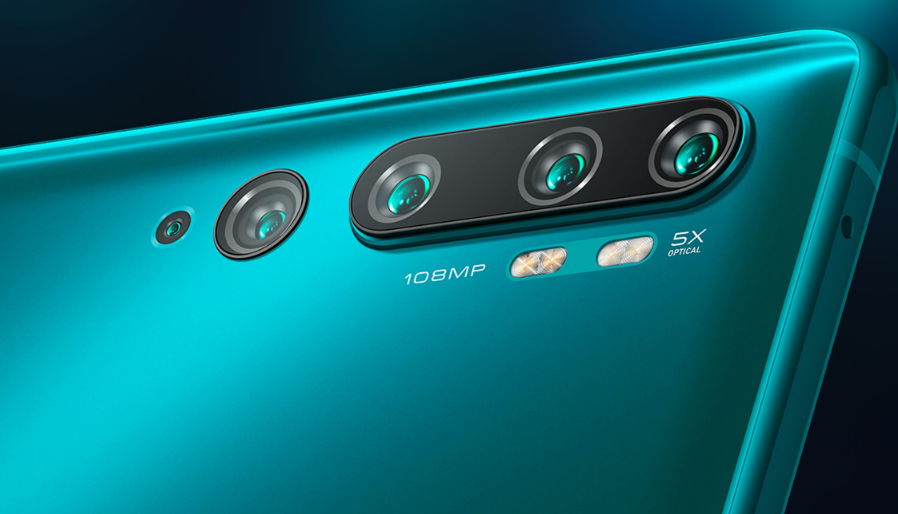
Coming to the main feature of the Xiaomi Mi CC9 Pro i.e. the 108-megapixel penta-lens camera system. The first lens in the rear-facing camera system of the phone is a 4-axis OIS assisted 5-megapixel super telephoto lens that supports 5x optical zoom, 10x hybrid zoom and 50x hybrid zoom. Next is a 12-megapixel portrait sensor with a pixel size of 1.4micon. The third sensor is the Samsung-made 108-megapixel main sensor with f/1.7 aperture and 4-axis OIS. The regular edition has 7P lens, but the Premium Edition has 8P lens.

Mi CC9 Pro

Next comes a 20-megapixel ultrawide lens with 117-degree field-of-view. The fifth one is a 2-megapixel macro lens with a focal length of 1.5cm. Assisting the five cameras are the pair of dual LED flash units (one is hard light and the other one fires soft light). The Mi CC9 Pro is optimized to be used for making vlogs. Placed on the front is f/2.0 aperture 32-megapixel selfie camera.

The rear cameras of the Mi CC9 Pro offers features like Ai beauty, AI scene recognition, AI smart slimming, AI studio light effect, portrait mode, super night scene mode, macro video shooting, 960fps slow-motion HD video shooting and 4K video shooting. The selfie snapper supports 3D beauty, front HDR, display flash, panorama, AI scene recognition and Mimoji. The Mi CC9 Pro is now leading the DxOMark benchmarks. The Mi CC9 Pro and Mate 30 Pro are placed first with a tied score of 121. The Mi CC9 Pro DxOMark score is an average of 130 points in photography tests and 102 points in videography tests.

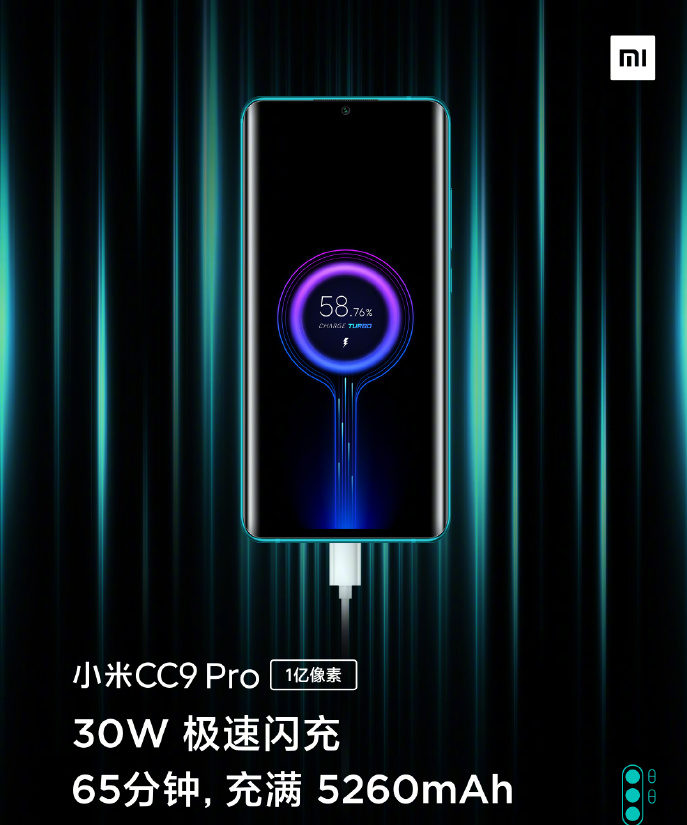
Xiaomi Mi CC9 Pro is powered by the Snapdragon 730G processor which is the next best SoC from Qualcomm after the Snapdragon 855+ found on flagship phones. The SoC is coupled with up to 8 GB of RAM. The highest model of the CC9 Pro has 256 GB of native storage. The smartphone draws power from a humungous 5,260mAh battery. Gladly, the company has added support for 30W fast charging on the device. It allows the phone to completely charge in 65 minutes.

XIaomi Mi CC9 Pro 30W Fast Charging

The Android 9 Pie OS flavored with MIUI 11 skin runs on the Xiaomi Mi CC9 Pro. There is Game Turbo 2.0 technology onboard for accelerated GPU performance while gaming. The other connectivity features that can be found on the device are dual 4G VoLTE, Wi-Fi 802.11ac, Bluetooth 5.0, GPS, multi-functional NFC, GPS, IR blaster, USB-C and 3.5mm headphone jack. Lastly, the Mi CC9 Pro features a 1CC large loudspeaker coupled with smart PA that can produce up to twofold audio output when compared to speakers found on other phones. It supports Hi-Res audio. The handset measures 157.8 x 74.2 x 9.67mm and it weighs 208 grams. There is no microSD cards slot on the device.

Xiaomi Mi CC9 Pro Price and Availability

The Xiaomi Mi CC9 Pro’s variants and their pricing are listed below:

  • 6 GB RAM + 128 GB storage – 2,799 Yuan (~$399)
  • 8 GB RAM + 128 GB storage – 3,099 Yuan (~$442)
  • 8 GB RAM + 256 GB storage (Premium Edition) – 3,499 Yuan (~$499)

Magic Green, Ice and Snow Aurora and Phantom Black are the three color editions of the Xiaomi Mi CC9 Pro. The smartphone goes on pre-sales from today. Starting from Nov.11, it will be made available for purchase. The Chinese firm is also selling exclusively made protective cases for Mi CC9 Pro smartphone.

In the international markets, Xiaomi will be selling the Mi CC9 Pro as Xiaomi MI Note 10. The latter will go official in Spain tomorrow. The Chinese manufacturer will be also debuting the Mi Note 10 Pro in the international markets in the near future.


Xiaomi’s Mi TV 5 Pro with Quantum Dot 8K display goes official in China in three variants

As expected, China-based Xiaomi has today launched its new Mi TV 5 Pro lineup in its home country, expanding its existing lineup of Smart TVs in the country. The new Mi TV 5 series comes in three different screen sizes — 55-inch, 65-inch, and 75-inch.

The Mi TV 5 Pro lineup comes with a Quantum Dot QLED display panel which comes with support HDR10+, support MEMC motion compensation, support 8K decoding, 108 percent NTSC color gamut. With Quantum Dot display technology, the company is eyeing the premium segment.

Xiaomi Mi TV 5 Pro

It comes with MEMC dynamic image-quality compensation technology that allows smoother motion pictures and shows details in crisp and clear manner, claims the company. The device is powered by a 12nm Amlogic T972 chipset with support for 8K video recording which is claimed to be 63 percent higher than the previous-generation CPU.

The Mi TV 5 Pro also comes packed with 4GB of RAM and 64GB of internal storage to ensure smoother performance. As usual, this new Smart TV from Xiaomi comes with the company’s own PatchWall user interface. It also comes with features like Dolby Audio and DTS HD Sound.

In terms of thickness, the Mi TV 5 Pro measures just 5.9mm, which is less than the thickness of iPhone 11 measuring 8.1mm. The bezel surrounding the display is 47.1 percent narrower compared to the Mi TV 4, measuring just 1.8mm. The device is made up of aluminium and comes with a screw-less design.

Coming to the pricing, the 55-inch model of the newly launched TV is priced at 3,699 Yuan which roughly converts to $537. On the other hand, the 65-inch and 75-inch model costs 4,999 Yuan and 9,999 Yuan that roughly converts to $713 and $1,425 respectively.