Advertisement

Pixelbook Go is a stylish Chromebook that starts at $649

Google also announced a couple of other products today alongside the Pixel 4 and Pixel 4 XL. The Pixelbook Go is one of the new products and it is a cheaper and smaller version of the Pixelbook.

Pixelbook Go

The Pixelbook Go is a stylish Chromebook with a design unlike any you have seen on any other Chromebook or even PC. The device has a magnesium body with a matte finish at the top while the underside has a ridge design that makes it easier to grip. It is also light and slim – weighing 1.06 kilograms and measuring just 13 millimeters.

The Pixelbook Go has a 13.3-inch touchscreen display with thick bezels surrounding it. Buyers will be able to choose between an FHD 1920 x 1080 LCD display or a 4K (3460 x 2160) UHD Molecular Display.

There are four configurations available:

  • Intel Core M3 (8th Gen) + 8GB RAM + 64GB = $649/£629
  • Intel Core i5 (8th Gen) + 8GB RAM + 128GB = $849/£829
  • Intel Core i5 (8th Gen) + 16GB RAM + 128GB = $999/£949
  • Intel Core i7 (8th Gen) + 16GB RAM + 256GB = $1399/£1,329

The Pixelbook Go features a backlit keyboard that Google boasts is super quiet. Just like the original Pixelbook, there is a dedicated Google Assistant button or you can just say “Hey Google”.

Google says the Pixelbook Go will provide up to 12 hours of battery life and supports fast charging. Just 20 minutes of charging will provide up to 2 hours of usage. The computer will ship with a 45W USB Type-C wall adapter and  2m USB-C charging cable. There are two USB-C ports and you can use any to charge the device but there is no SD card slot, so no storage expansion. There is also an audio jack on the device and a 1080p Duo Cam.

The Pixelbook is available for pre-order starting today but the Core i5 (16GB version) has a waitlist while the Core i7 version is listed as coming soon. It is available in Just Black and Not Pink.

Google says there is also an Enterprise Edition that “includes the business capabilities of Chrome OS unlocked and does not require users to make an additional purchase of the chrome Enterprise Upgrade”.


Pixel 4 and Pixel 4 XL launch with better cameras and 90Hz Smooth Displays

The Pixel 4 and Pixel 4 XL finally launched today, and to be honest, there isn’t much we didn’t already know about the phones.

Pixel 4 and Pixel 4 XL featured

The Pixel 4 and Pixel 4 XL come with new features not present in any of their predecessors but also keep some of the old features. To start with, both phones feature OLED screens with a 90Hz refresh rate that Google has termed Smooth Display. There are no notches but their foreheads stick out thanks to the sensors packed underneath.

The new Pixel 4 phones also come with an extra camera on the back – a telephoto lens which means portrait mode gets even better on the Pixel phones. There is also a new way to unlock your device and make payments – Face Unlock (RIP fingerprint scanner), and a new way to control your device without touching it thanks to Motion Sense which is powered by the Soli Radar chip.

Pixel 4 cameras

Active Edge is still present, so you can squeeze and activate the all-new Google Assistant. The Titan M Security Module is also back again to keep you protected. There are stereo speakers but no audio jack and you also get an eSIM along with a nano-SIM slot. You also get at least 3 years of security and OS updates.

Pixel 4 Specs

  • 5.7-inch FHD+ flexible OLED Display, Smooth Display (90Hz), Gorilla Glass 5, and 19:9 aspect ratio, Always-on Display, HDR, Ambient EQ.
  • Snapdragon 855 processor + 6GB RAM + 64GB/128GB of storage
  • 12.2MP f/1.7 1.4 μm primary camera with OIS + EIS
    16MP f/2.4 1.0 μm telephoto camera with OIS + EIS
    Spectral + Flicker Sensor
  • 8MP f/2.0 1.22 μm front-facing camera
    NIR flood emitter
    NIR dot projector
    2NIR cameras
  • 2800mAh battery with support for 18W fast charging, USB-PD 2.0, and wireless charging


Pixel 4 XL Specs

  • 6.3-inch QHD+ flexible OLED Display, Smooth Display (90Hz), Gorilla Glass 5, and 19:9 aspect ratio, Always-on Display, HDR, Ambient EQ.
  • Snapdragon 855 processor + 6GB RAM + 64GB/128GB of storage
  • 12.2MP f/1.7 1.4 μm primary camera with OIS + EIS
    16MP f/2.4 1.0 μm telephoto camera with OIS + EIS
    Spectral + Flicker Sensor
  • 8MP f/2.0 1.22 μm front-facing camera
    NIR flood emitter
    NIR dot projector
    2NIR cameras
  • 3700mAh battery with support for 18W fast charging, USB-PD 2.0, and wireless charging

Pixel 4 and Pixel 4 XL featured b

Price and Availability

The Pixel 4 and Pixel 4 XL are available in Just Black, Clearly White, and Oh So Orange (limited edition). The Pixel 4 is priced at $799/€749/£669 for the 64GB version and $899/€849/£769 for the 128GB version while the Pixel 4 XL is priced at $899/€899/£829 for the 64GB version and $999/€999/£929 for the 128GB version.

Both phones will be available unlocked, via Verizon or on Google Fi and will begin shipping October 21.


The OnePlus 7T Has Gone Up for Pre-Order Through Giztop

OnePlus took the wraps off the OnePlus 7T series of smartphones during a dedicated launch event that took place in China.

OnePlus 7T Hands on volume button featured
Volume buttons are placed o the right

The recently series comprises the OnePlus 7T and 7T Pro smartphones that are slated to hit the store shelves on October 22nd at 10:00 AM (local time) via the company official’s online store and JD.com. Meanwhile, the OnePlus 7T has gone up for pre-order through Giztop.

The phone ships with a larger 8GB of RAM and offers 128GB/256GB UFS 3.0 storage capacity for you to save your favorite multimedia content, download and install multiple apps and run them without any sort of lag. We will check OnePlus 7T features in detail in just a bit.

The 8GB RAM+128GB ROM OnePlus 7T variant is available in Frosted Blue color option for $529 on Giztop.

Alternatively, you can go for the larger model that features 8GB of RAM, paired with a hearty 256GB of internal storage capacity if you are willing to shell out $579. This model is available in Glacier Blue, as well as Frosted Silver color options.

The feature-laden OnePlus 7T smartphone offers the best value for money. It sports a 6.55-inch 90Hz Fluid AMOLED display with HDR10+ and has the world’s fastest screen unlock. Moreover, it packs the powerful 7nm Qualcomm Snapdragon 855 Plus Octa-core AI Soc, along with Adreno 640 GPU for superior user experience.oneplus 7t

On the optics front, the OnePlus 7T houses a 48MP+12MP+16MP triple Circular cameras at the back, and a 16MP front camera with EIS for selfies and video calling.

oneplus 7t

The phone runs Original Oxygen OS based on Android 10 OS and is backed by a 3800mAh battery that supports Warp Charge 30T Fast Charging. You can follow this link to check out more details about the OnePlus 7T smartphone and place your pre-order through Giztop.

Performance Review: How does the Intel m3-8100Y CPU perform on the new Chuwi UBook Pro?

Chuwi released its new 2in1 tablet, UBook Pro, on Indiegogo and according to the company it is a very powerful all-around machine. It is mainly designed for office work as well as students, it comes with a 12.3″ IPS display and 3:2 screen ratio as well as the Intel Core M3-8100Y CPU that allows a 50% performance boost over the previous UBook. But how powerful is it when benchmarked? Let’s see in the benchmark test we conducted recently.


CPU-Z

Chuwi UBook Pro

We used the CPU-Z application to see the specs of CPU and do a benchmark test. As you can see, it comes with the already mentioned Intel m3 8100Y. The processor is made using the 14nm manufacturing process and it’s a dual core/4-thread CPU. It’s frequency can go up to 3.4GHz and it achieved a single-core score of 283.5 and a multi-core score of 800.9.


GeekBench 4

Chuwi UBook Pro

To continue, we ran the GeekBench 4 test where the UBook Pro achieved a single-core score of 3731 and a multi-core score of 6115, consistent with the performance we already shaw in the CPU-Z test.


Cinebench R15

Chuwi UBook Pro

After the first two tests, it was time to test the GPU too. For that reason, Cinebench R15 was chosen as it is a comprehensive CPU and GPU performance testing software. It tests CPU and graphics card performance by rendering high-precision images and 3D graphics based on the Cinem4D engine. In this test, the UHD Graphics 615 that is the embedded GPU scored 96cb and 27.18fps. That’s not bad but there’s no comparison between an embedded GPU and a dedicated one.


AS SSD Benchmark

Chuwi UBook Pro

Then, we tested the SSD speed in order to define how it compares against other solutions in laptops. The UBook Pro achieved a continuous read and write speed of 480.61MB/s and 372.74MB/s respectively which might be more than five times the speed of the traditional HDD but it falls a bit short when compared to other commercial solutions. Definitely, you are not going to experience any slow-downs attributed to the SSD so you shouldn’t be worried about not getting the top speeds out there.


Chuwi UBook Pro Actual experience

Besides the test through benchmarks, the overall user experience was excellent during the time we got our hands on it. It can easily deal with daily office, learning and entertainment need and if you are desperate to use Adobe Photoshop, Adobe Premiere, etc, it will do the job but much slower than media editing professional laptops. What’s more, you can even enjoy some gaming like Tomb Raider and Metro with decent performance and graphics quality but gaming isn’t what this device was made for.

Chuwi UBook Pro

To conclude, combining the benchmark results with the actual user experience we can say that the Chuwi UBook Pro is definitely a good choice at its price range since it manages to balance between performance and pricing perfectly. Also, the fact that it is a 2in1 device is a huge advantage over traditional laptops. UBook Pro is currently in the process of crowdfunding on indiegogo. To find out more about it and the activities currently running, visit the dedicated product page.

Could Xiaomi be planning to take on OnePlus in the premium TV segment?

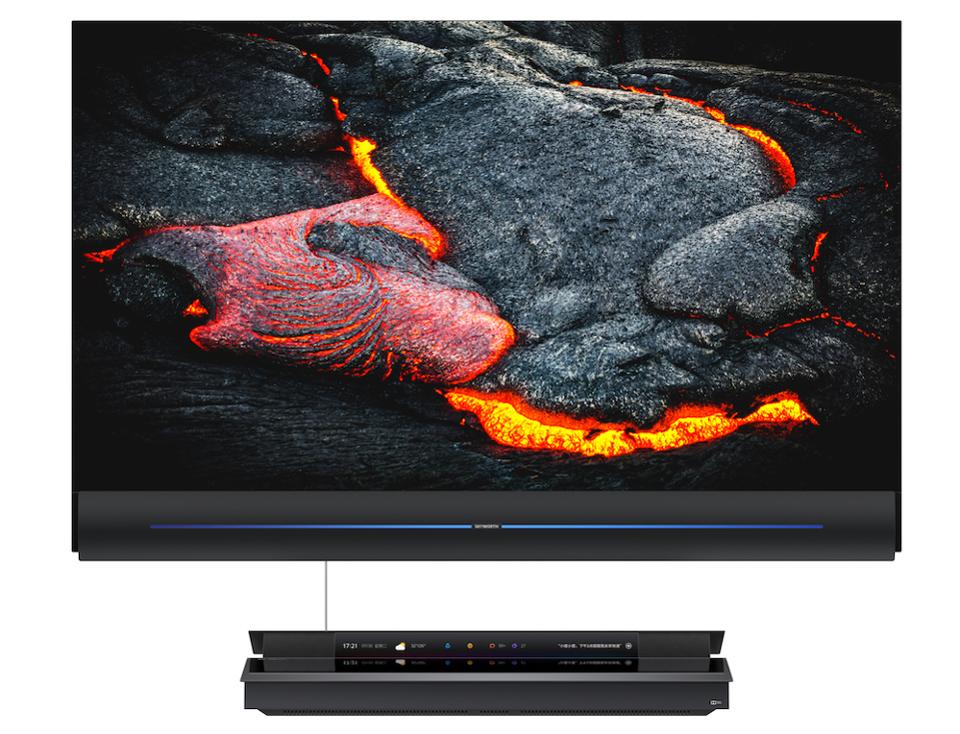
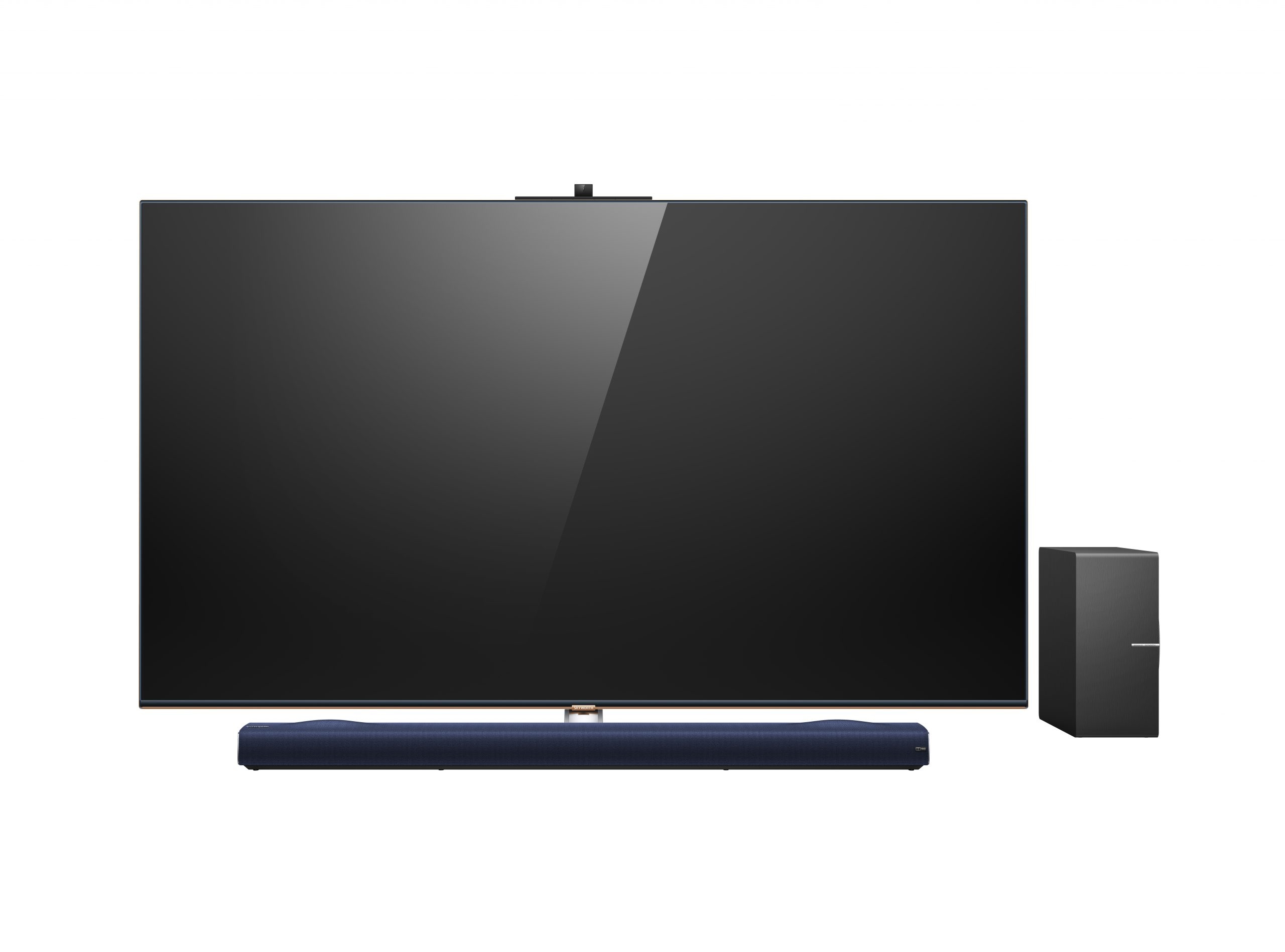
OnePlus unveiled its first smart TV models – OnePlus TV Q1 and Q1 Pro in India last month. The premium smartphone maker spared no thought in gunning for the premium smart TV segment as the two models come with a 55-inch QLED display panel with a sleek minimalist design. The display panel holds a high-screen ratio thanks to the near bezel-less design. The OnePlus TV models also debut with Quantum dot color and support both Dolby Vision and HDR10+. The company says the TV’s color range is best-in-class among QLED competitors. Xiaomi may be looking to head in that direction as a recent survey by the company suggests.Xiaomi TV

The Weibo survey which is still ongoing as at press time is being conducted by Xiaomi’s TV GM who wanted to find out from fans which features they want to see upgraded. The options are Industrial design, Picture quality, Sund quality and System content. Obviously, most of the 2848 respondents selected picture quality.

Of coure, Xiaomi has got rich content for its TV. The sound quality and build quality are also high. We may see some improved models soon with QLED display panel capable of 8K resolution and more features. At present, the only high-end model from Xiaomi is the Mural TV which uses a Samsung 4k panel. A moe to launch smart TVs with premium quality and ricing will be to consolidate this grip of the market as Xiaomi sits at the number one spot in the TV segment in China and India.

Xiaomi launches the Smartmi Electric Heater 1S with app control

We are heading towards winter season and so it is not unusual to see companies release products that serve the need of staying warm during the cold weather. Xiaomi’s ecological chain company Smartmi has just launched a new electric heater for the home. The Smartmi Electric Heater 1s is a smart version of the regular heater and will sell for just 499 yuan (~$70). This is almost twice the cost of the ordinary version which launched for 299 yuan ($43) in December 2018. This model was first launched under crowdfunding in November last year but the massive 3385% support ensured the company had to delay the release.Smartmi

The Smartmi Electric Heater 1s comes with an upgraded 72 high-efficiency aluminium sheet heating body with heat dissipation area up to 4500 square centimetres. The gadget uses a dragon ridge arrangement that is more conducive to airflow. It also comes with a 2200W high power rating which can heat up the room very fast. The temperature can be adjusted between the range of 16-28 °C. It equally comes with a built-in dual temperature sensor which smartly maintains the constant temperature. When the ambient temperature reaches the preset value, the automatic low-power operation maintains the constant temperature state. If the ambient temperature drops, the device adjusts the heater gets adjusted automatically. and the lower temperature automatically increases the temperature.

The product is manufactured by Smartmi technology and is tipped to be capable of heating up the air inside the house such that the density becomes different from that of cold air. This difference in density creates a convection effect and thus, stimulates the circulation of the air in order to heat up the home. Compared with the traditional radiation-based electric heater, this new product has the advantages of rapid heating and low drying, and the user feels more comfortable when using it.Xiaomi Smartmi electric heater

In addition, the gadget also supports a more precise temperature regulation and also has a constant temperature function. This function will come in handy to enable heat to reach areas with insufficient heating. Obviously, this function is extremely user-friendly in areas with insufficient heating, and it is also very helpful for reducing power consumption.

The device comes with a built-in WiFi module which means users can control the gadget through the MIJIA App or XiaoAI smart assistant. Thus, you can remotely switch it on while at work so as to heat up the home before you get there. This will also afford users the opportunity to stay in bed and control the electric heater without having to step down. The app can also be used to adjust the heating temperature and set other features like child lock etc.

The smart heater also comes with an LED touchscreen display where parameters such as temperature, timing, backlight brightness, etc can be adjusted. The electric heater has a protection rating of up to IPX4 which means it is splash-proof. The internal fully enclosed structure and special drainage channel design provide more complete protection. The heat sink is completely isolated from the power supply board, and the circuit is more secure.


Pre-Order OnePlus 7T Pro [8GB RAM+256GB ROM] from Giztop

Much to the delight of OnePlus fans who were waiting to get their hands on the Chinese phone manufacturer’s latest handset, OnePlus announced the OnePlus 7T series comprising the OnePlus 7T and the OnePlus 7T Pro smartphones in a recently concluded launch event in China.

OnePlus 7T Pro

The OnePlus 7T and 7T Pro are slated to hit the store shelves on October 22nd at 10:00 AM (local time) through JD.com and OnePlus China online store. The aforesaid platforms will also be offering the OnePlus 7T Pro McLaren Edition starting from November 5th at 10:00 AM (local time). The OnePlus 7T Pro is now up for pre-order on Giztop.

A top-branded smartphone loaded with awe-inspiring features usually don’t come cheap. If you are willing to shell out a little extra for a smartphone that will turn heads everywhere you go, you have come to the right place.

OnePlus 7T Pro

Available in Blue color option, the OnePlus 7T Pro ships with 8GB of RAM and offer a hearty 256GB of onboard storage space. The aforesaid OnePlus 7T Pro variant would set you back $799 on Giztop.

The OnePlus 7T Pro sports an eye-catching 6.67-inch QHD+ Fluid AMOLED 90Hz screen with a refresh rate of 90Hz. Moreover, it features the world’s fastest screen unlock.oneplus 7t pro

It packs a powerful Qualcomm Snapdragon 855 Plus processor, along with a highly competent Adreno 640 GPU under the hood. The phone comes with 8GB of LPDDR4X RAM and 256GB of internal storage capacity for you to save your favorite multimedia content.

On the photography front, the OnePlus 7T Pro houses 48MP+8MP+16MP cameras at the back. Upfront, there’s a 16MP f/2.0 Sony IMX471 Pop Up selfie camera that can be used for video calling as well.oneplus 7t pro

Furthermore, it runs OxygenOS 10 based on Android 10 operating system and is backed by a robust 4085mAh battery that supports Warp Charge 30T Fast Charging. Other features include Dolby Atmos, multi-language support, NFC, dual-band GPS and Bluetooth 5.0.

You can follow this link to check out the full specifications and place your pre-order from Giztop.

Pre-Order Realme X2 Pro from Giztop at an Unbeatable Price

Realme continues to garner huge popularity among smartphone lovers. Much to the delight of its huge fanbase, the Shenzhen-based Chinese phone manufacturer launched its flagship smartphone dubbed the Realme X2 Pro.

Realme X2 Pro

Powered by the latest Snapdragon 855+ processor, the Realme X2 Pro packs a slew of exciting features that we will check out in just a bit. Available in two eye-catching color options, the phone ships with 6GB/8GB/12GB of LPDDR4X RAM and offers 128GB/256GB UFS 3.0 storage space for you to save your favorite multimedia content.

How to Pre-Order Realme X2 Pro

The 6GB RAM+64GB ROM variant, as well as the slightly larger model with 8GB of RAM and 128GB of internal storage space,  have gone up for pre-order on Giztop. The Chinese online store is offering both models in Pearl White and Blue color options.realme x2 pro


Featuring 6GB of RAM with 64GB of onboard storage capacity, this variant will set you back $459 on Giztop. Those who fancy having more power and storage space on their handsets can go for the 8GB RAM+128GB ROM model that carries a $509 price tag.

Loaded with Awe-Inspiring Features and Top-End Specifications

The recently unveiled Realme X2 Pro smartphone boasts an array of impressive features and high-end specifications. In addition to packing the newfangled Snapdragon 855 Plus 2.96GHz Octa-core processor under the hood, the phone comes with the highly-competent Adreno 640 graphics processing unit.

On the optics front, it houses a Samsung GW1 64MP+13MP+8MP+2MP quad cameras at the back. Upfront, there’s a 16MP selfie camera for the selfie addicts. The front-mounted camera can also be used for video calling.realme x2 pro

Furthermore, the Realme X2 Pro runs ColorOS 6.1 Realme Edition based on Android 9.0 Pie OS that supports dual-frequency GPS and NFC. The device draws its juices from a 4000mAh battery that supports 50W SuperVOOC flash charge, USB-PD and 18W rapid charging technology.

To check out more details about the Realme X2 Pro and place your pre-order, all you need to do is to follow this link without wasting time.

Oppo registers consistent growth with Oppo-Realme 2 brand strategy

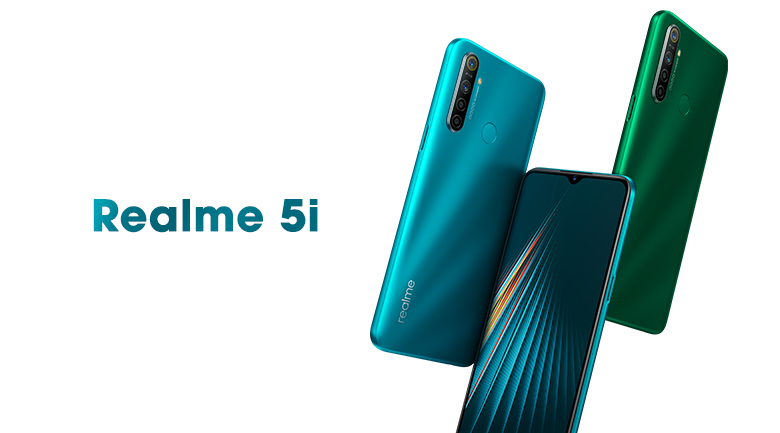
Last year, Chinese smartphone maker, Oppo launched a sub-brand in India which is called Realme. Not only does the name of newly founded brand sound similar to Redmi, which is Xiaomi‘s most successful smartphone lineup in the country, but it also follows similar strategies that have brought heaps of success to Xiaomi like online flash sales and targetting millennial audience.realme-logo

It can easily be understood that Oppo is following a 2 pronged game plan which allows it to effectively target both offline and online customers. While the aggressively priced Realme smartphones target consumers that are looking for value for money offerings, Oppo offers flagship devices which are perceived as premium products that usually have a couple of unique features, making them stand out of the crowd. For example, the Oppo Reno Ace is the first smartphone capable of fast charging with 65 W.

Talking more about Realme, it is currently one of the top-five smartphone brands in India which is a praiseworthy achievement in its short while of the existence of more than a year. Besides, Realme smartphones are offered in several other countries including Taiwan where it has become one of the top-10 brands in the shortest time.

With Reno-series products, Oppo has redefined a range of premium products which have been performing well in term of sales. In Taiwan, online and offline pre-orders for the Reno 2, which was launched at the end of September 2019, were 4.2x and 2.3x higher, in comparison to their predecessors.

Considering that Huawei is not allowed to ship its latest offerings with Google Play service s, this fact has negatively affected their demand and it is a great opportunity for Oppo Reno smartphones to gain substantial market share in regions like the U.S and Europe.

Moreover, analysts have claimed that the latest Oppo Reno smartphone will allow the company to further narrow the sales figure gap against Huawei in the Chinese market. It is possible that these handsets turn out to be the best selling models in their country of origin, in the Q4 of 2019.

All in all, BBK electronics which also owns Vivo and OnePlus except for Oppo and Realme, has created a dominant position in all segments of the smartphone industry and with its multi-brand approach, it can easily challenge any other smartphone maker out there.

(source)

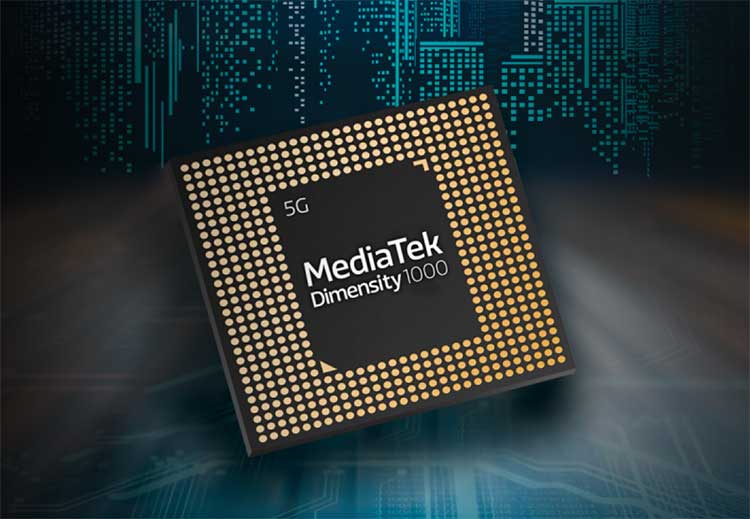
MediaTek to start shipping its 5G chipset in Q4 2019: Digitimes

Earlier this year, MediaTek announced its first 5G flagship chipset simply called as the MediaTek 5G SoC. This chip is expected to make way for affordable 5G smartphones in the market. Now Digitimes reports that this chip could start shipping in Q4 2019.

MediaTek 5G SoC Featured

MediaTek was earlier reported to have started delivering samples of its 5G chip in Q3 2019. Mass production and shipping were said to begin only by the first quarter of 2020. But today’s report says that the shipping will kick off early, by the end of this year. This report comes alongside another Digitimes report which said that OPPO and Vivo are preponing the release of their respective 5G handsets. However, we aren’t sure whether the two sister brands will use this MediaTek 5G chipset.

According to a known blogger in China, MediaTek’s 5G solution is actually cheaper than the upcoming Qualcomm SM7250 5G integrated mid-range SoC. Qualcomm’s chip is reportedly priced around $60-70 in comparison to MediaTek MT885’s $40-50 pricing. Alongside these two chipmakers, Samsung will also join the mid-range 5G party later this year in partnership with Vivo.

(Via)

OPPO patents a smartphone design with four-sided curved edges

We are almost forgetting about the OPPO Find series and that is because the company is yet to release a new model in recent times. The company may be working on a new spectacular design that would feature on the Find series. A newly published OPPO patent has been spotted by LetsGoDigital and it is of a phone with a four-sided curved edge design. OPPO Patent

The renders as visualized by LetsGoDigital reveals a display design with a beautiful 3D effect as a result of the 4-sided curvature. The phone design also includes an in-display light sensor. The concept renders look unbelievable but then, we recall the Mi Mix 4 has something almost similar. The design ensures it adopts a notch-less, bezel-less outlook. The device is said to come with a waterfall screen just like the Vivo NEX 3. Since there is no bezel at the top for the selfie camera, the device may likely use an under-display selfie camera.

This isn’t the first time we are seeing a phone patent having a four-sided curved edge design. A Xiaomi patent for a smartphone with a 4-sided edge display was reported in February this year. Samsung also recorded a smartphone with a 3D curved display earlier this year. However, we are yet to see any device with the complete four sides curved. The Mi Mix Alpha comes close with its two-sided curved edge design as well as the NEX 3 and Mate 30.


(source)

Upcoming Qualcomm chips will support India’s NavIC Satellite Navigation System

In an effort to enhance location services in the country, American chipmaker Qualcomm has announced support for India’s Regional Navigation Satellite System (IRNSS) in some of its upcoming chipsets. Accordingly, future chipsets from Qualcomm with make use of India’s NavIC constellation which is comprised of 7 satellites that will help in improved geolocation capabilites of connected-automobiles, smartphones and IoT devices in the country.Qualcomm Snapdragon 700 Series

The co-developed solution wasy successfull tested for the first time on the 19th of September. Besides, the two partners i.e Qualcomm and ISRO (India Space Research Organisation) are showcasing it at the India Mobile World Congress which is currently ongoing in the country.

In terms of reach, this geolocation system/solution can fully cover India and can even extend to regions that are as much as 1500 kms from the courtries borders. It is capable of providing real-time positioning to the on two different levels which include the following:

  • Standard positioning system: It is meant to be used by general public (accurate upto 10 metres)
  • Restricted service: It is highly encrytped and can only be used authorised users, the indian government, in this case. (accurate upto 0.1 metres)

The following statement was made by Dr K Sivan who is the chairman of ISRO

NavIC is a critical step forward in our pursuit of harnessing space technology for national development and we are eager to make it accessible to everyone for their day to day use. ISRO is very happy to work with Qualcomm to enable NavIC on Mobile platforms. Qualcomm’s technology leadership and support for NavIC on their mobile platforms will bring the benefits of this indigenous solution to every Indian.

As previously mentiond, support for NavIC will be made available in select Qualcomm chipsets starting November 2019. Accordingly, commercially available chipsets with this technology can be seen in the first half of 2020.

Source 1Source 2


OPPO & Vivo’s 5G models are reportedly getting an early release

5G is the big hype this year and we already have a bunch of 5G-supported handsets in the market today. Things are about to heat up in the coming months with all major phone makers expected to release their 5G flagship as well as mid-range smartphones by early 2020. And OPPO and Vivo could join the 5G race even sooner by accelerating the development of their models.

Vivo NEX 3 5G

According to a new Digitimes report, OPPO and Vivo will reportedly release their 5G smartphones by the end of 2019 or around early 2020, which is a good 2-3 months ahead of schedule. Preponing their release would give both the companies a chance to take on competitors like Realme and Honor, who are expected to announce their respective 5G phones by the end of this year. In fact, Realme just announced that it will be the first brand to release a phone featuring Qualcomm’s integrated 5G chipset.

Interestingly, MediaTek is also said to start shipping its 5G SoC in Q4 2019. While OPPO and Vivo may not use this MediaTek 5G chip, Vivo has at least one smartphone that will launch later this year with Samsung’s new 5G Exynos 980 SoC.

As of today, Vivo has two 5G models in China, the iQOO Pro 5G and NEX 3, while Xiaomi has just one new model, the Mi 9 Pro 5G, which is also the cheapest 5G phone in China right now. Huawei has one model, the expensive but dated Mate 20 X 5G. Notably, OPPO doesn’t have any 5G models in the Chinese market yet.

But things are expected to change very quickly in the coming months.


(Source)


Flyme 8 OS new update brings Front Super Night Scene mode and more

Today, Meizu released a new version of its own custom user interface Flyme — Flyme 8.19.10.5 Beta and is available for the users of Meizu 16 series smartphones. The update, which is about 237MB in size, comes with features like Backlight Self-Timer Mode and Front Super Night Scene mode among others.

Flyme 8 OS

The changelog for this new Meizu Flyme 8.19.10.15 beta update is as follow:

  • Improved simple gesture operation experience and solved multi-task abnormal problems
  • Optimized to cut off wake-up logic, reject malicious wake-up, reduce memory footprint
  • Newly designed volume bar display, adjustment frame is now adjusted to the side for easy one-handed operation
  • Added system live wallpaper, combining color and light and shadow, for the Meizu 16th, 16th Plus, 16X, 16s, 16s Pro phones
  • Added developer option prompt notification
  • New high-brightness mode using which you can choose variety of screen content in strong light environment. Supported models include 16th, 16th Plus, 16X, 16s, 16s Pro
  • Added backlight self-timer mode for supported smartphone models — 16th, 16th Plus, 16X, 16s, 16s Pro
  • Support front super night scene mode which brighten the subject in the portrait mode as well as enhances the contour of the face. Supported models include 16th, 16th Plus, 16X, 16s, 16s Pro
  • Game mode adjusts the layout of the game assistant interface, and the smaller screen footprint effectively reduces visual obscuration, resulting in a more immersive game-assisted experience.
  • Small window mode gestures can be reduced to reduce the notification bubble in the chat window
  • Added Aicy recommendations to provide accurate advice based on segmentation scenarios

For those who are unaware, the Flyme 8 OS was announced at the end of August alongside the new Meizu 16S Pro flagship smartphone. The company has promised that this new version of the user interface will come to a total of 27 Meizu models by the end of this year. It also claimed that the OS has been released after 491 days of testing, which basically means that it’s been a while since Flyme saw a major update.

To know more about the features of Flyme 8 OS, click here.


Moto G8 Plus with triple rear cameras and SD665 chip leaks, launches October 24

The Moto G7 Plus was announced in February of this year and it brought along three siblings – the Moto G7, Moto G7 Power, and the Moto G7 Play. Eight months later, Motorola is set to announce a successor as a leak has revealed that the Moto G8 Plus will launch this month on October 24. The leak also includes renders and specs of the phone.

Motorola Moto G8 Plus

Starting with the design, the Moto G8 Plus keeps the notch of its predecessor although it is smaller in size and has been redesigned too. On the back, it is much different as it has ditched the circular camera housing design it made popular. The cameras, which are now three, no, not four, are arranged vertically on the left side of the phone. There is a rear-mounted fingerprint scanner on the back with the Motorola batwing logo engraved on it. Based on the photos, the phone will be available in blue and red.

The specs of the phone according to Winfuture.de, the source of the leak, are similar to what you will find on other mid-range phones like the Redmi Note 8.

The Moto G8 Plus (XT2019) has a 6.3-inch FHD+ (2280 x 1080) display. It is powered by the Snapdragon 665 processor and paired with 4GB of RAM and 64GB or 128GB of expandable storage.

Moto G8 Plus cameras

Like it is stated above, the Moto G8 Plus has triple rear cameras and not four. Sitting alone at the top is the 48MP primary sensor. Below it is a 16MP 117° ultrawide angle camera dubbed “Action Cam” which is housed with a 5MP depth sensor and the LED flash. The hole between the third camera sensor and LED flash does not house a camera but the laser autofocus system. Up in front is a 25MP camera for selfies and video calls.

The Moto G8 Plus has a slightly bigger display than the Moto G7 but it comes with a significantly bigger battery. Out is the 3000mAh battery of its predecessor and in is a 4000mAh battery. There is support for Motorola’s TurboPower fast charging technology via a USB Type-C port. The phone also has Bluetooth 5.0, dual-band WiFi and should be available in single SIM and dual SIM variants. It is reported that it runs Android 9.0 Pie out of the box.

Motorola will announce the Moto G8 Plus at an event in Brazil on October 24. It will also launch soon in Europe. Unfortunately, there is no info about its price.


(Source)

MIUI has 80M active users in India; Redmi Note userbase crosses 100M globally

MIUI, the custom user interface for Xiaomi smartphones based on Android operating system is one of the popular one out there. Although the company has received some flack because of its decision to introduce ads in the interface, it still tops the charts in various aspects.

Today, the company has announced that there are 80 million active users of MIUI in India. The announcement was made by the company while teasing the arrival of the newest version of the user interface — MIUI 11.

MIUI Users India - MIUI 11 Teaser

The MIUI 11 is set to make its global debut tomorrow at a launch event in India where the Chinese company will also be launching the Redmi Note 8 and Redmi Note 8 Pro smartphones — Xiaomi’s first device to come with a 64-megapixel quad-camera setup.

The company has also revealed that the Redmi Note series smartphones from the company has over 100 million users. However, the numbers revealed are not India exclusive and counts users from across the world.

Redmi Note Series 100 Million Users

The new operating system from the company, MIUI 11, is based on the latest Android 10. Here are the features of the newer version:

  • New Icons and smoother animations: With the latest MIUI 11, Xiaomi has tweaked the look of the icons found in the UI and they now have a minimalist yet appealing look. The company has also tweaked the animations which are slower in comparison to MIUI 10 but they now provide for a rich and immersive experience.
  • Ultra Power Saving Mode: This mode is meant for prolonging battery life when running out of charge. According to the company, while in this mode, a device can provide a battery backup of upto 24 hours with just 5% of battery. When this mode is turned on, the device turns off the Wi-Fi module, hides non-essential apps, turns the display colour to black/white whilst restricting background processes.
  • Kids Mode: It is meant for parents who want to create a safe digital environment for their kids. While in kids mode, the device will only be able to run applications that are whitelisted by their parent or guardian. Besides, it also has an education space which Xiaomi claims is an intuitive manner to teach young kids.
  • Casting to external display: It allows smartphones running on MIUI 11 to wirelessly cast onscreen content which includes games, videos, documents and other applications to TV, given the TV also supports this functionality.
  • Digital Wellbeing: Device owners will be able to check how much time they spend on each application and if needed they can cut down the usage time in order to maintain a healthy mental and physical well-being.
  • Earthquake alerts: With the help of data provided by regional offices, devices running MIUI 11 can notify its owner in case of an ongoing earthquake or after one takes place. Moreover, it will also provide additional details like nearby relief centres and places to avail medical service in case of a mishap.
  • Android 10: While it is not necessary for every device running MIUI 11 to run on the latest Android 10, as the same skin could even be built on older versions of Android like Oreo or Pie. However, devices launched recently will get MIUI 11 based on Android 10.

Now, coming to the smartphones — Redmi Note 8 and its Pro variant, which are getting launched tomorrow in India. The Pro variant features a 6.5-inch Full HD+ dot notch display and is powered by the MediaTek G90T processor. It comes with up to 8 GB RAM and 128 GB storage. It runs Android 9 Pie-based MIUI 10 is powered by a 4500 mAh battery with 18W fast charging.

There’s a quad-camera setup featuring 64-megapixel sensor + 8-megapixel 120-degree ultra-wide lens + 2-megapixel macro lens + 2-megapixel depth sensor. On the front side, there’s a 20-megapixel shooter for taking selfies and video calling.

On the other hand, the Redmi Note 8 comes with a 6.3-inch dot notch Full HD+ display and is powered by the Qualcomm Snapdragon 665 chipset. It comes with a quad-camera setup on the back that consists of a 48 MP primary sensor, an 8 MP 120-degree ultra-wide lens, a 2 MP macro lens, and a 2 MP depth camera for Portrait mode.

Coming to the front side, it features a 13 MP snapper with AI Beautify mode. It runs Android 9 Pie OS out of the box with the company’s own MIUI 10 on top but it could have MIUI 11 in India. The device is powered by a 4000 mAh battery and comes with 18W fast charging support.


China’s smartphone shipping estimates for September show a continuous decline

The Chinese smartphone market continues its downward spiral in terms of shipment. A report by China Academy of Information and Communications Technology (CAICT),  shows that phone shipments fell by 30.5% in Q3 when compared to the shipment last quarter. The research institute under the Ministry of Industry and Information Technology also disclosed that gross shipment for the third quarter fell by 5.8% Year-on-Year.Chinese smartphone shipments

The data also shows a reduction in the monthly shipments for September by 5.7 per cent YoY, berthing at an estimated 34.7 million units. However, mobile phone shipments increased by 17.4% month-on-month. Smartphones accounted for 95.7% of the entire mobile phone shipments in China while the remain proportion is covered by feature phones. The gross shipments of both smartphones and feature phones declined 7.1 per cent year-on-year to peak at an estimated 36.2 million units.

The report also reveals that shipments in the first nine months of this year (that is from January to September) slipped 4.2 per cent from a year earlier to peak at 275 million units. With just three months left before the year runs out, we don’t see the industry rebounding. Chinese OEMs are looking to revive smartphone sales with the launch of 5G phones next year.

The slow growth is said to be as a result of debilitated consumer confidence in the domestic market occasioned by the US-China trade tensions and off-peak season effects in the overseas market. We expect the market to improve slightly in Q4 but the industry may only experience a resurgence nest year when more 5G phones get launched.


(source)

Video shows Huawei Mate X has a dedicated unfolding button

The Huawei Mate X was first announced in February with a release planned for later. It has been over 8 months and it is yet to go on sale as the release date has been shifted forward twice now. Between the period it was first announced and now, Huawei has redesigned the foldable phone in order to improve durability. An early unboxing video has now revealed one of the new changes in the design.

Huawei Mate X

The Mate X has an outward folding design which means you fold the screen backwards to use it in phone mode or forward to use it in tablet mode. The advantage this design has is that there is no need for a second screen when the device is folded, unlike the Samsung Galaxy Fold which has a second display outside due to its inward folding design. The disadvantage is that the screen is always exposed.

Based on the unboxing video, the Mate X now has a button that needs to be pushed to release the display when you want to switch to tablet mode. Apparently, when folded to phone mode, the folded part of the screen gets locked down. So to release the screen and switch back to tablet mode you have to push the red button.

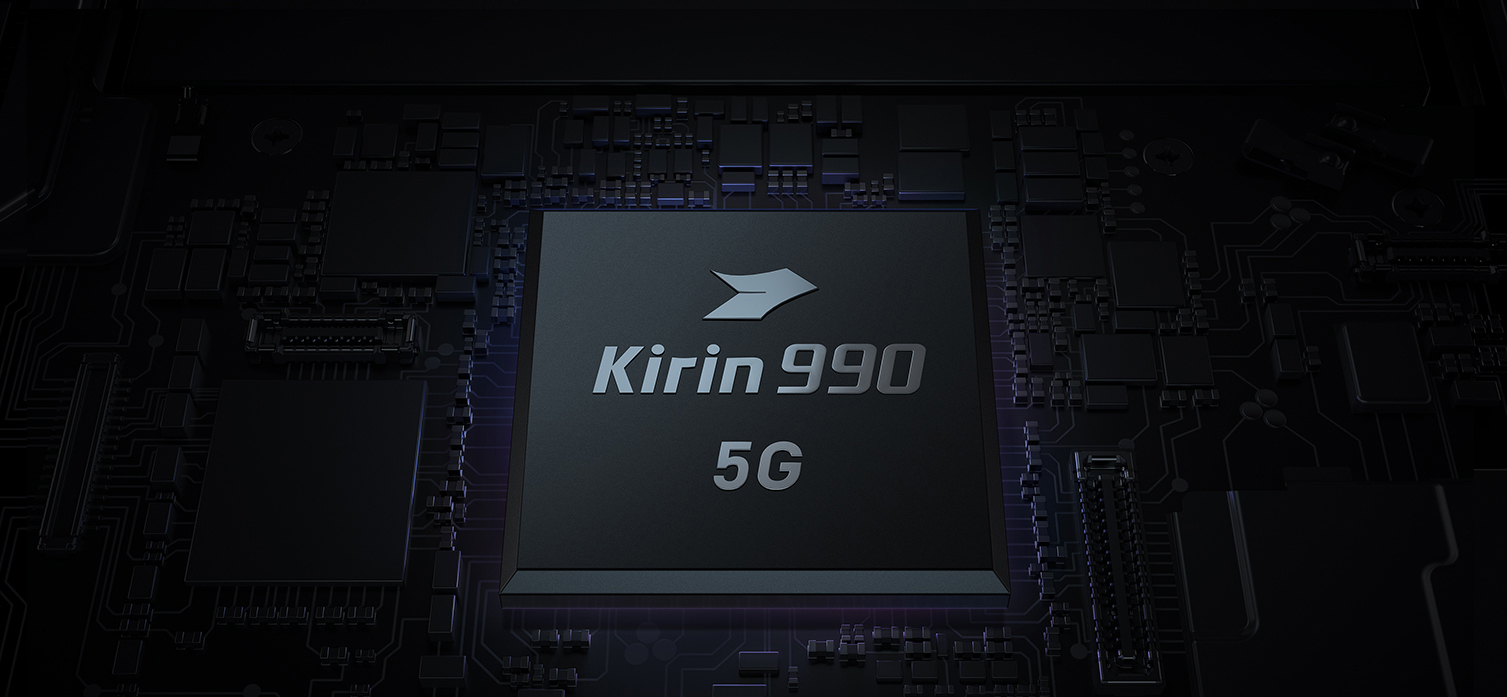
The Huawei Mate X is expected to go on sale later this month in China. The phone’s flexible display measures 8-inches with a resolution of 2480 x 2200 when folded out. When folded, one side measures 6.6-inches with a resolution of 2480 x 1148 while the other side is 6.38-inches with a 2480 x 892 resolution. The phone has triple rear cameras, a Kirin 990 processor, and 8GB of RAM and 512GB of storage.


(Source)

Xiaomi Black Shark 2 Pro gaming smartphone gets an Orange makeover

Earlier this year, Xiaomi launched the Black Shark 2 gaming centric smartphone which was soon followed by its beefed up variant, the Black Shark 2 Pro. Now, the company has shared a teaser on Weibo which reveals that it will soon launch another colour variant of the Black Shark 2 Pro which has Orange accents and high-lights.

As the teaser exhibits, the upcoming variant of the Black Shark 2 Pro will go on sale from the 18th of October starting 10 AM. In terms of RAM and ROM, this variant will have 12 GB of RAM and 128 GB of UFS 3.0 storage, which is also offered with existing variants. The Black Shark 2 Pro with Orange accents will retail for 2999 Yuan ($ 423).

Except for the new colour scheme, the innards of this variant remain the same as previously launched variants.  To recall, the Xiaomi Black Shark 2 Pro features a 6.39-inch Super AMOLED display that has offers full HD+ resolution of 1080 x 2340 pixels and 19.5:9 aspect ratio. The smartphone is powered by a 4,000mAh battery which is capable of fast charging with 27W of maximum power.

The Black Shark 2 Pro runs Black Shark OS which is built on top of Android 9 Pie. The uniquely designed rear panel houses a vertically aligned dual camera setup which consists of an f/1.8 aperture  48-megapixel Sony IMX586 lens and a 12-megapixel telephoto lens with 2x optical zoom. For clicking selfies, it has a front camera of 20-megapixel with f/2.0 aperture.

Under the hood, the device features the latest and greatest offering from Qualcomm which is the Snapdrgaon 855+. The SoC is manufactured using 7 nm fabrication process and it consists of an Octa Core CPU alongside the Adreno 640 GPU. There is no microSD card slot or 3.5mm audio jack on the handset.


Honor xSport PRO wireless Neckband Style earphones Launched in China

On the 15th of October, Huawei’s sub-brand, Honor announced a pair of wireless earphones in its home country, China which is called the Honor xSport PRO. As the “xSport” name suggests, the wireless earphones have a rugged design with a braided cable and Aluminum earbuds which are safeguarded via soft silicone sleeve.

Honor xSport PRO Design and Features

The Honor xSport Pro have a neckband style design, therefore, when not in use the earbuds can be removed from the ears and allowed to rest around the chest region. Like most other neckband style headphones, they also have a magnetic back which can be used to keep the earbuds together when in the rest position.

The earmuffs/earbuds are made out of Aluminium and their shape resembles Apple’s AirPods that sit in the outer ear. However, Honor xSport PRO earbuds are covered with soft silicone sleeves which would make them fit snugly preventing them from falling out unintentionally while working out or performing rigorous physical activities.

The Honor xSport PRO weighs 25 grams which evenly distributed in its two halves. Its right side houses the microphone pinhole, volume rockers, play pause button and thoughtfully designed USB C male charging port which joins the two halves of the wireless earphones. On the other hand, the left side is free from any ports or openings and it is assumed to accommodate the 120 mAh battery that powers the device.

The previously mentioned USB C port can be used to charge its inbuilt battery by plugging it into the charging port of any smartphone with type of connector or a PD (Power Delivery) type charger. According to the company website, the Honor xSport PRO takes about 70 minutes to charge and they can offer a battery backup of 12 hours on medium volume.

The Honor xSport PRO is equipped with Bluetooth 5.0 technology and it offers a working range of 10 metres. Lastly, the pair of wireless earphones is IP55 rated which makes it both dust and water-resistant.

Honor xSport PRO Price, Colours are Availability

The Honor xSport PRO wireless earphones are offered in two gradient colour options which include Enchanting Red (Red/Black) and Seagull Ash (Silver/Black). The latest audio accessory from Honor is currently available for pre-order on VMall and these users can purchase it on the 22nd of October at a price of 399 Yuan.

To wrap things up, the Honor xSport PRO seems like a worthy pair of budget wireless earphones. Its only shortfalling we feel is the 70 min long charging time. Having said that, most offerings in this range do not support fast charging, therefore, Honor just might get away with it without many consumers complaining about the absence of this feature.