Advertisement

Huawei fears US-linked employees could leak sensitive information, makes Personnel changes: Nikkei

While the U.S has been accusing Huawei of installing backdoors on its networking equipment that can be used to steal sensitive user data, this time Huawei is reportedly moving its senior executives and scientists linked to the U.S. to its subsidiaries over concerns that they could be secretly contacted by American agents who might force them to reveal sensitive company information.
huawei-store logo

In simpler words, Huawei is said to believe that the American administration could infiltrate the former’s task force hailing from the US posing a great threat to the company’s classified data that includes its future roadmaps. Until now, several Huawei executives with senior research and development positions, including Asian-Americans, have left the company or been moved claimed Nikkei’s sources.

A couple of such Huawei officials include Sunhom Steve Paak and Wang Hsin-shih. The former has reportedly been moved to HiSilicon Technologies to serve as the chief technology officer. On the other hand, the latter has made an abrupt exit from the company. While the sources questioned the two employees and Huawei, they either did not reply or decided not to make any comments on this report.

As of now, the Chinese corporation has laid off 70% of its employees at one of its U.S. subsidiary, Futurewei due to the fact that it can no longer maintain trade relations with any other American companies.

In the month of March this year, Huawei sued the U.S. government, claiming that American authorities had “hacked into its company servers to steal emails and sources codes” which is yet to be proved.
In general, the trade tensions between China and the United States is manifesting its negative effects on both parties. Noteworthy, in the year 2018, the Chinese direct investment into the U.S. dropped to $5 billion which is 80% less than the preceding year that saw investments of $29 billion.
At a press conference held in September, Huawei’s founder and CEO, Ren Zhengfei made the following statement:

We can find mathematicians in Russia, scientists from Europe … if we can’t from the U.S.

Moreover, senior Huawei executives had previously declared that they want to recruit “young geniuses” from around the world. They have also boasted the new hires at Huawei with doctorates are offered an annual salary of up to 2 million yuan ($281,000) which is higher than Google or Apple.

While the U.S ban has drastically affected the sales of Huawei’s offerings which includes smartphones and telecommunication equipment, the company posted surprising results earlier today which exhibit 24 percent growth in the first three quarters of 2019 to 611 billion yuan (US$86 billion).

To wrap things up, this is a tricky situation for Huawei but it seems to be handling it well with strong support from the Chinese government. For now, we can only wait and watch what the future holds for the company.


(source)

Smartisan announces October 31 event, may launch Nut Pro 3

Smartisan, the Chinese smartphone manufacturer is back to making phones after a rocky year with finances. Things were so bad that its founder, Luo Yonghao, had to step down from his post as CEO and a number of employees were also let go.

The company seems to have ironed things out now and is set to announce a new phone on October 31. The event will be held at the Beijing Science and Technology University Gymnasium.

Smartisan October 31 event

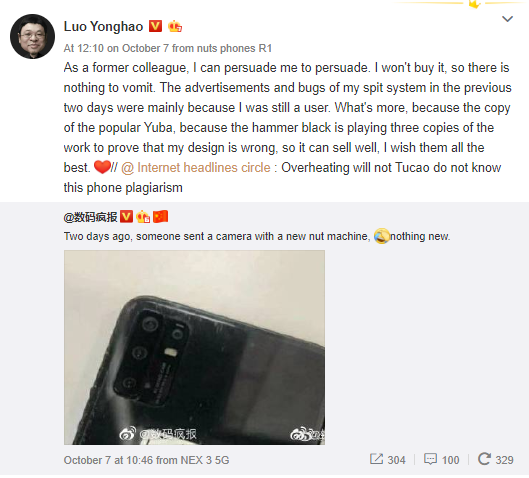
The product expected to launch at the event is the Smartisan Nut Pro 3 which is believed to be the phone with four rear cameras that leaked earlier this month. its specs are currently still unknown but they may become public knowledge soon.

Luo Yonghao

When the device leaked Luo Yonghao made a post on Weibo saying he will not buy the device. It appears there are some changes the company has made since he left that he isn’t pleased with. However, he did apologize for the statement the following day.

Unlike previous events where Smartisan sold tickets to those willing to attend, the company has said it will not do that for the October 31 launch. Instead, it will give out tickets to fans, those who have purchased Smartisan products in the past and those who have evidence of purchase for previous tickets.


No mid-range smartphone or physical stores in China: OnePlus CEO Pete Lau

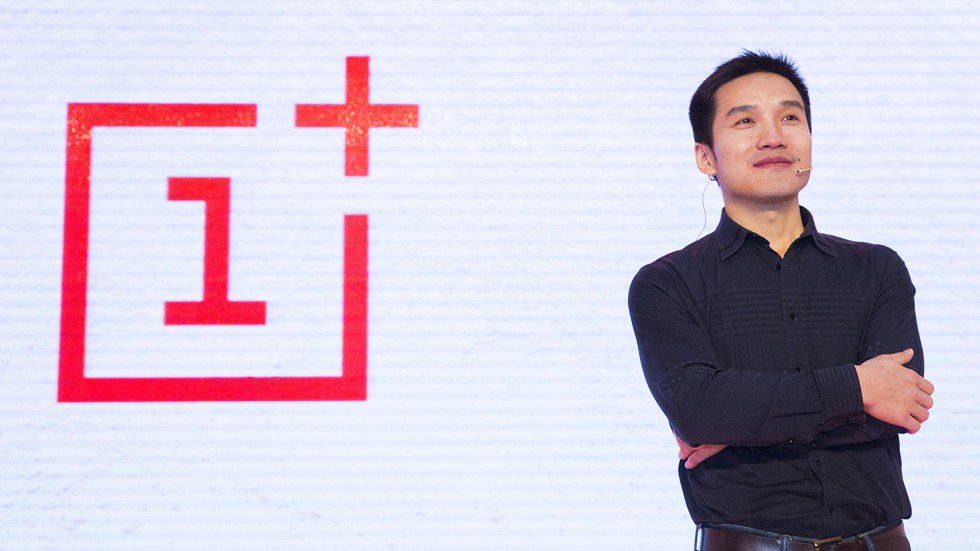
Right after the launch of the new OnePlus 7T series flagship smartphones in China, Pete Lau, Founder and CEO of OnePlus talked about the company’s plans for the home market as well as abroad market in a media interview.

During that interview, he confirmed that the company has no plan of launching a budget or mid-range smartphone in order to grab more percentage of market share. Further, he also said that the company has no plans of launching physical stores in China.

OnePlus CEO Pete Lau

As for the sales and business, Pete Lau also revealed that more than 70 percent of the company’s business comes from the overseas market and about 30 percent is because of the domestic market, i.e. China.

Now, the company is focused on increasing its market share. Pete Lau said that OnePlus is planning to invest around $1 billion to establish the world’s largest Research & Development center in India.

Currently, the company has established two R&D Centers in its home market China and one in India, which the company considers its second headquarters. India is quite crucial for OnePlus and thus, the company launches its smartphones first in the Indian market.

Going forward, the company could focus more of the artificial intelligence technology and Pete Lau thinks that AI could be the most important in the next decade. However, he creticized that it doesn’t make sense to setup an AI team along as each module needs a separate AI function otherwise its just a gimmick.

(Via)

China Mobile claims to provide 5G services in 50 cities before 2019 ends

Currently, three Chinese telecom providers are working to roll out 5G services in the country which include China Mobile, China Unicom and China Telecom. It was previously announced that the two latter companies will join hands to share 5G infrastructure and they have already started pre-registrations for 5G plans.

Earlier today, Zhao Dachun, vice president of China Mobile took the stage at the 10th Global Mobile Broadband Forum (MBBF 2019) where he talked about the current and future scenario of 5G penetration in China. He said that his company is currently working towards the target of building 50,000 base stations which will bring 5G services in 50 Chinese cities in the current year.

Furthermore, in 2020, this coverage will reach 340 Chinese cities and in the same year his company will continue to develop and implement low frequency bands of 2.6GHz and 4.9GHz which are considerably cost efficent.  Zhao Dachun said that China Mobile will continue to promote 5G and 4G technology sharing, resource sharing, coverage collaboration, and business collaboration in an effort to build a 5G network that covers the whole country with advanced quality and excellent technology.

China Unicom and China Telecom are yet to comment on the strong position that China Mobile claims they are currently at. Nonetheless, as previously mentioned, the two companies will share 5G infrastructure in order to facilitate high-speed internet in the country.

Even though the companies will be sharing the same infrastructure, their data plans, customer database and services offered will remain independent of each other.

All in all, it can be said that after South Korea and UK, China is bracing to become the third country in the world to offer nationwide 5G services.

(via)


OnePlus ad for the OnePlus 7T in China features Robert Downey Jr

OnePlus has released an ad for the OnePlus 7T and it features Transformer The Avengers star Robert Downey Jr. The American actor is a popular figure not just in China but globally and OnePlus has featured him in a couple of ads previously.OnePlus 7T Pro

The ad started with the Tony Stark character taking a 5-minutes break from a movie set. He then plugs in a headset which is likely the OnePlus Bullets wired earphones as he walks out of the stage clutching a OnePlus 7T in his hand. The actor was jamming out on th empty lot doing some energetic dance moves. Suddenly, he noticed he was being filmed by a tour group on their OnePlus phones. While Robert Downey Jr was using a OnePlus 7T, the tourists were all holding either a OnePlus 7T or a OnePlus 7T Pro. They’re all soon jamming to the same song.

The ad doesn’t project so much about the phone but the ad seems to project a powerful boom sound system and that looks like the theme of the ad. You can check out the video from below.

As a reminder, the OnePlus 7T features a flat 6.55-inch display with a waterdrop notch. The Fluid AMOLED display supports full HD+ resolution and 20:9 aspect ratio. The OnePlus 7T and 7T Pro phones offer smoother viewing experience as they support 90Hz refresh rate. Also, their displays are equipped with an in-display fingerprint scanner. The front and rear sides of the OnePlus 7T are protected by Gorilla Glass panels. Both models are powered by a Snapdragon 855+ chipset with 2.96GHz octa-core processor power.


(source)

Honor Wireless Charger for Honor V30 Pro gets certified

This year’s Honor V series flagships will have a standard variant and a Pro version. Leaked specs have revealed the Honor V30 Pro will have support for wireless charging. It has now been confirmed that it is true.

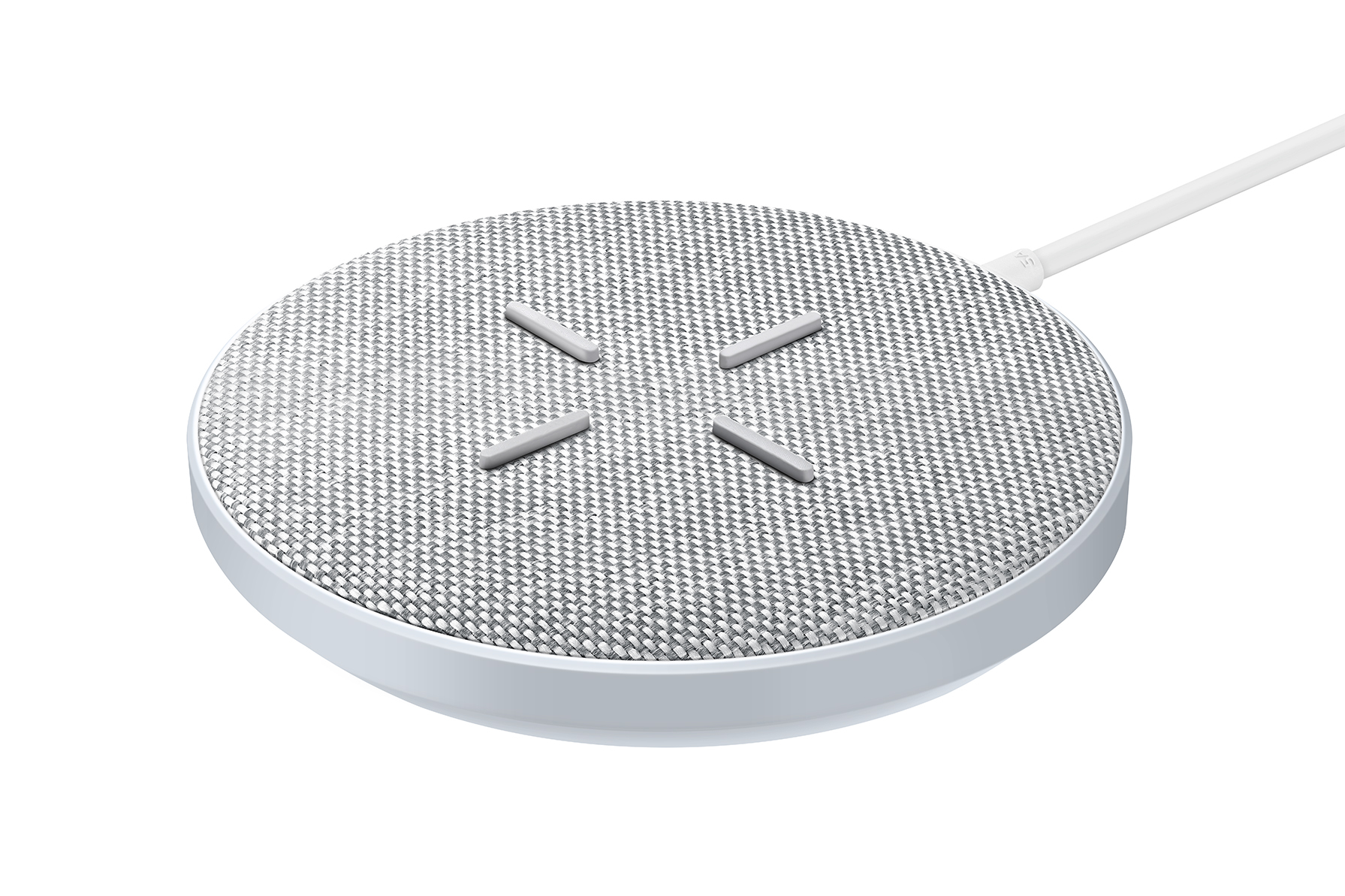
The Wireless Power Consortium has certified a wireless charger with model number AP61. According to the certification page, the product is called the HONOR Wireless Charger and it was registered on September 30, 2019.

HONOR Wireless Charger
HONOR Wireless Charger for Honor V30 Pro

An attached image shows the charger has a circular design with a gray fabric top and a sky blue base. The fabric is most likely the same cationic fabric Huawei used for the Mate 30 series’ SuperCharge Wireless Car Charger. The fabric design should improve heat dissipation.

The design of the wireless charger actually gives off a Bluetooth speaker vibe. I think its design is inspired by the UE ROLL 2 Portable Bluetooth Speaker. However, the design is not unique. A similar-looking charger was certified by Huawei on September 20, 2019. The only difference is the color and of course the model number which is CP61.

HUAWEI SuperCharge Wireless Charger

The listing says it has a potential power level of 10 watts but leaks said the Honor V30 Pro supports 15W wireless charging. The power rating is most likely higher since the same potential power level is written for the Huawei charger. And we know the Mate 30 series supports 27W wireless charging.

The Honor V30 Pro will be the first Honor flagship phone to support wireless charging. We expect the feature will become standard for its future flagships going forward.

The V30 Pro will have an OLED display with a punch hole for two cameras, a Kirin 990 5G processor, a 60MP + 20MP + 8MP + ToF quad rear camera setup, and a 32MP selfie camera. It will draw power from a 4200mAh battery with support for 40W SuperCharge wired charging.


(Source, Via)

Xiaomi’s heated jacket is perfect for the winter

Winter is just around the corner and Chinese tech giant Xiaomi has continued to release products that’ll make the weather suitable for you.  The Smartmi home electric heater 1s was launched a few days back. The company last month released a heated goose down jacket under the crowdfunding platform. Right now, the heated down jacket has now been launched for open sales. It is a Cotton Smith-branded product specially designed for the winter.

The official introduction reveals the jacket will be able to keep you warm during extremely cold weather with a temperature as low as -120°C. Now, this is extreme but that was the temperature under which the jacket was tested and it was able to hold heat without any loss for two minutes. Good thing that no part of the earth gets as cold as that. The coldest region on earth which is the Antarctic has an average temperature of -25°C, and the southeastern plateau which is the coldest part of the get has an annual average temperature as low as -57 °C. This is still a long way from the test temperature of -120 °C.Xiaomi jacket

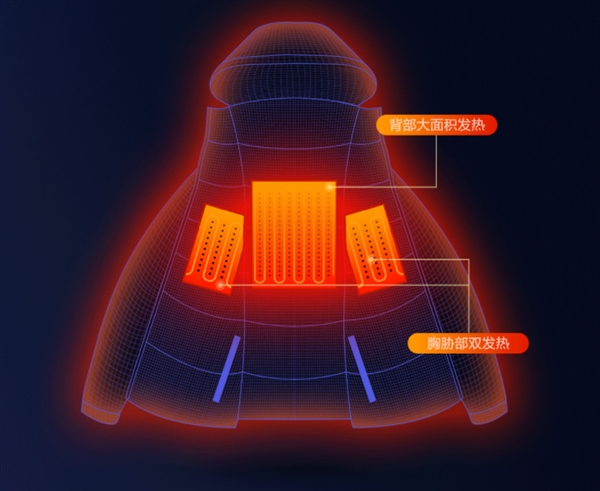
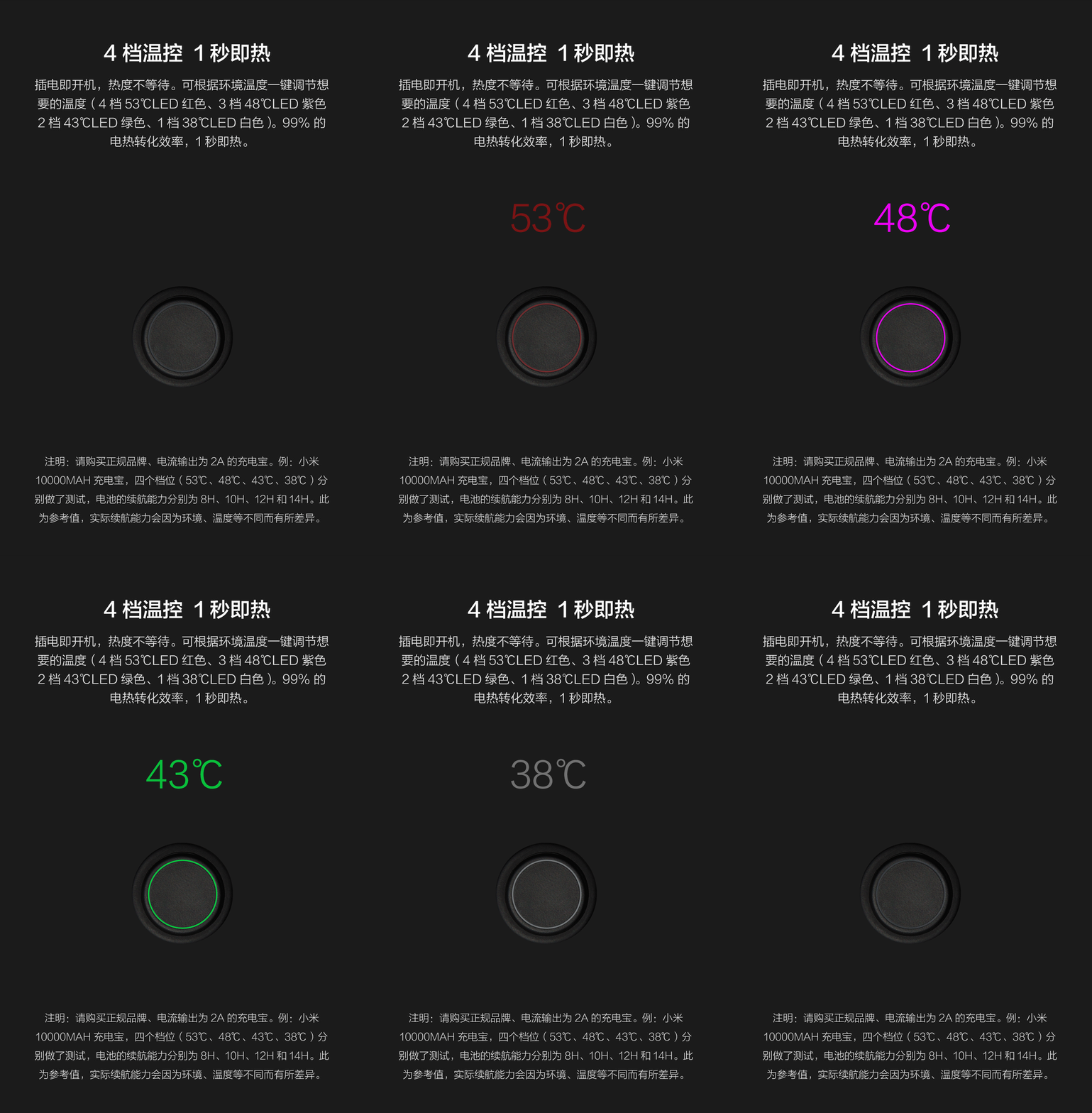
As a reminder, the smart temperature-controlled goose down jacket 3.0 uses 90% high-quality white goose down, layered to resist cold wind intrusion. The fluffy white goose down is said to be warmer than duck down. The jacket is stuffed automatically to ensure it is evenly distributed in order to keep everywhere warm. According to the previous information, this down jacket also supports 4-speed multi-zone smart temperature control, which is hot in 1 second

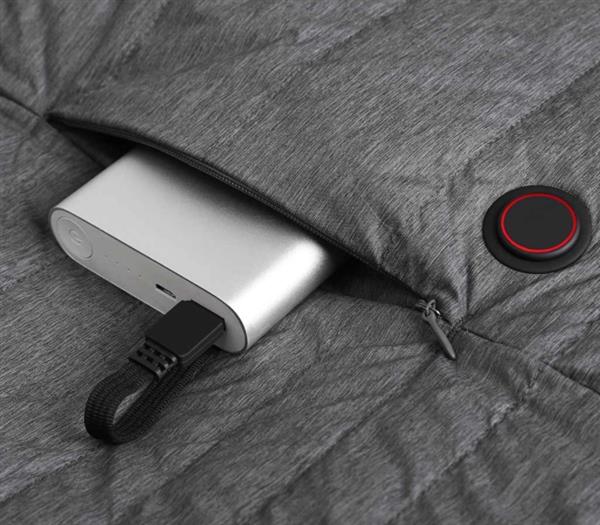
The smart temperature control jacket features a smart three-speed temperature control design. The temperature control can be adjusted to suit the ambient temperature or as desired by the user. It can be powered using a power bank and Xiaomi claims a 10,000mAh power bank can deliver continuous heating of the jacket for up to 7 hours, enough to see you through a cold day outdoors.

The jacket also comes with a waterproof fabric texture which makes it suitable for use in the dark or when it rains. The front and back of the fabric are said to have been subjected to level 3 anti-splash treatment. The jacket has reflective strips at the front and back which reflects when the light beam strikes it at night, thus making the wearer visible at night.Xiaomi jacket

The jacket is presently available to buy on Xiaomi Youpin for just 289 yuan (~$40). It is available in different sizes and for the colour – white and grey.

OxygenOS will get one-handed mode, just don’t ask when

Phones are getting taller and wider making them difficult for one-handed use. To make usage easier, some manufacturers have added a software feature called One-Handed Mode. When activated, the screen is shrunk to a smaller size similar to a phone with a smaller display, therefore, making it easier to operate. Sadly, this feature is not available on any OnePlus phone but that may change soon.

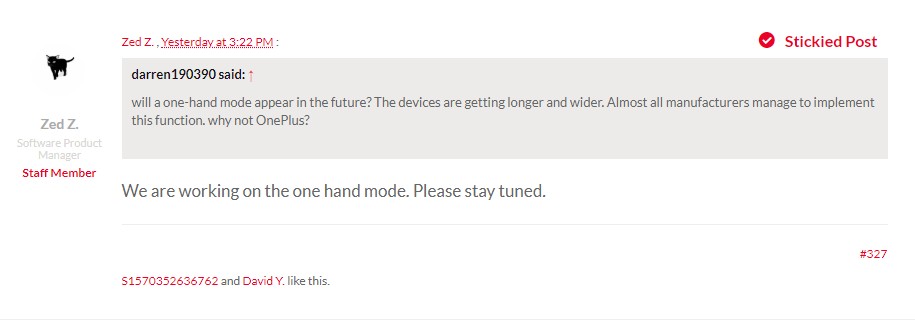
A staff of OnePlus disclosed during an AMA session that the company is working on one-hand mode. The statement was a reply to a user’s inquiry about why OnePlus has failed to implement such a feature in its devices.

OnePlus OxygenOS One-Handed Mode

There is no info on how soon the feature will arrive on devices but it sure is good news to know OnePlus does plan to introduce it in the future. We also do not know which OnePlus phones will be getting it.

At the moment, the OnePlus 7T Pro and OnePlus 7 Pro are the largest OnePlus phones with a screen size of 6.67-inches, so both should definitely get one-handed mode. Technically, all OnePlus devices that are still eligible for updates should get the feature.

OnePlus is working on improving the software experience of its devices and it is good to see that it takes feedback seriously. Over the past year, new features have been added to OxygenOS such as ZenMode and Screen Recorder.


(Source, Via)

OnePlus 7 Pro camera scores increase after DXOMARK updates test methodology

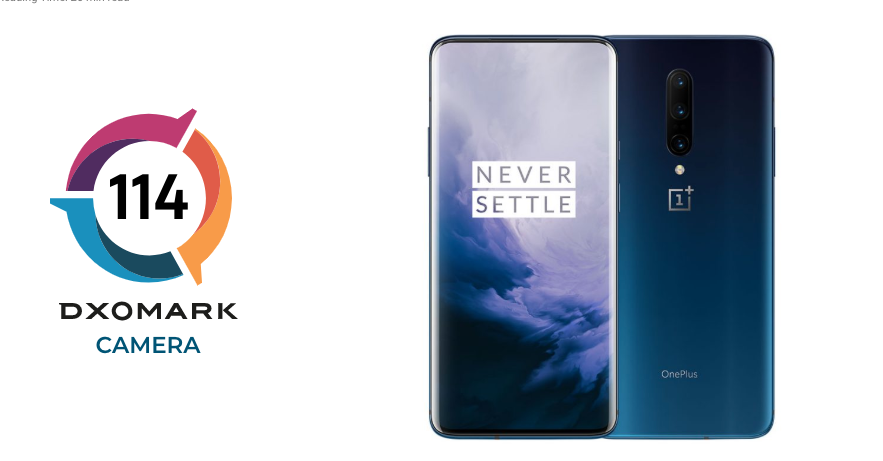
In the Q2 of 2019, OnePlus launched the OnePlus 7 Pro which was its top of the line handset until the recently launched OnePlus 7 Pro. Accrediting to its triple rear camera setup, the smartphone secured an impressive score fo 111 points in DXOMARK’s photo benchmark tests.

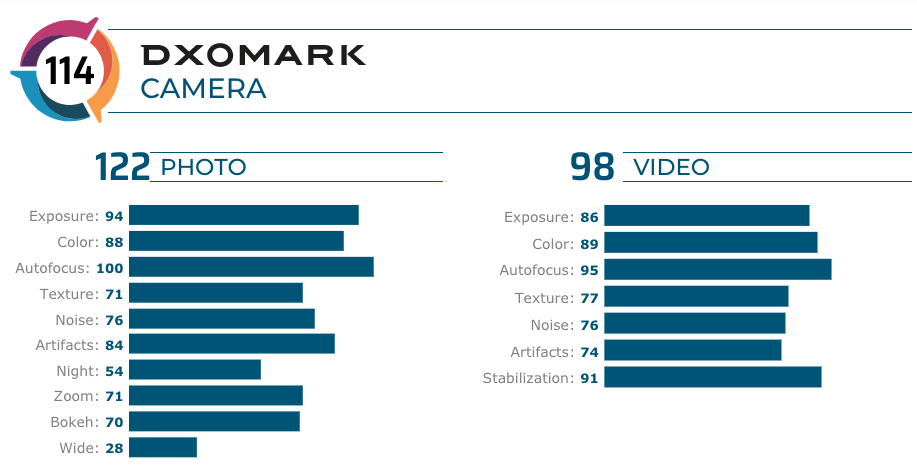
Recently, DXOMARK has updated its camera evaluation standard and after the update, the score of the OnePlus 7 Pro has bumped to 114 points which is 3 points higher than its original score. The reason behind score increment is change in methodology of analysing “wide-angle” and “night shooting” modes.

While the DXOMARK scores of the OnePlus 7 Pro have been raised, it still sits at the number 5 spot. The device with the highest score in the list is the Huawei Mate 30 Pro with 121 points which is followed the Galaxy Note 10 Plus 5G with 117 points, Huawei P30 Pro with 116 points and Galaxy S10+ with 116 points.

To recall, the triple camera setup of the OnePlus 7 Pro consists of an f/1.6 aperture equipped 48 MP Sony IMX586 primary sensor, an f/2.4 aperture equipped 8 MP telephoto sensor that supports 3X optical zoom and an f/2.2 aperture equipped 16 MP ultra-wide sensor.

The OnePlus 7 Pro sports a 6.67 inch AMOLED display that offers QHD+ resolution and a pixel density of 516 ppi. It display panel has a 90 Hz refresh rate which is its another highlighting feature. It also has an in-display fingerprint scanner which allows to quickly bypass the lock screen.

The device is equipped with Snapdragon 855 chipset which consists of an Octa-Core CPU and Adreno 640 GPU. It is a large 4,000 mAh battery that supports Warp 30 fast charging technology. The OnePlus 7 Pro features a motorised Pop UP selfie camera that has a resolution of 16 MP.

(via)


Download Redmi Note 8 Pro Wallpapers in HD Quality

After numerous leaks and rumors, Xiaomi has finally pulled off the wraps from Redmi Note 8 Pro. The new device carries various new enhancements and upgrades over the predecessors – Redmi Note 7. The device carries a 6.53inch IPS LCD display, MediaTek Helio G90T Chipset coupled with 6GB RAM. It runs on MIUI 10 and will get the MIUI 11 upgrade by the end of this year. It also carries high-end wallpapers which will make your device look beautiful.

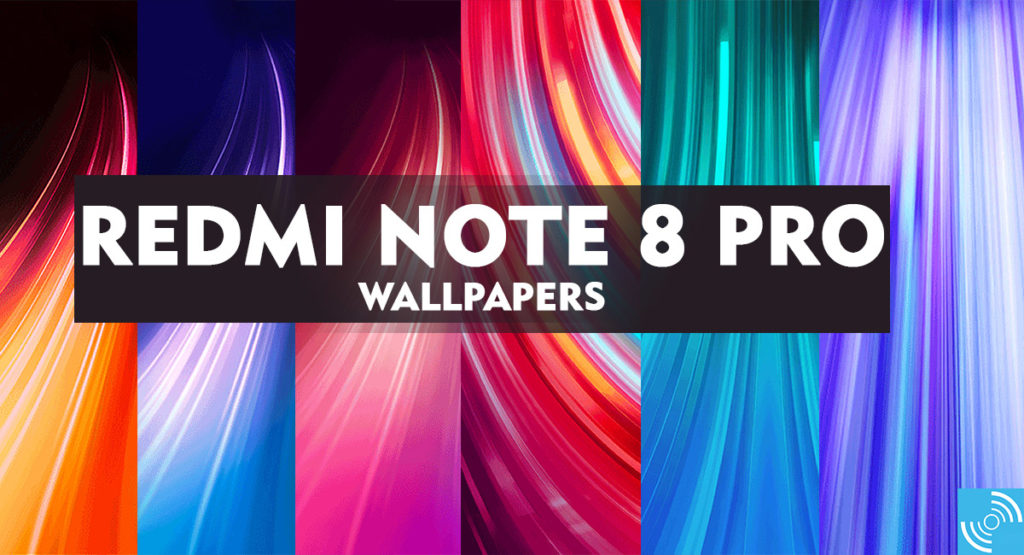
Redmi Note 8 Pro consists of 24 new abstract, natural and minimalist wallpapers with a colorful waterfall design. The high-end wallpapers are now available for download via the source link below. All the wallpapers measuring 1080 x 2340 px resolution are set to fit the 19:9 aspect ratio display of Redmi Note 8 Pro.

Redmi Note 8 Pro specifications

The newly launched Redmi Note 8 Pro comes powered with MediaTek Helio G90T chipset along with Mali-G79 GPU for graphics. It is coupled with 6GB RAM and LiquidCool vapor technology for optimal performance while gaming for longer periods. The MediaTek Helio G90T chipset outperforms the Snapdragon 730 chipset powered Redmi K20.

In optics, the smart carry quad-camera setup featuring a 64-megapixel primary camera with f/1.9, an 8-megapixel wide-angle lens, a 2-megapixel Macro lens and another 2MP depth sensor. The smartphone carries optics for good photography results. On the front, there’s a 20 MP camera with f/2.0 aperture and 0.9-micron pixel size. It is sufficient to snap quality selfies.

A 6.53-inch IPS LCD Full HD+ display is present with 2340 x 1080 pixels resolution. The display flaunts 19.5:9 aspect ratio with full HDR support and 91.4% screen-to-body ratio.

It is available in two different storage variants of 6GB  + 64GB and 6GB + 128 GB internal storage. However, there’s a 4500 mAH battery with 18W fast charging support. It measures 161.4 x 76.4 x 8.8mm and weighs 200 grams. It is available three different color options of Forest Green, Mineral Gray, and Pearl White. There are multiple smart sensors like Proximity sensor, In-screen ambient light sensor, Accelerometer, Gyroscope, Electronic compass, Vibration motor and IR blaster.

These zip below includes six different wallpapers showing abstract art matching the rear design of Redmi Note 8 Pro.

Download Redmi Note 8 Pro Wallpapers

The Xiaomi fans always look forward to grab the official wallpapers of any new Xiaomi device. We are sure you owuld fall in love with these 24 wallpapers from Redmi Note 8. We have added all the official Redmi Note 8 Pro wallpapers in the zip below. If you’re interested to download the HD resolution wallpapers then hit the source link below.

Download

Redmi Note 8 Pro Ringtones

As of now, the Redmi Note 8 Pro ringtones are not available. We will update the article once the ringtones arrive.

Xiaomi launches affordable Mi Air Purifier 2C in India ahead of Diwali

On the 16th of October, Xiaomi scheduled a launch event in New Delhi, India where it announced the Redmi Note 8 lineup in the country. In addition, it has also unveiled the Redmi Air Purifier 2c which is an affordable version of the previously launched Mi Air Purifier 2S. It is clear that Xiaomi is trying to entice consumers with a cheaper Air Purifier ahead of the Diwali festival which often leads to severe pollution levels due to burning of firecrackers.

To make the new air purifier more economical, Xiaomi has removed the circular digital display which was present on the last variant. Instead, it has a tri-colour LED indicator on the front which changes colour based upon the quality of the air.

The Mi Air Purified 2C measures 240 x 240 x 520 mm and it weighs 4.2 kilograms. The device requires 33w of power while the fan is in active mode, which drops down drastically when in hibernation or standby mode.

The Mi Air Purifier 2C resembles a rectangular tower and is primarily made out of white plastic with grey top and bottom. The top of the device has a high-speed fan that sucks air from the bottom which is forced via a filter that results in the purification of the air. Noteworthy, it also has a dual-layer filter mode which is said to remove micron-sized particles, harmful bacteria and eliminate odours.

The Mi Air Purifier 2C packs a true HEPA Filter and is claimed to filter 99.7 percent indoor pollution, which is impressive. It is capable of 360-degree suction and it offers clean air delivery rate (CADR) of 350 cubic meters per hour. Accordingly, an area of 452 sqft can be purified in just 10 mins of use.

The Mi Air Purifier 2C is priced at 6,499 which is Rs 2500 cheaper than the Air Purifier 2s. It will be available for purchase from mi.com later today at 4 pm and will also be sold via Amazon.in, Flipkart.com and Mi Home Stores starting October 18th.

[UPDATED] Xiaomi announces MIUI 11 India rollout roadmap

UPDATE: Xiaomi clarified that this schedule is only for MIUI 11 India rollout. Global rollout details will be issued soon.


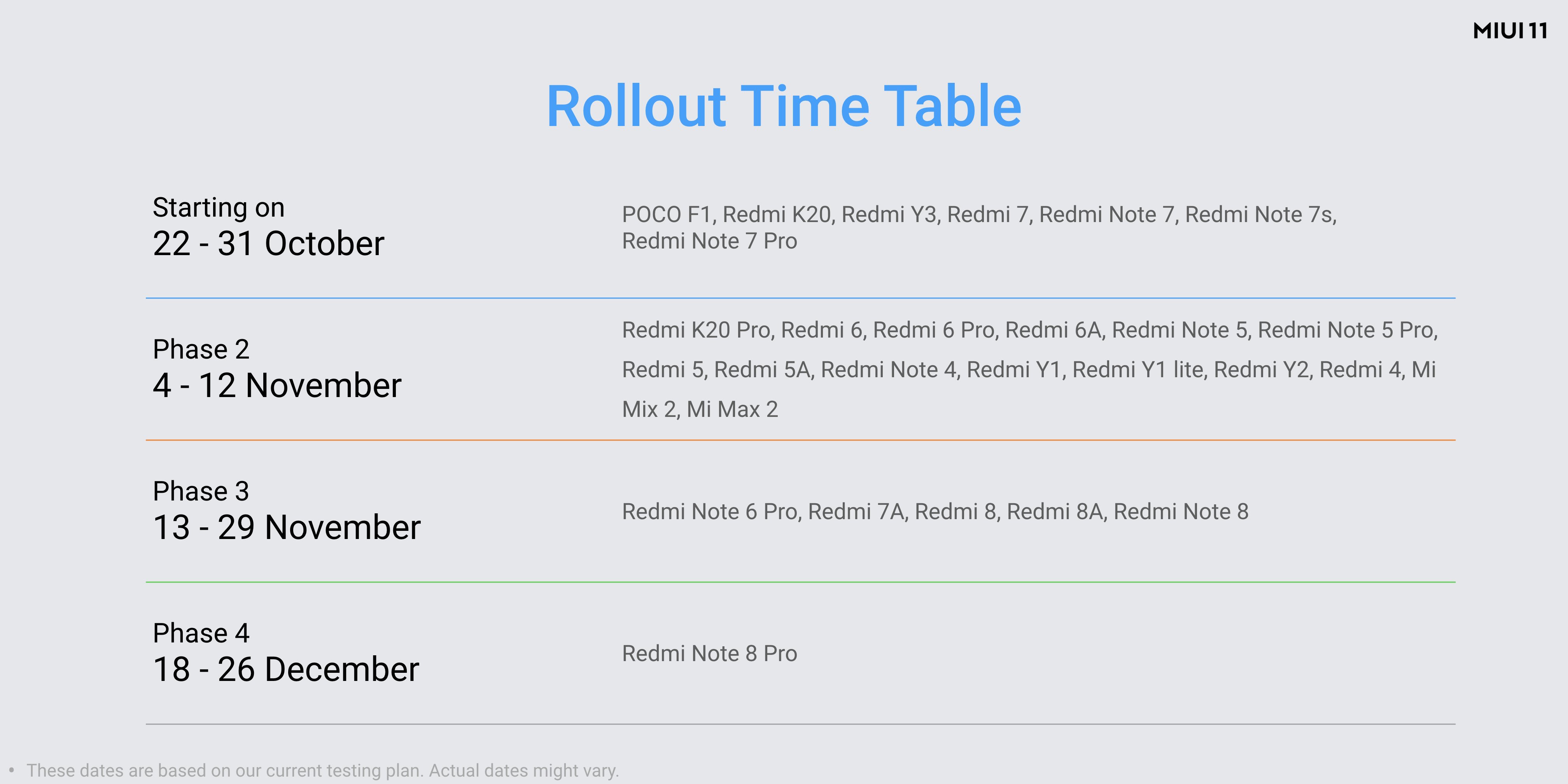
For those of you Xiaomi users who have been patiently waiting for the new MIUI 11 Global update, we’ve got some good news for you. According to a post from the MIUI India Twitter account, MIUI 11 will start rolling out from October 22nd. The update will come in waves, with more popular and newer devices getting the update first.

This first wave will begin on October 22nd, all the way up until October 31st. The devices that will be receiving the MIUI 11 update are popular devices like the POCO F1, Redmi K20, Redmi Y3, Redmi 7, Redmi Note 7, Redmi Note 7S, and Redmi Note 7 Pro.

Following that, the Redmi Redmi K20 Pro, Redmi 6, Redmi 6 Pro, Redmi 6A Redmi Note 5, Redmi Note 5 Pro, Redmi 5. Redmi 5A, Redmi Note 4, Redmi Y1, Redmi Y1 lite, Redmi Y2, Redmi 4, Mi Mix 2, and Mi Max 2 will get the update in phase 2 which begins on 4 November and ends on 12 November.

The Phase 3 for the update will begin on 13 November and the devices included for this are the Redmi Note 6 Pro, Redmi 7A Redmi 8, Redmi 8A, and Redmi Note 8. The Redmi Note 8 Pro will be the sole device for Phase 4 which will start on 18 December and will end on 26 December.

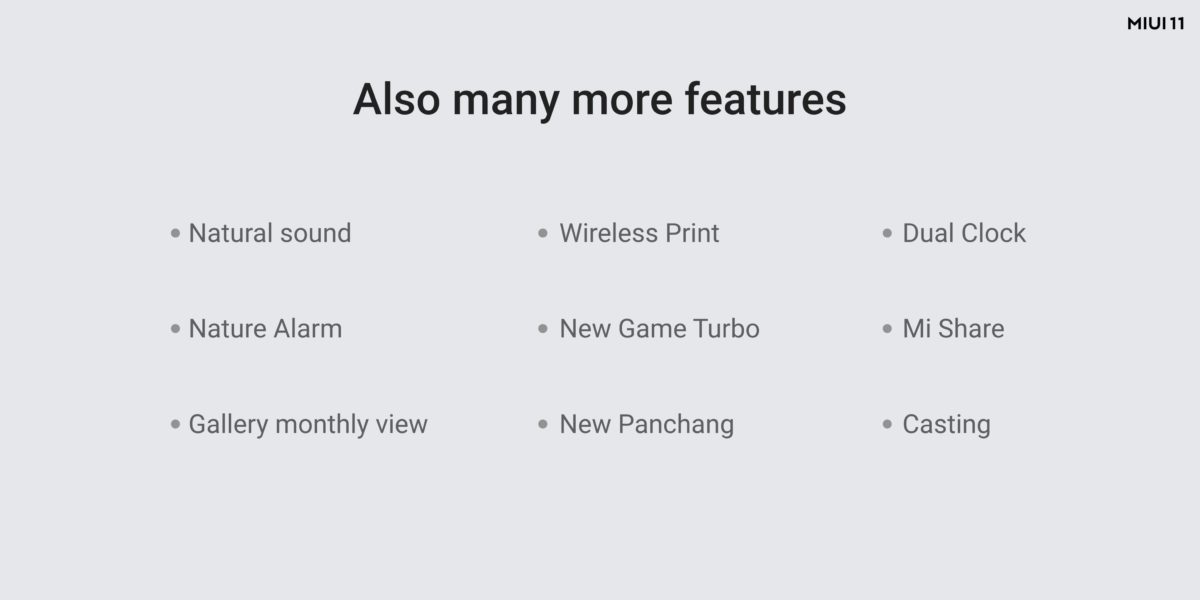
MIUI 11 is a big update for Xiaomi that changes up a lot of things for the popular UI. Starting with the visual aspects, you get slightly softer icons, a system-wide dark mode, new Mi Lan Pro system font and improved always-on display functionality. There are also new animations, themes, wallpapers and improved notification system.

Another big new addition in MIUI 11 is the enhanced audio experience with all-new dynamic natural sound effects and alarms. Xiaomi also announced the new Mi Go Travel suite which will help you with booking tickets for a broad range of transport ranging from airplane to rail and bus alongside currency conversion and an extreme power-saving mode.

(Source)

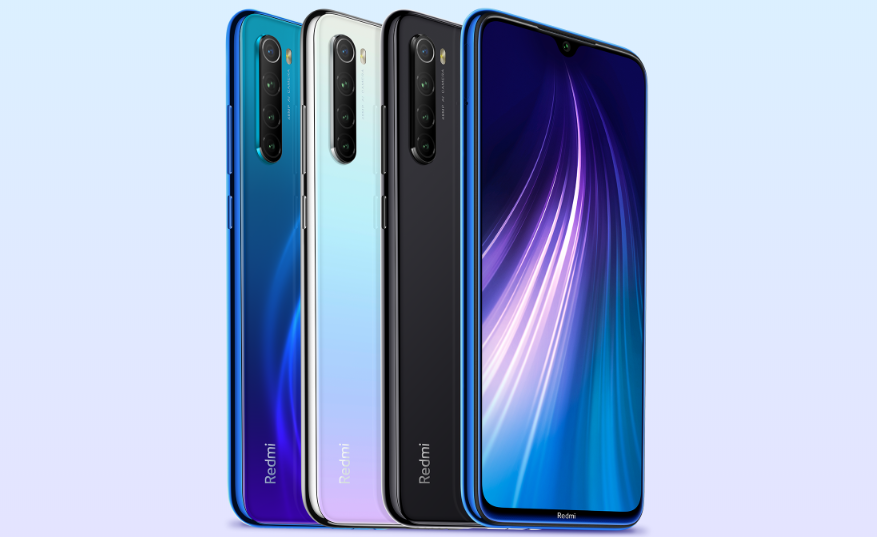
Xiaomi Redmi Note 8, Note 8 Pro launched in India; Specifications and price

In August, Redmi had launched the Redmi Note 8 and Redmi Note 8 Pro smartphones in China. Today, Xiaomi India unveiled the Redmi Note 8 lineup in India. The major highlights of the Redmi Note 8 Pro are 64-megapixel quad cameras, a bigger display and a large-sized display. On the other side, the Redmi Note 8 has 48-megapixel quad cameras. Like the predecessor Note series models, the Redmi Note 8 duo is expected to achieve recording breaking sales in India as they have arrived with enticing price tags.

Redmi Note 8 and Redmi Note 8 Pro Specifications

The Redmi Note 8 and Note 8 Pro phones have Gorilla Glass 5 panels on their rear with IP52 P2i splash-resistant nano coating. The Redmi Note 8 has a 6.3-inch IPS LCD full HD+ display with waterdrop notch. The Note 8 Pro has a larger 6.53-inch IPS LCD full HD+ screen with waterdrop notch. Both phones feature Gorilla Glass 5 protection on their displays. The TUV Rheinland certification ensures that the screens of the Note 8 duo can filter harmful blue rays. Xiaomi claims that the Note 8 Pro offers 91.94 percent screen space whereas the Note 8 delivers 90 percent screen-to-body ratio.

Redmi Note 8 Pro
Redmi Note 8 Pro

The Redmi Note 8 is fueled by Snapdragon 665 chipset and up to 6 GB of RAM whereas the Pro model features the gaming focused Helio G90T chipset along with up to 8 GB of RAM. The Note 8 Pro is equipped with liquid cooling technology for heat dissipation. Both phones come with 64 GB and 128 GB storage options and carry support for external storage.

The Redmi Note 8 and Note 8 Pro are the first Xiaomi phones to arrive in India with MIUI 11 based Android 9 Pie OS preinstalled. The Note 8 Pro is the first smartphone in India to come with built-in Alexa assistant. The Redmi Note 8 has a 4,000mAh battery whereas the Note 8 Pro is packed with a larger 4,500mAh battery. Both phones are equipped with support for 18W rapid charging. There is Game Turbo 2.0 technology onboard on both devices for accelerated graphics performance while gaming. The Note 8 Pro also features MediaTek’s HyperEngine for optimized performance. For enhanced gaming experience, the antennas of the phone are arranged in such a manner that it does not obstruct signals during gaming while the device is held in landscape mode.

The upper half of the rear side of the Redmi Note 8 Pro features a vertical quad camera setup with Samsung GW1 64-megapixel main lens with  f/1.9 aperture, an 8-megapixel ultrawide lens with 120-degree field-of-view, a 2-megapixel super macro lens with 2cm focal length and a 2-megapixel depth sensor. The Redmi Note 8’s rear shell has a top-left corner placed camera setup. It has a Sony IMX586 48-megapixel primary lens with f/1.8 aperture. The three camera sensors are as the ones found on the Note 8 Pro phone.

Redmi Note 8
Redmi Note 8

The Redmi Note 8 duo offer photography features like AI scene recognition, super night mode, portrait mode, panorama, HDR, professional mode, face recognition, up to 4K video recording at 30fps and 1080p slow-motion video shooting at 120fps. The Redmi Note 8 Pro has AI 20-megapixel selfie camera whereas the Redmi Note 8 features a 13-megapixel AI front camera. The front camera on both phones offer feature AI scene recognition, front HDR, AI studio light effects, display flash and facial recognition.

The other common features the Redmi Note 8 and Note 8 Pro include rear-mounted fingerpint sensor, super linear speaker with smart PA, 3.5mm audio jack, IR blaster, dual SIM support, 4G VoLTE, Wi-Fi 802.11ac, GPS, Bluetooth 5.0 and USB-C. The Note 8 Pro features NFC connectivity while the Note 8 lacks support for it. The Note 8 Pro can smartly switch between Wi-Fi and 4G LTE networks depending on the signal strength.

Redmi Note 8 and Note 8 Pro Pricing and Availability in India

The Redmi Note 8 Pro and Note 8 variants and their respective pricing for India are as follows:

Redmi Note 8 Pro

  • 6 GB RAM + 64 GB storage – Rs. 14,999 (~$209)
  • 6 GB RAM + 128 GB storage – Rs. 15,999 (~$223)
  • 8 GB RAM + 128 GB storage – Rs. 17,999 (~$251)
    Color Variants: Halo White, Gamma Green and Shadow Black

Redmi Note 8

  • 4 GB RAM + 64 GB storage – Rs. 9,999 (~$139)
  • 6 GB RAM + 128 GB storage – Rs. 12,999 (~$181)
    Color Variants: Neptune Blue, Moonlight White and Space Black

The first sale of Redmi Note 8 and Redmi Note 8 Pro will be held on Oct. 21 at 12 PM through Mi.co, Mi Home stores and Amazon India. Partnered offline stores will begin with the sales of Redmi Note 8 series soon in India. Airtel prepaid users can receive double data benefit on the Rs 249 and Rs 349 recharge packs over period of 10 months.


Infinix S5 launched in India at Rs. 8,999 (~$125); Specifications, features and price

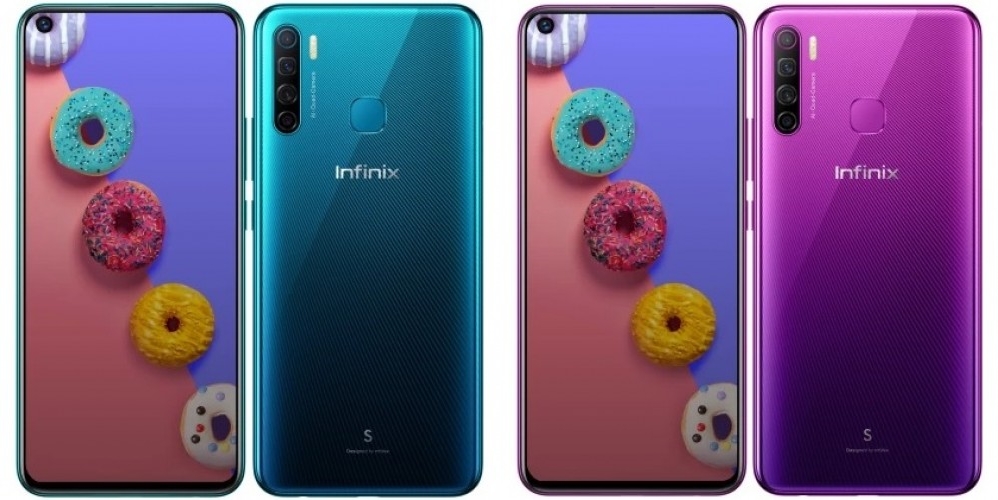
Infinix launched the Infinix S5 here in India. It is the first handset from the Chinese smartphone manufacturer to feature a punch-hole display and a quad-camera setup at the rear. The other highlights of the device include a higher screen-to-body ratio, gradient finish, a large battery and a dedicated microSD card slot. Infinix has included AI battery management that adjusts power consumption according to usage history and restrains background processes to optimize battery life.

Infinix S5 Specifications and Features

Infinix-S5

The Infinix S5 flaunts a 6.6-inch full HD+ display with a 90.5% screen-to-body ratio, an aspect ratio of 20:9 and 480 Nits brightness. The punch-hole is on the left side of the screen featuring 2.5D glass with narrow bezels on three sides. The rear glass panel exhibits a 3D Crystal Feather design, with a dedicated fingerprint scanner in the middle and the AI quad camera setup at the top left. The smartphone is powered by a 2GHz MediaTek Helio P22 SoC with 4GB of RAM and 64GB of native storage. The device draws power from a 4,000 mAh battery and runs on the Android 9.0 Pie-based XOS 5.5 out-of-the-box.

The primary camera uses a 16-megapixel lens with an aperture rating of f/1.8, a 5-megapixel wide-angle lens, a super macro lens and a depth sensor with a quad-LED flash module. The rear camera is capable of filming wide-angle videos. AI enhancements include custom bokeh, panorama mode and AI Beauty. The front camera is a 32-megapixel unit with an aperture rating of f/2.0 that is housed within the punch-hole. AI enhancements include AI 3D Face Beauty, AI Portrait, AR-enabled Animoji and WideSelfie Mode. The camera also sports an in-display AI selfie sensor with Big Pixel technology that combines four pixels into one.

Infinix S5 Price and Availability

The Infinix S5 is priced at Rs. 8,999 (~$125) for the 4GB + 64GB variant. The smartphone is available in two color choices, namely Violet and Quetzal Cyan. The device is a Flipkart exclusive and will be available for purchase starting 12PM on Oct. 21.


Realme X2 Pro scheduled to launch in India on November 20

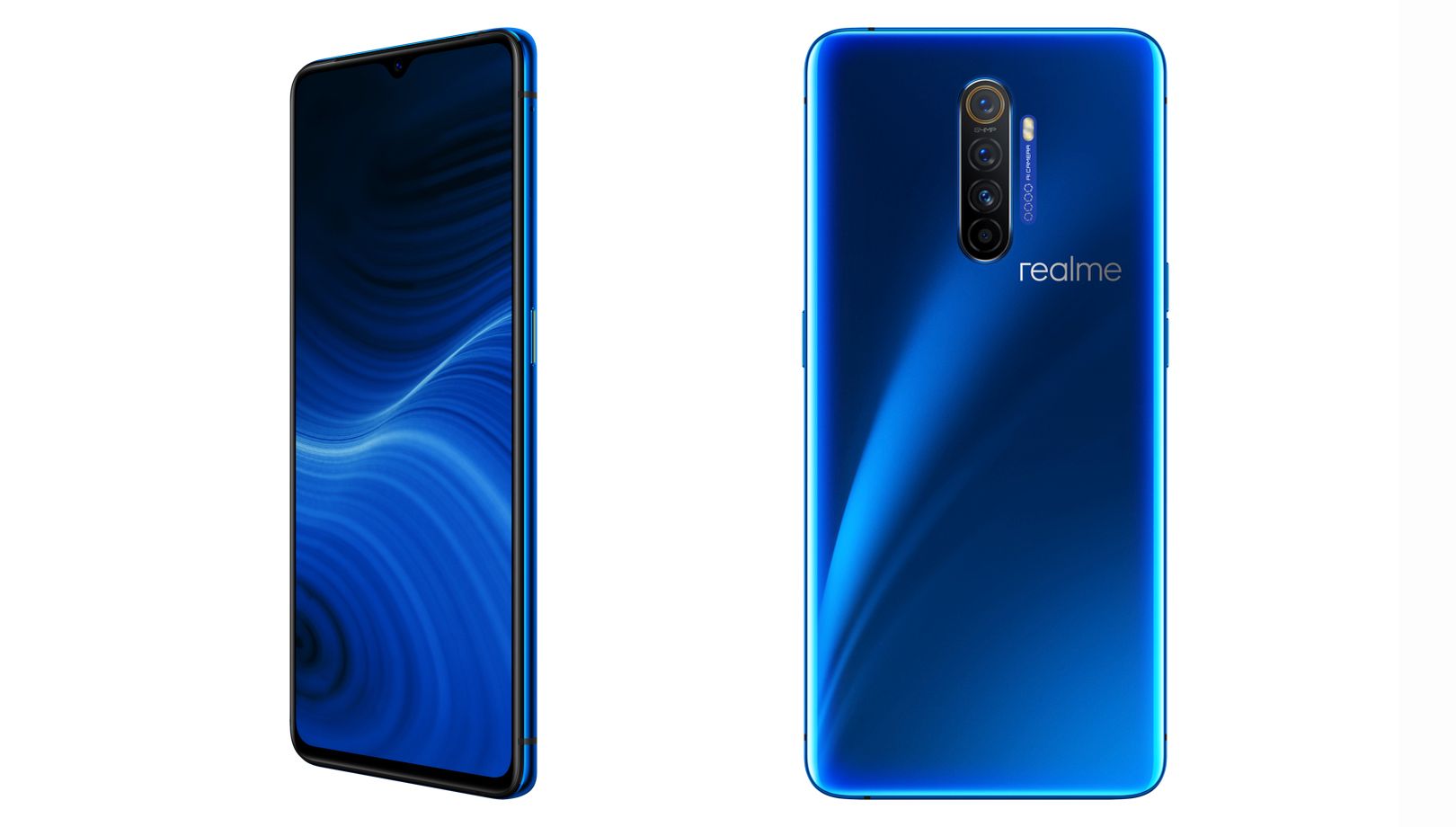
Realme, the smartphone maker backed by OPPO, recently launched its first premium smartphone — Realme X2 Pro in China. With this launch, the company has now entered the premium smartphone segment.

Recently, it was confirmed that the Realme X2 Pro will get launched in India by December this year. Well, we won’t have to wait much longer as the company has now revealed the phone’s launch date.

Now, Madhav Sheth, CEO of Realme India has announced that the Realme X2 Pro flagship smartphone will be launching in India on 20th November. The launch event will take place at 12:30 PM in New Delhi and we also expect the company to live stream the event on its social media accounts.

Realme X2 Pro India Launch Date

Coming to the specifications of the Realme X2 Pro, the smartphone flaunts a 6.5-inch Full HD+ AMOLED display with waterdrop notch and offers screen resolution of 1080 x 2340 pixels that carries support for 90Hz refresh rate. The smartphone promises a screen-to-body ratio of 91.7 percent.

The device also comes with an in-display fingerprint scanner that is claimed to unlock the device in just 0.23 seconds. Under the hood, the display is powered by Qualcomm Snapdragon 855 Plus chipset which is clocked 2.96GHz and packs Adreno 640 GPU.

The phone features vapor chamber liquid cooling, superconducting carbon fiber multi-layer scheme, multi-layer graphite sheet and other heat-dissipating materials. As for the memory configuration, it packs 8GB of RAM and 256GB of UFS 3.0 internal storage.

Realme X2 Pro Poseidon

In the camera department, the phone has a quad-camera setup on the back that consists of Samsung GW1 64-megapixel lens with f/1.8 aperture, a telephoto lens of 13-megapixel with support for up to 20x hybrid zoom, a ultrawide lens of 8-megapixel with 115-degree field-of-view and a 2-megapixel depth sensor.

On the front side, the device features an AI driven 16-megapixel selfie shooter that has support for super night scene along with 4-in-1 pixel merging technology. Connectivity options on the device include Dual SIM, 4G VoLTE, Wi-Fi 802.11ac, Bluetooth 5.0, USB-C, dual frequency GPS, and NFC. It is also equipped with stereo dual speakers coupled with Dolby Atmos and Hi-Res audio technologies.

The smartphone runs Android 9 Pie operating system out-of-the-box with ColorOS 6.1 on top. The device features tactile linear motor which assists in 4D in-game vibrations. The phone is powered by a 4,000mAh battery with 50W SuperVOOC Flash Charging technology.

This is interesing that the launch of the newly launched Realme X2 Pro will take place earlier than the launch of Realme XT 730G in India. During the launch of Realme XT in India, the company had confirmed that the SD730G-powered variant of the phone will get launched in December this year.


China filed a whopping 1.54 million patents in 2018, nearly half of the rest of the world

WIPO short for World Intellectual Property Organisation is one of the world’s largest consortium for filing and granting patents. According to a report originating from the organisation, in the year 2018, China’s application for patents reached a record 1.54 million — this number is nearly half of all the patent applications filed worldwide. Unsurprisingly, a larger share of these Chinese applications was in the field of telecommunications and computer technology.

In comparison to 2017, China’s share has increased by 11.6% which is greatly influenced by the factor of seeking patent protection from other corporations within the country. The country that comes in at number two for the most number of patents filed in 2018 is the United States. Innovators and companies from the country filed close to 600,000 patents in this year which is 1.6% less compared to the preceding year.


Speaking of aggregate numbers, in 2018, innovators across the globe filed for 3.3 million patents, 14.3 million trademark applications and 1.3 million industrial applications. Noteworthy, out of these applications more than two-thirds originated from Asia.

Francis Curry who is the director of WIPO said “Asia increasingly became the global centre of international patent applications “. Moreover, he praised China and made the following statement:

China has always been a major driving force. From the number of applications from China or China, the number of applications from the China office is indeed very amazing.”

Another country that he pointed out was India saying the their “growth is amazing”.

While addressing the number of patents filed overseas in 2018, the U.S. applicants filed close to 230,000 patent applications whereas China filed 66,400 about patents.

To wrap things up, it can be said that China is no longer just the manufacturing hub of the world but innovators and corporations in the country also want to come out as the centre for developing Intellectual properties.

(via)

RedmiBook AMD Ryzen Edition chipset details revealed by the company ahead of launch

Redmi has officially announced that the company is entering a cooperation agreement with AMD and under this agreement, the company will be launching its first AMD-powered laptop, i.e. RedmiBook Ryzen Edition on 21st October in China.

Now, the company has taken to Weibo to reveal more details about this upcoming RedmiBook. It confirms that the laptop will be powered by the AMD Ryzen 5 3500U chipset and the top-end model will pack AMD Ryzen 7 3700U processor.

RedmiBook 14 Ryzen Edition

The chipset is manufactured using the 12nm process and comes with a quad-core processor having eight threads. Currently, it is the most advanced computer chipset in the market from AMD.

Xiaomi has also claimed that with the launch of this RedmiBook Ryzen Edition, the company will be declaring war on the unreasonably high-priced premium laptops and aims to balance the price to performance ratio.

The Ryzen 5 3500U chipset comes with Radeon Vega 8 integrated graphics, making it a good low-cost budget solution for gaming. With its four cores and a maximal clock speed of 3.7GHz, it is a great processor for the home and office computing, with ability to easily run multiple apps simultaneously. It can also handle some more demanding stuff as well, such as video editing.

On the other hand, the Ryzen 7 3700U comes with a quad-core APU using AMD’s Zen+ cores, with simultaneous multi-threading enabled to bring the total thread count to eight. Although it uses a 3000-series model, it’s still built on the slightly older 12nm process. It has a maximum clock speed of 4GHz and Radeon RX Vega 10 graphics card with 10 CUs (640 Shaders) clocked at up to 1400MHz.

While the company has revealed the chipsets from AMD that will power this new upcoming RedmiBook, specifications and features of the device remains unknown. However, we expect most of the specs to be similar to the RedmiBook 14 launched a few months ago. The pricing of this AMD-powered laptop is expected to start around 3,500 Yuan (~$494).


Huawei is willing to sign a “no backdoor” agreement with India

After being shunned by a slew of countries out of fears its equipment may facilitate Chinese government spying, telecom giant Huawei, represented by CEO Jay Chen said on Monday that the company is willing to sign up to a “no backdoor” agreement with India.

The comments, made by the company’s India CEO Jay Chen to Reuters on the sidelines of the ongoing India Mobile Congress, comes as the South Asian nation readies itself for a rollout of next-generation 5G mobile networks.

“From the very beginning, I have confidence that Indian industry, the India market will welcome Huawei because I have contributed a lot with my unique value,” Chen said. “I am ready to sign [a no-backdoor agreement].”

“If [the Indian] government wants, we are open to having the source codes in an escrow account,” Chen said, adding that the company was also willing to manufacture more of its telecoms gear locally.

Indian telecom carriers Bharti Airtel and Vodafone Idea have used Huawei, as well as its European rivals Nokia and Ericsson, to build their 2G, 3G and 4G networks and have previously underscored the importance of having all three players in India to maintain competition, price and service quality.

India has the second-most internet users of any country in the world, behind China. That number is expected to rise 11% to 627 million people in 2019, according to market research firm Kantar IMRB. The vast majority access the web on mobile devices, and scoring the deal would be a huge win for Huawei.

In August, China issued a warning to impose “reverse sanctions” on India if the country decided to ban Huawei from conducting business in India. We’re still awaiting the Indian government’s decision. Th5g5e decision will depend upon a lot of factors as Huawei has faced a ban not only in the US but in New Zealand and Australia as well.

(Source)

Huawei to reportedly dual boot existing smartphones with HarmonyOS

With the US-China trade war still going on, Chinese tech giant Huawei is still in the Entity List of the United States, effectively banning the company from doing business with the US-based companies. Because of this, Huawei is banned from using Google apps and services on its devices.

The recently launched Huawei Mate 30 series is the first set of devices from the Chinese giant to come without support for Google’s apps and services. While there’s a possibility that Huawei will get back access to the services of Google, the company has already announced its backup plan — HarmonyOS.

HarmonyOS

A couple of months ago, Huawei officially launched its much-awaited HarmonyOS which is meant to be the replacement for Android. While the proprietary OS is currently designed for devices like smart TV’s, wearables and in-car entertainment, but it is now set to power smartphones as well.

As per the reports, the company is now getting ready to load HarmonyOS on existing devices with dual boot support along with Android. However, the report says that things are in the early stages and Huawei has yet to choose which devices will be first. Huawei CEO has already hinted that P40 series smartphones will run this new operating system.

Once the company dual boots the OS, performance and compatibility results will be key deciding factors in deciding if the users are interested in a Huawei smartphone with both operating systems available. This could be a bit confusing and complicated for the regular issue but it remains to be seen how this idea works out.

Recently, a new report from Counterpoint claimed that the market share of HarmonyOS will reach 2 percent globally next year, making it the world’s fifth largest operating system, surpassing Linux. It further points that the share of HongMeng OS in China will reach 0.1 percent by the end of this year and 5 percent by the end of next year.

HarmonyOS, announced earlier this year in August, can support a wide range of applications including Android, Linux, and HTML5 in the future. The new operating system uses Huawei’s ARK compiler and will support Kotlin, Java, Javascript, C, and C++ programming languages. It will also have a verified Trusted Execution Environment for a better connected security across multiple devices.

Huawei had said that it began working on this operating system back in 2017 and is currently in version 1.0 with Version 2.0 scheduled for launch next year and version 3.0 release is planned for the year 2021.

(Via)

Real Honor 20 Lite image officially released; Reveals slim and lightweight design

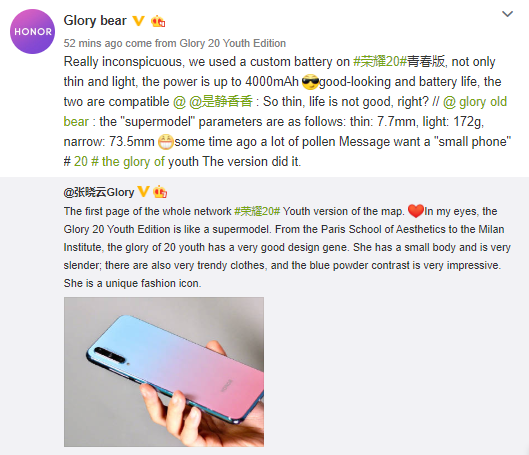
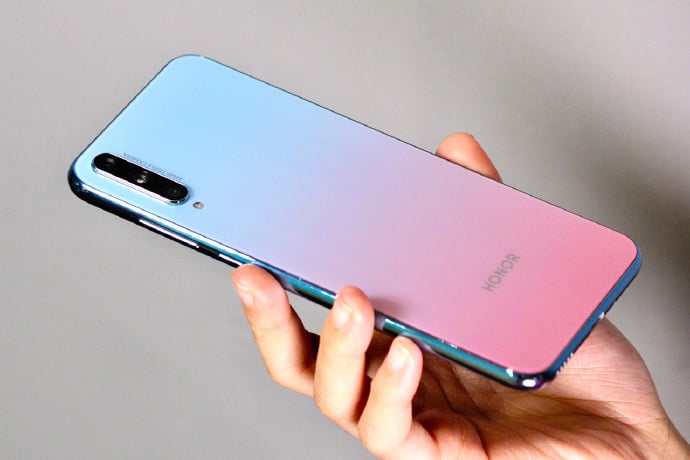
The all new Honor 20 Lite will be made official on Oct. 22. The reservations of the smartphone have started on Vmall and JD.com. The handset will be arriving in three colors like Blue Water Jade, Midnight Black and Icelandic Fantasy. Today, the Chinese manufacturer has shared a real image of the Icelandic Fantasy Honor 20 Lite smartphone. It has also revealed that even though it houses a large-sized battery, it sports a slim and lightweight body.

Honor claims that the Honor 20 Lite has a small and slender chassis with a width of 73.5mm. It houses a 4,000mAh battery and weighs 172 grams. Through TENAA listing it has been revealed that the length of the smartphone is 157.2mm and it houses a big full HD+ display of 6.3 inches.

In the image shown below, the handset can be seen sporting rounded corners. It has a volume rocker and a power button the right edge. An external speaker and a USB-C are available on the bottom edge. The renders of the phone that have appeared on JD.com have revealed that it has a 3.5mm audio jack on its top edge.

Honor 20 Lite Icelandic Fantasy Real
Honor 20 Lite Icelandic Fantasy

Honor 20 Lite Specifications

The handset flaunts a waterdrop notch enabled OLED screen that is integrated with a fingerpint reader. It draws power from an octa-core processor that works at 2.2GHz. A recent leak had revealed it is fueled by Kirin 710F chipset. However, previous rumors had claimed it has Kirin 810 chipset.

The Honor 20 Lite is expected to arrive in China in three RAM variants like 4 GB, 6 GB and 8 GB. These models may respectively feature 64 GB, 128 GB and 256 GB of storage. The handset has a microSD card slot for expanding its storage.

Honor 20 Lite Icelandic Fantasy

The Honor 20 Lite is backed by a 4,000mAh battery. It is expected arrive with a charger that supports up to 20W fast charging. The front notch of the phone is the home for its 16-megapixel selfie shooter. The rear side of the device has a vertical triple camera system with 48-megapixel main lens, an 8-megapixel secondary sensor and a third lens of 2-megapixel. There is no information available yet on the pricing of the Honor 20 Lite.

What do you think about the appearance of the Icelandic Fantasy edition of the Honor 20 Lite? Share us your views by posting your comments below.