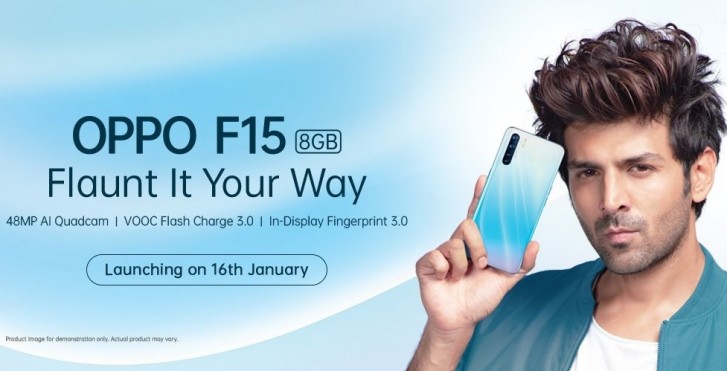
Chinese tech giant and BBK subsidiary OPPO has revealed the launch date for the next-generation F-series smartphone known as OPPO F15. The device is expected to go official in China on January 16 according to an official teaser poster released today. The poster also contains some key specifications of the phone
The F15 is expected to be the successor of the Oppo F11 smartphone in India and has featured in a couple of promo videos. It bears a design that looks like that of the OPPO A91 launched in China recently. This has fuelled speculations that the device will be a renamed A91. The teaser poster project a quad-camera setup consisting of a 48MP AI main camera. Other sensors include a 119-degree ultrawide lens of 8MP, a 2MP macro lens and another 2MP sensor.
The poster also shows the F15 will present with up to 8GB RAM, VOOC Flash Charge 3.0 for its 4,025mAH battery and in-display fingerprint 3.0. These basically feature onboard the OPPO A91 which also presents with a 6.4-inch AMOLED display with Full HD+ screen resolution of 1080 x 2400 pixels. The A91 comes with a 90.7 percent screen-to-body ratio, and 20:9 aspect ratio. The display offers features like eye protection mode, DC dimming 2.0 and packs third-generation in-screen fingerprint sensor.
Under the hood, the device is powered by MediaTek Helio P70 chipset along with 8GB of RAM and 128GB of internal storage. At the front, it features a 16MP snapper for taking selfies and video calling.
Something individuals new to iPhones are regularly astonished to learn is that iOS doesn’t have a “share by means of Bluetooth” alternative. Rather, Apple users depend on the firm’s custom AirDrop app to send documents between one another. However, in the event that the document needs to be sent to an Android smartphone, the Apple user will need to use email or an app.
AirDrop utilizes a mix of Bluetooth and Wi-Fi to set up a quick and secure connection between two Apple device which makes it exceptionally advantageous. Up until this point, there’s no such feature that works all around on all Android devices albeit, a few phone makers have their own custom file-sharing alternative.
That may change soon as Oppo, Vivo and Xiaomi reported in a public statement that they’re forming a “Peer-to-Peer Transmission Alliance” in order to “provide users with an unparalleled file transfer experience.” The new record move framework doesn’t have a name yet, but it will likewise utilize Bluetooth for blending and WiFi P2P (distributed) for the information move.
Despite relying on the phone’s WiFi, the framework won’t disconnect users from their WiFi connection and can be utilized at the same time without meddling with other running apps. The new framework guarantees a normal transfer speed of 20MB/s with maximum speeds potentially much higher depending on the devices involved.
The first smartphones that will be released with the new framework onboard are scheduled to debut in February this year, as indicated by the press statement. The feature will get expanded to other models as new phones get released by the three brands.
Some of the specifications of the Mi 10 and Mi 10 Pro have leaked but other than the use of a Snapdragon 865 processor, the other specs are unconfirmed. Some of the leaks have revealed that the two flagship phones will differ with respect to the screen, cameras, battery capacity, fast charge technology, and memory.
Based on the above-mentioned differences, one would not be wrong to think the standard Mi 10 gets the short end of the stick. However, a new leak says it won’t be the case, at least with respect to the battery capacity.
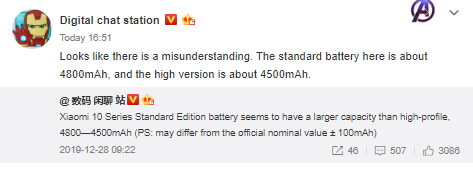
According to Digital Chat Station, the Mi 10 will have a bigger battery capacity than the Mi 10 Pro. Actually, his Weibo post said the standard version has a battery capacity of about 4800mAh while the pro version has a battery capacity of about 4500mAh.
While the battery capacity will differ, we believe both phones will have the same screen size but different designs. For those who have set their eyes on the Pro version and are disappointed it is getting a smaller battery, they can find solace in the fact that it will have support for a faster-charging technology.
It is also important we state that the Mi 10 is getting a big bump in battery capacity when compared to the 3300mAh capacity of the Mi 9. Yes, a bigger battery is necessary since the phone will have 5G support but it is still worth stating. Oh! And of course, not everyone is actually going to use the phone with a 5G network.
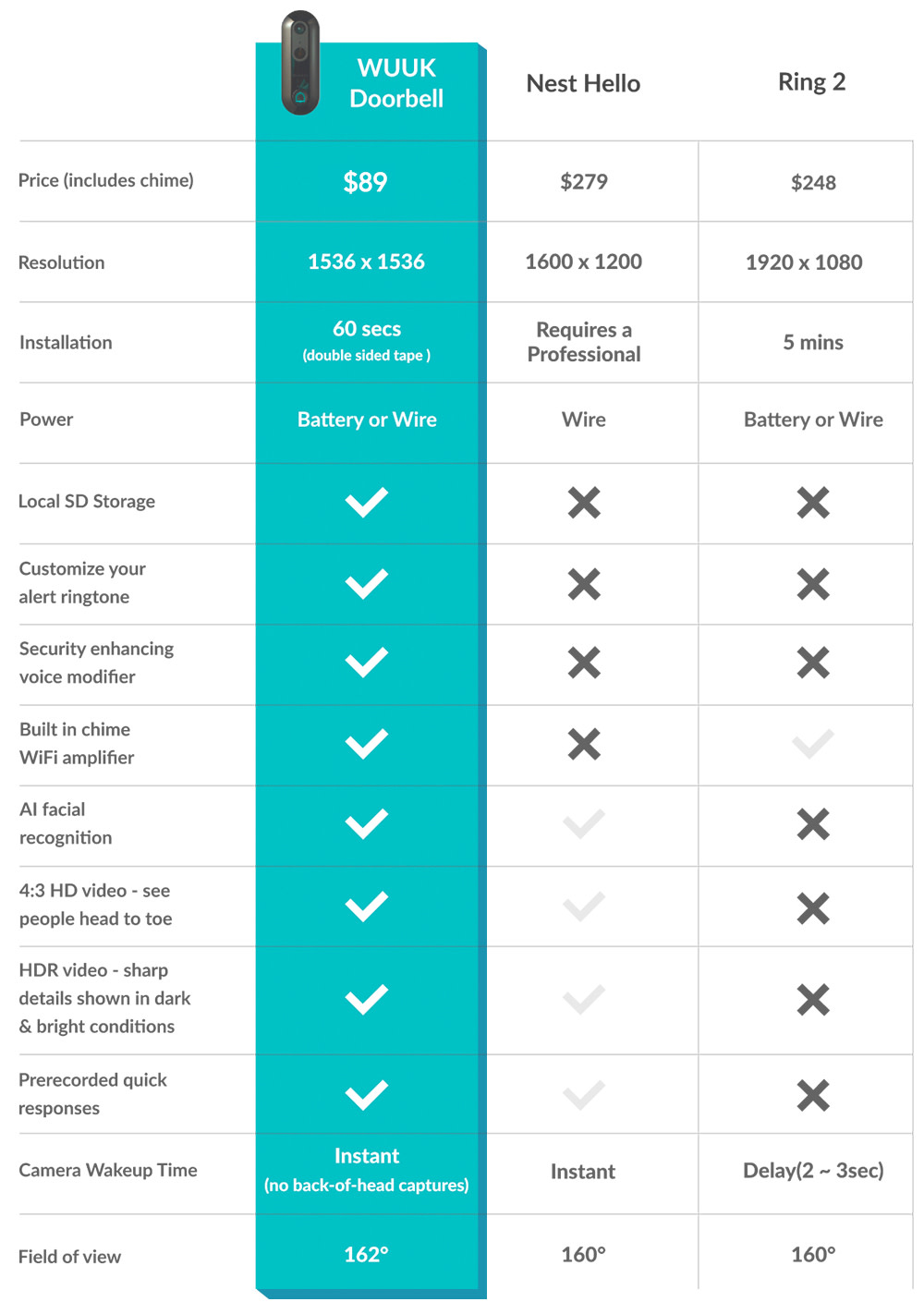
Nowadays every single device has its smart edition and of course, doorbells couldn’t be left out. There are already many remarkable smart doorbells out there like Nest Hello and Ring 2 but there’s plenty of room for more. WUUK Labs is making their effort in the field with the WUUK Smart Doorbell crowdfunding campaign on Indiegogo and as they claim, it is the world’s most advanced smart doorbell.
The device got full funding in just 20 minutes and it’s still going up with 16 days left until the end of the campaign. Judging from the features, it is the world’s most advanced smart doorbell when compared with renowned models of the market. Also, it is much more affordable than these models, almost 4 times cheaper!
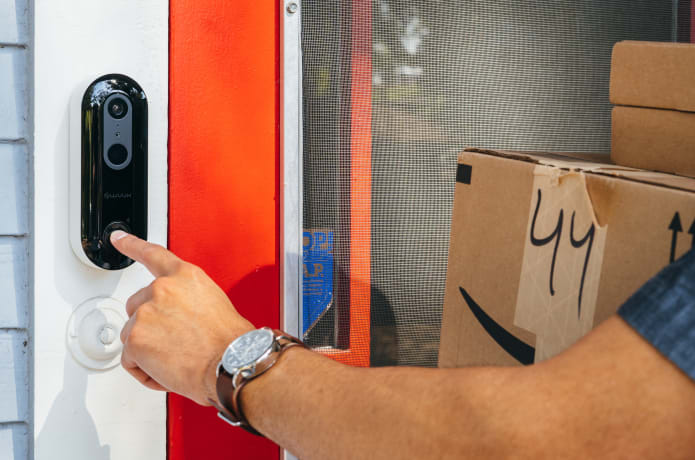
One more advantage of the WUUK is its easy and fast setup as any homeowner can install WUUK easily, using mounting screws or double-sided tape. The doorbell can be wired in for power or simply run off the internal battery for up to 8 months. Of course, it is wireless for absolute freedom.
The WUUK can also act as a surveillance camera as it detects motion when someone is at your door and sends you notification immediately with a 0.35s quick wake-up speed. You can open the camera to say hello, send a pre-recorded response or simply monitor the situation. This way, you always know what’s going on outside your door. You can see all the details and the Early Bird offers on the campaign page.
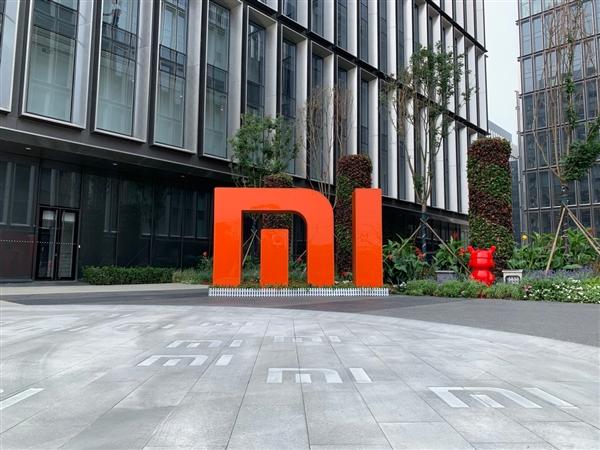
Earlier today (2nd January 2020), Lei Jun, Co-Founder and Chairman of Xiaomi Group, shared the official new colorful logo of Xiaomi for its 10th anniversary on Weibo.
According to the post, a short video reveals the bright new logo which carries multiple different color schemes. Each of the four dots in the logo is from unique colors and highlights the theme of the 10th anniversary.
Xiaomi’s new logo for the 10th Anniversary of the company (shared by Lei Jun)
Xiaomi was founded on 6th April 2010, in which the founding members and then employees shared a symbolic meal (Xiaomi porridge) together. According to Lin Bin (Co-Founder and President), the small team of 13 people present during the founding day had contributed greatly to the company and still play important active roles.
Xiaomi has since been one of the most popular smartphone brands in the world. It is currently the top selling smartphone brand in India and is also relatively popular in its home country, China. The company was also one of the first to successfully pull off the online operations business sales model, where the company initially only sold its handsets online with little to no expenditure being incurred on advertising.
Currently, Xiaomi is the 4th most popular smartphone brand in the world and is also the fourth, and one of the only, companies to have self-developed a smartphone chipset. Notably, in July 2019, the Chinese tech giant joined the Fortune 500 global list and was ranked 486th. Forbes also awarded Xiaomi for being China’s Most Innovative enterprise in June 2019.
The list of achievements goes on as the company has undoubtedly seen great success over the course of the decade. Xiaomi is best known for its smartphones but is also known to often offer products in any and every line of consumer-grade electronics.
It is a known fact that the Mi Band line is manufactured for Xiaomi by Huami. However, Huami is not the manufacturer behind the new Xiaomi Watch Color. Based on our findings, the smartwatch is manufactured by Shanghai Suo Prime Technology LTD, a company under Xiaomi’s ecological chain.
That actually makes sense seeing as Xiaomi’s own smartwatches are not sold outside China, yet. Huami sells its Amazfit line of smartwatches in several markets abroad just like Huawei, so both are actually fighting for the same set of customers.
Xiaomi may eventually launch its Mi Watch and Watch Color smartwatches outside China but its main focus will likely remain on the Mi Band line which is what has pushed it to the top of the wearable devices market.
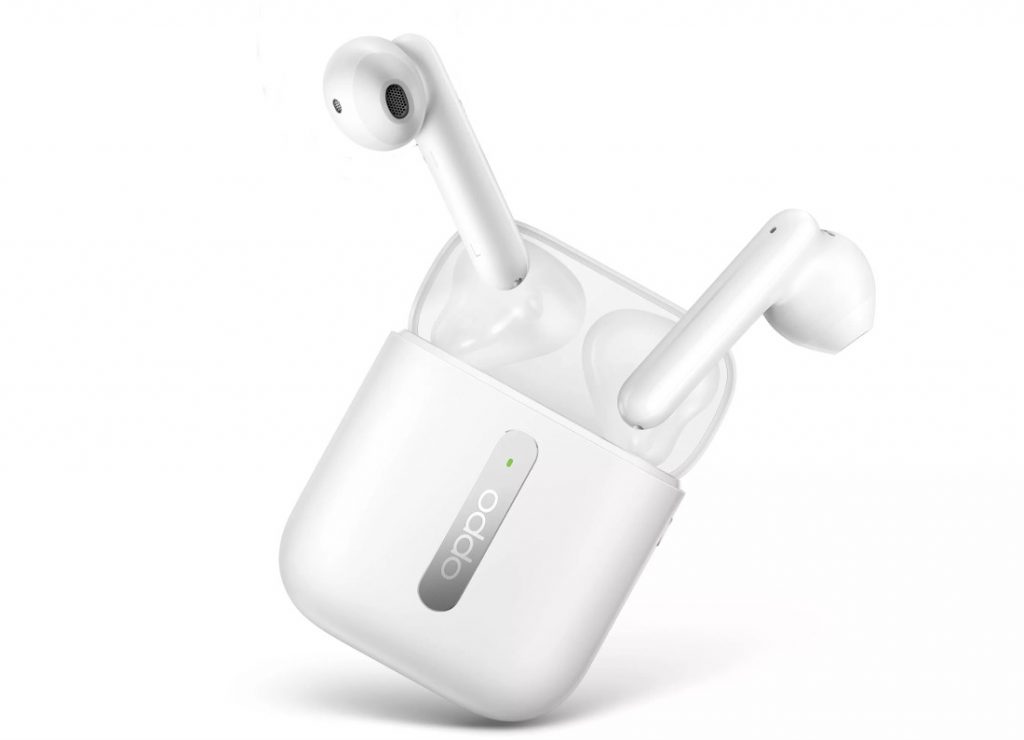
Oppo announced its first true wireless earbuds dubbed the Oppo Enco Free via a Weibo post in December last year, confirming that it will launch alongside the Reno 3 series smartphones on December 26th.
Aside from that, the Chinese consumer electronics company shared renders of the TWS earphones, revealing three highly appealing color options. As far as the design is concerned, the Oppo Enco Free seems to bear a notable resemblance to Apple’s AirPods.
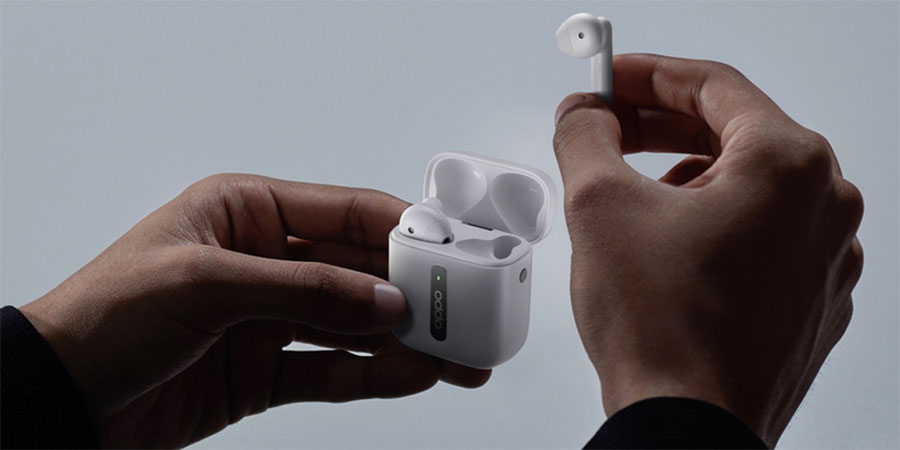
The earbuds adopt a half-in-ear design that can be transformed into a shallow in-ear design using the ear cap. This is the second product Oppo has launched under its well-received Enco lineup.
If you have restlessly been waiting to get your hands on the Oppo Enco Free without emptying your pocket, it might interest you to know that Giztop is offering the feature-laden true wireless earphones for $119.99. The reasonably priced product is available in black, as well as white color options on the Chinese online store.
An absolute bargain at this price, the lightweight and compact Enco Free feature silicone in-ear tips for a comfortable fit and to ensure it stays in place regardless of the activity performed by the wearer. It comes with a charging case that sports a smooth-matte surface and serves as a wireless charger for the product.
The USB-C port is placed at the bottom for easy recharge for the case and the earbuds. Moreover, the earbuds support Bluetooth 5.0 connectivity which delivers an impressive wireless range of up to 10 meters.
On top of that, the Enco Free employs AI uplink noise cancellation and supports wear detection, which means it automatically pauses and resumes playback when you take them out or place them inside your ear. Furthermore, its open-fit design enables touch controls.
You can simply slide a finger on the left earbud to adjusting volume, and switch between tracks by sliding a finger on the right earbud. The Enco Free is backed by a 31 mAh battery that lasts for 5 hours, and 25 hours with the charging case that has a 410mAh battery.
You can visit this link to check out more details about the OPPO Enco Free and place your order through Giztop.
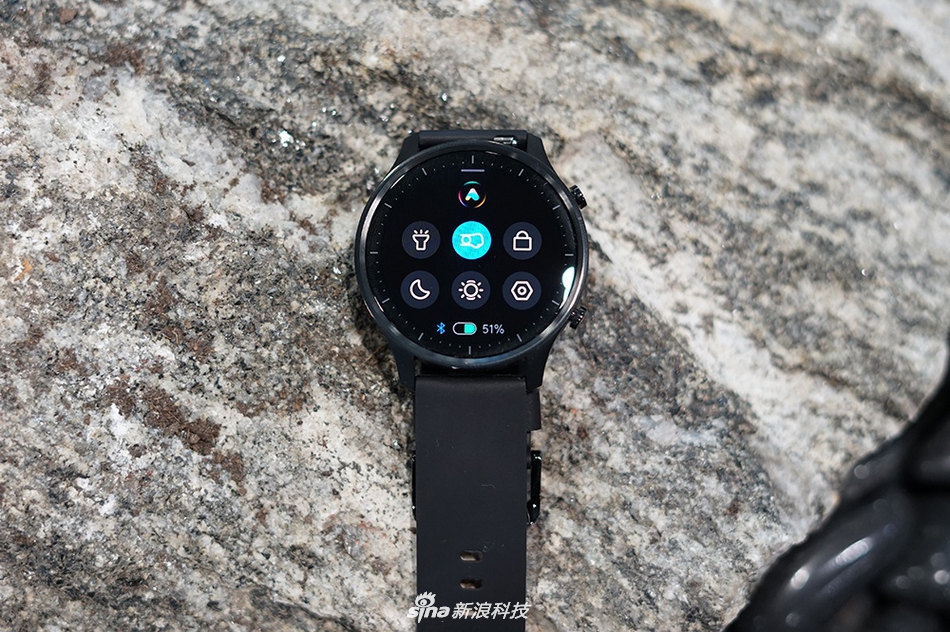
The Xiaomi Watch Color will be available for purchase tomorrow, and while we already know quite a lot about the watch, there are still some unknown details. Thanks to a pre-order page on Mi.com and the Youpin store, we now know all the details of the smartwatch.
Design
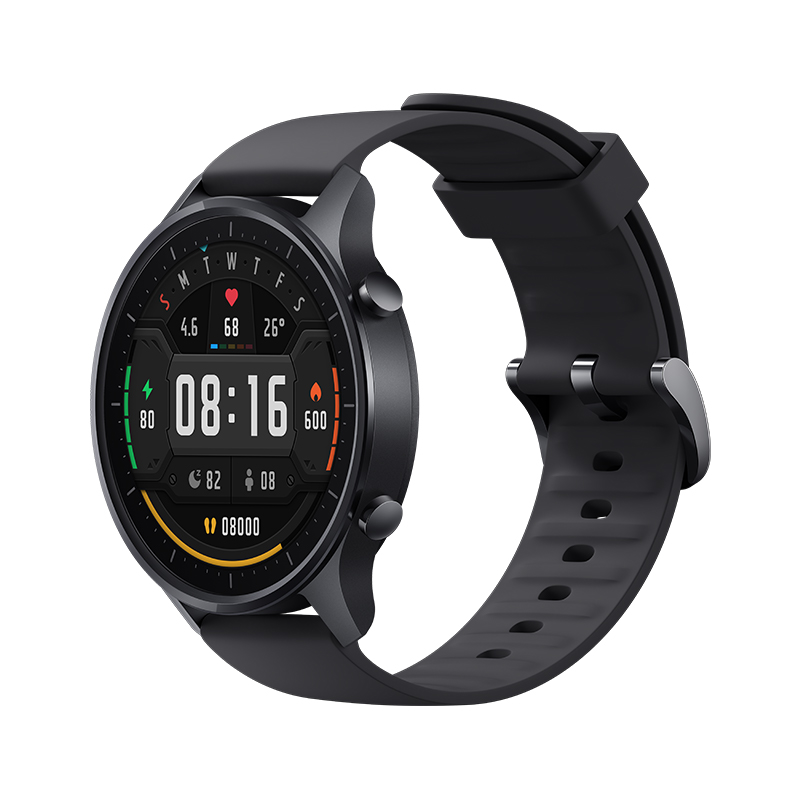
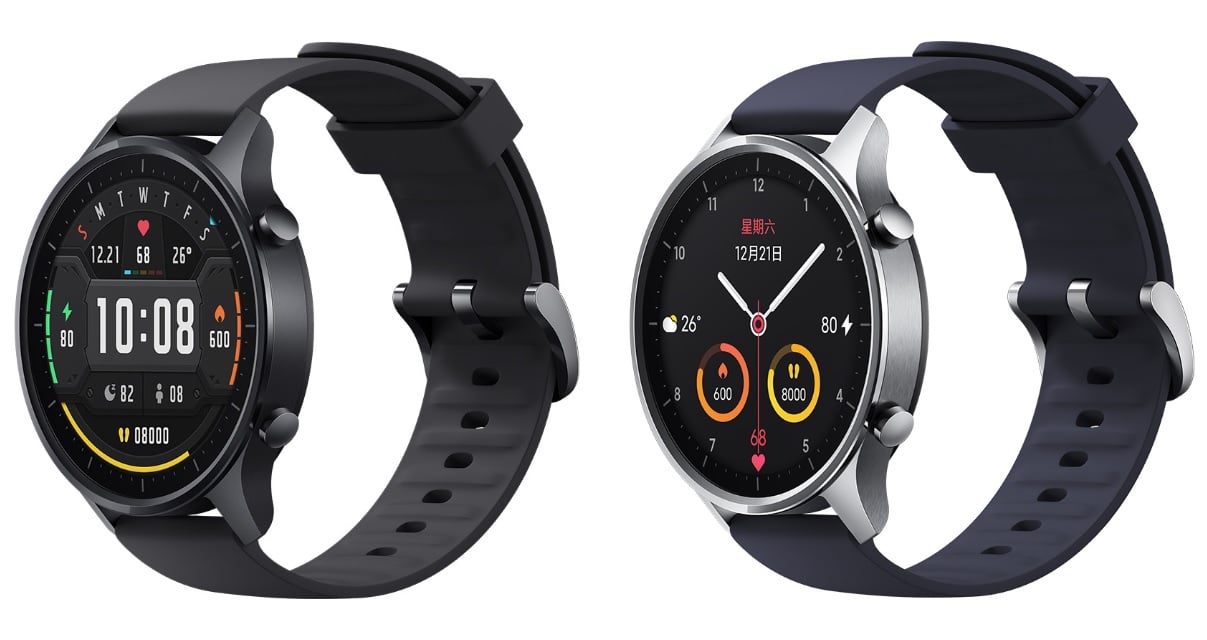
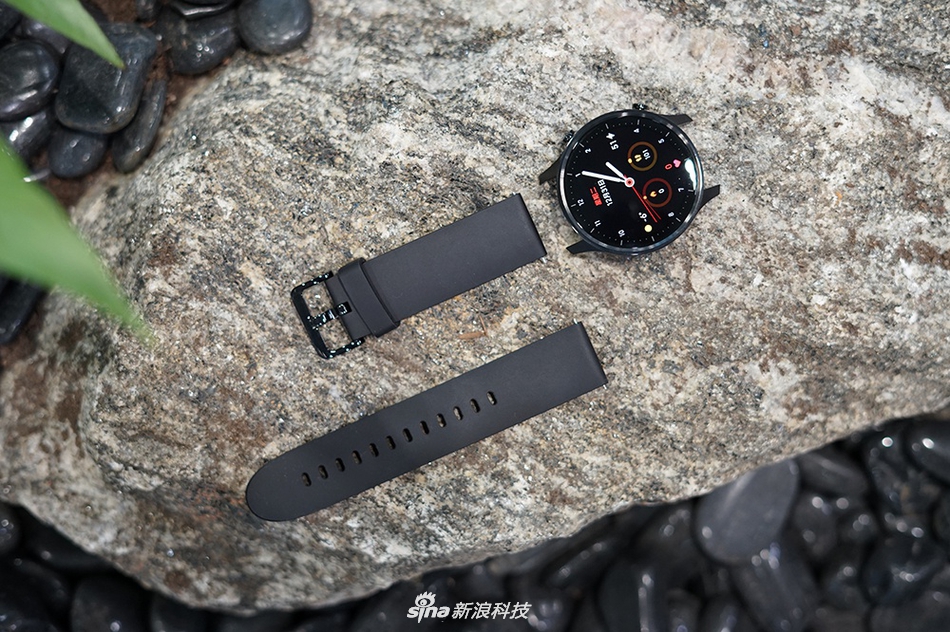
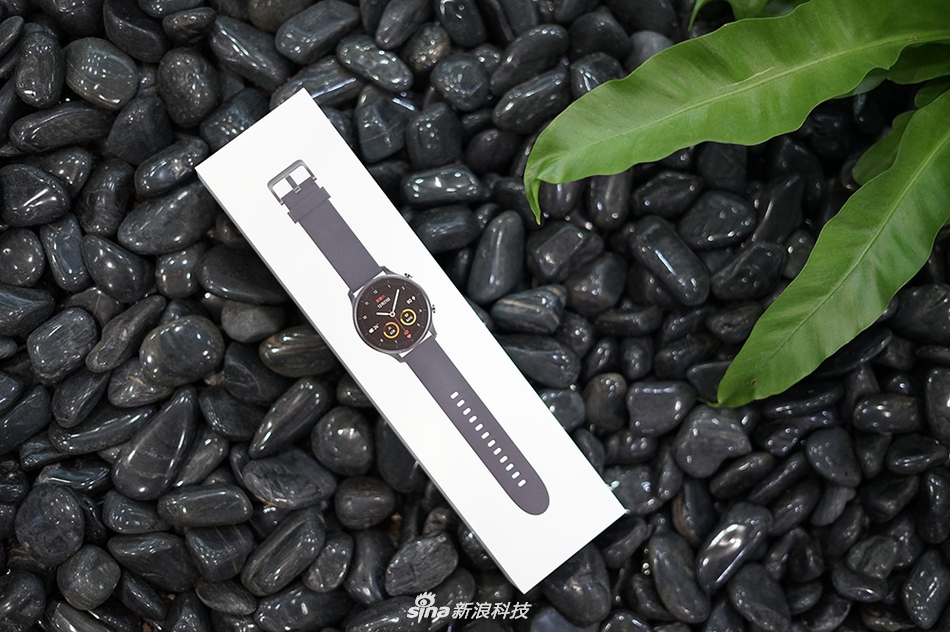
The Xiaomi Watch Color has a circular dial and will be available in Elegant Black and Fashion Silver. Both color variants have appeared in the live photos we have seen in the last few days. Unfortunately, there is no way to choose the strap you want at checkout but the page said owners will be able to purchase different straps later. Xiaomi also said the watch will ship with silicone straps and advises not to purchase third-party straps as they may cause allergies.
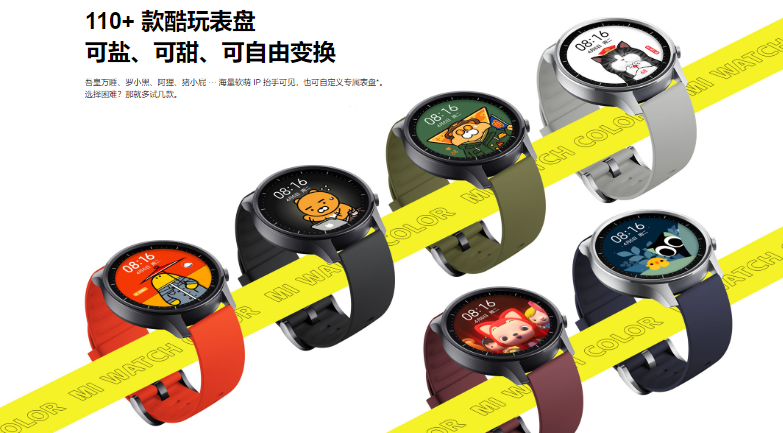
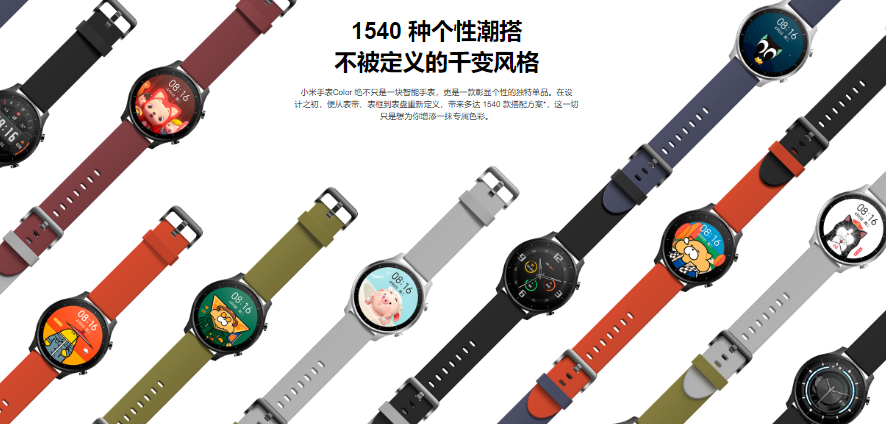
The page also explains the 1540 designs we have seen in the promotional images. Of course, we do not expect that there will be more than a few options to choose from. However, Xiaomi says you can actually have up to 1540 different combinations and the math is that there are 2 color options, 110 different dials to choose from, and seven different straps (six silicone and one alligator leather strap) to choose from. So if you mix any of these, you can get a total of 1540 different combinations. There will also be more dials in the future, so the number of combinations will increase.
The Xiaomi Watch Color has a 1.39-inch AMOLED display with a 454 x 454 resolution enclosed in a stainless steel frame. It has a dial size of 46.2 millimeters (46.2 x 53.3 x 11.4mm) but there are rumors there will be a 42mm version too. It connects via Bluetooth 5.0 LE, has GPS and GLONASS, and is water-resistant up to 50 meters.
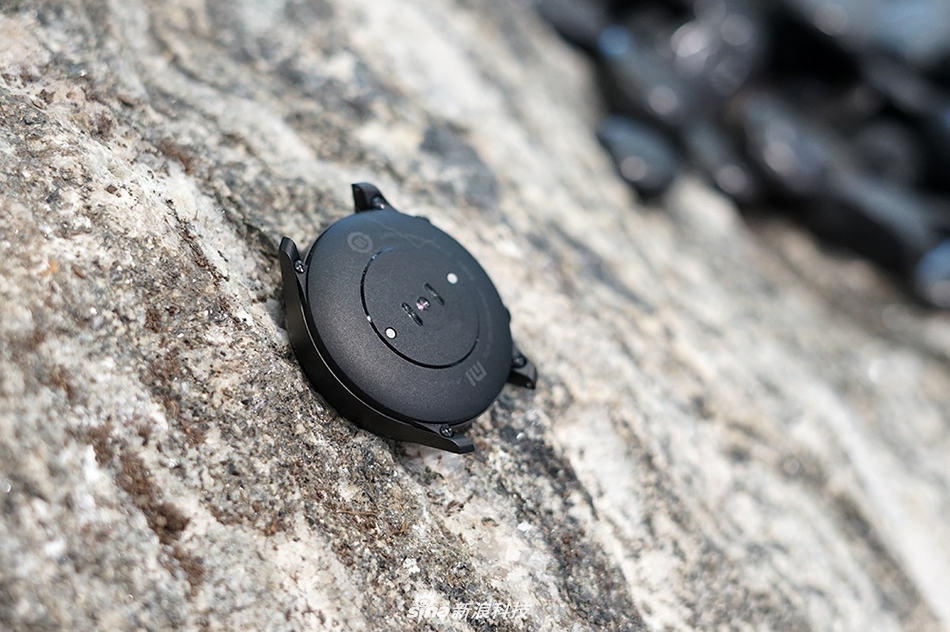
The watch also has NFC and supports bus-card payments in several cities across China. The product page says it has an ambient light sensor, a gyroscope, a geomagnetic sensor, an accelerometer, and a barometer.
[envira-gallery id=”298577″]
The battery capacity is 420mAh which Xiaomi claims will last up to 14 days in typical watch mode, 22 days in basic mode, and 22 hours in outdoor sports mode. The watch ships with a circular charger that attaches to the base via magnets.
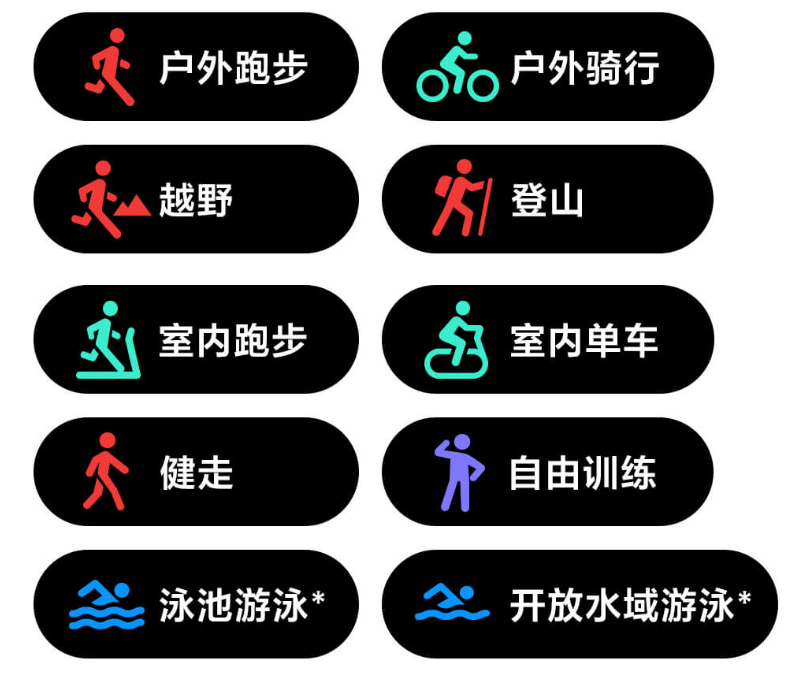
The smartwatch can track a total of 10 activities. They are outdoor running, indoor running (treadmill), trail running, climbing, outdoor cycling, elliptical training, walking, free training, indoor swimming, and open water swimming. Xiaomi said tracking for indoor and open water swimming will be available via an OTA update.
The watch can also measure VO2Max and uses FIRSTBEAT™ to analyze your physical activity and provide professional training guidance. It measures your heart rate (24-hour monitoring), stress level, and tracks your sleep too. The watch also monitors in real-time what it calls energy level and will tell you to take a break when you have engaged in energy-draining tasks.
The Xiaomi Watch Color has Xiaomi’s XiaoAI Assistant built-in, so you can use it to control your smart home products or ask it questions. However, the watch only has a microphone but doesn’t have a speaker, so responses will be displayed on the screen.
The Xiaomi Watch Color does not run MIUI for Watch but has a similar user interface. It also does not have built-in storage for storing songs.
Price
The Xiaomi Watch Color will sell for ¥799 (~$115) but will sell for more on third-party reseller sites. If there is a 42mm version, we presume it may sell for ¥699 (~$100) or even less. You can pre-order the watch here or here.
Xiaomi, the Chinese smartphone manufacturer, is planning to launch the Mi 10 and Mi 10 Pro together unlike its predecessors, the Mi 9 and Mi 9 Pro. The smartphone series will be the company’s 2020 flagship series.
Reportedly, the two smartphones in the series will share the stage in the launch event in the first quarter of 2020. Furthermore, the handsets are confirmed to feature Qualcomm’s latest Snapdragon 865 SoC, also making the series one of the first to feature the new chipset.
Xiaomi Mi 10 series equipped with Qualcomm’s Snapdragon 865 SoC.
Mi 10
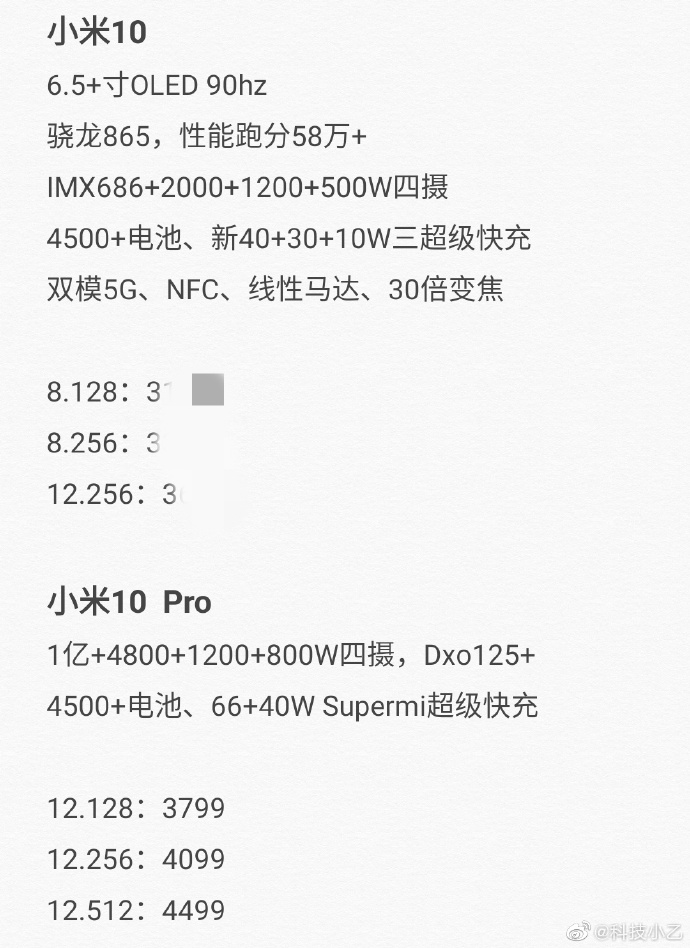
According to a leak on Weibo, the Mi 10 will feature a 6.5 inch OLED display with a refresh rate of 90Hz. Under the hood, its smartphone will be equipped with Snapdragon 865 SoC alongside 8GB/12GB of RAM and 128GB/256GB of internal storage. Unfortunately, exact pricing is still unknown but it is expected to start somewhere around 3,199 CNY or roughly 459 USD.
For photography, the device sports a quad camera setup that includes a Sony IMX686 primary sensor, a depth sensor, and a macro lens. It is also expected to feature a 30x digital zoom and will be powered by a large 4,500mAh battery; that supports triple fast charging technology, i.e 40W fast charging, or 30W fast charging and can even reverse charge for 10W wirelessly.
Xiaomi’s Mi 10 Pro is expected to arrive with a similar 6.5 inch OLED display with a 90Hz refresh rate. The processor will also be the Snapdragon 865 SoC and the battery is reported to be the same as well. However, what sets it apart from the base variant is the charging technology. The Mi 10 Pro is expected to feature a 66W wired fast charging alongside 40W wireless fast charging technology.
Leaked specs of the Xiaomi Mi 10 series shared on Weibo
Additionally, the Mi 10 Pro is said to also be equipped with a quad camera setup but the primary camera is Samsung’s 108 megapixel sensor. This will be paired with a 48 megapixel lens, a 12 megapixel telephoto lens and an 8 megapixel depth sensor.
The pricing details have yet to be officially unveiled but the Mi 10 Pro is expected to start from 3,799 Yuan (roughly 545 US Dollars) for the 12GB RAM and 128GB storage variant. The 12GB RAM + 256GB storage variant is might carry a price tag of 4,099 Yuan (roughly 588 US Dollars). Lastly, the most specced up 12GB RAM + 512GB storage variant is expected to go for 4,499 Yuan (roughly 646 US Dollars.)
Oppo had initially released the ColorOS 7 system update which was based on Android 10 OS back in November 2019. Since then, it has brought the update to a number of devices and is now also looking to include the Oppo F11 and F11 Pro smartphones as well.
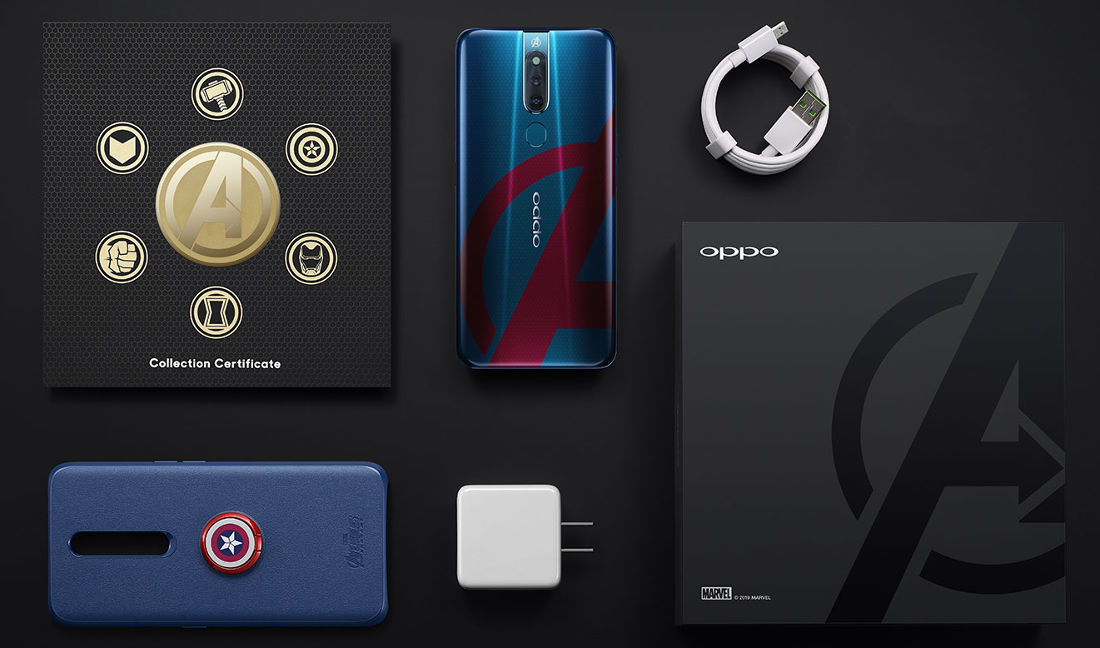
Oppo F11 Pro Avengers Limited Edition
Oppo is opening for trial tests or public beta testing for Oppo F11, F11 Pro and F11 Avengers Edition as well. For those interested, keep in mind that the number of seats for beta testing is currently limited. So, if you are not eligible for the first build, be ready as Oppo plans on further expanding testers numbers for the future beta builds that should arrive shortly after.
To opt for the beta testing, owner’s of the Oppo F11 series with the official stable software build must go to “Settings” > “Software Update” > then click the button on the upper right corner and select “Trial Version.” Users must then agree to the terms and conditions from the company and click on the “Apply Now.” Once this is done, check for updates in the Software Update section which will now have the latest beta build. Note: Beta builds are unpolished versions of a future user interface, OS, skins, etc. so one might face lags, stutters, and the odd bugs every now and then.
ColorOS 7 debuted on the OPPO Reno 3
Oppo has stated that the beta tests are only for enthusiasts looking to better the experience for the community as a whole. In other words, the testers will have to check the stability of the build and actively report any bugs or issues that they encounter; a few of them might make devices unusable so keep the risks in mind. Lastly, the ColorOS Community application can be used to report on any bugs or glitches.
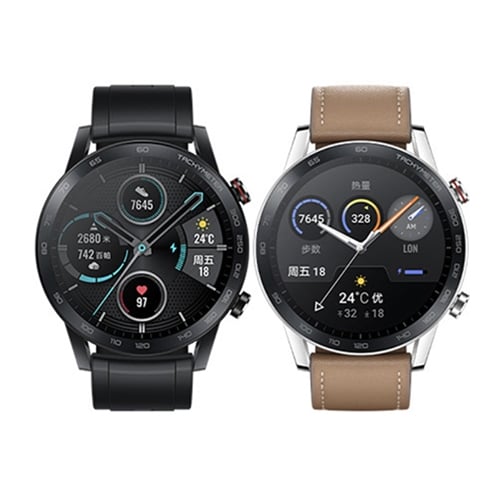
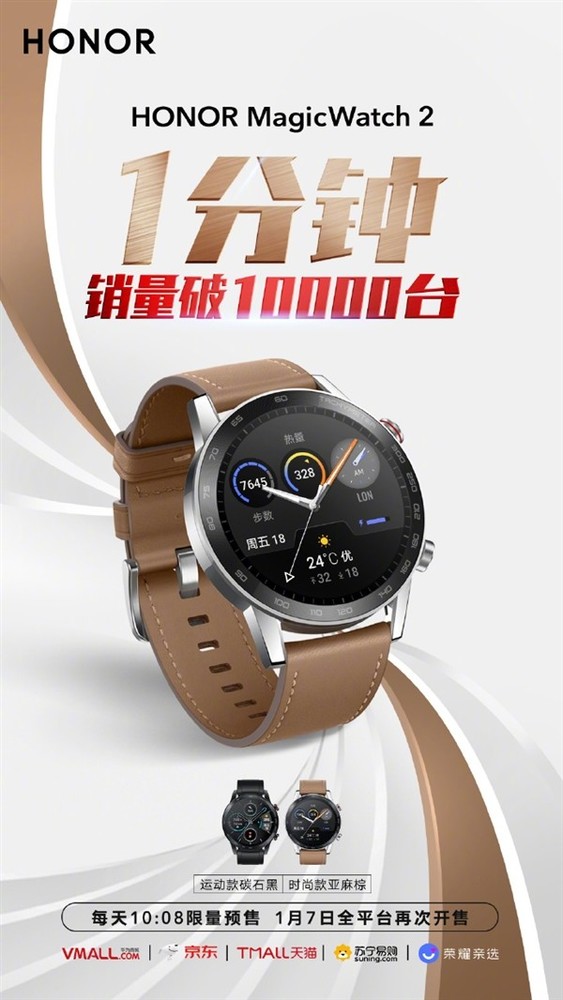
According to a new report, Honor’s latest entry in the smart wearables category with MagicWatch 2 has surpassed 10,000 units being sold in just 1 minute. The device launched today and has been met with an explosive demand immediately on availability.
Smart wearables are becoming increasingly more popular with consumers across the globe. 2019 was an important year of this category in the consumer grade electronic market and 2020 will be even more eventful for the same. Honor’s MagicWatch 2 breaking 10,000 units sold in 1 minute after New Year’s Day is one such great example.
Honor MagicWatch 2
Previously, the Honor MagicWatch 2 sold out in a similar fashion two times before as well. Both sales were well received with the device being sold out in just a couple of minutes. This is indicative of the healthy growth of the wearables industry and its positive reception from the consumers. The next sale for the smartwatch is on the 7th of January 2020 with a limited pre sale around midday (10:08 am) every day.
Smart wearables are a growing trend with the health centric users of this day and age. Since, the device arrives with health monitoring features like heart rate, blood pressure, and oxygen level and more it is highly sought after at this point in time.
Honor MagicWatch 2 broke 10,000 units being sold in just 1 minute
The Honor MagicWatch 2 also supports 15 different sports modes for different physical activities and is equipped with a 1.39 inch AMOLED display on a round dial with a Kirin A1 chipset. It is capable of Bluetooth supported calls and is waterproof for up to 50 meters as well.
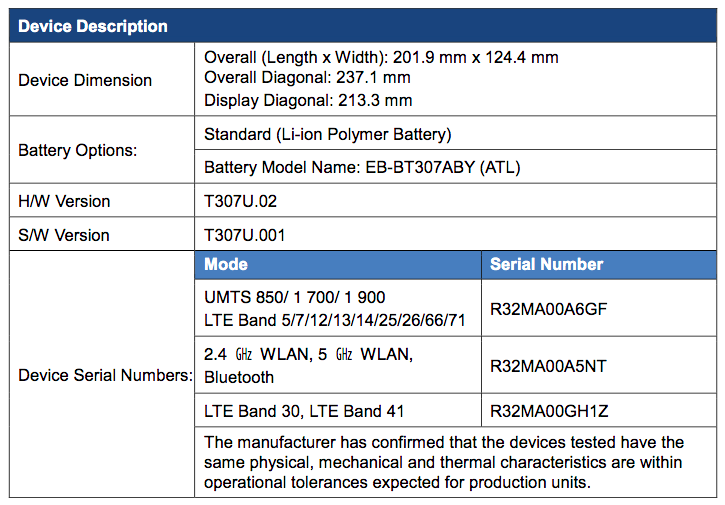
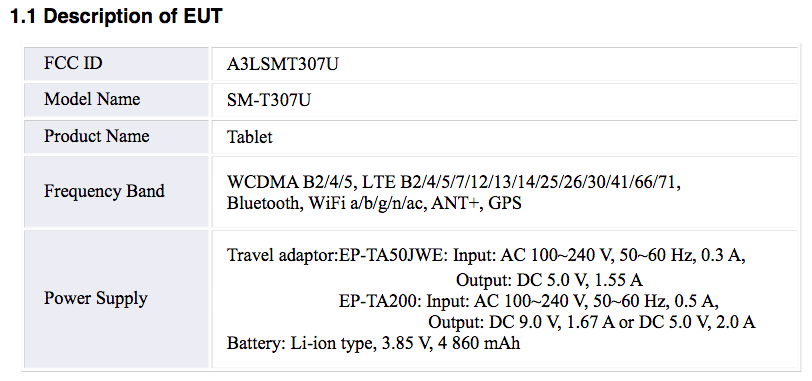
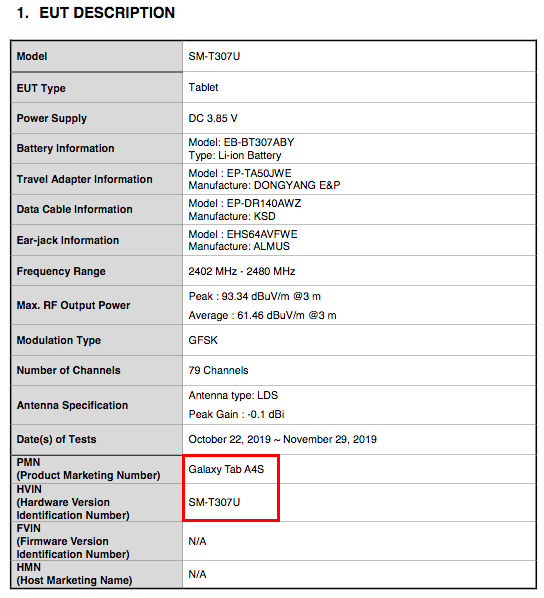
The upcoming Samsung tablet with model number SM-T307U was spotted with Galaxy Tab A4s moniker was first spotted during the Bluetooth Special Interest Group (SIG) certification last week. The device appeared on the radar again recently during the Federal Communications Commission (FCC) certification. A few key specifications of the tablet were revealed this time, including battery capacity, connectivity options, and overall dimensions.
Samsung Galaxy Tab A4s Specifications and Features
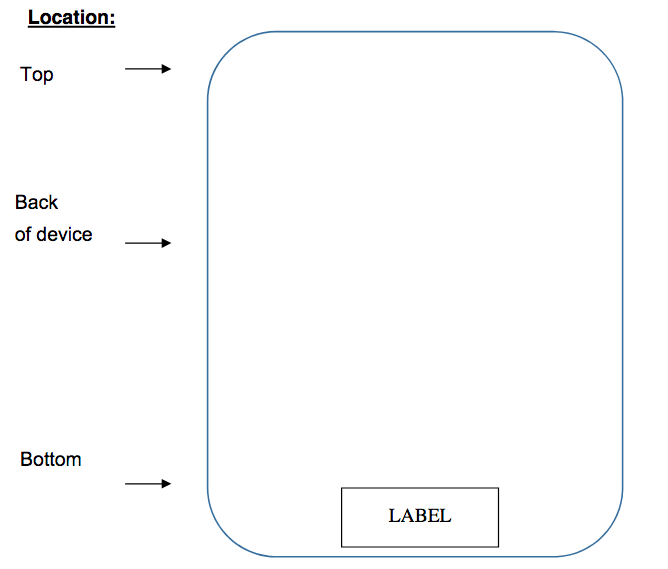
As evident from the FCC listing, the Samsung Galaxy Tab A4s flaunts an 8.39-inch display. The device measures 201.9 x 124.4 mm (length x breadth) and 237.1 mm diagonally. The device draws power from a 4,860 mAh Li-ion battery with 15W fast charge support. Connectivity options include Bluetooth, Wi-Fi a/b/g/n/ac, GPS, ANT+, LTE, and WCDMA.
In older news, Sammobile reported back in November that the SM-T307U supports 2.4 GHz and 5.0 GHz Wi-Fi networks and runs on Android 9.0 Pie. The device supports cellular connectivity and will be initially available only in brown. The device is expected to be powered by an Exynos processor and features 32GB of native storage. Judging by the mid-range specifications, the Tab A4s will most-likely be a budget offering.
Additional information on the Galaxy Tab A4s is unavailable at the time of publication. If rumors are to be believed, Samsung might launch the Tab A4s alongside the Galaxy S11 / S20 lineupin February.. Samsung might launch the Galaxy Tab A4s globally, or limit sales to specific markets. It is too early to tell right now. Watch this space for the latest updates and developments.
After starting India, Oppo’s independent brand Realme expanded to China and various other regions. Realme’s decision to enter the Chinese market is hardly surprising given that the colossal market has to lot of offer to OEMs.
Keeping its focus on the Chinese market, the brand is all set to launch its first earbuds in the country. Dubbed as the Realme Buds Air, the earbuds have been teased in the form of a launch poster ahead of its scheduled launch on January 7th in China. The earbuds were made available in the Indian markets last month.
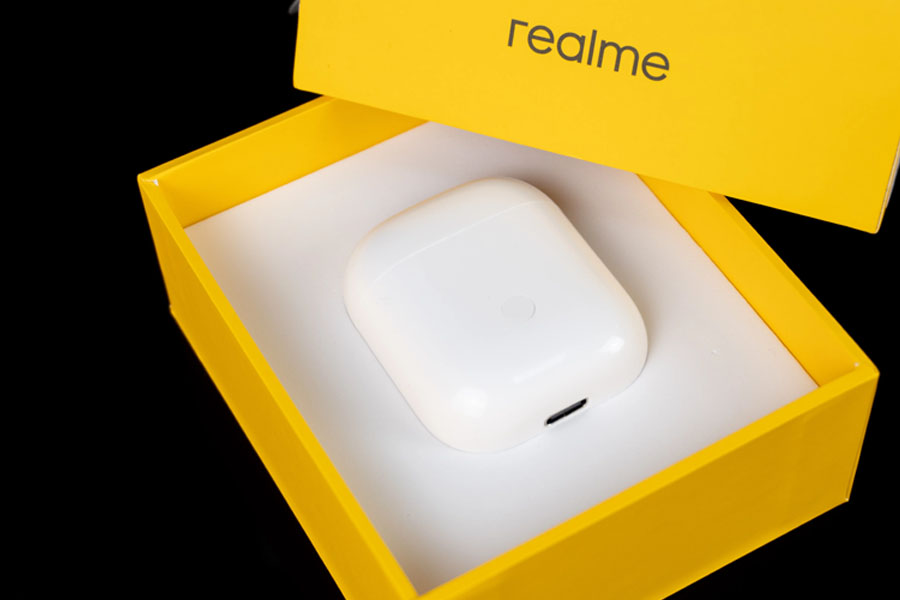
While we are still days away from the true wireless headset hitting the Chinese store shelves, it has gone up for pre-order through Giztop. Available in three highly appealing color options including yellow, white, as well as black, the Realme Buds Air would normally set you back $59.99.
Those placing their pre-orders via Giztop before January 10th can avail of an extra $5 off by applying coupon code RBA5. In other words, the Realme Buds Air can now be yours for a lowered price of just $54.99, thanks to the above-mentioned coupon.
An absolute steal at this price, the durable and light Realme Buds Air is made using superior quality material, which makes it easy-to-carry earbuds. Moreover, it packs a powerful R1 chipset under the hood.
Other features include a built-in Google Assistant voice assistant and a 12mm Dynamic Bass Boost driver with a multi-layer composite diaphragm. Aside from that, it has a 12mm movable coil for delivering seamless Hi-Fi music.
To ensure stable wireless connectivity, the Realme Buds Air adopts the latest Bluetooth 5.0. It is backed by a robust battery that delivers a battery life of up to 17 hours, and it also supports wireless charging.
In addition to featuring a built-in Voice Assistant, the Realme Buds Air has an intelligent touch control. In short, you can perform multiple tasks such as calling, playing music simply by touching the earbuds.
To know more about the Realme Buds Air and to place your pre-order, visit this link. Note that the coupon code is slated to expire on January 10th.
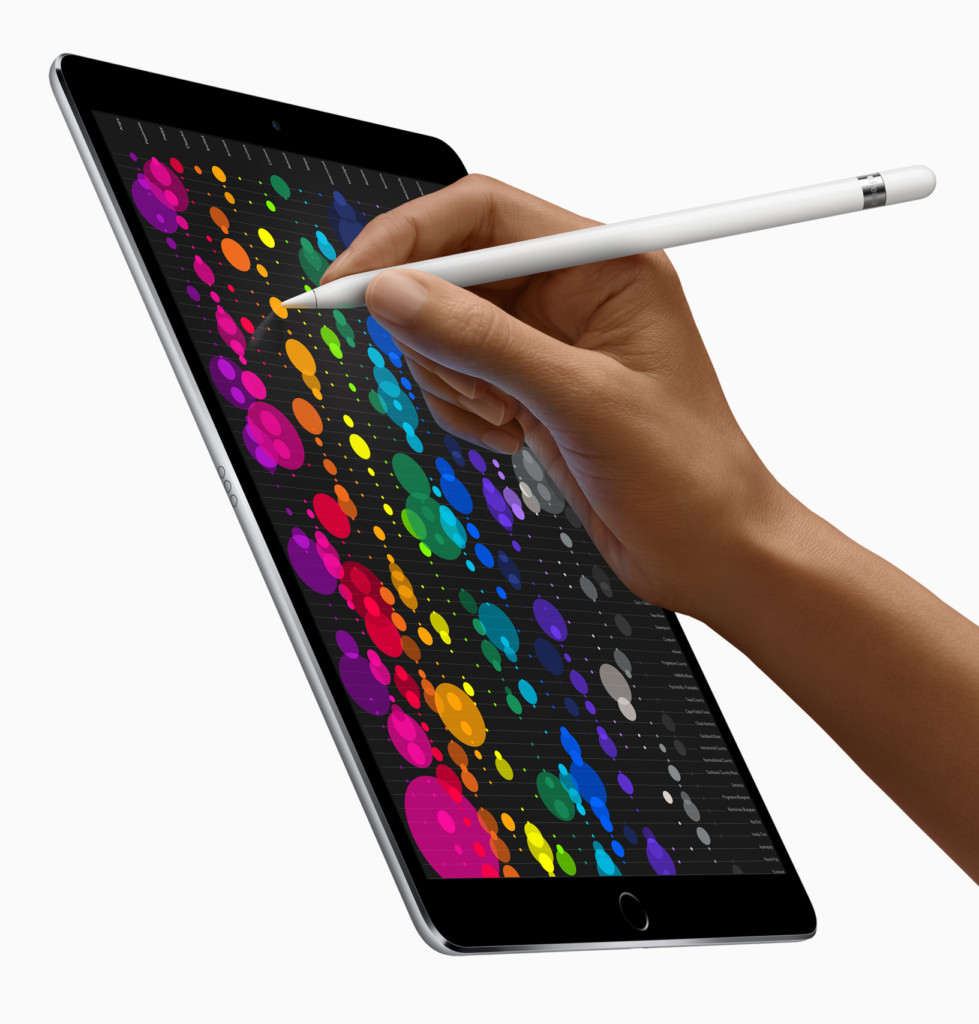
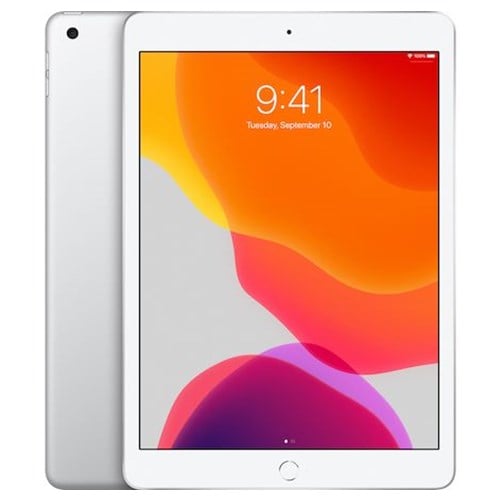
Apple, in China, has reportedly slashed its prices for iPads in China. The price cut is for the entry level iPad on its official website and was made without any official announcement.
Apple’s iPad in China were available for a more affordable rate in numerous third party online and offline channels. Thus, the move for price adjustment was quite necessary. The 2019 iPad model in question is a 10.2 inch screen device which is similar in design to the 2018 model. It supports Apple Pencil and provides Touch ID fingerprint recognition software for protection alongside an 8 megapixel camera for photography.
Apple iPad with Apple Pencil Support
The price for the entry level iPad after adjustment is 2,499 Yuan or roughly 358 US Dollars for the 32GB storage variant. The 128GB variant, on the other hand, is now priced at 2,999 Yuan or roughly 430 US Dollars. The original prices for both different versions stand at 2,699 and 3,499 Yuan (or roughly 387 to 502 US Dollars), respectively.
This marks a price cut of 200 Yuan and 500 Yuan (or roughly 28 to 71 US Dollars) in both variants; with the more expensive model with larger storage seeing a higher level of adjustment. It makes the 128GB variant offer better value overall after the price cut.
Apple iPad with a 10.2 inch display
The slash in pricing should also allow Apple to be a bit more competitive to the various third party retailers that target either offline or online shoppers. Although, this might also lead to the same third party retailers to further slashing their own prices since the official price tag has fallen lower than before.
Realme took the covers off its first flagship phone dubbed the Realme X2 Pro in China and Europe in October last year, and made the device available to Indian consumers in November.
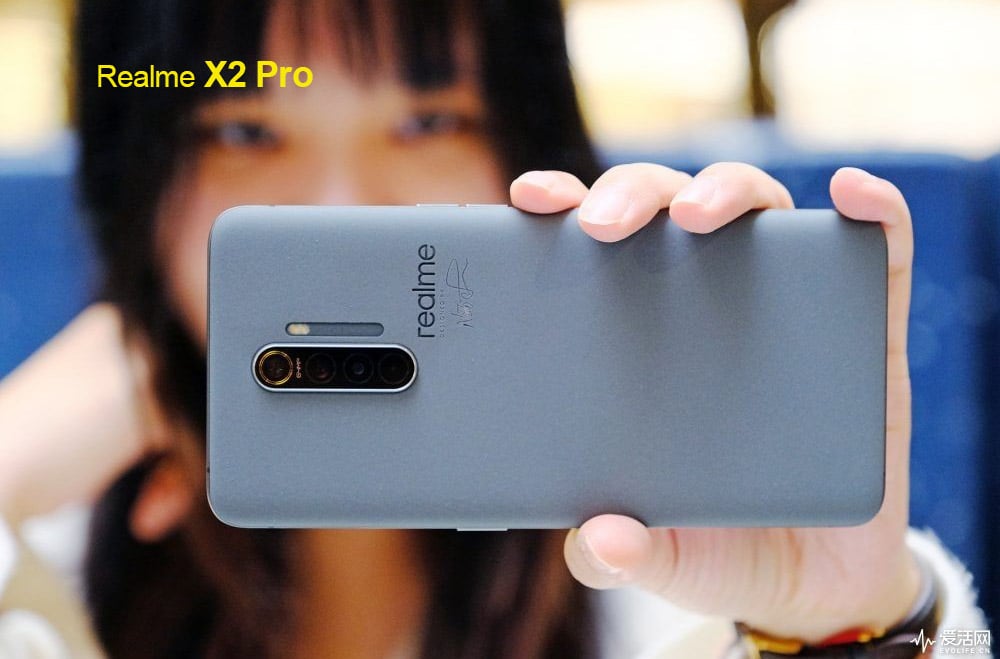
Touted as the ‘Full Speed Flagship,’ the global version of the X2 Pro is now available on Giztop featuring 8GB of RAM and a hearty 128GB of onboard storage space. This blue-tinted global version will set you back $419 if you place your order via Giztop.
The irresistible X2 Pro sports a 6.5-inch Super AMOLED full HD+ display with a refresh rate of 90Hz, the screen-to-body ratio of 91.7 percent, and an aspect ratio of 20:9. Under the hood, it packs a powerful Snapdragon 855 Plus 2.96GHz Octa-core processor along with an Adreno 640 GPU.
In the photography department, the Realme X2 Pro houses a quad-camera setup comprising 64MP+13MP+8MP+2MP sensors. Upfront, there’s a 16MP camera for selfies and video calling.
The Realme X2 Pro uses superconducting carbon fiber and has vapor chamber liquid cooling for better heat dissipation. Furthermore, the phone runs ColorOS 6.1 Realme Edition based on Android 9.0 Pie OS and is backed by a 4000mAh battery that supports 50W SuperVOOC flash charge and USB-PD and 18W rapid charging.
On top of that, the X2 Pro also supports dual-frequency GPS and NFC. To know more about the feature-laden mobile phone and to place your order, simply follow this link without wasting time.
Xiaomi will be launching its new Xiaomi Watch Color tomorrow in China. Ahead of the launch, the company has revealed some of the details but refrained from revealing full specifications and pricing details.
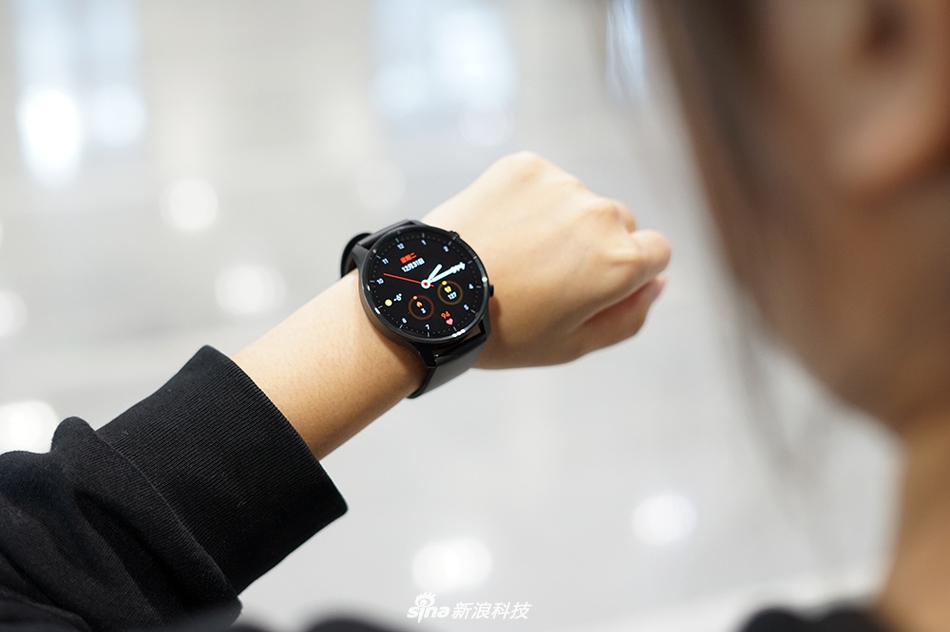
However, jus t a day before the Xiaomi Watch Color goes official in China, hands-on images of the wearable device has surfaced online which reveals the full design as well as some of the key features.
This is the second watch product coming from Xiaomi brand but it isn’t being labelled as a smartwatch given that the company is focusing more on the design of the device rather than functionality, in a stark contrast to the Mi Watch launched recently.
It comes with a 1.39-inch circular dial and has a diameter of about 47mm. The display offers pixel density of 326PPI which is protected by a layer of third-generation Corning Gorilla Glass.
Thanks to the all-black body and a black colored rubber strap, metal frame and circular display, the Xiaomi Watch Color is looking visually stunning. While the hands-on image shows black-colored strap, the company is offering six color options to choose from along with 110 built-in dials.
To operate this wearable device, the company is still offering the usual touch + physical button method. Unlike the Mi Watch, this new Watch Color comes with two physical buttons on the right side. One is a power button which is also used to navigate while the other one is for quick actions such as click-to-call, exercise mode, etc.
Although the Xiaomi Color Watch is not as smart as the company’s first smartwatch, it seems to be running MIUI for Watch interface, which isn’t confirmed yet. The functionality of the device is similar to the Mi Band 4 fitness tracker.
Interestingly, it also comes with support for XiaoAI smart assistant, making it easy for the user to control IoT product or smart home appliances with the Watch Color. However, it is reported that the wearable device lack vibration feedback for notifying action feedback.
The Xiaomi Watch also displays notifications on the screen from several applications including WeChat, up to 100 Chinese characters. However, do note that the watch does not support replying and just shows the notifications.
As the functionality is similar to the Mi Band 4, it does come with support for several fitness-related feature and thus packs multiple sensors, including third-generation HRM heart rate sensor along with Xiaomi’s motion algorithm.
The device is said to have 5ATM rating making it waterproof and comes with Bluetooth 5.0 connectivity. Thanks to NFC support, it can be used to make payments as well. The Xiaomi Watch Color is powered by a 420mAh battery which is claimed to provide battery life of around 14 days on a single charge.
As said, the Xiaomi Watch Color is slated to launch and go on sale in China tomorrow, i.e. 3rd January 2020. It is said to be priced at 799 yuan which roughly converts to $115. To know for sure, we’ll have to wait for a few more hours.
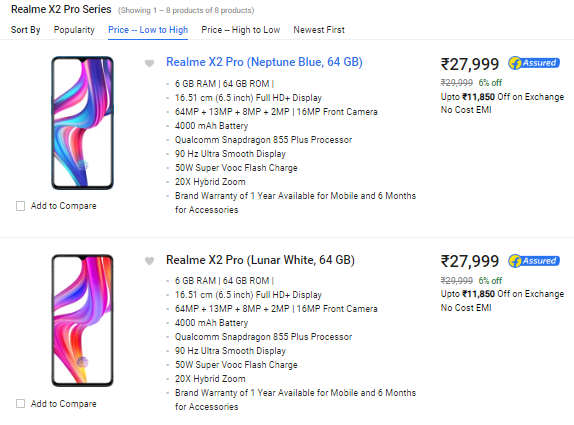
At the end of December, Realme India had confirmed the pricing of the new 6 GB RAM + 64 GB storage variant for the Realme X2 Pro. However, the handset wasn’t made available for purchase readily. The new variant isn’t yet listed on the official website of Realme India. However, it is available for purchase through Flipkart with a price tag of Rs. 27,999 (~$392).
Flipkart is carrying out Realme 2020 Sale between Jan. 2 and Jan. 5. The landing page of the sale has revealed that the 6 GB RAM + 64 GB storage edition of Realme X2 Pro is now available for purchase. The smartphone is listed in color option such as Neptune Blue and Lunar White.
The Realme X2 Pro is available in other variants such as 8 GB RAM + 128 GB storage and 12 GB RAM + 256 GB storage. Both models are respectively priced at Rs. 29,999 (~$420) and Rs. 33,999 (~$477). Both models are available in aforementioned color options. As far as the Realme 2020 Sale is concerned, the Chinese firm is now selling smartphones like Realme C2, Realme 3i, Realme 3, Realme 5, Realme X, Realme XT and more with attractive discounts.
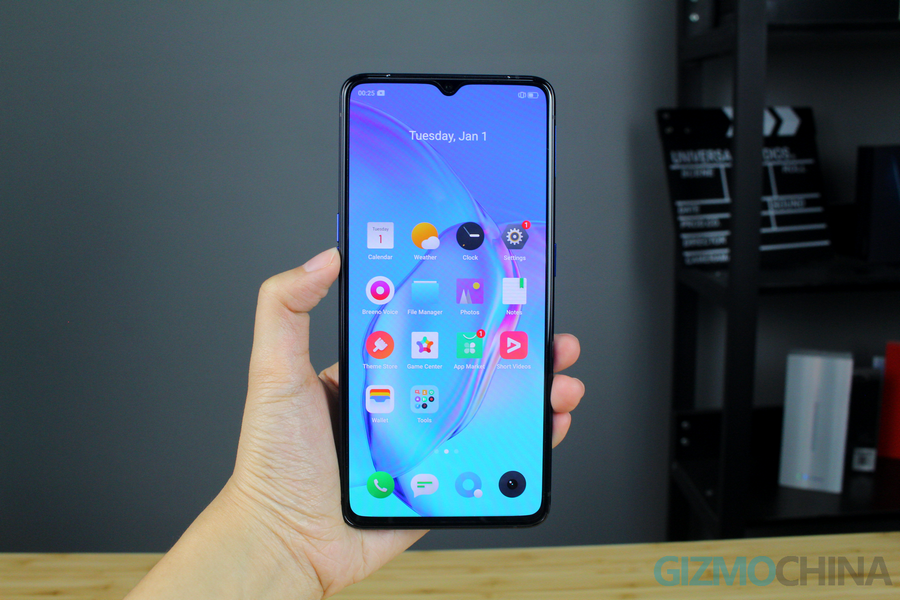
The Realme X2 Pro supports 90Hz refresh rate through its 6.5-inch S-AMOLED display. The waterdrop notch screen offers full HD+ resolution and is integrated with a fingerprint sensor. It is the first flagship phone from the company that is driven by Snapdragon 855+ mobile platform and LPDDR4x RAM. The phone ships with UFS 3.0 storage.
The Realme X2 Pro has a front-facing camera of 16-megapixel. The rear shell of the phone has a quad camera setup that includes a 64-megapixel main lens, a 13-megapixel telephoto lens that enables 20x hybrid zoom support, an 8-megapixel ultrawide sensor and a depth assist lens of 2-megapixel. The ColorOS 6 based Android 9 Pie OS runs on the smartphone. The X2 Pro is fueled by a 4,000mAh battery that supports 50W SuperVOOC Flash Charge technology.
At the Mobile World Congress (MWC) 2019, HMD Global had announced the Snapdragon 845 powered Nokia 9 PureView that featured penta-lens camera setup. Rumors in mid-2019 had claimed that the Finnish firm will be debuting Nokia 9.1 PureView powered by Snapdragon 855 mobile platform. However, it did not come true. In October, it was reported that the arrival of the Nokia 9.1 PureView has been delayed to the second quarter of 2020. Fresh information shared by Nokia Anew, a Twitter account known for sharing new details on upcoming Nokia phones, has revealed that the successor smartphone for Nokia 9 PureView might be called Nokia 9.2. Its arrival has been further pushed to late 2020 as the company wants to launch it with the latest Snapdragon 865 mobile platform.
As mentioned above, the previous reports had claimed that the successor of the Nokia 9 PureView could be featuring the SD855. The alleged Nokia 9.2 PureView could be a 5G phone as it is expected to arrive with SD865. The leak has no information on the other specs of the device. There is a possibility that it could be equipped with a more powerful penta-lens camera system. Reader are advised to take this news with a pinch of salt. Hence, it seems that the Finnish firm won’t be announcing any flagship phone at the MWC 2020 tech exhibition next month.
In December, the company had confirmed at the Qualcomm’s Snapdragon Tech Summit 2019 event it will be launching a Snapdragon 765 powered 5G handset at the MWC 2020. The company did not confirm anything on launching a SD865 powered phone at MWC 2020. The first SD765 Nokia phone is expected to sport a copper frame and a round-shaped camera module powered by ZEISS imaging technology. The phone will be equipped with PureDisplay that may allow the phone to support HDR playback. There is no information available on the name of the device.
In a follow-up to the previous tweet, here's the full top:
Nokia Anew has also claimed that Nokia 7.2 was the most popular Nokia phone in 2019 on the basis of volume of devices shipped last year. The second popular was Nokia 9 PureView followed by other phones such as Nokia 6.2, Nokia 7.1, Nokia 2.2 and Nokia 4.2. Again, there is no official source to take this information.
A couple of days ago, Chang Cheng, Lenovo’s Vice President and Head of Lenovo Mobile China announced his departure from the company which he joined around 19 years ago. It is said that Chang Cheng had resigned from Lenovo on December 18, the same day Liu Chuanzhi retired.
Surprisingly, Chang Cheng has now joined Xiaomi as a Vice President. Earlier today, Lei Jun, Founder, Chairman and CEO of Xiaomi confirmed the same by welcoming him to Xiaomi as the Vice President of Xiaomi Group.
In his new role, Chang Cheng will be responsible product planning related to the company’s smartphones. Subsequently, Mr. Cheng also confirmed his appointment at Xioami through a post on his Weibo account.
He had joined Lenovo in the year 2000 as the Director of Research and Development of the notebook business unit. In 2011, he was appointed the Vice President of Lenovo Group and the General Manager of the mobile end-to-end software platform. Later, in June 2015, he became CEO of ZUK mobile brand.
Under Chang Cheng, Lenovo struggled in the highly competitive smartphone market and couldn’t grab significant market share. He had been under tremendous pressure to deliver results. His departure from Lenovo was cited because of personal health issues and spending more time with the family. However, that doesn’t seem to be case given that he has now joined Xiaomi in the same role.
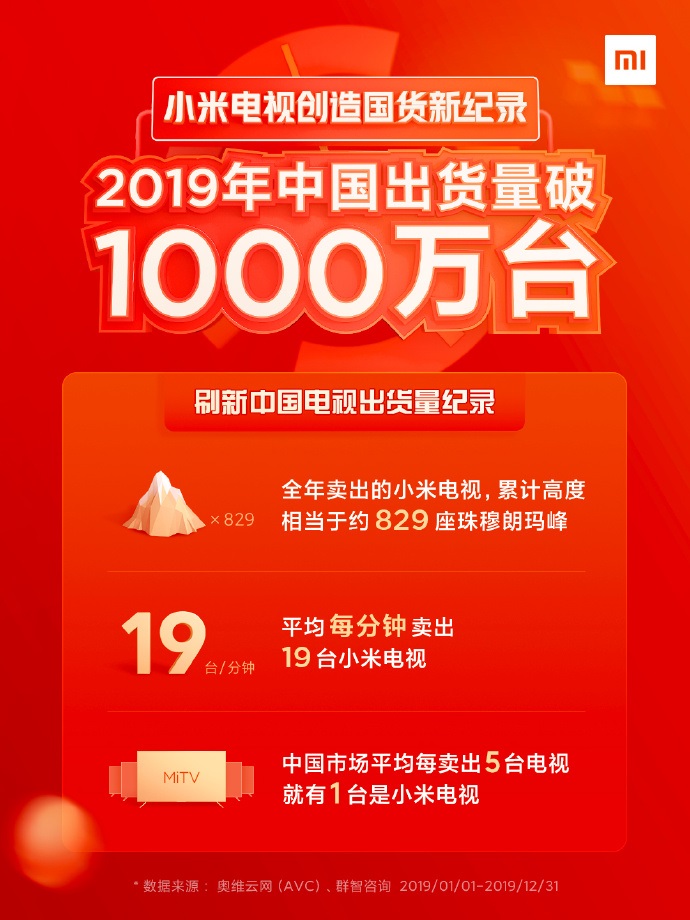
Xiaomi recently announced that the company has surpassed its goal of shipping 10 million units of its Smart TVs in the Chinese market. Now, fulfilling the promise made by Xiaoxiao Li, General Manager of the Xiaomi TV Department, he has sent 100 Xiaomi TVs in a raffle.
The company has revealed that the giveaway for these 100 units of Xioami TV will take place from 3rd January to 7th January and the company will be giving away 100 units during these five days and added that the winners will be declared every night.
As per the report, Xiaomi has been placed at the top in the Chinese TV market from January to November, beating established TV manufacturers such as Skyworth, Hisense, and TCL among others.
Xiaomi stated its journey in the Smart TV market back in 2013 and now the company has announced that it has achieved its goal of becoming China’s top player in the category. With the achievement of shipping 10 million units of its smart TV in 2019, Xiaomi has created a history since no other brands have achieved such numbers in a single year.
Notably, Xiaomi’s Mi TV series has also won the top “Color TV Innovation Product” award previously at the China Intelligent Display and Innovation Application Industry Conference. The company even arrived first in the “Top Ten TV Awards 2019” and “High-end Smart Product Awards.” This essentially cements the company’s place in the TV industry in the home market China and as a viable option in global markets.
Not just China, Xiaomi is also dominating the Indian smart TV market. As per the report from IDC, Xiaomi’s Mi TV holds about 33 percent of the smart TV market share in India. Following Mi TV range in India in the second spot is Samsung India with a market share of 14 percent and LG sits at third with a share of 13 percent.
We use cookies on our website to give you the most relevant experience by remembering your preferences and repeat visits. By clicking “Accept”, you consent to the use of ALL the cookies.
This website uses cookies to improve your experience while you navigate through the website. Out of these, the cookies that are categorized as necessary are stored on your browser as they are essential for the working of basic functionalities of the website. We also use third-party cookies that help us analyze and understand how you use this website. These cookies will be stored in your browser only with your consent. You also have the option to opt-out of these cookies. But opting out of some of these cookies may affect your browsing experience.
Necessary cookies are absolutely essential for the website to function properly. This category only includes cookies that ensures basic functionalities and security features of the website. These cookies do not store any personal information.
Any cookies that may not be particularly necessary for the website to function and is used specifically to collect user personal data via analytics, ads, other embedded contents are termed as non-necessary cookies. It is mandatory to procure user consent prior to running these cookies on your website.








 In the photography department, the Realme X2 Pro houses a quad-camera setup comprising 64MP+13MP+8MP+2MP sensors. Upfront, there’s a 16MP camera for selfies and video calling.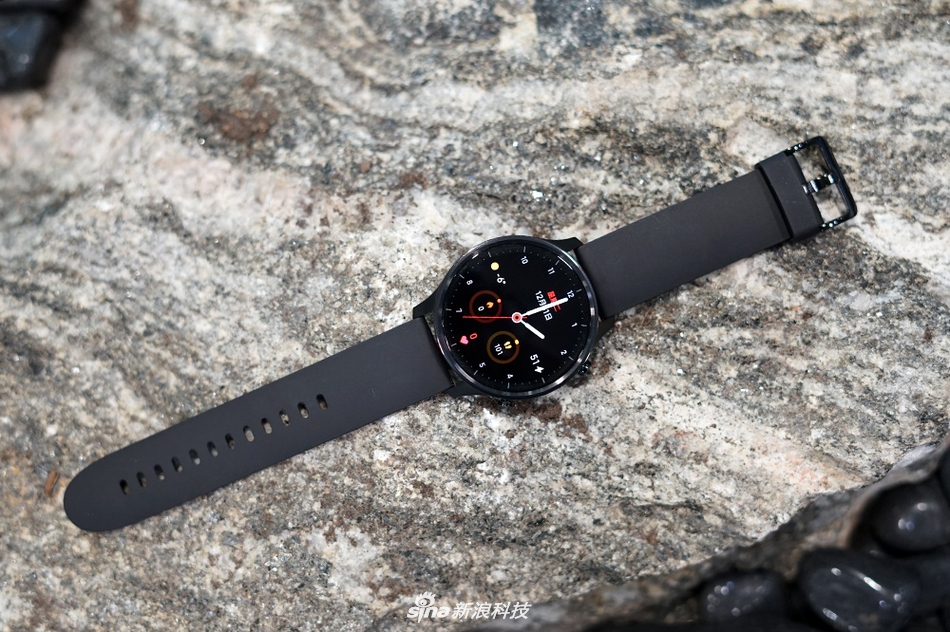


UP NEXT: Nokia 2720 flip phone and Nokia 800 Tough mobile goes on sale in China