Canon’s experimental pocket camera is set to ship out from 15 October in the United States. Since July, the Canon IVY REC is on crowdfunding site Indiegogo and was accepting pre-orders for the price of $130. It is set to replace our most constant camera companion – smartphone while snapping memories into digital format. The Canon IVY REC is nifty and a clippable camera which can click photos with more portability.
Given the positive response from the enthusiasts in the US, the Canon could consider its availability across other countries very soon. Being small and lightweight are some advantages of the Canon IVY REC outdoor camera. It is capable of recording videos at 1080p at 60 fps with a 13-megapixels camera. It is totally wireless with WiFi and Bluetooth connectivity. The pocket camera weighs only 86g and can shoot either 4:3 or 1:1 aspect photos and 16:9 aspect videos.
Thanks to its waterproof and shockproof capabilities which can withstand water splashes and resist any shocks while traveling. It supports USB charging and microSD card for storage. It is said to be more rugged than any smartphone. The user need not to bring out a smartphone to snap a picture or record videos. A single click on Canon IVY REC camera will just do the magic.
It was put on sale in three different colors of Riptide (blue), Avocado (green), and Dragon Fruit (pink) with a $130 discount on the actual price. It will start shipping to buyers from 15 October in the United States. The device is said to arrive within 5-7 days after shipping. Canon will also intimate users once the item gets shipped.
Qualcomm, on the other hand, says it will announce Snapdragon 600 and Snapdragon 700 5G processors next year which means it will be playing catch up to Samsung. New details about the first of that chipset have surfaced.
According to a Weibo post by @Digital Chat Station, the Qualcomm SM7250 will cost between $60 to $70 while its MediaTek competitor, the MT6885, is said to be priced between $40 to $50. Both chipsets will be dual-mode 5G chips and are already being tested by OPPO, Vivo, and Xiaomi (Redmi).
Based on this, buyers should expect to pay more for 5G mid-range smartphones since the processors cost more. This should not be a surprise as 5G flagships cost more than their 4G variants, so it is expected that the same will apply to mid-range phones too.
We still don’t know the specs of Qualcomm’s chipset but it has been reported that it will be a 7nm chipset. We expect more details to surface in the weeks leading to its announcement.
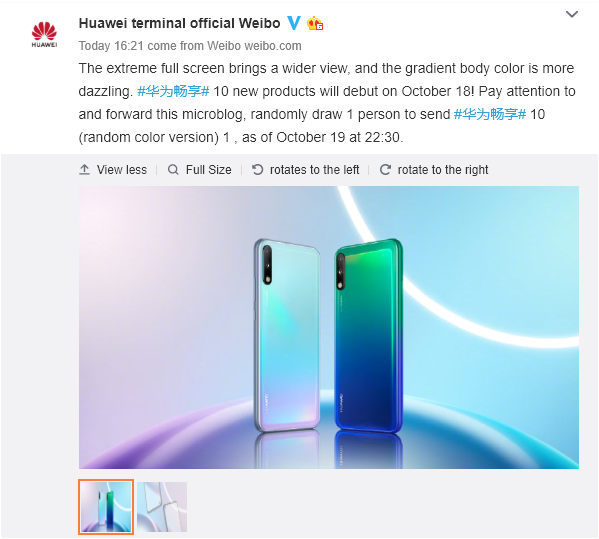
Huawei Enjoy series has evolved over the ears and not only offer affordable models but also come with spectacular design and several variants to choose from. Last year, the Enjoy 9 series included the Enjoy 9, Enjoy 9 Plus, as well as the Enjoy 9e and Enjoy 9s that were both released earlier in March 2019. This year, the Chinese tech giant has already launched the Enjoy 10 Plus. Huawei has just announced that the Enjoy 10 will be launched in China on October 18.
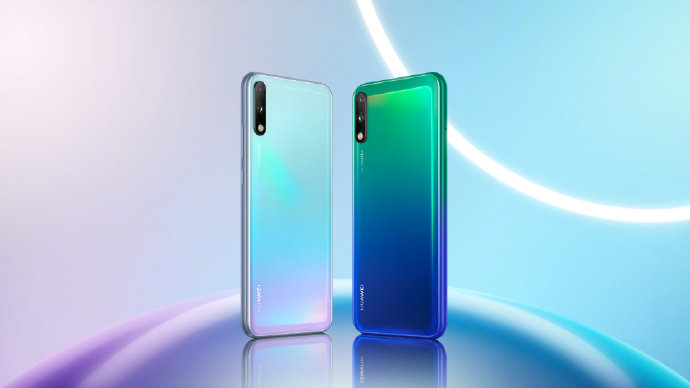
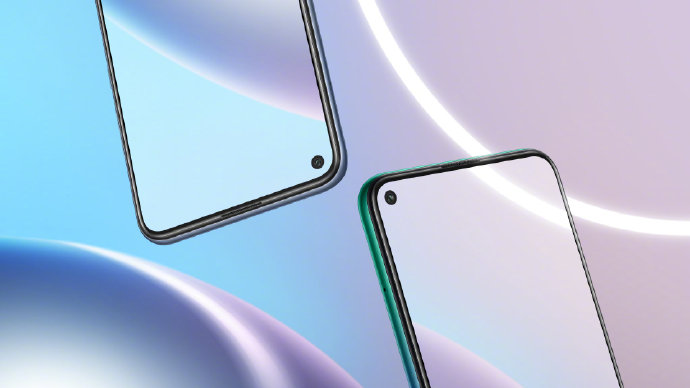
The Enjoy 10 launch was teased by Huawei’s official Weibo page and the post also contains the renders of the device. The renders of the Enjoy 10 have earlier leaked and they are similar to the ones offficially shared by Huawei. From the renders and teaser, we can see that the Enjoy 10 will have a punch-hole display which gives it a higher screen-to-body ratio. The rear design also includes a gradient back panel and dual cameras. The cameras are aligned vertically at the top left corner. There is no physical fingerprint sensor at the back meaning the device will have an in-display fingerprint sensor.
The device has already appeared on TENAA with the model number ART-TL00X. The TENAA listing shows the smartphone features a 6.39-inch IPS LCD display with HD+ resolution of 720 x 1,560 pixels. It is fueled by an octa-core processor that clocks at 2.2 GHz that is believed to be the Kirin 710F chipset.
On the camera aspect, the dual rear cameras consist of a 48-megapixel primary lens and an 8-megapixel secondary lens. Placed inside the punch-hole of the display is an 8-megapixel selfie camera. The Enjoy 10 is equipped with a minimum capacity battery of 3,900mAh but there is no support for fast charging on the device.
One thing the Enjoy 10 may likely have going for it will be an affordable price tag. We’ll get to know the price when it goes official.
Whenever someone hears about Huawei, things that would come across their mind include smartphones and telecommunication equipment. However, the company owns and operates a wide variety of side businesses, which range from hotels to food and wine. Interestingly, most of the said side businesses cater mainly to Huawei employees and customers while services provide by some can be availed by the general public.
Even though Huawei generates a revenue greater that $ 100 billion and has over 180,000 employees, it still has elements of what can be called a family run business. The members of Huawei CEO, Ren Zhengfei’s family play crucial role in running the previously mentioned side business which aren’t linked to the telecom sector.
While most of us know about, Sabrina Meng Wanzhou, the chief financial officer of Huawei who became widely known after her arrest in Canada last year; much less is known about Ren’s wife, son and brother.
Steven Ren Shulu who is 63 years old is the younger brother of Ren. While the Huawei website addresses him as the Chief Logistics Officer at the company, he also oversees construction, catering and hospitality businesses.
One notable construction includes the lush Songshan Lake campus in Dongguan which is expected to be finished by 2023. The campus will be office to 25,000 Huawei employees, all of which will also have apartment block in the space.
Ren Zhengfei’s son is Ren Ping who is 44 years old. He is the man in-charge of Shenzhen Smartcom Business Co. Limited which is a company subsidiary that holds more than a dozen hotels and services apartments in multiple countries including South Africa, China, Thailand and Saudi Arabia. As previously mentioned, most of these properties serve Huawei employees and clients only; while some, out of which one is, Amber House in Nanjing – can be booked by anyone online.
He is also the president of Shanghai Mossel Trade Co Ltd, a subsidiary where Ren Zhengfei’s wife also works, according to Chinese company registration records. The company deals in imported foods which includes premium beef, fine rice and Huawei-lableled wines.
In the year 2010, when Mossel was established, news and media houses questioned “why would an IT company that has over $ 100 billion in revenue get into business of selling edibles”. While Huawei did not give out any answers, a staff member of the Guardian newspaper claimed that the enterprise was established after the company took part-payment in the form of wine and beef from an Argentinian customer who was seeking to avoid currency controls.
The company CEO has stated on multiple occasions that none of his family members, including duaghter, Sabrina Meng, would succeed him as Huawei CEO. Moreover, reporters of the news agency, Reuters have questioned numerous company employees whether they have any resentment about role of Ren’s family members.
One exectutive who refused to reveal his identity said:
I don’t care what the boss’s family does as long as I get my pay and dividends
All in all, Huawei seems like an uncovnetional company that does not beleive in succession by family members. Having said that, it somehow gives them power to manage side businesses.
Several months ago Ulefone launched an entry-level budget rugged smartphone, Armor X3. Despite its many advantages in terms of durability, there was a drawback: it didn’t support 4G networks. For that reason, Ulefone launched today a new 4G upgraded version of Armor X3, with a higher configuration and new color variants, Ulefone Armor X5. Let’s take a look at it configuration.
Compared to Armor X3, the Armor X5 comes with an upgraded SoC. It sports the MT6763 8-core SoC instead of the old 4-core MT6580. The more powerful SoC offers fast and fluent handling speed, powers premium experiences and goes easy on battery consumption. Also, RAM is upgraded to 3GB offering better multitasking while the internal storage remains at 32GB. The cameras also got upgraded and the Armor X5 comes with a dual rear camera with 13MP/2MP configuration while the selfie shooter is the same 5MP one that also supports face unlock.
As for the rest of its specs, the X5 packs a 5.5″ all-screen display with 18:9 aspect ratio, a big 5000mAh battery, NFC with Google Pay support, dual-4G/-dual-VoLTE, and runs Android 9.0 Pie. There are also some creative functions for you to explore while three color variants are chosen: Black, Red, Orange.
The Ulefone Armor X5 just went available for preorder on Bangood at just $99.99 that, considering the specs, is a very appealing price. So, if it got your attention, you can go ahead and pre-order it on Banggood.
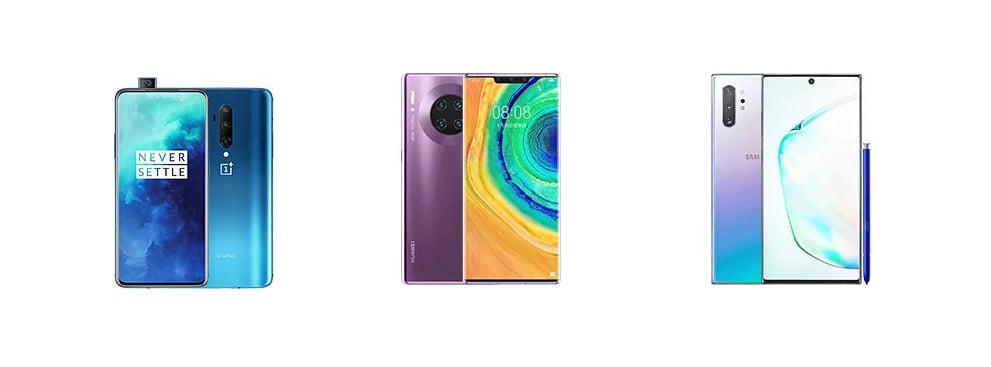
At the first event related to the 7T series, OnePlus unveiled just the OnePlus 7T leaving a lot of fans a bit disappointed. But a few days ago, the OnePlus 7T Pro was finally made official alongside its McLaren Edition. So, now we got the top-tier OnePlus flagship of the second half of 2019. The OnePlus 7T Pro is one of the best top-tier flagships out there and we believe it is worth comparing it with its most expensive rivals. For this comparison, we chose the most powerful flagships from the most important smartphone brands in the actual market: Huawei Mate 30 Pro and Samsung Galaxy Note 10+.
OnePlus 7T Pro vs Samsung Galaxy Note 10+ vs Huawei Mate 30 Pro
Huawei Mate 30 Pro
Samsung Galaxy Note 10+
OnePlus 7T Pro
DIMENSIONS AND WEIGHT
158.1 x 73.1 x 8.8 mm, 198 g
162.3 x 77.2 x 7.9 mm, 196 g
162.6 x 75.9 x 8.8 mm, 206 g
DISPLAY
6.53 inches, 1176 x 2400p (Full HD+), OLED
6.8 inches, 1440 x 3040p (Quad HD+), Dynamic AMOLED
6.67 inches, 1440 x 3120p (Quad HD+), Fluid AMOLED
Each smartphone present in this comparison adopts an innovative form factor, so which one has the best look mostly depends on your tastes. OnePlus 7T Pro comes with a notch-less and hole-less display and a high screen-to-body ratio thanks to its motorized pop-up front camera. Samsung Galaxy Note 10+ adopts a curved punch-hole display. Huawei Mate 30 Pro has an even more curved Horizon display thanks to which there is no need for physical keys: the device boasts the innovative side touch technology which replaces them. I define the Huawei Mate 30 Pro more suitable for most of the people when it comes to aesthetics and builds quality because the Samsung Galaxy Note 10+ has big dimensions (due to its 6.8-inch display) and the OnePlus 7T Pro lacks water resistance.
Display
Despite it lacks the high 90 Hz refresh ratio of the OnePlus 7T Pro (which is amazing for gamers), Samsung Galaxy Note 10+ has the most complete display. It has an amazing color reproduction, a very high brightness, a larger diagonal (6.8 inches) and the support to S Pen for handwriting and drawing. OnePlus 7T Pro still offers one of the most amazing panels you can find on a smartphone, while Huawei P30 Pro is evidently inferior as it only comes with a Full HD+ resolution and it does not support HDR10+ (just HDR10).
Hardware/Software
We still did not test the OnePlus 7T Pro thoroughly, but judging from the specs on the paper, we can tell you that OnePlus 7T Pro should be the device with the highest performance, at least in its higher-end configuration with 12 GB of RAM. However, it does not have a 5G variant, while Samsung Galaxy Note 10+ and Huawei Mate 30 Pro do. It even lacks a micro SD slot to expand the internal storage, unlike its two opponents. In its 5G variant, Huawei Mate 30 Pro should offer the best 5G connectivity thanks to the Kirin 990 chipset which comes with an integrated 5G modem. But the Mate 30 Pro does not even have a variant with 12 GB of RAM, so Samsung Galaxy Note 10+ should win when it comes to performance. Note that Huawei Mate 30 and OnePlus 7T Pro ship with Android 10, while the Galaxy Note 10+ has Android 9 out of the box.
Camera
The quad camera department found on the Huawei Mate 30 Pro should have no rivals in the Android market in most of the situations. It boasts two 40 MP sensors with OIS and 3x optical zoom, as well as an additional 3D TOF camera. On the other hand, if we talk about selfies, Samsung Galaxy Note 10+ is superior despite having a lower front camera resolution. There is no way for the OnePlus 7T Pro to compete with Samsung Galaxy Note 10+ and Huawei Mate 30 Pro in the camera section.
Battery
The presence of a bigger 4500 mAh, a more efficient chipset built at 7nm+ and a smaller Full HD+ display allows the Huawei Mate 30 Pro to last as much as the Galaxy Note 10+ in a lot of scenarios. It even supports very fast wireless charging technology with a 27W power.
Price
Huawei Mate 30 Pro starts from €1,100/$1215, and that is the same for the Samsung Galaxy Note 10+. OnePlus 7T Pro’s official price is €859/$948 for the global market. The presence of the S Pen, a bigger and better display make the Samsung Galaxy Note 10+ a much better device for productivity, but if we exclude the fact that it won’t come with Google apps, Huawei Mate 30 Pro may be better for a lot of normal users due to its amazing cameras and more compact dimensions. OnePlus 7T Pro is overall inferior to the Galaxy Note 10+ for a lot of users (it has inferior cameras, it lacks water resistance, expandable storage, wireless charging, and a 5G variant), but it offers better performance and even higher value for money if we only consider listing prices.
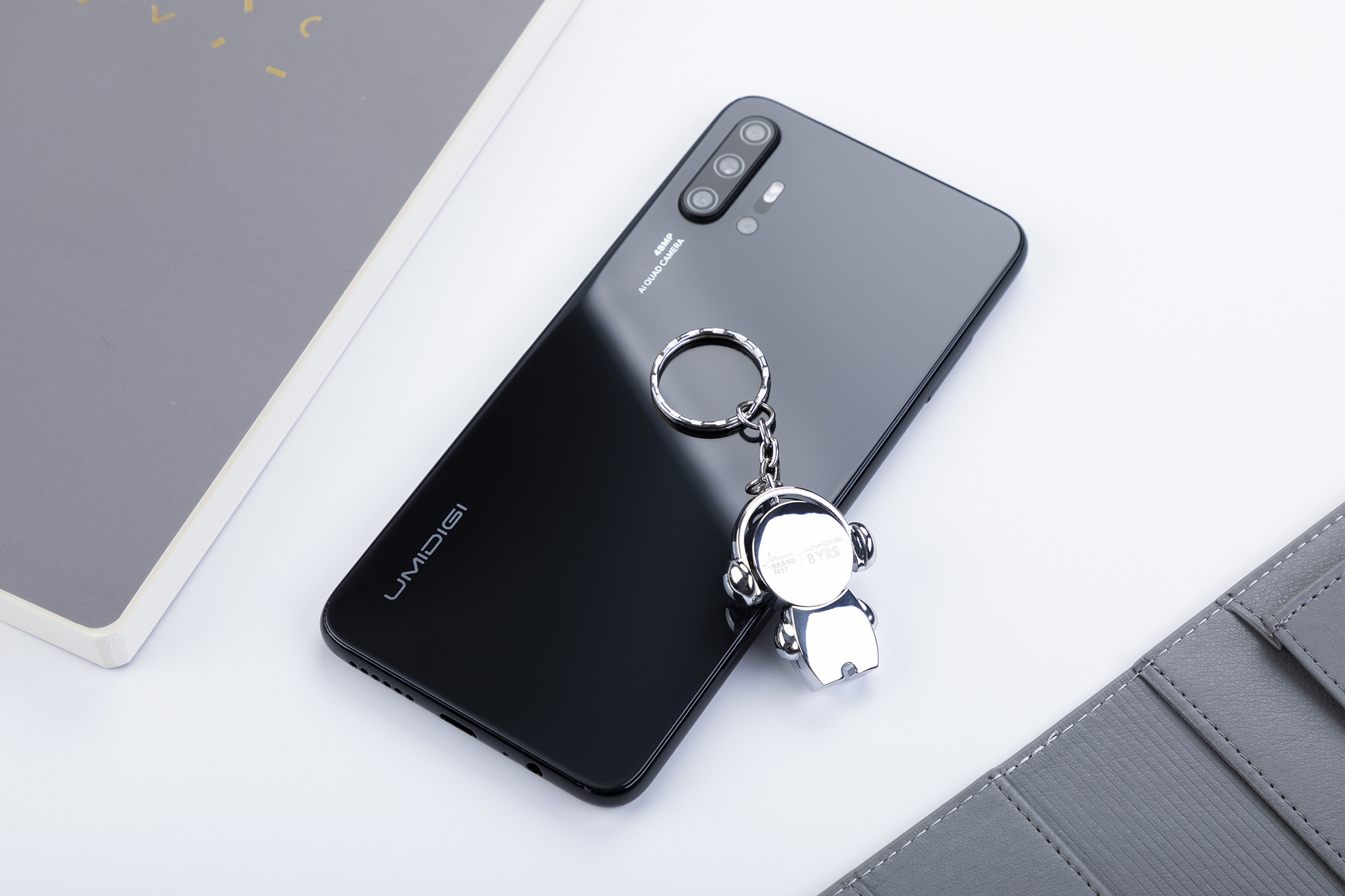
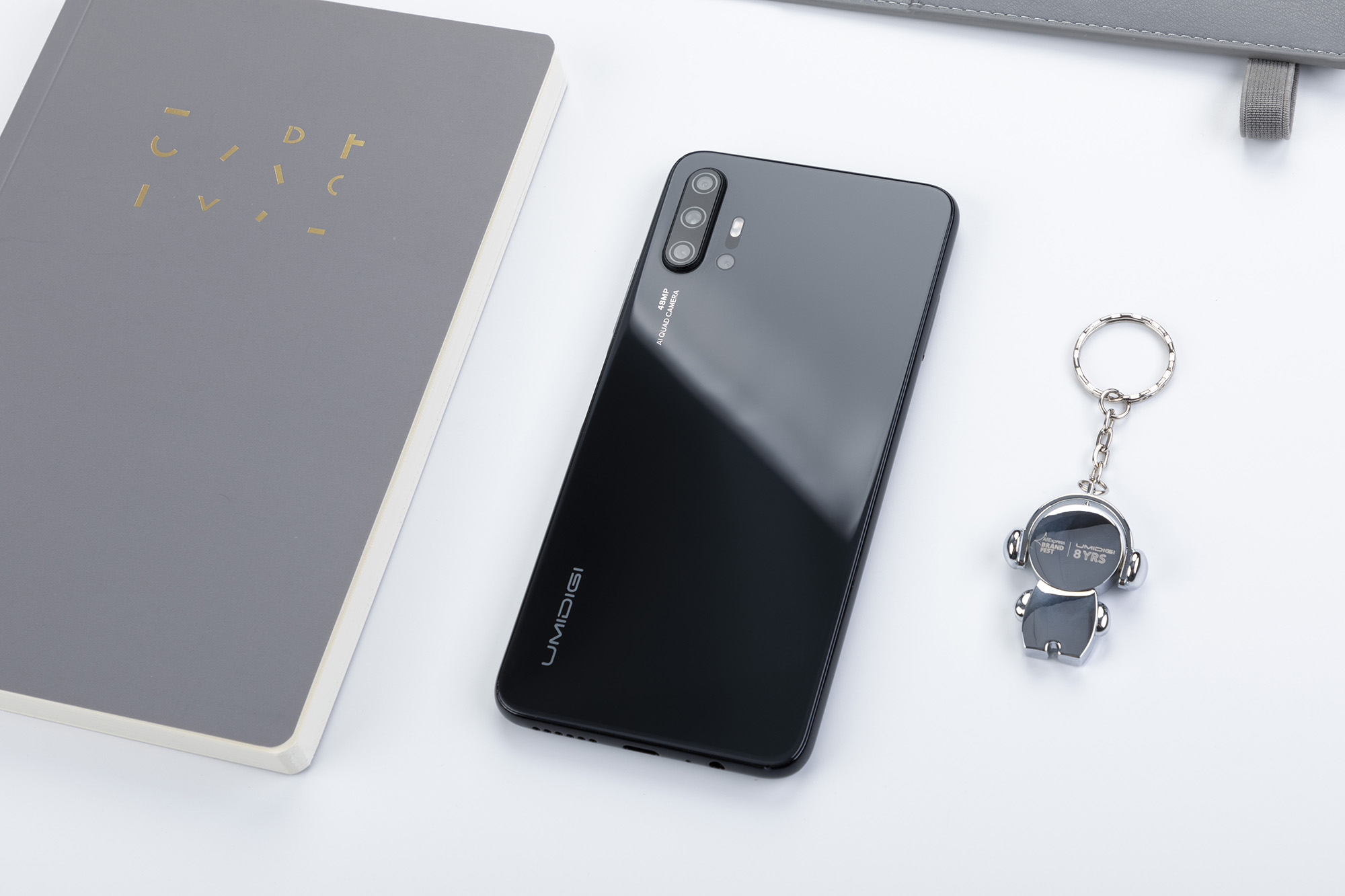
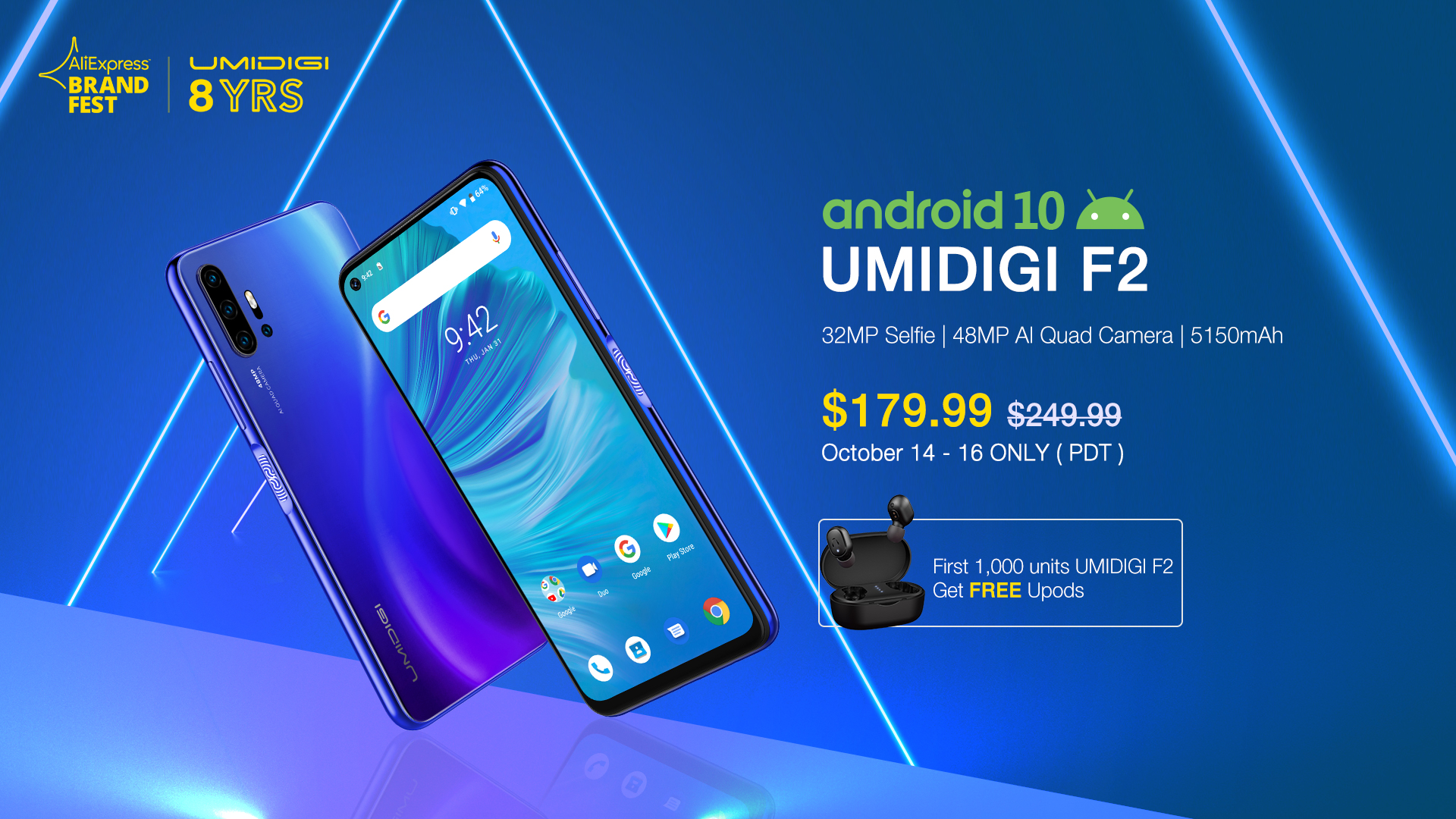
Today is October 14th and it’s time for UMIDIGI’s latest budget flagship, UMIDIGI F2, to start its global sale journey at the discounted price of $179.99. The company has teamed up with AliExpress to launch the UMIDIGI 8 Years Sale until October 16th and the promo price will be available until then. In the meantime, the company released an unboxing video of the phone.
But that’s not the only offer. The first 1000 units of UMIDIGI F2 will also come with a free truly wireless earbuds Upods as a gift. In addition, more models are on offer during the event. There is a “Flip ‘n’ Win” game ongoing where you can participate to win store coupons and you can play twice per day.
Also, store coupons will be available under the UMIDIGI 8 Years promotion during the activity period. If you win a special coupon while playing “Flip ‘n’ Win”, you can use it to get a free UMIDIGI phone (prizes include the new UMIDIGI F2 and UMIDIGI A5 Pro) or commemorative USB Flash Drive for the company’s anniversary.
1 of 2
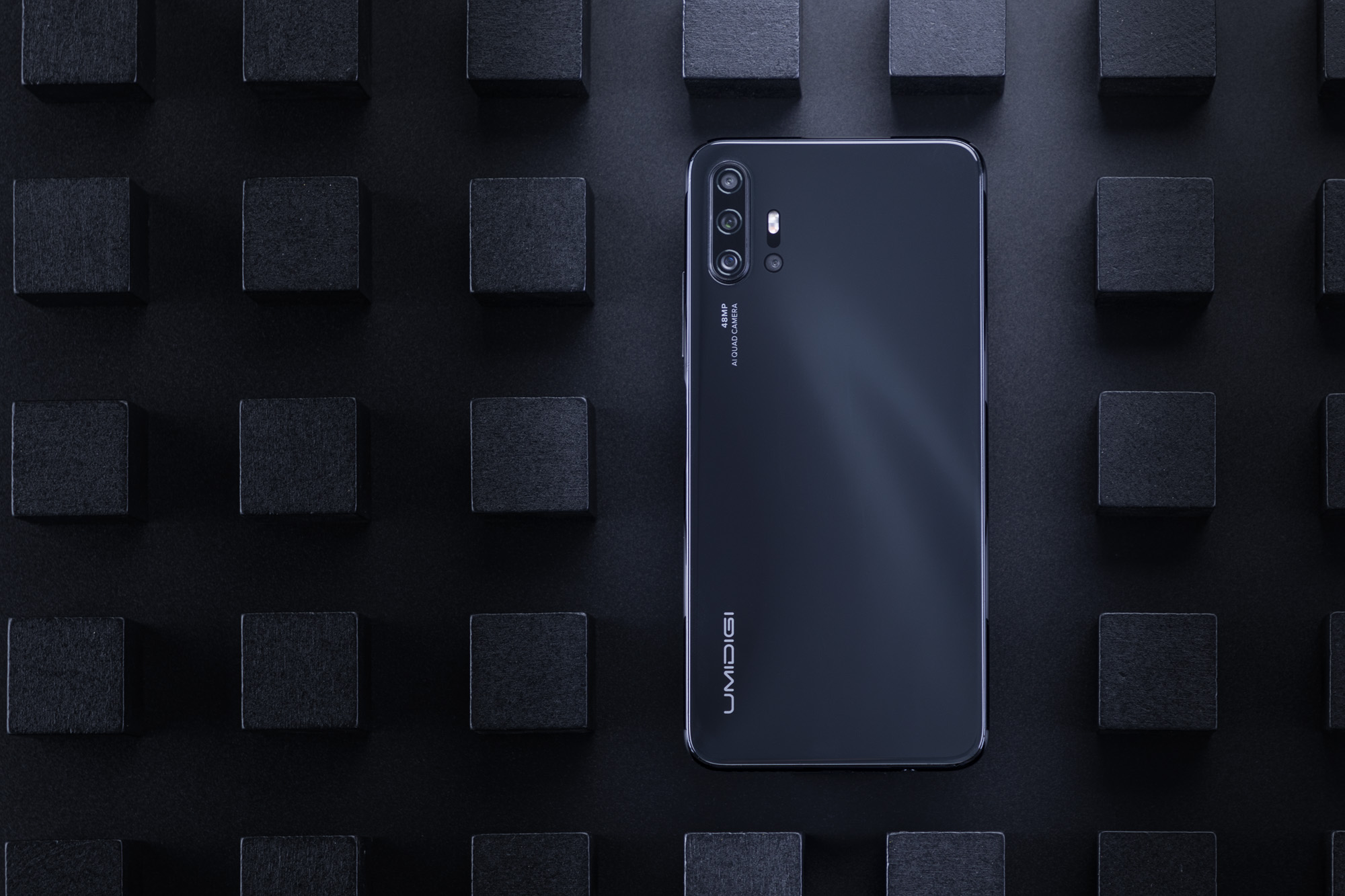
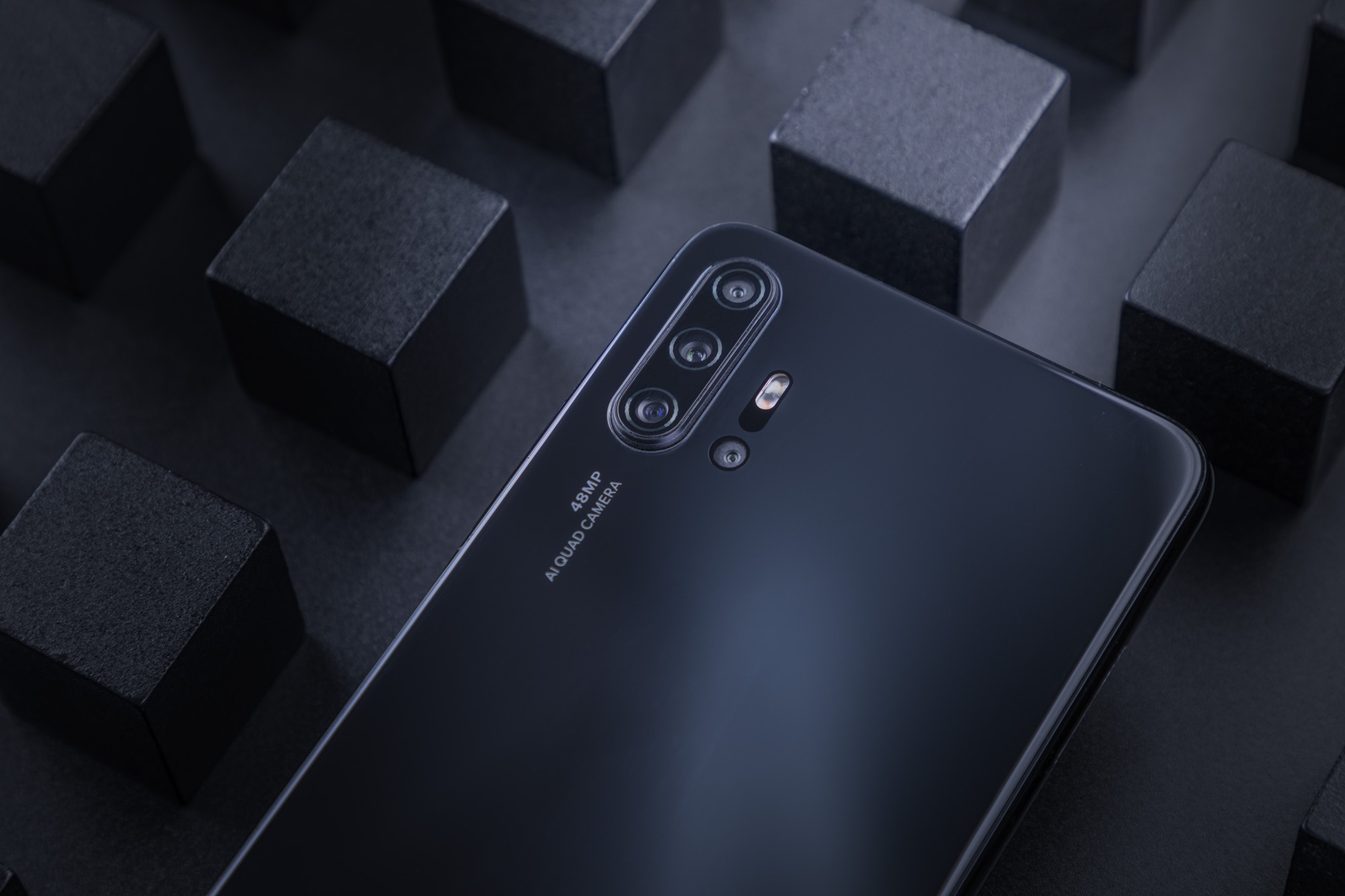
The killer feature of UMIDIGI F2 is the quad-camera setup that consists of a 48MP main sensor, a 13MP wide-angle sensor, a 5mp mono lens, and a 5MP portrait lens. At the front, the smartphone comes with a 32MP selfie camera.
1 of 3
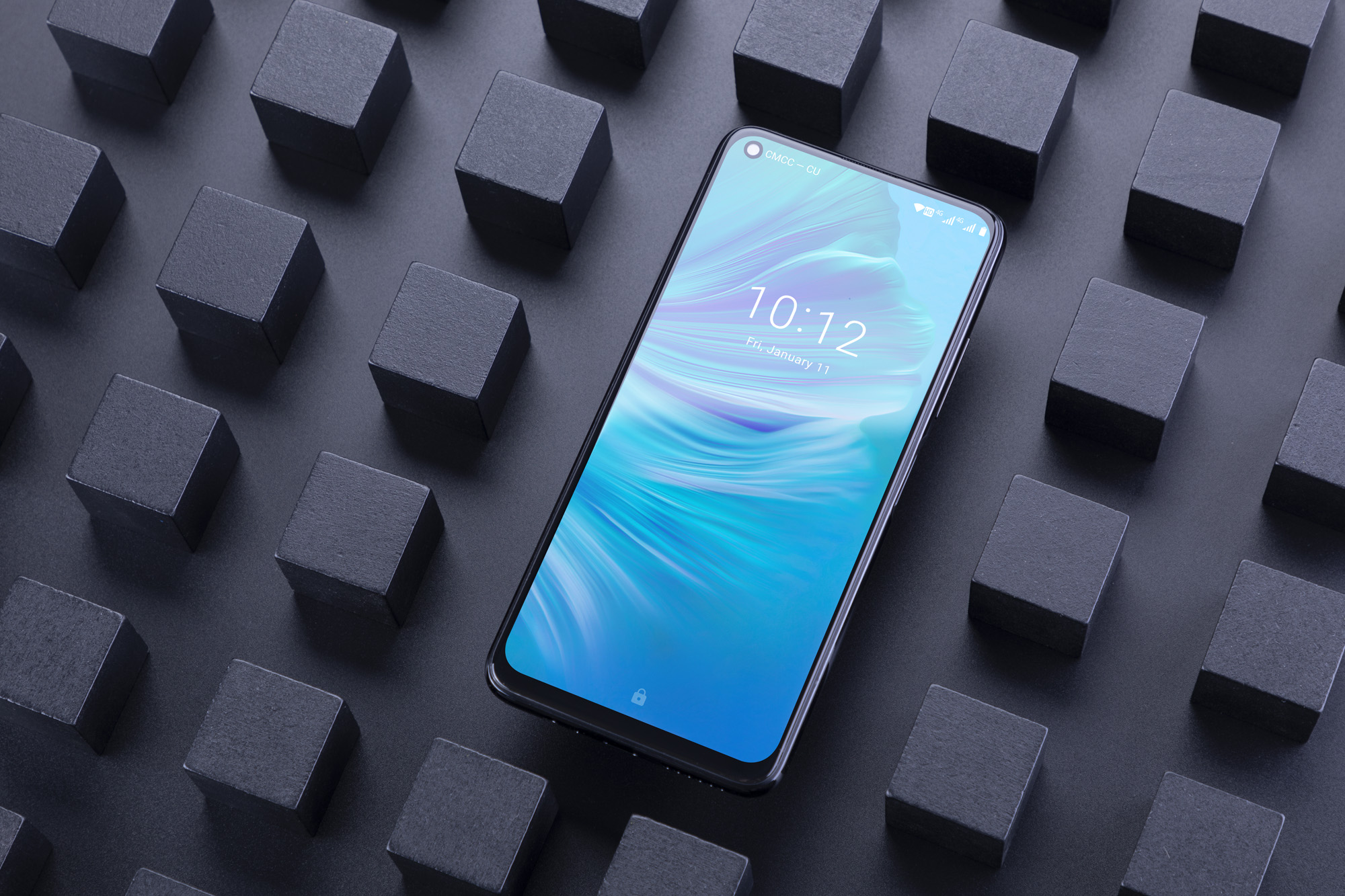
The device sports a 6.53″ FullView display with FHD+ resolution and is powered by MediaTek’s Helio P70 SoC coupled with 6GB of LPDDR4X RAM and 128GB of UFS 2.1 internal storage. The phone is packed with a 5150mAh battery with 18W fast charging as well as NFC support. Oh, it runs the latest stock Android 10 and comes with triple card slot, side-mounted fingerprint scanner and global bands support, too.
Other noteworthy discounts for some of their hot-selling phones like the recently announced UMIDIGI X and UMIDIGI A5 Pro are also available. UMIDIGI X is the most affordable phone with an in-screen fingerprint sensor while the A5 Pro is the cheapest phone with an ultra-wide triple camera and now costs just $90. To see all the deals just visit the promotion page or use the direct links below if you already know what you want.
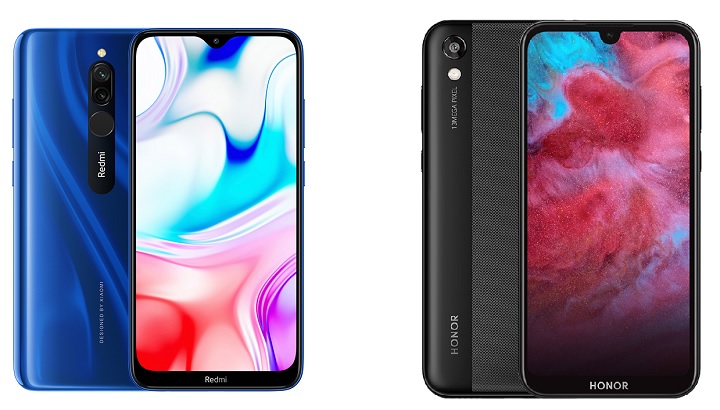
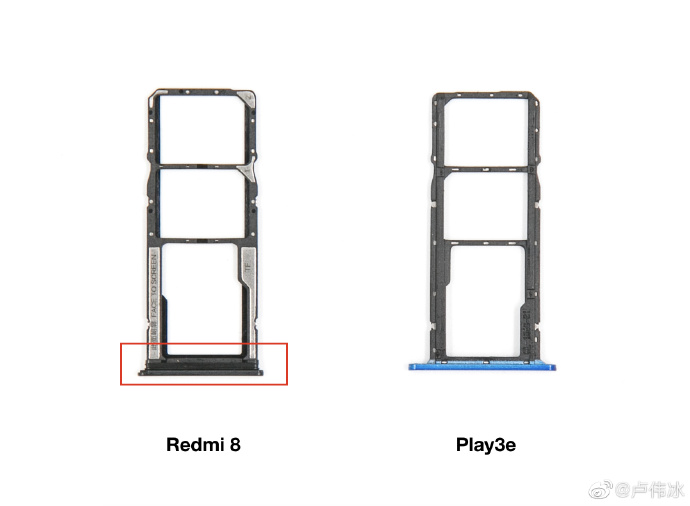
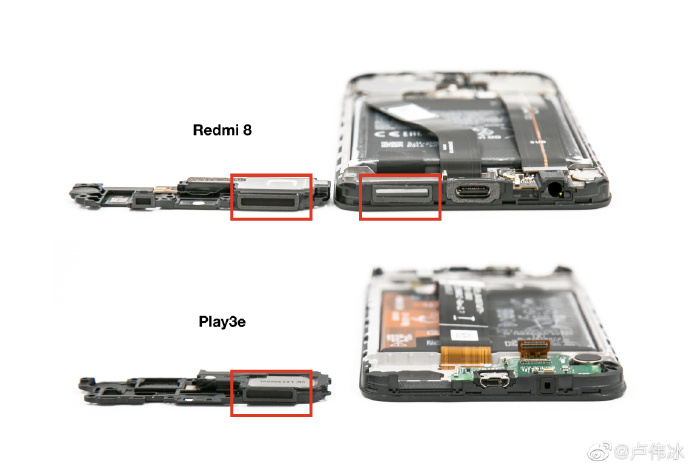
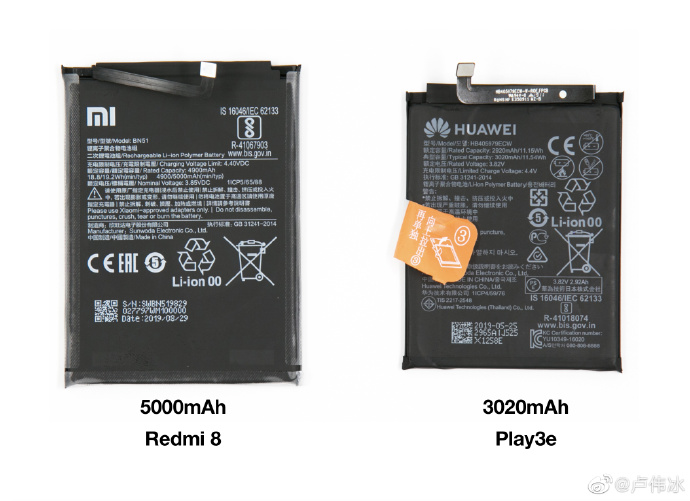
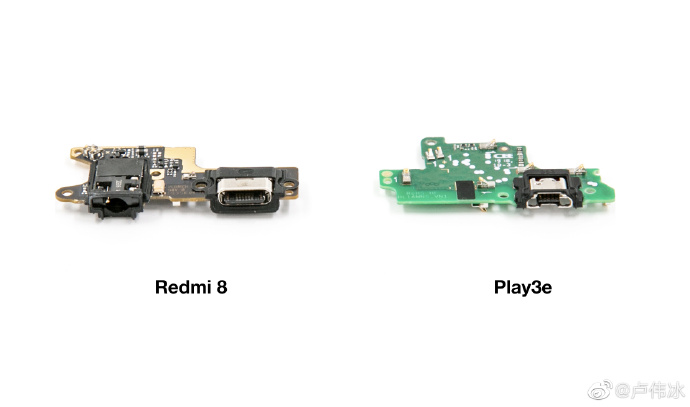
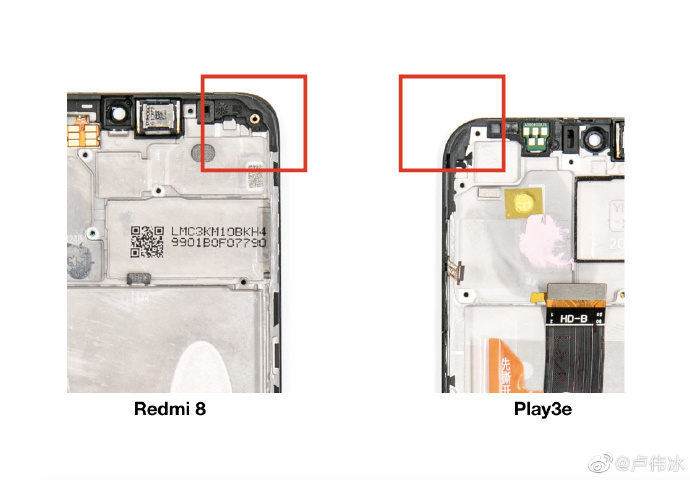
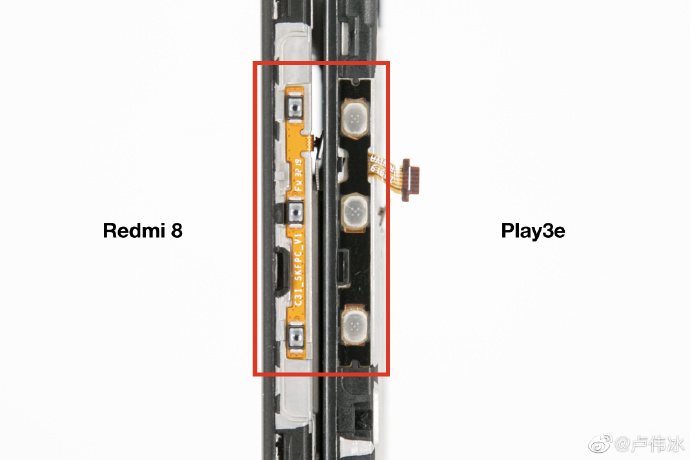
The General Manager of Redmi, Lu Weibing, took to Weibo to compare teardown photos of the Redmi 8 to that of the Honor Play 3e. Honor’s entry-level phone has the same price tag as the Redmi 8 but has fewer features. Interestingly, the teardown comparison reveals the Redmi 8 not only offers more in terms of features but is also better terms of build quality.
The first comparison is between the SIM card tray of the two devices. While both phones have a triple card tray (2 SIMs + MicroSD card), it is revealed that the Redmi 8’s tray has a rubber seal which prevents dust and water from getting into the phone.
The speaker chamber of the Redmi 8 and Honor Play 3e is compared next and it is shown that the Redmi has a double-layer air filter that further prevents the speaker from getting blocked by dirt and dust. The Honor Play 3e, on the other hand, has a single filter.
The next comparison is the batteries of the two devices. Redmi says their battery has a pull-on adhesive to make replacement easier without causing damages but the Honor Play 3e doesn’t. The Redmi 8A also has a bigger battery capacity (5000mAh) compared to that of the Honor phone (3020mAh).
The teardown also compares the ports of both phones. The Redmi 8 also wins here as it has a USB Type-C port, unlike the Honor Play 3e which has a MicroUSB port. It is also shown that the audio jack and the USB port of the Redmi 8A have rubber seals that prevent dust and water from getting inside the phone.
Another comparison is the structural design of the two phones. The image above shows that the Redmi 8 has thicker and reinforced corners that provide protection when the phone accidentally falls. The Honor Play 3e doesn’t have that additional protection, so you should get a case if you already own one.
The last comparison is for the physical buttons. The Redmi 8 is shown to have the same contact design used for flagship phones which provides better feedback and has a better feel when the buttons are pushed.
It is clear to see that the Redmi 8 is not only a better device when it comes to specs but also in terms of quality. The Honor Play 3e is priced at ¥899 (~$127) for the 3GB RAM + 64GB version. This is the same price tag of the 4GB RAM + 64GB version of the Redmi 8. You not only get more RAM but a bigger battery, 18W fast charging, a fingerprint scanner, an extra camera, and a larger display with Gorilla Glass 5 protection.
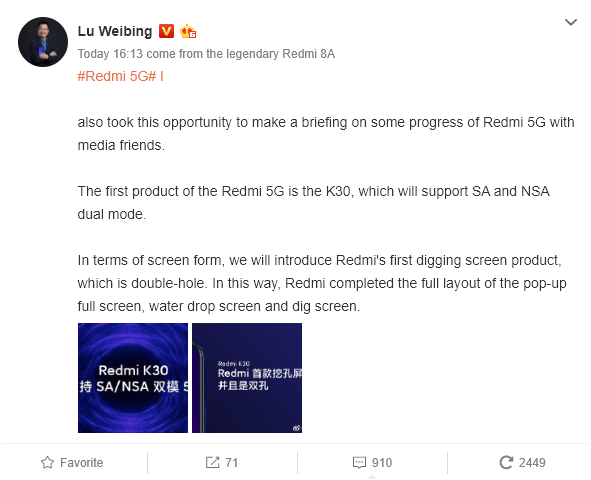
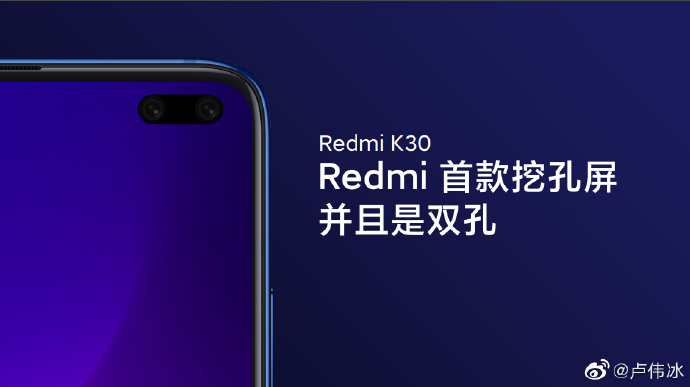
Xiaomi‘s Redmi brand has already hinted that it will launch its first 5G phone next year. The phone is expected to the Redmi K30 which has appeared on a couple of teasers already. During the Redmi 8 and 8A launch event, Redmi again teased the K30, revealing some of the key specifications.
The Redmi K30 promises to be an interesting device as the teaser confirms the device will come with dual 5G connectivity. Also, the device is said to come with a unique dual punch-hole display design. One of the teased photos shows the device will have a horizontally aligned dual selfie camera house in a single punch-hole camera module. Recall that the Chinese tech giant recently patented several dual-punch-hole designs. This may be one of the patented designs. The use of a punch-hole design leaves some unanswered question as to the type of display. As we know, Samsung alone uses an OLED punch-hole on its phones but Xiaomi may likely break into that rank with the K30. The K20 packs an AMOLED design so the tech giant may likely not downgrade the model by utilising an LCD display.
In addition, the Redmi K30 is said to come with non-standalone (NSA) and standalone (SA) modes for 5G. Non-standalone (NSA) and standalone (SA) are two 5G tracks that communication service providers can opt for when transitioning from 4G to the next-generation mobile technology. The first 5G networks to roll out are NSA deployments that focus on enhanced mobile broadband to provide higher data-bandwidth and reliable connectivity. They are in line with the 3GPP specification that early rollouts of 5G networks and devices be brought under NSA operation – meaning, 5G networks will be aided by existing 4G infrastructure. So service providers who want to be first to offer 5G speeds will start with NSA and, once 5G coverage is established, implement standalone 5G.
The Redmi K30 is the successor to the Redmi K20 but won’t look anything similar since the K20 features a motorized pop-up selfie camera. Redmi may re-use the rear design with slight modifications. The device may likely pack an in-display fingerprint sensor and of course, powerful rear camera setup and a big battery.
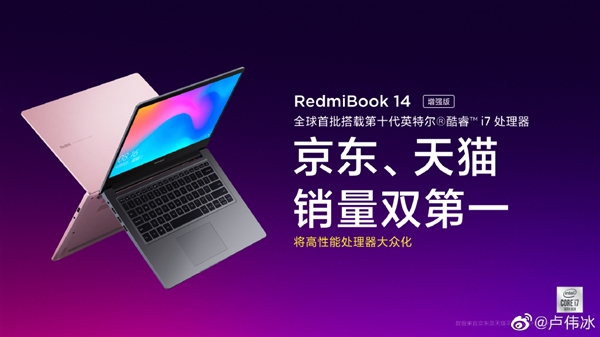
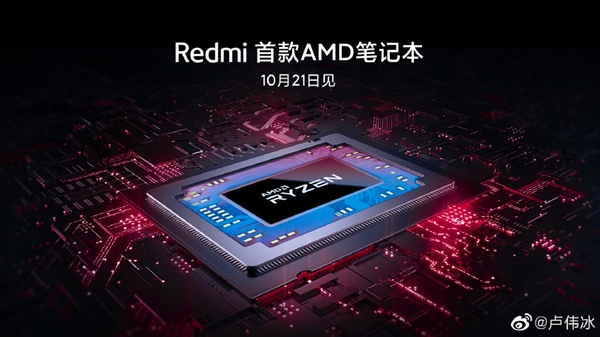
Ealier today, Xiaomi launched the Redmi 8 and Redmi 8A for the Chinese market which made their global debut in India. Besides, the company announced it is set to launch yet another RedmiBook which will be unveiled on the 21st of October. Noteworthy, unlike the previously launched RedmiBook and RedmiBook Pro which are equipped with an intel processor, the upcoming notebook computer will be kitted with AMD Ryzen CPU.
While most readers would know, why this piece of news is of great importance; some might be unaware of AMD’s sudden uprise in PC processors in the last couple of years. At the time of writing this article, AMD’s Ryzen processors offer a much higher value for money in comparison to Intel’s core i-series CPUs.
Correspondignly, the upcoming AMD Ryzen featuring RedmiBook from Xiaomi will also turn out to be a value for money offering, which was also proclaimed by Xiaomi’s vice-president, Lu Weibing.
Unfortunately, the senior official did not reveal any other details of the notebook computer. Nonetheless, based upon reports originating from reliable sources, the first AMD RedmiBook will be equipped with the Ryzen 5 3550H processor.
The Ryzen 5 3550H is a quad core CPU that has a total of eight threads. It has a base clock speed of 2.1 GHz which can boost upto 3.7 GHz. The CPU is manufactured using 12 nm fabrication process and it has a TDP (Thermal Dissipation Power) of 35 W. In terms of GPU, the upcoming RedmiBook is reported to have Radeon Vega 8 Graphics Card which is also developed by AMD.
The senior executive said, that notebook computers will play an integral part in adoption of IoT (Internet of Things) which are said to be the next big thing in the field of Technology. Lastly, he boasted off say that the future RedmiBook will disrupt the market due to its high cost performance ratio.
While we are fully aware, what Xioami can deliver when they make such promises. We will have to until the 21st of October in order to learn what new does the RedmiBook bring to the table.
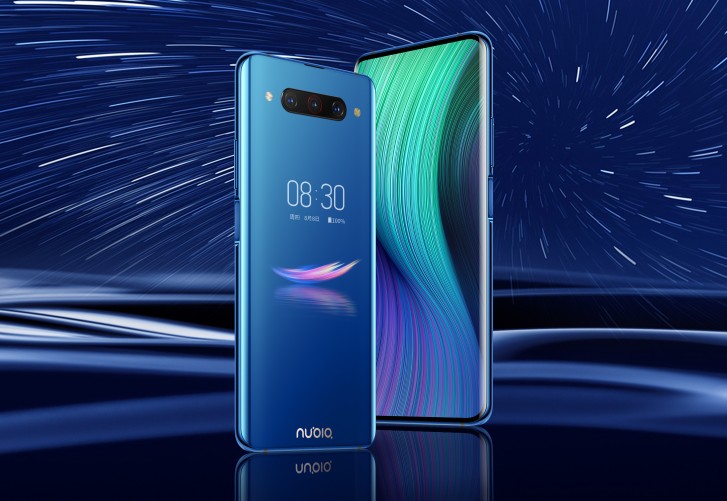
The Nubia Z20 stands out in an ocean of similarly-designed smartphones thanks to its unique dual-screen setup. Nubia showcased the smartphone a while back, but was never available for purchase. Customers can finally buy one starting today (October 14) in various global markets including North America, parts of Europe, Asia and Australia.
Nubia Z20 Specifications and Features
The Nubia Z20 features a primary 6.52-inch AMOLED display with a full HD+ resolution of 1080 x 2340 pixels and an aspect ratio of 19.5:9. The secondary 5.1-inch AMOLED display sports an HD+ resolution of 720 x 1520 pixels and 331 ppi pixel density. The secondary display is the USP of the phone as it functions as a camera viewfinder to an always-on display. Users can switch between the front and rear screens anytime while using apps. The smartphone draws power from an octa-core 2.96 GHz Snapdragon 855 SoC with 8 GB of RAM and 12 8GB of native storage.
The Nubia Z20 packs a triple camera setup at the rear. The primary lens is a 48-megapixel sensor with OIS that is paired with a 16-megapixel ultra-wide lens and an 8-megapixel telephoto lens with 3X optical zoom. The double-screen layout eliminates the need for a pop-up camera or a notched or punch-hole display.
The smartphone draws power from a 4,000mAh battery with 27W Quick Charge 4.0 and runs on the Android 9.0 Pie-based Nubia UI 7 out-of-the-box. Connectivity options include dual-SIM NanoSIM cards with LTE, Wi-Fi 802.11 a/b/g/n/ac, USB Type-C and GPS. The device features dual side-mounted fingerprint scanners.
Nubia Z20 Price and Availability
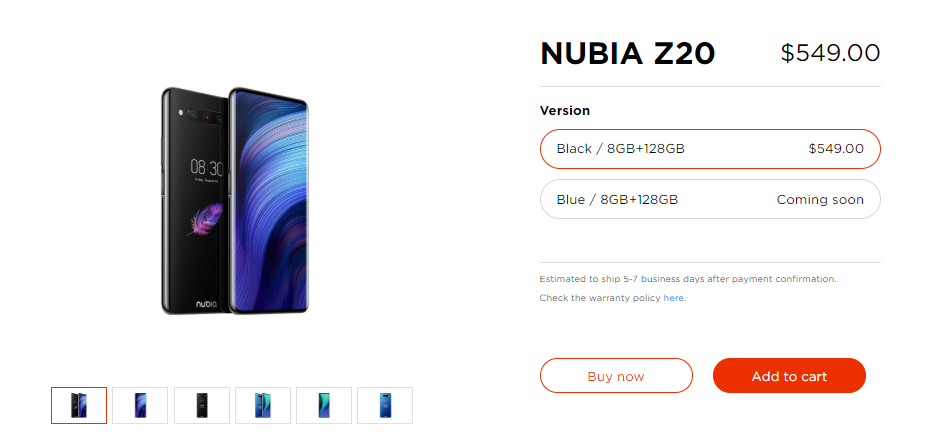
The Nubia Z20 is available in the US, UK, Canada, Europe, Macau, Hong Kong, Israel, Japan, Singapore, Taiwan, Indonesia and Australia starting today. The smartphone is available in two color options, namely Diamond Black and Twilight Blue. It is priced at $549.
Vivo introduced the Vivo Z1x with 6 GB of RAM in India last month. Fresh information revealed by 91mobiles states that the Chinese smartphone manufacturer has plans to bring an 8GB variant of the smartphone to the subcontinent. The upcoming 8 GB variant offers a slight boost to overall performance. There is no update on the price and availability of the new device yet. But, the Z1x will be sold offline as well as via online retailers. This comes as a surprise since the Vivo Z-series is currently an online exclusive.
Vivo Z1x Features and Specifications
The Vivo Z1x features a 6.38-inch Super AMOLED full-HD+ display with a resolution of 1080 x 2340 pixels. The screen has a Halo notch and features a in-display fingerprint scanner. According to Vivo, the new technology helps unlock the screen within just 0.48 seconds. Powering the Z1x is an octa-core Snapdragon 712 SoC with up to 6 GB of RAM and up to 128GB of expandable storage through a microSD card. The Z1x features Vivo’s Multi-Turb and Ultra Game Modes for enhanced performance.
The Vivo Z1x features a triple camera setup at the rear. The primary camera is a 48-megapixel Sony IMX582 sensor with an aperture rating of f/1.79 that is paired to an 8-megapixel AI ultra-wide sensor with an aperture rating of f/2.2. A 2-megapixel depth sensor with an f/2.4 aperture rating completes the setup. The front camera is a 32-megapixel unit.
The Vivo Z1x draws power from a 4,500 mAh battery that supports 22.5W fast charge. The smartphone runs on the Android 9.0 Pie-based Funtouch OS. Standard connectivity options include dual-SIM 4G VoLTE, Wi-Fi 802.11 ac, USB Type-C, GPS/A-GPS and a 3.5mm headphone jack..
Vivo Z1x Price and Availability
The 6GB variant of the Vivo Z1x with 64GB of RAM is priced at Rs. 16,990 (~$239). The 6 GB RAM + 128GB storage variant is priced at Rs. 18,990 (~$267). The prices of the 8 GB variant is currently unknown. The device is available in two color gradients, namely Phantom Purple and Fusion Blue.
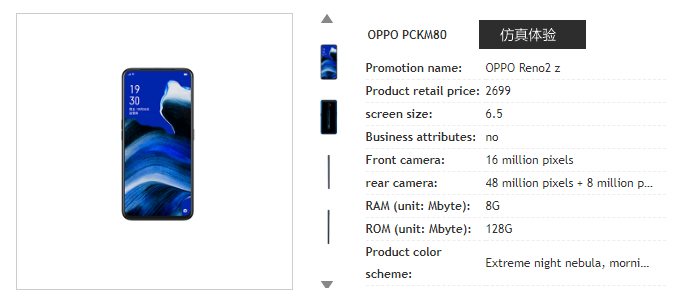
OPPO Reno2 Z smartphone was announced alongside the OPPO Reno2 and OPPO Reno2 F phones in India on Aug. 28. Among these, only the Reno2 has made its way to China. The Reno2 Z with its model number PCKM80 was spotted with its full specifications on TENAA in the previous month. Now the smartphone has appeared on the database of China Telecom’s website. The listing reveals that the phone may break cover in China later this week.
OPPO China is yet to confirm the arrival of the OPPO Reno2 Z smartphone. However, the China Telecom listing of the smartphone reveals that the phone will release in China on Oct. 25. Moreover, it also reveals that the phone will be priced at 2,699 Yuan (~$382). The handset is expected to arrive in three color edition such as Extreme Night Nebula, Morning Fog White and Deep-Sea Night Light.
OPPO Reno2 Z Specification and Features
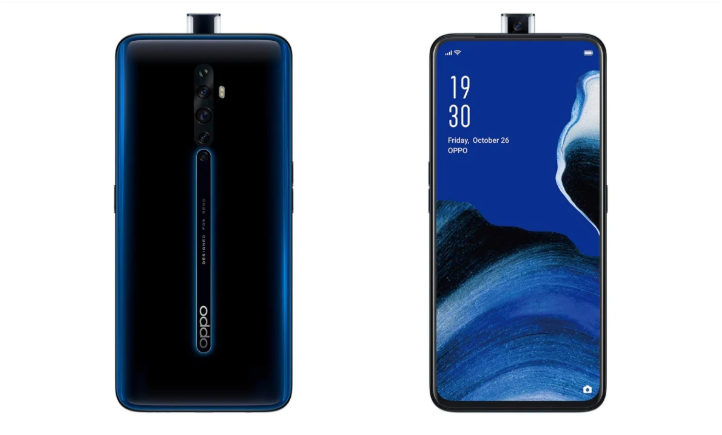
The OPPO Reno2 Z has a 6.5-inch AMOLED display with notch-less design. It offers full HD+ resolution of 1080 x 2340 pixels and an aspect ratio of 19.5:9. The display of the phone is embedded with an in-screen fingerprint reader.
The ColorOS 6.1 based Android 9 Pie OS runs on the device. The smartphone is driven by MediaTek Helio P90 chipset and 8 GB of RAM. The handset has a native storage of 128 GB and it has a microSD card slot for expanding its storage.
The handset houses a 4,000mAh battery that carries support for VOOC 3.0 20W Flash Charge technology. The backside of the phone has a 48-megapixel Sony IMX586 primary lens, an 8-megapixel ultrwide lens, a 2-megapixel mono lens and a depth sensor of 2-megapixel. For shooting selfies, the smartphone is equipped with a shark-fin shaped pop-up camera system that has an LED flash and a 16-megapixel lens.
The Reno2 Z is selling in India with a price tag of Rs. 26,990. The Indian model features 8 GB of RAM and 256 GB of inbuilt storage. It is available in colors like Sky White and Luminous Black in the country.
Two new Hisense phones have been certified by TENAA. The phones which have model numbers HLTE227T and HLTE202N were certified last week.
Hisense HLTE227T
The Hisense HLTE227T has a large 6.517-inch display with a 1600 x720 resolution. It is powered by a 2.0GHz octa-core processor paired with 4GB, 6GB or 8GB of RAM and 64GB, 128GB and 256GB of storage respectively. TENAA says the device has support for storage expansion but the maximum capacity is 128GB.
One of the selling points of the device is its quad rear cameras. The primary sensor is a 13MP camera and it is paired with an 8MP camera (likely ultrawide), a 2MP camera (depth sensor), and another 2MP camera (likely for macro photography). The selfie camera is an 8MP sensor.
[envira-gallery id=”282671″]
The Hisense HLTE227T runs Android 9 Pie and packs a 4850mAh battery.
With respect to design, the phone has a camera in the middle above the display, hinting at it having a notched screen. On the back, the cameras are arranged vertically in the same housing. The LED flash is on the left of the camera setup and there is also a fingerprint scanner on the back.
In addition to the volume rocker and power button on the right side of the frame, the Hisense has an extra button on the left. The phone will be available in Extreme Night Black and Starry Blue.
Hisense HLTE202N
The Hisense HLTE202N has a smaller 5.84-inch 1440 x 720 display. There is a 1.8GHz octa-core processor powering the phone and buyers will be able to choose from three configurations – 3GB RAM + 32GB, 4GB RAM + 64GB, and 6GB RAM + 128GB. The phone will have support for storage expansion.
There is a single 13MP camera on the back of the phone while the selfie camera is a 5MP sensor. Hisense has put a battery with a capacity of 3900mAh inside the phone.
[envira-gallery id=”282672″]
Just like its bigger sibling above, it also has an extra button on the left side. However, it ditches the fingerprint scanner. The Hisense HLTE202N will run Android 9 Pie out of the box and be available in black and white.
We do not know when these two phones will be announced since Hisense as not released any info about a launch happening soon.
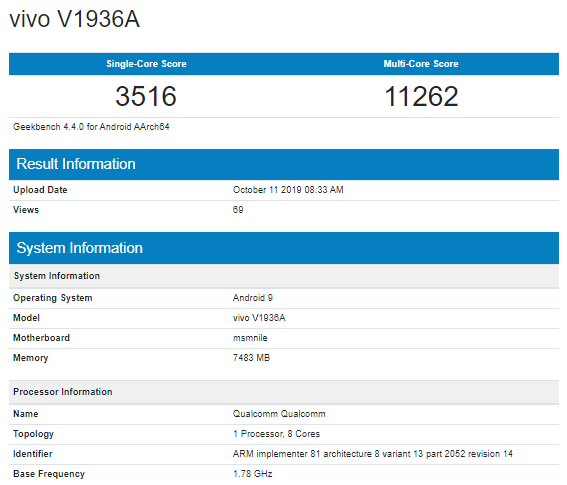
Vivo’s gaming phone division iQOO is expected to announce a new phone in the coming days. Rumors are rife that the smartphone could be called Vivo iQOO Lite as it will be a lower version of the Snapdragon 855 SoC powered Vivo iQOO gaming smartphone that had gone official in April in China. At the beginning of this month, the smartphone with its Vivo V1936A model number was found listed of China’s 3C authority. The same model has appeared on Geekbench with some of its key specs.
The Geekbench listing of the Vivo V1936A reveals that it is fueled by Snapdragon 855 chipset that has a base frequency of 1.78GHz. The processor is mentioned with its ‘msmnile’ codename on the Geekbench listing. The SoC is coupled with 8 GB of RAM and the phone is loaded with Android 9 Pie OS. In the single-core test, the alleged iQOO Lite has recorded a score of 3,516 and it has recorded a score of 11,262 in the multi-core test.
The 3C appearance of the smartphone had revealed that it could be shipped with a rapid charger that supports up to 33W fast charging. The original iQOO smartphone has a 4,000mAh battery that is coupled with 44W rapid charger. Probably, the Vivo V1936A could be featuring a 4,500mAh battery.
The Vivo iQOO Neo smartphone that was introduced in July featured the Snapdragon 845 SoC. It has a 4,500mAh battery that is assisted by a 22.5W fast charging. The upcoming Vivo V1936A could be slotted between the iQOO and iQOO Neo in the Chinese market. Hence, the Vivo V1936A is speculated to arrive with iQOO Lite name. The said moniker was trademarked along with some other names such as NEX Pro, NEX Neo, NEX Lite, VivoX Pro and VivoX Lite at EUIPO in the previous month.
The purported iQOO Lite is expected to come with an OLED display with waterdrop notch. It is likely to support full HD+ resolution and it is expected to be equipped with an in-screen fingerprint reader. The Vivo iQOO has a starting price of 2,698 Yuan (~$381) whereas the highest edition of the iQOO Neo is priced at 2,298 Yuan (~$325). The rumored iQOO Lite could be priced around 2,498 Yuan (~$353).
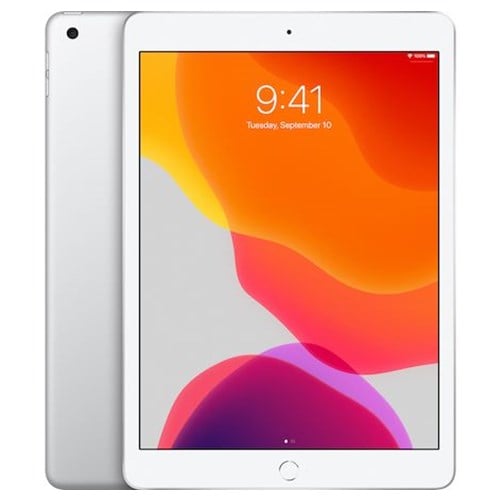
The Apple iPad (2019) (also known as iPad 10.2) has finally found its way to India, a month after being unveiled alongside the iPhone 11 series and the iWatch in the U.S. While the latter two have been on sale in India since the past month, the iPad just arrived. The device is available on Flipkart and Amazon, apart from the official retail stores. The new Apple iPad replaces the variant from last year and features quite a few upgrades
iPad (2019) Specifications and Features
The new iPad features a 10.2-inch Retina IPS display with a resolution of 2160 x 1620 pixels, 264 ppi pixel density and a peak brightness of 500-nit. It draws power from the Apple A10 Fusion chipset and the M10 coprocessor. It is available in two storage variants, namely 32GB and 128GB of built-in memory.
The primary camera on the iPad (2019) is an 8-megapixel unit with an aperture rating of f/2.4. The front camera is a 1.2-megapixel unit with an aperture rating of f/2.0. The device supports the first-generation of the Apple Pencil, a full-sized Smart keyboard and features a stereo setup with dual microphones.
Some of the new features include a swipe up function from the corners with the Apple Pencil for screenshots. Connectivity options include Wi-Fi 802.11ac and Bluetooth v4.0. The cellular + Wi-Fi variant supports GPS and LTE as well. This variant further supports calling over Wi-Fi due to the dual-SIM setup comprising of a Nano-SIM card and a eSIM.
The 2019 iPad draws power from a 32Wh battery that offers up to 10 hours of Web surfing on Wi-Fi and up to 9 hours on LTE. The device features a Touch ID fingerprint scanner on the chin and runs on iPad OS. The OS features a new floating keyboard that allows for one-hand usage.
iPad (2019) Price and Availability
The Wi-Fi-only variant of the 2019 iPad with 32GB of ROM is available at Rs. 29,900 (~$421). The 128GB variant is priced at Rs. 37,900 (~$543). The 32GB variant of the Wi-Fi + Cellular variant features a price tag of Rs. 40,900 (~$576). While the 128GB variant can be yours for Rs. 48,900 (~$689). The tablet is available in three color options, including Space Gray, Silver and Gold.
Flipkart is offering a 10% instant discount on the use of SBI credit cards, 5% unlimited cashback on the use of Axis Bank credit cards and no-cost EMI. Amazon is offering a 10% instant discount up to Rs. 1,750 (~$25) on the use of ICICI Bank credit and debit cards, credit/debit EMI transactions along with no-cost EMI.
In May, Vivo had launched the Vivo Y3 smartphone in China. It had arrived as the rebranded version of the Vivo Y7 smartphone that was announced earlier this year in China. The Vivo Y3 is now selling with a starting price 1,298 Yuan (~$184) in the home market. Leaked information that had surfaced in the last week revealed that the Chinese firm is working on the introduction of an affordable version of the Vivo Y3. The China Telecom listing of the phone reveals that it will be debuting in China as Vivo Y3 Standard Edition.
Vivo Y3 Standard Edition Price and Release
The China Telecom listing of the Vivo Y3 Standard Edition that it was supposed to hit the market on Oct. 10. However, it is yet to appear on the official website of Vivo China. The listing reveals that the smartphone may hit the Chinese market with a pricing of 899 Yuan (~$127). The handset may release in color variants like Ink Blue and Jade Red.
Vivo Y3 Standard Edition Specifications
The Vivo Y3 Standard Edition is an entry-level smartphone that comes with an appealing waterdrop notch display of 6.35 inches. It produces HD+ resolution of 720 x 1544 pixels which means it offers an aspect ratio of 19.3:9.
The modest Snapdragon 439 mobile platform is the driving force of the Vivo Y3 Standard Edition. The original Vivo Y3 phone that was announced earlier this year featured Helio P35 chipset by MediaTek. The SoC is coupled with 3 GB of RAM. It comes with a native storage of 64 GB and offers users with a microSD card slot for more storage. The Android 9 Pie OS runs on the device which is overlaid with FunTouch OS UI.
The Vivo Y3 Standard Edition is equipped with a 4,880mAh battery which seems to be its minimum capacity. Its typical capacity could be 5,000mAh battery. The smartphone had appeared in the database of 3C authority of China in August. It had revealed that the phone could be shipped with a 10W charger.
The handset is fitted with a front-facing camera of 8-megapixel. The backside of the phone is made out of plastic. It has a fingerprint reader and a vertical dual camera system at its top-left corner. It has a main camera of 13-megapixel that is coupled with a 2-megapixel depth sensor.
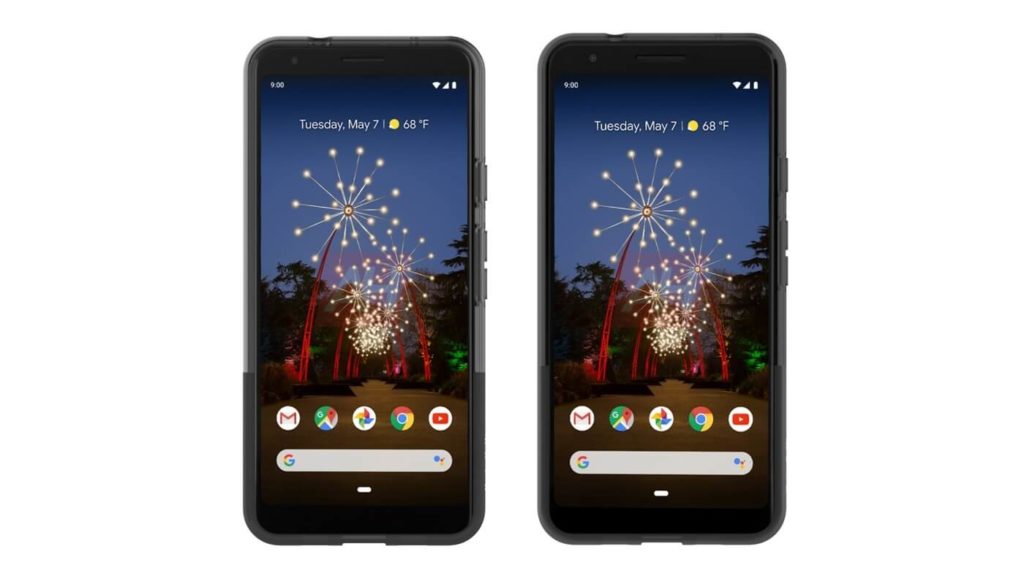
Google is set to launch its latest flagship smartphones, the Pixel 4 lineup at the “Made By Google” event which is scheduled for the 15th of October. A day before their announcement, tipster Ishan Agarwal has shared a Tweet claiming that the company will discontinue the Pixel 3 and Pixel 3 XL after the launch of its latest high-end devices.
This is the Google Pixel line-up for this year and a comparison image for the same: Pixel 4, 4XL, 3a and 3a XL. Found the same marketing image as well. Looks like Pixel 3 will be discontinued after all. #Pixel4#madebygooglepic.twitter.com/XJDDCbkCFa
Noteworthy, this would be the first time that Google adopts this strategy. After the launch of the Pixel 2 in the October of 2017, Google continued selling its predecessor, the original Pixel at a discounted price. A similar policy was adopted last year when Google Pixel 3 was launched, as the company continued selling the Pixel 2 at a lowered price to entice customers looking for an economical handset.
In 2018, Google has launched two affordable siblings of the Pixel 3, dubbed the Pixel 3a and the Pixel 3a XL, they naturally have watered down specs in comparison original handset. Nonetheless, they retain the same camera sensors and exceptional photography performance that Pixel 3 is known for.
Therefore, Google no longer needs to sell the Pixel 3 and Pixel 3 XL at a lowered price after the launch the of Pixel 4 lineup as it isn’t a very profitable scheme for the company. Moreover, due to poor sales of Pixel 3 lineup, the company has already slashed its price permanently by $ 300. Consequently, the difference between the price of the Pixel 3 and Pixel 3a lineup is just $ 100. Henceforth, it won’t make much sense to reduce their price any further.
All in all, after the launch of the Pixel 4 smartphones, Google will have clear options for consumers. Those looking to purchase an economical handset can go for the Pixel 3a or Pixel 3a XL whereas consumers who want a no-compromise high-end flagship can choose the Pixel 4 or Pixel 4 XL.
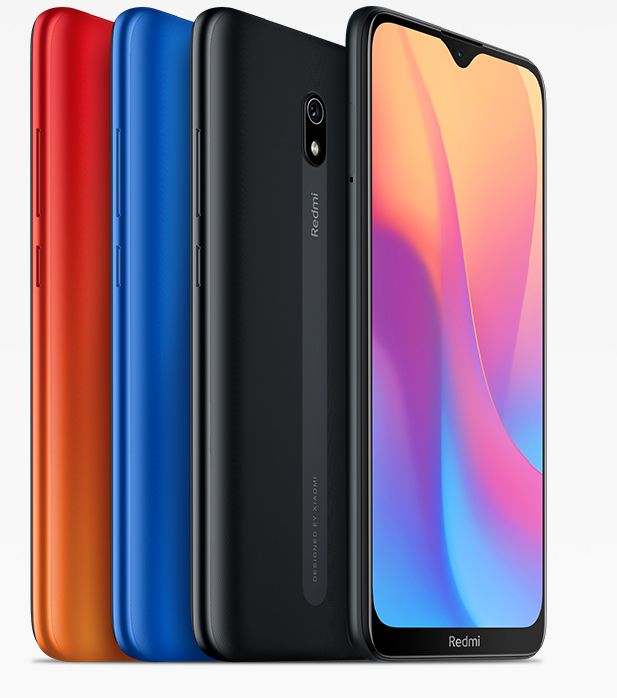
The Redmi 8A and Redmi 8 are the entry-level smartphones for China that have gone official. The Redmi 8 series comes with some exciting features like tall aspect ratio display with selfie notch, gargantuan battery with 18W fast charging and flagship grade camera. Moreover, the Redmi 8 series has arrived with an enticing starting price of 699 Yuan (~$99).
Redmi 8A and Redmi 8 Specifications and Features
The Redmi 8 and 8A have identically designed polycarbonate bodies. These phones come with P2i nano-coating for splash resistance. The Redmi 8 and 8A phone house 6.22-inch IPS LCD displays that offer 19:9 aspect ratio and HD+ resolution of 720 x 1520 pixels. The displays on both phones are protected by Gorilla Glass 5. These handsets measure 156.5 x 75.4 x 9.4mm and weigh 188 grams.
Redmi 8A
The MIUI 10 based Android 9 OS is available preinstalled on the Redmi 8 series of smartphones. The modest Snapdragon 439 chipset that powered the Redmi 7A is also inside the Redmi 8A and Redmi 8 smartphones. Both phones are blessed with massive battery of 5,000mAh capacity. These entry-level devices support 18W fast charging through USB-C. The retail package of these devices includes a 10W charger.
The rear panel of the Redmi 8A features a single camera. The sensor is 12-megapixel Sony IMX363 which is also found on some of the older flagship phones like Xiaomi Poco F1, Google Pixel 3 and Vivo iQOO. The Redmi 8 has a dual camera system on its rear. Its main sensor of 12-megapixel Sony IMX363 is couple with a 2-megapixl depth sensor. For snapping selfies, the Redmi 8 series is fitted with an AI driven 8-megapixel camera.
The Redmi 8 has a fingerprint scanner below its dual camera system. The said feature is not available on the Redmi 8A. The other common features available on the Redmi 8 and 8A include IR blaster, wireless FM radio, dual-SIM support, 4G VoLTE, Wi-Fi 802.11 b/g/n, Bluetooth 4.2, GPS and 3.5mm audio jack.
Redmi 8 and Redmi 8A Price in China
The pricing and availability of the Redmi 8 and 8A smartphones for China are as follows:
Redmi 8A
3 GB RAM + 32 GB storage – 699 Yuan (~99)
4 GB RAM + 64 GB storage – 799 Yuan (~113)
Color Variants: Dark Blue, Coral Orange and Midnight Black
Redmi 8
3 GB RAM + 32 GB storage – 799 Yuan (~113)
4 GB RAM + 64 GB storage – 899 Yuan (~$127)
Color Variants: Fairy Green, Sapphire Blue and Carbon Ash Black
The first sale of the Redmi 8 series will begin tomorrow in China at 10 AM (local time). For the first sale, the price of the 4 GB RAM Redmi 8A will be discounted by 100 Yuan (~$14).
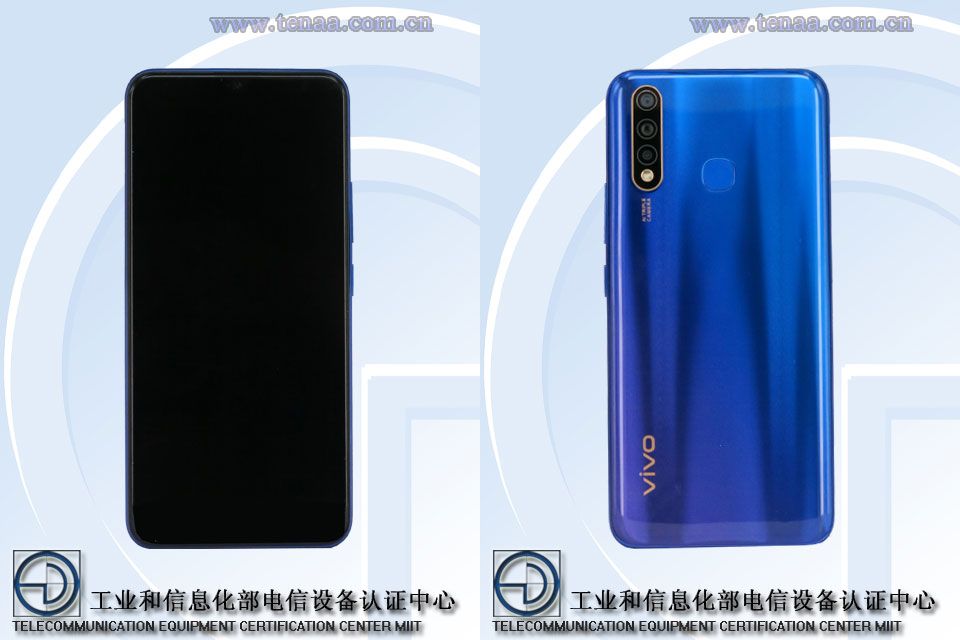
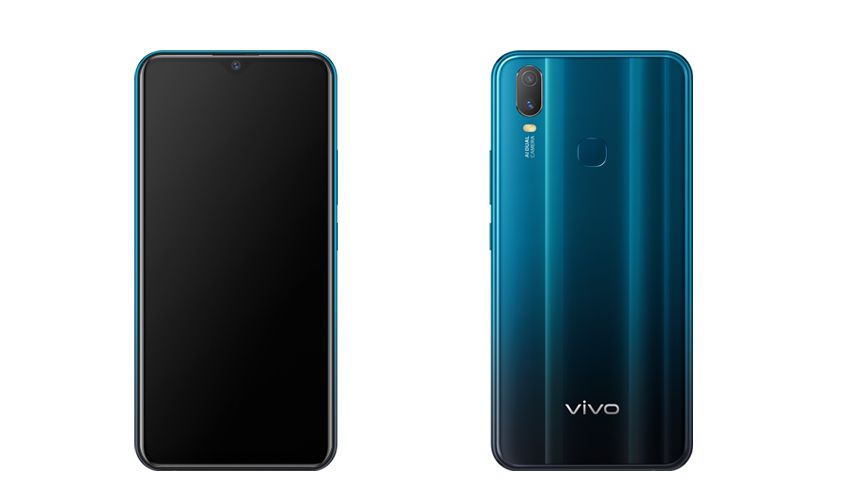
Vivo has a new mid-range phone with model number V1934A/T waiting in pipeline to launch in China. The handset has appeared with its entire specifications on the database of TENAA, the telecom regulatory body of China. As of this writing, there is no information available on the final product name of the device.
The V1934A/T smartphone is fitted with a trendy waterdrop notch enabled screen. The size of the display is 6.53 inches and it offers full HD+ resolution of 1080 x 2340 pixels. The handset measures 162.15 x 76.47 x 8.89mm and its weight is 193 grams. While TENAA listings state that Gold is the only color variant of the phone, the images of the phone reveal that it will be also available in Blue.
The Vivo V1934A/T features a 2.0GHz octa-core processor. The base model of the phone may feature 4 GB of RAM. Its higher edition may come with 6 GB of RAM. Both models could be equipped with a native storage of 128 GB. The Android 9 Pie OS runs on the device. A microSD card slot is available on the device for additional storage.
The rear panel of the phone has a vertical triple camera system at the top-left corner. It includes a primary lens of 16-megapixel followed by an 8-megapixel lens and a 2-megapixel sensor. For capturing selfies, the smartphone is equipped with a front camera of 16-megapixel. A fingerpint scanner is also on the rear. The brand name of the phone is imprinted on the case at the bottom-left corner.
The handset has a minimum capacity of 4,920mAh. Its typical capacity could be 5,000mAh. The 3C appearance of the smartphone has revealed that it be could be shipped with a charger that supports up to 18W fast charging.
Vivo is also rumored to be working on the arrival of the Vivo V1936A/T smartphone. It is believed to be the forthcoming Vivo iQOO Lite phone that is expected to debut with features like Snapdragon 855 chipset and 33W fast charging. It seems to be the stripped-down version of the first Vivo iQOO phone.
We use cookies on our website to give you the most relevant experience by remembering your preferences and repeat visits. By clicking “Accept”, you consent to the use of ALL the cookies.
This website uses cookies to improve your experience while you navigate through the website. Out of these, the cookies that are categorized as necessary are stored on your browser as they are essential for the working of basic functionalities of the website. We also use third-party cookies that help us analyze and understand how you use this website. These cookies will be stored in your browser only with your consent. You also have the option to opt-out of these cookies. But opting out of some of these cookies may affect your browsing experience.
Necessary cookies are absolutely essential for the website to function properly. This category only includes cookies that ensures basic functionalities and security features of the website. These cookies do not store any personal information.
Any cookies that may not be particularly necessary for the website to function and is used specifically to collect user personal data via analytics, ads, other embedded contents are termed as non-necessary cookies. It is mandatory to procure user consent prior to running these cookies on your website.



 He is also the president of Shanghai Mossel Trade Co Ltd, a subsidiary where Ren Zhengfei’s wife also works, according to Chinese company registration records. The company deals in imported foods which includes premium beef, fine rice and Huawei-lableled wines.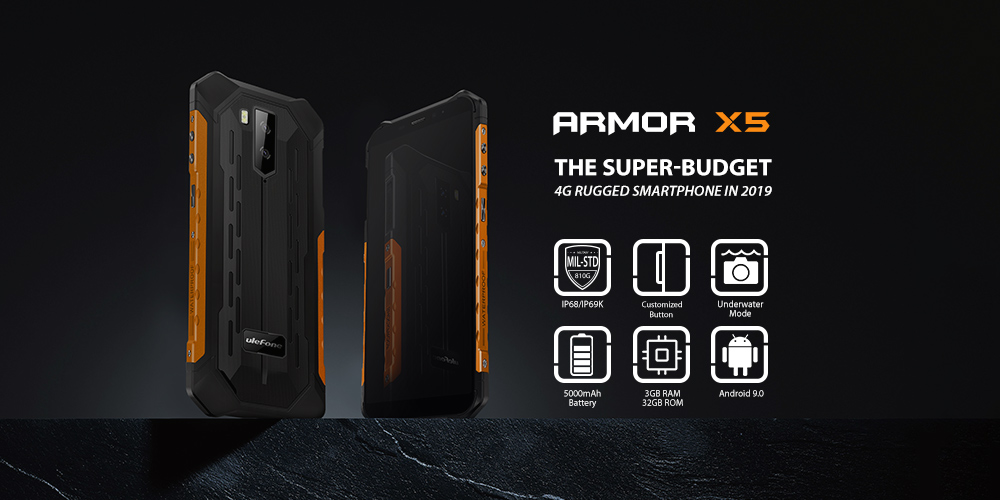




 In 2018, Google has launched two affordable siblings of the Pixel 3, dubbed the