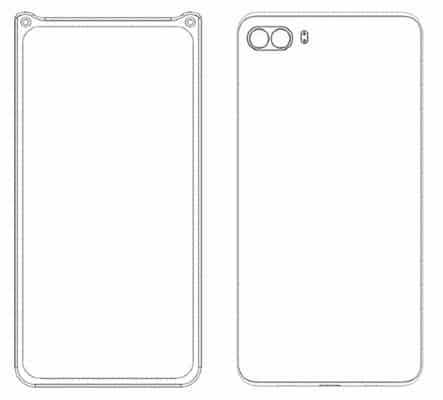
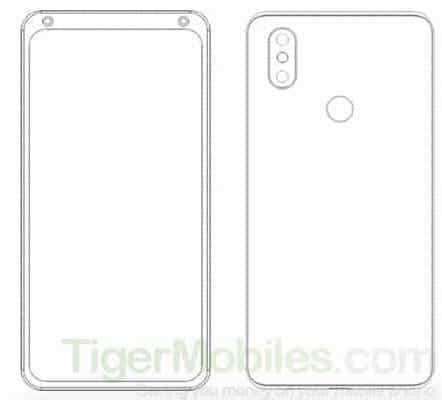
In the year 2016, Xiaomi launched the Mi Mix smartphone, which in its time had an impressive screen to body ratio of 83%. In order to achieve this, Xiaomi placed the front-facing camera in the chin below its display. According to freshly granted patents, the company is working on a couple of other handsets that have a distinctive approach towards incorporating the selfie camera, like the Mi Mix.
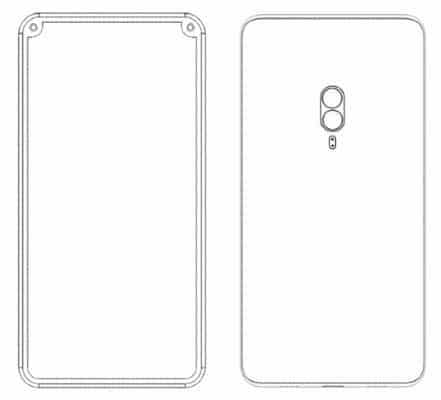
The said patent set includes four different models, all of which have dual front-facing selfie cameras. The first model looks similar to several high-end smartphones from the current era with curved edges. However, instead of a waterdrop style notch, the dual cameras are mounted along the left and right edge of the top bezel.
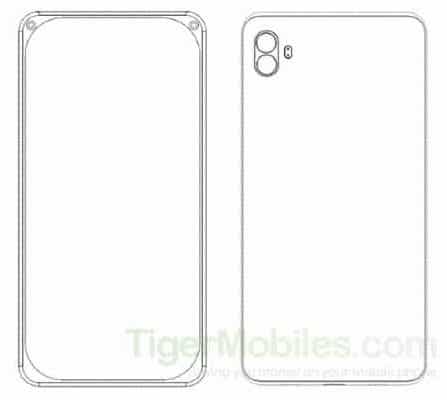
Moving ahead, the second model looks identical to the first one but not only does it have two cameras mounted along the left and right side of the top edge, but it also has curved corners as shown in the image.
Out of all the models, the third one is the most unusual looking. The illustration exhibits a handset with what could be called ears or horns extending from the right and left side of the top edge. Both of these so-called ears accommodate a front-facing camera. Overall, this design looks very quirky and it would be interesting to see if Xiaomi could make a real-life device out of this.
The fourth model looks the most reasonable out of all four, it has a thick forehead above the display which houses dual selfie cameras. The overall front fascia of this model looks similar to the Pixel 4 which is set to launch tomorrow i.e the 15th of October.
While all four designs are unique in their own way, it must be noted that companies tend to hold a wide variety of patent portfolio. Whether or not, any of these turns into a reality, we will have to wait to watch. Till then we would recommend taking these with a grain of salt.
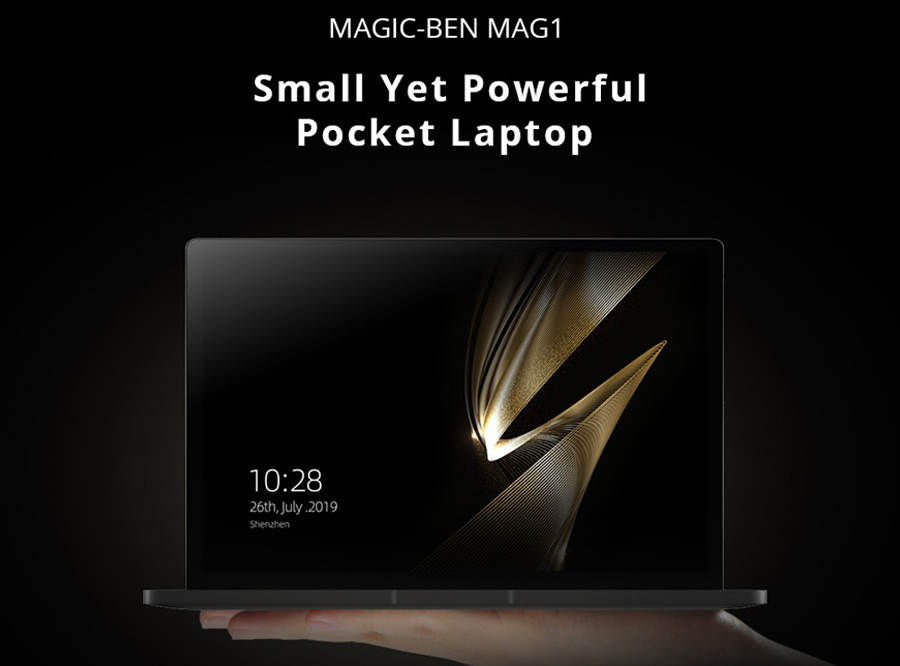
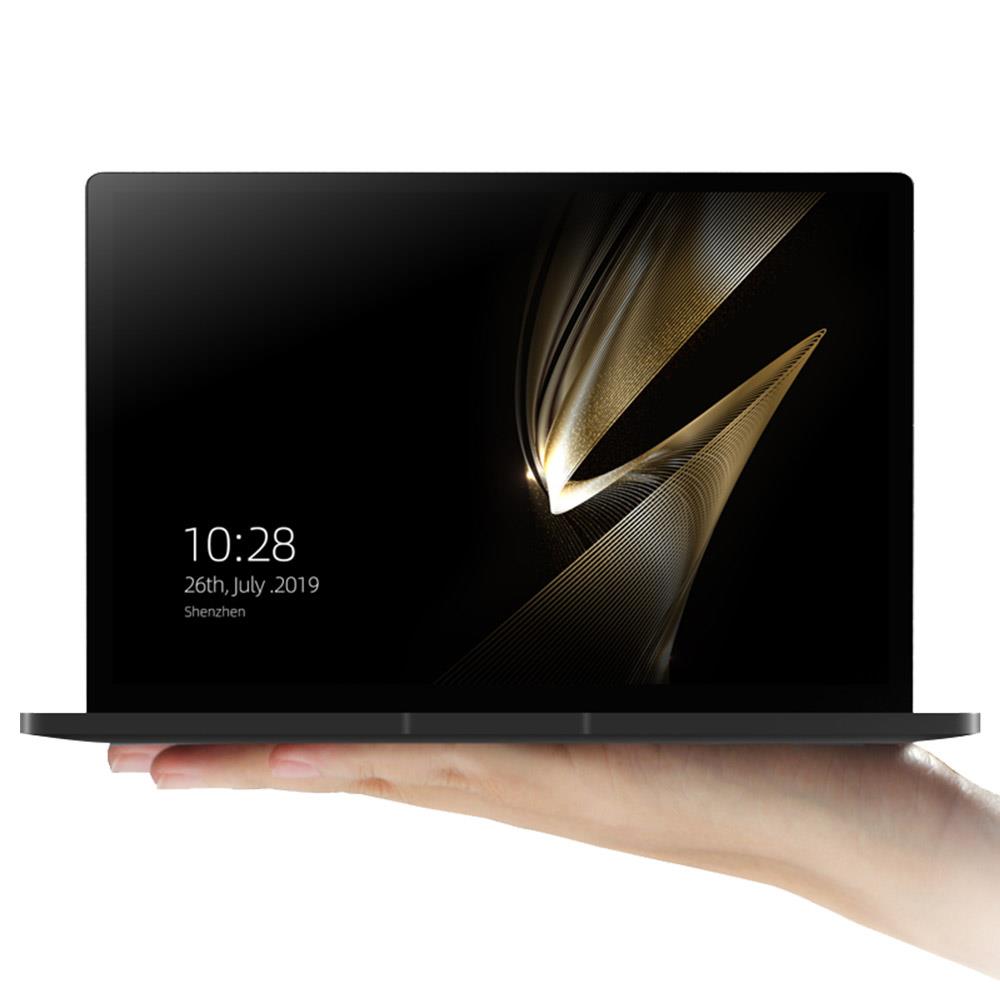
Multiple manufacturers have come up with their Windows OS-based pocket laptops, ranging from 7-inch to 8.9-inch this year. On October 10th, another brand jumped the mini laptop bandwagon with an 8.9-inch Windows 10 pocket laptop dubbed the Magic-Ben MAG1.
GeekBuying recently kicked-off the Magic-Ben MAG1 Mini Laptop Global Launch promotion, wherein the Chinese online store is giving its loyal users a chance to save a considerable amount of money on the mini laptop, and to join a lucky draw. The event rules to participate in the lucky draw include:
Place your pre-order for the Magic-Ben MAG1 during the pre-sale period, which is from October 10th to October 25th. After buying the mini laptop, you qualify for one free draw each day. After making the purchase, simply click “GO” or refresh the activity page to see the number of chances you have. The super Gift list includes the following:
MAG1 mini laptop, $793.99
Magic-Ben accessory set
Magic-Ben laptop handbag
Magic-Ben lightweight portable wireless mouse
Magic-Ben USB to ethernet adapter
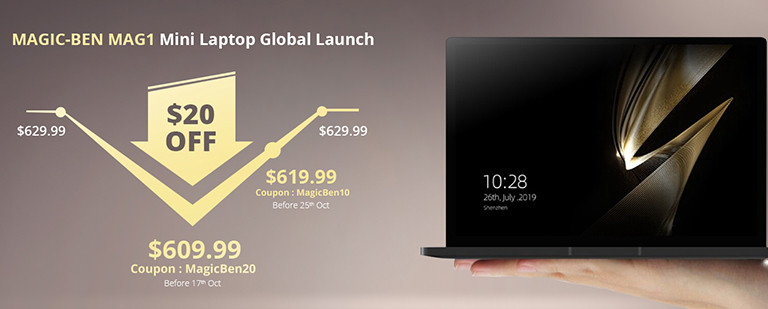
GeekBuying is doling out noteworthy discounts on two variants of the Magic-Ben MAG1 mini laptop.
Aside from that, Geekbuying is offering a $20 OFF Coupon that will be valid on all its products. You can share the link to the promotion page and get more chances to draw. The winner list is included in the activity page.
As part of the promotion, GeekBuying is offering great discounts on two variants of the MAG1 mini laptop. In addition to the discounts, each model has been assigned a dedicated coupon code that can be used to save more money at the time of checking out.
Magic-Ben MAG1 Pocket Laptop [16GB RAM+512GB SSD]
Featuring 16GB of RAM, this model comes with 512GB of internal storage capacity for you to save your favorite multimedia content. The model would normally set you back a pretty penny, but you can now pre-order for just $793.99. This is a noteworthy 25 percent reduction in the laptop’s original asking price of $1055.99.
On top of that, you can use coupon code MagicBen20 for an extra $20 off. In other words, you can bring the already lowered asking price of the laptop further down to just $773.99 simply by applying the aforesaid coupon at checkout.
Moreover, new users can take advantage of a $2 OFF Coupon and save more money. You can follow this link to grab the discount. Note that the promo is slated to end in 36 days.
The Magic-Ben MAG1 mini laptop model with 8GB of RAM and 256GB of onboard storage space carries an $847.99 price tag, but GeeBuying is allowing you to pre-order this model for a lowered price of just $629.99. This is a 26 percent drop in the device’s retail price.
On top of that, you can save $20 more by applying coupon code MagicBen20 before placing your pre-order. The coupon helps you to reduce the original asking price of the laptop to only $609.99.
You can visit this link to avail the discount and take advantage of the coupon. There’s a $2 OFF Coupon for those placing their orders for the first time through GeekBuying. The promo is slated to end in 36 days.
The Magic-Ben MAG1 Pocket Laptop offers the following features:
8.9-inch touchscreen display with 2560×1600 pixels resolution
Earlier this year, Huawei launched its much-anticipated operating system HarmonyOS as a replacement to Google‘s Android. However, the OS is not limited to smartphones and will power a range of devices, including smart home products.
Now, a new report claims that the market share of HarmonyOS will reach 2 percent globally next year, making it the world’s fifth largest operating system surpassing Linux. Counterpoint further points that the share of HongMeng OS in China will reach 0.1 percent by the end of this year and 5 percent by the end of next year.
Currently, Android is the world’s leading operating system with a market share of 39 percent, and is followed by Windows having 35 percent market share, Apple’s iOS with 13.87 percent market share, and macOS with 5.92 percent market share. Linux is currently the fifth largest operating system with 0.77 percent share.
HarmonyOS, announced earlier this year, can support a wide range of applications including Android, Linux, and HTML5 in the future. The new operating system uses Huawei’s ARK compiler and will support Kotlin, Java, Javascript, C, and C++ programming languages. It will also have a verified Trusted Execution Environment for a better connected security across multiple devices.
The company had said that it began working on the OS back in 2017. It is currently in version 1.0 with Version 2.0 scheduled for launch next year and version 3.0 planned for 2021. We should also see it appear on PCs next year and on VR headsets in 2022.
HarmonyOS has already started making its way to the company’s devices starting with smart televisions. Honor Vision TV and Huawei’s Smart TV both come powered by HarmonyOS out-of-the-box. However, the company has confirmed that it has no plans to launch a smartphone powered by this OS this year.
Recently, in an interview with the correspondents of Fortune Magazine, Huawei CEO Ren Zhengfei made a bold claim saying that their in-house developed operating system would be able to compete with top rivals like Apple’s iOS within a period of 2 years.
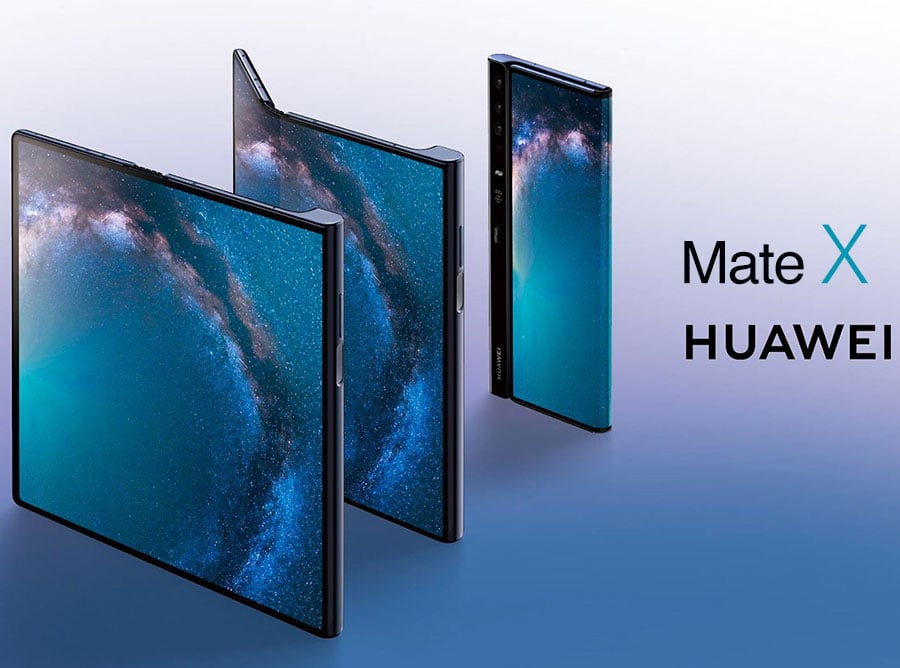
The year of 2019 was pretty exciting during the initial months given that the much-anticipated foldable smartphones from Samsung and Huawei were unveiled — Samsung Galaxy Fold and Huawei Mate X.
However, both the smartphones had to undergo a lot of changes in terms of design to increase the durability and thus, the launch of both the smartphones were delayed a couple of times. While Galaxy Fold went on sale earlier this month, now it’s the turn for Mate X.
Huawei had confirmed last month that the Huawei Mate X foldable smartphone will go on sale from October and now a new report claims that the smartphone will go on sale in its home country China by the end of this month.
The Huawei Mate X that comes with a flexible display was first showcased at the Mobile World Congress (MWC) 2019 tech event in February. At that time, the device was powered by Kirin 980 chipset. The sales of the foldable phone were expected to begin in August but it was was delayed by the company without revealing the reasons behind it.
It is speculated that the company may release two versions of the Mate X. One may feature the Kirin 980 and the other one could be coming with the latest Kirin 990 chipset that supports 5G connectivity natively. It is speculated that the Kirin 990 SoC edition of the Mate X will be featuring the same triple cameras that are available on the Huawei P30 Pro.
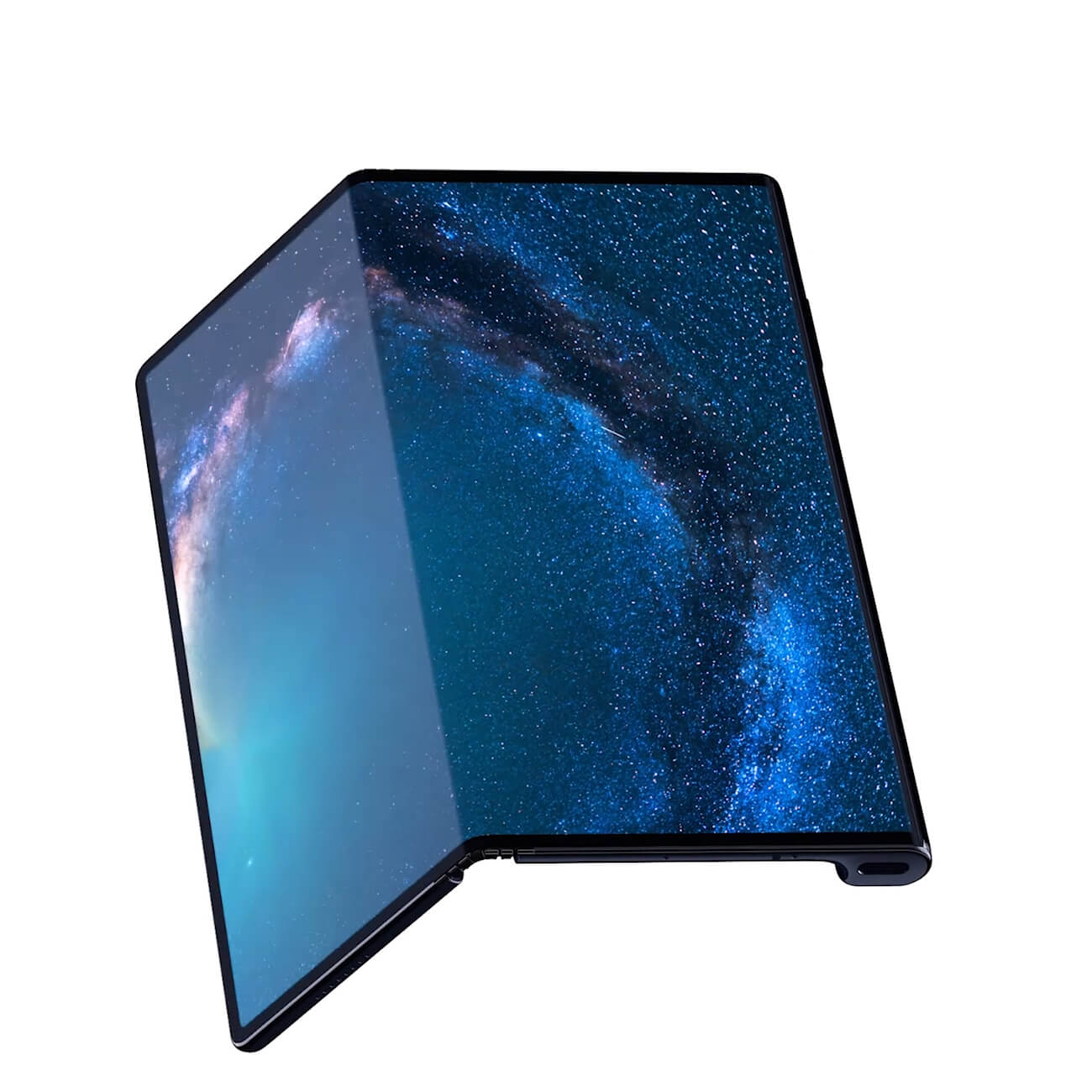
The smartphone comes with what the company calls is “Falcon Wing Design”. Unlike the Samsung Galaxy Fold, it folds completely flat with no visible gap. The company says that the hinge system used in the phone is patented and has over 100 components.
The Huawei Mate X features a large 8-inch screen with a 2480 x 2200 pixels screen resolution and an 8:7.1 aspect ratio when unfolded with pretty thin bezels. When folded, it transforms into a dual-display phone – one side is a 6.6-inch (2480 x 1148 pixels) 19.5:9 display while the other is a 6.38-inch (2480 x 892 pixels) 25:9 display.
It comes with 8GB of RAM and 512GB of storage. It has dual SIM support (nano only) but only SIM 1 supports 5G. You can also swap out the second SIM card for Huawei’s NM card up to 256GB. The device also comes with the 7nm Balong 5000 modem which brings 5G support to the device.
The phone runs the EMUI 9.1.1 custom interface, which is based on Android 9 Pie operating system out-of-the-box. As for the connectivity options, the device supports NFC, dual-frequency GPS, Bluetooth 5.0, Wi-Fi 802.11 b/g/n/ac, and USB Type-C port.
The device has two built-in batteries, which offers a total capacity of 4,500mAh. Huawei has also debuted its new SupercCharge fast charging technology which supports up to 55W. The company claims that the new SuperCharge allows users to charge the device from empty to 85 percent in just 30 minutes.
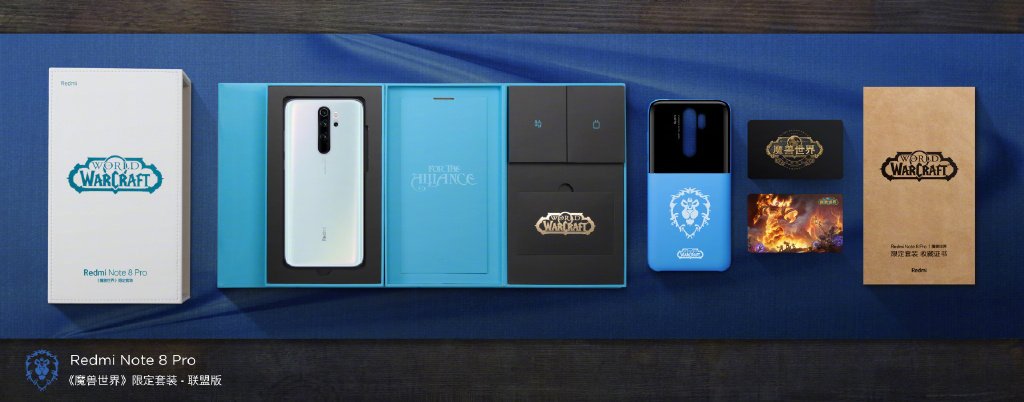
Along with the Redmi Note 8 series smartphones, Xiaomi-backed company had also announced the Redmi Note 8 Pro World of Warcraft Edition, without revealing information about its pricing and availability.
Now, the company has confirmed that this limited edition smartphones — Redmi Note 8 Pro World of Warcraft Edition will go on sale in China from 16th October in a limited quantity of just 5,000 units through the company’s own Xiaomi Mall.
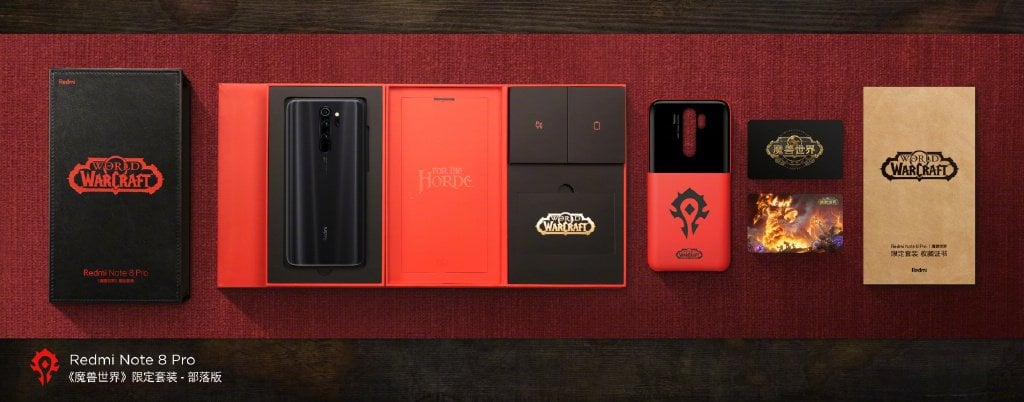
For those who are unaware, the Redmi Note 8 Pro World of Warcraft Edition comes in two variants – a “Horde” variant and an “Alliance” variant, representing the two main factions in Azeroth. Both come with different styled packaging but similar contents.
The Horde variant comes in a black and red colored box while the texts on the outer part of the box are written in red color. Inside the box is the Electro-optic Ash variant of the Redmi Note 8 Pro. There is a black and red case with the emblem of the Horde at the bottom as well as some World of Warcraft cards.
The Alliance variant comes in a white box (blue inside). Inside the box is the Fritillaria White version of the Redmi Note 8 Pro and there is a case too inside the box. It has a black and blue dual-color with the emblem of the Alliance inscribed in white on the lower half and you also get the same cards as the Horde variant.
Apart from this, the smartphones also come with custom wallpapers, themes (sync online), and icon packs. Other than the special packaging and additional items, the specifications are the same as that of the regular variant.
The Redmi Note 8 Pro comes with an IP52 splash resistant body and is equipped with a 6.53-inch IPS LCD display with waterdrop notch. It supports Full HD+ screen resolution of 1080 x 2340 pixels. The TUV Rheinland certification for the display ensures that it filters the harmful blue rays.
There’s a MediaTek Helio G90T processor which fuels the Redmi Note 8 Pro smartphone. It is packed with 6GB and 8GB of RAM, depending on the variant you choose and comes in two storage options — 64GB and 128GB. There’s also a dedicated microSD card slot that enables you to further expand the storage capacity on the device.
The quad camera setup on the back includes an f/1.7 aperture 64-megapixel ISOCELL Bright GW1 as primary lens, an ultrawide lens of 8-megapixel, a 2-megapixel macro lens with 2cm focal length and a depth sensor of 2-megapixel. There’s also a 20-megapixel front-facing camera for taking selfies, housed inside the notch on top of the display.
The smartphone runs Android 9 Pie operating system out-of-the-box with MIUI 10 which comes with enhanced gaming experience, thanks to the Game Turbo 2.0 and HyperEngine by MediaTek. The device is powered by a 4,500mAh battery that carries support for 18W rapid charging technology.
Recently, Huawei’s sub-brand Honor launched several smartphones, including Honor 9X, Honor 9X Pro, Honor 20S and Honor Play 3 in its home market China. Now, the company is gearing up to launch another smartphone with model number LRA-AL00 which has been confirmed to be Honor 20 Youth Edition (Lite).
Now, a new poster shared by the company on Weibo confirms that the Honor 20 Youth Edition (Honor 20 Lite) will be launched in China on 15th October. Do note that the phone is different from the Honor 20 Lite launched earlier this year in May.
The TENAA listing of the Honor LRA-AL00 smartphone confirms that the smartphone measures 157.2 x 73.2 x 7.65 mm and weighs 172.5 grams. The device is equipped with a display that features a waterdrop notch to offer users with a high screen space. The 6.3-inch OLED screen offers Full HD+ resolution and comes equipped with an in-display fingerprint sensor.
An octa-core processor that clocks at 2.2GHz is present under the hood, possibly Kirin 810 SoC, and the smartphone will come in three variants — 4GB, 6GB, and 8GB RAM with 64GB, 128GB, and 256GB internal storage. It will also have a microSD card slot for expanding the phone’s storage capacity.
The device is expected to have a triple camera system on its back. The vertical module comprises of a 48-megapixel primary lens, an 8-megapixel secondary lens and a 2-megapixel sensor. For capturing selfies, it is fitted with a frontal shooter of 16-megapixel.
The smartphone will be running Android 9 Pie operating system out-of-the-box with the company’s own EMUI custom interface. It will be powered by a 4,000mAh battery and is expected to support 20W fast charging.
The Honor 20 Youth Edition (Lite) is expected to come in Pink/Violet and Peach/Cyan gradient colors, as seen in the leaked renders of the phone. The phone’s full set of specs, variants, pricing, and availability information will be revealed at the launch event in China on 15th October, i.e. tomorrow.
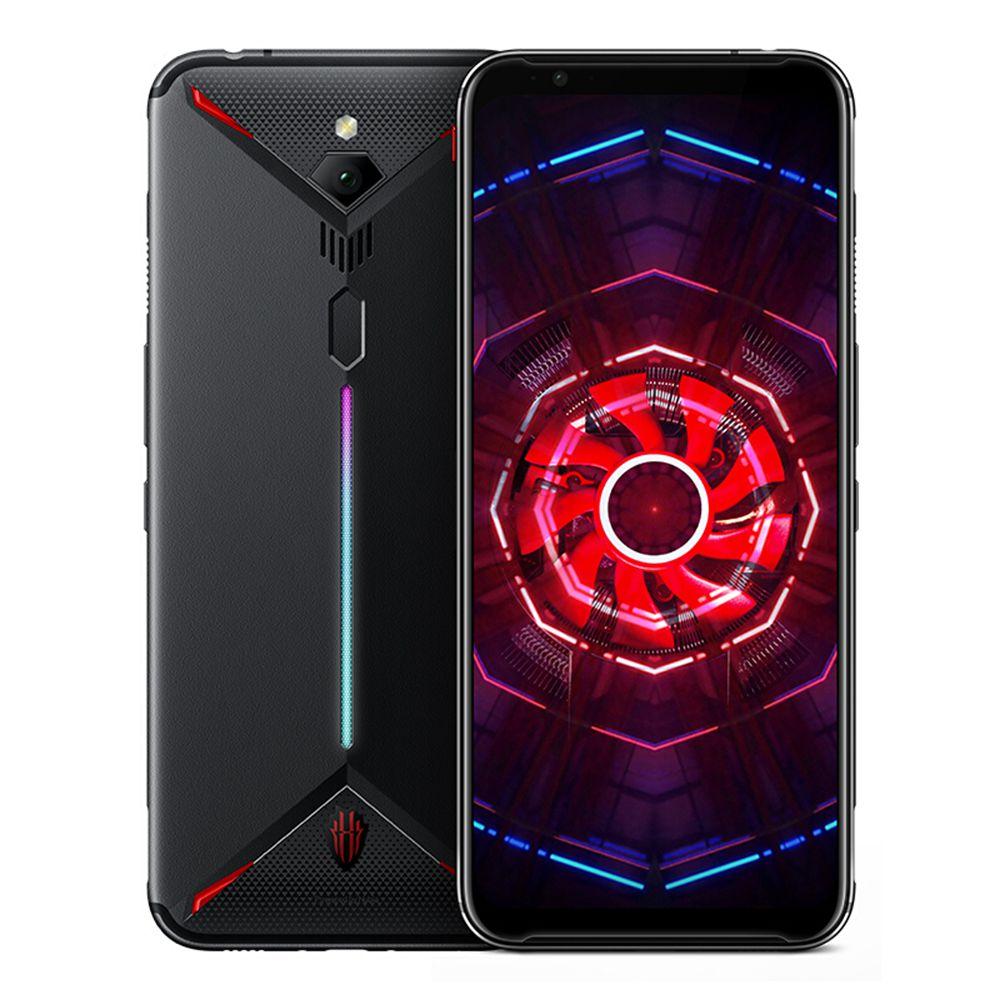
Nubia, which launched the Red Magic 3 gaming smartphone earlier this year in May, had launched its successor Red Magic 3S in September this year. Now, the company is starting the phone’s global rollout from this week and has confirmed that the Red Magic 3S will get launched in India on 17th October.
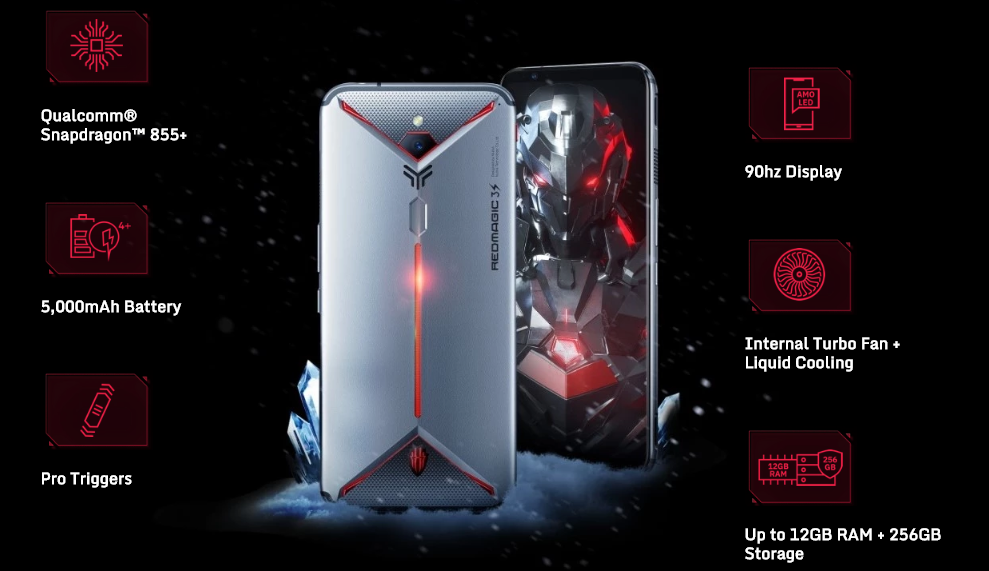
The Red Magic 3S comes with a large 6.65-inch FHD AMOLED display with a 90Hz refresh rate and a 240Hz touch refresh rate. The screen brightness goes up to 430 nits and with support for DC dimming, you should be comfortable gaming even at night.
The new model gets its big upgrade in the processor department. Just like the Black Shark 2 Pro, the Nubia Red Magic 3S is also using the new Snapdragon 855+ processor with 8GB /12GB RAM and 128GB / 256GB UFS 3.0 ROM variants.
In the camera department, the phone still comes with a single Sony IMX586 48MP sensor at the back with f/1.7 aperture lens. There’s support for 1920 fps slo-mo recording and up to 8K video shooting. As for the front camera, there’s a 16MP sensor for selfies. So in the camera department, the new model remains practically unchanged.
The Red Magic 3S features a rear-mounted fingerprint scanner and connectivity options include Wi-Fi 802.11 a/b/g/n/ac, Bluetooth v5.0, A-GPS, GLONASS, USB Type-C and a 3.5mm AUX port. As for the OS, the phone runs on the new RedMagic OS 2.1.
The software is still based on Android 9, but features performance optimizations, new gaming-centric themes, intelligent CPU / GPU scheduling, RedMagic rendering system, and a special game mode. The device is available either with a fan or with liquid cooling and is powered by a large 5000mAh battery on board with USB PD 27W fast charging support.
In China, Nubia launched the Red Magic 3S at a base price of CNY 2,999 (~$419). The Chinese firm has confirmed that the global edition of 8GB RAM + 128GB storage will carry a starting price of $479 and will come in Eclipse Black and Mecha Silver colors.
The high-end model with 12GB RAM + 256GB storage comes in Cyber Shade gradient color that appears red to a combination of blue and purple is priced at $599. The phone will be available from 16th October across global markets, including United States of America, Canada, United Kingdom, the European Union, Israel, Hong Kong, Japan, Singapore, Taiwan, Indonesia, Macau and Australia.
Xiaomi released its latest TWS earphones, called Xiaomi Airdots Pro 2, several days ago. As the advanced version of Xiaomi Airdots, we were looking for to the new earbuds. I have used it for a few days, and so let’s do a short review now.
Unboxing:
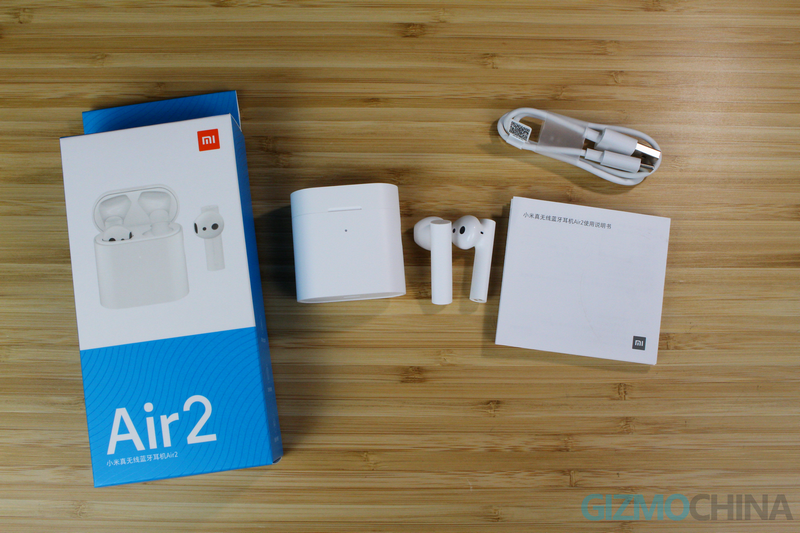
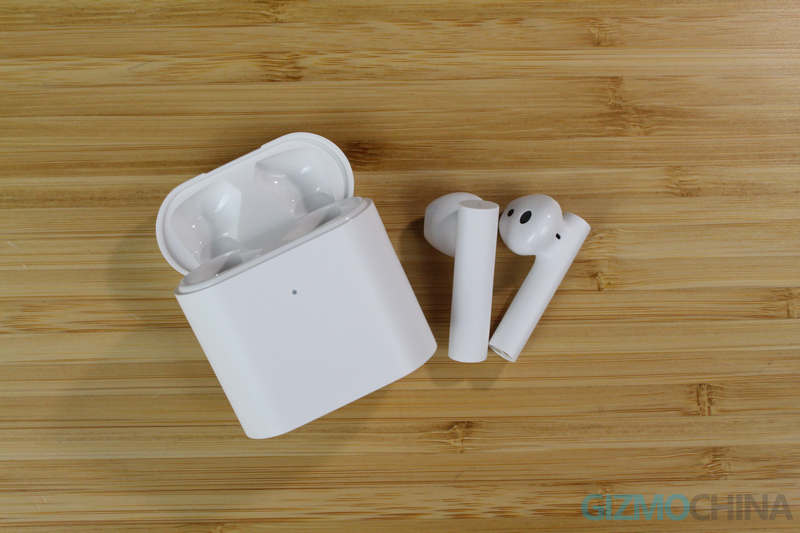
There is Xiaomi Airdots Pro 2 earbuds, a charging case, Type-C charging cable and a manual in the package.
Design:
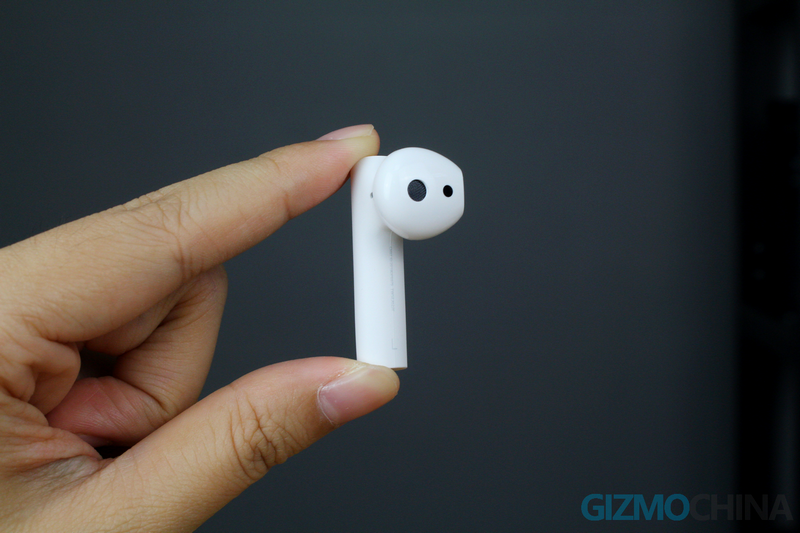
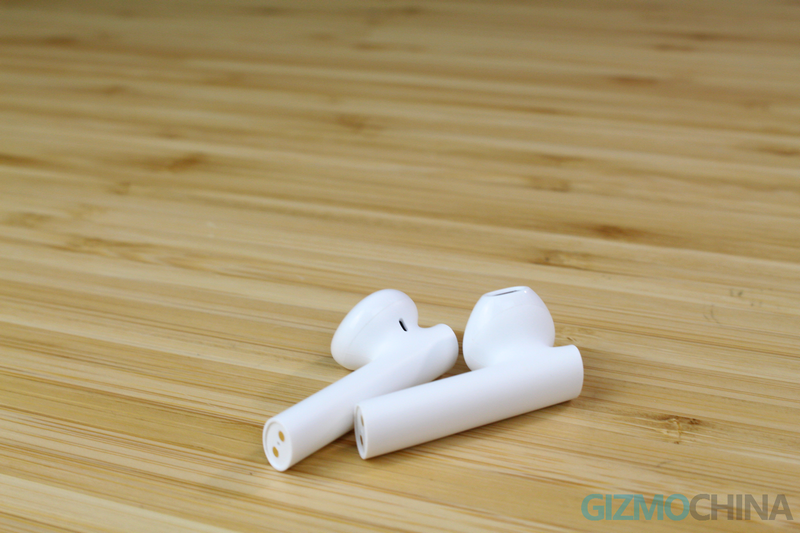
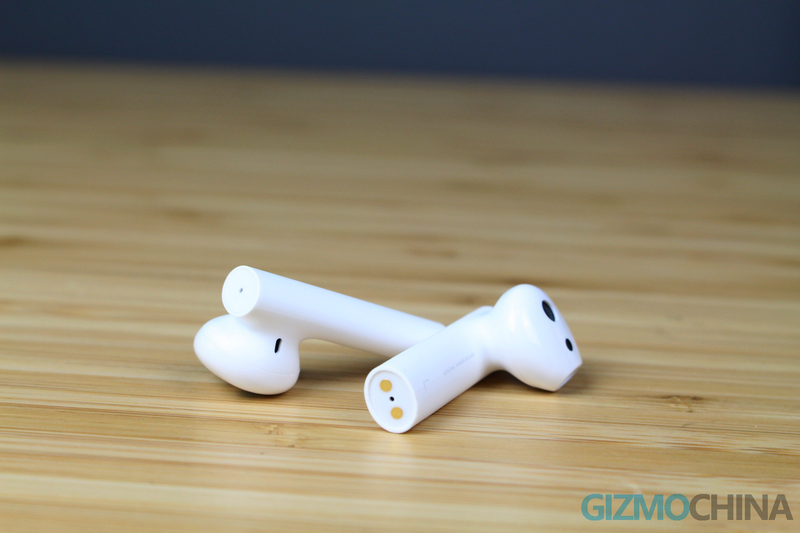
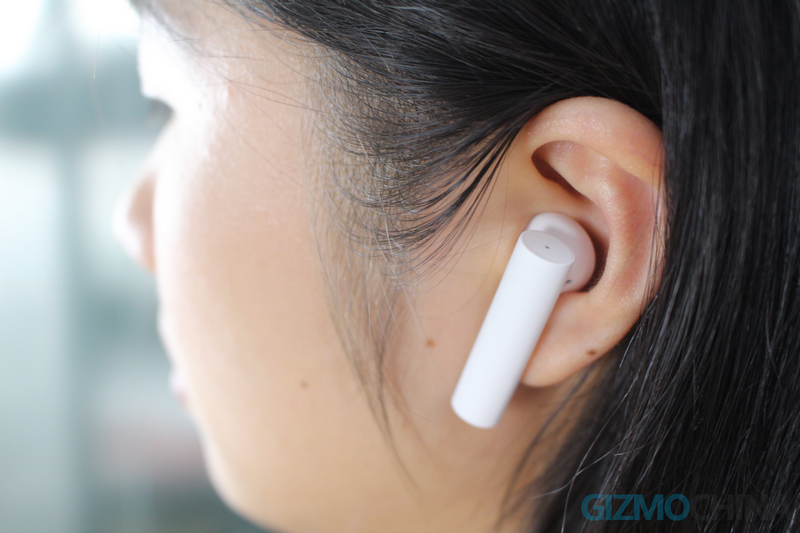
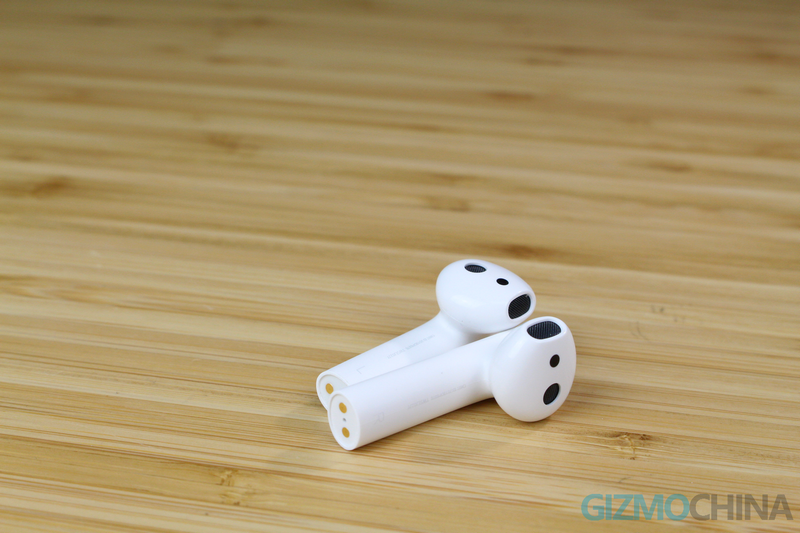
The Xiaomi Airdots Pro 2 comes in a basic retail box with a charging case, which has a simple look. Different from its previous generation, the Airdots Pro 2 adopts semi-ear design, while the Airdots chooses an in-ear design. In my opinion, I’m not really a big fan of the design of the Xiaomi Airdots Pro 2 TWS Earphones.
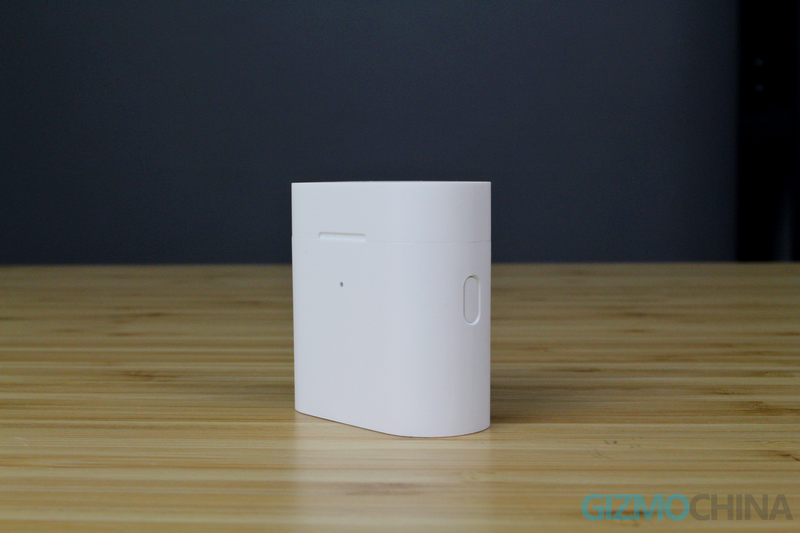
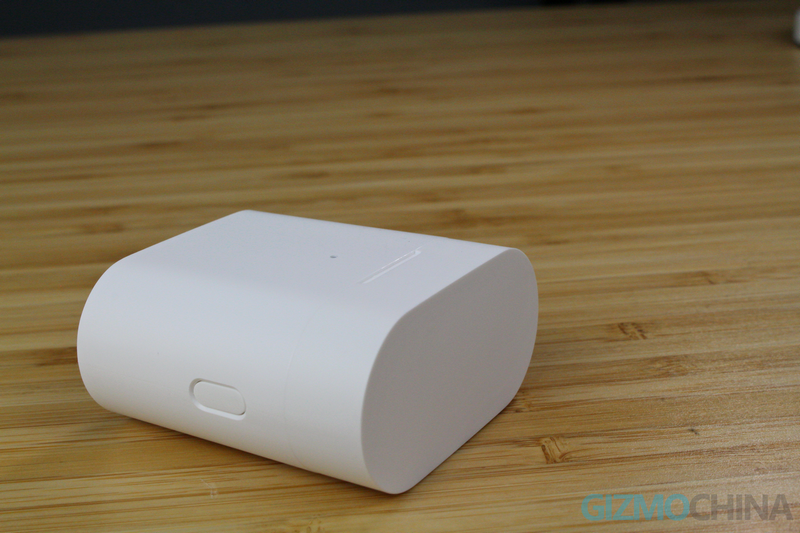
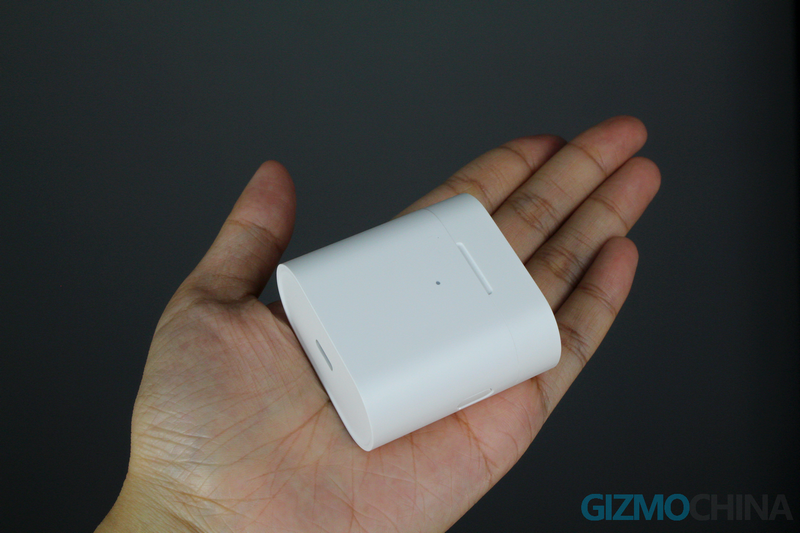
Coming in pure white design, the charging box has a clean look. You will notice the indicator placed at the middle.
On the right side, there is a function key, which can control the earbud’s connection.
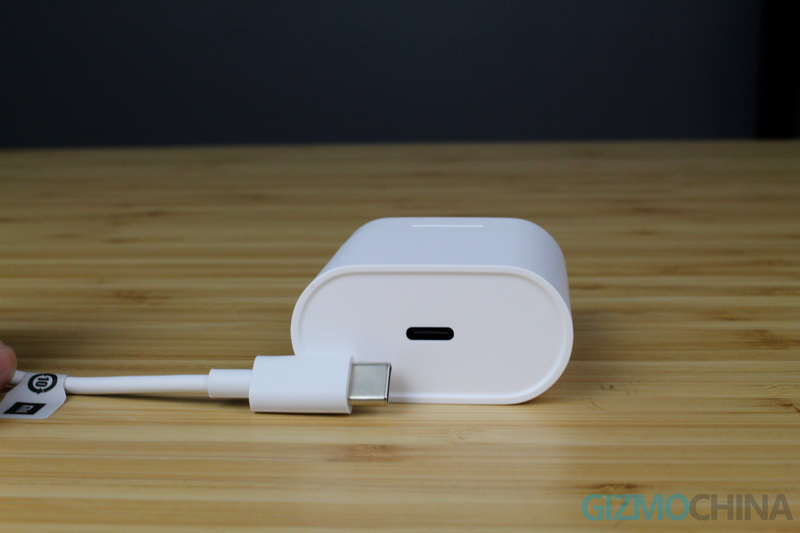
The Xiaomi Airdots Pro 2 supports Type-C charging, and the port is set at the bottom.
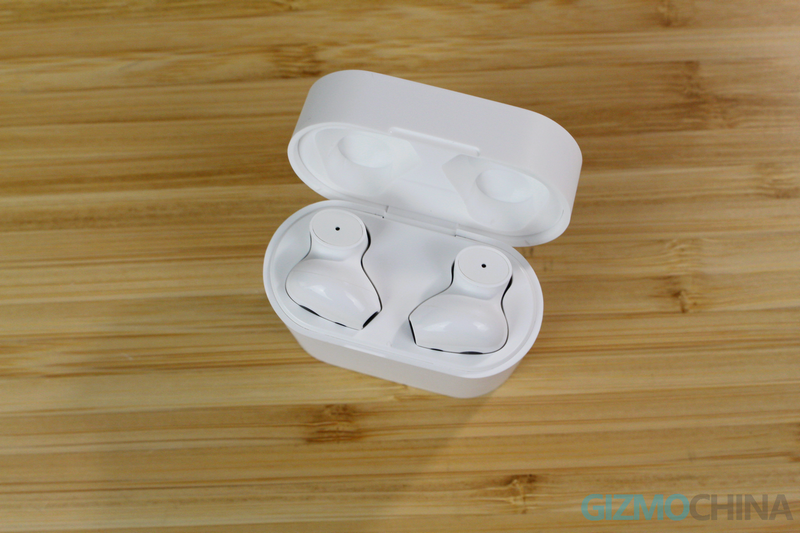
After opening the lid, I was disappointed. There is a gap between the Airdots 2 and the charging box. Actually, it looks a bit cheap.
In addition, the charging case lid adopts the magnetic suction structure, which is firm and sturdy. However, the charging box has more edges and corners than the Xiaomi Airdots. For me, I prefer the round design than the sharp design.
Overall, it’s really a compact design coming in a very small size. You to carry the charging case everywhere and easily put it into your pocket.
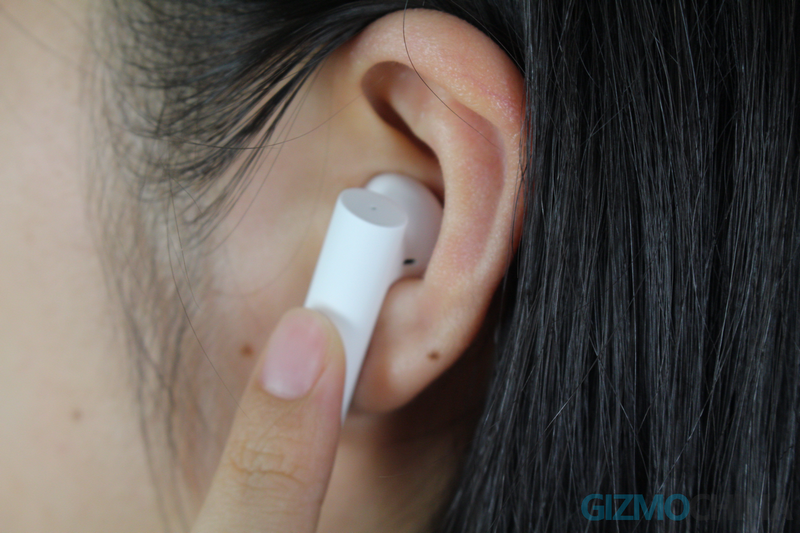
The Xiaomi Airdots Pro 2 comes with a virtual button, which is easy to operate. Like most of the TWS earphones, the Xiaomi Airdots Pro 2 supports phone call mode, music mode and voice assistant wake-up. Compared with those TWS earphones with a physical button, you can just touch the Airdots Pro 2’s virtual key on the earbuds gently to operate. On the contrary, with the physical button, you would have had to press it a bit hard. And your ears would have felt that pressure.
In the phone call mode, quick touch 2 times on either side of the earbuds to hang up or answer the phone. In the music mode, touch the right earbud 2 times means play/ pause, and touch the left earbud 2 times to wake up the voice assistant. Taking off one earbud can stop the music.
Running on Bluetooth 5.0, the Xiaomi Airdots Pro 2 TWS Earphones has solid wireless connection in a range of around 10 meters.
Performance:
The Xiaomi Airdots Pro 2 TWS earphones have medium acoustic fidelity, lacks high-frequency volume and not strong enough in low-frequency volume.
In the low-frequency volume, it’s not so punchy in the bass to surprise my ears, so the Xiaomi Airdots Pro 2 doesn’t have the much powerful thumping effect.
In the high-frequency volume, it has a little sound distortion but the voices are crystal clear.
Basically, the earbuds are good for vocal songs but don’t expect much in terms of bass.
About the audio sync performance, it lags at around 0.5 seconds, especially when playing games. It is not so suitable to play those games which rely much on the real-time stereo, like PUBG mobile. Also, the Xiaomi Airdots Pro 2 has a poor noise-canceling, which isn’t a surprise.
However, in the midrange, the Xiaomi Airdots Pro 2 performs well, which overflows with midrange details. All kinds of music sound outstanding in this range.
In addition, although I don’t like the appearance of the earbuds, the Xiaomi Airdots Pro 2 fits my ear so well. The wearing experience is good, I can even wear it for hours.
The call quality is pretty decent, provided you wear both the earbuds. The voice is loud and clear and the person on the other end can hear you fine as well. But make sure to wear both of them or else the call clarity becomes terrible.
Battery:
The battery life of Xiaomi Airdots Pro 2 Earbuds is about 4 hours, which can be used for about 14 hours with the charging case. It is good, but not so outstanding.
Price:
The Xiaomi Airdots Pro 2 TWS Earphones is priced at $79.99 on Giztop. You can click hereto get the Xiaomi latest earphones.
Conclusion:
The Xiaomi Airdots Pro 2 is a value for money true wireless earbuds, featuring a simple and clean look. I like its virtual key, pocket size and comfortable fit, but Xiaomi should improve the sound quality and noise-canceling. Although the appearance doesn’t appeal to me, overall I’m willing to get it because of its cheap pricing.
For this week’s poll, we are pitting Redmi‘s new budget phones – the Redmi 8A and the Redmi 8 – against each other. We are curious to know which of these two devices our readers prefer and will purchase, seeing as both phones have more similarities than differences when compared to their predecessors.
The Redmi 8A and Redmi 8 have the same screen size and resolution; they are powered by the same processor; they have the same primary rear camera and selfie camera; and also have the same battery capacity.
Of course, there are differences, the major ones being the lack of a fingerprint scanner and secondary rear camera on the Redmi 8A. However, with both phones being alike more than different, some folks may want to go with the cheaper phone which is the Redmi 8A. While others may not mind shelling some extra bucks for the Redmi 8.
Please take the poll and tell us if it is the Redmi 8A that will get your money or if you don’t mind paying more for an extra camera and fingerprint scanner. We will also want you to share the reason for picking one over the other in the comment box.
[yop_poll id=8]
It is already known that Gionee is back in business following its recent releases in the Indian market. The most recent one is its launch of four new power banks with varying designs and capacities. However, China is still missing out on the action, but that might change soon as two new devices have been certified by TENAA. The two phones are the Gionee 20190418Q and the Gionee 20190419Q.
Gionee 20190418Q
The Gionee 20190418Q has a 6.41-inch display with an FHD+ (2340 x 1080) resolution. It has a 2.0GHz octa-core processor and will be available in 2GB and 3GB RAM variants. There will be three storage configurations – 16GB, 32GB, and 64GB of storage.
[envira-gallery id=”282552″]
The phone has dual rear cameras but TENAA only mentions one and says it can be 12MP or 20MP. The selfie camera is also listed as 8MP or 13MP. The phone has a rear-mounted fingerprint scanner, support for MicroSD card, and runs Android 9 Pie. It also has a massive 5000mAh battery.
The Gionee 20190418Q will be available in black only but the images show a different color. It weighs 196 grams and measures 163.4 x 77.1 x 8.9 millimeters.
Gionee 20190419Q
The Gionee 20190419Q has a 6-inch 720 x 1440 display. The screen has bezels that house an 8MP front-facing camera. There is a 1.5GHz quad-core processor powering the phone and it is paired with 2GB or 3GB of RAM and 16GB, 32GB, or 64GB of expandable storage.
[envira-gallery id=”282568″]
There are two cameras on the back of the device but TENAA only mentions the primary 13MP sensor. There is also a fingerprint scanner on the back of the phone.
The Gionee 20190419Q runs Android 8.1 Oreo and packs a 3000mAh battery. It will be available in black according to the TENAA listing but the provided images are of a blue-black gradient variant. It weighs 172.3 grams and measures 158.2×76.6×8.6 millimeters.
ZTE may soon announce a couple of new smartphones. About a week ago, two phones – the Blade 20 and Blade A5 (2020) – were seen at the FCC. The latter has now appeared on TENAA’s database. The specs point at a mid-range phone with a big battery, and included images show it will have triple rear cameras in a square housing like the upcoming Pixel 4.
The ZTE Blade 20 has model number V1050 according to TENAA and it was certified on October 10. The phone has a 6.088-inch screen with a 1560 x 720 resolution. There is a camera visible in front and seems to be inside a very small notch.
Inside the phone is a 2.0GHz octa-core processor paired with 4GB of RAM and 64GB of expandable storage (512GB max.). The processor will draw power from a 4870mAh battery (~5000mAh). The FCC documents revealed it has support for 18W fast charge which should be good news for those eyeing the device.
[envira-gallery id=”282547″]
The Blade 20 has a square-shaped camera housing at the top left corner of its rear. Inside it is a 16MP primary rear camera paired with an 8MP sensor that is likely an ultrawide camera and another 2MP sensor that should be for capturing depth details. There is also a fingerprint scanner on the back of the phone. TENAA says the front-facing camera is a 5MP sensor.
There is a red power button and volume control button on the right side of the phone’s frame while the SIM + MicroSD tray is on the left. FCC already revealed it has an audio jack and a USB Type-C port.
The phone will run Android 9 Pie out of the box and should have ZTE’s MiFavor UI on top. When it launches, it will be available in Black and Peacock Blue. Its dimensions are given as 155 x 72.7 x 8.95 millimeters and its weight is 164 grams.
The specs of the Blade 20 are similar to that of the recently announced Blade A7s but with a bigger battery, a fingerprint scanner, and a redesigned rear. Since the Blade A7s has a price tag of ¥799 (~$113), we presume ZTE will put a price tag of ¥999 (~$140) on the Blade A20.
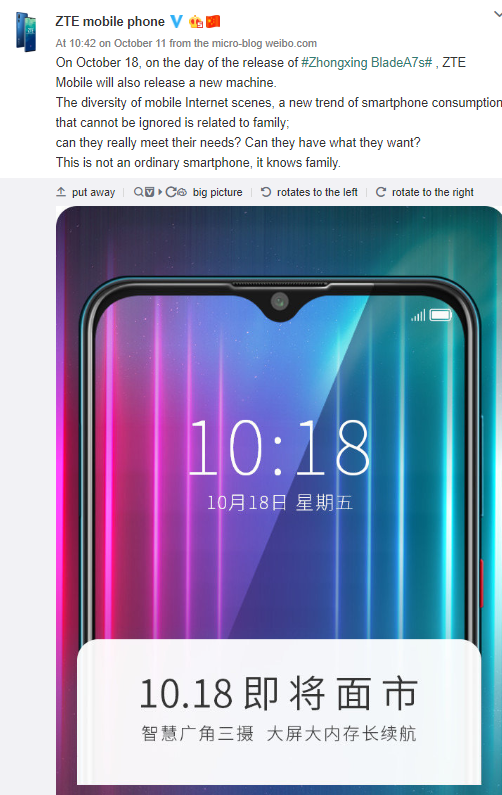
The Blade A20 might launch on October 18 based on a Weibo post by ZTE on Friday, October 11. According to the post, ZTE will announce a new phone on October 18, the same day the Blade A7s will go on sale. An image attached to the post shows a phone with a waterdrop notch. This phone may be the ZTE Blade A20.
Much to the delight of Vivo fans, Indian e-commerce giant Flipkart is doling out noteworthy discounts on the brand’s well-received smartphones. Let’s check them out.
Vivo Z1Pro
Launched earlier this year, the Vivo Z1Pro comes in Sonic Black and Sonic Blue color options and is available in 4GB and 6GB RAM variants. The 4GB RAM+64GB ROM model usually retails for 15,990 INR, but Flipkart is offering it for a lowered price of just 12,990 INR. Thanks to this 18 percent discount, you end up saving 3,000 INR.
The 6GB RAM+64GB ROM variant is also available for a lowered price of just 14,990 INR. This is a 16 percent reduction in the device’s original asking price of 17,990 INR. You can save 3,000 INR on both, the Sonic Blue, as well as the Sonic Black color options.
To avail of the discount, all you need to do is to follow this link. Note that there’s a 10 percent Instant Discount on SBI Credit Cards.
Vivo unveiled the Z1x in September this year. This feature-rich smartphone is available in Fusion Blue and Phantom Purple color options with 6GB of RAM and 64GB of onboard storage capacity, carrying a lowered price tag of 16,990 INR on Flipkart. This is a 15 percent drop in the phone’s retail price of 19,990 INR.
Aside from getting 3,000 off, you can avail of a 10 percent Instant Discount on SBI Credit Cards. Follow this link for more details about the Vivo Z1x and place your order.
Vivo launched the V9 smartphone in March last year. Even over a year after hitting the store shelves, the phone continues to garner huge popularity among the brand’s loyal fanbase. The 4GB RAM+64GB ROM Vivo V9 variant usually sells for 17,999 INR, but Flipkart is offering it for a reduced price of just 16,999 INR.
This 5 percent discount can be extended further with a 5 percent Unlimited Cashback on Flipkart Axis Bank Credit Card, and an extra 5 percent off with Axis Bank Buzz Credit Card. The V9 comes in gold, pearl black, pearl black (with gold lines), and Saphire blue color options. You can click here to place your order.
Available in three eye-catching color options including Energetic Blue, Gold and Matte Black, the V7+ has gone up for sale bearing an 18,990 INR price tag on Flipkart. The phone comes with 4GB of RAM and offers 64GB of internal storage space for you to save your favorite multimedia content.
In terms of offers, there’s a 10-percent Instant Discount available on SBI Credit Cards, 5 percent Unlimited Cashback on Flipkart Axis Bank Credit Card, and an extra 5 percent off with Axis Bank Buzz Credit Card. You can follow this link to grab the offers before the promo wraps up.
Messy cables on your working desk can be quite annoying. To address this concern, people usually buy a USB hub, which is a device that expands a single USB port into multiple, making more ports available for you to connect your devices to a host system.
The market is teeming with all sorts of USB hubs that normally carry steep price tags, while inexpensive alternatives usually fail to offer reliable performance. If you have restlessly been looking for a high-end USB hub that doesn’t cost a bomb, we got good news for you.
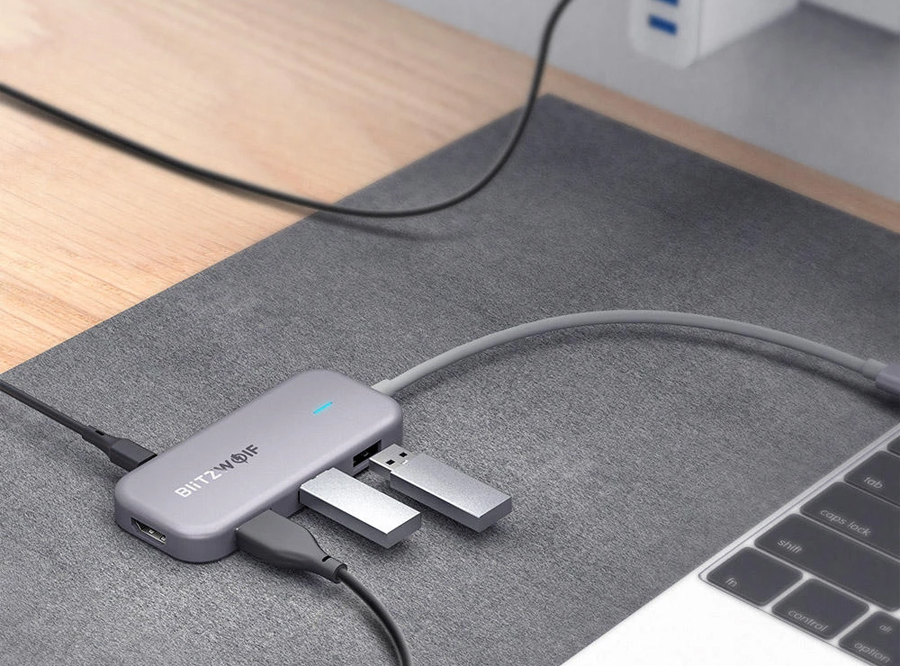
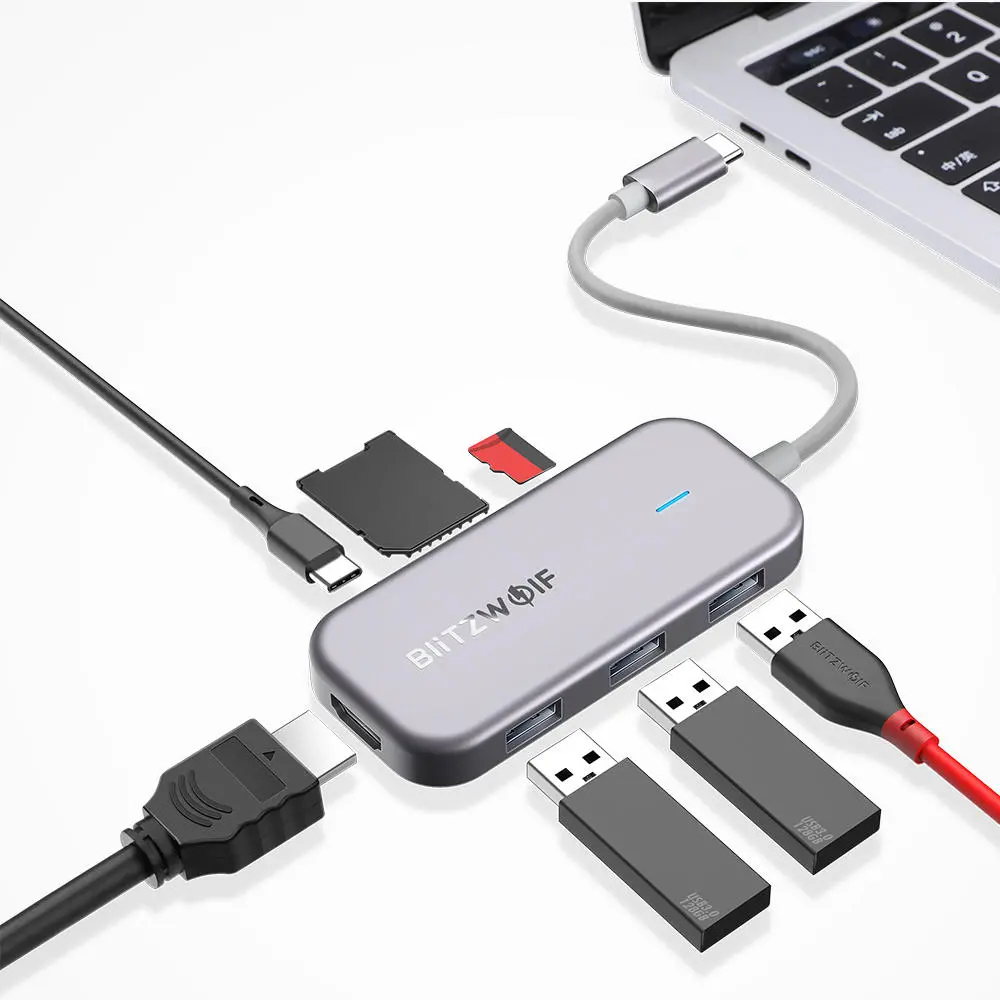
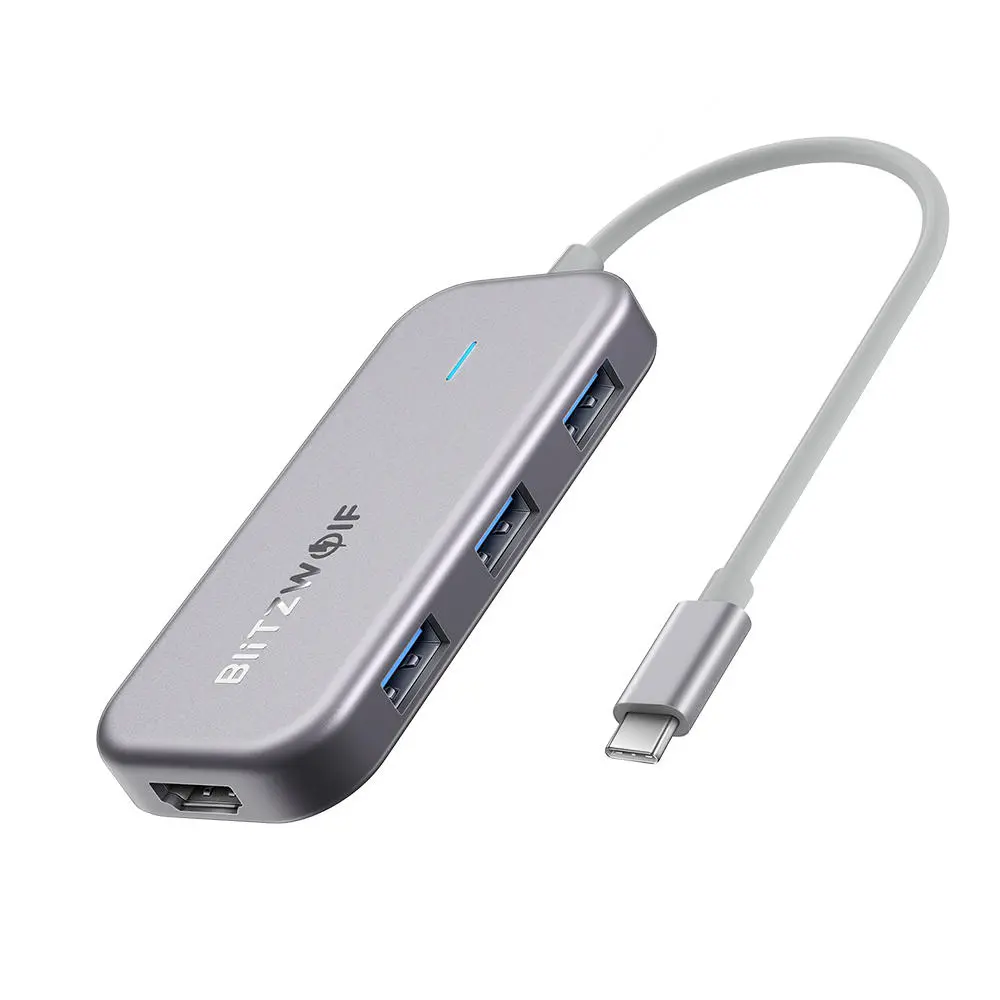
The BW-TH5 7 in 1 USB-C Data Hub from BlitzWolf has gone up for sale bearing a considerably lowered price on Banggood, the Chinese online store that always offers the best bang for your buck. The BW-TH5 would normally set you back a pretty penny, but you can buy it for only $23.99, thanks Banggood’s promotion sale that kicked off on September 30th.
On top of that, Banggood is offering its loyal users a chance to get free shipping on orders over $19.99. An absolute bargain at this price, the BlitzWolf BW-TH5 adopts power delivery technology, along with 4K HD multimedia interface output, unifying connectivity and replacing messy cables on your desk.
Featuring three USB3.0 ports, the BlitzWolf BW-TH5 delivers up to 5Gbps high-speed data transmission, which is ten times faster than the previous generation USB2.0, which offers 480Mbps data transmission speed. Moreover, it comes with SD card, and TF card slots to enable read and transfer data between a Type-C device and SD/TF card.
The BlitzWolf BW-TH5 comes with 100W Type-C PD Charging Support for faster and safer charging. Furthermore, it supports OTG function. In other words, you can plug the hub into your mobile device and connect an SD/TF card, flash drive, mouse, keyboard and other USB devices. This highly portable USB hub sports a sleek appearance.
You can head straight to this link to check out more details about the BlitzWolf BW-TH5 7 in 1 USB-C Data Hub and place your order. With over 90 pieces sold at the time of writing, this promo is slated to end on October 15th.
Smartwatches can be split into four categories based on the operating system they run on. There is Apple Watch with iOS, Android Wear watches, proprietary OS watches. Dominated by KOSPET, the fourth category comprises watches that run a full Android operating system.
The popular smart wearables maker is all set to launch its new flagship smartwatch dubbed, the KOSPET Prime, which is a great choice for both formal, as well as casual occasions. The most likely question that pops into your head is where can you buy this newfangled smartwatch? We got your back!
We will not only reveal where you can buy the KOSPET Prime for a lowered price but also show how you can save more money before placing your order. So without wasting more time, let’s delve straight into the details.
Known as one of China’s best online stores for electronic items, Gearbest has launched the Global Launch KOSPET Prime promo, doling out a noteworthy discount on the recently unveiled smartwatch. On top of that, you get a free gift for placing your pre-order from Gearbest.
The KOSPET Prime smartwatch would normally set you back a pretty penny, but Gearbest is offering it for a presale price of only $149.99. This is a 35 percent reduction in the device’s original asking price of $229.71. There’s more for you to cheer about.
In addition to getting the discount, Gearbest users can apply coupon code GB-KOSPET to bring the already lowered retail price of the KOSPET Prime smartwatch further down to just $99.99. In other words, you can save $50 more by applying the aforesaid coupon at checkout.
The coupon will be valid starting from October 14th (13:30:00) for three pieces daily. It is also worth mentioning here that the coupon will expire on October 20th (21:30:00). You can get an add-on item for $8.99 if your cart value is $20 or more at the time of checking out.
If that doesn’t impress you much, you can buy the Kospet Leather Strap Watch Belt for Android Smartwatch worth $10.99 for only $4.99 if you order it along with the KOSPET Prime smartwatch during the activity period.
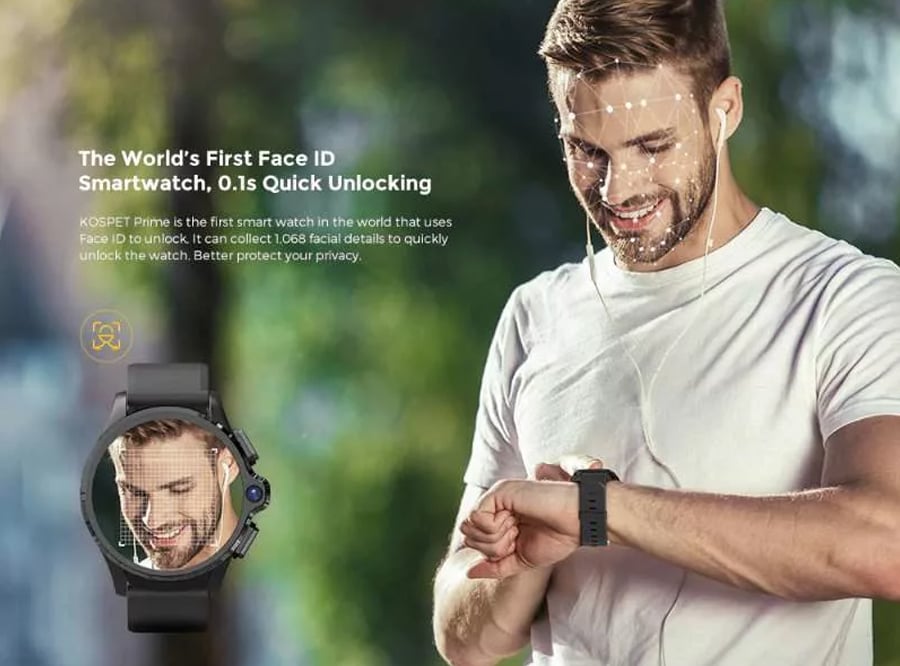
An absolute bargain at this price, the KOSPET Prime is a water and drop-proof smartwatch that supports 4G Nano SIM cards, enabling you to make separate calls and send/receive messages even when you don’t have your phone. It sports an eye-catching 1.6 inch IPS touch screen with 400 x 400 pixels resolution for a sharper display and precise click.
The KOSPET Prime draws its juices from a robust 1260mAh battery, which is touted as the highest battery capacity of a 4G smartwatch in the world. Aside from that, it is the world’s first smartwatch to offer a face ID unlocking feature.
On the optics front, the KOSPET Prime houses a dual camera setup comprising 2.0MP + 8.0MP sensors that can be used for video calling. Moreover, it ships with 3GB of RAM and offers a hearty 32GB memory for smooth running.
You can follow this link to check out more details about the KOSPET Prime 4G smartwatch and place your pre-order. With over 300 pieces sold at the time of writing, the promo is slated to end soon.
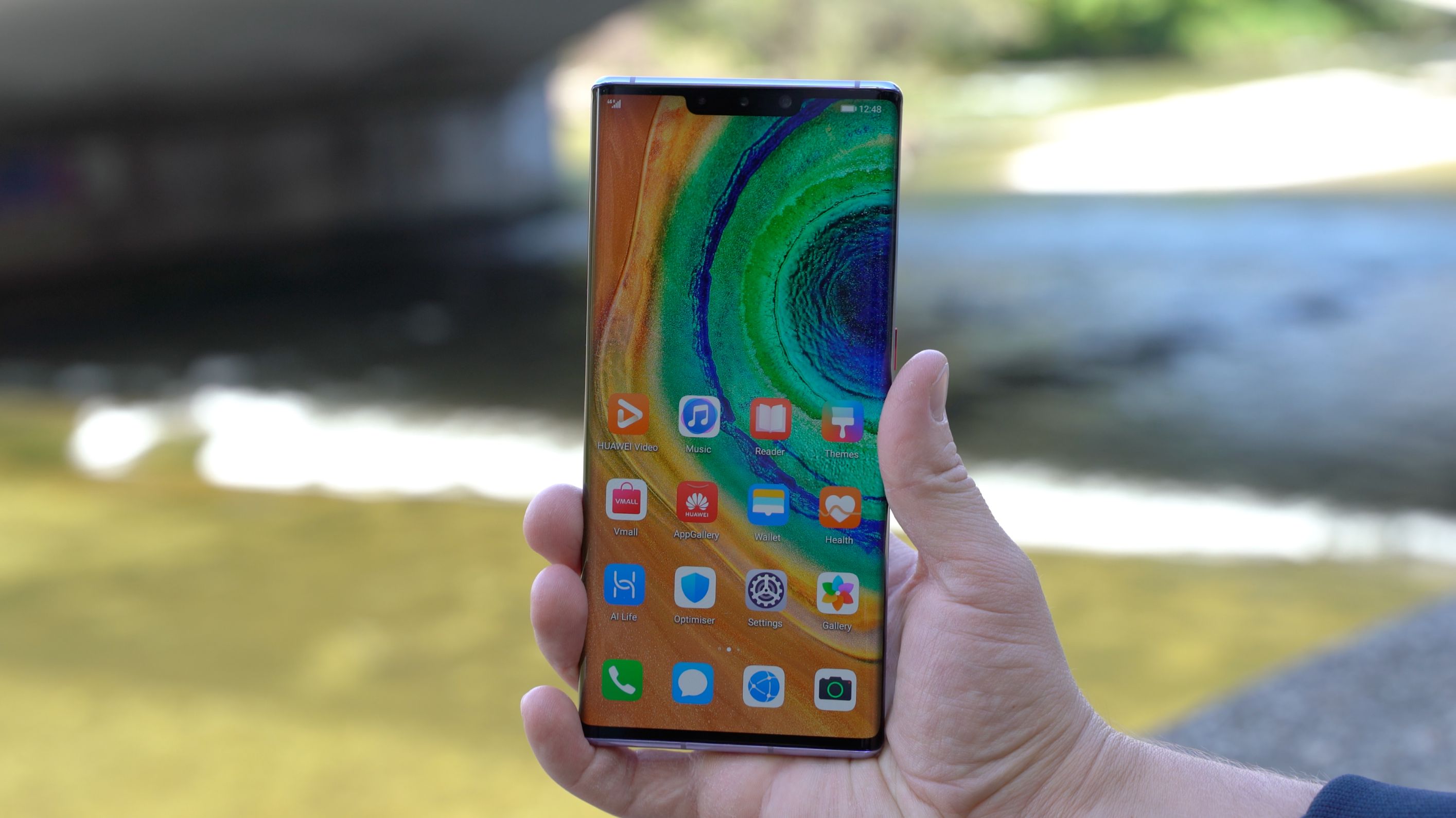
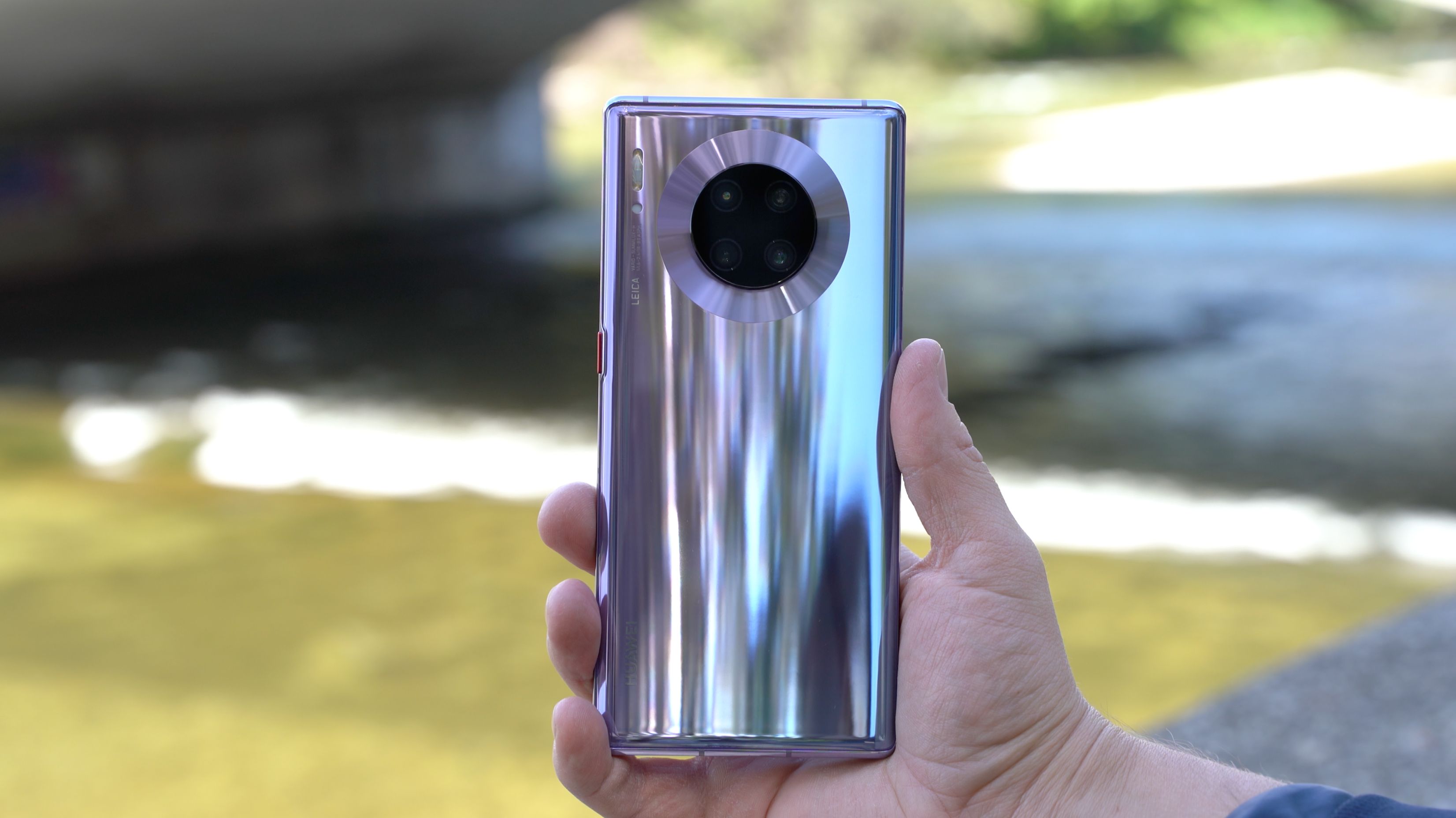
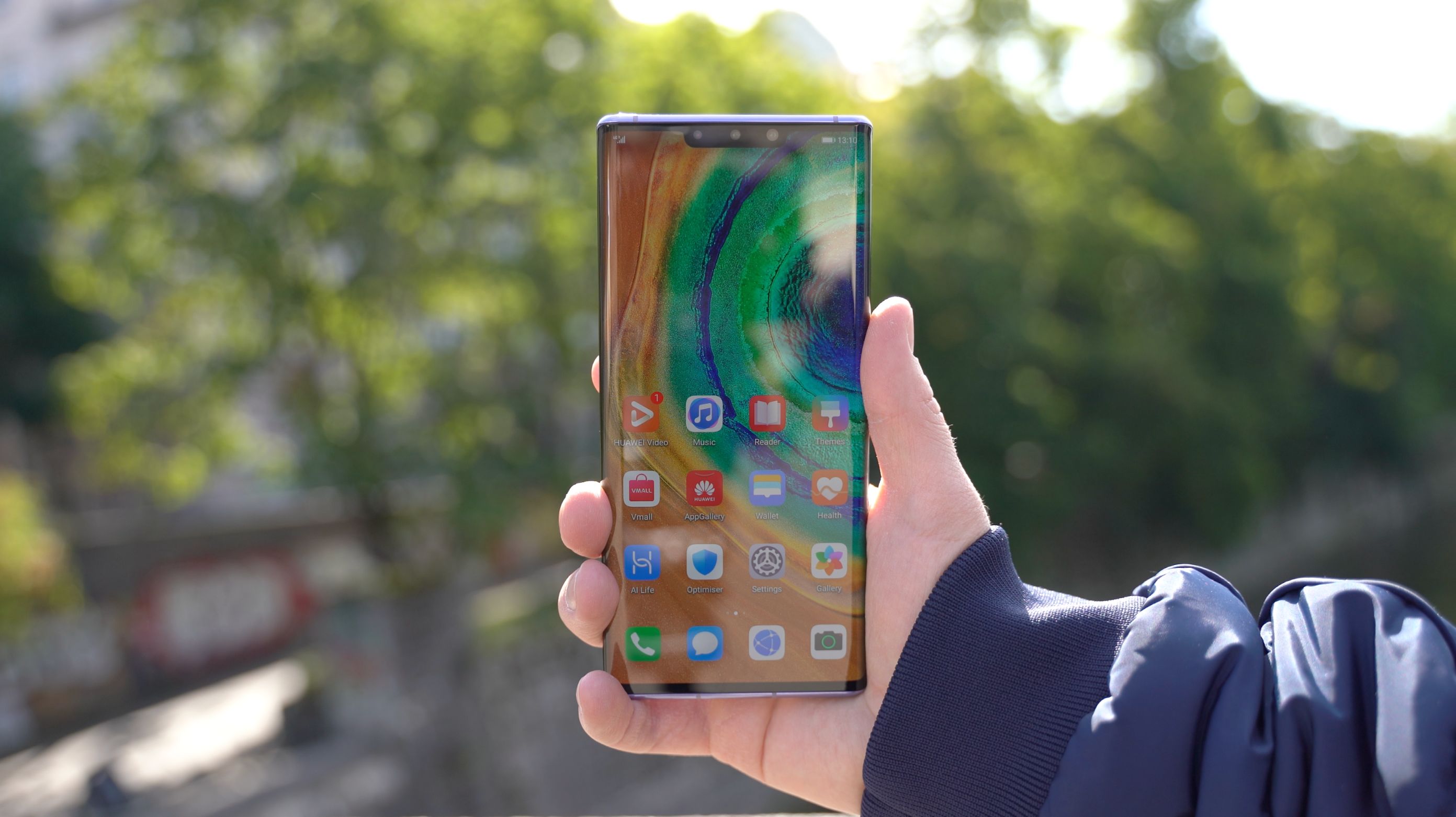
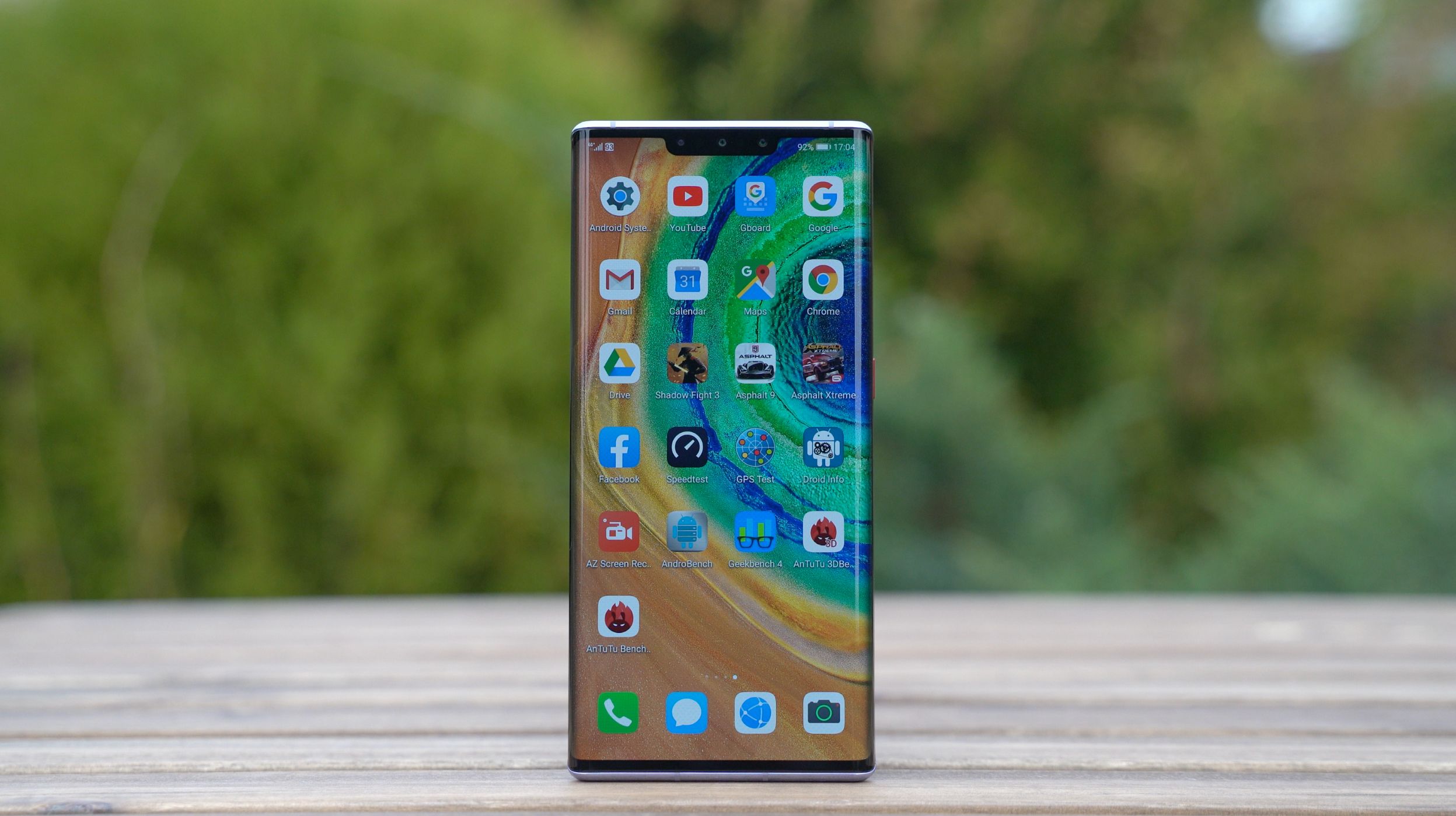
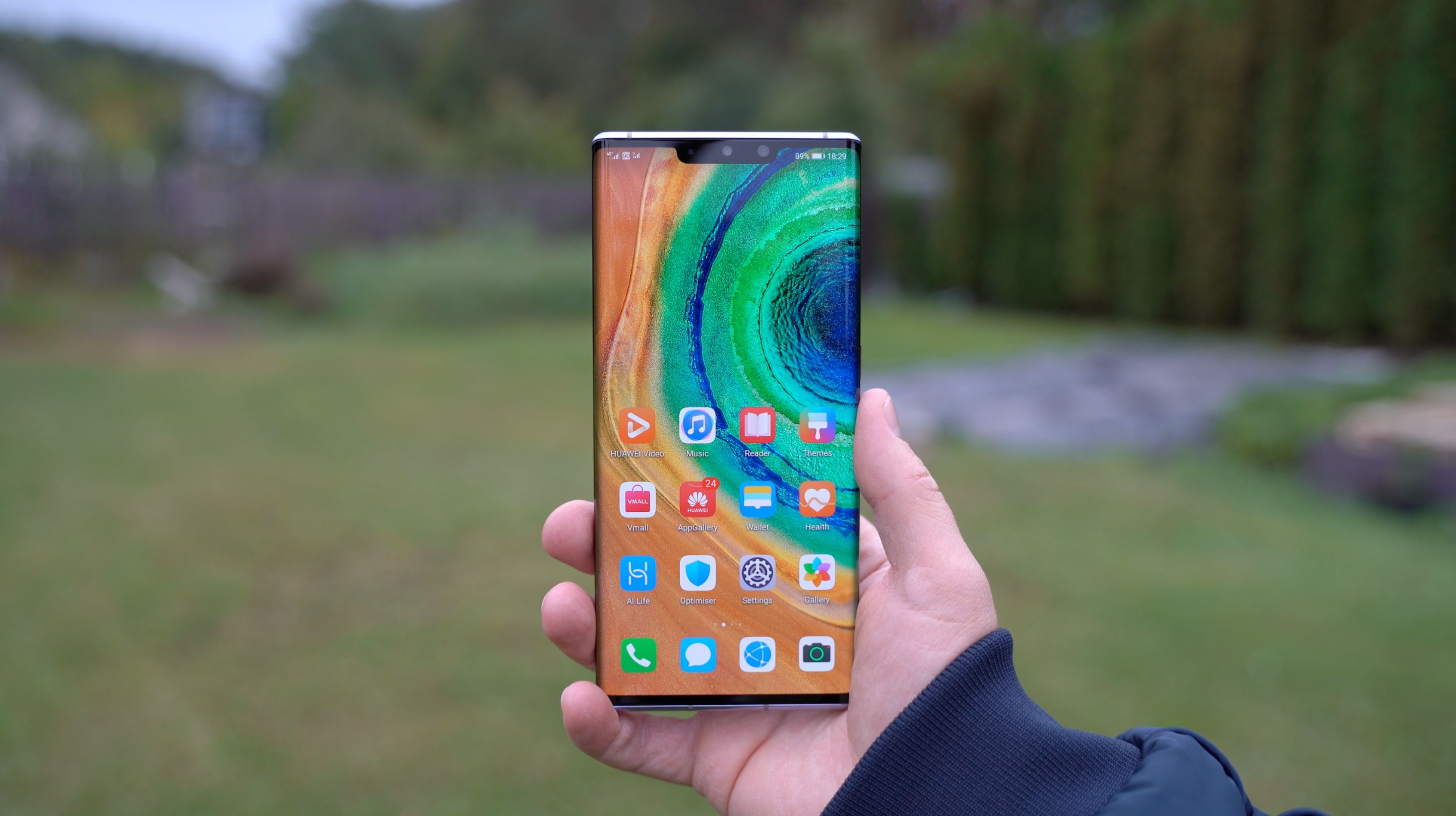
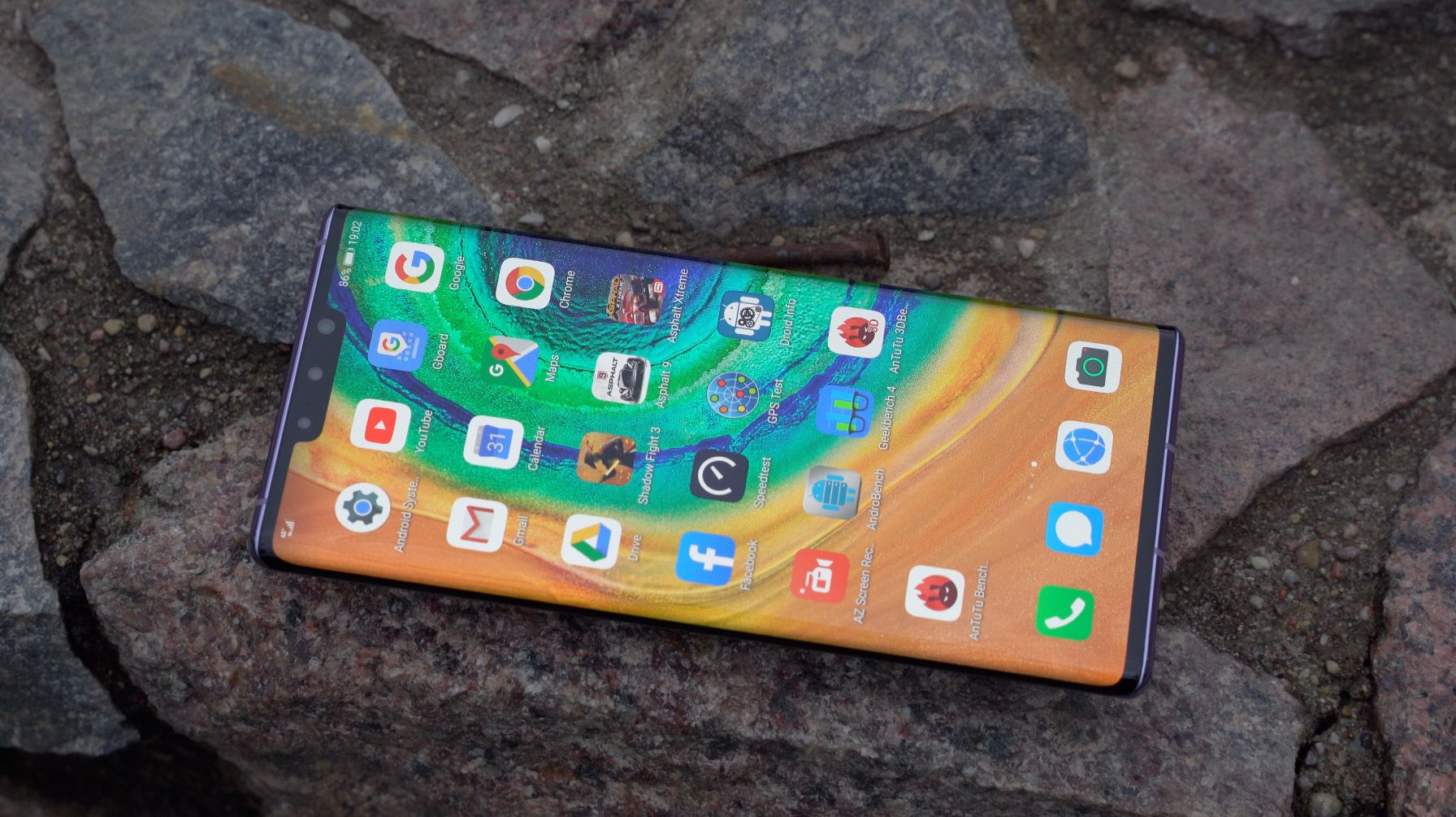
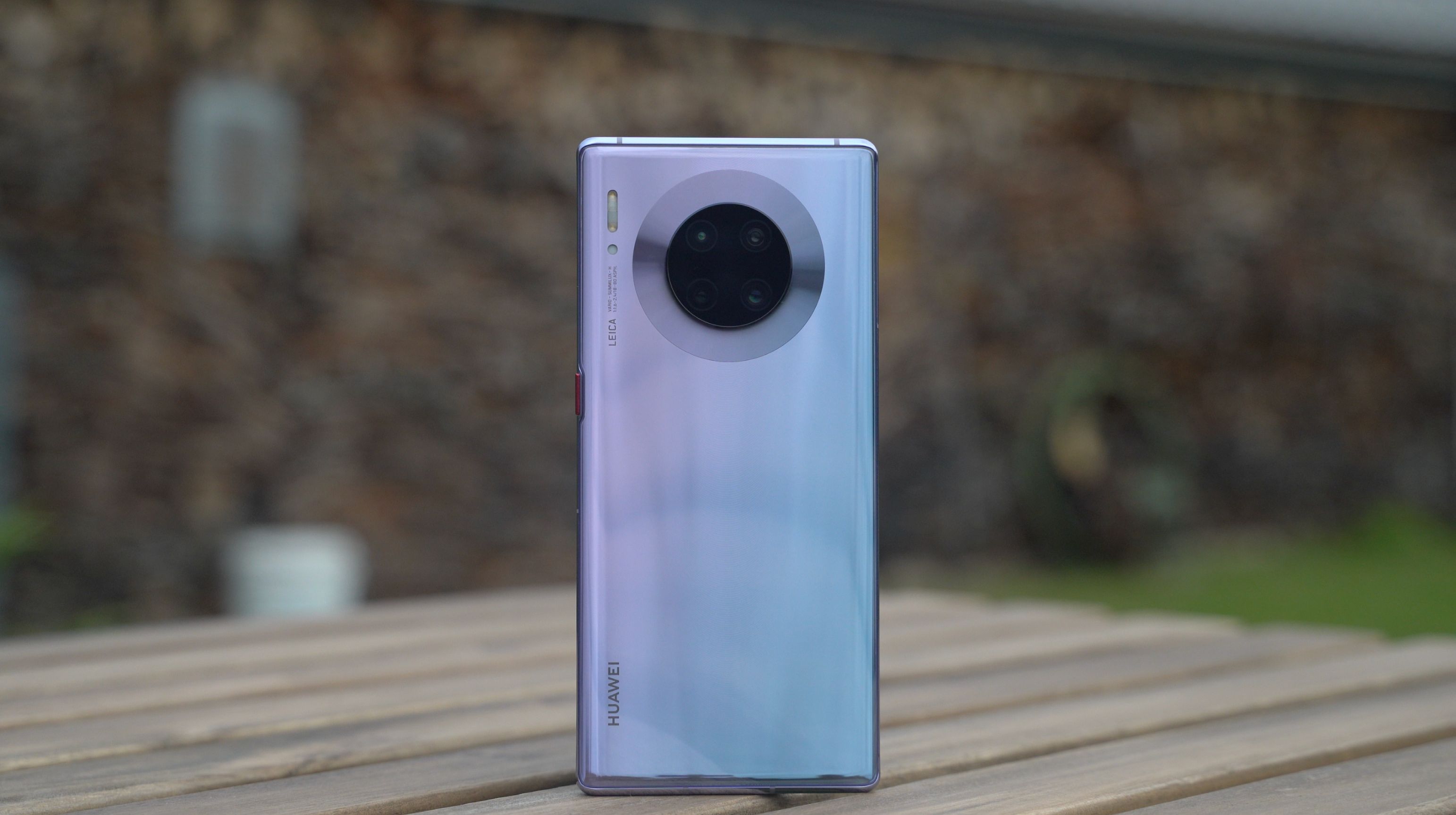
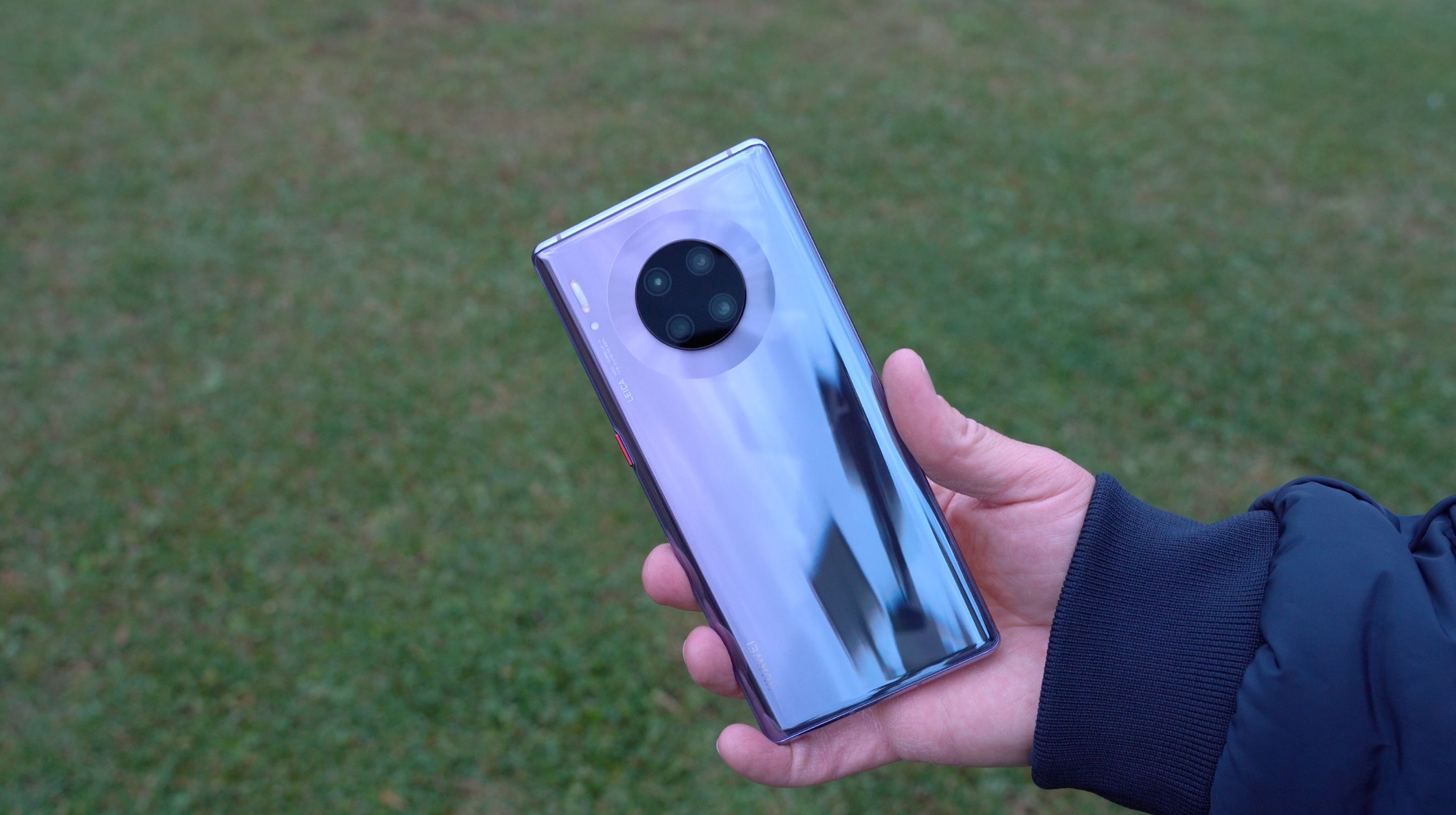
We have been using the Mate 30 Pro and we think it is easily the best phone Huawei has ever made.
It’s absolutely gorgeous, it ships with one of the most sophisticated camera setups we’ve seen on a smartphone, the phone’s display is beautiful to look at and it has almost a 90-degree curve on each side but… it has one major flaw to consider – the Mate 30 Pro does not ship with Google Play services, yet, or at least officially.
What can you do about that? Install them manually! It literally takes less than 2 minutes to do that and there are even several ways to do that. My Mate 30 Pro works with all Google apps I’ve tested it with. That means that even if you buy the Mate 30 Pro from China it will work fine in your area as far as Google Services go.
Another thing you can do – wait until the phone is launched in your region and Huawei will push Google Services as soon as this entire political (US-China trade war where the US is “punishing” China) thing is over. Huawei is quite confident that they will find a solution to sell their phones with Google Services pretty soon.
Otherwise, they would not have announced the European pricing of the phones. By the way, the devices won’t be cheap as you need to be ready to shell out more than 1000 EUR, just like for any other high-end flagship these days. Huawei has also a very ambitious backup plan of replacing Google services altogether by further developing its own AppGallery which already has plenty of apps but we will see what happens in the near future.
A massive investment of 1 billion dollars shows how serious Huawei is about its smartphone business. In fact, I shared my experience on the AppGallery in a dedicated video last year and I thought it was pretty good.
DESIGN, FEATURES, BATTERY LIFE
Now let’s take a look at the Mate 30 Pro and see what it has to offer. I honestly believe this is one of the most beautiful and powerful devices you can get.
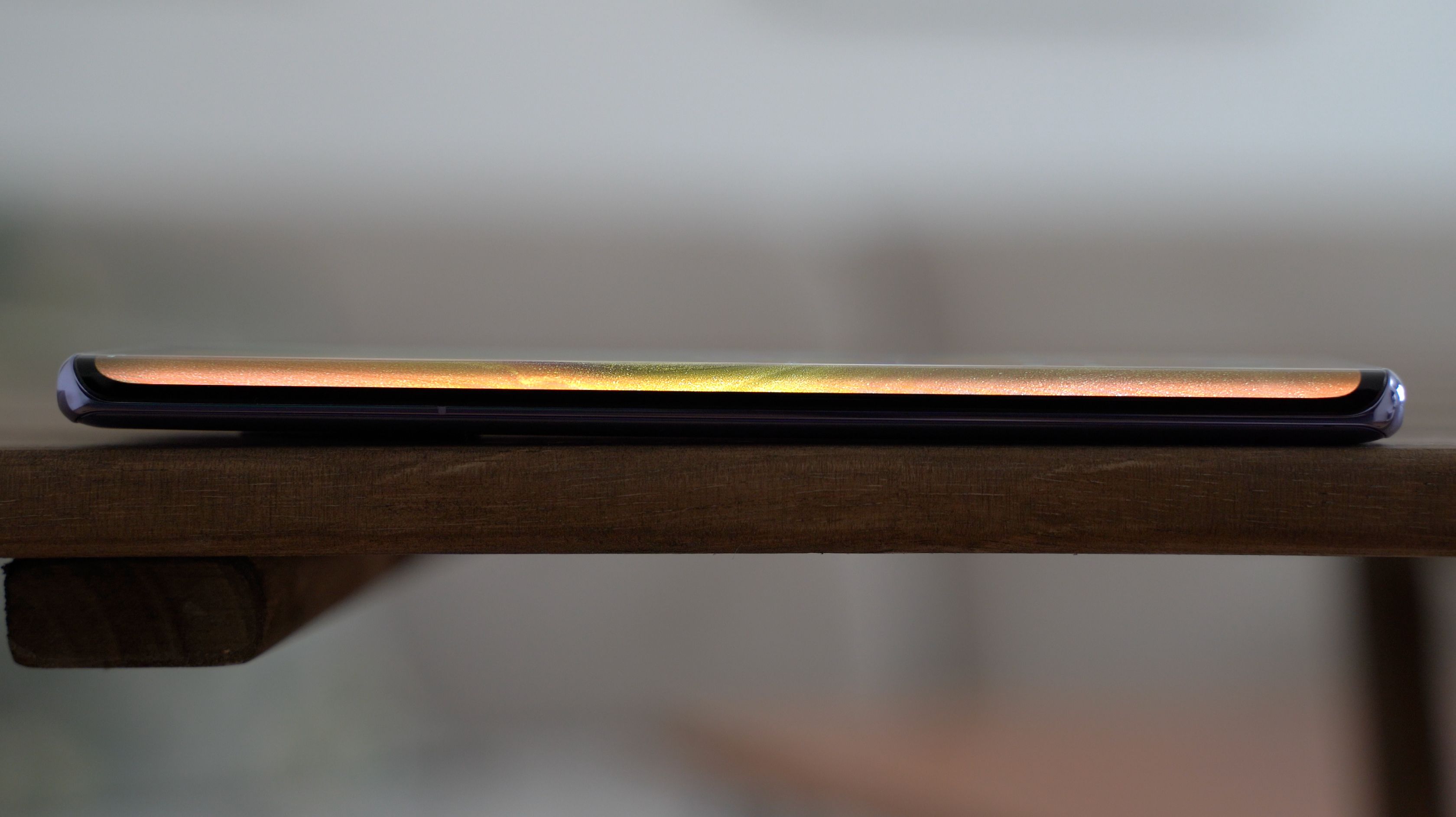
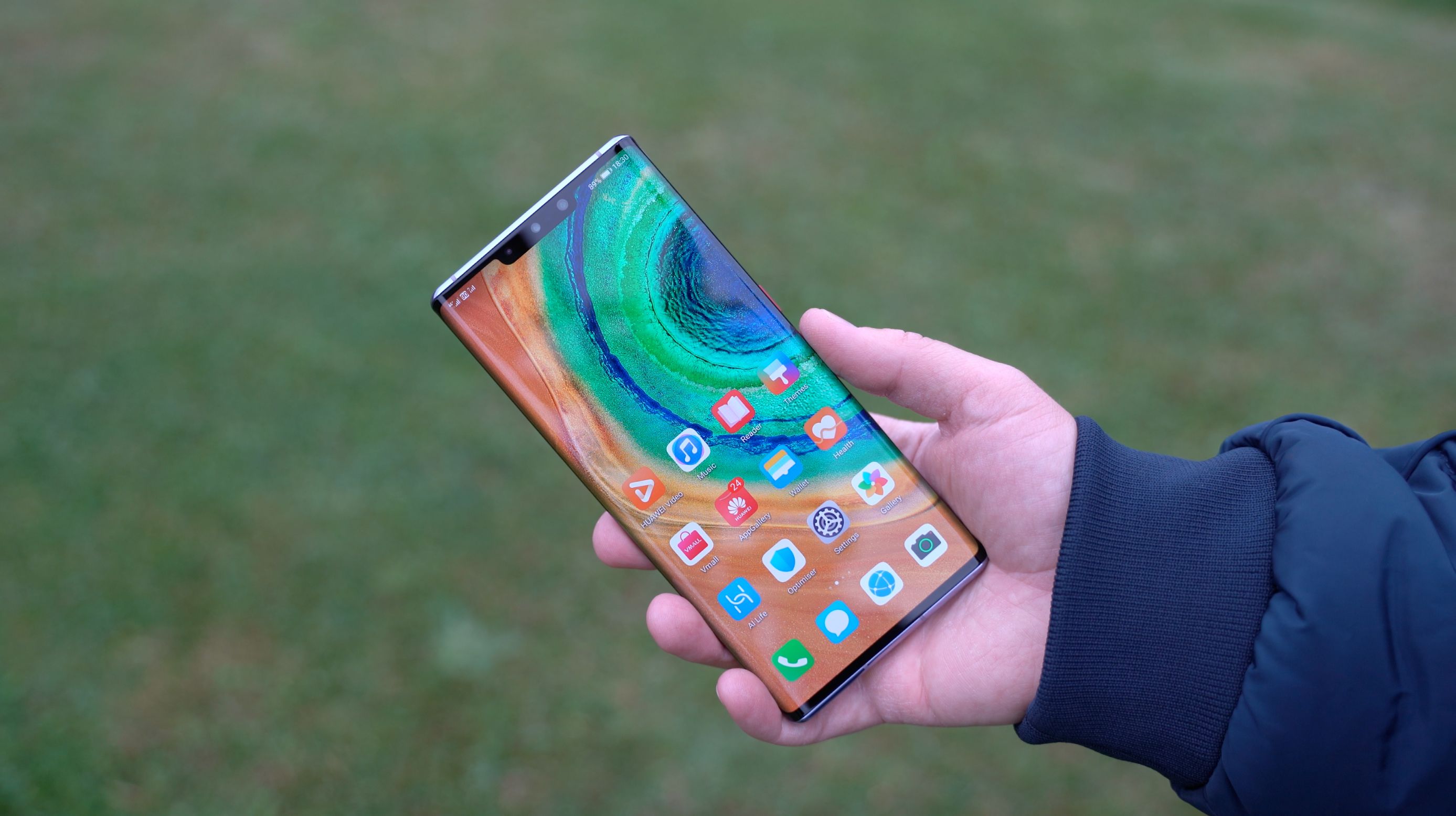
It all starts with a sharp and colorful Horizon display that has industry-leading almost 90-degree curves on each side. Initially, I was skeptical about palm rejection but after using the phone I can say there are no issues with accidental touches and things of that nature. Those curves look really beautiful and you simply have to see them yourself.
The panel itself is one of the best we’ve seen on a phone, despite the fact that on paper, it does not have the highest resolution. The screen is tack sharp, it has vibrant colors and deep blacks.
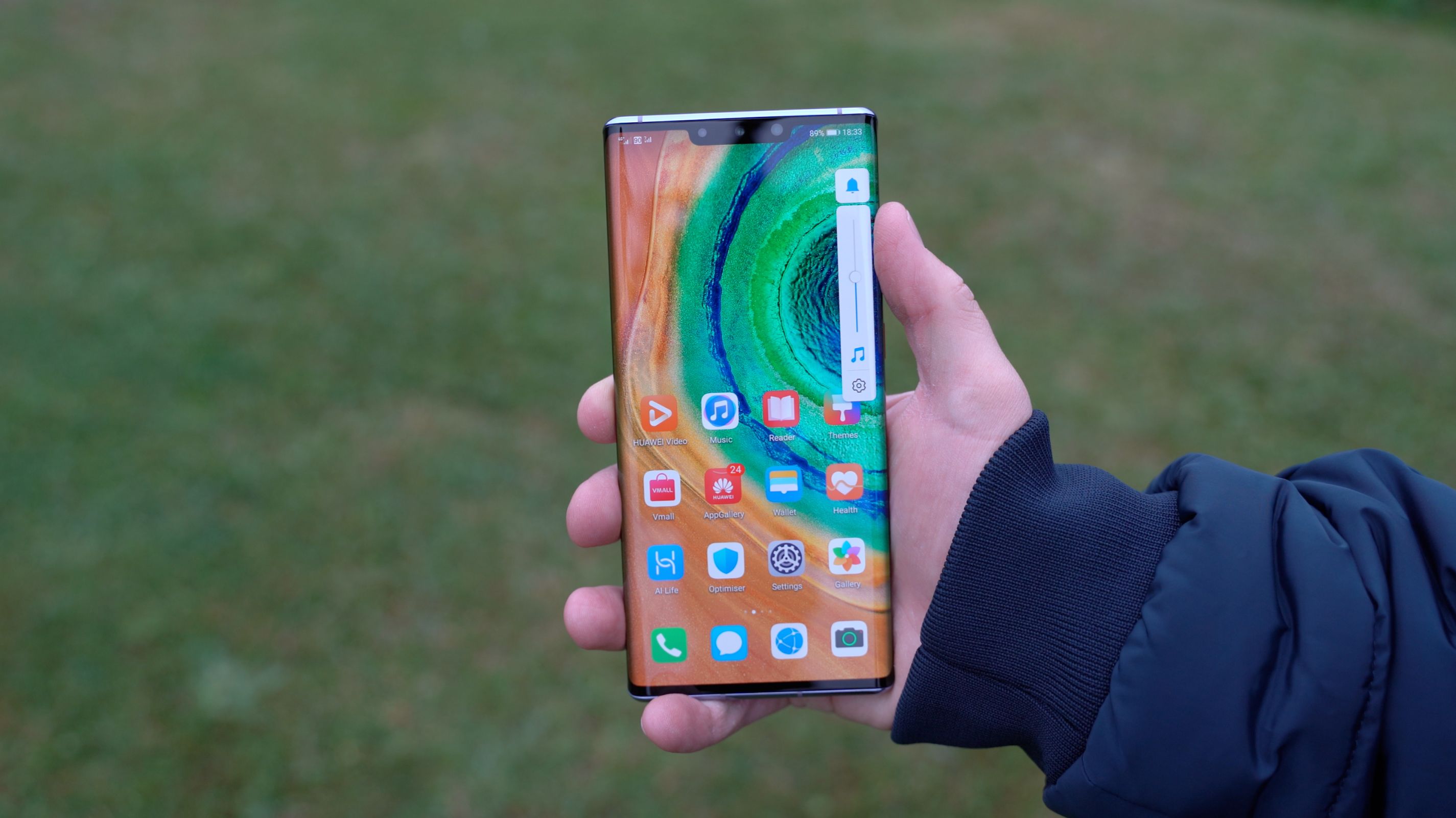
There was space only for one button on this phone. As a result, you need to double-tap on the edge of the screen to open up a virtual volume rocker that has a nice tactile feel to it. I still prefer physical keys but I have to say this solution works really well in practice.
The notch is still here but it’s now narrower and it is, what Huawei claims, the most sophisticated notch we’ve had on a phone. It houses a selfie shooter, a dedicated depth sensor, gesture, proximity, and ambient light sensors. The face unlocking feature works really well in any light. Under the display fingerprint scanner is really fast and accurate too.
The earpiece-less design should not worry you at all as call quality has been excellent all the time, just like all other connectivity options on this phone.
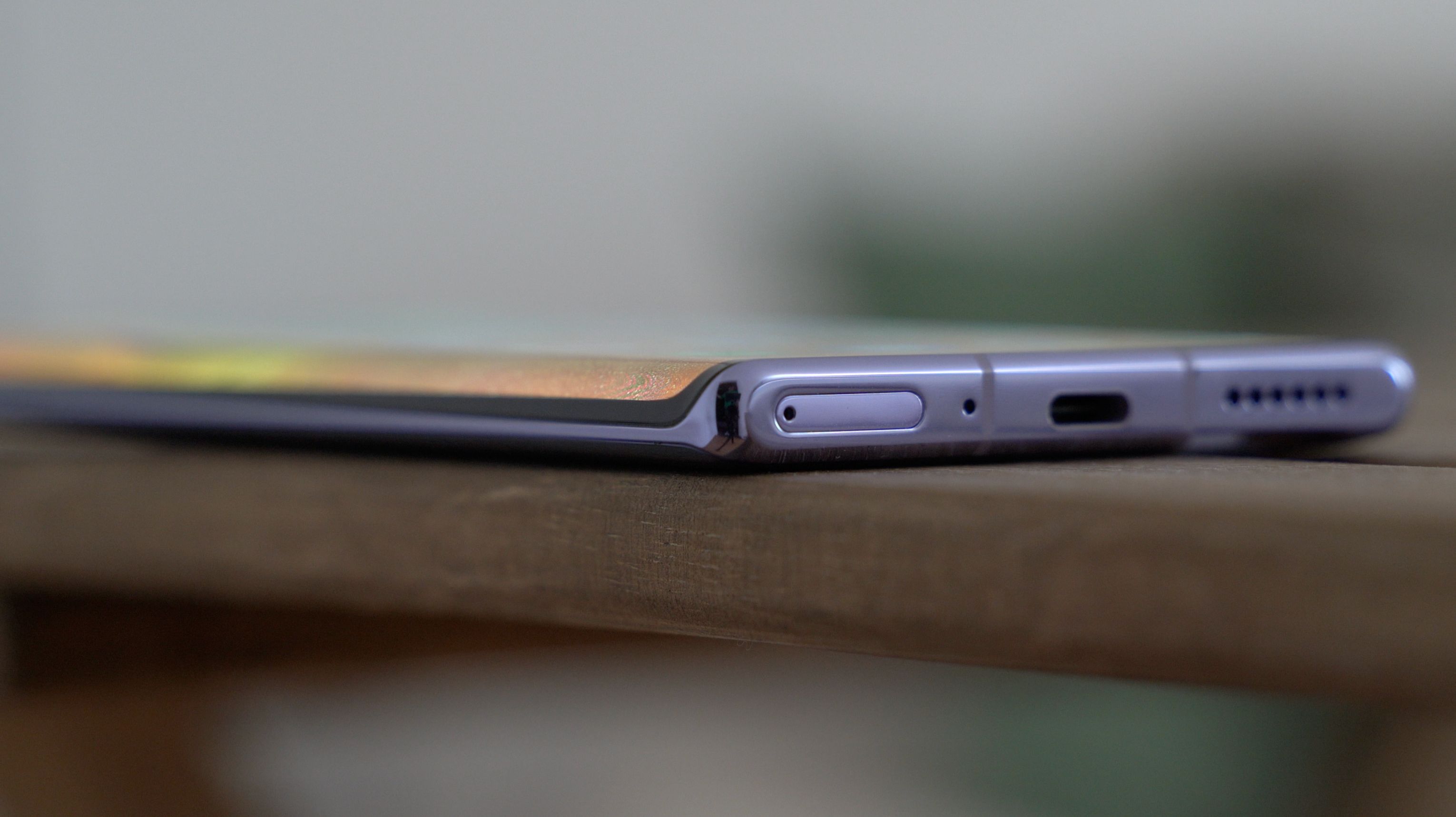
The device looks and feels really premium thanks to a metal frame, nice curves on the sides and good weight distribution despite the fact it houses a massive 4500 mAh battery that supports super-fast wired, fast wireless and reverse wireless charging.
So far I’ve been really impressed with the battery but I’m not surprised as all of the previous generation Huawei models were one of the best in this department. I could get over 11 hours of screen on time even while using the phone intensively, for example, I took more than 300 pictures, shot a lot of videos and used max. screen brightness setting quite a lot. Excellent battery life.
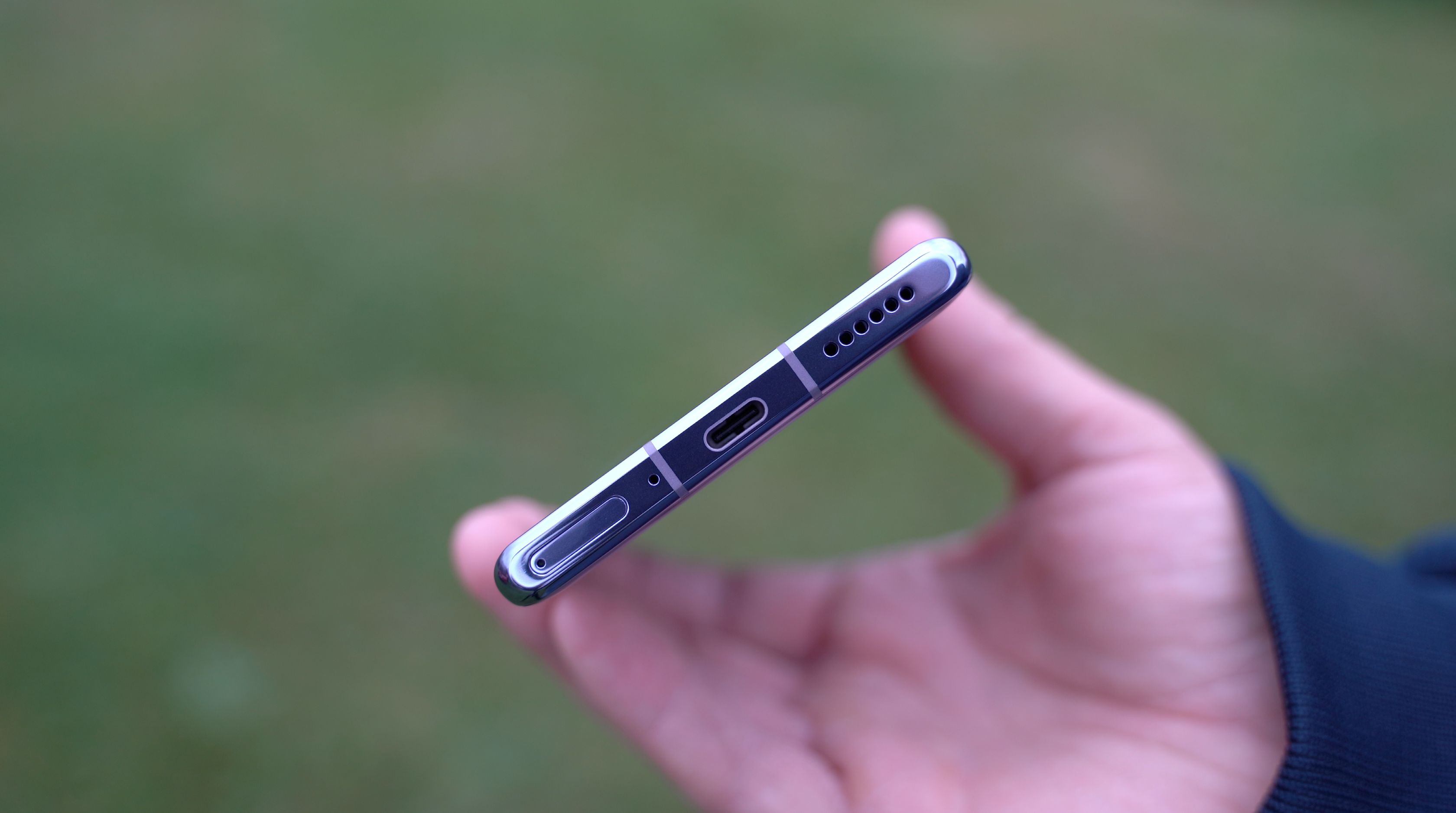
The phone does not have a headphone jack and it’s got only a single bottom-firing speaker but it is so good that it can easily rival any dual stereo speaker systems.
There is no LED notification light but we have a highly customizable always-on display. Other little but important features: there is an IR blaster and storage expansion option via Huawei’s nano memory card. The Mate 30 Pro comes in a variety of colors and finishes including vegan leather if you are tired of glossy, slippery and fragile glass.
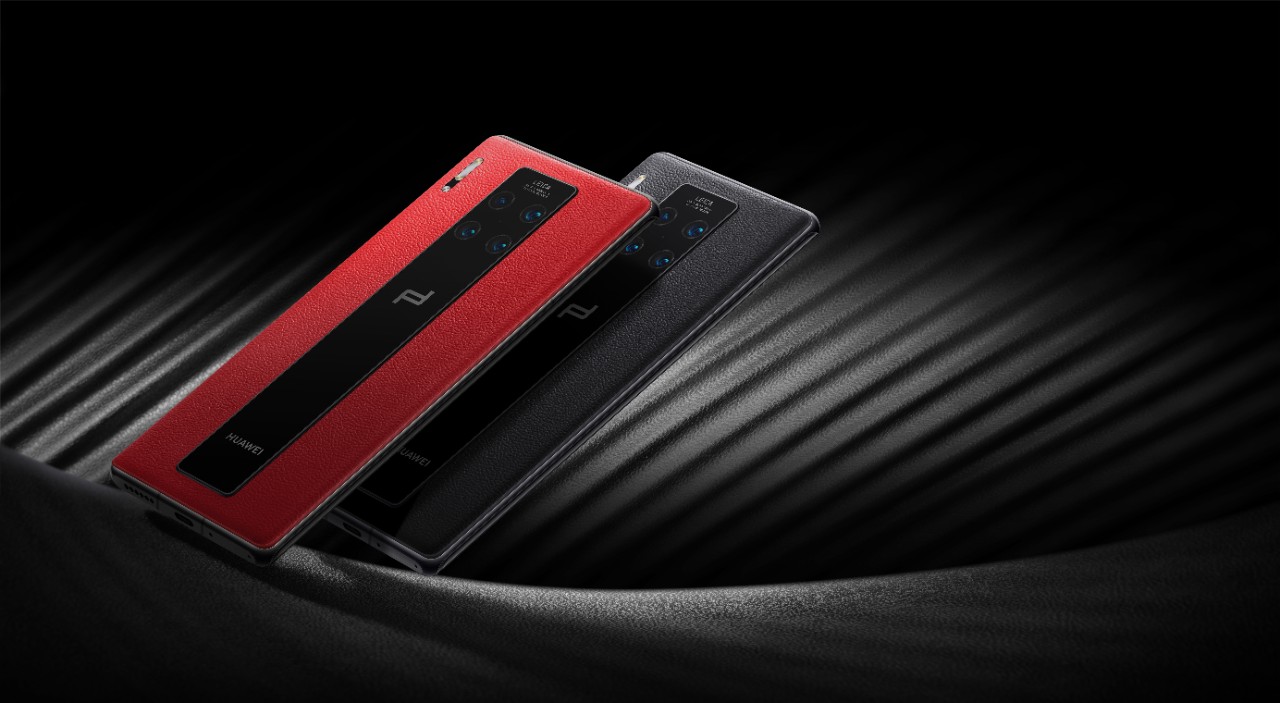
If you have more than 2000 EUR to spare, there will also be a Porche edition model with a real leather finish, highest hardware configuration, and a custom skin to let you know… that you have a very expensive phone.
PERFORMANCE
There will be 4G and 5G versions of the Mate 30 Pro and both of them are powered by the home-brewed Kirin 990 CPU which has significant improvement in terms of performance and power efficiency. There are also 256GB of storage and 8GB of RAM. In other words, the device can handle pretty much anything you throw at it whether it would be the latest 3D games or just using the phone for the basic stuff. The 5G model is said to break mobile internet speed records but we will see when it’s actually released.
CAMERAS
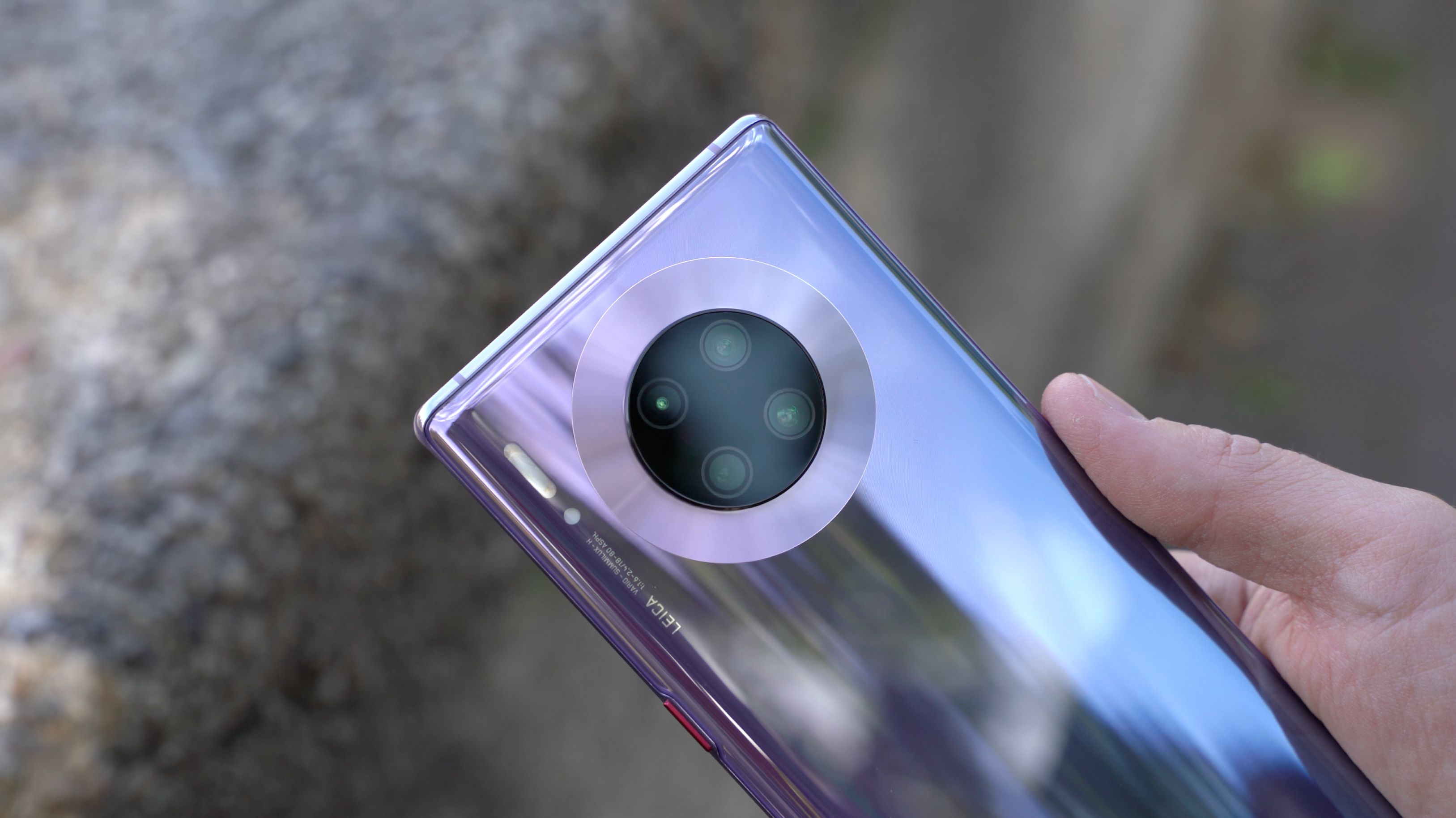
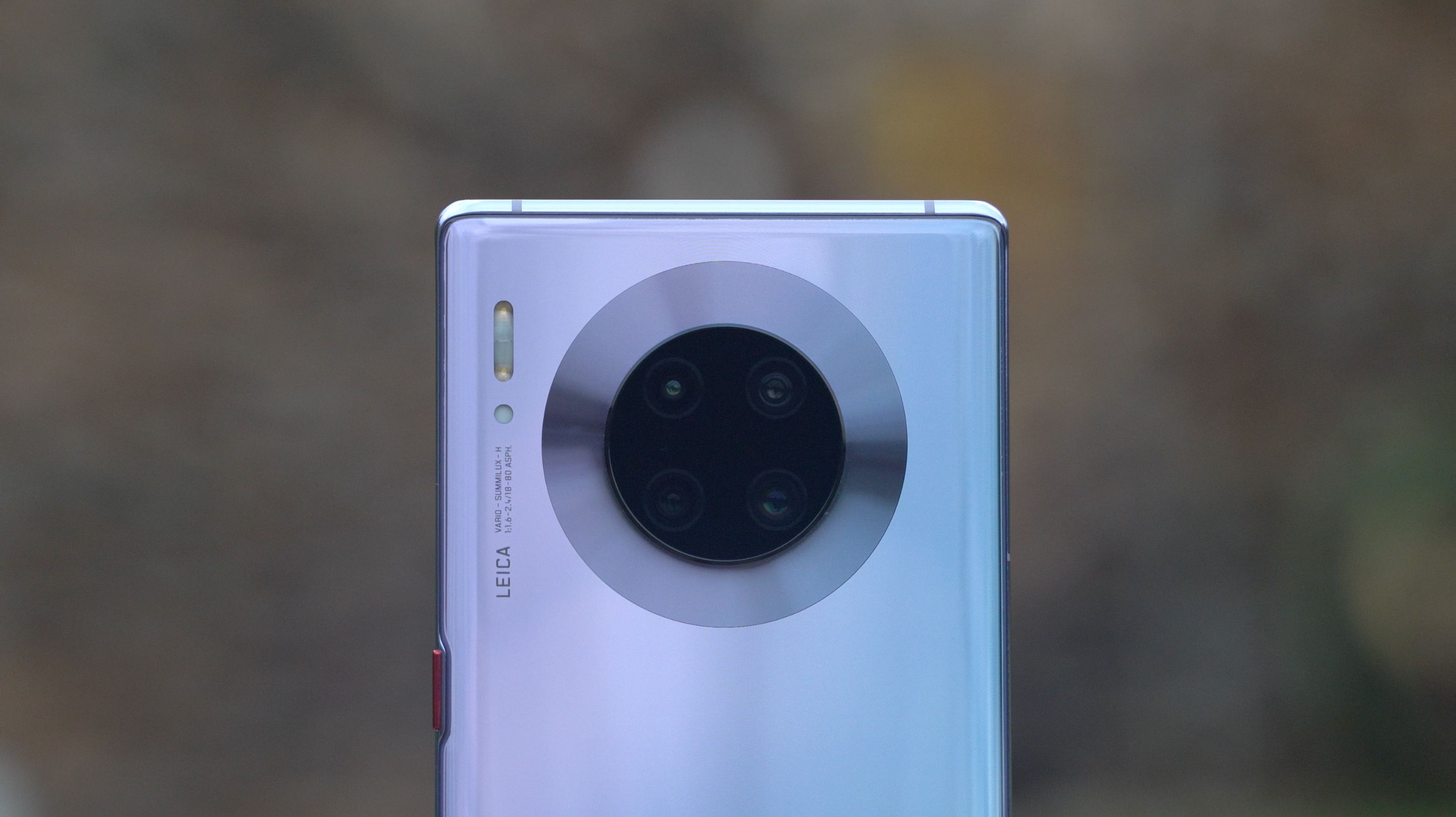
Huawei further improved its camera system which is now embedded into this circle which is a signature element of the design of the phone – whether you like it or not. I personally love but it is the matter of personal preference.
The camera setup consists of 40 MP, f/1.6, 27mm wide camera (1/1.7″, PDAF, OIS), 8 MP, f/2.4, 80mm telephoto lens (1/4″, PDAF, OIS, 3x optical zoom), 40 MP, f/1.8, 18mm ultrawide shooter (1/1.54″, PDAF) and 3D TOF camera.
[envira-gallery id=”282440″]
Huawei phones have always been one of the best when it comes to image quality. I took quite a few shots and so far I’m really impressed with the results despite the fact the phone runs on a very early software build.
There is still no one that can beat Huawei in optical or hybrid zoom and night mode delivers stunning results.
7680fps makes the Mate 30 Pro the new slow-motion video champion. We’ve never seen anything like that on a phone but Huawei made it possible and the results are quite impressive. In fact, you may even find objects or subjects moving too slow in the video that you may want to switch to 960fps mode that produces nice quality video.
The Mate 30 Pro can finally shoot 4K at 60fps videos that are very smooth and stable, and there is plenty of detail.
Overall, the Mate 30 Pro’s camera is really impressive and it’s easily one of the best out there.
USER INTERFACE
Huawei has always been criticized for the EMUI but the Mate 30 Pro ships with a completely redesigned user interface that is built on top of Android 10. Now the UI looks cleaner, more polished and it’s very smooth.
[envira-gallery id=”282426″]
Despite all the features and customization options, the phone is super fast and I’m yet to see it stutter or lag. In fact, the Mate 30 Pro is one of the fastest phones we’ve tested this year. Really impressive overall performance.
CONCLUSIONS
Overall, I really like the Huawei Mate 30 Pro for a lot of reasons, despite the fact that it does not ship with the Google services pre-installed but, as I said in the review, it takes just a minute to do that and they’ve been working absolutely fine.
I also love the Mate 30 Pro for its beautifully curved and sharp display, premium design, killer cameras, excellent overall performance, probably the best battery life among flagship phones and improved software.
The shortcomings? No LED notification light, no headphone jack and… no official launch date in Europe just yet.
Despite that, I still think the Huawei Mate 30 Pro is a killer phone and it’s easily one of the best and most feature-packed flagships of 2019.
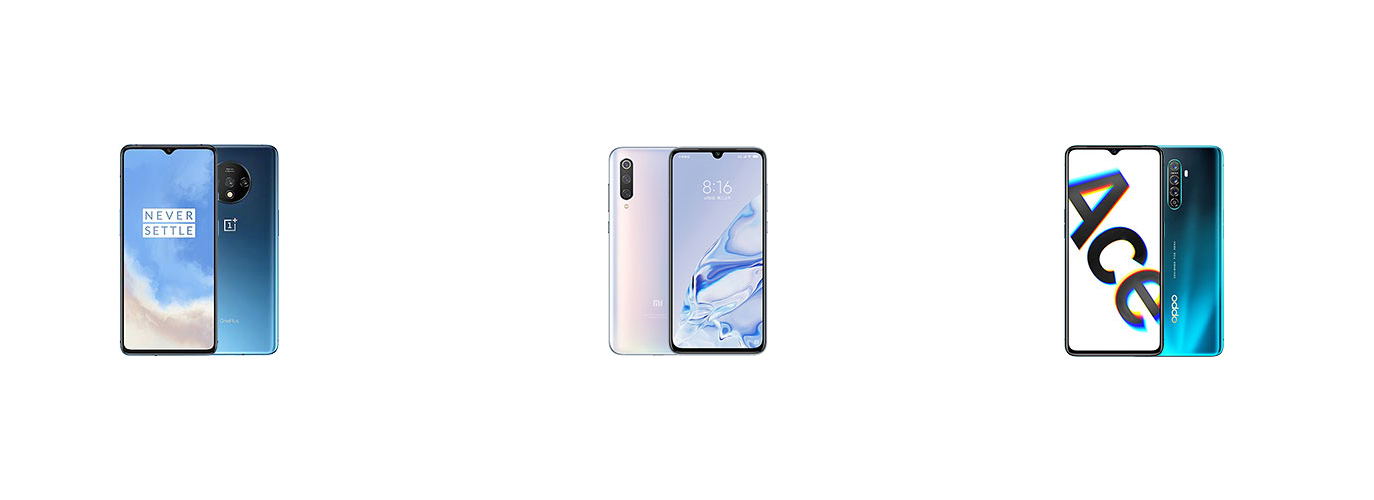
All the most important Chinese manufacturers announced at least one top-tier flagship during the last month. OnePlus just came up with the 7T series, while Xiaomi unveiled the Mi 9 Pro and the concept phone Mi Mix Alpha. Just two days ago, Oppo announced the third flagship from its new Reno line-up: the Reno Ace. There are so many devices that we think it is worth making things clear by comparing their specifications by basing on their price tags. Here, we compared OnePlus 7T with Xiaomi Mi 9 Pro and Oppo Reno Ace in order to establish which one is the flagship with the highest value for money.
OnePlus 7T vs Oppo Reno Ace vs Xiaomi Mi 9 Pro
Xiaomi Mi 9 Pro
OnePlus 7T
Oppo Reno Ace
DIMENSIONS AND WEIGHT
157.2 x 74.6 x 8.5 mm, 196 g
160.9 x 74.4 x 8.1 mm, 190 grams
161 x 75.7 x 8.7 mm, 200 g
DISPLAY
6.39 inches, 1080 x 2340p (Full HD+), Super AMOLED
6.55 inches, 1080 x 2400p (Full HD+), Fluid AMOLED
None of these devices offers the most innovative design. They are classic smartphones with waterdrop display, yet they offer premium materials and a high screen-to-body ratio. Xiaomi Mi 9 Pro is my favorite one due to its more compact size and its cleaner glass back accompanied by a 7000 series aluminum frame. I do not like the big round-shaped camera module of the OnePlus 7T as it makes its rear design less minimalistic, but it is definitely more original. Oppo Reno Ace is a beautiful device as well and some may prefer it due to the amazing light effects of its back cover.
Display
Despite it does not reach the level of the OnePlus 7T Pro, the display of the OnePlus 7T is astonishing and it is the best panel in this comparison, at least judging from the specs on the paper. Just like the Oppo Reno Ace, it boasts a high 90 Hz refresh rate, but it should be able to show richer colors and a better image reproduction thanks to the HDR10+ technology, especially with multimedia content. Xiaomi Mi 9 Pro loses the comparison because it lacks the 90 Hz refresh rate, while Oppo Reno Ace sits in the middle.
Hardware/Software
Given that all of these handsets are fueled by the top-tier Snapdragon 855+ chipset by Qualcomm, you should not notice important differences when it comes to their performance. In the most expensive configuration, Oppo Reno Ace should be the fastest one due to its higher memory configuration with up to 12 GB of RAM. But OnePlus 7T may have better software optimization. Xiaomi Mi 9 Pro offers more internal storage (up to 512 GB), but it is not UFS 3.0 storage, unlike OnePlus 7T and Oppo Reno Ace. Note that the Mi 9 Pro is the only one with a 5G variant.
Camera
If we consider the specs on the paper, OnePlus 7T is a more convincing camera phone due to its brighter focal aperture and overall better sensors, but Oppo Reno Ace has an additional monochromatic sensor that is not present on the OnePlus 7T and increases the camera versatility. Xiaomi Mi 9 Pro is the only to lack OIS and it has an inferior camera setup. We will be able to tell you more once we personally tested all of these devices.
Battery
Oppo Reno Ace and Xiaomi Mi 9 Pro have a bigger battery than OnePlus 7T and we believe they will last more on a single charge. At the moment, we can not tell you which one has the longest battery life. But we can tell you that Oppo Reno Ace has the fastest charging technology (65W) while the Xiaomi Mi 9 Pro features fast wireless charging and reverse wireless charging (unlike Oppo Reno Ace).
Price
Xiaomi Mi 9 Pro starts from about €471/$520 in its 5G version, Oppo Reno Ace starts from just €380/$420 in China, and OnePlus 7T costs €600/$600 globally, in its base variant. There is not a clear winner of this comparison: it mostly depends on your needs. If you want the best display, amazing performances, and an amazing camera, go for the OnePlus 7T. If you need wireless and reverse wireless charging, as well as the most compact body, choose the Xiaomi Mi 9 Pro. If you want the highest value for money, then Oppo Reno Ace is a better option.
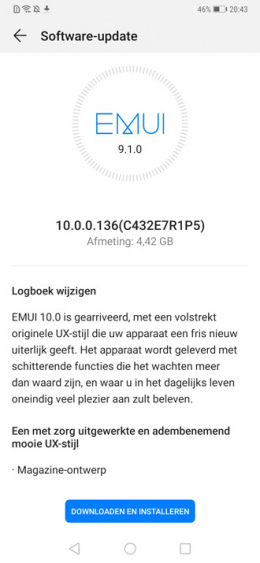
While Huawei‘s latest offerings including the flagship-grade Huawei Mate 30 lineup don’t get the love of Google services, the Huawei Mate 20 Pro which was Huawei’s yesteryear’s flagship continue to support them. Moreover, the handset has started receiving the latest version of EMUI based on Android 10, reported some users from the Netherlands.
The update package weighs a hefty 4.42 GB (try not to download on a metered connection) and carries the build number “10.0.0.136”. Except for upgrading to the latest Android 10, the package also updates the security patch to September 2019.
Notably, only a limited number of users have received the update notification and the update is assumed to roll out in stages. Therefore, hold tight you will soon get to taste Android 10 on your device.
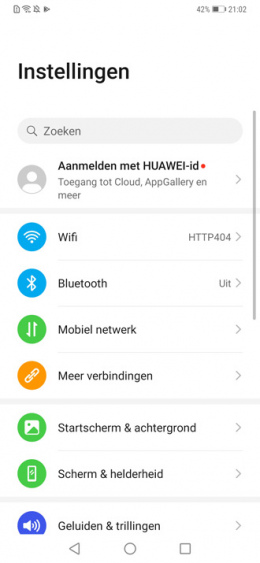
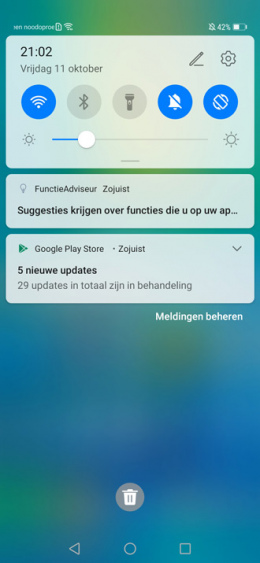
Users have also shared screenshots of the latest version of EMUI from their Huawei Mate 20 Pro which exhibit a considerable design overhaul. For reference, the screenshots have been shared below:
To recall, the Huawei Mate 20 Pro measures 157.8 x 72.3 x 8.6 mm and weighs 189g. It has glass on both the front which provides it with an elegant look. The handset features a 6.39 inch AMOLED display that has QHD+ resolution of 3120 x 1440 pixels. It also features an in-display fingerprint sensor and waterdrop notch above the display which houses a 24 MP camera.
The Mate 20 Pro is kitted with the Kirin 980 SoC and it is powered by a 4,200 mAH battery which supports fast charging upto 40 W. The handset has a triple rear camera setup which is comprised of 40 MP + 8 MP + 20 MP resolution sensors.
Earlier this year, the US Commerce Department designated Huawei to a blacklist based upon allegations that the Chinese corporation installs backdoors on its networking equipment which pose a national security threat to the United States. The designation restricted all American companies from having any sort of trade relations with the Chinese corporation. Consequently, Huawei was no longer allowed to work with Google, therefore, any forthcoming smartphones from the company would not support Google Services out of the box.
Nonetheless, it is now official that the secret Huawei OS is called HarmonyOS (HongMeng in China) and the company has launched one device running this operating system, which is the Honor Vision TV. Clearly, this operating is nowhere ready to be implemented on smartphones in its current stage.
In the month of September, the CEO of Huawei, Ren Zhengfei was interviewed by correspondents of Fortune Magazine and the transcription of that interview in the English language (originally Chinese) is now available. In the interview, the senior Huawei official made a bold claim saying that their in-house developed operating system, which as we know by now, is HarmonyOS, would be able to compete with top rivals like Apple’s iOS within a period of 2 years. He further added this statement:
“I think it will take less than two to three years. Since I’m part of the company’s leadership, I need to be a bit more conservative when discussing timelines. Otherwise, I may end up putting too much pressure on our staff. “
The senior official also highlighted the fact that Huawei is currently seeing a drop of $10 billion in its analytical expected sales revenue because of being unable to use Google’s products in Huawei’s smartphones. Even after this, the company posted an aggregate revenue of 401.3 billion yuan ($58.3 billion) in the first half of 2019, which is 23.2 percent higher year-on-year.
When asked about the future of Google and Huawei, he stated:
“We still hope to continue to use Google’s operating system, and we remain committed to friendly cooperation with Google,” “We need to further improve in terms of software. We’re somewhat weak when it comes to big software architecture.”
All in all, Huawei seems very confident about its self developed operating sytem. While it has the resources to deliver on its promise, the journey won’t be easy and we will have to wait and see what the future holds for the company
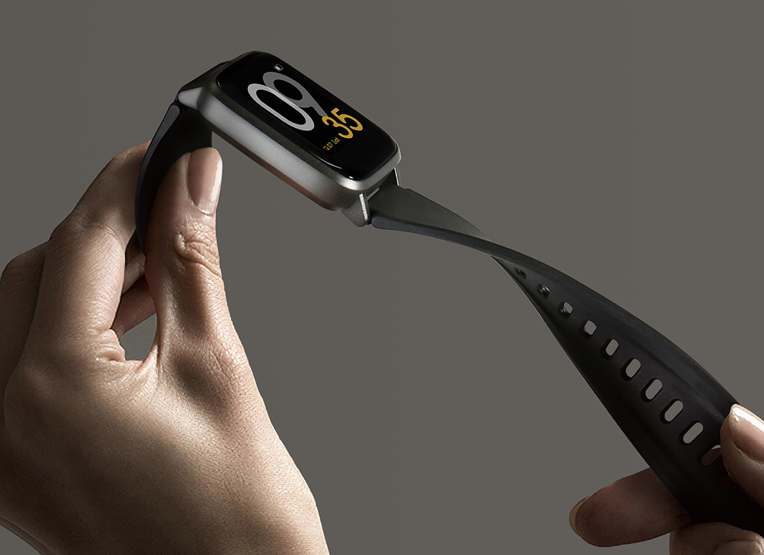
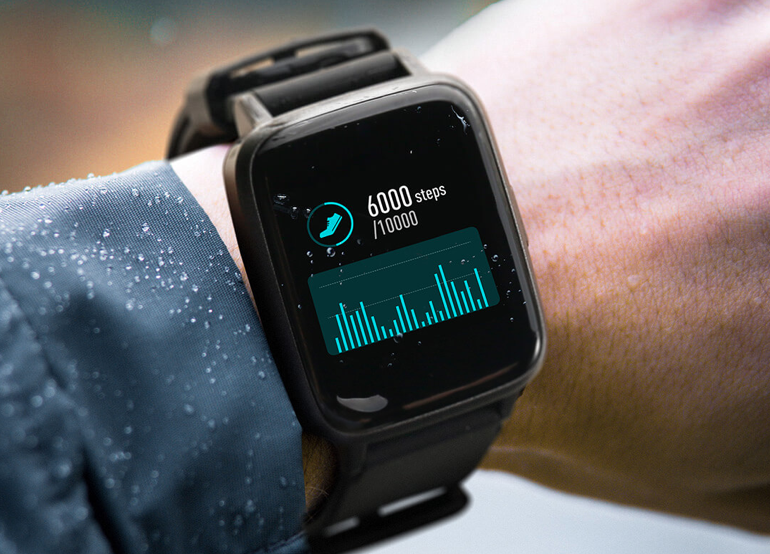
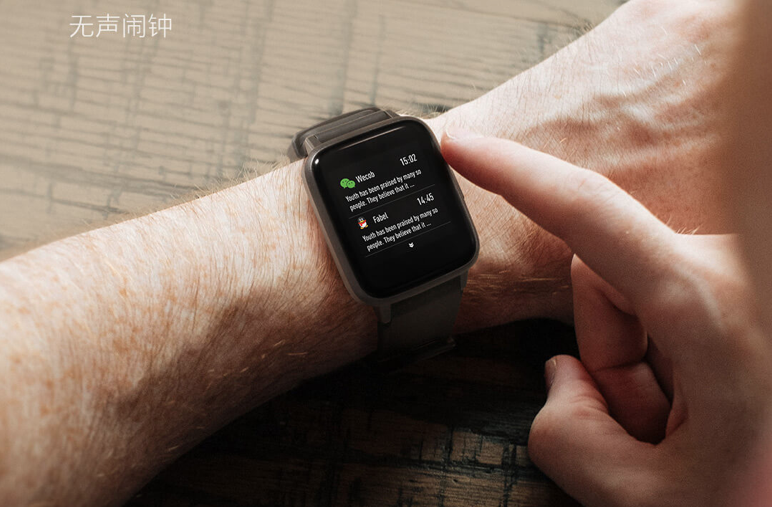
Chinese conglomerate, Xiaomi is crowdfunding an affordable smartwatch on its Youpin platform which is called “Haylou LS01”. The highlighting features of the device include a heart rate monitor, sleep and activity tracker, 14-day battery life and a lucrative price of just 99.9 Yuan ($ 14).
Haylou LS01 Design and Features
The Haylou LS01 smartwatch has a square watch face that accommodates a 1.3 inch coloured LCD display with a resolution of 240 x 240 pixels. The smartwatch measures 40.9 x 35.7 x 11.6 mm and it weighs 34 grams. The Haylou LS01 ships with a 26.3 mm wide silicone strap which can be easily swapped and with straps that can be bought separately.
The Haylou LS01 is powered by a 210 mAh battery which is claimed to provide a battery backup of 14 days which will vary based upon usage. The smartwatch is compatible with devices running both Android and iOS. However, the supported versions of the two OS’ include Android 4.4, iOS 8 or higher.
Xiaomi Haylou LS01 HRM (heart rate monitor)
To Haylou LS01 is IP68 rated which makes it both dustproof and waterproof upto 1.5 metres for a maximum period of 30 minutes. It is capable of function normally with temperatures ranging as low as -20 degree C and as high as 45 degrees C.
As previously mentioned, it also features a heart rate monitor sensor. The Haylou LS01 also supports activity tracking, step counter, sleep tracking and 9 different sport modes.
The Haylou LS01 is currently available for purchase only in China at a crowdfunding price of 99.9 Yuan ($ 14). All in all, it seems like an excellent value for money product that not only offers a wide variety of features but also looks good for its price.
Readers interested in checking out the official listing can do so by clicking here.
Meizu will announce a new smartphone on October 23. The phone will launch as the Meizu 16T and will come with a bigger display and bigger battery than the already released Meizu 16s and Meizu 16s Pro. However, it will be powered by the Snapdragon 855 processor.
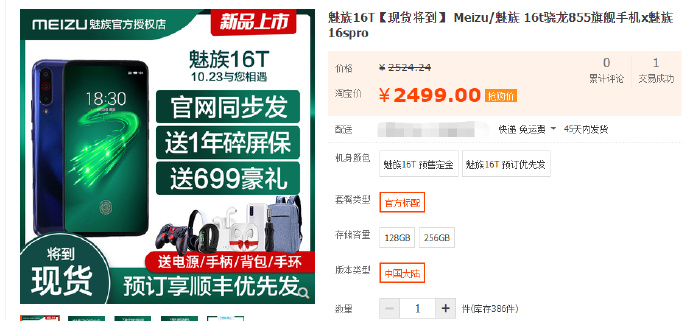
Ahead of its release which is still about 2 weeks away, a Chinese store listed the device for pre-order and therefore revealed its price.
According to screenshots taken and posted on Weibo, the Meizu 16T will have a starting price of ¥2499 (~$352). This price should be for the base model which has 128GB of storage. There is also a 256GB version but the price is not known.
The listing also confirms the phone will be unveiled on October 23 and adds that there will be gifts for those who pre-order.
The Meizu 16T is also shown in blue sporting triple rear cameras and with an in-display fingerprint scanner. Other confirmed specs of the phone are a 6.5-inch AMOLED display with an FHD+ resolution and an 18.5:9 aspect ratio. It will have 6GB of 8GB of RAM, a 16MP selfie camera, and a 12MP + 10MP + 5MP triple rear cameras. Along with the big display is a 4400mAh battery. The Meizu 16T will run Android 9 Pie out of the box.
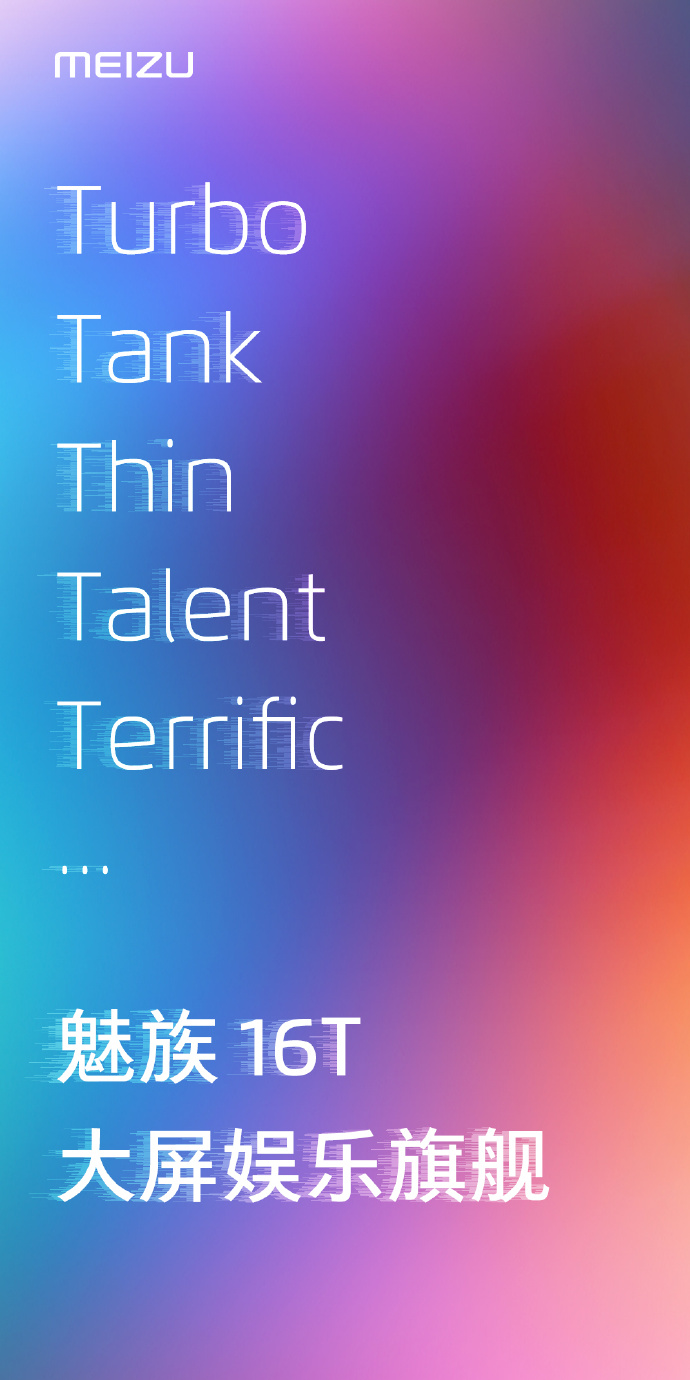
Meizu’s own VP released a teaser poster of the phone on Weibo yesterday. The poster asks what the “T” stands for in the device’s name. The VP says the phone is the new large-screen flagship that the company designed for young people.
We use cookies on our website to give you the most relevant experience by remembering your preferences and repeat visits. By clicking “Accept”, you consent to the use of ALL the cookies.
This website uses cookies to improve your experience while you navigate through the website. Out of these, the cookies that are categorized as necessary are stored on your browser as they are essential for the working of basic functionalities of the website. We also use third-party cookies that help us analyze and understand how you use this website. These cookies will be stored in your browser only with your consent. You also have the option to opt-out of these cookies. But opting out of some of these cookies may affect your browsing experience.
Necessary cookies are absolutely essential for the website to function properly. This category only includes cookies that ensures basic functionalities and security features of the website. These cookies do not store any personal information.
Any cookies that may not be particularly necessary for the website to function and is used specifically to collect user personal data via analytics, ads, other embedded contents are termed as non-necessary cookies. It is mandatory to procure user consent prior to running these cookies on your website.

 Moving ahead, the second model looks identical to the first one but not only does it have two cameras mounted along the left and right side of the top edge, but it also has curved corners as shown in the image.