Qualcomm recently announced its first mobile processor with 5G modem integrated. Soon after that, Shen Yiren, Vice President of Oppo revealed that the company will be the first to launch a smartphone powered by the same chipset.
While he has not revealed the name of the smartphone, the phone in question is believed to be the Oppo Reno series or K-series handset and will be the world’s first to come with the latest 7nm Snapdragon 5G integrated chipset.
The Qualcomm Snapdragon 855 platform has support for 5G modem but the module is separate from the processor. The chipset is powering many current 5G smartphones but the company has announced that its next range of chipsets will have integrated 5G modems right into the processor.
The Snapdragon 6xx and Snapdragon 7xx series as well as the flagship Snapdragon 8xx series will come with integrated 5G modem, covering both the smartphone segments — mid-range as well as premium.
The three Snapdragon 5G platforms will support all the key regions and frequency bands, claims Qualcomm. The phones powered by this will support the entire range of 5G features including mmWave and sub-6 GHz spectrum, TDD and FDD modes, 5G multi-SIM, Dynamic Spectrum Sharing, and Standalone (SA) and non-standalone (NSA) network architectures.
Qualcomm has recently unveiled the faster and more power-efficient X55 modem which is based on 7-nanometer tech, but it won’t arrive until 2020. The latest integrated 5G processors and separate 5G modems will use Qualcomm’s “Snapdragon 5G Modem-RF System” that combines the modem, RF tranceiver and RF front-end.
Chinese tech giant Xiaomi has scheduled an event tagged Smart Living 2020 for September 17 in India. This was revealed via a tweet on Xiaomi India’s official Twitter handle. The tweet which was accompanied by a poster didn’t give any detail of the product that would be unveiled. However, the teaser poster gives us a clue as to the product that will likely be unveiled on that day and that is the Mi Band 4.
The poster has the image of the Mi Band 4 as one of the letters “I” in “LIVING”. The Smart Living 2020 caption is surrounded by icons of the features that would be onboard the smart wearable such as Bluetooth connectivity, heart rate monitor, sedentary alert, call notification, stopwatch, a durable battery and others.
The Mi Band 4 was first launched in China in June this year and has also made its debut in Europe with the moniker Mi Smart Band 4. The device comes with several features that will surely enhance our fitness level and ensure smarter living. We won’t rule out the possibility of the tech giant launching more than more product on that day. We’ll keep you posted here on Gizmochina as soon as the launch event happens.
This year at IFA 2019, Huawei released the Kirin 990 5G processor, the world’s first 5G chipset built on a 7nm EUV process. The Kirin chipsets have always been a hallmark of Huawei’s devices, often being a selling point for them. Huawei themselves have never really treated these as commercial products, but rather as important intellectual property. Which is exactly why this statement by Richard Yu after IFA 2019 is so surprising.
According to Globaltimes, in the interview after IFA, Huawei CEO Richard Yu claimed that Huawei is now considering selling their Kirin chipsets to other industries, though only for specific uses such as in IoT fields. The company is still hesitant to deal with the export of Kirin processors for smartphones, though they did not rule out the possibility.
This is a huge turnaround from the company’s previous stance on Kirin chipsets. In the past, Huawei has always vehemently abhorred talks about selling their Kirin chipsets to others. Just last year Senior Product Director Brody Ji claimed: “For Huawei, Kirin is not a business but a product or technology that acts as our competitive edge against rival smartphone brands.”
So the big question is, why the sudden change of heart? First off, the elephant in the room is probably Huawei’s current US ban. It’s possible that the company is expecting a huge drop in revenue from the ban, possibly due to the losses in the international market, and as a result, is pressured into taking this step as a means to alleviate their revenue problems. It’s also possible the company’s just looking to expand their horizons further.
Now, there’s plenty of good that comes out of this for Huawei, the obvious one being an increase in revenue. Huawei has a pedigree of excellence when it comes to chipset design, which is evident from its recent Kirin 990 launch. So even if it’s limited to non-smartphone devices, we can definitely see there being a reception for these.
On top of that, this can also help Huawei expand its connections with other companies and build bridges that will help them in the future. From the recent Honor Smart Screen launch, we know that Huawei wants to build a smart interconnected system that allows many different devices to communicate freely. It even opens the door for Huawei to market HarmonyOS more effectively, allowing for a higher and faster rate of adoption.
On the downside, Huawei selling their processors would essentially make their own devices stand out less, especially when it comes to their smart devices. The company’s smartphone division would likely be less unharmed, but their smart products like TVs and stuff would gain competition from the very companies that Huawei works with.
Regardless of how things turn out, we’re eager to see what happens next. These past few months have been some of the most exciting to watch, and it doesn’t seem like it’s slowing down anytime soon. Huawei has some tough times ahead of them, but we’re hoping sudden and unexpected moves like these will allow the company to regain ground soon.
Google has officially released the latest Android 10 and some of the smartphones have already started receiving this new update. While the Google Pixel series, Essential Phone and Xiaomi’s K20 and K20 Pro have got the stable build, phones like OnePlus 7 and 7 Pro are on the beta build.
The source code of the new Android 10 is already up at AOSP and thanks to it, custom ROMs based on Android 10 have started surfacing online. In the latest development, Android 10-based custom ROMs for a few Xiaomi smartphones, including Poco F1, Mi 6, Mi 8, and the Redmi Note 5 have been released.
The popular Poco F1 has now received unofficial Android 10, thanks to the Potato Open Sauce Project (POSP) custom ROM. The ROM is not yet stable and there are some issues such as the fingerprint scanner is not working for some users. It also lacks some features but it’s alright given the early days of development.
The same ROM is also available for the Redmi Note 5 (India) and the Redmi Note 5 Plus (Global). However, the ROM is marked as alpha and it’s advisable to use this only if you are experience in this. It too has issues with the fingerprint scanner and the thermal engine, among others.
The Xiaomi Mi 6 is also receiving Android 10 through unofficial LineageOS 17 build (link) and has only one bug listed which is related to Bluetooth playback. This is quite impressive that an almost stable build is available for the smartphone just days after the rollout of this new version of the operating system. Also, the Mi 8 has got Android 10 through Pixel3 ROM (link), which has some issues with FPC scanners and Google Camera.
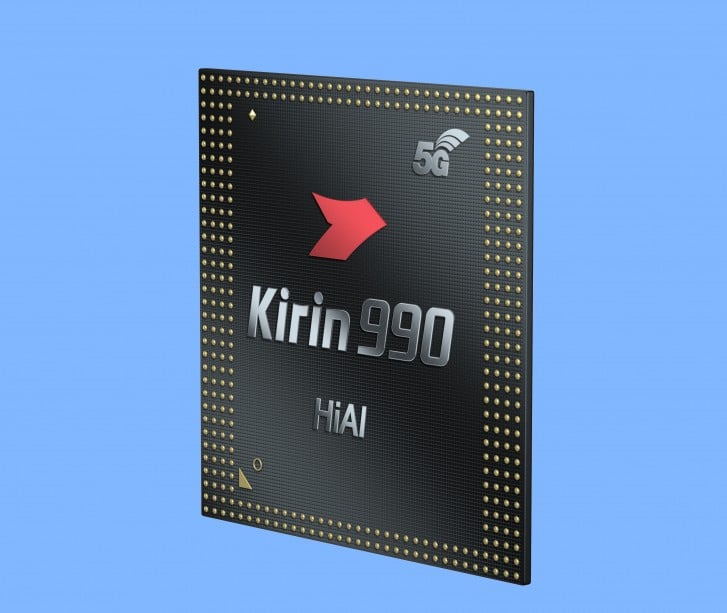
A few days ago, at the IFA 2019 in Berlin, Germany, China-based Huawei announced its much-awaited Kirin 990 5G flagship chipset for smartphones. The chipset comes with dual NPU hardware which not only makes it superior than its predecessor but also superior compared to its competition.
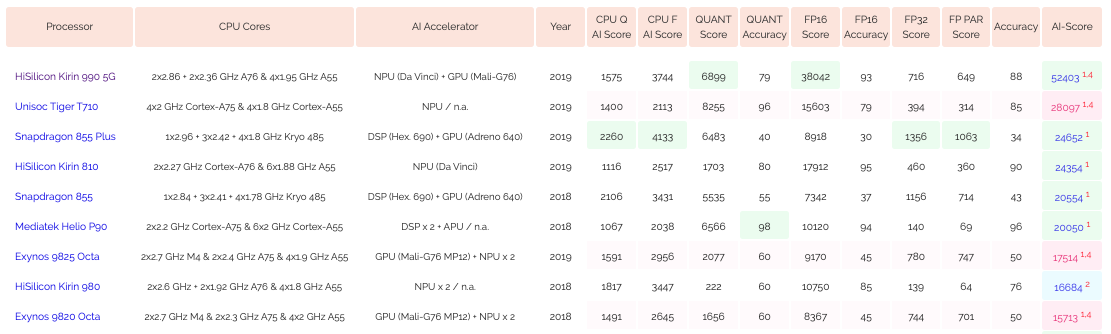
The AI Benchmark test puts the newly announced Kirin 990 5G chipset ahead of the Qualcomm Snapdragon 855 Plus SoC, topping the rankings. The chipset has achieved a score of 52,403 in the test, far ahead compared to the scores of Unisoc Tiger T710 and Qualcomm Snapdragon chipsets.
The Huawei HiSilicon Kirin 990 5G is a 7nm octa-core chipset that has 10.3 billion transistors. It uses two big, two middle and four little cores to optimize multitasking, with clock speeds of 2.86GHz, 2.36GHz and 1.95GHz respectively. The 990 5G also packs a 16-core Mali G76 graphics processor which should offer plenty of power for mobile gaming, as well as smart cache built in to reduce bandwidth by up to 15 percent.
It is also touted to be the first full-frequency 5G SoC — with support both non-standalone and standalone architectures as well as TDD/FDD full frequency bands. The Kirin 990 is a true unified design, supporting Sub-6 GHz 5G networks on both SA and NSA architectures.
For photography, it has a new fifth-generation Dual ISP boasts DSLR-level hardware noise reduction and block-matching and 3D filtering. Huawei’s smartphone cameras already produce stunning low-light results, but it looks like that can be improved further.
The Kirin 990 will probably be the FIRST integrated 5G chipset to hit the market
Aside from implementing the 5G modem, the biggest change in the Kirin 990 is going to be the NPU, or Neural Processing Unit. Boiled down to basics, it’s a co-processor optimized for the sort of vector math that’s the lifeblood of machine learning frameworks.
Huawei has scheduled a launch event in Munich on the 19th of September, where the company is expected to launch Huawei Mate 30 and Mate 30 Pro flagship smartphones, which will be powered by this new Kirin 990 SoC.
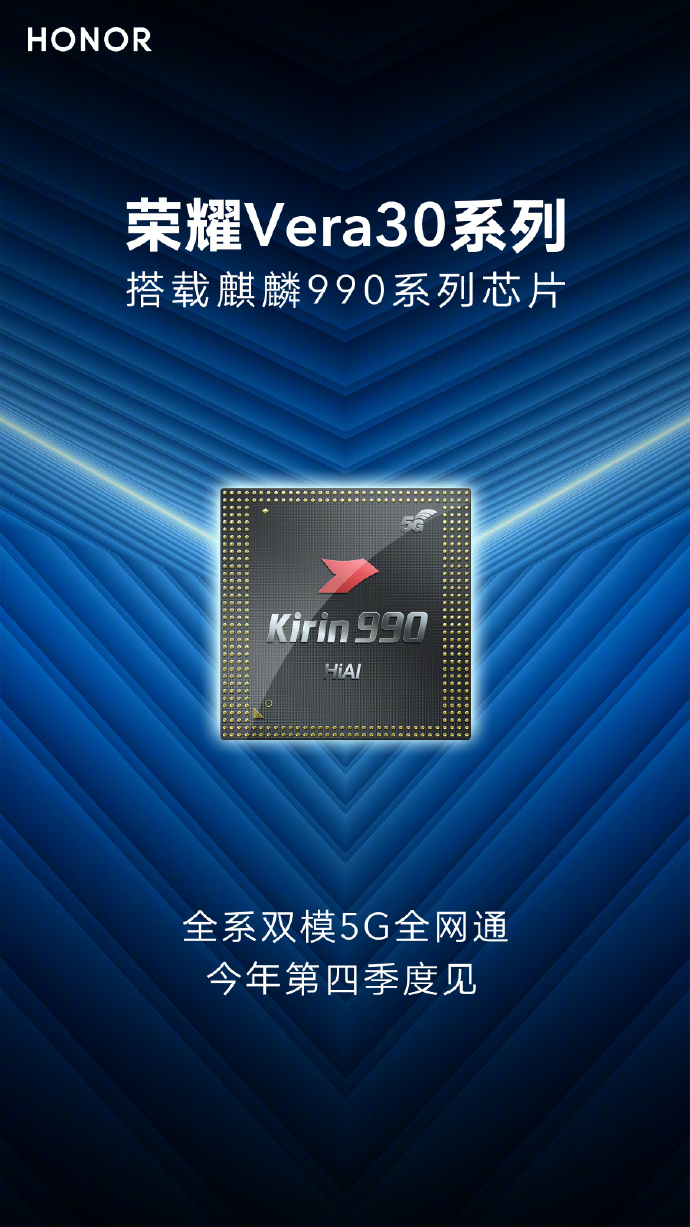
Today, Huawei’s sub-brand Honor has released a poster confirming a new lineup of smartphones — Honor Vera30. While nothing much is known about this new smartphone series, the company has confirmed that it’ll be powered by the Kirin 990 5G chipset.
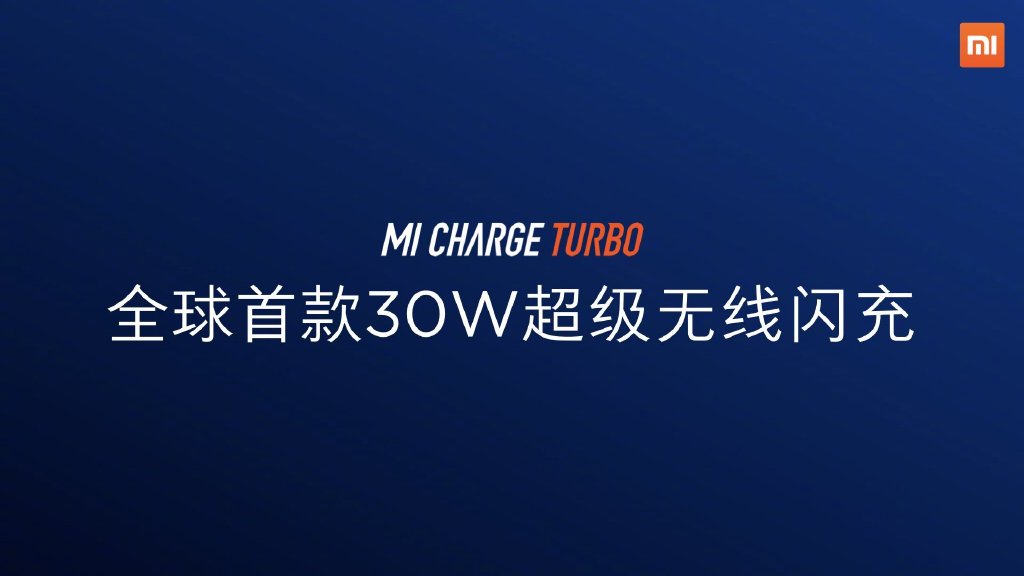
Xiaomi released the world’s fastest wireless charging technology earlier this year alongside the Xiaomi Mi 9. Today, the company takes that technology a step forward by announcing the new Mi Charge Turbo that promises up to 3OW of fast wireless charging. This is a significant announcement for the smartphone industry given that wireless charging technology has been often criticized for its slow charging speeds. With speeds up to 30W, Xiaomi’s Mi Charge Turbo is even faster than its 27W wired charging tech that’s usually bundled with its flagship smartphones.
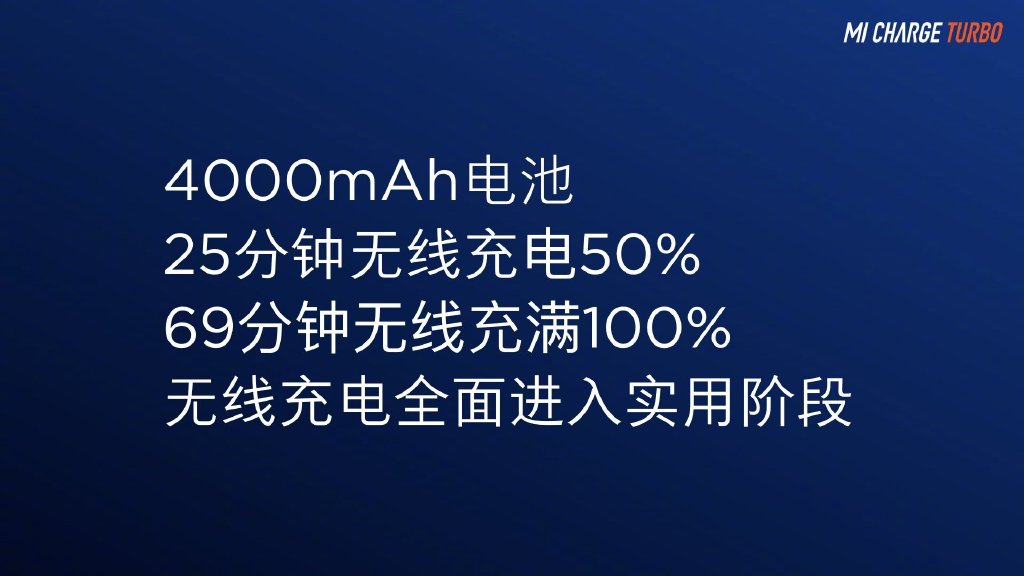
Xiaomi claims that the Mi Charge Turbo can charge a 4000mAh battery wirelessly up to 50% in just 25 minutes and up to 100% in just 69 minutes. So you no longer have to endure the painfully slow charge times while topping up your smartphone wirelessly.
What’s more, the Mi Charge Turbo tech supports fast reverse wireless charging as well. The company said that it can charge accessories like smartwatches, headphones, and even other smartphones wirelessly. The technology can top up the iPhone Xs up to 20% while reverse charging in around 30 minutes. In comparison, Huawei P30 Pro could only charge the same phone up to 13%.
Xiaomi confirmed that the Mi Charge Turbo 30W wireless charging will be first available on its new 5G flagship called the Xiaomi Mi 9 Pro 5G. This phone has been making rounds on the internet (often referred to as the Mi 9S 5G) for quite a while and we have already seen it on TENAA with a large 4000mAh battery. With the new 30W wireless charging tech on board, the phone will feature three types of fast charging technology: Fast wired charging, Fast wireless charging, and Fast reverse wireless charging.
It’s worth adding that Xiaomi probably won’t be the only smartphone manufacturer with a fast wireless charging solution. Huawei is also expected to release a 30W wireless charging technology in the coming months.
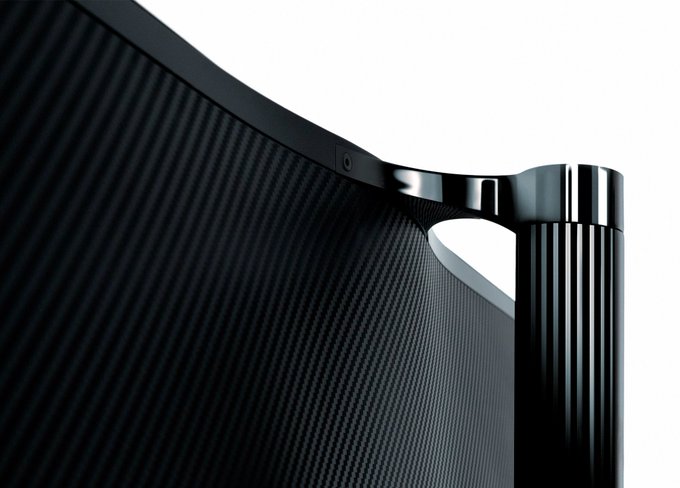
OnePlus will be debuting the OnePlus TV by the end of this month. In India, the OnePlus TV will be available exclusively through Amazon India. The retailer giant has already started teasing on the features of the OnePlus TV. Founder and CEO of OnePlus, Pete Lau has shared an image of the swivel stand of the OnePlus TV.
The new image shared by Lau showcases the rear side of the OnePlus TV as well as its swivel stand. The image suggests that even its swivel stand will have a good appeal. It has a carbon fiber finish and its appearance is similar to the rear design. The inclusion of the swivel stand indicates users will be able to enjoy watching their favorite dose of entertainment by moving the display to the desired angle. Lau’s tweet reads ‘no detail is too small’ which indicates that the company has lot of efforts in enhancing the design of the OnePlus TV.
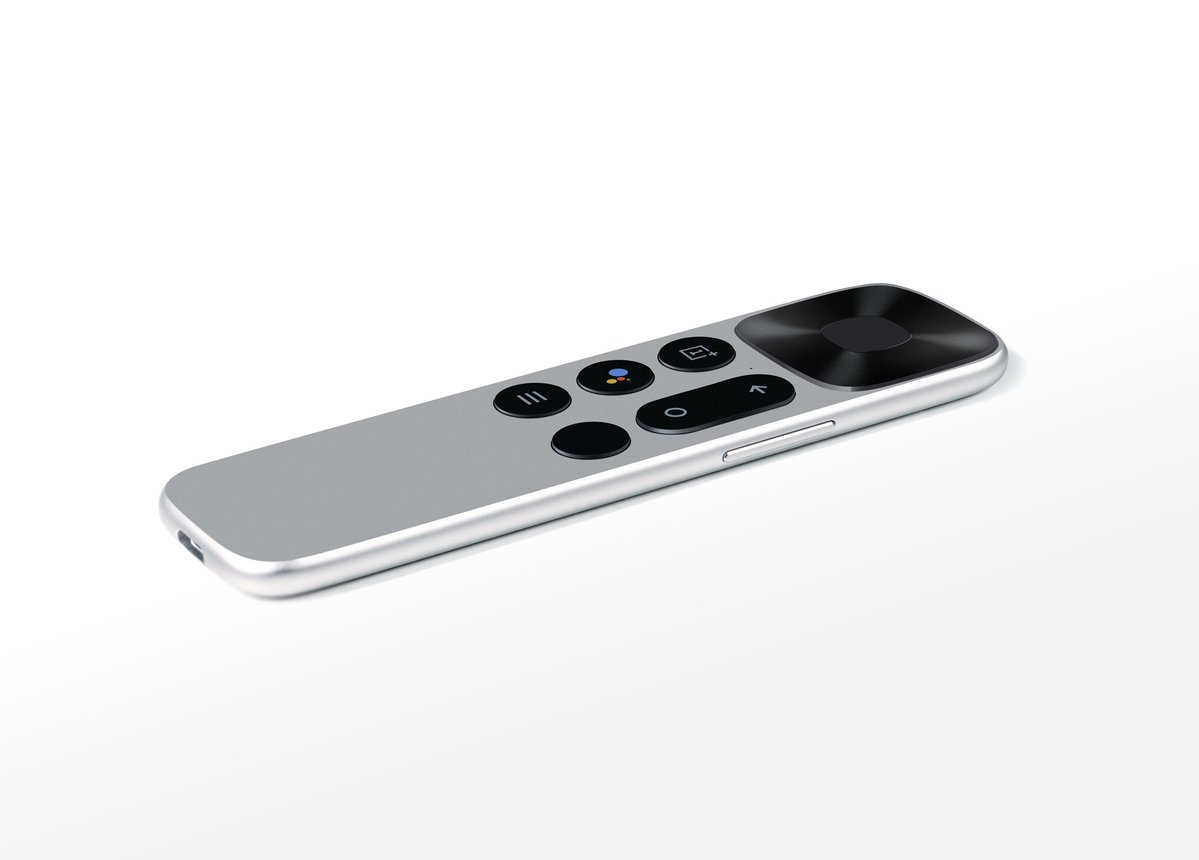
Last week, Lau had shared an image of the remote control for the OnePlus TV. The Bluetooth enabled remote control has a USB-C port, a OnePlus button, a blank button, a Google Assistant button and navigation buttons. What’s unique about the OnePlus TV remote control is that it is equipped with a touchpad at the top for easy navigation experience. The remote seems to be made out of aluminum alloy.
OnePlus TV coming to India has a 55-inch 4K QLED display powered with Gamma Color Magic image processor. It is fitted with eight speakers that will deliver 55W audio output along with Dolby Atmos support. The OnePlus TV could be powered by the MediaTek MT5670 quad-core processor that works 1.5GHz and 3 GB of RAM.
OnePlus TV will deliver plenty of OTT content and it is expected to run on a custom edition of Android. The company will be providing Android TV updates for OnePlus TV for at least 3 years. In the U.S., Europe and China, the Chinese firm may launch the 75-inch and 65-inch editions.
OnePlus will be also debuting the OnePlus 7T and OnePlus 7T Pro smartphones by the end of this month. Some reports have claimed that the company will be holding an unveil event on Sept. 26 to announce the OnePlus TV and OnePlus 7T series.
With the likes of Samsung, Apple, and Huawei launching their flagship smartphones, Xiaomi is also jumping the bandwagon. The company is gearing up to launch its Mi MIX 4 smartphone but ahead of the announcement, some of the phone’s specifications have been leaked online.
The leak reveals that the smartphone will come with a new “waterfall screen”, which is the same that Vivo is adopting for its upcoming Vivo NEX 3. Further, it has also been confirmed that the phone’s display will come with a 90Hz refresh rate.
As for the camera, the smartphone will feature a 100-megapixel camera sensor on the back. Xiaomi had previously announced that it will soon launch a new smartphone featuring a 100MP camera sensor from Samsung. Now that smartphone seems to be the upcoming flagship Mi MIX 4.
Also, on the front side, there will be a pop-up mechanism for the selfie camera sensor, which has now become a trend for premium mid-range as well as flagship smartphones. Now coming to the charging, it is said that the phone will come with 40W fast charging.
It remains to be seen if the stated 40W fast charging technology refers to wireless charging given that the company is all set to launch Mi Charge Turbo technology for the wireless charging. Currently, the company is offering 20W wireless charging in the Mi 9 flagship.
Previously leaked information related to the device reveals that the phone will come with a 2K display. The full ceramic body smartphone will be powered by the Qualcomm Snapdragon 855 Plus octa-core processor with up to 12GB of RAM and 1TB of internal storage. It is also expected to come with support for 5G communication technology.
While the launch date for the Xiaomi Mi MIX 4 is not yet revealed, several reports points that the phone will go official this month in China. We’ll have to wait for a couple of days to know if that is true as the company should official reveal the launch date in the coming days if it really plans to launch it this month.
Even thirteen years after its launch, Banggood continues to offer the best bang for your buck! The Chinese International E-commerce provider is currently gearing up for its 13th-anniversary celebration.
Banggood is leaving no stone unturned to show appreciation to its loyal users and keeping in line with that, the online store has launched a new promotion sale. Offering a chance to grab up to a whopping $100,000 off, the 13th Anniversary Sale promotion page is crammed with high-end products that have been split into various categories.
The first section called Daily Flash Deals is where you can avail unmissable opportunity to get your hands on top-end items at lowered prices. The promo page will offer flash deals daily until the promo wraps up.
Brand conscious buyers can head straight to the next category called Featured Brand, wherein they can avail noteworthy discounts on products from leading manufacturers such as BlitzWolf, Eachine, H96Max, OnePlus and Doniu. You can even use designated coupon code for select items and save more money.
For example, the 8GB RAM+256GB ROM OnePlus 7 variant usually retails for $999.99 but you can now buy it for a lowered price of just $719.79 under the Featured Brand category. Moreover, you can extend this 28 percent discount by applying coupon code BGannv349 during the checkout process.
You can win a site-wide 8%-10% off coupon under the following category dubbed Share and Get Coupon. To win max 10% off code, all you need to do is to share a coupon with your friends.
While the site-wide coupon will be valid until September 12th (UTC+8), it cannot be used on items carrying already reduced price tags, or under any other promotional offer. Aside from that, you can share and win $10000 bonuses, $200 New User Gift Pack, up to 100,000,000 points, and take advantage of the $0.1 Snatch Deals.
You can check out the Deals by Category section on the promotion page for heavily discounted items that come in handy in day to day life. These products have carefully been added to specific sub-categories such as Autumn Fashion Trends, Toys Hobbies & Robot Sale, Electronics & Tools Sale, etc.
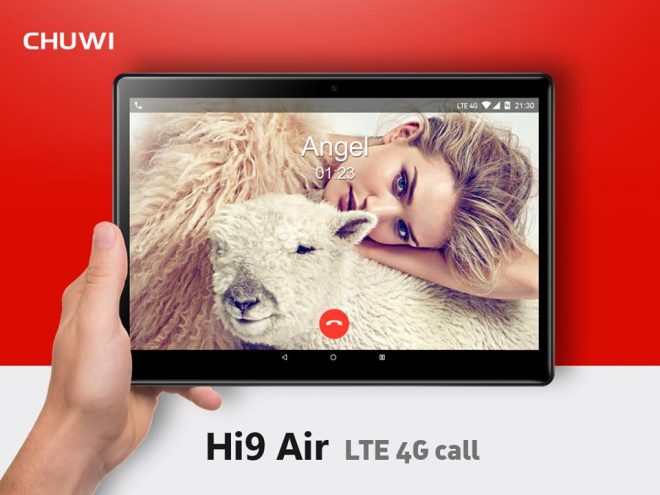
Each sub-category offers a chance to save a considerable amount of money on high-end products. For the sake of an instance, the Super Tech Deals sub-category offers up to a $130 off coupon on popular electronic items including the CHUWI Hi9 Air tablet, BMAX Y11 Laptop, Xiaomi Mi9T smartphone, and more.
The concluding section on the activity page is called More to Love and just like the rest of the previously mentioned categories, this section offers significant discounts on select products that would normally cost a bomb. For example, the BlitzWolf BW-HL1 smartwatch that sells for $49.99 can now be yours for just $33.27.
You can visit the activity page by following this link and take full advantage of the discounts and coupons before the promotion sale comes to an end.
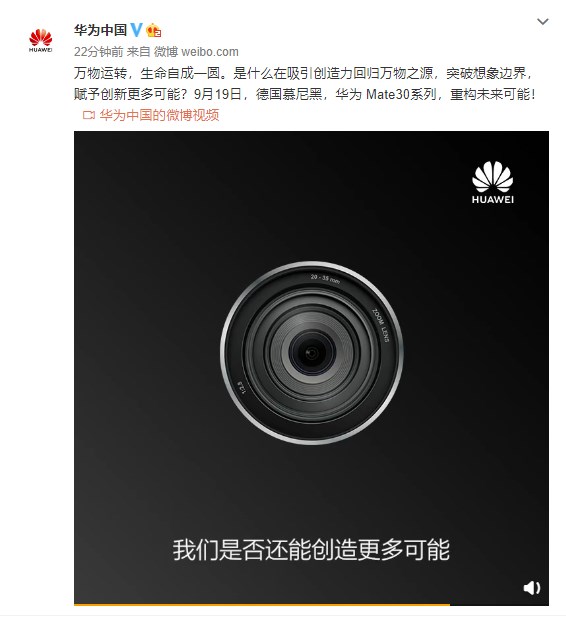
Huawei Mate 30 series smartphones are all set to go official later this month. The company has scheduled a launch event in Munich, Germany on 19th September. Ahead of the phone’s launch, Huawei has now shared a new teaser video on Weibo.
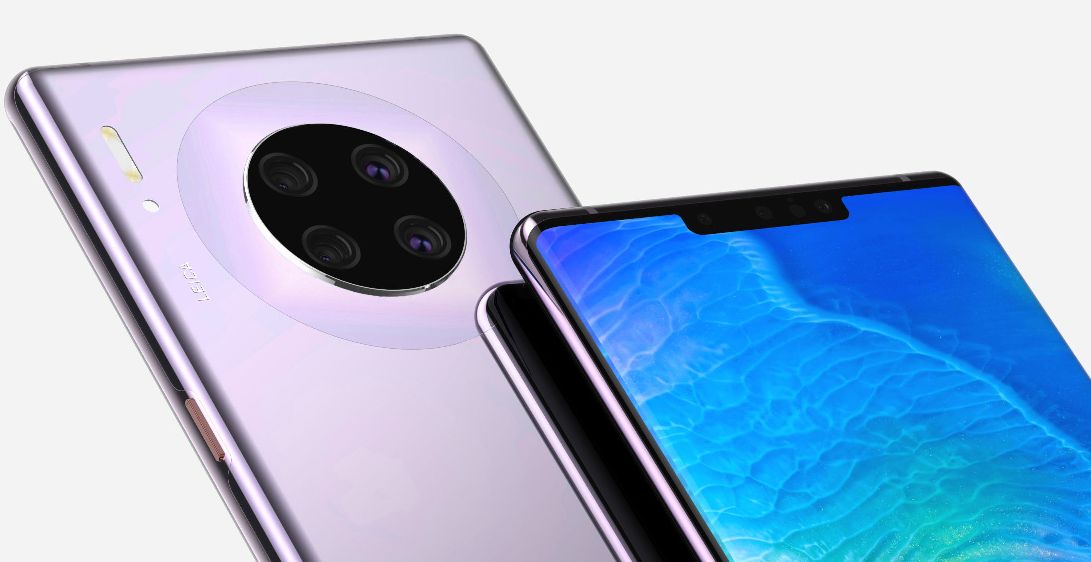
The teaser for the Huawei Mate 30 series smartphones showcases a circular camera sensor, hinting at the new “Oreo” camera module on the back panel. The rear camera sensors will be housed inside a circular casing, which is being referred as “Oreo” module.
Recently, a leaked poster revealed that the Huawei Mate 30 series will come with quad rear cameras with a huge bump. That bump is said to be as a result of smart cases which will bring additional features to the phone. We talked about the cases here which we think will not be limited to the Mate 30 series but also other Huawei phones and Honor phones too.
The Huawei Mate 30/30 Pro will feature cameras co-developed with Leica, two of which are 40MP sensors. It will also have triple cameras in front housed inside a notch, an in-display fingerprint scanner, a Kirin 990 processor, and an IR sensor. It will feature a display that curves to the sides at an angle close to 90-degree. Huawei also recently received certification for a new wireless charger that can charge at 25W.
However, while the Huawei Mate 30 series will be announced in Europe first, report claims that the phone not be available for purchase outside China for a while as Google has said the manufacturer isn’t licensed to launch the phones with official Android and Google Play services due to the trade ban.
The company has now confirmed that the Mate 30 will launch without any Google applications. Instead, it will reportedly come with third-party alternatives running on a bespoke version of Android 10.
Since Android is an open source operating system, the Mate 30 will still be running the latest Android 10 OS out-of-the-box. This will make Mate 30 the first Huawei smartphone to ship without Google’s support after the US trade ban.
Meanwhile, Huawei CEO Richard Yu has hinted that the company is all set to adopt HarmonyOS for smartphones if the situation with the United States doesn’t improve. He hinted that the Huawei P40 will come running HarmonyOS next year and has also confirmed that the OS is now ready to power smartphones.
GeekBuying has launched the September Sale, doling off great discounts on amazing products and offering an unmissable chance to save more money on your orders.
You can use coupon code SEP001 to save $5 if your order value exceeds $50, while coupon code SEP002 can be used to get 3% off on orders over $60. Likewise, coupon code SEP003 can be utilized to grab $15 off for Russian stock, and coupon code SEP004 can be used to grab $20 off if your cart value is more than $150. Note that the coupons are slated to expire on September 20th.
The activity page features a slew of electronic items from leading brands such as Xiaomi, Beelink, Tronsmart, QCY, JBL, and RAZER. More importantly, you can get your hands on these top-branded products without emptying your pocket.
We will be checking out the discounts available on three well-received music accessories from Xiaomi. Aside from that, we will show how you can save a considerable amount of more money during the check out process.
Xiaomi Redmi AirDots TWS Bluetooth 5.0 Earbuds
There’s a noteworthy 52 percent off on the Xiaomi Redmi AirDots that usually retails for $49.99. As a result, you can now buy the earbuds for a lowered price of only $23.99 under the Top Brands category from the activity page.
Moreover, you can extend this discount with the help of coupon code SEP002. The coupon helps you save $0.72 more by reducing the retail price of the earbuds to only $23.27 even before you place your order.
An absolute steal at this price, the Xiaomi Redmi AirDots TWS Bluetooth 5.0 Earbuds adopts the latest Bluetooth 5.0 technology for improved connectivity. It has a built-in Realtek 8763 chip for bilateral calls, and it uses DSP digital noise reduction technology to ensure superior digital sound quality.
You can visit this link to check out more details about the Xiaomi Redmi AirDots TWS Bluetooth 5.0 Earbuds and place your order. Note that the promo was on the verge of wrapping up at the time of writing.
Xiaomi LYXQEJ01JY Bluetooth Necklace Earphones Headphones
Also placed under the Top Brands section, the Xiaomi LYXQEJ01JY are simply irresistible sports earphones that adopt ergonomic design and uses dual drivers for CD-grade music experience. Weighing in at just 40g, it can be work for a longer duration without any sort of discomfort.
Moreover, you can hang this magnetic earbud around your neck comfortably without worrying about dropping it. The black-tinted Xiaomi LYXQEJ01JY would normally set you back $79.99 on both online, as well as offline stores but you can now buy it for a lowered price of only $68.99 from GeekBuying.
On top of that, you can extend this 14 percent discount simply by applying coupon code SEP001. After applying the aforesaid coupon, you get an extra $5 off and the original asking price of the Xiaomi LYXQEJ01JY reduces to just $63.99.
You can head straight to this link to avail the discount and use the coupon before it expires. It is worth noting that the promo will end shortly.
Avid gamers usually spend a lot of money on gaming headphones hoping to achieve an immersive gaming experience. Those living on a tight budget, on the other hand, go for inexpensive alternatives that usually disappoint in terms of performance.
Much to the relief of cost-conscious buyers, the Xiaomi Gaming Headphones have now gone up for sale bearing a lowered price tag of $99.99 on GeekBuying’s latest promo page. This is a 30 percent reduction in the device’s original selling price of $69.99.
As if that weren’t enough, you can save $5 more by applying coupon code SEP001 before clicking the ‘Place Your Order’ button. The Xiaomi Gaming Headphones is quite a bargain at this price, given that it comes with 7.1 virtual surround sounds and an impressive array of other features.
You can check out more details about the gaming headphones by following this link without wasting time. Regrettably, the promo is slated to end soon.
The Vivo NEX 3 will go official on Sept. 16. The Chinese manufacturer is now teasing on the features of the NEX 3. Today, it has released a video to reveal its complete design.
The video released by showcases the curviness of the NEX 3’s ‘Waterfall’ display. The side bezels of the phone are almost non-existent. The thin bezel at the top has an earpiece and its bottom bezel is also thin. Reports surrounding the phone have claimed that it may offer a screen space of 99.6 percent. The TENAA listing of the phone has revealed that it is equipped with a 6.89-inch screen with notch-less design. It offers full HD+ resolution of 1080 x 2256 pixels. The AMOLED display of the phone will come integrated with an in-screen fingerprint sensor.
The video also shows the button-less design of the Vivo NEX 3. Instead of physical buttons, pressure-sensitive virtual buttons for power and volume. An additional power button along with a wider pop-up camera module that houses two selfie snappers are at the top. Previous reports have revealed that the same edge has a 3.5mm audio jack. Through TENAA it has been found the dual selfie snapper setup could be featuring a 16-megapixel lens.
The rear side of the phone has a round-shaped module with three lenses placed in it. TENAA has revealed that it has a 64-megapixel main lens and a pair of 13-megapixel sensors.
The Snapdragon 855+ chipset that includes a 2.96Ghz octa-core processor powers the Vivo NEX 3. It may come with up to 12 GB of RAM and up to 512 GB of native storage. The Android 9 Pie OS is preinstalled on the device. The handset lacks a microSD card slot.
The Vivo NEX 3 has a big battery of 4,500mAh and it is accompanied by 44W FlashCharge technology by the company. The handset measures 167.44 x 76.14 x 9.4mm and it weighs 218 grams. The NEX 3 will be releasing in 4G only and 5G variants in China. At present, there is no information on the pricing of the smartphone. Based on the video, it can be said that the phone may debut in Black and White color options. On Sept. 16, Vivo will be also launching TWS earphones alongside the NEX 3.
The next Huawei flagship, the highly anticipated Mate 30 Pro, which looks gorgeous in renders which leaked recently, is to be unveiled in a matter of days. That is why this recent confirmed report is so devastating. Huawei has just confirmed that the Mate 30 will launch without any Google apps. Instead, it will reportedly come with third-party alternatives running on a bespoke version of Android 10.
This is big news. For those who don’t know, the Google apps suite includes some fantastic tools like Google Maps, Calendar, Google Drive, Google Assistant and Gmail. At the IFA conference, Dr Wang Chenglu, Huawei’s president of consumer software, said the company was in the process of developing alternatives to Google apps and services, including GPS navigation.
Despite the loss of Google apps, it appears the Mate 30 will still be running on the latest version of Android, seeing how Android is an open source operating, meaning anybody can use it. In other words, the company’s much-touted HarmonyOS won’t be making its debut on the Mate 30, and presumably so with the Mate X if the reports are to be believed.
The new report, from Nikkei Asian Review, states that the Mate 30 series would be the first phone to ship without Google’s services. The Mate X, Huawei’s foldable smartphone, will be the second device to come without any Google apps. According to analysts, Huawei’s smartphone sales will see a drop of at least 10 million units in 2019.
This is a bitter pill to swallow for Huawei fans and is sure to have an impact on global sales. While the Android ecosystem isn’t as fenced in as Apple’s iOS, apps like Google Maps and Gmail are essential to most users. Expecting customers to use third-party alternatives or implement workarounds to access these apps is a very big ask.
We’ll hopefully know more when the phone launches against the odds on September 18. Based on these developments, things aren’t looking good for the Huwaei Mate 30, but we’re optimistic Huawei has some sort of workaround that will help them overcome this. We’d hate to see a promising device like the Mate 30 fail because of something like this.
With the Trump administration taking a hard line on Huawei, the company’s crisis appears far from over. Huawei faces a “live-or-die moment,” founder and CEO Ren Zhengfei said in a company memo on Aug. 20. It seems this applies now more than ever, which is a shame.
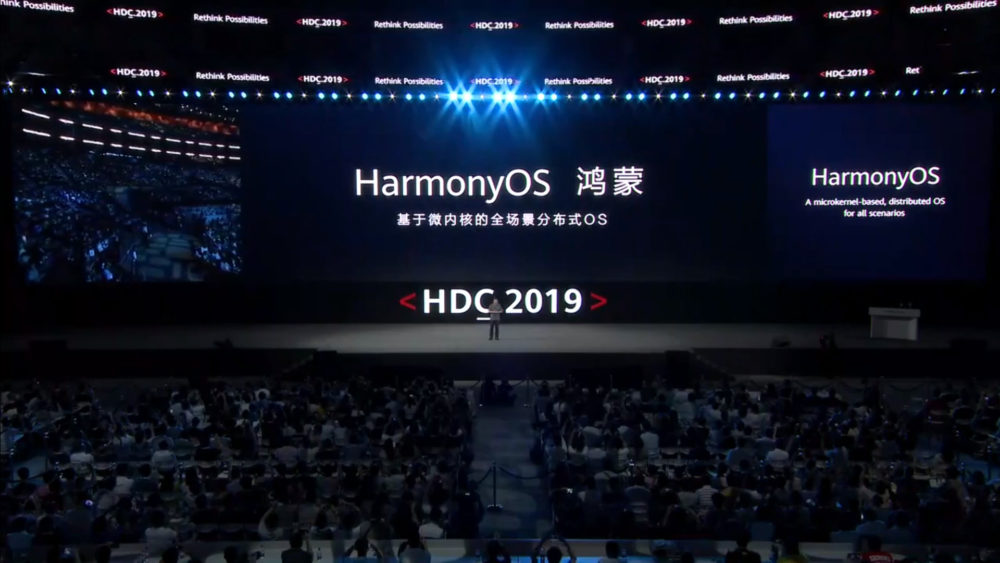
At the Huawei Developers Conference 2019 in China, the Chinese giant announced its much-awaited multi-platform operating system named HarmonyOS, which is also called HongMeng OS in Chinese.
The company has revealed that the operating system is not meant for smartphones and is currently focused on smart home devices. This contracted earlier rumors that the Mate 30 Lite will be powered by the company’s own operating system.
However, the company’s executives have revealed that while Huawei intends to keep using Google’s Android OS for the smartphone, if the ban on the company is enforced, it will quickly switch to HarmonyOS, within a day or two.
Now, Richard Yu, CEO of Huawei has said during a media interview that if the situation doesn’t change with the United States government, the company will start using its HarmonyOS, starting with Huawei P40 smartphone next year.
He has also confirmed that the HarmonyOS is now ready for smartphones but the company is waiting to see if the situation with the United States changes. He also revealed that the company’s own App Store named “App Gallery” is ready and “Huawei Mobile Services” will replace Google’s services.
The development seems to be in line with the company’s plan. Last month, the company said that it has no plans to launch a HarmonyOS-powered smartphone this year and it wants to maintain a single ecosystem and stick with Google’s platform.
HarmonyOS is being promoted as “a single OS that covers everything, and works with all product types.” The operating system is engineered to communicate openly regardless of the device, and by using a microkernel system, Huawei says HarmonyOS is secure, which is a major concern when dealing with Internet of Things (IoT) hardware.
Additionally, with Huawei’s Ark Compiler, programming languages can be translated so apps work with HarmonyOS, and that includes Android apps, simplifying adoption for third-party developers. It’s even intelligently adaptive and will display correctly on various screen sizes, just like adaptive mobile websites.
Currently, the company is gearing up to launch its flagship smartphones — Huawei Mate 30 and Mate 30 Pro. The launch event for the same is scheduled to take place on 19th September in Munich, Germany.
The new Apple iPhones are just a day away from their announcement. In the run-up to the iPhone 11 series launch, a report has emerged highlighting the excessive use of temporary workers in a Foxconn factory.
China Labor Watch (CLW), a New York City-based labor watchdog, published the report on Sunday and claimed that more than half of the workforce employed in August at the largest iPhone factory in Zhengzhou, China, were temporary hires — or dispatch workers. They included student interns.
While Foxconn hasn’t commented on this, Apple has come out and said that during its investigation, it found that the percentage of dispatch workers exceeded its standards. “We are working closely with Foxconn to resolve this,” Apple said. CLW says that the number has now fallen from 50 percent to 30 percent, but that still violates Chinese labour laws.
The report also claims other rights violations at the factory including:
Workers at the factory put in “at least 100 overtime hours a month” during peak production seasons, even though Chinese labor law states they must not work more than 36 overtime hours a month. Resignations are not approved for regular workers during peak season.
Some dispatch workers failed to receive bonuses promised to them from the dispatch company.
Student employees also work overtime during peak production season even though internship laws prohibit that.
The factory does not provide workers with adequate personal protective equipment and workers do not receive any occupational health and safety training.
The factory does not report work injuries.
Apple on Monday denied most of what is in a report. “We looked into the claims by China Labor Watch and most of the allegations are false,” Apple said in a statement. “We have confirmed all workers are being compensated appropriately, including any overtime wages and bonuses, all overtime work was voluntary and there was no evidence of forced labor.”
Apple’s supply chain has faced numerous criticisms over the years due to poor working conditions. For its part, the iPhone maker has to push suppliers to improve labor practices if they want to continue working with the tech giant. Foxconn has said that it is constantly monitoring the allegations at its Zhengzhou plant.
At the IFA 2019 tech trade show, Huawei took off covers from the Kirin 990 chipset. The 7nm flagship chipset from the company is integrated with a 5G modem. Apart from the upcoming Mate 30 series from Huawei, its sub-brand Honor is also expected to launch Kirin 990 powered flagship smartphone. Today, Honor confirmed through a Weibo post that the Honor Vera30 (V30) series will be coming with 5G Kirin 990 chipset.
In the previous week, Honor President George Zhao had confirmed that Honor’s 5G phone will be Honor V30 5G and it will be powered by Kirin 990. The below shown poster has been released today to confirm that it will be arriving in China as ‘Vera30.’ At present, there is no information available on the specifications of the smartphone. However, it is speculated that it could be sporting a round-shaped camera housing on its rear.
The Kirin 990 chipset come with an octa-core processor that two cores of Cortex A76 gunning at 2.86GHz and another two cores of Cortex A76 working at 2.36GHz. Its quad-core Cortex A55 clocks at 1.95GHz. The SoC includes 16-core Mali-G76 graphics and it tags along two big-core and one tiny-core NPU unit. There is a 4G only variant of the Kirin 990 that offers slower clocking speeds. The 5G modem integrated variant is capable of reaching upload speeds of 1.25Gbps and download speeds of 2.3Gbps.
The Honor V20 had gone official in December 2018. The smartphone was made available in international markets as Honor View 20. Probably, the Honor Vera30 could be debuting in China by December 2019.
The Honor V20 that is fueled by Kirin 980 chipset features 6.4-inch IPS LCD display with punch-hole design. It offers full HD+ resolution and 19.5:9 aspect ratio. The punch-hole on the display has a 25-megapixel selfie camera. The rear shell of the phone features a Sony IMX586 48-megapixel lens with f/1.8 aperture and a ToF 3D camera.
The smartphone is backed by a 4,000mAh battery that supports 22.5W fast charging. There is no microSD card slot on the device. It features up to 8 GB of RAM and up to 256 GB of native storage. It also features a 3.5mm audio jack.
Update: After a week of voting, the poll has ended and we are quite surprised by the result.
Even with its more expensive price tag, the Nokia 7.2 is the more preferred device with 54.19% of the votes while the Mi A3 got 45.81%.
Let us know what you think about the final results.
On Thursday, at the ongoing IFA 2019 trade show, HMD Global announced the Nokia 7.2, a mid-range Android One smartphone with a pretty gorgeous design (we really dig the turquoise variant) and specs we have seen before.
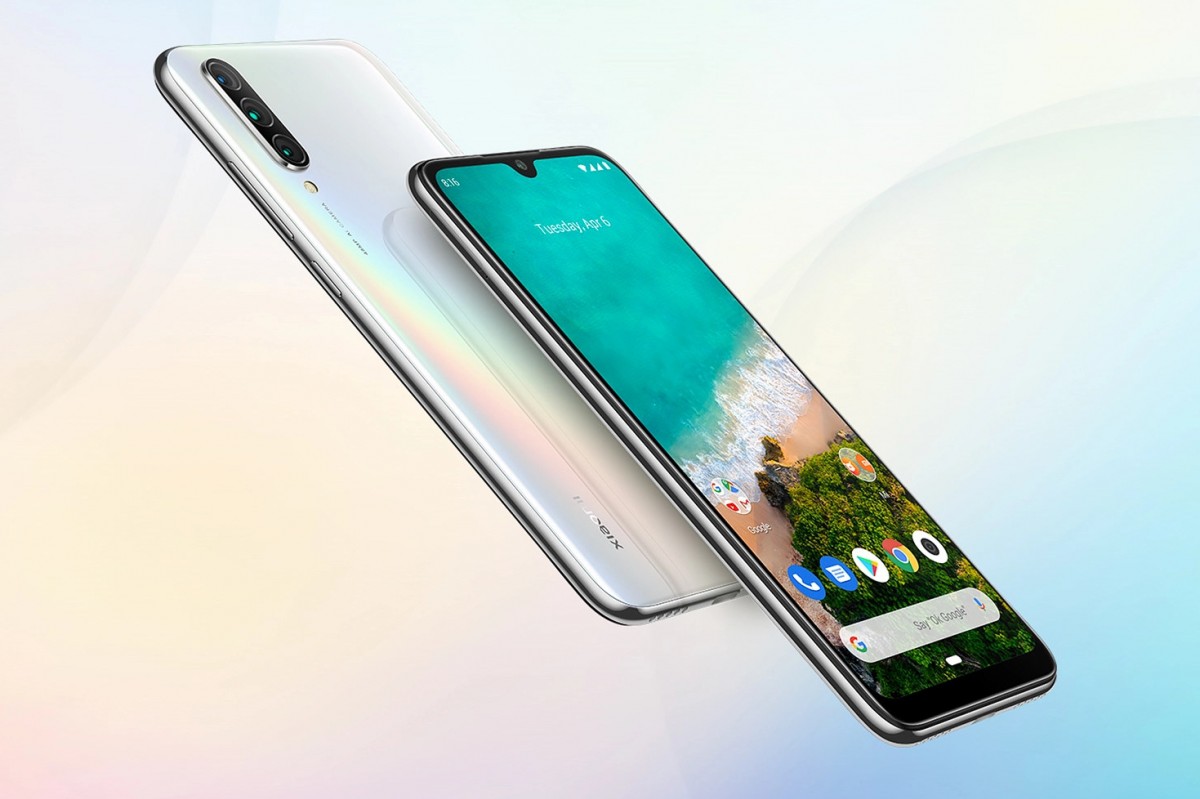
If you are on the lookout for an Android One phone, then the Nokia 7.2 should be on your radar. However, there is another device you should consider – the Xiaomi Mi A3. Both phones are similar in more ways than one but also different and they both have their strengths and weaknesses.
For example, the Nokia 7.2 has a bigger display with a higher resolution and HDR10 and will definitely get better software support than the Mi A3 even though they are both Android One phones. However, its lack of fast charging, plastic frame, and €299 price are deal-breakers.
On the other hand, what the Mi A3 has going for it includes a bigger battery capacity, support for 18W fast charging, and a lower price tag. The deal-breakers are its lower-resolution display albeit Super AMOLED, lack of NFC, and Xiaomi’s less-than-stellar software support for its Android One devices.
So we want to know which one of these two phones you will choose if you were considering an Android One smartphone?
The Galaxy A20s is an upcoming smartphone by Samsung. It is a refresh to the Galaxy A20 which launched in April. Images of the phone from a TENAA listing surfaced last week along with rumored specs. Today, another spec list has leaked with different details.
According to Sudhanshu Ambhore, the Galaxy A20s will have a 6.5-inch HD+ display with a 1520 x 720 resolution. Surprisingly, it is not an AMOLED panel like that of the Galaxy A20.
Under the hood of the phone is a Snapdragon 450 processor and not an Exynos chipset and it is paired with 4GB of RAM and 64GB of storage. The Galaxy A20s will have a MicroSD card slot for up to an additional 512GB.
The phone will come with three rear cameras, an extra sensor more than the Galaxy A20. The primary camera is a 13MP f/1.9 sensor and it is paired with an 8MP f/2.2 120° ultrawide angle camera and a 5MP depth sensor. The selfie camera is an 8MP f/2.0 camera.
The Galaxy A20s will pack a 4000mAh battery and not 3000mAh as reported in the first leak. The phone will charge via a MicroUSB port and have support for 15W fast charging just like the A20. It will measure 163.31 x 77.52 x 7.9 millimeters and be available in Green, Black, and Red.
The specs are not confirmed, so we advise you to take it with a pinch of salt. We expect TENAA to reveal the full specs this week. The Galaxy A20s is expected to launch in India, probably alongside the M30s on September 18. It should also launch in China later this month.
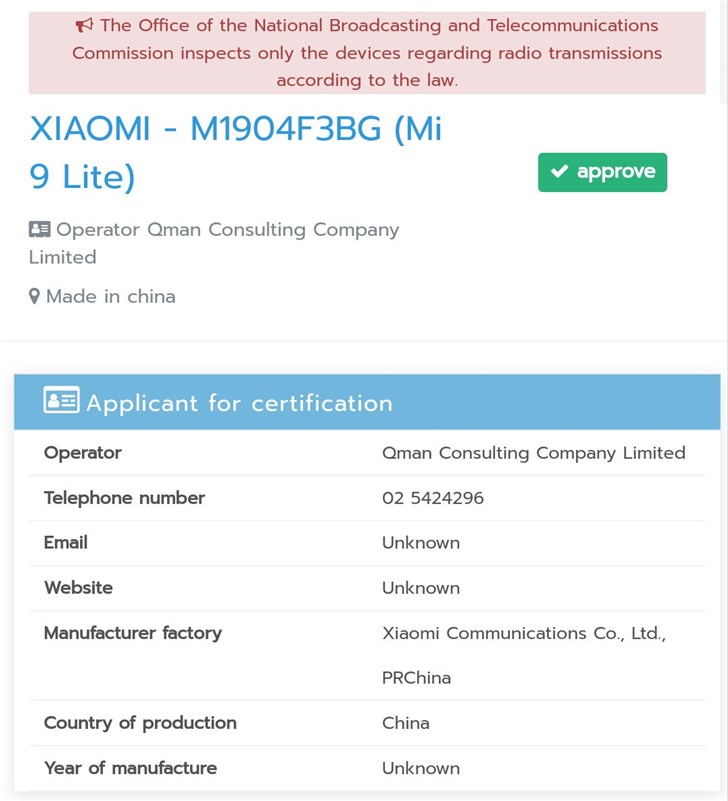
The Xiaomi CC9 is indeed launching as the Mi 9 Lite and proof comes from an NBTC certification of the phone.
The Thailand agency has certified a Xiaomi phone with the model number M1904F3BG and the certificate does say this is the Mi 9 Lite. The model number is near identical to that of the Mi CC9 sold in China whose model number is M1904F3BT.
The Xiaomi Mi 9 Lite was first certified in Russia by the EEC back in early August, but then we thought it would launch as the Mi A3 Pro. Sadly, that will not be the case. As it stands now, the chance of a Pro version of the Mi A3 existing is getting slim, and those waiting for one may have to settle for the Mi A3 or another device.
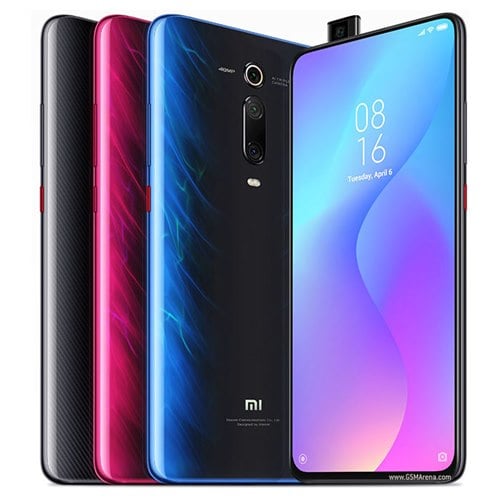
The Mi 9 Lite may launch this month, and when it does, it will carry the familiar Mi logo on its back and run MIUI. The phone will have a 6.39-inch FHD+ display with a notch at the top for a 32MP selfie camera. It will also have an in-display fingerprint scanner.
The phone will be powered by a Snapdragon 710 processor, with 6GB of RAM and 64GB or 128GB of onboard storage. Irrespective of the version you purchase, you will be able to add more storage via a MicroSD card slot. On the back will be triple rear cameras – a 48MP f/1.8 primary sensor, an 8MP ultrawide camera, and a 2MP depth sensor.
The Mi 9 Lite should pack a 4030mAh battery with 18W fast charging support. It will have a USB type-c port, a 3.5mm audio jack, NFC, and an infrared port too. Xiaomi will ship it with MIUI based on Android 9 Pie.
For average users and even a lot of advanced users, looking for the best value for money phones is actually the smartest choice they can make. Despite they are the most expensive ones, flagship phones are not necessary for everyone in order to achieve the best user experience. Unless you need the most awesome specs sheet, you can find devices with amazing performances, stunning camera quality and long battery life even in affordable price ranges.
And you can save a lot of money while still getting all you need. Here, we will show you the top 10 best value for money smartphones of September 2019. The ranking only includes devices which already hitten the shelves during this year, so newly-announced devices which are not available are excluded, as well as upcoming phones.
Xiaomi Mi 9T Pro
With an international price tag of just €449/$500, Xiaomi Mi 9T Pro is one of the most affordable smartphones equipped with the Snapdragon 855 that is the most powerful chipset by Qualcomm. So if you are looking for the most amazing performance you can get on a phone but you have a limited budget, it is worth giving it a chance. Another pro of this device is the presence of a pretty nice battery boasting a capacity of 4000 mAh.
The handset even comes with a modern design including a very high screen-to-body ratio, a notch-less display, and a motorized pop-up camera. It is made of premium materials and it sports a nice HDR display. It is not a top camera phone, but it still features a high-end triple camera including 2x optical zoom and accurate autofocus.
OnePlus 7 Pro
OnePlus 7 Pro is one of the most powerful flagships out there, but even though it does not have a lot of rivals in terms of specifications, both the listing price and the street prices are very convenient in both Chinese and global market. Further, it is one of the fastest smartphones ever thanks to an amazing software optimization, the Snapdragon 855 chipset and up to 12 GB of RAM.
OnePlus 7 Pro even comes with one of the best displays available, including a 90 Hz refresh ratio and a Quad HD+ resolution. A lot of people criticized OnePlus for releasing every year devices at a higher price tags, but given the specifications, it offers, OnePlus 7 Pro is still an awesome value for money phone.
Huawei P30 Pro
If you are looking about the best flagship camera phone sold at a modest price, then go for the Huawei P30 Pro. After the U.S. ban, we noticed a drop in the price of Huawei’s phones, especially flagship ones. Huawei P30 Pro is all but an affordable flagship, however, its actual street prices are amazing. And if you consider that it is one of the most revolutionary camera phones, you should understand what an awesome deal it is.
Huawei P30 Pro comes with a rear camera providing the best quality you can expect in low light conditions, thanks to the RYYB paradigma which replaces the green with yellow. Further, it is one of the smartphones with the best zoom capabilities as it is able to reach a 5x optical zoom. Last but not least, it even features a big battery and reverse wireless charging.
Samsung Galaxy S10e
Just like Apple, even Samsung released three devices from its main flagship series this year. One of them is an affordable and more compact variant: the Galaxy S10e. It comes at a way more affordable price, but it still features the same flagship-class hardware department you can find on the Galaxy S10 and S10+.
Further, it has an amazing HDR10+ display and reverse wireless charging, despite its battery comes with just a 3100 mAh capacity (but it is well-optimized, so battery life is not disappointing). Its main camera is brilliant thanks to its variable aperture and optical stabilization. Samsung Galaxy S10e is one of the few handsets under 6 inches to feature a flagship hardware side without compromises, as well as one of the few compact waterproof phones.
Honor 20 Pro
Honor 20 Pro is the latest iteration of affordable flagship by Huawei. If you can not afford the flagships from the P30 or the Mate 30 series, but you still want amazing cameras, great performances, and long battery life, you have no better choice among Huawei devices. It has a very modern design thanks to its punch-hole display, and it is even a pretty compact phone.
Honor 20 Pro is even one of the best top-end camera phones you can find in the market: among its key elements, there are a 48 MP main sensor with OIS, a dedicated macro camera and even 3x optical zoom, as well as a 32 MP selfie camera. Honor 20 Pro is powered by the flagship-class Kirin 980 chipset and it even has a big 4000 mAh battery. And its global listing price is inferior to €600/$667 in the 8/256 GB configuration!
Oppo Reno2
Oppo Reno2 is the perfect upper-midrange. It is not a flagship, but it has a flagship-like camera department. For less than €500/$555, it offers a stunning quad camera setup including optical stabilization, a telephoto sensor, ultrawide lens and an additional 2 MP B/W sensor for portraits. It has one of the most beautiful designs out there, with a glass back, an aluminum frame and one of the highest screen-to-body ratio, thanks to the presence of a notch-less display and a shark fin pop-up camera.
The high screen-to-body ratio allows the presence of a wide 6.5-inch display on a compact body. When it comes to the hardware side, we find even more surprises, given that the phone is equipped with a gaming-centric Snapdragon 730G chipset paired with 8 GB of RAM and 256 GB of internal storage. The SD730G is definitely the best Qualcomm’s chipset if we exclude the flagship-class Snapdragon 8xx series. There are no compromises even when it comes to battery life, thanks to the 4000 mAh unit.
If you live in Asia and you do not want to spend more than €200/$220, your best choice is either the Realme 5 Pro or the Redmi Note 8 Pro. The new Realme 5 Pro released by Oppo’s sub-brand is a perfect mid-ranger with upper-midrange performances sold at an “almost entry-level” price.
It features the powerful Snapdragon 712 and even an astonishing quad-camera including a 48 MP main sensor, a dedicated macro camera, an ultrawide sensor, and even a depth sensor. Further, it comes with a big 4035 mAh battery which will never leave your phone out of charge before a day of intensive use. There is not an AMOLED display and the phone has a cheap plastic body, but these are things anyone can definitely ignore given its incredibly affordable price.
Redmi Note 8 Pro
Are you a gamer but you have no money? Then there is no better option for you than grabbing a unit of the Redmi Note 8 Pro. It is the world’s first phone with the Helio G90T SoC and it is the most performing phone you can get under €200/$220 in the Asian market. Redmi Note 8 Pro features a liquid cooling system and up to 8 GB of RAM.
It even has a great camera department including the world’s first 64 MP camera in the mobile devices market and a dedicated macro camera. Helio G90T has a pretty high energy consumption, but you should not worry as it comes with a big 4500 mAh battery. Further, it even sports a wide 6.53-inch display and a glass back.
Xiaomi Mi A3
The Mi A3 is the latest smartphone from the only Xiaomi’s line-up with Android One, a stock version of the operating system supported directly by Google with faster and more constant updates in the long term. Xiaomi Mi A3 is available in the global market with a €220 price tag and you can even buy it for less than €200/$220 thanks to online street prices, yet it offers an impressive specs sheet with a very nice hardware department, a big battery and even nice cameras.
With its Snapdragon 665 chipset and its stock user interface, the handset provides very smooth performance. And with a 4030 mAh, it lasts a lot on a single charge, especially because it comes with a compact and efficient display. Its only disadvantage is the display resolution that is just HD+, but it increases the battery life even more.
We use cookies on our website to give you the most relevant experience by remembering your preferences and repeat visits. By clicking “Accept”, you consent to the use of ALL the cookies.
This website uses cookies to improve your experience while you navigate through the website. Out of these, the cookies that are categorized as necessary are stored on your browser as they are essential for the working of basic functionalities of the website. We also use third-party cookies that help us analyze and understand how you use this website. These cookies will be stored in your browser only with your consent. You also have the option to opt-out of these cookies. But opting out of some of these cookies may affect your browsing experience.
Necessary cookies are absolutely essential for the website to function properly. This category only includes cookies that ensures basic functionalities and security features of the website. These cookies do not store any personal information.
Any cookies that may not be particularly necessary for the website to function and is used specifically to collect user personal data via analytics, ads, other embedded contents are termed as non-necessary cookies. It is mandatory to procure user consent prior to running these cookies on your website.