Vivo NEX 3 is expected to get official in the coming month. Ahead of the launch, the Chinese firm has already released a teaser video of the phone. Now, an unboxing video of the NEX 3 has been shared on YouTube by Arun Maini who runs the Mrwhosetheboss YouTube channel. The video does not reveal any specifications of the phone but does give a good look at the much anticipated NEX 3 smartphone.
Like the predecessor NEX models, the NEX 3 can be seen sporting a notch-less display with ultra-thin bezels around it. What’s striking about the display is that it is extremely curved towards the edges. When viewed from sides, the ‘waterfall’ display shows a lot of screen area than other phones with curved screens. Hence, it seems to offer nearly 100 percent screen-to-body ratio. An earpiece seems to be present at the edge of the top bezel of the NEX 3.
There are no physical buttons on the Vivo NEX 3. The ridged area on the right edge of the phone with haptic feedback can be used for accessing volume up, power and volume down keys. There is a pop-up camera module on the top edge of the device. The module is wide, and it seems to be housing two front-facing cameras with an LED flash. The same edge also features a 3.5mm audio jack, a microphone and a secondary power button. The bottom edge of the smartphone has an external speaker, another microphone and a USB-C port.
The backside of the Vivo NEX 3 features a circular camera housing three camera sensors. Below it is an LED flash. The YouTuber did not reveal any details on the configurations of the camera sensors. He described the camera system of the NEX 3 as ‘different’ and ‘exciting.’ The Vivo NEX 3 carries support for 5G connectivity. The rest of the video shows how swift 5G connectivity performs on the device.
Rumors surrounding the Vivo NEX 3 has reveled that it will be fueled by Snapdragon 855+ mobile platform and it will be sporting a 64-megapixel triple camera system. The exact size of the battery of NEX 3 is not known yet, but a leaked render of the phone that was spotted yesterday revealed that it may arrive with support for 120W Super FlashCharge technology.
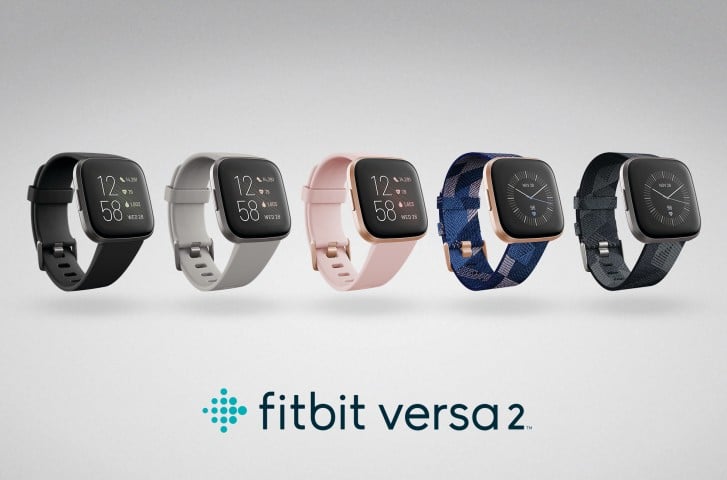
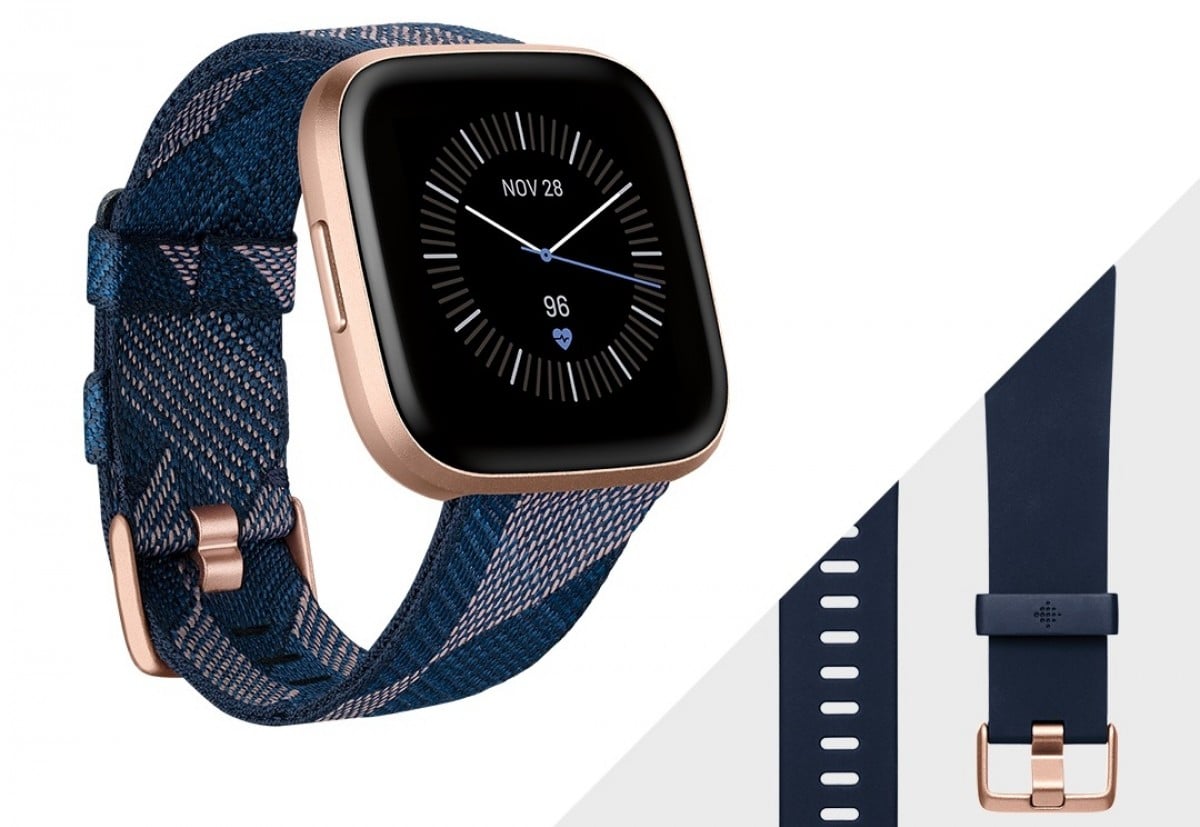
Last year, US smart wearable device manufacturer Fitbit launched the Fitbit Versa smartwatch and it turned out to be a hit. The company has now launched a second-generation model known as Fitbit Versa 2 with several improved features over its predecessor.
The Fitbit Versa 2 now utilises an OLED display which is better than the LCD screen on the first-gen Versa. The Versa 2 also comes with support for Amazon Alexa voice assistant and integrates Spotify. Also, the smartwatch comes with a faster processor and longer-lasting battery.
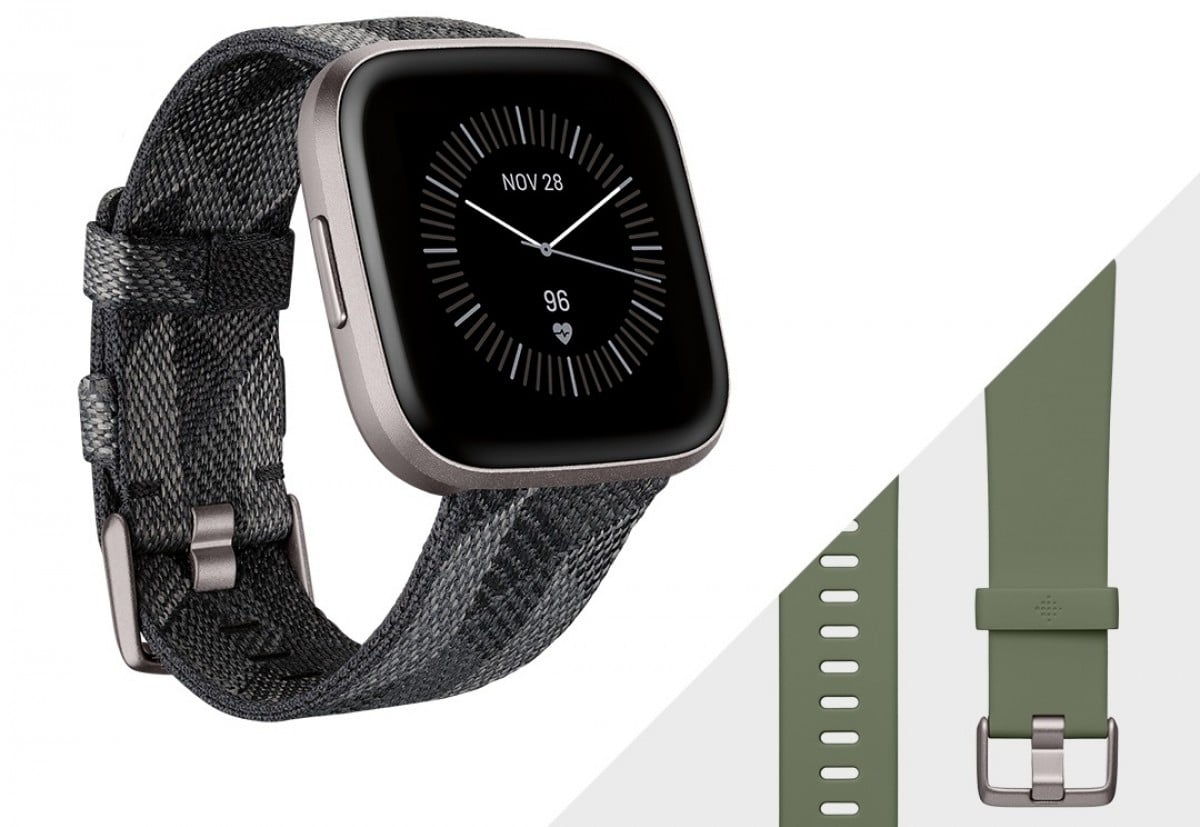
The Versa 2 also gets a special edition which is only different in the type of strap that it uses. The Versa 2 Special Edition comes with an extra Polyester webbing strap in addition to the rubber strap. All variants sport an aluminium casing and there is now NFC onboard. With Fitbit Pay, you now get contactless payment support on the Versa 2. The smart wearable also provides all-round heart rate tracking. The device has 50M water resistance which means you can use it inside the swimming pool without any worries.
Further, you equally get the regular features found on the Versa such as all the standard fitness tracking modes for running, cycling, yoga as well as new sleep tracking modes. There is equally a new Sleep Score function which gives a detailed breakdown grade of your sleep patterns based on your heart rate.
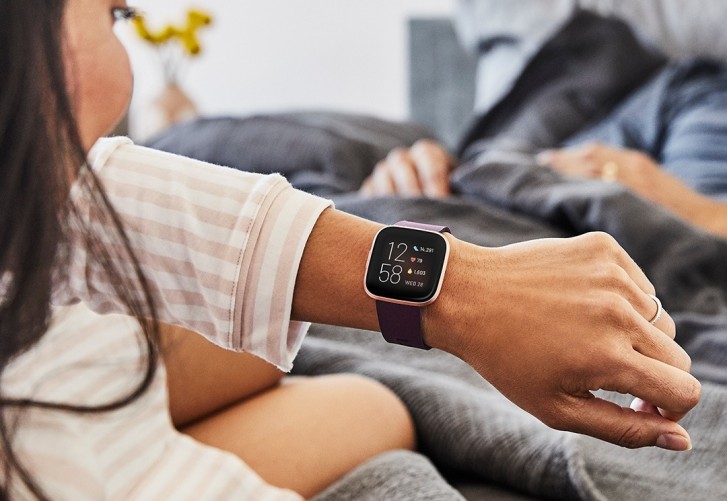
The wearable device also features an Always-On Display which is vital when there is need to take a quick glance at the time, workout progress and battery life. The battery size wasn’t disclosed but Fitbit says it can last for 5 days on a single charge, one full day more than the Versa’s battery power. At the left side of the device is a single control button whose function can be programmed. There still isn’t a built-in GPS on the device meaning you’ll have to pair to a smartphone to track your movements during exercise.
The Fitbit Versa 2 is already open for pre-order and will hit store shelves from September 15. As for the prices, the regular version is priced at $199 while the special edition comes in at $229. That’s a solid $30 for the polyester webbing strap.
Fitbit also announced a new coaching service dubbed Fitbit Premium. Subscription for the service is $10 a month or $80 per year and gives you specific guided plans for workouts, calorie intake and weight control.
Huawei has been at the centre of the US/China trade war and recent happenings show the war isn’t ending anytime soon. The Chinese tech giant was placed on the United States government’s Entity List which prevents U.S. firms from working with the company but got a temporary reprieve recently. In a new twist, Google has come out to clarify that Huawei would be in violation of the ban if the Mate 30 series models come with the officially licensed version of Android that includes the Google Play Store and other Google-branded apps.
Huawei is expected to announce the Mate 30 Pro and Mate 30 around September this year and it would be first major flagship model that would be coming out from its stable since it was placed on the United States government’s Entity List. But according to a Google spokesperson who spoke with Reuters, the US company would need to apply for a license from the U.S. government if Huawei was to release the Mate 30 series with a fully licensed version of Android. That is because the Huawei Mate 30 Pro would be classified as a new device and not one that existed when the trade ban went into effect.
Huawei already has a new OS dubbed HarmonyOS which is sort of an alternative to Android but the company says it doesn’t want to release a smartphone with HarmonyOS and that it certainly has no plans to do so this year. However, it is left to be seen how Huawei will wade through this challenge that would threaten the global launch of the Mate 30 series.
Huawei could still use Android but it would need a license to offer its apps and services known as Google Mobile Services. In China, this may not be a problem since consumers over there are used to Android devices without Google services. The Google spokesperson refused to confirm or deny whether Google applied for such a license. However, Google has severally indicated that it wants to continue working with Huawei.
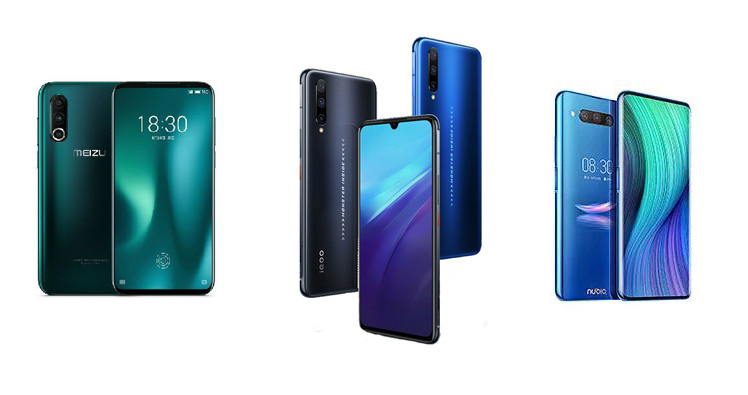
Despite its questionable performance in the global market and with a few recent projects, Meizu is trying once again to impose its strong presence in the flagship smartphones segment with a brand new high-end model: the Meizu 16s Pro. A phone which looks simply amazing on the paper, despite the company is all but one of the best-selling smartphones manufacturers at the moment. And it is even equipped with the new Snapdragon 855+ which is the best you can expect in the actual Android world. But is it as valid as the other recent devices with the same chipsets sold at similar price tags? There is nothing better than a comparison to figure it out: here, we compared the Meizu 16s Pro with the new Vivo iQOO Pro and the Nubia Z20, both with the astonishing Snapdragon 855+ on board.
Meizu 16s Pro vs Vivo iQOO Pro vs Nubia Z20
Meizu 16s Pro
Vivo iQOO Pro
Nubia Z20
DIMENSIONS AND WEIGHT
151.9 x 73.4 x 7.7 mm, 166 g
158.8 x 75.7 x 9.3 mm, 215 g
158.6 x 75.2 x 9.2 mm, 186 g
DISPLAY
6.2 inches, 1080 x 2232p (Full HD+), Super AMOLED
6.41 inches, 1080 x 2340p (Full HD+), Super AMOLED
Triple 48 + 13 + 2 MP, f/1.8, f/2.2 and f/2.4
12 MP f/2.2 front camera
Triple 48 + 8 + 16 MP, f/1.7
BATTERY
3600 mAh, fast charging 24W with mCharge
4500 mAh, fast charging 44W
4000 mAh, fast charging 27W
ADDITIONAL FEATURES
Dual SIM slot
Dual SIM slot
Dual SIM slot
Design
The dual display drives me crazy, at least when we talk about aesthetics. That is why Nubia Z20 is my favorite device in this trio. Vivo iQOO Pro is a gaming-centric device, so there was not a lot of attention in order to make it the most elegant phone out there. On the other hand, some may like the Meizu 16s Pro due to its original front design, as it features a notch-less display but it still has a very high screen-to-body ratio thanks to its well-optimized display bezels. Further, the Meizu 16s Pro is the most compact and lightweight device due to its smaller display and battery.
Display
Besides having a dual display, the Nubia Z20 even seems to be the device with the best display quality. Indeed, it is the only to be HDR10-compliant, a technology which allows enhancing color reproduction a lot, especially with multimedia content. Further, the Nubia Z20 has a comfortable rear display which boasts a more compact size (5.1 inches) but still a Full HD+ resolution and the AMOLED technology. The dual display allows saving battery and using the rear cameras as front cameras too. Meizu 16s Pro’s main display is more or less at the same level as the Nubia Z20 thanks to its very high DCI-P3 coverage and 160 Hz touch sensing, very useful for gaming.
Hardware/Software
All of these devices boast the most amazing chipset in the Android market: the Snapdragon 855+ running at a max frequency of 2.96 GHz and offering 15 percent more graphics performance compared to the Snapdragon 855. Further, they feature UFS 3.0 storage that is like having an SSD on a phone, compared to traditional eMMC internal storages. As a performance lover, I would prefer the Vivo iQOO Pro for a simple reason: it has up to 12 GB of RAM. But if you need a lot of storage go for the Nubia Z20 as it is the only to feature up to 512 GB.
Camera
With a 48 MP main sensor, OIS, 3x optical zoom and 8K video recording, Nubia Z20 looks the most outstanding camera phone on the paper. It even lets you use rear cameras as front cameras thanks to the secondary display. But even the Meizu 16s Pro has OIS, as well as a high resolution for the secondary sensors. Only by testing both thoroughly we will have the chance to give you a definitive verdict, but Meizu 16s Pro just debuted, so it is not possible at the moment.
Battery
Vivo iQOO Pro wins the battery comparison thanks to its bigger 4500 mAh unit, but the Nubia Z20 will probably last more in some scenarios if you only use the secondary display which is way more efficient. But note that Vivo iQOO Pro has a much faster charging technology.
Price
€410/$455 for the Vivo iQOO Pro, €450/$500 for the Nubia Z20 and just €340/$376 for the Meizu 16s Pro. That is why the latter definitely wins the value for money award. But on the paper, Nubia Z20 looks more convincing due to its useful dual display, amazing cameras, and a bigger battery.
After officially going on presale, the Ulefone T2’s camera performance test video is here unfurling various unknown camera details of the device. The affordable yet powerful – Uelfone T2 carries different outstanding specification fueling its performance.
Similarly, in the camera department, Ulefone T2 carries a triple rear camera featuring a 16MP primary camera and 8MP sub-camera to capture the beauty of the world more accurately. It can captivate the photos more vividly packing rich details with stunning quality.
The rear camera also supports different modes including Beauty Mode, Aperture Mode, Mono Mode, Pro Mode, to give personalization touch to every photo. Different modes brighten and smoothen the pictures as per the need. However, the aperture mode helps to adjust the white balance, ISO, and exposure. It is more like a pro mode for photography enthusiasts to snap a photo by doing manual settings. On the front side, the phone embeds a front-facing 8MP camera with the ability to take beautiful and natural selfies.
Additionally, Ulefone T2 is an outstanding device at such an exceptional price. The Ulefone T2 comes with a 6.7-inch ultra-large SHARP notch display having FHD+ resolution and an aspect ratio of 19:9. The specs of the display cover up to 98% NTSC ultra-wide color gamut to offer vivid, colorful, and crisp images. It packs a latest MTK Helio P70 AI chipset with 6GB of RAM and 128GB of internal storage, fashionable 3D glass back cover with gradient colors, 4200mAh battery with 9V2A fast charge.
Other features include a Wifi, Bluetooth, GPS, GLONASS, face-unlock & fingerprint ID and runs on Android 9.0 Pie.
It is a quite affordable device available at presale for a discounted price of $269.99 until August 31st. The buyers will also get a free bag, including a phone case and protective film.
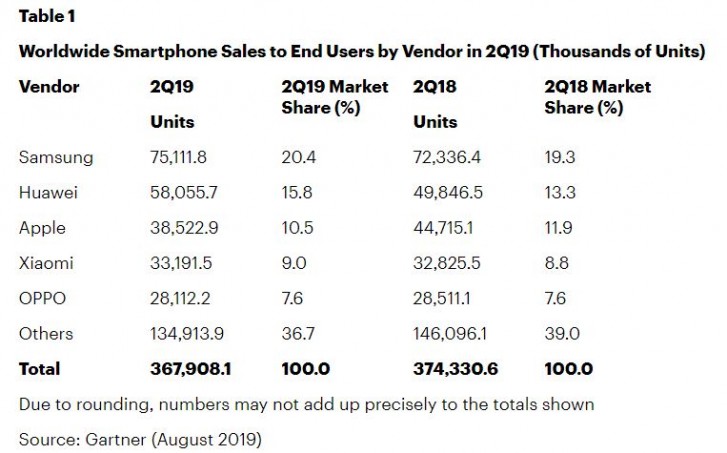
Gartner Research has released its report on the global smartphone sales for the second quarter of the year spanning April to June. The research firm estimates that a total of 368 million units were sold by all the OEMs during the period which is 1.7% lower than the same time last year.
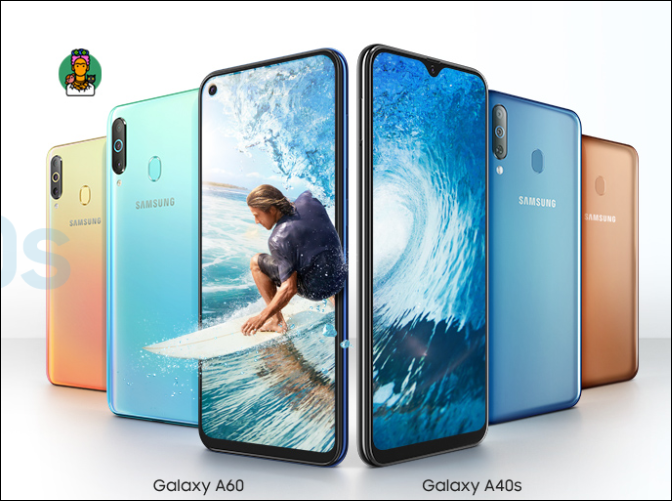
Samsung maintained its lead of the market in terms of market share with a 20.4% share of smartphone sales for the period. This was the first quarterly growth for Samsung after experiencing six consecutive declines in its smartphone sales as it managed to ship 75 million units. Strong demands for the revamped Galaxy A series models were instrumental to the impressive quarterly results.
Strong demand for the Galaxy A series was instrumental to Samsung’s impressive Q2 sales
Samsung is closely followed by Huawei with 15.8% market share while Apple is in the third spot with a 10.5% market share. Demand for Apple’s iPhones continued to plummet with just 38.5 million shipments in Q2 2019 as against 44.7 million the same period last year.
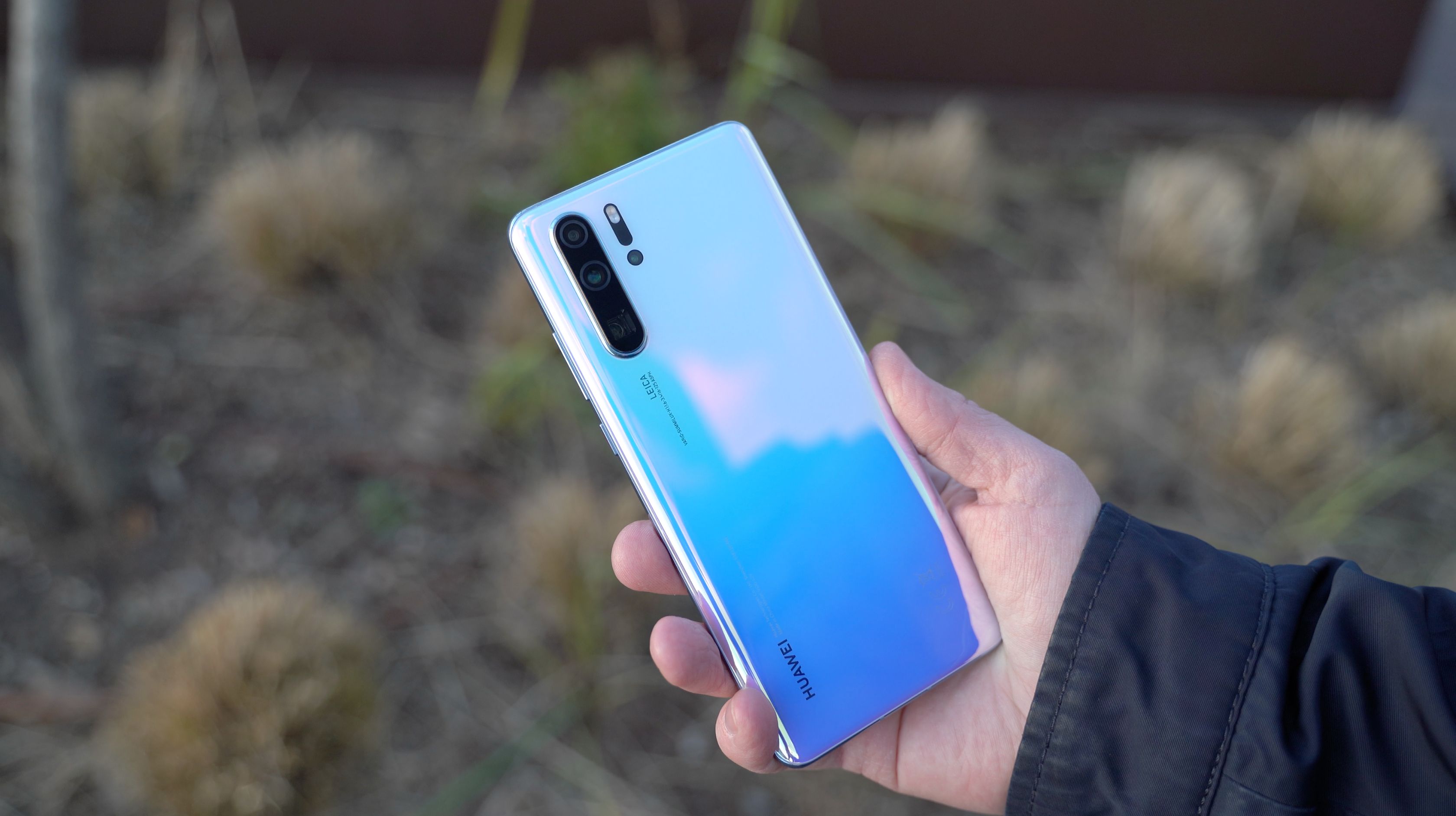
Huawei P30 Pro on of the company’s stunning smartphones
Xiaomi and OPPO complete the top five list with 9% and 7.6% market share respectively. According to Gartner, demand for high-end smartphones has slowed at a greater rate than the demand for mid-range and low-end smartphones. That perhaps, explains why Xiaomi and OPPO are edging closer to Apple.
On a per-country basis, China had the highest smartphone sales for the period with 101 million units which is a slight 0.5% increase compared to last year. The growth was mainly driven by discounts on high-end 4G phones in light of the recent push for 5G devices in the country. Brazil also recorded a year on year growth of 1.3% in shipment volume, making it the only country other than China where such growth occurred. Gartner had previously predicted that global smartphone shipments will continue to plummet as 2019 comes to an end.
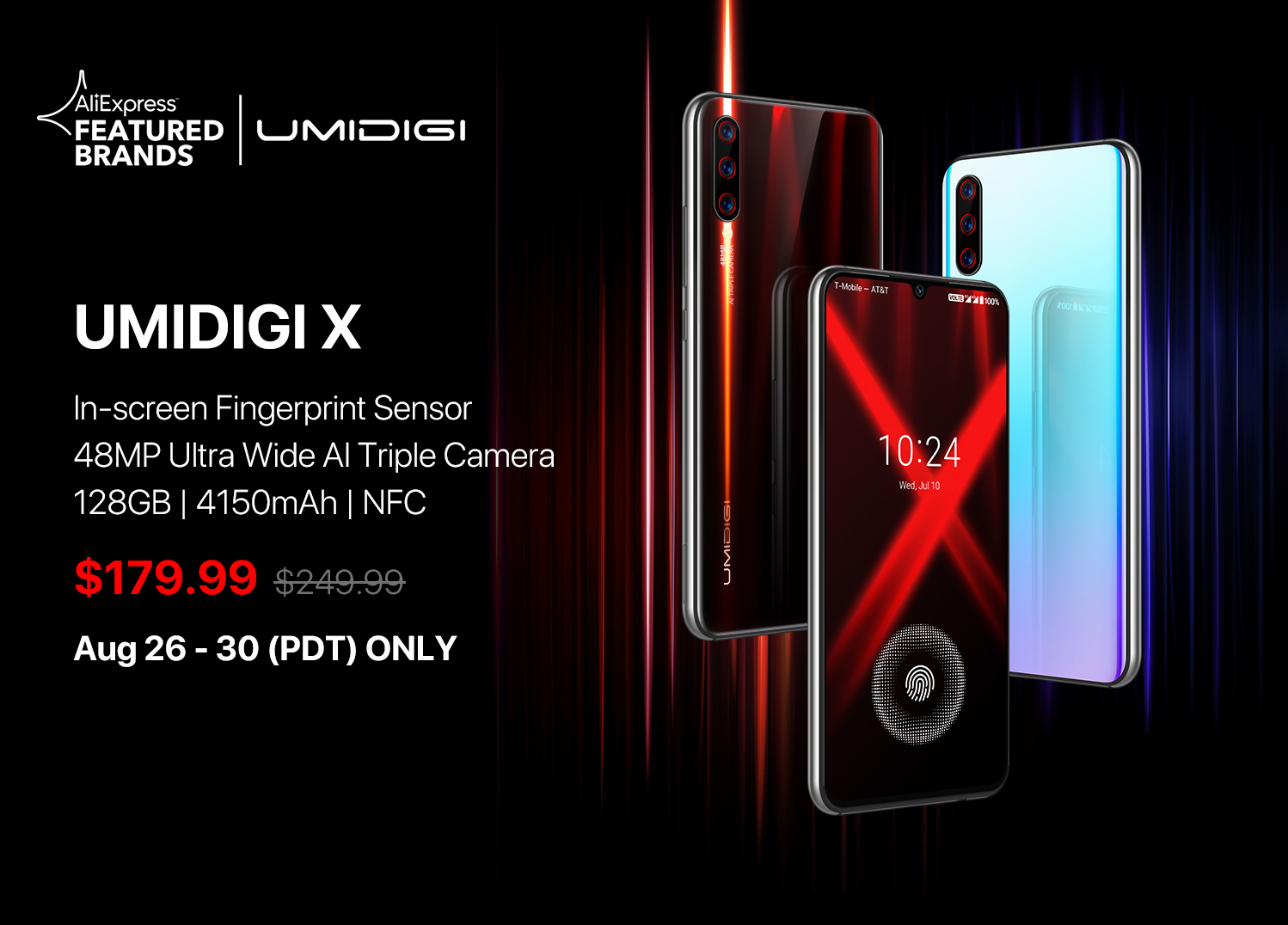
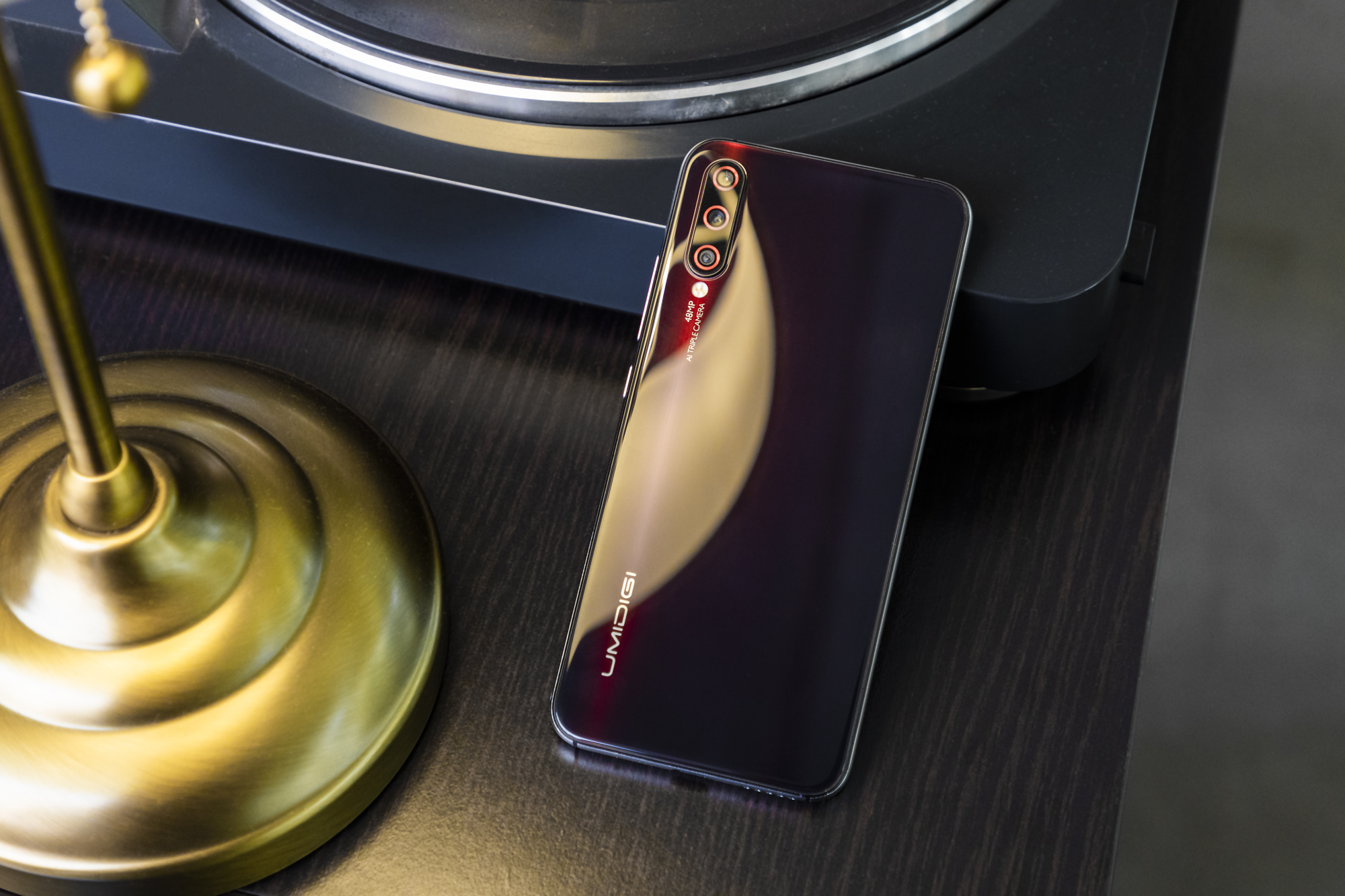
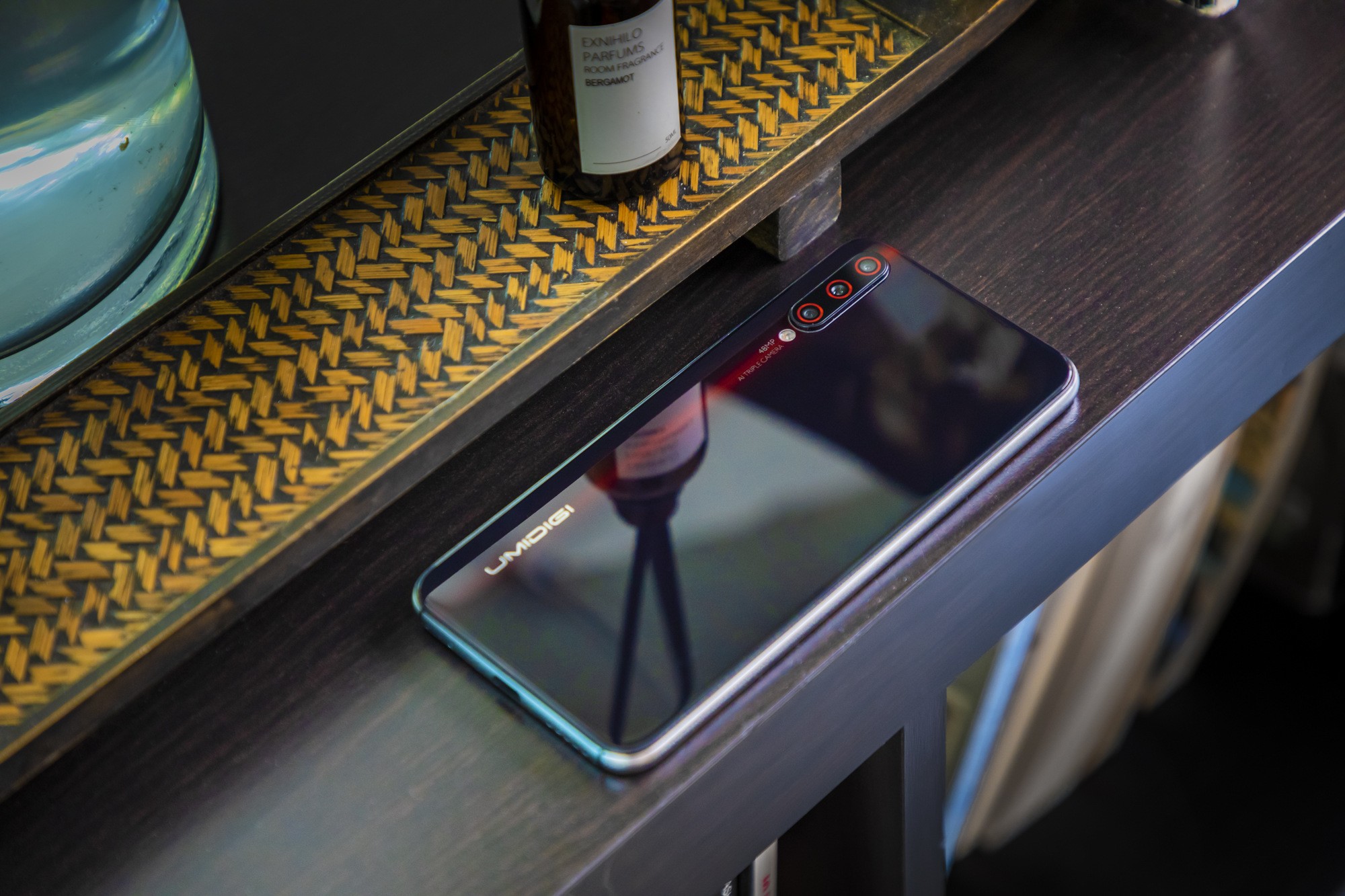
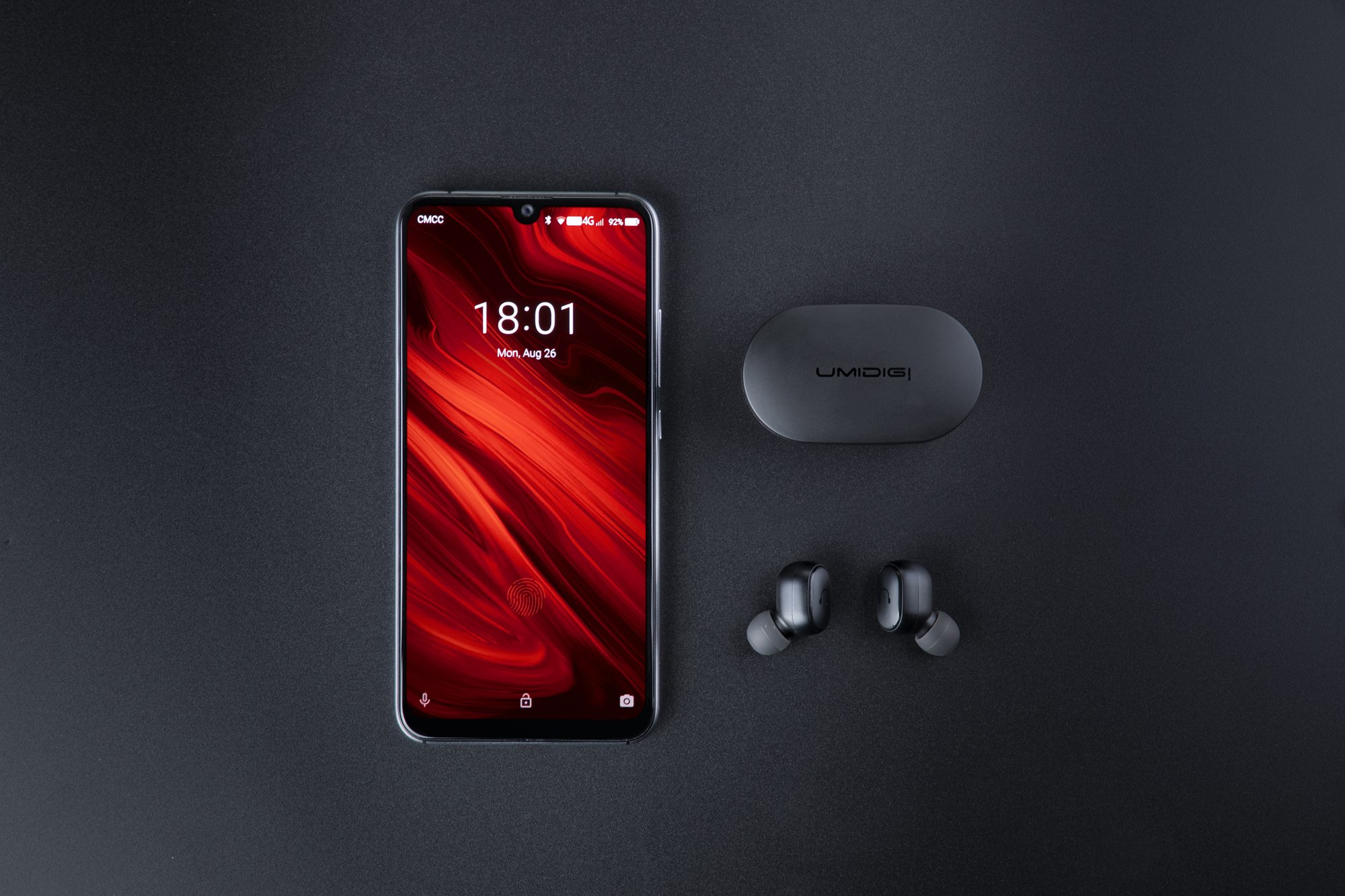
Umidigi is offering huge discounts on its smartphone devices at AliExpress Brands Shopping Week Sale. Among all, Umidigi X sale has just opened along with free true wireless earbuds – Upods. Umidigi is offering a massive discount on the newly launched device which has got various astonishing features such as in-screen fingerprint and 48-megapixel ultra-wide AI triple camera.
The users can buy it for $179.99 on AliExpress. We have compiled a list of 8 powerful features of the Umidigi X.
Reasons to buy Umidigi X straightaway
Latest in-screen fingerprint sensor:
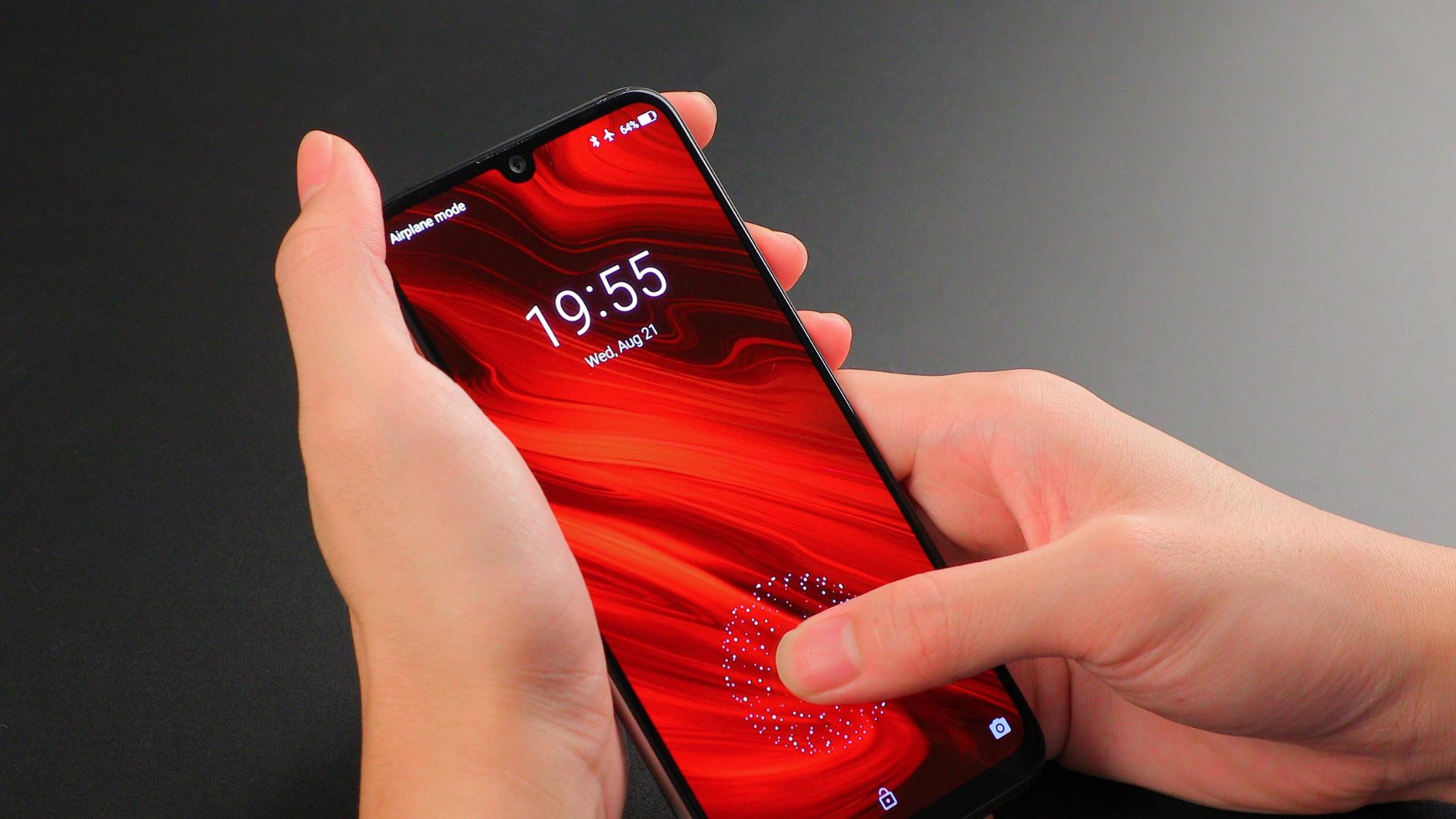
Gone are the days, when in-screen fingerprint sensor functionality was reserved for only premium smartphones. Umidigi has made it possible for the users to get the in-screen fingerprint sensor in a mid-range device worth $179.99. The Umidigi X carries the latest generation optical in-display fingerprint sensor slated for faster and safer performances. Goodix develops it – the same company provides an in-fingerprint sensor for big companies like Xioami and Huawei.
Bigger and better 48MP ultra-wide AI triple camera
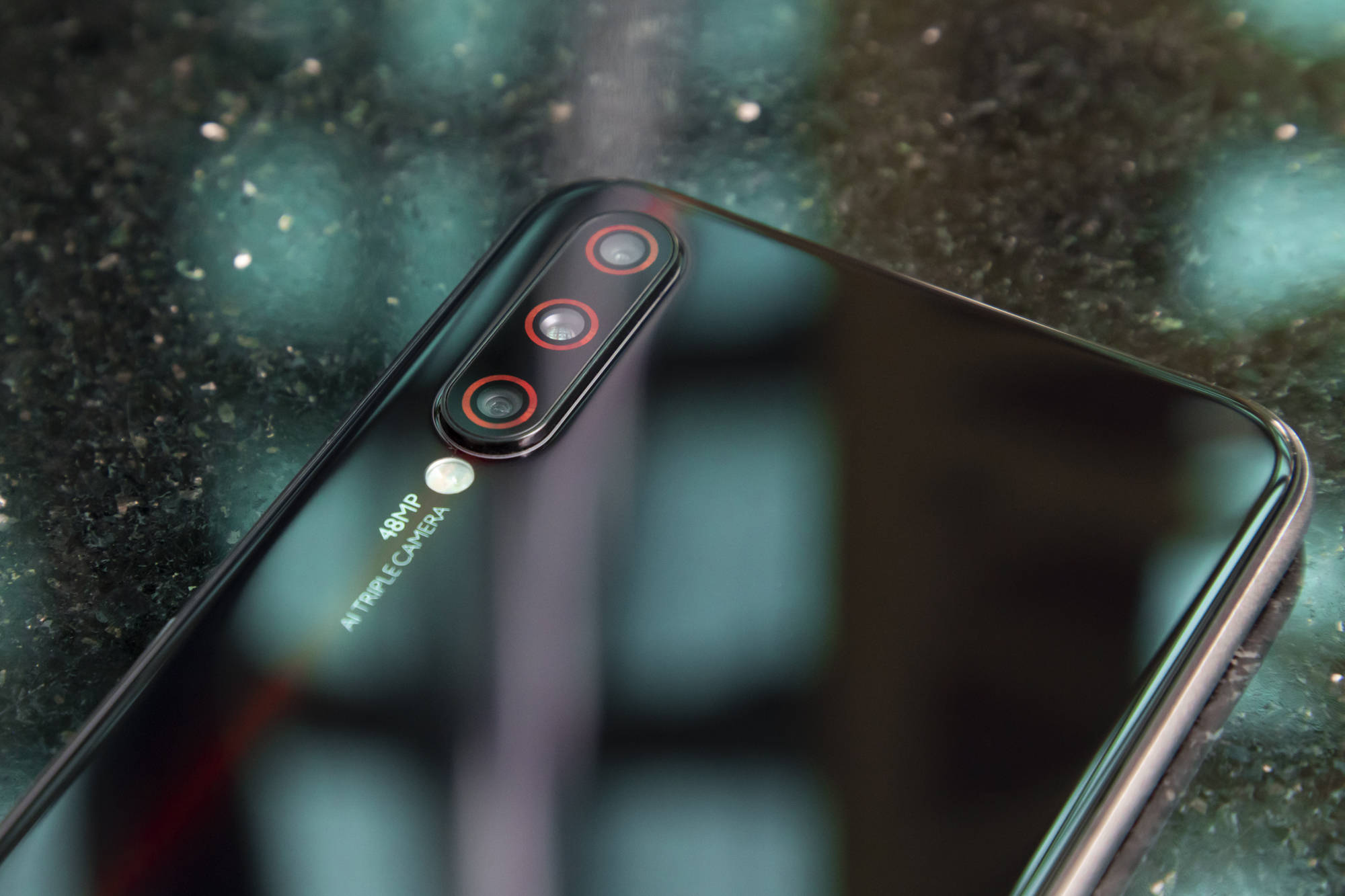
The camera is the most sought after part of the smartphone that is considered as the main selling point. The Umidigi X offers a 48-megapixel triple rear camera module featuring a 48MP primary camera, an 8MP ultra-wide lens, and 5MP depth sensor. The primary sensor supports f/1.79 large aperture, which enables to shoot precisely in the low light environment. The ultrawide angle lens captures a broader view as like your eyes, whereas the depth sensor enhances the quality of the bokeh effect.
Crisp and Clear quality on AMOLED Full Screen
The AMOLED Full View display on Umidigi X is responsible for magnificent and vivid color production on its huge 6.35-inch AMOLED panel. It has a more accurate color with higher contrast and better brightness. As compared to the predecessor, the new AMOLED panel is more energy efficient.
Bigger Battery with 18W fast charge
The bigger battery can solve a lot of problems for smartphone users. The user can enjoy gaming, watch videos, and can perform any other function without any inconvenience for a more extended period. On a single charge, Umiidigi X can sustain a whole two days with moderate usage. However, 18W fast charging makes it entirely convenient to the big battery in a few hours.
Large 6GB RAM and 128GB ROM is optimal for flawless multitasking
The LPDDR4X RAM is always considered as the best performing RAM in high-end devices. Thanks to Umidigi for brining the high-quality 6GB RAM to the Umidigi X pro coupled with a 128GB internal storage. It works effectively with Helio P60 SOC to churn out the maximum performance.
Wireless Payments + Multifunction NFC
Technologies like Bluetooth and WiFi have played a significant role in revolutionizing wireless networks. Now, the NFC – Near Field Communication is doing its part by enabling wireless payments and a lot more wireless functions.
Global bands support
As like premium smartphones, Umidigi X also supports global bands. Umidigi X supports almost every local network in work. It supports every popular 4G/3G/2G band.
It is the most practical reason to choose Umidigi X over other smartphones. These premium specs are available for $179.99 on AliExpress until August 30. Even though the users can also get a Upods at the discounted price of $9.9. More details about both the devices can be found on their official website.
The interested users can also participate in the huge giveaway to win Umidigi X and Upods.
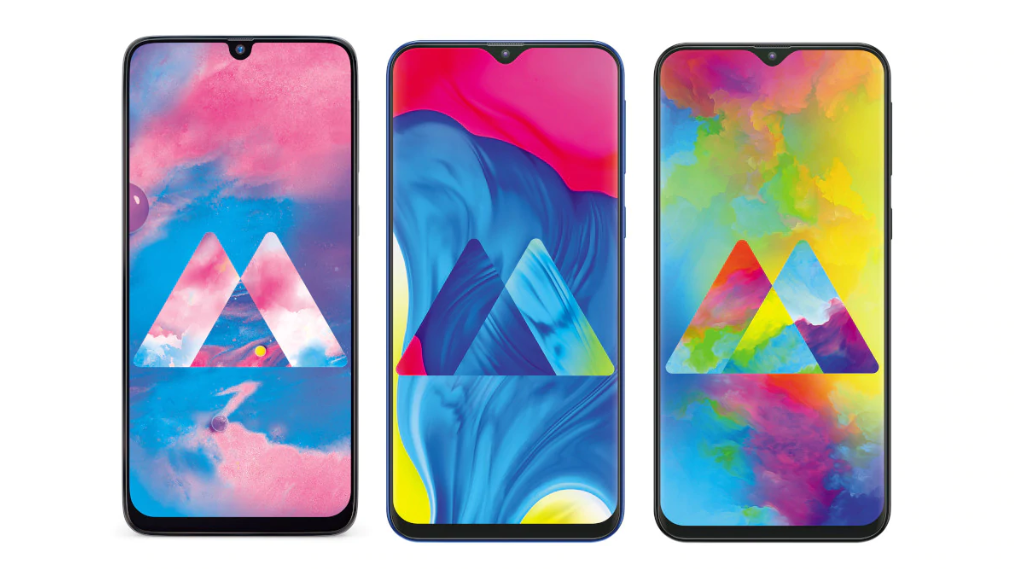
Samsung has been busy feeding its Galaxy M series lineup with new smartphones lately. And the Galaxy M30S is an upcoming device expected to launch in India next month. According to the latest information, the phone will have a massive battery that will be even bigger than its predecessor!
Galaxy M30, Galaxy M20 and Galaxy M10
The Galaxy M30s is said to sport a large 6000mAh battery, making it one of the biggest battery smartphones from Samsung. The phone will also most likely feature a large 48MP sensor at the back too. An Exynos chip is said to power the device, probably Exynos 9610.
It’s interesting to note that the Galaxy M20s model is also said to feature a 6000mAh battery. Given how both the M20 and the M30 models had the same 5000mAh battery on board, it’s possible that their successors, the M20s and the M30s, both feature 6000mAh batteries.
According to IANS, customers will have to shell out anywhere between Rs. 15000 ($210) to Rs. 20000 ($280) for the M30s. Like tradition, the Galaxy M30s is expected to be sold via Amazon India and Samsung India websites starting next month.
Other expected features of the upcoming M30s include a triple camera setup at the back and a display with a notch up front. With the M30s making it to the market, Samsung will have covered a wide price segment with its Galaxy M series smartphones, right from the Galaxy M10 to the Galaxy M40.
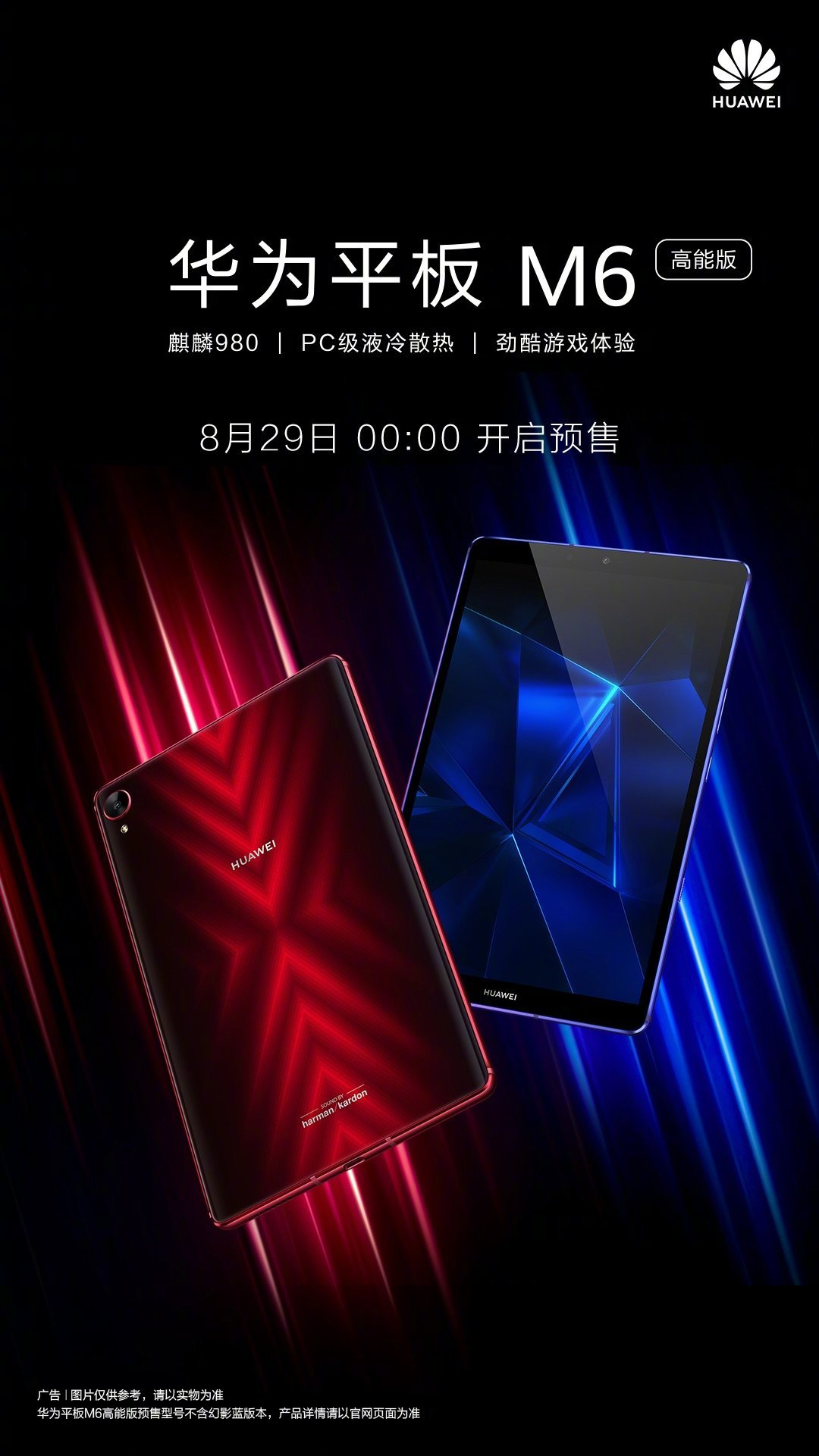
Yesterday, we reported that live images of a special edition Huawei MediaPad M6 were posted on the web. Today, it has been revealed that the tablet, which is called the MediaPad M6 Turbo Edition, will be available for pre-order tomorrow.
The announcement was made on Weibo by the official Huawei account and it includes a poster of the new tablet.
The MediaPad M6 Turbo Edition will come in two colors – Phantom Blue and Phantom Red. The design is similar to that of the Honor 9X. There is a single camera along with an LED flash on the back. In addition to Huawei’s own branding, the words “Sound By Harman/Kardon” are inscribed at the bottom of the device.
The poster also shows that the tablet has an extra button on the side in addition to the volume rocker and power button. This extra key is called the Turbo key. The MediaPad M6 Turbo Edition scores high when it comes to looks and it stands out from the other tablets on the market. It has also been listed on the official website which has more details.
The tablet will keep the 8.4-inch 2K (2560 x 1600) IPS display of the regular version. It will also come with the same Kirin 980 processor but 6GB of LPDDR4x RAM and 128GB of expandable storage (512GB max.). The GPU is the Mali-G76 and it is clocked at 720MHz.
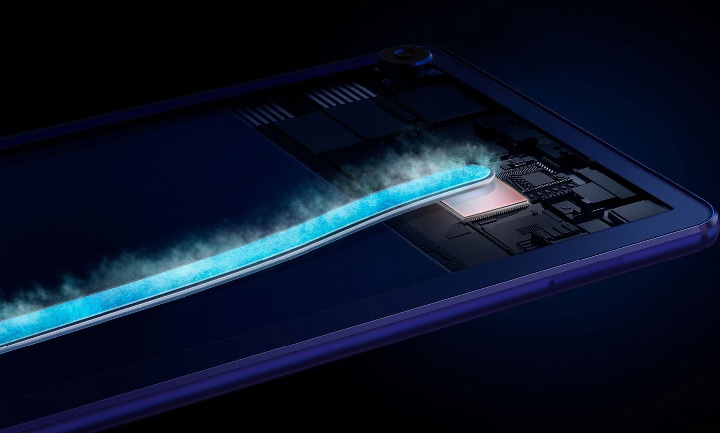
There is an 8MP camera in front for video calls while a 13MP f/1.8 camera is on the back. The tablet has stereo speakers and is the first tablet to support Dolby Atmos and Dolby Vision for an immersive audio-visual experience. The tablet is the first Huawei tablet with PC-grade liquid cooling which has a 200% larger heat dissipation area and reduces CPU temperature by 5°C. The cooling tube is 120mm long with three layers of graphite and a high thermal conductivity back cover. The liquid cooling feature is useful when playing demanding games or charging while gaming.
The MediaPad M6 Turbo Edition has a 6100mAh battery which will last up to 12.5 hours for video playback, 7.1 hours while playing Game for Peace, and 6.9 hours if you are playing King of Glory. There is no mention of fast charging but charging time is stated as 2.2 hours.
The official listing reveals the Turbo button is textured just like OnePlus’s alert slider key. Activating the Turbo key will open up Game Space which presents you with a card-like menu for your games, memory clean function, and other game customizations. There is also GPU Turbo 3.0 which brings GPU acceleration and network acceleration.
The MediaPad M6 Turbo Edition comes in 4G LTE and WiFi-only variants. It runs EMUI 9.1 based on Android 9 Pie. The WiFi-only version is priced at ¥2699 (~$377) while the 4G LTE version is priced at ¥2999 (~$419). It can be pre-ordered on Vmall.com and on JD.com.
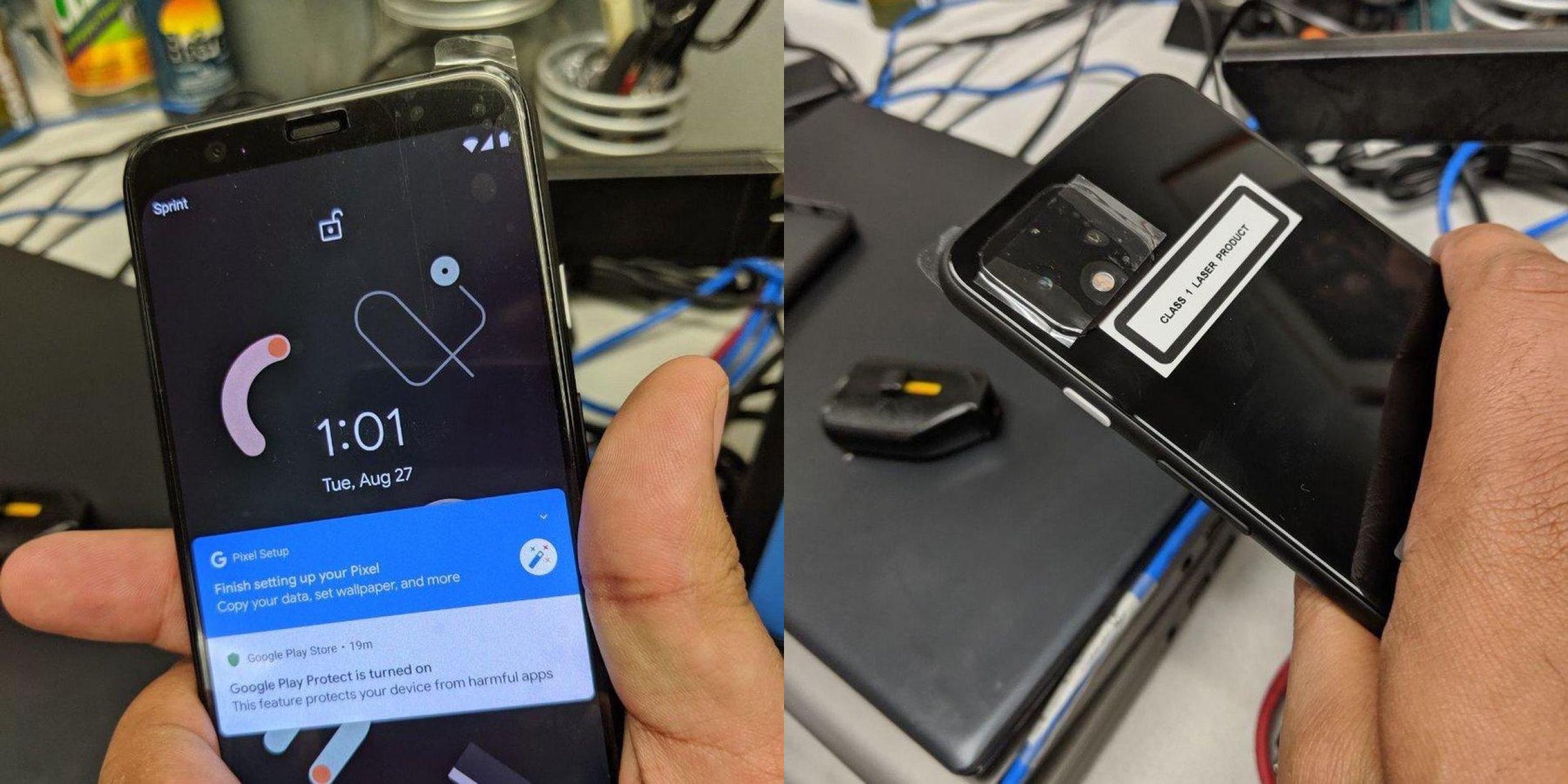
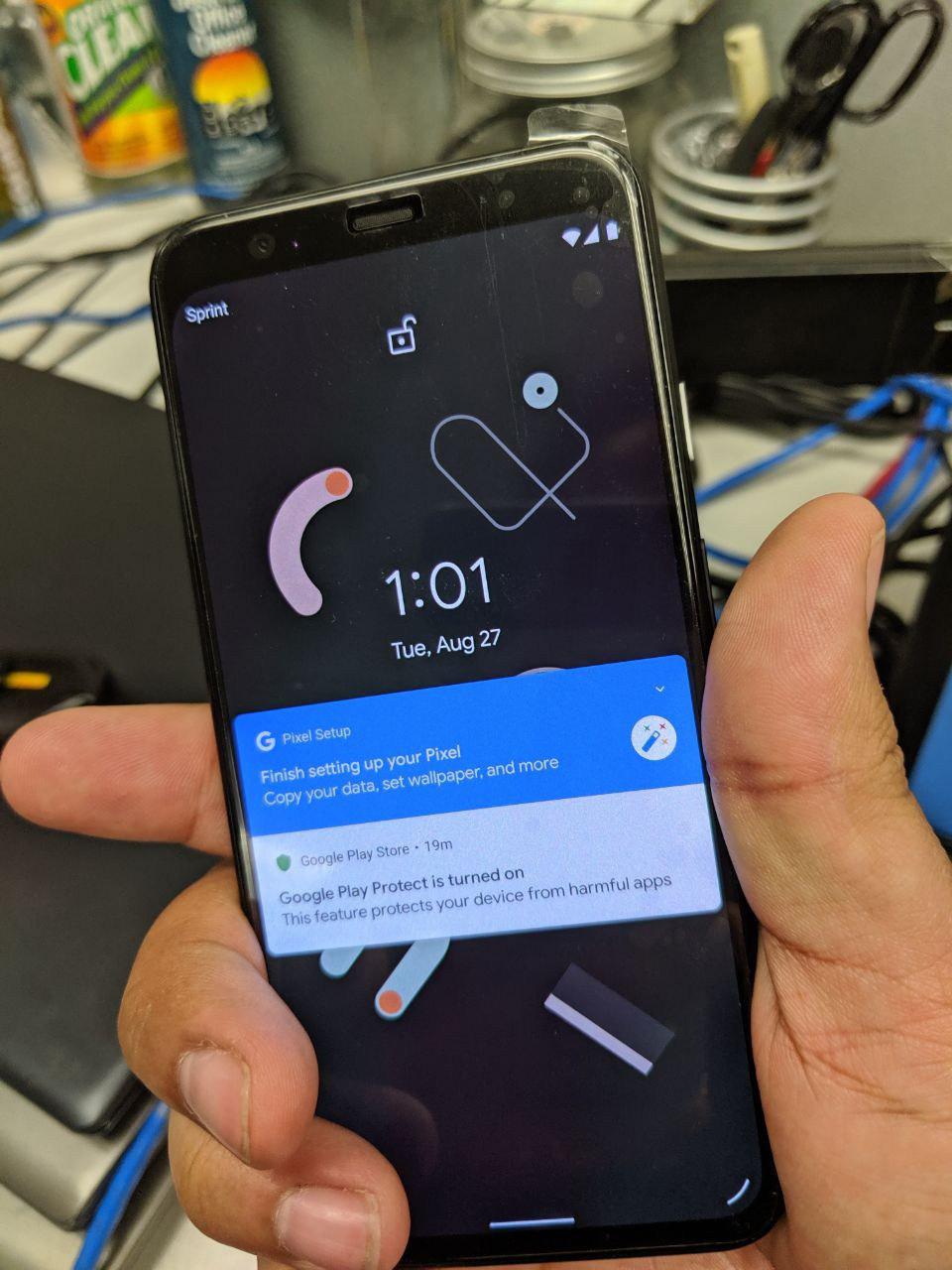
The pictures started making the rounds on Telegram recently and were shared on Twitter by XDA’s Mishaal Rahman. The size affirms that it is likely the smaller Pixel 4 but what makes it spectacular is that thisis the first time the phone’s entire front is shown.
The Pixel 4 will pack a 5.7-inch screen with a rather thin bottom bezel and an equally modest top bezel despite the number of sensors that is crammed inside. At the left side, we can see the ambient light/proximity sensor flashing, while the single selfie camera is next to it but we can’t say if it is a wide-angle lens. Also, the speaker grill at the top is more narrow but wider than that of the Pixel 3.
The Pixel 4 is also expected to have a face unlock IR camera, Soli radar chip and face unlock dot projector, second IR camera, and flood illuminator but these are not visible on the screen.
From the gesture navigation bar and the Assistant handles on the display, we can see that the phone is running Android 10. Other features which confirm this indeed could be the Pixel 4 is the two notifications on-screen for “Pixel Setup” and the Play Store. Sprint is boldly displayed as the carrier on which the leaked phone gets its network connectivity.
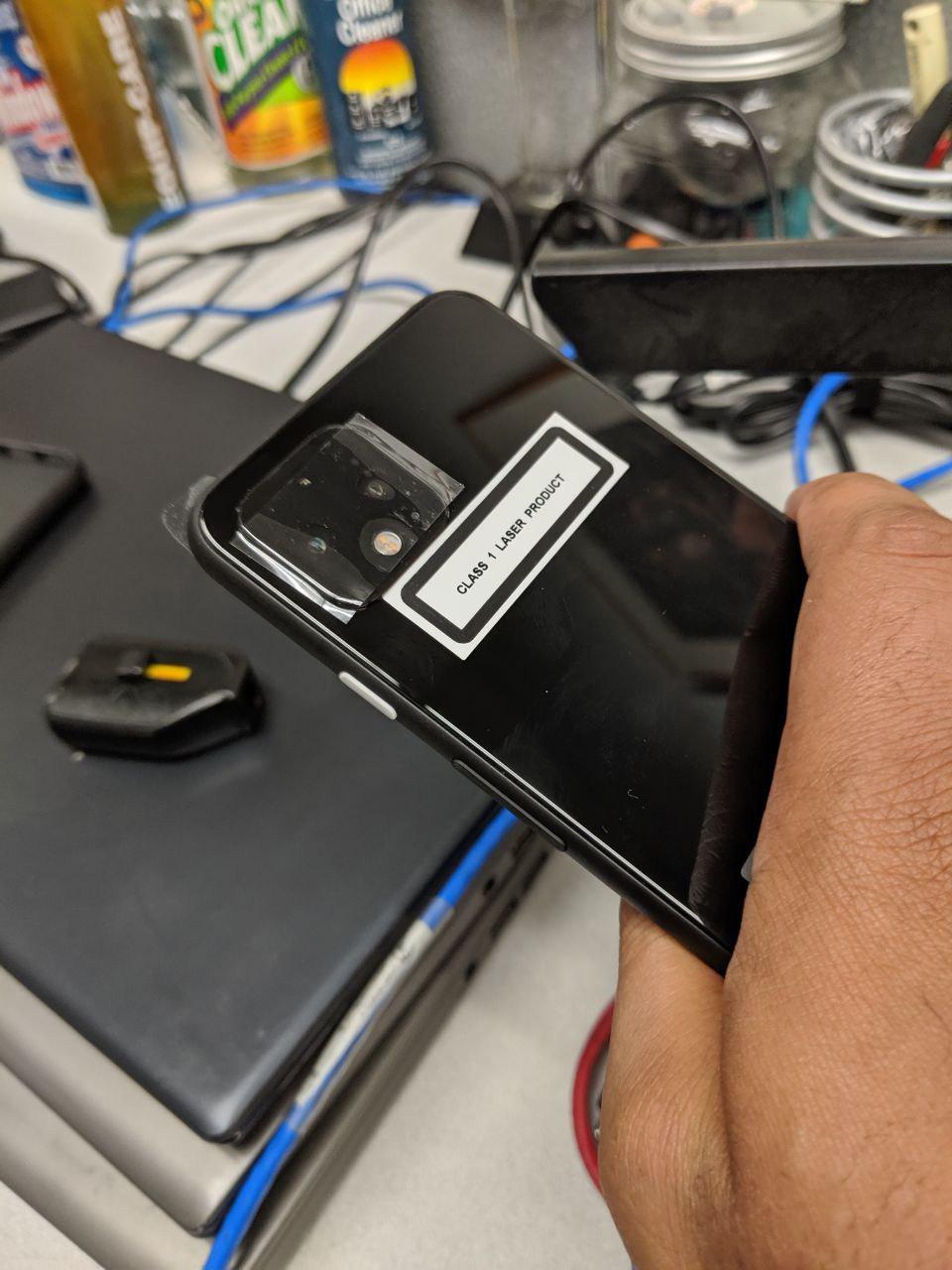
Although we have seen the Pixel 4’s rear design the leaked image is worth taking a look at. The most spectacular feature on the rear is the square-shaped camera module. The module houses a 12MP main shooter with phase-detect auto-focu, a 16MP telephoto lens and an LED flash.
The rear panel also comes with a smooth glossy finish with the glass panel curved slightly at the edges into the frame. The volume rockers and power button are also visible at the right edge of the display.
Just as several phones will be arriving in the last four months left in the year, we will also be seeing new PCs too. Yesterday, Microsoft announced it will be holding an event in October.
The tech giant announced that on October 2 in New York, it will have a Surface hardware event. There are speculations as to what new products will be announced on that day but the most anticipated product is the dual-screen Surface device. Earlier reports say it will be announced in Q1 2020 but Microsoft may decide to give us an early look at the device.
We also expect the Surface Pro 7 which we pray has a USB Type-C port for charging. The Surface Laptop is also expected to get a third-gen model. Both the Surface Laptop and Surface Pro 7 are rumored to not have Thunderbolt 3 which is a bummer.
Then there is the affordable Surface Go which may get a successor this year and the high-class Surface Book also needs a new model. Will we see a new version of the Surface Headphones? Maybe, maybe not. If there is one, we hope it comes in black too.
ZTE launched the Axon 10 Pro back in February at MWC 2019. However, it wasn’t available for purchase until early May in ZTE’s home country of China as well as some markets in Europe. Three months later, ZTE has now announced the phone in the US.
The Axon 10 Pro launched in the US is available in two variants – an 8GB RAM version with 256GB of storage for $549 and a 12GB RAM version with 256GB of storage for $599. It is also said to have support for US LTE bands 2, 4, 5, 12, 13, 25, 26, 30, 41, 66, and 71.
The ZTE Axon 10 Pro has a 6.47-inch curved AMOLED display with a 1080 x 2340 resolution. There is a notch at the top of the screen for a 20MP f/2.0 sensor. It also has an in-display fingerprint scanner.
The Axon 10 Pro, like a lot of other flagships released in the first half of the year, is powered by the Snapdragon 855 processor. It has triple rear cameras which include a 48MP f/1.7 primary sensor with PDAF and OIS; an 8MP telephoto camera also with PDAF and OIS and 3x optical zoom, 5x hybrid zoom, and 20x digital zoom; and a 20MP f/2.2 125° ultrawide camera.
The phone doesn’t have an audio jack but has stereo speakers with Dolby Atmos. There is NFC, Bluetooth 5.0, and a hybrid dual nano-SIM card tray which allows you to use two SIMs at a time or one SIM and a MicroSD card (1TB max.). The Axon 10 Pro packs a 4000mAh battery and can be quickly recharged thanks to supporting Quick Charge 4+. It also has support for Qi wireless charging and is splash resistant. ZTE has installed a clean version of Android that is similar to stock Android 9 Pie but with some useful customizations.
The phone is only available in Blue and can be pre-ordered on the official ZTE USA site, B&H Photo, and Newegg. B&H Photo says shipping will begin on September 6 and will include a free Mophie 10000mAh Encore Plus power bank.
According to recent reports, Google plans to roll out the stable Android 10 update to its Pixel devices on September 3. Now, according to a leaked screenshot of a conversation between a OnePlus user and a customer support executive, OnePlus is aiming to release the stable version on the same day as Google. While we can’t confirm the authenticity of this conversation, this actually might be possible. After all, Essential managed to release the stable version of Android Pie on the same day as the Pixels last year!
But the Essential phone basically runs on stock Android while OnePlus’s OxygenOS is customized with independent features to cater to its users. This means it would be extremely difficult for the company to optimize its OxygenOS version on the same day as Google rolls out the Android 10 stable update. So, it’s highly unlikely that OnePlus manages to accomplish this feat.
However, OnePlus has surprised us before and we wouldn’t entirely rule out this possibility. Let’s wait and watch!
Keeping your house kids friendly require you to ensure it is clean and tidy all the time. Similarly, a clean office emits positivity and helps you make a great first impression with customers.
While maintaining cleanliness in the office or at home can prove to be an arduous task, the market is teeming with all sorts of cleaning gadgets such as a vacuum cleaner. Regrettably, these products aren’t easy on the pocketbook.
Those who go for low-priced alternatives, end up compromising on quality. If you have restlessly been searching for an inexpensive vacuum cleaner that doesn’t disappoint in terms of performance, GeekBuying’s got your back!
To make top-end vacuum cleaners available to those on a tight budget, the Chinese online store is offering the Dibea V008 Pro and the Xiaomi JIMMY JV53 vacuum cleaners at considerably lowered prices. We will even show how you can save more money at checkout.
Dibea V008 Pro Cordless Stick Vacuum Cleaner
The Dibea V008 Pro offers a 2-in-1 use, allowing you to choose hand-held and vertical options to use it based on your needs. It is powered by an advanced brushless motor that produces a powerful suction of 17000 Pa to lift all sorts of impurities including dirt, dust, pet hair, and large debris.
Backed by a rechargeable 2200mAh Li-ion battery, the Dibea V008 Pro adopts a cordless design, giving you freedom from the hassle of wires. This 2-in-1 handheld vacuum cleaner usually retails for $251.99, but you can buy it for only $177.99 from GeekBuying.
On top of that, you can extend this 29 percent discount by applying coupon code 3MT0SIKX at the time of checking out. The coupon helps you save $17 more by reducing the retail price of the Dibea V008 Pro Cordless Stick Vacuum Cleaner to just $160.99.
You can follow this link to avail the discount and use the coupon, which is likely to expire soon. Note that the promo will come to an end in 22 days.
Xiaomi JIMMY JV53 Handheld Cordless Vacuum Cleaner
The Xiaomi JIMMY JV53 is backed by the third generation of 100,000-rpm brushless digital motors with motor efficiency of up to 55 percent and generating power of 425W. It uses the anti-dust mite technology to keep your surrounding free from mites and dust.
Furthermore, the JIMMY JV53 employs the 55mm diameter soft and hard fiber combination to pick up dust and particles, wipe out footprints on the floor, and polish it at the same time. On top of that, it delivers an impressive 99% filtration separation efficiency for filtering fine dust.
While aforesaid features completely justify the steep $269.99 price tag the Xiaomi JIMMY JV53 usually carries, GeekBuying is giving you a chance to buy it for a reduced price of only $219.99. Moreover, you can use coupon code 3MMG3NHA for an extra $10 off.
In other words, you can bring the already reduced asking price of the vacuum cleaner further down to $209.99 simply by applying the aforesaid coupon at checkout. You can follow this link to grab the discount and take advantage of the coupon before it expires. The promo will end in 22 days.
Meizu announced the Flyme 8 OS a few hours ago alongside the new Meizu 16S Pro flagship. While we have already covered the Meizu 16S Pro launch in detail here, let’s take a look at the important features of the Flyme 8 OS here. The OS officially enters closed beta from tomorrow and will come to a total of 27 Meizu models by the end of this year. The OS has been released after 491 days of testing, which basically means that it’s been a while since Flyme saw a major update.
So let’s take a quick look at all of the upgrades on the Flyme 8 OS down below.
Flyme 8 comes with over 1000 visual upgrades. Meizu has decided to change the home screen layout to 4 x 6 with improved icons even for third-party apps.
The OS features something called as a Smart Wallpaper that extends the desktop wallpaper to the lock screen as well as the AOD with a seamless animation when switching between them.
Meizu says the new Flyme 8 makes better use of the white space in the UI by adopting a new grid system, line spacing, and font size.
Over 300 new animations have been added including for AOD.
Flyme 8 features smart mini window 2.0 which is basically a small pop up window allowing for better multitasking.
Night Mode 2.0 offers darker shades throughout the UI for a better night viewing experience.
Game Mode 4.0 matches the game’s interface with darker graphics. There even a call screening feature in the Game Mode which records incoming calls while gaming and makes it available to the user after the session.
Super Night Mode 2.0 comes with better handheld night photography.
There’s even a Super Night Selfie mode for taking selfies with the front camera at night, in addition to the regular backlight mode.
Flyme 8 also adds AR features into the UI. You can use the phone’s camera to create AR avatars with the ability to customize facial features or other body parts.
There’s a special Digital Health section as well which shows your individual app usage along with the option to limit usage for each app. It’s very similar to the Digital Wellbeing app from Google and aims to prevent you from being addicted to the phone.
Flyme 8 also features a brand new ‘Aicy’ digital assistant. Aicy can assist you with calls, texts, weather, shopping, and other day to day activities.
The new OS also comes with predictive features. For example, it can pop up the music app when you connect your headphones after learning your usual behavior.
OneMind engine is updated to 3.5 version which features 263 optimizations including accelerating read/write speeds, improving touch response, and enabling faster app start up.
Overall, the Flyme 8 is a very significant update for Meizu users. The OS enters closed beta very soon and Meizu is accepting applications for it starting tomorrow at 6 PM. The beta version should roll out to 27 Meizu devices by the end of the year.
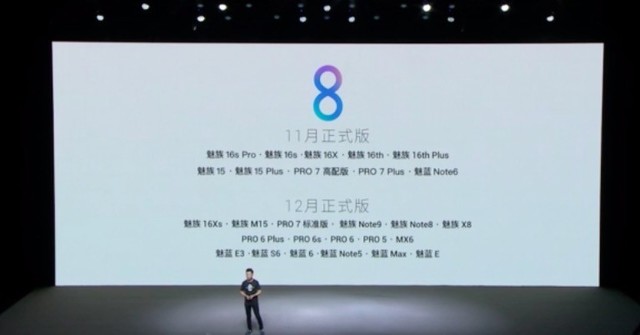
These are the devices getting Flyme 8 in November: Meizu 16s Pro, Meizu 16s, Meizu 16X, Meizu 16th, Meizu 16th Plus, Meizu 15, Meizu 15 Plus, PRO 7, PRO 7 Plus, Meizu M6 Note.
In December, the models getting the Flyme 8 update include: Meizu 16Xs , Meizu 15 Lite, PRO 7 Standard Edition, Meizu Note9 (M9 Note), Meizu Note8 (M8 Note), Meizu X8 , PRO 6 Plus, PRO 6s, PRO 6, PRO 5, MX6 , Meizu E3 (blue charm) , Meizu S6 (Blue Charm), Meizu M6 (blue charm), Meizu M5 Note (blue charm), Meizu M3 Max (blue charm), Meizu M3E (blue charm).
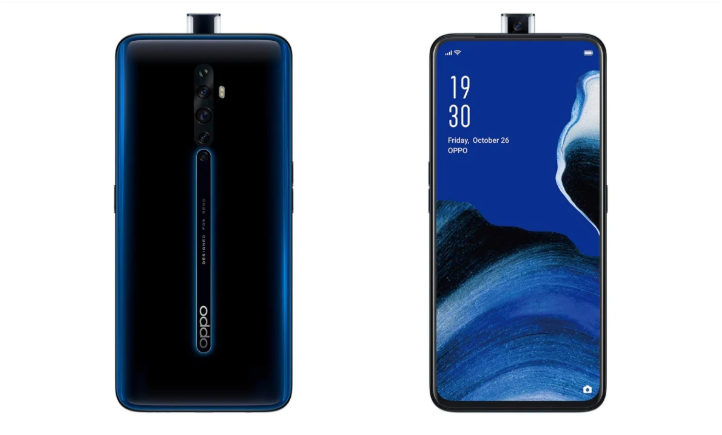
BBK subsidiary OPPO has been teasing the OPPO Reno 2 for quite a while now. The Reno has now gone official in India. The company also launched the Reno 2Z and Reno 2F. The three models share a number of features but are slightly different from each other in terms of design and hardware.
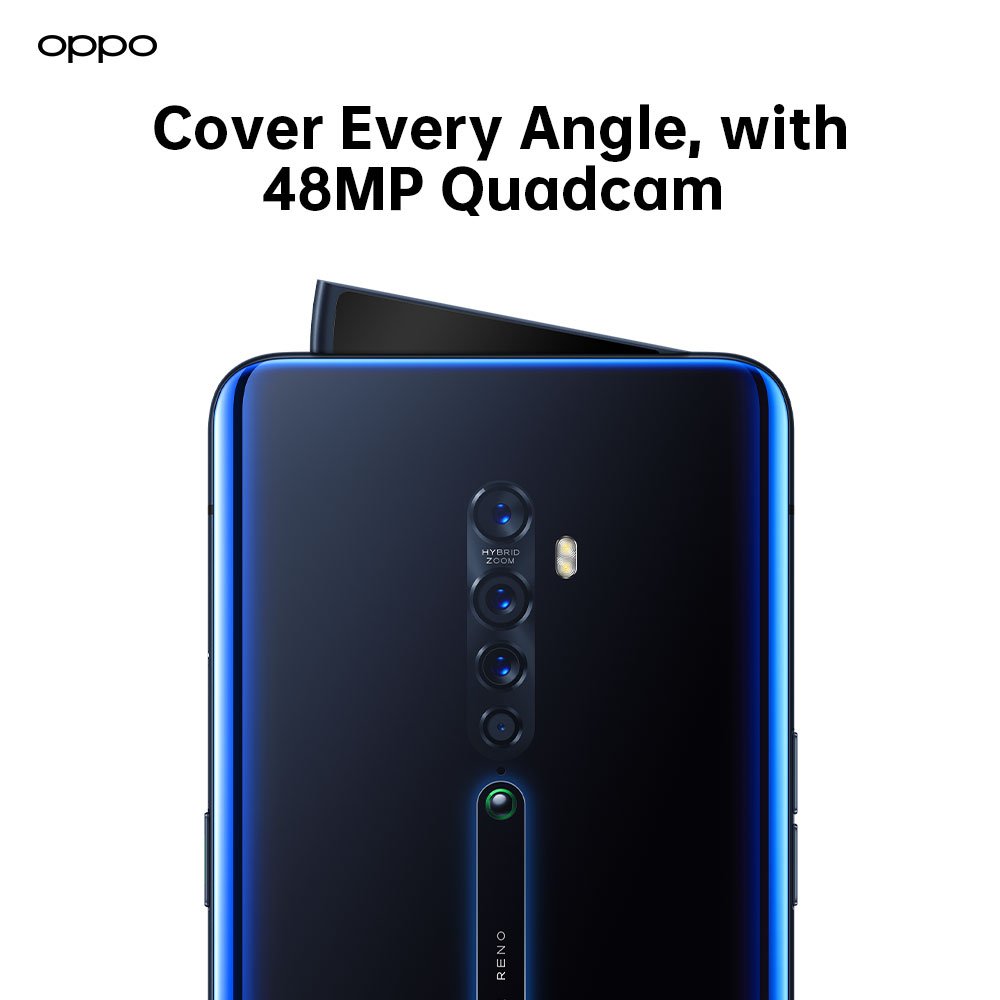
The OPPO Reno 2 models all pack a quad-camera setup of which the main camera is a 48MP sensor. The camera comes with a dedicated night mode for better low-life photography output. The selfie camera designs are, however, different. While the Reno 2 uses a shark-fin shaped pop-up selfie camera, the Reno 2Z and Reno2F use the regular pop-up selfie camera.
The three new models also have AMOLED displays and an in-display fingerprint sensor. Another feature they share is the ColorOS 6.1 based on Android Pie that provides the interface. You also get the VOOC 3.0 Flash Charge fast charging technology on the 4000mAh battery crammed into the three Reno 2 series models.
OPPO Reno 2 Specs and Features
The OPPO Reno 2 features a 6.55-inch full-HD+ AMOLED display with a resolution of 1,080 x 2,400 pixels and a screen-to-body ratio of 93.1 percent. The display also has Gorilla Glass 6 protection, while the rear panel is protected by a layer of Gorilla Glass 5. The smartphone is powered by a Snapdragon 730G with 8GB of RAM and 256GB of UFS 2.1 inbuilt storage. The Reno 2 utilises an optical in-display fingerprint sensor and gets its juice from a 4,000mAh battery with support for VOOC Flash Charge 3.0 technology.
On the camera end, the Reno 2 packs a 48MP Sony IMX586 sensor, while the second sensor is a 13MP telephoto lens with 2x optical zoom, 5x hybrid zoom, and 20x digital zoom support. The remaining two sensors consist of an 8MP wide-angle camera with 116-degree field of view and a dedicated 2-megapixel monochrome lens. The pop-up selfie camera is a 16MP sensor.
The Android Pie-based Color OS 6.1 onboard brings a new visual design, gestures, and Game Space for providing a distraction-free and immersive gaming experience. The phone employs Hyper Boost 2.0, Frame Boost, and Touch Boost technologies to deliver a smooth user experience by optimising system resources to reduce game stuttering, stabilise frame rate, and eliminate touch performance issues.
OPPO Reno 2Z Specifications and Features
On its part, OPPO Reno 2Z sports a 6.53-inch AMOLED screen with a resolution of 1080 x 2,340 pixels and 19.5:9 aspect ratio. It also has a screen-to-body ratio of 91.6 percent while the display is covered by a layer of Corning Gorilla Glass 5 on the front as well as back.
The Reno 2Z is powered by the MediaTek Helio P90 SoC paired with 8GB of RAM while there is 128GB of UFS 2.1 inbuilt storage. Keeping the lights on is a 4,000mAh battery that supports VOOC 3.0 Flash Charge.
For optics, it is the same quad-camera setup comprising a 48MP primary camera with Samsung ISOCELL GM1 sensor, assisted by an 8MP wide-angle lens with a 119-degree angle of view, a 2MP portrait lens, and a 2MP monochrome lens. There is a 16MP pop-up camera to handle selfies.
OPPO Reno 2F Specs and Features
OPPO Reno 2F has the same size as the Reno 2Z. That is a 6.53-inch AMOLED display with a resolution of 1,080 x 2,340 pixels and 19.5:9 aspect ratio. The phone also has a screen-to-body ratio of 91.6 percent, and Corning Gorilla Glass 5 for protection on the front and back.
Under the hood, the Reno 2F packs a MediaTek Helio P70 SoC with 8GB of RAM and 128GB of inbuilt storage. It also packs a 4,000mAh battery with support for VOOC 3.0 Flash Charge technology for quickly topping up the battery.
For optics, it is the same quad-camera setup comprising a 48MP primary camera with Samsung ISOCELL GM1 sensor, assisted by an 8MP wide-angle lens with a 119-degree angle of view, a 2MP portrait lens, and a 2MP monochrome lens. There is a 16MP pop-up camera to handle selfies. The camera comes with features such as AI Beauty, Ultra Night Mode 2.0 mode, and Ambient Light mode among others
OPPO Reno 2, Reno 2Z and Reno 2F Pricing and Availability
As for the prices, the OPPO Reno 2 has an RRP of Rs. 36,990 ($515) and will be up for sale starting September 20, while pre-orders will commence on September 10. On the other hand, the Reno 2Z carries a price tag of Rs. 29,990 ($417) and will go on sale starting September 6, while pre-orders start today. On its part, the OPPO Reno 2F will go on sale from November, but for now, no price details have been revealed.
Banggood is a name to reckon with in offering the best bang for your buck. The Chinese online store lives up to its aforesaid reputation by coming up with amazing promotions offering unmissable deals to its loyal users.
With its 13th Anniversary just around the corner, Banggood is leaving no stone unturned to cheer up its loyal fanbase, which comprises both old, as well as new users. Keeping in line with that, the site giving you a chance to share $10000 Bonuses and win gifts.
Being a team activity, this game involves inviting friends and sharing $10000 bonuses. To play the game, you need to invite at least one friend. When more members join your team, you get to share larger bonuses.
With each team having a minimum of two members, there’s a 100 percent chance of winning this game. You can either start your team or join an already existing team. Note that you can neither leave nor change the team during the event.
Share $10000 bonuses and win gifts
A team comprising two-members get 10 percent off site-wide coupon, while a team having five members get $50-$25 OFF Fashion Coupon. Likewise, if your team has thirteen members you can avail 3 Lucky Draw chances. The top five teams share $10000 bonuses.
If you are a new Banggood user, you get an extra $200 coupon package. You can start inviting friends from September 9th 16:00 – September 12th 16:00 (UTC+8) to your team. It is worth noting that all rights to the interpretation of this event are reserved with Banggood.
The Team Up & Win: To Share $10000 Bonuses activity page also features a myriad of heavily discounted items under the Best-selling Products category. Moreover, some of these items have been assigned specific coupons that you can use to save more money at checkout.
For instance, the 6GB RAM+128GB ROM Xiaomi Mi9 variant which usually retails for $689.99 is currently available for only $609.99. Moreover, you can extend this 12 percent discount with the help of coupon code BGMI92811. There’s free shipping for those spending over $19.99.
You can visit this link to check out the Team up & Win page and get a chance to share $10000 bonuses.
Banggood 13th Anniversary Sale – Double Benefits for New Customers
It looks like new Banggood users are in for a treat. As part of its 13th Anniversary Sale, Banggood is giving its new users a chance to get a gift pack worth $200 from August 28th to September 18th. Once this period is over, new users can only get $100 new user gift pack.
The first step involves getting a $100 New User Gift Pack, a $100 Anniversary Gift Pack, or a $200 off coupon before September 18th. As step 2, you pay for the order to get three order rewards. The 1st order you earn +100 points worth $1, while for the 2nd order you get +200 points which convert to $2.
The 3rd order will qualify you for 2 percent cash back. In other words, you can buy more and get more cashback.
The third step requires you to participate and avail exclusive benefits. The activity page has a one-cent snatch category, which gives groups a chance to save more. For example, the Xiaomi Mi Play smartphone with 4GB RAM and 64GB ROM usually retails for $214.99, but you can get it for only $0.01 by following the Banggood Snatch rules.
$0.01 Snatch Rules
After entering the product details page, you enter the order payment page by purchasing. Once the payment is made, you just need to follow the prompts to invite a friend to join your team.
Your friend will open the app using the shared link, joins your team and completes the order payment. If enough number of your friends join before the activity is over, your team will qualify for the Lucky draw.
The winning results will be revealed just an hour after the event ends. While winning orders will be shipped, those who did not win or failed to complete a team will get a refund in their BG account.
Aside from the Xiaomi Mi Play, the $0.01 SNATCH category includes [bluetooth 5.0] QCY T1C TWS True Wireless Earphone HiFi Stereo Dual Mic, Original AMAZFIT Bip Pace Youth GPS IP68 Smart Watch, and Oclean X Color Screen APP Control Electric Toothbrush.
The New Users Special Offer section offer coupons valid only for new users. You can grab great discounts on a wide range of products with the help of specific coupons, which have been assigned to each product featured in this category.
For instance, the Blitzwolf BW-FYE7 TWS Bluetooth 5.0 Earphone can now be yours for a lowered price of just $32.79 with coupon code BGNSFYE7. It is worth mentioning here that the BW-FYE7 would normally set you back $50.01. On top of that, you get free shipping on orders over $19.99.
You can head straight to this link to check out the Banggood 13th Anniversary Double New Users Benefits activity page and take full advantage of the discounts before the promo wraps up.
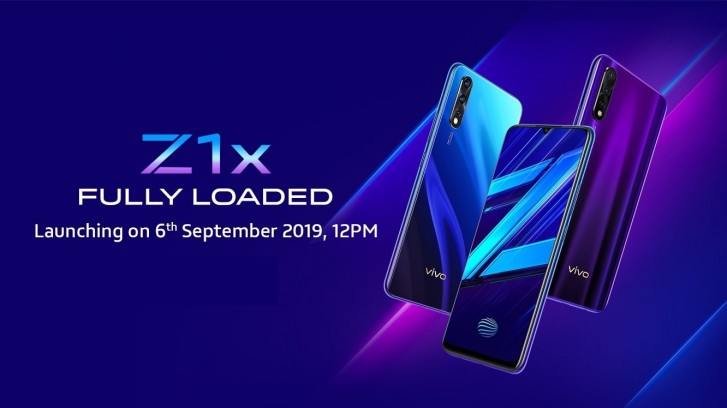
BBK subsidiary Vivo has officially announced that the Vivo Z1x will be launched on September 6. The Indan arm of the Chinese tech company announced this via a tweet, accompanied by a launch poster.
The Vivo Z1x was recently revealed to be a Flipkart exclusive when it is launched and that was confirmed by the company. The model will be coming just a month after the Z1 Pro was launched packing a Snapdragon 712 chipset and 5000mAh battery.
The post shows the Vivo Z1x will pack a triple camera setup, definitely at the rear. The main sensor is said to be a 48MP Samsung ISOCELL GM1 sensor. There will also be an under-display fingerprint sensor onboard the device. That means the phone will not have a fingerprint sensor mounted on the back panel. The phone is expected to be powered by a Snapdragon. It will be powered by a Snapdragon chip and boast a notched display with a fingerprint scanner embedded in it. The phone will also come with support for FlashCharge but the battery capacity wasn’t revealed.
After a long time, MediaTek is finally back in the powerful chipsets segment. And its comeback is through a gaming-centric smartphone processor: the Helio G90T. The Redmi Note 8 Pro will be the first smartphone to be equipped with the new chipset. But it is not alone: even Qualcomm recently launched a mid-range chipset made specifically for gamers: it is the Snapdragon 730G and it is the most amazing Qualcomm chipset just below the Snapdragon 8xx series. Given that important phones are hitting the market with these two chipsets and that they are currently the only mobile processors made for gamers with a G in their name, we decided to make an in-depth specs comparison in order to let you know which one will provide the best gaming experience.
Helio G90T vs Snapdragon 730G
Qualcomm and MediaTek’s history with powerful SoCs
Qualcomm is currently the leader of mobile chipsets. The best Android flagships out there are powered by Qualcomm’s high-end chipset from the Snapdragon 8xx series. Due to Qualcomm’s domination, MediaTek was forced to exit the high-end mobile processor segment in 2017, after releasing the Helio X30. And now it is trying to come back again with the Helio G90T. So it has to face a lot of prejudices and it is in a disadvantaged position compared to Qualcomm.
MediaTek Helio G90T vs Qualcomm Snapdragon 730G Specs Comparison
MediaTek Helio G90T
Qualcomm Snapdragon 730G
CPU
octa-core – 4x ARM Cortex A55, Clock frequency: up to 2.05 GHz +
4x Cortex A76, Clock frequency: up to 2.05 GHz – 12 nm, 64 bit
octa-core – 8x Kryo 470
(2 x Kryo 470 Gold – Cortex A76
Clock frequency: Up to 2.2 GHz
+
6 x Kryo 470 Silver – Cortex A55
Clock frequency: Up to 1.8 GHz)
8 nm, 64 bit
GPU
Mali G76 3EEMC4 800 MHz
Adreno 618
Camera
Up to 24 + 16 MP dual cameras
Up to 64 MP single camera
Up to 192 MP single camera
Up to 22 MP dual cameras
Video features
Up to 4K Ultra HD at 30 fps
Up to 4K Ultra HD at 30 fps (video recording)
Up to 4K Ultra HD (video playback)
Wi-Fi 5.
Bluetooth 5.0
NFC
Cellular Modem: Snapdragon X15 LTE, up to 800 Mbps, upload speed up to 150 Mbps
Memory
Up to 10 GB, dual-channel LPDDR4X at 2133 MHz
eMMC 5.1 / UFS 2.1 internal storage
LPDDR4X
Location
GPS, GLONASS, Beidou, Galileo
GPS, GLONASS, Beidou, Galileo, QZSS, SBAS
Battery Charging
Fast battery charging
Qualcomm Quick Charge 4+
Helio G90T vs Snapdragon 730G: Benchmark scores
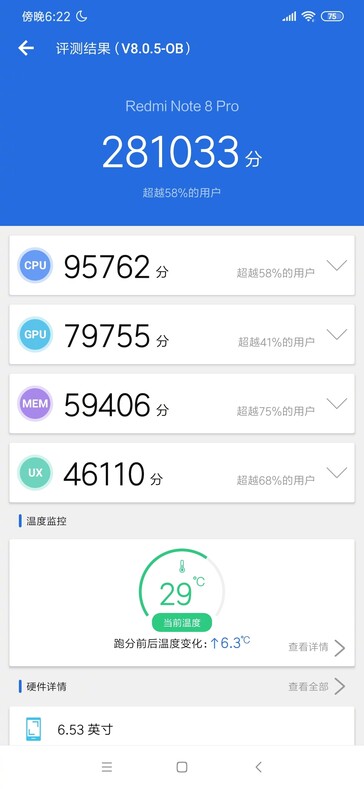
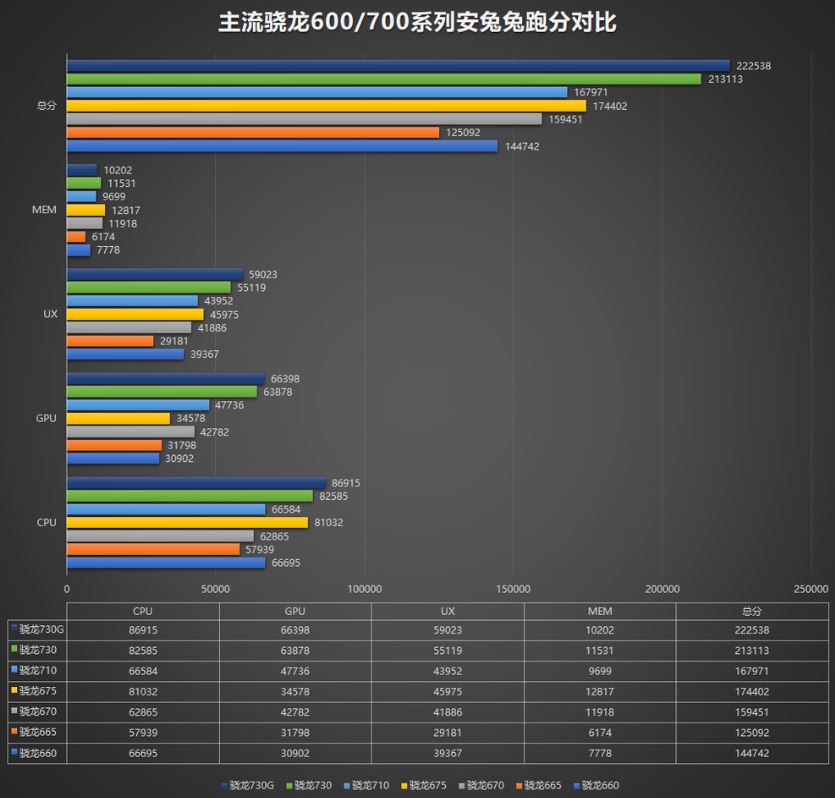
According to leaked AnTuTu tests, MediaTek Helio G90T reached a total score of 281,033 points. That is simply amazing and it is very close to flagship chipsets. Further, it is a way better result than Snapdragon 730G which just reached 220,000 points. However, this does not mean that Helio G90T will be better for gaming.
The Adreno 618 GPU on board of the Snapdragon 730G scored 66,398 points on AnTuTu, while Helio G90T scored 79,755 points: we got the answer. According to benchmarks, Helio G90T has better performance than its rival even in its graphic performances. And note that Snapdragon 730G already has 15 percent better graphics performance than Snapdragon 710! However, despite being incredibly powerful and gaming-centric chipsets, both Snapdragon 730G and Helio G90T remain midrange processors. Indeed, you can get better performances in both gaming, daily use and multi-tasking with Snapdragon SoCs from the new 800 series.
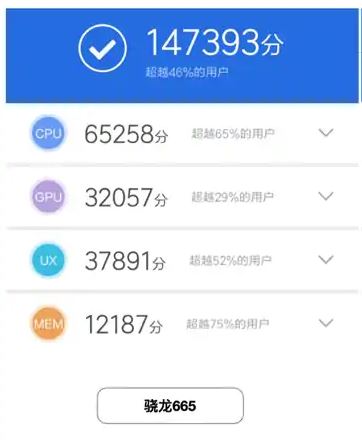
SD675Snapdragon chipsets – AnTuTu V7 scores
Power efficiency: will the battery last longer?
Qualcomm Snapdragon 730G is built at 8 nm: a very efficient production process which reduces energy consumption significantly. So it will be a very efficient SoC and it should help batteries last long on a single charge. On the other hand, MediaTek Helio G90T is built at 12 nm, which isn’t a very efficient process. So the Helio G90T will boast amazing performances, but it will not be very efficient.
Redmi’s Lu Weibing said the Helio G90T is even less power efficient than Snapdragon 710 by around 10 percent. That is why Xiaomi opted for a bigger battery on the Redmi Note 8 Pro.
MediaTek’s reputation: should you trust it and give it a chance?
I saw a lot of people saying that they will not buy the Redmi Note 8 Pro because it is powered by a MediaTek chipset. After the excellent success garnered by Qualcomm and the poor performances of some old MediaTek chipsets, a lot of people have lost their trust in MediaTek. This is also why it was forced to exit the high-end chipsets segment.
But now we think MediaTek is releasing a lot of interesting processors, including the Helio G90T. This chipset is far from being the best out there, especially for its energy consumption, but we believe it is worth giving a chance to MediaTek due to the very promising specifications of this chipsets as well as its value for money.
According to benchmarks, the new Helio G90T chipset by MediaTek is way more powerful than the Snapdragon 730G. But this is not enough to say that MediaTek has released a better chipset than every mid-range SoC by Qualcomm.
And we say it essentially for two reasons: first, benchmarks are not the only indicator to measure the overall performance of a chipset. There are other factors too like its performance in long gaming sessions, stability, and energy consumption. Further, the Snapdragon 730G will be a lot more efficient than Helio G90T, so batteries will last longer. Only after trying both of them on well-optimized devices, will we be finally able to tell you whether or not MediaTek did a better job than Qualcomm.
Realme 5 went on sale in India for the first time yesterday through Flipkart and Realme India’s official website. The smartphone went out of stock just 30 minutes into the sale. Realme India’s CEO Madhav Sheth later posted on Twitter that the company sold 120,000 units of the smartphone on the very first day. Realme has now scheduled the next sale on Aug.30, starting 12 PM.
120,000 units and counting! Thank you for such an amazing response for #realme5. Stay tuned for the next sale at 8 PM today. pic.twitter.com/chzOmVcmQa
The Realme 5 features a 6.5-inch HD LCD display with a resolution of 720 x 1600 pixels and an aspect ratio of 20:9, and is Gorilla Glass 3 certified. The handset features a splash-resistant body.
The smartphone is powered by a Snapdragon 665 SoC with 3GB/4GB of RAM and 32GB/128GB of internal storage. The device sports a quad rear camera setup. It consists of a 12-megapixel primary lens, an 8-megapixel ultra wide sensor, a 2-megapixel macro lens and a 2-megapixel depth sensor. The front-facing camera is a 13-megapixel unit. The Realme 5 draws power from a 5,000 mAh battery and runs on the Android 9.0 Pie-based ColorOS 6.
The base price of the Realme 5 for the 3GB + 32GB variant is Rs. 9,999 (~$139). The higher-spec 4GB + 64GB variant is available at Rs. 10,999 (~$153). The range-topping 4GB + 128GB variant commands Rs. 11,999 (~$167).
We use cookies on our website to give you the most relevant experience by remembering your preferences and repeat visits. By clicking “Accept”, you consent to the use of ALL the cookies.
This website uses cookies to improve your experience while you navigate through the website. Out of these, the cookies that are categorized as necessary are stored on your browser as they are essential for the working of basic functionalities of the website. We also use third-party cookies that help us analyze and understand how you use this website. These cookies will be stored in your browser only with your consent. You also have the option to opt-out of these cookies. But opting out of some of these cookies may affect your browsing experience.
Necessary cookies are absolutely essential for the website to function properly. This category only includes cookies that ensures basic functionalities and security features of the website. These cookies do not store any personal information.
Any cookies that may not be particularly necessary for the website to function and is used specifically to collect user personal data via analytics, ads, other embedded contents are termed as non-necessary cookies. It is mandatory to procure user consent prior to running these cookies on your website.
















![[Dual Dynamic Driver] Blitzwolf® BW-FYE7 TWS bluetooth 5.0 Earphone Heavy Bass Stereo Bilateral Calls Headphone with Charging Box - Black](https://imgaz.staticbg.com/images/oaupload/banggood/images/0D/79/5315bc22-5b01-4d94-a4e3-8148fe0a7ee1.jpg)