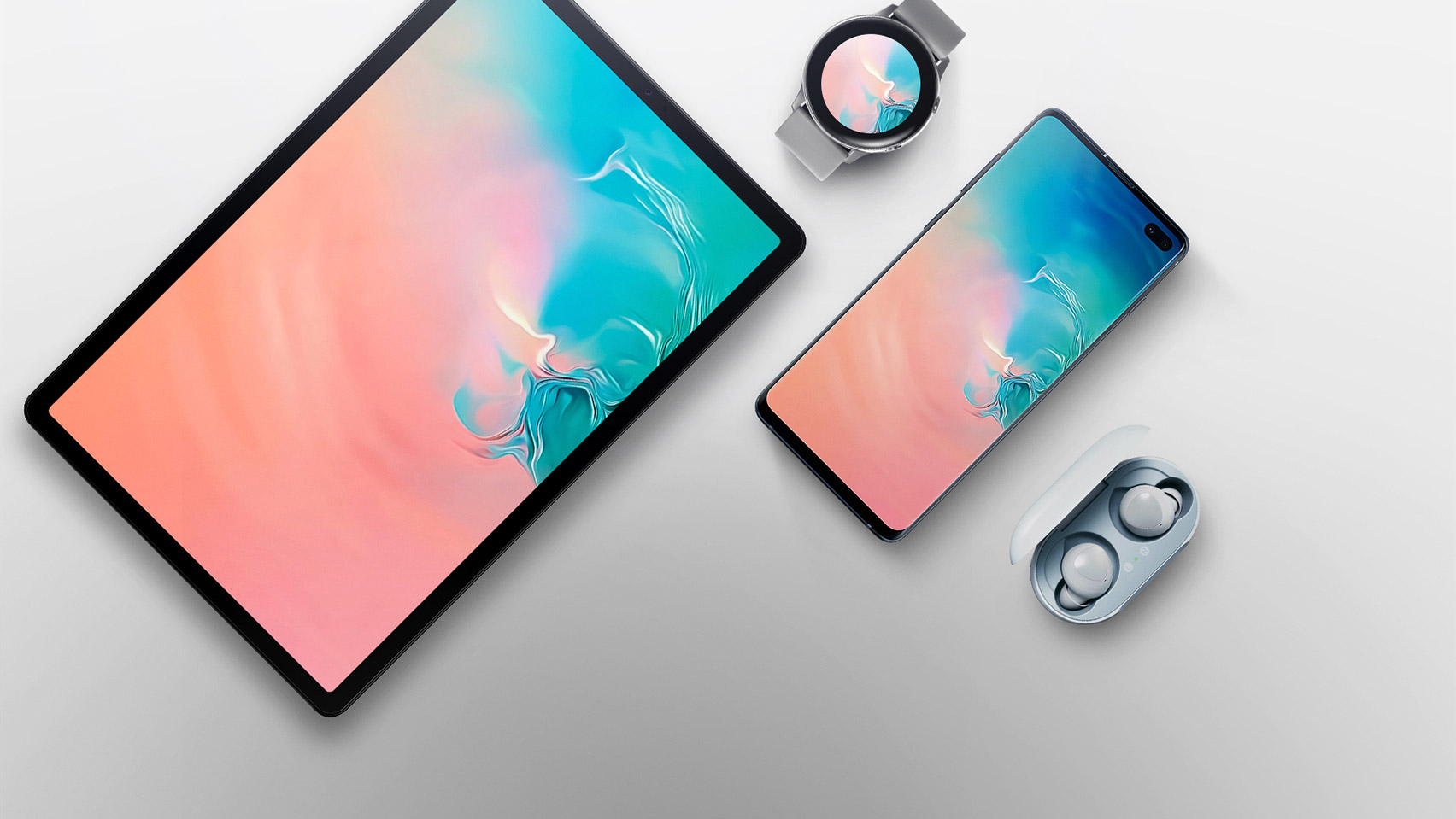
Samsung has teamed up with leading design magazine, Deezen to launch the Samsung Mobile Design Competition. The competition entails contestants submitting designs for new accessories for Galaxy smartphones and tablets. A total of $40,000 will be won by the top contestants in each category.
This is the second edition of this competition. The first one was held two years ago with designers required to submit designs for new QLED TV stands. This year’s edition is in two categories focusing on hardware and software. The two categories are labelled Next Mobile + and Next Mobile Wallpaper.
The Next Mobile + category demands that interested contestants submit accessory designs for Galaxy smartphones, tablets and wearables. The accessories aren’t restricted to any gadget. It could be smartphone cases, tablet covers, watch straps or cases for earbuds. The major thing is that the designs should enhance the device and also provide value for the user. Contestants are free to design any kind of accessory that they want for Galaxy devices. Samsung will be particularly interested in those that interact digitally with its devices to provide enhanced functionality.
The Samsung Next Mobile Wallpaper Paradigm, on the other hand, focuses on the design of wallpapers. The specification is that the wallpapers should be interactive and contextually aware so that they can provide useful information as well.
The competition is open to professional designers and design students. Entries close on August 5 after which selection of the top five in each category will be done. The top five finalists will be flown to London to present their ideas in front of a jury which will include Samsung executives and Dezeen editor-in-chief Marcus Fairs. The jury will then choose the top three winners in each category who will get $10,000, $5000, and $3,000 respectively. The fourth and fifth-placed entrants in both categories will get $1,000 each. The top three winners will be hosted at the Samsung Developer Conference where the prizes will be presented.
If you think you’ve got what it takes to enter this competition, you can enter via the source link below.
Taiwanese tech giant ASUS took the path of launching the flip camera-packing Zenfone 6Z as ASUS 6Z in India. This was as a result of a court ruling that barred the company from launching any phone in India with the “Zenfone” moniker. Thus, the device was eventually announced in India on June 26 even though the launch was initially scheduled for June 19.
The ASUS 6Z came in three regular models; 6GB+64GB, 6GB+128GB, 8GB+256GB versions. The base variant has been on sale exclusively on Flipkart with a price tag of INR 31,999 ($460). The higher variants are now set to go on sale in India from July 1. As for the pricing, the 6GB+128GB variant is priced at INR 34,999 ($505) while the 8GB+256GB variant will retail for INR 39,999 ($580).
Considering the sleek design and powerful specs lineup which the 6Z brings to the table, these prices are just fair. As a remider the ASUS 6Z features a 6.4-inch IPS LCD notch-less display that carries support for full HD+ screen resolution and is protected by Gorilla Glass 6 on top. Under the hood, the device is powered by the Snapdragon 855 octa-core chipset. Despite the robust storage options available, the Zenfone 6/ASUS 6Z also has a microSD card slot allowing users to further expand the phone’s storage capacity up to 256GB.
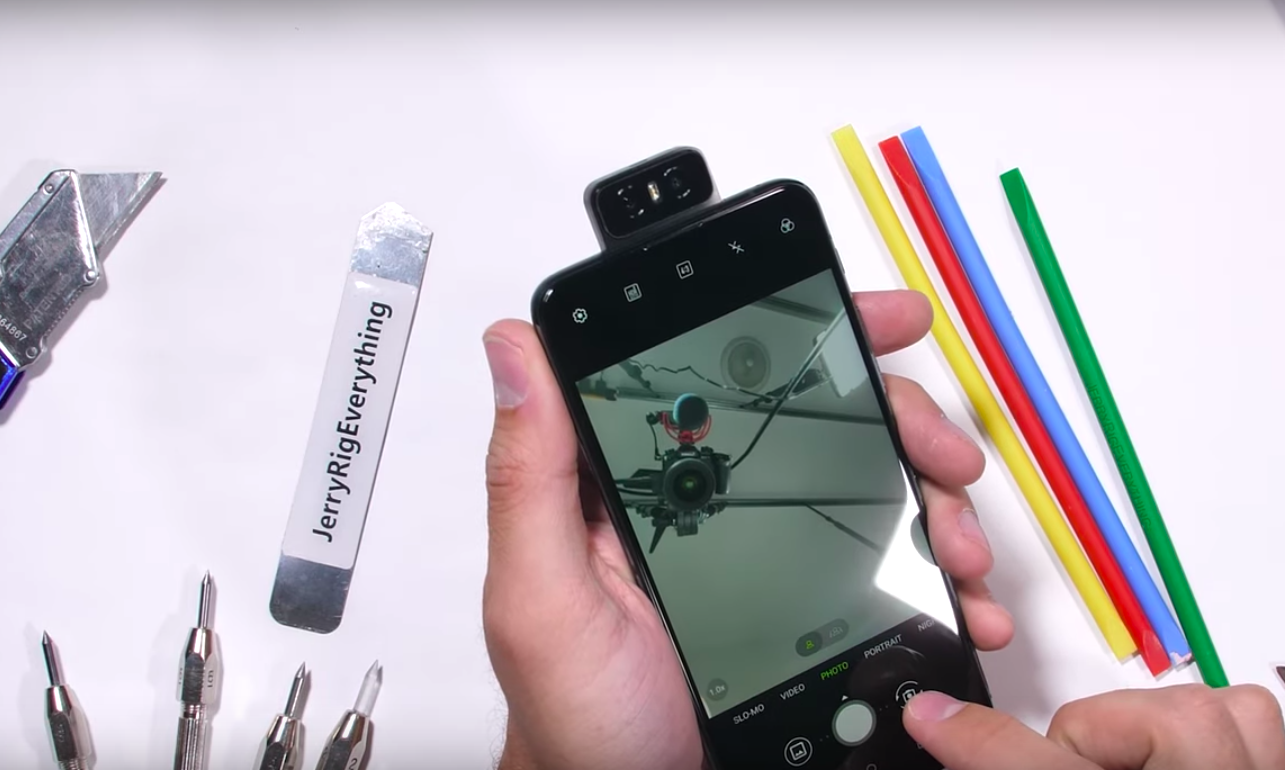
Perhaps, the most spectacular feature is the flip camera design which the phone adopts. With the design, the dual rear cameras also double as the selfie shooters. Specs wise, the main camera is a 48MP Sony IMX586 primary sensor with f/1.79 aperture, teaming up with a 13MP ultra-wide angle sensor with a 125-degree field of view. The camera module also includes laser autofocus and dual-LED flash. The phone also packs a massive 5,000mAh battery with support for 18W fast charging as well as 10W reverse charging.
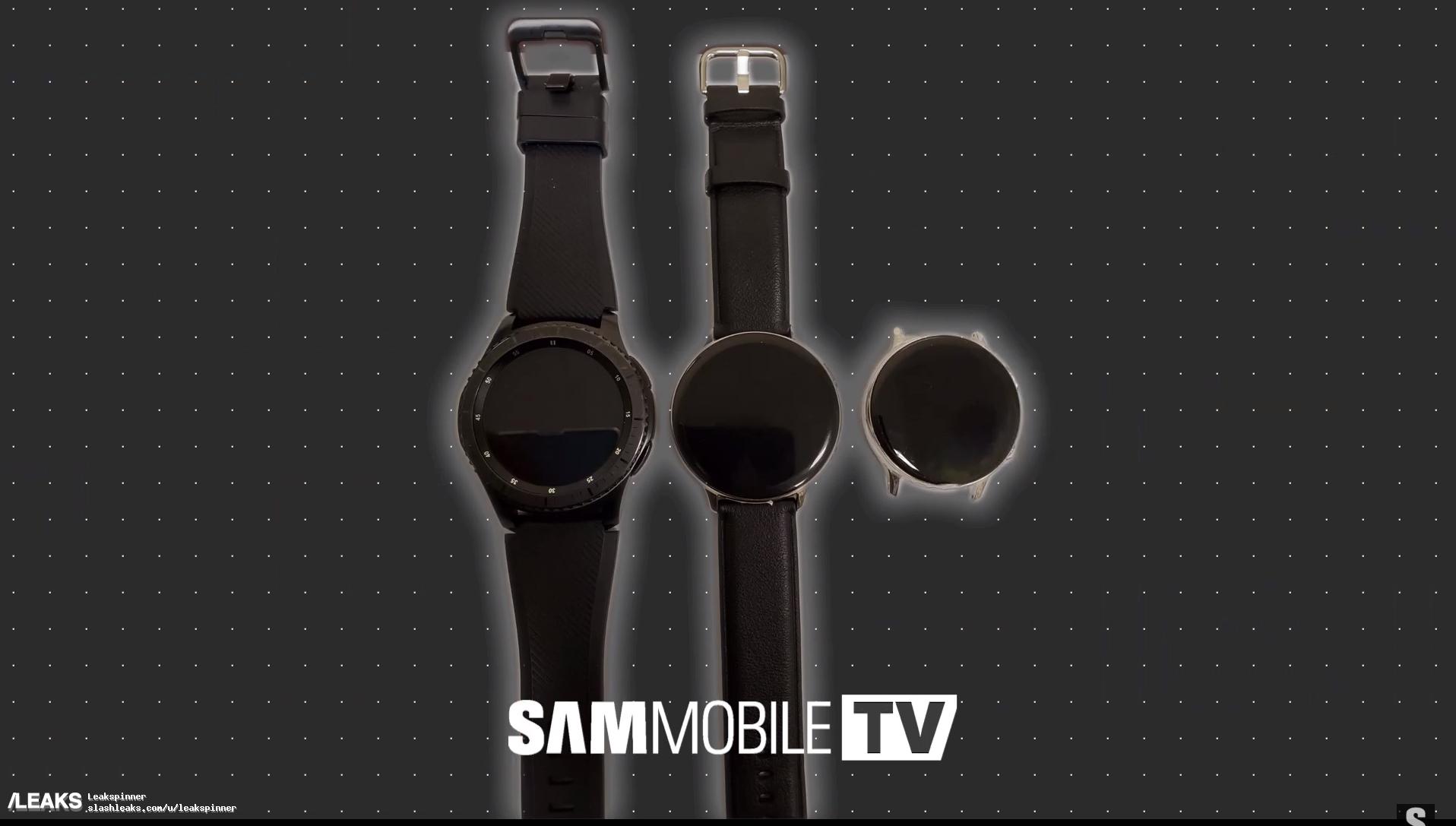
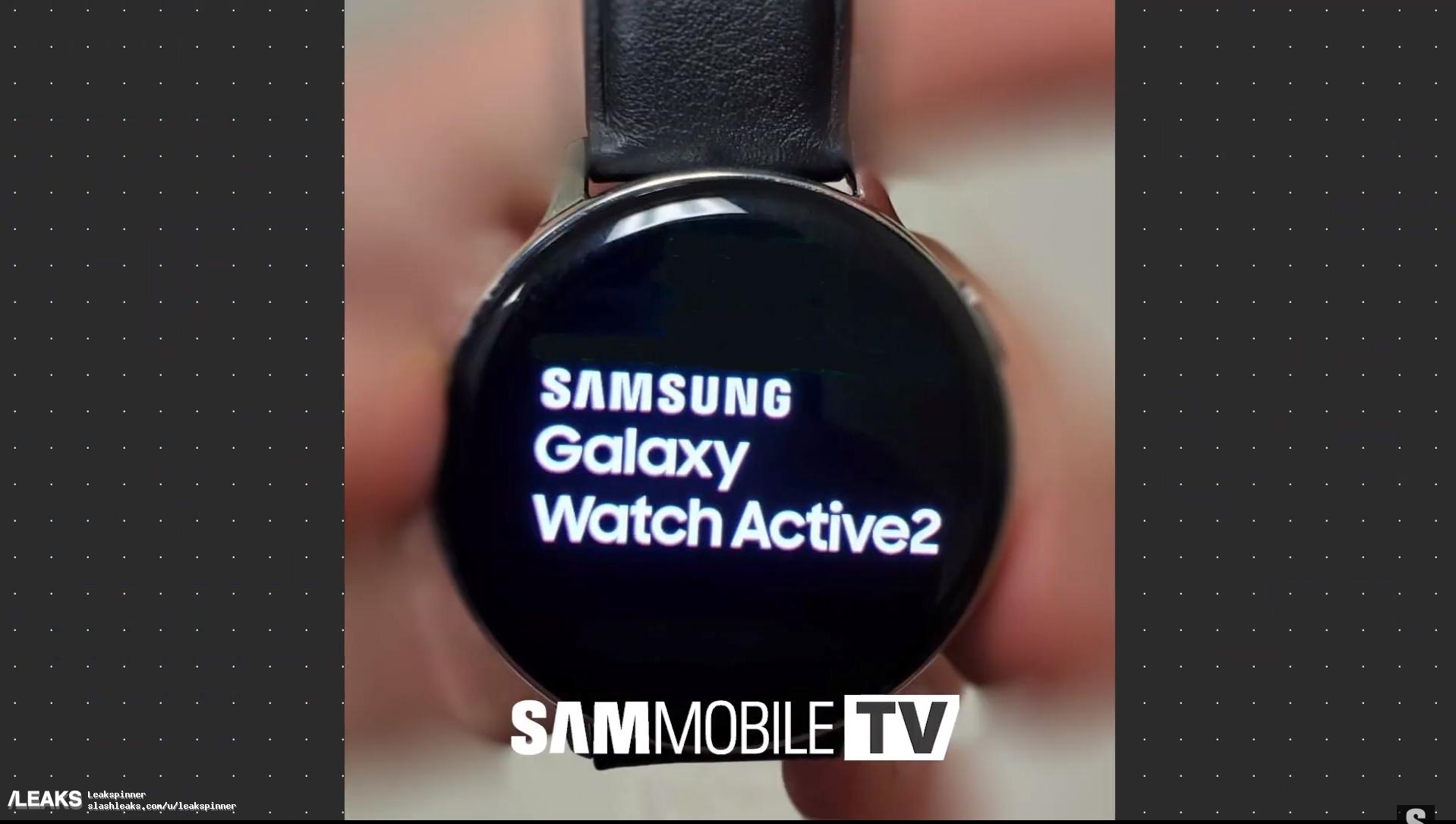
Samsung was recently tipped to be working on a new Galaxy Watch 2 model codenamed Renaissance. The tech giant was also rumoured to be working on the Galaxy Watch Active 2 and pictures of the wearable device have leaked by SamMobile.
The Galaxy Watch Active was launched in February this year and barely four months later, a second-gen model is already in the works. From the leaked pictures, the Galaxy Watch Active 2 will have a similar design with the Galaxy Watch Active.
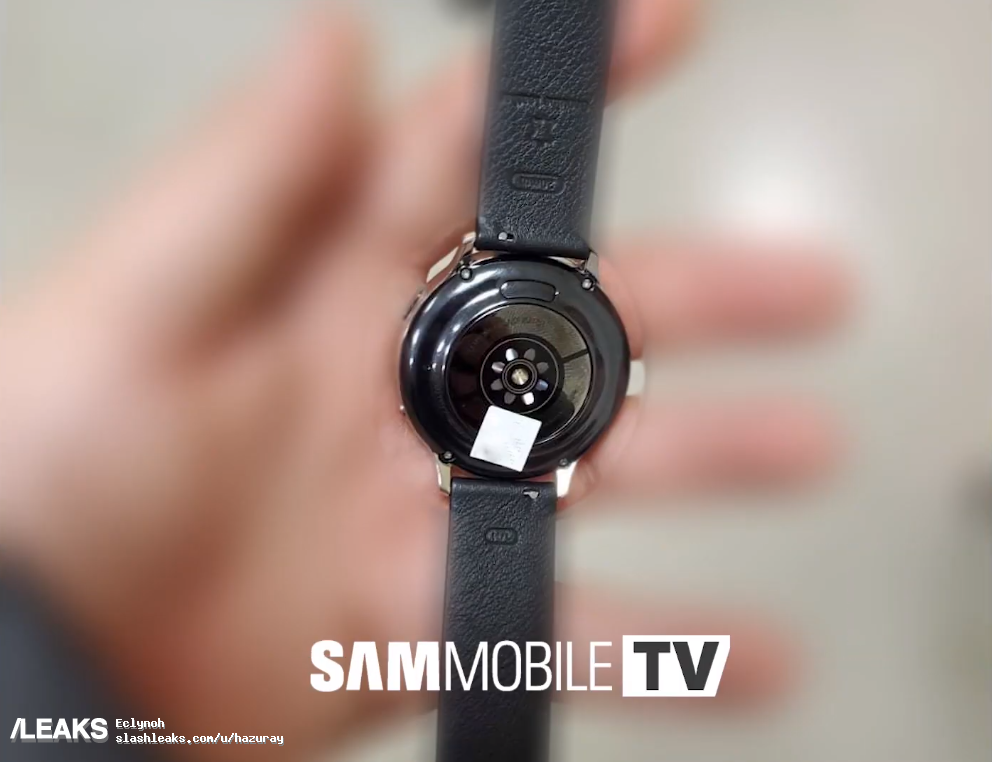
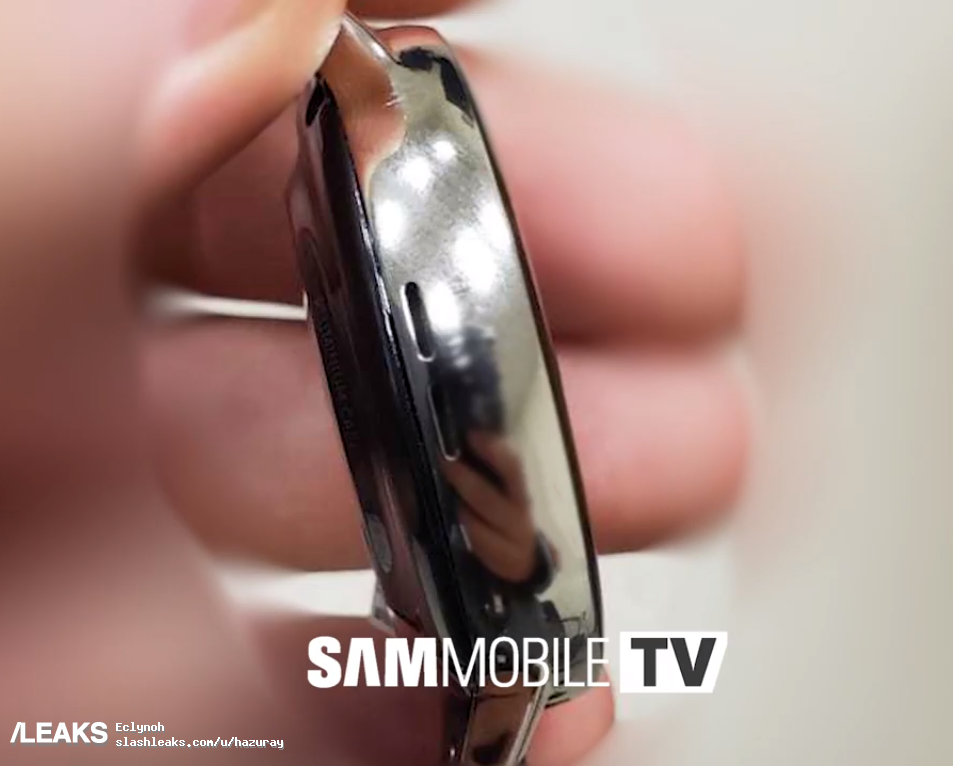
There will be a few differences, though. One such change in design is that the home/power button is round while the back button has a rectangular shape. The home/power button also has a red circular assent which may just be a design element. The rear aspect of the smartwatch also has a fresh new look, with a circular rim around the heart rate sensor.
In addition, the Watch Active 2 has a microphone hole between the home and back keys while there are speaker grills on the other side. The watch will also have an LTE variant as well as a Wi-Fi variant. The LTE version will feature a 340mAh battery inside while the Wi-Fi model will have a smaller 237mAh battery. The software should also get some refresh as it will arrive with a newer One UI. The current version is the 1.0 but the Watch Active 2 will come with version 1.5.
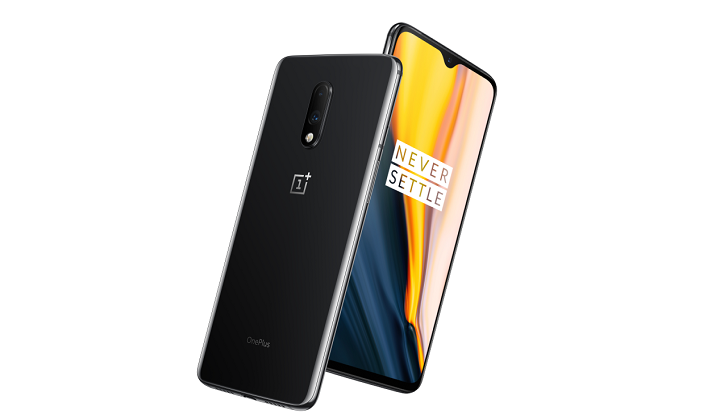
The OnePlus 7 is getting a new update. The update began rolling out to devices on Friday and it brings the latest security patch and some optimizations.
The update is OxygenOS 9.5.6 and like a lot of updates, it is rolling out in stages. A wider roll-out should begin anytime soon. Below is the change-log for the update:
System
Updated Android security patch to 2019.6.
Optimized the sensitivity of automatic brightness.
General bug fixes and improvements.
Phone
Improved audio quality.
Camera
Optimized photo quality.
This is the second update OnePlus has released for the phone this month. The first came with May’s security patch and significant camera improvements.
In other news, OnePlus is recruiting for Closed Beta Testers for the OnePlus 7. Those selected will get access to features and builds weeks or months before public release. OnePlus says it is recruiting 250 people for the program. Below are the requirements to join the program:
Use a OnePlus 7 series device.
Be an active OnePlus Community member.
Be willing to constantly communicate and provide feedback to the OnePlus team on Slack.
If you meet the requirements, you can apply and see if you will be selected.
The Galaxy A50 is one of the new phones that launched this year following Samsung‘s revamp of the A-series line. A new update is rolling out to the phone that brings some interesting features.
The update comes as version A505FDDU2ASF2 and is a little over 400MB in size. The changelog actually only says the Security Patch has been updated to June 2019 and that the stability of Knox Guard has been improved. However, those who have updated their devices say there is more.
First, the update brings Night Mode to the camera app, allowing you to take better photos in low-light conditions. It also brings Super Slo-Mo video recording. Another feature is the ability to scan QR codes right from inside the camera app.
According to someone who has installed the update, you have to reset the camera settings to get these new features.
[envira-gallery id=”261718″]
If you have not received the update yet, do check System Update under the phone settings and check for new updates.
The Galaxy A50 is powered by the Exynos 9610, which is actually a 7-series Exynos chipset. It has a 6.4-inch AMOLED Inifnity-U display which has a fingerprint scanner underneath it. The A50 comes with 4GB/6GB of RAM and 64GB/128GB of storage. It packs a 25MP selfie camera and 25MP + 8MP + 5MP triple cameras on the back. It also has a 4000mAh battery.
Designed to provide materials that come in handy for carrying out quick and accurate blood glucose tests from home, the Xiaomi iHealth blood glucose monitoring system kit uses a sample size of just 0.7 microliters in order to test and give accurate result in only five seconds.
The information is displayed on an easy-to-read LCD screen on the device in the form of digital numbers and offers a 500-test memory for you to effortlessly recheck past test results. Moreover, Xiaomi iHealth comes with ready-to-use testing devices.
The Xiaomi iHealth would normally set you back $76.99, but much to the relief of cost-conscious buyers, this highly useful blood glucose monitoring system kit is now available for a reduced price of just $35.99 on GeekBuying. This is an unmissable 53 percent reduction in the device’s original asking price.
An absolute steal at this price, the Xiaomi iHealth comes with test strips, lancet, and a lancing device. Aside from that, it has a DKA Intelligent alarm, which makes it a great choice for management, monitoring, and self-testing of blood glucose.
Weighing in at just 59g, the Xiaomi iHealth draws its juices a AAA battery. You can head straight to this link in order to check out more details about this blood glucose monitoring kit and avail the discount. Note that the promo is slated to end in just one day.
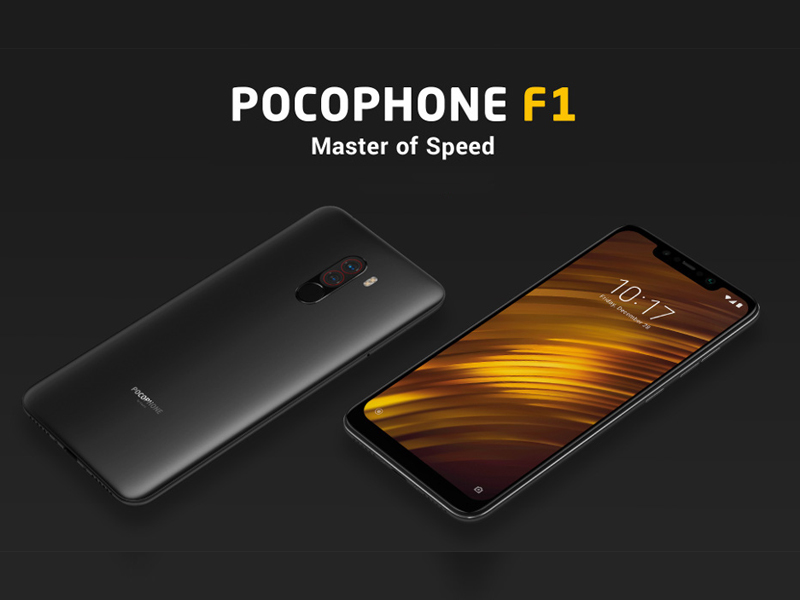
Earlier this month, Xiaomi announced that it would end MIUI Global beta program by July. As we step into the month of July, steps are already in place to still push Global ROM to MIUI users but this time, it will be Stable ROM directly. However, the company has announced that it is recruiting closed beta testers of the MIUI Global stable ROM for some specific models. The models include the flagship Pocophone F1 and Mi 6 as well as the Redmi 6 and Redmi 6A.
Xiaomi may have decided to thread this path due to the fact that too many users were consciously or through actions of third-party resellers using beta builds on a daily basis. Thus, only the MIUI Stable ROM will be available to the generality of MIUI users. However, to ensure that only a more fluent and bug-free ROM is available to users, the company has decided to subject the Stable ROM to scrutiny by a mass of committed beta testers to iron-out issues. Hence, this closed beta recruitment. In fact, there are even more rules to follow in this closed beta circle than the public one, since you are actually expected to contribute with feedback.
Interested MIUI users can apply via the source link regardless of your region. he recruitment will close on July 7. Some of the rules and requirements include a good command of English, an unlocked bootloader, the latest version of MIUI Stable on the phone and familiarity with the QQ messenger.
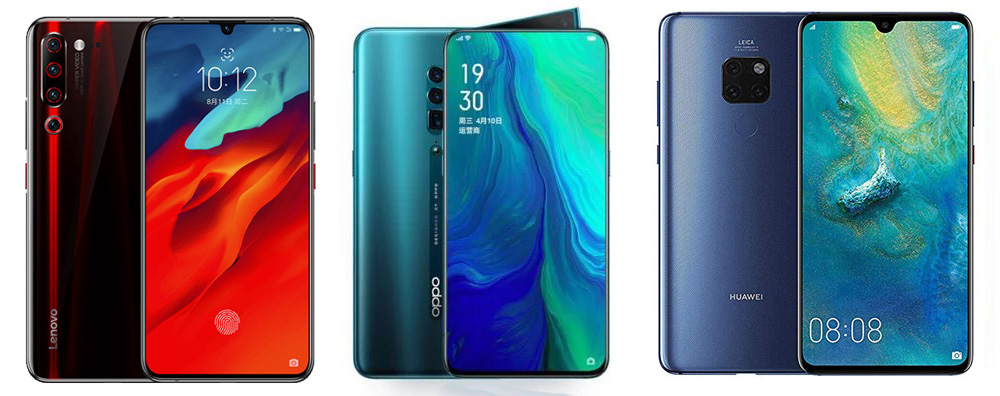
Just three months after the debut of the first commercial 5G network, there are already several 5G smartphones on the market, and after the initial availability in Asia, they even hitten Europe and the U.S. The last 5G phones announced is the Lenovo Z6 Pro 5G Edition: we still do not know anything about its availability, neither about its listing price. But these details will be revealed soon as Lenovo needs to compete with the concurrency as soon as possible, given the fast diffusion of 5G networks. Should you wait for the Z6 Pro 5G or there are better devices already available? After publishing a comparison between Lenovo Z6 Pro 5G Edition, OnePlus 7 Pro and Xiaomi Mi Mix 3, here we compared it with the other remaining 5G smartphones released from Chinese manufacturers: Oppo Reno 5G and Huawei Mate 20 X 5G.
Lenovo Z6 Pro 5G Edition vs Oppo Reno 5G vs Huawei Mate 20 X 5G
Oppo Reno 5G
Huawei Mate 20 X 5G
Lenovo Z6 Pro 5G Edition
DIMENSIONS AND WEIGHT
162 x 77.2 x 9.3 mm, 215 g
174.6 x 85.4 x 8.2 mm, 232 g
157.5 x 74.6 x 8.7 mm, 185 g
DISPLAY
6.6 inches, 1080 x 2340p (Full HD+), Super AMOLED
7.2 inches, 1080 x 2244p (Full HD+), OLED
6.39 inches, 1080 x 2340p (Full HD+), Super AMOLED
Triple 48 + 13 + 8, f/1.7, f/3.0 and f/2.2
16 MP f/2.0 front camera
Triple 40 + 20 + 8 MP, f/1.8, f/2.2 and f/2.4
24 MP f/2.0 front camera
Quad 48 + 8 + 16 + 2 MP, f/1.8, f/2.4, f/2.2 and f/1.8
32 MP f/2.0 front camera
BATTERY
4065 mAh, fast charging with VOOC Flash Charge 20W
5000 mAh, fast charging 22.5W
4000 mAh, fast charging 18W
ADDITIONAL FEATURES
Hybrid Dual SIM slot, 5G
Hybrid Dual SIM slot, 5G, splash resistant IP53
Hybrid Dual SIM slot, 5G
Design
Are you looking for the most original, innovative and beautiful design? Go for the Oppo Reno 5G without thinking twice. Thanks to its shark fin pop-up camera with a motorized slider, it reaches almost 100 percent of screen-to-body ratio without needing a notch. Further, it has a very beautiful glass back. In my opinion, the second place goes to Lenovo Z6 Pro 5G Edition due to its amazing transparent back which allows the user to see internal components from the outside. I do not like the Huawei Mate 20 X 5G so much when it comes to the aesthetics, but it is dust and splash resistant.
Display
If you are a productivity user or you want to use your phone to read and watch videos with the most comfortable experience, go for the Huawei Mate 20 X 5G. It is one of the biggest phablets with its diagonal of 7.2 inches, and it even has an awesome display quality thanks to its high color gamut and the HDR10 technology. Unfortunately, it does not come with a Quad HD resolution, but so is with its rivals. Right after, in the second place, there is Lenovo Z6 Pro 5G Edition which comes with similar color reproduction, but it has a smaller display. It is suitable for you if you do not need a huge phablet that you can not keep in a pocket during extreme activities.
Hardware/Software
Discard the Huawei Mate 20 X 5G if you want the fastest and smoothest phone: go for the Lenovo Z6 Pro 5G Edition and make sure to choose the most expensive memory configuration if you want the highest performance. This handset is equipped with up to 12 GB of RAM and up to 512 GB of internal storage which you can furtherly expand with a micro SD. If you do not like the Mate 20 X 5G but you still want high performance, Oppo Reno 5G is the second choice with its Snapdragon 855 and 8 GB of RAM. Huawei Mate 20 X 5G loses the comparison because of its lower-end Kirin 980 SoC, less internal storage and less RAM (just 6 GB). But the Huawei Mate 20 X 5G has a more advanced 5G modem, so it can reach higher speed under 5G networks.
Camera
Very hard fight here, especially between Huawei Mate 20 X 5G and Oppo Reno 5G. Both feature optical stabilization and optical zoom up to 5x, and they can shoot amazing photos even in low light conditions thanks to their bright sensors. We still had no chance to test all of these handsets, so you have to wait for a definitive opinion.
Battery
As it mounts a huge 4200 mAh battery and very efficient components, Huawei Mate 20 X is one of the flagships with the longest battery life. It wins the battery life comparison and it has even the fastest charging technology.
Price
Huawei Mate 20 X 5G is priced €1000/$1140, Oppo Reno 5G costs about €880/$1000, while the price of the Lenovo Z5 6 Pro 5G is still unknown. There is not a clear winner in this comparison and it mostly depend on the user’s needs. Huawei Mate 20 X 5G is better at display and battery life, as well as 5G performance, so it is my favorite one. Oppo Reno 5G is just marginally different, it offers better performance but a smaller and less impressive display; on the other hand, it has a more innovative design. Lenovo Z6 Pro 5G has the best performance and even a great display, but it is smaller. It is essentially a draw and it is up to you to make the final decision. Which one would you pick?
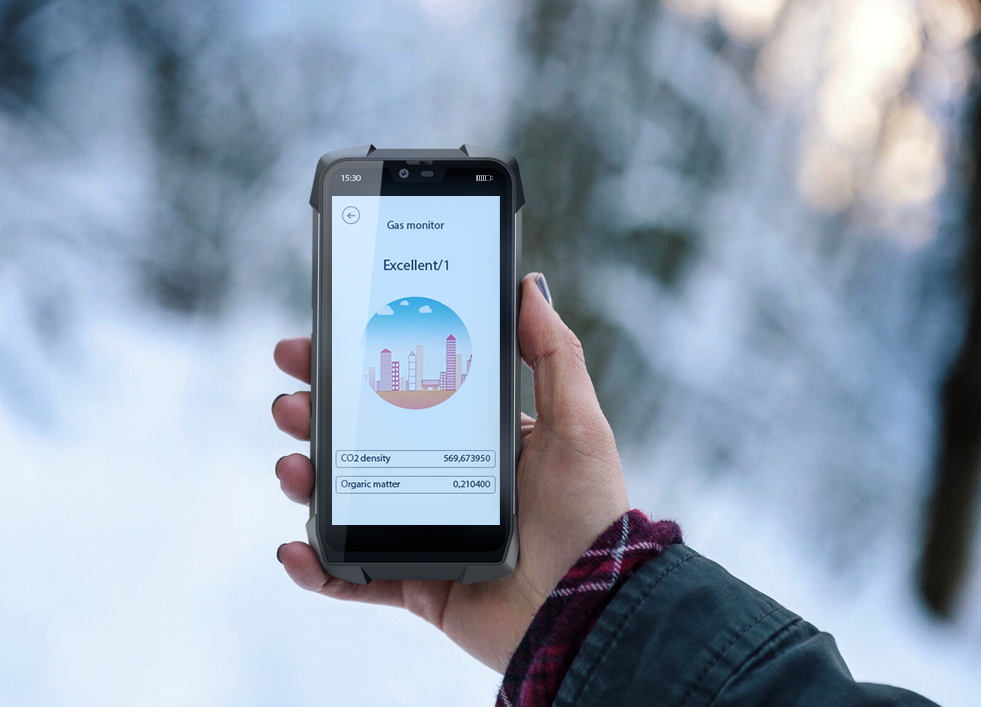
The latest rugged flagship from Blackview, the BV9700 Pro, is a multifunctional rugged smartphone with features distinguishing it from a standard phone like the iPhone, Huawei phones, and Samsung phones. That’s because it offers three new features that solidify it as a must-have tool for anyone working outside, people paranoid about air quality, heart rate detection, and night shooting. Some of these features are already found in smart wearables that help people manage medical conditions like diabetes and heart disease. And it costs as much as a good smartwatch costs without a smartphone!
As an air monitoring device, it can measure three categories of pollutants and particulate matter, specifically Volatile Organic Compounds (VOCs) and carbon dioxide, include a large range of chemicals and substances. The sensor can work without you opening an app as it runs in the background and can alert you when there’s something wrong. This is more serious than it sounds as something can happen to you when painting something and there’s bad ventilation. Or if you’re painting a room in your house and you see the air quality level has spiked to unhealthy, it might be time to open some windows.
As for the built-in heart rate monitor, it obtains the user’s heart rate data by detecting the number of pulses per minute of the blood vessels on the user’s finger regardless if you are walking, training, playing basketball, or at a yoga class. Detecting and analyzing your heart rate blood oxygen before, during and after exercise can understand the exercise intensity and effort, and facilitate the user to adjust to their own exercise conditions, makes tracking your health and fitness goals a lot easier. The built-in pedometer also helps track your steps and calories burned.
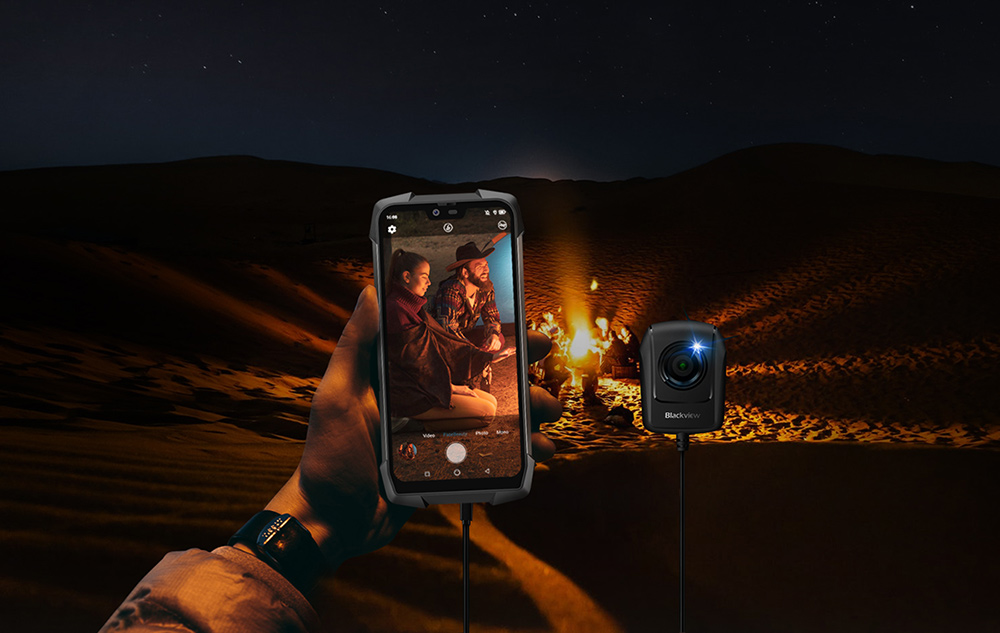
BV9700 Pro is -via the external camera module, a perfect Night Vision camera that is equipped with Sony IMX291 ultra-light sensitive CMOS sensor, that not only captures images under low light conditions but gives you true night vision capability in greyscale monochrome or in color. The individual pixel size is up to 2.9μm, 2.6 times the phone’s main camera sensor. With the increase of pixels size, more light enters individual pixels. Add to that the ultra wide-angle 6P lens with a big aperture and your phone instantly turns into a night-vision camera, easily capturing wonderful moments in the dark.
Of course, the Blackview BV9700 Pro is still a rugged phone with extra durability and waterproofing and is suitable for blue-collar workers, travelers, and anyone who’s a tad clumsy. It comes with a reinforced aluminum frame, IP68/IP69K and MIL-STD-810G certifications, Gorilla Glass, and rubber flaps covering everything and making it as armored as a tank.
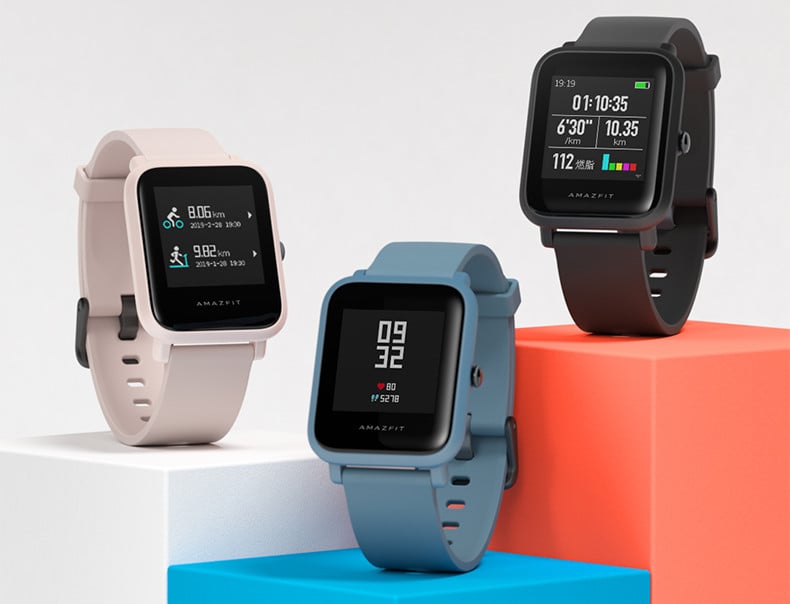
Last year, Xiaomi-backed Huami had launched the Amazfit BIP fitness tracker in the Indian market. Now, the company has launched a new variant of the device — Huami Amazfit BIP Lite in India, which is priced at Rs. 3,999. It will be available for purchase in India during the Amazon Prime Day sale which is set to run for two days — 15th July and 16th July.
In terms of design, the Amazfit BIP Lite is quite similar to the original model. It features a 1.28-inch trans-reflective always-on colored touchscreen which comes with a screen resolution 176 x 176 pixels. It has a 2.5D curved Corning Gorilla Glass 3 on top for protection for minor scratches.
The display shows key information like date, time, weather and sports data at a glance. Further, users will also be able to receive notifications for calls, texts, apps, and emails. The device also comes with an optical heart rate monitor which can measure the user’s heart rate on the go.
Unlike the original, the Bip Lite doesn’t come with GPS. The device can still be used to track various activities such as running, walking, cycling, distance, speed, as well as heart rate tracking.
The Amazfit Bip Lite also has a pedometer, sleep monitor and a sedentary reminder. The fitness tracker prompts the user with a reminder when they have remained seated for an extended period of time.
It connects to the user’s smartphone through Bluetooth v4.0 LE. The device is IP68 certified with 5ATM, which means that it can be worn during any activity as it has the ability to withstand water and dust. The watch is compatible with iOS and Android devices and can be paired with either using the Mi-Fit app.
The Huami Amazfit Bip Lite weighs at 31 grams and is fuelled by a 190mAh battery which the company says can be fully charged within 2.5 hours. The company also claims that the device can last for at least 45 days on a single charge and can run for around four months on basic watch mode.
As said, the Amazit Bip Lite fitness tracker will be available for purchase from 15th July in India via Amazon. It is priced at Rs. 3,999 for the Prime Day sale but it is not yet known if the company will keep the same pricing after the sale period.
When the iPhone X launched, it came with a feature that was so popular other manufacturers copied it and made their own version. That feature is Animoji. Samsung’s version is called AR Emoji and comes with additional features. Xiaomi also launched its own version called Mimoji which was exclusive to the Mi 8 but later ported to other devices. More than a year later, the feature is no longer popular but Xiaomi will be bringing it back with the upcoming CC9 smartphone.
It makes sense that Xiaomi is bringing the feature back and also doing so with the CC9, seeing as the phone is targeted at the younger generation. But Xiaomi isn’t just bringing it back; this is a new version with new features.
Unlike the original Mimoji app that was limited to a few characters including the famous Mi Bunny mascot, the new Mimoji will allow you to create an avatar of yourself. According to a Weibo post by Lao Wei, there are 165 different hairstyles, faces and accessories users can choose from when creating their avatar. There will also be preset avatars too.
[envira-gallery id=”261665″]
Users will be able to take photos, record videos, and even add their Avatars to famous paintings.
The Xiaomi CC9, CC9e, and CC9 Meitu are scheduled to launch on July 2. The CC9 and CC9 Meitu Custom Edition will have triple rear cameras, AMOLED displays, and in-display fingerprint scanners. Both will have a 32MP selfie camera while the primary rear camera is a 48MP sensor.
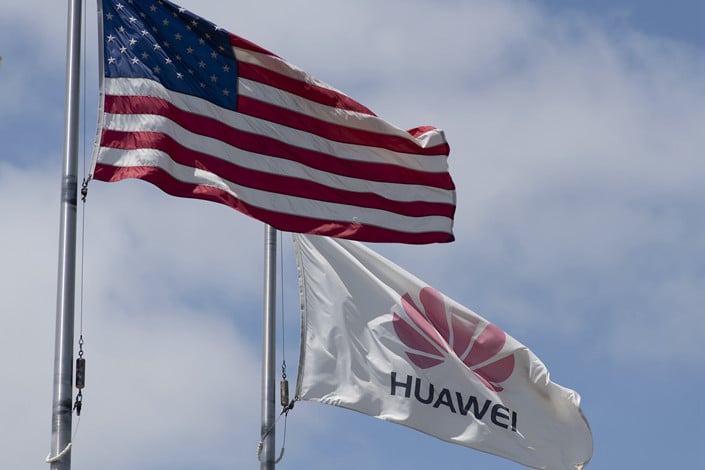
After successful talks with Chinese President Xi Jinping at G20 Summit in Japan, the US president Donald Trump allowed the American firms to keep doing business with Huawei. The new move will significantly benefit both the US companies and the Chinese manufacturer.
While addressing a press conference at the summit, Trump said, “I did agree to allow our companies – you know, jobs, I like our companies selling things to other people. So I allowed that to happen. Very complex things. Not easy – this is not things that are easy to make.” He further added, “We’re talking about equipment where there’s no great national security problem with it.”
However, the ban will remain active on all Huawei products, including laptops, smartphones, communications infrastructure technologies in the United States. It is currently unclear whether the talks have paved the way for lifting the Android ban on Huawei devices or not. We need to wait for the confirmation.
The new move is seen as a concession to Huawei. However, it contradicts the ban imposed by the US commerce department a few months ago. The trade ban forced various US companies to cut ties with the Chinese telecom equipment maker. As a result, Google also barred Huawei from using its services, including Android. It was later lifted for 90 days temporarily until August 19.
On the other hand, Huawei kept stressing about the timely rollout of Android security and software updates on all its current devices.
It is a good move for the Huawei which is crippling due to the absence of raw material. We hope to see some more healthy improvements in the US-Huawei trade war very soon.
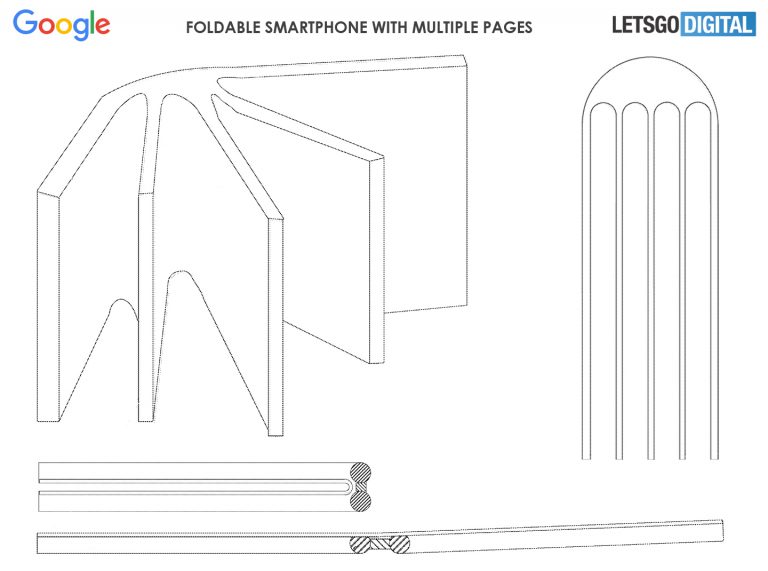
A couple of years back when smartphone design patents with a notch or foldable screens started appearing, there were doubts about those designs seeing the light of day. Recent happenings in the smartphone industry have put such doubts to silence. So too, we see quite a number of weird designs that are being patented by OEMs and wonder if they are ever going to be produced. One of such is Google‘s weird-looking smartphone design patent that looks like a book. Yes, a book with a number of pages.
The patent was granted recently as discovered by Dutch blog, Let’s Go Digital. It shows the tech giant is tinkering with the idea of a “smartbook” that would perhaps have separate pages for different apps. The gadget looks like a regular book and has a hinged spine that each of the screens could be attached to. This can only be achieved with flexible displays except for the outer cover that could have a non-flexible display for protection. With such a design, the company could customise the number of pages that the book will have. ]
There are no details about the location of the battery, processor and other vital components but we speculate it could be located within the hinged spine. We can’t say for sure if this will be applied to smartphones or Google is thinking of something like a digital photo book while sketching this design.
The Redmi 7A is heading to India and a series of Tweets by Xiaomi India and Manu Kumar Jain already confirmed that. However, it has now been revealed that the Indian variant will have a feature not available on the Chinese variant.
According to the tweet below by the MD of Xiaomi India, the Redmi 7A will be getting a massive feature upgrade. This is a feature that is present on the Mi A2 and Redmi Note 7, and one that no other phone from other brands under the INR 20,000 (~$290) category has.
After doing our findings, we believe this feature is a USB-C port as that is the only plausible upgrade the phone can have. However, to make our guess valid, Mr. Kumar’s tweet will have to say under the INR 10,000 category and not INR 20,000. The rest of the specs should remain the same.
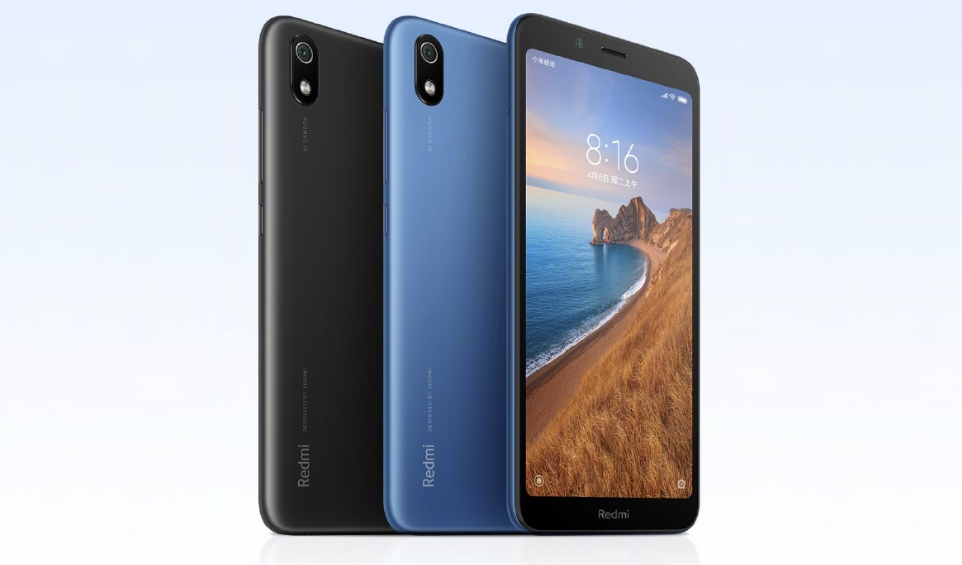
The Redmi 7A has a 5.45-inch HD+ display, a Snapdragon 439 processor and up to 3GB of RAM. It has 16GB or 32GB of onboard storage which can be expanded via a dedicated MicroSD card slot. There is a 5MP camera in front for selfies and a 13MP f/2.2 camera on the back. It packs a 4000mAh battery, a significant upgrade compared to its predecessor which has a 3000mAh battery capacity. The Redmi 7A will run Android Pie out of the box.
While it was known that Xiaomi is planning to launch the entry-level Redmi 7A smartphone in the Indian market soon, there was no official confirmation from the company regarding the same.
However, that has now changed as Xiaomi India has officially teased the arrival of the Redmi 7A (Full Specs) smartphone in India. While the company has not revealed the launch date, it has asked its fans to guess the launch date.
In the same tweet, the company revealed that so far, it has managed to sell over 23.6 million units of the Redmi 4A, Redmi 5A, and Redmi 6A smartphones in India. It further added that the number of units sold is more than the total population of Australia.
Fact check! Total no. of Redmi A Series phones sold in 🇮🇳 > the population of #Australia. Crazy, right? 😲 And to take that legacy ahead comes the #Redmi7A – #SmartDeshKaSmartphone.
The Redmi 7A smartphone comes with a polycarbonate chassis with P2i nano-coating for splash-resistance. It features a 5.45-inch IPS LCD display with 18:9 aspect ratio and carries support for HD+ screen resolution of 720 x 1440 pixels.
The display is bright enough for outdoor usage and there is an eye protection mode onboard for filtering the detrimental blue rays that are emitted from the screen. The display is surrounded by thick bezels and its chin carries the brand name of the company.
Under the hood, the device is powered by 1.95GHz Snapdragon 439 octa-core processor. It comes in two models — 2GB RAM + 16GB internal storage and 2GB RAM + 32GB internal storage. It also comes with a dedicated microSD card slot allowing users to further expand the phone’s storage capacity.
In the camera department, it features a 13MP rear camera with LED flash. It is assisted by some AI features such as PDAF fast focus, AI beauty and AI background blur. It features a selfie camera of 5MP. The front camera doubles up for AI face unlock feature.
Connectivity features available on the Redmi 7A are dual-SIM support, 4G VoLTE, Wi-Fi, Bluetooth 4.2, GPS, micro USB, and 3.5mm headphone jack. The phone runs Android 9 Pie customized with MIUI 10 skin and is fuelled by a 4,000mAh battery that comes with support for 10W charging.
Earlier, Xiaomi India’s Marketing Head Anuj Sharma has said that the Redmi 7A could get launched in India along with the Redmi K20 and Redmi K20 Pro smartphone or soon after that but hasn’t provided any specific date.
Looking for an inexpensive mini PC that doesn’t disappoint in terms of performance? You have come to the right place.
Aside from shedding light on top four mini PCs that you can get your hands on without emptying your pockets, we will show how you can save a considerable amount of extra money at checkout. So without further ado, let’s delve straight into the details.
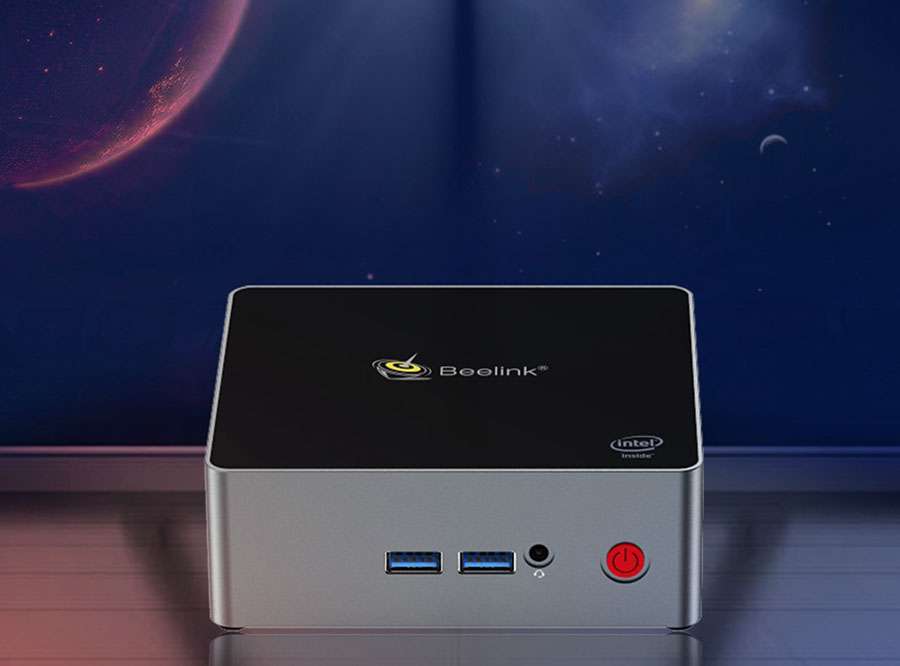
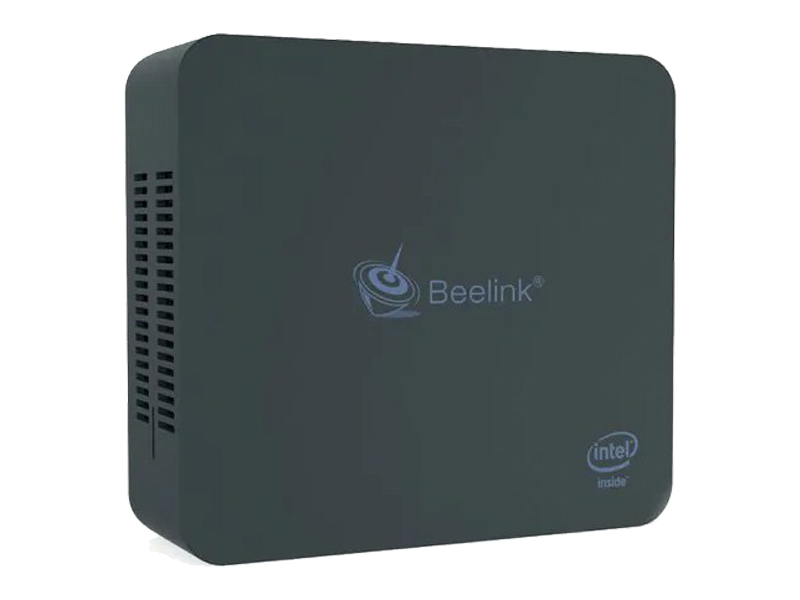
Beelink U55 Intel Core I3 – 5005U Mini PC
The U55 mini PC from Beelink packs a powerful Intel Core i3-5005U CPU, along with a highly competent Intel HD Graphic 5500 GPU, under the hood. It ships with 8GB of DDR3L RAM and offers 256GB of SSD storage capacity.
The Beelink U55 would normally set you back $323.01, but you can now buy it for just $255.99 from Gearbest. This is a noteworthy 21 percent reduction in the device’s original asking price. With 24 pieces already sold, the promo is slated to end in five days. You can click here to avail the discount.
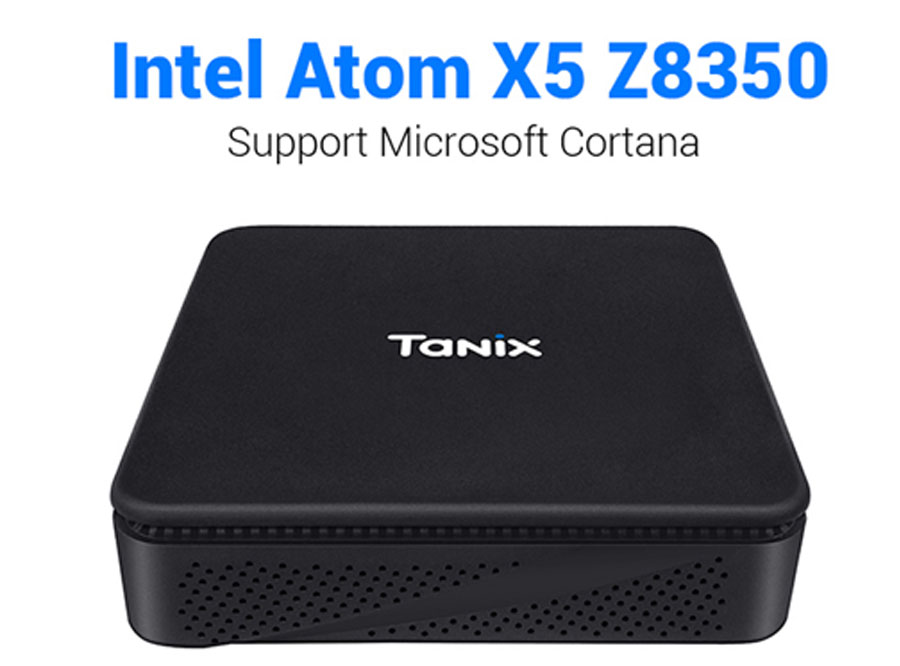
The TANIX TX85 is backed by the quad-core 64-bit Intel Atom X5-Z8350 processor at 1.44Ghz. The power-packed CPU offers a turbo frequency of 1.92Ghz and is equipped with the latest 14nm manufacturing process and Gen8 Intel HD Graphics.
Moreover, it features 4GB of DDR3 RAM, paired with 64GB eMMC memory. While you’d normally associate a steep price tag with a mini PC offering comparable features, the TANIX TX85 has gone up for sale bearing a dropped price tag of only $119.99 on GeekBuying. Note that it normally retails for $170.99.
Furthermore, you can use coupon code GKB07OFF to get an extra $7 off. In other words, you can bring the already lowered asking price of the TANIX TX85 mini PC further down to just $112.99 simply by applying the aforesaid coupon before placing your order.
You can follow this link to avail the discount, which is valid for the black color version of the mini PC. Note that the promo will come to an end in just one day.
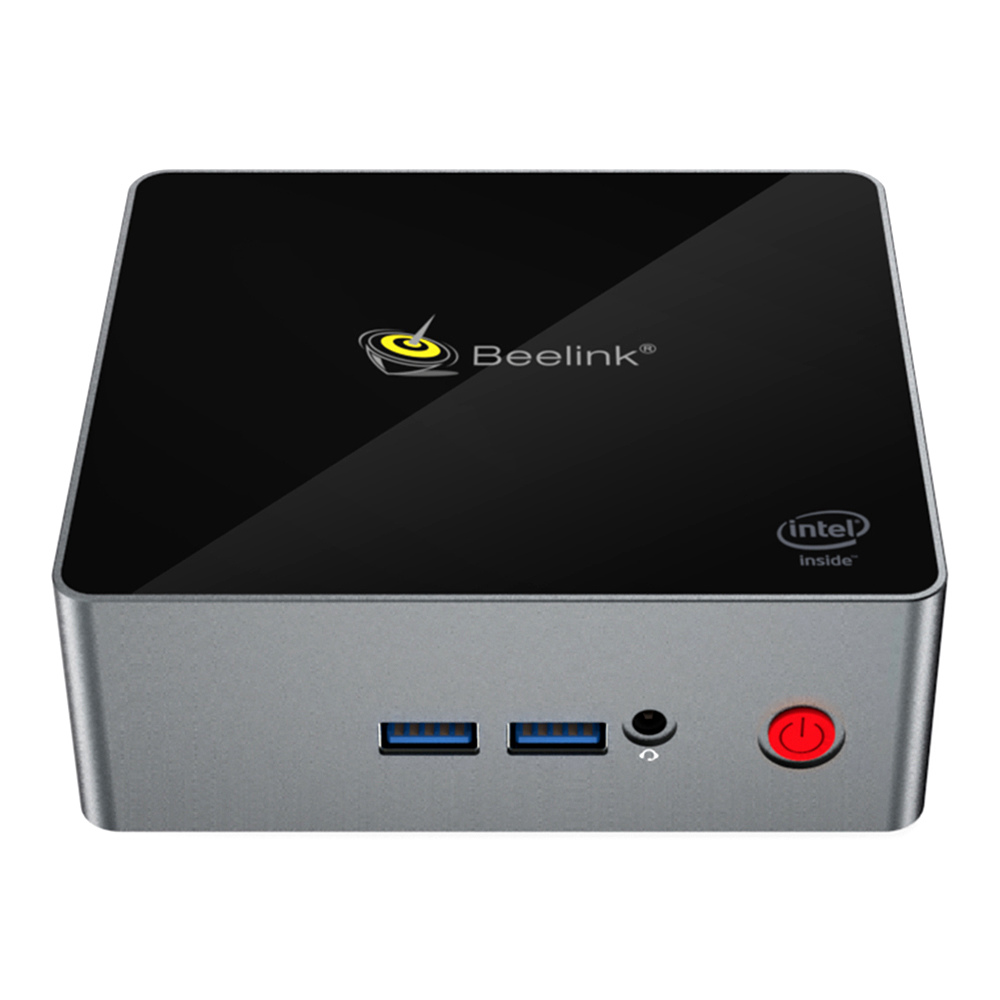
The Beelink J45 features a quad-core 64-bit x86 desktop microprocessor, which is made using a 14 nm process. On top of that, the mini PC employs Intel’s HD Graphics 505 GPU, which operates at 250 MHz and has a burst frequency of 800 MHz.
Equipped with Microsoft Windows 10 home OS, the Beelink J45 comes with 8GB of DDR4 RAM and offers 512GB mSATA SSD storage capacity. While it normally carries a $326.57 price tag, you can now buy the feature-rich Beelink J45 mini PC for a dropped price of just $289.99 from GeekBuying.
Aside from taking advantage of this 11 percent discount, you can use coupon code JUNEPC2 and save $10 more. As a result, the original selling price of the Beelink J45 mini PC reduces to only $279.99.
In order to avail the discount, all you need to do is to follow this link without wasting time as the promo was on the verge of wrapping up at the time of writing.
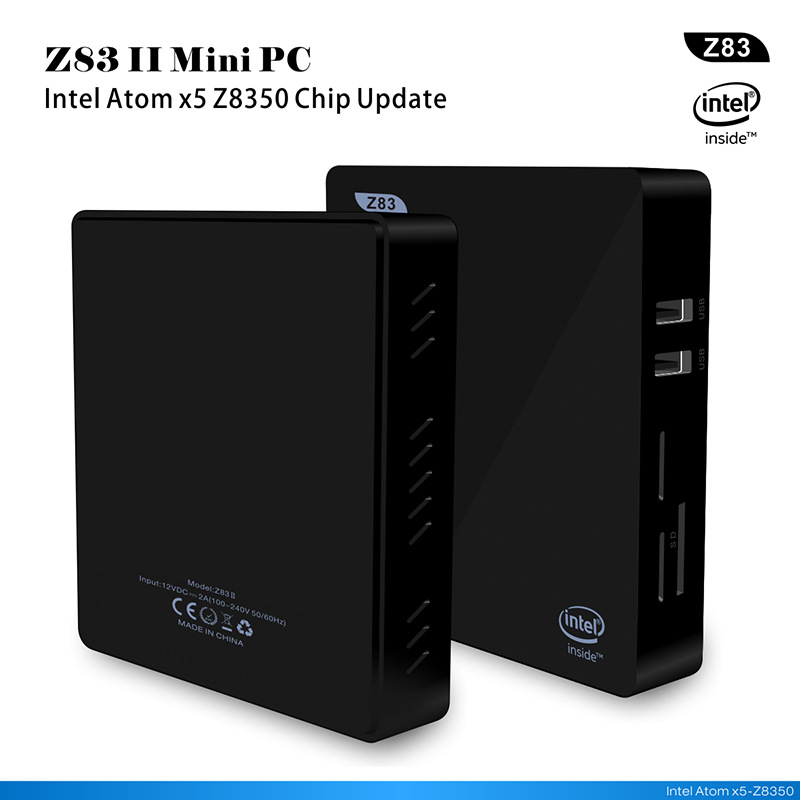
Sporting a simple, convenient and practical design, the Z83II Mini PC comes with an Intel Atom x5-Z8300 processor and packs an Intel HD Graphics GPU for superior user experience. Moreover, it has 2GB of DDR3 RAM for advanced multitasking and 32GB storage capacity.
The Z83II usually retails for $159.99, but much to the relief of cost-conscious buyers, the coveted mini PC is now up for grabs bearing a reduced price tag of only $85.99 on Banggood. On top of that, you can avail free shipping if your order exceeds US$19.99.
Moreover, cash orders worth $1000 through Paytm payment system will qualify for a $10.00 cash back. You can head straight to this link in order to grab the discount and check out more details about the Z83II Mini PC. It is worth noting that only 47 pieces were left for this promo.
Living up to its reputation for offering the best bang for your buck, Banggood has launched its Summer Prime Sale. As part of the recently kicked-off event, the Chinese online store brings the largest giveaways of the summer.
Here’s how you can win a free prize:
Like this post
Visit the Pinball game page by following this link
Take a screenshot of your score
Leave a comment with the screenshot
Banggood will randomly select 7 lucky winners from those who manage to complete the task. The aforesaid winners will be announced on Banggood’s official Facebook page on July 12th via live stream. The winners will get five prizes each, while two of the total winners will be eligible for a special prize.
In order to participate, you need to be logged into your Banggood account. If you are logging in for the first time, you can get 50 points along with new user exclusive coupons simply by confirming your email address.
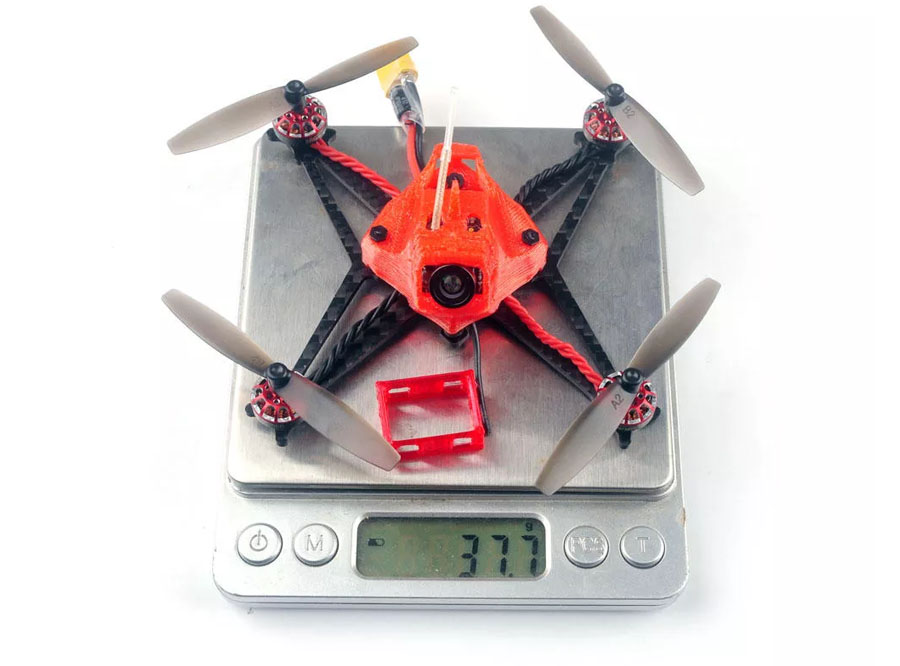
There are multiple prizes including the Happymodel Sailfly-X 105mm Crazybee F4 PRO 2-3S Micro FPV Racing Drone, BlitzWolf BW-FWC5 10W 7.5W 5W Fast Wireless Charger Charging Pad, and KEMEI KM-1407 Hair Clipper Electric Shaver Razor Nose Hair Trimmer for top 100 players. Note that only APP users can join the activity.
You can click here to visit the activity page and check out the giveaway list for the pinball game.
Huawei is locked in legal tussles with several companies in the US. In a recent lawsuit actually filed by Huawei against US semiconductor company CNEX Labs, a US court sitting in Texas has ruled against Huawei. Surprisingly, Huawei filed the lawsuit accusing CNEX, a company backed by Microsoft and Intel of intellectual property (IP) theft related to memory control technology. Huawei also accused the US firm of poaching its employees.
Happened that CNEX co-founder is a former Huawei employee and instead of becoming defensive, the US chip designer launched a countersuit. In the lawsuit, CNEX claimed Chinese tech giant had posed as a customer to obtain confidential information. The US company also claimed the lawsuit was an attempt to acquire proprietary technology. The court found that Huawei committed IP theft. However, the court did not award damages to CNEX.
This court ruling is coming at a time Huawei is embroiled in several controversies bothering on the theft of foreign technology. The US is going after on Huawei in its latest trade war with China, for several reasons. One of the reason is that the US authorities believe that Huawei’s rise as a global tech powerhouse has been on the back of stolen foreign technology. Two of Huawei’s business units face charges by US prosecutors for allegedly misappropriating robotic and mobile testing technology from cellular provider T-Mobile. Also, US start-up Akhan Semiconductor recently accused Huawei of stealing its innovative new glass protection technology known as Miraj Diamond Glass technology.
As far back as 2002, Cisco Systems Inc. accused the company of stealing the source code for its routers. Also, in a 2010 lawsuit, Motorola had accused Huawei of successfully turning some of its Chinese-born employees into informants. And in 2012 the U.S. House Intelligence Committee labelled Huawei a national security threat and urged the government and American businesses not to buy its products. Huawei denied all the claims. Both the Cisco and Motorola lawsuits ended in settlements.
Apple’s chief designer – Jony Ive is leaving the company after lending his expertise for over 30 years. The man behind the minimalistic and elegant designs for the Apple products is finally leaving the company to launch his project LoveFrom next year.
Jony Ive has remained among the most trusted creative collaborators of Apple’s co-founder, Steve Jobs. He was the person behind candy-colored iMacs launched in 1998. He designed many Apple products, including iPhone, iPod, iPod Mini, iMac, and even participated in developing the iOS 7 and Apple Park. His designs made Apple products minimalistic, easy to use with modern aesthetics. Design is a significant aspect behind the vast sales of Apple products from the past few decades.
We are listing some best products designed by Jony Ive. Let’s have a peek into design revolutions of the Cupertino giant:
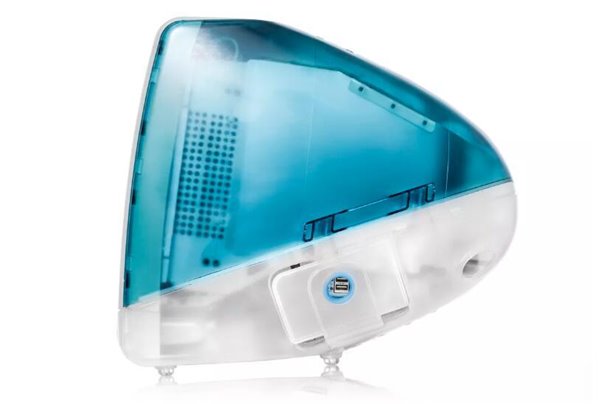
iMac G3
iMac G3
It is one of the colorful design inventions with a candy-colored back cover for the iMacs. It introduced colors into the dull ordinary gray box. It was initially launched in Blondi Blue color, but after its popularity, Apple added ten different colors. Former Apple CEO and co-founder, Steve Jobs termed it as a machine from another planet having a better designer.
It became the device to plunge Apple away from financial ruin in the late 1990s. It even emerged as the device abandoning the floppy drivers and connectors for USB Standard.
iMac G4 computer
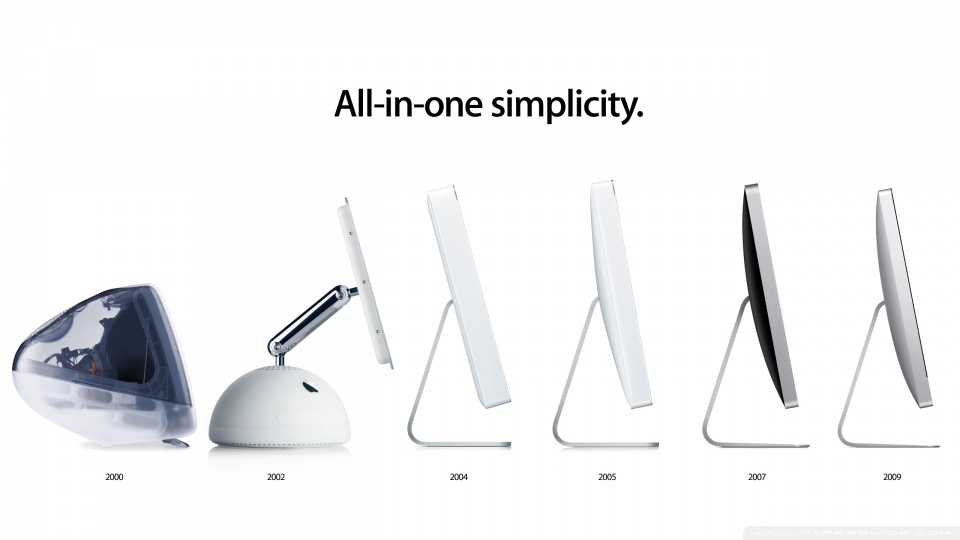
iMac evolution
Jony Ive remained intact with the Apple to build the futuristic devices. He kept innovating the new designs for Apple. After iMac G3, Jony compressed the size of the computer and designed iMac G4 Computer. Later, he kept improvising the designs and recently attained thinness of a few millimeters.
iBook G4 Laptop
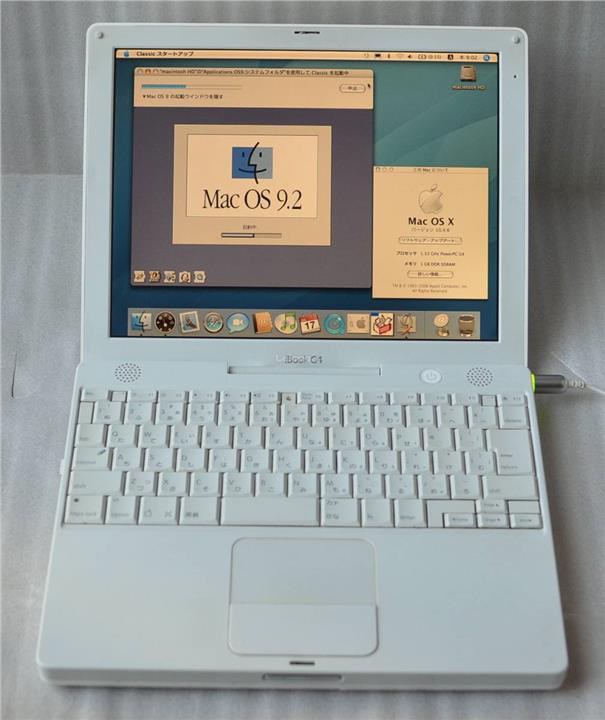
Before MacBooks, iBook enthralled the world with its compactness and design. Jony Ive was the person behind cultivating the new white colored laptops in a slimmer casing. The laptop carried built-in Keyboard, Mouse, and a battery (obviously) to for portability. Rather than introducing a bright colored laptop, the company adopted white colored and round-edged iBook G4.
It was launched on October 22, 2013, and later received several upgrades in the form of successive models until 2005.
iPod Music Player
iPod Music Player
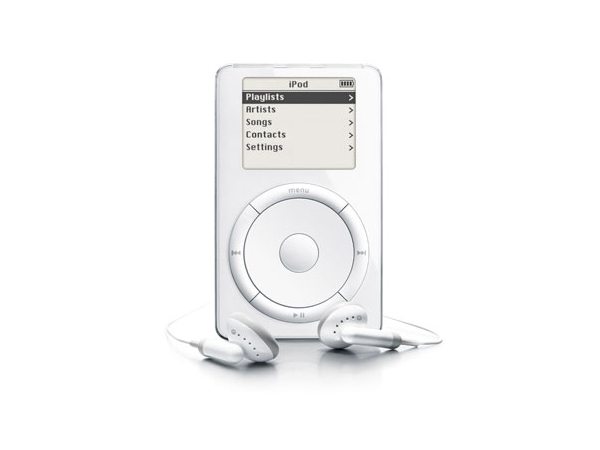
Who can forget the iPod with vast music libraries having incredible sound abilities? It replaced the popular Sony Walkman and other CD Players. It was tinier, lighter, beautiful, carried better sound, more storage, and gave enhanced music quality. It also ushered Apple’s digital music experience using iTunes.
iPod Mini
iPod Mini
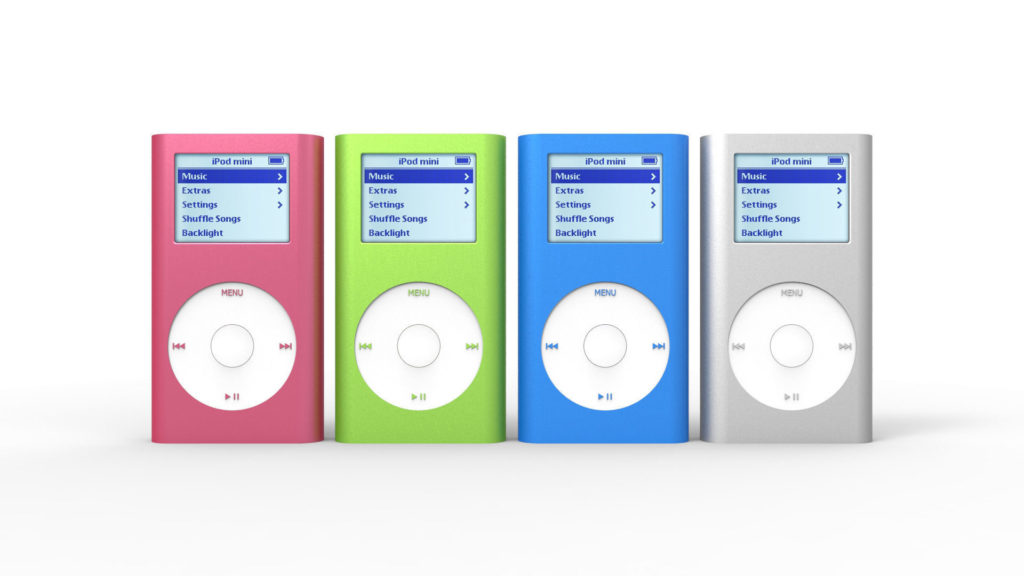
The reason behind iPod’s popularity was its impressive Design. Apple minimalized the iPod under the guidance of Jony Ive and launched it as the iPod Mini. The device carrying intuitive colors received a great response and became a sudden hit among the music lovers. The tinyness and lightness of the device made it special, and even Steve Jobs praised this “very beautiful” device.
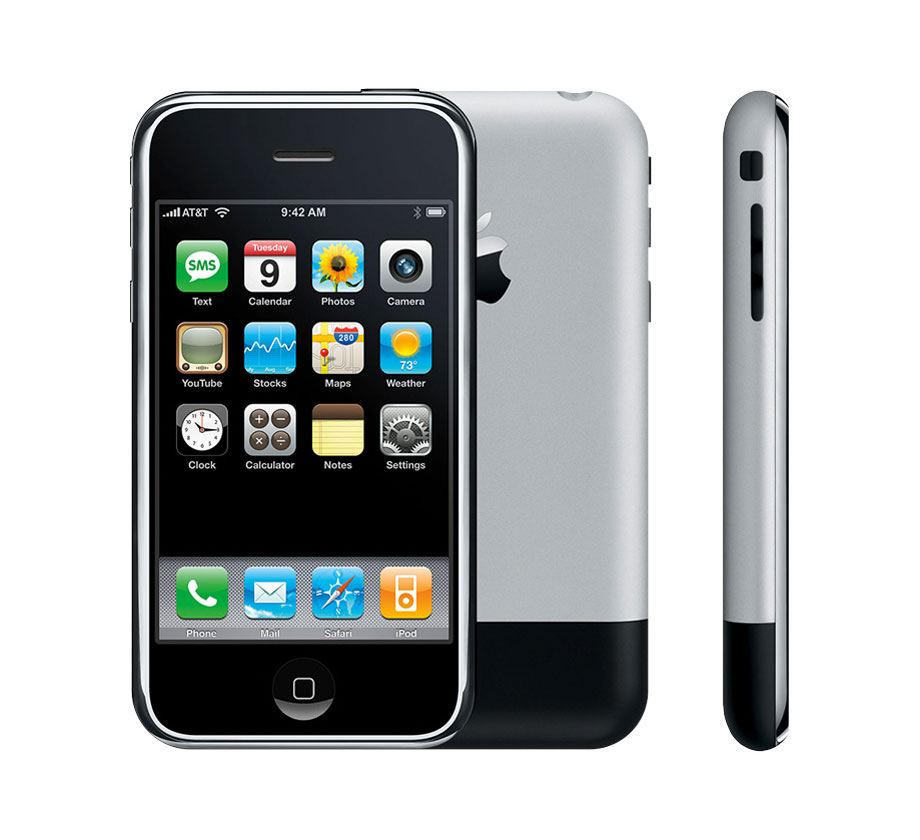
iPhone
iPhone (1st Gen.)
We were still struggling to hands-on the physical keyboard devices, whereas Apple was thinking out of the window to introduce a full touch-screen device. Everyone was amazed to see the iPhone 1st generation, which was launched with lots of innovative features. It shaped the entire smartphone industry into a different dimension.
Everyone was amazed when Steve Jobs introduced the 3.5-inch full touch screen device. The device was another masterpiece crafted by Jony Ive.
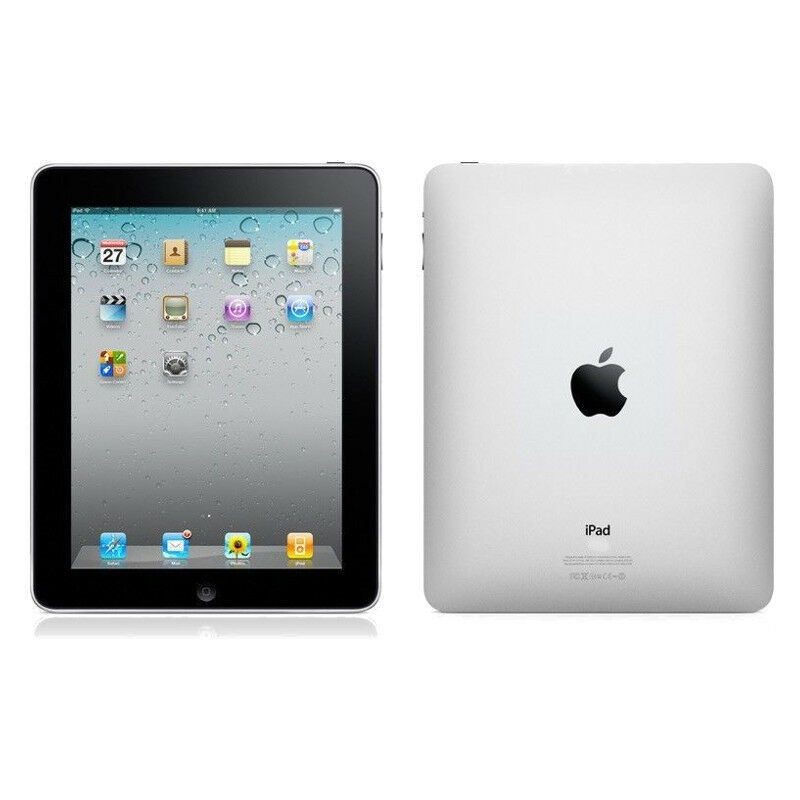
iPad
iPad (1st Gen.)
After developing devices with different form factors. The Cupertino giant developed iPad with a huge display replacing laptops (up to some extent) for entertainment and business use. A 9.7-inch display device was stylish, sleek, and lightest to hold in the hands.
Even though, for the first time, Jony Ive appeared in the promotional video of the Apple product while talking about the aesthetics of the device. It was one of the major projects after the iPhone launch that Jony passed with flying colors.
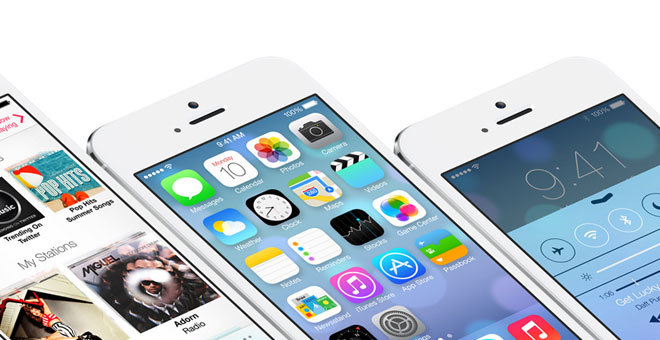
iOS 7
iOS 7
After lending his hands in designing the hardware for Apple, Jony Ive turned towards software designing also. He helped Apple in creating the sensational iOS 7 update in 2013. It changed the overall look, style, and order of the iOS operating system. iOS 7 brought several changes, including translucent notifications, soft colors, and several other modifications.
He showed us a different perspective to make things simpler, organized, and beautiful.
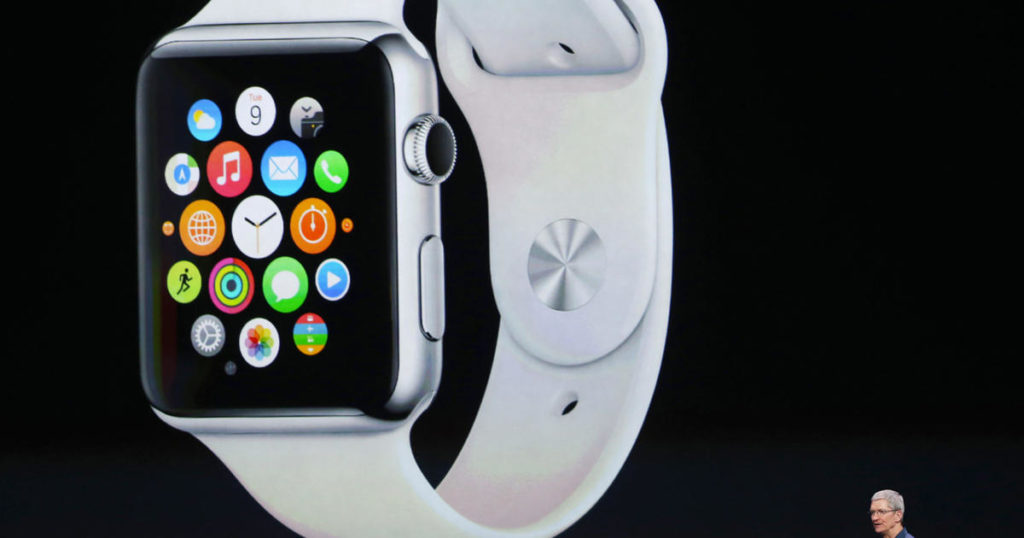
Apple Watch
Apple Watch (2014)
Another gorgeous product from Apple’s wardrobe is Apple Watch. It was launched in 2014 as a first health tracking wearable from the Cupertino giant. As like of the above innovations, Apple gave Jony Ive the charge to design the new Apple Watch.
It carried stainless steel body, rectangular screen, digital crown, and a replaceable strap. It was termed as among the most stylish wearable items at that time. It was powerful and personalized aimed to impact our daily lifestyle.
Apple Park
Apple Park
The large and impressive office of the Cupertino giant was also designed by Jony Ive. He poured in some extensive ideas to outclass the primitive office structures. The idea to build a new office was conceived by both Steve Jobs and Jony Ive. He visualized the future through Apple’s new office, which was opened to employees in 2017.
It is built in 2,800,000 square feet (260,000 square meters) area housing more than 12000 employees. The circular building has a circumference of 1 mile translating to 1.6 kilometers.
Jony Ive has always shown a different design dimension via his work. He innovated and reformed the way the mobile phone and other smart gadgets look. He not only designed the products, but he also created the Cupertino giant.
The trending news in the tech space right now is the announcement by Apple that long-time design chief Jony Ive is taking a bow from the tech giant in a bid to start up his own company. Jonathan Ive until the announcement was Apple’s chief design officer. He joined the company is 1992 and for almost 30 years, has been responsible for designing Apple’s most iconic products like iPod, iMac and iPhone. Apple says it will still work with Ive on exclusive projects but as a client of the British/American industrial designer’s company named “LoveFrom”.
Jony Ive was the brain behind most of Apple’s designs and is believed to be the one keeping Steve Jobs’s knack for perfection alive through the design of Apple products. Jony Ive’s monumental contribution helped bring Apple back from the brink of obscurity with the design of the translucent iMac G3, the design of which was also adopted for the iBook G3 released in 1999. After that, probably one of the most futuristic looking products from Ive’s design stable was the G4 Cube, a computer that was encased in clear polycarbonate. Since then, Ive has become synonymous with some of the most popular Apple products like the iPhone and the Apple watch. However, in 2015, Ive stepped down from his role temporarily to work on the design of the Apple Campus. Since, then, he has functioned more on the managerial angle than actually designing iPhones.
Thus, it is safe to say Ive isn’t responsible for the design of the latest iPhones that have received knocks from various quarters due to what some say is a loss of creativity. The iPhones look like they were struggling to catch up with Android phones especially in the adoption of the notch-screen design. The same scenario is about playing out in the adoption of multiple rear cameras on the next iPhone XI, if leaked renders are anything to go by. The seeming loss of identity and creativity may have forced the British/American citizen out of Apple. It is difficult to point at any iconic product from Apple in the years after Steve Job’s demise. Recently, the company pulled the plug on the AirPower completely, citing difficulty meeting its own standards. That is after the product has been announced during the iPhone X launch in 2017. In another light, this could just be the quest for a fresh lease of life after so many years at Apple.
Ive’s works at Apple is aptly showcased in a video released a couple of years back. In November 2016, Apple launched a hardbound photo book chronicling 20 years of product designs. The book is titled “Designed by Apple in California,” and it comes in two sizes: small and large, priced at $199 and $299 respectively. Alongside the release, Apple posted a promotional video by the same name on its website featuring voiceover from Chief Design Officer Jony Ive and a sneak peek into their design studio. Here’s the video which is basically an exhibition of Jony’s designs.
We use cookies on our website to give you the most relevant experience by remembering your preferences and repeat visits. By clicking “Accept”, you consent to the use of ALL the cookies.
This website uses cookies to improve your experience while you navigate through the website. Out of these, the cookies that are categorized as necessary are stored on your browser as they are essential for the working of basic functionalities of the website. We also use third-party cookies that help us analyze and understand how you use this website. These cookies will be stored in your browser only with your consent. You also have the option to opt-out of these cookies. But opting out of some of these cookies may affect your browsing experience.
Necessary cookies are absolutely essential for the website to function properly. This category only includes cookies that ensures basic functionalities and security features of the website. These cookies do not store any personal information.
Any cookies that may not be particularly necessary for the website to function and is used specifically to collect user personal data via analytics, ads, other embedded contents are termed as non-necessary cookies. It is mandatory to procure user consent prior to running these cookies on your website.