The Kirin 810 will be unveiled tomorrow at Huawei’s Nova 5 launch event. The new chipset will power the Nova 5 and will be Huawei’s second 7nm chipset. There are reports that it will have a dedicated NPU made by Huawei itself and not a third party like that of the Kirin 980. An AI benchmark result has surfaced and it shows the Kirin 810 is a beast.
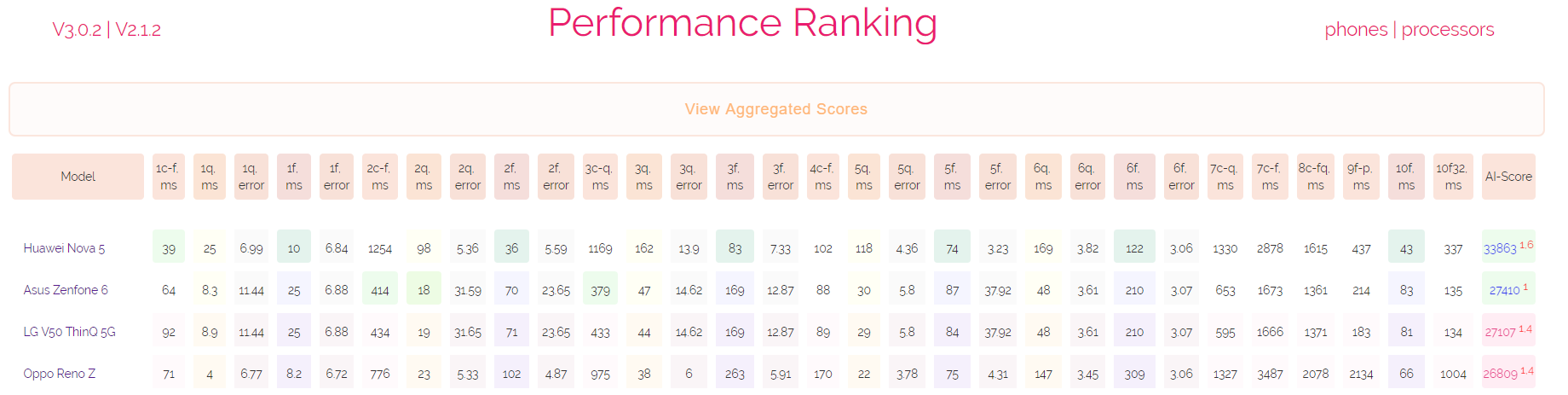
AI Benchmark 3 not only reveals how well the chipset performs in AI-related tasks compared to others but also provides some key details about the chipset itself. First, it confirms the Nova 5 is powered by the Kirin 810 as you can see in the first image below.
AI Benchmark – Devices
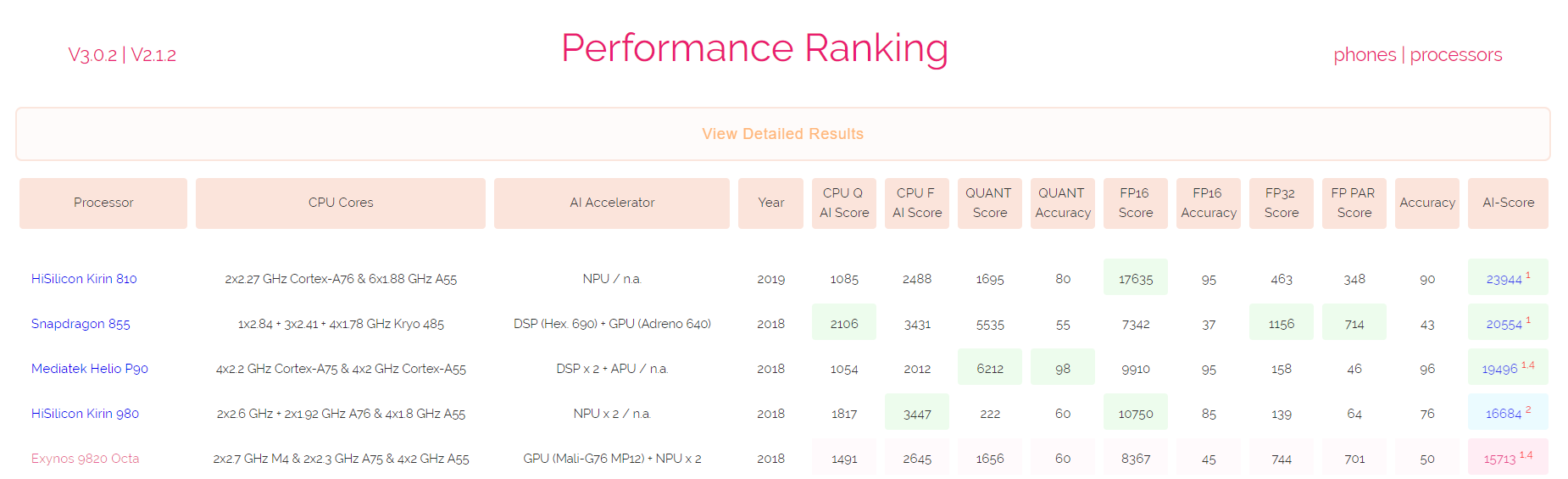
In the second image, we see the 7nm Kirin 810 is an octa-core processor with four Cortex-A76 cores clocked at 2.27GHz and another set of Cortex-A55 cores clocked at 1.88GHz. It also shows it has a dedicated NPU.
With respect to scores, the Kirin 810-powered Nova 5 has an AI Score of 33,863 points which pushes it to the top of the list ahead of the Snapdragon 855-powered ASUS Zenfone 6 and LG V50 ThinQ 5G, and the Helio P90-powered OPPO Reno Z.
AI Benchmark – processors
When you switch the ranking to just chipsets alone, the Kirin 810 has an AI score of 23,944 points, outperforming the Snapdragon 855, the Helio P90, the Kirin 980, and the Exynos 9820 to claim the top spot.
Huawei has sure put in a lot of work in the development of its own NPU and we can’t wait to know more about the chipset when it is unveiled tomorrow. Apart from the Nova 5, the Kirin 810 has also been reported to be the chipset that will power the Honor 9X Pro.
Earlier today, we reported on a list of Huawei devices that will be upgraded to Android Q in the future. Huawei itself has released an official statement on the matter.
Unless you live under a rock, then you should know Huawei and the US government are not best friends right now. The US government has put the tech giant on an entity list and prevented it from conducting business with US-based companies. This means Huawei can no longer do business with Google, Intel, Windows, and Qualcomm e.t.c. until the ban is lifted.
For owners of a Huawei smartphone, this is grave news since if Huawei can’t do business with Google, that means it can’t get access to Android services including updates.
In its official statement which was shared on Twitter as well as in a blog post, it said: “All Huawei smartphones and tablets will continue to receive security patches and Android updates”.
Huawei continues by saying those who already own a Huawei smartphone or are about to buy on can “continue to access the world of apps as they have always done”. They will also continue to be covered by warranty and receive service support.
Huawei also confirmed that its most popular devices will be able to “access Android Q”. The post specifically mentions the P30 series but some have raised suspicion about the use of the word “access” instead of “update” but seeing as they already said their phones will continue to receive security patches and Android updates, there doesn’t seem to be a cause for alarm.
In the blog post, Huawei listed the following devices as those it submitted to get the upgrade to Android Q:
P30 Pro
P30
Mate 20
Mate 20 Pro
PORSCHE DESIGN Mate 20 RS
P30 lite
P smart 2019
P smart+ 2019
P smart Z
Mate 20 X
Mate 20 X (5G)
P20 Pro
P20
Mate 10 Pro
PORSCHE DESIGN Mate 10
Mate 10
Mate 20 Lite
Huawei said it has already been working with third parties for months to ensure its devices will get the Android Q update. Testing has already begun for 17 devices it says and the Mate 20 Pro has been approved to get the Android Q update when it is released by Google.
To sum it all up, Huawei is simply assuring its current customers and potential ones that its phones will be fine irrespective of the current situation. You can check the blog post for more details where Huawei has answered the most important questions from users
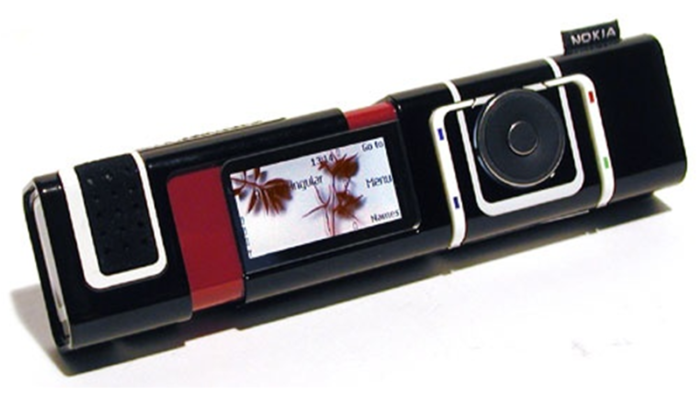
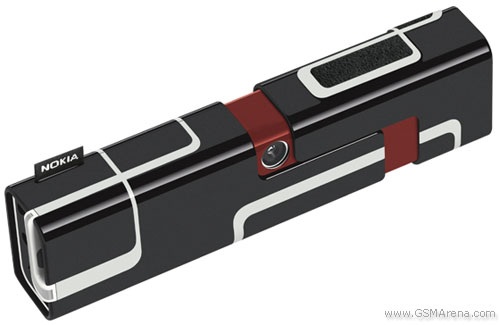
So you thought flip phones were cool? Then you definitely missed the “LIPSTICK PHONE”! And this crazy lipstick-like phone was manufactured by none other than the mighty Nokia. I mean, Nokia was legit crazy. The company had so many weird looking smartphones back then and these were not prototypes, they were actual products which you could purchase! The Nokia 7280 dubbed the Lipstick Phone was one such masterpiece.
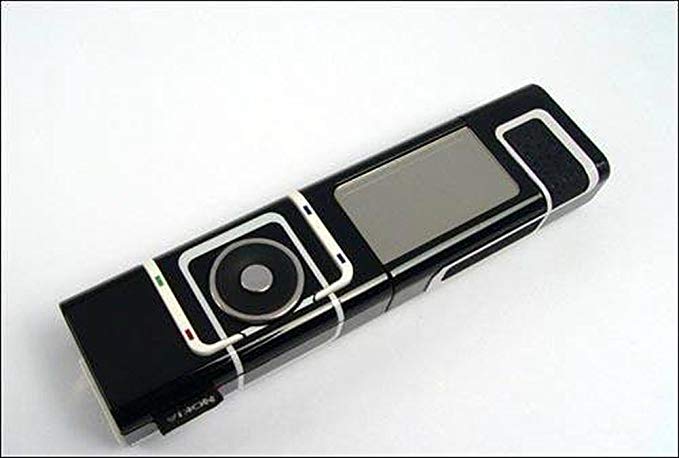
The phone has one of the coolest designs we have ever seen. Yes, even today, there is hardly any phone that can beat the “lipstick phone” when it comes to making a style statement. The Nokia 7280 was designed to look like a lipstick and it does a tremendous job in standing out when you use it as a phone. Imagine, it was so cool that the display acted as a mirror when it wasn’t turned on! Even better than a second screen right?
The phone had a mix of plastic, metal, leather, and even a piece of fabric. In fact, the Nokia logo stuck out of the phone on a piece of fabric, something similar to what we see on T-Shirts! It was legit crazy. It even had fur-like leather covering certain parts. Basically, the phone was designed to stand out and stand out it did!
Unsurprisingly, based on how small the phone is and its unusual design, it didn’t have a physical keypad, instead, you had to use a physical scroll button which is similar to the Apple iPod’s Click Wheel to navigate an on-screen keypad to type in phone numbers or texts. It also supported voice-input. Now imagine typing in this day and age with a scroll button! Explains why users of the lipstick phone had a really genuine reason for late replies.
The Nokia 7280 had a camera too! And you had to slide up the phone to reveal the VGA camera. Again, really cool! While the outside of the phone was all black with white stripes, when you slide up the device, you were welcomed with red interiors. Now you know why it got the “Lipstick Phone” moniker! Sliding the phone open or close also serves as answering and rejecting calls respectively.
Despite its flashy profile, the phone wasn’t a slouch when it came to key features. It supported GPRS edge along with Bluetooth which was a big deal in its time. Not to mention you could make calls, listen to music (media player included), and even capture and transfer photos on the device. It had a 700mAh battery which offered 3 hours of talk time.
So you must be thinking, if it was so cool, why didn’t it become famous and sell in millions? Well, you had to shell out 600 Euros for this baby! And even back then, that was a LOT for a phone! Clearly, this wasn’t a phone for the masses.
Now you know why the Nokia 7280 “Lipstick Phone” deserves a mention in our throwback series. When we see today’s manufacturers trying out sliders, pop-ups, and even port-less phones, we have to remember that Nokia was bolder, crazier, and more open to experimenting well before its first demise! Clearly, the Finnish brand is a real inspiration to the smartphone world!
I managed to find a decent overview of the device down below. Do watch it to see how cool the phone is in real life!
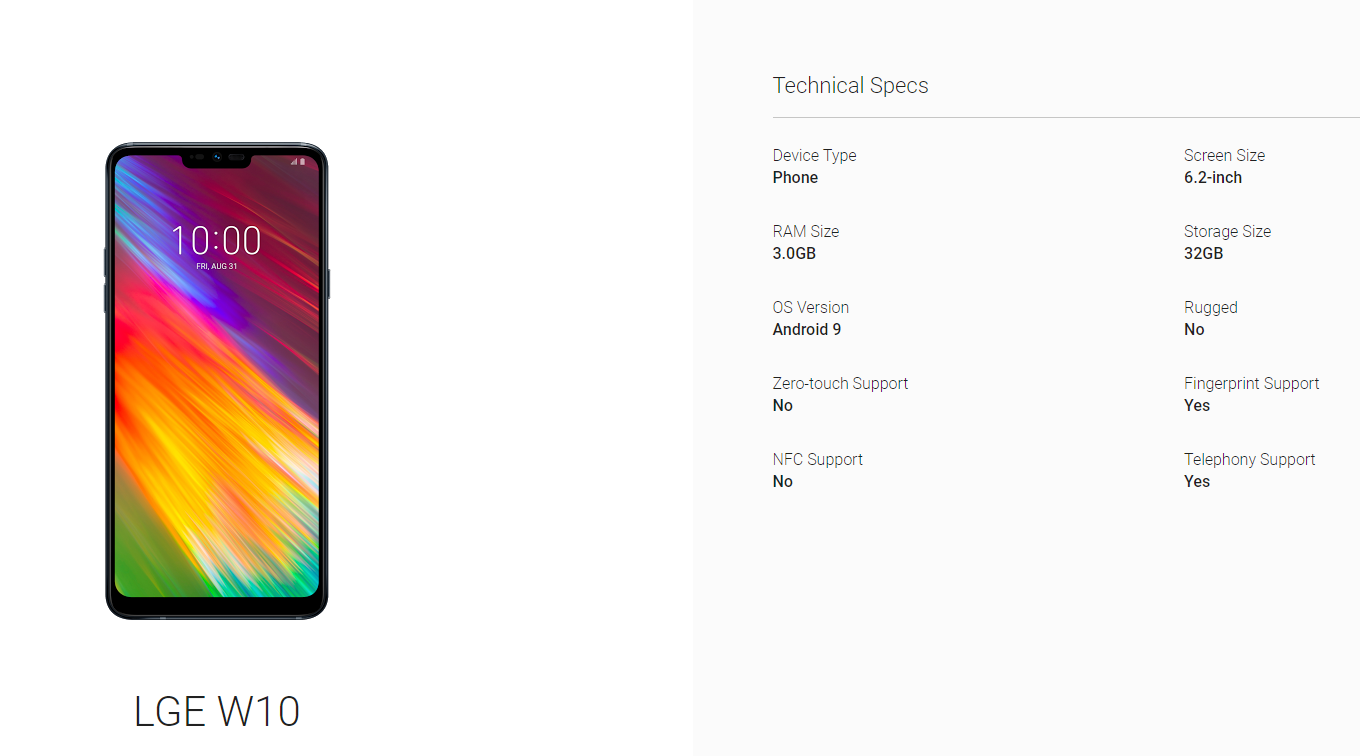
The LG W10 has been spotted on the Android Enterprise website and the listing reveals some of its key specs.
The LG W10 has been reported to be the base model of a new line of smartphones from LG. A leaked image from last week showed us the phone will have a rear-mounted fingerprint scanner, a 3.5mm audio jack, and dual rear cameras. However, we didn’t get to see what the front looks like.
The Android Enterprise listing says the LG W10 (LGE W10) will have a 6.2-inch display, 3GB of RAM, and 32GB of built-in storage. It will also run Android 9 Pie out of the box. It confirms it will have a fingerprint scanner but says it doesn’t have NFC.
The listing includes an image of an LG phone with a wide-notch but it’s the G7 Fit and not the W10. LG’s marketing material for the W-series show a phone with a waterdrop notch, so this image used for the Android Enterprise listing is just a placeholder.
LG is yet to announce a launch date but we have a feeling it will do so very soon. The LG W-series will launch in India first but may eventually make its way to other markets.
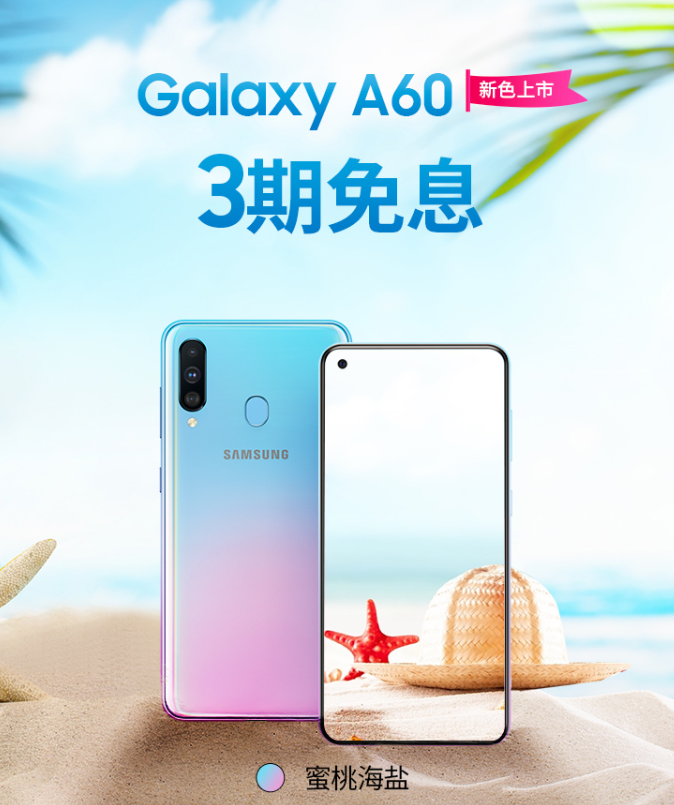
Samsung has taken the wraps off a new color variant for the Galaxy A60. The new color which is called Peach Sea Salt is a mix of blue and pink and is absolutely gorgeous.
Samsung first teased the new color variant yesterday but has now officially announced it. It is also available right away for purchase on Jingdong.com.
The new Galaxy A60 Peach Sea Salt comes with 6GB of RAM and 64GB of storage and is priced at ¥1499 (~$219). The other color variants are priced at ¥1489 (~$217).
The Samsung Galaxy A60 has an FHD+ punch hole display, a Snapdragon 675 processor, 6GB of RAM and up to 128GB of expandable storage. It has triple rear cameras- a 32MP main sensor, an 8MP 123° ultra-wide angle camera, and a 5MP depth sensor. There is a 16MP camera in front for selfies. It also has NFC, dual-SIM support, Bixby, Assistant, a rear-mounted fingerprint scanner, and a 3500mAh battery.
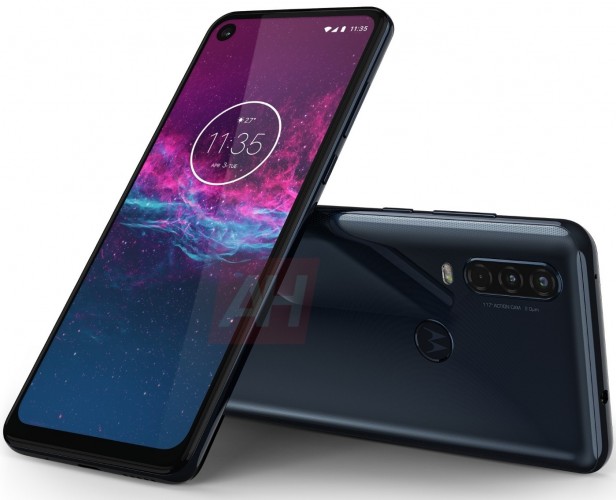
Motorola rolled out the Motorola One Vision in Brazil last month and just yesterday, the device was launched for the Indian market. The company has got another model in the works dubbed Motorola One Action. A render of the One Action had appeared last week in white colour alongside the One Vision. A fresh leak showing the Motorola One Action with a Blue gradient finish tagged Denim Gray has appeared online.
The ONe Action renders highlights the triple rear cameras onboard the device. Also shown, is the presence of a 3.5mm audio jack at the top edge of the phone just like the One Vision.
Earlier rumours tip the Motorola One Action to debut as a less expensive version of the One Vision. Design wise, both phones utilise a punch-hole selfie camera design but at the rear, the One Action is action-packed, sporting a triple camera setup that includes a 12.6MP main sensor and an “Action Cam” having a FOV of 117-degrees. The third unit will likely be a depth sensor.
The device features a 6.3-inch FHD+ display with a punch-hole design. It will be powered by an Exynos 9609 SoC and packs a 3,500 mAh battery. The smartphone will be offered in three memory configurations; 3GB+32GB, 4GB+64GB, and 4GB+128GB.
Motorola is yet to disclose when the One Action will be launched.
If you have been waiting for official confirmation that the iQOO Neo is powered by the Snapdragon 845, then the new teaser poster is what you have been waiting for.
The official iQOO Weibo account shared a new poster of the upcoming smartphone and it shows Qualcomm’s Snapdragon 845 processor is the SoC under the hood.
Vivo’s iQOO won’t be the first brand to launch a phone with the flagship chipset from the previous year. The Nokia 9 PureView uses a Snapdragon 845 processor, the LG G7 One released last year is powered by the Snapdragon 835 from 2017, and Samsung and Huawei’s flagship tablets are usually powered by an older flagship SoC though that changes this year.
The Snapdragon 845 is a pretty powerful processor and will handle anything you throw at it. And the fact that it isn’t the latest flagship SoC should mean the iQOO Neo will be more affordable.
The phone will have a 6.38-inch display with a waterdrop notch, triple rear cameras, an in-display fingerprint scanner, and a 4420mAh battery with support for 22.5W fast charging.
Ahead of schedule, Google mistakenly started rolling out July 2019 Android security patch to some Pixel 3a units. Several users took to Reddit to share the experience of getting the July Security patch ahead of schedule. The update with the build PQ3B.190705.003 included July 5 Security Patch and weighed at 79.8 MB.
According to the sources, it appears to be the “Googler-only” build aimed for internal testing. It was scheduled to release precisely after ten days from now. These “dogfood” or “Googler-only” builds prerelease versions are not meant for public use. The images shared also depicts “Confidential Internal Only” heading, which confirms the mistaken rollout by Google.
Google rolls out the security patch update at the beginning of each month. It first sends the security patch to its hardware partners before the official rollout on Pixel devices.
As far as the changes are concerned, the new OTA update carries the latest security patch and general bugfixes. There are no significant changes as according to the changelog appeared along with the update.
However, this is not for the first time that Google made such a mistake. A similar update was rolled out for Google Pixel XL in 2017.
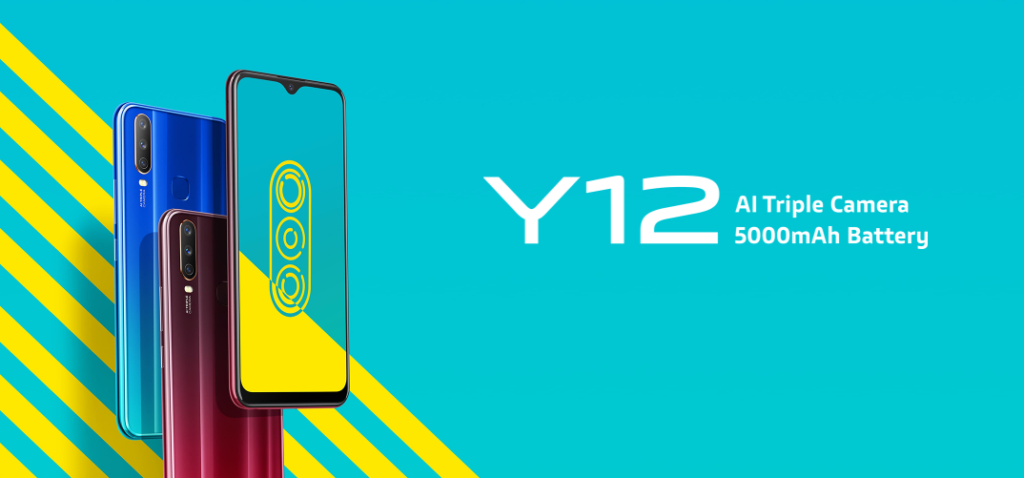
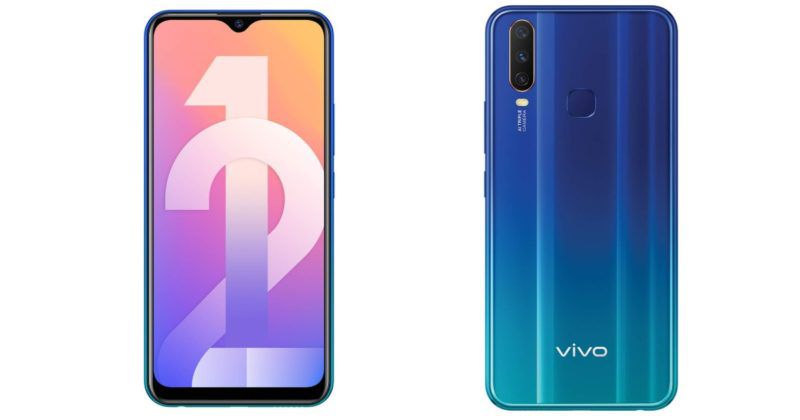
The Vivo Y12 is the newest member in Vivo’s Y-series of smartphones for India. It is cheapest triple camera phone from a mainstream smartphone brand in India. The Vivo Y12 was expected to go on sale earlier this month. However, it is now only that the smartphone is available for purchase in the country. The handset can be purchased through the online store of Vivo India and Amazon.in.
Vivo Y12 Specifications and Features
The Vivo Y12 houses a 6.35-inch display with waterdrop notch. The handset supports HD+ resolution of 720 x 1544 pixels and 19.3:9 aspect ratio. The smartphone promises a screen-to-body ratio of 89 percent.
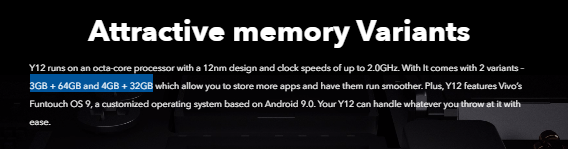
The MediaTek Helio P22 chipset powers the smartphone along with 4 GB of RAM. It comes with a native storage of 32 GB. A dedicated microSD card slot is available on the device for additional storage. The official website states that there is another variant of the phone with 3 GB of RAM and 64 GB of storage. However, this variant is not available for purchase yet.
The Vivo Y12 is packed with a massive battery of 5,000mAh capacity. Placed inside the front notch is an 8-megapixel selfie camera with f/1.8 aperture. It supports features like palm capture, HDR, portrait mode, live photo, AI beauty and panorama. The Y12’s rear-facing triple camera setup has f/2.2 aperture 13-megapixel primary lens, an f/2.2 aperture 8-megapixel superwide lens and an f/2.4 aperture 2-megapixel depth sensor. The triple shooters are blessed with features like live photo, bokeh mode, HDR, beauty, pro mode, doc scan, palm capture and more.
The FunTouch 9 OS based Android 9 Pie runs on the Vivo Y12. For gamers, the phone comes with an ultra-gaming mode which allocate system resources to prioritize gaming performance. A fingerprint sensor is placed on the polycarbonate rear of the Vivo Y12 smartphone.
Vivo Y12 Price and Availability
The Vivo Y12’s base model 3 GB RAM + 64 GB storage is not yet available for purchase. The 4 GB RAM + 32 GB storage edition of the phone is priced at Rs. 12,490 (~$179). The smartphone is now available for purchase through offline stores, Amazon. in and Vivo India online store in color editions like Aqua Blue and Burgundy Red.
The Samsung W2018 was the first Samsung phone with a variable aperture camera. Its primary rear camera could switch between an f/1.5 aperture and f/2.4 aperture. The feature has found its way to the Galaxy S and Galaxy Note series. However, Samsung will be taking things up a notch with the Galaxy Note 10.
According to Ice Universe (@UniverseIce), the Galaxy Note10’s camera will have not two but three variable apertures. In addition to the F1.5 and F2.4 apertures, the primary sensor will also be able to switch to an F1.8 aperture. He mentioned that the info comes from Samsung China’s engineers.
Samsung China engineers said that the Note10 camera will use a three-stage variable aperture: F1.5/F1.8/F2.4
While phones can change apertures electronically, Samsung’s own cameras switch apertures mechanically just like a DSLR. We explained how it works back when Samsung just announced it.
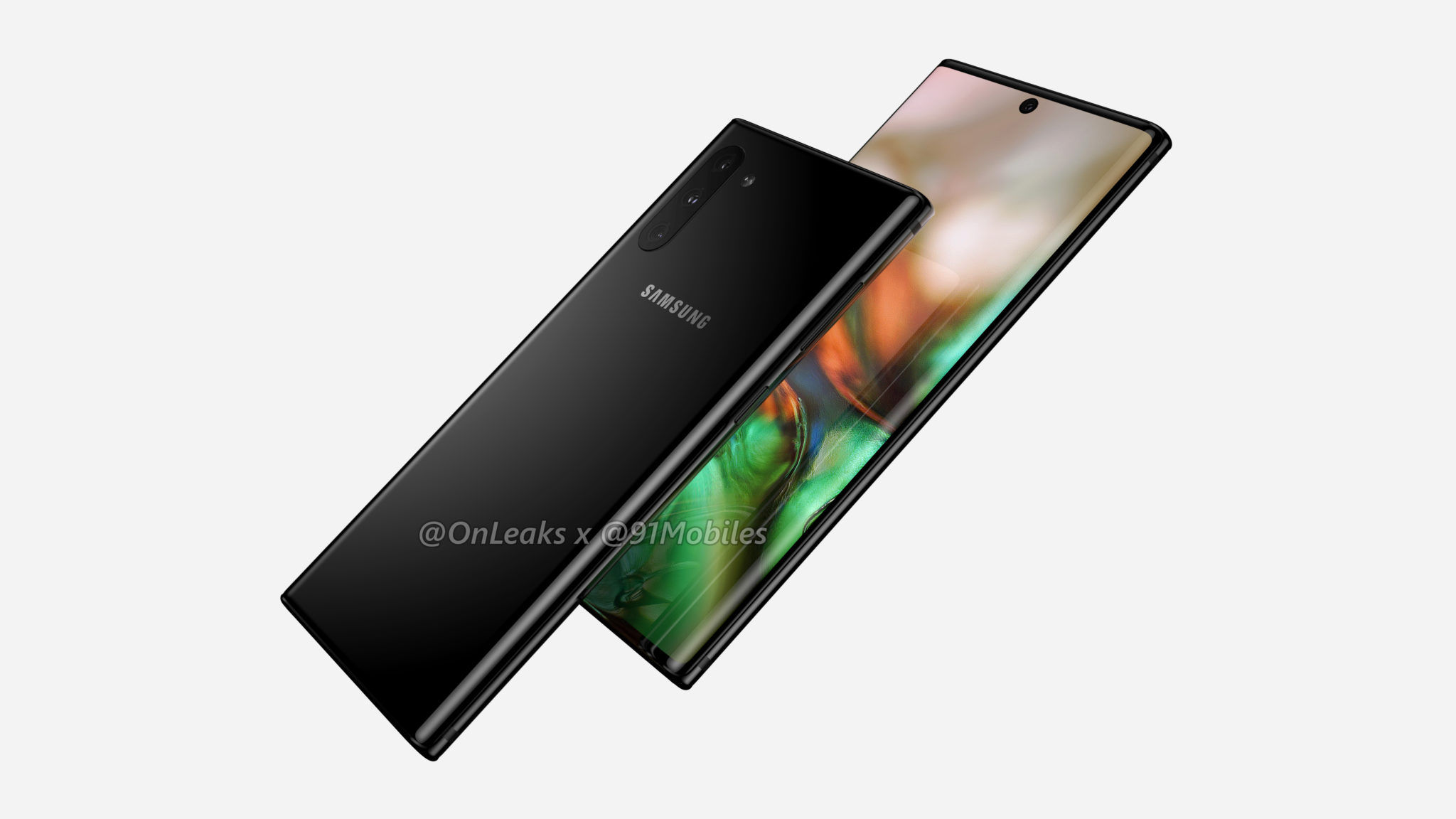
The Galaxy Note 10 is expected to launch in early August with a brand new Exynos processor, up to four cameras, and a punch hole display. Leaked renders and images of cases show the phone will not have an audio jack and will also ditch the Bixby button. It will also have a Pro model and there are rumors of a Tesla Limited Edition.
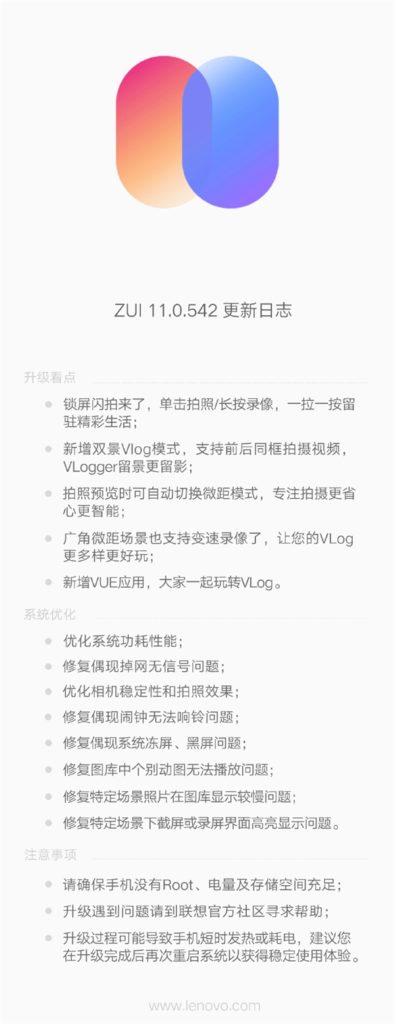
Lenovo is rolling out a new OTA update for Lenovo Z6 Pro in China. The new firmware update is now rolling out with significant changes in its camera. Lenovo has fully optimized the Lenovo Z6 Pro’s camera with new features and enhancements in the latest update. It has added new Vlog mode supporting dual-view, lock screen flash shooting and wide-angle macro mode to beautifully capture small objects.
The firmware ZUI 11.0.542 also optimizes the performance for smoother camera experience. The new update will improve the power efficiency of the device. Moreover, the wide-angle and macro lens can effectively record variable-speed video.
The update is gradually rolling out to all the Lenovo Z6 Pro in China. We suggest you charge the device up to at least 70% for a smooth rollout. You can also switch the WiFi network to save additional data costs on the carrier data. The update also includes general bug fixes and optimizations.
It was launched on April 23 in Beijing. The device comes with a quad rear camera module consisting of a 48-megapixel primary lens, an 8-megapixel telephoto sensor, a 16-megapixel ultrawide lens and another 2MP dedicated video camera. On the front, there’s a 32MP camera for selfies.
The Lenovo Z6 Pro carries a 6.39 inch AMOLED display with the support for HDR10 and full DC dimming. There’s a Qualcomm Snapdragon 855 along with the liquid cooling feature, under-display fingerprint scanner, and Adreno 640 GPU. It comes with a 4000 mAh battery with 27W fast charging technology. It is available three different storage variants: 12GB + 256/512GB storage, 8GB with 128GB storage, and 6 GB + 128GB storage.
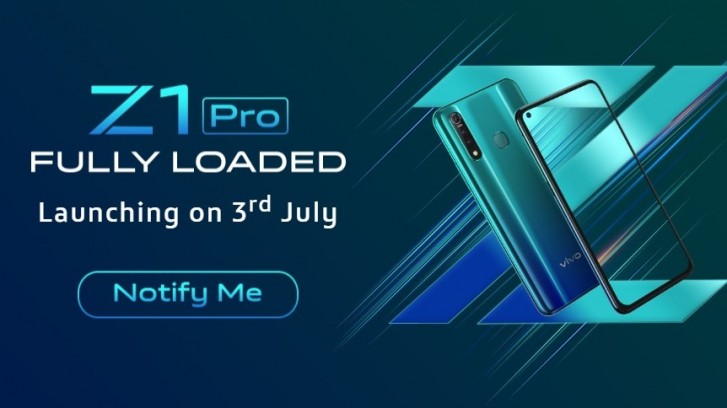
Vivo has been teasing the Vivo Z1 Pro since the beginning of this month. The official micro site of the phone has already some of its key features. Today, the Chinese firm has officially confirmed that it will be unleashing the Vivo Z1 Pro smartphone in India on July 3.
Reports that have surfaced in the recent days suggest that the Vivo Z1 Pro will be arriving as a better version of the Vivo Z5x phone that was unveiled recently in China. Hence, the smartphone will be borrowing many of its features from the Z5x handset.
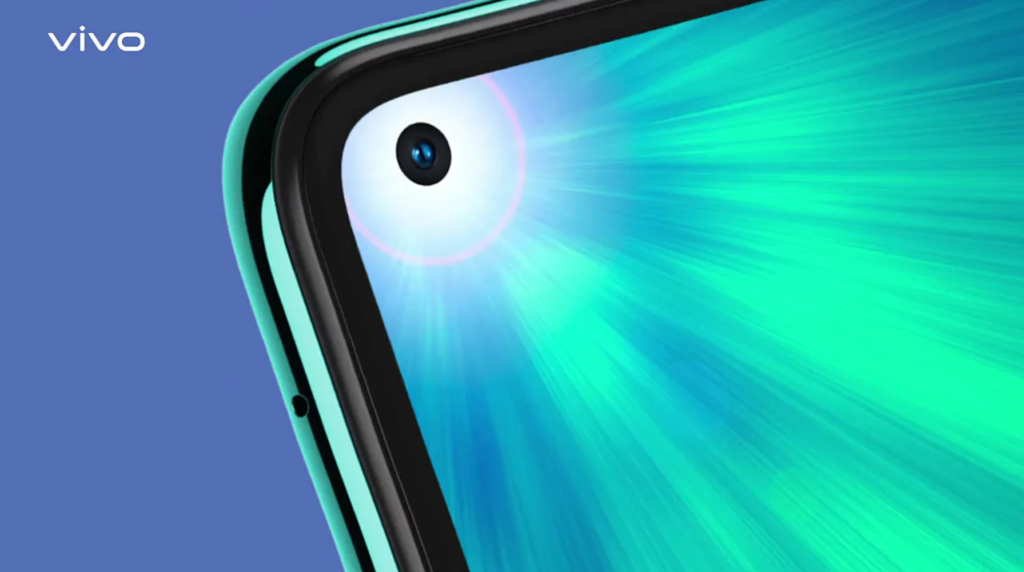
The Vivo Z1 Pro will be sporting a 6.53-inch IPS LCD display. Like the Z5x, the smartphone will be sporting a punch-hole design for its display. It will carry support for 1080 x 2340 pixels and 19.5:9 aspect ratio.
The Snapdragon 712 chipset will be fueling the smartphone with up to 8 GB of RAM. The smartphone is expected to arrive with 128 GB of storage in its highest configuration version. The FunTouch OS 9 UI based Android 9 Pie OS will come preloaded on the device. The Multi Turbo technology on the device by Vivo will ensure smoother experience while gaming as well as regular usage. The smartphone will also feature Vivo’s Jovi AI assistant.
The Vivo Z1 Pro will be packed with a 5,000mAh battery that will carry support for 18W dual-engine fast charging. The back panel of the phone will be equipped with a triple camera setup that will include a 16-megapixel main sensor, an 8-mgeapixel superwide lens and a 2-megapixel depth sensor. For shooting selfies, it will posses a frontal snapper of 32-megapixel.
A recent leak had revealed that the Vivo Z1 Pro will be landing in India in three models such as 4 GB RAM + 64 GB storage, 6 GB RAM + 64 GB storage and 6 GB RAM + 128 GB storage. There is no information available on the pricing of the smartphone. In related news, Vivo India is also gearing up to launch S-series of smartphones for offline markets in the country. The first S-phone by Vivo is expected to come with 8 GB of RAM and 128 GB of storage
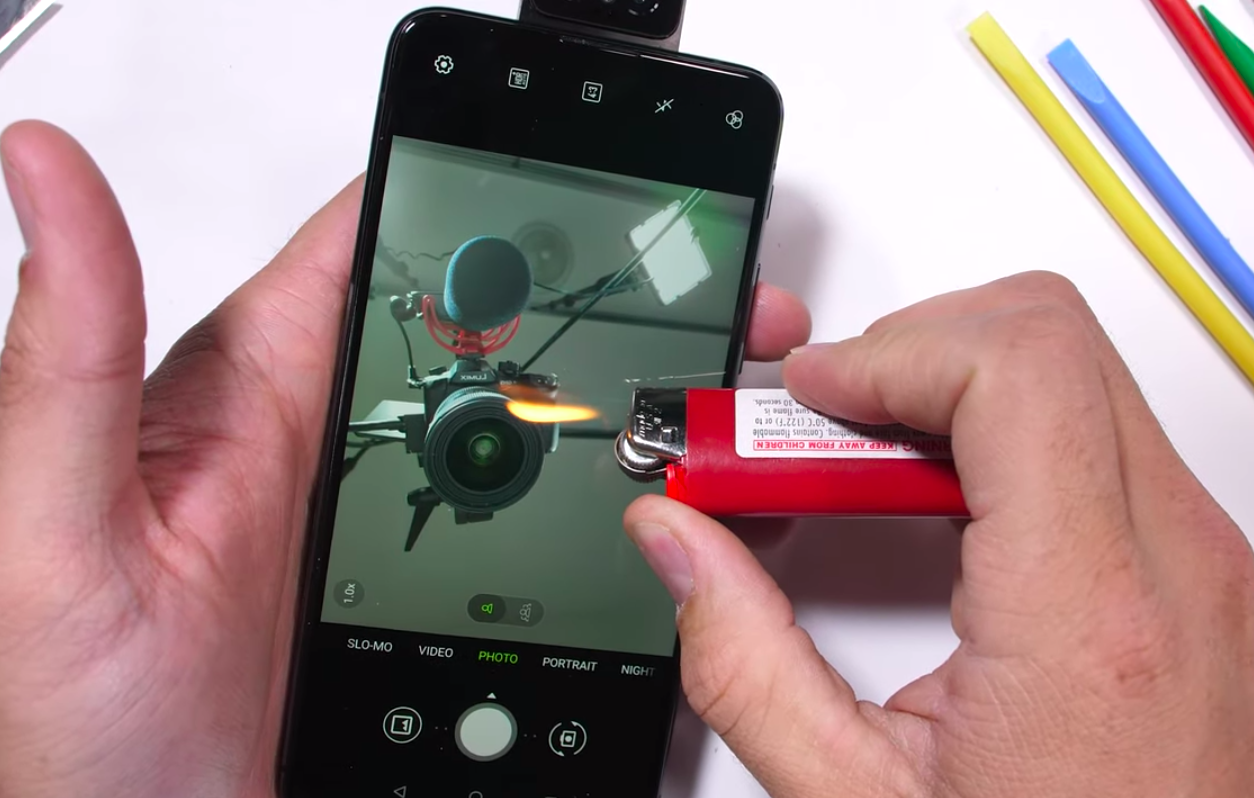
Asus Zenfone 6 is one of the best smartphones in the affordable flagship segment right now. The phone comes with powerful internals and more features than what’s usually found on higher-end flagships. But the flip camera, without a doubt, is its biggest attraction. However, flip cameras aren’t always durable, which is why it’s important to see whether the Zenfone 6 is built to last. That’s exactly what JerryRigEverything checked in his recent video.
JerryRigEverything confirms that the Zenfone 6 has an all-metal design. This is why the phone passed his bend test pretty easily. It didn’t even flex a bit in the bend test which was a very good sign. Also, the Zenfone 6 passed the standard scratch and burn tests comfortably. So, no real issues in these departments.
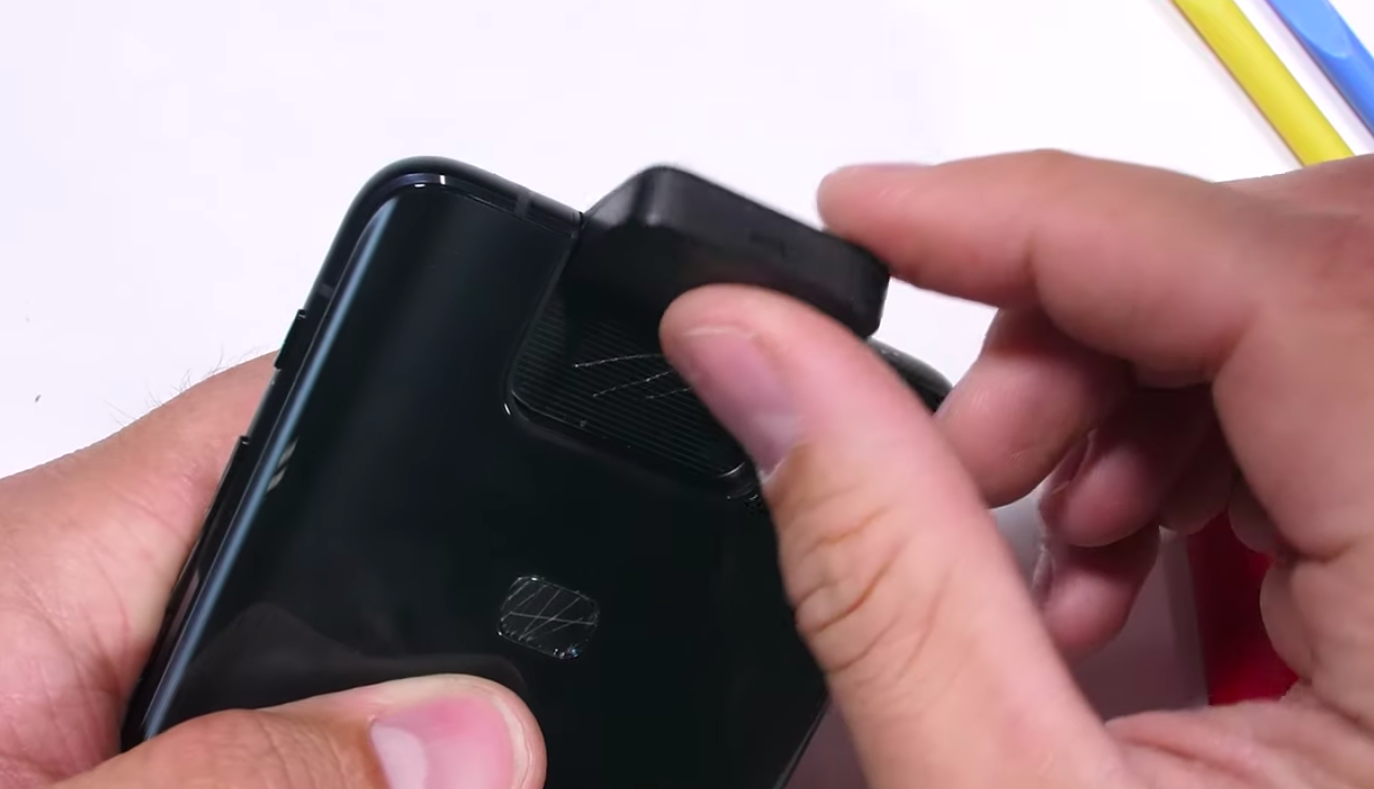
However, the real test was always going to be the phone’s flip camera. JerryRigEverything tried to twist the camera setup, stop it in between retraction, scratch it, and even banged it on the desk a couple of times. None of these actions seemed to have affected the phone’s camera setup. However, it is worth noting that the motor that drives the flip camera isn’t very powerful, so you can easily stop it mid-way with your hand or any other object. You’ll soon get a notification that the camera setup is obstructed and it goes away once you allow it to move freely.
Just like the OnePlus 7 Pro, Asus Zenfone 6’s flip camera will retract automatically in case of accidental drops. The retraction process is much faster in such a scenario ensuring that the camera is pushed back into its housing before it hits the ground. It is indeed a very useful feature to ensure minimum damage to the camera setup.
Unfortunately, with a flip camera, the Zenfone 6 isn’t waterproof. So, make sure to keep the phone away from water at all costs.
Overall, it looks like Asus has made a solid flagship once again. So, cast away your worries as the Zenfone 6 is built to last.
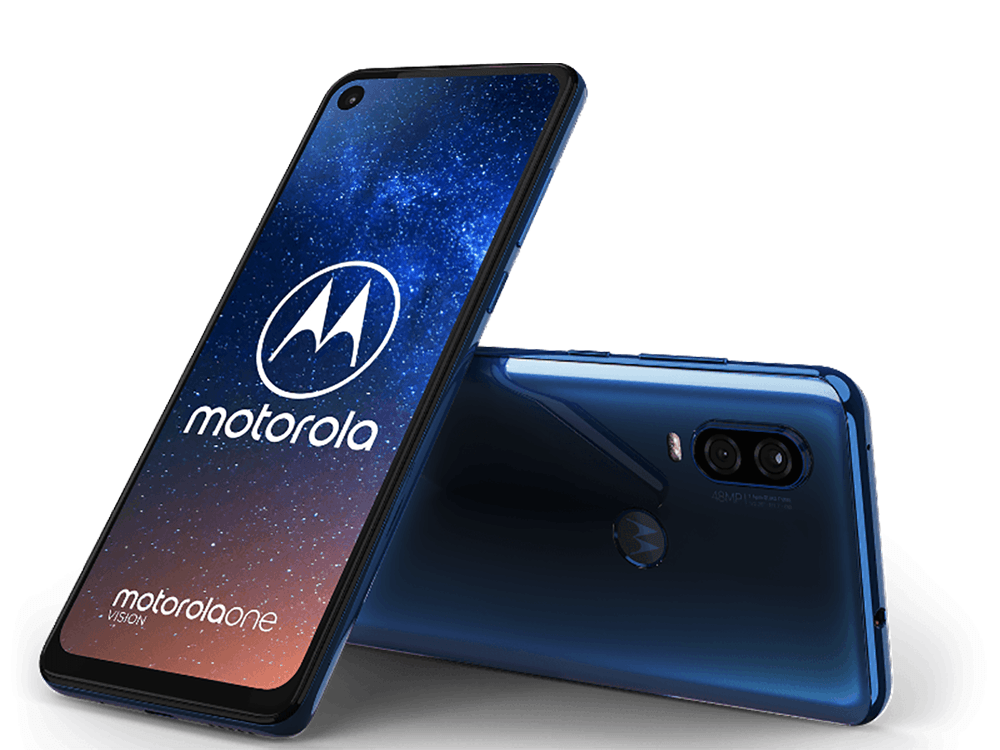
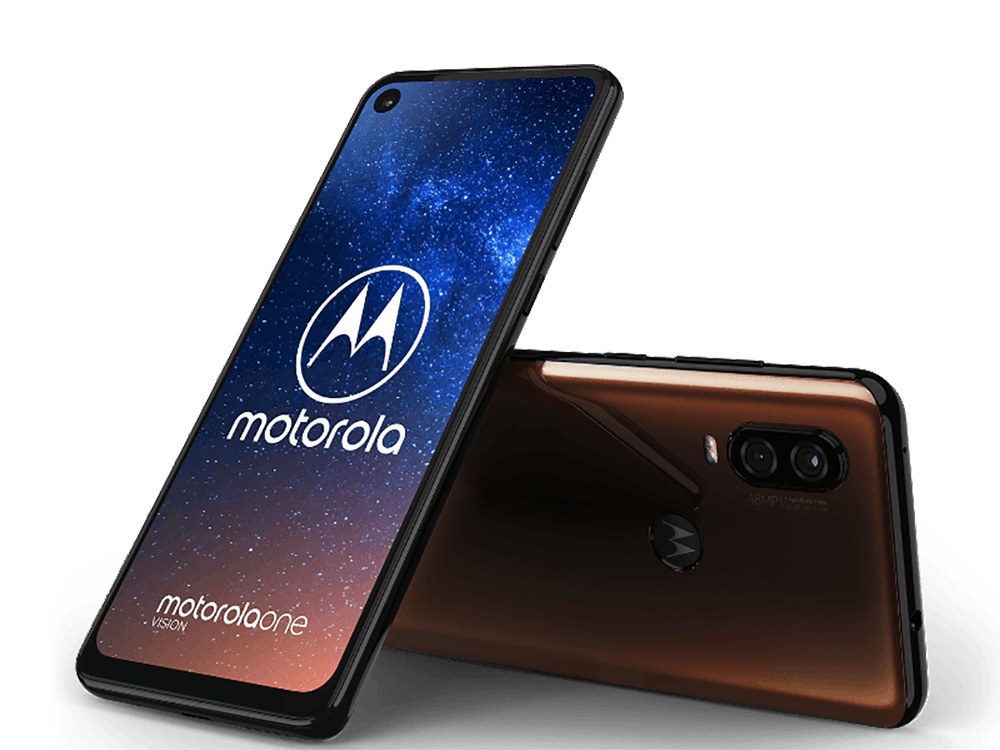
Last month, Motorola had launched the Motorola One Vision smartphone in Brazil. Today, the same phone has been unveiled today in India with a price tag of Rs. 19,999 (~$287). Some of the exciting features of the One Vision include 21:9 aspect ratio display with punch-hole design and 48-megapixel dual camera setup.
Motorola One Vision Specifications and Features
The Motorola One Vision features an IPS LCD panel of 6.3 inches. It carries support for full HD+ resolution of 1080 x 2520 pixels. The smartphone boasts a high screen space since it display does not feature a notch, but a small punch-hole for the front-facing camera. The display of the phone is protected by Corning Gorilla Glass. The Exynos 6906 chipset that features 2.2GHz octa-core processor is present under the hood of the device.
The smartphone comes with 4 GB of RAM. It comes with a native storage of 128 GB. The second SIM slot doubles up as a microSD card slot. It is an Android One smartphone that offers stock experience of Android 9 Pie OS. The smartphone will be receiving two OS updates as well as Android security updates for three years.
The rear side of the Motorola One Vision features a dual camera setup and an LED flash. It includes an f/1.7 aperture 48-megapixel Samsung GM1 sensor with OIS along with a 5-megapixel lens for adding depth effects. The smartphone offers users with Night Vision mode for capturing brighter shots in dim-light conditions. The other photography features available on the One Vision include portrait mode, hyperlapse video, HDR and PDAF. The punch-hole on the display houses a 25-megapixel selfie snapper with f/2.0 aperture.
The Motorola One Vision is backed by a 5,000mAh battery that is coupled with 15W TurboCharge rapid charging technology. The 4D glass back of the One Vision also features a fingerprint sensor that is embedded under the logo of the company. The other features of the smartphone include Dolby tuned speakers, dual SIM support, 4G VoLTE, Wi-Fi, Bluetooth 5.0, GPS, NFC, USB-C and 3.5mm audio socket.
Motorola One Vision Price and Release Date
As mentioned above, the Motorola One Vision is priced at Rs. 19,990 (~$287) for the sole variant of 4 GB RAM + 128 GB storage. The smartphone will be exclusively available for buying through Flipkart starting from June 27. Customers will be able to avail it in Bronze and Sapphire gradient color editions.
China-based Xiaomi is all set to launch a new smartphone series tomorrow in its home country, which will be focusing more on the front-facing camera and target the selfie-loving users. The phone will be launched in partnership with Meitu.
For those who are unaware, Xiaomi had acquired the hardware business of Meitu, a China-based smartphone manufacturer, last year in March in order to make and sell selfie-centric phones.
The company has shared a new teaser poster online and in response to that, Lei Jun, founder and CEO of Xiaomi thanked them for using their phone and confirmed that a new smartphone series will be launched tomorrow in China.
Ahead of its launch, a poster has been leaked online, revealing what could be the first smartphone co-developed by the two companies. It shows a Meitu-branded smartphone with a flip camera similar to that of the ASUS Zenfone 6/ASUS 6z. However, unlike the ASUS phone, this one comes with a bigger module as there are three camera sensors on the flip module.
While the camera specifications are not yet known, it is said that the primary camera sensor will be of 48-megapixel, possibly the Sony IMX568 sensor. As for the device’s design, the phone has a pink colored gradient finish with curved sides and pink buttons on the right frame. This hints that the company is targeting female users.
The smartphone, which is code-named “Little Fairy”, is believed to be the Mi CC9 which has been leaked. The TENAA listing of the Mi CC9 shows that the phone will feature an AMOLED display with an in-display fingerprint reader and will be powered by the Qualcomm Snapdragon 730 octa-core chipset.
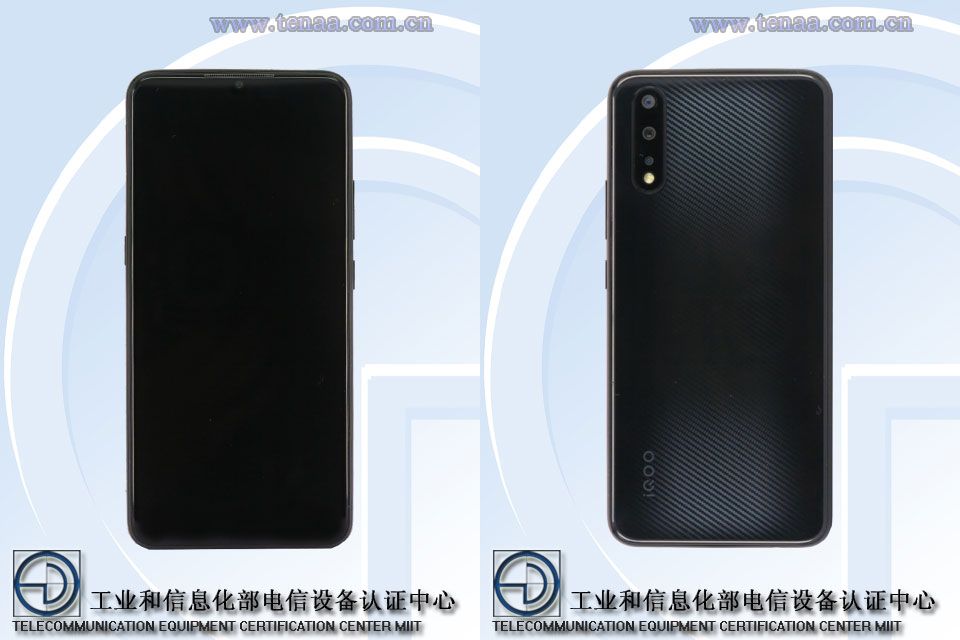
Recently, an upcoming Vivo V1914A smartphone was spotted on the database of China’s 3C certification body. Soon after its appearance, the rumor mill started speculating that it could be the second iQOO gaming phone from the company. Speculations turned to be true as Vivo has confirmed that its next iQOO phone will be called Vivo iQOO Neo. Now, the Vivo V1914A iQOO Neo phone has appeared on TENAA with its preliminary specs.
Vivo iQOO Neo TENAA listing
The Vivo iQOO Neo TENAA listing now contains only the preliminary specs of the phone. It reveals that the phone measures 159.53 x 75.23 x 8.13mm. In terms of dimensions, it seems to be similar to the Vivo iQOO phone that measures 157.7 x 75.2 x 8.5mm. The Vivo iQOO features a 6.41-inch AMOLED display whereas the iQOO Neo has 6.38-inch display. Also, it features a 4,420mAh minimum capacity battery which is a bit bigger than the 4,000mAh battery that powers the Vivo iQOO. The 3C listing of the phone has confirmed that it will carry support for 22.5W rapid charging.
The other specifications of the Vivo iQOO NEO are expected to surface soon once its TENAA listing gets updated. Recent reports have claimed that the iQOO Neo may come with Snapdragon 710 or Snapdragon 845 chipset, 6 GB of RAM, 128 GB of storage and Android 9 Pie OS.
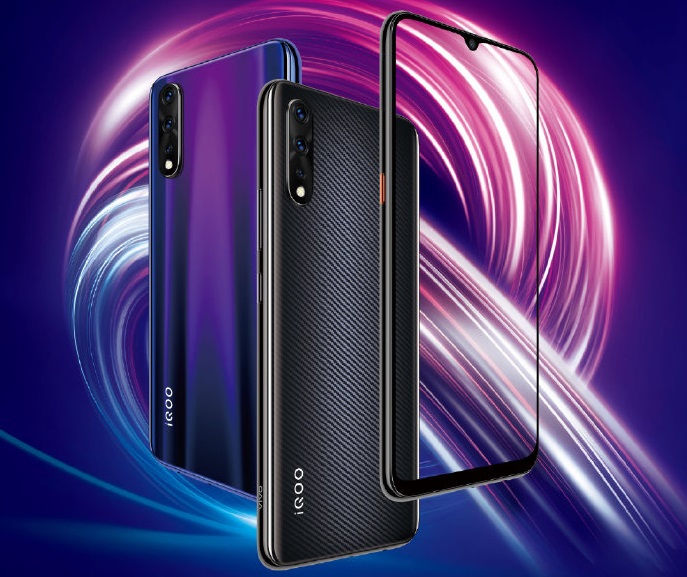
The Vivo iQOO Neo image shows that the handset will be resembling the Snapdragon 855 Vivo iQOO smartphone that was unveiled in April in China. Like the original iQOO, t the Neo version will have a waterdrop-style notch display and a vertical triple camera setup at the upper-left corner of the back panel.
The LED flash and the camera unit are placed together on the Vivo iQOO Neo. However, the iQOO smartphone has the LED flash separately from its triple camera module. The absence of a conventional fingerprint reader from is rear indicates that it could be featuring an OLED panel with in-screen fingerprint sensor. The bottom edge of the phone seems to be equipped with a 3.5mm audio jack and a USB-C port.
There is an orange colored key on the left spine of the iQOO Neo phone. Probably, it could be used to access some sort of gaming feature or the Jovi AI assistant. The right edge of the smartphone features a volume rocker and a power key. The poster confirms that the Vivo iQOO Neo will be coming in Black and color gradient Purple color. The Black one has a textured appeal on its rear.
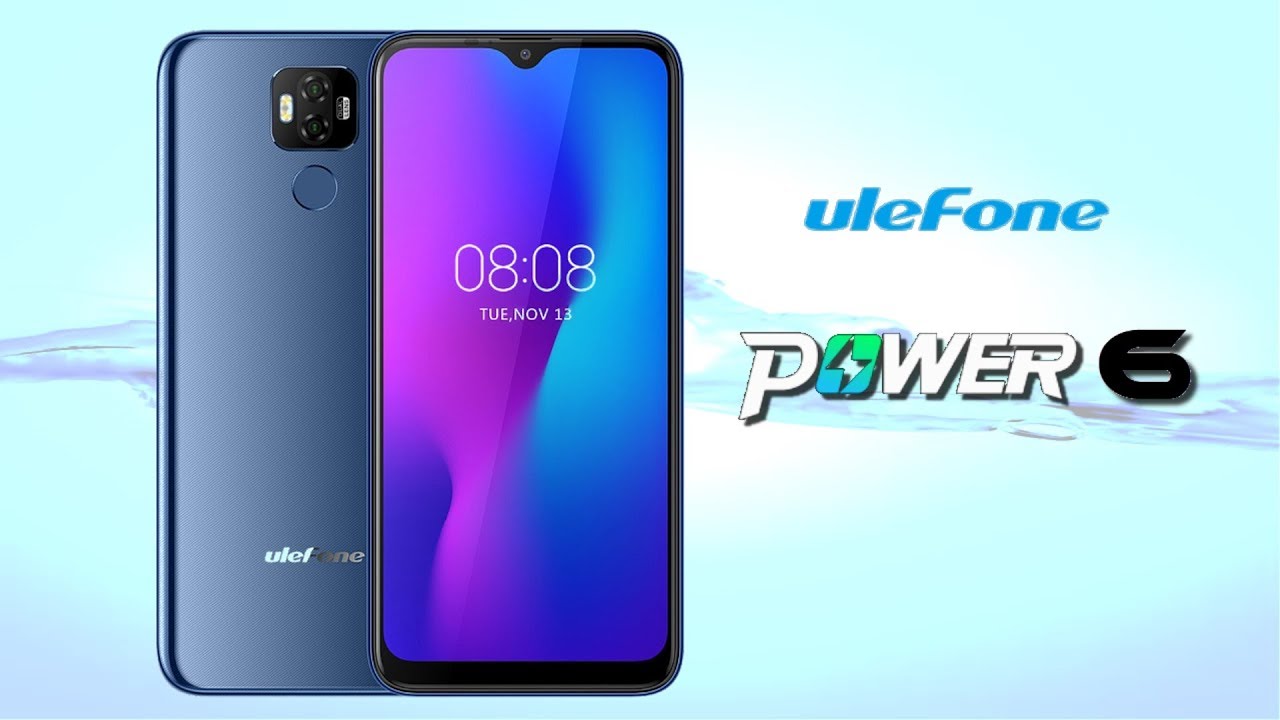
Ulefone added the long-awaited Power 6 to its big battery Power Series smartphones earlier this month. In collaboration with Banggood, the Chinese manufacturer is now offering its recently unveiled smartphone for a lowered price.
Known for offering the best bang for your buck, Banggood is hosting the Banggood Ulefone Power 6 Premier, allowing Ulefone fans to pre-order the handset without emptying their pockets. The phone comes in two versions including the European Union and the one that works in other areas.
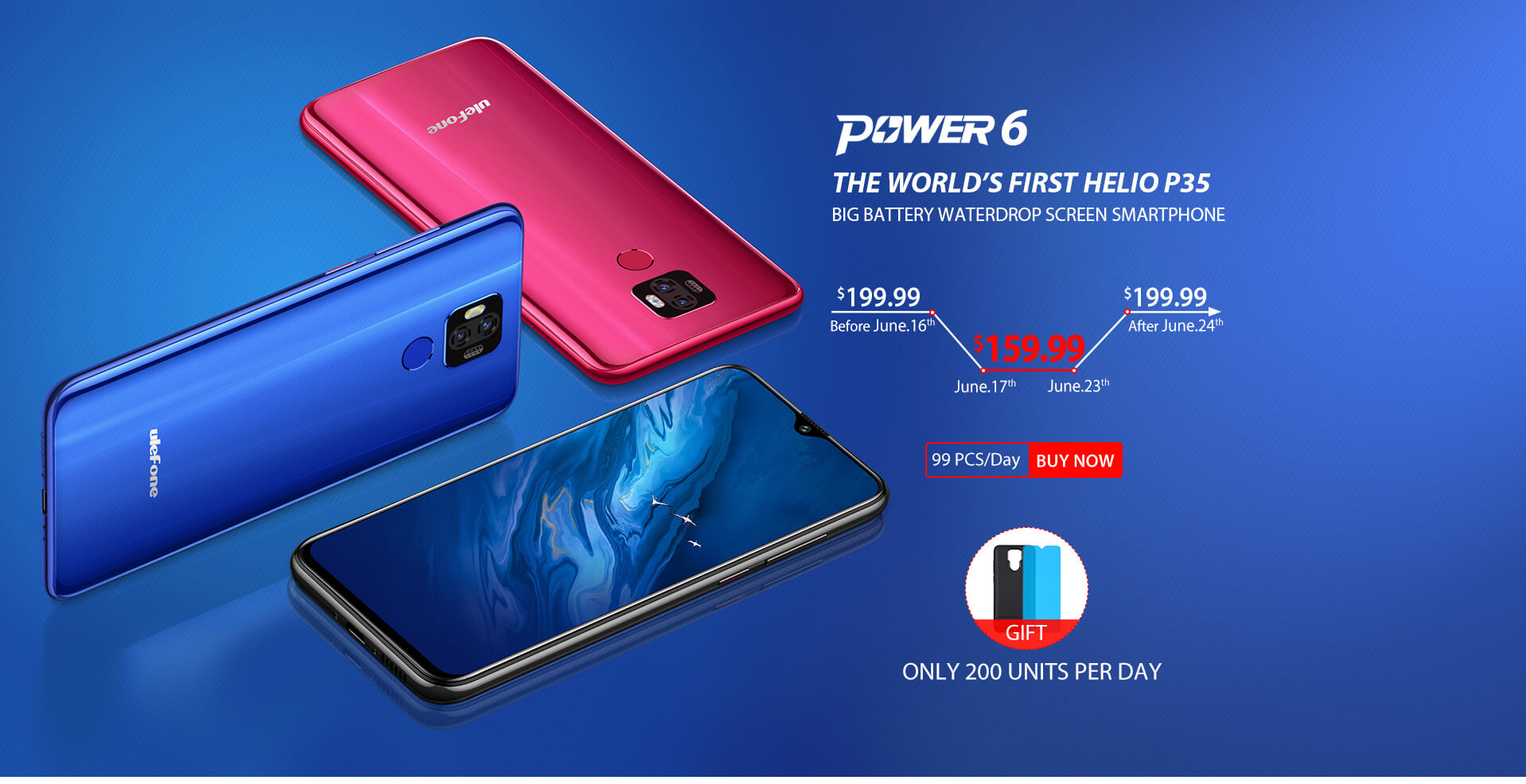
The Ulefone Power 6 EU version would normally set you back $199.99, but thanks to the Banggood’s recently kicked-off promo, the phone has gone up for pre-order bearing a dropped price tag of just $195.19. You can choose from blue, red and black color options.
If you live outside the EU region countries, you can go for the Other Area model which normally retails for $199.99. As part of Banggood’s promo, the aforesaid variant is now available for a considerably reduced price of just $195.19. Just like the EU Version, this model is also available in blue, red and black color options.
Moreover, if your cart value exceeds $19.99, you qualify for free shipping. Aside from getting the discounts, those who order the Ulefone Power 6 before June 23, will receive a free gift. It is worth noting that only 200 units will be available on a daily basis until the promo wraps up.
You can follow this link to pre-order the EU or the Other Area version of the Ulefone Power 6 smartphone for a lowered price. Note that the discount will be valid for the first 99 pieces only per day. Ulefone Power 6 offers the following features:
3-inch FHD+ in-cell Capacitive Touch Screen with 1080×2340 pixels resolution
Recent reports have revealed that Vivo India is gearing up to introduce Z-series and S-series of smartphones in India. In fact, Vivo is expected to launch the Vivo Z1 Pro smartphone by the end of this month in the country. The Z-series is expected to be aimed towards online markets whereas the S-series is tipped to target offline markets. Citing information made available through its sources, 91mobiles has revealed some vital details of the first S-series phone that is heading to India. It claims that the handset will arrive with up to 8 GB of RAM and it will be priced in the sub-Rs. 25,000 price category.
The publication claims that the first Vivo S phone will be arriving in two models such as 6 GB RAM + 128 GB storage and 8 GB RAM + 128 GB storage. The 6 GB variant will be priced below Rs. 20,000 whereas the 8 GB RAM edition is expected to be priced around Rs. 25,000. The Chinese firm will be mainly focusing in the design and style aspects of the Vivo S series rather than specifications.
Chinese firms like Xiaomi and Realme are aggressively targeting the offline markets. This year Samsung introduced the A-series to win the offline audience. Vivo will be competing with these brands in the offline markets through its upcoming S-lineup. Unfortunately, the name of the first S-series phone from is currently under the wraps.
So, far Vivo has released only two S-series phones in China such as Vivo S1 and Vivo S1 Pro. Launched in April in China, the Vivo S1 was introduced with up to 6 GB RAM and up to 128 GB of built-in storage. It features a 6.53-inch IPS LCD panel with notch-less display and rear-mounted fingerprint scanner. Under hood of the phone is the MediaTek Helio P70 chipset. The rear shell of the phone has 12-mgeapixel + 8-mgeapixel + 5-megapixel triple camera setup and a pop-up selfie camera of 25-megapixel. It comes with a 3,940mAh battery that supports 18W fast charging through microUSB 2.0.
The Vivo S1 Pro that was launched in May came with a 6.39-inch S-AMOLED display and in-screen fingerprint reader. the Snapdragon 675 chipset powers the smartphone with up to 8 GB of RAM and up to 256 GB of native storage. It features 48-megapixel + 8-megapixel + 5-megapixel triple rear cameras and a pop-up selfie snapper of 32-megapixel. The phone is packed with a 3,700mAh battery that supports 18W charging through microUSB 2.0.
Back in 2016, Amazon launched Kindle Oasis, the company’s premium e-book reader that features a dedicated page turn buttons. Last year, the device was upgraded and the company launched the second-generation Kindle Oasis.
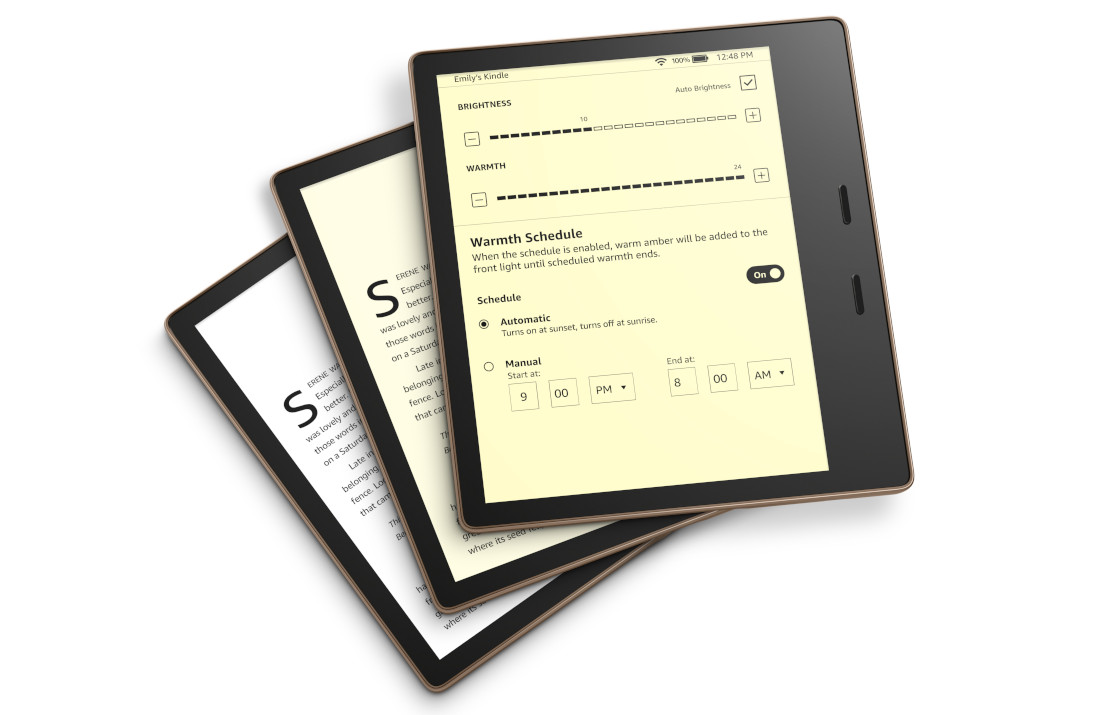
Now, Amazon has launched the third-generation Kindle Oasis in India which comes with a 7-inch display, adjustable color temperature for night reading, and more. It is now available for pre-order via Amazon India and will go on sale from 19th August.
The new Kindle Oasis features a 7-inch glare-free paperwhite display with 300ppi pixel density. The company says that it uses the latest e-ink technology and features 25 LEDs up front, which can be color adjusted.
For nighttime reading, you can turn the display color tone to warm, ensuring that it does not cause eye fatigue. During the day, the color tone can be set too cool. Also, you can automatically set the e-book reader to adjust colors based on sunset and sunrise.
It has dimensions of 159 x 141 x 3.4-8.3 mm and weighs 194 grams. It comes in two storage variants — 8GB and 32GB and users get free cloud storage for all Amazon content. Connectivity options include Wi-Fi 802.11n and an optional 4G, and supports formats like Kindle Format 8 (AZW3), Kindle (AZW), TXT, PDF and more.
The device is also IPX8 rated to protect against immersion in up to two meters of fresh water for up to 60 minutes. Apart from this, users can adjust the text size and boldness and read with Kindle-exclusive fonts for maximum readability. As usual, this new Kindle Oasis offers several weeks of battery life on a single charge.
The new Kindle Oasis is priced at Rs. 21,999 (~$316) for the 8GB Graphite version and Rs. 24,999 (~$359) for the 32GB WiFi Champagne Gold version. On the other hand, the 32GB WiFi + 4G Graphite version costs Rs. 28,999 (~$416).
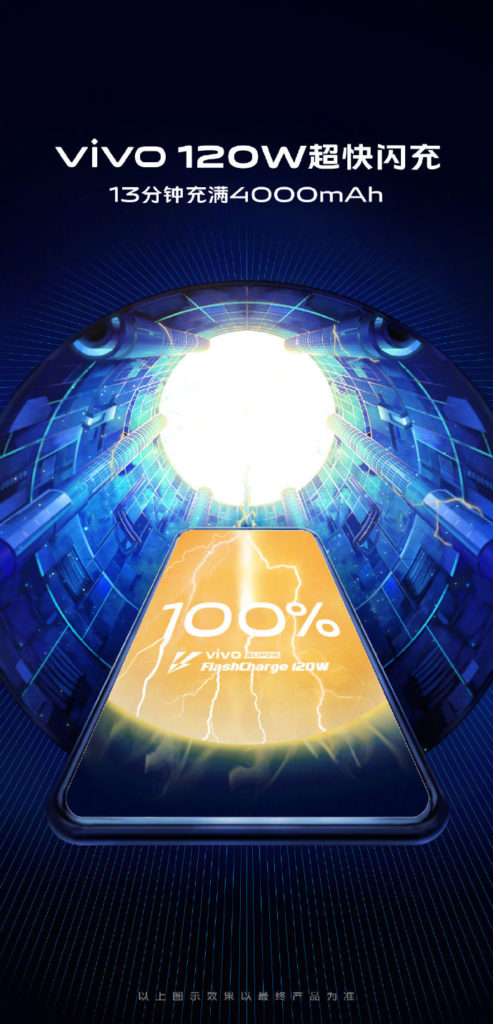
Recently, Vivo had confirmed that it will be announcing its first 5G phone at the Mobile World Congress (MWC) Shanghai 2019 that will be held in the coming week. With the event nearly a week away, Vivo has made a big announcement today by introducing its 120W Super FlashCharge technology. The company claims that’s its 120W charging tech can completely power a 4,000mAh battery phone in just 13 minutes.
In March, Xiaomi had teased its 100W Super Charge Turbo technology that was able to charge a 4,000mAh battery in 17 minutes. In comparison to Xiaomi’s tech, the 120W Super FlashCharge technology can charge the same-sized battery in lesser time. Vivo claims that it takes only 5 minutes for a 4,000mAh battery to reach 50 percent capacity through the new technology. Hence, it is currently the highest charging power and the fastest charging capacity in the smartphone industry. The official video shown below demonstrates the technology.
In April, Vivo had launched the iQOO gaming phone. It came with the fast charging rate seen on any Vivo smartphone. The 4,000mAh battery of the iQOO smartphone takes only 45 minutes to reach full capacity through its 44W fast charging tech. When it was official introduced, the company stated that it uses a new charge pump technology with a conversion rate of 97 percent along with FCC technology to achieve 44W fast charging.
Vivo is yet to reveal the technology behind its sophisticated 120W Super FlashCharge technology. The company did not confirm on when it will begin the mass production of the technology. Probably, the Chinese firm may debut a new flagship phone with 120W charging technology in the latter half of the year.
It appears that apart from announcing its 5G phone at MWC Shanghai 2019 next week, Vivo may also unveil its 120W Superfast Flash Charge technology to the audience. The tech trade show will be at the Shanghai New International Expo Center between June 26 and June 28.
Share us your views on the 120W Super FlashCharge technology by posting your comments below.
We use cookies on our website to give you the most relevant experience by remembering your preferences and repeat visits. By clicking “Accept”, you consent to the use of ALL the cookies.
This website uses cookies to improve your experience while you navigate through the website. Out of these, the cookies that are categorized as necessary are stored on your browser as they are essential for the working of basic functionalities of the website. We also use third-party cookies that help us analyze and understand how you use this website. These cookies will be stored in your browser only with your consent. You also have the option to opt-out of these cookies. But opting out of some of these cookies may affect your browsing experience.
Necessary cookies are absolutely essential for the website to function properly. This category only includes cookies that ensures basic functionalities and security features of the website. These cookies do not store any personal information.
Any cookies that may not be particularly necessary for the website to function and is used specifically to collect user personal data via analytics, ads, other embedded contents are termed as non-necessary cookies. It is mandatory to procure user consent prior to running these cookies on your website.