Advertisement

Motorola One Pro and One Action could be in works

In April, popular tipster Evan Blass had shared a list of Motorola One family of smartphones. It included two new phones called One Vision and One Action apart from last year’s models named Motorola One and One Powerv. Blass has now updated the list by adding a new phone called Motorola One Pro.

Blass not revealed any information on the specs of the Motorola One Pro and One Action. The Lenovo-owned company has recently launched the Motorola One Vision smartphone. Probably, the One Pro and One Actions may debut later this year.

The One Action moniker suggests it could be a rugged phone. The One Pro smartphone could end up as the most powerful One series phone from the company. These devices are expected to come loaded with Android One edition of Android 9 Pie OS.

 

Motorola One Vision

The Motorola One Vision that was announced earlier in this month features a 6.3-inch IPS LCD panel with an impressive tall aspect ratio of 21:9. The display carries support for full HD+ resolution and it features a punch-hole at its top-left corner for the 25-megapixel selfie snapper.

It is the first Motorola phone to feature Samsung-made Exynos 9609 chipset. The SoC is supported by 4 GB of RAM and it comes with a native storage of 128 GB. For additional storage, users can add a microSD card to the hybrid SIM slot on the device.

The rear shell of the One Vision features a 48-megapixel + 5-megapixel dual camera setup. The 3,500mAh battery of the phone supports 15W TurboCharge fast charging. It is equipped with a rear-facing fingerprint sensor. It comes in gradient color options such as Bronze and Sapphire. In Europe, it carries a price tag of 299 euros (~$334). The Lenovo-owned firm will be launching the One Vision phone in China in the coming month. However, it will be arriving with Motorola P50 in the Chinese markets.

(source)

UP NEXT: Lenovo CEO says the company has no plan to develop its own OS and chips

Redmi K20 hands-on images leaked to reveal appearance from all angles

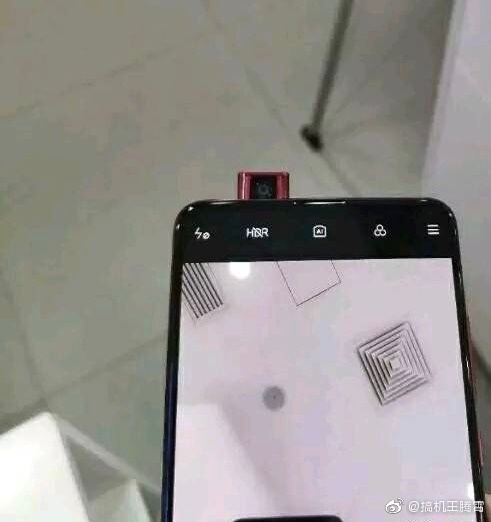
At 2 PM (local time) in China, Redmi will be announcing the Redmi K20 and Redmi K20 Pro smartphones. Recent reports have revealed that both phones will be arriving with identical design. The Chinese firm had recently revealed the rear design of the Redmi K20 phone through an official render. Fresh set of hands-on images that belongs to the Redmi K20 or K20 Pro handset have appeared on Weibo. The new images give a good look at the appearance of the smartphone.

The top edge of the Redmi K20 phone features a pop-up selfie camera, a 3.5mm audio jack and a microphone. The elevating camera be seen in one of the images. The right side of the handset is fitted with a volume rocker and a power key. Its left edge seems to be barren.

The front view of the smartphone reveals that it will be offering a very high screen space since its display is surrounded by thin bezels. There is a SIM card tray slot, a USB-C port, a secondary microphone and an external speaker on the bottom edge of the device.

Redmi K20 and Redmi K20 Pro Specifications (Rumored)

The Redmi K20 and K20 Pro are expected to feature 6.39-inch AMOLED displays with notch-less design. Both phones are expected to arrive with common features like 20-megapixel selfie camera, 48-megapixel triple rear cameras, 4,000mAh battery and in-screen fingerprint sensor.

The Redmi K20 could be fueled by the Snapdragon 730 SoC, whereas the Redmi K20 Pro may feature the Snapdragon 855 mobile platform. The K20 and K20 Pro may arrive with up to 8 GB of RAM and up to 256 GB of native storage.

The K20 may carry support for 18W rapid charging and its Pro sibling could be arriving with 27W fast charging. The MIUI 10 based Android 10 Pie OS may come preinstalled on both smartphones.

There are multiple rumors on the pricings of the Redmi K20 series. It is speculated that the Redmi K20 models could be priced between 1,999 Yuan (~$289) and 2,499 Yuan (~$360) and the Redmi K20 Pro variants could be costing between 2,599 Yuan (~$376) and 2,999 Yuan (~$434). These phones are expected to arrive in Black, Blue and Red color options.

(source)
UP NEXT: Redmi K20, K20 Pro rumor roundup: Specifications, price and launch details

Meizu 16Xs Geekbench listing appears; Could it be featuring Snapdragon 675?

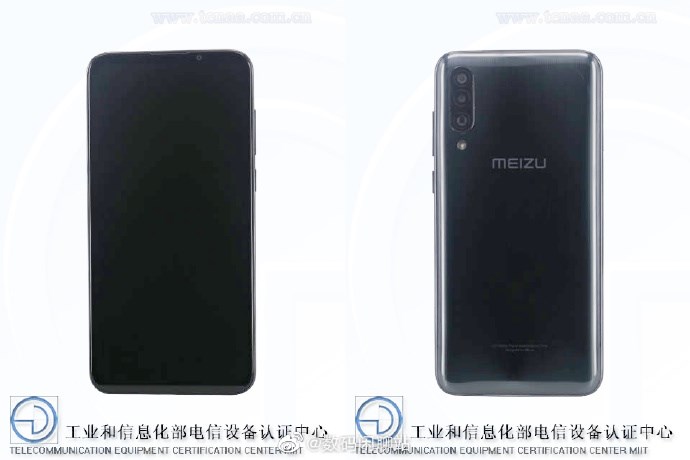
Meizu will be launching the Meizu 16Xs smartphone on May 30. The smartphone will be announced as the successor for the Meizu 16X smartphone from 2018. The Meizu 16Xs will be the company’s first smartphone to arrive with triple rear cameras. The entire specifications of the smartphone have been leaked through its TENAA listing. Yesterday, the smartphone was also spotted on Geekbench benchmarking platform.

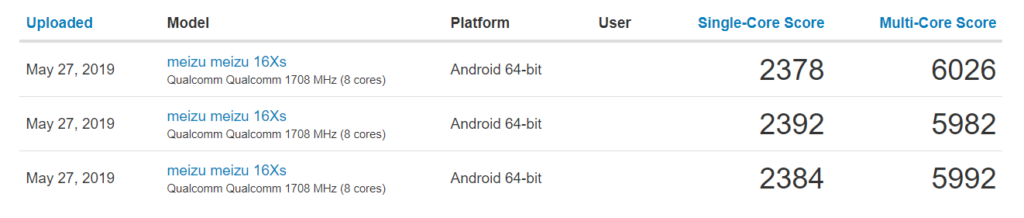
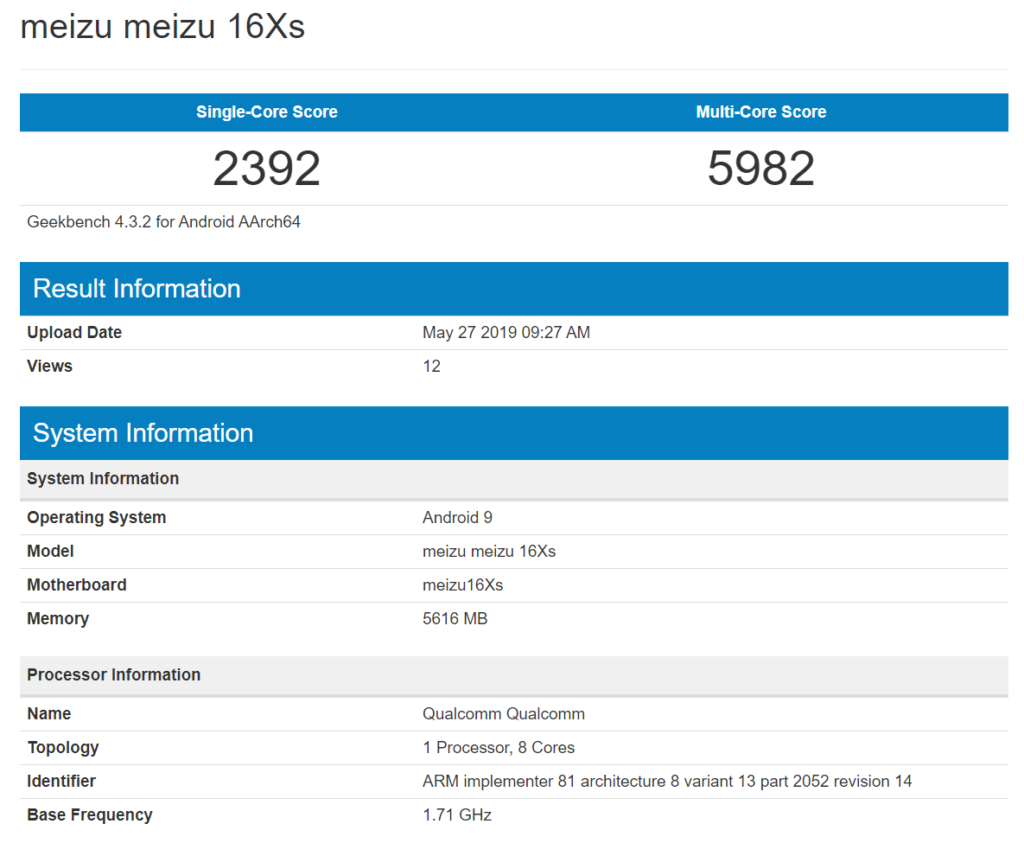
Three listings of the Meizu 16Xs phone had appeared on Geekbench yesterday. As it can be seen in the below image, the Meizu 16Xs has scored around 23XX in the single-core tests and around 59XX in the multi-core tests. Unfortunately, none of the listings clearly reveal the name of the processor that powers the smartphone. The unidentified SoC of the Meizu 16Xs is assisted by 6 GB of RAM. The handset runs on Android 9 Pie OS.

The TENAA listing of the Meizu 16Xs states that it is powered by an octa-core processor that works at 2.0 GHz. The Geekbench appearance of the phone has revealed that its processor has a base frequency of 1.71 GHz. The Snapdragon 675 chipset includes two Kryo 460 Gold CPU cores working at 2.0 GHz and six Kryo 460 Silver CPU cores clocking at 1.71 GHz. Hence, there is a possibility that the Meizu 16Xs could be powered by the SD675.

The Meizu 16Xs will be arriving with a notch-less display of 6.2 inches. The AMOLED screen will offer full HD+ resolution of 1080 x 2232 pixels and 18.5:9 aspect ratio. The display of the phone will be embedded with an in-screen fingerprint reader. The handset will be backed by a 4,000mAh battery.

Meizu 16Xs TENAA

For photography, the Meizu 16Xs will be featuring 48-megapixel + 5-megapiel + 8-megapixel triple camera setup and a front camera of 16-megapixel. The Android 9 Pie OS flavored with the latest version of Flyme UI will come loaded on the device. It will have an internal storage of 64 GB. The TENAA listing of the phone had revealed that it won’t be carry support for extended storage.

(via)

UP NEXT: First Snapdragon 665 phone rumored to launch on May 30

Vivo Y15 gets listed on official site: renders, specs, and price revealed

The Vivo Y15 is expected to launch in India soon. There is no release date yet but you don’t have to wait till the launch before you know all there is about the device. The Y15 was listed briefly on the official website and we now know all there is to know about the new Vivo phone.

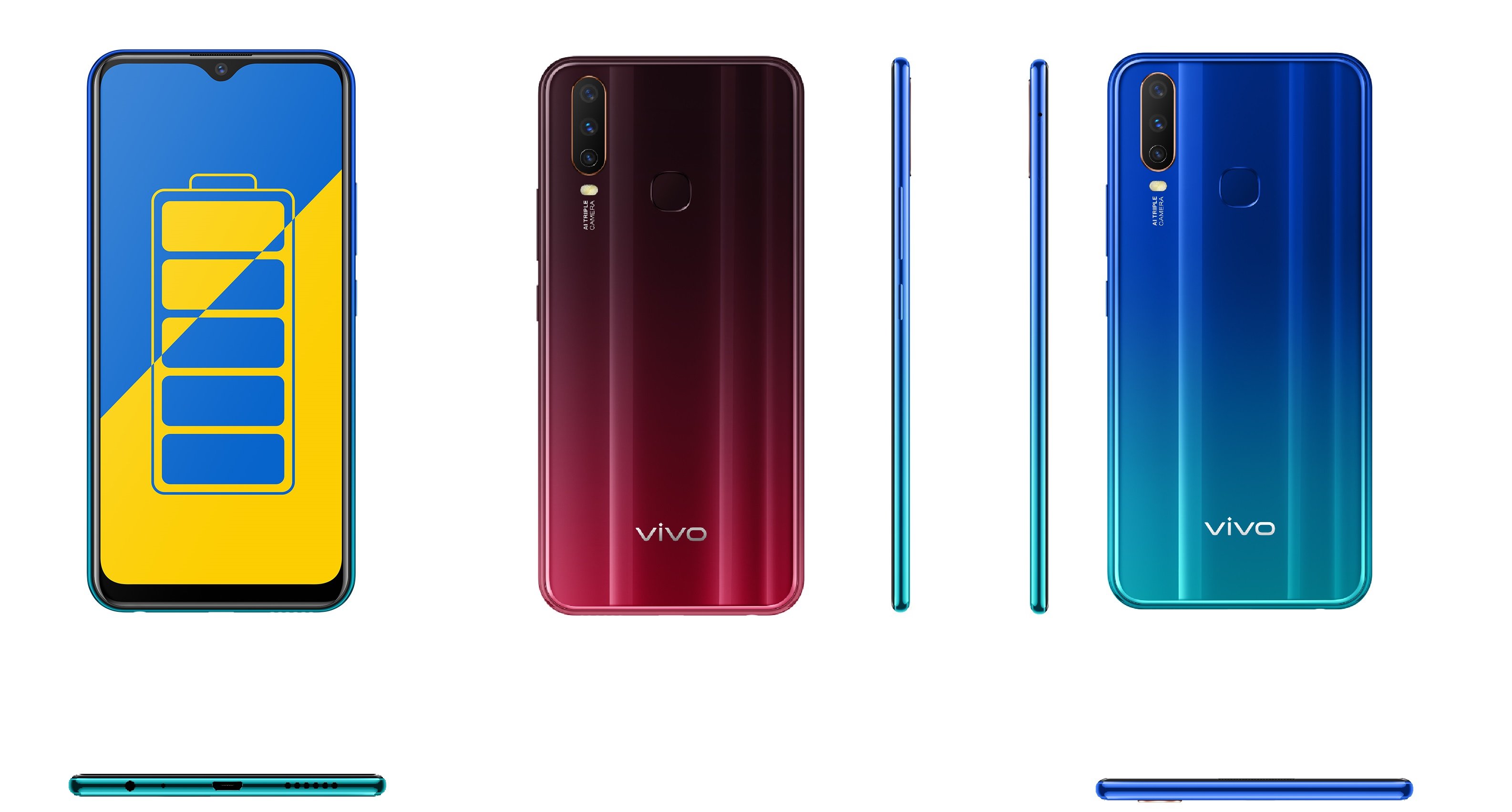
The listing was spotted by DealnTech but it has now been taken down. The Vivo Y15 will have a waterdrop notch with super-slim side bezels and a significantly thicker one at the bottom. There is a slit in the frame for the speaker, a SIM tray on the left side of the frame, and the power and volume buttons on the right side of the frame.

Vivo V15 design

The rear of the phone is home to three cameras that share a gold-accented housing. There is an LED flash below the cameras and a fingerprint scanner in the middle of the device. Vivo has put a 3.5mm audio jack and a MicroUSB port at the bottom of the device while the top has been left bare.

The Vivo Y15 will come in Aqua Blue and Burgundy Red according to the listing.

The Halo FullView display is 6.35-inches in size with a 720 x 1544 resolution. It is powered by the Helio P22 chipset and it is paired with 4GB of RAM and 64GB of expandable storage. The rear cameras consist of a 13MP primary sensor paired with an 8MP 120° super-wide angle camera and a 2MP depth sensor. The selfie camera is a 16MP sensor.

The Vivo Y15 has a bunch of camera modes and features not limited to portrait mode, AI beauty mode, pro mode, palm capture, time watermark, and model watermark.

It runs FunTouch OS 9 based on Android 9 Pie and has single-band Wi-Fi, Bluetooth 5.0, OTG, and an FM radio. One of the major selling points of the phone is its 5000mAh battery which is combined with “intelligent power-saving technologies to further extend battery life”.

[envira-gallery id=”255733″]

The Vivo V15 will sell for INR 15,990 (~$229) according to the listing.

(Source)


UP NEXT: OPPO Focuses On Potential Female Reno 10X Zoom Users With This New Color!

ASUS announces ZenScreen Touch portable touch display

ASUS has announced a new portable touch display at the on-going Computex expo in Taipei, Taiwan, ASUS had its own event today and it was a double one as it also celebrated its 30th anniversary with products like the Zenfone 6 30th Anniversary Edition and the ZenBook Edition 30. Alongside these two products, it also unveiled a bunch of other products, one of which is the ZenScreen Touch.

ASUS ZenScreen Touch

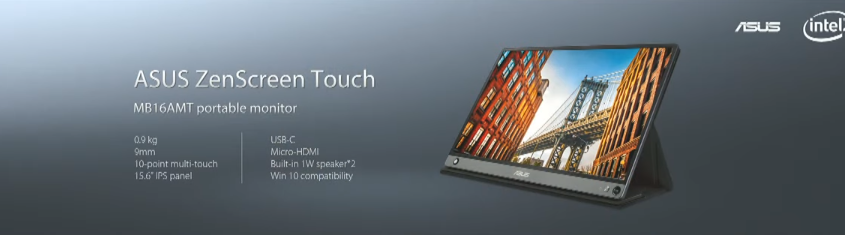
The ZenScreen Touch is a portable touch display with a 15.6-inch IPS panel. It supports 10-point multi-touch, weighs 900 grams and is 9mm thick. There is a USB-C port which doubles as a power port and a display port. There is also a Micro-HDMI port. In the case of the latter, the ZenScreen Touch draws power from its built-in 7800mAh battery which ASUS claims can last up to 4 hours on a single charge. The monitor has a built-in case that also doubles as a kickstand when folded back.

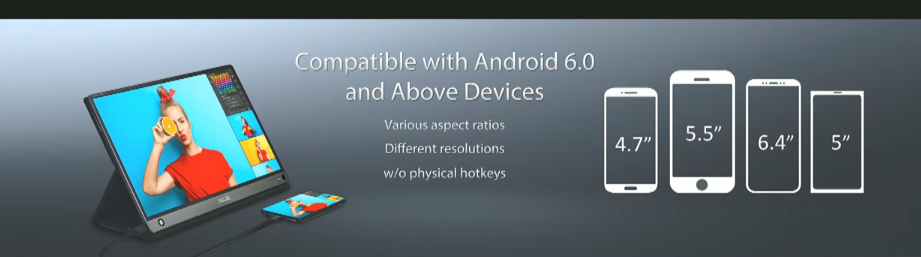
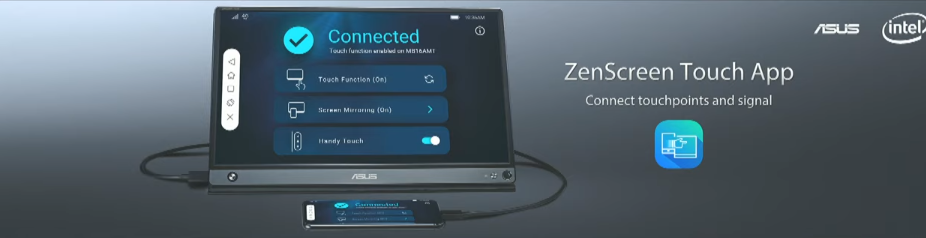
The ZenScreen Touch has 2 x 1W speakers. ASUS says it works with Android devices running Android 6.0 and up with support for various aspect ratios, different resolutions and physical hotkeys. There is a dedicated app for use with your Android phone called the ZenScreen Touch App. The portable monitor also works with Windows 10.

ASUS ZenScreen Touch specs ASUS ZenScreen Touch Android ASUS ZenScreen Touch App ASUS ZenScreen Touch

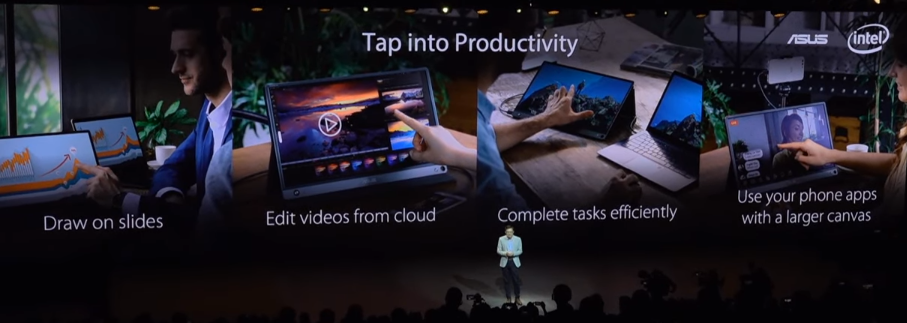
The ZenScreen Touch can be used in various ways. It can serve as a larger canvas for your phone’s display; you can use it as a second monitor for your computer; or as an external display for your Nintendo Switch.

ASUS says it will launch later this year but didn’t reveal a specific date. Its price was also not revealed.


UP NEXT: The ASUS Zenfone 6 is the new selfie-camera king

OnePlus 7 Pro latest update brings improvements to the camera

OnePlus 7 Pro is presently one of the most sought-after smartphones globally. The smartphone’s sales have been smashing records in China and India. Demand was so high in China that OnePlus had to redirect shipment meant for other regions to service the Chinese market. Beyond the razzmatazz, the OP7 Pro has received knocks from some fans who complain about its poor camera output. As a result, OnePlus promised an update to fix things up and that has started rolling out.oneplus 7 pro

The update with the version number Oxygen OS 9.5.4.GM21AA was reportedly spotted by Android Authority on their review unit. The size is just 182MB and in terms of the improvements it brings along, the changelog shows that it delivers improved photo quality in HDR and low-light scenarios. Here’s the list of improvements the update brings;

System
  • Optimized Double Tap To Wake and Ambient Display.
  • Optimized audio delay with the Bluetooth headset when playing games.
  • General bug fixes and improvements
Camera
  • Improved image quality in HDR scenarios
  • Improved image quality in low light
  • Fixed white balance issue in several scenarios
  • Fixed focus issue in several scenarios

The OnePlus 7 Pro update is coming on the heels of another controversy surrounding the 3X zoom camera feature. This pertains to a recent discovery that the phone seems to utilise a 13MP 2.2x telephoto zoom camera and then the image is cropped to deliver 3x “lossless” zoom at 8MP. OnePlus is yet to respond to this claim.

UP NEXT: Worried About Poor OnePlus 7 Pro Camera Performance? There’s a Fix Coming!

(source)

DxOMark: ASUS Zenfone 6 is the new selfie king

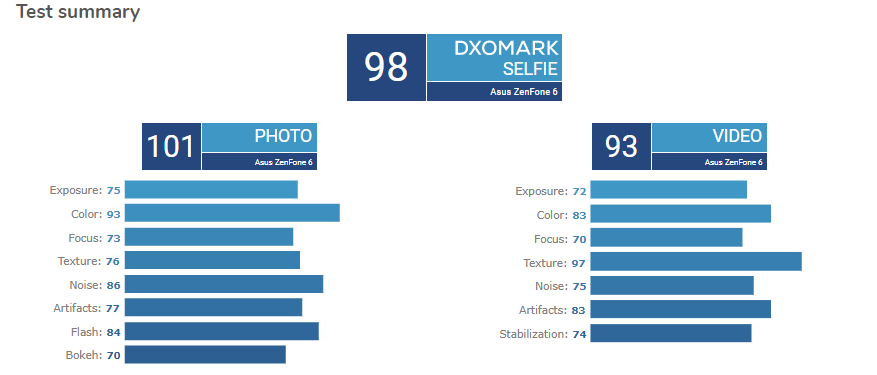
Earlier this year, DxOMark Labs began ranking the selfie camera of smartphones. Up until today, the selfie king has been the Galaxy S10 5G with a score of 97. It has now been dethroned by the Zenfone 6 with an overall score of 98.

Zenfone 6 Flip Camera

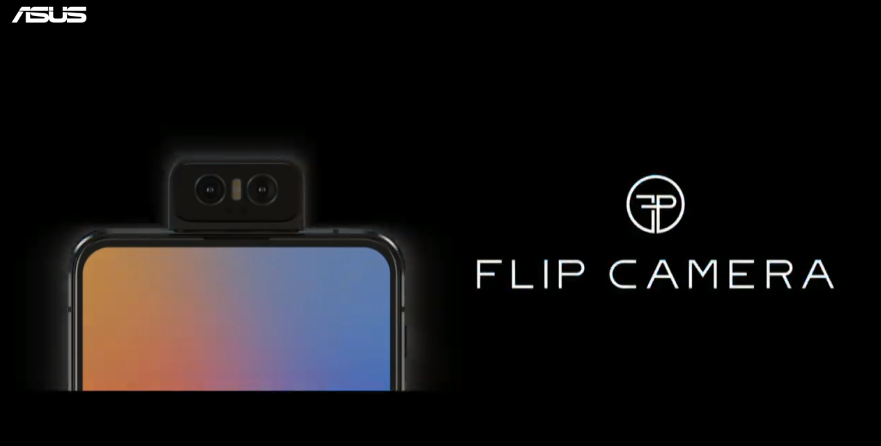
DxOMark has given the Zenfone 6 a photo score of 101, same as the Galaxy S10 5G and then surpasses it with a video score of 93, the best so far. The Zenfone 6 is able to achieve this because it uses its rear cameras (48MP + 13MP) for taking selfies thanks to the mechanical motor built into the camera module.

DxOMark praises its color rendering, white balance, and exposure. It also has a good dynamic range and focuses very well thanks to the laser-focus and PDAF system. The Zenfone 6 also provides “natural bokeh” when taking one-person selfies but struggles when it is a group selfie. With the dual-LED flash, you also don’t have to worry about your selfies coming out dark, however, you do have to deal with red eyes.

Zenfone 6 DxOMark selfie

The Zenfone 6 beats the competition in video recording. It records in 4K by default with exceptional detail and low noise both indoors and under bright light. You can read the full review here if you wish.

(Source)

UP NEXT: Xiaomi launches a Makeup Mirror that doubles as a power bank

Huawei FreeLace Review After 2 Months

Huawei FreeLace is the wireless earphones that I’ve been using for the past couple of months. Here is our long-term review.

DESIGN, COMFORT, BATTERY LIFE

The earphones cost about $100 meaning one would expect premium design and build quality.

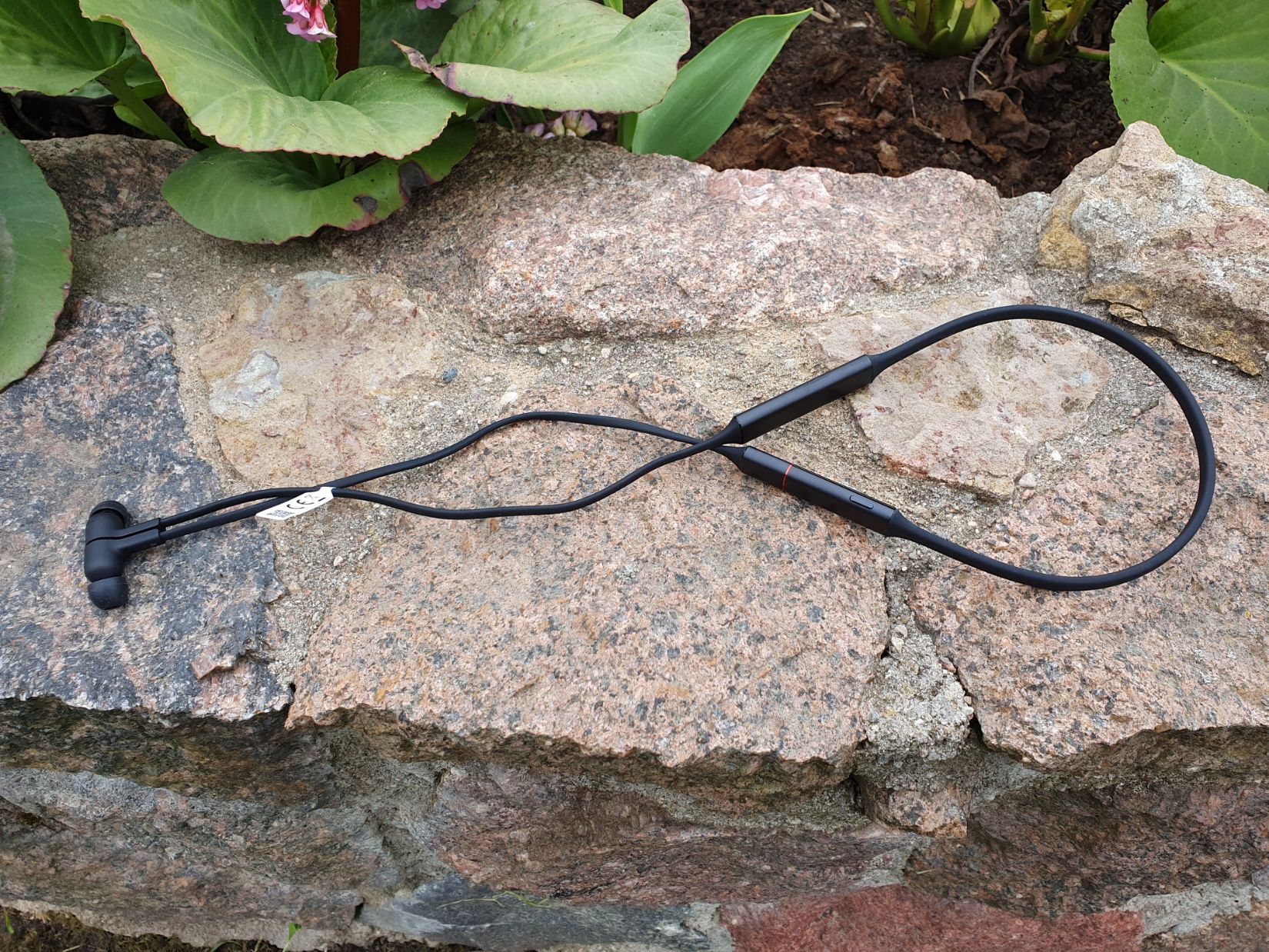
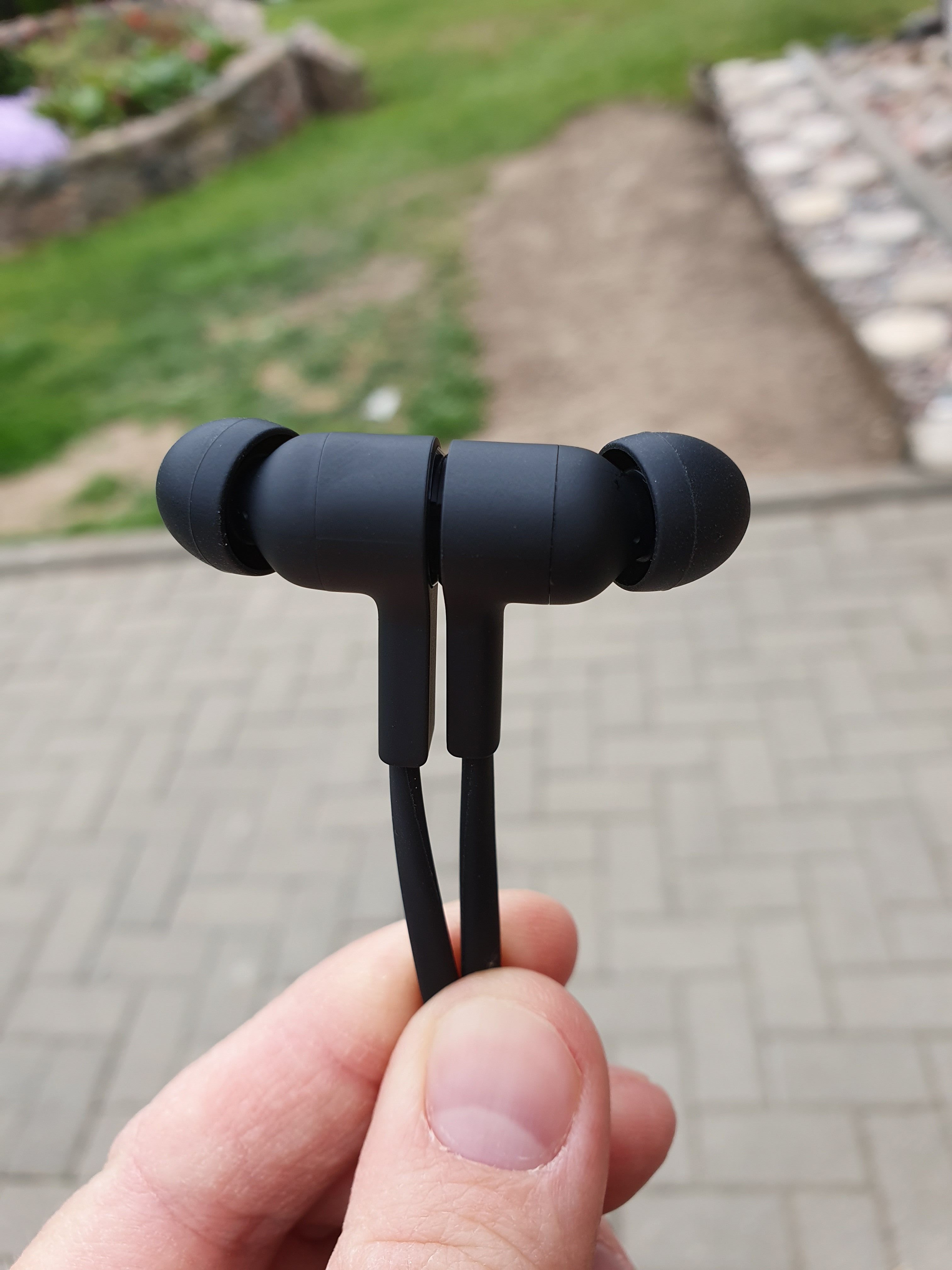
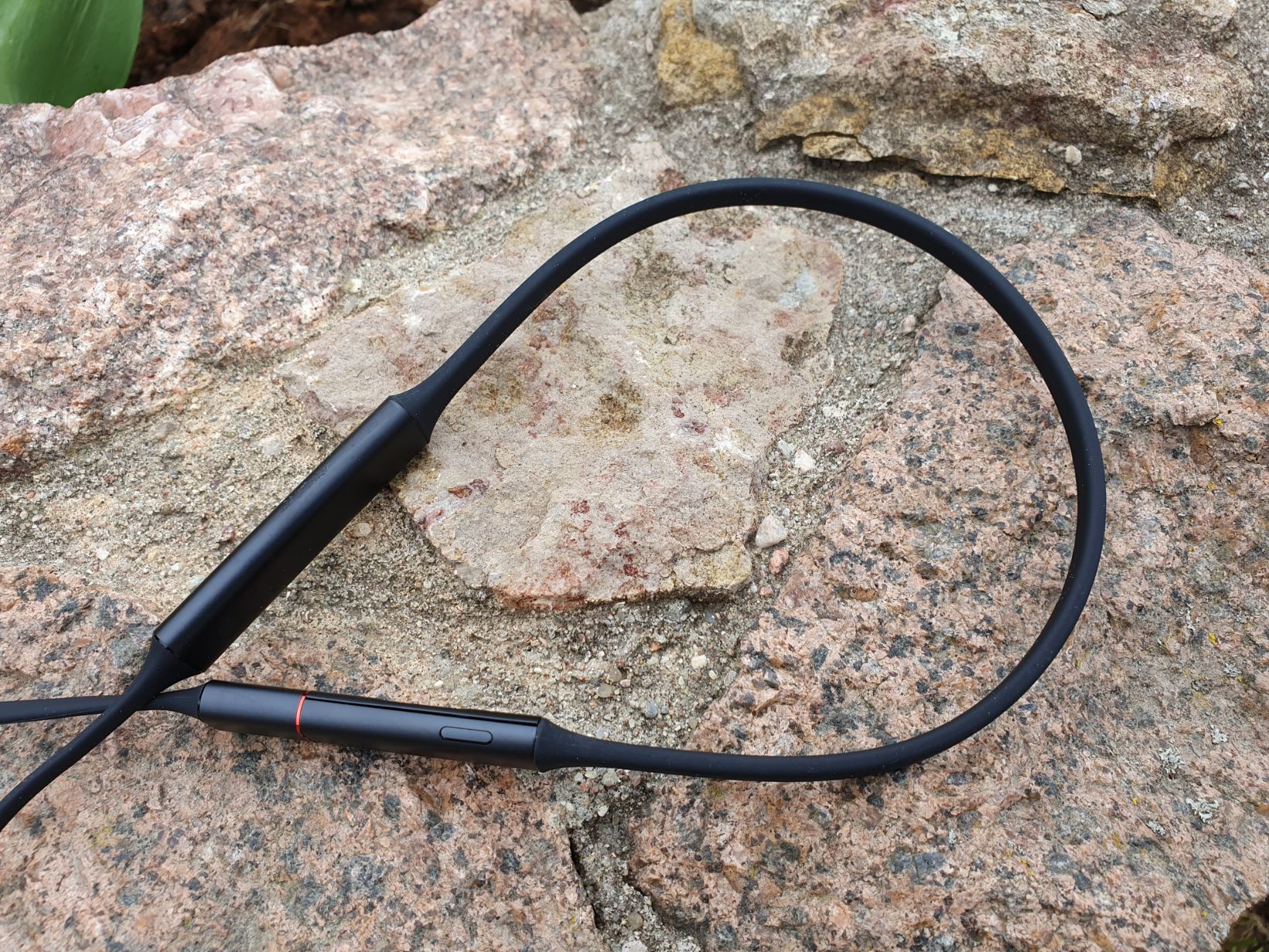
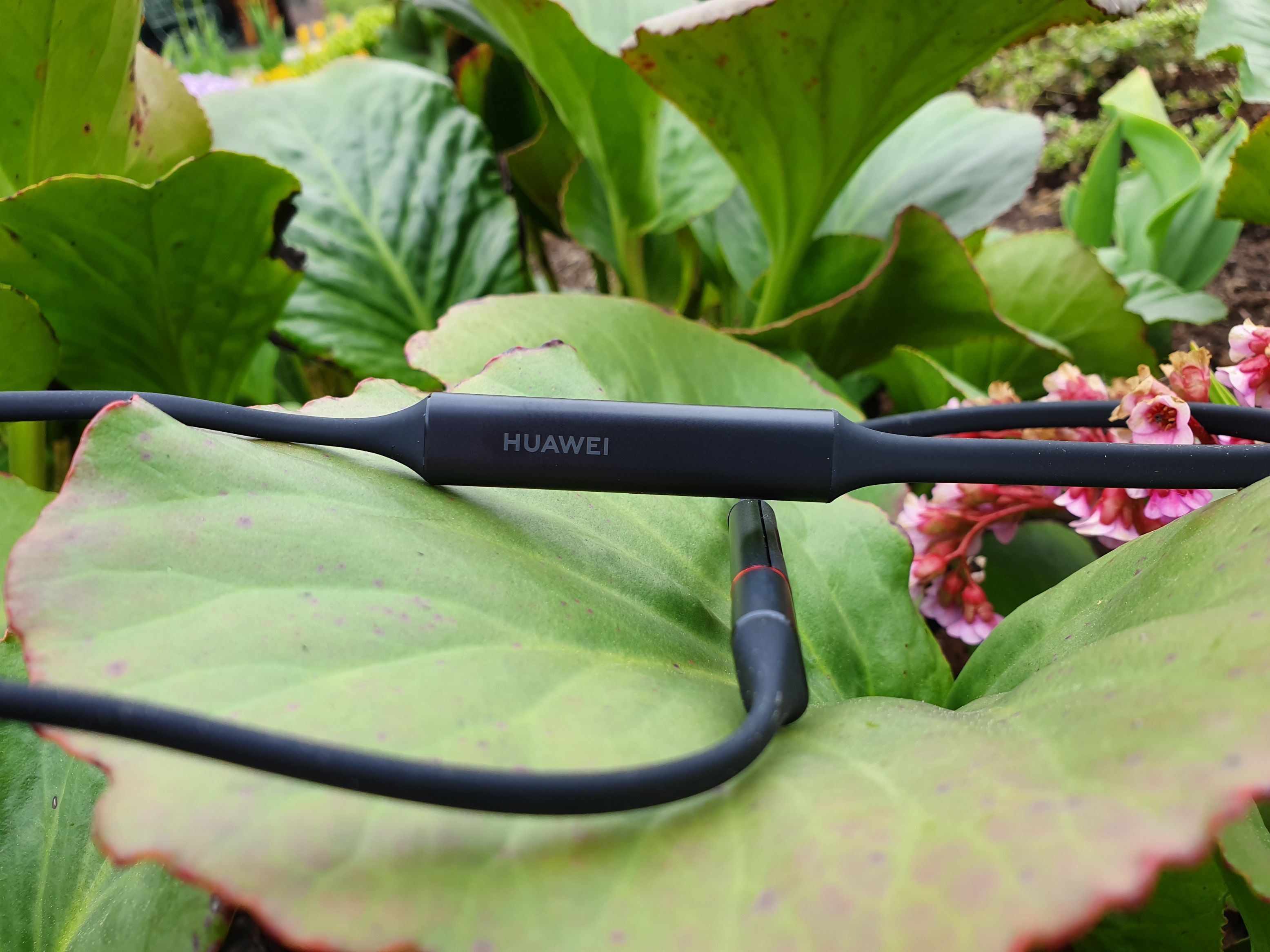
The headset uses high-grade “Memory Metal Cable” that feels sturdy, it’s tangle-free and it has always felt nice on my neck.

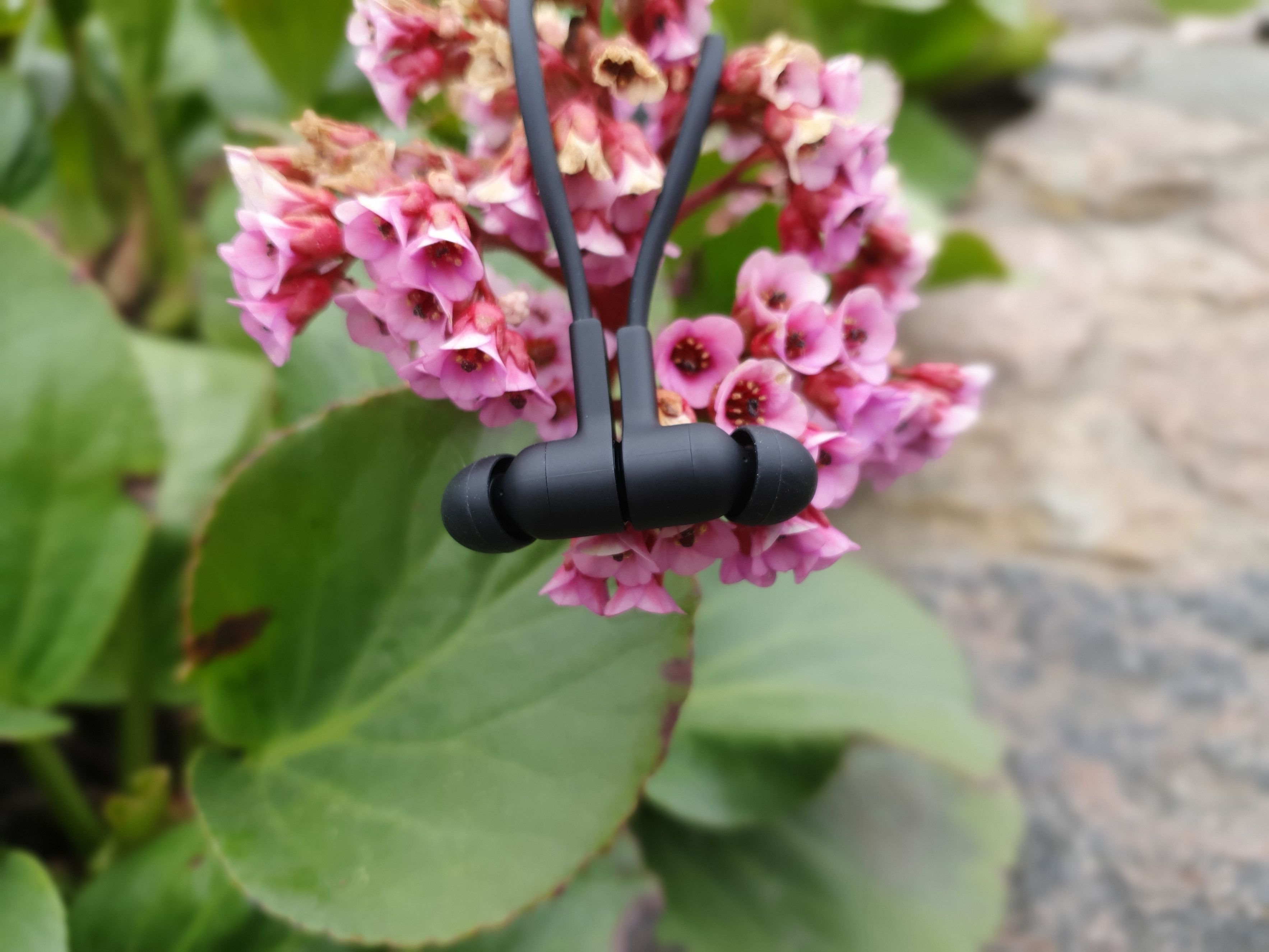
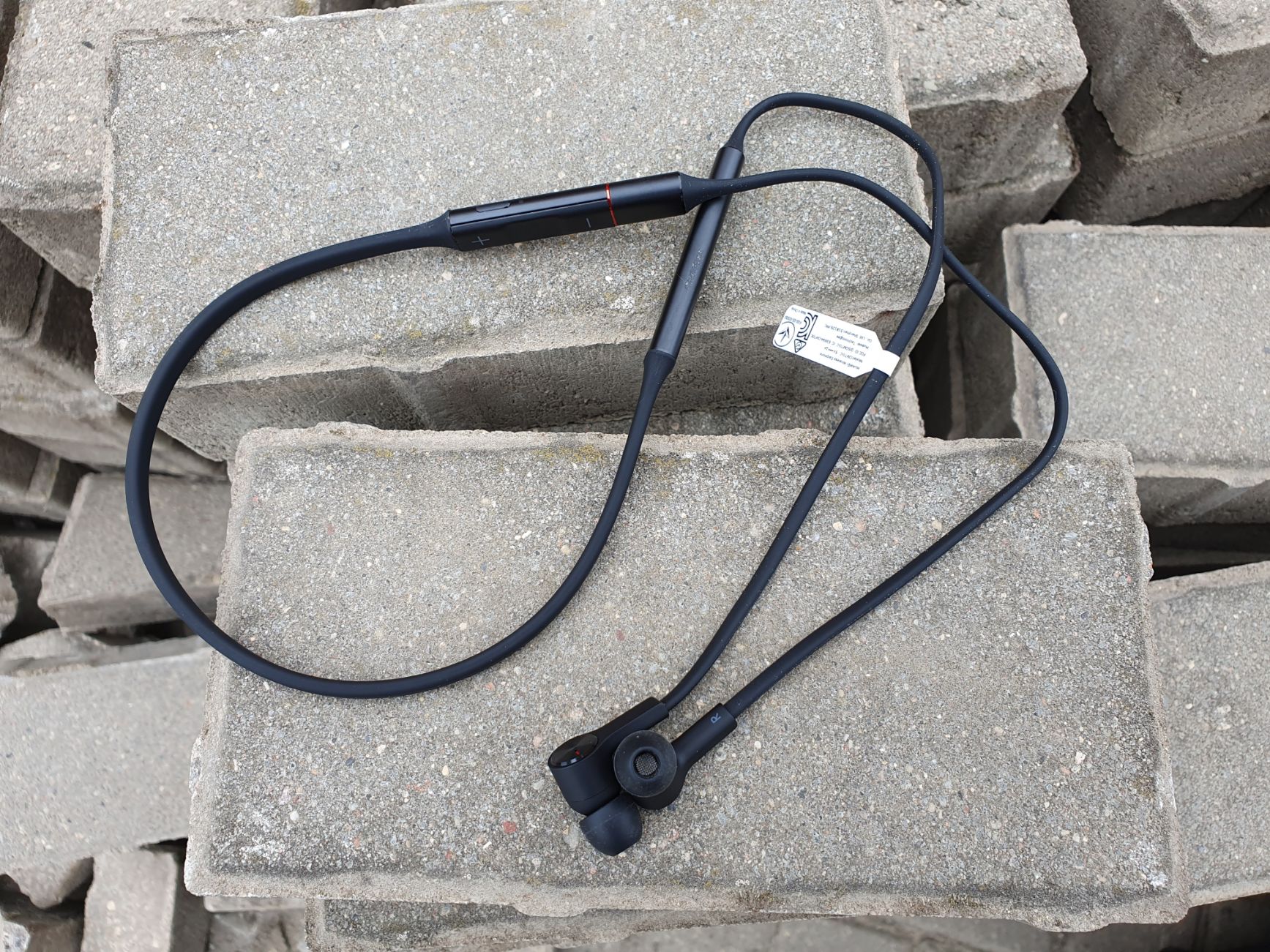
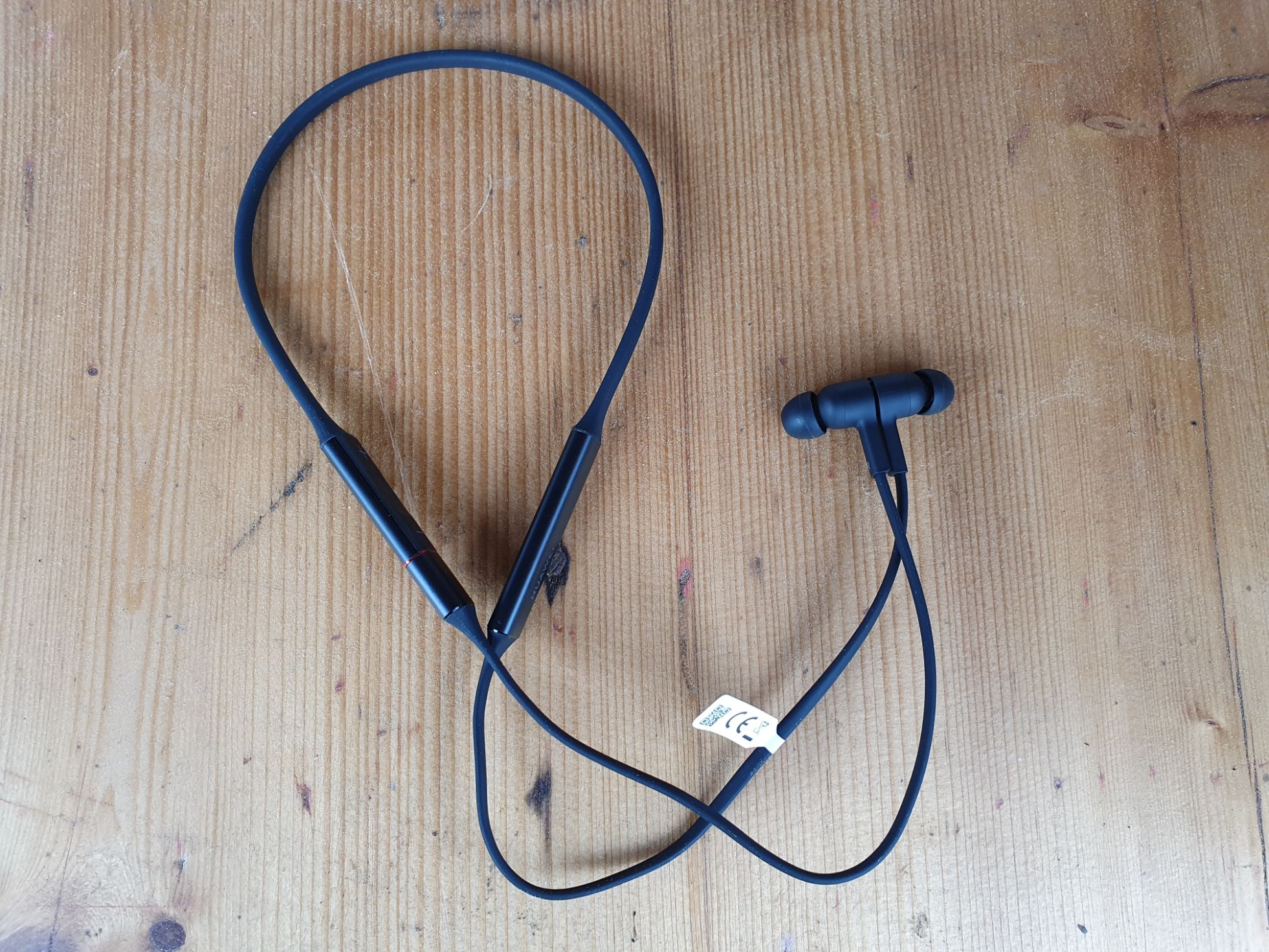
I like that the earbuds have magnets, so you can attach them to each other. The built-in Hall magnetic sensor can detect whether the headphones are in use. You can attach to end the connection for longer battery life. And, when you separate, it will reconnect and get you back to your music.

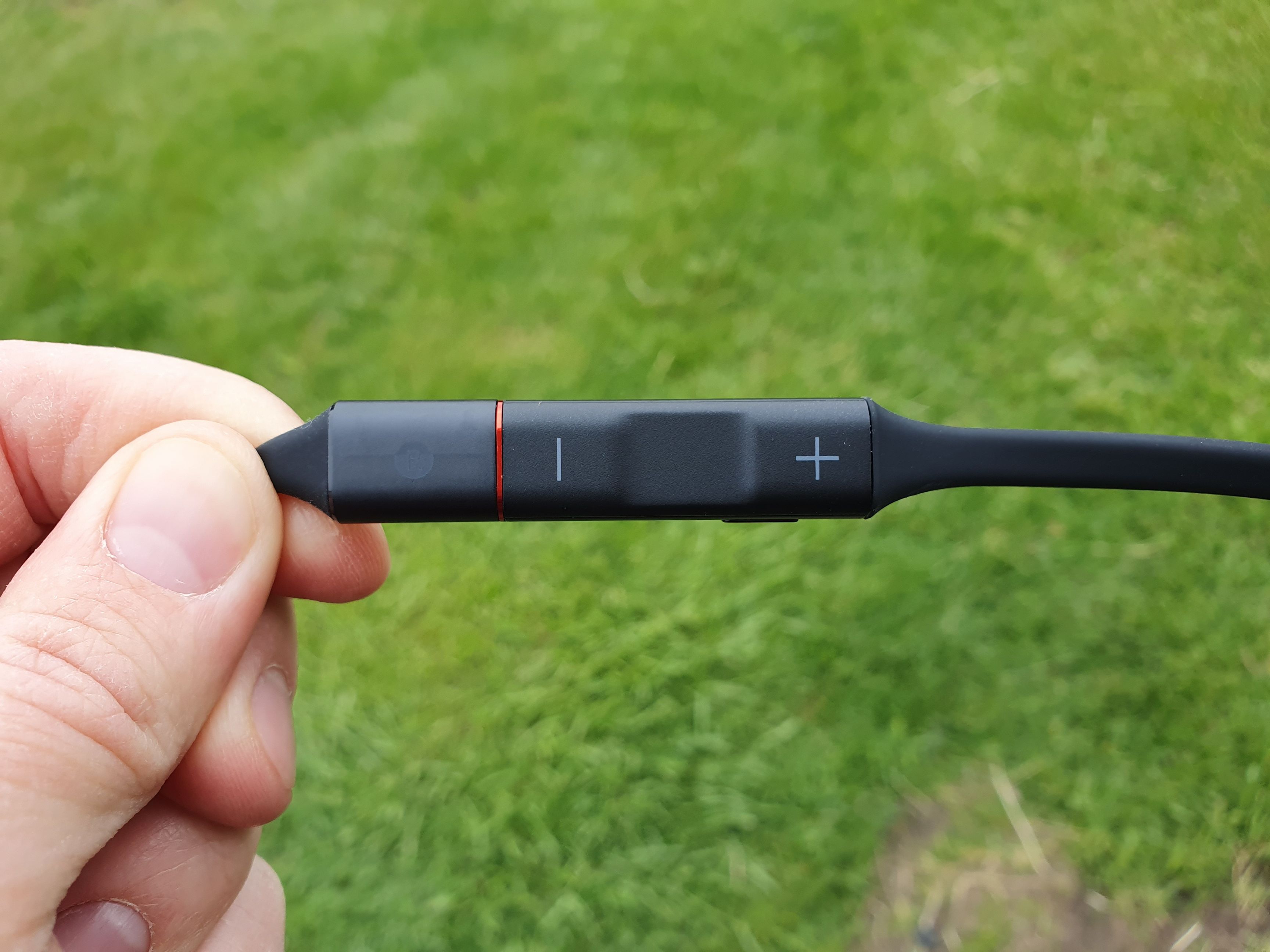
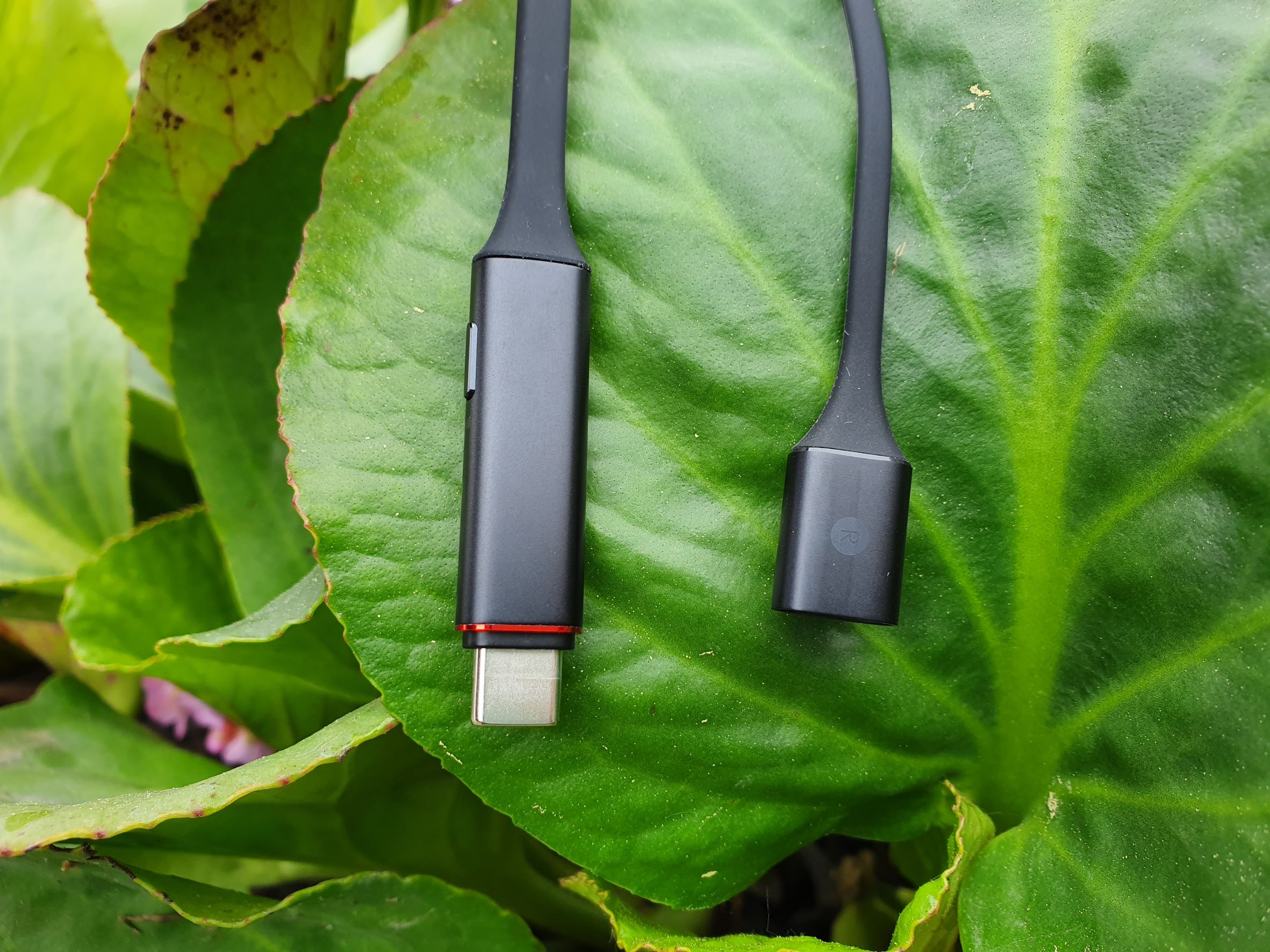
One of the highlights – you can detach the right earphone from the controller and you will find USB-C plug for charging. In fact, you can plug the earphones to the phone USB-C port and the phone will act as a power bank. It’s a pretty neat feature to have. Further, the earphones support HUAWEI HiPair technology. Once plugged in the phone, the FreeLace can be paired automatically.

Battery life has been great. I could easily achieve 18 hours of music playback (Huawei’s official claim). The device also supports fast charging.

Just 5 mins of charging using your phone (I used the P30 Pro) will give you 4 hours of music playback.

SOUND QUALITY

The Freelace uses 9.2 mm dynamic driver unit which ensures great sound quality. The sound is deep, crisp, clear and there is plenty of bass. Really premium sound experience.

OTHER FEATURES AND TEST NOTES

I am really impressed with the call quality as noise reduction has been really good. Also, Bluetooth has been working fine and the IPX5 rating assures that the device won’t break if you drop it into water.

CONCLUSIONS

Overall, I’m quite impressed with the Huawei Freelace. Sure, these are not the only earphones on the market but I found them to be really comfortable to wear, sound quality is really good, battery life is superb and USB-C charging/fast pairing with the phone is an innovative and useful feature to have.

The earphones have been my daily driver for the past couple of months and I will keep using them. Therefore, I can recommend them to check out.

Buy Huawei Freelace

ASUS Zenfone 6 gets 30th anniversary edition with more RAM and storage

The Zenfone 6 launched less than 2 weeks ago and it has been touted as ASUS’ best smartphone till date. The phone comes in three variants – 6GB RAM + 64GB, 6GB+ 128GB, and 8GB + 256GB. Today, ASUS unveiled a fourth variant which brings more RAM and storage. This limited edition variant has been released to celebrate the manufacturer’s 30th anniversary.

The Zenfone 6 30th Anniversary Editon comes with 12GB of RAM and 512GB of storage. With the dedicated MicroSD card slot, you can have almost 1TB of space if you grab a 512GB MicroSD card. Apart from the increase in RAM and storage, this limited edition also has a Matte Black finish with ASUS’ familiar concentric circle design and a special anniversary logo. The rest of the specs are the same as the other variants.

ASUS Zenfone 6 30th anniversary edition

You get a Gorilla Glass 6 protected 6.4-inch Nano Edge IPS LCD with a 92% screen-to-body ratio and a 19.5:9 aspect ratio. A Snapdragon 855 processor, a 5000mAh battery with Quick Charge 4.0, and a 48MP + 13MP dual rear camera combo that flips forward to double as the selfie cameras too. ASUS has also promised the phone will get updated to Android Q and Android R.

ASUS hasn’t released any details with respect to pricing and availability. Though they did say there will just be 3000 units available globally and the limited edition will have a 30-month warranty. Nevertheless, we expect it to sell for about €699.

ASUS also announced a ZenBook Edition 30 which ditches aluminum or plastic for genuine Italian leather and 18-karat rose gold plated ASUS emblems along with matching premium accessories.

(Source, Via)


UP NEXT: OPPO Focuses On Potential Female Reno 10X Zoom Users With This New Color!

Huawei’s founder Ren Zhengfei says he’ll protest if China launches a retaliation against Apple

Huawei has been dominating the headlines this past week but unfortunately, it is not because of the latest phone or other products that the company launched. Instead, the company has been in the news because of the trade blacklist which the US government slapped on the Chinese company. This blacklist has triggered a chain reaction of response from US companies and allies in compliance with the ban. Companies like Google, Intel, Qualcomm, ARM and the SD Association have all severed ties with the firm as a component of the U.S. request.

The U.S. government’s trade blacklist against Huawei comes in the midst of rising pressures between the nation and China. The clampdown by the US has driven some to ponder whether China would counter with its own sanctions against U.S. tech firms like Apple. However, Huawei founder Ren Zhengfei has disclosed in an interview with Bloomberg that he would protest a Chinese boycott against Apple, even referring to the Cupertino-based organization as his “teacher”.

“That will not happen, first of all. And second of all, if that happens, I’ll be the first to protest,” Ren was quoted to have said. “Apple is my teacher, it’s in the lead. As a student, why go against my teacher? Never,” he added.

However, Ren conceded that the U.S. boycott has had some impact on Huawei’s 5G lead, but insisted that the company would be able to deliver solutions to fill the gap. He didn’t disclose any timeline for these replacement solutions to come into effect.

Notwithstanding Ren’s comments, we believe China is working on its own set of boycotts that would be slammed on US companies but we can’t say if that will resolve anything. Let us know what you think in the comments section.

UP NEXT: Huawei Makes Its First Official Move For Its Self Developed OS

(source)
Arm (ARM) announces Cortex-A77 CPU and Mali-G77 GPU

Arm has announced its next-gen CPU and GPU cores for the next set of flagship processors. Both were unveiled at the manufacturer’s TechDay event and are successors to the Cortex-A76 CPU and Mali-G76 GPU.

The announcement of these new technologies will have a significant impact on the next-generation of processors from chip manufacturers like Qualcomm, Samsung, hopefully, MediaTek, Apple, Samsung, and maybe even Huawei‘s HiSilicon if their current predicament comes to an end. These chip manufacturers use custom-designs or stock versions of Arm’s instruction set for their own chipsets.

Cortex-A77

The Cortex-A77 improves upon the already impressive Cortex-A76 cores. Its core features are said to be mainly the same as the A-76. This isn’t a bad thing as the A76 was designed to be the foundation for this year and next year’s cores.

Nevertheless, the A77 brings a 20% IPC (instructions per clock) improvement in performance which is a really big deal. It also has a much better performance when it comes to machine learning. The new cores are expected to be built on the 7nm core just like the A76 too which means we won’t see a big jump in performance between this and previous generation unlike the switch from 10nm to 7nm.

[envira-gallery id=”255633″]

Mali-G77

The Mali-G77 GPU is built on an entirely new architecture called Valhall (coined from Valhalla), following its adopted Norse-related nomenclature. Arm has ditched Bifrost which didn’t bring the expected gains in GPU performance.

Valhall is said to bring a new ISA and has a compute core design that tries to address the faults of the Bifrost architecture. Arm promises a 30% improvement in energy efficiency, a 30 increase in performance density and a 60% improvement for machine learning. Performance is said to be up to 1.4x better than the previous generation and power consumption is between 17% and 29% less (50% less than that of the MaliG72). However, the frequency will likely remain at 850MHz as the Mali-G76 GPU.

[envira-gallery id=”255630″]

Arm says it expects SoCs with the G77 GPU will provide performance similar to that of Apple’s A12 GPU and with better power efficiency. That sounds really exciting and we can’t wait to see how true this is when the first set of SoCs launch next year.

We should actually expect to see it this year if Huawei’s Kirin 985 chipset is still on track but with Arm cutting off business with Huawei, we will have to wait for Samsung’s Exynos 9830 next year.

(Sources: 1, 2, 3)


UP NEXT: Apple Supplier Looking To Cut Losses By Moving Production Out Of China

Huawei’s laptop business takes a big hit as Microsoft joins Google to severe ties

The US government’s trade embargo on Huawei has evidently started to impact on the firm’s smartphone business. While Huawei is still trying to work out modalities to placate the effects, Microsoft has struck. The US company may have joined Google in severing ties with Huawei. According to inside sources familiar with the matter, Microsoft has stopped accepting new supply requests from Huawei Technologies after the Chinese telecoms equipment was added to a US blacklist that prevents it from purchasing American technology.Huawei logo

Huawei’s parley with Microsoft is in the areas of the Windows operating system for laptops and other content-related services and all offerings have been suspended by the US company as it makes efforts to comply with the US government’s sanction. The Windows operating systems installed on existing Huawei PCs won’t be affected by this move and are said to still be eligible for updates and security patches. In addition, Microsoft’s services team in Huawei’s Shenzhen-based headquarters has reportedly moved out of the complex.

The US government a week ago placed Huawei and its subsidiaries on a trade blacklist that limited the Shenzhen-based organization from purchasing software and parts from US companies without authorization. Although the ban was suspended for 90 days, it is still surprising that more companies still announce compliance. The ban is largely seen as a move to get China to agree to the US trade terms. We expect a settlement to be reached between China and the US soon and the ban lifted. If the ban lingers for long, it means Huawei won’t be able to release a Windows PC while it lasts.

UP NEXT: Huawei Makes Its First Official Move For Its Self Developed OS

(source)
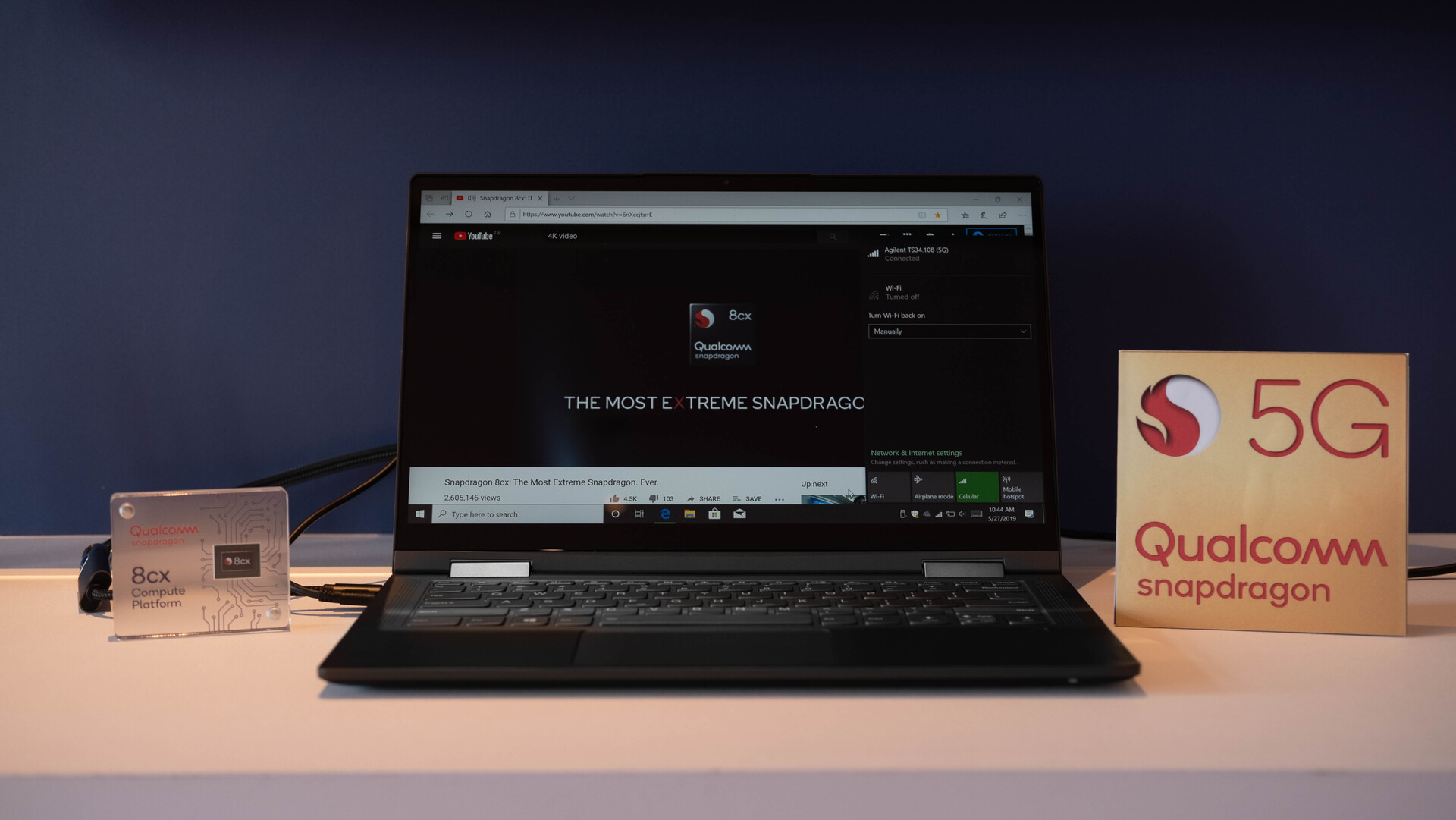
Qualcomm 8cx laptop processor benchmark performance surpasses Intel’s i5 8250U

In December last year, Qualcomm unveiled for the first time, its latest processor for laptops called Qualcomm 8cx. The chipset is touted to bring twice the performance of its previous chip, the Snapdragon 850. In addition, it came with 60% better battery life and a number of new features such as H.265 and dual 4K monitor support. Qualcomm looks to be set to start mass producing the chip for PC. The benchmark of the Qualcomm 8cx has now been uploaded on PCMark and 3DMark databases. The benchmarking apps produced on the ARM 64 framework compare the 8cx with Intel’s Core i5 8250U chipset.Qualcomm 8cx

The result is that Qualcomm Snapdragon 8cx is shown to bridge the gap between mobile devices and laptops in terms of battery conversation and graphics performance. As a reminder, the 8cx is a 7nm chip with a TDP of 7 watts, while Intel’s i5 8250U is based on a 10nm process and has a TDP of 15 watts. This explains why the 8cx was able to achieve about two times better battery life.

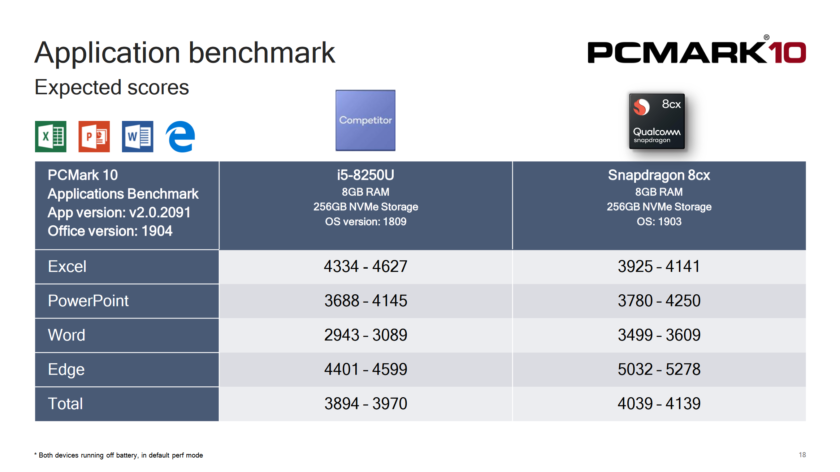
The aspects of application benchmarks and graphics performance reveal even more surprising details. The 8cx and Intel i5 8250U is shown to be in the same range as Intel’s offering. While the 8cx floored the i5 8250U in some tests, it fell slightly behind in others. But the result is more surprising because it shows that a chip with half the power consumption of an Intel CPU is capable of delivering an awesome day-to-day performance on par with the i5.

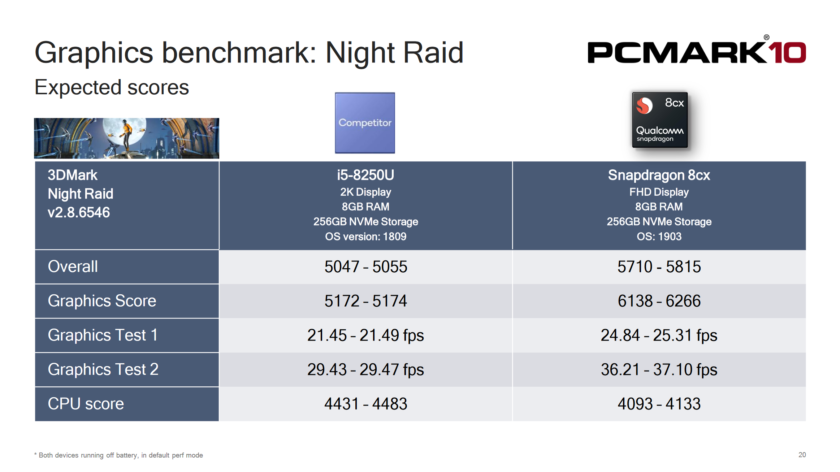
In the aspect of graphics benchmark, Qualcomm’s 8cx surpassed Intel’s i5 to a large extent. In 3DMark’s Night Raid the graphics score was between 6138 and 6266. This isa big one compared to Intel’s which measured between 5172 and 5174. We must point out, though, that the display on Intel’s model was a 2k panel, while the device on which the Qualcomm chip sits, is an FHD panel.

Qualcomm 8cx

These benchmark tests are indicative of how much work Qualcomm has done to take on Intel in the laptop segment. There are some aspects that Qualcomm will even have some edge such as the new 5Gmodem that OEMs could use on laptops running the 8cx. There is also an Always Connected PCs (ACPCs) feature which allow users to pull down data extremely quickly wherever they are.

With these performances and features, we believe Qualcomm 8cx will soon start fining its way on laptops. Qualcomm also announced a partnership with Lenovo for the development of the first 5G Always Connected PC. Lenovo has named the laptop “Project Limitless” for now. The laptop is said to run on a 45 watt-hour battery and will use the Qualcomm 8cx SoC and 5G modem.

UP NEXT: Xiaomi launches a Makeup Mirror that doubles as a power bank

(via)


First official teaser for the RedmiBook 14 laptop released

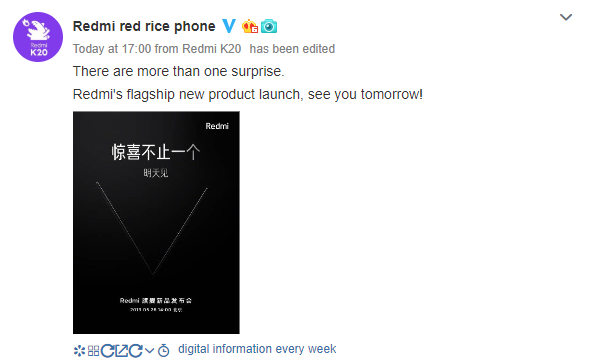
Tomorrow is the day a lot of us have been waiting for. Redmi will announce its highly-anticipated first flagship phone, the Redmi K20 Pro and an upper mid-range variant which will ditch the “Pro” suffix. But those aren’t the only two products launching tomorrow. The Xiaomi subsidiary will also announce its first laptop – the RedmiBook 14, and it has just released the first official teaser for it.

RedmiBook 14

The teaser poster was shared on the Weibo page and it shows a side view of the laptop. We can’t make out any features but the device does look thin. The caption doesn’t reveal any info too, not even the official name.

RedmiBook 14 teaser

The RedmiBook 14 was seen on the Bluetooth SIG website a few weeks ago. It has the model number XMA1901-** with several model variants which might mean international availability. The laptop’s specs have also leaked. It is expected to come with an Intel processor in Core i3, Core i5, and Core i7 configurations with 4GB/8GB of RAM and 256GB/512GB of storage. The higher specced model is said to have NVIDIA’s GeForce MX250 GPU.

(Source, Via)


UP NEXT: Xiaomi launches a Makeup Mirror that doubles as a power bank

ZTE Axon 10 Pro gets 20X Hybrid Zoom in upcoming update

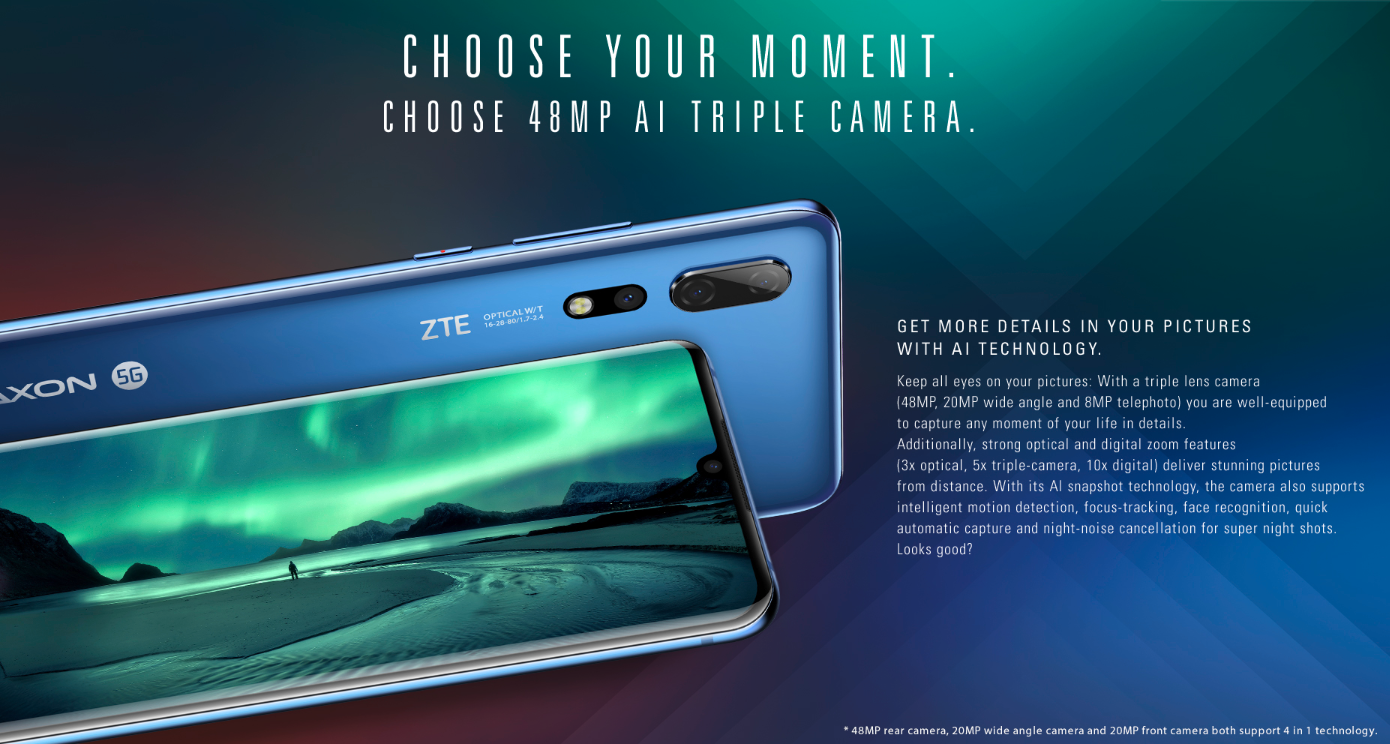
ZTE‘s Axon 10 Pro was already a fairly formidable device, but it seems it’s only going to get better. According to ZTE, the upcoming software will not only bring bug fixes, but also 20X Hybrid Zoom functionality. It’s a surprising bit of news, and it’s impressive that ZTE’s already pushing out hefty improvements.

The ZTE Axon 10 Pro has a 48MP f/1.7 primary camera, a 20MP f/2.2 ultra-wide angle lens with a 125° FOV, and an 8MP f/2.4 telephoto lens in a triple camera arrangement. Before this, the device already came with 3x optical zoom, 5X hybrid zoom, and 10x digital zoom. Now, those numbers get boosted further for even more impressive camera performance.

ZTE Axon 10 Pro Camera

The ZTE flagship has an in-display fingerprint scanner that unlocks in just 0.27s and support for Face ID too. It has stereo speakers (Dual Super Linear speakers), Dual SmartPA, and DTS:X Ultra. The 5G version has one SIM slot and MicroSD card slot while the 4G version has a hybrid dual SIM slot. Both have NFC capabilities and Bluetooth 5.0.

We’re looking forward to seeing the Axon 10 Pro get more features in the future. We already know the device will arrive in European markets soon. The Axon 10 Pro is a solid flagship on paper, though we aren’t sure how much of an impact it’ll have on the market. It’s still one of the only phones currently on the market with 5G support, so it has that.

NEXT UP: ZTE Axon 10 Pro unveiled in China: 5G, 3x optical zoom, and a ¥3199 (~$470) price tag

(Source)
Redmi K20 Pro retail unit and box appear online

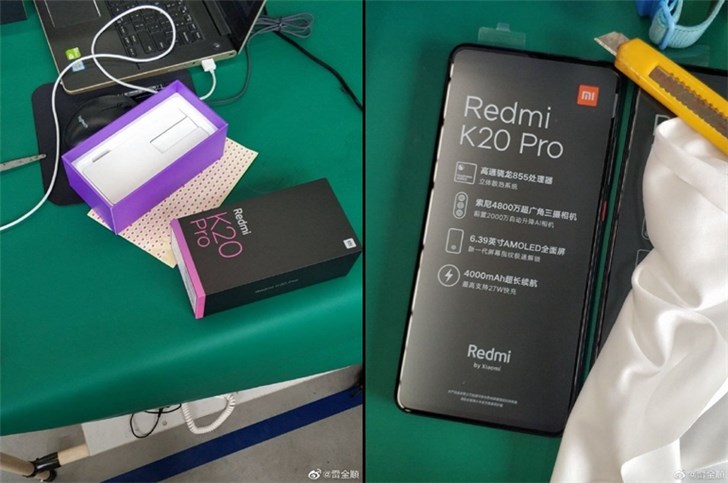
We have only seen the Redmi K20 and Redmi K20 Pro in renders so far but the phone has finally leaked on the web before the launch. It seems that someone took a photo of the Redmi K20 assembly line just before packaging. While the device is switched off, the screen sticker confirms some of the previous leaks we have been subjected to.

The chin is slightly thick but given that it will be positioned as an affordable premium phone, it shouldn’t be a big deal. There’s a coloured power button visible on the frame. The sticker also confirms the presence of a 4000mAh battery, a triple camera setup with a 48-megapixel primary sensor and Snapdragon 855 chipset.

Leaked retail box of Redmi K20 Pro

Not only the Redmi K20 Pro has been spotted in wild but its retail box has also been photographed. The box doesn’t reveal any additional information apart from the fact that it will have a grey-purple colour combo.

If you’d like to get a better idea of what’s coming up tomorrow, you can check out our Redmi K20 and K20 Pro round-up over here. As for now, all we can really do is wait for the grand launch tomorrow. Whether the device lives up to the lofty expectations we have remains to be seen. Until then, stay tuned on Gizmochina for all your Redmi K20 news.

UP NEXT: Redmi K20, K20 Pro rumor roundup: Specifications, price and launch details

(Source)
Xiaomi Redmi Go 16 GB edition launch for Rs. 4,799 (~$69)

In March, Xiaomi had launched the Redmi Go as its first Android Go phone. The smartphone that came with 8 GB of RAM was introduced with a price tag of Rs. 4,499. Today, the Chinese firm has introduced a 16 GB storage version of the Redmi Go in the country with a price tag of Rs. 4,799 Yuan (~$69).

Apart from modified internal storage, the 16 GB Redmi Go features the same specs as its 8 GB variant. The new model is now available for purchase through Mi.com, Flipkart and Mi Home stores.

Redmi Go 16 GB

Xiaomi Redmi Go Specifications and Features

The polycarbonate bodied Xiaomi Redmi Go is fitted with a 5-inch display that carries support for HD resolution of 720 x 1280 pixels. It offers an aspect ratio of 16:9. The Snapdragon 435 SoC that includes a 1.4 GHz quad-core processor is present under the hood of the device along with 1 GB of RAM.

The Redmi Go now comes in 8 GB and 16 GB storage choices and its loaded with Android Oreo (Go edition). There is a microSD card slot on the device for more storage. For photography, its rear shell is equipped with an 8-megapixel camera with f/2.0 aperture and a 5-megapixel front camera with f/2.0 aperture. The smartphone lacks a fingerprint sensor. There is a 3,000mAh battery inside the phone. It includes other features like dual-SIM slots, 4G LTE, Wi-Fi, Bluetooth, GPS and 3.5mm audio jack.

UP NEXT: Black Shark 2 launched for Rs. 39,999 (~$575) in India; Specifications and price

Black Shark 2 launched for Rs. 39,999 (~$575) in India; Specifications and price

Today, Xiaomi introduced the Black Shark 2 gaming phone in India. The Chinese manufacturer had unveiled the handset first in China in March. The gaming-centric phone from Xiaomi is fully loaded with specs and it has arrived with a starting price tag of Rs. 39,999 (~$575).

Black Shark 2 Specifications and Features

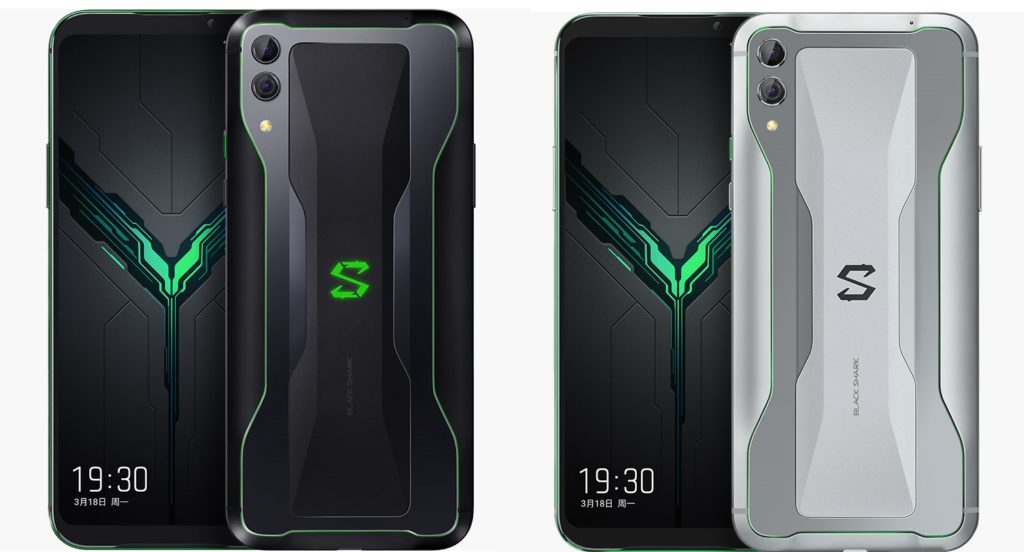
Unlike current flagship phones that are equipped with glass bodies, the Black Shark 2 comes with a full metallic chassis with an RGB-lit LED logo on the rear. There are LEDs along the edges that glow according to the gaming effects. The smartphone features a 6.39-inch AMOLED TrueView display that is surrounded by slim bezels. The display features of the Black Shark 2 are full HD+ resolution, 19.5:9 aspect ratio, DC dimming, Always-on Display, eye protect mode and in-screen fingerprint sensor. The display is powered by an image processing chip for enhanced color reproduction. The Master Touch function enables pressure-sensitive controls on the display of the phone.

The Snapdragon 855 fuels the phone along with 4,000mAh battery that carries support for Quick Charge 4.0. The two-style Liquid Cooling 3.0 technology can drop the processor’s temperate by up to 14 degrees. The SoC is supported by up to 12 GB of RAM. The highest configuration model of the phone has 256 GB of native storage. The BlackShark OS flavored Android 9 Pie OS is loaded on the device. To play games with 100 percent CPU power, users can switch to “Ludicrous Mode” on the device.

Black Shark 2 colors

The Black Shark 2 features a dual camera module that comprises of an f/1.7 aperture 48-megapixel main sensor and a 12-megapixel telephoto lens with 2x optical zoom. For snapping selfies, it is equipped with a 20-megapixel front camera with f/2.0 aperture.

When it comes to connectivity, the smartphone offers like dual 4G VoLTE, Wi-Fi 802.11ac, Bluetooth 5.0, GPS, USB-C, HDMI connectivity and dual-band GPS. Antennas arranged in X-shaped design ensures better network reception on the device. The other features of the phone include stereo speakers and three microphones. The handset does not feature a microSD card and it also lacks a 3.5mm audio jack. The smartphone also supports gaming accessories.

Black Shark 2 Price and Release Date

The Black Shark 2 has been introduced in two models in the country. The base model that features 6 GB of RAM and 128 GB of storage is priced at Rs. 39,999 (~$575). The top variant of the phone has 12 GB of RAM and 256 GB of storage and it costs Rs. 49,999 (~$719). The smartphone will be available for purchase from June 4 through Mi.com, Mi Store app, Mi Home stores and Flipkart.

UP NEXT: Xiaomi launches a Makeup Mirror that doubles as a power bank

Huami announces product tie-in with Avengers: Endgame

Huami, makers of the popular Amazfit and Mi Band products, are having a product tie-in to coincide with Avengers: Endgame. The Avengers name is hyper influential over in China, where Endgame easily smashed box office records to a ridiculous degree. Thus, it only makes sense that everyone would want to have some form or partnership with them.

The teaser also shows us what may be a brand new Amazfit smartwatch. We had guessed this was the case when Amazfit began concurrently giving the Bip price cuts, though nothing was really set in stone. Having a new product to coincide with the hottest movie in China is a pretty smart move all things considered.

Huami came into the spotlight as the maker of Xiaomi’s Mi Band wearable. It went public last year (even before Xiaomi), and has a number of really cool wearables under its own Amazfit lineup. Examples of their previous devices include the really good looking Amazfit Verge and the already mentioned Amazfit Bip. They’ve even got other stuff, like this quick drying t-shirt.

Huami’s been doing quite well for itself. Between the multiple different smartwatches, the miscellaneous products and the hyper popular Mi Band line, the company has a solid portfolio of gadgets. Whether we see a new product for them soon, we have no idea. We expect to at least see SOMETHING from them though.

UP NEXT: Huami Amazfit Verge Review: A Seriously Good Non Intrusive Fitness Smartwatch

(Source)

Get Big Discounts on Apods i12 and the QCY T2C TWS Earbuds on GeekBuying [Coupons]

Looking for inexpensive earphones that don’t disappoint in terms of performance? You’ve come to the right place.

GeekBuying is offering the Apods i12 and the QCY T2C TWS earbuds at lowered prices. Aside from shedding light on the aforesaid discounts, we will show how you can save more money at the time of checking out.

Apods i12 Bluetooth 5.0 TWS Earbuds

The Apods i12 packs the powerful Realtek 8763 BFR chip, delivering a faster and more stable wireless connection to your devices. In other words, it delivers a 1.5x faster connection time for mobile phones. Moreover, the Apods i12 supports binaural call, and the earbuds can be used separately.

The Apods i12 Bluetooth 5.0 TWS Earbuds normally retails for $61.06, but you can buy it for only $32.99 from GeekBuying. As if that weren’t enough, you can extend this 46 percent discount by applying coupon code 3WKND8PG.

The coupon helps you save $4 by reducing the already lowered retail price of the earbuds to only $28.99. Regrettably, the promo was on the verge of wrapping up at the time of writing. You can visit this link to avail the discount.


QCY T2C TWS Dual Bluetooth 5.0 Earbuds

Designed to deliver sound effects that bring an impression of space to you, the QCY T2C enables you to enjoy your favorite just like you are in the concert hall. It adopts the latest Bluetooth 5.0 technology for faster sound transmission and a more stable connection while making calls and playing games.

The QCY T2C usually carries a $33.99 price tag on both online as well as offline stores, but GeekBuying users will be able to buy it for a reduced price of only $29.99 for a short period of time. If this 12 percent discount doesn’t impress you much, all you need to do is to apply coupon code 3WKNRNWL before placing your order.

The above-mentioned coupon helps you get an extra $5 off. In other words, you can bring the already lowered asking price of the QCY T2C TWS earbuds further down to just $24.99 simply by applying the coupon during the checkout process.

You can visit this link in order to grab the discount. It is worth noting that the promo will end shortly.