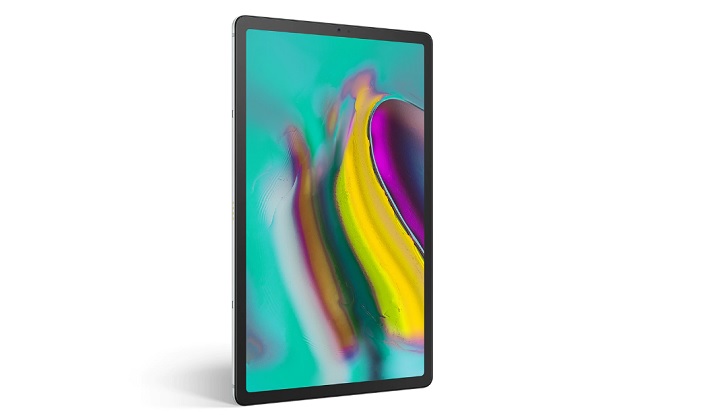
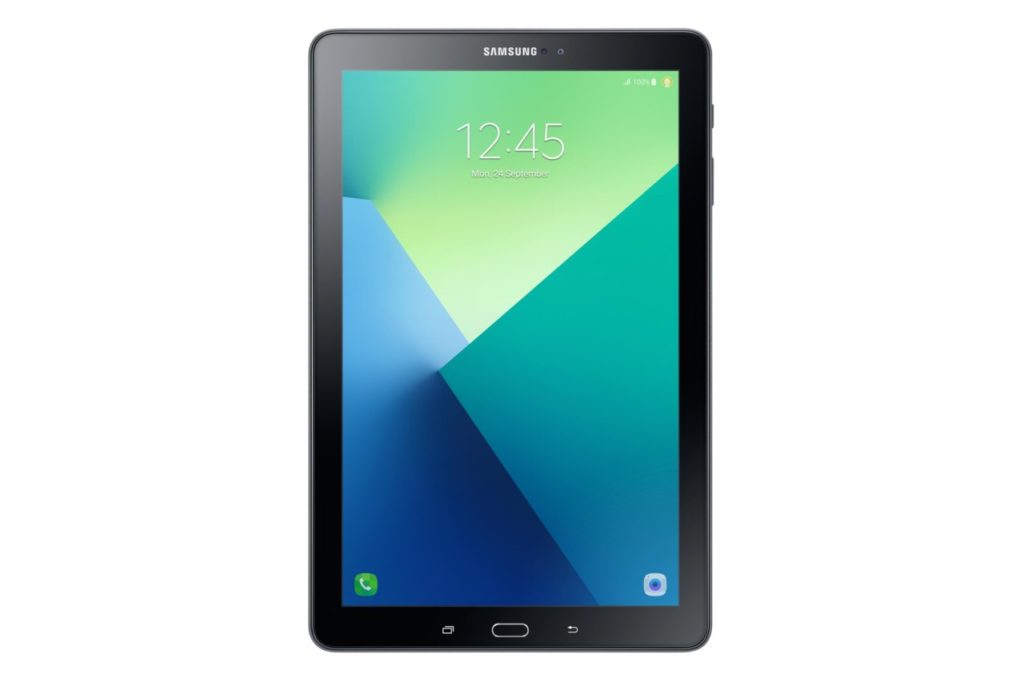
Samsung India’s website has two new listings for Galaxy Tab S5e and Galaxy Tab A 10.1 tablets. The Tab S5e is a mid-range tablet whereas the Tab A 10.1 is packed with weaker specs. These tablets have arrived with respective starting prices of Rs. 35,999 (~$517) and Rs. 14,999 (~$215).
Samsung Galaxy Tab S5e Specifications and Price
The Galaxy Tab S5e houses a 10.5-inch S-AMOLEDD display with support for quad HD resolution and 16:10 aspect ratio. The Snapdragon 670 chipset is present under the hood of the device with 4 GB of RAM.
The tablet features a 7,040mAh battery with support for 18W rapid charging. It has an internal storage of 64 GB. The One UI based Android 9 Pie OS comes loaded on the tablet. It has a microSD card slot for expanding its storage.
The Tab S5e is fitted with a 13-megapixel rear camera with f/2.0 aperture and 4K video shooting capabilities. On the frontside of the tablet is an 8-megapixel camera. The tablet features AKG and Harman tuned quad speaker system. The connectivity features available on the device include Bluetooth 5.0 and USB-C. A side-mounted fingerprint sensor is also available on the Tab S5e.
The Wi-Fi only Tab S5e is priced at Rs. 35,999 (~$517). Its LTE variant carries a price tag of Rs. 39,999 (~$574). It can be availed in colors like Black, Gold and Silver.
Samsung Galaxy Tab A 10.1 Specifications and Price
The Galaxy Tab A 10.1 house a smaller 10.1-inch IPS LCD display that offers full HD+ resolution. The Exynos 7904 chipset is present under the hood of the device along with 2 GB of RAM. The One UI based Android 9 Pie comes loaded on the device. For storage, it has a built-in capacity of 32 GB and a microSD card slot.
For photography, the Galaxy Tab A 10.1 has a rear camera of 8-megapixel and a front-facing camera of 5-megapixel. The tablet is packed with a 6,150mAh battery. Dolby Atmos powered triple speakers are also available on the device. It also features a USB-C port and Bluetooth 5.0 support.
The Galaxy Tab A 10.1 Wi-Fi only version is priced at Rs. 14,999 (~$215). The LTE variant of the tablet can be bought for Rs. 19,999 (~$287). Its color variants are Black, Gold and Silver.
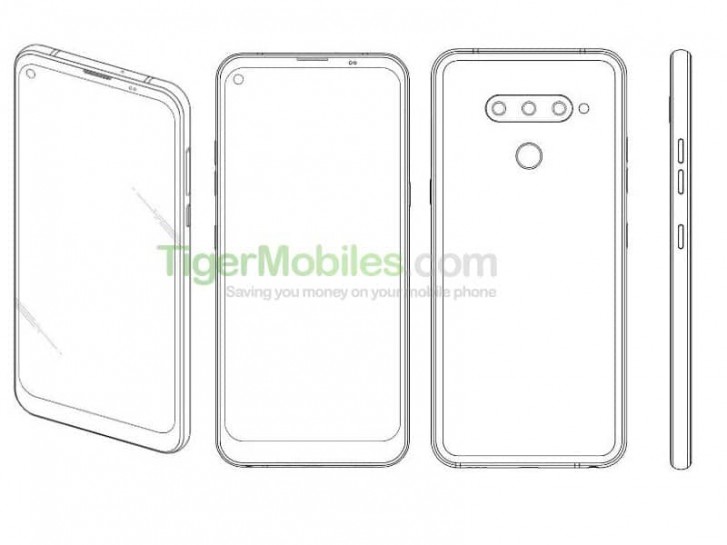
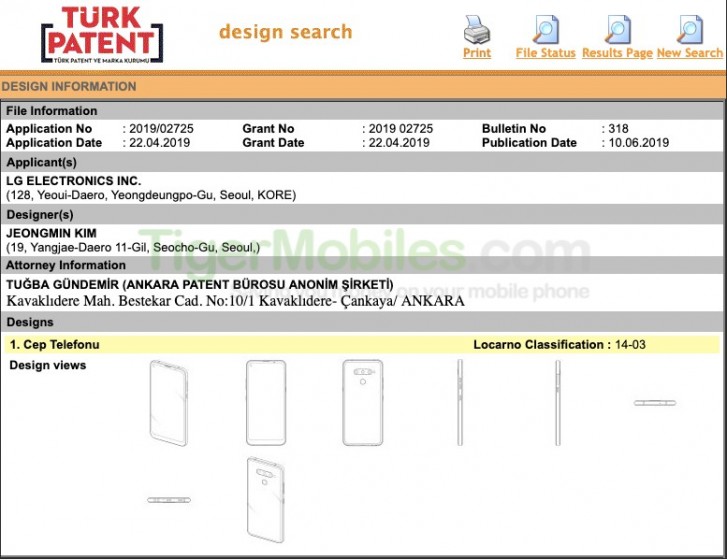
The size of the display notch on smartphones have considerably this year. There are many phones available with waterdrop-style notch. Some smartphones have sported notch-less design with pop-up selfie camera. Some phones have adopted punch-hole display design. One mainstream smartphone marker that has failed to keep with these trends is LG. The LG Q60 mid-ranger that was unveiled in February sport a waterdrop-style notch, but most of its high-end phones such as LG G8 ThinQ, LG G8s ThinQ and LG V50 ThinQ have sported wider notches. A new patent filing with Turkish Patent Institute has revealed that the South Korean company has been granted permission for a new smartphone design with punch-hole display and triple rear cameras.
As it can be seen in the below, the images found in the patent documents show a smartphone with a punch-hole placed at the top-left corner of its display. It features a thick-sized chin. The top bezel has an earpiece and some sensors.
The volume up and down buttons are present on the left spine of the phone. A button for summoning the AI assistant is placed below it. The button on the right edge could be for turning on the device. A 3.5mm audio jack seems to be present on the bottom side of the device. It will be accompanied by a USB port.
The rear design of the phone resembles with the LG V40 ThinQ smartphone from last year. It features a horizontally arranged triple camera setup that features an LED flash alongside it. A fingerprint scanner is available below the camera module.
Unfortunately, the patent application is not available in the regulator’s database. Hence, there is a possibility that it could be fake, or the listing could be hidden to the public. It would be good to known whether the company is working on a phone with a new display design. If it exists for real, more details may surface in the near future. In this week, LG will be announcing the W-series of smartphones in India. The W-series phones are expected to sport waterdrop-notch display design.
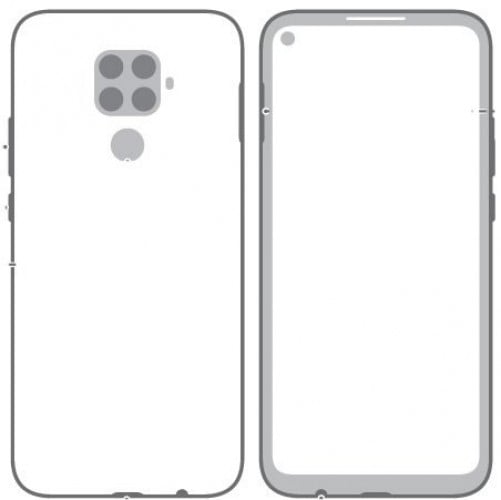
Before the launch of the Huawei Nova 5 series, the Nova 5 Pro was listed on Jingdong Mall with some specs and images. Also, the Nova 5i Pro was also listed with some images on the Chinese retailer site. However, when the company had launched the Nova 5 series on June 21, it only unveiled phones like Nova 5, Nova 5 Pro and Nova 5i. Since the company did not announce Nova 5i Pro, it appeared that the device does not exist. Reliable tipster Evan Blass has shared a schematic of the unreleased Nova5i Pro which not only suggests that it exists, but also reveals that it will be sporting a different design from what was seen on its JD.com listing.
The following image was found on the JD.com listing of the Nova 5i Pro. The handset features a wide notch, a rear-mounted fingerprint scanner and a vertical dual camera setup with an LED flash. The design actually matches with the Nova 3iv smartphone from last year.
However, the image shared by Blass shows the Nova 5i Pro flaunting a unique appeal. The smartphone can be seen with the trendier punch-hole display design with a slightly thick chin. The rest of the bezels of the smartphone are slimmer. The recently announced Nova 5i also features a punch-hole display. The top edge of the Nova 5i Pro has an earpiece. A volume rocker and a power key are available on the right spine of the Nova 5i Pro. Its left edge seems to feature a slot for the SIM card tray.
The bottom edge of the Nova 5i Pro in the new schematic shows the presence of a USB port (probably, USB-C) and a 3.5mm audio jack. There is a square-shaped camera module on the upper half of the Nova 5i Pro’s rear shell. An LED flash is placed alongside it and a fingerprint placed below it.
The Nova 5i comes with 6.4-inch display, Kirin 710 chipset, 6 GB / 8 GB of RAM, 128 GB of storage, 16-megapixel quad camera, 16-megapixel selfie camera and 4,000mAh battery. If Nova 5i Pro truly exists, it will certainly arrive with better specs than the Nova 5i. Hopefully, more details of the phone may appear in the coming days.
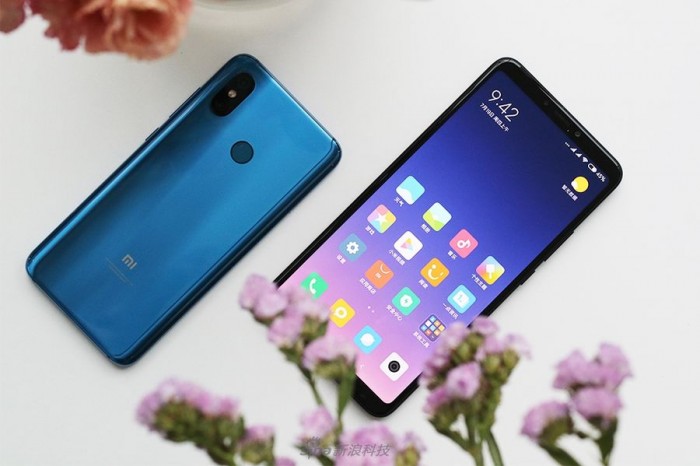
Xiaomi’s smartphone series has seen drastic changes within the last one year. First, the Redmi series became an independent brand and not a mid-range/budget-focused series. Since then, we have seen the brand release, not just premium midrange models but also budget and even flagship models.
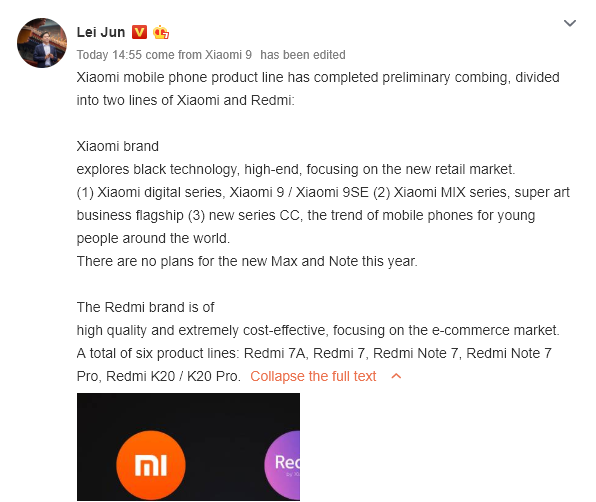
Xiaomi’s CEO recently disclosed that the company’s smartphone lines are now the Xiaomi and Redmi lines. He equally hinted that the Xiaomi brand is devoted to new technology, high-end phones, with a focus on new retail markets. He then reeled out the phones under the product line for this year. Among them are the Xiaomi digital series, Mi 9, Mi 9SE, Xiaomi Mix series and the new Xiaomi CC series. Of particular interest is the disclosure that the company has no plans for a new Max and Note phones this year. While he didn’t categorically say the company has discontinued the two series, but that could be what the news is pointing at.
The Mi Max 3 was launched last year so it is difficult to say if the company will not bring an update next year. On the other hand, the Mi Note 3 which was launched in 2017, is the last Note model from Xiaomi. The Mi Note series was first launched in 2015 and as at then, Xiaomi was looking at the possibility of the industry developing towards the use of curved OLED screens. Full-screen design stole the show instead and curved screens are not in any way trendy any more.
Chinese technology giant Huawei will reportedly begin discussions this summer with officials at Russia’s communications ministry in a bid to determine if it could use Russia’s Avrova (Aurora) operating system. This was disclosed on Friday by RIA news agency which cited a Russian deputy communications minister as saying.
This is against the backdrop of reports that Huawei is already in an advanced stage of deploying its own HongMeng OS (ArkOS). The moves are all aimed at mitigating the effect of the US trade ban on the company will when effective, will prevent all US companies from selling US technology to Huawei.
The Chinese giant has already forecasted a loss of up to $30 billion over the next two years as a result of the ban. Huawei’s founder and CEO, Ren Zhengfei hinted that Huawei’s overseas cellphone sales will drop by 40%. Presently, the US gave a 90 days respite for Huawei but if it elapsed without the US and China reaching a trade deal, it could go into effect. The ban will see companies such as Google withdraw Android license from Huawei which means the companies future phones will not use Google’s Play Store, Play Protect (the in-built malware scanner on Google Play), Security Updates and more on its phones. Also, the phones will not have other apps like Google Maps, YouTube and more.
So, Huawei will be keen on decimating Google’s monopolistic empire at this time, in order to end its reliance on US companies to run one of its largest businesses. The self-developed Hongmeng OS is said to come in August or September this year with a worldwide release in the second quarter of 2020 but those are rumours.
Aurora OS is a Russian-made mobile operating system based on the open-source Sailfish OS Linux distribution developed by Finnish company Jolla. Sailfish isn’t the most popular mobile operating system out there; in fact, it doesn’t show up on the radar of Android versus iOS. However, its focus on privacy and security has won over many users.
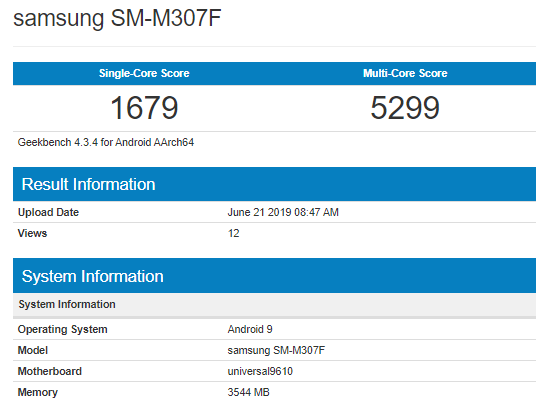
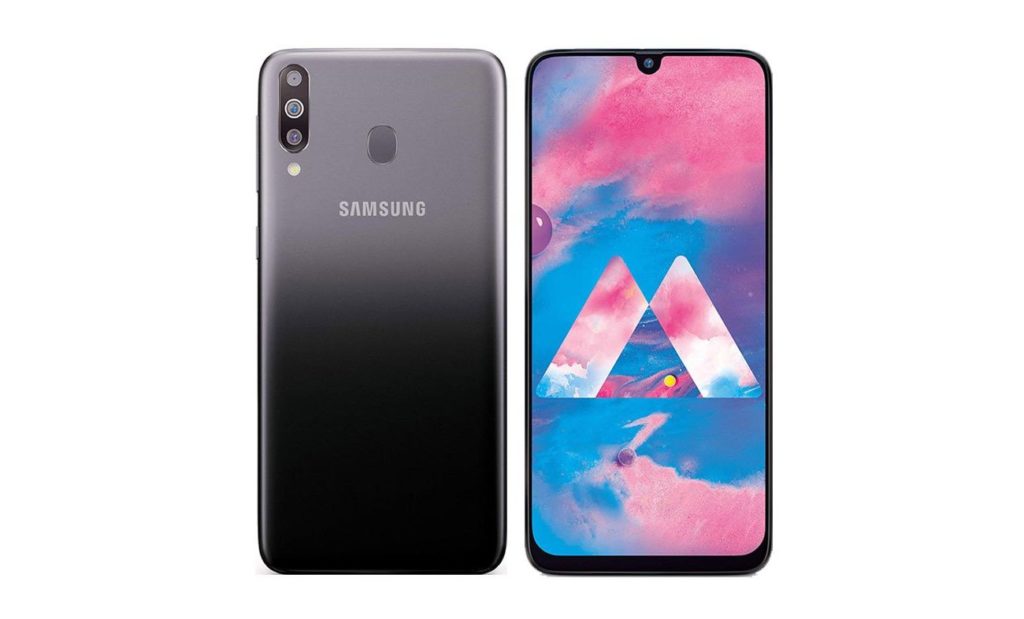
Samsung began focusing on online sales of its smartphones in India by the introduction of the new M-series of smartphones. While the Galaxy M40 is relatively, the Galaxy M30 that features a small notch on the display and triple rear cameras has received good reception from the market. In the previous week, SamMobile had revealed Samsung could be working on the upgraded edition of Galaxy M30. It is being speculated that it could be called Galaxy M30s. Now, the purported Galaxy M30s has appeared on Geekbench with some key specifications.
The Galaxy M30 that was launched earlier this year has a model number of SM-M305F. The new version of the M30 that has a model number of SM-M307F has been spotted on Geekbench benchmarking platform. It reveals that the smartphone will be arriving with Android 9 Pie OS preloaded. The Galaxy M30 was launched with Android Oreo OS.
The M30 is powered by Exynos 7904 chipset. However, the newly spotted SM-M307F has the Samsung Exynos 9610 chipset. The SoC was last seen on the Galaxy A50 smartphone. The alleged M30s has 4 GB of RAM. Nothing else is known about the smartphone. Last week’s report from SamMobile had stated that the new edition of Galaxy M30 could be available in 64 GB and 128 GB options. The M30 is also comes in these two models. As of this writing, there is no information available on the other specifications of the rumored M30s smartphone.
As rumors are hinting, the alleged Galaxy M30s may sport the same design and some updated specs. Hence, the smartphone may sport an Infinity-U notch display, a big battery and a triple camera setup. Hopefully, Samsung may bring some improvements in the camera department of the smartphone. In the market, it could be positioned between the Galaxy M30 and Galaxy M40 smartphones.
The Samsung Galaxy M30 comes with a 6.4-inch S-AMOLED Infinity-U display and Exynos 7904 chipset. It comes in 4 GB RAM + 64 GB storage and 6 GB RAM + 128 GB storage options. In terms of photography, the M30 features a 16-megapixel rear camera and a 13-megapixel + 5-megapixel + 5-megapixel triple camera setup. It houses a massive 5,000mAh battery with 15W fast charging support. The 64 GB and 128 GB Galaxy M30 are respectively available for Rs. 14,990 (~$215) and Rs. 16,990 (~$258).
The current hot niche Android phone on the block is the Elephone U2, and it’s packing some impressive specs for the price. That’s pretty impressive when the price is already so low at $249 (4GB+64G) and $299 (6GB+128GB), and that’s not all! For only 1 more week, Banggood.com is having a huge sale on the device! This cuts down the device’s already great price to a mere $199 and $249! That’s a massive $50 price cut!
The Elephone U2 comes with a 103% Wide-Gamut, 500nit Brightness 6.26″ FHD+ full display with a 93,1% screen/body ratio thanks to the pop-up front camera and ultra-narrow bezels. The front camera is a even a dual 16MP/2MP setup, allowing for great detail and adjustable focus. On the other hand, the rear camera is a triple setup with 16MP/5MP/2MP sensors and f/1.6 aperture, granting incredible night performance with Super Night Mode!
On the inside, the Elephone U2 runs the Helio P70 SoC backed by 4GB/64GB or 6GB/128GB memory configuration. There’s a 3250mAh on board, and the device supports fast charging letting you save time. There are even TWO fingerprint sensors, one on the display, and one on the side. It comes running Android 9.0 Pie OS, and all this in an extremely sleek glass and metal unibody chassis. What more could you really want?
Despite the difficulties faced after the ban from the U.S. administration, Huawei is here once again with a new affordable flagship: the Nova 5 Pro. A great alternative if you want similar performances to the Huawei P30 Pro but you do not want to spend a shitload of money. It is very affordable, but is it really the best among the actual cheap flagships? In order to know it, the best way is comparing it with the hottest flagship of the moment available at modest price tags. And we firmly believe that, from the other Chinese brands, there is nothing more suitable than the new Redmi K20 Pro by Xiaomi’s sub-brand and the vanilla OnePlus 7.
Huawei Nova 5 Pro vs Xiaomi Redmi K20 Pro vs OnePlus 7
Xiaomi Redmi K20 Pro
Huawei Nova 5 Pro
OnePlus 7
DIMENSIONS AND WEIGHT
156.7 x 74.3 x 8.8 mm, 191 g
157.4 x 74.8 x 7.3 mm, 171 g
157.7 x 74.8 x 8.2 mm, 182 g
DISPLAY
6.39 inches, 1080 x 2340p (Full HD+), Super AMOLED
6.39 inches, 1080 x 2340p (Full HD+), OLED
6.41 inches, 1080 x 2340p (Full HD+), Optic AMOLED
Quad 48 16 + 2 + 2 MP, f/1.8, f/2.2, f/2.4 and f/2.4
32 MP f/2.0 front camera
Dual 48 + 5 MP, f/1.7 and f/2.4
16 MP f/2.0 front camera
BATTERY
4000 mAh, fast charging 27W with Quick Charge 4.0
3500 mAh, fast charging 40W
3700 mAh, fast charging 20W
ADDITIONAL FEATURES
Dual SIM slot
Hybrid Dual SIM slot
Dual SIM slot
Design
Most of the people in search of an original and stunning design would probably prefer the Xiaomi Redmi K20 Pro just like I do. Just like the most stylish flagships, it is equipped with a motorized pop-up camera which minimizes the bezels around the display. It even has a very original liquid finish on the back cover. Huawei Nova 5 Pro and OnePlus 7 are classic devices with a waterdrop notch and moderately narrow bezels, we already saw this form factor a lot of times and there is nothing special to mention. Just keep in mind that the OnePlus 7 has the Gorilla Glass 6 protection, so it should have more resistant front and back glasses.
Display
Despite they are not among the most expensive flagships, Huawei Nova 5 Pro, OnePlus 7 and Redmi K20 Pro still come with pretty nice displays. The Redmi K20 Pro provides an outstanding color reproduction thanks to the HDR technology, but OnePlus 7 and Huawei Nova 5 Pro are still awesome with their high DCI-P3 coverage (on the paper, Huawei Nova 5 Pro seems better than OnePlus 7, but the latter comes with stereo speakers that could be more useful with multimedia). The display size is more or less the same and they all come with a fast in-display fingerprint reader.
Hardware/Software
Given that they are equipped with a more powerful Snapdragon 855 chipset, OnePlus 7 and Redmi K20 Pro are faster than Huawei Nova 5 Pro. But unlike the Nova 5 Pro, they do not feature expandable storage. Between OnePlus 7 and Redmi K20 Pro, the former takes the first place thanks to its Oxygen OS custom user interface which is close to stock Android and optimized better in terms of performance.
Camera
This is a hard fight as the specs of these devices on the paper are not extremely different, and we still had no chance to test the Huawei Nova 5 Pro as it just debuted. But on the paper, OnePlus 7 and Redmi K20 Pro look more exciting. OnePlus 7 is the only with optical stabilization and it even has a brighter focal aperture, it shoots amazing photos with low light. But it lacks both telephoto and ultrawide sensor, which are present on the Redmi K20 Pro (no OIS, though). Last but not least, Redmi K20 Pro can record 960 fps super slow motion videos in 1080p.
Battery
Redmi K20 Pro wins the battery life comparison simply because Xiaomi equipped it with a bigger, satisfying 4000 mAh battery. And this is very important for a flagship phone as flagships consume more energy due to their higher performances and more advanced usage patterns. Right after, in terms of battery capacity, there is the OnePlus 7 with 3700 mAh. Huawei Nova 5 Pro has the smallest battery and it will probably last less than its rivals on a single charge, but it has the fastest charging technology: with a power of 40W, it can reach 85% of battery charge in just 30 minutes.
Price
Huawei Nova 5 Pro debuted in China with a starting price of €390/$445, OnePlus 7 starts from about $436/€382 and Redmi K20 Pro costs €350/$400. Overall, I would personally go for the Redmi K20 Pro because of its more interesting form factor, its bigger battery, and its versatile cameras.
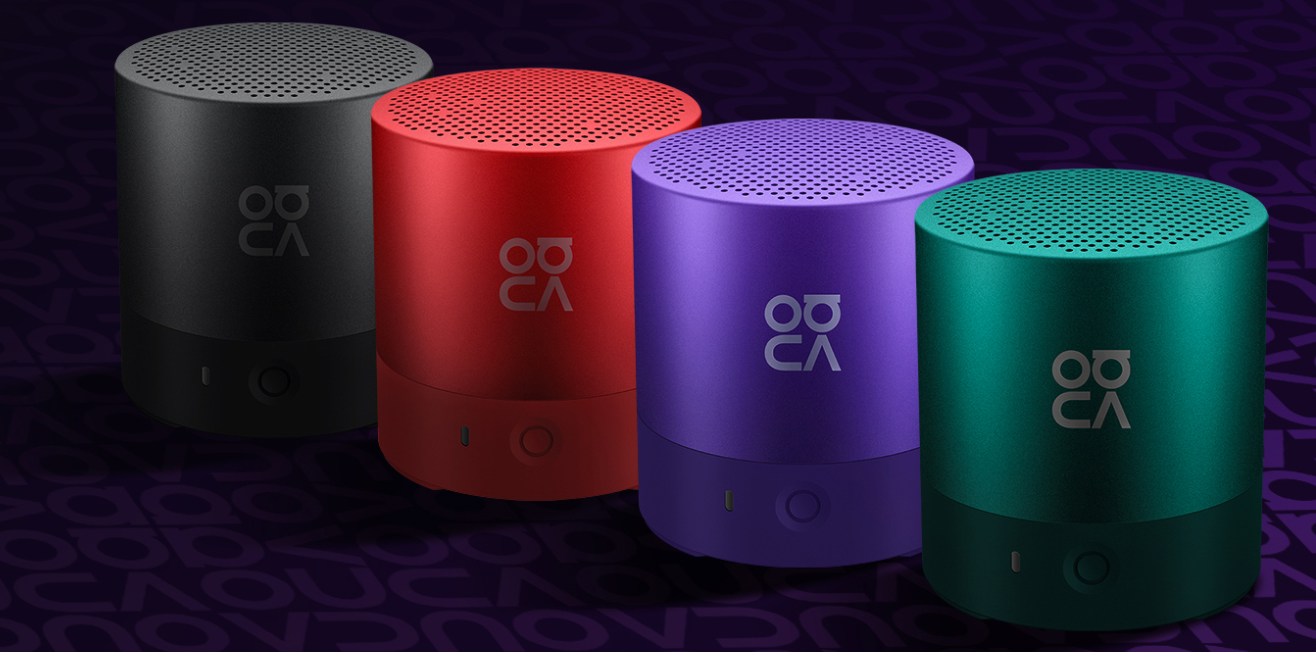
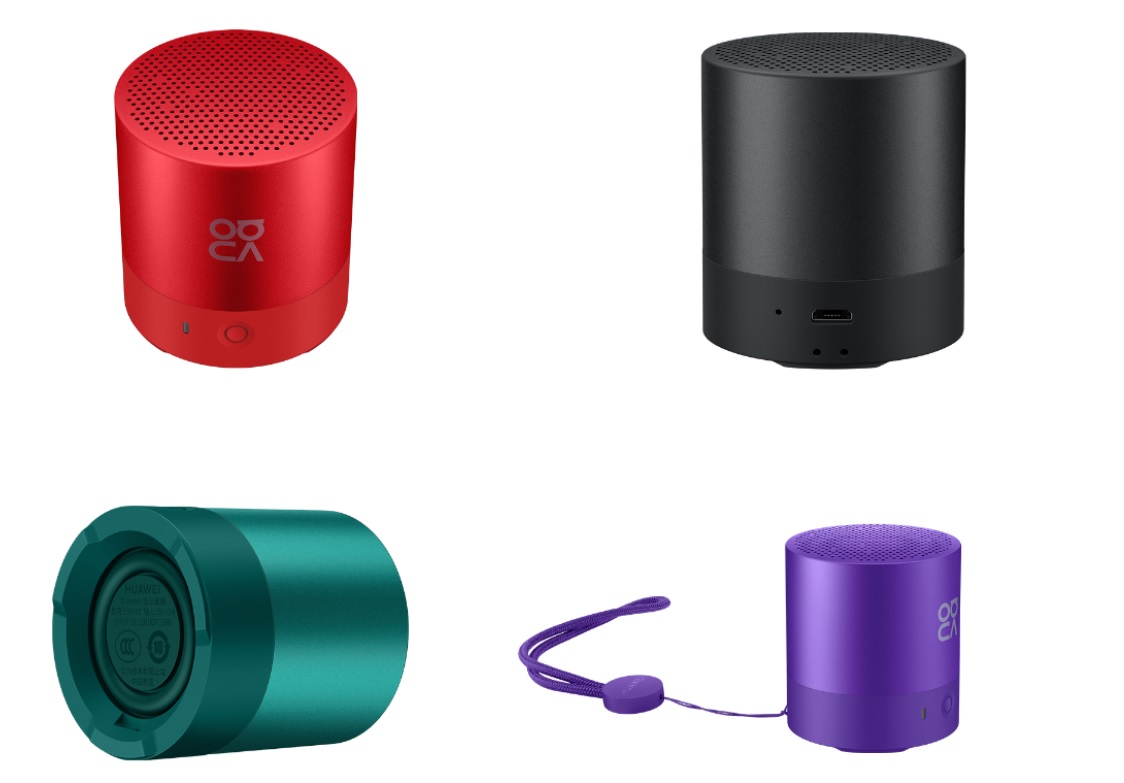
Alongside the Nova 5 series, Huawei also announced the Nova Mini Bluetooth Speaker. This is the first non-phone Nova-branded product, and it comes in bright and funky colors.
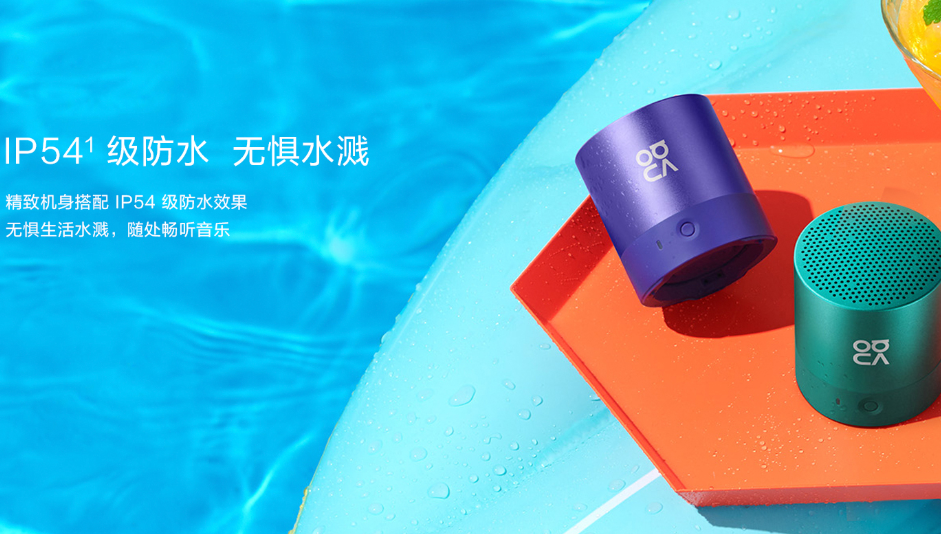
The Nova Mini Bluetooth Speaker (CM510) has a cylindrical design with a two-tone finish. It has just a single button, a three-color LED indicator, a MicroUSB port, and holes for a lanyard cable. The speaker also has an IP54 rating, so you can take it to the poolside or use it in the bathroom. It comes in Bright Black, Forest Green, Midsummer Purple, and Coral Orange (more like red).
The speaker has a 3W driver with enhanced bass. It connects via Bluetooth 4.2 and you can pair two units together for TWS surround sound. The Bluetooth speaker packs a 660mAh battery that Huawei says will last up to 4 hours on a single charge for music playback and 3 hours for calls as it has a microphone too. The speaker will automatically turn off after 5 minutes when not paired to a device and also turn off after 30 minutes when not playing anything.
The Nova Mini Bluetooth Speaker weighs 101 grams and measures 50 x 50 x 56.3 millimeters. It costs just ¥129 (~$19) and is already available for purchase on Vmall.com.
There was a time when mobile phones were exclusively used for… phone calls and messaging but nowadays, there are users young enough to not even know this time existed! Right now, smartphones are the center of communication, socializing, and entertainment whereas rugged phones do all that and add durability to the mix. And they are increasingly becoming very popular as you can use them underwater at the beach and they survive unpredictable accidents. The NOMU M8 is a phone like that and it features excellent water, dust, and bacteria resistance, as well as positioning, navigation, and long life service to help survive outdoors.
The Chinese manufacturer has always been confident about their phone quality and the new model is no exception. Besides the rugged specs, it also features a waterproof speaker with NXP intelligent amplifier that according to official data, it can reach more than 100db, which is better than most mobile phones in the market. In fact, you could call it a rugged speaker and don’t have to worry about missing a phone call in the middle of a noisy street! Also, the phone’s audio amplifier works well with wide frequency response and low distortion so the speaker produces clear and bright sound.
If the combination of an excellent rugged phone with a strong speaker is your thing, you can get the Nomu M8 at a discounted price on Gearbest. Check out all the product details here.
iQOO is yet to announce a release date for its Snapdragon-845 powered gaming smartphone – the iQOO Neo. However, it has been dropping teaser posters and revealing specs and features on its Weibo page.
The latest teaser poster reveals the iQOO Neo will come with 4D Game Shock 2.0. This should be an improved version of its in-game vibration system. We don’t know what new features it will bring but support for more games will be nice.
The phone will also have Super Liquid Cooling to keep the phone cool when playing games for long periods. iQOO also mentioned touch acceleration amongst the features the phone will have.
The iQOO Neo will be the second smartphone from Vivo‘s gaming smartphone line. It will have a 6.38-inch display with a waterdrop notch, an in-display fingerprint scanner, triple rear cameras, and a 4420mAh battery with support for 22.5W fast charging.
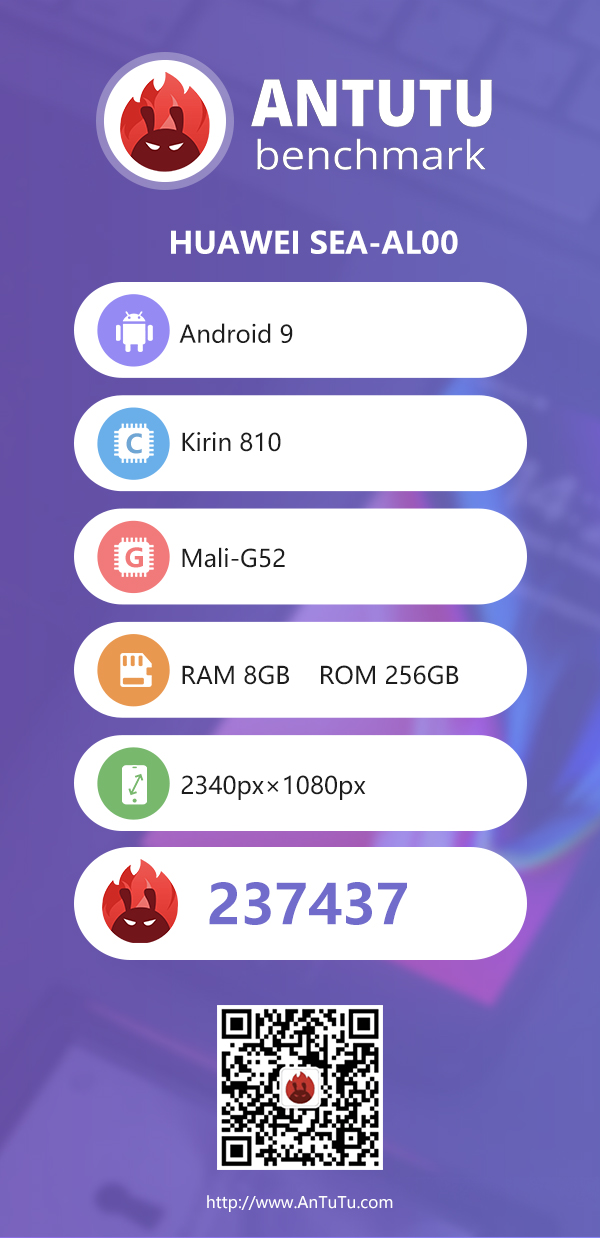
Huawei‘s latest Kirin 810 chipset was unveiled on Friday donning the premium mid-range Nova 5 smartphone. Huawei did reveal that the new chipset is built on a 7nm wafer making it the second Huawei SoC to be built on the 7nm process after the flagship Kirin 980. The Kirin 810 has now been benchmarked on AnTuTu. The Nova 5 is the only device to have featured the chipset. Thus, it is safe to say the chipset isn’t a flagship chipset even though it is said to have floored the Kirin 980, Snapdragon 855 and Helio P90 in AI benchmark test.
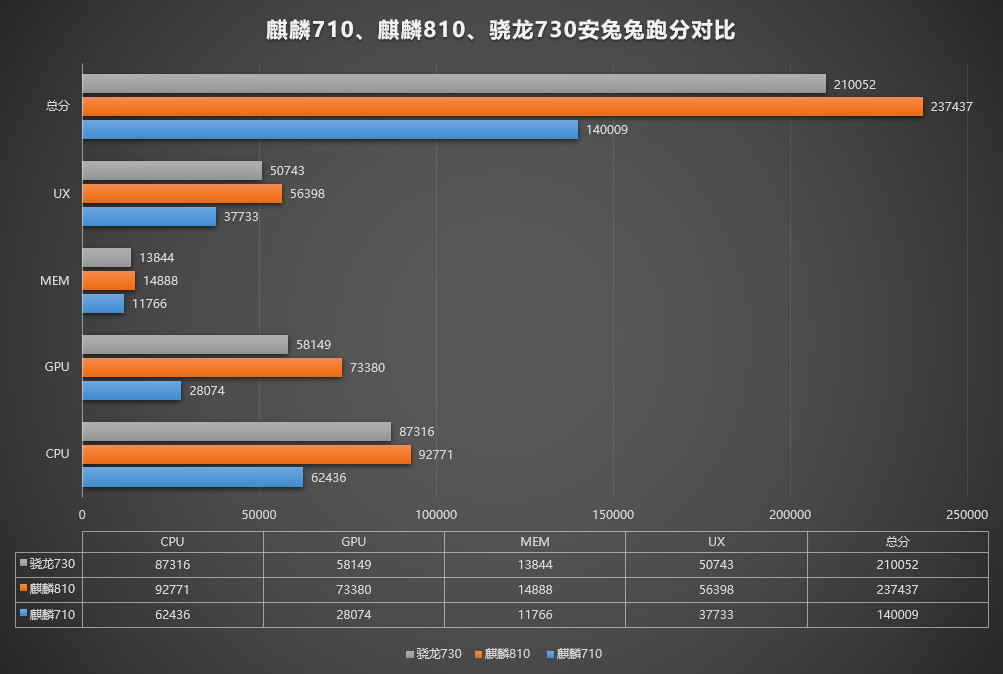
The AnTuTu benchmark score of the Nova 5 shows the device got a score of 237437 points. This places the device in the upper midrange category. The Kirin 810, however, performs significantly more than the Kirn 710 and even the Snapdragon 730 chipset in all aspects including CPU, GPU, UX and MEM.
The HiSilicon Kirin 810 is an octa-core processor which is built on TSMC’s 7nm node. It comes equipped with two Cortex-A76 high-performance large cores clocked at 2.27 GHz and six Cortex-A55 energy efficient small cores clocked at 1.88 GHz. It is coupled with Mali-G52 GPU for graphics processing. It also comes with the new Huawei DaVinci architecture NPU, which consumes less energy and has artificial intelligence (AI) technology running at over 32,280 points. s stated, the AI performance of the Kirin 810 even surpasses that of the flagship Snapdragon 855.
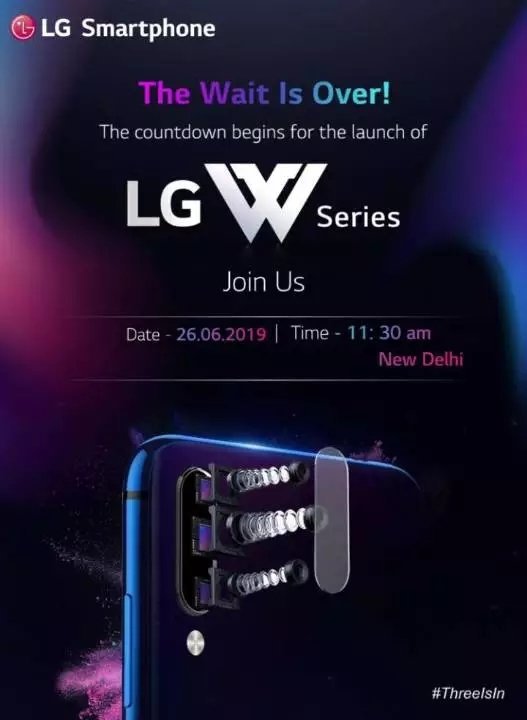
LG has been teasing the launch of a new smartphone under its all-new W-series in the Indian market. Now, the company has officially sent out media invites for a launch event on 26th June.
While the company has not revealed the name of the smartphone in question reports indicates that the first smartphone in this new W-series will be called LG W10. Some other details about the phone have also been leaked.
It’s confirmed from the company’s earlier teasers that the LG W10 smartphone will come with three rear camera sensors. The teaser also reveals that the phone will come with support for Wide Angle image capabilities. Further, the company has teased that the notch on top of the display can be customized as per the user’s mood or can get rid of it.
The phone also has a back-mounted fingerprint sensor for security. The LG W10 smartphone will be launched in three color options but what those options will be have not been revealed yet. Given that the smartphone is “Amazon Special”, it will be available for purchase in India exclusively through Amazon.
It has also been revealed that the phone will be powered by a 12nm octa-core processor clocked at 2.0GHz. Now, there are a couple of processors that fall under this category but it seems that the device could be powered by Qualcomm’s Snapdragon 439 SoC or MediaTek‘s Helio P22 or Helio P60 processor.
The LG W10 smartphone will come powered by a 4,000mAh battery which should be enough to provide power for an entire day of usage on a single charge. We don’t know yet if the phone has fast charging support. It will also come with the company’s Boombox proprietary sound technology. The smartphone will come with Android 9 Pie operating system out-of-the-box with the company’s own custom interface.
While the pricing details are not yet known, the teasers say that it will have a “pocket-worthy price tag” and “never before prices”, so we are optimistic about aggressive pricing. To know for sure what the company is planning for this LG W-series smartphone, we’ll have to wait for a few more days as the launch event is just around the corner — on 26th June.
When it comes to good oral care, brushing your teeth is extremely important. While you can use a manual or an electric toothbrush for cleaning teeth and removing oral plaque to avoid decay, the vibration an electric toothbrush produces helps to generate more micro-movements while brushing your teeth.
While the market is teeming with all sorts of electrical toothbrushes, they aren’t easy on the pocketbook. If you’ve restlessly been looking for an inexpensive electrical toothbrush that doesn’t disappoint in terms of performance, the Oclean X Smart Sonic Electric Toothbrush might just fill the bill.
Marketed as the world’s first smart toothbrush with a color touch screen, the Oclean X smart ultrasonic electric toothbrush allows you to choose from over 20 brushing schemes via Oclean App. A great choice for sensitive teeth, loose teeth, artificial crowns and dentures, the Oclean X comes with an AI lower-frequency tooth protection mode.
Moreover, it has a 2-in-1 base so that you can effortlessly stick it on the wall, use it as a holder or simply use it as a charging base. The automatic toothbrush uses a magnetic suspension brushless motor that produces low noise but provides 10 times the life of an ordinary motor.
The Oclean X smart ultrasonic electric toothbrush is backed by a robust built-in 800mAh battery that lasts for a month after fully charged. Other features include 32-level frequency, conversion speed regulation and the ability to adapt to most oral conditions.
While you’d expect an electric toothbrush offering comparable features to cost a bomb, the Oclean X has gone up for sale bearing a dropped price tag of just $59.99 on Gearbest. This is a noteworthy 25 percent drop in the device’s original asking price of $79.99.
On top of that, you can get Oclean Replacement Brush Head from Xiaomi youpin worth $6.85 as a free gift. You can visit this link to check out the activity page and grab the discount. With 423 units already sold, the promo is slated to end in just two days.
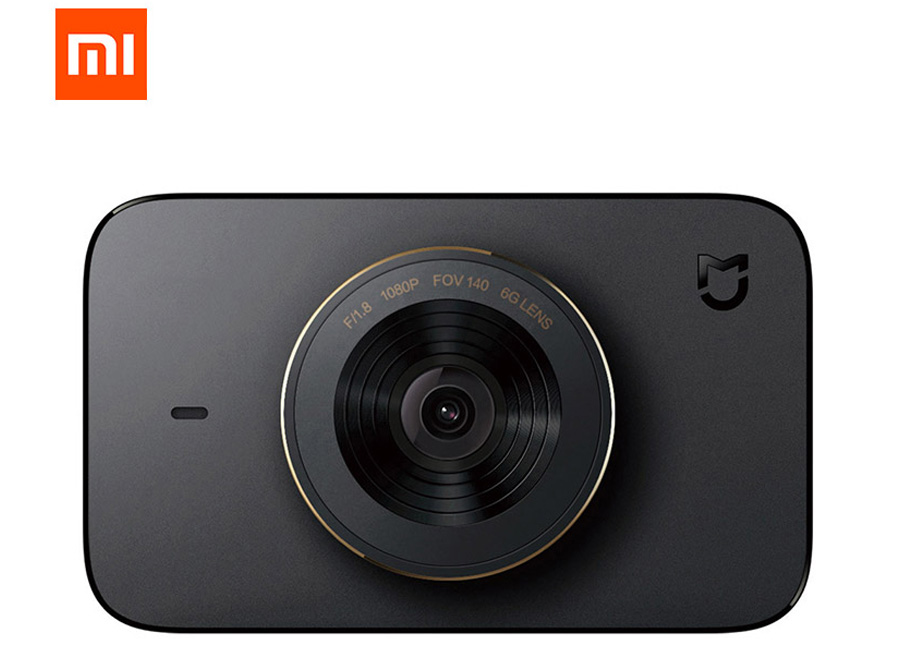
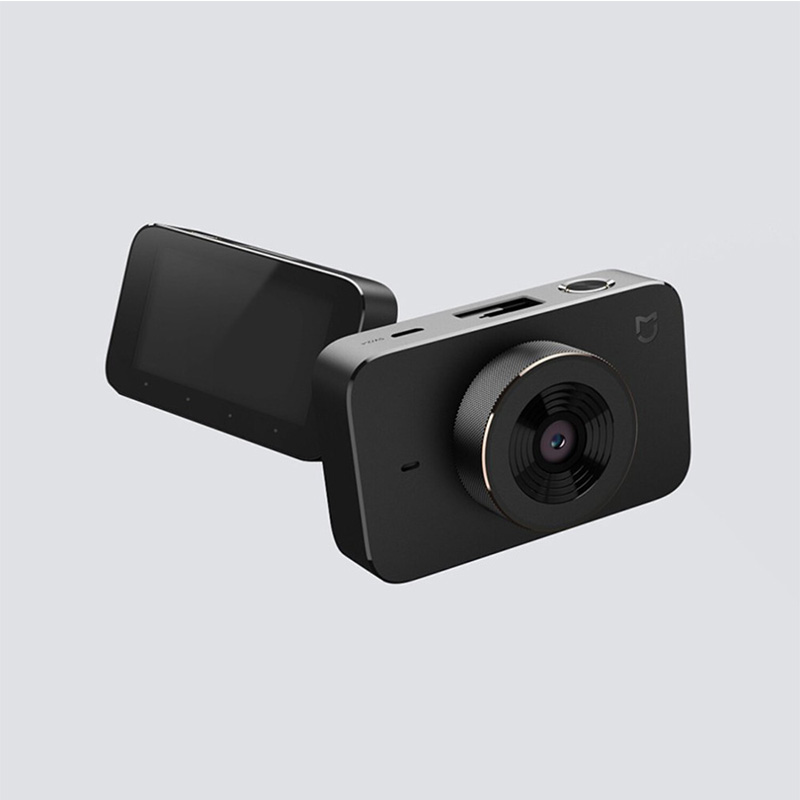
If you are in the market for an inexpensive modern generation car DVR, the Xiaomi 1S Car DVR Global Version Dash Cam might just fill the bill.
A car DVR is an onboard camera that records the view either through your vehicle’s front windscreen, rear or other windows. The device comes in handy for providing video evidence in case of a road accident thus ensuring the safety of your loved ones, and the security of your vehicle at the same time.
There’s no dearth of dash cameras in the market; however, these devices aren’t easy on the pocketbook. In a bid to make its feature-rich car DVR dubbed the 1S available to the cost-conscious buyers, Xiaomi has now teamed-up with GearVita.
Thanks to the aforesaid collaboration, you can now buy the Xiaomi 1S Car DVR Global Version Dash Cam for a considerably lowered price of only $48.99 from GearVita. This is a noteworthy 32 percent drop in the device’s original asking price of $71.99.
But if that doesn’t impress you much, you can use coupon code RsaYRXM1S and get an extra $4.30 off. In other words, you can bring the already reduced asking price of the Xiaomi 1S Car DVR Global Version Dash Cam further down to only $44.69 simply by using the above-mentioned coupon at checkout.
An absolute steal at this price, the Xiaomi 1S Car DVR offers a 140-degree wide angle, the field of view in order to cover several lanes simultaneously. It houses a Sony IMX307 STARVIS sensor with F1.8 aperture for efficient recording even at night.
Moreover, the Xiaomi 1S Car DVR sports an easy to read 3 inch IPS screen with a high resolution of 640×360 pixels. Aside from that, it packs a powerful MSTAR full HO l080p video processing chip under the hood for superior clarity.
Thirty minutes before a sudden movement or speed/direction change, the S1 automatically saves a video a separate memory space which is available in the SO card for easy. You can link it to your phone through Wi-Fi via an App and monitor real-time video view. Images get saved in the camera SD card in order to save your mobile phone data.
You can follow this link and check out more details about the Xiaomi 1S Car DVR Global Version Dash Cam and grab the discount before the promo wraps up. It is also worth mentioning here that the coupon is slated to expire soon.
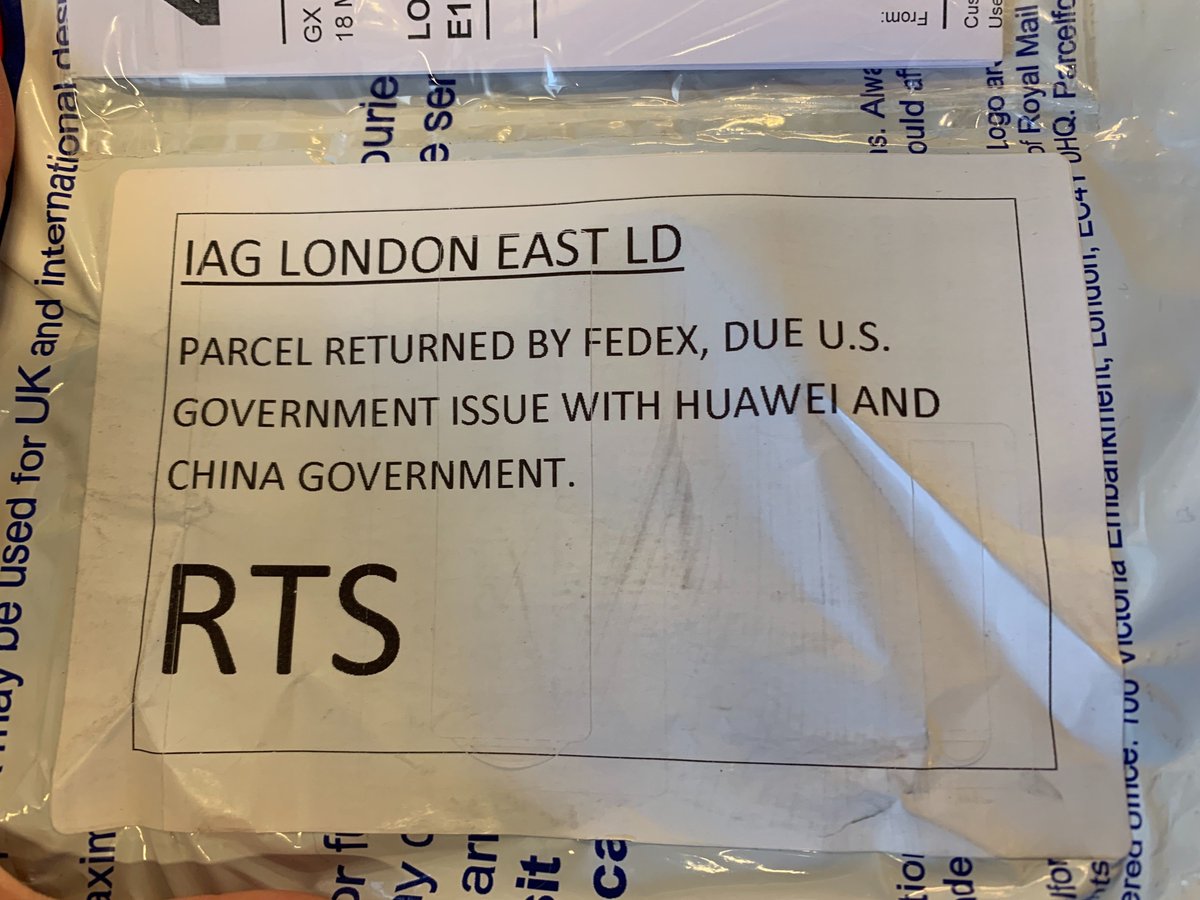
The hits keep on coming for Huawei. After the infamous ban hit, numerous Huawei suppliers and partners around the world have ended relationships with the company. Now, you might not even be able to ship a Huawei phone reliably. PCMag tried to mail a P30 Pro from the UK to the US, and it was returned to sender because of the ongoing legal drama.
PCMag’s UK office had the P30 Pro on hand, and the New York office needed it. If this were any other phone, it would be a simple matter to ship it. However, PCMag’s staffer filled out the shipping form honestly and listed the phone’s model. The package left the UK via Parcelforce, a part of the Royal Mail system. FedEx got the package in the US, and five hours later it was back in the UK with a note blaming the US government action against Huawei.
Following that, a FedEx customer service agent said this:
“On May 16, 2019, Huawei Technologies Co., Ltd. and 68 of its global affiliates were included on the ‘Entity List’ which sets out a list of certain entities that US companies are restricted from doing business with. My apologies for the inconvenience this has caused you.”
A representative from Huawei replied to the conversation on Twitter, saying that FedEx has a “misinterpretation” of the executive order and entity list. We’re fully in agreement with Huawei on this one. There doesn’t seem to be any legal reason FedEx couldn’t deliver a Huawei phone. This is just an example of extreme risk avoidance—FedEx wants no part of something that has the word “Huawei” on it.
This is especially frustrating when you consider that UPS has no such problems with delivering Huawei devices. According to a company spokesperson, “There is not a general ban on shipping Huawei devices between United Kingdom and United States locations,”. UPS only prohibits shipping products to “69 selected Huawei locations,” all outside the US. In addition to this, all these countries are in a list in the May 21 issue of the Federal Register.
Neither FedEx or Parcelforce have given an official comment/response to this incident. It’s a real shame, and simply not very fair to Huawei or consumers. This really shouldn’t even be an issue, it’s ridiculous that we even need to mention it. We really hope FedEx does something to correct this in the future, as it stands it’s just annoying for consumers.
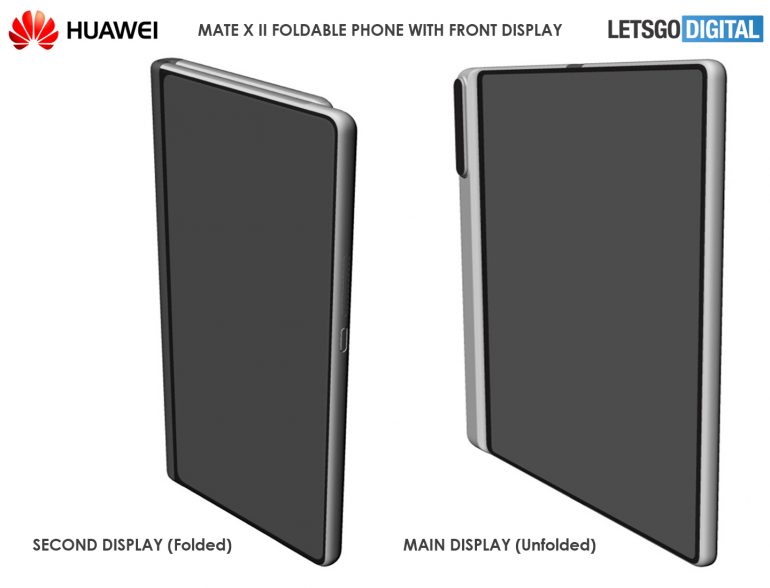
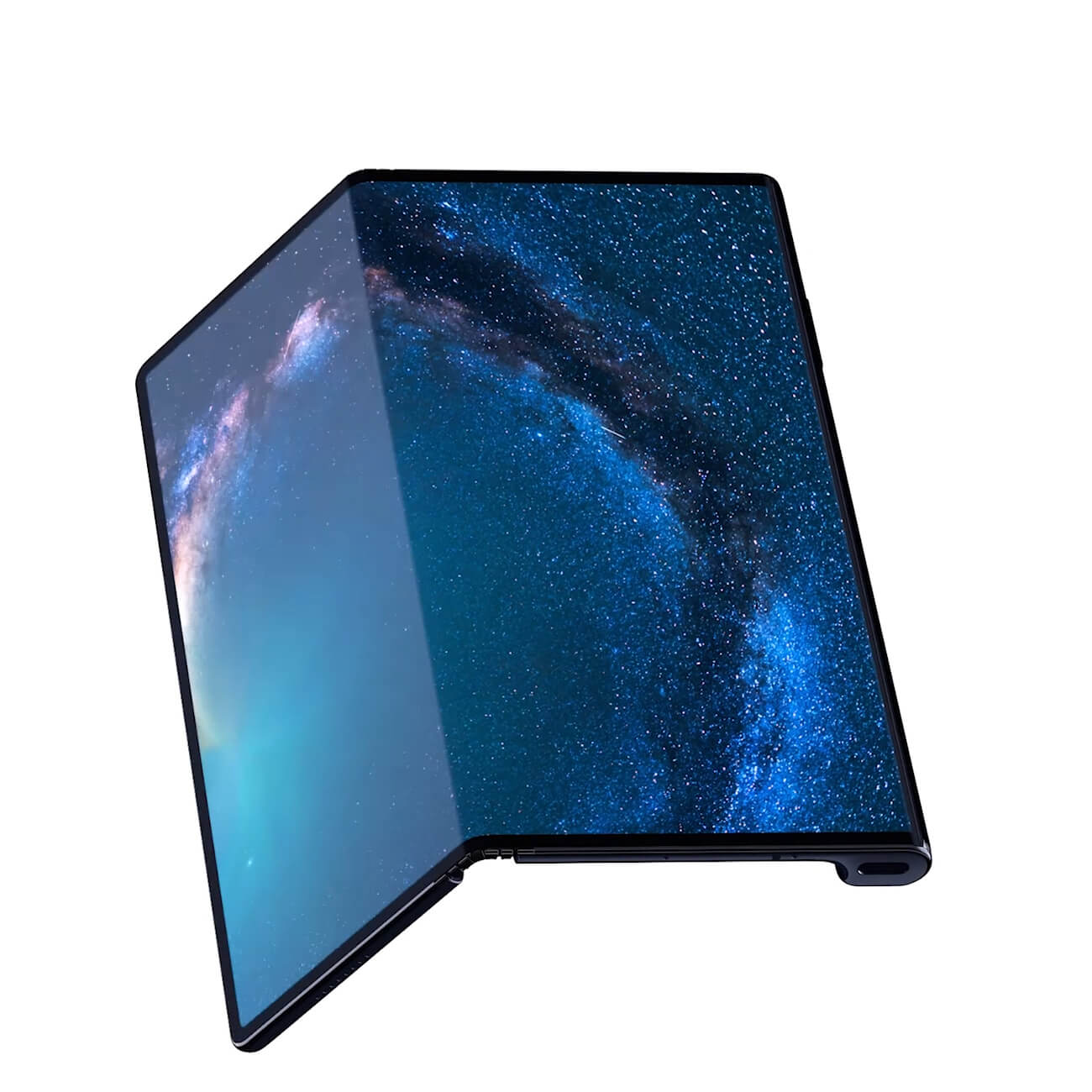
When Huawei began showing off the Huawei Mate X at Mobile World Congress 2019, they knew it was something special. Ever since then, the company has been consistently marketing and hyping the device’s launch, despite setbacks. We’ve even got a set deadline now! Today however, we’ve got a bunch of brand new patents that give us a look at what Huawei’s deeming as the “Huawei Mate X 2.”
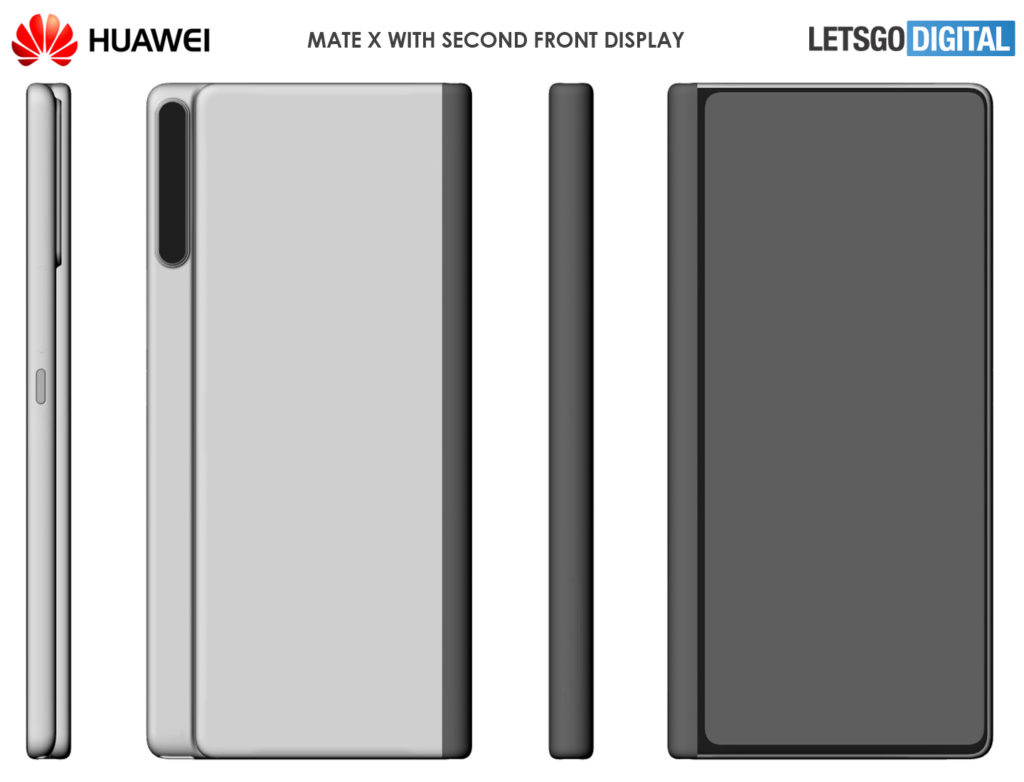
Huawei’s patent, found by LetsGoDigital, shows a phone that looks a lot like the Mate X. But this foldable screen folds inwards, not outwards. The screen has absolutely no notch. Instead, the multi-lens camera module sits on the side, just like on the Mate X, which means the camera acts both as a selfie camera and as a primary camera, depending on what you need from it.
What’s so different about this second-gen attempt? Well, the original’s screen – sort-of ‘screens’, despite being one OLED panel folded across the frame – was always exposed to the elements and prone to scratches. The second-gen model, this patent shows, has a usual front screen like any other smartphone, as well as a larger tablet-size screen. If this seems familiar to any of you, it’s because these is essentially the same setup as a the Galaxy Fold.
There’s no question this Mate X 2 concept looks a lot better than the Galaxy Fold, but can Huawei pull it off? Placing two large displays on either side of a thin frame is even more daring, which makes this Mate X 2 design a lot riskier. On top of that, this is just a mere patent, there’s no indication that this design will ever see the light of day. It’d be a shame if it never comes to be though, it’s such a neat take on the folding phone concept.
The foldable Huawei Mate X is still coming and we know when it’ll launch: September or sooner, according to a Huawei executive. “It’s coming in September – at the latest,” said Vincent Pang, President of Huawei‘s Western European Region, while visiting New York City. “Probably earlier, but definitely September is guaranteed.”
Where will the Huawei Mate X launch? “Any country that has 5G,” Pang told us, making sure to remind us that Huawei’s foldable phone is a 5G phone. This was likely stressed because the Samsung Galaxy Fold launched with a 4G LTE version (before ultimately being recalled), with a 5G version only spoken about once and never officially priced. This probably needs no mention, but it’s also quite obvious the US will probably never get to see the device.
Now that big question is, what will the Mate X’s operating system be? Will the Mate X actually run Android, or will we finally see HongMeng OS? According to Pang, the Mate X will definitely be running Android “Because it has already been announced,” suggesting that it may fall outside of Trump administration’s ban on US companies from dealing with Huawei.
Huawei has used the last few months to improve the P-OLED screen on the device. Peng says what Huawei is doing to prevent it from getting caught up with the same problems that Samsung had with its foldable is “… a secret. But we have done a lot of tests, especially for that.” Whether this will hold true once we actually get the device remains to be seen.
GeekBuying has launched its 7th Anniversary Top Tech promotion, wherein the Chinese online store is offering up to a whopping 70 percent off on high-end smartphones and laptops.
Aside from doling out great discounts, GeekBuying is giving its loyal users a chance to use big coupons to save more money at checkout. For instance, if your cart value exceeds $200, you can use coupon code GKBPHS10 and get $10 off on smartphones.
If you end up shelling out more than $100 on laptops, you can use coupon code 3ZQUXJGU and get $10 off. Likewise, coupon code GKBPCG10 can be used to save $2 if you spend over $50 on PC peripherals.
A wide range of products carrying lowered price tags has carefully been added to different categories such as Bestselling, Top Picks, Smartphones, Laptops, and PC Peripherals. The Smartphone section features mobile devices from leading manufacturers like Xiaomi, Huawei, OnePlus and Lenovo.
The Laptops category features a slew of devices from popular brands like Xiaomi, One Netbook, Teclast, and Chuwi. As if that weren’t enough, GeekBuying is also offering two variants of the One Netbook One Mix 1S Yoga Pocket Laptop for considerably lowered prices.
One Netbook One Mix 1S Yoga Pocket Laptop
The One Mix 1S Yoga Pocket Laptop has gone up for pre-order on GeekBuying. More importantly, you can get your tech greedy hands on the recently unveiled laptop without emptying your pockets.
The aforesaid model ships with 8GB of DDR3 RAM and offers a hearty 128GB of internal storage capacity. While it normally retails for $561.99, but you can buy it for just $439.99.
On top of that, you can use coupon code 3ZQUXJGU to save $10 more and reduce the retail price of the laptop to just $429.99. You can follow this link to grab the discount and use the coupon, which is likely to expire soon.
One Netbook One Mix 1S Yoga Pocket Laptop + Original Stylus Pen
Equipped with the original Stylus Pen, this One Mis 1S Yoga Pocket laptop variant would normally set you back $621.99. Much to the delight of cost-conscious, the model has now gone up for pre-order bearing a dropped price tag of just $449.99.
You can extend this noteworthy discount with the help of coupon code 3ZQUXJGU. The coupon helps you get an extra $10 off by bringing the original asking price of the laptop down to just $439.99 before you place your order.
You can visit this link in order to take advantage of the discount before the promo comes to an end. Note that the aforesaid coupon is also likely to lapse soon.
Huawei has a lot of affordable flagships in its portfolio and it just does not want to stop releasing this kind of devices. Today, the Nova 5 series debuted and it includes a new affordable flagship: the Nova 5 Pro. Now, there is nothing better than comparing it with other cheap high-end phones from Huawei. And the latest ones are the Honor 20 Pro and Huawei P30. Not the most affordable flagship phones from the company, but you can consider them middle way between the most powerful company’s flagships and the most affordable flagships such as the vanilla Honor 20. So these devices are perfect for people seeking the best performance without facing many compromises.
Quad 48 + 16 + 2 + 2 MP, f/1.8, f/2.2, f/2.4 and f/2.4
32 MP f/2.0 front camera
Triple 40 + 16 + 8 MP, f/1.8, f/2.2 and f/2.4
32 MP f/2.0 front camera
Quad 48 + 8 + 16 + 2 MP, f/1.4, f/2.4, f/2.2 and f/2.4
32 MP f/2.0 front camera
BATTERY
3500 mAh, fast charging 40W with VOOC 3.0
3650 mAh, fast charging 22.5W
4000 mAh, fast charging 22.5W
ADDITIONAL FEATURES
Hybrid Dual SIM slot
Hybrid Dual SIM slot
Hybrid Dual SIM slot
Design
If you care about the aesthetics, the Honor 20 Pro is the perfect device for you. It has a punch-hole display which minimizes the bezels without the need of a notch, and an outstanding reflective glass back. You get a similar stunning glass back even on the Huawei P30 and the Huawei Nova 5 Pro, but they have a standard display with a waterdrop notch instead of a punch-hole one. However, Huawei P30 has two important advantages: it is splash and dust resistant, and it is a more compact phone than its siblings.
Display
While Honor 20 Pro is the winner when it comes to design, Huawei Nova 5 Pro and Huawei P30 come with a better display. Given that it is HDR10-compliant, Huawei P30 is able to deliver a better color reproduction with multimedia content, but on the other hand, the Huawei Nova 5 Pro has a bigger screen. The 6.1 inches of the Huawei P30 may be not sufficient for some advanced users, that is why we highlight this. Honor 20 Pro sits in the middle in terms of display size, but it has a classic IPS panel which can not reach their quality.
Hardware/Software
Huawei P30, Huawei Nova 5 Pro and Honor 20 Pro are all powered by the Kirin 980 chipset and they offer similar speeds and smoothness. That is essentially why we chose this trio for this comparison. Their most expensive variant even comes with the same memory configuration: up to 8 GB of RAM and up to 256 GB of internal storage. And all of them have Android 9 Pie out of the box. But unlike its Huawei sibling, the Honor 20 Pro does not feature an expansion slot.
Camera
Honor 20 Pro wins the camera comparison with the most complete and amazing camera setup. It comes with a quad camera on its back that includes OIS, up to 3x optical zoom and even a dedicated macro camera, as well as an ultrawide lens. The main sensor has a 48 MP resolution and the brightest focal aperture ever seen on a Huawei phone: f/1.4. That means it can shoot amazing photos even in low light scenes. The second place belongs to the Huawei P30 with its amazing RYYB sensor which is able to capture a lot of light as well, OIS and 3x optical zoom (it lacks the dedicated macro camera).
Battery
The battery award will probably go to the Huawei Nova 5 Pro: despite it comes with exactly the same battery capacity as the Honor 20 Pro (4000 mAh), the Nova 5 Pro has an OLED display which should have a lower energy consumption. Huawei P30 has just 3650 mAh, so it loses in most of the scenarios.
Price
Huawei P30’s price starts from €550/$625, Honor 20 Pro costs €600/$680 in the 8/256 GB configuration and Huawei Nova 5 Pro starts from €390/$445 in China. At the end of the day, my favorite one is the Honor 20 Pro due to its big battery, beautiful punch-hole design, big battery, and amazing cameras.
We use cookies on our website to give you the most relevant experience by remembering your preferences and repeat visits. By clicking “Accept”, you consent to the use of ALL the cookies.
This website uses cookies to improve your experience while you navigate through the website. Out of these, the cookies that are categorized as necessary are stored on your browser as they are essential for the working of basic functionalities of the website. We also use third-party cookies that help us analyze and understand how you use this website. These cookies will be stored in your browser only with your consent. You also have the option to opt-out of these cookies. But opting out of some of these cookies may affect your browsing experience.
Necessary cookies are absolutely essential for the website to function properly. This category only includes cookies that ensures basic functionalities and security features of the website. These cookies do not store any personal information.
Any cookies that may not be particularly necessary for the website to function and is used specifically to collect user personal data via analytics, ads, other embedded contents are termed as non-necessary cookies. It is mandatory to procure user consent prior to running these cookies on your website.