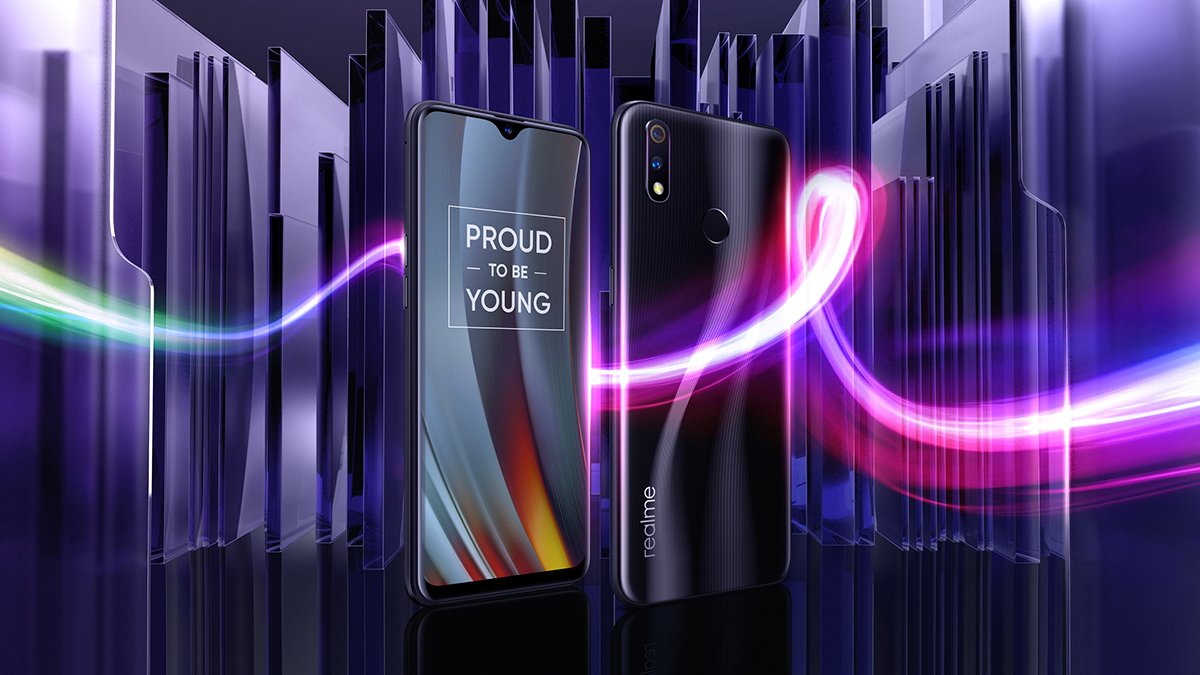
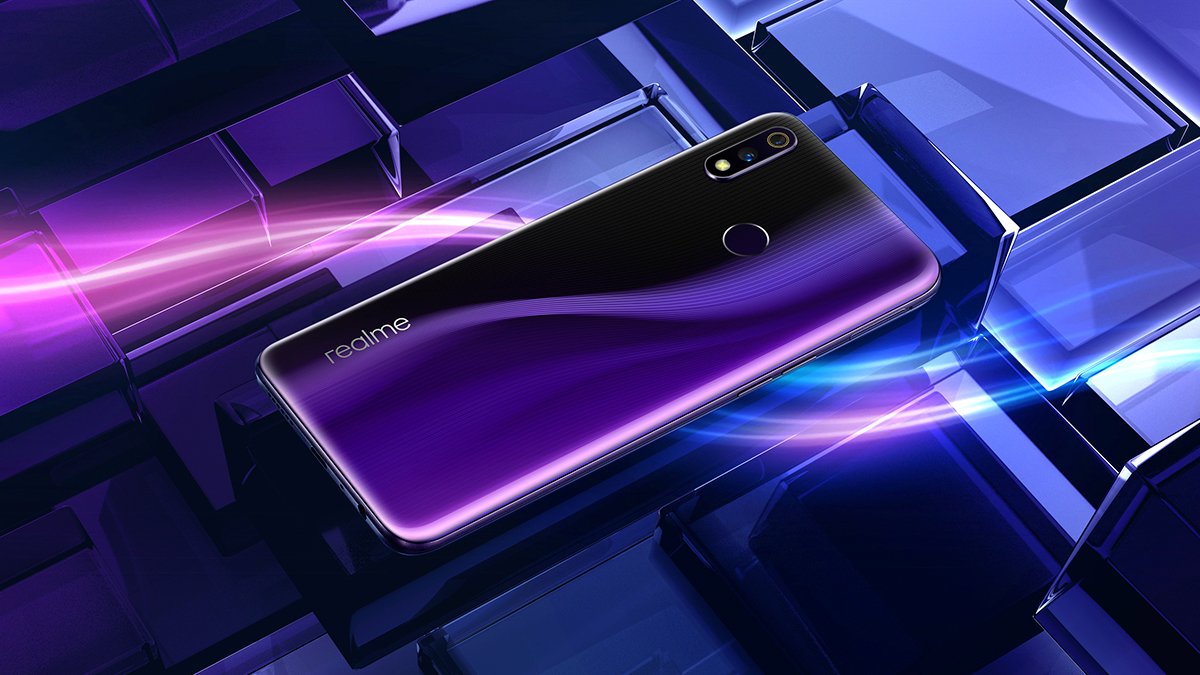
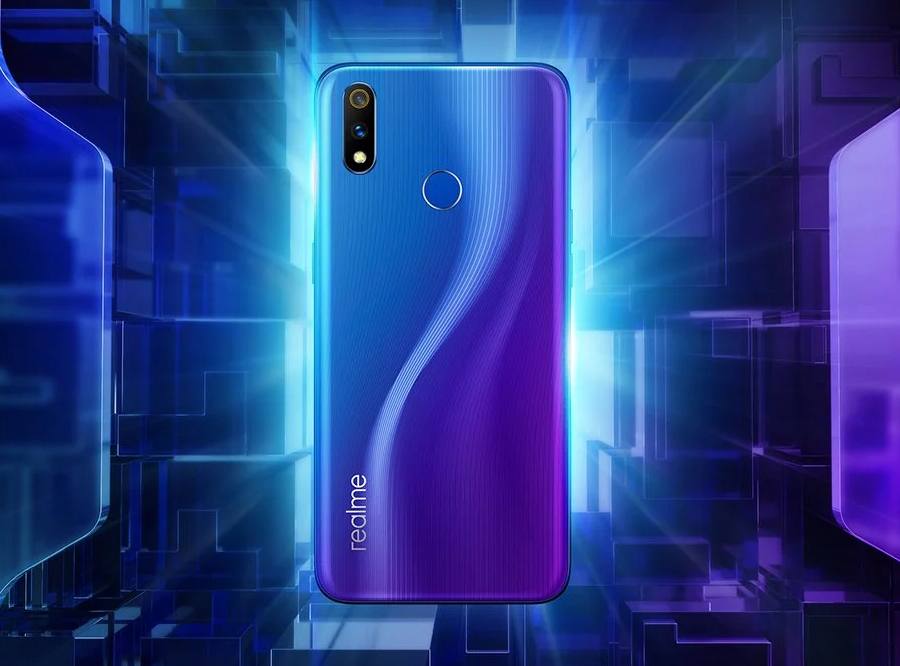
Last year, in July, Oppo launched the Oppo A3s smartphone in the Indian market, which is a cheaper variant of the Oppo A3 that was launched in China last year. First, the company launched the 2GB RAM variant and later, it introduced the 3GB RAM variant as well.
Now, the China-based company has launched yet another variant of the Oppo A3s in the Indian market, which comes with 4GB RAM and 64GB of internal storage. It is priced at Rs. 9,990, which roughly converts to $142. It is now available for purchase across the country through major brick and mortar stores.
Apart from the upgraded RAM and storage options, everything else in terms of specifications remains the same. The smartphone comes with a 6.2-inch HD+ FullView display with 1520 x 720 pixels screen resolution, 2.5D curved glass and 19:9 aspect ratio. The display also comes with a notch and 88.8 percent screen-to-body ratio.
Under the hood, the device is powered by Qualcomm Snapdragon 450 processor clocked at 1.8GHz along with Adreno 506 GPU. For comparison, the Oppo A3 is powered by MediaTek‘s octa-core Helio P60 chipset. There’s a microSD card slot that can be used to further expand the phone’s storage capacity up to 256GB.
The smartphone comes with a dual rear camera setup that includes a 13-megapixel primary sensor and a 2-megapixel secondary sensor, along with an LED flash. On the front side, there’s an 8-megapixel sensor that supports AI Beauty Technology 2.0.
Connectivity options on the device include 4G VoLTE, Wi-Fi 802.11 b/g/n, Bluetooth 4.2, GPS + GLONASS, and USB OTG. The device runs Android 8.1 Oreo operating system out-of-the-box with the company’s own custom interface ColorOS 5.1 and is powered by a 4230mAh battery which should provide enough power to last the whole day.
[Update: New info about availability and price in other regions. More details added.]
The Motorola One Vision was announced today at an event in Brazil. The new mid-range device packs some pretty interesting features but its price tag (in Brazil) is on the high side.
The Motorola One Vision’s stand-out feature is its display. It has a 6.3” FHD+ (1080 x 2520) display with a 21:9 aspect ratio which means it is pretty tall. Motorola has named it CinemaVision (similar to Sony’s CinemaVision display) and unlike Sony’s own display, this one has a punch hole. A pretty big one at that. There is a bit of bezel at the bottom of the screen too but that is expected. With the CinemaVision display, you should enjoy the cinematographic experience it provides.
The phone is powered by the Exynos 9609, a 2.2GHz octa- processor that is paired with 4GB of RAM and 128GB of storage. A hybrid dual SIM slot will let you swap the second SIM for a MicroSD card (512GB max.).
Another selling point of the Motorola One Vision is its cameras. It has a 48MP f/1.7 Quad Pixel camera with OIS on the back and it is paired with a 5MP f/2.2 depth sensor. The camera has a feature called Night Vision for incredible shots at night similar to the Pixel’s own Night Sight. Other camera features are 8x digital zoom, Portrait mode, Cinemagraph mode, Best Photo, Instant Camera, and YouTube Live mode e.t.c.
The punch hole is home to a 25MP f/2.0 Quad Pixel selfie camera which also has 8x digital zoom, Cinemagraph mode, Auto HDR, a manual mode, portrait mode, and a YouTube Live mode. The phone is an Android One device, so you get Google Photos as the default gallery app and free backup of high-quality photos.
The Motorola One Vision runs Android 9 Pie and has Motorola-exclusive features (Moto Actions). Motorola says the phone will get updated to Android Q and Android R and will receive security updates for 3 years starting from its launch this month.
There is a rear-mounted fingerprint scanner, NFC, Bluetooth 5.0, a USB Type-C port, and a 3.5mm audio jack. It packs a 3500mAh battery with support for TurboPower ultra-fast charge.
For the first time in its history, OnePlus launched a top-tier flagship which has actually nothing to envy to the most expensive devices in the smartphones market. You can finally get most of the advanced features and potentialities offered by the most famous flagships with the OnePlus’ amazing performances. That is the reason why we consider mandatory to compare the OnePlus 7 Pro with the most expensive Android handsets out there from the best brands. Is OnePlus finally able to compete with Samsung and Huawei on equal terms in the flagship segment? We will discover it together by comparing the OnePlus 7 Pro with Huawei P30 Pro and Samsung Galaxy S10+.
OnePlus 7 Pro vs Huawei P30 Pro vs Samsung Galaxy S10+
OnePlus 7 Pro
Huawei P30 Pro
Samsung Galaxy S10+
DIMENSIONS AND WEIGHT
162.6 x 75.9 x 8.8 mm, 206 g
158 x 73.4 x 8.4 mm, 192 g
157.6 x 74.1 x 7.8 mm, 175 g
DISPLAY
6.67 inches, 1440 x 3120p (Quad HD+), Fluid AMOLED
6.47 inches, 1080 x 2340p (Full HD+), OLED
6.4 inches, 1440 x 3040p (Quad HD+), Dynamic AMOLED
Reducing bezels is one of the main trends in the whole smartphones market: OnePlus 7 Pro and Samsung Galaxy S10+ do it in the greatest way. The former comes with a pop-up front camera, while the latter has a punch-hole display. Thanks to these solutions, the displays are almost full-screen without the need of a notch, unlike the Huawei P30 Pro which comes with a standard waterdrop design. I would personally go for the Samsung Galaxy S10+ because the look is not the only thing which matters in my opinion: unlike the OnePlus 7 Pro, Samsung Galaxy S10+ is waterproof with the IP68 certification, while the OnePlus 7 Pro does not provide any kind of IP certification for water resistance.
Display
This year, OnePlus did a huge step forward in terms of display quality. The OnePlus 7 Pro has the first QHD+ display ever seen on a OnePlus device, and it even supports the HDR10+ technology for amazing color reproduction. The same is for the Galaxy S10+, but some may prefer the OnePlus 7 Pro because it has a higher 90 Hz refresh rate (very nice for multimedia and gaming) and a bigger size. On the paper, the OnePlus 7 Pro looks way more interesting, but in order to give a definitive opinion, we have to test both the displays thoroughly in order to fully evaluate the differences between their color reproduction, contrast, brightness, and more.
Hardware/Software
Unfortunately, Huawei P30 Pro loses even when it comes to the hardware and performance. Samsung Galaxy S10+ and OnePlus 7 Pro are faster thanks to their more powerful Snapdragon 855 chipset, as well as a higher quantity of RAM in its most expensive memory configurations. Samsung Galaxy S10+ has even a variant with more internal storage: up to 1 TB. But unlike the OnePlus 7 Pro which comes with a light Android fork that is close to the stock one, the Samsung Galaxy S10+ has a heavier and more customized user interface, just like the Huawei P30 Pro.
Camera
Most people prefer the Huawei P30 Pro’s camera performances for two reasons: better performances in low light conditions and an awesome 5x optical zoom which pushes the digital zoom up to 50x. On the other hand, Samsung Galaxy S10+ clicks better photos with good light thanks to its more realistic and less washed out colors. OnePlus 7 Pro is more or less at the same level as the Samsung Galaxy S10 with its triple camera, but I think the Galaxy S10+ is slightly better on most of the scenarios.
Battery
Huawei P30 Pro has the biggest battery, even though there is just 100-200 mAh of difference compared to its rivals. But despite the slight difference, the Huawei P30 Pro provides a way longer battery life thanks to its efficient components and its lower display resolution. And, unlike the OnePlus 7 Pro, it features wireless charging and reverse wireless charging.
Price
Huawei P30 Pro and Samsung Galaxy S10+ listing prices start from €999/$1120 and €1050/$1177, respectively, but you can currently get them for less than €800/$900 easily. OnePlus 7 Pro carries a price which starts from €700/$670. Despite OnePlus 7 Pro is an incredibly fast phone and it has a lot of improvements such as better display, camera, and fast charging technology, call me unpopular but I would personally go for the Samsung Galaxy S10+ because unlike the OP7 Pro it does not lack any ground-breaking feature (such as an IP certification and wireless charging) and any top-end specification.
The RedmiBook 14 is Redmi’s first notebook computer which is expected to launch alongside the Redmi K20 flagship phone. The computer was seen on the Bluetooth SIG website yesterday. Now, its specifications have been leaked.
The RedmiBook 14, as the name says, will have a 14-inch display. It will be powered by Intel’s processor and will come in Core i3, Core i5, and Core i7 configurations. The computer will have either 4GB or 8GB of RAM and 256GB or 512GB of storage.
The base model will have Intel’s integrated graphics card while the more expensive configuration will have NVIDIA’s GeForce MX250 GPU. The source says the RedmiBook 14 will only be available in Silver. There is no info on the price yet but it should be less expensive than its Mi Notebook equivalent.
Xiaomi’s crowdfunding platform has a new and interesting product. The Youle LOVExtend is a 3-in-1 device that works as a power bank, a flashlight, and a grocery bag carrier.
The device is manufactured by one of Xiaomi’s ecosystem companies, Yule Life (Shenzhen) Technology Co. Ltd. It has an ABS body which houses a 3000mAh portable battery bank for charging your phone. The power bank has a 5V/1A input and output port. That is pretty slow by current charging standards but the aim is to provide emergency power when your phone is almost out of juice.
[envira-gallery id=”253485″]
The LOVExtend can be opened to gain access to the input port. This is also the way to use it as a grocery bag carrier to reduce the strain of shopping bag handles. The maximum weight supported is 10kg. The device has a power button on the top for turning on/off the flashlight. The flashlight uses a 150MA LED lamp with a luminous flux of 30 Lux.
Honor will be launching the Honor 20 and Honor 20 Pro affordable flagship smartphones on May 21. Different leaks have revealed the rear and front design of both smartphones. Today, WinFuture.de has shared the key specs and renders of the Honor 20 smartphone.
According to the report, the Honor 20 will be arriving with a 6.26-inch IPS LCD display with a punch-hole at its top-left corner. It offers a pixel density of 412 ppi. The small hole on the display features a 32-megapixel selfie snapper with f/2.0 aperture The Kirin 980 SoC along with 6 GB of RAM will be fueling the smartphone.
The Honor 20 will come packed with a 3,750mAh battery that will be equipped with SuperCharge rapid charging technology. It is expected to fill the battery of the smartphone to 50 percent capacity by charging it for only 30 minutes. The Magic UI 2.1 based Android 9 Pie OS will come preloaded on the device. It will be coming with native storage of 128 GB.
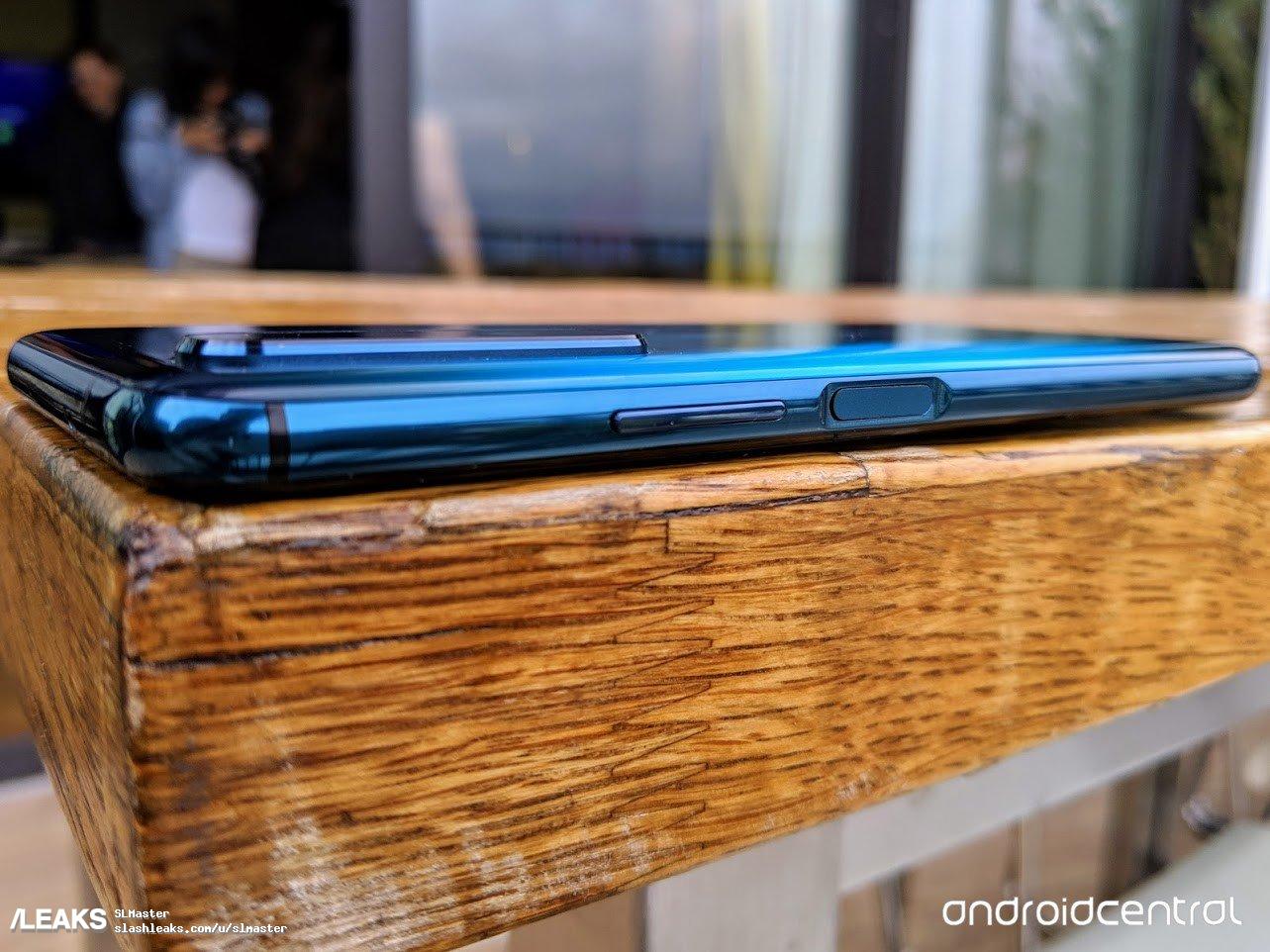
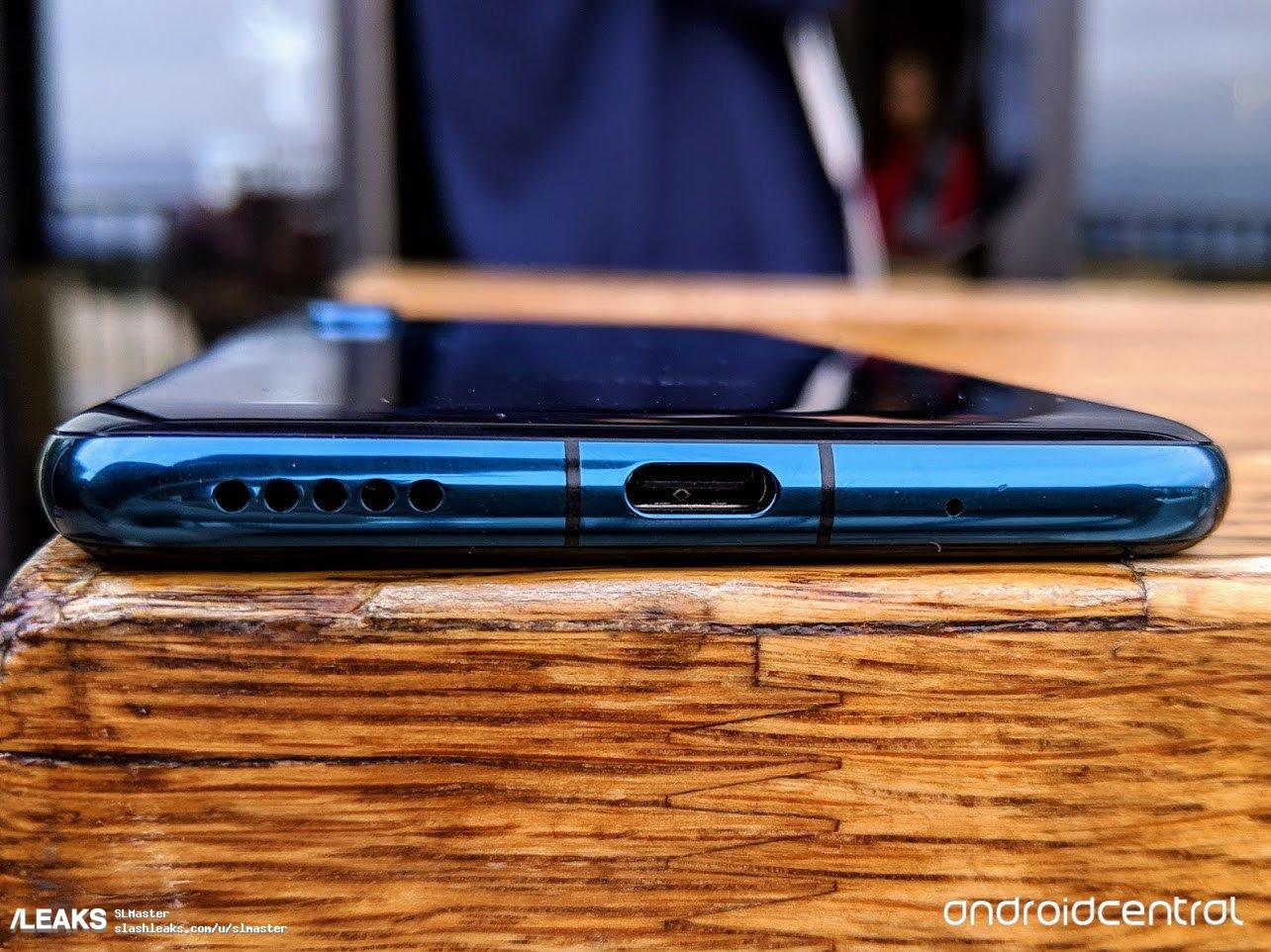
The smartphone will be equipped with an OIS enabled Sony IMX586 48-megapixel sensor with f/1.8 aperture, a 117-degree 16-megapixel superwide lens with f/2.2 aperture, an 8-megapixel telephoto lens and a f/2.4 aperture 2-megapixel macro lens. The Honor 20 images show that it is equipped with a power button enabled side-mounted fingerprint reader. The smartphone will be arriving in two color choices such as Sapphire Blue and Midnight Black. The other features of the Honor 20 are dual-SIM support, 4G VoLTE, Bluetooth, USB-C and Virtual 9.1 Surround Sound.
1 of 4
Earlier today, Android Central had shared images hands-on images of the Honor 20 Pro. It claimed that the phone features an attractive “Dynamic Holographic” three-layer glass coating. The report has been taken down and it also seems that the publication may have shared Honor 20’s images, and not of its Pro sibling. The Honor 20 Pro is expected to house a 6.5-inch OLED display with in-screen fingerprint scanner, 32-megapixel selfie camera, an advanced quad camera setup, Kirin 980 SoC, 8 GB of RAM, 256 GB of native storage and around 4,000mAh battery with SuperCharge fast charging support.
After unveiling the Honor 20 and Honor 20 Pro in London on May 21, the Chinese firm will be also holding an unveil event for the Honor 20 series of smartphones in China on May 31. The Honor 20 and 20 Pro are expected to rival with recently unveiled OnePlus 7 and OnePlus 7 Pro smartphones in various markets.
Samsung‘s payment platform Samsung Pay has been around since 2015 and has powered a countless number of transactions. The digital wallet has over the years grown its user base and according to official data, it currently has 14 million users worldwide and is deployed in over 25 countries.
Samsung Pay is supported by several Samsung phones and while its user base has noticeably grown in over 4 years since its debut, the data shows that the contactless payment service is most popular in Samsung’s home country of South Korea. The Asian country accounted for nearly 80% of its simple offline payments. According to the Financial Supervisory Service. Samsung Pay surpassed KRW 40 million ($33.7 million) in transactions in April 2019, with 25% of the transactions coming in the form of online payments.
Samsung Pay incorporates both Near Field Communication (NFC) and MST (Magnetic Secure Transmission) technologies. This has made the service compatible with a wide range of point of purchases since owners can use both the contactless NFC technology and magnetic strip technology which most of the cards use. Samsung Pay is supported on the flagship Galaxy S models as well as on the midrange Galaxy A and J models. The payment service is also available on the TizenOS-powered Samsung Gear smartwatches. Presently, you can also use Samsung Pay to deposit/withdraw cash from ATMs and it also supports payments for pre-paid and transit cards as well as PayPal.
Redmi recently confirmed that its upcoming flagship smartphone powered by Snapdragon 855 chipset will be named Redmi K20. The lineup will consist of at least two smartphones — Redmi K20 and Redmi K20 Pro.
While the phone is yet to get launched, it has now been confirmed that the Redmi K20 will also be launched in India. This is a surprising development as it was believed that the Redmi K20 branding will be limited to the Chinese market and the international market will get the phone under the branding of Poco F2.
Xiaomi India MD and Global VP Manu Kumar Jain, as well as Redmi India’s official Twitter account, shared a tweet congratulating OnePlus for launching its flagship smartphone. The same tweet also revealed that the company’s “Flagship Killer 2.0” is coming soon to India.
The company had highlighted “K”, “2”, and “0” from the word “Flagship Killer 2.0”, confirming that Xiaomi is talking about the Redmi K20 flagship smartphone. The image shared with the tweet also confirms that the phone will come powered by Qualcomm Snapdragon 855 octa-core chipset.
While the company has confirmed the moniker of its upcoming flagship smartphone, it is yet to revealed the launch date. However, based on the teasing from the company, it seems that the launch could take place in the coming weeks.
Recently, specifications of the Redmi K20 Pro smartphone were leaked online. It revealed that the phone could come with a 6.39-inch AMOLED display as well as an in-display fingerprint reader. The notch-less display on the smartphone will be protected by a layer of Gorilla Glass 6 on top.
On the rear side, the smartphone will feature a triple camera setup, comprising of a 48-megapixel primary sensor, an ultrawide lens of 8-megapixel and a telephoto lens of 16-megapixel. The pop-up camera module of the phone may feature a 20-megapixel selfie shooter. It is likely to house a 4,000mAh battery with 27W fast charging support.
Xiaomi is also teasing the launch of a smartphone powered by the recently launched Qualcomm Snapdragon 730 chipset. Since the past couple of days, the company has also started teasing the arrival of a phone with a 48MP camera sensor.
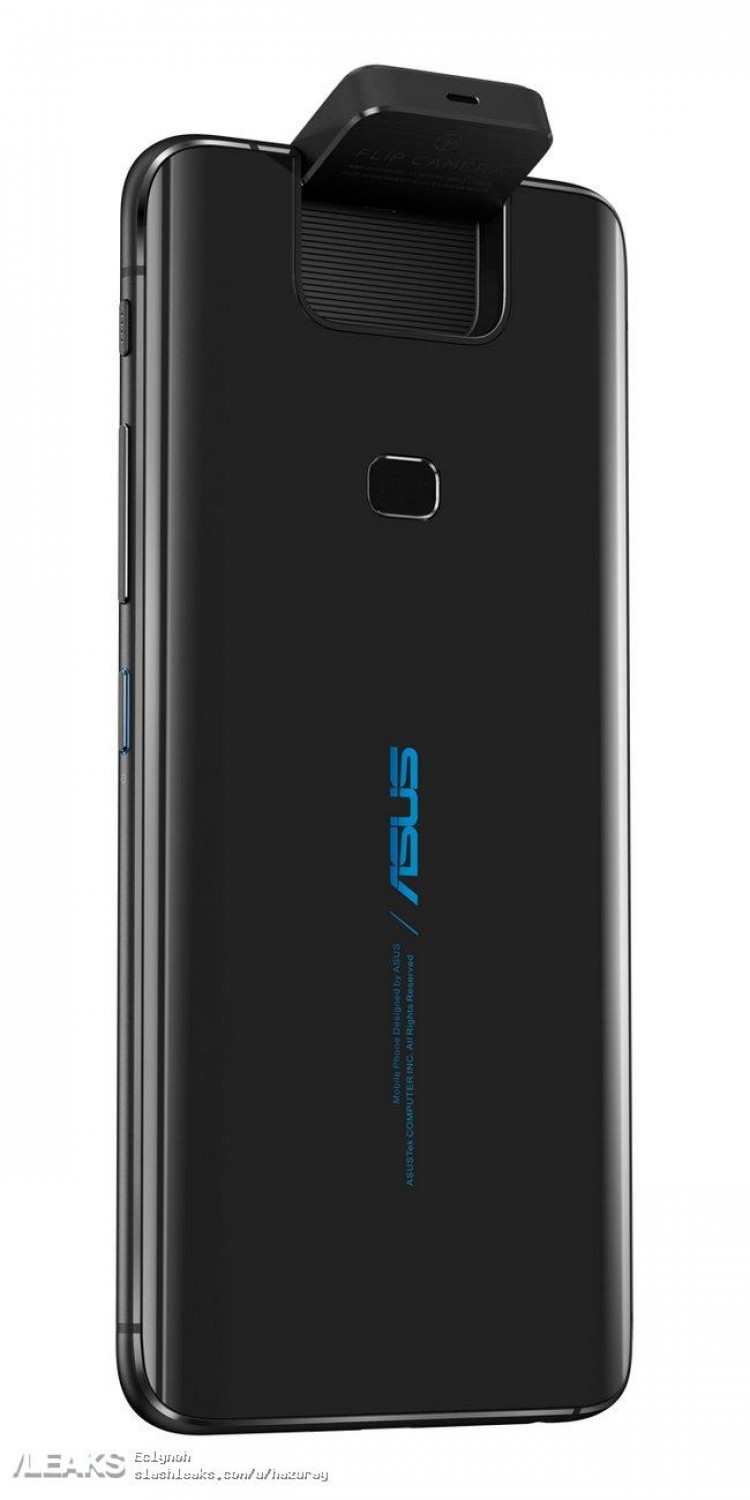
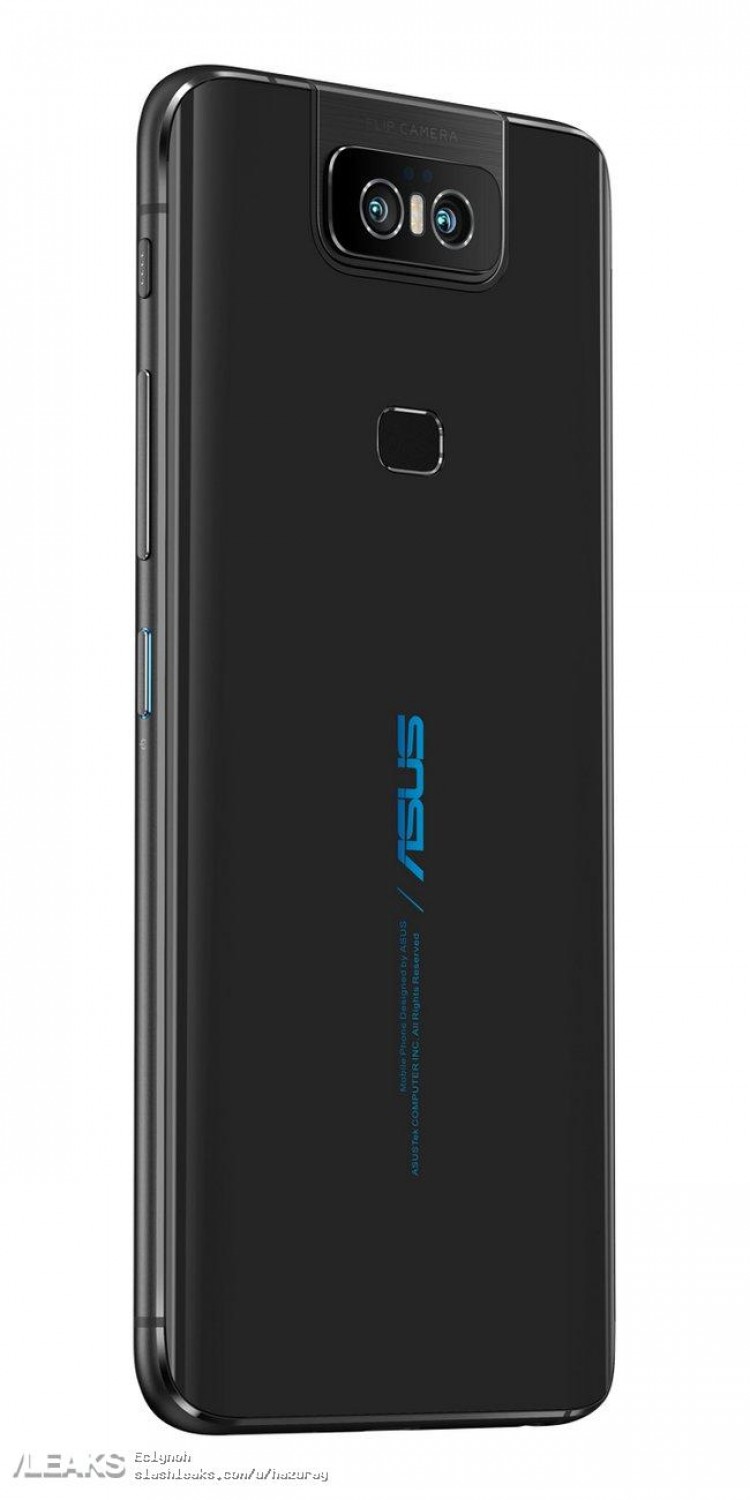
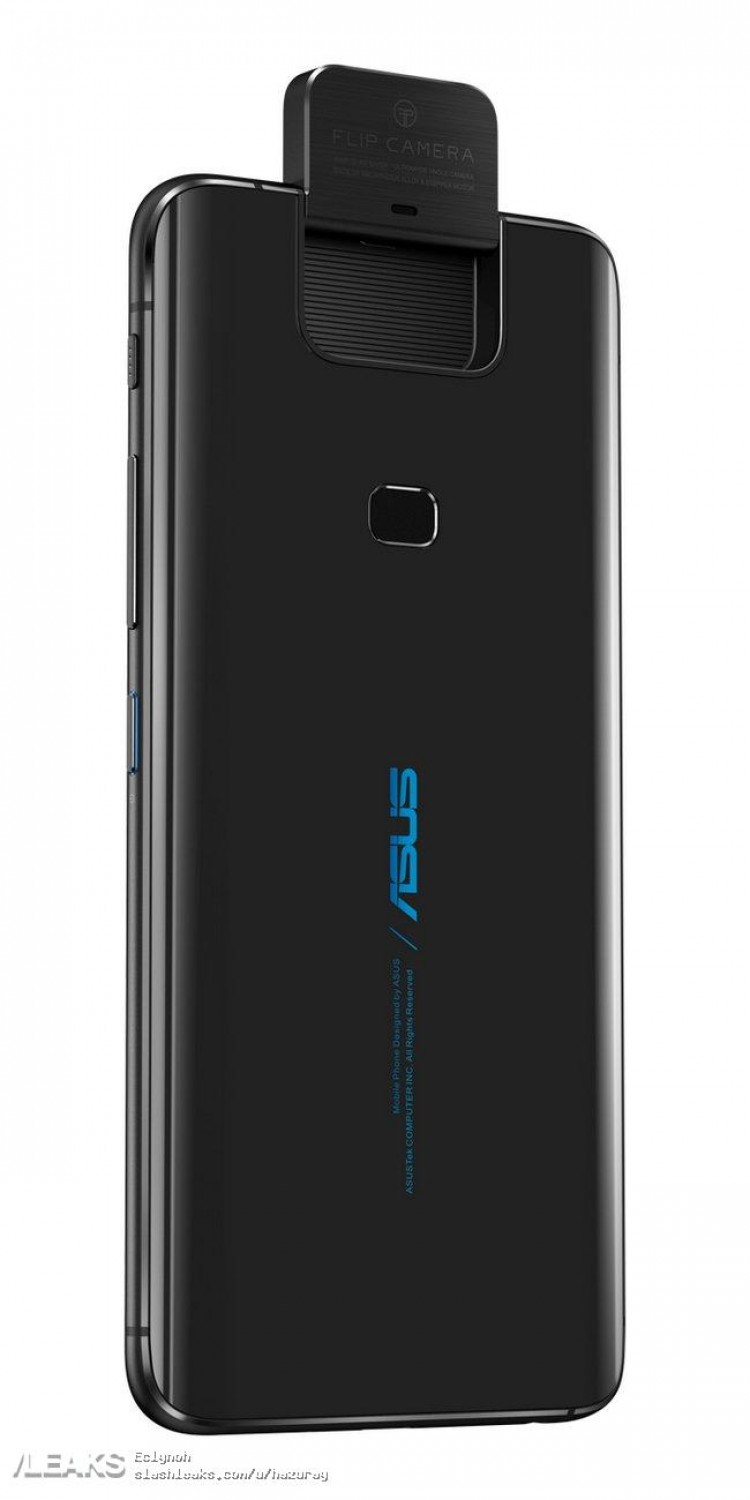
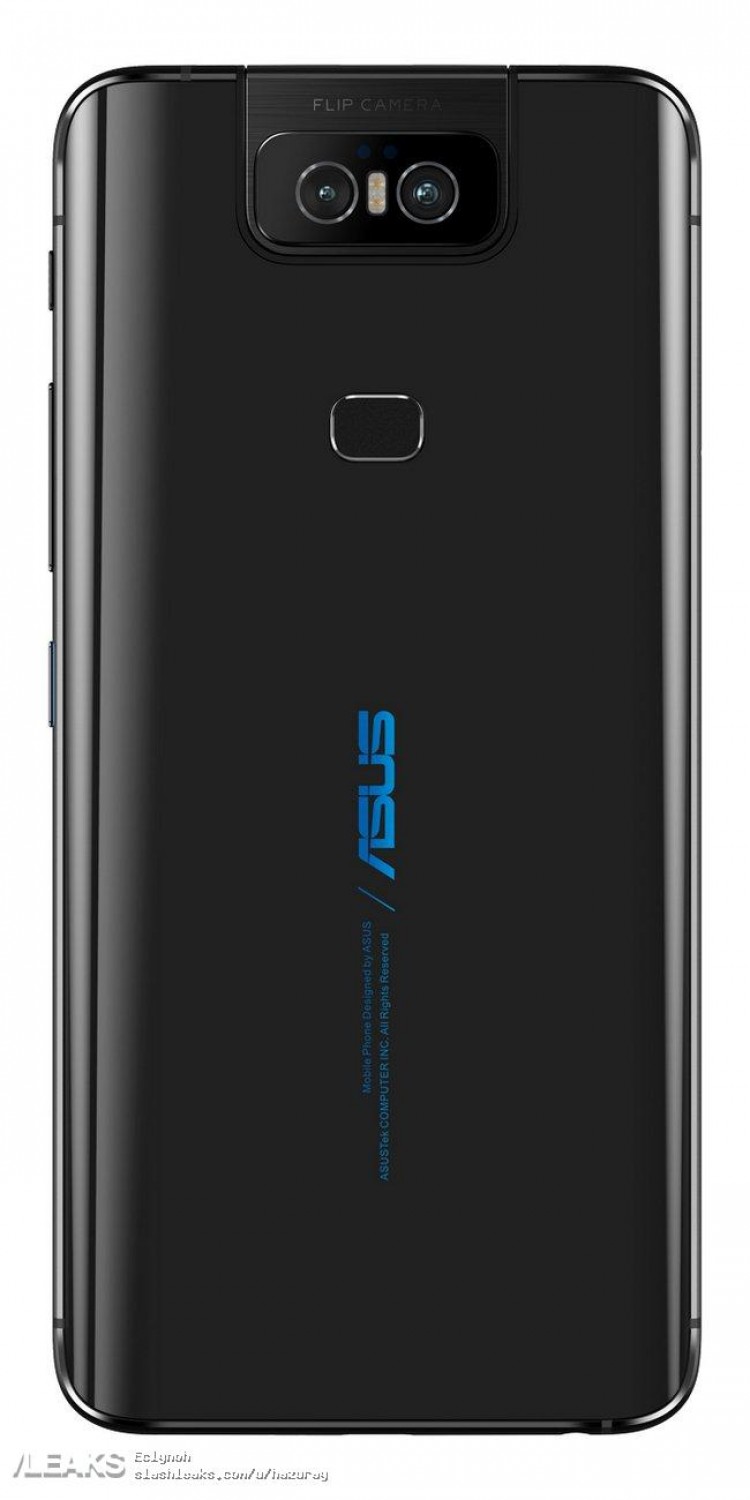
The Zenfone 6 is shaping up to be the new flagship killer. Earlier today renders of the phone leaked, revealing the flagship phone will have a notch-less display and motorized dual rear cameras that double as front-facing cameras. Yesterday, ASUS actually confirmed an important feature of the phone via its Twitter account.
The Zenfone 6 has been rumored to pack a 5,000mAh battery and yesterday the Taiwanese manufacturer confirmed the rumors. The new ASUS flagship will indeed pack a massive 5000mAh battery, making it the second flagship phone released this year with such a large battery capacity. The first is the Nubia Red Magic 3 gaming smartphone.
ASUS not only confirmed the battery capacity but mocked that of the OnePlus 7 in the same breath. The OnePlus 7 has a 3,700mAh battery which pales in comparison to that of the Zenfone 6′. Even the OnePlus 7 Pro’s 4000mAh battery closes the gap just a little.
OnePlus launched the new OnePlus 7 and OnePlus 7 Pro yesterday at simultaneous launch events in New York, London and Bengaluru. The new devices carry various new advancements such as the presence of Qualcomm Snapdragon 855, triple camera module, UFS 3.0 storage and a new fluid AMOLED display. Unlike the OnePlus 6 launch last year, OnePlus’s old flagship aka OnePlus 6T is still available at stores with a huge discount.
To leverage the smartphone’s value, OnePlus will reduce the price of 8 GB RAM + 128 GB internal storage version to $549 from $579. Whereas, the 256 GB internal storage variant will be down to $600 from $629. The new pricing will get into effect from May 17 at OnePlus online store.
The OnePlus 6T is the only viable option for the price-conscious buyers as OnePlus 7 won’t make its way to the US. The OnePlus 7 will retail at the same price as the OnePlus 6T, outside the US. It’s a value for money deal for those who always buy old flagships at cheaper prices.
OnePlus 6T is powered with Snapdragon 845 chipset and is available in 8 GB RAM + 128 GB storage and 8 GB RAM + 256 GB storage variants. It features a 6.41-inch display with the resolution of 2340×1080 pixels. There’s a 3700 mAh battery carrying support for Dash Charging technology.
Both the OnePlus 6T and OnePlus 7 are identical to each other in terms of design: there’s a dual rear camera, a fixed front camera, and on-screen fingerprint reader. Though, OnePlus 7 is a bit faster as it comes with the latest Snapdragon 855 SoC, UFS 3.0 storage and a 48 MP camera.
Bringing ultimate viewing experience is the primary goal for most of the smartphone manufacturers since recent times. Different approaches like dew drop notch, pop-up slider are developed to uplift the viewing experience on smartphones. The Chinese smartphone maker – Oppo is also coming with a new yet different approach. It could launch a new under-display camera smartphone this year, reveals a popular tipster Ben Geskin via his Twitter account.
However, Mr Geskin also shared an image of an unknown smartphone along with the new announcement. He didn’t mention any other detail about the device. The new phone might come with thin bezels, sliding camera mechanism, and will sport a design similar to devices with pop-up cameras.
Much like the under-display fingerprint sensor, the upcoming Oppo smartphone will feature a new camera underneath the phone’s display. Oppo’s success with the new camera technology will open doors for the vast majority of the smartphone manufactures. It will help them to save the smartphone’s basic design model.
Samsung and a few other manufacturers are also working on a similar technology to hide the front cameras. Samsung’s R&D department vice president stated that “The technology can move forward to the point where the camera hole will be invisible, while not affecting the camera’s function in any way.” Few patents related to the underneath cameras have appeared at the trademark registration offices in some countries.
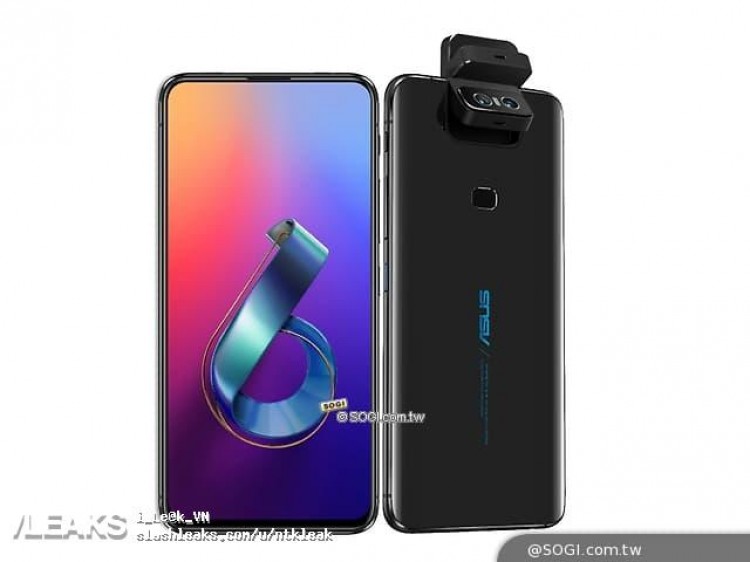
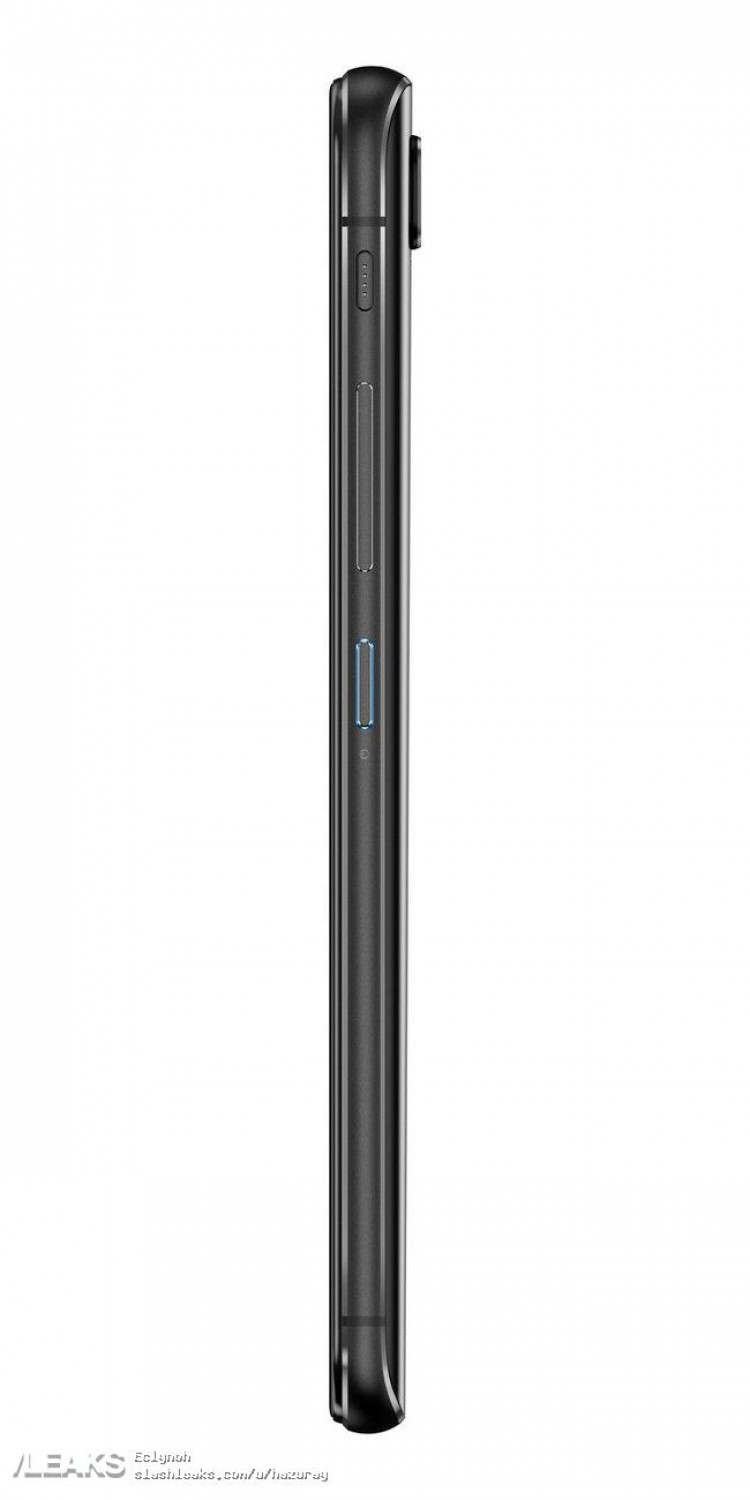
ASUS will be announcing the ZenFone 6 series tomorrow. The ZenFone 5 mid-range phone and ZenFone 5Z flagship smartphone had arrived with similar design. However, they came with different internals. Hence, rumors are rife that ASUS will be launching the ZenFone 6 as a mid-range phone and there could be a flagship phone arriving with ZenFone 6Z or some other moniker. A Taiwanese tech blog has shared official renders of the ZenFone 6 ahead of its launch. Also, some more images were also shared by popular tipster Roland Quandt. The images reveal that the upcoming ZenFone flagship phone will be equipped with a notch-less and a swivel dual camera setup.
1 of 3
As it can be seen, the ZenFone 6 smartphone is equipped with a massive display that does not feature a notch. The chin of the device is slightly thick compared to the other bezels. An earpiece can be seen on the slim-sized top bezel of the phone.
The ZenFone 6 does not feature a selfie camera. The rear-mounted dual camera sensors can flip towards the front by sliding the display down. The swivel camera module is said to be made out of liquid metal which reduces its weight by 20 percent and increases its strength fourfold. The back panel of the phone is equipped with a pill-shaped fingerprint reader. The brand name of the Taiwanese company can be also seen on the rear. The rear glass has a 3D curved design and with gradient texture.
It appears that the ZenFone 6 will be available in Black and Silver-Blue colors. There is no confirmation on whether the ZenFone 6 and the alleged ZenFone 6Z flagship phone will both be sporting the same design.
1 of 7
It is speculated to be equipped with a 6.3-inch display that offers 1080 x 2340 pixels and 19.5:9 aspect ratio. The display of the phone is shielded by Gorilla Glass 6. The Snapdragon 855 mobile platform will be powering the smartphone. It is expected to release in variants like 4 GB RAM + 128 GB storage, 8 GB RAM + 256 GB storage and 12 GB RAM + 512 GB storage.
The swivel dual camera setup of the phone is rumored to be equipped with Sony IMX586 48-megapixel primary sensor and a 13-megapixel superwide lens. The handset is expected to arrive with a 5,000mAh battery that will carry support Quick Charge 4.0 rapid charging technology.
Along with the Realme X flagship smartphone, the Oppo-backed company also launched the Realme X Lite smartphone in China. Looking at the specs sheet, this is the rebranded version of the Realme 3 Pro that was launched in India a couple of months ago.
The Realme X Lite comes with a 6.3-inch IPS LCD panel that offers Full HD+ resolution. Unlike the no-notch dispaly of the Realme X, this one comes with a dewdrop notch and offers an aspect ratio of 19.5:9. The display is shielded by a layer of Gorilla Glass 5.
The smartphone is powered by the Qualcomm Snapdragon 710 AIE mobile platform that has an octa-core processor clocked at 2.2GHz. It is coupled with Adreno 616 GPU for the graphics performance.
The device comes in three variants — 4GB RAM + 64GB internal storage, 6GB RAM + 64GB internal storage, and 6GB RAM + 128GB onboard storage. All three models come with a microSD card that supports storage expansion up to 256GB.
In the camera department, the smartphone features a 16-megapixel main sensor with an f/1.7 aperture and is coupled with a 5-megapixel depth sensor. On the front side, there’s a 25-megapixel snapper for taking selfies and video calling. The camera comes with features such as 64-megapixel Ultra HD mode, night scene mode, slow-motion video shooting, burst mode, and Chroma Boost.
Connectivity options the device include Dual-SIM support, 4G VoLTE, Wi-Fi 802.11ac, Bluetooth 5.0, GPS, micro USB 2.0, and 3.5mm audio jack. The phone also comes with a rear-mounted fingerprint sensor and Face Unlock support.
It runs Android 9 Pie operating system out-of-the-box and comes with ColorOS 6 on top. The phone is powered by a 4,045mAh battery that comes with support for VOOC 3.0 Flash Charger support.
The Realme X Lite comes in two color options — Nitro Blue and Lightning Purple. The 4GB RAM model is priced at 1,199 yuan (approximately $174) while the 6GB + 64GB model costs 1,299 yuan (approximately $189). The top-end model with 6GB RAM and 128GB storage is priced at 1,499 yuan, roughly $218. The pricing is slightly cheaper than the pricing of Realme 3 Pro in India.
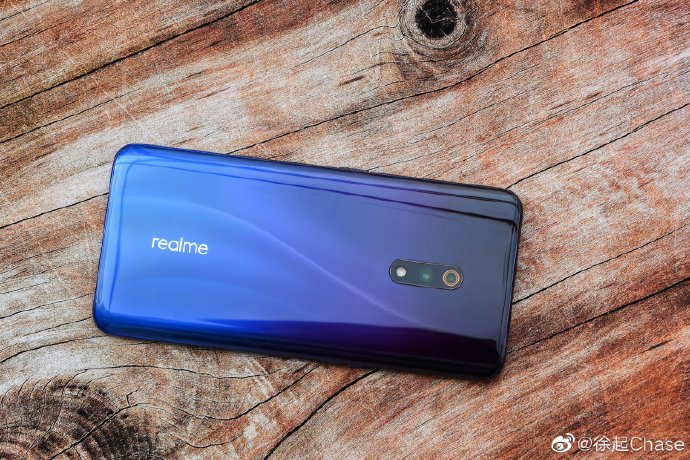
Realme today hosted a launch event in China where the company unveiled the all-new Realme X smartphone series. This is the first time a Realme smartphone has not made its debut in the Indian market.
The Realme X, as revealed through several leaks, comes with a pop-up front-facing camera module. This is the first such design from Realme, a brand backed by Oppo. The Realme X comes with a spring-loaded pop-up camera which opens in just 0.72 seconds.
The smartphone flaunts a 6.53-inch Full HD+ AMOLED display with 2340 × 1080 pixels screen resolution and Corning Gorilla Glass 5 protection. The phone’s display offers a 91.2 percent screen-to-body ratio, thanks to the pop-up selfie camera design.
Under the hood, Qualcomm’s Snapdragon 710 octa-core processor is powering the device, just like the Realme 3 Pro. It is coupled with Adreno 616 GPU and packs up to 8GB of RAM and up to 128GB of internal storage.
Taking care of the photography needs is a dual camera setup on the back panel that comes with a 48-megapixel primary camera with 1/2.0″ Sony IMX586 sensor, f/1.7 aperture, 6P lens, coupled with a 5-megapixel secondary camera sensor.
On the front side, the device features a 16-megapixel camera with a Sony IMX471 sensor and f/2.0 aperture. For security, the device comes with an in-display fingerprint sensor, a feature that Realme is introducing for the first time on its smartphones.
Connectivity options on the device include Dual 4G VoLTE, WiFi 802.11 ac (2.4GHz + 5GHz), Bluetooth 5, and GPS + GLONASS. The smartphone runs on Android 9 Pie operating system with ColorOS 6 custom interface on top.
The device drives power from a 3,765mAh battery which also comes with support for VOOC 3.0 fast charging support that was first introduced with the Realme 3 Pro. The phone measures 161.2×76×9.4mm and weigh 191 grams.
The Realme X comes in three variants — 4 GB RAM + 64 GB storage, 6 GB RAM + 128 GB storage, and 8 GB RAM + 128 GB storage. The 4GB model is priced at 1,499 yuan (approximately $218) while the 6GB RAM model costs 1,599 yuan (approximately $233).
The top-end variant with 8GB RAM is priced at 1,799 yuan, roughly $276. The smartphone comes in two color options — Steam White and Punk Blue and will go on sale in China from 20th May. There’s no information about its availability in other regions.
Those who prefer keeping their surrounding clean all the time usually end up spending a lot of money on vacuum cleaners that either starts making a lot of noise or lose suction after some time.
The Xiaomi Mijia Smart Robot Vacuum Cleaner, on the other hand, is designed to operate at peak performance and stand the test of time. It features an innovative side brush that can reach hard-to-reach edges and corners to ensure your room is free from dust and other impurities.
Moreover, the brush is ideal for removing pet hair and cleaning carpets thoroughly. The side brushes can be effortlessly removed and replaced as part of routine maintenance. The Xiaomi Mijia Smart Robot Vacuum Cleaner is backed by a 1800PA large suction, brushless motor that makes noise lower than 55db.
The market is brimming with similar products that would set you back a pretty penny, the Xiaomi Mijia Smart Robot Vacuum Cleaner has gone up for sale bearing a reasonable $396.79 price tag on Banggood. An absolute steal at this price, the coveted vacuum cleaner can be connected to your mobile phone via WiFi.
The robot vacuum cleaner adopts a 96mm Slim design that enables it to reach narrow spaces. Featuring a 420ML dust box, the device draws its juices from a 5200mAH long-life battery and can clean 250 square meters of the environment without any sort of interruption.
You can visit this link to check out more details about the Xiaomi Mijia Smart Robot Vacuum Cleaner and place your order. Note that the product cannot be shipped to North America.
Along with the OnePlus 7 and OnePlus 7 Pro flagship smartphones as well the OnePlus 7 Pro 5G, the Chinese company also launched an updated pair of Bluetooth earphones, dubbed as OnePlus Bullets Wireless 2.
But it’s not just the name that the company has updated but also its design. OnePlus has decided to remove the fin-like earplugs and instead, it comes with a much more comfortable in-ear bud shape. The rest of the design, however, remains relatively familiar to its predecessor.
Each earbud is connected through a tether, which includes the inline remote and two extra modules for housing the battery and wireless connectivity tech. The design is pretty basic and has the metallic black and red color scheme, hinting that they are designed and crafted by OnePlus.
The OnePlus Bluetooth Wireless 2 comes with three 10mm drivers for enhanced bass. It has two Knowles balanced armature drivers for mids and highs, and one dynamic driver to cover the lower frequencies. It also comes with support for Google Assistant out-of-the-box.
The company has also tweaked the Bluetooth connectivity with an upgrade from Bluetooth 4.1 to Bluetooth 5.0 for more stable connections. There is also support for aptXHD which is a big step up from the aptX-supported originals.
As for the battery life, the company says that it offers 14 hours of playback with a fully charged pair of OnePlus Bullets Wireless 2 earbuds. OnePlus also says that just 10 minutes of charging will result in up to 10 hours of audio playback.
The OnePlus Bullets Wireless 2 is priced at $99 in the US, £99 in the UK, and in India, they are priced at Rs. 5,999. However, the company has not yet revealed its availability dates. They are currently listed as “Coming Soon” on the OnePlus official online store.
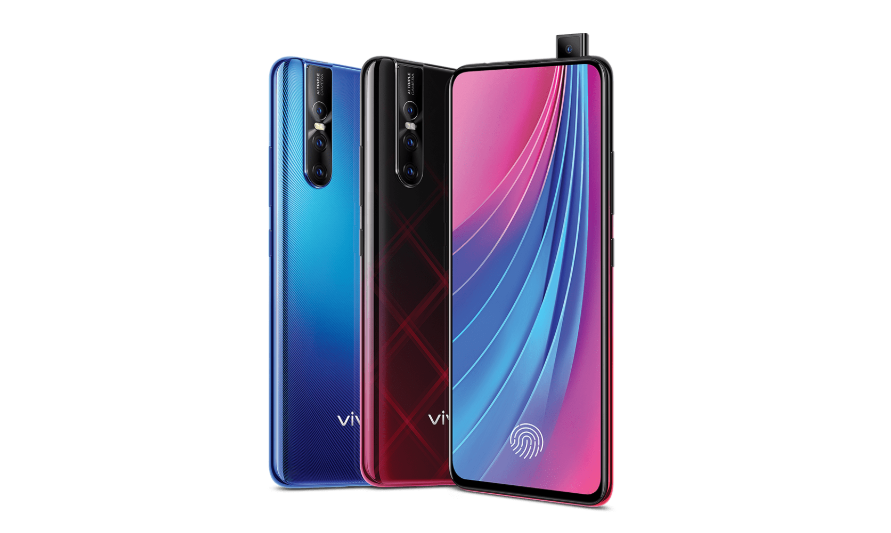
Chinese smartphone manufacturer Vivo has teamed-up with GearVita to offer two of its well-received smartphones including the Vivo V15 Pro and Vivo Y95 at reasonable prices, but there’s more for you to cheer about.
Vivo V15 Pro 4G Smartphone
Vivo unveiled the V15 Pro in February this year. Much to the delight of Vivo fans, the smartphone didn’t disappoint in terms of features. It sports a mammoth 6.39-inch display with a high screen resolution of 2340 x 1080 pixels.
Moreover, the V15 Pro packs a powerful Qualcomm Snapdragon 675 processor along with a competent Adreno 612 GPU, under the hood. Bearing a $529 price tag, this model ships with 6GB of RAM and offers 128GB of internal storage capacity.
If you aren’t willing to spend that kind of money on a feature-laden smartphone, all you need to do is to apply coupon code ROV15P128G at the time of checking out. The coupon helps you bring the retail price of the Vivo V15 Pro smartphone to only $425.
You can visit this link in order to take advantage of the coupon before it expires.
Even months after hitting the store shelves, the Vivo V95 continues to garner huge popularity among smartphone users. The phone features a 6.22-inch LCD display with a screen resolution of 1520 x 720 pixels resolution and boasts an impressive array of other top-end specs.
The Y95 is powered by a Qualcomm Snapdragon 439 processor and it has Adreno 505 GPU for superior viewing experience. This 4GB RAM, 64GB ROM model would set you back $286.99 on GearVita.
With the help of coupon code ROVY9564G, you can get a $64 off. In other words, you can bring the retail price of the Vivo Y95 phone down to only $222.99 simply by applying the aforesaid coupon at checkout.
You can visit this link in order to use the coupon, which is likely to lapse soon.
Designed to facilitate and expedite daily chores like doing laundry, keeping your home clean and tidy, etc, smart home devices are garnering huge popularity in today’s fast-paced society. These smart devices understandably carry steep price tags.
In a bid to make a wide selection of smart home appliances available to cost-conscious buyers, GeekBuying has launched the ‘Smart Home Essential’ promo. As part of this recently kicked-off promotion, the Chinese online store will be offering an extra $10 off if your cart value exceeds $400.
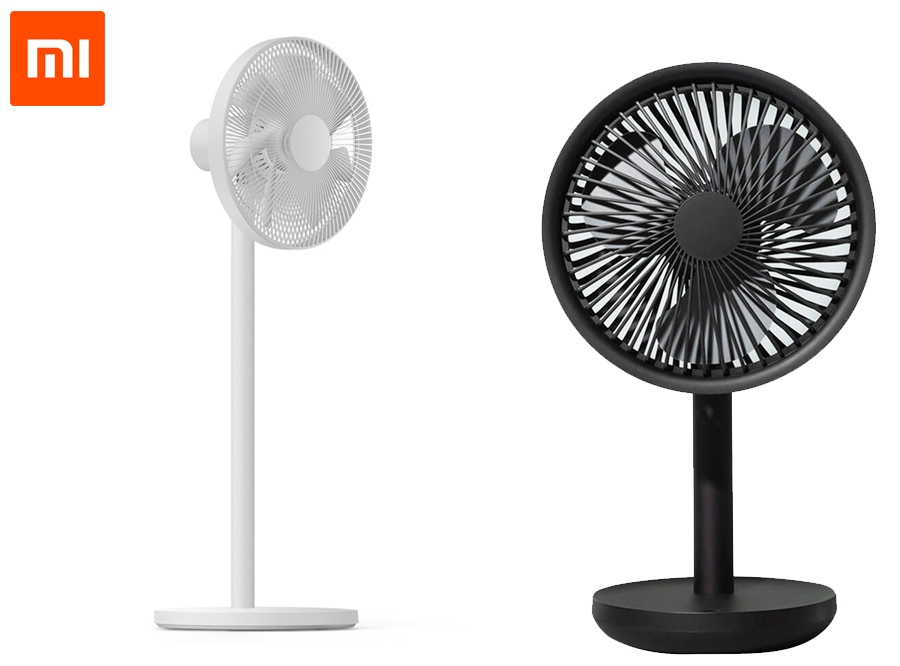
While the promotion page features a slew of heavily-discounted smart devices, we will take a gander at the discount available on the Xiaomi Mijia 1X Frequency Conversion Floor Fan and Xiaomi SOLOVE Desktop Fan. We will show how you can save more money at checkout as well.
Xiaomi Mijia 1X Frequency Conversion Floor Fan
The Mijia 1X can efficiently create air circulation in the entire room by providing up to 14 meters distance. You can use this Xiaomi-branded pedestal fan to even blow the air towards the ceiling using its oscillating head and flexible, and tilt-back feature.
There are several fans offering comparable features available on the market today; however, they aren’t easy on the pocketbook. The Xiaomi Mijia 1X, on the other hand, would set you back only $129.99 on GeekBuying.
This is a noteworthy 32 percent drop in the device’s original asking price of $189.99. Moreover, you can use coupon code EPRPMRCE and get an extra $15 off. In other words, you can reduce the retail price of the Xiaomi Mijia 1X to just $114.99 by applying the aforesaid coupon at checkout.
You can follow this link to grab the discount and use the coupon before it expires. Note that the promo is slated to end in just nine days.
The Xiaomi SOLOVE features an adjustable fan head that can pivot and reach a 60-degree angle either for direct cooling or circulating the air. It is backed by a 4000mAh battery that offers a battery life of 12 hours in first speed.
This feature-laden Xiaomi SOLOVE Desktop Fan usually retails for $61.99, but GeekBuying users can get their hands on it for a lowered price of only $31.99. On top of that, you can extend this 48 percent discount by using coupon code IIZECOCK at the time of checking out.
The coupon helps you save $2 more by bringing the already reduced selling price of the Xiaomi SOLOVE Desktop Fan further down to just $29.99 before you click the ‘Place your Order’ button. You can follow this link to grab the discount, which is valid for the black color version of the desktop fan.
Alternatively, you can avail a 52 percent off on the white color version and 53 percent off on the pink-tinted Xiaomi SOLOVE Desktop Fan. It is worth noting that the promo will be valid only for nine days.
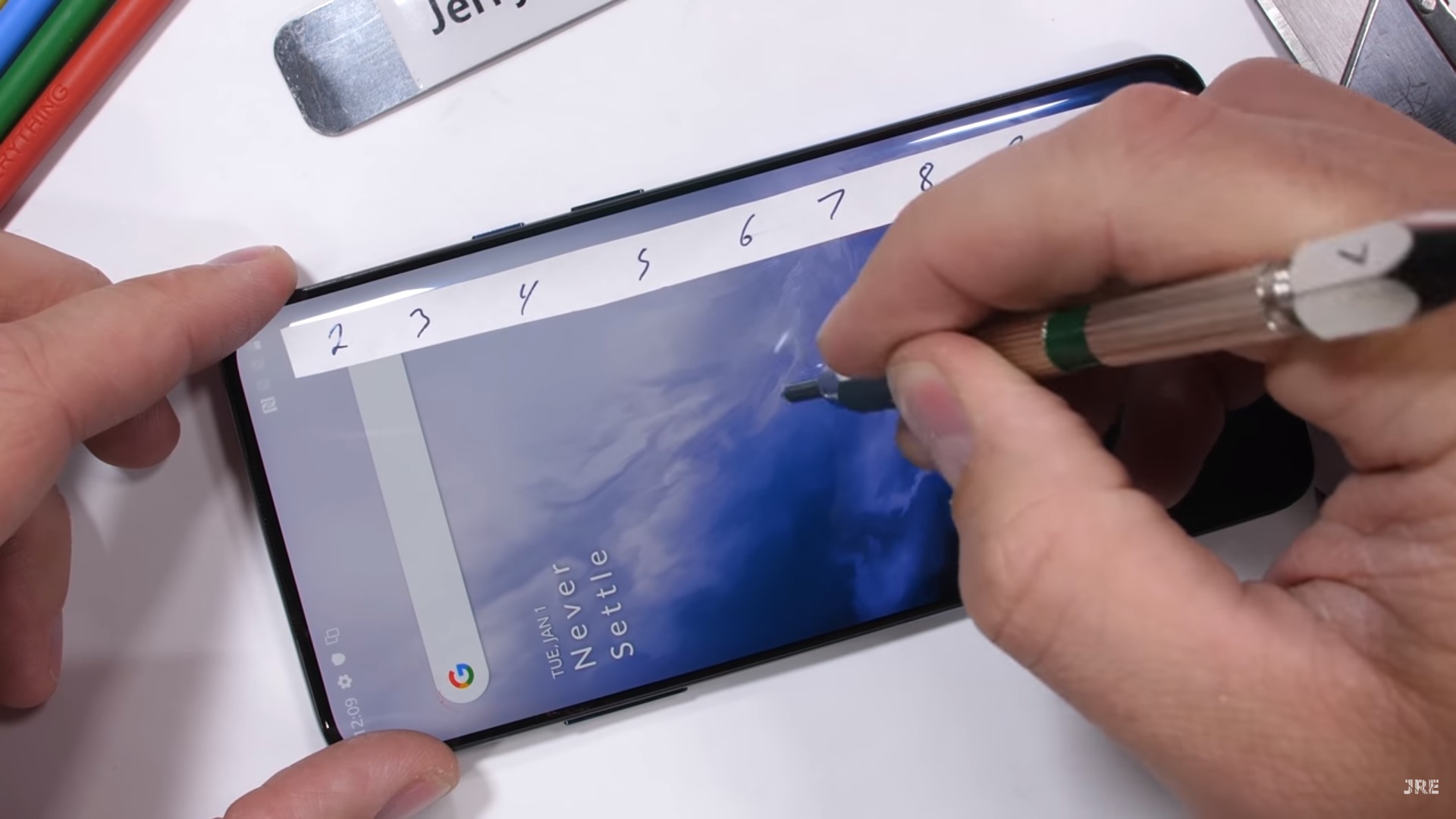
The flagship smartphone from China-based OnePlus — OnePlus 7 Pro got launched just a few hours ago and Zack from JerryRigEverything has already put the smartphone through extensive physical tests to check the device’s durability.
It all starts with the scratch test and since the phone uses Gorilla Glass build, it starts getting scratched at a level 6 on the Mohs hardness scale. With level 7, you can start seeing deeper grooves.
The pop-up front-facing camera is also protected by glass which won’t get scratched easily but the area surrounding it is made up of plastic, which is more prone to scratches. The phone’s sides are made up of metal, including the SIM card tray, volume rocker, power button, and the alert slider.
The back panel of the OnePlus 7 Pro also comes with Gorilla Glass 5 for protecting it from scratches. The OnePlus branding and wordmark are both placed under the glass so they can’t come off easily.
Now, coming to the burn test, the smartphone’s display performed quite impressively. It didn’t show any dead pixels after around a minute of having an open flame directly applied to it. In comparison, other AMOLED display panels usually last only about 20 seconds until unrecoverable pixel damage occurs.
Even when the glass on top of the display gets damaged by level 7 Mohs, the in-display fingerprint sensor of the OnePlus 7 Pro still keeps working. The phone also performed very well in the bend test, without showing any separation or kinks.
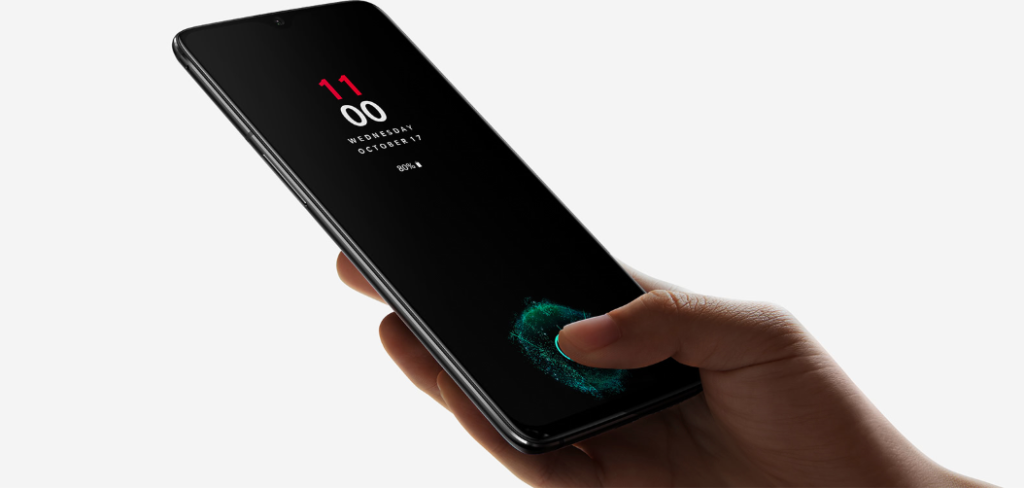
Coming to the specifications, the OnePlus 7 Pro features a 6.67-inch QHD+ Fluid AMOLED curved display with a 90Hz refresh rate and HDR10+ support. It comes with a third generation in-display fingerprint scanner as well as support for Face Unlock feature.
Under the hood, it is powered by Qualcomm’s Snapdragon 855 chipset with up to 12GB of RAM and 256GB of UFS 3.0 storage. As for the rear camera setup, there’s a 48MP f/1.6 Sony IMX586 sensor with OIS and EIS. It is paired with an 8MP telephoto camera with 3x zoom and its own OIS and a 16MP 117° ultra-wide angle camera.
The phone comes with a 16MP pop-up selfie camera. OnePlus says the camera has been tested 300,000 times for durability. It is also the first OnePlus phone with stereo speakers and Dolby Atmos sound.
The OnePlus 7 pro runs OxygenOS 9.5 based on Android 9 Pie operating system with features like Game Mode and Zen Mode. It packs a 4000mAh battery with support for 30W Warp Charge which lets users charge phone up to 50% in just 20 minutes.
Huawei’s sub-brand Honor is getting ready to launch its Honor 20 series smartphones at a launch event on 21st May in London. Ahead of the launch, the company has started teasing features of the upcoming phones.
In one such teaser, the company posted an image on Weibo along with the text that reads “Fantastic beauty, four photos”. This confirms that the Honor 20 will indeed come with quad camera setup on the back panel.
Earlier, an image of the phone’s back camera setup had leaked online. It revealed that the Honor 20 will have a 48MP Sony IMX586 as the primary sensor, along with a 16MP Super wide-angle lens, a 2 MP third sensor and another 2 MP sensor, possibly for depth sensing.
Honor’s President Zhao Ming also shared a Night Scene photograph on Weibo, which could possibly be taken with the Honor 20 or Honor 20 Pro. However, the branding watermark is blurred so we cannot say for sure. The image has excellent details, noise reduction and has captured a good amount of light.
According to the leaks, the Honor 20 will feature a 6.26-inch IPS-LCD display that skips the notch for a punch hole design. It offers 2340 x 1080 pixels screen resolution and a pixel density of 412ppi.
The smartphone will be powered by the company’s own flagship chipset — HiSilicon Kirin 980 octa-core SoC, coupled with 6GB of RAM and 128GB of internal storage. There will likely be other memory configurations but the above if for Europe.
The benchmark score coming through Geekbench also points to the use of the latest Kirin chipset. On the single core, the device scored 3241 points while on the multicore test, it peaked at 9706 points.
The device doesn’t have a rear-mounted fingerprint scanner. Since the phone comes with an IPS-LCD display, it does not have an in-display fingerprint scanner. Thus, Honor has settled for a side-mounted fingerprint scanner that doubles as the power button. We have already seen this on the Samsung Galaxy S10e.
Running on Android 9 Pie operating system with Magic UI 2.1 on top, the device will be powered by a 3,750mAh battery that supports 22.5W SuperCharge fast charging technology. The Honor 20 will be available in Midnight Black and Sapphire Blue but the pricing information is not yet known.
We use cookies on our website to give you the most relevant experience by remembering your preferences and repeat visits. By clicking “Accept”, you consent to the use of ALL the cookies.
This website uses cookies to improve your experience while you navigate through the website. Out of these, the cookies that are categorized as necessary are stored on your browser as they are essential for the working of basic functionalities of the website. We also use third-party cookies that help us analyze and understand how you use this website. These cookies will be stored in your browser only with your consent. You also have the option to opt-out of these cookies. But opting out of some of these cookies may affect your browsing experience.
Necessary cookies are absolutely essential for the website to function properly. This category only includes cookies that ensures basic functionalities and security features of the website. These cookies do not store any personal information.
Any cookies that may not be particularly necessary for the website to function and is used specifically to collect user personal data via analytics, ads, other embedded contents are termed as non-necessary cookies. It is mandatory to procure user consent prior to running these cookies on your website.


 The Motorola One Vision’s stand-out feature is its display. It has a 6.3” FHD+ (1080 x 2520) display with a 21:9 aspect ratio which means it is pretty tall. Motorola has named it CinemaVision (similar to Sony’s CinemaVision display) and unlike Sony’s own display, this one has a punch hole. A pretty big one at that. There is a bit of bezel at the bottom of the screen too but that is expected. With the CinemaVision display, you should enjoy the cinematographic experience it provides.
 The phone is powered by the Exynos 9609, a 2.2GHz octa- processor that is paired with 4GB of RAM and 128GB of storage. A hybrid dual SIM slot will let you swap the second SIM for a MicroSD card (512GB max.).
 The punch hole is home to a 25MP f/2.0 Quad Pixel selfie camera which also has 8x digital zoom, Cinemagraph mode, Auto HDR, a manual mode, portrait mode, and a YouTube Live mode. The phone is an Android One device, so you get Google Photos as the default gallery app and free backup of high-quality photos.