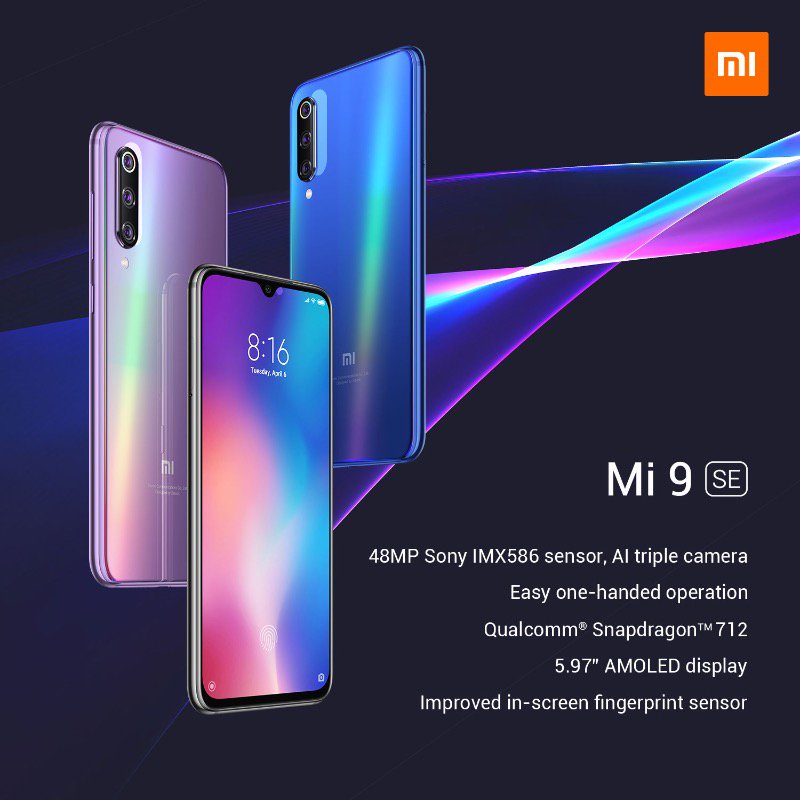
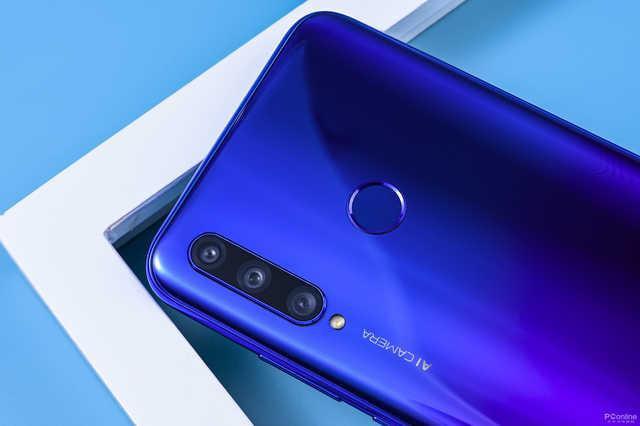
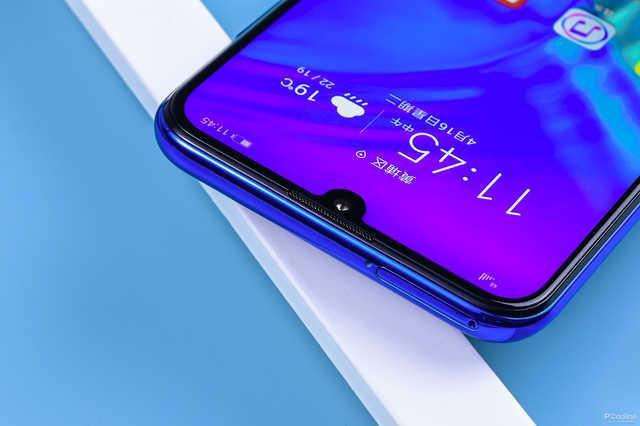
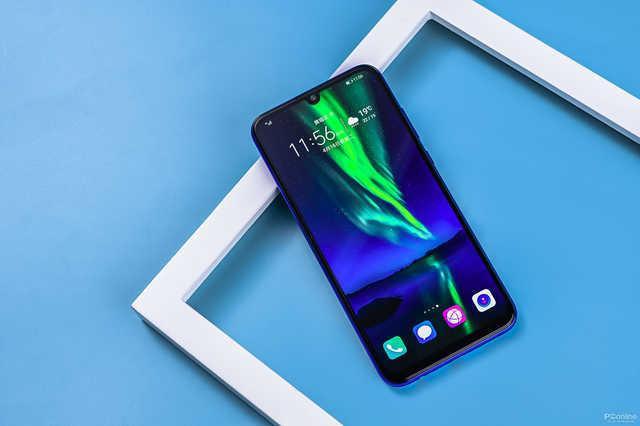
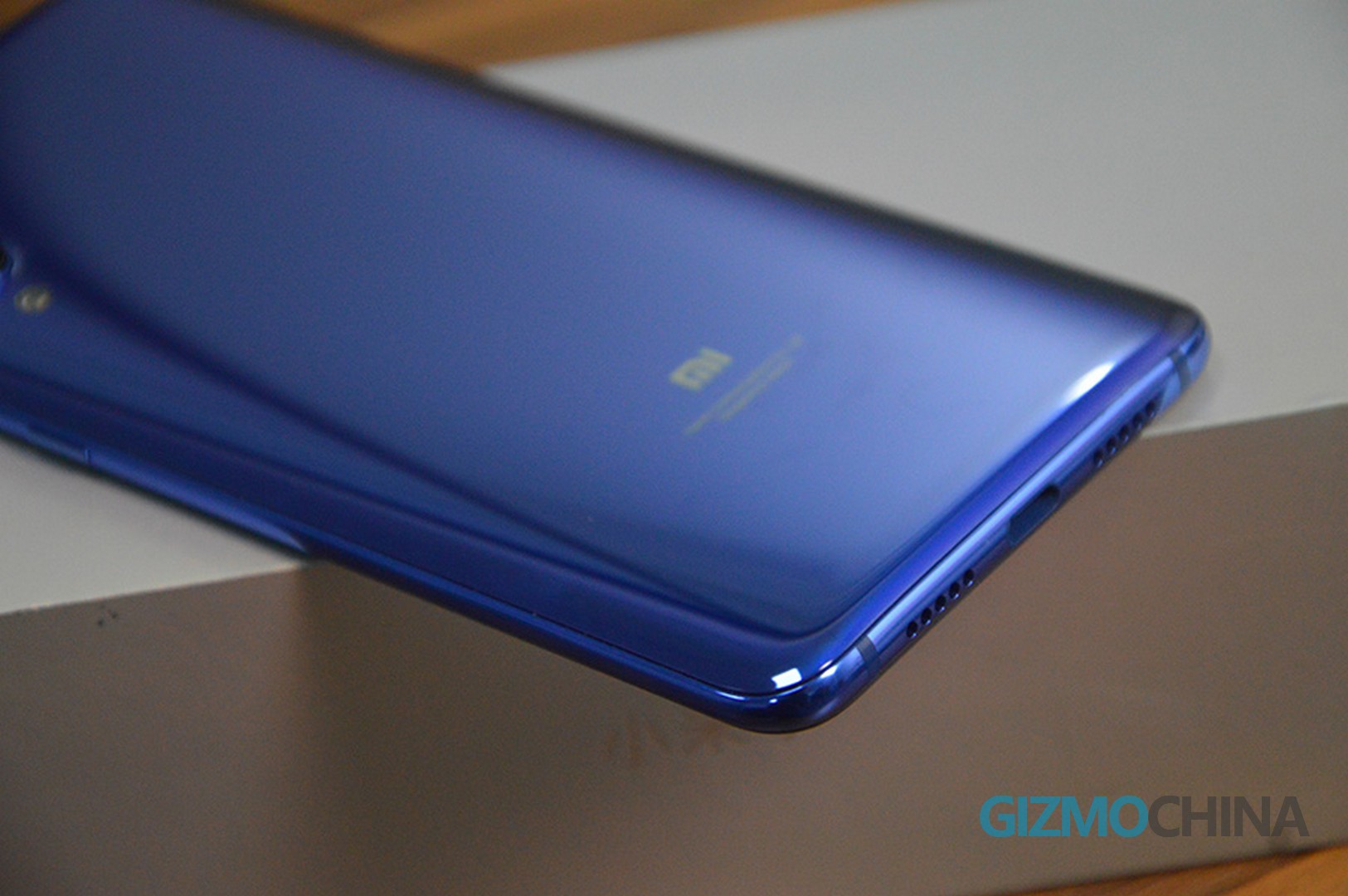
Xiaomi has launched its new phone dubbed the Mi 9 SE. One of the phone’s USPs includes the Snapdragon 712 processor, making it the only phone that packs this newfangled chipset under the hood. While the Mi 9 SE doesn’t boast top-end specs like its feature-rich precursor the Mi 9, it still boasts a fairly good array of features that justify its position in the premium upper mid-range category.
Before we delve further into the details, it might interest you to know that you can get your hands on the global version of the Mi 9 SE on Giztop without breaking the bank. The Xiaomi Mi 9 SE Global Version would normally set you back $349, but you can save $20 by applying coupon code M9SE20.
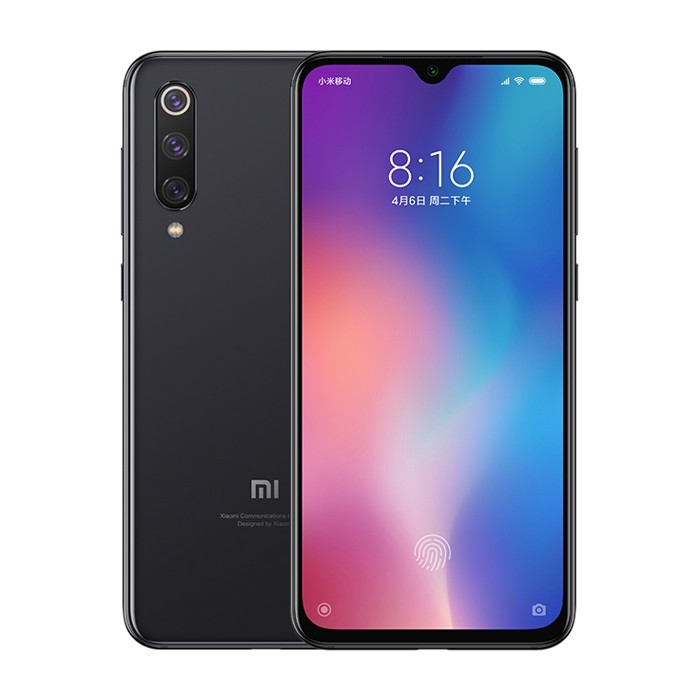
In other words, you can bring the original selling price of the Mi 9 SE Global Version down to only $329 simply by applying the aforesaid coupon during the checkout process. The global version is available in black and blue color options that feature 6GB of RAM and 64GB of internal storage capacity. An absolute steal at this price, the Xiaomi Mi 9 SE Global Version sports an appealing 5.97-inch Samsung AMOLED display, FHD+ display with a screen resolution of 2340×1080 pixels. The phone is powered by 10nm Qualcomm Snapdragon 712 AIE 2.3GHz processor and it uses a competent Adreno 616 610MHz GPU for a superior viewing experience.
On the optics front, the Mi 9 SE Global Version houses a Sony IMX 586 48MP+13MP+8MP triple camera set up at the back. Up front, there’s a 20MP AI camera for selfies and video chats. The phone ships with 6GB LPDDR4x RAM and offers 64GB/128GB UFS2.1 storage capacity for you to save your favorite multimedia content.
The phone runs MIUI 10.2 based on Android 9.0 Pie operating system and draws its juices from a robust 3070mAh battery that supports 18W Fast Charge. For additional protection, the Xiaomi Mi 9 SE Global Version features a 5th generation In-Display Fingerprint Scanner.
You can head straight to this link in order to check out the full specifications and use the coupon for a $20 off before it expires.
There’s no dearth of options when it comes to choosing air purifiers. If you’re in the market for a cost-effective air purifier that doesn’t disappoint in terms of performance, you’ve come to the right place.
Here are the top 5 air purifiers from leading brands that you can now buy without emptying your pocket:
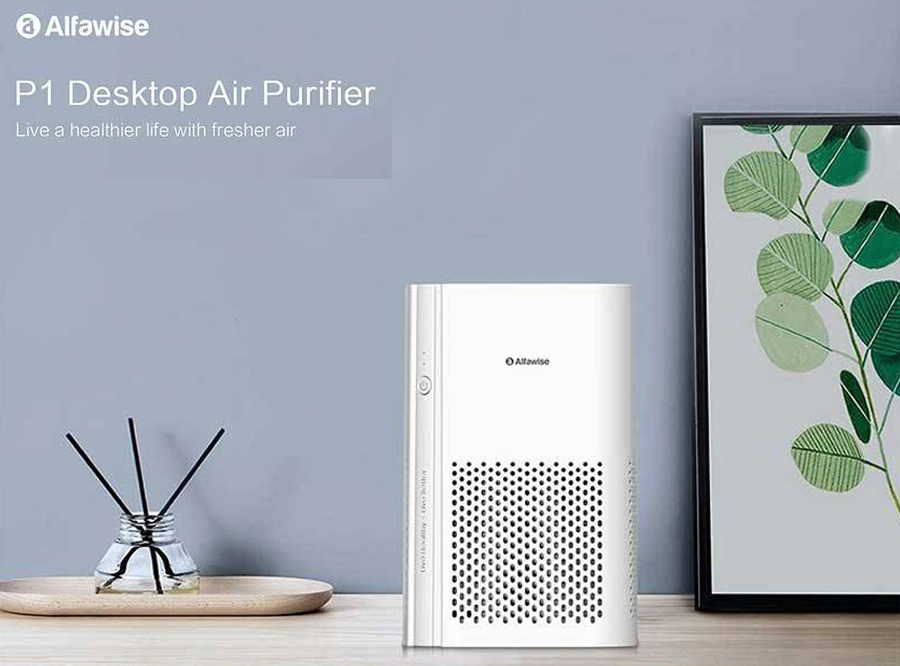
Alfawise P1 HEPA Mini Desktop Air Purifier on Gearbest
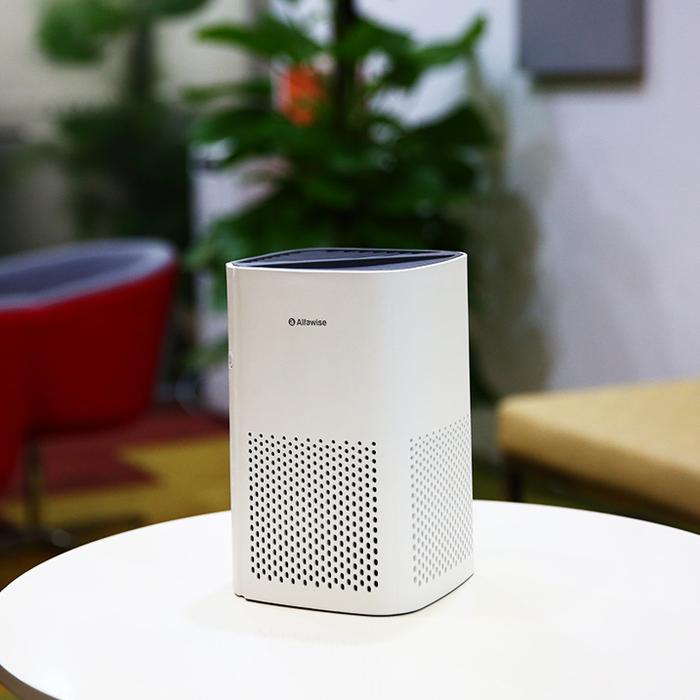
The compact Alfawise P1 is a great choice for small bedrooms and offices. It delivers 4 times air purification for rooms 8.5 sq. meters or smaller with 80 cubic meters per hour CARD rate.
The Alfawise P1 HEPA Mini Desktop Air Purifier usually retails for $53.72, but you can now buy it for just $49.99 on Gearbest. This is a noteworthy 7 percent reduction in the device’s original asking price.
With only 100 pieces remaining, this promo is slated to end in five days. You can follow this link to grab the discount, which is available for the white color version of the air purifier.
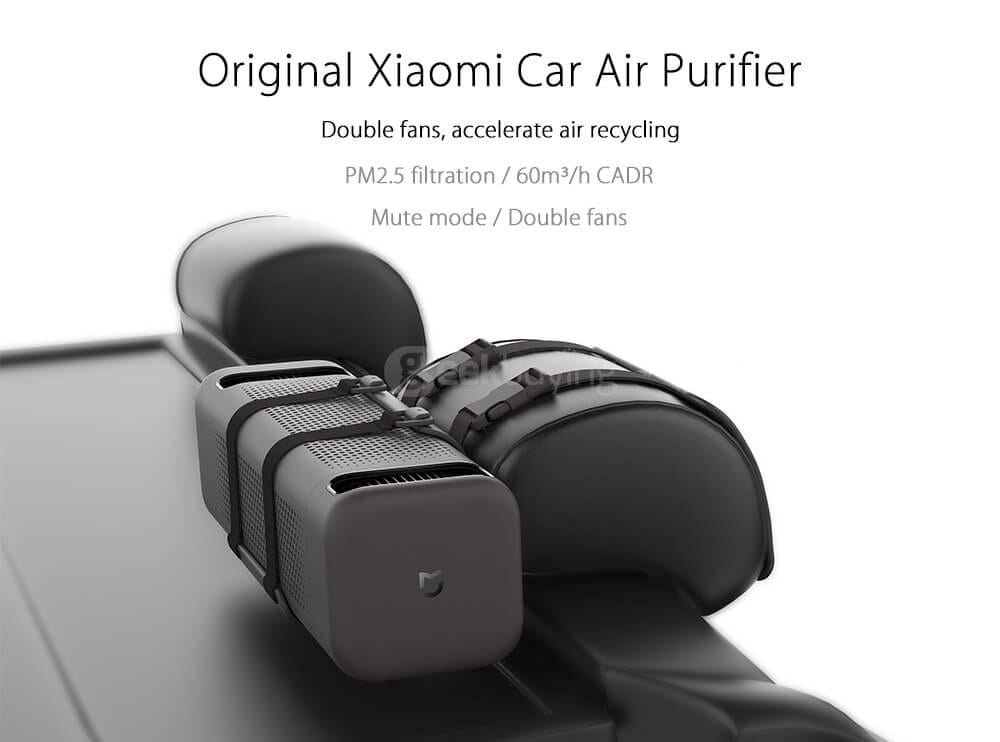
Equipped with double fans, the Xiaomi Car Air Cleaner delivers accelerated air cleaning process. It is capable of cleaning car air about 3-7 times and has a mute mode that covers 60 sq. meters per hour.
The Xiaomi Car Air Cleaner would normally set you back $99.99, but GeekBuying users can now buy it for only $79.99. This 20 percent discount can be expanded further with the help of coupon code NSLMKKYZ.The aforesaid coupon helps you save $14 more by reducing the already lowered retail price of the Xiaomi MiJia Car Air Purifier to just $65.99 before placing your order. You can visit this link to grab the discount.
VIOMI From XIAOMI Youpin Aromatherapy Diffuser Ultrasonic Humidifier Led Light Air Purifier on Banggood
This Aromatherapy Diffuser releases a fragrant mist that provides a calming effect without making a lot of noise. It adopts an advanced ultrasonic vaporizing diffusion technology to ensure your home smells better all the time.
In order to get your hands on the XIAOMI Youpin Aromatherapy Diffuser Ultrasonic Humidifier, you’d normally end up shelling out $65.04, but Banggood is for a lowered price of just $56.25.
Aside from availing this 14 percent discount, Banggood users can get KCASA KC-DKA1 bar drinking turntable as a free gift. You can follow this link to get the discount and stand a chance to win a free gift before the promo wraps up!
Mini Air Purifier Smart Living Space Cleaner on GearVita
The Mini Air Purifier Smart Living Space Cleaner comes with multiple filters including the EPA air filter that ensures your room is free from dust particles and other impurities. This plug-and-play Mini air purifier is designed to help you lead a healthier lifestyle. The Mini Air Purifier is available in two appealing color versions including gray and green. You can buy this feature rich air purifier for just $31.99 on GearVita by visiting this link.
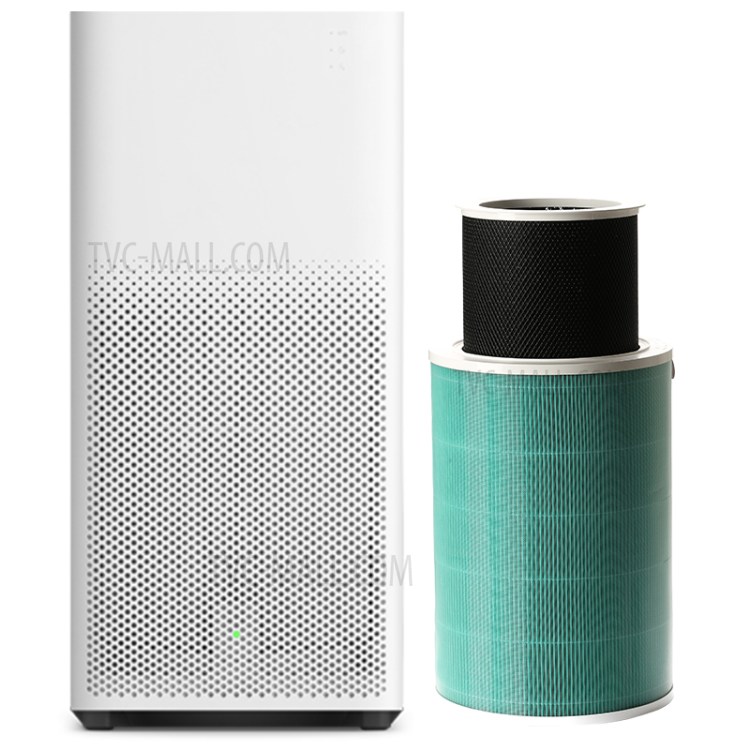
Original Xiaomi Mi Air Purifier Filter (Enhanced Version) on Gearbest
This enhanced version of the Xiaomi Mi Air Purifier Filter can efficiently remove formaldehyde, PM2.5, peculiar smell, and other impurities. It adopts a three-layer filter that comprises Primary filter net, H11 high-efficiency filter net, and activated carbon filter.
The Xiaomi Mi Air Purifier Filter carries a $47.89 price tag, but cost-conscious buyers who aren’t willing to shell out that kind of money on an air purifier can use coupon code GIZMOGB02 and get it at $40.99 which limited 20 times.
You can visit this link to use the coupon before it expires.
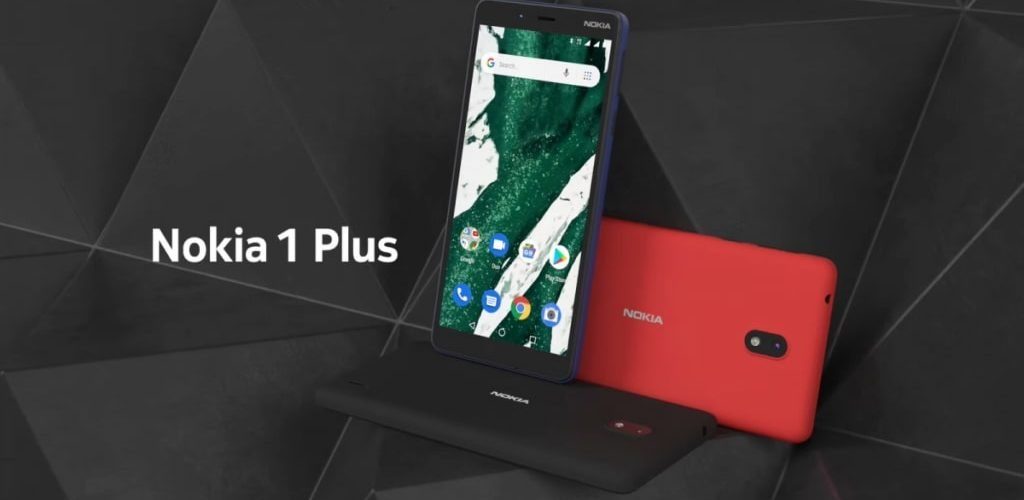
HMD Global’s Nokia unveiled the Nokia 1 Plus during the Nokia 9 PureView launch event at MWC 2019. The company also announced the Nokia 210 feature phone alongside the Nokia 3.2, and Nokia 4.2. Nokia 1 Plus has now become available in the UK from Carphone Warehouse and it carries a price tag of £89.99. According to TechRadar, the phone will also soon become available from other retailers such as Amazon and Argos.
The Nokia 1 Plus is an entry-level device that is light on the pocket. The major highlight of the model is the pure Android OS it offers, running Android 9 Pie Go Edition. The device features a 5.45-inch IPS LCD screen with 18:9 aspect ratio and support for a resolution of 480 x 960 pixels.
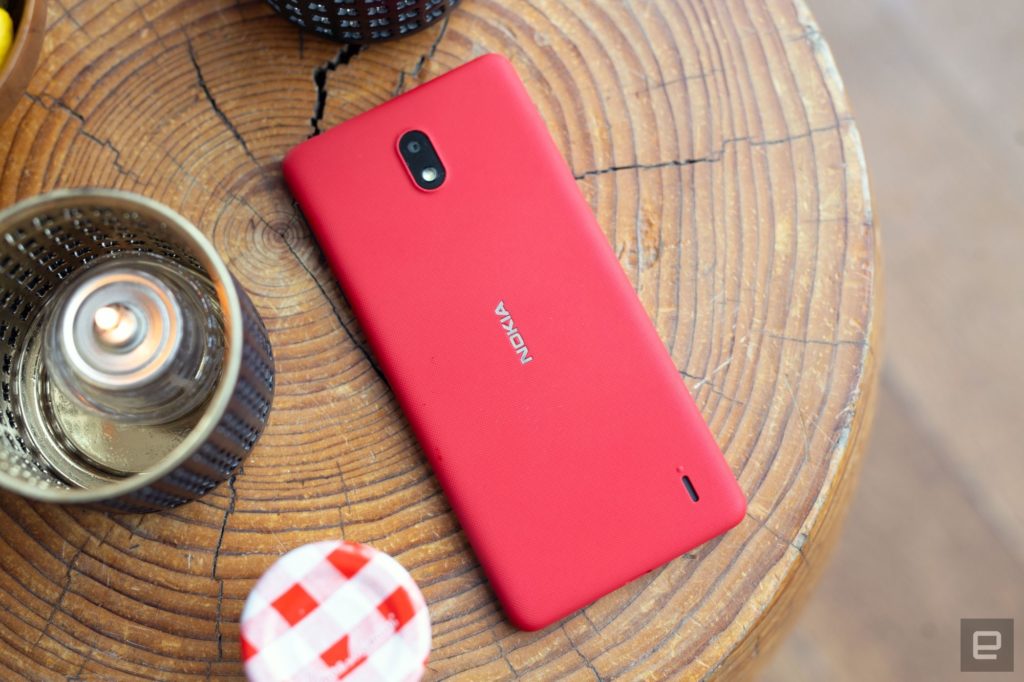
It is powered by a MediaTek MT6739 chipset paired with 1 GB of RAM. There is 8GB of internal storage onboard. You also get an external microSD card slot in case you need to ramp up the storage. The Nokia 1 Plus packs an 8MP camera with autofocus and an LED flash at the rear. For selfies, there is a 5MP shooter. The handset crams a 2,500mAh batttery under its hood. The phone comes in Black, Red and Blue colours.
Chinese tech companies have been accused of many things in recent times, one of which is intellectual property theft. Recently, it was reported that some persons suspected to Chinese nationals stole software from Dutch chip manufacturer ASML. In no distant time, the news was carried by Dutch newspaper Financieele Dagblad. Some local politicians even suggested that it might be state-sponsored espionage. All that has changed as ASML CEO Peter Wennink has finally revealed who they discovered was responsible for the intellectual property theft.
In an interview on Dutch television, the CEO refuted the earlier rumour that China was responsible. Wennink instead reportedly disclosed that the heist was carried out by its biggest Korean customer. That happens to be Samsung even though the CEO left off short of mentioning the name of the company, even when prodded by the interviewer. Wennink also hinted that the company was able to reach that damning conclusion through the aid of an external independent investigator to unravel who was behind the theft. This rules the espionage as ordinary business espionage and not state espionage.
The theft was apparently executed by former Chinese employees of the chip giant who stole the software to set up their own company named Xtal based in the US. The company was aimed at taken on ASML and to provide Samsung with a cheaper alternative. Samsung allegedly holds a 30% share in the startup. The software in question is a vital tool for setting up chip machines for optimum production of electronic chips.
An official statement from Samsung sent via e-mail to LetsGoDigital read; “Samsung makes it a top priority to protect and respect the intellectual property rights of others. We are deeply disappointed at media reports that had widely assumed or even suggested of Samsung’s involvement in any wrongdoing against ASML, which are not true. While we cannot disclose details of our business deals, Samsung had made precautions so as to adhere to all laws and regulations with its development contract with Xtal, including a clause that specifically prohibits the illegal use of 3rd-party IPs. All products that have resulted from our partnership with Xtal do not interfere with ASML’s IPs. We would also like to clarify that, unlike media reports, our partnership with ASML has remained strong without discontinuation”.
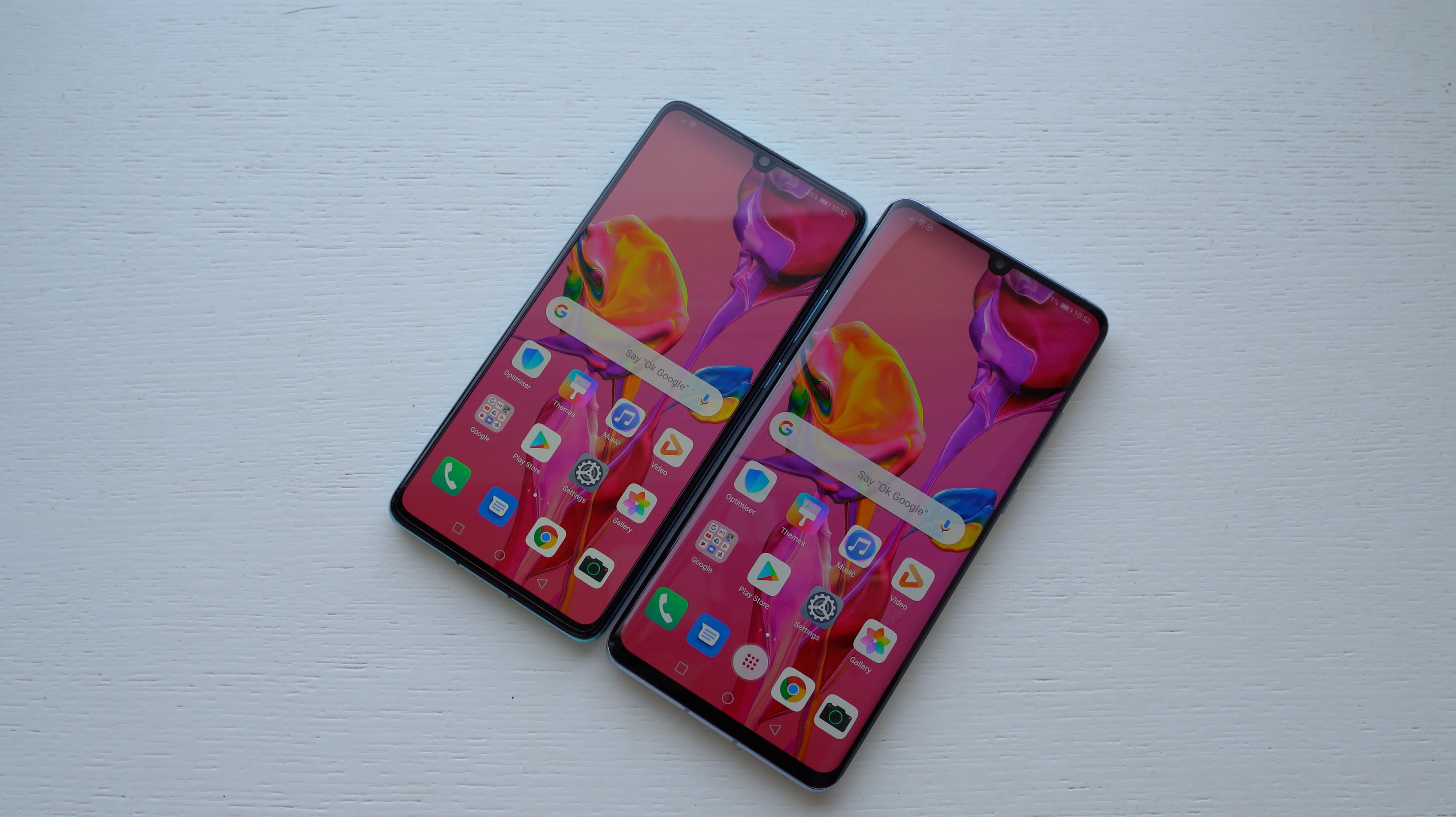
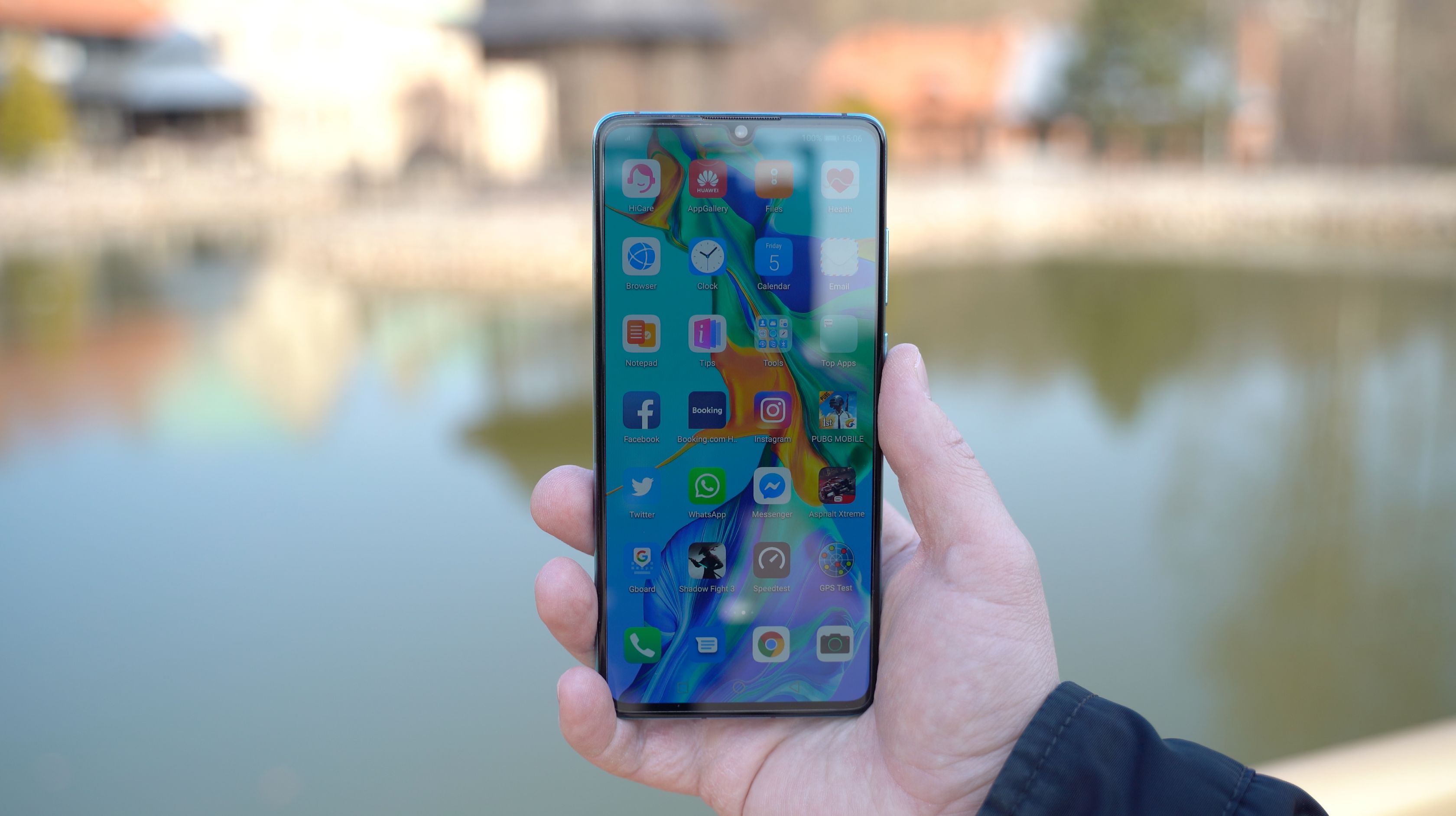
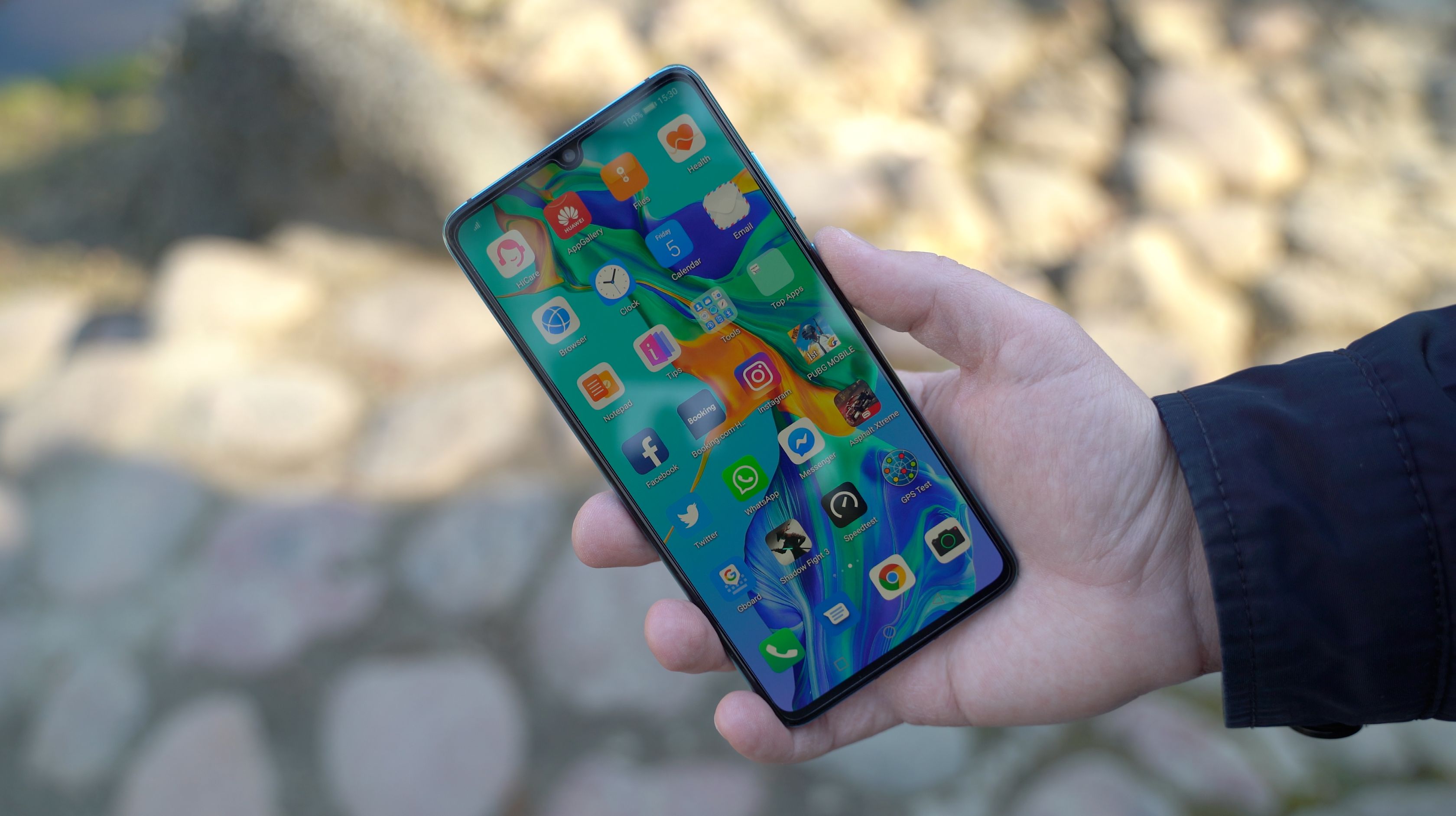
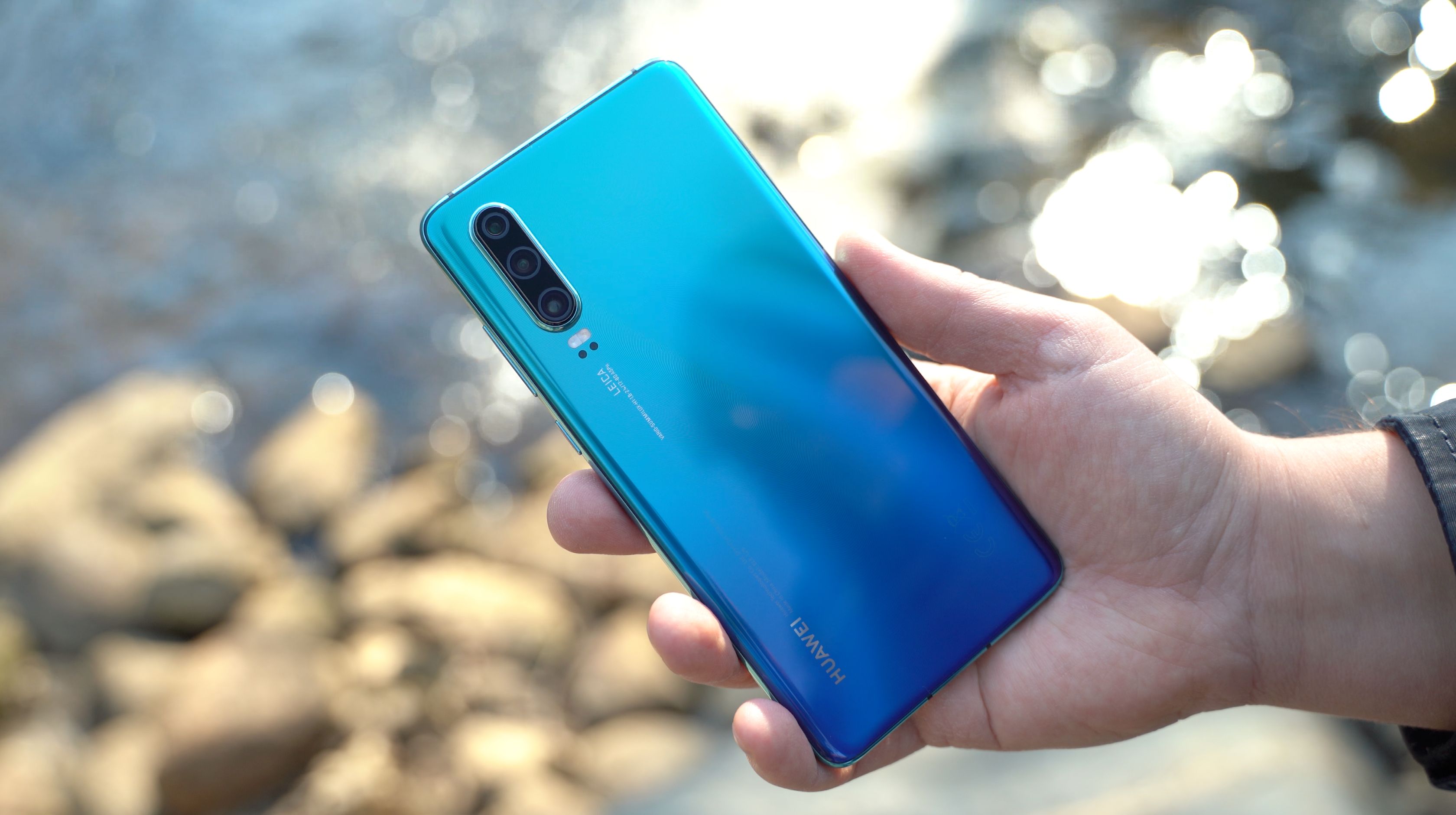
It seems that no one is talking about the Huawei P30 – a slimmed down version of the P30 Pro. The phone is significantly cheaper, more compact and it even has some advantages over its bigger brother. For example, it has a headphone jack and the phone is more compact. Learn more in the full Huawei P30 review.
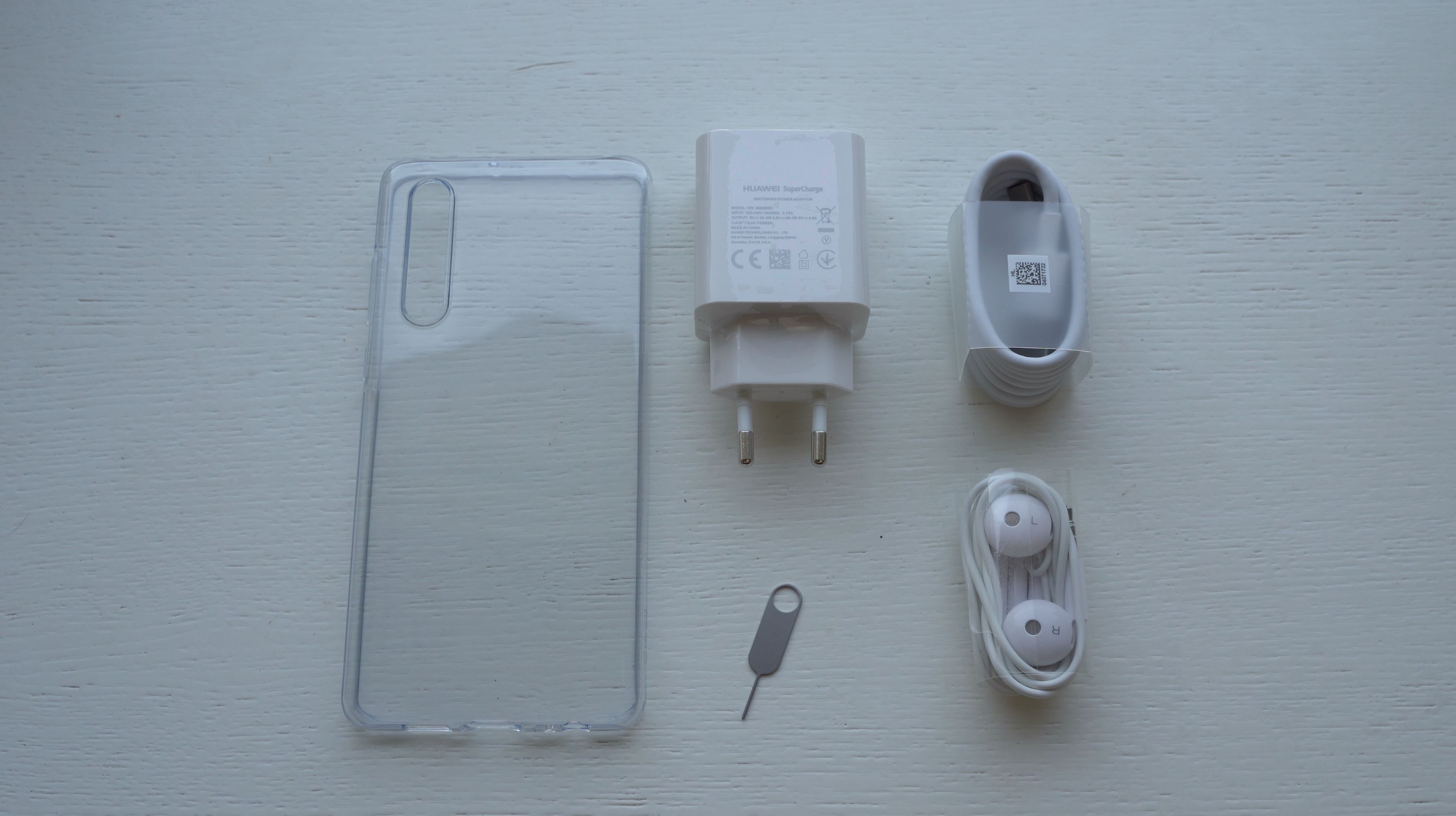
The phone ships with all the usual stuff and some extras include a soft TPU case and a pair of earphones. However, the set of accessories may vary, depending on where you buy the phone from.
DESIGN and DISPLAY
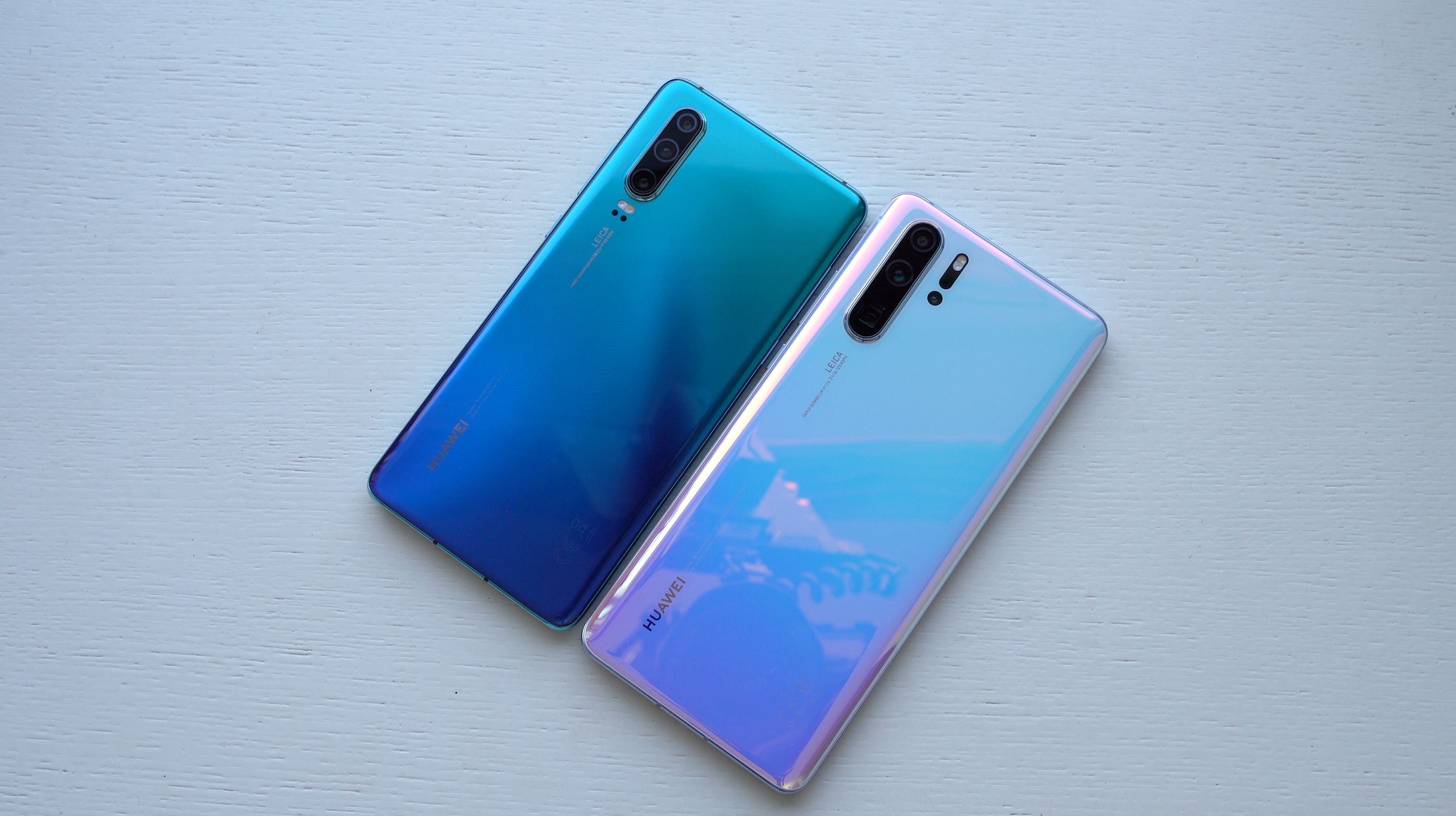
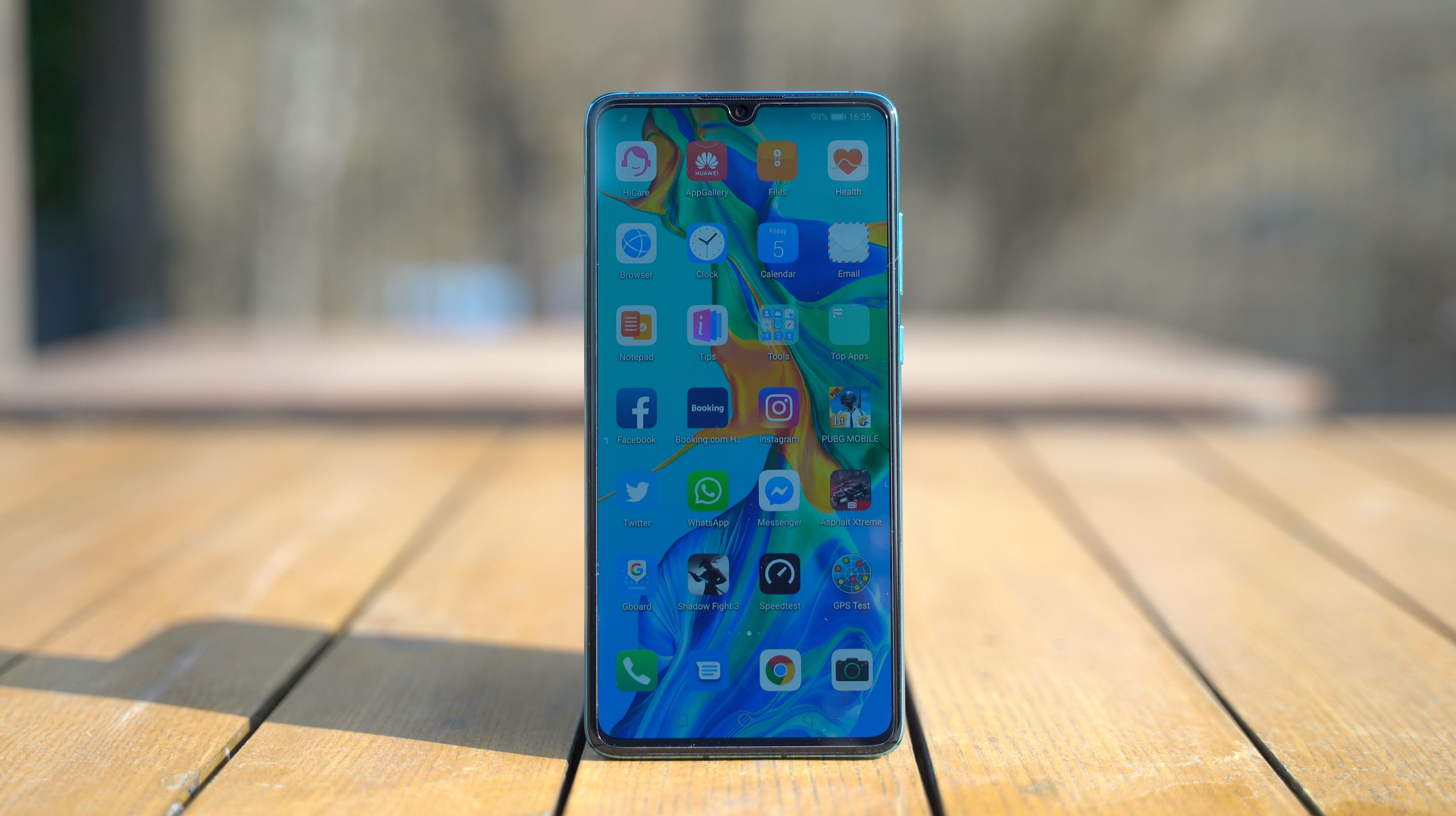
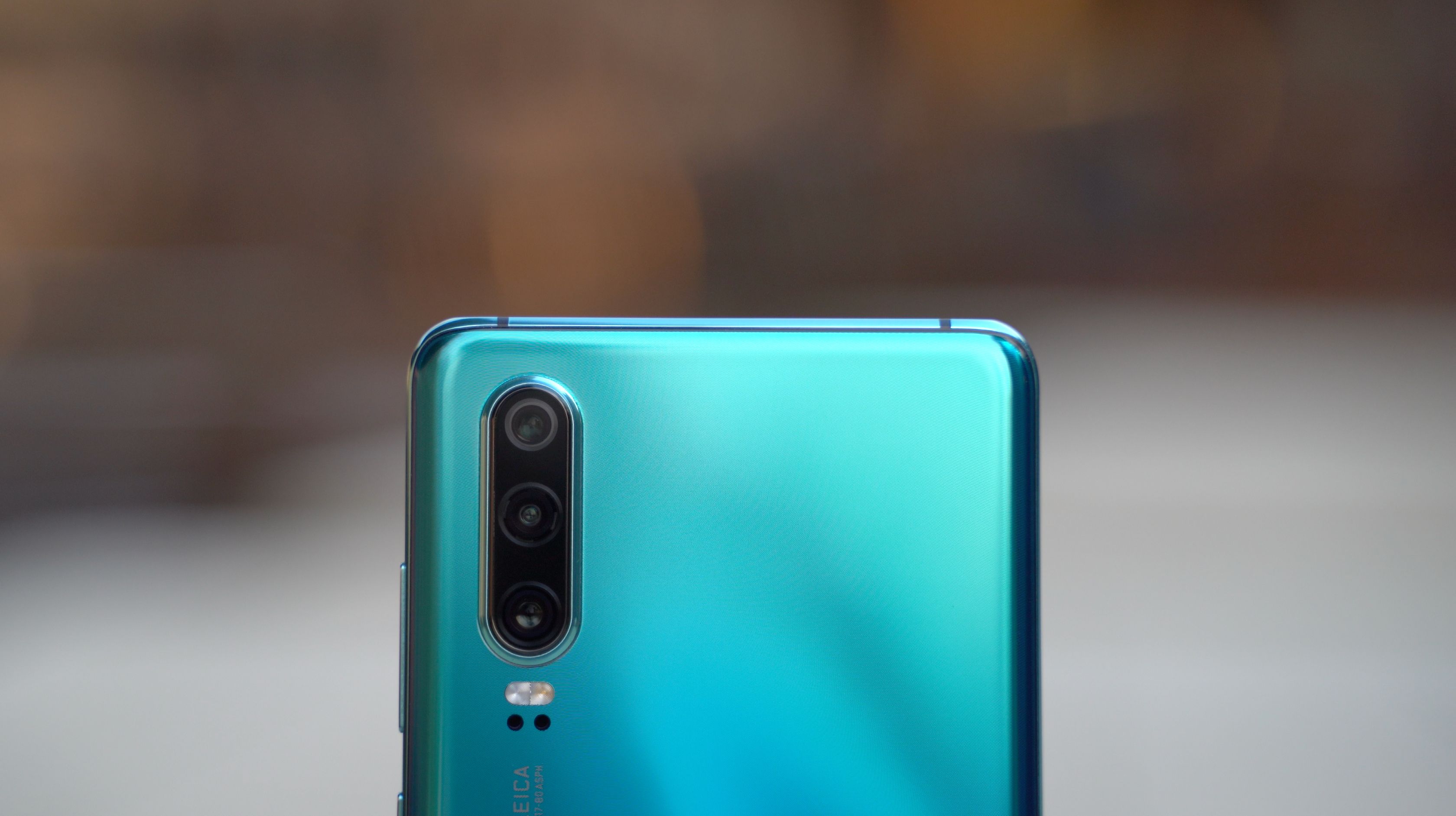
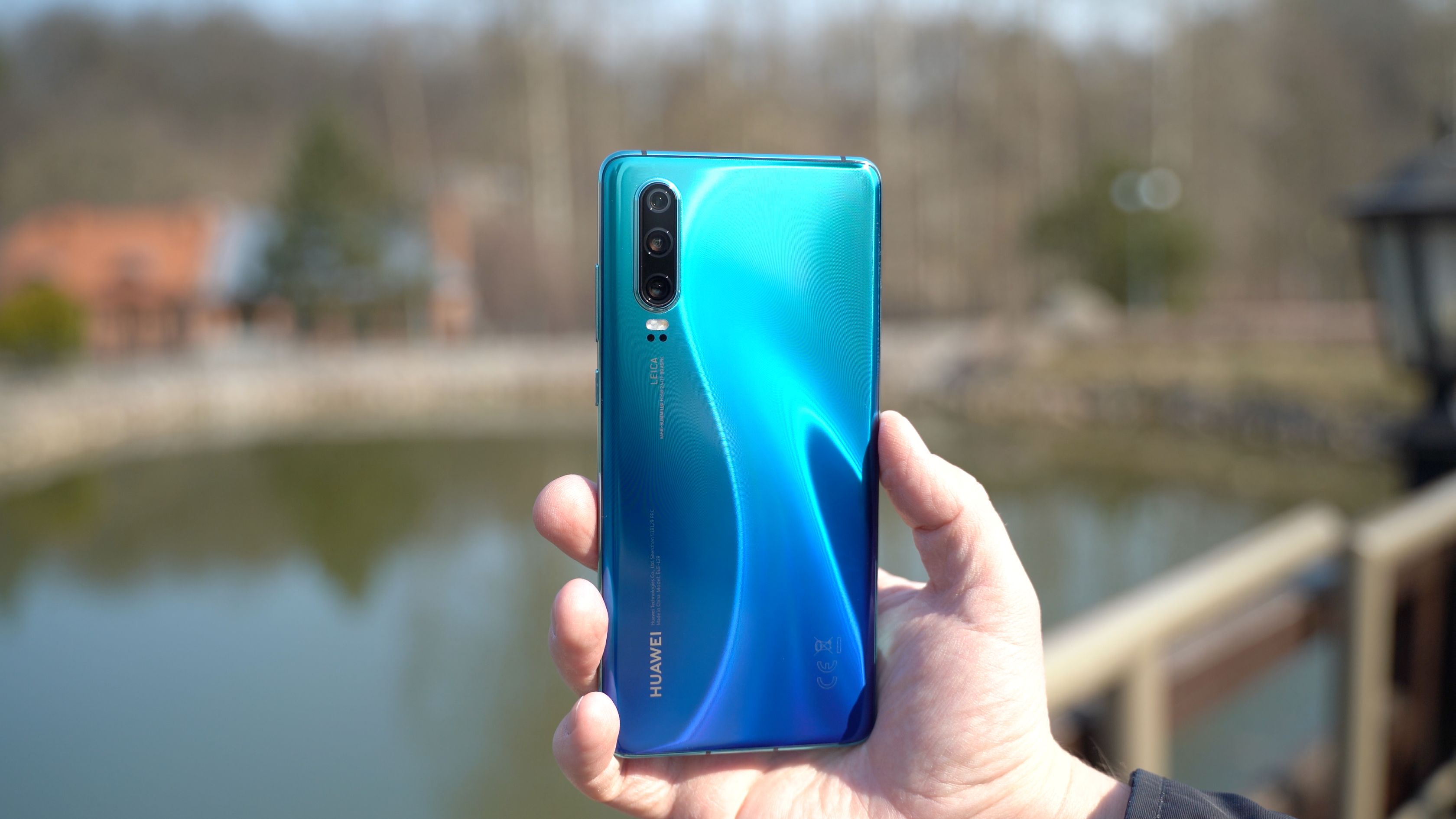
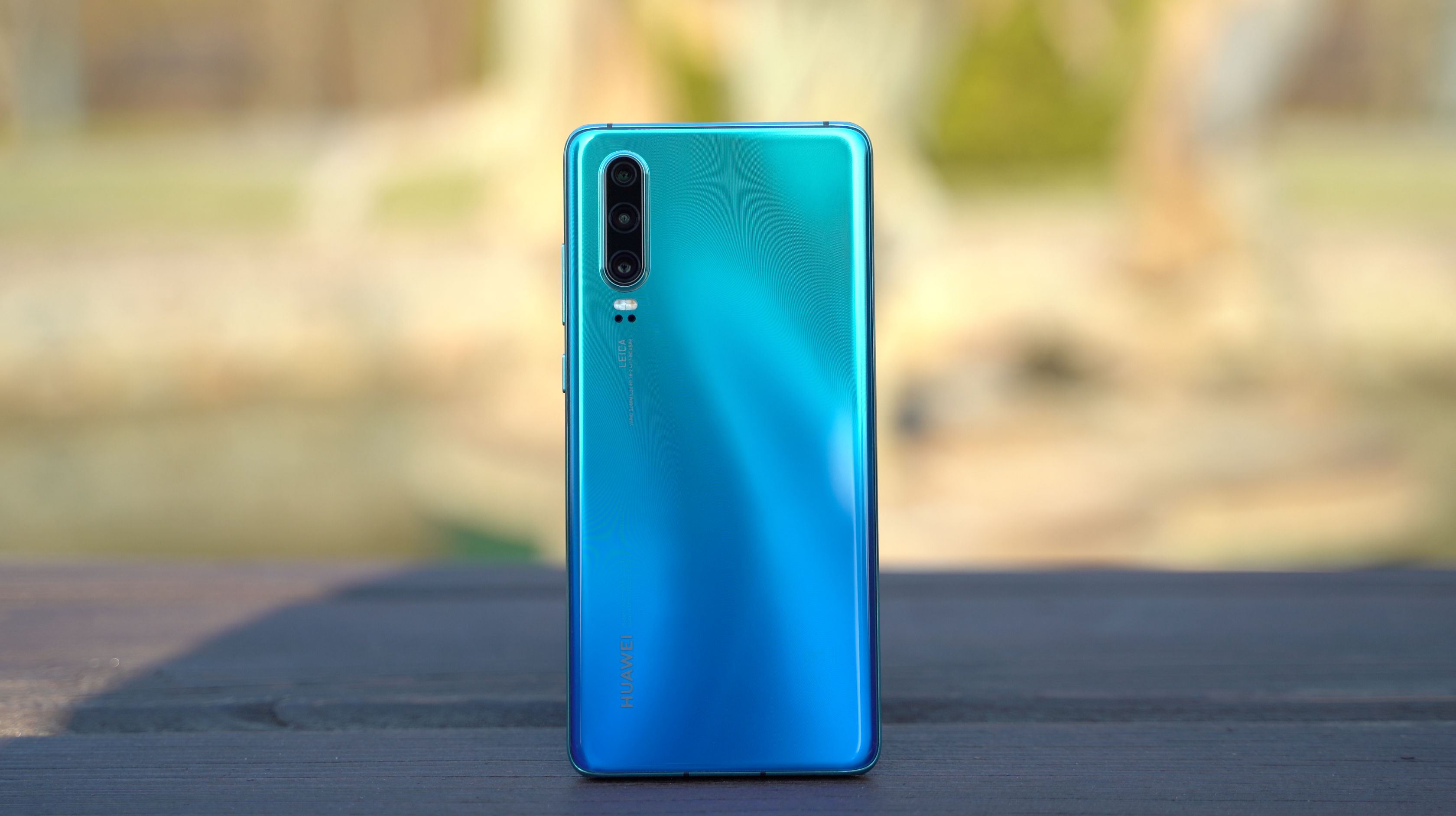
Design-wise, the P30 does look similar to the P30 Pro but there are a few key differences.
First, it’s more compact and comfortable to hold in the hand.
The build quality is equally great as we have a sturdy metal frame, very nice buttons, and glass on the front and rear.
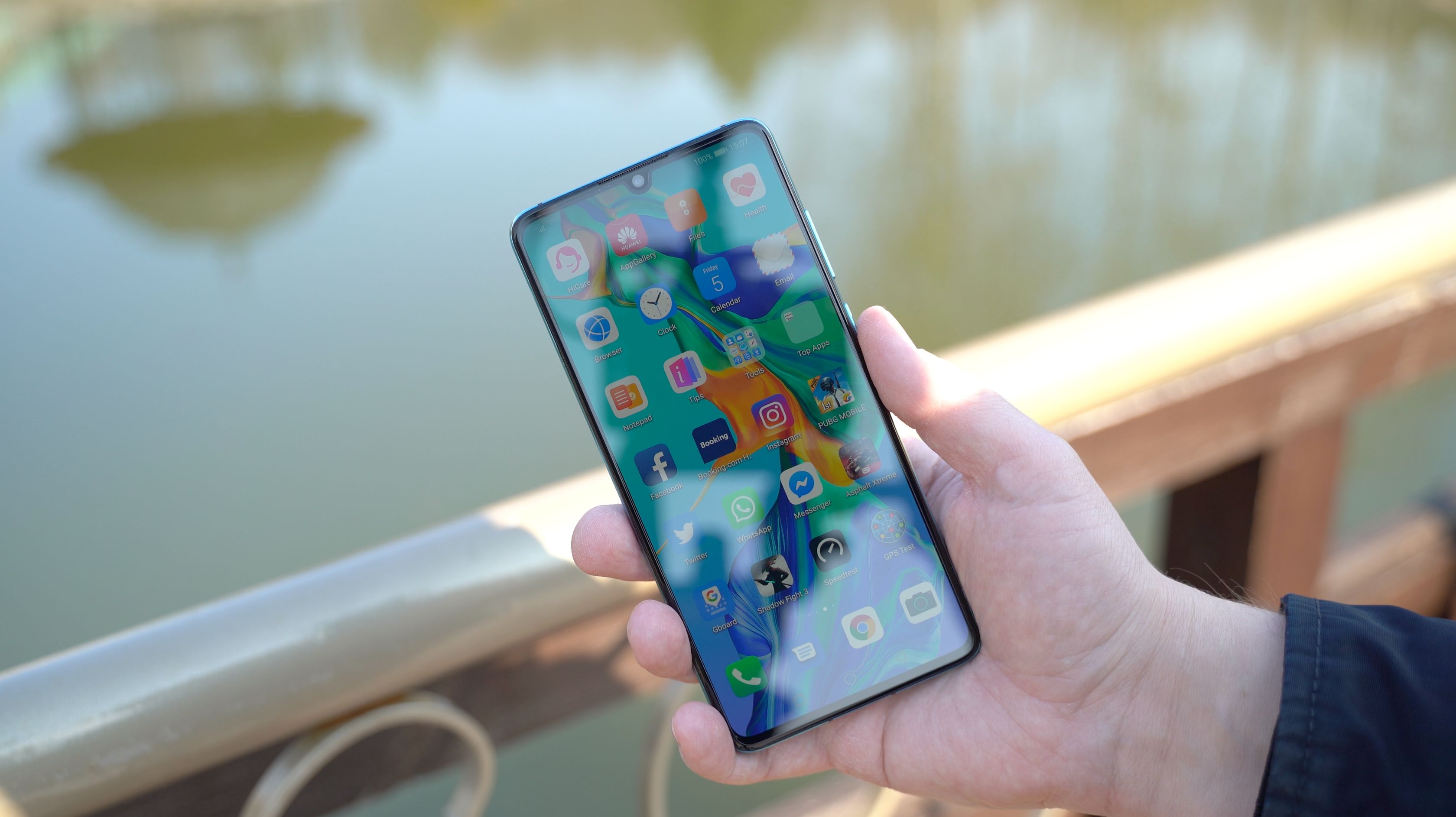
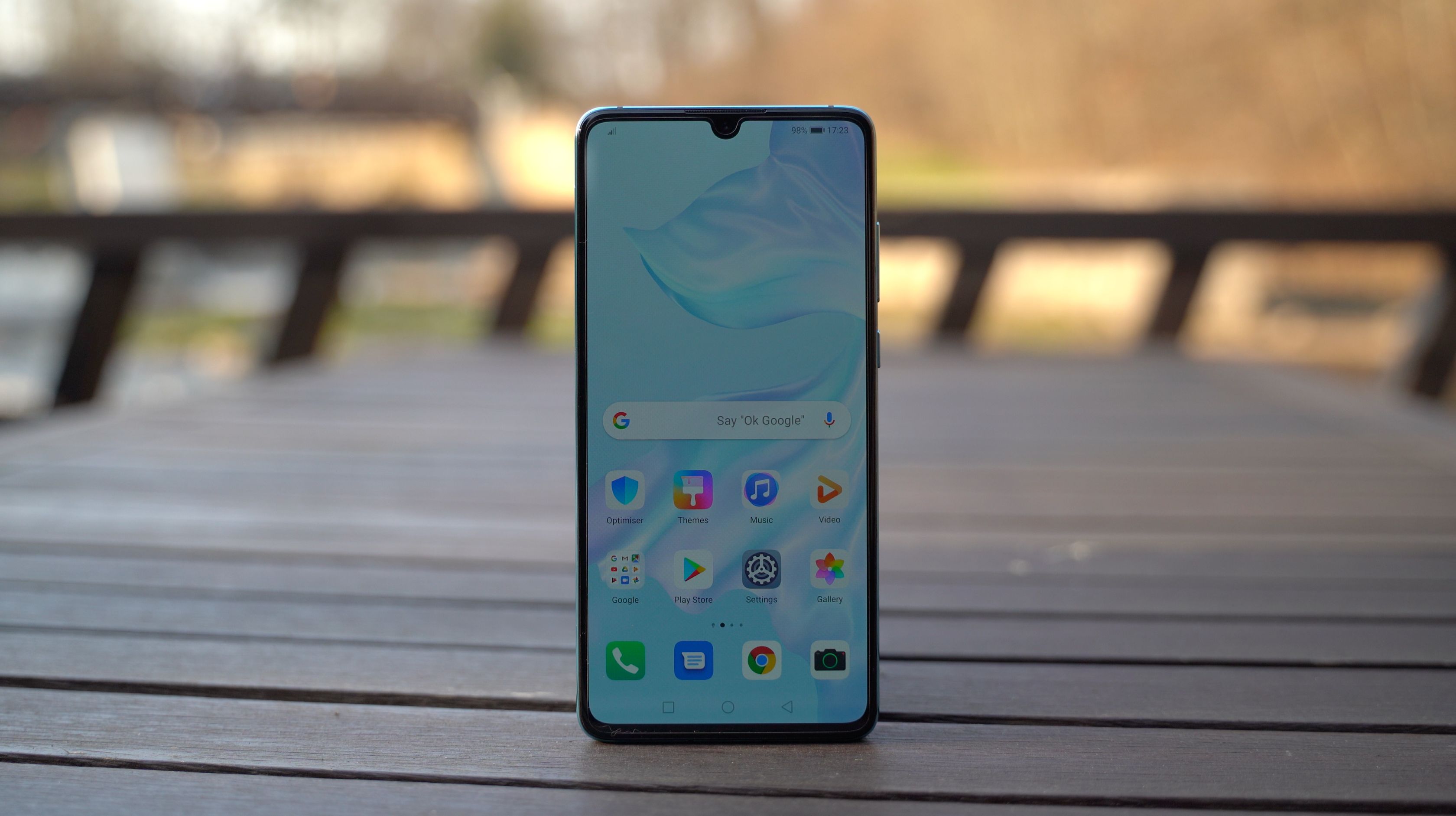
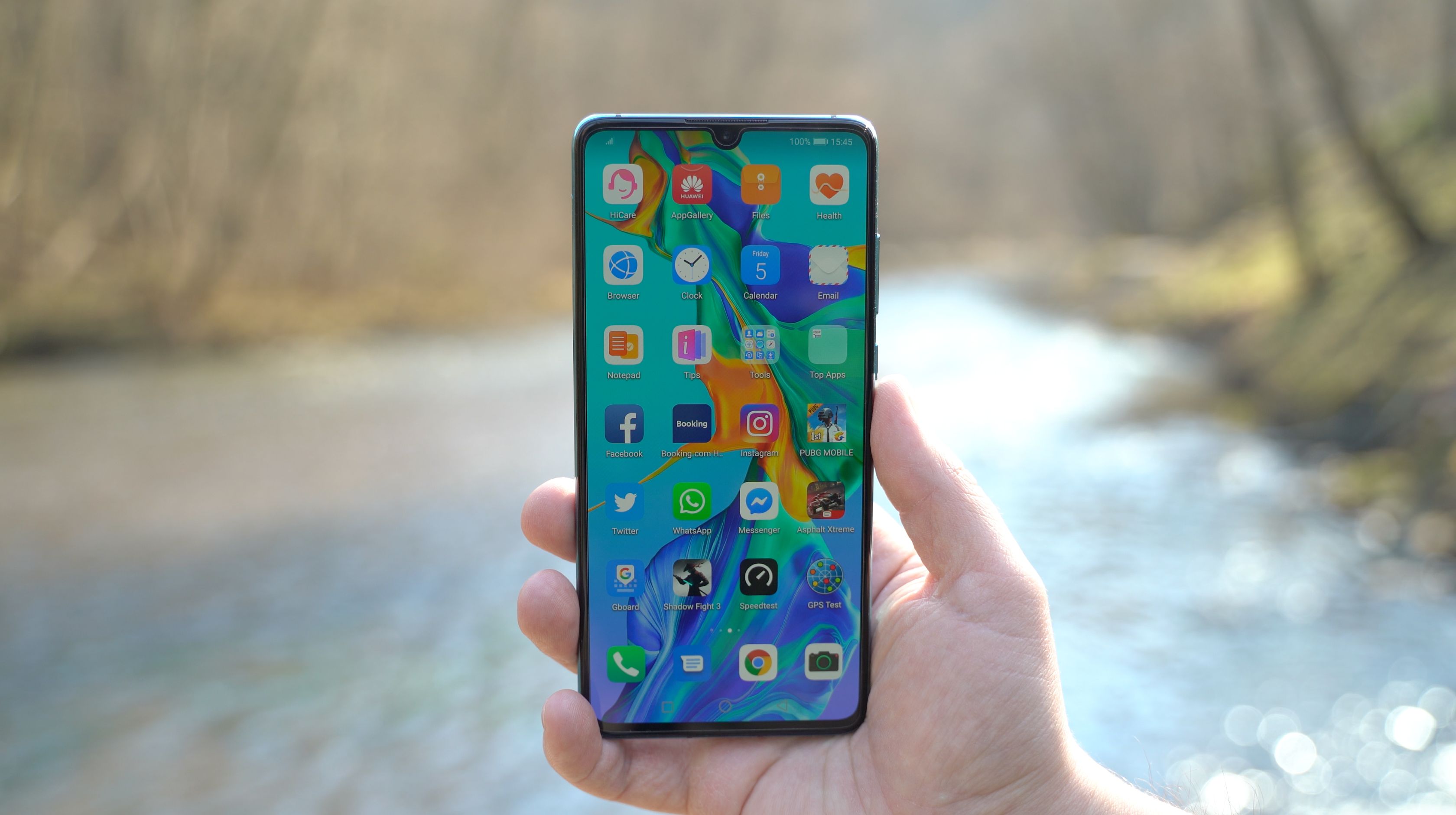
That compact size has to do with a smaller OLED display that I found to be really nice and sharp overall. Also, the panel is flat, so if you are a hater of curved screens, you will appreciate that.
Flip the phone to the back and you will find a triple camera setup instead of 4 cameras found on the Pro model. However, this is a pretty powerful imaging system and it consists of 40 MP (f/1.8, 27mm) wide lens, 16 MP (f/2.2, 17mm) ultrawide sensor and 8 MP )f/2.4, 80mm) telephoto snapper.
On the front, we have the same beefy 32MP selfie shooter. Unfortunately, the phone does not have an LED notification light.
One really important downgrade – the P30 is just IP53 certified whereas the Pro model has IP68 certification. That means that the P30 can survive only accidental water splashes and the P30 Pro can be submerged under water.
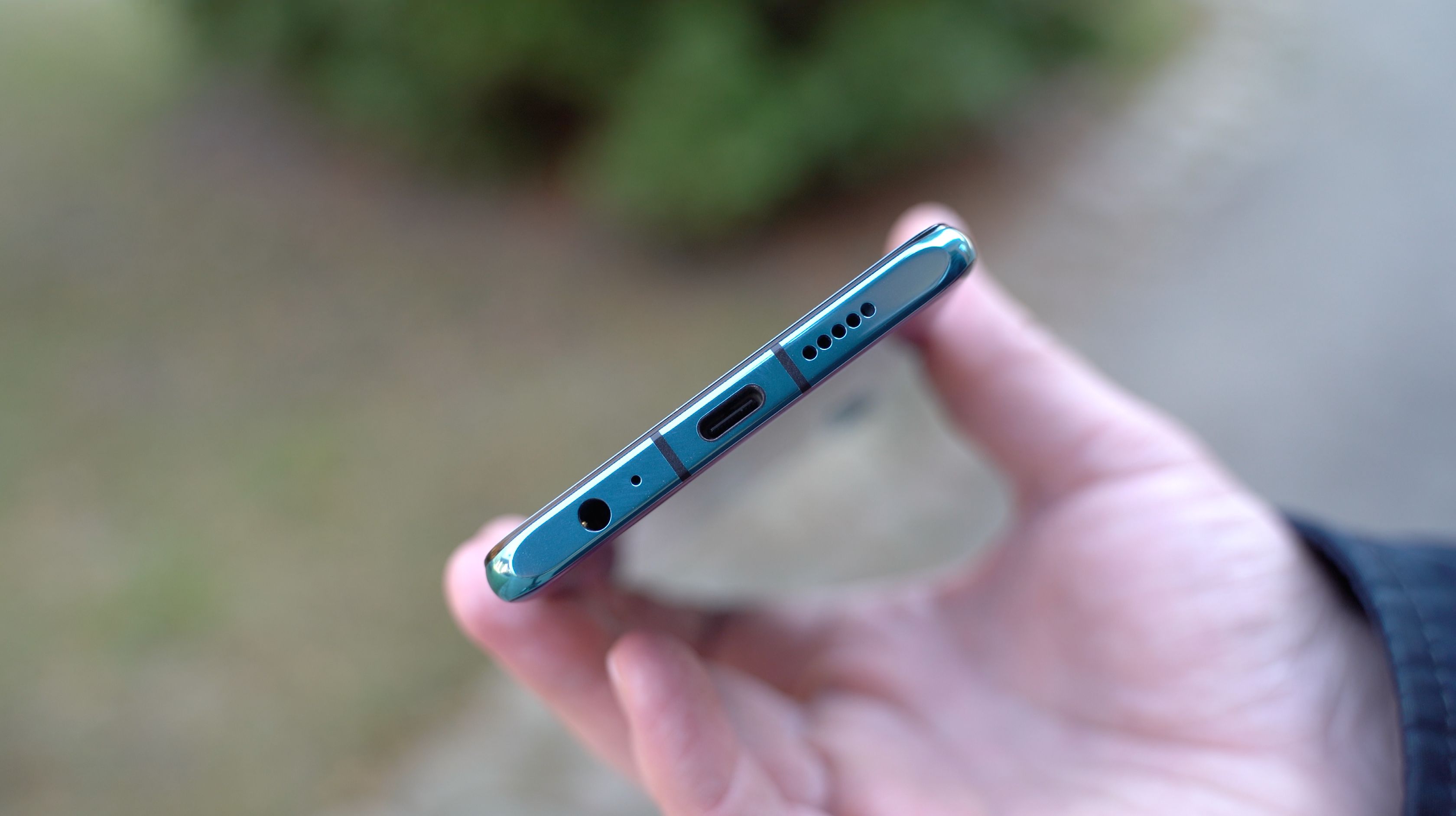
Other key features include the in-display fingerprint scanner that so far has been working really well. Also, facial recognition is fast and accurate. The phone also has a headphone jack, expandable Huawei’s nano-memory slot, dual-SIM support and a bottom firing loudspeaker that is really good. In fact, the quality of sound is so good that it can rival dual stereo speaker systems on other phones. Here is a quick audio sample.
HARDWARE and PERFORMANCE
[envira-gallery id=”248145″]
When it comes to hardware, the P30 uses the same Kirin 980 chipset as the P30 Pro model. You also get plenty of RAM and storage (64/128/256 GB, 8 GB RAM or 128 GB, 6 GB RAM).
As you may expect, gaming performance is excellent as the device can handle all 3D games you throw at it.
USER INTERFACE
[envira-gallery id=”248154″]
The EMUI is Huawei’s skin that offers plenty of features and customization options and it is built on top of the latest Android 9. Whether you like the EMUI or not, it’s up to you.
I personally love its feature set but my favorite thing about the UI – it’s speed and fluidity. I’ve used plenty of Huawei phones over the years and the P30 continues the tradition of being one of the fastest devices out there. Great overall performance.
IMAGE QUALITY
[envira-gallery id=”247980″]
The overall image quality is really good and it’s comparable to most of the flagships out there. Pictures are sharp, detailed and dynamic range is usually on point. If we compare the quality to the P30 Pro, you will see that the image processing is a bit different but in general, both camera systems take comparable pictures whether you use the main or wide angle lens.
The P30 has 3x optical and 5x hybrid zoom that lets you take high-quality telephoto pictures. However, the P30 Pro is simply better in this department as it offers more zoom range and better quality. See the video review for comparison.
[envira-gallery id=”248084″]
Low light image quality is really good. What’s even more impressive is that the P30 goes toe to toe with the P30 Pro. You can take really nice pictures using the main, wide angle and even telephoto lens in low light. The dedicated night mode takes one of the best low-light pictures out there.
[envira-gallery id=”248120″]
Selfies look really nice and sharp too both in auto and portrait modes.
[envira-gallery id=”248137″]
Portrait pictures taken with the main camera look pretty good too.
The 4K video looks pretty good overall as there is a good amount of detail and sharpness. Also, the footage is quite stable even though there is no OIS. However, once you start switching between different cameras, they may struggle with autofocus.
1080p selfie video looks quite good but sound recording quality does not impress.
CONNECTIVITY
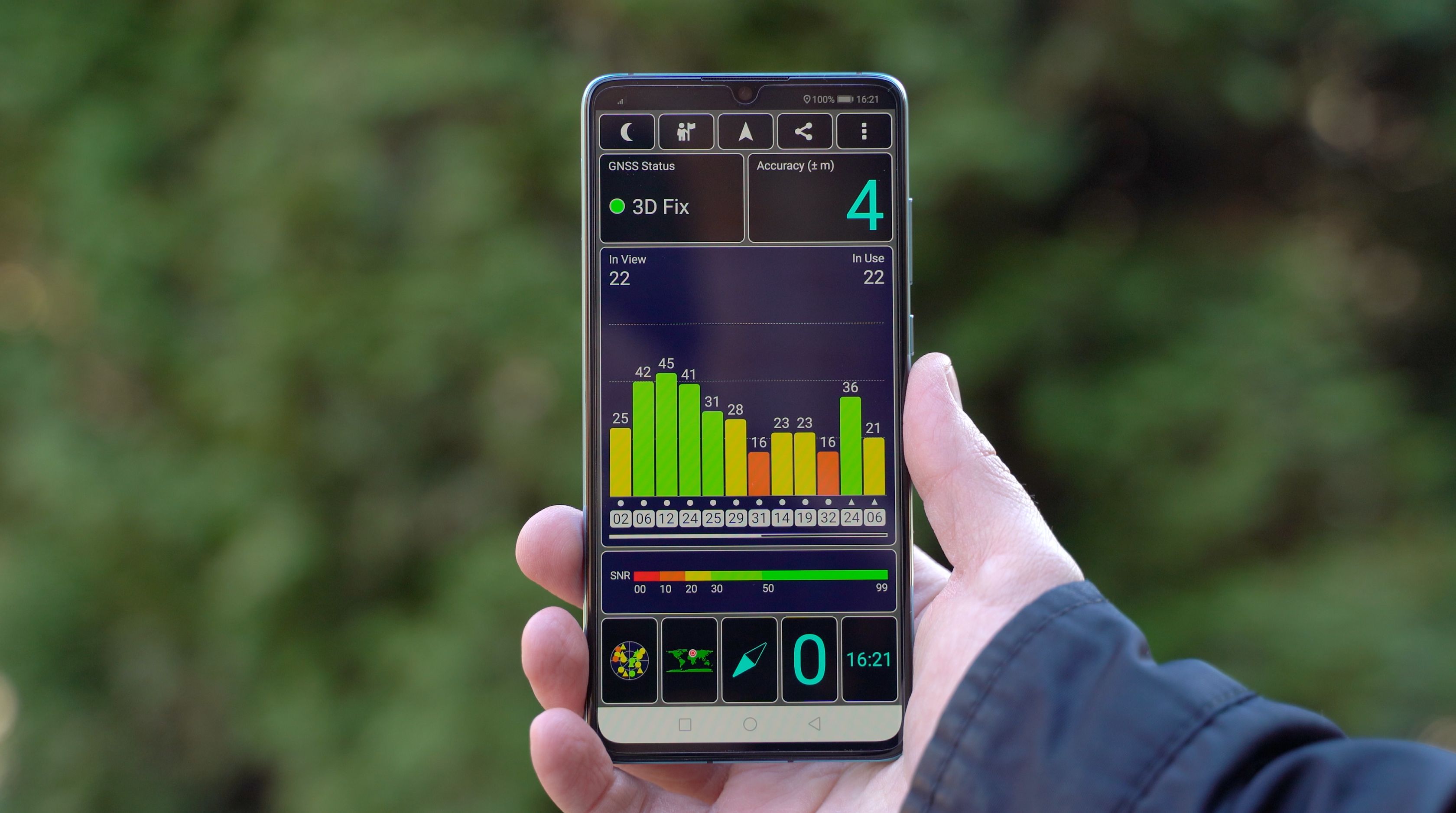
The P30 uses a traditional earpiece and the call quality is really good. I also found signal reception to be great, GPS is accurate and Wifi is fast. There are also plenty of sensors onboard.
BATTERY LIFE
The phone ships with 3650 mAh power bank. The battery life has been excellent. On average, you should expect to get from 8 to over 10 hours of screen-on, depending on how you use the device.
You can fully charge the phone in just over 1 hour. Unfortunately, there is no wireless charging feature that is found on the Pro model.
CONCLUSIONS
The Huawei P30 is a solid all-around flagship that costs significantly less than the competition and its bigger brother – the P30 Pro.
I love a compact design, great build, nice and sharp display, great overall performance, battery life and obviously, a compelling camera setup that can compete with the P30 Pro.
I do miss wireless charging and I think this phone should have IP68 certification. Huawei also removed an IR blaster and there was no space for the LED notification light.
Other than that, the Huawei P30 is a solid flagship smartphone that has plenty of premium features and it costs less than the P30 Pro. Therefore, we can easily recommend it.
OnePlus‘ CEO, Pete Lau, has shared the first official teaser for the OnePlus 7. The new flagship is said to be “Fast and Smooth”.
The teaser doesn’t reveal much but shows a part of the phone. We want to believe this is the OnePlus 7 Pro as the screen is curved.
Excited to share the next product from OnePlus will unleash a new era of Fast and Smooth. Especially Smooth! Smooth is more challenging than Fast – a true test of hardware and software.
OnePlus is expected to launch three variants of its next flagship. The OnePlus 7 itself has been reported to have a flat display while a Pro model will come with a larger curved display. A 5G variant is also expected to launch.
While OnePlus itself has kept a tight lip on features, a leaker has spilled more details on the upcoming OnePlus 7 Pro.
Ishan Agarwal (@ishanagarwal24) revealed in a tweet that the Pro version will actually have a Quad HD+ display. This will be the highest resolution on a OnePlus device. The panel will be Super AMOLED and will have a refresh rate of 90Hz according to the leaker.
Most phones have a 60Hz refresh rate. A higher refresh rate means animations and overall interactions will be smoother. This is probably the feature OnePlus is most hyped about.
He also mentions that the OnePlus 7 Pro will have triple rear cameras which includes a wide-angle camera and a telephoto camera for zoom. It will also have stereo speakers, support for USB 3.1, and pack a 4,000mAh battery with Warp Charge 30.
We are pretty excited about the bigger battery and with warp Charge 30, you should be able to recharge it pretty quickly too.
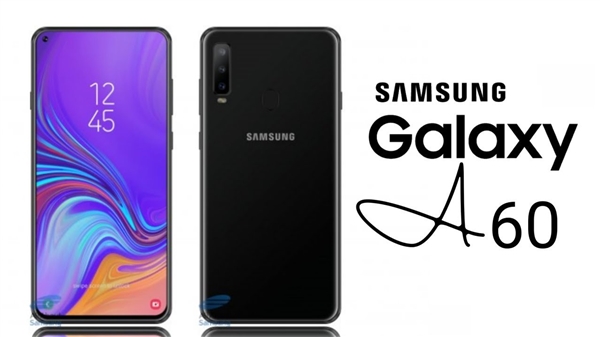
Samsung has announced new Galaxy A smartphones in China today. The lineup includes the Galaxy A40s, the Galaxy A60 with a punch hole display, the Galaxy A70, and the Galaxy A80 which has triple rotating cameras.
Galaxy A40s
The Galaxy A40s, which is actually a rebranded Galaxy M30 for China, has a 6.4-inch FHD+ Infinity U display. The notch houses a 16MP selfie camera. The phone is powered by the 14nm Exynos 7904 processor and it is paired with 6GB of RAM and 64GB of storage.
The A40s comes with triple rear cameras – a 13MP primary camera, a 5MP super wide-angle camera, and a 5MP depth sensor. The phone also packs a 5000mAh battery with 15W fast charging and a fingerprint scanner on the back.
The Galaxy A40s will sell for ¥1499 (~$224).
Galaxy A60
The Galaxy A60 is also official now. Apparently, the images from this morning was from the event. The phone has a 6.7-inch FHD+ punch hole LCD (not AMOLED) display with a 32MP selfie camera. Samsung says the phone has a screen-to-body ratio of 92% and the punch hole is smaller at 4.8mm than that of the Honor View 20 and Galaxy A8s. It also ditches the traditional speaker at the top for sound-on-display technology just like the Galaxy A80.
The A60 has triple rear cameras – a 32MP primary camera, an 8MP super wide-angle camera, and a 5MP depth sensor. It is powered by the Snapdragon 675 processor and has 6GB of RAM and 128GB of storage. It packs a 3,500mAh battery and a fingerprint scanner too and is priced at ¥1999 ($299).
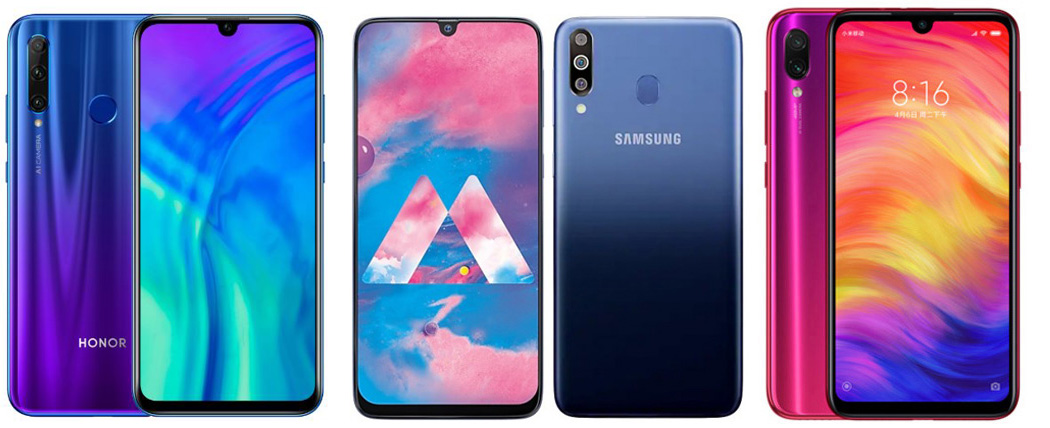
Huawei officially launched the Honor 20i, that is the Chinese variant of the imminent device which will hit the global market under the Honor 20 Lite moniker. It is nothing more than a typical Huawei mid-ranger, but it will be offered at a very interesting price tag. That is what it will put it in competition with some of the most affordable mid-rangers which catalyzed the public’s attention. Among these, two devices which deserve a lot of attention are definitely the Redmi Note 7 Pro by Xiaomi and the Galaxy M30 by Samsung. If you are looking for a new mid-range phone to buy in this first half of 2019, here is a specs comparison between the new Honor 20i and these two very affordable handsets.
Huawei Honor 20i vs Samsung Galaxy M30 vs Xiaomi Redmi Note 7 Pro
Triple 24 + 8 + 2 MP f/1.8 and f/2.4 and f/2.4
32 MP f/2.0 front camera
Triple 13 + 5 + 5 MP f/1.9 and f/2.2 and f/2.2
16 MP f/2.0 front camera
Dual 48 + 5 MP f/1.7 and f/2.4
13 MP front camera
BATTERY
3400 mAh, fast charging 10W
5000 mAh, fast charging 15W
4000 mAh, Fast Charging with Quick Charge 4
ADDITIONAL FEATURES
Hybrid Dual SIM slot
Hybrid Dual SIM slot
Hybrid Dual SIM slot
Design
There is definitely no challenge, at least in my opinion: Honor 20i is the most beautiful device here. It sports a stunning reflective back made of glass, as well as a borderless display with a waterdrop notch which reaches a very high screen-to-body ratio, even higher than Redmi Note 7 Pro. It is even more attractive if you consider that it is lighter and thinner than both Redmi Note 7 Pro and Samsung Galaxy M30. On the other hand, Redmi Note 7 Pro comes with very nice build quality as it is water resistant (even though it does not have an IP certification) and it sports the Gorilla Glass 5 protection for its display.
Display
While Honor 20i wins the design comparison, Samsung Galaxy M30 comes with a definitely better display. The Super AMOLED technology guarantees more vivid color as well as deeper blacks, and it is present on most of Samsung devices, while almost every midrange phone from the concurrency comes with a standard IPS LCD display. Samsung Galaxy M30 also has a slightly wider panel than Xiaomi Redmi Note 7 Pro and Huawei Honor 20i.
Specs & Software
Xiaomi Redmi Note 7 Pro is the fastest and performing device of this trio. It is powered by the upper-midrange Snapdragon 675 chipset that Xiaomi defines even better than the Snapdragon 710 due to its high CPU power. Honor 20i comes in a variant with more internal storage (256 GB), but its SoC is not at the same level as the Snapdragon 675; just to give you an idea, the Kirin 710 can be compared to the Snapdragon 660 as it offers very similar daily and graphics performance. Samsung Galaxy M30 is the less suitable one for people searching for high performance. Each device comes with a customized Android version, but while Honor 20i and Redmi Note 7 Pro have Android Pie out of the box, Samsung Galaxy M30 still comes with Android Oreo.
Camera
Despite it is the only to still come with a dual camera, Xiaomi Redmi Note 7 Pro should provide the most impressive photo quality thanks to its main 48 MP sensor. It manages to shoot pretty nice photos in low light conditions and it captures a high level of detail. On the other hand, Honor 20i comes with a triple camera setup including a useful ultrawide lens. Further, it comes with a way better selfie camera sporting a 32 MP resolution. Samsung Galaxy M30’s camera is definitely not its strongest point, but it is still above-average for a midrange device like this.
Battery
Samsung Galaxy M30 wins the battery comparison due to a much bigger battery with a 5000 mAh capacity. But Redmi Note 7 Pro remains a great battery phone with its 4000 mAh. Honor 20i is just average with a 3400 mAh unit.
Price
Honor 20i debuted with a €210/$238 price tag, Redmi Note 7 Pro costs about €200/$225 and Samsung Galaxy M30 starts from about €250/$282. Overall, Redmi Note 7 Pro is the most balanced and interesting device due to its very good rear camera, big battery and better chipset.
Taiwanese semiconductor manufacturing giant TSMC has announced a new 6-nanometer (N6) process for the manufacture of mobile phone processors. The new 6nm process provides a significant enhancement of its industry-leading 7nm technology and offers customers a highly competitive performance-to-cost advantage as well as fast time-to-market with direct migration from N7-based designs.
The new 6nm technology will leverage the capabilities of extreme ultraviolet (EUV) lithography gained from the N7+ technology. Recall that TSMC recent unveiled its N7+ process which involves the incorporation of EUV on TSMC’s 7nm. The process will be used on Hisilicon Kirin 985 and is said to have entered risk production.
The new 6nm process delivers 18% higher logic density over the 7nm process despite having design rules that are fully compatible with TSMC’s proven N7 technology. This compatibility allows its comprehensive design ecosystem to be reused. This gives the advantage of a seamless migration path with a fast design cycle time. The engineering resources needed to push this new process out to customers are also very limited, thus it will be a cost-effective upgrade. The cost-effective benefits of the 6nm process, while extending the industry-leading power and performance from the 7nm famil, range from improvement in AI, consumer applications, networking, 5G infrastructure, GPU, and high-performance computing.
The Mi 9 SE launched as the first phone powered by the Snapdragon 712 processor. Actually, it is still the only phone powered by the chipset.
Even though it is a less powerful version of the Mi 9, the Mi 9 SE still packs some pretty impressive specs that put it in the premium upper mid-range category. It rocks an AMOLED display, has an in-display fingerprint scanner, and has the same exquisite finish as the Mi 9. It also has triple rear cameras, albeit of a different configuration.
Its predecessor, the Mi 8 S, didn’t get a global release but Xiaomi has officially confirmed today that the Mi 9 SE will be available outside China.
This isn’t actually news as third-party retailers have been selling a global version of the Mi 9 SE already. However, what this means is that you will soon be able to purchase this from Xiaomi or official distributors in your home country.
Xiaomi hasn’t revealed which countries will be getting it yet but that should become public knowledge in the coming weeks.
The Mi 9 SE has a 5.97-inch 1080 x 2340 Super AMOLED waterdrop display covered with Gorilla Glass 5. Its Snapdragon 712 processor is paired with 6GB of RAM with 64GB or 128GB of storage. There is a 48MP f/1.8 camera on the back of the phone which is paired with a 13MP f/2.4 ultra-wide angle camera and an 8MP f/2.4 telephoto camera. Its selfie camera is a 20MP sensor
It has a 3070mAh battery under its Gorilla Glass back which supports 18W fast charging but skips the Mi 9’s wireless charging. It also doesn’t have an audio jack. The Mi 9 SE runs Android Pie out of the box.
In a bid to tighten their grip in the smartphone market, leading handset manufacturers are diverting their focus from performance to photography. Taking this into consideration, renowned evaluation agency DxOMark started listing mobile phones’ self-timer scores individually.
While non-flagship phones are usually loaded with basic features in order to keep its price tag low, some manufacturers are also focusing on self-timer. As a result, regular models end up housing front shooters that offer only elemental features, leaving very few options for selfie addicts who are living on a tight budget.
Today, April 17th, Honor officially unveiled the first smartphone in its hotly-anticipated Glory 20 lineup. Dubbed as the Honor 20i, the phone was launched at the D Live Living Hall in the 751 East District of Beijing. The phone retains the youth-oriented style, adding a 32MP pre-camera. Here’s what the Honor 20i offers in terms of appearance, photography and other specifications.
Awe-Inspiring Appearance
As the first member in the Honor 20 series, the Honor 20i sports an appearance that would sweep smartphone lovers off their feet. It sports an extra large 6.21-inch display and adopts a three-sided narrow bezel design, which paves the way for the 90+% screen ratio the display offers.
Top-Notch Photography Performance
Housed in a compact body, the Honor 20i is a great choice for ladies who fancy operating their mobile phones using one hand. Touted as a “self-timer artifact,” the USP of the Honor 20i is concealed in this “black pearl.” The front-mounted 32MP sensor is beautifully blended into the pearl screen design, without eliminating the hidden earpiece.
Honor 20i Selfie Camera sampleHonor 20i Selfie Camera sample
The phone houses a vertically-arranged 24MP super wide-angle three-shot AI camera at the back that delivers superior word recognition. In terms of unlocking, there’s a rear-mounted fingerprint sensor as well as front face unlocking method to ensure maximum safety of the content stored on your phone.
Moreover, the Honor 20i features a 32MP selfie shooter, which is deemed as one of the highest configurations available in the market as far as smartphones are concerned. This kind of configurations is usually found on top flagship phones, among which one was even listed on the DxOMark selfie line.
Appealing Color Options
The appealing body behind the glare is yet another aspect that’s likely to grab your attention. The phone comes in Gradient Red, Gradient Blue, and Fantasy Black color options. The Honor mobile designers will include a slew of fascinating colors on the back shell of the Honor 20i.
Top-End Specifications
The rest of the specifications include a Kirin process, paired with 4GB/6GB RAM. The Honor 20i offers 64GB/128GB/256GB internal storage capacities. It has an extra large 6.21-inch FHD+ pear screen. It packs a highly efficient Turbo 2.0 GPU, under the hood.
On the photography front, it houses a 32MP AI camera with self-timer and a 24MP super wide-angle camera with three shots. This 4G-enabled phone is backed by a 3400mAh battery. The dual VoLTE Honor 20i runs EMUI 9.0 system based on Android 9 Pie OS.
Conclusion
It looks like high-value self-timer phones aren’t joining the flagship camp. Appearance wise, the Honor 20i features a 32MP AI self-timer, without losing the flagship mobile phone appeal. It with eye-catching color and jaw-dropping design, the Honor 20i is an ideal phone for those looking for fashion wear.
Xiaomi Mi 9 has received a brand new beta update, MIUI 10.9.4.17, which adds a few features on the new device. The highlighted feature is Wi-Fi Probe box protection, which basically protects your smartphone’s Mac addresses from hackers scanning public Wi-Fis.
Apparently, Wi-Fi probe boxes are a big thing in China, where hackers are said to get hold of smartphone user’s information such as Mac addresses via special boxes. These boxes look for smartphones that scan for public Wi-Fi networks and in the process steal their Mac addresses. This year at China’s CCTV 315 Gala, this method of stealing user information was brought into the spotlight.
Xiaomi isn’t the first smartphone to particular address this issue. Huawei revealed last month that its phones running on EMUI 8 and above are already protected. The new update protects the phone by using random Mac addresses when connecting to Wi-Fi networks. Android Pie already has this feature inbuilt, but it’s disabled as default. So, these Chinese companies seem to be keen on activating it on their own skins.
Apart from this, the beta update adds an option to snooze reminders.
According to XDA, the Wi-Fi Probe Protection feature will be available on betas builds running on Android 8.1 Oreo as well as Android 9 Pie. There’s also digital wellbeing like feature being added to MIUI 10 beta build 9.4.15. This special section in the UI will show you the amount of time spent on each app, the number of times you unlock the phone, and number of notifications from each app, on a daily, weekly, and monthly basis.
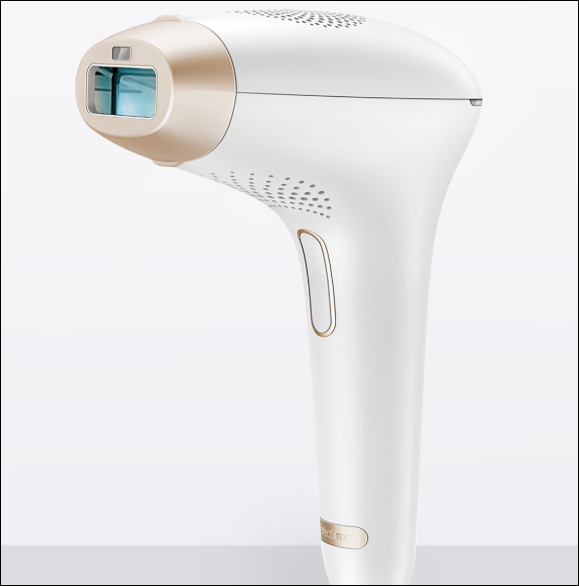
Summer is fast approaching and the need to give our skin a treat under the sun. Xiaomi has just announced a new hair removal device under the crowdfunding platform. The device is dubbed Cosbeauty IPL Photon Hair Removal device priced at 1,499 yuan ($224). The device is useful for male and female folks but the females would find it more useful. The gadget will enable users to enjoy silky skin for just 30 minutes.
The Cosbeauty IPL Photon Hair Removal device adopts IPL strong pulsed light hair removal technology. It uses precise filtering technology to select specific IPL light that is only absorbed by melanin. The penetrating pores are selectively absorbed by melanin, thereby accumulating energy to disintegrate melanin and inhibit hair growth. The device comes with skin colour recognition so that the light doesn’t act on the skin instead of the hair follicle alone.
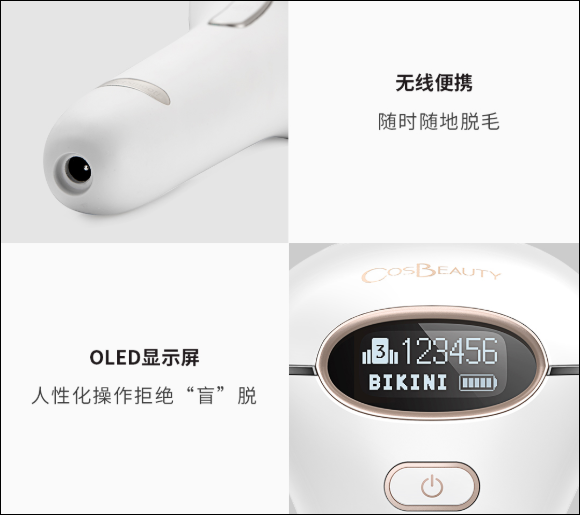
The gadget comes with three custom lamp holders which can be changed, depending on where the device is to be used. There is a body care head (for large body parts such as underarms, arms, legs, etc.), face care head (for small areas such as cheeks, lip lines, etc.), bikini care head (for use on sensitive parts such as bikini line). According to the details, when it is used between 1-4 times, the hairs around the area it was used will start to fall off naturally. When it is used 5-7 times to delay the growth of new hair. Finally, after used up to 8 times, the skin tone is brightened.
The device adopts an ergonomic design with a shape similar to the laser thermometer. There is an OLED display which shows the mode in use as well as the battery level. The device crams an in-built battery. The display also shows a six-speed energy selection. (source)
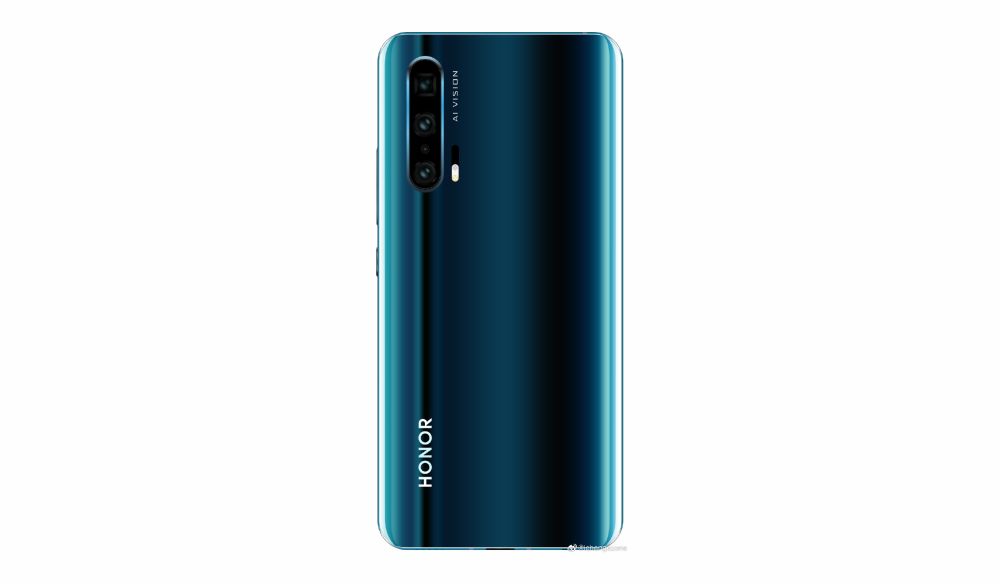
A leaked photo of the upcoming Honor 20 Pro has surfaced online. The image has confirmed that the phone will be arriving with four rear-mounted cameras. Also, the image matches with Honor 20 Pro case that had appeared recently. The smartphone is expected to arrive as a cheaper edition of the Huawei P30 Pro flagship phone.
The leaked image reveals that the vertical camera setup of the Honor 20 Pro will feature a periscope-type telephoto lens at the top. Other three sensors including a 3D ToF lens can be also seen packed inside the same vertical camera unit. It may include a super wide-angle lens and another wide-angle lens. It is speculated that the phone may feature the same 40-megapixel Sony IMX600 sensor available on the P30 Pro. Some reports have claimed that it could be equipped with 48-megapixel Sony IMX586 primary sensor.
On the right of the quad camera module of the Honor 20 Pro seems to be a laser focus and LED flash unit. There is no fingerprint scanner on the rear shell of the phone which indicates the phone will be arriving with an in-display fingerprint scanner.
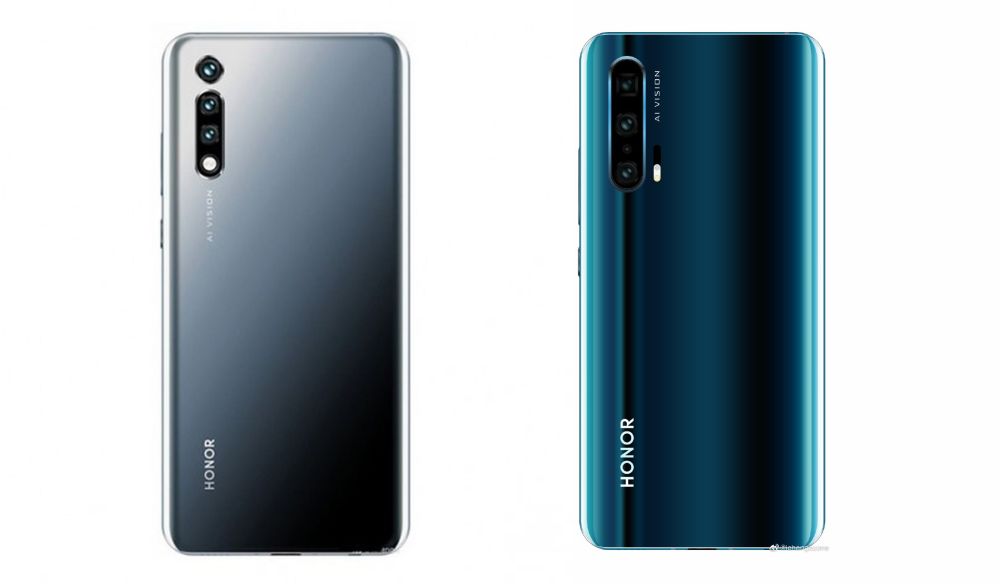
An image of the Honor 20 phone that surfaced at the beginning of the previous month had revealed that it will be arriving with a triple camera setup. Hence, it appears that it could be an affordable version of the Huawei P30.
Renders of Honor 20 (left) and Honor 20 Pro (right)
The Honor 20 will be arriving with a 6.1-inch OLED display whereas the Pro variant may house a 6.5-inch OLED display. The Kirin 980 SoC will be powering both smartphones. The Honor 20 Pro may come with up to 8 GB of RAM.
The exact size of the battery of the Honor 20 Pro is not known yet. It is speculated that Honor 20 will have a 3,650mAh battery that will carry support for 22.5W fast charging. There is a possibility that the Pro model may house a bigger battery. Both smartphones are fitted with 32-megapixel selfie snappers. The EMUI 9 based Android 9 Pie OS will come preloaded on the device.
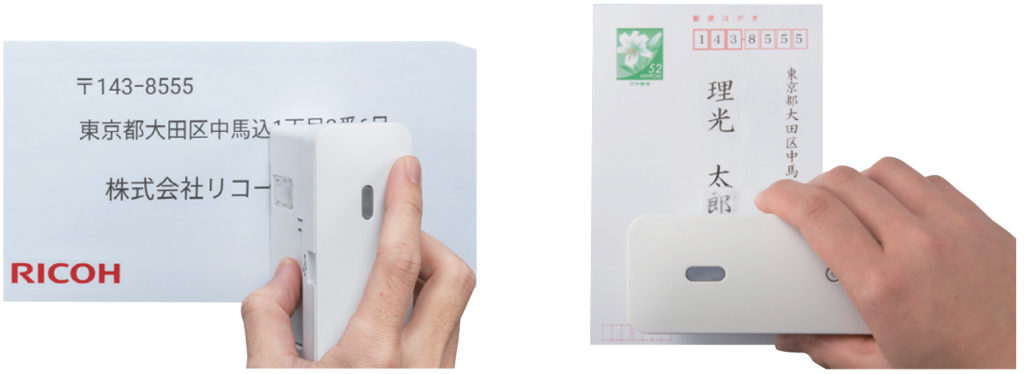
Ricoh – a Japanese printer, imaging, and electronics company announced a new Handy printer which can print anything from a text to a QR just by sliding it on a paper. Defying the old system of feeding papers into the printer, the new Ricoh Handy Printer can easily print where you want it to print, just by placing it over the surface.
The printer weighs just 315g making it more convenient and portable. It can easily print on paper – labels, envelopes, postcards; and clothes, shoes, cardboard including many other items. Unlike the rest of printers, Handy Printer can print QR codes, illustrations and images effectively without wasting any time.
Ricoh Handy Printer uses water-resistant ink and supports mechanism to dry the wet ink quickly. The printer supports 600 x 600 dpi resolution and can be used continuously for two hours.
It is quite simple to use the device via its official mobile App. Users can download the official app to input the text and adjust other settings before printing. There are two printing modes – Scroll mode and Slide mode. The scroll mode is used for small scale printing and is best suitable for printing text, barcodes, and QR codes. Whereas, the slider mode is used to print images, involving machine movement in different directions.
Ricoh Handy printer’s ease of use features makes it more useful. Users can easily position it while printing using its side clip. Moreover, easy ink replacement and strap hole make it a perfect portable printer.
It is available in three different colors – White, Gray, and Dark Red. the handheld printer is scheduled for sale on April 17 for the price of NT$14,445 roughly translates to $128 and 862 Yuan.
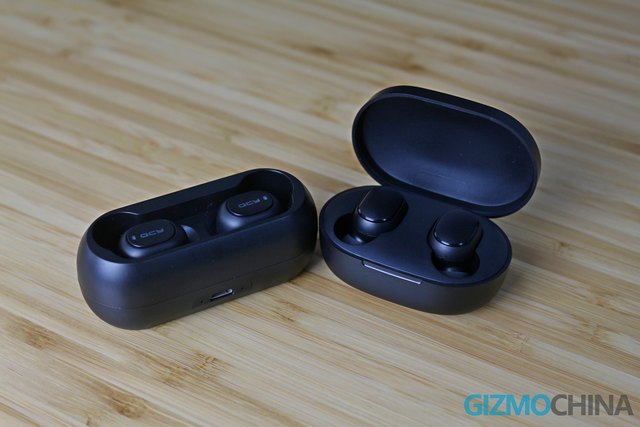
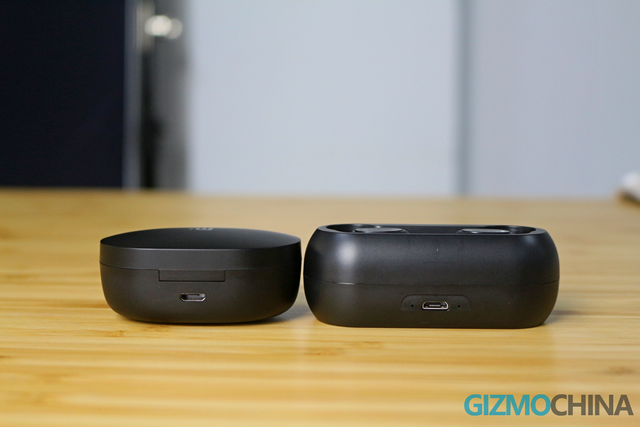
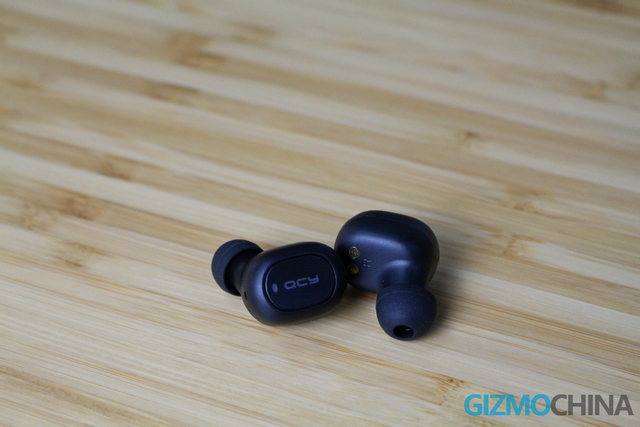
In these two years, smartphones have started to come without earphone jack, and wireless earphones have sprang up. There are too many wireless earphones to choose in the market. Some of you may just want to have a taste for a budget pair of TWS earphones to replace the wired earphones. I got Redmi AirDots and QCY T1 several days ago, both are TWS earphones. Let’s check out the comparison of Redmi AirDots and QCY T1.
Design:
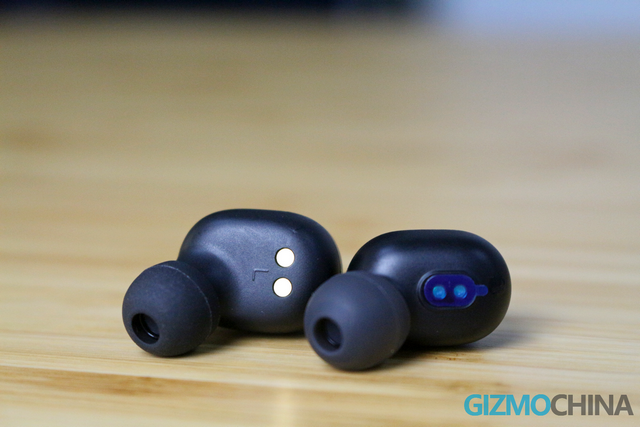
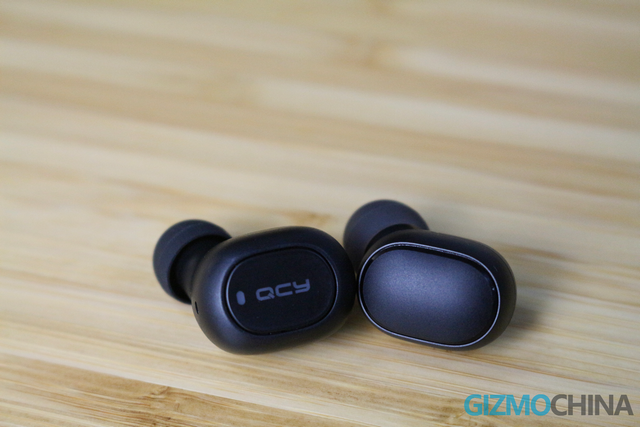
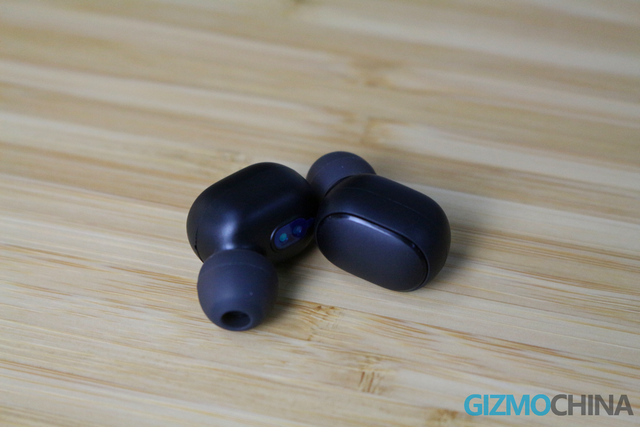
Two earphones adopt round design which look similar, and the canalphones are shipped with soft rubber which don’t make your ears uncomfortable. They have a physical button controlling the earphones and an indicating light on the solid support. The physical button of QCY T1 is flat, while the Redmi AirDots’s button is slightly raised. I wear them and press the button at the same time, the AirDots’s button is easier to touch. You can use the QCY T1 physical button to do operation. When you play music, single tap the T1’s button means play/pause. Double tap MFB on left/right for previous/next track. Hold the button for 1s to activate phone’s smart assistant. The operation of Redmi AirDots’s button have some differences. You can answer or hang up the phone, pause or start music. When you have a phone call, you can reject it by pressing for 1s. Double tap for waking the phone’s smart assistant up.
The solid support of Redmi AirDots earphones is smaller than the QCY T1, and the big solid support of QCY T1 makes my ears feel pressure. As a result of the size, personally, I think the Redmi AirDots is more comfortable than QCY T1 to wear.
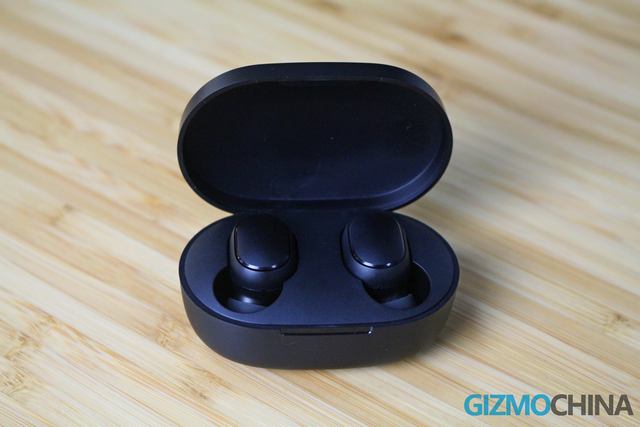
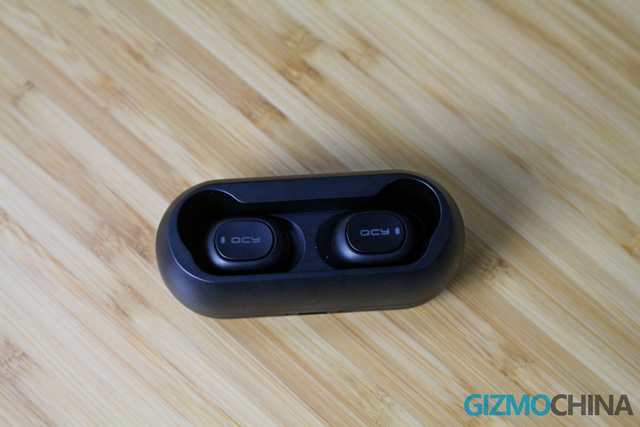
The Redmi AirDots earphones come with a charging box with a lid, and the earphones are sheathed in the box by magnet. The QCY T1 earphones are also sheathed in the box by magnet, but the charging box has no cover! I tested it specifically, please be assured that the earphones will not be fallen out. Both charging boxes are charged by microUSB port. The AirDots and the T1 are small and portable that you can put one of them into the pocket to take it out.
Performance:
I played a lot of songs with lyrics as well as complex music to check its performance. First, I tested for the normal mode which is set by smartphone, you cannot expect the earphones have several modes. In the normal mode, the performance of Redmi AirDots and QCY T1 are ordinary. It sounds like it’s coming from a box. But make a comparison that QCY T1 is a little better than Redmi AirDots.
Redmi AirDots
In the surround stereo mode, both earphones perform well, and particularly, the Redmi AirDots can give you stereo surround sound experience that gets you immersed in music. While the QCY T1 lacks a bit of surround feeling.
QCY T1
In the bass mode, I prefer the QCY T1 earphones, because the thumping sound shows balanced on the left and right earphone, and it is not so powerful to frighten my ears. The thumping sound will mainly show on the right earphone of Redmi AirDots, and the left earphone almost has no thumping sound. I deem that it’s not balanced and it makes me feel uncomfortable.
On the whole, I’m surprised that the sound quality of these budget earphones is quite good.
Redmi AirDots Earphones
Battery:
The Redmi AirDots is fueled by 40mAh battery and 300mAh charging box, and you can use it to listen to music for 12 hours with the charging box. It needs to charge 1.5 hours from empty to full. The QCY T1 comes with 43mAh battery and 380mAh charging box, and they can be used at most 16 hours with the charging box. It needs to charge 2 hours from empty to full. These two TWS earphones are enough for daily use.
QCY T1 Earphones
Conclusion:
The two TWS earphones can meet the needs of most people who want to have a taste for a budget pair of TWS earphones. If you are not a big fan of sound quality, these earphones are suitable for you. Actually, at the affordable price, the sound quality of these earphones is quite good.
Overall, I prefer Redmi AirDots because of the small solid support and good surround stereo performance. Which one you would choose?
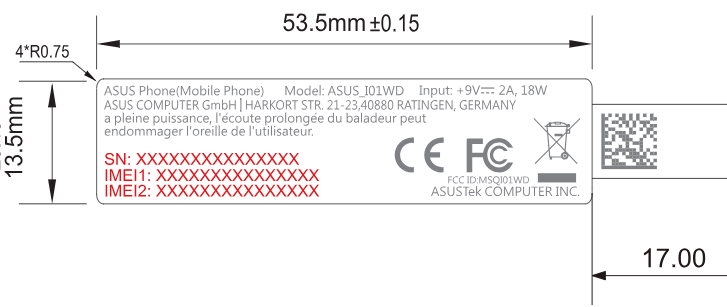
The Zenfone 6 is scheduled to arrive in less than a month. The device has been certified by the FCC and the documents reveal key details about the flagship.
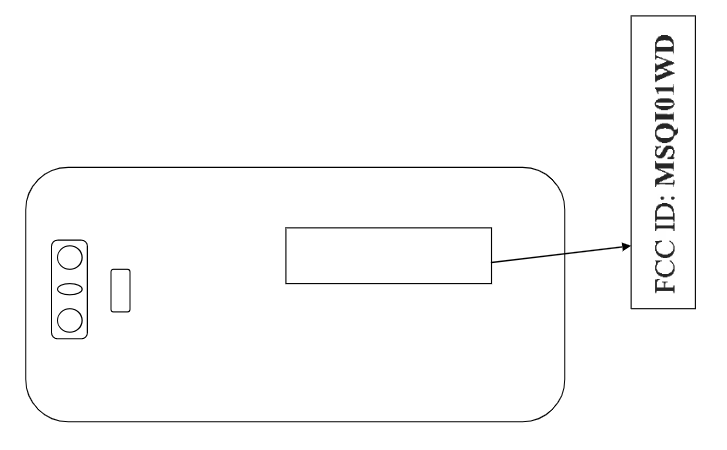
The Zenfone 6 (ASUS_I01WD) will have an SM8150 baseband processor a.k.a. Snapdragon 855. The back of the phone will house dual cameras arranged horizontally and separated by an LED flash. Below the cameras will be the phone’s fingerprint scanner.
The Zenfone 6 will also have support for 18W fast charging and dual SIM support as shown on the label.
The device was benchmarked on AnTuTu at the beginning of the month and the result revealed it will come with a display with a 2340 x 1080 resolution, 6GB of RAM, and 128GB of storage. It will also run Android Pie out of the box.
So far we haven’t seen any feature that makes the ASUS Zenfone 6 worth looking forward to and we are wondering how it is going to compete against other flagships this year. It doesn’t have triple rear cameras with neat tricks like optical zoom or video bokeh neither is there an in-display fingerprint scanner. 18W fast charging also feels like a feature reserved for mid-range phones now.
Citing Madras High Court order on April 3, Government of India today banned TikTok app downloads in India. The Ministry of Electronics and Information Technology asked Google and Apple to take down the TikTok app from their respective stores in India.
The Court said it encouraged pornography and could risk child users from sexual predators. The video-sharing app faced a massive backlash due to issues like inability to quality control, abusive and pornographic content are among significant reasons. In recent times, authorities also found instances of cyberbullying using TikTokApp.
Bytedance challenged the High Court order in India’s Supreme Court citing freedom of speech rights in the country. In response, the top court referred the case back to the state court, where the company’s request was rejected and implemented a ban on the app.
TikTok is a video-sharing app allowing users to create short videos with special effects. Users can voice over popular songs, dialogues using the TikTok App. It claims to have 500 million users worldwide including more than 120 million in India. It’s a major rival to Facebook, Snapchat, Instagram and other social networking sites.
The app was still available on Apple’s App Store till Tuesday’s midnight, but it is now entirely blocked in the country. Whereas, Google’s Play Store instantly blocked the downloads in India after receiving a request from the concerned Ministry.
The company employed around 250 people in India for app development and keeping a tap on the content. It is a sudden setback for Bytedance, and now it would be interesting to see how the company responds back.
The world’s largest gaming market is getting a blockchain game – Let’s Hunt Monsters from Tencent Holdings. The Shenzen based game development company known for various popular titles such a PUBG, League of Legends, Fortnite is here with a new augmented reality (AR) game.
The new title merges the concepts of both Pokémon Go and CryptoKitties. During gameplay, a user can catch hundreds of street monsters using the native Mapping services in China. Moreover, an option to trade digital kittens using blockchain is another aspect of the game. Let’s Hunt Monsters is a proper blend of both the popular game titles with Chinese nativeness.
Tencent’s new AR game is already popular in China. Since its launch last week on iOS store, it’s trending as the most downloaded free game beating PUBG Mobile and other popular titles.
Users can play it while exploring real-world locations and capturing virtual creatures. Unlike Pikachus in Pokémon Go, the mythological beasts like dragons and phoenixes are the monsters in the Let’s Hunt Monsters. Using Tencent’s blockchain platform, users can exchange or trade digital kittens during the gameplay.
The new game can act as a super saver for Tencent Holdings for revenue generation. Whereas monetisation for games like PUBG and Fortnite is under government scanner, the company have to wait for the approvals. In China, various brick-and-mortar stores are also offering coupon codes and discounts for Let’s Hunt Monsters.
Pokémon Go is a popular AR mobile game with an estimated US$2.5 billion in total revenue. Due to Google Maps API usage in the game, it was banned in mainland China citing security risks. Meanwhile, CryptoKitties is a blockchain game aimed to trade cartoon kittens.
The Galaxy A60 (SM-A6060) was seen on TENAA ahead of Samsung’s April 10 event and was expected to be launched at the event in China but it didn’t. There is still no info about its release but a new leak has revealed live images of the phone alongside a few of its specs.
[envira-gallery id=”247849″]
The Galaxy A60 will be joining the Galaxy A8s as part of Samsung‘s lineup with a punch hole Ininfity-O display. The hole is in the top left corner and is home to a 32MP sensor. The TENAA listing already revealed it is a 6.3-inch FHD+ display.
The phone is powered by a Snapdragon 675 processor just like the Galaxy A70 and it has 6GB of RAM and 128GB of storage. TENAA says there is also an 8GB RAM version and a 64GB storage variant.
The leak also shows us the rear of the Galaxy A60 which is home to three cameras. The cameras (16MP + 8MP + 5MP) sensors are arranged vertically with an LED flash below the sensors and a fingerprint scanner in the middle. The color variant in the image appears to be a mix of blue, green, and yellow.
We use cookies on our website to give you the most relevant experience by remembering your preferences and repeat visits. By clicking “Accept”, you consent to the use of ALL the cookies.
This website uses cookies to improve your experience while you navigate through the website. Out of these, the cookies that are categorized as necessary are stored on your browser as they are essential for the working of basic functionalities of the website. We also use third-party cookies that help us analyze and understand how you use this website. These cookies will be stored in your browser only with your consent. You also have the option to opt-out of these cookies. But opting out of some of these cookies may affect your browsing experience.
Necessary cookies are absolutely essential for the website to function properly. This category only includes cookies that ensures basic functionalities and security features of the website. These cookies do not store any personal information.
Any cookies that may not be particularly necessary for the website to function and is used specifically to collect user personal data via analytics, ads, other embedded contents are termed as non-necessary cookies. It is mandatory to procure user consent prior to running these cookies on your website.

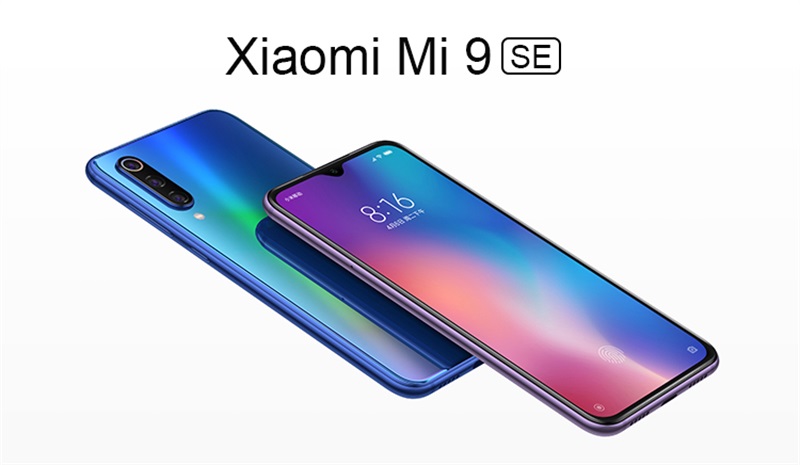 While the Mi 9 SE doesn’t boast top-end specs like its feature-rich precursor the Mi 9, it still boasts a fairly good array of features that justify its position in the premium upper mid-range category.
 An absolute steal at this price, the Xiaomi Mi 9 SE Global Version sports an appealing 5.97-inch Samsung AMOLED display, FHD+ display with a screen resolution of 2340×1080 pixels. The phone is powered by 10nm Qualcomm Snapdragon 712 AIE 2.3GHz processor and it uses a competent Adreno 616 610MHz GPU for a superior viewing experience.
 Here are the top 5 air purifiers from leading brands that you can now buy without emptying your pocket:
 With only 100 pieces remaining, this promo is slated to end in five days. You can follow
  The aforesaid coupon helps you save $14 more by reducing the already lowered retail price of the Xiaomi MiJia Car Air Purifier to just $65.99 before placing your order. You can visit
  Aside from availing this 14 percent discount, Banggood users can get KCASA KC-DKA1 bar drinking turntable as a free gift. You can follow
  The Mini Air Purifier is available in two appealing color versions including gray and green. You can buy this feature rich air purifier for just $31.99 on GearVita by visiting