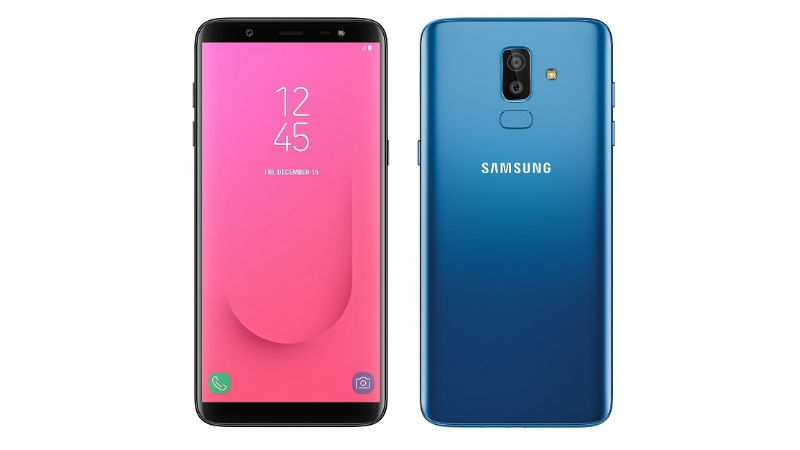
Samsung is extending its Android Pie roll-out to its mid-range phones. The Galaxy J8 which was released last year is the latest member to get updated.
The new update not only brings Android Pie but also One UI and April’s security patch. It has started rolling out to the phone in Russia and should arrive in other regions in the coming weeks.
The Galaxy J8, which is also available as the Galaxy On8 in India was released in August last year. It has a 6.0-inch HD+ display, a Snapdragon 450 processor and up to 4GB of RAM and 64GB of expandable storage.
It has dual rear cameras – a 16MP f/1.7 primary sensor and a 5MP f/1.9 sensor for capturing depth details. It also has a 16MP f/1.9 selfie camera with its own LED flash. The Galaxy J8 also has a rear-mounted fingerprint scanner in the same design as that of the Galaxy S9 series.
Chinese internet giant Tencent is known for its range of popular games such as Playerunknown’s Battlegrounds (PUBG), King of Glory and several others. As interests in Tencent’s games continues to rise, the internet giant had promised to launch a more international games platform. That it seems to have done with the surprise launch of the “WeGame X” game platform. The platform is said to be the international edition of the WeGame storefront which serves the China market.
Tencent is reportedly testing the storefront and its global servers presently, which may mean that a more auspicious official launch is on the way. But the WeGame X platform is available for download internationally. The platform presently has 29 games, most of which were developed by independent Chinese developers, with some of Tencent’s in-house studios accounting for the rest. Some of the listed games include; Deep Silver, Larian, Kingdom Defend: Frontline, E-sports Legend, Possia Time and Hello Game. The popular game Fortnite is not listed but with the listing of some globally popular titles like Deep Silver, it seems clear more big western titles will be available on the platform soon.
Currently, the platform supports English, Traditional Chinese and Simplified Chinese, and Japanese and Russian language support will be added soon. However, it remains to be seen how well WeGame X does with international players. Tencent is viewed with some suspicion by gamers outside of China, especially due to the notion that the company could share user data with the Chinese government.
In the past couple of years, smartphone manufacturers have worked extremely hard on their flagship cameras. As a result, smartphones have become so powerful that you can shoot professional photos and videos, even without edits. There are a lot of cases where professional cameras are becoming increasingly unnecessary.
So, let’s take a look at the best smartphone cameras available in Q1 2019, for both photo quality and innovation.
1Huawei P30 and P30 Pro
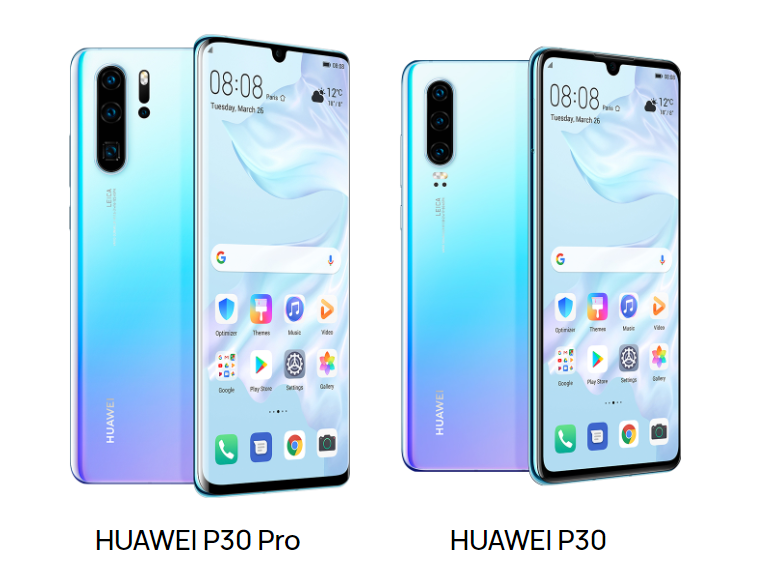
In our opinion, at least when it comes to rear cameras, Huawei P30 Pro simply has no competition in Q1 2019. Huawei reimagined mobile photography on the Huawei P30 Pro by adding a quadruple camera with a main 40MP sensor. The primary sensor replaces the green color in RGB with yellow, in order to achieve better performance in low light conditions. And the results were amazing: with low light, the handset performs even better than Google Pixel 3 and its advanced Night Sight mode, capturing a huge amount of light. Its secondary sensor is a 20 MP ultrawide lens, while the third sensor is a periscope lens with 5x optical zoom and up to 50x digital zoom. Last but not least, there is a TOF 3D camera which captures depth info in a very accurate way.
The vanilla Huawei P30 seems to have a similar camera setup but it is not exactly so. While it still comes with a 40 MP RYYB sensor, it lacks the TOF camera, it has different focal apertures and its optical zoom goes up to 3x. But it is still among the most impressive camera phones out there, especially at its cheaper price tag.
2Samsung Galaxy S10+
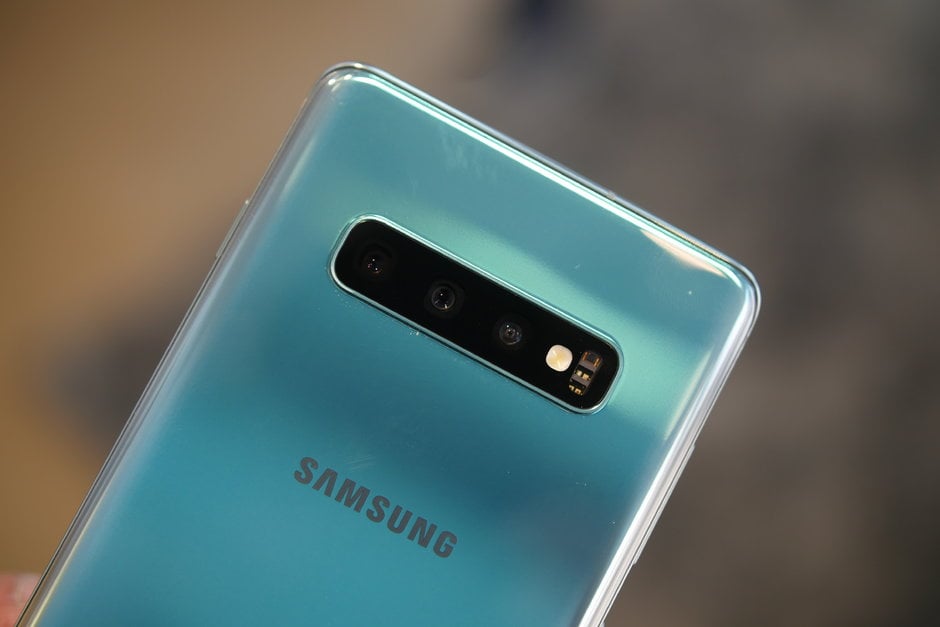
If we were asked to choose the very best camera phone of Q1 2019 excluding the Huawei P30, we would definitely go for the Samsung Galaxy S10+. In order to capture a higher quantity of light for stunning photos in the dark, the main sensor of its triple camera setup has a variable aperture borrowed from its predecessor, the Galaxy S9 Plus. Further, it comes with a telephoto lens providing a 2x optical zoom and an ultrawide 16 MP sensor. Besides having one of the best rear camera departments, it is definitely the camera phone with the best selfie camera. It sports a dual front camera with a 10 MP main sensor which can record 4K videos (at 30 fps, while the rear camera goes up to 4K at 60 fps) and a secondary depth sensor with an 8 MP resolution.
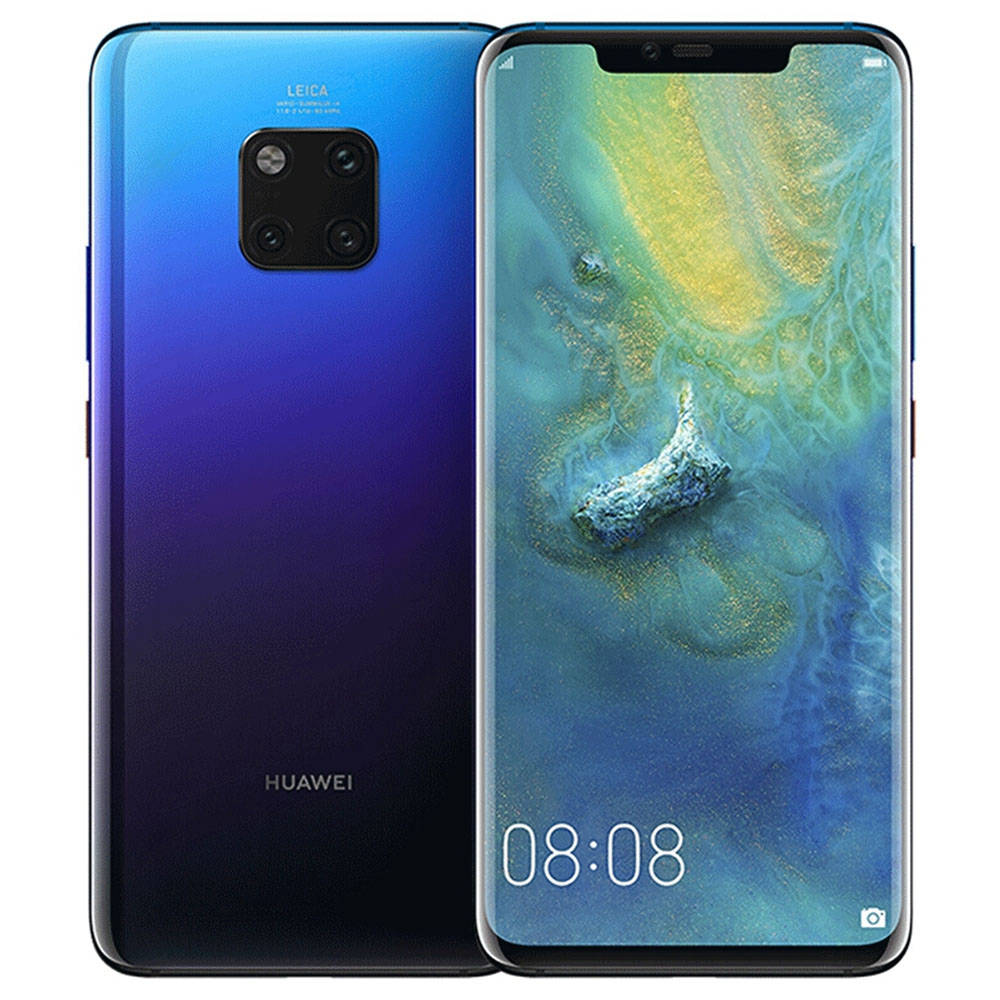
3Huawei Mate 20 Pro
In a few months, Huawei Mate 20 Pro will probably become one of the best camera phones in terms of quality-price ratio, as well as an affordable alternative to the Huawei P30 Pro. Unlike its newer sibling with four cameras, the Mate 20 Pro features a triple camera setup. Despite its age, even today, most of the smartphone cameras won’t be able to beat its amazing performance. Its rear camera setup is similar to the one you will find on the Huawei P30 with the only difference being the secondary ultrawide lens which has a lower resolution on the P30 (20 MP vs 16 MP). On the other hand, Huawei P30 comes with a better front camera boasting a higher 32 MP resolution. If you are asking yourself whether you should go for the Huawei Mate 20 Pro or the Huawei P30, read our in-depth specs comparison.
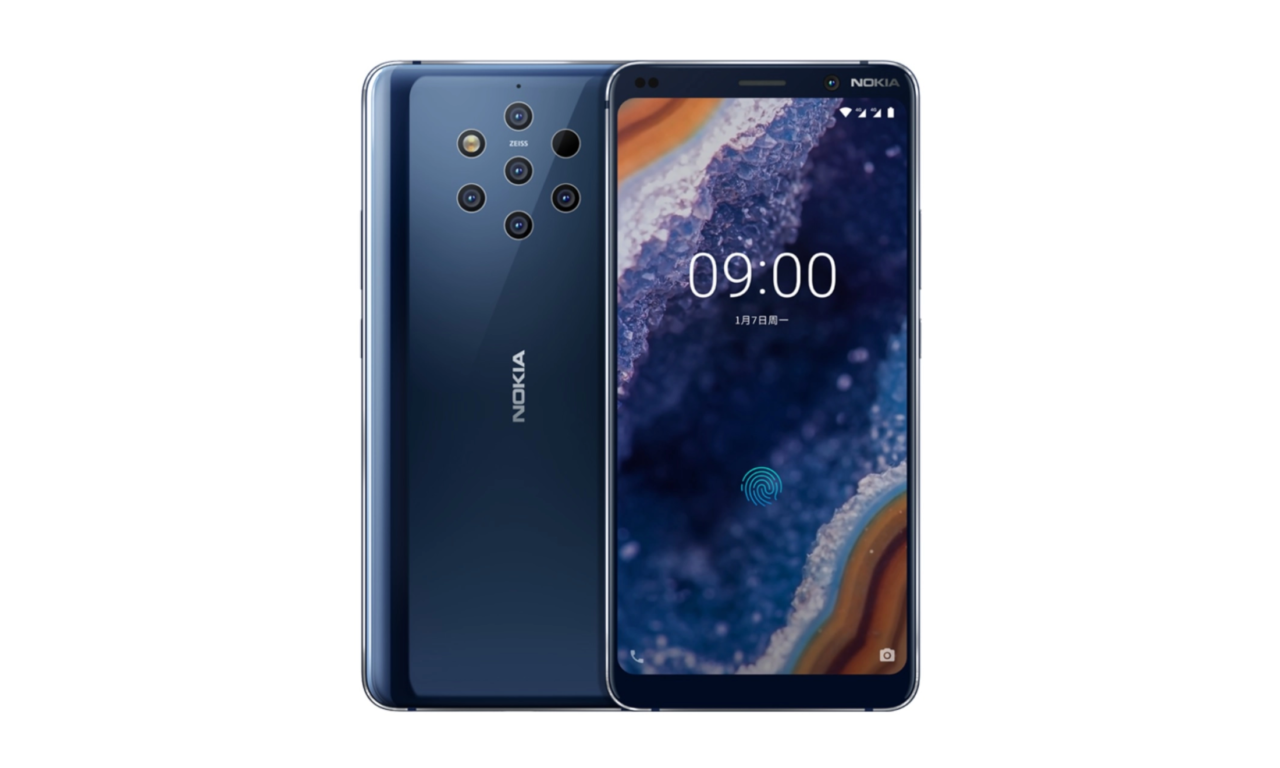
4Nokia 9 PureView
At the launch of the Nokia 9 PureView in my country, HMD Global’s general manager for Italy was quite clear: Nokia 9 PureView is a phone for photography enthusiasts. It is the world’s first smartphone to come with a Penta-camera setup and it is able to churn out 60MP of imaging data and combine them using CPU, GPU, ISP, and DSP found on its Snapdragon 845 chipset in order to provide amazing photos. The Penta-camera setup consists of 2x RGB sensors and 3x monochromatic ones, including a TOF camera. According to HMD Global, the smartphone is able to capture 10x times more light than a single sensor of the same kind. And there is even an imaging co-processor defining the exposure and the white balance of every sensor.
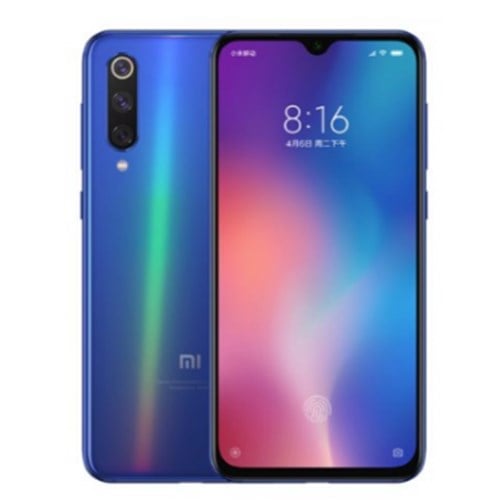
Cameras were essentially the weakest point of Xiaomi devices until a few years ago. But now, things have totally changed. The Chinese company has put a lot of efforts on its flagships’ cameras since the Mi Mix 2S, and this year, it has released one of the best camera phones: the Xiaomi Mi 9. Despite its affordable pricing, the phone offers one of the best camera experiences out there. The only disadvantage is the fact that it lacks optical stabilization, especially in low light conditions. Apart from that, the camera comes with a 48MP Sony main sensor, a 16 MP ultrawide lens and a 12 MP telephoto lens with 2x optical zoom. On the front, you get a 20 MP selfie camera enclosed in a waterdrop notch.
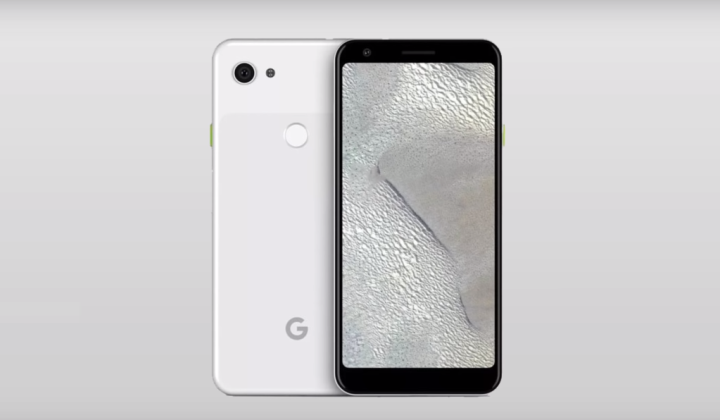
6Google Pixel 3
Google Pixel 3 is the only phone in this list to feature a single camera sensor at the back. Big G has often proved that you do not need a high number of rear cameras in order to take great shots. For the Mountain View giant, software and algorithm are two of the most important components in photography, even more than the sensors. Indeed, the 12.2 MP sensor is able to capture very bright photos, and a huge amount of light, all thanks to the Night Sight feature with accurate depth info, and an amazing level of detail. While the rear camera is composed of a single sensor, on the front side you get a dual selfie camera which is among the best selfie departments you can get in Q1 2019. It consists of 2 sensors with 8 MP resolutions (wide and ultrawide) and an f/1.8 focal aperture.
7Apple iPhone Xs Max
Despite its disappointing sales this year, iPhone Xs Max remains one of the better camera phones in the market. Apple did not bet on a high number of cameras as the iPhone Xs Max comes with a simple dual camera setup composed of a 12 MP main sensor and a 12 MP telephoto sensor with 2x optical zoom. While the low light photos could be better, the phone manages to take stunning samples in most cases, supported by its solid optical stabilization. The rear cameras can record videos up to 4K resolution at 24, 30 or even 60 fps. Unfortunately, this device is all but affordable, but you also get an outstanding build quality and blazing speeds thanks to the iOS optimization, as well as a stunning AMOLED display with 120Hz refresh rate.
Overall, it’s good to see that this list is not dominated by one or two manufacturers. More and more smartphone companies have been able to successfully develop and optimize powerful mobile cameras in recent times. This means that a potential smartphone user has a lot more option to choose from when they are looking for a high-quality camera experience.
HTC, once a top mobile phone manufacturer has been struggling for years now. The manufacturer hasn’t released any phone this year though it said it will. When it does launch its first phone this year, a number of HTC apps may no longer ship with it.
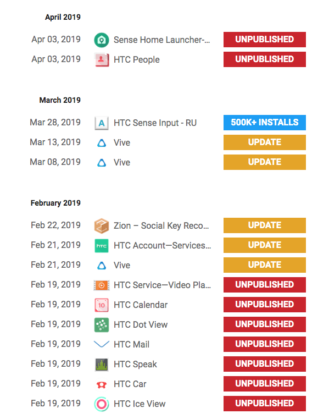
The Taiwanese company has unpublished a lot of its apps from the Google Play Store which means these apps will no longer be available on its phones. The company’s activity on App Brain shows that it has unpublished 14 of its apps from the Play Store.
These apps include HTC Sense Home Launcher, HTC People, HTC Mail, HTC Speak, HTC Calendar, and HTC Dot View. A number of these apps haven’t received updates in months, so HTC is cleaning house. However, apps like HTC Mail, HTC People, and HTC Calendar are apps that come pre-installed with its phones as alternatives to Google’s own apps.
Meizu makes really good phones but a lot of them are available only in China. The Chinese brand has begun expanding its portfolio to other regions and has started releasing global versions of its phones that can be purchased from online stores in China. The Meizu Note 9 for example already has a global version. However, there are complaints about Meizu’s lack of support for the global version of its phones.
A Meizu user based in France reached out to us to lament about the situation. Alexandre who is also a reseller of Meizu smartphones wrote a post on the official Meizu forum complaining about the company’s poor software support for the global version of its phones.
Citing the Meizu 16th which he owns as an example, he said the 2018 flagship has only been updated once since its release and the said update fixed just a single bug.
In his post, he disclosed how the admins of the global forums don’t listen to user complaints or collect details on bugs. He also mentioned that forum admins have revealed on private groups that Meizu’s global department is “almost dead” and developers no longer care about the brand.
It is sad to see Meizu is failing to provide great services for its users. Software support is very important and makes for an important aspect of after-sales services for a phone. If a manufacturer is known for poor software support or after-sales services in general, buyers will avoid patronizing them.
If Meizu is serious about its business and respects its fans, we expect it to address these issues as quickly as possible.
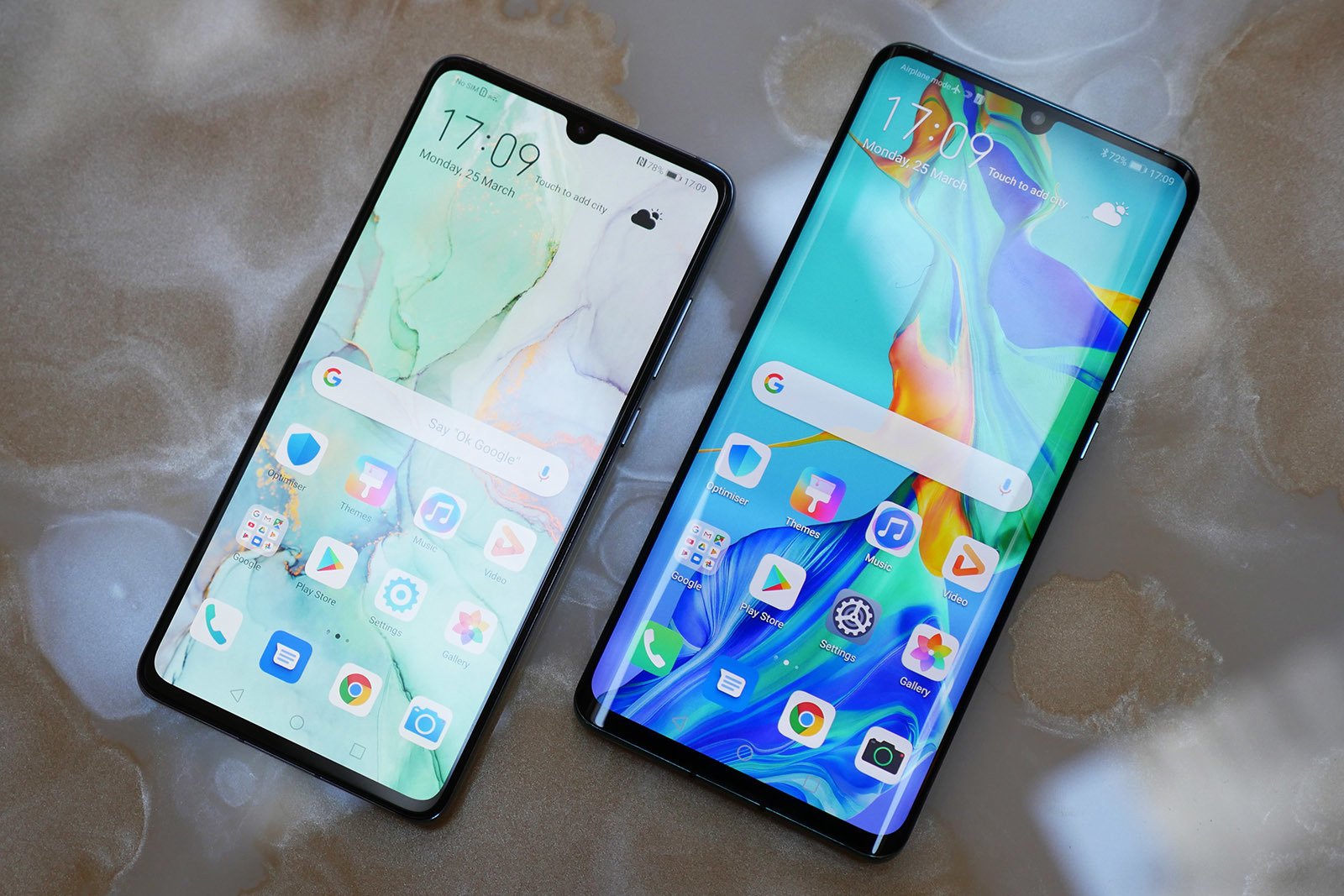
Huawei recently launched its flagship smartphone series — Huawei P30. The series has two smartphones — P30 and P30 and are slated to go on sale in China from 11th April. Meanwhile, the company is also gearing up to launch the device in other markets.
Now, a new report coming from local publication in China reveals that the company has prepared a stock of around 6 million units of Huawei P30 series smartphones. However, the stock is for the global markets and not only China.
It also adds that the Chinese giant is aiming to sell over 20 million units of the P30 series smartphones this year. Majority of these smartphones are being produced at Foxconn’s Zhengzhou plant in Henan.
The same plant is known for being the main source of Apple’s iPhone but Huawei seems to be taking advantage of Foxconn’s production line and capacity after the sharp decline in the demand of iPhone orders.
Huawei is now stocking up the P30 series units as it about to go on sale in various countries. To meet the demand and ensure smoother production and supply chain operations, it is recruiting people and is estimated to have over 50,000 employees.
The Huawei P30 will be available in three variants in China — 8GB RAM + 64GB storage for 3,988 Yuan (approximately $590); 8GB RAM + 128GB storage model costing 4,488 Yuan (approx. $665); and 8GB RAM + 256GB storage model priced at 4,988 Yuan (~$740).
On the other hand, the Huawei P30 Pro will be coming to China in options like 8GB RAM + 128GB storage; 8GB RAM + 256GB storage; and 8GB RAM + 512GB storage. The phones are expected to be priced at 5,588 Yuan (~$820), 6,288 Yuan (approx. $935) and 6,988 Yuan (approximately $1,040) respectfully.
Recently, during the Shanghai AWE 2019 Conference, Yu Chengdong, CEO of Huawei’s consumer business revealed that the company is planning to sell more than 250 million to 260 million units of its smartphones, in a combined sale of Huawei and Honor devices. With this, the company aims to become the top smartphone brand or grab a close second spot.
Huawei went official with two strong flagships, the P30 and P30 Pro towards the end of March. The P30 and P30 Pro will definitely be cash spinners for the Chinese giant considering that they didn’t disappoint in terms of their designs. The Huawei P30 and P30 Pro are not just beautiful but also premium looking just like Huawei’s range of flagship models. A teardown/ dismantling video of the P30 Pro has been released, showing the beauty isn’t just on the outside. The device is equally beautifully designed on the inside. Most importantly, the device would be a difficult one to repair if there is a cause for that.
The YouTube video was created by TechMagnet and was filmed at the Huawei Service Store in Vienna, Austria. The dismantling was done by a technician with up to 20 years of experience as a Huawei service centre technician. But then, the process doesn’t look so complicated for any tech expert to do the same.
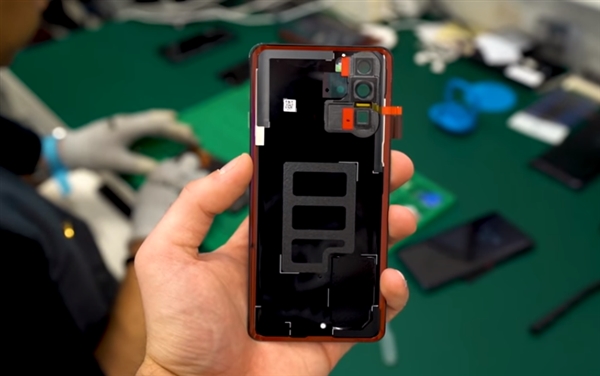
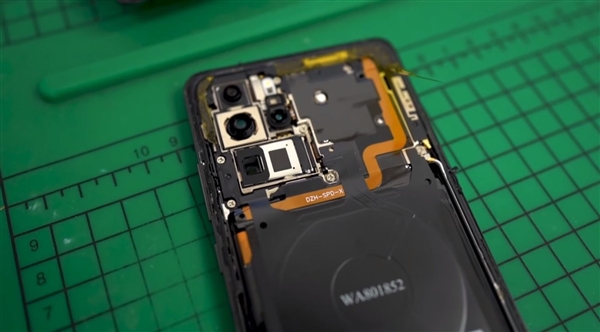
From the internals, the Huawei P30 Pro is an all round beauty. The device uses a glass back which comes apart after heating with the heat gun and use of a suction cup to pull out. When the rear cover is removed, the P30 Pro is shown to be covered with a graphite sticker for heat dissipation.
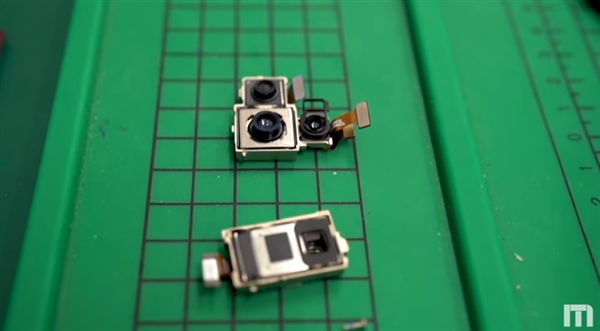
Also notable is the arrangement of the quad camera setup at the rear of the P30 Pro. It could be seen that the 20MP super wide-angle sensor, 40MP main sensor and ToF sensors are combined. The 8MP telephone lens which has a periscope structure sits separately at the bottom. Read Also: Huawei P30 vs P30 Pro: We Take a Look at their Key Differences!
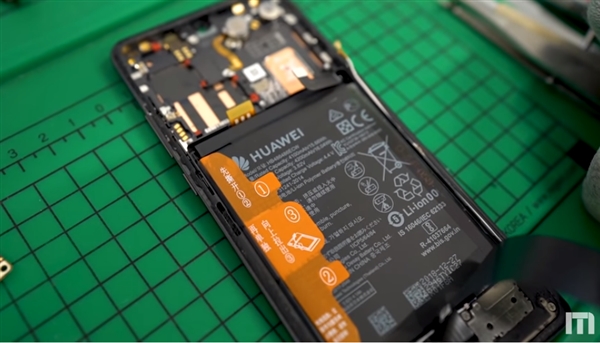
You’ll also take note of the big battery size of the device which occupies half of the motherboard space. That is because the phone uses a 4,200 mAh cell. In order to keep the device as thin as possible, the battery is flat and wide instead of being stout and narrow. You can check out the entire teardown video from below.
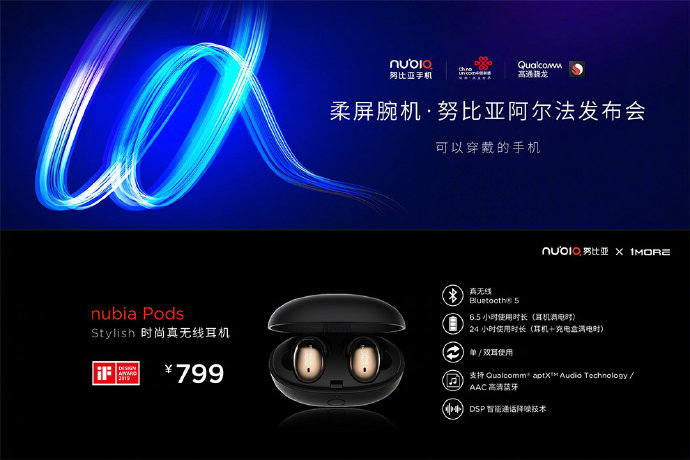
The Nubia Alpha wearable smartphone was revealed at the IFA 2018 tech expo in September last year. In February, it was showcased at the Mobile World Congress (MWC) tech trade show. The Nubia Alpha was unleashed today in China through a dedicated launch event. It has landed in the home market with a starting price of 3,499 Yuan (~$520) and its first sale will be carried out on April 10.
Nubia Alpha Price and Release Date for China
The Black variant of the Nubia Alpha with eSIM support is priced at 3,499 Yuan (~$520). Its 18k gold-plated edition with eSIM support carries a price tag of 4,499 Yuan (~$669). There is a Bluetooth-only version of the Nubia Alpha. However, the company has not released it in China.
Nubia’s official online shop, Jingdong Mall, Suning Tesco and Tmall will be carrying out the first sales of the Nubia Alpha on April 10 at 10 AM. Customers who place an order for it on its first sale day can take home Nubia Pods wireless Bluetooth earbuds worth 799 Yuan (~$119) for free. The Chinese manufacturer has partnered with leading Chinese carrier Unicom for making 4G connections available through eSIM on the Nubia Alpha wearable smartphone.
Nubia Alpha Specifications and Features
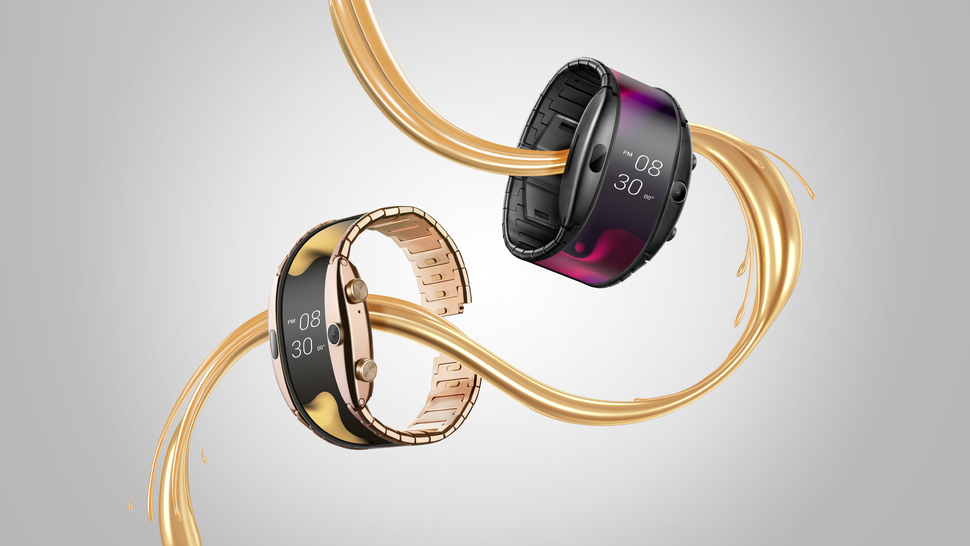
The Nubia Alpha is the world’s first innovative product that can function as a smartphone as well as a smartwatch. Also, it is the first wearable product to go official in China after the commercialization of eSIM in the country.
The Nubia Alpha packs in a 4-inch flexible display that offers an aspect ratio of 36:9. The display can be wrapped on the wrist for using it is a smartwatch and it can be unwrapped to use it as a smartphone with a tall aspect ratio display. Nubia’s custom-made AlphaOS runs on the device. It supports AIM (Air Interaction Mechanics) gestures that allow users to control the device without touching its screen.
The Nubia Alpha includes a 500mAh battery and a 5-megapixel camera with f/2.2 aperture. The device is powered by Snapdragon Wear 2011 processor and 1 GB of RAM. It has an inbuilt storage of 8 GB. The wearable smartphone comes with some health-centric features such as fitness tracker, heart rate monitor and sleep tracker.
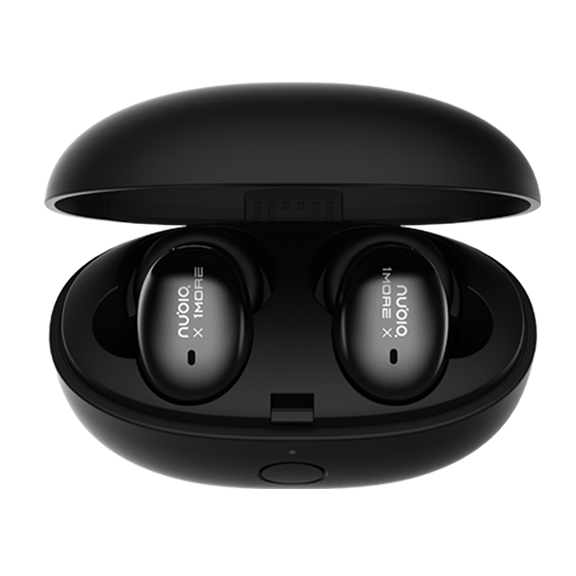
Earlier today, Nubia announced its very first pair of truly wireless earbuds, the Nubia Pods. The wireless earbuds is a result of a collaboration between the smartphone manufacturer and 1MORE. For those who don’t know, Xiaomi has a stake in 1MORE and it’s the company behind a number of Xiaomi’s own headphones.
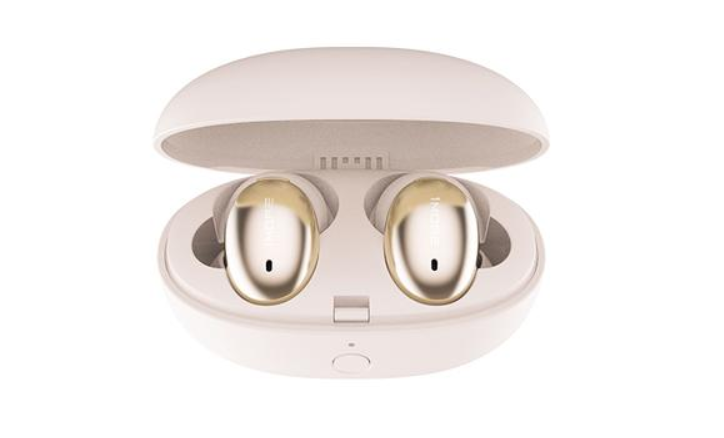
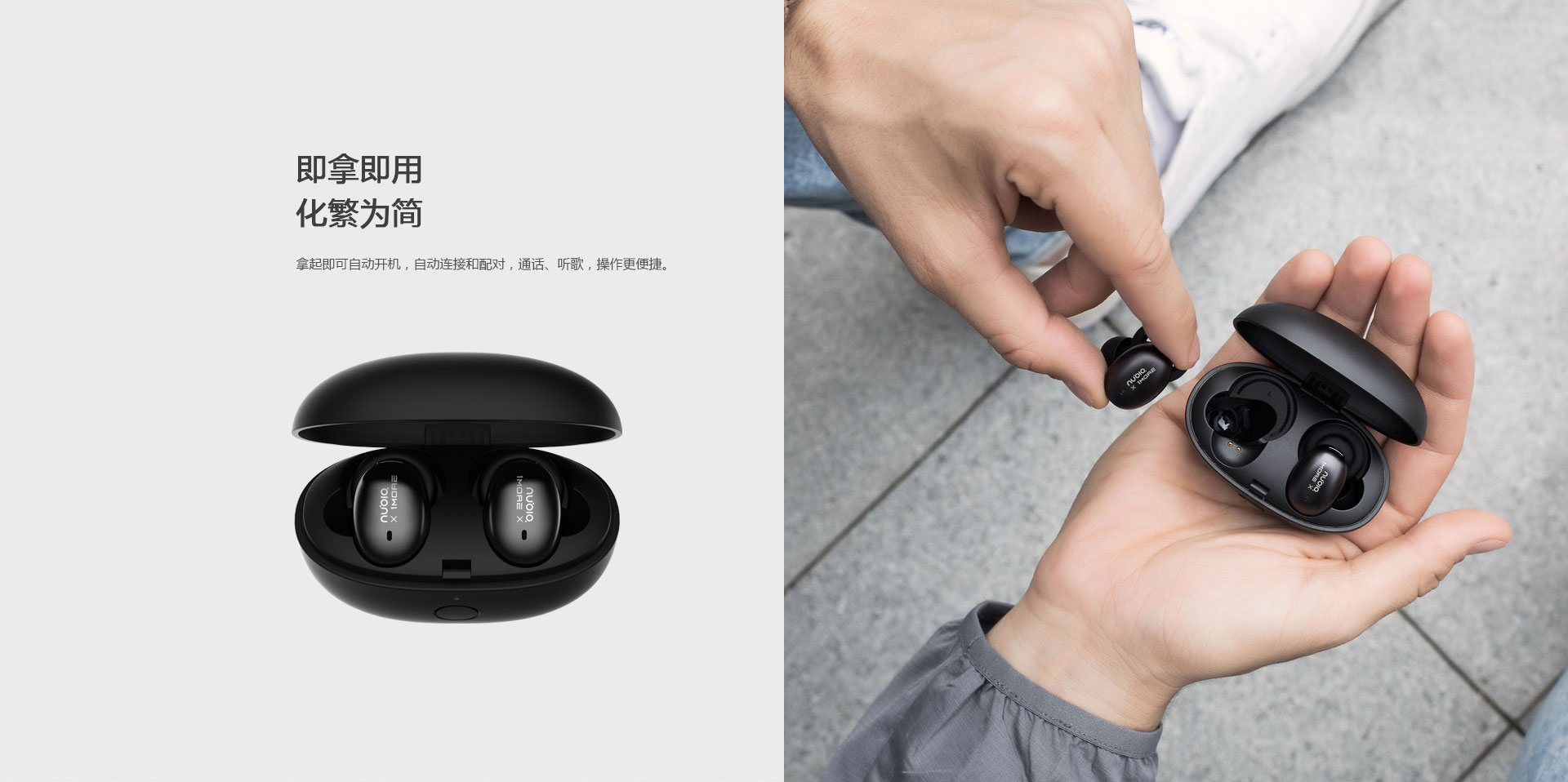
The Nubia Pods come in a black case. The earbuds themselves are available in two color variants – gold and black with an NCVM (non-conductive vacuum metallization) metallic finish. To be honest, the Nubia Pods are a rebranded version of the 1MORE Stylish True Wireless In-Ear Headphones but with Bluetooth 5.0 instead of Bluetooth 4.2 and support for Qualcomm’s aptX audio and AAC HD audio. The Nubia Pods are winners of 2019’s IF Design Award.
The earbuds are lightweight – 6.2 grams each (52.8 grams with the case). They are also sweat-proof with 45° angled tips that fit snugly into your ear canals. There are replaceable O-Hooks to provide a stable fit in case you are on the move.
The earbuds use a custom-made LDS antenna for a smooth connection with less signal interference and transmission during music playback and phone calls. There is also a 7mm driver with a titanium composite diaphragm for clear sound and powerful bass.
There is a button on each earbud. The button on the right earbud is for answering/ending calls with a single click, and rejecting calls with a long press. A single click of the button on the left earbud will play/pause playback, a double click will skip to the next track, and a triple press will skip to the previous track. Pressing and holding both buttons for 2 seconds will power on the earbuds while pressing and holding for 4 seconds will switch them off. You can decide to connect only the right earbud for calls as the Nubia Pods supports single pairing mode. Unfortunately there is no support for any AI Assistant.
The Nubia Pods has the same battery capacity as the 1MORE version but a slightly lower battery life. The battery capacity of each earbud is 55mAh and the case has a battery capacity of 410mAh. The earbuds will provide 6.5 hours of playback time and talking time (at 50% volume) but that can be increased to 24 hours with the case. It takes the earbuds and the case 85 minutes each to charge from empty to full.
The Nubia Pods are priced at ¥799 (~$119) and will be available for purchase at a later date. They will ship with three pairs of silicone ear tips and three pairs of silicone O-Hooks.
Google is officiallybringing Android Q at the company’s IO conference in May 2019. Before its official launch, Google posted the Android Q developer build to let developers ensure compatibility with their Apps. In a recent Android Q Beta Build 2, Google added new features such as multitasking, reworked gestures and audio zooming capabilities. According to the new Android Q documentation, the latest Android OS will natively support ‘deep press’ feature as like of 3D touch on iOS.
The same feature is already available on Android via third-party apps, but natively there was no presence. We have seen long press gestures on various third-party launchers, but now Google is moving a step further with the integration of ‘deep press’ in Android OS.
The new action is present under the “MotionEvent” documentation. It defines ‘deep press’: It represents the user intentionally pressing harder on the screen. This classification type should be used to accelerate the long press behaviour. In other words, it is a function allowing unique responses when users press down the display harder.
However, it is not clear whether ‘deep press’ requires any hardware changes or some software tweaks would do the magic. Though, we believe the new feature might need specialized hardware for better execution.
The US government is apparently not relenting in its effort to ensure Chinese companies Huawei Technologies and ZTE Corp do not have any dealing with the country’s IT infrastructure network. US government agencies have previously been barred from using telecoms equipment from either of the two Chinese companies. The latest is that US education institute Massachusetts Institute of Technology (MIT) has announced that is is severing ties with both Huawei and ZTE as U.S. authorities investigate the Chinese firms for alleged sanctions violations.
Although this may not hit both companies as a surprise, the move makes MIT the latest top U.S. education institution to stop using telecom equipment made by Huawei and other Chinese companies in order to avoid losing federal funding. Earlier this year, Britain’s Oxford University stopped accepting funding from Huawei.
In a letter posted on the institute’s website of Wednesday, the vice president for research, Maria Zuber stated; “MIT is not accepting new engagements or renewing existing ones with Huawei and ZTE or their respective subsidiaries due to federal investigations regarding violations of sanction restrictions.” The VP also stated that collaborations with China, Russia and Saudi Arabia would face additional administrative review procedures, as circumstances dictate.
Alibaba DAMO Academy, the scientific research group established by Alibaba has apparently developed an AI to combat fake news. The academy has developed an algorithm which can verify the authenticity of an information and help to segregate the facts from fake news. The algorithm boasts an 81% accuracy rate and a deep learning curve which helps it to verify and segregate information within seconds.
The AI called ‘Rumour Shredder’ traces the original post or the source of the information and then verifies the authenticity of the original publisher. It also compares the previous news and articles published by the same author or publisher and also takes into account the said person’s profession and past standing to authenticate a piece of news or information.
Moreover, the algorithm can identify key arguments and information from the news article and compare and contrast it with established and already present knowledge bases.
The academy also plans to add on a feature of sending real-time messages to the users.
Imagine the next time you are reading something absurd like ‘Fishes raining in Poland’, you get a pop-up saying ‘FAKE NEWS’. Though the AI is still in the training stage, DAMO academy hopes to soon roll out this algorithm with real-time assessment.
It’s important to combat fake news as it can be extremely dangerous. We have democracies falling, communities getting violent and hundreds dying because of fake news. With the advent of social media, things have got even worse as propaganda news and information can be spread to millions with a single click. Hence it’s of utmost importance to fight this negative side of technology with something more powerful like the AI created by this academy.
At present, there are some websites and agencies which provide news authentication services. Usually, you have to go to these websites and put in your news titles and they tell you whether it’s accurate or fake news. However with the massive amount of information scrolling through our fingertips especially through Facebook feeds and Whatsapp, it’s not physically possible to feed in every news or information into these websites and check for authenticity.
Thus, this algorithm developed by DAMO Academy could be a game changer as it will let you know, in real time, the accuracy and authenticity of your information, right when you are reading it.
A report from the previous month had claimed that Vivo will be launching two new phones in India during the 2019 IPL (Indian Premier League) T20 cricket season in the country. The rumored phones are Vivo Y3 and Vivo Y5. Since the IPL T20 has already started, the arrival of these phones seems to be drawing near. According to 91 mobiles, an anonymous Vivo executive has revealed to it that the Vivo Y5 will be arriving with triple rear cameras and a behemoth battery of 5,000mAh capacity. The pricing and availability of the phone have also been leaked.
Vivo Y5 Key Specs, Price and Availability
The new leak reveals that the Vivo Y5 will be arriving to rival with the Galaxy M30 smartphone from Samsung. It will be running on the latest Android 9 Pie OS and it will be fueled by a 5,000mAh battery. The smartphone may go official with a price tag of around Rs. 15,000 at some time after April 15.
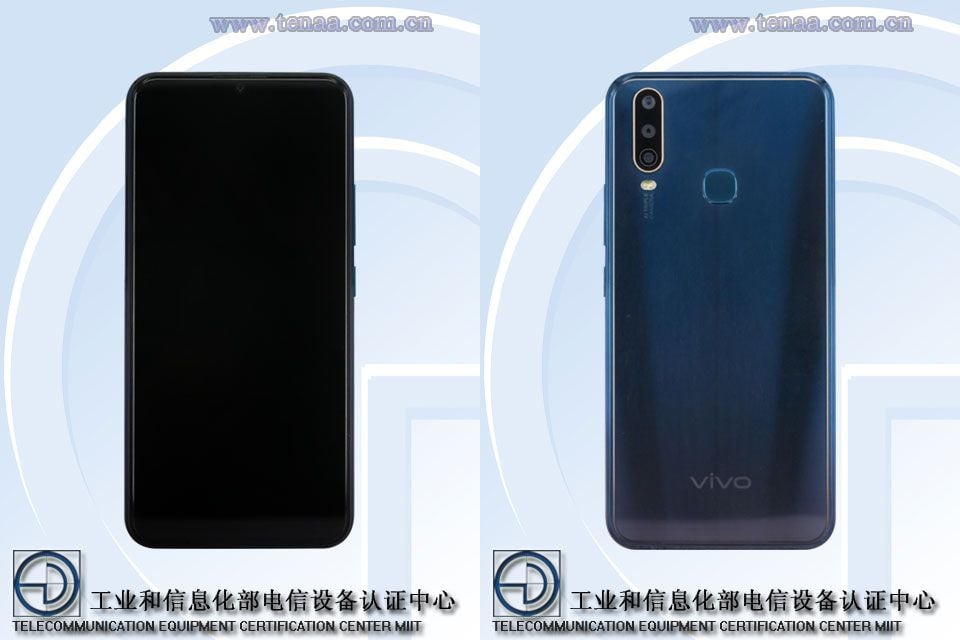
Vivo V1901A/T Could be Vivo Y5
Last week, the Vivo V1901A / V1901T smartphone was approved by the TENAA agency. Since it features triple rear cameras and a battery with minimum capacity of 4,880mAh, it appears that this phone may go official as Vivo Y5. Its TENAA certification suggests that the phone will be also heading to China in the near future.
The Vivo V1901A/T phone features a 6.35-inch IPS LCD display that supports HD+ resolution of 720 x 1544 pixels. The Helio P35 SoC with 2.3 GHz octa-core processor and 4 GB of RAM powers the smartphone. It has an inbuilt storage of 64 GB. The FunTouch OS based Android 9 Pie OS will come preloaded on the device. For more storage, it will be featuring a microSD card slot.
The waterdrop notch on the display will house a 16-megapixel selfie camera. On its rear will be a 13-megapixel + 8-megapixel + 2-megapixel triple camera setup. The massive 5,000mAh battery lacks support for fast charging. It is fitted with a rear-facing fingerprint reader.
The publication claims that the upcoming Vivo Y3 will be a cheaper smartphone than the Vivo Y5. It could be priced between Rs. 10,000 and Rs. 15,000. It is also expected to debut during the IPL 2019 season.
The Global Positioning System will witness “GPS Week Rollover Event” starting April 6th. US government owned 31 GPS satellites will see a date counter reset which could impact several smart devices globally. Similar to Y2K, the issue is related to dates.
Unlike Gregorian calendar, where we use days, months and years date format, these GPS satellites use 10 bits to count the week number. In a single run, GPS stores and count up to 1024 weeks (~19.7 years) before resetting and starting again from zero. Well, the reset time is on April 6th, and it should’ve taken place by now.
The counter reset could trouble the devices using GPS services. The impact is not only limited to smartphones, tablets, TVs or cars, but it can also disturb scientific instruments, power grids, and other essential systems.
According to the US Department of Homeland and Security guidance report, the GPS rollover event may affect the reported UTC reliability. Devices with updated firmware won’t be affected, but those machines running with outdated software will undoubtedly cause some trouble. The devices with I-GPS-200 should not be adversely affected.
The agency reveals,”However, tests of some GPS devices revealed that not all manufacturer implementations correctly handle the April 6, 2019 WN rollover. Additionally, some manufacturer implementations interpret the WN parameter relative to a date other than January 5, 1980. These devices should not be affected by the WN rollover on April 6, 2019 but may experience a similar rollover event at a future date.”
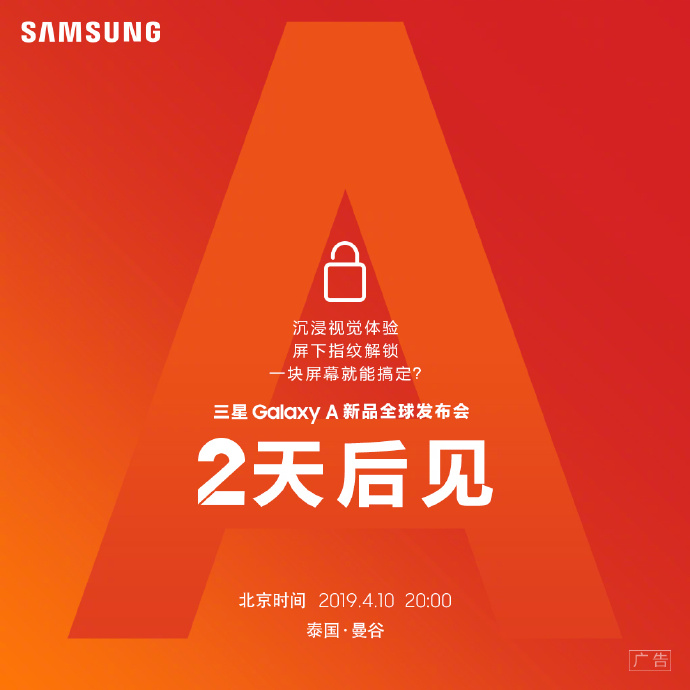
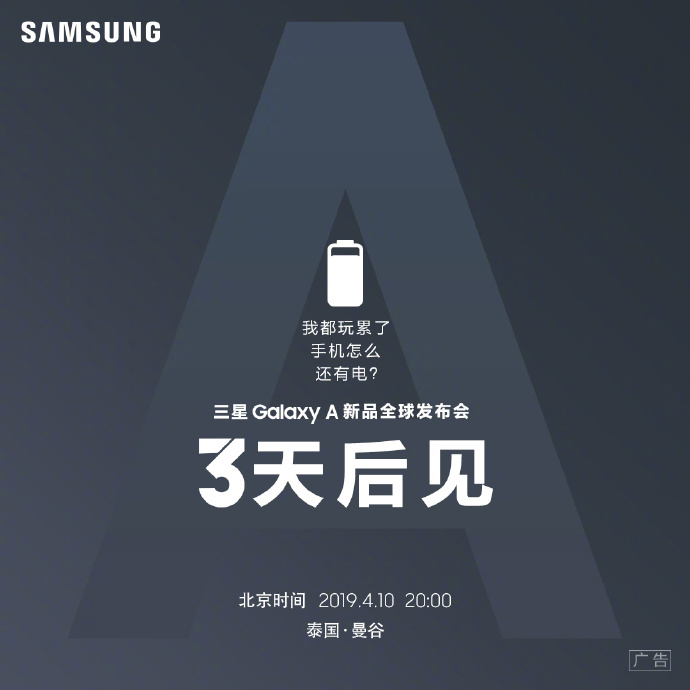
Samsung China has confirmed through Weibo that it will be holding a global launch event on April 10. Since yesterday, it has released two teasers for the upcoming unveil event. However, none of them have revealed the names of the devices that will go official on Wednesday. At the end of the previous month, the SM-A6060 and SM-A7050 smartphones were approved by China’s TENAA telecom authority. These phones are expected to go official as Galaxy A60 and Galaxy A70.
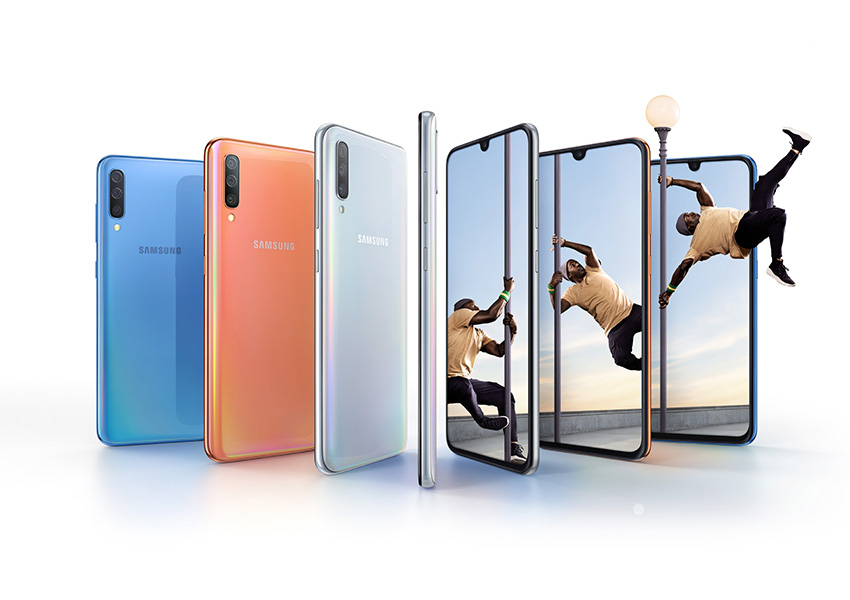
Samsung Galaxy A70 Specifications and Price
The Galaxy A70 has recently launched in South Korea. While the entire specs of the phone have been confirmed by the company, it is yet to reveal the pricing of the phone for the home market. The A70 smartphone is equipped with a massive 6.7-inch AMOLED display with Infinity-U notch. The display produces full HD+ resolution of 1080 x 2400 pixels. The Snapdragon 670 powers the 6 GB and 8 GB RAM variants of the phone. Both models are equipped with 128 GB of storage.
It comes with a 32-mgeapixel front-facing camera. Placed on its rear is a triple camera module that features a 32-megapixel primary sensor, an 8-megapixel ultra wide-angle lens and a 5-megapixel depth sensor. The device is packed with a 4,500mAh battery that supports 25W fast charging. It also features an in-display fingerprint reader.
According to tipster Ishan Agarwal, the Galaxy A70 variants such as 6 GB RAM + 128 GB storage and 8 GB RAM + 128 GB storage will be respectively priced at 2,999 Yuan (~$446) and 3,299 Yuan (~$491) in China. He has also claimed that the phone will carry similar pricing in India and other Asian nations. TENAA has revealed that China will be receiving the handset in colors like Black, Blue, Orange and White.
Samsung Galaxy A60 Specifications
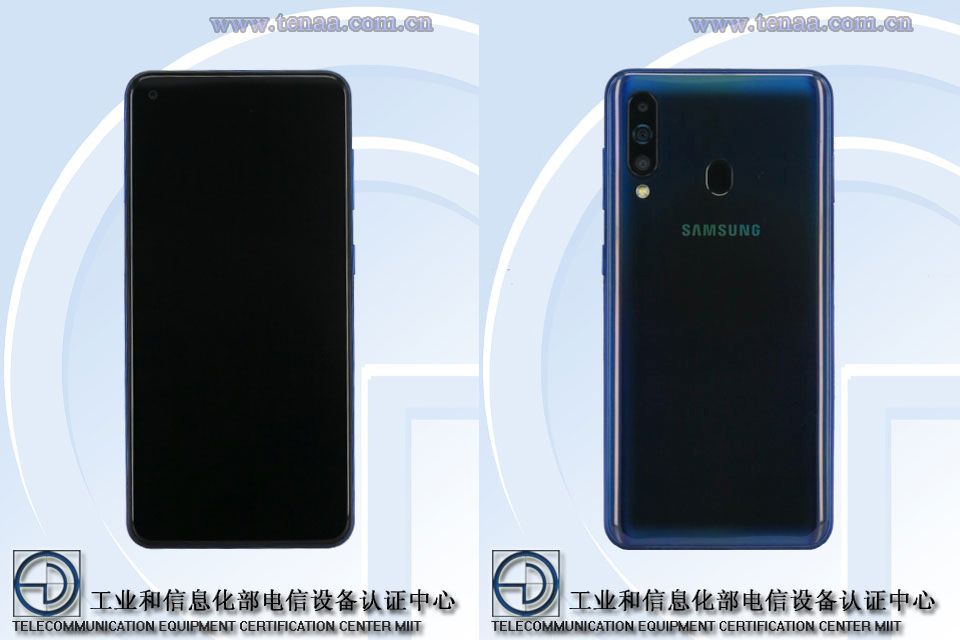
Samsung is yet to announce the Galaxy A60 in any market. Its TENAA certifications suggests that it will go official first in China on April 10. A leaked information that had surfaced at the beginning of the year had claimed that the Galaxy A60 will be arriving as a lighter version of the punch-hole display enabled Galaxy A8s that was announce in China in December 2018. The TENAA images have revealed that the Galaxy A60 is indeed equipped with a punch-hole screen.
According to TENAA, the Galaxy A60 features a 6.3-inch AMOLED display that offers full HD+ resolution of 1080 x 2340 pixels. It is packed with a 3,410mAh minimum capacity battery. An octa-core processor working at 2.0 GHz and 6 GB of RAM will be fueling the smartphone. It will include an inbuilt storage of 128 GB. It is fitted with a rear-facing fingerprint reader.
There is a 16-megapixel + 8-megapixel + 5-megapixel triple camera setup on its rear. On its front is a 32-megapixel selfie snapper. It will be releasing in colors like Black, Blue and Orange.
Xiaomi has added a new electric kettle to its well-received lineup of home products. Unlike its precursor, which was a smart kettle, this recently unveiled version doesn’t come with connectivity features.
We’ll delve further into more details about the electric kettle in just a bit, but before that let us check out where you can buy the Xiaomi electric kettle at an unbeatable price.
We’ll not only shed light on the discounts but also show how you can save more money at checkout.
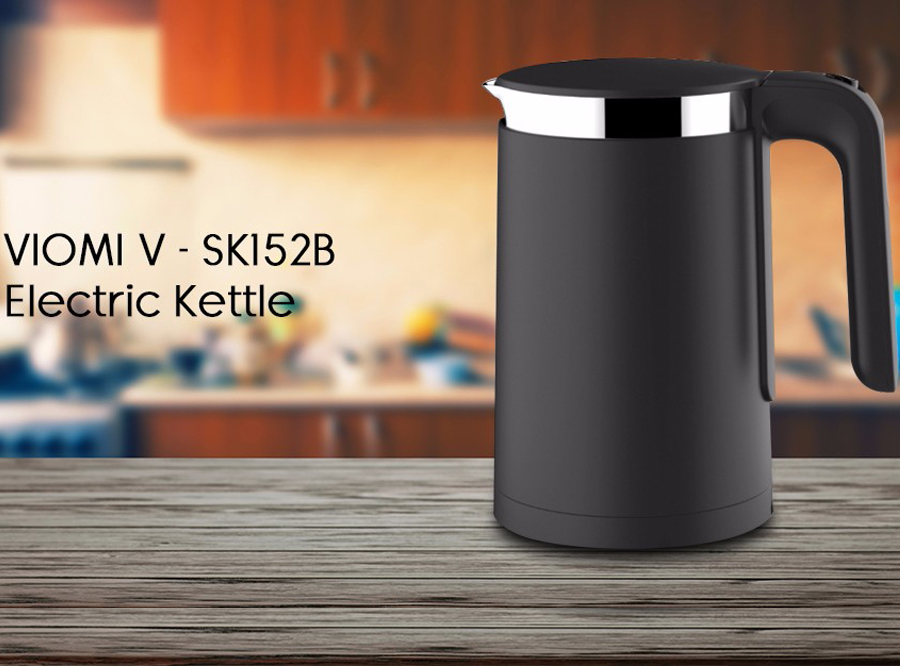
Xiaomi VIOMI V-SK152B Intelligent Thermostat Electric Kettle – GearVita
Equipped with an impressive array of features such as a temperature monitor and digital indicator, the Xiaomi VIOMI V-SK152B offers triple safety protection. It comes with a thermal insulation mode that can be selected using the panel button mode to suit your fancy.
This feature-laden electric kettle would set you back $59.99 on GearVita, but you can use coupon code GVMsk152B and get the great product at $42.99 that is almost the lowest price.
You can visit this link to check out more details about the Xiaomi VIOMI V-SK152B and use the coupon for a discount before it expires.
VIOMI YM-K1503 Constant Temperature Electric Kettle 1.5L – GearVita
The YM-K1503 Constant Temperature Electric Kettle offers a capacity of 1.5L and is loaded with awe-inspiring features. It has a high-definition OLED screen that shows the water temperature, mode of insulation and a slew of other information as well.
While a top-branded electric kettle offering comparable features would cost a fortune, the VIOMI YM-K1503 has now gone up for sale carrying a reasonable $66.26 price tag on GearVita. On top of that, you can use coupon code GVMK1503 and get the VIOMI YM-K1503 at $53.99.
If you’re interested in using the coupon before it lapses, all you need to do is to follow this link without wasting time.
Even about a year after hitting the store shelves, the Mi Pad 4 is still one of the most in-demand tablet PCs. Here are the top online stores where you can buy this well-received device at unbeatable prices. Aside from offering the Mi Pad 4 at lowered prices, the aforesaid online stores are giving its loyal users a chance to avail extra discounts in the form of coupons. So without further ado, let’s check out the details.
Xiaomi Mi Pad 4 Tablet PC Wi-Fi Version on Gearbest
Carrying a price tag of $293.31, this Chinese version of the Mi Pad 4 comes with 4GB of RAM and 64GB ROM. While the device comes in black and gold color versions, the black-tinted Mi Pad 4 has now gone up for sale carrying a dropped price of just $239.99 on Gearbest, thanks to an 18 percent discount.
Note that the gold color version of the Mi Pad 4, on the other hand, would set you back $331.26.
It is also worth noting that there were only 294 pieces available for the black color version. Moreover, the promo was on the verge of wrapping up at the time of writing. You can visit this link to avail the discount.
You can buy the LTE version of the Mi Pad 4 with 4GB RAM, 64GB ROM on Banggood if you are willing to shell out $346.16. This model comes in two color options including black and gold.
Much to the delight of cost-conscious buyers, the LTE version is available for only $242.99 on Banggood app. In other words, you can save $103.17 by placing your order via the app. Simply open the Banggood app after adding the product to your cart and pay for your order to grab the discount. You can visit the promotion page to check out more details by following this link.
Xiaomi Mi Pad 4 WiFi + 4G LTE Version on GeekBuying
Equipped with 4GB of RAM and 64GB of onboard storage capacity, this WiFi + 4G LTE version usually retails for $380.92. As part of a three-day promo, GeekBuying is giving its users a chance to get their hands on the variant for a reduced price of just $245.99.
Aside from that, you can get the Xiaomi Mi Pad 4 at $235.99 by using coupon code RTTHRAVJ at checkout. You can head straight to this link and get the discount which is valid for the black color version of the tablet PC.
Available in black and gold color versions, the international version of the Xiaomi Mi Pad 4 LTE tablet PC has gone up for sale bearing a $268.99 price tag on GearVita.
If you are living on a tight budget and aren’t willing to spend that kind of money, you can use coupon code GVMpad4 and get an extra discount before placing your order. The price of Mi Pad 4 after the coupon code is $233.99. This international version comes with 4GB of RAM and offers 64GB of internal storage capacity for you to save your favorite content including music, videos, etc. You can follow this link to place your order.
The black-tinted, LTE version of the Xiaomi Mi Pad 4 usually sells for $279, but you can buy it for just $249. This model ships with 4GB of RAM and 64GB ROM. The Wi-Fi model, on the other hand, sells for $254 but is now available for a slashed price of only $224 on Giztop.
The Wi-Fi model is also available in gold color version and it normally sells for $254. Giztop users can get this well-received variant of the Mi Pad 4 on Giztop for a dropped price of only $224.
You can visit this link to check out more details about the Mi Pad 4 and buy your favorite variant of the tablet PC at a heavily discounted price.
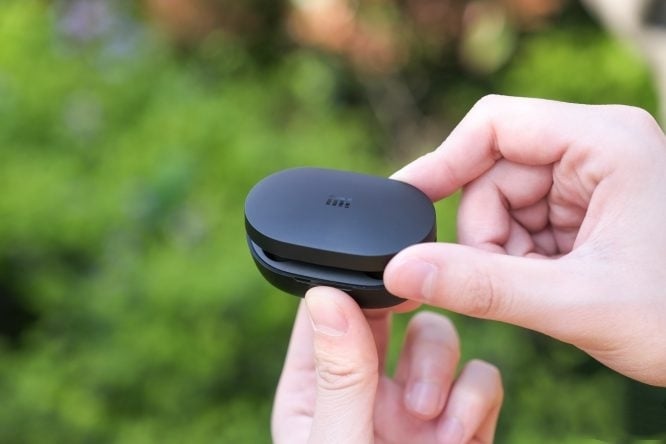
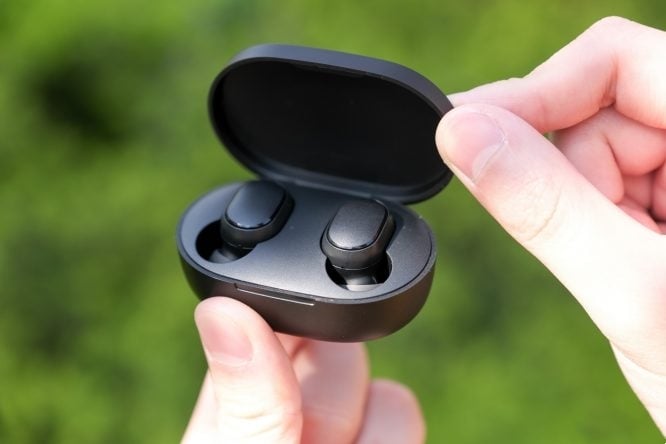
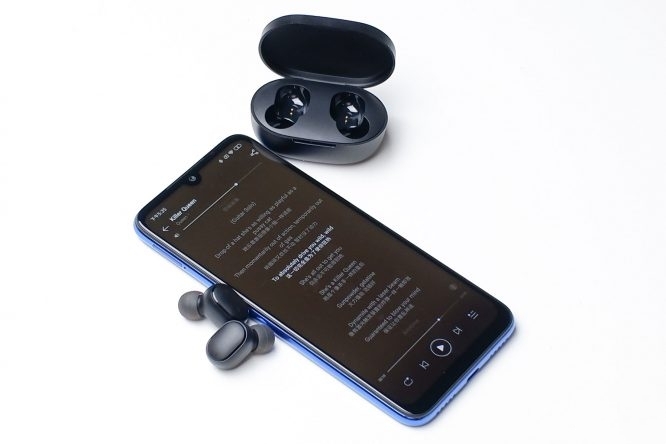
True Wireless Stereo earphone, TWS earphones were looked down when they were first released. But with the development, wireless earphones are gradually being accepted. Now, you can buy a budget wireless earphones to experience in the market. Xiaomi, a famous manufacturer focus on low price with high specs, released Xiaomi AirDots lite last year which is amazing. The latest earphone by Xiaomi, Redmi AirDots, was released a few times ago, and the price is only $25. Let’s check out the Redmi AirDots!
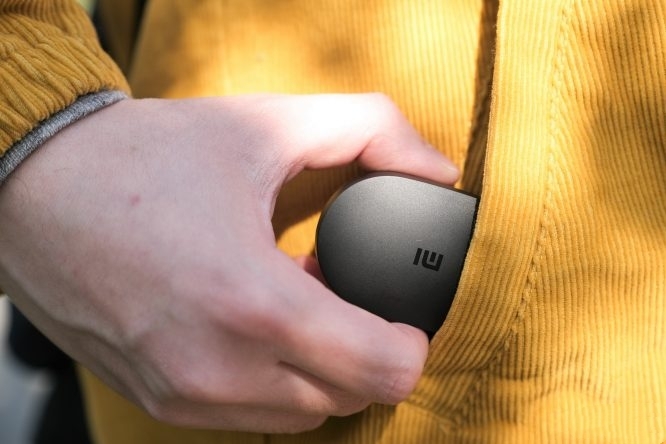
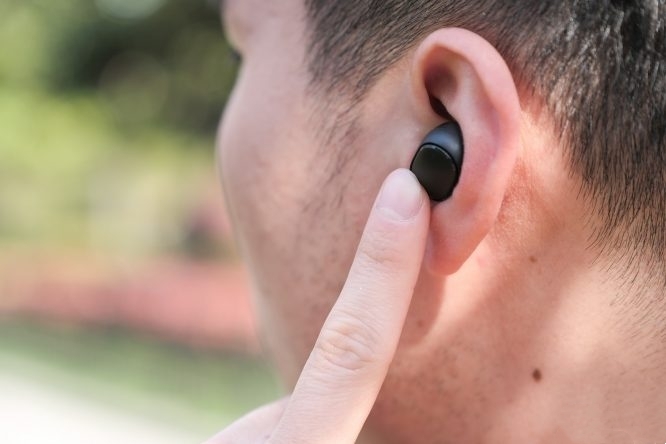
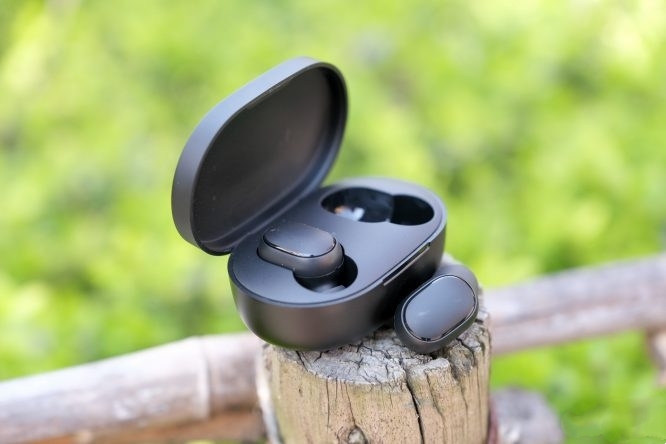
Actually, the Redmi AirDots is published by Redmi which is the independent brand of Xiaomi, but the design of the earphones looks same as the Xiaomi Airdots lite. The dimension of charging box of Redmi AirDots is about 62 x 40 x 27.2mm. Even including the charging box and putting in the pocket, the Redmi AirDots is still easy to be taken out, and it will not interfere with daily activities.
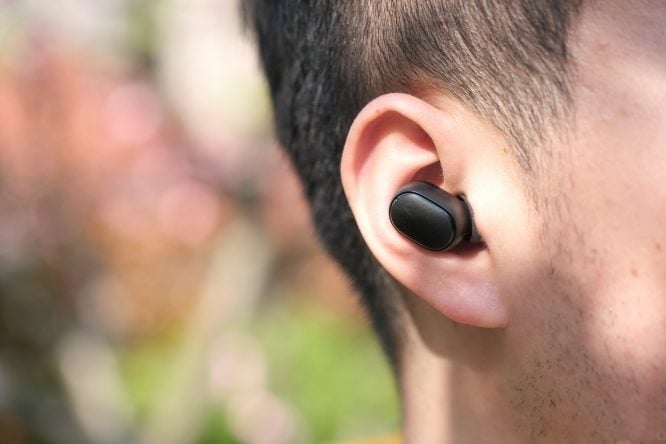
The Redmi AirDots earphones adopt the previous round design. The canalphones are shipped with soft rubber, so they don’t make your ears uncomfortable. It has a solid support to make sure the earphones will not fall out. I can also prove it after the test. I have been wearing the Redmi Airdots when I do the sports, it never falls out.
The Redmi AirDots comes with physical keys, I think it is easier to use. Just press gently, you can answer or hang up the phone, pause or start music. With the support of Bluetooth 5.0, the sensitivity and stability of Redmi AirDots perform well.
In the sound quality, there is not much difference between Redmi AirDots and Xiaomi Airdots lite. The performance of sound quality is straight and narrow, the shortcoming is not obvious, but the merit also can’t stand out. However, it is enough for daily use of people who don’t pay too much attention to sound quality.
The Redmi AirDots is fueled by 40mAh battery with 300mAh charging box. You can use it to listen to music for 12 hours with the charging box. It needs to charge 1 hour from empty to full.
The Redmi AirDots can meet the needs of most people who want to get a TWS earphones to experience. Although the function and sound quality can’t compare with the top earphones, the most attractive point of Redmi AirDots is the budget price. In conclusion, I recommend the great budget TWS earphones to you.
Ahead of the launch of the all-new Oppo Reno smartphone series in China on 10th April, a concept render of the Oppo Reno Pro smartphone has surfaced online. The new render showcases the phone’s stunning design.
While this is not the official video from the company, the concept render is based on the leaks of the smartphone that surfaced online in the past few weeks. So, it’s likely that the concept design made by YouTube channel Concept Creator is the same as the final design.
The video shows that the Oppo Reno Pro smartphone will be made up of metal and glass, which will give it a premium look and feel. The bezels around the display seem very thin, almost non-existent. However, the bottom bezel is thicker than the other three.
The phone, which has rounded corners, doesn’t feature any kind of display notch or cut-holes. Thus, the smartphone comes with a pop-up front-facing camera but it’s not just a pipe that pops-up. Instead, the design is being referred as a triangle camera setup, as it has a triangle shape when it pops up.
On the back side, the smartphone features a triple camera setup where the camera sensors are aligned vertically. The third camera from the top is a periscope-like camera. It is expected to have a 48MP Sony IMX586 as the main sensor.
The power button and the SIM card tray are located on the right-hand side while the volume rocker keys are placed on the left side. On the bottom, you can fund the speaker grille, 3.5mm headphone jack, and a USB Type-C port.
The Oppo Reno Pro is powered by the Qualcomm’s latest and greatest Snapdragon 855 octa-core processor and is expected to include at least 6GB of RAM. We also expect it to have an 8GB RAM model. As for the display, it will come with a Full HD+ OLED panel. To know what’s up the company’s sleeve, we’ll have to wait till the launch event on 10th April.
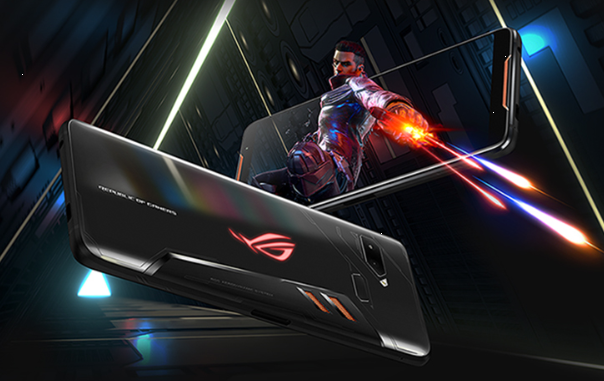
Asus unveiled the new gaming smartphone series last year with its maiden ROG phone. It was launched with an expensive price tag of $900 in the US, whereas the 512GB storage variant was priced at $1100. To counter the increasing competition, Asus planning to launch a sequel later this year.
According to a DigiTimes report, the second generation ROG phone will surface in Q3, 2019. Tencent will be the official advertising partner for the new Asus gaming smartphone. Asus is focusing on garnering profits from the growing Chinese smartphone gaming market.
The company further eyes to rejuvenate its devices with the continuation of its partnership with Tencent in the future.
The new ASUS ROG phone will be the first device after the company’s reworked strategy to focus on gaming and premium segment phones. In December 2018, Asus worked its way to reduce losses by eliminating the entry-level and mid-level devices from its brochure.
The ASUS ROG phone launched last year carries 8GB RAM, 128GB internal storage, 6.0-inch Full HD+ display and a 4000 mAh battery with fast charging technology. The device also features a dual rear camera consisting a 12 MP + 8 MP sensors, and an 8 MP single lens on the front side. Qualcomm Snapdragon 845 SoC is present with GameCool system to resist high temperatures while gaming.
We use cookies on our website to give you the most relevant experience by remembering your preferences and repeat visits. By clicking “Accept”, you consent to the use of ALL the cookies.
This website uses cookies to improve your experience while you navigate through the website. Out of these, the cookies that are categorized as necessary are stored on your browser as they are essential for the working of basic functionalities of the website. We also use third-party cookies that help us analyze and understand how you use this website. These cookies will be stored in your browser only with your consent. You also have the option to opt-out of these cookies. But opting out of some of these cookies may affect your browsing experience.
Necessary cookies are absolutely essential for the website to function properly. This category only includes cookies that ensures basic functionalities and security features of the website. These cookies do not store any personal information.
Any cookies that may not be particularly necessary for the website to function and is used specifically to collect user personal data via analytics, ads, other embedded contents are termed as non-necessary cookies. It is mandatory to procure user consent prior to running these cookies on your website.




 Read Also: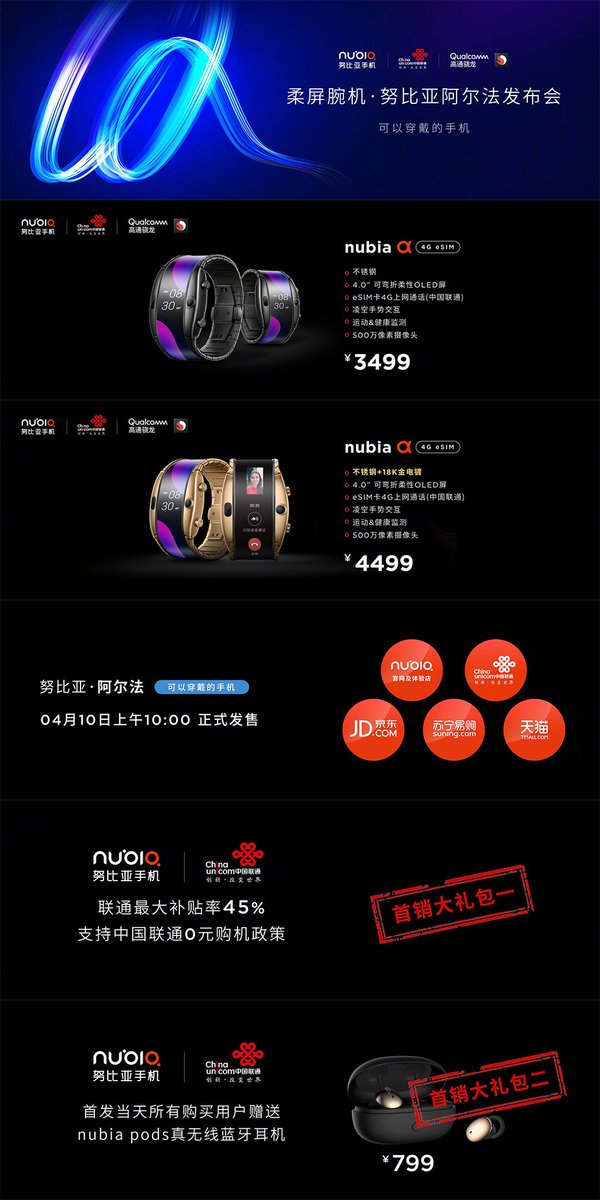



 We’ll delve further into more details about the electric kettle in just a bit, but before that let us check out where you can buy the Xiaomi electric kettle at an unbeatable price.
 This feature-laden electric kettle would set you back $59.99 on GearVita, but you can use coupon code GVMsk152B and get the great product at $42.99 that is almost the lowest price.
 While a top-branded electric kettle offering comparable features would cost a fortune, the VIOMI YM-K1503 has now gone up for sale carrying a reasonable $66.26 price tag on GearVita. On top of that, you can use coupon code GVMK1503 and get the VIOMI YM-K1503 at $53.99.
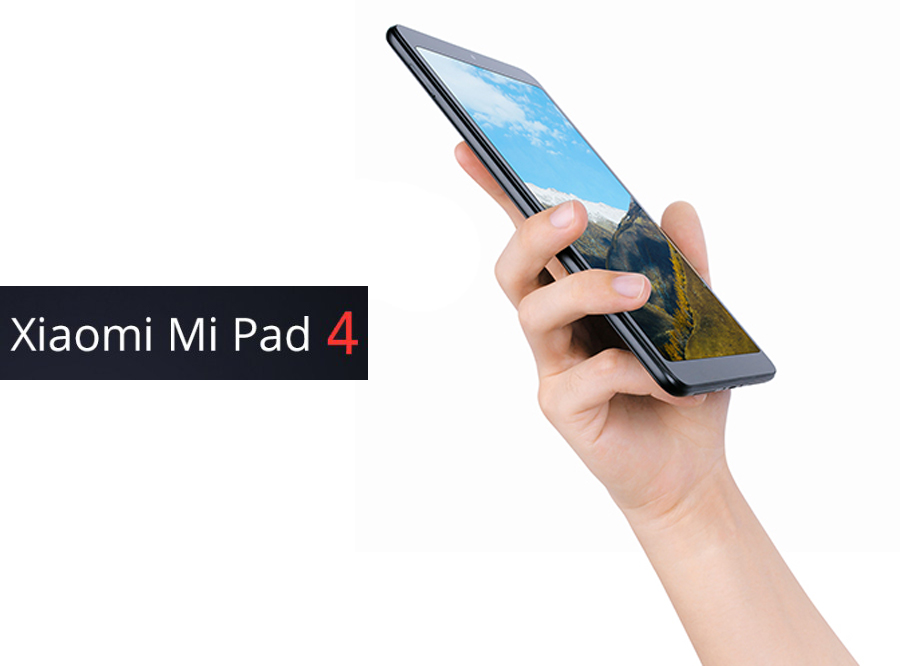 Aside from offering the Mi Pad 4 at lowered prices, the aforesaid online stores are giving its loyal users a chance to avail extra discounts in the form of coupons. So without further ado, let’s check out the details.
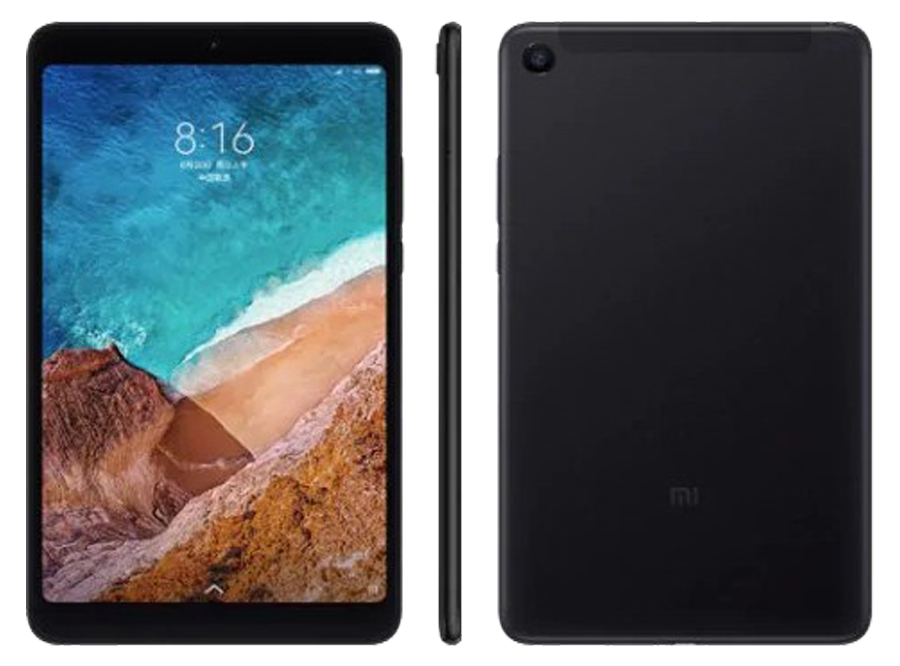 Simply open the Banggood app after adding the product to your cart and pay for your order to grab the discount. You can visit the promotion page to check out more details by following
 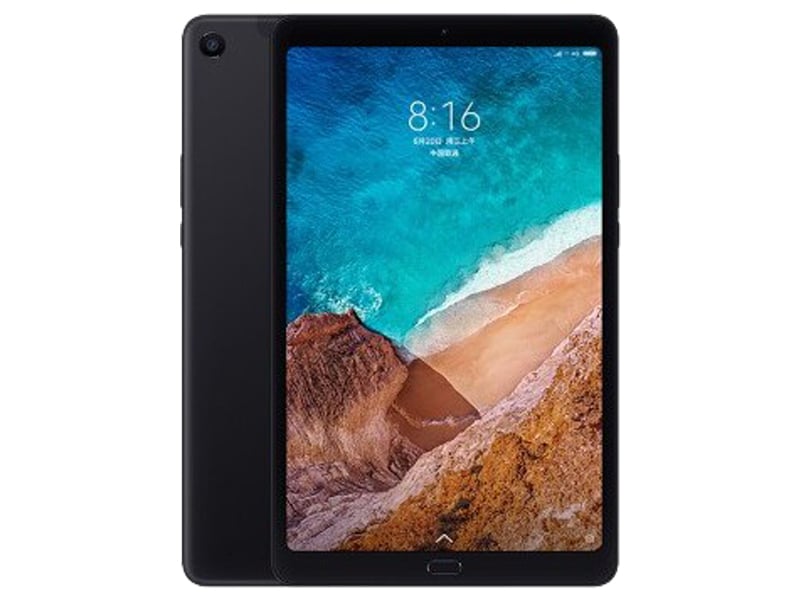 This international version comes with 4GB of RAM and offers 64GB of internal storage capacity for you to save your favorite content including music, videos, etc. You can follow