Google is preparing to launch new mid-range smartphones – Pixel 3a or Pixel 3a XL. Already plenty of rumours and leaks have revealed a lot about both the devices. Recently, Google Senior Vice President of Android, Hiroshi Lockheimer showed off a few photos from an “unreleased phone” on Twitter.
He claims to have used the phone to snap some pictures of Bill Hewlett and Dave Packard office from the 60s. Further, it’s being speculated that the “unreleased phone” would be the upcoming mid-ranger Pixel 3a. However, he didn’t share the photos due to obvious reasons.
I got to see Bill Hewlett and Dave Packard's office from the 60s yesterday, it was super cool! But…
I took pictures with an unreleased phone 📱📷🤐 so I probably shouldn't share them here. 😝
We expect the company to launch new smartphones at the upcoming Google IO 2019 conference scheduled from May 7 to May 9 in Mountain View, California.
An affordable version of the Pixel 3 series – Pixel 3a and Pixel 3a XL will launch without any notch. Unlike the metal and glass material on Pixel 3 models, the Pixel 3a series is said to debut with polycarbonate plastic. Moreover, a lower-quality display and a slower processor will find its way on the Pixel 3a series.
Further, it is speculated to come with Qualcomm Snapdragon 670 chipset coupled with 4GB RAM and 64GB internal storage. Whereas its elder sibling Pixel 3a XL is rumored to debut with Snapdragon 710 processor. There will be a 5.6 inch OLED display with full HD+ resolution on Pixel 3a, while the Pixel 3a XL will feature a 6-inch display with the resolution of 1080 x 2220 pixels. Both the devices will sport a single 12-megapixel sensor on the rear side and an 8 MP camera on the front side.
The new devices won’t be dust or water-resistant but allege to include a 3.5 mm headset jack. The Pixel 3a could be sold for $450 whereas the Pixel 3a XL may be priced at $550.
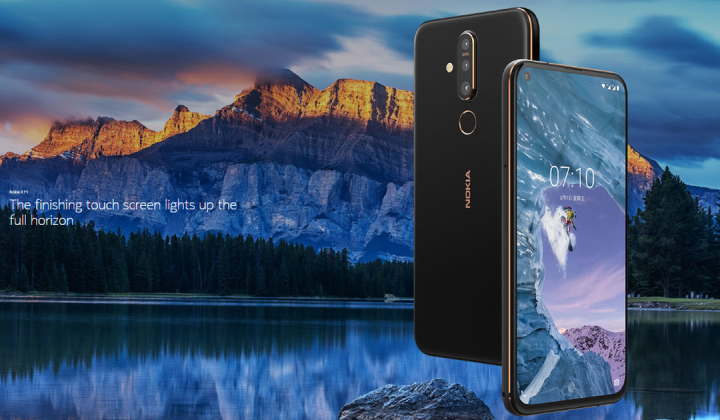
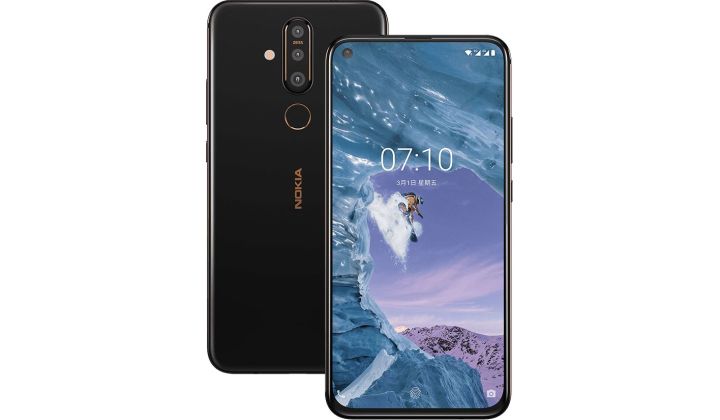
The Nokia X71 is that latest Nokia phone to go official. The smartphone that has been announced in Taiwan is the smartphone to feature a punch-hole display like the Samsung Galaxy A8s and Honor View 20. The Nokia X71 is company’s is the very first handset to arrive three rear-mounted cameras. Here is all the information on the specifications, features and pricing of the Nokia X71.
Nokia X71 Specifications and Features
The Nokia X71 comes with a 6.39-inch PureView Display that offers full HD+ resolution and 19.3:9 aspect ratio. The smartphone boasts an impressive screen-to-body ratio of 93 percent. The other display features of the Nokia X71 include support for 500nits of brightness and 1:1400 contrast ratio.
The Nokia X71 has Snapdragon 660 SoC under its hood. The 14nm SoC is coupled with 6 GB of RAM. For storage, the handset features an inbuilt space of 128 GB and it is equipped with a microSD card slot. As expected, the Nokia X71 that runs on Android 9 Pie OS is an Android One smartphone.
The smartphone includes a 3,500mAh battery. Through USB-C, the phone carries support for 18W rapid charging. The small hole on the top-left corner of the screen of Nokia X71 features an under-display selfie camera of 16-megapixel with f/2.0 aperture.
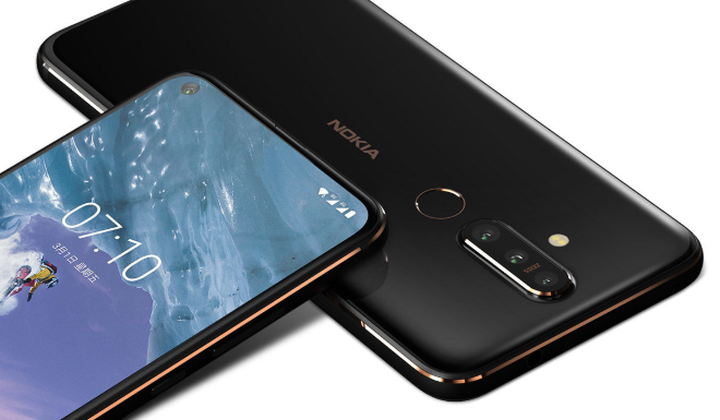
The triple camera system present on the rear shell of the device has an f/1.8 aperture ZEISS 48-megapixel primary sensor, a 5-megapixel depth sensor with f/2.4 aperture and a 120-degree field of view 8-megapixel ultra wide-angle lens. The triple camera setup is assisted with features like dual-LED flash, AI scene recognition and optimized photography in dim-light conditions.
The Nokia X71 is fitted with a rear-mounted fingerprint reader. The power button with breathing light can glow for alerts such as missed calls and new messages. The other features that have been included in the Nokia X71 are dual 4G VoLTE, Wi-Fi 802.11ac, Bluetooth 5.0, GPS, 3.5mm headphone jack and OZO 360-degree surround sound technology. The handset has a diamond-cut aluminum frame that is sandwiched between 2.5D hyperboloid glass on the front and rear. Its dimensions are 157.19 x 76.45 x 7.98 and it weighs 180 grams.
The Nokia X71 is up for registrations in Taiwan and it is expected to hit the Taiwanese market on April 10. The handset is priced at 11,990 NTD (~$388). It comes in a sole color option of Eclipse Black. The smartphone is likely to debut with a different moniker outside of Taiwan.
What’s your opinion on the Nokia X71 punch-hole display phone? Share us your thoughts by posting your comments below.
While Huawei faced a lot of issues last year, it certainly managed to have a good run in the year 2018 when it comes to smartphone sales. The combined sales of the company’s both brands — Huawei and Honor crossed the 206 million mark.
Huawei is currently the world’s third largest smartphone brand, just behind Samsung and Apple. For a quarter last year, it had managed to dethrone Apple from the second spot in global smartphone sales. While it still is in the third spot, the gap between Huawei and Apple is getting narrower.
Recently, during the Shanghai AWE 2019 Conference, Yu Chengdong, CEO of Huawei’s consumer business revealed that the company is planning to sell more than 250 million to 260 million units of its smartphones, in a combined sale of Huawei and Honor devices. With this, the company aims to become the top smartphone brand or grab a close second spot.
Further, he also revealed that the company is aiming to achieve over 50 percent of the market share in China, where the company is currently leading the market. Yu Chengdong said that they are aiming for the situation where every other smartphone sold in China should be from Huawei or Honor.
In order to achieve these goals, the company is planning to launch Honor-branded smartphones at even more aggressive pricing to take on its competitors in the market. The company will further invest in supply-chain and retail outlets. It also plans to invest in research and development for innovation.
Huawei recently shared its financial report for the year 2018 and revealed that its total sales reached 721.2 billion yuan ($107.1 billion), an increase of 19.5 percent year-on-year. It also reported a net profit of 59.3 billion yuan, up by 25.1 percent year-on-year. The company’s consumer business accounted for revenue of 348.9 billion yuan, representing a massive increase of 45.1 percent compared to the last year.
Looking for cost-effective earphones that do not compromise on quality? Look no further. Top online stores are now doling out great discounts on top-branded earphones much to the relief of music lovers who aren’t willing to spend a fortune on high-end music accessories.
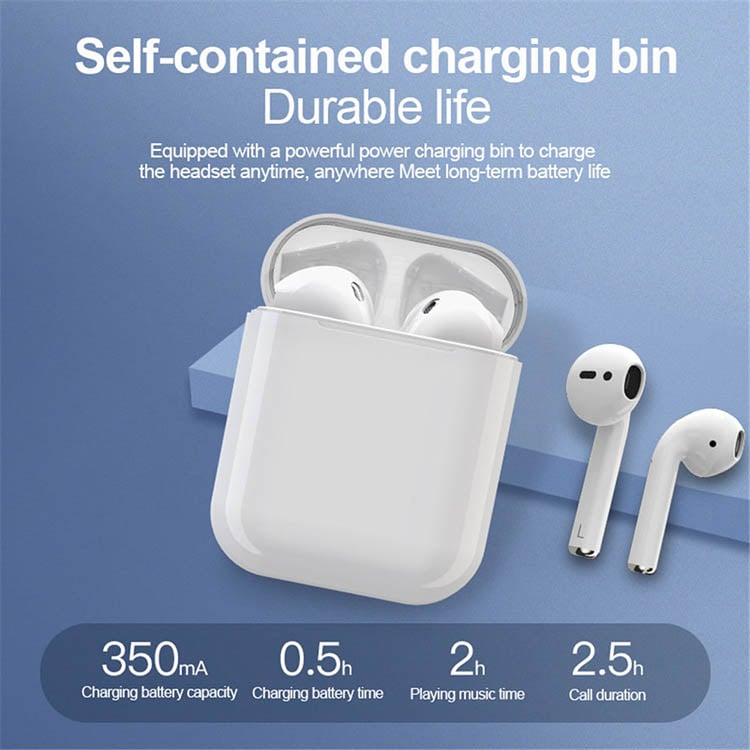
i13 TWS Wireless Bluetooth 5.0 Earphone on Gearbest
The i13 not only enables you to listen to your favorite music on the go, but it also lets you stay connected to friends and family since it supports making phone calls as well. While you’d normally end up shelling out $24.35 on this feature-rich earphone, Gearbest users can now buy it for just $21.99.
Aside from taking advantage of this 10 percent discount, you can qualify to get an add-on item for just $0.99 if your cart value is $2. You can visit this link to avail the discount, which will be valid for the white color version of the i13 TWS Wireless Bluetooth 5.0 Earphone.
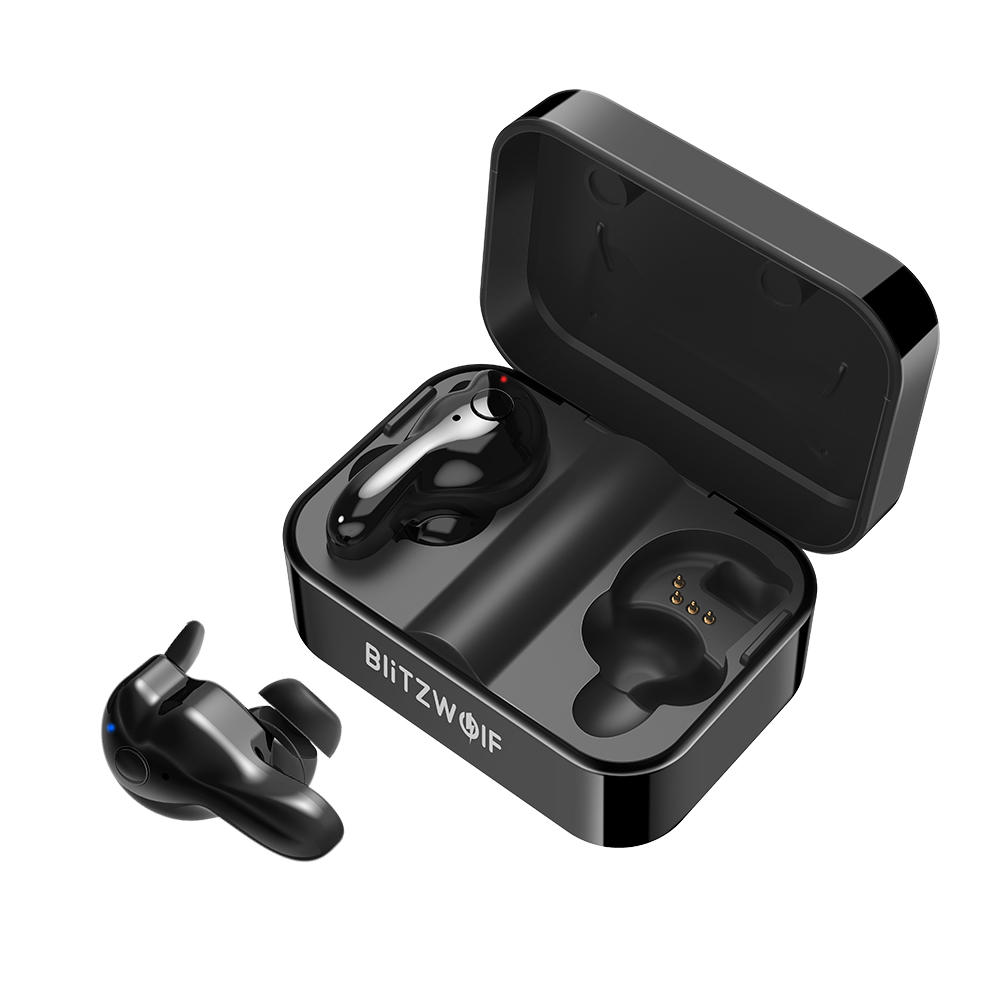
Blitzwolf BW-FYE1 TWS True Wireless Earphone Stereo Headphones on Banggood
Designed to give freedom from the wired constraint, the Blitzwolf BW-FYE1 adopts Bluetooth V5.0 coupled with Bluetooth V5.0 & 10M Obstacle-free Connection. Moreover, it features 10MM Titanium Film Speaker and Independent Sound Chamber for crystal clear and high-quality voice. The BW-FYE1 TWS True Wireless Earphone Stereo Headphones would normally set you back $45.99, but Banggood is giving its loyal users a chance to buy it for only $39.99. You can avail this 13 percent discount by following this link.
The Redmi AirDots packs a powerful Realtek 8763 chip, under the hood. It features a 7.2mm dynamic driver unit and adopts Bluetooth 5.0 for connectivity. Aside from that, it has silicone earbuds that make them extremely comfortable to wear for a longer duration.
The Redmi AirDots Wireless Earbuds have gone up for pre-order carrying a $23.99 price tag on Giztop. The device is expected to be delivered in the middle of this month. You can pre-order it by visiting this link.
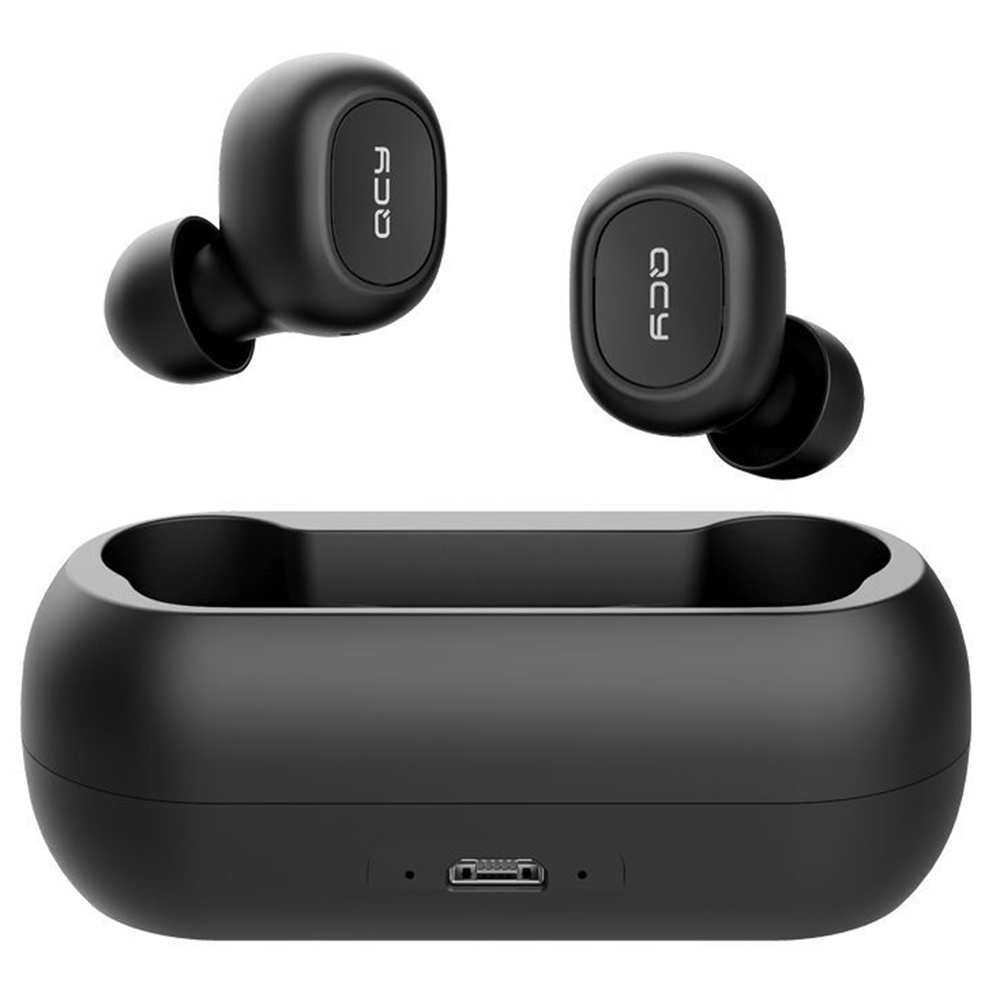
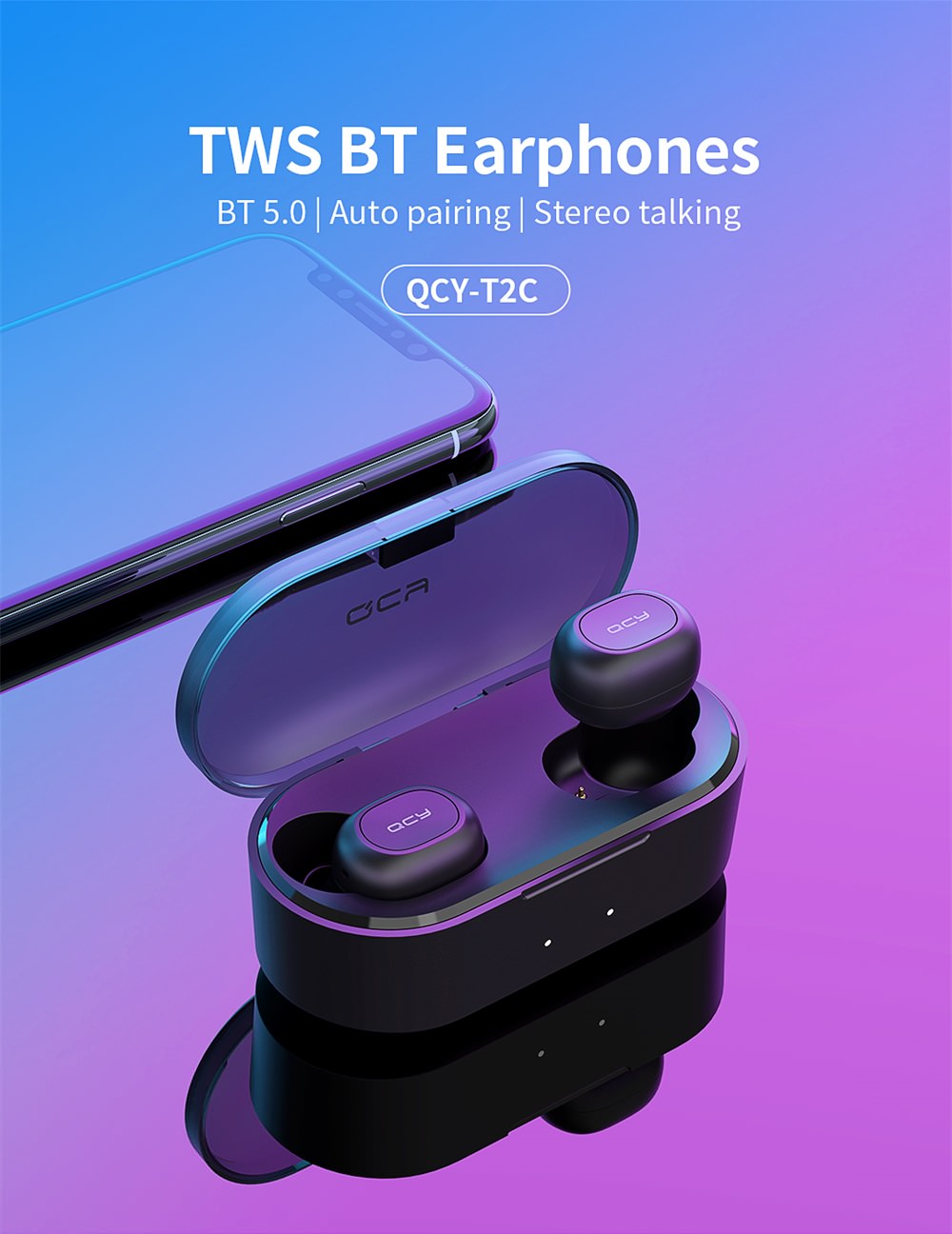
QCY T1C/T1 TWS Dual Bluetooth 5.0 Earphones on GeekBuying
With true stereo sound effects, the QCY T1C/T1 TWS Dual Bluetooth 5.0 Earphones provides an effect of space and delivers concert-hall like music. It adopts Bluetooth v5.0 technology to provide twice higher sound transmission. On top of that, it features enhanced anti-interference performance for a more stable connection.
While the aforesaid features justify the steep $28.99 price tag the QCY T1C/T1 TWS Dual Bluetooth 5.0 Earphones usually carry, you can now buy it for only $22.69 on GeekBuying. This is a significant 22 percent drop in the device’s original asking price.You can follow this link to avail the discount, which will be valid for the black color version of the earphones. Alternatively, you can grab a 47 percent discount on the white color version of the QCY T1C/T1 TWS Dual Bluetooth 5.0 Earphones.
The QCY T1S Mini TWS Wireless Earphones uses CVC 6.0 noise reduction technology along with high sensitivity silicon wheat to enhance speech recognition and ensure uninterrupted conversation even in noisy environments. It also delivers a clearer and more realistic call sound. It features an auto-pairing design, and ergonomic earbuds for a simplistic yet comfortable calling experience. The QCY T1S Mini is currently up for grabs on GearVita and you can buy it for $30.99 and you can click here to purchase it.
South Korea is one of the early markets where the commercialization of 5G technology is taking place. Now, according to the reports from local publications, the pricing of 5G plans for the South Korean market has now been confirmed.
The minimum cost or the starting price of the 5G tariff in South Korea is 55,000 won, which roughly converts to 325 Yuan or $48 for the three network operations — SK Telecom, KT, and LG U+.
While the basic package of 55,000 won from SK Telecom and KT offers 8GB of data, LG U+ offers 9GB of data. However, the data limited gets significantly increased when the user opts for the higher plan.
For instance, the package worth 75,000 won (approximately 444 Yuan or $66) offers 150GB on SK Telecom and LG U+ and the package costing 95,000 won (approximately 562 Yuan or $84) offers 200GB and 250GB data.
On the other hand, the third network operation — KT offers unlimited data service in packages worth 80,000 won and more, which roughly converts to 473 Yuan or $70. However, it then caps the speed in roaming.
Earlier, the South Korea-based network operators weren’t going to set the minimum pricing for the 5G network but it is being reported that the government forced the companies to do so as it believes that otherwise, users may not use the service due to excessive pricing.
Thus, in order to obtain the required government approvals to being the 5G service in South Korea, all the three companies decided to set 55,000 won as the minimum package pricing for the 5G network. But it’s clear from the packages that the companies will be keen on getting users for the 75,000 won or higher packages.
However, do note that the pricing has not been officially revealed by the network operators but have emerged through the local publications in South Korea. Samsung will be launching its Galaxy S10 5G smartphone on 5th April in South Korea and the official 5G network pricing is also expected to be revealed at that time.
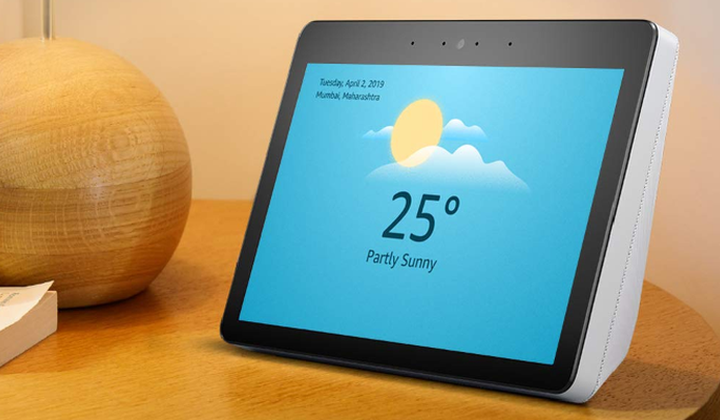
Amazon India has launched the second-generation Echo Show in India with a price tag of Rs. 22,999 (~$332). The smart device features a 10.1-inch display and Dolby powered speakers. It now joins another Alexa powered Echo produces in India such as Echo, Echo Dot, Echo Plus, Echo Sub and Echo Input.
Amazon Echo Show Specifications and Price
The Amazon Echo Show that features a fabric design houses a 10.1-inch HD touchscreen display. The large sized screen can be used for watching videos on Amazon Video Prime. There are no apps for YouTube or Netflix. However, these can be accessed through the Silk and Firefox browsers on the device. It can be also used for viewing news and sports updates.
The Echo Show can be also used a smart hub for controlling all the smart home products through an interactive interface. There is an inbuilt Zigbee smart home hub on the device. Since it is powered with Alexa, users can call out it to control smart home products as well as other functions of Echo Show. There are eight microphones installed on the device. Since they are powered with far-field technology, the Echo Show can listen to the voice of the user in the busiest of environments.
There is a 5-megapixel camera placed at the frontside of the Echo Show. It can be used to make handsfree calls over Skype. It features a pair of 2-inch neodymium speakers with passive bass radiator powered by Dolby audio technology. They are placed on the either sides of the device. It can be used as a standalone speaker to play songs through popular audio streaming platform such as Amazon Prime Music, Saavn, Hungama, Gaana and Tunein.
The other features of the Amazon Echo Show are weather forecasts, shopping lists, calendars, alarms, reminders and photos. Powered by Intel Atom x5-Z8350 processor, the Echo Show comes equipped with Bluetooth and Wi-Fi 802.11ac connectivity features and its compatible with Android and iOS devices.
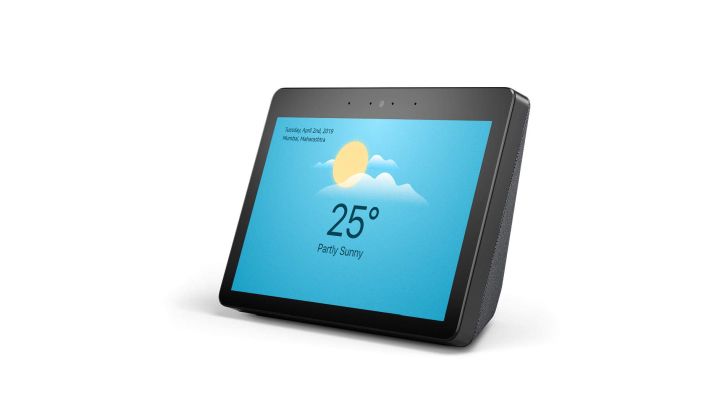
The Amazon Echo Show is available in India in colors like Black and Grey. The device is priced at Rs. 22,999 (~$332) and it comes with a free smart bulb for Philips. It can be purchased through no cost EMI plans for up to 12 months through leading bank cards. Citibank credit and debit card owners can take advantage of Rs. 2,200 cashback on purchase of Amazon Echo Show.
Chinese firm Realme launched its hotly-anticipated smartphone dubbed the Realme 3 earlier this month. Much to the delight of smartphone lovers who are looking for a cost-effective phone that doesn’t compromise on quality, two variants of the Realme 3 are slated to go up for sale bearing unbeatable prices on Flipkart at 12 noon.
The Indian e-commerce company will be offering the 3GB RAM, 32GB ROM, and 4GB RAM, 64GB ROM variants of the Realme 3 at considerably lowered prices for a limited period of time. So without wasting more time, let’s delve straight into the details.
Realme 3 (3GB RAM, 32GB ROM)
The aforesaid model will normally carry a price tag of 10,999 INR; however, you will be able to buy it for just 8,999 INR on Flipkart. Thanks to an 18 percent discount, Flipkart users can now avail an extra 2,000 INR off on this variant’s original asking price.
The model will be available in the radiant blue color version. While the sale is slated to kick off shortly, you can follow this link and activate the ‘Notify Me’ button in order to ensure you do not end up missing this amazing discount.
This is a slightly larger variant that ships with 4GB of RAM and offers 64GB of internal storage capacity for you to save your favorite music, videos, and other multimedia content. The original selling price of the model is 12,999 INR, but Flipkart users can buy it for a considerably lowered price of only 10,999 INR. This is a noteworthy 15 percent reduction in the device’s retail price. This model will be shortly available in the black color version. You can head straight to this link and activate the ‘Notify Me’ button to receive notification as soon as the sale kicks off.
Each month AnTuTu releases the list of top 10 best performance Android smartphones in China. Today, it has shared the list of top performing phone for March 2019. The February month’s list was led Xiaomi Mi 9 and Lenovo Z5 Pro GT that were powered by Snapdragon 855. The top 10 list for March month has coupe of new Snapdragon 855 powered phones. The list is now led by Xiaomi Mi 9 Transparent Edition (Explorer Edition) with an average benchmarking score of 372,072 points. The regular edition of Xiaomi Mi 9 has ranked second with a slightly low score of 371,878. The Vivo iQOO Monster edition with 12 GB RAM and 256 GB of storage is placed on the third with an average score of 365,430.
The Snapdragon 855 powered Galaxy S10+ and Galaxy S10 have ranked fourth and fifth with respective AnTuTu scores of 359,987 and 359,217. The Vivo iQOO gaming phone and Lenovo Z5 Pro GT are the other Snapdragon 855 mobile platform powered smartphones on the list. These phones that have ranked sixth and seventh have respectively scored 356,510 and 348,591.
The Nubia Red Magic Mars gaming with Snapdragon 845 SoC onboard is on the eighth position with an AnTuTu score of 315,200. The Honor V20 fueled by the Kirin 980 SoC is on the ninth place with 306,306 score. Placed on the tenth position is the Huawei Mate 20 X phone. The Kirin 980 SoC driven phone has scored 303,174 on AnTuTu.
Some new Snapdragon 855 powered phones are poised to debut in April. The Meizu 16s has been recently spotted with an impressive score on AnTuTu. The upcoming Red Magic 3 was spotted earlier today with highest benchmarking score on AnTuTu. These phones are expected to rank high on AnTuTu’s top 10 list of best performing Android phones for April 2019. The list will also include the recently announced Kirin 980 powered Huawei P30 and Huawei P30 Pro smartphones.
Are you using any of the above listed smartphones? Share us your experience by posting your comments below.
Meizu is soon expected to launch a new smartphone under its 16-lineup — Meizu 16s, along with advanced Meizu 16s Plus and the Meizu 16T gaming smartphone. Now, ahead of the launch of these new devices, the Meizu 16th and 16th Plus have received a price cut.
With this price cut, the Meizu 16th will be available for 2,298 Yuan (approximately $342) for the 6GB RAM and 64GB storage model while the 16th Plus will be available for 2,698 Yuan (approximately $401) for the 6GB RAM and 128GB storage model.
Both the smartphones were launched in August last year, featuring an 18:9 aspect ratio display. The phones are powered by Qualcomm’s Snapdragon 845 octa-core processor and come with up to 8GB of RAM and 256GB of internal storage.
In the camera department, the phone features a 12 MP dual cameras on the rear and a 20MP shooter on the front side for selfies and video calling. The smartphones run Android Oreo operating system out-of-the-box with the company’s own Flyme OS on top.
As said, the price cut comes just ahead of the launch of Meizu 16s smartphone. It is expected to come equipped with a 6.2-inch Super AMOLED display with Full HD+ screen resolution support and an in-display fingerprint sensor.
Recently leaked renders reveal that the Meizu 16s will be arriving with a vertical dual camera setup and the phone’s benchmarking listing has now confirmed that it will be featuring a 48-megapixel primary sensor. It will be the Sony IMX586 48-megapixel sensor that will carry support for OIS.
The upcoming smartphone has already bagged 3C certification in China which reveals that the device will carry support for 24W rapid charging. Rumors indicate that the phone will be powered by a 3,600mAh battery.
The Meizu 16s, which is expected to make its debut soon, will be costing 500 Yuan (approximately $76) more than the Meizu 16th. Hence, it is likely to debut with a price tag of around 3,198 Yuan, roughly $476.
Update: The tipster has claimed that the phone could actually be launching as Motorola P40 Note.
Original Story follows..
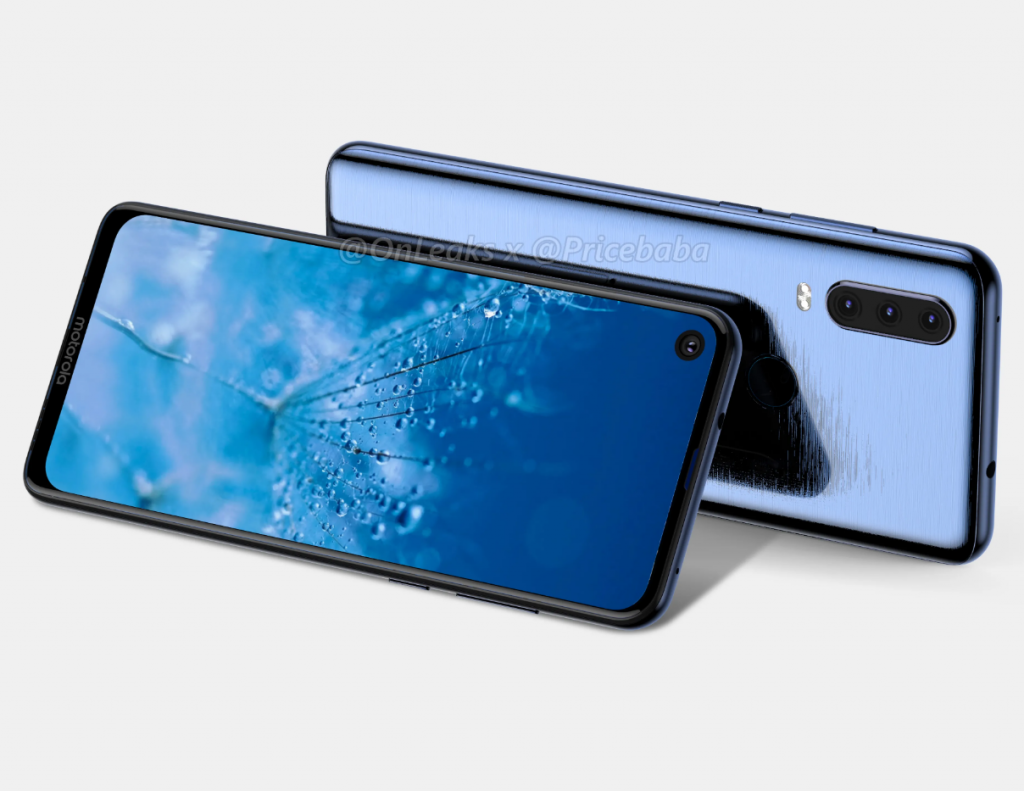
In February, Motorola had launched the Moto G7, Moto G7 Plus,Moto G7 Play and Moto G7 Power smartphones in Brazil. The Lenovo-owned company is gradually making these phones available in wider markets. Fresh information reveals that the company has already started working on successor models for the Moto G7 series. An Indian publication has collaborated with popular tipster OnLeaks to share the renders and 360-degree video of the forthcoming Moto G8 smartphone.
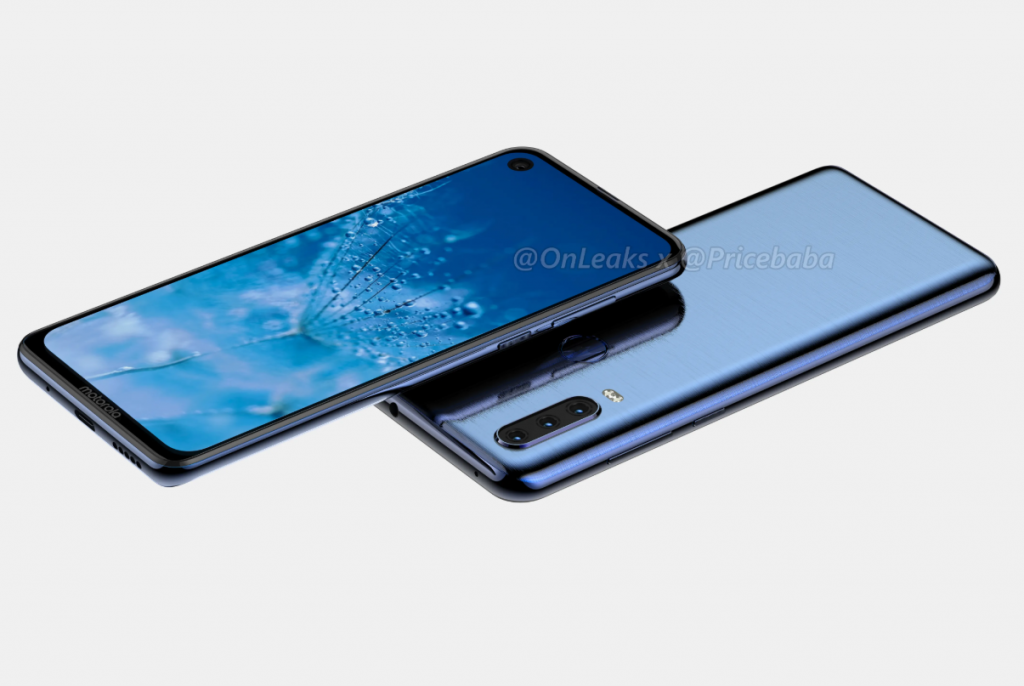
The render of the Moto G8 reveals that it bears resemblance with the upcoming Motorola One Vision smartphone. Like the One Vision phone, the Moto G8 is equipped with a punch-hole display. However, instead of dual rear cameras found on the One Vision, the G8 is blessed with a triple camera setup.
According to OnLeaks, the Moto G8 has 160.1 x 71.2 x 9.1mm dimensions. The thickest part of the phone is where the triple cameras are located. The camera bump increases the thickness of the device to 9.7mm. The handset houses a 6.2-inch punch-hole display. The upcoming One Vision also features the same-sized punch-hole display. The bottom bezel of the phone is thick enough to house the brand name of the company. The remaining three bezels are very slim. An earpiece can be found on the edge of the slim bezel above the display.
On the rear side of the Moto G8 is a vertically aligned triple camera module at the top-left corner. It is followed by a dual-LED flash. Without going into the details of all the three camera sensors, the leakster has claimed that the phone is equipped with a 12-megapixelt triple camera setup. There is no information available on the other specifications of the Moto G8.
Placed on the bottom side of the Moto G8 is a microUSB 2.0 port, an external speaker grill and a microphone. The right edge of the phone has buttons for controlling volume and power. An ejectable SIM card tray can be found on its left side. Another microphone and a 3.5mm audio jack are available on the top edge of the Moto G8. The Motorola batwing logo on the rear shell of the device is integrated with a fingerprint sensor.
There is no confirmation on the launch date of the Moto G8. Now that the G7 series is being made available in different markets, the Moto G8 series may get introduced at least after six months from now. Motorola is known for announcing its G-series of smartphones in the first quarter of the year. Hence, there is a possibility that the Moto G8 series get unveiled in the first quarter of 2020.
Recently, Lenovo Group Vice President Chang Chengfa announced that the company’s upcoming flagship smartphone — Lenovo Z6 Pro, will debut in April this year. Earlier, the company had teased the phone’s launch during MWC 2019 last month but instead of launching the smartphone, the company just revealed that the phone will make its debut soon.
Lenovo has already confirmed that the smartphone will come with a feature called “Hyper Videos” but had not shared anything related to this, except that it will be the trend of the 5G era. The recently released teaser poster also mentions the word “HYPER VIDEO” but still, nothing much is known about this feature.
Now, the company has shared another video which was shot using the upcoming Z6 Pro flagship smartphone. The video shows the phone’s outstanding capabilities in terms of shooting low-light images and video.
The video highlights the city lights during the night time, showcasing the phone’s impressive camera performance. While the video has a watermark of “Super Night Mode” in the bottom-left corner, Lenovo VP Chang Cheng says that there’s no Super Night Mode in the app and the video is recorded normally.
Recently, the company had shared a short video on Weibo, showcasing the Hyper Video feature of the smartphone. The short video seems to be using macro and slow-mo effect. The text posted along with the video by Chang Cheng, VP of Lenovo Group suggested that it took over a year for the company to develop this Hyper Video feature.
Earlier, it was said that the phone will come with support for 100 MP camera and will feature an anti-shake function as well. It is also expected to have a super wide-angle lens, and something related to improve the night photography.
Previous teasers related to the smartphone implies that the device will come with an in-display fingerprint sensor, which is now in almost all flagship smartphones. The phone is also expected to be powered by Qualcomm Snapdragon 855 SoC and support wireless charging. The Lenovo Z6 Pro will officially make its debut next month.
Smart devices like smartphones, fitness bands, smart wearables, etc. have become an inseparable part of our fast-paced lives. On the downside, these devices aren’t easy on the pocketbook.
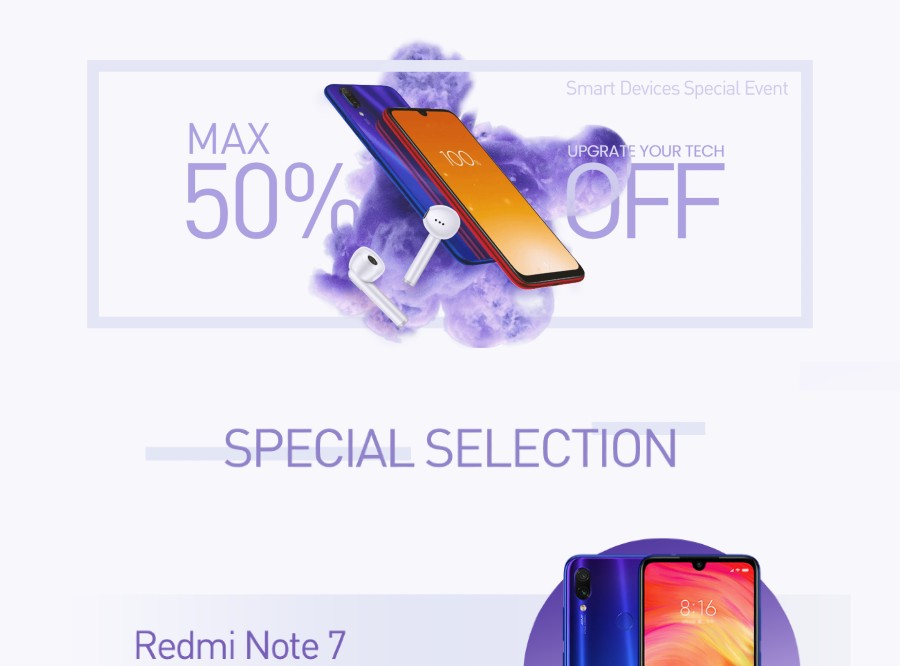
Huawei and Apple have teamed up with one of China’s leading online stores, Banggood and launched a new promo dubbed, ‘Smart Devices Special Event’ in a bid to make top-end smart devices available to those living on a tight budget.
The promo is offering loyal Banggood users as well as Huawei and Apple fans to upgrade their tech and get up to a whopping 50 percent off on a wide selection of high-end products.
In order to make the search process simpler, the promotion page has been split into multiple categories including Special Selection, 24 Hours Flash Deals, Top Electronics, Top Accessories, and New Arrivals. Each of the aforesaid categories features a slew of Huawei and Apple-branded products that you can buy at lowered prices.
In addition to a slew of other products, the promo features the global version of the Xiaomi Redmi Note 7 smartphone, which usually sells for $269.99 on both online as well as offline stores. As part of its latest promo, Banggood is doling out a 12 percent off on the coveted phone, bringing its original asking price to just $239.99. Likewise, you can grab a 36 percent off on the TWS Mini Portable Dual Wireless Bluetooth Earphone Headphones that usually retail for $39.99. Thanks to a 36 percent off, you can now buy these truly wireless earbuds for a considerably reduced price of just $25.56. Moreover, you can choose from pink, gold, white and black color versions.
Feature-laden smartwatches like the Kospet Brave, Bakeey M30 along with A slew of other top-branded electronic items have gone up for sale bearing lowered price tags under the ’24 Hours Flash Deals’ section.
Alternatively, you can take advantage of several other discounts on products that have been added to the rest of the categories. In order to check them out, all you need to do is to visit the promotion page by clicking here. It is worth mentioning here that the promo is slated to end soon.
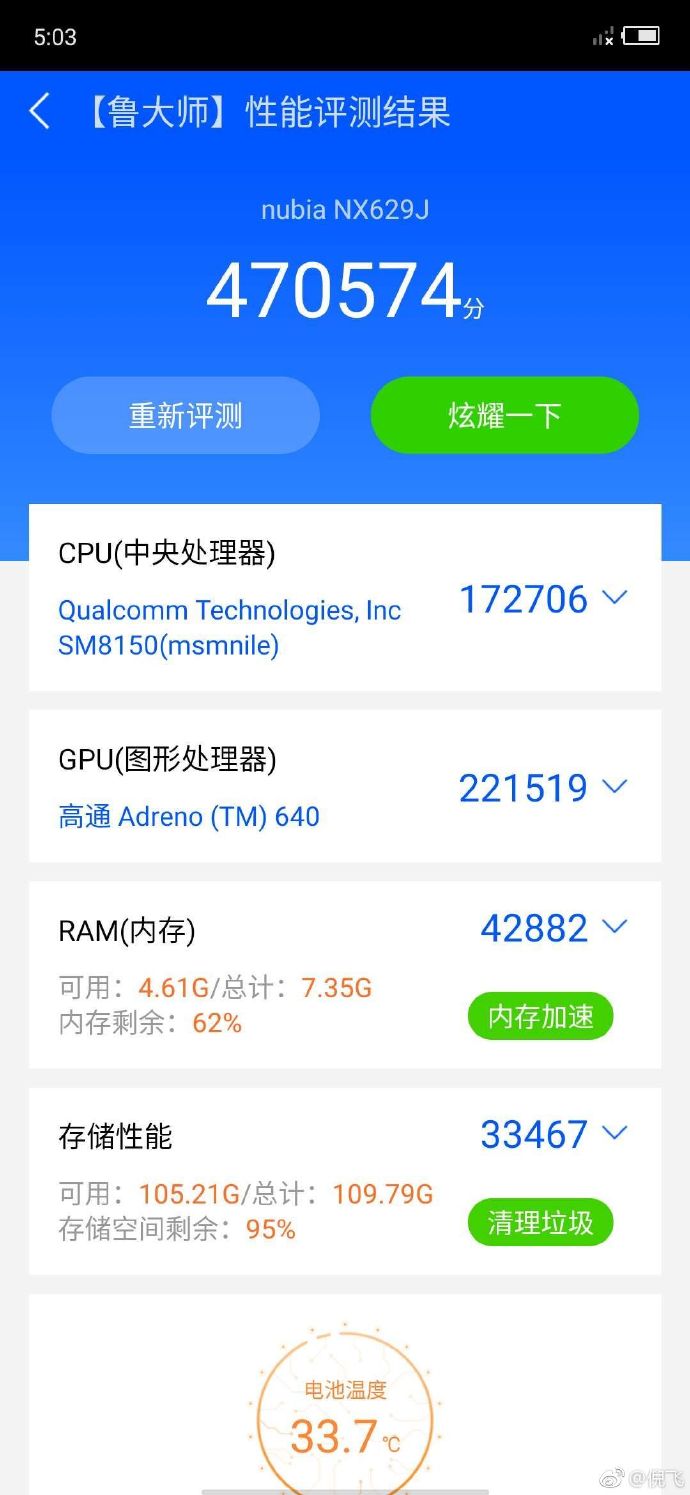
Nubia is expected to announce the Nubia Red Magic 3 gaming phone in this month. The smartphone has been recently certified by 3C authority in China. Today, Nubia CEO Ni Fei has shared AnTuTu and Master Lu benchmark screenshots of the Nubia NX629J smartphone. Recent reports have revealed that the Nubia NX629J model number belong to the upcoming Nubia Red Magic 3 smartphone. The handset has shattered the AnTuTu benchmarks by scoring 437k+ and it is also achieved highest score of 470k+ on Master Lu.
The first screenshot shows the Nubia Red Magic 3 phone scoring 437,524 average benchmarking score of tests performed on CPU, GPU, UX and memory on AnTuTu. The benchmarking score is higher than its closest rival Xiaomi Black Shark 2 that had recorded 430,882 on AnTuTu benchmarks.
In the second screenshot, the smartphone can be seen scoring 470,574 average benchmarking score on Master Lu. It is a total 172706 CPU score, 221519 graphics score, 42882 RAM score and 33467 storage performance score. By this, the Nubia Red Magic 3 smartphone has become the highest scoring smartphone on AnTuTu and Master Lu benchmarks. The screenshots were shared by Ni Fei on April Fool’s Day. However, he has confirmed the authenticity of those screenshots.
The second screenshot reveals that the phone is powered by Snapdragon 8150 which is nothing but the Snapdragon 855 SoC. It is supported by 8 GB of RAM and it comes with an internal storage of 128 GB. Probably, the 12 GB variant of the phone will include 256 GB of storage. The 3C certification of the phone has revealed that it will carry support for 30W rapid charging.
Fei has already some of the key features of Red Magic 3. Apart from the powerful specs mentioned above, the smartphone will be equipped with a high refresh rate display and a huge battery of at least 5,000mAh capacity. It will be featuring a hybrid cooling system that will include air cooling, liquid cooling and a turbo fan. Advanced 4D haptic feedback will allow Red Magic 3 users to take advanced of topnotch gaming experience. It will also come with a 3.5mm audio jack and breathing lights.
Do you think it will be a better gaming phone than the Xiaomi Black Shark 2 that was announced recently? Share us your views by posting your comments below.
As part of its latest promotion called ‘Classic Retro Projectors Deals – Buy 1 Get 1 Free Gift,’ Gearbest is doling out up to a whopping 50 percent off on a wide selection of projectors.
The promotion page has been split into numerous categories such as Flash Sale, New Arrival, Exclusive Deal, 5 Days Arrival and Half Price Zone in order to simplify and speed up the search process. Among a slew of well-received projectors, the Chinese online store is offering the English version of the Xiaomi Mijia Laser Projector at a lowered price.
Marketed as the world’s first ultra-short projector that adopts ALPD (advanced laser display) technology, the Xiaomi Mijia Laser Projector offers up to an impressive 150 inches of full HD quality images in 50cm, paired with up to 25,000 hours of product life.
It uses a compact, minimalist “box” design language in a bid to accomplish user-friendly design goals, while carefully maintaining the host and Bluetooth the remote control design style compatibility. Moreover, the host can be efficiently controlled from any corner of the room and you can find programs using the voice assistant for an unparalleled movie viewing experience.
There are no prizes for guessing that the Mijia Laser Projector doesn’t come cheap. In fact, it will normally set you back $1994.46 on both online as well as offline stores. Much to the delight of cinephiles looking for a feature-laden laser projector that doesn’t a cost a bomb, the Mijia Laser Projector is now available for just $1729.99 on Gearbest.
This is a significant 13 percent drop in the device’s original asking price. In order to grab the discount, you just need to follow this link without wasting time. With only 13 pieces remaining of the projector’s white color version, this promo is slated to end in just four days.
Xiaomi‘s Mi Fan Festival begins later this week and to celebrate it, a number of products will be discounted. The Redmi 6 and Redmi 6 Pro are among the products which will sell for less than their normal prices duing the sales.
For the period of the festival which runs from April 4 to April 6, interested buyers will be able to purchase the Redmi 6 for ₹6,999 (~$101) for the base model. The Redmi 6 Pro will also sell for ₹7,999 (~$116) for the base model within the period.
The price cut will apply to all sales channels which includes the official Mi.com website, Flipkart, Amazon India, Mi Home stores, Mi Stores, and Mi Preferred Parters.
The Redmi 6 has a 5.45-inch HD+ display with an 18:9 aspect ratio. It is powered by the 2.0GHz Helio P22 processor paired with 3GB of RAM and 32GB/64GB of storage. It has dual rear cameras (12MP + 5MP), a 5MP selfie camera with AI portrait mode and AI Face Unlock. There is a fingerprint scanner on the back and a 3,000mAh battery under the hood. Its original launch price was ₹7,999 (~$116). The price cut isn’t as much as that of the Redmi 6 Pro.
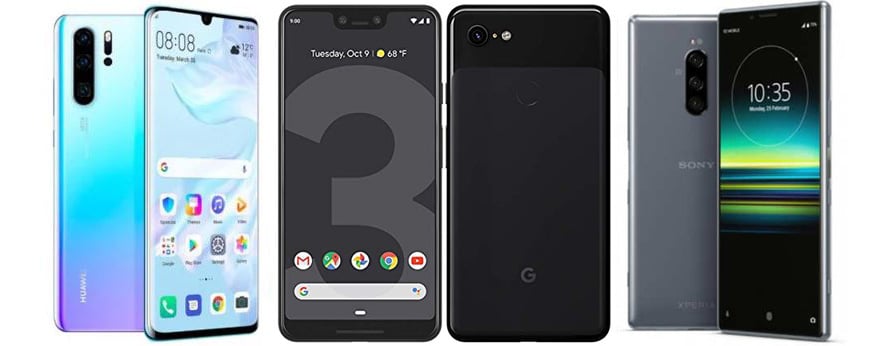
By launching the P30 Pro, Huawei reinvented the world of mobile photography once again. The Chinese giant just cannot stop innovating and other manufacturers struggle at getting close to its amazing hardware innovation. Given that the P30 Pro is now Huawei’s most impressive flagship in the market, we think it is time to compare it with the other flagships from the other brands. After comparing it to the iPhone Xs Max and Samsung Galaxy S10+, here is another comparison against the Google Pixel 3 XL and the new Sony Xperia 1.
Huawei P30 Pro vs Google Pixel 3 XL vs Sony Xperia 1
Huawei P30 Pro
Google Pixel 3 XL
Sony Xperia 1
DIMENSIONS AND WEIGHT
158 x 73.4 x 8.4 mm, 192 g
158 x 76.7 x 7.9 mm, 184 g
167 x 72 x 8.2 mm, 180 g
DISPLAY
6.47 inches, 1080 x 2340p (Full HD+), OLED
6.3 inches, 1440 x 2960p (Quad HD+), 18.5:9 ratio, P-OLED
Despite Sony Xperia 1 comes with a very innovative form factor, I love the Huawei P30 Pro because of its better bezels optimization and its stunning reflective glass back available in gradient hues. It comes with almost 90 percent of screen-to-body ratio and it is fully waterproof (it can go up to 2 meters deep for 30 minutes). Right after, there is Sony Xperia 1 with its very tall 21:9 aspect ratio and Gorilla Glass 6 protecting both the front and rear glass. I do not like the notch of the Google Pixel 3 XL so much because of its size, but it is still a beautiful and original device, and note that it houses front-facing stereo speakers.
Display
Sony Xperia 1 is equipped with the world’s first 4K OLED display ever seen on a smartphone. Its level of detail is so huge that you will probably notice the difference with lower resolution only in a VR environment. It takes several technologies from Sony’s Bravia TVs to improve the color reproduction and it is also HDR compliant. The second place goes to the Google Pixel 3 XL that is another device with an OLED display and it has a high 2K resolution as well as the HDR certification. Due to its lower resolution and less satisfying color reproduction, Huawei P30 Pro cannot compete with its opponents.
Hardware/Software
The smartphone with the most powerful chipset is the Sony Xperia 1 which comes with the Snapdragon 855 by Qualcomm, paired with 6 GB of RAM. But Huawei P30 Pro looks more interesting because it comes with more RAM and a lot more internal storage in its most expensive variant (up to 8 GB of RAM and up to 512 GB of internal storage that you can furtherly expand with a micro SD). Given that the Google Pixel 3 XL comes with an old-gen Snapdragon 845 chipset it loses the comparison, but note that it gets updated faster and more constantly with new Android versions and security patches as it is a Google’s phone.
Camera
Not only Huawei P30 Pro wins the camera comparison against the Google Pixel 3 XL and Sony Xperia 1, but it is also the most impressive camera phone in the whole smartphones market. It boasts a quad camera setup including a 40 MP sensor which replaces the green color in the RGB paradigma with yellow in order to capture a lot more light. The first camera samples showed that Huawei P30 Pro in normal mode is able to capture more light and to shoot better photos in low light conditions than Google Pixel 3 XL with its advanced Night Sight mode. Sony Xperia 1 is still an awesome camera phone, but Huawei P30 Pro is way superior.
Battery
With its mammoth 4200 mAh battery, Huawei P30 Pro wins the battery comparison. It is also the only to support reverse wireless charging, so it can be used as a power bank to charge other devices wirelessly.
Price
Huawei P30 Pro hitten the shelves with an €880/$986 price tag, Sony Xperia 1 will cost about €1000/$1120 and Google Pixel 3 XL has a listing price of €960/$1075. At the end of the day, Huawei P30 Pro turns out to be a better device due to its higher camera potentialities, awesome hardware, and way bigger battery.
Two new Huawei phones with model numbers DUB-AL00a and DUL-TL00a have been certified by TENAA. Both phones are the same with respect to specs but differ based on network support. Based on their specs, the phones belong to the mid-range category.
The Huawei DUB-AL00a (and DUB-TL00a) has a 6.26-inch display with a 1520 x 720 resolution. It has a notch at the top which is home to an 8MP sensor. There is a 1.8GHz octa-core processor under its hood paired with 4GB of RAM and 128GB of storage which can be expanded via a MicroSD card slot.
[envira-gallery id=”244279″]
The back is home to dual cameras arranged vertically on the left. The primary sensor is a 13MP camera and it is paired with a 2MP depth sensor. The cameras share the same housing and there is an LED flash at the bottom. The words “AI Camera” are also written on the back. There is no fingerprint scanner but there might be face unlock.
The Huawei DUB-AL00a packs a 3,900mAh battery and unfortunately, runs Android 8.1 Oreo. It measures 158.92 x 76.91 x 8.1 millimeters and weighs 168 grams. It will come in blue, black, and red.
April 1 is the day that you either dread or look forward to, depending upon whether you usually prank other people or get pranked by others. This year, a number of Chinese companies contributed to the list of April Fools’ pranks, including big names like Xiaomi, OnePlus, Tencent, and even WeChat. Most of the April Fools’ jokes came in the form of new products and like every year, today we have a bunch of interesting announcements.
So, let’s take a look at some of the best 2019 April Fools’ Pranks from China’s tech world.
1. Xiaomi Rocket
Xiaomi had a bunch of announcements today, including the Xiaomi Mi 9 Roy Long limited edition model. However, among these announcements, there was this weird product, the Xiaomi 1 Rocket.
Xiaomi’s rocket is said to be of 27 meters and 1.6m in diameter. It will come loaded with 3 x 3 panoramic cameras for some amazing panoramic shots (well, its definitely going to be out of this world!). What’s more, the rocket will have a flight capacity of up to 35 kilometers. And to top it all off, you can remotely launch this rocket with your Xiaomi smartphone.
After the Mi drone, this will take your photography skills to new heights!
2. WarpTen Chocolate and WarpCar
Warp seems to be the hot word for OnePlus this year. After revealing the super fast WarpCharge last year, it’s time to extend its Warp lineup with two new products.
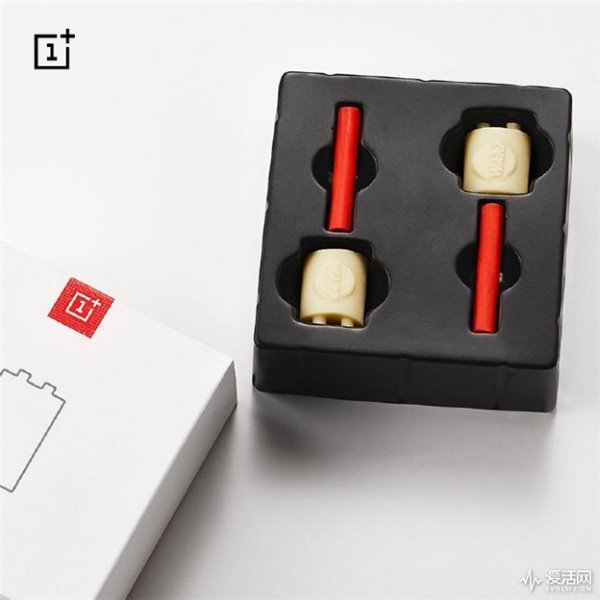
The WarpTen charger is your best friend. While your OnePlus flagship has the WarpCharge to top it up, WarpTen is here to charge you up. Basically, it’s a bar of chocolate in the shape of a charger. That’s all we know. We don’t even know whether it’s good. And it’s unlikely that you’ll get a chance to taste it, as we didn’t find it on sale.
WarpCar is a more exciting addition to the Warp family. Powered by 20 WarpChargers, it tops up in just 20 minutes. The car has definitely got Tesla’s attention. And why wouldn’t it?
The WarpCar functions around a OnePlus smartphone, with on-screen gestures and camera flash powering its steering and lighting capabilities, respectively. You just swipe left to turn left, swipe right to turn right, swipe up to go forward, and swipe down to reverse. Well, I hope you don’t have to keep swiping up to keep the car moving forward — after all, that would be a tiring job. Further, the WarpCar comes with front and rear facing cameras to cover your in-car selfie needs.
While WarpCar isn’t a real product, I can imagine Tesla already working on that in-car selfie feature.
3. Special Finnish Handpicked Chicken and Duck Meat Boxes From HMD Global
HMD Global, the Finnish company behind the Nokia brand decided to diversify their portfolio today. They announced a brand new product in China, a Special Poultry Gift box from Finland. This assorted gift box features high-quality, unpolluted Chicken and Duck meat from Finland.
HMD Global adds that they want their customers to get the pure Scandinavian feel.
While I’m sure their Chinese customers are excited to see this, it’s possible that they would rather wish to see the Nokia 9 Pureview on sale in their market.
4. Smartisan OS 6.6.6.6 with Virtual Bubble Wrap Pop
Smartisan decided to announce their Smartisan OS 6.6.6 today, with some really special features. For starters, there’s this virtual bubble wrap that lets you pop the bubbles with the right amount of pressure. It’s a good way to relieve your stress, especially when you don’t have the real thing around.
There were a lot of features mentioned in this update, but some of the best ones include the scheduled salary credit message, Type-C toothbrush accessory, and telemarketer’s calling mode. The scheduled salary credit message allows you to edit the amount and time of your salary credit message so that the ‘right person’ gets to see it.
If you’ve had trouble figuring out the exact emotions of your partner, Baidu’s Cupid is coming to your rescue. The feature integrates AI interactive technologies such as big data, cloud computing, machine learning — all these fancy stuff to figure out what your partner wants to say. Well, he or she doesn’t even have to say anything because this cool feature uses micro-expression recognition to unravel your partner’s real emotions.
If this was a real product, I’m sure there would have been a lot of takers.
6. WeChat’s Creepy way to prank young lovers
WeChat’s April Fool Prank was rather embarrassing. I mean, not for them, but for young lovers out there. Apparently, anyone who sent out ‘I love you’ or ‘I like you’ on Wechat ended up seeing the creepy New Moon face emoji in their conversation. Of course, today isn’t really the best day to profess your love. But if you did on WeChat, you most likely creeped someone out. And you should thank WeChat for that.
Nothing in China works without AI these days. Tencent announced a new feature earlier today, AI-powered gourmet flavor detector. But it will not just detect the flavor, but also give out the ingredients used. What’s more, it will also help you to reconstruct the flavor of a particular item. Too good to be true? Of course!
Alipay released the safest 5G smartphone earlier today. While we aren’t sure whether the phone can keep its data safe, it promises to keep you safe instead. This is done via a host of features like anti-fraud detection, lie detector, spam call detector and so on. Basically, if you get a fraudulent call, the phone will automatically detect it and respond to that call. You just have to sit back and relax. What’s more, you can point the phone’s camera at something and it will identify whether the product and its associated information is fake or not. So, if you are out shopping for some fruits, make sure to take this phone and check whether it’s fresh. Not to mention, all this will be processed in 5G. Well, I hope it will also detect the fake 5G networks out there. Now, that would be a real feature!
Which one among these was your favorite April Fools’ Prank?
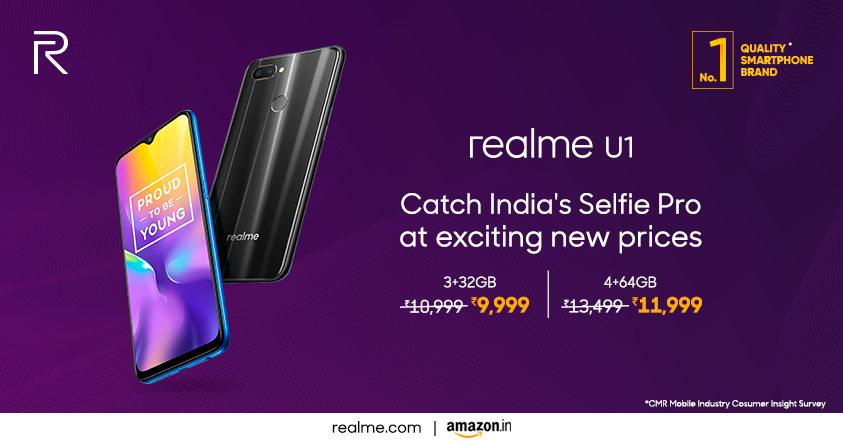
The Realme U1 selfie-centric smartphone from Realme was introduced in November 2018 with a starting price of Rs. 11,999 (~$174). In February, it was reduced to Rs. 10,999. Realme has confirmed through Twitter to announce a new price cut for the Realme U1. The base model of the phone is now available with a revised cost of Rs. 9,999 (~$145).
The base model of the Realme U1 features 3 GB of RAM and an internal storage of 32 GB. The higher version of the phone includes 4 GB of RAM and 64 GB storage. In November, it was introduced with Rs. 14,999 (~$217) price tag and in February, its price was slashed to Rs. Rs. 13,499 (~$195). It can be now availed for Rs. 11,999 (~$174). Compared to the original pricing, the 3 GB and 4 GB RAM variants of the phone are now available with respective discounts of Rs. 2,000 (~$29) and Rs. 3,000 (~$44).
The smartphone can be purchased through Amazon India and the online store of Realme. It can be bought in colors like Fiery Gold, Ambitious Black and Brave Blue.
Realme U1 Specifications
The Realme U1 has a 6.3-inch IPS LCD panel with waterdrop notch. The handset carries support for full HD+ resolution of 1080 x 2340 pixels. The ColorOS 5.2 based Android 8.1 Oreo OS comes loaded on the device. The Helio P70 drives the 3 GB and 4 GB RAM editions of the phone. There is a dedicated slot for microSD card on the device.
The smartphone is equipped with 13-megapixel + 2-megapixel dual camera setup on its rear. For capturing selfies, it possesses a 25-megapixel Sony IMX576 selfie snapper. A 3,500mAh battery powers the phone. Apart from fingerprint reader, the handset also carries support for Ai Face Unlock.
Realme has received launched in India with a starting price of Rs. 8,999 (~$130). The company will be launching the Realme 3 Pro smartphone in India in this month.
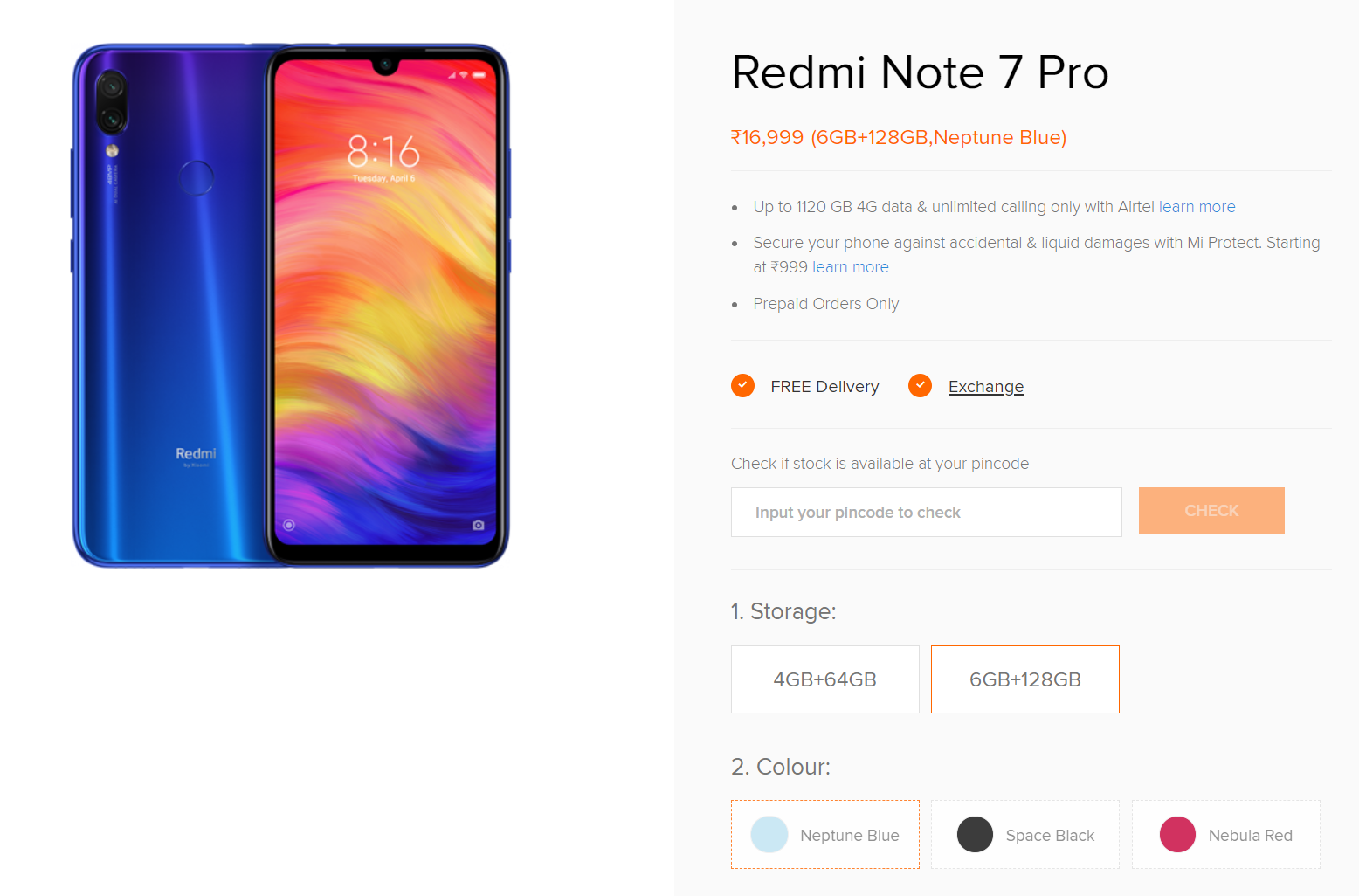
During the unveil event of the Xiaomi Redmi Note 7 Pro in India in the previous month, the company had introduced it in two models such as 4 GB RAM + 64 GB storage and 6 GB RAM + 128 GB storage. Only the 4 GB RAM edition of the phone has been available since the launch of the smartphone. The 6 GB RAM variant has been now listed on the official Xiaomi India website. The listing of the new variant suggests that it will be made available for purchase soon.
Xiaomi will be carrying out the next sale of the Redmi Note 7 Pro on April 3. It is very likely that its 6 GB RAM + 128 GB storage variant will be made available for purchase on the said date. The new variant will carry a price tag of Rs. 16,999 (~$245). The 4 GB model is priced at Rs. 13,999 (~$202). Both models are available in colors like Neptune Blue, Space Black and Nebula Red.
Redmi Note 7 Pro Specifications and Features
The Redmi Note 7 Pro has a 6.3-inch notched IPS LCD display that offers 19.5:9 aspect ratio and full HD+ resolution of 1080 x 2340 pixels. The Snapdragon 675 SoC that includes 2.0 GHz octa-core processor and Adreno 612 graphics powers the two RAM variants of the phone. There is a hybrid SIM slot that can support also support a microSD card.
Placed on the rear is an AI dual camera with 48-megapixel Sony IMX586 as primary sensor and 5-megapixel secondary sensor. For capturing selfies, it is equipped with a 13-megapixel selfie shooter. The 4,000mAh battery powers the smartphone that carries support for 18W fast charging through USB-C. A fingerprint reader is placed on the rear shell of the device.
On March 18, the Redmi Note 7 Pro and Redmi 7 phones were introduced in China. Only the 6 GB RAM edition is available in the home market. It carries a price tag of 1,599 Yuan (~$238). The Redmi 7 is yet to make its way in India.
We use cookies on our website to give you the most relevant experience by remembering your preferences and repeat visits. By clicking “Accept”, you consent to the use of ALL the cookies.
This website uses cookies to improve your experience while you navigate through the website. Out of these, the cookies that are categorized as necessary are stored on your browser as they are essential for the working of basic functionalities of the website. We also use third-party cookies that help us analyze and understand how you use this website. These cookies will be stored in your browser only with your consent. You also have the option to opt-out of these cookies. But opting out of some of these cookies may affect your browsing experience.
Necessary cookies are absolutely essential for the website to function properly. This category only includes cookies that ensures basic functionalities and security features of the website. These cookies do not store any personal information.
Any cookies that may not be particularly necessary for the website to function and is used specifically to collect user personal data via analytics, ads, other embedded contents are termed as non-necessary cookies. It is mandatory to procure user consent prior to running these cookies on your website.


 The BW-FYE1 TWS True Wireless Earphone Stereo Headphones would normally set you back $45.99, but Banggood is giving its loyal users a chance to buy it for only $39.99. You can avail this 13 percent discount by following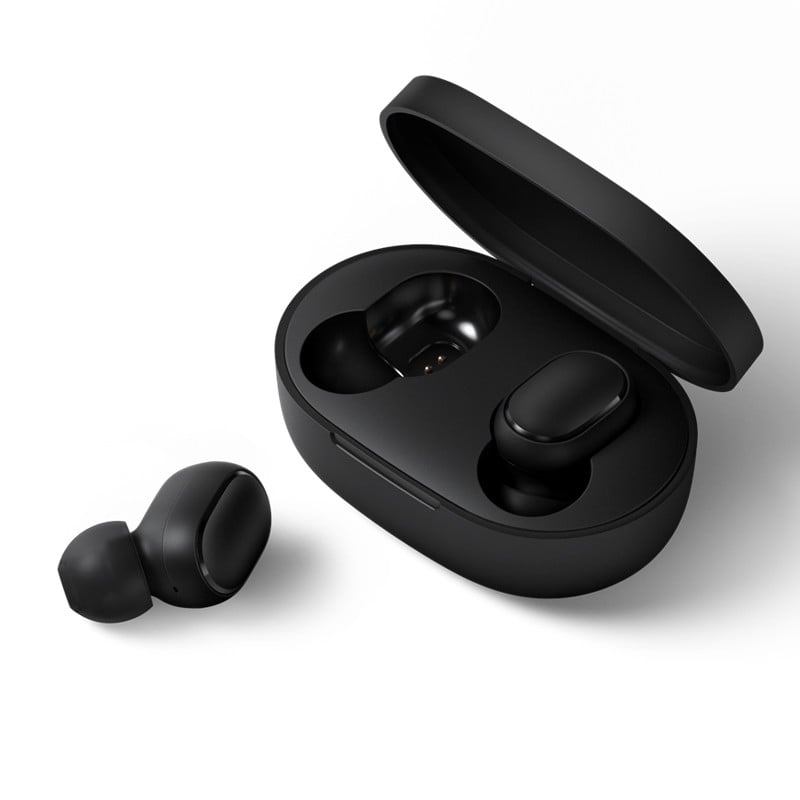
 You can follow
  It features an auto-pairing design, and ergonomic earbuds for a simplistic yet comfortable calling experience. The QCY T1S Mini is currently up for grabs on GearVita and you can buy it for $30.99 and you can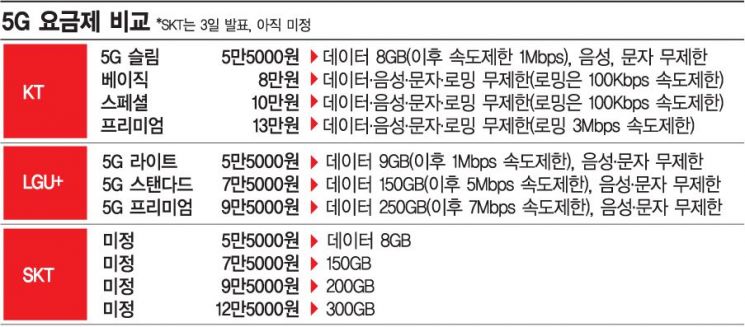
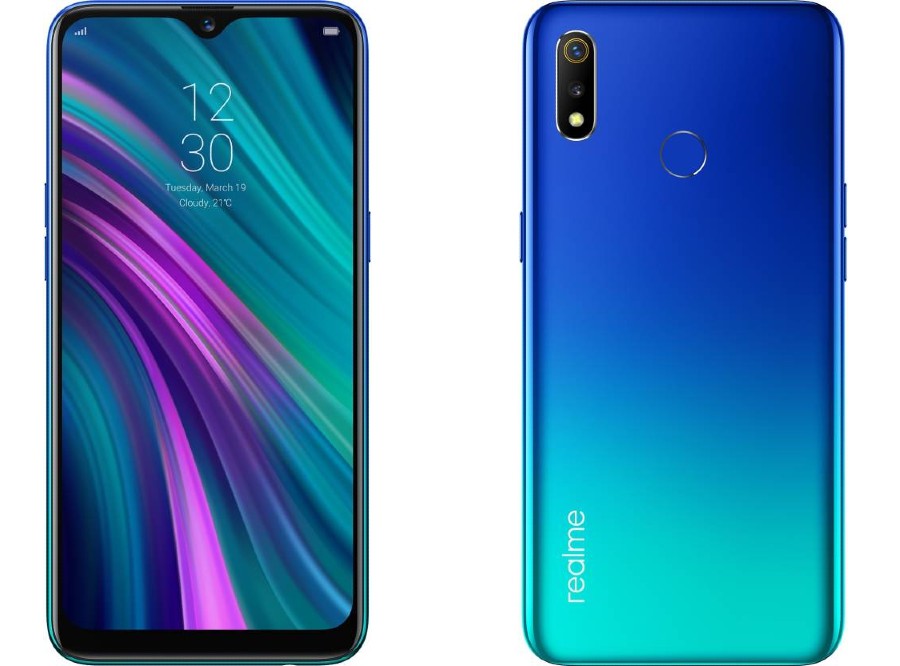 Much to the delight of smartphone lovers who are looking for a cost-effective phone that doesn’t compromise on quality, two variants of the Realme 3 are slated to go up for sale bearing unbeatable prices on Flipkart at 12 noon.
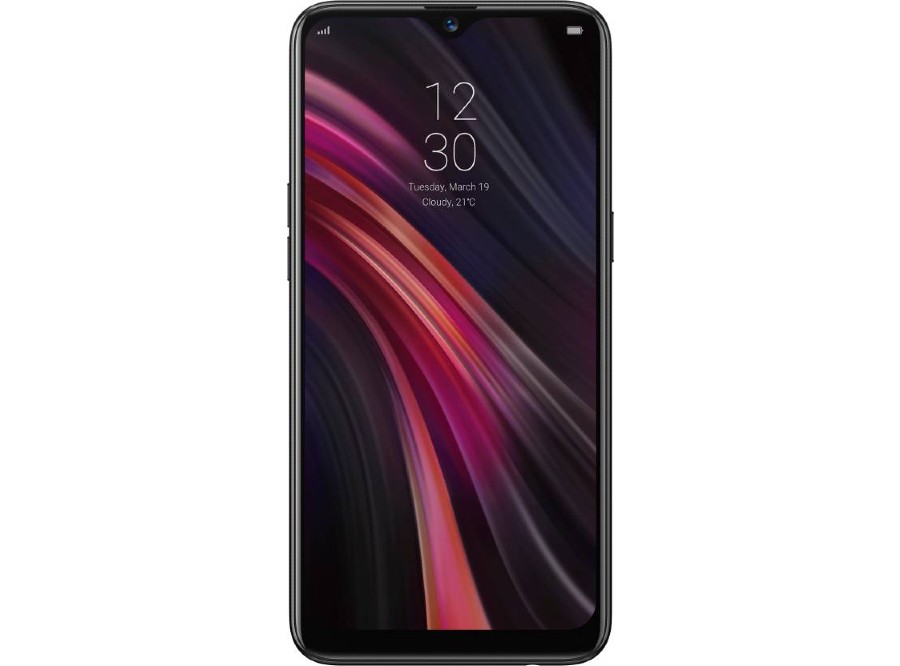 This is a noteworthy 15 percent reduction in the device’s retail price. This model will be shortly available in the black color version. You can head straight to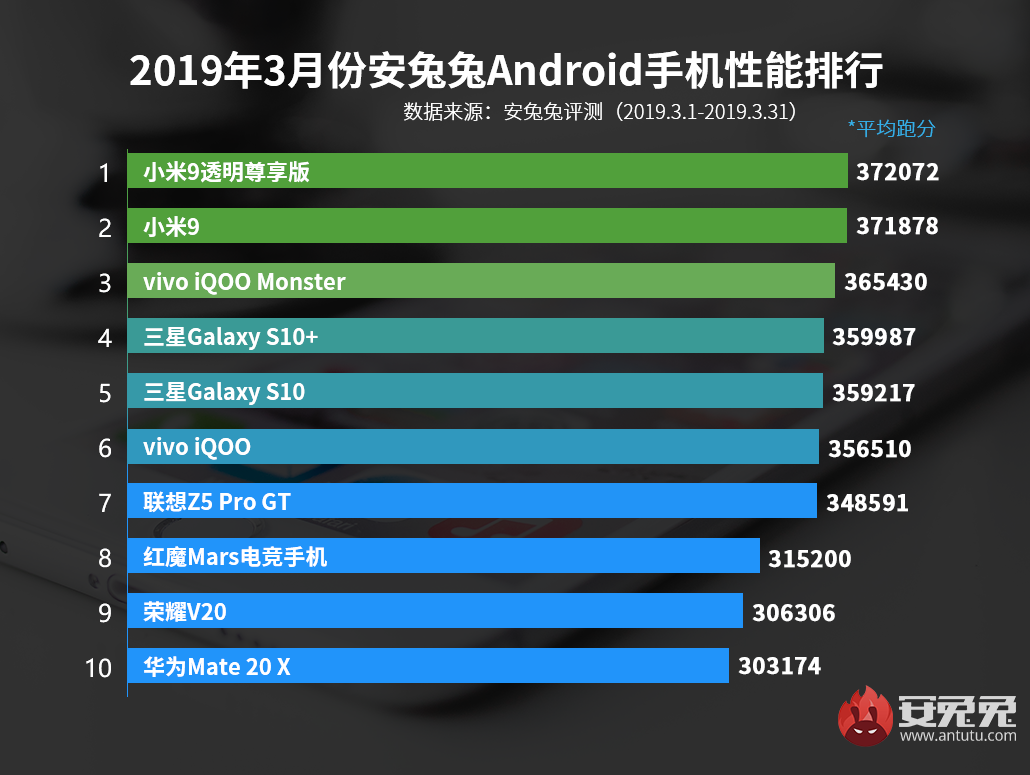





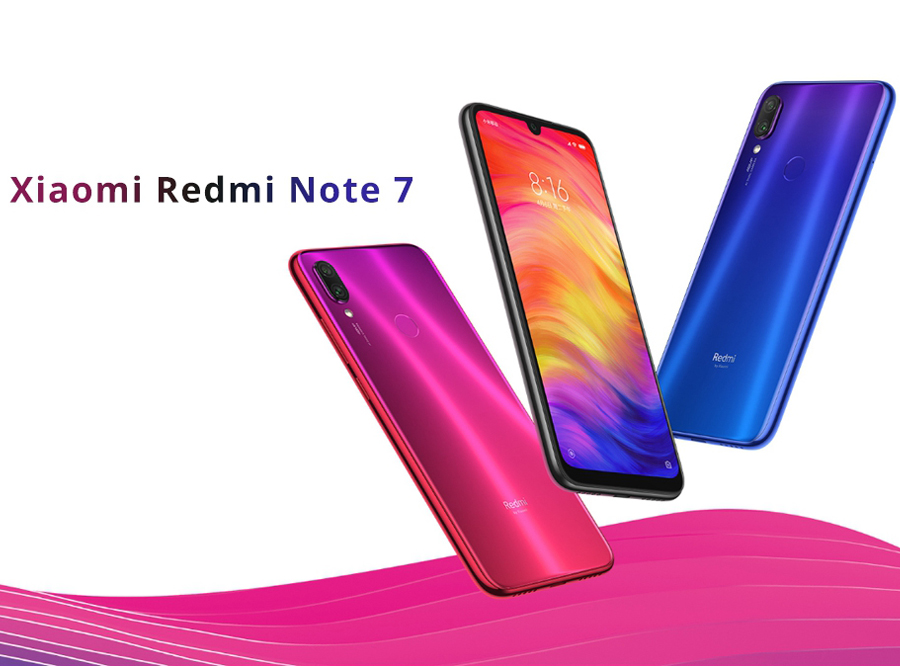 Likewise, you can grab a 36 percent off on the TWS Mini Portable Dual Wireless Bluetooth Earphone Headphones that usually retail for $39.99. Thanks to a 36 percent off, you can now buy these truly wireless earbuds for a considerably reduced price of just $25.56. Moreover, you can choose from pink, gold, white and black color versions.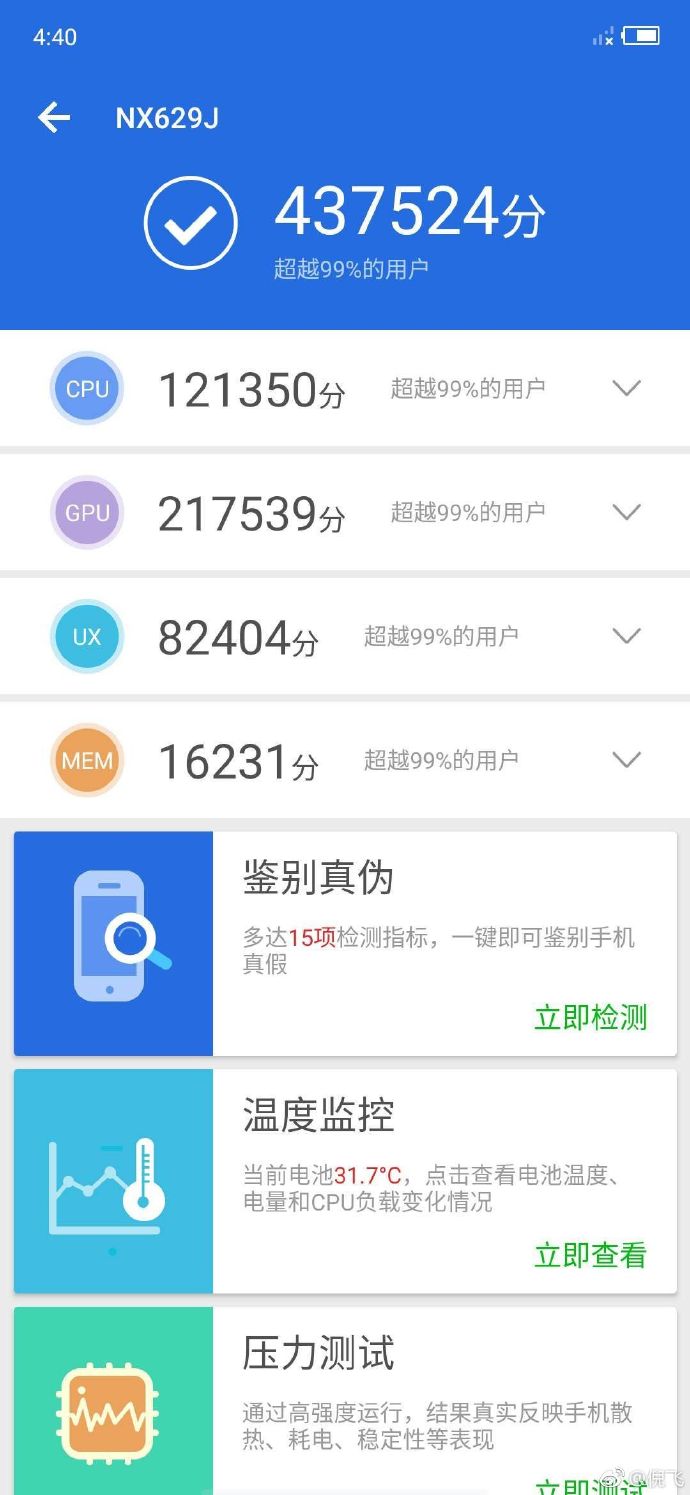

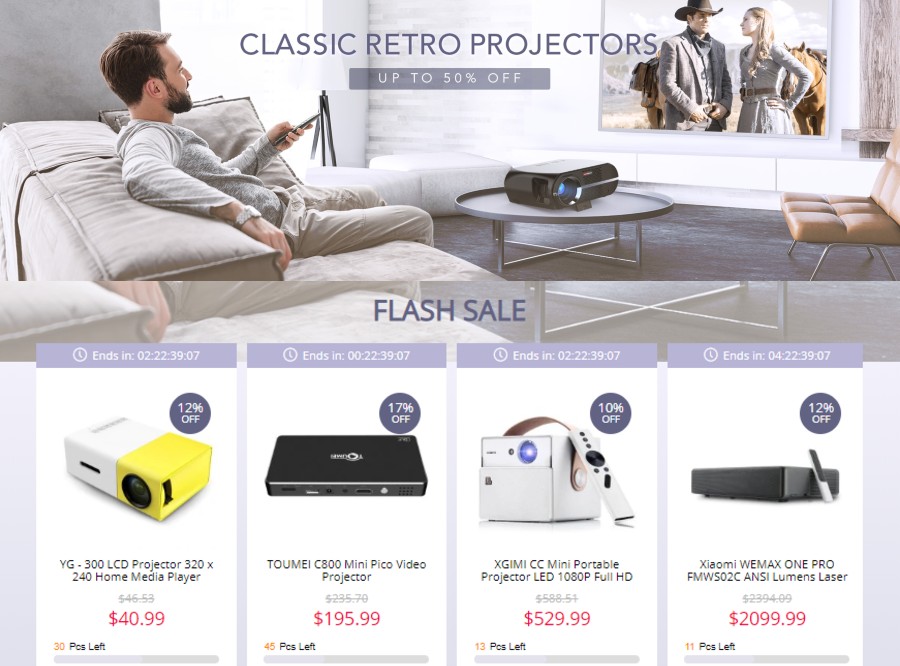 The promotion page has been split into numerous categories such as Flash Sale, New Arrival, Exclusive Deal, 5 Days Arrival and Half Price Zone in order to simplify and speed up the search process. Among a slew of well-received projectors, the Chinese online store is offering the English version of the Xiaomi Mijia Laser Projector at a lowered price.
 There are no prizes for guessing that the Mijia Laser Projector doesn’t come cheap. In fact, it will normally set you back $1994.46 on both online as well as offline stores. Much to the delight of cinephiles looking for a feature-laden laser projector that doesn’t a cost a bomb, the Mijia Laser Projector is now available for just $1729.99 on Gearbest.