After a few days of teasers and speculations, it’s finally official. The Xiaomi Redmi 7 model is meeting us alongside the Redmi Note 7 Pro on March 18. As the name suggests, the phone will be placed below the Redmi Note 7 series, coming with less powerful internals, at a budget price tag.
An hour ago, Redmi’s recently appointed General Manager, Lu Weibing confirmed this news via Weibo. Apart from confirming the date, he also revealed the design of the handset.
The Redmi 7 is reminiscent of its elder Note series sibling. So, you have the same camera arrangement at the back as well as fingerprint placement. However, you should have less fancy color options for this model. In the image, we can see that there will be at least three color variants for the Redmi 7 – Black, Blue, and what looks like a Sunrise Red color. The front is also similar to the elder sibling, featuring a teardrop display with a thick bottom bezel.
The phone has already passed TENAA, so we know most of its specs. The upcoming model will come with a 6.2-inch IPS LCD display, which is only slightly smaller than the Redmi Note 7. The resolution is said to be HD+ while the processor will most likely be Snapdragon 632, starting at 2GB + 16GB memory configuration. There should be additional 3/4GB RAM variants as well. The phone is expected to start at around $105.
Brace for a bunch of official teasers in the next few days.
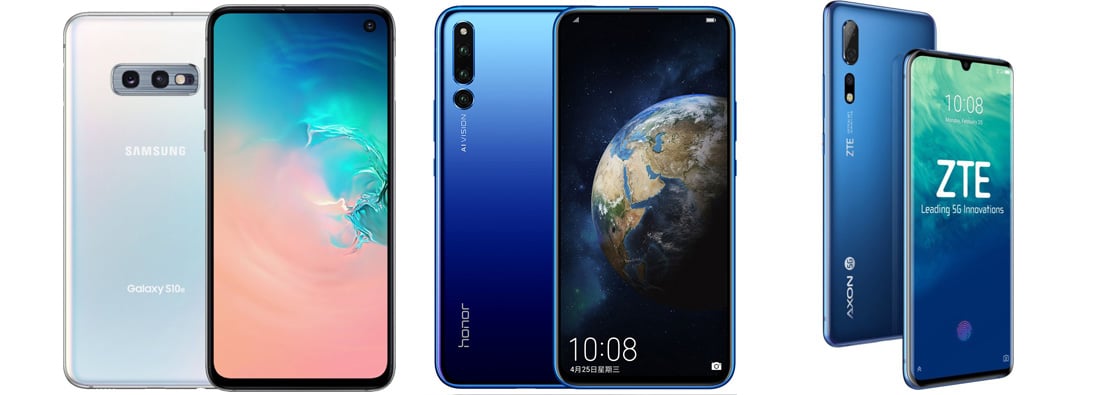
During the first two months of 2019, several affordable flagships were released by mainstream manufacturers. For the first time since the Galaxy S5 series, Samsung unveiled a more affordable variant of the Galaxy S line-up: the Galaxy S10e. Huawei launched a new variant of the Honor Magic 2 with a 3D camera which still carries a modest price, while ZTE announced its first 5G-enabled phone: the Axon 10 Pro. In this article, we compared these three devices in order to let you know which of these three companies came up with the best and most interesting affordable flagship.
ZTE Axon 10 Pro vs Honor Magic 2 3D vs Samsung Galaxy S10e
ZTE Axon 10 Pro
Huawei Honor Magic 2 3D
Nokia 9 PureView
DIMENSIONS AND WEIGHT
159.2 x 73.4 x 7.9 mm
157.3 x 75.1 x 8.3 mm, 206 g
142.2 x 69.9 x 7.9 mm, 150 g
DISPLAY
6.47 inches, 1080 x 2340p (Full HD+), AMOLED
6.39 inches, 1080 x 2340p (Full HD+), AMOLED
5.8 inches, 1080 x 2880p (Full HD+), Dynamic AMOLED
Triple 16 + 16 + 24 MP, f/1.8, f/2.2 and f/1.8
Triple 16 + 2 MP + TOF sensor f/2.0 and f/2.4 front camera
Dual 12 + 16 MP f/1.5-2.4 and f/2.2
10 MP f/1.9 front camera
BATTERY
4000 mAh, fast charging with Quick Charge 4+, wireless charging
3500 mAh, fast charging
3100 mAh, fast charging 15W, wireless charging
ADDITIONAL FEATURES
Hybrid Dual SIM slot
Dual SIM slot
Dual SIM slot, water resistant (IP68), reverse wireless charging
Design
In our opinion there is no challenge: Honor Magic 2 3D comes with the most innovative and attractive design. It is a slider phone with minimal bezels, no holes and no notches on the front side, and it looks very clean and futuristic. However, some may like the Samsung Galaxy S10e because even though it does not have a slider design, it has an in-display camera allowing to minimize bezels without the need for a notch. Further, the Canary Yellow color variant is unique. ZTE Axon 10 Pro has not a so original design, it comes with a standard form factor with a waterdrop notch on the display, nothing so special.
Display
Unfortunately, ZTE Axon 10 Pro is still not on the shelves and it will not arrive soon, so we do not know how its display performs. Judging from the specs on the paper, Samsung Galaxy S10e should have the most convincing panel. It comes with the new Dynamic AMOLED technology, as well as the advanced HDR10+ technology, which improves the color reproduction. Note that Honor Magic 2 3D and ZTE Axon 10 Pro are equipped with an in-display fingerprint reader, while Samsung Galaxy S10e has a less innovative side-mounted fingerprint scanner.
Hardware/Software
Thanks to the best chipset in the Android world (the Snapdragon 855 which powers the U.S. version of the phone) and up to 8 GB of RAM, Samsung Galaxy S10e should be the best performing handset, but we still have to test the software optimization of each phone in order to give a definitive verdict. An important advantage of the Honor Magic 2 is its internal storage which goes up to 512 GB, but it does not have an expansion slot, unlike its rivals. Note that ZTE Axon 10 Pro is the only one which supports the 5G connectivity, so, in my opinion, it wins the hardware comparison.
Camera
It is a hard fight and it is hard to make a prediction without testing all the camera departments of these devices, but on the paper, Samsung Galaxy S10e seems more interesting. It has a variable focal aperture that allows capturing more light and a higher level of detail in every light condition, and it also features an ultrawide lens and OIS. But ZTE Axon 10 Pro should be at a similar level thanks to its optically-stabilized triple camera including an ultrawide sensor, a 48 MP main sensor and a telephoto lens with OIS. Honor Magic 2 3D may be more interesting only when it comes to selfies, thanks to its front triple camera including a depth sensor and a 3D TOF sensor.
Battery
The biggest battery belongs to the ZTE Axon 10 Pro, and it is way bigger than its opponents. So, it will most likely last a lot more on a single charge. And it will also charge very faster thanks to the Quick Charge 4 technology. Samsung Galaxy S10e is the most disappointing one with just 3100 mAh, but it is the only with the reverse wireless charging which allows using it as a power bank.
Price
ZTE Axon 10 Pro is the most interesting phone of this comparison thanks to the 5G support, its wide display, bigger battery, and good camera department, but we still do not know its price. Samsung Galaxy S10e costs €780/$880 in the global market, while Honor Magic 2 3D carries a €500/$560 price tag in China.
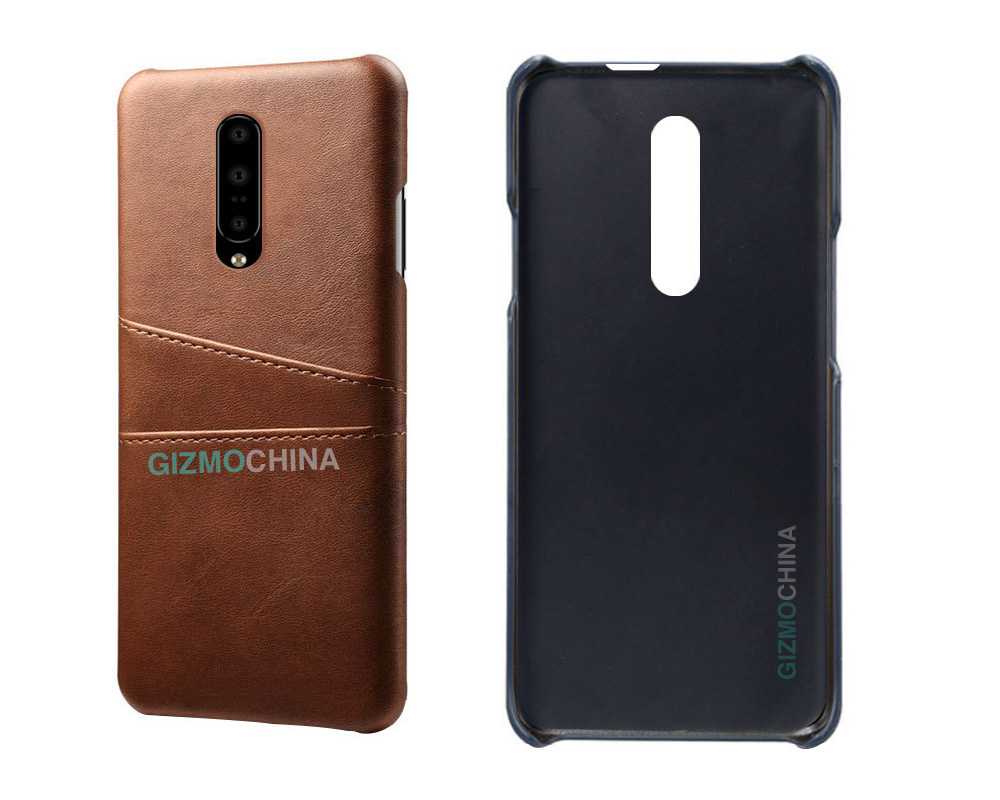
We still have about three months at the earliest before the launch of the OnePlus 7 but we already know what it looks like thanks to 3D renders and a 360° video of the phone that leaked last week. Today, we have gotten our hands on an official render and live photos of the phone’s case and they further confirm the phone’s design.
The render of the case shows the next OnePlus flagship will have triple rear cameras arranged vertically. There is an opening at the top of the case for the pop-up selfie camera. The left and right sides of the case have two cutouts – there is a small one on the left for the volume rocker while the wider one on the right is for the Alert Slider and power button.
The real case images show a slightly different design. The cut-out on the right is divided into two for the alert slider and power button. It also has a cut-out at the top for the pop-up selfie camera. Unlike the render above which seems to be a mix of leather and plastic, the case in the live images is made entirely of polycarbonate.
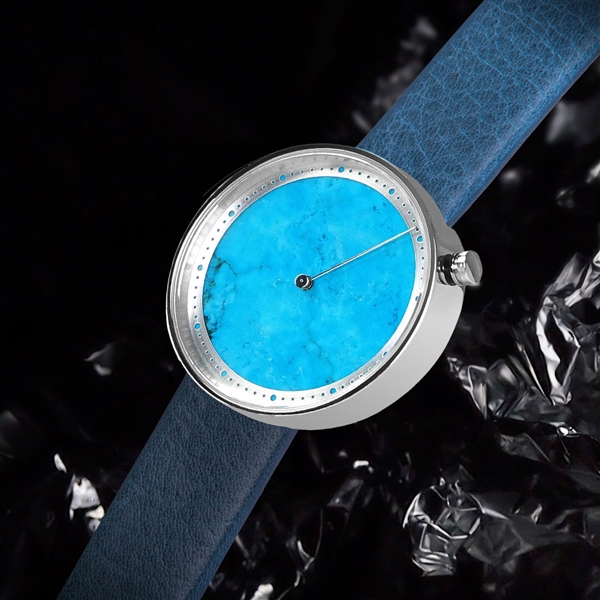
Xiaomi has today announced a new mechanical watch under its crowdfunding platform. The device is dubbed Ultratime Zero Quartz watch and comes with a single-pointer design, natural unique marble dial. The watch comes with a price tag of 1080 yuan ($160).
The Ultratime Zero Quartz Watch is a third-party product manufactured by Beijing Taihuo Red Bird Technology Co., Ltd. The design of the quartz watch is inspired by human’s first time recording tool, “The Sun-dial ” which uses a point to interpret the time and uses a pointer to combine the scales on the dial to subtly present the time. The dial has a diameter of 42 mm and a height of 9 mm. The true marbles used on the dials are imported from different parts of the world. Each piece has different lines, which show the beauty of different planets in space in an exquisite and elegant way.
The watch also has a steel body that is of medical grade and meets the metal standard for Europe and the United States. It is covered with synthetic sapphire glass with a hardness of 9 grades. Further, the Ultratime Zero Quartz Watch features a tailor-made leather strap which is elegant-looking and strong. The watch is said to have won the 2017 China Good Design Award. As stated earlier, the watch comes with a price tag of 1080 yuan ($160) and is presently on sale via Xiaomi Youpin.
Recently, HMD owned Nokia announced Nokia 9 carrying a penta-camera module on the rear side. Along with the Nokia 9, the company also unveiled Nokia 210, Nokia 3.2 and Nokia 4.2 devices with improved features and enhancements. Every device carries its own set of features and attracts different consumer groups. The Nokia 9 is known for its five-camera module, while Nokia 4.2 and 3.2 both for its notification LED power button.
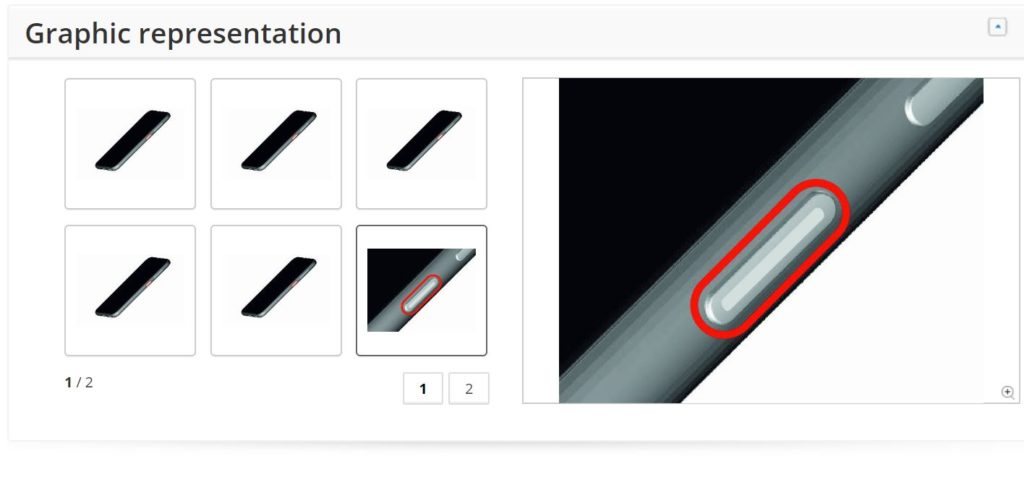
To save this design feature from being reproduced by different manufacturers, HMD Global has registered a trademark for it. As with the five-camera module design, Nokia has also registered a patent for the notification LED power button featured on Nokia 4.2 and 3.2. In November 2018, HMD applied for the patent at the European Union’s Intellectual Property Office. Recently, the EQUIPO successfully granted the design patents for two devices including the Nokia 210.
The new patent falls under the “mobile phones (part of)” category. This beautiful power button is designed by Richard Choi, an award-winning designer at HMD Global. The new design on Nokia 4.2 gives a halo effect around the power button making it look unique and beautiful. On the Nokia 3.2, LED light glows at the power button’s surface. It’s quite an appealing feature on both Nokia 4.2 and Nokia 3.2.
After the successful patent registration, now we can expect more Nokia devices to feature LED power key.
Additionally, both the devices sport waterdrop notch displays and run on Android Pie. Nokia 4.2 hosts 5.7-inch HD+ display with a 19:9 aspect ratio. It is powered by Qualcomm Snapdragon 439 chipset. On the other hand, Nokia 3.2 runs on Qualcomm Snapdragon 429 chipset and carries 6.2-inch HD+ display.
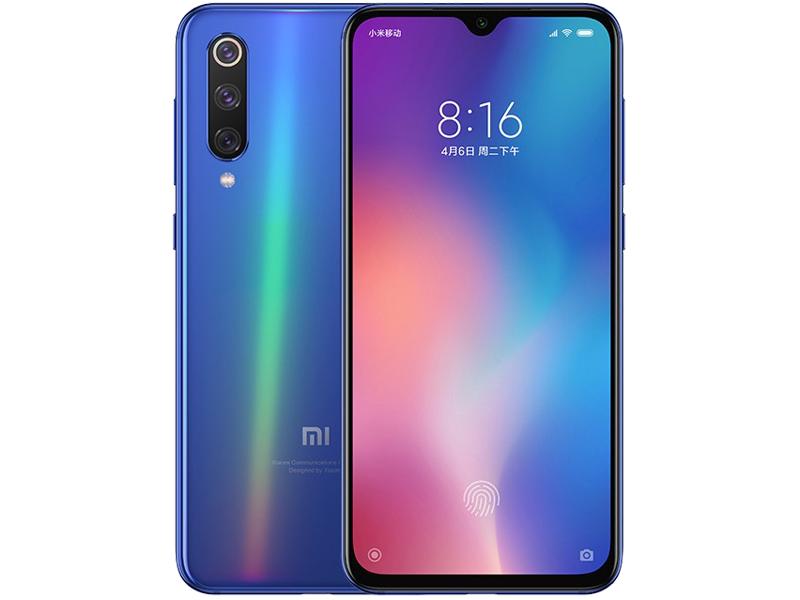
If you’re looking to install third-party modifications, or play with TWRP custom recovery, and use AOSP ROM on these devices, then your wait is over as Xiaomi has released Kernel Source code based on Android Pie for both Mi 9 SE and Mi 8 SE. The kernel source would allow developers to create custom ROMs, recoveries and other MODs. Under GPL license, it’s mandatory for companies to publish kernel source of every change they make to Android Linux’s Kernel.
Additionally, Xiaomi Mi 8 SE was launched last year with Qualcomm Snapdragon 710, and recently it received Android Pie update. On the other hand, Xiaomi Mi 9 SE was unveiled last month with Android 9.0 Pie and Snapdragon 712 on board. both, There are indeed a few improvements in Mi 9 SE over its predecessor as it carries an improved chipset and Quick charge 4+ support. Xiaomi has bound kernel source code of both the Mi 9 SE and Mi 8 SE devices under the same branch due to their relativity.
All concerned users can get the source code of these devices from the source (GitHub repository) below. You can get Mi 9SE source code under the name of “grus”, and the Mi 8SE’s under “sirius”.
After a community backlash last year, the Chinese smartphone maker recently announced the decision to release the kernel source code quicker than before. In the past, the company has fallen short of their commitments, like when they revealed the Kernel source code of Mi Pad 4 after a wait of over three months.
When Xiaomi first burst into the tech scene in 2013, the company’s rise was unprecedented. By 2016, the Chinese company had started experiencing a decline in its place due to several reasons. One of the reasons was the flash sales only sales model which the company adopted. Rival companies like OPPO and Vivo were able to replicate Xiaomi’s model and tie it up with offline sales to achieve deeper market penetration. Even with the online-only sales, Xiaomi phones were always out of stock in a flash. The resurgence of Xiaomi in 2017 was hinged on opening more brick and mortar stores in China and elsewhere and also making its phones available to buy. With the massive expansion Xiaomi has made to new markets, stocks easily get depleted. That is now evident with the Mi 9 and Xiaomi’s president Lin Bin, has shed some light as to why the company is experiencing shortage of Mi 9 stock.
The Xiaomi exec admitted that there were still many places that the company was not doing well, including the lack of goods that everyone is complaining about now. The executive also disclosed that the lack of stocks is essentially caused by the firm’s lack of experience in internal processes and management.
To mitigate this challenge, Lin disclosed that Xiaomi had over the weekend started internal training of its business executives in other to gradually improve the core competence of the team.
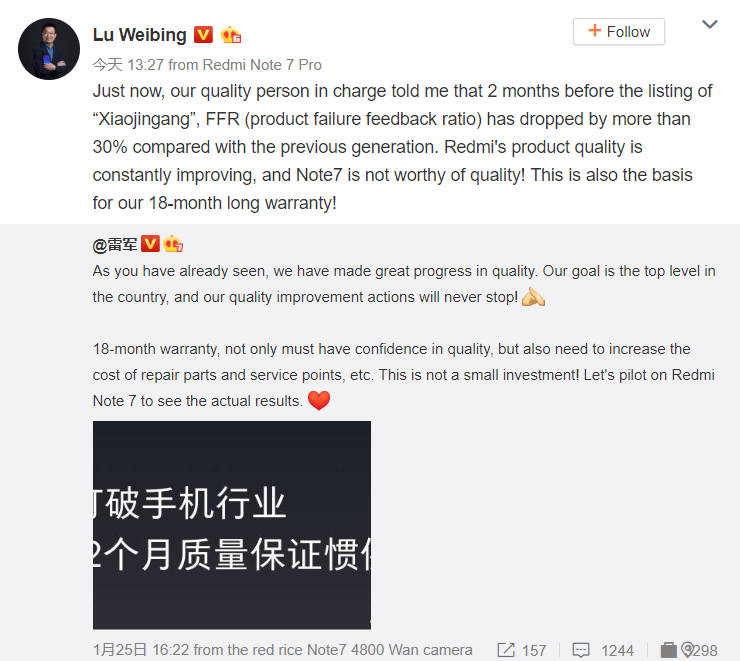
The Redmi Note 7 is one of the best mid-range phones money can buy at the moment. Xiaomi/Redmi did not just pack new features into the phone but they say they have also improved quality.
The Redmi Note 7 has an 18-month warranty which is longer than that of previous Redmi phones. According to the Redmi General Manager, Lu Weibing, this is possible because their FFR (Field Failure Rate) has improved, dropping by more than 30% compared to previous generation.
This improvement in quality allows the Redmi Note 7 to have a longer warranty duration of 18 months compared to the industry standard of 12 months.
The Redmi Note 7 has a 6.3-inch 1080 x 2340 display with a water-drop notch at the top. It is powered by the Snapdragon 660 processor and has up to 6GB of RAM and 64GB of storage. The phone is protected by Gorilla Glass 5 on both sides. It also has a 48MP primary rear camera and a 5MP depth sensor (the Indian version has a 12MP primary rear sensor and a 2MP depth sensor). Both variants have a 13MP selfie camera.
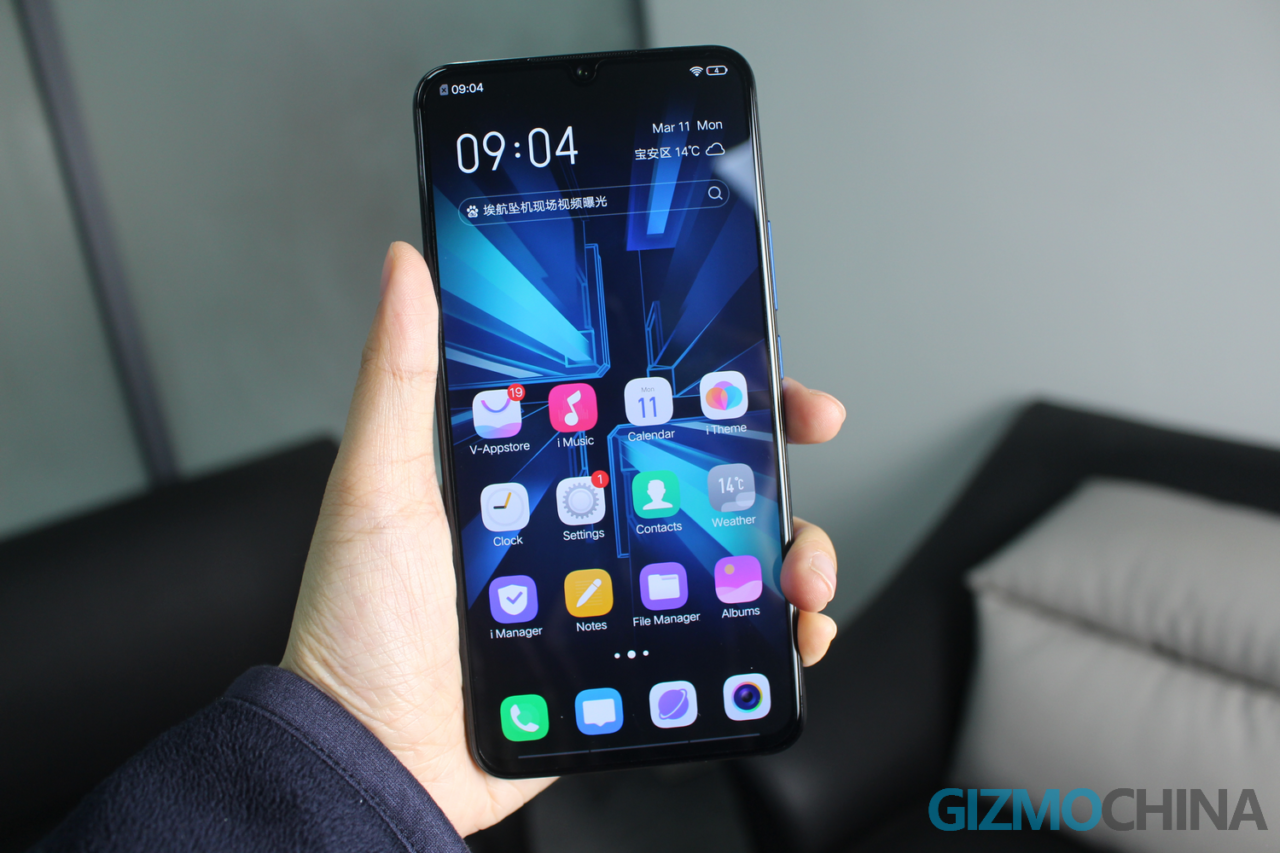
Since 2018, a handful of independent brands have emerged. Big smartphone companies such as Xiaomi, OPPO, Huawei have all followed this trend. Another smartphone manufacturer, Vivo, joined the club recently with its subsidiary brand called iQOO. The Vivo iQOO features flagship performance and high cost to performance ratio. In terms of positioning and design, the handset is more of a gaming phone. It offers a number of different color variants, and we got the Electro-optic Blue variant for this hands-on. The phone looks unique and definitely has a feel of a gaming handset. No surprise that it’s the official gaming phone of KPL league 2019.
Let’s check out the hands-on of Vivo iQOO.
Vivo iQOO ups the game with a screen-to-body ratio of up to 91.7%, all thanks to its water drop notch design and narrow bezels. On the narrow top bezel, there is an earpiece, which stands apart from the overall black design. But looking at the phone in general, it can be ignored as it is quite narrow. Also note that, in the pursuit of slimming down bezels, the phone lacks a LED notification light.
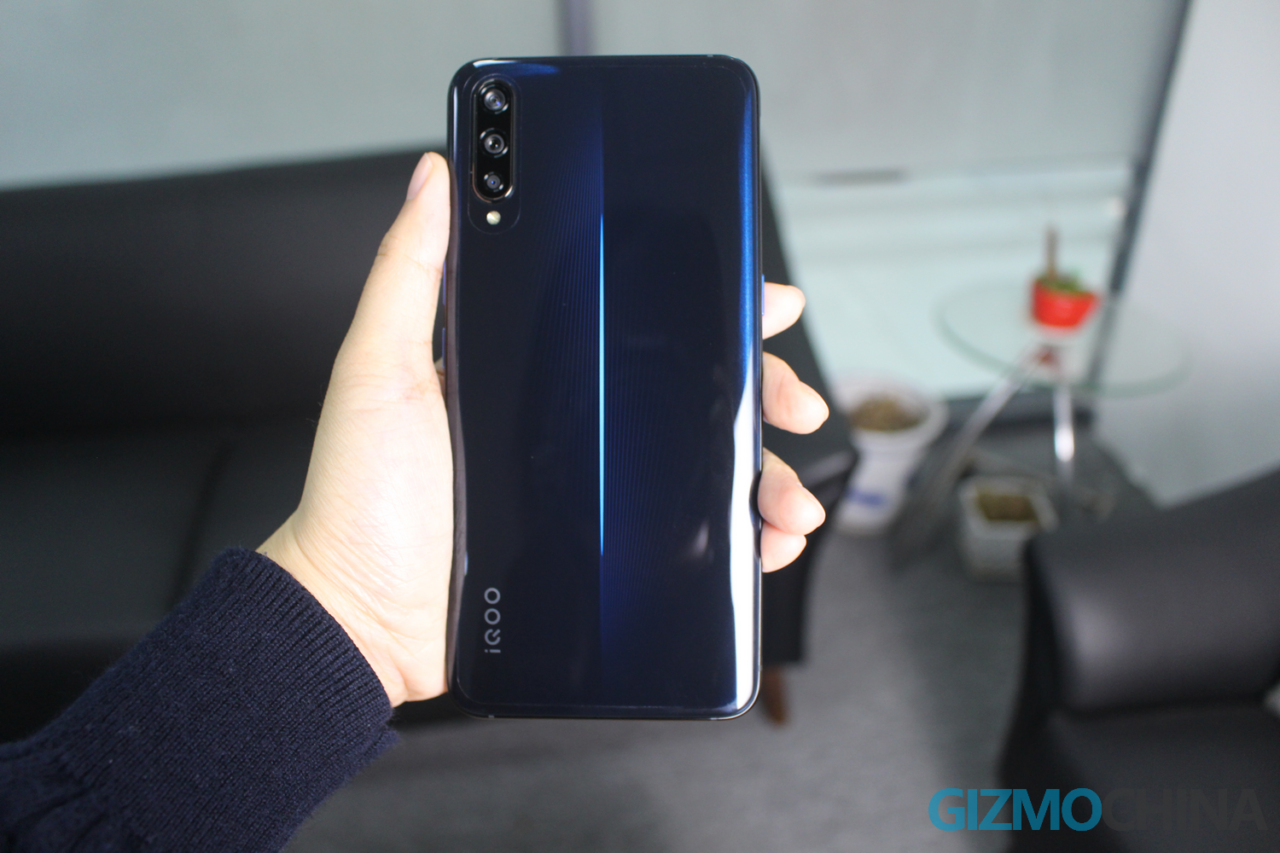
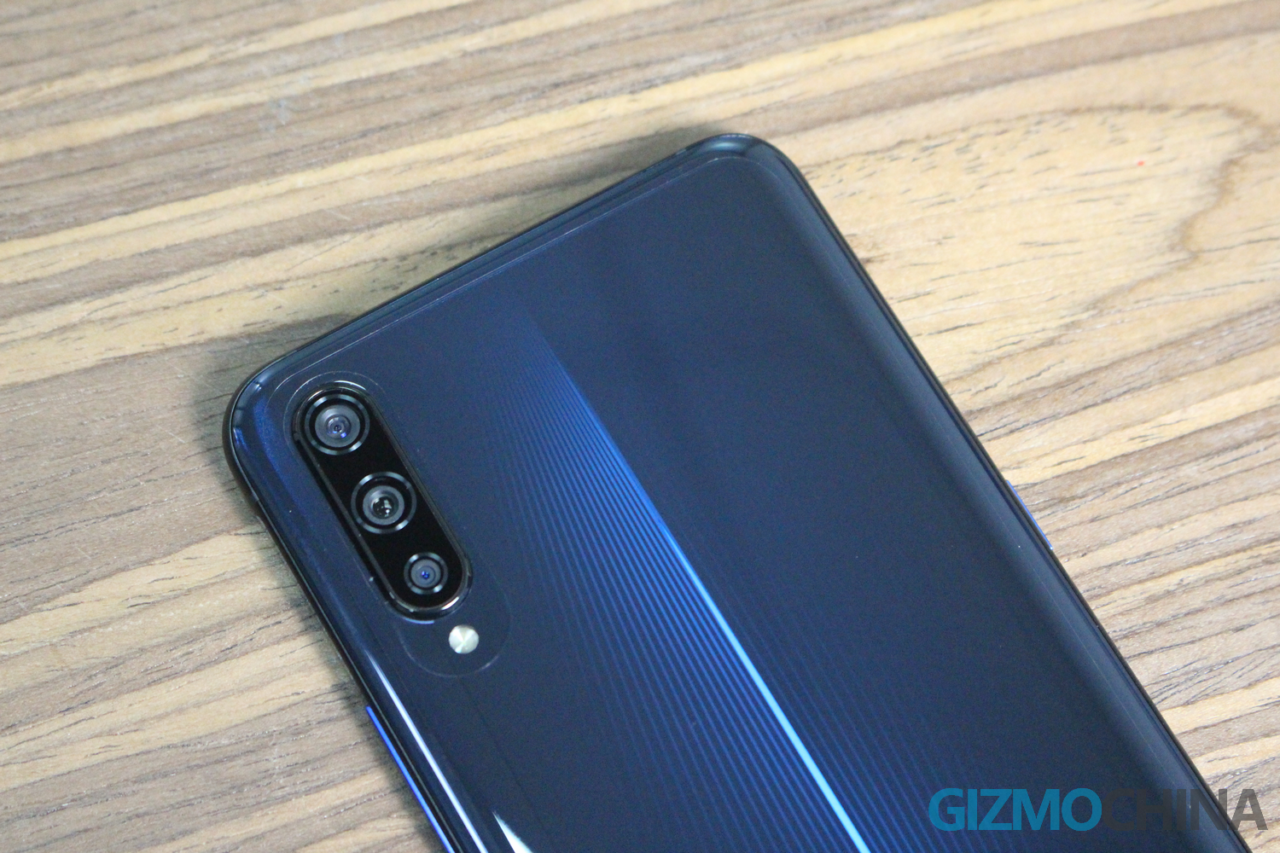
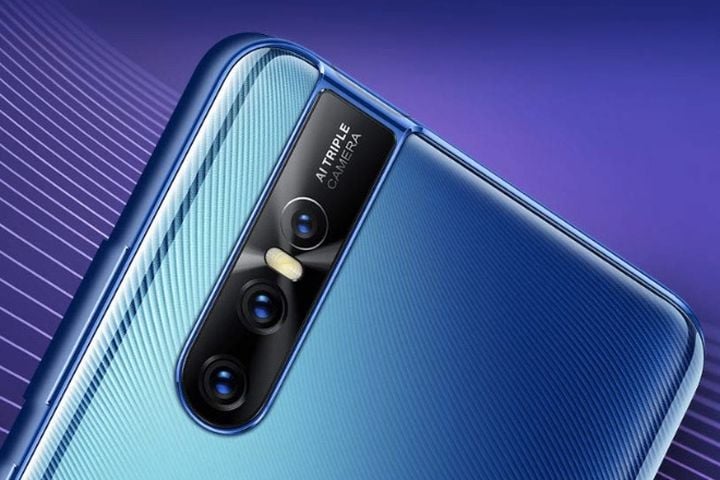
On the back, the Vivo iQOO is covered in glass featuring a Halo light strip which gleams — when the phone is charging, receiving a message, calling up Jovi assistant and when you win a game (it’s really a cool feature). There are three cameras which host 12MP+13MP dual rear cameras with IMX 363 sensor and a 2MP depth camera, and a flashlight set below the module. As compared to the Xiaomi Mi 9 (our hands-on here!) the rear camera module of iQOO does not protrude much. On the left bottom corner, there’s the iQOO logo. As the phone ships with an under-display fingerprint sensor, there’s no fingerprint sensor on the rear panel.
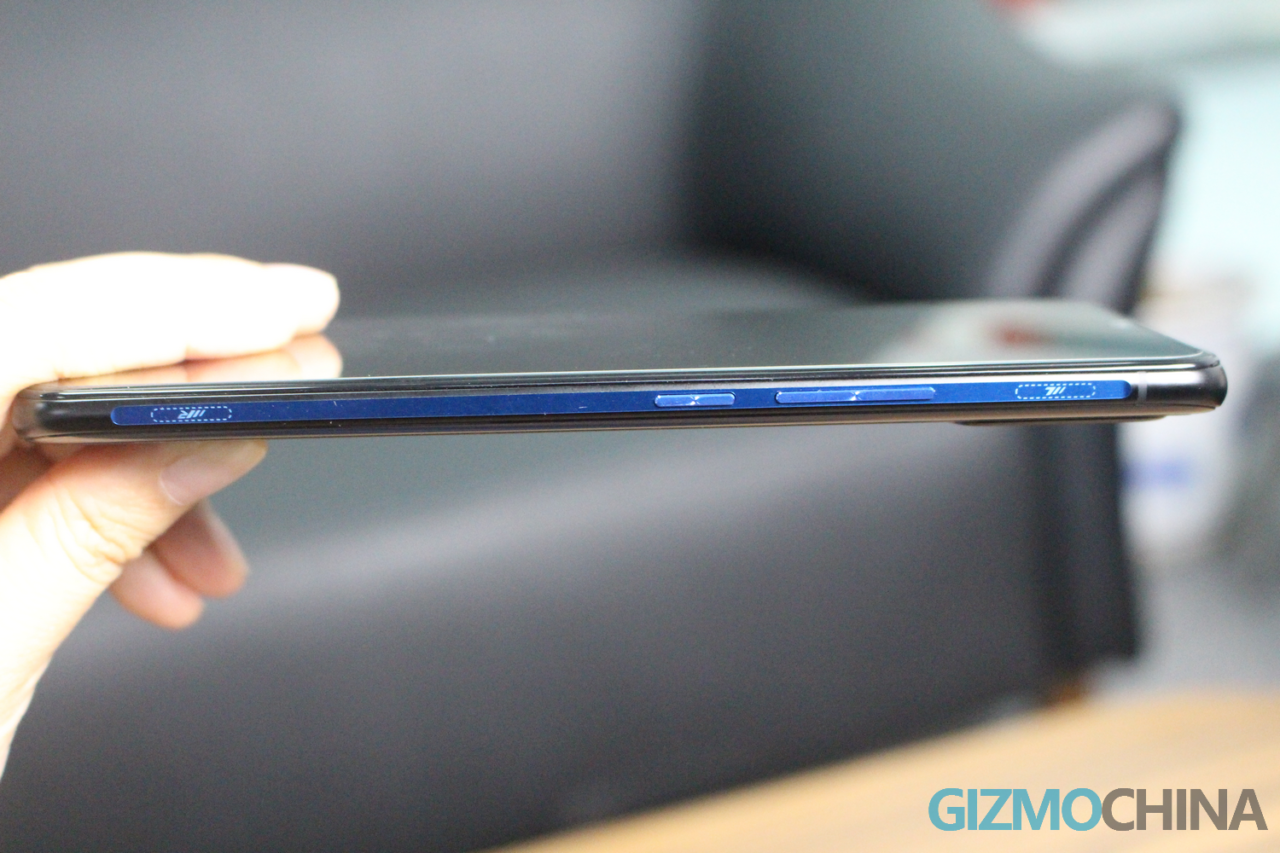
Apart from the unique Halo light strip at the back, the Vivo iQOO also comes with two monster touch buttons on the right side, which comes in really handy during gameplay. What’s more, you can call up the smart assistant Jovi by pressing the AI key set beside the SIM card slot that on the phone’s left side. I do like the fact that iQOO keeps the 3.5mm earphone jack, which is placed on the top. Like most smartphones, the handset’s speaker and the Type-C charging port is placed at the bottom.
The two markings near the edge are for its special gaming buttons
Overall, I like the design of the Vivo iQOO. It has some unique elements to set it apart from the crowd, and it’s not just by the way of a new color. The virtual buttons on the side, the Halo LED strip at the back, are unusual features for a smartphone in this segment.
It is powered by Snapdragon 855 processor and comes with 6.4-inch AMOLED screen having the resolution of 1080 x 2340 pixels, 19.5:9 ratio and 402ppi. Besides this, Vivo iQOO is fueled by 4000mAh battery with 44W fast charging which is more than enough for daily use. The handset is equipped with NFC, under-display fingerprint reader, and facial unlock. There are triple rear cameras — a 12MP main lens with f/1.79 aperture, a 13MP wide-angle lens, and a 2MP depth camera.
[envira-gallery id=”240487″]
The Vivo iQOO is priced around $549 for 6GB+128GB, $599 for 8GB+128GB, $649 for 8GB+256GB and $849 for 12GB+256GB. I think the price of the phone matches the idea of high cost to performance ratio that’s been marketed by iQOO.
What are your thoughts?
Meanwhile, check out more photos of the Vivo iQOO down below!
Vivo has recently launched the Vivo Y91i smartphone in India with a starting price of Rs. 7,990 (~$114). Fresh information shared by 91mobiles reveals that the Chinese manufacturer will be announcing the Vivo Y3 and Vivo Y5 smartphones in India. These phone will be hitting the Indian markets with enticing price tags.
The Y-series of smartphones from Vivo that have launched in the recent years in India have carried double digit names such as Vivo Y95, Vivo Y81, Vivo Y79. However, the upcoming Y-lineup phones are expected to arrive with single digit monikers. It is speculated the Vivo Y3 or Y5 phones or at least the latter will be equipped with a triple camera unit.
The publication has claimed that the Vivo Y3 and Vivo Y5 phones will be aggressively priced in India. The Vivo Y3 could be priced between Rs. 10,000 (~$145) and Rs. 15,000 (~$215). On the Vivo Y5 could be a phone with higher specifications since it is tipped to be cost between Rs. 15,000 (~$215) and Rs. 20,000 (~$286).
At present, there is no information available on the specifications of the Vivo Y3 and Vivo Y5 smartphones. The IPL (Indian Premier League) T20 cricket tournament will begin in India on March 23. The report claims that Vivo may announce the Vivo Y3 and Y5 around the IPL 2019.
Last year, Xiaomi became the number smartphone brand in India in terms of market share by dethroning Samsung. The South Korean company is also facing competition from other Chinese brands like OPPO and Vivo. In a bid to gain lost ground, the company launched has multiple smartphones such as Galaxy M10, Galaxy M20, Galaxy M30, Galaxy A10, Galaxy A30 and Galaxy A50 with pricings that can take on the Chinese counterparts. The upcoming Vivo Y3 and Vivo Y5 will be rivaling with Samsung Galaxy M and Galaxy A smartphones.
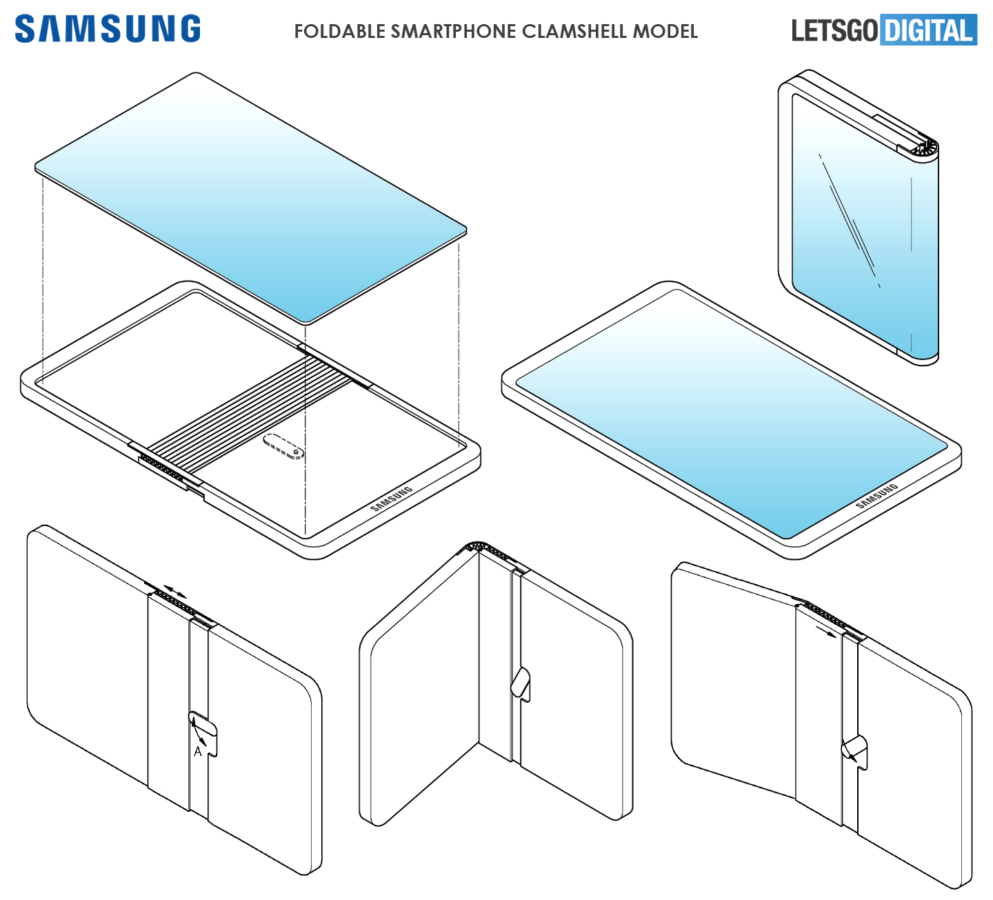
Samsung launched the Galaxy Fold at its Unpacked event nearly a month ago and following its announcement, there have been reports the Korean giant is working on more foldable phones. One is said to have a clamshell design with an outward fold and now images of the patent have surfaced on the web.
The Galaxy Fold has two screens – a large flexible display on the inside that folds inward and a smaller non-flexible display on the outside so you can still use the device when it is folded. For devices that fold outwards, you don’t need to have a second screen as the device can still be used even when folded.
The patent diagrams which were first spotted by LetsGoDigital show Samsung’s approach to the design of this clamshell-like design is different from Motorola’s own which folds inwards but also has a clamshell design.
The frame of the phone is actually two separate parts that appear to slide into each other when you fold and unfold the device. This design makes it possible for the phone to be completely flat when folded as the two parts slide into each other perfectly.
The diagrams also show there is a small lever on the back which when turned upwards prevents the parts from moving when unfolded. It functions as a sort of locking mechanism.
There are no cameras on the device but one can tell where they will be. The front of the phone has bezels, so the front-facing camera(s) have a place to stay. There is also enough space on the back for rear cameras. However, the rear cameras will not be usable when the device is folded.
We always love to hear about the new Android version and its features. Every year, around this time Google usually takes the wraps off its latest Android Beta version. According to a bug tracker for Android Q Beta as spotted by Mishaal Rahman of XDA, the latest Android version is scheduled for launch later today. Moreover, Android Q Beta could launch with support for more smartphones than Android P Beta.
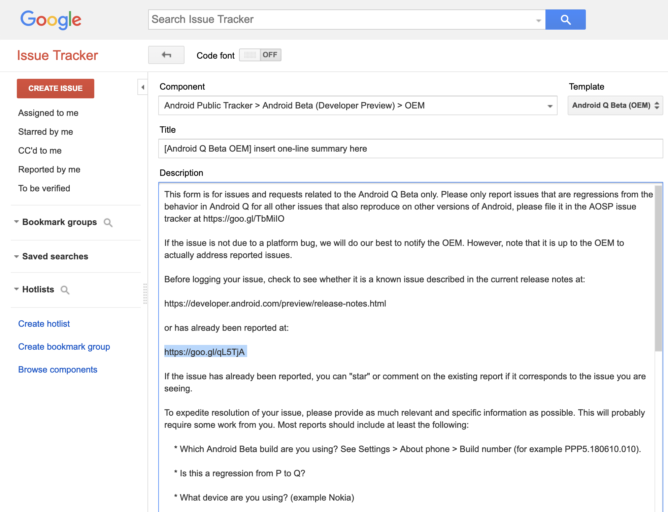
As Mishaal notes, Google’s Android Q Beta Issue Tracker has a default date filter of March 11th. It means only reports from the general public made after March 11th will be listed. It’s a partial confirmation that the search giant is soon announcing Android Q Beta within the next few hours.
Android Developer Mr. Illiyan Malchev revealed in a podcast that Google is going to introduce Android Q Beta update for more smartphones than its previous iteration. While talking in the Android Developers Backstage podcast, the developer has confirmed Google’s plan to collaborate with even more manufacturers for Android Q Beta program. He didn’t reveal any further information but emphasized the trend is positive and strong.
“The number is bigger for the upcoming Android release, which I am very happy about. I cannot share the exact numbers yet. But the trend is positive and strong, and I am very happy about this,” said Mr Illiyan Malchev, Android Developer at Google.
Well, all the above developments reflect that Android Q Beta is finally paving its way for the general public and that too with more smartphone support. More details should be coming your way real soon.
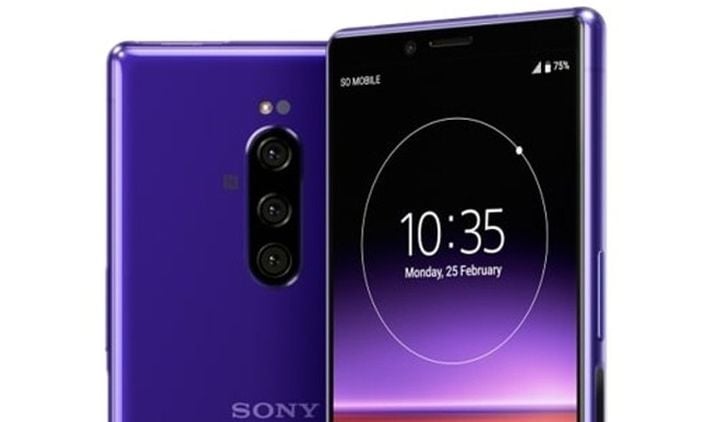
At the Mobile World Congress (MWC) 2019 tech trade show in the previous month, Sony announced the Xperia 1 flagship phone alongside the Xperia 10 and Xperia 10 Plus mid-range devices. It is speculated that the Japanese tech giant could be working on a phone that is powerful than the Xperia 10 models. According to Sumahoinfo, the information that has appeared on Esato forums claims that the phone could be called Xperia 4. Plenty of details of the alleged phone have surfaced.
The Xperia 4 is rumored to feature a 5.7-inch display that will deliver full HD+ resolution of 2520 x 1080 pixels along with an aspect ratio of 21:9. The Xperia 1 and Xperia 10 Plus and Xperia 10 are equipped with 6.5-inch displays whereas the Xperia 10 has a 6-inch display. These phones are fitted with 21:9 aspect ratio screens. In comparison to these phones, the Xperia 4 appears like a compact device. The smartphone is expected to be fueled by the Snapdragon 710 chipset and 4 GB of RAM.
The rumored smartphone is tipped to feature an inbuilt storage of 64 GB. It could be packed with a 2,800mAh battery. It may come with a dual camera setup on it rear. However, the exact configurations of the dual camera sensors are not known. Also, there is no information available on the front camera of the smartphone.
The handset will lack support for 3.5mm audio jack. The Xperia 1 also lacks while the feature is retained on the Xperia 10 and 10 Plus. Hence, the Xperia 4 appears to be an upper mid-range phone from the company.
The Sony Xperia 4 is expected to measure 149.5 x 65 x 9.4mm and it may come in colors like Silver, Black, Purple and Red. It will be an IP certified water-resistant and dustproof device. There is no official confirmation on the existence of the Xperia 4. Hence, it is advisable to wait for further reports to confirm whether the company really plans to launch a Snapdragon 710 powered in the near future.
HMD Global was rumored to announce the Nokia 6.2 mid-range phone at the Mobile World Congress (MWC) 2019 in the previous month. However, information that had appeared before the Feb. 24 media event of the Finnish firm had revealed that the Nokia 9 PureView would be the only major phone that will be unveiled at MWC. The company had also announced some other phones such as Nokia 3.2, Nokia 4.2, Nokia 1 Plus and Nokia 210 feature phone at the event. A Twitter account that is known for leaking details on the upcoming Nokia phones has claimed that the Nokia 6.2 will go official in spring and its price will remain on the same lines as the Nokia 6.1 from 2018.
Nokia 6.2 will be presented soon enough – in spring. So we don't have long to wait. The smartphone will probably be a hit, continuing the tradition of the 6 series. Nokia 6. is the best – selling series.
The price remains at the same level as in Nokia 6.1.#nokia6#exclusive
Now that the Nokia 6.2 is expected to go official in Spring, the Finnish firm may announce it between late March and late June. As far as pricing is concerned, the Nokia 6.1 was introduced with a price tag of 279 euros (~$315). Hence, there is a possibility that the Nokia 6.2 may also hit the market with a similar pricing. However, it is advisable to digest the leak with a grain of salt.
Nokia 6.2 Specifications (Rumors)
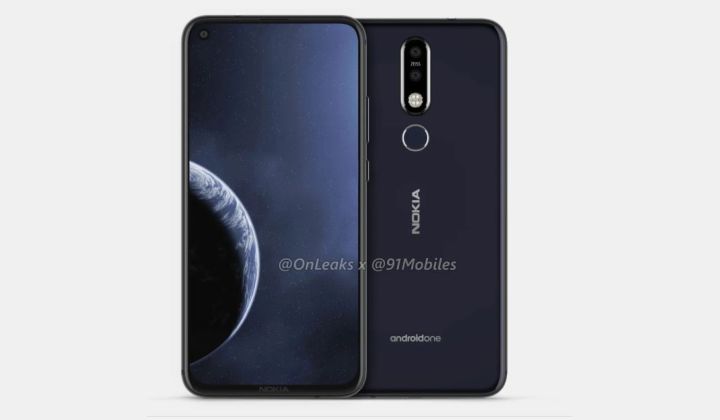
The Nokia 6.2 is expected to include a 6.2-inch punch-hole display. It is expected carry support for full HD+ resolution and an aspect ratio of 19:9. The handset may measure 156.9 x 76.2 x 7.9mm. The Snapdragon 632 SoC may power the 4 GB and 6 GB RAM editions of the Nokia 6.2.
The rear-mounted dual camera setup of the Nokia 6.2 may include a 16-megapixel primary sensor and a 5-megapixel secondary sensor. It could be equipped with a 3,500mAh battery that may carry support for fast charging through USB-C. Like the recent Nokia phones, the Nokia 6.2 will be running on the Android One edition of the Android 9 Pie OS. Other features of the phone include 3.5mm audio jack, microSD card slot, OZO audio support and rear-mounted fingerprint reader.
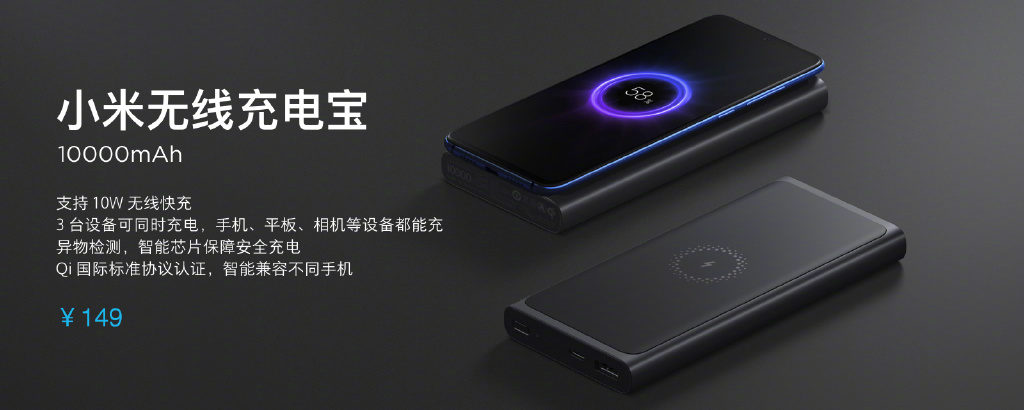
Xiaomi is always seen working on new technologies and making it available at affordable prices. Recently, Xiaomi announced the Xiaomi Mi 9 supporting both Qi Wireless Standard and Qualcomm’s Quick Charge technology. Today, the Chinese electronics maker has certified its three new Wireless Charging accessories with Qi Wireless Charging Standard. The three products include the Xiaomi 20W Wireless charger, 20 W Mi Wireless Car Charger, and a Mi 1000 mAh Wireless Power bank.
Xiaomi’s new wireless charging accessories can also work with other devices as a few of them carry support for 10W EPP Wireless charging protocol.
Let’s take a look at the three product in detail.
Xiaomi 20W Wireless Charger
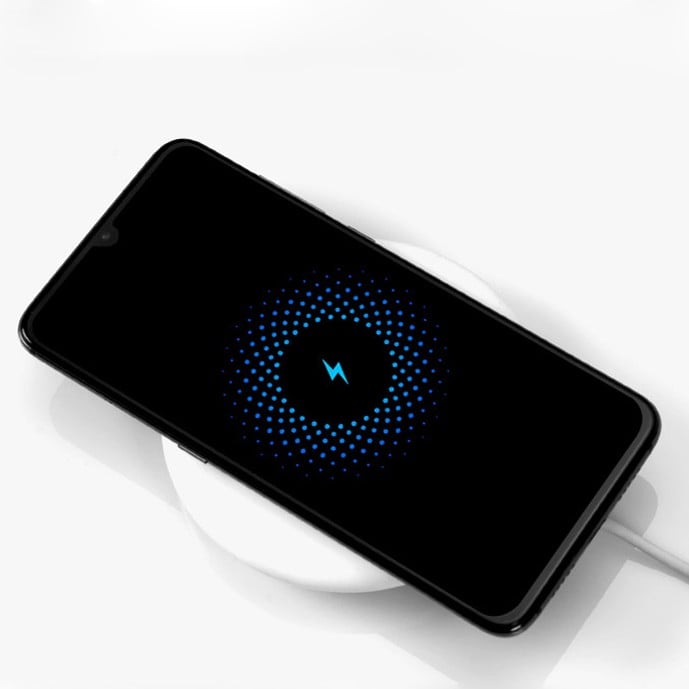
It is a refined version of the Wireless Charger that was launched year with Mi Mix 3. The new 20W wireless charger engulfs various new advancements such as 20W power output, a dual cooling system with heat sink and a silent fan. It can charge Mi 9 from 0% to 100% in 90 minutes without any heating issues. Xiaomi 20W Wireless charger’s dual cooling system can efficiently limit internal temperature. Moreover, the wireless charger has passed the Qi 2.4 wireless standard which certifies that it is safe and reliable to use.
Along with the fast charging support, it also comes with Qi 10W EPP protocol which lets other devices to fast charge. Users can own it for the price of 99 Yuan which roughly translates to $ 15.
Xiaomi 20W Mi Wireless Car Charger
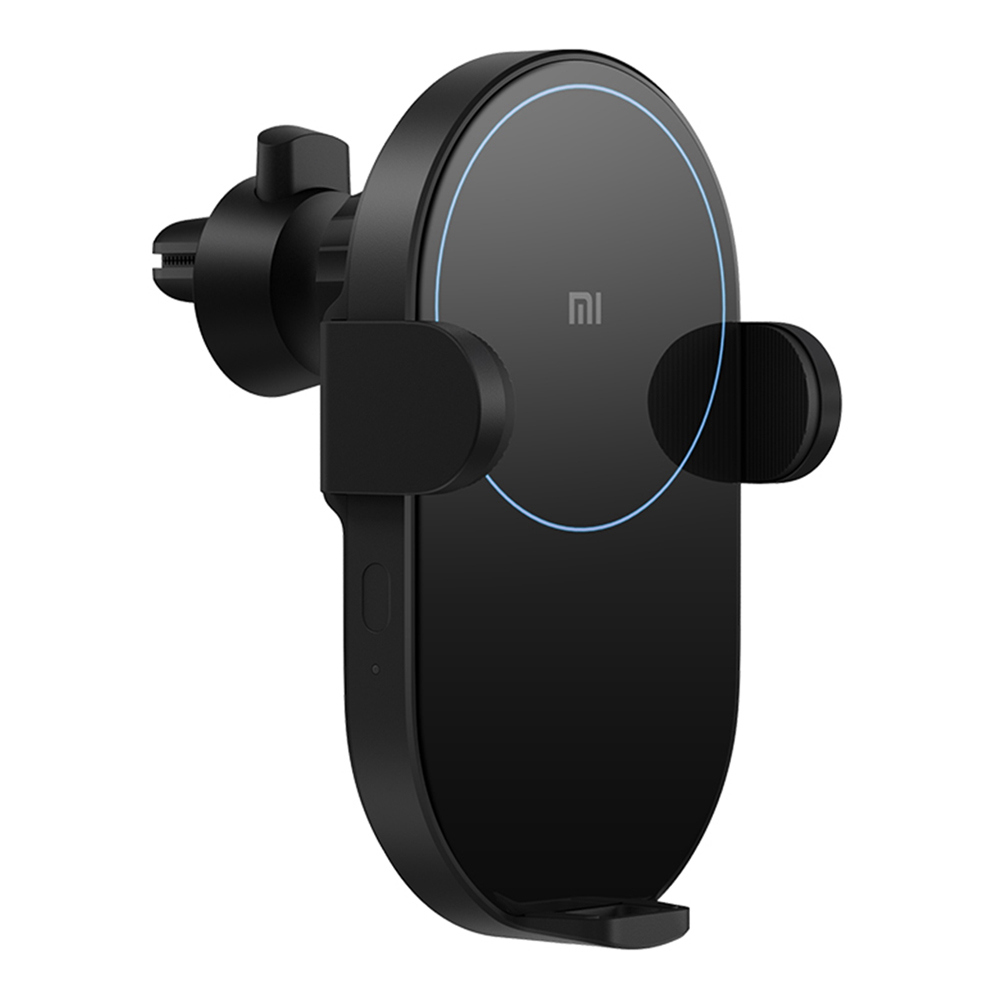
In today’s fast world, it’s quite difficult to charge your device multiple times in a day. Smartphone car chargers have become a viable solution for those who travel throughout the day with extensive phone usage. Xiaomi has also introduced a special Qi wireless supported Mi Wireless Car Charger which also carries 20W fast charging and Qi 10W EPP protocol. As like with its other accessories, it also has the capability to fully charge your Mi 9 within 90 minutes.
It has passed WPC 1.2.4 certification which verifies its safety and reliability. The new convenient yet powerful charger is available for the price of 169 Yuan (~$25).
Xiaomi Mi 10000 mAH Wireless Power Bank
Xiaomi’s new Wireless Powerbank has also passed Qi Wireless certification.
It’s always an extra handy to carry a Power Bank if you use your device extensively. Xiaomi introduced a new MI 10000 mAh wireless power bank supporting Qi Wireless standard a couple of weeks back. It is an intelligent wireless Power Bank which can facilitate wireless charging for Mi 9 and other compatible devices. It can charge Xiaomi Mi 9 in 2 hours with 10W of continuous wireless fast charging. Further, the device carries two charging ports featuring USB-A and USB-C compatibility.
Unlike 20W Wireless Car Charger and 20W Mi Wireless Charger, it does not carry 10W EPP support. It retails at a price tag of 149 Yuan (~$22) from Mi Store at JD.com.
All the accessories are specially crafted for use with Xiaomi Mi 9. Although, other devices can also benefit from 10W fast charging while using Mi Wireless Car Charger and Mi Wireless Charger.
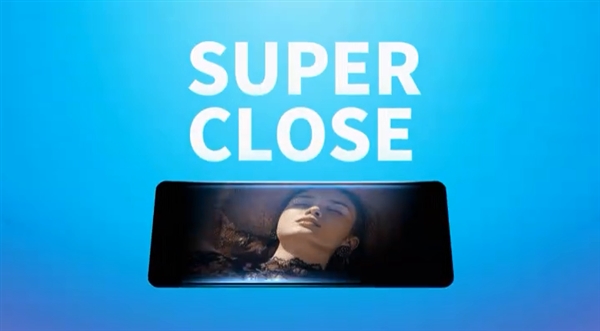
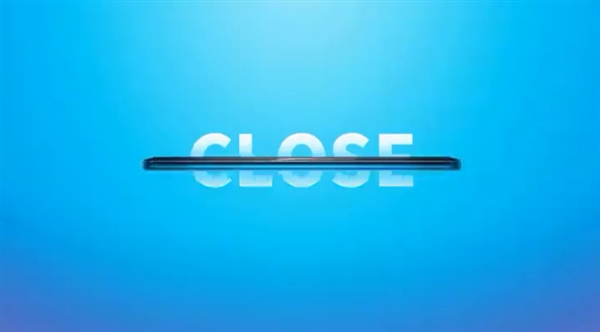
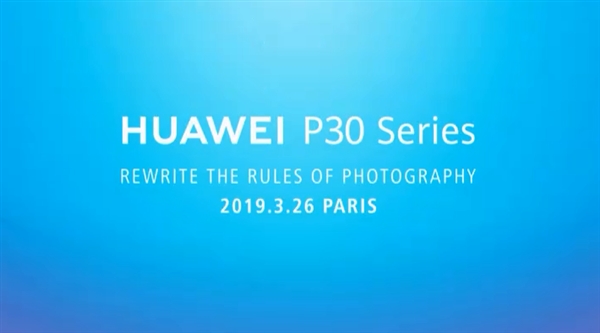
The Huawei P30 and P30 Pro flagship phones are scheduled to get announced on March 26 in Paris, France. Like the predecessor Huawei P20 and P20 Pro smartphones, the photography will be the main selling point of the P30 series. Today, Huawei Consumer Business Group CEO Yu Richard released a new teaser for the upcoming P30 series on Weibo. The teaser claims the P30 series will rewrite the rules of photography.
The teaser showcases the front design of the phone. Even though the P30 / P30 Pro is expected to arrive with a waterdrop-style notch enabled display, the phone that has appeared in the teasers does not clearly reveal its display design. A side view of the phone shows that it will be able to sit flush on a surface since it won’t be equipped with a protruding rear camera module.
The Huawei P30 Pro is expected to arrive with a periscope structure camera to deliver 10x loseless hybrid zoom capabilities. Huawei Vice President of Global Product Marketing has claimed that the handset will offer never before seen revolutionary camera experience. There is no confirmation on whether the P30 phone will also feature periscope structure camera.
At present, the Huawei P20 Pro, Mate 20 Pro and Samsung Galaxy S10+ are tied on the number spot on DxOMark benchmarks with a score of 109. There is a possibility that the Huawei P30 series that will rewrite the rules of photography will dethrone these phones to grab the number one position.
Recent reports have revealed that the Huawei P30 will have a 6.1-inch flat OLED display, triple rear cameras and it will carry support for 3.5mm audio jack. The P30 Pro is expected to come with a 6.5-inch curved OLED screen, quad rear snappers and it will lack a headphone jack. The other features of these phones include in-display fingerprint reader, Kirin 980 SoC, 8 GB of RAM, up to 512 GB of internal storage and Android 9 Pie OS with the latest version of EMUI skin. After getting unveiled in France, the P30 series will be also heading to other markets including China.
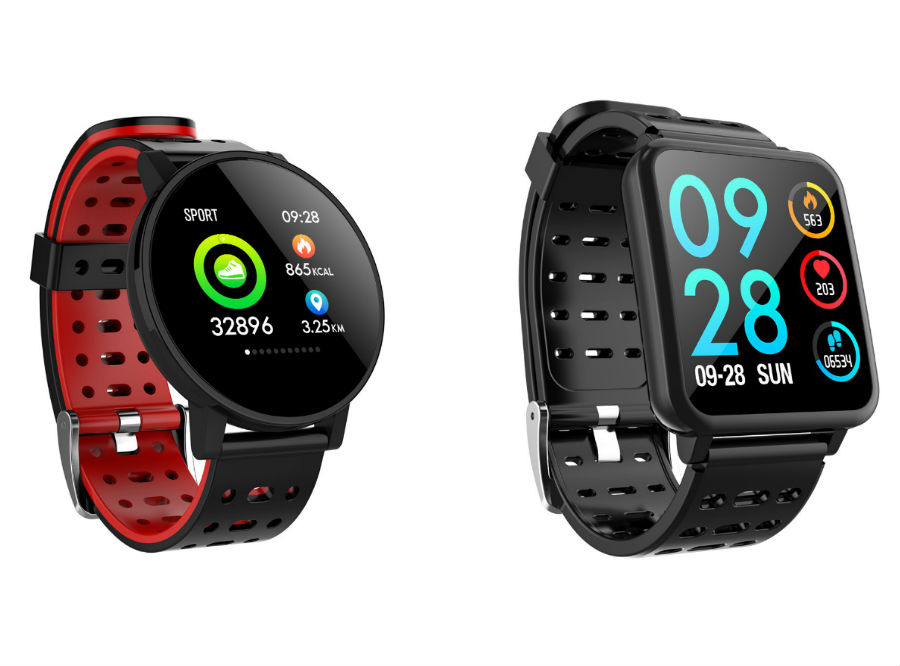
With people focusing on leading a healthier lifestyle and keeping track of their daily activities, gadgets like fitness bands and smartwatches are garnering huge popularity.These devices are designed to motivate the wearer to monitor their health and keep an eye on their day to day activities. On the downside, top-branded fitness gadgets aren’t easy on the pocketbook.
In order to make top-end smartwatches available to fitness purists living on a tight budget, GeekBuying is offering noteworthy discounts on the Makibes T2 and T3 smartwatches. We’ll not only shed light on the aforesaid discounts but also show how you can save a considerable amount of extra money at checkout.
Makibes T2 Smart Watch
Sporting an easily readable 1.3-inch square-shaped IPS screen, the T2 offers a more vivid viewing experience. Despite its bigger screen, the smartwatch comfortably fits the width of the wrist, delivering a comfortable feeling of wearing.
Moreover, the T2 comes with a real-time heart rate monitor, blood pressure monitor and blood oxygen monitor that can flawlessly keep a track of the wearer’s pulses along with his/her active and resting heart rate changes. It also offers a sleep mode, sports modes and 180mAh battery that offers a standby time of 5-7 days.
Given that it offers the aforesaid features, the T2 understandably carries a $39.99 price tag. Much to the relief of those who aren’t willing to spend that kind of money on a smartwatch, GeekBuying is doling out a 40 percent off on the device’s original asking price.
As a result, you can now buy the Makibes T2 smartwatch for a dropped price of only $23.99. On top of that, you can use coupon code GIZ_QKTURFZB and get an extra $5 off. In other words, you can bring the already reduced retail price of the T2 further down to only $19.99 before placing your order.
You can follow this link to avail the discount, which will be valid for the black color version of the smartwatch for three days. Alternatively, you can get 38 percent off on red, gray, blue and green color versions of the smartwatch for a limited period of time.
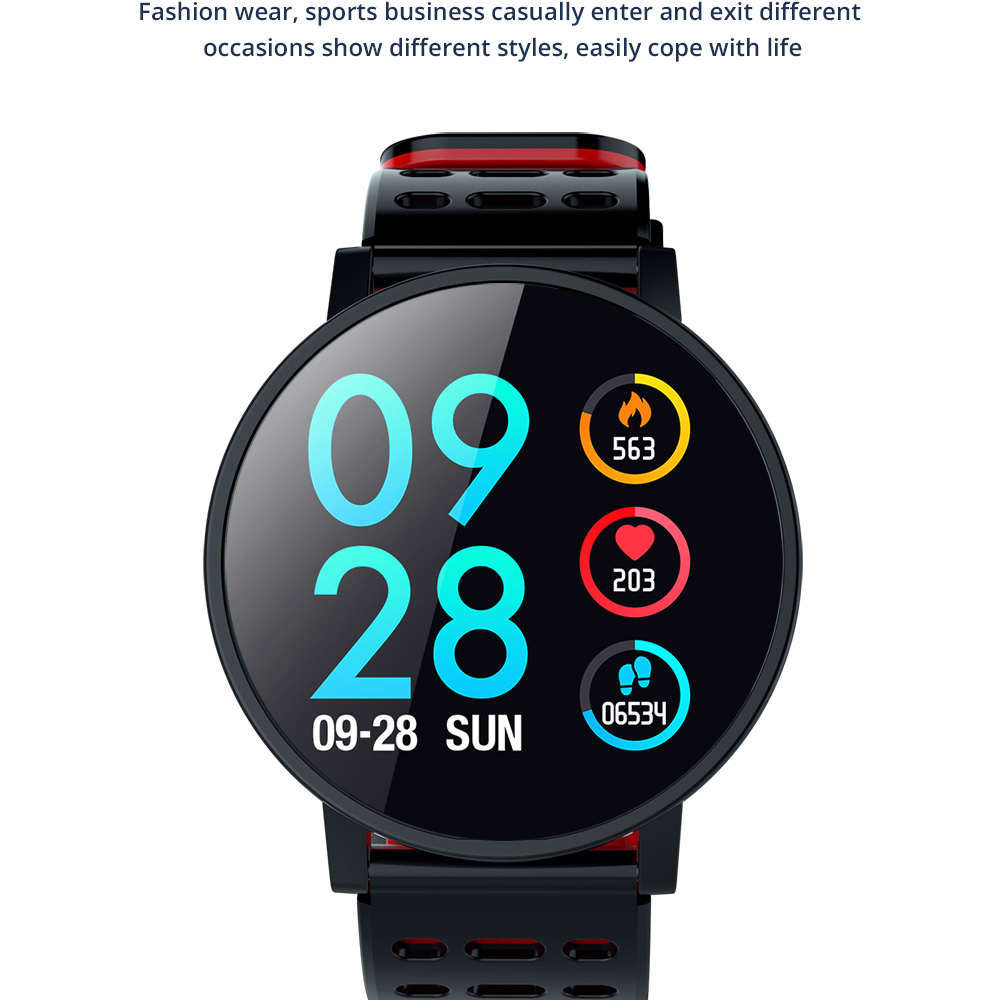
The T3 sports an eye-catching 1.3-inch IPS round screen that fits perfectly on the wearer’s wrist. Just like the T2, the T3 is equipped with real-time heart rate monitor, blood pressure monitor and blood oxygen monitor. It also features a sleep monitor that checks the quality of your sleep.
Moreover, the T3 comes with numerous sports modes including swimming, running, walking, football, jumping, badminton, basketball, and cycling. Aside from that, it features a pedometer, distance, calorie counter, and stopwatch.While the aforesaid features justify the $39.99 price tag it normally carries, you can now buy the red color version of the feature-rich smartwatch for just $24.99 on GeekBuying. Moreover, you can extend this 38 percent discount by applying coupon code GIZ_VPVXUNHQ during the checkout process.
The above-mentioned coupon helps you save $1.50 more by reducing the retail price of the T3 smartwatch to just $19.99 during the checkout process. You can follow this link to avail the discount. There’s a 43 percent off on the black, 38 percent off on the gray, blue and red color versions.
Earlier today, OPPO Vice-President Shen Yiren had announced the arrive of a new sub-brand of smartphones dubbed as OPPO Reno. The first OPPO Reno phone will be made official on April 10. A teaser video of the OPPO Reno has surfaced on Weibo.
The below shown leaked photo shows that the Oppo phone will be equipped with a gradient color rear panel. The back panel of the phone appears to be made out of glass. In the middle of the upper half of the rear shell, there is a vertical camera setup that seems to triple lenses can be seen.
Previous reports had claimed that OPPO will be launching a Snapdragon 855 powered flagship phone in April. It appears this phone could very well be the OPPO Reno phone. Shen Yiren had recently claimed that the company’s flagship debuting in April will be coming with a 4,065mAh battery and 10x hybrid zoom capabilities. The handset could be also equipped with a very fast charging technology.
The alleged OPPO Reno phone seems to have recently appeared on AnTuTu with 365,246 average benchmarking score. The AnTuTu listing of the phone revealed that it is loaded with Android 9 Pie OS and its SD855 SoC is coupled with 8 GB of RAM. Other features that were leaked through its AnTuTu listing are full HD+ resolution display and 256 GB of internal storage.
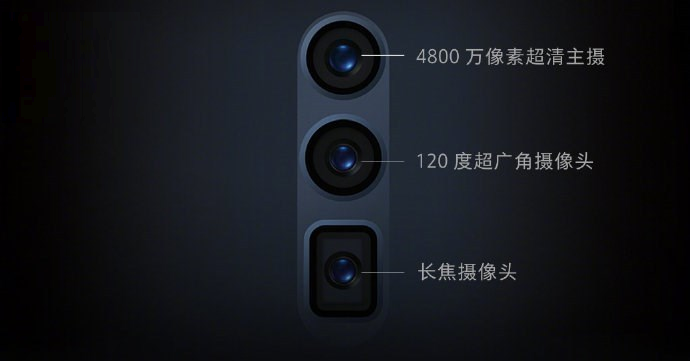
The triple camera setup of the phone is expected to include a 48-megapixel primary sensor, a 120-degree wide-angle lens and a telephoto sensor. The primary and telephoto lens are expected to be equipped with optical image stabilization. There is no information available on the other specs of the phone. Some rumors claim that it may cost more than 4,000 Yuan (~$600) in China.
Shown above are some posters that display the features of the OPPO Reno phone. The first suggests the creativity of the phone while the second hints its swift performance. The following is a screenshot of the registrations page of the OPPO Reno phone.
Rumors have it with the introduction of the Reno sub-brand, OPPO could be planning a dual brand strategy with Find series to rival with Huawei’s Mate lineup and P-series of flagship smartphones.
If you fancy accessorizing your mobile phone in a bid to enhance its performance or to simply give it a facelift without spending a lot of money, we got good news for you.
As part of its impending sale dubbed, ‘Brand Fest,’ AliExpress is offering up to a whopping 70 percent off on a wide selection of Top Mobile Accessories. Aside from taking advantage of the aforesaid discount, AliExpress users will be able to use coupon code BASEUS1 to get $1 off if their cart total is more than $10.
Those who end up spending over $25 can apply coupon code BASEUS3 and get an extra $3 off at checkout. As if that weren’t enough, you can stand a chance to win a limited edition accessories pack that’s designed by AliExpress, in collaboration with Baseus.
In order to win the aforesaid accessories pack, you need to check-in on the activity page in the feed. The second step involves buying products worth more than $50 during the event and join the Lucky Draw.
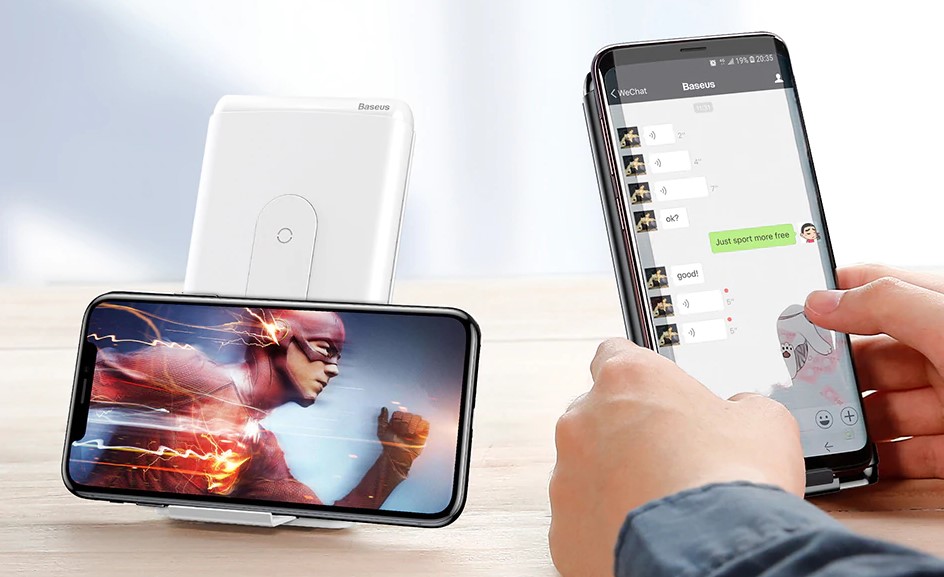
The promotion page features the Baseus 20000mAh Power Bank that usually sells for $45.70. Thanks to a 5 percent discount, you can now buy it for only $43.42. Likewise, if you buy two pieces of the Baseus 10000mAh QI Wireless Charger Power Bank, you can avail a noteworthy 5 percent off on the device’s original asking price.
The event will also be offering a wide selection of Baseus-branded chargers, car accessories and other devices at unbeatable prices. In addition to that, you can avail significant discounts on a slew of newly arrived products that have been added to the ‘New Arrivals’ category in order to simplify the search process.
The ‘Best Sellers’ section is also rife with heavily discounted items that include Type C cables, USB cables, wireless chargers, magnetic car holders and lots more.
For instance, there’s a 5 percent off on the Baseus 3 in 1 USB Cable that usually carries an $8.32 price tag. As a result, you can get your hands on these items for a reduced price of just $7.90. Moreover, new users can apply $3 off coupon and bring their grand total down to just $4.9.
You can follow this link to visit the promotion page and check out the rest of the products that have been added to the Charging Zone, USB Cables, Baseus in Music, HUB & Others and other categories. Note that the sale kicks off in two days!
Vivo has surprised the smartphone industry last year but launching the Vivo NEX smartphone with a pop-up selfie camera. This allowed the phone to sport a notch-less display. It appears that the company may launch a smartphone with dual pop-up selfie cameras in the near future since it has already filed a patent for such a design.
Vivo has been recently granted by China’s National Intellectual Property Administration. The patent was filed on May 23, 2018 and it was approved in the previous week on March 1. After introducing the pop-up selfie camera design on the Vivo NEX last year, newer phones from the company such as Vivo X27 series and Vivo V15 series can be seen sporting the same design. It appears that the dual pop-up selfie camera design could be reserved for the upcoming flagship phone from Vivo.
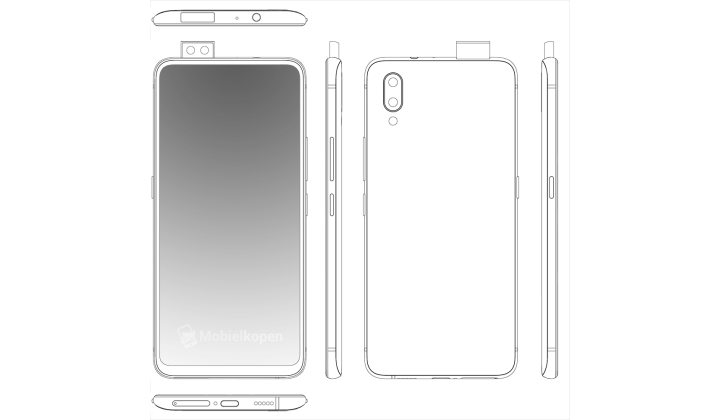
The illustrations present in the patent filing reveals that the phone will be sporting a notch-less display design like the Vivo NEX. The front image of the phone shows that its display is surrounded by slightly thick chin and slimmer bezels. The display could be of AMOLED type and it could be equipped with an in-screen fingerprint reader.
The top-left corner of the top edge of the smartphone has a slightly wider pop-up camera unit as compared to the Vivo NEX. It accommodates two camera sensors. A 3.5mm audio jack also seems to be present on the top edge of the phone. The bottom edge of the smartphone seems to feature a SIM tray, a USB-C port and an external speaker.
The right edge of the phone has a volume rocker and another button that could be the power key. There is a single button available on the left edge of the device. The rear design of the phone is also similar to the Vivo NEX as it features a dual camera setup and an LED flash at top-left corner.
Interestingly, when Vivo had showcased the notch-less screen Vivo APEX 2019 concept earlier this year, people were thinking about the position of its selfie camera since no details on it were shared. The handset is expected to launch with a commercial name in the near future. Could it be arriving with a dual pop-up selfie camera setup as seen in the above illustrations. It is advisable to wait for further reports before drawing coming to any conclusion.
We use cookies on our website to give you the most relevant experience by remembering your preferences and repeat visits. By clicking “Accept”, you consent to the use of ALL the cookies.
This website uses cookies to improve your experience while you navigate through the website. Out of these, the cookies that are categorized as necessary are stored on your browser as they are essential for the working of basic functionalities of the website. We also use third-party cookies that help us analyze and understand how you use this website. These cookies will be stored in your browser only with your consent. You also have the option to opt-out of these cookies. But opting out of some of these cookies may affect your browsing experience.
Necessary cookies are absolutely essential for the website to function properly. This category only includes cookies that ensures basic functionalities and security features of the website. These cookies do not store any personal information.
Any cookies that may not be particularly necessary for the website to function and is used specifically to collect user personal data via analytics, ads, other embedded contents are termed as non-necessary cookies. It is mandatory to procure user consent prior to running these cookies on your website.



 These devices are designed to motivate the wearer to monitor their health and keep an eye on their day to day activities. On the downside, top-branded fitness gadgets aren’t easy on the pocketbook.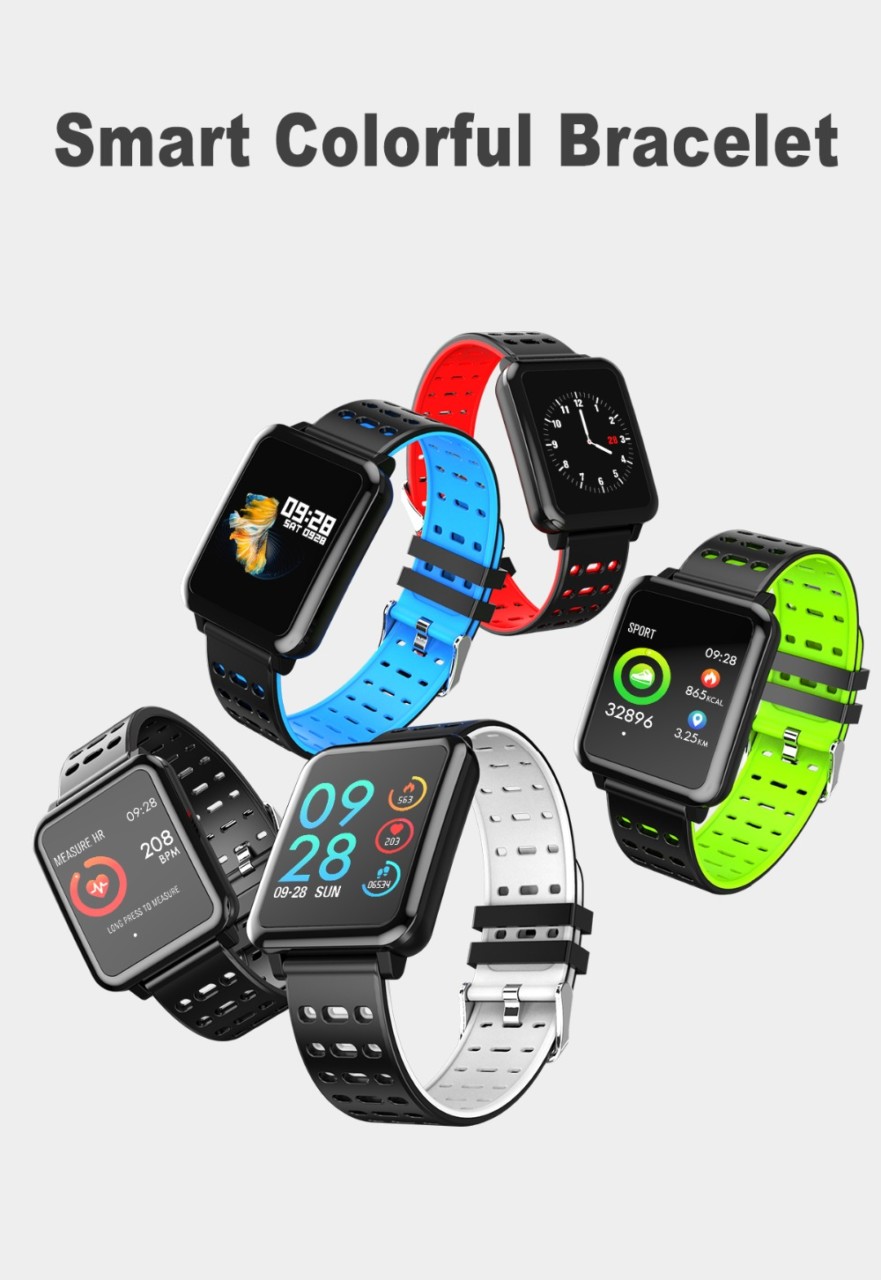
 While the aforesaid features justify the $39.99 price tag it normally carries, you can now buy the red color version of the feature-rich smartwatch for just $24.99 on GeekBuying. Moreover, you can extend this 38 percent discount by applying coupon code GIZ_VPVXUNHQ during the checkout process.