Samsung is presently the top smartphone display manufacturer globally. The tech giant is closely followed by rival Korean company LG Display. The rest of the top 7 display manufacturers include Tianma, Japan Display Incorporated, AU Optronics, Sharp and Foxconn. Each of these companies is increasingly mapping out strategies to outwit their competitors. Taiwanese display manufacturer AU Optronics unveiled its own strategy when it launched a 6.4-inch full-screen display panel with blind-hole punch in January this year. DigiTimes reports that AUO has now started shipping the new 6.4-inch blind-hole all-screen handset displays to clients, with plans to ship another model of 6.4-inch blind-hole displays in the second quarter of 2019.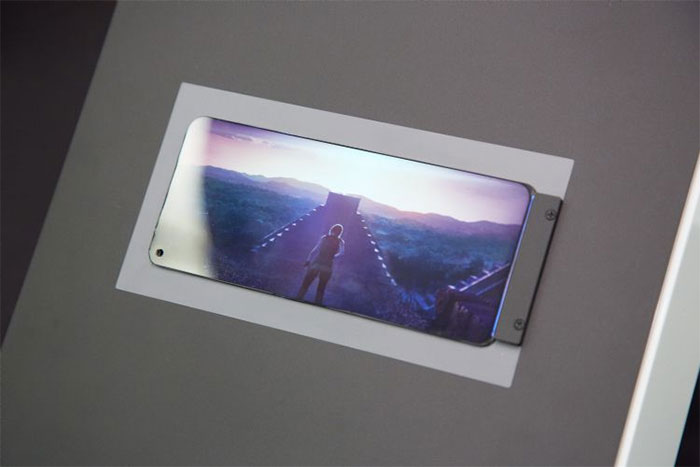
The report quoted company sources to have also disclosed that AUO has rolled out 6.2-inch LTPS all-screen hole-punch handset displays, using through-hole punching technology. The LTPS panel comes with a 21:9 aspect ratio in an ultra-thin bezel design packed with a TDDI (touch and display driver) IC for further slimming down the panel’s thickness. Perhaps, the most interesting aspect is the size of the punch-hole which is said to be a 4.2mm aperture. This is smaller than the 4.5mm aperture of the Honor V20. The Honor V20 uses the blind technology which looks similar but is different from the through-hole punch which AUO has just unveiled. The through-hole penetrates the LCD panel, the screen up to the backlight layer. On the other hand, the blind hole penetrates only the liquid crystal panel layer.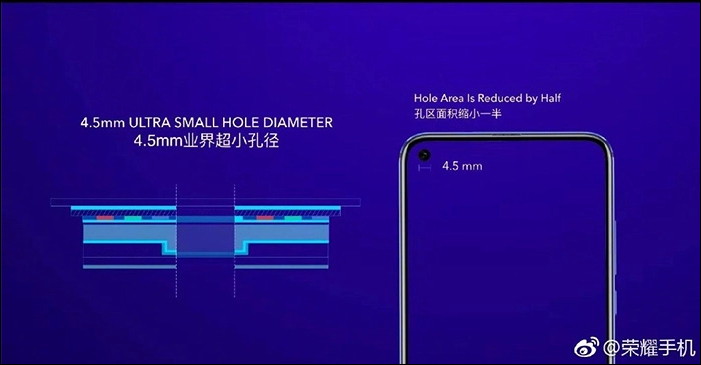
Read Also: Digitimes: Full Screen Smartphone Shipments Will Account For 40% of the market in 2018
The source also disclosed that related technology for the production of the 6.2-inch LTPS through-hole punch handset displays is ready and AUO is capable of kicking off volume production on demand. Furthermore, AU Optronics is also said to be developing inkjet printing technology for the production of OLED panels. The Taiwanese company has reportedly set up an R&D line for the production of the inkjet-printed OLED panels already. Initial products that would feature the ink-jet printed OLED include large-size gadgets such as TVs and other products.
(source)






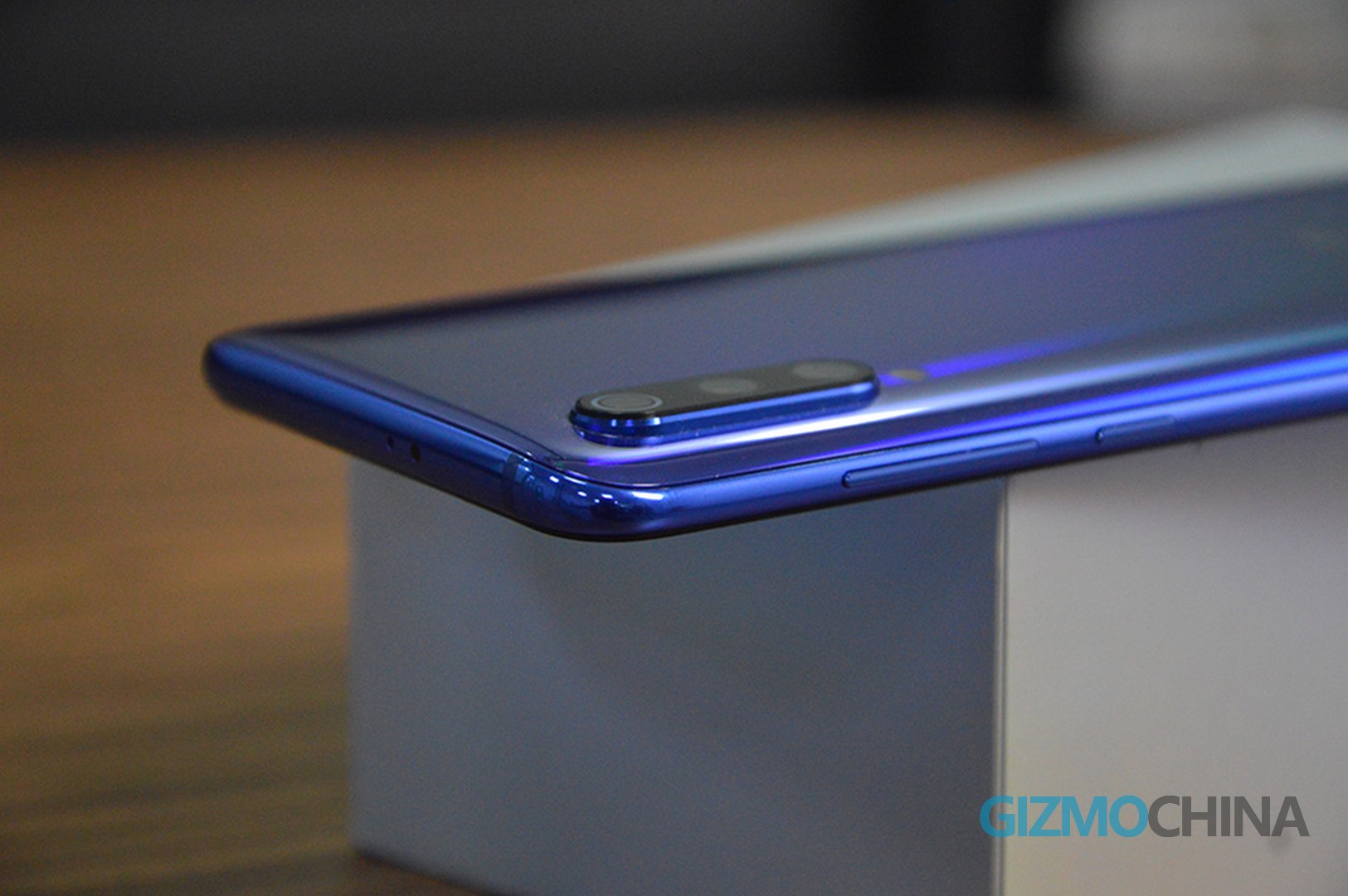


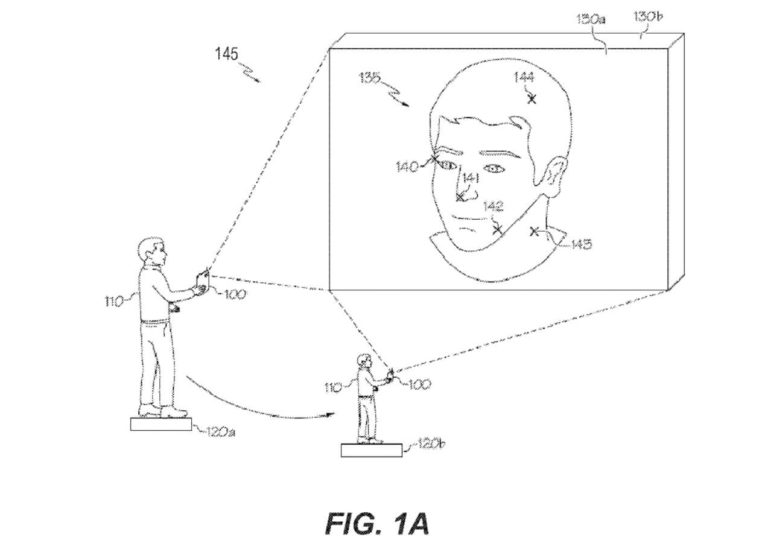 The company’s second filing builds on the earlier presumption by enforcing a series of instructions in the device that houses the
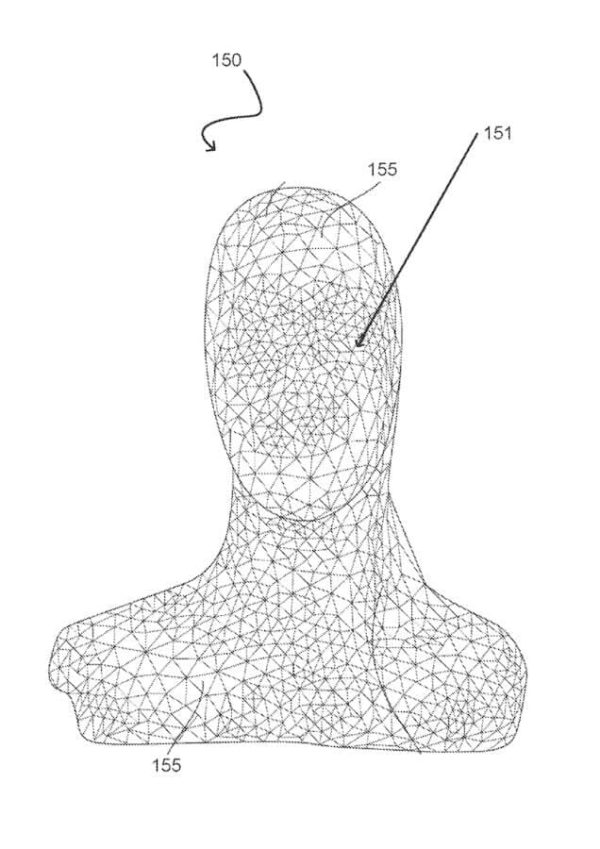 Although the patents may be linked, the question is how they might be used. It looks like the new patents can be efficiently joined in multiple combinations in order to serve various use cases. For instance, the second Sony patent can be effectively used in combination with the environmental checking system as well as the capture system. This carries out a solution that ensures that the user is an ideal environment for 3D modeling.
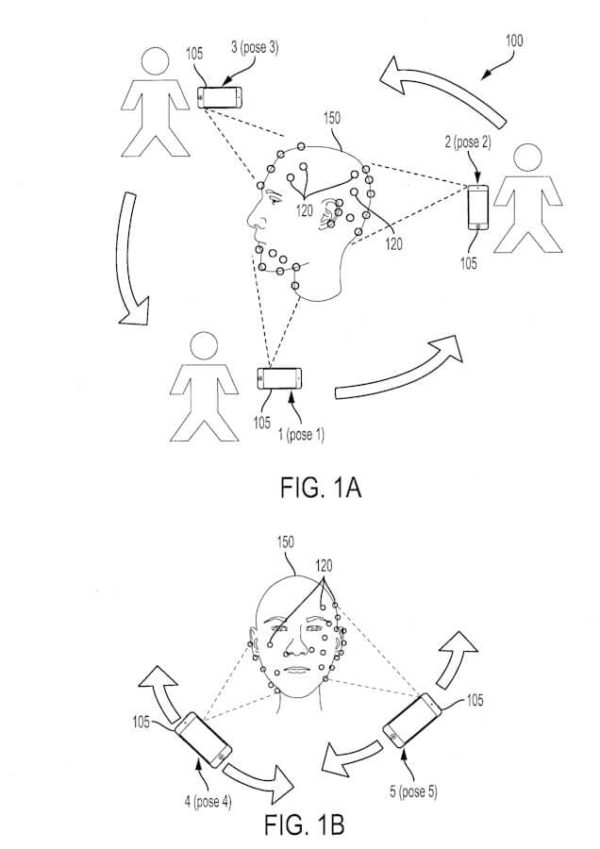 While it may seem that the aforesaid associated patents may not be ready to use in their existing form, Sony recently decided to increase the production of related LIDAR-based time-of-flight sensors, ignoring a decline in overall demand.




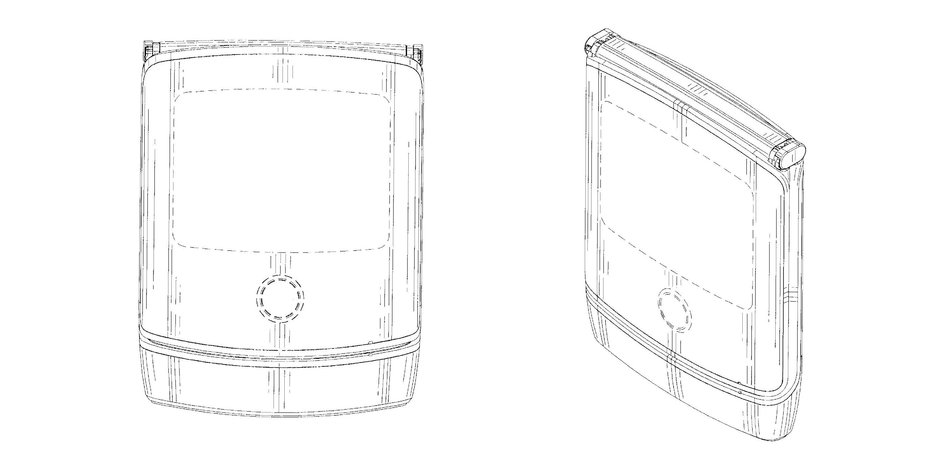
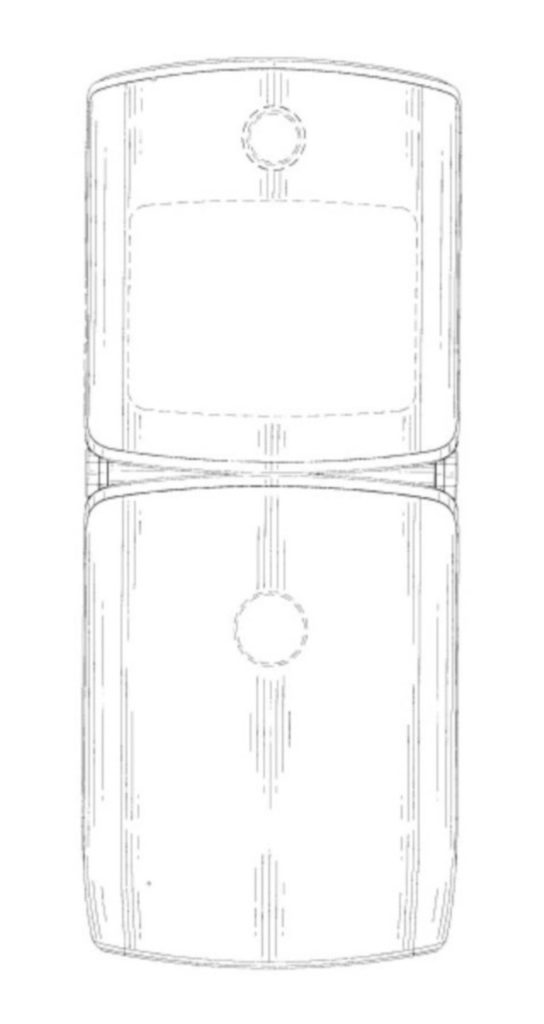 Adding fuel to the fire of rumors about a new foldable RAZR phone, XDA Developers recently confirmed that Motorola is indeed making a smartphone that will feature two displays. Citing its own sources and a slew of disclosed software features, the site claims that the device is Motorola’s revamped RAZR phone.