Advertisement

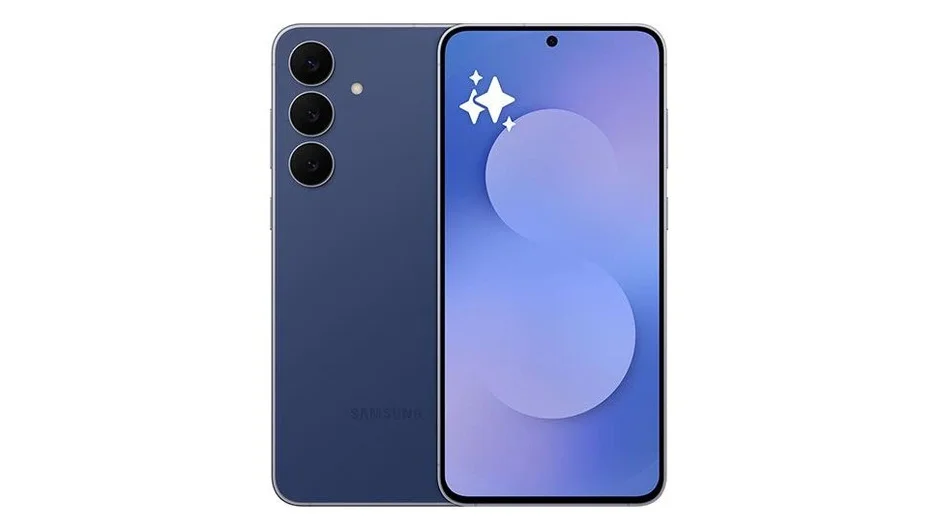
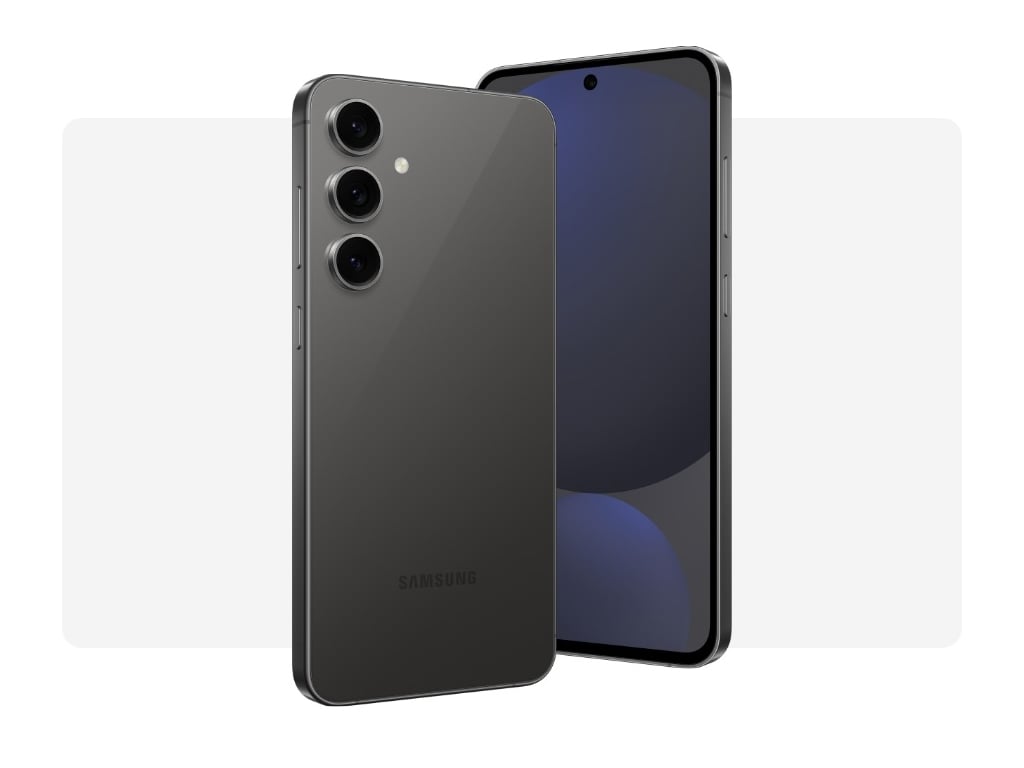
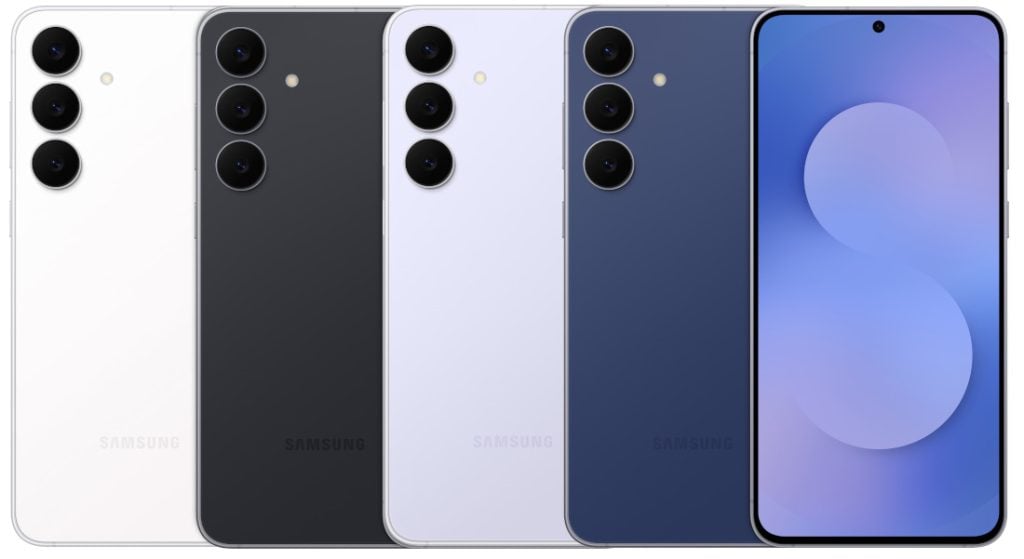
Galaxy S24 FE gets a major price cut in India, now cheaper than the Galaxy A56

If you’ve been eyeing a new Samsung phone that delivers near-flagship features without burning a hole in your pocket, now might be the perfect time. Samsung’s Galaxy S24 FE has received a massive price drop in India, making it one of the most tempting deals in the segment right now.

Galaxy S24 FE

Originally launched in September 2024 at ₹59,999 for the 8GB + 128GB model, the S24 FE is listed on Amazon India for just ₹34,765 as of writing—a sharp 40% discount. The 256GB variant has also seen a price cut, down from ₹65,999 to ₹42,649. On top of that, buyers using select credit or debit cards can get an additional ₹1,250 off, and Amazon is offering no-cost EMI options for up to six months. In comparison, Flipkart is still selling the phones at premium prices: ₹50,999 and ₹56,999 for the 128GB and 256GB variants, respectively.

The Galaxy S24 FE packs in a lot considering its current price: a 6.7-inch 1900 nits (peak) Dynamic AMOLED 2X display, flagship-grade Exynos 2400e chip, a 4,700mAh battery with 25W wired and 15W wireless charging, and an IP68 water resistance rating. For photography, it features a 50MP main camera with OIS, 12MP ultrawide, 8MP 3x telephoto, and a 10MP front camera. It can even shoot 8K video at 30fps from the main sensor. The phone runs One UI 7.0 based on Android 15 and is promised seven years of OS updates (six left) — something rare at this price.

Although holding off a bit longer could also be an option, as upcoming festive season discounts could push prices down even further, possibly closer to or even below ₹30,000.

Still, this discount makes the S24 FE a strong contender for buyers considering devices like the Galaxy A56, which currently costs more than the S24 FE, starting at 38,999 on Amazon. The FE model offers clear advantages like wireless charging, a telephoto lens, and a longer update roadmap—all at a lower price point.

Please Note: When you buy something using the links in our articles, we may earn a small commission at no cost to you.

If you’re looking for a premium experience without paying flagship prices, the Galaxy S24 FE just became a lot more accessible.

Stay ahead in tech! Join our Telegram community and sign up for our daily newsletter of top stories!

For more daily updates, please visit our News Section.

(Source: Amazon)

Google’s Gemini Space may bring Samsung’s Now Bar to Pixel phones

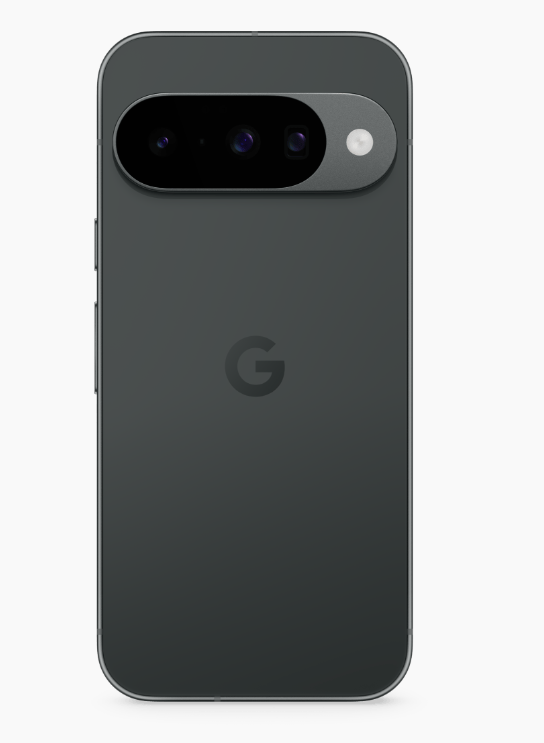
Google might be gearing up to give Pixel users a smarter lock screen experience—something that feels a lot like Samsung’s Now Bar. A new feature in the works, known internally as Gemini Space, could offer real-time, glanceable info straight from the lock screen, setting the stage for a more interactive Pixel 10 series.

Samsung introduced the Now Bar with One UI 7, then enhanced it with Android 16’s Live Updates in One UI 8. The feature lets Galaxy users check things like live sports scores or reminders without unlocking their phones. Now, it seems Google is developing a similar feature for its Pixel lineup.

Nor Bar on Galaxy S25 Ultra

According to Android Authority, a new “Ambient Data” system config file has appeared in the Android 16 QPR1 Beta 1 firmware for the Pixel 8 Pro and Pixel 9 Pro. Internally, it’s called Gemini Space, and it’s expected to debut with the Pixel 10 series in August 2025.

Hints from the Android System Intelligence app—responsible for powering Pixel’s At a Glance widget—suggest Gemini Space will surface info like finance updates and sports scores on the always-on display. Another feature, called Ambience Hub, might act as the central interface for this, possibly replacing or expanding the current At a Glance experience.

While details are still thin on how Ambience Hub will work in practice, it could build on Google’s existing Ambient AOD and Ambient Display features to deliver quick, useful updates without needing to unlock the phone. It’s another sign of Google doubling down on making Pixel devices more helpful and context-aware—especially as Samsung continues to set the bar high for lock screen utility.

We’ll have to wait and see just how polished Gemini Space turns out to be, but it’s clear that Google wants its lock screen to do more—and maybe, even outshine Samsung’s approach.

Don’t miss a thing! Join our Telegram community for instant updates and grab our free daily newsletter for the best tech stories!

For more daily updates, please visit our News Section.

Galaxy S25+ battery incident questions Samsung’s ‘safe’ approach

While most Chinese smartphone makers are pushing the limits of existing battery technology, finding new solutions and, of course, packing in as much capacity as possible to stay competitive—you’ll find Apple, Google, and Samsung on the other end of the spectrum. The idea here is that they prioritize the safety of their phones and users above all.

But then news breaks: another smartphone has exploded, and it’s one of Samsung’s latest and best offerings—the Galaxy S25 Plus. It’s easy to shift the blame to the user with something like “the phone might have been used with an unofficial charger or cable,” but PD support (a universal charging protocol) basically suggests users don’t have to stick to Samsung’s own charger.

Sure, a generic (if such a thing even exists) power brick or cable might cause something similar—but the chances are very low. For instance, you can’t just replace the original 3A cable with a generic 0.5A one and expect it to still deliver 3A. Both the phone and the power brick are smart enough to detect that. And yes, not every Samsung device with an issue has to be a “fake Samsung.”

The tweet that shared the images and talked about the incident has now been deleted, which removes a lot of useful context for assessing the case—but that doesn’t automatically mean it was an out-of-season April Fool’s joke or a “fake Samsung.”

And this isn’t an isolated incident either. While reading about this case, I came across another where a Galaxy S23 Ultra suddenly began overheating while charging, and the battery swelled enough to crack the back glass. It’s not just phones either: a Galaxy Buds FE unit reportedly exploded in someone’s ear last year, causing permanent hearing damage.

And to be clear, I’m not cherry-picking here—I can recall a total of five fairly recent incidents: one involving a OnePlus device, one from Poco, and three from Samsung, whose lackluster battery and charging performance is often justified in the name of safety. And let’s not forget the Galaxy Note7 fiasco, which stemmed from a major battery manufacturing flaw.

Don’t miss a thing! Join our Telegram community for instant updates and grab our free daily newsletter for the best tech stories!

For more daily updates, please visit our News Section.

(Via)

Samsung’s Galaxy S25 Edge sales fall short, production scaled back

Samsung’s ambitious push for a slimmer future in smartphones may be hitting a wall. Just weeks after launching the Galaxy S25 Edge, the company is already dialing back production, signaling a lackluster reception for what was meant to be a fresh design pivot.

The S25 Edge, launched in May, arrived with a 5.8mm titanium chassis, one of the thinnest designs Samsung has ever produced. But that ultra-slim profile hasn’t translated into strong sales. According to The Elec, the company has significantly reduced production for June, a surprising move considering Samsung typically expects its flagship phones to ride solid momentum for at least three months.

Samsung Galaxy S25 Edge

Internally, the S25 Edge was positioned as a potential replacement for the underperforming “Plus” variant in the upcoming Galaxy S26 series. But with early demand already falling short, Samsung may be forced to rethink that strategy. The phone’s sleek design comes with compromises in battery life and thermal performance, trade-offs that users may not be willing to accept in 2025.

This stumble also mirrors a broader truth in today’s smartphone market: style doesn’t always beat substance. As power users demand larger batteries, better cooling, and sustained performance for gaming and multitasking, going ultra-slim starts to feel like a niche gamble rather than a mass-market move. It’s a challenge not unlike what Apple faced with the Vision Pro, an impressive piece of hardware that struggled to find footing beyond early adopters due to its price and practicality concerns.

At the same time, Samsung appears to be shifting gears toward foldables. The company has ramped up its Galaxy Z Fold 7 and Z Flip 7 production for the U.S., raising its June target to 600,000 units from an earlier 400,000, partly in response to looming tariffs. Of those, the Z Fold 7 alone is expected to account for 440,000 units.

The fate of the Edge design now hangs in the balance. Samsung needs to decide whether it’s worth iterating on, or if it’s time to accept that thin isn’t always in.

For more daily updates, please visit our News Section.

Stay ahead in tech! Join our Telegram community and sign up for our daily newsletter of top stories! 💡

(Source)

Please Note: When you buy something using the links in our articles, we may earn a small commission at no cost to you.

Gmktec EVO-T1 Mini PC launched with Core Ultra 9-285H, 64GB RAM & quad 4K output

Gmktec has introduced the EVO-T1 mini PC in China, now listed on JD.com at a retail price of 5999 yuan (approximately $834). It is available at a first-sale price of 5699 yuan (around $792), with sales starting on July 14. It is also expected to launch globally, as the brand’s international website has begun teasing the product with a special $80 off launch day coupon.

Gmktec EVO-T1

Gmktec EVO-T1 Specifications

The EVO-T1 features the Intel Core Ultra 9-285H processor. The chip comes with 14 cores and 22 threads, including 6 performance cores, 8 efficient cores, and 2 low-power cores, and reaches a boost clock of up to 5.1GHz.

It has a 90W TDP, enabling sustained high-performance workloads. The system includes integrated Intel Arc 140T graphics and an AI Boost NPU, combining for a total of 99 TOPS of AI compute power (INT8), with the NPU contributing 13 TOPS on its own.

The mini PC ships with 64GB of DDR5 memory running at 5600 MT/s and a 1TB PCIe 4.0 SSD. Users can upgrade the RAM to 96GB via two SO-DIMM slots and install up to three PCIe 4.0 M.2 2280 SSDs, allowing more than 12TB of total storage.

Gmktec EVO-T1

Gmktec highlights that the EVO-T1 can run local AI models such as DeepSeek 32B at up to 15 tokens per second. This makes it suitable for AI developers, researchers, and engineers working with LLMs, as well as for creative professionals and gamers.

The device includes a USB4 port with Thunderbolt 4 support, an OCuLink port for high-speed external GPU or storage expansion, and dual 2.5Gbps Ethernet ports. It also supports up to four 4K displays through HDMI 2.1 and DisplayPort outputs.

The cooling system consists of dual fans and a custom airflow layout that keeps the system stable during heavy workloads. Gmktec has not yet released complete specifications but has confirmed all key configurations through official announcements.

In related news, Geekom recently launched the IT15 Mini PC featuring Intel Core Ultra, 64GB RAM, and 4TB SSD for desktop-class performance. Gmktec has also introduced the G10 Mini PC, equipped with a Ryzen 5 processor, up to 16TB storage, and support for triple 4K displays.

For more daily updates, please visit our News Section.

Stay ahead in tech! Join our Telegram community and sign up for our daily newsletter of top stories!

Xiaomi launches new 400L refrigerator with a slim build, HyperOS & quiet operation

Xiaomi has officially launched the Mijia French-style flat-embedded 400L refrigerator in China. The appliance is now available for pre-sale on JD.com at a price of 1999 yuan (approximately $275). It targets users with compact kitchens and emphasizes efficient use of space without compromising on storage or features.

Xiaomi Mijia French-Style 400L Refrigerator

Xiaomi Mijia French-Style 400L Refrigerator Specifications

The refrigerator features a 60cm ultra-thin body with a total depth of 65.4cm, designed to sit flush with standard kitchen cabinets. Xiaomi uses a bottom-mounted heat dissipation system and micro-gaps on both sides to reduce dust buildup while allowing close placement against walls or counters.

Xiaomi has given the appliance a clean look with a textured “Ice Feather White” finish. The design supports both freestanding and embedded installation. The door opens at a 90-degree angle, which ensures easy access even in narrow kitchen layouts. The refrigerator occupies just 0.4 square meters of floor space, making it a suitable choice for small households.

The total capacity is 400 liters. It includes a 216L refrigerator section, a 134L freezer, and a 50L independent variable-temperature compartment. The freezer uses a “1+2” drawer layout that can accommodate large items like lamb legs without cutting. The drawers use metal sliding rails for smooth access, and the upper compartments are positioned to reduce bending when retrieving food.

Xiaomi has added a silver ion antibacterial module inside the fridge compartment. The company claims it achieves a 99.99% sterilization rate and 99% odor removal efficiency. The 50L variable-temperature zone supports a range of -1°C to 5°C and is designed for items like cosmetics, baby formula, or traditional health products that require specific cooling conditions.

The refrigerator features a fast-freezing capability that can freeze up to 6kg every 12 hours. It is equipped with a dual-inverter system and five temperature sensors to ensure consistent cooling. Additionally, the 360° frost-free air circulation system eliminates the need for manual defrosting and helps maintain the texture of stored food.

Xiaomi has equipped the refrigerator with smart features such as HyperOS Connect support, remote control through the Mi Home app, and voice interaction via XiaoAI. It also offers LED touch controls, soft interior lighting, adjustable shelves, and a removable door seal for convenient cleaning.

The refrigerator operates at a low noise level of 35dB and consumes only 0.76kWh of electricity per day. Xiaomi offers a 10-year warranty on the compressor, positioning the Mijia 400L refrigerator as a practical, space-efficient, and connected option for modern households.

For more daily updates, please visit our News Section.

Stay ahead in tech! Join our Telegram community and sign up for our daily newsletter of top stories! 💡

(Source)

Huawei unveils HarmonyOS 6 with AI agent support

At its annual developer conference on June 20, Huawei officially launched the beta version of HarmonyOS 6. It’s the second major version of the company’s native operating system, which ditches Android app support completely. 

The focus this year is on AI integration, developer tools, and expanding the HarmonyOS ecosystem. And central to it is the new HMAF or Harmony Agent Framework. 

HarmonyOS 6 brings AI agent support

HMAF introduces a native AI agent model to the HarmonyOS ecosystem. Huawei says this framework goes beyond traditional edge agents by combining system-level understanding, planning, and execution. It is reportedly trained on a data volume of 20 trillion tokens. 

HMAF also allows for third-party intelligent agents to integrate with HarmonyOS in a way that enables task automation without needing the user to manually navigate apps.

For users, this means being able to interact with services in China like Weibo through natural language prompts. One live demo showed a user asking a voice agent called “Xiaoya” to find and curate podcasts related to Western art history. The agent understood the request and even refined it through further interaction. 

It’s similar to what Honor is trying to do with its intent-based AI agent. In the case of Huawei, the company says it is working on more than 50 intelligent agents that cover office or personal work.

The app ecosystem is growing, but Huawei still faces challenges

At the event, Huawei’s executive director Richard Yu outlined the progress of HarmonyOS and its app ecosystem. According to Yu, the OS now has over 30,000 applications and meta-services in its ecosystem, and more than 1,200 software products have been developed using its open-source variant, OpenHarmony.

That number, however, still falls well short of Huawei’s own 2025 goal of 100,000 apps. It also pales in comparison to the mature ecosystems it is competing against. Apple, for instance, has over 34 million developers worldwide and recently reported that its App Store facilitated $1.3 trillion in billing and sales in 2024. 

So to assist and interest developers, Huawei also introduced DevEco CodeGenie, an AI-assisted coding tool that supports code generation, debugging, and Q&A functions. 

The tool is built on a HarmonyOS domain-specific knowledge base and promises to speed up development. Huawei claims it can resolve up to 70% of syntax errors and generate functional code continuations 40% of the time.

For more daily updates, please visit our News Section.

Stay ahead in tech! Join our Telegram community and sign up for our daily newsletter of top stories

(Via)

Tecno Spark Go 2 is launching on June 24, Flipkart page goes live

Last year, Tecno unveiled the Tecno Spark Go 1 (hands-on review) equipped with the Unisoc T615 chip. Today, the brand officially confirmed that its successor, the Spark Go 2, will debut in India on June 24. The confirmation has come in the form of its landing page going live on Flipkart. The listing has not revealed any information about its specifications, but it has revealed its design and color options.

Tecno Spark Go 2 color options for India revealed

Tecno Spark Go 2 launch date

The official images confirm that the Tecno Spark Go 2 will arrive in black, white, light blue/cyan, and light gold. On the front, it features a punch-hole screen and a dual-camera setup on the back.

Tecno Spark Go 2 specifications, price

Tecno Spark Go 2 color options

The Tecno Spark Go 2 debuted in Bangladesh at the beginning of this month, and therefore, all its specifications are already known. The device features a 6.67-inch LCD panel that offers an HD+ resolution and a 120Hz refresh rate. The screen also offers a peak brightness of 1300 nits.

Under the hood, the Spark Go 2 retains the Unisoc T615 chip from its predecessor. It is paired with 4GB of RAM and 64GB of internal storage. For additional storage, it has a microSD card slot.

The Spark Go 2 has a 5,000mAh battery with 15W charging support. The phone features an 8-megapixel camera on the front and a 13-megapixel rear camera. It comes with other features, such as an IR blaster and a side-facing fingerprint sensor.

In Bangladesh, the Tecno Spark Go 2 is priced at BDT 10,999 (~$90; Rs 7,800). To recall, the Spark Go 1 was priced at Rs 7,299 ($85) in India. Therefore, the Go 2 is expected to hit the Indian market with similar pricing.

For more daily updates, please visit our News Section.

Stay ahead in tech! Join our Telegram community and sign up for our daily newsletter of top stories


Oppo Reno 14 series’ flagship-grade durability details, display sizes, color options revealed before India launch

Oppo is preparing to introduce the Reno 14 series in India, and ahead of the launch, the company has shared new insights into the devices’ design and structural durability. The lineup, which includes the Reno 14 and Reno 14 Pro, is positioned to redefine expectations around smartphone build quality, materials, and aesthetics. Here’s a look at the details that the brand has officially confirmed before the Reno14 series’ India launch.

Oppo Reno 14 series: Durability details confirmed

According to Oppo, the Reno14 series features a “Sponge Armor” internal structure, desiafter the resilient sea sponge. This shock-absorbing frame helps distribute impact force more evenly, reducing the risk of damage from everyday drops. The series is also equipped with an aerospace-grade aluminium alloy frame for enhanced toughness and to regulate surface temperature during intensive tasks. Oppo claims the frame is over 200 percent stronger than plastic counterparts.

The Oppo Reno 14 series offers IP certifications for durability—IP66 for splash resistance, IP68 for water immersion, and IP69 for high-pressure water jets. The series also features a corrosion-resistant platinum-coated USB port, and an underwater camera mode further elevates its all-weather performance.

Oppo Reno 14 series color options, key specifications

The Reno14 measures just 7.42mm in Pearl White and Forest Green finishes, while the Reno14 Pro is slightly thicker at 7.58mm and comes in Pearl White and Titanium Grey editions. The Pearl White variant introduces Oppo’s Velvet Glass with a seamless sculpted back created using a cold-sculpting technique that doubles engraving and polishing time for a premium anti-fingerprint finish. The Forest Green version features an eye-catching luminous loop effect, while the Titanium Grey model offers a modern brushed-metal look.

The Reno 14 Pro will feature a 6.83-inch OLED screen with 1.5K resolution, whereas the standard edition will sport a 6.59-inch panel. The displays of both phones will have ultra-thin bezels, HDR10+ certification, Netflix and Prime Video HD playback, 3840Hz PWM dimming, and an adaptive 120Hz refresh rate. Additionally, the Reno 14 Pro has been officially confirmed to feature the all-new Dimensity 8450 chip. The Reno 14, which has already gone official in Japan, features the Dimensity 8350.

For more daily updates, please visit our News Section.

Stay ahead in tech! Join our Telegram community and sign up for our daily newsletter of top stories

(via)

Oppo Reno 14F 5G Geekbench listing reveals a Snapdragon chip

Oppo is gearing up to launch the Reno 14 series in multiple markets. The lineup includes three models such as the Reno 14F, Reno 14, and Reno 14 Pro. However, it appears that the Reno 14F may not receive as wide a launch as the Reno 14 and 14 Pro. Ahead of the launch, the Reno 14F has emerged in the database of the Geekbench benchmarking platform. While the Reno 14 and 14 Pro are equipped with a Dimensity chip, the Reno 14F has been found to be fitted with a Snapdragon SoC.

Oppo Reno 14F Geekbench listing

Recent sightings of the Reno 14F at certification platforms, including the UAE’s TDRA, have revealed that it has the CPH2743 model number. The same device has popped up in Geekbench’s database with a Qualcomm chip that includes four performance cores clocked at 2.21GHz and four efficiency cores operating at 1.80GHz. For graphics, the device is equipped with the Adreno 710 GPU.

These details suggest that the Oppo Reno 14F 5G could be equipped with the Snapdragon 6 Gen 1 chipset. In comparison, the Reno 14 and 14 Pro are equipped with the Dimensity 8350 and Dimensity 8450 chipsets, respectively.

The listing further states that the device is equipped with 12GB of RAM and Android 15. It scored 913 and 2699 points in the single-core and multi-core tests of Geekbench 6, respectively.

Oppo Reno 14F 5G specifications (rumored)

According to reports, the Reno 14F 5G will feature a 6.67-inch AMOLED panel that supports a Full HD+ resolution and a 120Hz refresh rate. The device will run on ColorOS 15-based Android 15 and feature an in-screen fingerprint sensor.

The Snapdragon 6 Gen 1-powered Reno 14F is expected to arrive with up to 512GB of storage. It will house a 5,000mAh battery with 45W charging.

For more daily updates, please visit our News Section.

Stay ahead in tech! Join our Telegram community and sign up for our daily newsletter of top stories

(via)

TECNO POVA 7 Series Officially Launches with Bold Design, AI Upgrades & Gaming Excellence

TECNO officially launched the POVA 7 Series on June 20, 2025, marking its most ambitious release yet. The new series promises a futuristic leap in performance, aesthetics, and AI integration, specifically targeting next-generation users. With a clear focus on immersive gaming, real-world utility, and personalization, the POVA 7 Series is TECNO’s boldest attempt to dominate the mid-range smartphone market across global markets.

Complete Lineup with 5G and Design Upgrades

The POVA 7 Series includes five models: POVA 7 Ultra 5G, POVA 7 Pro 5G, POVA 7 5G, POVA Curve 5G, and the base POVA 7. While all models reflect the brand’s new “Interstellar Spaceship” design language, each caters to a different segment of performance and price. The flagship POVA 7 Ultra 5G headlines the launch, bringing class-leading features such as a massive 6000mAh battery, triple-tiered charging options, and elite AI processing capabilities.

POVA 7 Ultra 5G – Flagship Power and Performance

POVA 7 Ultra 5G comes with a 6000mAh battery, 70W wired fast charging, 30W wireless charging, and 10W reverse charging, a rare combination in this category. It is powered by the MediaTek Dimensity 8350 Ultimate AI chipset, boasting over 1.53 million on AnTuTu and up to 120 FPS in optimized games. TECNO has integrated a 12-layer Hyper Cooling System, featuring a 5300mm² vapor chamber, to maintain performance under long gaming sessions. Enhanced with 4D gaming vibration and Dolby Atmos dual speakers, this device is engineered for immersive mobile gameplay.

Massive 6000mAh Battery with Triple Charging Options

The Ultra model features a 6000mAh battery supported by 70W wired fast charging, 30W wireless charging, and 10W reverse charging. This three-tiered charging system offers flexibility and speed, especially rare in the mid-range segment. The Pro 5G and 7 5G models also bring wireless charging and reverse charging support, firsts in the POVA series.

Next-Level Cooling with Reduced Gaming Heat

To ensure uninterrupted gaming, TECNO introduces multi-layered cooling systems across the core models. These setups help maintain performance by reducing the temperature by up to 3°C under load, enabling longer play sessions without thermal throttling, especially useful for high-refresh-rate gaming.

6.78-inch 1.5K AMOLED Display with 144Hz Refresh Rate

The series debuts a 6.78-inch AMOLED display featuring 1.5K resolution, 144Hz refresh rate, and 4500 nits peak brightness, offering ultra-smooth visuals and exceptional outdoor readability. The POVA Curve 5G introduces the first-ever curved AMOLED screen in the POVA lineup, enhancing visual appeal and ergonomics.

Customizable Interstellar Design and Status Lights

Design-wise, TECNO adopts a futuristic “Interstellar Spaceship” look with triangular geometric emblems and an upgraded Mini-LED status light. This light can be customized for notifications, gaming effects, and calls, adding a personal touch to daily interaction.

Immersive Gaming Audio and 4D Vibration

Gaming is further enhanced with 4D Gaming Vibration and dual stereo speakers supported by Dolby Atmos, delivering responsive haptics and spatial audio for a more immersive experience. The new custom gaming UI also adds visual flair and control customization tailored for gamers.

HiOS 15 Redesign with Deep AI Personalization

All devices run the HiOS 15 (POVA Special Edition) with a neomorphic-inspired UI. It introduces advanced customization options including custom icons, wallpapers, fonts, and a bloat-free environment. The exclusive POVA typeface and reimagined layout bring a premium and personal experience.

TECNO AI Anywhere and Ella Smart Assistant

AI plays a major role in this generation, with the AI Anywhere Portal offering centralized access to tools like Ask Ella, an assistant capable of summarizing, rewriting text, and detecting landmarks from photos. The AI Full-Link Call Assistant supports live translation, noise cancellation, and automated call summaries.

AI Studio Tools for Content Creation

The AI Studio Toolkit includes tools like AIGC Portrait 2.0, AI Eraser, and AI Image Extender, allowing creators to edit images using voice or touch. Features like Circle to Search further enhance usability by enabling real-time object and location searches via simple gestures.

Custom Accessories and Global Availability

TECNO also unveiled matching accessories including a wireless magnetic card, custom protective cases, and portable power banks. The global rollout begins in June 2025, with the POVA Curve 5G debuting in India and other models heading to markets across South Asia, the Middle East, Southeast Asia, and Latin America. Pricing will vary by region.

By blending high-performance hardware, futuristic design, and deep AI integration, the TECNO POVA 7 Series offers one of the most compelling value propositions in the 2025 smartphone market.

Xiaomi Mix Flip 2 officially confirmed to launch next week

The upcoming Xiaomi Mix Flip 2 has been listed for reservation on Xiaomi Mall, hinting at an imminent launch. In a new Weibo post, Xiaomi Group President and Partner Lu Weibing has officially confirmed that the Mix Flip 2 will be announced in the coming week. Here’s a look at what to expect from Xiaomi’s next clamshell flagship.

Xiaomi Mix Flip 2 to launch next week

Xiaomi Mix Flip 2 to launch next week

According to Lu Weibing, Xiaomi has been paying attention to user feedback about wanting a bigger battery, a less visible crease, and better heat dissipation in compact foldables. He explained that Xiaomi started working on these challenges three years ago when development of their small foldable began, and they’ve been striving to improve ever since.

Last year, Xiaomi aimed to break the stereotype of compact foldables being just “pretty but useless” by delivering a full flagship experience. This year, their goal is to match—and even surpass—high-end bar flagships across more aspects. He added that the Xiaomi Mix Flip 2 is set to be unveiled next week.

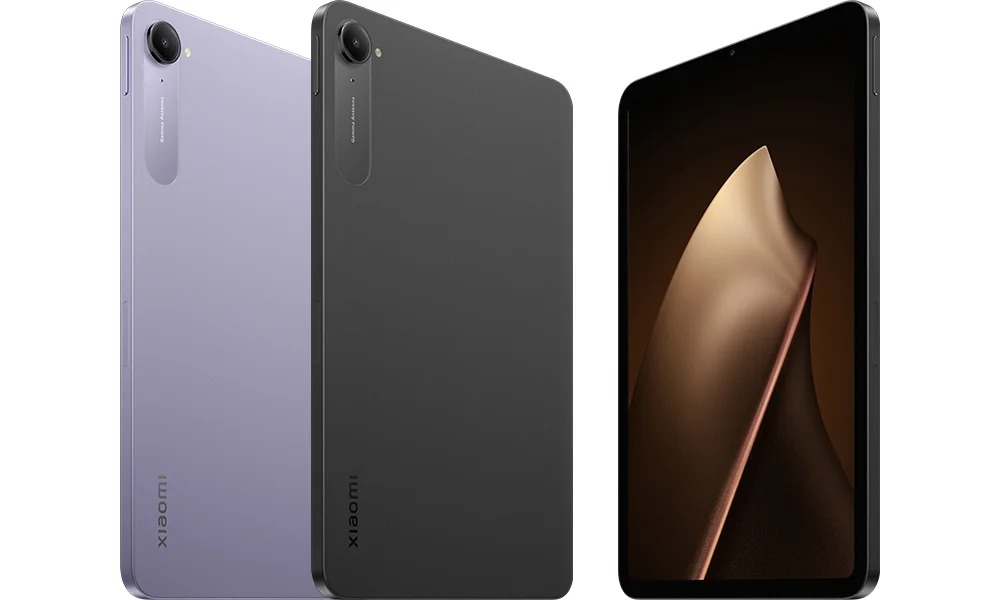
Redmi will hold a launch event to announce the Redmi K80 Ultra and Redmi K Pad this month in China. Likely, the Xiaomi Mix Flip 2 and Pad 7S Pro tablet may go official alongside the new Redmi offerings.

Xiaomi Mix Flip 2 specifications (rumored)

XIaomi Mix Flip 2 reservations
XIaomi Mix Flip 2 reservations are live on Xiaomi Mall

Leaks suggest the Xiaomi Mix Flip 2 will be powered by the Snapdragon 8 Elite processor and feature a 6.85-inch LTPO AMOLED main screen with around 1.5K resolution, paired with a large dual-curve external display. On the outside, it is expected to feature a 4.01-inch cover display that will offer an improved user expereince.

Xiaomi has also improved build durability by using a high-strength hinge and materials that passed military-grade drop testing. A new range of colours and female-oriented custom editions are also expected to be introduced.

It’s also said to support IPX8 water resistance and 50W wireless charging, along with a combined battery capacity of around 5,050mAh with 67W fast charging. The flip phone will continue to run on HyperOS 2.0-based Android 15 and feature Leica-enhanced cameras, including a 50-megapixel main sensor with a 1/1.5″ sensor size and a 50-megapixel ultra-wide lens.

For more daily updates, please visit our News Section.

Stay ahead in tech! Join our Telegram community and sign up for our daily newsletter of top stories.

Oppo A5 5G launched with durable build, 120Hz display, 6,000mAh battery, and Rs 15,499 starting price

So far, Oppo has launched the A5 Pro 5G and A5x 5G smartphones in India. Today, the brand has quietly added another model to the lineup — the Oppo A5 5G. Priced at Rs 15,499, it sits between the A5x and A5 Pro in terms of pricing. Here’s a look at what the phone offers to buyers.

Oppo A5 5G specifications and features

Oppo A5 5G
Oppo A5 5G

The Oppo A5 5G offers IP65-rated protection against dust and water, along with military-grade (MIL-STD-810H) shock resistance and an SGS Gold durability label. It features reinforced ports, waterproof sealing, and double-tempered glass that’s 160% stronger than standard. With a sturdy alloy frame, it’s built to endure drops, scratches, and tough environments. The display is protected by a layer of Gorilla Glass 7i. The device measures 165.7 x 76.2 x 7.9mm and weighs 194 grams.

The Oppo A5 5G sports a 6.67-inch LCD display with a 1604 × 720 resolution, a 120Hz refresh rate, 264ppi pixel density, and up to 1,000 nits peak brightness in HBM mode. The device runs on ColorOS 15 based on Android 15. For security, it features a side-facing fingerprint sensor.

Oppo A5 5G
Oppo A5 5G

Powering the device is the MediaTek Dimensity 6300 chipset paired with either 6GB or 8GB of LPDDR4X RAM and 128GB of UFS 2.2 storage. There’s also support for storage expansion via a microSD card. The Oppo A5 5G is backed by a large 6,000mAh battery that supports 45W fast charging.

In terms of cameras, the A5 5G is equipped with a dual rear camera setup comprising a 50-megapixel primary sensor and a 2-megapixel monochrome lens. For selfies, there’s an 8-megapixel front-facing camera. Other key features include 5G support, Wi-Fi 5, Bluetooth 5.4, and a USB-C port.

Oppo A5 5G price in India, availability

Oppo A5 5G
Oppo A5 5G

The Oppo A5 5G is available in two configurations — the 6GB+128GB variant is priced at Rs 15,499 (~$180), while the 8GB+128GB version is priced at Rs 16,999 (~$200). It is available in two colour options: Aurora Green and Mist White. Buyers can purchase the phone via Amazon, Flipkart, Oppo’s official store, and leading offline retailers starting today.

Please Note: When you buy something using the links in our articles, we may earn a small commission at no cost to you.

As part of the launch offer, customers can avail an instant discount of Rs 1,500 and enjoy 6 months No Cost EMI with zero down payment using select credit cards from SBI Card, IDFC FIRST Bank, Bank of Baroda, Federal Bank, and DBS Bank.

For more daily updates, please visit our News Section.

Stay ahead in tech! Join our Telegram community and sign up for our daily newsletter of top stories.

Red Magic 10 Air Flare Variant Pre-Orders Start June 23 Globally at $649

Red Magic has announced that pre-orders for the Red Magic 10 Air Flare variant will begin globally on June 23. The phone launched earlier in China and was introduced to global markets in April. It will be available in a single 16GB RAM and 512GB storage variant at a price of $649. The phone comes in Twilight, Hailstone, and Flare colors, though the Flare version is not available for purchase.

Red Magic 10 Air Flare

The Red Magic 10 Air has a 6.8-inch OLED display with Full HD+ resolution, a 120Hz refresh rate, and up to 960Hz touch sampling rate. It supports up to 1300 nits peak brightness, 2160Hz PWM dimming, and 100 percent DCI-P3 color coverage.

It runs on the Snapdragon 8 Gen 3 processor, paired with LPDDR5X RAM and UFS 4.0 storage. The phone uses RedMagic OS 10.0 based on Android 15.

For cameras, it features a dual 50MP setup on the back with a main and ultra-wide sensor. On the front, there is a 16MP under-display camera that allows a full-screen experience.

The phone is powered by a 6000mAh battery with support for 80W fast charging. It also includes dual SIM support and has a slim profile at 7.85mm. Gaming features include the Red Core R3 chip, 520Hz dual IC shoulder triggers, and the ICE Magic cooling system with Liquid Metal 2.0.

Other features include WiFi 7, Bluetooth 5.4, stereo speakers, NFC, RGB lighting effects, and an in-display fingerprint sensor.

Red Magic has launched the Gaming Tablet 3 Pro in China, which will debut globally as the Red Magic Astra. It features a 9.06-inch OLED display with a 165Hz refresh rate, 1600 nits peak brightness, and 5280Hz PWM dimming.

For more daily updates, please visit our News Section.

Stay ahead in tech! Join our Telegram community and sign up for our daily newsletter of top stories!

(Source)

Why it might be worth waiting for the iPhone 17

It’s June, and the iPhone 17 isn’t official yet. But that hasn’t stopped a flood of leaks from sketching a fairly complete picture of Apple’s upcoming lineup. 

As expected, there will be some usual generational upgrades, including a new chip, some performance gains, and maybe a camera tweak or two. But Apple is reportedly planning some bigger shifts this year, including the debut of a brand-new model called the iPhone 17 Air.

The iPhone 17 series is expected to be unveiled in September, on schedule. But if you’re thinking about upgrading now, it might be worth holding off. Here’s why.

1. Four iPhones again, but with a new model

Apple will launch four iPhones yet again this year. But there will be a notable change. Based on leaks so far, the iPhone 17 Air will replace the Plus model and join the regular iPhone 17, the 17 Pro, and the 17 Pro Max.

Here’s how the lineup is expected to look:

  • iPhone 17 is the standard model with a 6.1-inch display.
  • iPhone 17 Air is expected to have a 6.5-inch screen, a thinner chassis than any iPhone ever (rumored at 5.4mm), and likely priced just under the Pro models.
  • iPhone 17 Pro will feature a 6.3-inch screen, upgraded internals, and a redesigned camera.
  • iPhone 17 Pro Max is a 6.9 model with the same camera bar redesign.

2. All four models may get 120Hz displays

If you were hoping for ProMotion and always-on display on last year’s iPhone 16 or 16 Plus, you were out of luck. That might finally change this year. 

The iPhone 17 and 17 Air are rumored to support a 120Hz refresh rate. It’s still unclear if Apple will limit the base models to fixed 120Hz while reserving variable refresh (and always-on display) for the Pros. Either way, it’s better than the 60Hz panels that feel outdated on a $799 phone in 2025.

Apple also seems to be testing a new anti-reflective, scratch-resistant coating for all iPhone 17 displays. Not much has been confirmed, but it’s being described as tougher than Ceramic Shield.

3. Minor design changes, but more uniform materials

Apple iPhone 17 Pro

Design-wise, the iPhone 17 will likely look similar to recent models, but with some subtle changes. According to reports, Apple is moving back to aluminum for all devices, not just the entry-level ones. 

That’s interesting considering how much marketing was put behind titanium on the iPhone 15 Pro. The switch may have less to do with aesthetics and more to do with manufacturing consistency (or cost).

The iPhone 17 Pro models are also expected to shift the rear camera design to a horizontal aluminum bar that spans the top portion of the device. Meanwhile, the base iPhone 17 and the Air will reportedly maintain simpler, smaller camera modules with fewer sensors.

4. iPhone 17 Air’s tradeoff

There’s one obvious downside to making a phone thinner: battery capacity. The iPhone 17 Air is rumored to ship with a 2,800mAh battery, significantly smaller than the iPhone 17’s reported 3,500mAh. 

Apple seems to be aware of this and is expected to mitigate it with a combination of software optimizations (possibly in iOS 26), a power-efficient A19 chip, and even a return of the long-dead battery case accessory.

Still, anyone hoping to get all-day battery life in a super-slim phone should manage expectations. In exchange for the thinnest iPhone ever, you’re likely sacrificing longevity.

5. Chips and performance

On the processor side, Apple will again split its chips between tiers. The iPhone 17 and iPhone 17 Air are likely to run the A18 Pro chip—carried over from the iPhone 16 Pro—while the iPhone 17 Pro and Pro Max will get the new A19 Pro, built on a more efficient 3nm process.

The Pro models may also include 12GB of RAM for the first time. The increased RAM will contribute to enhancing Apple Intelligence and other AI features’ performance. 

Meanwhile, all models are said to include Apple’s in-house C1 modem, which first appeared in the iPhone 16e. 

6. Cameras upgrades 

The headline camera improvement this year will be on the Pro models. Both are expected to feature a 48MP telephoto lens with a 3.5x zoom (down from 5x last year).

The reduced optical zoom might be seen as a downgrade, but the idea is to deliver better framing and cropping for typical use cases like portraits. Apple will likely pitch this as more practical than its prior approach.

All models will reportedly get a new 24MP front-facing camera. That’s double the resolution of last year, and enough to maintain quality when zooming or cropping. 

Video might get its moment too. The iPhone 17 Pro and Pro Max could finally support 8K video capture. Apple reportedly tested this for the iPhone 16 Pro, but it never shipped. Given that competitors like Samsung already offer this, Apple may have finally decided to close the gap.

7. The usual launch timeline

If you’re considering waiting, here’s what you should expect. Apple will likely unveil the iPhone 17 lineup in the second week of September, followed by preorders on that Friday and availability a week later. 

The timeline hasn’t changed much in years, and unless something major disrupts production, this year shouldn’t be any different.

8. Final thoughts

The iPhone 17 doesn’t appear to reinvent the smartphone, but it does reshape Apple’s lineup in a few key ways. The iPhone 17 Air could replace the Plus model and set the tone for a new design era. 

The base models may finally get high-refresh displays. And Apple is pushing more advanced features—like 8K video, new wireless tech, and upgraded cameras—deeper into the Pro tier.

For users still on an iPhone 13 or earlier, the jump will be noticeable. For those with a recent iPhone 15 or 16, the appeal might be less obvious, unless you’re waiting for a thinner, lighter model or always-on display on something other than a Pro.

The bottom line is that if your current phone works fine and you’re even slightly curious about Apple’s next design phase, waiting for the iPhone 17 is probably the smarter move.

For more daily updates, please visit our News Section.

Don’t miss a thing! Join our Telegram community for instant updates and grab our free daily newsletter for the best tech stories!

(Via)

MediaTek Unveils Dimensity 8450 with Cortex-A725 Cores, 320MP Camera Support, 4K60 HDR & HyperEngine 3.0 for Gaming and AI

MediaTek has launched its new Dimensity 8450 chipset at the India Dimensity Summit. The event saw participation from OPPO, Vivo, Motorola, Redmi, Realme, Infinix, Samsung, and Lava. It also marked one year of MediaTek Connect with a gaming tournament and a full showcase of MediaTek’s 5G chip lineup.

Dimensity 8450

The Dimensity 8450 is built on a 4nm process and uses eight Arm Cortex-A725 cores with an all-big-core CPU setup. It includes 1 core with 1MB L2 cache, 3 cores with 512KB L2, and 4 cores with 256KB L2. It also has 6MB of L3 cache and 5MB of system-level cache. The GPU is a Mali-G720 MC7.

For AI, the chipset integrates MediaTek’s NPU 880 with an Agentic AI Engine. It supports generative AI and large language models and can handle advanced AI workloads on-device. It supports 4K60 HDR (HLG) video with a Dual EIS engine for stabilization. Live Broadcast Booster improves face clarity during livestreams while using 7% less power.

For imaging, the Imagiq 1080 ISP supports up to 320MP sensors. It includes in-sensor zoom with QPD remozaic, zero-lag HDR, and 100% PDAF support. The chipset supports WQHD+ displays at 144Hz and dual-screen setups.

Gaming performance is improved with HyperEngine MAGT 3.0, which boosts touch response and improves 5G to Wi-Fi switching. The chip supports 3CC carrier aggregation with download speeds up to 5.17 Gbps. Other features include Wi-Fi 6E (2T2R), Bluetooth 5.4, LPDDR5X RAM up to 8533 Mbps, and UFS 4.0 storage with MCQ.

In India, OPPO will be the first to launch the Reno 14 Pro with the Dimensity 8450. A K-series model will follow soon.

For more daily updates, please visit our News Section.

Don’t miss a thing! Join our Telegram community for instant updates and grab our free daily newsletter for the best tech stories!

(Source)

Realme Buds Wireless 5 Lite Neckband Launched in India with Fast Charging and 45ms Low Latency

Realme has launched the Buds Wireless 5 Lite neckband in India. It features a Peak Pocket Design that bends easily and holds up to daily use. The neckband is IP55 rated for water and sweat resistance and is tested to handle 5,000 bends and 25,000 folds. The earbuds have an in-ear fit and come with magnetic tips for better comfort and storage.

realme Buds Wireless 5 Lite

It uses a 12.4mm dynamic bass driver with a PU/PEEK diaphragm, PET titanium coating, and N38 magnets to deliver clear sound and strong bass. The battery lasts up to 35 hours on a full charge and supports fast charging. Even after 600 full charge cycles, the battery performance remains consistent.

Realme Buds Wireless 5 Lite

The neckband runs on Bluetooth 5.4 and supports SBC and AAC codecs. It can connect to two devices at once and comes with Environmental Noise Cancellation using a smart DNN algorithm. A dedicated mic helps with clearer calls. It also includes a Game Mode with 45ms low latency. The Buds Wireless 5 Lite does not support the realme Link App.

Realme Buds Wireless 5 Lite

Pricing & availability

The neckband is available in Cyber Orange, Haze Blue, and Void Black. The price is Rs. 1,199, but with a launch discount of Rs. 150, it will be sold for Rs. 1,049. Sales begin on June 27 at 12 PM on Amazon.in, Flipkart, and realme.com.

Please Note: When you buy something using the links in our articles, we may earn a small commission at no cost to you.

For more daily updates, please visit our News Section.

Stay ahead in tech! Join our Telegram community and sign up for our daily newsletter of top stories.

Samsung’s Galaxy S25 FE Could Be the Best Fan Edition Yet: Here’s Why

Samsung’s Fan Edition series has had its ups and downs, but the upcoming Galaxy S25 FE might be the model Samsung fans have been waiting for. Early leaks have pointed to capable specifications, but the latest report has showcased a refined design as well. So here’s why you might want to look out for this one.

Samsung Galaxy S25 FE: Polished & Slimmer Design

The latest leak just offered us the first proper look at the upcoming budget flagship phone from Samsung. It even shared some details regarding its physical dimensions, which paint a positive picture. The Galaxy S25 FE retains the Galaxy S series iconic design with a flat front and rear panel, with the back housing the three vertically stacked cameras. But the Galaxy S25 FE is refining the design over its predecessor, thanks to a slimmer 7.4mm body over the Galaxy S24 FE’s 8mm chassis.

Samsung-Galaxy-S25-FE-Render-3
Samsung Galaxy S25 Edge

While this isn’t a significant change, the 7.4mm easily makes it a slim phone in the market. This might showcase Samsung’s plan on making its devices slimmer and more attractive following the Galaxy S25 Edge’s release. The report adds that the S25 FE is also shaving a little off the top, measuring 161.4mm versus 162mm. The screen between the Galaxy S25 FE and S24 FE likely remains the same, so this could imply slimmer bezels on the front.

Flagship Dimensity or Exynos Chipset

Some of the earlier rumors hinted that Samsung might equip the next gen Fan Edition model with MediaTek’s flagship Dimensity 9400 SoC, owing to the issues surrounding Exynos 2400e. This is the same processor that powers the likes of the Oppo Find X8 Pro, Vivo X200 Pro, and others.

Samsung-Galaxy-S25-FE-CAD-Render-1

However, a more recent GeekBench sighting listed the device with the Exynos 2400 that powered the Galaxy S24 lineup. It is marginally faster than the Exynos 2400e, so we can’t expect a massive upgrade in performance. But raw horsepower isn’t the only important thing for a great user experience.

What else is new?

Samsung is expected to launch the Galaxy S25 FE with the Android 16 OS based One UI 8 custom skin out of the box. The company is bringing various refinements and changes to its OS, which many are looking forward to. While camera details are still at large, the selfie shooter might be getting an upgrade from 10MP to 12MP (not exactly groundbreaking, yes). This is all the key information we have at the moment but more details should surface in the coming weeks. So stick around for more.

For more daily updates, please visit our News Section.

Tech enthusiast? Get the latest news first! Follow our Telegram channel and subscribe to our free newsletter for your daily tech fix! ⚡

Samsung could be betting big on its new all-solid-state batteries

Samsung is making steady progress on its all-solid-state battery (ASSB) technology, with a new breakthrough in dry electrode manufacturing that could bring safer, longer-lasting, and more energy-dense batteries to market by 2027.

According to a report out of South Korea, Samsung SDI has begun verifying dry electrode production at its “DryEV” pilot facility in Cheonan. This comes after the technology passed internal lab testing. Unlike conventional electrodes, which require a solvent-based wet process followed by energy-intensive drying, Samsung’s dry electrodes use a PTFE binder that turns fibrous when pressed. This structure holds conductive materials together and forms a dense, durable electrode film—without solvents.

This new approach significantly reduces energy consumption and equipment needs, while also allowing for greater flexibility in making thinner or thicker electrode sheets, depending on the application. Engineers are now working to improve the uniformity of the electrode powder and fine-tune the film’s strength to meet production-grade standards.

Samsung plans to integrate this dry electrode technology into its all-solid-state batteries, which are expected to deliver around 900Wh/L energy density—roughly 40% more than today’s commercial prismatic cells. If all goes according to plan, Samsung’s all-solid-state battery technology could appear in electric vehicles and even next-generation Galaxy devices. While Samsung isn’t alone, its dry electrode process could give it a cost and efficiency edge.

Samsung still hasn’t adopted traditional silicon-anode batteries in its Galaxy lineup, and because of that, the ultra-slim 5.8mm Galaxy S25 Edge ends up falling short on screen time. With the company once again chasing slimmer designs, it’d be great to see them finally catch up to Chinese rivals—not just in battery capacity, but with safer, more advanced tech.

That said, there’s no clear timeline yet for when Samsung’s all-solid-state batteries might show up in phones or other devices. For now, we’ll just have to wait and see how the development unfolds.

Don’t miss a thing! Join our Telegram community for instant updates and grab our free daily newsletter for the best tech stories!

For more daily updates, please visit our News Section.

(Source: 1, 2)

Xiaomi Power Bank 10000mAh 45W with LCD and Fast Charging Starts Crowdfunding in China

Xiaomi has introduced a new 10000mAh power bank with 45W fast charging, now available for crowdfunding through the Xiaomi Mall App.

Xiaomi Power Bank 10000

The power bank comes in four colors: green, pink, blue, and white. It features a built-in USB-C charging cable and a strap for easy portability. An LCD display shows the remaining battery percentage, current charging or discharging status, and estimated time to full charge or battery drain.

The device uses a 2C+1A port configuration, offering two USB-C ports and one USB-A port. The USB-C output supports up to 45W, while the input supports up to 30W. The USB-A port delivers up to 22.5W output. The power bank supports both fast charging and reverse charging, and can power three devices at the same time.

It has a total battery capacity of 10000mAh and a rated capacity of 5900mAh. The LCD estimates charging and usage time based on real-time power output and device usage. It also supports a wide range of devices and comes with 9 layers of safety protection. It is compatible with both Android and iOS.

The initial crowdfunding price is set at 179 yuan (~$25). After the crowdfunding period is over, the Power Bank 10000 will retail for CNY 199 (~$28). Shipping will begin once the campaign is complete, and retail availability will follow through Xiaomi’s online and offline stores.

For more daily updates, please visit our News Section.

Stay ahead in tech! Join our Telegram community and sign up for our daily newsletter of top stories.

(Source)