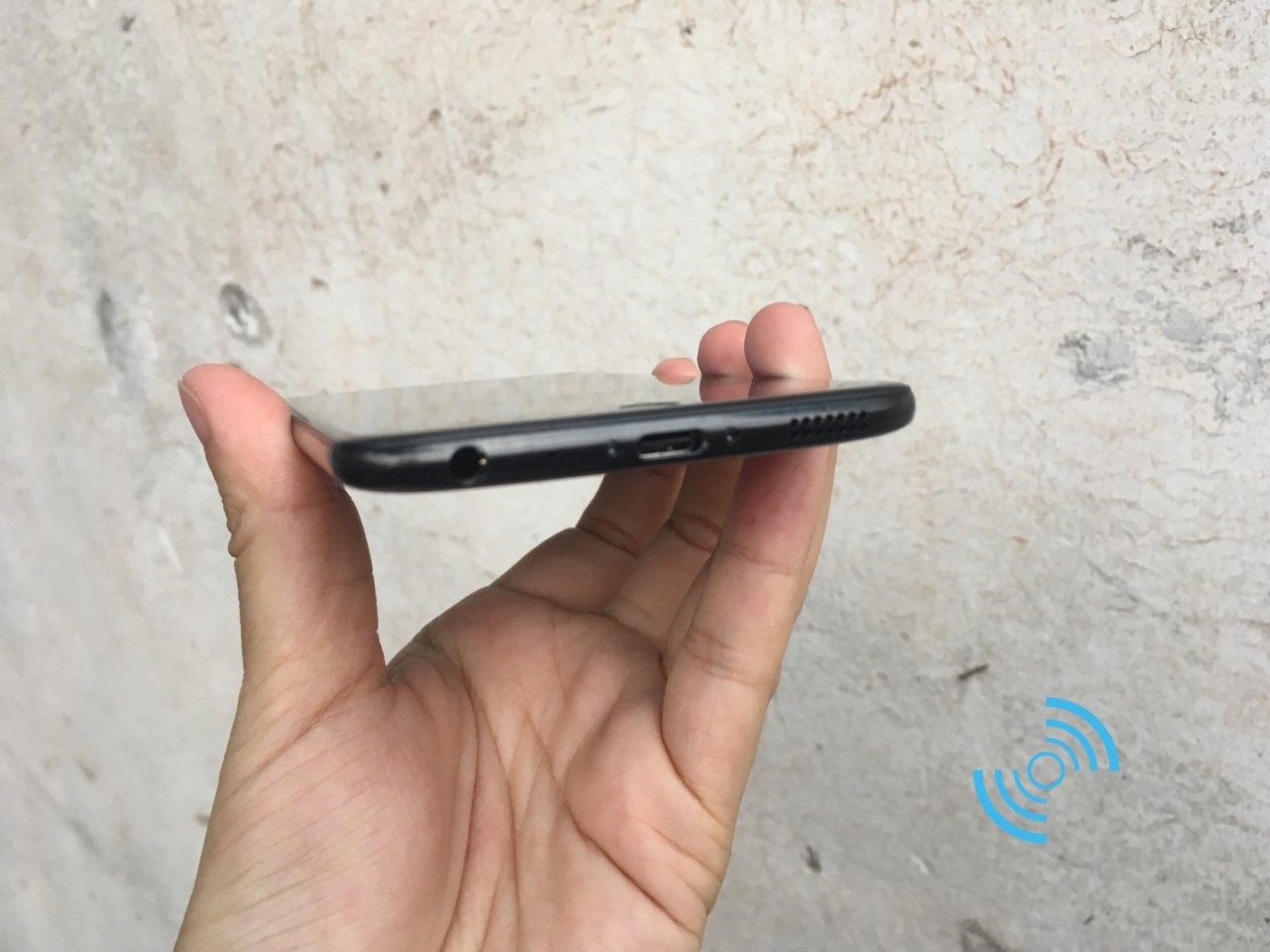
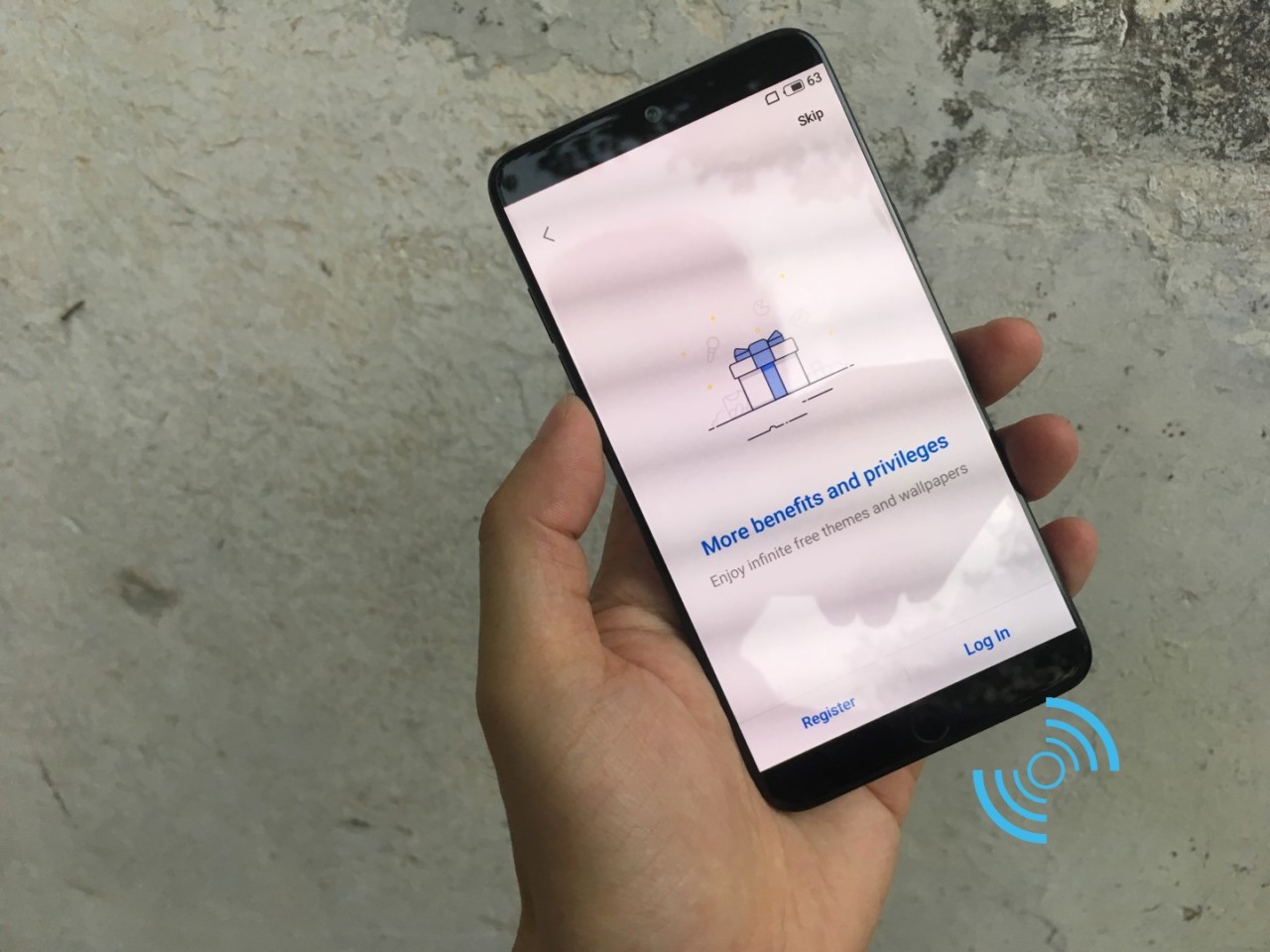
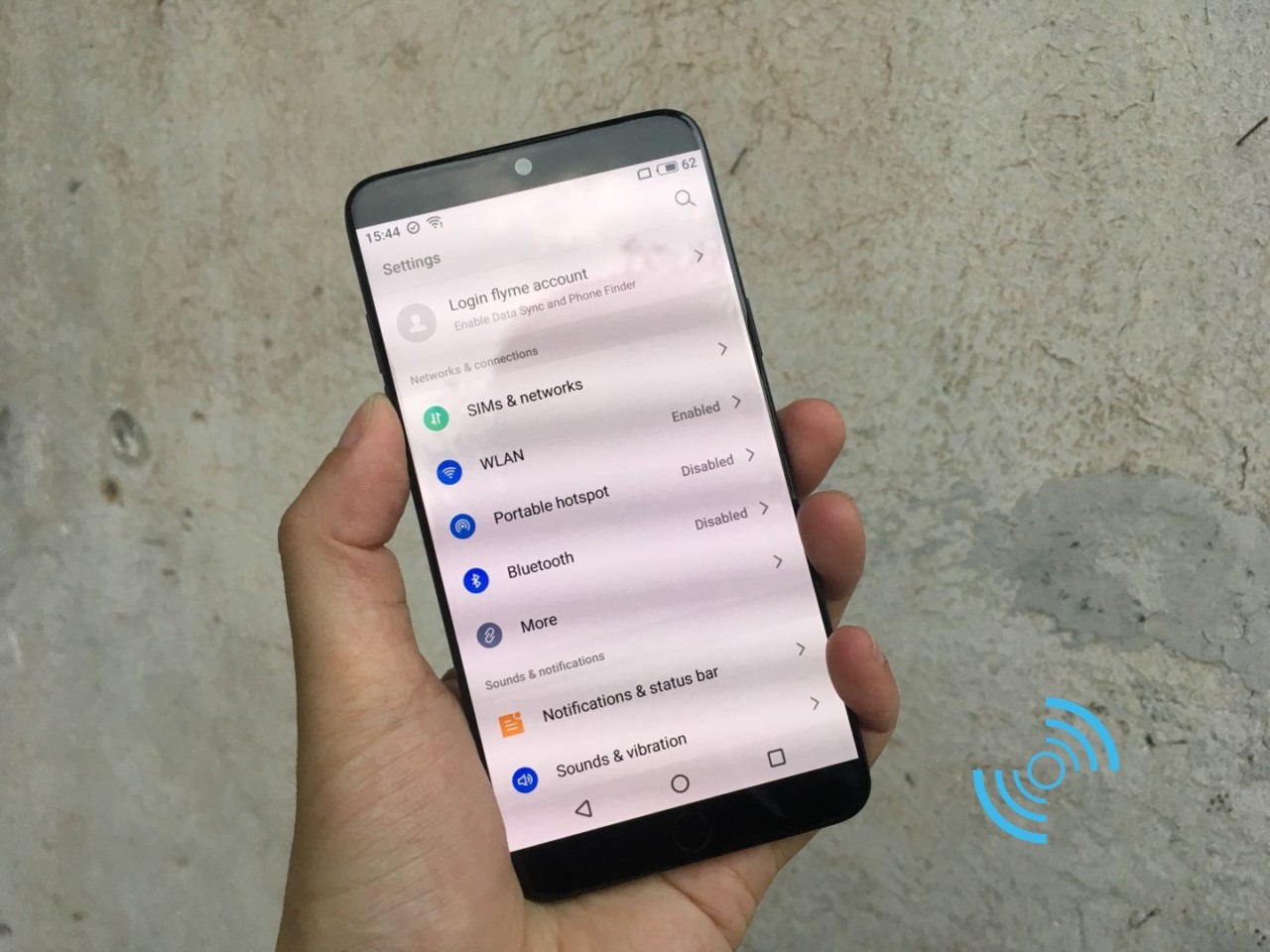
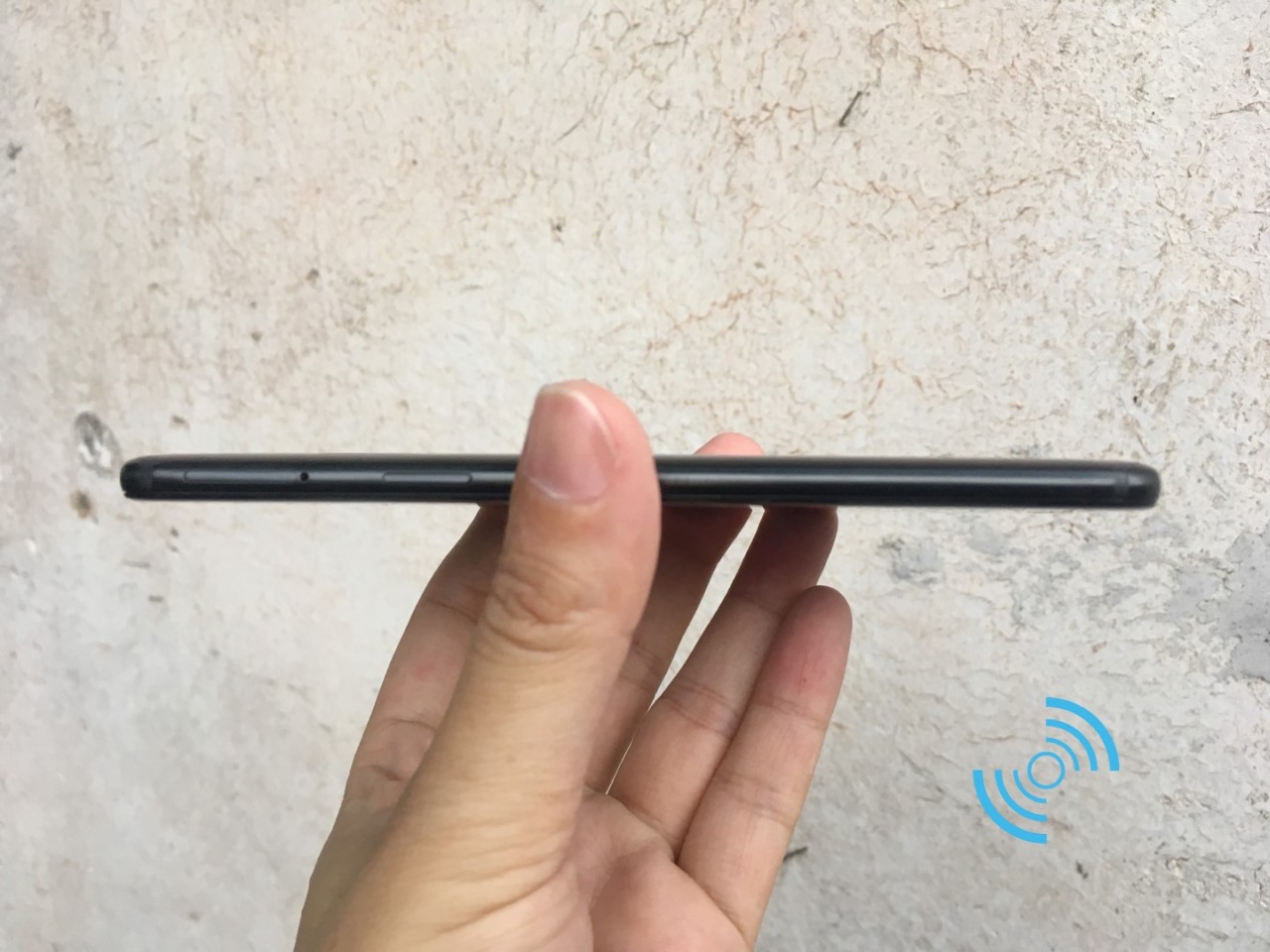
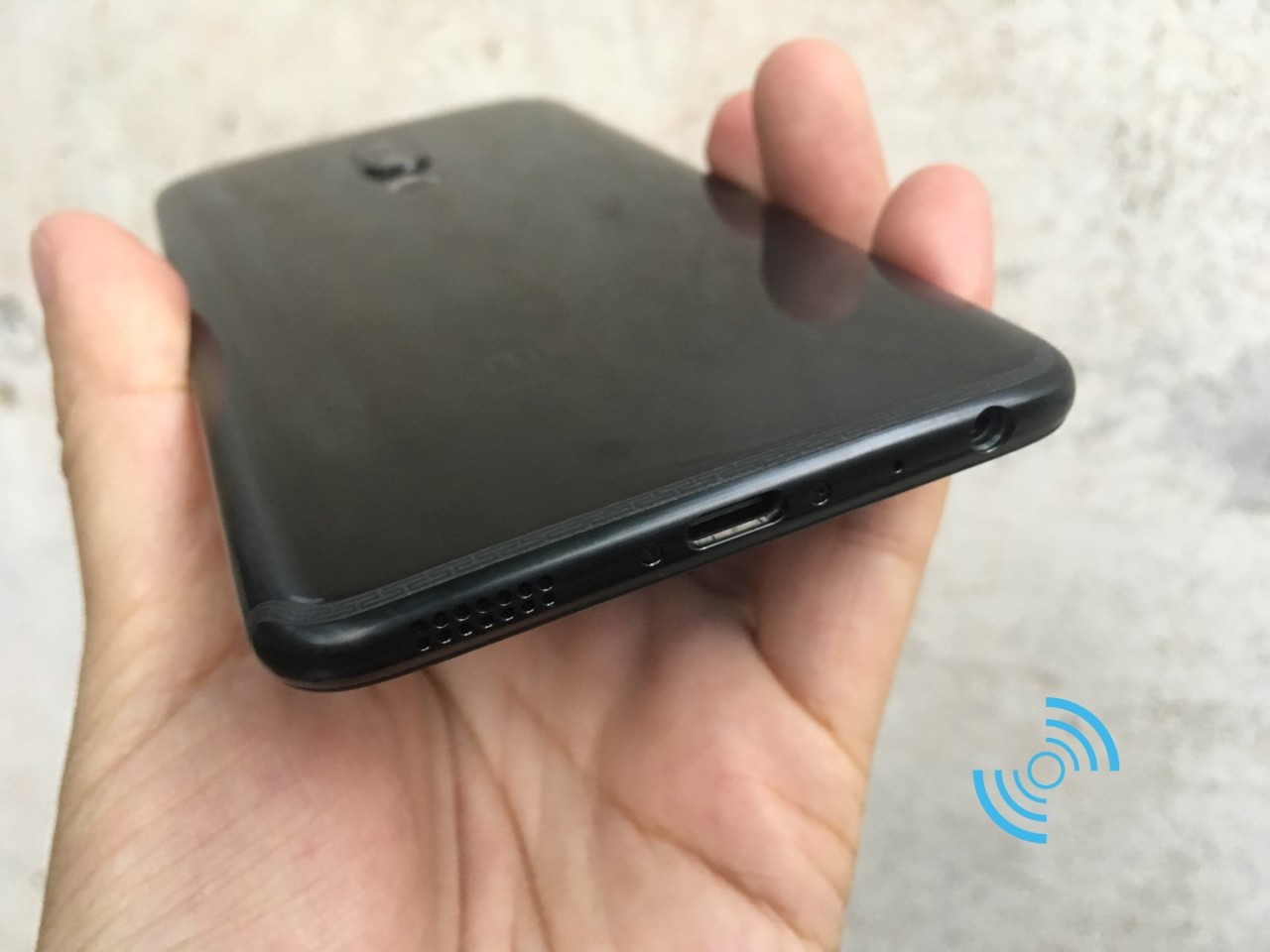
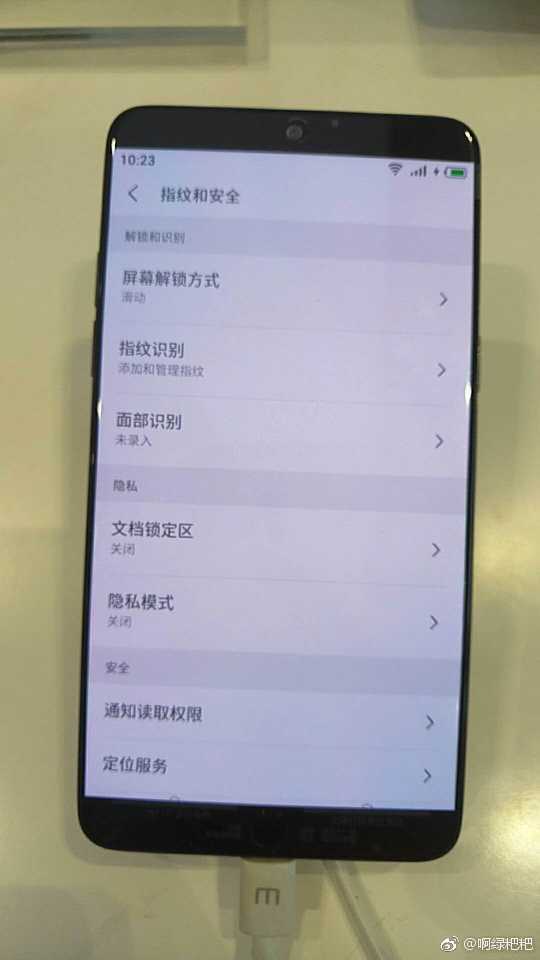
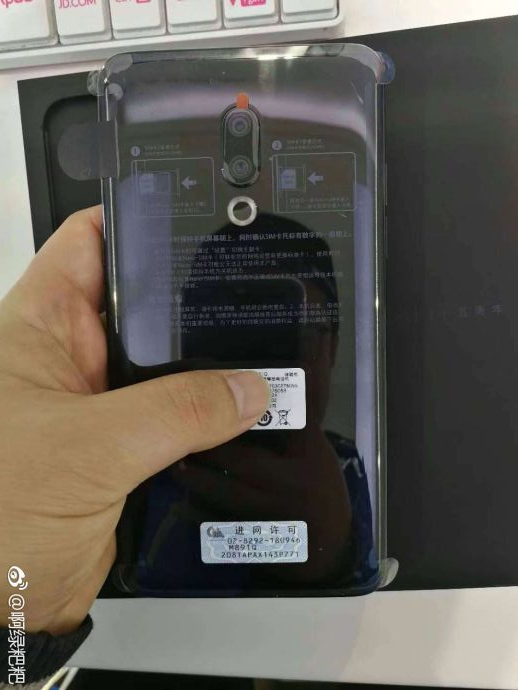
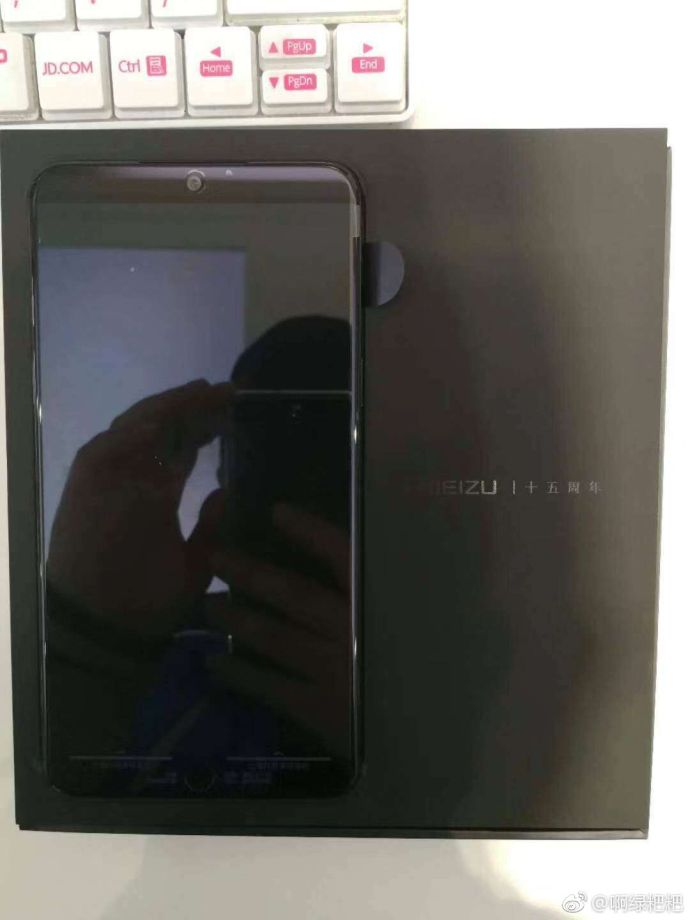
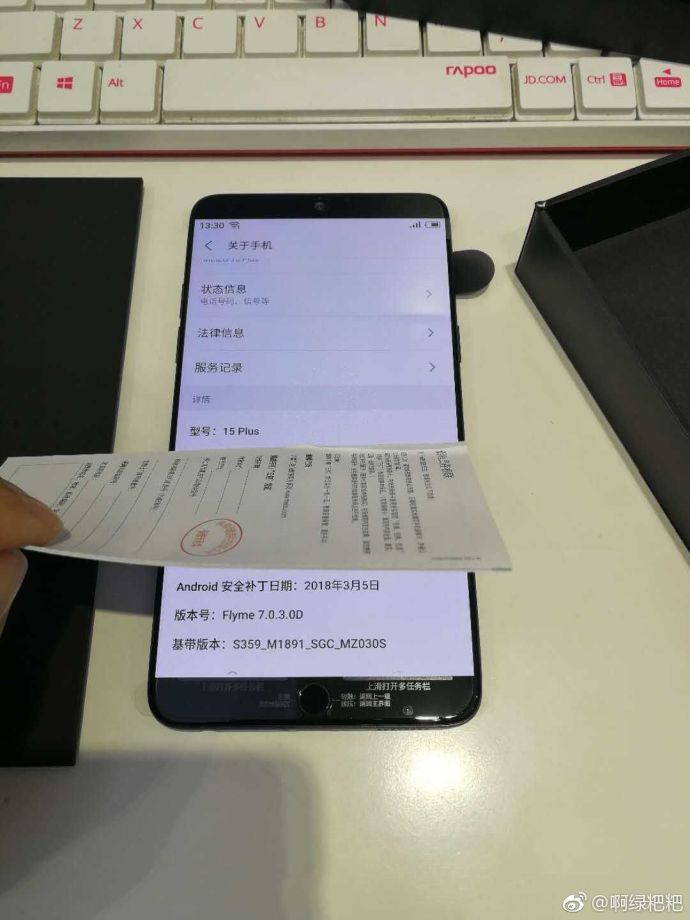
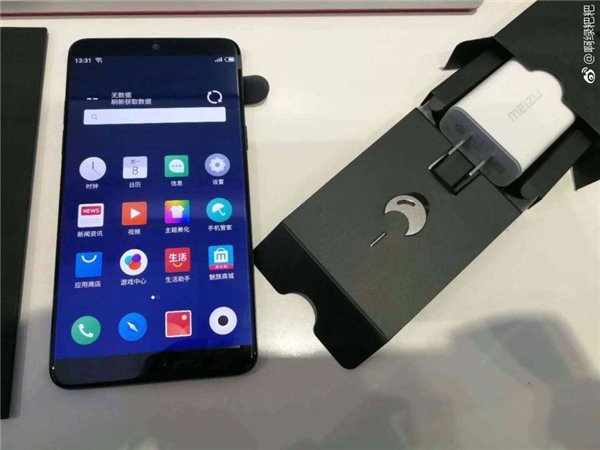
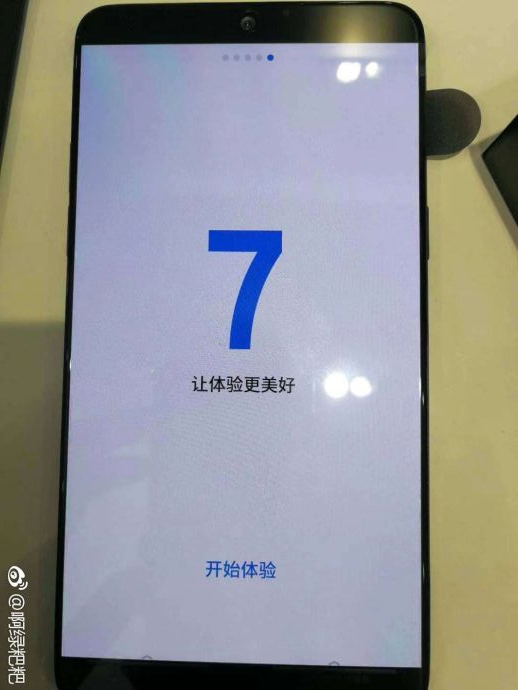
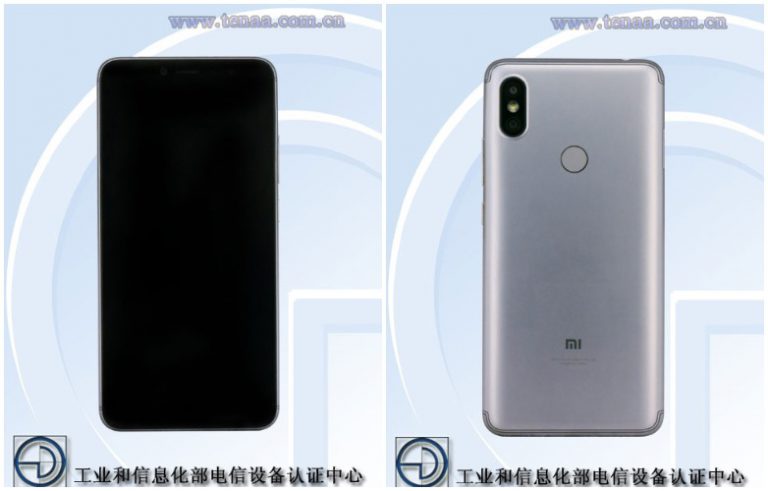
On Wednesday, Xiaomi Mi 6X smartphone will be unveiled in China. The entire specs of the phone along with its images have surfaced through its TENAA listing. Today, leaked information on the pricing of its two variants have also surfaced.
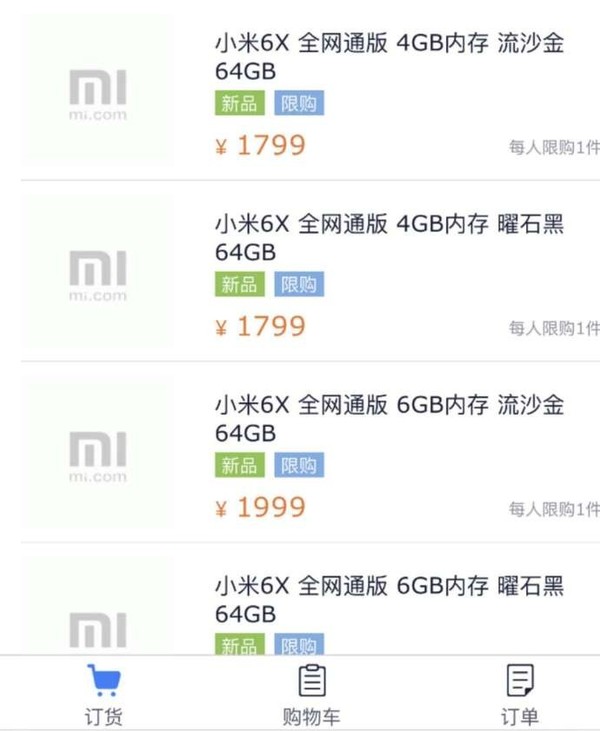
Rumors surrounding the upcoming Xiaomi Mi 6X has revealed that it will be fueled by the Snapdragon 660 SoC. Also, the Mi 6X is expected to be available in models like 4 GB RAM + 64 GB storage, 6 GB RAM + 64 GB storage and 6 GB RAM 128 GB of storage. Fresh information reveals that the 64 models with 4 GB and 6 GB of RAM could be respectively priced at 1,799 Yuan (~$285) and 1,999 Yuan (~$317). There is no information available on the pricing of the 128 GB variant.
The Mi 6X pricing leak reveals that it will be available with an expensive price tag compared to its predecessor, the Xiaomi Mi 5X. The Chinese manufacturer had launched the Mi 5X smartphone last year in July with a price tag of 1,499 Yuan (~$237) for its base model that is packed with 4 GB of RAM, 64 GB of native storage and Snapdragon 625. In August 2017, its 32 GB storage + 4 GB RAM model powered by the same SoC was introduced with a pricing of 1,299 Yuan (~$206).
Like the Xiaomi Mi MIX 2S that was unveiled in the previous month, the Mi 6X is also expected to feature the Xiao AI smart assistant. It will be featuring a 5.99-inch display that will carry support for Full HD+ resolution of 2160 x 1080 pixels. The Mi 6X is expected to be powered by 2,910mAh battery that may carry support for fast charging. It will come loaded with Android Oreo and the latest edition of MIUI 9 skin.
For photography, the Xiaomi Mi 6X is equipped with 20-megapixel front-facing camera. The rear side of the phone is likely to house 12-megapixel + 20-megapixel dual camera setup. The handset will be equipped with a rear-mounted fingerprint scanner. In the previous week, Xiaomi had confirmed that the Mi 6X would be available in multiple colors such as Cherry Pink, Red Flame, Sand Gold, Glacier Blue and Black.
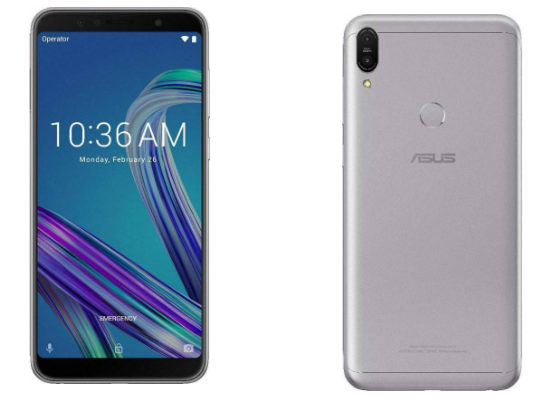
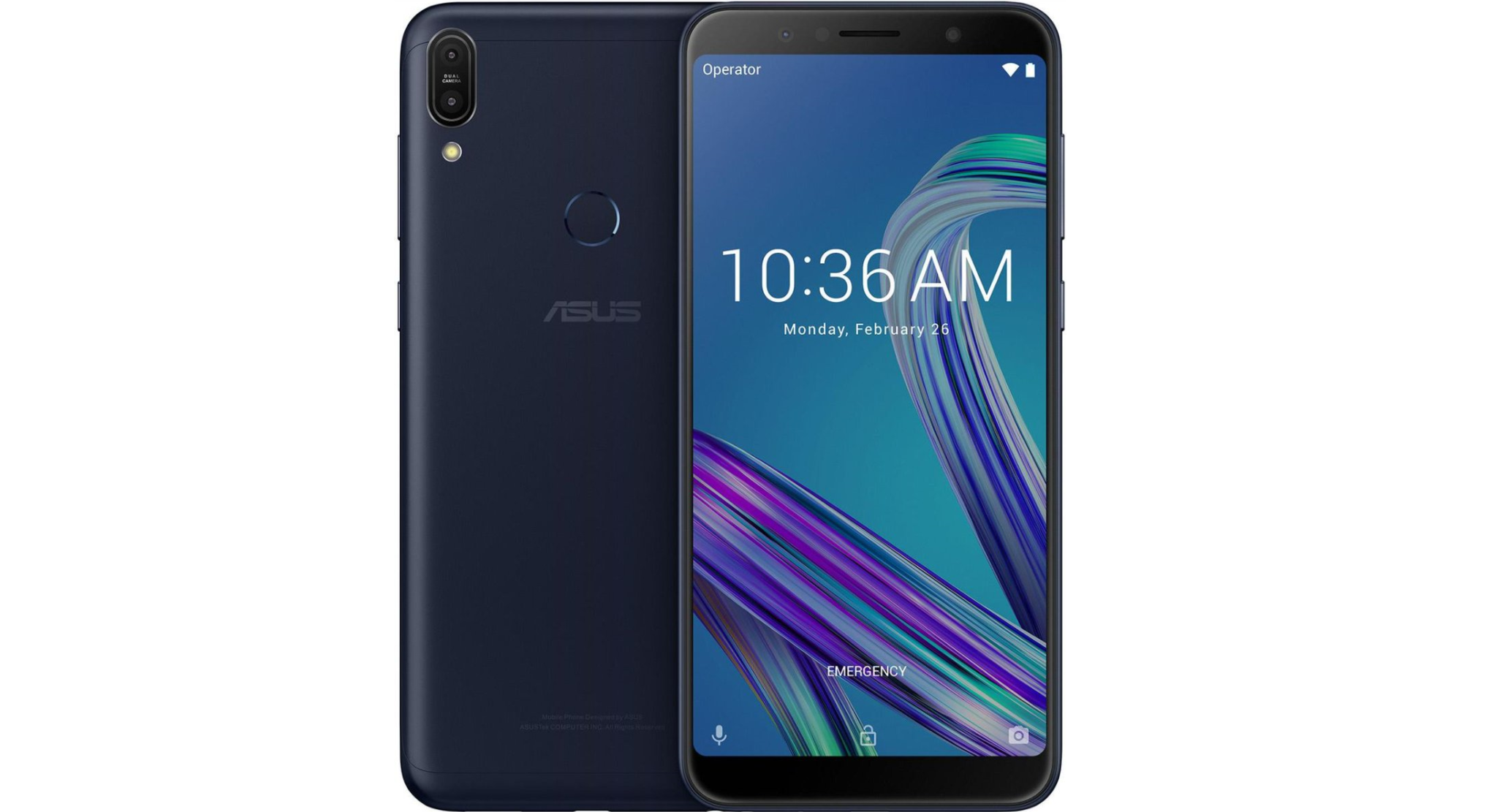
Today, through an unveiled event in Delhi, ASUS has launched the ZenFone Max Pro M1 smartphone in India. The new ASUS mid-range phone that includes the trendy 18:9 aspect ratio screen is packed with the same chipset and 6 GB of RAM that powers the Xiaomi Redmi Note 5 Pro. Moreover, it also includes an impressive dual camera setup and an LED flash enabled selfie snapper. The new ASUS phone is a major competitor for Redmi Note 5 Pro which is packed with similar specs. Here is all the information about the newly announced ZenFone Max Pro M1:
ASUS ZenFone Max Pro M1 Specifications and Features
The ZenFone Max Pro M1 features a 5.99-inch Full View display that delivers a great cinematic experience as it offers features like Full HD+ resolution of 2160 x 1080 pixels, support for 85 percent NTSC color gamut, 450-nits brightness and a contrast ratio of 1500:1. The display is placed under a layer of 2.5D arc glass.
Like the Redmi Note 5 Pro, the new ASUS phone is driven by the Snapdragon 636 SoC. Its highest configuration model has 6 GB of RAM and a native storage of 64 GB. Apart from dual-SIM slot, it features a dedicated slot for adding a microSD card. With an AnTuTu score 116618, the ZenFone Max Pro M1 is 54 percent faster than the Redmi Note 5 Pro, claimed the company at the unveiling of the phone.
The high-density 5,000mAh battery of the ZenFone Max Pro M1 offers up to 199 hours of music playback, up to 25.3 hours of Full HD video playback, up to 28 hours of Wi-Fi browsing and up to 42 hours of 3G talk time. The behemoth battery of the ZenFone Max Pro M1 also supports 10W fast charging and it takes 2.42 hours to charge it to the brim.
During the launch event of the Max Pro M1, the company also claimed that with the same charging rate, the Redmi Note 5 Pro 5’s 4,000mAh battery takes 3.2 hours to charge completely. ASUS claims that the ZenFone Max Pro M1 that is the world’s thinnest smartphone with 5,000mAh battery. Its body that is made out of metal measures 159 x 76 x 8.61mm and it weighs 180 grams.
In terms of photography, the ZenFone Max Pro M1 features a vertically arranged dual camera setup equipped with Softlight LED on its rear panel. It comprises of 13-megapixel primary sensor with f/2.2 aperture and a secondary 5-megapixel sensor for depth sensing. The features offered by the dual rear cameras include faster autofocus, PDAF and 4K video shooting. For snapping selfies, it is fitted with a Softlight LED enabled 8-megapixel front camera that has been optimized to capture selfie shots with bokeh effect.
ASUS phones usually feature ZenUI, but the ZenFone Max Pro M1 is the first phone that offers stock Android experience. It runs on pure version of Android 8.1 Oreo OS. One should be aware of the fact that it is not an Android One device like Xiaomi Mi A1 and Nokia 6 (2018) which means it includes some apps and features by ASUS.
The ZenFone Max Pro M1 has been made to deliver impressive audio output as it includes 5-magnet speaker and NXP smart amplifier. The Taiwanese company will be also offering passive amplifier accessory called Max Box for the Max Pro M1, but its pricing and availability was not confirmed at the launch event of the phone. The MaxBox can amplify the sound output of the phone by 2 times. Its other features include rear-mounted fingerprint reader, 3.5mm audio jack, microUSB 2.0, Bluetooth 5.0, 4G VoLTE, Wi-Fi and GPS.
ASUS ZenFone Max Pro M1 Pricing and Availability
The ZenFone Max Pro M1 carries an exciting price tag of Rs. 10,999 (~$165) for the base model. The 64 GB storage + 4 GB RAM and 64 GB storage + 6 GB RAM editions are respectively priced at Rs. 12,999 (~$195) and 14,999 (~$225). The handset can be availed in color choices like Deepsea Black and Gray. The handset will be exclusively available through Flipkart from May 3.
The Indian retailer giant also introduced Complete Mobile Protection plan with an introductory pricing of Rs. 49 against its regular price of Rs. 999. It covers issues like broken screen, liquid damage, hardware and software issue for 1 year with easy pick up and drop service along with other features such as one helpline service for all queries and 10-days guaranteed resolution. Flipkart will be also offering other launch-day offers like no cost EMI on all credit cards and Bajaj Finserve and Rs. 1,000 additional discount over regular exchange value on select phones.
Vodafone will be providing its consumers who purchase the ZenFone Max Pro M1 amazing offers up to Rs. 3,200 (~$48). For prepaid users with 199 plan and above and postpaid users on RED 399 plan and above, Vodafone will be offering 10 GB of additional data per month for a year. For customers with RED 499 plan and above, the mobile operator will be giving free Vodafone RED Shield device security insurance for 2 years along with 10 GB additional monthly data for 1 year.
Do you think the ASUS ZenFone Max Pro M1 is better phone than the Redmi Note 5 Pro? Share us your views by adding your comments below.
Huawei joined the virtual assistants business as far back as 2013 when it launched its virtual assistant in China. It is similar in functions to Siri, Cortana, Alexa and Google Assistant. Huawei’ virtual assistant is presently being used daily by 110 million people and thus, the tech giant is looking to enhance it with software which enables the use of emotional AI.
Huawei has hinted that it is working on software that will use AI to help its own virtual personal assistant interact with users on an emotional level. The virtual assistants presently available relays information and handle tasks in a robotic manner without any emotions as the response remains the same regardless of the current emotional state of the user. But that may not be the case in the near future as Huawei has disclosed that it is working on software that will use AI to help its own virtual personal assistant interact with users on an emotional level. This was made known by Felix Zhang, vice president of software engineering at Huawei’s Consumer Business group.
A recent report by research firm Gartner earlier this year had revealed that emotion AI will be able to use analysis to detect people’s moods and respond with more personalized answers. Gartner’s research vice president Annette Zimmerman had hinted that by 2022, our personal device will know more about our emotional state than our own family. The personal assistants will have the ability to read facial expressions, analyze the user’s voice and behaviour. Virtual assistants will be able to understand the context of the commands they receive and respond with an answer that is more in line with the emotions of the user. These virtual assistants with the ability to read emotions will find applications in automobiles and health-care. Cars outfitted with such a digital helper would be able to decide whether a driver is tired, stressed, angry or frustrated, and control the car in a manner that would make the ride safer. In health-care, a virtual assistant with emotion AI could monitor a person’s mental health 24/7 and alert caregivers if a problem is detected.
Meizu officially unveiled the Meizu 15 and 15 Plus alongside the Meizu M15 on April 22 and both models came with some dose of surprises in the design and specifications. Without argument, the Meizu 15 Plus is the flagship product, sporting a Samsung Exynos 8895 chipset. While the Meizu 15 features a Snapdragon 660 chipset, thus setting up as one of the premium midrange phones released this year.
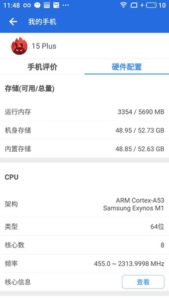
The AnTuTu benchmark results of both models have now surfaced and as would be expected, the score of both models are pretty impressive. The Meizu 15 pooled a total of 134,170 points which is consistent with the score of other models running on Qualcomm’s SD660 chipset. The CPU usage and other parameters measured on the benchmark test also show some impressive results. On the other hand, the Meizu 15 Plus powered by last year’s Exynos 8895 chipset scored 184,706points. This is also consistent with the score of the Galaxy S8 and Galaxy Note 8 models which are the only models running on the Exynos 8895 chip.
As a reminder, the Meizu 15 and 15 Plus both feature a similar design and the major difference between them is the processor. The models both have a 12MP+20MP dual camera setup as well as built-in horizontal linear motor mEngine, extremely narrow frame and what could be regarded as the world’s smallest fingerprint recognition module. The 15 models equally come with a stainless steel aluminium body and run on the new Flyme 7 OS based on Android Nougat, unfortunately. The prices of both models are also quite impressive. Meizu 15 is priced at ¥2499 ($396) for the 4GB + 64GB model and ¥2799 ($444) for the 4GB + 128GB model. The Meizu 15 Plus is ¥2999 ($476) for the 6GB+64GB and ¥3299 ($523) for the 6GB+128GB model.
Xiaomi Redmi S2 is speculated to arrive as an upcoming budget phone with dual rear cameras in markets like China and India. Its leaked firmware files have already revealed plenty of information in the past week. A new Xiaomi phone with model number M1803E6E has received certification from TENAA. Its specs suggest that it could be the upcoming Redmi S2 phone. Also, M1803E6E matches with the internal codename present in the firmware files, claims XDA Developers. The “IS_E6” seems to be Redmi S2’s codename.
According to the TENAA listing, the alleged Redmi S2 measures 160.73 x 77.26 x 8.1mm and it weighs 170 grams. The handset features an 18:9 aspect ratio supporting display of 5.99 inches. Since it supports HD+ resolution of 720 x 1440 pixels, it can be assumed that it will be arriving as a low budget phone. It receives power from a 3,000mAh battery.
Leaked firmware files had revealed that the Redmi S2 is driven by Snapdragon 625 SoC that features a 2.0 GHz octa-core processor. The TENAA listing has also revealed that the alleged S2 is fueled by a chipset that offers the same clocking speed.
The M1803E6E Xiaomi phone is expected to hit the Chinese market in RAM variants like 2 GB, 4 GB and 6 GB. These models will respectively feature internal storage of 16 GB, 32 GB and 64 GB. The handset will also feature a microSD card slot. It will be running on Android 8.1 Oreo and is expected to arrive with the latest MIUI skin.
For photography, the handset is equipped vertically arranged dual rear cameras on its rear panel. The TENAA listing reveals that it will include 12-megapixel + 8-megapixel dual camera setup and a front-facing camera of 16-megapixel. Through the firmware files, it has been revealed that the Redmi S2’s dual cameras are expected to be come with features like Electronic Image Stabilization (EIS) and Portrait Mode. Also, the selfie snapper is pegged to carry support for facial recognition feature. The handset is expected to be available in multiple color choices such as Black, Blue, Gold, Gray, Pink, Red, Rose Gold, Silver and White.
Chinese smartphone manufacturer Xiaomi is all set to launch its new smartphone Xiaomi Mi 6X, the successor of the Mi 5X at a launch event on 25th April.
The company has been teasing features of the upcoming smartphone to build the hype around the smartphone. Everything related to the device has been leaked online, including specifications, features, and images.
Now, in the latest update related to the smartphone, the company has confirmed that the Xiaomi Mi 6X will come with a new artificial intelligence based smart assistant. It will offer features such as foreign language translation, application opening, voice-based search, among others.
This is a step forward for the China-based company in the AI-based smart assistant space. The company had previously launched a couple of AI-based smart speakers. Most recently, the company launched Xiaomi AI Mini Speaker for 169 Yuan (~$27).
Previous leaks related to the smartphone has revealed that the smartphone will come with a 5.99-inch Full-HD+ display having a screen resolution of 1440 x 720 pixel. A recent leak of the phone’s retail box revealed that the device will be powered by Qualcomm‘s Snapdragon 660 processor.
The smartphone is expected to come in three variants based on the memory configuration — 2GB, 3GB, and 4GB RAM along with 16GB, 32GB, and 64GB internal storage. However, the previous TENAA listing of the device revealed two models — 4GB RAM + 64GB storage and 6GB RAM with 128GB internal storage.
In the camera department, the phone will be featuring a dual camera setup at the back and the primary sensor will be of 20-megapixel. On the front side also, there’ll a 20-megapixel shooter. The smartphone is expected to be running Android 8.1 Oreo operating system out of the box with the company’s own MIUI and will be powered by a 3000mAh battery.
The Xioami Mi 6X smartphone will be available in five color options, including Red, Pink, Black, Blue, and Gold. The smartphone is expected to be priced at 1,499 (approximately $238) at the time of launch in China.
We are also expecting the company to launch a global variant of the device, likely to be named Xiaomi Mi A2, making it the successor of the Mi A1. The Mi A2 is speculated to be the Android One smartphone, just like its predecessor.
Around a year back, when Microsoft had released the Windows 10 Fall Creators Update, it had removed all the phone-related APIs from it. This was one of the clear hints for Windows phone users that Microsoft had no plans to launch a smartphone anytime soon. Also, the company had shifted its focus towards Always-Connected PC for making Windows 10 available on PCs driven by Snapdragon 835 and 845 chipsets and LTE modems.
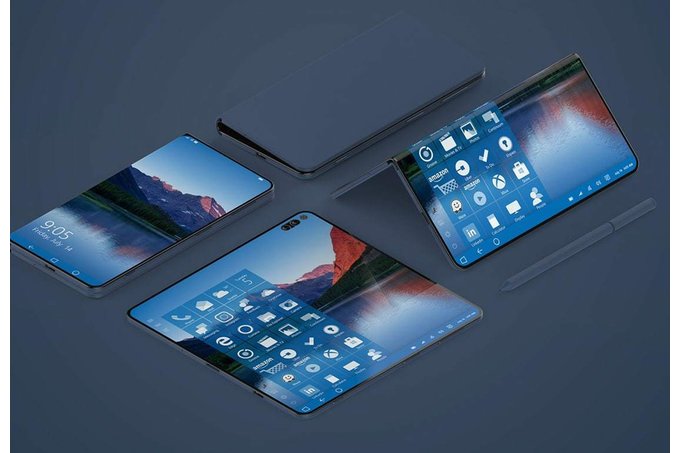
Fresh information reveals that Microsoft has replaced the APIs into the upcoming Redstone 5 that will be arriving as Fall Creators update later this year. Since Microsoft has included phone-related API again in Windows 10, the rumor mill is now speculating that a Surface Phone may debut by the end of this year. It may sound interesting, but the rumors about Surface Phone have been circulating since the past few years.
The Lumia 950 and 950 XL phones were the last flagship phones that were introduced in 2015. Since then, the rumor mill is speculating on the existence of Surface Phone. Some reports have claimed that Microsoft’s Project Andromeda could be the highly awaited Surface Phone. However, some reports claim that these could be two separate devices.
The arrival of phone-related APIs in Windows 10 could mean that Microsoft is making way for developers to start working on programs that will run on the rumored Surface Phone. Previous reports have claimed that the Surface Phone could be a business centric pocket PC device that will be arriving with a stylus.
Recent reports have claimed Samsung, LG, Apple, Huawei are all gearing up to launch foldable smartphones by next year or later. Like the aforementioned companies even Microsoft has filed for foldable display technology in the recent years which also suggests that the Surface Phone may feature a foldable screen.
Do you think Microsoft will take on Samsung and Apple with Surface Phone in the near future? Share us your views by posting your comments below.
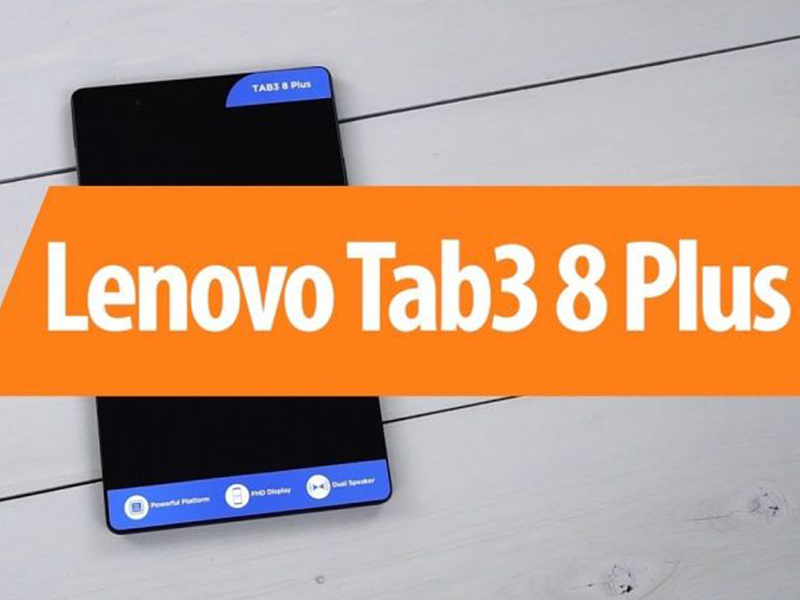
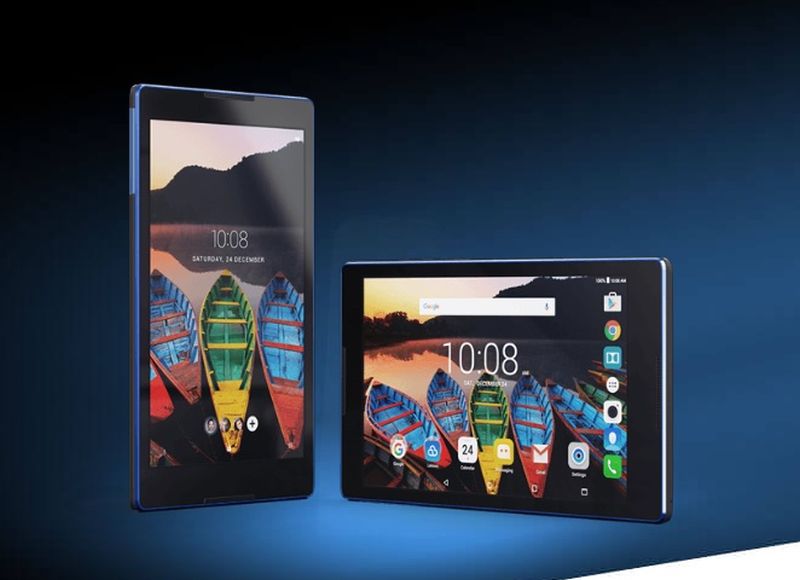
The Lenovo Tab3 8 Plus was made available to the public back in March last year. As expected, the 4G phablet was an instant hit among tech buffs thanks to its eye-catching cosmetic appearance and powerful specifications.
While the Tab3 8 Plus usually sells for $335.99 on GeekBuying, the site is giving buyers an opportunity to get their hands on the well-received phablet by shelling out only $159.99. This is a noteworthy 52% reduction in the device’s original asking price.
Lenovo TAB3 8 Plus phablet is a bargain under $160, given that it sports a big 8.0 inches IPS LCD capacitive touchscreen display with a screen resolution of 1200 x 1920 pixels and an aspect ratio of 16:10. It has a pixel density of 283 PPI (pixels per inch).
The phablet packs a compelling Qualcomm MSM8953 Snapdragon 625 processor along with an equally powerful Adreno 506 GPU, under the hood. The device offers 3GB of RAM and 16GB of onboard storage which can be expanded up to 256 GB via microSD card.
On the photography front, the TAB3 8 Plus features an 8-megapixel camera with autofocus on the back and a 5-megapixel front shooter for selfies. It has a slew of other useful features including geo-tagging, touch focus, face detection, HDR, and panorama.
The device draws its juices from a non-removable Li-Po 4250 mAh battery and is powered by Android 6.0.1 (Marshmallow) operating system. Aside from that, the phablet is crammed with features such as G-sensor, Skype, YouTube, speaker, MIC and Google Play Store.
You can head straight to this link in order to take advantage of the promotion, which is on the verge of wrapping up. Note that the discount will be valid for the deep blue-tinted 4G version of the Lenovo TAB3 8 Plus phablet.
As part of its latest ‘Savings Week of New Arrivals’ promotion, GeekBuying is giving buyers an opportunity to save up to 15% on PC peripherals in the form of coupon codes. Let’s check out the details.
Brands
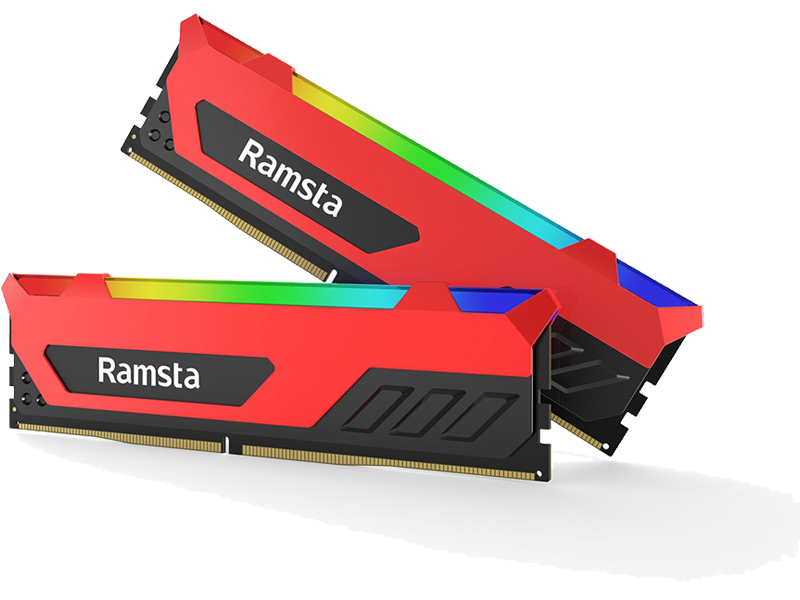
The aforesaid promotion is valid for a broad range of brands including Ramsta, Logitech, Teclast, and Samsung just to name a few. For the sake of an example, you can buy 2 pieces of Ramsta RGB light computer accessory gamer module for the desktop by shelling out only $239.99.
Note that the device normally sells for $ 349.99 on GeekBuying. The site is offering a considerable 31% off on its original asking price for a limited period of time.
Likewise, you can get 20% off on the Teclast 16GB flash drives, which will normally set you back $9.99 on GeekBuying. Thanks to the discount, you can now get your hands on the device for only $7.99.
On top of that, you can use coupon code ‘CWNVKJOE’ to get an additional $1.20 off at the time of checking out. In other words, you can reduce your grand total to only $6.79 simply by applying the coupon code.
More Deals
This category is brimming with all sorts of items that you can buy at the slashed price. Among a slew of other products, you can buy the UGEE UG-1910B P50S Pen digital painting drawing tablet for just $312.99 in this section.
GeekBuying is giving a noteworthy 22% reduction in the device’s retail price of $399.99. But if that doesn’t impress you much, you can further lower your grand total to only $312.99 by using coupon code ‘CWNVKJOE’ while checking out. This helps you save an extra $46.95.
It’s worth noting that the coupon code is likely to expire soon. You can head straight to this link in order to check out more deals and avail the deal which is slated to wrap up soon.
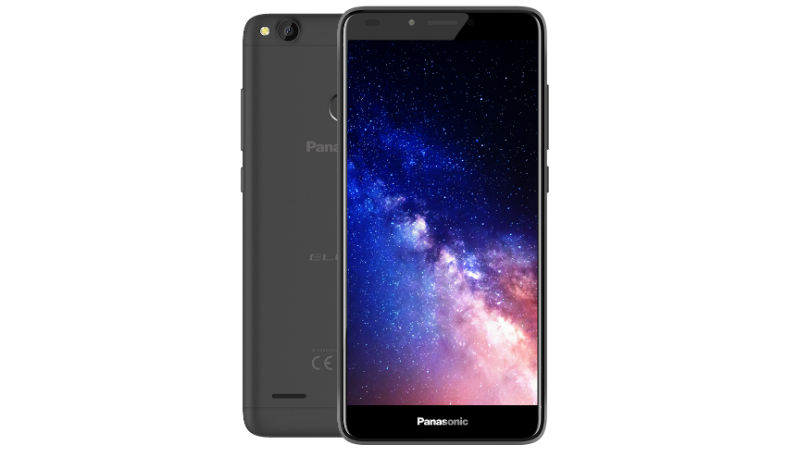
Panasonic has launched yet another budget smartphone in the Indian market, expanding its range of offerings in the region. The newly launched smartphone, which is dubbed Panasonic Eluga I7 is priced at Rs. 6,599 (~$98) and will be exclusively available for purchase through online retailer Flipkart.
The smartphone features a 5.45-inch Big View HD+ display with 18:9 aspect ratio and a 2.5D curved glass on top. Under the hood, the device is powered by 1.3GHz quad-core MediaTek MT6737H processor along with 2GB RAM.
It comes with 16GB of internal storage and enables users to further expand the phone’s storage capacity up to 128GB through a microSD card. Coming to the camera department, the Panasonic Eluga I7 packs an 8-megapixel primary camera on the rear and an 8-megapixel front-facing shooter for selfies and video calling.
There is also a fingerprint sensor that not only provides security to the user but also enables them to perform certain tasks such as take selfies and launch apps with just a tap of the finger. It also comes with Smart lock features such as Trusted Face recognition and the Trusted Voice that lets the user unlock their device with just a simple glance at their phones or by simply speaking.
Panasonic said that through over-the-air (OTA) update, the smartphone will receive Arbo Hub, which is claimed by the company to be the go-to app for all solutions. It obtains user information to provide customized services such as cricket, news, payments, cab bookings, and more.
Connectivity options on the device include 4G LTE, Bluetooth v4.1, Wi-Fi 802.11 b/g/n, Micro-USB 2.0, and GPS. The smartphone runs on Android 7.1 Nougat operating system out of the box and is powered by a 4,000mAh battery.
It has been evident since its official announcement: Huawei P20 Pro is a smartphone with amazing camera performance. And immediately after its launch in the market, it started receiving positive feedback. The handset has just received its first official award by TIPA (Technical Image Press Association), a non-profit organization which cooperates with 30 publications in the photography and images sector every year, in order to create ranking that establish which are the best cameras in the market. TIPA tests and evaluates cameras every year, then selects the best ones for its rankings and assigns awards for several sectors of photography.
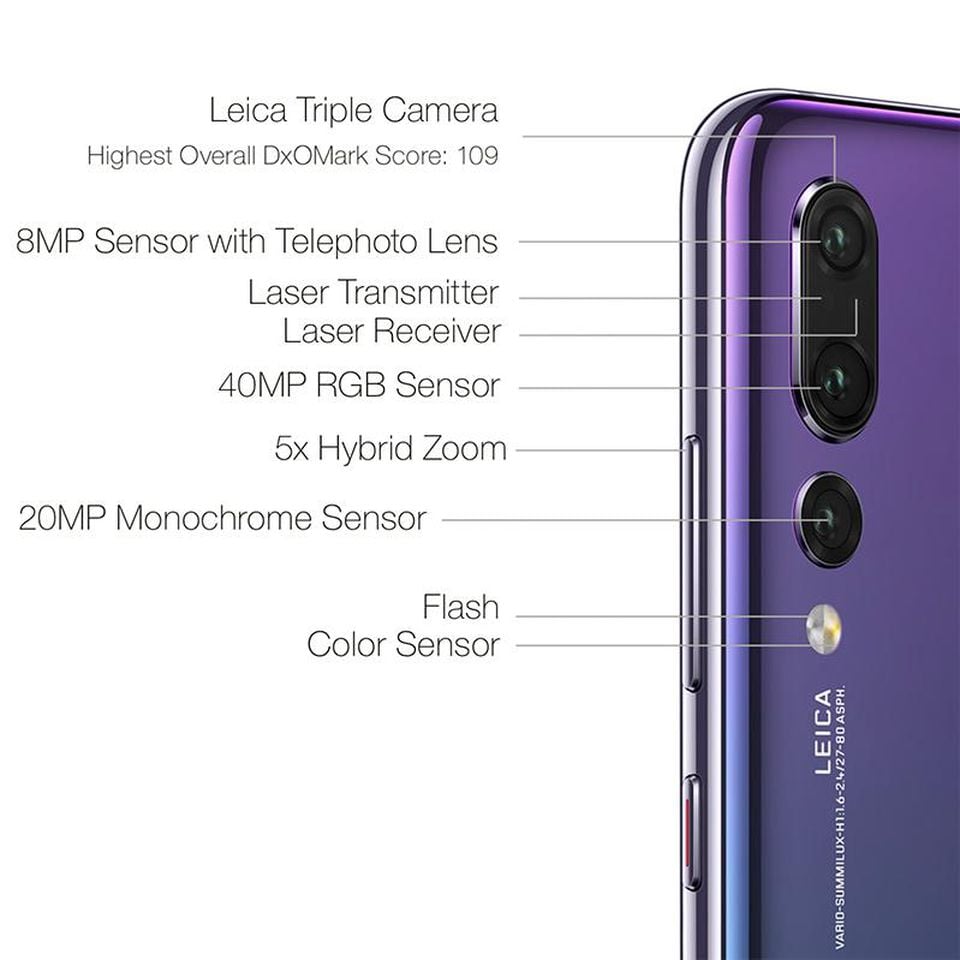
According to TIPA, Huawei P20 Pro is the best photo smartphone of 2018. The handset features the first triple camera in the mobile phone markets. Its rear setup is composed of a 40 MP primary RGB sensor with a f/1.8 aperture, a secondary monochromatic sensor with a 20 MP resolution and a f/1.6 aperture, and a third 8 MP telephoto lens with a f/2.4 aperture and OIS. It can record 4K videos and 960fps slow-motion videos in 720p. TIPA’s award is not the only confirmation of the outstanding photographic performance of the latest Huawei’s flagship. Currently, the device is also at the first place of the best camera phones ranking by DxOMark with a score of 109 points.
The second and third place are actually taken by the standard P20 and Samsung Galaxy S9 Plus with 102 and 99 points, respectively. So, Huawei P20 Pro and P20 are currently the only mobile phones which crossed the 100 points milestone on DxOMark. The big sensors are not the only elements contributing to the incredible photo quality of these flagships: there is also an outstanding algorithm handling photos and videos. The rear triple camera also supports artificial intelligence to improve the quality through scene recognition and other smart features, thanks to the NPU (Neural Processing Unit) present in the octa-core Kirin 970 SoC.
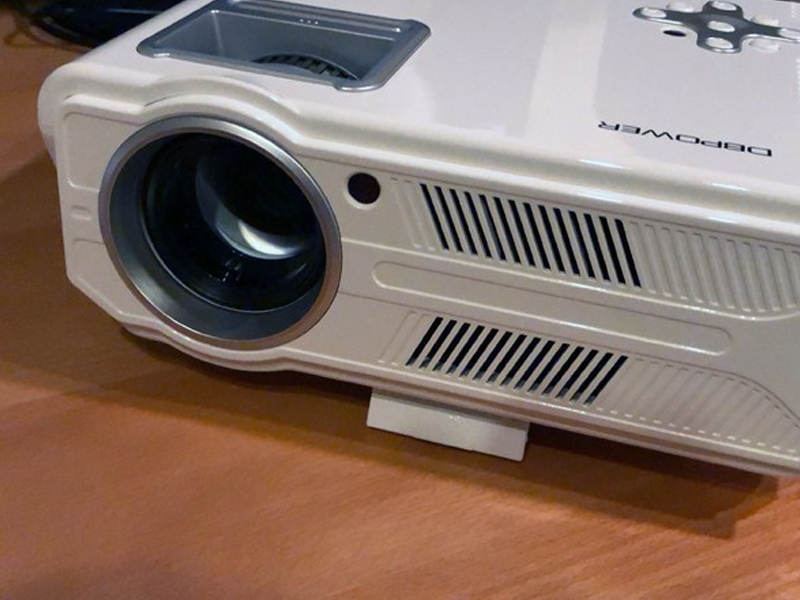
If you’re a movie buff who fancies watching movies at home instead of going to the cinema, you have come to the right place. The DBPOWER RD-819 Projector brings the cinema home by delivering an unparalleled experience for you in the comfort of your own home.
The RD-819 Projector sports a 50 to 200-inch display allowing users to enjoy their favorite movies and play popular games on a relatively bigger screen. Moreover, the device boasts 3200 real lumens brightness, coupled with 5.8” LCD screen which makes it a perfect companion for home entertainment. If you’ve restlessly been waiting to experience true big screen, bright color, and clear pictures, the DBPOWER RD-819 is the perfect projector that produces an excellent projection for your home theater needs. The device can be yours if you’re willing to shell out $239.99 on Amazon.
But if you’re on a tight budget and aren’t willing to spend that kind of money on a projector, we got good news for you. You can use coupon code ‘KE86E8UW’ at the time of checking out and to bring your grand total down to just $199.99. In other words, you can save $40 simply by applying the aforesaid coupon code.
You can head straight to this link to take advantage of the coupon code before it lapses. Note that the coupon code discount is slated to expire on Monday, April 30.
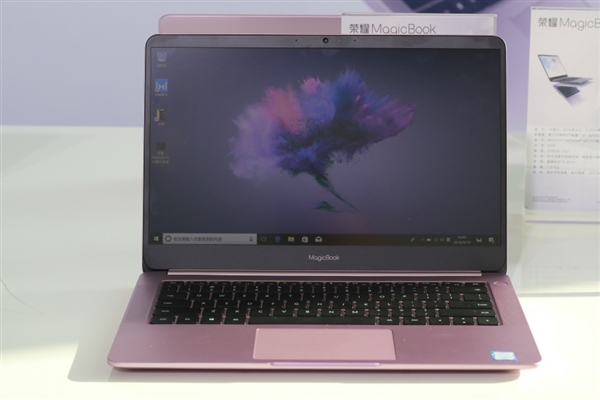
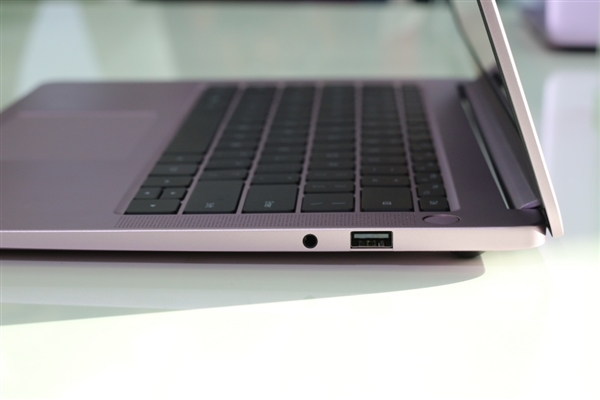
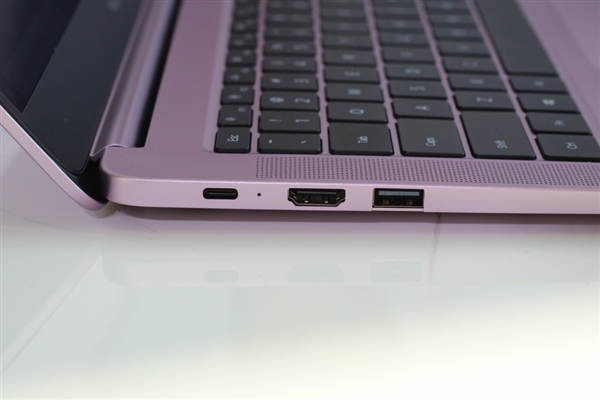
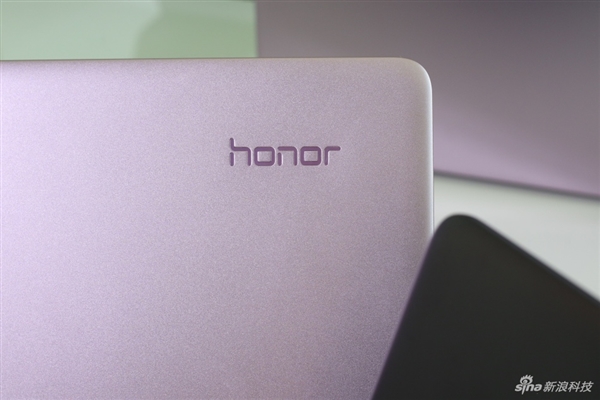
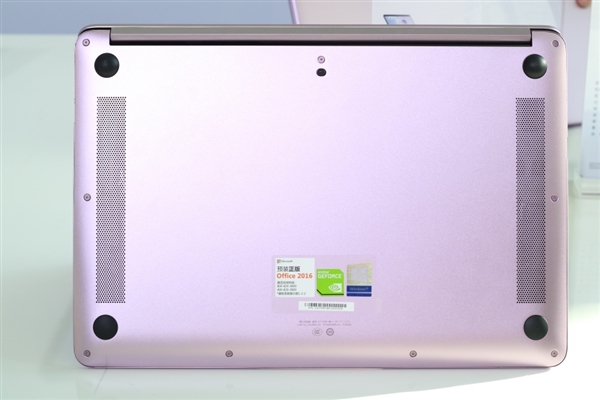
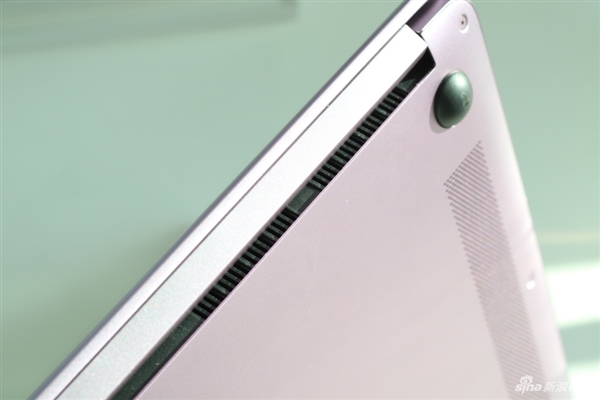
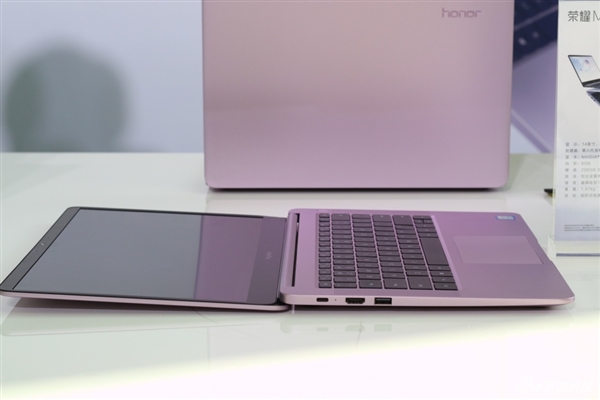
Huawei’s Honor brand launched the Honor 10 on April 19 in China and along with the flagship smartphone came a number of other Honor-branded products. One of the standout products is the Honor MagicBook which is the first laptop to be released under the brand. The laptop comes with a trendy design and offers powerful performance, smart experience, and reliable quality.
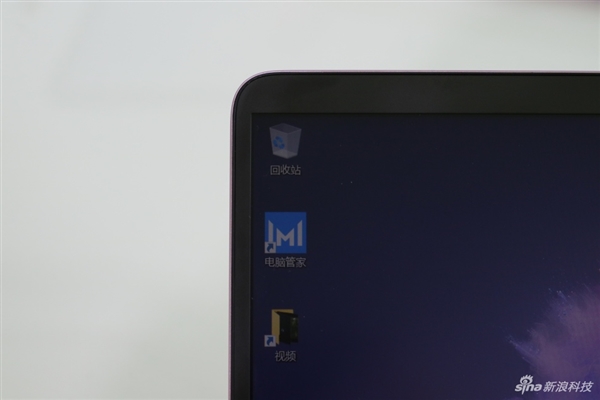
The laptop adopts a design which sees the side bezels slightly reduced, giving it an 81% screen-to-body ratio. The hinges also come with a spectacular design as the laptop can open up to 180 degrees. We can’t tell for now how this would be of any use but it sure could come in handy someday to the user. The MagicBook sports a metal body and has a full-size QWERTY keyboard. It is just 15.8mm thick and weighs 1.47kg which means it isn’t only portable but also lightweight. The laptop comes in three colour combination Glacier Silver, Starry Ash and Nebula Purple.
In addition, it comes with four speakers and support for Dolby Sound System. There is also a built-in 2 x 2 MIMO dual-antenna Wi-Fi. Onboard providing the firepower is an eight-generation Intel Core i7-8550U processor. There is a version with Intel Core-i5 chip. The laptop is also equipped with 8GB of RAM, 256GB of SSD, NVIDIA MX150 Graphics card. Another spectacular thing is that it is equipped with a 57Wh battery which the company says can provide 12 hours of native 1080p video playback, 12 hours of web browsing, and 13 hours of document processing.
As for the pricing, while the Core i7 model is priced at 5,699 Yuan (approximately $908), the Core i5 variant is priced at 4,999 Yuan, which roughly converts to $796. This isn’t what we’d have expected but they are not bad prices for models running the latest generation of Intel Core i5 and Core-i7 chipsets respectively and with such design. We expect Huawei to launch this outside China soon. Check out some more pictures of the MagicBook from below.
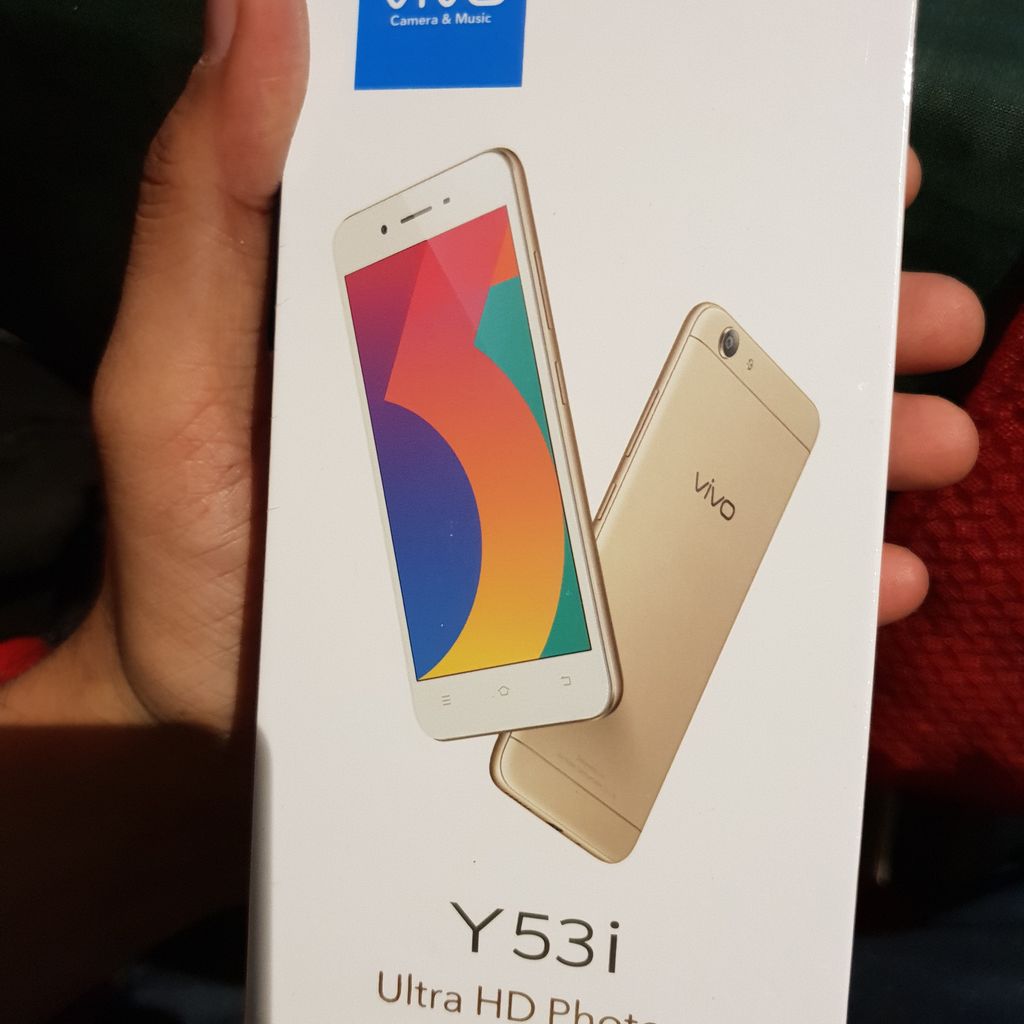
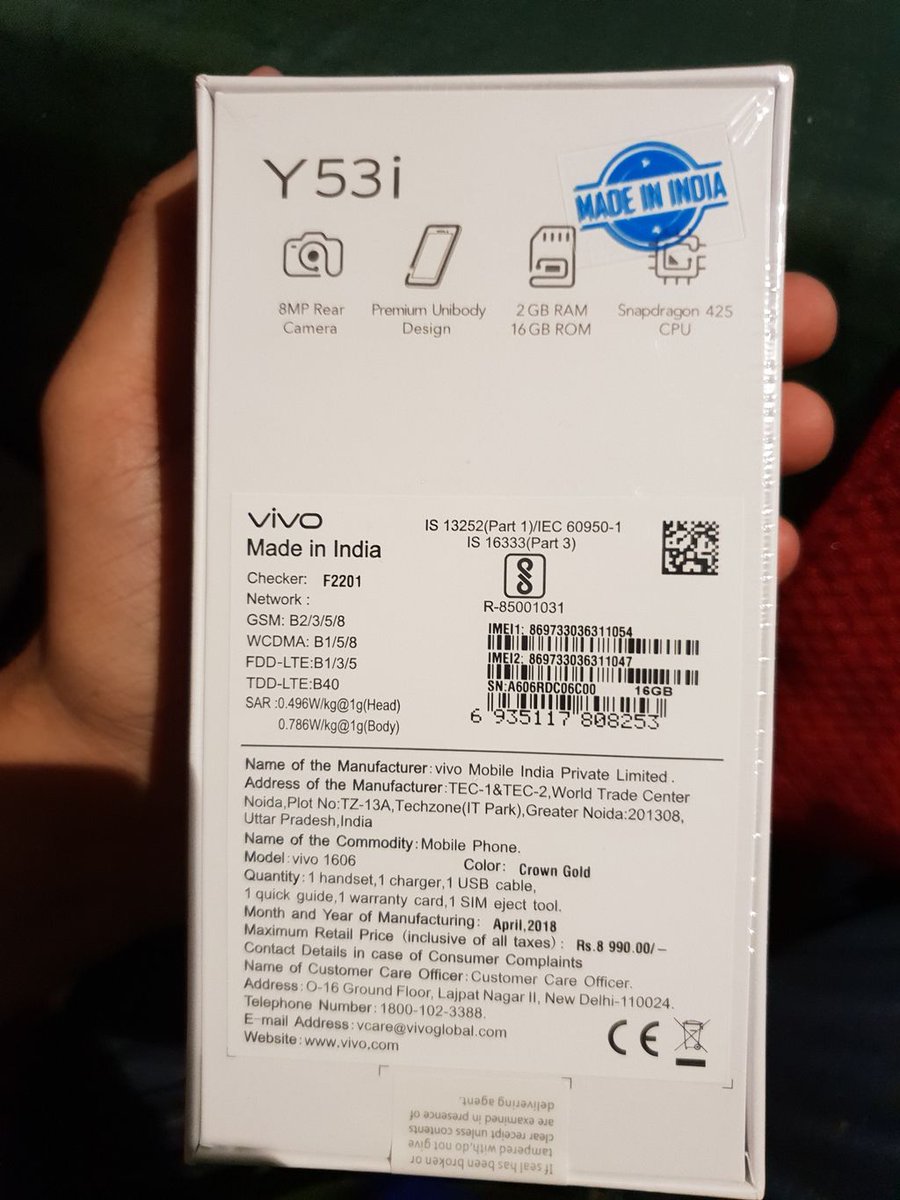
Vivo has launched a new smartphone in India. The Vivo Y53i is an entry-level phone based on its specs but just like the Y71, Vivo gets the pricing wrong.
The Vivo Y53i is supposed to take on phones like the Redmi 5A and the Redmi Y1 Lite (2GB version). It has a 5” screen with a 960 x 540 resolution. It is powered by Qualcomm’s Snapdragon 425 SoC paired with 2GB of RAM and 16GB of expandable storage.
There is an 8MP camera on the back of the phone and a 5MP camera in front for selfies. Unlike the Redmis mentioned above, it runs Android 6.0 Marshmallow and packs a 2500mAh battery.
It doesn’t have a fingerprint scanner like its competitors but it does have Face Unlock. It also has 4G LTE, VoLTE, Bluetooth, and a micro USB port.
Vivo has put a Rs. 7,990 (~$121) price tag on the Y53i. This is higher than the Redmi 5A which has an HD display and a bigger 3000mAh battery for Rs. 5,999 (~$90) and the bigger Redmi Y1 Lite which is Rs. 6,999 (~$106). It is also nearly the same price as the Redmi 5 (2GB+16GB) that has a 5.7” HD+ screen, a SD450 SoC, a 3,300mAh battery, a fingerprint scanner, and sells for Rs. 7,999.
Alongside the Meizu 15 trio announced today, Meizu also launched two new audio products – the Meizu POP Wireless Earbuds and the Meizu Halo Laser Earphones.
Meizu POP Wireless Earbuds
The POP is a pair of truly wireless earbuds just like Apple’s Airpods and Samsung’s Gear IconX but it doesn’t have their high price tags.
The POP comes in white with a matching case that doubles as a charger. The earbuds are light, weighing just 5.8g each, and have an 85mAh battery that lasts 3 hours on a single charge. The charging case provides an additional 12 hours of battery life via its own 700mAh built-in battery, that means it can charge the earbuds four times. The case itself can be recharged via a USB-C port or can be placed on a wireless charging pad.
The earbuds connect via Bluetooth 4.2. The POP has touch-sensitive controls which can be used to pause, play, or change songs. It can also be used to answer/reject calls, or wake the voice assistant. Waking the Meizu voice assistant requires the phone runs Flyme 7.0. However, it can be different for those using other brands.
The Meizu POP fits snugly in the ears and can be worn while exercising. You also don’t have to worry about sweats as it has an IPX5 rating.
The Meizu POP is priced at ¥599 (~$79). It will go on sale on the 29th of April.
[envira-gallery id=”186965″]
Meizu Halo laser Earphones
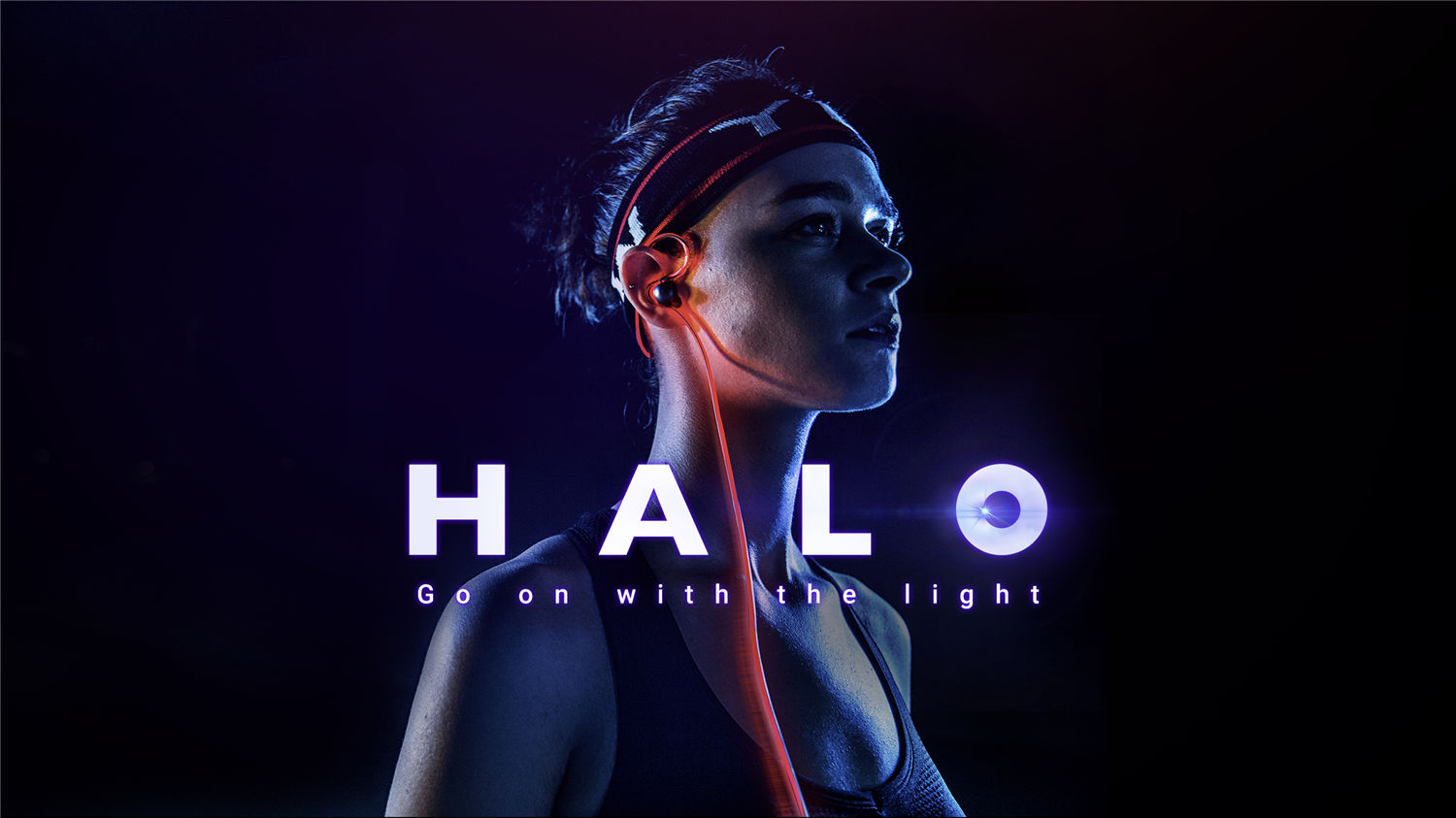
This is a pair of wired Bluetooth earphones with a nifty little feature. The earphones actually use Corning® Fibrance® Light-Diffusing Fibers for the cord of the earphones. The fibers are illuminated by laser diodes from OSRAM.
Meizu has settled for single-color fibers for use with its earphones. The laser effect has three modes:
Music Mode – the intensity of the light changes with the rhythm of the song.
Static Mode – the light remains static.
Flash Mode – the light flashes at 2-second intervals.
The laser can be adjusted via a custom app. You can adjust the intensity or even turn it off if you wish. When turned on, the earphones last 5 hours on a single charge (at 50% brightness) and when turned off, it lasts 15 hours on a single charge.
The Halo Laser Earphones supports aptX lossless audio. It has ear hooks and an in-line remote. The remote has a switch for turning on or off the laser, three keys for music control, and a micro USB port for charging.
Nearly six months after we first heard of the Meizu 15 Plus, Meizu has finally taken the wraps off the phone along with its siblings – the Meizu 15 and Meizu M15. It has been a long wait but a worthy one.
Design
In a world filled with 18:9 displays with or without notches, Meizu has decided not to follow the bandwagon. It has chosen the traditional 16:9 display and has built an impressive device around it.
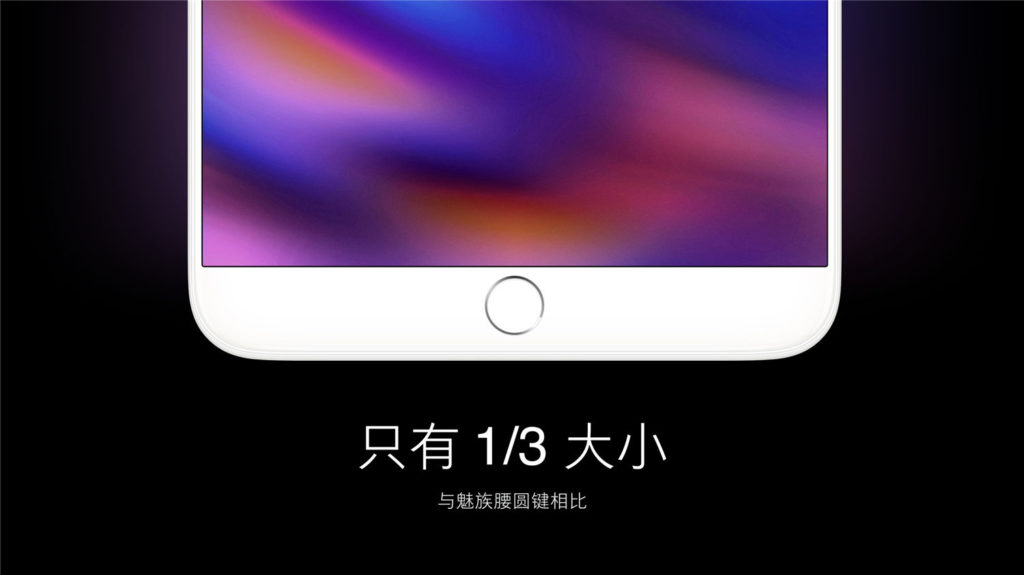
The Meizu 15 is the beginning of a new era of design for Meizu phones. The home key called the mBack button has been redesigned. It is no longer shaped like a pill but is now a circle. It still houses the fingerprint scanner and can be used for navigation.
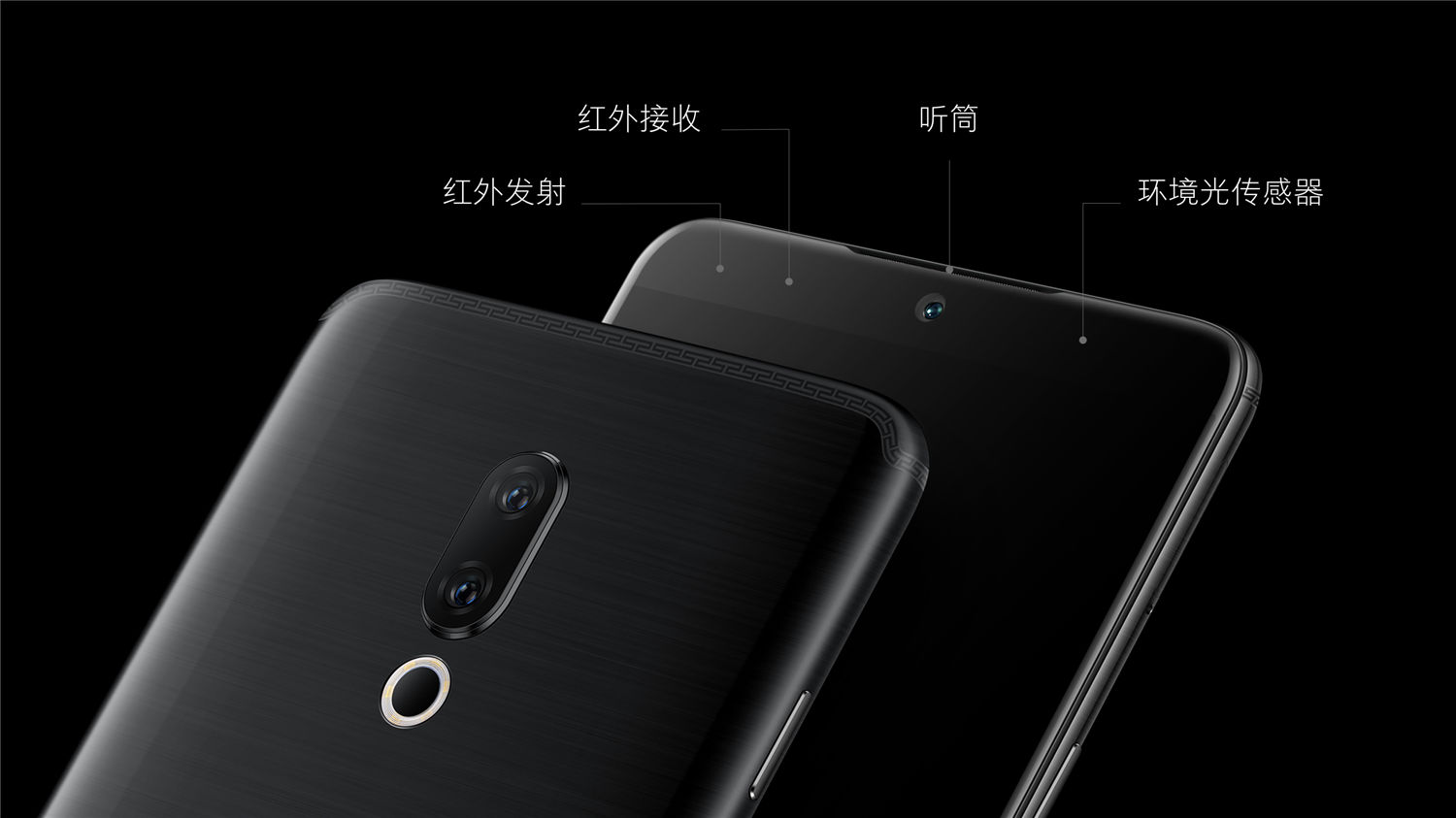
Employing a symmetric design, right at the same spot on the top bezel is the front-facing camera. Above the camera is a thin slit between the glass and the frame, within that slit is the earpiece.
While you may not see it, there are IR sensors on the left of the front camera and an ambient light sensor on the right. The Meizu 15 supports face unlock so this should be more secure than the ones found on other devices.
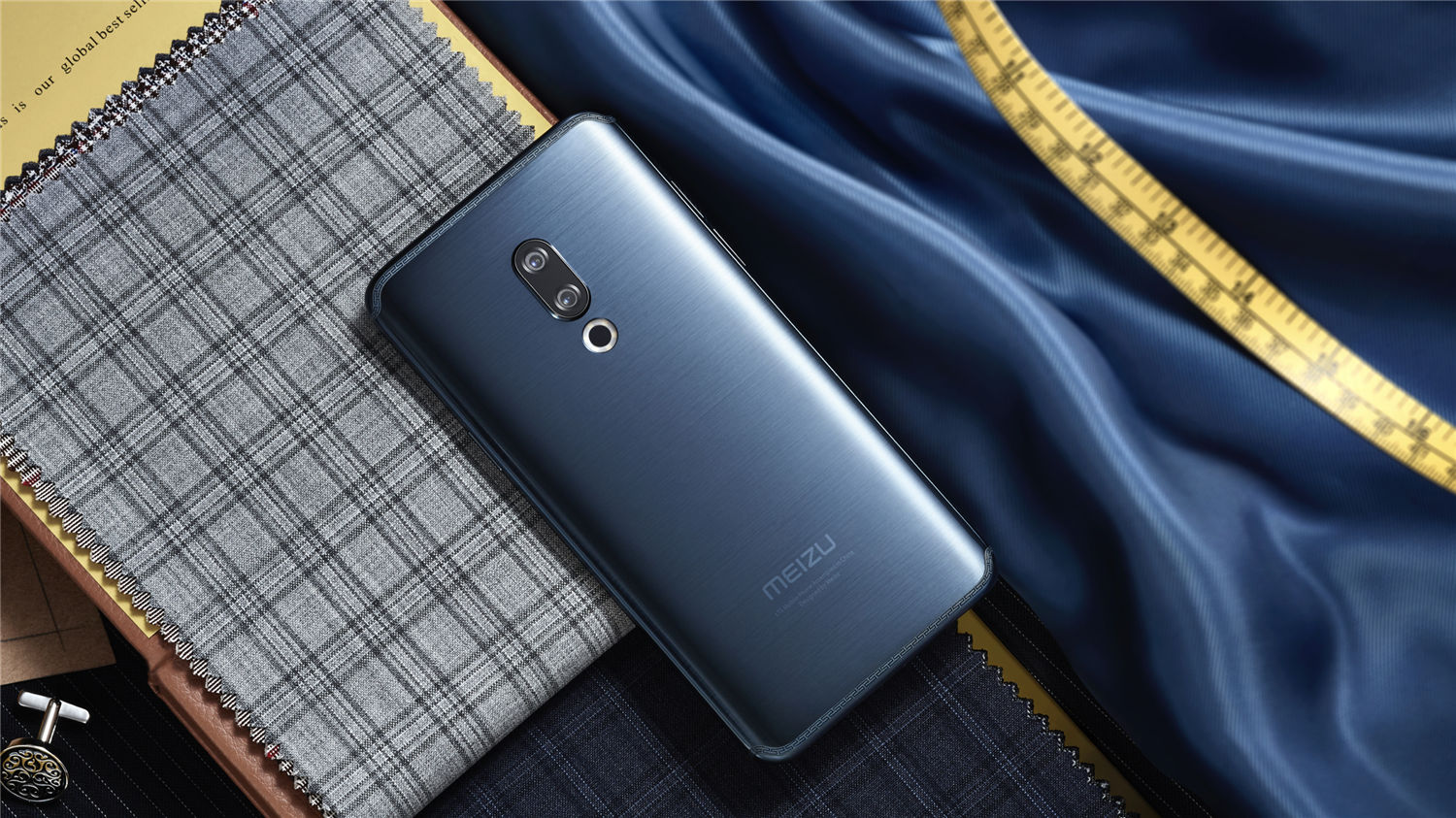
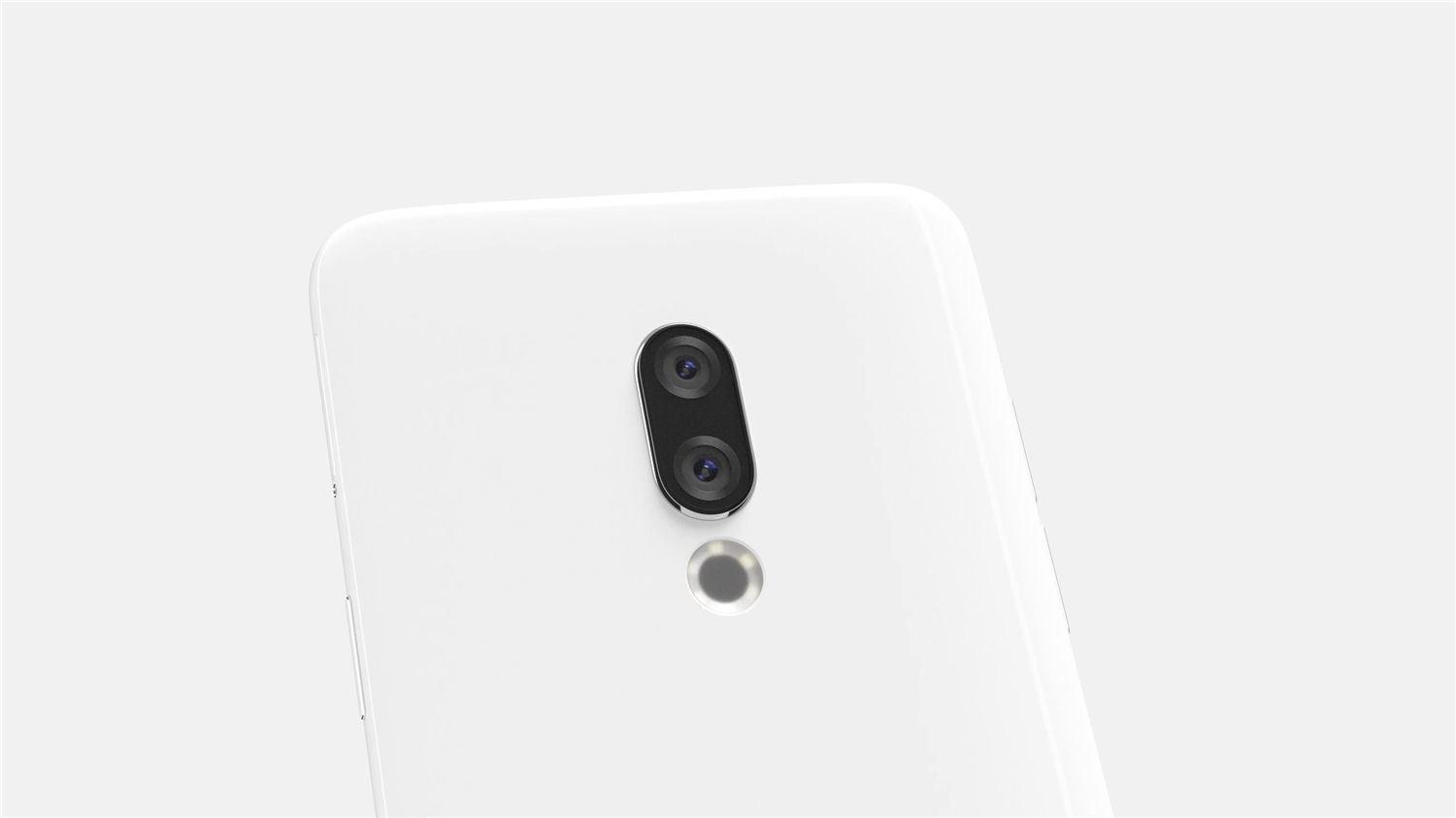
The rear is covered in aluminum and comes in four different colors – blue (Meizu 15 Only), gold, black, and a white version that looks like ceramic. Meizu has also given the antenna lines a nice Aztec-like design. The rear cameras sit in the middle and are slightly raised. There is also a 6-LED ring flash beneath them.
Meizu also does an amazing job keeping the thickness of the Meziu 15 at 7.25mm, the length at 72mm, and the weight at just 152g.
Specs
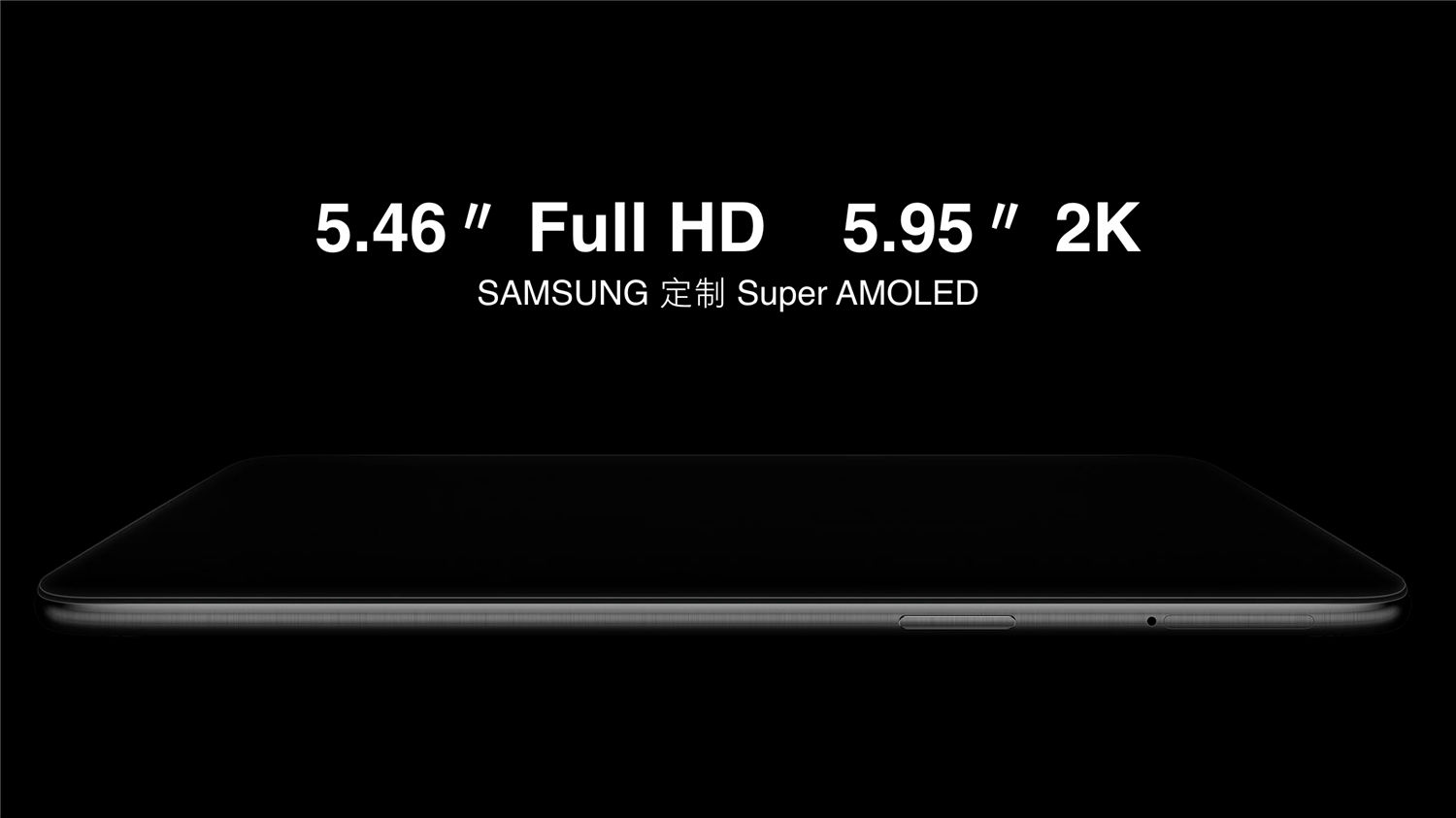
Meizu 15 and Meizu 15 Plus – The Meizu 15 has a 5.46” FHD display while the Meizu 15 Plus has a larger 5.95” 2K display. Both are Samsung Super AMOLED screens and are reported to have cost millions of dollars to be made into those custom sizes.
The Meizu 15 is powered by the Snapdragon 660 processor paired with 4GB of RAM and 64GB or 128GB of storage. The Plus variant is powered by Samsung’s Exynos 8895 processor. This is the same 10nm octa-core processor found in the Galaxy S8/S8+ and Galaxy Note8. The 8895 is paired with 6GB of RAM and 64GB/128GB of storage.
Both phones are equipped with the same rear cameras. The main sensor is a 12MP Sony IMX380 1.55um sensor, the same sensor found in the Huawei P20. The secondary camera is a 20MP Sony IMX350 wide-angle sensor for 3x lossless zoom. There is 4-axis optical image stabilization combined with Rainbow’s multi-frame synthesis technology for superior low-light images. There is also smart scene recognition and panorama mode.
The front camera is also a 20MP sensor with 4-in-1 synthetic pixels, smart AI beauty mode, and portrait mode.
The Meizu 15 and 15 Plus have stereo speakers. The home button/fingerprint scanner is pressure sensitive just like the Galaxy S8. It uses a dedicated pressure-sensitive chip that works with a new technology called mEngine to provide haptic feedback.
There is a USB-C port, a 3.5mm audio jack, and a speaker grille at the bottom. The Meizu 15 has a 3000mAh battery and the Meizu 15 Plus has a 3500mAh battery. Both support Meizu’s 24W mCharge fast charge technology.
The Meizu 15 is priced at ¥2499 for the 4GB + 64GB model and ¥2799 for the 4GB + 128GB model. The Meizu 15 Plus is ¥2999 for the 6GB+64GB and ¥3299 for the 6GB+128GB model.
They will be available on JD.com, Suning, and Meizu’s official site on April 29.
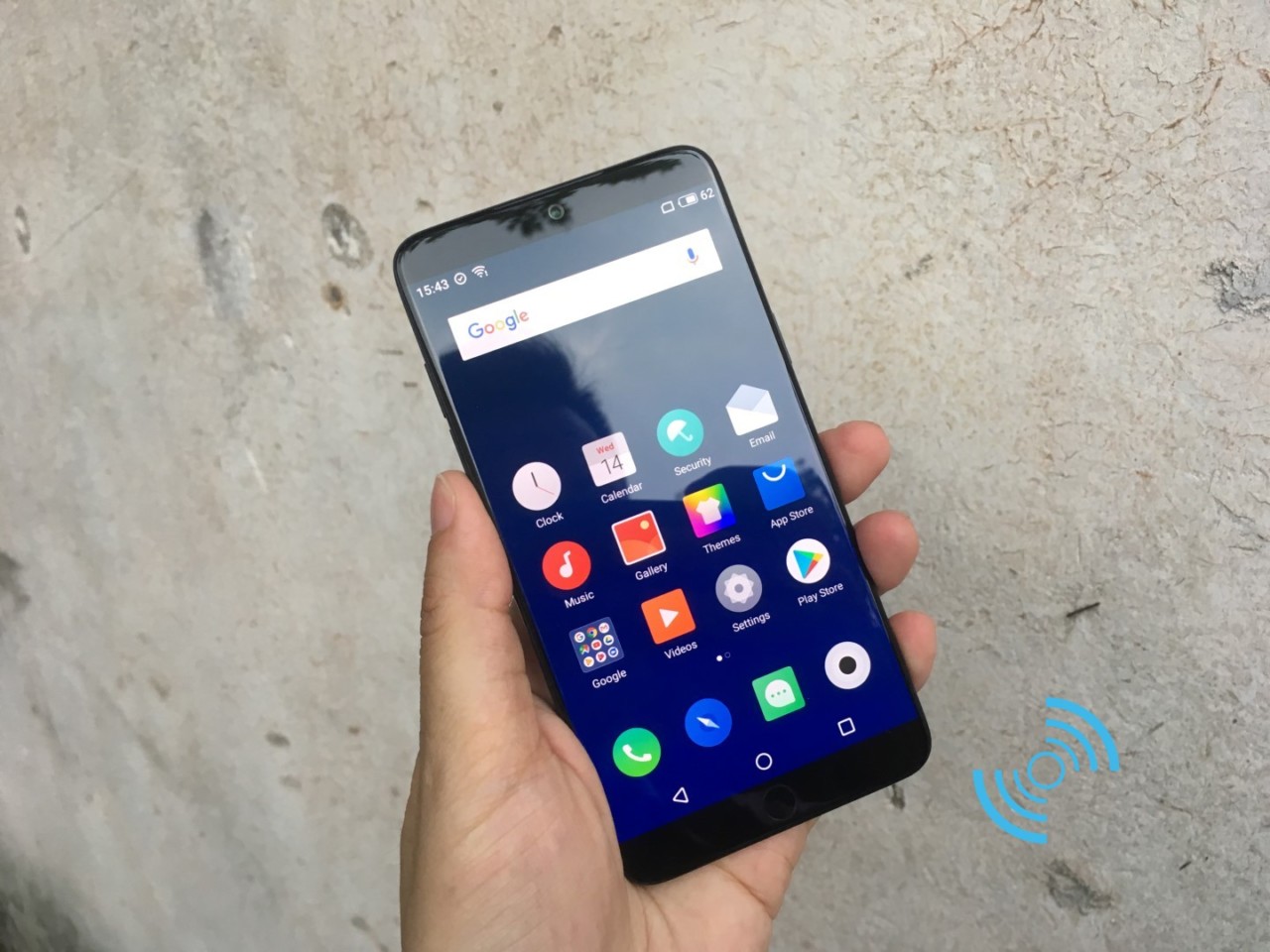
Meizu announced the brand new Meizu 15 flagship today in China and we’ve got an early hands on with the device. Despite being less popular than competitors like Xiaomi and Huawei, Meizu has managed to gather a good fan following in China as well as abroad with its beautifully designed value for money smartphones. The new Meizu 15 is no exception, featuring top-end specs and a simple yet beautiful design. What’s best about the phone is that it doesn’t try to go with the recent notch trend. Instead, the Meizu 15 focuses on reducing the bezels up front, without messing up the essential features like the front camera or the fingerprint enabled home button.
First, let’s look at the front design in our Meizu 15 hands on.
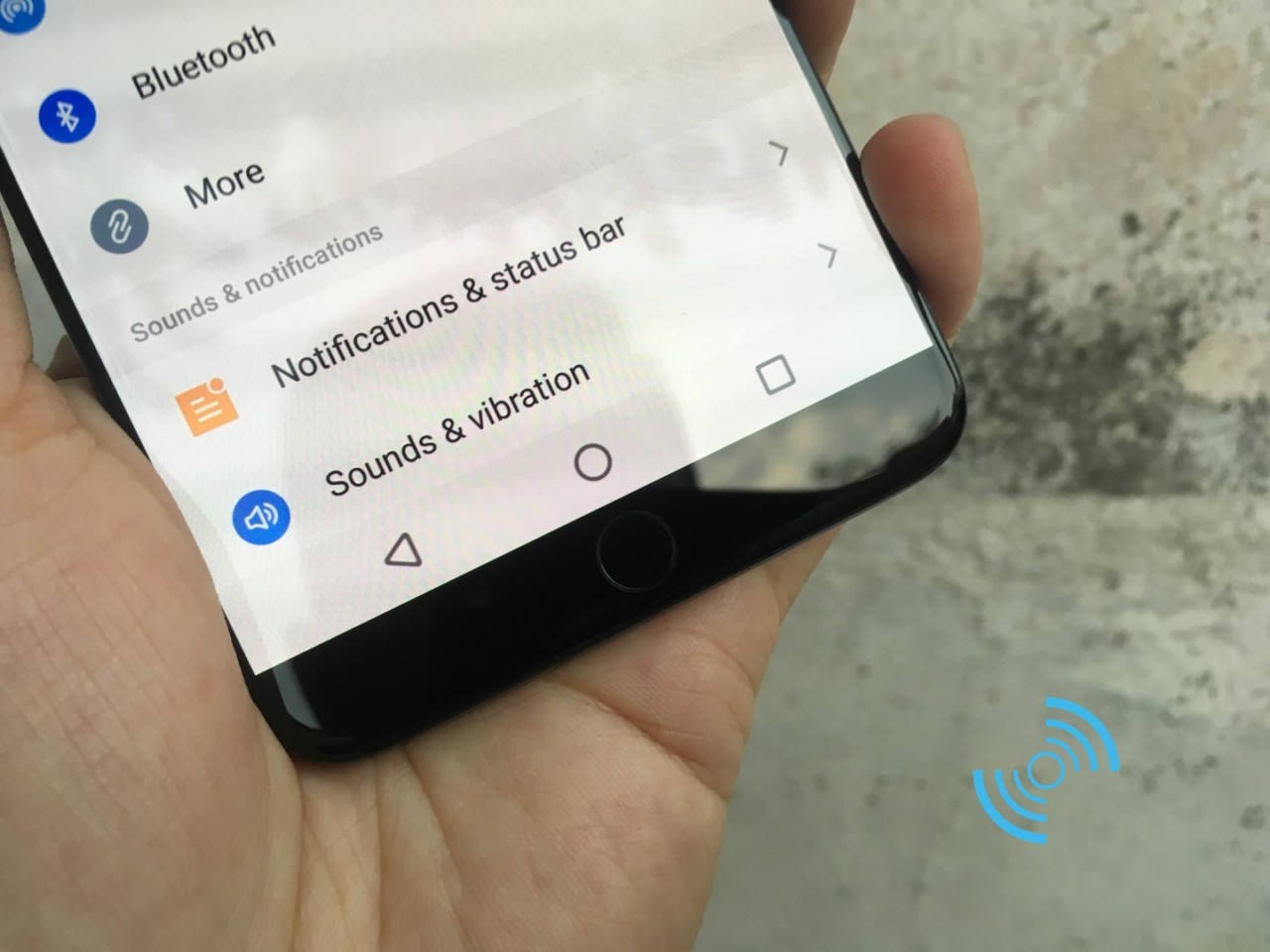
The Meizu 15 slims down the bezels on the sides to a great extent. Even the bezels on the top and bottom are quite slim, making sure that the display takes up the maximum area up front. The notch design often ruins the symmetry in recent smartphones, but Meizu has made sure that the phone’s design is perfect with a centre placed front camera on top and a centre placed home button at the bottom. It’s a non-intrusive design and looks elegant. Talking about non-intrusive, you won’t even notice the ear piece on top, but it’s present above the front camera. Note that the display is still the standard 16:9 aspect ratio and not the new 18:9 or 19:9 one!
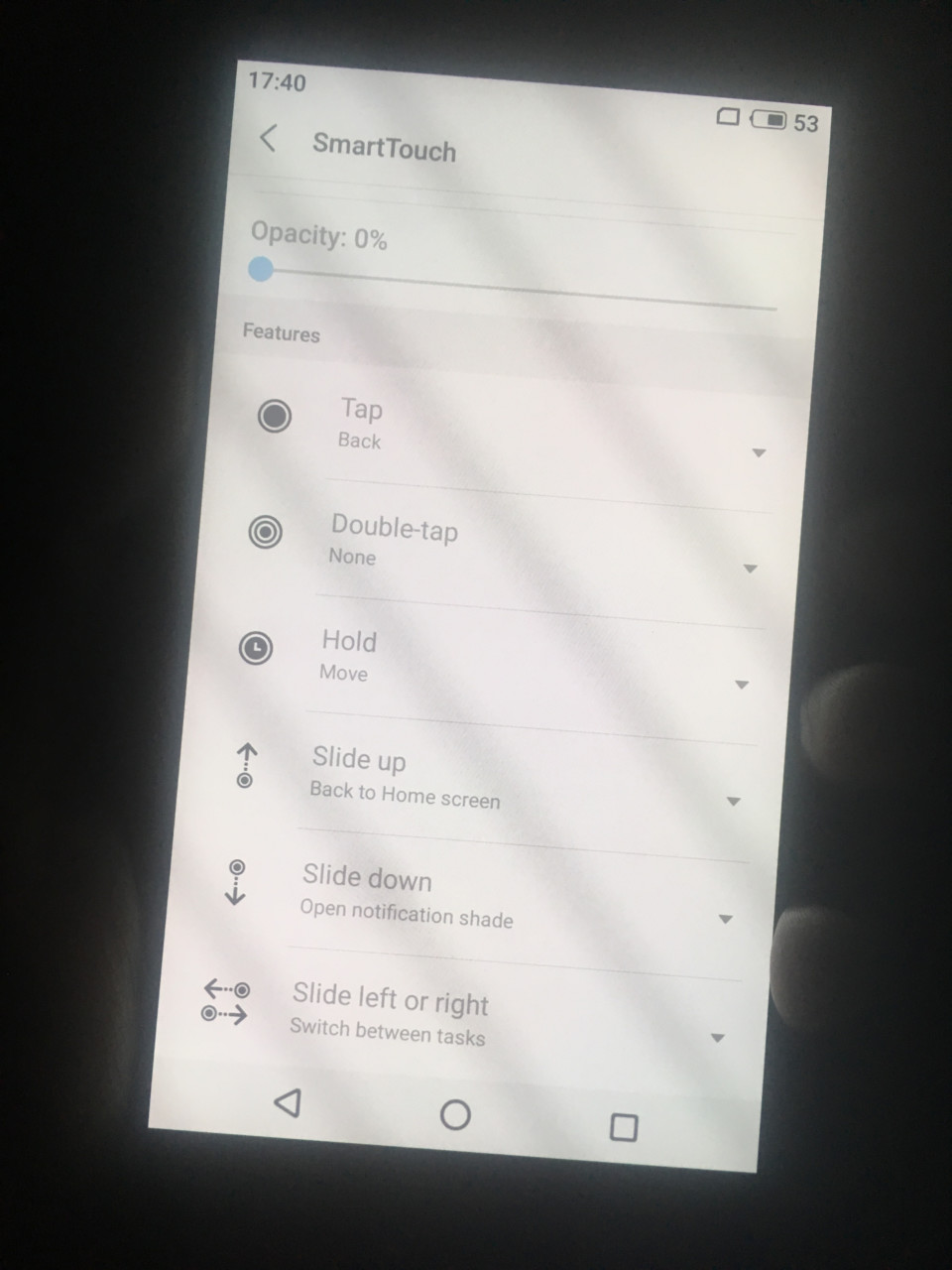
The home button is equipped with a fingerprint sensor and is pressure sensitive too. It is just like the halo button, so you can program a lot of functions depending upon the gesture. Moreover, you can disable the on screen buttons (and just use the home button) to open up more screen space.
Above you’ll find the different gestures available for the home button. (Please don’t mind the quality of this image as we had to take it during the event…)
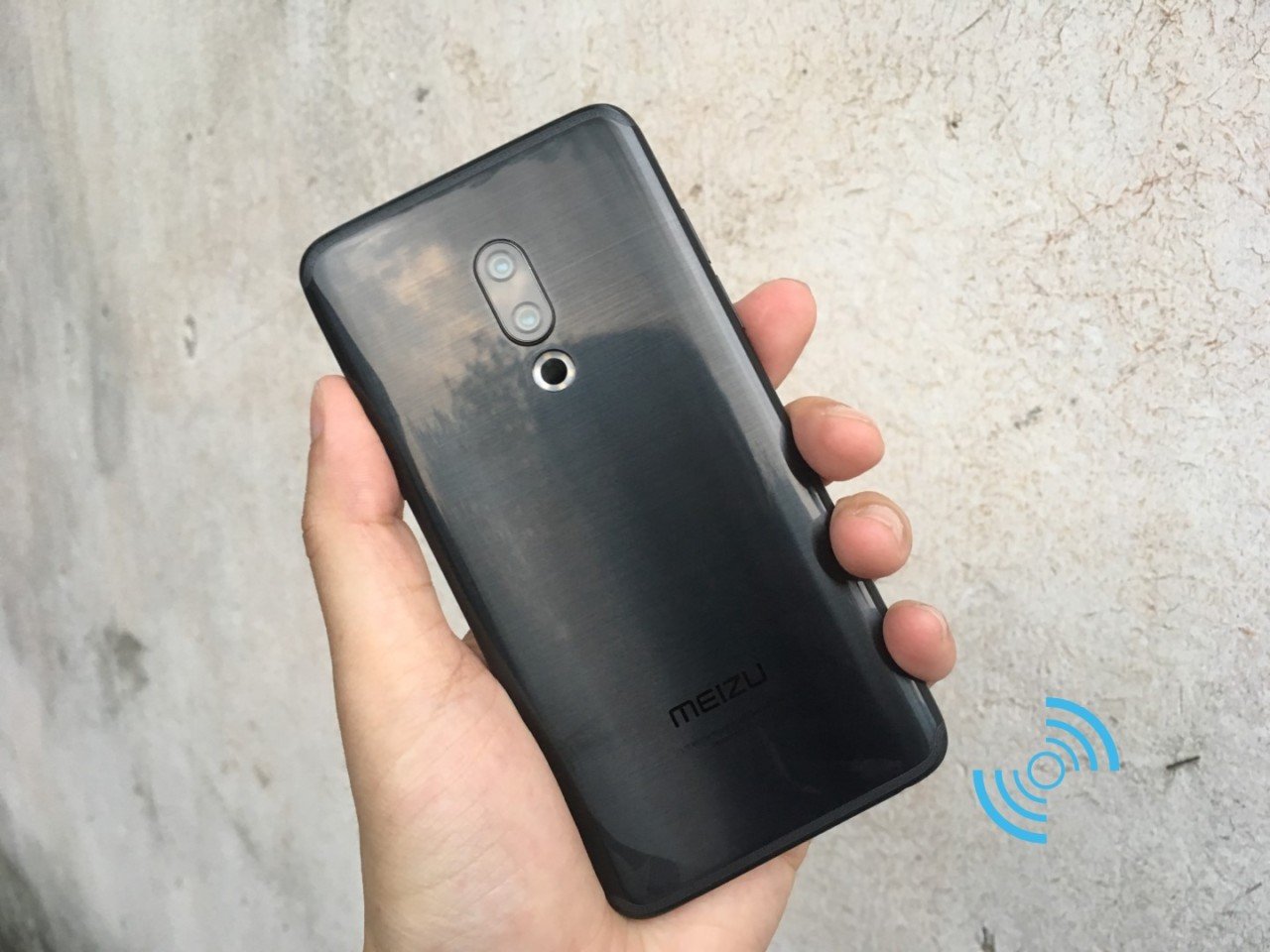
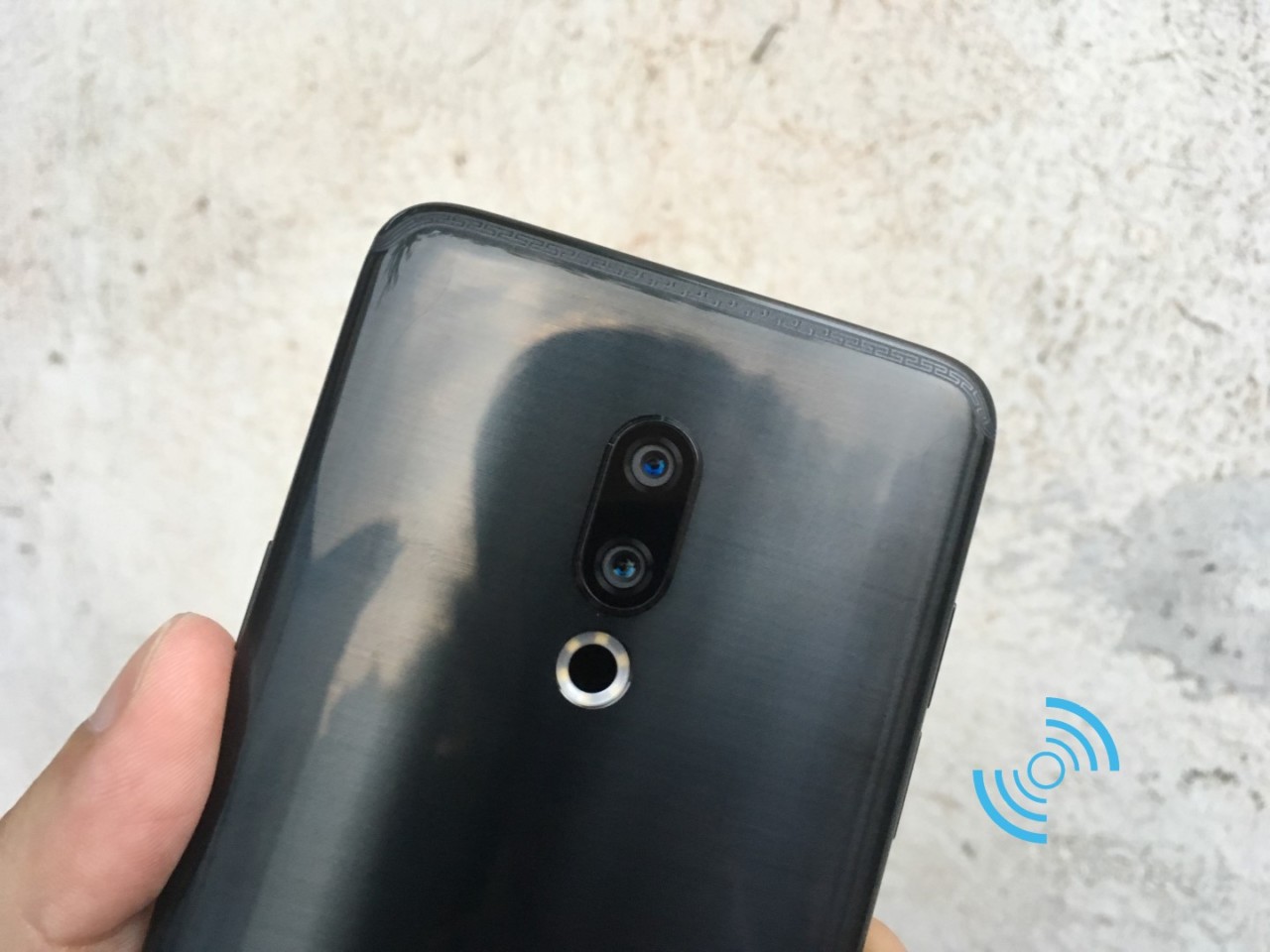
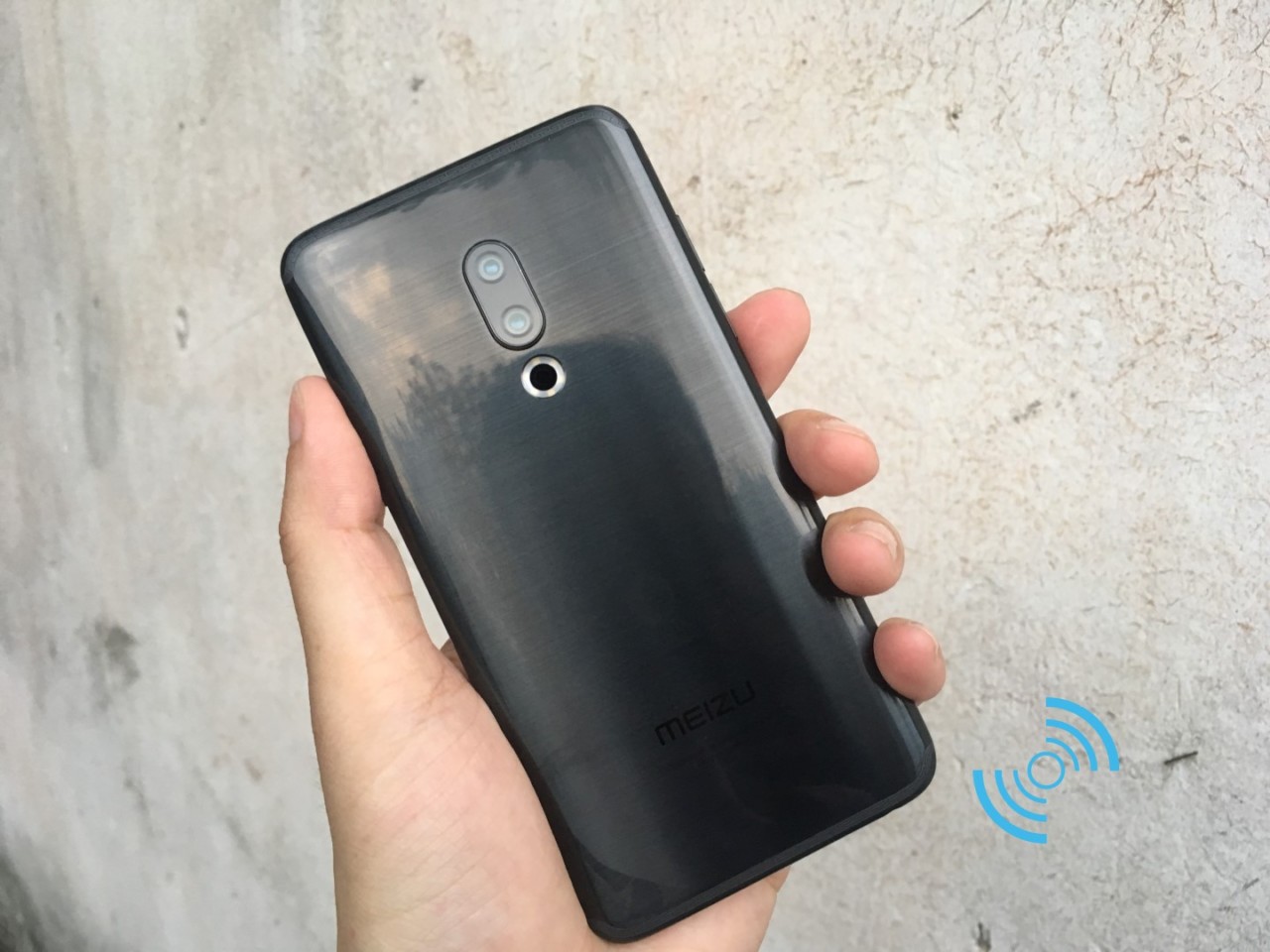
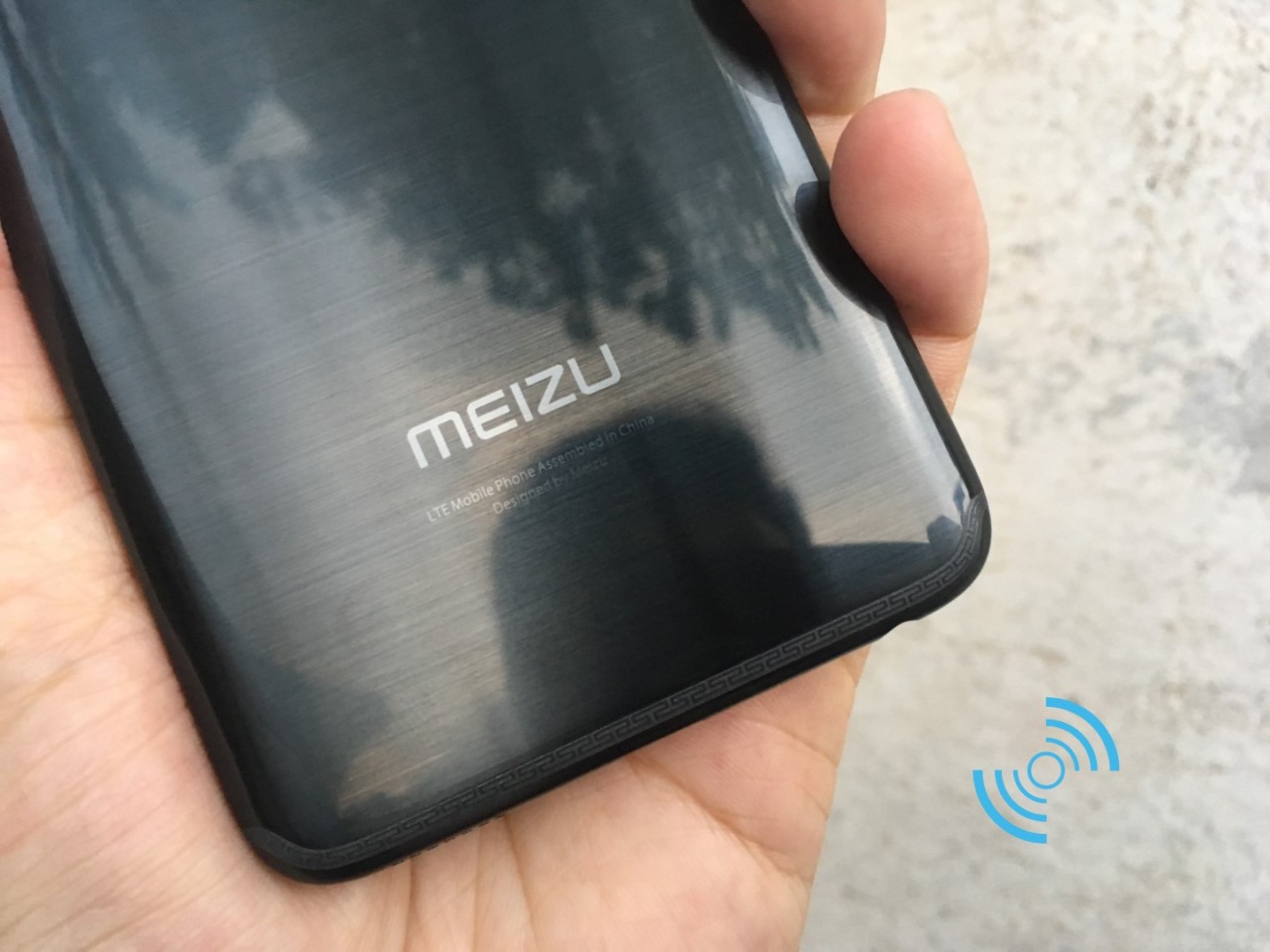
The back of the Meizu 15 is equally beautiful. We got an early sample of the heavy gray color version of the model and it looked impressive. There’s nothing extraordinary about the design of the phone but it doesn’t necessarily has to be extra-ordinary to look good. Judging from the U shaped antenna lines, you already know that this is an all metal smartphone. But what’s special about the back is that the texture is painted and looks pretty cool. The antenna lines are also special because of its unique texture. The dual camera setup is placed at the centre along with a ring flash below it.
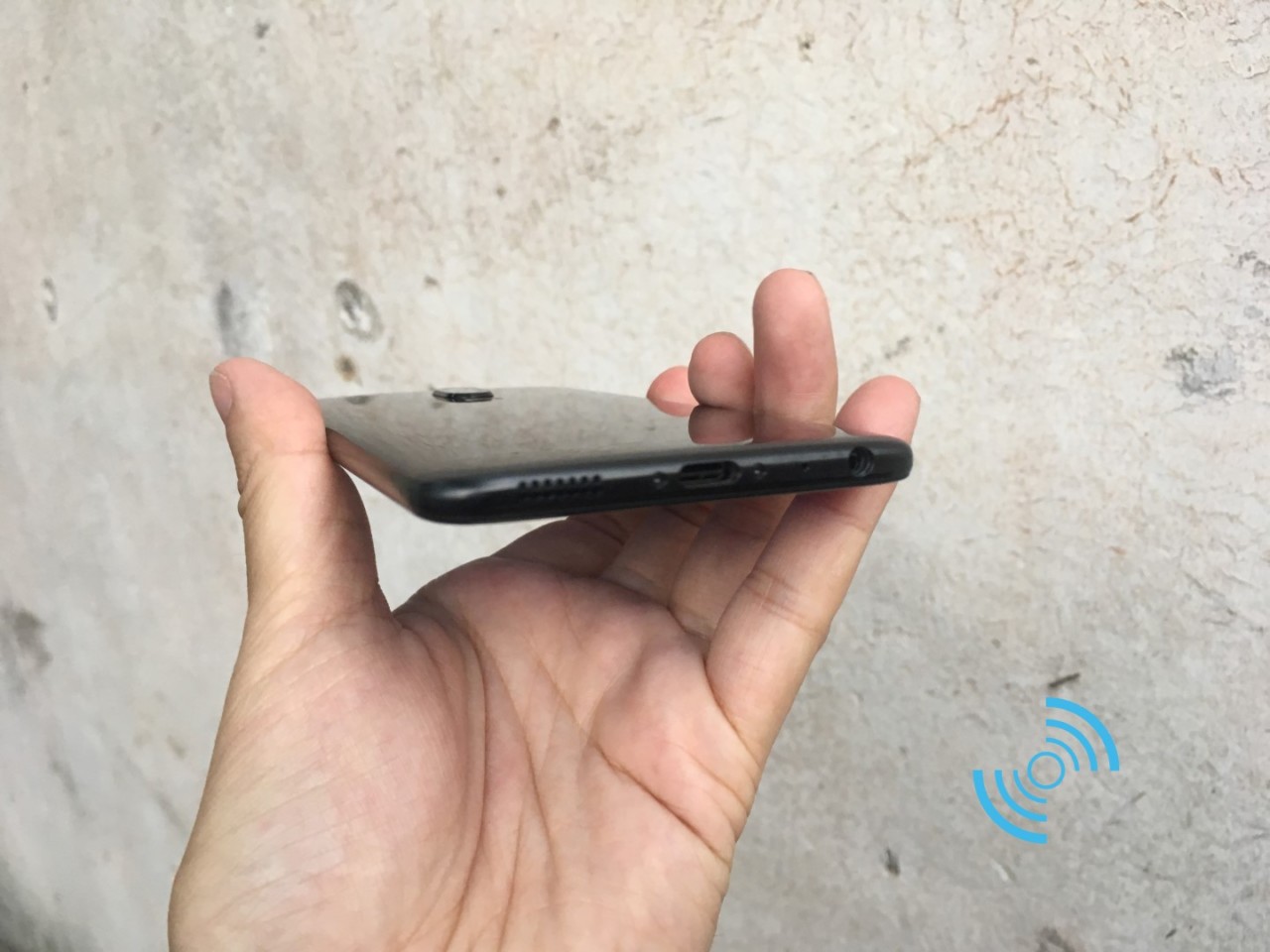
The phone is pretty slim and very comfortable to hold. The power button is located on the right, while the volume keys are on the left side. The bottom features all the ports including the USB Type-C port, a 3.5mm headphone jack, and stereo speakers. One major complaint about the phone is unsurprisingly its software. The phone runs Flyme 7 with the old Android 7.1 Nougat on top. So still no Oreo for a 2018 Meizu flagship! That’s really disappointing.
Overall, Meizu seems to have got it right with the Meizu 15. Everything about the phone says its a premium device, and I’m sure notch haters will love this design, despite its simple appearance. You can read more about the specs and features of the device from our launch article soon.
More Meizu 15 Hands on images are added below! Let me know your thoughts about the phone’s design.
Xiaomi will announce the Mi 6X on Wednesday, 25th of April. We already know all the specs save for the processor which hasn’t been confirmed until now.
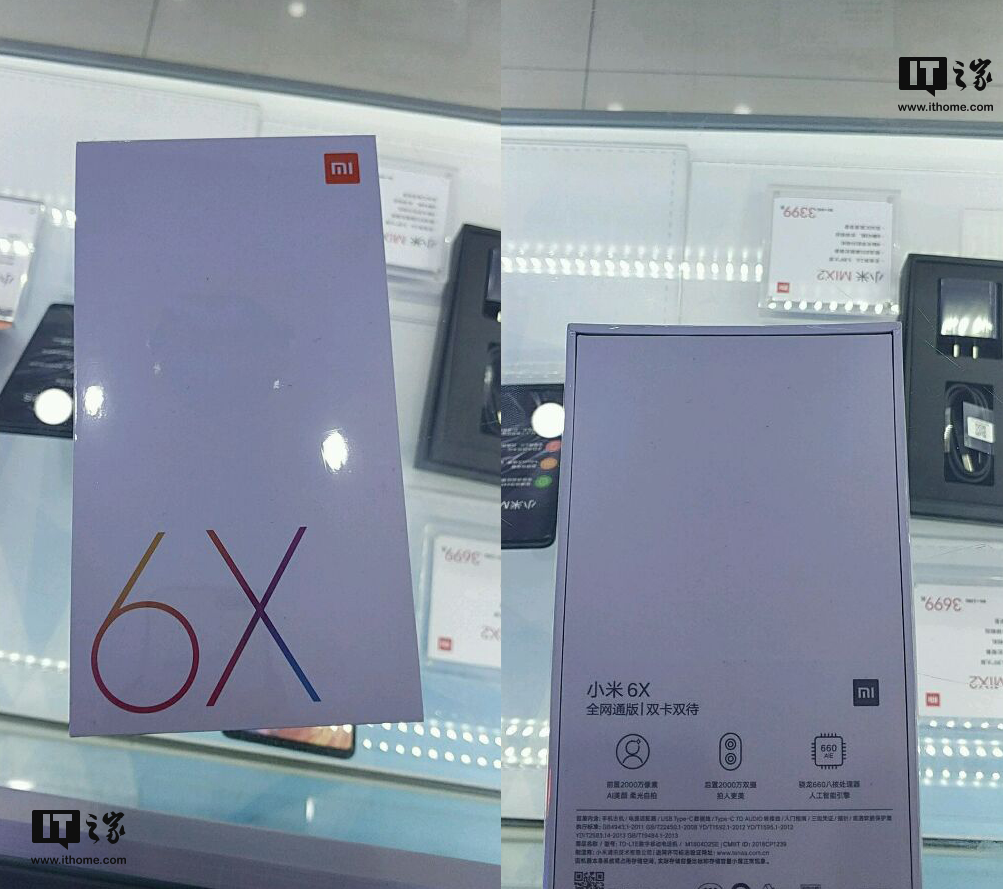
There have been multiple reports on the chipset inside the Mi 6X. Some said it is the Snapdragon 626, others said it is the Helio P60, and a third report said it is the Snapdragon 660. We can now confirm that the Mi 6X will indeed come with the Snapdragon 660 AIE mobile platform. The confirmation comes from leaked photos of the retail box of the phone posted on the internet.
The retail box of the Mi 6X is white. There are no photos of the phone on it though there is a Mi logo at the top right corner and 6X inscribed at the bottom. On the rear, some of the specs are listed such as the front camera which is a 20MP sensor, the dual rear cameras which also has one 20MP sensor, and the processor which is the Qualcomm Snapdragon 660 with AIE.
The Snapdragon 660 AIE brings on-device AI features to the phone. Users should see the effects in places like the camera and in other apps that can utilize the feature.
I think we need to agree ASUS is terrible when it comes to naming its products. The only other manufacturer that matches it is Xiaomi. Take for instance this upcoming phone called the Zenfone Max Pro M1. It is different from the Zenfone Max Plus (M1) which was released in Russia as the Zenfone Max (M1). Let’s not also forget that back in 2016, ASUS released a phone called the Zenfone Max Pro which also packs a 5,000mAh battery.
Specs of the Zenfone Max Pro (M1) leaked a few days ago and it sure looks like the perfect contender to Xiaomi’s Redmi Note 5 (Pro). All we hope for now is an affordable price tag.
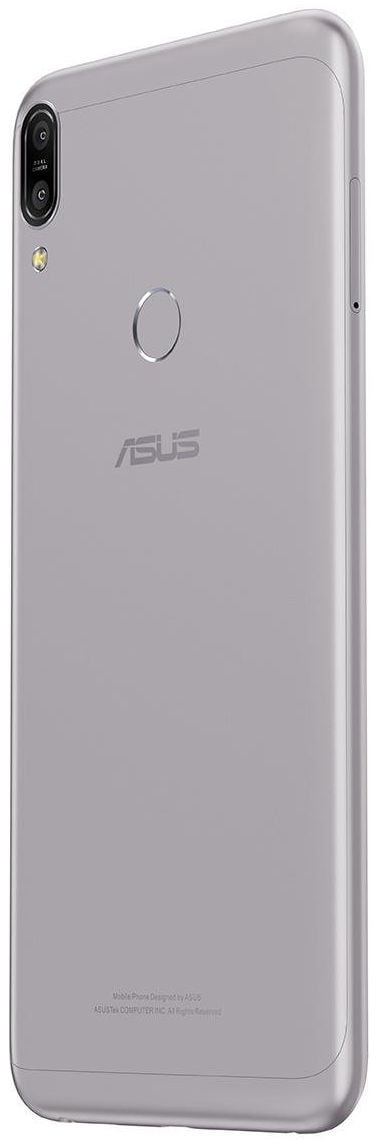
More photos of the phone have been released by Evan Blass and he also c0nfirms some of the specs. The new photos show the phone in blue and silver.
The Zenfone Max Pro (M1) has a different design from the Zenfone 5 and Zenfone 5z. The Max Pro M1 has a smooth metallic finish and not glass on the rear. Though the dual cameras are arranged in the same iPhone X style and there is a rear-mounted fingerprint scanner.
Up in front, the display is covered in glass. It has an 18:9 aspect ratio and the corners are curved. The bezels are moderately sized and ASUS could have put the fingerprint scanner in front if it wanted. The top bezel is home to the camera, sensor, earpiece, and a soft LED flash.
The power button and volume rocker can be seen on the right which means the SIM tray is on the left.
Meizu’s big day is here as the company is all set to announce three new models in its new 15 series. There are three models covering different price ranges, for example, theMeizu 15 Plusis the ultimate flagship model featuring Exynos 8895, the Meizu 15 is a slightly less powerful version with SD660 but still capable flagship, and the Meizu 15 Lite is the most affordable of the lot with decent mid-range specs.
Meizu will announce the three devices at 7.30PM Beijing time, in the beautiful city of Wuzen, often referred to as the Venice of China. We will be present at the event, so expect hands on with all the three models later today.
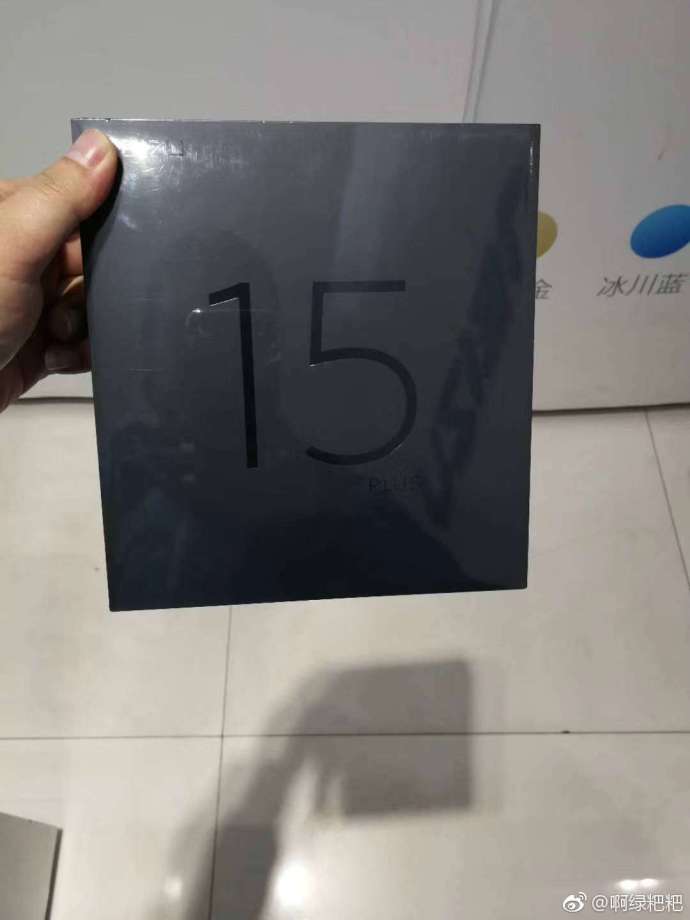
However, just before the official launch of the devices, the top-end Meizu 15 Plus has been leaked in all its glory on Weibo. Clear images of the most powerful handset in the series have been shared on the internet, leaving very little to our imagination. With the addition of this leak and the previous spec sheet leak, we now know everything about the top flagship model, except for its launch price.
The leaked images reveal that the Meizu 15 Plus will have very small bezels on the sides. Even the top and bottom bezels are quite thin, thereby contributing for a beautiful front design. The front also features a home button, but its round like the iPhone’s Touch ID. Expect this button to feature pressure sensitive smart gestures like the halo button found on the Meizu M6S.
To be honest, this front design reminds me of the Meizu MX2 model that was released back in 2012. I loved the MX2 back then and I’m starting to like this design too. Its simple yet beautiful.
Coming to the back, the phone features a dual camera setup with ring flash below it. I can’t personally figure out the material used on the back, but it could be glass given its glossy texture. Check out the rest of the leaked Meizu 15 Plus images below.
According to the earlier specs sheet leak, the Meizu 15 Plus will feature a 5.95-inch OLED display that supports QHD resolution. The Exynos 8895 SoC should be inside the flagship with 6 GB of RAM and 64GB / 128GB ROM. For photography, the phone is said to come with f/1. 8 aperture 12-megapixel + 20-megapixel dual camera setup. The main sensor will have a pixel size of 1.5µm. The 3500mAh battery will support mCharge 12V/2A fast charging. It will come with Flyme 7 on board.
We are just a few hours away from the official launch of the Meizu 15 trio. As mentioned earlier, we will be present at the event, so expect hands on with the new models very soon.
We use cookies on our website to give you the most relevant experience by remembering your preferences and repeat visits. By clicking “Accept”, you consent to the use of ALL the cookies.
This website uses cookies to improve your experience while you navigate through the website. Out of these, the cookies that are categorized as necessary are stored on your browser as they are essential for the working of basic functionalities of the website. We also use third-party cookies that help us analyze and understand how you use this website. These cookies will be stored in your browser only with your consent. You also have the option to opt-out of these cookies. But opting out of some of these cookies may affect your browsing experience.
Necessary cookies are absolutely essential for the website to function properly. This category only includes cookies that ensures basic functionalities and security features of the website. These cookies do not store any personal information.
Any cookies that may not be particularly necessary for the website to function and is used specifically to collect user personal data via analytics, ads, other embedded contents are termed as non-necessary cookies. It is mandatory to procure user consent prior to running these cookies on your website.







 Likewise, you can get 20% off on the Teclast 16GB flash drives, which will normally set you back $9.99 on GeekBuying. Thanks to the discount, you can now get your hands on the device for only $7.99.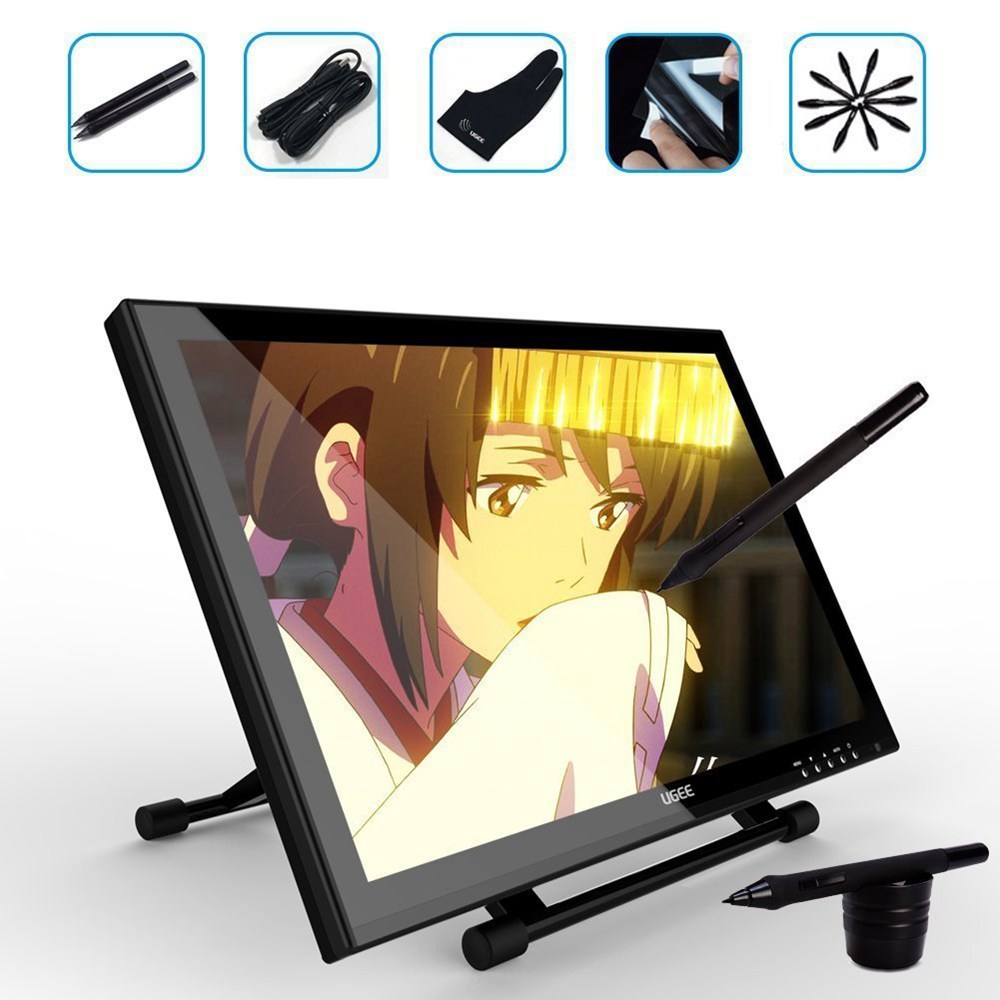
 If you’ve restlessly been waiting to experience true big screen, bright color, and clear pictures, the DBPOWER RD-819 is the perfect projector that produces an excellent projection for your home theater needs. The device can be yours if you’re willing to shell out $239.99 on Amazon.