Motorola is expanding its audio lineup in India with the upcoming Moto Buds Loop, a new pair of true wireless earbuds. But these aren’t just any TWS, it features a unique open-ear design with extra shine thanks to Swarovski stones.
Moto Buds Loop Blends Tech & Fashion with Swarovski Stones
The company shared the first teaser of the Moto Buds Loop in a now deleted tweet. These open ear hearables first debuted back in April, with a North American release following in July. One of the highlights of the Moto Buds Loop is its 12mm ironless drivers and spatial sound support with the open ear design. You get an impressive 8 hour audio playback, which can be extended to 37 hours with a charging case. Just a quick 10 minute charge offers up to 3 hours of audio playback as well.
But one other aspect that undoubtedly stood out was the design. Motorola joined hands with Swarovski for its premium stones, bringing the Swarovski studded design to the earbuds. These earbuds were unveiled with two color options, which included Trekking Green and French Oak (with Swarovski crystals). Both variants feature a body that is water resistance as well.
While we still don’t have an official launch date for the Moto Buds Loop, the company unveiled the earbuds with a starting price tag of 300 US Dollars in the global market. We can also expect other notable features to return, like voice commands via Moto AI, Smart Connect for seamless switching, and CrystalTalk AI for noise reduction during calls.
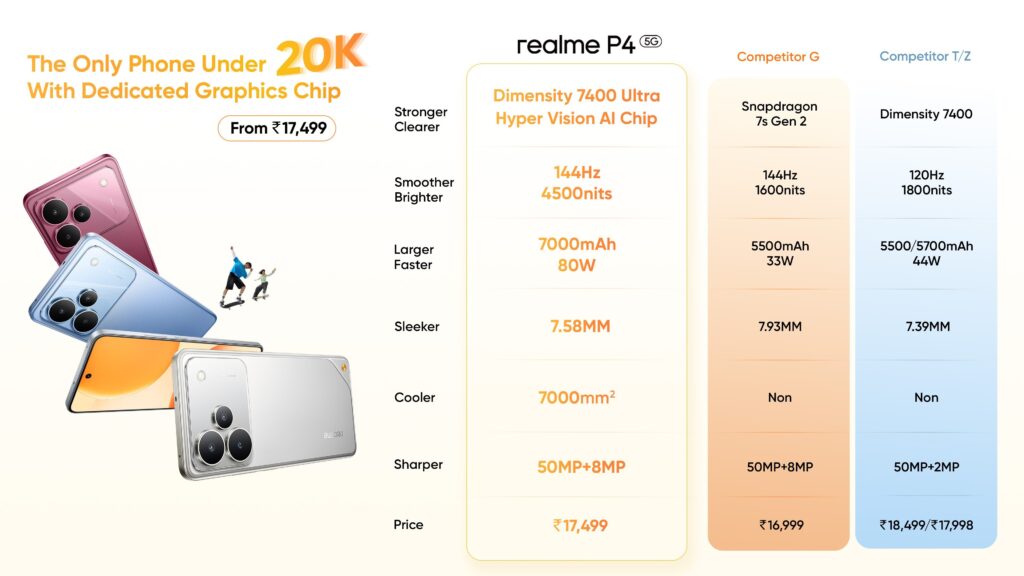
Realme has confirmed that its next P series smartphones, the Realme P4 and P4 Pro, will launch in India on August 20, 2025. The announcement came from Realme’s Global Head of Marketing, Francis Wong, who also confirmed that the series will be sold online through Flipkart, including Flipkart Minutes.
Realme P4 Pro 5G
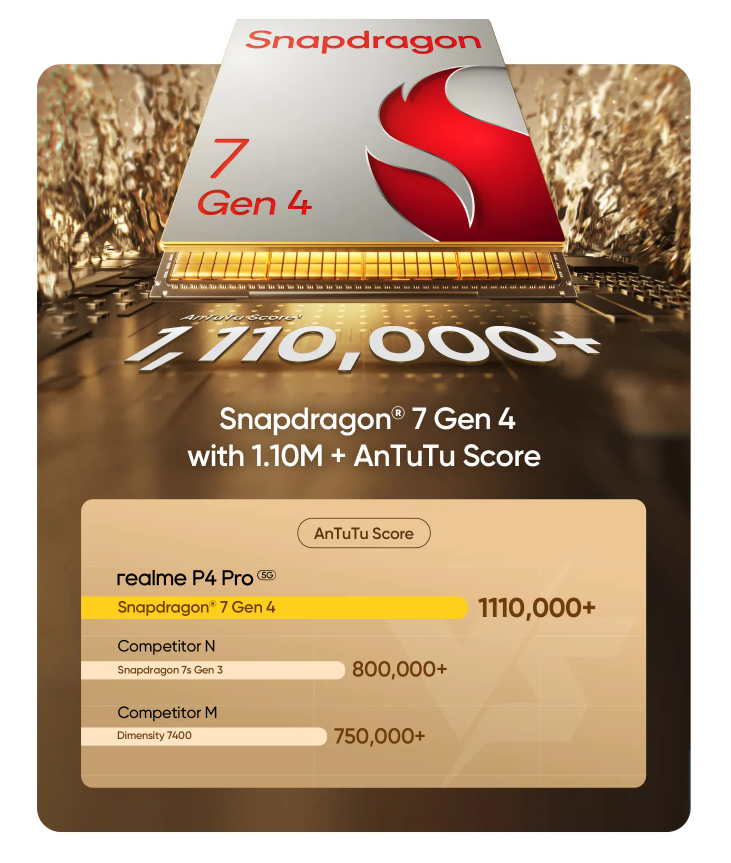
The Flipkart microsite for the P4 Pro 5G is already live, showing key specifications. The phone runs on a dual-chip setup that combines the Snapdragon 7 Gen 4 processor with the Hyper Vision AI GPU chip. Realme says this setup delivers 144 FPS gaming and Ultra HD graphics that go beyond native quality. The P4 Pro has scored more than 1,110,000 points on AnTuTu, placing it ahead of rivals using Snapdragon 7 Gen 3 and Dimensity 7400 chipsets.
The phone features a 144Hz HyperGlow 4D Curve+ display with a 1.5K resolution, HDR10+ certification, peak brightness of 6500 nits, and support for 1.07 billion colors. Realme claims the panel is 20 percent smoother than standard 120Hz displays.
Power comes from a 7000mAh Titan Battery with 80W Ultra Charging. The company says it can fully charge in 47 minutes and deliver up to 17 hours of video playback. Despite the large battery, the device remains slim and lightweight.
The design includes a flat frame and a rectangular triple-camera setup. The camera system is powered by AI, but full details have not yet been shared. The P4 Pro will be sold in Blue, Dark Green, and Light Gold.
The P4 will be available in Engine Blue, Steel Gray, and Forge Red, while the P4 Pro will also come in Midnight Ivy, Dark Oak Wood, and Birch Wood. The top 12GB+256GB variant will only be offered in Dark Oak Wood and Birch Wood. Both phones will ship with Android 15 and will receive three major OS updates and four years of security patches.
As for pricing, the Realme P4 Pro is said to cost below ₹30,000, while the regular P4 5G will start from ₹17,499.
For more daily updates, please visit our News Section.
Xiaomi has announced the launch of the Smart Home Display 8 Gimbal Edition in China. The device will go on sale on August 21 and is priced at 699 yuan ($97) for first-time buyers. It is the first model in the series to feature a gimbal-mounted camera, combining home monitoring capabilities with smart display functionality.
Xiaomi Smart Home Display 8 Gimbal Edition Specs
The Smart Home Display 8 Gimbal Edition features an 8-inch HD touchscreen with a resolution of 1280×800 pixels. The screen includes a low-reflection coating to improve visibility in different lighting conditions. Xiaomi has equipped the device with dual stereo speakers that use a symmetrical acoustic design to deliver clear treble and enhanced bass for multimedia playback.
The unit includes a 5-megapixel camera with a wide F1.6 aperture lens. The camera supports 3K ultra-clear video and can rotate horizontally up to 360 degrees. It also allows a 30-degree manual tilt for vertical adjustments. Xiaomi has included a highly sensitive image sensor that enables full-color imaging in low light. The camera switches to infrared night vision in dark environments using a 940nm IR light, offering visibility up to 10 meters.
The system supports AI-powered features like face recognition, human tracking, baby cry detection, and motion alerts. Xiaomi has embedded a Mijia security chip with EAL5+ certification to enhance privacy protection. It runs on Xiaomi’s HyperOS and includes the upgraded “Super XiaoAi” assistant, which supports intelligent responses, multi-turn conversations, and voice command chaining using large language model capabilities.
The display offers content recommendations based on age groups, including infants, children, adults, and seniors. For children, it provides parental controls, filtered content, and access to over 300,000 curated learning resources. For seniors, the interface features larger fonts and content such as opera, classic songs, and health-related programs.
In terms of connectivity, the display includes Wi-Fi 6 (2.4GHz and 5GHz), Bluetooth 5.2, and support for Xiaomi Mesh 2.0 gateway. The device can control smart home appliances, initiate video calls via WeChat and Xiaomi’s own platform, and stream content from platforms such as iQiyi, Tencent Video, Mango TV, QQ Music, and NetEase Cloud Music.
The product measures 200.6 × 55.8 × 237.5 mm and weighs around 780 grams. It runs on a quad-core Cortex-A53 processor with 2GB of RAM and 8GB of internal storage.
In related news, Xiaomi recently launched the Mijia Thermostatic Electric Kettle 3 Pro, featuring a 2.0L capacity and a durable 316L stainless steel liner. Alongside it, the company has also introduced a compact washer-dryer designed specifically for delicate garments.
For more daily updates, please visit ourNews Section.
Huawei has officially launched the Smart Door Lock 2 Yuexiang Edition in China, with sales beginning today at 10:08 AM. The new model carries a retail price of 1999 yuan ($278), but a limited-time 200 yuan ($27) coupon brings the effective cost down to 1799 yuan ($250).
This release follows the recent rollout of Huawei’s broader Smart Door Lock 2 lineup, which includes the base model, the Pro variant, and the high-end Ultra edition. The Yuexiang Edition adds to this growing portfolio, offering a more accessible price point while retaining key smart home features.
Huawei Smart Door Lock 2 Yuexiang Edition Specs
The new smart lock comes with AI-powered palm vein recognition as a primary unlocking method. It uses near-infrared imaging to scan the internal vein pattern of the palm, which makes it more secure than traditional fingerprint systems. This method avoids issues with wet fingers or positioning errors and works across different hand heights.
Huawei has equipped the device with a next-generation NPU chip that delivers 1.5 times more computing power than the Smart Door Lock Pro. The system also supports ultrasonic proximity sensing. When a person approaches the door, the recognition module activates automatically, reducing the time needed to unlock the door.
The lock features a 161-degree ultra-wide-angle peephole camera, allowing users to monitor the area outside their door in real time. The live video feed can be viewed on various Huawei platforms, including smartphones, smart screens, and in-car infotainment systems.
It supports two-way communication and remote unlocking through the Huawei Smart Life app. The system also sends voice notifications and supports reminder settings for added convenience.
Huawei uses a 10,000mAh lithium battery as the main power source. The company claims the battery can last between five to seven months on a full charge. When the main battery is depleted, the system switches to a set of four AA batteries for backup unlocking. There is also an emergency button that activates fingerprint or password-based unlocking if all power sources are drained.
The lock operates silently and includes a built-in security mechanism to detect forced entry or tampering. Huawei says the device meets strict quality and durability standards. It has undergone extensive testing and comes with reliable after-sales support.
ASUS has been on a spree of laptop launches recently, announcing the Vivobook S16 and Vivobook 14 with Snapdragon X processors, and even a premium Zenbook 14 with the Ryzen AI 5. Now, the company is planning on expanding its AMD Ryzen AI powered lineup soon with the upcoming Vivobook S16 and Vivobook 14 models. So here’s what you need to know.
Next-Gen ASUS Vivobook S14 & Vivobook 14 Launching Next Week
The tech giant just announced that it will be releasing the Vivobook S14 and Vivobook 14 models in the Indian market on 26th August 2025. A microsite dedicated to these notebooks just went live on Amazon with the lightweight metallic design and three color options, namely Cool Silver, Matte Gray, and Quite Blue. Furthermore, the company also revealed some finer details regarding these new laptops.
ASUS Vivobook S14 and Vivobook 14 with AMD Ryzen AI CPUs
ASUS promises up to 23 hours of battery life thanks to a large 70Wh battery pack and up to an AMD Ryzen AI 7 processor. For those unaware, the Ryzen AI series is AMD’s latest gen processor that brings an NPU for AI processes along with a power efficient design that doesn’t compromise on performance either. Other notable features include Microsoft 2024 and M365 Basic, 1.4 kilogram lightweight build, and a slim 1.59cm body.
It is still unclear if most of these features are shared between the two, but there might be a few differences between the two. This may include storage configurations, chipsets, battery size, and display type. ASUS is known for its OLED laptops, so this might make a return on either the Vivobook S14 or Vivobook 14.
For more daily updates, please visit our News Section.
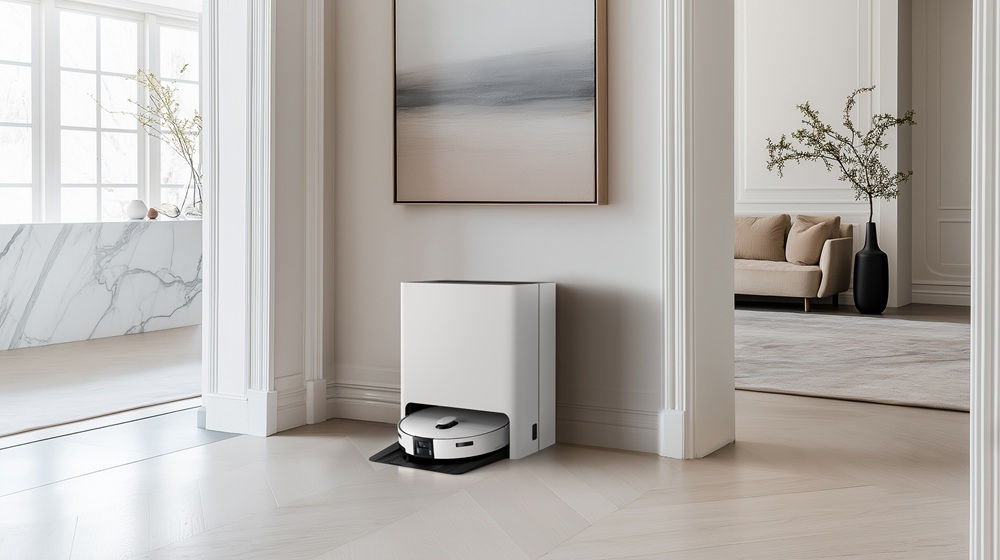
Samsung has officially unveiled the Bespoke AI Jet Bot Steam Ultra, its latest premium robot vacuum that goes far beyond just everyday cleaning. Apart from just its advanced cleaning system, you also get smart home security features, so let’s check it out.
Bespoke AI Jet Bot Steam Ultra: Robot Vacuum That Cleans & Protects
The South Korean tech giant just unveiled the Bespoke AI Jet Bot Stream Ultra robot vacuum ahead of the IFA 2025. Samsung uses AI in this product to improve not only cleaning, but also has the robot vacuum cleaner double as a home security gadget since it can monitor its surroundings. The Bespoke AI Jet Bot Steam Ultra also supports SmartThings, which allows users to get access to a home security cam and access to the cleaning modes.
Samsung Bespoke AI Jet Bot Stream Ultra robot vacuum cleaner
This is paired with Samsung’s Knox system to protect user data. It even managed to get a “Diamond” rating from UL Solutions, which means it can successfully detect and block malicious software and prevent unauthorized access. Apart from this, the Bespoke AI Jet Bot Stream Ultra can monitor the security status of other Samsung devices on the network in real time as well.
As the name suggests, this flagship robot vacuum uses steam sanitization for deep floor cleaning. For those unaware, this is Samsung’s first Ultra robot vacuum. Unfortunately, the brand has yet to reveal some of the finer details, like pricing and availability details. However, more details should surface soon, so stick around for more. In the meanwhile, you can click here to check out Samsung’s 2025 Bespoke AI lineup of smart home appliances that recently debuted in India.
For more daily updates, please visit our News Section.
Portronics has launched the ToadPlay Mini, a new wireless mouse designed for users who prefer compact accessories with a touch of personal style. The device combines wireless convenience with sport-inspired aesthetics.
Portronics ToadPlay Mini Specifications
The ToadPlay Mini features designs based on popular sports, including cricket, football, basketball, golf, rugby, and billiards. Each version uses textures and finishes that resemble the equipment used in the respective sport. Portronics aims to target students, professionals, and casual users who want their everyday tech products to stand out.
The mouse supports both Bluetooth 5.0 and 2.4GHz wireless connectivity, allowing seamless switching between devices like laptops, desktops, tablets, and smartphones. It is compatible with Windows 8 or later, macOS, and iOS 13 or newer.
Portronics has equipped the ToadPlay Mini with a 2400 DPI optical sensor for accurate and smooth tracking. The compact size allows for comfortable use over long periods, and the lightweight design makes it easy to carry.
The mouse includes a 320mAh rechargeable battery and uses a USB Type-C port for charging. It features a smart sleep function that helps extend battery life by putting the mouse into standby mode when not in use.
The ToadPlay Mini mouse supports instant usability through a plug-and-play setup, allowing it to function immediately upon connection without needing any additional drivers.
Pricing and Availability
Portronics has priced the ToadPlay Mini at Rs. 1,299 ($15). The product is available on the official Portronics website, Amazon, Flipkart, and retail stores across India. It comes with a 12-month warranty that covers manufacturing defects.
In related news, Portronics recently introduced the ChargeMate Trio, a 3-in-1 wireless charger bundled with a travel utility kit. The company also launched the Apollo 20 Bluetooth speaker, which features 25W sound output, dual karaoke microphones, and RGB lighting.
Honor’s latest flagship foldable, the Magic V5, isn’t just about slim design and premium features. Showcasing its impressive design, the company has managed to set a Guinness World Record, pairing the thin design with a tough build. So here’s why this is a big deal.
Honor’s Flagship Foldable Proves Its Durability with Guinness Record
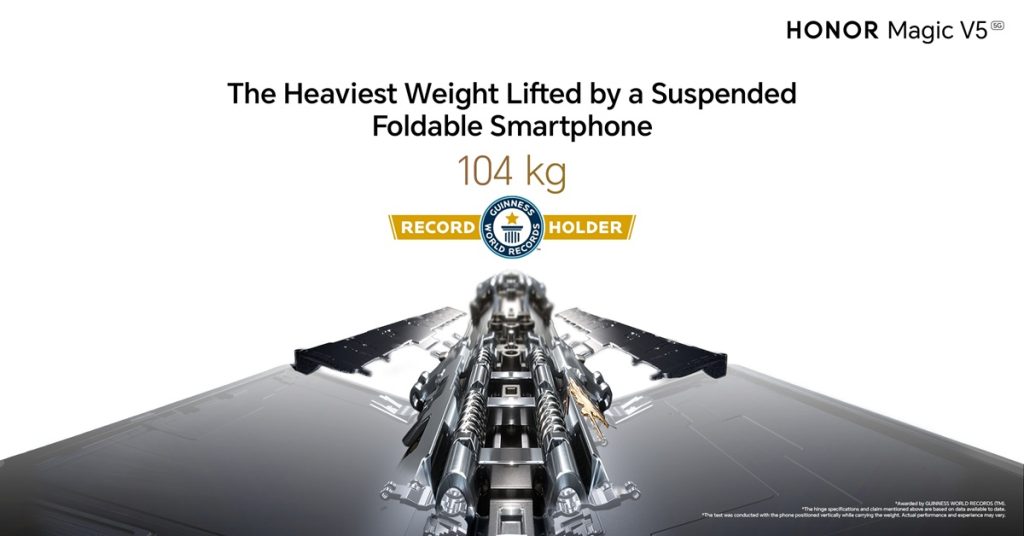
The Chinese tech giant just announced the global release date of the Magic V5. But ahead of its wider release, Honor’s flagship foldable has achieved the Guinness World Record for ‘The Heaviest Weight Lifted by a Suspended Foldable Smartphone’. The Magic V5 managed to show off its strength by lifting a 104 kilograms in weight. To recall, Samsung achieved praises for the Galaxy Z Fold 7 being thin and tough for surviving the JerryRigEverything durability test.
Honor Magic V5 Guinness World Record
However, this just took things to the next level for foldable smartphones, which aren’t known for being tough. The Guinness World Records officially recognized this feature in Dubai on 1st August 2025. Honor has attributed this record to the Honor Super Steel Hinge, which it claims can withstand up to 500,000 folds even while lifting over 100 kilograms (under controlled conditions).
For those unaware, this is quite a feat since the Honor Magic V5 measures just 8.8mm thick (when folded). You can see this sleek and premium design in our “Honor Magic V5 Unboxing and Hands On” by clicking here. For those who are looking to compare it with the Galaxy Z Fold 7, we have also covered a comparison of the two premium foldables.
For more daily updates, please visit our News Section.
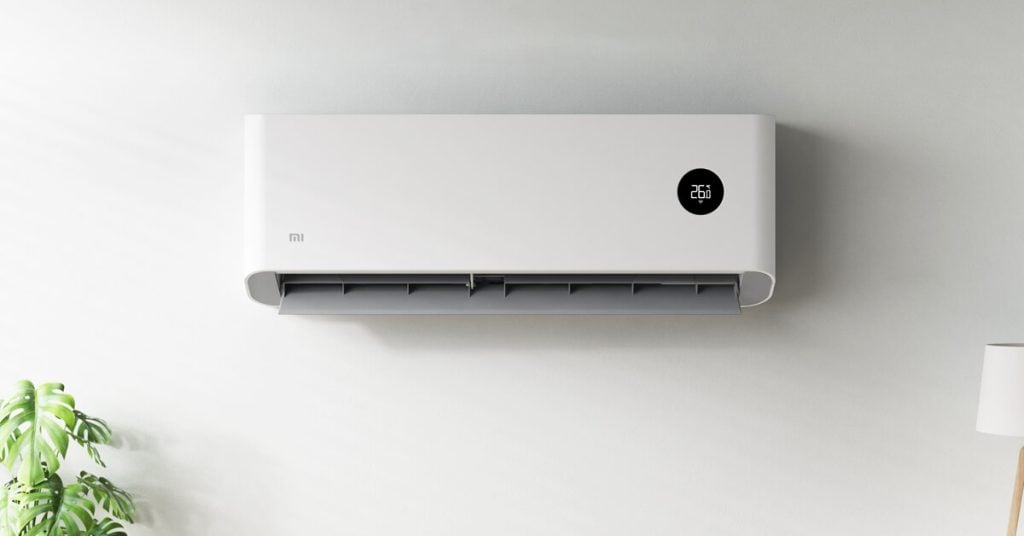
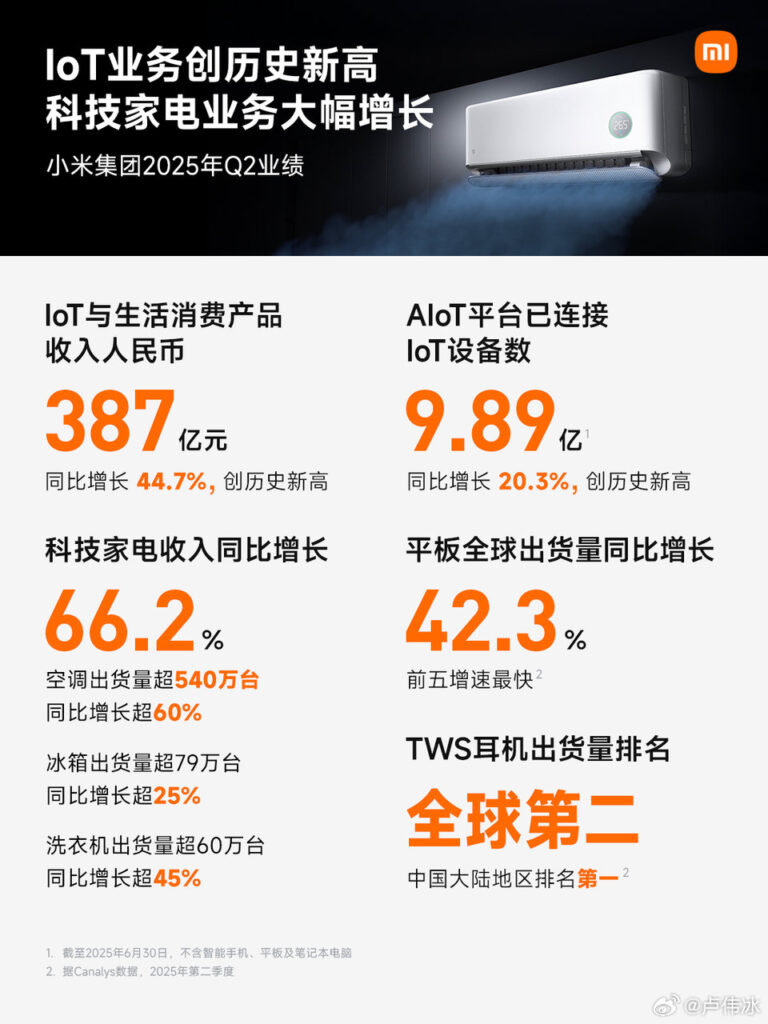
Xiaomi has announced that it shipped more than 5.4 million air conditioners in the second quarter of 2025, marking a year-on-year increase of over 60%. This figure represents the highest quarterly shipment volume for Xiaomi’s air conditioning business to date.
The company reported total revenue of 116 billion yuan (approximately $16.24 billion), achieving three consecutive quarters of revenue above the 100-billion-yuan mark. Adjusted net profit reached 10.8 billion yuan (about $1.51 billion).
Xiaomi’s smart home appliance segment grew significantly, with revenue up 66.2% year-on-year. Refrigerator shipments surpassed 790,000 units, increasing more than 25%, while washing machine shipments exceeded 600,000 units, up over 45%.
The company has also made progress in manufacturing infrastructure. Its first smart home appliance factory, located in Wuhan, began construction in November 2024 and was structurally completed in January 2025. Xiaomi plans to start mass production by the end of this year. The factory will initially focus on air conditioner production and will include six core sub-factories dedicated to household and central AC systems.
Xiaomi’s strong quarterly performance comes amid a growing rivalry with Gree in the Chinese air conditioner market. Last week, blogger Xiaochun Ge shared AVC market data suggesting that Xiaomi had surpassed Gree to become the second-largest brand in China’s online air conditioner segment for July. Xiaomi Group President Lu Weibing reposted the data and stated that strong capabilities are essential for high-quality growth.
Gree responded to the claim. Marketing director Zhu Lei cited AVC’s official dashboard, stating that Gree held a 16.41% share of the online AC market in July, while Xiaomi held 13.5%. He welcomed fair competition but emphasized that Gree remains focused on product quality and customer service.
Xiaochun Ge later clarified that AVC recently updated its data calculation methods. He confirmed that the figures were not fabricated but admitted uncertainty about how often AVC makes such changes. The discrepancy now depends on further clarification from AVC.
The debate highlights ongoing competition in China’s home appliance sector, where both established players and newer entrants are fighting for market share and public perception.
In related news, Xiaomi recently launched the Mijia Thermostatic Electric Kettle 3 Pro, featuring a 2.0L capacity and a 316L stainless steel liner. The company has also introduced a compact washer-dryer designed specifically for delicate clothing.
For more daily updates, please visit ourNews Section.
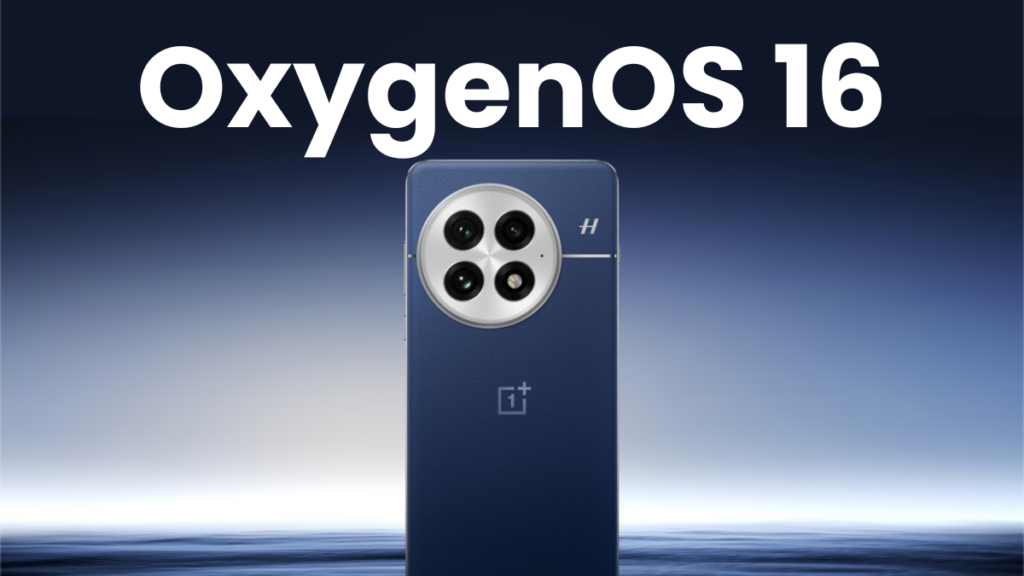
OnePlus was among the first brands to release Android 16 beta in March. That was a pretty early build, offering a sneak peek into what’s new in the latest OS — but without any changes to the OxygenOS skin. The brand is now allowing select devices to participate in the OxygenOS 16 beta testing, offering an early look at the new features and changes well ahead of the public rollout.
The OxygenOS 16 beta build should include changes from OnePlus and Google. The brand has started recruiting people for the OxygenOS 16 Closed Beta Testing (CBT). As of writing this post, only OnePlus 13 and OnePlus 13s users are eligible for this, with more devices expected to join later on.
The closed betas aren’t fully baked versions, but they are still under development. OnePlus offers access to such builds to a limited set of users to gather feedback and make adjustments to achieve better stability. Once critical issues are resolved, the brand may release open betas, which are safer to install and widely accessible to OnePlus users.
The ongoing OxygenOS 16 closed beta for OnePlus 13 and OnePlus 13s is a confidential one and, therefore, is strictly restricted to sharing any details of the application/software interface, icons, wallpapers, functions, fonts, version numbers, update instructions, system interfaces, code, text messages, or official communication group information with others. OnePlus also does not recommend installing benchmarking software and sharing the upgrade packages.
OnePlus is currently not accepting more applications for the Android 16 CBT from OnePlus 13 and 13s users. However, you may want to visit the OnePlus Community regularly to know if (and when) OnePlus starts recruiting for the second batch.
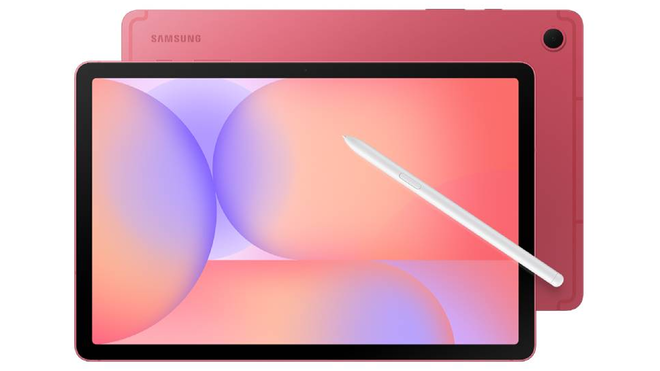
Samsung is gearing up to expand its tablet lineup with the Galaxy Tab S10 Lite, and this time, it’s not just the specs that grab attention. The upcoming budget flagship has surfaced in a vibrant new finish, giving it a bold, youthful look that sets it apart from the brand’s usual muted tablet designs. So here’s what you need to know.
Samsung’s Galaxy Tab S10 Lite is Getting a Bold New Look
Samsung Galaxy Tab S10 Lite
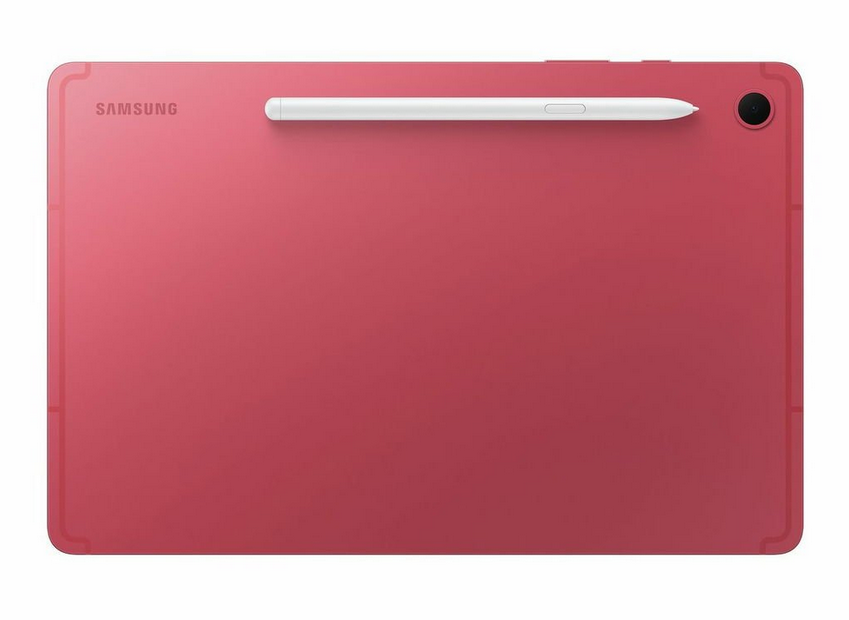
The South Korean tech giant’s upcoming tablet was just spotted in a WinFuture report, showcasing the Galaxy Tab S10 Lite in two color options. One of the models is the classic Gray, while the second option is a Coral Red option that looks like bright pink. This is in line with our previous report, which also offered us a glimpse of the Galaxy Tab S10 Lite in the same vibrant color.
These high resolution renders also reveal that the tablet will come with support for an S Pen. We also get a look at the front, where we can see chunky bezels surrounding the screen. Based on what we know so far, the new tablet will sport a tall 10.9-inch LCD screen with a 2112 x 1320 resolution. Under the hood, the Galaxy Tab S10 Lite is rumored to be equipped with the Exynos 1380 SOC, which is paired with 6GB or 6GB of RAM with up to 256GB of internal storage.
A sizeable 8,000mAh battery pack may power this model, which could support around 25W or 45W fast charging. For optics, the rear may pack an 8MP camera, while the front could house a 5MP selfie shooter. Other notable features include Android 15 OS based One UI 7 custom skin, and dual speakers.
For more daily updates, please visit our News Section.
This is probably the last foldable to be released in 2025, and it’s more likely to be the best one. Ok, this is the first look at the HONOR Magic V5. We are working on the full review right now, and it’s going to be the best foldable review you will ever see this year.
Design
Now Honor is really committed to making the thinnest foldable phone in the world, they are willing to do everything to achieve that. Therefore, the Magic V5 is again thinner than its last gen. And it’s just 4.2 mm unfolded, 8.8 mm folded, it beats its last gen by just about 0.2 to 0.3mm. The most important thing is that, even though it’s thinner, the battery is bigger, and much bigger than the Samsung Z fold 7. You will see more detail in the full review. And put it side by side with some flagship bar phones we have in the studio, when it’s folded, the body is even thinner than some.
From the promotion clips, you probably know that, the way this phone can be this thin is mainly because the battery is very thin. They even compare it to a piece of paper to show how thin it is.
With the thinness out of the way, let’s also look at the design of it. The color we received is called Dawn Gold, I’d like to call it Damn Good. And the nebula pattern at the back, I quite like it. The camera module, it looks even bulkier with such a thin body honestly. It is not a bad thing, we will talk about why in the full review btw. Then the edges of the frame have been sort of flattened out, but still there is a bit of curve. There is a bit of Clous de Paris design around the camera module, very elegant. What do you think about the design? Leave your comment below.
Performance
As expected, it comes with the Snapdragon 8 Elite chip, and the performance is better than 99% of the foldables out there. We know foldables tend to not use the best chip, or a downgraded flagship chip. But not for the chip in this phone. We did some tests, compared to the one on the Z fold 7. And there is a surprise in the gaming performance, you should look forward to the result.
Battery
The battery capacity is 5820mAh, here is a comparison between the newest ones from each brand. Now to put it into perspective, it is just about 200mAh shy compared to the Vivo X Fold 5, but you can’t deny that it is thinner, whether folded or unfolded. Not to mention, the battery is 1420mAh larger than the Z Fold 7, I think Samsung should really take a note here.
It supports 66W wired charging, and 55W wireless charging. The charger is included in the package for most areas, but not for the EU.
Camera
The cameras, again it is the only phone that does not pedal backwards. Here are the camera specs, still flagship level, right? And we found that the camera capability is the only one that isn’t pedaling backwards. The telephoto lens is very good, despite its higher pixel count, the AI zoom is doing a good job. The Ultra Wide is also wide enough to be a true ultra wide camera. Then the video recording capability is also impressive. These are the things I can say, let’s leave some surprises for the full review.
Short Verdict
We are genuinely impressed by the Magic V5 here, because the foldable market is still not that big, yet HONOR is pushing the limits forward. That’s why you can see it is thinner, the battery is bigger, the cameras are better, and it still uses the best chip. We spent a lot of time doing the full review, it should be a good one. So stay tuned for the full review!
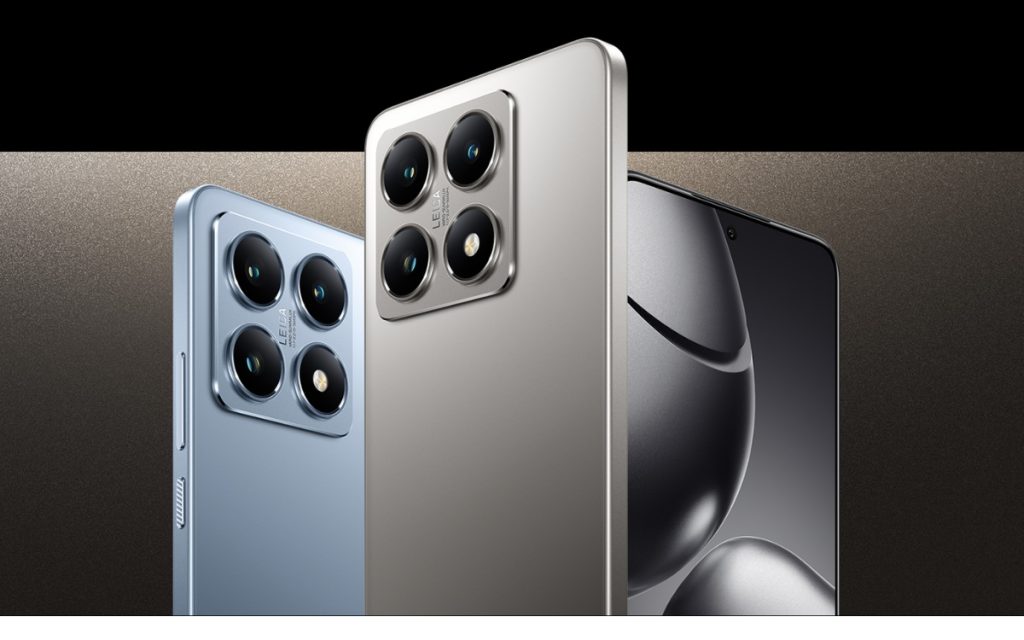
Xiaomi‘s next gen budget flagship models have just surfaced in a big leak. The new Xiaomi 15T and Xiaomi 15T Pro just had their pricing, color options, and storage variants revealed, confirming key details ahead of their official release. So here’s what you need to know.
Xiaomi 15T Series Spotted: Full Pricing, Colors & Storage Leaked
The latest info arrives from known tipster Sudhanshu Ambhore, who shared the details with XpertPick. This leak revealed European pricing, color, and storage details of both the Xiaomi 15T and Xiaomi 15T Pro. The base model will come in a single 12GB + 256GB option for 649 Euros and will be available in three color options, namely Gold, Gray, and Black.
Xiaomi 14T
On the other hand, the Xiaomi 15T Pro model will be offered in 12GB + 256GB and 12GB + 512GB variants. The former costs 799 Euros, while the latter may have an 899 Euro price tag. The same Black, Gold, and Gray color choices will return on the Pro model. Considering how European prices are usually higher, we can expect the Asian prices in regions like India to be more affordable and competitive.
Xiaomi’s T series of flagship phones is generally positioned right below its numbered premium models (like the Xiaomi 15). Just recently, the upcoming Xiaomi 15T series got certified in Thailand and Singapore (NBTC and IMDA, respectively), hinting at its imminent release. The storage retails for the Pro model are also in line with our previous report, although some markets might also get a 1TB option. This is all the information that was revealed by the tipster, so stick around for more.
For more daily updates, please visit our News Section.
If you’ve been eyeing the OnePlus 13 (Review), now might be the best time to grab it. A new deal is bringing a notable discount along with a pair of free truly wireless earbuds. This makes it one of the most compelling offers from the brand yet, so here’s what you need to know.
OnePlus 13 Deal: $150 Off + Free OnePlus Buds 3
The Chinese brand’s flagship phone is getting a great deal in the US market. To recall, the OnePlus 13 debuted with a starting price tag of $899 for the 12GB + 256GB variant, while the 16GB + 512GB version was sold for $999. This premium Android phone is now available for purchase with a notable discount on both configurations, along with a special promo gift.
OnePlus 13
Both storage versions are getting a price cut of $150, so the 256GB model now costs $749, and the 512GB option is listed for $849. That’s not all, buyers also get the option to choose between a $39.99 Wood Grain Magnetic Half-pack Case worth and the $99 OnePlus Buds 3. As of right now, it is unclear how long this deal will be available, but it is likely a limited-time deal. To recall, the OnePlus 13 debuted with Qualcomm’s latest and greatest Snapdragon 8 Elite.
You get a tall 6.82-inch AMOLED display with a 2K+ resolution and a 120Hz refresh rate. For photography, there are three 50MP cameras on the rear and a 32MP selfie shooter. A huge 6,000mAh battery pack powers this device, which supports 100W wired fast charging. In related news, the OnePlus 15 was just leaked with a 1.5K 165Hz display.
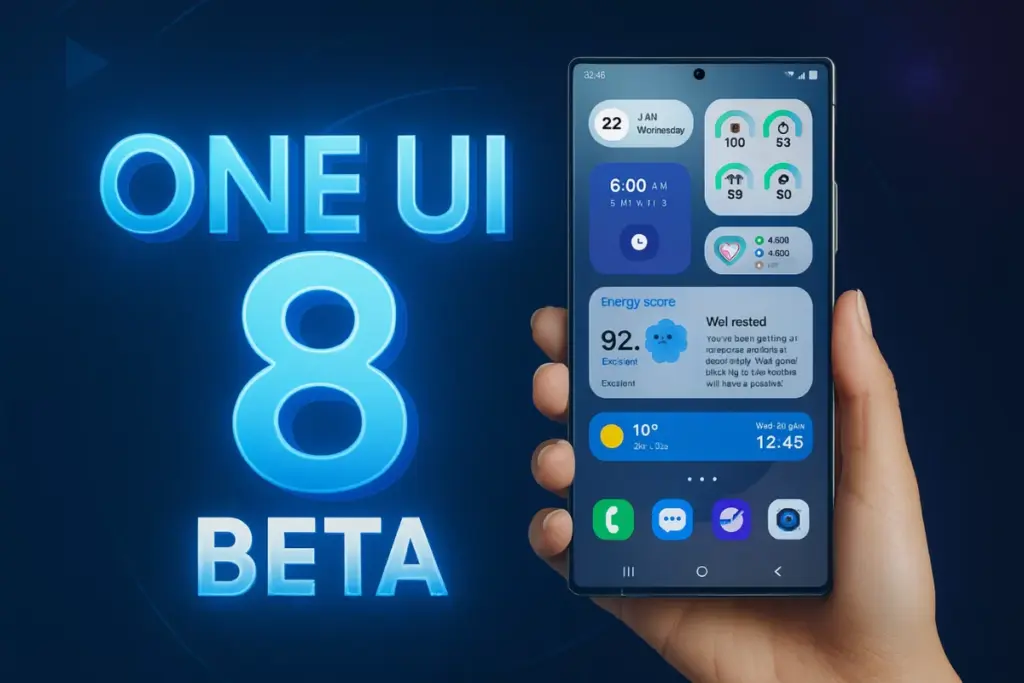
Samsung appears to be moving much quicker with One UI 8 development this time compared to last year. In fact, it was the first brand to release an Android 16 beta with a new custom skin (One UI 8 beta, in the case of Samsung), but that remained exclusive to the Galaxy S25 series for weeks, as the beta program didn’t expand to other models until recently.
Earlier this month, Samsung announced its plan to expand One UI 8 beta to more Galaxy phones and tablets. The Galaxy S24 series, Galaxy Z Fold 6, and Galaxy Z Flip 6 quickly received the beta update following the announcement, with more Galaxy devices set to join the party next month. Review the list below to find out if One UI 8 beta is on the way for your Samsung Galaxy.
These Galaxy phones will get One UI 8 beta in September
Galaxy S23
Galaxy S23+
Galaxy S23 Ultra
Galaxy Z Fold 5
Galaxy Z Flip 5
Galaxy A55 5G
Galaxy A54 5G
Galaxy A36 5G
Galaxy A35 5G
Only having one of these Samsung phones isn’t enough to get you enrolled for the One UI 8 beta program; you must also live in an eligible country. These include Korea, the U.S., the U.K., and India.
Note that the updates are released in batches. Therefore, even if it’s rolling out in a different country, it may take some time to reach your device. Be patient in that case and regularly check for the One UI 8 beta banner.
How to get the One UI 8 beta on your Samsung phone?
Once the One UI 8 beta program goes live for your Samsung device in your country, here are the steps you need to follow:
Open the Samsung Members app on your phone. (You can install it via the Galaxy Store if you haven’t already.
Look for the One UI 8 beta banner and tap on it.
Follow the simple steps on your screen to join the beta program.
Now, go to Settings > Software updates > Download and install to get the beta update.
Download the update and then install it.
While it’s exciting to test the software before it’s released to the general public, there are some risks involved. The beta builds are likely to have bugs and broken features. Some features may not work at all. That’s why such builds are recommended to be tested on secondary devices. Also note that there’s no easy workaround to return to the stable build without erasing your data.
Before installing the beta update, take a complete backup to prevent data loss. Also, ensure your device has sufficient free storage and at least 30% battery for a smoother installation.
Xiaomi has officially launched a new budget smartphone in the Indian market. This new model is the Redmi 15 5G model, which brings both long battery life, smooth display, and capable performance at a budget. So here are all the details.
Redmi 15 5G: Everything you get for a budget
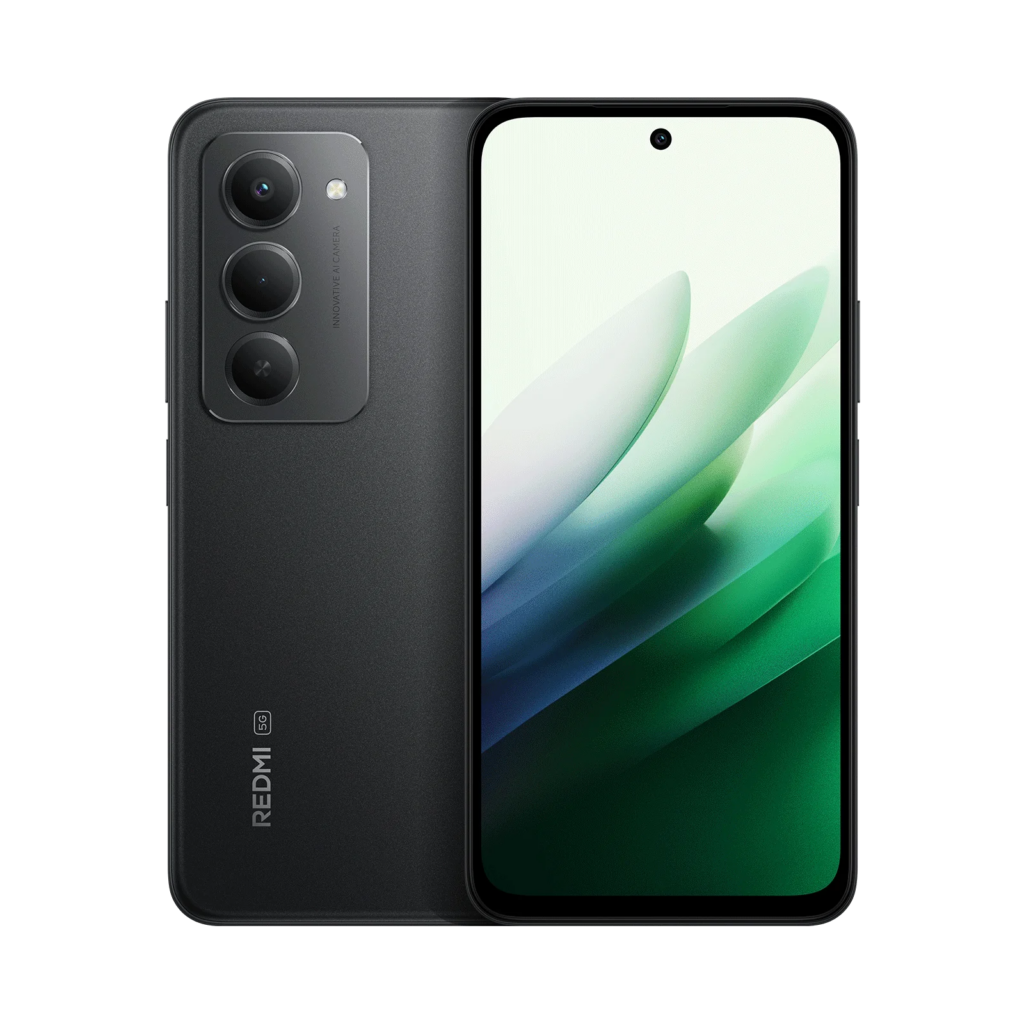
The Chinese tech giant just unveiled the Redmi 15 5G in Malaysia earlier this month. Now, this model is arriving in India with great specs and features for its price. This model sports a tall 6.9-inch LCD panel with an FHD+ resolution, a 144Hz refresh rate, Wet Touch Technology 2.0, and 850 nits of peak brightness. Under the hood, this model is equipped with the Snapdragon 6s Gen 3 SoC, which is paired with up to 8GB of RAM and 256GB of internal storage.
Redmi 15 5G – Midnight Black
While the display and specs are quite attractive for its price, another big highlight of the Redmi 15 5G is the huge 7,000mAh battery pack. It also supports 33W wired fast charging. For photography, the rear packs a 50MP main camera, while the front houses an 8MP selfie shooter. Out of the box, this runs on the Android 15 OS based HyperOS 2 custom skin. Other notable features include an IR blaster, a side mounted fingerprint scanner, an IP64 rating for water and dust resistance, Bluetooth 5.1, WiFi 6, and dual SIM support (nano + nano/microSD).
Xiaomi’s new budget phone arrives in three color options, namely Midnight Black, Sandy Purple, and Frosted White. It has a starting price tag of 14,999 INR for the 6GB + 128GB model, while the 8GB + 128GB and 8GB + 256GB option costs 15,999 INR and 16,999 INR, respectively. You can purchase this model from Amazon India, the brand’s official website, with first sales kicking off from August 28.
For more daily updates, please visit our News Section.
Today, reliable tipster Digital Chat Station released a Weibo post mentioning the upcoming OnePlus flagship phones powered by the Snapdragon 8 Elite and 8 Elite 2 (SM8850) chipsets. While he did not specify their names, he could be referring to the Ace 6 and OnePlus 15, which are expected to launch in October in China. The leak, which mainly focuses on the OnePlus 15, reveals details about its display and one of its color variants.
OnePlus 15 display details (rumored)
OnePlus 15 leak by DCS
As per the leak, the OnePlus 15’s display will support a 1.5K resolution and a 165Hz refresh rate. It will run on a new system featuring an upgraded performance engine, designed to support native-level 165fps gameplay — a first for the brand. As far as display size is concerned, a previous leak from the same source revealed that it will feature a BOE-supplied 6.78-inch flat OLED LTPO panel equipped with ultra-thin bezels on all four sides, thanks to LIPO technology.
The leak also highlighted a fresh “Moon Rock Black” color option, which was described as having an extremely high light absorption rate, described as a next-generation version of the Super Black, and improvements in the sandstone magnetic protective case, which is said to offer a refined texture.
According to other reports, the OnePlus 15 may house a 7,000mAh battery with 100W wired and 50W wireless charging support. For photography, the device may feature a 50-megapixel main camera with OIS support, a 50-megapixel ultra-wide lens, and a 50-megapixel 3x periscope telephoto camera. It may not feature a round camera module like the OnePlus 13, instead, it is expected to feature a square one positioned at the upper-left corner.
For more daily updates, please visit our News Section.
OpenAI has introduced a new subscription plan called ChatGPT Go, designed to provide more access to its popular AI features at a lower cost. The rollout has begun in India, with wider availability expected soon. The plan aims to bridge the gap between ChatGPT’s Free tier and the higher-priced Plus plan.
ChatGPT Go key features
ChatGPT
Subscribers of ChatGPT Go will have extended access to GPT-5, including more prompts compared to the free version. The plan also offers longer memory, making conversations more personalized and continuous. In addition, users can generate more images, upload a greater number of files such as documents and spreadsheets, and work with advanced data analysis tools like Python more frequently. The plan includes projects, tasks, and custom GPTs, allowing users to organize and track workflows more effectively.
For data privacy, OpenAI allows users to opt out of training data collection at any time. The company has confirmed that Go subscriptions also apply when using ChatGPT via WhatsApp at 1-800-ChatGPT.
ChatGPT Go: Pricing and availability
ChatGPT Go is available in India for Rs 399 per month, with billing managed on a monthly basis (no annual plan yet). Payment methods include credit cards and UPI. At present, the plan is exclusive to India and will gradually be available to all users in the country.
Unlike ChatGPT Plus, which costs Rs 1,999 monthly, the Go plan does not include legacy models like 4o, connectors, or Sora video generation. Users can cancel their subscriptions anytime through the ChatGPT settings menu. The plan also supports refunds in cases of incorrect charges.
For more daily updates, please visit our News Section.
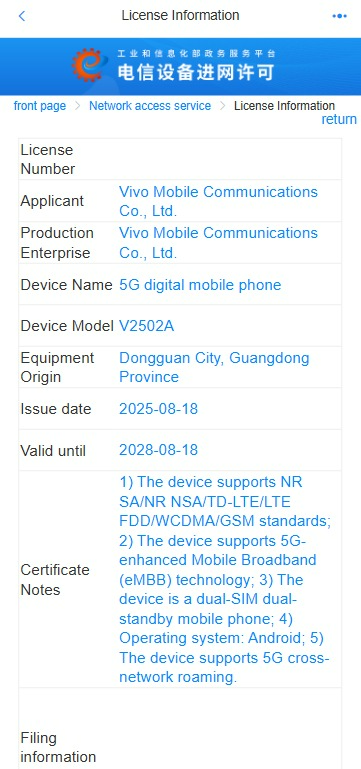
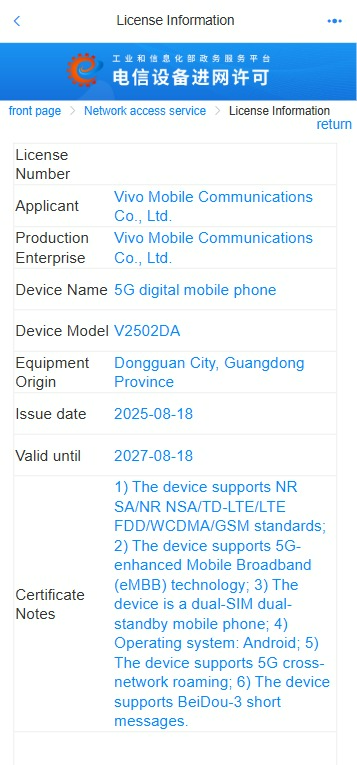
Reports suggest that the model numbers V2502A/DA and V2509A belong to the upcoming Vivo X300 series, which is expected to debut by the end of September in China. While the V2509A was recently spotted on Geekbench with the Dimensity 9500 chip, the V2502A/DA had earlier bagged radio certification. Now, according to a report by XpertPick, the V2502A/DA has received approval from the CMIIT certification platform in China.
Vivo V2502A/DA 3C CMIIT approved, could be Vivo X300 Pro
Vivo V2502A CMIIT certifiedVivo V2502DA CMIIT certified
The certification screenshots confirm that both the V2502A and V2502DA have been approved by China’s MIIT authority. The two devices are essentially the same, with the V2502DA offering support for Beidou-3 short messaging via satellite connectivity, while the V2502A lacks this feature.
This satellite support hints that the device could debut as the Vivo X300 Pro, though the final marketing names of the V2502A/DA remain unconfirmed.
The CMIIT listing’s source code reveals that the phones will run on Android 16, likely customized with OriginOS 6 in China. It also confirms a 6,375mAh rated battery, which should translate to a typical capacity of around 6,500mAh.
The Vivo X300 and X300 Pro are expected to be the first smartphones powered by the Dimensity 9500, which is rumored to launch on Sept. 22 in China. Leaks suggest that the standard X300 may feature a compact 6.3-inch display, while the X300 Pro could offer a larger 6.8-inch screen.
Separately, Vivo is also said to be working on the X300 Ultra, which may debut next year with the Snapdragon 8 Elite 2. While the X300 and X300 Pro are expected to see a global launch shortly after their China debut, it remains unclear whether the X300 Ultra will be released outside China.
For more daily updates, please visit our News Section.
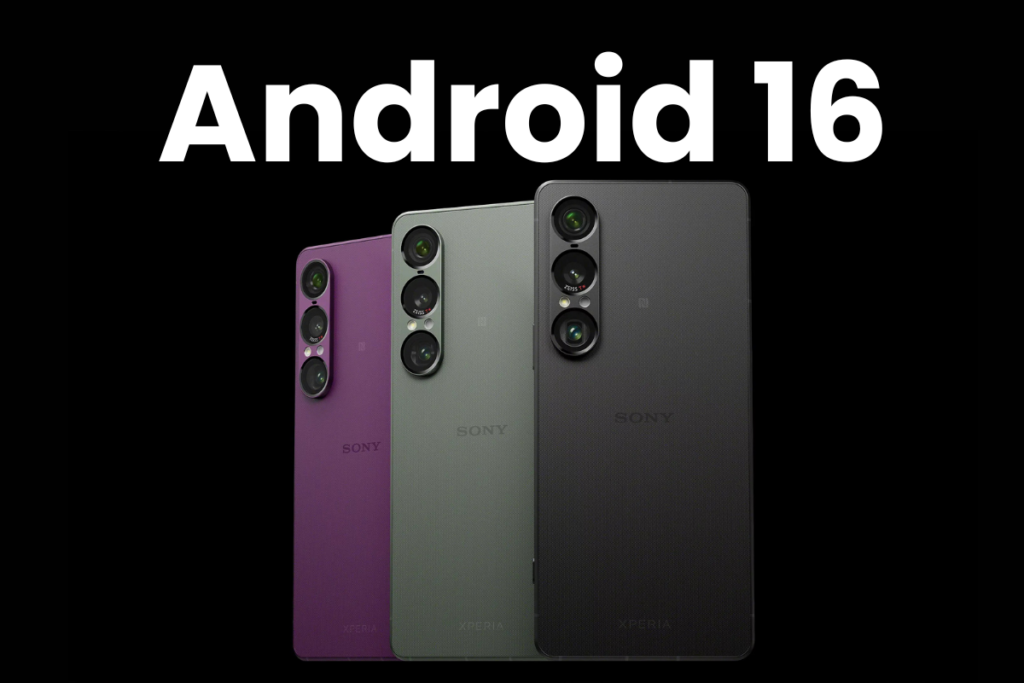
The latest Android 16 OS is already available to Google Pixel, and other major Android brands have also made significant progress towards a stable release. They could begin the stable rollout anytime soon. However, a few brands, including Sony, are silent on Android 16 development as well as release plans.
Sony hasn’t announced when it will release the Android 16 update to its devices and what the rollout plan looks like. The brand hasn’t even released the Android 16 beta to any of its devices yet, whereas many other brands have done so weeks ago. However, that shouldn’t mean it’s not working on bringing Android 16 to its devices.
Sony may already be working on Android 16, but it may take a little longer than other Android brands. We’ve curated a list of devices that are eligible for an upgrade to Android 16. Review the list to find out if yours is in for a treat.
Sony Xperia phones eligible for Android 16 update
Sony hasn’t published an official list of devices for the Android 16 upgrade. So, we went through the current update policy to prepare the following list.
Xperia 1 VII (last update: Android 19)
Xperia 10 VII (last update: Android 19)
Xperia 1 VI (last update: Android 17)
Xperia 10 VI (last update: Android 17)
Yes, the list is too short. Only three Sony Xperia phones will be upgraded to Android 16. The Sony 1 VII was released in May this year, while the other two (Xperia 1 VI and Xperia 10 VI) were released last year.
As of now, the company hasn’t announced when it will start rolling out the Android 16 update. Whenever that happens, it will likely be the Xperia 1 VII that gets the first bite, followed by the Xperia 1 VI and Xperia 10 VI. Since the brand only needs to upgrade three devices, the rollout shouldn’t take long once it goes live.
Sony’s approach towards software releases
Sony is no longer a leading smartphone brand in the market. However, it still releases a few Xperia phones each year, focusing primarily on premium models with high-end cameras.
While the number of new Sony phones released every year has decreased sharply in recent years, the software support hasn’t taken a hit. In fact, the brand extended the update support for 2024 and newer models.
Previously limited to two OS updates, the Xperia 1 VI and Xperia 10 VI, launched in 2024, promise three major Android updates. The Xperia 1 VII, released this year, takes it even further by promising up to four major upgrades. That’s certainly a good move benefiting users.
Which Sony smartphone do you have? Is it eligible for the Android 16 upgrade? Share your thoughts in the comments below.
We use cookies on our website to give you the most relevant experience by remembering your preferences and repeat visits. By clicking “Accept”, you consent to the use of ALL the cookies.
This website uses cookies to improve your experience while you navigate through the website. Out of these, the cookies that are categorized as necessary are stored on your browser as they are essential for the working of basic functionalities of the website. We also use third-party cookies that help us analyze and understand how you use this website. These cookies will be stored in your browser only with your consent. You also have the option to opt-out of these cookies. But opting out of some of these cookies may affect your browsing experience.
Necessary cookies are absolutely essential for the website to function properly. This category only includes cookies that ensures basic functionalities and security features of the website. These cookies do not store any personal information.
Any cookies that may not be particularly necessary for the website to function and is used specifically to collect user personal data via analytics, ads, other embedded contents are termed as non-necessary cookies. It is mandatory to procure user consent prior to running these cookies on your website.