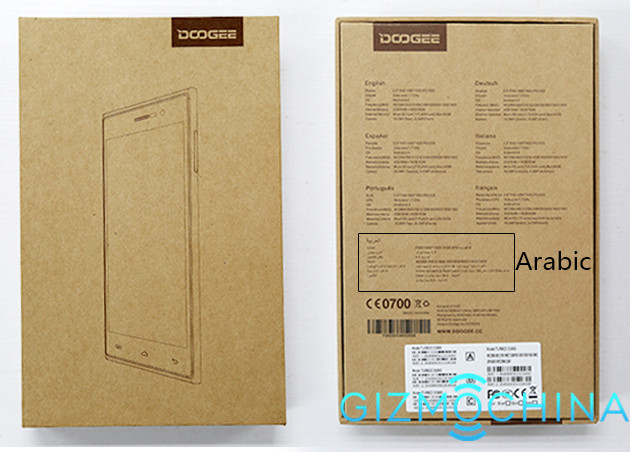
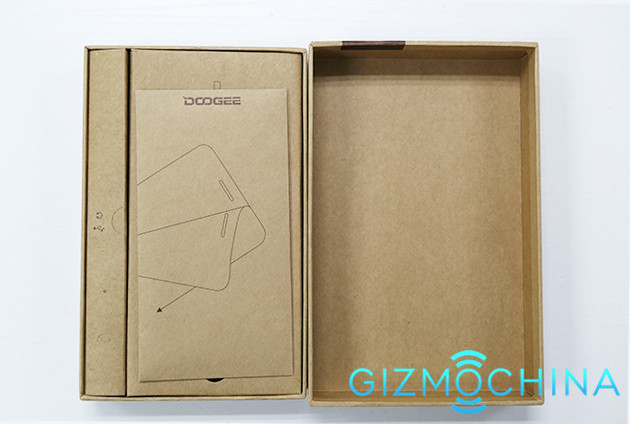
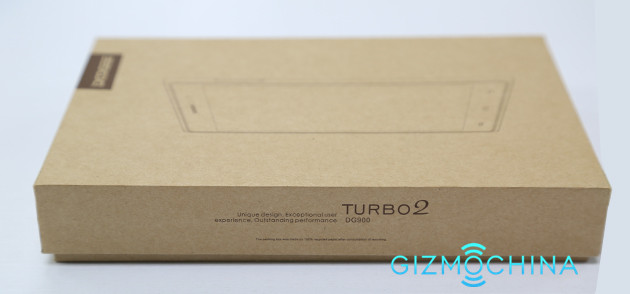
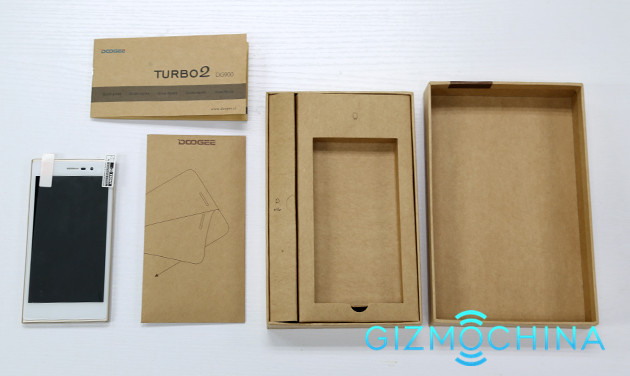
The packing box was made by 100% recycled paper, as same as xiaomi’s.
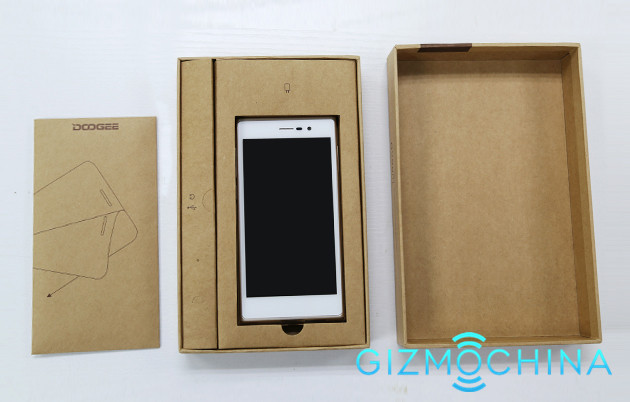
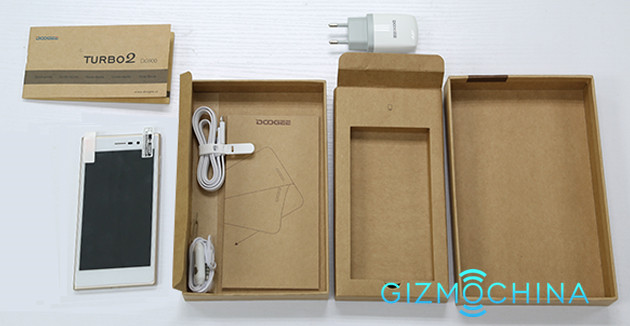
Saving more space
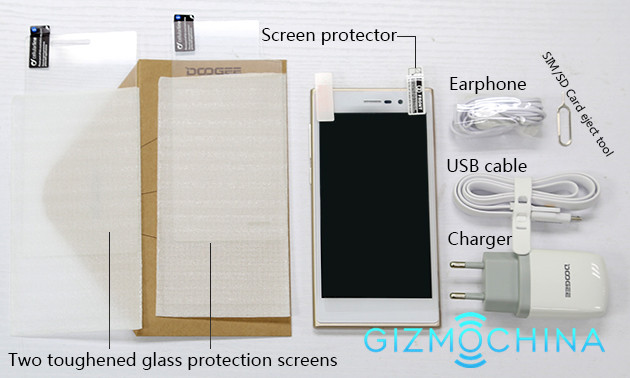
Accessories
The packing box was made by 100% recycled paper, as same as xiaomi’s.
Saving more space
Accessories
For the last several years, tablets have become the rage in the digital industry as more companies began to release their own tablets. However, this popularity has led to some problems for the industry, one of them being the fact that more and more tablets end up looking the same without any differences. The banal nature of the tablet industry has led Lenovo, which has started to target young people more, to release a new kind of tablet, the Lenovo Yoga Tablet 2. Here’s our review.
What’s so different about the Yoga Tablet2 ?
Ultra HD resolution: The Yoga Tablet 2 sports a 10.1-inch display screen with a resolution of 1920 x 1200, which should please many people who are picky about screens. Look at the fine pixilation of the tabs in the snapshots and the pleasant coloring. Isn’t that a beautiful sight?
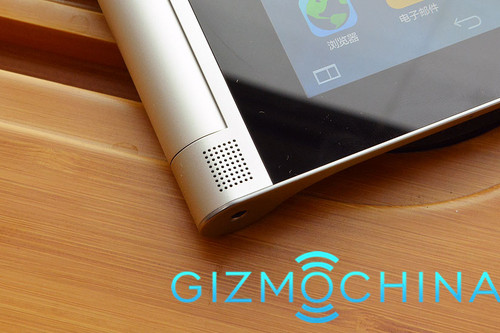
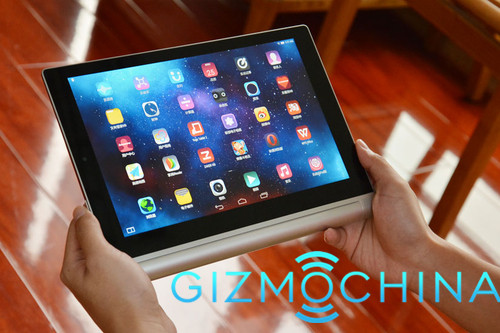 Big holed front-facing sound speakers: Theoretically, the bigger the sound speakers, the better the sound. The Lenovo Yoga Tablet 2 has two 2CC speakers in the front that can enhance and improve your viewing and gaming experience.
Rotating design
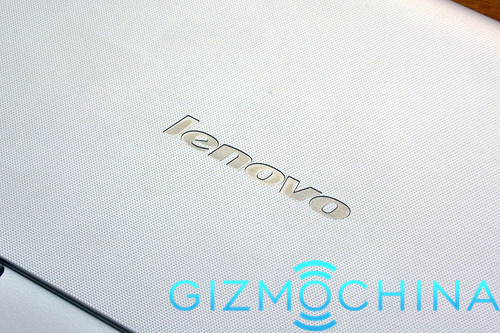
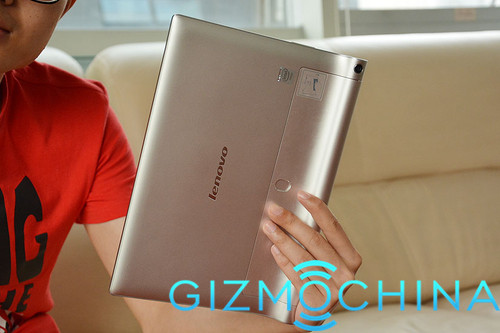
The most daring part of the Lenovo Yoga Tablet 2’s appearance is its rotating design which gave this device an asymmetrical shape. When opening the tablet’s stand, you can place the device in a squatting position and keep it stable. The asymmetrical shape gives the Lenovo Yoga Tablet 2 a nice appearance and makes it easy to hold unlike many other tablets.
Material and craftsmanship
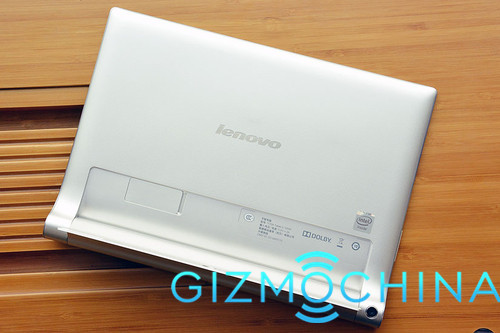
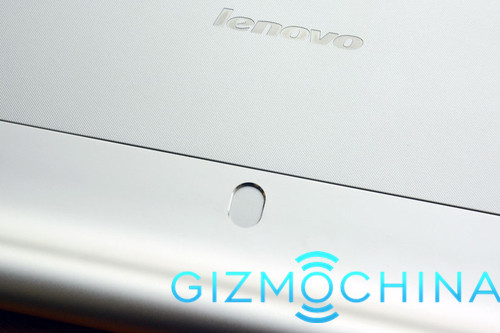
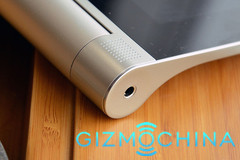
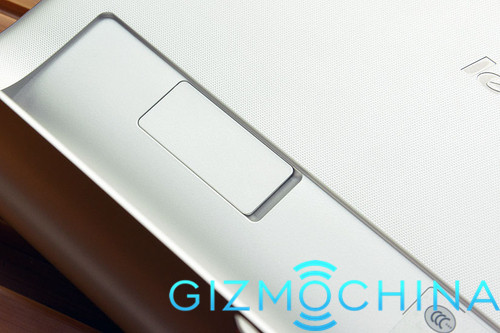
The rotation axis of the Lenovo Yoga Tablet 2’s handle is made of metal with a springboard inside that helps the user turn the tablet around so that it could be seen in many angles.
Detailed design of rotation axis
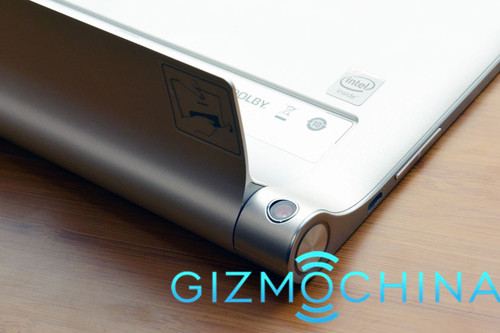
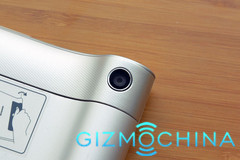
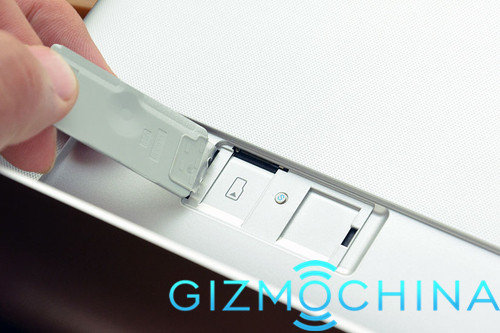
The Lenovo Yoga Tablet 2’s rotation axis does not cover the entire body. The sides and main body are one and integrated into many special designs.
The speakers at the front are located at the rotation axis. The right side also has an earphone jack.
Different positions the rotation axis can be placed in
The Lenovo Yoga 2 can be positioned at the rotation axis in four ways.
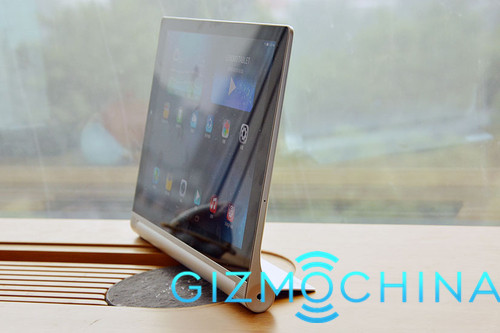
Standing position
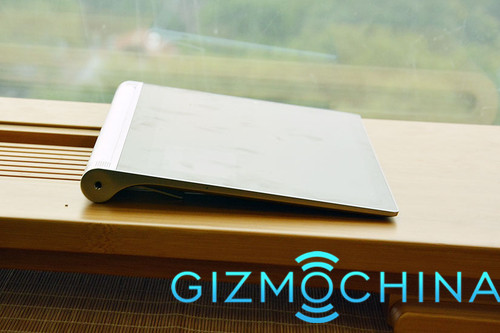
Reading position
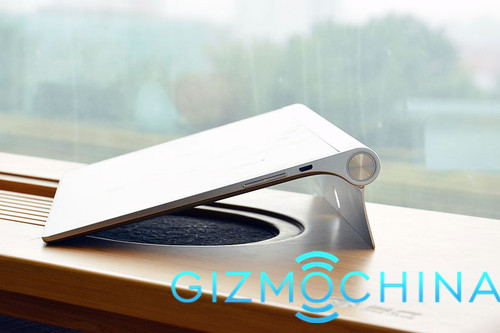
Touch screen mode
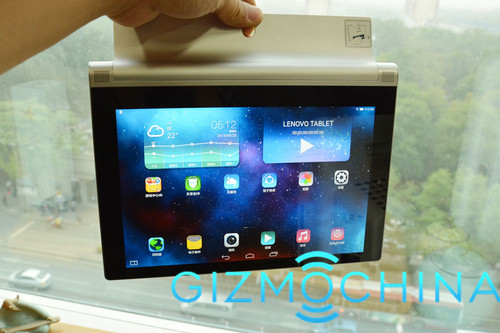
Suspension mode
A beautiful design
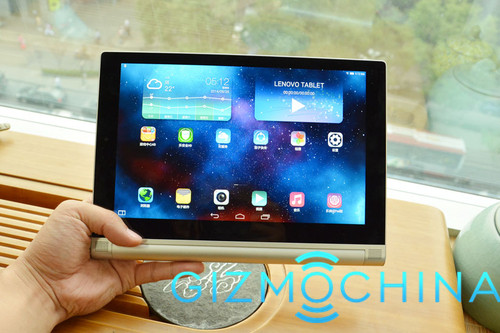
A tablet must not only look good but also feel good when carried. The way it looks and feels may depend on its position.
General description of appearance
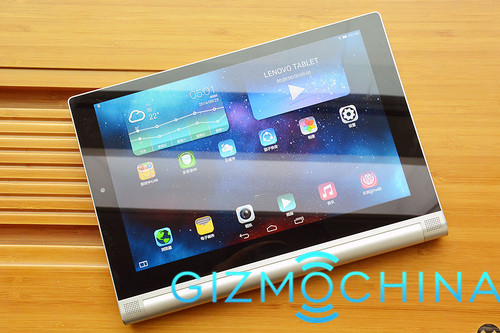
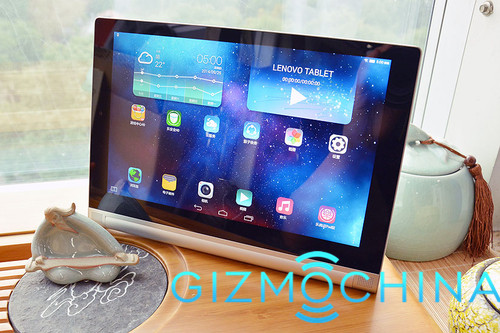
I would actually like to talk about the details of its appearance, the colors, and material, but it is hard to take your eyes off such a gorgeous screen. The Yoga Tablet 2’s 1920 x 120 IPS screen definitely confirms that you are looking at a high-quality smart tablet. The device, itself, is silver and looks good wherever you use, whether you hold it, or just set it on the table like an ornament.
How does it feel holding it?
A tablet’s stand’s design is essential as it is most likely the first thing the user will use. Depending on how you use the tablet, it will feel different when you hold it. The Lenovo Yoga Tablet 2 with the 10.1-inch screen may be more suitable for watching movies and playing games while the 8-inch version is more portable and something you can carry around more often.
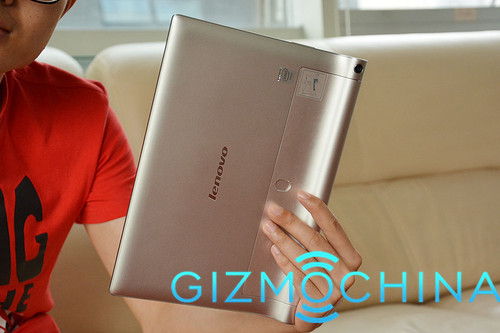


When you cannot find a seat at the subway and you want to use this tablet, I suggest you set it to reading mode or suspension mode.
Standing mode is the most relaxing position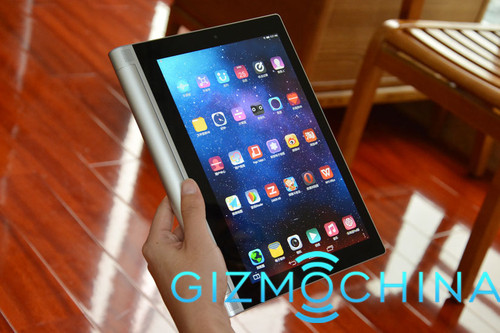
Although reading mode may be the most comfortable to use, it might be a bit heavier and eventually wear the reader out.
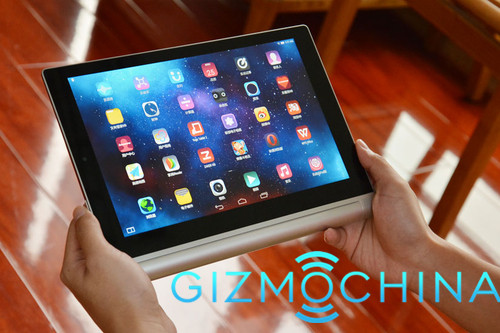
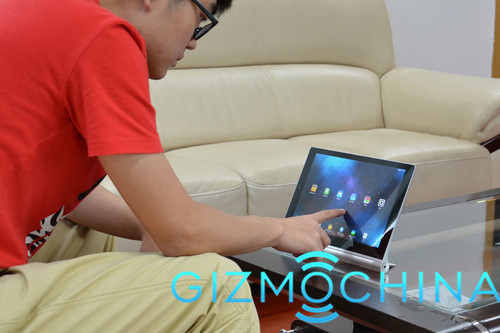


Standing mode is most suitable for watching movies or surfing the web. This requires minimal use of both your hands so you can just relax and enjoy.
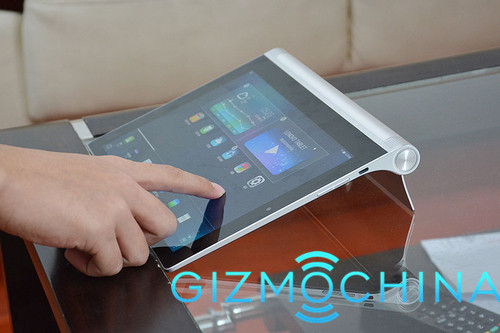
You can also play games by using touchscreen mode.
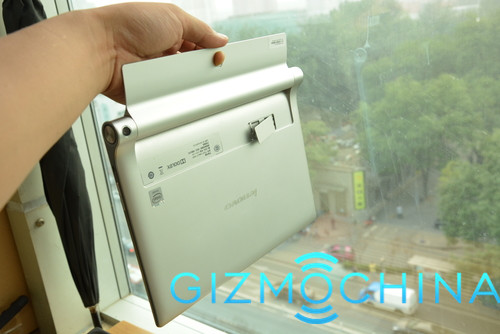
Suspension mode is not really something most people use often, but there are times where it can be useful. For example, you can keep it hanging while eating your dinner in an airplane.
Lenovo UI v6.0
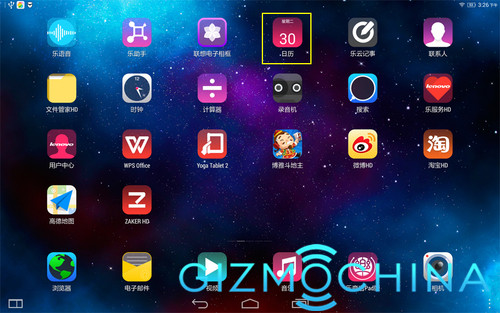
The Lenovo Yoga Tablet 2’s operating system is called the Lenovo UI v6.0. The tabs have been redesigned and look more beautiful. You don’t have to click the weather, time, and calendar icons anymore as the date, weather, and time are shown in the icons themselves. If it’s 3:00, the tab shows it.
Some tablets may have very big screens but do not have much improvement. As a result, the tablets’ screens are flooded with so many icons creating an ugly sight. Fortunately, that is not the case with the Lenovo Yoga Tablet 2 as it neatly organizes its tabs.
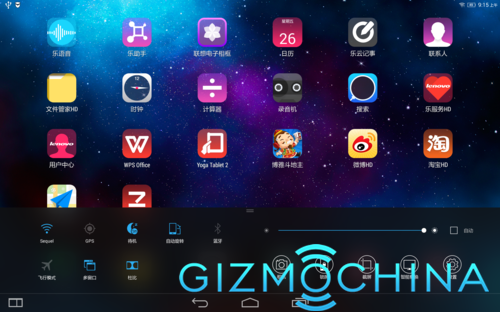
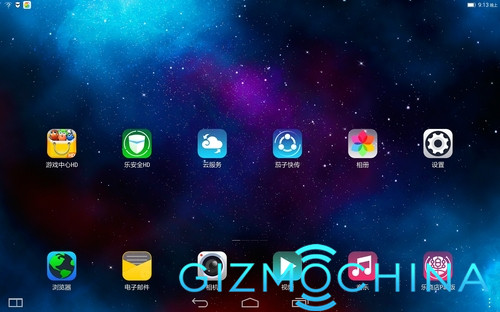
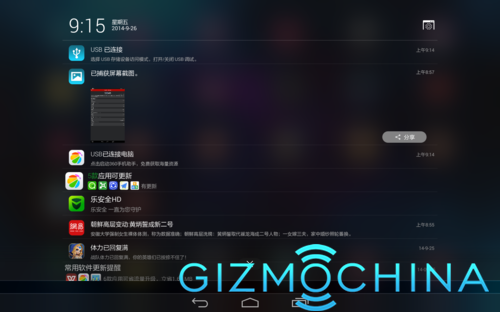
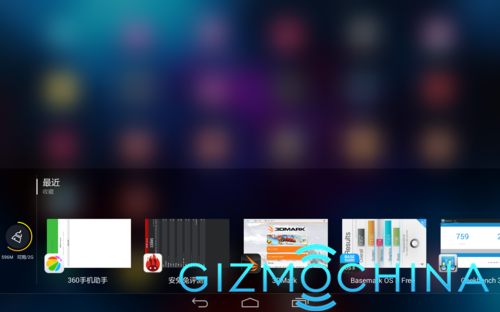
Some tablets may have very big screens but do not have much improvement. As a result, the tablets’ screens are flooded with so many icons creating an ugly sight. Fortunately, that is not the case with the Lenovo Yoga Tablet 2 as it neatly organizes its tabs.
Also, most people do not like their phones and tablets to be flooded with Apps all at once. This is where folders come in. In the Lenovo Yoga Tablet 2, we can simply sort the apps into different folders.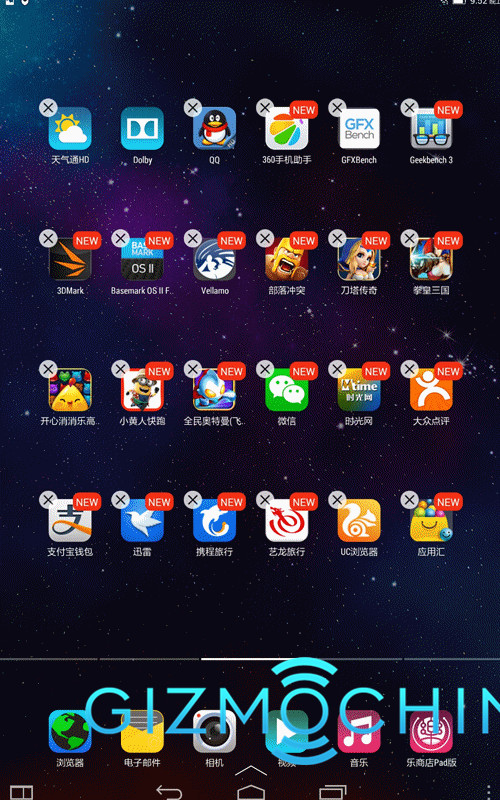
Multiple open windows are another issue too with tablets and computers. If a tablet has low specs and many open windows, the machine may crash or slow down.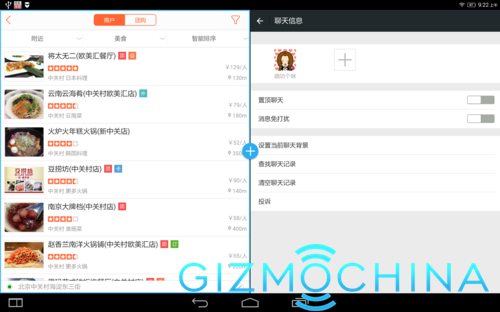
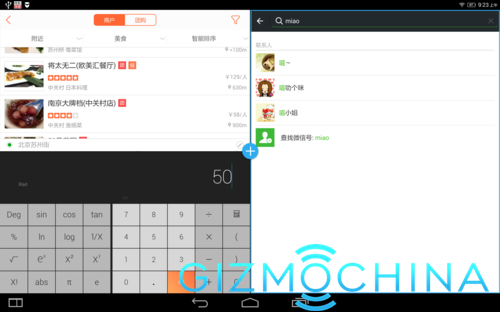
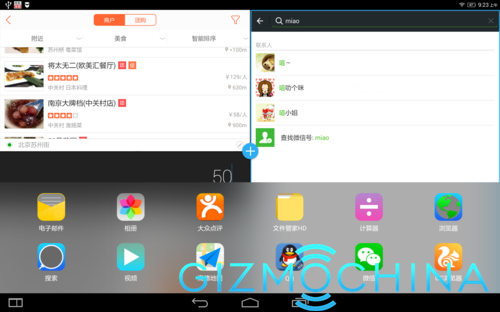
When you press the “multiple window” button on the lower left corner of the screen, at most, it can open four apps which will not cause problems with the device regardless of what it is. Now, you can play games while chatting online without worrying about the tablet slowing down.
Overall, the Lenovo Yoga Tablet 2’s OS uses the classic flat design. It is easy to use with little inconveniences. It also looks great too and the tabs are all neatly organized.
Gaming and video experience
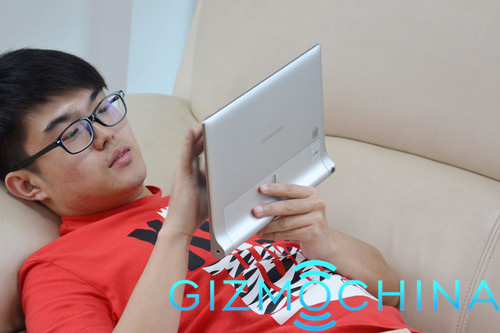 Gaming and watching movies have become an integral part of tablets as they make up 80% of the user’s time. This has only gotten bigger since the booming popularity of online gaming and video streaming websites.
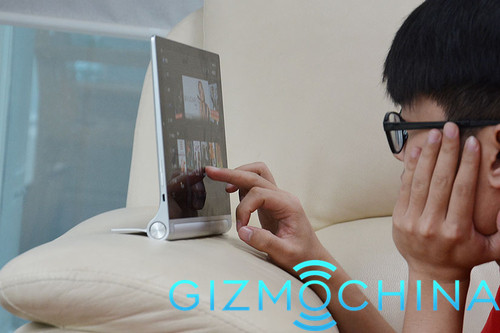
Here’s our review of the gaming and video experience offered by the Lenovo Yoga Tablet 2.
Gaming experience: Everything works fine
We selected some of the games that take up the most space right now to evaluate this tablet.
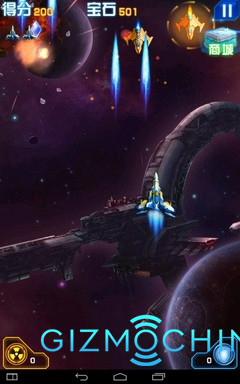

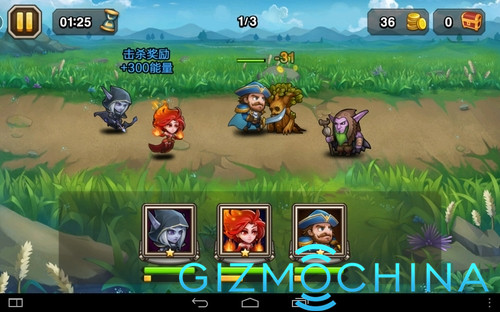

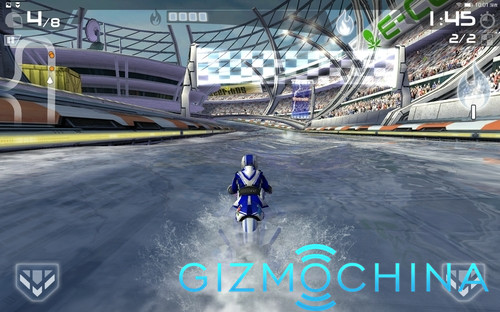
The games worked with very little problems. They were fast and the graphics were nice. The Dolby sound chip also made the audio sound more realistic. I would say this tablet is perfect for gaming.
Video and audio are excellent
The Lenovo Yoga Tablet 2 is well-compatible with its video client software. The app interface runs normally, and you can easily adjust the volume, screen size, etc. It’s better watch movies with the tablet lying down sideways as the screen is bigger that way. Overall, this tablet’s video and audio features work well.
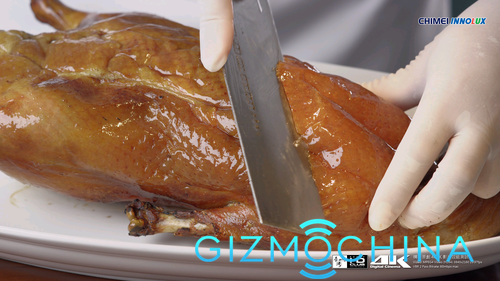
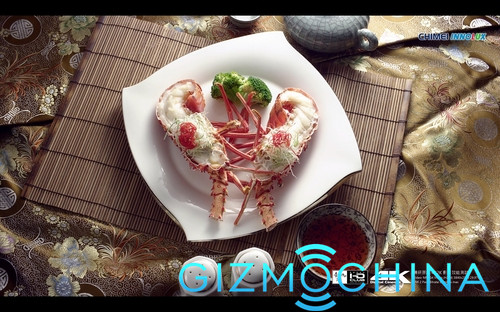
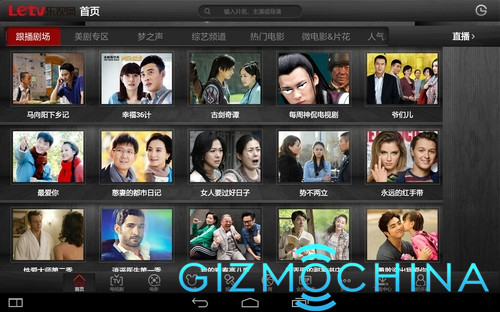

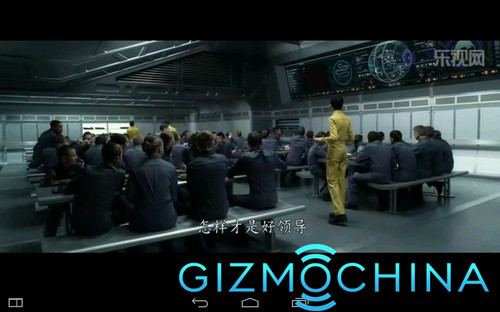
Commonly used apps and benchmark scores
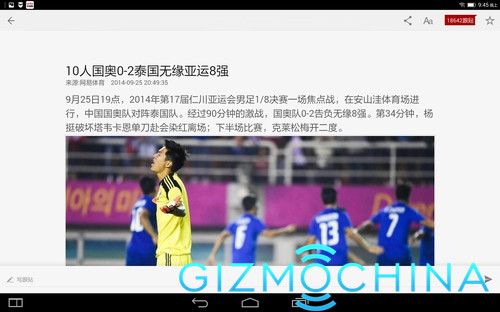
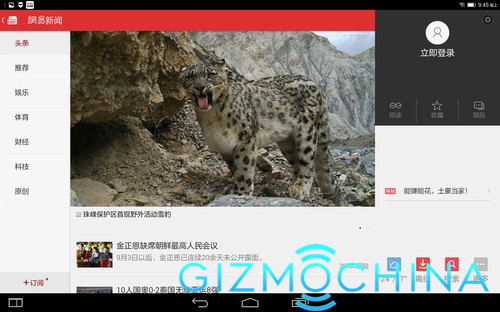
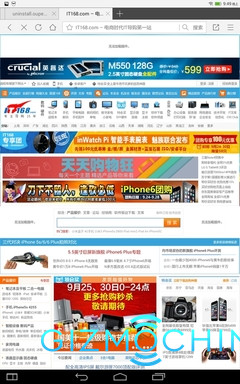
Content apps (News, e-books, internet browsers, etc.): All are working well. The screen’s size is enough to cover them.

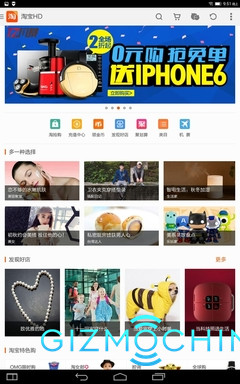
Shopping apps (Movie apps, travel apps, etc.): No problems here as well. Changing between interfaces in shopping apps works smoothly, including image browsing.
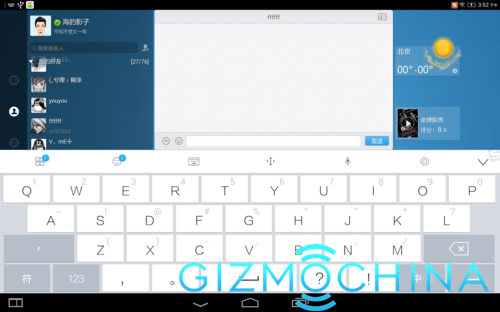
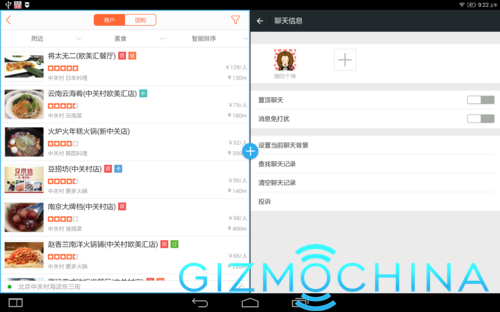
Social media apps (QQ, WeChat, etc.): Not as good as using them in cellphones. I suggest using the “multiple window” feature for these apps.
App experience: You can say that redesigning the UI has worked for this tablet. Its faster, more fluid, and stable. Overall, the apps work well.
Benchmark scores
First, let me introduce this tablet’s specifications. It has the Intel Atom Z3745 quad-core chip with support for Burst 2.0 technology, 2MB level 2 cache, and 2GB LPDDR3 RAM. Let’s see how they work with this tablet.
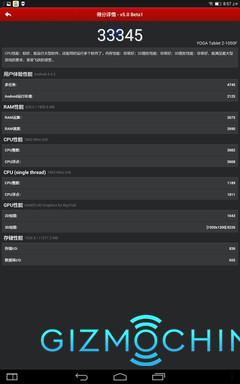
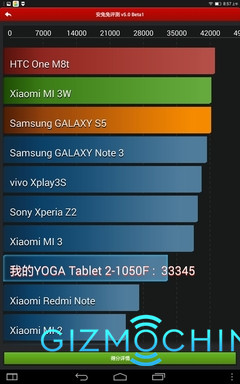
Antutu
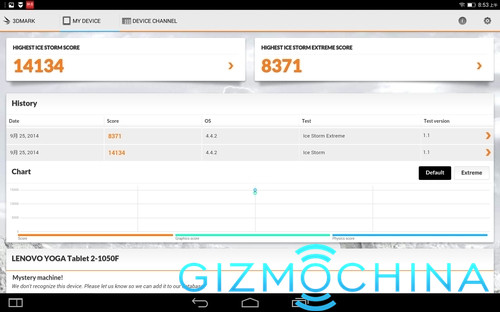
3Dmark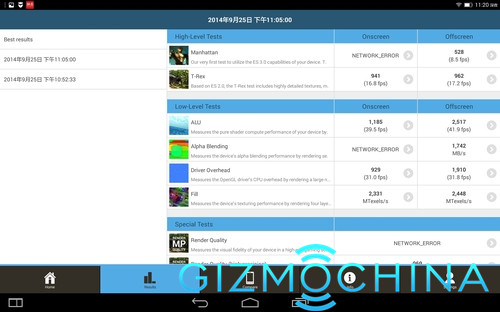
GFXBench
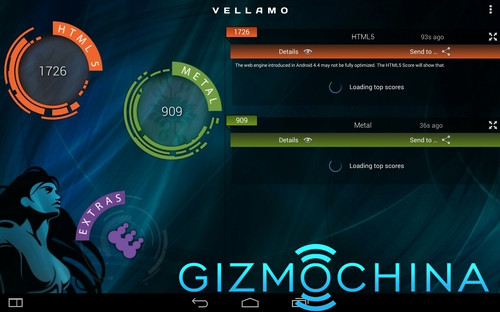 Vellamo
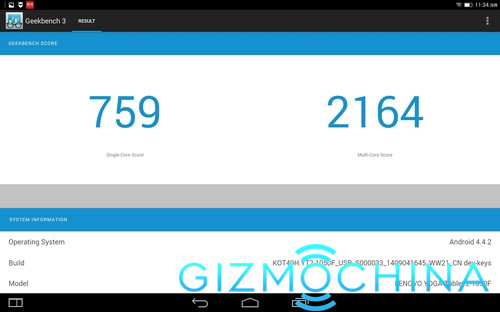
Geekbench
As you can see, the Lenovo Yoga Tablet 2 received 33000+ in the Antutu benchmark test which is higher than 90% of its competitors. It also beat most of its competitors in the 3Dmark benchmark test as well. This just speaks to how powerful this tablet is.
Conclusion
This tablet can be used anywhere for as long as you want due to the many ways it can be placed and its 18-hour endurance. It is definitely a device worth buying.
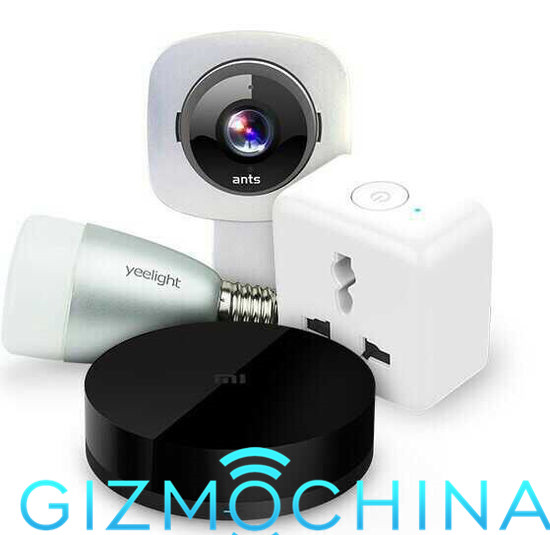
Xiaomi has announced in its official Weibo recently, says that it would debut its new smart products on October 10th, 2014. These new smart products include Smart Camcorder, Smart Socket, Smart Bulb and Remote Control Center.
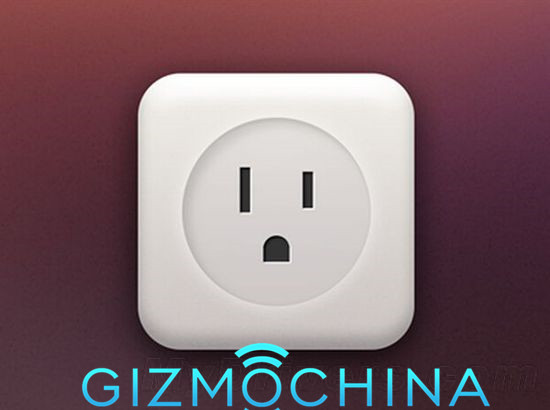
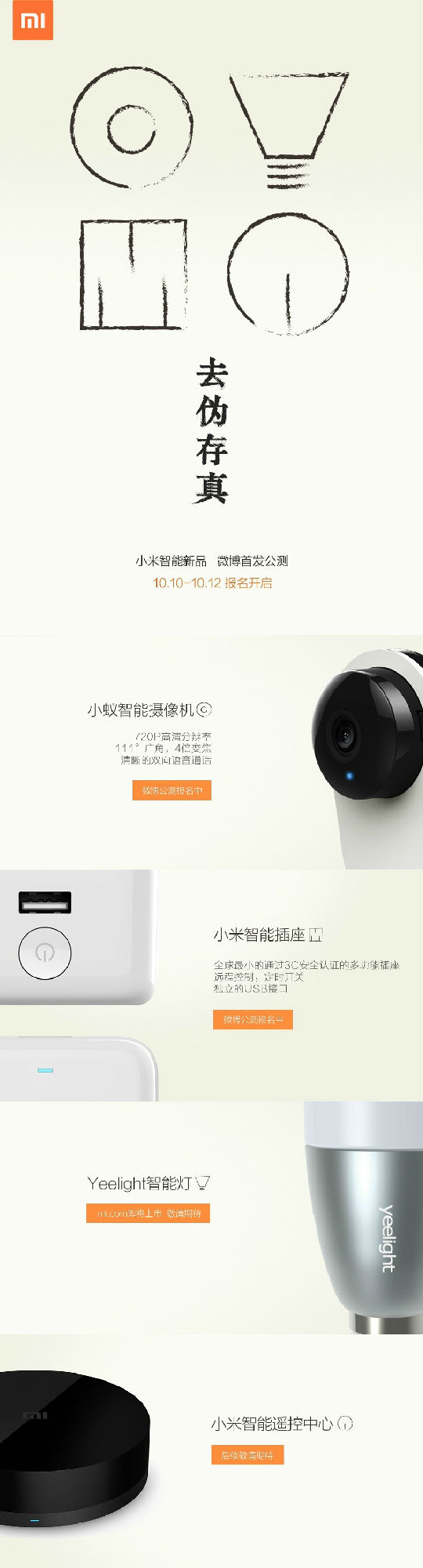
Xiaomi’ Smart Camcorder boasts 111 degree wide angle and 4 x zoom lens, its resolution is 720 pixel, supports two-way voice call. Its Smart Socket has functions of remote control, auto on/off with independent UBS interface. But the specs of Xiaomi’s another two products, Smart Bulb and Remote Control Center, have not revealed yet.
Xiaomi’Smart Camcorder and Smart Socket are currently in public beta from today( October 10th)
Smart Bulb is going to be launched sooner or later, but its Remote Control Center will be launched after a while.
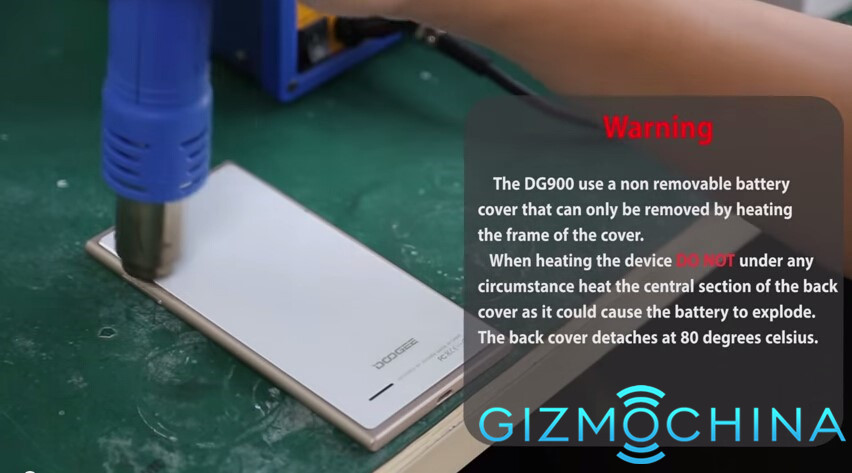
Please note: The Doogee DG900 we’ve got is prototype.
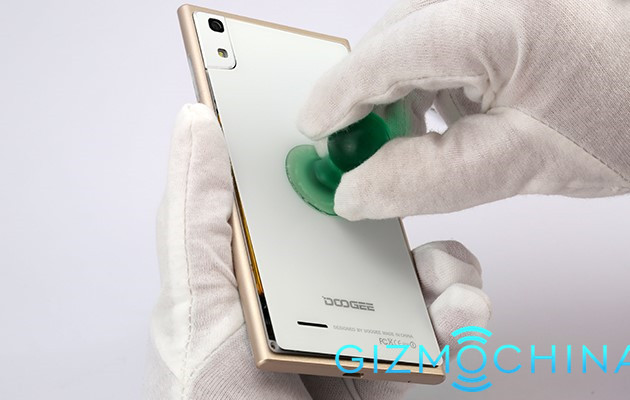
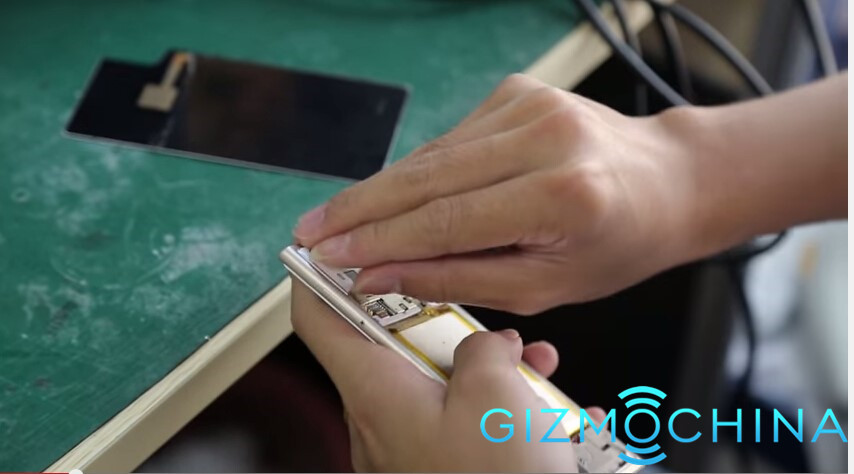
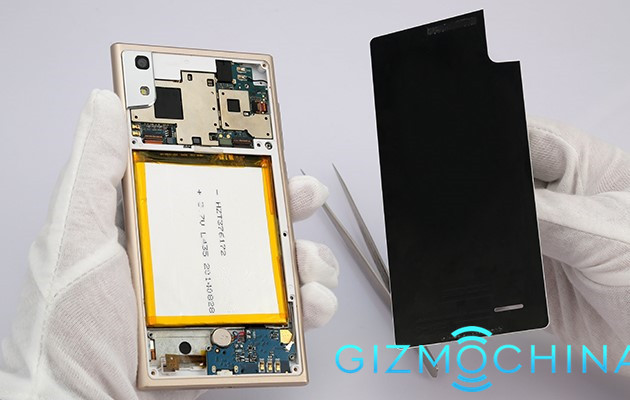
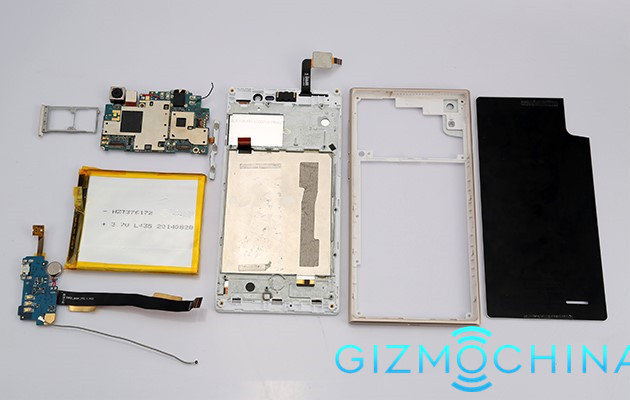
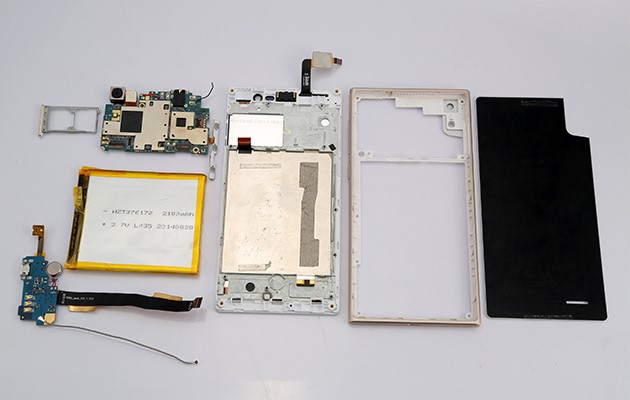
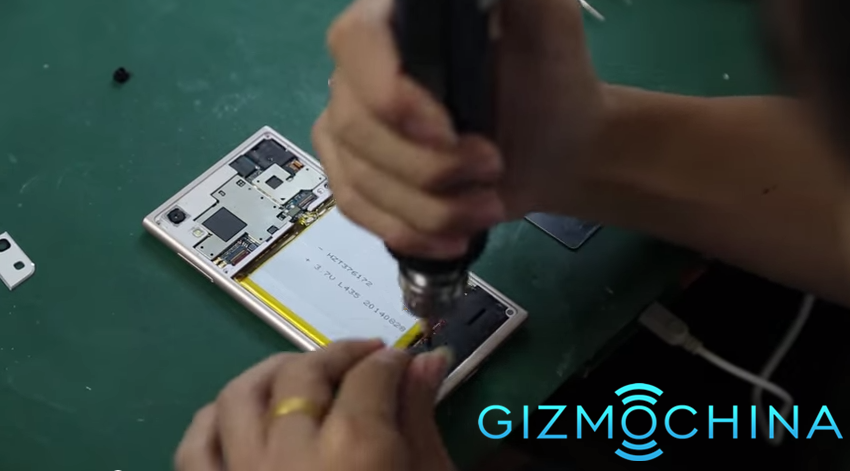
Rear cover: The Doogee DG900’s rear cover is connected to the camera’s protective panel and chassis with very strong rubber. You can soften the rubber by heating it up to take off the rear cover. Afterwards, take off the camera’s protective case with your hand. Take note that as you do this, you cannot head the middle part of the rear cover (at about 70 degrees Celsius at most). After taking off the rear cover, you can see the interior of the Doogee DG900 with its motherboard, battery, and other accessories. Both the rear cover and screen are made of Gorilla glass giving the phone an excellent texture.
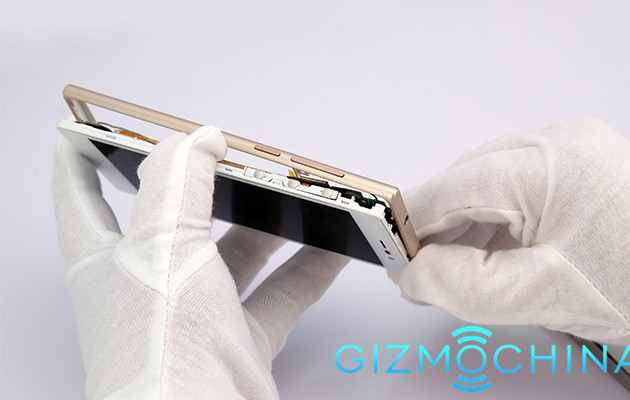
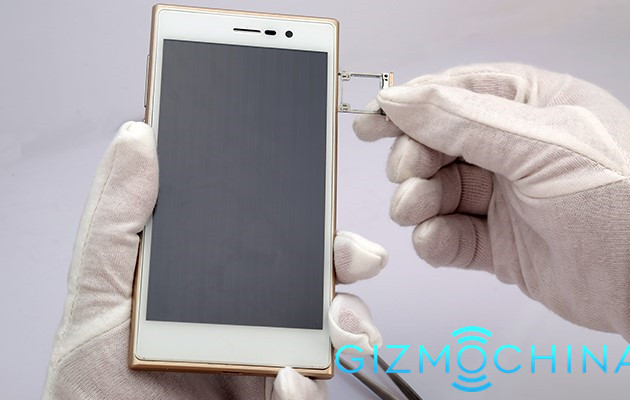
Chassis: The Doogee DG900 has support for SIM hot plugging (they can be put in without turning off the device). This makes it convenient for the user when changing SIM cards. The sides of this phone are not as curvy as the iPhone 6. The phone’s sturdy edges make it look majestic.
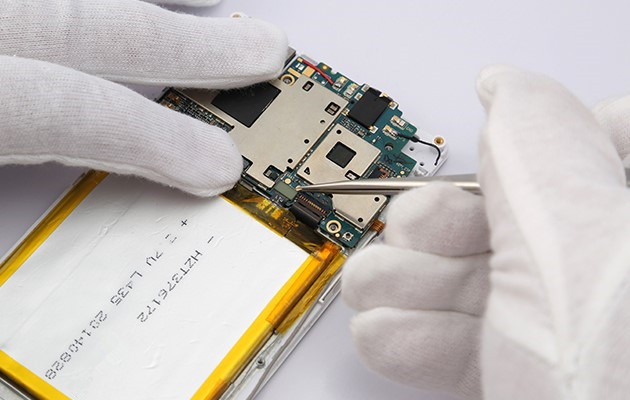
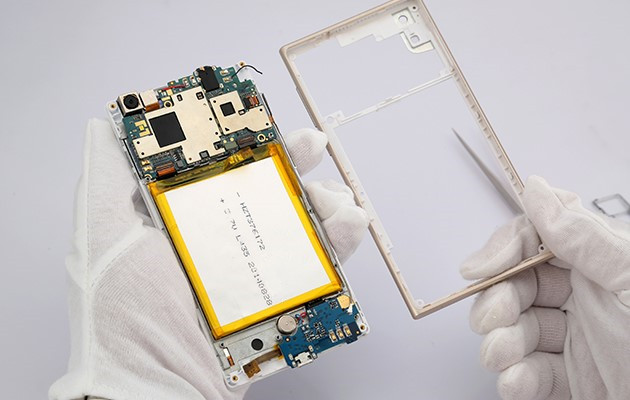
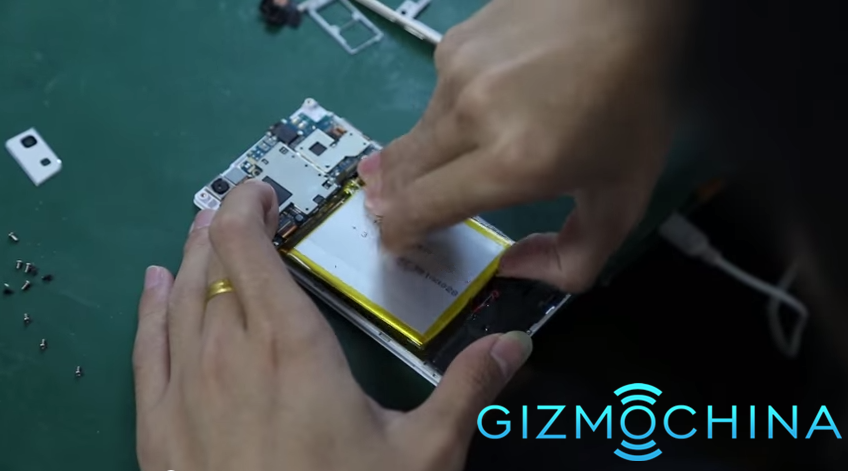
Battery: You can take off the battery by removing the cable connecting it to the motherboard. Be very careful though because the cable can be easily damaged. We actually do not think that regular users should try dislodging the battery and prefer that they find a good technician to do so.
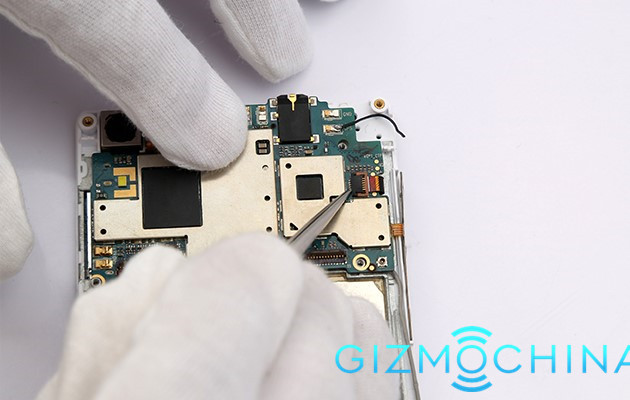
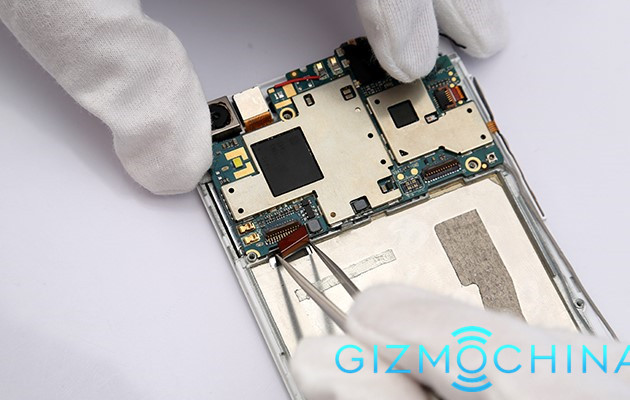
Motherboard: The motherboard and screen have three cable ports as the last photo shows.
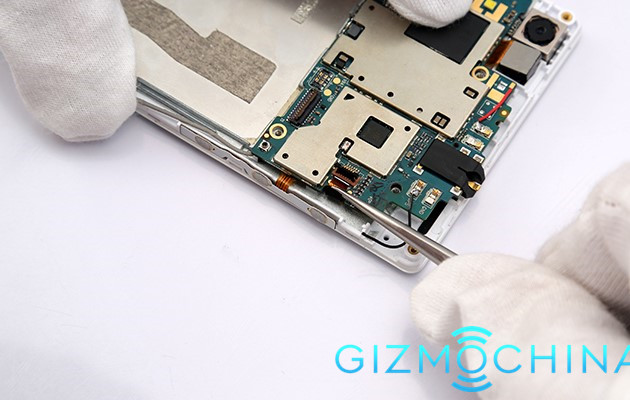
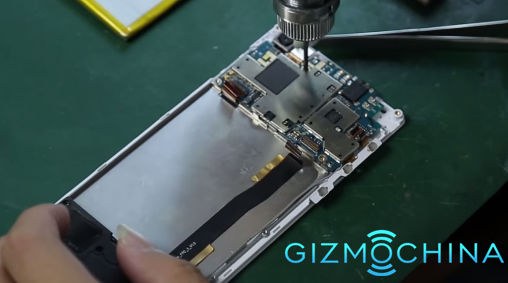
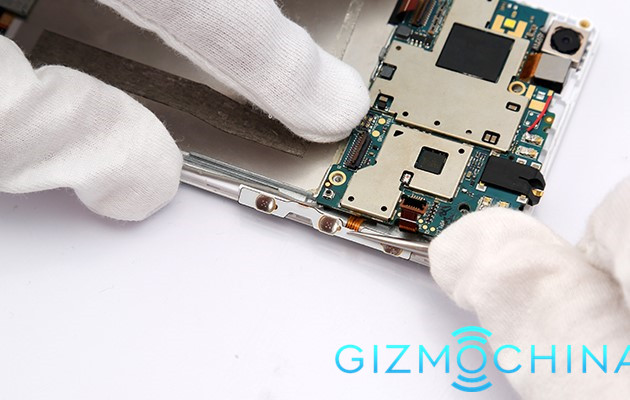
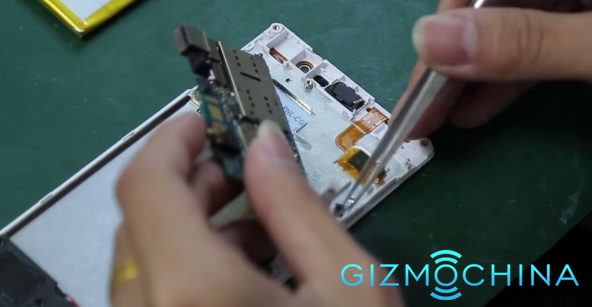
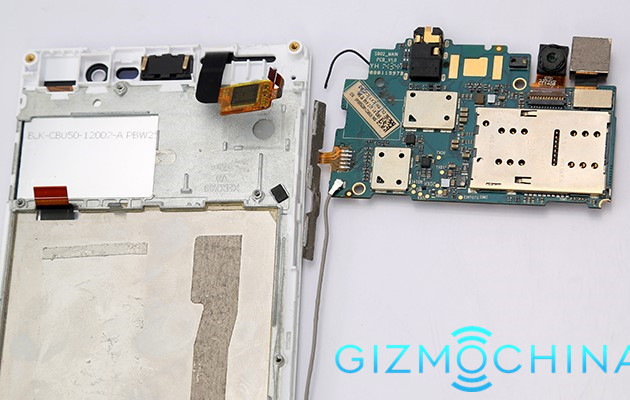
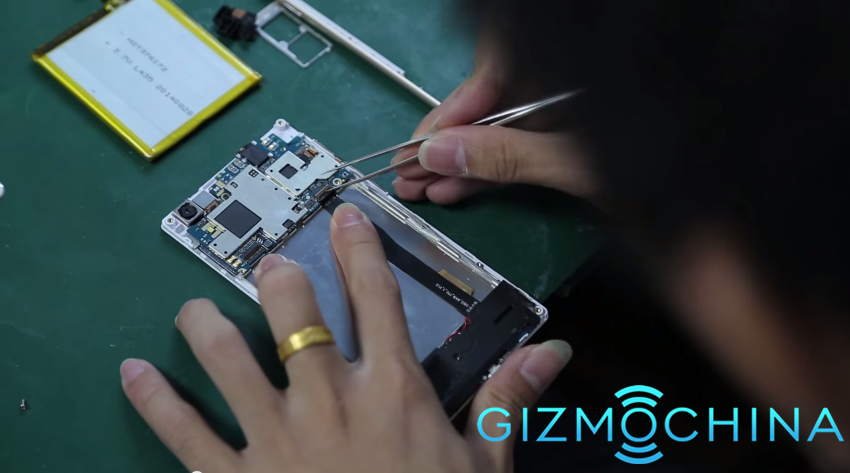
The motherboard and secondary board are connected in two places: a flat cable port and a coaxial cable port. Carefully disconnect the former and then the latter. Then, use a pair of tweezers to take out the Home and Volume buttons. Then unscrew the little bolt connecting the motherboard and screen, and you can take off the former. Like with most cellphones, taking off the motherboard is very difficult. As we disassemble it, we can see just how well built and sturdy this phone is.
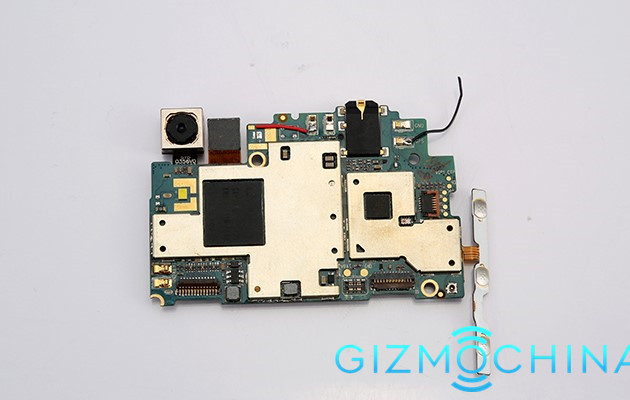
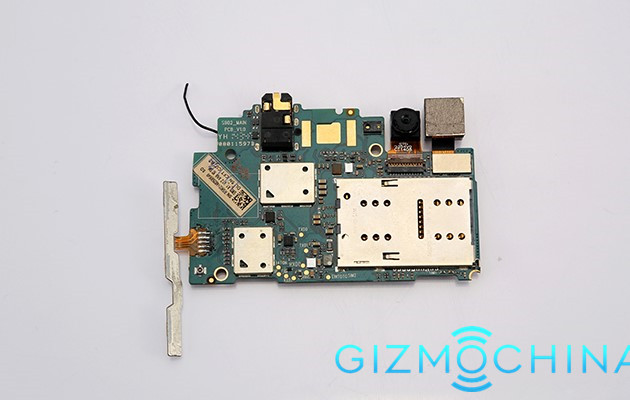
Camera: The rear-facing camera is everyone’s beloved Sony IMX135 camera with 5P lens. Expect great quality photos.
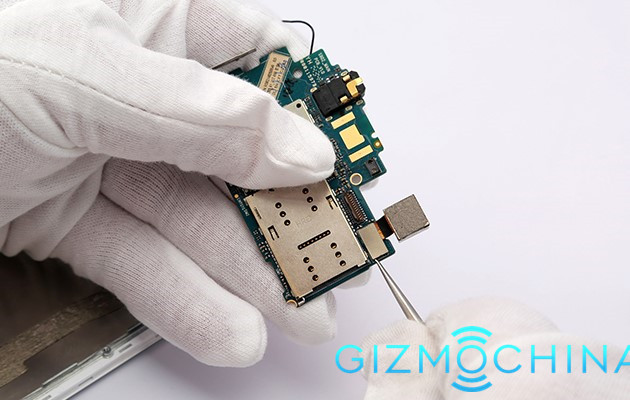
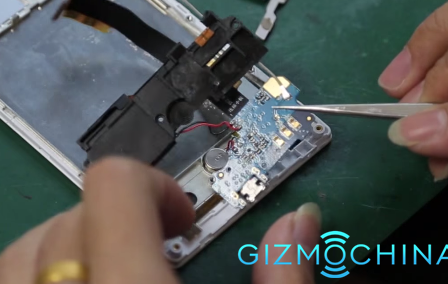
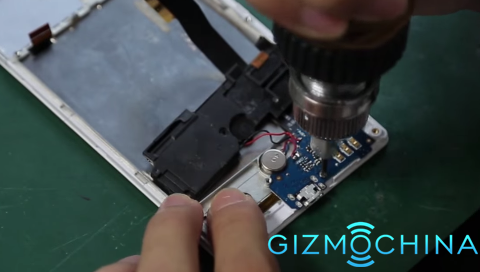
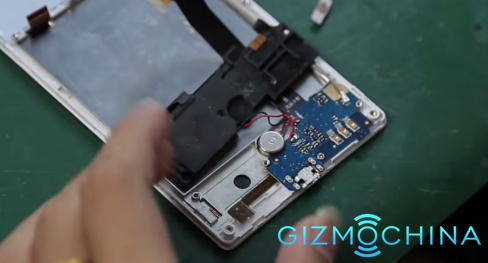
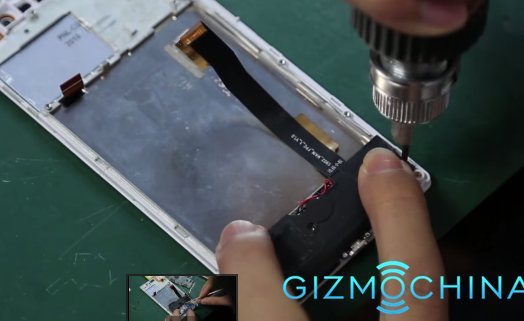
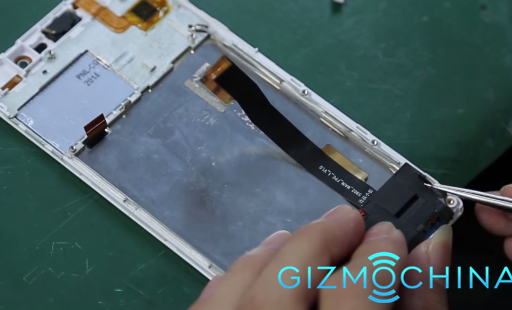
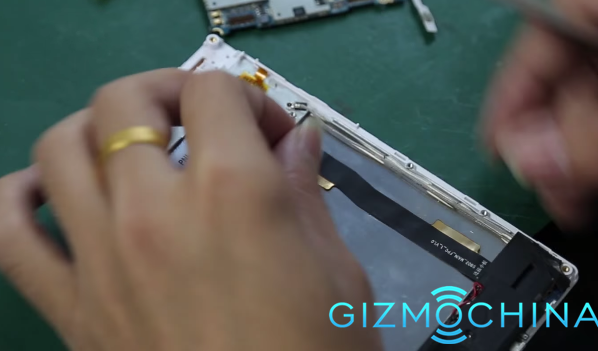
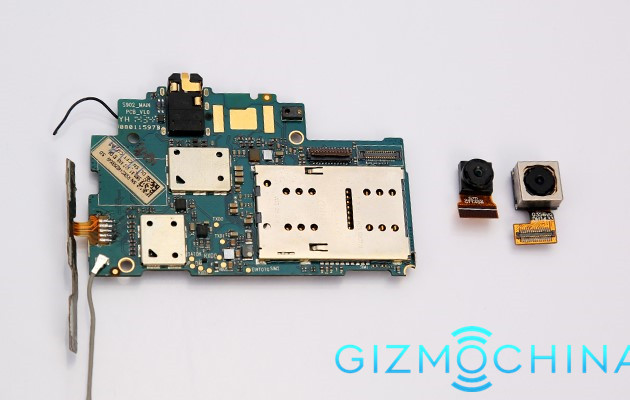
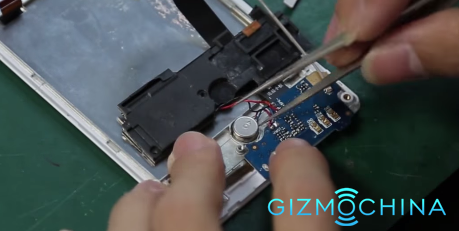
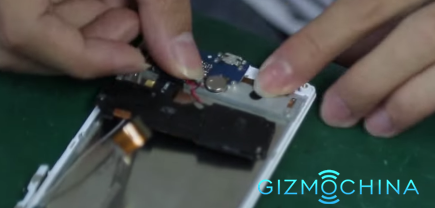
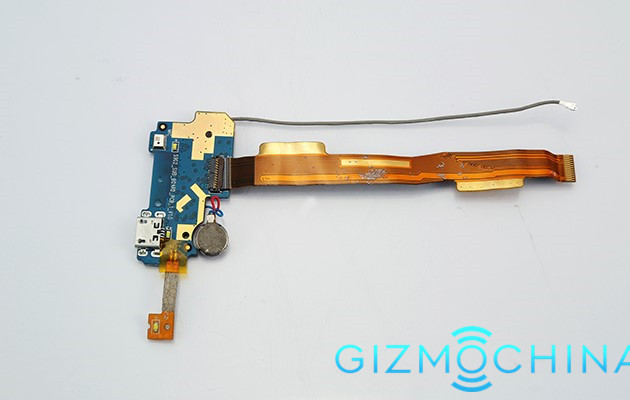
Secondary board: After detaching the motherboard, you can go on with the secondary board. The flat cable connecting both is glued to the inside of the screen case. Simply use your hand to take it off. There is also a bolt connecting the secondary board and screen on the lower right side. Just take off the paper glued to the plastic protective case with a pair of pliers, and you can see this bolt. Take out this bolt to take off the protective case. As you look at the secondary board, you can tell how everything is integrated with each other. One advantage of this is that there are less wires which keeps everything neat and organized.
That’s it. For the most part, disassembling the Doogee DG900 has been quite easy.
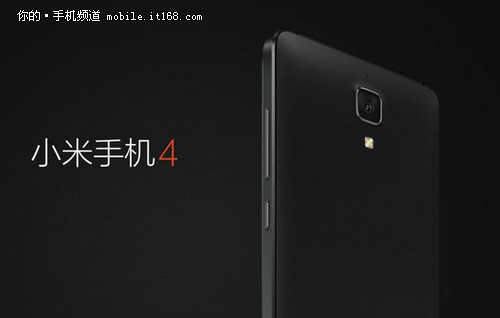
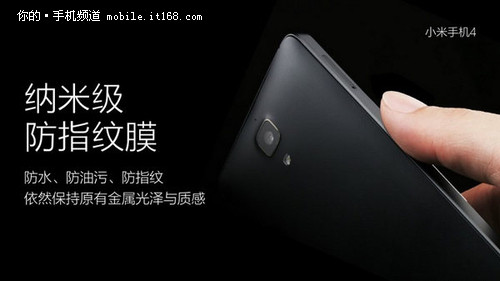
Although the Xiaomi Mi 4 has been a huge success, many are disappointed that only a white version is available. But now, a black version is finally coming. According to Xiaomi CEO, Lei Jun, the Xiaomi Mi 4 China Mobile 4G black version will go on sale on October 28. In addition, a black 64-bit China Mobile 4G version is expected to come out in November.

Today, the Yun OS official Weibo account confirmed that the Yun OS 3.0 will be launched in Beijing on October 20. In addition to the operating system itself, the launch will also showcase Yun OS hardware.
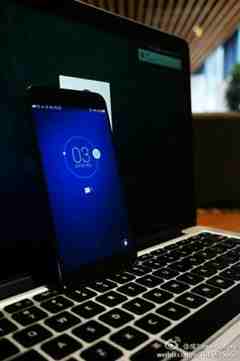
On October 13, Huawei will hold a launch event for their new products, and according to this morning’s news, one of them will be a television set. The chief manager of Huawei Honor’s Business Department, Liu Jiangfeng, said in his Weibo account that in addition to a television set that they will release in partnership with Ku, they will also release another Changwan phone.
The new Changwan phone could be the Che1-CL20 which recently got its network license. This phone has support for TD-LTE, LTE FDD, TD-SCDMA, WCDMA, CDMA2000, CDMA 1X, and GSM networks, as well as dual-SIM cards. This phone also has a 5.5-inch 720p screen, a 1.2GHz quad-core processor (most likely one from Qualcomm since it supports CDMA), 2GB RAM, 8GB ROM, the Android 4.4, and a 5mp/13mp dual-camera.
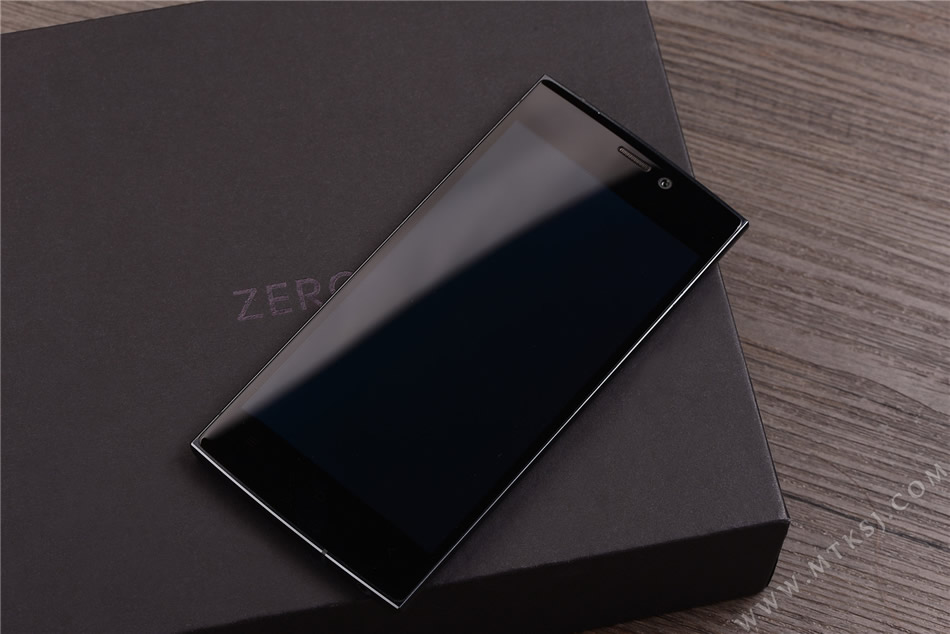
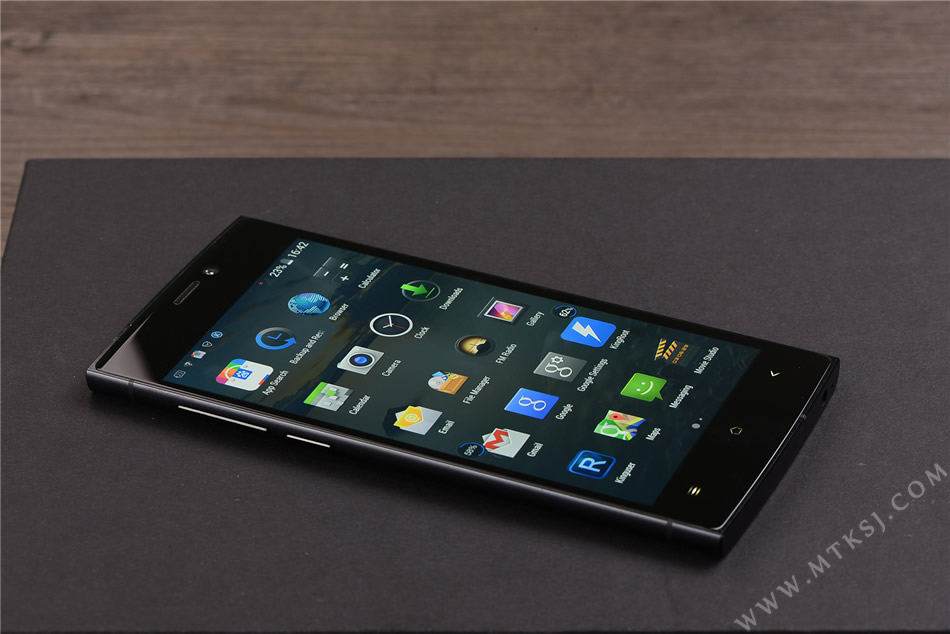
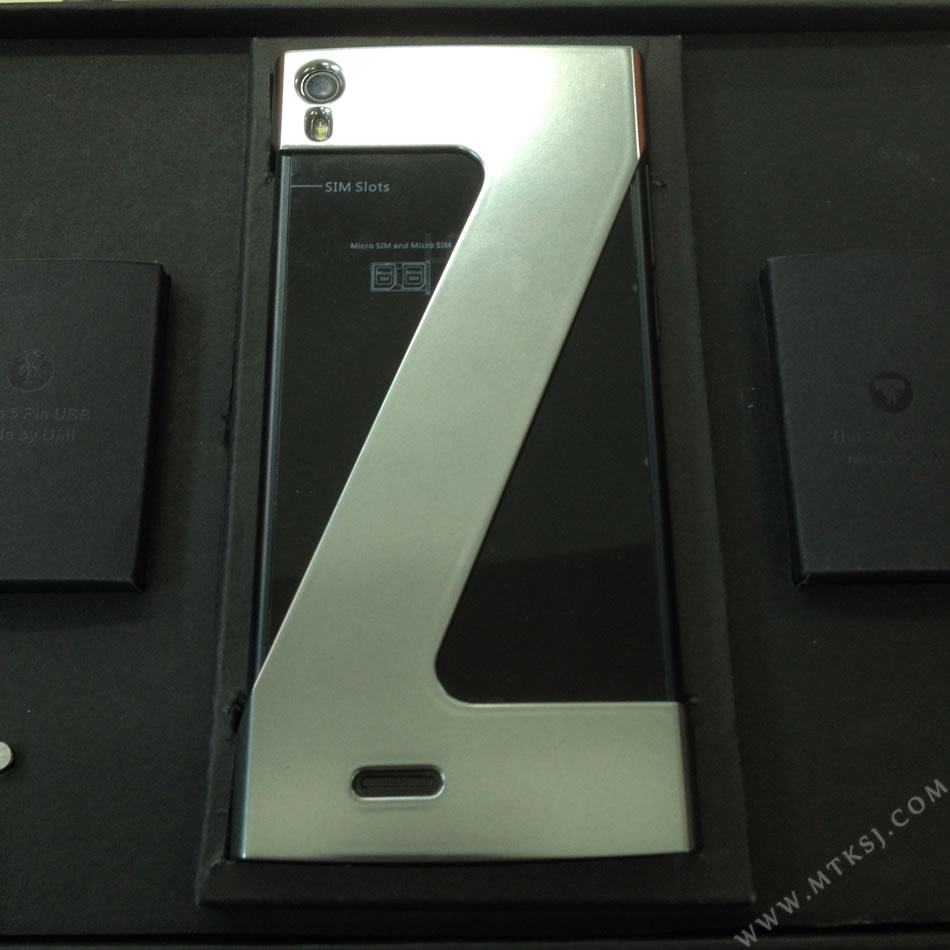
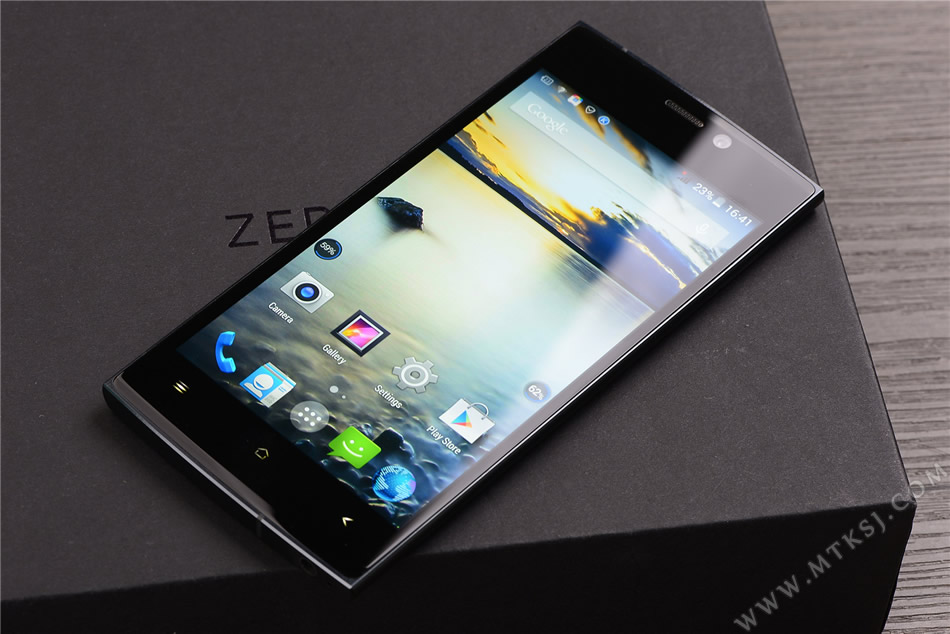
UMI’s latest flagship phone, the UMI Zero, is targeted at foreign users. As its name shows, UMI redesigned their phone from scratch and the results are spectacular.
The front side of the UMI Zero is straight and flat with pointy edges, but its mid-fame is round and curvy. The phone’s body is made of metal and both front and back are covered with Gorilla glass. Its thickness is only 6.4mm.
The UMI Zero has the 2GHz MTK6592 octa-core chipset, 2GB RAM, an 8mp/13mp Sony camera (F/1.8 aperture + dual-flash), 2650 mAh battery, and support for dual-SIM and memory expansion cards.
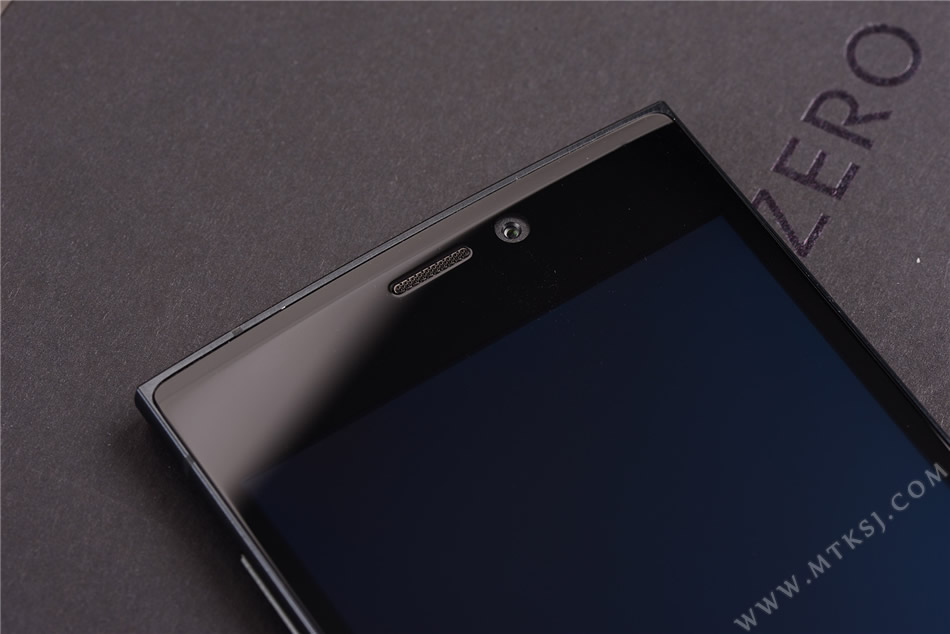
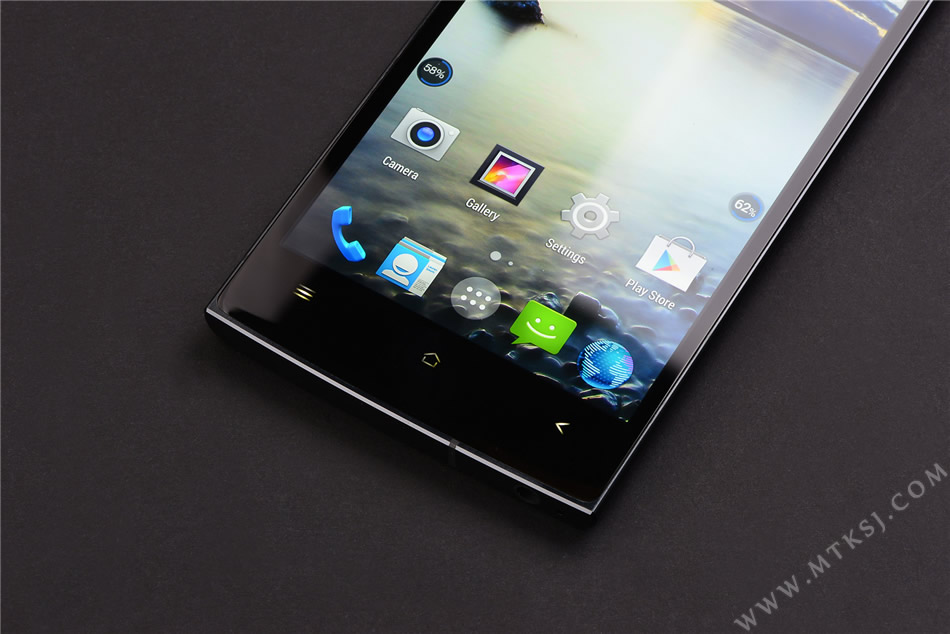
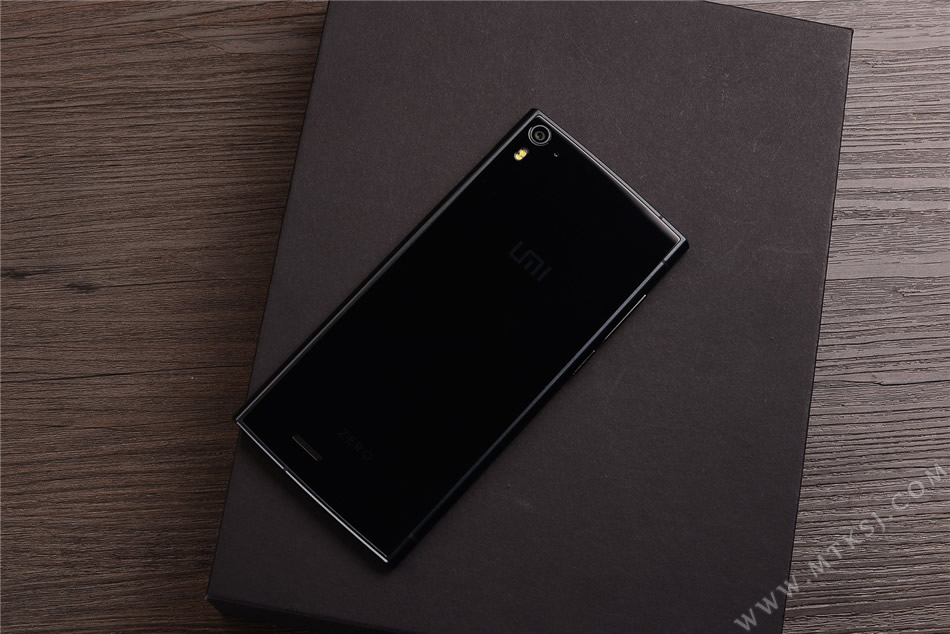
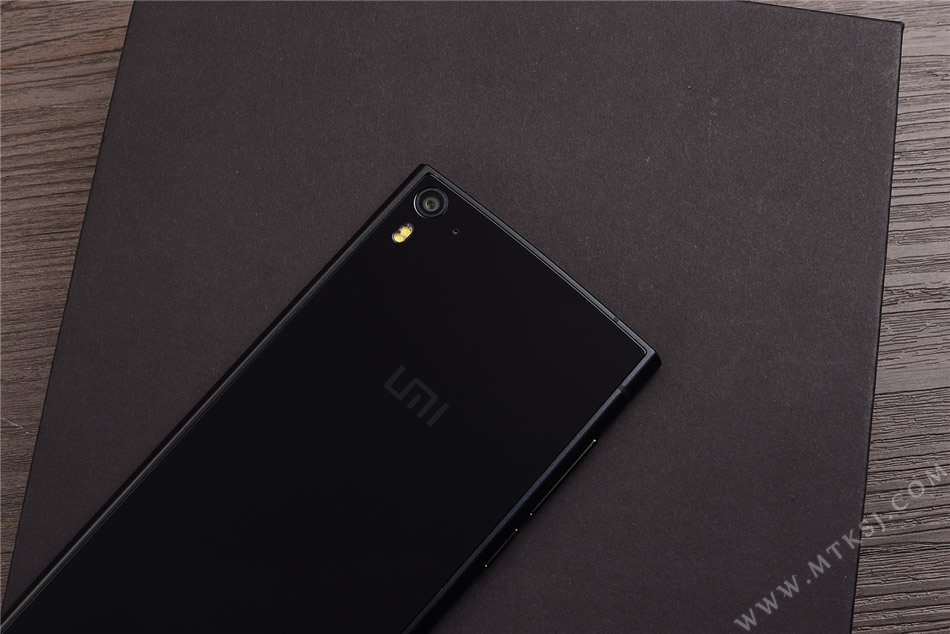
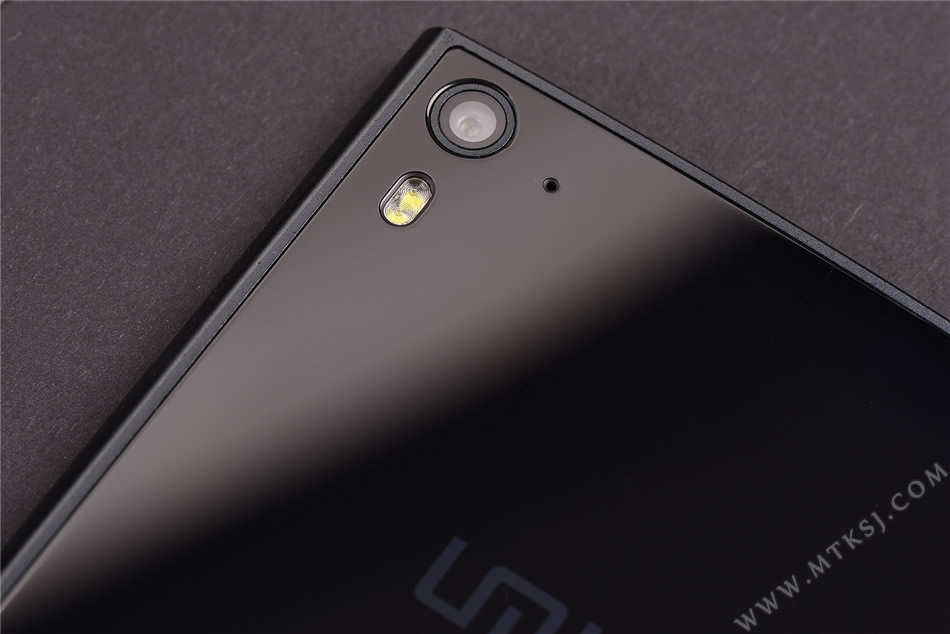
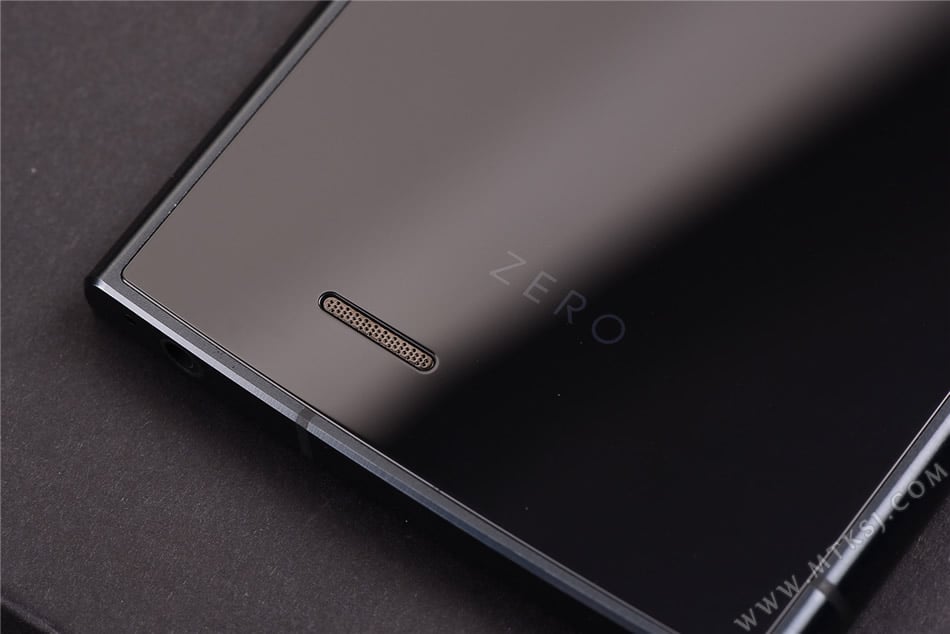

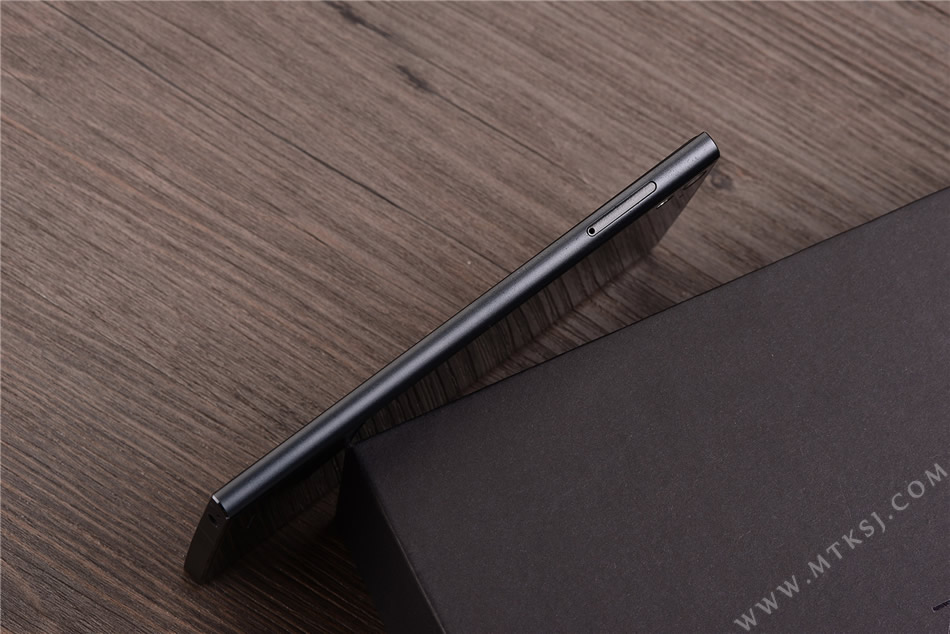
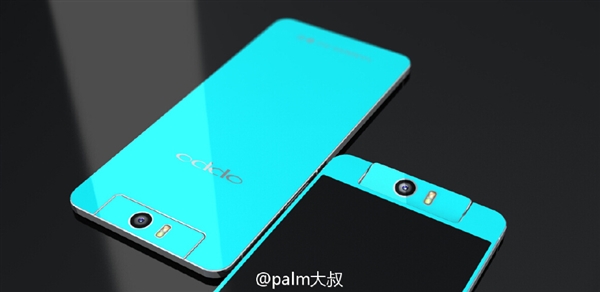
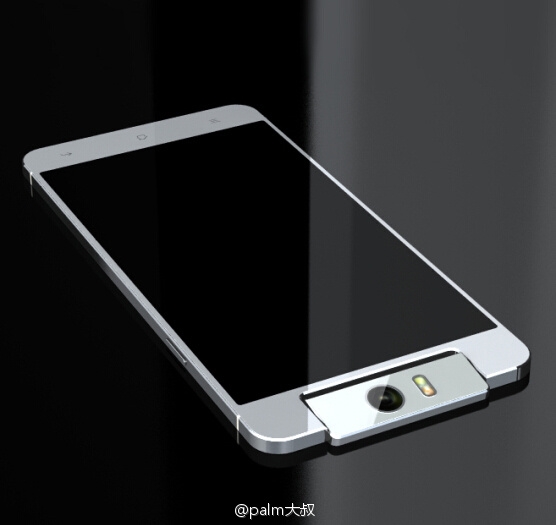
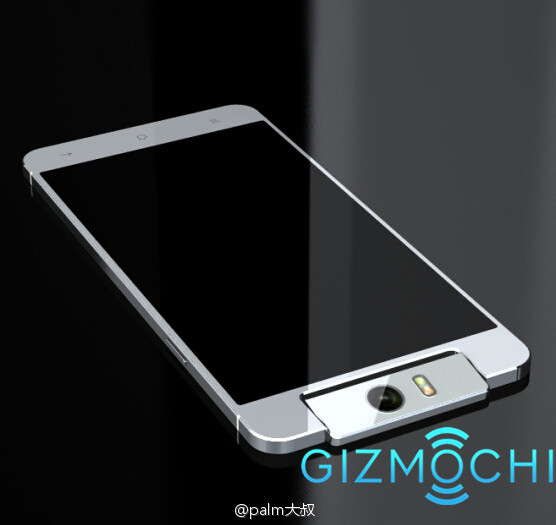
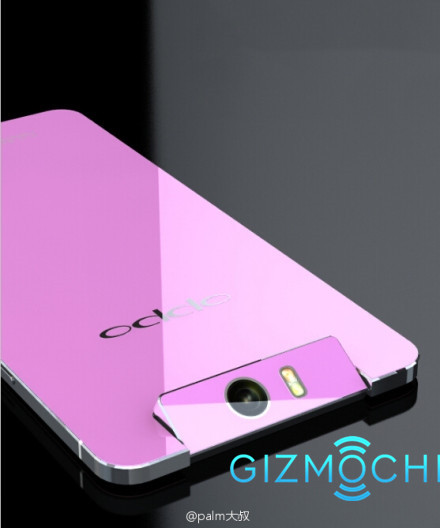
OPPO has already confirmed that they will launch their new flagship phone, the OPPO N3, on October 29. This phone will continue to sport the OPPO N1’s rotating camera and be made of 7075 aluminum which is harder than 6061 aluminum.
Three renderings of the OPPO N3 were recently leaked online showing the phone in three colors. The purple and blue ones do not look good, however. According to reports, the OPPO N3 will have a 5.9-inch 1080p screen, the Qualcomm Snapdragon 805 processor, 3GB RAM, a 20.4mp rotating camera (206 degrees), and VOOC charger.
Yes if you are looking for a ultra-budget friendly 4G phone, Cool 8017 is a right choice. This phone is priced as low as 399 yuan (which is about 65$). Coolpad a domestic player has come up with an entry-level low cost 4G mobile Cool 8017 . With lot of competition in Chinese market every phone manufacturer try to make their presence effective and trending. And CoolPad follows the same lines with introduction of Cool 8017, costing just around 65$ Cool 8017 can create a massive impact within China.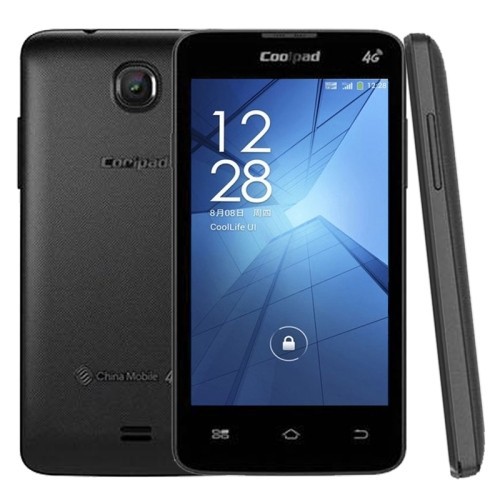
Cool 8017 boasts a TFT display of 4-inch in size with a WVGA resolution. This handset is powered by a 1.3 GHz Quad-core MTK6582M SOC with only 512 MB RAM and low RAM limit the usage of Android eco-system (but it is just a 65$ phone!).
Software is built with Cool UI based on Android 4.4.2. It is equipped with a 2-MP rear snapper and a 1650 mAh battery power. Cool 8017 supports the TD-scdma LTE/TD-scdma and GSM under China mobile, so it is limited to domestic market and has all other standard connectivity options such as Wi-Fi, bluetooth etc.
The hardware doesn’t seem convincing enough for a lag-free Android experience. But considering its price and 4G tag it is quite a good option for basic Android users.
Until now the specifications of Subor’s flagship is not released to the public officially. But Subor’s another new product: X7, which seems to be the Subor’s flagship, has got the network access license lately. However, a new source shows that X7 might still not the flagship for Subor.
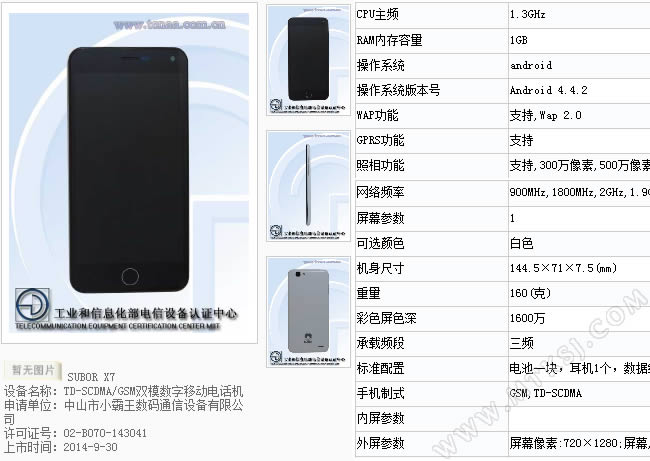
As relevant documents from Telecommunication equipment certificate center, had revealed that X7 only supports 3G, and compatible with TD-SCDMA/GSM instead of 4G network. X7 bears a quad-processor MT6582 ,1.3GHz, which is the same specifications with X3 and X1. In addition, it features 1G RAM ,8G ROM internal storage, 5MP camera and 5-inch 720P display with Android 4.42, 7.5mm thickness with a iPhone alike home button in the front.
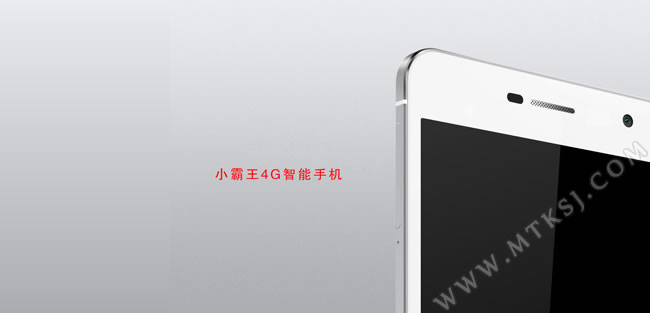
Subor’s first 4G smartphone leaves a great imagination for the public. However, it has announced officially that Subor’s new product would sell offline during the early of October, but it would be coming soon for sell online. Let’s stay tuned.
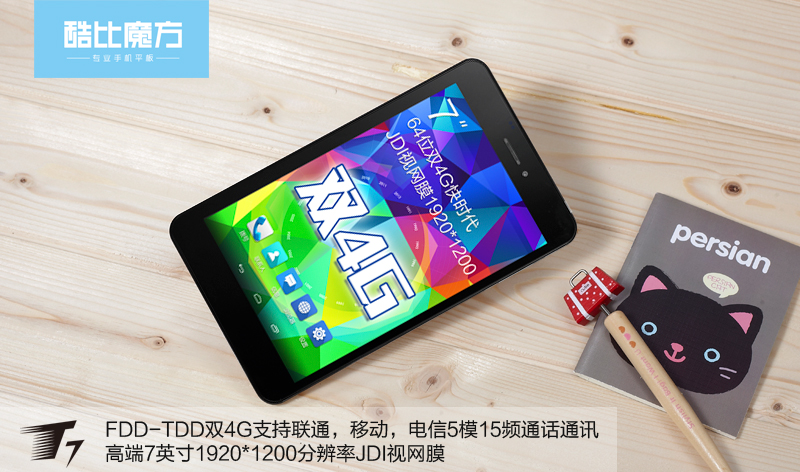
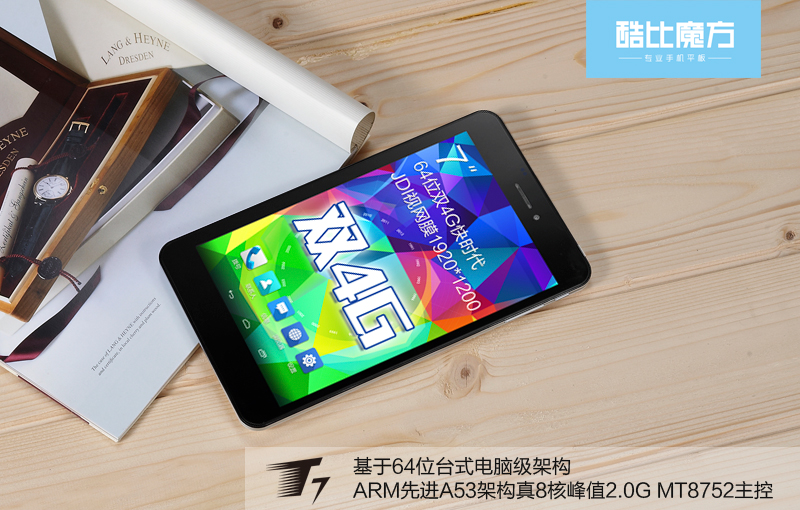
This afternoon, the Cube T7 phablet was launched in Beijing. This is a 64-bit device that supports dual-4G networks using a 4G processor from MTK called the MT8752 which is made of eight Cortex-A53 cores and has a frequency of 2.0GHz.
The Cube T7 is an FDD-TDD dual-4G tablet that has support for China Unicom, China Mobile, and China Telecom. It also supports 5-modes and 15 frequencies. It sports a 7-inch 1920 x 1200 IPS screen. Its GPU is the powerful Mali T760 MP2. It also has GPS, Blue Tooth, FM radio, WiFi, and other sensors.
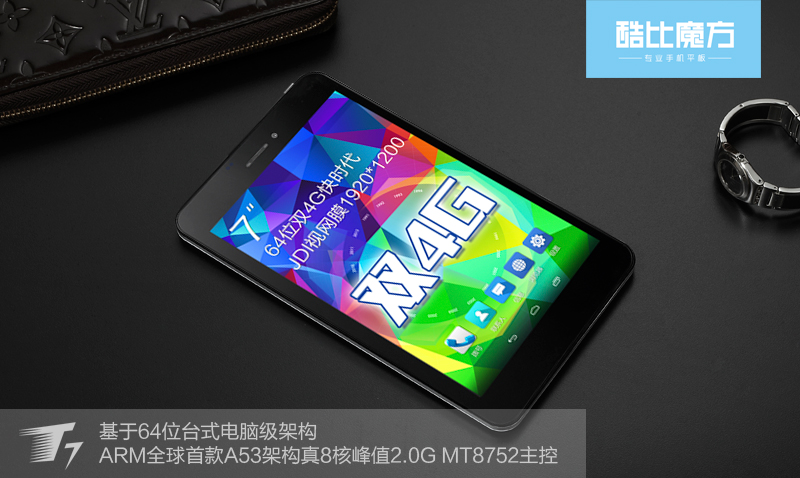
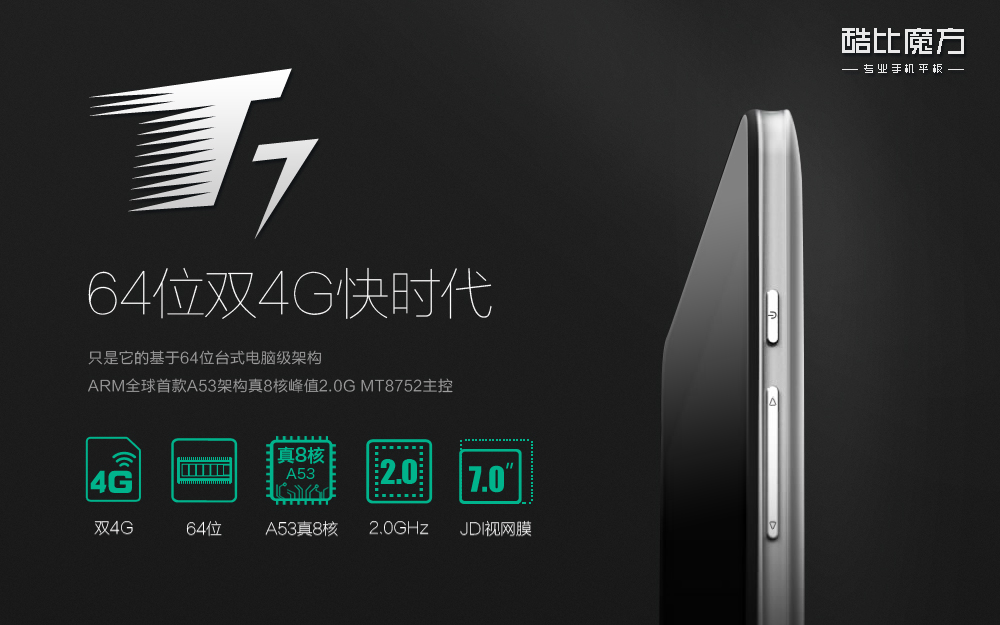
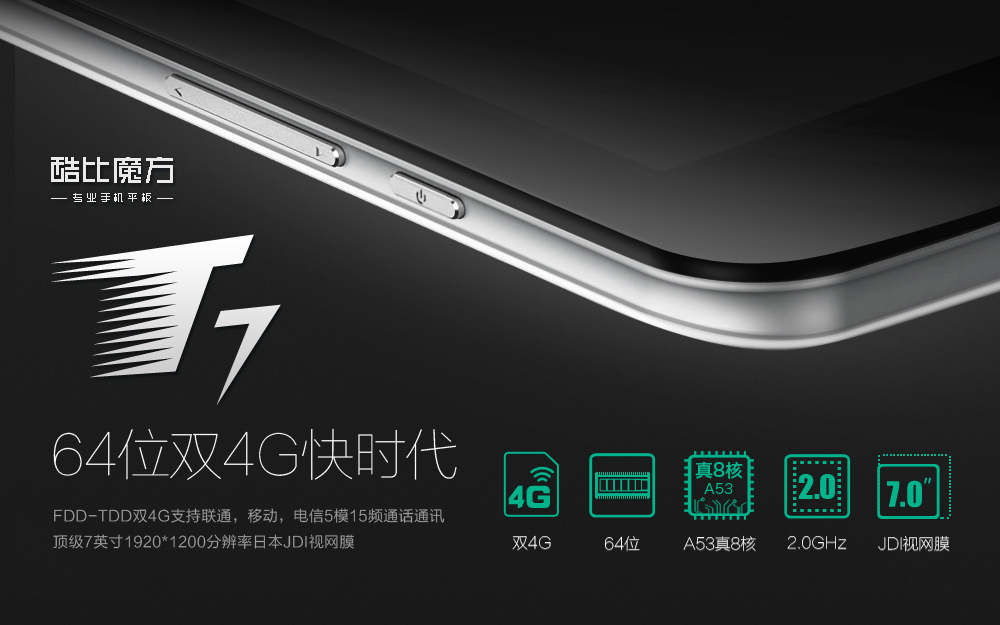
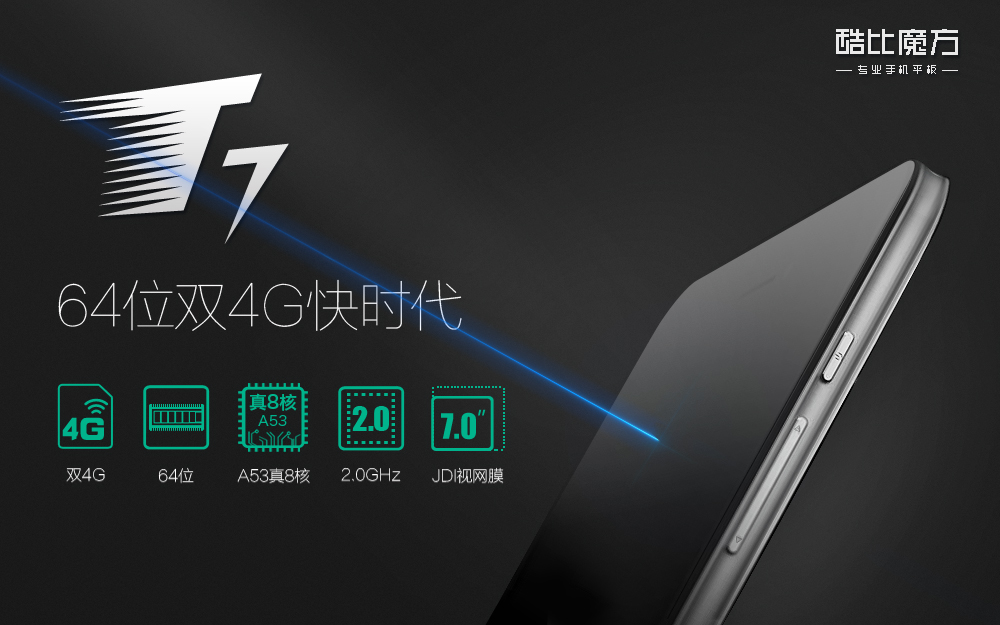
Render pictures of Cube T7

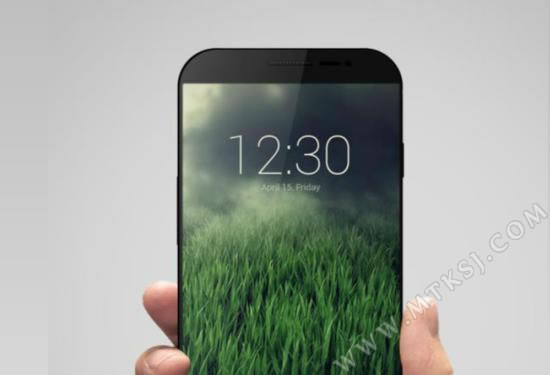
GT Advanced Technologies, the sapphire glass manufacturer that had a partnership with Apple, filing for bankruptcy protection has been a hot topic among financial and tech news media. Once again, everyone has wondered how the future of the sapphire screen will be like.
Dakele CEO Ding Xiuhong thinks that Apple ended its relationship with GTAT due to the high costs of sapphire screens and that there is a big problem with the production rate. Not long after, another member of Dakele’s upper management confirmed that Dakele is trying out sapphire screens and that the results are good, implying that the Dakele 3 may use a sapphire screen.
More Chinese manufacturers are producing sapphire screens due to their hardness, scratch resistance, and elegant appearance. Devices that use such screens include the ELIFE W808, Huawei P7 Sapphire Edition, and Vivo X5L limited edition. Besides being the first devices to use sapphire screens, they also have other things in common. They are rare and more expensive than the regular versions. It goes back to what Ding Xiuhong said. Due to low production rate and high costs, not every Dakale 3 phone may sport a sapphire screen.
Cube T7 Tablet full specificiations
| 1.Product information | Product Model | T7 | |||
| Processor | MT8752 Octa-core 8xCortex-A53, 2.0GHz 4G | ||||
| CPU | 2.0MHz | ||||
| RAM | 2GB | ||||
| Memory | Internal 16GB | ||||
| Network | GSM+TDS+WCDMA+TDD+FDD | ||||
| GSM | GSM:band2,band3,band5,band8 TDS:band34,band39 WCDMA:band1,band5 TDD:band38,band39,band40,band41 FDD:band1,band3,band7 | ||||
| Operating System | Android4.4 | ||||
| 2.Market positioning | Market position | Mid/High end | |||
| Target market | Domestic/Abroad market | ||||
| Selling point | The first 7-inch,Octa-core 1920*1200 display product | ||||
| Launch date | Late September,2014 | ||||
| 3.Hardware specification | Display | 7-inch 1920*1200 JDI Screen(16:10) | |||
| Capacitive touchscreen | 5 point G+G COF Capacitive touchscreen | ||||
| Frong facing camera | 200 megapixel | ||||
| Rear camera | 500 megapixel | ||||
| External Buttons | Power button+2 Volume buttons | ||||
| Mic | With Mic(record and call) | ||||
| Speaker | Single speaker | ||||
| Receiver | Yes | ||||
| Motor | Vibration feedback | ||||
| Battery | 3500mAh | ||||
| Ambient light sensor | With Ambient light sensor(Lux Auto )Brightness,more power effcient),proximity sensor | ||||
| SIM slot | Single SIM card with Mirco SIM(not hot-swappable) | ||||
| HALL | No | ||||
| FM | No | ||||
| Bluetooth | Bluetooth 4.0 | ||||
| WIFI | Wi-Fi 802.11n/b/g | ||||
| GPS | Yes | ||||
| Gravity sensor | Yes | ||||
| Micro SD (TF)card | Up to 32GB | ||||
| OTG | Yes, with external USB, mosue and keyboard | ||||
| Ethernet | Yes | ||||
| 4.Functions and User experience | Mobile storage | Could be use as Mobile HDD | |||
| Input | with internal Google input, Android keyboard, Sougou input(you can customize inputs) | ||||
| Audio | MP3/WMA/WAV/OGG/M4A/AAC/AC3/FLAC/APE | ||||
| Vedio | MPEG2/MPEG4/AVC1/WMV3/VP8 | ||||
| Image | JPG, BMP, PNG with rotate/slide/zoom | ||||
| Sound effect | Nomal/Classic/Dance/Jazz/Live/Pop/Ballad/Rock/Hip-pop/SRS/User | ||||
| Language | Multi-languages(default Simplified Chinese) | ||||
| Play mode | shuffle/repeate | ||||
| Mics | 2D/3Dgraphics processor,with OpenGL ES 2.0, Open VG 网页浏览、网络聊天、电子邮件、电子书、资源管理器、时钟 |
||||
| Performance | No(Antenna debug is not ready) | ||||
| SKYPE | QQ Video call and SKYPE Video call | ||||
| Keylock | Yes | ||||
| MIRACAST | Yes | ||||
| 6. Product technical specification | Battery lifetime | Standby current without SIM card:15.5MA(9 days) Audio curretnt(WIFI off/maximum volume):269.2MA(13 hours) Video curretnt:640.2MA(5.5 hours) |
|||
| Charger port | 5V 2000MA charger,USB charger, Micro 5PIN | ||||
| USB adaptor | Micro 5PIN USB | ||||
| Earphone Jack | 3.5MM | ||||
| Appearance | Tablet with receiver | ||||
| Dimensions | 192*113*9.3MM | ||||
| Weight | 280g | ||||
| Color | Black(Front)+white(rear) | ||||
| Software Upgrade | With tools(More details in instruction book) | ||||
| Operating temperature | (-5℃~40℃) | ||||
| 6. Accessories | Standard configuration: Screen protector(3 tires),instruction book, certification,warranty card,Micro USB cable etc.Optional: Charger: 5V 2A | ||||
.jpg?x44794)
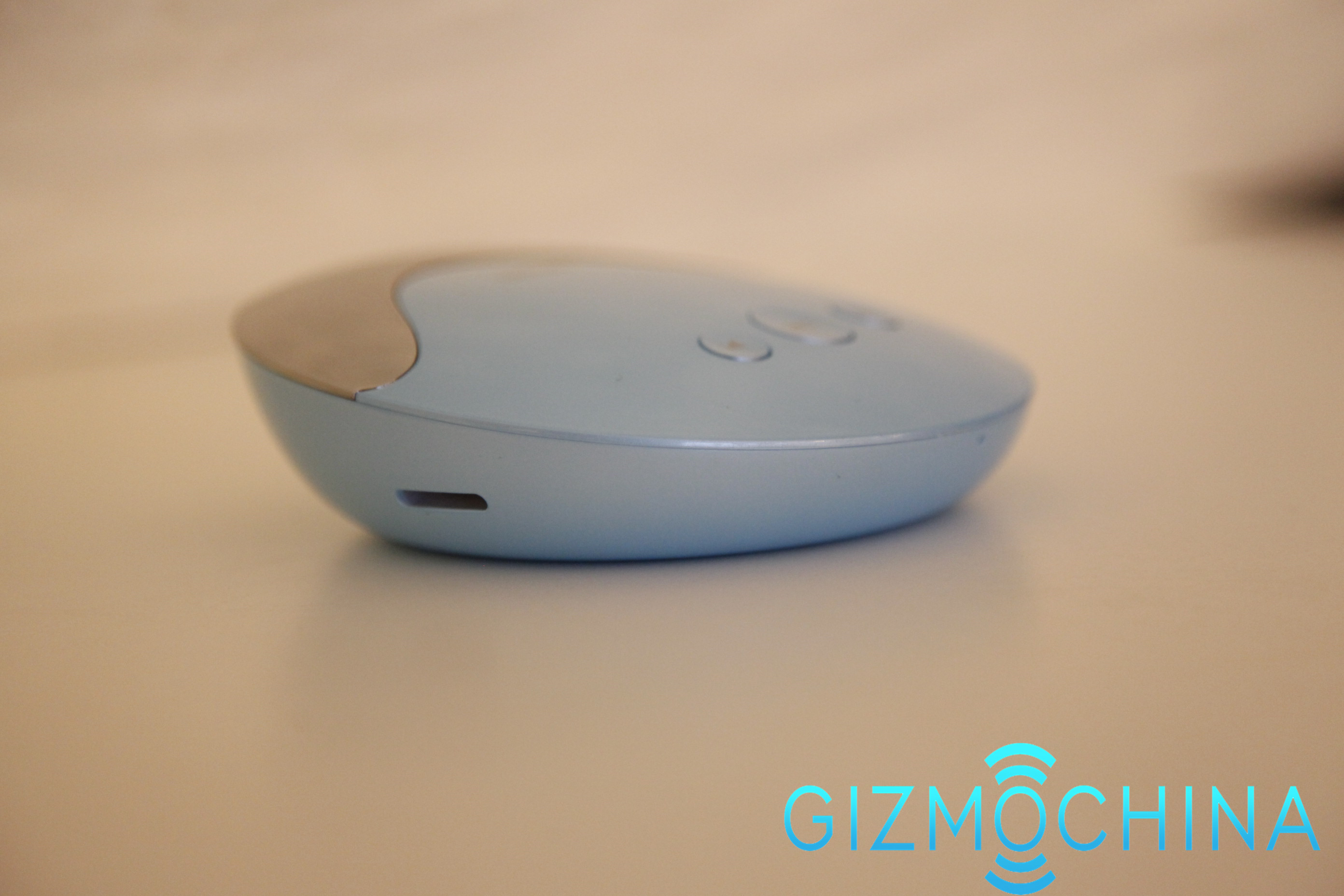
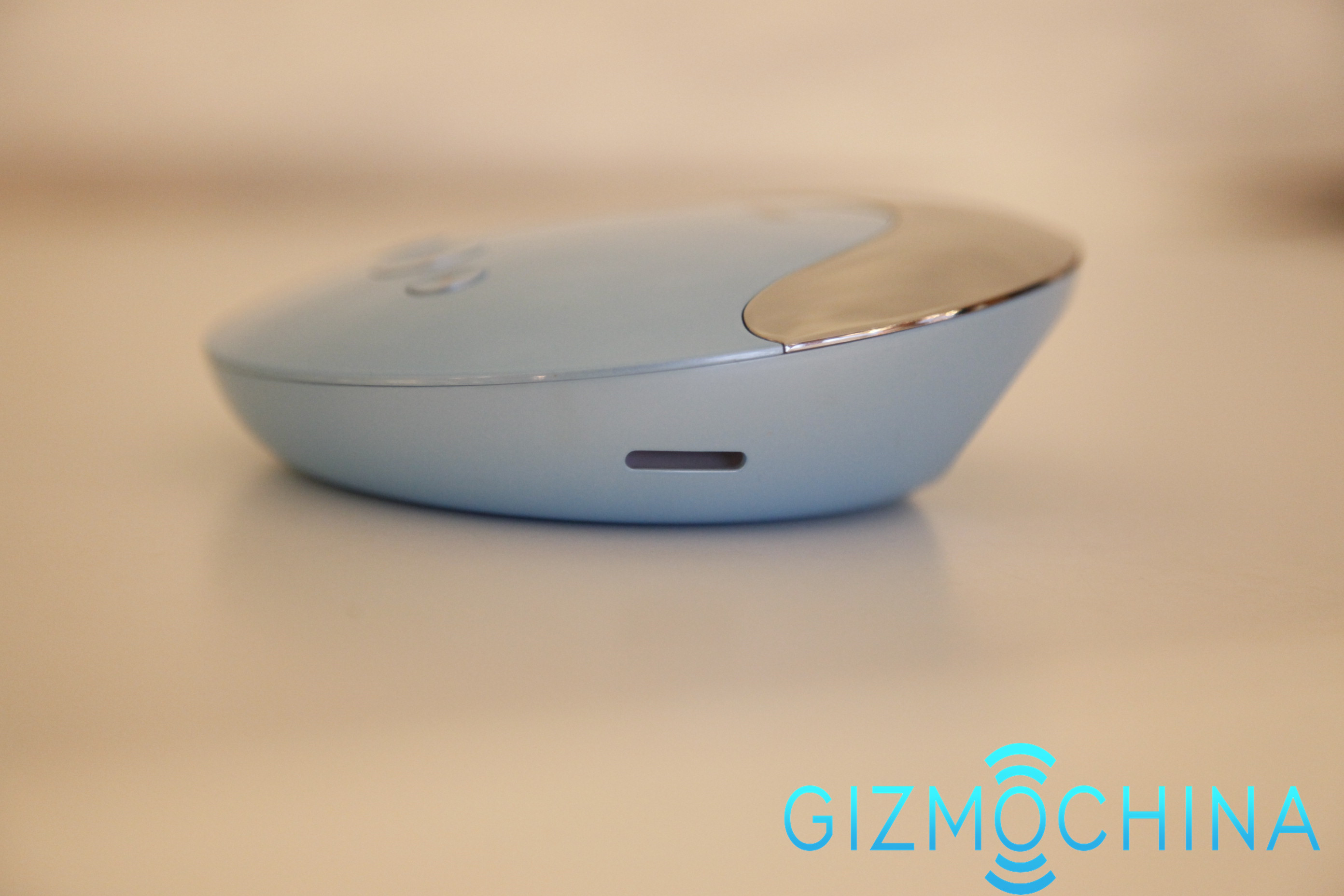
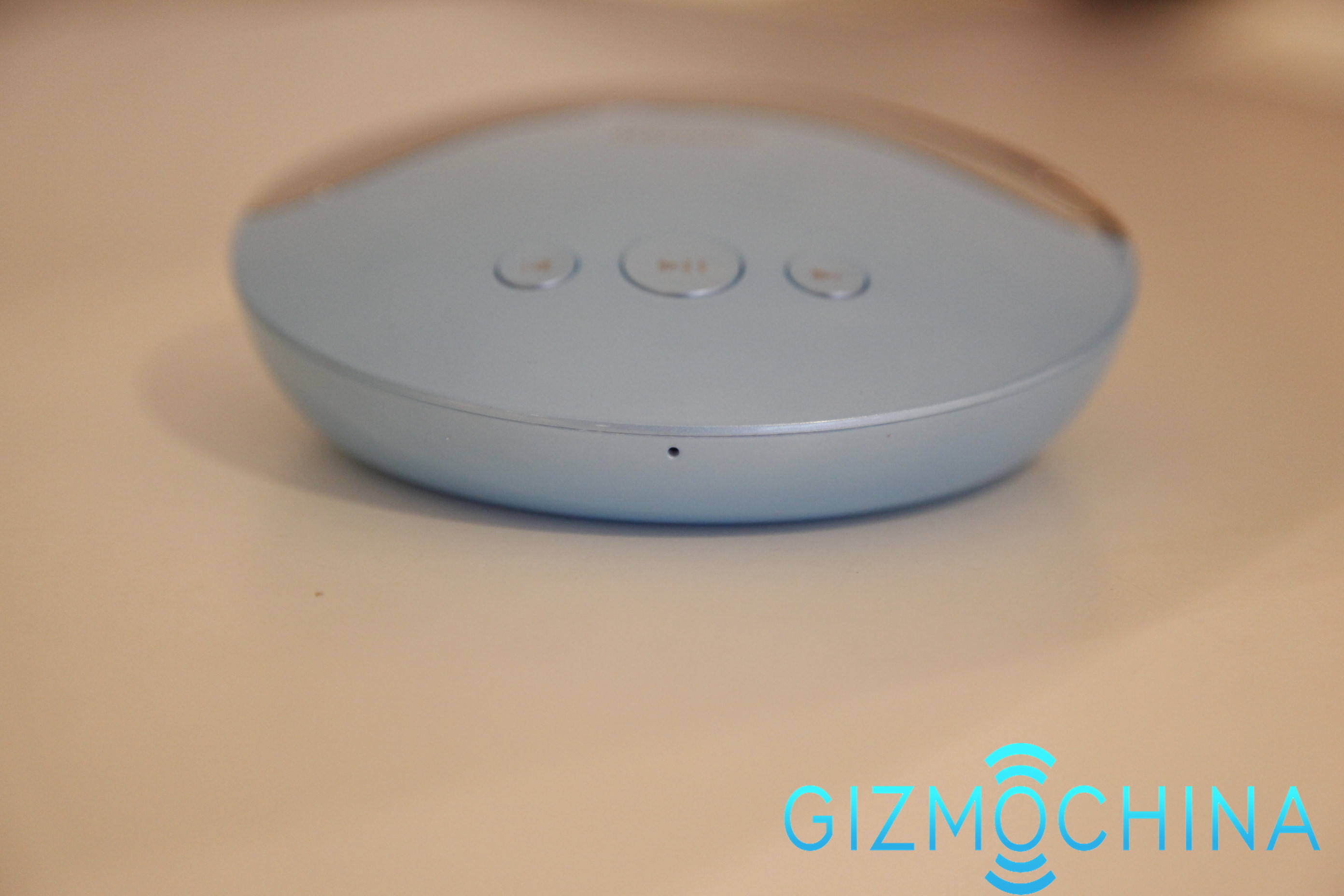
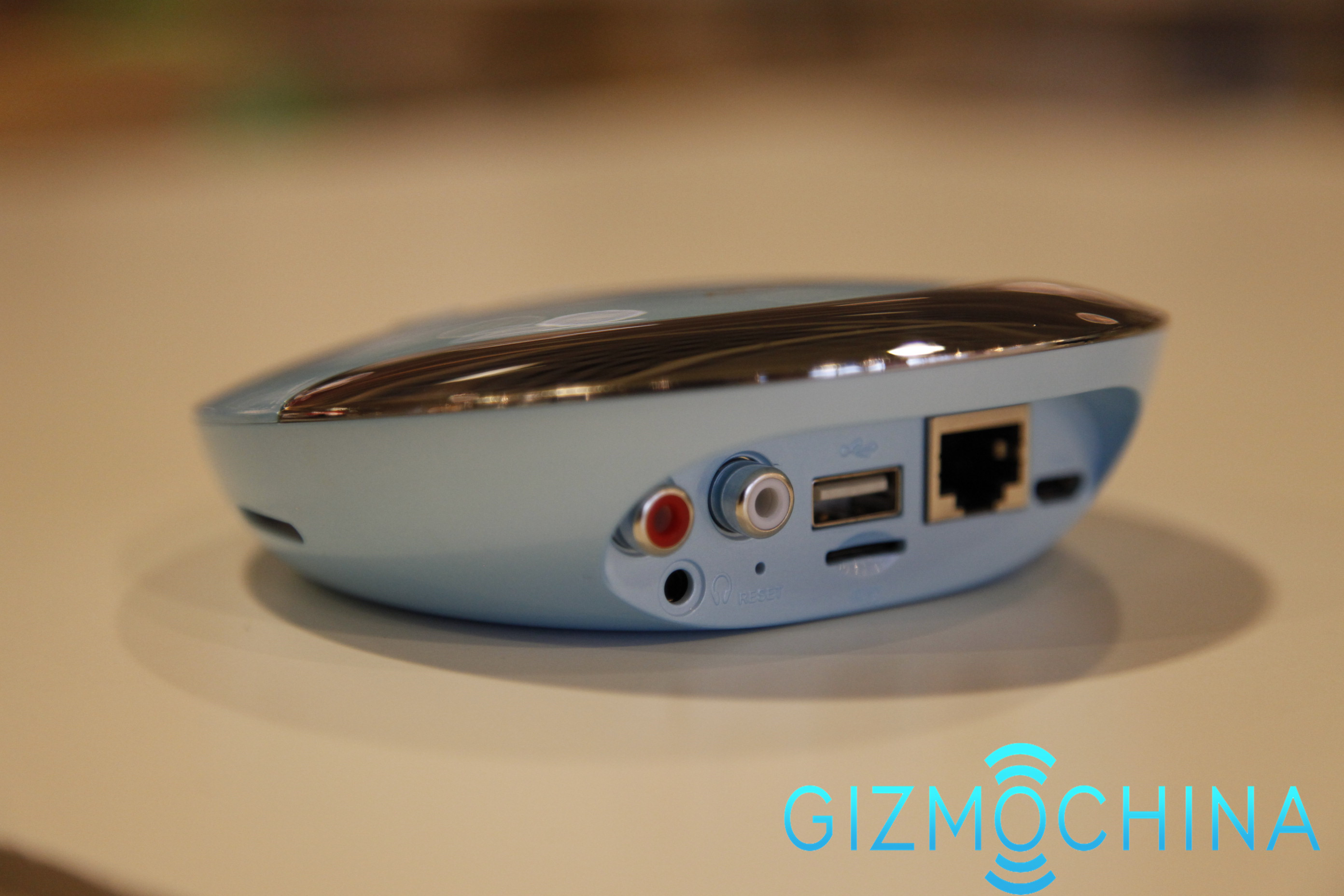
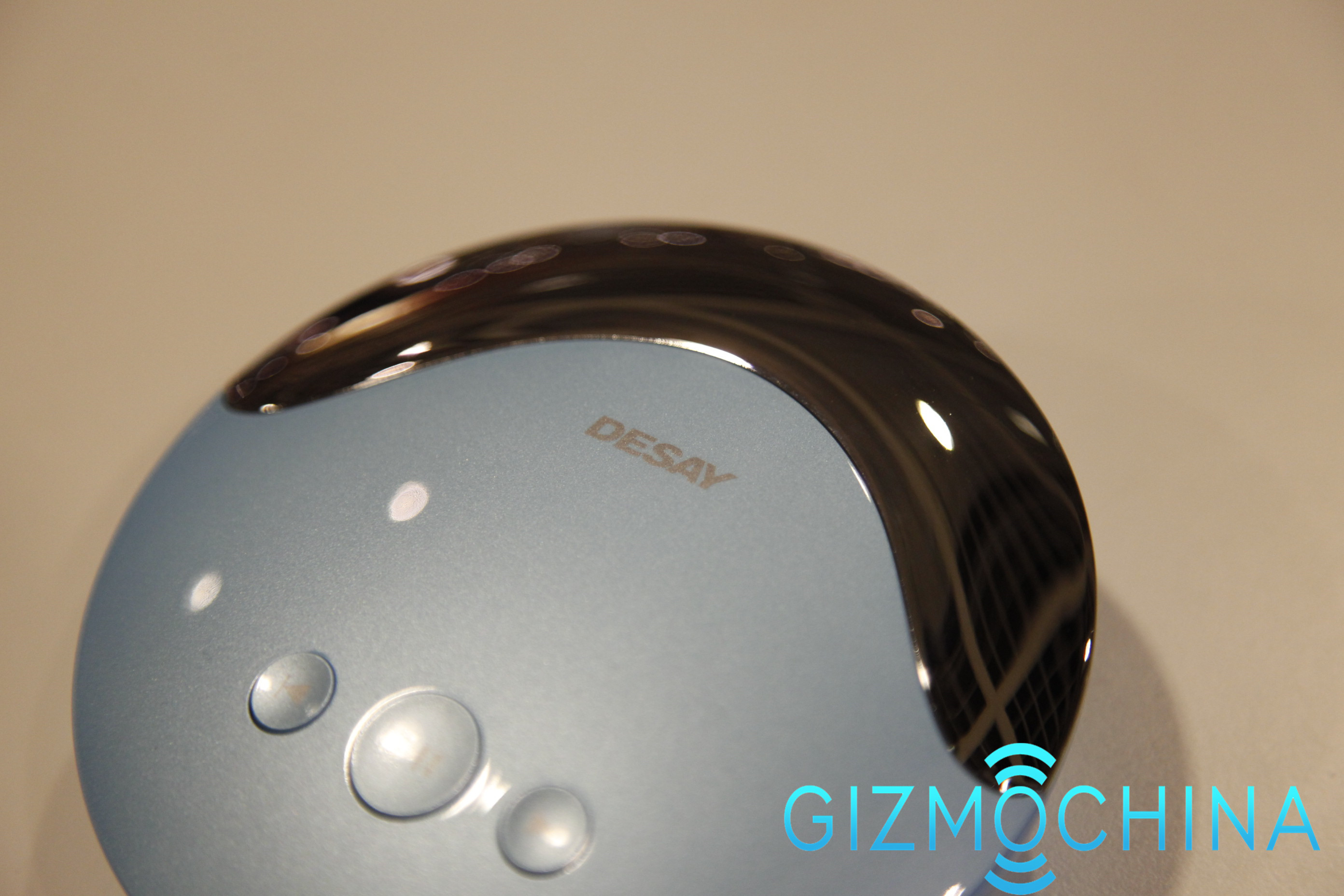
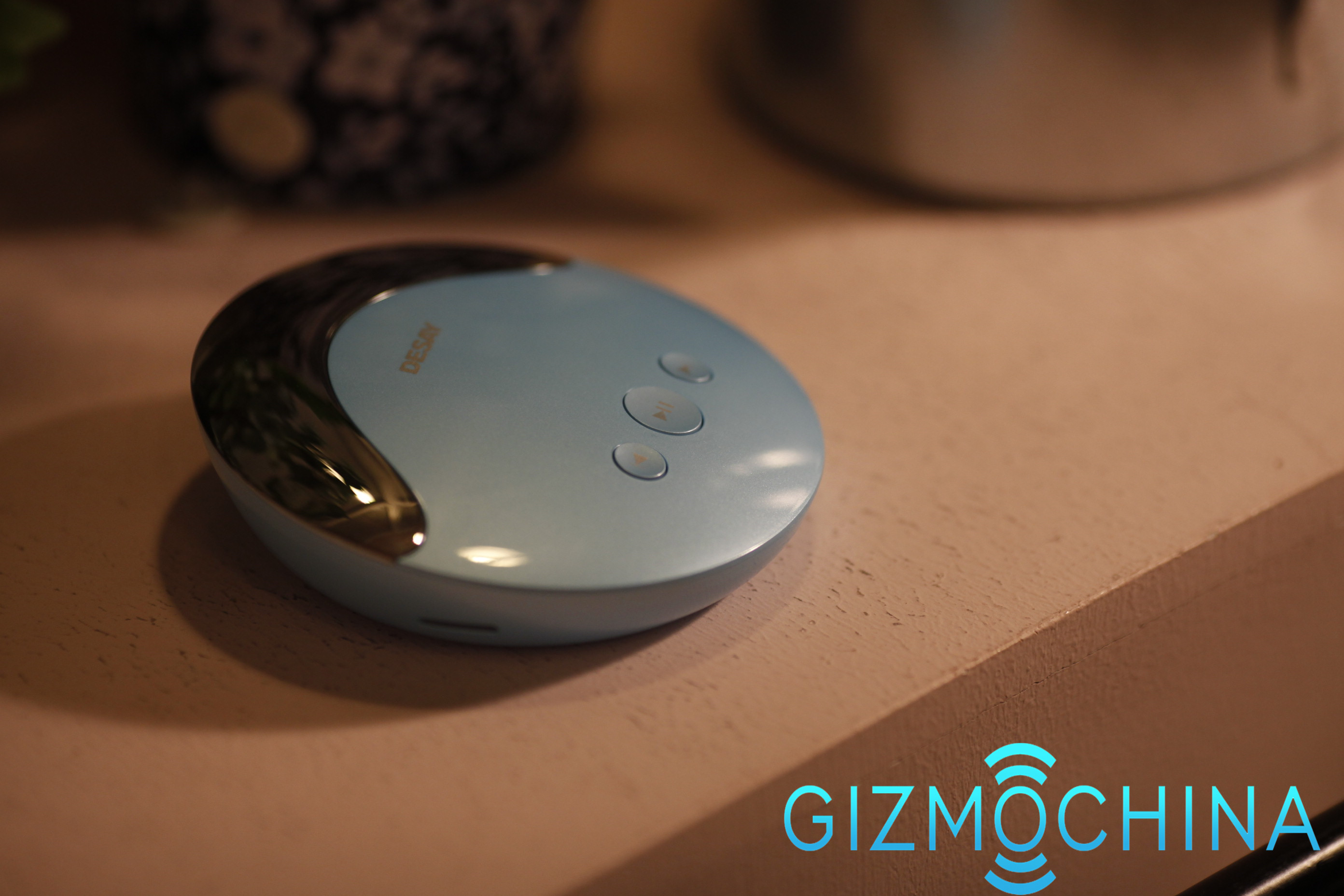
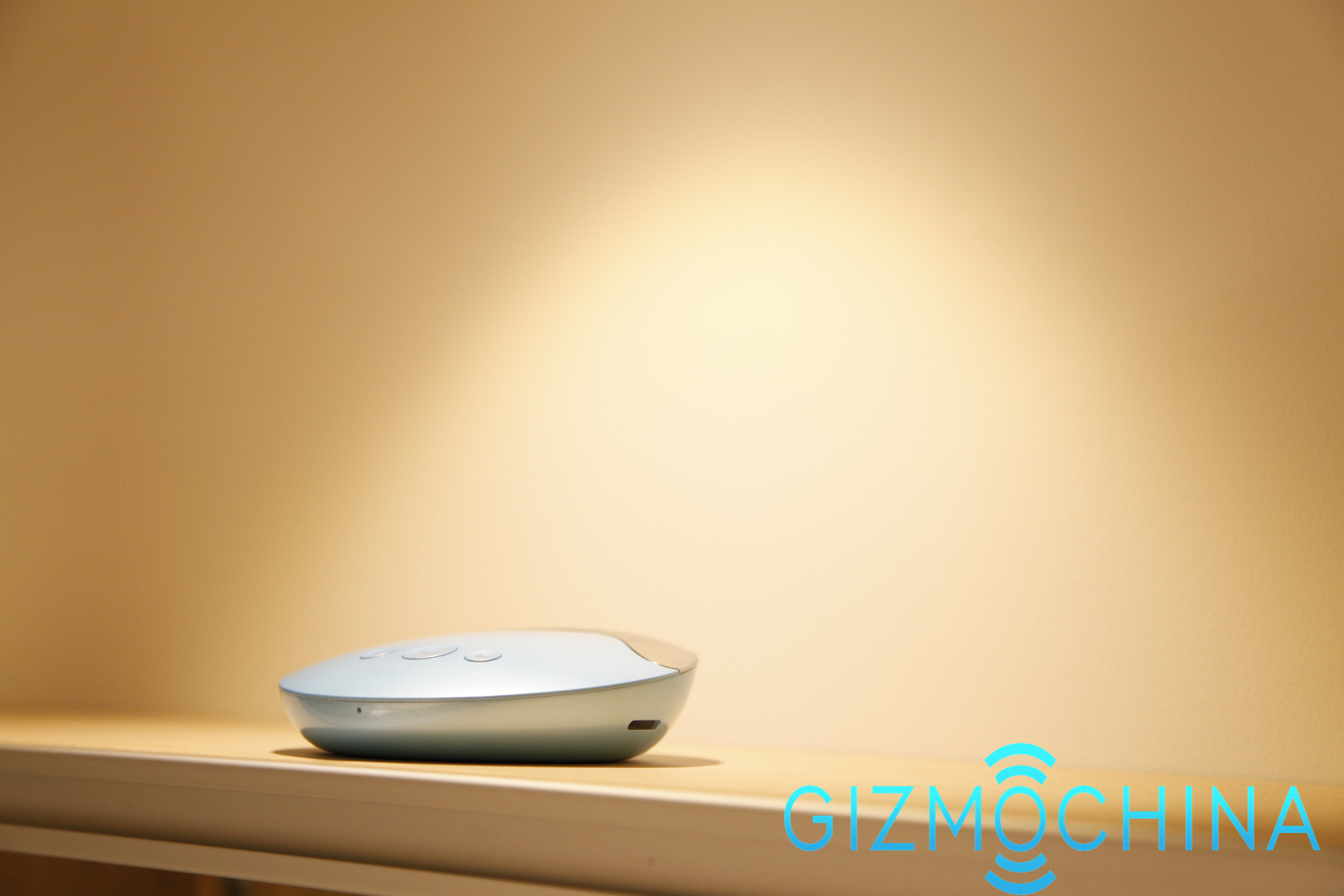
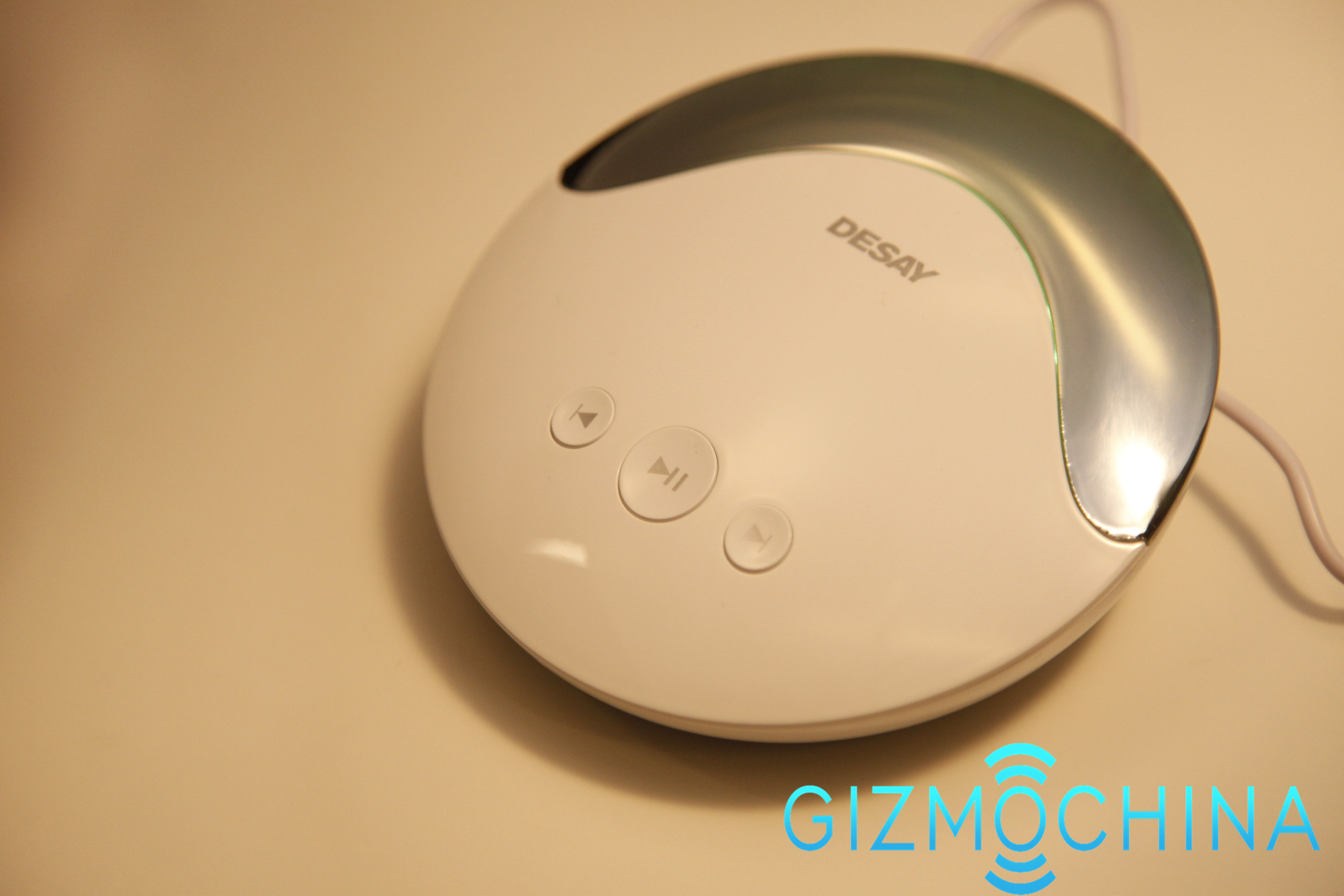
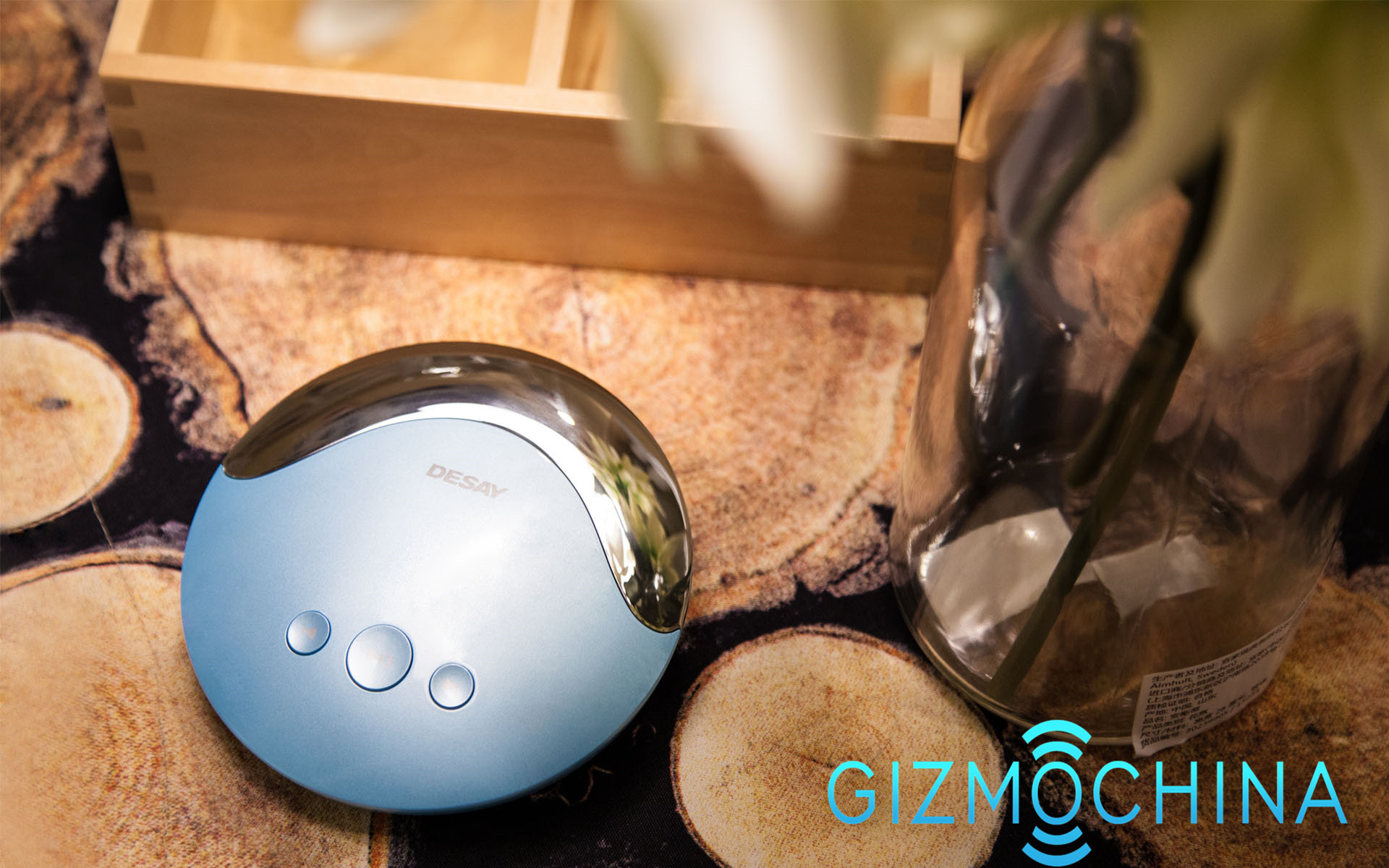
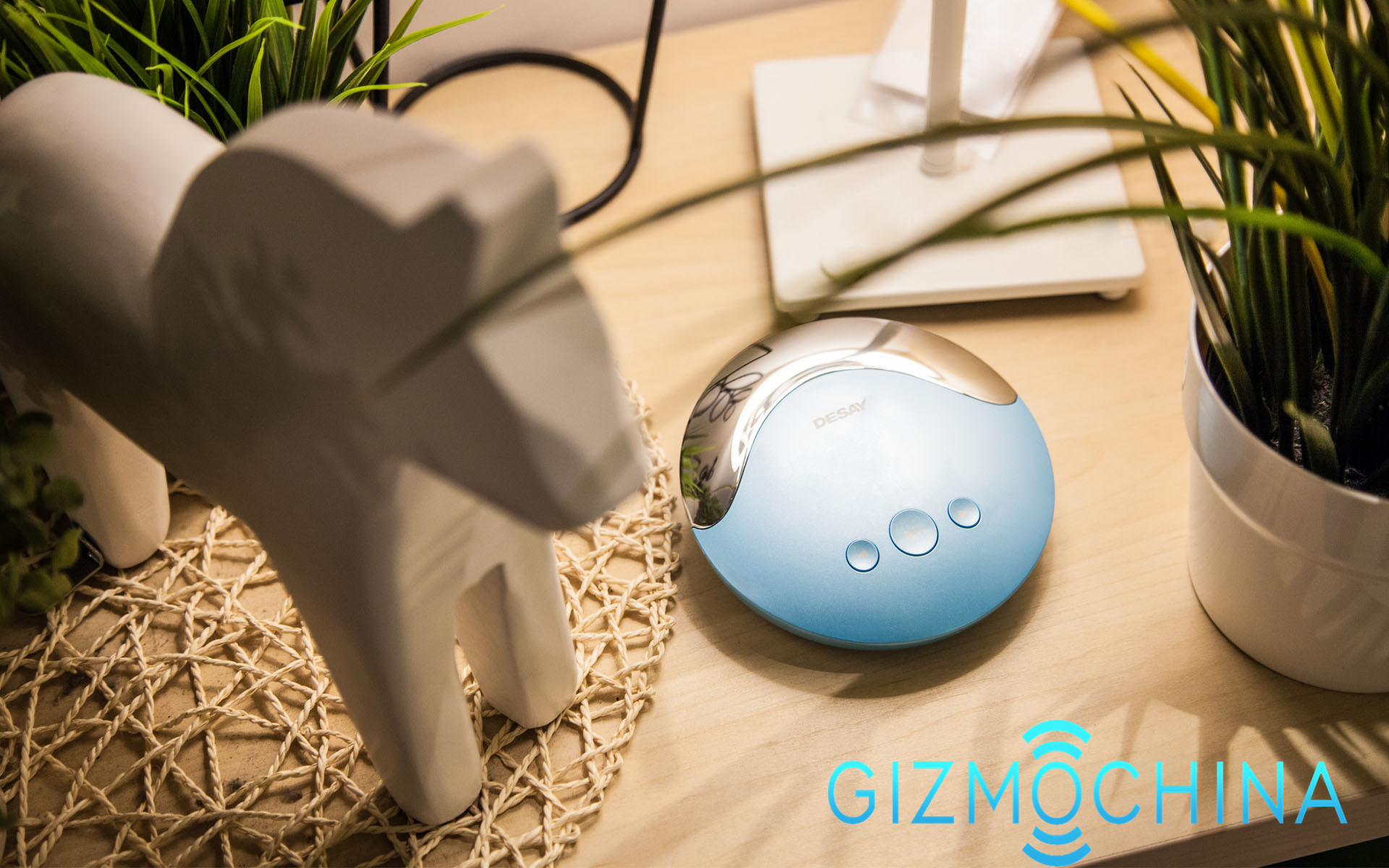
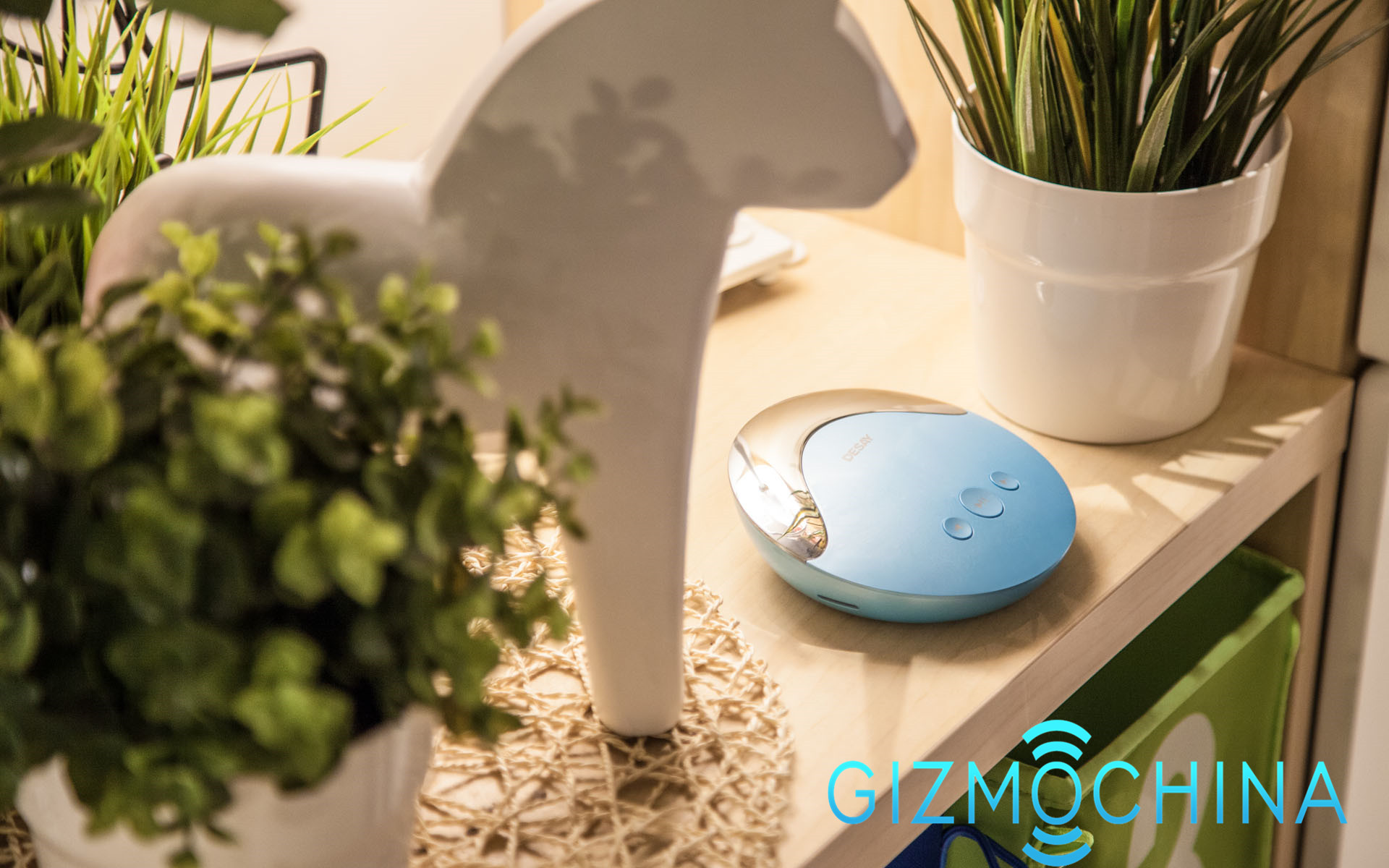
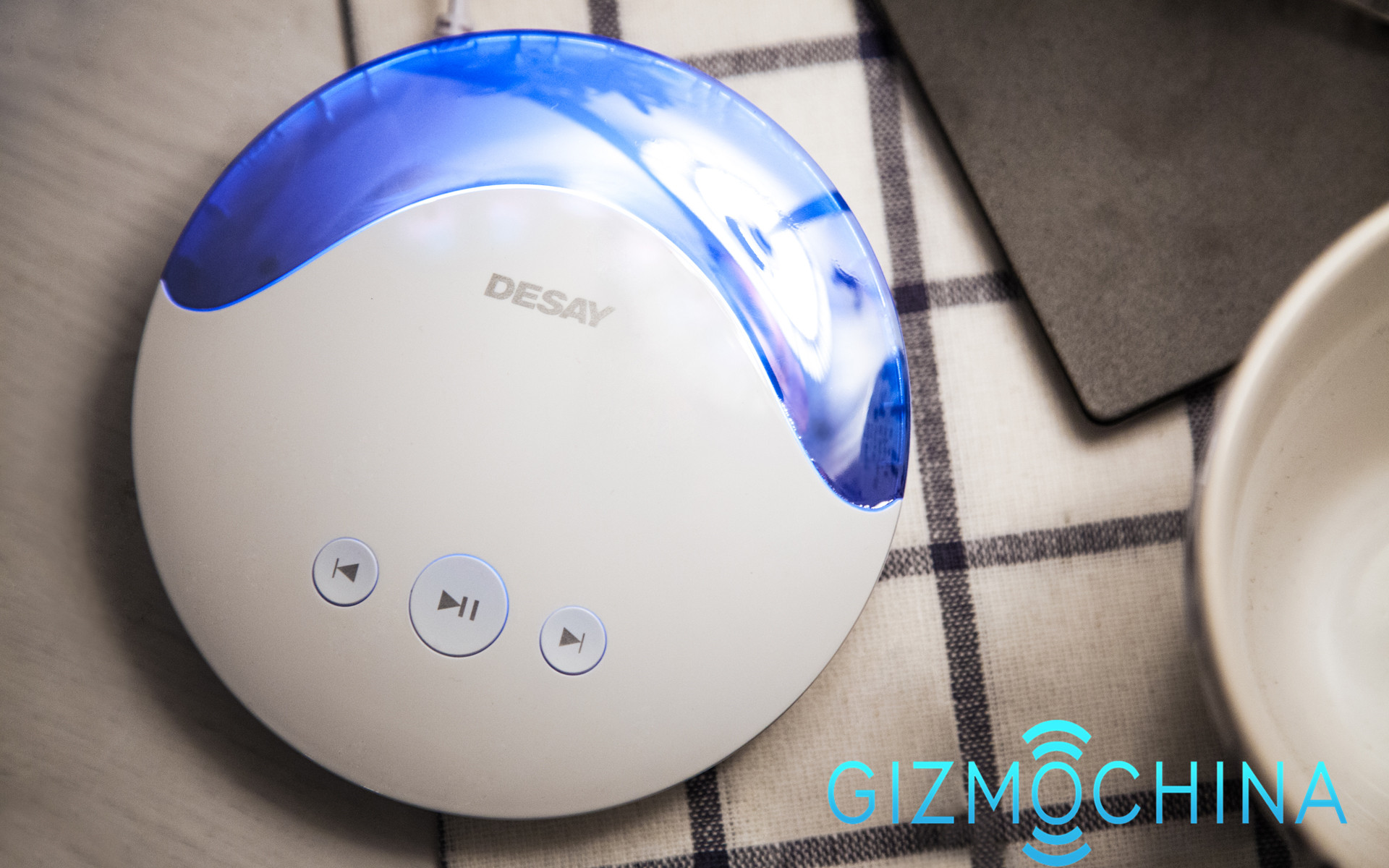
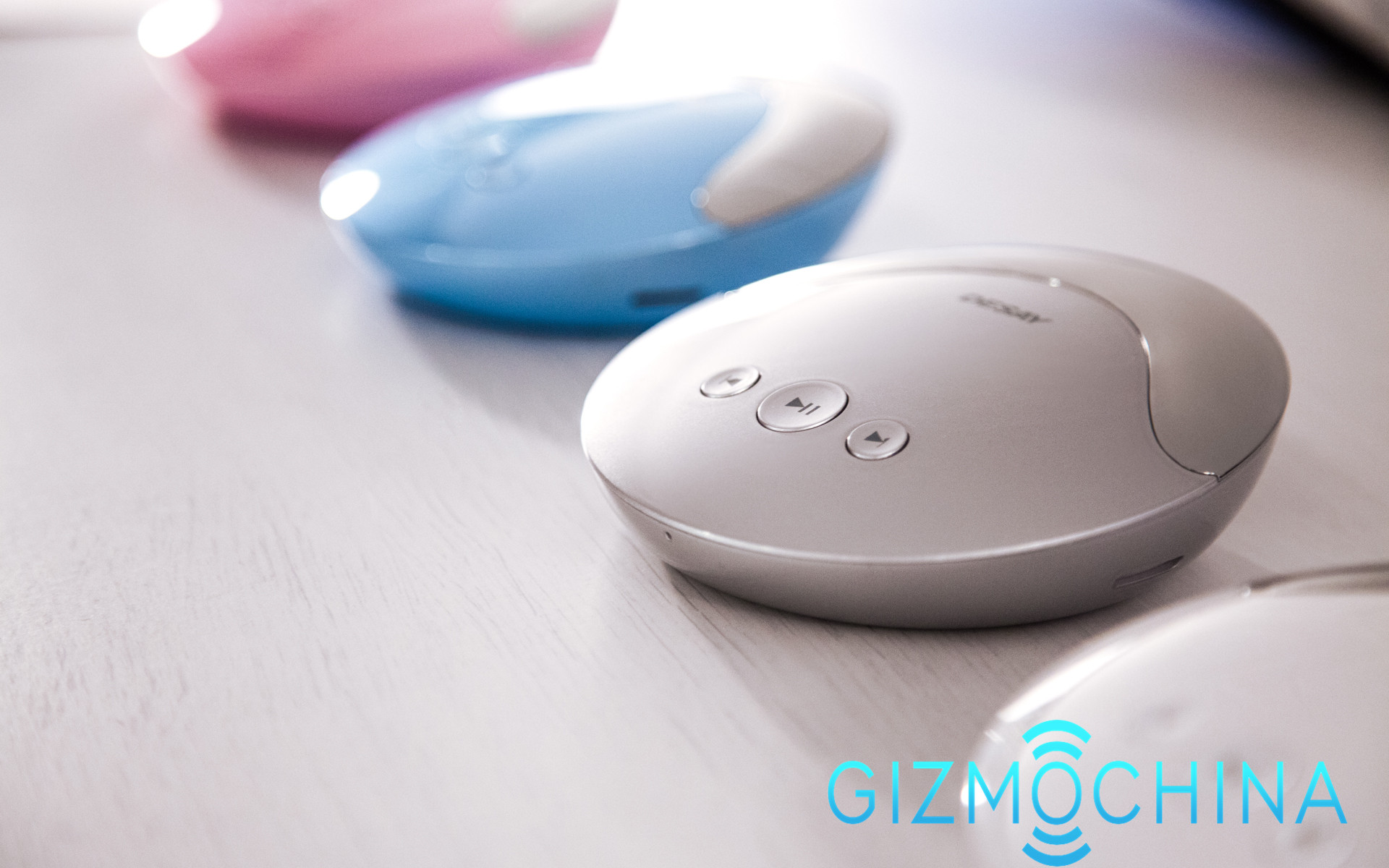
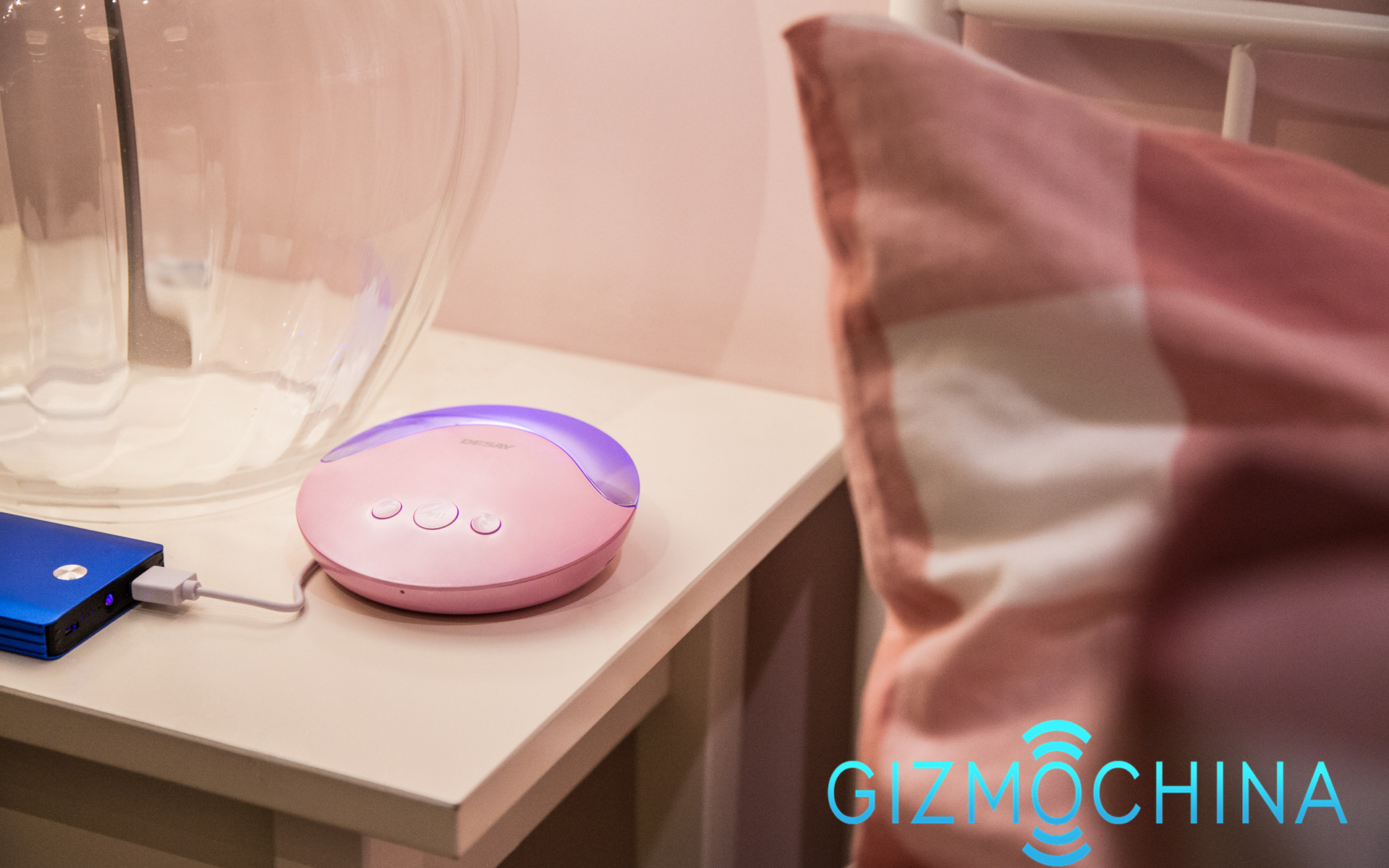
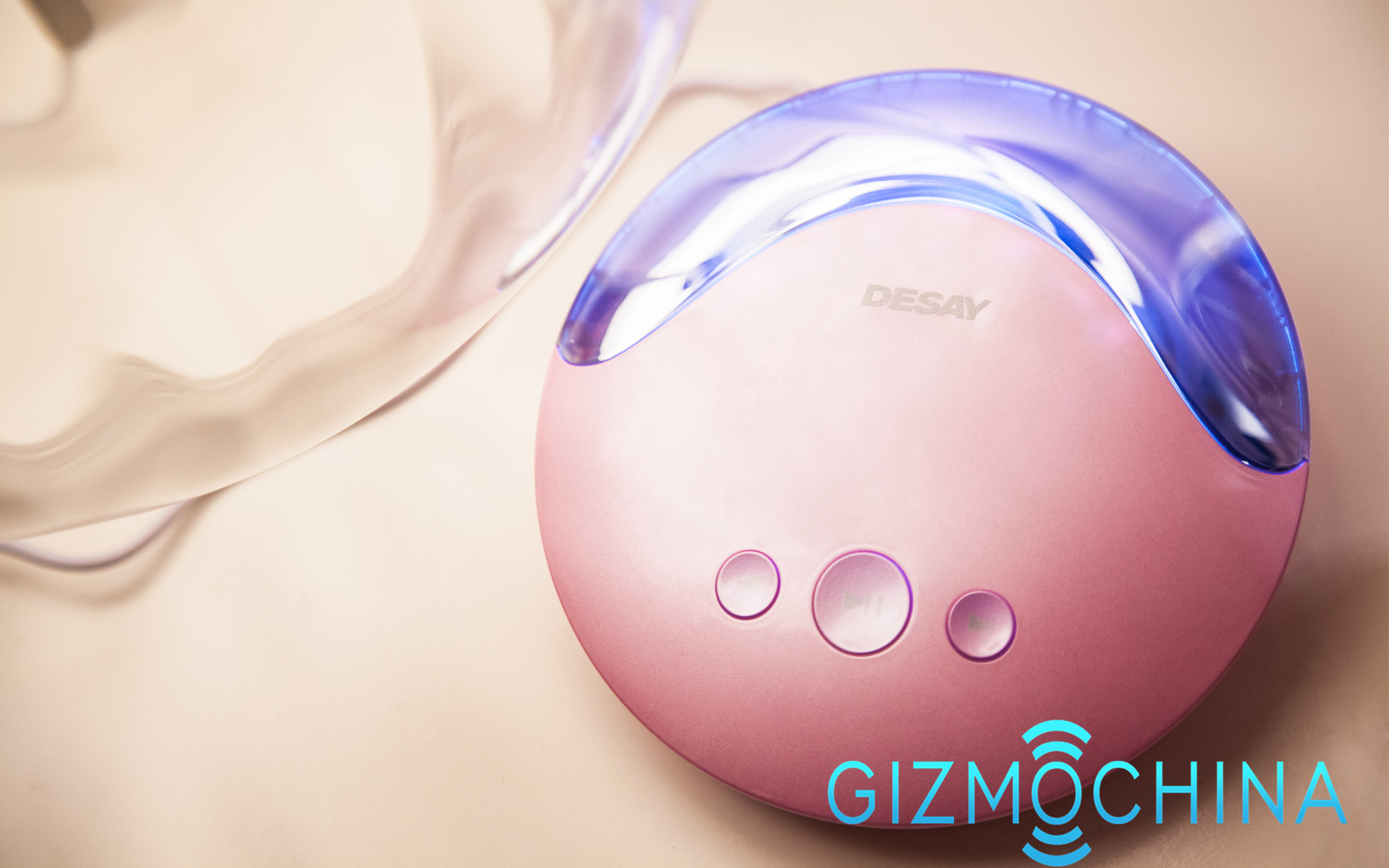
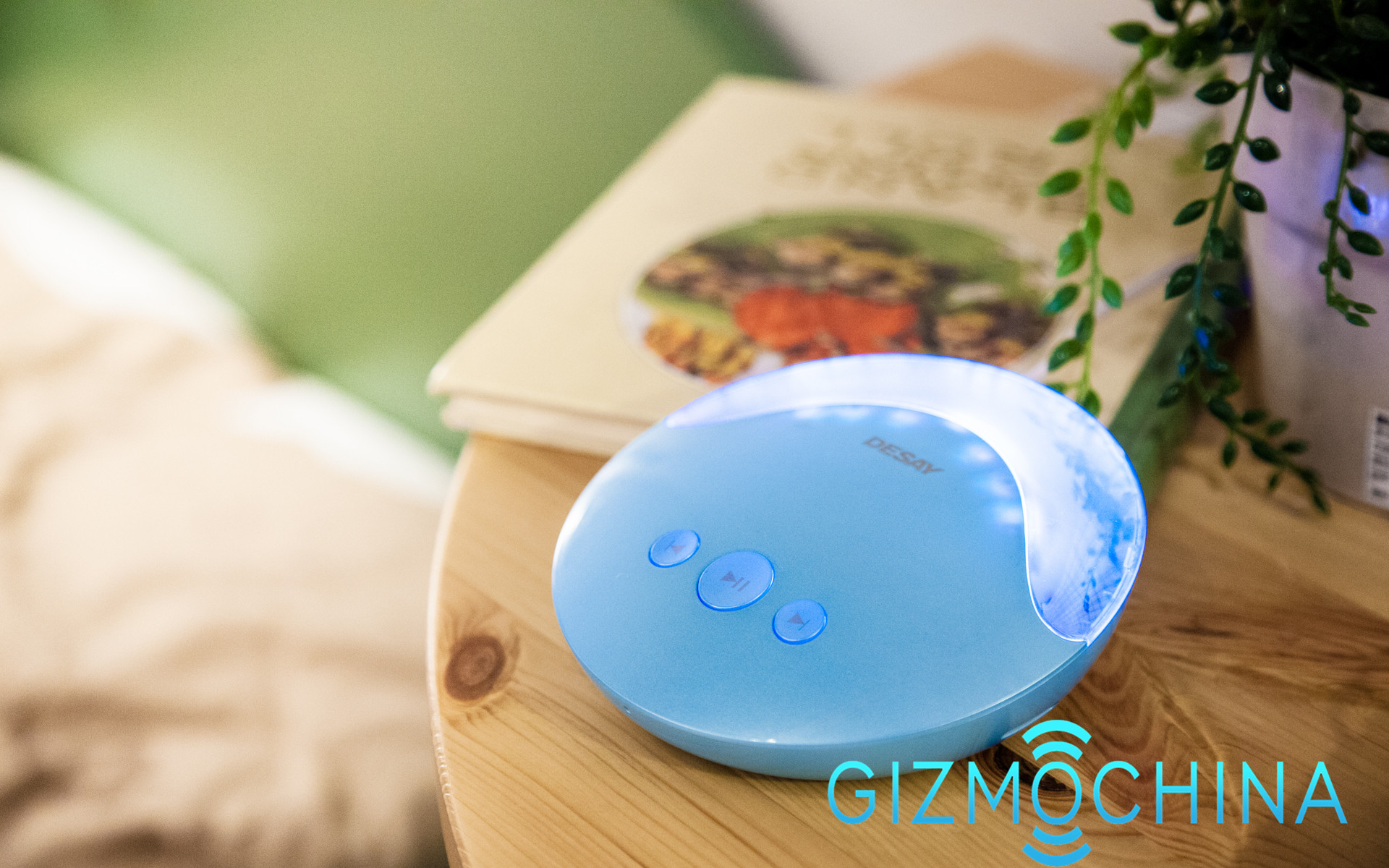
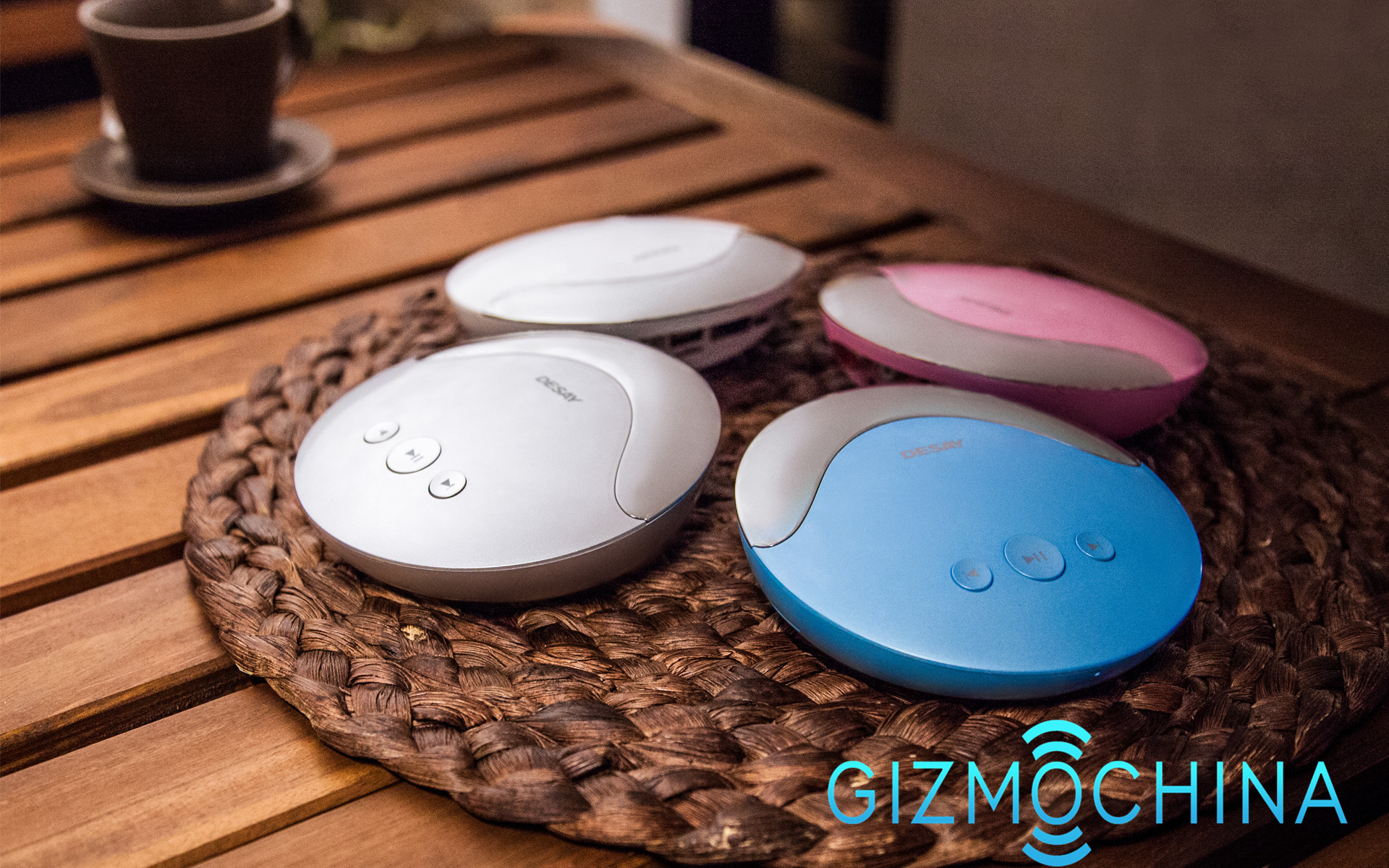
| Other Music box | DESAY DQ1 Wi-Fi Music Box |
|
Complicated Pairing process, Inconvenient operation |
Easy operation, no complicated steps. |
| You can operate the DQ1 box by the button on the box as well as by your cellphones. | |
| Play online music by connecting mobile app via Wi-Fi, make your cellphone freely. | |
|
Low Sound quality, bad decoding |
Optimum sounds quality |
| Support high resolution” lossless” decoding | |
| Support 24bit/96KHz audio decoding | |
| Provide high quality music service,which makes your music box to be Hi-Fi. |
Functions:
Advantages:
1. Based on undamaged decoding chip, which makes you enjoy high music quality with moving blue lights.
Based on the lossless decoding technology, which make you enjoy high music quality freely same as Blu-Ray quality.
2. Not only a router, but also a music router, which gives you the huge quantity of high quality music.
3. No complicated operations, it makes you to enjoy the wonderful wireless music easily and conveniently.
4. Professional lossless decoding chip, 24 bit/96KHz audio decoding, Class D power amplifier, it allows you to be immersed immediately in your very own personal concert.
Play steps:


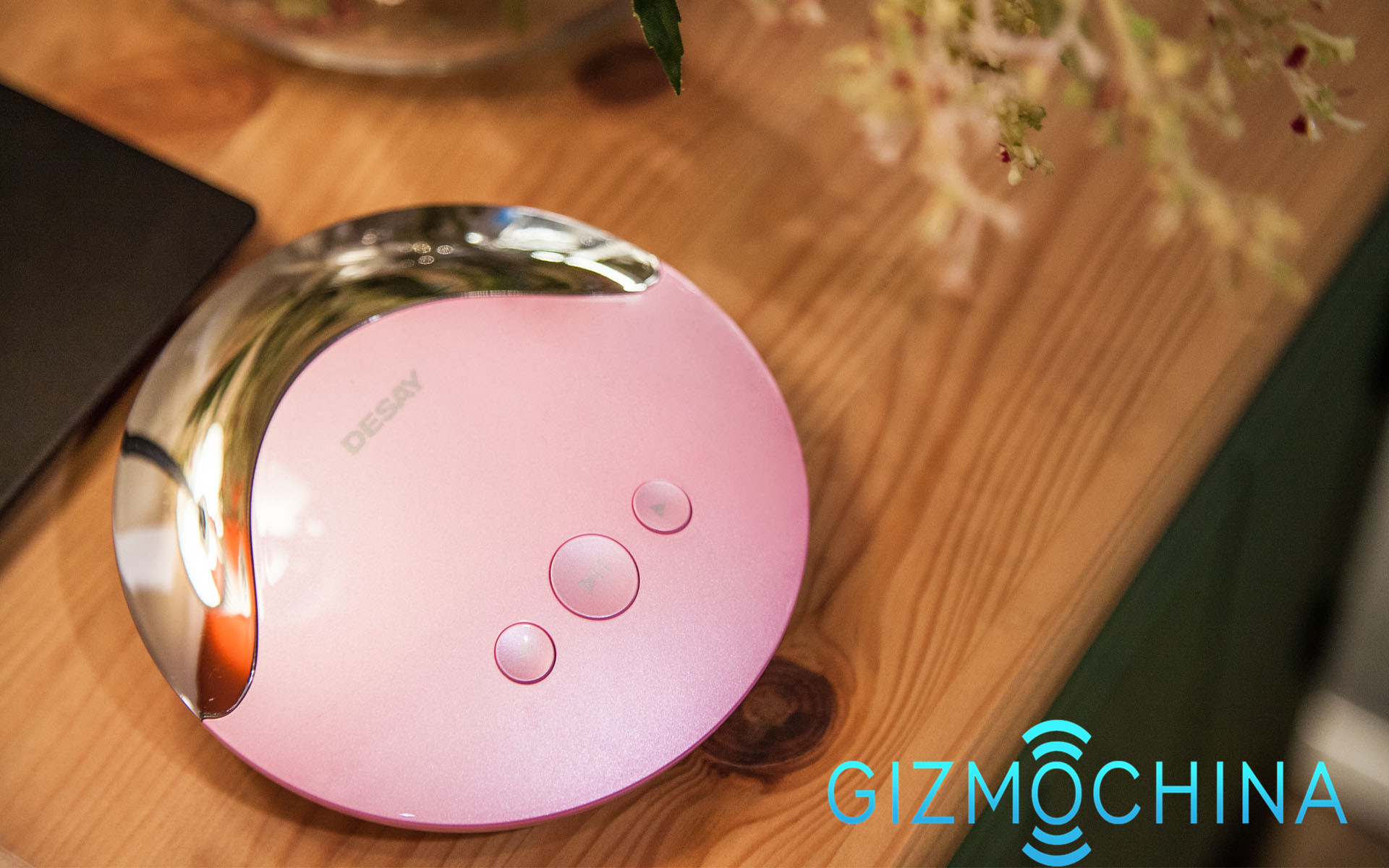
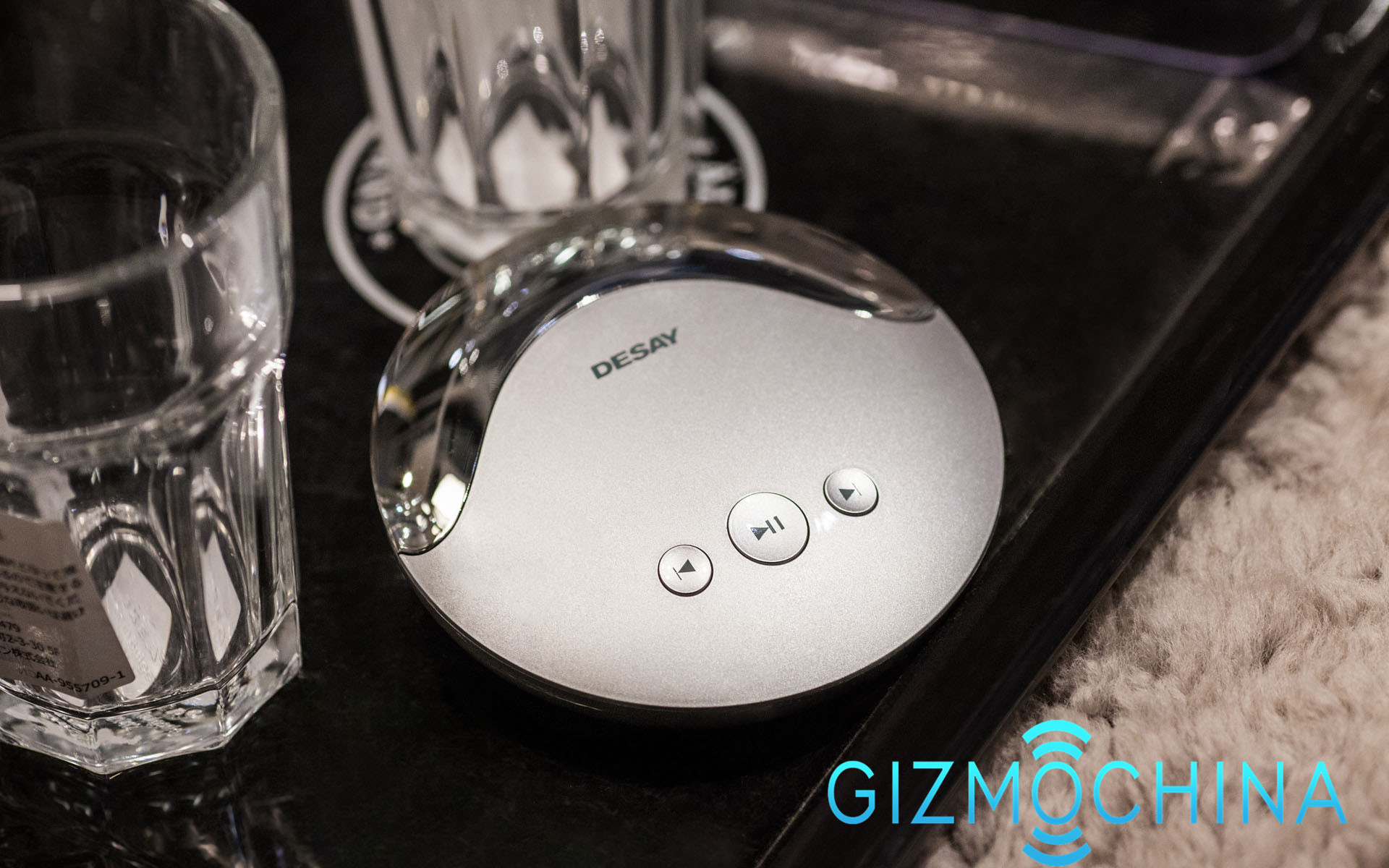
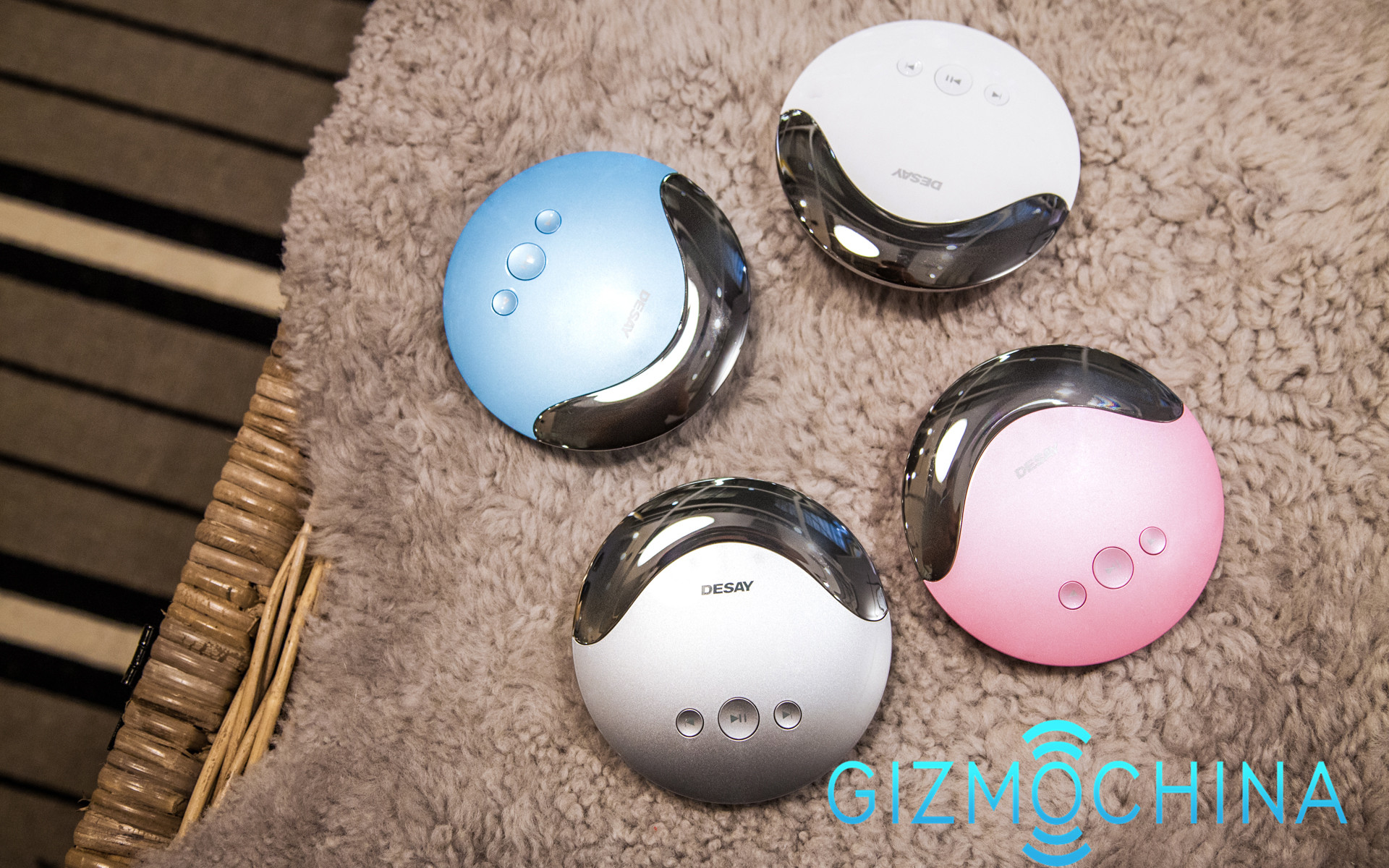
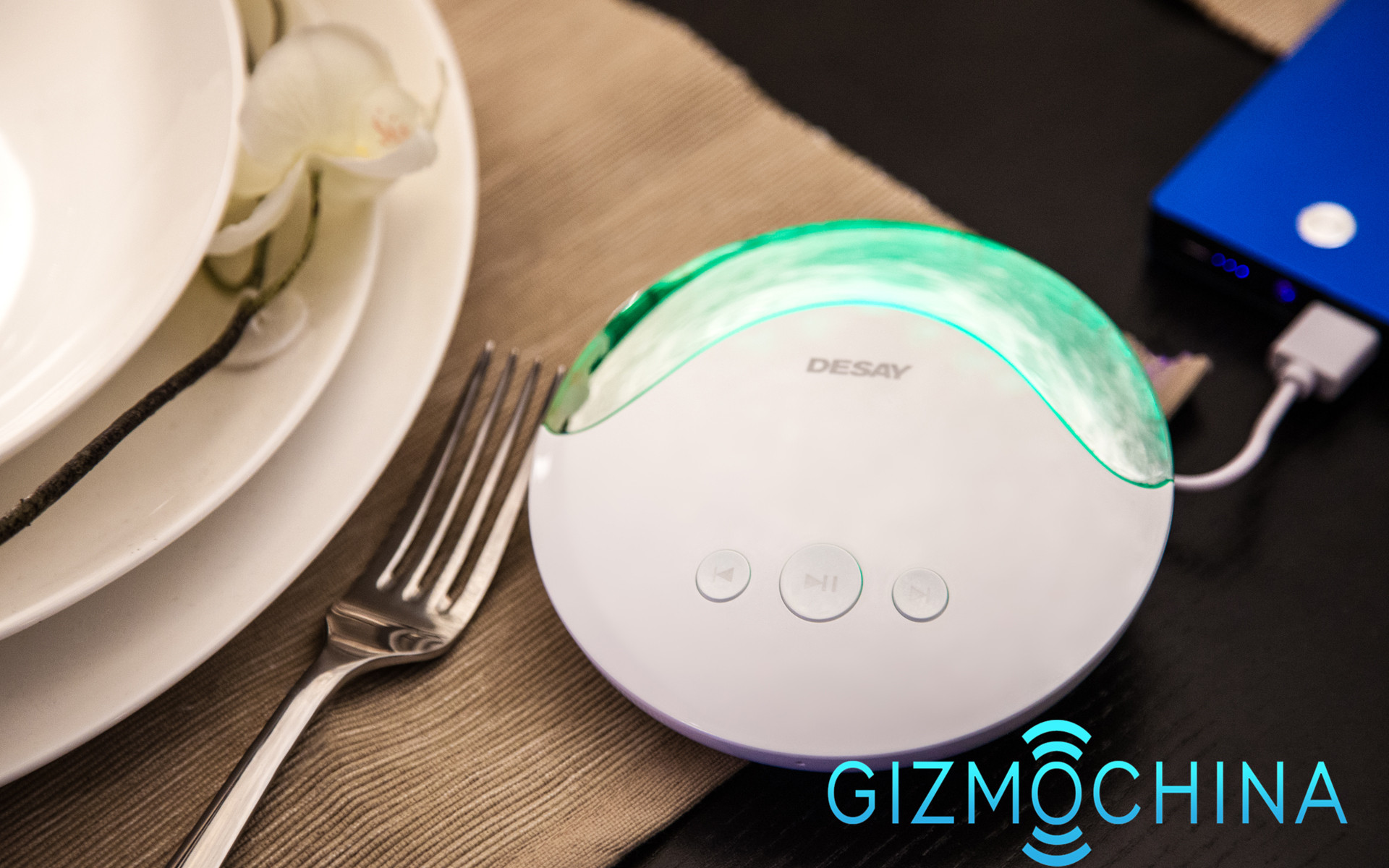
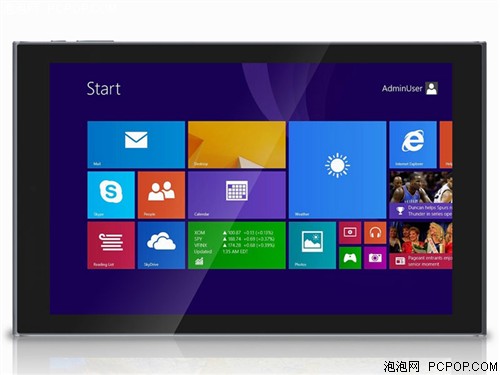
The Colorfly i108W is the first 4G tablet for young people that uses the Windows 8. Although using Windows in the table it not as good as in the computer, it is still good for watching movies, playing games, or working. According to reports, it costs 1699 RMB.
The Colorfly i108W 4G has support for China Mobile 4G (TD-LTE) and high-speed internet. It has a downstream speed of 100Mbps and upstream speed of 10Mbps, which is 7x higher than the download speed for 3G internet. It uses a single China Mobile 4G SIM card which gives it internet speed that is as high as with a Baizhao broadband.
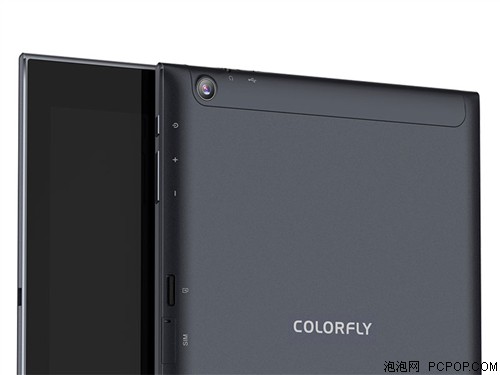
When it comes to appearance, the Colorfly i108W 4G sports an aerospace grade aluminium case. Its thickness is less than 9.5mm. As for its core specs, the Colorfly i108W 4G has the 22nm Intel BayTrail-T Z3735F quad-core processor with a frequency of 1.8GHz (three times as fast as its predecessor), a 3D GPU, 2GB DDR3L RAM which could be used for things such as large-scale games, and 32GB ROM. The Colorfly i108W 4G also comes with a screen that has a resolution of 1920 x 1200 and 224PPi. It also uses the FocalTech FT5506 touch screen chip and has a 2mp/5mp HD dual-camera.
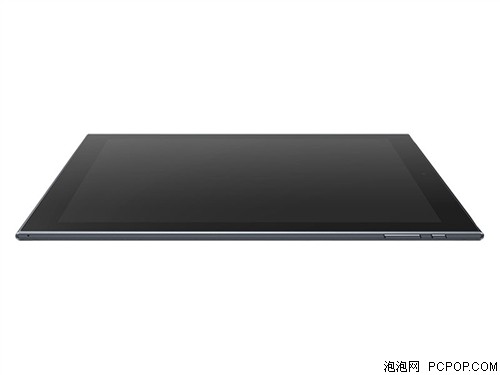
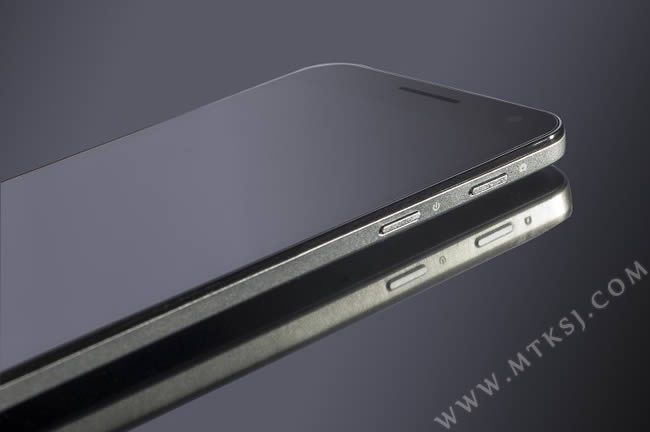
This year has been big for Zopo with the Zopo zp999 which first went on the market in September. This is Zopo’s first entry into the 4G market and it has an octa-core 4G processor and support for dual-SIM cards. When it was first released, it was only sold in select online stores like Zopo’s official website. Now, you can buy it in all stores, both online and real.
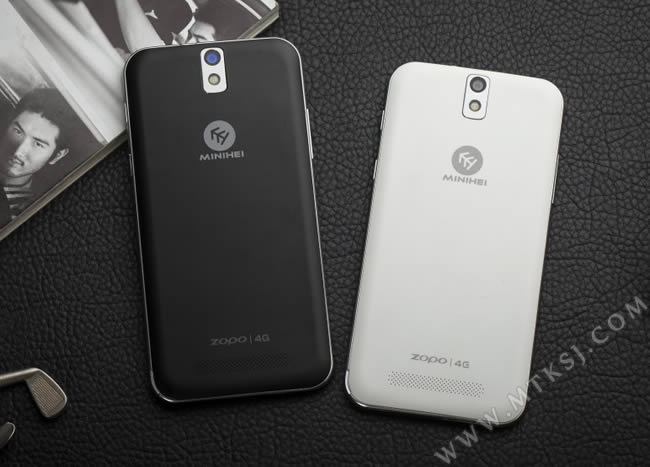
Zopo zp999 comes with all kinds of features and does not have any clear weaknesses. It has the 1.4GHz MT6592M octa-core chipset, 2G RAM, 16G ROM, a 5.5-inch 720p LTPS screen, a 5mp/14mp dual camera, and a 2700mAh battery. Its is Android 4.4-customized Mini Hei Ku UI. The Zopo Mini Hei 3 has support for China’s TD-LTE, TD-SCDMA, and GSM networks as well as dual-SIM cards. It comes with sensors such as a compass and gyroscope and supports OTG as well. A high-end version will also appear soon and it will use the MTK6595 processor like the Meizu MX4.
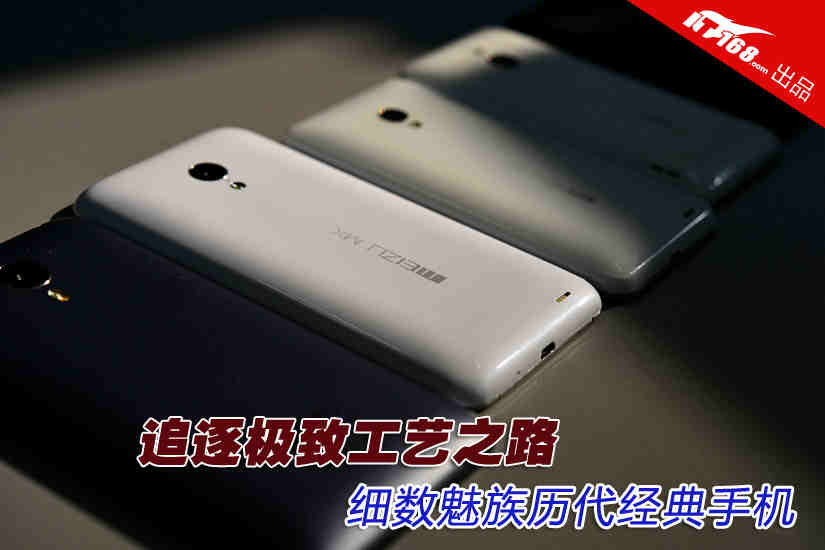
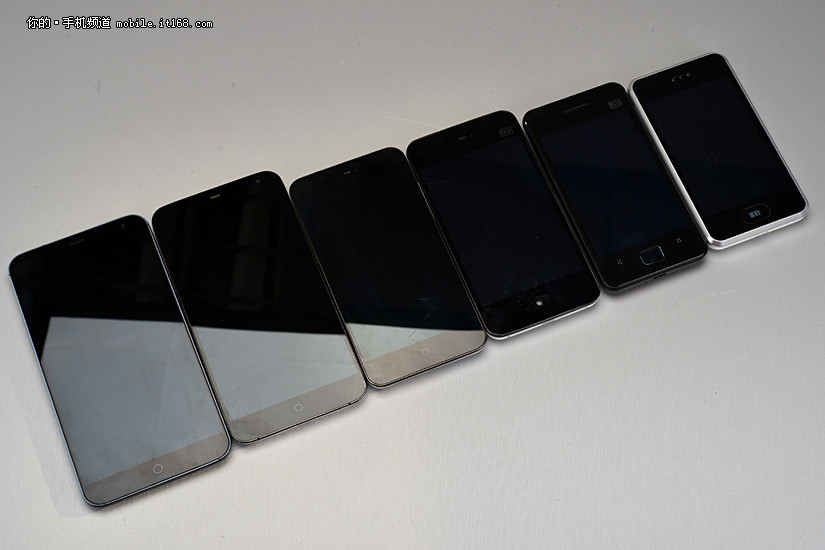
Meizu has been releasing a smartphone every year since 2008, from the Meizu M8 to Meizu MX4, transforming from a MP3 manufacturer to a cellphone powerhouse. Here is a look at how far Meizu has gotten since the Meizu M8.
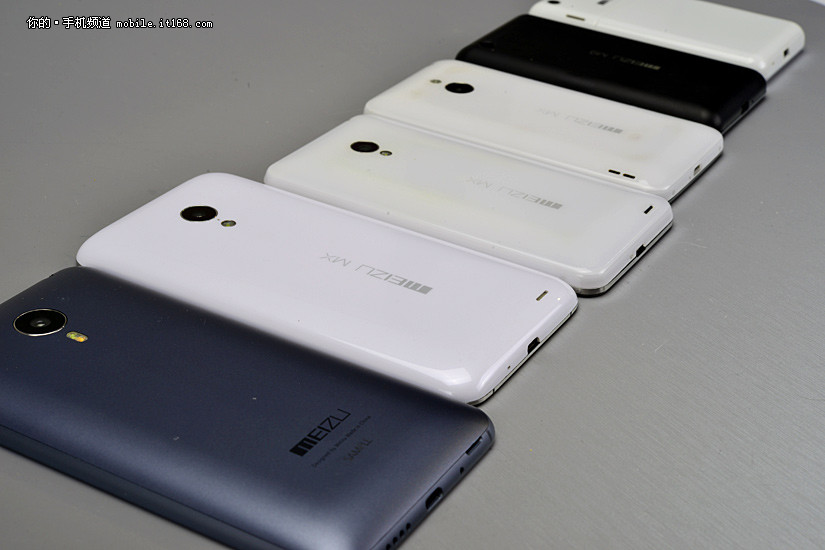
From the backs of all 6 phones, you can see that the designs of Meizu’s cellphones have changed constantly over the years, from a regular plastic rear case to the MX4’s furnished and polished rear case.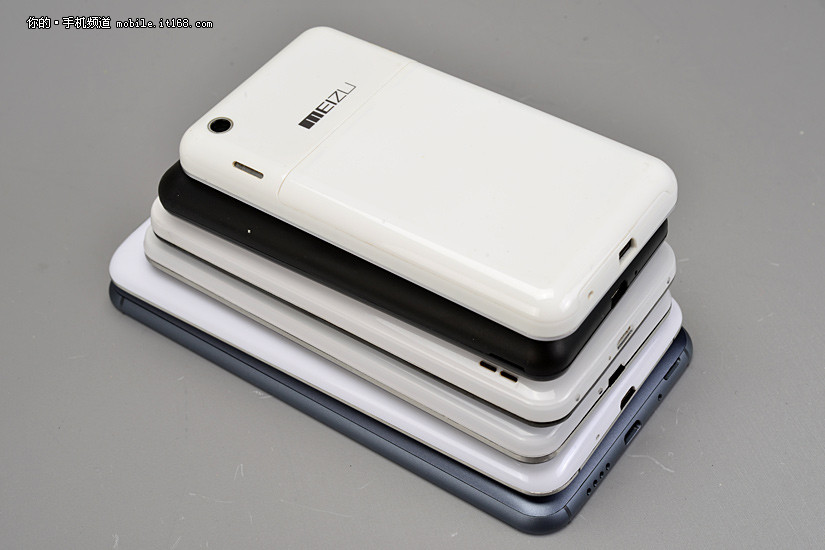 Every year, the screens of Meizu’s phones have gotten bigger and bigger from the Meizu M8’s 3.4-inch screen to the Meizu MX4’s 5.36-inch screen.
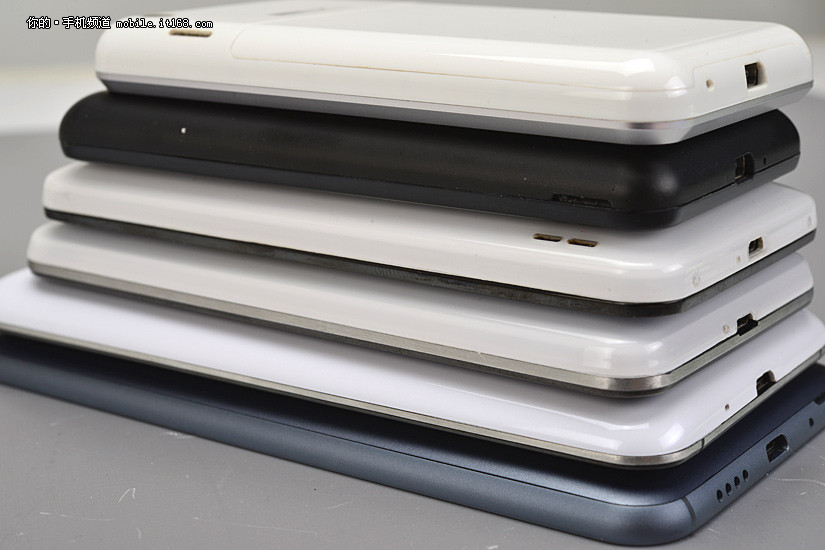
Meizu has been using metal chasses since the Meizu M8.
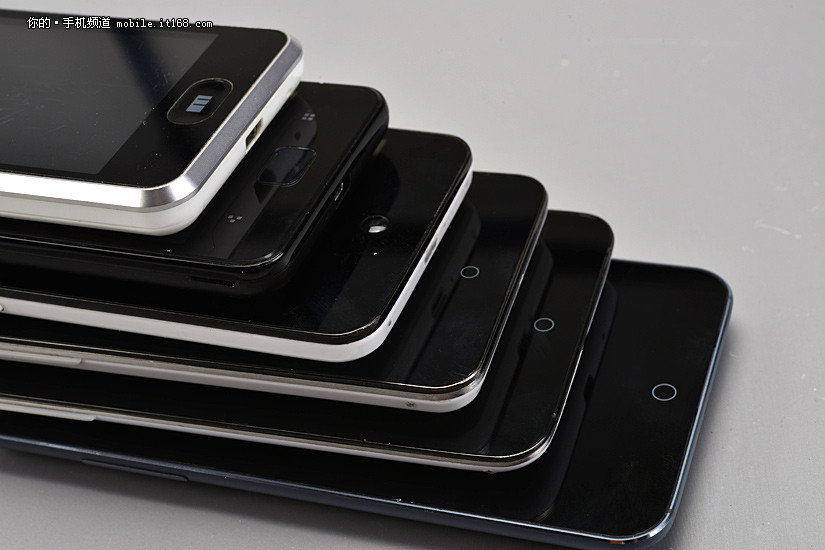
The design of the Home button of Meizu’s phones has also constantly changed over the years. The Meizu M8, Meizu M9, and Meizu MX all used physical Home buttons. From the Meizu MX2, the Home button has become a small round circle that you can simply touch to activate. It has since become a staple of Meizu’s phones.
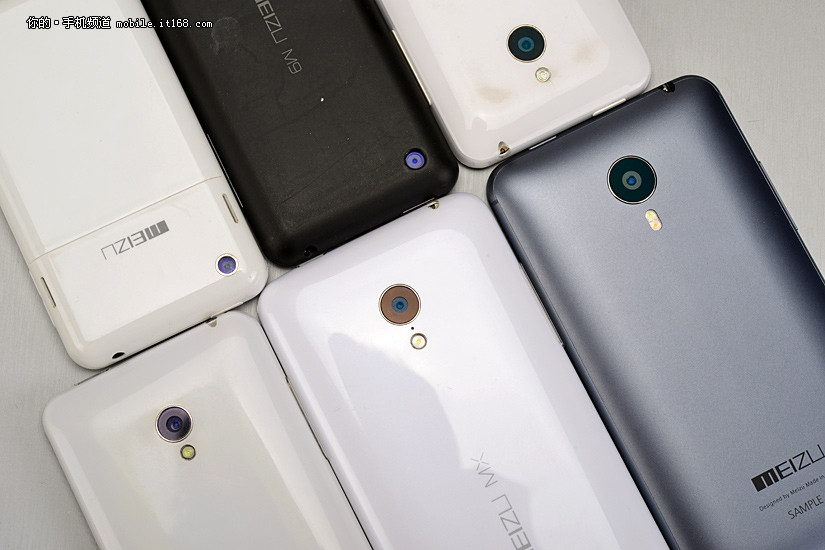
Except for the Meizu M8 and Meizu M9 whose rear cameras were located at the upper left corner, the rear cameras in Meizu’s phones are located at the top middle part.
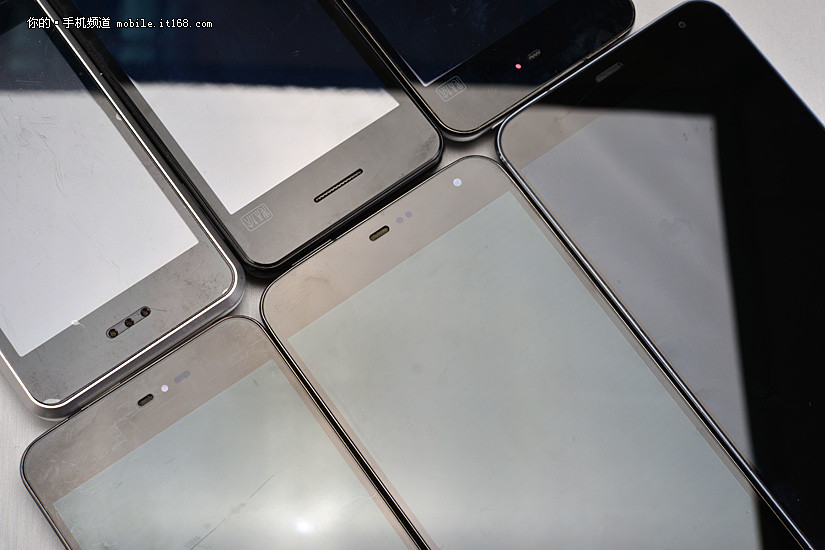
The Meizu M8 and Meizu M9 do not have front-facing cameras. Meizu only started adding one from the Meizu MX.

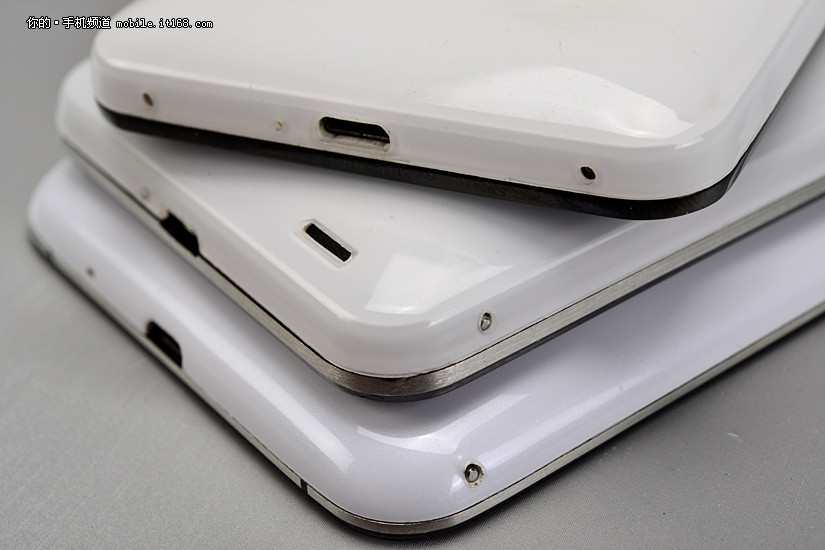
In all 6 phones, the speakers are not located at the back which can cause the user to block them when he puts down the phone.
Only the Meizu M9 and Meizu MX have the Chinese character logo.
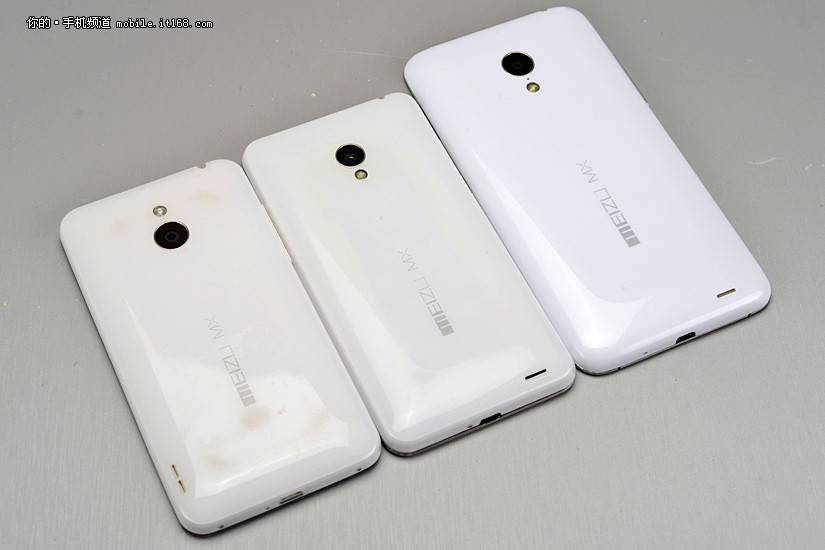
The Meizu MX was the first to use a dual-layer plastic design. The Meizu MX2 and Meizu MX3 followed suit.
You have to use a tool to open the rear covers of the Meizu MX, Meizu MX2, and Meizu MX3, but the battery is unchangeable.
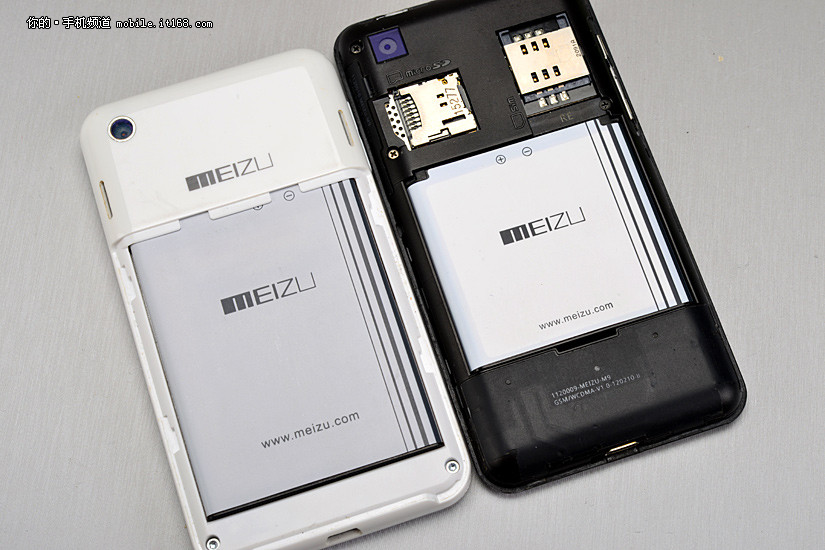
The batteries of the Meizu M8 and Meizu M9 are changeable. Apparently, unchangeable batteries were not yet in back then.

Even though you do not need a tool to open the Meizu MX4’s rear cover, the battery is still unchangeable.
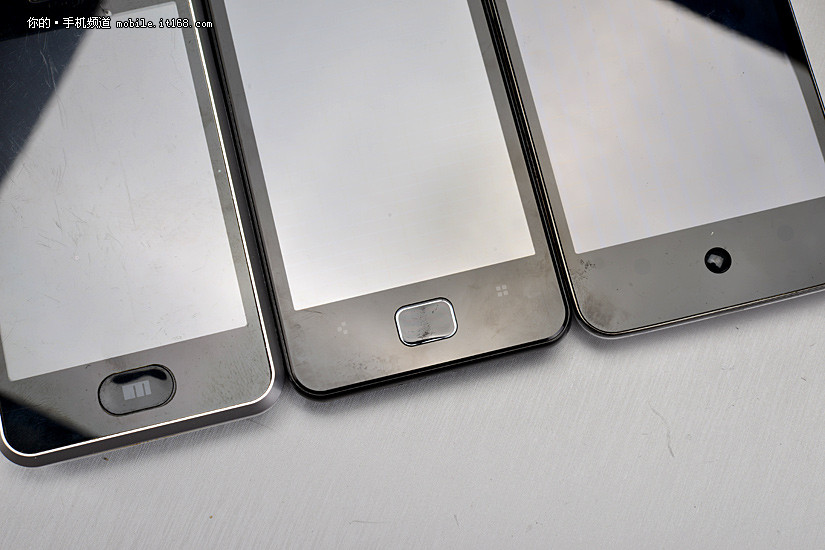
The Meizu M8, Meizu M9, and Meizu MX all used physical Home buttons. As you can see, the Home button kept getting smaller until it became a round physical button in the Meizu MX and eventually replaced with the small Home circle.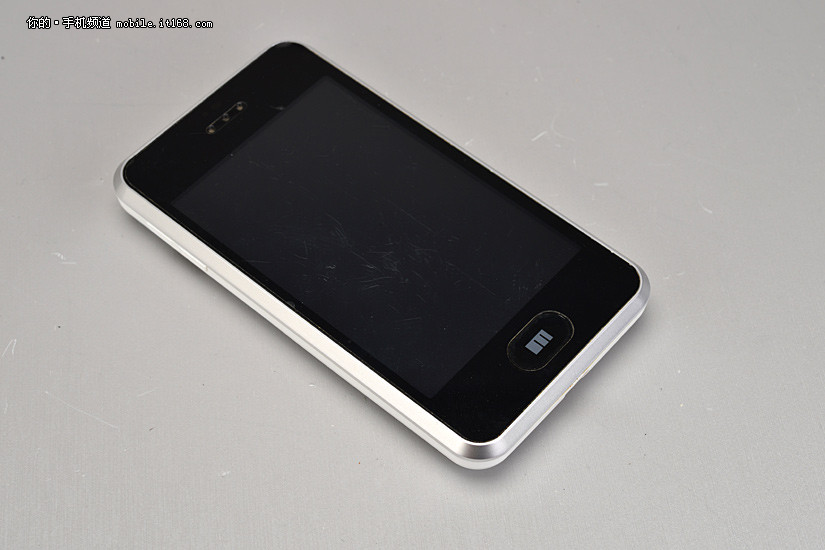
When the Meizu M8 was formally launched in 2008, it sported a 3.4-inch screen, used the Samsung 6410 chip, and ran on the Windows CE OS.

The Meizu M9 was launched in 2009 and was Meizu’s first Android phone. It had a 3.54-inch 960 x 540 screen and the Samsung S5PC110 CPU.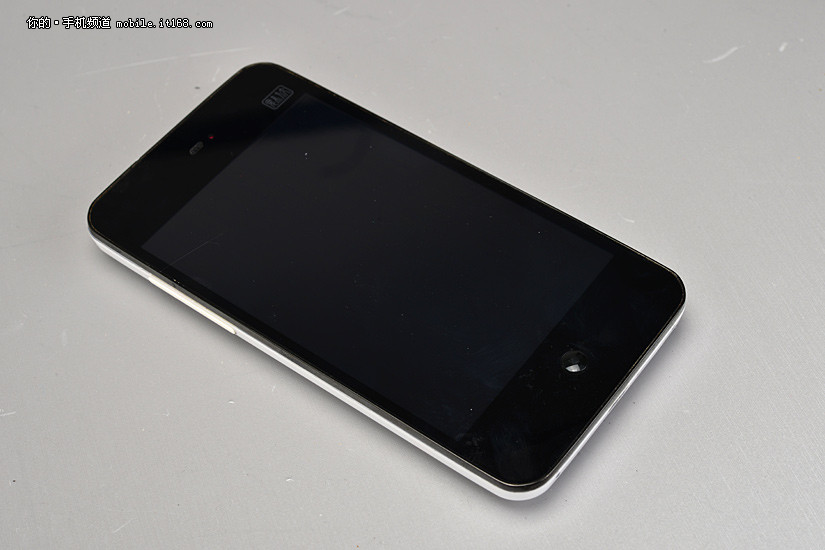
The Meizu MX was launched in 2010 and was the first to use a dual-core CPU from Samsung. It had a 4-inch screen with a 960 x 640 resolution and was the first to have a built-in battery. Four versions were released of this phone and it was also the first to use the Flyme OS.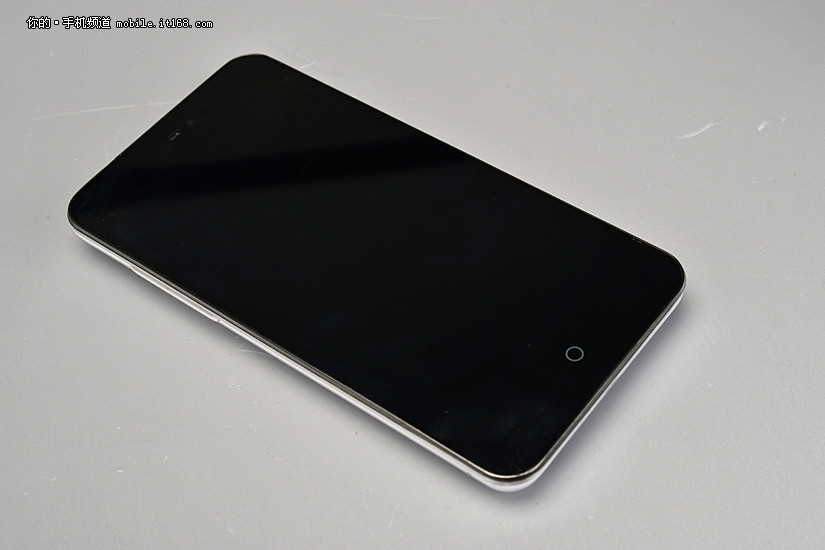
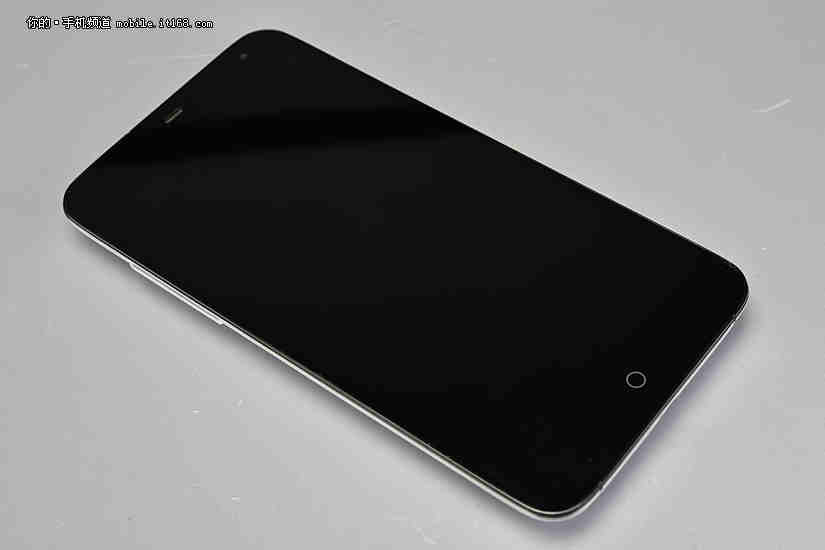
The Meizu MX2 was launched at the end of 2012 and had a 4.4-inch 1280 x 800 screen and a Samsung quad-core CPU. Its specs were pretty good and it was the first to not use a physical Home button, replacing it with the small circle. It also removed the menu and return buttons.
The Meizu MX3 looks very similar to the Meizu MX2 but it uses a 5.1-inch screen with a 1080 x 1800 resolution. At the same time, it also used the Samsung Exynos 5410 octa-core chipset.
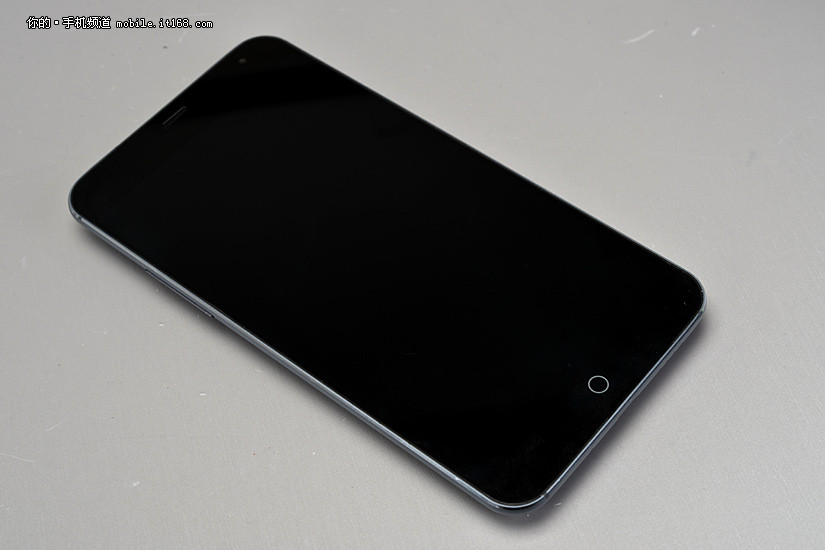
The Meizu MX4 is the latest in Meizu’s MX series. It is the first to stop using a CPU from Samsung, replacing it with the MTK MT6595 octa-core CPU, and sports a 5.36-inch screen. It’s also more affordable than its predecessors, costing 1799 RMB (292.92 USD).
IUNI U3 and One Plus one are both flagship devices with budget price. But for customers, there are so many choices for them to choose any smartphones at the price of 1999RMB($325), but which one would you buy? Now we have selected 2 typical smartphones: IUNI U3 and One Plus. Let’s take a look at what is the difference between them.
Specification
As new brands in China, IUNI and One Plus have already found their balance between price and specification.
|
Category |
IUNI U3 |
One Plus |
|
Dimensions |
145×74.9×10.3mm |
152.9×75.9×8.9mm |
|
Weight |
176g |
160g |
|
Display |
5.5 inch, 2K resolution(2560×1440) |
5.5 inch, 1080P resolution (1920×1080) |
|
CPU |
Qualcomm Snapdragon 801 processor |
Qualcomm Snapdragon 801 processor |
|
2.3GHz |
2.5GHz |
|
|
4G |
FDD-LTE and TDD-LTE |
FDD-LTE and TDD-LTE |
|
Platform |
IUNI OS based on Android 4.4 |
Color OS based on Android 4.4 |
|
RAM |
3GB |
3GB |
|
Front facing Camera |
4MP Utral-pixel |
5MP |
|
Battery |
3000mAh non-removable |
3100mAh non-removable |
Dispaly
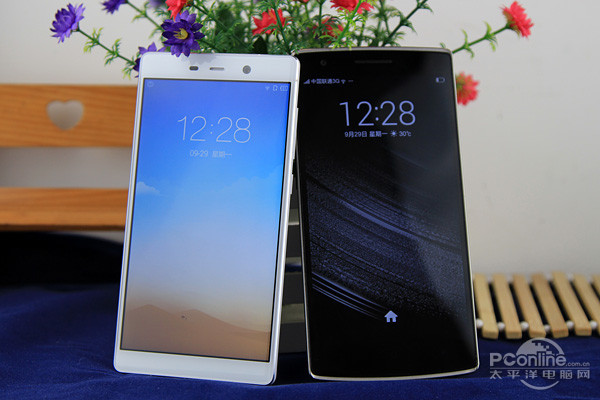
As for display, the screens of both two models are very impressive, because the screens are extremely close in quality and brightness. IUNI U3 features a 2.D curved screen, while One Plus features a floating touch screen. The difference between them is the design. The former is comfortable to hold, while the latter looks more fashionable. As everybody knows, there is no difference when you using 2K screen or 1080P screen. If I don’t mention the resolutions, you cannot even tell what is the difference between them by eyes only.
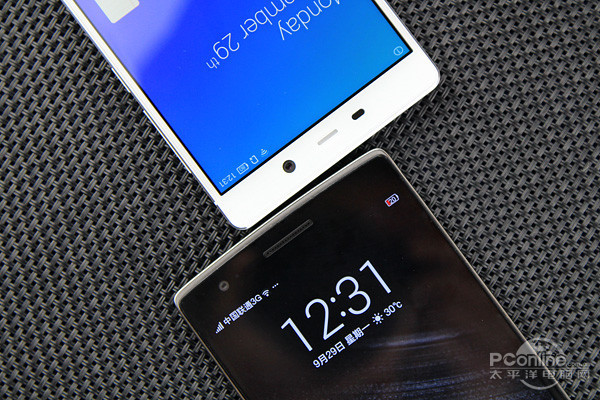
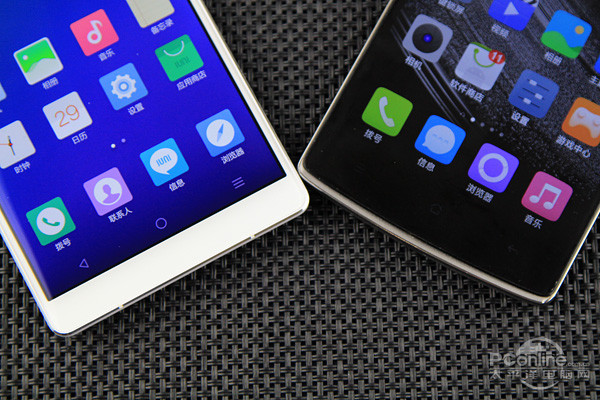
But there are still some differences in the front: the 3 on-screen buttons. IUNI U3 has put the 3 on-screen buttons inside the interface and you can choose to hide them; While One Plus makes them outside the screen, those buttons show just like notification light. In addition, Both of their menu buttons and back buttons are in a opposite side.
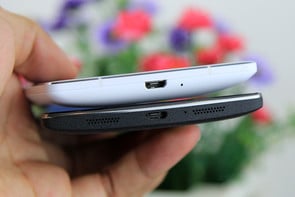
Another difference is the speaker. One Plus has a stereo speaker which located in the bottom of the phone, IUNI U3 has a mono speaker which in the back of the phone.
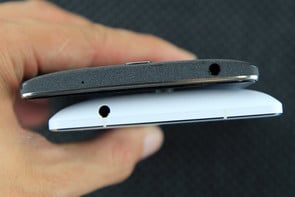
Both of two models feature a 13MP camera, One Plus has a dual LED flash while IUNI U3 with a single LED flash.
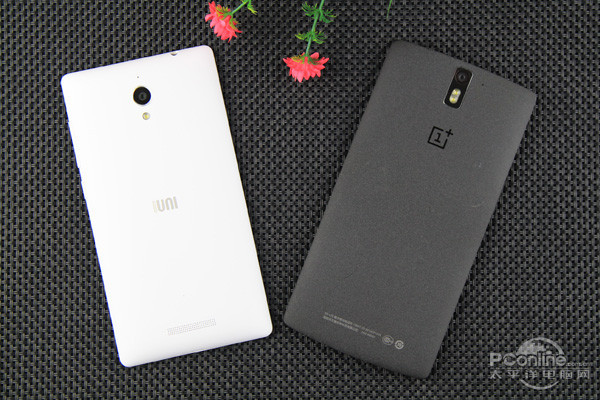
The power button and volume button of IUNI U3 are on the left. One Plus has only power button on the left , its volume button and Micro-SIM slot are on the right. In order to put SIM into the slot, the back cover of IUNI U3 is detachable, but its battery is non-removable. For One plus, back cover is undetachable and battery is non-removable.
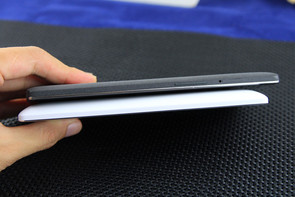
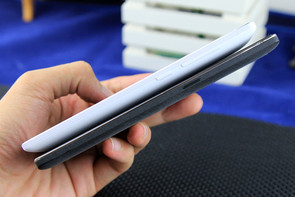
Performance
There is no doubt that IUNI U3 and One Plus own the best hardware currently. IUNI U3 features a Qualcomm Snapdragon MSM8974AA quad-core processor 2.3GHz , with 3GB RAM and 32 internal storage; while One Plus features a Qualcomm Snapdragon MSM8974AC quad-core processor 2.5GHz, with 3GB RAM and 32 internal storage. IUNI U3 features IUNI OS which based on Android 4.4.
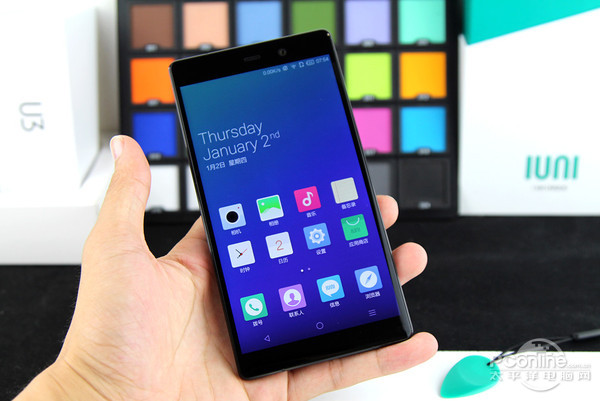
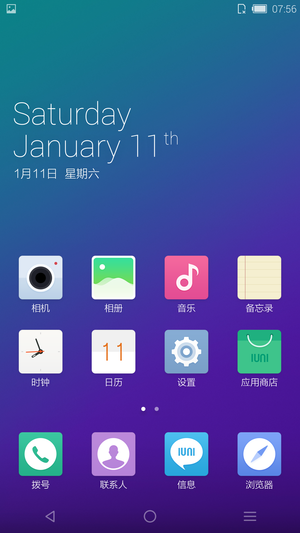
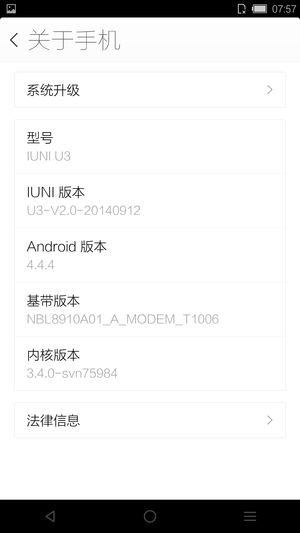
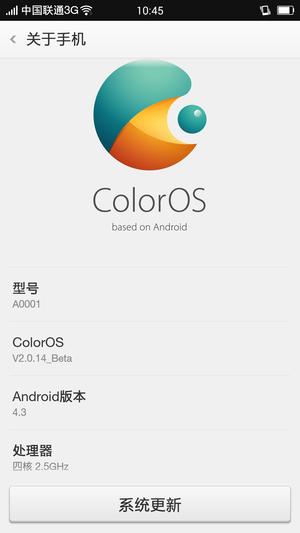
One Plus features Color OS which also based on Android 4.4.
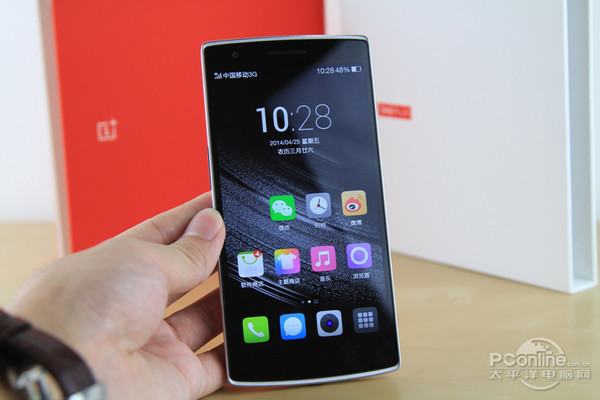
Camera
One Plus sports the latest Sony’s IMX214 sensor which performs well in the industry. IUNI U3 sports Sony’s IMX135 sensor with Optical Image Stabilization, but its image quality is less better than One Plus.
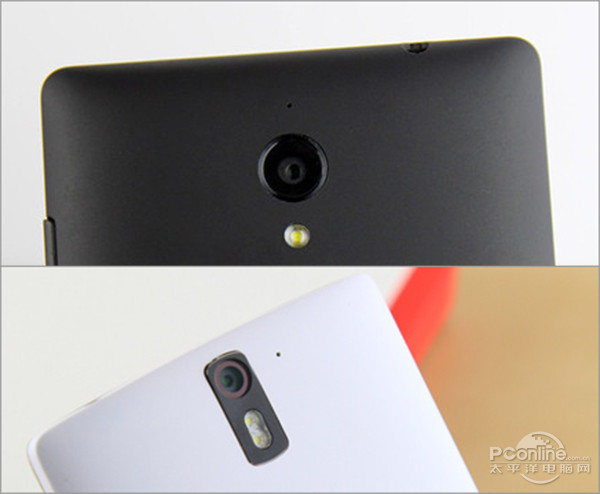


Let’s look at the color performance and white balance of IUNI U3( left) and One Plus(Right). After we have seen some sample photos, UNI U3 does a better job of accurate colors, especially when dealing with red and green colors. While One Plus could capture a huge amount of details with a better IMX214 sensor.
Summary
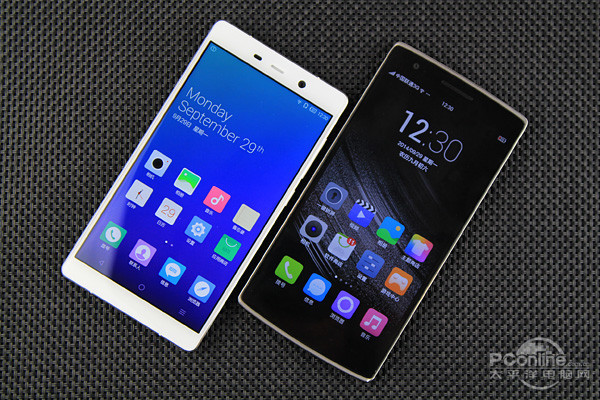
We could find that IUNI U3 and One Plus are very competitive in the market at the price of 2000RMB($325) in China. Both of them will give customers more surprises as their unique design and excellent performance. But which one is better, which one you should buy, you’d better hear your inner voice and make a choice.
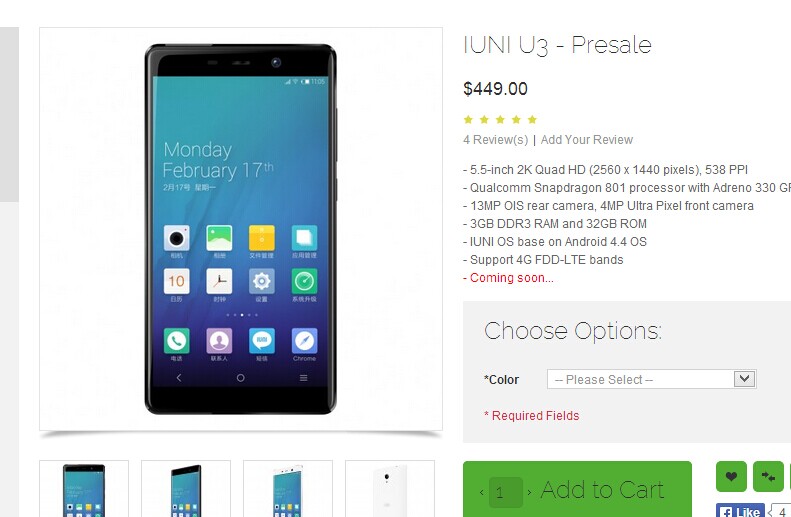
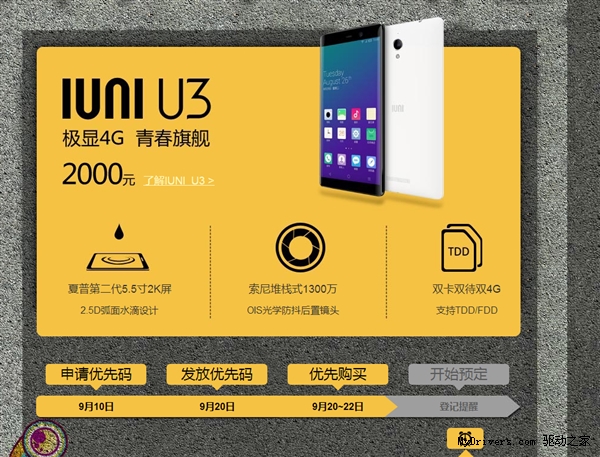
This morning at 10:00 AM, IUNI finally allowed free pre-orders for its 2K screen flagship phone, the IUNI U3. Its actual cost is RMB1999 in China $449.00 at oppomart.com .
The IUNI U3’s middle chassis and interior are made of aluminium and magnalium, but the back is made of Japanese plastic which looks really nice. As for specs, the IUNI U3 has a 5.5-inch 2K screen, the Snapdragon 801 quad-core chipset, the Qualcomm Snapdragon MSM8974AB quad-core processor, 3GB RAM, 32GB ROM, a 13mp camera with OIS, a 3000mAh battery, and support for 4G networks and dual-SIM cards. Its operating system is the Android 4.4-customized IUNI OS which has a neat and clean user interface without any pre-installed third-party software.
Make your pre-order here.