Xiaomi has expanded into many different segments in the past few years, including wearables. Although the company is yet to release a low-cost smartwatch, its Mi Band, which costs under $20 has turned out to be quite successful. As a result, the company has managed to make it to the top three wearable companies by shipments as well as market share for the Q3 2015.
Cubot X17 Review – Super Slim and Metal
Today we have a phone that is super slim, compact and made of metal – Cubot X17. Find out more in our full review.
Thanks to Cubot Official for sending Cubot X17 for a review.
Cubot X17 Review: Video
[embedyt] http://www.youtube.com/watch?v=Cvi-CRUFweI[/embedyt]Cubot X17 Review: Specs
Display |
5″ 1080p (Full-HD) |
Processor |
MTK6735, 64-bit, quad-core, 1.3GHz |
RAM |
3GB |
Camera |
8MP Front/16MP Back |
Connectivity |
Bluetooth, 3G, 4G, GPS, WIFI, GSM,EDGE, GPRS, UMTS, HSPA, HSPA+, dual-SIM, FDD-LTE B1/B3/B7 |
Battery |
2.500 mAh (non-removable) |
Dimensions |
143.4 x 69.4mm x 6.1 mm / 163g |
OS |
Android 5.1 |
Storage |
16GB (expandable via microSD card slot up to 64GB) |
Cubot X17 Review: UNBOXING
The phone comes with a charging brick and USB cable, SIM ejector pin, instruction manuals, screen protector and a a nice soft plastic case, which is always a nice addition to have.
Cubot X17 Review: DESIGN
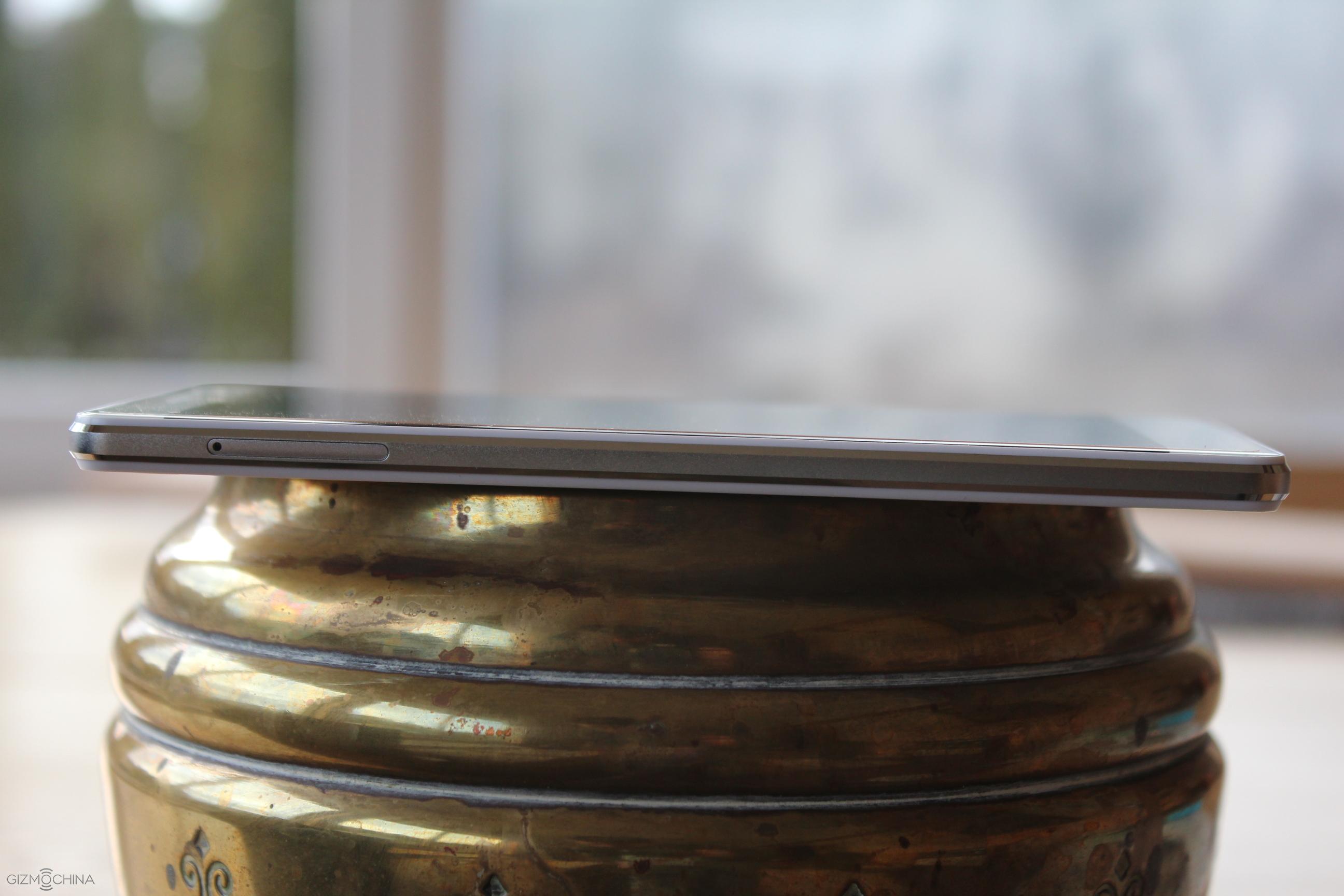
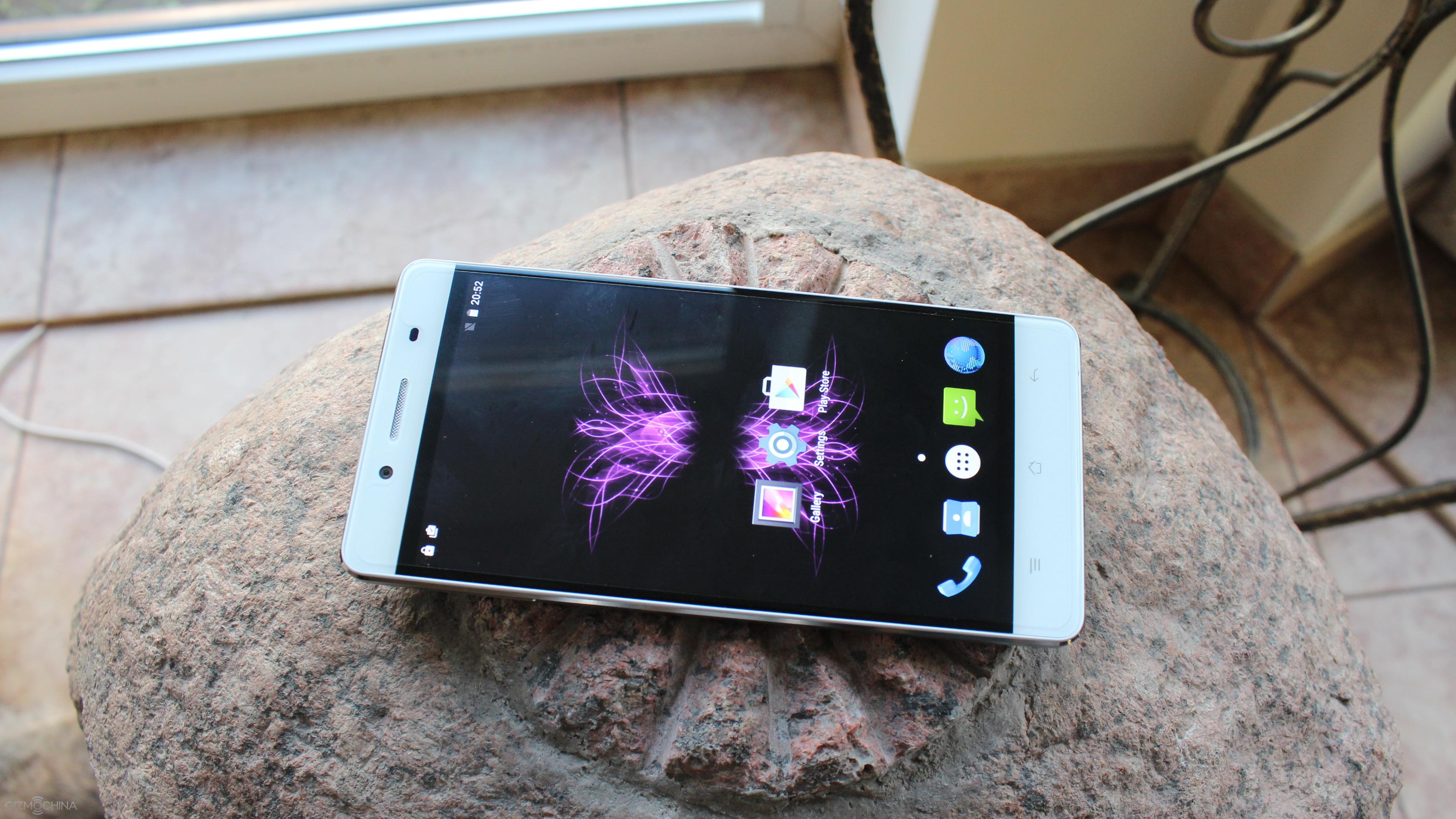
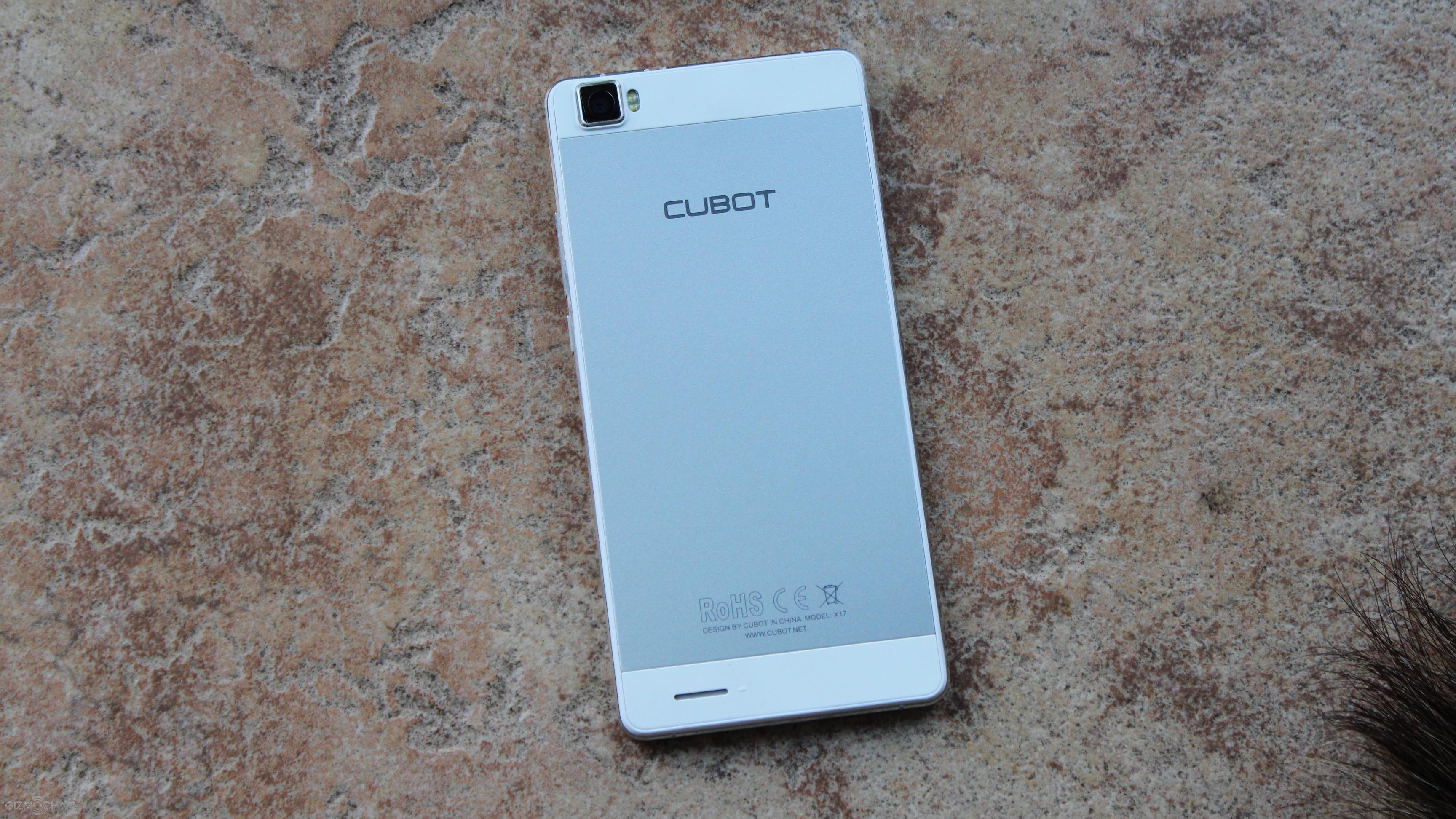
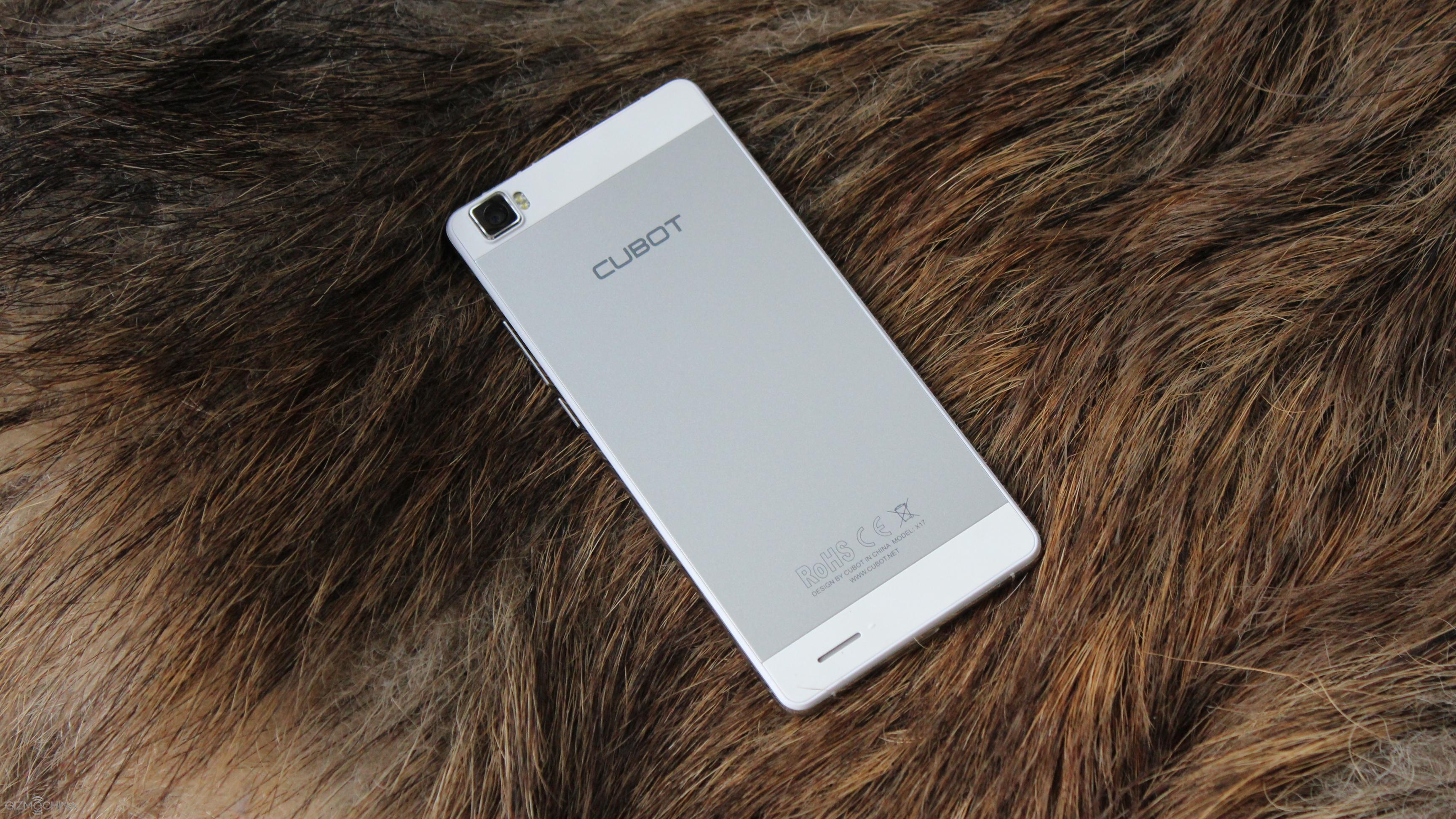
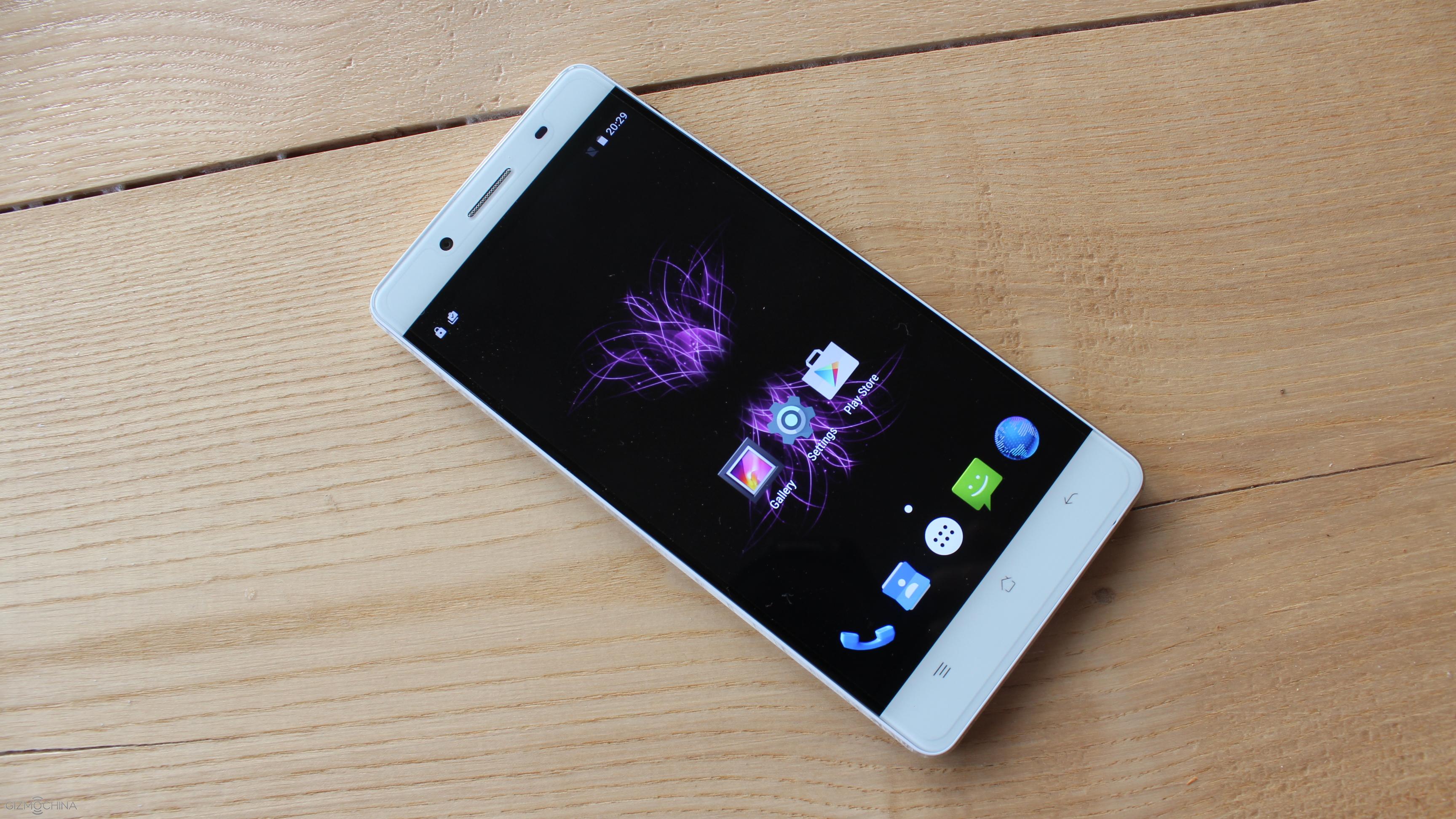
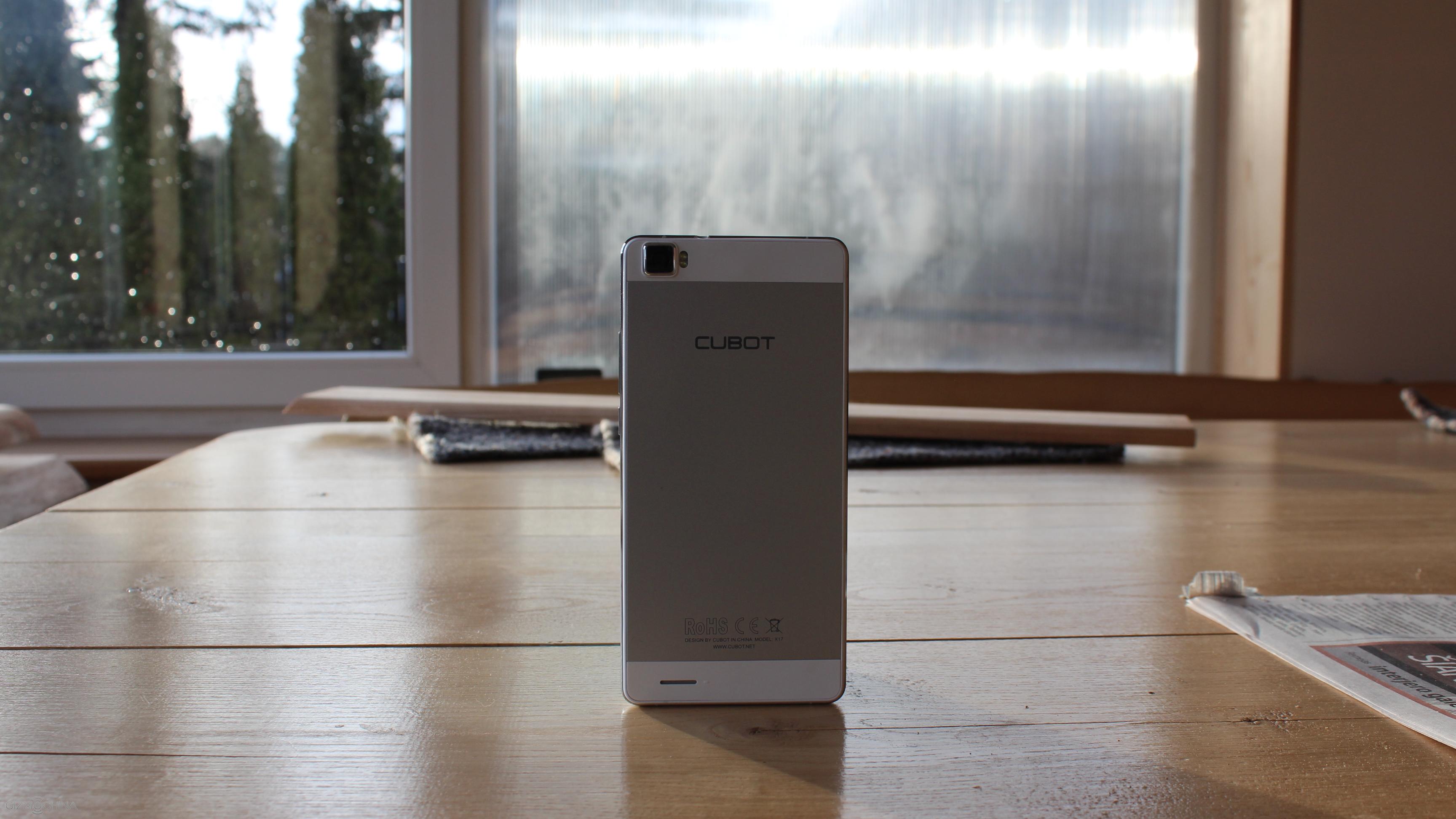
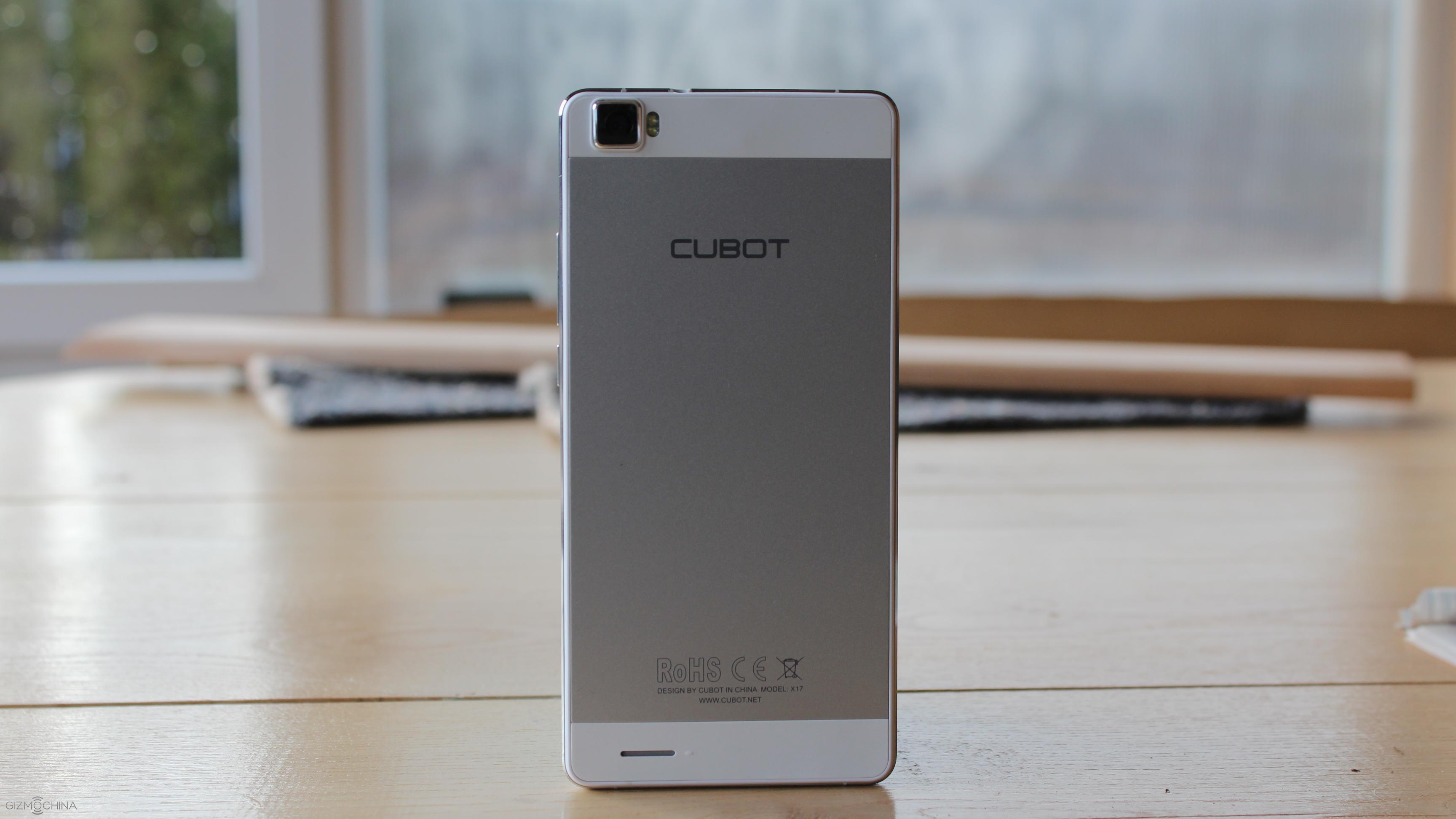
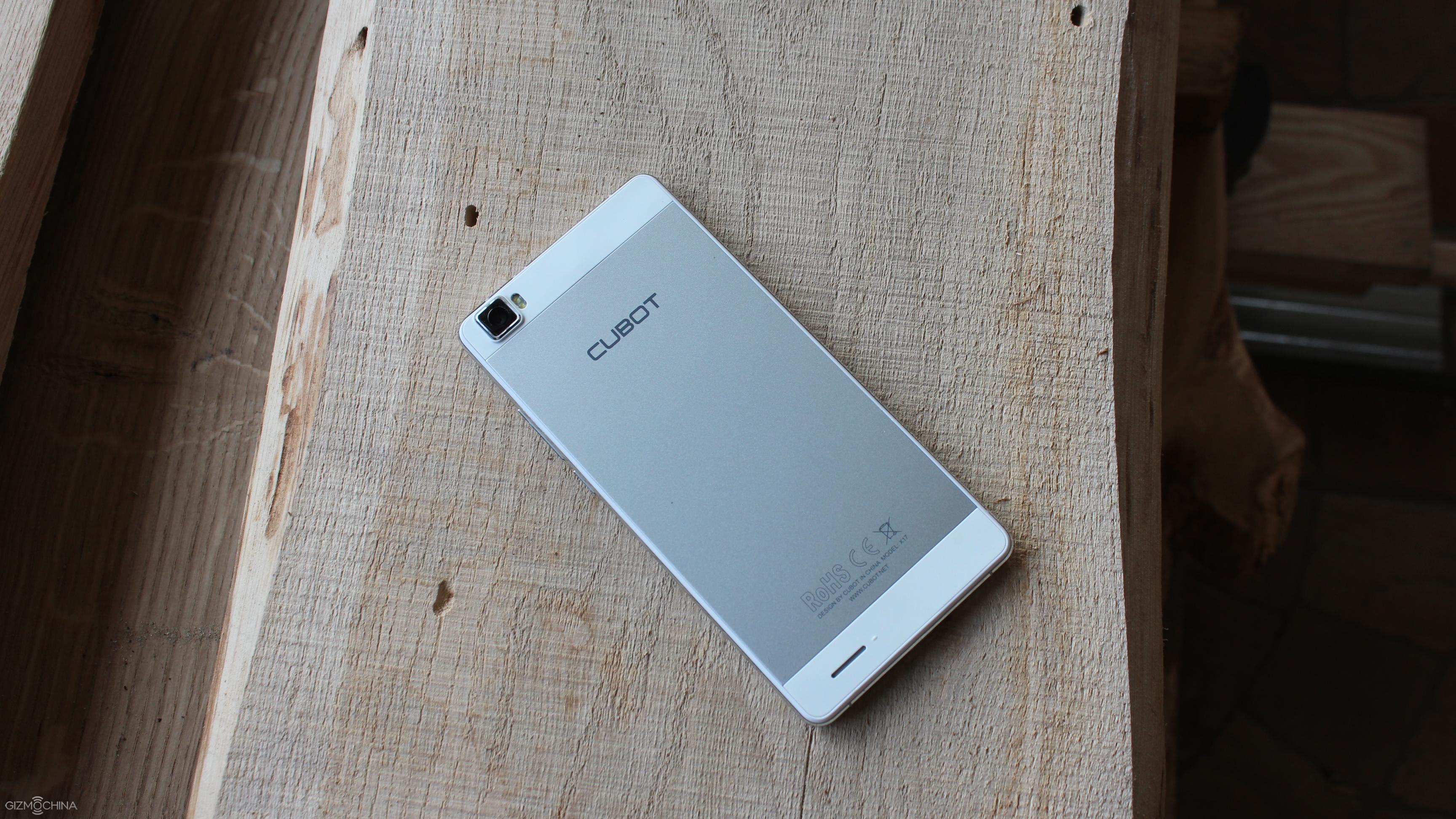
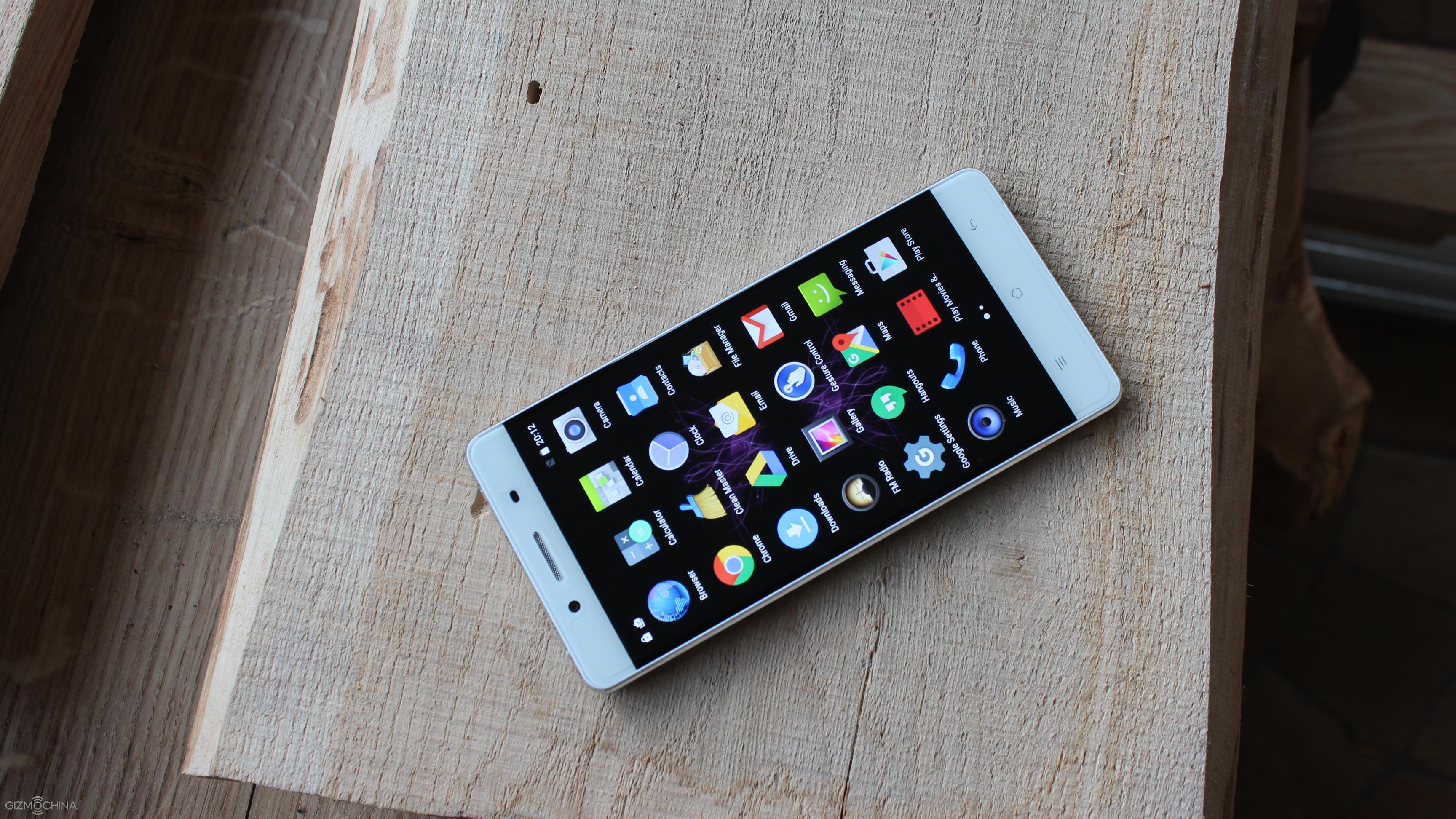
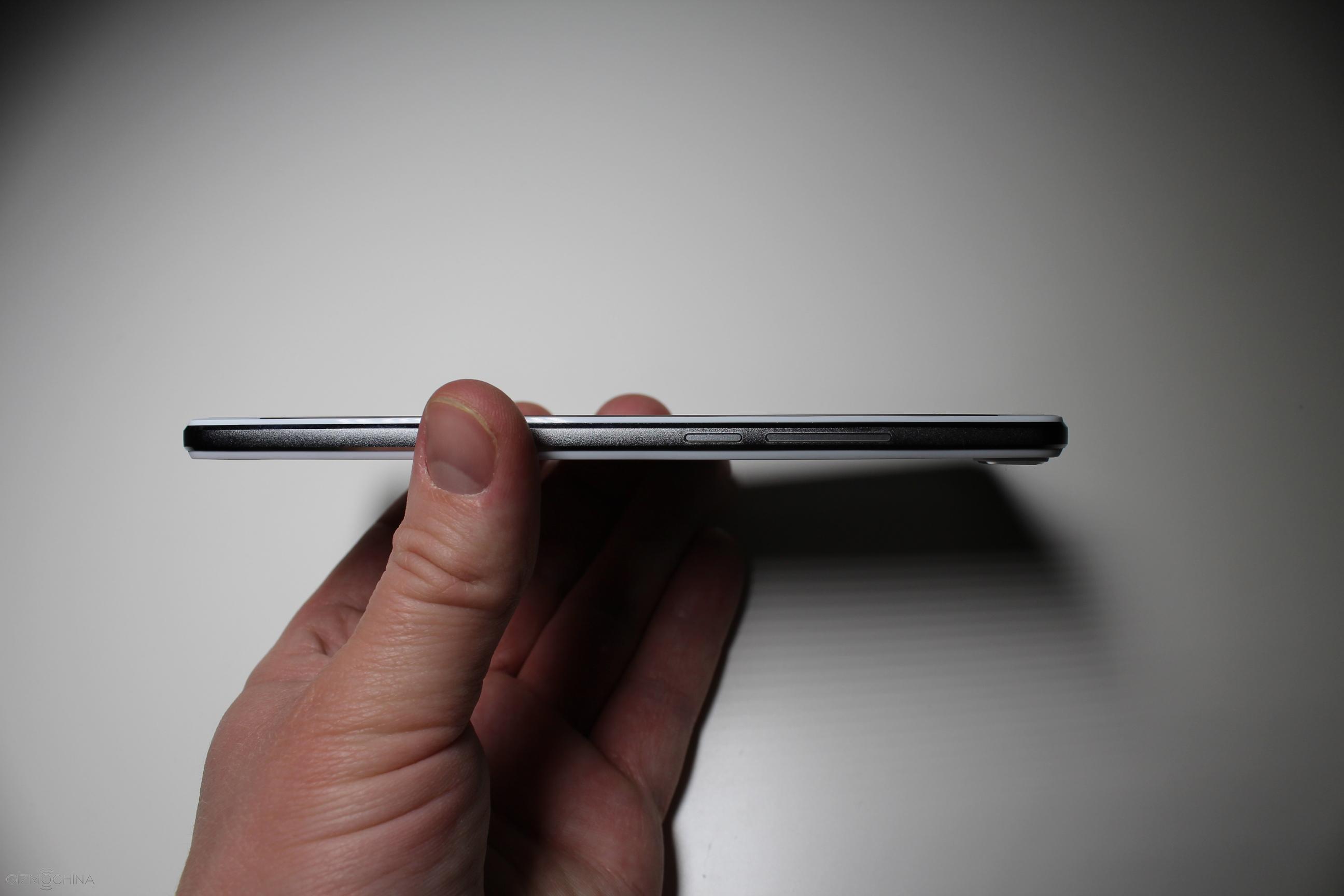
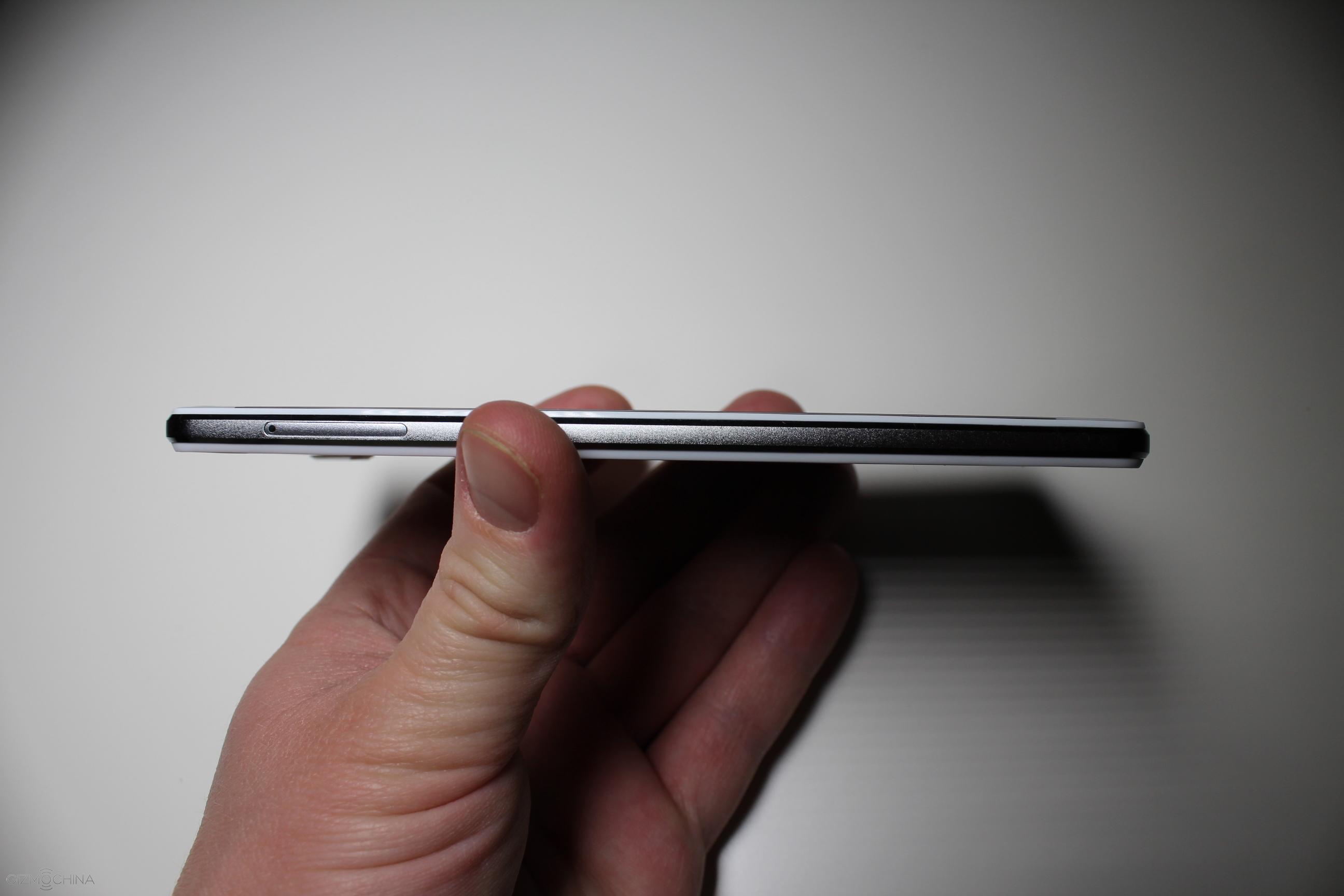
As far as design, we are looking at a very thin device as its thickness measures at just 6.1mm. The Cubot X17 has a nice metal frame and it is a compact phone due to its 5” display.
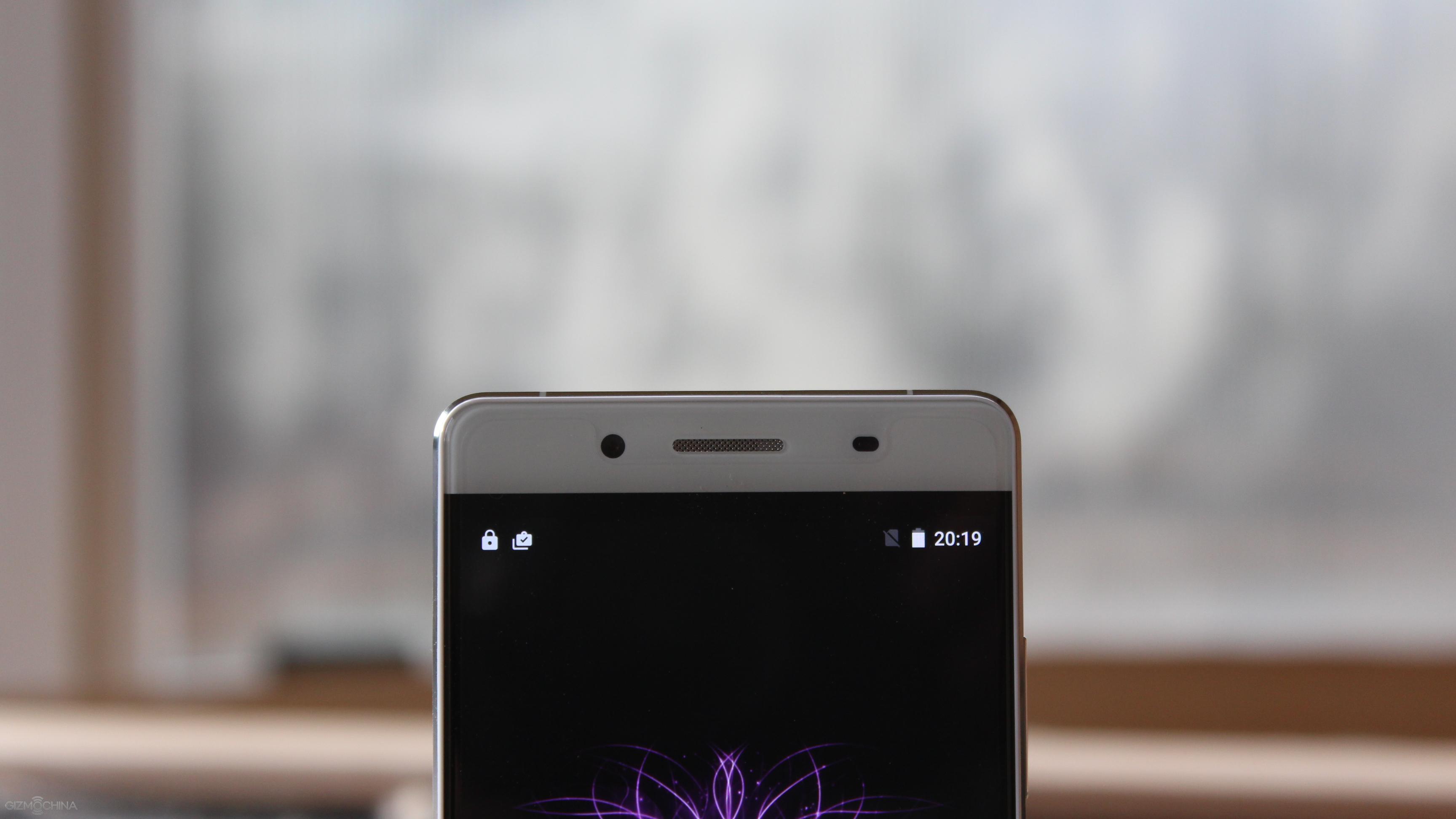
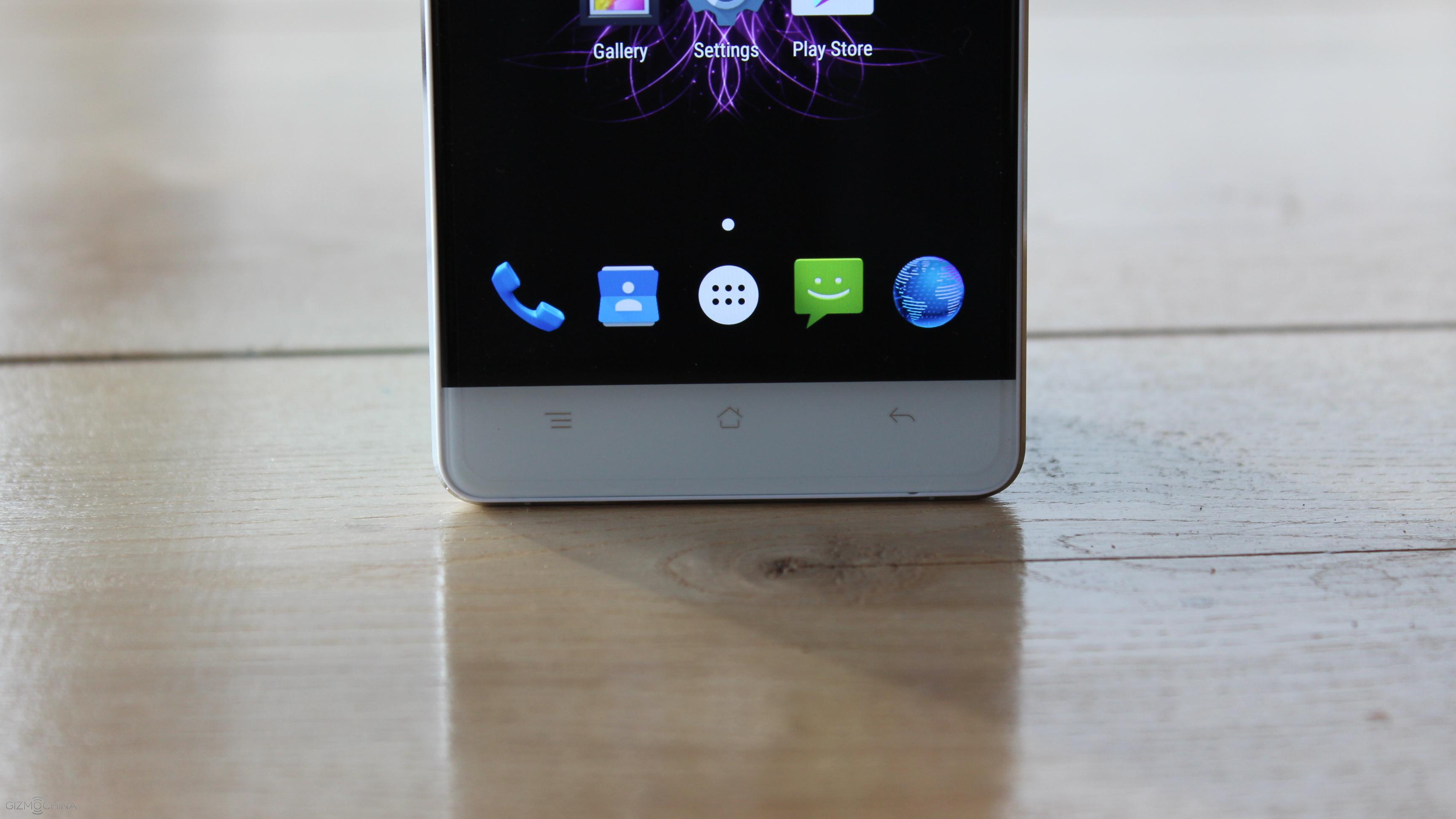
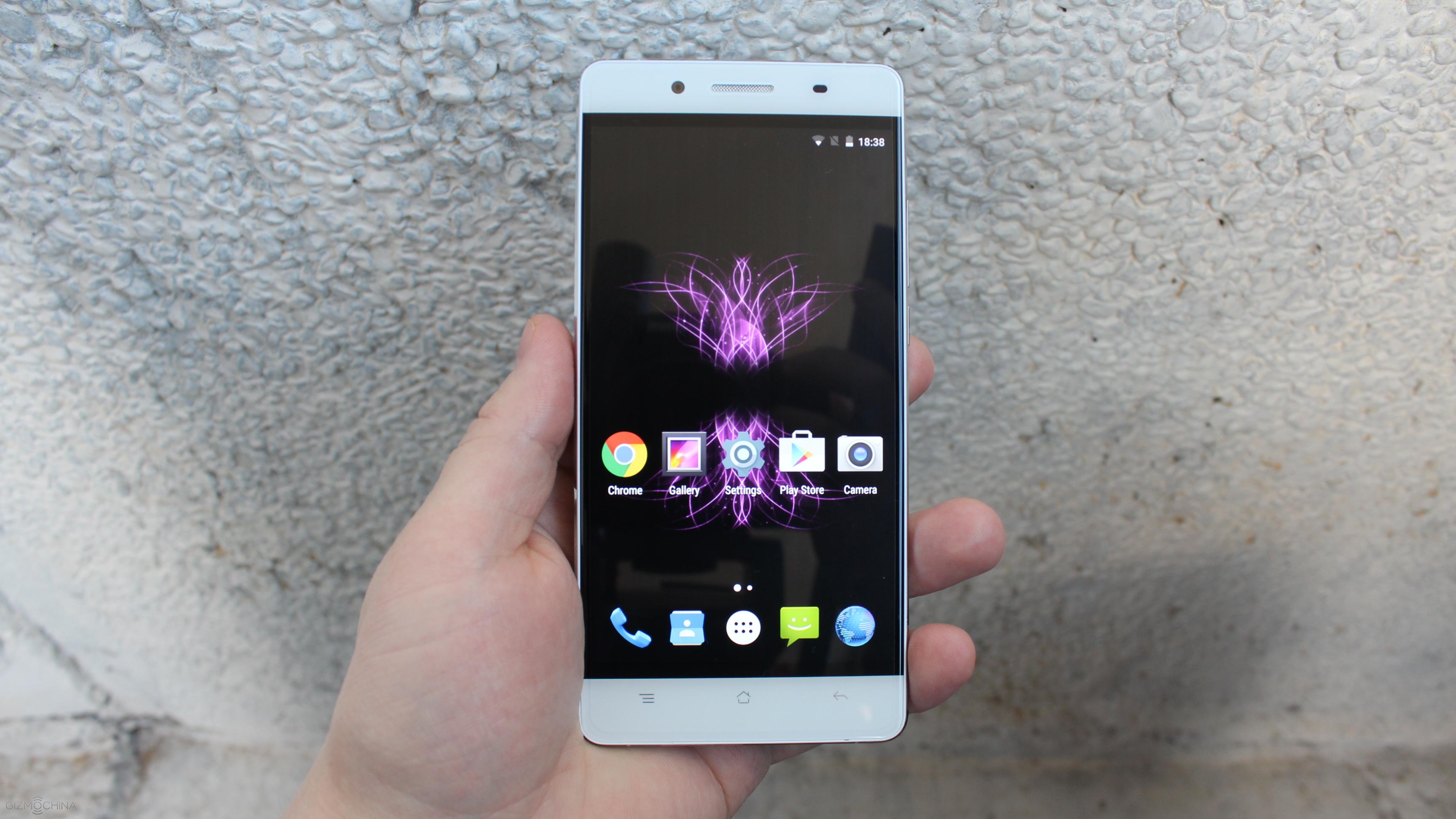
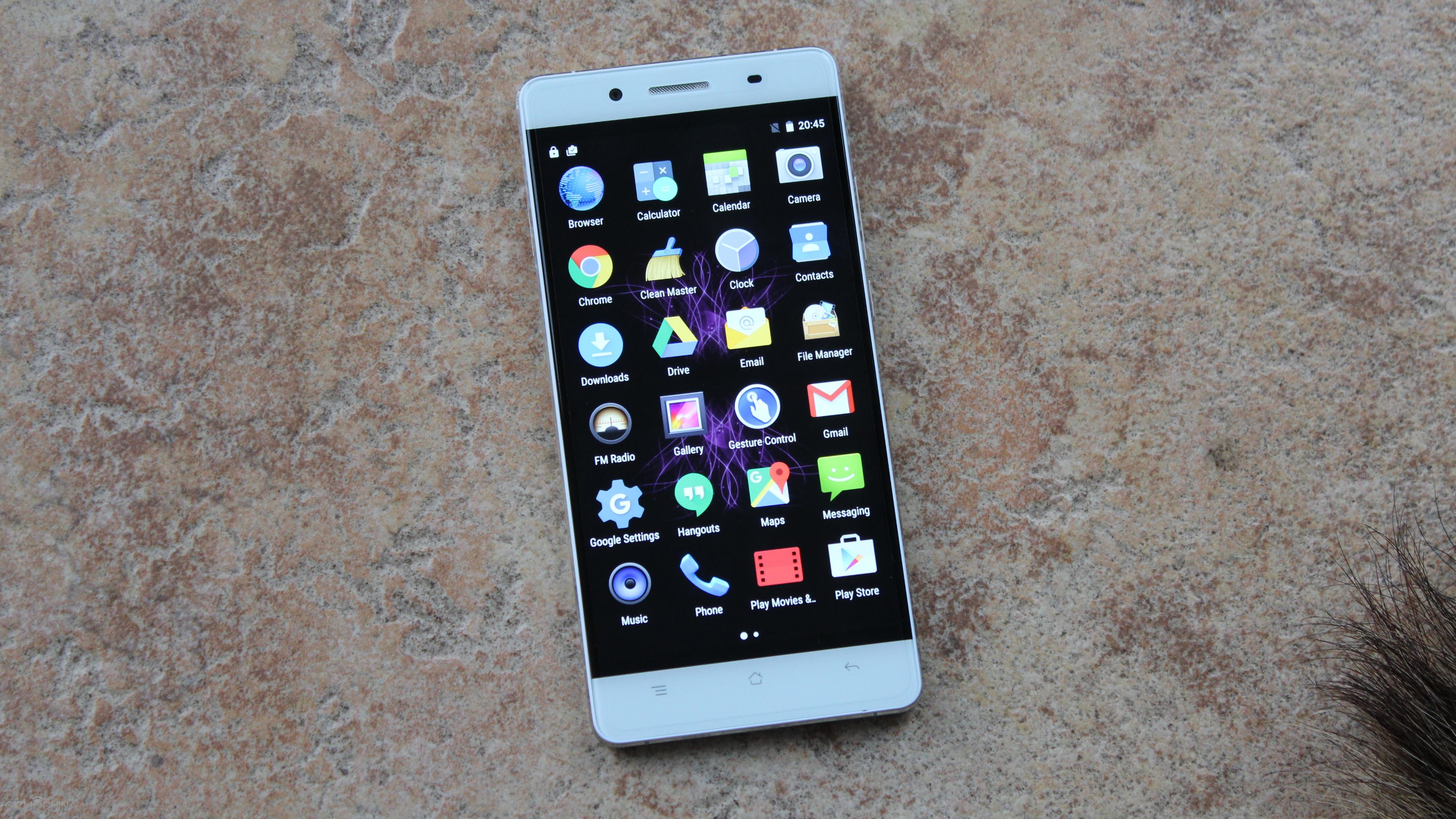
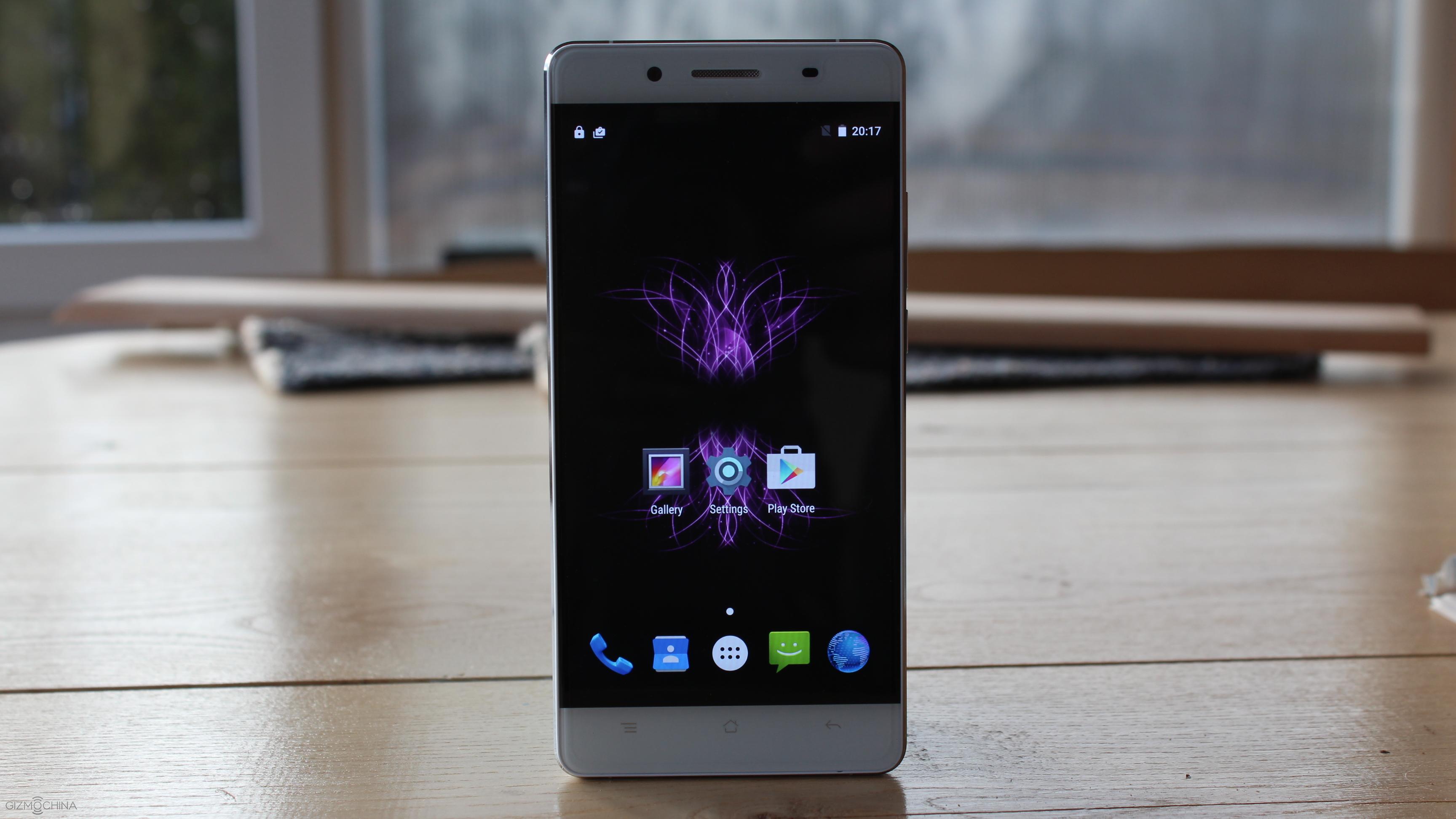
Besides the usual stuff you would expect, on the front there is LED light, 8MP shooter for selfies and 3 capacitive buttons, which are, however, not backlit.
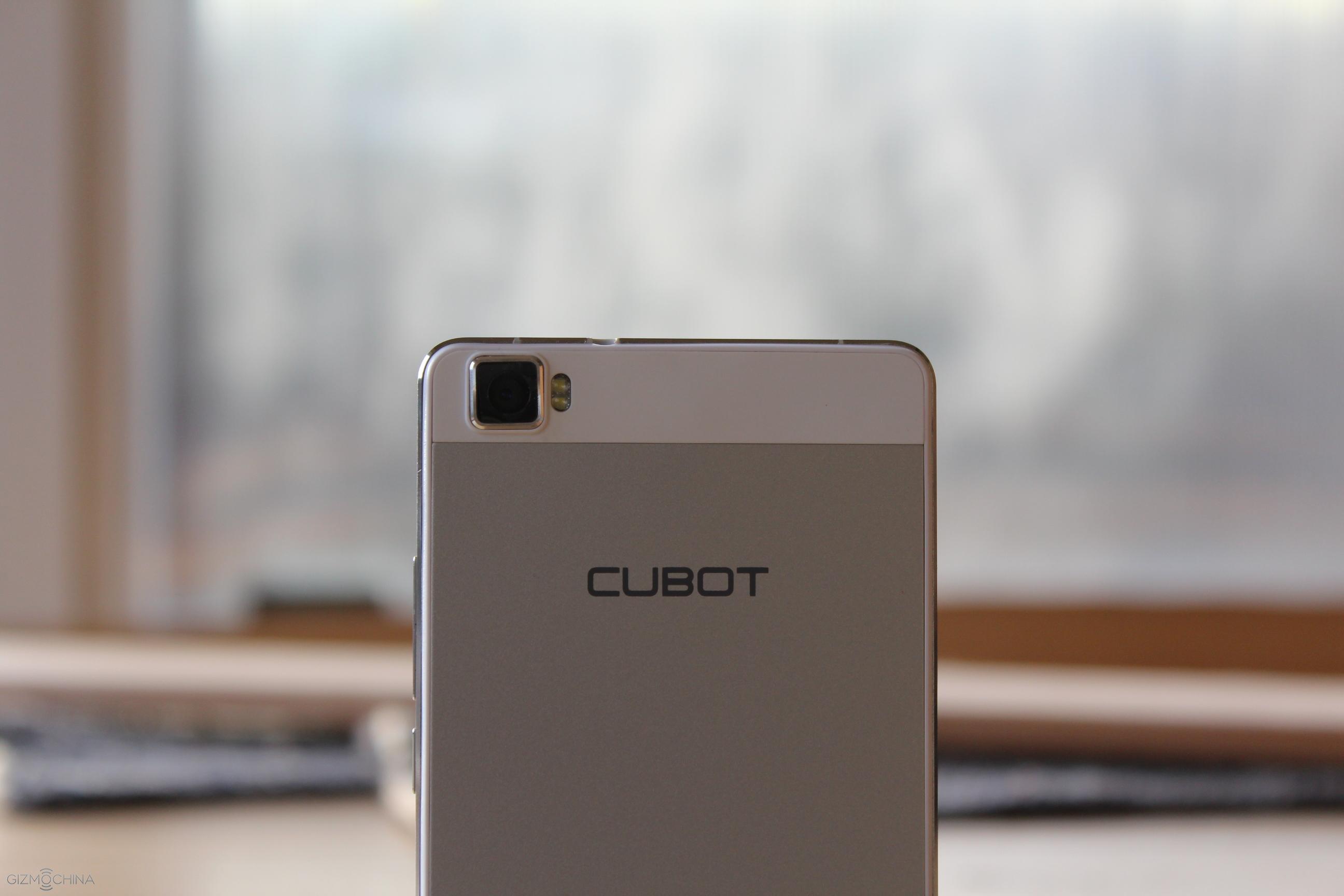
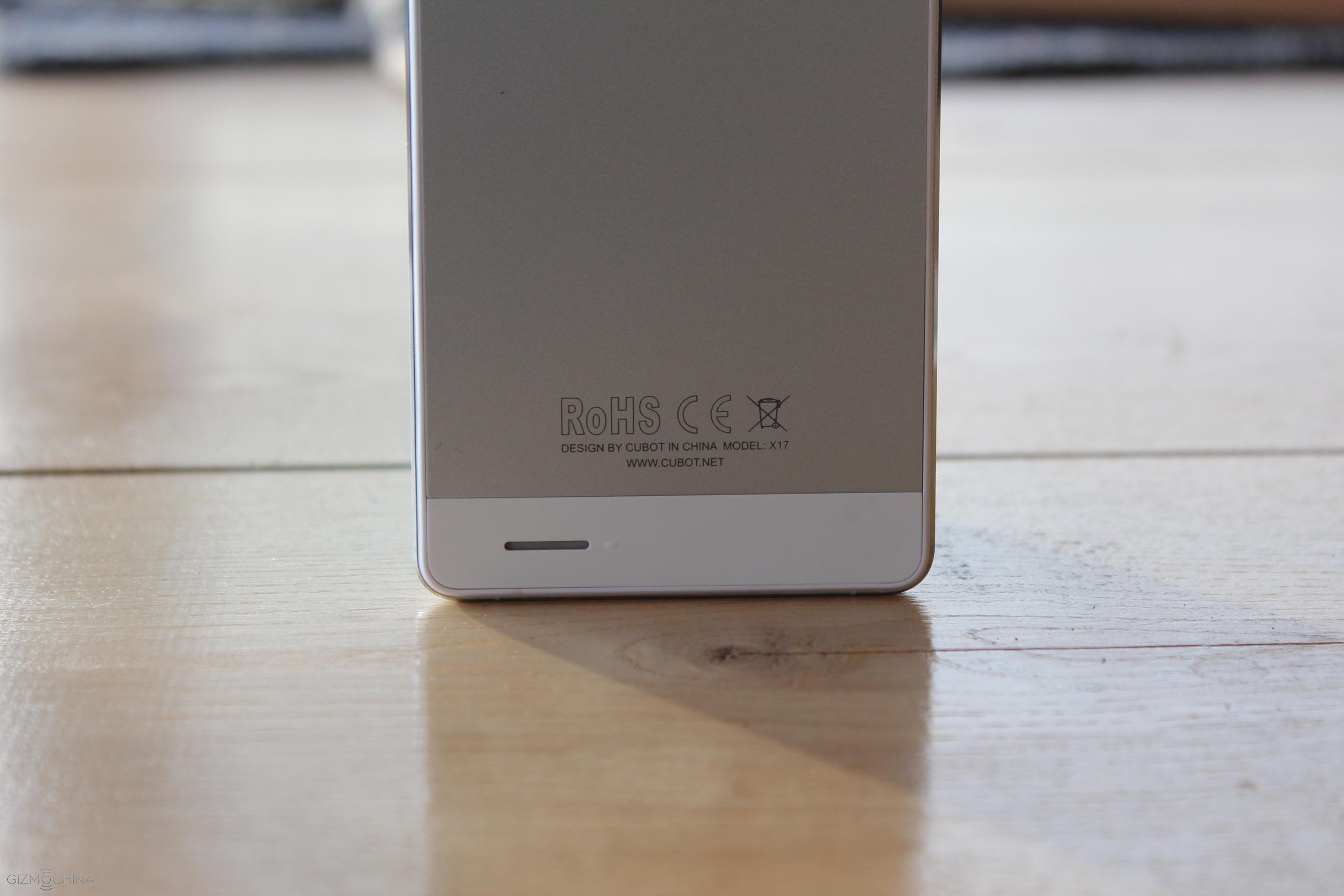
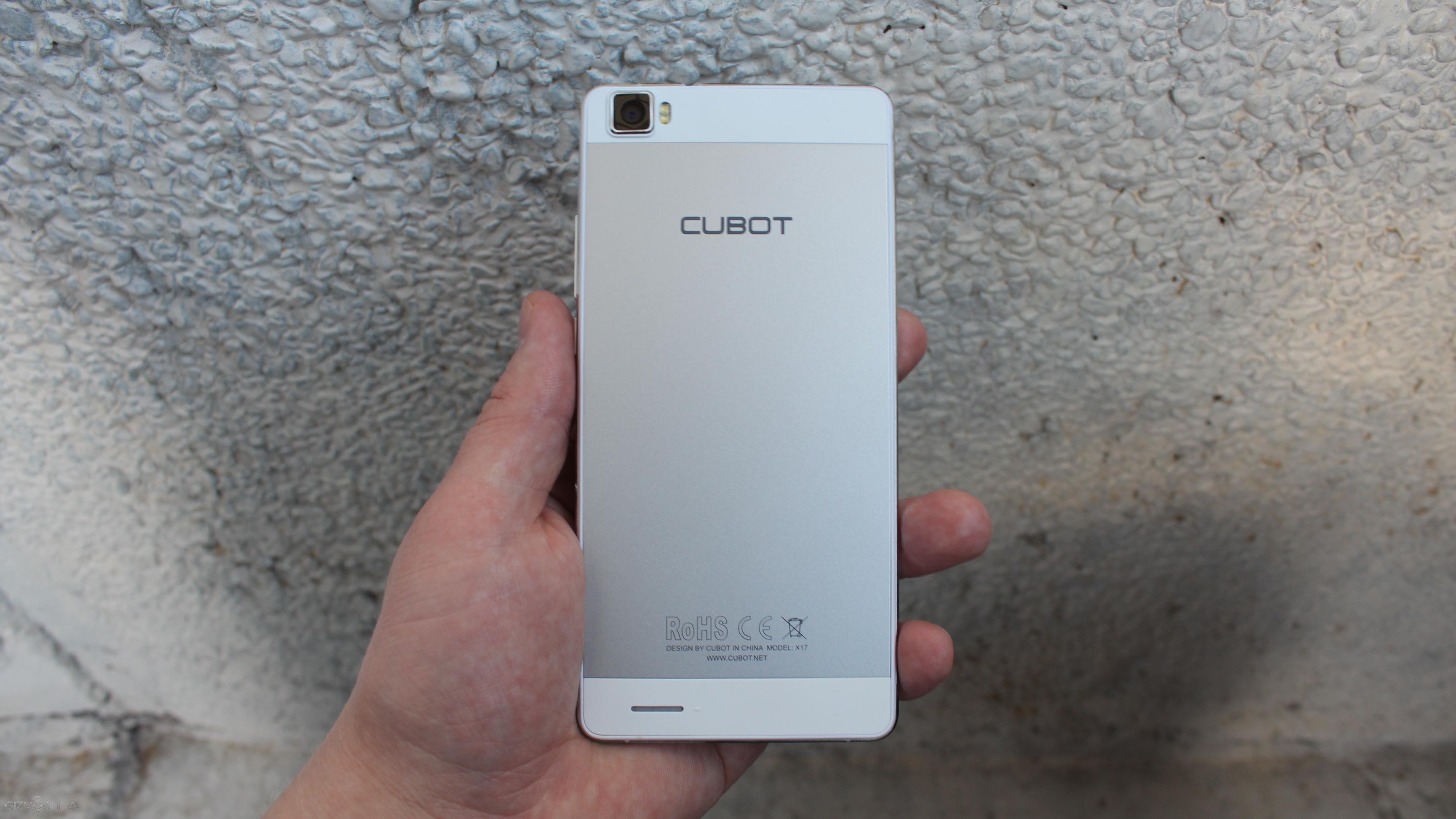
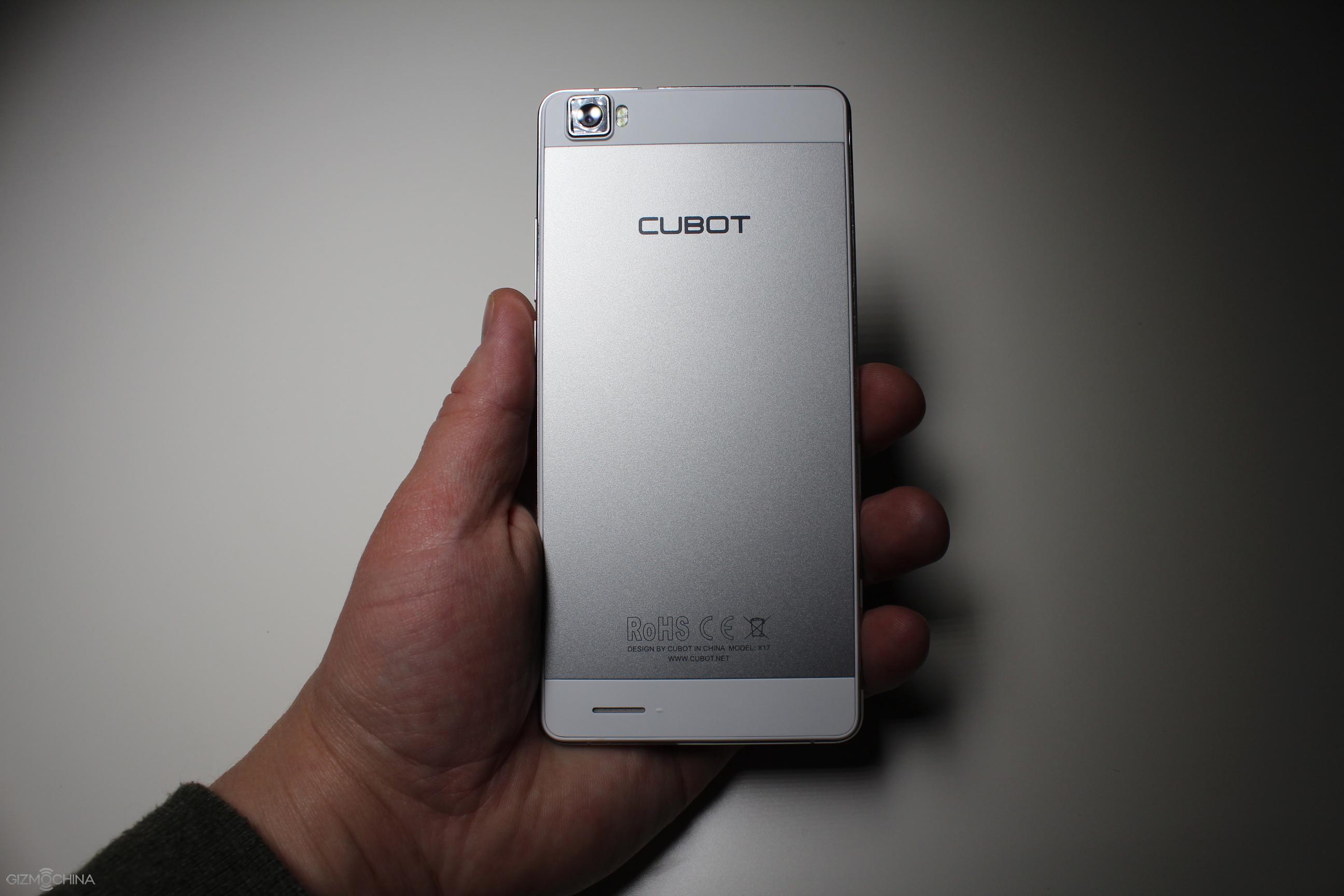
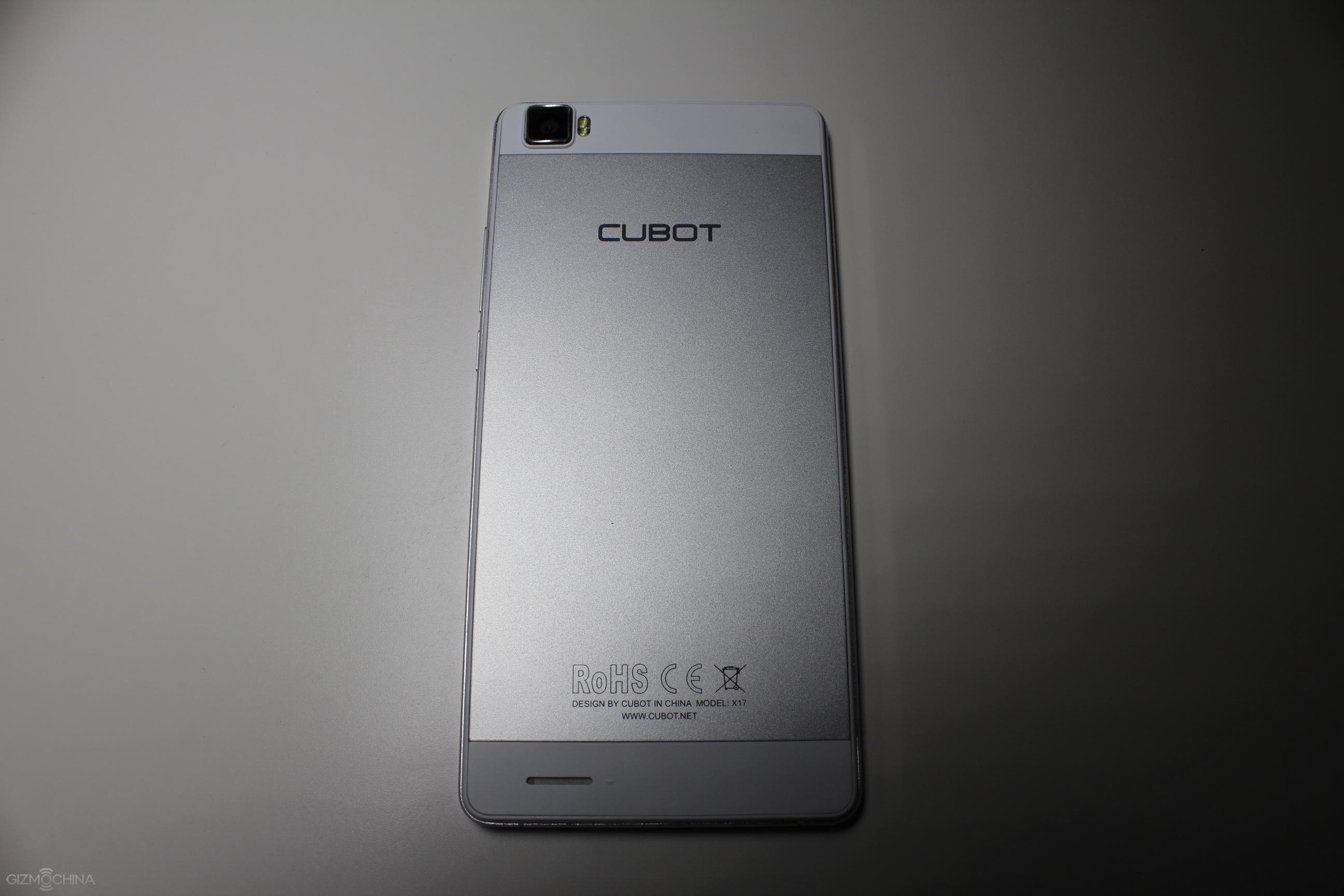
The back is made of metal expect for the top and bottom parts, which sport plastic material. As far as optics, we have a 13MP snapper, which is interpolated to 16MP and it is supplemented with a dual LED flash.
On the bottom, there is a speaker grill.
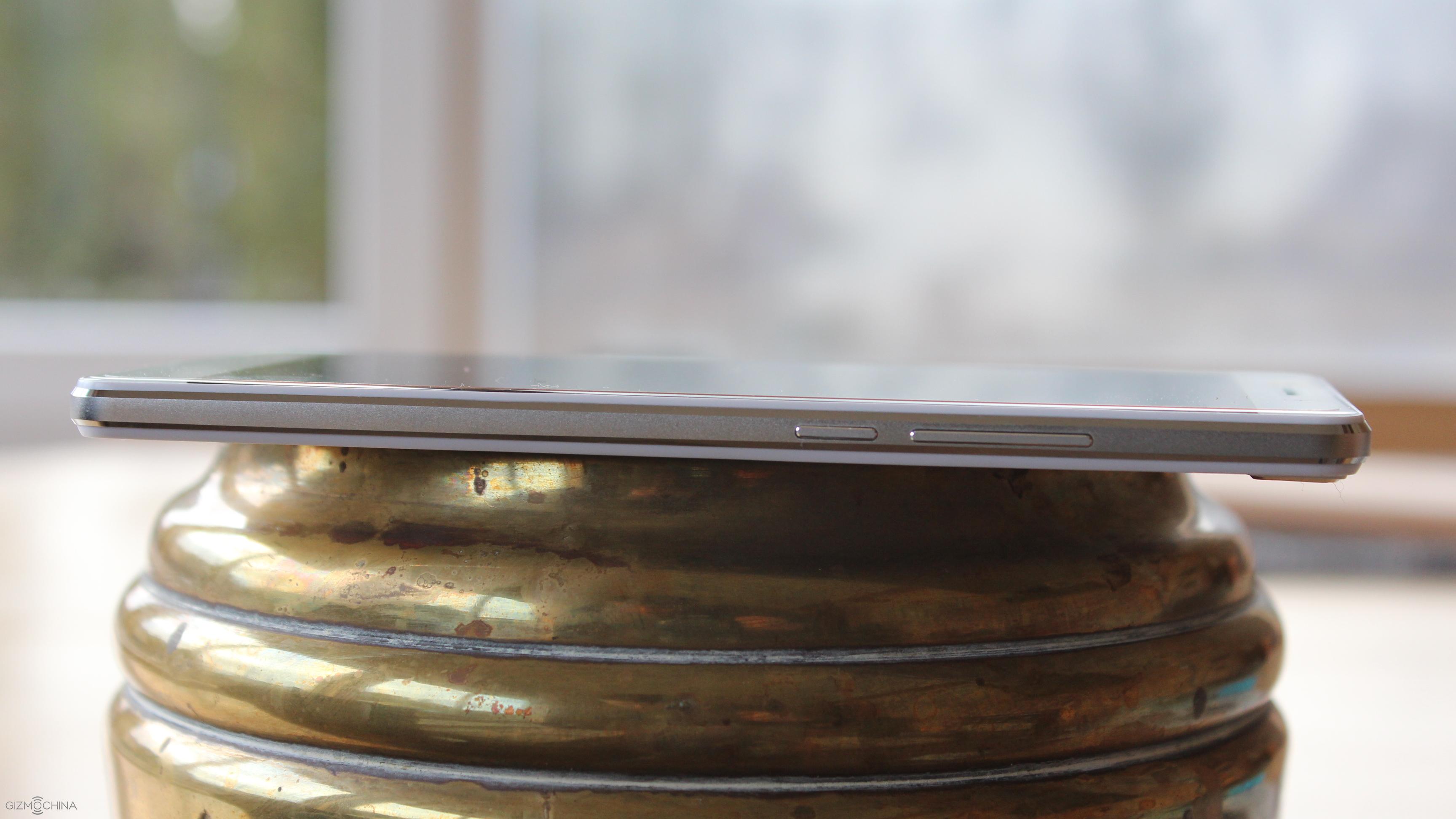
On the right, there is a conveniently placed and tactile volume rocker and a power key, on the left there is a SIM card tray, which can take either 2 SIM cards or a combo of 1 SIM card and the microSD card.
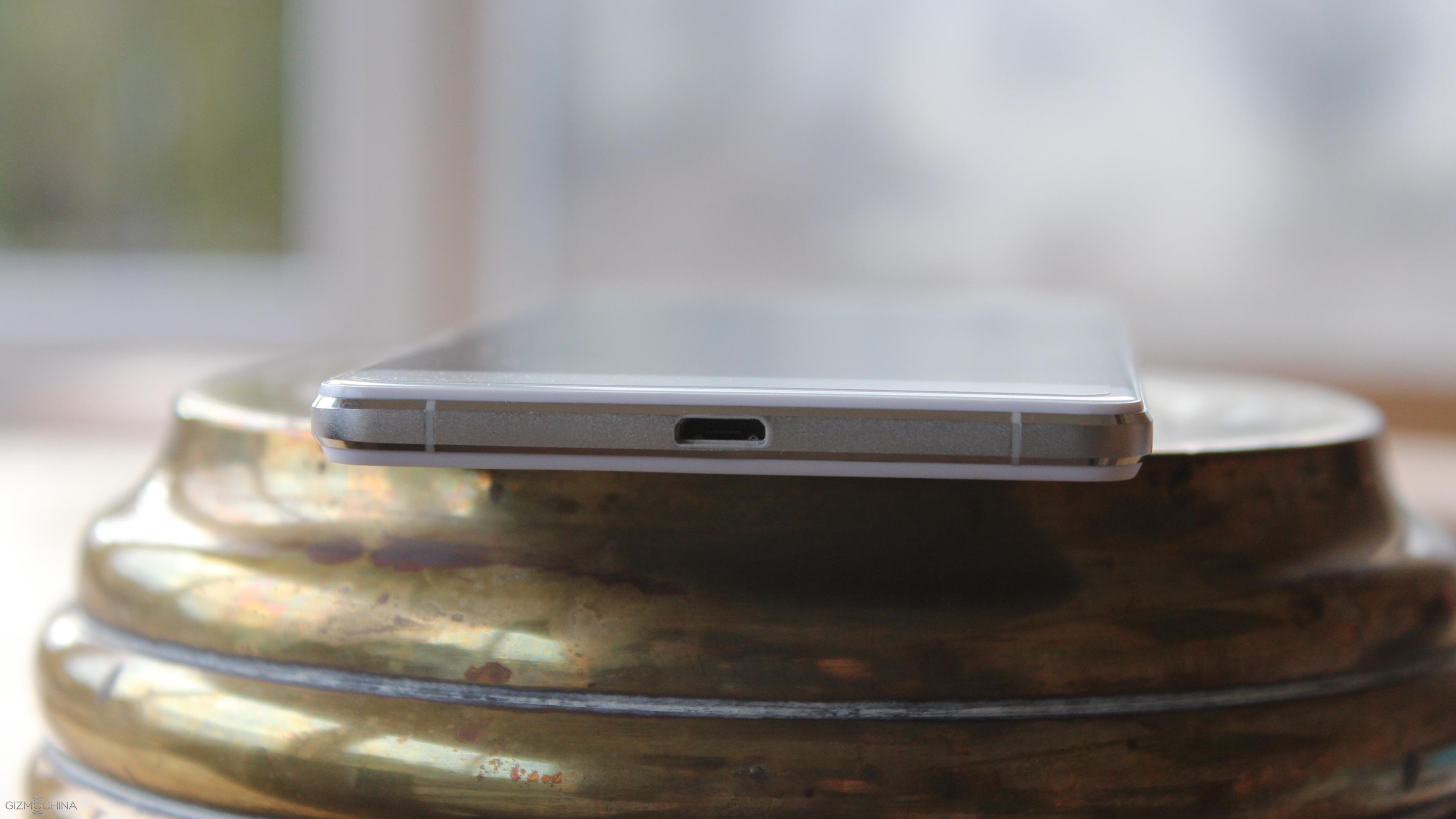
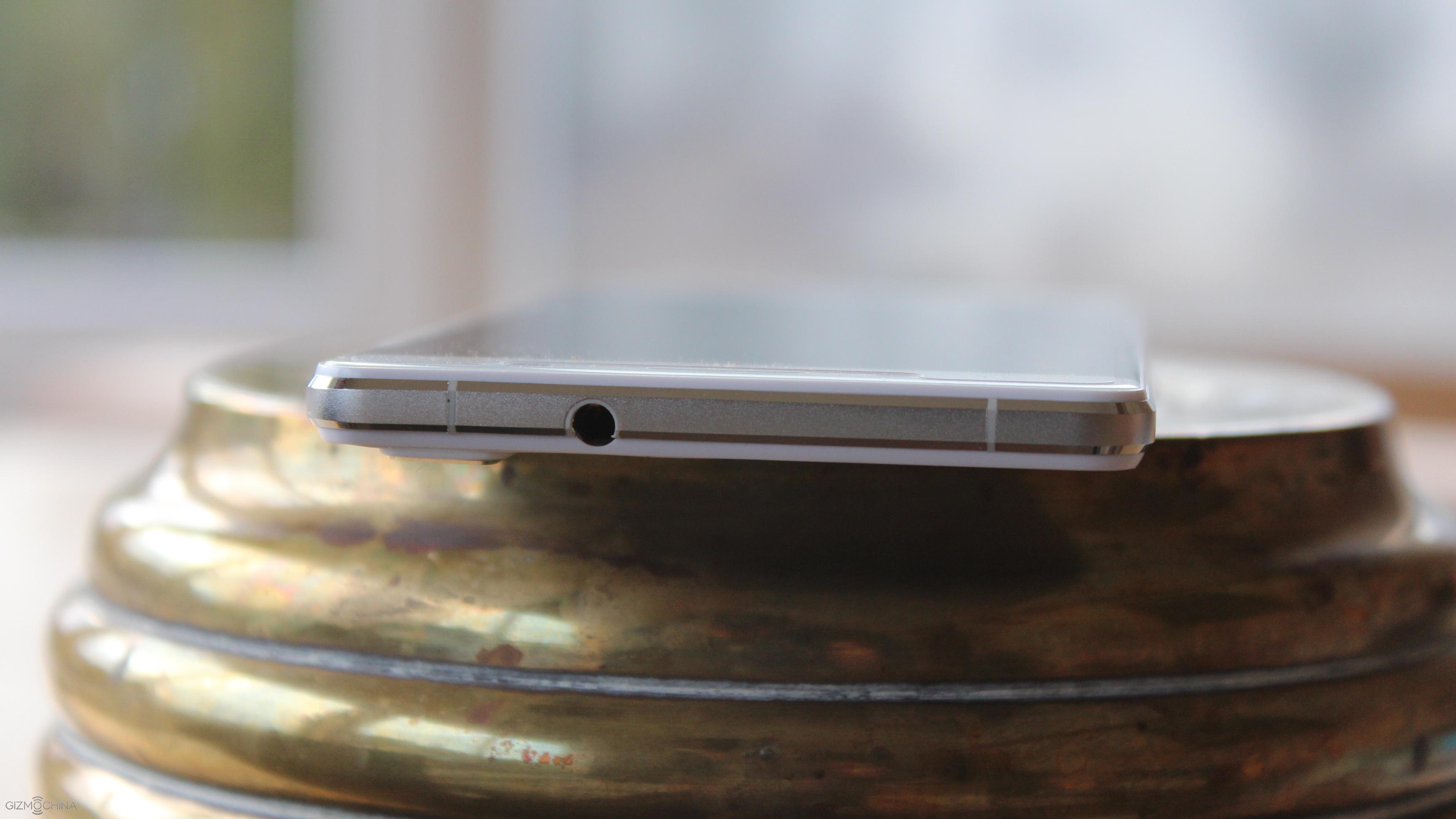
On the top we have a headset jack and on the bottom there is a micro USB port.
Overall, the phone feels solid, it is well build and it uses some quality materials in its construction.
Cubot X17 design gallery:
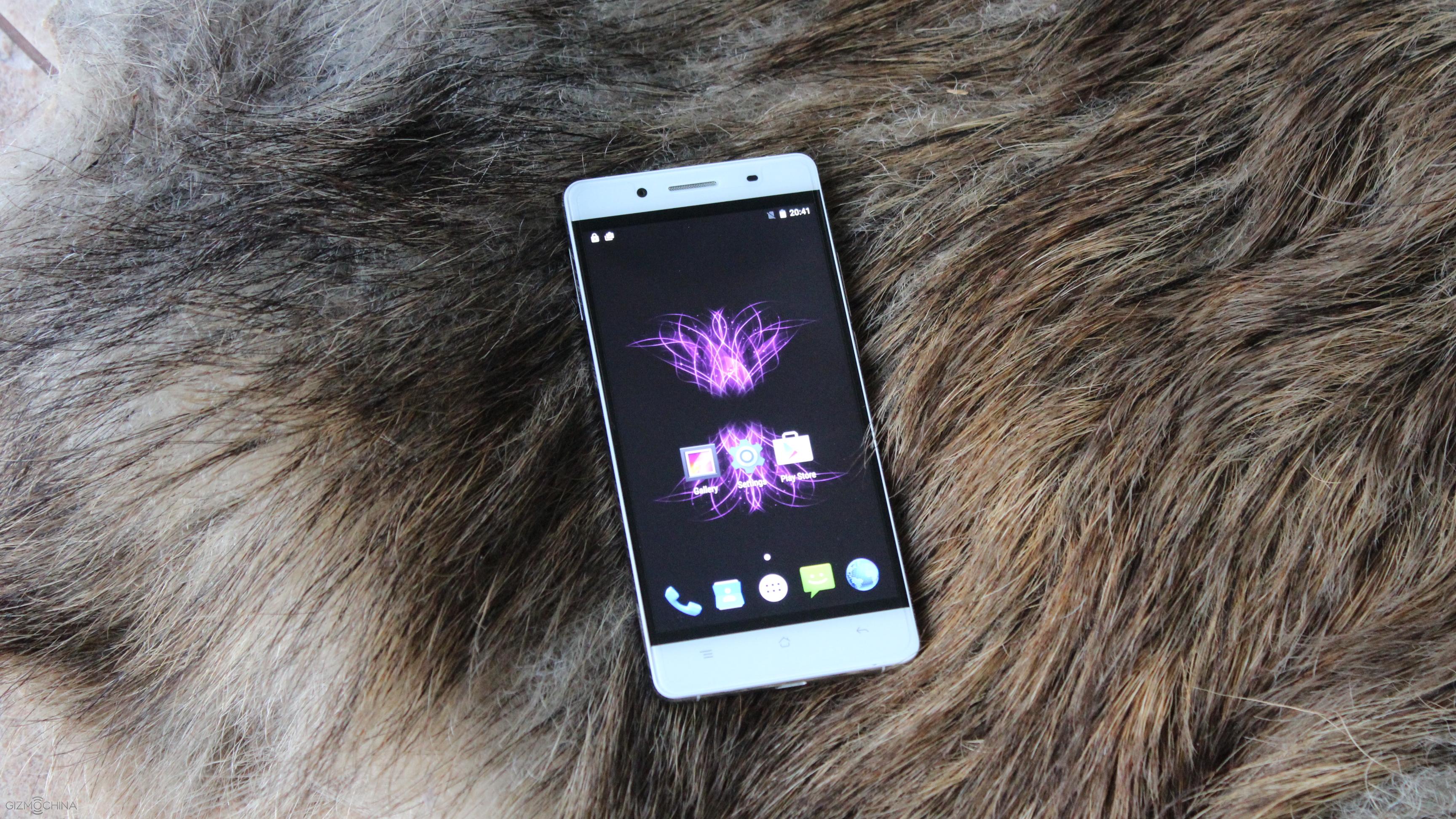
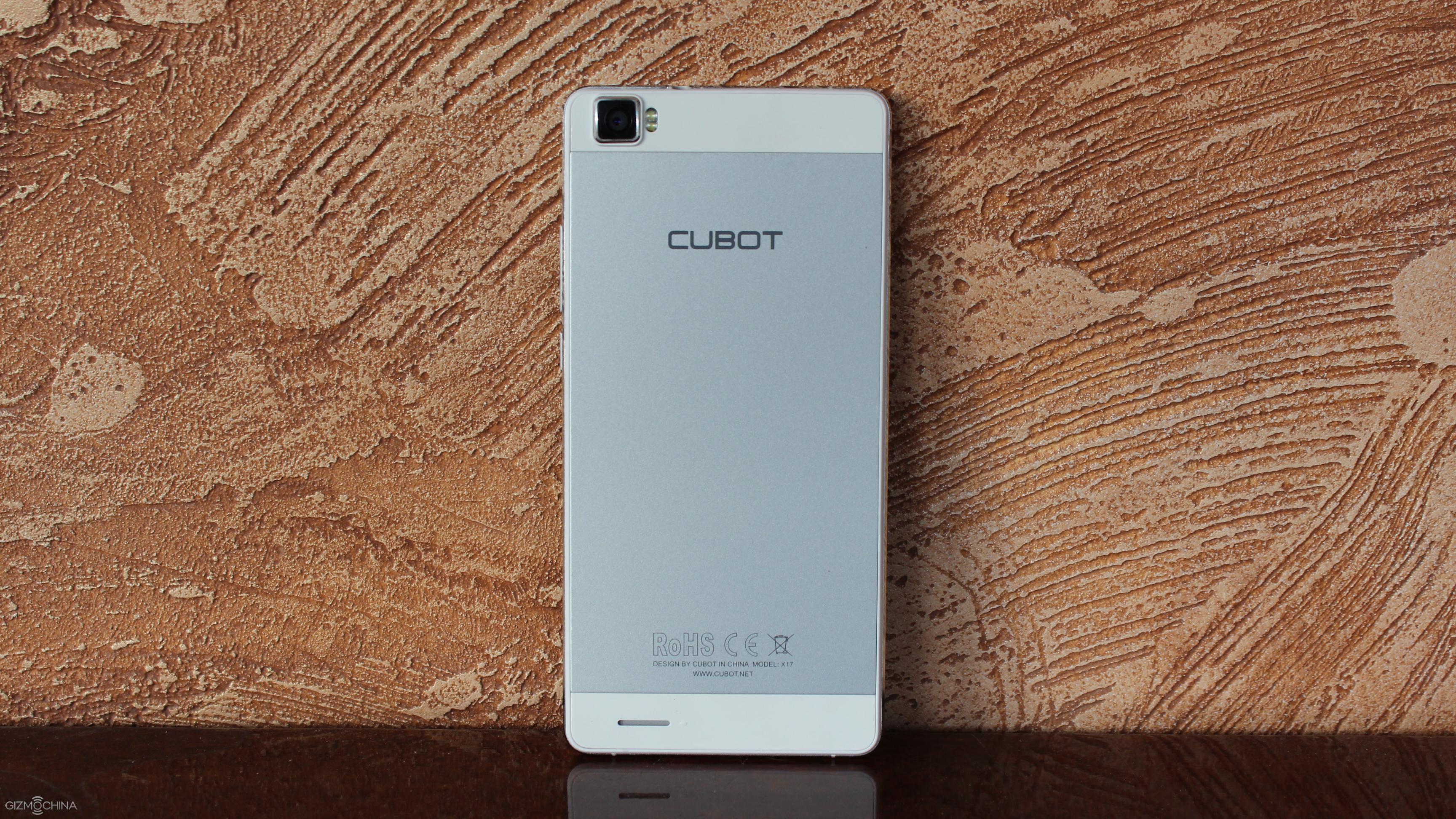
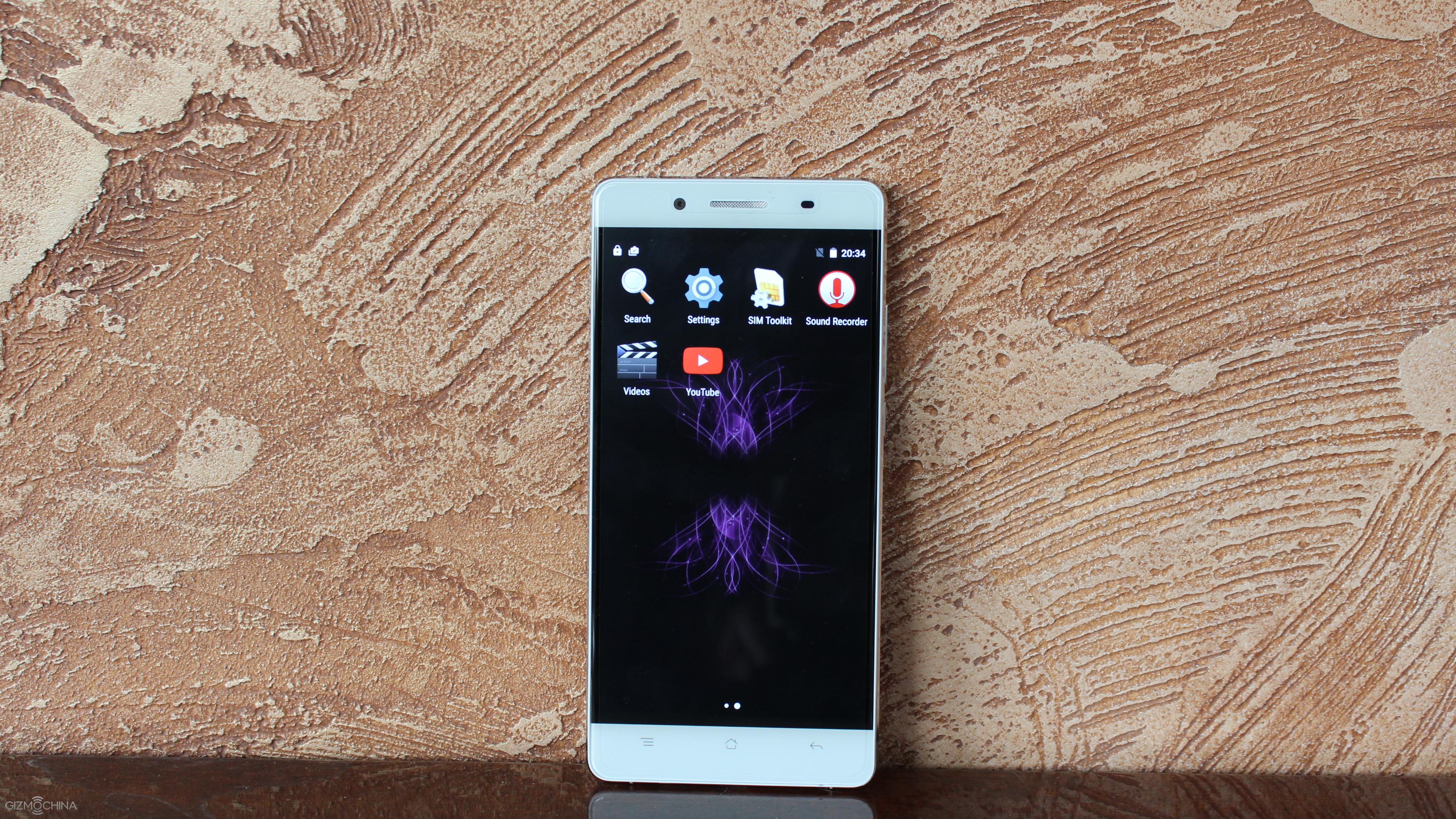
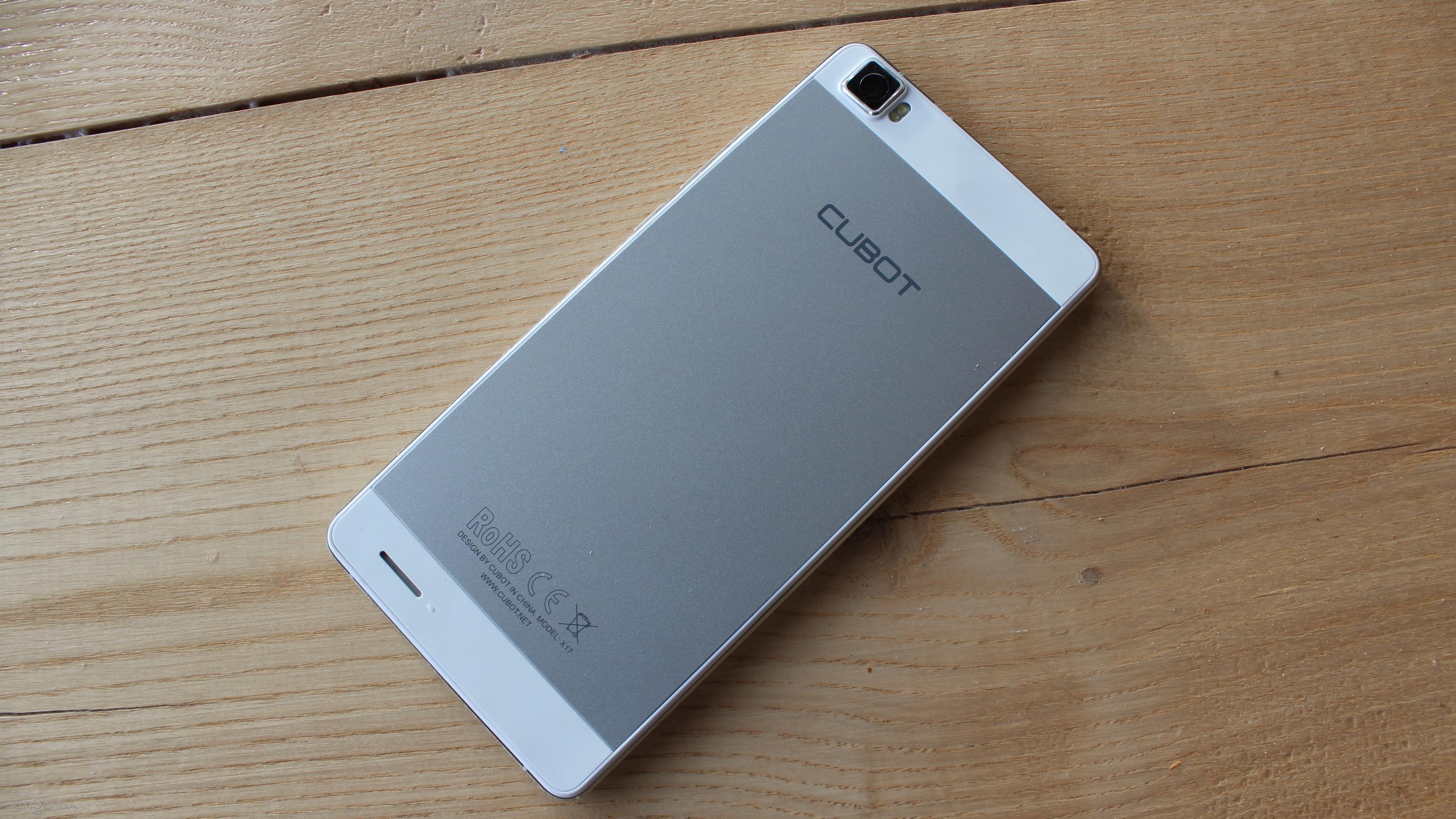
Cubot X17 Review: DISPLAY
When it comes to the display, a 5” 1080p panel is not bad at all as it bright enough, colours look natural and it has good viewing angles as it is an LCD panel after all.
Cubot X17 Review: UI

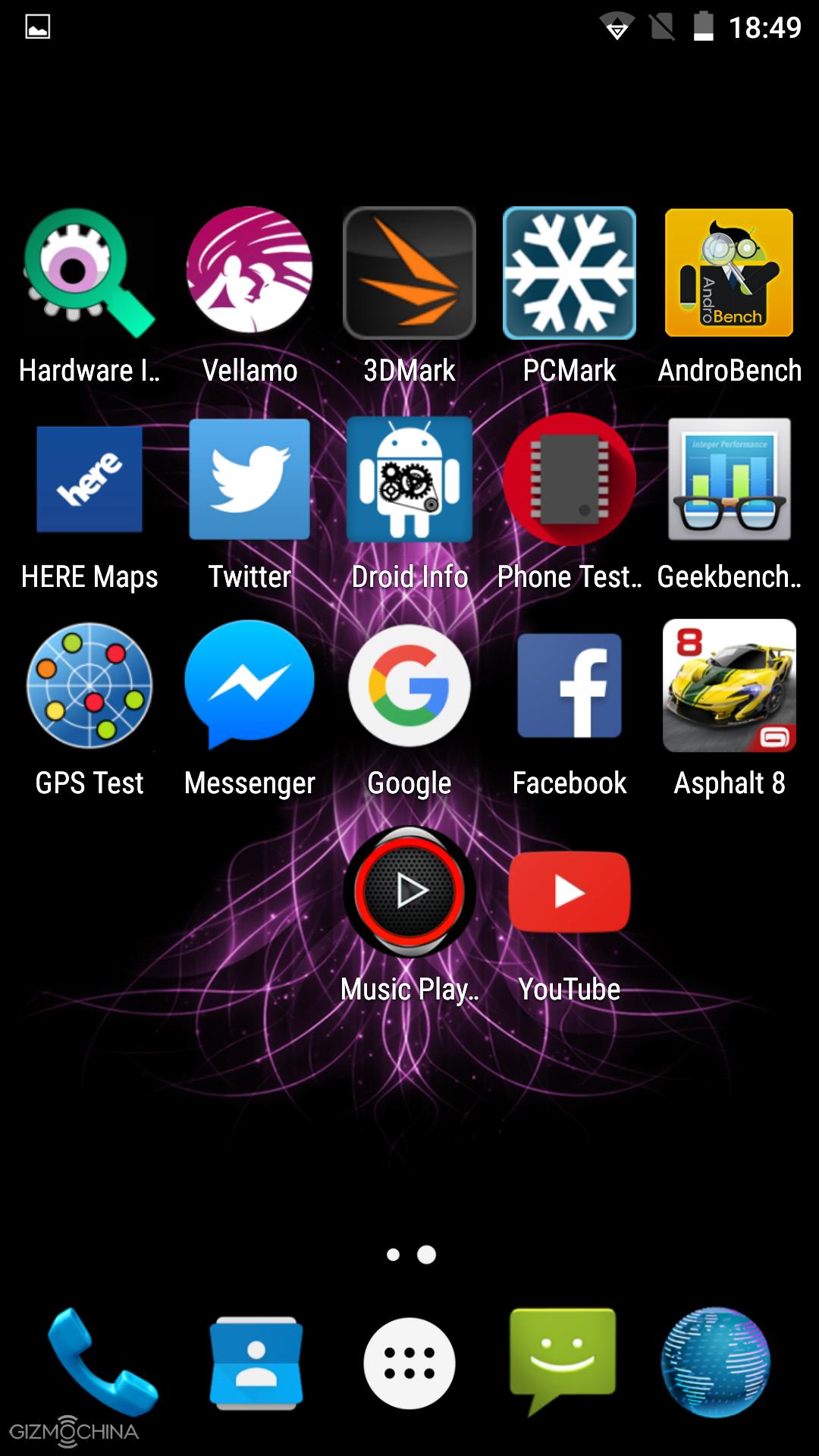
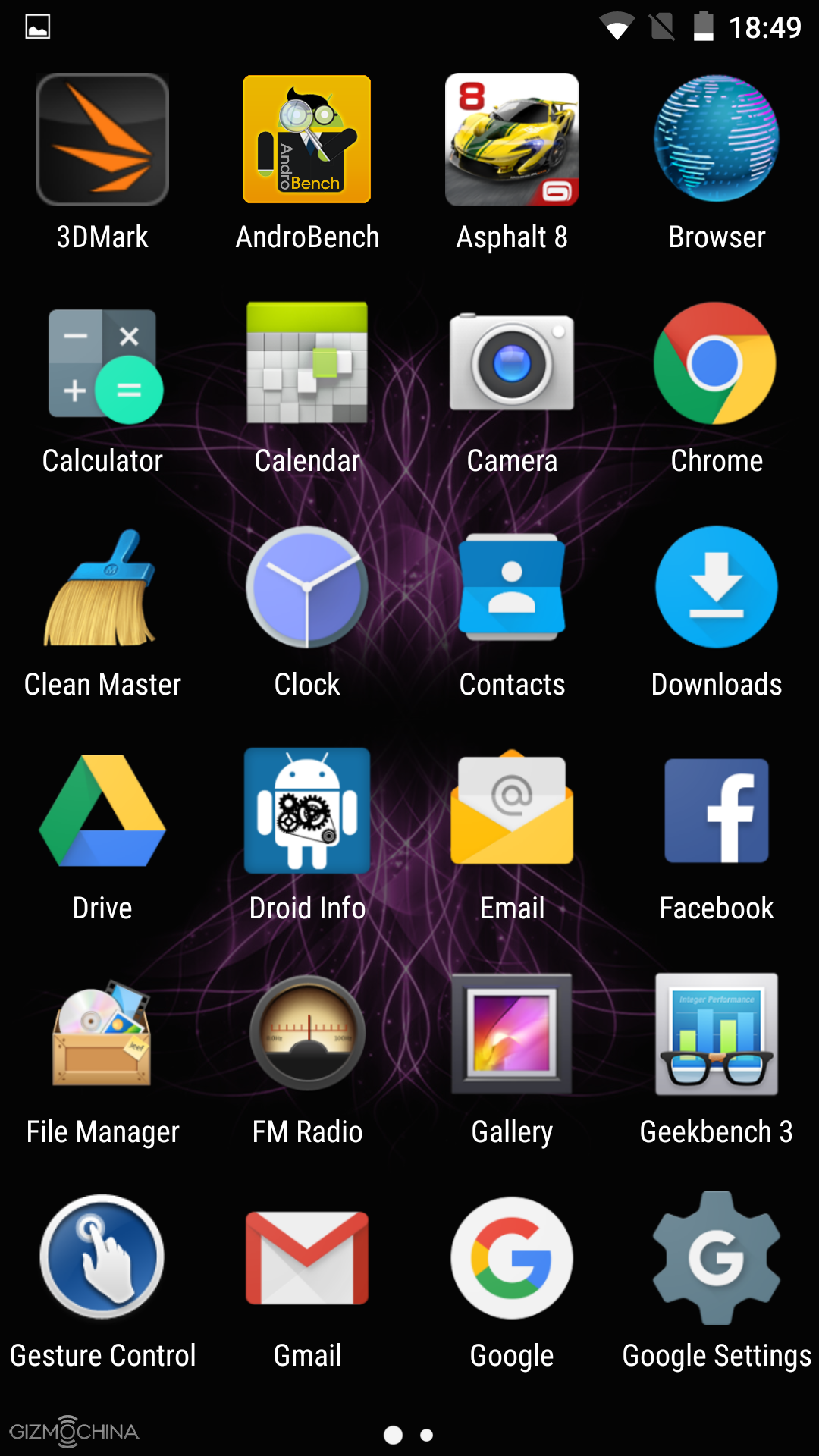
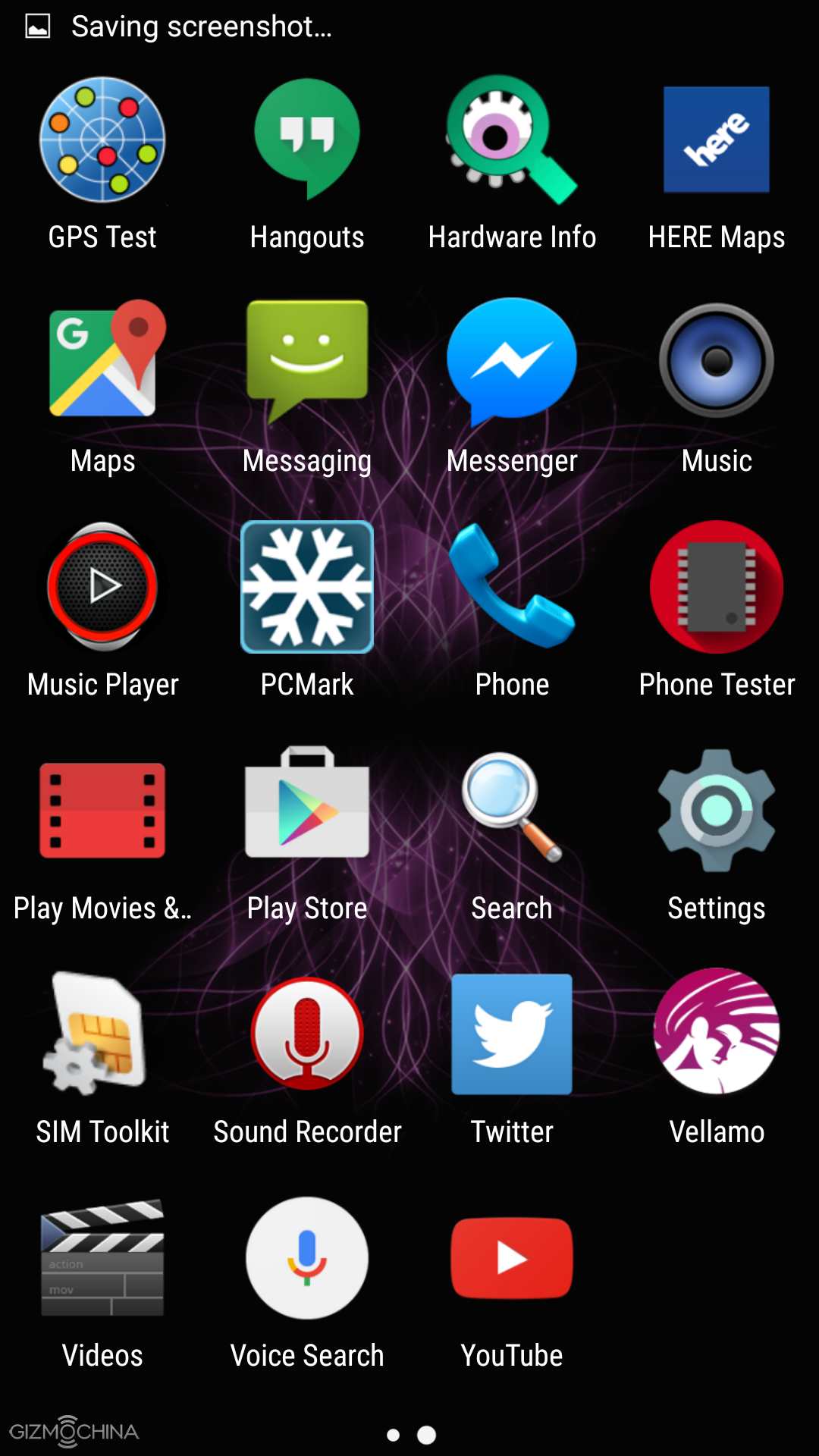
Cubot X17 comes with almost stock looking Android 5.1 out of the box. We don’t have any bloatware and the UI is running smoothly.
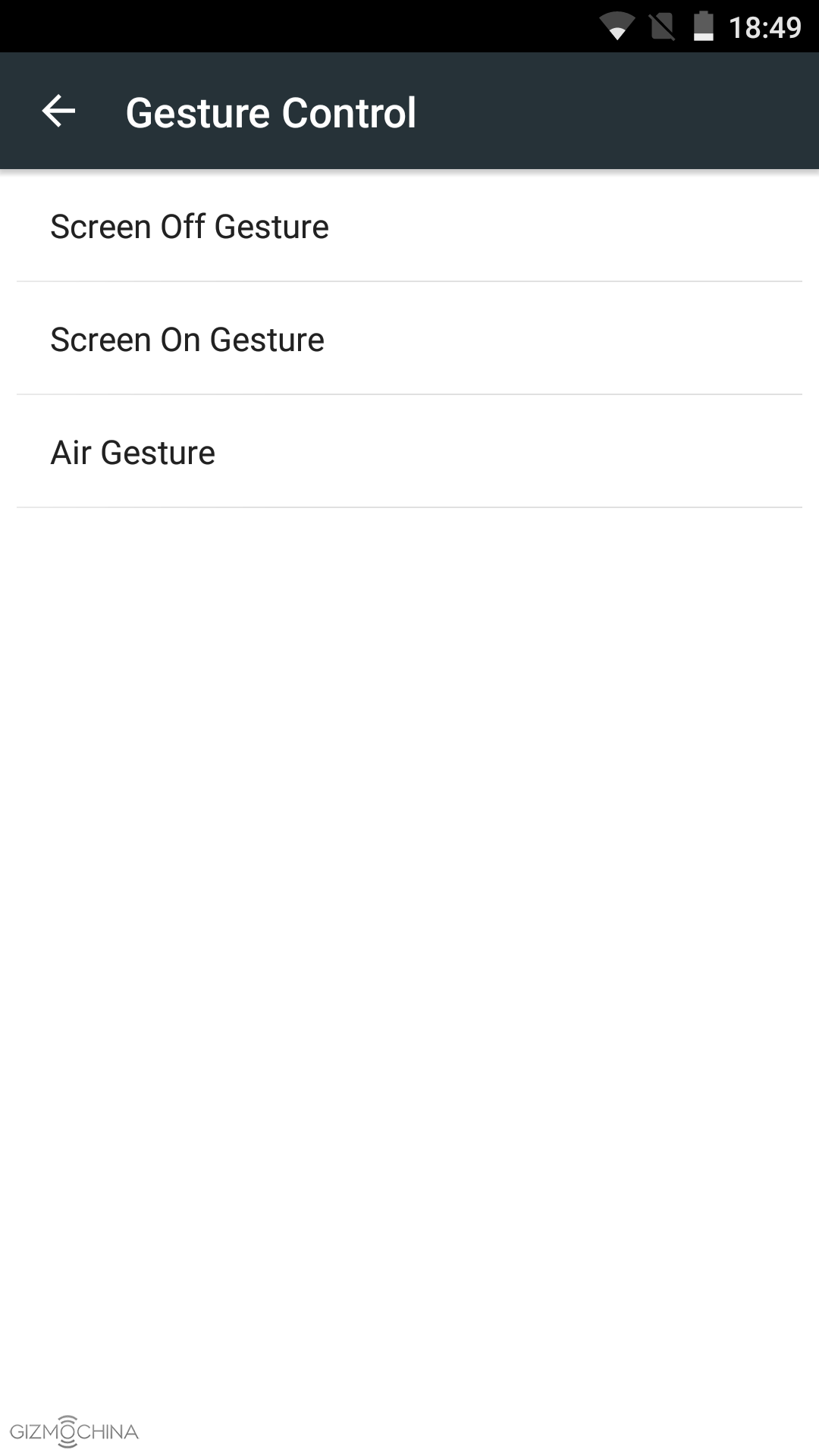
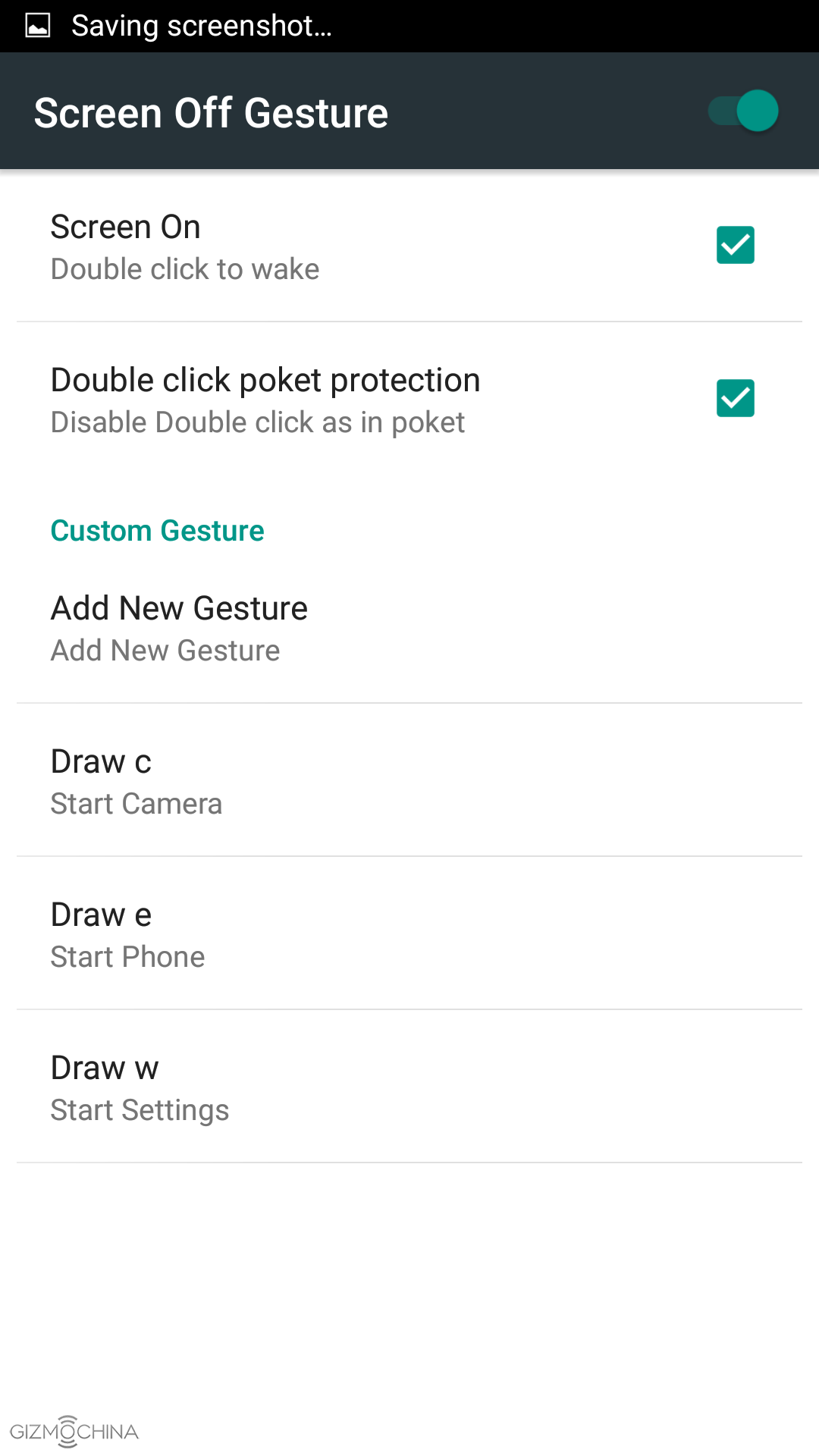
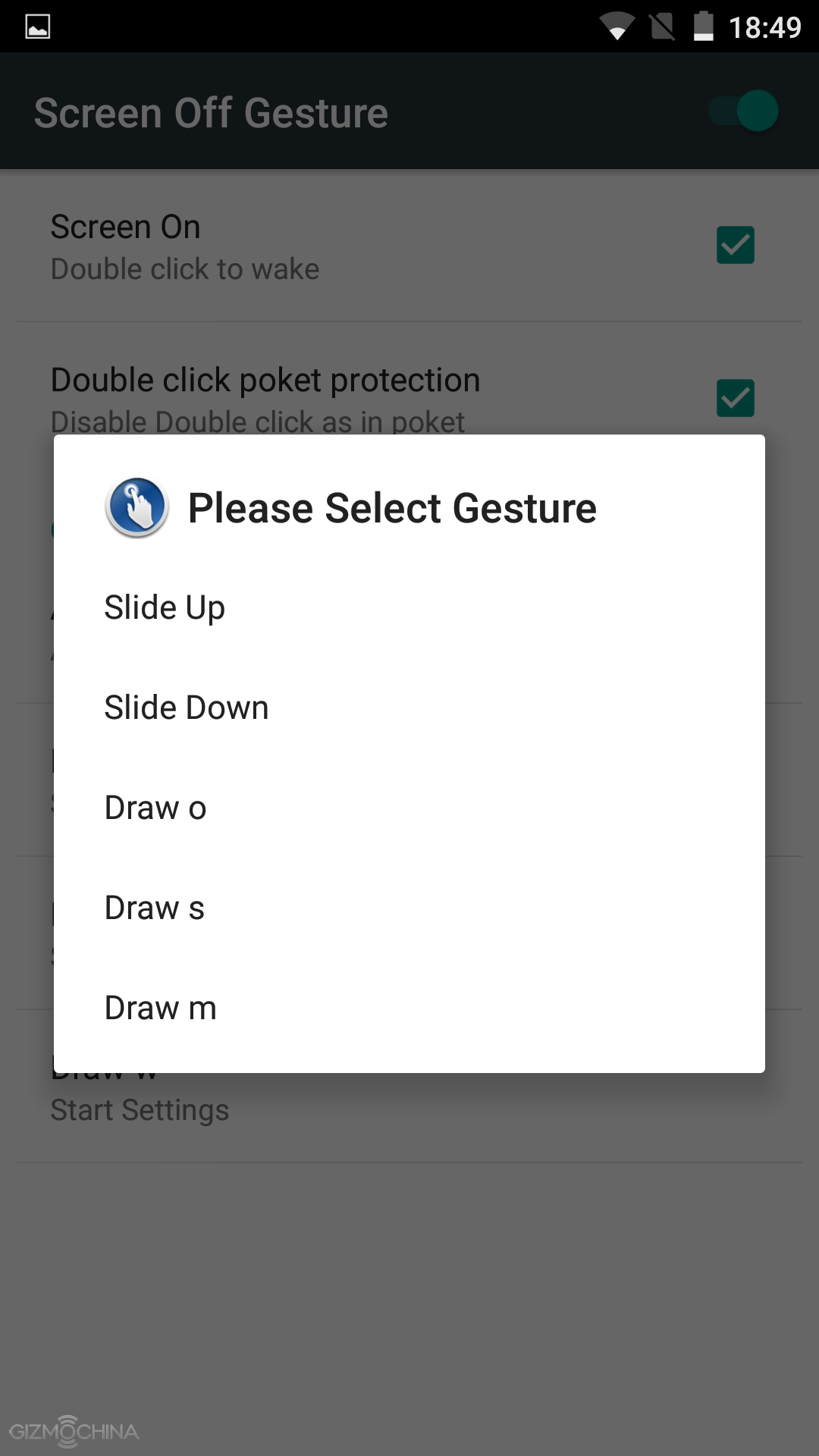
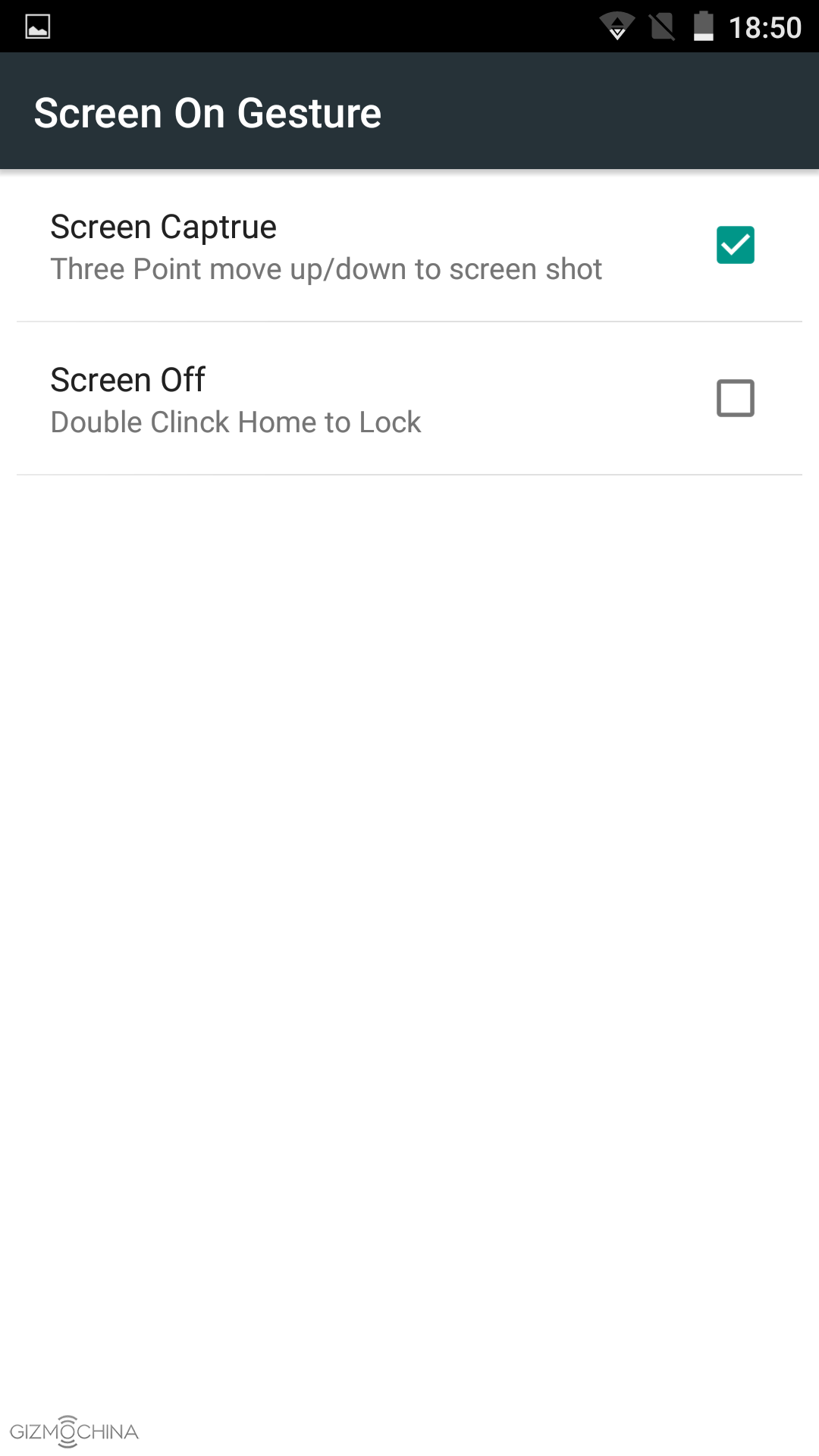
Some of the notable features would be gesture controls we’ve seen on a lot of phones. All of them working okay but could be a bit faster and more responsive at times.
Also, if you don’t like the pre-installed gestures, you can assign them to the tasks you want.
Overall, the UI performance is snappy and I didn’t have any hiccups during my review period.
Cubot X17 Review: BENCHMARKS
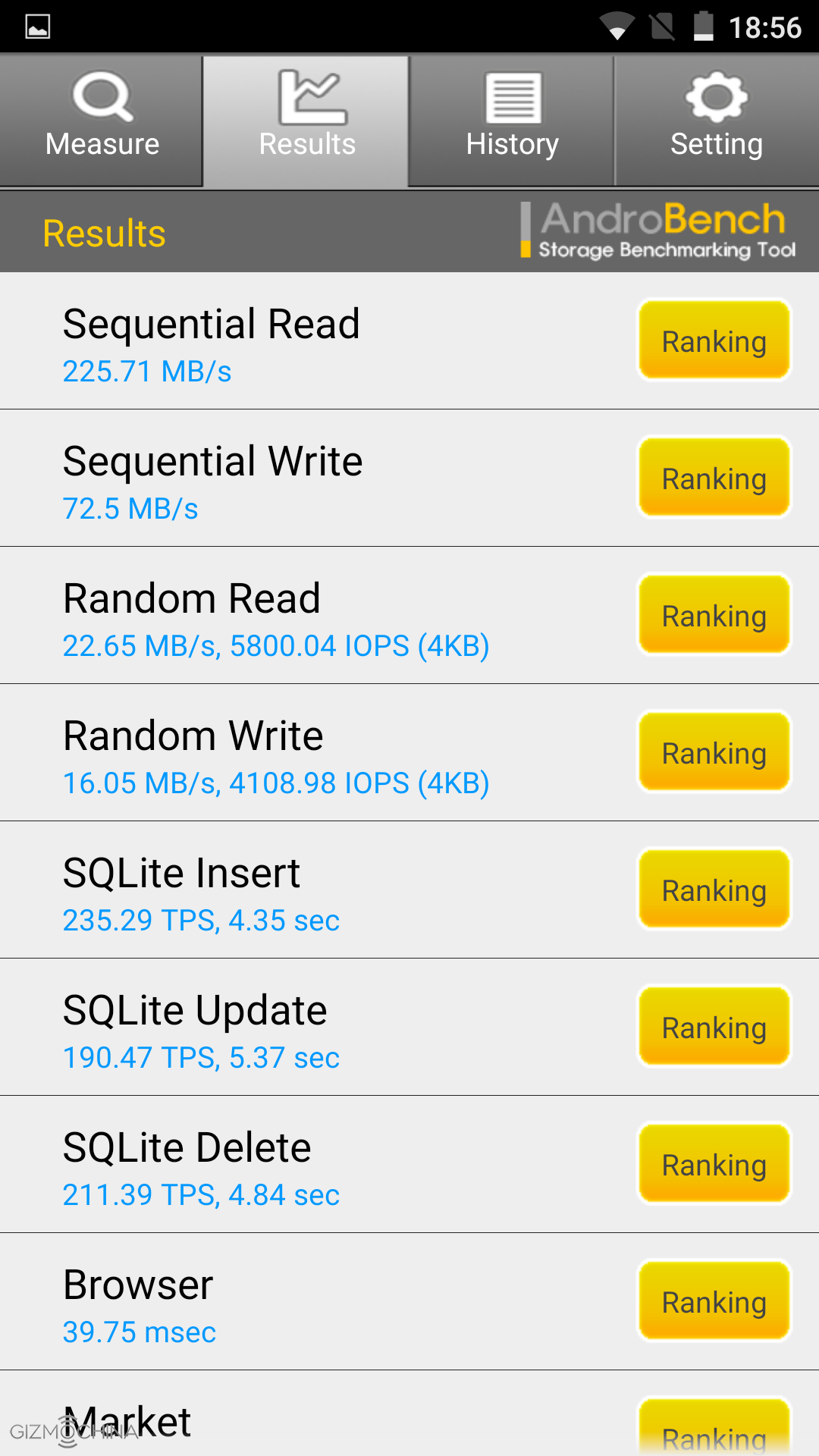
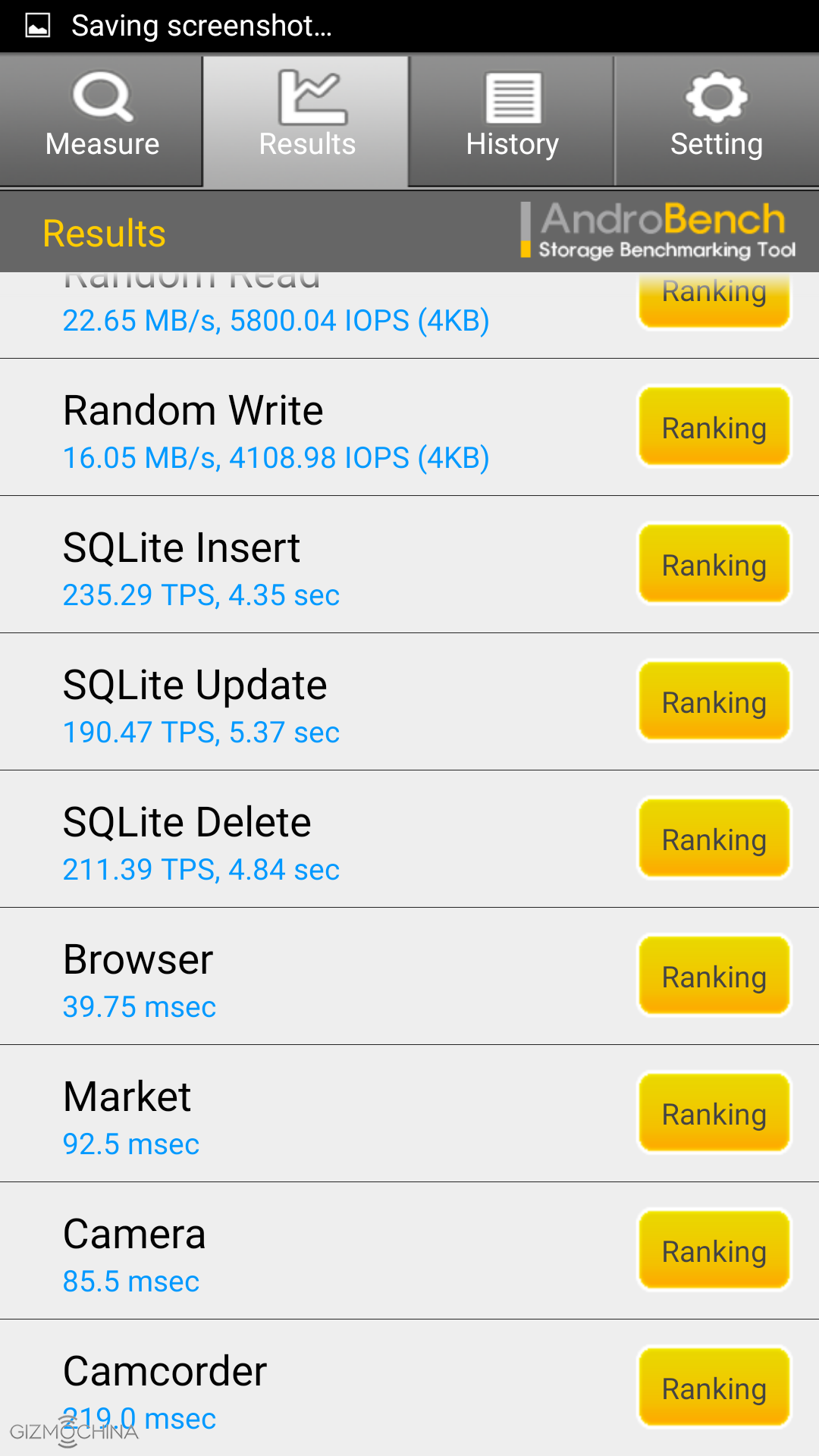
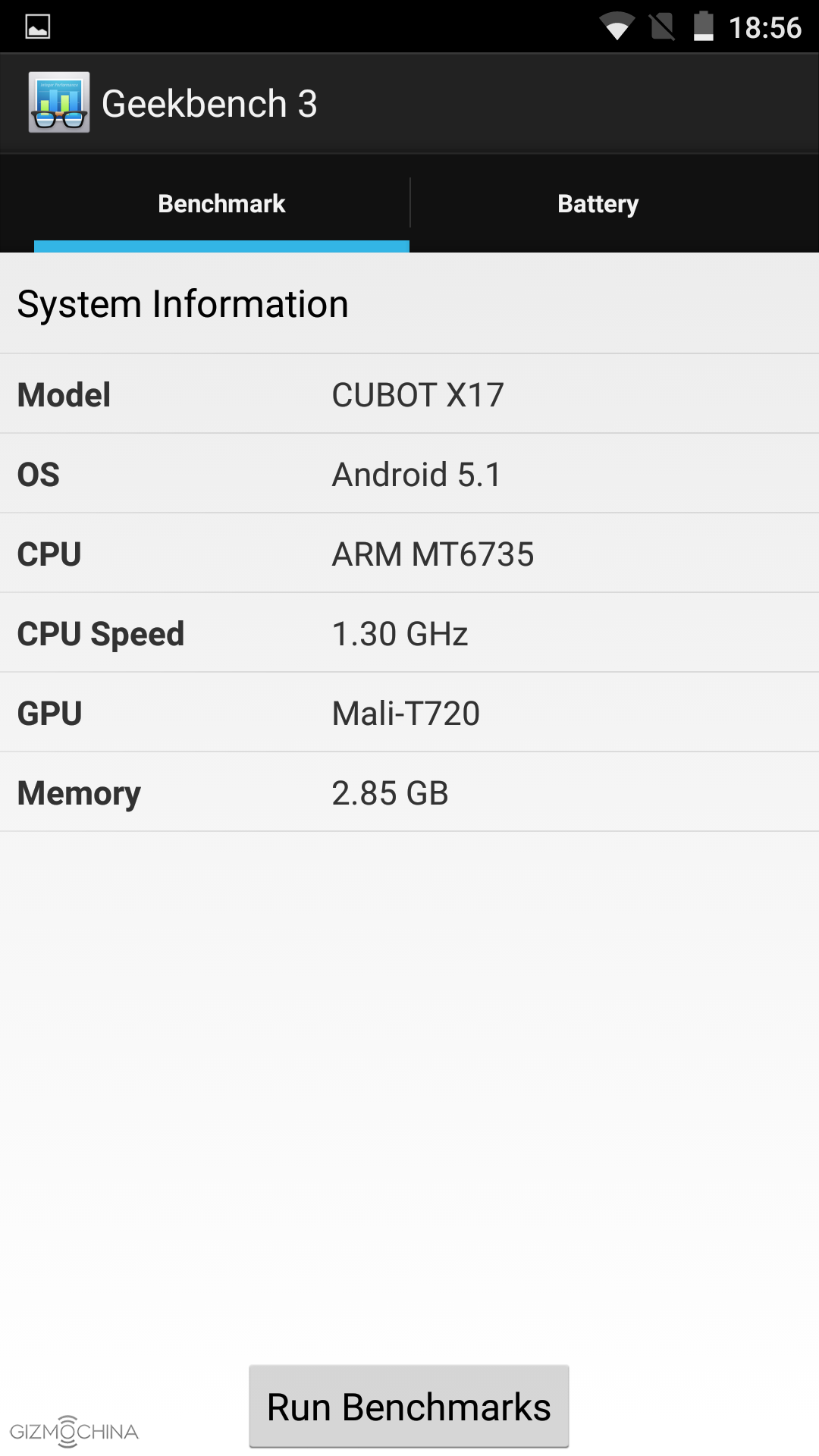
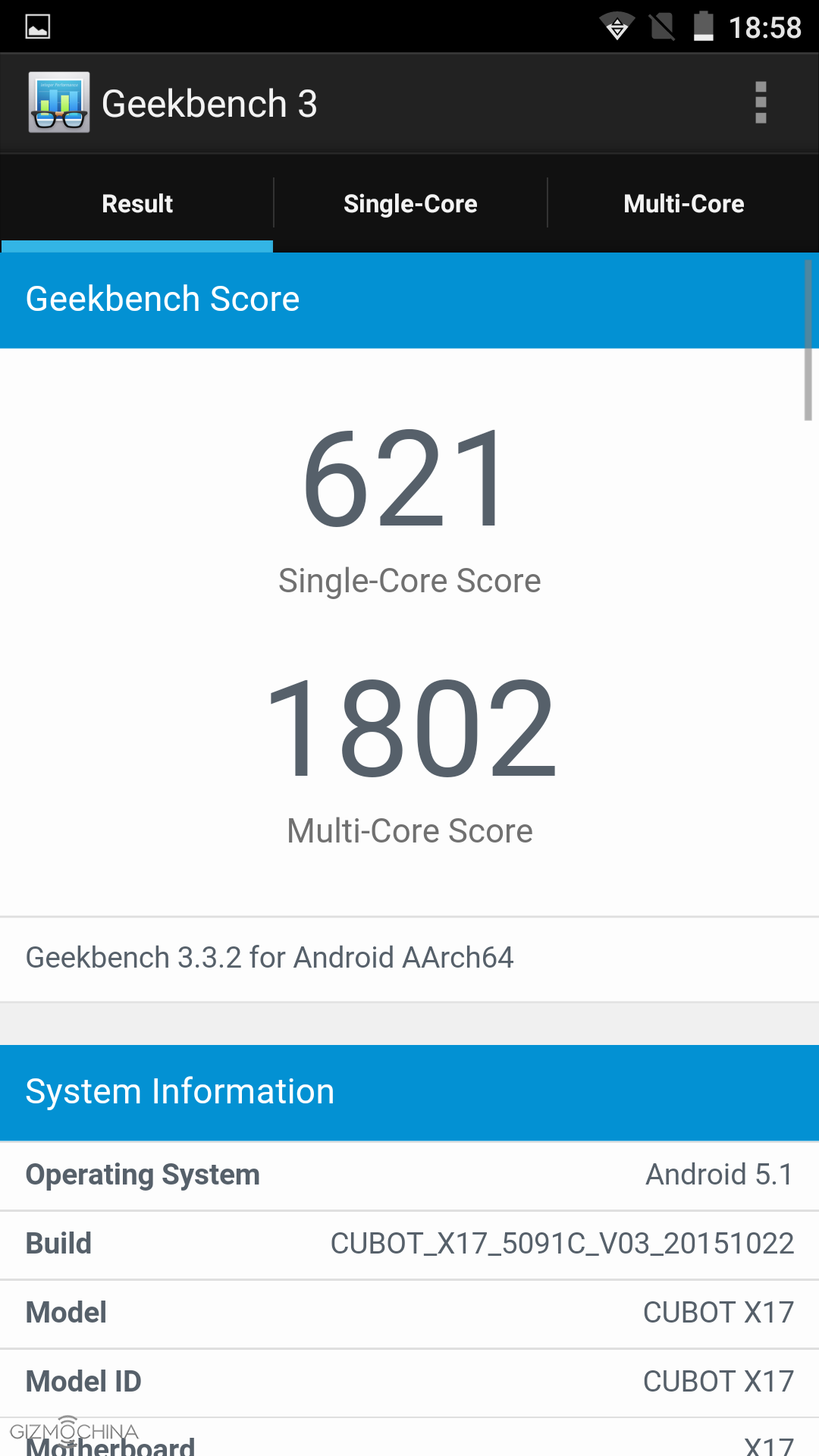
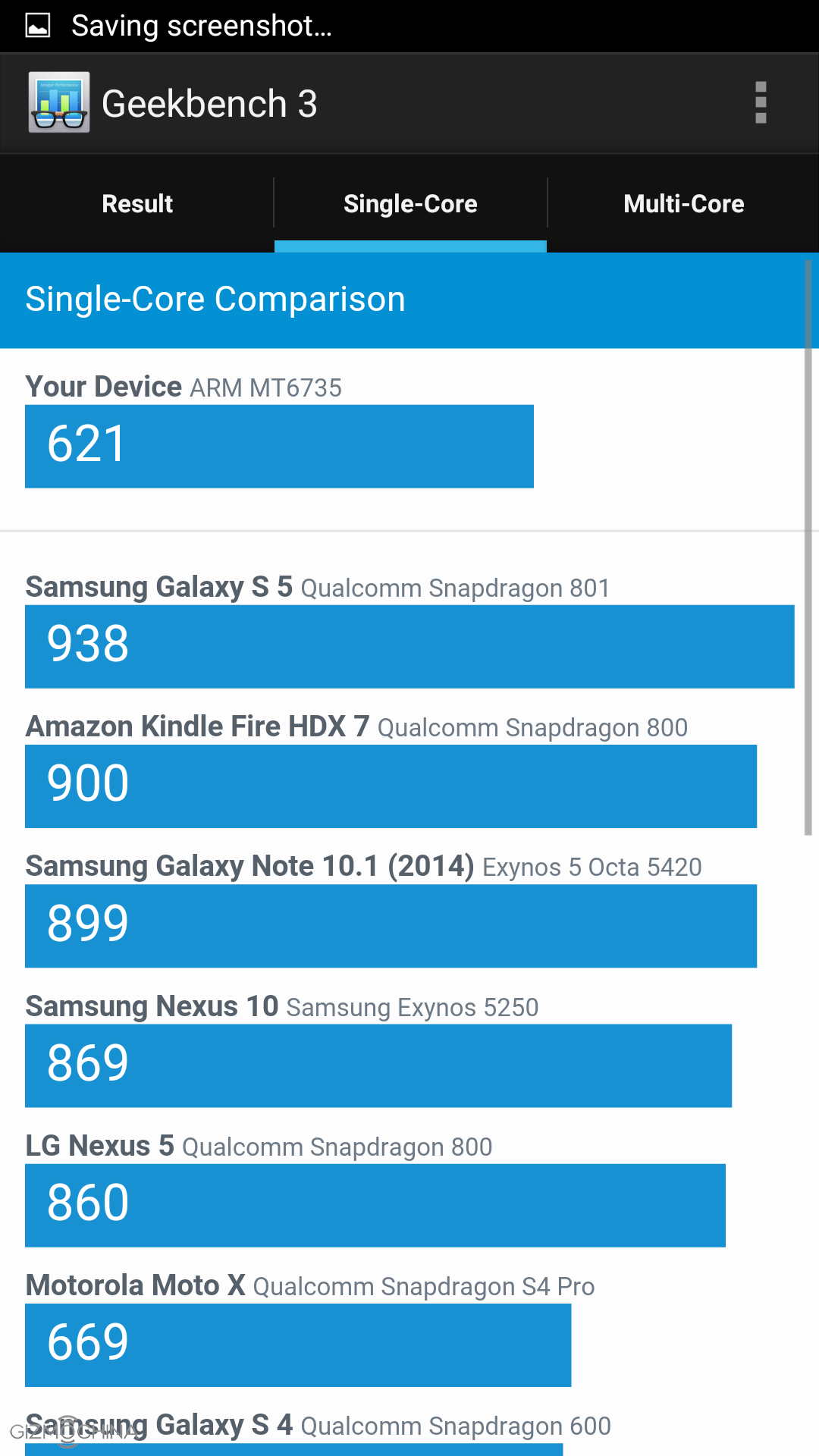
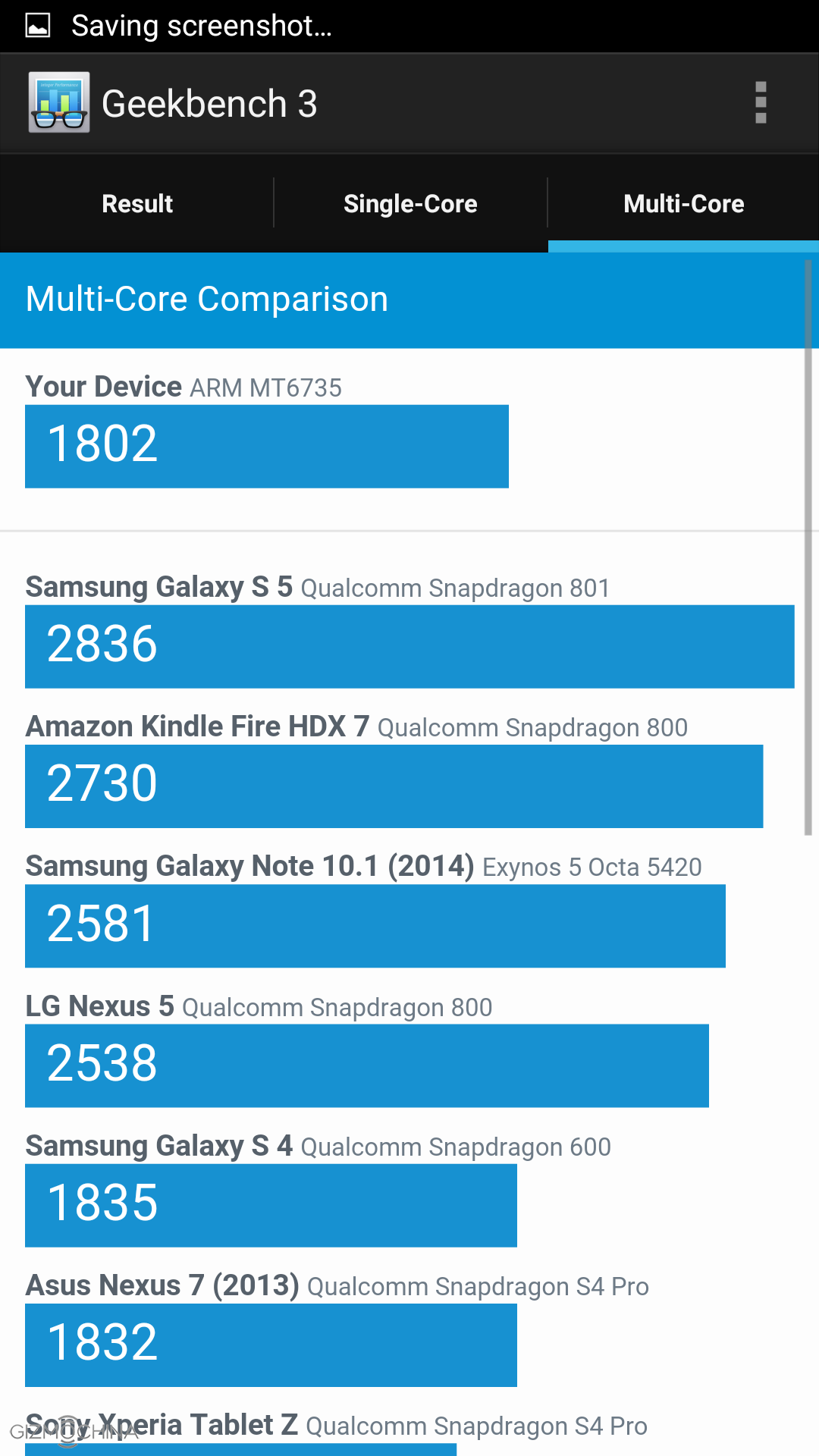
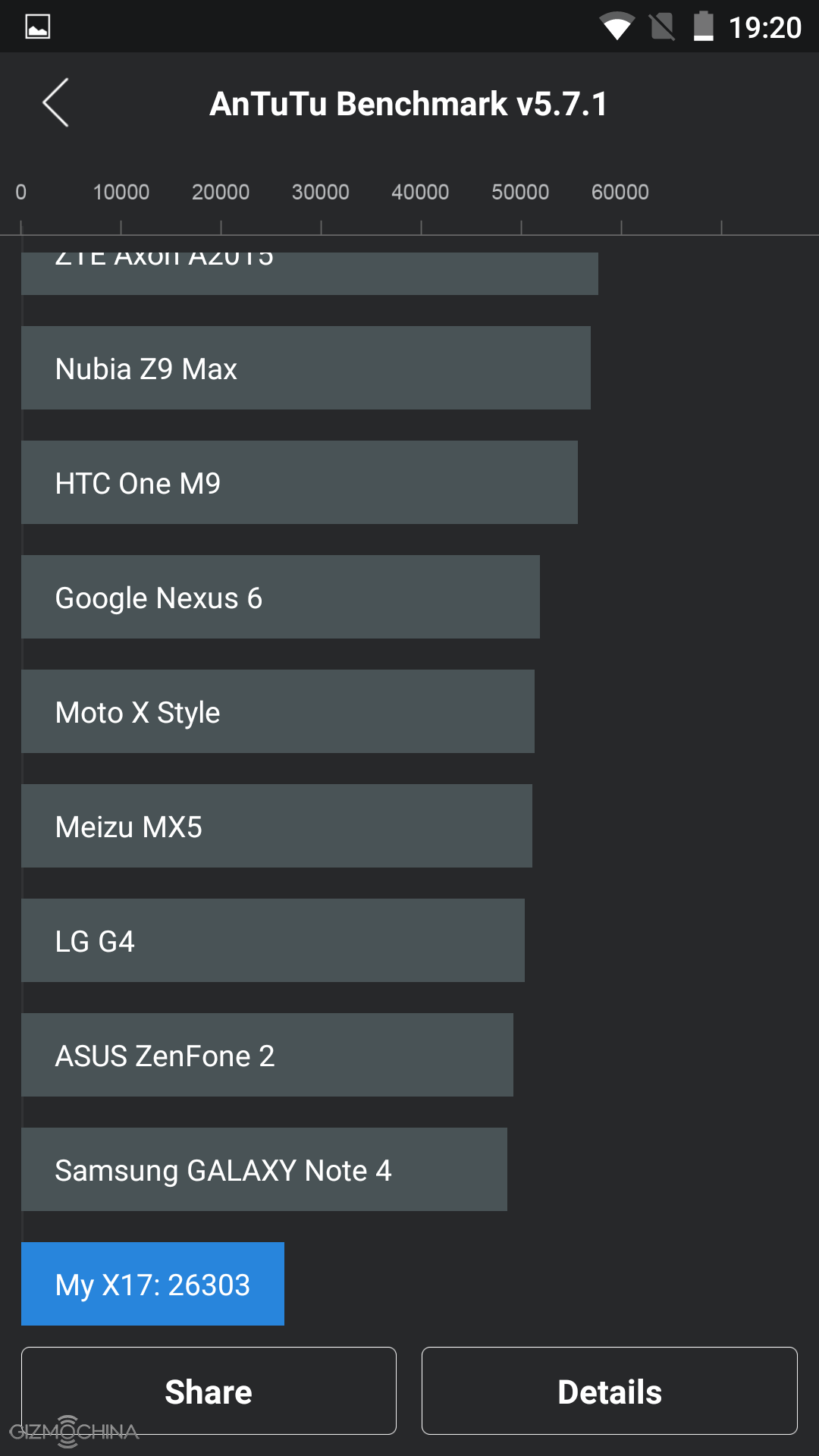
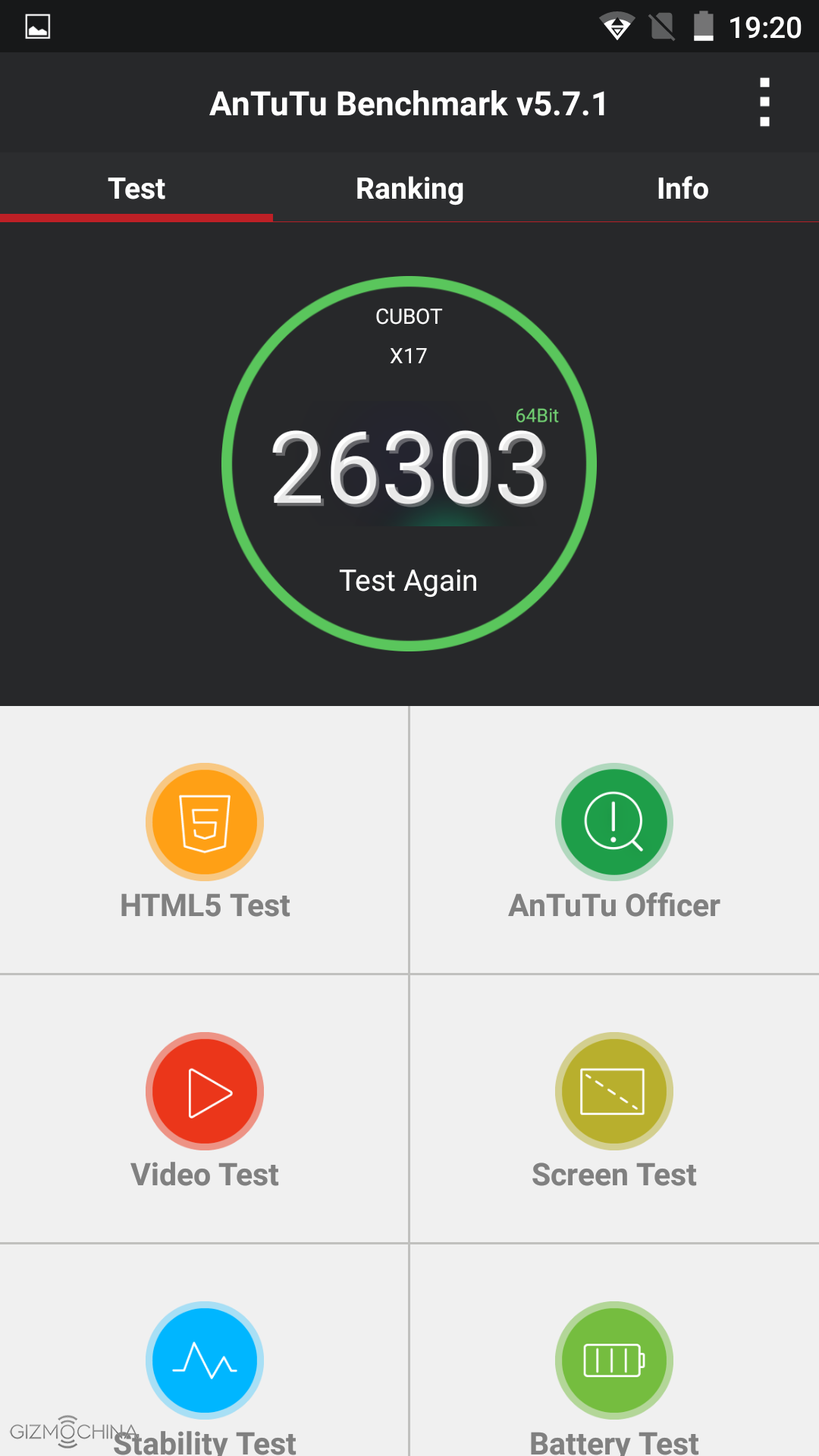
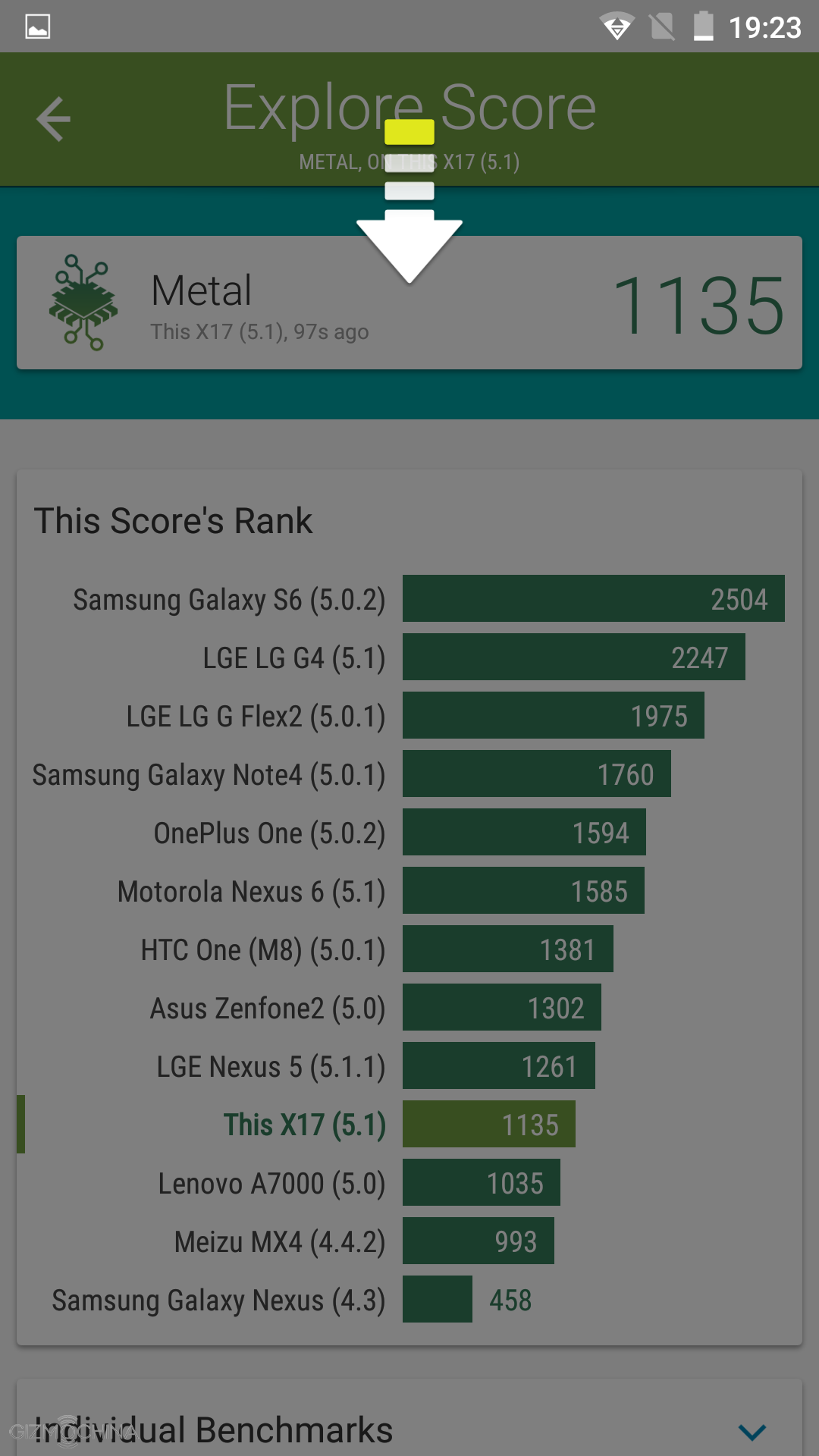
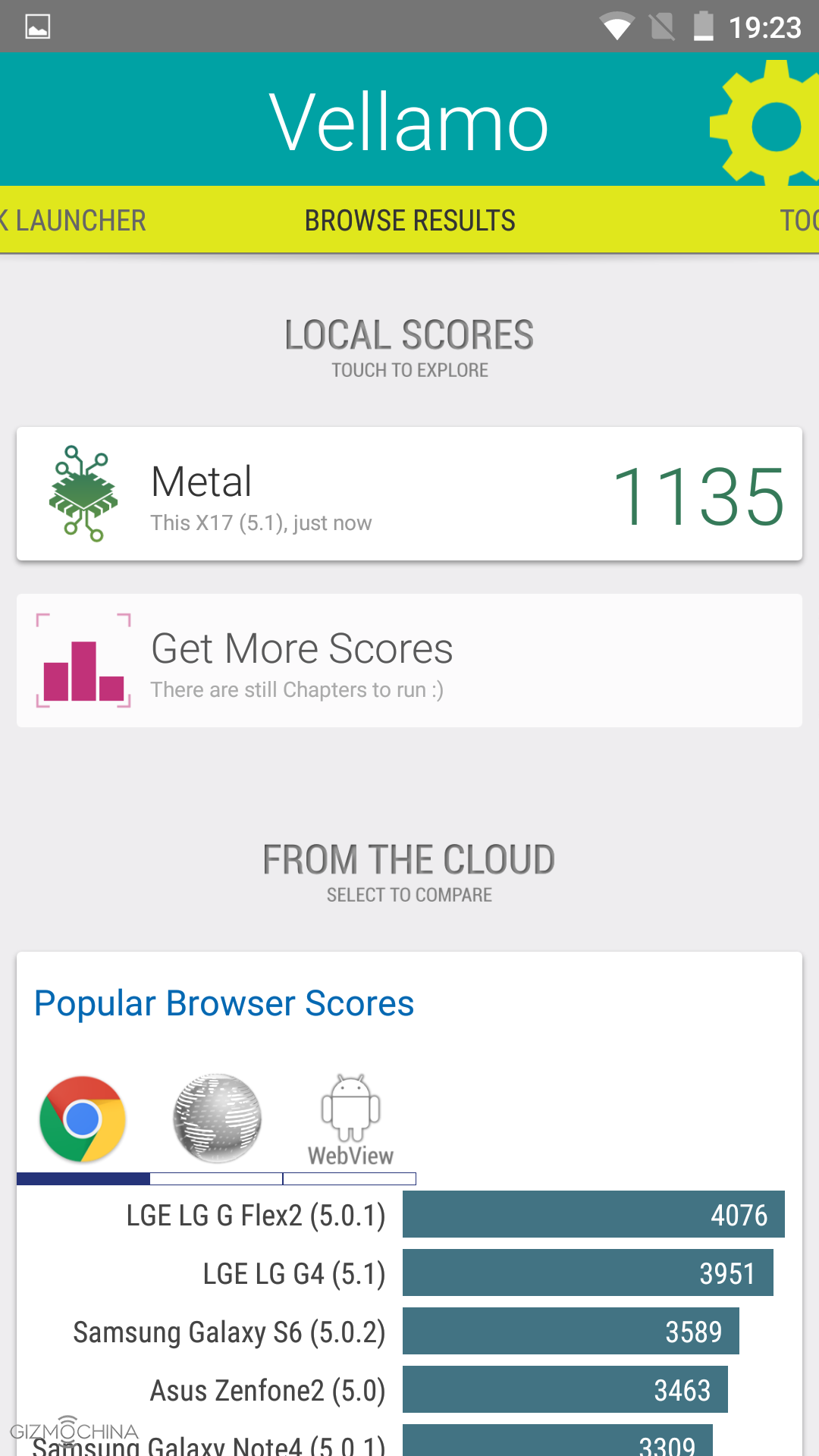
Cubot X17 Review: HARDWARE and PERFORMANCE
Cubot X17 has an MTK6735 chip with the clock speeds of 1.3GHz, generous 3GB of RAM and 16GB of expandable storage.




The result of it is… meh.. 3D games do not work well as there is a lot of stutter and lag, and I simply cannot recommend this device for serious gamers out there.
Cubot X17 Review: MULTIMEDIA
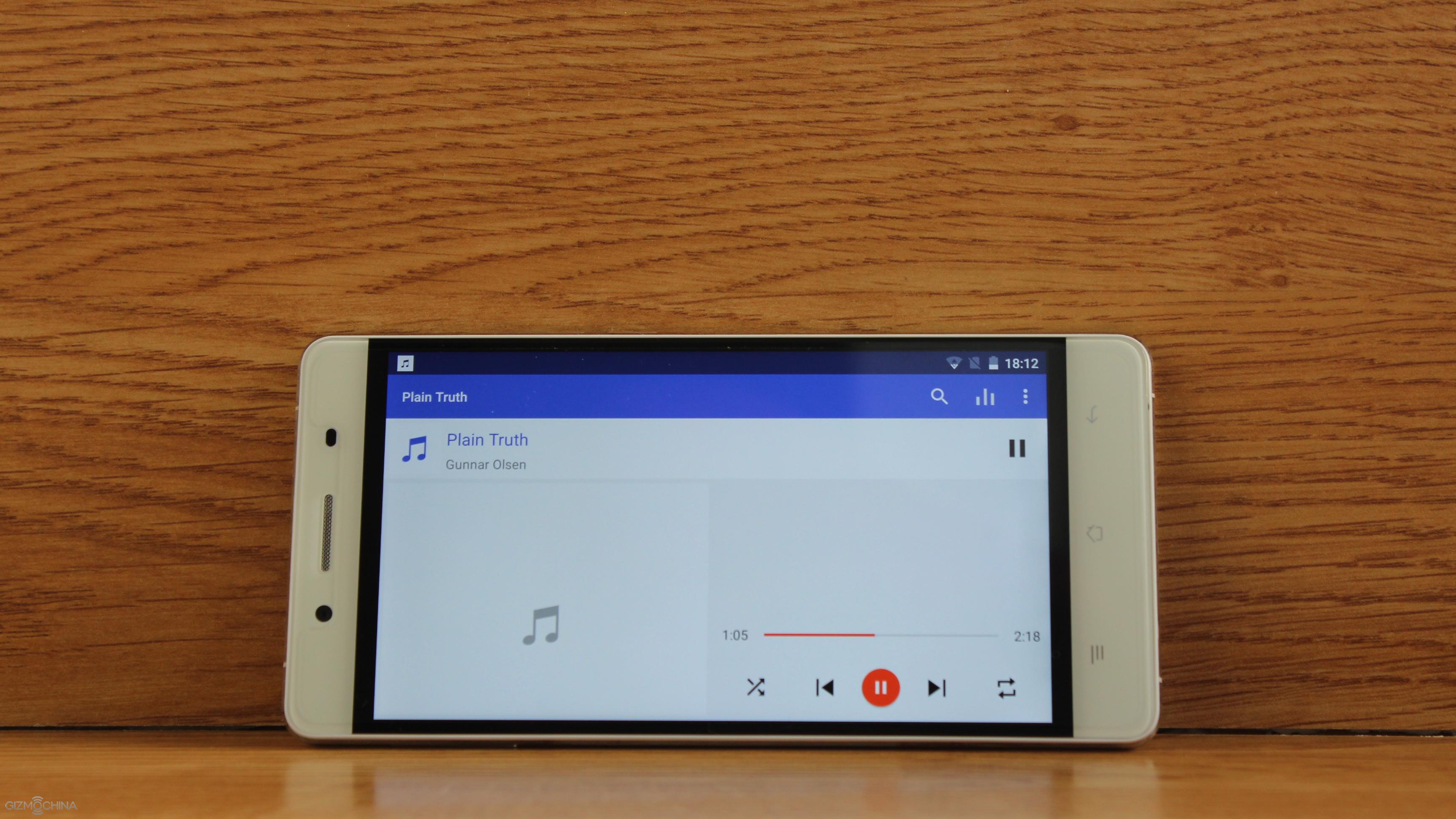
When it comes to the multimedia, I wasn’t really impressed by the loudspeaker. Well, usually you do not get anything spectacular from a budget phone like this and Cubot X17 is no exception. The sound is tinny and it lacks depth. As far as sound via earphones, it’s okay and it is on par with many other budget phones.
Cubot X17 Review: CAMERA and IMAGE QUALITY
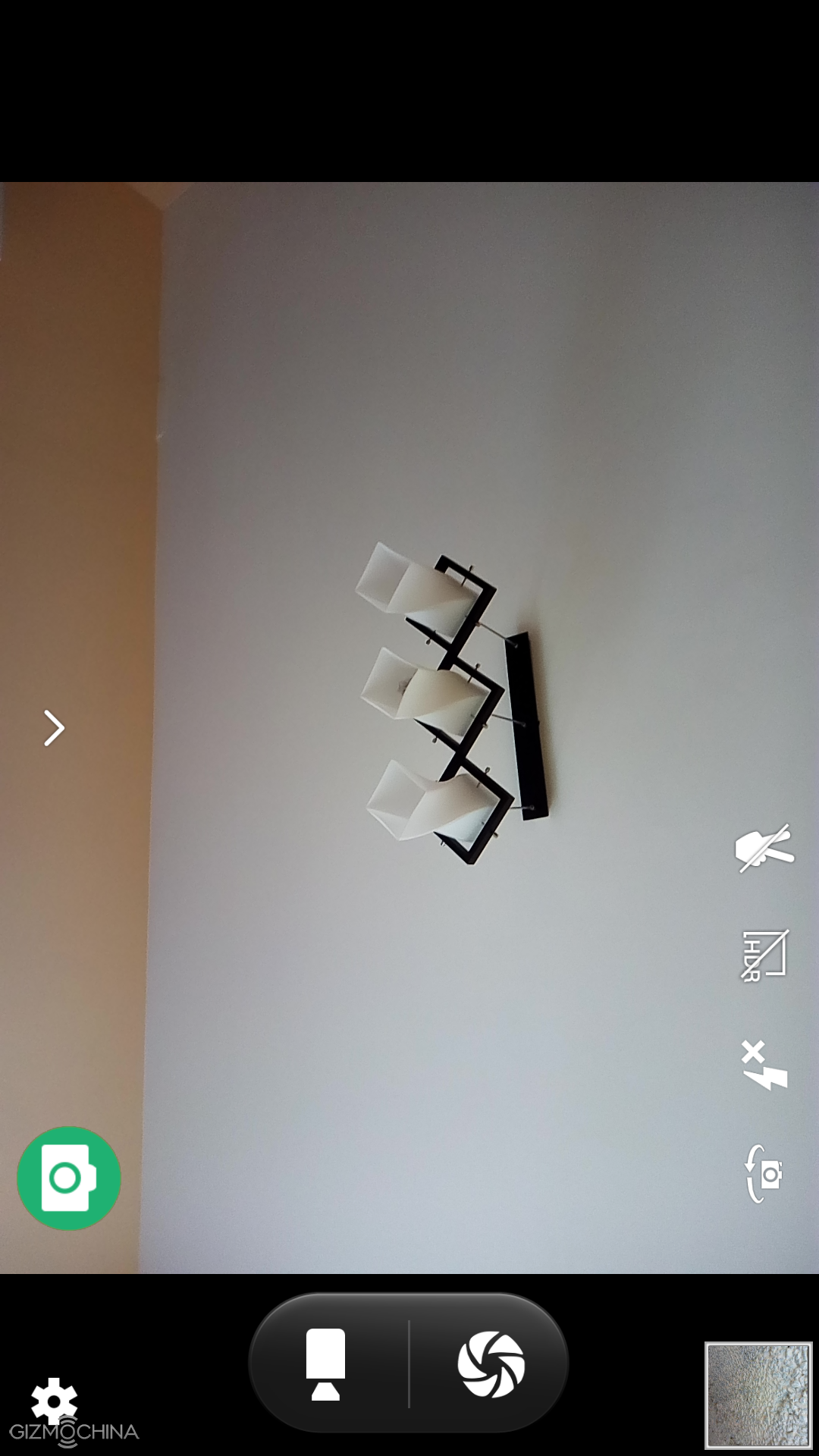
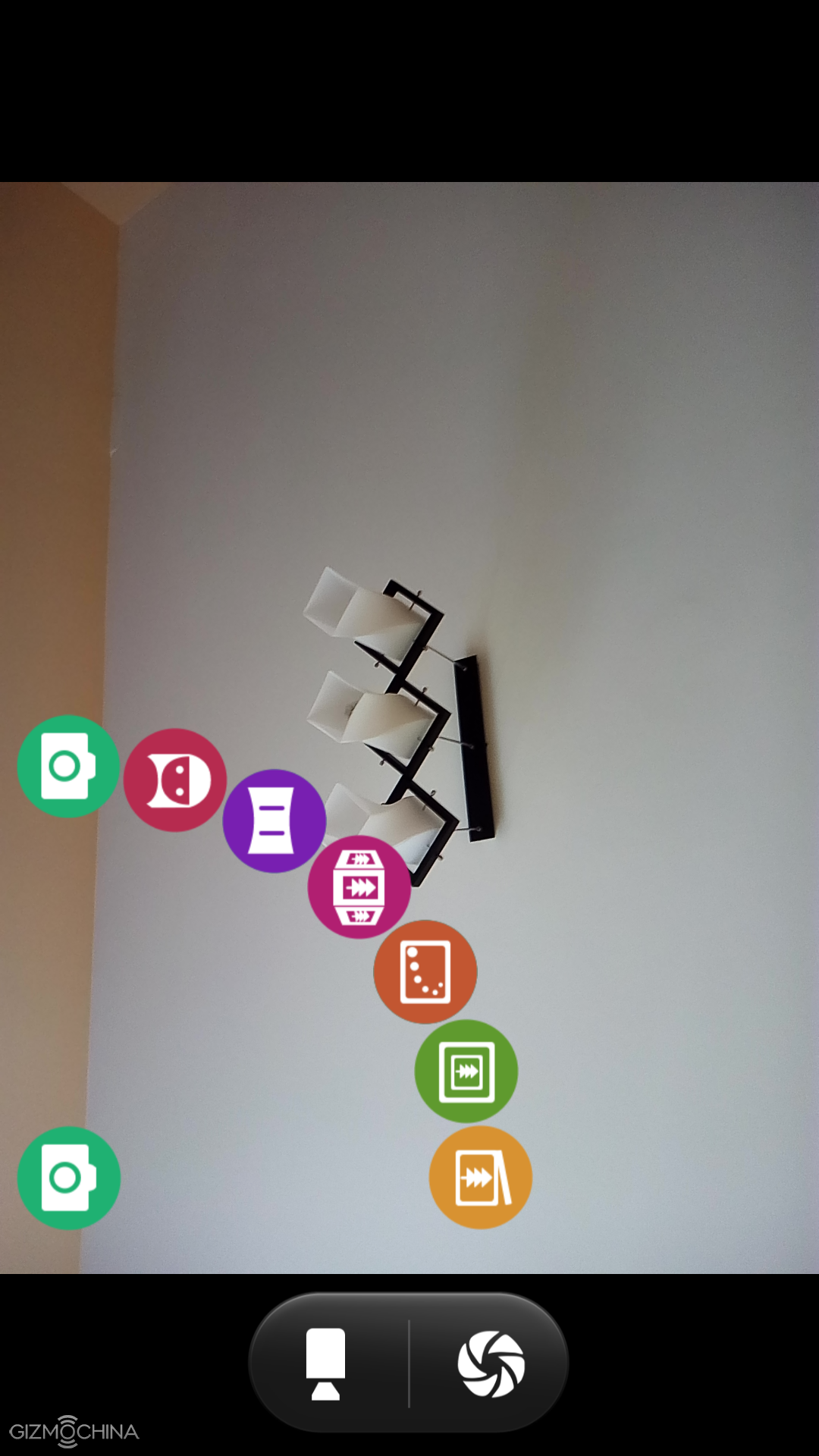
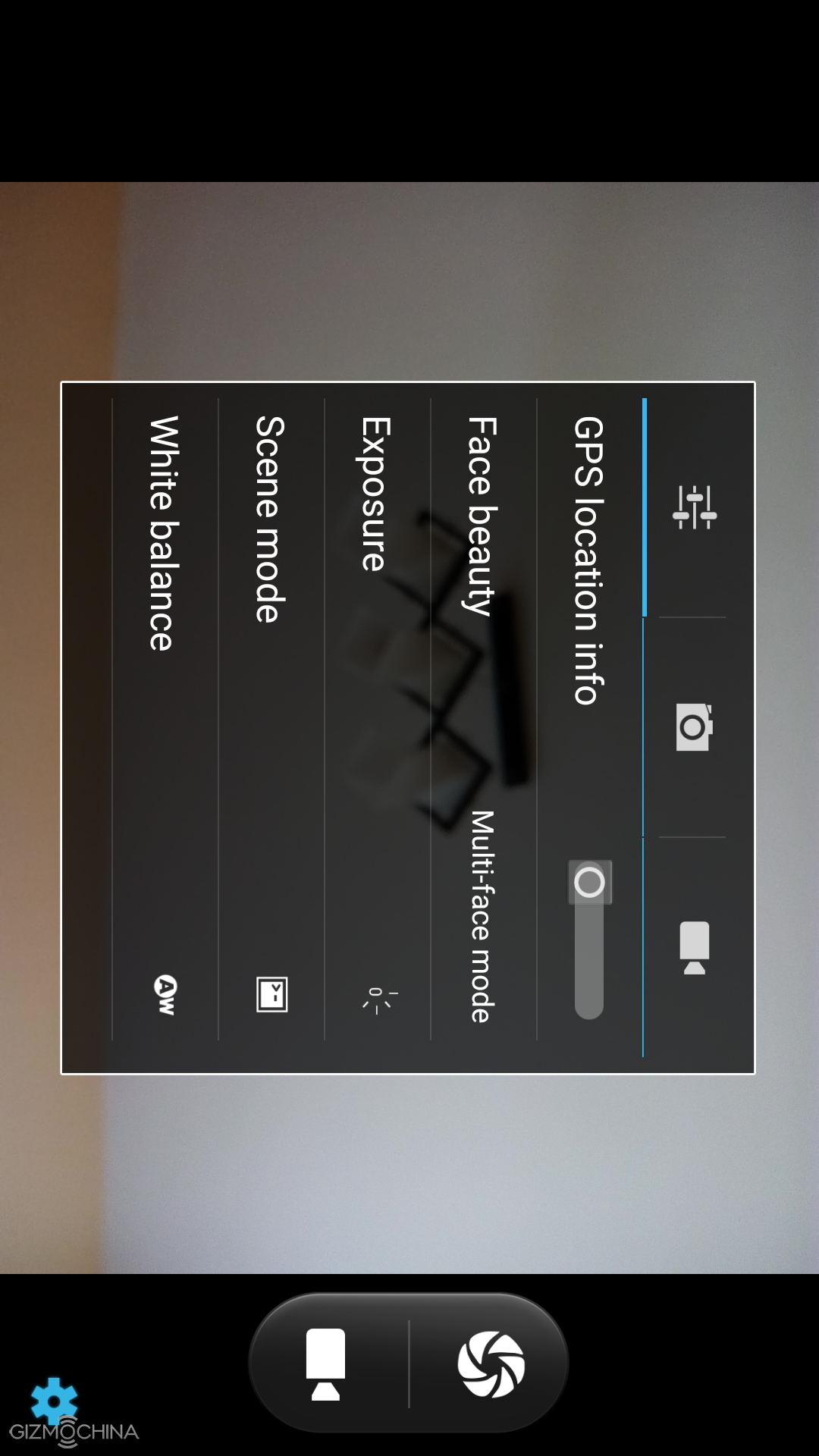
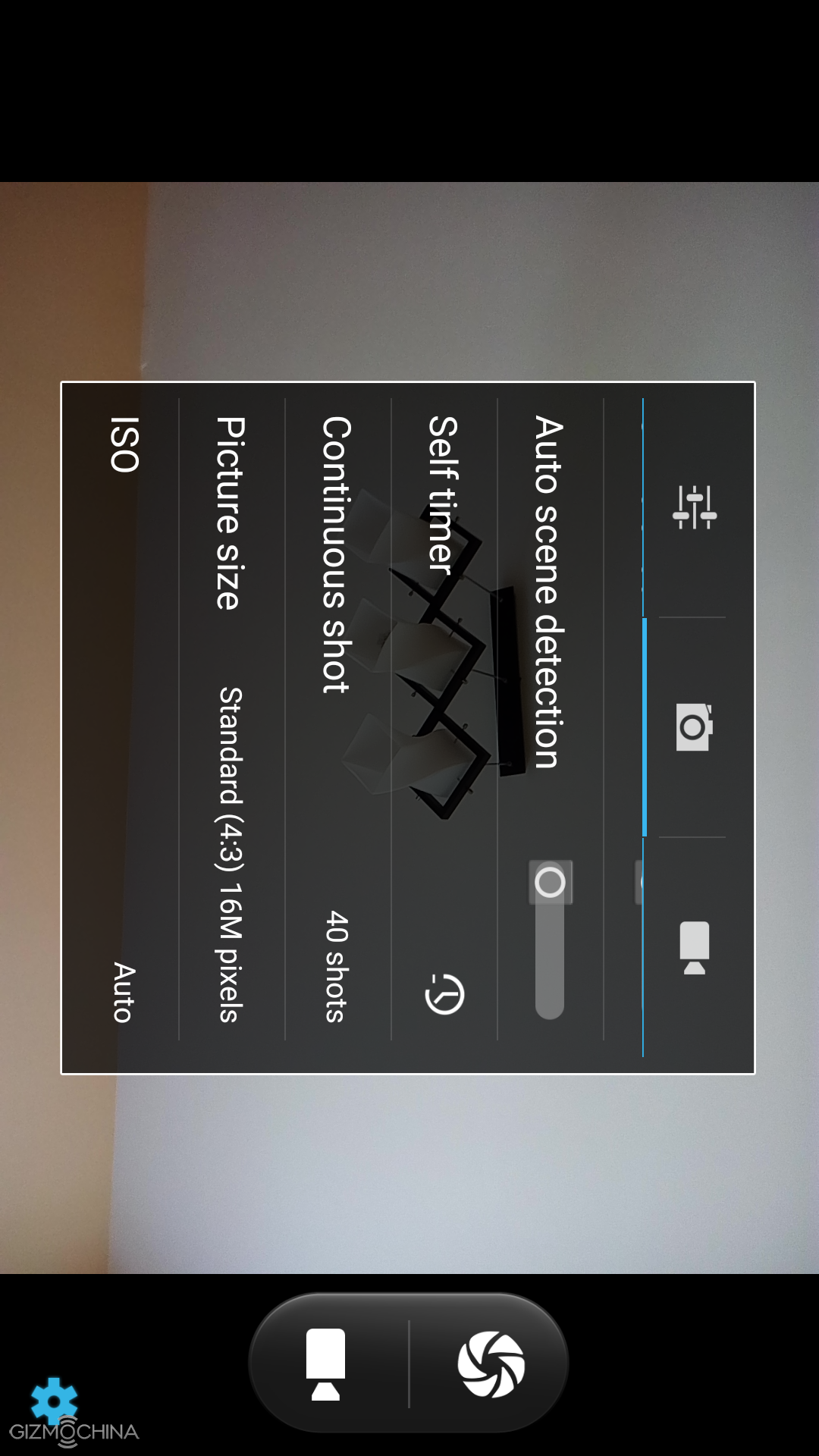
Cubot X17 has a 13MP camera sensor that is interpolated to 16MP.
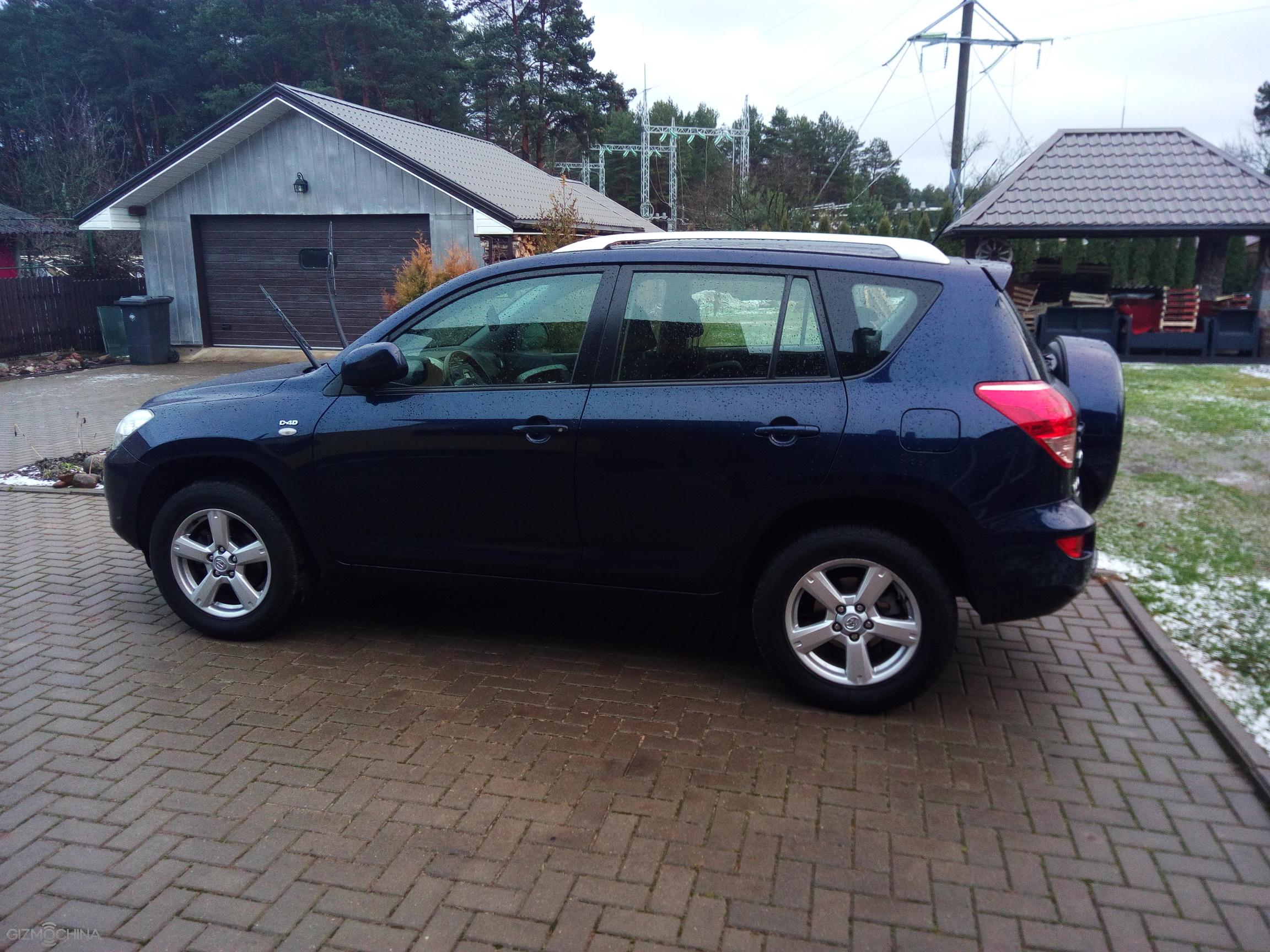










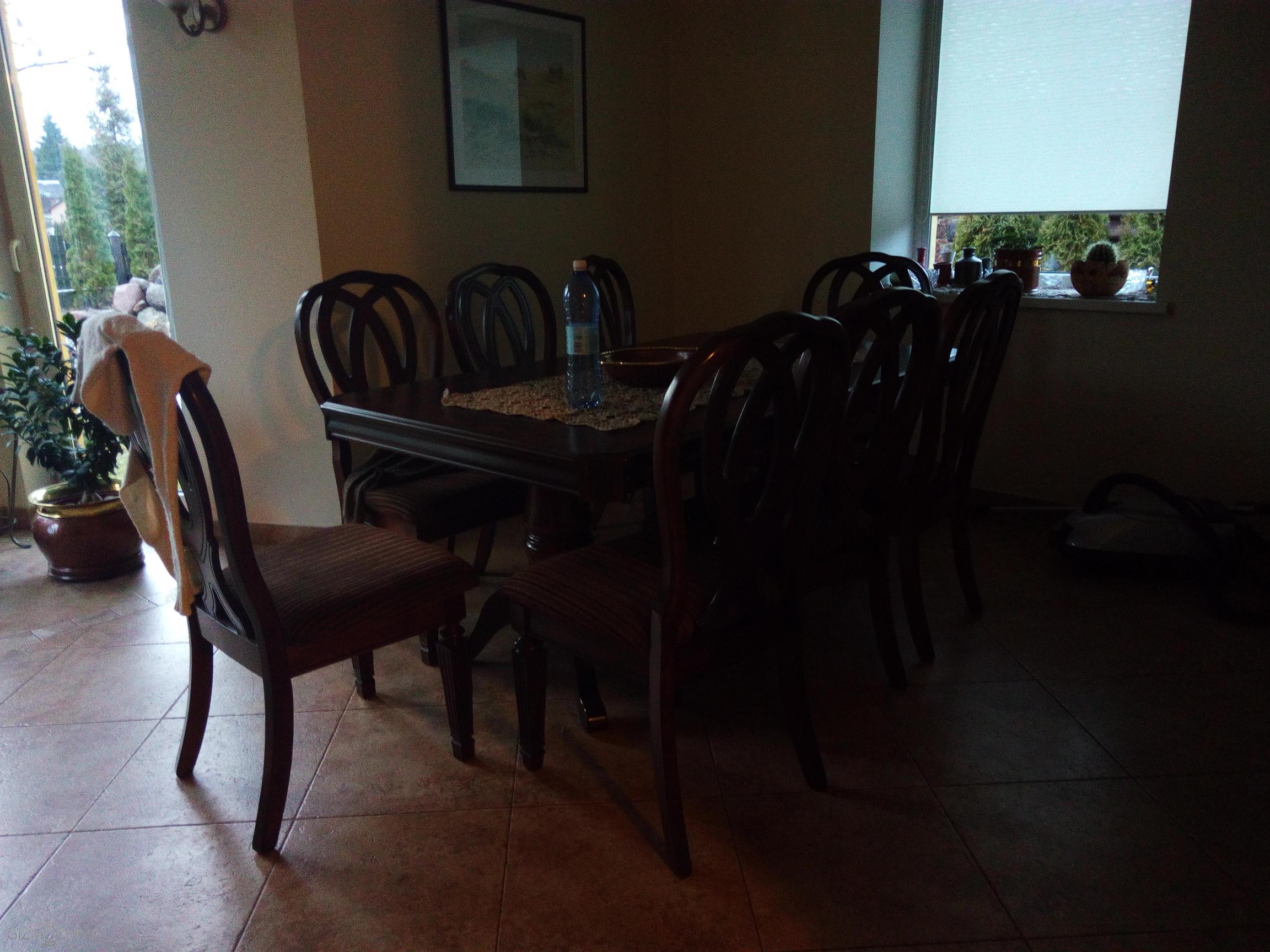

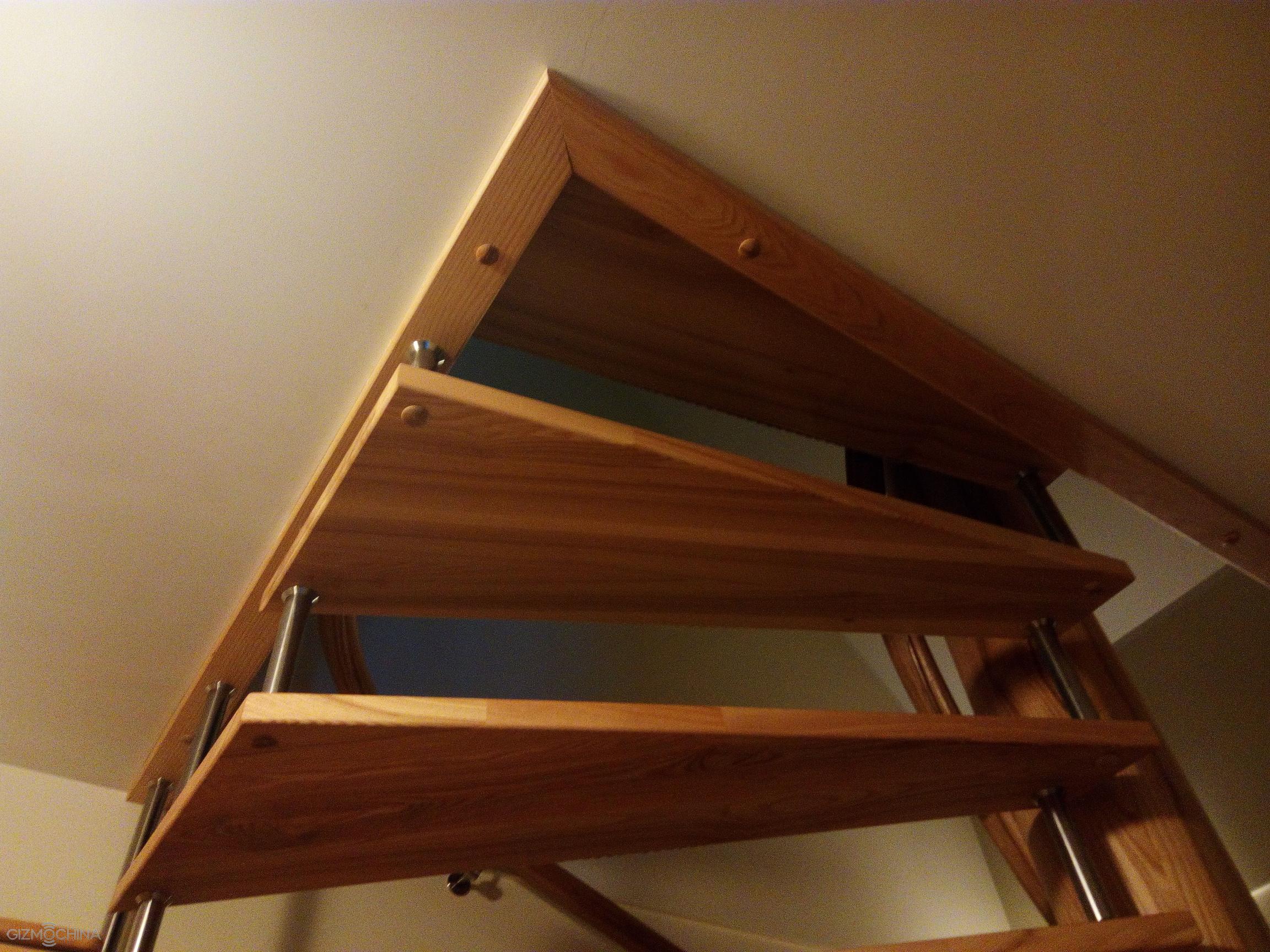
The images that are produced by the camera are just mediocre and the results are inconsistent. Sometimes you can take some great looking images but more often than not, the pictures have softer focus on the corners or even on a huge part of the image. Also, there is a significant amount of noise even in the daylight shots. While the level of details is good, the colour reproduction is a hit or miss.
Cubot X17 Review: VIDEO QUALITY
When it comes to video recording, the footage is just average. See a video review or download a video sample from the link below.
Cubot X17 Review: CONNECTIVITY
As far as connectivity, I have no complaints. Call quality is okay, Wifi and Bluetooth connectivity are stable and GPS is accurate.
Cubot X17 Review: BATTERY LIFE
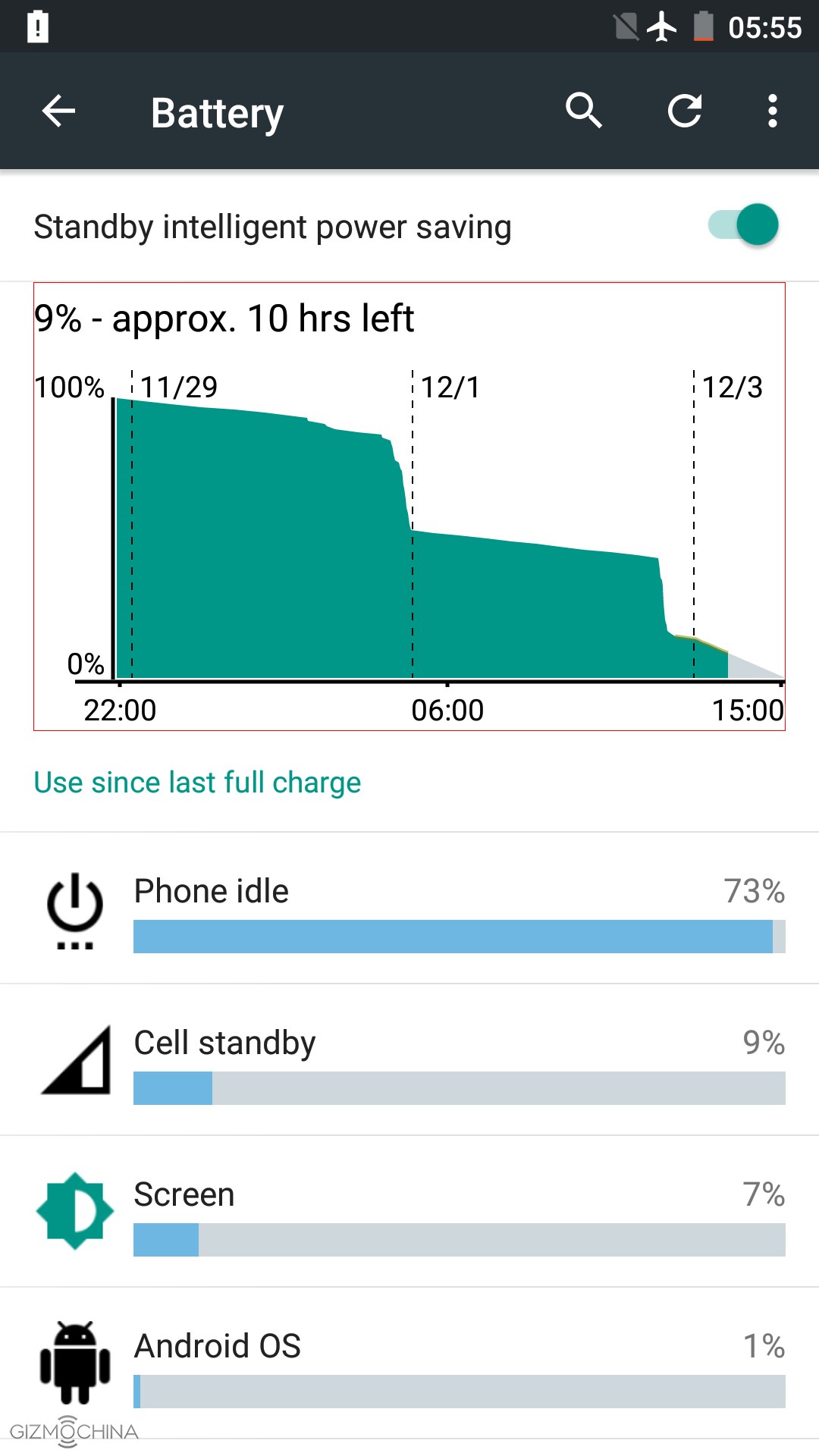
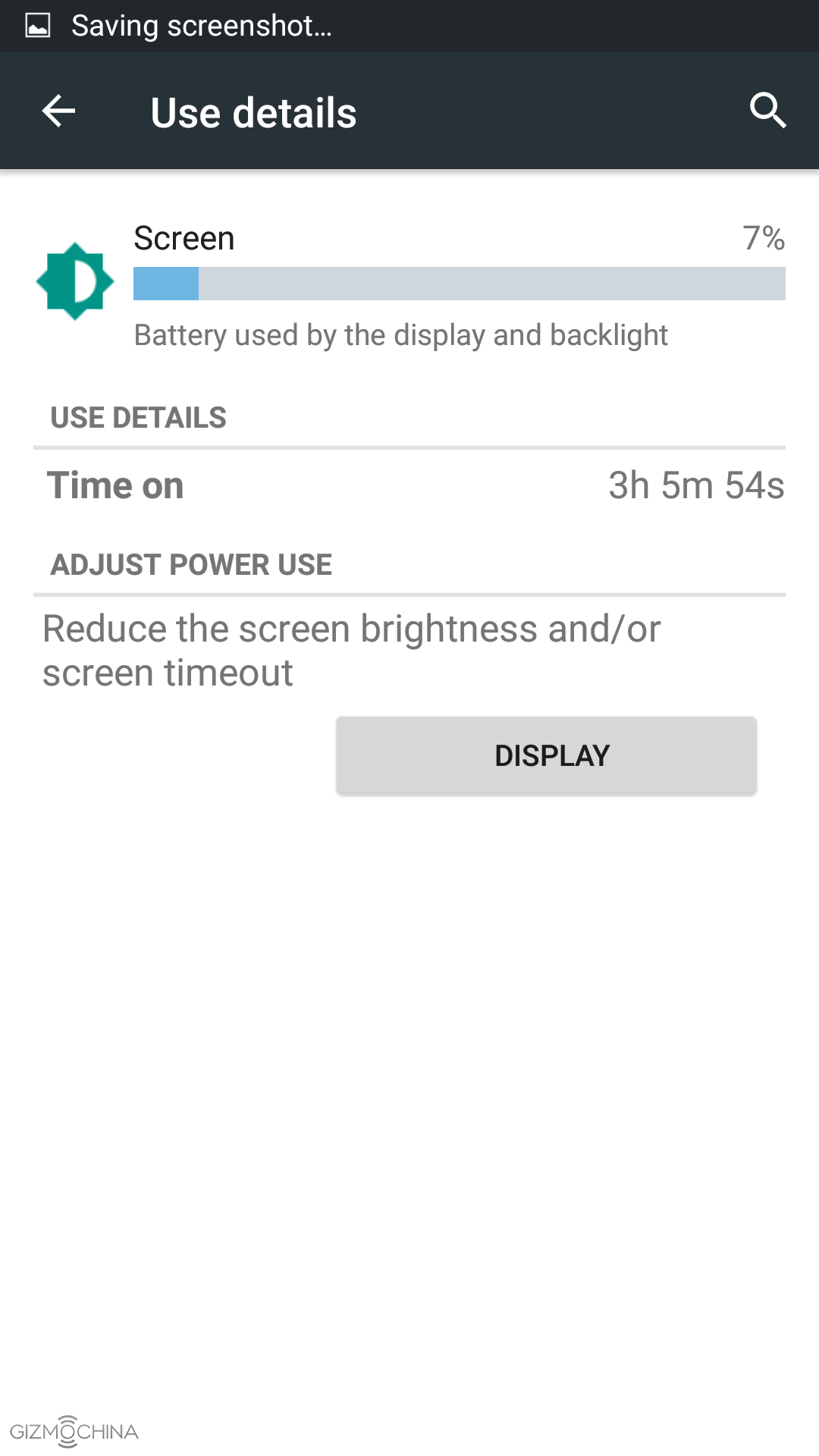
As far as battery life, 2500mAh unit is not really impressive but it’s not terrible either given the 5” 1080p display. I could get just over 3 hours of screen-on time on average use. You may get around 4 hours if you reduce the brightness significantly.
Cubot X17 Review: CONCLUSIONS
If you are looking for a phone that it is very slim, has a decent design and good build quality, Cubot X17 is a decent choice. Also, this phone is compact and the 5” display is pretty good, and the UI performance is great.
However, you have to keep in mind that the loudspeaker is not really impressive, image as well as video quality could see a some improvements, and the battery life is not that great due to a slim profile of the device.
All in all, Cubot X17 is a beautifully crafted and super slim phone with good day to day performance but you have to consider some shortcomings as on any other phone.
Quick youtube video showing the ELE Watch
Quick youtube video showing the ELE Watch
Today sees the first teaser for the upcoming Android Wear device from Elephone, in this quick youtube video showing the ELE Watch.
The video is short and sweet but does show off some of the basic functionality of the watch.
The ELE Watch features a 1.5″ 320 x 320 screen, is waterproof and has a heart rate sensor built in as well as wifi.
Hopefully the fact that Elephone have released this video means the watch release is not too far off, hopefully China based companies such as Elephone can bring the price of Android Wear based watches, in to a more affordable price bracket in the same way that they have for mobile phones.
So far its looking fairly good and hopefully will deliver a fully functional Android Wear device at a decent price in time for this Christmas.
As always please feel free to leave comments and questions below
Regards Shanos
Original article posted on gadgetz.tv
You can sign up here for notification of release
[embedyt] http://www.youtube.com/watch?v=MpBhB6wfhKY[/embedyt]
All Metal Huawei Enjoy 5S Hands On Pictures
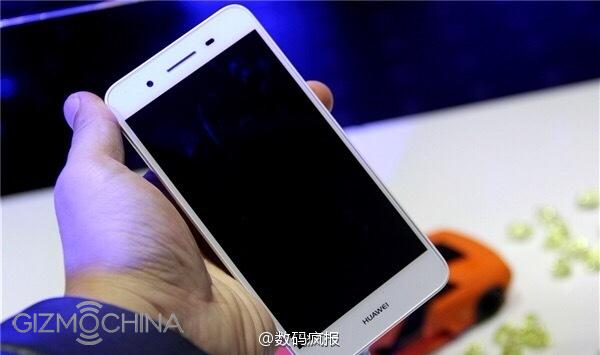
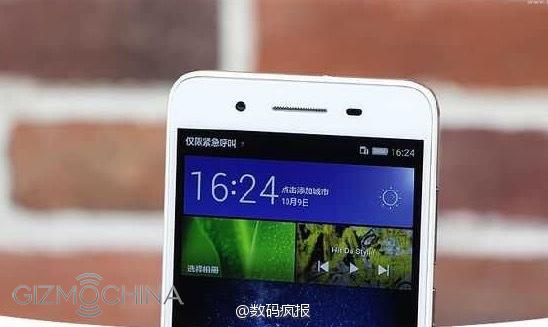
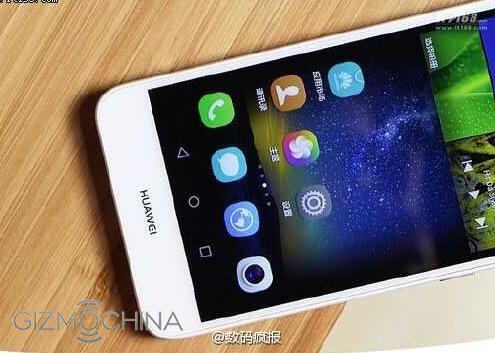
Metal seems to be the new standard among mid-range smartphones. Even Huawei has joined the party with the brand new Huawei Enjoy 5S handset. The phone is priced at 1099 ($172) and is targeted at those users who would like a compact device with a 5-inch display. Other metal phones in this range are usually of 5.5-inches, so this phone will cater to the needs of a slightly different population.
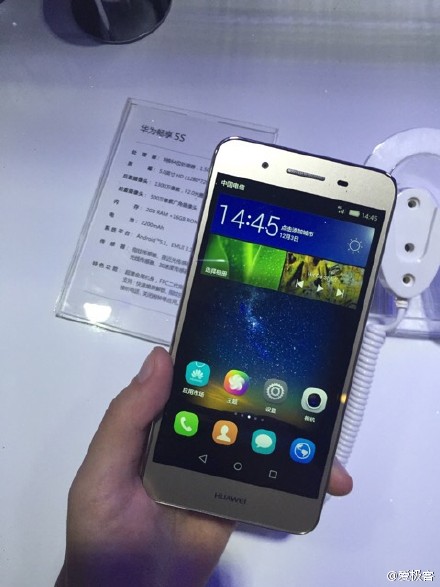
The Huawei Enjoy 5S comes with a 1.5GHz Mediatek MT6753T processor with 2GB of RAM on board and 16GB of internal storage. At the back, there will be a 13MP camera and up front, you will find a 5MP shooter. The 5-inch display will come with 720p resolution, which is a bit disappointing considering competitors have already upgraded to FHD resolution. The battery is also not very impressive, 2200mAh but its mainly because the company decided to keep the phone super thin, measuring just 6.3mm.
This isn’t the best specs we have seen on a $172 phone, but for a 5-incher, it’s not bad either. You can check out a few hands on pictures of the Huawei Enjoy 5S from down below.
Also, let us know how you feel about this new device in comparison to the Redmi Note 3, Meizu Metal and LeTV 1S that were launched recently.


Oukitel K4000 Pro with Android Marshmallow
Oukitel K4000 Pro with Android Marshmallow
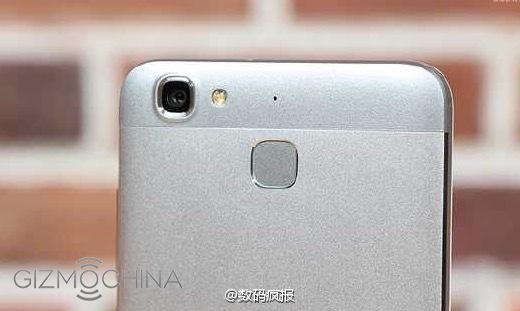
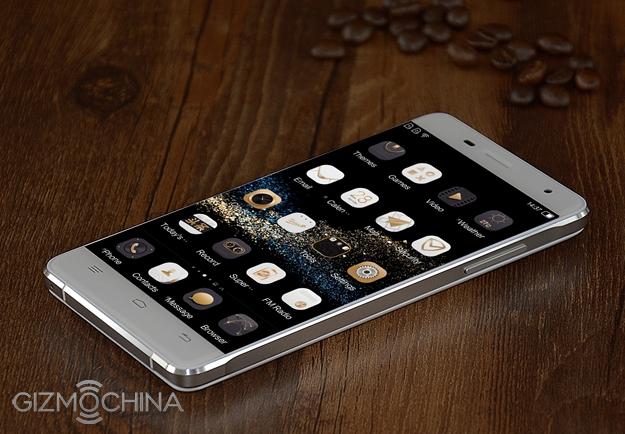
It would seem that a lot of China based phone companies are looking to get on to the Marshmallow band waggon at the moment, Oukitel not wanting to be left behind have been working on the Oukitel K4000 Pro with Android Marshmallow.
From the information received today it would appear that this is not the K4000 Pro’s official Rom, but is however the work of some of their technical guys.
It would appear that their curiosity got the better of them and they decided to see if they could endow the Oukitel K4000 Pro with Android Marshmallow via a port of the highly regarded CyanogenMod 13 ROM.
I would love to see it in action and get a list of whats working and more importantly whats not working, but for now will have to make do with the knowledge that Oukitel are at least trying.
Not much more is known about the K4000 Pro, we do know that like its non Pro little brother it will come with a 5000mAh battery, and that the battery works with Flash Charge Technology (5v/1.5a) to give fast charge times.
The K4000 Pro will also feature a 2.5D curved Arc design screen that is 1.1mm thick (as opposed to 0.7mm which is standard for most phones), this should help to make the screen a lot more resistant to drop based cracking.
Whilst not shown in the picture, It has also been confirmed that the rear cover will feature a crocodile skin textured plastic design.
The K4000 Pro comes with support for the following networks
4G LTE FDD Five-Band: 800/ 900/ 1800/ 2100/ 2600
I will keep you informed as and when we get more news and information on the K4000 Pro
For now please feel free to leave any questions or comments below.
Regards Shanos
Original article posted on Gadgetz.tv
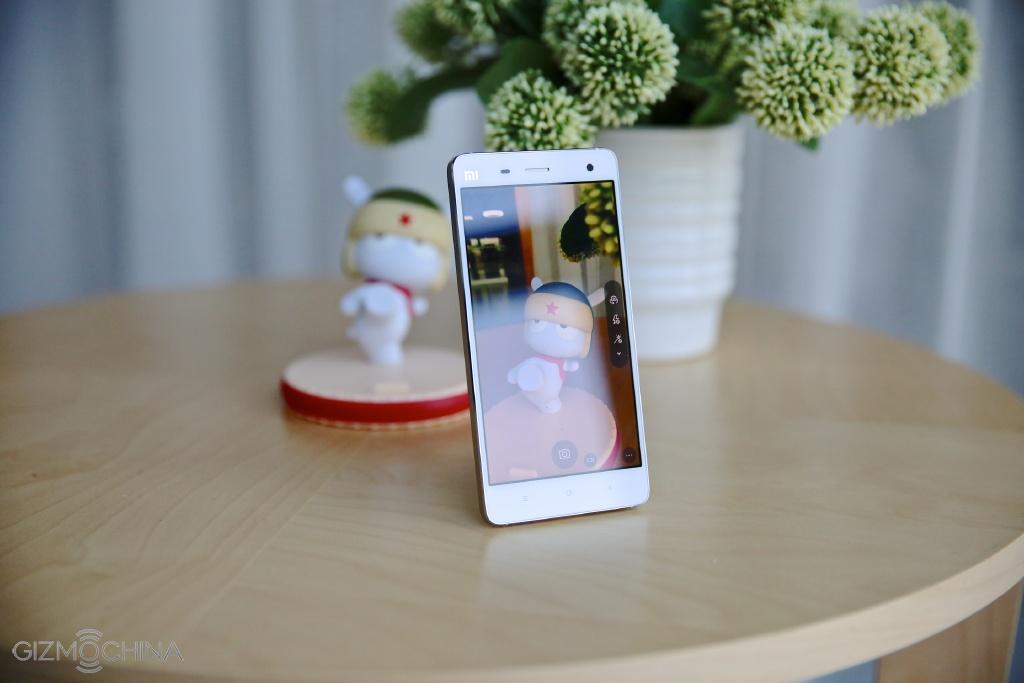
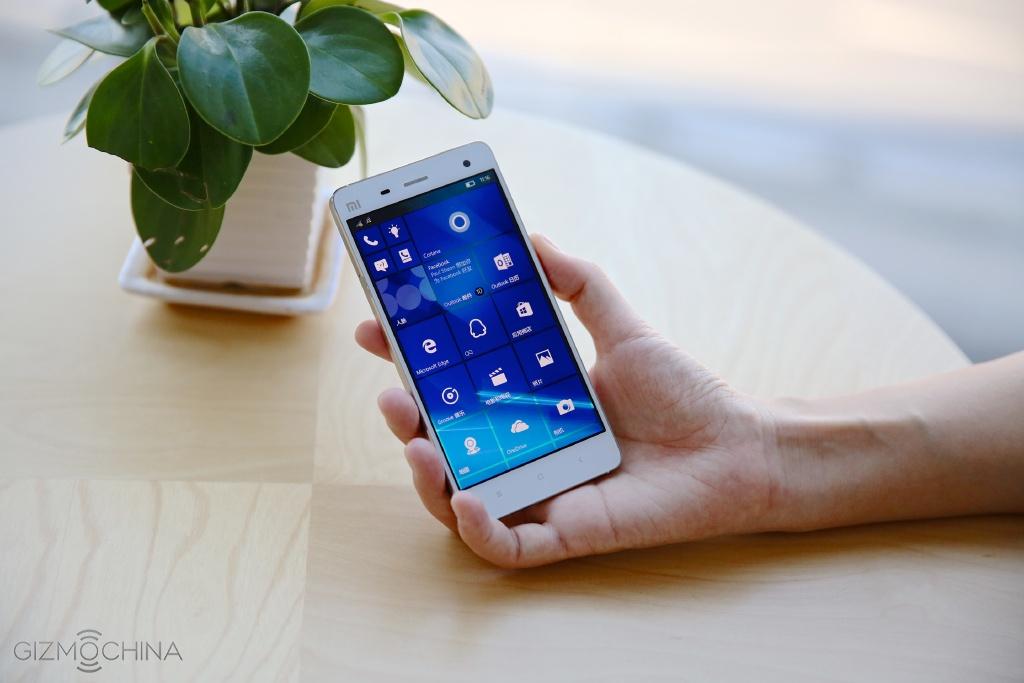
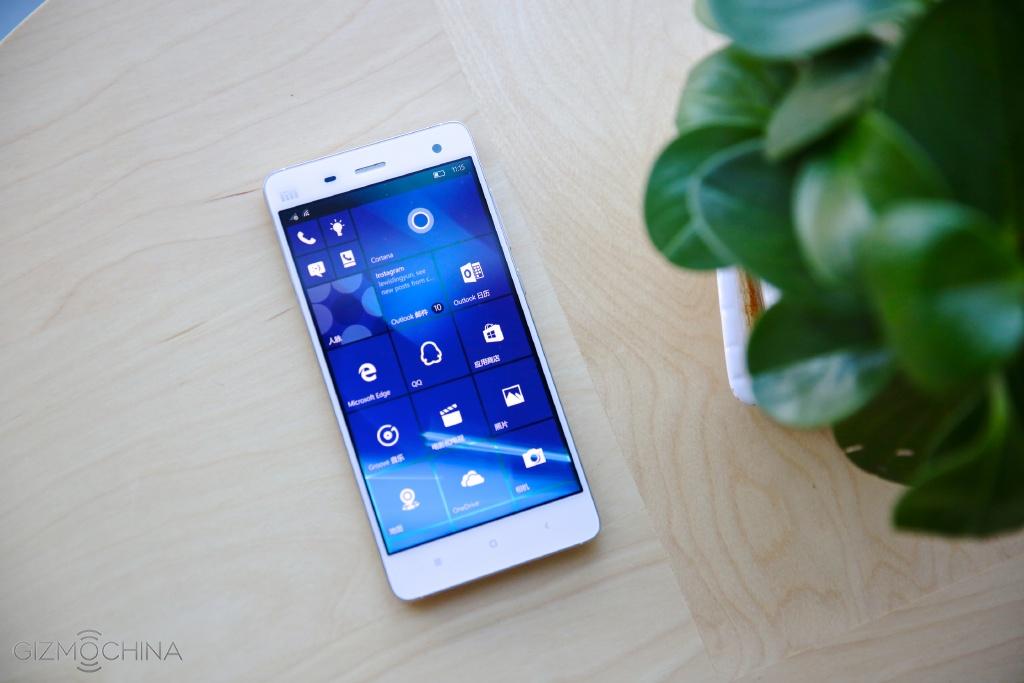
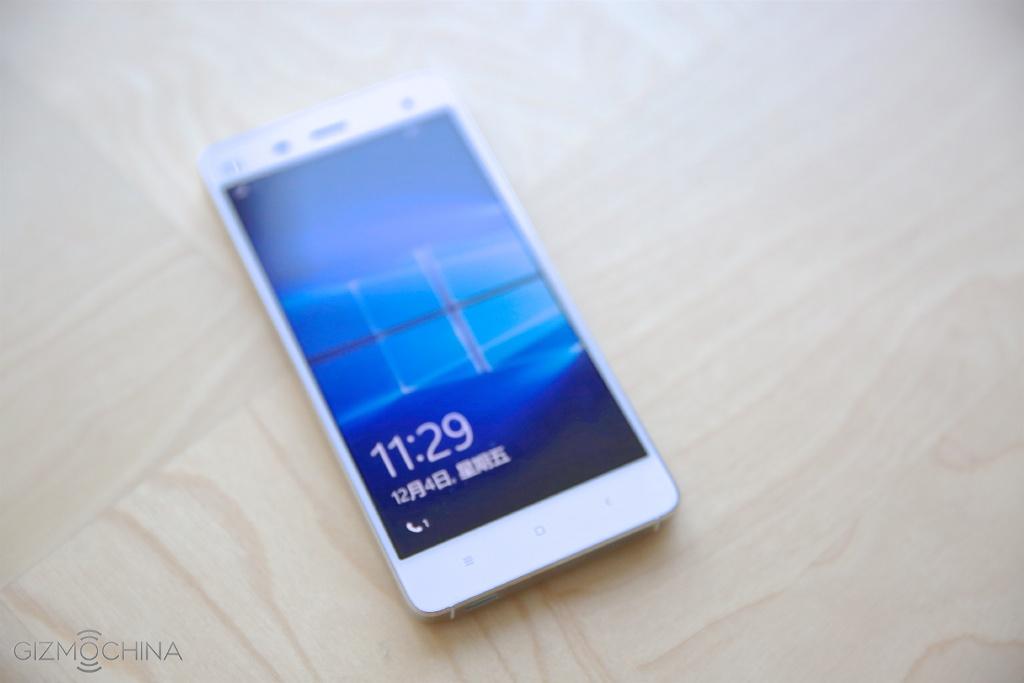
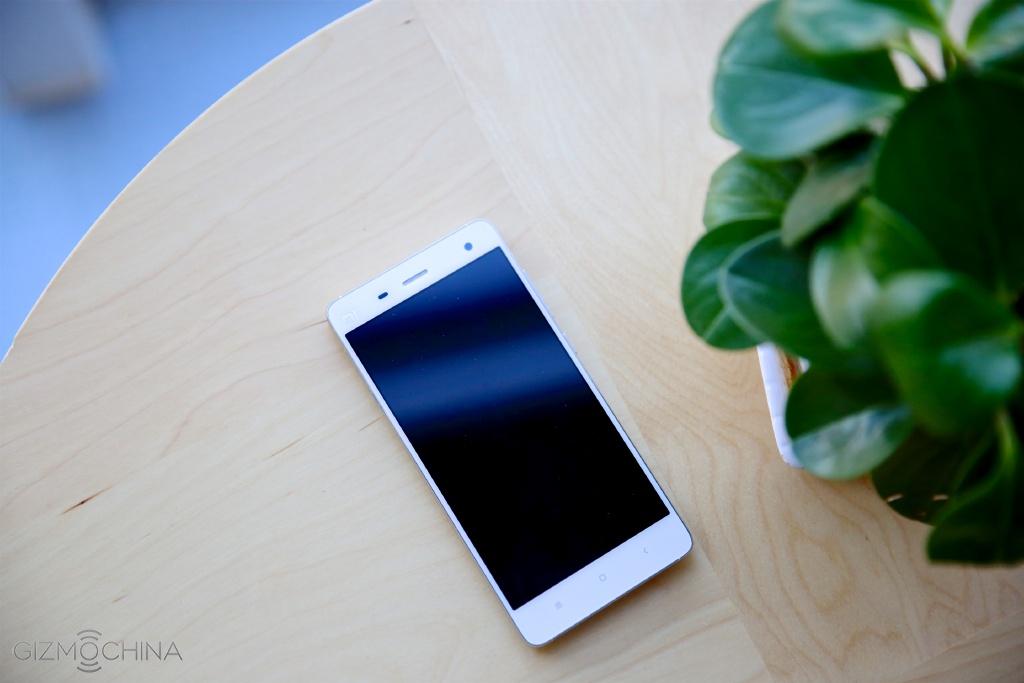
First Look At Windows 10 On Xiaomi Mi4 [Pictures]
A few months back, Xiaomi and Microsoft entered into a partnership which allowed the company’s Windows 10 OS to be installed on Xiaomi’s Mi4 flagship. We have already seen a couple of Mi4 devices running on an early version of the OS, but today, Microsoft released an official Windows 10 Mobile ROM version for all Xiaomi Mi4 users. This means that you can experience the power of Windows right on your Xiaomi smartphone. The ROM will be publicly made available for all Mi4 users to try out.
Along with the new ROM, Xiaomi also announced today that it will make the Windows 10 ROM available for its Xiaomi Mi Note series. So, in the coming weeks, there will be at least three different models running on Microsoft’s Windows 10 OS — the Mi4, Mi Note and the Mi Pad 2.
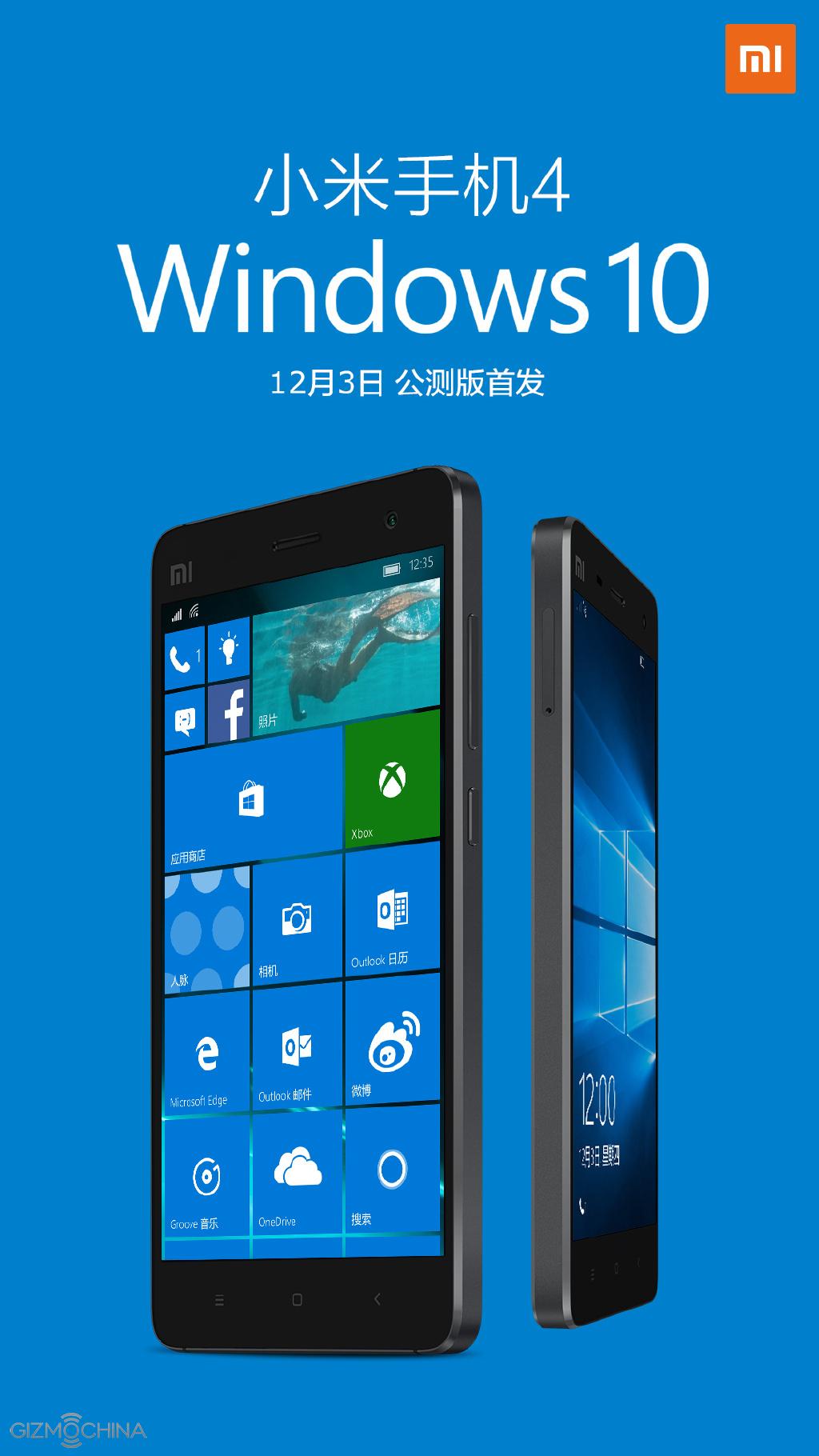
While we have not yet tried out the newly released version, here are some pictures of the Xiaomi Mi4 running on the Windows 10 Mobile operating system directly from Xiaomi. So far everything looks good, but we will have to wait for some more feedback to see whether there are any major flaws or bugs in the OS.
Check out the pictures from down below. Meanwhile let us know whether the idea of Windows 10 Mobile on your Xiaomi Mi4 sounds interesting to you.
LeTV Max Pro X910 Model Spotted On AnTuTu With Snapdragon 820
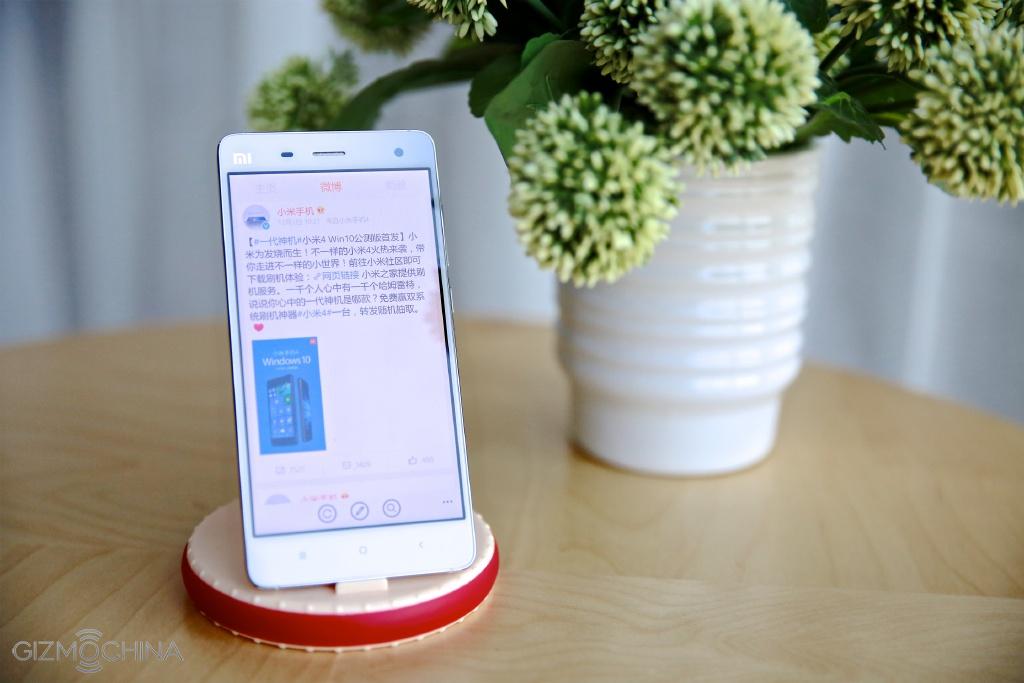
LeTV has quickly established its presence in the market with its Le series of smartphones. The devices in the range feature amazing specs inside a beautiful metal body which has made them popular in the home country of China. It’s been more than six months since the launch of the series and naturally, details about its next generation version have already started to come out.
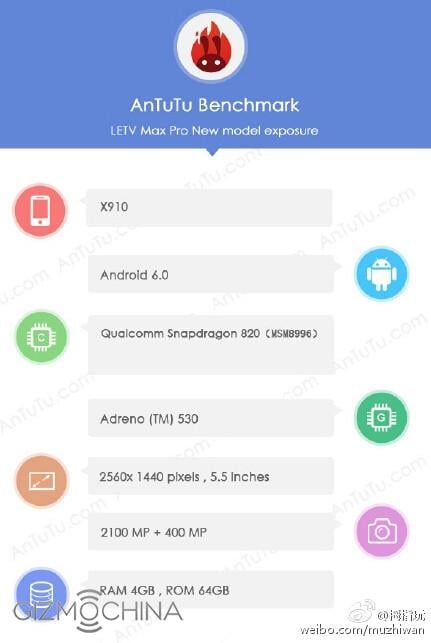
Earlier today, we came across an AnTuTu listing of an upcoming LeTV model, the LeTV Max Pro X910. According to the benchmark listing, the device will come with the latest Snapdragon 820 quad-core chipset, which is the same chip that’s expected to power the Xiaomi Mi 5 flagship.
LeTV Max is the company’s top-end lineup and hence, we can expect very high-end specs on the device. The listing reveals that the LeTV Max Pro comes with a 5.5-inch display with 2K resolution. There will be a 21MP rear camera along with a 4MP (mostly Ultra-pixel) front-facing one. As for memory, the phone comes with 4GB of RAM on board along with 64GB of internal storage. It will be running on the latest Android 6.0 Marshmallow OS.
As you can see, the specs are pretty high-end. Unfortunately, other than this leaked benchmark listing, we have no idea about how the phone looks or when it is going to be launched. However, since the phone is already on AnTuTu it could mean that the launch is nearby. Stay tuned for more details on the LeTV Max Pro in the coming days.
Updates & Custom Roms for Elephone Trunk & P8000
Updates & Custom Roms for Elephone Trunk & P8000
The guys and girls over on the Elephone forums have been busy bunnies and today we have news of Updates & Custom Roms for Elephone Trunk & P8000
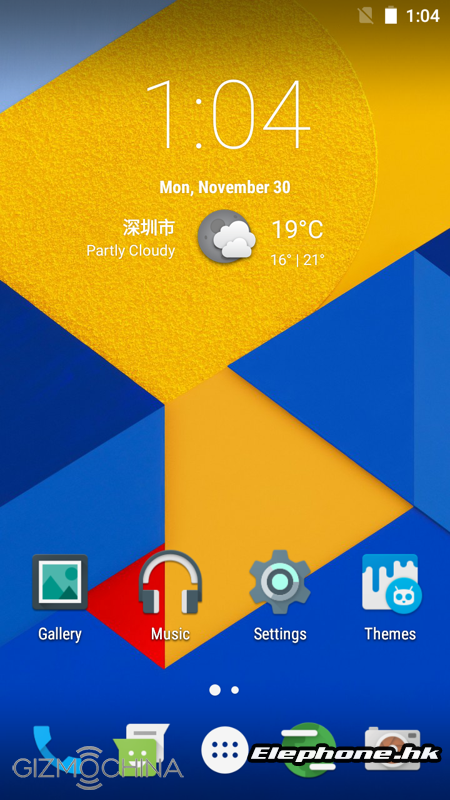
The first Rom and the Rom that will certainly be getting a lot of attention from custom Rom installers like myself is the Elephone Trunk port of Cyanogenmod 13 the build date for the Rom is 2015-11-24 just over a week ago. the Rom is based on Android 6.0 making the Trunk one of the first phones from China to run the latest Marshmallow OS.
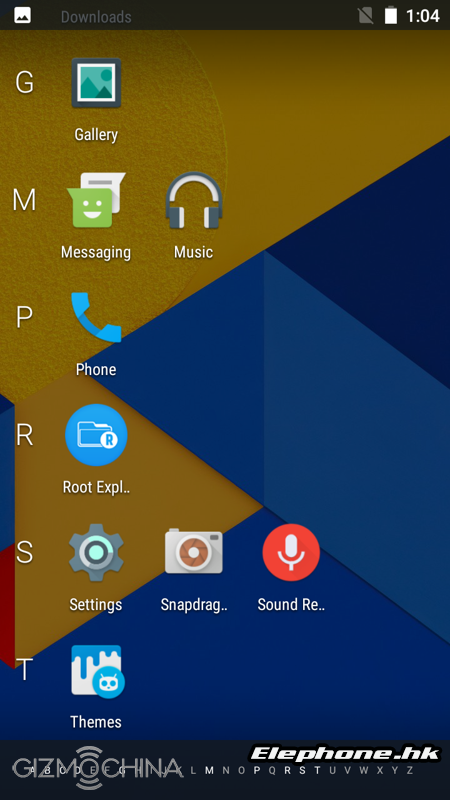
It will be interesting trying out this version of the OS and getting to see how well the Trunk runs Cyanogenmod 13 seeing what works and what bugs there are to iron out.
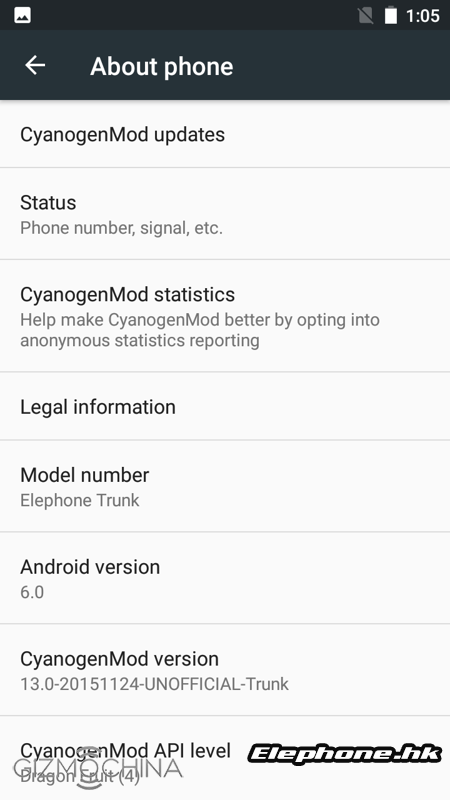
As the Trunk is running a Qualcomm CPU and has identical hardware to the ARK Benefit A3 that it is getting a fair amount of attention from Russian devs, we should start to see a lot more Roms soon.
The second Rom is an update to the previous version of the Meizu Flyme rom, this new Rom version is 4.5.4 the build date is 2015-12-01 and the Rom is based on Android 5.1
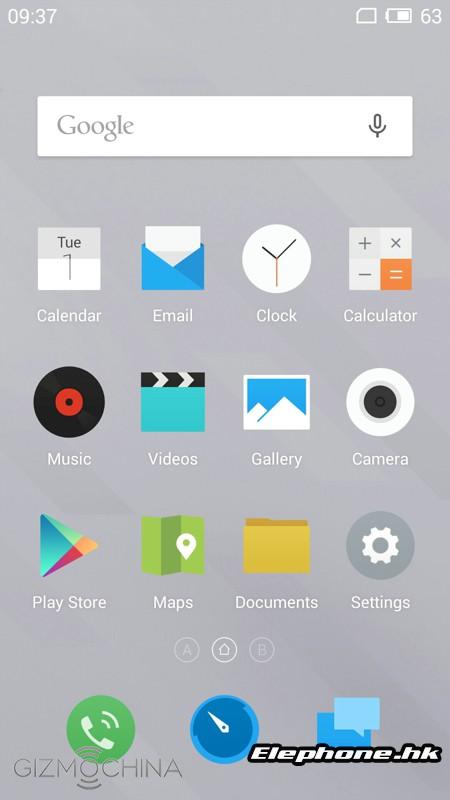
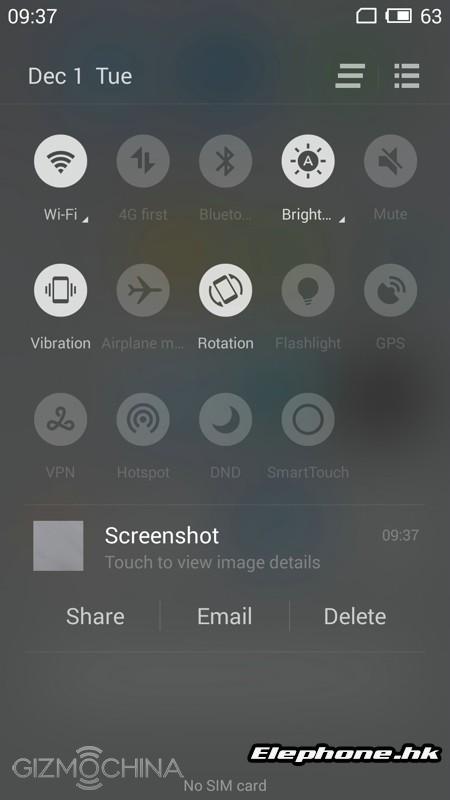
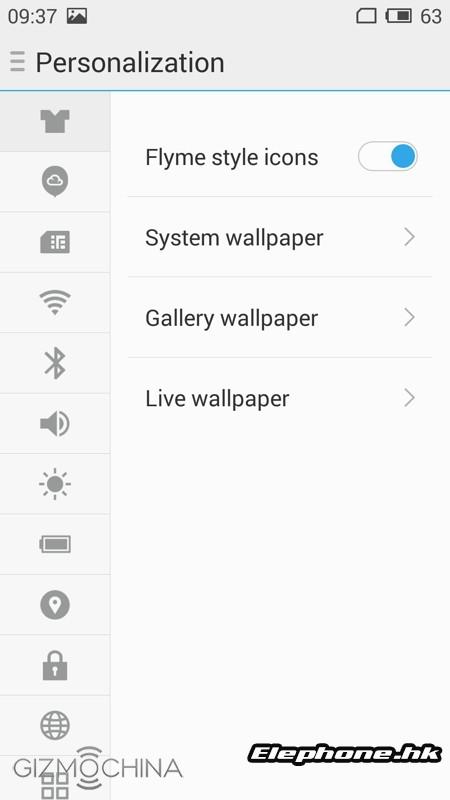
Changelog:
System
Fixed the occasional rebooting bug;
Phone
Fixed the occasional bug of the Phone app being shut down abnormally;
Fixed the program crash when tap ‘Add to marked’ in detail page of call log;
Messages
Fixed the occasional failure in syncing Messages;
Fixed the problem in which the message reply icon is useless when receiving an incoming call;
Wi-Fi
Fixed the slow response problem occurred in the system after disable WPS;
Email
Fixed the problem of unable to login to vanke email account;
Third-party apps
Fixed the crash bug when input and long press text in Jota+ app;
Fixed the bug of the phone being unable to upload videos to Instagram.
They have not mentioned the fingerprint scanner, this was not working in the previous version and I would assume that it is still not working in this one.
If you fancy trying out Updates & Custom Roms for Elephone Trunk & P8000, the Elephone P8000 can be purchased here for $169.99 (£111) whilst he Elephone Trunk can currently be purchased for $109.99 (£73)
Do you own one of these phones? have you tried flashing the custom roms on your handset? how has your experience been so far? let me know what you think in the comments section below.
Regards Shanos
Original article posted on Gadgetz.tv
Qualcomm’s Snapdragon 830 May Support Up To 8GB RAM
Just when we are busy talking about the Snapdragon 820 which was officially unveiled early November, rumors and specs of its next generation version have already started making rounds on the internet. According to Pan Jiutang, an analyst from China, Snapdragon 830 could support up to 8GB of RAM memory.
This shouldn’t come as a surprise. The current generation Snapdragon 820 supports up to 6GB of RAM. While we are yet to see a smartphone with such memory from a notable brand, there are rumors that at least of a couple of smartphones with 6GB RAM may hit the markets next year. For example, a few weeks back, we heard that the next generation version of LeTV Max 2 model could come with Snapdragon 820 and 6GB RAM. However, the company is yet to confirm these specs.
So, support for 8GB RAM won’t be surprising on a chip that’s going to debut in 2017. We are already seeing apps and games that require such amount of memory and in a couple of years, the demand for more power could lead to 8GB RAM powered smartphones. Moreover, it is rumored that Snapdragon 830 will be manufactured using the 10nm node. Again it’s possible since the current generation Snapdragon 820 uses the efficient 14nm process.
These specs would make the chip ideal for flagships. It is said that Samsung’s Galaxy S8 could be one of the first phones powered by 830. But we will have to wait and watch if it turns out to be true since Xiaomi’s Mi 5 could be one of the first phones to debut Snapdragon 820 next year. So, it could follow suit in 2017 as well.
However, it’s too early to confirm anything, so let’s wait for some more concrete details before getting too excited.
Huawei Spends 14.5% Of Revenue In R&D, More Than Apple
In this competitive world, R&D forms the backbone of any tech company. In order to stay ahead of the competition, companies have to incorporate cutting edge technology in their products in order to differentiate them from the masses.

We know that major tech companies spend billions of dollars every year on R&D and today, we have some idea about what each of the top tech companies spends in this department.
According to a recent report from Bloomberg Businessweek, Apple spends just about 3.5% of its revenue on R&D which is a pretty small figure as compared to other tech companies. For example, Google spends about 15% of its revenue in this department, while Facebook and Qualcomm spend around 22% and 21% respectively.
When it comes to Chinese tech giant, Huawei, it’s around the same figure as Google. The company reportedly spends around 14.2% of its revenue in R&D.
However, this is the percentage of revenue spent. When it comes to the total amount spent, Apple, even with its meagre 3.5% manages to spend about $8.15 billion in R&D, greater than Huawei, Facebook or Qualcomm.
In terms of total amount of money spent, Huawei spends around $6.5 billion in this department. This is greater than both Facebook and Qualcomm’s figures of $2.6 and $5.56 billion respectively. In comparison, Google spends about $9.9 billion.
Huawei’s CEO Yu Chengdong had said that the company’s smartphones will surpass Samsung next year and if that has to happen, the company will need to spend a lot of R&D this year. So, this figure could increase significantly in 2015.
So, do you think Huawei can surpass Samsung in the next couple of years?
Elephone Ivory product page now up
Elephone Ivory product page now up
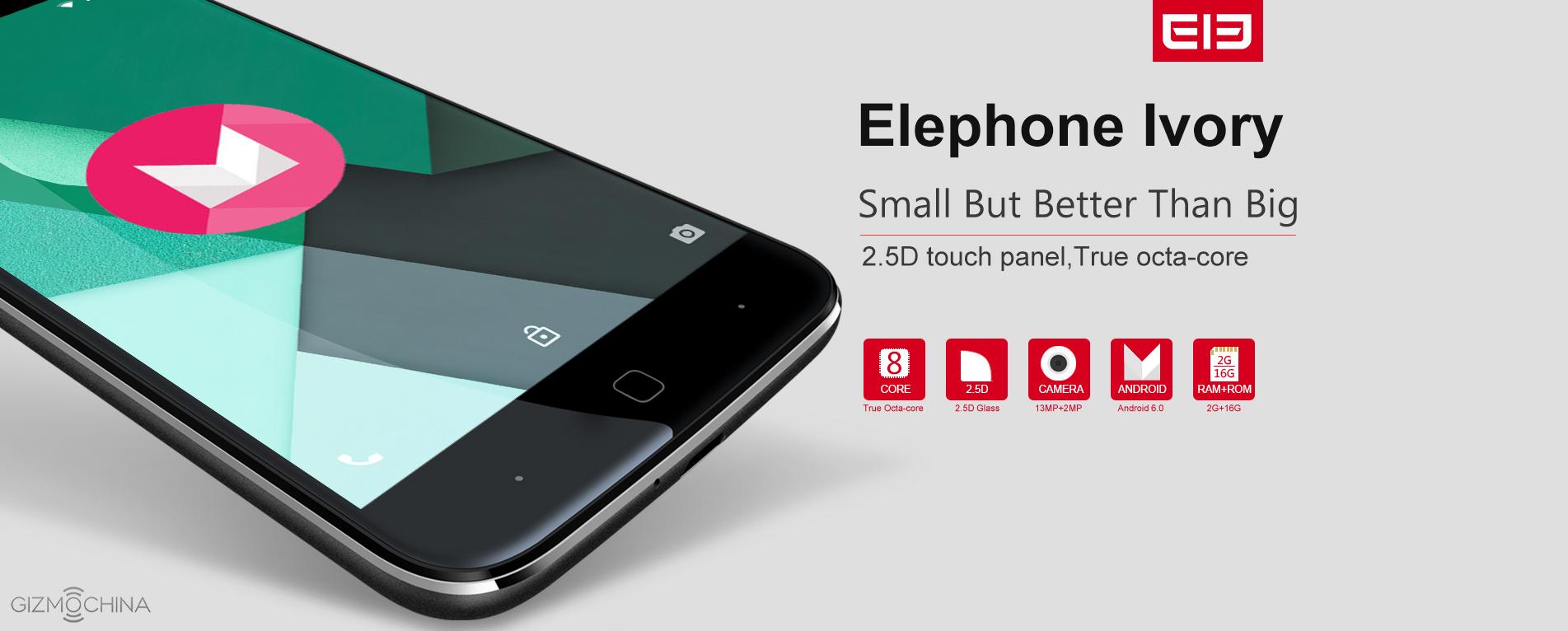
Elephone have today published the Elephone Ivory product page, you can now find full details and specifications online.
Coming in at just $99.99 (£66), the Elephone Ivory could turn out to be a real bargain, featuring an Octa-core Mediatek MT6753 CPU clocked at 1.3GHz and an ARM Mali-T720 GPU, the phone should be easily able to push pixels around the Ivory’s 5″ 720p screen.
Elephone have given the Ivory 2GB of Ram and 16GB of ROM, for those of you that want more storage the Elephone Ivory also has support for up to 128GB Micro SD cards.
Elephone have chosen to go with a 13MP rear facing camera (hopefully this will not be an interpolated 8mp sensor) and a 2mp front facing selfie camera.
What could be one of the phones most impressive features upon release, is not a hardware based feature at all.
The Elephone Ivory will be one of the first China phones to come with Android 6.0 Marshmallow out of the box, it will be interesting to see how Elephone get on with optimising the new OS for the phone.
Network support has been confirmed
- FDD-LTE:band 1/3/7/20 (2100/1800/2600/800)
- WCDMA:band 1/8 (2100/900)
- GSM: band 3/5/8 (1800/850/900)
- Networks B (coming soon)
- FDD-LTE:band 2/4/7/17 (1900/1700/2600/700)
- WCDMA:band 1/2/4/5 (2100/1900/1700/850)
- GSM:band 2/5/8 (850/900/1900)
Be sure to check out the Elephone Ivory product page and leave comments and questions below, pre order should be available some time around the middle of this month, hopefully making it available to give as a Christmas gift to your family or friends.
Regards Shanos
Original article posted on Gadgetz.tv
ZTE Nubia Z11 To Release By Q1 2016 With Snapdragon 820
Recently, ZTE Nubia Manager, Ni Fei had confirmed to the South China Morning Post that its upcoming ZTE Nubia Z11 flagship will launch simultaneously in China and US. The company has shown interest in the US market and has been doing well thanks to its recently launched ZTE Axon Pro flagship.
While officially, this is all that Ni Fei revealed, other sources have given out a few more details about the Nubia Z11. First of all, the phone will be powered by the latest Snapdragon 820 quad-core chip. Secondly, it is said to be released by Q1 2016, which is around the same time as Xiaomi is expected to release the new Xiaomi Mi 5 flagship. However, since Ni Fei revealed that the phone will be simultaneously launched in US as well, the Z11 could have an advantage.
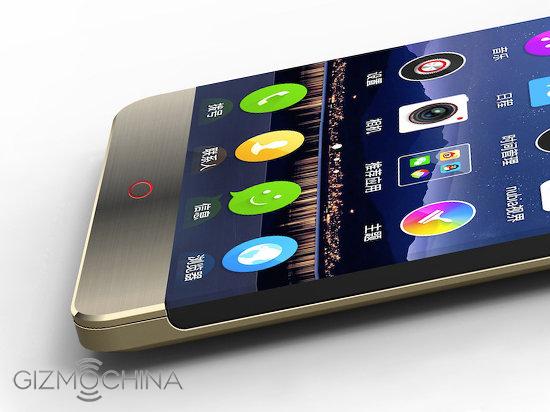
The company has sold about 5 million Nubia Z9 units till now. But that’s just in China. If the company manages to put in high-end specs at a great price, somewhat similar to the Axon, ZTE could have a winner here.
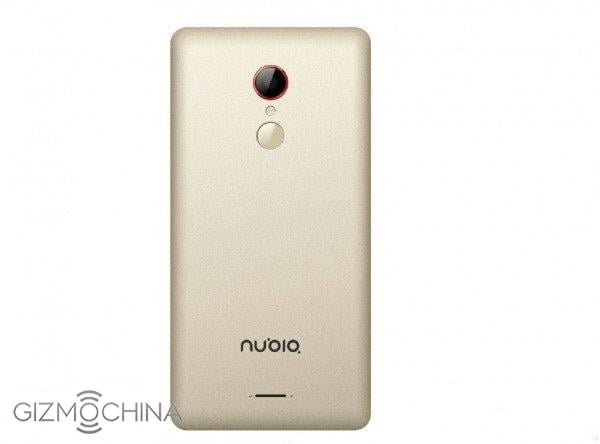
Other specs of the phone are also expected to be pretty high-end. The ZTE Nubia Z11 will reportedly come with 4GB of RAM, 128GB internal storage, 5.2-inch bezelless display with 2K resolution, 20.7MP rear camera, 13MP front shooter, and a fingerprint sensor on board. Pricing is one area where the Nubia series never had an edge, but let’s hope that changes with the Z11.
You can check out our previous coverage on the bezelless design of the Nubia Z11 for more details.
1byone Bluetooth Keyboard Review – The Coolest Keyboard?
This is the review of a really awesome 1byone foldable bluetooth keyboard for smartphones, tablets and more. Find out more in the full review.
1byone Bluetooth Keyboard Review: VIDEO
[embedyt] http://www.youtube.com/watch?v=tIUBuePTbco[/embedyt]
1byone Bluetooth Keyboard Review: UNBOXING
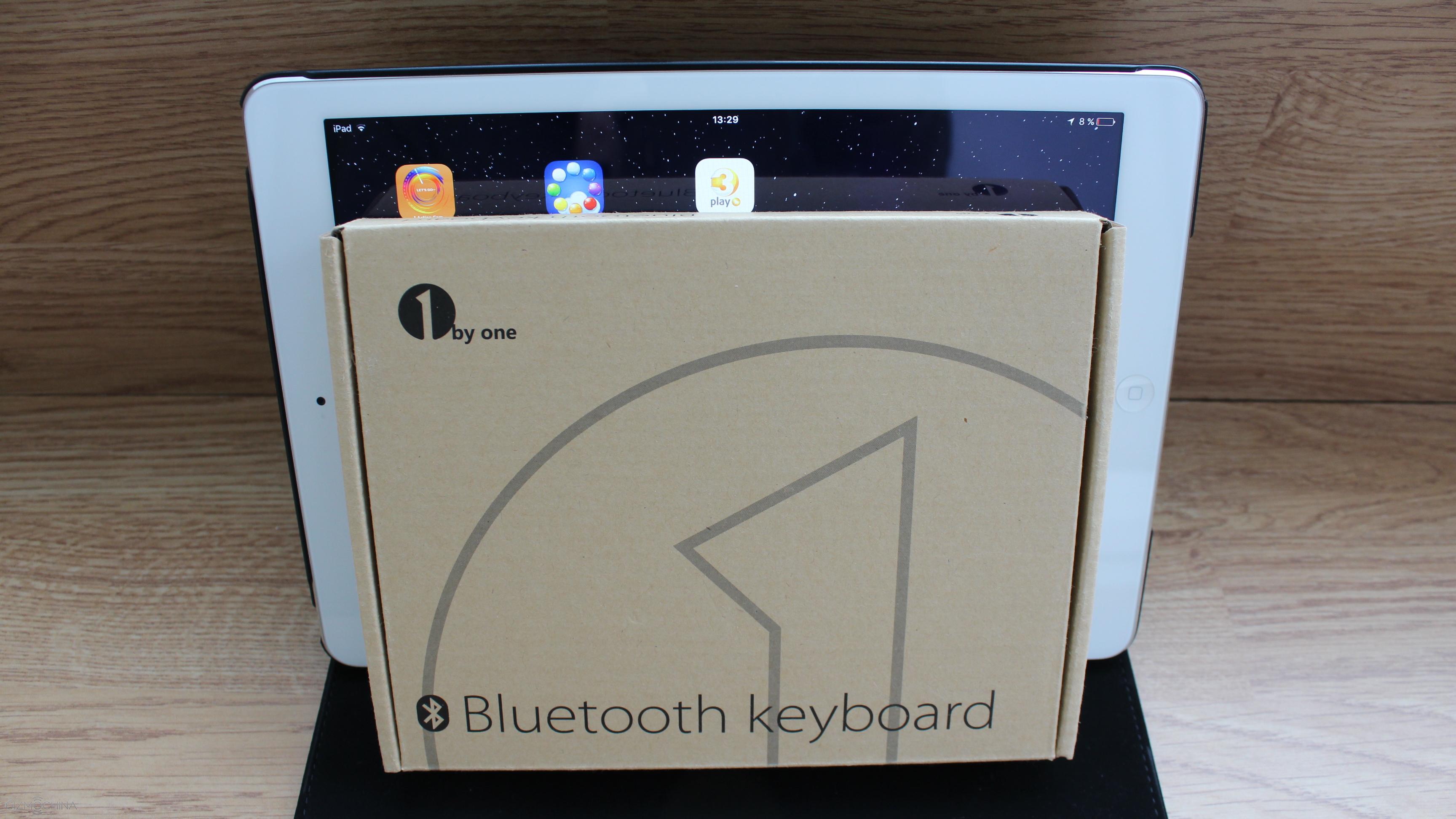

The device comes in a simple packaging and all you are getting is the keyboard itself, some documentation and a charging cable.
1byone Bluetooth Keyboard Review: DESIGN and FEATURES
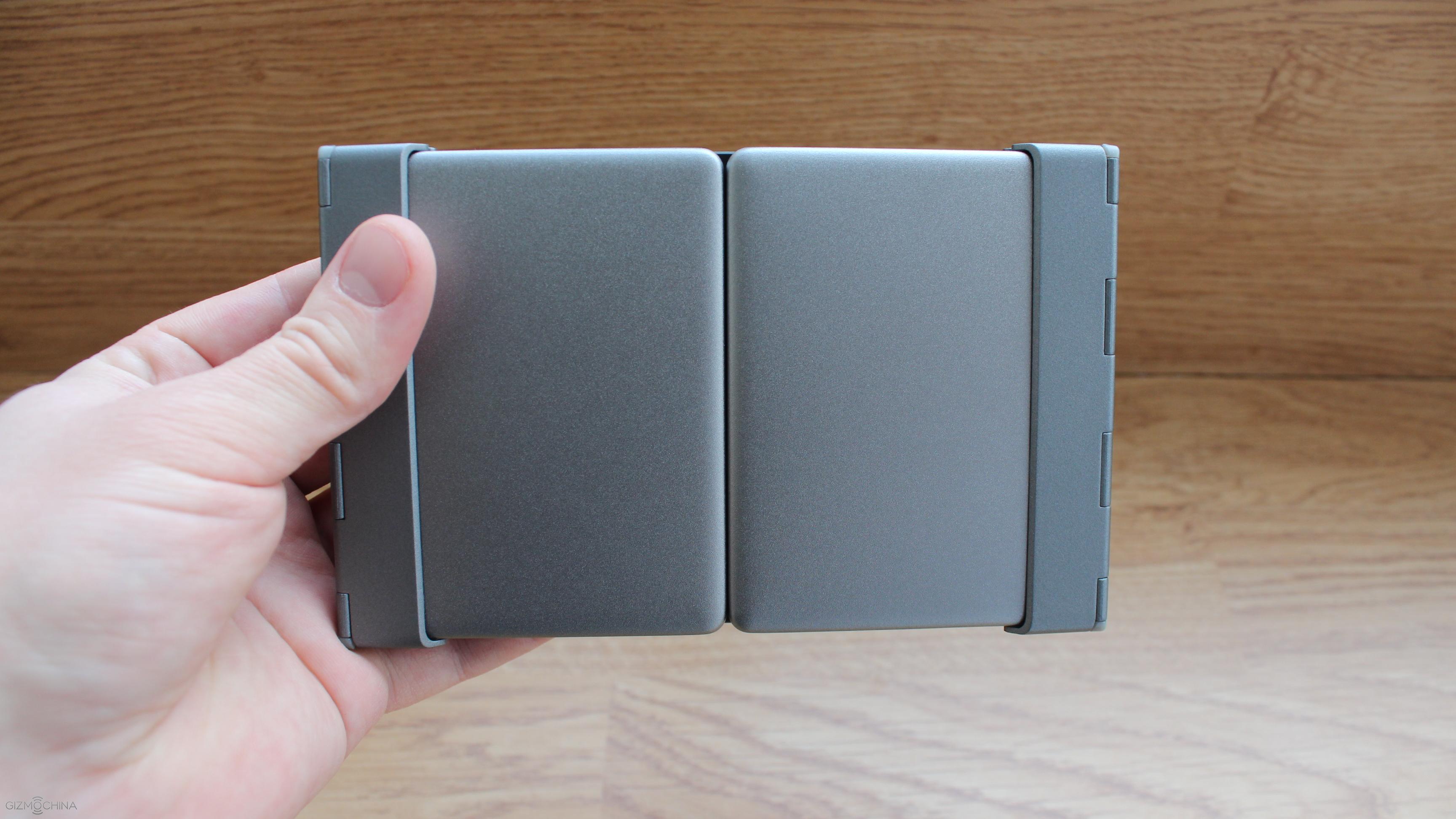
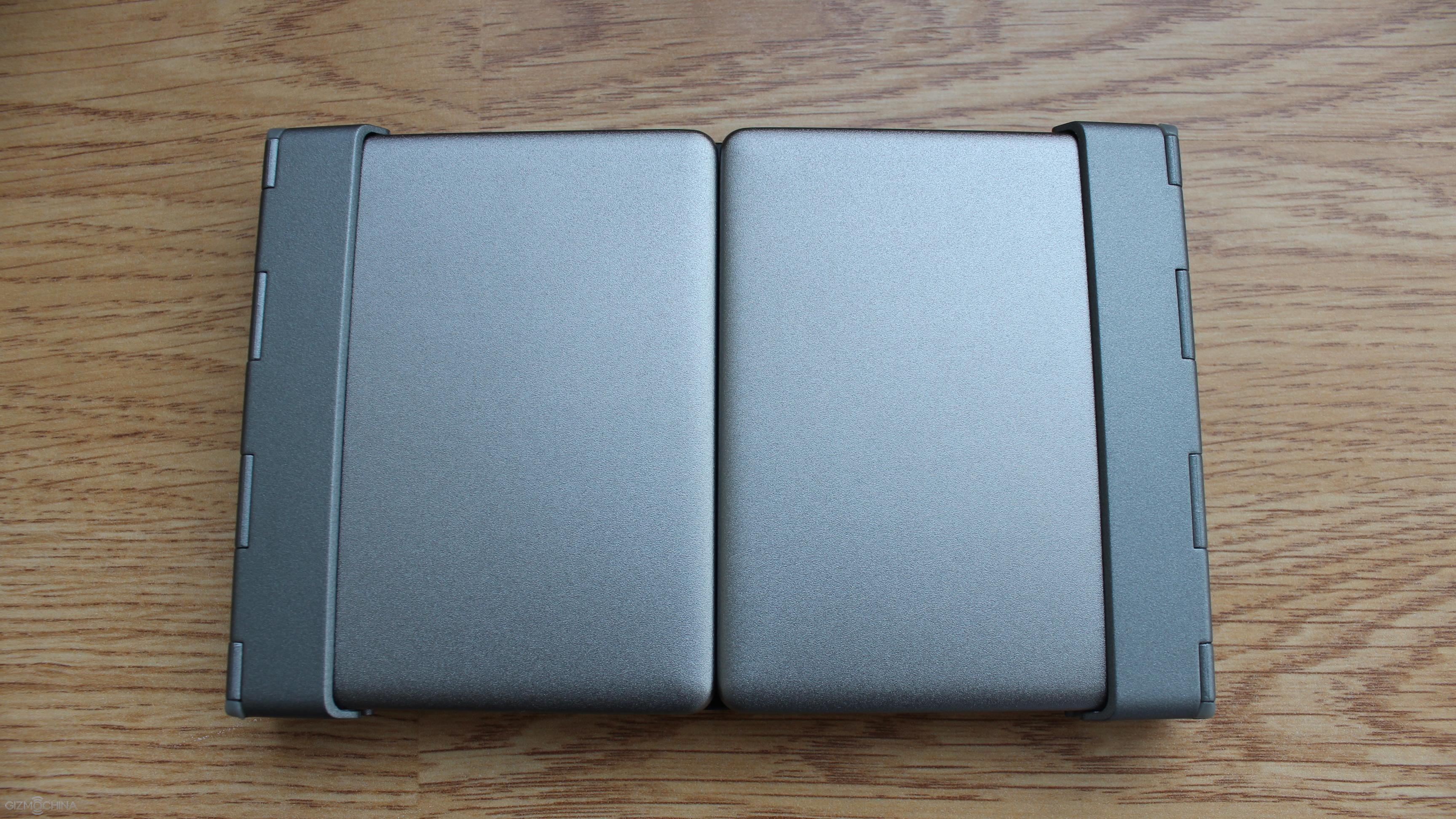
When it comes to the design, the exterior of the 1byone Bluetooth keyboard is made of metal and it is very well constructed.
The key feature is that the keyboard is very compact and that’s because it easily unfolds into a laptop sized keyboard. As far as the unfolding mechanism, it doesn’t seem to break any time soon.
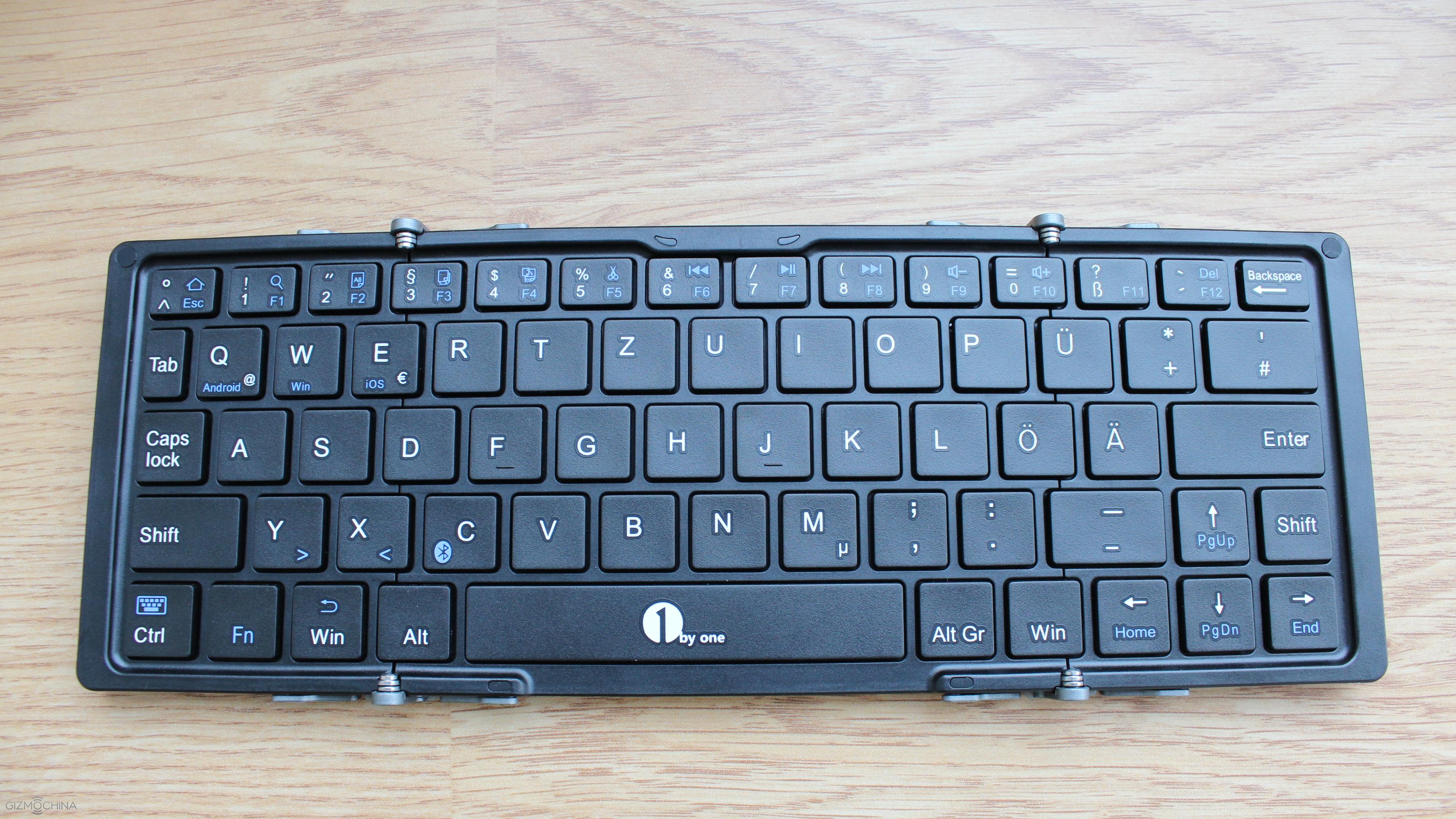
As far as the actual keyboard buttons, they have a good tactile feedback and the keys don’t feel cheap. However, the spaces between they keys are narrower than on the typical laptop keyboard but once you get used to them, they work great.
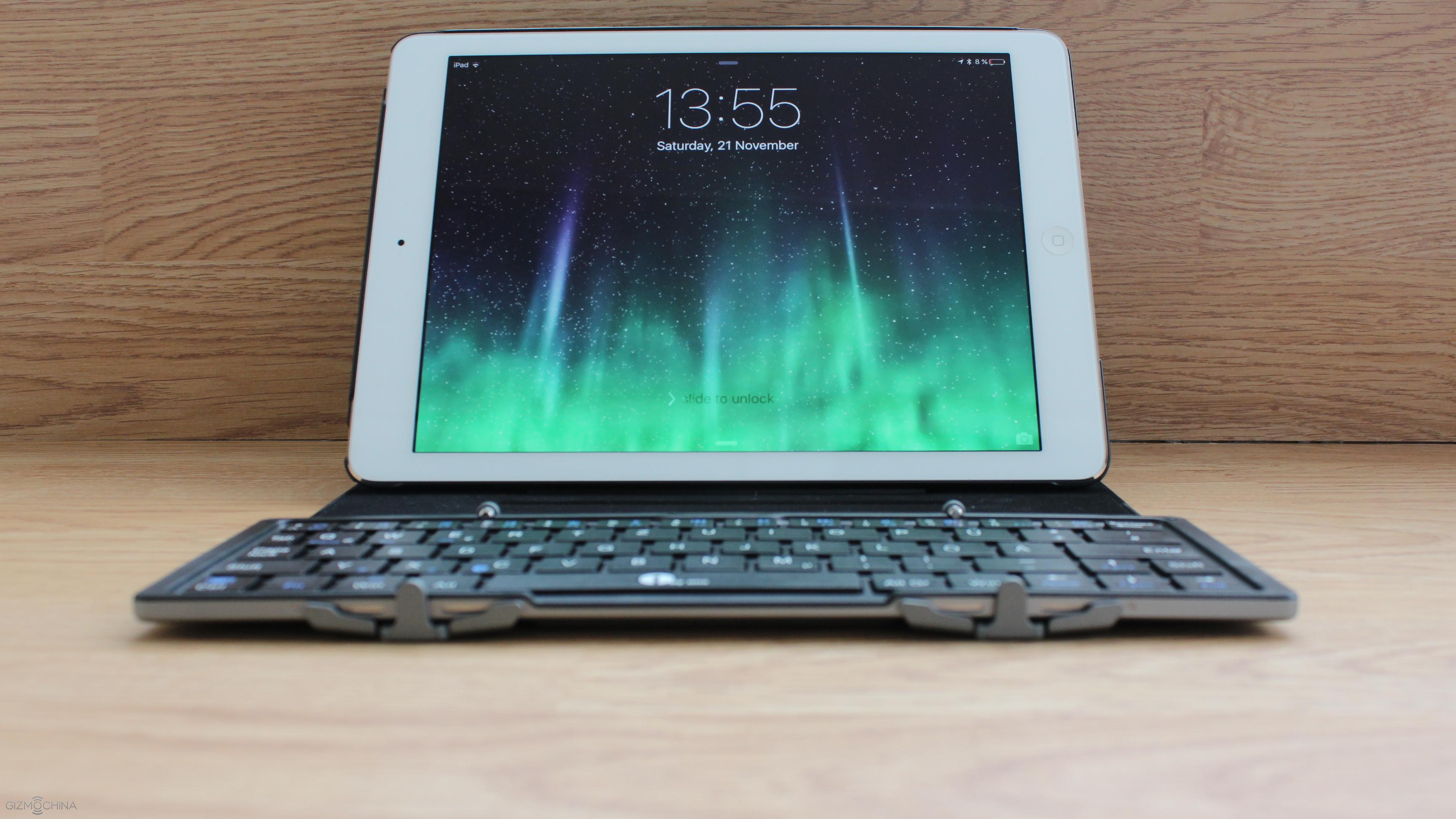
They keyboard works with lots of devices that have Bluetooth connectivity. I had no issues pairing it up and using with the iPad or Android smartphones.
One of the key features is the battery life, which is said to last up to 114 days on standby or 64 hours of continuous use. Well, I couldn’t test that but the keyboard didn’t die during my testing period.
1byone Bluetooth Keyboard Review: CONCLUSIONS
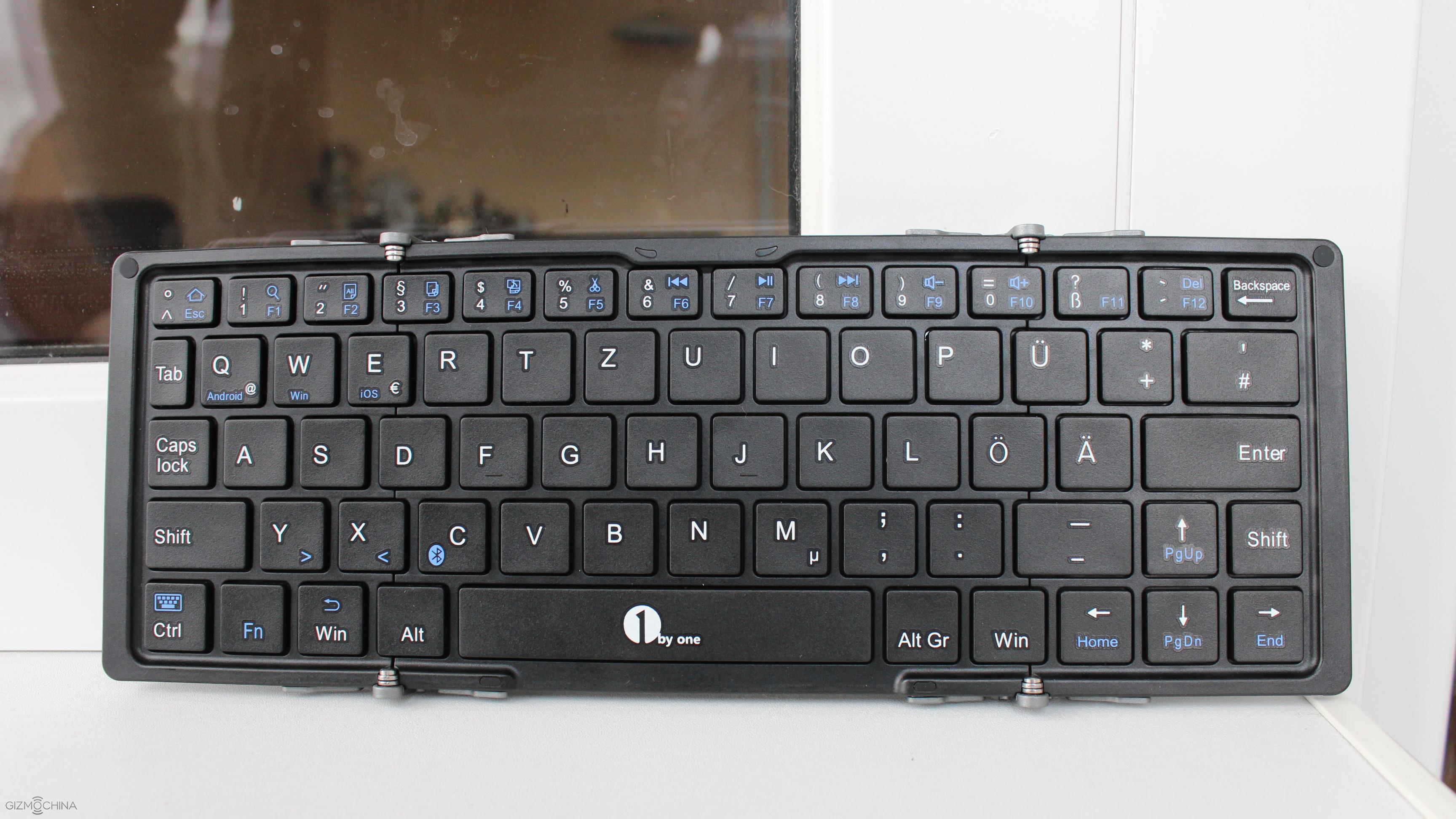
All in all, the 1byone Bluetooth keyboard looks good, works great and it is very compact when folded but it serves as a normal keyboard when unfolded.
The only shortcoming is that the keyboard didn’t re-connect to the iPad automatically a few times.
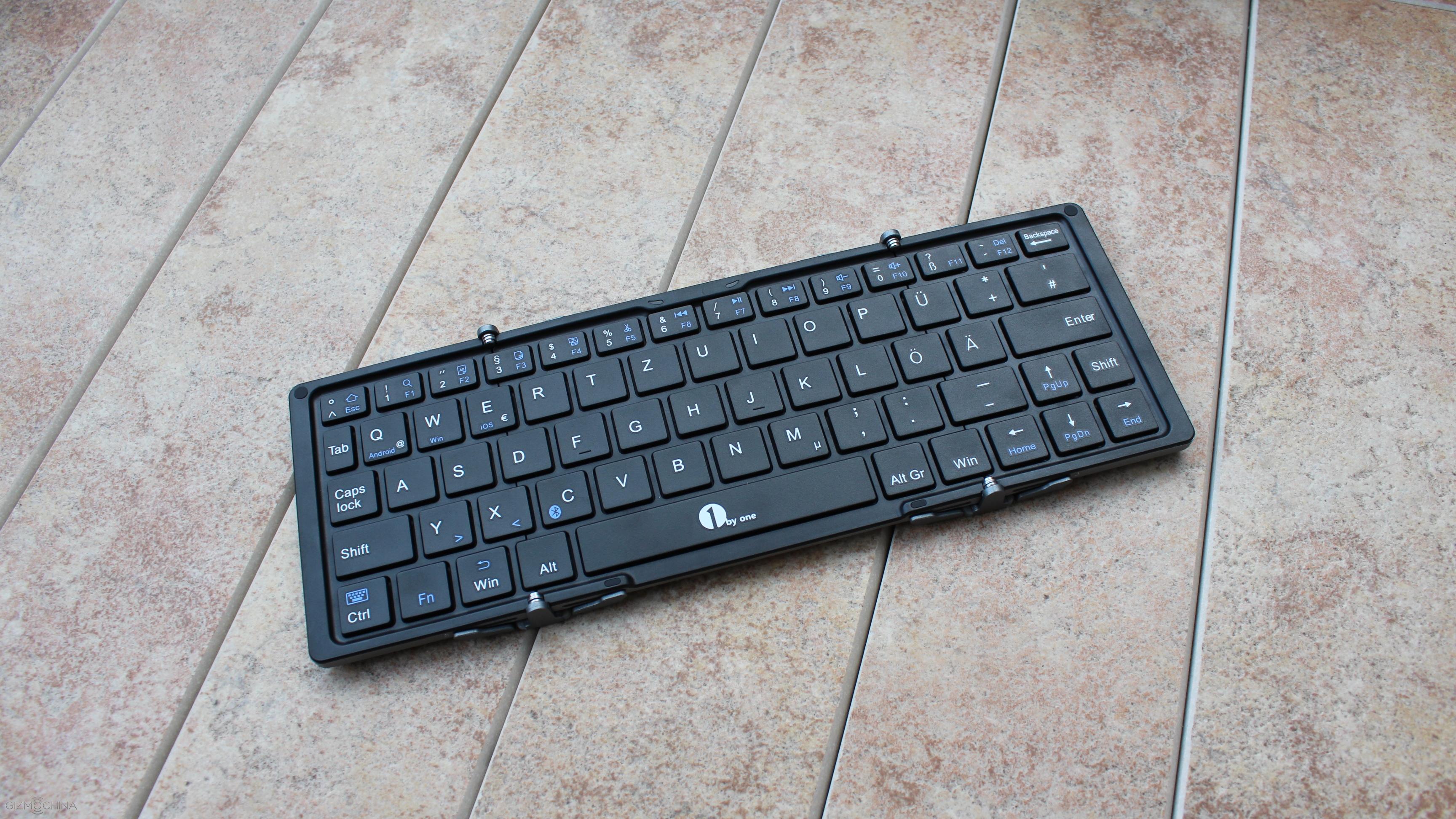
The price of $37 doesn’t make this device cheap but this solution is definitely worth checking out if you are in the market of compact Bluetooth keyboards.
Buy from Amazon US – $6 off code B59SAMHV (2015.11.29 11:00 pm — 2015.12.20 11:59pm)
Buy from Amazon UK – £4 off code:NEX3GLJZ (2015.11.20 9:00 — 2015.12.20 23:59)
Buy from Amazon GER – EUR 5 off code: J698BK55 (2015.11.20 9:00 — 2015.12.20 23:59)
Will Huawei Work On The Nexus 7 2016 Project?
For the first time in years, a Chinese smartphone maker, Huawei manufactured a Nexus smartphone in 2015.
Now, according to insider sources, Huawei is keen to start working on the Nexus 7 device. If Google chooses Huawei once again, then it will be the second consecutive time the company will make a Nexus device.
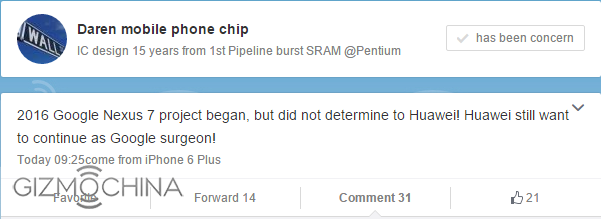
The source reveals that the 2016 Nexus 7 project has already begun. Although Huawei still wants to continue as the Nexus maker for the second consecutive year, it is said that Google is yet to confirm it. Also, we still don’t know whether this is the new Nexus 7 tablet or is it the Nexus 7 smartphone.
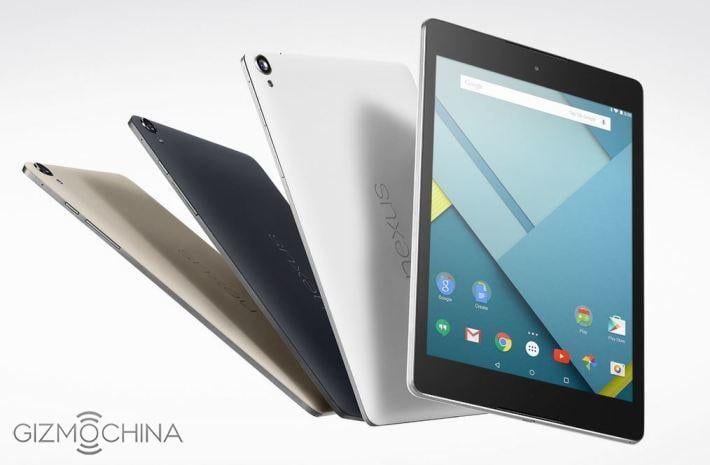
Since the Nexus 7 name has been used exclusively for the tablet lineup till now, the source could be hinting at a new tablet from the company. However, we are not quite sure of that at the moment, so its best to wait for some more concrete details in the coming months.
The company’s current Nexus model, the Huawei 6P, isn’t without complaints, but it’s still a great flagship Android phone. The company has designed the phone pretty well and has provided enough firepower under the hood to tackle all tasks. So, if Google continues with Huawei for another year, it won’t be surprising.
So, what do you think? Should Huawei continue as the Nexus maker for the second year? Or do you think any other company will be able to make better Nexus phones that Huawei?
Huawei’s All Metal Enjoy 5S Releases On Dec 3, Will Take On the Redmi Note 3
A week back, we reported that Huawei was preparing a new all metal smartphone to take on the newly launched Redmi Note 3. The phone was expected to be called as the Honor 5X Plus, but now, the company has confirmed via its official Weibo page that the phone will be called as the Huawei Enjoy 5S. It will reportedly be a better variant of the Enjoy 5 phone that was launched back in October in China.

One of the biggest highlights of the phone will be it’s all metal body. Since most customers identify metal body as a sign of premium design, we are seeing many budget smartphones with a metal design. The company has also confirmed that the phone will come with dual SIM card slots and MicroSD card slot.

As for the specs, it’s going to be much better than its lower-end sibling, the Enjoy 5. According to a leaked benchmark listing on GFXBench, the Enjoy 5S with the model name Huawei ABC-UL00 will feature a 5.2-inch FHD 1080p display and Kirin 935 octa-core chip under the hood. Now that Kirin 950 is taking over the flagship segment, 935 will be a pretty good chip for mid-range devices. So, it looks like Huawei will start using Kirin 935 like Mediatek did with its Helio X10.
Other specs include a 3GB RAM, 64GB storage, 13MP rear camera, 8MP front shooter and Android 5.1.1 with Huawei’s Emotion UI on top. Although the listing said nothing about the battery, you can expect it to be around 4000mAh. Such a large battery makes sense since Enjoy 5 had one and the new Redmi Note 3 also features a 4000mah battery.
The Huawei Enjoy 5S seems to be a great smartphone with such specs. Now, we just have to wait for its official unveiling which will be on December 3 for more details.
Pricing will be a sensitive area as Huawei cannot afford to price it too high since the presence of the Redmi Note 3 will affect its sales. The 3GB RAM version of the Note 3 retails for 1099 Yuan which converts to around $172. So, Huawei will have to price it somewhere around this figure to stay competitive.
What do you think will be the ideal price for the Huawei Enjoy 5S?
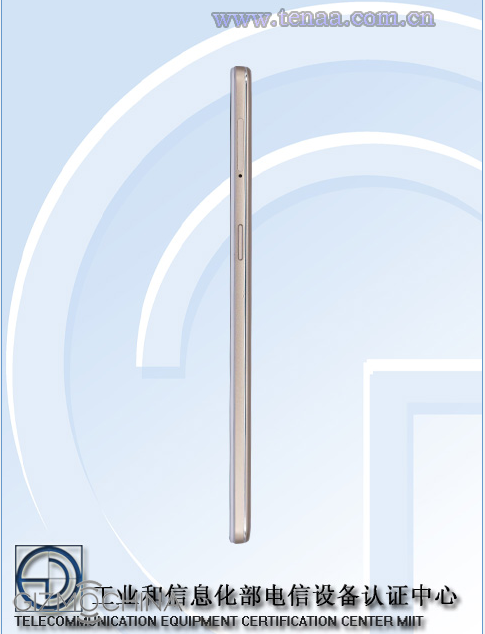
OPPO R7S Plus With 4GB RAM & 64GB storage Passes TENAA
After the launch of the OPPO R7S back in October, we have been hearing about an upgraded variant of the device called as the OPPO R7S Plus. This particular device will be a larger sized model featuring better specs.
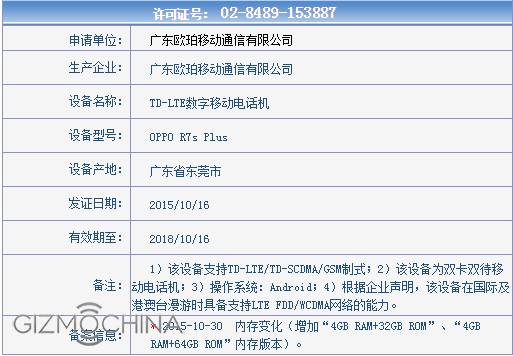
The phone had already passed TENAA a few weeks back, but now the listing has been updated which reveals a few more details about the device. The OPPO R7S Plus will now reportedly come with 4GB of RAM and 32GB and 64GB of internal storage variants. There will be a large 6-inch display up front with 2.5D glass and FHD 1920 x 1080p resolution. The processor is said to be the same as the R7S, i.e. Snapdragon 615 octa-core chip. Recent reports have also hinted of MT6795 Helio X10 powered variant.
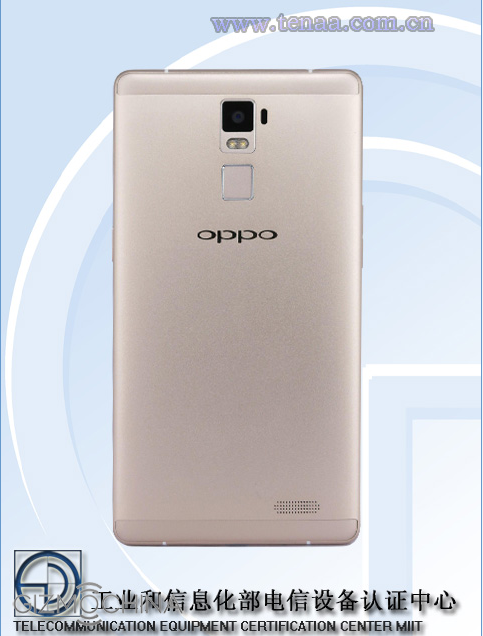
At the back, you can expect to find the same 13MP camera as its smaller sibling. Even the front 8MP shooter is said to be the same. However, the battery will reportedly be larger, measuring 4100mAh. With VOOC fast charging tech, you won’t have to worry about charging the device in between the day.
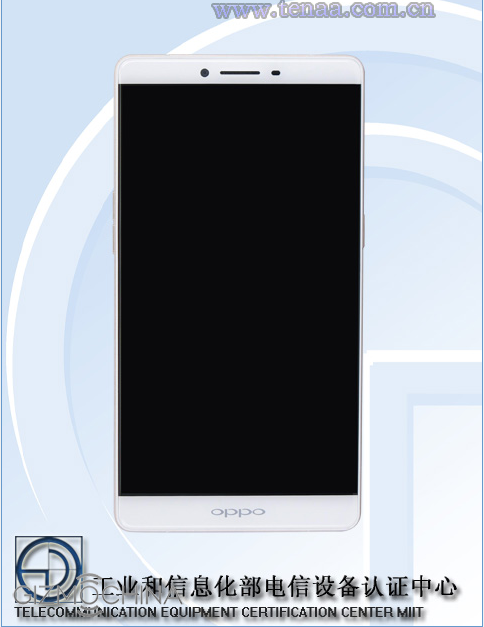
Pricing is not expected to be cheap. The 4GB variant with Snapdragon 615 on board is expected to cost as much as 3299 Yuan which comes to around $517.
Is The Xiaomi Mi 5 Flagship In Its Final Stages?
Back on November 24, in an interview after the conference, Lei Jun had said that he was currently using the Xiaomi Mi 5 flagship and was impressed with it. This proved that the Mi 5 prototype was all ready and working.

However, yesterday, Xiaomi’s CEO Lei Jun made a few Weibo posts on the social micro-blogging website. While they were just general posts, saying nothing about the phone in use, at the bottom of the post, we could see that it was posted by an unknown Xiaomi phone. In case you have ever seen Weibo, usually when posting from a phone, the model name of the phone is always displayed at the bottom of the post. So, given that Weibo couldn’t identify the model name of the new Xiaomi device, many believe that this could be the Xiaomi Mi 5 flagship.
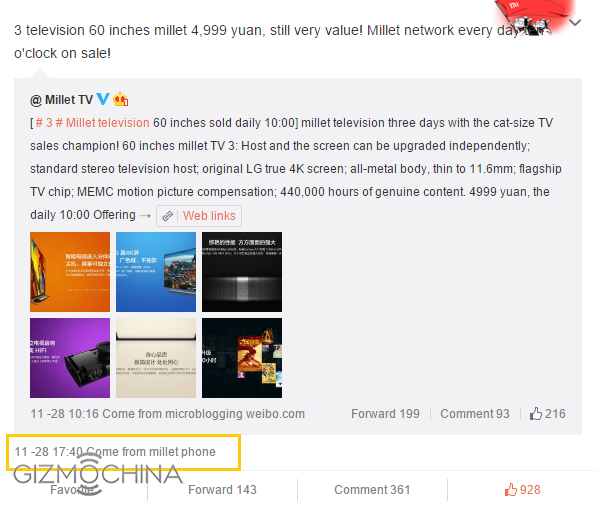
So, if Lei Jun has started using the new Xiaomi Mi 5 for activities like posting on Weibo, could it mean that the phone is in its final stages? If that’s the case, then we should see the phone release soon, something in January-February period.
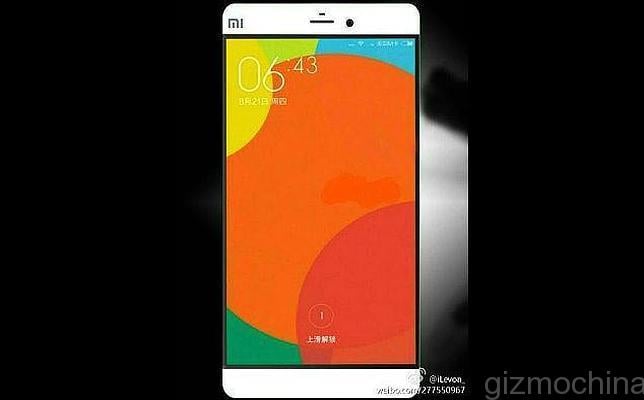
Specs wise, the Mi 5 is expected to feature high-end features. It should come with the new Snapdragon 820 chipset with 4GB RAM and 16GB of storage. A recent comment from Pan Jiutang revealed that the phone could come with a 5.2-inch display with 2K or 4K resolution. These are going to be AMOLED panels, a deviation from IPS LCD panels used by the company in most phones of its phones these days. Battery should be large, and the other specs are expected to be pretty good as well.
Since the launch shouldn’t be far off, we can expect to see a lot more information about the device in the next few weeks. So, stay tuned!
Cubot X17 Unboxing and First Impressions
Cubot has released quite a few device lately and this time around we have the X17 in our review labs. Find out more in our first impressions article.
Thanks to Cubot Official for sending Cubot X17 for a review.
Cubot X17: Specs
Display |
5″ 1080p (Full-HD) |
Processor |
MTK6735, 64-bit, Octa-core, 1.3GHz |
RAM |
3GB |
Camera |
8MP Front/16MP Back |
Connectivity |
Bluetooth, 3G, 4G, GPS, WIFI, GSM,EDGE, GPRS, UMTS, HSPA, HSPA+, dual-SIM, FDD-LTE B1/B3/B7 |
Battery |
2.500 mAh (non-removable) |
Dimensions |
143.4 x 69.4mm x 6.1 mm / 163g |
OS |
Android 5.1 |
Storage |
16GB (expandable via microSD card slot up to 64GB) |
Cubot X17: UNBOXING
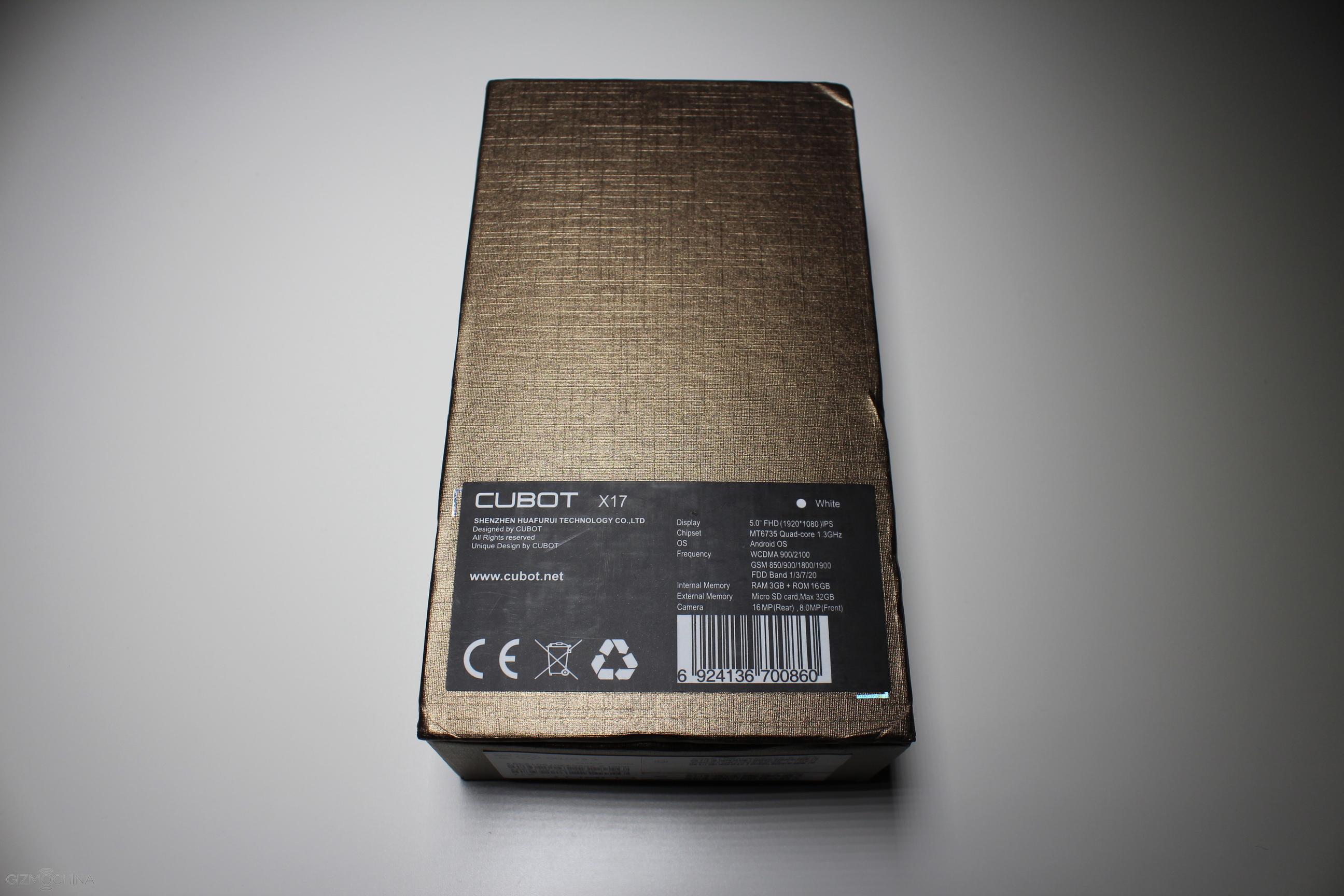
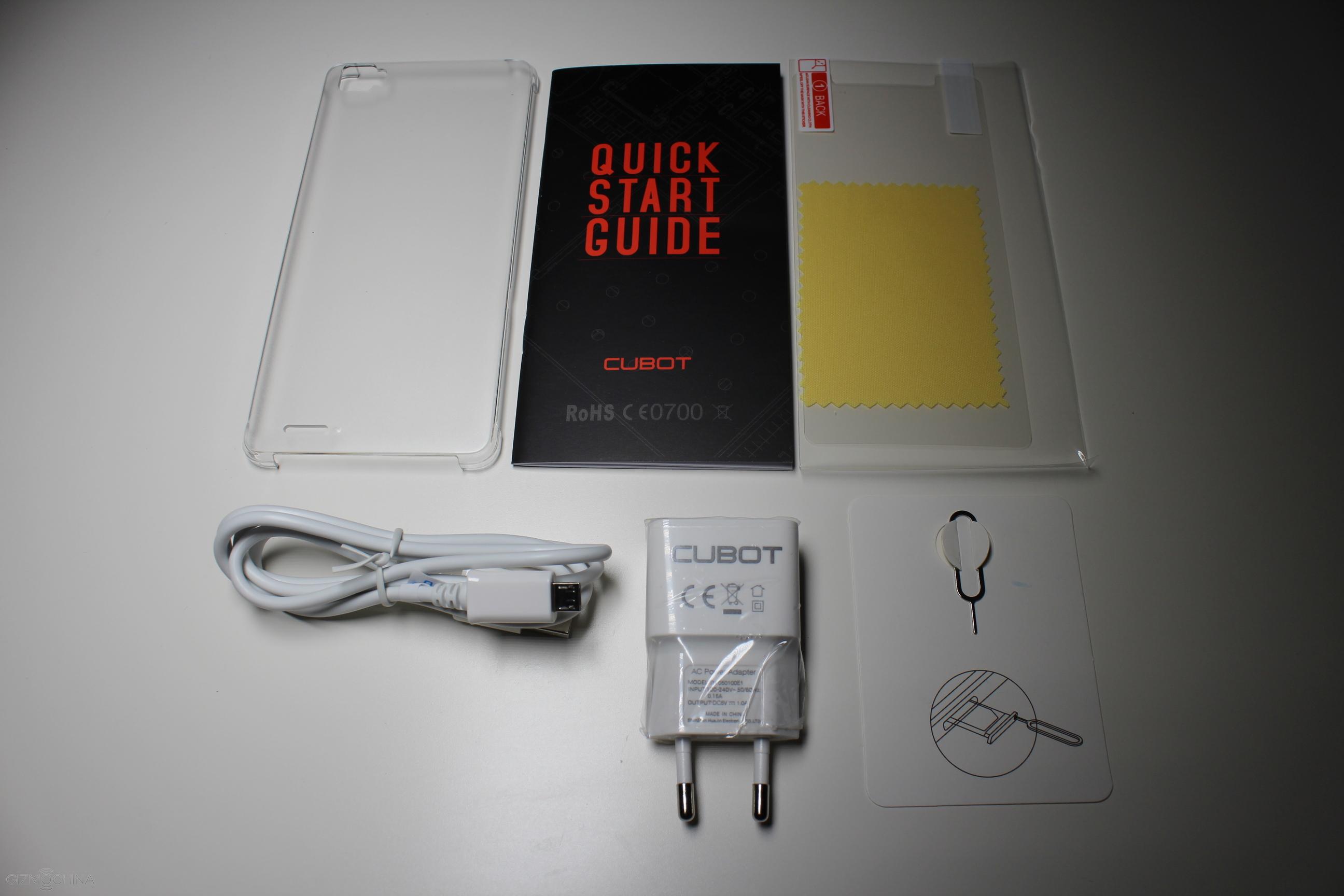
Cubot X17 comes with the instruction manuals, screen protector, USB cable, charging brick, SIM ejector pin and a hard plastic case.
Cubot X17: DESIGN
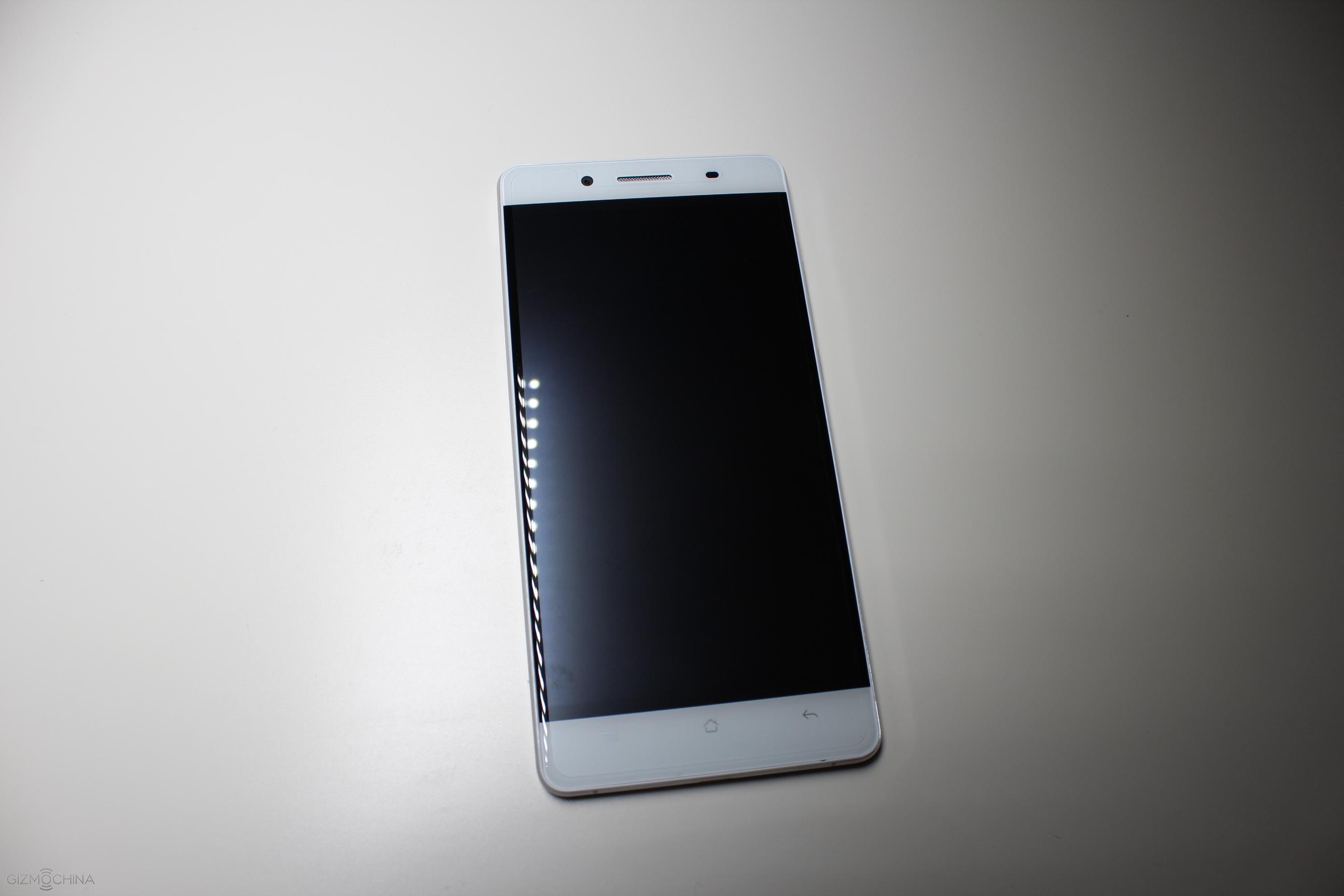
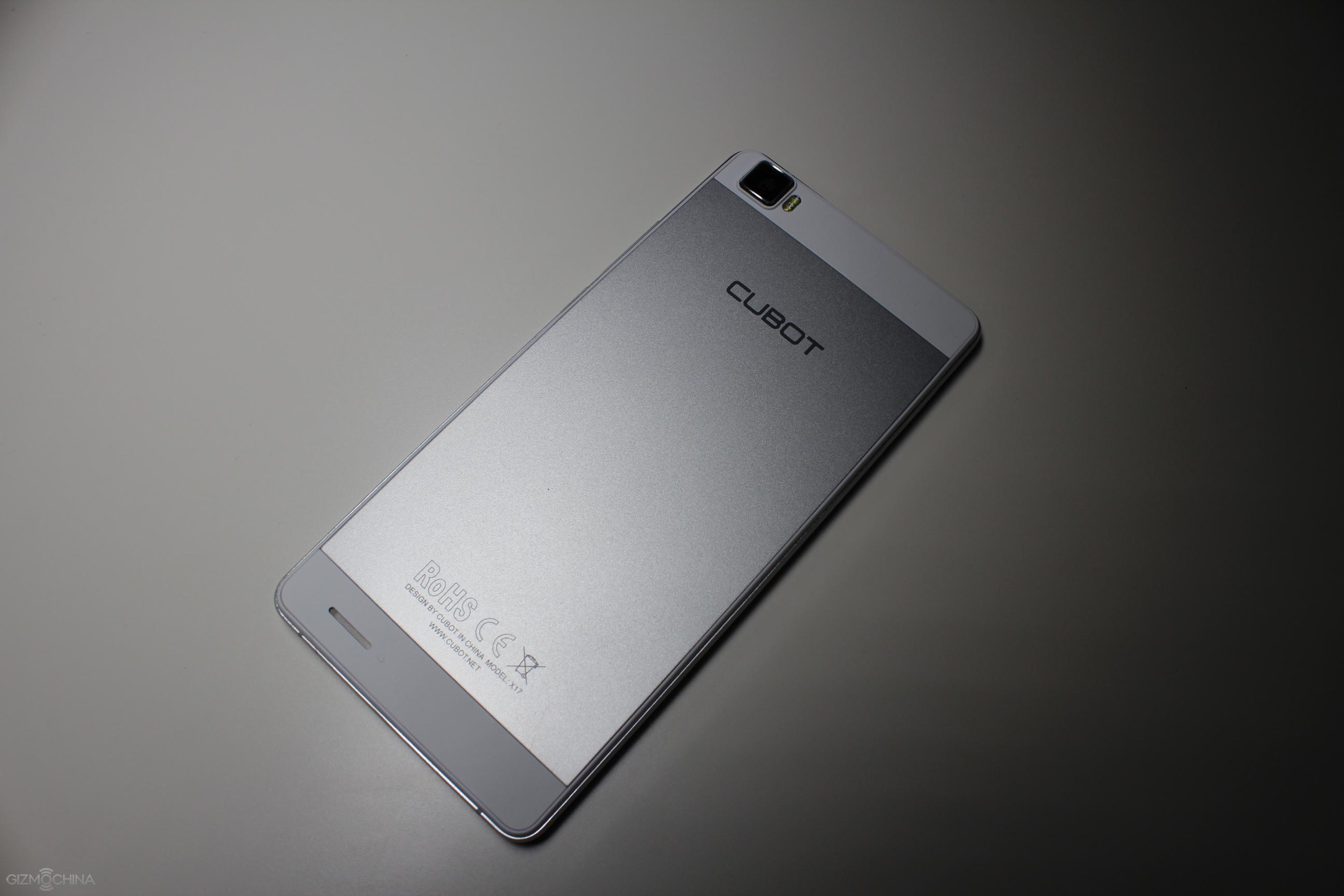
The very first impressions are that the phone is very well made and it is very thin at just 6.1mm. Also, the materials used in the construction mainly involve metal and it adds that premium look and feel.
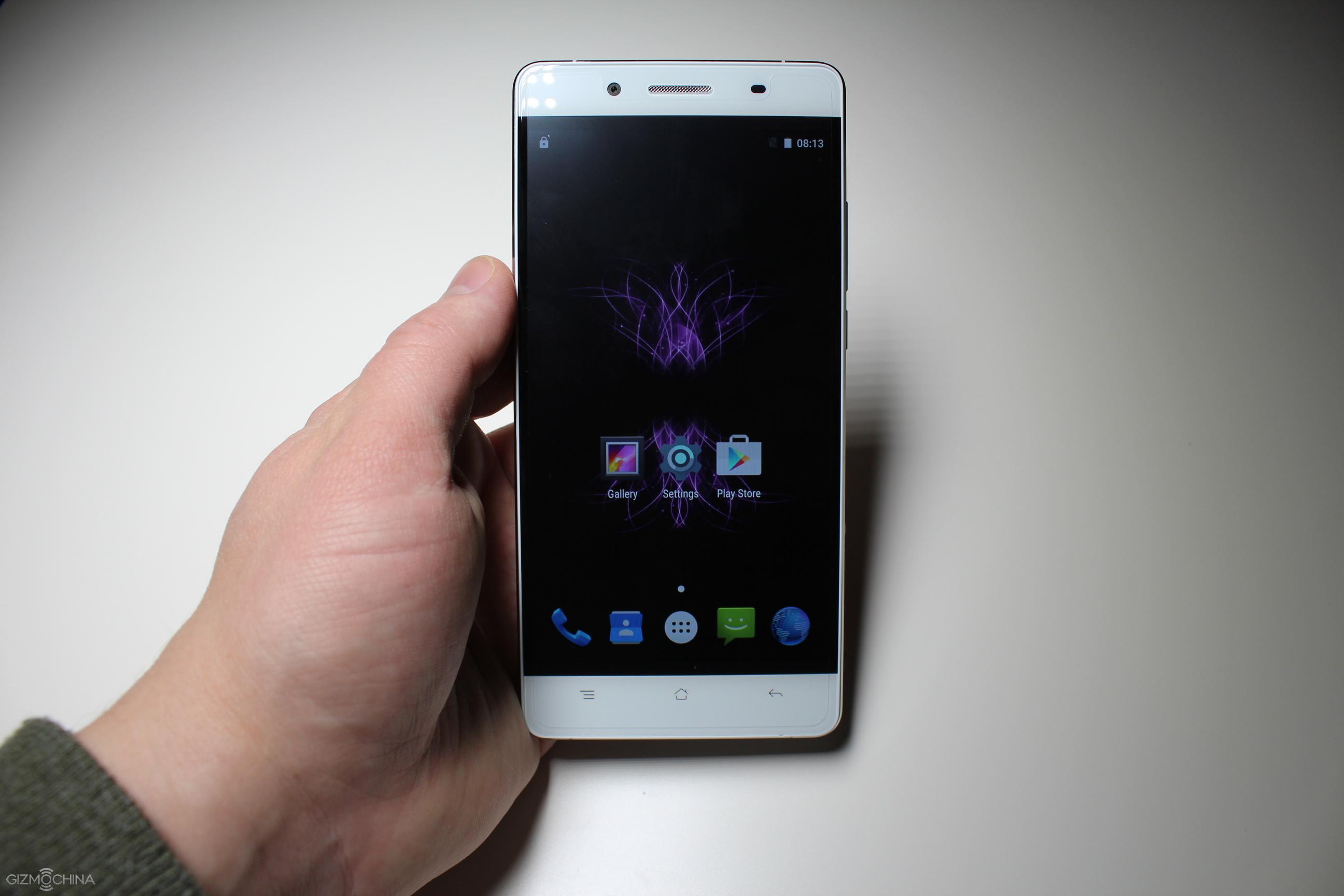
The Cubot X17 has a 5″ display and thus it is a compact phone, so you can manage it with one hand.
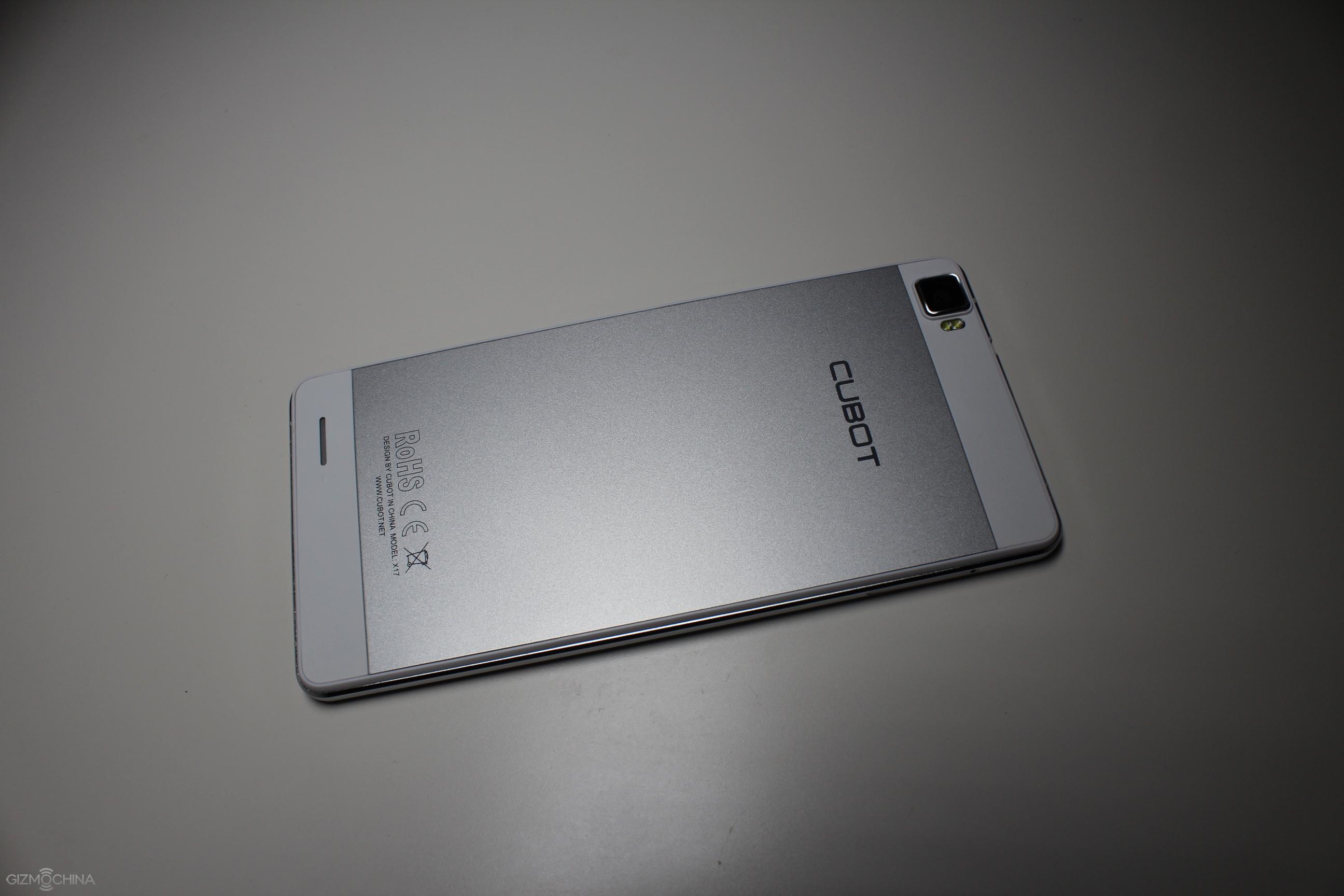
Although the design looks nice, I immediately recognised that it looks like the vivo X5 Max or Oppo R5. It is not necessarily a bad thing and we’ve seen this done before by other Chinese manufacturers.
Cubot X17 in pictures:
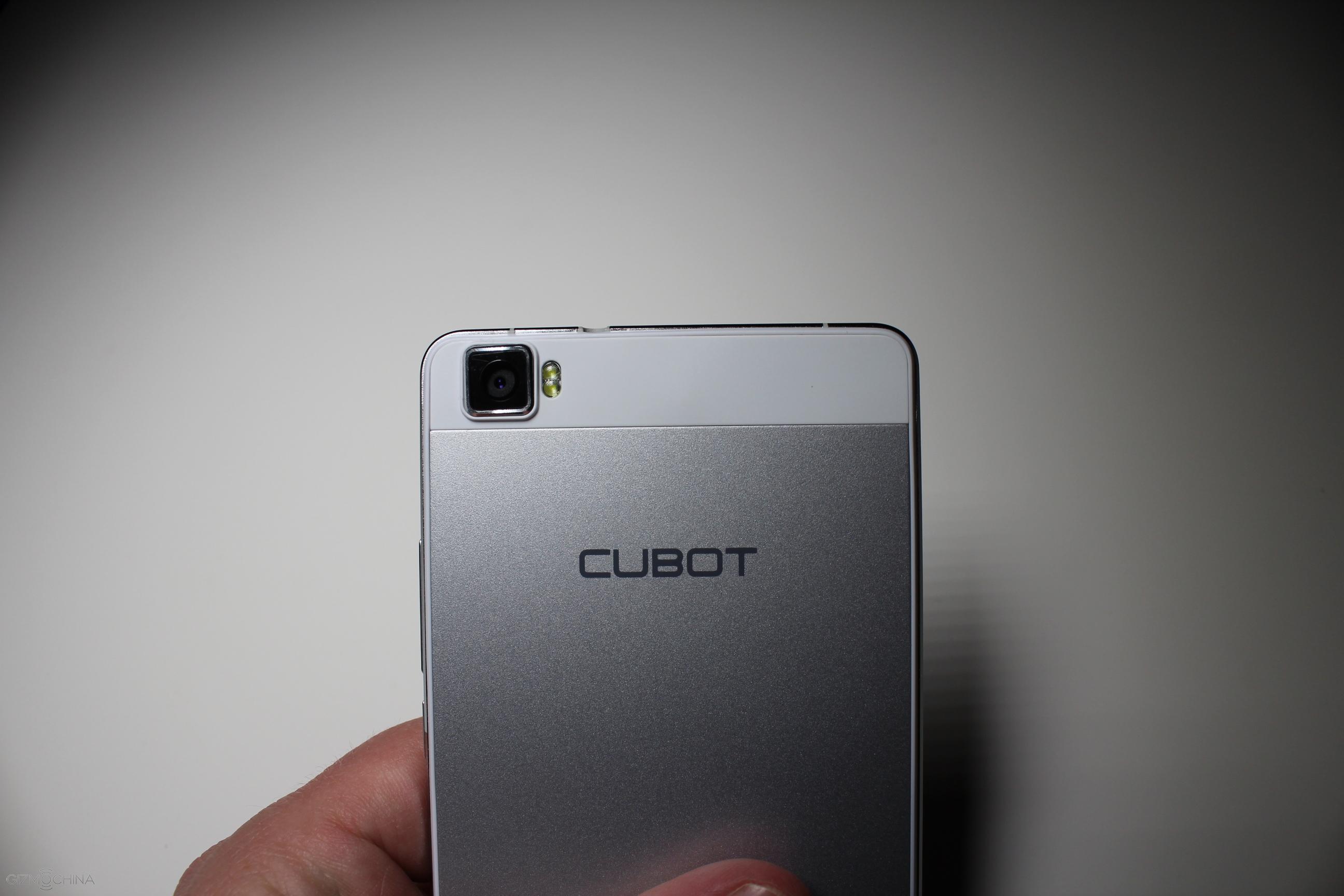

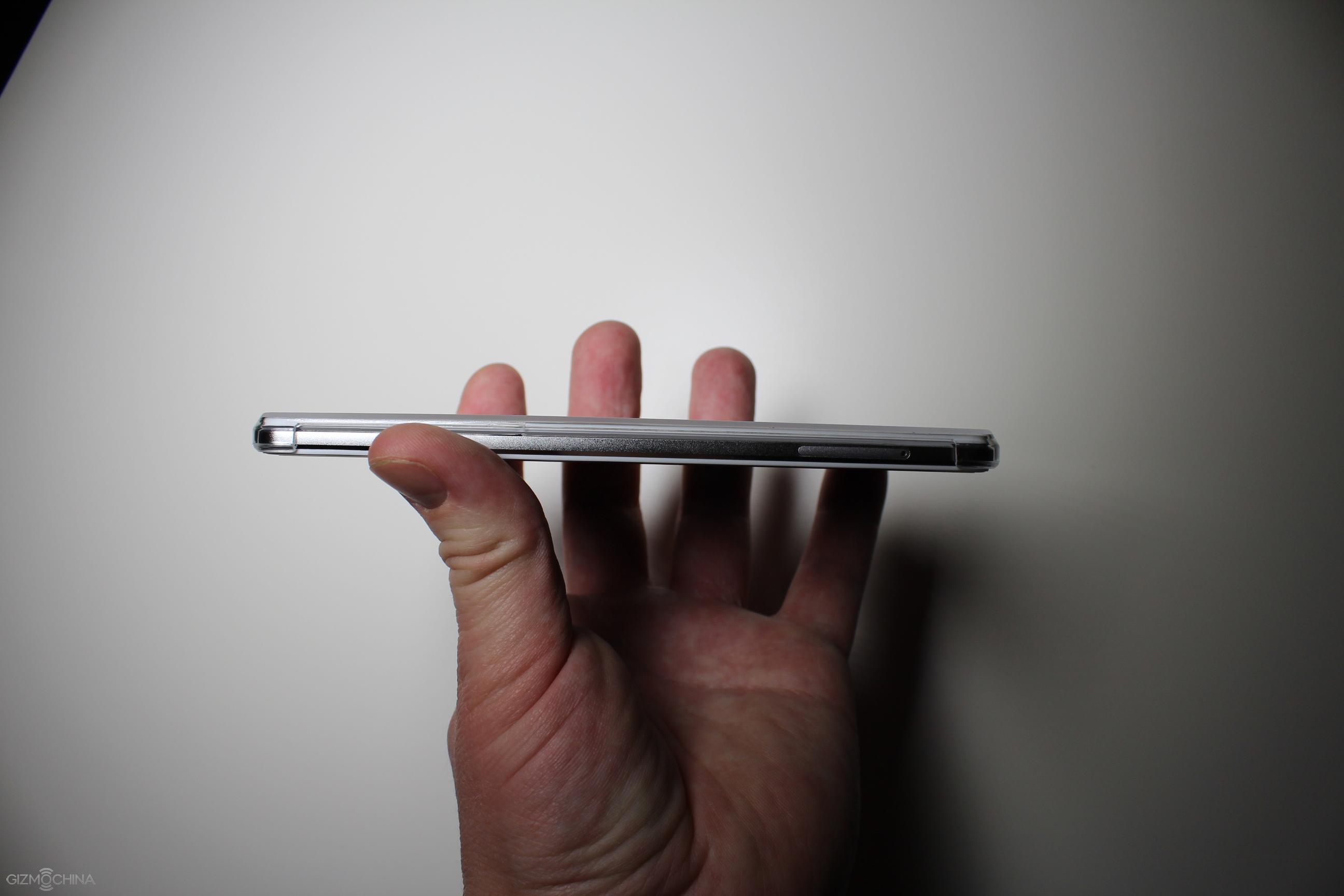
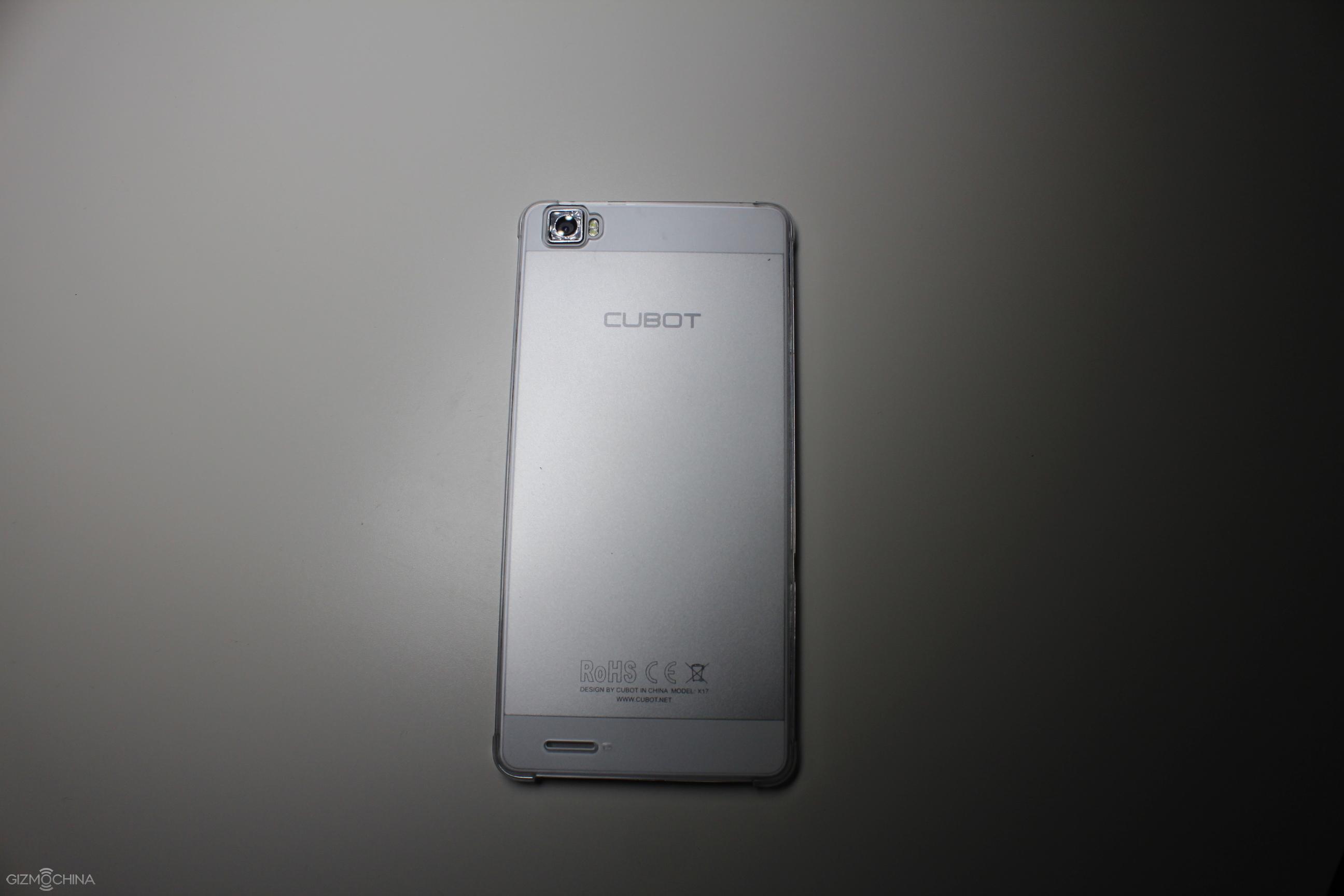
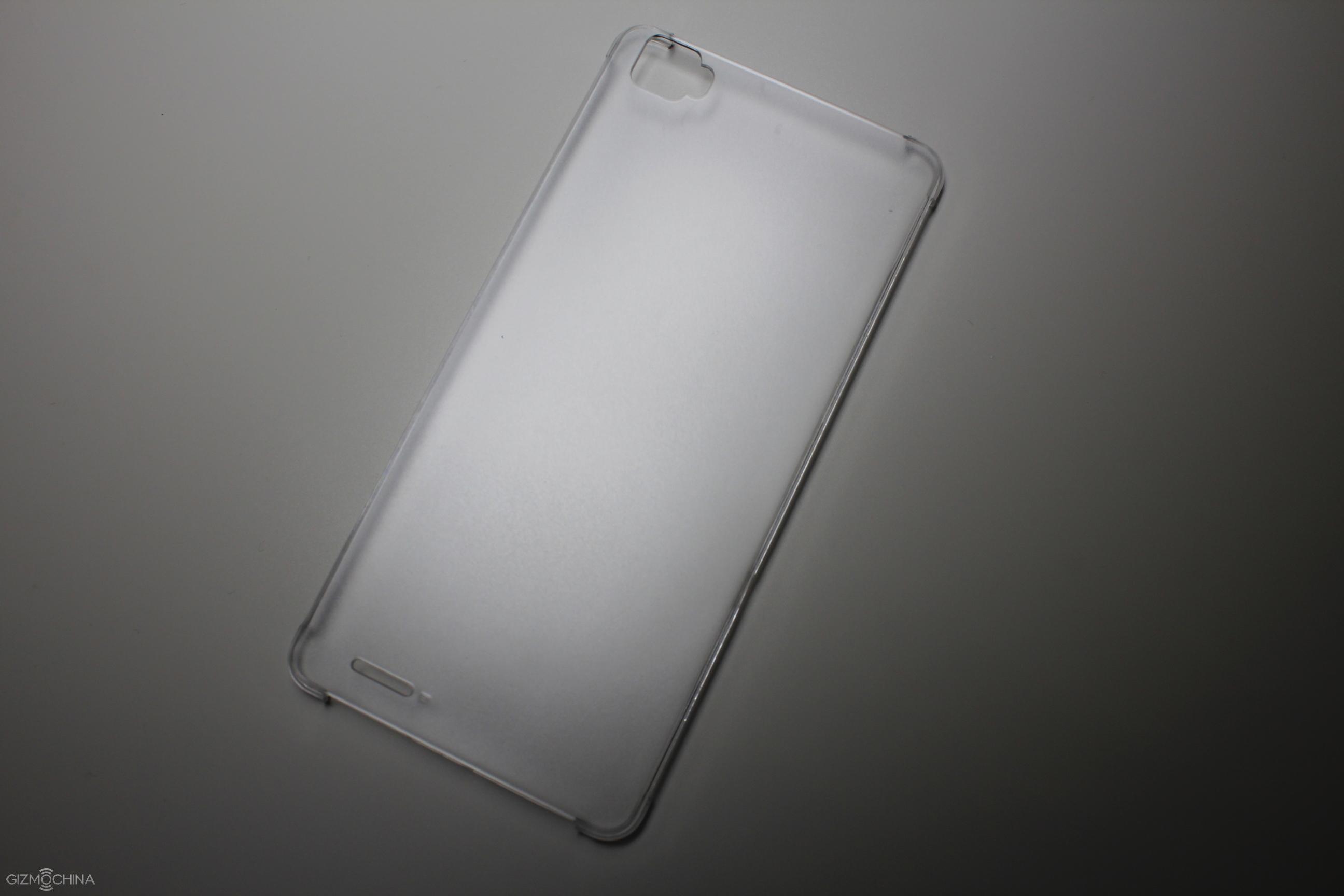
Cubot X17: INITIAL IMPRESSIONS
To be honest, I’ve been playing around with the Cubot X17 for a few days already and the thing I like most is the design and build. Also, the phone is really compact and it doesn’t bother me when I am going out as I usually wear skinny jeans.
The phone runs on Android 5.1 out of the box. I’ve installed the usual apps and a few games, and some other apps that I use to test the phones out during the reviews. So far, everything’s running smoothly but I still need a few more days to tell a final opinion.
The full Cubot X17 review is coming out later this week. Stay tuned to Gizmochina.
GetOne Black Friday deals released, a vast number of products on sale
Getoone, a global eCommerce retailer app with a huge product list and quality service promotes
an extensive Black Friday deals campaign. The site has put an enormous amount of the items on sale, providing the great discounts for their shoppers.
The Black Friday global hype turned the shopping malls into very crowded places, and the trend is spreading across the globe, both offline and online. The massive list of products on sale on the GetOne.cc is expanding, and the company behind the site announced that the initial deals will last a bit longer.
The “new deals” section appeared on the site next to the standard categories listed on the homepage, to make it even easier to check the latest deals and discounts. The impressive list of products featured on the sites cover several categories:
- Women
- Home
- Jewelry
- Cell phones
- Outdoor
- Consumer
- Electronic
- Men
- Shoes
- Computers
- Watches
- Toys & Hobbies
- Health & Beauty
- Bags & Luggage
- Automobiles
Other sections that you may browse from includes “Limited” and “Recommended” products, which usually provide bigger discounts, or sort the most popular products. Discounts go up to the 60% for Black Friday, offering more than competitive
prices on the market. The products in these categories usually
aren’t available for long, because of the popularity and the quality deals offered.
The company’s management team wants to provide the best deals to the online shoppers and using the services of free shipping to only Getone.cc customers, and easiest shopping for avoiding the Black Friday crowds.
The company provides several bonuses for shoppers and offers the possibility to register an account to get even more benefits. Another advantage for valued customers online is the GetOne app, which provides notifications with the latest deals, news, and hottest products on the company product line.
To learn about the new sales and Black Friday promotions on Getone.cc, please visit their website.
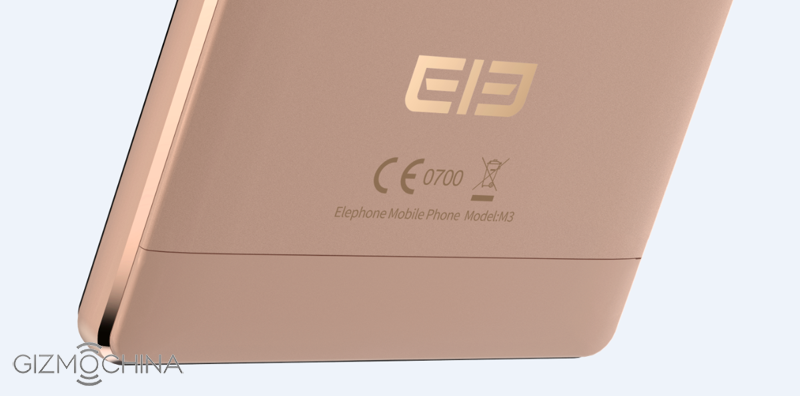
Elephone M3 Helio P10 USB Type C for just $99
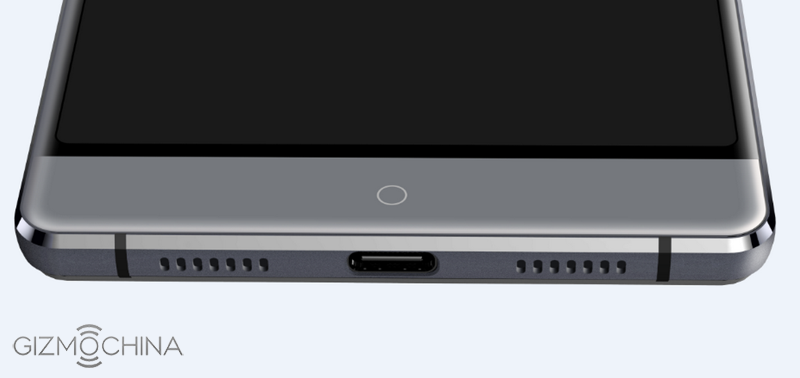
Having recently released their Elephone M1 and M2 all metal business phones, we have today received details of yet another Elephone series handset soon to join the range.
Elephone have once again chosen to go with an all metal body construction for the Elephone M3.
Other specifications have been improved and should hopefully stand the phone in good stead amongst its budget peers.
The addition of USB Type C connector and Mediatek Helio P10 (MT6755) processor on the Elephone M3, means that we will hopefully start to see other manufacturers also start to include higher specifications on their budget phones.
The renders show a good looking handset with 2.5d glass and nicely chamfered chassis along with a metal back that reflects the curvature of the 2.5d glass edges of the display. Hopefully when it is released the phone will look as good in person as it does in these renders (best not to forget that Elephone are the king of great renders but have not always managed to deliver what has been shown).
Another nice feature of the M3 is that it will ship with Android os6 Marshmallow, I just hope that the screen and cameras on the Elephone M3 will be of decent quality, if they can get those bits right this would be a great second handset.
Sow what do you think looking at the renders and the specs that we know so far and given the target price of $99 (£66) could this be going on your shopping list?
Please feel free to leave comments and questions below, I will keep you informed as and when I receive more information about the Elephone M3
Regards Shanos
Original article posted on gadgetz.tv