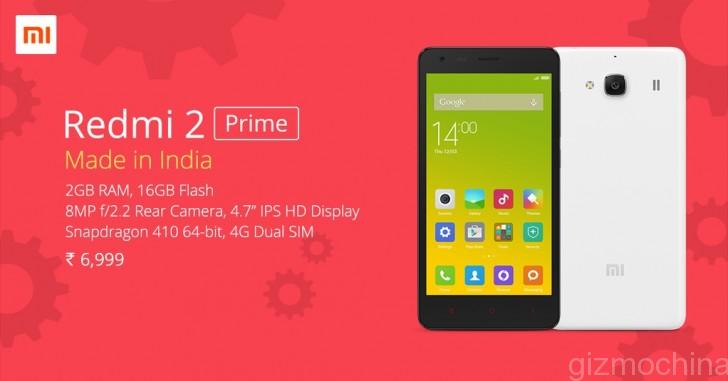
The company has reportedly partnered with China’s Foxconn to manufacture phones locally. This means, all Redmi 2 Prime units sold in India will be manufactured in India itself. The company has set up a plant in the Indian state of Andra Pradesh, making it the second Xiaomi manufacturing facility outside of China (first plant was at Brazil). Eventually, the company aims to manufacture all Xiaomi smartphones sold in the country locally.
There’s not much difference between the regular Redmi 2 model and the Redmi 2 Prime. The company has increased the RAM from 1GB to 2GB and storage from 8GB to 16GB in the upgraded model. Rest of the specs are the same. So, you get a 4.7-inch Sharp HD display with a Qualcomm Snapdragon 410 chip, 8MP + 2MP cameras, and a 2,200mAh battery.
The phone will sold via the company’s own store, Mi.com, Amazon, Flipkart and Snapdeal. For now, the company has not revealed any plans to release Redmi 2 Prime outside of India.
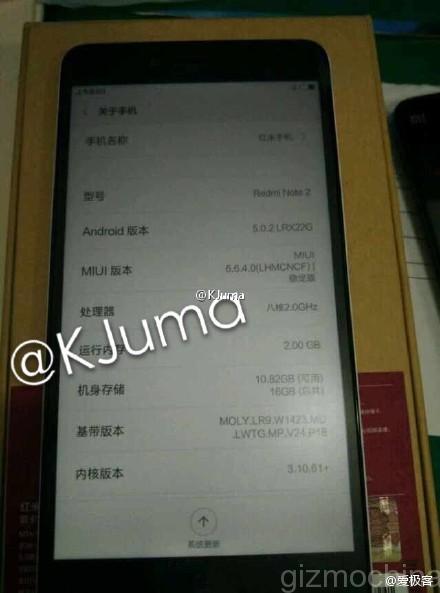
Its almost time to see the new Xiaomi Redmi 2 model. According to the latest teasers, it looks like we may see the phablet as soon as Aug 13, when Xiaomi announces the new MIUI version. But before that, we have caught a glimpse of the upcoming device, thanks to a leak from a Chinese tipster on Weibo.
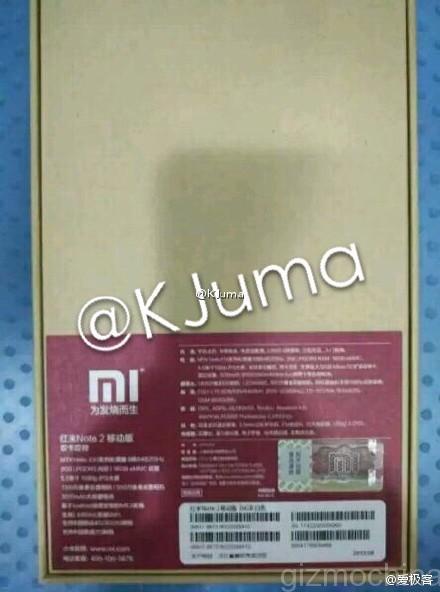
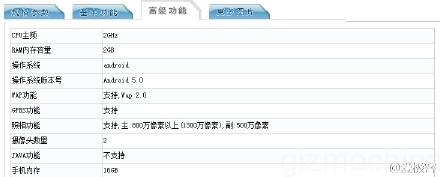
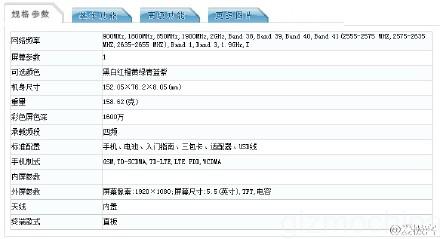
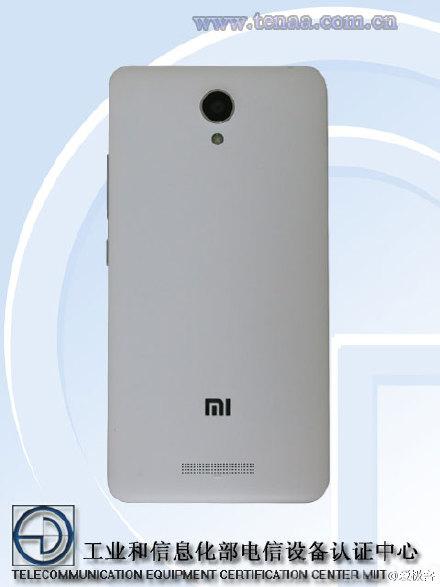
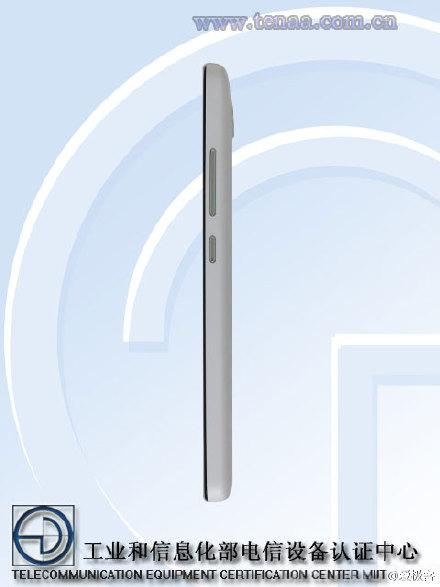
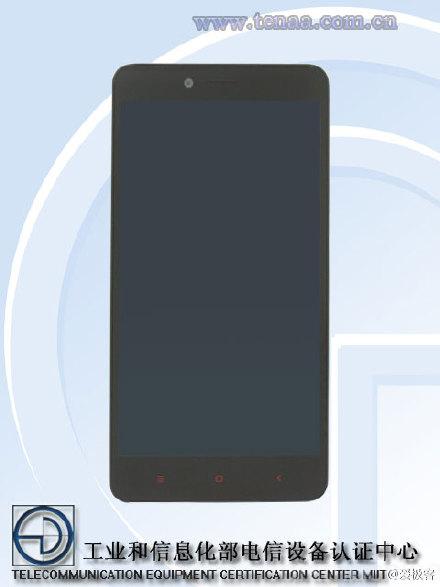
As you can see in the image above, we can see the new Redmi Note 2 handset placed just above its box. The design looks similar to the existing Redmi Note version. We also get to see its specification, which is once again similar to the one that was leaked before.
The new Redmi Note 2 will come with the Mediatek MT6795 oct-core chip, which is usually used in high-end flagships. There will be 2GB of RAM on board along with 16GB of internal storage. Up front, the phone will feature a full HD 1920 x 1080p display. The rear camera will be of 13MP while there will be a 5MP camera at the back. The phone will be powered by a 3100mAh battery and will run on Android 5.0.2 Lollipop version. Finally, it will measure 8.05mm in thickness and weigh about 159 grams.
1 of 5
These specs are much better than the current Redmi Note version. But it is said that a Qualcomm Snapdragon 615 model with 2GB RAM is also in the works. We will probably see these two variants when its announced on Aug 13.
We are still not sure about the pricing, with recent rumors claiming that the phone will sell for $177, instead of $127 as previously said.
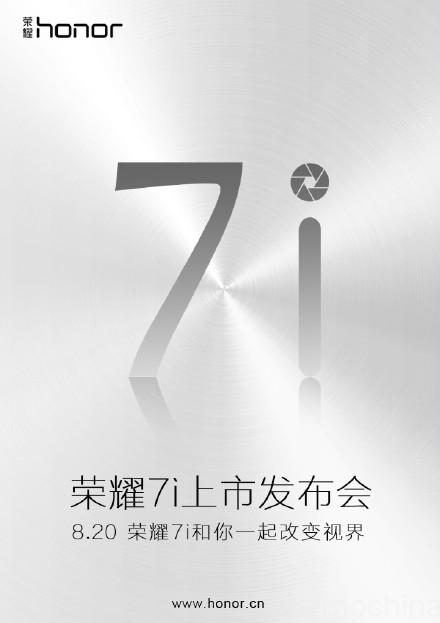
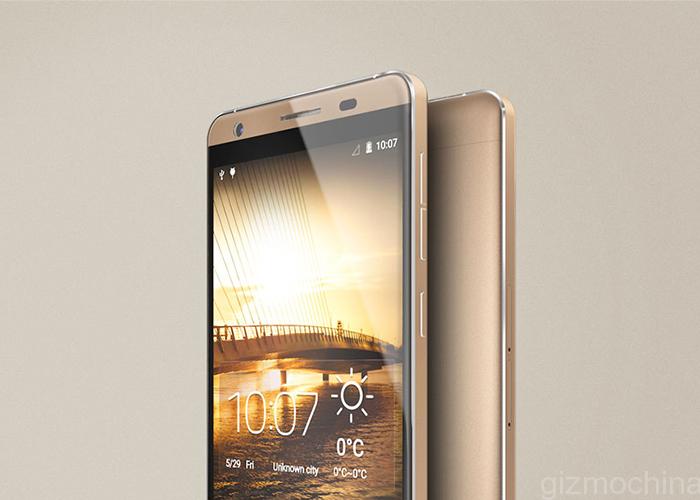
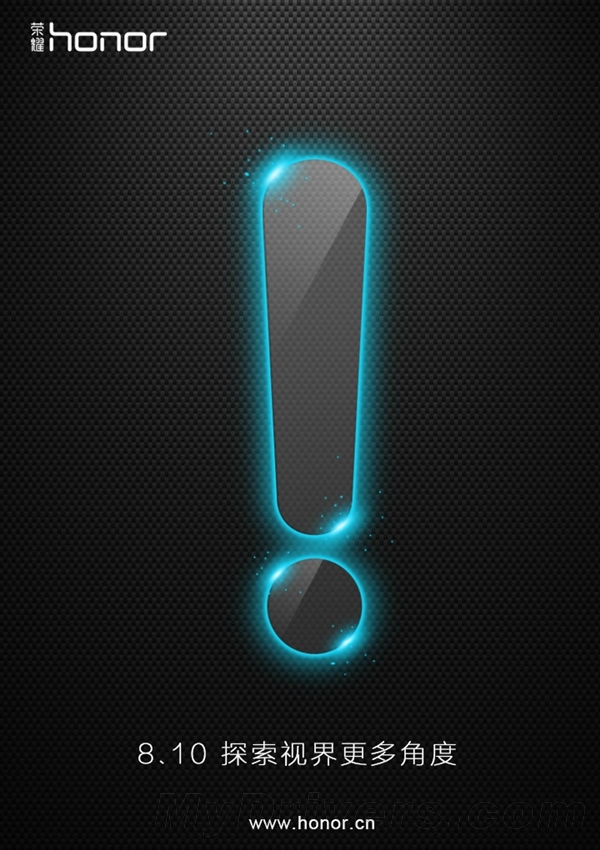
Huawei had said that it will announce something on Aug 10. While we expected a new handset, the company revealed more details about its new Huawei Honor 7i smartphone. The exclamation mark that we saw on the teaser before was actually an inverted i. The company says that the new handset will be called as the Huawei Honor 7i. And its highly likely that the Honor device with the sliding camera is actually the upcoming Honor 7i.
The teaser that says “You Can Change The Vision Together”, along with the image, clearly shows that the phone will be a camera centric device. We haven’t yet seen a sliding camera design on a phone, so can’t really tell what are going to be its advantages. But it should offer better image quality at least in the front camera department, especially with the additional Xenon flash.
As for the specs, it is said that the phone will feature Snapdragon 615 with 2GB RAM and 16GB of storage. But we saw another version, the ATH-AL00H on TENAA that day, which probably is the higher end variant with 3GB of RAM. We don’t know the size of the camera sensor inside, but we expect more details soon. Also, the pricing is expected to be between 1999 Yuan to 2499 Yuan.
This week Cubot from China are going to see is the Cubot X15 , a phone that brings a more than sufficient for those not looking for big things and comes with a design that can be passed through a high-end terminal specifications.
But back to the phone, see its main specifications:
IPS screen of 5.5 inch FullHD (400 ppi)
Android 5.1 Lollipop
2GB de RAM
16GB of internal storage
Procesador MediaTek MTK6735 64bit Quad Core a 1,3GHz
2750 mAh battery
16 MP main camera with f / 1.8 and 8 MP front camera with f / 1.8
Dual-SIM
As you can see, the specifications are a mid-range terminal that perfectly fulfills its mission. It features Android 5.1, something that few can boast terminals, but also brings 2GB of RAM and 4G connectivity, which makes this up to many international terminals.
But where it really shines is in the design section , we find an elegant and robust construction, which makes the X15 a delicate Cubot phone but also a phone that does not need to worry about its daily usage.
The X15 Cubot you can purchase at online stores like GearBest for just over 165 USD, but if we use the coupon BTS4G we will have to 151 USD. The truth is that this is a good deal for a terminal that promises.
If you want something nice, durableand cheap Cubot X15 is a good choice . It is also a perfect gift mobile thanks to its beautiful design in champagne. And you, you’re going to buy this phone?
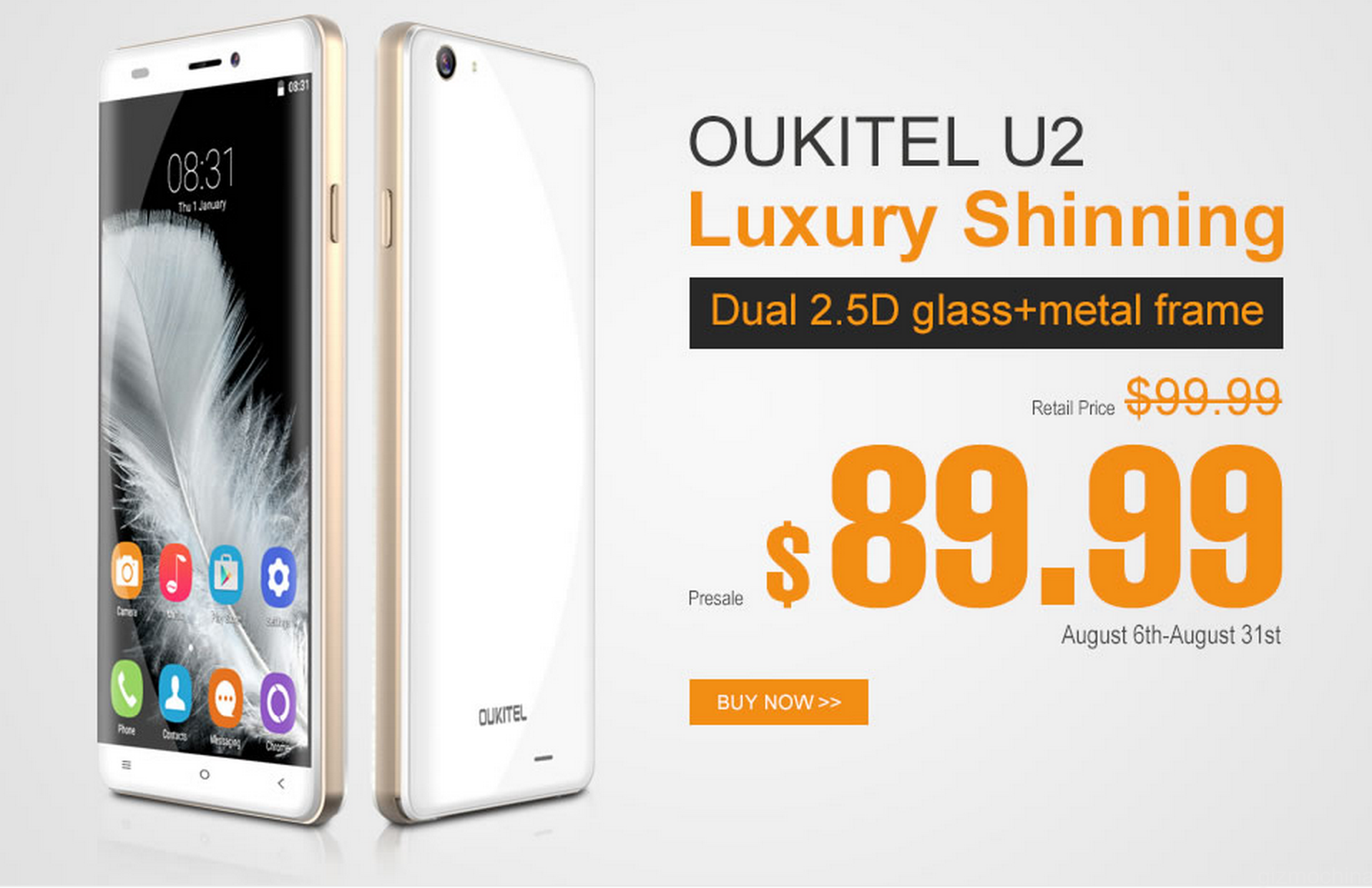
This week Oukitel begins taking pre-orders for a budget smartphone U2.
With the name of a famous rock band, comes the latest creation Oukitel young Chinese company that once they have manufacturing smartphones, carry a rate difficult to follow even for those who are dedicated to this.
The first thing one sees when he first sees the Oukitel U2 is that it is a very nice smartphone.Not that this is a new design, (be difficult at this point), but of course, leaves a very good impression.
The Oukitel U2 follows the design language of his older brothers, the U9 and U10 , and it makes use of a dual pane glass 2.5D and a rugged aluminum chassis CNC , which guarantees a good strength in its construction.U2 got a 5-inch qHD-screen, quad-core processor MT6735M, 1 GB of RAM and 8 GB of internal memory expandable, as well as support for two SIM-cards. “Out of the box” device works on the operating system Android 5.1 Lollipop.In addition, the smartphone installed 8-megapixel main and a 5-megapixel front camera.
But U2 Oukitel not stay in a nice design, but also integrates a modest hardware, but rather solvent for price range:
Name: Oukitel U2.
Display: 5-inch IPS 2.5D with resolution 960 × 540 qHD.
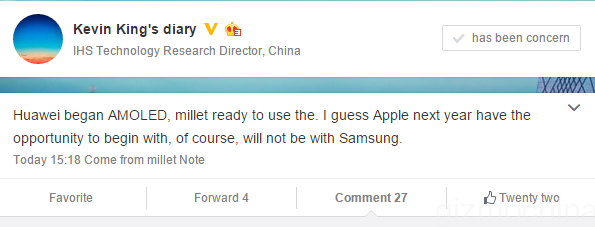
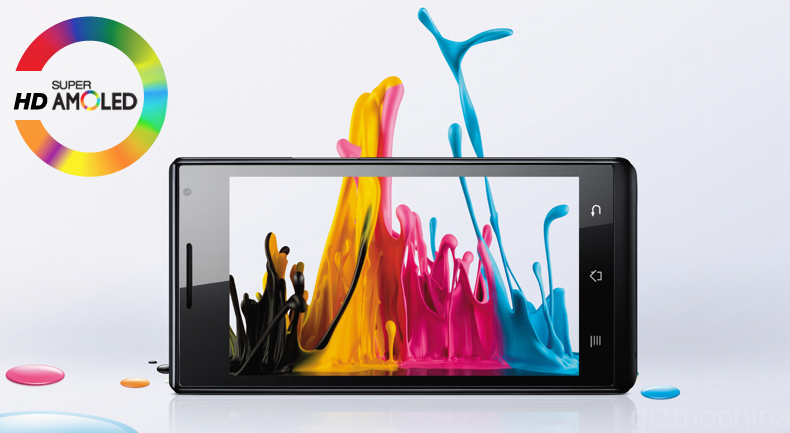
Ever since Samsung started using AMOLED displays on its high-end smartphones, we have seen many new phones with AMOLED panels. However, we haven’t seen many Chinese manufacturers use AMOLED displays recently. But that’s going to change, according to the IHS Technology Research Director, Kevin Wang.
Mr. Wang posted on his Weibo account that Huawei has already started using AMOLED displays on its smartphones. He further said that even Xiaomi is ready to use AMOLED panels on its devices. So, it looks like upcoming high-end flagships from the company will utilize this AMOLED displays instead of IPS LCD panels.
But we are not quite sure whether we will see AMOLED display on Xiaomi Mi5. The phone is supposed to debut in the coming months and since he said that Xiaomi is just ready to use the display, it could be a bit too early to see the display on this flagship model.
Kevin Wang also added that even Apple could be considering using AMOLED panels, but probably not with Samsung.
In the past few months, Meizu has made a number of strategic changes, including establishing a brand new Blue Charm lineup. The changes seems to be working for the company, since its smartphone sales are better than ever.
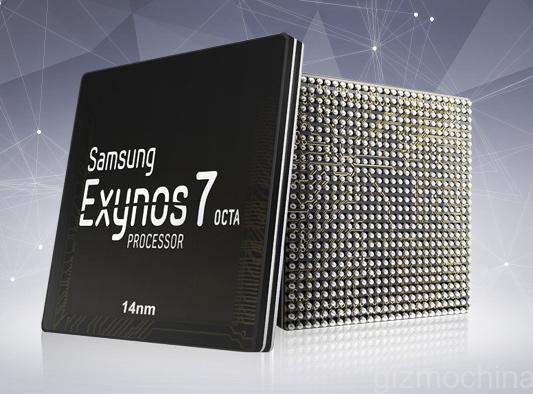
Meizu VP Li Nan recently revealed that the company had decided to scrap the MX5 Pro lineup in favor of a new high-end series. Now, Pan Jiutang, a popular analyst reveals that this new high-end smartphone will use Samsung’s Exynos 7420 chipset. This is the same processor that powers the Galaxy S6 lineup and has received praise from critics as well as customers for its performance. If this turns out to be true, it will also make the new Meizu machine, the first Chinese smartphone to come with a 14nm processor.
The company is reportedly working on a lineup that can directly compete with the Xiaomi Mi Note series. So, its important that the performance is better than competitors. While Qualcomm’s flagship Snapdragon 810 is powerful, its still criticized for its overheating issue. Apart from 810, there’s Helio X10 (available now) and Samsung’s Exynos 7420. If Meizu had to pick from these three options, it would have to be the Exynos 7420 due to its superior performance. Moreover, the 14nm manufacturing process makes the chip even more efficient.
Apart from this info, the new Meizu flagship is said to come with double sided glass design and a metal frame. The pricing is said to be above 3000 Yuan, much higher than what customers are used to paying for a Chinese flagship. So, this device has to be the best in almost all aspects to attract buyers.
When we asked our readers whether they would be ready to buy a Meizu flagship for 3000+ Yuan, many said that if the specs were right, they would consider it. So, if Meizu is indeed using Exynos 7420 inside its newest machine, its most likely going on the right path.
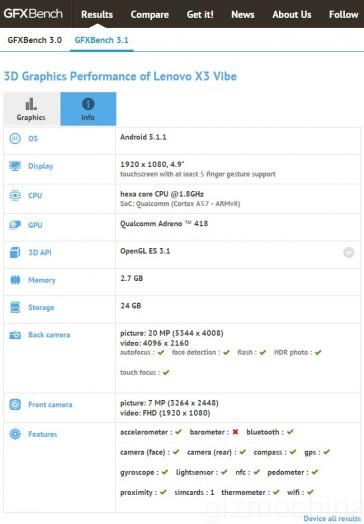
Lenovo Vibe’s series is known for its design and high-end specs. Earlier today, a new model was spotted on GFXBench namely the Lenovo Vibe X3 featuring the Snapdragon 808 processor. Other specs were also quite high-end.
Its not surprising to see the Lenovo Vibe X3 come with a slightly less powerful Snapdragon 808. Despite the claims, Qualcomm’s Snapdragon 810 is still regarded as an overheating chipset. Qualcomm as well as manufacturers like OnePlus have time and again assured that the issue is fixed, but many customers are yet to be convinced. We have seen companies like LG use Snapdragon 808 in its flagship G4, instead of the 810. So, it looks like even Lenovo is following the same trend.
Apart from the six core processor, the Lenovo Vibe X3 comes with a 4.9-inch 1080p display and 3GB of RAM. There will be a 20MP camera at the back which can record 4K videos. Up front, there will be a 7MP shooter. As for software, the phone will run on Android 5.1.1 Lollipop version.
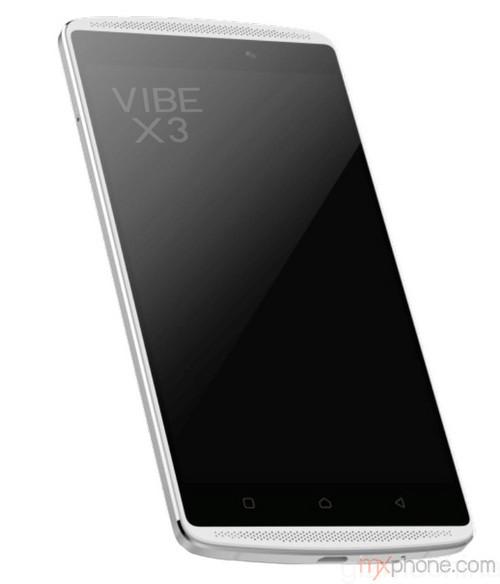
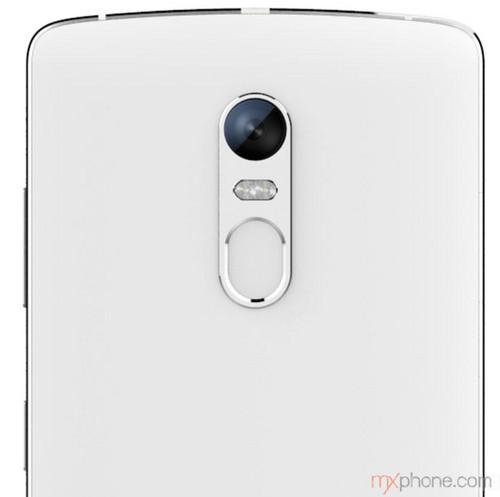
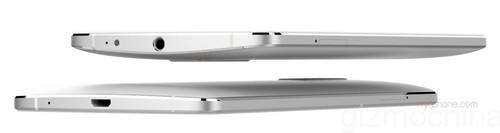
A couple of renders of the Vibe X3 were also leaked recently, which shows off a pretty neat design. According to the renders, the phone will feature dual speakers, one at the top and another at the bottom. At the back, there will be the camera unit and dual LED flash along with a fingerprint sensor just below it.
Lenovo is yet to reveal a launch date for the device, but it is said that the Vibe X3 could be announced at the German IFA International Consumer Electronics Show in Berlin next month.
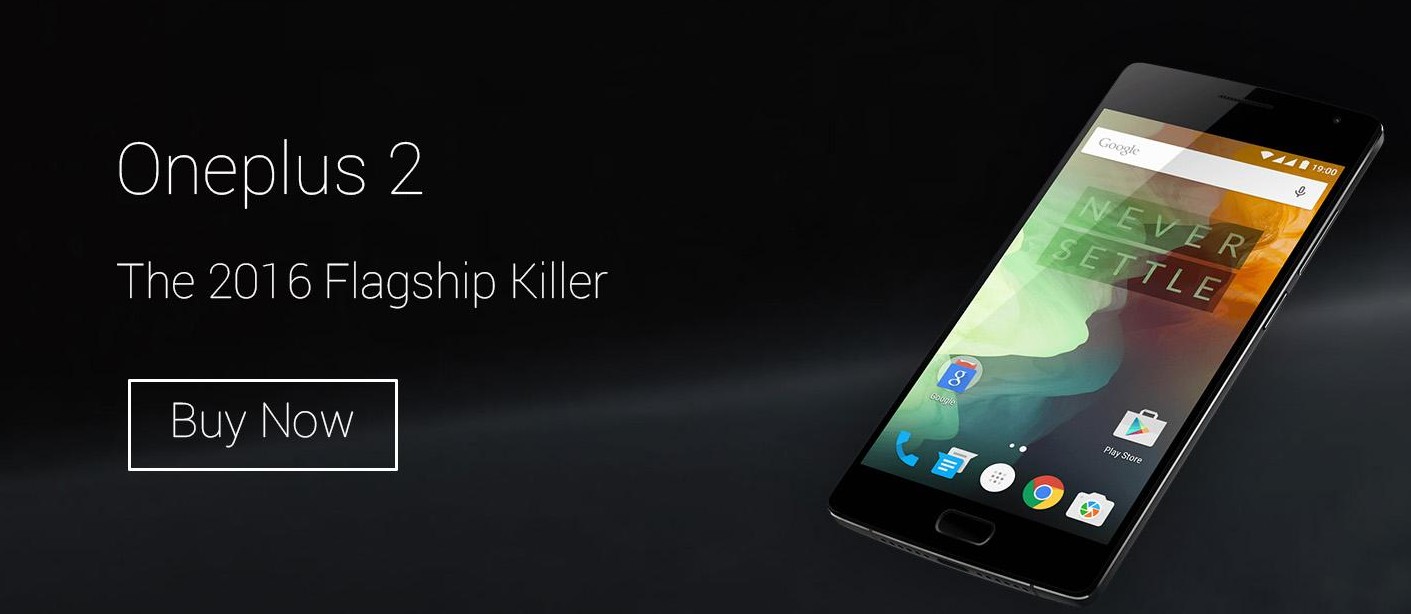
OnePlus already announced the OnePlus 2 flagship killer back in July, however, the phone is still a few days away from shipping. We just came to know that there are over 2 million reservations made for buying the new flagship. This means, its going to take a long time, before most of us can get hold of the device.
However, the brand new OnePlus 2 flagship is currently available on both OPPOMART & Giztop. Unlike buying from the company website, you don’t have to wait for an invite to purchase the device. Its currently in stock, which means, you should be able to get your OnePlus 2 pretty soon. We don’t know how many units are being offered for sale by both these websites, so if you are eager to get your hands on the OP2, then you can check these websites at the earliest.
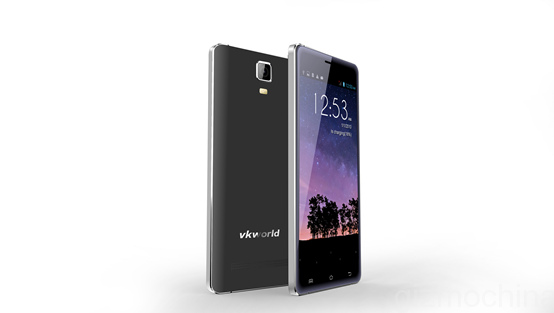
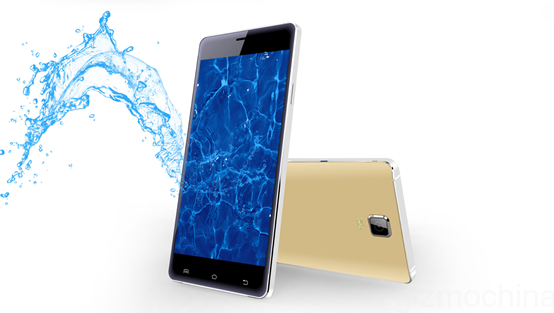
Time and again we have seen Chinese companies release a smartphone with a special feature to make it stand apart from the crowd. Now, we have got news that VKWorld is all set to release a flagship killer which will sport a special screen making it the world’s first Naked-Eye high definition 3D smartphone. This isn’t the first time we are hearing about a 3D smartphone, but it will be interesting to see how VKWorld plans to incorporate this tech to be able to see with naked eyes.
The phone, named as the VKWorld Discovery S1 will also feature 3D Corning® Gorilla® glass screen. The 3D glass was mainly used in curved devices like smartwatches and other wearables, but it looks like VKWorld’s Discovery S1 will come with this special glass. The company has not revealed much details about the phone’s ability to display 3D content, but we hope to receive more details soon.
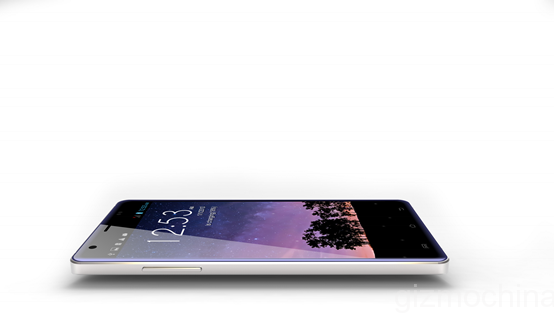
Apart from the 3D display, VKWorld also says that the new Discovery S1 will be the world’s first 5.5-inch smartphone that can stand up. Now, we are not entirely sure what the company means by this claim, but its probably related to the phone’s ability to maintain its position without any external support.
Finally, the company adds that the Discovery S1 is the world’s first 5.5-inch high CNC phone. The design definitely looks good, but we will have to see the handset in real life to make judgement about its overall body.
Anyways, there’s a lot of new (claimed) features on the upcoming Discovery S1. So, we better wait and see if the device manages to fulfill all these claims in real life.
Xiaomi has confirmed that they will be releasing the next version of its MIUI ROM on Aug 13. From the teasers, it looks like the company may even launch a smartphone alongside the new version, and the most probably candidate is the Redmi Note 2 model. Its about time to see the new Redmi Note model and the MIUI launch will be a good platform to debut the company’s latest mid-range phablet.
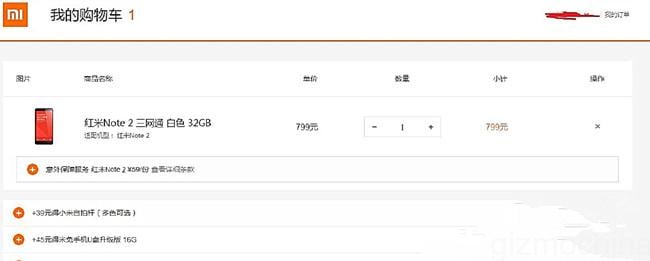
Now, it looks like the pricing of the Redmi Note 2 has been leaked online. A picture shows that the new Redmi Note 2 model will be priced at 799 Yuan for the 32GB storage variant. If this turns out to be true, we could see the 16GB storage variant at around 699 Yuan. This is much lower than the price tag of the original Redmi Note model. However, given that Meizu’s M2 Note retails around this price, it wouldn’t be surprising to see Xiaomi price its new model aggressively.
We expect the new Redmi Note 2 model to come with a 5.5-inch full HD 1080p display with octa-core processor clocked at 2GHz (probably MT6795) and 2GB RAM. There will be a 3020mAh battery on board, similar to the original model’s capacity along with 13MP + 5MP cameras. The phone should run on the new MIUI 7 OS based on Android 5.0 Lollipop version.
JD already has a page where the Redmi Note is listed as going on pre-order from August 16. So, it looks like we will most likely see this particular model in a few days time. As for the pricing, if the specs are anything close to what we mentioned above, especially MT6795, it will be hard for Xiaomi to price it for just 799 Yuan. Thankfully, we don’t have to wait for too long to get official details since the launch is on Aug 13.
What do you think, could Xiaomi price the new Redmi Note 2 at just 799 Yuan?
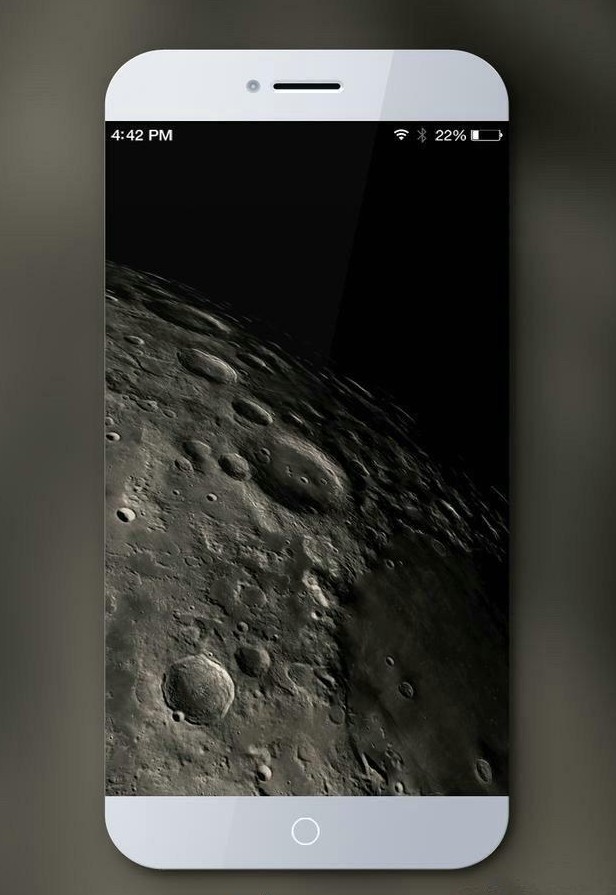
Remember, a few days back we reported that Meizu had decided to abandon the MX5 Pro flagship. In that article, we had also said that the company was going to focus on a true high-end flagship. Now, it looks like we have some initial information about that device.
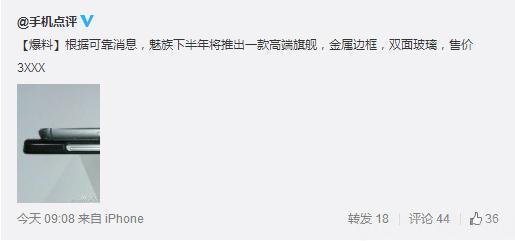
Early morning today, a new leak said that Meziu was working on a high-end flagship with a glass + metal body. It also said that the company will launch this new phone in the second half of this year. Remember, VP Li Nan had said that he couldn’t say for sure when they would release this new device? Well, now we have some idea. Also, at that time he added that although the device was under development already, usually a product requires around 8 month of development time till it can be finally released in the market. We hope that Meizu gets enough development time to unveil the new flagship this year itself, as all other major launches are already over.
Another interesting piece of information from this new leak is the possible pricing. It is said that the newMeizu flagship could retail for more than 3000 Yuan, which will be much more than the company’s traditional pricing. So, even if the phone is high-end, we will have to wait and see if customers are willing to shell out such an amount for a Meizu device.
What do you think? Will you spend more than 3000 Yuan ($483) for a capable high-end Meizu device?
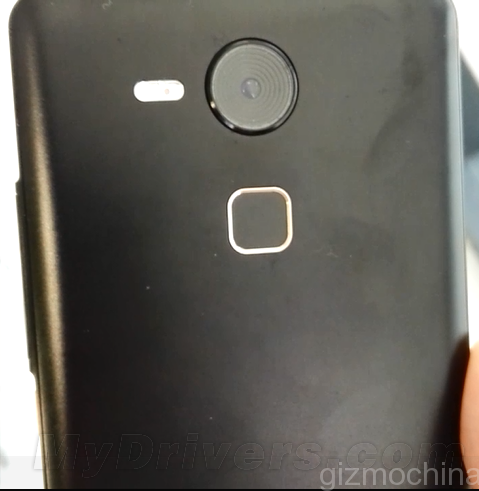
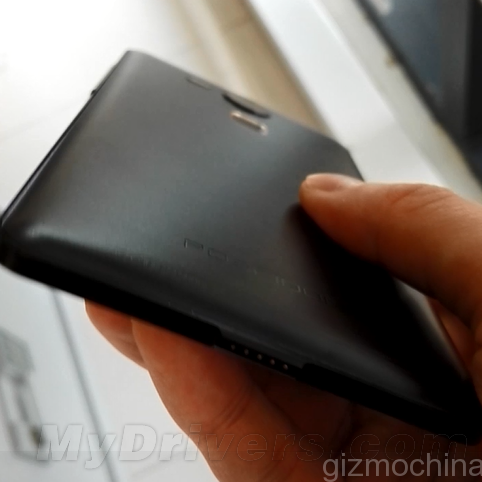
Huawei has confirmed that it will be announcing a flagship on September 2 just before IFA Berlin. We have already seen a video which shows us a Mate device (we are not yet sure its the Mate 8) with subtle design changes as compared to the Mate 7. Now, we have come across another video showing off a new Mate flagship in an all black body.
The video shows that the body will be extremely thin. It looks like the thickness is under 7mm. The back will be slightly rounded with a curved design, that should provide a comfortable grip. The camera placement is traditional, on the top at the back, along with the fingerprint sensor just below it.
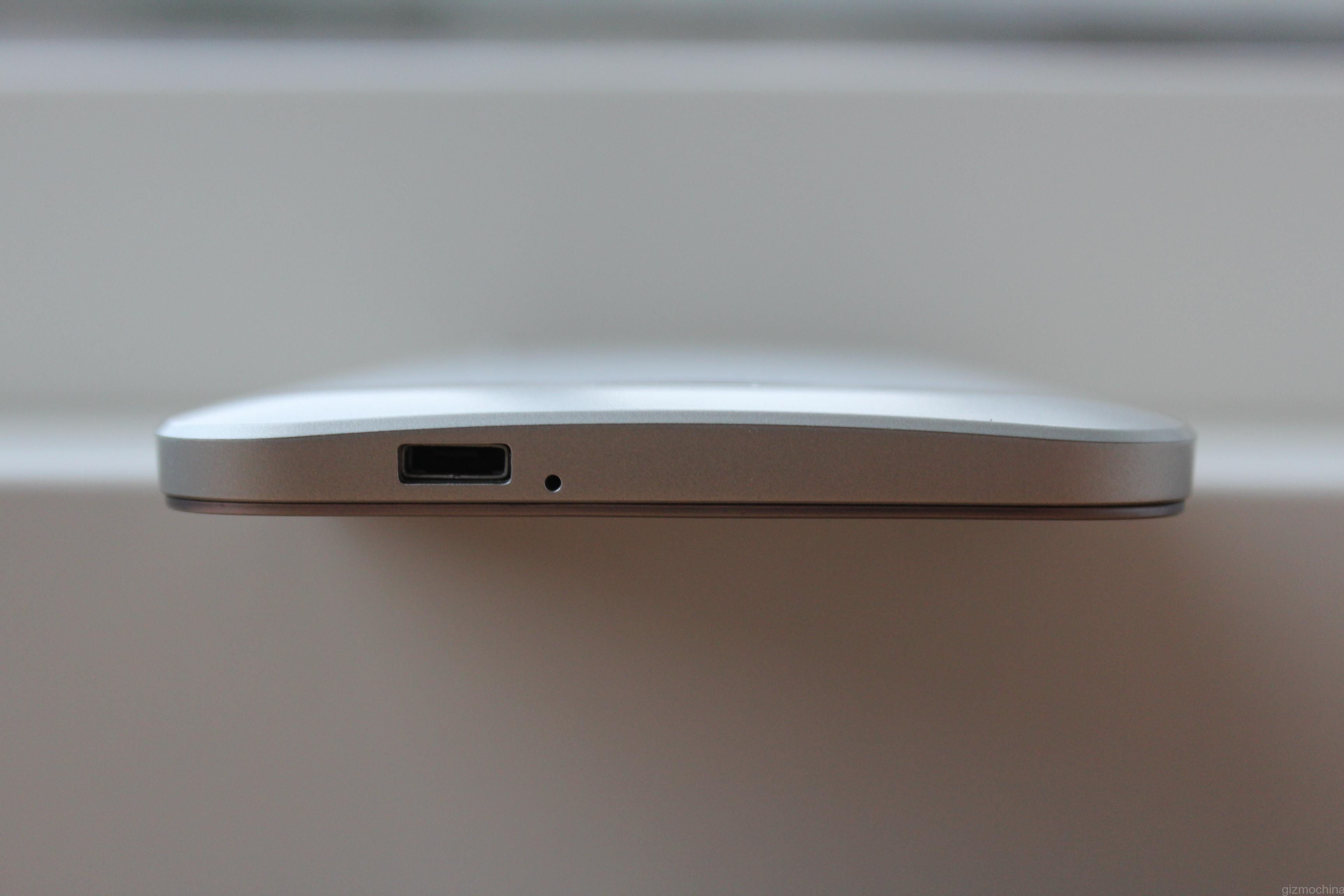
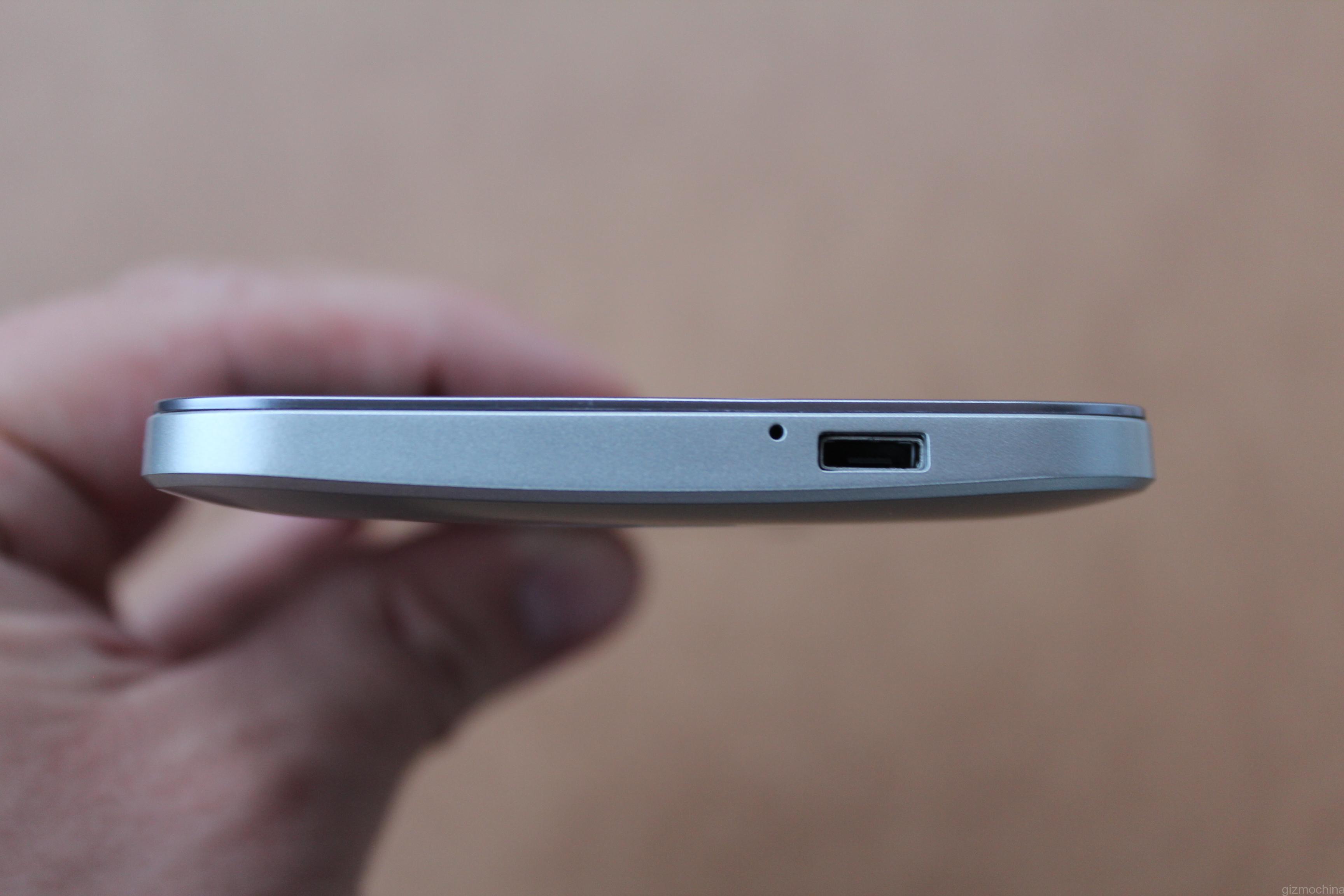
What’s interesting is the port at the bottom. It doesn’t look like any of the USB ports that we have seen lately, not even the reversible USB Type-C. Could it be a new magnetic port? Possible, but we cannot be sure of that at the moment. Huawei had said that the new Mate flagship will bring an advanced technology that will surprise the world. Could it be this tech?
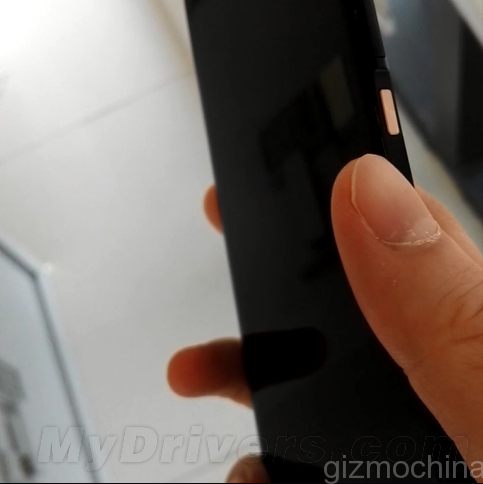
Another interesting part of the device is the unique white button at the side. It stands out from the body and looks like a special function key. Also, it doesn’t look like this device is made out of metal. Instead, Huawei seems to have used plastic or polycarbonate body on the device.
Anyways, now we have two different devices that claim to debut at IFA Berlin this year. Let’s see which one of them is finally launched by the company in September.
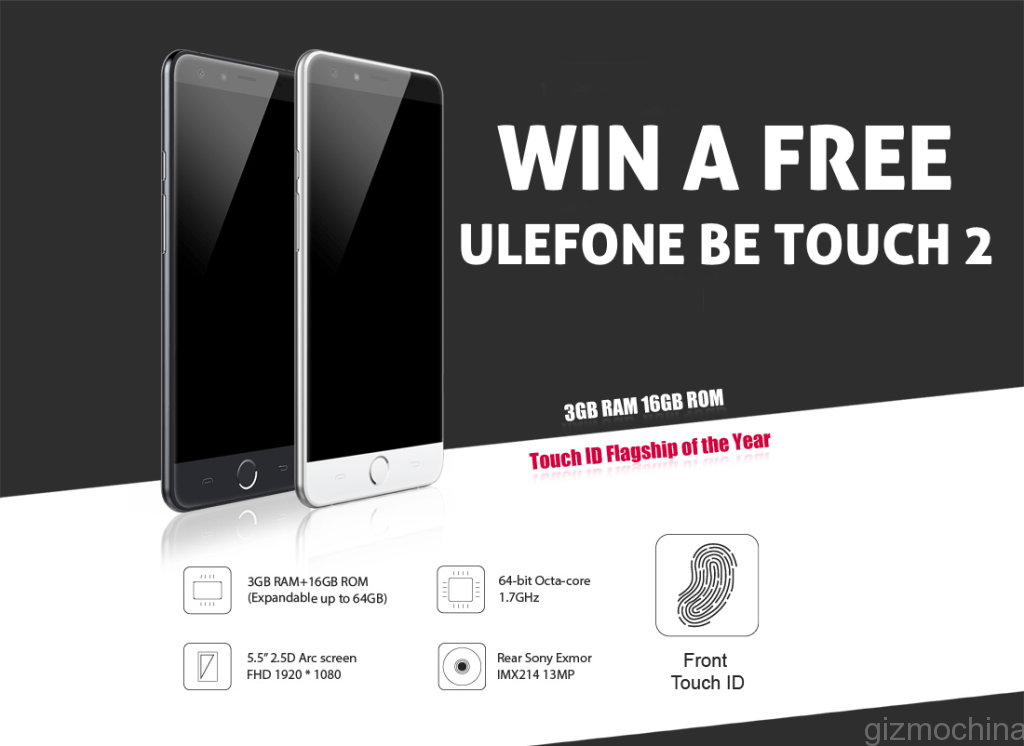
Yes, you can buy the Ulefone Be Touch 2 at a special price at gearbest, but you can also enter to win yourself the device for FREE too!
Ulefone have teamed up with us to offer one lucky gizmochina reader and Facebook fan the chance to win the latest Be Touch 2.
The Ulefone Be Touch 2 is a 5.5-inch FHD phone with similar alloy chassis design to the iPhone 6, fingerprint home button, and powerful Mediatek chipset. Ulefone have also added a slightly larger 3050mAh battery in the BeTouch 2 while retaining the same thin body, and impressive Sony IMX214 main camera.
Ulefone are so confident of the build quality of the Be Touch 2 that they have even given the phone a Coke shower in the following video:
Comment – Mention which features impress you most of the Ulefone Be Touch 2
Share – Share with friends and family you think would like to take part.
We will choose a winner based on the comment that impress us most and announce them on the 17th August. Thanks to Ulefone for providing the giveaway phone.
Firstly, I have reviewed this device with an old software, which had quite a lot of bugs in it. That happened due to the fact that OTA updates did not work at that time as I always check for the latest software updates before reviewing a device. In fact, I received one OTA update once I took the device out of the box but then OTA feature went down for some time due to the device pre-release nature.
Ok, enough is enough. I have just updated the ROM to the 1.4 version (release date – 2015.08.04). It is said to fix all the bugs I’ve found in the older version of the review. Let’s not waste any time and get right into it as I will re-test every feature of the device and see if Umi can keep up the promise.
PLEASE READ THE WHOLE REVIEW AS THE LATEST SOFTWARE (v. 1.4) UPDATE FIXED A LOT OF ISSUES AND BROUGHT MAJOR IMPROVEMENTS!
Change log (ORIGINAL UNEDITED LOG TEXT WRITTEN BY UMI):
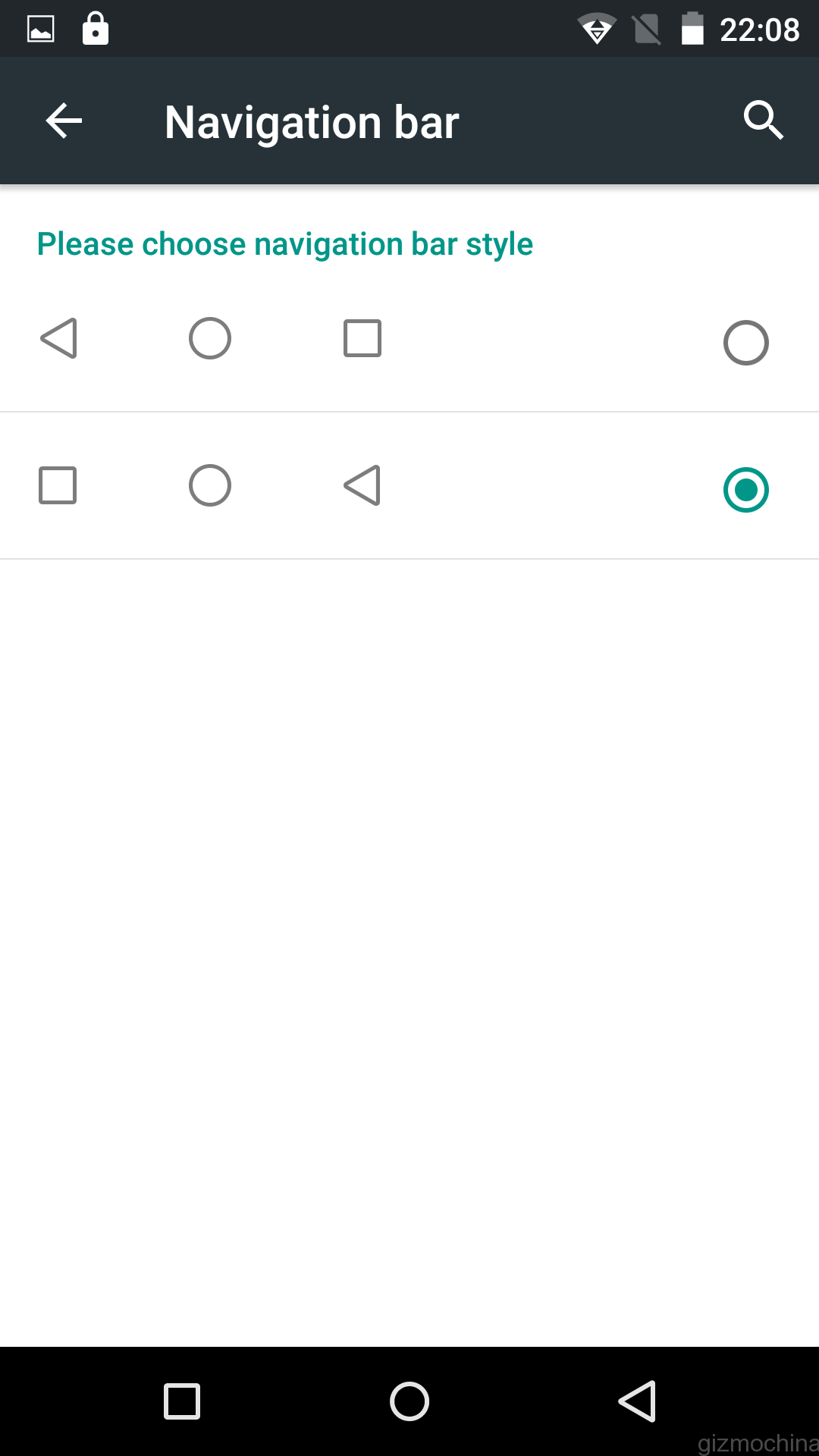
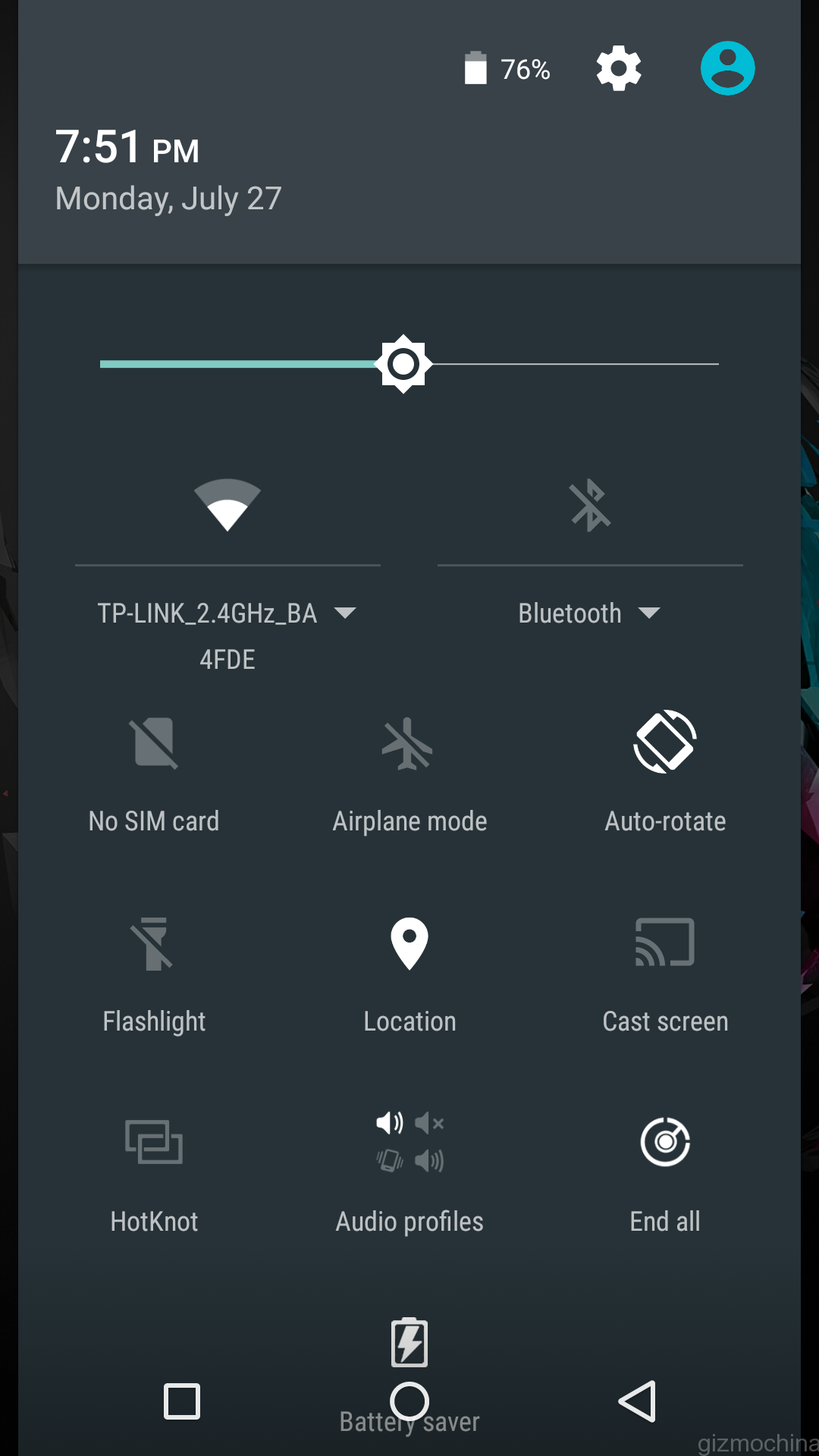
1. Camera optimized 2. Heart rate/stress test/UV test optimized 3. Notificationlight optimized 4. Eyeprint ID license activated 5. Hifi headphone audio optimized 6. 3 keys (return/home/manu)is customziable, change location base on your habit; as well as move them to the hardware part via setting if you don’t fancy the software keys 7. UI optimized the best oringal from google andriod UI, you can compare with othe Mediatek 5.1 UI, they are different and ugly 8. Super ROOT, very stable and good on ROOTJOY to manage your phone! 9. Quick manu now support to be pull down in anywhere (for now you can only pull it down the quick manu from the very top of the phone, but our new update support to pull it down even it’s in the middle of the screen) 10. One key end all apps (on Quick manu called “end all”) 11. Guest using mode optimized
Introduction
You may have heard of Umi – a small Chinese manufacturer that has not been in the industry for many years, but has been known for their good understanding of how to design phones.
Firstly, the company attracted a lot of attention with its Zero model, which sported premium materials and decent specs at an affordable price. Since then it has become clear that Umi’s strategy is to try and stay in the competition by producing nicely designed handsets and thus lure some consumers.
Their newest model Iron is no exception. Let’s take a look what we’ve got.
16GB (expandable via microSD card slot up to 64GB)
Umi Iron Review: UNBOXING
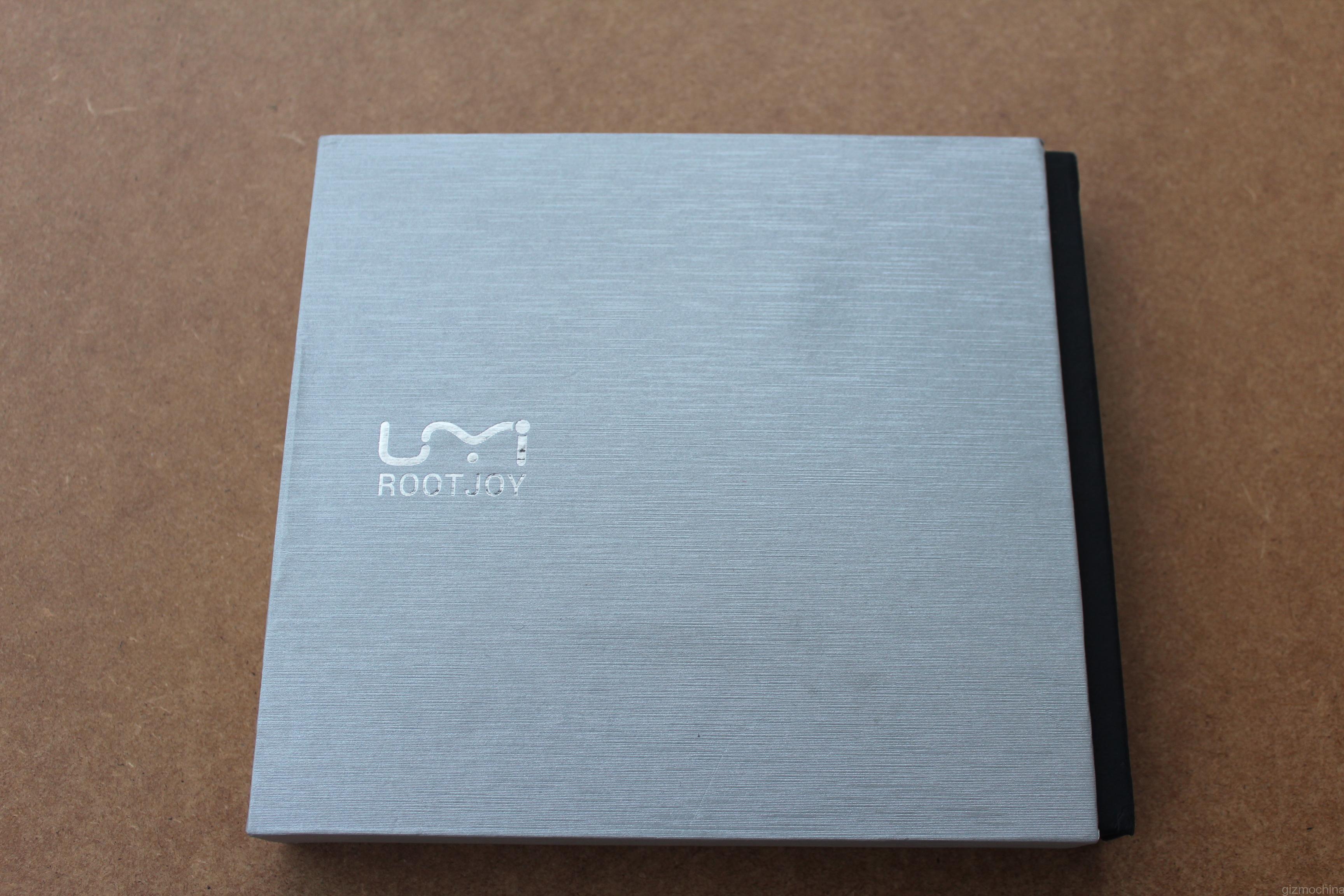
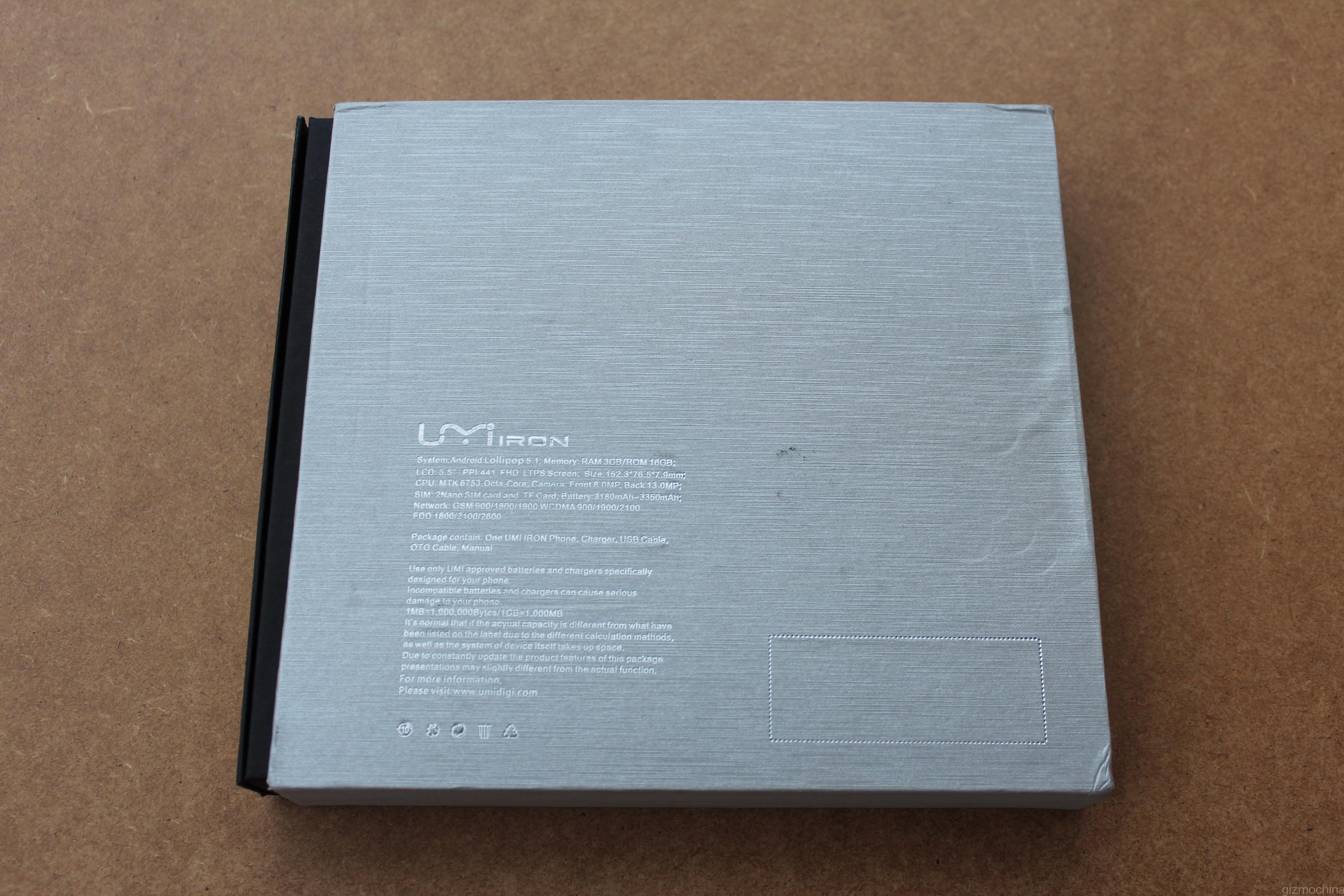
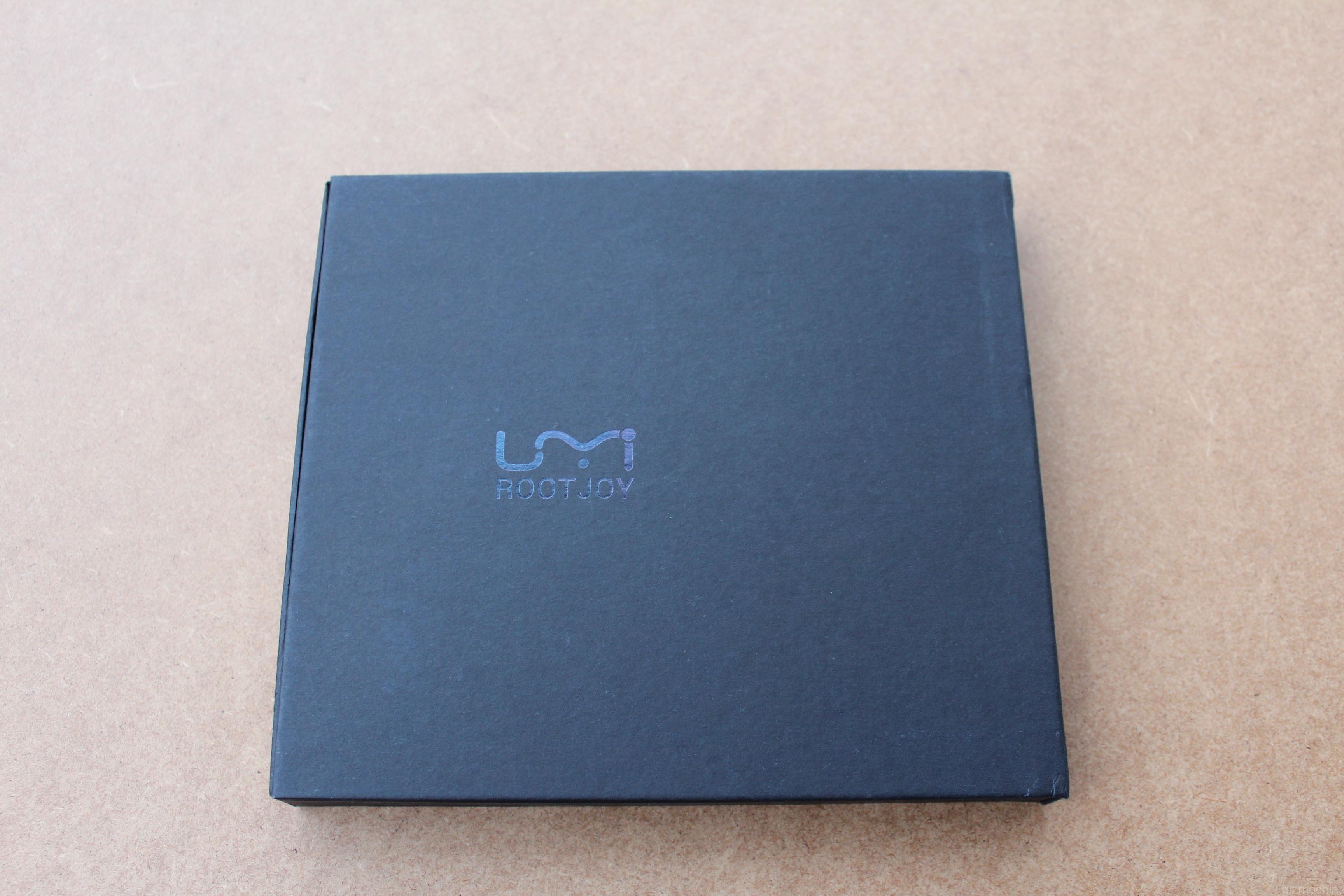
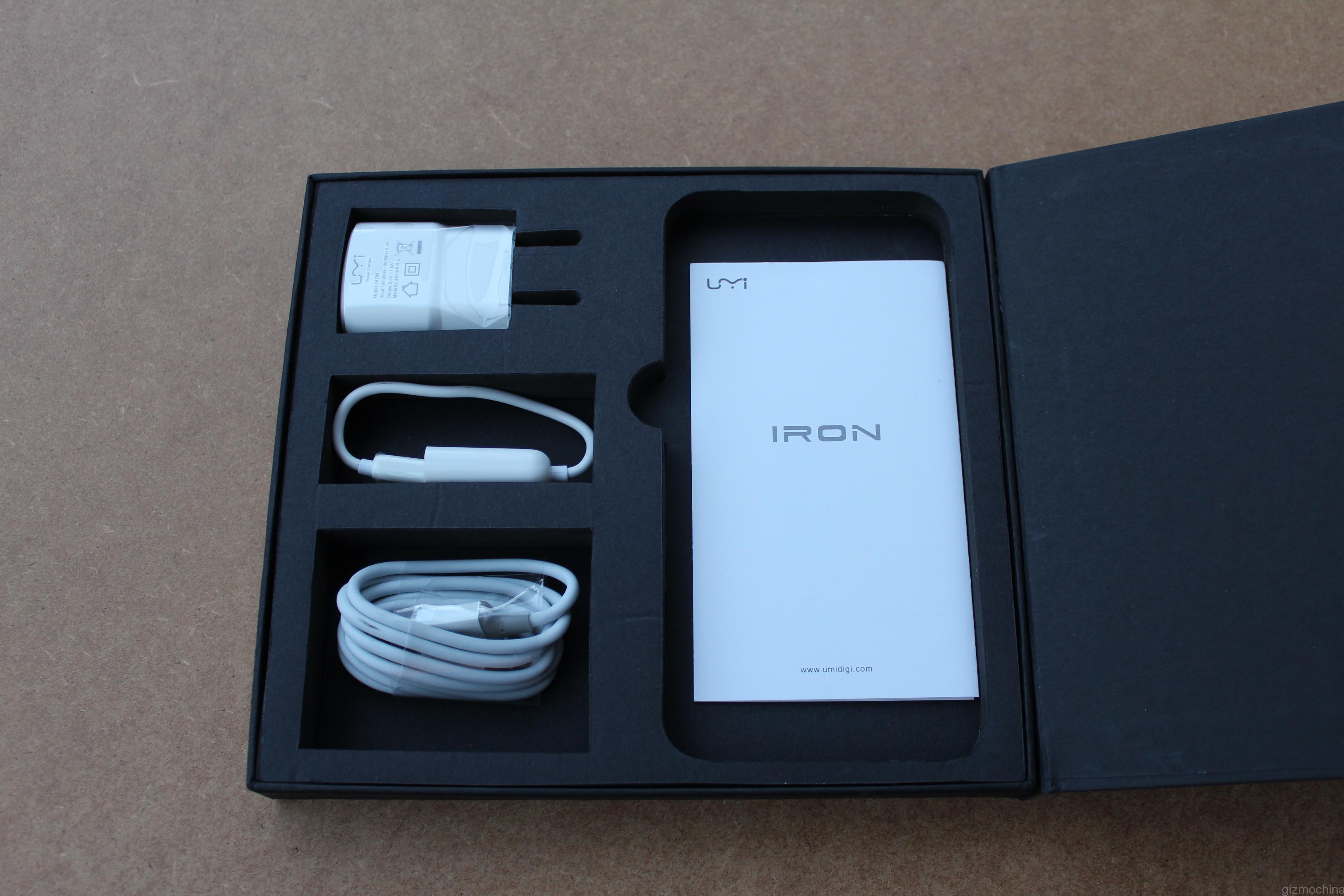
The packaging is a bit different than the majority of boxes as you have to pull one side to open it up, to reveal all the items packed neatly.
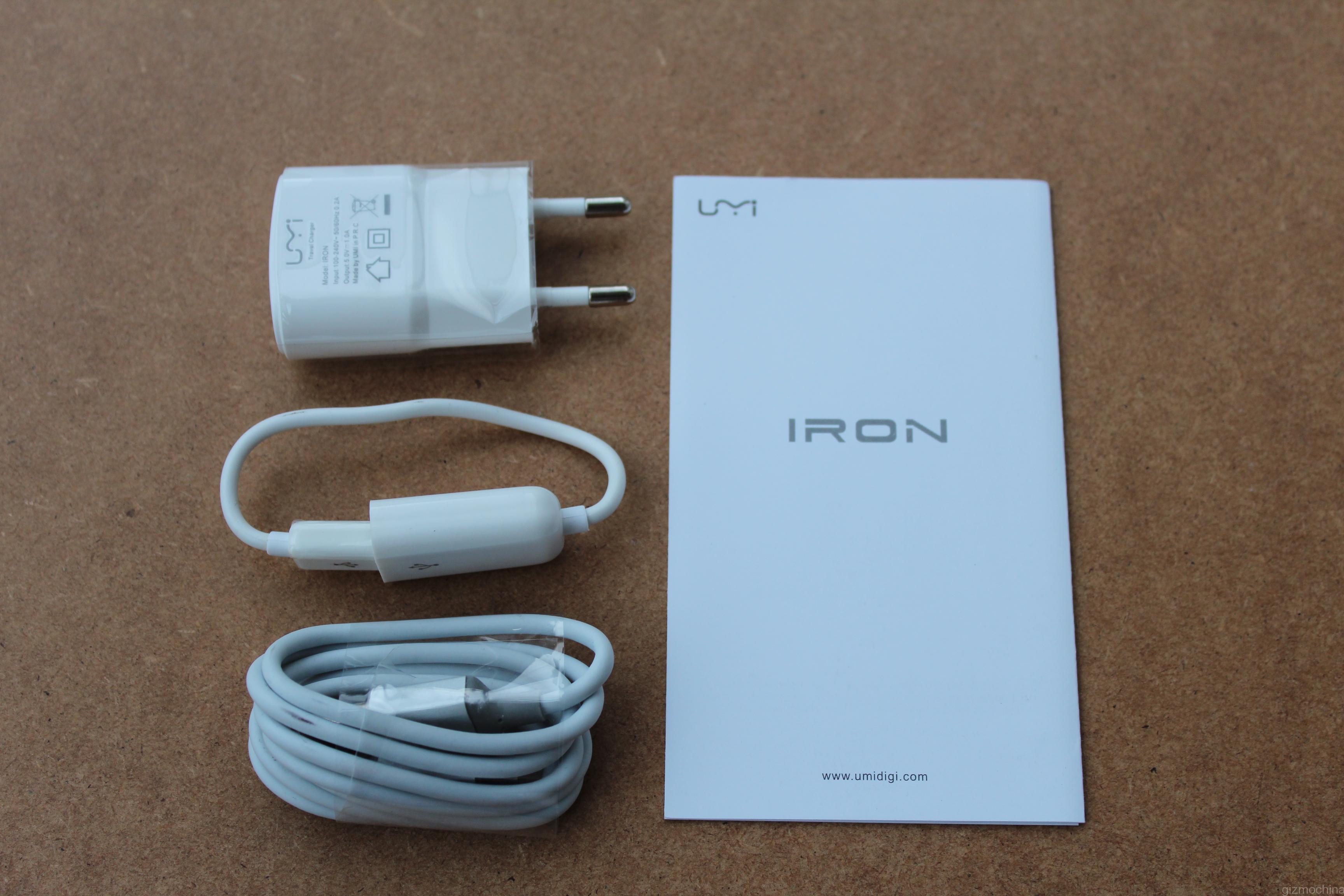
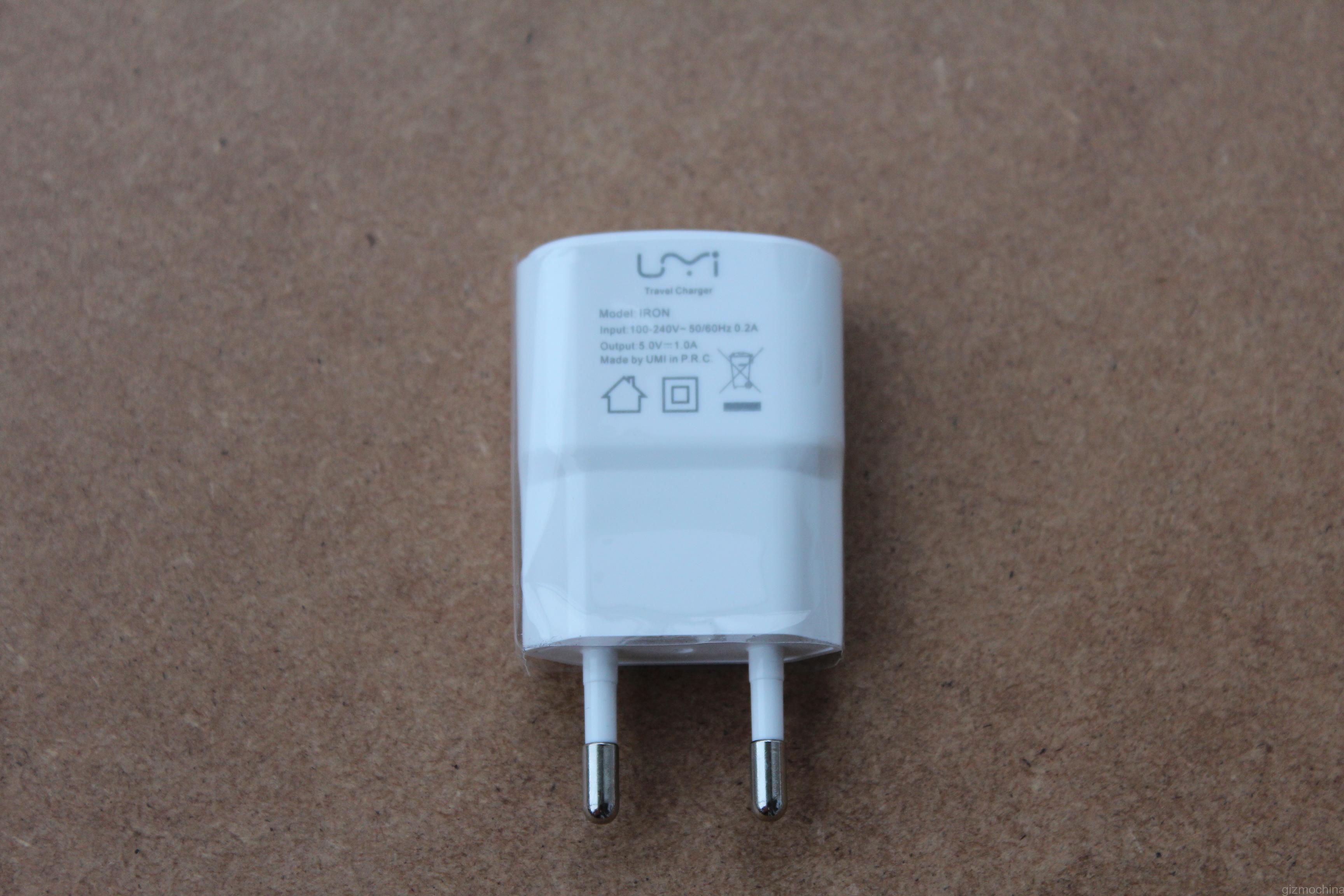
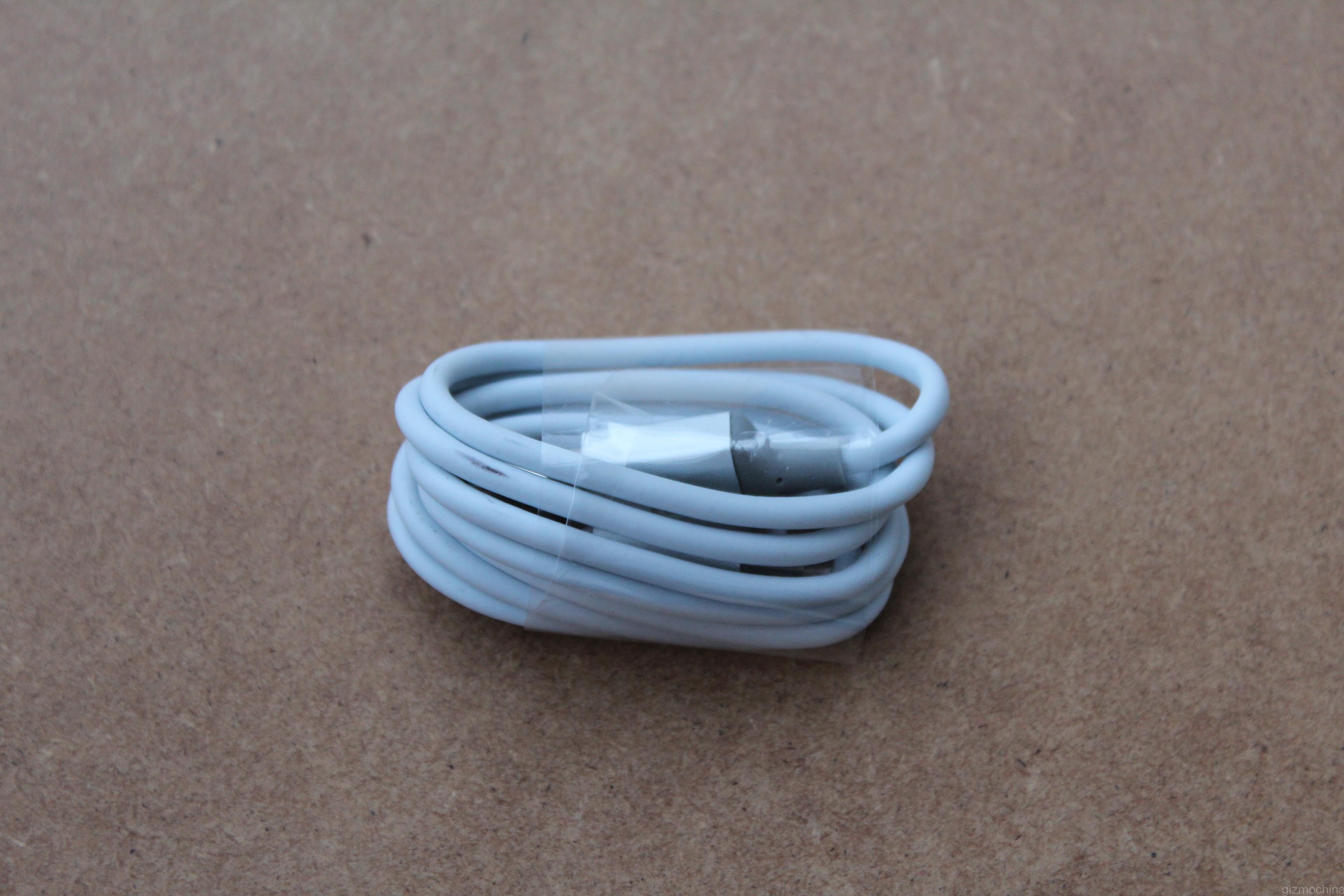
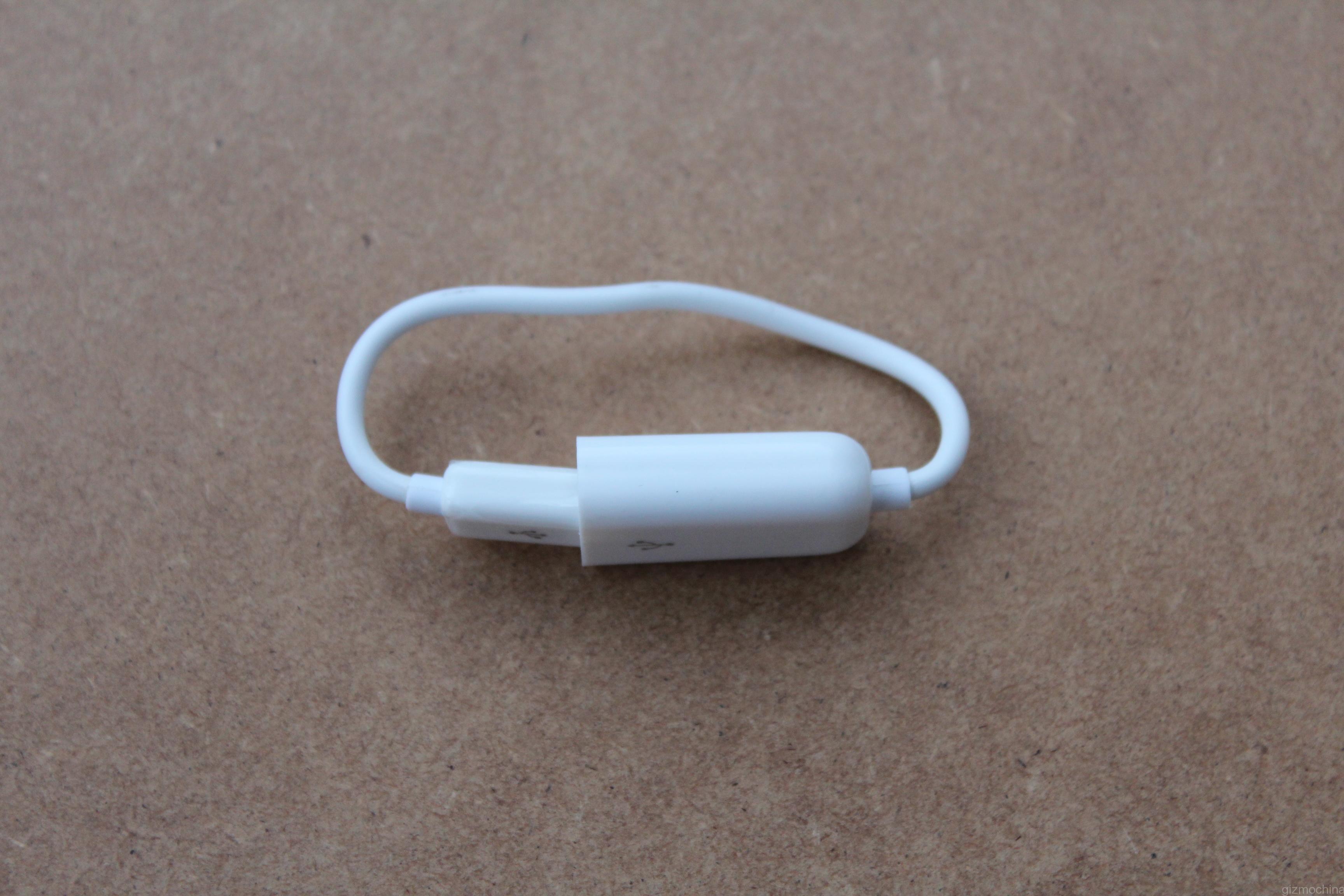
The accessories that are in the box include the instruction manuals, USB plug along with the USB cable. Last but not least the company added USB OTG cable. Well, any extra accessories are a great thing.
Overall, the contents look to be of good quality (but not the best).
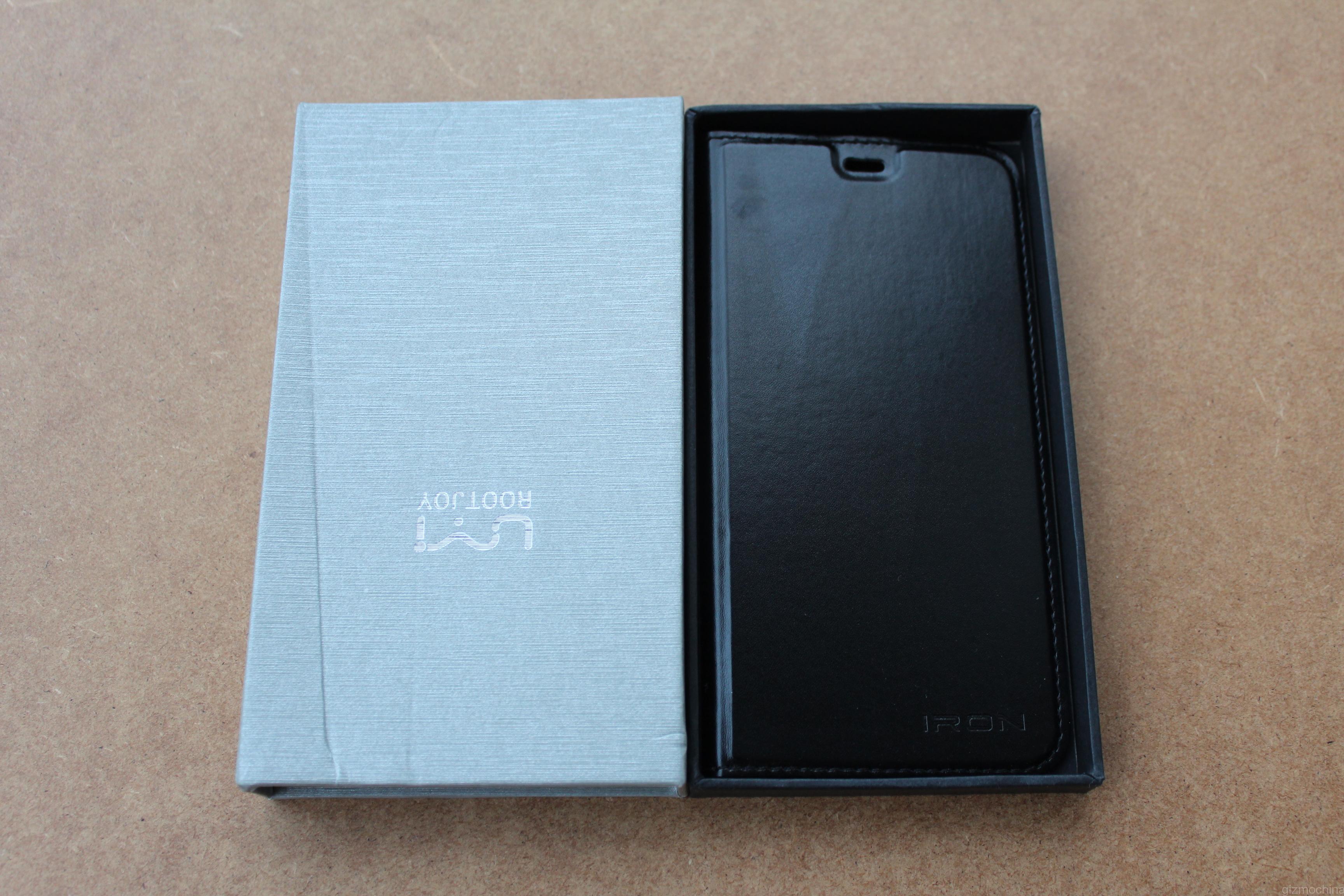
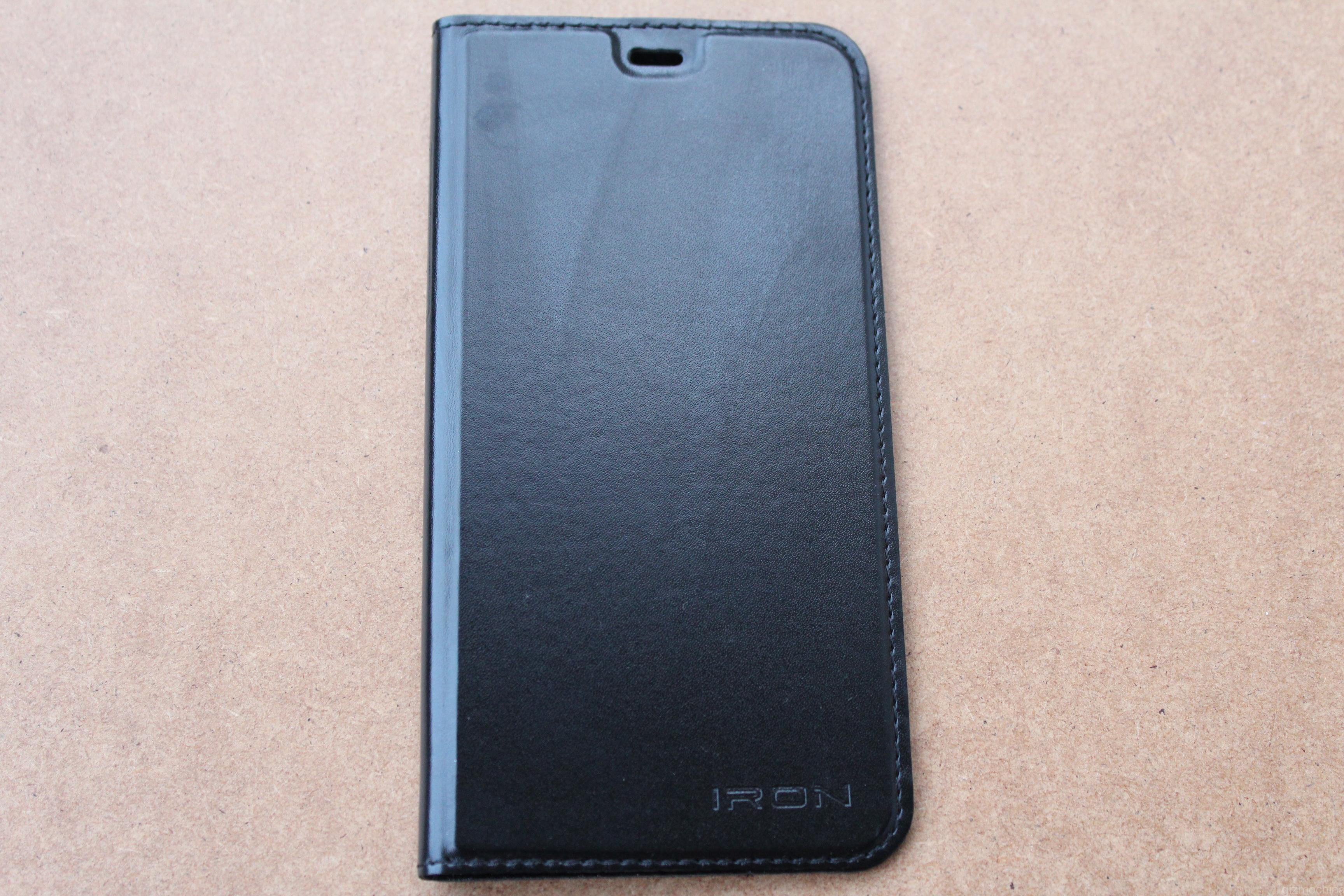
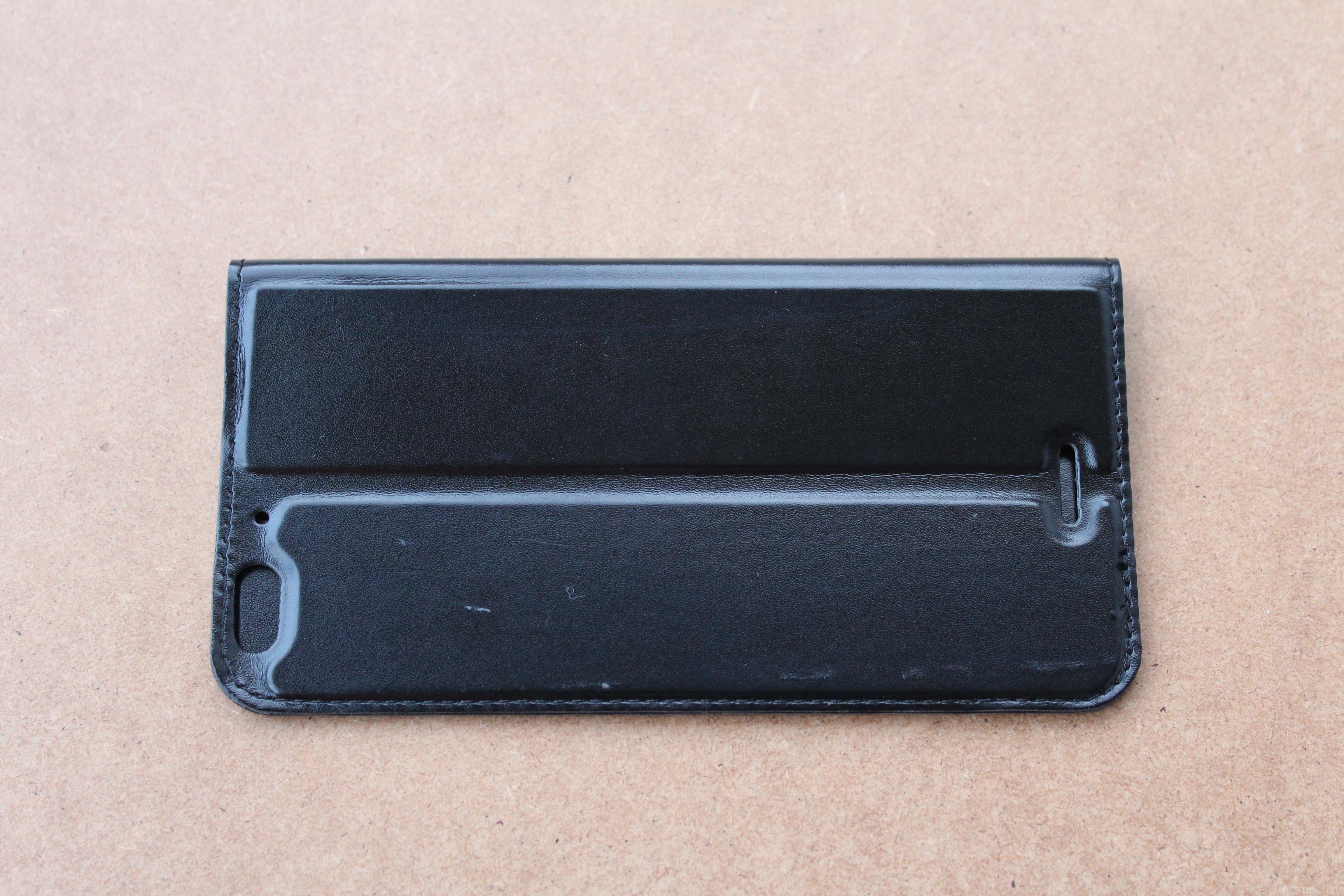
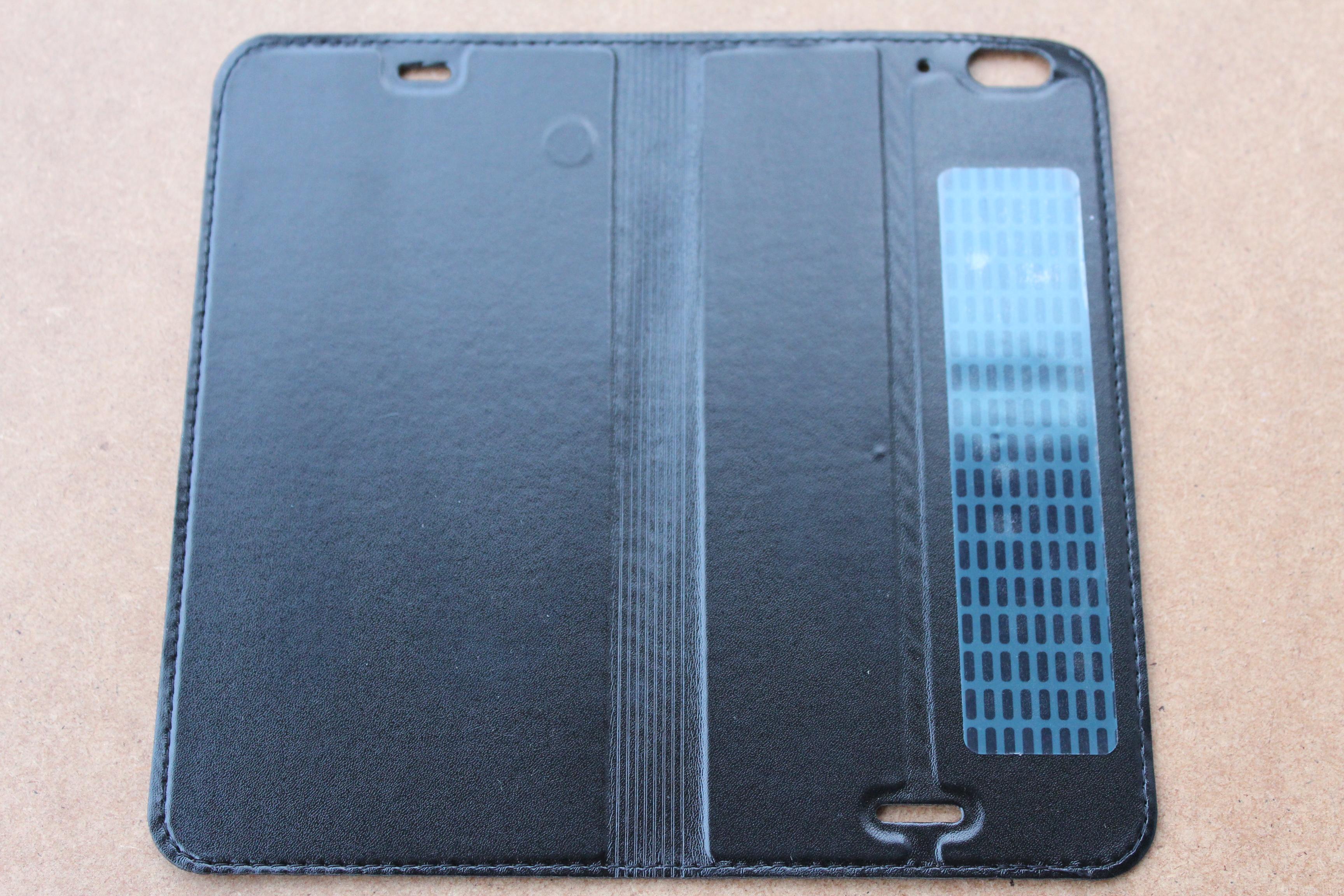
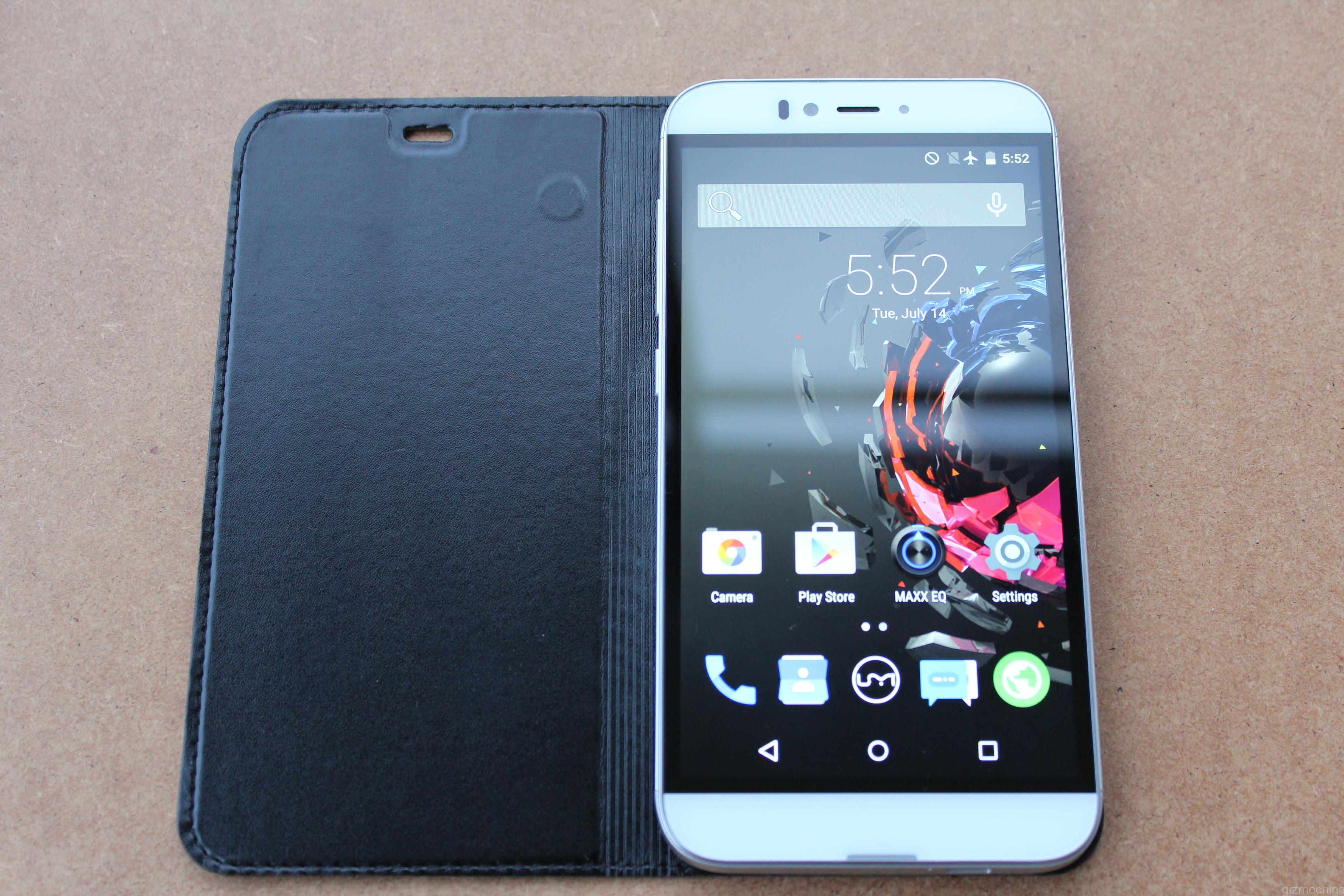
I have also received a decent quality leather flip cover case. Not sure if it is a real leather but it definitely feels like. Also, it feels well made and fits nicely on the device. It does not come with the standard packaging but you can buy original flip leather case for $14.99.
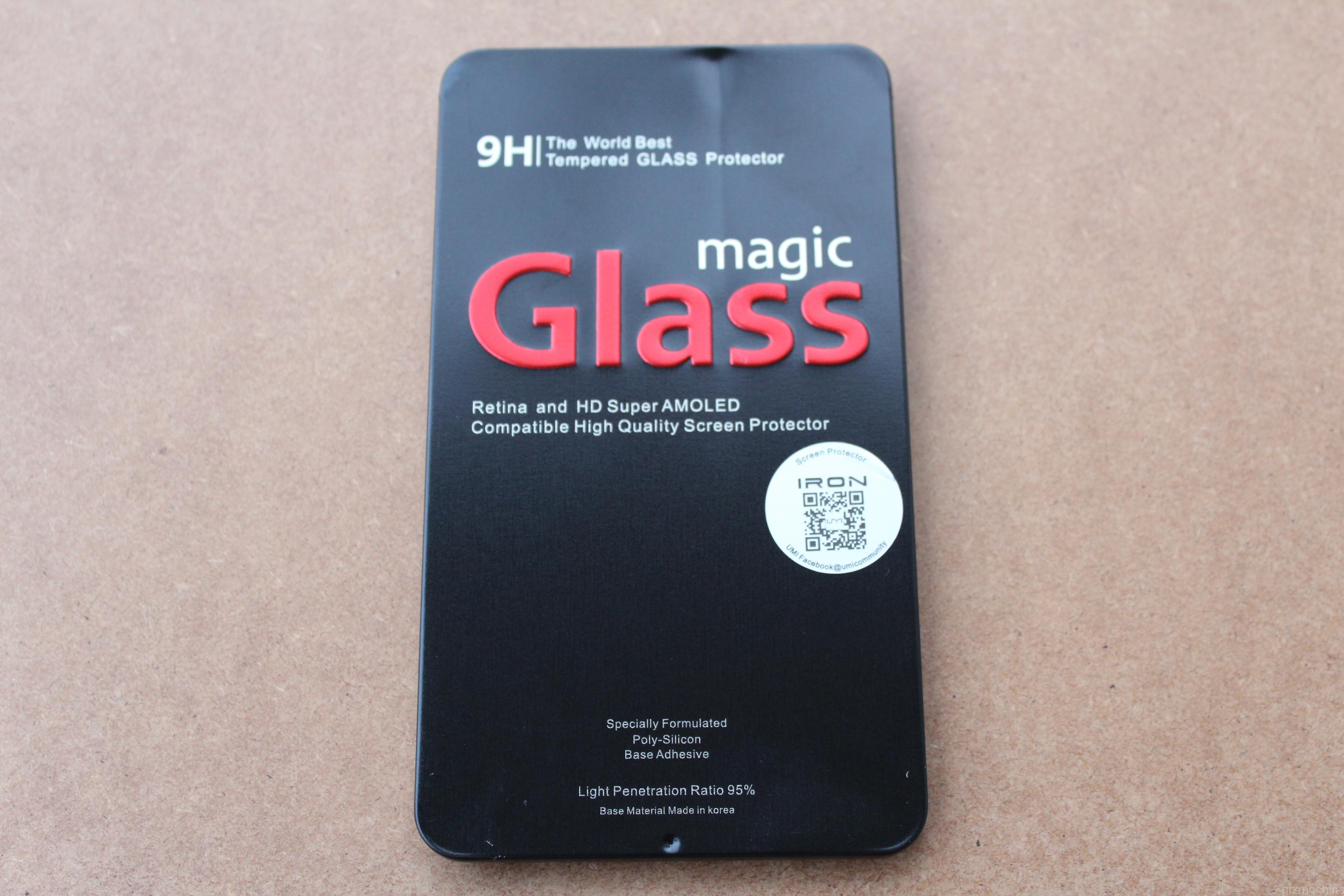
Last but not least I received a tempered glass screen protector. To be honest, I haven’t installed it yet and I cannot tell you if it is made out of high quality glass or not. Still, it is not included in the standard packaging but you can buy the original tempered glass screen protector for $14.99 separately.
Umi Iron: DESIGN and DISPLAY
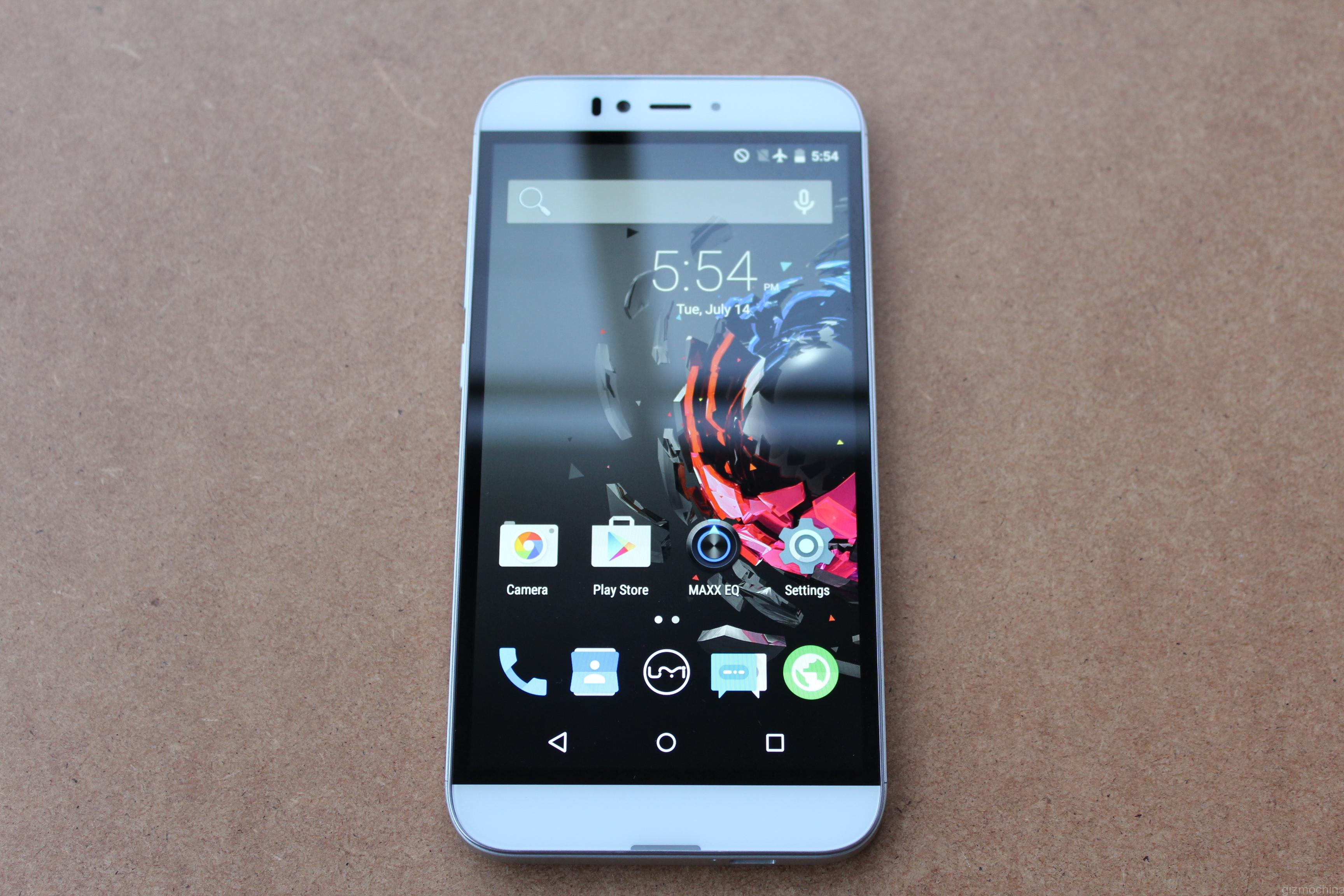
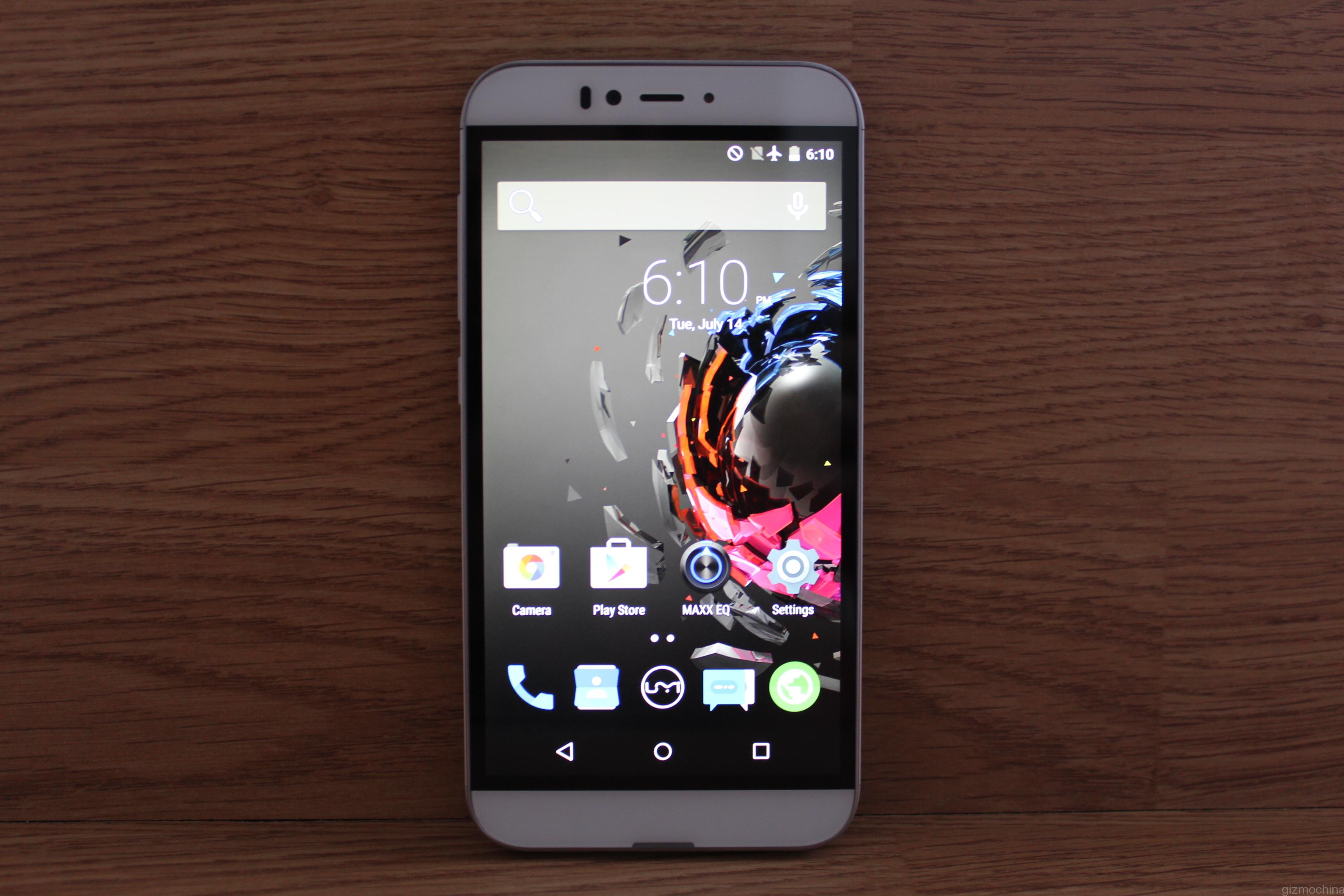
The device comes with a 5.5″ display, which is very bright, sharp and vivid. Also, it has great viewing angles and natural looking colours. Overall, it is a superb panel for a budget device and you will notice that immediately once you turn on the device.
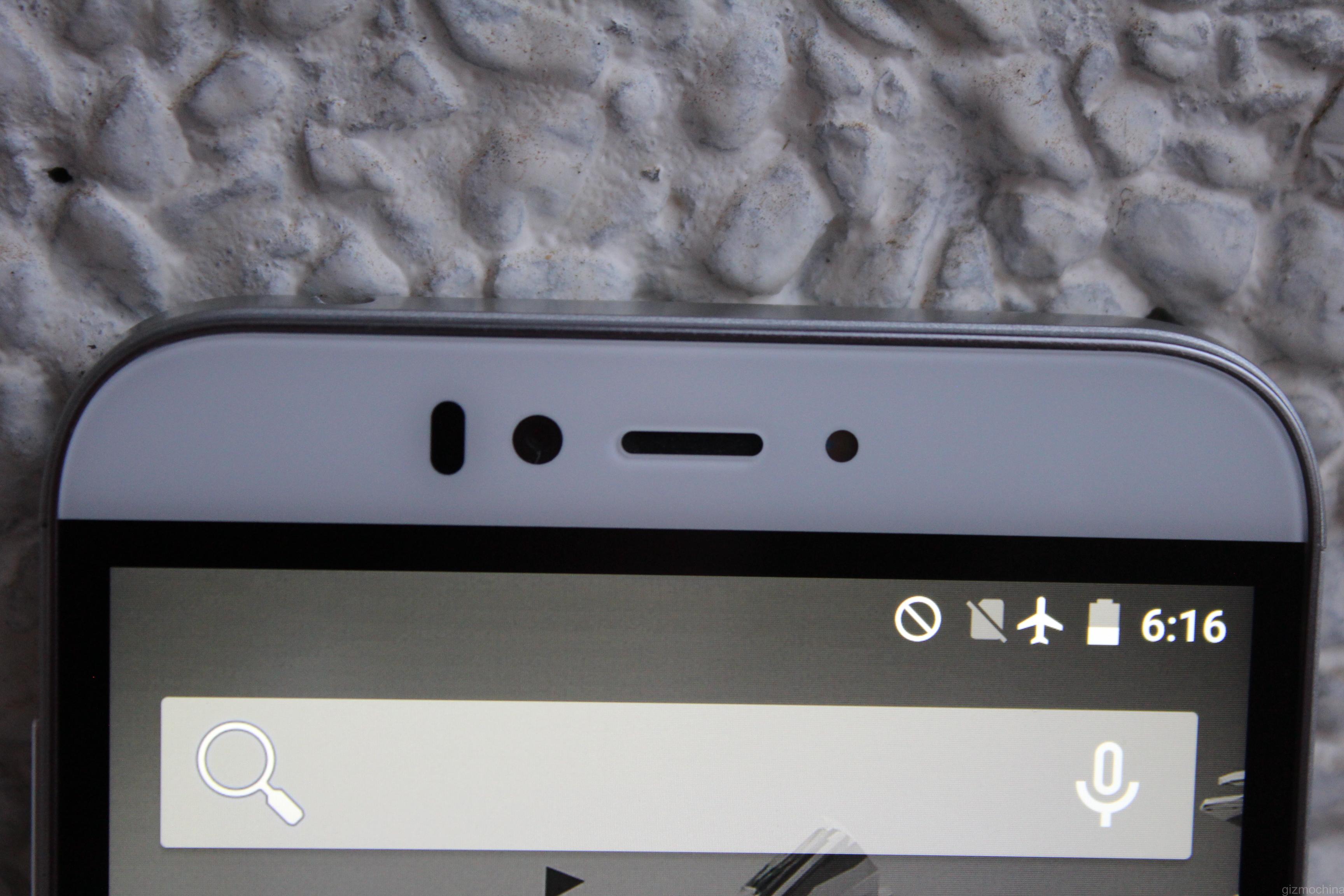
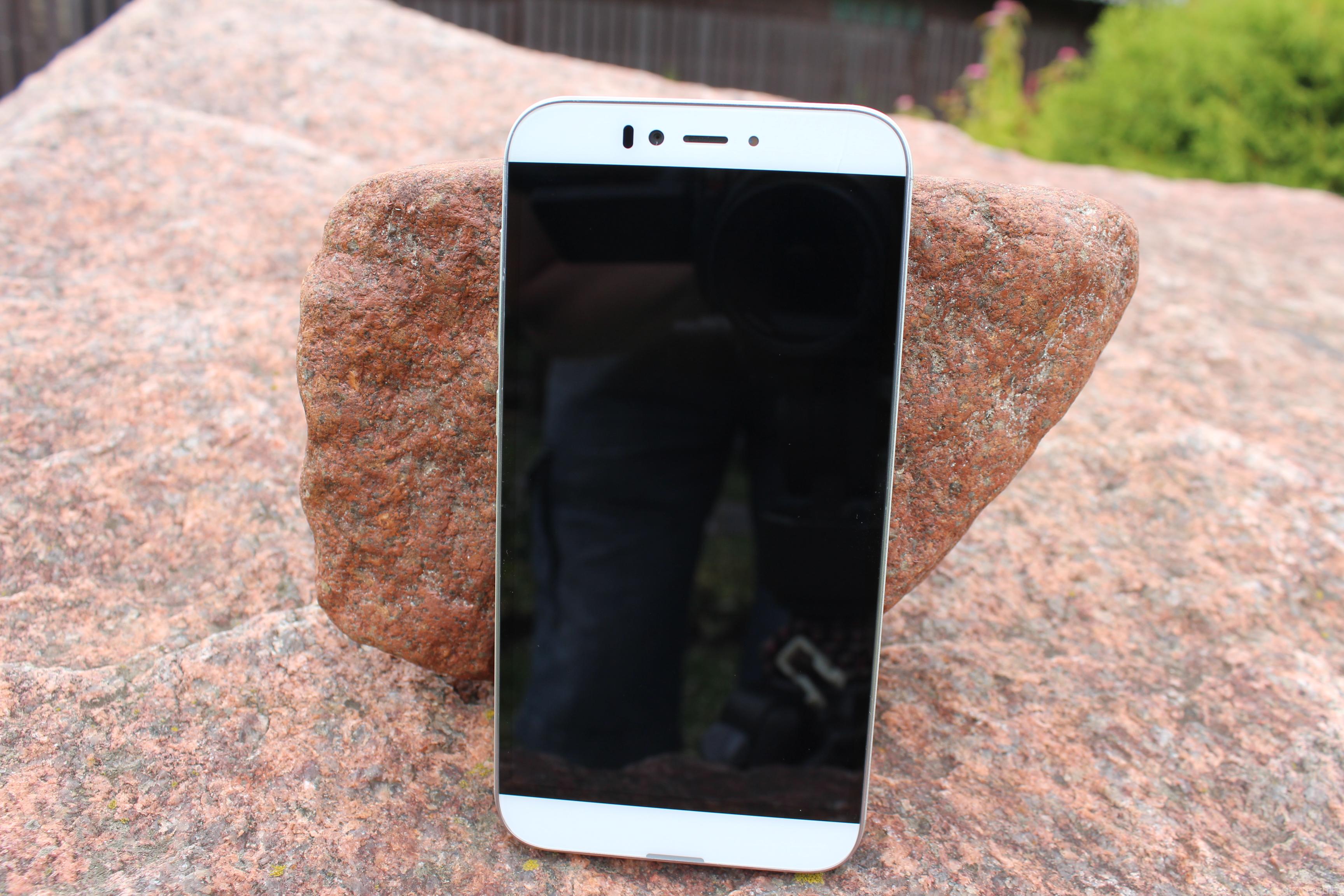
On the top side there is a proximity sensor, 8MP camera sensor, earpiece and front firing LED flash for night selfies.
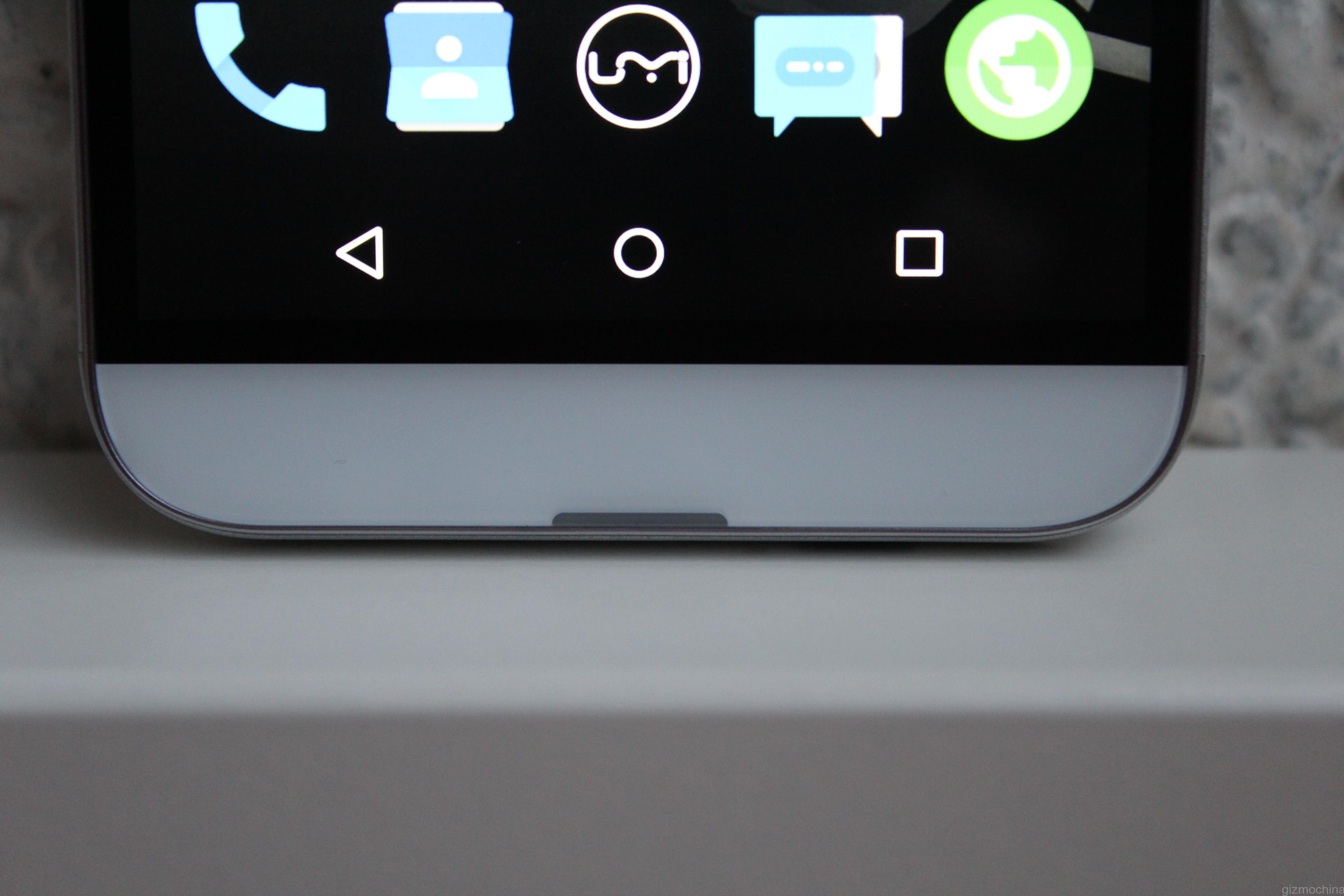
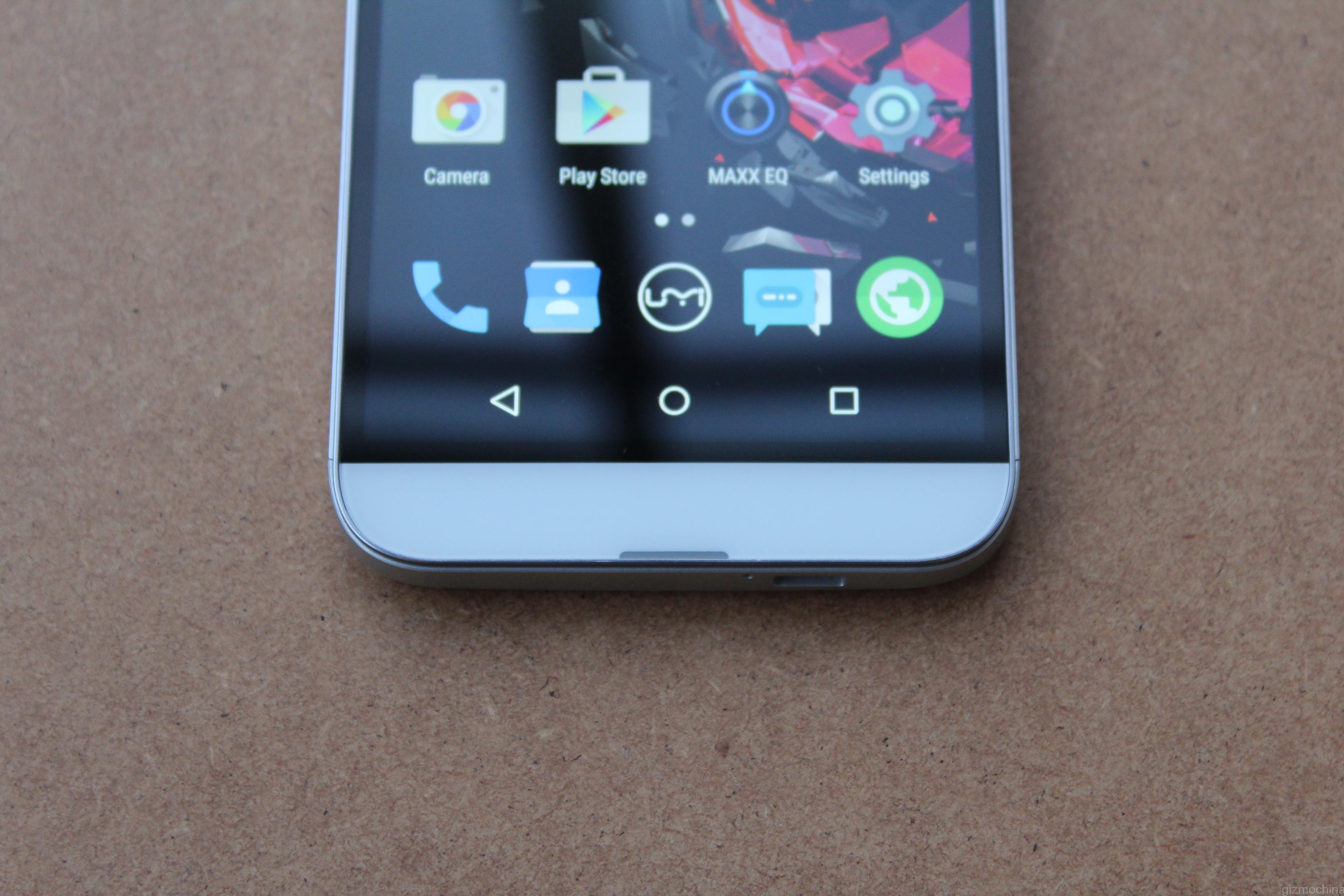
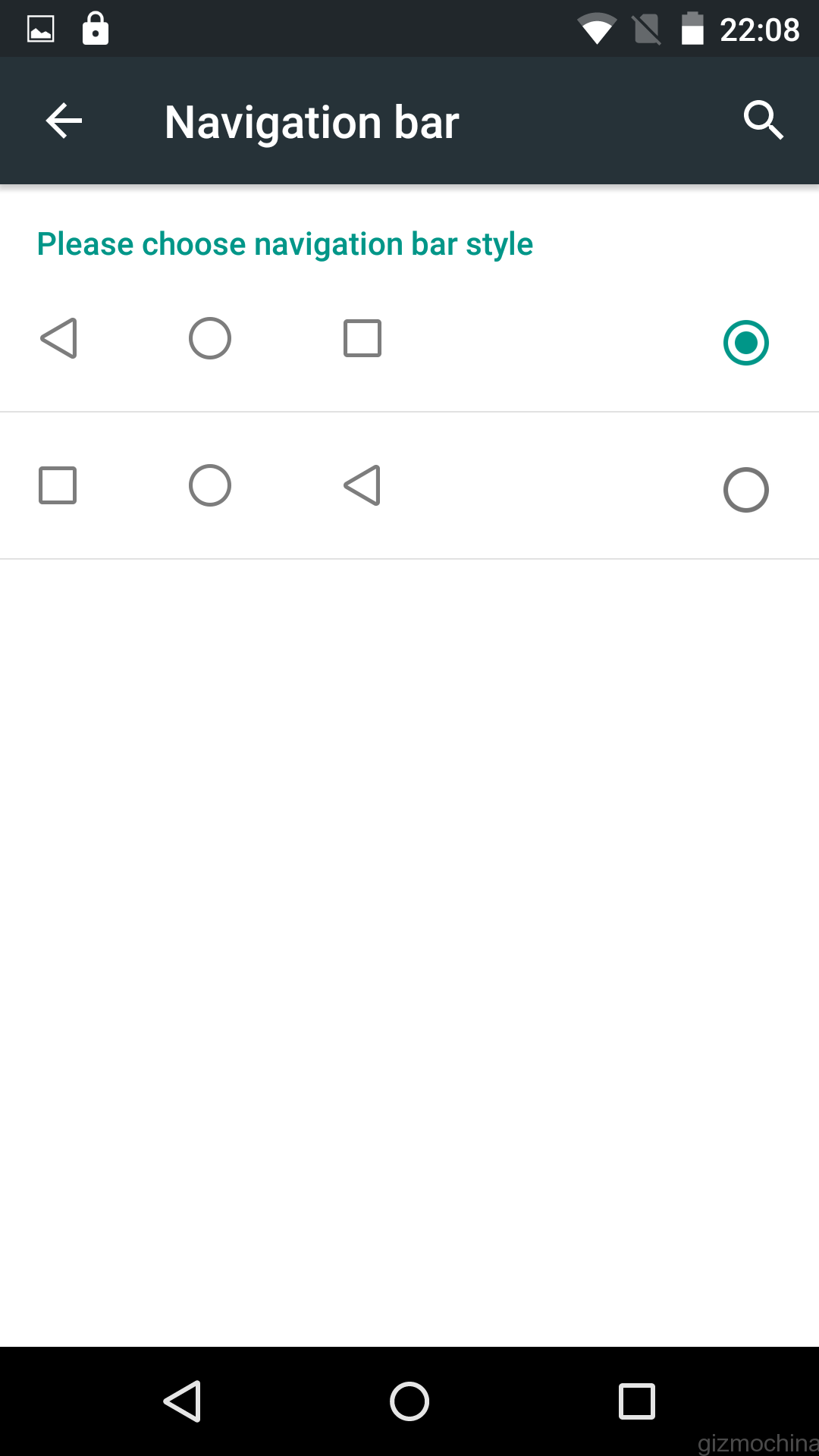
On the bottom you can find capacitive buttons, which can be customised thanks to the latest update (v. 1.4). In addition, Umi says that these navigation keys “will be brought to the hardware part” with the upcoming v. 1.5 update meaning that a user will have a chance either to use software on-screen buttons or capacitive buttons below the screen.
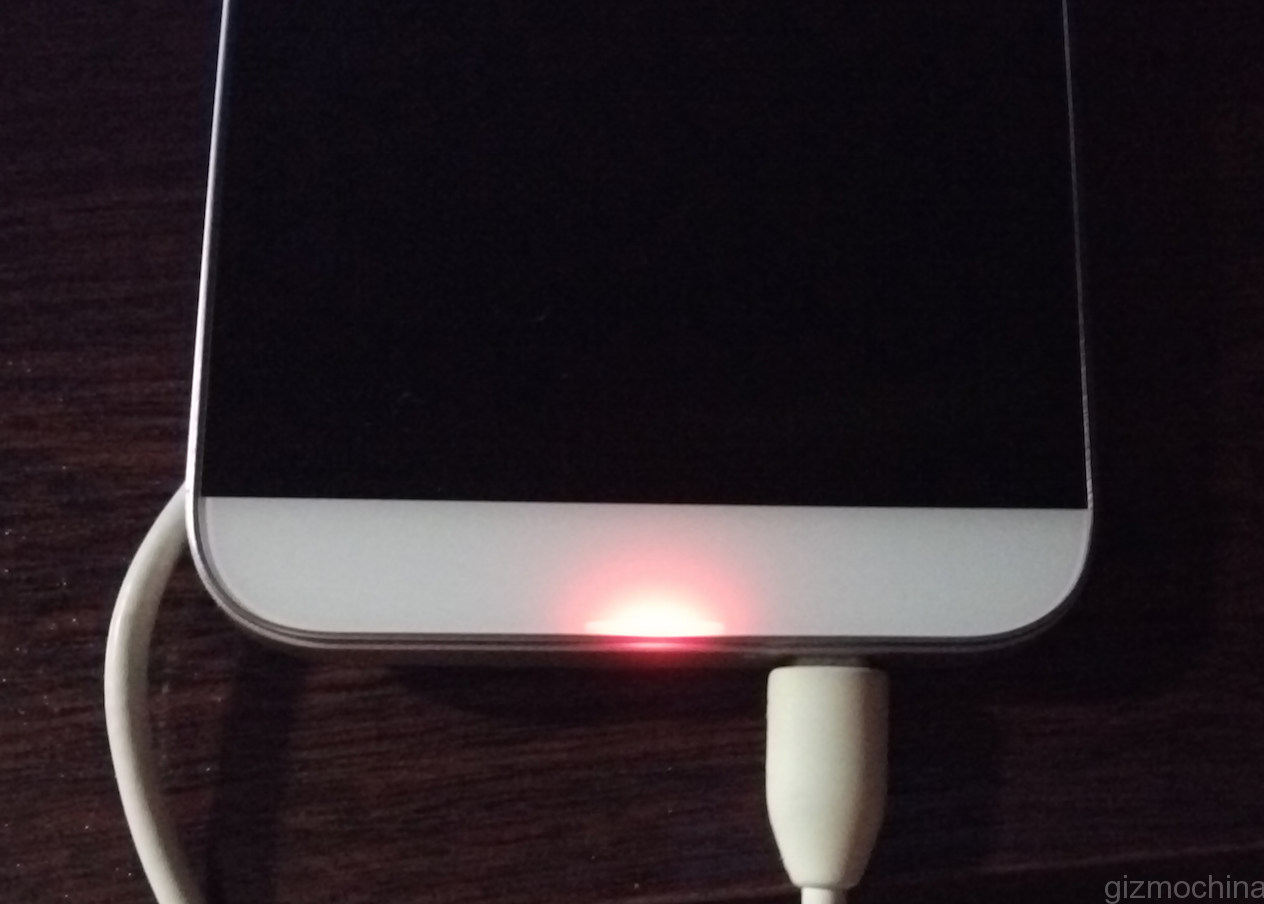
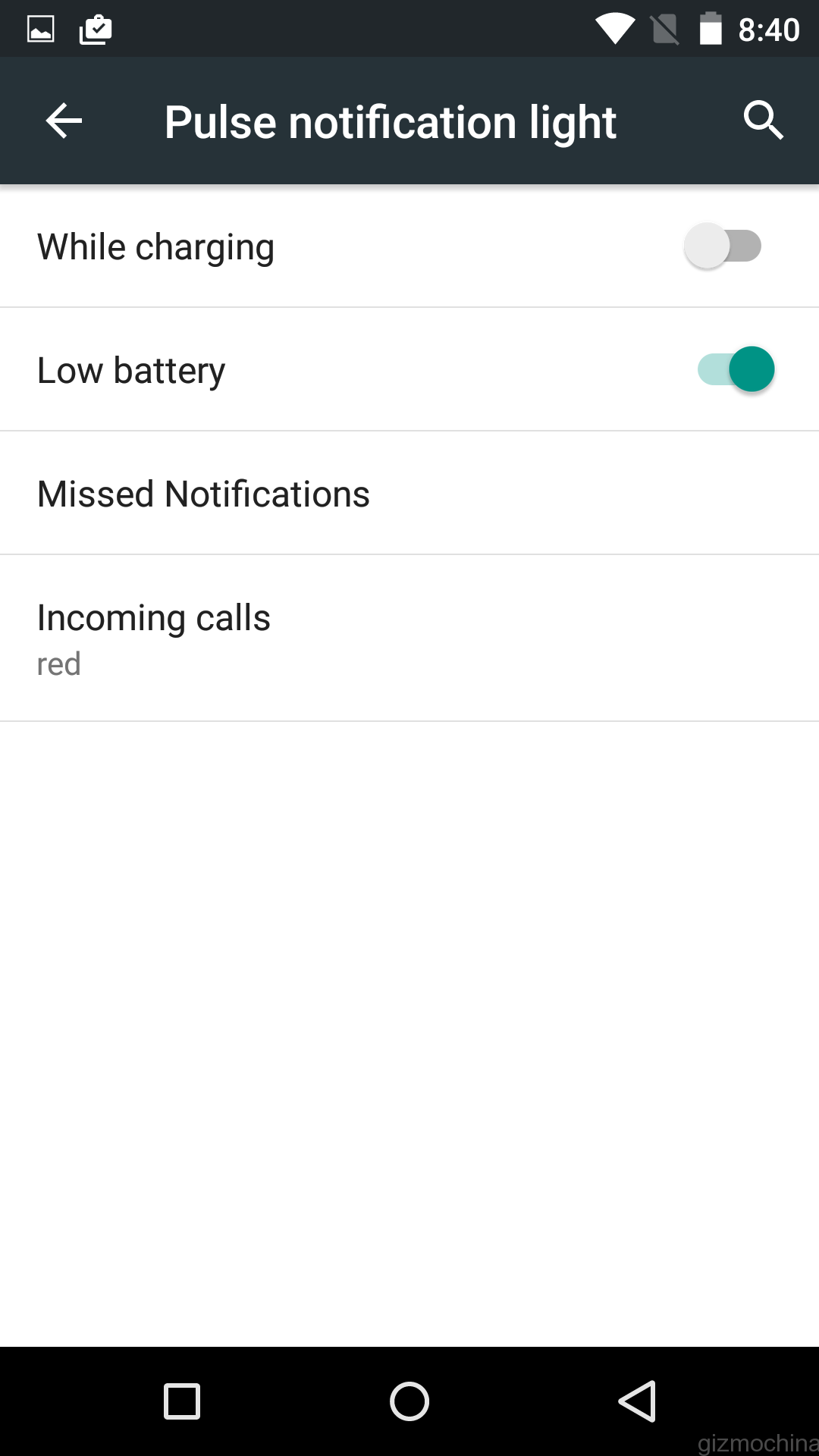
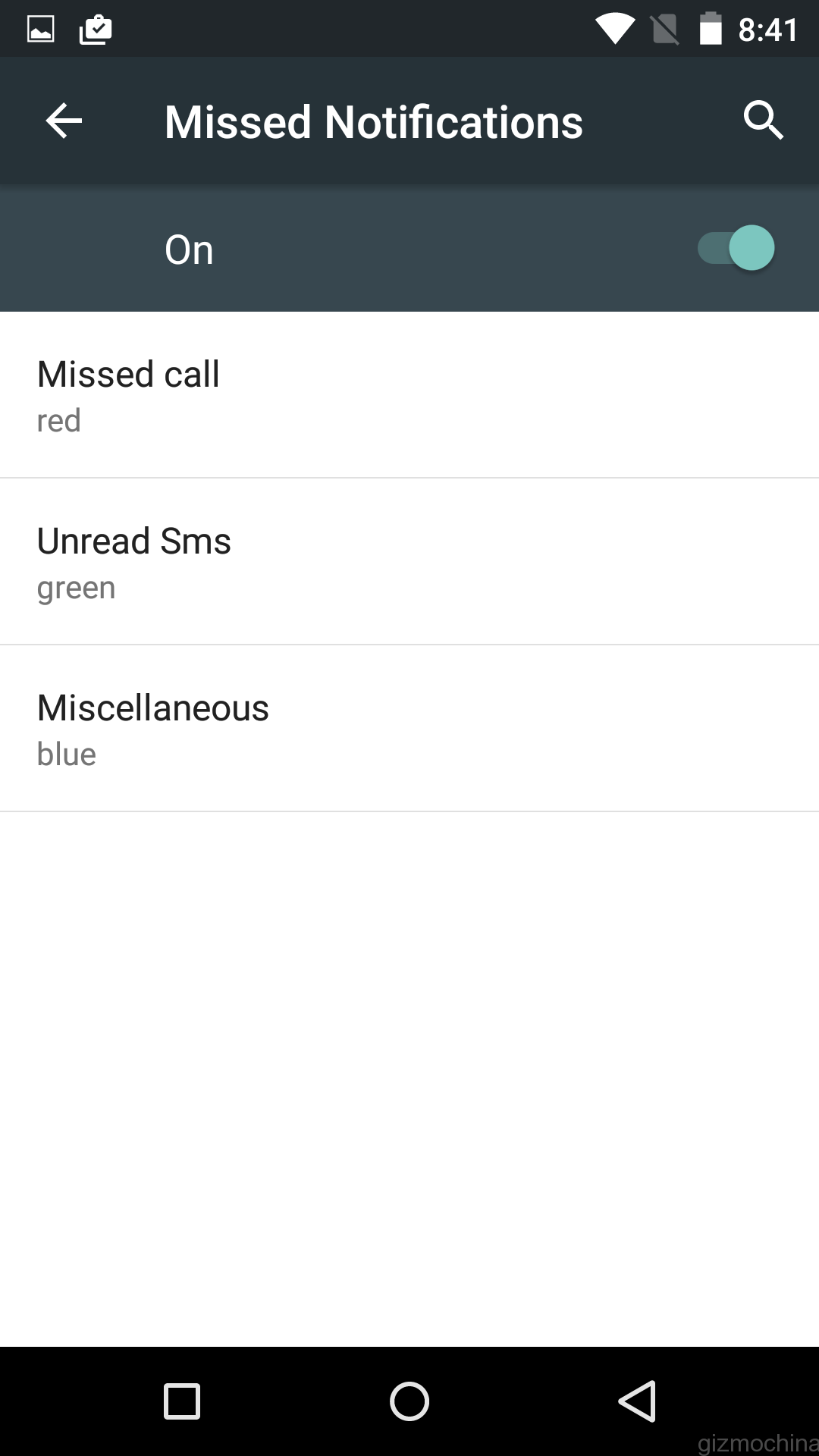
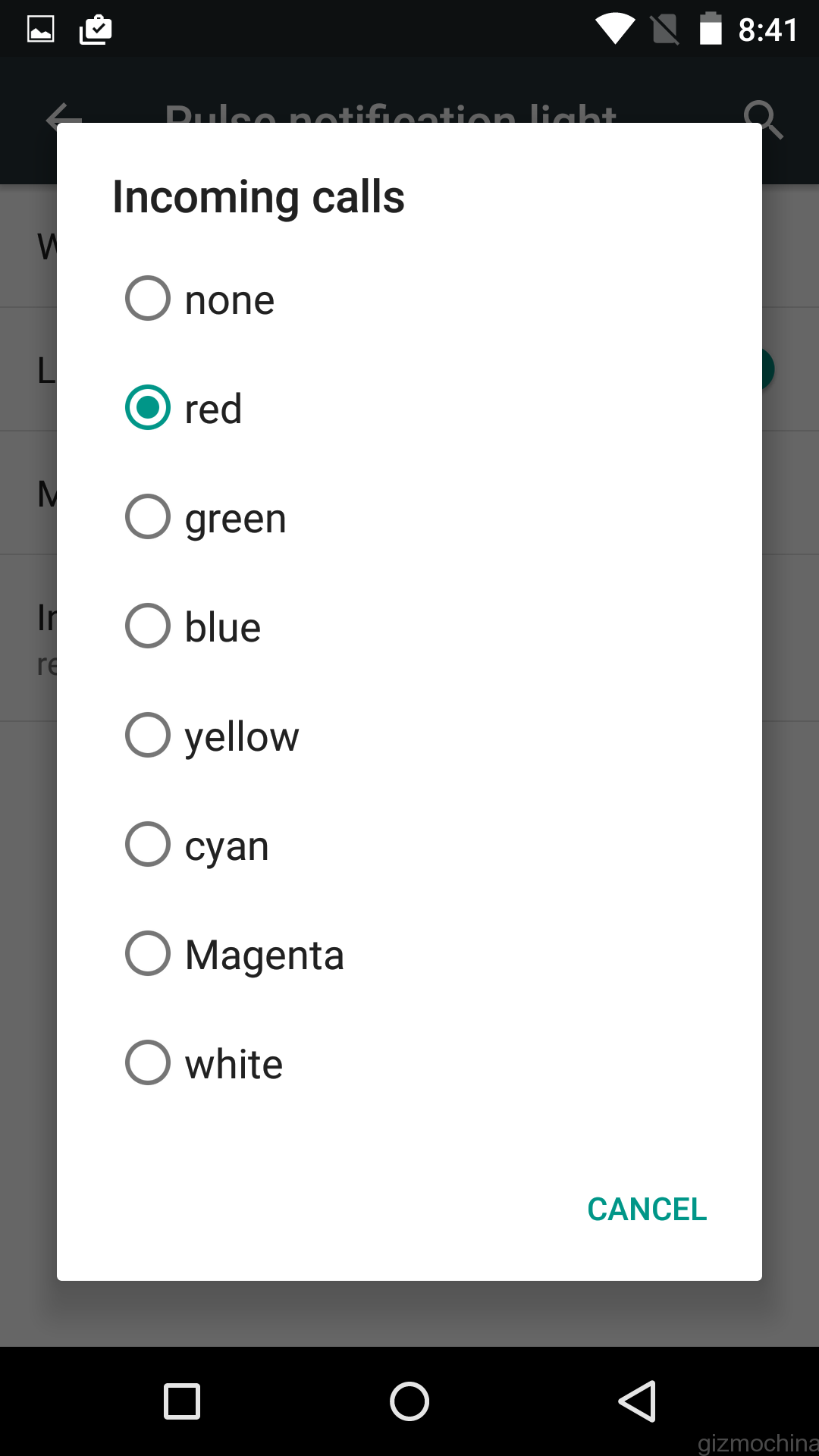
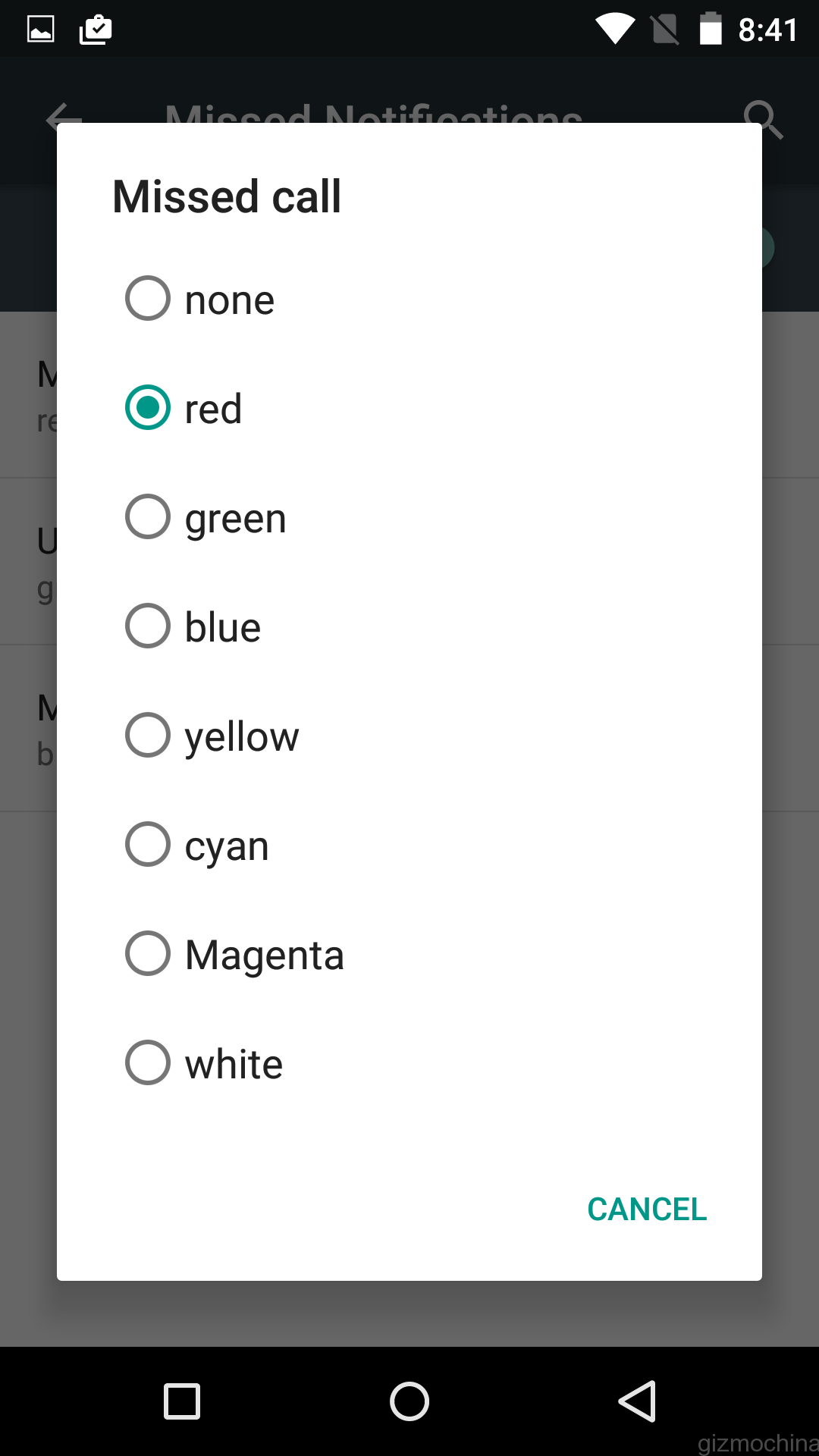
In addition, on the bottom side there is a really nice looking notification LED light, which has a great looking pulsing effect. It flashes green for notifications and red for charging/low battery by default but it can be changed!
The LED has plenty of customisation options, which is a really neat feature if you want you can assign different colours for particular things, you have a lot of colours to choose from. I have to tell that the notification LED really makes the device stand out, as the LED is bright and looks great with it’s pulsing effect.
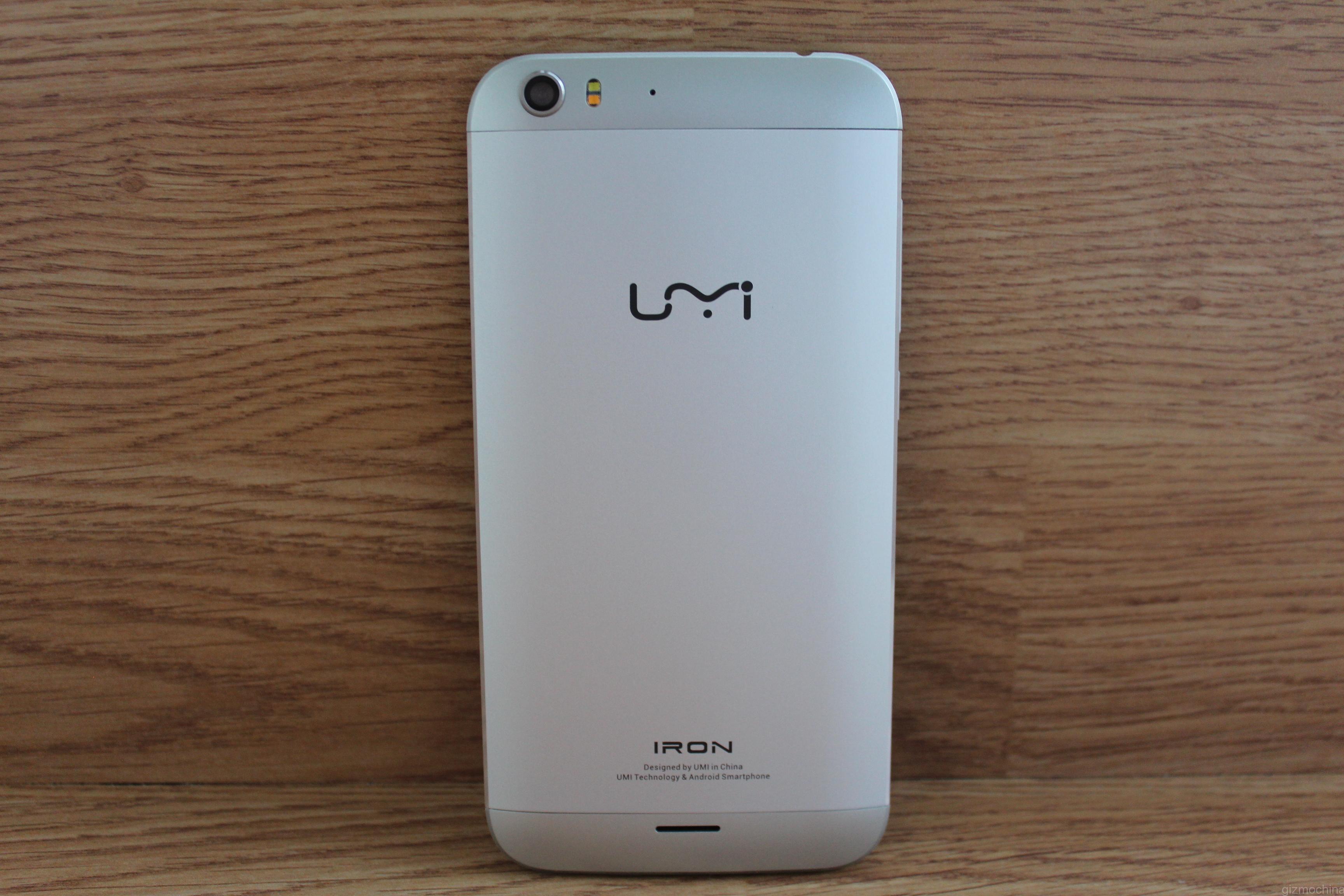
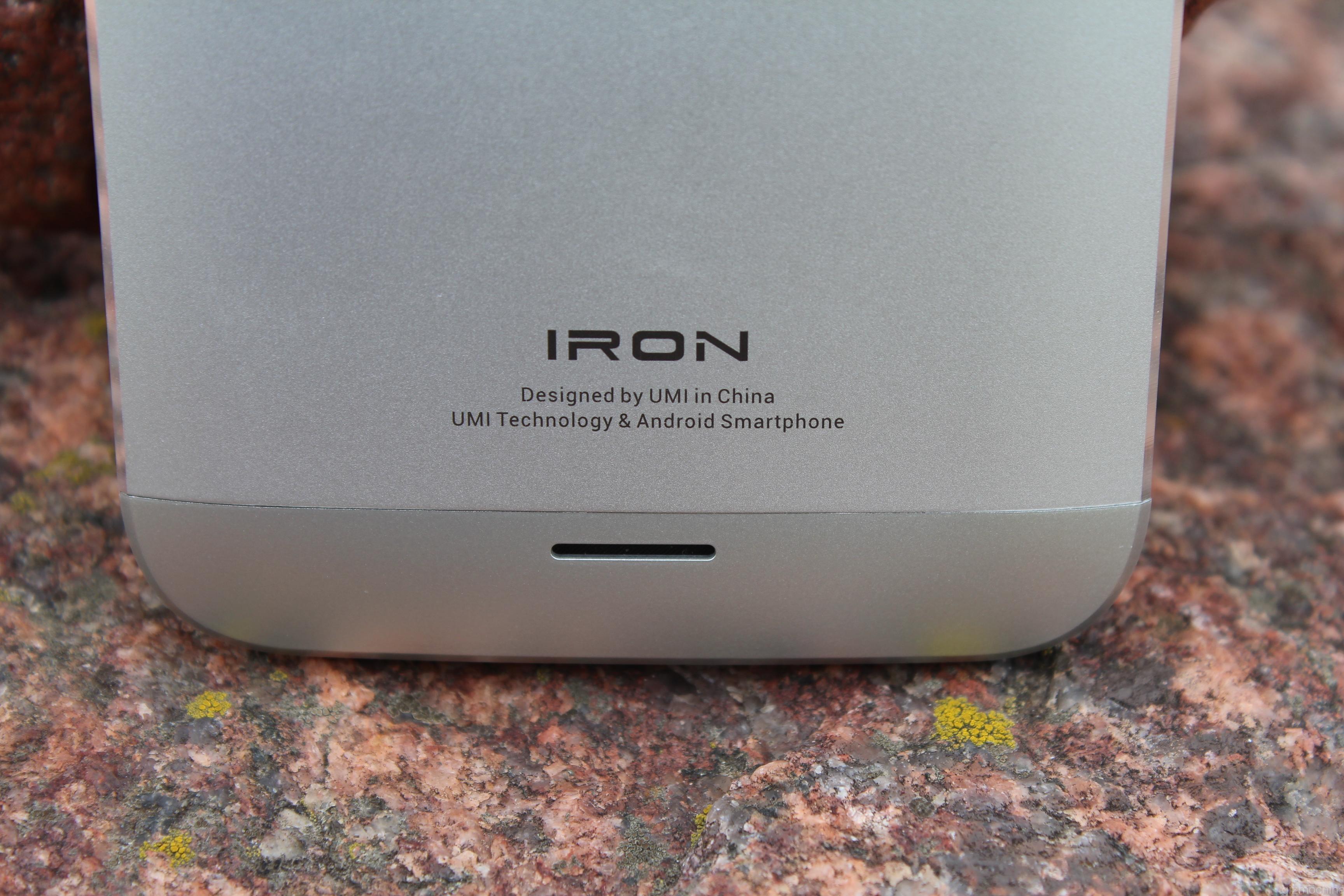
Here is why we call this model Iron as the back plate is made out of metal. It definitely feels like a high quality material and adds a bit of a premium look and feel. Also, it feels great in the hand (I may be subjective as I just love metal phones).
However, the top and bottom parts are made out of plastic as this is the solution Umi chose to implement to get a normal antenna reception.
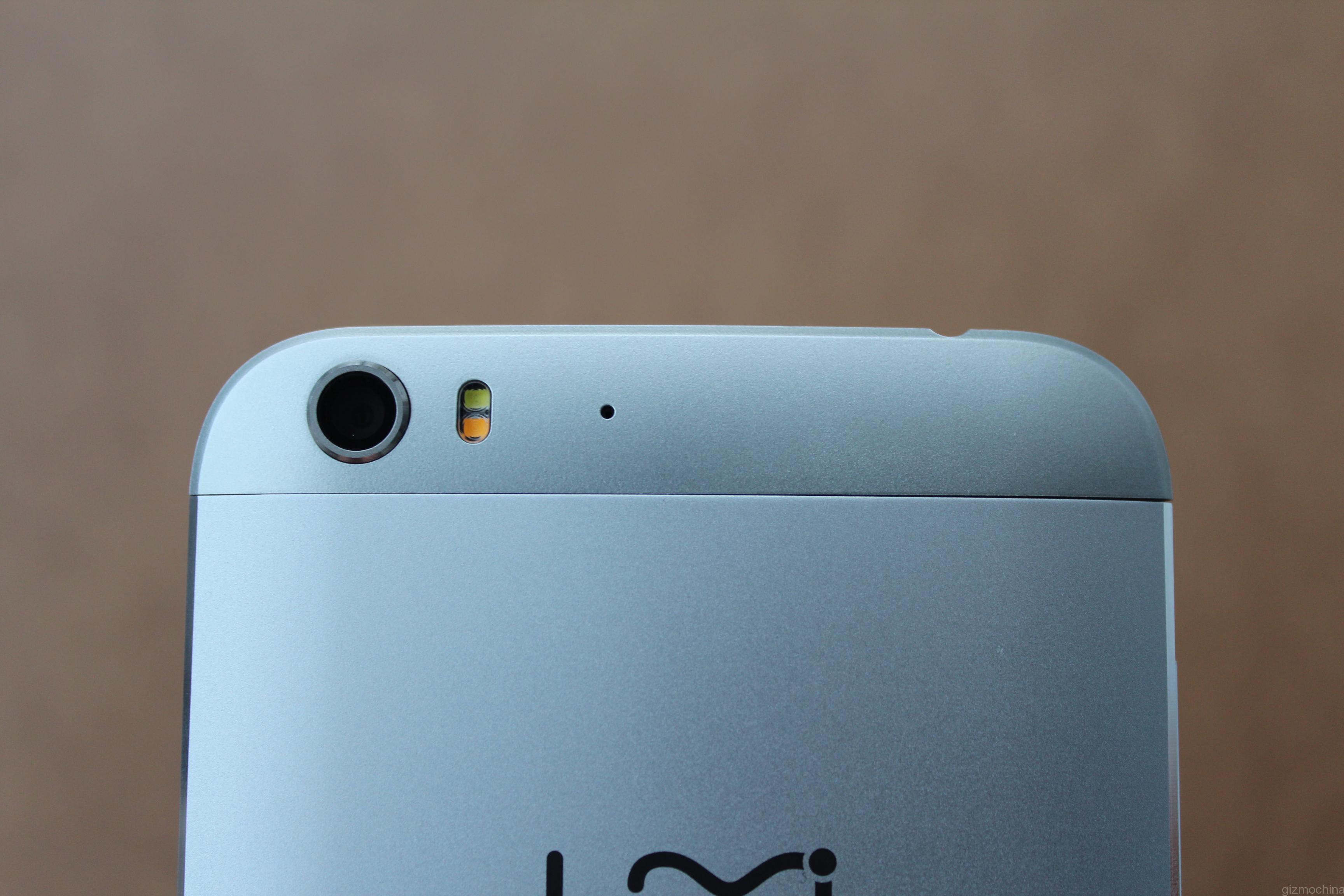
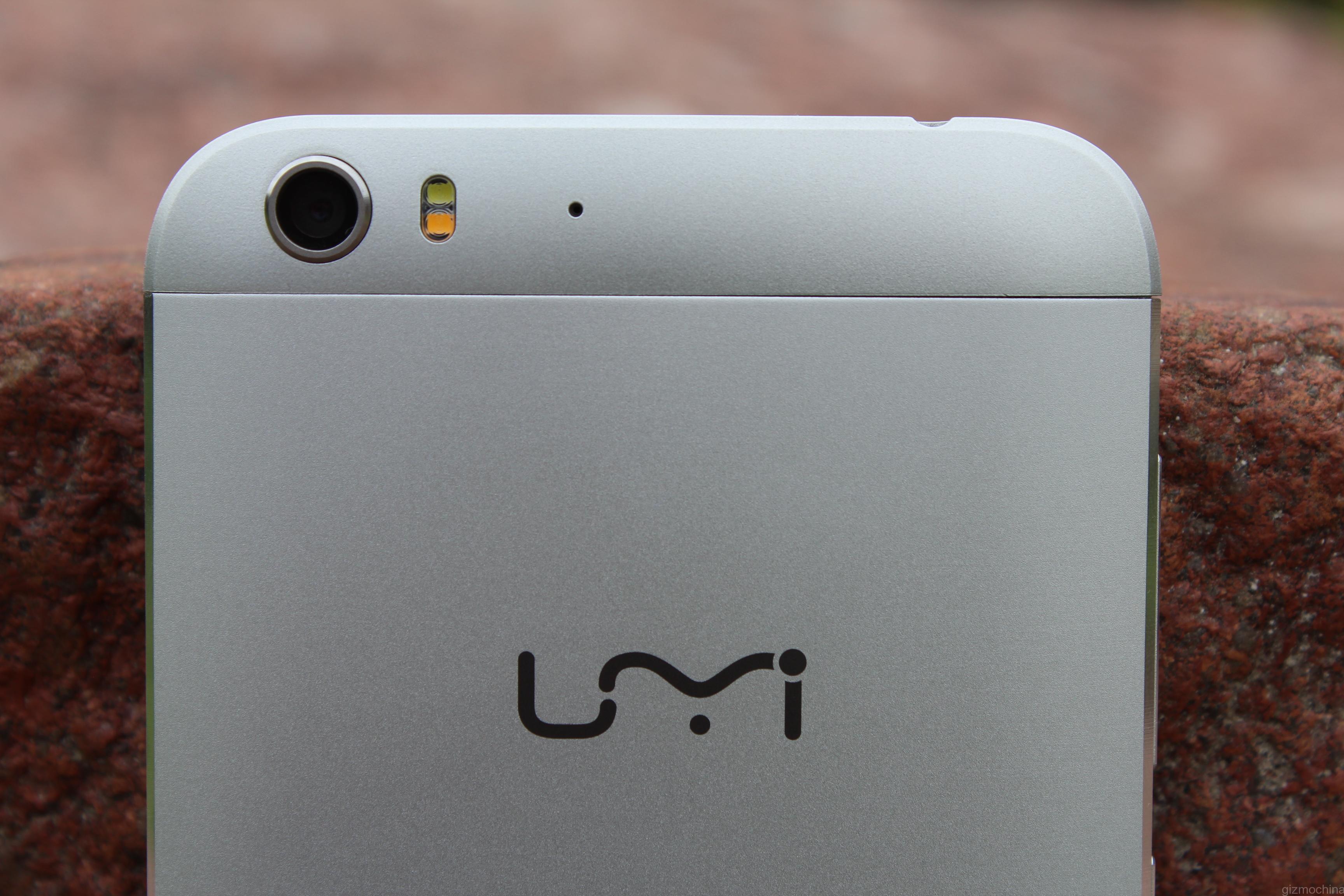
On the top side there is a 13MP Sony IMX214 shooter along with dual tone dual LED flash and a noise cancelling mic. It is worth mentioning that the camera lens are surrounded by a quality stainless steel ring.
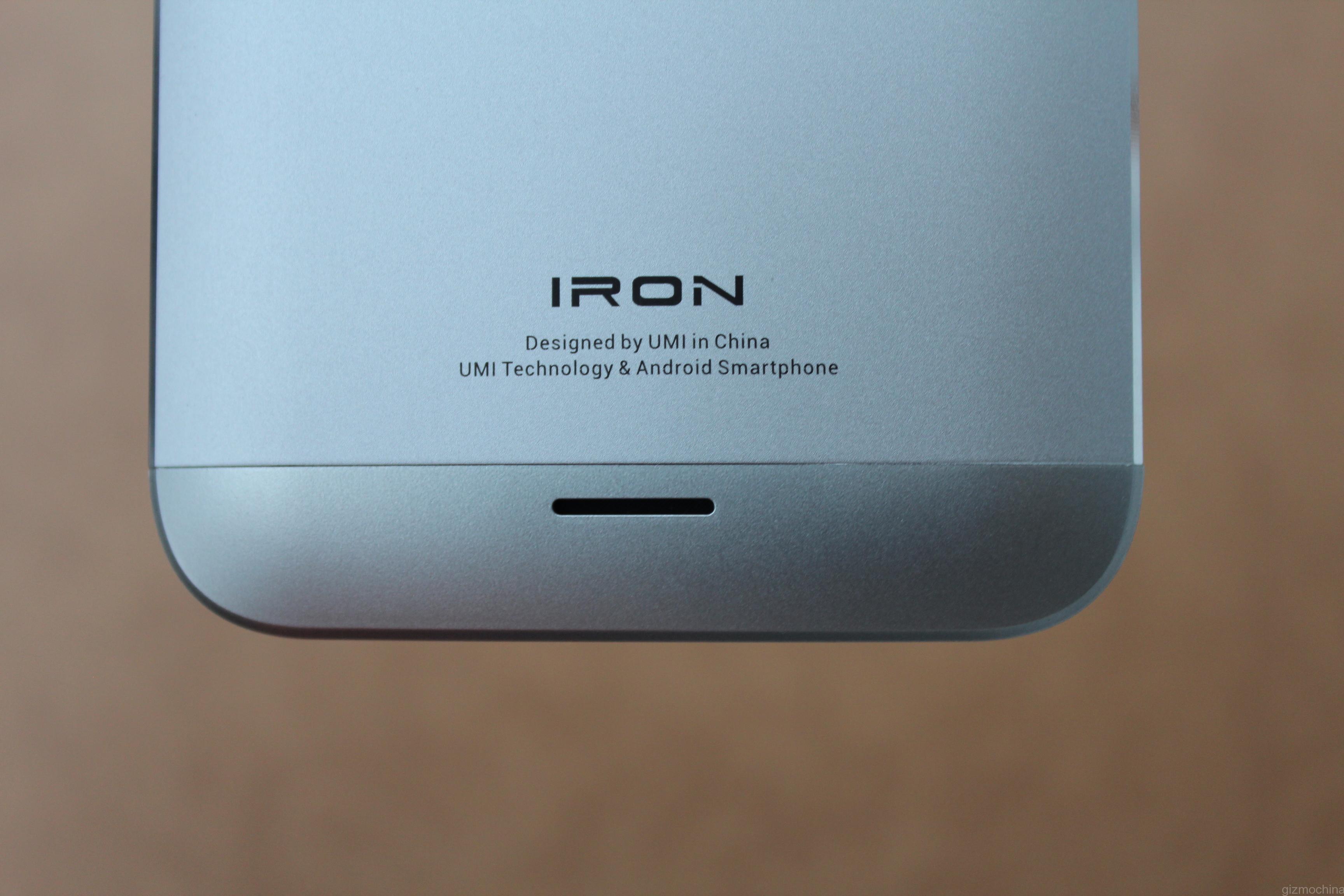
On the bottom side there is an UMI logo along with the loudspeaker.
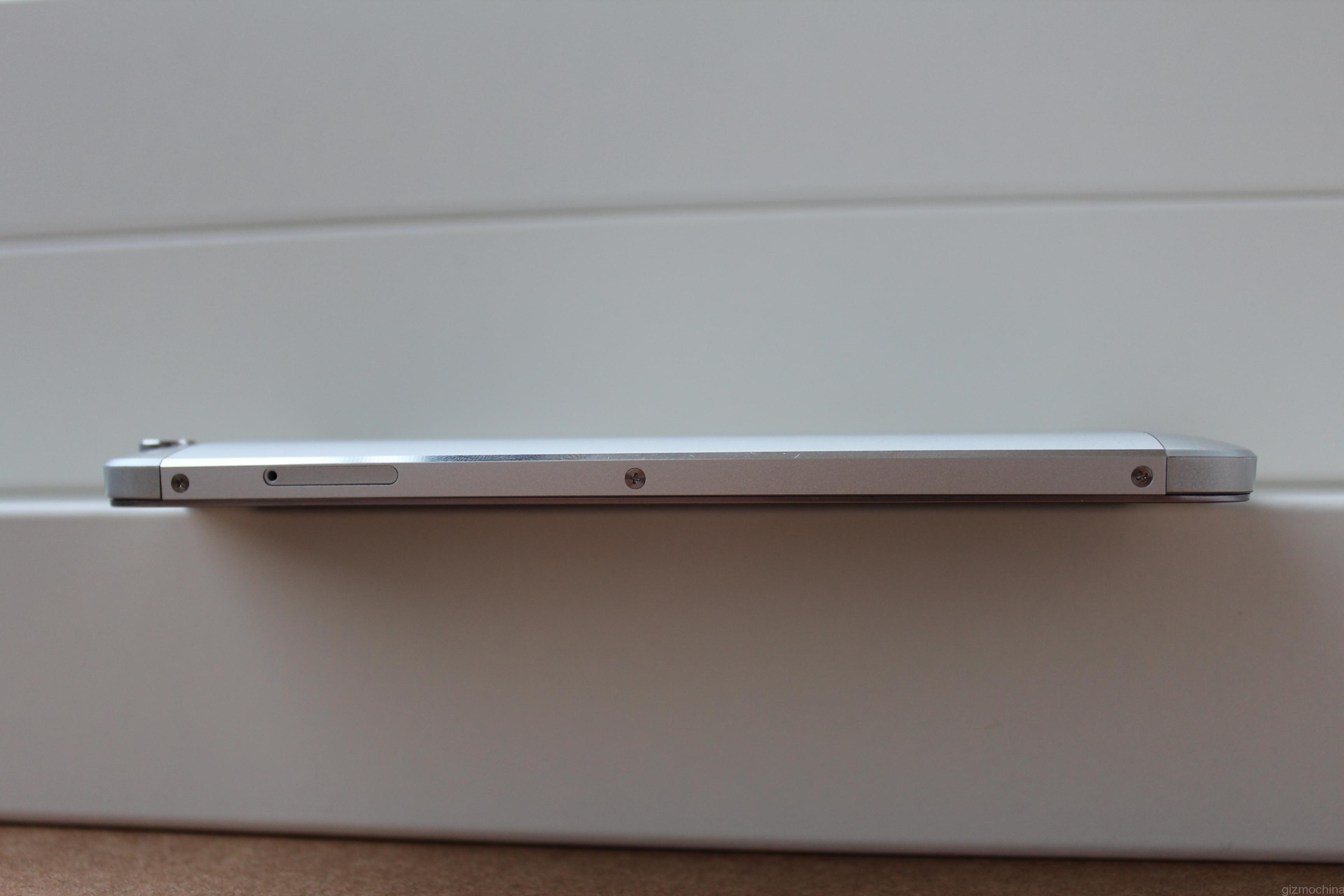
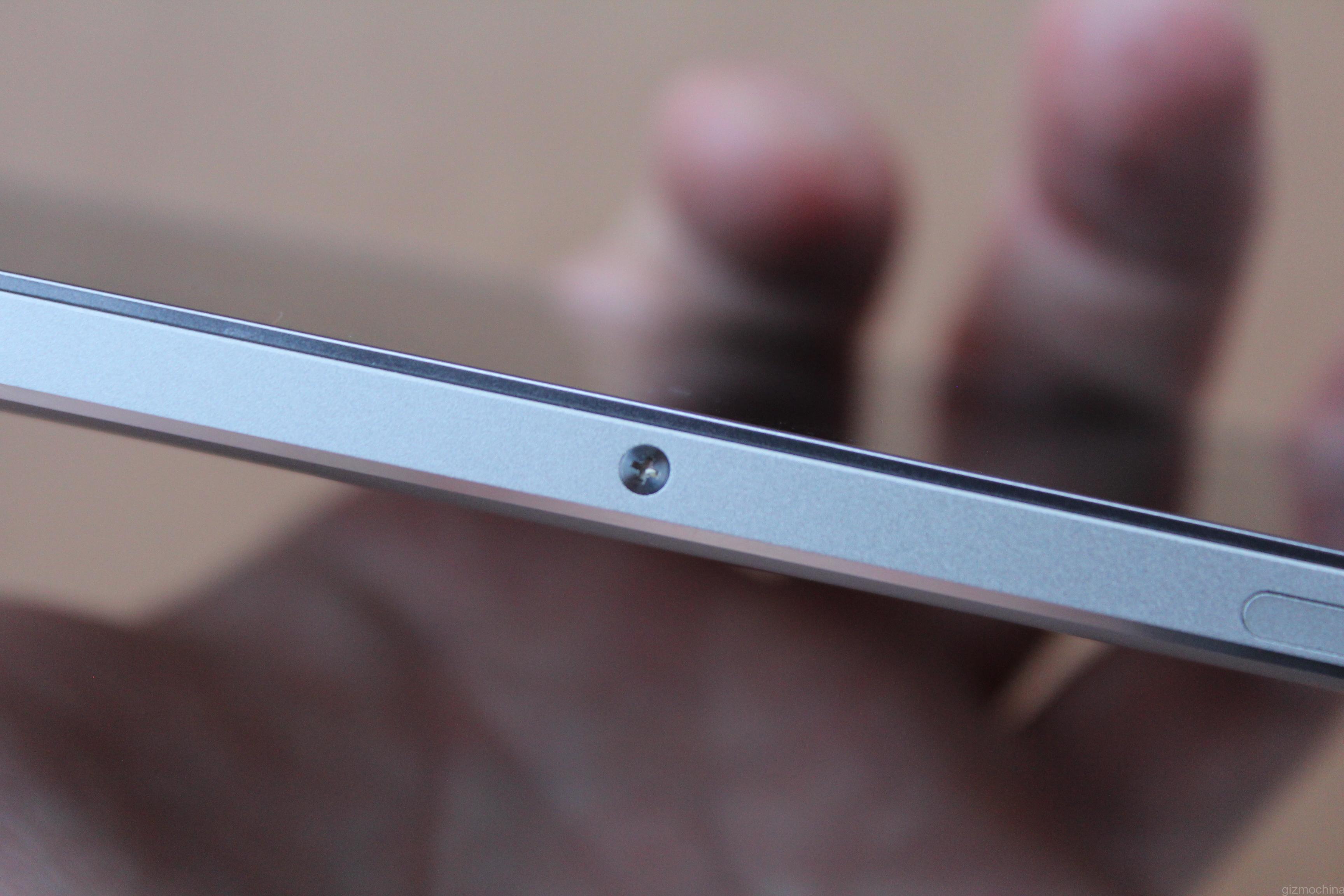
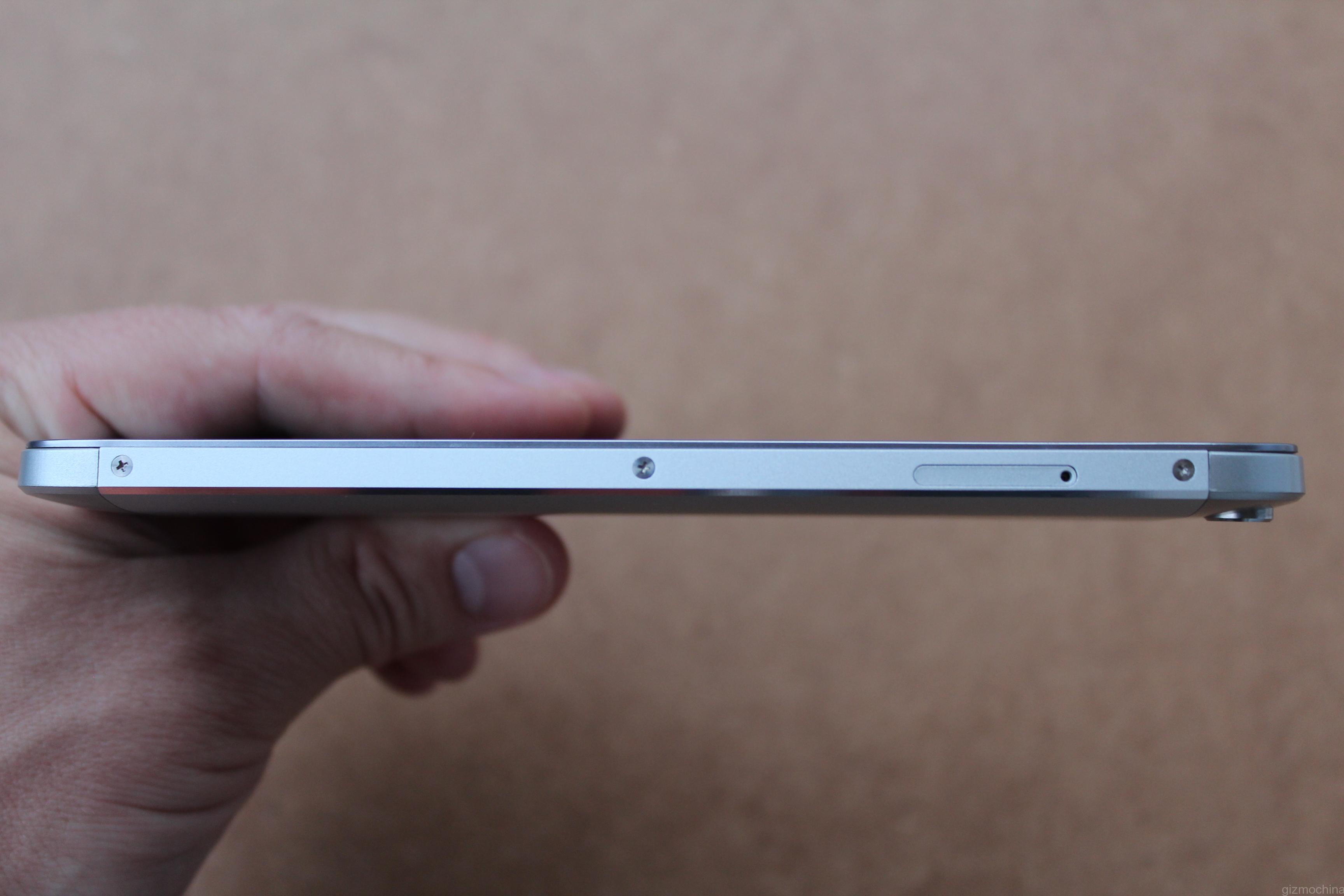
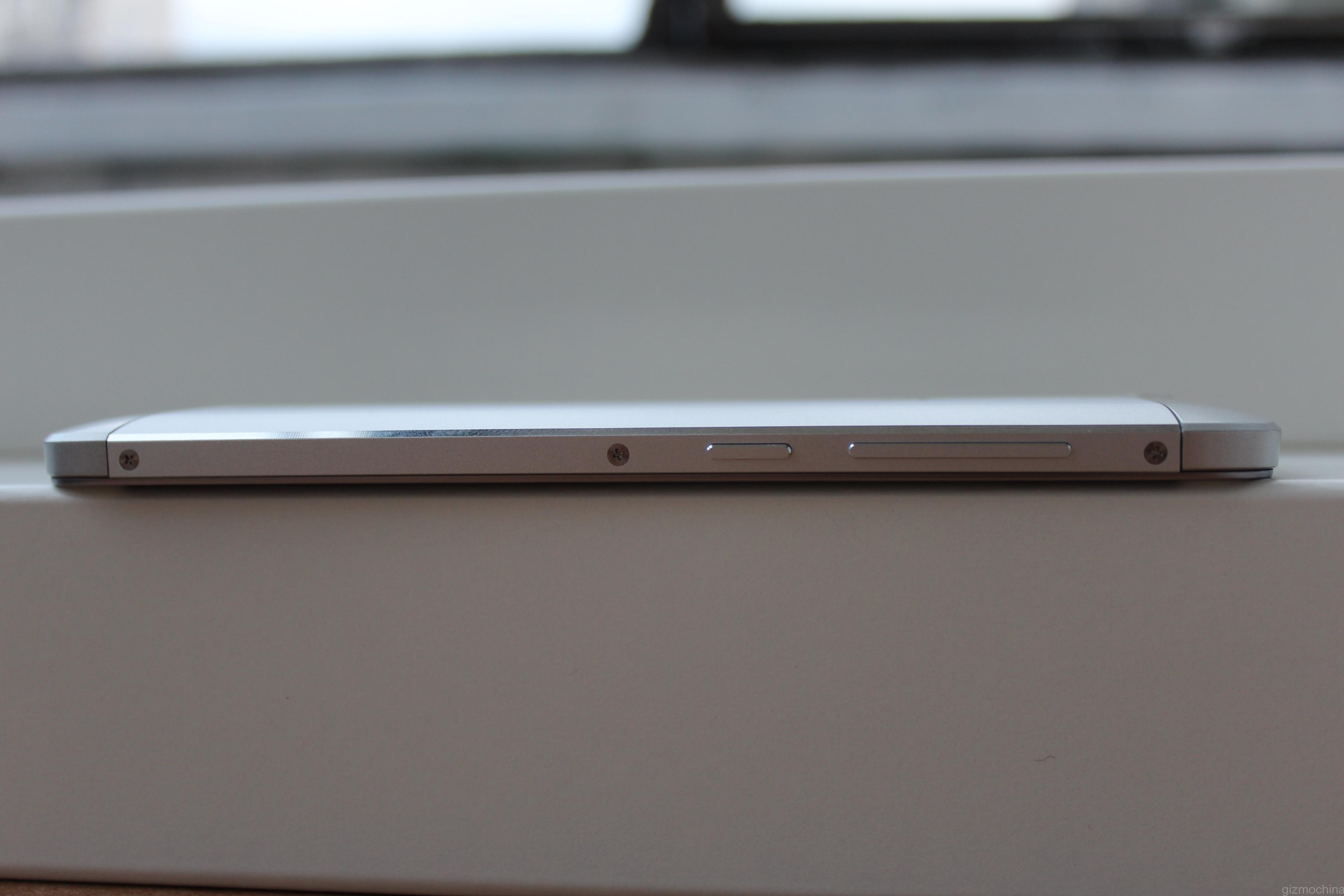
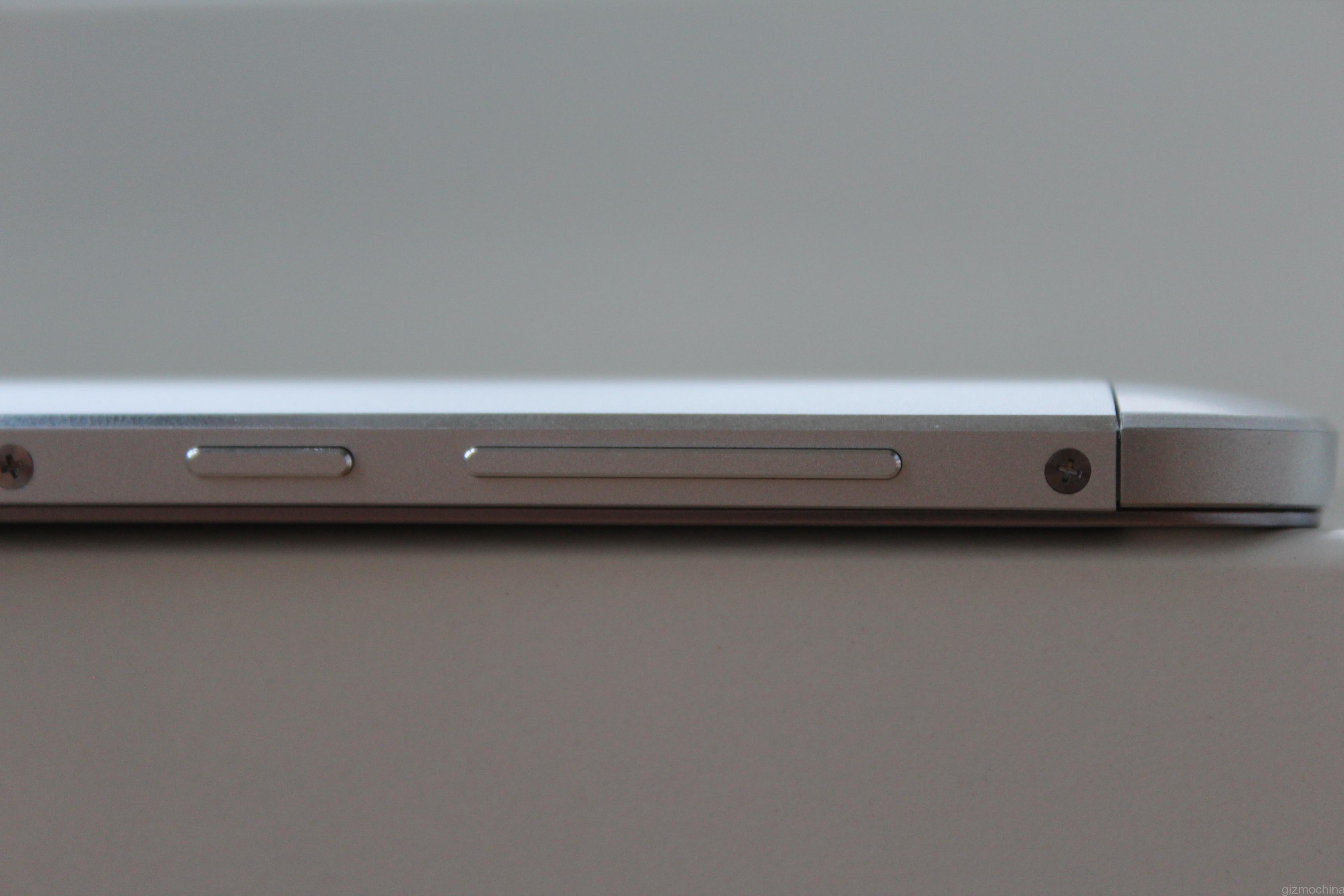
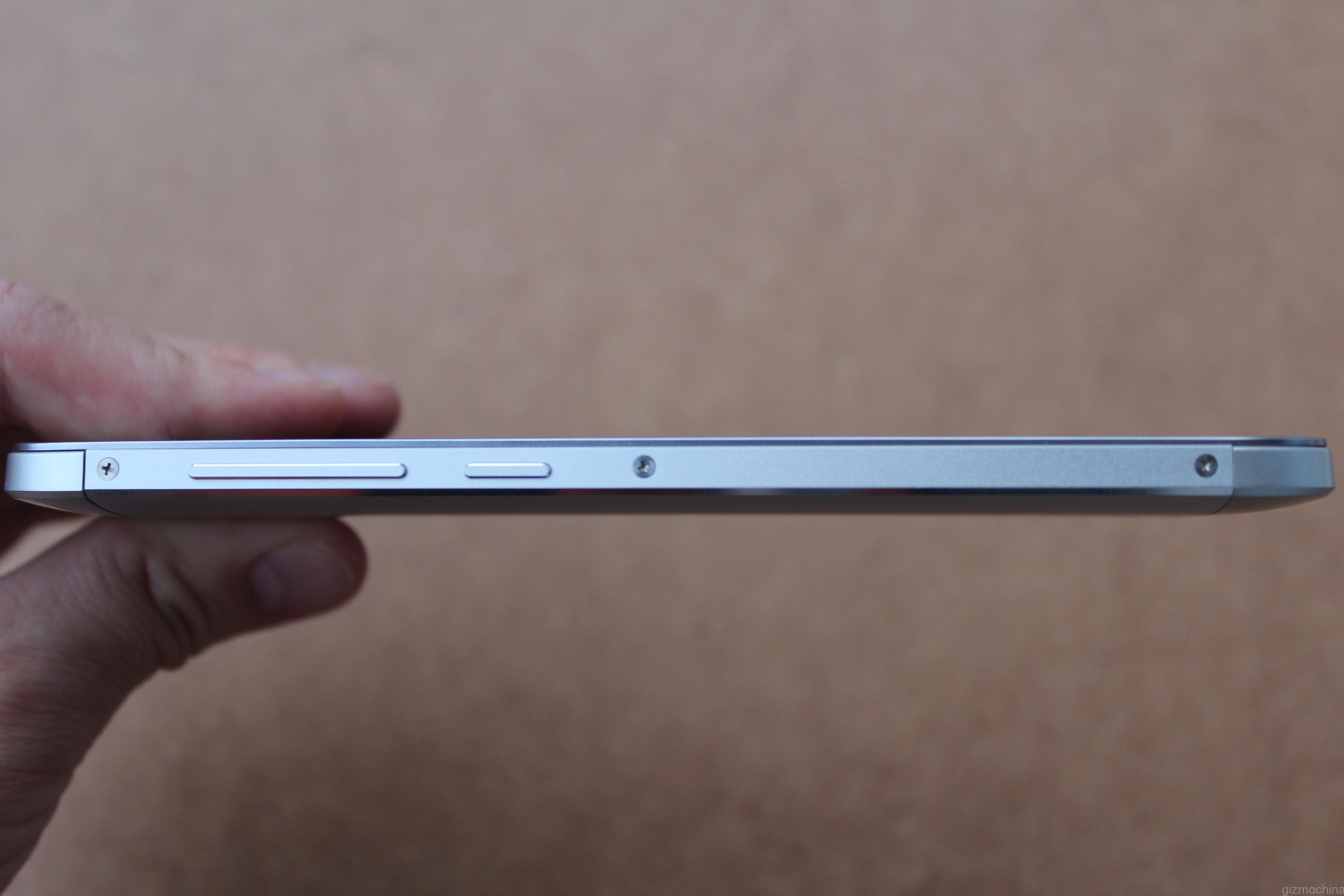
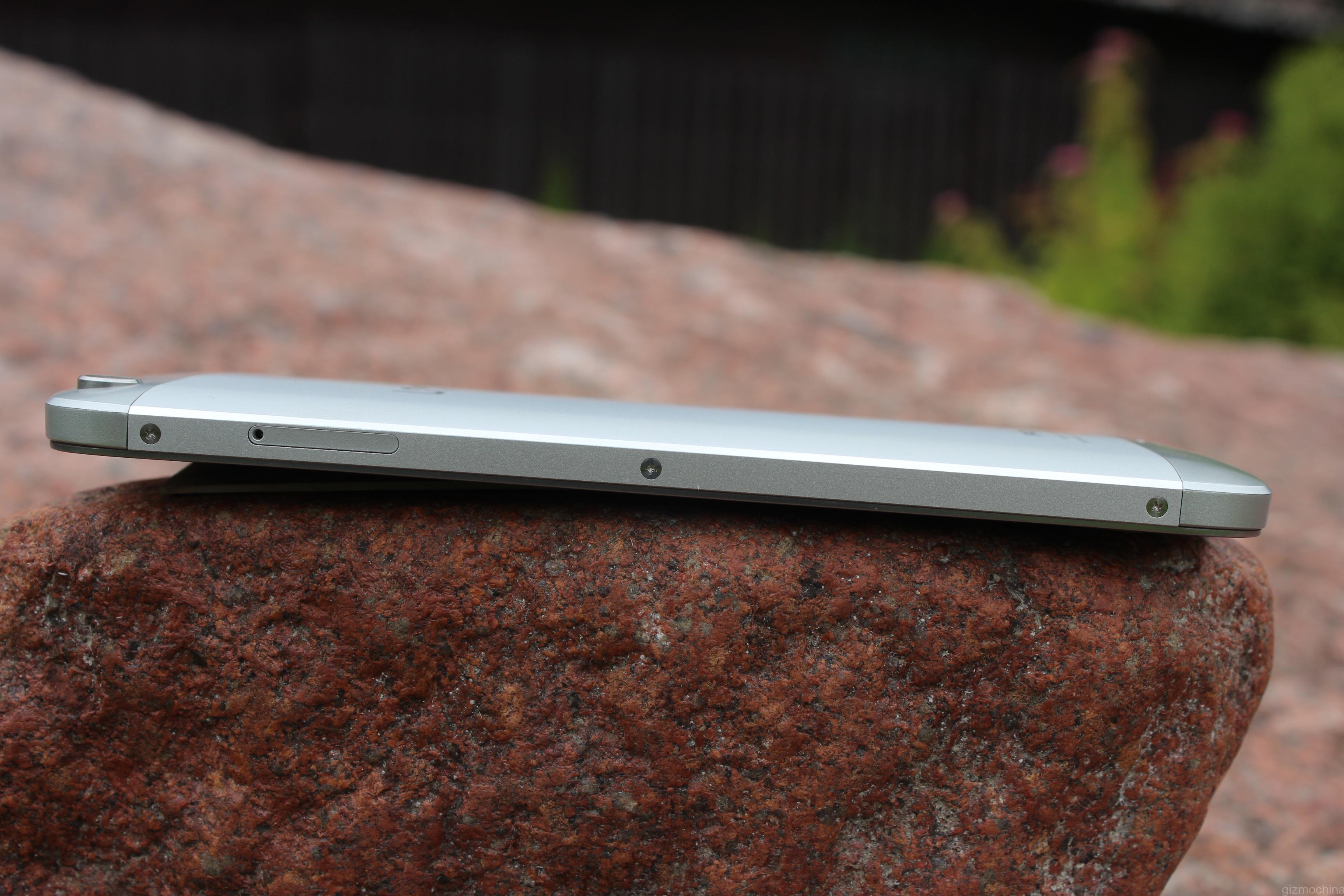
The metal shell continues around to the sides of the device and is secured to the rest of the body with visible screws, which also provides a nice looking industrial design.
In addition, you can find a dual nano SIM card/microSD card (up to 64GB) slot , which you have to open up with a pin.
On the left side you can find a power on/off switch along with a volume rocker made of metal.
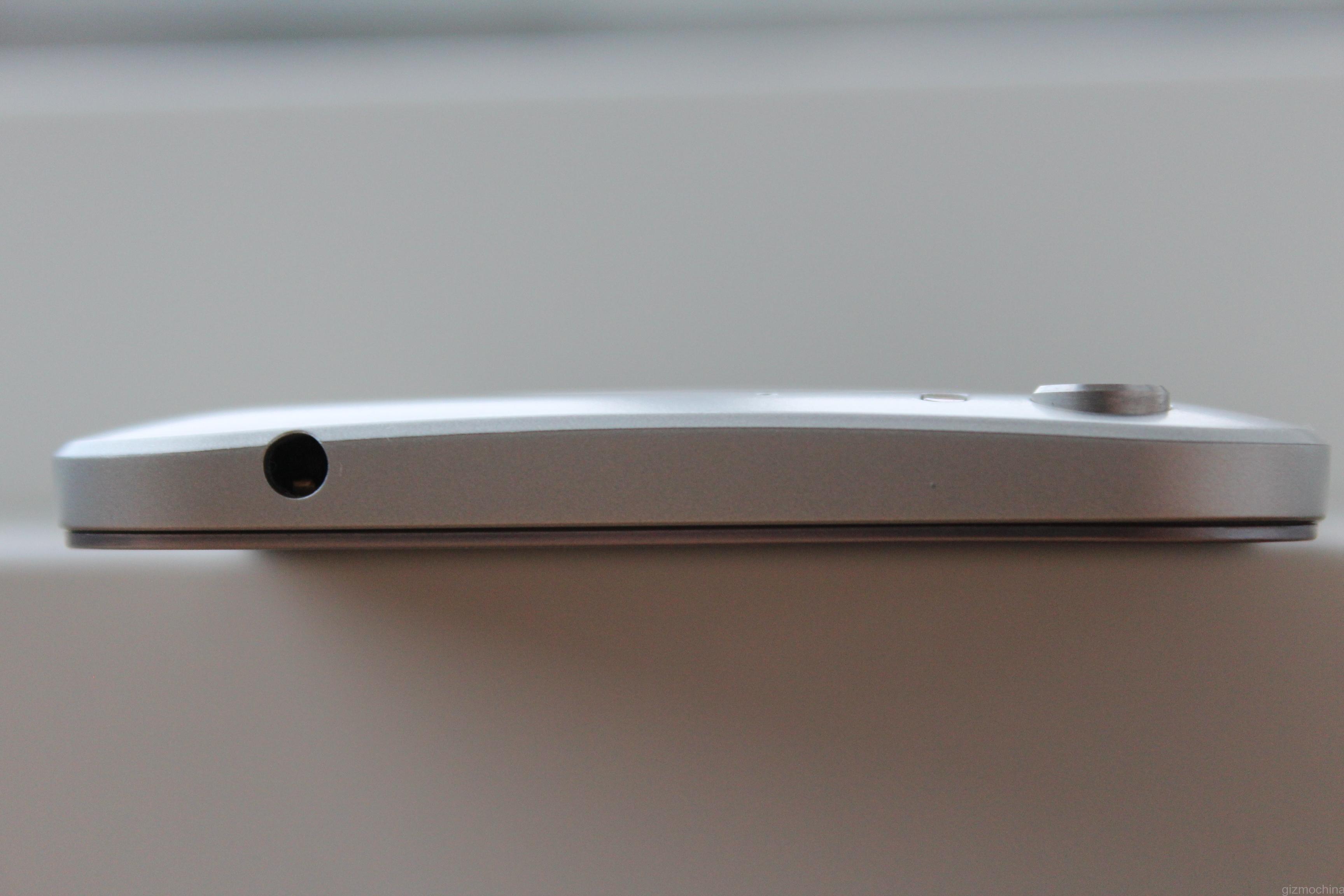
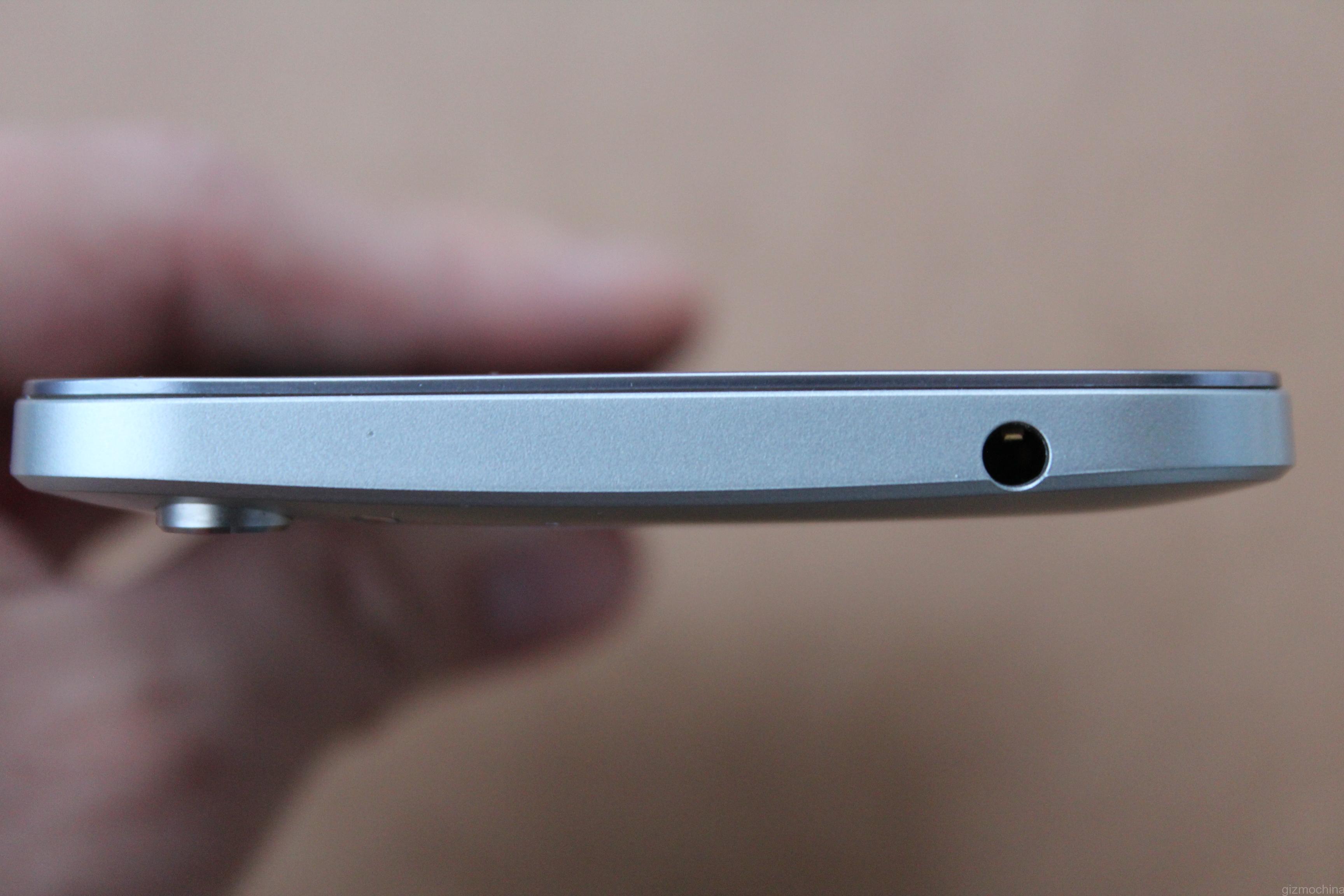
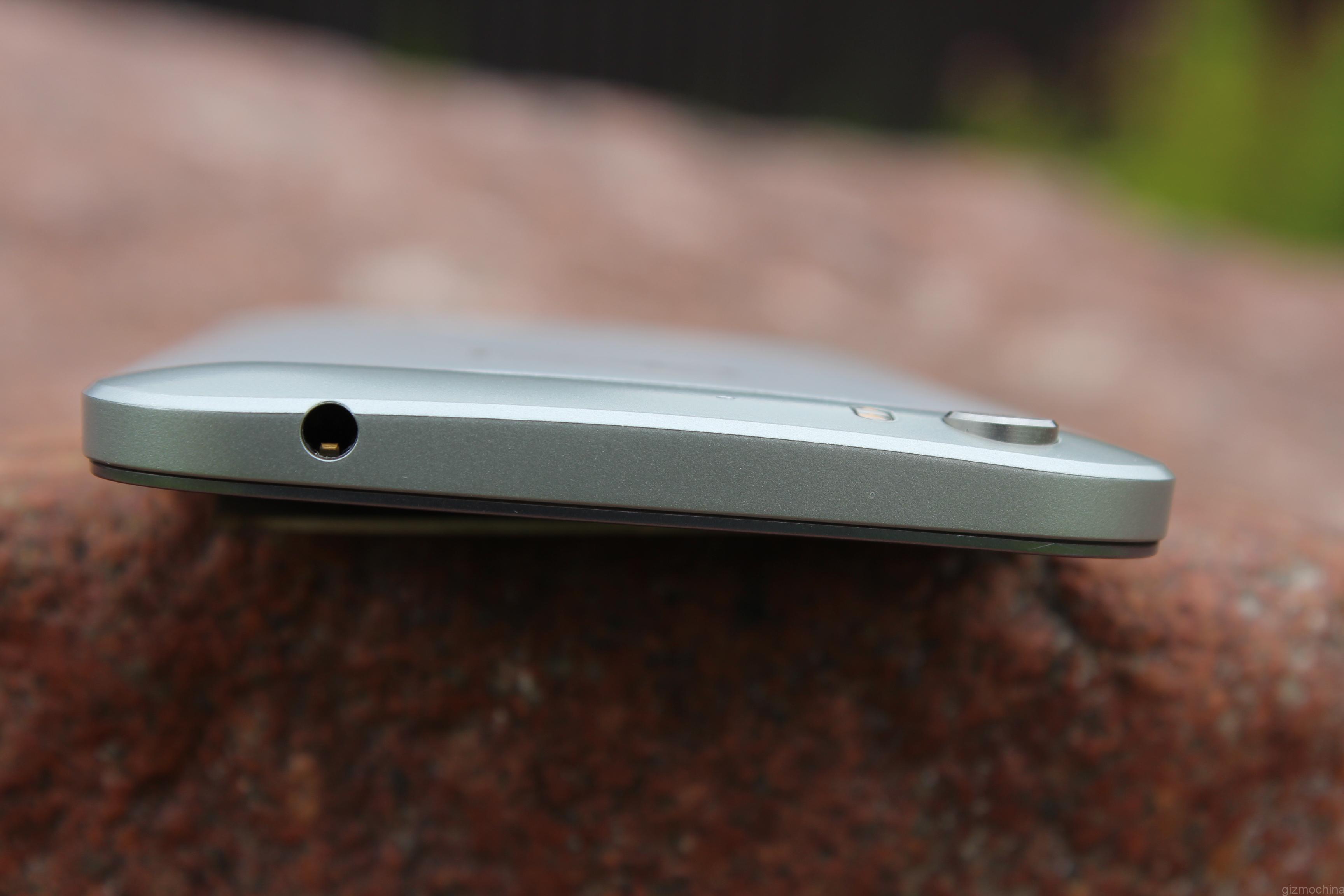
On the top side there is just a headset jack.
Finally, on the bottom you can find a micro USB charging port along with the main microphone.
Umi Iron Review: UI
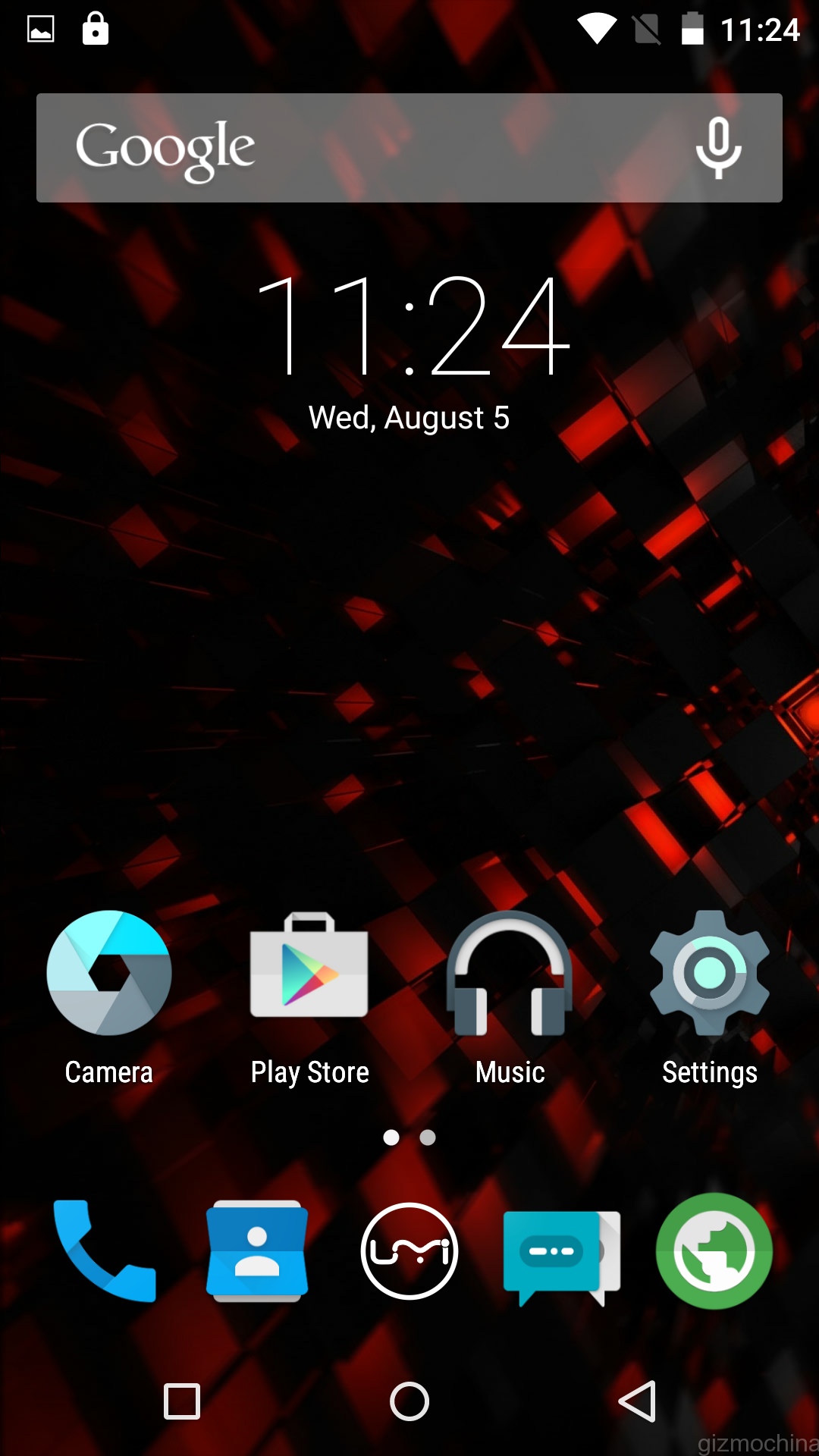
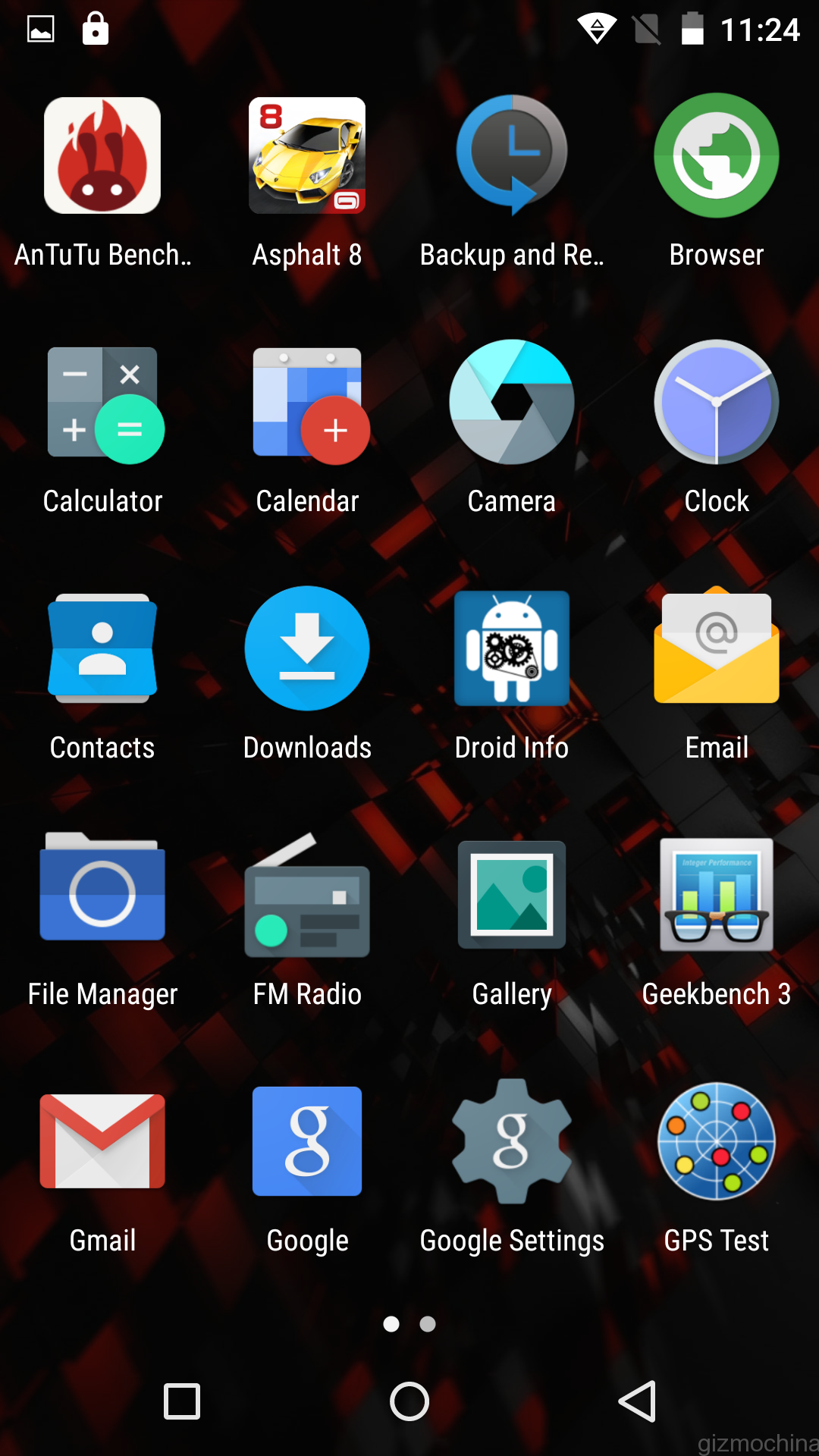
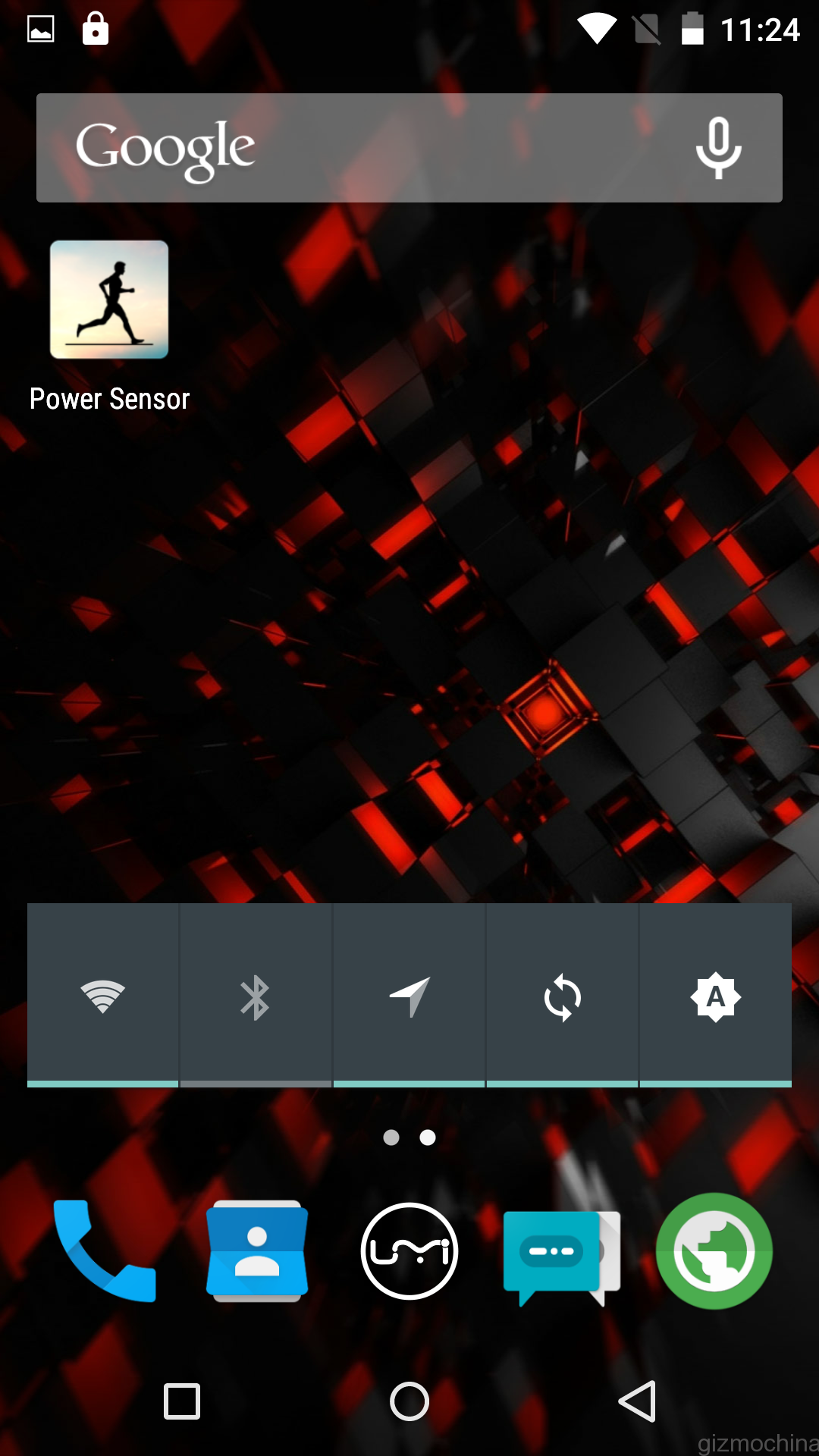
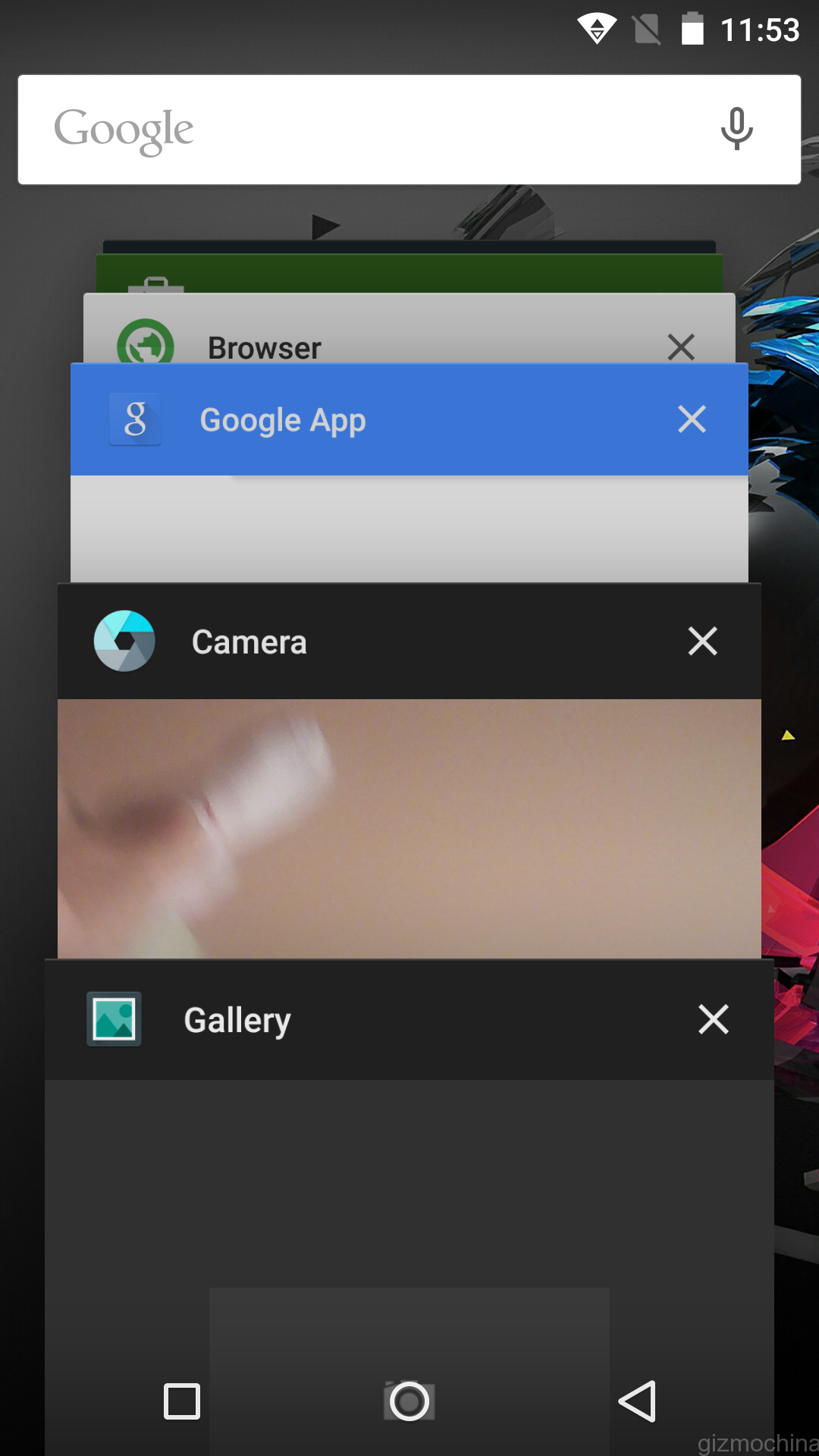
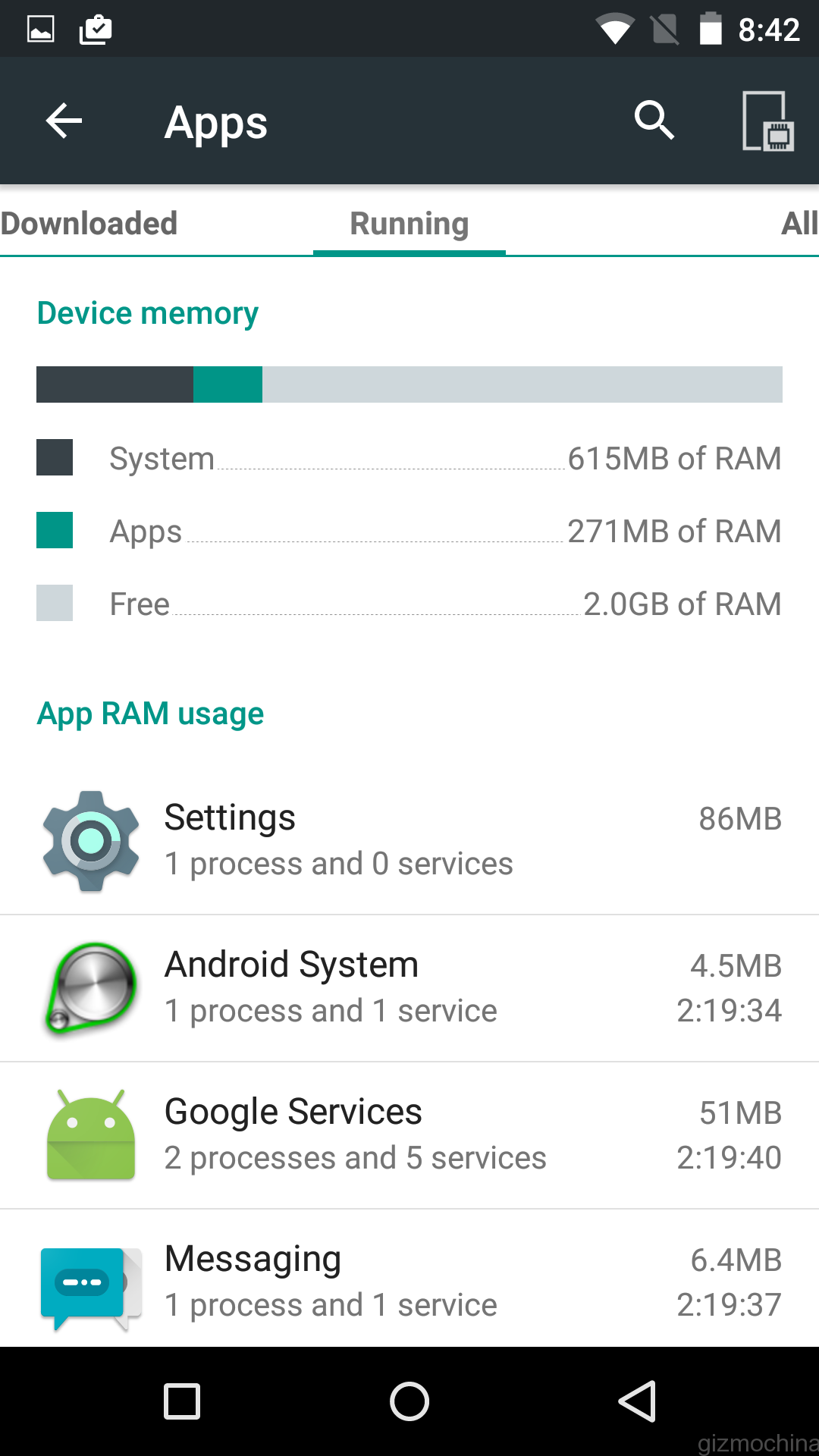
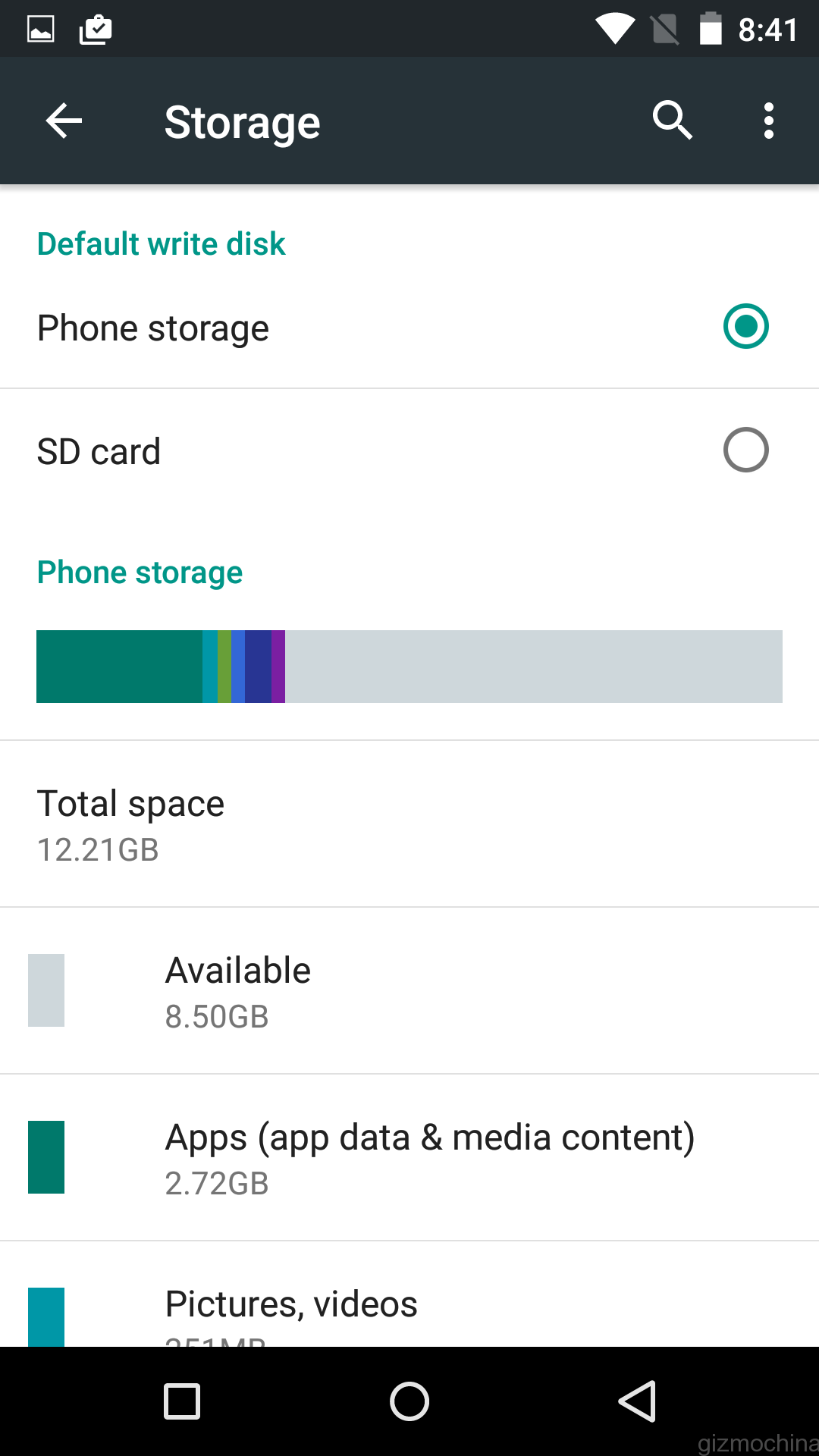
Umi Iron runs Android 5.1 with a light Umi skin on top of it out of the box. The experience of using this device for a few weeks has so far been good. I didn’t have any lags or hiccups if I was doing non-demanding stuff, e.g. browsing the web, Facebook, Youtube etc.
1 of 6
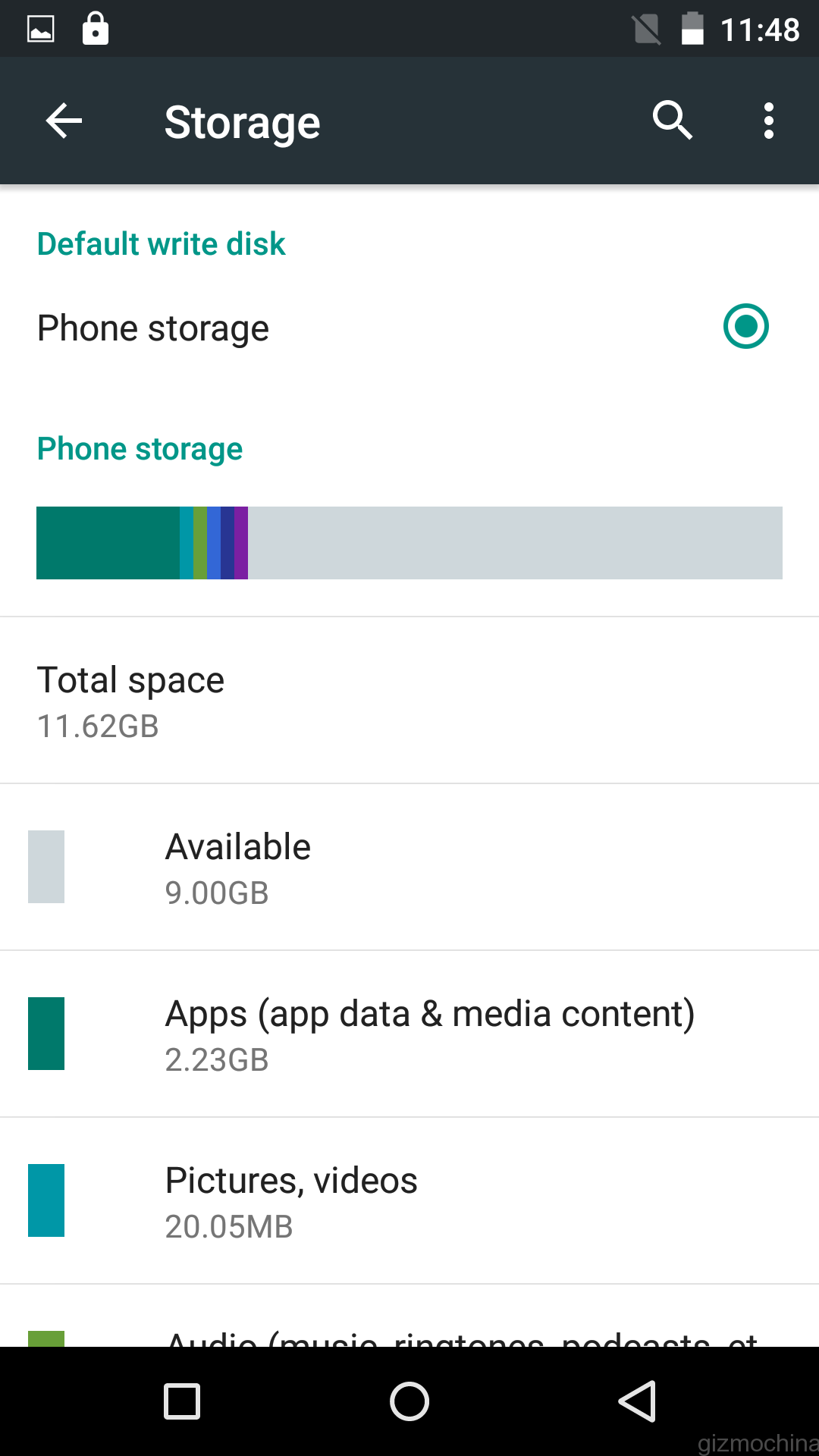
In addition, all the apps are opening up and closing fast, transitions are smooth and I have no major complaints. After the latest software update the user available storage was increased a bit. Also, Umi updated the quick access notification and right now it can be pulled down from any part of the screen (not only the top). Finally, the quick access menu was updated with “end all tasks” button.
1 of 9
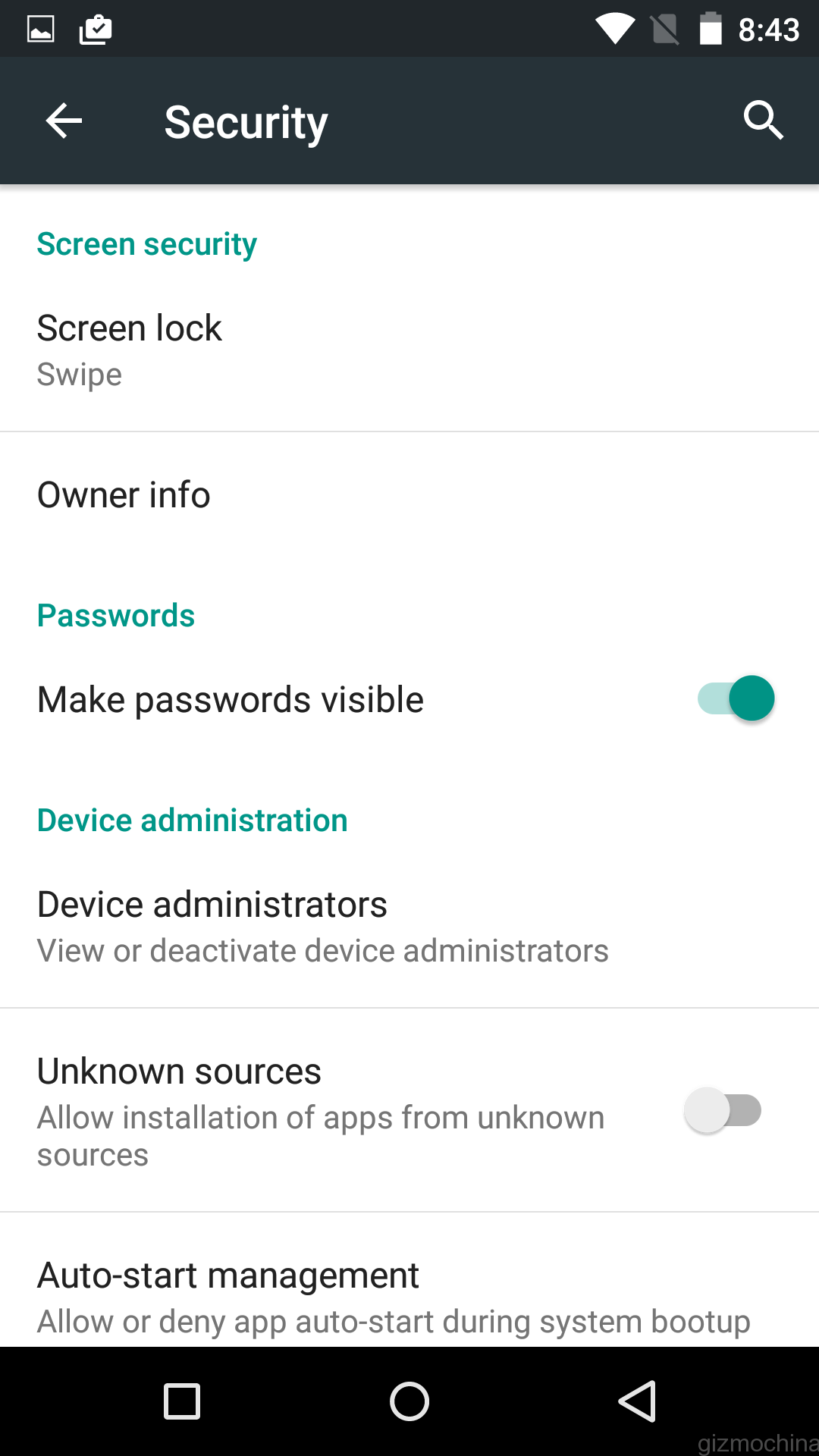
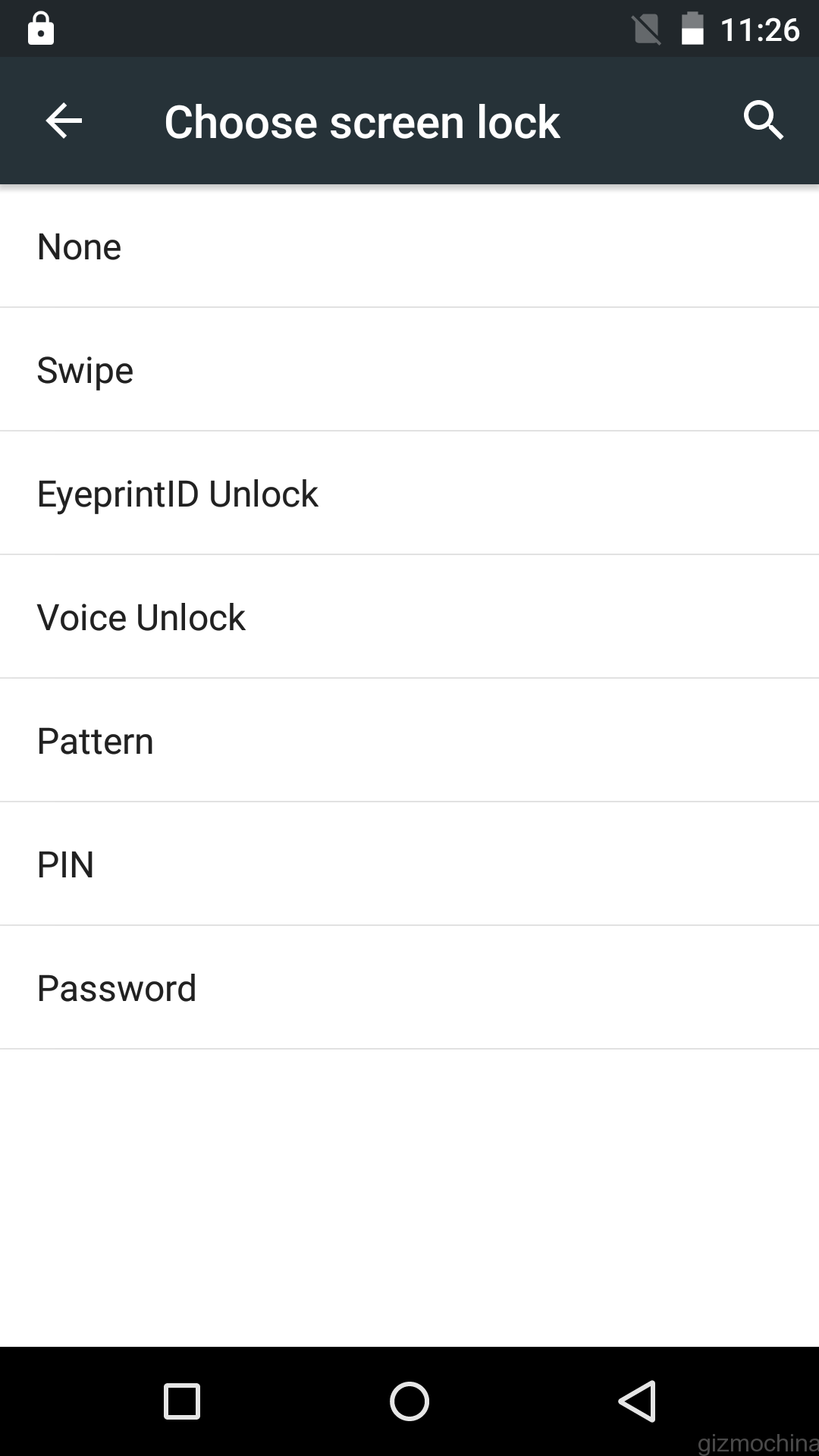
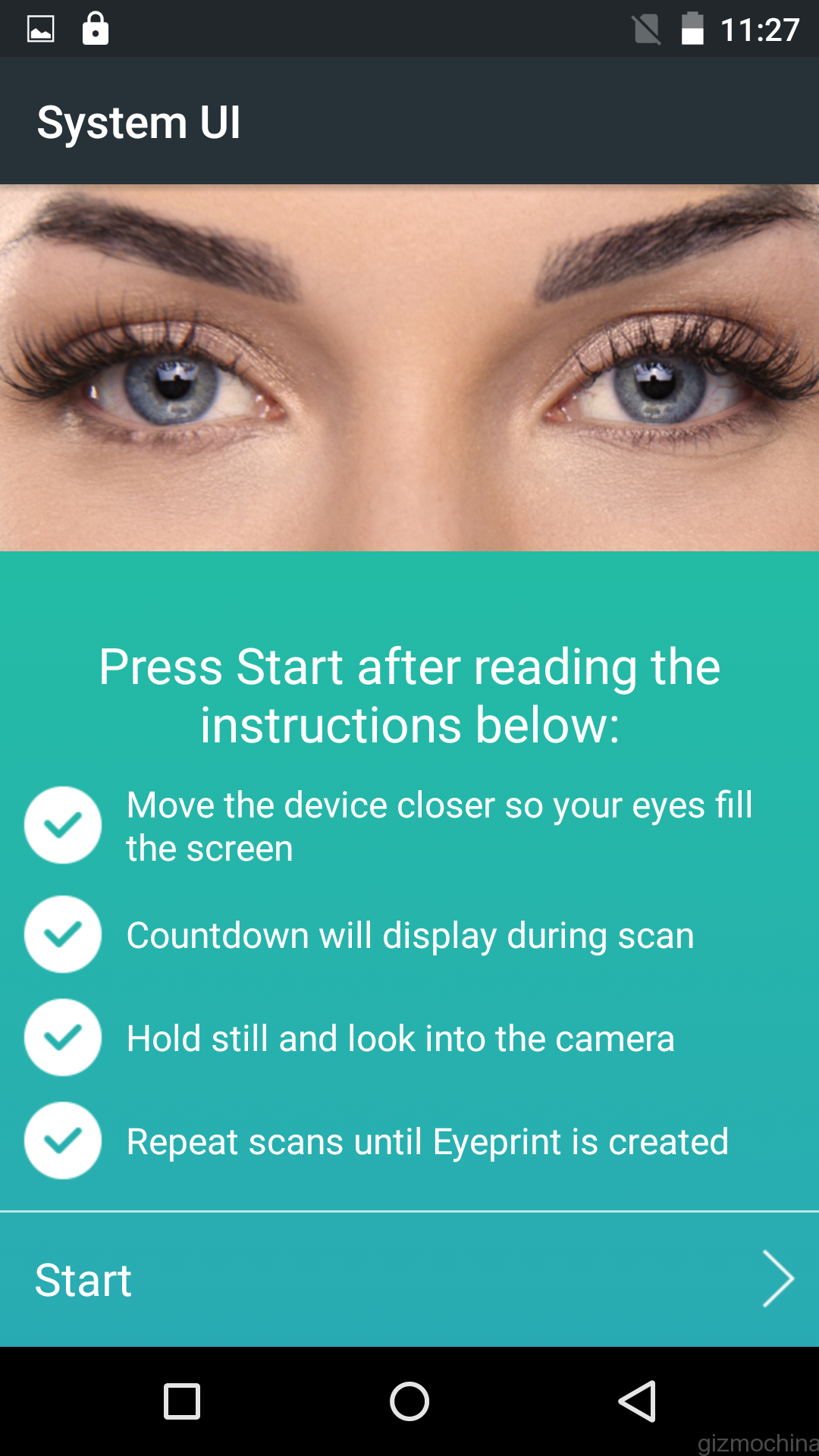
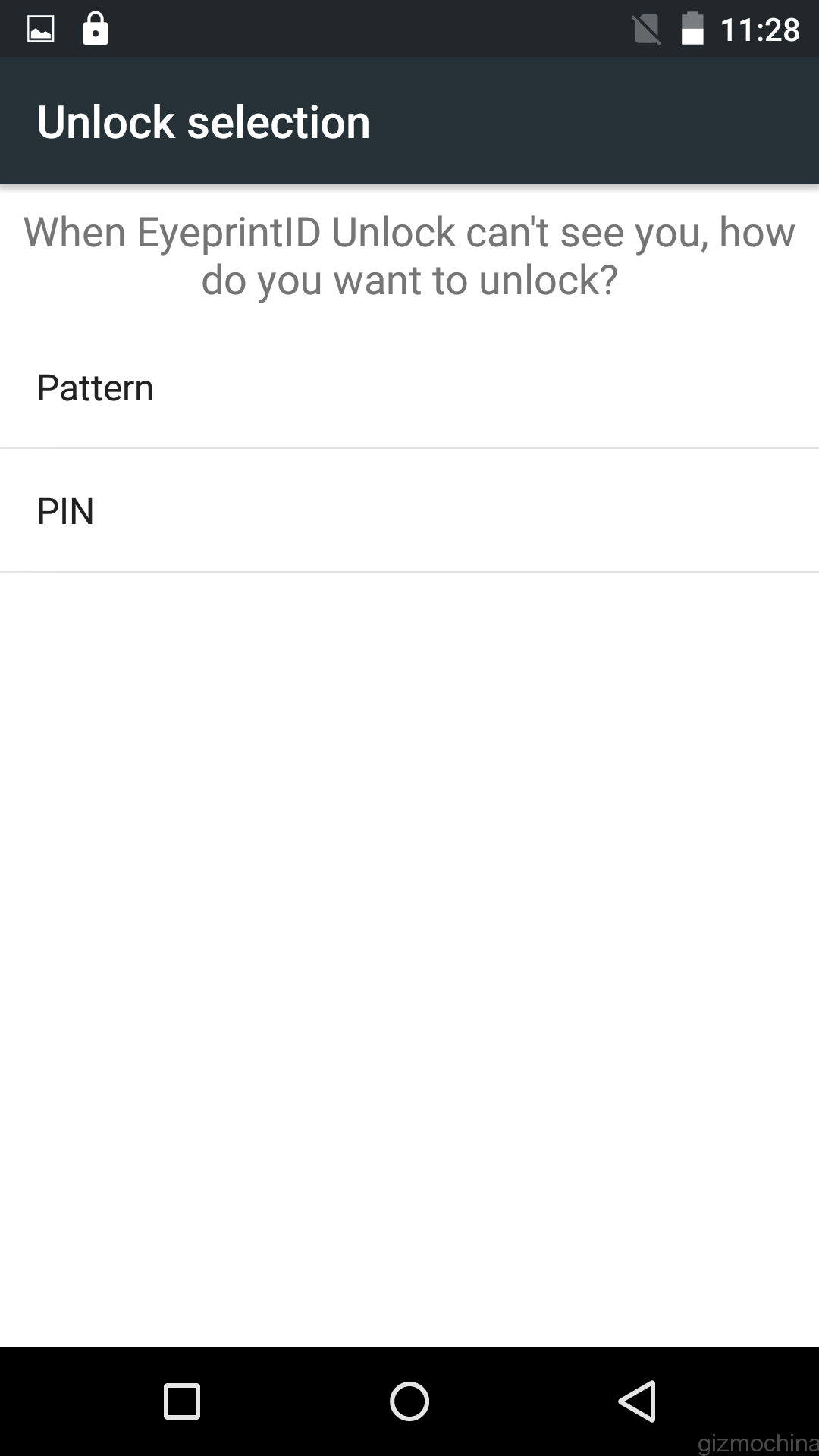
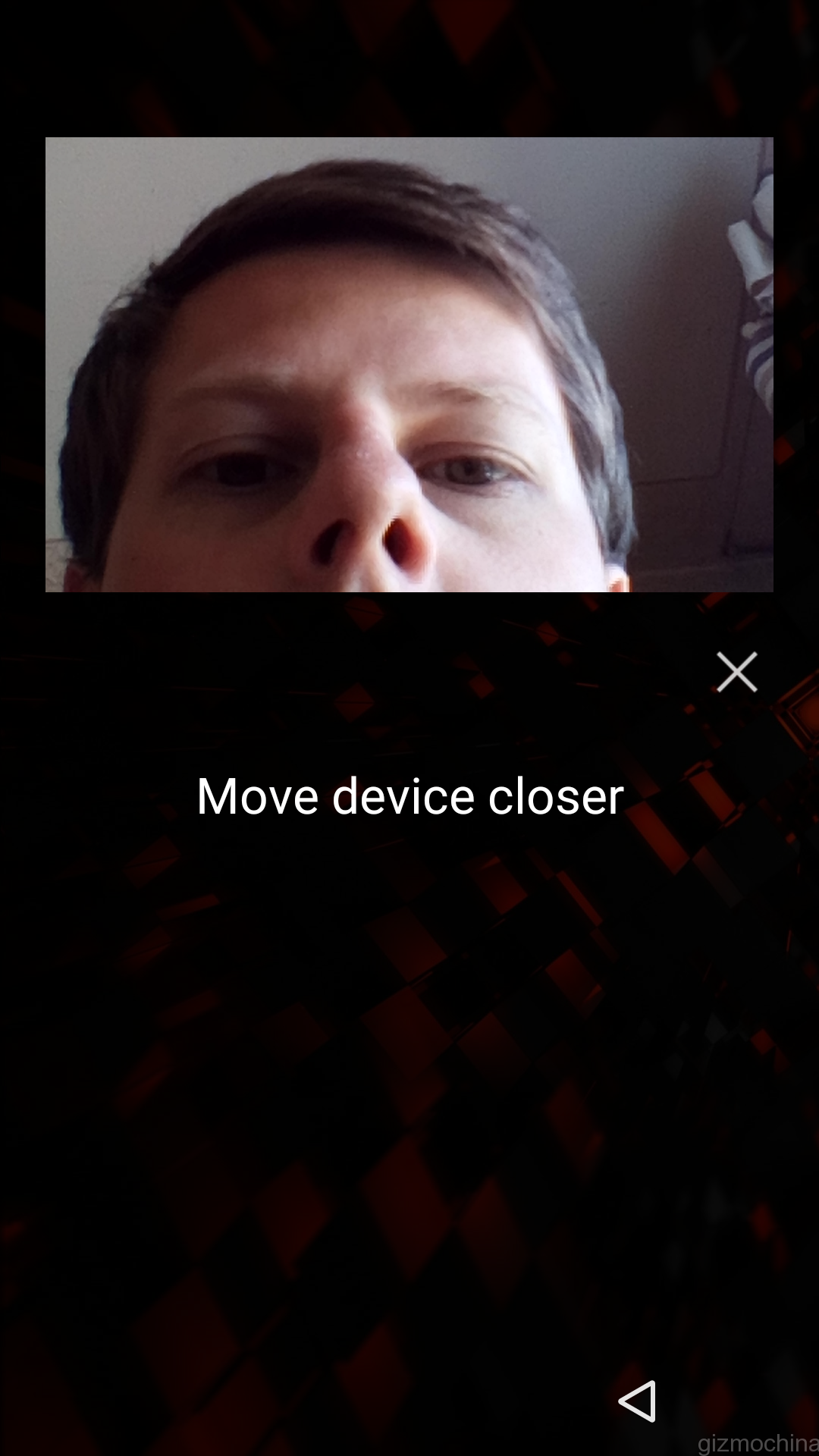
Umi marketed this model “as the world’s first” to have Iris scanner. I had to re-test this feature with the latest software as it did not work on the earlier software builds. In short, it works but it is far from perfect.
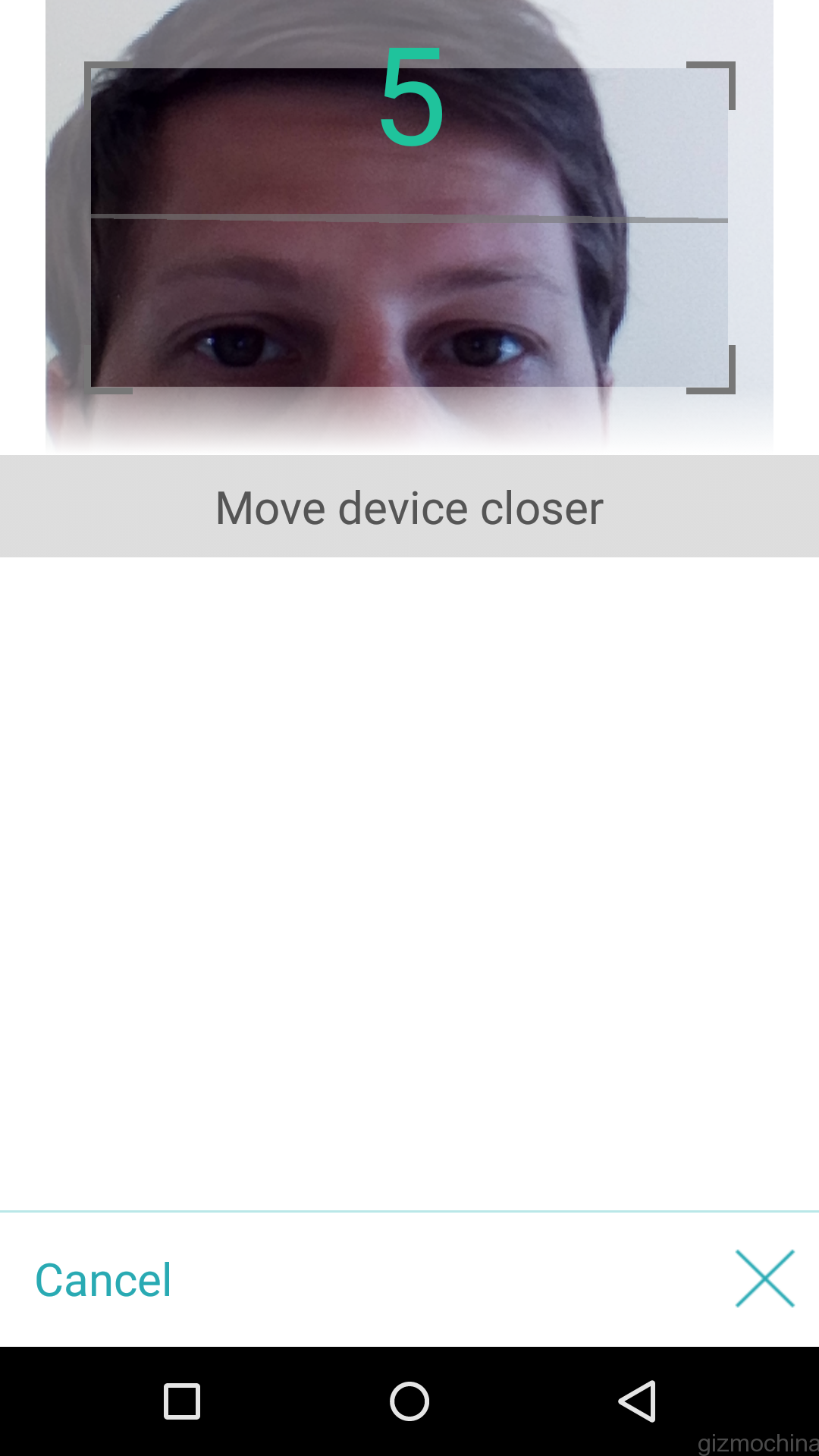
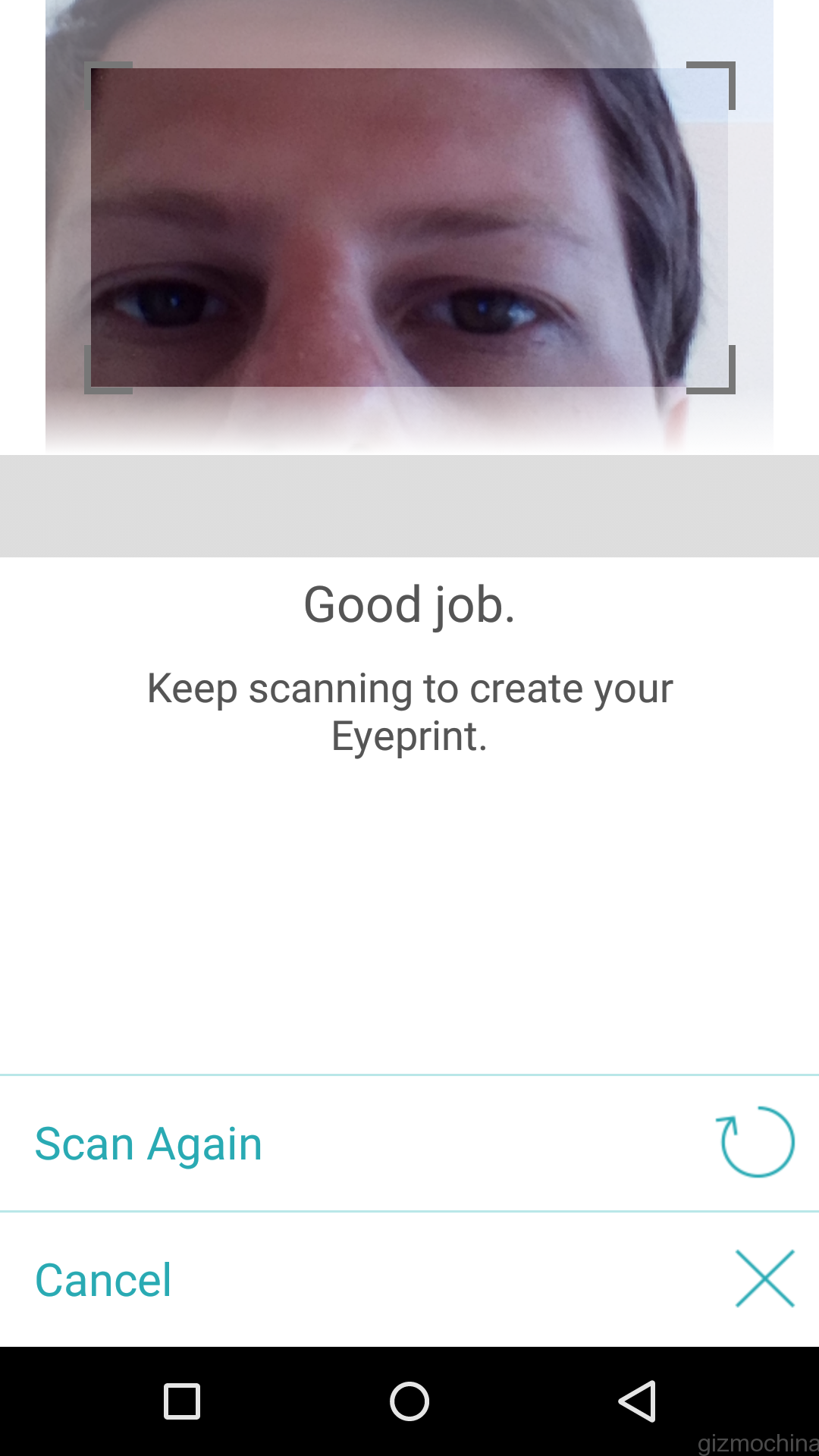
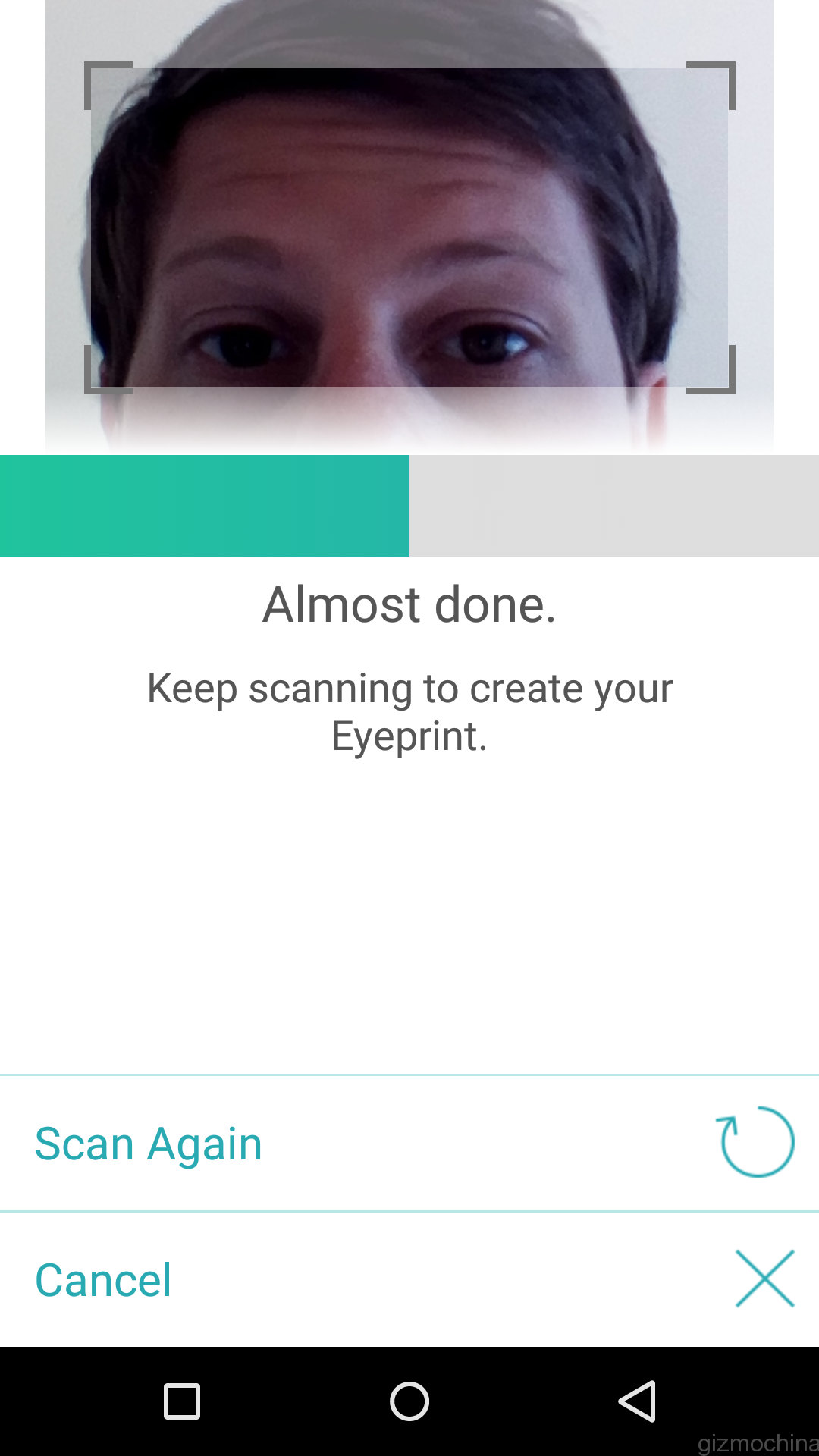
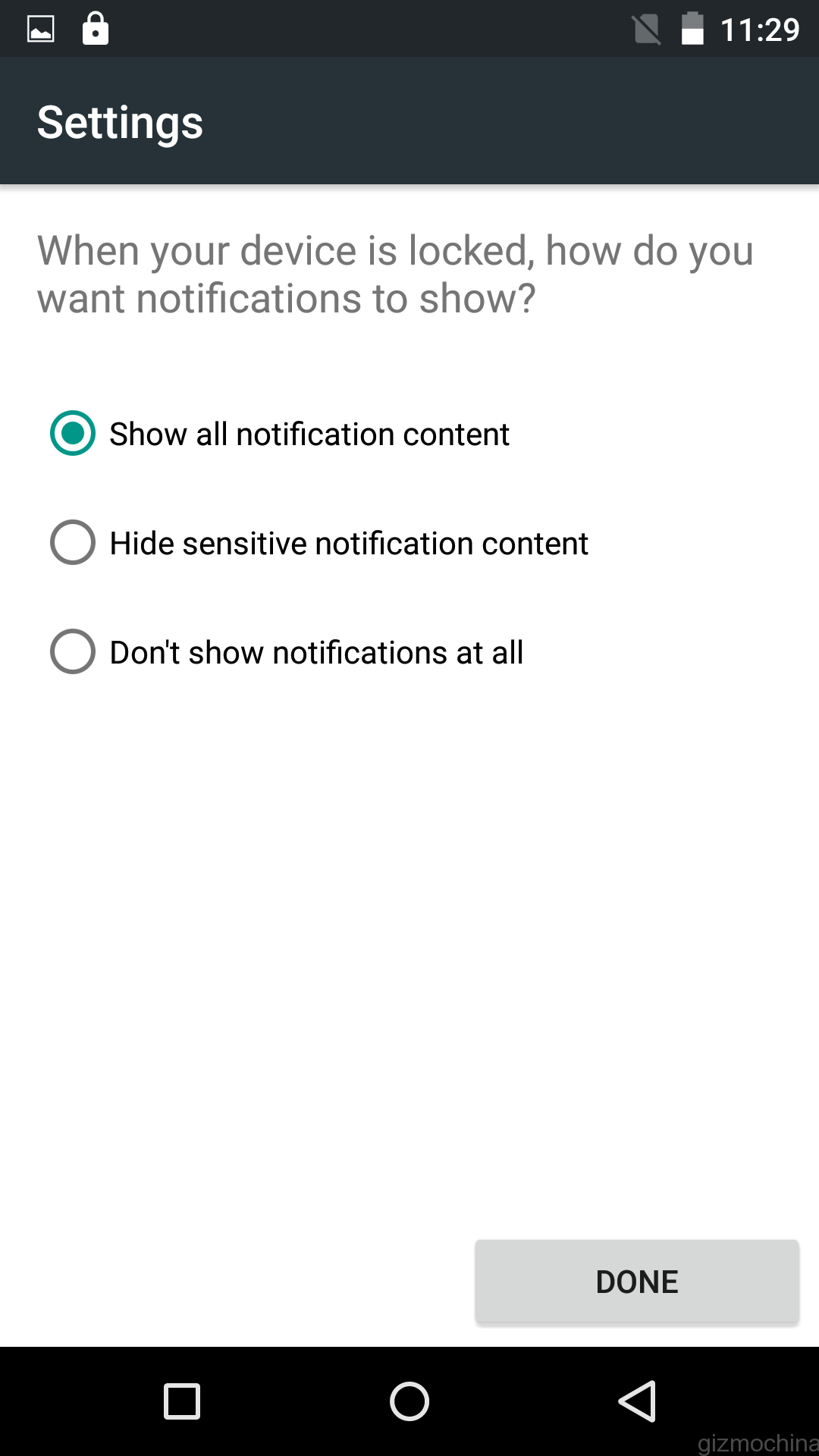
The setup is a bit similar to the fingerprint security one as you have to scan your eyes several times, so the device remembers your “retina ID”. Also, you should choose an alternative unlock method in case Iris scanner cannot recognise your eyes.
The main question here is how this method of security works. Well, you have to be in good lighting conditions meaning that the camera may struggle scanning your eyes indoors. Also, the struggles may continue if you scan your eyes in bright sunny day as you naturally squint. If you are not in the ideal position for the front facing camera, the Iris scanner feature may become annoying.
All in all, I can confirm that Eyeprint ID is a feature that actually works and it may be cool to show it to your friends once or twice. However, if you really need this feature, it is up to you to decide. Still, this feature is what makes Umi Iron stand out from other devices in this price range.
Overall, I am pretty happy with the overall UI performance as it is working fast and snappy almost all the time. It is almost a stock Android experience and a lot of users should be happy with it.
Umi Iron Review: BENCHMARKS
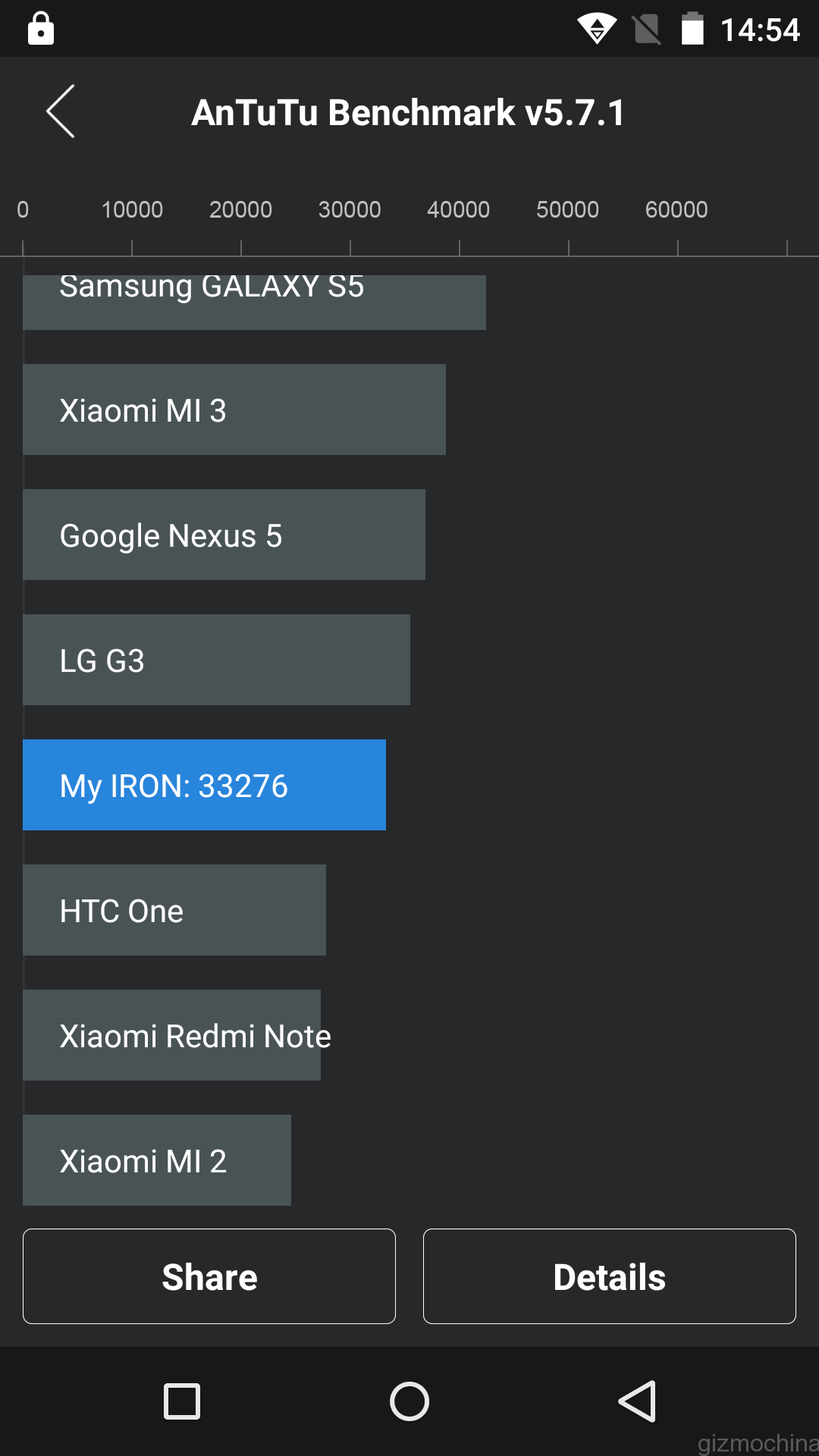
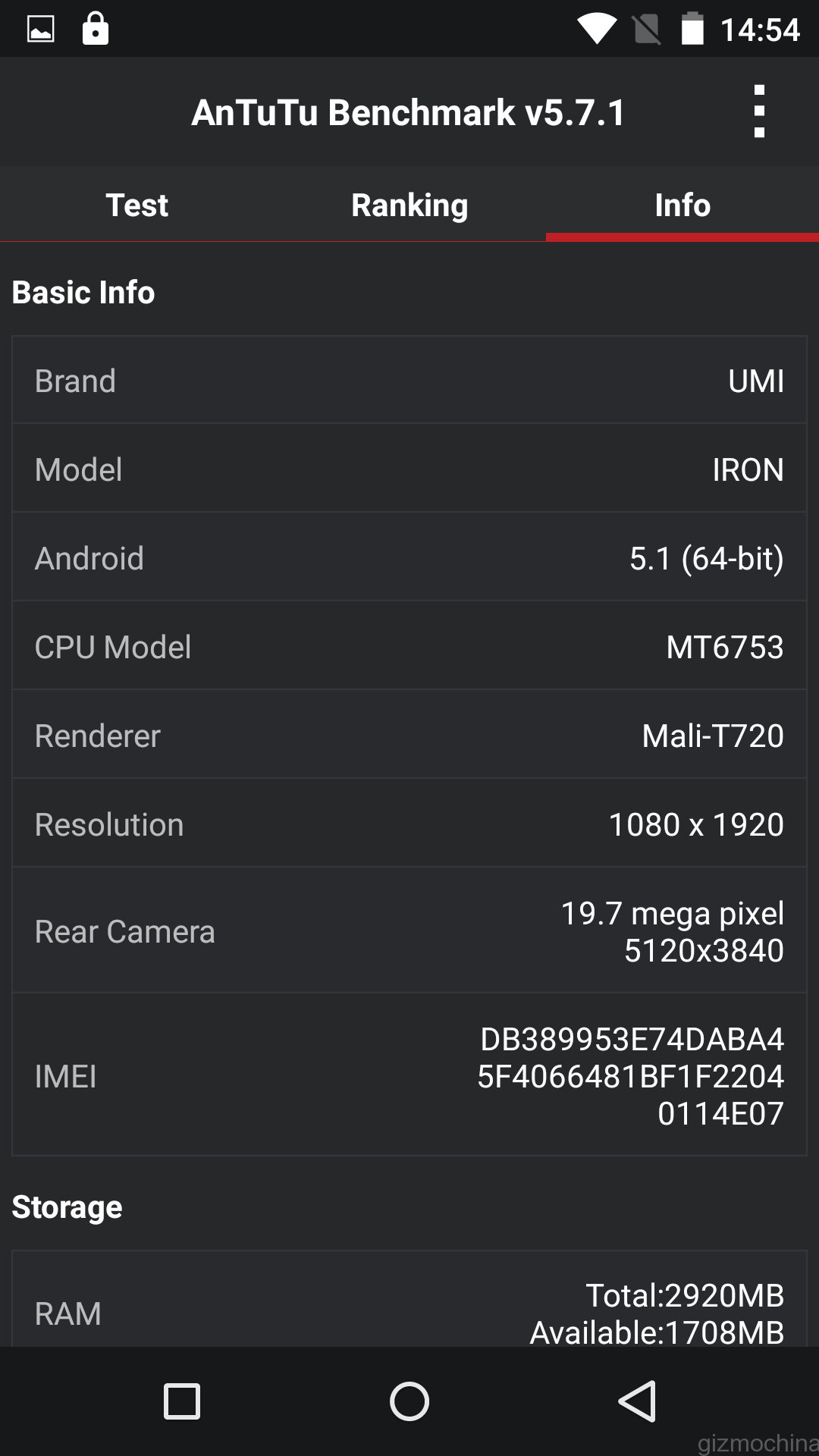
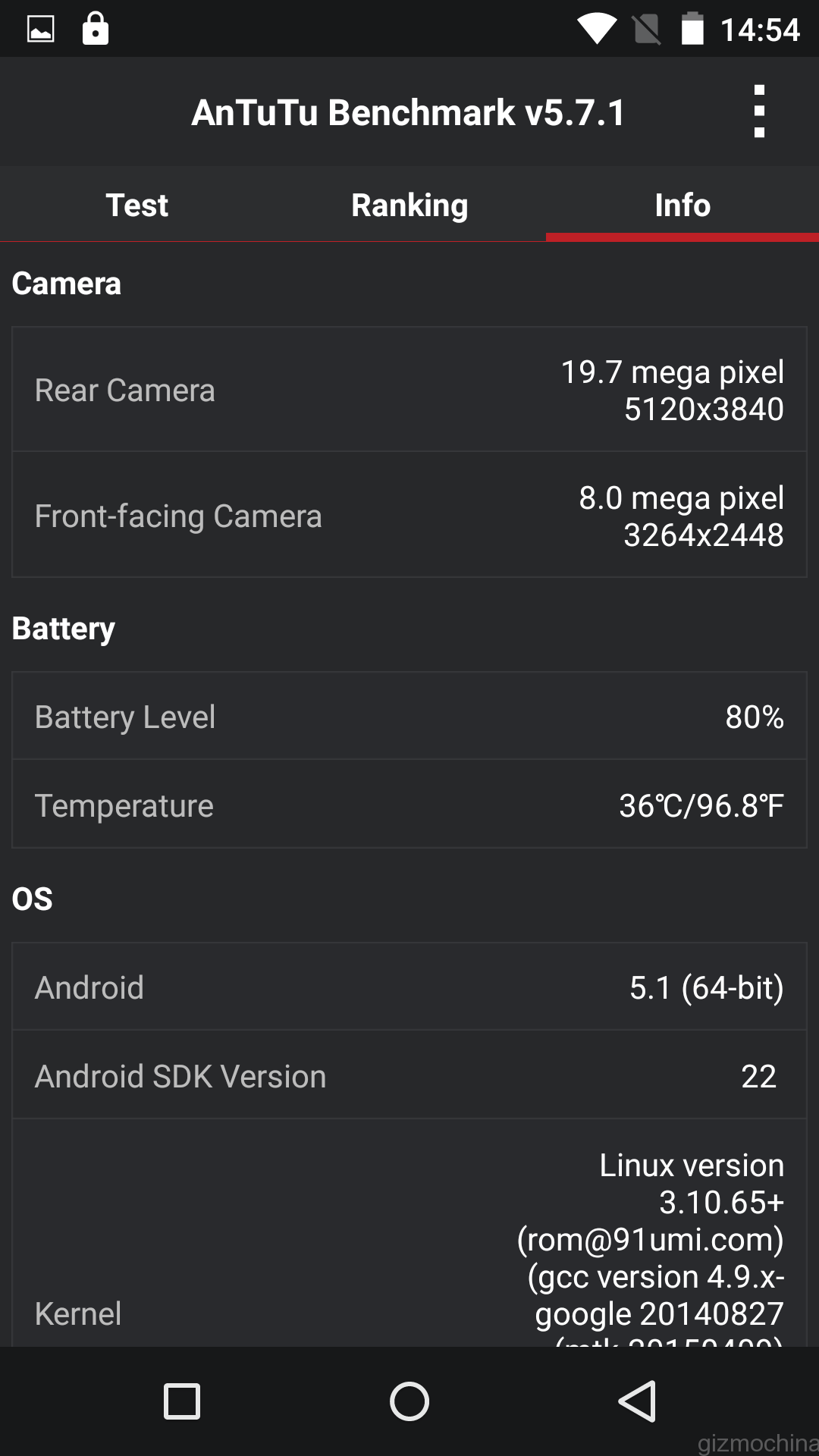
1 of 8
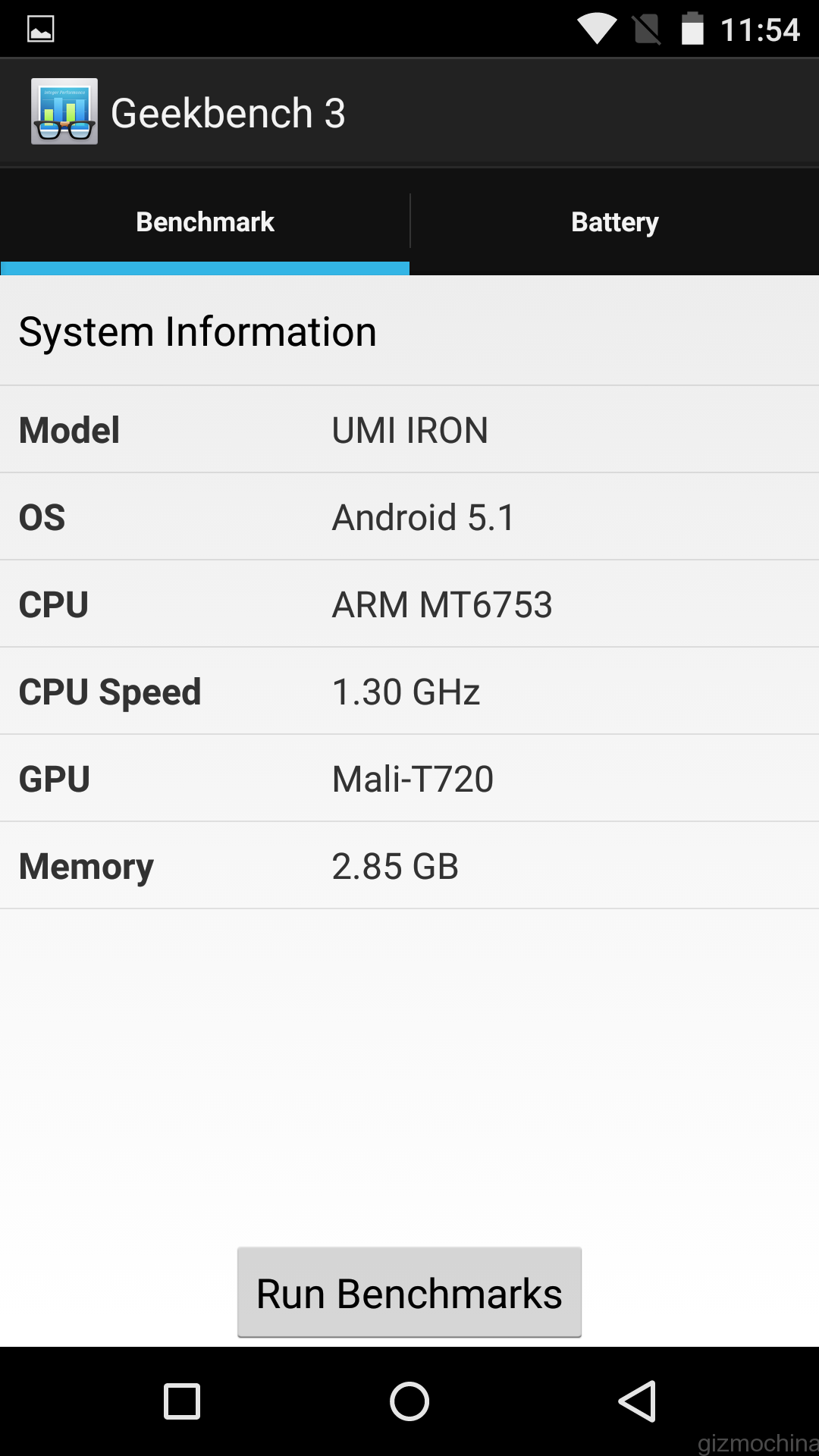
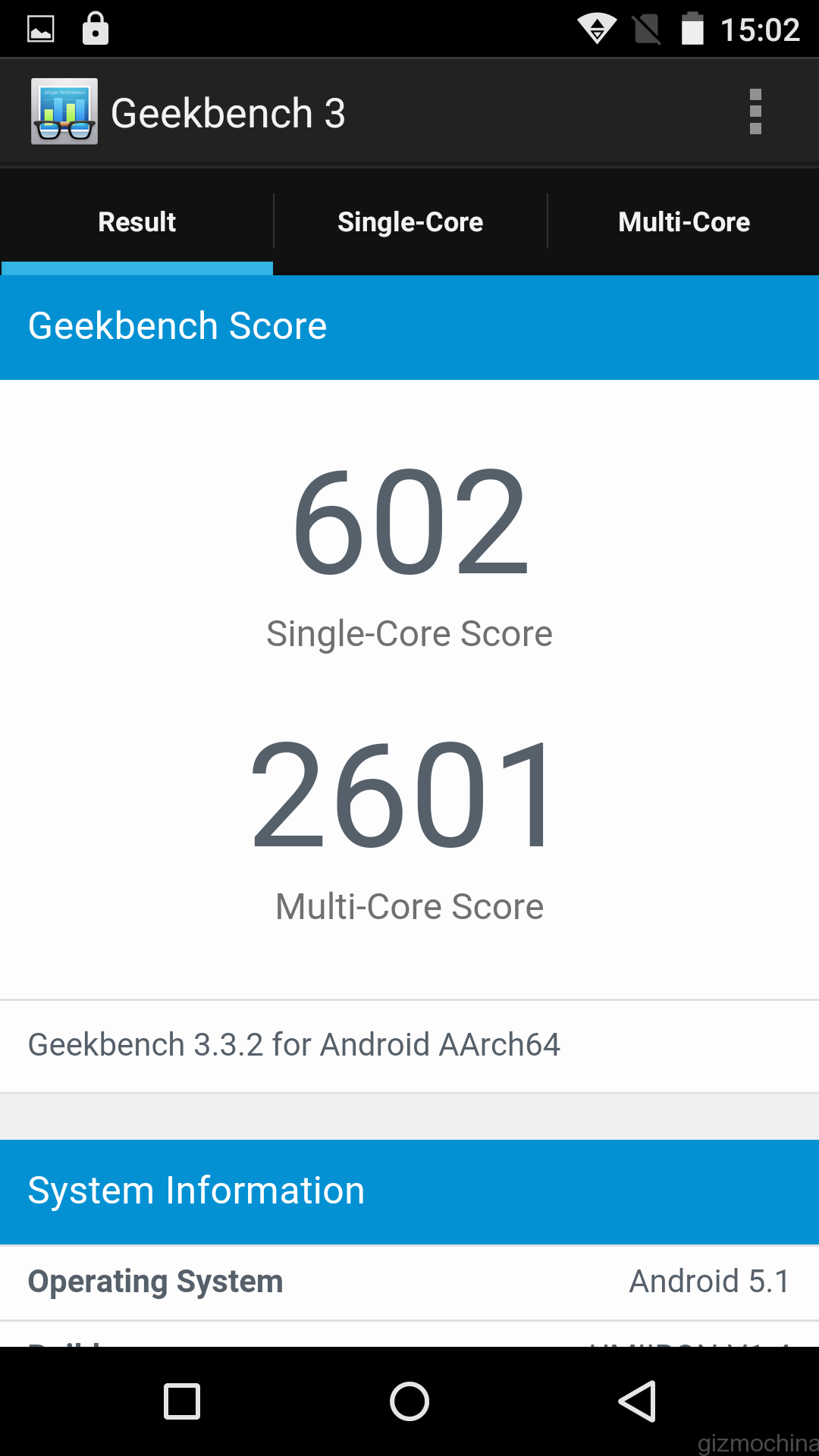
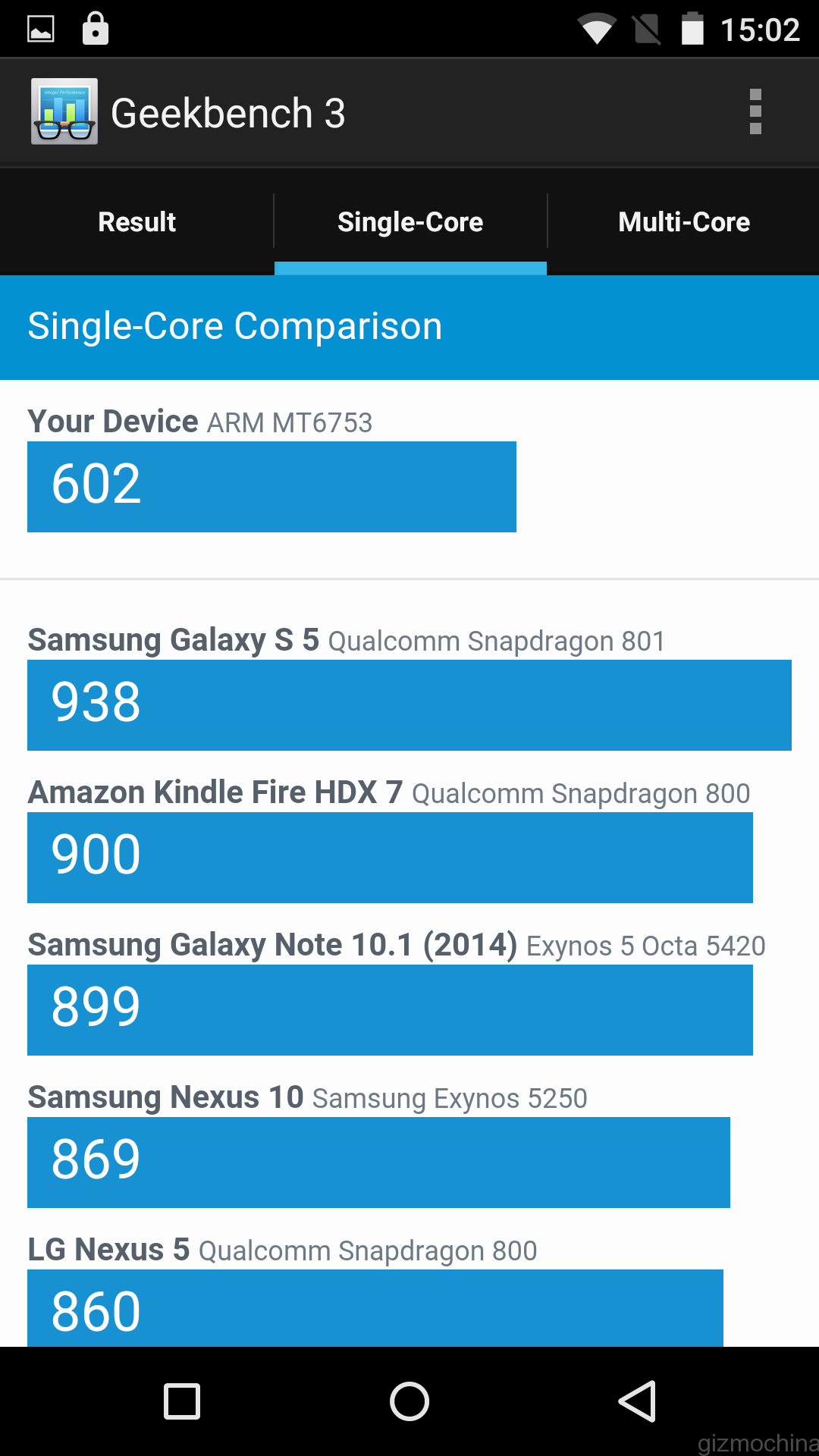
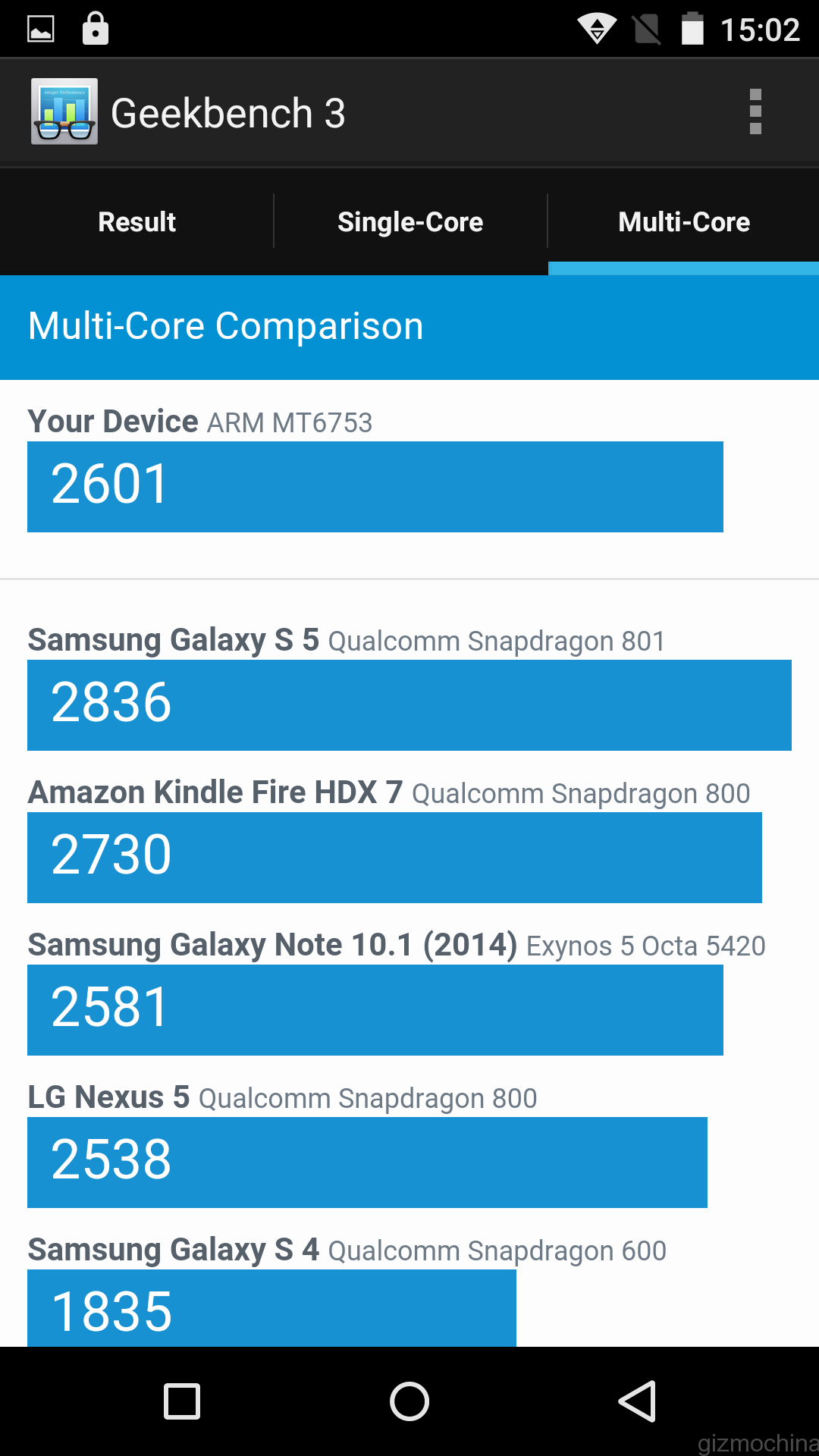
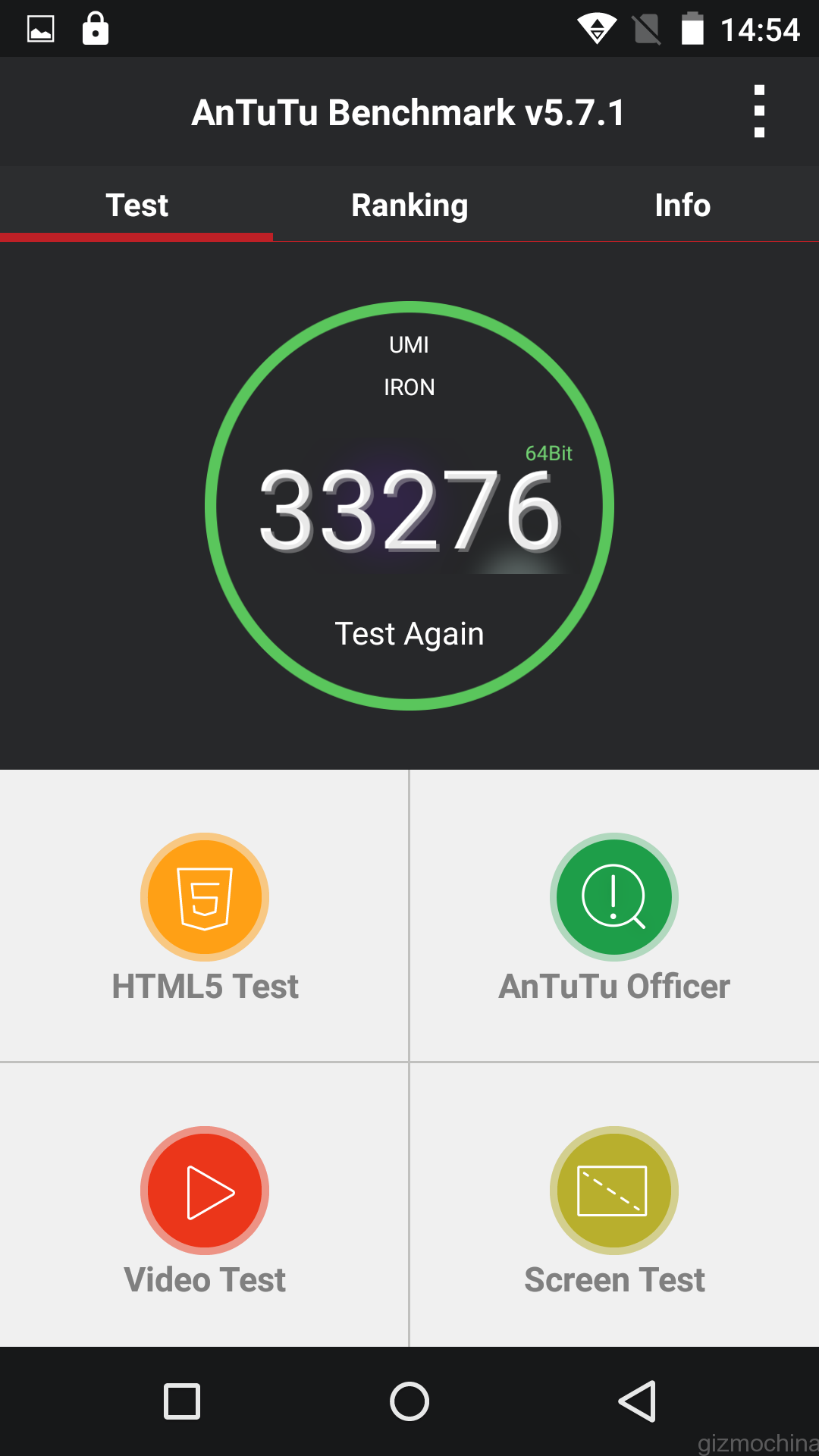
The benchmarks’ results improved a little after the 1.4 software update. Overall, Umi Iron is a decent performer in the benchmark tests.
Umi Iron Review: PERFORMANCE
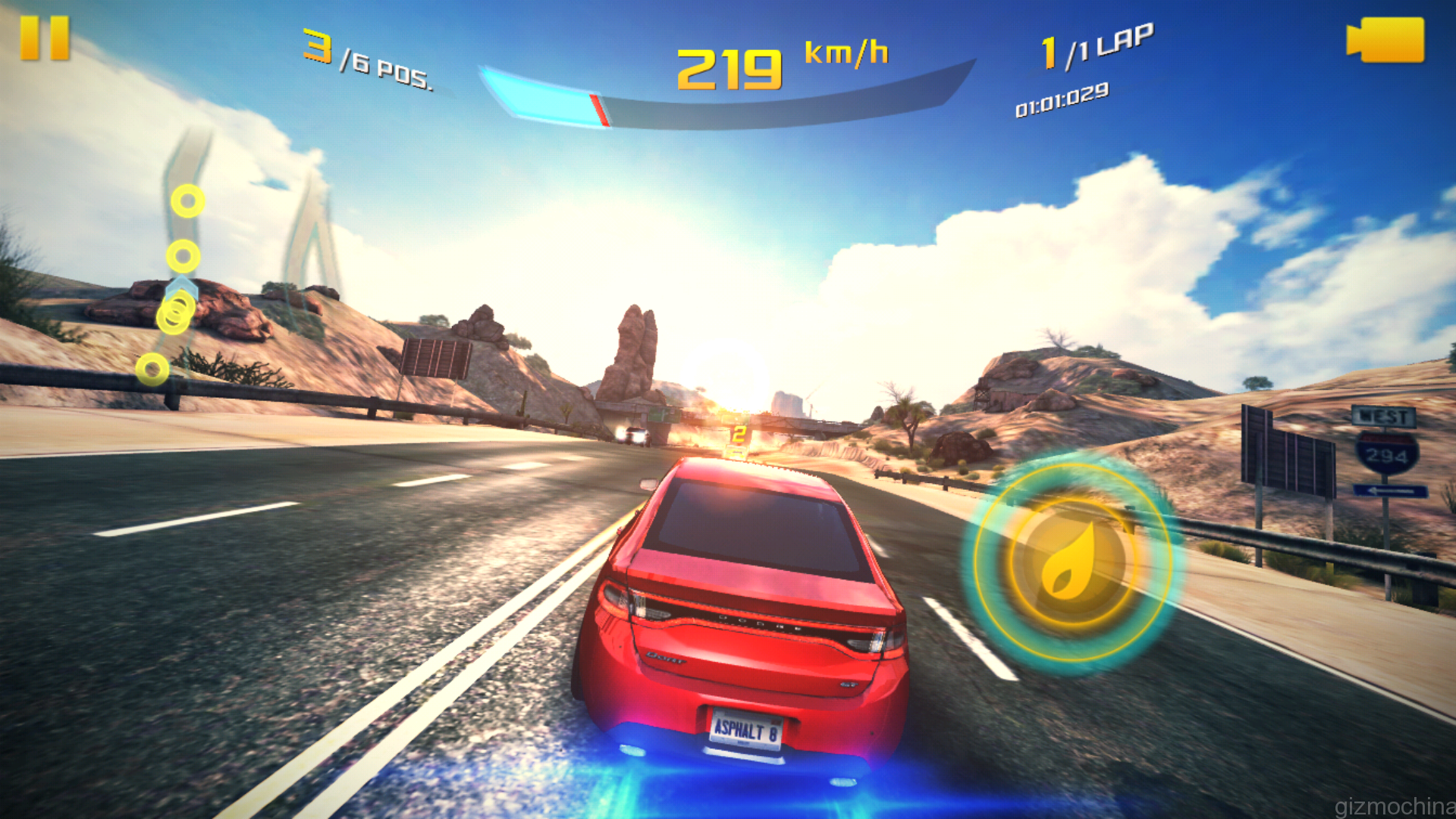
The most graphically tasks like gaming are okay but could be better. The graphics look quite good but there is occasional stutter and skipped frames during gaming sessions. You can still enjoy gaming but for more serious gamers out there, it may be annoying at some times. Anyway, the performance is comparable to other devices in this price category.
On the other hand, the device gets warm as usual but not hot at all even after 30 mins of gaming, which is quite an impressive achievement in terms of thermal management considering the fact that the device has a metal back plate.
Umi Iron Review: MULTIMEDIA
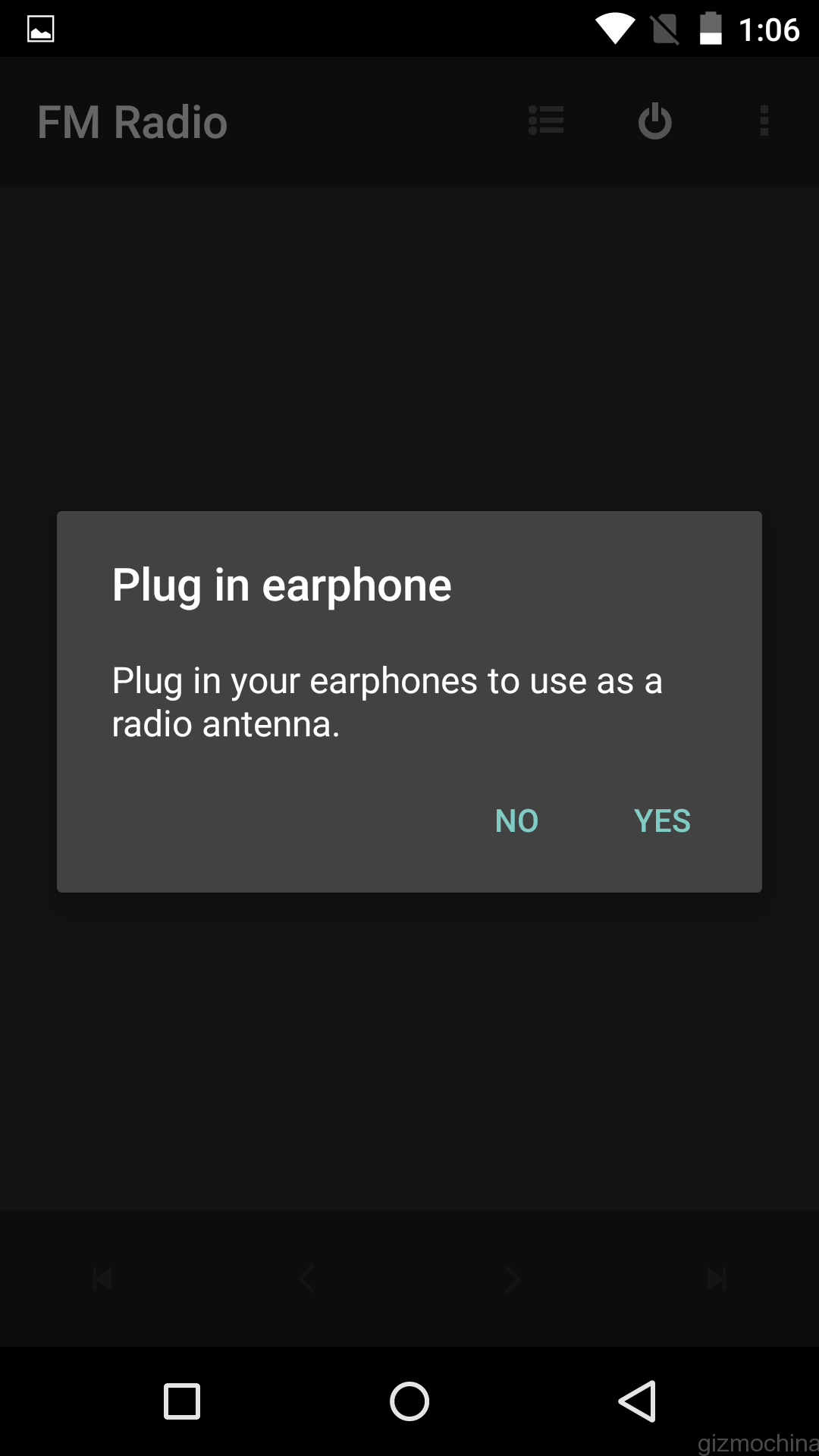
You can enjoy multimedia like 1080p video, Internet browsing, scrolling through gallery and even listening to FM radio (a feature that slowly disappears in today’s device) on this device without any issues.
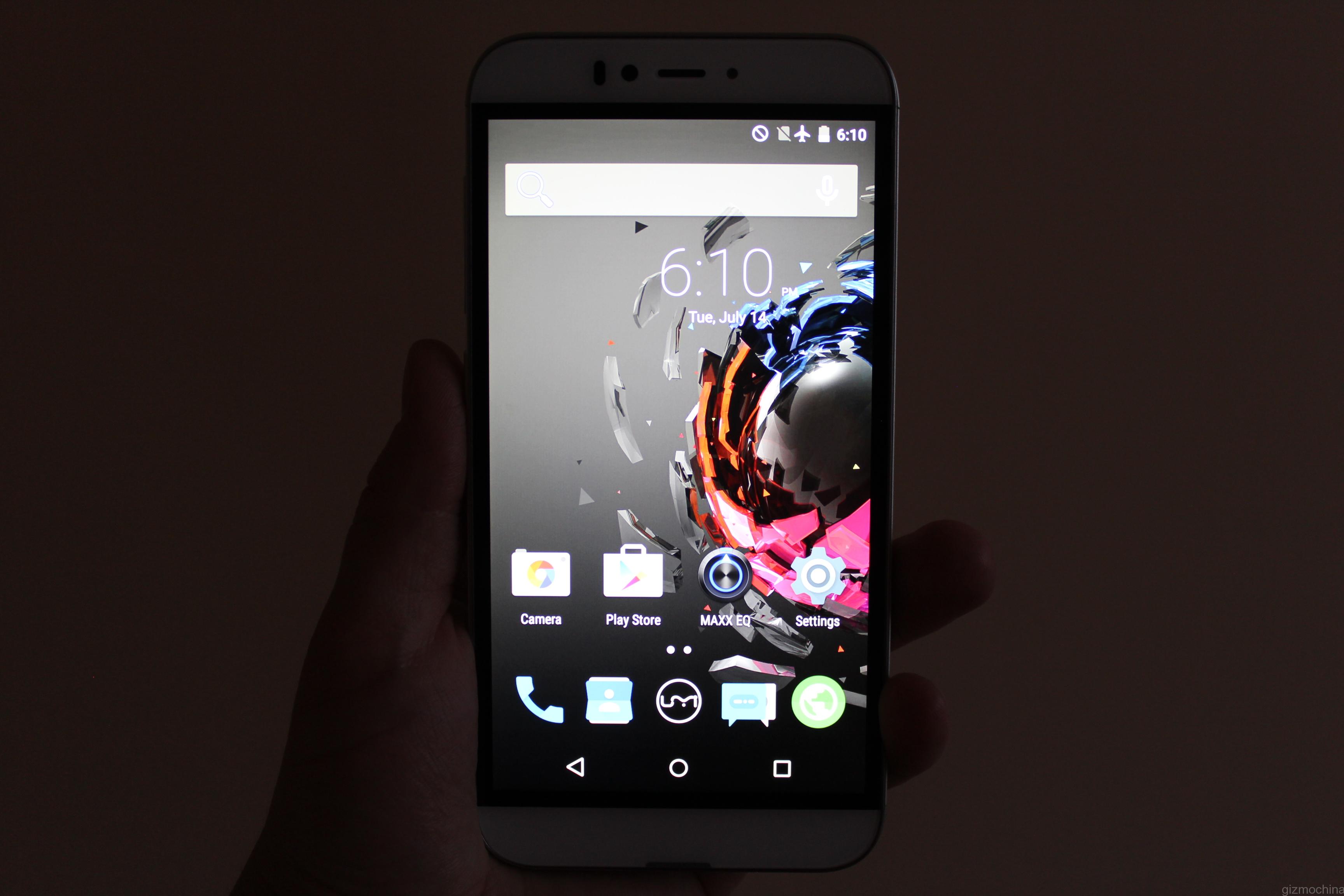
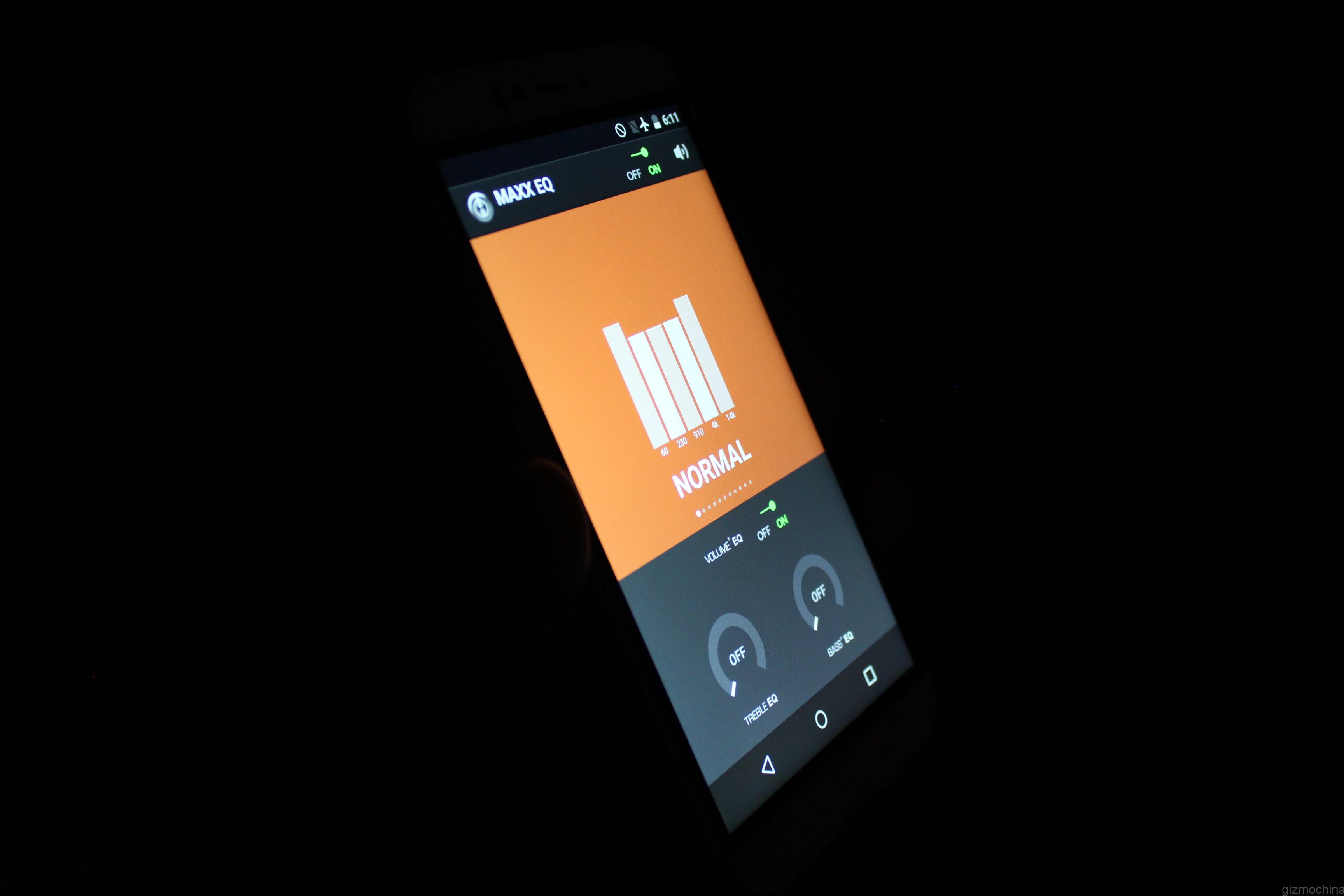
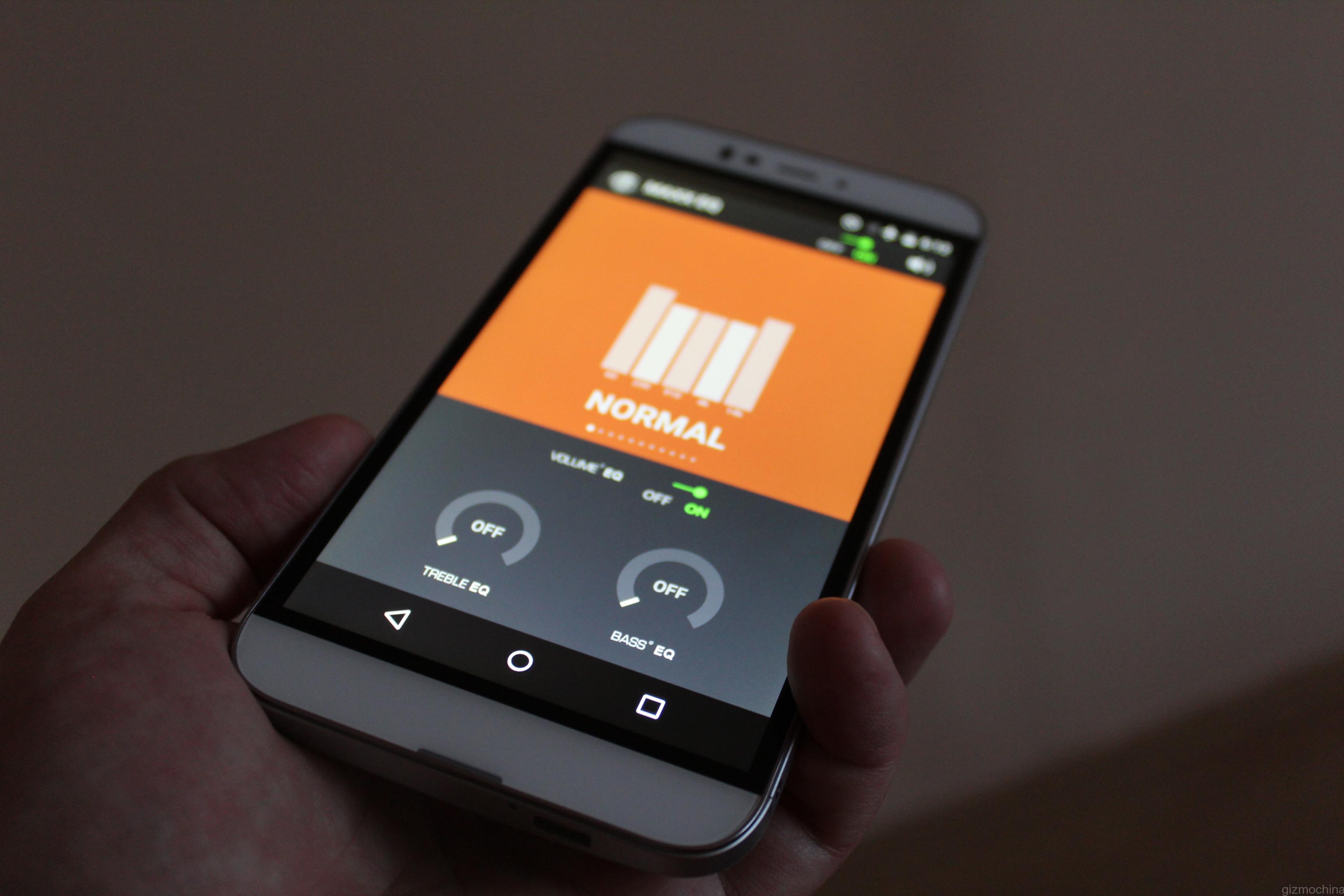
The music playback is kind of the star of the show on Umi Iron. The company is really proud to implement a DIRECTPATH HiFi Audio chip on a budget device. Well, it indeed sounds awesome. Umi even included a dedicated audio app to adjust the a lot of settings of music.
But what about the sound quality via earphones?
The sound is definitely great, you can hear some richer tones with a lot of depth, especially when you know how to play with the equaliser.
However, once you crank up the volume (the volume output is very loud)….. the device freezes and turns off after like 5 seconds. I’ve tested it like 5 times in a row, same result. In addition, I tried turning on/off equaliser enhancement (it is a separate app from the stock Android music player app), same result again.. It happens once you crank up the volume more than a half. A good thing is that I could barely keep the earphones in my ears as the music was so loud.
Umi has already addressed this issue but the latest 1.4 software update still has not fixed that. Well, it the device does not freeze all the time like before but it still happens often when you crank up the volume to the highest levels. It has never happened to any other devices I have reviewed. A good thing that Umi is working on it and they promised to fix it as soon as possible.
The speaker quality is quite good. I played with a lot of equaliser settings to get a better sound. All in all, it is a decent speaker but not the best. E.g. The Lenovo K3 Note has a better one.
Umi Iron Review: CAMERA
1 of 5
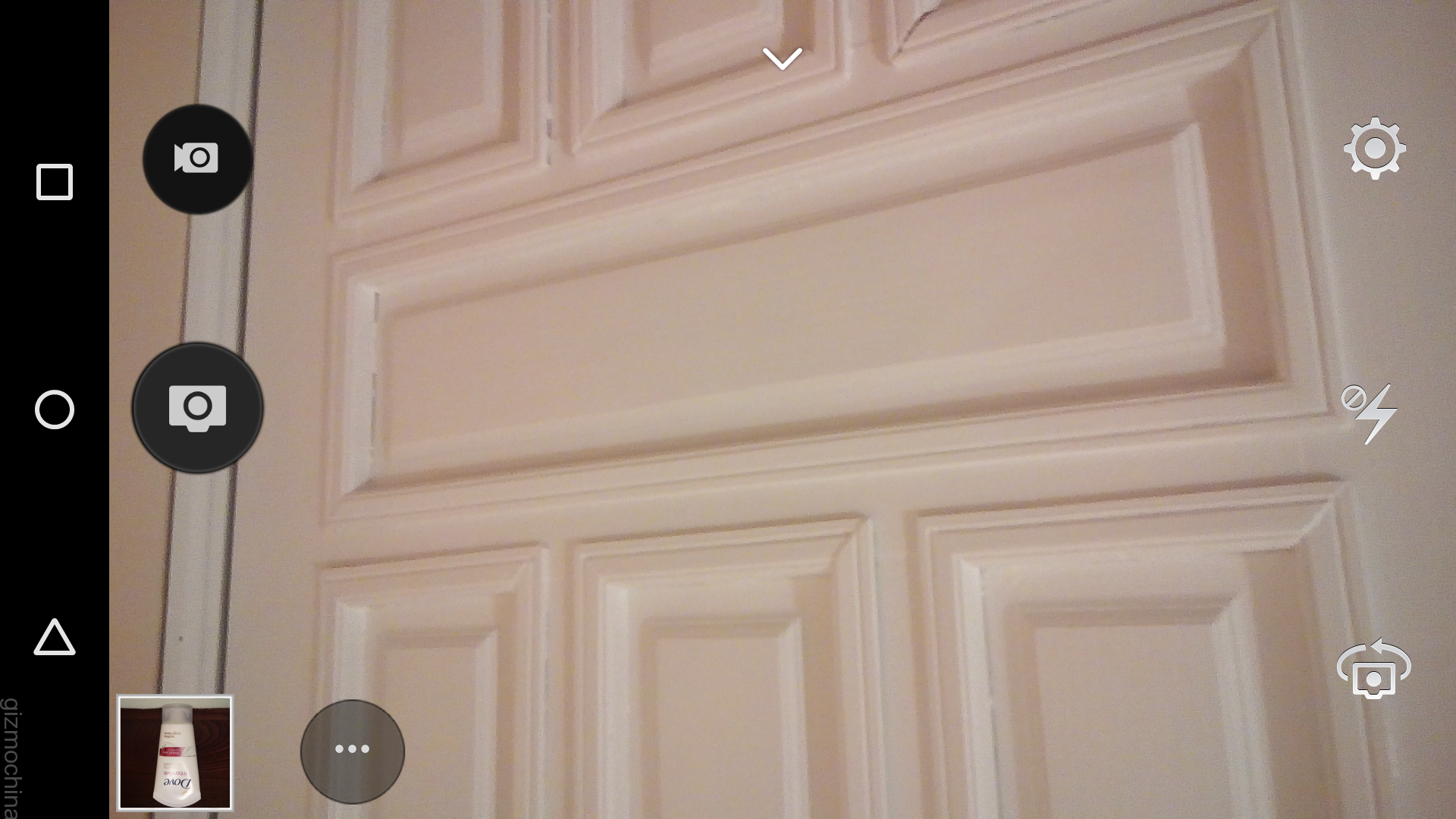
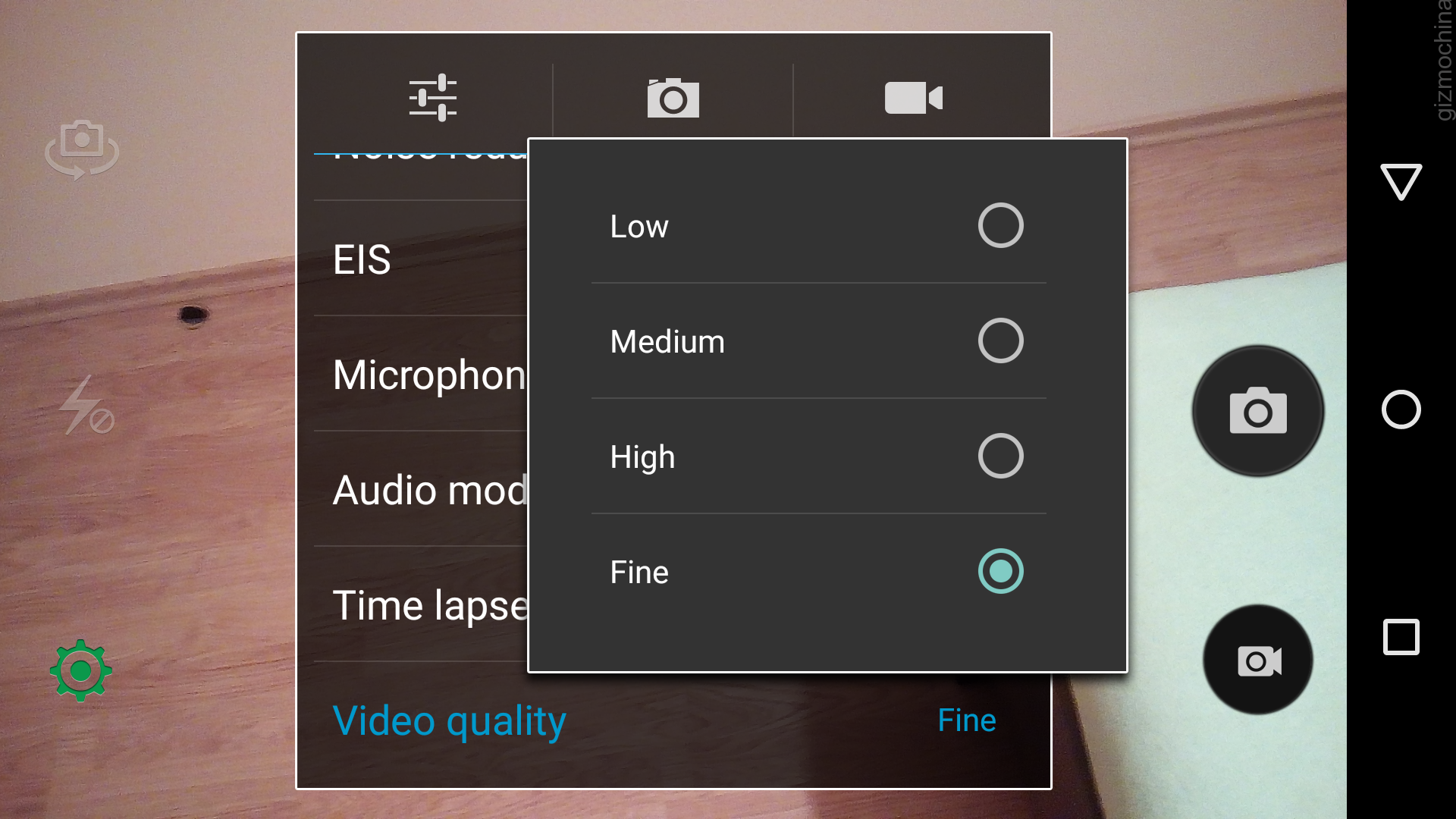
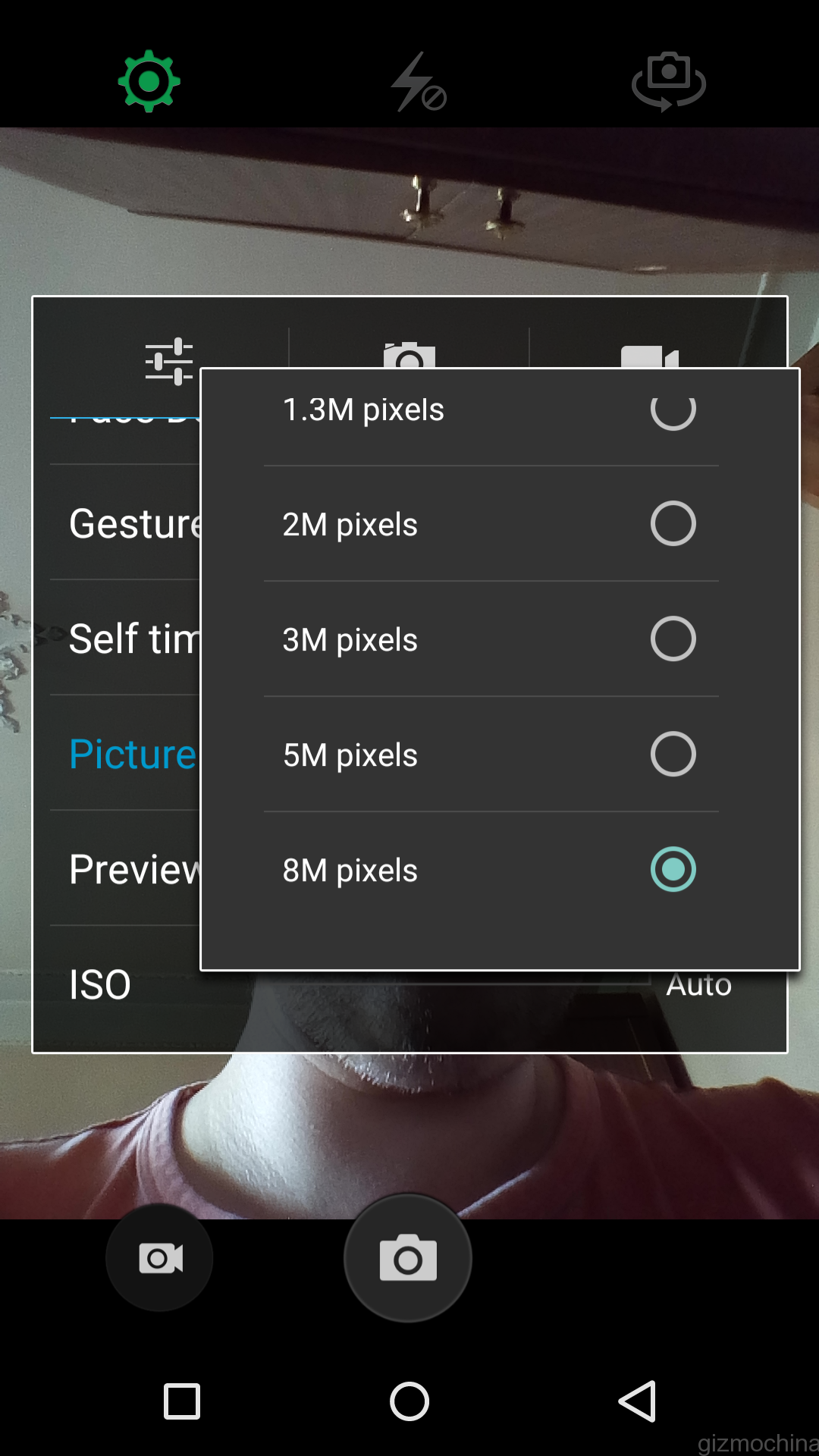
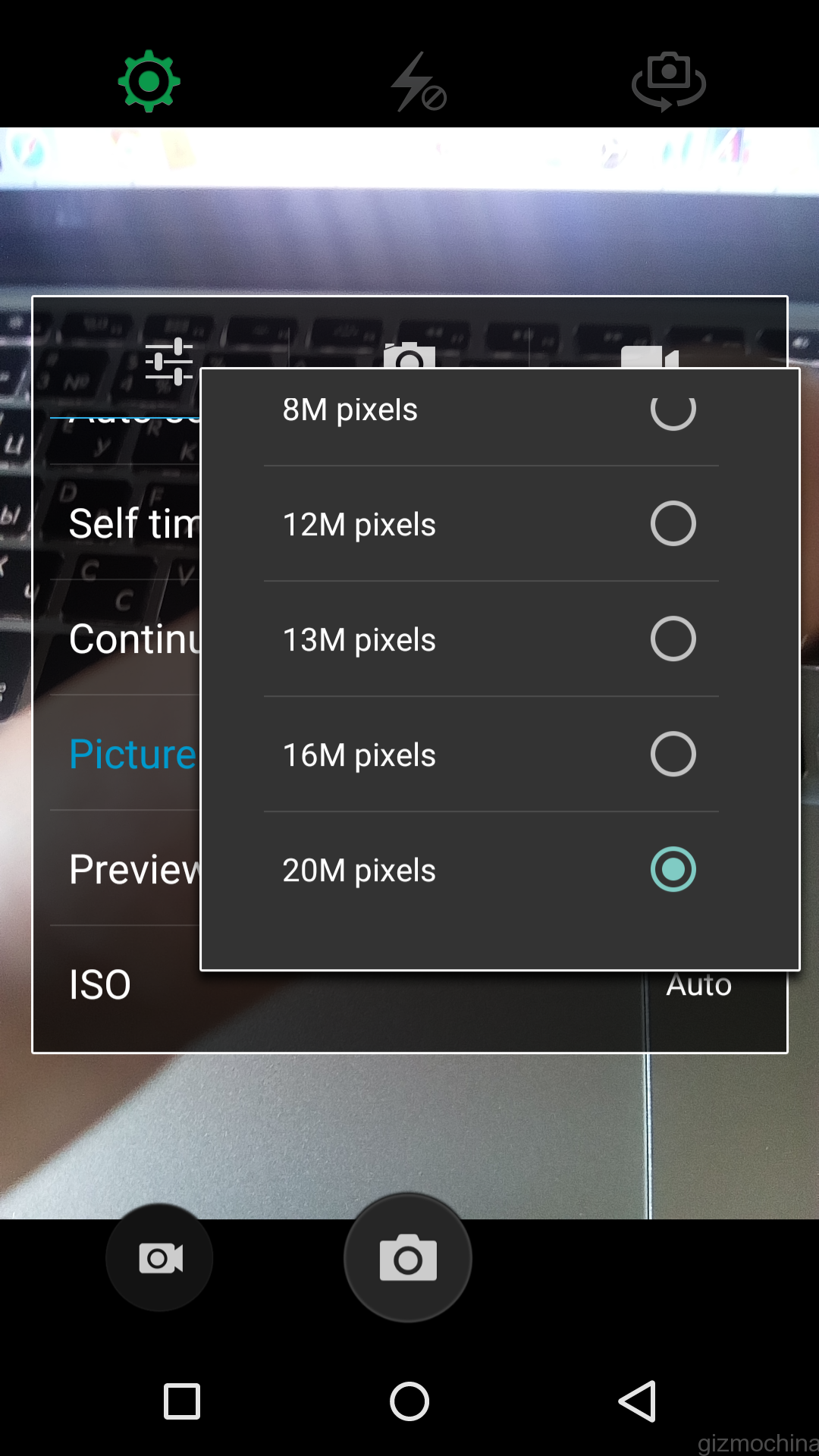
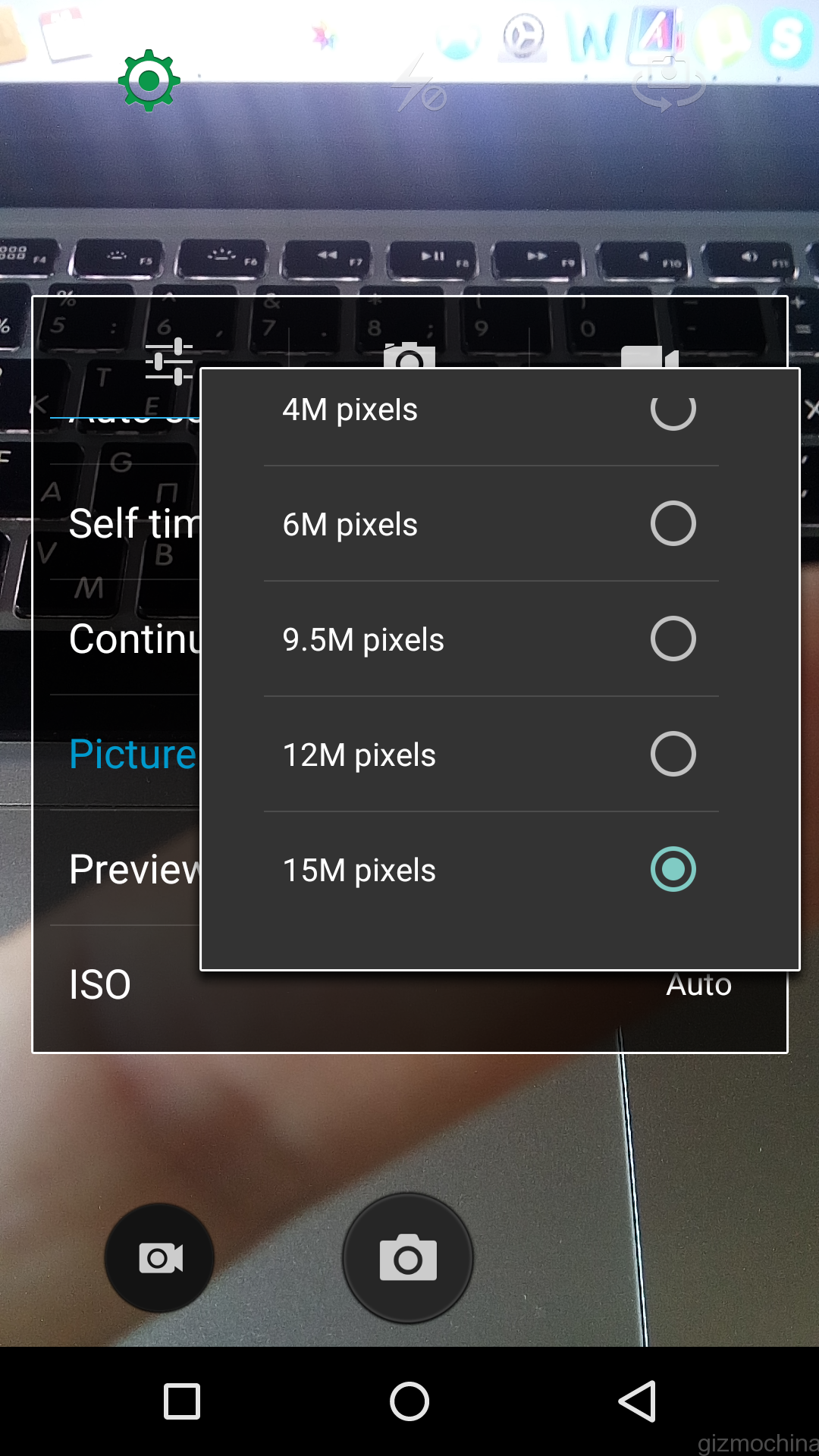
Umi Iron has a stock MTK camera app that has some basic features and shooting modes and it works fine most of the times. The device has a 13MP rear shooter but it seems that Umi has interpolated it to 20MP. In addition, if you want to have a wide screen (16:9 ratio) pictures, the resolution goes to 15MP.
Same is with the front facing snapper. It has a 5MP sensor but Umi interpolated it to 8MP.
Umi Iron Review: IMAGE QUALITY
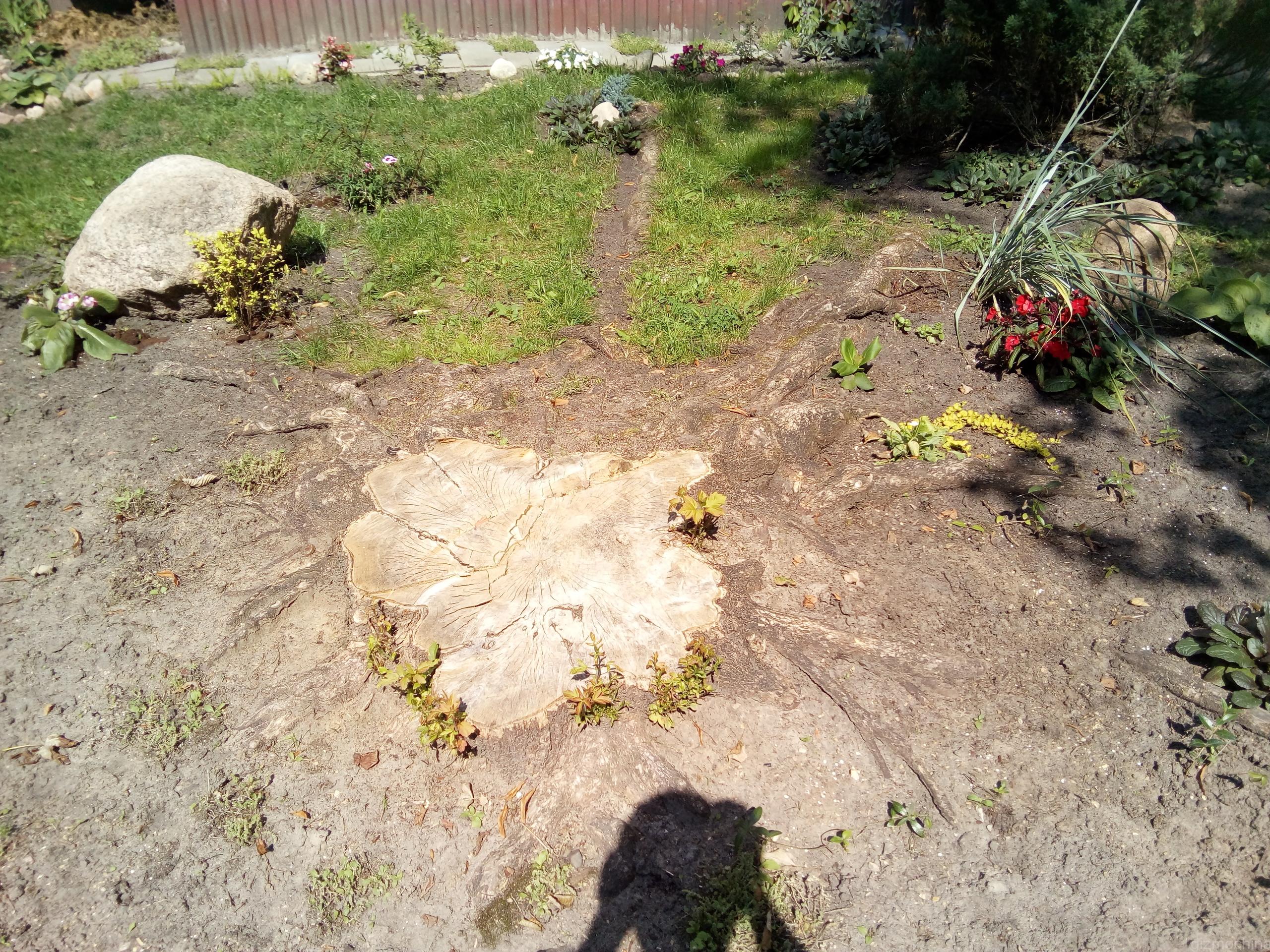
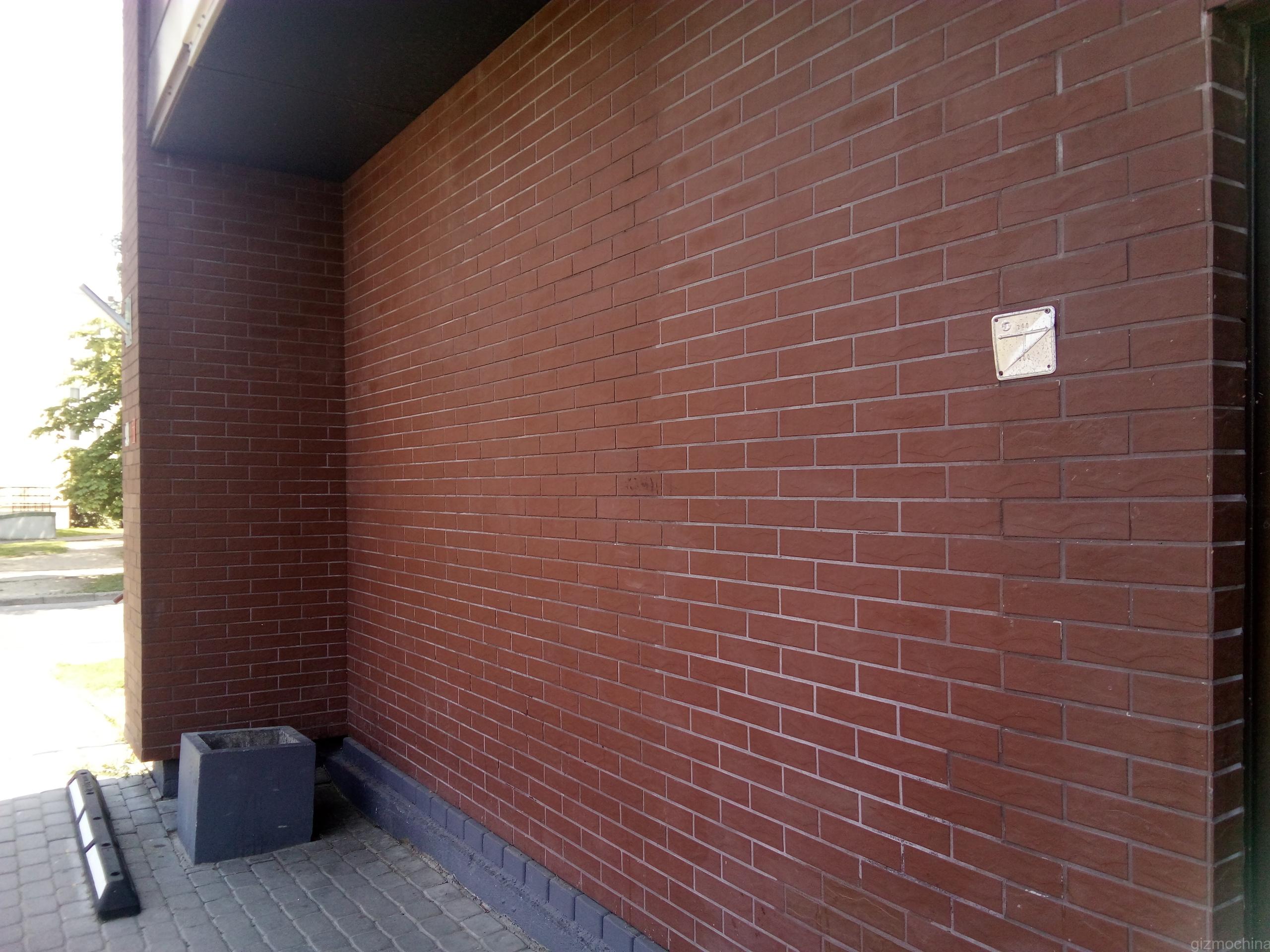
The 13MP camera on the back is can take some good looking images outdoors. The images have a good amount of details and are quite sharp. The pictures seem to be a bit sharper due to software tricks, which lead to upscaling images to 20MP. Also, the colour reproduction is good. However, usually the corners of the images are out of focus and look a bit blurry. Also, the dynamic range is usually off. Still, the daylight images are good for a budget device.
The pictures taken indoors are actually pretty good. With plenty of lighting you can get some great looking images. When the scene is not lit up that well, the level of details become lower but are still acceptable for a budget device.
LOW-LIGHT CAMERA SAMPLES BEFORE SOFTWARE UPDATE:
LOW-LIGHT CAMERA SAMPLES AFTER SOFTWARE UPDATE:
Night shots are just average. On the other hand, they have improved after the latest software update. Nothing major but you can notice it. Also, there is a visible purple tint in some of the pictures. Finally, noise levels go up and the level of details goes down. Just please do not get me wrong here, Umi Iron is not a disaster in low-light scenarios. It is simply the same as the majority of the devices in this price range.
The dual tone dual LED flash is pretty powerful and definitely helps out. It helps illuminating the scene well. After the latest software update I can say that it is a definitely good implementation of LED light on a budget device.
A 5MP Selfie camera (interpolated to 8MP) is good outdoors and decent indoors. In addition, you are getting a front facing LED flash, which is better than the one found on Ulefone Be Touch or Zeaplus M7 I’ve tested but much worse than the former flagship class vivo Xshot. Still, it is a pretty neat feature and it may help you taking a few selfies in a night club.
Overall, Umi Iron actually has a good camera for daylight images outdoors as images have lots of details, colours look natural and pictures look sharp overall. However, the dynamic range is usually off but this is common to all devices in this price range.
The indoors images are also look decent but the night pictures do not impress.
All in all, I am happy with this camera and I am also glad that Umi made a significant improvement in the camera department with the latest software update.
The 1080p video quality is quite good. I like the level of details, colours look natural, auto-exposure is not jumping like crazy and overall the footage looks good.
Umi Iron Review: CONNECTIVITY
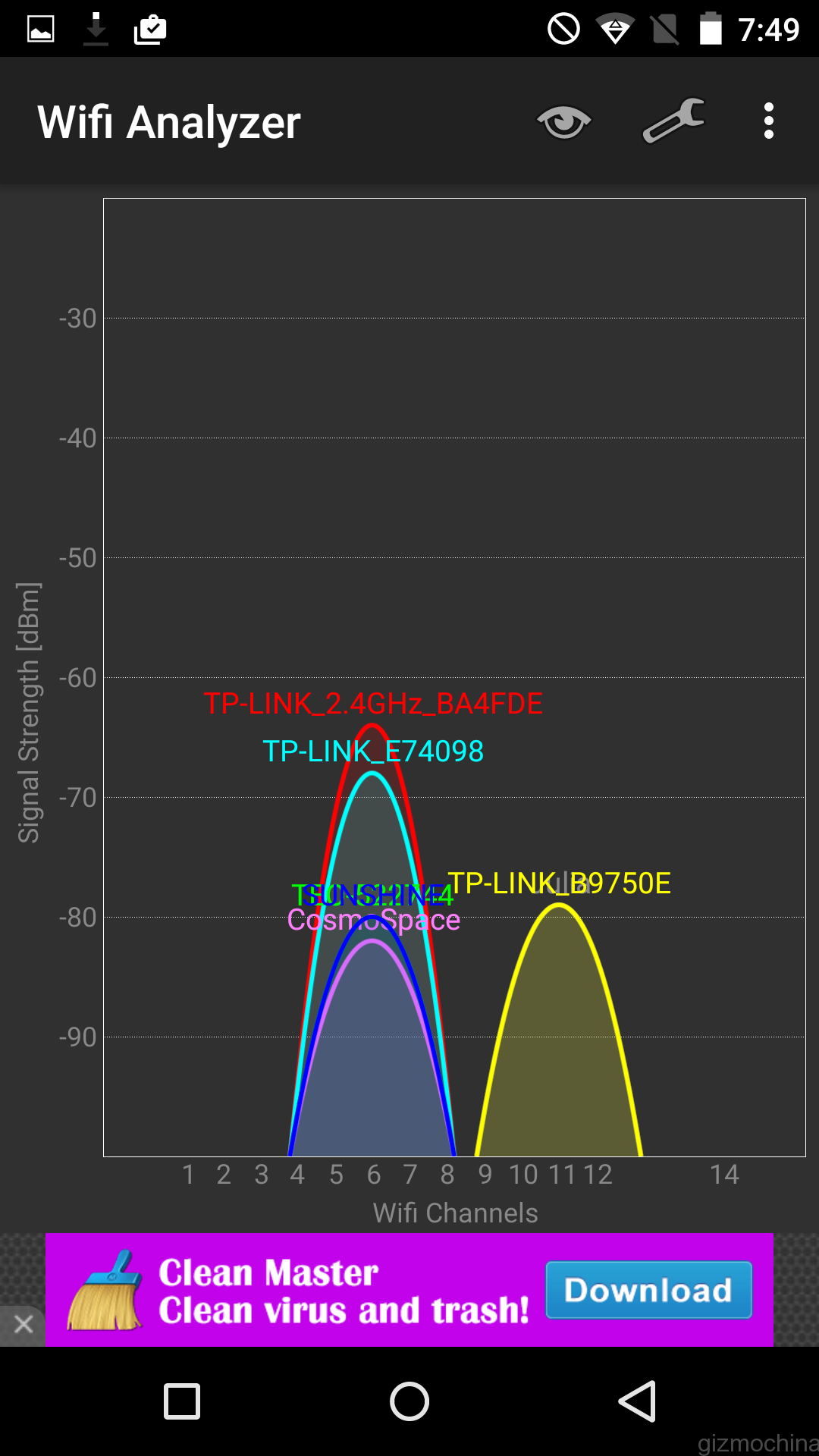
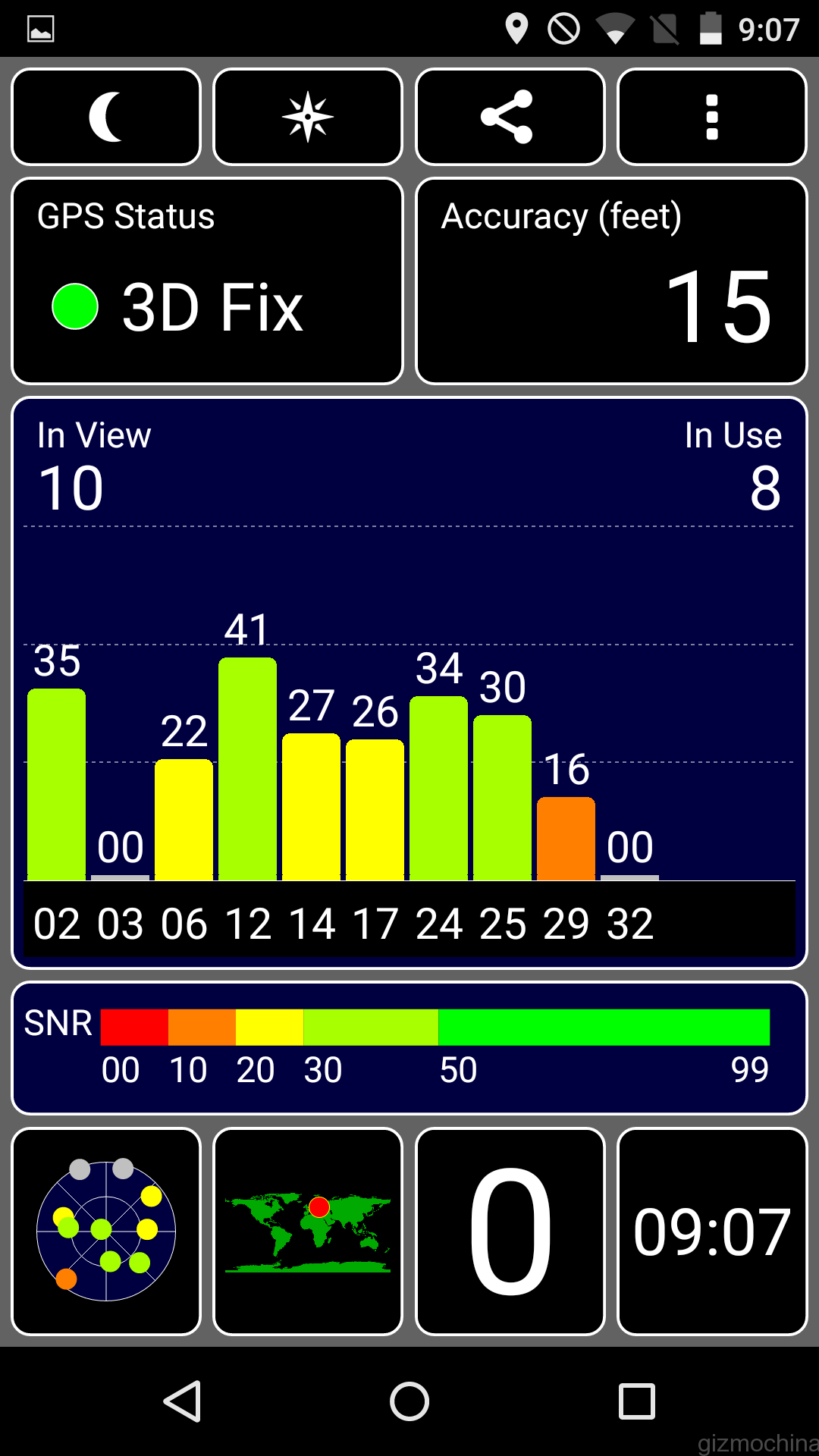
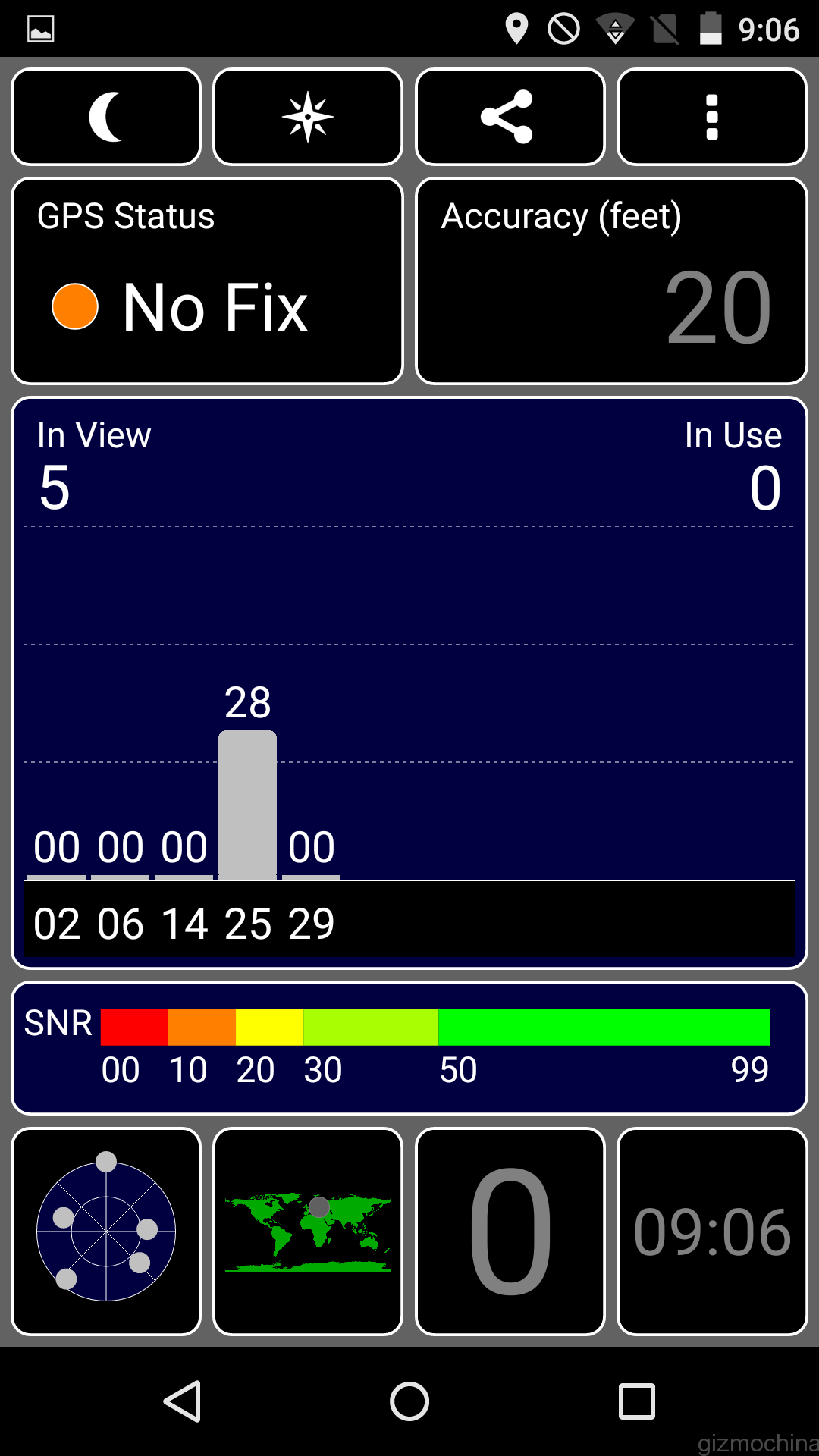
The call quality is good (not on par with flagships though) and signal reception is decent. As far as Wifi, it has a good range and works without interruptions. However, the GPS lock speed is very slow. A very first cold start outdoors took like 2 minutes, which is terrible. Hopefully, this is something that Umi addresses in the future. Once you get a fix, navigation is pretty accurate though.
Umi Iron Review: BATTERY LIFE
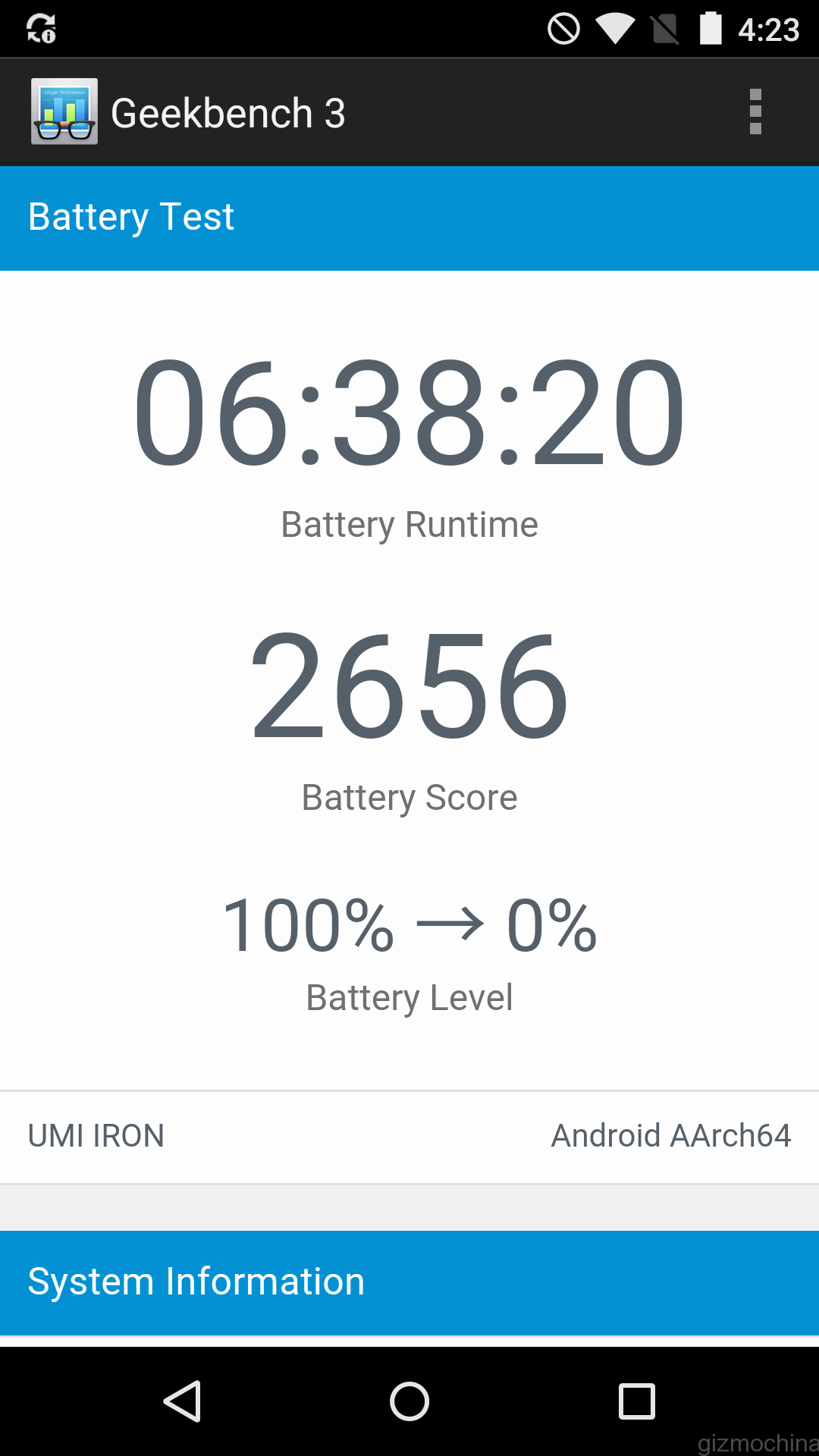
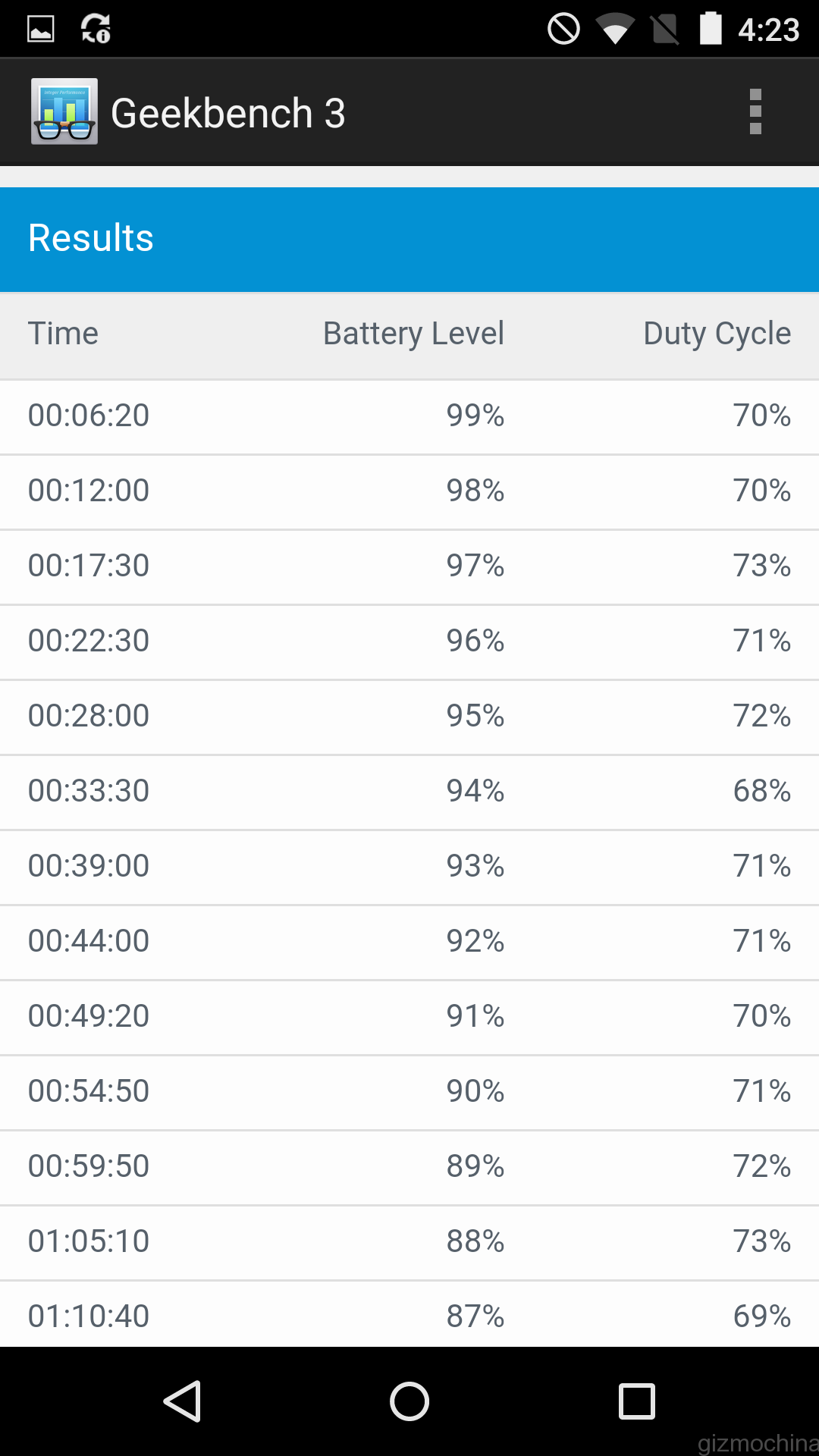
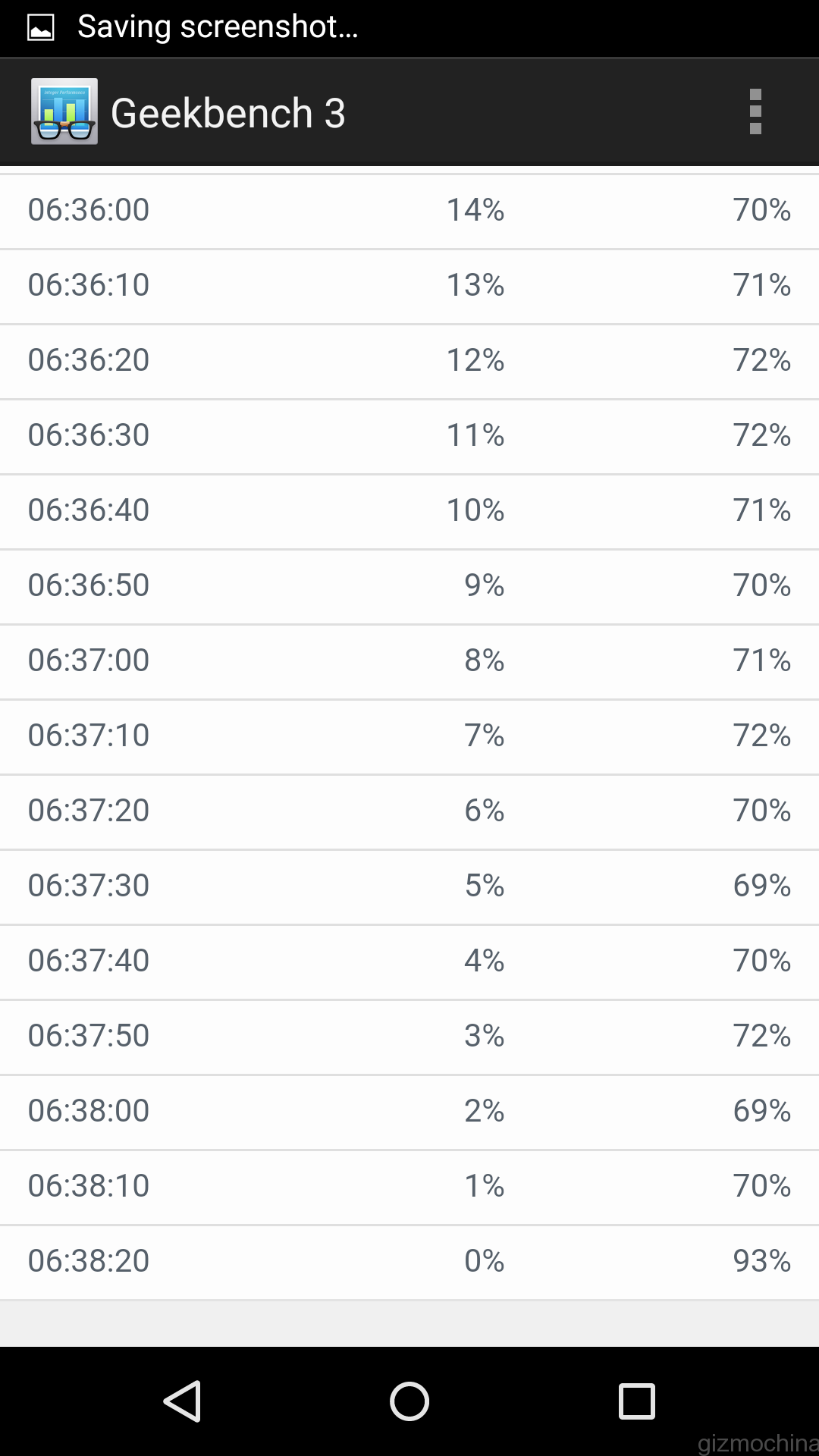
A Geekbench 3 test score is very impressive for a budget device as Umi Iron got 6 hours 38 mins screen-on time (dim screen off, auto-brightness on, Wifi with some apps syncing on).
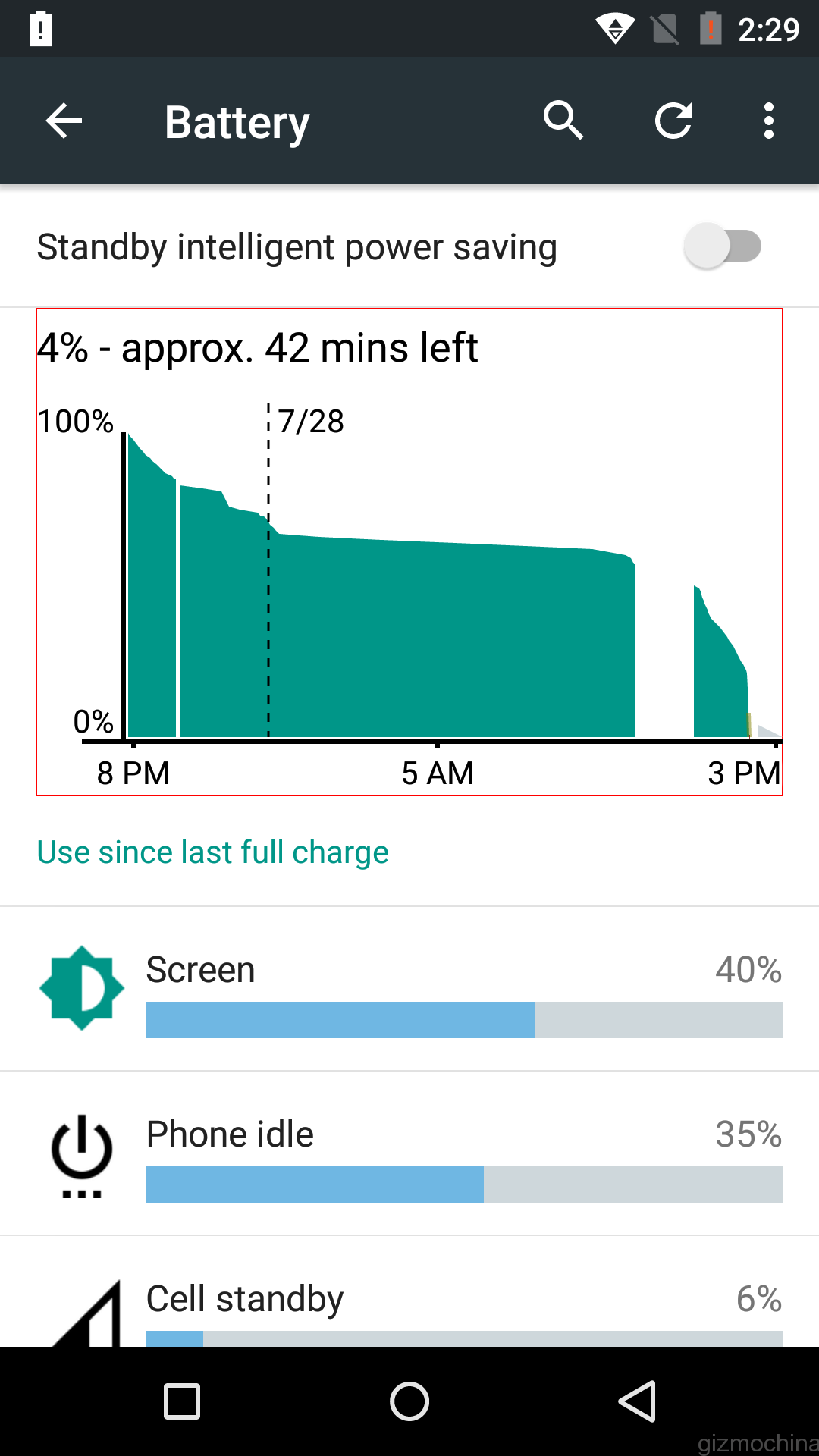
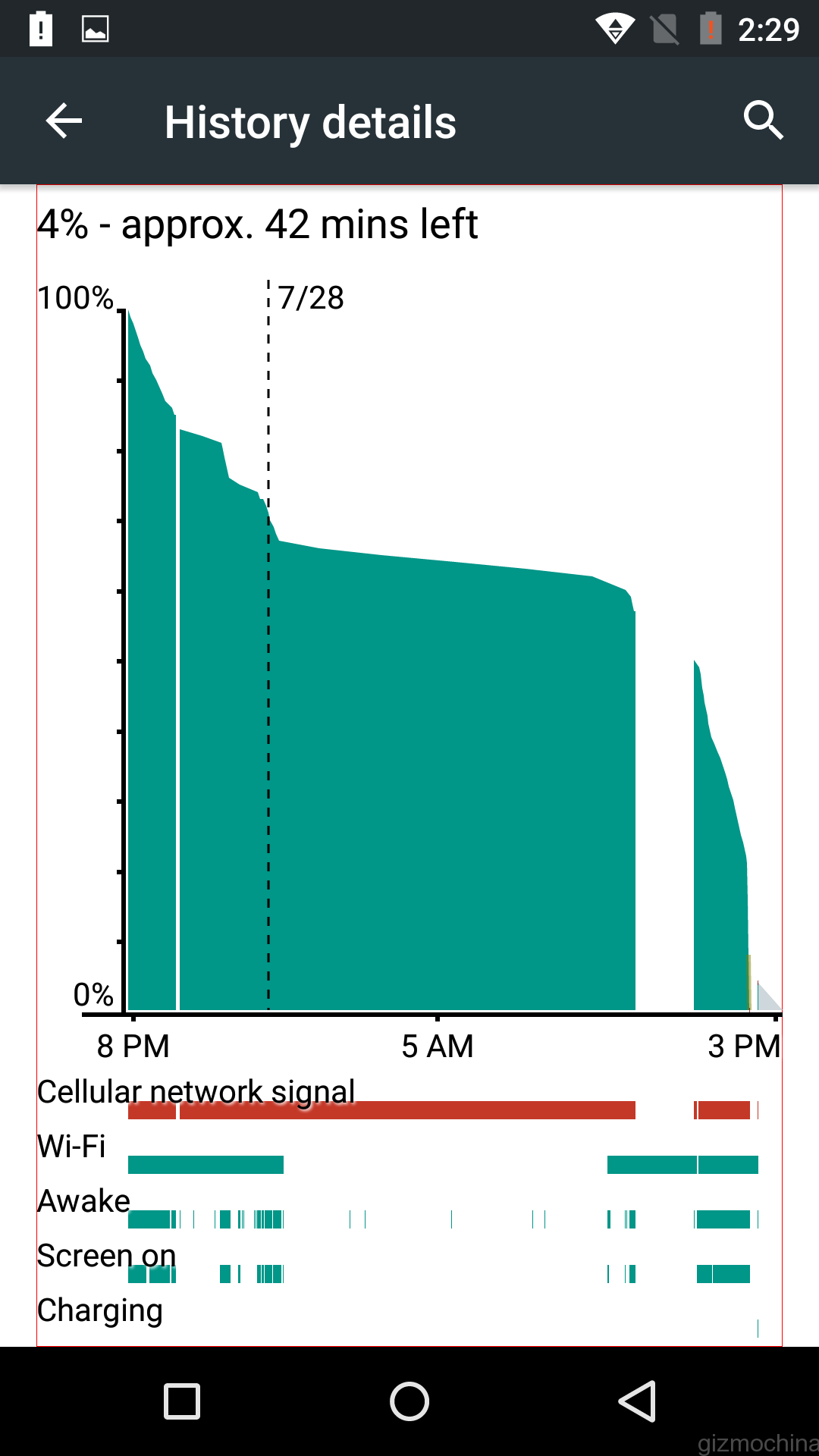
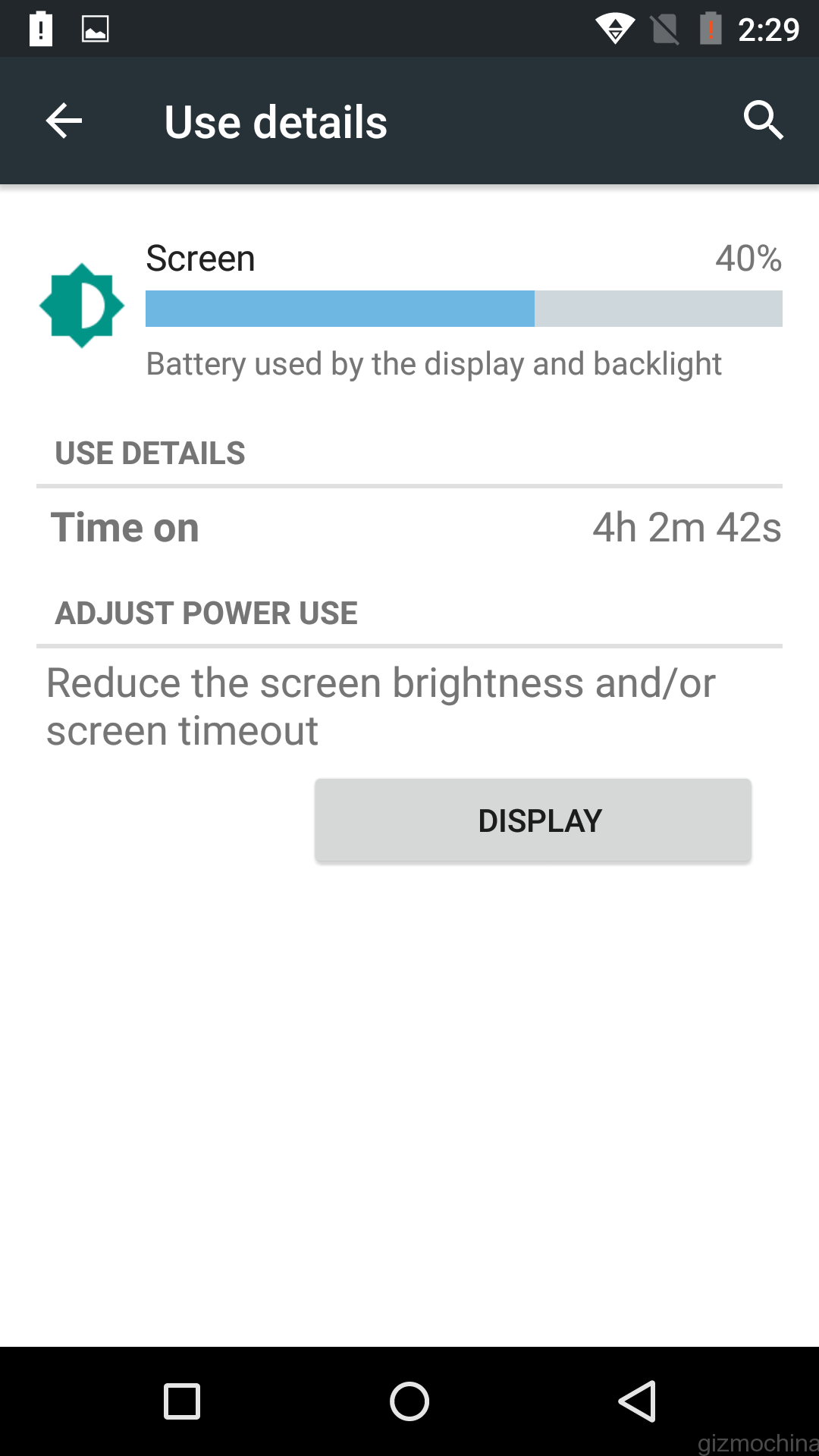
Real life test is not that great but still good. This diagram shows a very intensive use of the smartphone (Internet, Youtube, 3 different benchmarks, gaming, taking pictures, shooting video etc.).
Overall, the device will get you through the day even if you are a heavy user but not a die hard gamer or addicted Youtuber. If you are an average user, you may even get 2 full days of use.
Umi Iron Review: CONCLUSIONS
So here it is, Umi Iron, a metal phone for a budget. I would say that the design and build quality are one of the key aspects of this device. A metal back cover and the sides definitely add some premium look and feel and those little screws add a bit of an industrial design impression. Also, a customisable LED is a welcome feature to any device and it seems that Umi has implemented it well on this phone.
Almost stock looking Android 5.1 based UI is great and I have no major complaints doing a lot of daily tasks. One of the selling points of this device is iris scanner and it works. Well, it is not ideal as you need to scan your eyes in good lighting conditions but I am pretty sure that you will get some attention from your friends once they see this feature.
In addition, the phone has an decent camera for outdoors shoots and it is quite good indoors. The night images are not the the best but not the worst either.
There are some issues to address like the music playback at the highest volumes using headphones but Umi knows that and they assert that they’ve been working on a fix.
Finally, you are getting a good looking device, which has a great, sharp and very bright display, good battery and premium build for under $180. I believe that Umi will fix the rest of the software bugs very soon as the latest software update (V. 1.4) brought a lot of improvements and bug fixes already. I have to say that Umi has some dedication to what they’re doing as they are listening to the community (including me) and trying to fix all the issues. That means you are NOT dealing with a knock-off Chinese company, which simply wants to sell the device and provide zero after sale support. Finally, the Umi Iron is a decent offering at it is worth looking at if you are looking for a device which costs below $180.
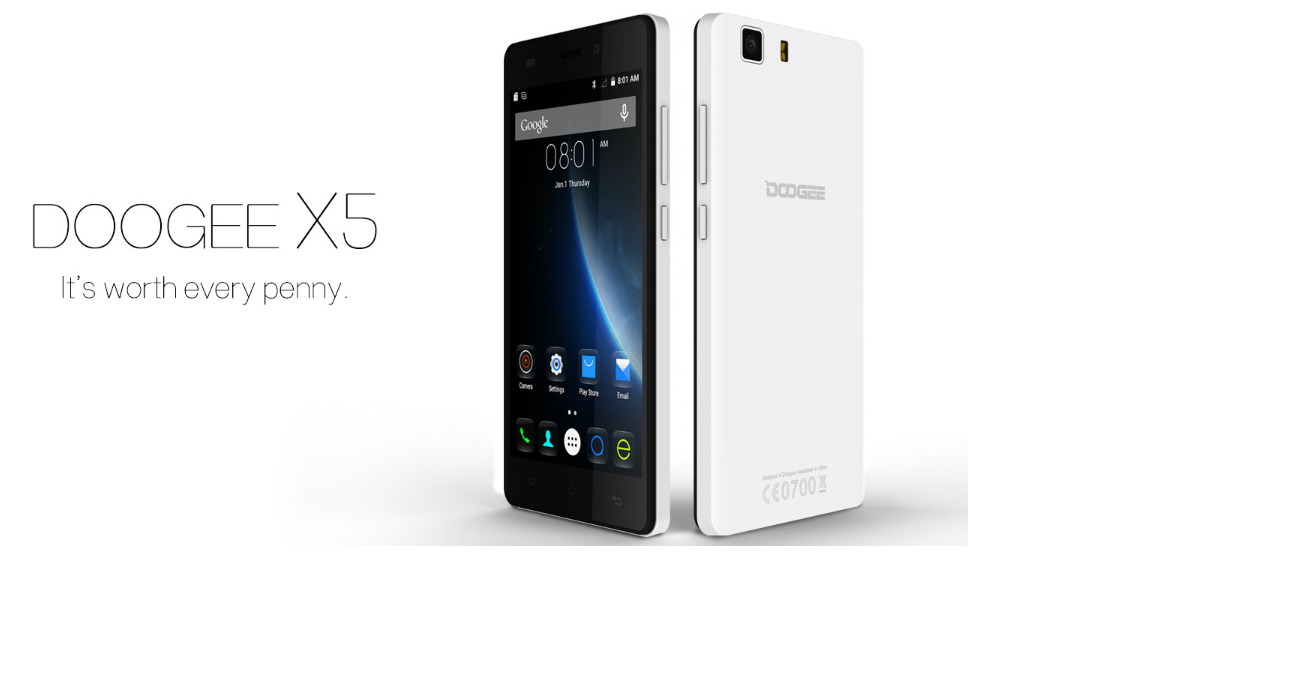
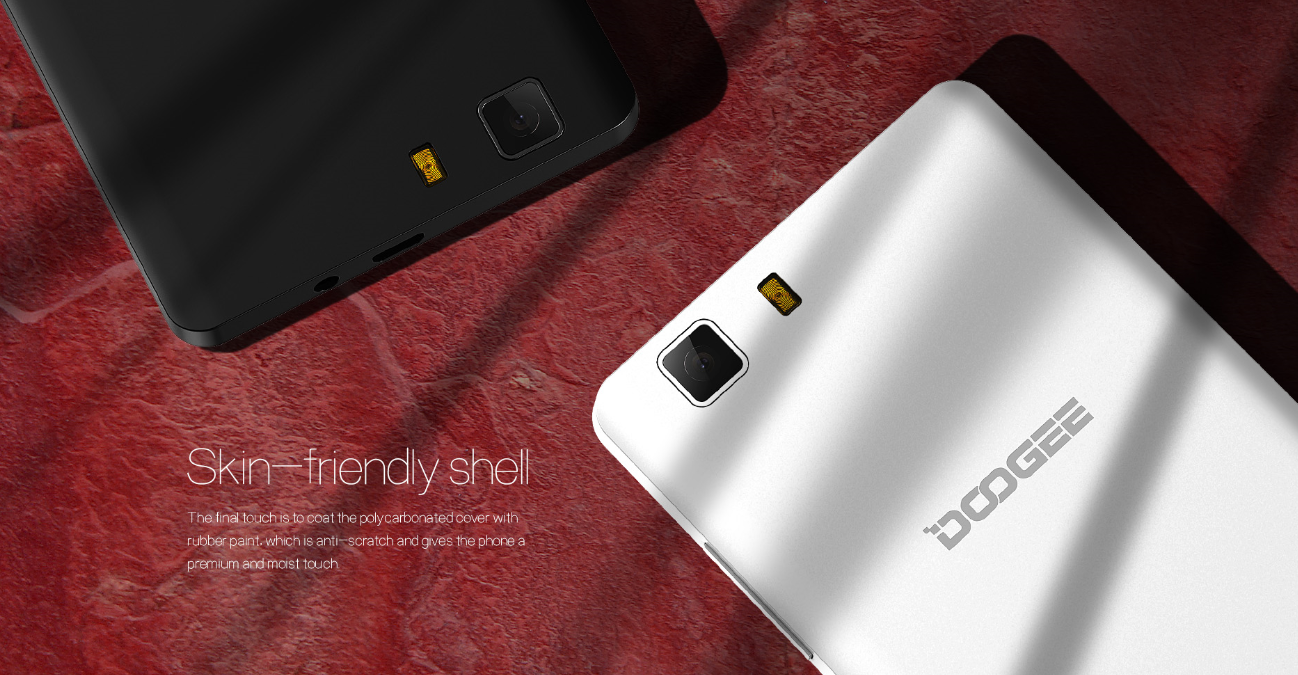
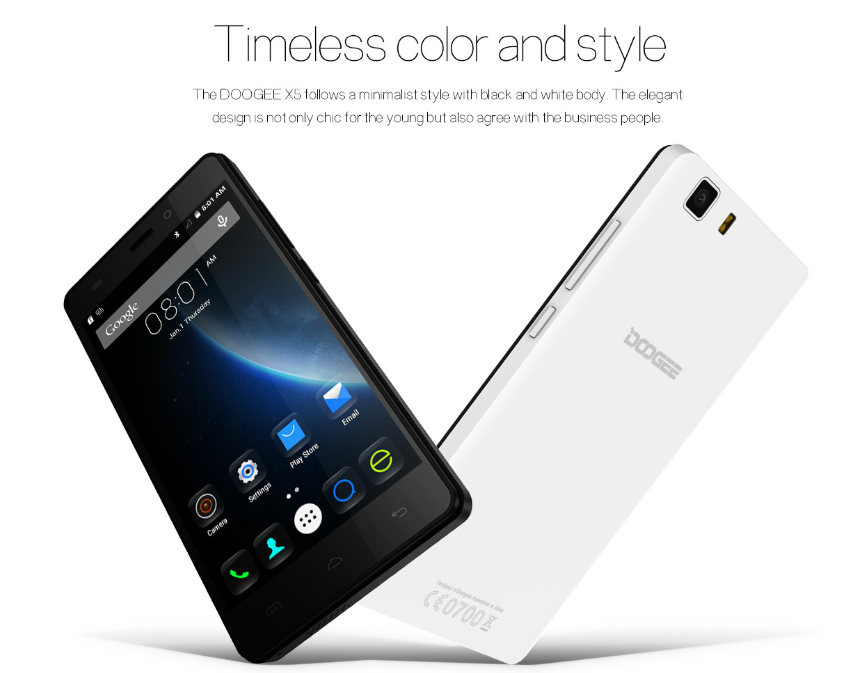
Doogee is known to unveil cheap yet feature rich smartphones. Now, the company has taken things to a whole new level with its new Doogee X5 smartphone. Doogee claims that this is the cheapest 5.0-inch HD smartphone in the global market. And now, the device is finally available for pre-sale.
This is definitely one of the most value for money devices that you can buy right now. For just $49.99, the Doogee X5 C offers you MT6580 1.5Ghz quad-core chipset which was last year’s mid-range chip. Along with this, you have 512MB RAM, and a 5-inch HD display. There will be a decent 2400mAh battery on board. As for storage, you get 4GB. At the back, there will be a 5.0 MP camera while up front, there is a 2MP shooter.
If are ready to pay a little extra, you can consider Doogee X5. It comes with the same specs as the X5 C, but with double the RAM (1GB) and double the storage (8GB). Plus, instead of Android 4.4, you get the latest Android 5.1 Lollipop OS. You get these additional features for just $10 extra. So, the Doogee X5 can be bought for just $59.99
While these support only 3G networks, the company is also working on a 4G model, named as Doogee X5 Pro. This particular model will feature the new 64-bit MT6735 quad-core chip. Apart from processor and 4G connectivity support, the specs are same as the X5 model. We still don’t know the pricing for the X5 Pro, but given that it comes from the same super cheap lineup, we expect it to be pretty cheap. Any guesses? The phone will be launched sometime in September.
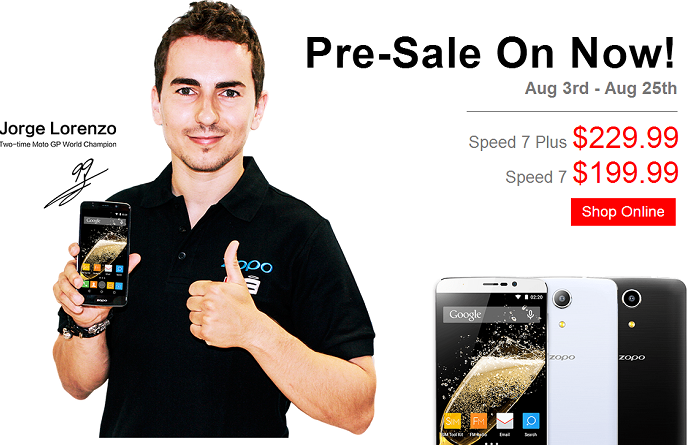
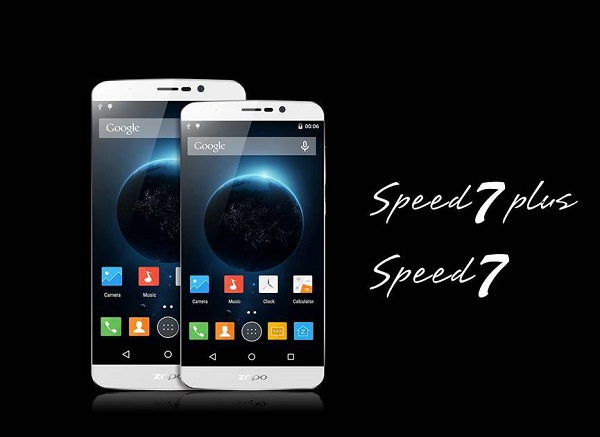
Last month, ZOPO announced that the two time Moto GP World Champion, Jorge Lorenzo will be the company’s official Brand Ambassador. At MWCS 2015 in Shanghai, the company had also said that they would making some changes in marketing strategies. At the same event, ZOPO revealed two new smartphones, namely ZOPO Speed 7 & Speed 7 Plus.
Now, both these devices are officially available fore pre-sale from August 10. The pre-sale will go on till August 25, after which the company will start shipping the orders. In the initial period, there will be two colors available, black and white. The official price tag of ZOPO Speed 7 Plus and Speed 7 are $229.99 & $199.99 respectively. However, like we mentioned in our previous article, the company is giving out $40 coupons to its fans which will reduce the price tag to just $189.99 (Speed 7 Plus) and $159.99 (Speed 7).
At this price tag, you get pretty good specs. the Speed 7 comes with a 5.5-inch 1080p full HD display, with 400 ppi pixel density. At the back, there will be a 13.2MP camera and a 3000mAh battery under the back cover. It supports dual SIM and 4G LTE-FDD/ WCDMA/ GSM networks. For software, the phone runs on the latest Android 5.1 Lollipop. As for the Speed model, it comes with the same specs, except for a smaller 5-inch display and 2500mAh battery. Even the overall design is pretty neat, with brushed metal like back with a slight curve for a comfortable grip.
In case you are wondering, the $40 coupons are available from ZOPO’s official website and authorized retailers.
Elephone have today provided a video and download link for the P7000 port of the Latest Vivo Funtouch OS.
Custom Roms are coming in fairly thick and fast for the P7000, surely a sign that all of the people that feared the release of the P8000 so soon after the P7000 should not have worried.
Huawei has been busy this year, releasing a number of devices in different lineups at regular intervals. First it was the Huawei P8, then came the Huawei Honor 7 and later we saw the Honor 4A aimed at the budget customers.
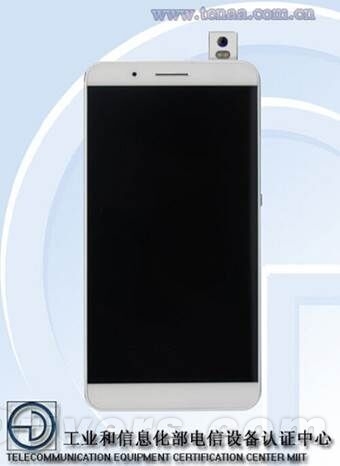
Just a couple of days back, we came across a TENAA listing wherein the Huawei Honor model, ATH-AL00 & ATH-AL00H (higher end version?) passed through TENAA. While the Chinese certification website failed to reveal the specs of the devices, the pictures showed us a unique rear camera unit. From the images, it looked as if the camera could slide up to act as a front facing shooter too.
Earlier today, Huawei’s Honor Weibo account released a new teaser, which said “Little More Than Amazing”, showing the dates August 10. So, it looks like the ATH-AL00 model that we saw on TENAA could be announced on the above mentioned date.
As you can see in the pictures above, the rear camera can slide up to act as a front facing shooter. This means, you get flash (probably Xenon) both on the front as well as the back. Unlike the OPPO N1 which had the same rear camera act as the front facing shooter, it looks like this Huawei model comes with two separate camera sensors.
What’s the exact benefit from such a unique design is still to be known. However, given that the launch could be as soon as August 10, we hope to get more information in the coming days.
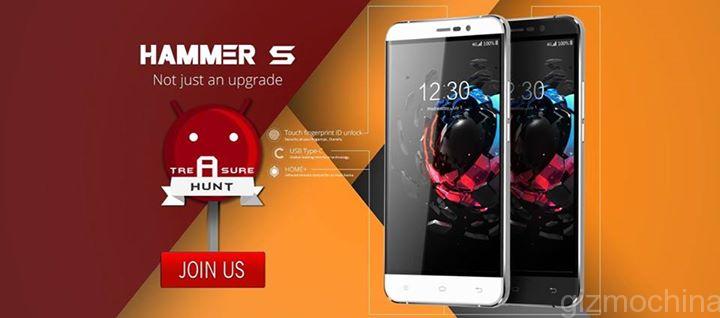
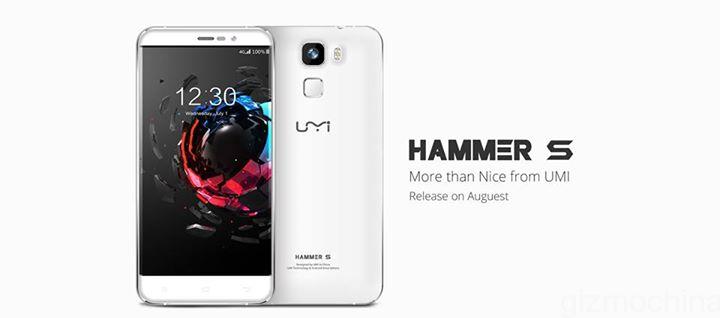
The UMI Hammer was quite popular among customers and now the company is all set to unveil the new Hammer S version. This will be the first USB Type-C smartphone from the company. Apart from this, there are a lot of other confirmed features to keep fans interested in the new UMI Hammer S flagship.
To promote its latest offering, the company will be keeping a Hammer S Treasure Hunt from August 10. The event will be held on UMI’s community site, which you can check out from here. The treasure hunt will go on till September 10, after which the company will start shipping the Hammer S smartphones around a week later.
The company has reportedly invested a lot of money promoting its new flagship. In order to win in the treasure hunt, fans will have to look for a UMI code that will be hidden inside Facebook. From what we could understand, the company plans to pick a winner everyday since the hunt will start at 10 AM and continue till 22:00 PM GMT+2 everyday between the above mentioned dates.
The winner of the UMI Code will get a special discount code to purchase the device. In the end, the company claims that after discounts, the UMI Hammer S could be purchased for as low as $59.99.
Touch fingerprint ID unlock
USB Type-C
5.5inch LTPS screen
Latest Lollipop 5.1 system
3200mAH high capacity battery
3D Metal design body
HOME+, infrared remote control for a smart home.
Overall, it looks like the company is trying hard to promote its new Hammer S smartphone. We hope to get more details about the treasure hunt as well as Hammer S flagship in the coming days.
We use cookies on our website to give you the most relevant experience by remembering your preferences and repeat visits. By clicking “Accept”, you consent to the use of ALL the cookies.
This website uses cookies to improve your experience while you navigate through the website. Out of these, the cookies that are categorized as necessary are stored on your browser as they are essential for the working of basic functionalities of the website. We also use third-party cookies that help us analyze and understand how you use this website. These cookies will be stored in your browser only with your consent. You also have the option to opt-out of these cookies. But opting out of some of these cookies may affect your browsing experience.
Necessary cookies are absolutely essential for the website to function properly. This category only includes cookies that ensures basic functionalities and security features of the website. These cookies do not store any personal information.
Any cookies that may not be particularly necessary for the website to function and is used specifically to collect user personal data via analytics, ads, other embedded contents are termed as non-necessary cookies. It is mandatory to procure user consent prior to running these cookies on your website.