We are still months out from the official launch of Qualcomm’s Snapdragon 8 Elite 2 and MediaTek’s next-gen Dimensity 9500. But that hasn’t stopped the leaks from flowing and us from following them.
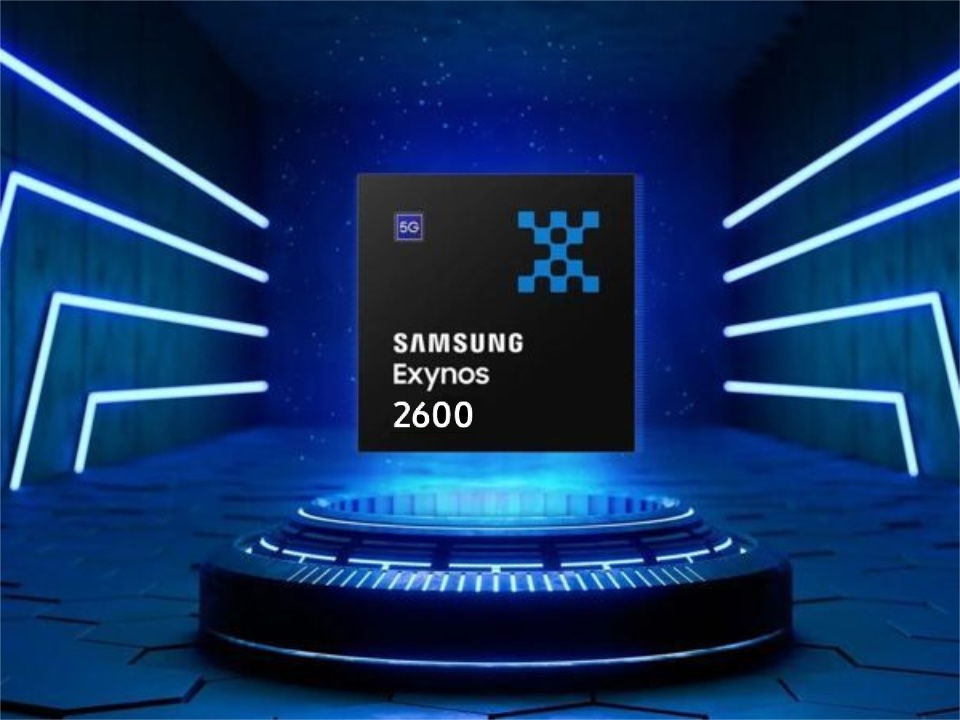
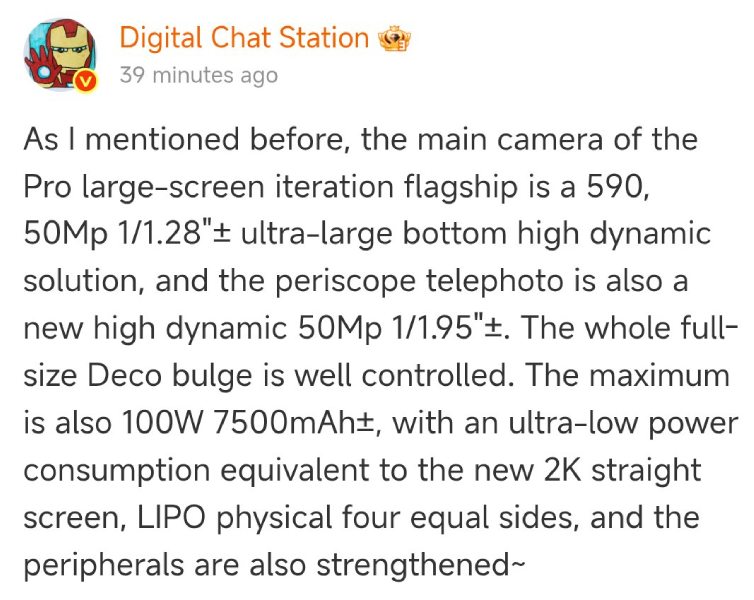
The latest scoop comes, once again, from China’s ever-reliable tipster Digital Chat Station. This time, it’s an AnTuTu benchmark score for MediaTek’s upcoming chip.
According to the leak, the Dimensity 9500 has hit over 400,000 points in its most recent benchmark run. That puts it roughly 17% ahead of the best score we’ve seen so far from the Snapdragon 8 Elite.
MediaTek Dimensity 9500 scores over 4 million on the AnTuTu benchmark.
Of course, we’re still a ways off from launch, so these numbers will likely change as final optimizations roll in.
DCS also reports that MediaTek will increase the L3 cache on the 9500 from 12MB to 16 MB. This should help reduce memory latency and speed up app switching. It’s a meaningful upgrade that could lead to smoother multitasking across the board.
Beyond this…
Oh, and in case you’re wondering about the silicon future beyond this chip, DCS says the next-gen processors from Apple, Qualcomm, and MediaTek will all be built on TSMC’s 2nm process.
We are talking about the likely Apple A20, Snapdragon 8 Elite 3, and Dimensity 9600, to be clear. The upgrade in fabrication process naturally means gains in power efficiency and performance.
2nm chips incoming
However, it is also costly to make SoCs on the smaller node, and incidentally, DCS indicates that the flagship phones of 2026 may become more expensive.
As for the Dimensity 9500 itself, it’s still expected to be fabbed on TSMC’s 3nm N3E node. The chip will reportedly feature two Cortex-X930 “Travis” cores and six Cortex-A730 “Gelas” cores, with the prime cores reaching speeds up to 4GHz, a 10% boost over the Dimensity 9400.
For more daily updates, please visit our News Section.
The Korean giant surprised with several upgrades on the Galaxy S25 series this year. Apart from the upgrades, the price of the Galaxy S25 starts from as low as $800, with the promise of 7-year security updates and powerful hardware. On top of it, Samsung is offering a $90 additional discount on the Samsung Galaxy S25.
The folks can also grab an additional discount if they grab a locked device from the carrier of their choice. However, the final plan would change on the basis of the carrier, and plan chosen by the buyer. Right now, it is the best deal out there to grab the unlocked Galaxy S25 for the price of $709.
Discounts like these, usually enable the buyers to grab additional discounts from the carriers, if they switch with their own device. Amazon is running a $90 off the Samsung Galaxy S25 which is presently retailing for the price of $710 (inclusive of discount). The price may slightly vary for different color options.
Samsung Galaxy S25 comes with a large 6.2-inch Super AMOLED display with having 120Hz refresh rate and Full HD+ display. It is powered by the Snapdragon 8 Elite SoC, with 12GB of RAM. The smartphone feels comfortable in the hands, measuring 7.2mm in thickness and weighs 162g.
Running OneUI 7, the smartphone seems to offer some exciting AI features with better reliability. It is set to get 7 years of updates, including major updates till 2032. It is worth every dime spent right now, and enjoy the device for several years.
In a silent move, Nothing has announced a pair of budget truly wireless earbuds from its CMF sub-brand. The CMF Buds were teased alongside the CMF Phone 2 Pro in the recent past. But now, it has officially been announced in the global market. So here are its specs, features, pricing, and more.
CMF Buds 2: What specs does it offer?
Similar to its predecessor, the CMF Buds 2 features a customizable dial on its charging case for volume and playback controls. Users can customize this dial via the Nothing X app, which also offers tuning for the earbuds’ ANC (Active Noise Cancellation and other key features. The earbuds house a single PMI (Polymethacrylimide) driver and support SBC and AAC codecs via Bluetooth 5.4. The company offers Ultra Bass Technology 2.0 and Spatial Audio effects as well.
CMF Buds 2
Thanks to its 6-mic setup, the CMF Buds 2 features up to 48 decibels of Hybrid ANC (supporting range of up to 5200Hz) and Clear Voice Technology 3.0 for better calling quality. On a single full charge, these can offer up to 55 hours of audio playback. It also supports quick charge which allows for 7.5 hours of playtime from just 10 minutes of charging. Other notable features include ChatGPT integration, touch controls, Dual Connection, a Low Lag Mode (under 110ms), and IP55 rated buds with an IPX2 rated charging case.
Pricing and Availability
Nothing announced the CMF Buds 2 in three color options, namely Orange, Dark Gray, and Light Green. It is available in the US for 59 US Dollars, while its UK and Europe pricing is set at 39 GBP and 49.95 Euros, respectively.
For more daily updates, please visit our News Section.
Xiaomi‘s Redmi is back with another compact projector that punches above its weight. The new Redmi Projector 3 Lite, now up for grabs on JD.com for 699 yuan (roughly $96), is designed for the streaming-first generation—portable, smart, and tuned for home comfort. It goes on sale April 22 in China.
Redmi Projector 3 Lite Specifications
The Redmi 3 Lite features a fully sealed optical engine paired with a full-glass lens array, enabling side projection up to 20 degrees while maintaining image clarity. It comes with an upgraded cooling system that reduces fan noise by 2dB(A), making it better suited for quiet environments like late-night movie sessions.
For visuals, the projector equips 180 CVIA lumens of brightness, enough for sharp 1080p playback in darker settings. It supports a 1.2:1 throw ratio, allowing users to project screen sizes up to 100 inches from a short distance. It’s also certified by SGS for low blue light, filtering out wavelengths between 415–455nm to help reduce eye fatigue during extended viewing.

Under the hood, it runs on a quad-core Amlogic T950S chip clocked at 1.5GHz, paired with 1GB RAM and 32GB storage. While modest, this configuration handles lightweight streaming apps and Xiaomi’s HyperOS Connect, enabling smart automation features.

The projector sports a ToF laser sensor for automatic focus and keystone correction, offering 20% faster autofocus and 13% quicker image correction than its predecessor. This results in a hassle-free setup: just turn it on, and it auto-adjusts for optimal clarity.
In terms of connectivity, the 3 Lite includes HDMI with ARC, USB 2.0, a 3.5mm headphone jack, and dual-band Wi-Fi for wireless casting. It also ships with a Bluetooth remote that supports voice commands, making navigation even easier.
The projector weighs just 1.2kg and measures 146×113×172.5mm, making it compact enough to move easily between rooms or take along for portable viewing anywhere.
Whether you’re trying to focus in a noisy office, catch some quiet on a long flight, or just escape into your music, active noise cancellation has become a necessity, and JBL has great options to choose from. JBL’s noise-cancelling headphones combine immersive sound with tech that tunes out distractions, so here are a couple of the best JBL headphones with ANC (Active Noise Cancellation).
The first on the list is a premium option that takes music to the next level thanks to a music-sharing feature. The JBL Smart Tx tech allows the JBL Tour One M3 Smart Tx to connect to any audio source wirelessly or even via a USB Type-C port and 3.5mm headphone jack. The extra dongle-like gadget is paired with the headphones to offer intuitive controls via a touchscreen. This lets you get access to quick settings, pick or end calls, set a wallpaper, and much more.
So one doesn’t need to fiddle around with a dedicated app or pull out your phone once the Smart Tx is already connected. Apart from this, it houses an 8-mic true adaptive noise cancellation that allows for superior noise cancellation via real time adjustments. The JBL Tour One M3 Smart Tx packs 40mm dynamic drivers and offers up to 18 hours of battery life on a single full charge. You can purchase this model for $399.95.
We have another Tour model in this list, which is the JBL Tour One M2. It is another premium headphones designed with Adaptive Noise Cancelling technology that helps reduce distractions while also offering superior audio quality. Thanks to its 4 mic system, users also get better ENC for a better calling experience. The company packs this device with JBL Spatial Audio, Smart Ambient, and up to 50 hours of playtime (30 hours with ANC enabled).
Among the various features, users also get Hi-Res certified JBL Pro Sound, Smart Talk function for quick conversations with headphones on, and 40mm audio drivers. The company’s JBL Tour One M2 is available for purchase for $249.95.
Please Note: When you buy something using the links in our articles, we may earn a small commission at no cost to you.
3. JBL Live 770NC
JBL Live 770NC
Similar to the more premium options in this list, the JBL Live 770NC was released with true Adapative Noise Cancellation as well. These headphones offer the powerful JBL Signature Sound from their 40mm audio drivers that also support virtual surround sound. The hearables come with support for Bluetooth 5.3 with LE audio and Smart Ambient support.
On a single full charge, the JBL Live 770NC can offer up to 65 hours of audio playtime (50 hours with Bluetooth and ANC enabled). Other notable features include multi point connection, Google and Amazon Alexa voice assistant support, and more. You can grab this pair of headphones for $159.95.
Please Note: When you buy something using the links in our articles, we may earn a small commission at no cost to you.
4. JBL Tune 770NC
JBL Tune 770NC
Last but not least, there is the JBL Tune 770NC that also brings Adaptive Noise Cancellation and Smart Ambient mode. You also get Bluetooth 5.3 with LE audio support. It houses 40mm dynamic drivers that offer JBL Pure Bass Sound. The headphones can last for up to 70 hours of battery life, with just a quick 5 minute charge offering an additional 3 hours of audio playtime.
Enabling ANC and Bluetooth reduces the battery life to just 44 hours. Other notable features include multi point connection, lightweight, and comfortable design. The JBL Tune 770NC is the most affordable option on this list, which is available for purchase for $109.95.
ASUS has unveiled the new TUF Gaming A14, a compact 14-inch gaming laptop powered by AMD’s latest Ryzen AI 7 350 processor and NVIDIA GeForce RTX 5060 Laptop GPU. Weighing just 1.46kg and measuring 1.69cm thin, it’s designed for gamers and creators who need power on the move.
The AMD Ryzen AI 7 350 packs 8 cores, 16 threads, and an NPU delivering up to 50 TOPS AI performance. It enables features like hand gesture control, gaze correction, and on-device Windows Copilot tools with lower latency and power usage. Paired with the new RTX 5060 GPU offering up to 110W TGP in Manual Mode, the A14 supports DLSS 4, real-time ray tracing, and advanced AI-driven enhancements like Multi Frame Generation and Ray Reconstruction.
The 14-inch display features a 2.5K (2560 x 1600) resolution, 165Hz refresh rate, 100% sRGB, 400 nits brightness, and G-SYNC support. ASUS includes up to 32GB LPDDR5X RAM and dual M.2 SSD slots supporting up to 2TB PCIe 4.0 storage. Audio is handled by Dolby Atmos with Hi-Res Audio and AI noise cancellation.
For connectivity, the A14 includes USB4, USB-C with DisplayPort and Power Delivery, HDMI 2.1, dual USB-A ports, a microSD UHS-II reader, and WiFi 6E. A 73Wh battery powers the device. Pricing and regional availability details will be revealed later.
For more daily updates, please visit our News Section.
Nvidia has recently released new drivers for its GeForce series of graphics cards to address the annoying game crashing issue. The company has released the 576.02 GPU drivers that finally offer a fix to the various issues being faced by gamers worldwide. So here are all the details.
What does Nvidia’s latest GPU drivers bring?
Over the last couple of days, Nvidia received many reports from GeForce GPU users regarding game crashes, stability issues, and black screen problems. But the latest 576.02 GPU drivers have been released to fix the many issues caused by the 572.83 drivers that was released back in March 2025.
In the release notes of the Nvidia 576.02 drivers, Nvidia states that the stability issues have been fixed for systems running on Windows 11 version 24H2, which was facing BSOD (Blue screen of death) when playing certain titles with DLSS 4 games with Multi Frame Generation Enabled.
Nvidia RTX 50 series GPU face game crashing issues
Playing with these settings on RTX 50 series GPUs caused stability issues and random black screen problems as well. The latest drivers help fix crashes for various games like Fortnite, while addressing the Star Wars Outlaws hanging issue when the game is idle. Even Overwatch 2 had a stuttering issue with V-Sync enabled.
The update also brings fixes for Control, The Last of US Part 1, Uncharted Legacy of Thieves Collection, and even Hellblade 2. The 576.02 GPU driver update is currently live and can be found on the Nvidia app. So if you’ve been facing any of these aforementioned problems, make sure your GPU drivers are up to date.
For more daily updates, please visit our News Section.
Android 15 might still be a future update for millions of Android phones, but Google is already deep into the development of Android 16. In fact, the upcoming operating system has already entered its platform stability phase, which means we’re getting closer to the final release.
Google has released two developer previews of Android 16, followed by a couple of betas. These beta versions gave us an early look at the upcoming OS before the public rollout, so we already know what Google is cooking up for Android 16. So, here’s everything we know about Android 16 including the release date, eligible devices, and new features.
Android 16 release date
Google has confirmed that Android 16 will be released in the second quarter of 2025. According to Sameer Samat (via Android Police), President of the Android Ecosystem, everything is on schedule. That means Android 16 should be officially released by June 2025, though there are rumors of an even earlier rollout in May.
This would make Android 16 the earliest Android version to be released in recent years. Google typically releases the latest version of Android in August or later, but Android 16 is arriving at least a month earlier.
As of now, Android 16 beta is available for a number of Pixel and non-Pixel devices. Here’s the full list:
Pixel 9
Pixel 9 Pro
Pixel 9 Pro XL
Pixel 9 Pro Fold
Pixel 8
Pixel 8 Pro
Pixel 8a
Pixel 7
Pixel 7 Pro
Pixel 7a
Pixel 6
Pixel 6 Pro
Pixel 6a
Pixel Fold
Pixel Tablet
Xiaomi 15
Xiaomi 14T Pro
OnePlus 13
If you own one of these phones or tablets, you can try Android 16 right now by installing the beta version.Remember that beta builds generally have bugs and broken functionalities.
The above list is short. However, the stable version will roll out to a big chunk of Android devices.. We’ll update our website as soon as manufacturers share their official Android 16 upgrade lists.
New features in Android 16
1. Progress-centric notifications
Android 16 introduces a new class of notifications that lets users monitor and access important ongoing activities, such as rideshare, delivery, and navigation. This is similar to iOS’s Live Activities with some differences. For example, Google displays progress-centric notifications more prominently on the lock screen as they are treated with high-priority.
The progress-centric notifications (also known as Live Updates) also work with status bar and always-on display. As revealed by Android Authority, it is displayed as a chip in the status bar, and for that period, all other notifications are hidden. Tapping on that reveals the full information in a pop-up window.
2. Improved photo picker
Photo picker has been a great privacy addition to Android, allowing users to give access to specific photos and videos rather than the entire library. This is getting even better with Android 16, as the new OS will allow searching from cloud media providers in the Android photo picker itself.
Google has also added new APIs that allows apps to embed photo picker directly into their view hierarchy. This would make media selection seamless and it’ll feel like a native part of the app’s interface rather than a separate overlay.
3. Predictive back improvements
This feature provides users with a preview of the screen they will return to before the back navigation is completed. Android 16 brings predictive back support to three-button navigation. Long-pressing the back button will show a preview of the previous screen.
4. Better support for adaptive refresh rate
This feature enables the display refresh rate on supported devices to adapt to the content frame. This reduces the power consumption while also eliminating the need to manually switch the refresh rate. The adaptive refresh rate was introduced in Android 15, but Android 16 makes it easier for developers to take advantage of it.
5. Richer haptics
With Android 16, Google is giving app developers more controls over haptics on Android devices. New haptic APIs let apps define the amplitude and frequency curves of a haptic effect.
Richer haptics would make gaming more-engaging with dynamic vibrations for actions such as explosions, collisions, or gunfire. Smartphone brands can also use it to assign distinct vibration patterns for different types of notifications (e.g., messages, calls, alarms, reminders), making it easier for users to identify alerts without looking at their device.
6. Camera improvements
Android 16 adds new hybrid auto-exposure models that will allow you to manually control specific aspects of exposure while letting the auto-exposure algorithm handle the rest. This provides greatly flexibility compared to the current approach where you either have full manual control or rely entirely on auto-exposure.
The new OS also brings camera support for fine color temperature and tint adjustments to better support professional video recording applications. Below are some examples showing how a photo would look after applying different color temperature and time adjustments.
[image]
With the camera night mode scene detection, third-party apps can detect low-light scenes better and switch to night mode to capture better photos provided that your device supports night mode.
Android 16 also expands HDR capabilities with the added support for UltraHDR images in the HEIC file format. Google is also working on AVIF support for UltraHDR, which could come in the stable build.
7. Advanced Professional Video
Android 16 introduces Advanced Professional Video (APV) codec which is designed to be used for professional level high quality video recording and post production.
Google mentions that the APV codes has the following features:
Perceptually lossless video quality (close to raw video quality)
Low complexity and high throughput intra-frame-only coding (without pixel domain prediction) to better support editing workflows
Support for high bit-rate range up to a few Gbps for 2K, 4K and 8K resolution content, enabled by a lightweight entropy coding scheme
Frame tiling for immersive content and for enabling parallel encoding and decoding
Support for various chroma sampling formats and bit-depths
Support for multiple decoding and re-encoding without severe visual quality degradation
Support multi-view video and auxiliary video like depth, alpha, and preview
Support for HDR10/10+ and user-defined metadata
8. Health Connect updates
Google is updating Health Connect with a new data type, defined according to the World Health Organization (WHO) guidelines for moderate and vigorous activity. Each record requires the start time, the end time, and whether the activity intensity is moderate or vigorous.
9. Privacy Sandbox improvements
Android 16 incorporates the latest version of Privacy Sandbox on Android, creating an enhanced privacy-focused ecosystem for mobile advertising and measurements. The goal is to protect user privacy by reducing invasive tracking methods, while still enabling businesses to serve relevant ads and measure the effectiveness.
Don’t forget to visit our Android 16 section for the latest news and updates.
Xiaomi is once again expanding its smart home lineup, this time taking aim at an unexpected household enemy—dust mites. The company has introduced the Mijia Dust Mite Vacuum Cleaner 2 Pro, an upgraded version of its 2023 model. Priced at 429 yuan (around $58), this new version promises to go well beyond basic vacuuming.
Mijia Dust Mite Vacuum Cleaner 2 Pro Specifications
The Mite Vacuum Cleaner 2 Pro is built specifically for deep cleaning soft surfaces like mattresses, bedding, and upholstered furniture. It features a redesigned dual dust cup system that separates cyclone filtration from actual dust storage. This helps maintain consistent suction power, even as the dust cup fills with hair, lint, and other debris.
The device features a high-efficiency motor that delivers up to 16kPa of suction power, making it effective at pulling out embedded dander and mites. It also comes with a wide 21.5cm suction inlet, allowing it to cover larger areas in fewer passes. To make cleaning more efficient, it sports a 49mm spiral brush roller that’s built to resist tangling, even with long hair strands.
The vacuum integrates high-frequency vibration technology that delivers up to 72,000 taps per minute to shake loose particles from deep within fabric layers. This is paired with UV-C LED sterilization and ultrasonic wave technology, which Xiaomi claims can disrupt mite breeding and improve overall hygiene.
It also equips a smart mite detection system that analyzes the surface in real time and adjusts suction power accordingly. The results are displayed on a live LED screen, showing which parts of your mattress or sofa need more attention.
The vacuum includes a 65°C warm air drying function, which helps keep fabrics dry and less hospitable to mites, especially during humid seasons. It runs a six-stage filtration system that captures particles as small as 0.3 microns, reducing the chance of secondary air pollution. Xiaomi says it achieves a 99% mite removal rate and 99.9% sterilization.
The device offers three cleaning modes—Gentle, Smart, and Strong—so you can adapt it to everything from plush toys to dense memory foam. It also features a transparent 0.8L dust cup that’s easy to detach and rinse. There’s even a visible brush window that lets you see the cleaning process in action.
There was brief relief over the weekend when the U.S. government announced that certain tech products, like smartphones and laptops, would be exempt from the new tariffs.
But that changed days later when Trump clarified that this wouldn’t be the case. Instead, the Chinese electronics will reportedly be moved to a different tariff “bucket” (via BBC). As a result, electronics made in China are still on the hook for higher import costs.
Even if the exemption for certain tech products like smartphones and laptops remains in effect, game consoles reportedly weren’t included.
Game consoles like Nintendo Switch 2 still face a 145% tariff
Nikkei Asia has reportedly seen an internal assessment memo from a major “Apple and Nintendo supplier,” which states that game consoles are still subject to the 145% tariff. This means devices like the Switch 2 could see a significant price increase in the U.S.
What makes matters worse is that most of the Switch 2 consoles are manufactured in China. A smaller number is produced in Vietnam, but not enough to avoid the tariff entirely. Sony also relies on Chinese manufacturing for a significant portion of its PlayStation 5 production.
In response, Nintendo has paused pre-orders for the Switch 2 in the U.S. and Canada. The company originally planned to open orders on April 9, but those plans are now on hold with no updated timeline.
The Switch 2 was announced with a $499 price tag, but it’s unclear whether Nintendo will stick to that price if tariffs drive up production and shipping costs.
Casio is launching a limited-edition G-Shock series to celebrate the 10th anniversary of the anime Haikyu!!. The collaboration features two GA-B2100 models, each themed around rival volleyball teams Karasuno and Nekoma, with designs inspired by key characters and team colors.
The Karasuno model comes in navy and orange, matching the team’s uniforms. The strap includes the number “10” from Hinata Shoyo’s jersey and the kanji “飛べ” (fly), highlighting the team’s high-energy spirit. The Nekoma model features a red and black design, with Kenma Kozume’s jersey number “5” and the word “繋げ” (connect) printed on the case. A checker pattern on the band reflects Nekoma’s nickname, “The Cats.”
Both watches include Bluetooth support, Tough Solar charging, and world time functions—standard features for the GA-B2100 series. While the hardware isn’t new, the anime-themed visual details are the focus of this release.
The watches come in custom packaging with team-specific artwork, slogans, and themed extras like character inserts and special straps. A launch event is scheduled for April 26 in Shanghai, and the watches are priced at ¥1,190 each (~$170). A collector’s box set featuring both watches is also available for ¥2,290 (~$312).
In other news, Casio has partnered with lifestyle brand MondaySleepingClub to release a green-themed version of its DW-5600 watch. Named the G-Shock DW-5610UU-3PRM, this model is currently available only in China. It features a green resin case, a bio-based strap with the phrase “Sleep Well, Stay Healthy,” and comes in specially designed packaging.
Realme is expanding its audio lineup with the upcoming launch of the Buds Air 7 Pro, which will debut alongside the GT 7 smartphone on April 23. The new earbuds aim to push boundaries in the TWS segment by offering flagship-grade features like dual drivers, advanced noise cancellation, and extended battery life.
Realme Buds Air 7 Pro Specifications
According to the teaser, the Realme Buds Air 7 Pro comes equipped with dual dynamic drivers that promise high-resolution audio and improved separation across frequencies. It features a deep sea-grade 53dB noise cancellation system, powered by adaptive algorithms for more effective ambient noise reduction.
Realme claims the earbuds can deliver up to 48 hours of battery life with the charging case. The design remains familiar with an in-ear fit and a stem, housed in a square-shaped case—this time with an opaque finish, unlike the transparent-lid case of the Buds Air 7. The earbuds will be available in white, red, green, and grey.
These earbuds build on the foundation laid by the Buds Air 7, which were introduced in February with 12.4mm titanium-plated drivers and a copper SHTW voice coil. The Buds Air 7 also support LHDC 5.0 for hi-res audio streaming at 96kHz/1000kbps, and customizable sound tuning through the Realme Link app.
Realme equips the Buds Air 7 with 52dB Intelligent Deep Sea Noise Reduction 3.0, backed by a six-mic array and AI-powered call noise reduction for clearer conversations. It also supports 3D Spatial Audio and allows users to fine-tune the high, mid, and low frequency ranges to match their listening preferences.
The Buds Air 7 also offers IP55 water and dust resistance, has passed rigorous durability tests, and supports Bluetooth 5.4, dual device pairing, 45ms low-latency mode, and Swift Pair for Windows, making it a solid premium TWS option.
For more daily updates, please visit ourNews Section.
Samsung‘s latest mid range smartphone has just dropped in India with some noteworthy features. The Galaxy M56 brings a big battery despite its ultra slim body and even offers an impressively long software support. So here’s everything you need to know about its specs, features, pricing, and more.
Samsung Galaxy M56: Specs & Features
The South Korean tech giant’s Galaxy M56 unveiled with a tall 6.7-inch Super AMOLED display with an FHD+ resolution, a 120Hz refresh rate, Corning Gorilla Glass Victus+ for protection, and 30 percent slimmer bezels. Under the hood, it is equipped with the Exynos 1480 SoC, which is paired with 8GB of LPDDR5X RAM and 256GB of internal storage. A big 5,000mAh battery pack powers this device, which supports 45W wired fast charging.
Samsung Galaxy M56
Despite the sizeable battery capacity, the Galaxy M56 has an ultra slim body that measures just 7.2mm in thickness and weighs 180 grams. The rear packs a triple camera setup with a 50MP main, an 8MP ultra-wide angle, and a 2MP macro shooter. For selfies and video calls, the front houses a 12MP shooter. This model runs on the Android 15 OS based One UI 7 custom skin out of the box. Samsung is promising an impressive 6 years of operating system and Android security patch updates on the Galaxy M56.
Pricing and Availability
Samsung has announced the Galaxy M56 in two color options, namely Black and Light Green. The new model starts from 24,999 INR for the 8GB + 128GB variant. This includes offers, which is the 3,000 INR instant bank discount on HDFC debit and credit cards. The brand is planning on starting the sale on 23rd April 2025 form the company’s official website and Amazon India.
For more daily updates, please visit our News Section.
A new premium OnePlus tablet is arriving in the US market soon. A fresh certification sighting has confirmed that the brand is planning on launching a OnePlus Pad 3R. However, it seems like this isn’t a brand new tablet, but it could be a rebranded model from an existing OnePlus Pad. So let’s check it out.
OnePlus Pad 3R coming to the US
The Chinese smartphone maker’s upcoming OnePlus Pad 3R recently surfaced on the FCC database carrying the OPD2408 model number. Looking at the listing, the new tablet would also support the OnePlus Pencil. Unfortunately, no other information was revealed on the FCC database (Via PhoneArena). The OnePlus Pad 3R might be a rebranded version of the OnePlus Pad 2 Pro. To recall, the OnePlus Pad 2 Pro is expected to be a rebranded version of the Oppo Pad 4 Pro that launched in China earlier this month.
Oppo Pad 4 Pro
This is a flagship grade tablet that offers cutting edge specs and features. If this is true, the OnePlus Pad 3R could be the most powerful Android tablet in the US market. The OnePlus Pad 2 Pro (or Oppo Pad 4 Pro) is equipped with the Qualcomm Snapdragon 8 Elite that also powers the OnePlus 13 and other flagship Android smartphones. This chip may be paired with 16GB of RAM and up to 512GB of internal storage.
On the front, it could sport a tall 13.2-inch IPS LCD panel with a 144Hz refresh rate, 2,400 x 3,392 resolution, Dolby Vision, and an 8MP selfie shooter. The rear is expected to feature a 13MP camera. A massive 12,140mAh battery pack powers this tablet, which supports 67W wired fast charging. The OnePlus Pad 3R would likely run on the Android 15 OS out of the box.
For more daily updates, please visit our News Section.
G-SHOCK’s UK website has listed a new model, the DW-5600BBR-1, featuring an amber-backlit LCD, a black resin case, and bold red accents. This design appears to be a color variant of the brand’s classic all-black DW-5600UBB-1, targeting a mature, rugged aesthetic.
G-Shock DW-5600BBR-1 features
The watch includes a 5-year battery life, LED backlight, and a bio-based plastic case (part of Casio’s eco-friendly efforts). The amber LCD screen improves readability in low light, paired with red highlights on the strap and bezel. The product description labels it under the “BLACK AND BOLD RED” series, suggesting more models in this color theme may follow.
The DW-5600BBR-1 combines G-SHOCK’s signature durability with a stealthy look. It retains the square DW-5600 shape, known for shock resistance and water resistance. The G-Shock DW-5600BBR-1 is priced at £99.90 on Casio’s UK website. It is also confirmed to be a limited edition. Casio has not confirmed if it will launch in Japan or other regions.
In other news, Casio has teamed up with lifestyle brand MondaySleepingClub to give its DW-5600 watch a fresh green update. The result is the G-Shock DW-5610UU-3PRM, a model currently exclusive to China. It comes with a green resin case, a bio-based strap featuring the phrase “Sleep Well, Stay Healthy,” and themed packaging.
Google is rolling out a new security trick for Android phones and tablets with the latest Google Play Services update. If your device stays locked for three days straight, it’ll automatically restart, and yes, it keeps your data extra safe. This feature, tucked into version 25.14, is all about making sure your info stays locked down, no matter where your device ends up.
A feature that reboots your Android phone or tablet after 72 hours of being locked
As noted in the changelog under Security & Privacy, “With this feature, your device automatically restarts if locked for 3 consecutive days.” It applies to both smartphones and tablets but skips other form factors like TVs and Wear OS devices, at least for now.
But how does it actually benefit? Well, a reboot puts your device into a Before First Unlock (BFU) state, where your data is encrypted and tough to crack until you unlock it for the first time. This processing load could also explain the brief lag you experience as you unlock the device after a reboot.
Your device does not accept biometric login methods like fingerprint or face unlock, which also adds an extra layer of security. Pixel users might notice the lockscreen nudge: “Unlock for all features and data.” It’s a bit like Apple’s Inactivity Reboot in iOS 18.1.
The best part? Since it’s through Play Services, most Android devices will get this feature, and they require neither a full OS update (since a significant portion of active Android devices are out of support) nor any action from the user.
Even if your device has reached its end-of-support, it may still get this new security feature, as it’s part of a Google Play Services update. Now, this feature can interfere with certain use cases, like always-on tablets. That’s why Google is making it optional—so users who need to can turn it off. The rollout is happening now, but it might take a few weeks to reach your device.
Motorola has made its entry into the personal computing segment with the launch of its first laptop, the Moto Book 60, available exclusively in India. This marks a significant step in expanding its ecosystem and bringing its design-centric approach to a new category. The Moto Book 60 offers a blend of premium design and robust performance, aimed at professionals, students, and creators. Alongside the laptop, Motorola has also introduced the Moto Pad 60 Pro.
Moto Book 60 Specifications
The Moto Book 60 features a 14-inch 2.8K OLED display with Dolby Vision, HDR, and TÜV certifications, offering vibrant, eye-friendly visuals. It supports 100% DCI-P3 color gamut and a 120Hz refresh rate. Housed in a sleek, military-grade (MIL-STD-810H) all-metal body weighing 1.39kg, it’s available in Pantone-curated Bronze Green and Wedgewood.
The laptop is powered by Intel’s latest Core 5 210H and Core 7 240H processors, paired with 16GB DDR5 RAM (upgradeable to 32GB) and up to 1TB PCIe 4.0 SSD storage. It runs on Windows 11 Home and comes bundled with Microsoft Office Home & Student 2024.
The Moto Book 60 equips Smart Connect, Motorola’s multi-device sync solution. This includes features like Smart Clipboard, Swipe to Share, and File Transfer, allowing seamless interaction with Motorola smartphones and tablets.
Connectivity-wise, the device supports Wi-Fi 7, Bluetooth 5.4, and offers a wide range of I/O ports: two USB Type-A 3.2 Gen 1, two USB Type-C 3.2 Gen 1 (with DisplayPort 1.4), HDMI, microSD card reader, and a 3.5mm audio jack.
The laptop sports stereo speakers with Dolby Atmos, a 1080p IR webcam with a privacy shutter, dual mics, and a large 60Wh battery with 65W fast charging via USB-C.
Pricing and Availability
The Moto Book 60 is available in three configurations:
Intel Core 5 (16GB RAM + 512GB SSD)
Regular Price: Rs. 66,990 ($782)
Launch Price: Rs. 61,999 ($724)
Intel Core 7 (16GB RAM + 512GB SSD)
Regular Price: Rs. 74,990 ($876)
Launch Price: Rs. 69,999 ($818)
Intel Core 7 (16GB RAM + 1TB SSD)
Regular Price: Rs. 78,990 ($922)
Launch Price: Rs. 73,999 ($864)
The laptop will be available starting April 23, 2025, across Flipkart, Motorola.in, and leading offline retail stores. EMI options up to 12 months are also available, with No Cost EMI plans starting at just Rs. 5,167/month ($60).
For more daily updates, please visit ourNews Section.
In December 2024, Realme unveiled the Realme 14x with the Dimensity 6300 chip onboard in India. Today, the brand confirmed that it will hold a launch event on April 25 to unveil the Realme 14T 5G in the country. The company has also confirmed the key specifications and design of the phone.
Realme 14T 5G key specifications confirmed
Realme 14T 5G launch date
According to Realme, the Realme 14T 5G will feature the brightest AMOLED display in the segment with a peak brightness of 2,100 nits. Speaking of the display, the screen is said to support 111 percent DCI-P3 colour gamut. It is also TÜV Rheinland certified, meaning it will reduce eye strain during nighttime usage.
The Realme 14T 5G is confirmed to feature a 6,000mAh battery with 45W charging support. Even after packing a huge battery, the device will maintain a slim profile of 7.97mm.
For photography, it will feature a flagship-grade 50-megapixel main camera. The device will also support 300 percent Ultra Volume Mode for an enhanced audio experience.
In terms of the build, the Realme 14T 5G will feature an IP69-rated dustproof and water-resistant body. It will flaunt a satin-inspired luxury finish and will come in three shades, such as Silken Green, Violet Grace, and Satin Ink.
The Realme 14T 5G is likely to be positioned higher than the Realme 14x, which debuted with a starting price of Rs 14,999. There’s a possibility that the 14T may arrive with a sub-Rs 20,000 starting price.
Leaks surrounding the 14T have claimed that it will feature a 6.7-inch AMOLED screen, a 16-megapixel front camera, a 50-megapixel + 2-megapixel dual-camera system, and the Dimensity 6300 chipset.
For more daily updates, please visit our News Section.
Motorola has just unveiled a new tablet in the Indian market. The Moto Pad 60 Pro arrives with quad speakers from JBL, a massive battery, high resolution display, and much more. So here are all the details like its specs, features, pricing, and more.
Moto Pad 60 Pro: What does it offer?
The Moto Pad 60 Pro was announced with a tall 12.7-inch LTPS LCD panel that offers a 144Hz refresh rate, 3K resolution, and 400 nits of peak brightness. Under the hood, it is equipped with the MediaTek Dimensity 8300 SoC, which is paired with up to 12GB of LPDDR5X RAM and 256GB of UFS 2.2 storage. Users can even expand the storage by up to 1TB via a microSD card slot.
Moto Pad 60 Pro launched in India
For photography, the new tablet brings a 13MP camera with an LED flash on the rear and an 8MP selfie shooter on the front. A massive 10,200mAh battery pack powers the Moto Pad 60 Pro, which supports 45W wired fast charging. Other notable features include Android 14 OS out of the box, quad JBL speakers with Dolby Atmos support, and a fingerprint sensor on the power button for security.
Pricing and Availability
The Moto Pad 60 Pro was just announced in a single PANTONE Bronze Green color option. It is available in two storage configurations, starting from 26,999 INR for the 8GB + 128GB model. The higher end 12GB + 256GB variant costs 28,999 INR. Motorola is also offering a 2,000 INR bank discount. First sale kicks off on 23rd April 2025. It is available for purchase from Flipkart, a popular e-retailer in India.
For more daily updates, please visit our News Section.
Comparing the Motorola Edge 60 Fusion and Realme 14 Pro highlights how mid-range smartphones are becoming more competitive than ever. Both aim to deliver flagship-like features at a budget-friendly price, but they approach this goal with different priorities, from design and display sharpness to battery life and camera versatility. This comparison helps clarify which phone offers better overall value depending on daily needs, whether it’s performance, endurance, or flexibility that matters most.
Build and Feel: Both the Motorola Edge 60 Fusion and Realme 14 Pro are built for durability with IP68/IP69 water and dust resistance, along with MIL-STD-810H compliance. Motorola adds an extra layer of appeal through its eco-leather silicone polymer back, which offers a more premium, textured finish compared to Realme’s standard glass design. The unique Pantone-certified colors further give Motorola an edge in design personality.
Display Quality: Both phones feature OLED panels with 120Hz refresh rates and identical peak brightness of 4500 nits, offering excellent visibility even in bright conditions. However, the Motorola Edge 60 Fusion steps ahead with a higher 1220 x 2712 resolution, which produces sharper visuals compared to Realme’s 1080 x 2392 display. This results in cleaner text and more refined image clarity during daily use or media consumption.
Verdict: While both devices look modern and durable, Motorola offers both a sharper display and a more premium back design, making it the stronger option for users who prioritize both style and visual detail.
Please Note: When you buy something using the links in our articles, we may earn a small commission at no cost to you.
2. Specifications
Motorola Edge 60 Fusion
Performance: Both phones are equipped with MediaTek Dimensity 7300 chipsets, but Motorola’s India variant features the slightly more advanced Dimensity 7400. Daily performance remains similar across both devices, handling apps and games smoothly. However, Motorola also includes a microSD card slot, a key feature absent on the Realme 14 Pro.
Battery and Charging: Realme 14 Pro holds the advantage in raw battery capacity with a 6000mAh Si/C Li-Ion unit, which promises extended screen-on time. On the other hand, Motorola compensates with 68W fast charging, outperforming Realme’s 45W speed. Motorola is designed to recharge more quickly, cutting down on downtime significantly.
Verdict: Realme offers more battery endurance, but Motorola balances capacity with far faster charging and expandable storage, which suits users who prefer flexibility and reduced charging wait times.
3. Camera
Motorola Edge 60 Fusion
Main and Secondary Lenses: Motorola Edge 60 Fusion and Realme 14 Pro both use 50MP main cameras with OIS and PDAF, ensuring solid image quality for general photography. However, Motorola pairs this with a 13MP ultrawide lens, while Realme only offers a 2MP depth sensor, limiting its versatility for wide-angle shots.
Selfie Camera: Motorola features a 32MP front camera that can shoot up to 4K video, while Realme sticks to a 16MP sensor limited to 1080p. This gives Motorola an upper hand for both photography and high-quality video calls.
Verdict: Motorola offers more versatile camera hardware both at the back and front, making it a better option for photography enthusiasts and users who record video content.
4. Pricing
Realme 14 Pro
The Motorola Edge 60 Fusion is priced at around $350 USD, while the Realme 14 Pro is slightly more affordable at approximately $325 USD. The Realme appeals to budget-conscious users by offering a lower price point combined with a larger battery. On the other hand, the Motorola justifies its slightly higher price through a sharper display, faster charging, expandable storage, and better camera versatility.
Verdict: While Realme’s price is more wallet-friendly, the Motorola Edge 60 Fusion offers better long-term value for users who prioritize display quality, charging speed, and camera flexibility.
5. Conclusion
Realme 14 Pro
Motorola’s key differentiators are its eco-leather Pantone design, microSD card support, and Smart Connect (Ready For) feature, which transforms the phone into a mini desktop when paired with a larger screen, a feature missing entirely on the Realme 14 Pro. Realme’s standout highlight is its 6000mAh Si/C Li-Ion battery, which is built for long runtimes, making it ideal for users who spend extended periods away from a charger.
Verdict: Motorola focuses on style, productivity, and versatility, while Realme emphasizes endurance. The choice depends on whether long battery life or multipurpose features hold more value for the user.
We use cookies on our website to give you the most relevant experience by remembering your preferences and repeat visits. By clicking “Accept”, you consent to the use of ALL the cookies.
This website uses cookies to improve your experience while you navigate through the website. Out of these, the cookies that are categorized as necessary are stored on your browser as they are essential for the working of basic functionalities of the website. We also use third-party cookies that help us analyze and understand how you use this website. These cookies will be stored in your browser only with your consent. You also have the option to opt-out of these cookies. But opting out of some of these cookies may affect your browsing experience.
Necessary cookies are absolutely essential for the website to function properly. This category only includes cookies that ensures basic functionalities and security features of the website. These cookies do not store any personal information.
Any cookies that may not be particularly necessary for the website to function and is used specifically to collect user personal data via analytics, ads, other embedded contents are termed as non-necessary cookies. It is mandatory to procure user consent prior to running these cookies on your website.