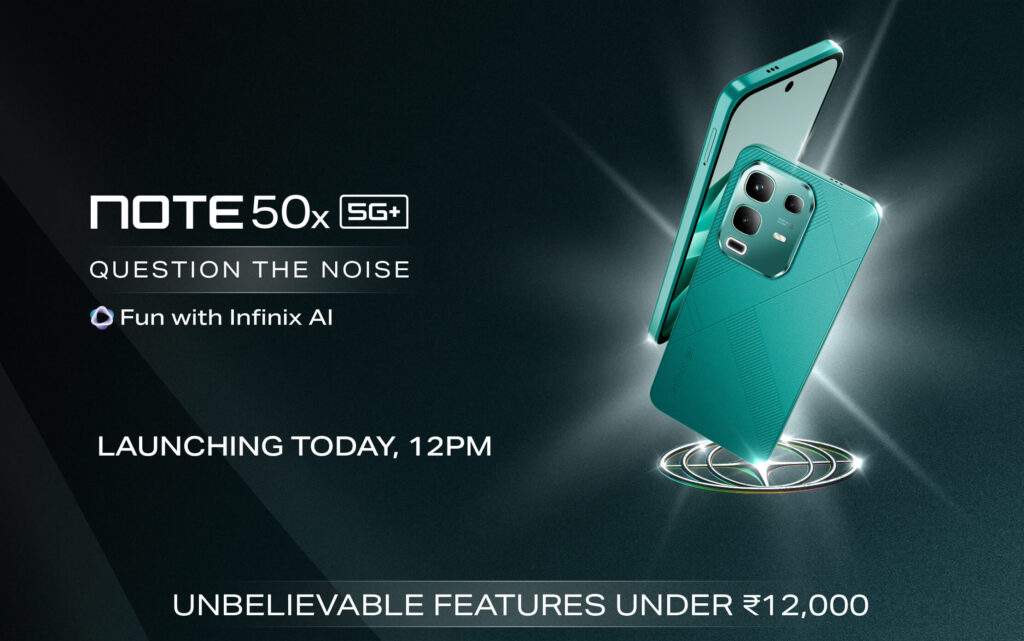
A week after the launch of the Infinix Note 50 Pro+ 5G smartphone in the global market, the brand has now launched the Note 50x 5G+ smartphone for its Indian customers. The Note 50x 5G+ is a budget-range smartphone that packs some serious power under its hood.
Infinix Note 50x 5G+ features
The Note 50x 5G features a 6.67-inch HD+ LCD display offering a 120Hz refresh rate and up to 672 nits peak brightness. The phone runs on MediaTek’s 4nm Dimensity 7300 Ultimate chipset, which supports 90fps gaming. It comes with up to 8GB of LPDDR4x RAM and 128GB of UFS 2.2 storage, expandable via microSD.
The device runs XOS 15 based on Android 15 and includes features like Floating Window, Dynamic Bar, and specific modes for gaming, privacy (Peek Proof), and child safety. Infinix has committed to two Android version updates and three years of security patches.
AI is used across several areas, including photography and software functions. AIGC Portrait Mode is available for the camera, while tools like AI Wallpaper Generator, Note Assistant, and the Folax voice assistant support daily tasks. The AI Gallery includes an Eraser, Cut-out, and Search functions. Google’s Circle to Search is also integrated. The phone features a 50MP main camera with f/1.6 aperture and 4K video support, along with an 8MP front camera.
The Note 50x 5G+ has MIL-STD-810H certification for durability and an IP64 rating for dust and water resistance. It has a 5500mAh battery that supports 45W wired charging (adapter included), 10W reverse wireless charging and bypass charging to manage heat during use. Infinix states that the battery is designed to retain 80% of its original capacity after 2,300 charge cycles.
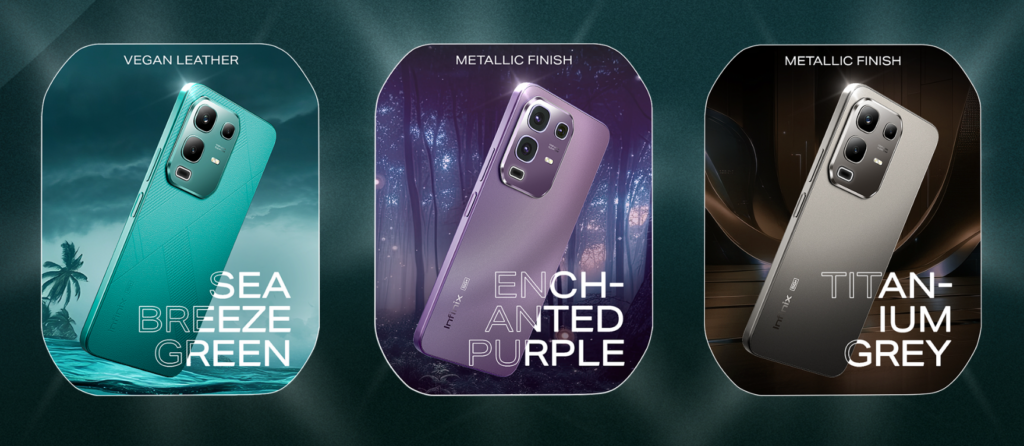
Design options include a vegan leather finish in Sea Breeze Green and metallic finishes in Titanium Grey and Enchanted Purple. Connectivity options include 5G bands (n1/n3/n5/n8/n28b/n38/n40/n41/n77/n78), Wi-Fi 6, Bluetooth 5.4, an IR blaster, stereo speakers, USB Type-C audio, and a side-mounted fingerprint sensor.
Pricing & availability
The phone will be available on Flipkart starting April 3, 2025. Pricing is set at ₹11,499 for the 6GB+128GB model and ₹12,999 for the 8GB + 128GB variant. Launch offers include a ₹1,000 discount for ICICI Bank cardholders and exchange deals.
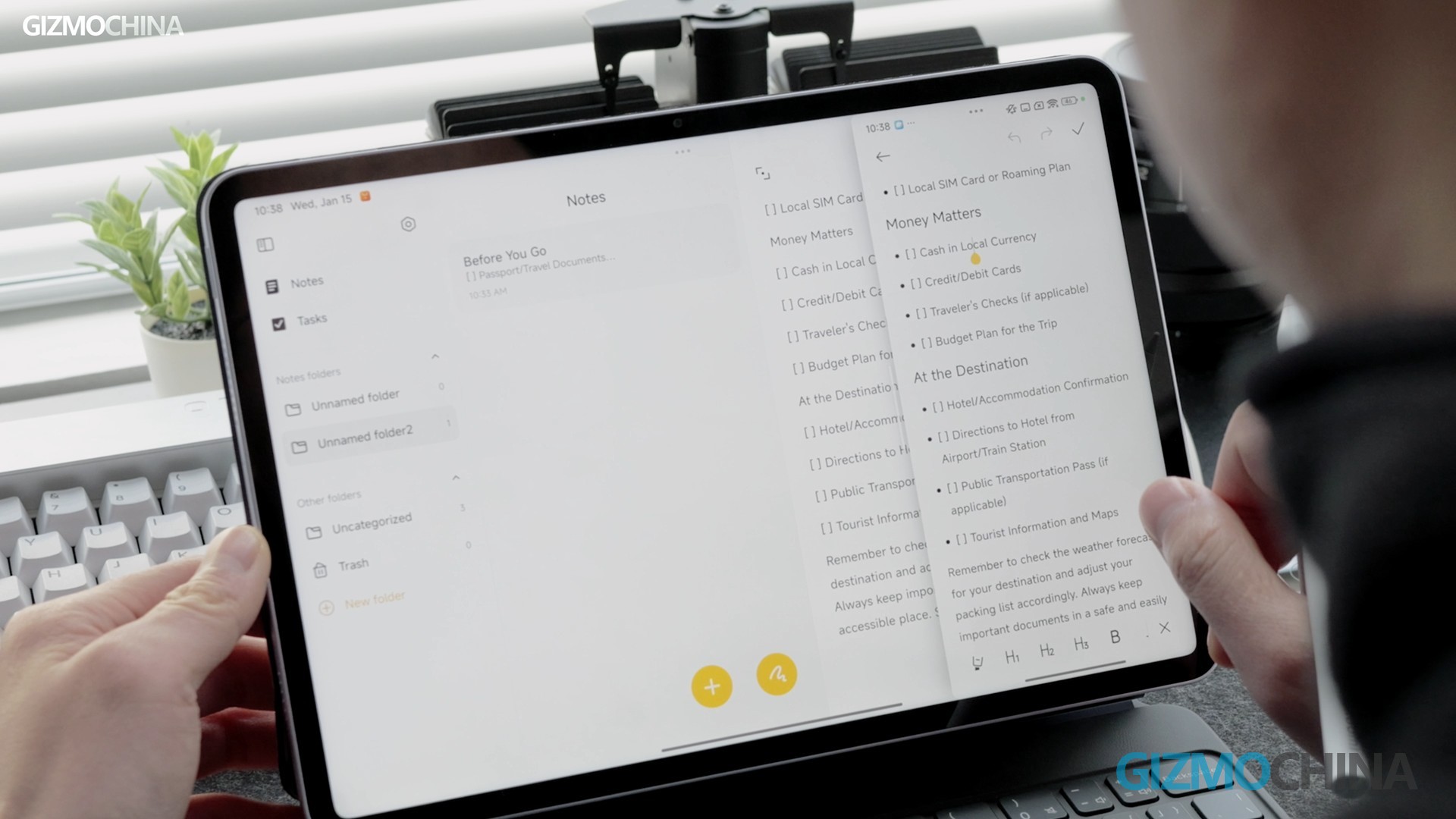
When you think of Xiaomi, what comes to mind first? The Xiaomi 12S Ultra? Perhaps the Xiaomi 15 series phones? Or could it be the Xiaomi Pad 7 Pro? We unboxed this tablet two months ago to take a quick look. It features significant upgrades from the 6 Pro in several areas: the display is much better, it has the latest system, and it’s equipped with powerful AI features. However, it still faces some issues.
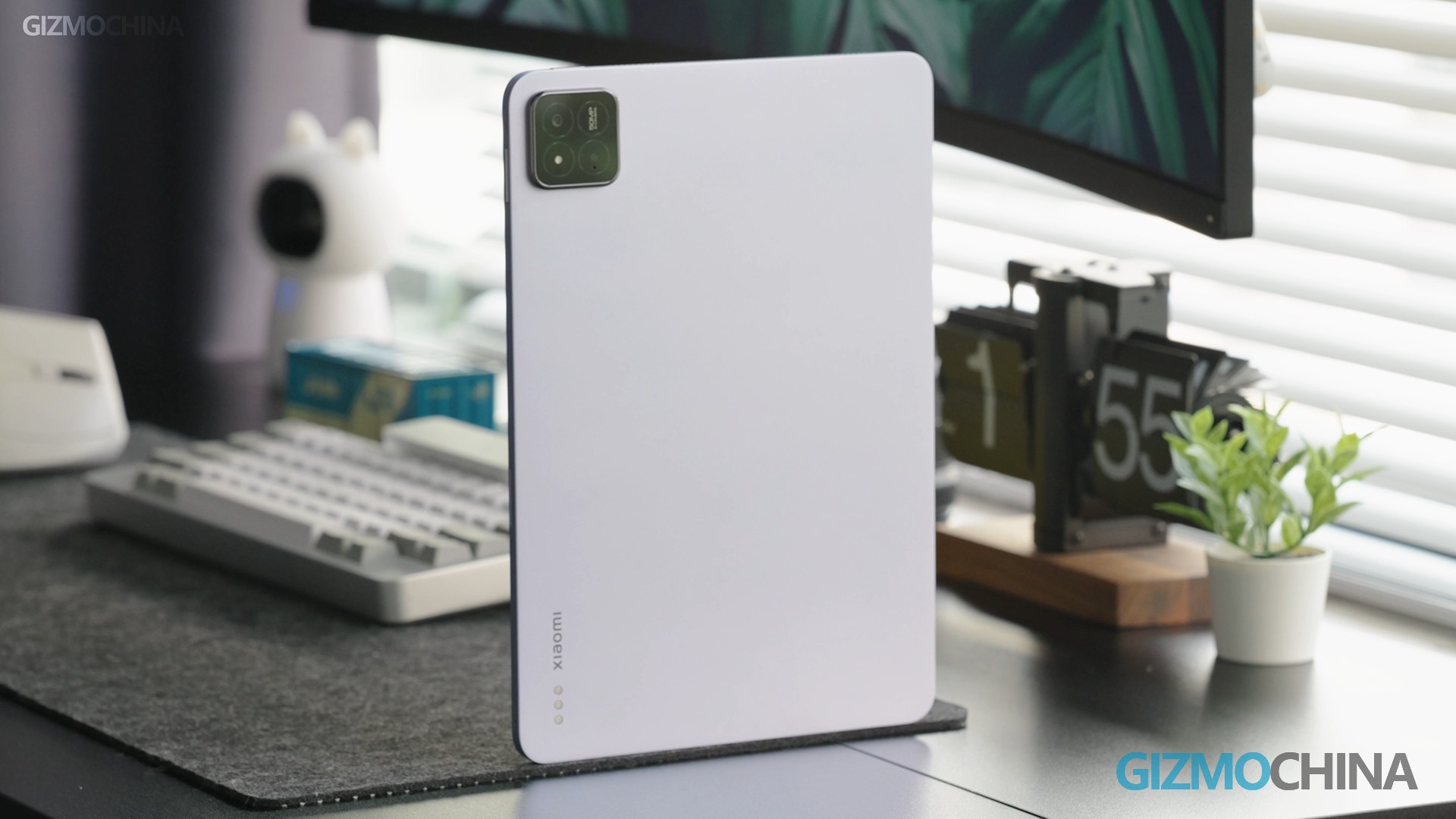
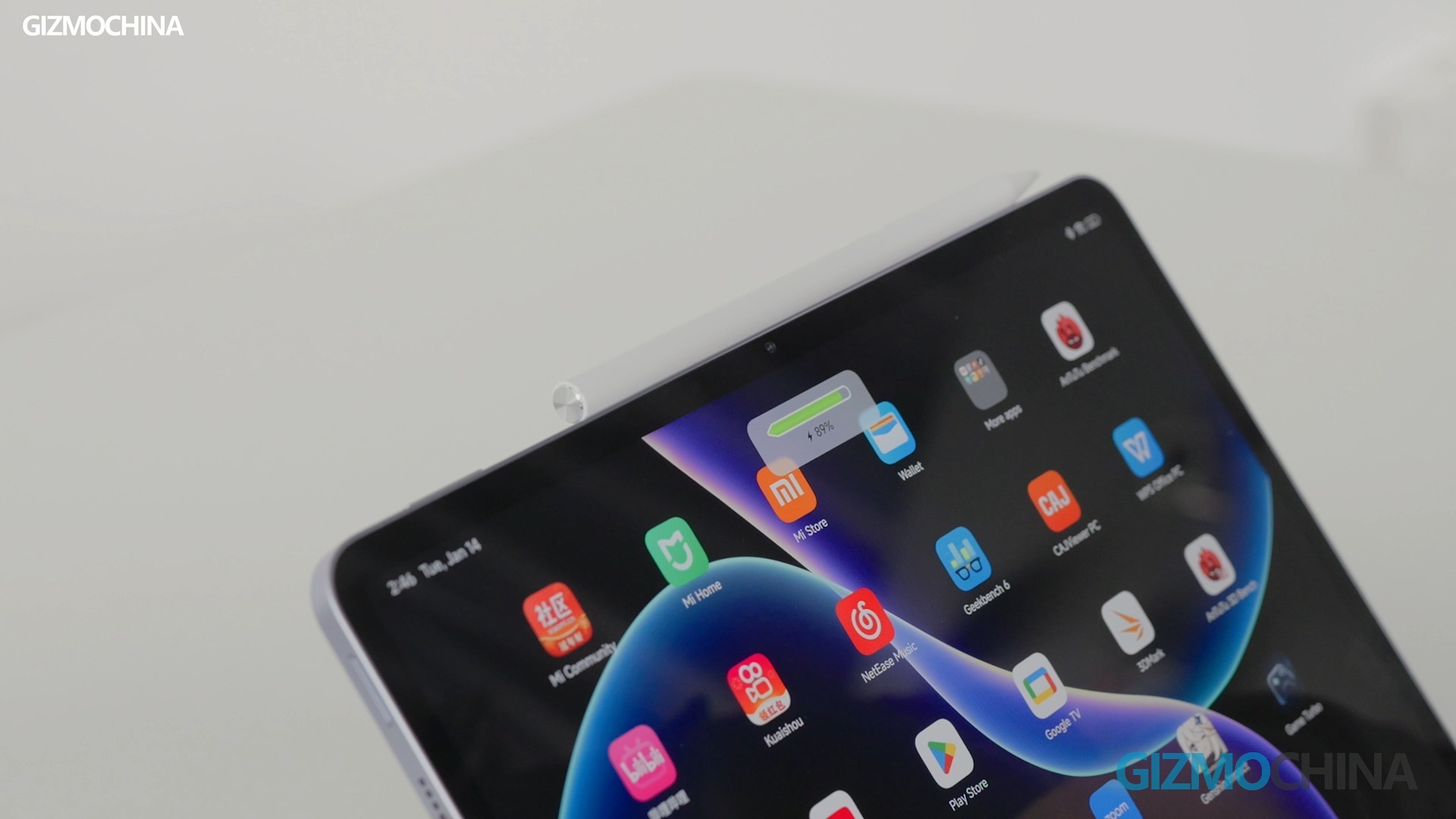
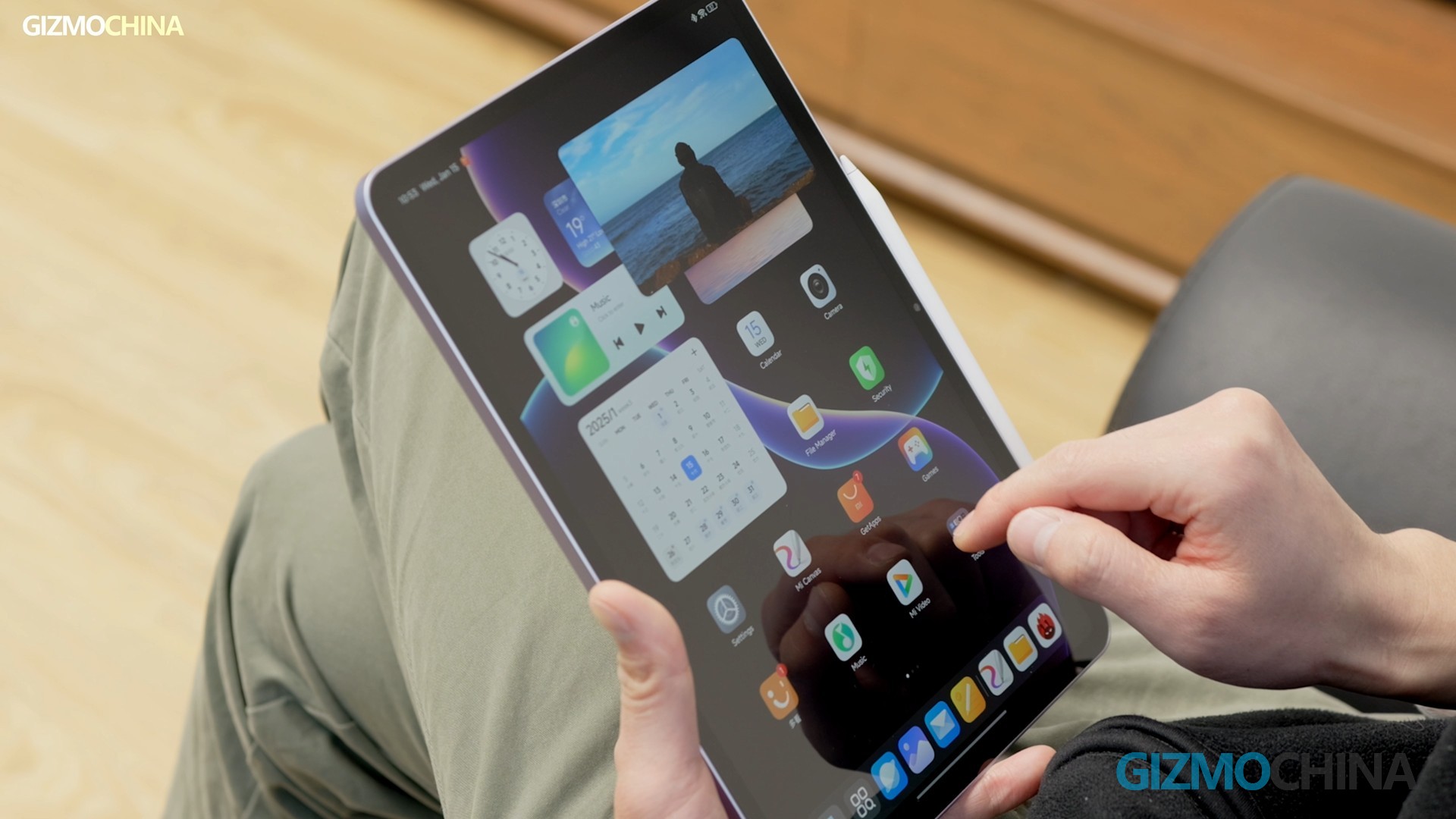
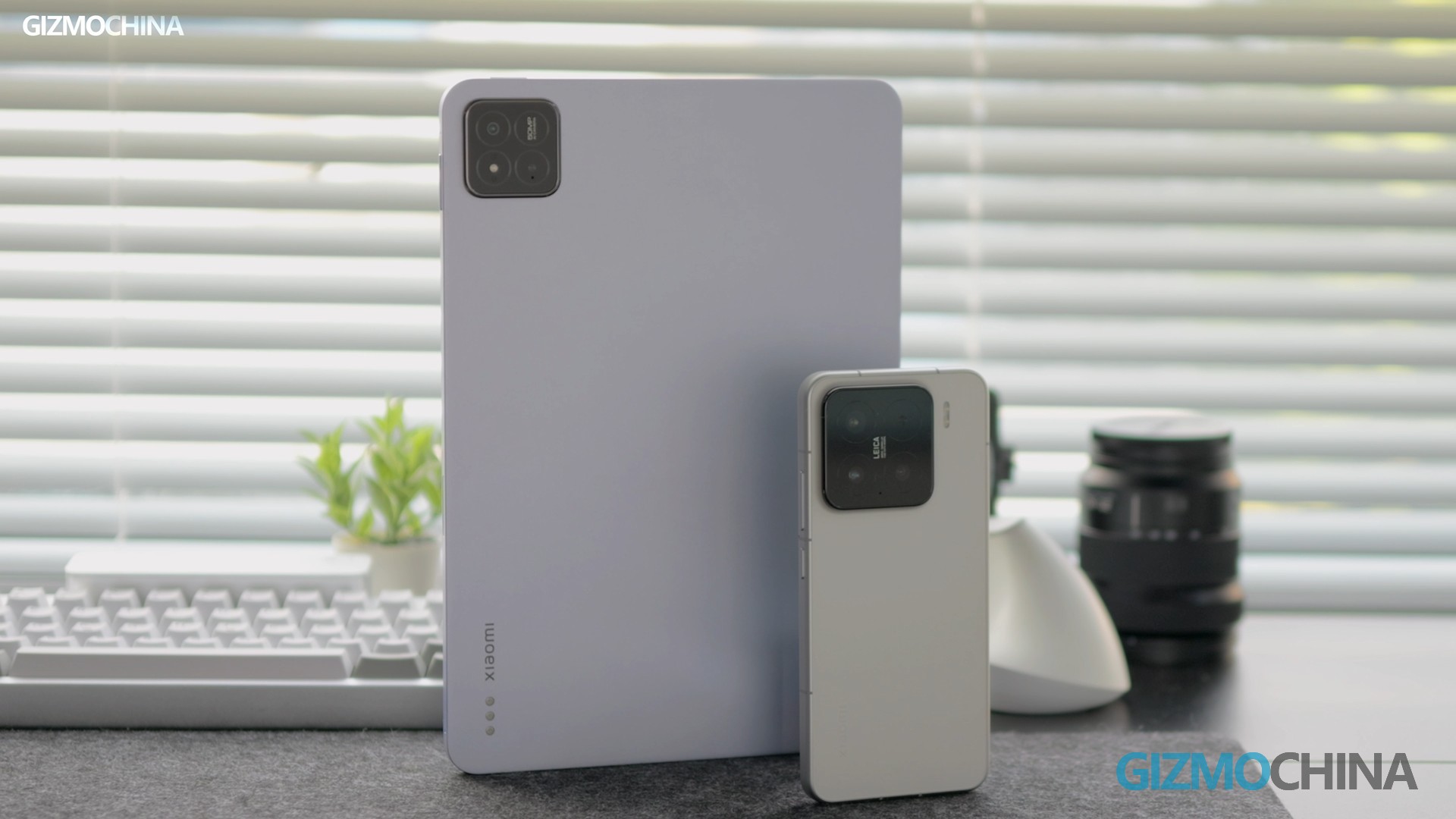
This model retains the same design as before, featuring an aluminum back and frame. It feels very much like an iPad when you hold it. The size of the Pad 7 Pro lies between the 6 Pro and 6S Pro, and it’s surprisingly lightweight.
It is available in three colors and has two speakers located at the top and bottom. However, compared to the 6S Pro, you’ll see that the 6S Pro has six speakers. It still supports Dolby Vision Atmos, though.
The power button remains on top and facilitates fingerprint unlock. At the bottom, there is a Type-C charging port. However, I wish Xiaomi would align the charging port and speakers at the same level. Wouldn’t that look so much nicer? The volume buttons and the slot for charging the stylus are on the right side. The magnet is just right; you can gently place the pen, and it sticks perfectly.
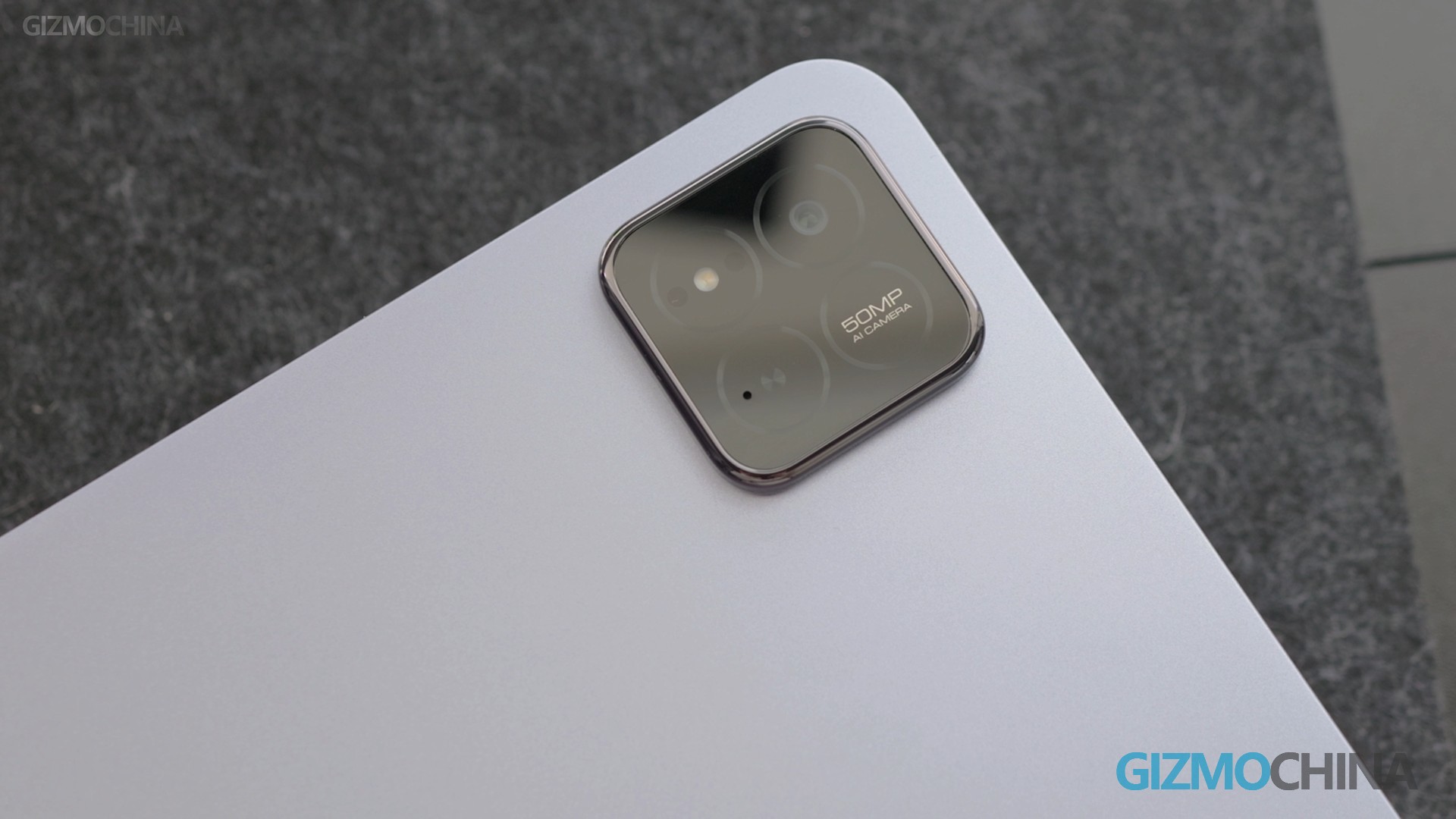
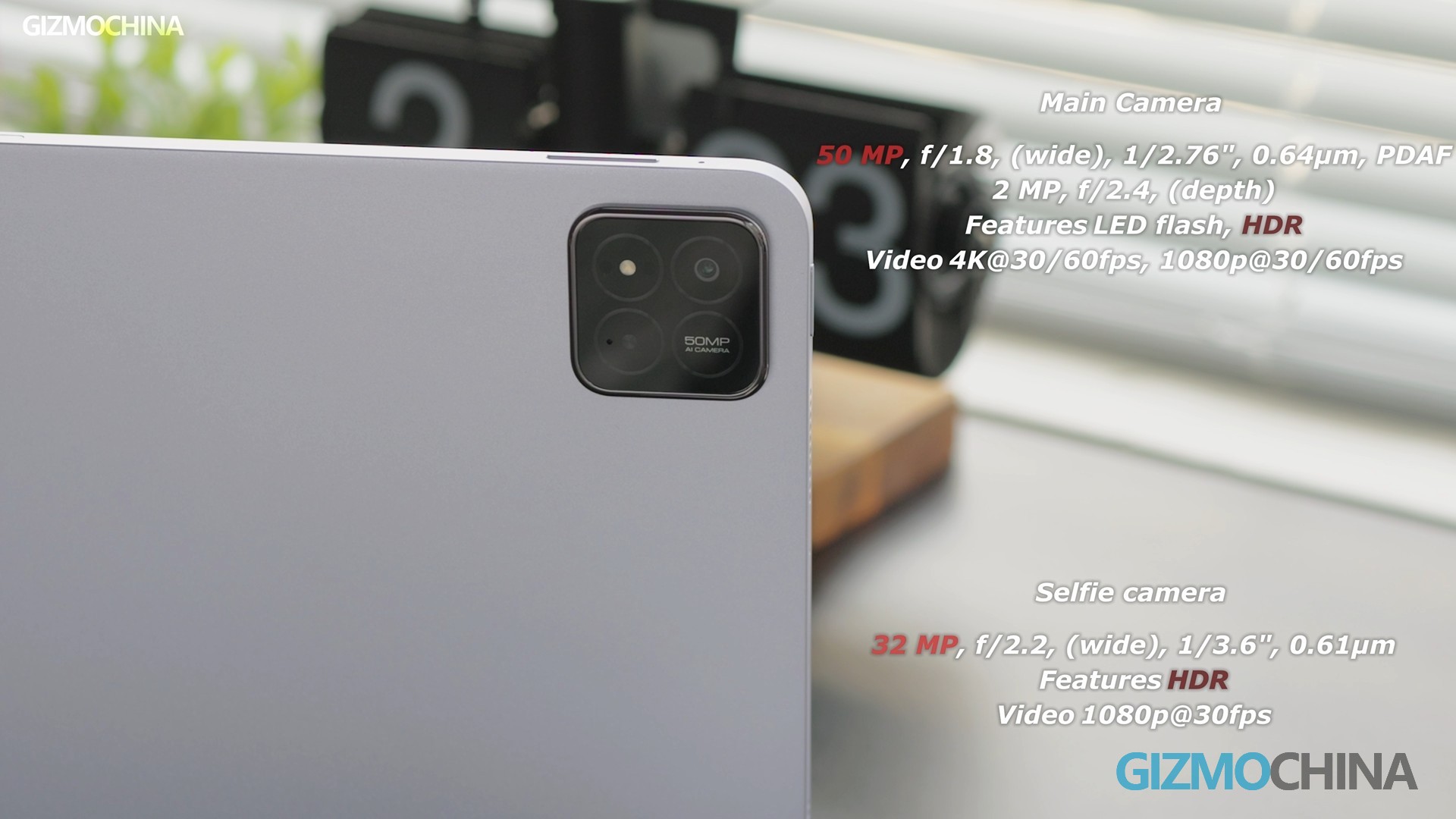
On the back, there’s the camera module. I’m not a huge fan of it unless it’s on a phone because when placed flat on a table without a case, it wobbles. But if you share this concern like I do, just use a protective case. I was hoping there would be a SIM card slot, but there isn’t.
Display:
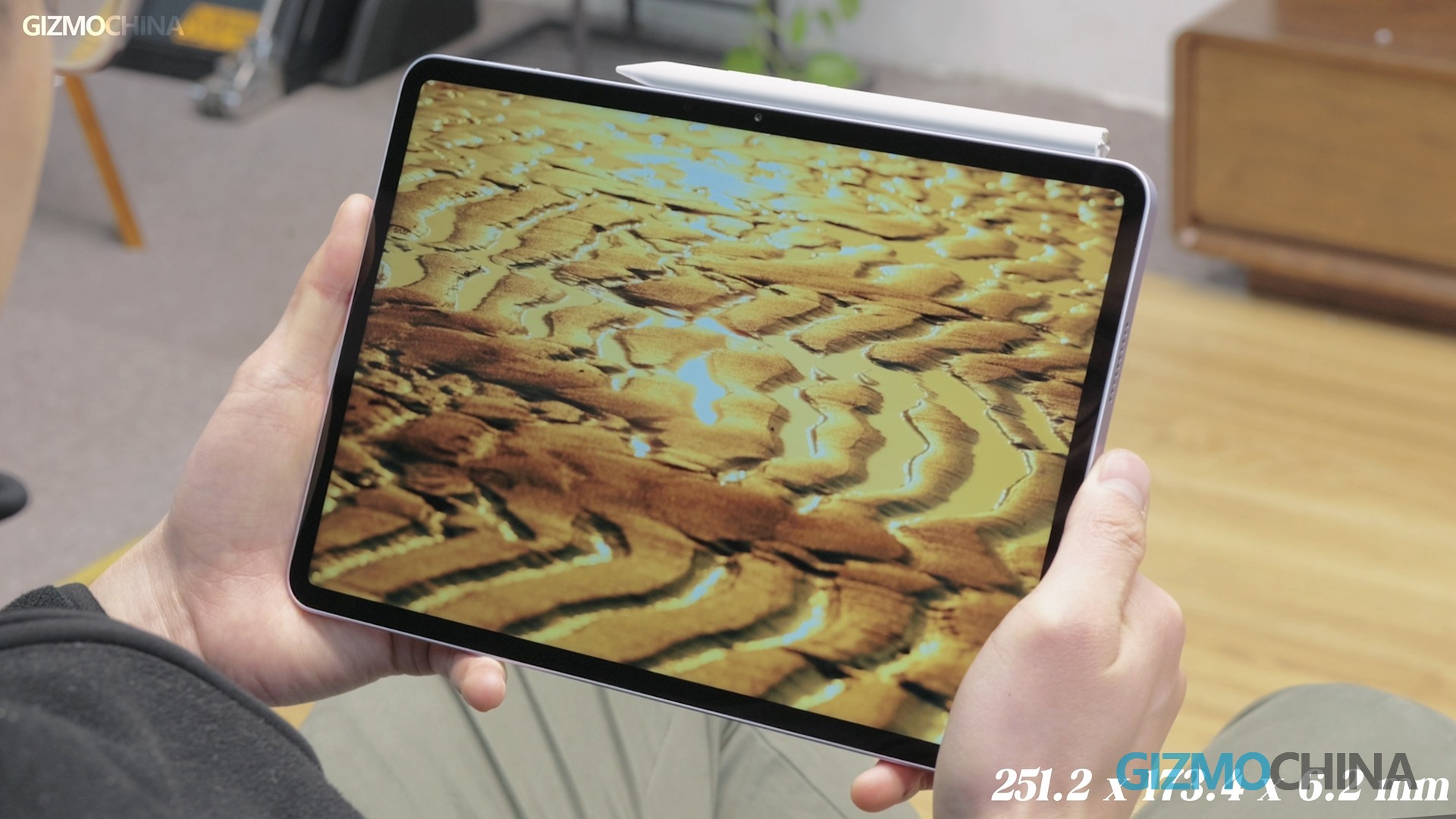
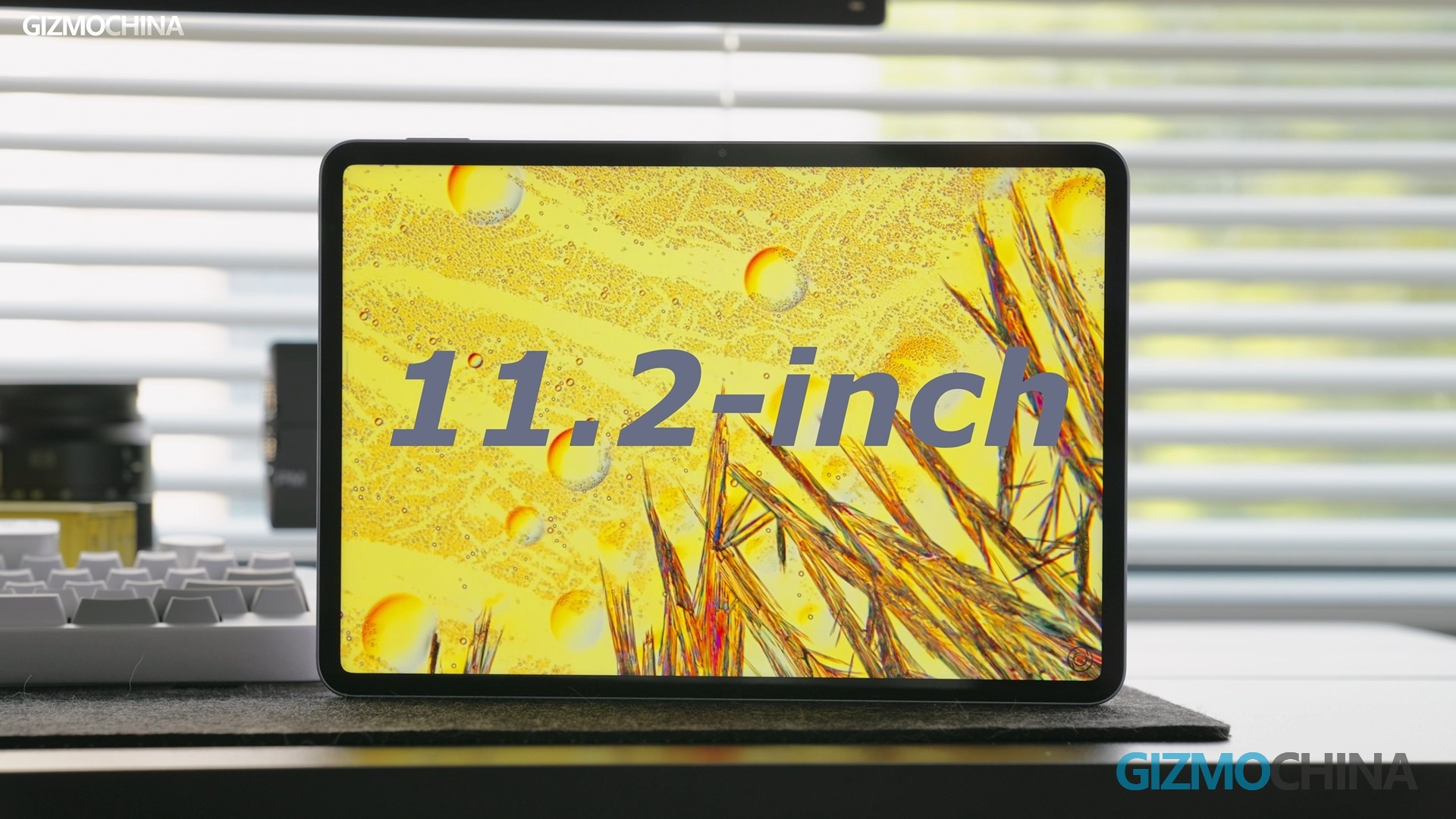
It’s got an 11.2-inch screen. The 3:2 aspect ratio gives you more room to watch videos or movies, and it’s perfect for reading and writing. Plus, it’s an eye-protecting screen with that German TÜV triple certification.
Now, it’s still an IPS screen, and I remember people asking Xiaomi, “Why still IPS on the 7 Pro?” Lots of other brands are all about OLED screens, but choosing IPS doesn’t mean it’s bad. IPS screens are better for color accuracy, viewing angles, and they last longer. When it comes to watching movies, this tablet is top-notch. Whether you’re lying down or watching on the side, the picture’s always clear.
System:
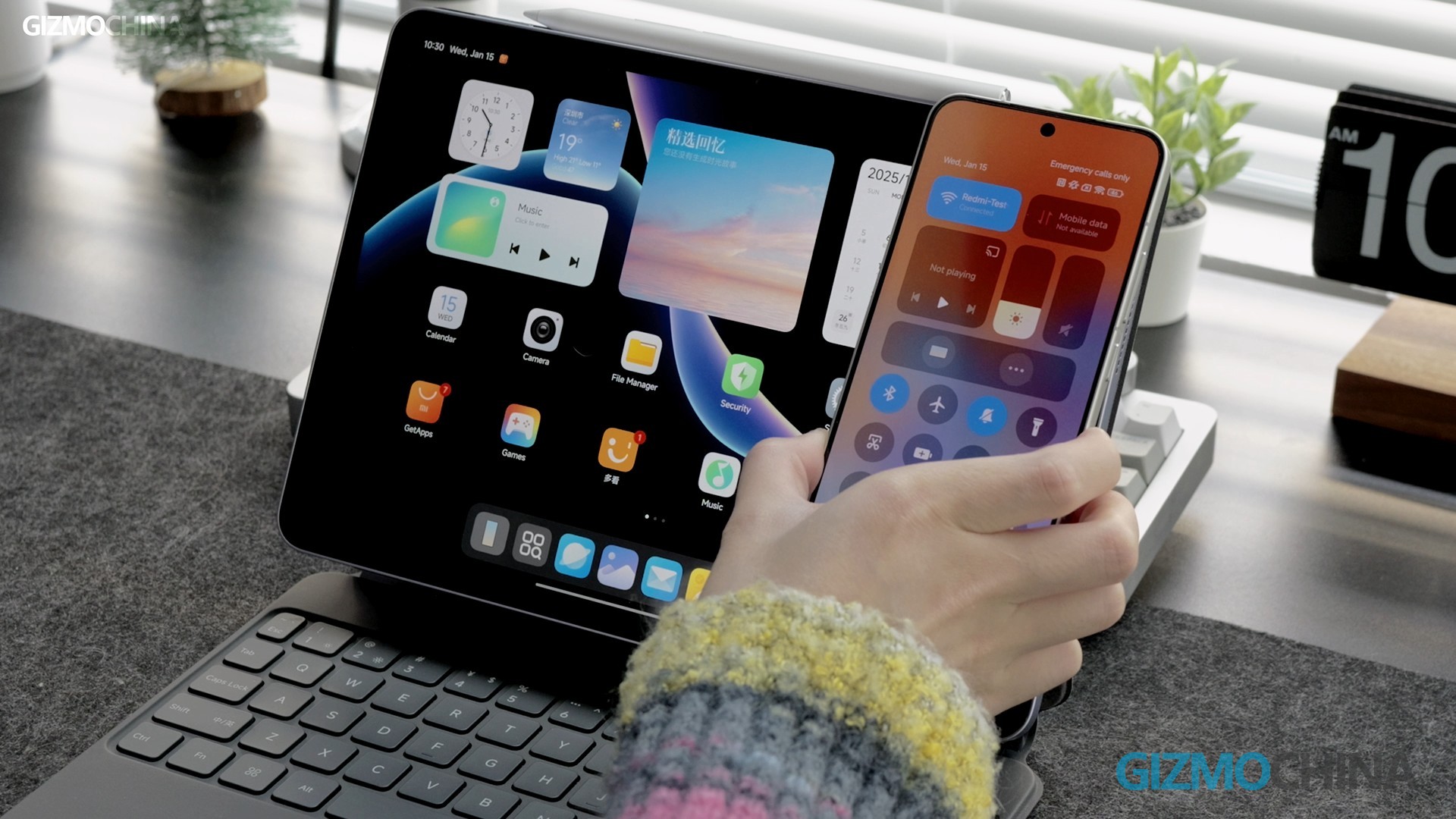
So, HyperOS 1 was all about setting the foundation and working on the behind-the-scenes features. But HyperOS 2 is stepping up the parts you can feel and use. The cross-system and cross-screen experience still lets you connect your phone and tablet without the internet, it’s a one-touch connection.
You can control your phone right from the tablet, and moving files around for work is a breeze. Just drag and drop them onto the tablet. When you need to check your phone messages, just tap to open a little window, and you can drag it to the side to make it a tiny icon.
But I have a suggestion for Xiaomi: I hope you can operate the phone screen after it’s connected. Right now, the phone interface only shows up on the right and can’t be moved around. If I want to see what it’s covering, I need to minimize it. If you could drag it around like a split screen, it would be much better.
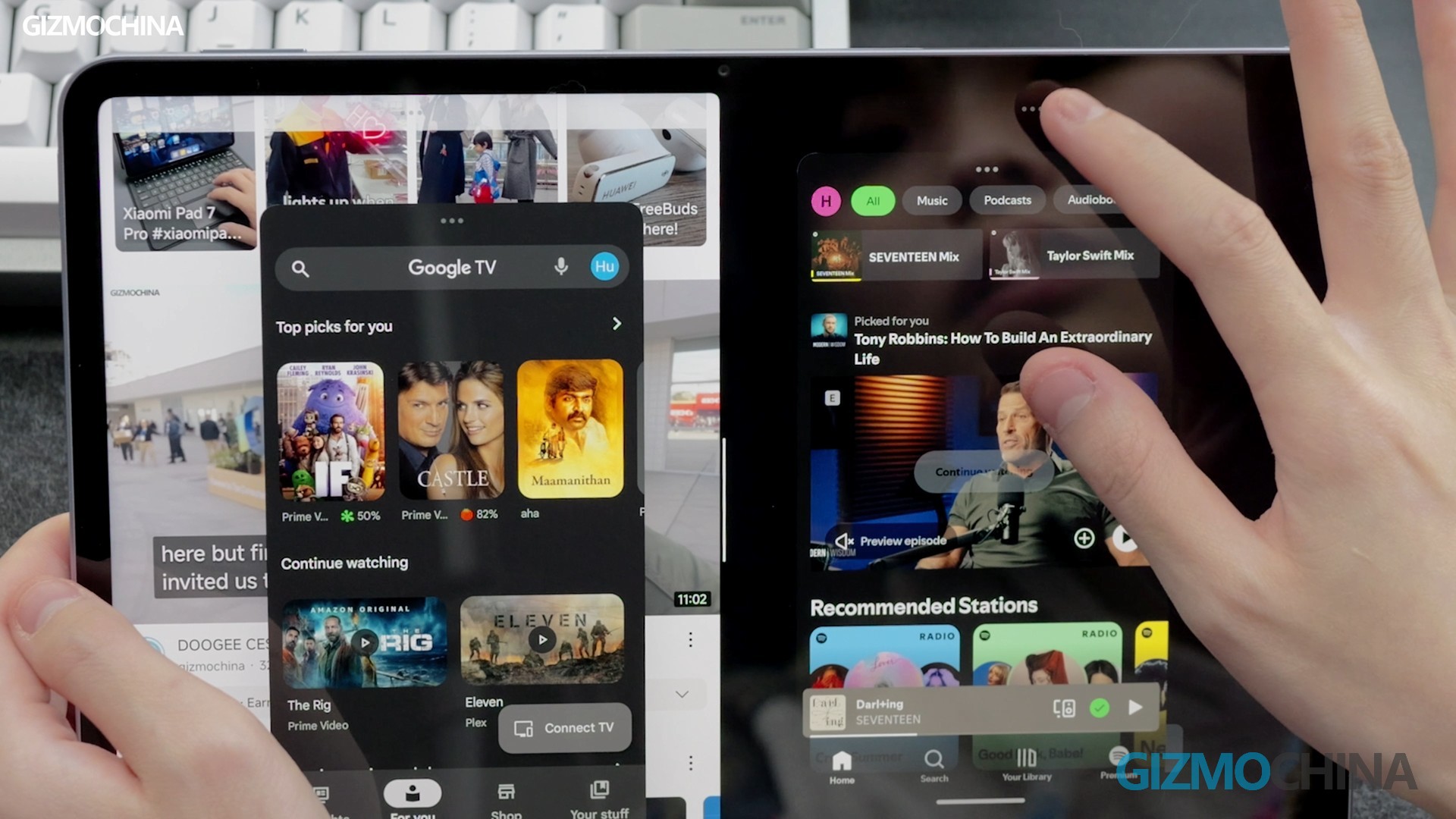
Plus, the tablet’s interface is way smoother than before, fixing all those laggy and frame-drop issues. No lag when you’re opening and closing apps fast. Even that old problem of lag after splitting the screen is gone. The animations when you slide the notification and control center are super smooth, which is awesome.
AI Features:
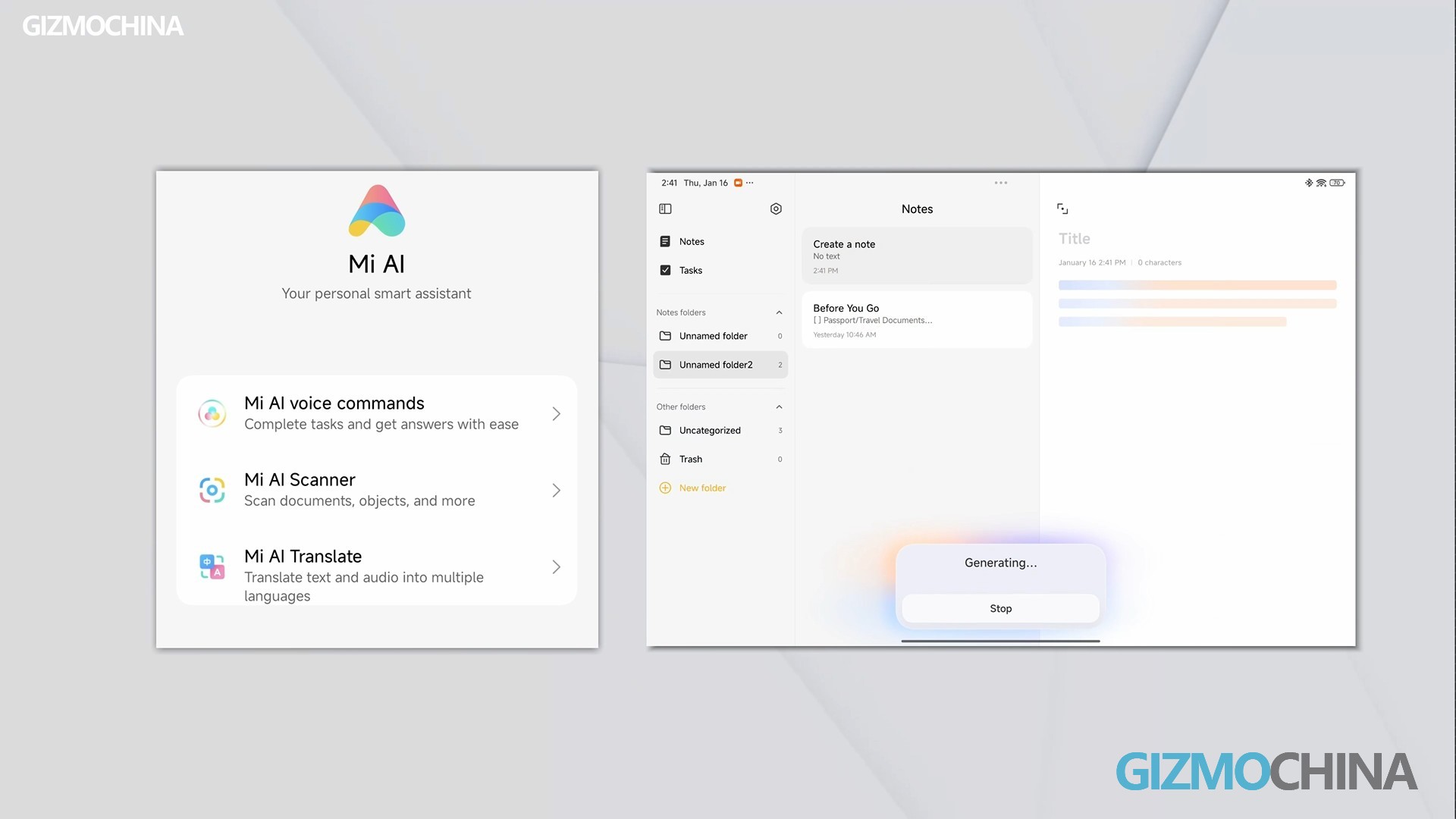
HyperOS 2 has a lot of AI in daily use, even in the basic wallpaper settings. It uses AI to make static photos move. There are landscapes, cities, and plants, you can pick pics from your album and make them into dynamic wallpapers. And then there’s AI Writing, AI Translate, AI Voice Commands, all that typical AI app stuff.
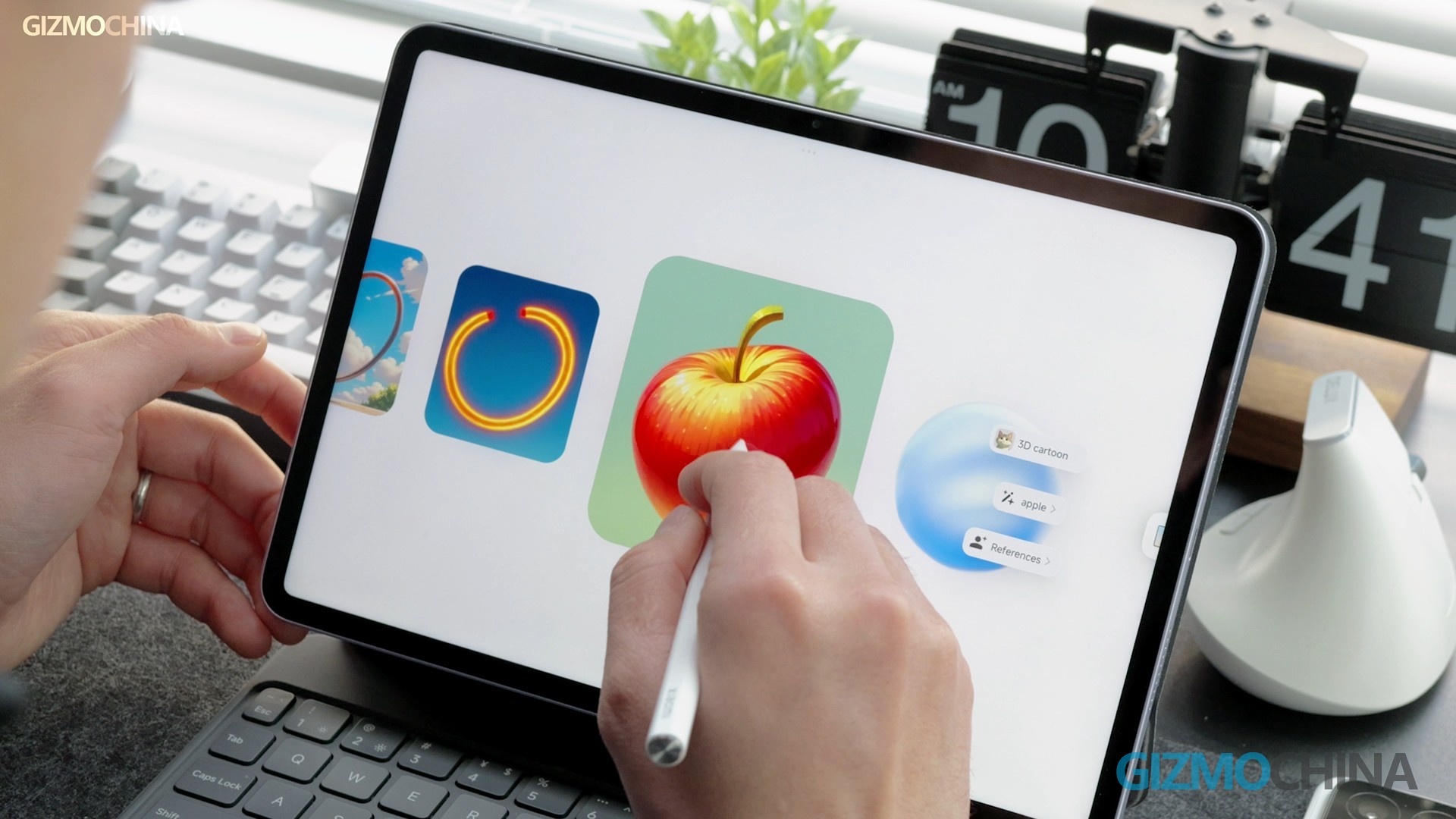
But I like the AI Art in Mi Canvas. Unlike other brands, it helps you create. Let’s say you draw an apple and use AI Art; you can pick from seven styles, and each one gives you three drawings. You can download them straight to your album or use them right away.
Unfortunately, this app is not great for professional painting. First off, no layers. Second, not many brush types, which puts it behind Huawei’s GoPaint and iPad’s Procreate. If you’re using it for drawing, it’s more for quick sketches and everyday doodles. Just like the 6S Pro, the split-screen function lets you have up to four apps open at once.
Accessories:
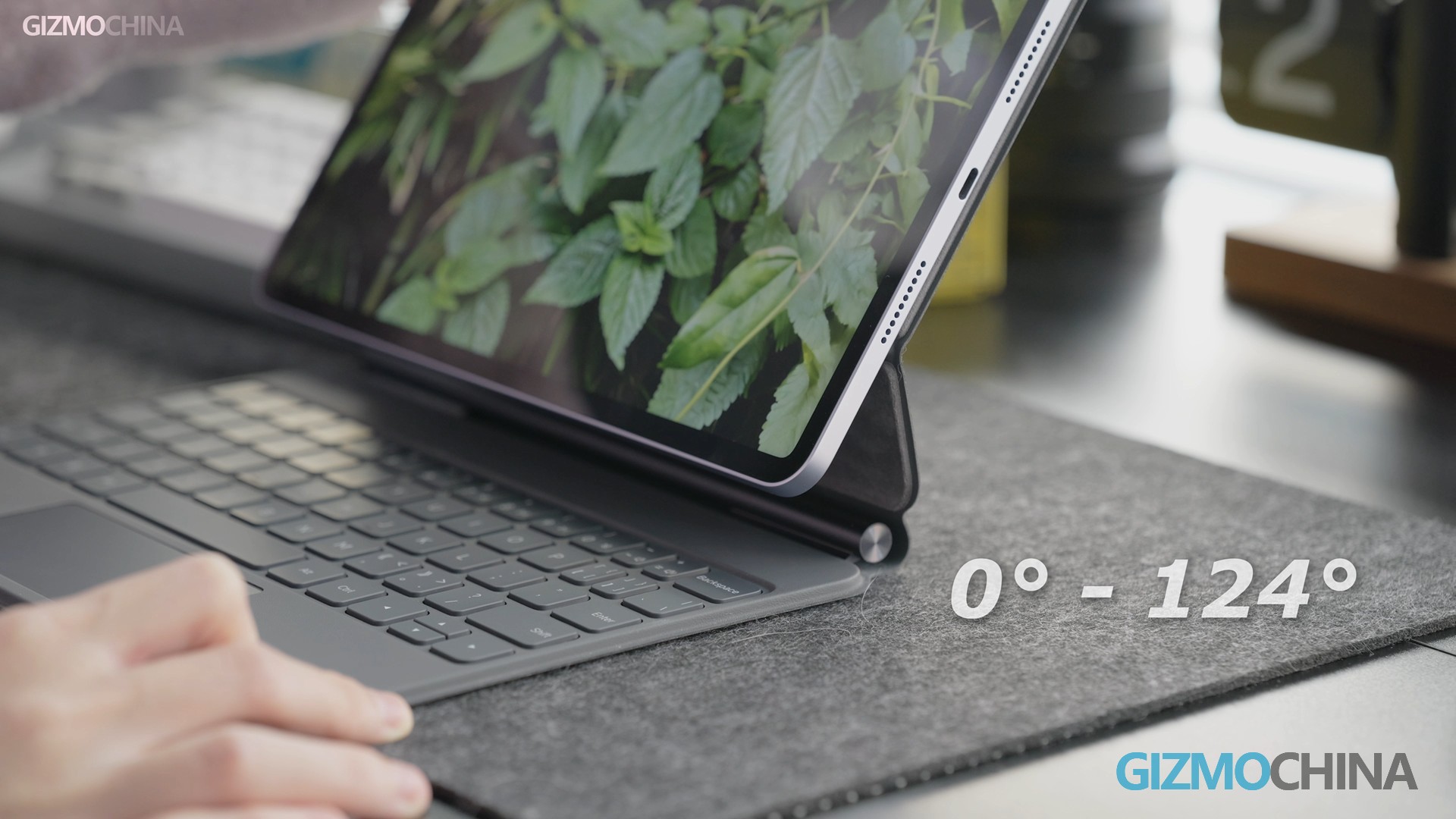
When it comes to drawing or writing, the latest focus stylus has awesome pressure sensitivity and low latency. But the pen’s output stability could be better when you’re writing or drawing slowly. Overall, with the latest floating keyboard, creating and working on this tablet is pretty sweet. The keyboard connection is super fast, adjusts from 0° to 124° seamlessly, and has a full-area mechanical pressure touchpad. The typing feel is solid too. But you have to buy these accessories separately.
Performance:
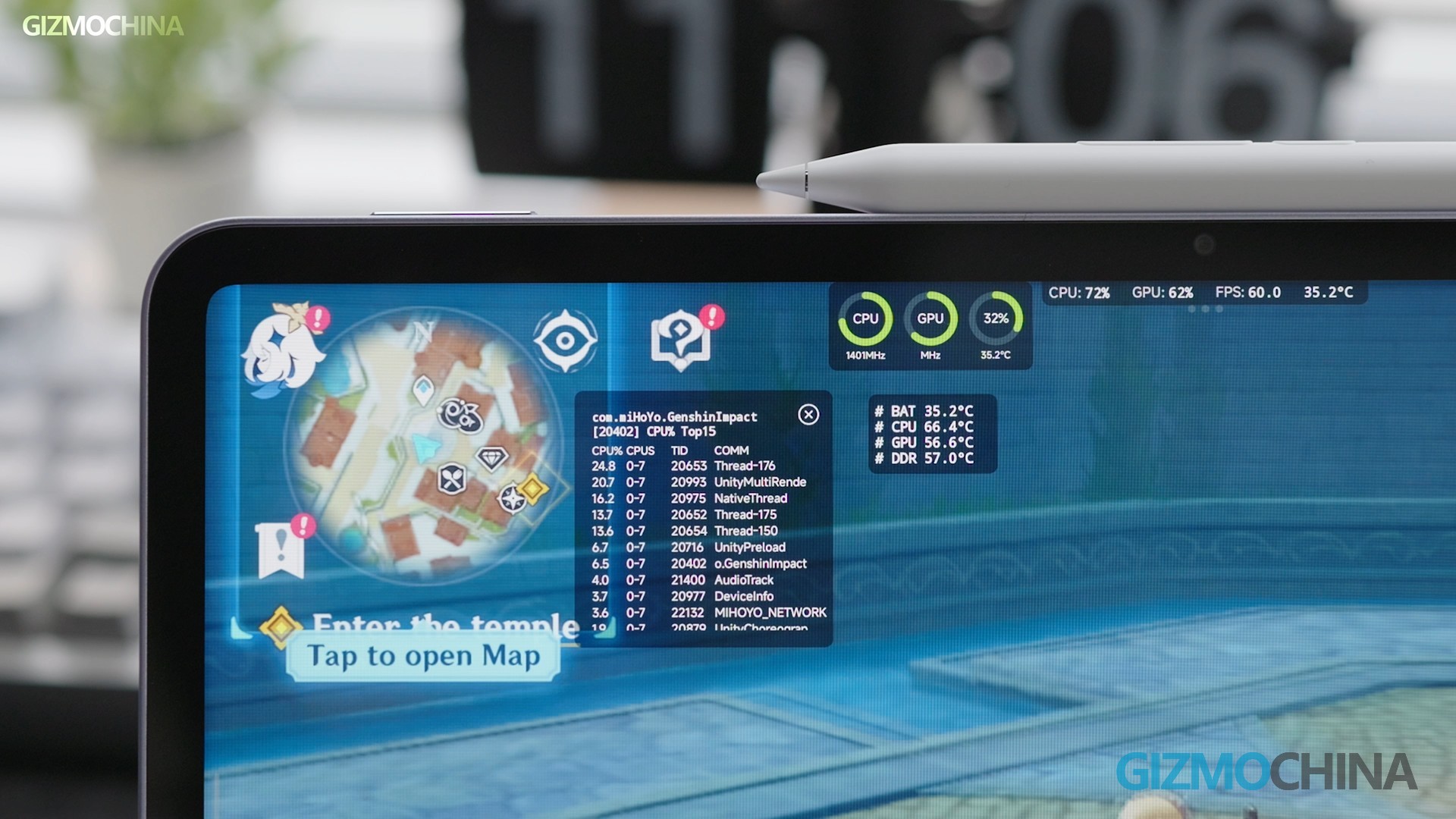
This time around, there is a new chip, with the Pad 7 Pro jumping from Gen 2 to Gen 3. But even with the new chip, the CPU and GPU performance are not as great as I hoped. It can keep at around 60FPS in Genshin Impact on max settings, but when you hit those complex maps in Star Rail, it starts dropping frames badly.
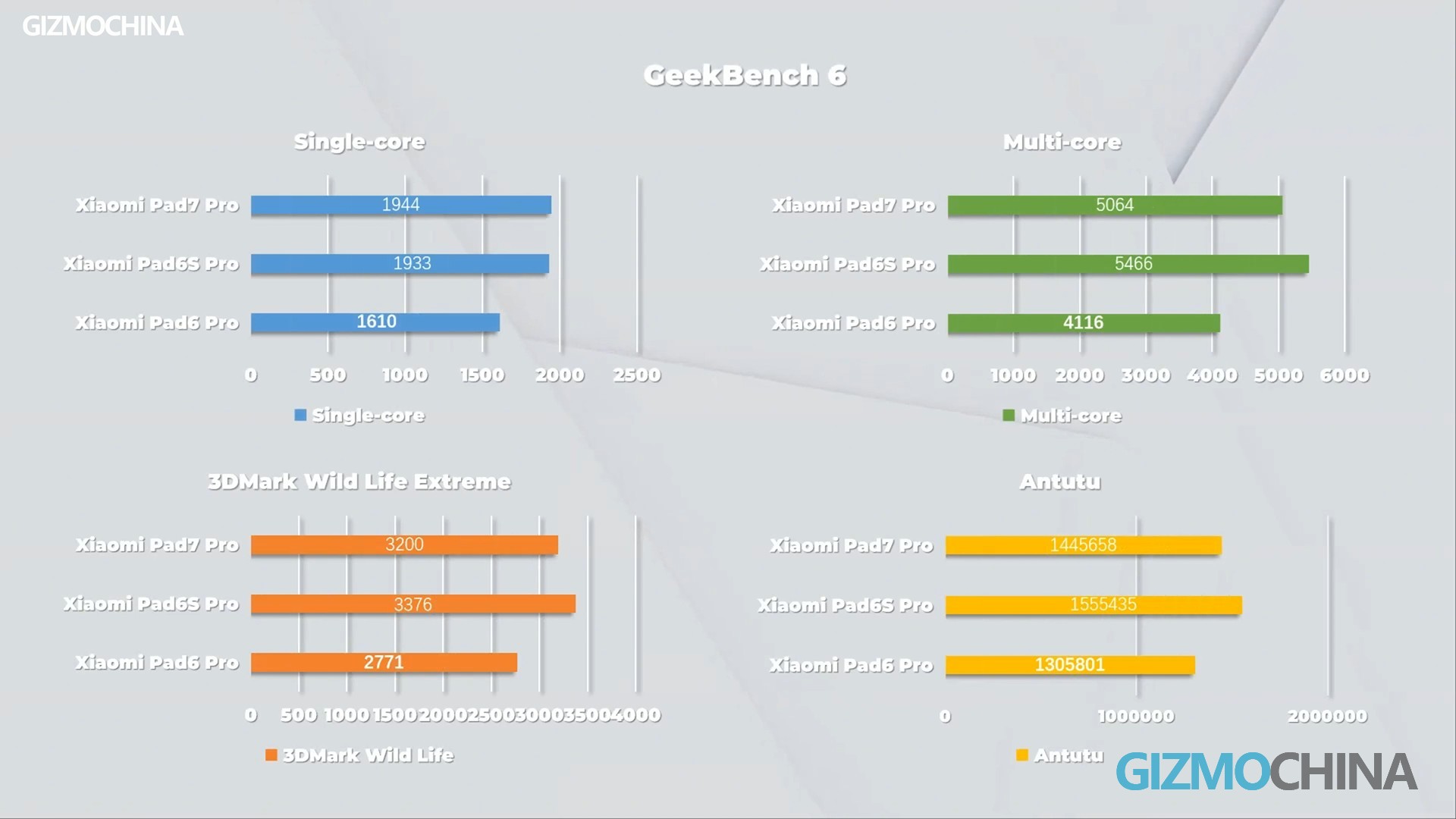
And the battery drains fast during those times. It’s a common problem with most tablets these days. The scores on Geekbench 6, 3D Mark, and AnTuTu look good, but this Gen3 might be a bit worse than the last one in some tests.
Camera:
Now, even though I griped about the camera before, the photos and videos it takes are top-notch. Check out these samples… They’re good enough for most everyday shooting. Plus, the Pad 7 Pro’s specs are higher than the Pad 7 for front camera video recording. But don’t you think it looks a lot like the camera module on the Xiaomi 14?
Battery and Charging:
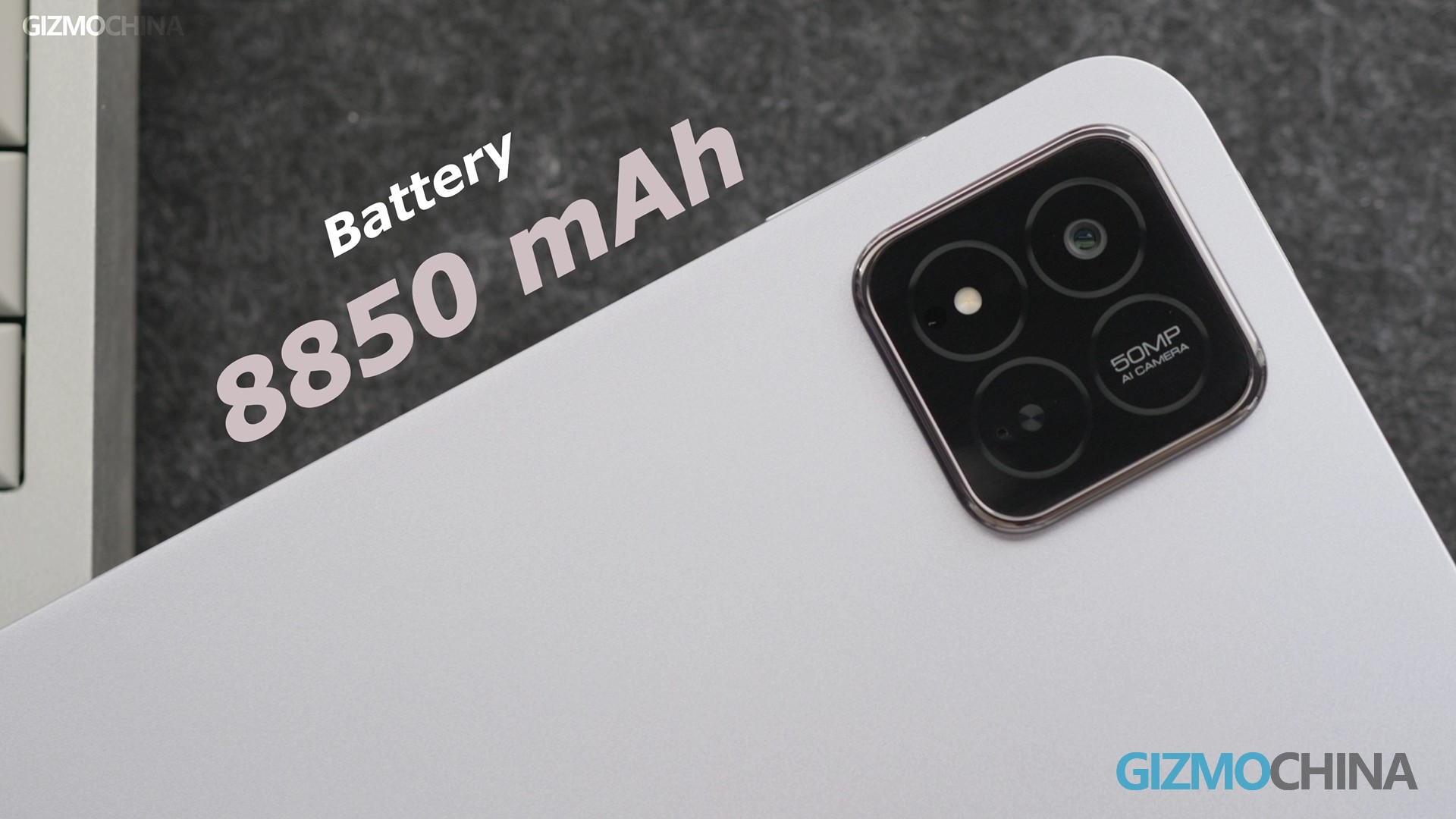
The one big difference with the 7 Pro is the battery life. This time, the Pad 7 Pro has an 8850mAh battery and can charge fast with 67W wired charging.
Conclusion:
All in all, the Xiaomi tablet still needs specific tuning here and there, like fixing up some Mi Home software and making the system smoother with a more aesthetic UI. But the price and how useful it is are the big reasons consumers might buy it. The Pad 7 Pro is a real bang-for-your-buck option for learning, working, and chilling out with some entertainment.
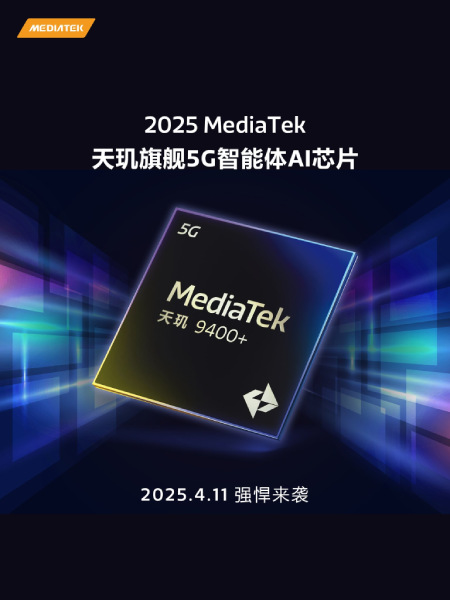
MediaTek’s Dimensity 9400+ finally has a launch date: April 11. That’s the same day as the company’s Dimensity Developer Conference in Shenzhen, China, setting the stage for its official debut.
The Dimensity 9400+ will keep the same core architecture as the 9400 but dial up the clock speed. In particular, the prime Cortex-X925 core could see a speed bump to 3.7GHz, up from the 3.62GHz on the standard 9400.
This will be joined by the three Cortex-X4 cores at 3.30GHz and four Cortex-A720 cores, which now operate at 2.4GHz instead of 2.0GHz. The GPU remains the ARM Immortalis G925 MP12.
MediaTek Dimensity 9400+ Geekbench
The chip has also surfaced in Geekbench confirming these specs. It scored 2,770 in single-core and 8,500 in multi-core tests. That translates to a 6% improvement in single-core performance and a 5% boost in multi-core, compared to the standard Dimensity 9400’s averages of 2,605 and 8,078, respectively, according to NotebookCheck.
With the official announcement, several smartphone makers are preparing to launch devices powered by the Dimensity 9400+. A leaked list suggests the following models will feature the new chip:
Among them, the Oppo Find X8S, Find X8S+, and Vivo X200S are expected to launch in China as early as April. The iQOO Neo 10S could follow in May, while Realme, OnePlus, and Redmi’s offerings are also slated to debut in the first half of the year.
Meanwhile, Xiaomi is reportedly preparing the Xiaomi 15T Pro, expected to launch a few months later in global markets. If the company follows last year’s trend—where the Xiaomi 14T Pro featured the Dimensity 9300+—the 15T Pro will likely carry the Dimensity 9400+ as well.
For more daily updates, please visit our News Section.
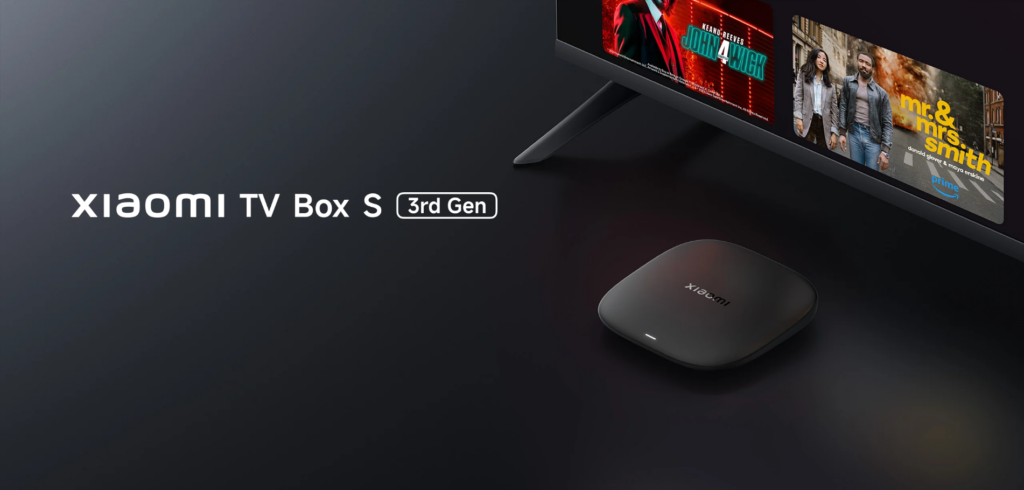
Xiaomi has introduced its TV Box S (3rd Gen), a compact streaming device now listed globally. The device supports 4K UHD (3840 x 2160p) playback with Dolby Vision and HDR10+ and offers Dolby Atmos and DTS:X audio. Pricing and regional availability have not been announced.
The TV Box is powered by a 6nm quad-core ARM CPU (up to 2.5GHz) and an ARM G310 V2 GPU. Xiaomi claims this results in 25% better CPU and 130% better GPU performance compared to the previous generation. It comes with 2GB RAM and 32GB internal storage.
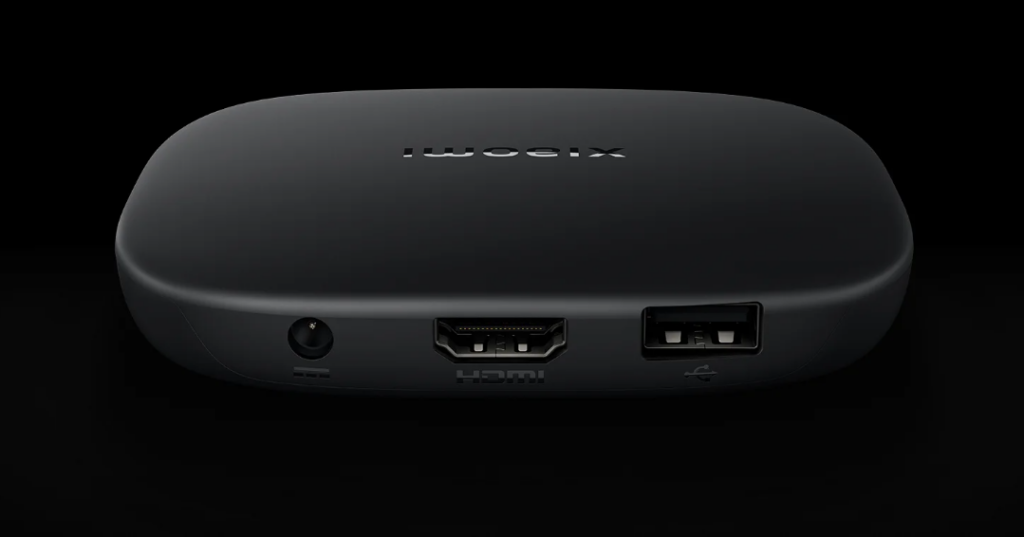
Connectivity features include Wi-Fi 6 (router compatibility required) and Bluetooth 5.2 for connecting accessories. Physical ports include HDMI 2.1, USB 2.0, and a power input. A Bluetooth remote with voice control supports 360° input using Google Assistant and provides direct access to Google TV features.
The device runs on Google TV, which organizes content across apps and subscriptions, supporting personalized user profiles. It also allows media casting via Google Cast and voice-based playback commands. Availability of certain apps or functions may vary by region.
The TV Box S (3rd Gen) measures 97 x 97 x 17mm, weighs 91.2g, and ships with a remote, HDMI cable, power adapter, and user manual. The design is compact and rounded, focused on portability.
The device competes with similar products like Amazon Fire TV and Google Chromecast. Its main hardware advantages include Wi-Fi 6 support and Dolby format compatibility. However, Xiaomi has not provided HDMI 2.1 bandwidth specifications, such as support for 4K at 120Hz. A release timeline and targeted regions are yet to be confirmed, though a global launch is expected due to multilingual support through Google TV.
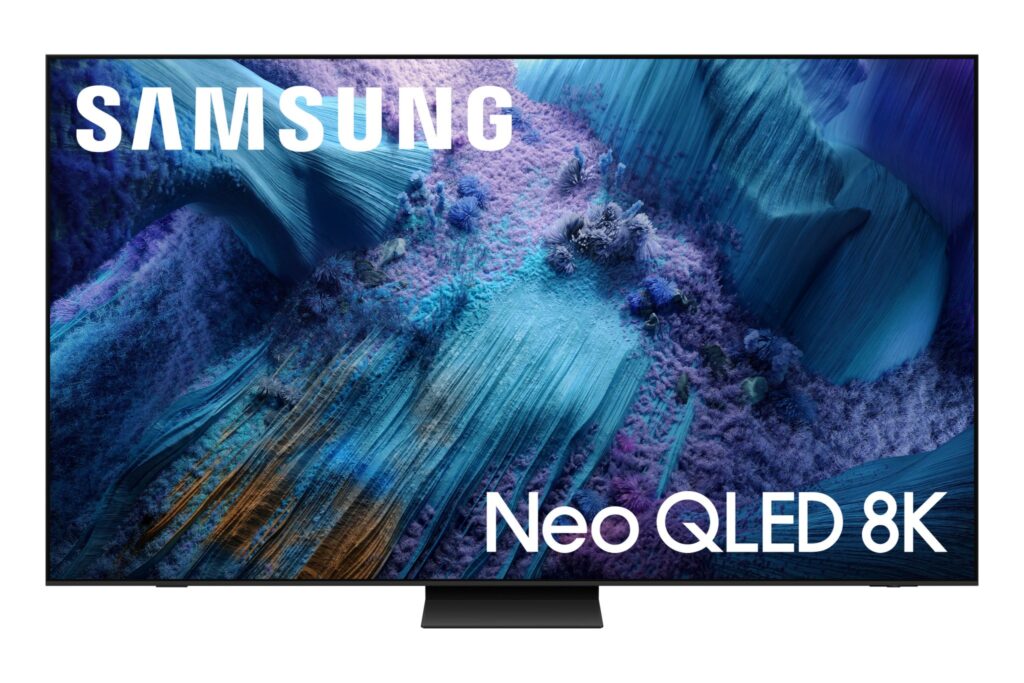
Samsung Electronics America has announced the global availability of its 2025 Neo QLED 8K TV series, which includes the QN990F and QN900F models. The new lineup introduces Samsung Vision AI, a system that combines adaptive picture and sound with tools like real-time “Live Translate” subtitles, the “Click to Search” feature for on-screen actor details, and “Universal Gestures” for Galaxy Watch users to control the TV with hand motions.
Samsung Neo QLED QN990F 8K Vision AI Smart TV
Both models run on the NQ8 AI Gen3 Processor, supporting 8K AI Upscaling to improve lower-resolution content. The QN990F (available in 65” to 98”) includes 8K AI Upscaling Pro, Glare-Free Quantum Matrix Mini LED displays, and a wireless One Connect Box that allows inputs to be connected from up to 30 feet away. It also includes Motion Xcelerator 240Hz and AI Motion Enhancer Pro for clearer motion, aimed at gaming and sports use. Sound features include Dolby Atmos and Object Tracking Sound Pro, which aligns audio with on-screen movement.
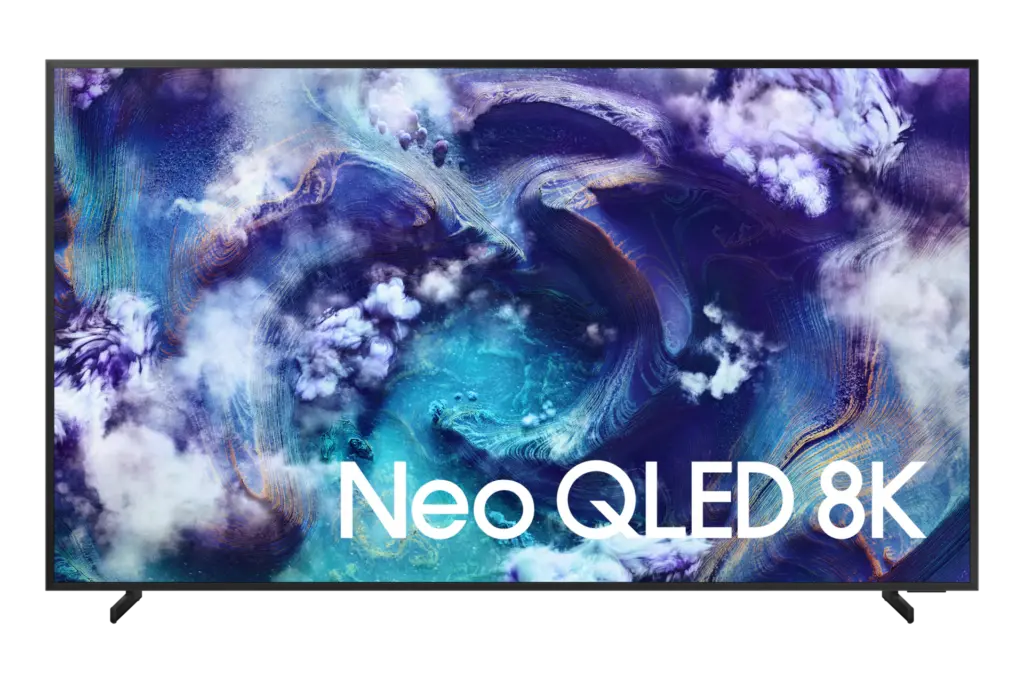
Samsung Neo QLED QN900F 8K Vision AI Smart TV
The QN900F (available in 65” to 85”) also supports 8K AI Upscaling and includes a Metal Frame design and Motion Xcelerator 165Hz. It uses Object Tracking Sound+ with Dolby Atmos for improved audio direction. Both models use Glare-Free technology for better visibility in bright rooms.
Pricing and Availability
The 65” and 75” QN900F models are available now. The 85” QN900F, the QN990F series, and the 98” model will be released in the coming weeks.
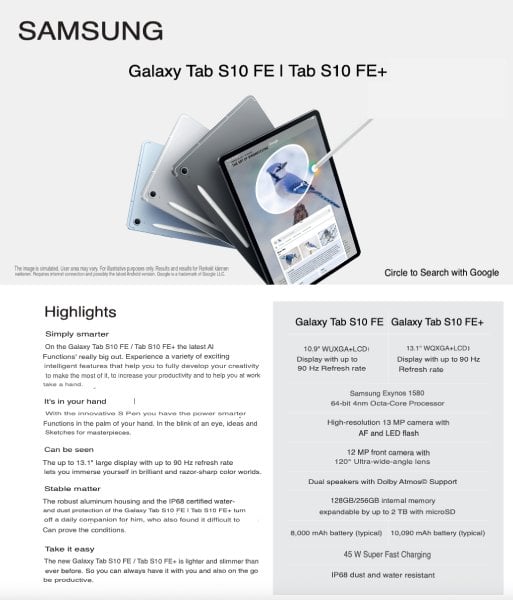
Samsung is gearing up to launch its next-generation tablets, the Galaxy Tab S10 and S10 FE+, and a fresh leak has provided a detailed look at what to expect. Shared by tipster Arsene Lupin on X, the leak outlines key specifications, AI-driven features, and European pricing of the upcoming devices.
Samsung Galaxy Tab S10 and S10 FE+ Specifications
The Galaxy Tab S10 FE features a 10.9-inch WUXGA+ LCD panel with a 90Hz refresh rate, while the S10 FE+ steps up to a larger 13.1-inch WQXGA+ LCD. Both tablets retain a sturdy aluminum build and come with IP68 certification for water and dust resistance.
Under the hood, Samsung is using its in-house Exynos 1580 chipset, a 4nm octa-core processor on both models. While this isn’t a flagship-tier SoC, it should be capable enough for everyday tasks, multimedia consumption, and light productivity work.
Moreover, Samsung has equipped the standard Tab S10 FE with an 8,000mAh battery, while the S10 FE+ gets a larger 10,090mAh cell. Both support 45W fast charging, though it’s unlikely you will get a charger in the box.
As for the cameras, the rear sports a 13MP lens with autofocus and an LED flash. Up front, there’s a 12MP ultrawide shooter with a 120-degree field of view.
The company is also doubling down on AI integration with the Galaxy Tab S10 FE and S10 FE+. The leak mentions several new AI-powered tools aimed at boosting productivity and creativity. One of them is Google’s Circle to Search. And of course, both tablets will support the S Pen out of the box.
Pricing and Availability
According to the leak, the Galaxy Tab S10 FE will start at €579 for the base 8GB/128GB Wi-Fi model. The 12GB/256GB Wi-Fi variant bumps the price to €679, while the 8GB/128GB 5G version also comes in at €679. Opting for the top-tier 12GB/256GB 5G model will set you back €779.
Meanwhile, the higher-end Galaxy Tab S10 FE+ starts at €749 for the 8GB/128GB Wi-Fi model, with the 12GB/256GB Wi-Fi version priced at €849. If you want 5G, expect to pay €849 for 8GB/128GB and €949 for 12GB/256GB.
Nothing is back with another round of community-driven design. Following last year’s Gold iF Design Award winner glow-in-the-dark Phone (2a) Community Edition, the company is now inviting users to help design a special edition of its latest mid-range device, the Phone (3a).
For those unfamiliar, the Community Edition isn’t just a new colorway or a limited-edition variant. Instead, it’s a collaborative effort where fans play a direct role in designing elements of the phone, its accessories, and even its marketing.
Nothing Phone (3a) Community Edition Briefs
There are four stages for the 2025 Community Edition project, which includes:
Hardware Design: Creating a unique visual identity for the Phone (3a).
Software Design: Last year, this was limited to designing wallpapers, but this time, it includes new widgets and a clock icon pack.
Accessory Design: A new addition where participants design an exclusive collectible or accessory to ship with the Community Edition.
Marketing Campaign: Proposing key visuals, launch moments, or event ideas to promote the phone.
Want to get in on the action? You’ll need to submit a proposal in one of these categories, and only a select few will be chosen. Once submissions close on April 23rd, the Nothing community will vote for 24 hours to help pick the best ideas, after which internal juries will select four winners to bring their concepts to life. For added incentive, Nothing is awarding each winner a £1,000 cash prize.
The Community Edition is an excellent platform to showcase your skills and get your work in front of a massive audience. Whether you’re a designer, developer, or marketer, it’s a huge opportunity for exposure. In short, it’s a great way to market yourself while working on a real-world project. So, if you’ve got the skills—and a great idea—now’s the time to jump in.
For more daily updates, please visit our News Section.
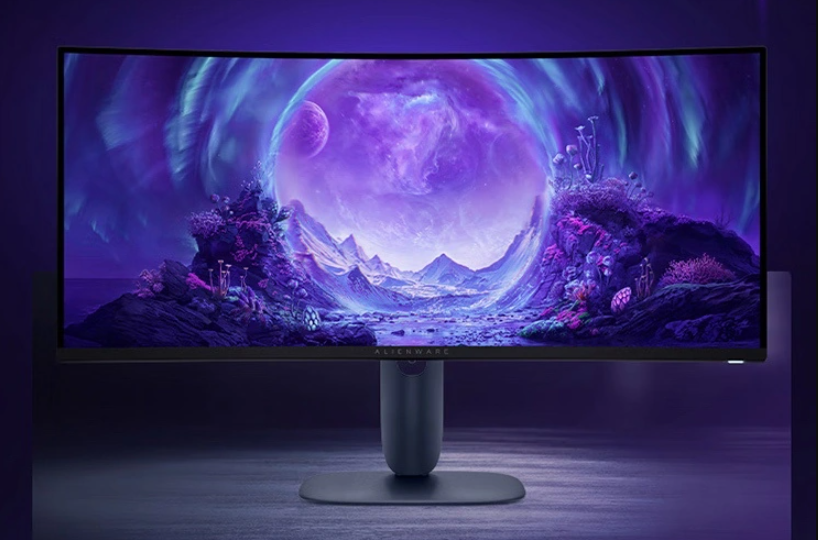
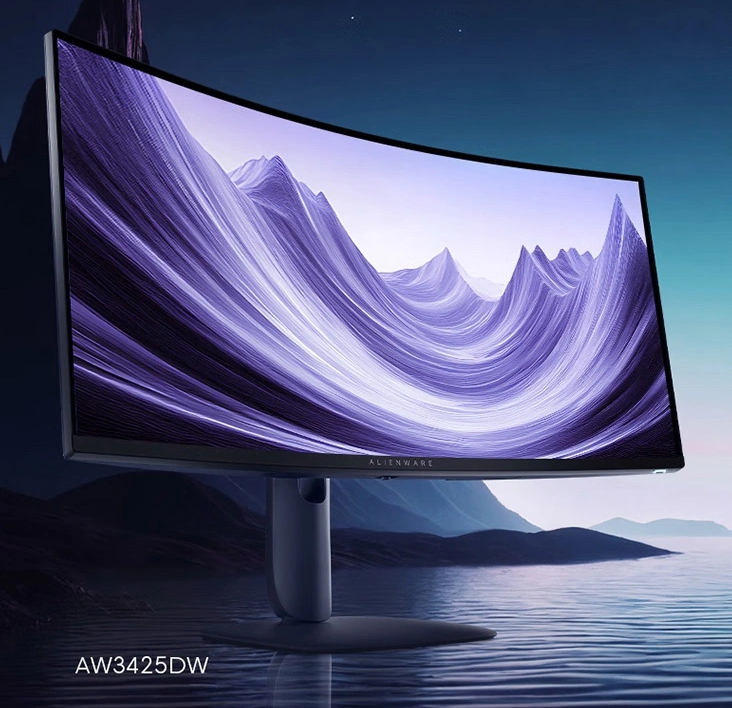
Alienware has released the AW3425DW, a 34-inch ultra-wide curved gaming monitor, in China through JD.com. The monitor is priced at ¥6,499 (approximately $900) and catered to users looking for OLED display features and high refresh rates.
The monitor has an 1800R-curved QD-OLED panel with a resolution of 3440×1440 (WQHD), a 240Hz refresh rate, and a gray-to-gray response time of 0.03ms when overclocked from a native 0.1ms. It supports a peak brightness of 1,000 nits and 250 nits under typical conditions. The display is certified with VESA DisplayHDR True Black 400 and offers 99.3% coverage of the DCI-P3 color space with 10-bit color depth.
The AW3425DW is compatible with NVIDIA G-SYNC, AMD FreeSync Premium Pro, and VESA AdaptiveSync. It also has TÜV Rheinland’s ComfortView Plus certification for reduced blue light output.
Alienware includes its AlienVision feature set, which offers hardware-level visual modes. These include Night Vision for improved visibility in darker scenes, Tuner for adjusting preset settings, and Thermal Imaging, which likely functions as an overlay tool for aiming.
The design follows Alienware’s “AW30” styling, with a basic stand referred to as the “Alien Half” and light blue accents called “North Star Blue.” The stand supports tilt, height, and swivel adjustments, and the monitor is VESA wall-mount compatible.
In terms of connectivity, the monitor includes two HDMI 2.1 ports, one DisplayPort (version not specified), one USB-C 3.2 Gen1 port with 15W power delivery, one USB-A 3.2 Gen1 port, and one USB-B 3.2 Gen1 port that enables KVM functionality. The global debut of the monitor is expected to happen later this year.
For more daily updates, please visit our News Section.
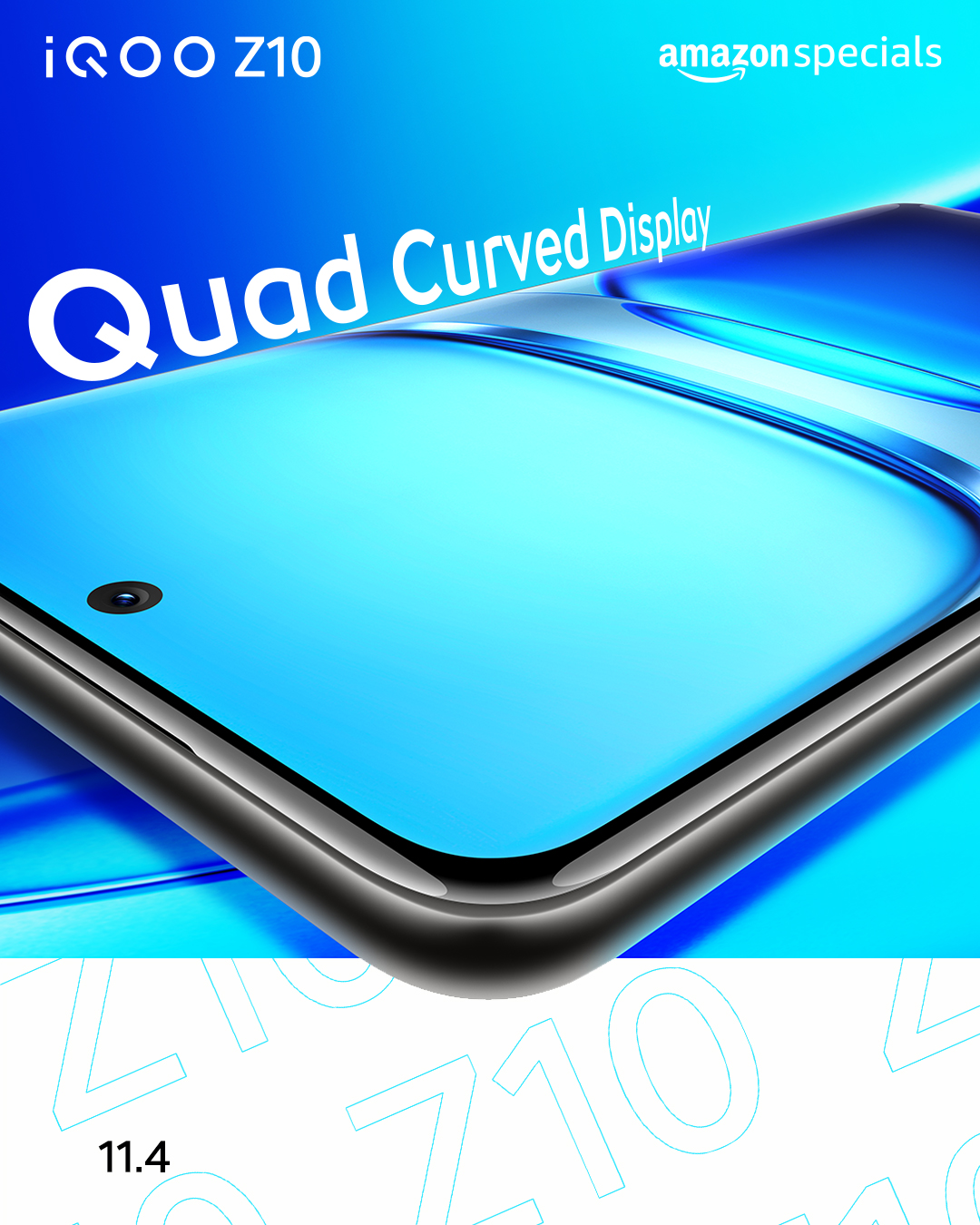
Earlier this month, iQOO unveiled the iQOO Neo 10R smartphone in India, and now the brand is actively teasing the upcoming Z10 ahead of its April 11 launch. The Z10 will feature the largest battery ever seen on a smartphone from a mainstream brand. Today, iQOO released a new poster highlighting the device’s charging capabilities.
iQOO Z10 to support 90W fast charging
iQOO Z10 chargingiQOO Z10 display
As is known, the iQOO Z10 packs a massive 7,300mAh battery. The highlight, however, is its confirmed support for 90W FlashCharge, which, according to the brand, can achieve a full charge in just 33 minutes. The brand previously revealed that despite packing a huge battery, the device will sport a slim design, measuring only 7.89mm in thickness.
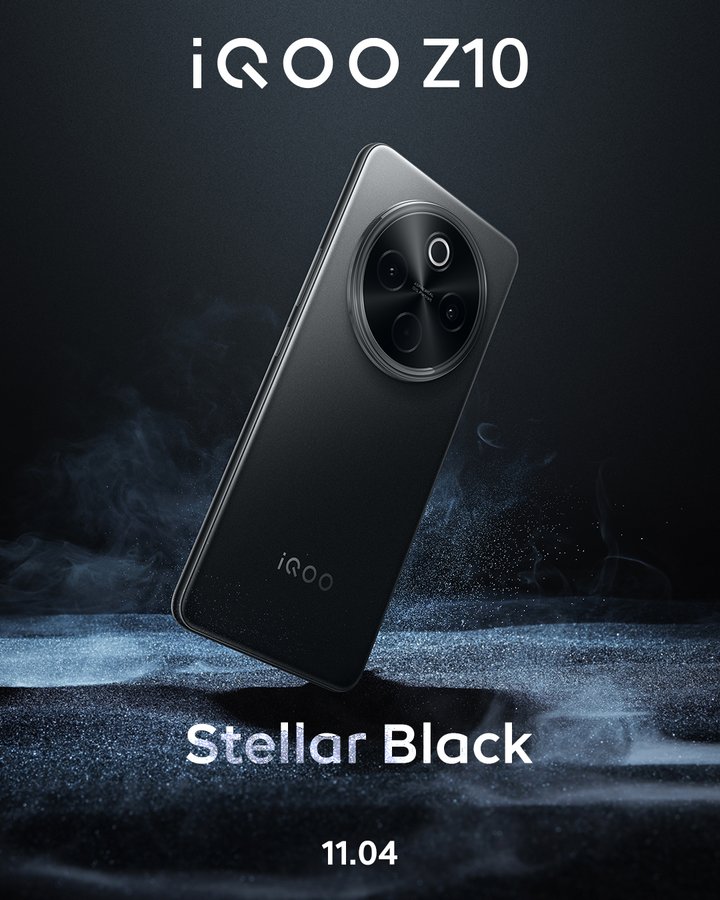
iQOO Z10 in Glacier SilveriQOO Z10 in Stellar Black
iQOO has also confirmed that the Z10 will feature a quad-curved AMOLED panel. It will be available in two shades: Glacier Silver and Stellar Black. The brand has yet to reveal the other specifications of the phone.
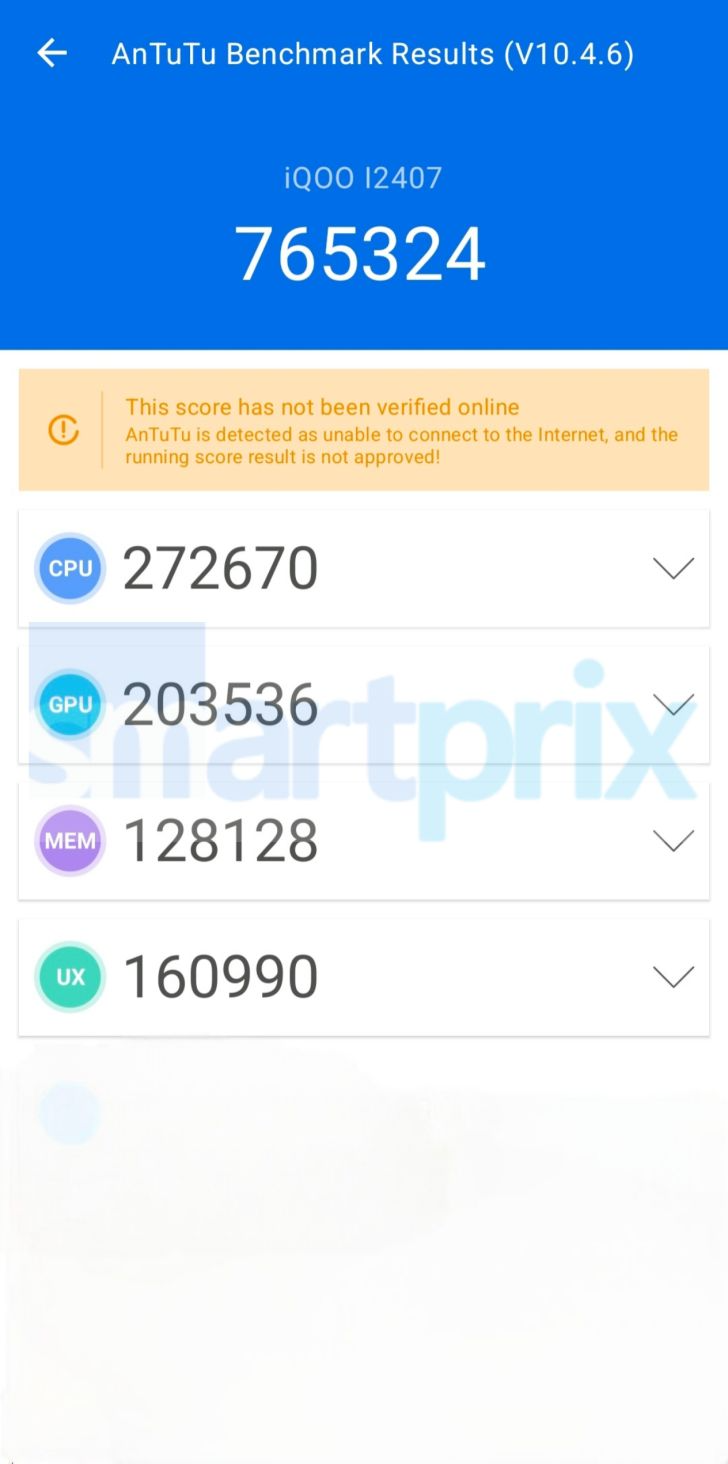
iQOO Z10 AnTuTu score
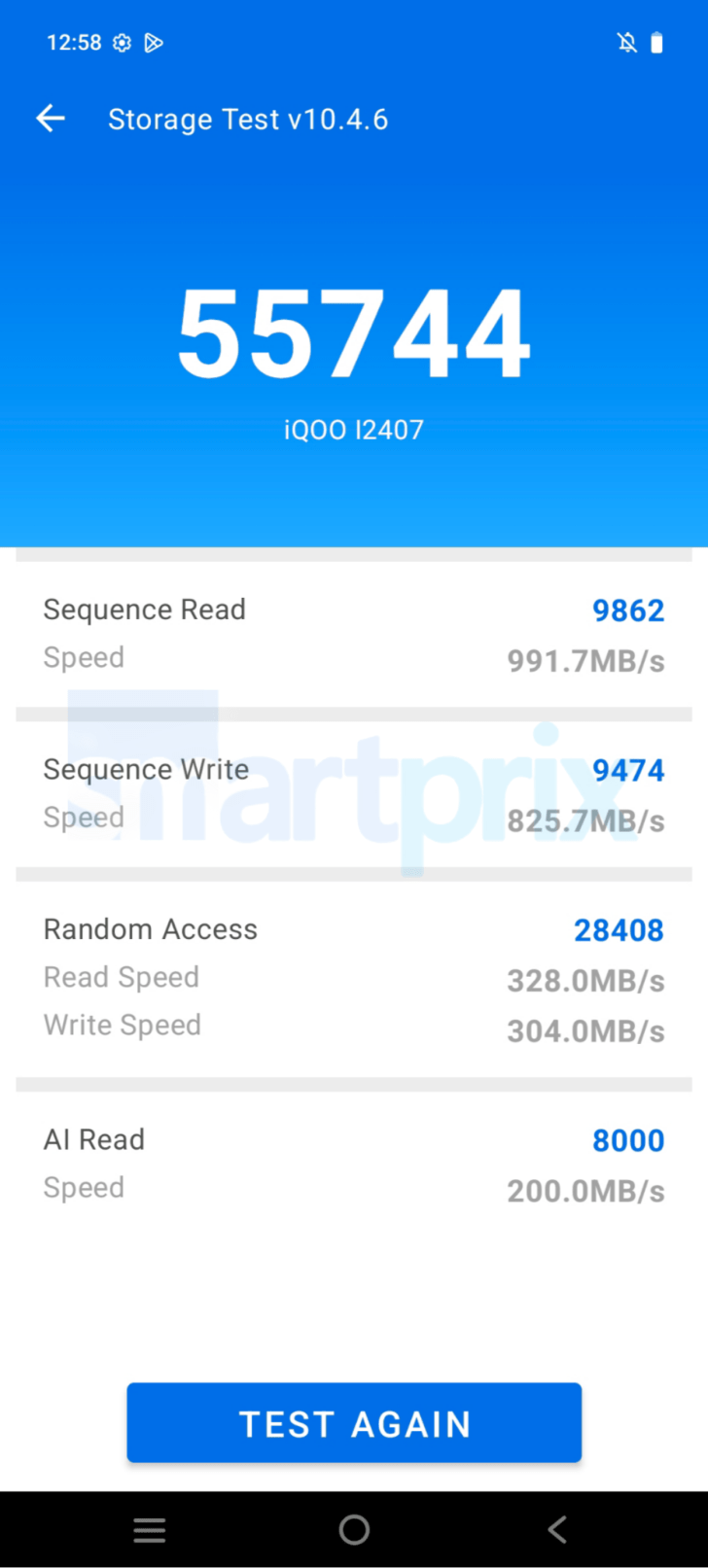
iQOO Z10 AnTutu scoreiQOO Z10’s storage test score
SmartPrix has shared screenshots of the AnTuTu benchmarks of the iQOO Z10. One of the screenshots reveals the Z10’s model number as I2407. The handset, which is said to be equipped with the Snapdragon 7s Gen 3 chipset, has achieved a score of 765,234.
Additionally, the image of the storage test suggests that it could be equipped with UFS 2.2. Rumors surrounding the device have claimed that it may ship with up to 12GB of RAM and up to 256GB of storage.
In terms of pricing, the Z10 is likely to be priced between Rs 20,000 and Rs 25,000 in India. It is speculated that the iQOO Z10x, which appears to be a rebranded or tweaked version of the Vivo T4x 5G, will also debut alongside the Z10 on April 11 in the country.
For more daily updates, please visit our News Section.
Oppo will launch multiple devices on April 10 in China. Ahead of the launch, the brand has already revealed the design of the Oppo Pad 4 Pro tablet, the Watch X2 Mini, and the Enco Free 4 TWS earbuds. While it has started teasing the Find X8s’ design, it hasn’t revealed the Find X8s and X8 Ultra. A real-life image of the Ultra model has emerged on Weibo, giving the first look at its design.
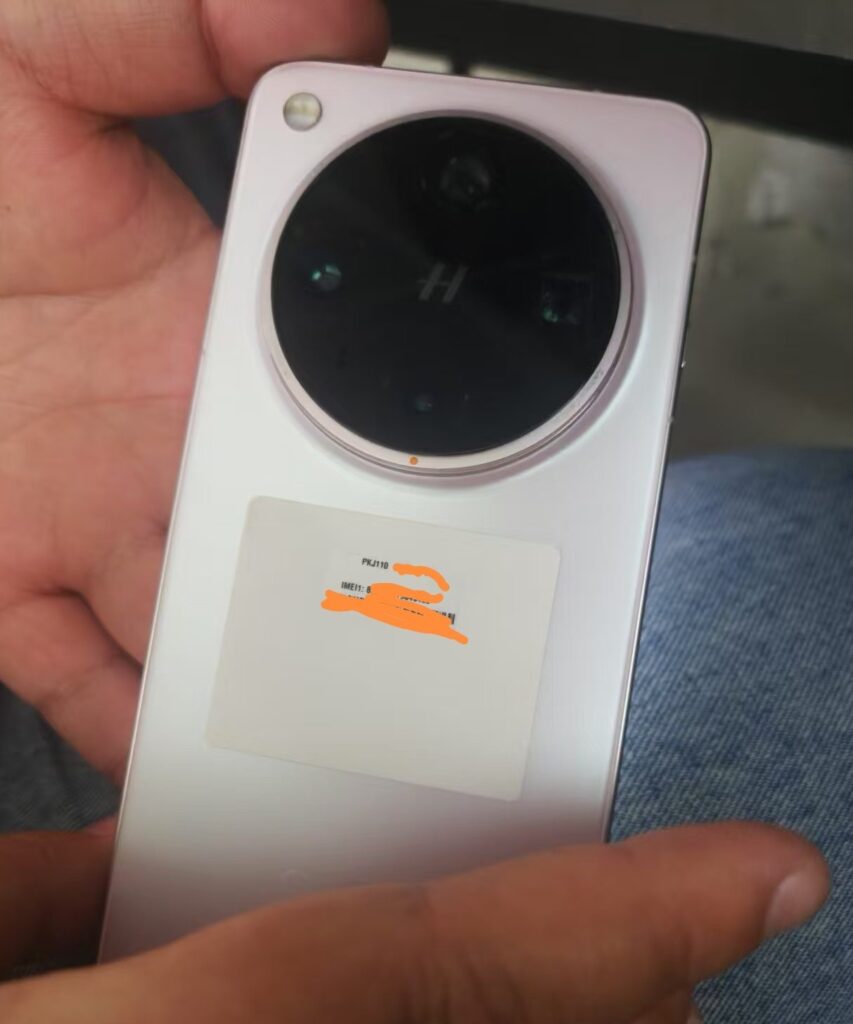
Oppo Find X8 Ultra appears in real life
Oppo Find X8 Ultra leaked image
Reliable tipster Ice Universe has confirmed that the image belongs to the actual Find X8 Ultra, indicating that it is not fake. It also has “PKJ110” mentioned on the label, which is the model number of the standard version of the X8 Ultra.
The phone features a round camera module equipped with a pair of periscope telephoto cameras placed at the top and right. At the centre of the camera island is the Hasselblad logo, and the remaining two sensors are the primary camera and the ultra-wide lens. There’s an LED flash positioned at the top-left corner. This model appears to be the Morning Light colour option, which has a light pink finish. It will also be available in two other shades, Moonlight White and Starry Black.
According to reports, the Find X8 Ultra will feature an OIS-assisted 50-megapixel LYT-900 primary camera, a 50-megapixel IMX882 ultra-wide lens, a 50-megapixel IMX906 periscope telephoto camera with 3x optical zoom and OIS support, and a 50-megapixel IMX882 6x periscope snapper with OIS support. For selfies, it will feature a 32-megapixel front camera.
The Find X8 Ultra will arrive with a 6.82-inch AMOLED display with a flat design. It will offer a 2K+ resolution, a 120Hz refresh rate, and an ultrasonic in-screen fingerprint scanner. Under the hood, the X8 Ultra will feature the Snapdragon 8 Elite chipset, up to 16GB of LPDDR5x RAM, up to 1TB of UFS 4.0 storage, and a 6,100mAh battery with 100W wired and 50W wireless charging support.
For more daily updates, please visit our News Section.
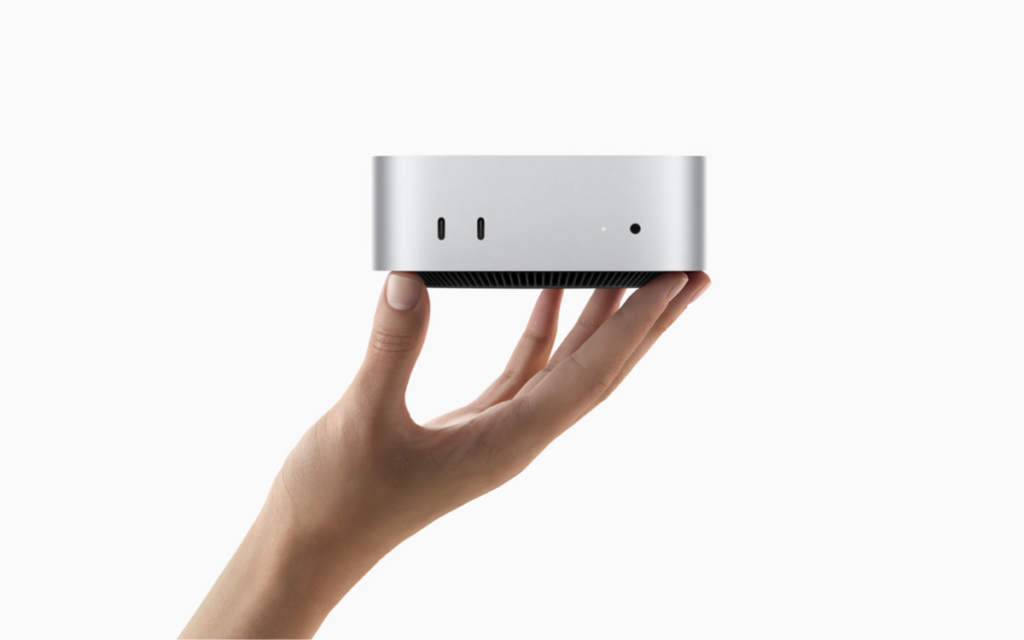
The Mac Mini has always been the quiet rebel of Apple’s hardware lineup. It doesn’t have the iconic silhouette of the iMac, the portability of a MacBook, or the brute-force power of a Mac Pro. But what it does have is staying power—and purpose. Since its debut in 2005, the Mac Mini has represented something rare in Apple’s world: modularity and freedom. You bring your own monitor, your own keyboard and mouse, and the Mini does the rest.
That simplicity is exactly why it has remained relevant. The Mac Mini has always stood for accessibility and adaptability. And now, with the introduction of the M4 model, Apple has made it more powerful—and more compelling—than ever.
A Major Redesign That Actually Matters
The M4-powered 2024 version introduces the first significant redesign in over a decade, shrinking the iconic desktop down to a 5-by-5-inch square that stands just two inches tall. That’s smaller than most desktop speakers and roughly the footprint of a large coaster. And yet, Apple has somehow stuffed more performance and functionality into this pint-sized shell than any Mac Mini before it.
The new design doesn’t just look minimal; it enables flexibility. Whether you want to slide it under a monitor, tuck it behind a TV, or throw it into a backpack, the new Mac Mini feels like a product that’s finally living up to its name. But this isn’t just about size—it’s about utility. For the first time, Apple has added front-facing USB-C ports and a headphone jack, solving a long-standing annoyance. Meanwhile, the back still hosts HDMI, Ethernet, and Thunderbolt 4 (or 5, on the M4 Pro), so you’re not losing out on I/O.
Sure, the relocated power button underneath the device is questionable at best, but considering the machine is silent, rarely needs to be rebooted, and is feather-light, most users probably won’t care.
Performance That’s No Joke
The big story here isn’t just the design—it’s what’s under the hood. The base Mac Mini now ships with Apple’s M4 chip, featuring a 10-core CPU, 10-core GPU, and a 16-core Neural Engine delivering up to 38 trillion operations per second. Paired with 16GB of unified memory (finally, no more 8GB base models), it’s not just fast—it’s Mac Studio fast, at least in single-core tasks.
In benchmarks, the M4 model posts Geekbench 6 single-core scores north of 3,800, beating the M2 Ultra in raw single-threaded speed. That’s a wild thing to say about a machine that starts at $599. For comparison, the entry-level iMac with the same chip costs more than twice as much.
And if you need even more juice, the M4 Pro model is available with up to a 14-core CPU and 20-core GPU. It also brings Thunderbolt 5, 64GB memory support, and better performance across GPU-heavy workloads like 3D rendering or advanced video editing. For many pro users who previously defaulted to the Mac Studio, this new Mac Mini might now be the smarter, more affordable choice.
Gaming and AI
Apple hasn’t been known for gaming, but with the M4 chip’s hardware-accelerated ray tracing and Metal 3 support, that might be starting to change. Titles like Resident Evil 4 run at a smooth 60fps at 1080p on the base model—an unthinkable feat on a Mac just a few years ago. It’s not a PlayStation killer, but it’s a meaningful step toward serious Mac gaming.
Meanwhile, the Mac Mini is built to handle Apple Intelligence, the new suite of AI tools set to roll out in macOS Sequoia. Thanks to the M4’s Neural Engine, AI features like image cleanup, voice transcription, and on-device generation should run smoothly and securely, without relying on the cloud. And with 16GB of memory standard, multitasking and future AI integrations are much more viable than ever before.
Value That’s Hard to Beat
At $599, the Mac Mini M4 (check out our full review) feels like a statement. It’s not just Apple’s cheapest desktop—it’s probably the most cost-effective entry point into the entire Apple ecosystem. You’re getting the same chip as devices that cost more than double, in a form factor that’s more versatile and future-ready.
Sure, Apple’s upgrade pricing is still painful—adding more RAM or SSD storage quickly drives the price up. But here’s the thing: you can get an external SSD for $100 and call it a day. That’s the hidden strength of the Mac Mini: it’s modular in all the ways you need it to be, without locking you into a screen, keyboard, or mouse.
For more daily updates, please visit our News Section.
Recently, China’s TENAA certification approved the Motorola Razr 60 Ultra, revealing all its major specs. Now, the Razr 60 has surfaced in TENAA’s database, disclosing its entire specifications and images. Here’s a look at everything that has surfaced through its Chinese certification.
Motorola Razr 60 specifications (rumoured)
As per the TENAA listing, the Motorola Razr 60 will feature a 3.63-inch cover OLED screen that produces a 1056 x 1056 pixels resolution. On the inside, it will have a 6.9-inch foldable OLED screen that supports a Full HD+ resolution of 1080 x 2460 pixels. This debunks a recent report that it will have a smaller 6.7-inch display.
The Razr 60 will feature a 32-megapixel camera on the front, while its back panel will house a 50-megapixel + 13-megapixel dual-camera setup. The TENAA certification also mentions that the device will support 3x optical zoom. For security, it will include a side-mounted fingerprint sensor.
The Razr 60’s TENAA listing further states that it is powered by a 2.75GHz chip, which appears to be the Dimensity 7400x. As per other reports, the device is said to be equipped with a 4,500mAh (typical value) battery. However, TENAA only mentions that it will feature a 1,090mAh + 3,815mAh dual-cell battery, offering a combined rated value of 4,275mAh.
Reports have claimed that the Razr 60 will support 30W wired charging and 15W wireless charging. In China, the device will be available with 8GB / 12GB / 16GB / 18GB of RAM and 128GB / 256GB / 512GB / 1TB of storage.
Compared to the Motorola Razr 50 from last year, the Razr 60 seems to bring notable upgrades in chipset and battery size.
For more daily updates, please visit our News Section.
MediaTek unveiled the Dimensity 9400 chip in October 2024. Speculations are rife that the Taiwanese chipmaker is now working on the Dimensity 9500, which may debut in the last quarter of this year. A recent Weibo post by reliable leaker Digital Chat Station has revealed early details about the D9500 chip.
Dimensity 9500 could be the most powerful Android SoC
Dimensity 9500 details leaked by DCS
The Weibo post by DCS reveals that the engineering samples of MediaTek’s next-generation chipset are ready. According to the leak, the chip features an eight-core design with a 1+3+4 architecture and has a target AnTuTu benchmark score of around 3.5 million points. While the tipster has not explicitly mentioned the chipset’s name, he appears to be referring to MediaTek’s next flagship processor—the Dimensity 9500.
D9500 to feature one Cortex-X930 Travis core
Previously, the tipster claimed that the Dimensity 9500 would feature two Cortex-X930 “Travis” cores. However, he now states that it includes only one Travis core, which is expected to exceed 4GHz. In terms of single-core performance, the Dimensity 9500 could rival Apple’s M4 chip, thanks to factors like the inclusion of ARM’s Scalable Matrix Extension (SME) and TSMC’s enhanced 3nm ‘N3P’ process.
The tipster has previously claimed that while it is not officially confirmed, smartphones powered by the Dimensity 9500 and Qualcomm’s upcoming Snapdragon 8 Elite 2 are expected to debut in October. Some manufacturers may even push for an early release by late September, aiming to have their devices available before November 1st.
Major brands such as Vivo and Oppo are expected to be the first adopters of the Dimensity 9500, integrating the chipset into upcoming flagship series like the Vivo X300 and Oppo Find X8. Some reports have claimed that the Honor Magic 9 series will also feature the Dimensity 9500 chip.
In related news, MediaTek is gearing up to launch the Dimensity 9400 Plus chip next month. This chip, which clocks at 3.73GHz and is an overclocked version of the existing D9400 chip, will power multiple devices, such as the Oppo Find X8s, Find X8s+, Vivo X200S, Realme GT 7, iQOO Neo 10S, OnePlus Ace 5S, and Redmi K80 Ultra.
For more daily updates, please visit our News Section.
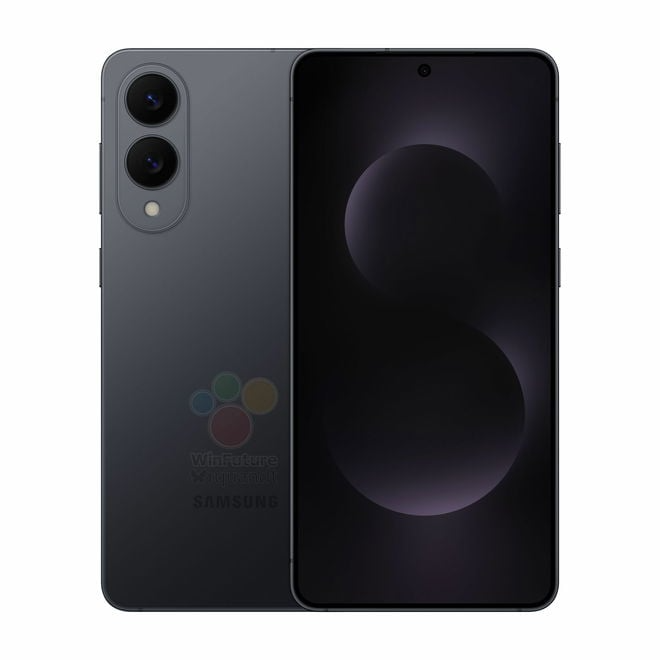
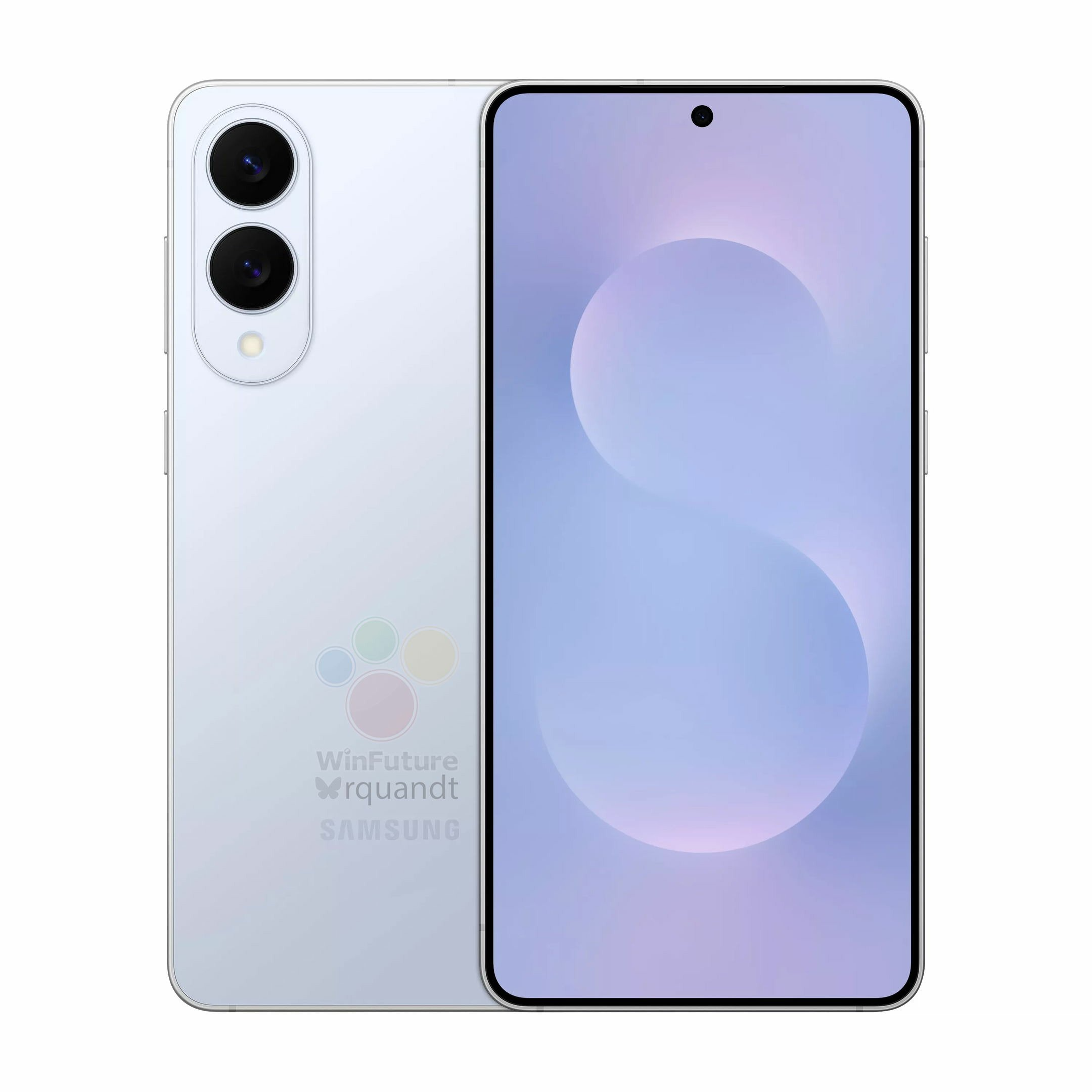
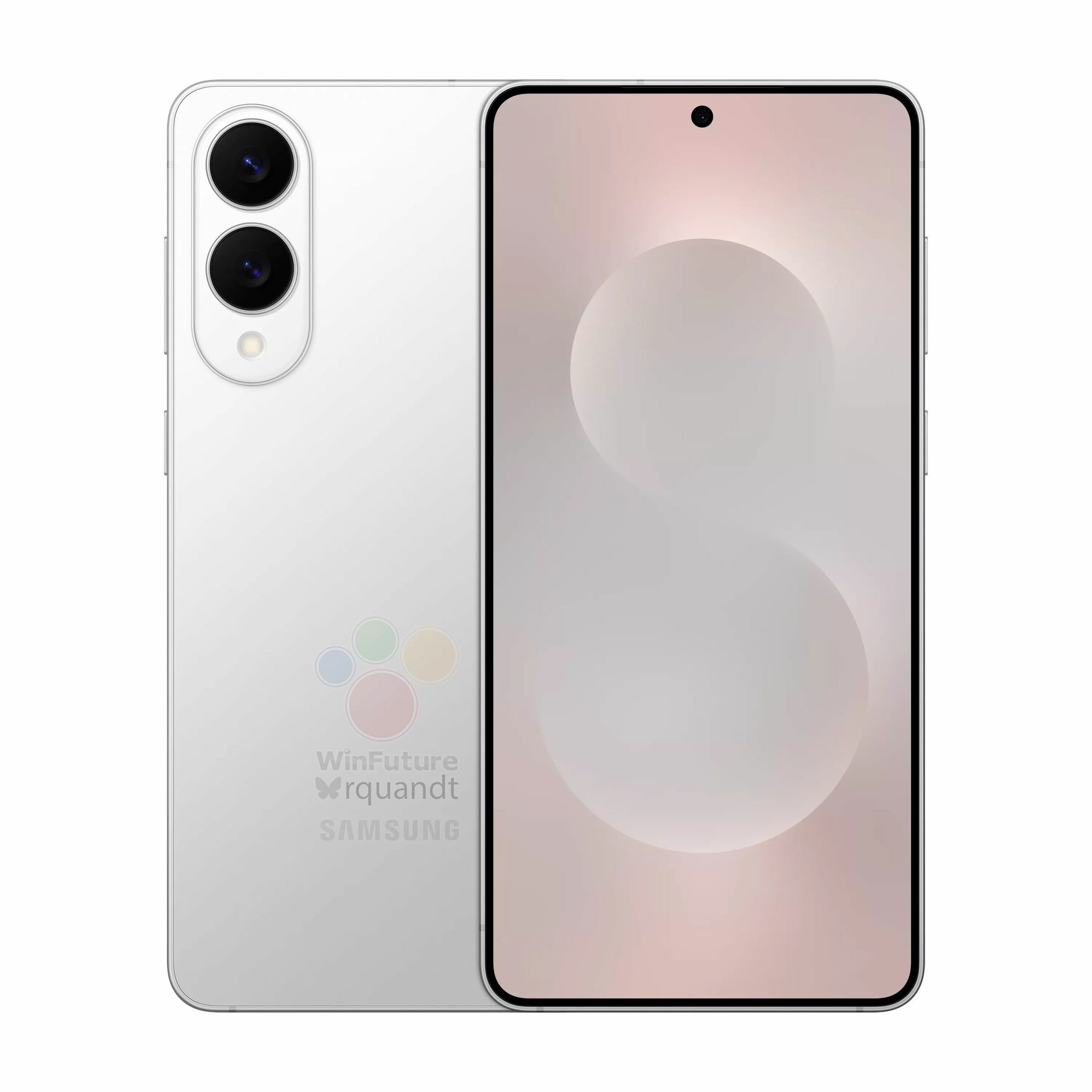
Several reports have claimed that Samsung will unveil the Galaxy S25 Edge in April. To recall, the device was first teased at the Galaxy S25 series launch event in January. While it was showcased at the MWC 2025 tech exhibition at the beginning of this month, the South Korean tech giant hasn’t revealed any details about it yet. Ahead of the expected April launch, Winfuture.de has published a report revealing official renders of the device.
The images show that the Galaxy S25 Edge will be available in three shades: Titanium Jet Black, Titanium Icy Blue, and Titanium Silver. In addition to sharing the images, the publication reiterated the device’s rumoured specs.
Samsung Galaxy S25 Edge specifications (rumoured)
According to reports, the Galaxy S25 Edge will feature a 6.7-inch AMOLED display that supports an FHD+ resolution and a 120Hz refresh rate. Like the other S25 models, the Edge variant will have the Snapdragon 8 Elite for Galaxy chip onboard.
One of the major highlights of the S25 Edge is its slim design, which is said to be around 5.8mm in thickness, excluding the camera module. It is said that the device will house a 3,900mAh battery that supports 25W wired and wireless charging.
On the front, the Galaxy S25 Edge may feature a 12-megapixel selfie camera. The vertical camera module on the back will have a 200-megapixel primary camera with OIS support and a 12-megapixel ultra-wide lens. The device is expected to ship with One UI 7-based Android 15 preinstalled.
Last year, Samsung unveiled the Galaxy Z Fold SE without any fanfare. It is speculated that, in the same way, the S25 Edge will debut quietly without a major launch event. A recent report claimed that the S25 Edge’s 256GB and 512GB variants may carry a starting price of 1,200 euros to 1,300 euros.
For more daily updates, please visit our News Section.
Rumors about the iPhone 17 Air have been swirling for months, teasing a sleek, ultra-thin design set to debut later this year. Now, a newly surfaced image offers a striking comparison, showcasing just how slim the iPhone 17 Air is beside its sibling, the iPhone 17 Pro. The visual evidence confirms what leaks have hinted at: Apple is pushing the boundaries of how thin a modern smartphone can be.
These are likely 3D-printed models of the iPhone 17 Pro and iPhone 17 Air
The image—featuring what appear to be 3D-printed models based on CAD renders—places the iPhone 17 Pro on the left and the iPhone 17 Air on the right. The difference is dramatic: the Air’s profile looks nearly half as thick as the Pro’s.
According to previous rumors, the iPhone 17 Air is only 5.5 mm thick. However, that figure excludes the camera bump. When accounting for the bump, the total thickness hits 9.5mm—still impressively slim compared to the bulkier Pro model and its Android competitors with massive camera bumps. The side-by-side shot with the Pro model underscores Apple’s approach to the Air: a slick form factor that could redefine the smartphone design language for 2025 and the coming years.
That said, the thinner build likely sacrifices some of the Pro’s heftier features—think of battery size or advanced camera hardware. In fact, the phone is rumored to pack only a single camera on the back in 2025. For Apple fans, this trade-off might feel familiar, echoing the company’s history of prioritizing form—sometimes at the cost of practicality. The iPhone 17 Pro, meanwhile, retains a more robust look, suggesting it’s the choice for those favoring power and features over minimalism.
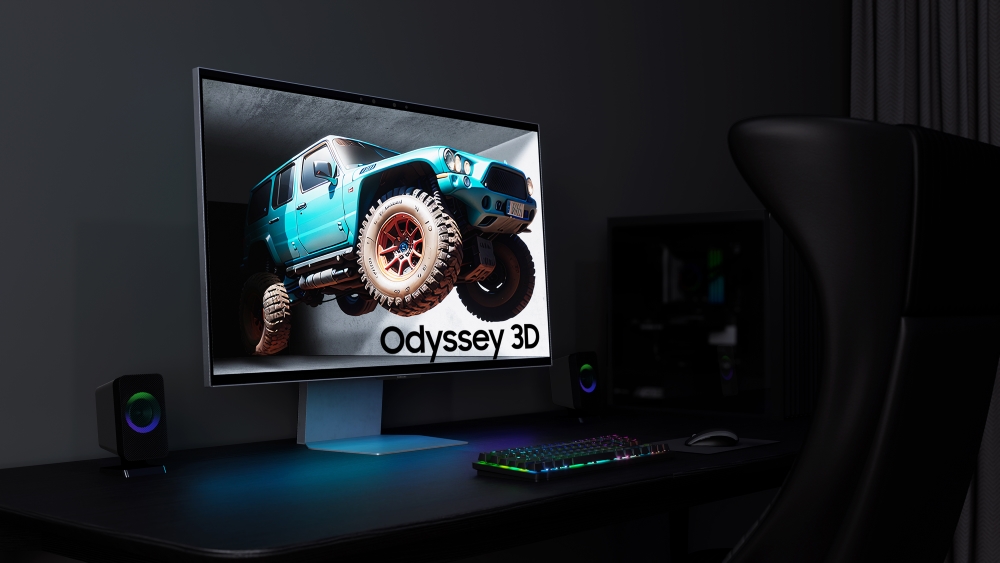
Samsung has begun taking pre-orders for its Odyssey 3D monitor in South Korea, a 4K display that promises a glasses-free 3D experience. Using eye-tracking cameras, it renders unique perspectives for each eye, creating a stereoscopic effect that’s dazzling both in person and on paper. However, this cutting-edge tech comes with steep hardware demands and limitations that might leave buyers questioning its value—especially at Samsung’s premium price point.
Samsung Odyssey 3D
The Odyssey 3D doesn’t magically turn all content into 3D
For gaming, it requires developer optimization, with only two titles—The First Berserker: Khazan and Lies of P—currently supported. Samsung is partnering with studios to expand this list, but for now, the 3D gaming potential is narrow.
Its 2D-to-3D video conversion feature is equally restricted: it needs Reality Hub running, full-screen playback, and an Nvidia GPU (RTX 3080 or higher recommended). It also won’t work with HDR, DRM-protected content like Netflix, or unsupported video players, severely limiting its entertainment appeal. Add in the need for a beefy CPU (Intel i7 or AMD Ryzen 7 1700X minimum), and the monitor’s best features demand a high-end rig.
As a fallback, the Odyssey 3D doubles as a solid 2D monitor, boasting a 27-inch 4K panel, 165Hz refresh rate, 1ms response time, and support for AMD FreeSync and Nvidia G-Sync. But here’s the rub: if 3D isn’t your priority, cheaper Odyssey models offer better 2D performance for less.
Samsung’s track record of hyping “quality” innovations—only to saddle them with caveats or follow competitors’ cuts—feels familiar. The Odyssey 3D’s price tag reflects its ambition, but its niche appeal and hardware hurdles might trick buyers expecting a seamless, all-purpose upgrade. For now, it’s a flashy tech flex with a steep entry fee.
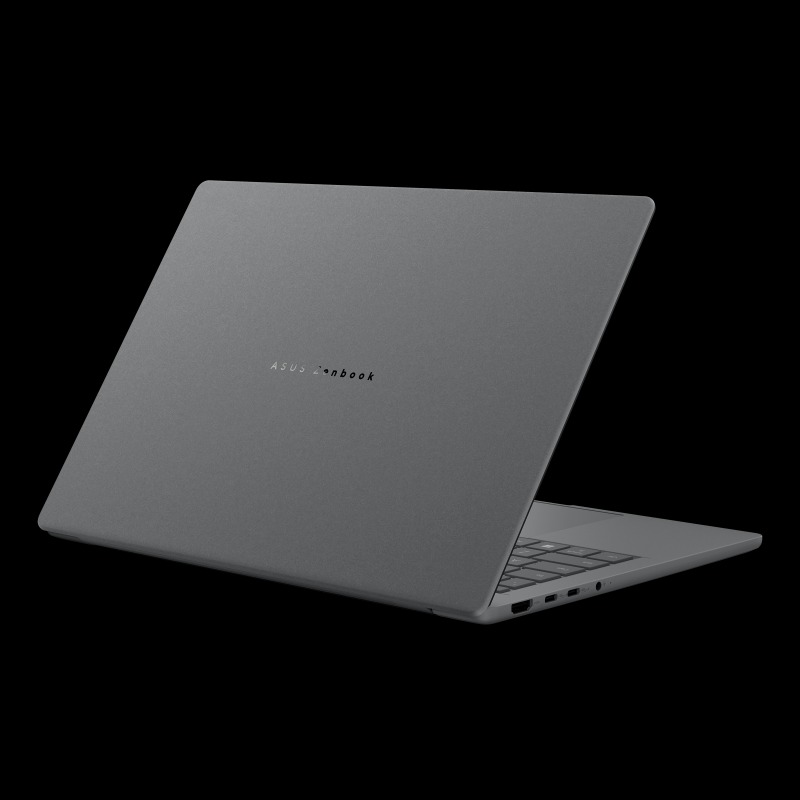
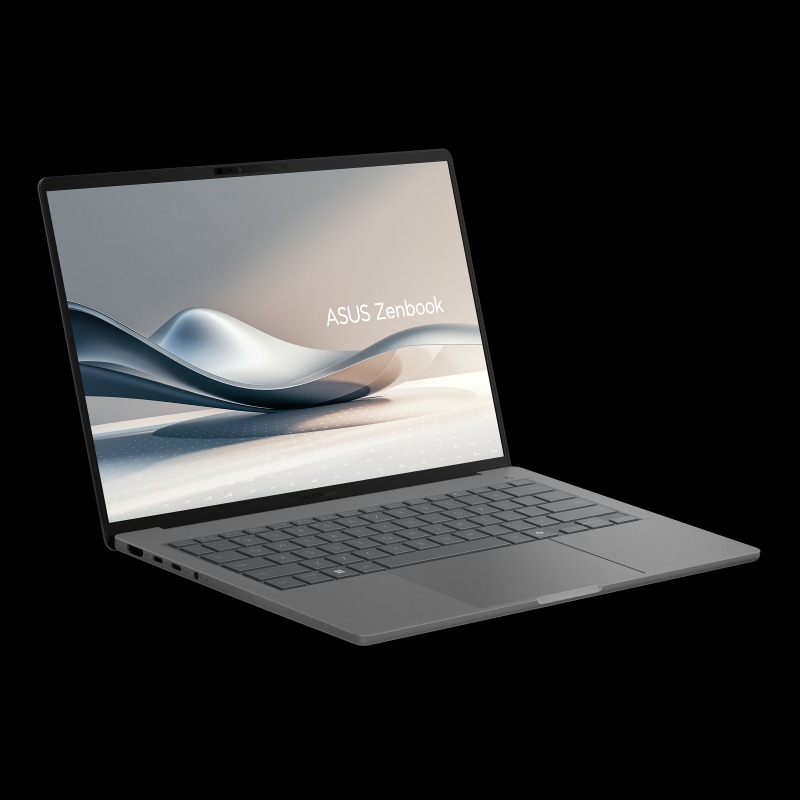
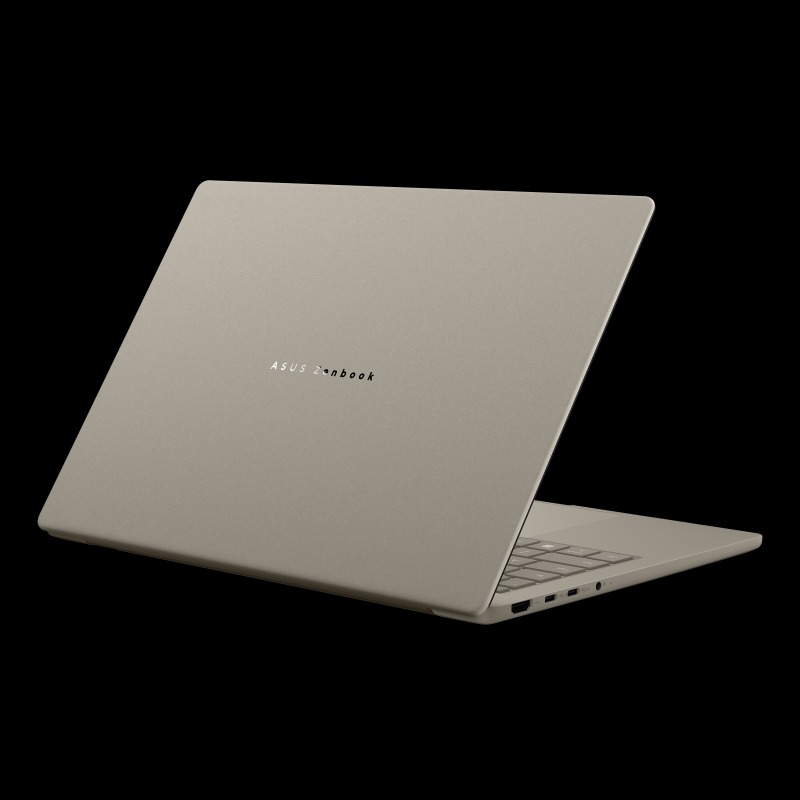
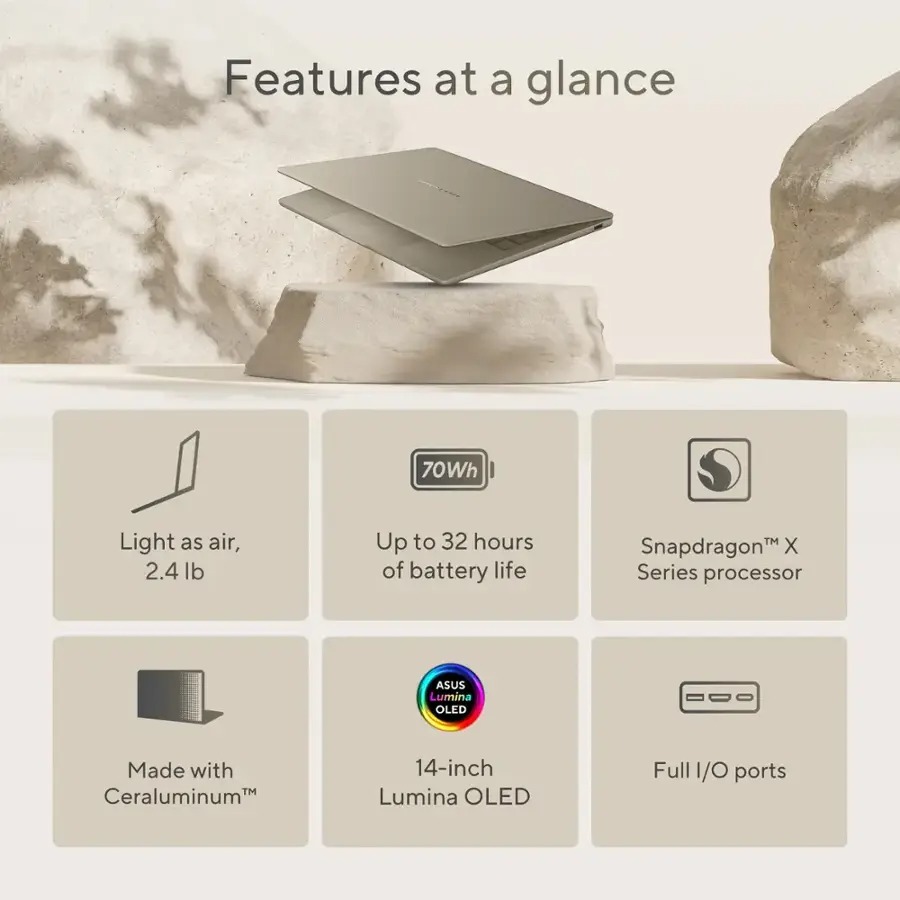
Asus has started shipping the Zenbook A14 (UX3407) in the US, its first Zenbook model powered by Qualcomm’s Snapdragon X Plus processor. The launch follows the release of the laptop in the Indian market.
Zenbook A14 specifications
The Zenbook A14 features a magnesium-aluminum chassis, weighing 2.4 lbs (1.09 kg) and measuring between 0.53 to 0.63 inches in thickness. It includes a 14-inch OLED display with a 1920×1200 resolution, 60Hz refresh rate, and full DCI-P3 color coverage.
The device is powered by the Snapdragon X Plus X1P 42 100 processor and includes a Hexagon NPU rated at 45 TOPS. It is equipped with an Adreno GPU, 16GB of LPDDR5X RAM, and a 512GB PCIe 4.0 SSD.
Connectivity options include Wi-Fi 6E, Bluetooth 5.3, one USB 3.2 Gen 2 Type-A port, two USB4 Gen 3 Type-C ports (supporting 40Gbps, DisplayPort, and Power Delivery), HDMI 2.1, and a 3.5mm audio jack. It has a 70Wh battery and ships with a 65W USB-C adapter. A 1080p IR webcam supports Windows Hello authentication.
Pricing and Availability
The Zenbook A14 is priced at $999.99 and is available exclusively through Best Buy in the US until at least Q2 2025. It is offered in a Zabriskie Beige finish.
For more daily updates, please visit our News Section.
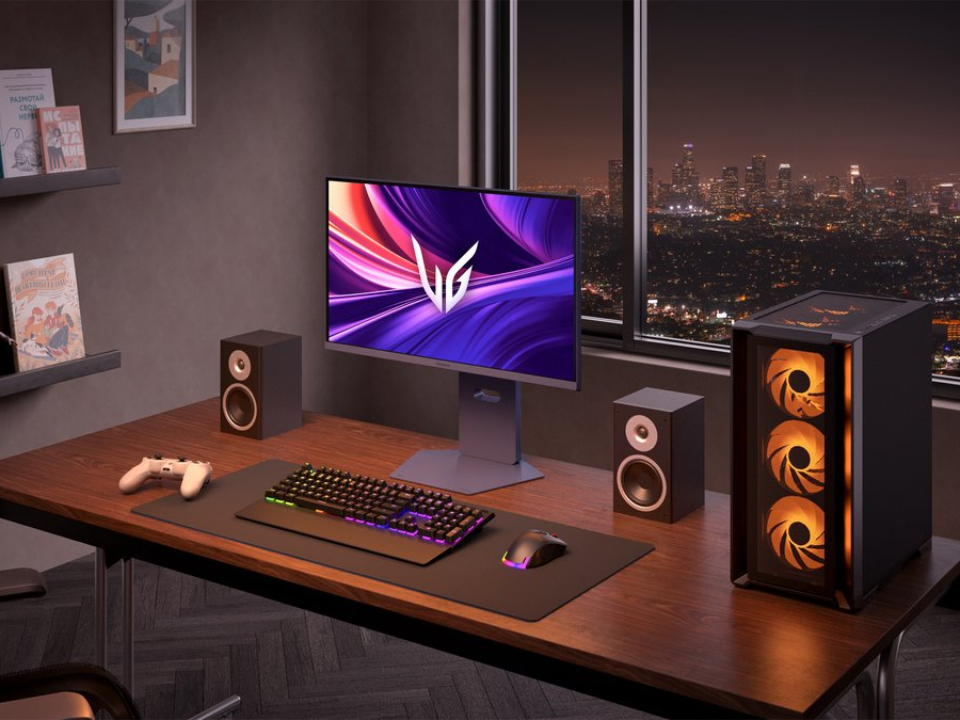
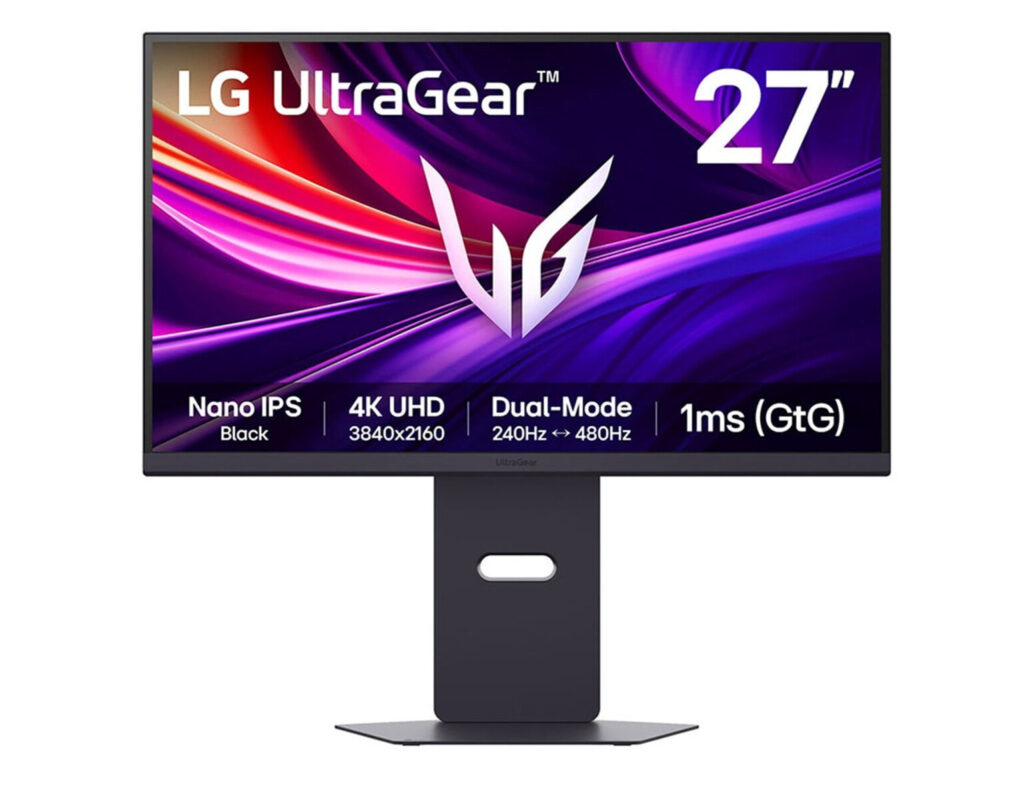
LG has launched its UltraGear 27G850A gaming monitor in the US and UK, following earlier releases in China, Japan, and Europe. The monitor, now available exclusively via Amazon, targets high-end gamers with cutting-edge specs and adaptive display technologies.
LG Ultragear 27G850A features
The 27G850A features a Nano IPS Black panel from LG.Display, offering a 2000:1 contrast ratio, which is twice that of standard IPS panels. It includes a dual-mode function that allows switching between 4K at 240Hz and 1080p at 480Hz. In 480Hz mode, the active screen size is reduced to 24 inches.
The monitor supports AMD FreeSync Premium Pro, NVIDIA G-Sync Compatibility, and VESA AdaptiveSync. It has a 1ms GtG response time, 10-bit color depth, and covers 99% of the DCI-P3 color space. Peak brightness is 670 nits for HDR and 450 nits for SDR. Hardware-level color calibration is also included.
While the monitor includes DisplayPort 2.1, it is limited to UHBR13.5 (54Gbps) bandwidth, which does not support uncompressed 4K at 240Hz. Additional connectivity options include two HDMI ports, a USB hub, and a DTS Headphone:X-compatible audio jack. The stand supports tilt, height, swivel, and pivot adjustments.
Pricing and Availability
The LG UltraGear 27G850A is available exclusively on Amazon. It is priced at $799.99 in the US and £749.99 in the UK. The UK price includes 20% VAT, bringing the approximate cost to $971. It is listed for HK$6,980 (US$900) in Hong Kong and €899 in Europe.
For more daily updates, please visit our News Section.
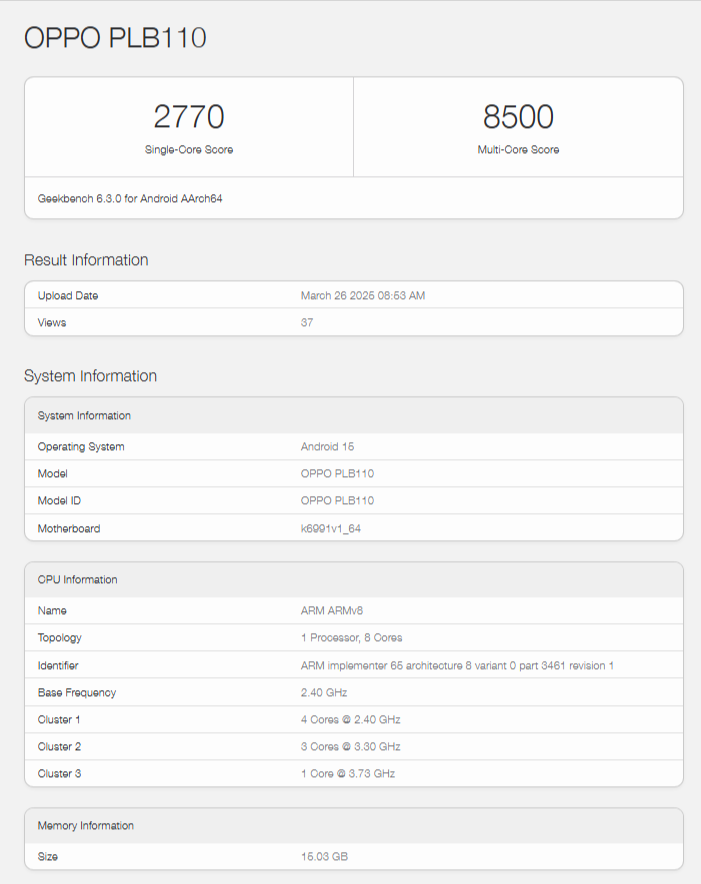
Oppo’s upcoming flagship lineup is beginning to take shape, and fresh Geekbench listings have given us an early peek into what’s powering the Find X8 series. Two new models—PLB110 and PKT110—have surfaced, and all signs point toward these being the highly anticipated Oppo Find X8s and Find X8s+.
Dimensity 9400+ to bring performance boost
The headline here is the confirmation of the Dimensity 9400 Plus chipset, MediaTek’s soon-to-be-announced silicon expected to go official on April 11. The Oppo Find X8s and X8s+ are now all but confirmed to debut with this chip, making them the first devices to showcase its boosted performance.
According to the Geekbench listing, the Dimensity 9400 Plus features a Cortex-X925 prime core running at 3.73GHz, three Cortex-X4 cores at 3.30GHz, and four Cortex-A720 cores clocked at 2.4GHz. The GPU is listed as the Mali-G925 Immortalis MC12.
Benchmark results show the PLB110 scoring 2,770 in single-core and 8,500 in multi-core tests. That’s a solid leap from the Dimensity 9400’s 2,605 and 8,078, respectively, amounting to around a 6% improvement in single-core and a 5% uptick in multi-core performance. These numbers may edge higher when the production units ship, but the early signs are encouraging.
While Oppo has yet to clarify which model number corresponds to the Find X8s and which to the X8s+, what we do know is that the Find X8s will be a compact device with a 6.3-inch display, while the X8s+ will sport a bigger 6.6-inch screen.
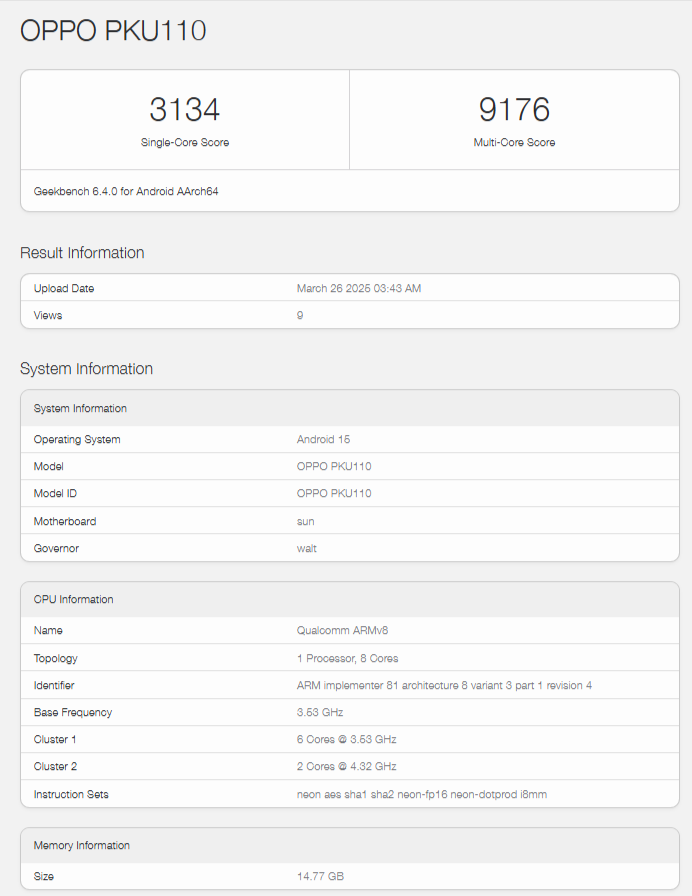
Meanwhile, the Oppo Find X8 Ultra Satellite Communication Version (PKU110) also made its Geekbench debut. Powered by Qualcomm’s Snapdragon 8 Elite, this model scored 3,134 in single-core and 9,176 in multi-core tests. Oppo has confirmed this variant will come with 16GB of RAM and a massive 1TB of storage.
All three devices, alongside the Oppo Pad 4 Pro, Watch X2 Mini, and Enco Free 4, are slated to launch on April 11 in China. Global availability remains unclear, but given Oppo’s recent track record, a wider release seems likely. For now, it’s clear that the Find X8 series is shaping up to be one of Oppo’s most ambitious lineups yet.
For more daily updates, please visit our News Section.
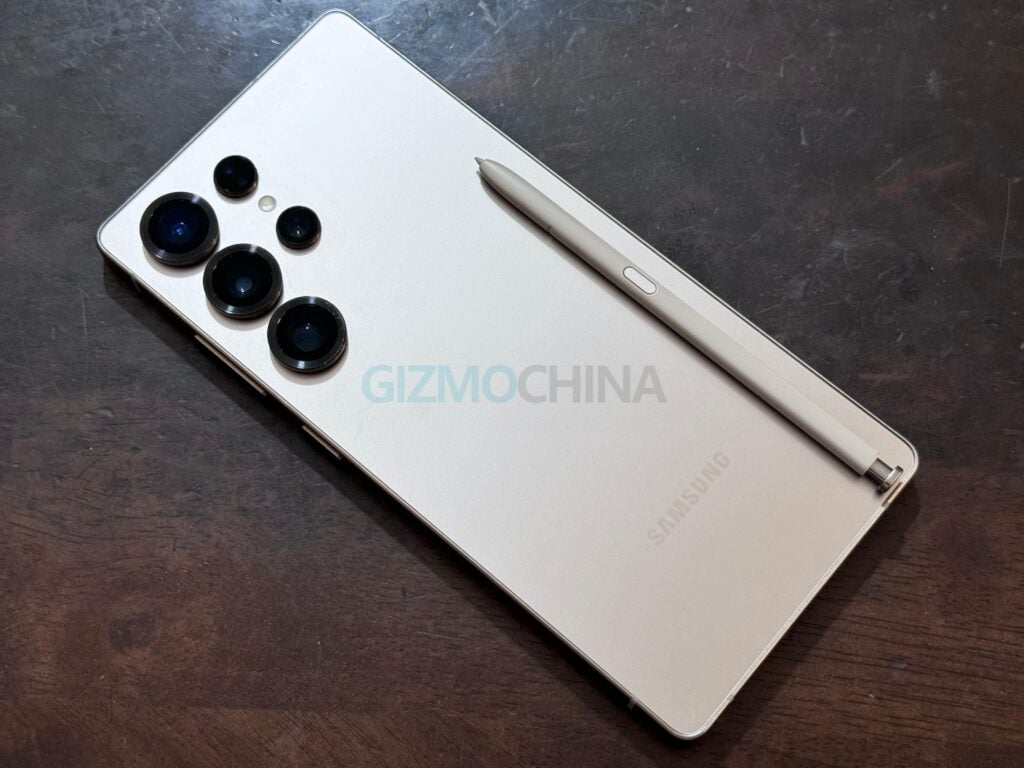
Samsung appears to be planning a major spec overhaul for the Galaxy S26 Ultra, following two generations of Ultra models that saw minimal changes in design and specifications. According to a recent leak, a prototype of the S26 Ultra includes a single 200MP periscope telephoto. Now, the latest leak suggests that Samsung is experimenting with different camera setups for the upcoming Ultra model.
Samsung Galaxy S25 Ultra – S Pen
The first telephoto finally includes a 50MP sensor
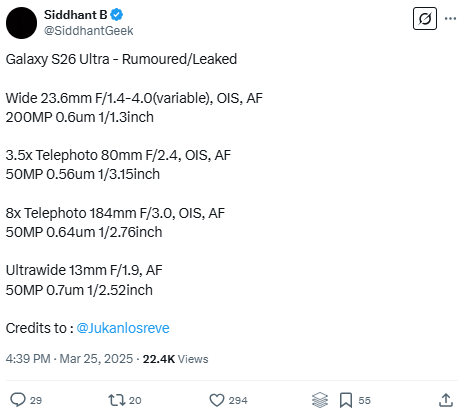
According to X tipster @SiddhantGeek, another prototype of the Galaxy S26 Ultra still includes the dual-telephoto setup, but the focal lengths are different. The 3X telephoto has been replaced with a 3.5X one, something we have seen lately from some of the Chinese OEMs. But what’s even more interesting is that it finally includes a larger 50MP sensor inside. The sensor reportedly measures 1/3.15″ and has a pixel size of 0.56um. In contrast, the current 10MP sensor measures 1/3.52″ and has a pixel size of 1.12µm.
While the native pixel size of the 50MP sensor is much smaller, it will likely use 4-1 pixel binning and capture at 12.5MP, which is intended to make up for the smaller pixels. Aside from sharper images, the higher resolution (more than 33MP) also enables the phone to record in 8K from the 3.5X telephoto. However, enabling the option and fine tuning the image processing for the purpose ultimately depends on Samsung.
Moving on to the periscope telephoto, it now has 8X magnification, up from 5X of the S25 Ultra. The new sensor has the same 50MP resolution but is slightly smaller at 1/2.76″ (down from 1/2.52″), which could be due to minimizing the protrusion of the camera module. For those unfamiliar, both a larger sensor and a longer zoom range (larger focal length) increase the protrusion of the camera module, so a smaller sensor can counteract the increase in zoom range and somewhat maintain the protrusion.
The ultrawide remains the same as the S25 Ultra in this prototype, but the main sensor has an F/1.4-4.0 variable aperture mechanism. That said, the company is likely experimenting with different specifications, and still has enough time to improve or cancel some of the specs mentioned above. We will likely get more information on the development as we inch closer to the launch.
We use cookies on our website to give you the most relevant experience by remembering your preferences and repeat visits. By clicking “Accept”, you consent to the use of ALL the cookies.
This website uses cookies to improve your experience while you navigate through the website. Out of these, the cookies that are categorized as necessary are stored on your browser as they are essential for the working of basic functionalities of the website. We also use third-party cookies that help us analyze and understand how you use this website. These cookies will be stored in your browser only with your consent. You also have the option to opt-out of these cookies. But opting out of some of these cookies may affect your browsing experience.
Necessary cookies are absolutely essential for the website to function properly. This category only includes cookies that ensures basic functionalities and security features of the website. These cookies do not store any personal information.
Any cookies that may not be particularly necessary for the website to function and is used specifically to collect user personal data via analytics, ads, other embedded contents are termed as non-necessary cookies. It is mandatory to procure user consent prior to running these cookies on your website.