Advertisement

Xiaomi launches a new hair dryer with nano water ions and smart scalp protection

Xiaomi has announced the Mijia High-Speed Water Ion Hair Dryer Pro in the Chinese market. It is priced at 799 yuan ($117) and is now listed on Youpin.

Xiaomi Mijia Hair Dryer Pro

Xiaomi Mijia Hair Dryer Pro Specifications

The Mijia High-Speed Water Ion Hair Dryer Pro comes with a dual-mode constant temperature system designed for safe and efficient airflow. The design includes two modes: an intelligent scalp protection mode for adults, which maintains a stable temperature of 50°C, and a children’s mode, which provides a gentler 40°C airflow. It features a built-in ToF sensor that measures the distance between the dryer and the scalp in real-time and adjusts the heat levels accordingly to ensure safety.

Xiaomi Mijia Hair Dryer Pro

Xiaomi has equipped the device with an NTC thermistor and a microprocessor that performs 200 temperature checks per second. This ensures precise temperature regulation while avoiding overheating. The hair dryer uses patented dual-needle water ion technology to release high-activity nano water ions. These ions deliver deep hydration, reduce scalp oil, and help maintain long-term color vibrancy for dyed hair.

The device runs on a 120,000 RPM brushless motor, delivering airflow speeds up to 72 m/s. It allows short hair to dry in about 30 seconds under optimal conditions and offers four heat settings, two wind speeds, and adjustable temperatures between 30°C and 90°C for versatile styling and drying.

Xiaomi Mijia Hair Dryer Pro

The hair dryer includes a high-concentration negative ion generator that releases up to 200 million ions. This feature reduces static electricity, minimizes frizz, and improves hair texture. Xiaomi includes three magnetic nozzles for different needs, such as smoothing, styling, and combing.

Xiaomi Mijia Hair Dryer Pro

Xiaomi designed the device with a metallic pearlescent finish and offers three color options: Dusk Gold, Frost Purple, and Iris Blue. The handle includes an aluminum alloy temperature control dial for a premium tactile feel. The dryer also incorporates multi-layer noise reduction to keep operation quieter than most traditional hair dryers.

In related news, Xiaomi has recently introduced the Mijia Titanium Thermos Cup Ti2 in a new Moonlight Silver finish, alongside a 508L smart refrigerator featuring 55-minute rapid ice-making and ion purification technology.

For more daily updates, please visit our News Section.

Stay ahead in tech! Join our Telegram community and sign up for our daily newsletter of top stories! 💡

(Youpin)

Rogbid launches SR15 smart ring with health tracking and vibration alerts

Rogbid has introduced the SR15 Smart Ring, a thin and lightweight wearable designed to combine modern technology with everyday convenience.

Rogbid SR15 Smart Ring

Rogbid SR15 Smart Ring Specifications

The SR15 features a 3.0 mm ultra-slim profile and a weight of just 3.2 grams, making it nearly unnoticeable during daily use. Rogbid crafted the ring from high-grade titanium alloy, which provides durability, a premium finish, and IP68 waterproofing, allowing users to wear it all day without worry.

The SR15 offers advanced health monitoring features that include heart rate tracking, blood oxygen measurement, sleep monitoring, and stress detection. The device delivers 24/7 tracking and collects real-time health insights through its high-precision PPG sensors. For women, the smart ring includes menstrual health tracking, helping users predict cycles accurately and manage their daily health.

Rogbid equipped the SR15 with over 100 sport modes, covering activities such as running, cycling, swimming, and yoga. Its tracking features include workout duration, calorie burn calculation, and heart rate monitoring. The device uses intelligent algorithms to ensure precise activity tracking, making it a useful companion for fitness enthusiasts.

Rogbid SR15 Smart Ring

The ring offers real-time notifications for calls, texts, and alarms via subtle vibrations. It also features smart gesture controls, enabling users to skip videos, control music, and navigate content with a simple double-tap.

In terms of battery life, it offers up to 5 days of battery life on a single charge, with the charging case extending usage to 10 days.

Pricing and Availability

Rogbid has priced the SR15 at $99.99 and is offering a limited-time launch promotion, now available at the Rogbid official store.

The SR15 is available in Classic Gold, Silver, Black, and a special 2026 FIFA World Cup Football Edition. It comes in ring sizes ranging from 7 to 14, ensuring a comfortable fit for all users.

In related news, Rogbid has recently introduced the Loop, a screenless health band featuring advanced ECG monitoring and up to 15 days of battery life.

For more daily updates, please visit our News Section.

Stay ahead in tech! Join our Telegram community and sign up for our daily newsletter of top stories! 💡

BigMe launches HiBreak Dual with an E-Ink and LCD screen

BigMe, a China-based brand specializing in color E-Ink screen products, has introduced a new smartphone called the HiBreak Dual. It’s not trying to compete in the usual flagship race. Instead, the product sits somewhere between e-readers and traditional phones.

BigMe HiBreak Dual Specifications

At first glance, the HiBreak Dual looks like a standard device, but its defining feature is the 6.13-inch color E-Ink display on the front. In monochrome mode, the screen reaches a sharp 300 PPI, while color mode drops to 150 PPI. It also supports stylus input paired with the “Infinity Canvas” feature, allowing for free writing and recording, making the phone more versatile in everyday scenarios.

Flip the phone over, and things get slightly more experimental. There’s a 1.85-inch circular LCD display on the back with a 360 × 360 resolution. You can use this small screen to check notifications, glance at the time or weather, and even use it as a rear viewfinder when taking photos.

The smartphone is powered by the Dimensity 1080, an octa-core processor from 2022. On the software side, the HiBreak Dual ships with Android 14, which clearly isn’t up to date, as Android 17 is nearing launch. Connectivity features include Bluetooth 5.2, NFC, dual SIM support, infrared, and a fingerprint sensor.

As for the battery, the phone packs a 4,500mAh battery and supports 18W charging. These are fairly standard numbers on paper, but paired with an E-Ink display, it could stretch further than typical smartphones in real-world use.

Pricing and Availability

The BigMe HiBreak Dual’s base model, with 8GB of RAM and 128GB of storage, is priced at $519, while the 12GB + 256GB version costs $599. There’s also a bundle that includes a stylus and protective case with 8/128GB and 12/256GB variants for $569 and $689, respectively.

Don’t miss a thing! Join our Telegram community for instant updates and grab our free daily newsletter for the best tech stories!

For more daily updates, please visit our News Section.

(Via)

Pixel Glow: Google’s take on Nothing’s standout feature in Pixel 11 series

Google might be working on an interesting hardware tweak for the Pixel 11 series. A new feature spotted in Android 17 Beta 4 hints at something called Pixel Glow, which could bring back notification lights, just in a different way.

Google Pixel 11 CAD Renders

The feature showed up in an APK teardown by AndroidAuthority, and from what’s visible, it looks like an LED-based notification system on the back of the phone. When the device is placed face down, it can light up in different colors or patterns to signal incoming calls, messages, or other alerts.

It’s basically a modern take on the old notification LED, just moved to the rear panel. Not exactly new as a concept, but still something we don’t really see on most phones right now.

Descriptions suggest the feature is meant to be subtle rather than distracting. It also looks like this won’t be something that can be added through software alone. The code mentions, “the device must have hardware lights,” so older Pixel devices are unlikely to get it.

Some of the strings hint at a bit more than just basic notifications. There could be custom lighting for favorite contacts, feedback during hands-free use, and even some kind of visual cue when interacting with Gemini. It’s not fully clear how all of this will work yet, but it does sound like Google is trying to make it feel more contextual, thanks to Gemini, rather than just blinking lights.

One slightly confusing part is the hardware side. Leaked renders of the Pixel 11, Pixel 11 Pro, Pixel 11 Pro XL, and Pixel 11 Pro Fold don’t show anything obvious on the back that looks like an LED system. So either it’s hidden in some way, or it’s planned for a later revision.

If it actually shows up on the Pixel 11 series, it could be one of those features people don’t think about much at first, but end up using every day.

Don’t miss a thing! Join our Telegram community for instant updates and grab our free daily newsletter for the best tech stories!

For more daily updates, please visit our News Section.

(Source)

Redmi K Pad 2 full specs out ahead of next week’s launch

The Redmi K Pad 2 is one of the products Xiaomi will unveil at its launch event on April 21. While the company has already teased the tablet’s design and some key features, a new leak from tipster Digital Chat Station fills in more of the technical details.

Redmi K Pad 2 Specifications

The tipster confirms that the Redmi K Pad 2 is built around an 8.8-inch LCD display with a 3K resolution and a 165Hz refresh rate. It also retains the 16:10 aspect ratio of its predecessor.

Powering the tablet is MediaTek’s Dimensity 9500 chipset, which should bring a noticeable boost in performance over the previous generation. To manage heat, Redmi is reportedly including a large 15,300mm² vapor chamber cooling system.

The K Pad 2 is said to pack a 9,100mAh battery paired with 67W fast charging. Audio and haptics include dual symmetrical speakers tuned by Bose, along with dual X-axis motors designed to improve vibration feedback.

Design-wise, Xiaomi has already confirmed a metal unibody build, with color options including Deep Black, Spotlight Purple, and Space Silver. It all looks fairly minimal. There’s also a fingerprint sensor built into the power button, for biometrics.

The 8.8-inch panel is also confirmed to have 1100 nits of peak brightness.  And on the gaming side, Redmi is claiming support for 165fps gameplay in select titles, along with a 540Hz touch sampling rate. 

The tablet is also using a centered chip layout, which is meant to help with heat distribution during longer sessions. 

As for pricing, Redmi hasn’t confirmed anything yet. However, given the specs, you can expect the tablet to sit in a premium range.

Apart from the K Pad 2, Redmi will unveil the Redmi K90 Max smartphone and Redmi Buds 8

Don’t miss a thing! Join our Telegram community for instant updates and grab our free daily newsletter for the best tech stories!

For more daily updates, please visit our News Section.

(Via)

Oppo Find X9s spotted with Dimensity 9500s on Geekbench

Oppo will unveil the new X9 series of flagship phones on April 21. While the Chinese market will get the Find X9 Ultra and Find X9s Pro, the brand is expected to announce the Ultra edition as well as the Oppo Find X9s for the global market. It is already known that the Find X9 Ultra and X9s Pro will be powered by the Snapdragon 8 Elite Gen 5 and Dimensity 9500 chipsets, respectively. Now, in a new development, the Find X9s has appeared on Geekbench, confirming its chipset for the first time.

Oppo Find X9s Geekbench listing

The above screenshots show that an Oppo phone with model number CPH2873 has surfaced in Geekbench’s database. As per recent certification sightings, this device will debut with the Oppo Find X9s moniker in the market. The listing reveals that it is powered by a MediaTek chip, along with 12GB of RAM and Android 16.

The chip includes a prime CPU core clocked at 3.73GHz, three cores running at 3.30GHz, and four cores operating at 2.40GHz. For graphics, it features the Mali-G925-Immortalis MC12 GPU.

These details suggest that the X9s is powered by the Dimensity 9500s. It scored 2,571 and 7,881 points in the single-core and multi-core tests, respectively.

This does not come as a surprise because MediaTek had already unveiled the Dimensity 9500s and confirmed that the Find X9s would be equipped with it. The only other phone that features this chip is the Poco X8 Pro Max, which debuted last month.

Since the Find X9s is powered by the Dimensity 9500s, a toned-down version of the existing Dimensity 9500, it is likely to be positioned below the existing Find X9.

OPPO Find X9s

In terms of other specs, the Find X9s has a 6.59-inch OLED panel with ultra-thin 1.1mm bezels on all four sides. It will offer a 1.5K resolution and a 120Hz refresh rate. It will house a 7,025mAh battery with 80W wired charging, but may lack wireless charging.

The X9s will feature a 32-megapixel front camera. On the back, it will include a 50-megapixel main camera, a 50-megapixel ultra-wide lens, and a 50-megapixel periscope telephoto camera (Samsung JN5 or Sony LYT-700). It will arrive in 12GB+256GB and 12GB+512GB variants and will be available in shades like orange, purple, and titanium.

For more daily updates, please visit our News Section.

Stay ahead in tech! Join our Telegram community and sign up for our daily newsletter of top stories! 💡

Vivo T5 Pro vs Google Pixel 10a Comparison: Specs, Camera, Battery & Price

Vivo T5 Pro and Google Pixel 10a approach the mid-range segment with clearly different priorities. Vivo leans into aggressive hardware, larger battery, faster charging, and a high-refresh display, while Google focuses on software optimization, computational photography, and long-term support. With both devices targeting similar buyers at very different price points, this comparison breaks down where each phone stands and which one makes more sense depending on usage priorities.

1. Design and Display

Build and Feel

The Vivo T5 Pro leans toward a bold, rugged approach with a plastic frame and back, backed by strong IP68/IP69 protection. It feels built for durability and endurance, clearly targeting heavy users. The Pixel 10a, on the other hand, brings a more refined finish with an aluminum frame and Gorilla Glass protection. It feels more premium in hand, even if it doesn’t push extreme durability standards as aggressively. The cleaner design language on the Pixel makes it feel more polished for everyday use.

Display Quality

Vivo takes a clear lead in raw display specs with a larger AMOLED panel, ultra-smooth 144Hz refresh rate, and extremely high peak brightness. It’s built for immersive viewing and gaming. The Pixel 10a focuses more on balance, offering a smaller P-OLED panel with 120Hz and strong HDR tuning. While not as aggressive, it delivers more natural colors and better consistency.

Verdict

Vivo T5 Pro is for big-screen lovers and gamers, while Pixel 10a feels more refined and balanced for daily use.

2. Specifications Including Battery

Performance

The Vivo T5 Pro runs on the Snapdragon 7s Gen 4, delivering solid mid-range performance with a focus on efficiency and stable gaming. It handles multitasking smoothly but stays within predictable limits. The Pixel 10a’s Tensor G4, however, is more AI-focused and optimized for real-world tasks like photography and smart features. While not always the fastest in raw benchmarks, it feels smarter and more adaptive in daily use.

Battery and Charging

This is where Vivo dominates. The massive 9020 mAh battery is designed for extreme endurance, easily lasting far beyond a typical day. Combined with 90W fast charging, it minimizes downtime significantly. The Pixel 10a offers a more standard 5100 mAh battery with slower wired charging and the addition of wireless charging. It’s more about convenience than raw power.

Verdict

Vivo T5 Pro wins on battery and charging by a huge margin, but Pixel 10a offers a smarter, more balanced performance experience.

3. Camera

Main and Secondary Lenses

The Pixel 10a clearly leads in camera versatility and processing. Its dual-camera setup includes a reliable main sensor with OIS and an ultrawide lens, backed by Google’s computational photography features like Ultra HDR and Best Take. Photos tend to look more detailed and consistent across lighting conditions. The Vivo T5 Pro focuses on a simpler dual setup without an ultrawide, delivering decent shots but lacking flexibility and advanced processing.

Selfie Camera

Vivo offers a higher-resolution 32 MP front camera capable of 4K recording, making it appealing for selfie-heavy users and content creators. The Pixel 10a uses a lower-resolution ultrawide selfie camera but compensates with better HDR tuning and more natural skin tones. It prioritizes realism over sheer detail.

Verdict

Pixel 10a is the clear winner for overall photography, while Vivo T5 Pro appeals more to selfie-focused users.

4. Pricing

The Vivo T5 Pro is priced around ₹30,000, positioning itself as a strong value-driven device focused on hardware. In contrast, the Pixel 10a sits at around ₹50,000, making it significantly more expensive. The price gap is substantial and immediately affects buying decisions.

Is the Price Justified

Vivo delivers exceptional value with its massive battery, high-refresh-rate display, and fast charging. It feels like a specs-first device built to impress on paper and in usage time. The Pixel 10a justifies its higher price through software longevity, premium build, AI features, and camera performance. It’s less about specs and more about experience.

Verdict

Vivo T5 Pro offers better value for money, while Pixel 10a justifies its price with long-term usability and smarter features.

Disclaimer:
Prices are approximate and may vary based on country, region, and applicable taxes.

5. Conclusion

Vivo T5 Pro stands out with its massive battery, ultra-fast charging, and high-refresh-rate display, making it ideal for power users and gamers. It’s built to last long and perform consistently without worrying about charging cycles. The Pixel 10a differentiates itself with long-term Android updates, AI-powered features, superior cameras, and cleaner software. It feels more future-proof and polished in everyday use.

Verdict

If only one has to be chosen, the Google Pixel 10a is the better pick overall. It delivers a more refined experience with superior cameras, longer software support, and smarter day-to-day performance that ages well over time. 

While the Vivo T5 Pro offers incredible battery life and strong value, it feels more like a spec-driven device, whereas the Pixel 10a provides a more complete, polished, and future-proof smartphone experience.

Disclaimer: This comparison is based on the specifications provided and is intended for general informational purposes. Actual performance, camera results, battery life, and overall experience may vary depending on real-world usage, software updates, and individual preferences.

Read More:

OnePlus Buds Ace 3 teaser reveals design, 54-hour battery, 55dB ANC ahead of April launch

OnePlus looks set to update its budget earbuds lineup again, and the OnePlus Buds Ace 3 have now quietly shown up on the company’s official website, revealing the design. It’s not a full announcement yet, but there’s enough there to get a rough idea of what’s coming.

The earbuds are rated for up to 55dB active noise cancellation. OnePlus is also leaning into gaming a bit, with FPS-specific audio tuning aimed at making things like footsteps easier to pick out. Whether that makes a big difference in real use is something we’ll have to see.

The company is claiming up to 54 hours of battery life with the case, which sounds impressive on paper. In reality, it’ll probably depend on how much ANC you use, but still, it’s a noticeable jump from earlier models.

The Buds Ace 3 will come in Titanium Silver and Interstellar Black, and from what’s visible, OnePlus hasn’t tried to change things too much here. There are still a few gaps, though. Details like driver size, latency numbers, or even call performance haven’t been fully listed yet, so this isn’t the complete picture.

Looking back, the OnePlus Buds Ace 2 were launched in late 2024 at a fairly aggressive price and ended up being a decent value option. They offered solid bass thanks to 12.4mm dynamic drivers, okay ANC, and about 43 hours of battery life. With the Ace 3, OnePlus seems to be pushing things a bit further, especially in noise cancellation and battery.

The fact that these are already up on the official site usually means launch isn’t far away. One of the company’s Weibo posts confirms they’ll arrive later this month, possibly alongside the Ace 6 Ultra. More details should follow once OnePlus makes it official.

Don’t miss a thing! Join our Telegram community for instant updates and grab our free daily newsletter for the best tech stories!

For more daily updates, please visit our News Section.

(Sources: 1, 2)

Motorola’s Android 17 beta program just got bigger

Motorola Android 17 beta

Motorola appears to be a little more promising this year in terms of software updates. The company began its Android 17 beta program shortly after Google released the first beta in February 2026, and later expanded it to cover over a dozen devices. The list has just got a little longer as Motorola adds three new high-end phones to its Android 17 beta program.

The Motorola Razr+ 2025, Razr+ 2024 (also known as Razr 50 Ultra in several markets), and the Edge 50 Ultra are the three latest Motorola devices participating in the Android 17 beta program, as announced on the official forum. As always, the beta application is open to a limited number of users in select regions.

If you have an eligible Motorola and you live in a supported region, use the correct post link to open the official Android 17 beta post directly. Or, you can visit the official website to find all the current testing opportunities.

How to sign up for Motorola’s Android 17 beta program

Keep in mind that beta builds may have bugs or broken features. It’s best to avoid such builds and wait for a stable release, or at least not install them on a primary device.

Also, ensure that there are no pending updates for your Motorola phone. Go to Settings > System updates > Check for updates to manually check for updates.

Now, follow these steps to sign up for the beta program:

  1. Create an account on Motorola’s community website (if you haven’t already).
  2. Visit the profile page and update your IMEI or serial number (SN) details.
  3. Opt in for MFN on your Motorola community profile.
  4. Open the MFN Beta Testing Opportunities page to see a testing opportunity for your Motorola device.
  5. Tap on the registration link for your Motorola phone.
  6. Fill in the required details and submit your application.

Motorola may send emails containing more details about your beta application. Therefore, remember to check your inbox regularly, including the spam folder.

If your application is approved, Motorola will send you an Android 17 beta update soon. You should receive a notification for this, but it’s better to check for updates manually every few days.

We’ll keep posting the latest developments in the Motorola section. Remember to visit that regularly to stay updated. Alternatively, you can join our Telegram channel to get instant notifications when we publish new stories.

Huawei Pura 90, 90 Pro, 90 Pro Max specifications leaked before April 20 launch

On April 20, Huawei will unveil the Pura X Max foldable alongside the Huawei Pura 90 series in China. Ahead of the launch, fresh leaks have surfaced, giving an early look at the Pura 90, 90 Pro and 90 Pro Max. These details outline key differences in design, battery and imaging hardware, setting expectations for Huawei’s next photography-focused flagships.

Huawei Pura 90 series key specs leaked

Huawei Pura 90 series leak

According to tipster Bald Panda, the standard Pura 90 will feature a 6.84-inch 1.5K flat display and a 6,500mAh battery, while maintaining a slim 6.9mm profile and a weight of 203 grams. The Pura 90 Pro is said to adopt a slightly smaller 6.59-inch 1.5K flat screen, paired with a 6,000mAh battery, with thickness increasing to 8.3mm and weight to 219 grams.

At the top end, the Pura 90 Pro Max could arrive with a larger 6.87-inch 1.5K display, a 6,000mAh battery, and a more substantial build measuring 8.5mm thick and weighing 232 grams. These differences suggest Huawei is balancing screen size, battery capacity and form factor across the lineup.

Huawei Pura 90 series leak by DCS

Additional details shared by Digital Chat Station indicate that the Pro and Pro Max models will bring notable camera enhancements. The Pura 90 Pro is expected to feature a 50-megapixel main camera with a large 1/1.28-inch sensor, a 40-megapixel ultra-wide lens, and a 50-megapixel periscope telephoto camera, along with a multispectral sensor.

The Pura 90 Pro Max could take things further with a similar main and ultra-wide setup, but replace the telephoto unit with a 200-megapixel periscope camera using a large sensor. Both models are tipped to include a new “9 series” chipset, around 6,000mAh batteries, IP68 rating, 2D face recognition, and durable Kunlun glass protection.

For more daily updates, please visit our News Section.

Stay ahead in tech! Join our Telegram community and sign up for our daily newsletter of top stories! 💡

Vivo T5 Pro vs V70 FE: Which One Should You Buy in 2026?

Vivo T5 Pro and Vivo V70 FE might look similar at first, but they’re built for totally different needs. One is all about a massive battery and smooth performance, while the other focuses on the camera and a more premium overall feel. That contrast makes this comparison interesting, because it’s not about which is better, but which actually fits your usage better.

Major Features:

FeatureVivo T5 ProVivo V70 FEWinner
Display6.83″ AMOLED, 144Hz, 5000 nits peak6.83″ AMOLED, 120Hz, HDR10+, 1900 nitsT5 Pro – Higher refresh rate & brightness
ProcessorSnapdragon 7s Gen 4Dimensity 7360 Turbo (4nm)V70 FE – More modern and slightly better efficiency
GPUAdreno 810Mali-G615 MC2Tie – Comparable mid-range performance
RAM & StorageUp to 12GB RAM, 256GB, UFS 3.1Up to 12GB RAM, 512GB, UFS 3.1V70 FE – Higher storage option
Rear Camera50MP (wide) + auxiliary200MP (OIS) + 8MP ultrawideV70 FE – More versatile and higher resolution
Front Camera32MP50MP (India) / 32MP (global)V70 FE – Higher resolution & autofocus (India)
Video Recording4K @30fps4K, OIS + EISV70 FE – Better stabilization
Battery9020 mAh7000 mAhT5 Pro – Significantly larger battery
Charging90W, 50% in 37 min90W, 100% in 60 minT5 Pro – Faster top-up speed
Build & ProtectionIP68/IP69IP68/IP69 + extra immersion timeV70 FE – Slightly better durability
ConnectivityWi-Fi 6, Bluetooth 5.2, no NFCBluetooth 5.4, NFC, IR blasterV70 FE – More features
OSAndroid 16, OriginOS 6Android 16, OriginOS 6Tie – Same software experience
Price₹30,000 (approx)₹38,000 (approx)T5 Pro – Better value
Disclaimer: Specs are based on available data. Actual performance may vary. Verify details from official sources before buying.

1. Design and Display

Build and Feel

Both phones follow a similar design language with a glass front and plastic frame/back, but the experience differs slightly. The Vivo V70 FE feels more refined with its slimmer profile and added touches like Darkness Glow technology, giving it a more premium visual identity in certain markets. The T5 Pro, however, focuses on durability with strong IP68/IP69 protection, making it feel more rugged and confidence-inspiring for long-term use. The choice here leans toward whether durability or aesthetics matter more in daily handling.

Display Quality

The Vivo T5 Pro pushes ahead with a 144Hz AMOLED panel and extremely high peak brightness, making it ideal for gaming and outdoor visibility. In contrast, the V70 FE offers a 120Hz AMOLED with HDR10+ and richer color depth, which feels more balanced for media consumption. The difference comes down to smoothness versus color richness, and both deliver a premium viewing experience.

Verdict

The T5 Pro feels more performance-driven with its smoother panel, while the V70 FE offers a more polished and visually rich display experience.

2. Specifications Including Battery

Performance

The Vivo T5 Pro is powered by the Snapdragon 7s Gen 4, which leans toward efficiency and stable performance, especially in gaming and sustained workloads. Meanwhile, the V70 FE’s Dimensity 7360 Turbo brings a more modern 4nm architecture and slightly better AI and multitasking capabilities. The difference isn’t drastic, but the V70 FE feels a bit more future-ready, while the T5 Pro offers more consistent thermal performance.

Battery and Charging

This is where the T5 Pro stands out significantly. Its massive 9020 mAh battery easily surpasses the V70 FE’s 7000 mAh, delivering exceptional endurance that can stretch into multi-day usage. Both support 90W charging, but the T5 Pro’s larger capacity, combined with efficient charging curves, makes it feel more dependable for heavy users. Features like bypass charging also add practical value for gamers.

Verdict

The T5 Pro dominates in battery life and consistency, while the V70 FE offers slightly more modern processing advantages.

3. Camera

Main and Secondary Lenses

The Vivo V70 FE clearly takes the lead with its 200MP main sensor and an additional ultrawide lens, making it far more versatile. It captures more detail, offers better stabilization with OIS, and provides flexibility for different shooting scenarios. The T5 Pro, on the other hand, sticks to a simpler dual-camera setup with a 50MP sensor and lacks an ultrawide, which limits its creative range. It performs reliably but doesn’t stand out.

Selfie Camera

Both devices offer strong selfie performance, but the V70 FE edges ahead in the Indian variant with a 50MP autofocus front camera. This results in sharper, more detailed selfies and better video output. The T5 Pro’s 32MP camera is solid but feels more standard in comparison.

Verdict

The V70 FE is the clear winner for photography, offering more versatility, higher resolution, and better overall imaging capabilities.

4. Pricing

The Vivo T5 Pro is priced around ₹30,000, while the Vivo V70 FE comes in at approximately ₹38,000. This creates a noticeable gap, placing the V70 FE closer to the premium mid-range segment. The T5 Pro positions itself as a value-focused device with strong battery and performance, while the V70 FE justifies its higher price through camera upgrades, design refinements, and additional features like NFC and an infrared port.

Is the Price Justified

The T5 Pro feels like a practical choice for users who prioritize battery life and smooth performance without overspending. Meanwhile, the V70 FE’s higher price starts to make sense for users who want a more complete flagship-like experience, especially in camera and display quality. However, the price jump may feel steep for those who don’t need those extras.

Verdict

The T5 Pro offers better value for money, while the V70 FE targets users willing to pay more for a well-rounded upgrade.

Disclaimer:
Prices are approximate and may vary based on country, region, and applicable taxes.

5. Conclusion

The Vivo T5 Pro stands out with its massive battery, high refresh rate display, and gaming-friendly features like bypass charging, making it a strong pick for power users. On the other hand, the Vivo V70 FE focuses on a more balanced flagship-like experience, with a high-resolution camera, ultrawide lens, HDR10+ display, and additional connectivity features. It feels more complete as an all-rounder device.

Verdict

The choice ultimately depends on priorities. The T5 Pro is the smarter pick for battery life and performance-focused usage, offering strong value at a lower price. The V70 FE, however, feels like a more premium and versatile smartphone, especially for users who care about photography and overall polish.

Disclaimer: This comparison is based on the specifications provided and is intended for general informational purposes. Actual performance, camera results, battery life, and overall experience may vary depending on real-world usage, software updates, and individual preferences.

Read More:

Vivo X300 Ultra, X300 FE India Launch: Snapdragon 8 Gen 5, ZEISS Cameras Highlight

Vivo is gearing up to bring its X300 series to India, with teasers now live for the Vivo X300 Ultra and Vivo X300 FE. Both phones lean heavily on camera hardware, continuing the brand’s partnership with ZEISS. The launch is expected in May 2026, and the devices will be sold via Amazon, Vivo’s online store, and offline outlets.

Vivo X300 Ultra

The X300 Ultra is the more ambitious of the two, built around a modular camera setup. Vivo is offering optional accessories like a Camera Grip Kit and the ZEISS Telephoto Extender Gen 2 Ultra. The extender clips onto the camera module and pushes the zoom reach to a 400mm equivalent, which is closer to what you would expect from dedicated camera gear.

Vivo X300 FE

On the hardware side, the phone runs on the Snapdragon 8 Elite Gen 5. It has a 6.82-inch QHD+ LTPO OLED display with a 144Hz refresh rate. The rear camera system includes a 200MP main sensor, a 200MP periscope telephoto lens with gimbal-style stabilization, and a 50MP ultra-wide camera. There is also a 50MP front camera. The device packs a 6600 mAh battery with support for 100W wired and 40W wireless charging. It is rated IP68 and IP69 for dust and water resistance.

The Vivo X300 FE sits just below it and comes with a more compact form factor. It has a flat design and weighs about 191g. It runs on the Snapdragon 8 Gen 5 and features a 6.31-inch FHD+ AMOLED display with a 120Hz refresh rate.

Its camera setup includes a 50MP primary sensor, a 50MP periscope zoom lens, and an 8MP ultra-wide camera, along with a 50MP front camera. Like the Ultra, it also supports modular optics. The ZEISS Telephoto Extender Gen 2 can be attached to extend zoom up to a 200mm equivalent.

The X300 FE is backed by a 6500 mAh battery and supports 90W fast charging. More details, including the exact launch date, are expected soon.

For more daily updates, please visit our News Section.

Tech enthusiast? Get the latest news first! Follow our Telegram channel and subscribe to our free newsletter for your daily tech fix!

(Source)

OPPO ColorOS Update Adds UEFA Watermark and Improved Video Playback

OPPO has started rolling out its April ColorOS update, bringing a mix of feature additions and app-level improvements. The update is being released in phases between April 8 and April 30, and will reach a range of Find and Reno series devices over this period.

ColorOS 16 April 2026 Update

The rollout includes the OPPO Find X9, Find X9 Pro, Find X8, Find X8 Pro, and Find N5. It also covers the Reno lineup, including Reno 15 5G, Reno 15 Pro 5G, Reno 14 5G, and Reno 14 Pro 5G. As with staged rollouts, not all users will receive the update at the same time. The dates indicate the latest start window, not a universal release moment. OPPO also notes that the order of devices listed does not reflect update priority, and feature availability may vary depending on region, hardware, and software version.

One of the visible additions in this update is a UEFA Champions League-themed watermark in the Photos app. Users can apply it by opening a photo, entering edit mode, and selecting the watermark option. The feature is available for a limited time until June 10, 2026, covering the remainder of the football season. It requires devices running ColorOS version 13.0.1 or above and Photos app version 15.75.0 or newer. Users who do not see the option may need to update the Photos app through the App Market.

The update also introduces improved video playback controls within the Photos app. Users can now adjust playback speed directly in the video player, with options for 0.5x, 1.0x, 1.5x, and 2.0x speeds. This allows quicker navigation through clips without exporting or using third-party apps. The controls are integrated into the player interface for easier access.

In addition to these changes, OPPO says the update includes general refinements aimed at improving responsiveness and overall usability across the system.

For more daily updates, please visit our News Section.

Stay ahead in tech! Join our Telegram community and sign up for our daily newsletter of top stories!

(Source)

Honor 600 vs Honor 600 Pro: Here are the 3 major differences

Honor is all set to unveil the Honor 600 series on April 23 globally. While recent reports have revealed several details about these phones, Honor has now officially listed both phones, revealing all their key specs around a week before the launch.

The Honor 600 and Honor 600 Pro share a largely similar foundation, including display, battery, and core design. However, the Pro model brings several meaningful upgrades that set it apart. Here’s a closer look at the key differences between the two.

3Wireless charging support

Honor 600 Pro key features

While both devices support 80W wired charging and 27W reverse wired charging, only the Honor 600 Pro includes 50W wireless charging. This makes it more versatile for users who prefer cable-free charging.

Positioning and use case

The Honor 600 is aimed at users who want a balanced mid-range device with strong core specs. Meanwhile, the Honor 600 Pro is clearly positioned as a more premium offering, bringing flagship-level performance and enhanced camera capabilities.

Both phones still share several highlights, including a 6.5-inch OLED display with 1.5K resolution and 120Hz refresh rate, a 50-megapixel front camera, a 7,000mAh battery, MagicOS 10 based on Android 16, and an IP69K rating. The choice ultimately comes down to whether you value flagship performance and better zoom capabilities enough to opt for the Pro.

For more daily updates, please visit our News Section.

Stay ahead in tech! Join our Telegram community and sign up for our daily newsletter of top stories! 💡

(source 1, 2 | Via)

Next

Vivo Y600 Pro to pack 10,200mAh battery; display and chipset details revealed

Vivo has released an official teaser confirming that the Vivo Y600 Pro will launch soon. The poster hints at a battery close to the 10,000mAh mark, although the exact capacity was not disclosed at the time. Shortly after, reliable tipster Digital Chat Station shared additional details via Weibo, revealing key specifications of the device, including its battery, display, and chipset.

Vivo Y600 Pro key specifications revealed

According to the leak, the Vivo Y600 Pro will feature a flat 6.83-inch OLED LTPS display with support for 1.5K resolution. Under the hood, it is expected to be powered by the MediaTek Dimensity 7300e chipset clocked at 2.5GHz.

One of the standout highlights of the device could be its massive 10,200mAh battery, positioning it among a new wave of mid-range smartphones focused on ultra-large battery capacities. The official teaser has already confirmed the presence of a 50-megapixel primary camera. Given its battery-centric approach, the secondary sensor is likely to be a basic 2-megapixel unit. Other reports suggest that it may support 90W fast charging.

Vivo Y600 Pro teaser

The report suggests that the Vivo Y600 Pro will compete with devices such as the Redmi Note 17 series and the Honor X80 lineup, both of which are also expected to feature high-capacity battery solutions.

Additionally, the tipster notes that Vivo’s sub-brand iQOO is working on a similar large-battery smartphone, although its launch may take place at a later stage. As far as the Y600 Pro’s launch is concerned, it is expected to debut by the end of this month.

For more daily updates, please visit our News Section.

Stay ahead in tech! Join our Telegram community and sign up for our daily newsletter of top stories! 💡

Amazfit Cheetah 2 Pro Goes Official with AMOLED Display, Zepp Coach, and Advanced Running Metrics

Amazfit has launched the Cheetah 2 Pro, a smartwatch built with long-distance runners in mind. It focuses on structured training, recovery tracking, and performance insights, with the launch timed around major marathon events like Boston and London.

Amazfit Cheetah 2 Pro

The watch keeps things light without feeling fragile. It uses a Grade 5 titanium frame and case, along with sapphire glass for protection. The 1.32-inch AMOLED display has a 466 x 466 resolution, 60Hz refresh rate, and can go up to 3000 nits brightness, so visibility should not be an issue outdoors. It also gets 2.5D tempered glass with an anti-fingerprint coating. The watch measures 48 x 48 x 13.2mm and weighs 45.6g, which makes it comfortable enough for daily use and long runs.

It runs on Zepp OS 5.0 and supports Zepp Flow AI voice control. There is a built-in microphone and speaker for Bluetooth calling, along with support for Amazon Alexa. Connectivity includes Bluetooth 5.2 and Wi-Fi 2.4GHz, and it works with Android 7.0 and above and iOS 14.0 and above.

On the training side, the watch includes Zepp Coach, which creates adaptive plans for distances from 3K up to a full marathon. It also connects with platforms like TrainingPeaks, Runna, Strava, and Intervals.icu. Runners can track metrics such as pacing, lactate threshold, running power, ground contact time, gait, and predicted finish times. Features like Track Run mode, virtual pacer, smart trajectory correction, and running gear management are also included.

Health tracking is handled by the BioTracker 6.0 sensor, along with several other sensors. It tracks heart rate, SpO2, stress, VO2 max, HRV, sleep, and readiness levels.

The watch uses dual-band GPS with support for six satellite systems for accurate tracking. Battery life goes up to 20 days in typical use, 10 days with heavy use, 8 days with always-on display, and up to 31 hours in GPS mode. It also includes a dual-mode flashlight, 32GB storage, over 170 workout modes, and 5ATM water resistance.

The Amazfit Cheetah 2 Pro is priced at USD 449.99 and is available through Amazfit’s website and select retailers.

For more daily updates, please visit our News Section.

Stay ahead in tech! Join our Telegram community and sign up for our daily newsletter of top stories!

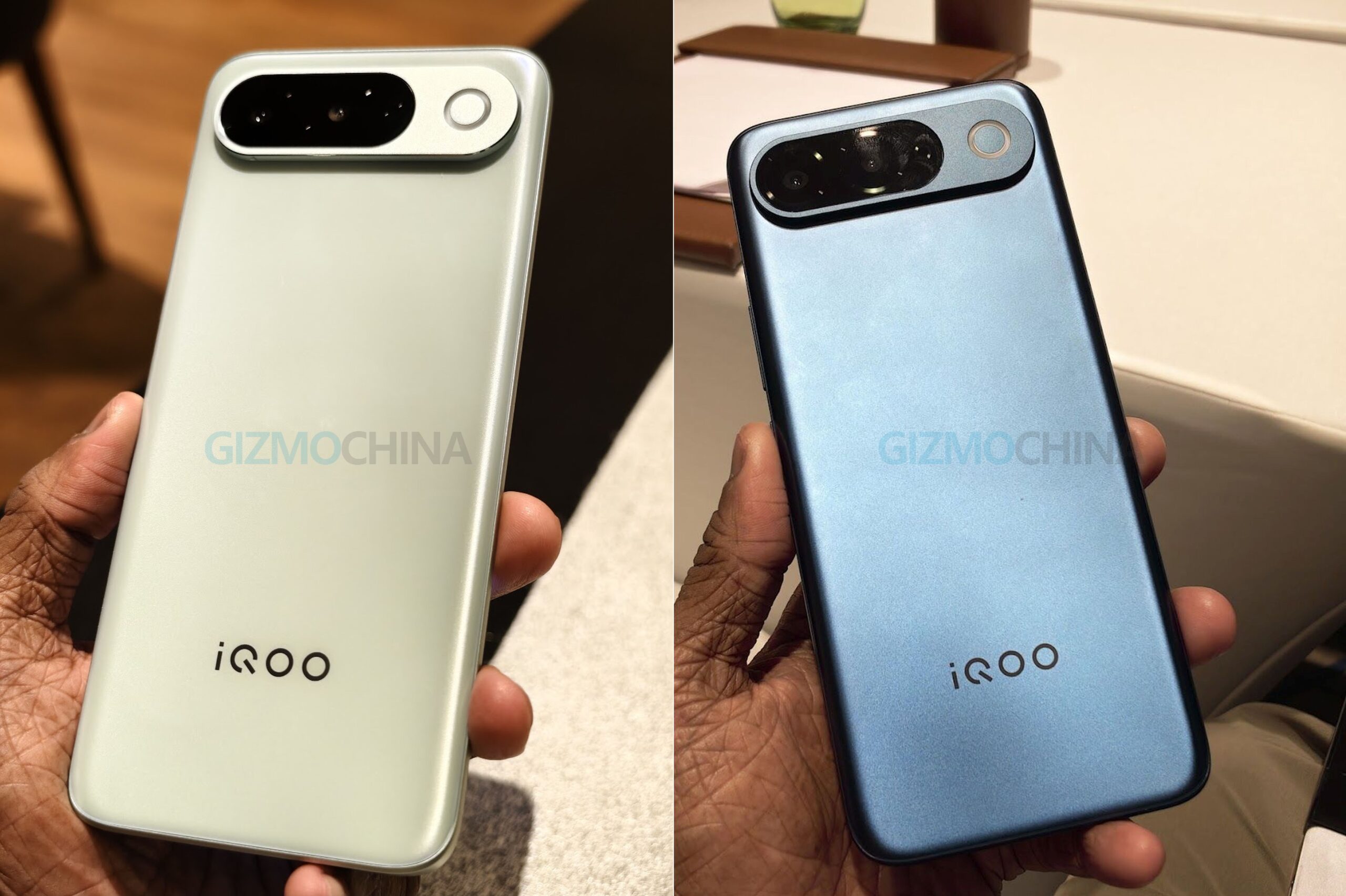
Vivo T5 Pro vs iQOO Z11: Looks Similar, Performs Very Different

Two smartphones, almost identical on paper, yet built for completely different experiences, the Vivo T5 Pro and iQOO Z11 redefine how brands approach the ₹30K segment. With massive batteries, high-refresh-rate displays, and modern hardware, both seem equally compelling at first glance, but the real difference lies in performance tuning, camera capabilities, and feature choices that shape everyday usage. This comparison highlights which one truly delivers better value depending on whether the priority is raw power or a more balanced, refined experience.

Major Features:

FeatureVivo T5 ProiQOO Z11Winner
Design & BuildGlass front, plastic frame/back, IP68/IP69Glass front, plastic frame/back, IP68/IP69Tie – Same durability and build
DisplayAMOLED, 144Hz, 5000 nits peakAMOLED, 165Hz, HDR, 2160Hz PWM, 5000 nits peakiQOO Z11 – Higher refresh + better display features
Resolution1260 × 2800, ~450 ppi1260 × 2800, ~450 ppiTie – Identical sharpness
ChipsetSnapdragon 7s Gen 4Dimensity 8500 (4nm)iQOO Z11 – More powerful and newer architecture
GPUAdreno 810Mali-G720 MC8iQOO Z11 – Better gaming performance
RAM & StorageUp to 12GB / 256GB, UFS 3.1Up to 16GB / 512GBiQOO Z11 – More RAM and storage options
Rear Camera50MP (no OIS)50MP with OISiQOO Z11 – OIS improves stability and low light
Video (Rear)4K@30fps4K + EIS + OISiQOO Z11 – Better stabilization
Selfie Camera32MP, 4K video16MP, 1080pVivo T5 Pro – Higher resolution + 4K
Battery9020mAh9020mAhTie – Same massive battery
Charging90W wired90W + PD/PPS + UFCSiQOO Z11 – More charging flexibility
ConnectivityWi-Fi 6, BT 5.2, No NFCWi-Fi 6, BT 5.4, NFC, IRiQOO Z11 – More features like NFC & IR
AudioStereo speakersStereo speakersTie – Same setup
Price₹30,000₹31,000Vivo T5 Pro – Slightly cheaper
Disclaimer: Specs are based on available data. Actual performance may vary. Verify details from official sources before buying.

1. Design and Display

Build and Feel

Both phones follow a similar design language with glass fronts and plastic frames, but the overall finish differs slightly in perception. The Vivo T5 Pro feels a bit more refined in hand with a cleaner aesthetic, while the iQOO Z11 leans toward a slightly more performance-focused look. Both offer IP68/IP69 protection, which is a strong addition at this price point and adds confidence for long-term usage. The in-hand feel is solid on both, though the Vivo device subtly feels more polished in everyday use.

Display Quality

The displays are nearly identical in size and resolution, but the refresh rate and tuning create separation. The iQOO Z11’s 165Hz panel offers smoother scrolling and a more responsive feel, especially noticeable in gaming. It also adds better PWM dimming and HDR support, making it more versatile for media consumption. The Vivo T5 Pro still delivers a bright and sharp AMOLED experience with a 144Hz panel, but it lacks some of the finesse seen on the iQOO.

Verdict

iQOO Z11 takes the edge with a more feature-rich display, while Vivo T5 Pro feels slightly more premium in design execution.

2. Specifications Including Battery

Performance

The biggest gap appears in performance. The iQOO Z11, powered by the Dimensity 8500, delivers significantly higher raw power and better sustained performance. It is clearly tuned for gaming and heavy multitasking, making it more future-proof. The Vivo T5 Pro’s Snapdragon 7s Gen 4 is efficient and capable for daily use, but it sits a tier below in terms of peak performance. For users who prioritize stability over raw speed, the Vivo still holds its ground well.

Battery and Charging

Both phones pack a massive 9020mAh battery, which is a standout feature in this segment. Battery life is exceptional on both, easily stretching beyond a day and a half with moderate use. Charging speeds are identical at 90W, but the iQOO Z11 adds more charging protocols like PD/PPS and UFCS, making it more flexible across different chargers.

Verdict

iQOO Z11 clearly wins with stronger performance and more versatile charging, while battery life remains equally impressive on both.

3. Camera

Main and Secondary Lenses

Both devices feature a 50MP primary camera with similar sensor sizes, but the iQOO Z11 gains a clear advantage with OIS support. This results in more stable shots and better low-light performance. Video recording is also more reliable on the iQOO due to gyro-EIS combined with OIS. The Vivo T5 Pro still captures good photos with decent dynamic range, but it lacks the consistency seen on the iQOO. The difference becomes noticeable in challenging lighting conditions.

Selfie Camera

The Vivo T5 Pro stands out with a higher-resolution 32MP front camera, delivering sharper selfies and better detail retention. It also supports 4K video recording, which is rare in this segment. The iQOO Z11’s 16MP selfie camera is serviceable but feels basic in comparison, especially for users who prioritize front camera quality.

Verdict

iQOO Z11 is better for rear camera performance, while Vivo T5 Pro is the stronger choice for selfies and front video.

4. Pricing

The Vivo T5 Pro is priced at around ₹30,000, while the iQOO Z11 comes slightly higher at approximately ₹31,000. The difference is minimal, making this a direct value-based decision rather than a budget constraint. At this price, expectations around performance, camera, and features become very important.

Is the Price Justified?

The iQOO Z11 justifies its slightly higher price with a more powerful chipset, better display features, OIS in the camera, and added connectivity options like NFC and infrared. It feels like a more complete package for power users. The Vivo T5 Pro, however, focuses on balanced usage with a better selfie camera and a slightly more refined design, which may appeal to casual users and content creators.

Verdict

iQOO Z11 offers better overall value for performance-focused buyers, while Vivo T5 Pro remains a solid alternative for balanced everyday use.

Disclaimer:
Prices are approximate and may vary based on country, region, and applicable taxes.

5. Conclusion

The iQOO Z11 stands out with its Dimensity 8500 chipset, 165Hz display, OIS camera system, and additional features like NFC and infrared. It is clearly designed for users who want maximum performance and versatility. On the other hand, the Vivo T5 Pro highlights a stronger selfie camera, a clean design approach, and a dependable overall experience. Both devices share excellent battery life, which is a major selling point in this segment.

Verdict

For gaming, performance, and long-term value, the iQOO Z11 is the better pick. For users who prefer a more balanced phone with better selfies and a slightly more refined feel, the Vivo T5 Pro still makes sense. The final choice depends on whether performance or overall balance matters more.

Disclaimer: This comparison is based on the specifications provided and is intended for general informational purposes. Actual performance, camera results, battery life, and overall experience may vary depending on real-world usage, software updates, and individual preferences.

Read More:

Zebronics ZEB-PixaPlay 77G Projector with Full HD, 4K Support and Google TV Debuts

Zebronics has launched a new smart projector called the ZEB-PixaPlay 77G, adding another option in the affordable home entertainment segment. It is designed to work both as a fixed home setup and something you can carry around when needed.

Zebronics ZEB-PixaPlay smart projector

The projector offers 7500 lumens of brightness, which means it can handle typical indoor lighting without forcing you to completely darken the room. It supports native Full HD resolution at 1920×1080 and can take 4K input as well. The projection size goes up to 200 inches, with a usable projection distance between 1 and 6 metres.

Setup is fairly straightforward. It comes with auto focus and auto keystone correction, so the image adjusts itself without much manual effort. The body has a fabric finish and includes a carry handle, a lens shield, and a 270-degree tilt mechanism that helps with flexible placement.

Zebronics ZEB-PixaPlay smart projector

On the software side, it runs Google TV based on Android 11. Apps like Netflix, YouTube, Prime Video, and JioHotstar are built in, so there is no need for a separate streaming device. It also supports Google Cast and DRM L1 for better streaming quality.

The projector is powered by a quad-core processor, paired with 2GB RAM and 8GB storage. Zebronics claims an LED lifespan of up to 30,000 hours. For audio, there are built-in speakers, and it also supports Bluetooth 5.0 for connecting wireless devices. You can pair it with soundbars, Bluetooth speakers, or headphones. Wired options include AUX output and a 3.5mm jack.

Connectivity includes dual-band Wi-Fi (2.4GHz and 5GHz), HDMI with ARC, USB ports, and AUX out. It also ships with a Bluetooth voice remote for easier control. Weighing 1.4 kg, the projector runs on standard AC power ranging from 100 to 240V.

The ZEB-PixaPlay 77G is priced at Rs. 17,999 as an introductory offer and is available on Amazon and Flipkart.

For more daily updates, please visit our News Section.

Stay ahead in tech! Join our Telegram community and sign up for our daily newsletter of top stories!

ColorOS 16.1 rollout schedule is here for Oppo and OnePlus devices: Check when your device gets the update

ColorOS 16.1 rollout schedule

Last week, Oppo teased the arrival of ColorOS 16.1, and now it has announced the list of eligible devices and the rollout timeline. The stable rollout is scheduled to go live early May 2026, while the beta program will begin later this month for select smartphones.

ColorOS 16.1 beta and stable rollout details

Oppo has revealed the ColorOS 16.1 rollout details via a post on the Chinese microblogging site Weibo. According to that, the company has already started accepting beta applications, with the deadline being April 17, midnight.

Oppo has limited beta participation to a few flagships, namely the Oppo Find X9 series and the OnePlus 15. Once the application submission window closes, the ColorOS team will begin reviewing applications from April 18 to April 24. The beta update will start rolling out to eligible beta participants from April 21st.

The stable rollout is scheduled to begin May 10 for the first batch of devices, while the second batch will start receiving the update from May 21.

Here’s the stable ColorOS 16.1 rollout schedule:

Batch 1 (May 10, 2026 – May 20, 2026)

  • Oppo Find N6
  • Oppo Find N5
  • Oppo Find X9 series
  • Oppo Find X8 series
  • Oppo Find X8s series
  • Oppo Pad 4 Pro
  • OnePlus Tablet 2 Pro
  • OnePlus 15 series
  • OnePlus 13 series
  • OnePlus Ace 6 series
  • OnePlus Turbo 6 series

Batch 2 (May 21, 2026 – May 31, 2026)

  • Oppo Find X7 series
  • Oppo Reno 15 series
  • Oppo Reno 14 Pro series
  • Oppo K15 series
  • Oppo K13 Turbo Pro
  • Oppo Pad 5
  • OnePlus 12
  • OnePlus Ace 5 series
  • OnePlus Tablet 2

Keep in mind that this rollout schedule applies to Oppo and OnePlus devices sold in China. We expect the brand to publish global rollout dates soon. We’ll update you on this website whenever that happens.

The ColorOS 16.1 update is already confirmed to bring several exciting new features and useful upgrades, including revamped Live Activities, a new stacked notification center, and improved Live Activities that now support ongoing calls, the recorder, the timer, the flashlight, and maps. The new software also introduces an iOS-like media player for the lock screen.

A major highlight of ColorOS 16.1 is the introduction of a pill-shaped UI element at the bottom of the lock screen, which looks and works similarly to Samsung’s Now Bar. Plus, it offers seamless animations and immersive transitions.

The ColorOS 16.1 rollout will begin soon, but the company has already started working on the next major upgrade, Android 17. In fact, it has already released Android 17 beta for select devices.

We’ll keep you updated with the latest information in our Oppo section. You can visit the page from time to time to stay updated. Or, you can join our Telegram channel to get instant notifications about the latest software rollouts and major tech news.

Vivo T5 Pro vs OnePlus Nord 6 Comparison: Power, Battery, Camera

Choosing between the Vivo T5 Pro and the OnePlus Nord 6 isn’t just about specs; it’s about deciding what kind of smartphone experience matters more. One leans heavily into extreme battery life and aggressive pricing, while the other brings flagship-grade performance and a more refined overall package. 

For buyers in the ₹30K–₹40K range, this comparison highlights a clear shift: do you prioritize endurance and value, or power and polish? This matchup makes that decision surprisingly clear.

Major Features:

FeatureVivo T5 ProOnePlus Nord 6Winner
Build & ProtectionGlass front, plastic frame/back, IP68/IP69Glass front (Crystal Guard), plastic frame/back, IP68/IP69K, MIL-STD-810HNord 6 – Extra durability standards + better protection
DisplayAMOLED, 144Hz, 5000 nits peakAMOLED, 165Hz, HDR10+, 3600 nits peak, 1B colors, 3840Hz PWMNord 6 – More advanced panel, smoother & richer
Resolution & Sharpness1260×2800 (~450 ppi)1272×2772 (~450 ppi)Tie – Nearly identical sharpness
ChipsetSnapdragon 7s Gen 4Snapdragon 8s Gen 4Nord 6 – Flagship-level performance
GPUAdreno 810Adreno 825Nord 6 – More powerful GPU
Storage TypeUFS 3.1UFS 4.1Nord 6 – Faster storage speeds
RAM & Storage OptionsUp to 12GB + 256GBUp to 12GB + 512GBNord 6 – Higher storage option
Rear Camera Setup50MP + auxiliary50MP (OIS) + 8MP ultrawideNord 6 – More versatile + OIS
Video Recording4K@30fps4K@60fps (main), EISNord 6 – Better video capabilities
Selfie Camera32MP, 4K@30fps32MP, PDAF, 4K@30fpsNord 6 – Autofocus advantage
Battery9020mAh7500mAh (Global) / 9000mAh (India)Vivo T5 Pro – Slightly larger battery
Charging90W wired80W wired + better protocolsVivo T5 Pro – Faster charging
ConnectivityWi-Fi 6, Bluetooth 5.2, No NFCWi-Fi 7, Bluetooth 6.0, NFC, IRNord 6 – More advanced connectivity
AudioStereo speakersStereo speakersTie
SoftwareAndroid 16, OriginOS 6Android 16, OxygenOS 16Nord 6 – Cleaner, more refined UI
Price₹30,000 (~$350)₹39,000 (~$460)Vivo T5 Pro – Better affordability
Disclaimer: Specs are based on available data. Actual performance may vary. Verify details from official sources before buying.

1. Design and Display

Build and Feel

Both the Vivo T5 Pro and OnePlus Nord 6 follow a similar design language with glass fronts and plastic frames, but they deliver slightly different impressions in daily use. The Vivo leans toward durability with its IP68/IP69 rating, making it feel more rugged and ready for rough conditions. The Nord 6, however, adds a layer of refinement with its Crystal Guard protection and MIL-STD certification, giving it a slightly more premium and polished edge. The overall in-hand feel of the Nord 6 comes across as more flagship-like, while the Vivo prioritizes toughness.

Display Quality

The Vivo T5 Pro pushes brightness to extreme levels with a 144Hz AMOLED panel and a very high peak brightness, making it excellent for outdoor visibility. The Nord 6 counters with a sharper overall display experience, 65Hz refresh rate, better color depth, HDR10+, and advanced PWM dimming for eye comfort. The Nord’s display feels more balanced and technically superior, especially for long usage sessions and media consumption.

Verdict

While the Vivo excels in brightness and durability, the Nord 6 delivers a more refined, feature-rich display and overall premium feel.

2. Specifications Including Battery

Performance

This is where the gap becomes clear. The Vivo T5 Pro runs on the Snapdragon 7s Gen 4, which is efficient and capable for everyday tasks, but it sits firmly in the upper mid-range tier. The OnePlus Nord 6, powered by the Snapdragon 8s Gen 4, is in a completely different league. It handles gaming, multitasking, and heavy workloads with far more ease and longevity. The faster UFS 4.1 storage on the Nord also improves app loading and overall responsiveness noticeably.

Battery and Charging

The Vivo T5 Pro stands out with its massive 9020mAh battery paired with 90W charging, making it a clear endurance champion. The Nord 6, especially the India variant with a similar 9000mAh battery, stays competitive but charges slightly slower at 80W. However, it adds better charging standards and optimization. The Vivo feels like it’s built for extreme battery users, while the Nord offers a more balanced approach.

Verdict

The Nord 6 dominates performance, but the Vivo T5 Pro takes the lead in raw battery endurance.

3. Camera

Main and Secondary Lenses

The Vivo T5 Pro keeps things simple with a single 50MP main sensor and an auxiliary lens, delivering decent results but lacking versatility. The absence of an ultrawide camera limits creative flexibility. The OnePlus Nord 6, on the other hand, offers a more complete setup with a 50MP main sensor featuring OIS and an 8MP ultrawide lens. The addition of OIS and better image processing gives the Nord more consistent and reliable results, especially in challenging lighting conditions.

Selfie Camera

Both phones feature 32MP selfie cameras capable of 4K video, but the Nord 6 edges ahead with autofocus support, which improves sharpness and usability for video calls and content creation. The difference isn’t massive, but it becomes noticeable in real-world use.

Verdict

The Nord 6 offers a more versatile and reliable camera system, while the Vivo feels basic in comparison.

4. Pricing

The Vivo T5 Pro is priced around ₹30,000, making it a strong contender in the mid-range segment. The OnePlus Nord 6 comes in at approximately ₹39,000, placing it closer to the premium mid-range category. The price gap is significant, and it directly reflects the difference in performance, features, and overall experience.

From a value perspective, the Vivo T5 Pro feels aggressive, especially with its massive battery and solid display. It targets users who want maximum endurance and decent performance without stretching their budget. The Nord 6, however, justifies its higher price with flagship-level performance, better display technology, improved cameras, and more advanced connectivity features.

Verdict

The Vivo T5 Pro offers better value for budget-focused buyers, while the Nord 6 justifies its price with a more complete and premium experience.

Disclaimer:
Prices are approximate and may vary based on country, region, and applicable taxes.

5. Conclusion

The Vivo T5 Pro stands out primarily for its massive battery capacity, making it ideal for users who prioritize long-lasting usage above everything else. It also offers strong brightness levels and solid durability, making it practical for outdoor-heavy usage.

The OnePlus Nord 6 differentiates itself with flagship-grade performance, a superior display experience, better camera versatility, and modern connectivity features like Wi-Fi 7, NFC, and advanced audio codecs. It feels like a device built for long-term performance rather than just short-term value.

Verdict

The choice depends on priorities. The Vivo T5 Pro is the smarter pick for battery-focused users and tighter budgets. The OnePlus Nord 6, however, is the more future-proof and well-rounded smartphone, making it the better overall investment for those willing to spend more.

Disclaimer: This comparison is based on the specifications provided and is intended for general informational purposes. Actual performance, camera results, battery life, and overall experience may vary depending on real-world usage, software updates, and individual preferences.

Read More: