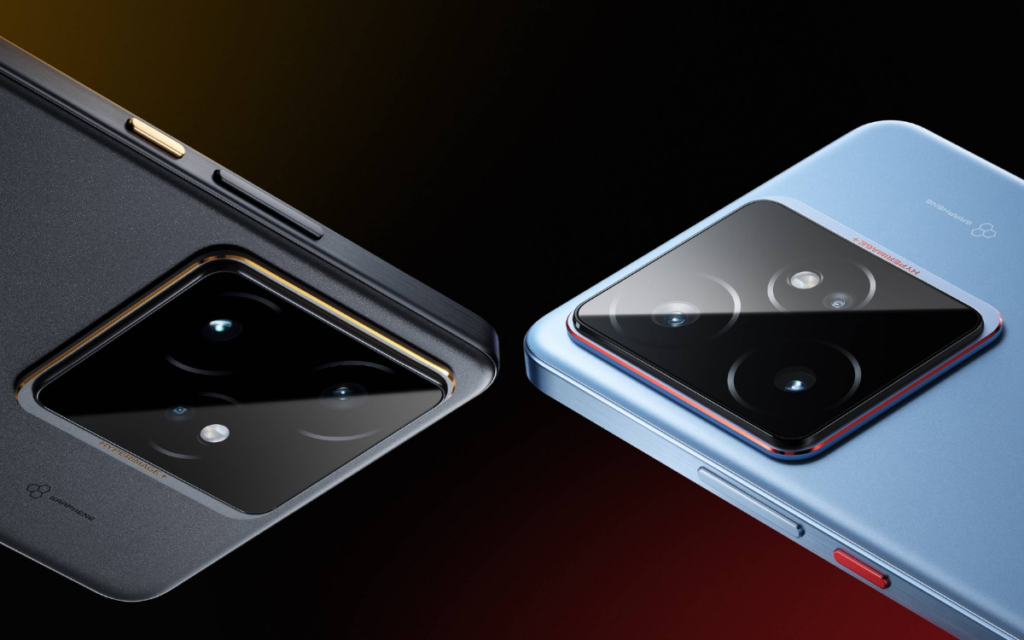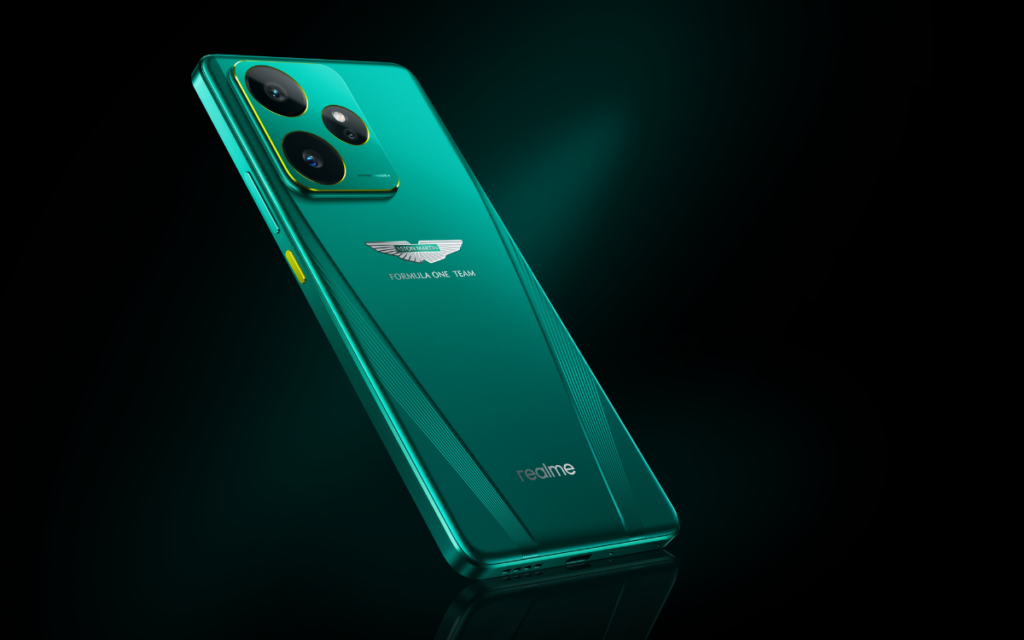
Samsung Galaxy Z Fold 6 is retailing with some serious discounts on Samsung.com. The latest foldable offering from Samsung is listed with a $720 discount on the 512GB storage variant. The price is down from $2019.99 to $1299 right now. The premium smartphone is among the best foldable smartphones available globally.
Galaxy Z Fold 6 Deal Explained
The offer is applicable only on the select color models of Crafted Black and White. Moreover, the discounted price is visible only on the 512GB storage variant. Surprisingly, the smartphone with 256GB storage is available at the usual retail price of $15.99.99. It is better to grab the smartphone at such a discount, rather than regretting later.
However, the $1299 price is massive for a smartphone, but still considering the specifications and features, it is worth considering upgrading. Moreover, the 512GB storage further makes it a perfect choice.
Galaxy Z Fold 6 Features and Specifications
On the specifications and features side, the Galaxy Z Fold 6 features a 7.6-inch Dynamic LTPO AMOLED display offering a 2160 x 1856 pixel resolution. The secondary display measures 6.3 inches in size. It is powered with the Qualcomm Snapdragon 8 Gen 3 SoC and features 12GB RAM. Featuring the best cameras, and protection with Gorilla Glass Victus 2 saves it from the impacts if it falls inadvertently.
With a decent battery life and some best camera systems, the smartphone is all set to surprise you and ramp up your experience.
Please Note: When you buy something using the links in our articles, we may earn a small commission at no cost to you.
Chinese smartphone brands have been stepping up their efforts to bridge the gap between their devices and Apple’s ecosystem. We’ve already seen features like O+ Connect on the Oppo Find N5, which enables seamless file sharing and remote desktop access for Mac users. Now, Honor is joining the trend.
The company has confirmed that it will introduce cross-device connectivity with iOS at MWC 2025, as part of its broader Alpha Plan. Honor shared the news in a post on X (formerly Twitter) while branding the feature as AI Connect on its website. While details remain scarce, AI Connect will reportedly sit alongside AI Safety and AI Upscale.
Cross-device sharing has long been a challenge due to Apple’s tightly controlled ecosystem. Users often have to rely on cloud services or third-party apps for file transfers between iOS and Android. However, Honor’s new system could offer an integrated alternative, removing the need for external applications.
Another teaser posted by Honor on X likely gives more clarity on how this technology might work. It suggests that the company might update its existing file-sharing service, Honor Share, to support cross-ecosystem transfers.
We believe in connecting everyone – which is why the first all-ecosystem exchange lets you share files seamlessly across devices with anyone… well, almost everyone. Hey Sam, just let us know if you change your mind 👀#HONORALPHA#HONORMWC2025#HONORAIpic.twitter.com/qM5VbmNKL2
Lenovo is stepping up its gaming display game with the launch of the Legion Pro 34, its first-ever 240Hz OLED curved monitor. Now available in China at an introductory price of 4,999 yuan (~$690), the monitor has a retail price of 6,199 yuan (~$855), making the launch period a great opportunity for gamers and professionals seeking a high-performance display.
Lenovo Legion Pro 34 Specifications
The Legion Pro 34 features a 34-inch curved puresight OLED panel with a 3440×1440 resolution and an 800R curvature for an immersive view. It features a 240Hz refresh rate and a 0.03ms GTG response time, ensuring smooth motion and minimal blur for competitive gaming.
The Legion Pro 34’s OLED panel offers a 1,500,000:1 contrast ratio, delivering deep blacks and vibrant colors without backlight bleed. It comes with 99% sRGB and 98.5% DCI-P3 coverage for accurate color reproduction and supports 10-bit color depth with 1.07 billion colors. It sports a peak brightness of 1300 nits (APL 1.5%) and a typical brightness of 275 nits, making it suitable for gaming and creative work.
Lenovo has also integrated HDR True Black 400 certification, enhancing contrast and highlight precision for HDR content. For smooth gameplay, the monitor supports AMD FreeSync Premium Pro and VESA AdaptiveSync technologies, reducing screen tearing and stuttering. Additionally, it holds a VESA ClearMR 13000 certification, which guarantees minimal motion blur for crisp image clarity during fast movements.
In terms of connectivity, the Legion Pro 34 is well-equipped, featuring HDMI 2.1, DisplayPort 1.4, and a USB-C port with 140W fast charging. It also includes multiple USB-A ports and an RJ45 Ethernet port for stable wired network connectivity. The built-in KVM switch allows users to control multiple devices using a single keyboard and mouse setup.
Ergonomics and user comfort have also been considered in the design. The monitor includes an adjustable stand that supports height adjustment, tilt, and swivel functions. It is also VESA mount compatible (100x100mm) for flexible mounting options. To enhance the audio experience, Lenovo has integrated dual 5W speakers with Waves MaxxAudio certification, delivering clear and immersive sound.
Furthermore, the Legion Pro 34 comes with an AI-powered ambient light sensor that adjusts brightness based on the environment. It also includes eye-comfort certifications and OLED burn-in prevention technology, ensuring long-term durability and a comfortable viewing experience.
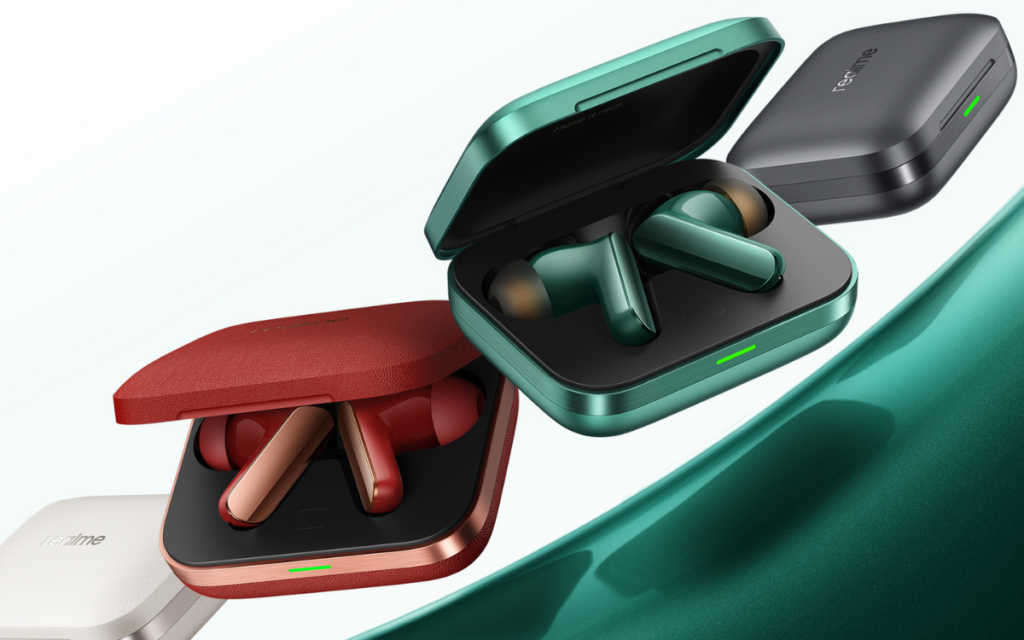
Realme has introduced its latest true wireless earbuds, the Buds Air 7 alongside the Neo 7 SE and Neo 7x, in China. Let’s check out its key specs.
Realme Buds Air 7 Specifications
The Buds Air 7 are equipped with 12.4mm titanium-plated drivers, enhanced by a neodymium N52 magnet and a copper SHTW voice coil. Realme claims this setup delivers deep bass, detailed mids, and bright highs while maintaining low distortion.
The earbuds feature LHDC 5.0 transmission, allowing for high-resolution audio streaming with a 96kHz sampling rate and a 1000kbps transmission speed. This ensures crisp details, rich textures, and minimal compression when used with compatible devices.
For users looking to fine-tune their audio experience, the Buds Air 7 offer adjustable frequency controls for high, mid, and low ranges. These settings, along with 3D Spatial Audio powered by HRTF (Head-Related Transfer Function) algorithms, can be customized through the Realme Link app.
The earbuds feature 52dB Intelligent Deep Sea Noise Reduction 3.0, which adapts to environmental noise levels for optimal noise cancellation. They also include a six-microphone array with AI-powered call noise reduction.
In terms of battery life, the Buds Air 7 last up to 13 hours per charge and 52 hours with the case, which drops to 7.5 and 30 hours, respectively, with noise cancellation enabled. It supports quick charging and a 10-minute charge provides 10 hours of playback.
The Buds Air7 come with an IP55 rating, making them resistant to dust, sweat, and light splashes. Realme also claims these earbuds have undergone rigorous durability testing, including 5,000 charging cycles, 10,000 case openings, and 96 hours of extreme temperature and humidity exposure. If these numbers hold up in real-world use, they could be some of the most resilient TWS earbuds in their class.
The earbuds feature Bluetooth 5.4 for a stable connection and Dual Device Connect 2.0, allowing seamless switching between two devices. For gamers, it comes with the 45ms low latency mode, which ensures audio syncs perfectly with visuals. There’s also Swift Pair for quick Windows PC connections and smart touch controls for music playback, calls, and noise cancellation toggling.
Pricing and Availability
The Realme Buds Air 7 is priced at 299 yuan (approximately $41) and comes in three color options: Gold, Green, and Purple. It will go on sale in China starting February 26 at 10:00 AM.
For more daily updates, please visit ourNews Section.
Xiaomi has launched numerous groundbreaking smartphones over the years, from flagship killers to budget champions, making a significant impact in the smartphone industry. With its sub-brands Redmi and Poco, Xiaomi has delivered some of the most popular and game-changing devices, leading it to reign as the No.1 smartphone brand in India for 20 consecutive quarters (Q3 2017 – Q2 2022). Continue reading to discover the best Xiaomi smartphones of all time that left a lasting impact.
The Redmi 1S, launched at Rs 6,999 in August 2014, was immensely popular in India. Following its success, Xiaomi introduced the Redmi 2, which also received a positive response. In August 2015, the brand released the Redmi 2 Prime, an upgraded version of the Redmi 2, which became an instant hit. Its 4G connectivity proved timely, as demand for faster mobile data was rapidly increasing. Moreover, the Redmi 2 Prime was Xiaomi’s first “Make in India” smartphone, tapping into nationalistic sentiment and further boosting interest. Its affordable price of Rs 6,999 also played a key role in driving sales.
2. Redmi Note 3
Redmi Note 3
The Redmi Note 3 became a massive success due to its unmatched value for money. Priced at Rs 9,999, it disrupted the mid-range market by offering impressive specifications at an affordable price. A key factor was its Snapdragon 650 processor, which delivered strong mid-range performance and a smooth user experience. The device featured a 5.5-inch Full HD LCD display and a premium metal body, a significant upgrade at this price point that enhanced its perceived quality. Additionally, the fingerprint sensor, still uncommon in this segment at the time, added to its appeal. With a combination of powerful performance, solid build quality, and advanced features, the Redmi Note 3 became one of Xiaomi’s most successful smartphones.
3. Poco F1
Poco F1
The Poco F1, launched in 2018, marked the birth of Xiaomi’s sub-brand Poco and became an instant hit for offering a flagship Snapdragon 845 processor at an unprecedented starting price of Rs 20,999. In comparison, other Snapdragon 845-powered phones like the Asus Zenfone 5Z, OnePlus 6, LG G7+ ThinQ, and Google Pixel 3 were priced between Rs 30,000 and Rs 70,000. The Poco F1 delivered high-end performance, a liquid cooling system, and a 4,000mAh battery, making it ideal for gamers and power users. While its polycarbonate build was a cost-cutting measure, the phone’s speed, battery life, and affordability made it one of the best value-for-money smartphones of its time. Its aggressive pricing disrupted the market, earning Poco a dedicated fanbase.
4. Xiaomi Mi 11 Ultra
XIaomi Mi 11 Ultra
The Xiaomi Mi 11 Ultra, launched in 2021, gained popularity for its cutting-edge hardware and premium design. It stood out with its large rectangular camera module, giving it a distinct “camera phone” look. The module housed a massive 1/1.12-inch 50MP Samsung GN2 sensor, making it one of the best camera smartphones of its time. Another feature that set it apart from other flagship phones was the secondary display on the back. This small rear screen provided quick access to notifications, enabled easier selfies using the main cameras, and displayed other useful information.
Powered by the Snapdragon 888, the Mi 11 Ultra featured a 6.81-inch 120Hz AMOLED display, a ceramic back, and the unique secondary display, making it a standout in the flagship segment. Despite its high price of Rs 69,999, its top-tier cameras, powerful performance, and innovative design attracted enthusiasts, solidifying its place as one of Xiaomi’s most ambitious smartphones.
5. Redmi Note 10 Pro
Redmi Note 10 Pro
The Redmi Note 10 Pro surged in popularity due to its impressive features at a mid-range price. 1 It popularized high-brightness OLED displays, offering vibrant visuals. 2 The global version’s 108-megapixel quad-camera setup (64-megapixel in India) delivered exceptional photography. Furthermore, the return to a glass back provided a premium feel, setting it apart from competitors. Redmi’s strategy of offering flagship-level features like a stunning OLED display, a 108/64-megapixel camera, and an elegant design made it a highly sought-after device.
Oppo‘s latest foldable, the Find N5, has been making headlines for its sleek design and advanced features. However, despite its global launch on February 20, 2025, the device won’t be hitting European shelves anytime soon. The company confirmed this to YouTuber Tech Chap.
According to Oppo:
“We carefully tailor our product launches to each region based on in-depth market research and strategic priorities.
The Find N5 will not be launching in Europe. Instead, in Q1 2025, we will introduce the Reno13 series across Europe on February 24, offering consumers more choices with cutting-edge AI features and stylish, trend-forward designs. Stay tuned for updates.”
The decision to withhold the Find N5 from the European market is particularly disappointing given that OnePlus, a subsidiary of Oppo, has also announced it will not release its foldable, the Open 2, this year.

That leaves Oppo’s home country, China, and Singapore for now where you can buy this foldable starting this week. We could also see its launch in other Asian country later this year, but that’s not confirmed yet.
Specifications
The Find N5 features a 6.62-inch outer AMOLED display (1140×2616, 1-120Hz LTPO, 2,450 nits) and an 8.12-inch inner foldable screen (2248×2480, 1-120Hz LTPO, 2,100 nits). Both use 2160Hz PWM dimming and support the Oppo Pen. Ultra-Thin Glass and Nano-Crystal Glass improve durability and touch response.
At just 4.21mm unfolded and 8.93mm folded, the Find N5 is among the slimmest foldables you can get in 2025. The glass model weighs 229g, while the leather version is 239g. Powering it is the Snapdragon 8 Elite with up to 16GB LPDDR5X RAM and 1TB UFS 4.0 storage. It runs Android 15 with ColorOS 15, featuring AI-powered search, call summaries, and O+ Connect for seamless file sharing.
The camera setup includes a 50MP Ultra Vision main sensor (OIS), a 50MP periscope (6x optical zoom), and an 8MP ultra-wide lens. Hasselblad tuning enhances color and detail. Both displays house 8MP selfie cameras with 4K video support.
A 5600mAh battery supports 80W wired, 50W wireless, and 10W reverse charging. The Titanium Flexion Hinge is 26% slimmer, reducing the crease width and depth. It’s IPX6/IPX8/IPX9-rated, and packs stereo speakers with Dolby Atmos, a side-mounted fingerprint scanner, USB-C audio, and an alert slider.
For more daily updates, please visit our News Section.

Realme has launched the Neo 7x alongside the Neo 7 SE in China, introducing Qualcomm’s Snapdragon 6 Gen 4 chipset. The device features an AMOLED display, a 6000mAh battery, and an IP69-rated rugged design. Built for gaming and durability, it includes a high refresh rate, advanced cooling, and a sleek, futuristic look. Let’s delve into its key specs.
Realme Neo 7x Specifications
The Neo 7x features a 6.67-inch AMOLED display with a 120Hz refresh rate, Pro-XDR technology, and a 1500Hz instant touch sampling rate. It offers a peak brightness of 2000 nits (1200 nits global) and covers 111% of the DCI-P3 color gamut, ensuring vibrant colors and excellent visibility even in direct sunlight.
The Neo 7x debuts with the Snapdragon 6 Gen 4 chipset, built on TSMC’s 4nm process and sharing its microkernel architecture with the Snapdragon 8 Gen 3. Its octa-core CPU delivers a 15% performance boost over its predecessor, while the Adreno 810 GPU ensures smooth gaming.
It features a 6050mm² VC liquid cooling system that helps manage thermals during extended use. The device offers up to 12GB of RAM, with an additional 12GB of virtual RAM, and storage options up to 512GB.
The smartphone runs Realme UI 6.0, based on Android 15, offering a streamlined and feature-rich experience. It introduces AI motion controls, allowing users to trigger in-game actions with gestures.
For photography, the smartphone features a 50MP AI-powered rear camera with an OV50D40 sensor, an f/1.8 aperture, and electronic image stabilization (EIS) for sharper and steadier shots. It supports 4K video recording at 30fps and slow-motion capture at up to 240fps, allowing users to create high-quality content. On the front, the 16MP selfie camera offers AI-enhanced beauty features and supports full HD video recording for clear video calls and self-portraits.
The Neo 7x features a 6000mAh “Titan” battery, offering up to 17 hours of video playback or 8.4 hours of gaming. It supports 45W fast charging, reaching 50% in 22 minutes, and includes bypass charging technology to minimize heat buildup during gaming.
The smartphone is built for durability, featuring an IP66/IP68/IP69-rated waterproof design, offering protection against dust, water splashes, and even submersion of up to 2.5 meters for 30 minutes. It also withstands extreme temperatures, making it a rugged option for outdoor enthusiasts.
For audio, the device includes stereo dual speakers, Hi-Res Audio certification, and dual-mic noise cancellation, ensuring an immersive sound experience. Connectivity options include 5G dual-SIM, Wi-Fi 5, Bluetooth 5.2, and NFC for seamless wireless communication.
The Neo7x is available in two color options: Silver Wing Mecha and Titanium Grey Storm, with a 7.97mm slim profile and a lightweight 194g design despite its large battery capacity.
Pricing and Availability
Realme has launched the Neo 7x in two storage configurations, both of which are available for pre-sale starting today at 5 PM:
8GB RAM + 256GB storage: 1,299 yuan ($179)
12GB RAM + 512GB storage: 1,599 yuan ($220)
For more daily updates, please visit ourNews Section.
Realme has introduced the Neo 7 SE, the first smartphone powered by the Dimensity 8400-Max chipset. Designed for gaming, it features a 7000mAh Titan battery, an advanced cooling system, and AI-driven optimizations. The device also boasts flagship-level durability, setting a new benchmark in its price range. Let’s delve into its specs and pricing.
Realme Neo 7 SE Specifications
The Realme Neo 7 SE features a 6.78-inch 1.5K flat gaming display with 450 PPI, a peak brightness of 6000 nits, and ultra-thin 1.49mm bezels for a 93.9% screen-to-body ratio. It supports a 120Hz LTPO refresh rate, 360Hz touch sampling, and a 2600Hz instant touch response. The display offers 10.7 billion colors, a 100% DCI-P3 gamut, and a 5,000,000:1 contrast ratio, with 10,000-level automatic brightness adjustment. For eye protection, it includes hardware-level full-brightness DC-like dimming, TÜV Rheinland Smart Eye Protection Certification 3.0, high-frequency PWM, and AI-assisted optimizations.
The device debuts with MediaTek’s Dimensity 8400-Max chipset, built on a 4nm process. It features an octa-core CPU with a peak clock speed of 3.25GHz and a Mali-G720 GPU running at 1.3GHz. It supports up to 16GB of LPDDR5X RAM, with an additional 12GB of dynamic memory expansion, and offers up to 512GB of UFS 4.0 storage.
The device also features a large 7700mm² vapor chamber cooling system to sustain peak performance. It comes with a GT Performance Engine that optimizes frame rates and enables native 0-latency interpolation, supporting up to 120fps in open-world games.
The Neo 7 SE runs on Realme UI 6.0, based on Android 15, bringing AI-driven optimizations such as AI Portal 2.0 and Fluid Cloud. The gaming experience is enhanced with DeepSeek AI Assistant, which introduces “Ultra Combo” one-tap skill activation and auto-optimization for open-world RPGs.
For photography, the Neo 7 SE is equipped with a 50MP Sony IMX882 primary sensor with Optical Image Stabilization (OIS). The sensor features a 1/1.953-inch size and an f/1.8 aperture, delivering high-quality shots with improved low-light performance. It supports 4K video recording at 60fps and slow-motion recording at 240fps in 720p. Accompanying the main sensor is an 8MP ultra-wide-angle lens with a 112° field of view. On the front, a 16MP Sony sensor enhances selfie capabilities with AI-driven portrait and night photography features.
The smartphone packs a 7000mAh Titan battery with an ultra-high energy density of 800Wh/L, ensuring long-lasting endurance. Despite its large battery, the phone maintains a slim profile at just 8.56mm thick. It supports 80W smart fast charging, with Realme claiming that Honor of Kings can run at 120fps for up to 7.6 hours on a single charge. The device also supports bypass charging, which reduces heat generation during gaming.
The Neo 7 SE is designed with durability in mind, boasting IP69, IP68, and IP66 certifications, making it resistant to high-pressure water jets and submersion up to 2 meters for 30 minutes. It also features Crystal Armor Glass for drop resistance. The phone is the first in Realme’s lineup to support glove touch, wet hand touch, and use inside waterproof bags.
It also supports dual 5G SIM with SA compatibility, Wi-Fi 6, and Bluetooth 5.4, upgradeable to Bluetooth 6.0 via OTA. It features multi-band positioning for precise navigation and delivers enhanced audio with dual stereo speakers, OReality Audio, and Hi-Res certification.
Pricing and Availability
The Realme Neo 7 SE is available in three colors: Blue Mecha, White Winged Warrior, and Dark Iron Knight.
It comes in multiple storage configurations:
8GB+256GB: 1799 yuan ($248)
12GB+256GB: 1899 yuan ($262)
12GB+512GB: 2199 yuan ($303)
16GB+512GB: 2499 yuan ($344)
For more daily updates, please visit ourNews Section.
The wait for a stable One UI 7 rollout has stretched too much, as Samsung is yet to upgrade a single Galaxy device to the latest software. However, now it seems the patience is about to pay off, at least for the Galaxy S24 series users, as the stable rollout might kick off anytime soon.
Last week, the S24 series received its fourth One UI 7 beta after nearly one and a half months of releasing the third beta. This was too disappointing, but then a Samsung Community moderator from the One UI beta team announced that the stable version will be released very soon. A day after the fourth beta, the fifth beta went live, suggesting the stable release is almost here.
While we’re still waiting for an official announcement, reports say the stable version will be released sometime in March. This aligns with Samsung’s earlier promise of releasing the stable update to Galaxy S series devices in the first quarter. With that in mind, Galaxy S24 users should start making preparations for a smooth upgrade to One UI 7.


Software updates rarely cause data loss, but why take the risk? Use Samsung’s Temporary cloud backup to store everything safely online for free (up to 100GB per file, available for 30 days). Go to Settings > Device care > Maintenance mode > Temporary cloud backup to get started. You can also use a Smart Switch or a USB cable to back up to a PC.
2. Update apps and software
Samsung updates its apps for One UI 7 compatibility, so make sure everything is up to date. Check Galaxy Store and Play Store for app updates. Also, make sure that you have the latest software available for your device by navigating to Settings > Software updates > Download and install to ensure your device is running the latest version.
3. Free up storage space
One UI 7 will be a big download, so make sure your Galaxy device has at least 5-10GB of free internal storage. This will also help your device run better overall.
4. Charge your phone
A major update like this can take time. Hence, it’s recommended to keep the battery level above 30% to avoid issues during the installation.
5. Wait and watch (if you want)
Even stable updates can have bugs. If you want to play it safe, check forums like Samsung Community and Reddit to see if others report issues before upgrading.
Poco has officially confirmed that it will launch the Poco M7 5G in India on March 3. It will succeed the Poco M6, which debuted with a price tag of Rs 10,499 in December 2023. Ahead of the launch, the landing page of the phone has gone live on the Flipkart app, revealing its design and key specifications. The official listing also confirms the price segment of the device. Here is a look at what to expect from the M7.
Poco M7 5G design
Poco M7 5G launch date
Unlike the Poco M7 Pro 5G, which features a square-shaped camera module, the Poco M7 5G will sport a circular camera module. On the front, it has a flat display with a punch-hole design. The bottom edge of the device has a SIM slot, a microphone, a USB-C port, and a speaker. It seems to be equipped with a side-facing fingerprint sensor.
Poco M7 5G specifications, price
Poco has also confirmed that the device will be priced under Rs 10,000, making it one of the most affordable 5G smartphones in India. The Poco M7 has a 6.88-inch LCD panel that offers a 120Hz refresh rate, a 240Hz touch sampling rate, and 600 nits of peak brightness.
Under the hood, the Poco M7 5G will be powered by the Snapdragon 4 Gen 2 chipset, paired with 6GB of RAM and an additional 6GB of virtual RAM. The other details of the phone will be confirmed in the coming days.
Given the striking similarities in specifications, the Poco M7 5G is expected to be a rebranded version of the Redmi 14C 5G. The M7, which bears the 24108PCE2I model number for the Indian market, was recently spotted with its key specifications in the Google Play Console database. The screen will offer an HD+ resolution of 720 x 1640 pixels and 4GB of RAM. Being a rebranded version of the Redmi 14C, the M7 is expected to offer other specs, including an 8-megapixel selfie camera, a 50-megapixel primary camera on the back, and a 5,160mAh battery with 18W charging.
For more daily updates, please visit our News Section.
Foldable smartphones are evolving rapidly, and the Oppo Find N5 and Xiaomi Mix Fold 4 represent the latest innovations in this space. Both devices push the boundaries of design, performance, and camera technology, but they cater to slightly different user needs. While Oppo focuses on productivity and battery life, Xiaomi aims for a top-tier multimedia experience. With cutting-edge chipsets, powerful cameras, and premium build quality, choosing between them isn’t easy. This comparison breaks down their key differences to help you decide which foldable best suits your lifestyle.
The Oppo Find N5 and Xiaomi Mix Fold 4 both feature foldable OLED displays, but Oppo’s slightly larger 8.12-inch main screen offers stylus support, making it an excellent choice for productivity users. On the other hand, Xiaomi focuses on peak brightness with an impressive 3000 nits compared to Oppo’s 2100 nits, making it better for outdoor visibility.
Both devices have high refresh rates, Dolby Vision, and HDR support, ensuring stunning visuals. While Oppo’s cover display is slightly larger and sharper, Xiaomi’s 6.56-inch panel provides an ultra-bright viewing experience. Oppo’s titanium alloy hinge could offer better durability, while Xiaomi’s build is slightly more compact and lightweight.
If you prioritize a stylus and a premium hinge, Oppo takes the lead but for peak brightness and a refined foldable design, Xiaomi does a better job.
2. Specifications
Xiaomi Mix Fold 4
The Oppo Find N5 boasts the newer Snapdragon 8 Elite chipset, while the Xiaomi Mix Fold 4 runs on the slightly older Snapdragon 8 Gen 3. Oppo’s 5600 mAh silicon-carbon battery is larger and supports faster wired charging at 80W, compared to Xiaomi’s 5100 mAh cell with 67W charging. However, both offer 50W wireless charging, making them neck-and-neck in that aspect.
Oppo’s satellite connectivity on the 1TB model is an advantage for those needing emergency communications, while Xiaomi counters with barometer support and efficient power management.
Overall, Oppo has a slight edge with a more powerful chipset and bigger battery, while Xiaomi provides better optimization and advanced thermals.
3. Camera
Xiaomi Mix Fold 4
The Xiaomi Mix Fold 4 offers a quad-camera setup with a superior 50 MP main sensor, two telephoto lenses (2x and 5x optical zoom), and a 12 MP ultrawide camera with Leica tuning. Oppo’s triple-camera system lacks a periscope zoom beyond 3x, though it maintains Hasselblad color calibration. Xiaomi also allows 8K video recording, an edge for content creators, whereas Oppo maxes out at 4K.
For selfies, Xiaomi provides a higher-resolution 16 MP sensor compared to Oppo’s 8 MP shooter.
If Zoom and professional-grade videography matter to you, Xiaomi wins; Oppo is still reliable but less versatile in this department.
4. Pricing
The Oppo Find N5 is expected to launch at around €1200, while the Xiaomi Mix Fold 4 comes in slightly cheaper at €1140. Given that both devices offer top-tier specifications, Xiaomi may be the better value for those who want a more affordable foldable with better cameras and a refined design.
However, Oppo’s price is justified with a larger battery, a newer chipset, and stylus support, making it ideal for productivity-oriented users.
Oppo brings stylus support, a larger battery, and a newer chipset, making it a better choice for power users who prioritize longevity and creative work. Xiaomi counters with a superior camera system, 8K video, and higher peak brightness, catering to those who want a top-tier multimedia experience.
Xiaomi’s periscope zoom is a key advantage, while Oppo’s satellite connectivity (on the 1TB model) could be a lifesaver in emergencies.
Ultimately, Oppo is better for power users and note-takers, while Xiaomi is ideal for photographers and content creators.
While Apple has integrated AI into its devices, it currently lags behind what Samsung and other Android flagships offer. We all have seen the side-by-side comparison of the AI-powered object removal feature in an iPhone and a Galaxy flagship.
Multiple reports also highlight glaring issues with the notification summarization feature. Now the latest leak suggests that we may see an improvement in Apple’s implementation of the AI features in the near future.
Users will reportedly have the option to choose between Google and OpenAI’s AI
Apple is reportedly planning to integrate Google’s Gemini AI into its iOS 18.4 update, allowing users to choose between Google’s AI model and OpenAI’s ChatGPT for Apple Intelligence features. This development, spotted in a snippet of code by developer Aaron Perris (@aaronp613) on X, suggests that Apple is expanding its AI capabilities by adopting Gemini. For those unfamiliar, Gemini is what powers most of the AI features of Android flagships such as the Galaxy S25 series.
The code snippet reveals that users will soon have the option to select either “Google” or “OpenAI” as their preferred AI model, which would offer greater flexibility and will potentially improve the overall performance of Apple Intelligence.
The upcoming iOS 18.4 update is expected to introduce several AI-driven enhancements, which are expected to include prioritized notifications and a new Image Playground mode. Nonetheless, the integration with Google Gemini doesn’t necessarily guarantee a significant improvement in the AI features. Apple has been playing it safe since the beginning and their approach may have not changed much as of now. We hope to see Apple Intelligence get smarter with it, but we’ll also have to wait till the rollout before commenting further.
Foldable smartphones have evolved rapidly, and the Oppo Find N5 and Vivo X Fold 3 Pro represent the latest innovations in this space. Both devices push the boundaries of design, performance, and camera technology, but they take different approaches to user experience. The Find N5 emphasizes portability and productivity with stylus support, while the X Fold 3 Pro focuses on display brilliance and high-end camera capabilities. With a significant price difference between them, choosing the right one depends on individual needs. This comparison breaks down their key differences to help you decide which premium foldable suits you best.
The Oppo Find N5 and Vivo X Fold 3 Pro both feature foldable LTPO OLED displays with a 120Hz refresh rate, but they take different approaches to design. The Find N5 has a slightly larger 8.12-inch main display with Nanocrystal Glass for added durability, while the X Fold 3 Pro has a slightly smaller 8.03-inch panel but boasts an impressive 4500-nit peak brightness, making it one of the brightest foldables available. Oppo’s design emphasizes a lightweight build at 229g with a titanium alloy hinge, while Vivo opts for a carbon fiber hinge, making it slightly heavier at 236g.
Both have high-end cover displays, but the X Fold 3 Pro edges ahead with a taller and higher-resolution 6.53-inch cover screen. Meanwhile, the Find N5 supports stylus input on both screens, making it a better choice for those who need a productivity-focused device. Overall, Oppo’s lightweight design and stylus support give it an edge for portability and usability, while Vivo’s incredible brightness and refined hinge design make it more immersive for media consumption.
Please Note: When you buy something using the links in our articles, we may earn a small commission at no cost to you.
2. Specifications
Vivo X Fold 3 Pro
Under the hood, the Find N5 is powered by the Snapdragon 8 Elite (3nm) chipset, while the Vivo X Fold 3 Pro runs on the Snapdragon 8 Gen 3 (4nm). The 8 Elite has a newer architecture with a powerful 7-core CPU, but Gen 3 remains a strong performer with an octa-core setup. Both phones come with up to 1TB storage and 16GB RAM with UFS 4.0, ensuring fast performance.
Battery life is another key differentiator. The Vivo X Fold 3 Pro packs a slightly larger 5700mAh battery compared to the Find N5’s 5600mAh, but its 100W wired charging is significantly faster, hitting 100% in just 31 minutes. Both support 50W wireless charging, but Oppo’s 80W wired charging is slightly slower. Overall, if fast charging is a priority, Vivo’s superior charging speeds are the winner, though both will last a full day easily.
3. Camera
Vivo X Fold 3 Pro
The Oppo Find N5 and Vivo X Fold 3 Pro both feature triple-camera setups, but Vivo offers higher resolution sensors. Oppo provides a 50MP main camera with Hasselblad color tuning, a 50MP 3x telephoto, and an 8MP ultrawide. Vivo, on the other hand, offers a 50MP main sensor with Zeiss optics, a 64MP 3x periscope zoom lens, and a 50MP ultrawide.
For zoom photography, Vivo’s 64MP periscope lens gives it an edge in detail and clarity over Oppo’s 50MP sensor. The Find N5, however, offers Hasselblad color calibration, which may appeal more to photography enthusiasts who prefer natural-looking colors. On the front, Oppo sticks to an 8MP selfie camera, while Vivo offers a much sharper 32MP sensor, making it better for video calls and selfies.
Vivo’s ability to shoot 8K video also gives it a clear advantage for content creators, whereas Oppo maxes out at 4K.
4. Pricing
OPPO Find N5
The Oppo Find N5 is priced at around $1,500, while the Vivo X Fold 3 Pro costs about $1,999. This makes the Find N5 significantly more affordable, though it comes with slightly fewer premium features.
Given the difference in price, the Find N5 is better for users looking for a foldable with strong performance without breaking the bank. However, if budget is not a concern, the X Fold 3 Pro justifies its higher price with a brighter display, better cameras, and faster charging.
Both foldables have unique strengths. The Find N5 stands out for its stylus support on both screens, making it ideal for note-taking and creative work. It also has a more compact and lightweight build, making it easier to carry. Vivo, on the other hand, boasts the brightest foldable display yet, a 64MP periscope zoom for better telephoto shots, and 100W fast charging, which is one of the fastest in any foldable device. Additionally, Vivo’s dual under-display fingerprint sensors provide a cleaner look compared to Oppo’s side-mounted reader.
Overall, the Oppo Find N5 is a well-balanced, productivity-focused foldable, while the Vivo X Fold 3 Pro is the ultimate flagship for those who want the best display and camera experience.
Xiaomi confirmed its flagship 15 and 15 Ultra smartphones will debut globally on March 2, 2025, with an Amazon India landing page now live, teasing the Ultra’s design. The launch event, tagged “The Next Pinnacle,” streams live at 6:30 PM IST.
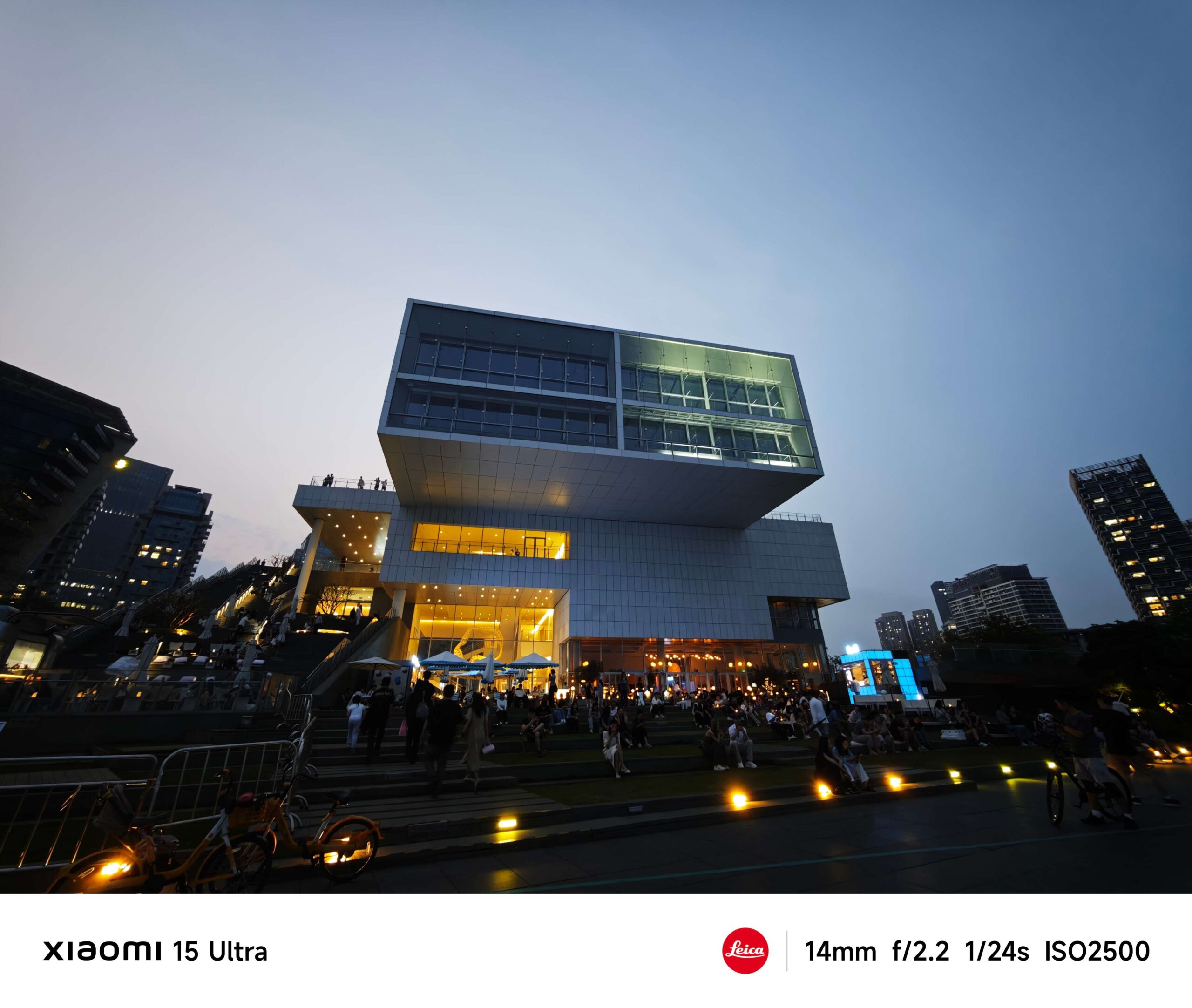
The 15 Ultra, codenamed “Night God,” was recently confirmed to feature a Leica Ultra-Pure Optical System, pairing a 1-inch main sensor with a 200MP periscope telephoto lens (likely Samsung’s HP9), replacing the Xiaomi 14 Ultra’s 50MP Sony IMX858. The setup promises enhanced low-light performance, dynamic range, and lossless zoom up to 17.3x. A previous leak suggests that the phone will feature a quad-camera configuration that includes a 50MP primary sensor (f/1.63), 50MP ultra-wide (14mm, f/2.2), 50MP telephoto macro (70mm, f/1.8), and the 200MP periscope supporting 0.6x to 17.3x zoom.
Xiaomi 15 Ultra
Xiaomi will unveil the 15 Ultra in China on February 27 alongside the SU7 Ultra EV and Redmi Book Pro 2025 laptop. The global models hit Indian markets after their March 2 reveal, with pricing announced on March 18 and sales starting on March 21.
Indian buyers can register for updates on Amazon’s dedicated page. While specifics about the Xiaomi 15 Ultra’s chipset, battery, and display remain undisclosed, reports suggest a Snapdragon 8 Gen 4. Meanwhile, the regular Xiaomi 15 is expected to retain the same specs as the Chinese model.
Ever felt like the inner display of a flip phone is just too tall? Most flip phones launched so far have a tall 21.9 aspect ratio, which not only makes it difficult for people with smaller hands to reach the status bar at the top but also worsens the video viewing experience as neither the inner nor the outer display matches the aspect ratio of a long-form video. Now tipster claims that Huawei’s next flip phone will have a much wider aspect ratio.
A 3:2 inner display
The Huawei Pocket 3, code-named “Verde,” stands out with its unique 3:2 aspect ratio for the foldable display, a departure from the typical 20:9 or 21:9 ratios seen in vertical foldables. The main inner display measures 6.3 inches, while the outer cover screen is 3.5 inches. This design draws striking parallels to Apple’s iPad Mini, which also features a 3:2 aspect ratio. As a result, the Pocket 3 is being referred to as a “foldable iPad Mini,” which, if true, will offer a blend of portability and productivity that could appeal to a wide range of users.
Richard Yu, Huawei’s executive director, recently teased the product in a Weibo video, calling it a groundbreaking innovation that “others can’t think of.” Slated for a March launch, the Pocket 3 will run on native HarmonyOS and is expected to feature significant advancements in hardware, software, and ecosystem integration.
Richard Yu also confirmed that major Chinese tech giants, including Tencent, ByteDance, Alibaba, and Meituan, are optimizing their apps for the platform. This is expected to result in a continued seamless experience despite the change in aspect ratio. That said, the change in aspect ratio is still a rumor at this point, and we will need to see how much of an impact it could have in the smartphone industry if it materializes in the first place. However, DCS has a very good track record, which adds credibility to this rumor.
Samsung is gearing up to expand its Galaxy A-series lineup with the upcoming release of the Galaxy A26, A36, and A56. While the company has yet to officially announce these devices, leaks have already revealed their designs and specifications. Now Android Headlines has revealed over 100 renders of the official accessories of the models mentioned above.
Renders of official cases and screen protectors
The renders include Clear Cases, Silicone Cases, Rugged Cases, and Card Slot Cases, along with screen protectors. For the Galaxy A26, Samsung will offer at least three case options: a transparent Clear Case, a durable Rugged Case in black, and a Card Slot Case available in black and blue. These cases cater to different user preferences, from showcasing the phone’s design to providing extra protection and functionality. The support pages for this model have already gone live globally, signaling the launch is imminent.
The Galaxy A36 will come with four case options, adding a Silicone Case to the mix. This lightweight and slim case, available in black, green, and purple, features a microfibre lining to prevent scratches and offers a comfortable grip. The Rugged and Card Slot Cases for the A36 follow the same color options as the A26, ensuring a blend of style and practicality.
Similarly, the Galaxy A56 will also have four case options, including a Silicone Case in black, green, and pink. The Card Slot Case comes in black and blue, while the Rugged Case is exclusively in black. Each model will also have a screen protector, ensuring comprehensive protection for the devices.
These leaks suggest that Samsung is focusing not only on the phones themselves but also on providing versatile accessories to enhance user experience. With the official launch expected soon, the Galaxy A26, A36, and A56, along with their accessories, are poised to make a strong impression in the mid-range smartphone market.
While the case renders of the Galaxy A36 and A56 give us a hint at the redesign of the camera island, check out the 360-degree renders of the A36 and A56 to get a clearer picture of the redesign. Speaking of the more affordable Galaxy A26, previous renders also showcase the water-drop notch.
Samsung is gearing up to launch its next-generation foldable, the Galaxy Z Fold 7, expected around July 2025. Thanks to renowned tipster OnLeaks, in collaboration with AndroidHeadlines, we’ve got our hands on the first CAD-based renders of this upcoming device. These leaks offer an exciting glimpse into what Samsung has in store, highlighting some notable shifts in design and specs that could redefine its position in the foldable market.
Galaxy Z Fold 7 CAD renders reveals design changes
Samsung Galaxy Z Fold 7 CAD renders by OnLeaks and AndroidHeadlines
The Galaxy Z Fold 7 is poised to be a sleeker contender, measuring just 4.5mm thick when unfolded and 9mm when folded (9.5mm with the camera bump). This marks a significant slimming down from the 12.1mm folded thickness of the Z Fold 6, bringing it closer to rivals like the Oppo Find N5 (4.2mm unfolded, 8.9mm folded) and Honor Magic V3 (4.4mm unfolded, 9.3mm folded).
Beyond thickness, the device stretches to 158.4 x 143.1mm unfolded, making it taller and over 1cm wider than its predecessor. This suggests a more usable cover screen with a potentially wider aspect ratio.
Samsung Galaxy Z Fold 7 CAD renders by OnLeaks and AndroidHeadlines
The Z Fold 7’s inner display will grow to 8.2 inches—the largest among book-style foldables—while the outer screen hits 6.5 inches. To recall, the Galaxy Z Fold 6 has a 7.6-inch inner screen and a 6.3-inch outer display. As far as the appearance, the Z Fold 7 will not look significantly different from its predecessor.
Galaxy Z Fold 7 specifications (rumored)
Samsung Galaxy Z Fold 7 CAD renders by OnLeaks and AndroidHeadlines
Most likely, the Galaxy Z Fold 7 will feature the Snapdragon 8 Elite for Galaxy chipset. On the camera front, Samsung is offering a 200-megapixel main sensor, borrowed from the Galaxy Z Fold Special Edition, paired with a 12-megapixel ultrawide and 10-megapixel telephoto. Selfie cameras are expected to remain at 10-megapixel (cover) and 4-megapixel (under inner display).
The Z Fold 7’s battery may not see any upgrade as it is expected to pack a 4,400mAh battery, lagging behind competitors like the Oppo Find N5’s 5,600mAh cell. The Z Fold 7 may offer 45W fast charging. The device is expected to pack other features, such as a refined hinge, a bigger cooling system, Wi-Fi 7, a new S Pen with a thicker tip, up to 12GB RAM, and up to 1TB storage.
For more daily updates, please visit our News Section.
At the Snapdragon X India event, ASUS introduced the Zenbook A14 and Vivobook 16 laptops, both featuring Snapdragon X processors. Both models run Windows 11 Home and are available for pre-order in India, with deliveries beginning in early March 2025.
The Zenbook A14 is offered with either the Snapdragon X or Snapdragon X Elite processor. It includes 16GB of LPDDR5x RAM, a 512GB PCIe 4.0 SSD, and up to a 45 TOPS NPU for AI-based tasks. ASUS has included a 70Wh battery, promising extended battery life and fast charging. The Zenbook A14 weighs as little as 980 grams and is constructed from Ceraluminum, which ASUS claims is 30% lighter and three times stronger than typical aluminum alloys. Color options are Iceland Grey and Zabriskie Beige.
The Zenbook A14’s design includes a larger touchpad with smart gestures. It offers a variety of ports, including one USB 3.2 Gen 1 Type-A port, an HDMI 2.1 port, a Thunderbolt 4 USB-C port, and a combined audio jack. The laptop is MIL-STD 810H certified, meaning it has passed tests for high and low temperatures, shock, vibration, and altitude.
ASUS Zenbook A14
The Vivobook 16 comes with a Snapdragon X processor, a 16:10 FHD IPS display with a 60Hz refresh rate, and up to 12 hours of battery life. It measures up to 1.79cm in thickness and weighs 1.88kg. Connectivity options consist of two USB 4 Type-C ports, two USB 3.2 Type-A ports, one HDMI 2.1 TMDS port, and a 3.5mm audio jack. Other features include an ErgoSense keyboard, ASUS 3DNR for clearer webcam images, and MIL-STD 810H certification.
Pricing & availability
Pricing for the Zenbook A14 starts at INR 99,990, while the Vivobook 16 starts at INR 65,990. Pre-orders can be placed for INR 1, with announced benefits worth up to INR 15,998. Both laptops will be available for purchase through the ASUS exclusive store, the ASUS eShop, Flipkart, Amazon, Croma, Vijay Sales, and Reliance, starting in March 2025.
iQOO is reportedly working on the iQOO Z10 series of smartphones for the Chinese market. It is speculated that the lineup may include four models, such as the Z10x, Z10, Z10 Turbo, and Z10 Turbo. By mid-2025, the brand may unveil the Neo 10S series as an incremental upgrade over the existing Neo 10 lineup. The iQOO 15 series is expected to launch in October or November in the home market. By the end of 2025, the company may unveil the Neo 11 and Neo 11 Pro. A new leak by reliable tipster Digital Chat Station has revealed what to expect from the Neo 11 lineup.
iQOO Neo 11 key specifications leaked
iQOO Neo 11 series leak by DCS
In the above Weibo post, DCS has not mentioned the name of the phone(s) he is talking about. However, the emoji used by him suggests that he could be talking about an upcoming iQOO phone, possibly the Neo 11 series. The leak suggests that the Neo 11 and Neo 11 Pro will have common specifications such as a 2K flat display, which would be a significant upgrade from the 1.5K screens seen in previous models.
Another major highlight of the Neo 11 lineup is the inclusion of a 3D ultrasonic fingerprint scanner, offering improved speed and accuracy compared to optical in-display sensors. Additionally, the series is expected to house a battery with a capacity exceeding 7,000mAh paired with 100W fast charging. For durability, the Neo 11 series will be equipped with a metal middle frame. If true, this would mark a significant shift from the plastic frames used in past Neo-series models.
The iQOO Neo 11 and Neo 11 Pro will succeed the Snapdragon 8 Gen 3-powered Neo 10 and Dimensity 9400-powered Neo 10 Pro, which were announced in December 2024 in China. While DCS has not mentioned the chipsets of the Neo 11 and 11 Pro, it is likely that the standard model may feature the Snapdragon 8 Elite, whereas the Pro model could be equipped with the upcoming Dimensity 9500 chipset.
For more daily updates, please visit our News Section.
Realme has confirmed its presence at MWC 2025 in Barcelona, where it will introduce the Realme 14 Pro series to a global audience. Alongside this, the brand has teased a new “Ultra” flagship smartphone with a strong focus on photography. The teaser hints at cutting-edge camera technology, but it remains unclear whether the device will be fully launched or just showcased as a concept.
The teaser image reveals a large circular camera module, suggesting the presence of an “ultra-large” sensor and an optical telephoto lens. Realme claims this sensor is larger than those found in current flagship smartphones. The brand also showcased zoom comparison shots, possibly targeting the Apple iPhone 16 Pro Max and Samsung Galaxy S25 Ultra—two premium devices that lack a 1-inch sensor and 10x optical zoom.
Realme Ultra flagship’s camera capabilities
A teaser video further fuels speculation by hinting at DSLR-level photography capabilities, with the possibility of a lens attachment system. This suggests that Realme’s Ultra phone may not just feature a high-end camera but also explore interchangeable lens functionality. However, this raises questions about whether the device is a commercial model or a concept aimed at demonstrating Realme’s advancements in smartphone photography.
Realme Ultra phone has DSLR-like lens attachment
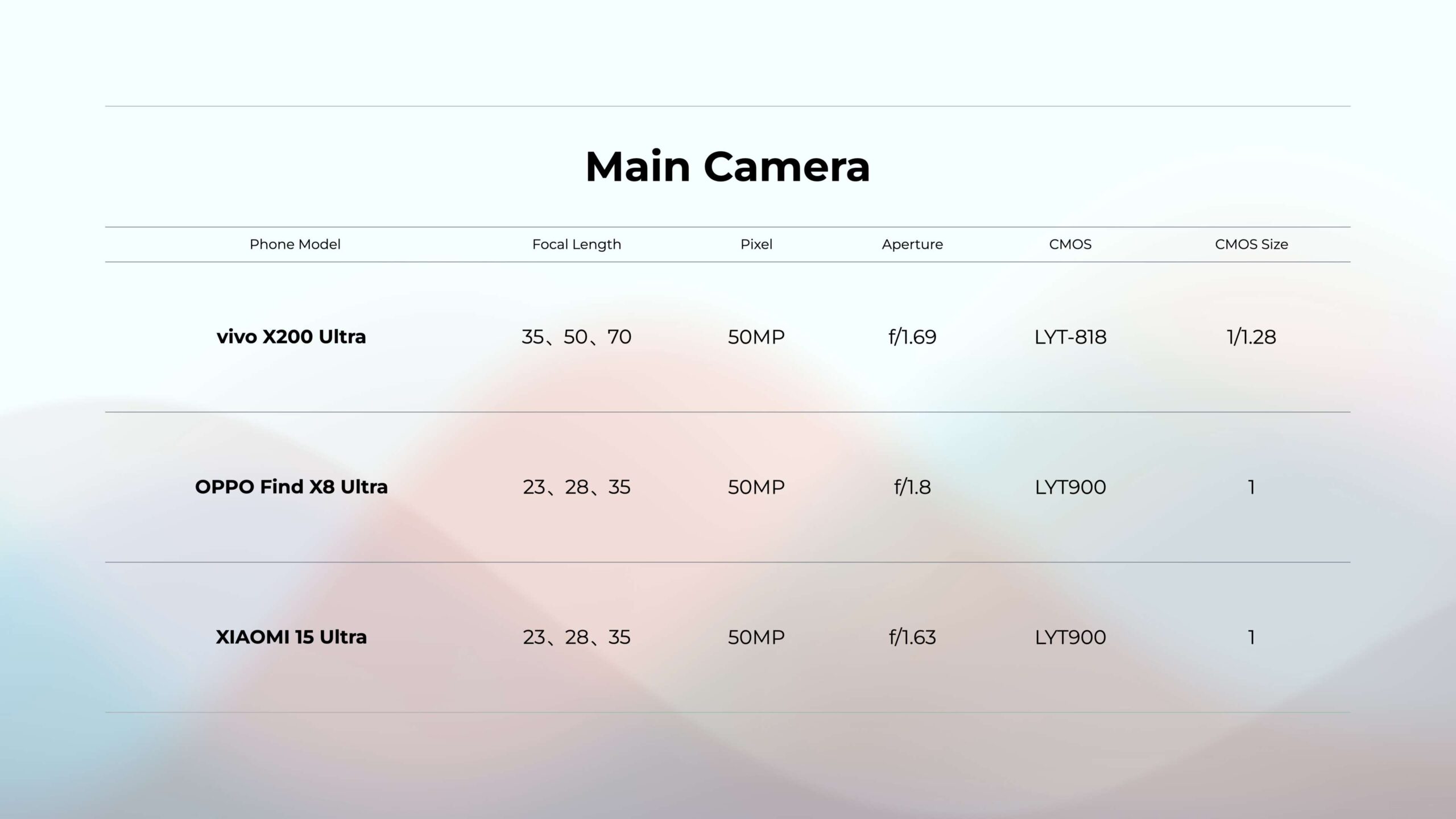
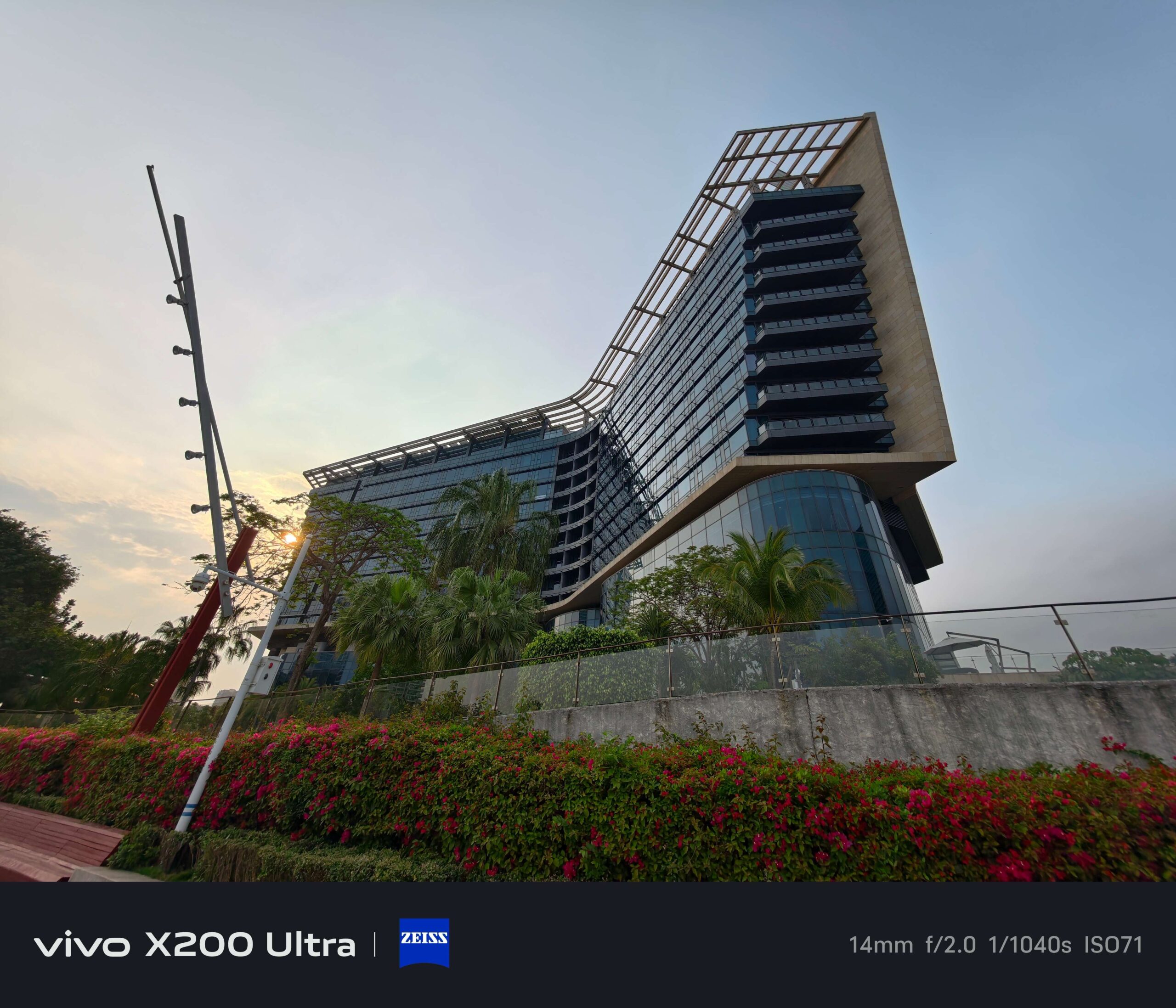
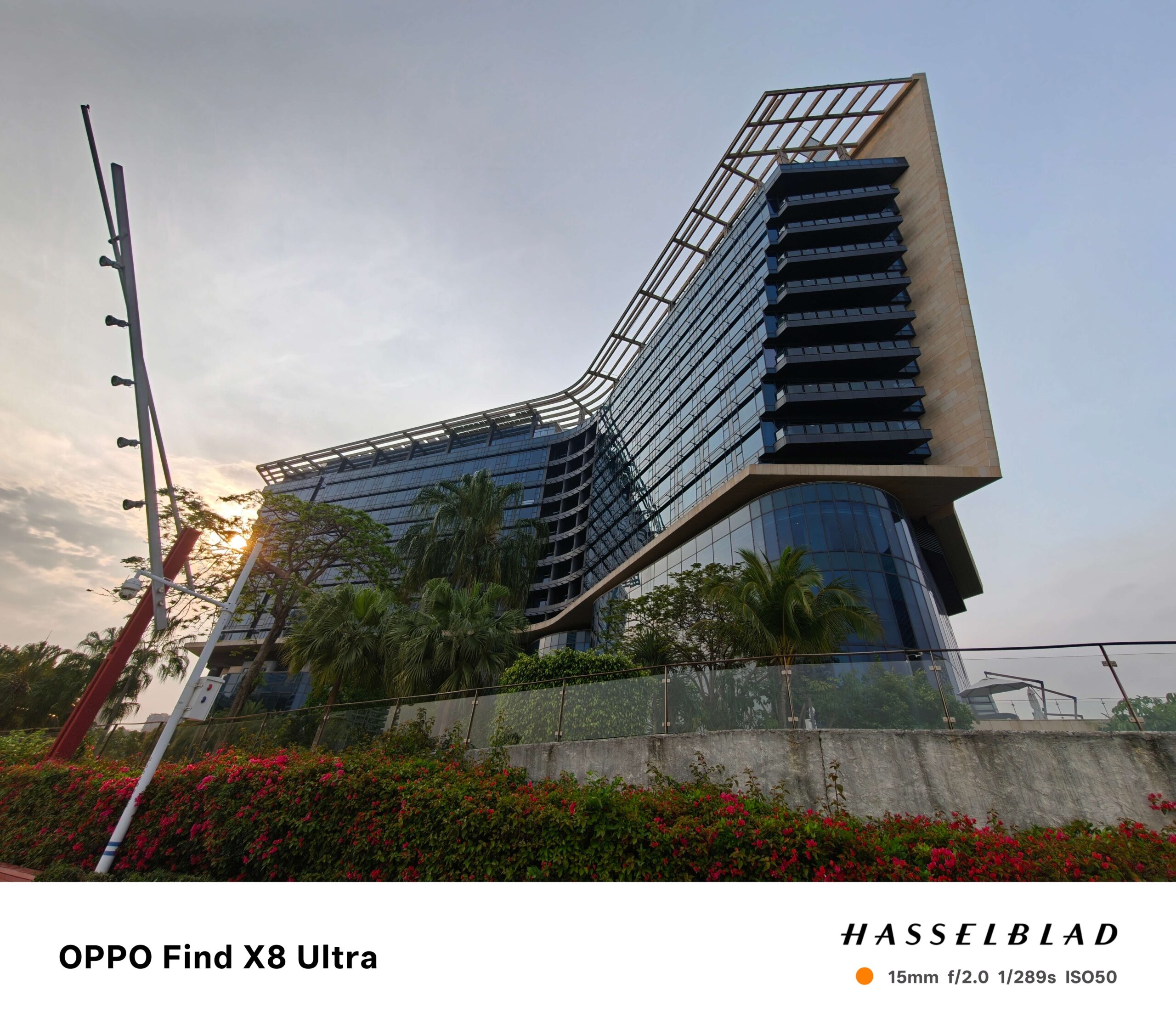
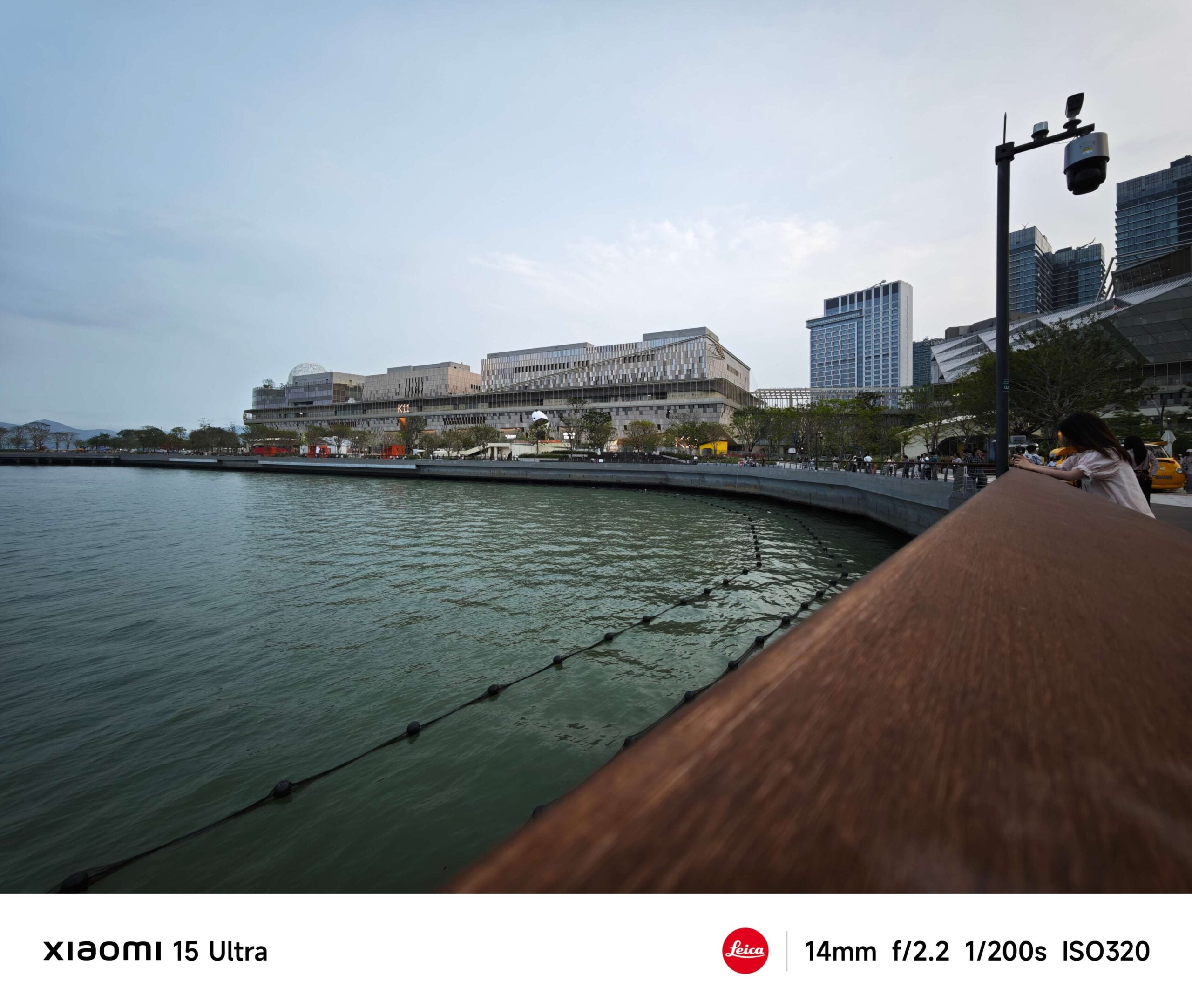
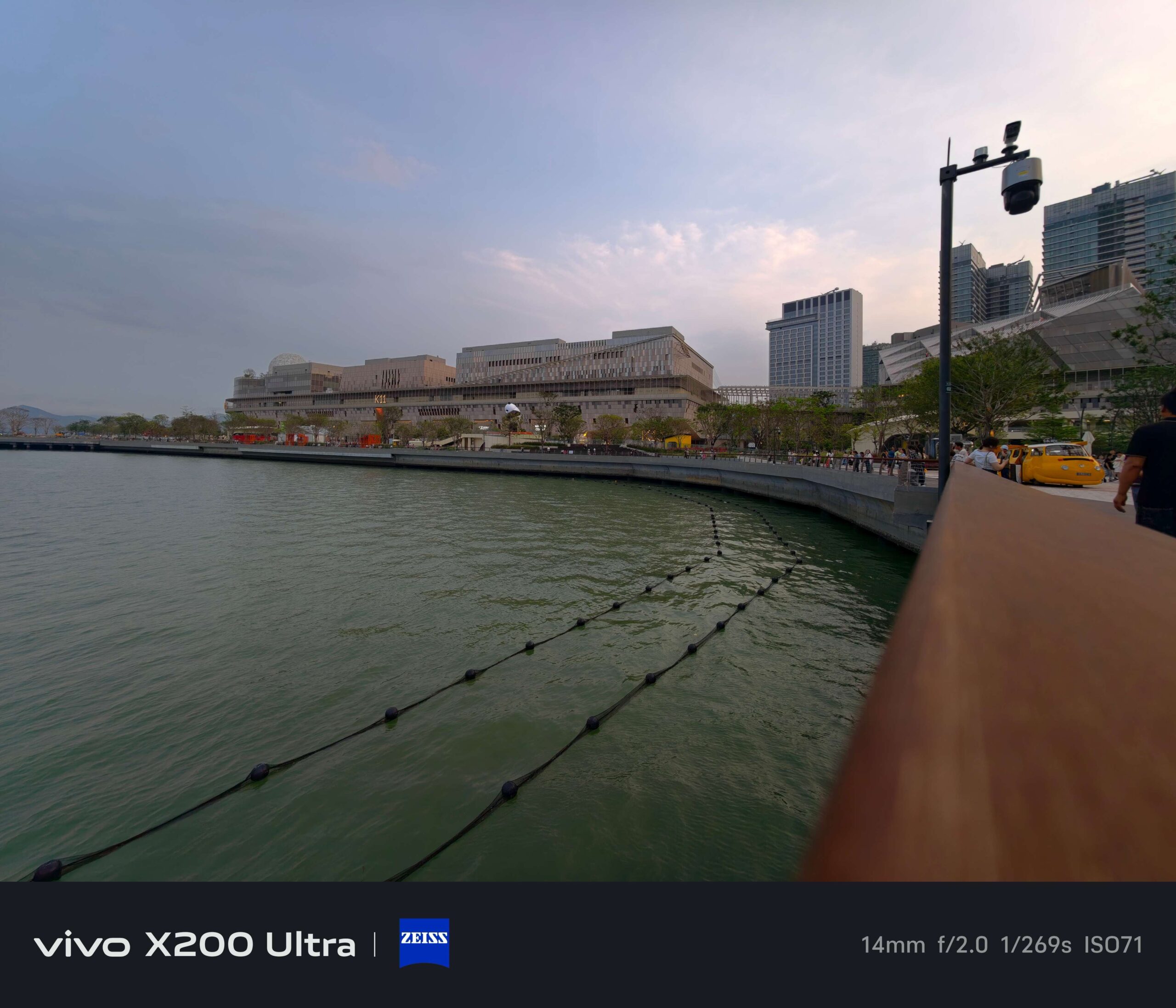
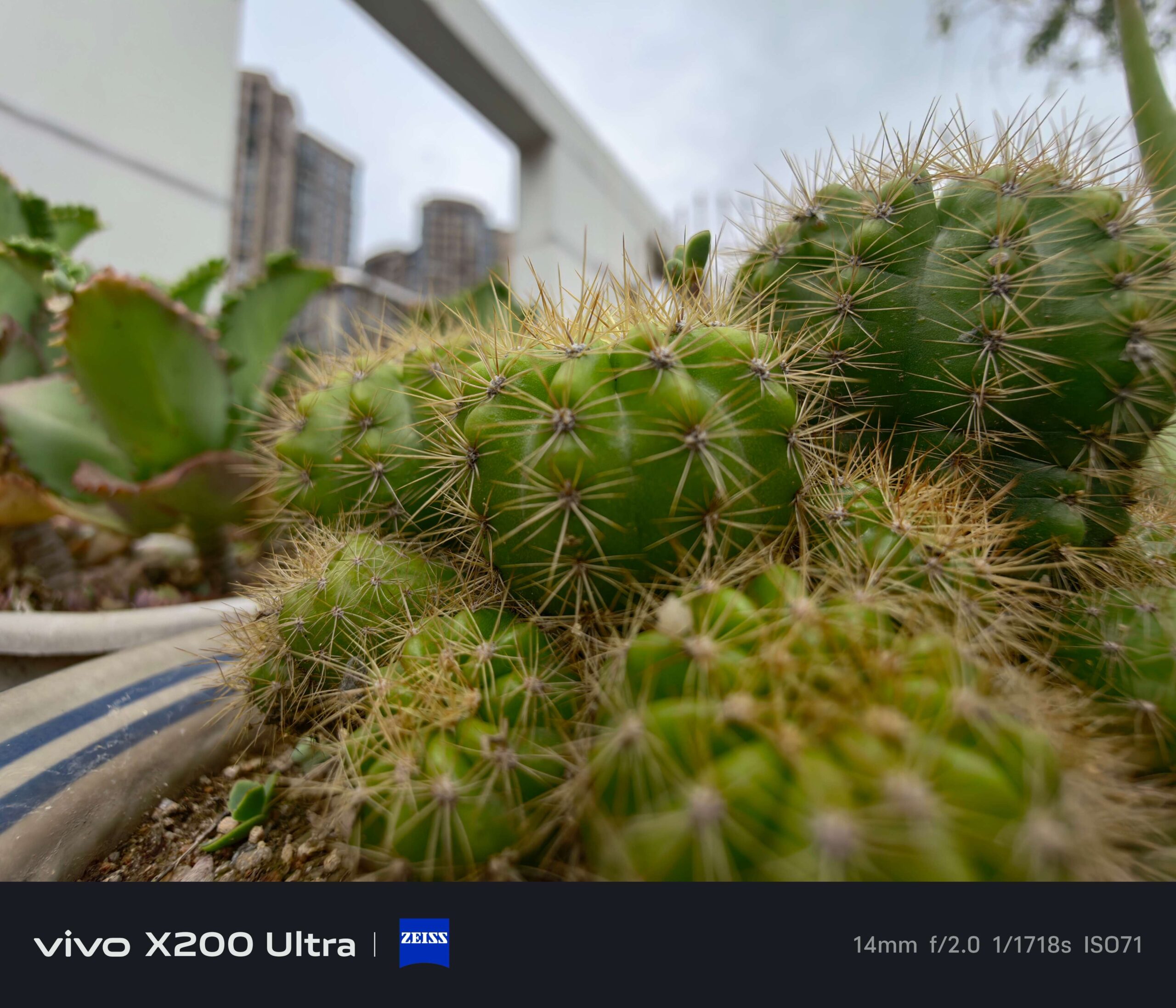
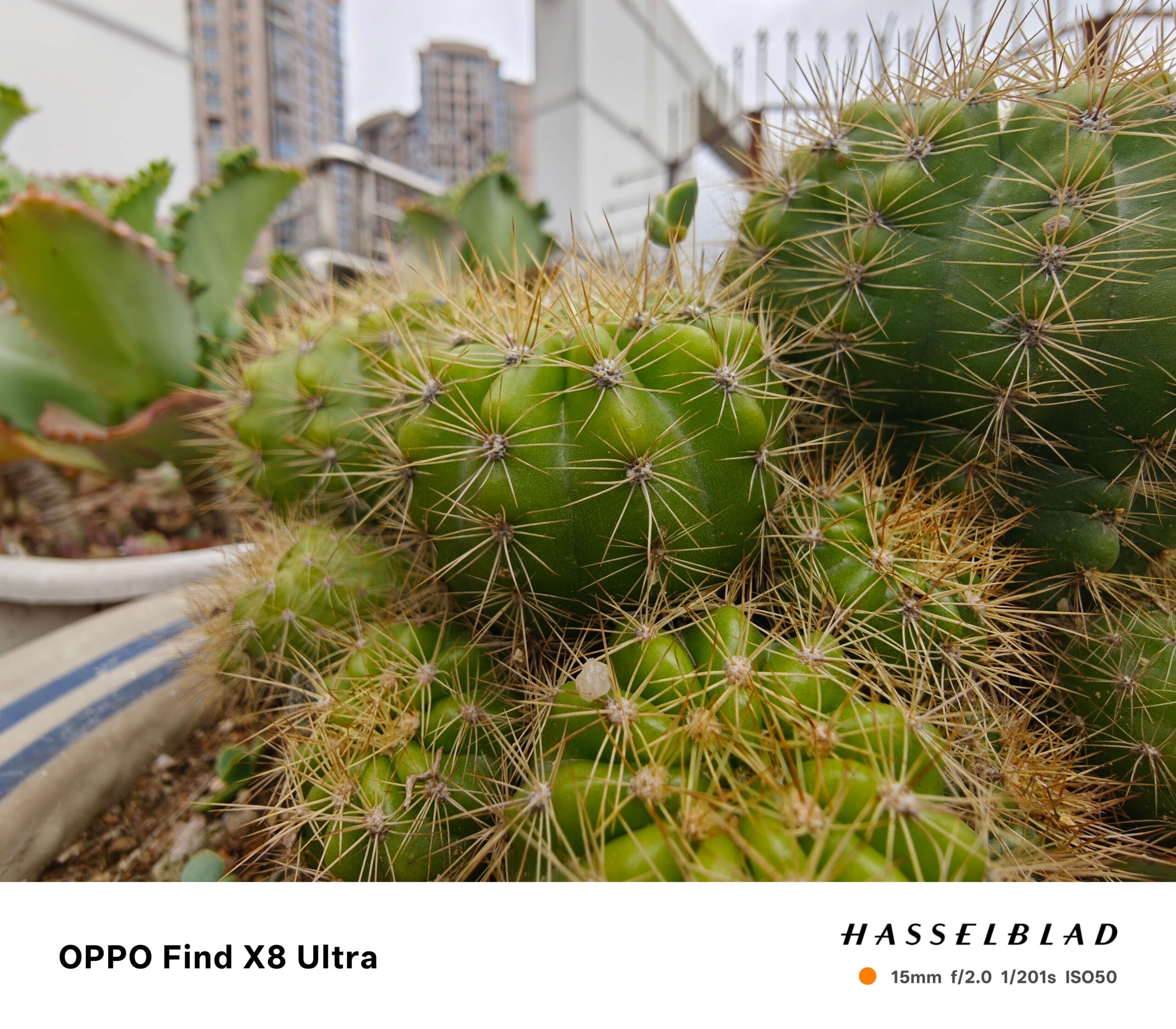
The Realme Ultra flagship will be unveiled between March 3-6 at MWC 2025. If it enters the market, it will face competition from upcoming Ultra-tier flagships like the Galaxy S25 Ultra, Xiaomi 15 Ultra, Vivo X200 Ultra, and Oppo Find X8 Ultra.
As far as the global launch of the Realme 14 Pro series is concerned, their specifications are already known as they have been unveiled in India in the recent past. There’s a possibility that the Realme 14 Pro and 14 Pro+ are likely to be priced at around $440 and $590, respectively.
For more daily updates, please visit our News Section.
We use cookies on our website to give you the most relevant experience by remembering your preferences and repeat visits. By clicking “Accept”, you consent to the use of ALL the cookies.
This website uses cookies to improve your experience while you navigate through the website. Out of these, the cookies that are categorized as necessary are stored on your browser as they are essential for the working of basic functionalities of the website. We also use third-party cookies that help us analyze and understand how you use this website. These cookies will be stored in your browser only with your consent. You also have the option to opt-out of these cookies. But opting out of some of these cookies may affect your browsing experience.
Necessary cookies are absolutely essential for the website to function properly. This category only includes cookies that ensures basic functionalities and security features of the website. These cookies do not store any personal information.
Any cookies that may not be particularly necessary for the website to function and is used specifically to collect user personal data via analytics, ads, other embedded contents are termed as non-necessary cookies. It is mandatory to procure user consent prior to running these cookies on your website.