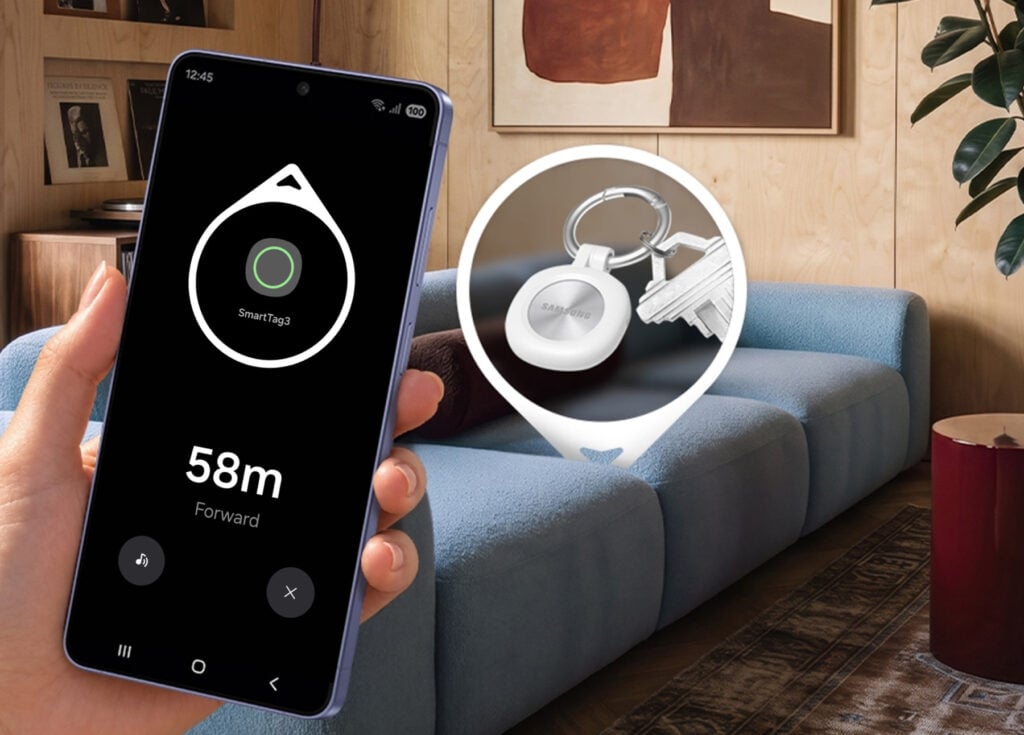
Samsung launched the Galaxy Smart Tag 3 in South Korea on October 7 and in the US on November 6, at $29.99 each or $99.99 for a four-pack. The 9.15g tracker cuts 33% of the weight and 35% of the volume from the Galaxy Smart Tag 2, and India is scheduled for January 2027. On November 23, the company explained how Compass View, the Galaxy Find Network, and expanded hub alerts work.
How Compass View and the Find Network work
Our picks
The Xiaomi Tag is one of the budget picks, with single units commonly priced at €14.99 or £12.99.
Compass View can now show which way to walk and how far the tag is, from as far as 60 meters, about three times farther than on the previous model, by using Bluetooth 6.0 Channel Sounding. Regular Bluetooth Low Energy estimates closeness from signal strength; Channel Sounding times radio waves and compares their phase across several frequencies, then ultra-wideband takes over with tighter accuracy inside a 20-meter radius. That lets you start a search from farther away, though Channel Sounding at that 60-meter range is limited to the Galaxy Z Fold 8 Ultra, Z Fold 8, S26 Ultra, and S26+. Other Galaxy phones on Android 12 or later still get Compass View if they have UWB. Power Saving Mode can stretch the CR2032 cell from 550 days in normal use to 790 days, but Compass View may be turned off.
If the tag leaves Bluetooth range, nearby Galaxy devices with offline finding turned on can hear its BLE beacon and pass an encrypted location through SmartThings. Samsung puts the Galaxy Find Network at over 900 million devices, and only the owner can read the location. Detections stay on a map for seven days.
A SmartThings app update extends arrival and leave alerts, once limited to SmartThings Station, to Smart Home Hubs plus Samsung TVs that include a hub. Those hubs watch for the tag’s radio signal and can warn you when a tagged bag or pet arrives or leaves.
Against an AirTag, the 60-meter Channel Sounding starts directing you from farther out, though Apple still has a larger Find My network for distant reports. Smart Tag 3 can be shared with iPhone users through SmartThings, but Compass View, ringing your phone from the tag, and Left Behind alerts do not work on iOS.
The RedMagic 12 Pro+ Deuterium Transparent Ice Blue edition goes on sale in China today. The 16GB+512GB model costs 7,999 yuan (about $1,180).
The new color adds to the two transparent finishes the phone launched with. RedMagic released the RedMagic 12 Pro+ in China in mid-October in Deuterium Transparent Night and Deuterium Transparent Silver Wing. Ice Blue gives you three see-through options.
Comparison
The RedMagic 12 Pro+ has a 185Hz display, while the Xiaomi 18 Pro adds LTPO and a secondary rear display.
Much of the appeal comes from what you can see through the rear panel. The flat back has an integrated lens cover that RedMagic describes as offering lens-level light transmission, plus resistance to scratches and everyday wear. The internal water cooling system is also visible. RedMagic claims it is the only phone in the industry to combine air cooling with water cooling.
What else the RedMagic 12 Pro+ offers
The transparent back isn’t just for show. Inside, the RedMagic 12 Pro+ pairs Qualcomm’s Snapdragon 8 Elite Extreme Gen 6 with the company’s own Red Core R5 chip. RedMagic calls this a dual-core gaming processor setup. The hardware is backed by LPDDR5T memory with speeds of up to 10,667Mbps and UFS 4.1 Pro storage.
The front features a 6.85-inch BOE X11 OLED display with a resolution of 2,688 × 1,216 pixels and bezels measuring just 0.96mm. Its ninth-generation under-display technology allows for a full-screen design without a visible camera cutout. RedMagic also claims it is the industry’s first 185Hz full-screen display.
The phone has an 8,400mAh battery and a body about 8.5mm thick. The box includes a 120W Magic Flash Fast Charger. It works with PD and PPS and supports protocols such as DCP and QC. Wireless charging reaches 80W.
RedMagic has not announced international availability for the Ice Blue edition.
TCL has launched a new budget-friendly monitor in China, called the 24P1B Lite. It is priced at 699 yuan (~$105) on JD.com and features a 24-inch display designed for casual gaming and everyday use.
TCL 24P1B Lite Specifications
The monitor uses a 23.8-inch IPS panel with a standard 1920 x 1080 resolution. Its main selling point is the refresh rate: it runs at 144Hz natively but includes an option to overclock to 165Hz.
TCL also lists a 1ms MPRT response time and includes Black Frame Insertion (BFI) to help reduce motion blur. You can turn on BFI through the monitor’s settings when running at 120Hz or higher, though doing so will noticeably lower the screen’s overall brightness.
Speaking of brightness, the panel maxes out at 250 nits. It can accept an HDR10 signal, but with that brightness level and the lack of local dimming, you won’t see actual HDR performance. On the color side, it covers 99.5% of the sRGB gamut and uses 6-bit + FRC technology to simulate 8-bit color depth.
TCL says the monitors are factory calibrated to a Delta E of less than 2, which should make the colors reasonably accurate out of the box for standard web browsing and media consumption. The static contrast ratio sits between 1000:1 and 1500:1.
TCL included a few software features for different use cases. For gaming, there is a Dark Scene Enhancement setting to brighten shadows and an AI Flashbang Recovery feature meant to help the screen adjust faster after bright flashes in games.
For reading or office work, the monitor has hardware-level blue light reduction, DC dimming to prevent flickering, a standard anti-glare coating, and an E-Book mode that shifts the color temperature to look more like paper.
The physical design is basic. The included stand only supports tilt adjustments, though it does have a small ambient light on the back and a compact footprint that TCL says saves desk space. If you want better ergonomics, there is a 75 x 75mm VESA mount on the back for attaching a third-party monitor arm.
For connectivity, it features one DisplayPort 1.4, one HDMI 1.4, and a 3.5mm headphone jack. You navigate the on-screen menus using a standard five-way joystick on the back of the display.
Lenovo has confirmed a December 2026 release in China for the Legion Y700 Gen 5 Where Winds Meet Custom Edition, created in collaboration with the open-world title *Where Winds Meet*. This follows an earlier Warrior Edition inspired by *Dungeon Fighter Online*, which featured a black rear panel with gold artwork.
The new model takes a different visual approach with a white rear panel accented by a gold Legion logo, game branding, and decorative patterns drawn from traditional Chinese artwork, including ink-wash elements.
Beyond the exterior, the special edition includes software customizations such as a themed startup animation, charging animation, and user interface. Buyers will also receive exclusive accessories: a Legion S7 Where Winds Meet Custom Edition crossbody bag and in-game items. Promotional materials show a co-branded card as well, though details on that remain limited.
The tablet is based on the standard Legion Y700 Gen 5, which launched in China in March 2026. That model is powered by Qualcomm’s Snapdragon 8 Elite Gen 5 processor and features an 8.8″ LCD with a 3,040 x 1,904 resolution and 165Hz refresh rate. It includes a 9,000mAh battery supporting 68W wired charging. Lenovo has not indicated any hardware differences for the Where Winds Meet version, and memory configurations or other potential changes have not been detailed.
Exact pricing and a precise launch date within December have not been announced. Availability outside China also remains unconfirmed. An international Legion Tab Gen 5 based on the same hardware generation has been reviewed previously, but it is unclear whether this themed edition will reach global markets.
For fans of *Where Winds Meet* or collectors of limited gaming hardware, the combination of custom aesthetics, themed software, and exclusive extras offers a more personalized take on Lenovo’s flagship compact gaming tablet.
Citizen has officially launched the Series8 831 in the US, bringing a new mechanical option to its higher-end lineup. The new NB6050-19W is a limited-edition model that prioritizes clean design and practical everyday specs over flashy, over-the-top features.
Design Details
Let’s look at the hardware. The watch is built around a 40mm silver-tone stainless steel case, which is a very standard, wearable size that should fit most wrists comfortably. The lug width sits at 20mm, making it easy to swap out the included leather strap if you want to customize it later. That said, the stock leather strap does come with a convenient push-button deployment clasp out of the box.
For the dial, Citizen went with a textured gradient finish in a deep magenta or burgundy. It adds a bit of depth to the watch face, and it’s protected by an anti-reflective sapphire crystal to cut down on glare and prevent everyday scratches.
Inside the case, the Series8 831 is powered by Citizen’s caliber 9051 automatic movement. If you’re keeping track of the mechanical specs, this movement offers a 42-hour power reserve and an accuracy rating of -10 to +20 seconds per day.
The movement also offers magnetic resistance rated at 16,000 A/m, allowing it to handle exposure to everyday electronics like laptops, tablets, smartphones, and magnetic chargers without affecting its timekeeping accuracy. If you spend most of your day at a desk surrounded by tech, this is a genuinely useful feature to have in a mechanical watch.
As for durability, the watch is rated for 100 meters of water resistance. That means it’s perfectly fine for swimming, showering, or snorkeling, even if it’s not a dedicated dive watch.
Pricing and Availability
Citizen is keeping this release fairly exclusive, with only 600 unnumbered pieces available worldwide. The Series8 831 is now available for purchase through Citizen’s US website for $1,125.
A recently published patent application (US 2026/0362887 A1), titled “Integrated energy-collecting display module,” reveals that Garmin is investigating placing miniature solar cells in the tiny dark gaps between the pixels of AMOLED (and potentially microLED) displays.
Filed in May 2025 and published in November 2026, the design would allow the smartwatch to harvest ambient light and slowly top up its battery while being worn outdoors, with no separate charging session required.
Unlike traditional solar layers that sit over an entire display (which can dull colors and reduce brightness) or solar rings placed around the bezel (which can enlarge the watch or shrink the usable screen area), this approach interleaves the photovoltaic elements only in the non-emissive spaces. Clear windows sit directly over each subpixel so the display’s own light passes through unimpeded. The result, according to the filing, should be a brighter, higher-contrast image while still collecting energy.
The timing is notable. Just weeks before the patent’s publication, Garmin COO Brad Trenkle discussed the ongoing battery-life gap between AMOLED and the company’s longer-lasting MIP (Memory-in-Pixel) displays in an interview.
He acknowledged that the difference has narrowed significantly with each generation of OLED watches, but said it has “not completely converged,” which is why MIP models, especially those with solar charging, remain in the lineup for now. When asked whether in-screen solar would inevitably dull an AMOLED display, Trenkle replied that, as a thought experiment, it need not.
If the technology described in the patent reaches production, it could help close that remaining gap and reduce one of the main advantages MIP currently holds. Garmin has explored solar-AMOLED ideas in earlier patents as well, but this inter-pixel approach appears more refined and manufacturable.
Of course, a patent does not guarantee a commercial product. Many filings never leave the lab. Still, the concept points to Garmin’s clear interest in combining the visual appeal of AMOLED with meaningful solar assistance, potentially bringing fans closer to the best of both worlds in future watches.
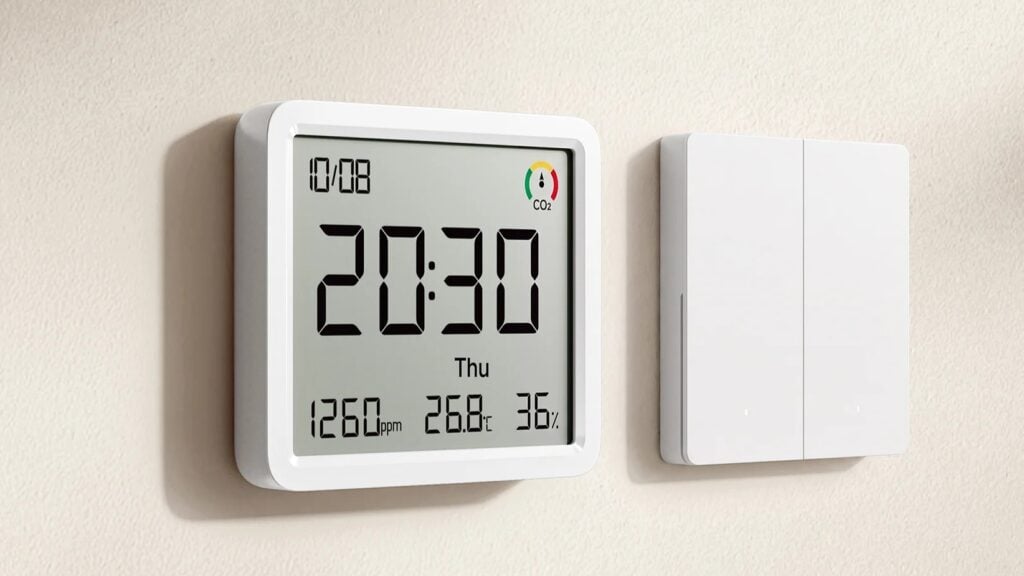
The company has begun rolling out the Mijia Smart Temperature and Humidity Monitor 3 Pro globally, following its earlier China-only release. The device arrives shortly after Xiaomi’s international presentation of the Xiaomi 18 Pro series and other accessories.
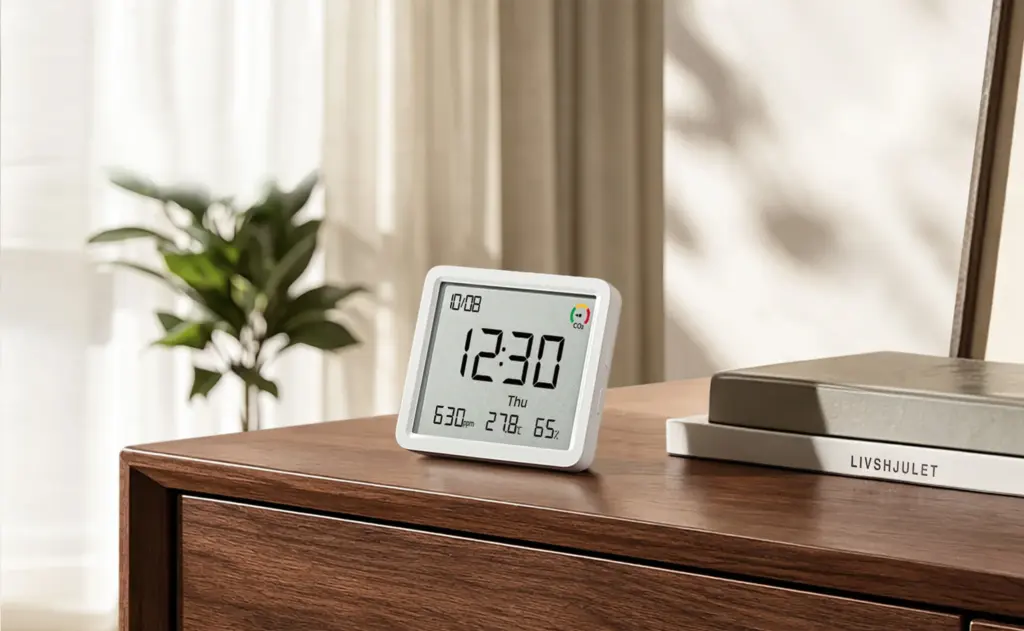
What sets the Monitor 3 Pro apart from the standard Monitor 3 and the smaller Monitor 3 Mini is its ability to track CO₂ concentration levels in addition to temperature and humidity. It uses a Sensirion low-power thermal conductivity CO₂ sensor that continuously monitors indoor air quality, displaying readings in a color-coded system (green for good levels, yellow for caution, and red when ventilation is needed). The 3.6-inch LCD screen with 6.5 mm bezels shows six pieces of information at once, including time, date, temperature, humidity, and CO₂, while remaining easy to read from a distance.
Connectivity comes via Bluetooth Low Energy 5.0, with full support for Xiaomi HyperOS Connect and the Xiaomi Home (Mi Home) app. Paired with a compatible Bluetooth Mesh gateway, the sensor can trigger automations, such as adjusting an air conditioner, humidifier, or air purifier, or prompting a smart speaker to remind users to open a window when CO₂ rises too high. Historical data and trend graphs are also available in the app.
Installation is more flexible than earlier adhesive-based models. The Monitor 3 Pro includes a magnetic mounting system with a metal ring and stand, allowing it to sit on a desk or attach securely to a wall or metal surface and be moved easily. A single CR2450 coin cell battery powers the device for up to one year under normal use.
In China the sensor retails for CNY 129 (around $19). Xiaomi has not yet announced pricing or exact availability dates for other markets, though the standard Monitor 3 is already sold in regions such as the UK and Eurozone at lower prices. Full details are available on Xiaomi’s global website.
With its combination of CO₂ monitoring, larger clearer display, magnetic mounting, and smart-home integration at a budget-friendly price point, the Monitor 3 Pro offers a practical upgrade for anyone looking to keep closer tabs on indoor air quality.
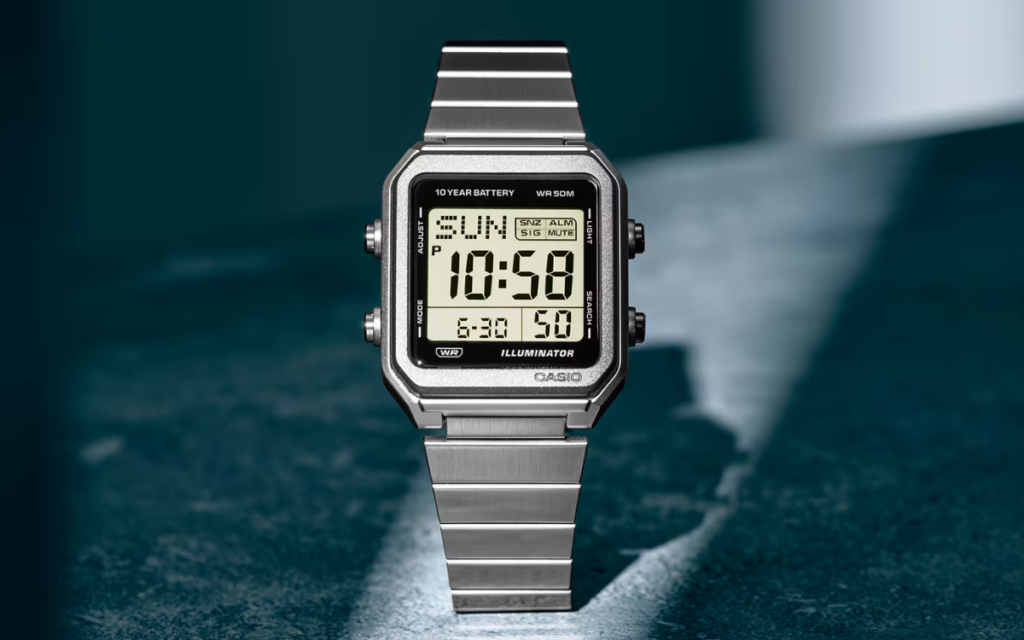
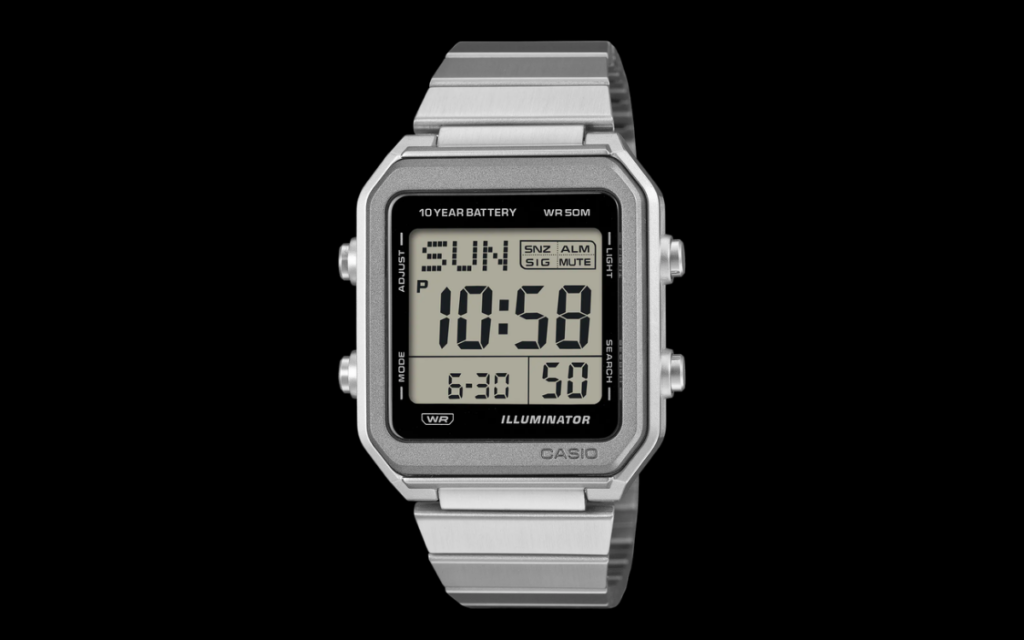
Casio has just released a new digital watch in the US, and it’s leaning heavily into the 1990s aesthetic. The newly launched W221HD-1AV is now available directly from Casio’s US website for $59.95. If you are tired of charging a smartwatch every night and just want a reliable device that tells the time and looks clean doing it, this is a very practical option.
Visually, the W221HD-1AV keeps things incredibly simple. It pairs a solid, square resin case with a metallic bezel and a stainless steel band featuring a standard one-touch, three-fold clasp.
The watch measures 38.4mm wide, 43.7mm lug-to-lug, and 12.2mm thick, giving it a compact size that should fit comfortably on most wrists. At 96 grams, you get a solid feel without too much weight on your wrist. You’ll also notice a pixel-style day indicator on the LCD display, which adds a nice retro touch while keeping everything easy to read.
The real appeal here, however, is the low-maintenance factor. Casio promises approximately 10 years of battery life out of a single CR2032 coin cell. You also get 50 meters of water resistance, which is plenty for washing your hands, getting caught in the rain, or taking a quick swim.
Under the hood, it packs the standard suite of Casio digital features, which remains surprisingly robust for a $60 watch. You get world time covering 29 time zones across 48 cities, a 1/100-second stopwatch, and a 24-hour countdown timer with an auto-repeat function.
There are also three multi-function alarms (including one snooze alarm) and a flash alert feature that blinks the amber LED backlight in sync with your alarms, hourly time signals, or timers. You can also mute the button operation tones if you prefer a quieter experience.
Open-ear earbuds are becoming a popular alternative to traditional in-ear models for people who don’t like having silicone tips inside their ear canals. Honor’s new Honor Earbuds Clip is exactly that, and it launched alongside the Honor 700 series today.
The Earbuds Clip uses a C-shaped bridge that wraps around the ear rather than going inside it. Each bud weighs just 5.6 grams, and the design comes in Pearl White and Starry Black. Honor also released the Honor Earbuds Clip-On Pro in May, but the new model sits lower in the lineup with a more affordable 449 yuan (~ $67) price tag.
The C-bridge combines food-grade liquid silicone with titanium memory metal inside. The silicone provides a soft contact surface, while the titanium structure helps keep each bud securely in place without applying too much pressure. Honor has also shaped the bridge with a swan-neck curve, leaving more space around the ear canal for extended listening. Each earbud measures 28.1 x 20.5 x 24.1mm.
Audio is handled by a 10.8mm dual-magnetic-circuit titanium-plated dynamic driver in each bud. The earbuds also support LHDC 5.0 lossless audio at 24-bit.
One challenge with open-ear designs is sound leakage, since the speakers sit outside the ear canal. Honor has added a reverse acoustic system to reduce this problem by directing sound toward the listener’s ear and limiting what escapes into the surrounding area.
The earbuds are rated for 10 hours of runtime on a single charge, while the charging case extends total listening time to 40 hours. And if you run low, a 10-minute charge provides around three hours of music playback. The earbuds also carry an IP54 rating for dust and water resistance.
There are several convenience features beyond audio playback. The buds support dual-device connectivity, wear detection, and audio sharing. Honor has also added its YOYO voice assistant, smart broadcast, an AI translator, and an AI recording assistant on the software side.
Honor Earbuds Clip price and availability
The Honor Earbuds Clip is available for pre-order through Honor’s official retail stores in China. Sales officially begin on November 27, with a launch price of 449 yuan (~ $67). Honor has not announced plans for an international release yet.
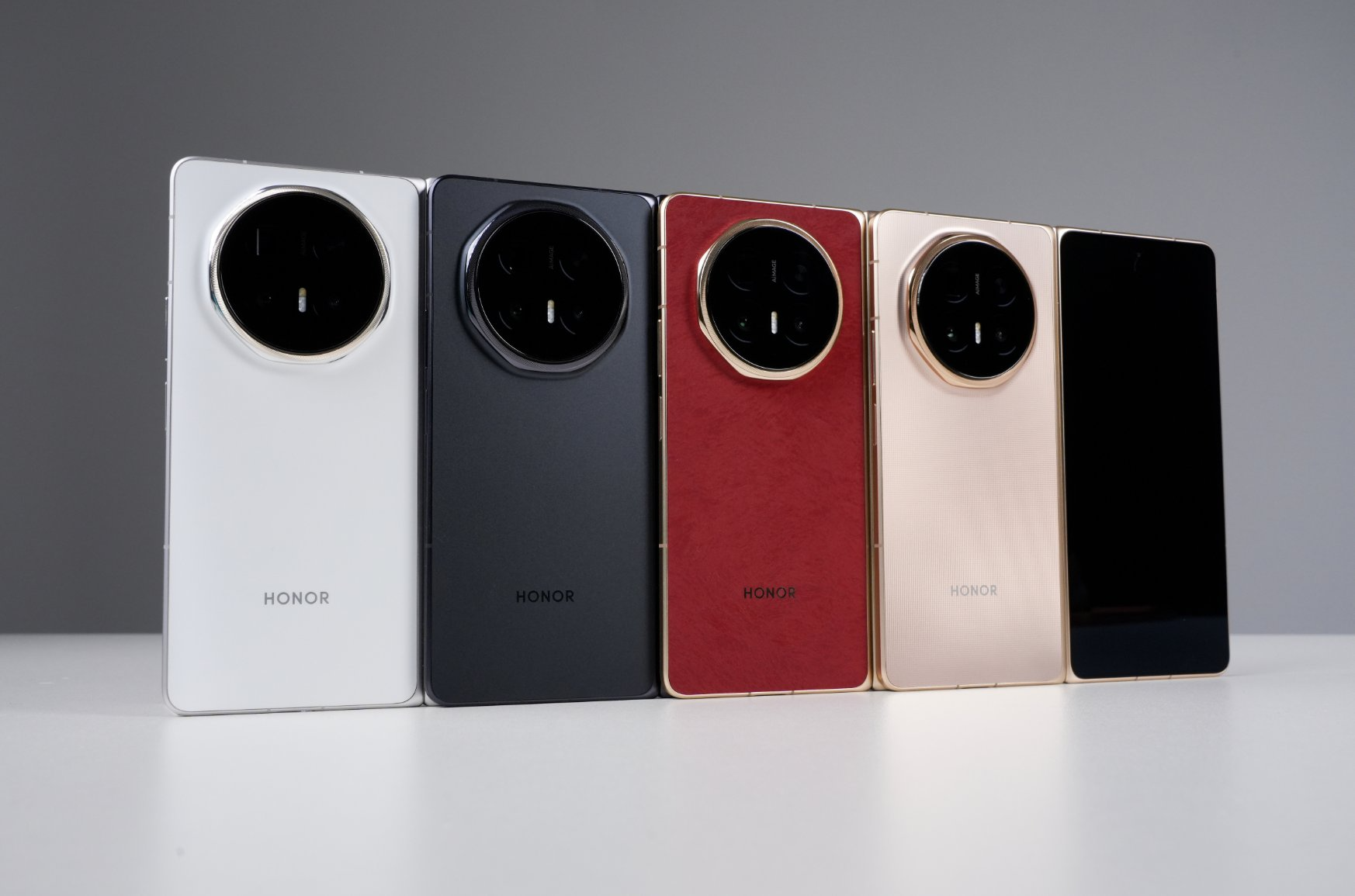
Honor has finally set a launch window for its first wide foldable phone. CEO Li Jian confirmed on November 23 that the device will arrive in March 2027. He shared the news with reporters following the Honor 700 series launch event.
The display is perhaps the most interesting part of the announcement. Li Jian claims it has “absolutely no creases,” suggesting Honor has made crease reduction a major part of the phone’s development. He also said people who have yet to buy an Apple foldable can look forward to Honor.
This is the first time Honor has publicly confirmed both the wide-foldable design and its launch timing, although the phone has been appearing in leaks for months.
Comparison
The Honor Magic V6 uses a newer Snapdragon 8 Elite Gen 5 chip with a more powerful GPU than the Galaxy Z Fold 7.
Honor isn’t the only company working on crease-free foldables
We’ve heard similar promises before. The Oppo Find N6 made crease reduction one of its major selling points earlier this year, and our review found its crease control to be the best on a foldable at the time.
But a nearly invisible crease on a new device doesn’t necessarily tell us how the display will look after thousands of folds. Long-term durability is still the bigger question, and Honor hasn’t shown how its screen holds up over time.
There are also other foldables launching before Honor. For instance, Huawei Mate X8 launches tomorrow, and it’s also expected to have very little crease depth.
Whether it’s worth waiting until March depends largely on your current phone. If you’re already using a foldable with a noticeable crease, Honor’s promise might be tempting, but March is still several months away. Those who were planning to upgrade next year anyway have more reason to wait, especially since Honor hasn’t revealed the price or full specifications.
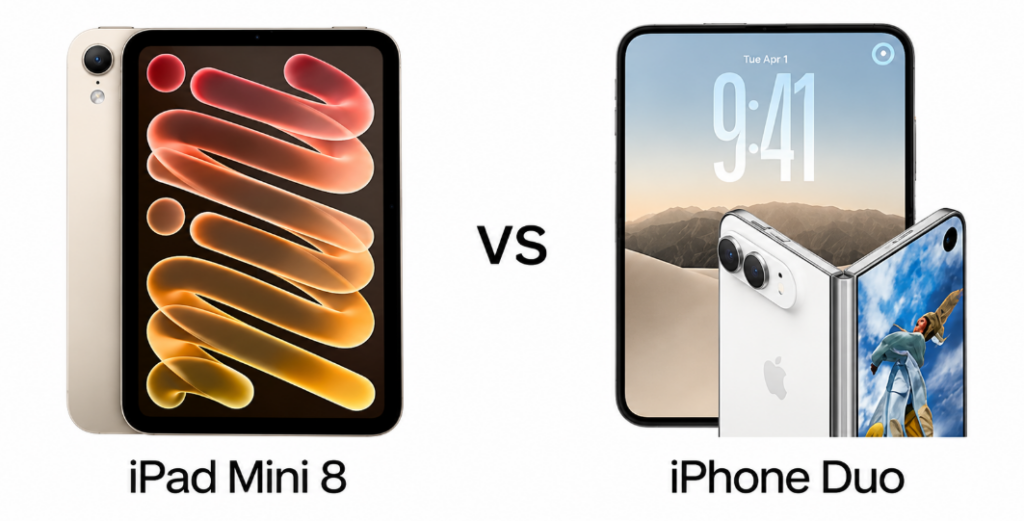
At $700, the iPad Mini 8 offers flagship performance, an 8.5-inch OLED display, and a dedicated tablet experience. The iPhone Duo, at around $2,000, takes a completely different approach, combining a conventional smartphone with a foldable screen that opens into a compact tablet-like workspace.
Both devices are surprisingly close in size and weight when comparing their primary screens, but their purpose and the money you’re spending on them are very different. The iPad Mini 8 is about getting the most out of a compact tablet, while the iPhone Duo is about having two device experiences in one without carrying an additional gadget.
So, is the iPhone Duo worth nearly three times the price, or is the iPad Mini 8 the smarter buy?
Despite having completely different form factors, the iPad Mini 8 and iPhone Duo weigh almost exactly the same, at 255g and 254g respectively. However, how they fit into your daily life is a different story.
The iPad Mini 8 is a traditional 5.4mm-thin tablet with an 8.5-inch display. Its larger body is comfortable for two-handed use, reading, gaming, watching videos, and browsing. But it remains a secondary device that you’ll generally carry alongside your smartphone.
The iPhone Duo is 5.2mm thick when unfolded and 11.3mm when folded. It can be carried like a regular phone, then opened to reveal a 7.6-inch display for tasks that benefit from more screen space. This makes it considerably more practical for people who want a larger screen on demand without carrying a separate tablet.
The iPad Mini 8 offers the simplicity of a conventional tablet, while the iPhone Duo makes portability more versatile by combining two form factors in one device.
2. Display: More Screen or Better Display Technology?
The iPad Mini 8 actually has the larger display at 8.5 inches, giving it more room than the iPhone Duo’s 7.6-inch inner screen. Its 3:2 aspect ratio also makes it a comfortable canvas for reading, browsing, documents, and apps.
Its Super Retina XDR OLED panel supports up to 1200 nits peak brightness in HDR, with an anti-reflective coating and optional nano-texture glass on the 512GB model. For a compact tablet, that’s a particularly appealing display setup for indoor use, reading, and content consumption.
The iPhone Duo counters with a 120Hz LTPO OLED inner display, HDR10, Dolby Vision, and up to 3000 nits peak brightness. It also has a 5.4-inch cover screen, allowing you to use it like a conventional smartphone without opening it every time.
The iPad Mini 8 gives you more uninterrupted screen space, while the iPhone Duo offers a brighter, more flexible two-display experience. The foldable’s advantage is versatility rather than sheer screen size.
3. Performance: The Same Flagship Power
One of the most interesting aspects of this comparison is that the iPhone Duo doesn’t offer a performance advantage despite costing considerably more.
Both devices feature Apple’s A20 Pro 2nm chipset, 12GB of RAM, and a seven-core GPU. While CPU configurations on the iPad Mini 8 vary slightly by storage variant, both devices belong to the same flagship performance class.
Comparison
The iPhone Duo’s 2nm A20 Pro chip comes with up to 12GB RAM and a 2TB storage option.
Whether you’re playing demanding games, multitasking, editing videos, or using intensive apps, the iPad Mini 8 isn’t inherently a lesser-performing device simply because it’s cheaper.
This makes the iPad Mini 8 particularly attractive for buyers who prioritize performance. You’re getting the same core processing platform without paying the foldable premium, making the iPhone Duo’s higher price primarily about its hardware design, cameras, display flexibility, and smartphone capabilities.
4. Cameras: A Clear Advantage for the iPhone Duo
This is one area where the iPhone Duo justifies its premium more convincingly.
The iPad Mini 8 has a 12MP rear camera with autofocus, HDR, and 4K video recording at up to 60fps. Its 12MP ultrawide front camera is well suited for video calls, meetings, and selfies, but the camera system is primarily designed for everyday tablet use.
The iPhone Duo features a 48MP main camera with sensor-shift OIS and a 48MP ultrawide camera. Its video capabilities are significantly more advanced, supporting 4K at up to 120fps, Dolby Vision HDR, ProRes, and spatial video recording.
It also has a 12MP autofocus cover camera, giving you a more conventional smartphone photography experience when folded.
If photography, video creation, and having one dependable camera device matter to you, the iPhone Duo is in a different league. The iPad Mini 8’s camera system is adequate for a tablet, but it isn’t designed to replace a flagship smartphone camera.
5. Battery & Charging: Nearly Identical Capacity
The battery capacities are almost identical, with the iPad Mini 8 carrying a 4900mAh battery and the iPhone Duo packing 4883mAh.
The iPad Mini 8 supports wired charging, reaching 50% in 30 minutes, while the iPhone Duo reaches 50% in 20 minutes and adds 25W MagSafe/Qi2 wireless charging.
Battery capacity alone doesn’t establish which will last longer. The tablet has a larger screen, while the foldable has two displays and smartphone connectivity, so real-world endurance will depend on usage, brightness, cellular activity, and which screen is being used.
The iPhone Duo wins on charging convenience and speed, particularly with wireless charging, but the iPad Mini 8 is surprisingly competitive in battery hardware considering its significantly lower price.
6. Software & Usability: iPadOS Has a Different Purpose
The iPad Mini 8 runs iPadOS 27.2, while the iPhone Duo runs iOS 27.1, upgradable to 27.2. Even with the foldable’s larger internal display, the two operating systems are built around different use cases.
The iPad Mini 8 is better suited to tablet-oriented activities such as reading, browsing, gaming, working with documents, creative apps, and sustained multitasking. Its larger 8.5-inch display provides a more comfortable canvas for spending extended periods inside apps.
The iPhone Duo offers a more convenient all-in-one experience, letting you move from calls, messaging, navigation, photography, and social apps to a larger screen for reading, video, and multitasking without switching devices.
However, unfolding a phone doesn’t automatically make it equivalent to a dedicated tablet. If your primary reason for buying is a tablet experience, the iPad Mini 8’s purpose-built form factor and larger display remain meaningful advantages.
7. Connectivity & Features: A Proper Phone vs a Connected Tablet
The iPhone Duo is considerably better equipped as a standalone mobile device, featuring 5G, NFC, UWB, GPS with multiple satellite systems, Wi-Fi 7, and Bluetooth 6.0. It also supports satellite-based Emergency SOS and Find My features.
The iPad Mini 8 supports Wi-Fi 7 and Bluetooth 6.0, while GPS is available on the cellular model. However, it lacks NFC and doesn’t offer the same complete smartphone connectivity experience.
This difference matters for mobile payments, navigation, cellular communication, connected accessories, and emergency features. The iPad Mini 8 can handle internet-based communication and many connected tasks, but it isn’t designed to replace your smartphone.
8. Price & Value: Is the Foldable Worth $1,300 More?
The iPhone Duo costs almost three times as much as the iPad Mini 8, despite both sharing the same A20 Pro processor and 12GB RAM. Its higher price goes toward the foldable hardware, cover display, more advanced camera system, cellular connectivity, wireless charging, premium construction, and the convenience of combining a smartphone with a larger-screen device.
But that value proposition only works if you actually use those advantages.
If you already own a capable smartphone, the iPad Mini 8 is a much easier purchase to justify. It gives you flagship performance and a dedicated tablet experience for $700 without forcing you to replace your existing phone.
The iPhone Duo makes more financial sense if you plan to use it as your primary smartphone and would otherwise buy a separate tablet. In that scenario, its premium isn’t just paying for a folding screen; it’s potentially consolidating two devices into one.
9. Who Should Buy Which?
Buy the iPad Mini 8 if:
You already have a good smartphone.
You want a dedicated device for reading, gaming, streaming, and browsing.
You prefer a larger, uninterrupted display.
You want flagship performance without spending $2,000.
You prioritize value over foldable technology.
Buy the iPhone Duo if:
You want one device to handle both smartphone and tablet-like use.
You frequently need a larger screen while on the go.
Camera quality and advanced video features matter.
You need full smartphone connectivity, NFC, UWB, and satellite features.
You’re willing to pay a premium for convenience and cutting-edge hardware.
Final Verdict
The iPad Mini 8 is the better value, while the iPhone Duo is the more ambitious device. The tablet delivers the same flagship processor and RAM, a larger display, and a dedicated tablet experience for $700. For someone who already owns a smartphone, it is the more rational purchase by a considerable margin.
The iPhone Duo is worth considering when its foldable design actually changes how you use your devices. If you want a premium smartphone that can unfold into a larger workspace and potentially replace your tablet, its versatility is the real selling point, not raw performance.
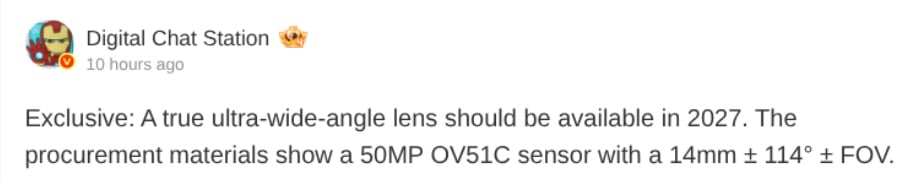
Xiaomi‘s flagship phones could finally get a wider ultrawide camera. The company is reportedly testing a new 50MP sensor for the Xiaomi 19 series, paired with a 14mm lens and a 114-degree field of view. Tipster Digital Chat Station (DCS) spotted the combination in procurement documents and expects it to arrive in 2027.
If true, this would be a welcome change from Xiaomi’s current camera setup. The Xiaomi 18 Pro has a 50MP ultrawide camera with a 17mm lens and a 102-degree field of view.
The rumored Xiaomi 19 series camera would add 12 degrees, allowing it to capture more of a scene without requiring the photographer to step further back.
The ultrawide camera may not be the only major change to the next generation’s camera hardware. DCS also reports seeing a new periscope telephoto camera and a new main camera in development. He believes all three components belong to the same upcoming generation, although he hasn’t shared any further specifications.
No Xiaomi Ultra in pipeline
The rumored 50MP sensor has already raised questions in comments about why Xiaomi isn’t opting for a 200MP sensor instead. DCS responded that the proposed hardware is already a meaningful upgrade because it is a true ultrawide camera.
Xiaomi’s plans for an Ultra model are also unclear. The company reportedly cancelled the Xiaomi 18 Ultra over concerns about its expected price, and DCS now says he has seen no evidence of a Xiaomi 19 Ultra being developed either.
Vivo meanwhile is expected to launch X500 Ultra next year with Sony LYT-L910 sensor for both the main and ultrawide cameras. The phone is reportedly scheduled to launch in China around March or April 2027.
For now, the wider ultrawide camera, new periscope lens, and main sensor are all unconfirmed. Xiaomi will not announce anything about the Xiaomi 19 series till Q4 of 2027.
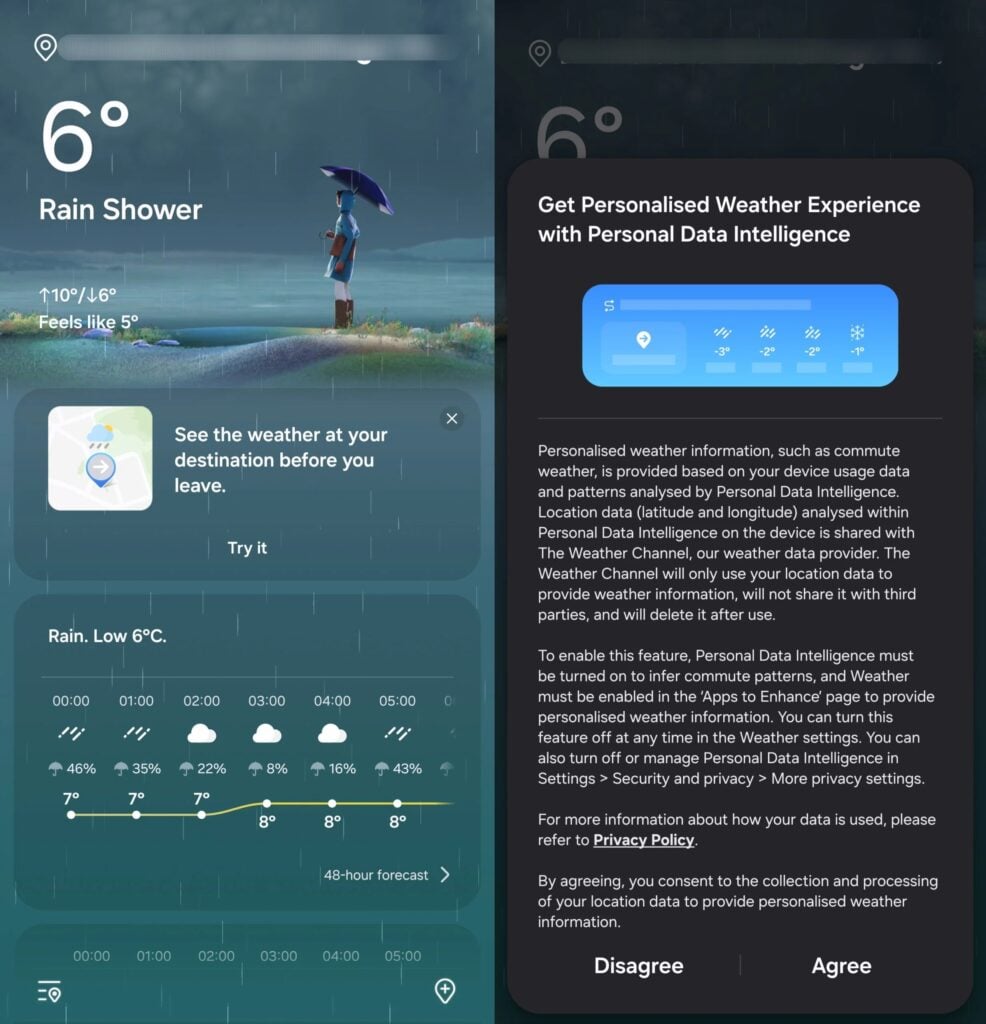
With One UI 9.5 now in beta on the Galaxy S26 series, the company is testing a feature that automatically surfaces weather forecasts for places you’re about to visit, without any manual searching or adding of locations.
The system relies on Samsung’s new Personal Agent Core (PAC), an agentic framework that draws context from multiple One UI and Google apps. If your calendar shows a meeting in another city, your email contains a flight confirmation, or the phone otherwise detects travel plans, the Weather app can display a prompt such as “See the weather at your destination before you leave” or “Check weather before you leave.” Tapping it immediately opens the relevant local forecast.
This “Personalized Weather Experience” sits behind a toggle in the Personalized Data Intelligence settings. Once enabled, the phone handles the rest. It is designed to work for both longer trips and shorter journeys, such as commuting to another city or region. Early code also points to related automatic behaviors: the app can refresh forecasts when it detects you waking up or beginning a commute, so the information is ready when you need it.
Explained
One UI 9.0 is built on Android 17, which stops developers from locking apps to one screen orientation.
The feature is still under development and currently remains hidden in the One UI 9.5 beta builds. It is unclear whether Samsung will enable it in later beta releases or hold it for the stable version of One UI 9.5, which is expected to arrive with the Galaxy S27 series early next year. Privacy considerations around how much calendar, location, and schedule data PAC accesses have not yet been fully detailed by the company.
This update fits Samsung’s broader push toward more proactive, context-aware experiences across its software. Similar agentic capabilities are expected to enhance Now Brief, Bixby, and other stock apps. For frequent travelers, the practical benefit is clear: instead of opening the Weather app and manually looking up a destination, the phone simply tells you what conditions await before you head out the door.
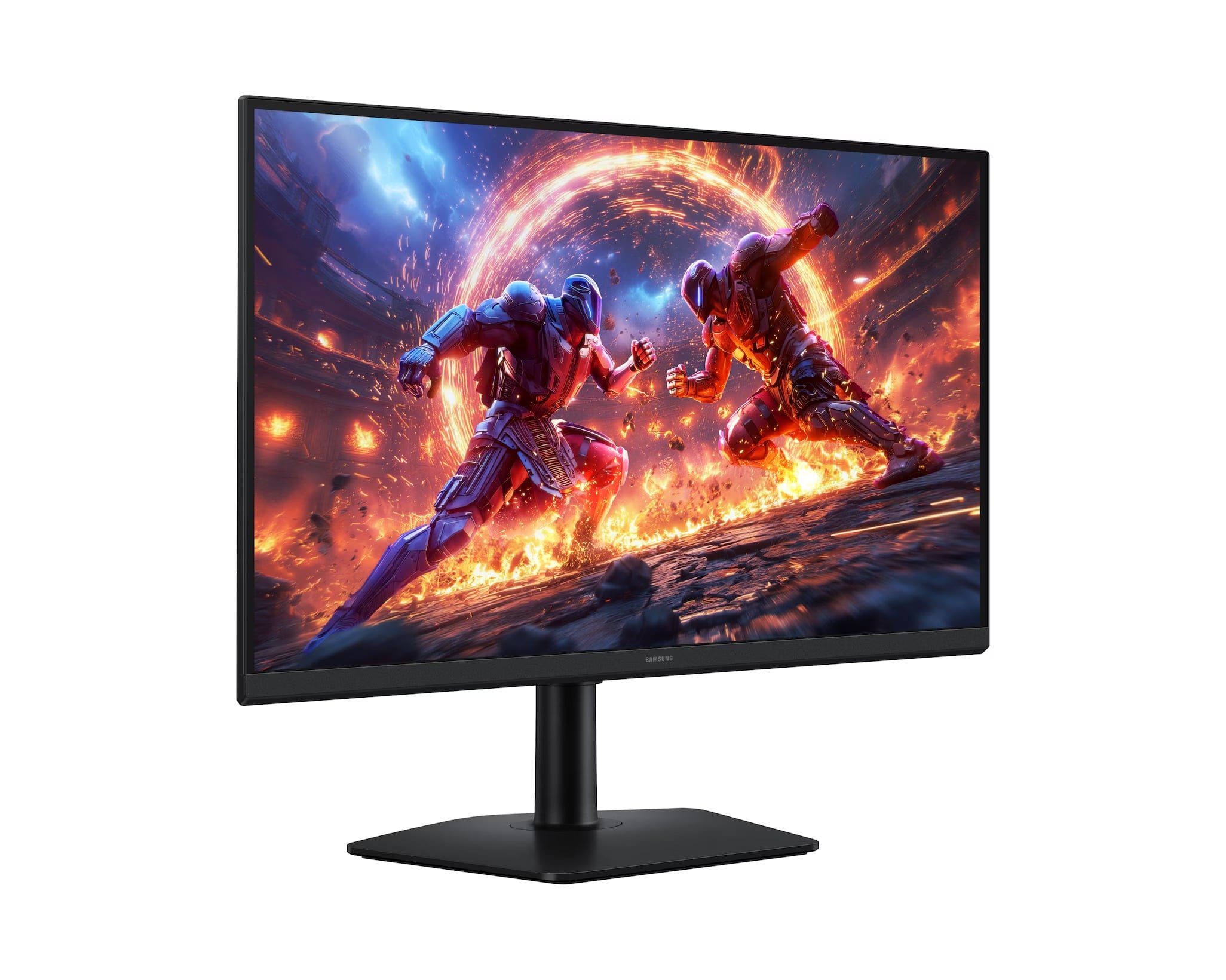
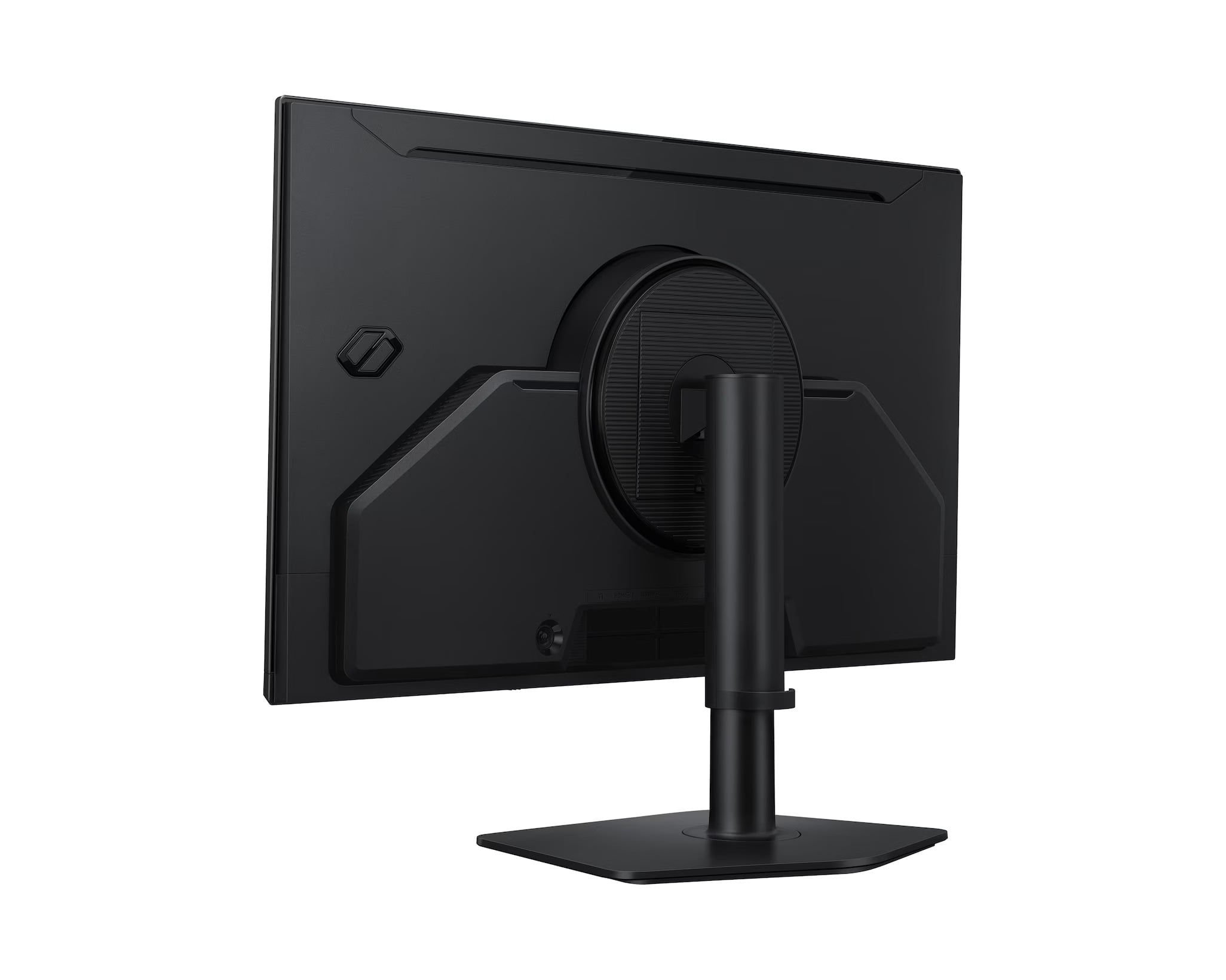
Samsung has officially announced the US launch of the Odyssey G6 (G60H), a 27-inch gaming monitor that pushes display speed to new technical limits. Originally showcased at Gamescom 2026, the G6 is the first gaming monitor to support a 1,100Hz refresh rate. It will be available at US retailers in December 2026 for $899.99.
The monitor features a dual-mode that lets you switch between two resolution and refresh rate options. You can reach the maximum 1,100Hz refresh rate at HD resolution or switch to its native QHD (2560 x 1440) resolution at 600Hz for sharper visuals. This allows you to prioritize higher refresh rates for competitive gaming or better image quality for more graphically demanding titles.
Underneath the hood, the G60H uses a flat 27-inch IPS panel. It features a 1ms gray-to-gray (GtG) response time and supports both AMD FreeSync Premium and Nvidia G-Sync compatibility to keep screen tearing in check. Samsung is also introducing a feature called Odyssey Clear Motion, which is an optimized blur reduction algorithm designed to keep fast-moving objects crisp during gameplay.
In terms of visuals, the monitor covers 99% of the sRGB color gamut and supports HDR10+ Gaming. Since it uses an IPS panel, you won’t get the deep blacks typically associated with OLED displays. It offers a standard 1,000:1 contrast ratio and a peak brightness of 450 nits. You also get a Black Equalizer feature that helps improve visibility in darker areas, making it easier to spot enemies hiding in the shadows.
For connectivity, Samsung is including a DisplayPort 2.1 slot alongside two HDMI 2.1 ports, which is a welcome addition for future-proofing your setup. The stand is fully ergonomic, offering height, tilt, swivel, and pivot adjustments.
In related news, AOC has recently launched a new 27-inch 1440p monitor with a 120Hz refresh rate and 96W USB-C charging, alongside the Q16T36 portable monitor featuring a 2.5K 120Hz display and 45W reverse charging.
Samsung helped pioneer side-curved screens more than a decade ago with the Galaxy Note Edge in 2014. The idea spread widely across Android phones before most brands abandoned aggressive curves in favor of flat panels with ever-thinner bezels. In 2027, Apple is widely expected to revive a more refined version of the concept for its 20th-anniversary iPhone. Now reports suggest Samsung, Xiaomi, and Oppo are already exploring similar territory.
Leaks and analyst notes point to the iPhone 20 Pro featuring a glass front that curves gently on all four sides, paired with a metal frame and glass back. The goal is an almost borderless look that feels more polished than earlier Android experiments. When that phone arrives in September 2027, it may not have the stage to itself. South Korean tipster Landsk, citing industry sources, says Samsung is working on a Galaxy flagship with comparable near-bezel-free design traits. The exact model has not been named.
Xiaomi and Oppo are also said to be in the mix. Leakers on Weibo report that Oppo is developing a design for a 2027 flagship, commonly linked to a Find X11 Pro Max, that uses a flat display panel covered by glass curving on all four edges. Digital Chat Station has described bezels as thin as 0.3 mm, creating a nearly seamless front that aims to match or approach the visual effect expected from Apple.
Comparison
The OPPO Find X9 Ultra has a 6.82-inch 144Hz LTPO AMOLED display with 3600 nits peak brightness.
Xiaomi, meanwhile, is reportedly preparing its next flagship series (referred to as Xiaomi 19 in current leaks) with both flat and curved cover-glass options. At least one model is expected to use the more ambitious curved treatment.
The broader pattern is familiar: when Apple commits to a major design shift, Android brands often respond quickly. Curved displays faded because of practical drawbacks, including accidental touches, glare, and difficult screen protectors. The new generation of subtler “micro-curves” or curved cover glass over flat panels is intended to deliver the immersive look without those earlier problems.
The iQOO 16 is a step closer to India after a dedicated Amazon India page briefly went live, marking the flagship as coming soon and showing OriginOS 7. iQOO has confirmed a local launch but has not named a date. A device identified as the iQOO 16R has also appeared on Geekbench, with a Snapdragon 8s Gen 4 chip, 12GB RAM, and Android 17.
iQOO 16 Amazon India page goes live
iQOO 16
Tipster PassionateGeekz shared screenshots of a dedicated iQOO 16 page on Amazon India that has since been pulled. The page used official product imagery, a “Coming Soon” label, and a “Powered by OriginOS 7” mark. The tipster said the phone will launch in India next month, though iQOO has not set a date after confirming the local arrival at India Mobile Congress 2026.
The Indian model will use Qualcomm’s Snapdragon 8 Elite Extreme Gen 6, a 2nm chip clocked at up to 5.01GHz, matching the China model that launched in September. A global unit appeared on Geekbench with 12GB RAM, running Android 17, and scored 2,944 in single-core and 10,029 in multi-core. In China, the phone has a 6.85-inch 2K AMOLED display with a 165Hz refresh rate, an 8,400mAh battery with 100W wired and 40W wireless charging, and a triple 50-megapixel rear camera. The base 12GB + 256GB model opened at CNY 5,999. Indian pricing has not been announced.
iQOO 16R Geekbench listing reveals Snapdragon 8s Gen 4
iQOO 16R
Tipster Abhishek Yadav spotted a vivo I2606 on Geekbench and says it is the iQOO 16R. The listing uses Qualcomm’s SM8735, sold as the Snapdragon 8s Gen 4, with eight cores running at up to 3.21GHz and an Adreno 825 GPU. The tested unit had 12GB RAM, ran Android 17, and scored 1,775 in single-core and 6,680 in multi-core.
iQOO 16R appeared on Geekbench for the first time.
Model: vivo I2606 Single-Core: 1775 Multi-Core: 6680
iQOO has not confirmed the commercial name. The I2606 model number was initially spotted as the iQOO 16R in the IMEI database, and it later appeared in Malaysia’s SIRIM and Indonesia’s SDPPI certifications with the iQOO 16s branding. It has also cleared BIS certification in India. If it succeeds the iQOO 15R, which arrived in India in February with a Snapdragon 8 Gen 5, the shift to an 8s-series chip would be a step down. Other specifications and a launch date have not been announced.
Tecno launched the Pova 8 5G in June, with India as the first market, at a starting price of Rs 29,999 and with an 8,000mAh battery. The Pova 8 Pro 5G arrived in August, starting at Rs 49,999. After years as a Tecno sub-series, Pova has now become a separate brand and has registered its own trademark in India.
Intellectual Property India’s certificate No. 4019895 lists Pova’s new wordmark under Trade Mark No. 7334998, dated November 11, 2025. The Class 9 registration covers smartphones, laptops, tablets, earphones, smartwatches, smart glasses, routers, power banks, and TVs, and even humanoid robots, though a listing only reserves the name and does not confirm that every product will launch.
The filing fits a familiar pattern of phone sub-series that later became standalone brands, including Poco from Xiaomi, iQOO from Vivo, and Realme from Oppo. It also runs against a recent trend of brands trimming their lineups rather than adding new labels. For Indian buyers, a separate Pova brand could mean its own marketing, pricing, and a wider accessory and gadget range alongside phones.
Pova has already expanded beyond phones in India, launching the Pova AI Buds Pro in August at Rs 14,999. Tecno India has said it is building Pova as a distinct brand with a dedicated team and a planned flagship store, with a broader ecosystem still being worked out. Current Pova phones remain listed on Tecno’s Indian website. A formal launch timeline, leadership appointments, and the first phones sold only under the Pova name have not been announced.
Oppo began sending ColorOS 17 to the Find X9 series in India in late October, ahead of the planned date, and launched the Find X10 and Find X10 Pro Max in the same month with the software already installed. The company is now rolling out a November ColorOS 17 monthly update in India, adding photo export controls, new OSee tools, and other changes on nine eligible phones.
Photo export, OSee upgrades, and the nine phones on the list
ColorOS 17 Flexible Image Export
The update is rolling out in phases from November 1 to 30 to the Find X10 Pro Max, Find X10, Find X9 Ultra, Find X9 Pro, Find X9s, Find X9, Find X8 Pro, Find X8, and Reno 16 5G. This is a feature drop for phones already on ColorOS 17, not the separate November wave taking the full OS to older Reno models.
In Photos, Flexible Image Export lets you pick a resolution and compression level, or a custom size that keeps the original aspect ratio, before you save or share a picture, which is useful when a full-resolution file is too large for a messaging app. You can delete a photo from the phone and the cloud, or clear only the local copy. Backed-up items stay in Recently Deleted for 60 days; others stay for 30 days.
ColorOS 17 customizable photo deletion
OSee, the camera assistant in ColorOS 17, now works in landscape and can identify objects in the viewfinder. The Phone app can announce incoming calls at all times, or only with Bluetooth or headphones; Oppo says this depends on the pre-installed Phone app and may vary by model. Text translation is updated to keep the original tone and to look up word meanings. The Calculator has a redesigned layout that switches among Basic, Scientific, and Converter, with a History list and unit conversions.
ColorOS 17 OSee object recognition
O+ Connect 17.100.10 or later can put a phone and a tablet on the same PC at once, and a remote session can unlock that PC with a saved password. New, resizable home screen widgets cover One-tap Boost, Storage Cleaner, Battery Usage, and Contacts. Hidden apps get a toggle that returns you to the home screen after you close one, and Oppo also lists stability fixes.
Gaming keyboards have gotten a lot faster in 2026, but speed alone isn’t enough to make one worth buying. Magnetic switches, adjustable actuation points, and Rapid Trigger technology have become increasingly common, giving players more control over how their keyboards respond. Even 8,000Hz polling rates are appearing on relatively affordable models.
The differences now come down to how well manufacturers put these features together. Some keyboards are built almost exclusively for competitive shooters, while others pay more attention to typing comfort, customization, and design.
We’ve picked six gaming keyboards that offer something worthwhile, whether you’re chasing faster inputs or simply looking for a better everyday keyboard.
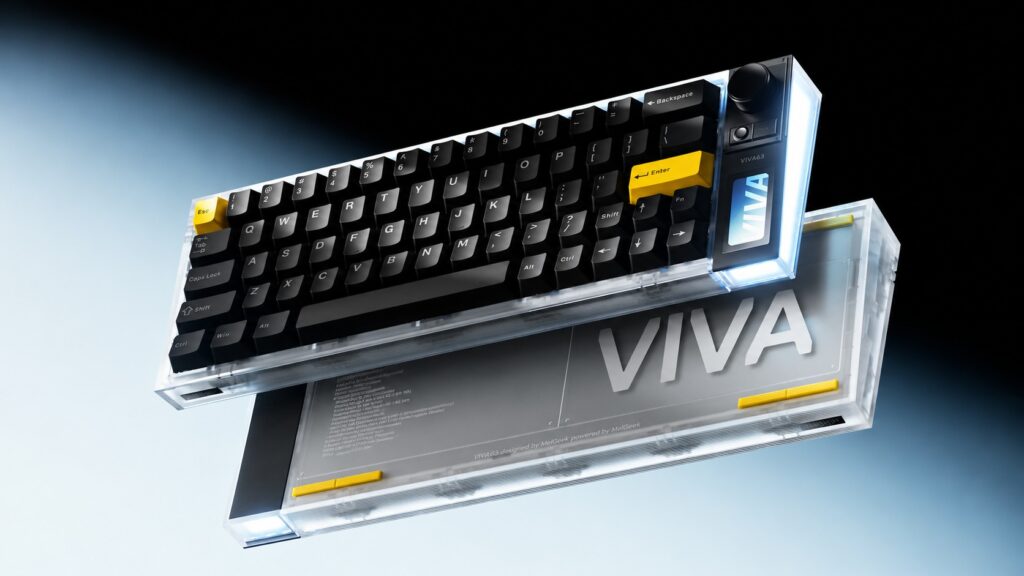
The VIVA63 brings together high-end gaming hardware and a design that feels refreshingly different from most gaming keyboards. MelGeek has given it a transparent body, elaborate RGB lighting, and a dedicated control hub, making it one of the more visually interesting keyboards on this list.
The keyboard uses custom TTC Pro KOM HE magnetic switches paired with MelGeek’s third-generation OriginLink platform. Its six-core architecture distributes input processing across different key zones, helping maintain consistent responsiveness during fast-paced gaming. You also get an 8,000Hz polling rate, 16,000Hz per-key scanning, and a claimed latency of just 0.125ms.
The VIVA63 lets you adjust actuation between 0.1mm and 3.4mm, while Dynamic Rapid Trigger sensitivity can be tuned from 0.01mm to 2.5mm. Players can also customize how opposing directional inputs are handled through SOCD controls and assign multiple actions to individual keys using Dynamic Keystrokes. To keep these inputs accurate and consistent, MelGeek uses its MagShield technology to reduce magnetic interference between neighboring switches.
MelGeek has put just as much effort into the keyboard’s appearance and physical controls. The transparent chassis allows its 270-degree surround RGB lighting to shine through, giving the VIVA63 a distinctive look. There’s also the LumiDeck control hub, which combines a 1.58-inch OLED touchscreen with a rotary knob and dedicated physical buttons for convenient adjustments. The keyboard uses gasket-mounted construction, double-shot PBT keycaps, and internal sound dampening for a more comfortable typing experience.
The VIVA63 costs $199 and delivers solid specs alongside some genuinely useful extras. Its well-rounded approach to performance, customization, and design makes the VIVA63 our best overall pick on this list.
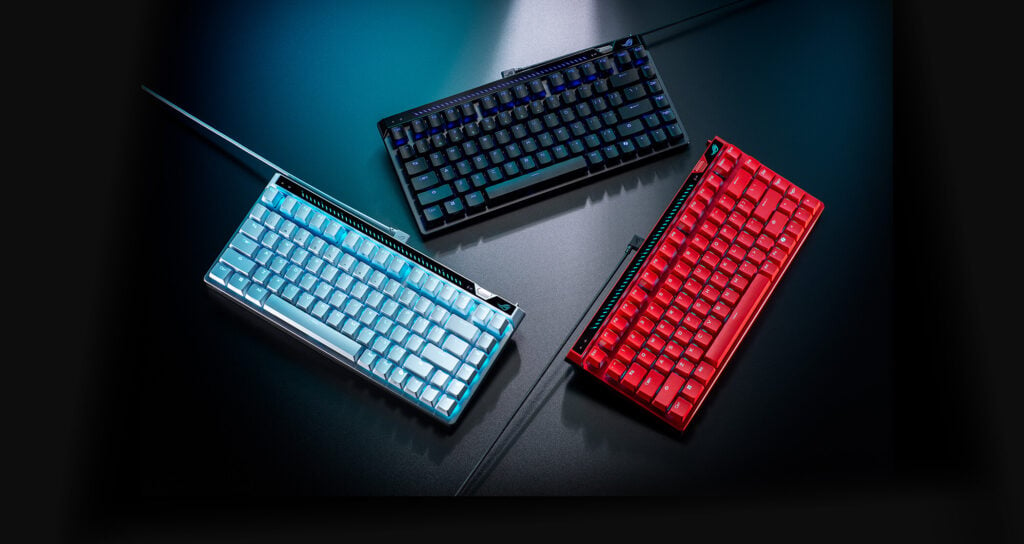
Asus has packed plenty of competitive gaming features into the ROG Falchion Ace 75 HE without making the keyboard unnecessarily complicated. Its 75% layout keeps the function row and dedicated arrow keys, making it easier to live with than smaller keyboards that bury everyday shortcuts behind key combinations.
The keyboard uses hot-swappable ROG HFX V2 and V2X magnetic switches, with actuation adjustable from 0.1mm to 3.5mm in 0.01mm increments. There’s an 8,000Hz polling rate, Rapid Trigger for faster repeated inputs, and Speed Tap for prioritizing directional commands during quick movements.
You don’t need to open software every time you want to make an adjustment, either. Asus includes a dedicated sensitivity wheel, Rapid Trigger toggle, and interactive touch panel for media controls and other settings.
Asus has also paid attention to how the keyboard feels and sounds during everyday use. The company has fitted six layers of PORON and silicone dampening to reduce unwanted noise and vibrations, while the double-shot PBT keycaps are designed to withstand prolonged use. There’s even a protective carrying case included for taking the keyboard to gaming events or LAN parties.
The ROG Falchion Ace 75 HE costs around $219.99, making it a premium option for competitive players who also want a practical keyboard for everyday use.
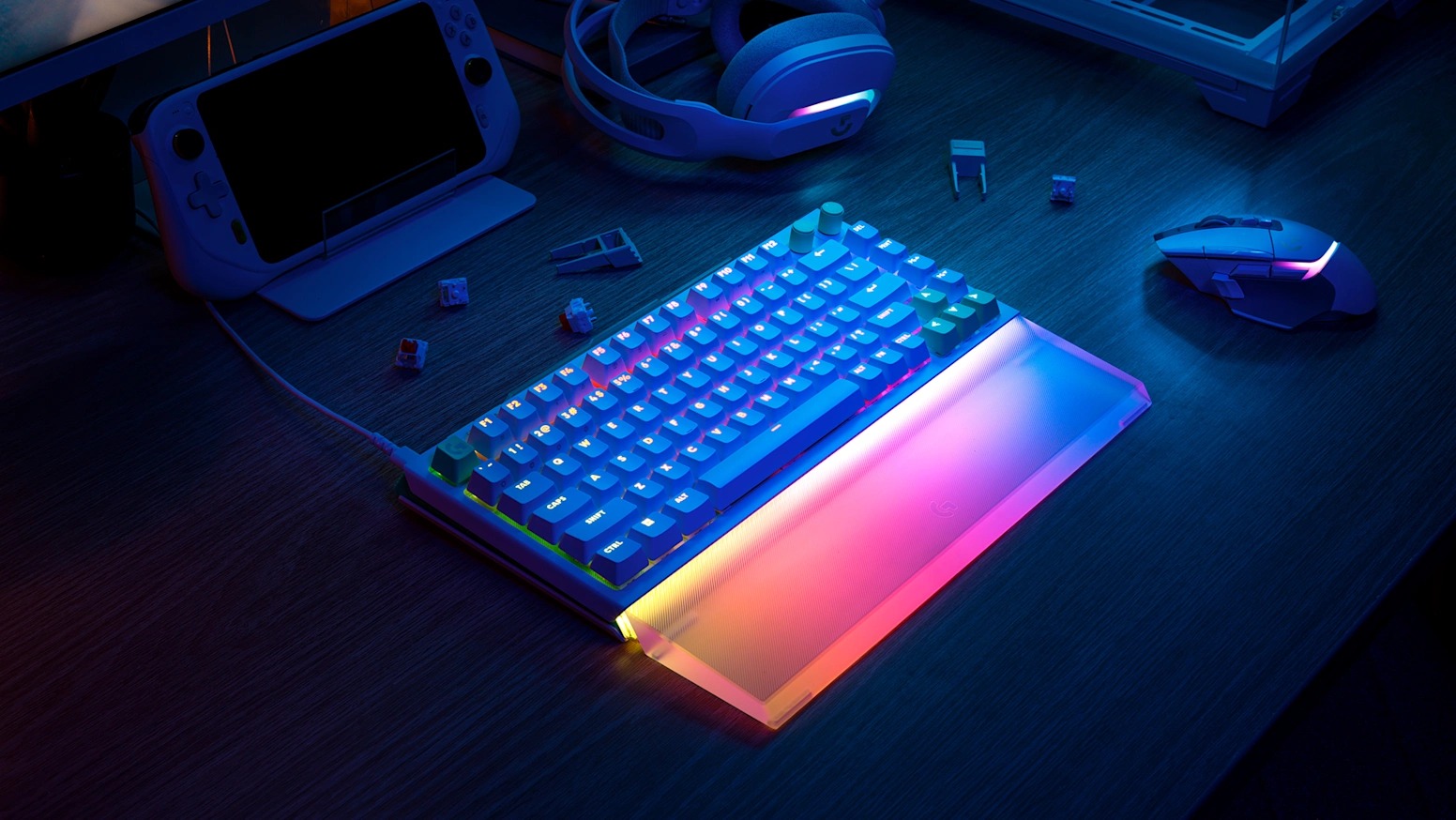
Most gaming keyboards make you choose between mechanical switches and newer magnetic technology. Logitech‘s G512 X 75 tries to give you both, which makes it an interesting option if you’re not ready to commit entirely to magnetic gaming switches.
Its Dual Swap system uses Tunnel Magnetoresistance (TMR) sensors across 39 switch positions, allowing those sockets to accept either magnetic analog switches or conventional three- and five-pin mechanical switches. All 81 positions support mechanical switches, and Logitech includes nine Gateron KS-20 magnetic switches so you can experiment with analog controls.
The G512 X 75 also supports an 8,000Hz polling rate, putting it alongside several more gaming-focused alternatives. Logitech has opted for a silicone gasket-mounted design to give the keyboard a softer typing feel, while double-shot PBT keycaps and LightSync RGB lighting provide the familiar premium touches.
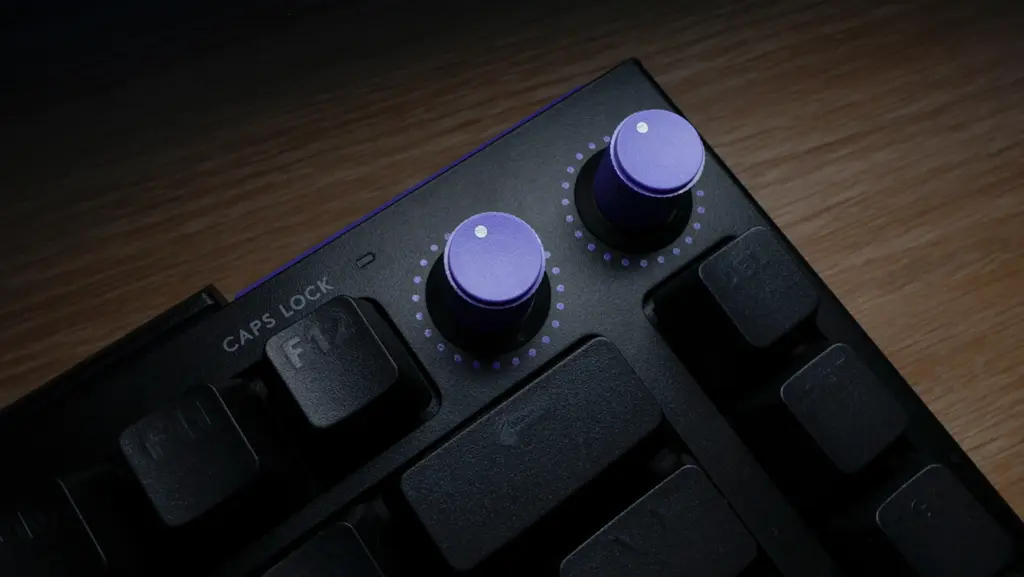
The keyboard also comes with two programmable rotary dials that can be used to adjust volume, trigger macros, or control other functions. Logitech G HUB handles the deeper customization, including lighting effects, key assignments, and gaming profiles.
The G512 X 75 normally costs $179.99, although promotional pricing has brought it down to $159.99. Its biggest appeal is the freedom to experiment with different switch technologies without having to buy an entirely new keyboard.
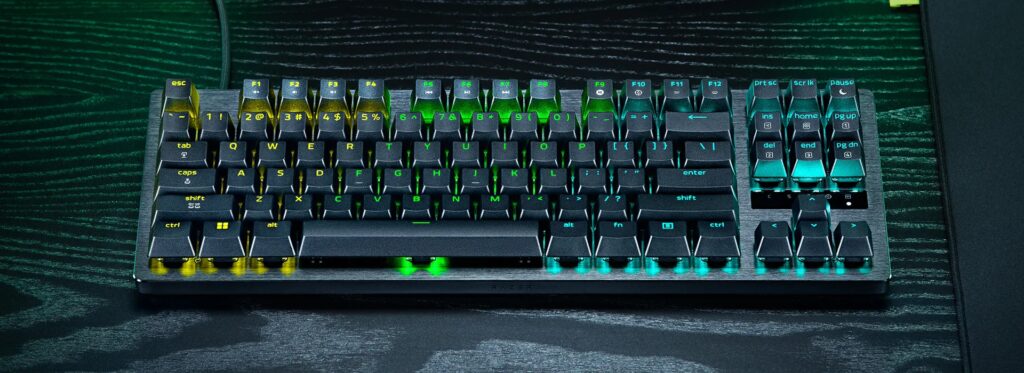
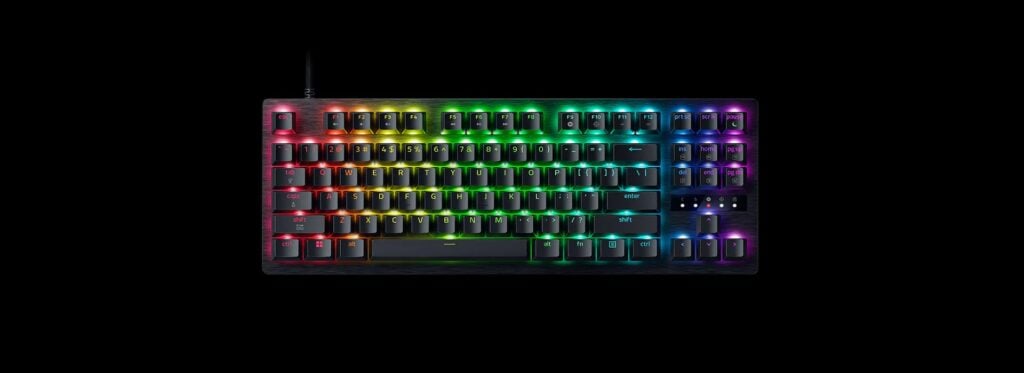
The Huntsman V3 Tenkeyless 8KHz is less concerned with unusual designs and more interested in getting your inputs registered as quickly as possible. It’s aimed squarely at competitive players, particularly those spending hours in fast-paced shooters.
Instead of magnetic switches, Razer uses its second-generation analog optical switches. These support adjustable actuation between 0.1mm and 4.0mm, while Rapid Trigger lets keys reset after as little as 0.1mm of upward movement. The keyboard also supports an 8,000Hz polling rate through Razer’s HyperPolling technology, with the company claiming an average input latency of 0.48ms under its own testing conditions.
Razer has also included its Snap Tap feature, which is designed to make quick directional changes easier in competitive games. When two opposing movement keys are pressed together, such as A and D, the keyboard can prioritize the most recently pressed key without requiring you to release the other one first. Players can also adjust actuation points and Rapid Trigger sensitivity directly from the keyboard without opening Razer Synapse.
The tenkeyless layout retains dedicated arrow and function keys, and Razer hasn’t neglected build quality. The keyboard features an aluminum top plate, lubricated switches, foam dampening, and double-shot PBT keycaps.
The Huntsman V3 Tenkeyless 8KHz starts at $169.99. It makes a strong case for itself if competitive gaming is your main priority, particularly if you prefer optical switches over the magnetic alternatives dominating much of the market.
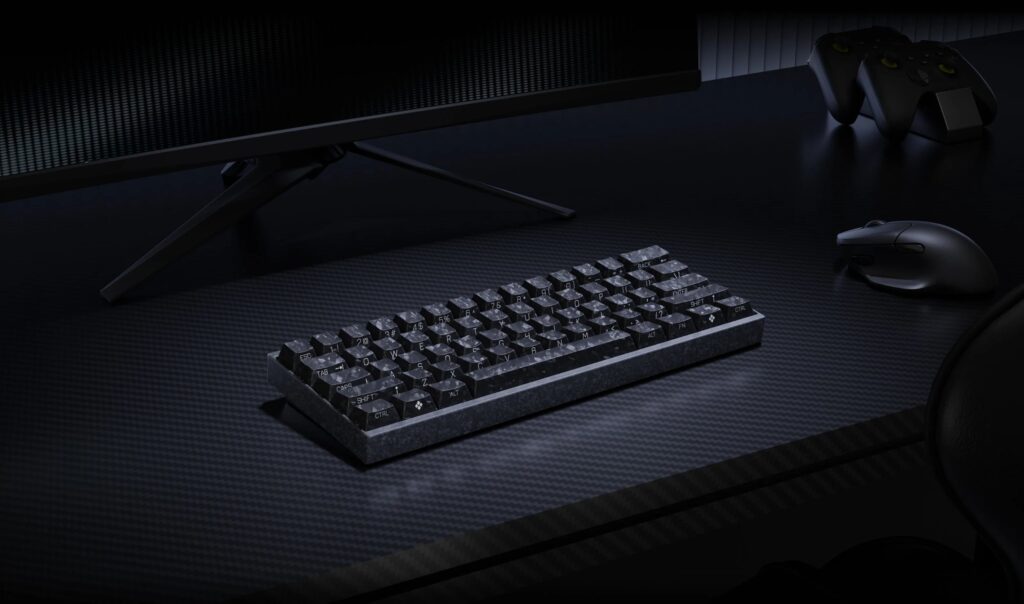
Keychron‘s Carbon 60 HE 8K takes a rather unusual approach to keyboard construction. Instead of relying on a conventional plastic or aluminum body, Keychron has used carbon fiber composite materials for the chassis, plate, and even the keycaps.
Keychron says the housing contains approximately 60% carbon fiber and offers more than ten times the flexural rigidity of ordinary plastic. The keyboard weighs around 740 grams, giving it a substantial build despite its compact 60% layout.
Underneath the carbon fiber keycaps are hot-swappable Ultra-Fast Lime magnetic switches. You get an 8,000Hz polling rate, adjustable actuation between 0.1mm and 3.5mm, and sensitivity adjustments as fine as 0.005mm within the 2.51-3.50mm travel range.
Keychron has also included Rapid Trigger for faster key resets and Dynamic Keystrokes for assigning different actions based on how far a key is pressed. The keyboard supports analog inputs, while its last-key priority feature helps manage opposing directional commands during gaming. You can customize these settings through Keychron’s browser-based Launcher software, which also includes an AI assistant to help navigate the available options.
The keyboard supports Windows, macOS, and Linux, making it suitable for different desktop setups. The Carbon 60 HE 8K costs $234.99, putting it among the more expensive options here. Its carbon fiber construction is a big part of the appeal, especially for enthusiasts who want something different from the usual gaming keyboard.
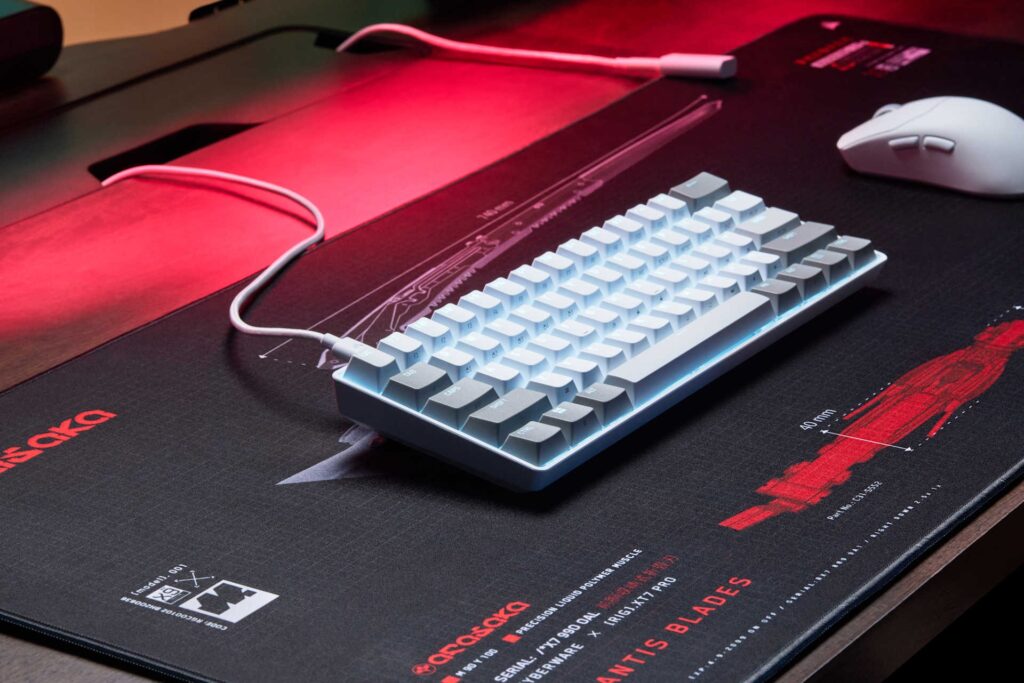
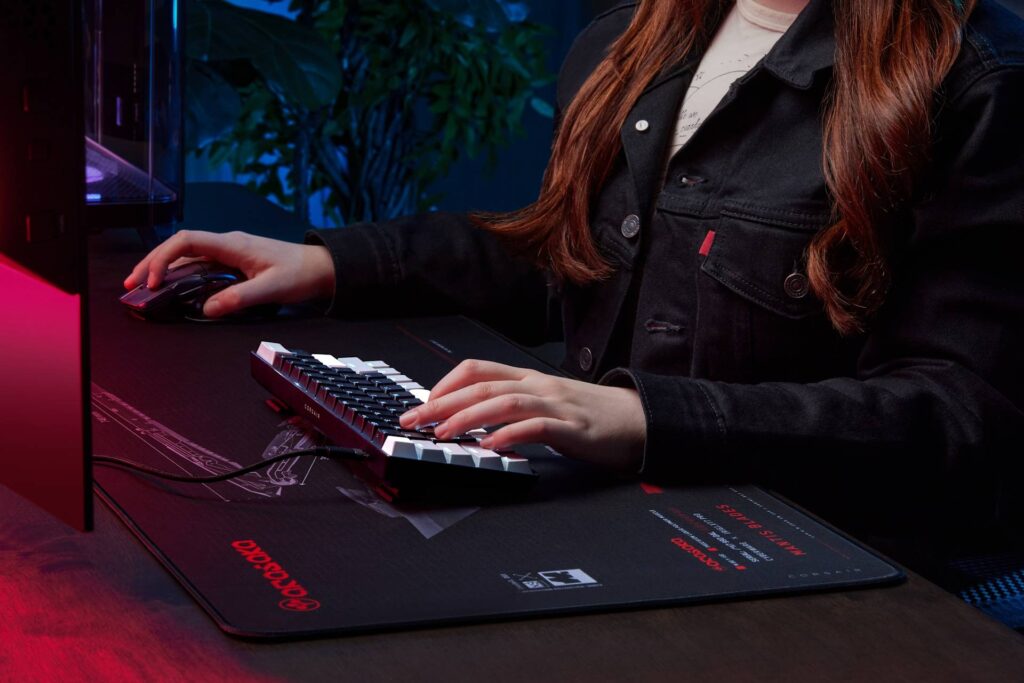
You don’t necessarily need to spend $200 to get a fast magnetic gaming keyboard. Corsair‘s Clipper Pro Mini 60 brings many of the features found on more expensive models to a compact 60% design, with a regular price of $99.99.
The keyboard uses Corsair MGX Hyperdrive Core magnetic switches, which support adjustable actuation between 0.2mm and 3.8mm and are rated for 100 million keystrokes. Rapid Trigger allows keys to reset quickly, while Multi-Action lets users assign different commands based on how far a key is pressed. Tap Lock adds another way to customize input behavior.
Corsair has also included an 8,000Hz polling rate through its AXON technology. The company’s FlashTap feature gives players control over how the keyboard handles opposing directional inputs, such as pressing left and right movement keys simultaneously. This can make rapid directional changes easier in competitive shooters.
The Clipper Pro Mini 60 also carries an IP57 rating for dust and water resistance, providing an extra layer of protection against accidental spills. Corsair has included full N-key rollover and five onboard profiles, allowing users to save their preferred settings directly to the keyboard.
The Clipper Pro Mini 60 has reportedly been discounted to around $70-$80, making it considerably more affordable than most of the keyboards on this list. For gamers who want magnetic switches, fast polling, and extensive input customization without spending flagship money, Corsair has put together a compelling package.
Ok, Black Friday has finally arrived. Here at Gizmochina, we review the phones and stuff, and also try to provide the best deal for you on Geekwills. The Black Friday Sales are:
– 5% off on all phones, and there are special discounts on some phones, the two discounts can not be combined.
Very clear rule right? Now let’s get into the phones we recommend the most, and there are links emebaded into the titles, those will take you right to the shopping pages.
Ok, flagships. First, the OPPO Find X10 Pro Max. It positions itself through balance rather than any single headline feature. Its key decision is putting large sensors behind all three 200MP cameras, including an ultra-wide that shows minimal fringing and handles video particularly well. The main camera delivers strong dynamic range, though default sharpening can be reduced via the Master Mode. The 70mm telephoto is carried over from last year but remains capable up to 140mm, with usable results beyond and macro support. The camera module is positioned to keep fingers clear, and the phone is lighter than its main rivals. The display offers 144Hz refresh rate, 95% BT.2020 coverage, and a removable AR anti-reflection film that improves outdoor visibility. The Dimensity 9600 Pro excels in light-to-moderate gaming, with lower power draw than Snapdragons, though heavy-load gaps narrow. An 8,000mAh battery can last a full day of use, but 80W charging takes over 80 minutes, a bit slower than many rivals. Overall, it is still the most balanced phone we think.
The HONOR Magic 9 Pro Max is built around mobile video creation through a partnership with ARRI. The camera module includes a 200MP main camera with f/1.57 aperture, and CIPA 8.0 stabilization, a 200MP 3.5x telephoto reaching 200x digital zoom, and a 50MP ultra-wide. A dedicated ARRI CINEMA Mode records 4K 60fps in ARRI LogC3, with 10-bit color, supported by 14 preset looks and other luts. The 6.8-inch flat LTPO display runs adaptive 120Hz with 4,320Hz PWM dimming. The Snapdragon 8EE6 scores is the most powerful chip on Android now. An 8,800mAh battery supports 100W wired and 80W wireless charging, with over seven hours of 4K recording in HONOR’s test. It offers both 3D face unlock and ultrasonic fingerprint scanning, plus IP68/69/69K ratings. It is overall a very strong phone without any shortcomings.
The vivo X500 Pro Max is a regular update to the X300 Pro, changing little in design or camera hardware. The main camera gains LOFIC technology for better dynamic range, with an Authentic lighting mode available. The telephoto uses the same 200MP-class sensor as recent generations, capturing usable images even at 30x or 60x zoom, with reliable night performance and macro support. The ultra-wide is the weakest camera, it performs not that perfect in low light. For video, the main camera now supports 4K 240fps slow-motion recording. The Dimensity 9600 Pro chip supports super resolution and frame interpolation across more games than most rivals, and its 8,000mAh battery fixes last year’s endurance issues. Charging is 90W wired and 40W wireless, taking about 65 minutes from empty. The thick camera bump makes grip comfort a drawback, though it remains the lightest in its class, highly recommend this one if you like photography.
The Xiaomi 18 Pro Max keeps the rear display, now with flush lenses, notification support, screenshots, and AI-generated custom functions. These additions contribute to its weight, making it the second-heaviest phone among the flagships. The most debated feature is the privacy display, which dims off-angle viewing and offers area protection, but with some costs, you can watch the full review for it. Performance is much improved over the 17 Pro Max, sustaining peak output in demanding games without early throttling. The 200MP main camera with LOFIC delivers strong dynamic range, paired with a lighter Essential mode offering higher contrast, and a CCD-style filter. The 75mm telephoto performs well at long zoom, also with macro capability, though white balance is slightly inconsistent. The 17mm ultra-wide is the same as the front camera sensor, and performance is not that good. A 100W charge fills the battery in about an hour. So if you like the back screen, this one is still worth it.
The HUAWEI Mate 90 Pro Max continues the Mate series’ centered circular camera design with a back panel featuring four-directional patterns, a glossy lower section flowing into the frame, and a back cover blending aluminum alloy with fiberglass. The Pro Max and Collector’s Edition run the Kirin 9050 Pro, built on Huawei’s Tau Scaling Law that theoretically doubles transistor density, paired with HarmonyOS. The main camera keeps its variable aperture and gains an anti-glare infrared coating, while the telephoto jumps to a 200MP sensor. The Ultimate and Collector’s Editions add three contact points under the camera module for a motorized external zoom lens with its own one-inch sensor, offering true 24mm–240mm optical zoom with stabilization. The updated Tandem OLED display improves slightly over the Mate 80 Pro Max, with three top cutouts housing the front camera and 3D structured light module; the body is slightly wider than typical smartphones. Battery capacity rises from 6,000mAh to 6,800mAh—still behind competitors on raw size, with Huawei relying on chip-level efficiency. A global release remains unconfirmed.
Now these are the newest flagships. We have also reviewed some of the Pro or standard versions, as well as the previous Ultra phones released more than 6 months ago, you can find them in our channel. Next let’s get to the foldables.
The OnePlus 16 is defined by one number: a 9,000mAh battery, up from 7,300mAh on the OnePlus 15, while most flagships sit between 5,000 and 6,000mAh. This shapes everything else—the phone is heavy and notably wide at 76.67mm, wider than the Galaxy S24 Ultra, which smaller-handed users will notice. The 6.78-inch 1.5K display now runs 165Hz system-wide, not just in supported games. The main camera gets its first proper sensor upgrade in years: 200MP on a 1/1.4-inch sensor, improving low-light capture and enabling heavy cropping, though processing takes a second. The 50MP 3.5x periscope telephoto and 50MP ultrawide carry over unchanged, while the front camera rises to 50MP with autofocus. The Snapdragon 8 Elite Extreme Gen 6 handles games at maximum settings, with a larger vapor chamber positioned away from where hands rest in landscape. Charging drops from 120W to 100W wired—a full charge takes about 50 minutes—while 50W wireless and bypass charging remain. OnePlus promises at least 80% battery capacity after five years.
Note: the phone is China-only, as OnePlus has exited North America and Europe.
The Find X10 series reshuffles its lineup into three models: the X10 E, essentially a minor X9 refresh running the Dimensity 9500s; the standard X10; and the X10 Pro Max—effectively last year’s Pro renamed. The X10 and Pro Max share a stepped rectangular design layered over the X9’s base, with the white Pro Max skipping the step for a cleaner camera-like look; the camera shutter button is officially gone after two generations. Both use TIANMA displays with 1–144Hz adaptive refresh, BT.2020 gamut, narrower bezels, and a pre-installed AR-coated screen protector worth keeping. The standard X10 runs the Dimensity 9600M—a chip the reviewer argues deserves a “9500+” name—while the Pro Max gets the true 2nm 9600 Pro. The Pro Max debuts three 200MP cameras simultaneously, with the ultrawide finally getting a large sensor, reaching Ultra-level territory. The standard X10’s ultrawide remains its weakest camera. Both models fit 8,000mAh batteries despite the size difference, with 80W wired and 50W wireless charging. The standard model suits those wanting a smaller phone without sacrificing battery; the Pro Max targets photography and performance.
The vivo X500 series arrives in three sizes—large, medium, and small—with repositioned models: the standard version grows, the Pro shrinks, and the new Pro Max takes the X300 Pro’s place as vivo’s top all-around flagship. The standard X500 gets the most design change, moving its camera module to the top-left in a rectangular raised section, while the Pro and Pro Max retain the familiar centered circular module with an AI button and a sloped back transition. All three use BOE panels with 144Hz refresh, though only the standard version is LTPS and only the Pro Max reaches 2K resolution. The Dimensity 9600M powers the standard model, with the 2nm 9600 Pro in both Pro models. Cameras form the real differentiation: the Pro Max adopts the X300 Ultra’s 200MP telephoto with improved main camera dynamic range and stabilization, though its ultrawide is deliberately held back for next year’s Ultra; it also supports a 400mm teleconverter. The Pro’s telephoto shrinks in sensor and pixels, and the standard X500 drops LOFIC and shortens its telephoto to 70mm. Battery capacities rise significantly, with the Pro Max gaining roughly 1,500mAh (23%)—directly addressing X300 battery complaints.
The Xiaomi 18 Fold first, it adopts the passport-style form, with all three cameras placed horizontally above the battery. Despite its compact body, it keeps an IR blaster, NFC, and UWB. At under 220g it is lighter than many regular smartphones, though eSIM is missing, and both speakers sit on the same side. Both displays use full RGB subpixels, with an AR coating on the inner screen and a shallow crease, but it doesn’t support stylus. The XRING O3 chip delivers strong peak performance on paper, yet thermals limit it quite a bit. The camera system uses the same sensors as the REDMI K100 Pro Max, with an 80mm telephoto and a narrow 17mm ultra-wide. A 6,000mAh battery offers endurance comparable to regular phones, charging fully in 50 minutes via 67W wired with 50W wireless support. Since it likely won’t receive a global release, buying from Geekwills is the best way to get it.
The HUAWEI Pura X Max is HUAWEI’s second foldable with a wider aspect ratio, following the original Pura X from last year. Rather than making the folded phone feel like a normal smartphone, it prioritizes the inner display experience: the wide screen minimizes wasted space when watching video, with a 5.4-inch outer display also. On the software side, HUAWEI also did some optimization, making it very user-friendly. On hardware, the Pura X Max keeps a full camera system with no compromises. The leak-based comparison suggests the crease on rivals like the Find N6 is nearly invisible, though no specific weaknesses of the Pura X Max itself are detailed here.
Now the HUAWEI Pura X View is not a foldable, but it has been such a hot item right now. It is like a non-folding sibling to the Pura X, sharing a similar 16:9.5 wide screen, that sits just a bit taller than standard 16:9 video. At about 201g with no heavy camera module, it is light and comfortable to hold, thin enough for a pocket, though the glossy slim frame can be slippery to pick up. The wider body fits a 7,000mAh battery. In use, the extra width benefits typing, document viewing, reading, and video. The keys are wider, naturally you will make fewer mistypes, though one-handed typing requires the one-hand mode. The screen area is like a Kindle Paperwhite for reading. And 16:9 or 2:1 video shows less wasted space than on regular phones. Gaming offers more vertical content, and a larger cooling plate keeps temperatures down. It runs a Kirin 9030S chip, with 12GB RAM and HarmonyOS 7. Cameras include a 200MP main, 50MP telephoto, 8MP ultra-wide, and a 50MP front camera with second-gen RYYB sensor. The OLED display is FHD+ with 406 PPI, protected by Kunlun glass, rated IP68, with 66W wired and 50W wireless charging, dual SIM, and eSIM. This phone is actually suitable for everyone.
More Affordable
Now again, because of the price surge this year, you may want to get the more affordable phones, here are two that we recommend.
The REDMI K100 Pro Max prioritizes price control, landing at around $700 with some spec compromises. The signature 2.1-channel speaker system with a subwoofer is still here, offering clear output even at maximum volume, though the low end has slightly regressed, due to a larger battery squeezing the acoustic chamber. The display is a major upgrade: near-2K clarity via Xiaomi’s HyperRGB pixel arrangement, a manual brightness over 900 nits, and first-ever BT.2020 gamut support. It runs the Snapdragon 8 Elite Gen 5, handling everyday and moderate gaming well, though heavy loads like custom Genshin maps push temperatures to 46°C; a D2 chip enables frame interpolation up to 165fps in all games. The 200MP main camera uses a smaller sensor than its predecessor but delivers solid results, with excellent In-Sensor Zoom bridging the gap to the 120mm telephoto, which has erratic white balance. Video performance drops noticeably in low light, rating well below its stills. Battery life is top-tier, with 100W wired charging filling it in 65 minutes and 27W reverse charging that can nearly replace a power bank. If you care about specs and price, this can be the perfect one.
The HONOR WIN RT 2 builds on the value-focused formula, with a battery that grows from 10,000mAh to over 12,000mAh. In testing, a single charge survived a full day of intensive use and gaming with 17% remaining, so the phone can actually last over two days of normal use. The built-in single fan now includes a Rapid Cooling mode, that drops temperatures by 10°C in 100 seconds, and it can run while the microphone is active, so gaming calls no longer require headphones, though the fan is loud at maximum speed. It uses the Snapdragon 8 Elite Gen 5, a cost-driven choice. The 2K 185Hz LTPS display delivers strong sharpness and smoothness, but the top refresh rate only works in some apps, and must be enabled in Developer Options. Camera performance is basic: the 200MP main sensor produces acceptable photos through cropping, video quality resembles a $300 phone, and there is no telephoto. Gaming performance is mixed, light workloads run well, but demanding games like Honkai: Star Rail throttles and push surface temperatures past 50°C. A 90W charge takes 91 minutes to fill. If you like big battery and solid daily performance, this is the one.
Summary
Ok so these are the phones we recommend buying for the Black Friday sales on Geekwills. Here is the deal again:
– 5% off on all phones, and there are special discounts on some phones, the two discounts can not be combined.
The links will take you right to them. And of course, there are a lot of other phones on sale, you can check them out on Geekwills. Happy shopping!
We use cookies on our website to give you the most relevant experience by remembering your preferences and repeat visits. By clicking “Accept”, you consent to the use of ALL the cookies.
This website uses cookies to improve your experience while you navigate through the website. Out of these, the cookies that are categorized as necessary are stored on your browser as they are essential for the working of basic functionalities of the website. We also use third-party cookies that help us analyze and understand how you use this website. These cookies will be stored in your browser only with your consent. You also have the option to opt-out of these cookies. But opting out of some of these cookies may affect your browsing experience.
Necessary cookies are absolutely essential for the website to function properly. This category only includes cookies that ensures basic functionalities and security features of the website. These cookies do not store any personal information.
Any cookies that may not be particularly necessary for the website to function and is used specifically to collect user personal data via analytics, ads, other embedded contents are termed as non-necessary cookies. It is mandatory to procure user consent prior to running these cookies on your website.