Advertisement

Honor 700 series launches with rear screen, 9000mAh battery, and 200MP camera

Honor has found another use for the space around a phone’s rear cameras. The new Honor 700 series comes with a small secondary display on the back, beside the camera module rather than replacing the usual camera island. Called Floating Island, the feature is available across the Honor 700 Pro, Honor 700, and Honor 700S, all of which have now launched in China.

The 1.59-inch screen sits to the right of the camera module. Honor uses a combination of floating glass and cold-carved glass to create a seamless finish between the display and the rear panel. The phones measure 7.96mm thick and weigh 211g.

Honor 700 Series Launch Specs Price

Floating Island can show notifications, flight information, and food pickup codes, while also letting users control music playback. It doubles as a viewfinder when taking selfies with the rear cameras, with a soft light ring offering three lighting modes. There are a few more playful additions, too, including emoji support and an AI-powered electronic pet that lives on the screen.

Honor 700 series specifications

The rear display has another trick on the Honor 700 and Honor 700 Pro. Both models include a PPG sensor that can measure health-related readings when users place a finger on the screen for one minute. The phone then reports heart rate, blood oxygen levels, and heart rate variability (HRV), along with an assessment of stress and emotional state.

The front of all three phones has a 6.57-inch 1.5K LTPS display with a 120Hz refresh rate. Honor has kept the bezels at just 0.98mm on all four sides. Peak brightness reaches 8,000 nits, while the screen can drop to 1 nit in darker environments. It also supports 3840Hz dimming and an AI Oasis feature that assesses dry eyes.

There are three different Snapdragon chips across the lineup. The Honor 700 Pro gets the Snapdragon 8 Gen 5, while the standard Honor 700 uses the Snapdragon 8s Gen 4. The Honor 700S runs on the Snapdragon 7 Gen 4, the same chip as the Honor 600 Vitality and Honor 600 Super, which arrived alongside the Honor 600 series in China in May.
Comparison
Side by side comparison of the orange Honor 600 and white Honor 600 Pro smartphones.
The Honor 600 Pro adds a telephoto camera and wireless charging. Both phones share a 200MP main camera.
Here is which Honor 600 model gives you better value →

All three models also include Honor’s C3 RF chip, run MagicOS 11, and a 9,000mAh Qinghai Lake battery with 80W wired charging. The Pro model gets an additional 50W wireless charging option.

The phones also share a 200MP main camera measuring 1/1.56 inches. The Honor 700 and 700 Pro add a 12MP ultrawide camera and a 50MP periscope telephoto camera with 3.5x optical zoom.

Honor has also added a 4K cinematic Live Photo mode that continues recording for three seconds after the shutter is pressed. The feature works across all focal lengths, and users get two new portrait filters called Soft Fog and Light Green.

The Honor 700 and 700 Pro also support the 200mm Honor G200 telephoto lens, first introduced alongside the Magic 9 series in September. Attach the lens, and the phones gain access to a 15x stage live shooting mode.

Durability is another shared feature, with all three phones carrying IP68, IP69, and IP69K ratings. They also have optical fingerprint sensors. Color options include Sky, Pink Mist, Cool White, and Blue Tone.

Price and Availability

The Honor 700S starts at 3,599 yuan (about $528) for the 12GB + 256GB variant. The Honor 700 costs 3,999 yuan (about $587) in the same configuration. The Honor 700 Pro sits at the top at 4,599 yuan (about $675).

You can also buy accessories for the camera. The Honor G200 teleconverter costs 899 yuan (about $132). The Honor 700 filter lens set costs 299 yuan (about $44).

Pre-orders are open in China, while the first sale starts on November 27. Honor has not confirmed a global launch yet.

Xiaomi’s new smart blind motor turns regular roller blinds into automated ones

Xiaomi has announced its new smart blinds, the Xiaomi Home Curtain Companion Roller Blind Edition, via crowdfunding on the Xiaomi Youpin platform in China. Crowdfunding begins November 30, where you can back it for 259 yuan (~ $39). Meanwhile, shipping begins on December 7, after which the retail price will increase to 349 yuan (~$52).

Buyers can choose between a single unit and a two-piece set. The latter is necessary for double-opening roller blinds, where each side needs its own motor.

Xiaomi Home Curtain Companion Roller Blind Launch Specs Price

Xiaomi first sold a Curtain Companion in 2022 with the Mijia Curtain Companion, which worked with curtain rails. This new version covers blinds instead. Xiaomi also launched the Mijia Smart Curtain 3 Pro in April for curtains that need a full motorised track.

Motor, battery and smart controls

Unlike Xiaomi’s earlier curtain companion, which worked with curtain rails, this version is made for roller blinds. You simply attach it to the existing beaded chain, and its motor pulls the chain to move the blind. It supports several types, including zebra blinds, full-coverage roller blinds, Shangri-La blinds, Venetian blinds, honeycomb blinds, and Roman blinds.

The motor can handle blinds up to 4kg, with a movement speed of 7cm per second. Power comes from a 4,600mAh battery, which you can charge without taking the device out of operation. You get three battery-level reminders and charging temperature protection.

The accessory also carries an IP44 rating for protection against everyday splashes, making it suitable for places such as kitchens and bathrooms. Users can adjust the chain tension to suit their setup, and the device supports angled installation. Also, its removable design allows it to be detached from either side.

Xiaomi Home Curtain Blind Roller Design

There are five ways to control the blind: through the Xiaomi Home app, voice commands, timers, linked smart-home scenes, or the physical buttons on the device. The app also lets users set the upper and lower stopping positions, so the blind doesn’t have to travel its full length every time.

It also supports Xiaomi HyperConnect, allowing the motor to work with compatible sensors and smart switches. However, not every smart feature works independently. Remote and scheduled control require a gateway or speaker with Bluetooth Mesh support, while voice commands need a Xiaomi smart speaker or another device running the Xiao AI assistant. Linked scenes must also be configured in the Xiaomi Home app beforehand.

The crowdfunding campaign begins at 10:00 AM on November 30 and runs until 10:00 AM on December 7. Prices start at 259 yuan during the campaign, before returning to a suggested retail price starting at 349 yuan.

Kodak Slide Tag is a tiny color e-ink photo frame that doubles as a tracker

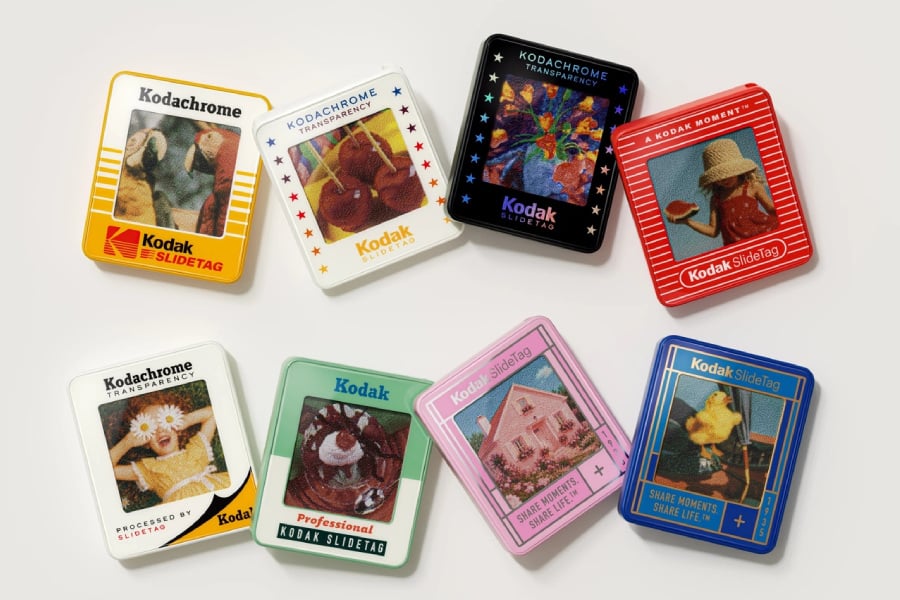
Digital photo frames usually sit on a desk or shelf, but Kodak has made one small enough to carry around. The new Kodak Slide Tag is a miniature photo frame with a color e-ink display, built-in tracking support, and a design inspired by traditional photographic slides. 

Kodak is selling the Slide Tag in blind boxes, with eight regular designs and one hidden version. Each box costs $35, while a complete set of eight is priced at $280. That’s the same as buying eight boxes individually, so there’s no discount for collecting the entire lineup.

Kodak Slide Tag launch specs price

Kodak Slide Tag specifications and features

The Slide Tag measures just 39.3 x 46 x 7.58mm and weighs 16.6g. Its design takes inspiration from the small slides used to hold photographic film.

Despite its size, it has a 1.54-inch color e-ink display with a 240 x 240 resolution. E-ink is particularly useful for a device like this because it consumes power mainly when the displayed content changes. Once a photo appears on the screen, it can stay there without continuously drawing power. Kodak hasn’t shared an estimated battery life, however.

The display isn’t limited to photos, either. Through the Kodak Memory Link app, users can add custom QR codes, daily to-do lists, calendar entries, and personalized signatures. That gives the tiny screen a few practical uses beyond displaying a favorite picture.

Kodak SlideTag Design

There’s another reason to carry it around. The Slide Tag doubles as a tracker, supporting both Apple’s Find My network and Google’s Find Hub. A built-in 75dB buzzer can also help locate it if it disappears inside a bag or slips between sofa cushions.

Connectivity options include Bluetooth 5.4, and it’s also IP54 rated for protection against dust and water splashes.

The Slide Tag also has some competition in the growing market for portable e-ink displays. Insta360 recently introduced the Insta360 Toast in China, featuring a considerably larger 3.7-inch E Ink Spectra 6 screen. It costs 429 yuan ($64) for a single unit. Kodak’s version has a much smaller display, but tracking support and a built-in buzzer give it a different purpose.

Upcoming launches this week: Honor 700 series, Mate X8, and more

A slew of new phones are set to launch this week in different markets. Starting today, China will see the arrival of the Honor 700 series at 2:30 PM (local time), and then there’s the Huawei Mate X8 foldable set to go official in its home market on November 24. There are a few other launches too, read on to know more.

This week at a glance

Honor 700 series
Honor 700 series

Today, Honor will take off covers from the much-awaited Honor 700 lineup in China. Huawei’s China event is set for November 24, with the Mate X8 foldable as the headliner. Huawei has also confirmed the Mate 90 Air and Watch Air for the same event, but the foldable still has no price or sale date. Vivo‘s India launch on November 26 is the only confirmed date outside China. Vivo India has named the X500 series, but not which models will go on sale.

Honor 700, 700 Pro, and 700S

Honor 700
Honor 700

The lineup will include three models, namely the Honor 700S, 700, and 700 Pro. All three phones share an AI-powered rear display, a 9,000mAh Qinghai Lake battery, Snapdragon processors, a 200-megapixel main camera, and 4K cinematic Live photos. The Honor 700 and 700 Pro add a 50-megapixel periscope telephoto with 3.5x optical zoom, plus support for an 88g G200 telephoto extender sold separately. Official pages list Clear Sky, Pink Mist, Cold White, and Blue Tone.

Comparison
Side by side comparison of the Xiaomi 18 Fold and Huawei Mate X7 smartphones.
The Xiaomi 18 Fold runs the 3nm XRing O3 chip, with a 10-core CPU clocked up to 4.35GHz.
Here is how it compares with the Huawei Mate X7 on camera and battery →

Honor has confirmed Snapdragon 8 flagship chips for the 700 and 700 Pro, matching reports of a Snapdragon 8 Gen 5 in the Pro and a Snapdragon 8s Gen 4 in the standard model. It has not named the 700S chip beyond the series-wide Snapdragon claim. A China Telecom listing pointed to a Snapdragon 7 Gen 4 in the 700S, a 50-megapixel front camera on all three, and 6.57-inch displays, but that is not Honor’s official spec sheet.

Prices and a sale date are unannounced, and early figures of 2,299 and 2,499 yuan remain unverified. A launch outside China is also undated, though the Honor 600 series debuted in Malaysia on April 22, 2026.

Huawei Mate X8

Huawei Mate X8
Huawei Mate X8

Official renders and store listings show five colors and four memory configurations: 12GB+256GB and 12GB+512GB standard models, plus 16GB+512GB and 16GB+1TB Collector’s Editions. Offline posters in China use three words: “Large, Bright and Flat.” Almost everything else is still a tip. Reports point to a 6.5-inch cover screen and an 8.15-inch inner display, up from 6.49 and 8 inches on the Mate X7. Tipsters have claimed a flatter crease, and a leaked outdoor video appeared to show almost no dip across the fold. Huawei has not confirmed those claims.

The phone is also tipped to use a Kirin 9050-series processor, a battery of at least 6,000mAh, and a 50-megapixel main camera with a variable aperture plus a 50-megapixel periscope telephoto. Price, sale date, and global availability are unannounced. The Mate X7 started at 12,999 Yuan when it launched in China in November last year.

Omdia data shows Huawei led the global book-style foldable market in the first half of 2026, accounting for 57 percent of shipments compared to Samsung’s 18 percent. These figures cover book-style foldables worldwide, not just China or the entire foldable segment. The Mate X8 is expected to help Huawei maintain its lead in the foldable market.

What’s more this week

Vivo X500 series
Vivo X500 series

The X500, X500 Pro, and X500 Pro Max arrived in China on September 21, starting at 5,499, 6,499, and 6,999 yuan. Indian pricing, configurations, and a sale date remain unannounced until Vivo names the devices on November 26.

The Huawei Nova 18 and Lenovo’s leaked Legion Go Beam are also expected to launch in November, although neither is expected to debut this week. Meanwhile, there is no clarity on the global launch plans for the Honor 700 series or the Mate X8.

For daily updates, please visit our News Section.

Galaxy Watch hardware pauses in 2027, Samsung cites MX losses, software and Fit to cover gap

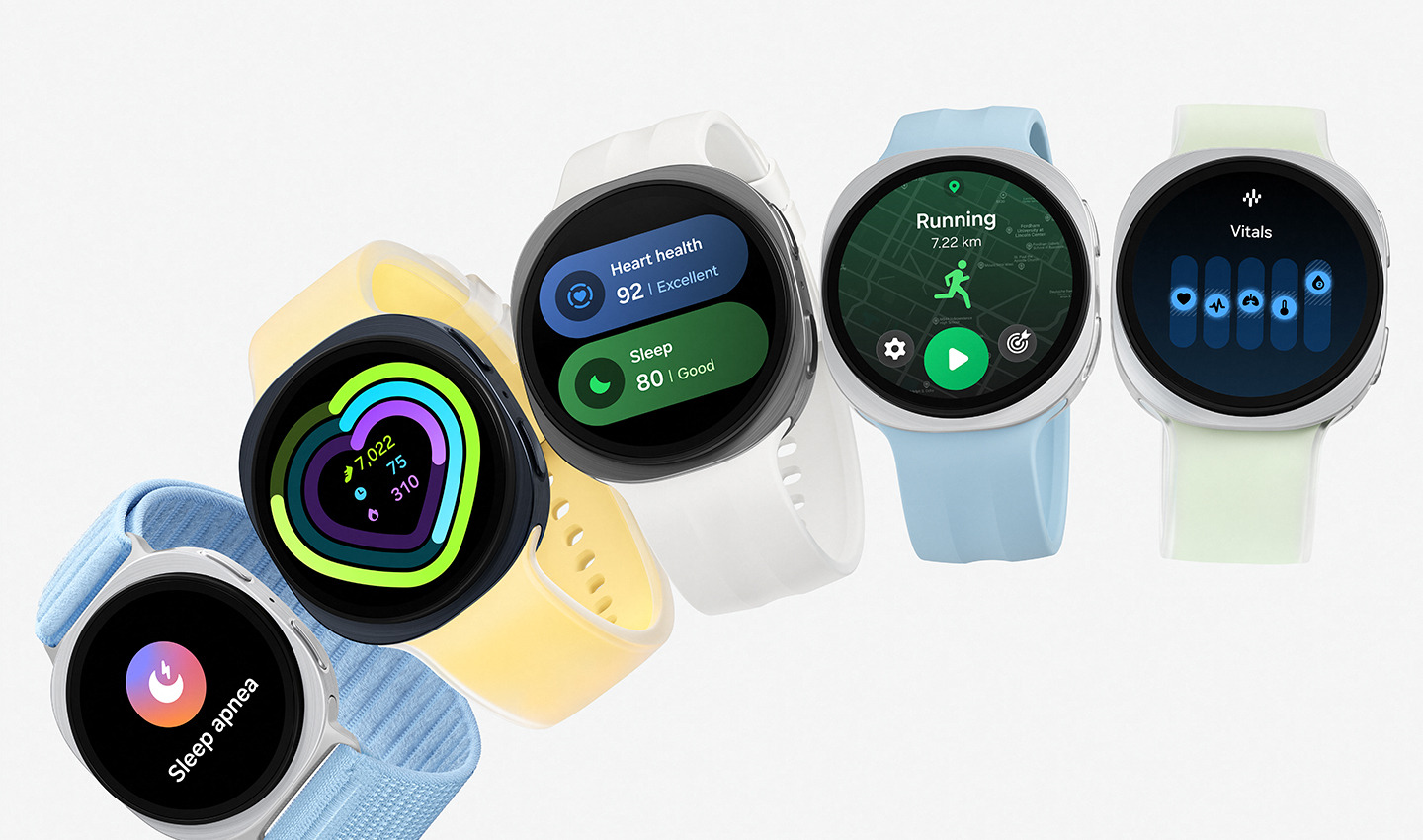
Samsung unveiled the Galaxy Watch 9 and Galaxy Watch Ultra 2 at Galaxy Unpacked in July, with pre-orders opening the same day and sales starting August 7. A report from Korea’s ETNews now says the company will go through 2027 without a new Galaxy Watch and will space future models two years apart.

Samsung plans to skip a 2027 refresh and lean on software

Samsung Galaxy Watch 9

Industry sources told ETNews that Samsung has decided against a 2027 Galaxy Watch series model, ending nine straight years of yearly launches that began in 2018. If that holds, the Watch 9 and Watch Ultra 2 would remain the current hardware through next year, with the following generation due in 2028. Samsung has not confirmed the plan.

The report ties the change to a wider push for profits at the Mobile Experience division, which it says has been in the red for two quarters in a row. This quarter, Samsung is said to be making about 20% fewer lower-margin Galaxy A phones than planned. For the Galaxy S27 series, due early next year, Pro and Ultra units are slated for 70% of volume.

The same pressure is cited for wearables. ETNews says Samsung wants to cut the research and marketing spend that comes with a new watch every year, as processor and memory prices keep rising. Industry sources told the paper that smartwatch growth has cooled, and that the Watch 9’s higher list price, driven by those component costs, drew a weaker response than expected. They also said yearly hardware gains have become harder to justify.

Counterpoint Research, cited in the report, put Samsung at 7% of worldwide smartwatch sales last year, in fourth place, versus Apple at 23%. In 2027, Samsung plans to support current watches with firmware updates and further health tools, leaving the Watch 9 and Watch Ultra 2 on sale longer. A new Galaxy Fit band is expected to fill the hardware gap for buyers who want a lighter, lower-priced tracker. The report does not mention a new Galaxy Watch FE. Apple still introduced the Apple Watch Series 12 in September, and Google launched the Pixel Watch 5 in August, so both rivals kept a yearly cadence this year.

For daily updates, please visit our News Section.

(source)

These smart glasses ditch cameras and displays to fix your vision automatically

Most smart glasses are trying to become the next wearable AI device, with cameras, voice assistants, and displays packed into ordinary-looking frames. Finnish startup IXI has a different idea. Its glasses do not take pictures, show notifications, or answer questions. They simply adjust their lenses to help you see clearly at different distances.

The IXI autofocus glasses use liquid crystal technology and infrared eye tracking to switch between distance and reading prescriptions. The glasses have no camera or display, and although some headlines describe the technology as laser autofocus, IXI does not use lasers. Its tracking system relies on invisible infrared LEDs and photodiodes, consuming just 4 milliwatts of power.

This makes IXI an unusual name in a market increasingly associated with AI features. Meta and Samsung are building glasses around cameras and digital assistants, while IXI is betting that people who need vision correction might find automatically adjusting lenses useful enough on their own.

The startup emerged from stealth in April 2025 with $36.5 million in funding and demonstrated working lenses at CES in January 2026. Its CEO said a launch could happen within a year, putting the expected window around January 2027. With roughly two months left, however, several important details are still missing, including pricing, an exact release date, and regulatory approval.

A person wearing IXI autofocus smart glasses against a plain light background.

1. How IXI’s autofocus lenses work

The technology behind the glasses is quite different from the fixed lenses found in conventional eyewear. IXI uses liquid crystal layers sandwiched between conductive coatings. An electrical signal changes the optical properties of the lenses, allowing them to switch between different prescriptions.

When you look at something in the distance, the glasses use your distance prescription. As your eyes shift toward a nearby object, the lenses adjust to provide reading correction. The idea is to replace the need for separate reading glasses or the different viewing zones found in bifocals and progressive lenses.

There is also a fallback mechanism. If the battery runs out or the electronics stop working, the lenses return to their base state, which is typically configured for distance vision. That means users should not suddenly be left with an unsuitable reading prescription because the electronics have stopped responding.

2. Eye tracking without a camera

The glasses need to know when your eyes are shifting between near and distant objects, but they do not need a camera to do it.

Instead, small infrared LEDs positioned around the edges of the lenses send invisible light toward the eyes. Photodiodes measure the reflected light, allowing the system to detect eye convergence, gaze direction, and blinks. It can determine whether you are looking near or far, but it cannot identify the specific object you are viewing.

IXI has highlighted low power consumption as an important reason for using this approach. Its infrared tracking system draws just 4mW, making it easier to fit the necessary electronics into a conventional-looking glasses frame.

Privacy is another potential advantage, although IXI has not identified it as a specific reason for avoiding cameras. This is worth noting as camera-equipped wearables attract more attention. We recently reported that facial recognition technology turned up in the Meta smart glasses app years after Meta shut down its earlier facial recognition plans in 2021. Glasses that never capture images avoid that particular concern altogether.

Our picks
A person with curly hair wears black smart glasses in a vintage-style room.
The most futuristic pair on our list adds AR overlays, but lasts only 30 to 45 minutes of active use.
Here are the four camera smart glasses worth a look →

IXI is taking a different route from Meta and Samsung

The smart glasses market is increasingly splitting into products that prioritize AI features and those that concentrate on specific everyday tasks. IXI clearly belongs to the latter group.

Meta’s glasses, for example, combine cameras with voice-controlled AI features. The Meta smart glasses starting at $299 do not have displays built into their lenses, but their cameras remain a central part of the experience.

Samsung is taking a similar approach with its AI smart glasses powered by Gemini and Android XR. Their cameras provide visual context for Gemini, turning the glasses into another way to interact with an AI assistant. A recent leak has also pointed to two Nothing smart glasses models with cameras and AI features.

IXI is making a much narrower bet. It does not need to convince people that they want another AI assistant. Instead, it needs to show that automatically adjusting prescription lenses can improve everyday vision enough to justify the price.

Market figures also need some context here. IDC’s numbers for display-free smart glasses include camera-equipped models, so they cannot tell us how large the market for completely camera-free glasses might be. There is no clear market estimate for that category yet.

3. Funding, manufacturing deals, and the expected launch

IXI has attracted considerable backing for a startup that is still developing its first product. It emerged from stealth in April 2025 after raising $36.5 million in a funding round led by Plural. However, reports differ on the total amount raised, with some putting the figure above $40 million and naming Amazon among the investors.

The company has also started laying the groundwork for manufacturing. On September 26, 2025, it announced a manufacturing deal with Finnsusp alongside a separate agreement with Swiss lens manufacturer Optiswiss.

By November 2025, IXI had shown a prototype weighing 22 grams. Around 360 people, estimated to be between 20 and 70 years old, participated in ergonomic testing. The glasses then appeared at CES in January 2026, where the CEO suggested that a commercial launch could happen within 12 months.

That puts January 2027 as the likely target, although IXI has yet to confirm an exact date. It has also kept quiet about pricing and the final weight of the retail version.

Battery life is another area where reports can be misleading. A frequently mentioned 20-hour figure belongs to rival Laclarée, not IXI. One report suggests IXI’s glasses need to be charged daily, but the company has not published a confirmed battery-life figure.

4. Who might actually want these glasses?

IXI is primarily targeting people with presbyopia, an age-related condition that makes it harder to focus on nearby objects. It typically begins around the age of 45 and is one of the reasons many people eventually need reading glasses or progressive lenses.

For someone who already wears progressives, the appeal is fairly easy to understand. Traditional progressive lenses divide the viewing area into different zones, and finding the right spot for reading can sometimes be inconvenient. IXI’s system could make that transition feel more natural by adjusting the prescription as your eyes move.

The company has also mentioned support for astigmatism correction, although the extent of that support remains unclear. It has not provided enough detail about how well the glasses will work for people with nearsightedness either.

Regulatory approval is another important hurdle. IXI has told one outlet that work on its regulatory pathway is progressing, but we could not find a CE mark on record. Until that process is clearer, the glasses should be viewed as a developing product rather than something ready for European consumers.

IXI is not the first company to experiment with autofocus eyewear, either. North’s Focals attempted something similar in the smart glasses market, selling for $600 before the company shut down. The glasses stopped working on July 31, 2020. Deep Optics also discussed consumer autofocus glasses back in 2016, although it said at the time that the technology was not close to reaching consumers. Elcyo is working on its own version, while ViXion already sells autofocus glasses, albeit in a bulkier design.

IXI now has funding, manufacturing partners, and working prototypes, but the difficult part is turning all of that into a reliable pair of everyday glasses. The idea is certainly different from the usual camera-and-AI formula. Whether people will pay a premium for glasses that quietly fix their vision, without doing much else, is the bigger question.

The Best Citizen Watches You Can Buy in 2026

In 2026, the watch industry continues to bring together traditional watchmaking and modern technology. While smartwatches have become increasingly popular, many people still prefer conventional timepieces that offer reliable performance without the hassle of frequent charging.

Citizen has been a leading brand in this space, thanks to its Eco-Drive technology, which uses natural and artificial light to power its watches and eliminates the need for regular battery replacements.

The brand’s current lineup includes a wide range of options, from affordable mechanical watches designed for everyday wear to premium models featuring advanced satellite synchronization technology. Whether you want a simple daily companion or something more sophisticated, here are seven of the best Citizen watches to buy in 2026.

1. Attesa Power of Green Flash

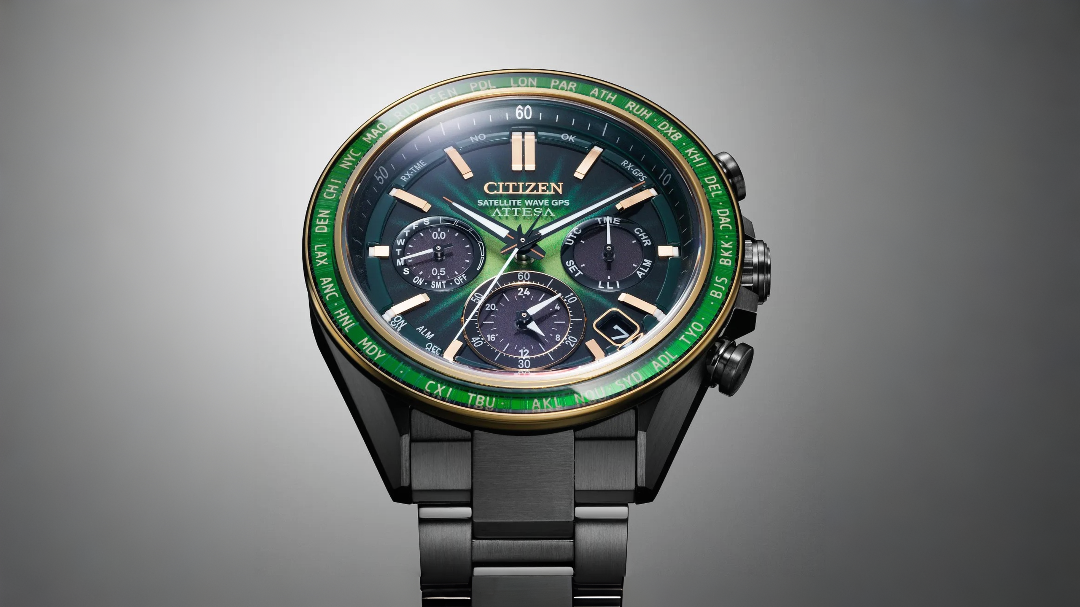
Citizen Attesa CC4084-83Z watch

The Attesa line is where Citizen typically showcases its more advanced materials and timekeeping technologies. The Power of Green Flash model is a limited edition of 1,500 pieces, built with a 44.6mm case made from Super Titanium and treated with a black DLC (Diamond-Like Carbon) coating. This material choice makes the watch highly resistant to scratches while keeping it relatively lightweight on the wrist.

Inside, the watch uses the Satellite Wave GPS caliber F950. Instead of relying solely on a quartz crystal, this movement receives time signals from GPS satellites, allowing it to adjust to the correct local time in as little as three seconds, provided you have a clear view of the sky.

The design is predominantly black, featuring a green bezel insert and a green center flash on the dial. It also includes a perpetual calendar and chronograph functions, making it a highly functional option for frequent travelers who prefer a modern aesthetic.

Price: $2,295

2. Tsuyosa 60

Citizen Tsuyosa 60

Moving away from solar and GPS technology, the Tsuyosa 60 is a straightforward mechanical watch. It features an integrated bracelet design, a style that has remained popular for its seamless transition from the case to the bracelet. This particular model has a 40mm gold-tone stainless steel case paired with a silver-tone textured dial.

The 60 in the name refers to the 60-hour power reserve of the automatic caliber 8310 movement. This is a practical feature, as it allows the wearer to take the watch off for a couple of days without it stopping.

With 50 meters of water resistance, it is suitable for daily wear and light water exposure, though it isn’t designed for swimming. It serves as an accessible entry point for those who appreciate traditional mechanical watchmaking.

Price: $540

3. Promaster Tsuno Chrono Racer

Citizen Promaster Tsuno Chrono Racer watch

The Promaster Tsuno Chrono Racer stands out due to its bullhead case design, where the chronograph pushers and crown are located at the top of the 44.5mm stainless steel case rather than on the side. This layout is inspired by vintage racing chronographs from the 1970s, designed to be easily operated while holding a steering wheel.

This model, limited to 5,000 pieces, is powered by the hand-assembled Caliber E210 Eco-Drive movement. It combines the convenience of light-powered charging with a mechanical-feeling 1/5-second flyback chronograph.

The dial is green with two-tone metal and plastic details, and the watch features an alarm, a power reserve indicator, and 200 meters of water resistance. It is a robust watch intended for those who like automotive-inspired designs.

Price: $1,350

4. Promaster Skyhawk A-T

Citizen Promaster Skyhawk A-T watch

The Promaster Skyhawk A-T is designed with aviation in mind, offering a dense layout of information on its dial. The 46mm gold-tone stainless steel case houses both analog hands and digital displays.

The A-T stands for Atomic Timekeeping. The U680 Eco-Drive movement synchronizes with radio clocks in 43 cities around the world to maintain accuracy. The watch includes a wide array of functions: a 1/100-second chronograph, a perpetual calendar, dual time zones, two alarms, a countdown timer, and a UTC display.

Because of its size and the amount of data on the dial, it is a very specific tool watch geared toward pilots or individuals who need to track multiple time zones simultaneously.

Price: $995

5. Promaster Dive Light in Black

Citizen’s Promaster dive watches are known for their reliability underwater. The Light in Black edition is a variation of their standard dive watch, limited to 6,700 pieces. It features a 40.6mm gray-tone stainless steel case with yellow gold-tone accents on the unidirectional bezel and crown.

The black dial includes gold flecks, a design choice intended to resemble moonlight on water. Functionally, it meets ISO standards for diving, offering 200 meters of water resistance.

The stainless steel bracelet includes a wetsuit extender that can also be used for minor size adjustments throughout the day. Powered by the E168 Eco-Drive movement, it is a low-maintenance, capable dive watch with a slightly more distinctive appearance than the standard models.

Price: $550

6. The Citizen

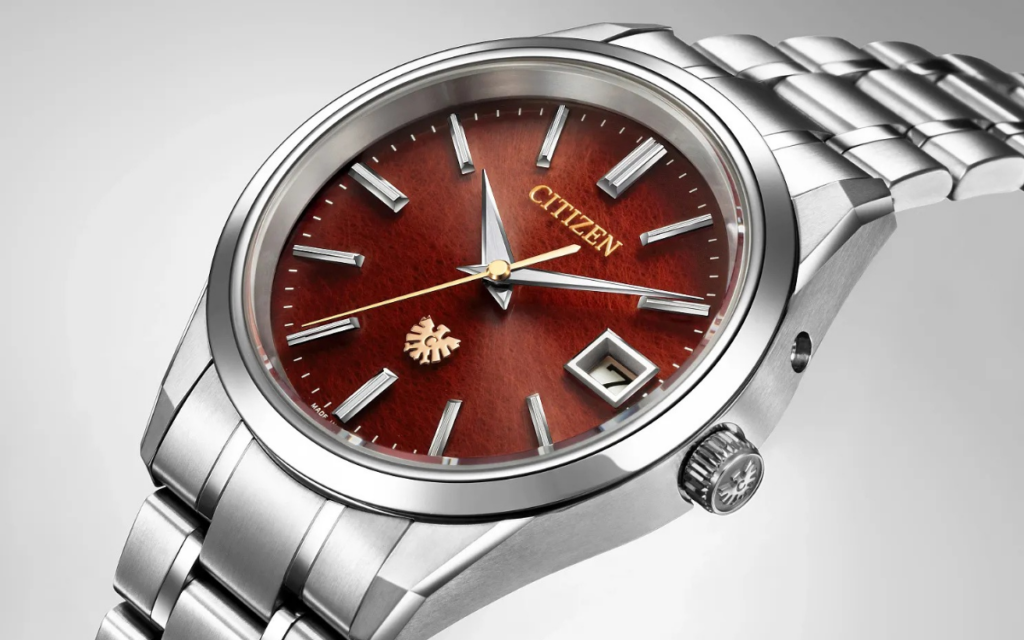
The Citizen is the brand’s premium line, focusing on high-end finishing and extreme accuracy. This 38.3mm model is made from silver-tone Super Titanium and is limited to just 350 pieces.

The standout design element is its striking red dial, crafted from ultra-thin Tosa Tengujoshi paper. It is powered by the Eco-Drive Caliber A060, a high-precision quartz movement that offers an impressive accuracy rating of ±5 seconds per year.

It also features a perpetual calendar, shock detection, and an automatic hand position adjustment function to ensure the hands align perfectly with the markers. It is a quiet, understated watch that prioritizes precision and material craftsmanship.

Price: $2,995

7. Promaster Air

Citizen Promaster Air NK0040-58P

The Promaster Air is another aviation-themed watch, but unlike the Skyhawk, it relies on a mechanical movement rather than digital or solar technology. The 40mm case is made from Super Titanium, keeping the watch light despite its mechanical components.

It features an outer slide-rule bezel, a traditional analog tool used by pilots to calculate variables like distance and fuel consumption. The ivory dial includes applied indices and a date window at 3 o’clock.

The watch is powered by the automatic Caliber 8310 movement, which delivers the same 60-hour power reserve as the Tsuyosa 60. It also features 200 meters of water resistance and an anti-reflective sapphire crystal, making it a durable and reliable mechanical watch for everyday wear with a distinct aviation-inspired design.

Price: $895

RingConn launches a real-life Lord of the Rings smart ring with health tracking and haptic alerts

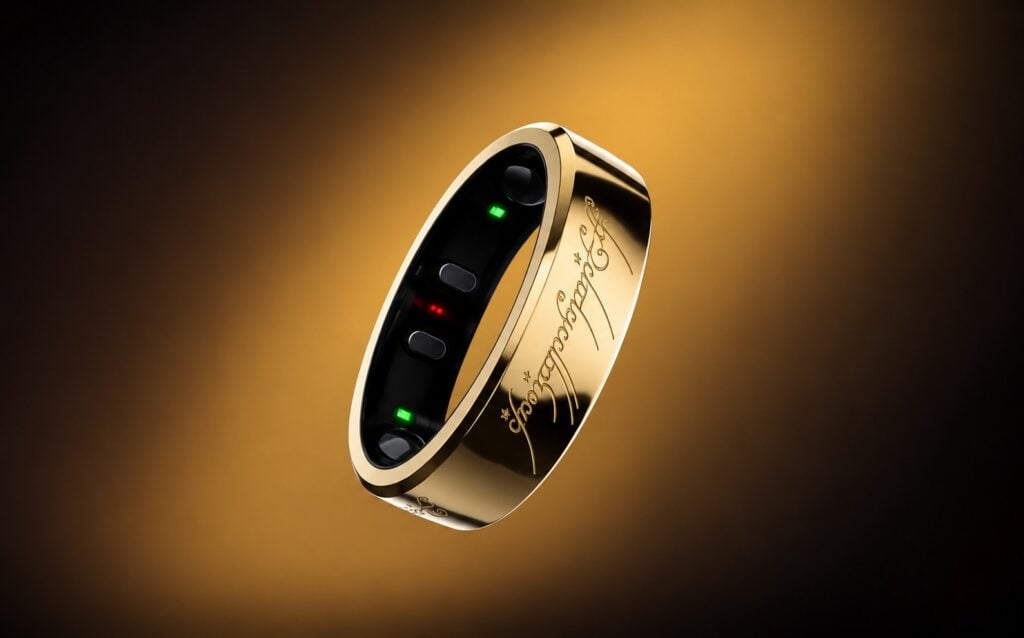
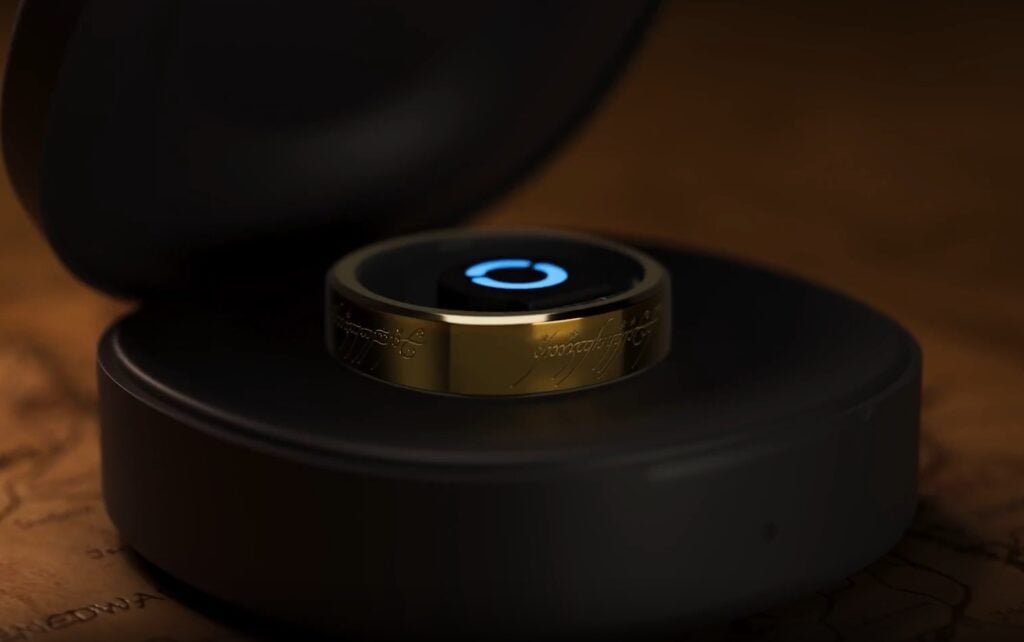
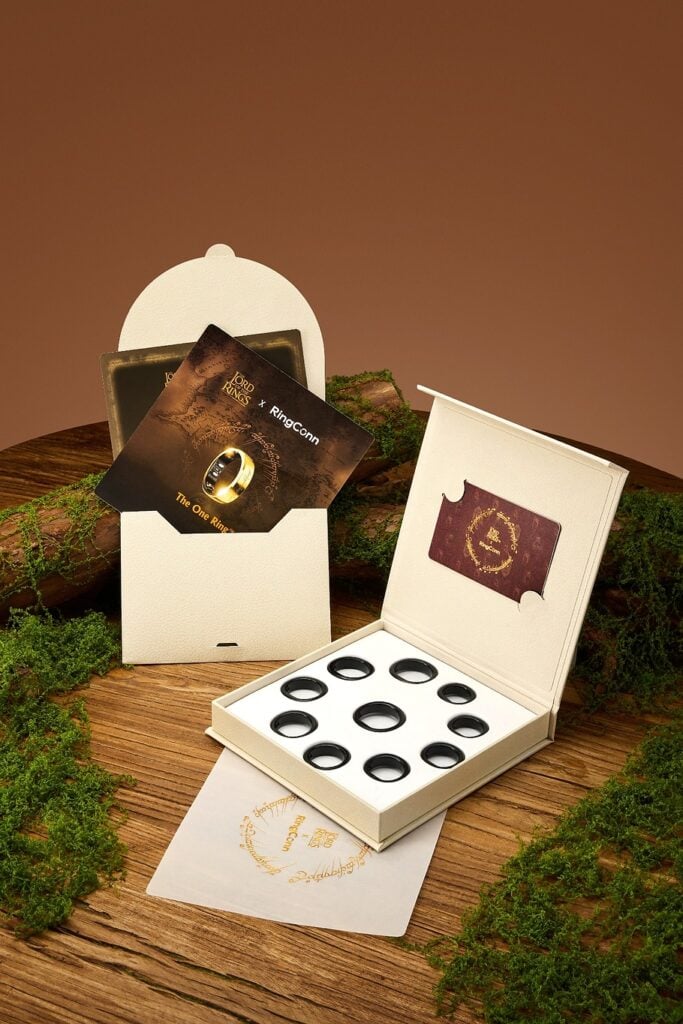
RingConn has released a Lord of the Rings-themed version of its Gen 3 smart ring. Officially called The One Ring, the device is a direct partnership with Warner Bros. that takes the company’s standard health tracker and covers it in the familiar Elvish script from the film franchise.

RingConn One Ring
Enhanced

RingConn One Ring Specifications

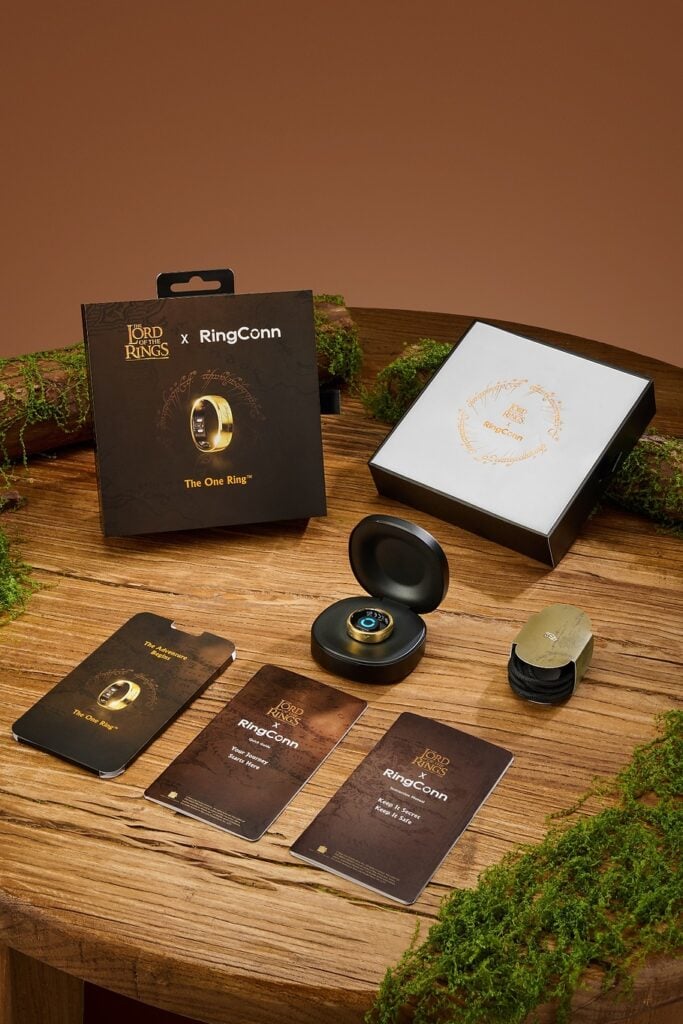
Priced at $399, it costs a bit more than the standard Gen 3 ring. For the premium, you get the laser-engraved titanium ring, a custom-designed unboxing experience with a themed sizing kit, and an exclusive Middle-earth skin for the companion app on your phone. Aside from the cosmetic changes, the hardware inside is identical to the regular Gen 3 model that launched earlier this year.

RingConn One Ring

That means you are getting a standard, capable health tracker packed into a lightweight titanium shell. The ring measures 2.3mm thick and weighs between 2.5 and 3.5 grams, depending on the size. The inside is lined with medical-grade epoxy resin and houses sensors for heart rate, skin temperature, and motion.

RingConn One Ring

The ring also features a built-in vibration motor that delivers haptic alerts directly to your finger when it detects high stress levels, prolonged inactivity, or a low battery, so you don’t have to constantly check your phone.

On the software side, the ring tracks a standard suite of health metrics. It monitors overnight blood pressure trends (which the company calls Vascular Health Insights), blood oxygen levels, daily stress, and menstrual cycles. It also tracks sleep apnea patterns and can automatically detect when you start a workout.

RingConn One Ring

If you use other health apps, the data syncs with both Apple Health and Google Health Connect. It can also store up to 10 days of data offline if you don’t sync it with your phone right away.

Battery life is reliable for a device this size. RingConn says it will last 11 to 14 days on a single charge if you disable the vibration alerts, or 10 to 12 days if you keep them on. The ring comes with a wireless charging case that holds about 150 days of standby battery, and the ring itself takes about 90 minutes to fully recharge. It is also 10ATM water-resistant, so you can swim or shower with it on.

Availability

Pre-orders for The One Ring opened earlier this week on November 19th. It is available in select markets across North America, EMEA, and the Asia Pacific region.

In related news, Rogbid has recently launched its new VitalRing smart ring, featuring ECG and SpO2 tracking alongside a titanium alloy build.

(RingConn)

AV Access launches iDock B12 KVM docking station with 8K 60Hz output & 11-in-1 connectivity

AV Access has introduced the iDock B12, a KVM docking station designed to manage two computers from a single desk setup. It costs $299.99, currently listed at $254.99, and consolidates dual monitors, USB accessories, and a wired network connection into one unit. Instead of manually swapping cables, you can switch between a laptop and a desktop computer by simply pressing a button.

iDock B12 8K Dual Monitor Gaming KVM Docking Station
Enhanced

AV Access iDock B12 Specifications

If you use the same desk for both a work laptop and a personal desktop PC, the device is built to streamline that configuration. Your desktop connects to the dock via DisplayPort 2.0 and HDMI 2.1 inputs.

Your laptop connects through a single USB-C cable, which handles video output and data transfer while providing up to 100W of power delivery to charge the battery. To switch inputs between the two machines, you can use a button on the top of the dock or a wired remote that comes in the box.

iDock B12 8K Dual Monitor Gaming KVM Docking Station

For video output, the iDock B12 supports two monitors using one HDMI port and one DisplayPort. Depending on your connected computer’s hardware, the dock supports resolutions and refresh rates up to 8K at 60Hz, 4K at 165Hz, or 1080p at 480Hz.

It also supports Variable Refresh Rate (VRR) standards like G-Sync and FreeSync, which is a standard requirement if you are routing a gaming PC through the switch. It is worth noting that the device does not support EDID emulation.

iDock B12 8K Dual Monitor Gaming KVM Docking Station

The dock includes 11 ports in total. It features a 2.5GbE Ethernet port, which shares a single wired internet connection with whichever computer you currently have active. The front and rear panels house the remaining connections: three 10Gbps USB-A ports, two 5Gbps USB-A ports, a 10Gbps USB-C port, an SDXC card reader, and a 3.5mm audio jack.

If you use a Mac, there is a specific compatibility note to keep in mind. Because macOS does not support USB-C Multi-Stream Transport (MST), connecting a MacBook to the dock’s laptop port will only mirror the display across both external monitors.

Extended dual displays over a single USB-C connection work on Windows laptops, which can output up to dual 4K at 60Hz. If you need extended dual displays for a Mac, you will need to look at alternatives, such as the company’s iDock M10 model.

In related news, Baseus has recently unveiled the Spacemate RD1 Mini Dock, a 10-in-1 docking station featuring a built-in smart display and support for dual 4K monitors at 60Hz.

(Av Access, Via)

Timex’s Rocky-inspired limited-edition automatic watch finally hits US shelves for $469

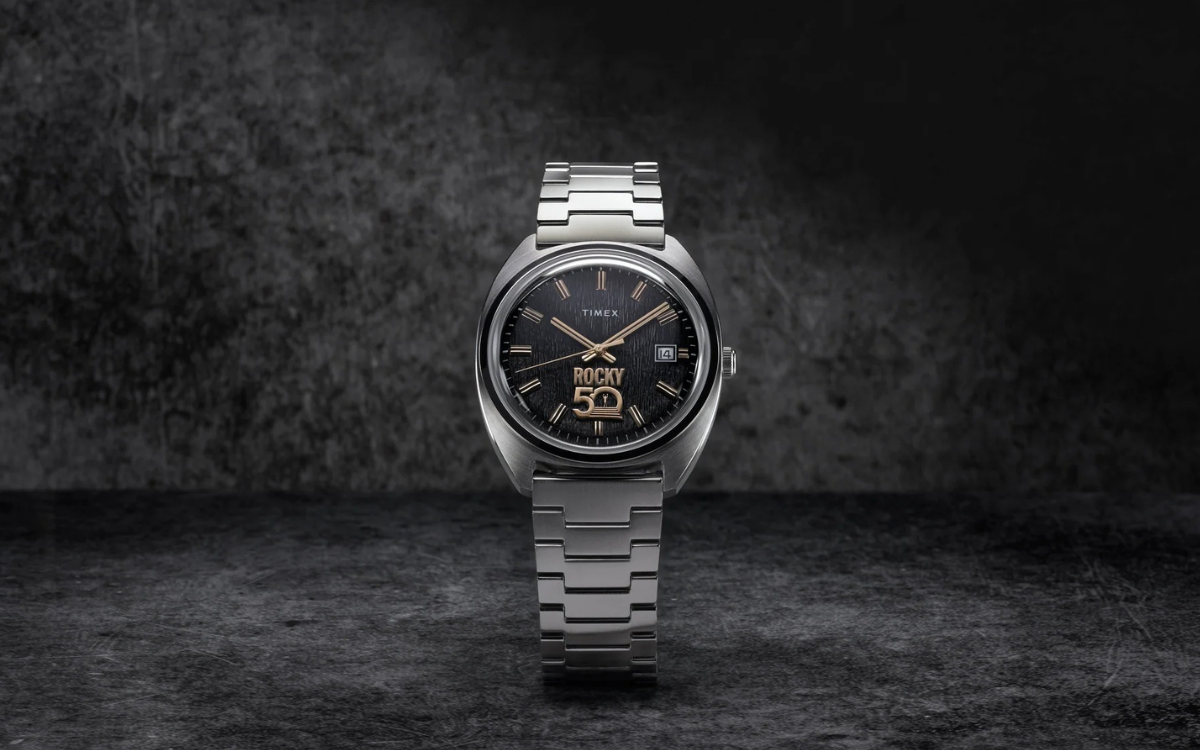
Timex announced its Rocky 50th Anniversary watch earlier this month. The limited-edition timepiece has now officially gone on sale through the Timex US website for $469. The watch is based on the Timex Viscount, which originally debuted in 1976, and celebrates the 50th anniversary of the iconic film Rocky.

Timex Viscount 1976 Rocky 50th Anniversary

Design Details

From a hardware perspective, this is a relatively compact watch by modern standards. It features a 38mm stainless steel case with a thickness of 12.8mm. The case uses a mix of brushed and polished finishes and comes paired with a 20mm stainless steel bracelet.

Timex Rocky 50th Anniversary watch

The bracelet includes a standard deployant clasp and quick-release spring bars, which makes swapping out the band for third-party straps a straightforward process without needing specialized tools.

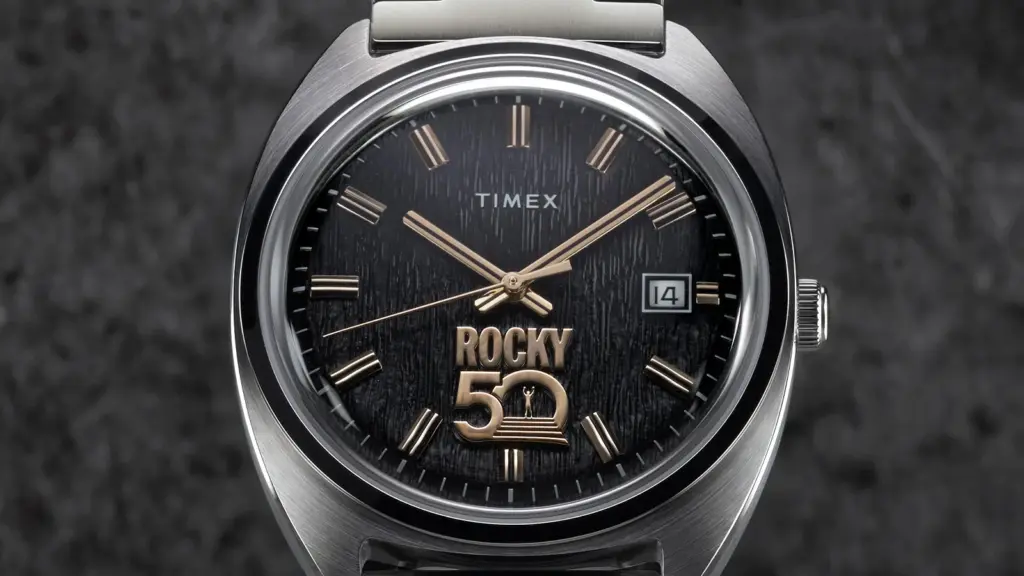
On the front, the watch has a textured black dial with gold-tone hands and hour markers. There is a standard date window at the three o’clock position, and a gold Rocky 50 logo is placed on the lower half of the dial.

Timex Rocky 50th Anniversary watch

Timex went with a domed acrylic crystal rather than mineral glass or sapphire. While acrylic is period-accurate for a 1970s reissue and can be easily polished if it gets scuffed, it is significantly more prone to scratching than the sapphire crystals usually found on watches in this price range.

Timex Rocky 50th Anniversary watch

Inside, the watch runs on a Miyota Caliber 8215. This is a basic, entry-level Japanese automatic movement. It features 21 jewels, a 42-hour power reserve, and a stated accuracy rating of -20 to +40 seconds per day. It does include hacking seconds, meaning the second hand stops when you pull the crown out to set the time.

The movement is visible through an exhibition case back, which is also printed with the anniversary logo and engraved with the watch’s specific limited-edition production number.

The watch has a 50-meter water resistance rating, which means it can handle rain or washing your hands, but it is not designed for swimming or diving.

In related news, Timex has recently launched two stunning rectangular watches in collaboration with Jacquie Aiche, alongside a new limited-edition Marlin watch featuring a vintage California dial.

(Timex)

Belkin launches compact 40W one-port USB-C charger for iPhone and iPad

Belkin has added another compact charger to its lineup in China, this time with a single USB-C port and up to 40W of power. The new model is designed around iPhone and iPad, but you can also use it with other compatible products.

The launch follows several recent accessory releases from Belkin, including the Belkin 45W Retractable GaN Wall Charger and the Belkin UltraCharge 10K 45W Power Bank. Unlike those products, the new charger keeps things simple with one USB-C port and no built-in cable.

Two Belkin 40W USB-C chargers resting on a bed of blue ice cubes.

Belkin 40W USB-C Charger Specifications

The charger comes in a soft sand finish and a rounded body measuring 34 x 38 x 33mm and weighing 57g. It also has a folded plug that tucks into the body when not in use.

Belkin is comparing its size with a larger white charger in its product images, claiming the new adapter is 70% smaller. However, the listing does not identify the charger used for comparison.

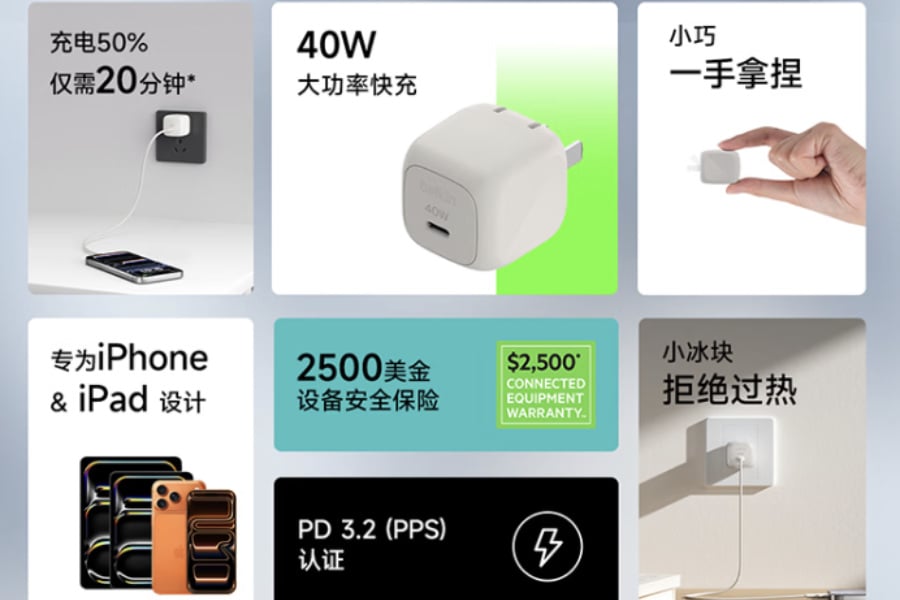
A grid of promotional graphics showcasing the compact Belkin 40W USB-C charger and features.

The charger’s single USB-C port supports USB Power Delivery 3.2 and PPS (Programmable Power Supply). It also carries the USB-IF certified 40W charger mark. The supported fixed output profiles include 5V/3A, 9V/3A, 15V/2.6A, and 20V/2A, while PPS supports 5-11V at 3A and 5-16V at 2.65A.

The adapter accepts 100-240V input at 50/60Hz and 1A, so it can work with different mains voltages. Belkin claims it can charge a phone to 50% in 20 minutes. Actual charging speeds will, however, depend on the environment and connected device, and users will need a compatible fast-charging cable to reach those speeds.

Belkin also says the adapter has a $2,500 connected equipment warranty.

The Belkin 40W Single USB-C Charger (model WCA014yzSA) is available in China through JD.com for 77 yuan (around $11). The company has yet to share details about its availability or pricing outside China.`

Casio brings its affordable retro-inspired LF40W digital watches to the US

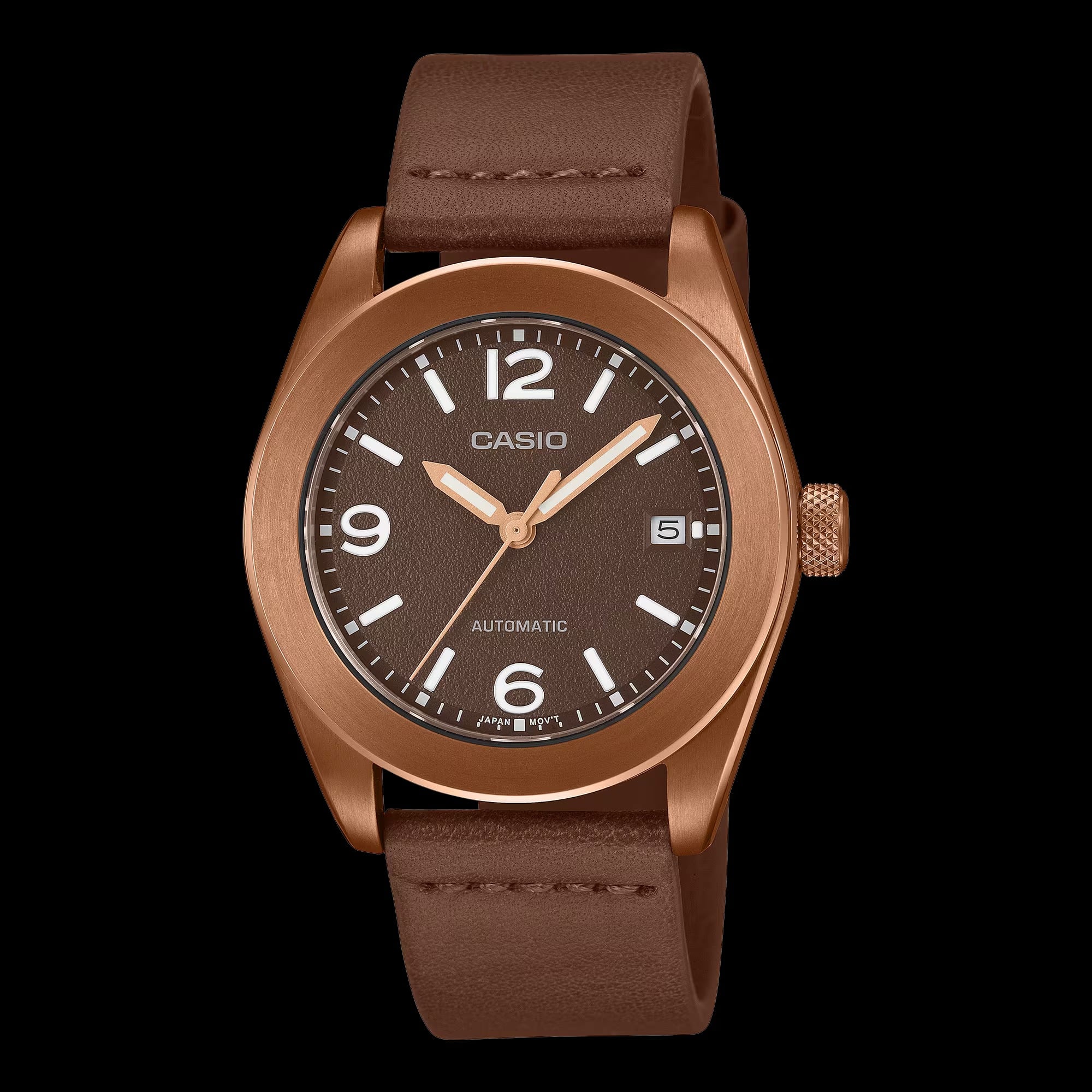
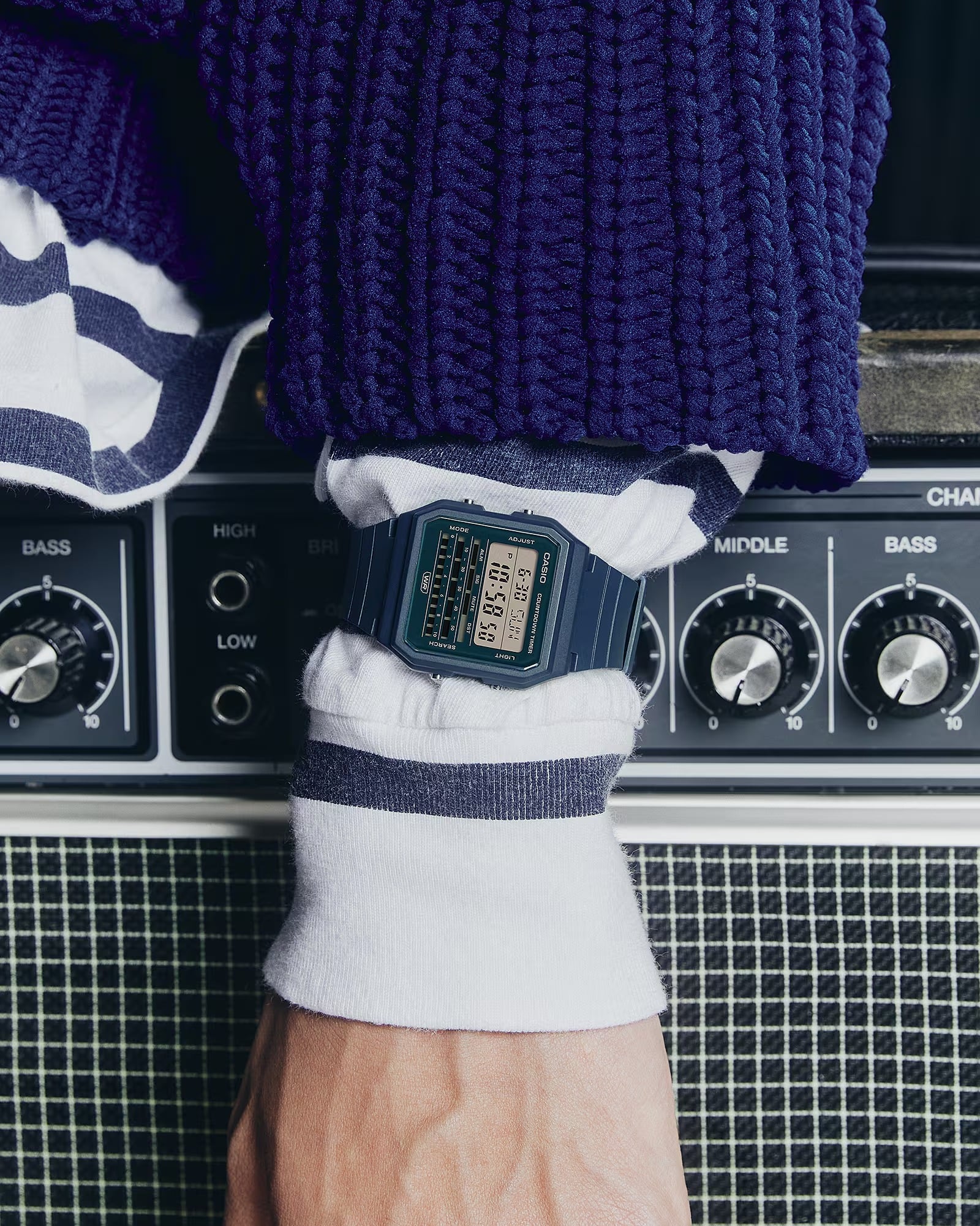
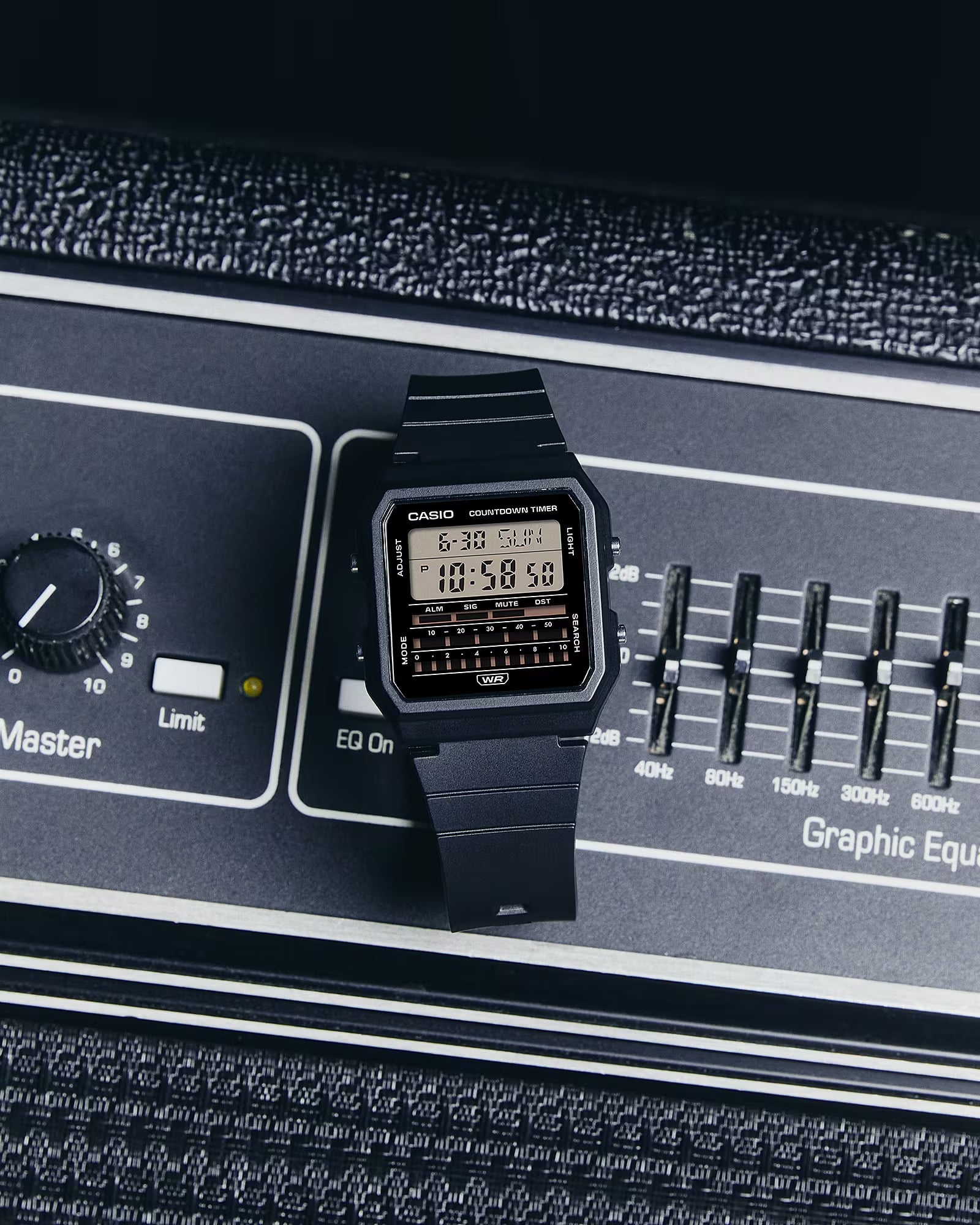
Casio has released the LF40W series in the United States. The watches, which initially debuted in Japan earlier this month, are now available for purchase on the Casio US website for $42.95. The lineup consists of three color variants: the black LF-40W-1A, the blue LF-40W-2A, and the gray LF-40W-8A.

Casio LF-40W digital watches

Design Details

Our picks
Two gold-toned Casio digital watches with mesh bands resting on a book.
Every Casio on our list costs under $100, and one runs about three years on a single battery.
Here are the 10 budget Casio watches we would buy in 2026 →

The watches feature a vertically oriented LCD screen, setting them apart from Casio’s traditional digital models. The display is divided into multiple sections, with the current time positioned at the top. Below the time, there are three rows of bar-style LCD segments used to indicate different watch functions.

The top row shows the status of the watch’s settings, indicating whether the alarm, hourly chime, button mute, and daylight saving time are currently turned on or off. The bottom two rows act as a visual seconds counter. The middle row tracks elapsed time in 10-second intervals, while the bottom row tracks individual seconds.

Physically, the watch features a compact and lightweight design, measuring 37.8 x 33.7 x 8.6mm and weighing just 23 grams. It comes with a resin case, a bio-based resin strap, resin glass, and standard water resistance.

Internally, the LF40W runs on a standard CR1616 coin-cell battery, which Casio estimates will last for about three years before needing a replacement. It includes multi-time support for four different cities and world time covering 31 time zones across 48 cities. It also features a 1/100-second stopwatch, a countdown timer that can be set for up to 24 hours, and the ability to set up to five daily alarms.

Additionally, the watch includes a full auto-calendar programmed through the year 2099 and an amber LED backlight with adjustable duration settings (1.5 or 3 seconds) for visibility in the dark.

In related news, Casio’s new CMK100 titanium automatic watches are now available for purchase in the US, while the company has also launched the G-Shock GM2110HDN-8A in collaboration with Hidden NY, drawing inspiration from New York street culture.

(Casio 1,2,3)

Clicks Communicator delayed until early 2027 over fiberglass shortage

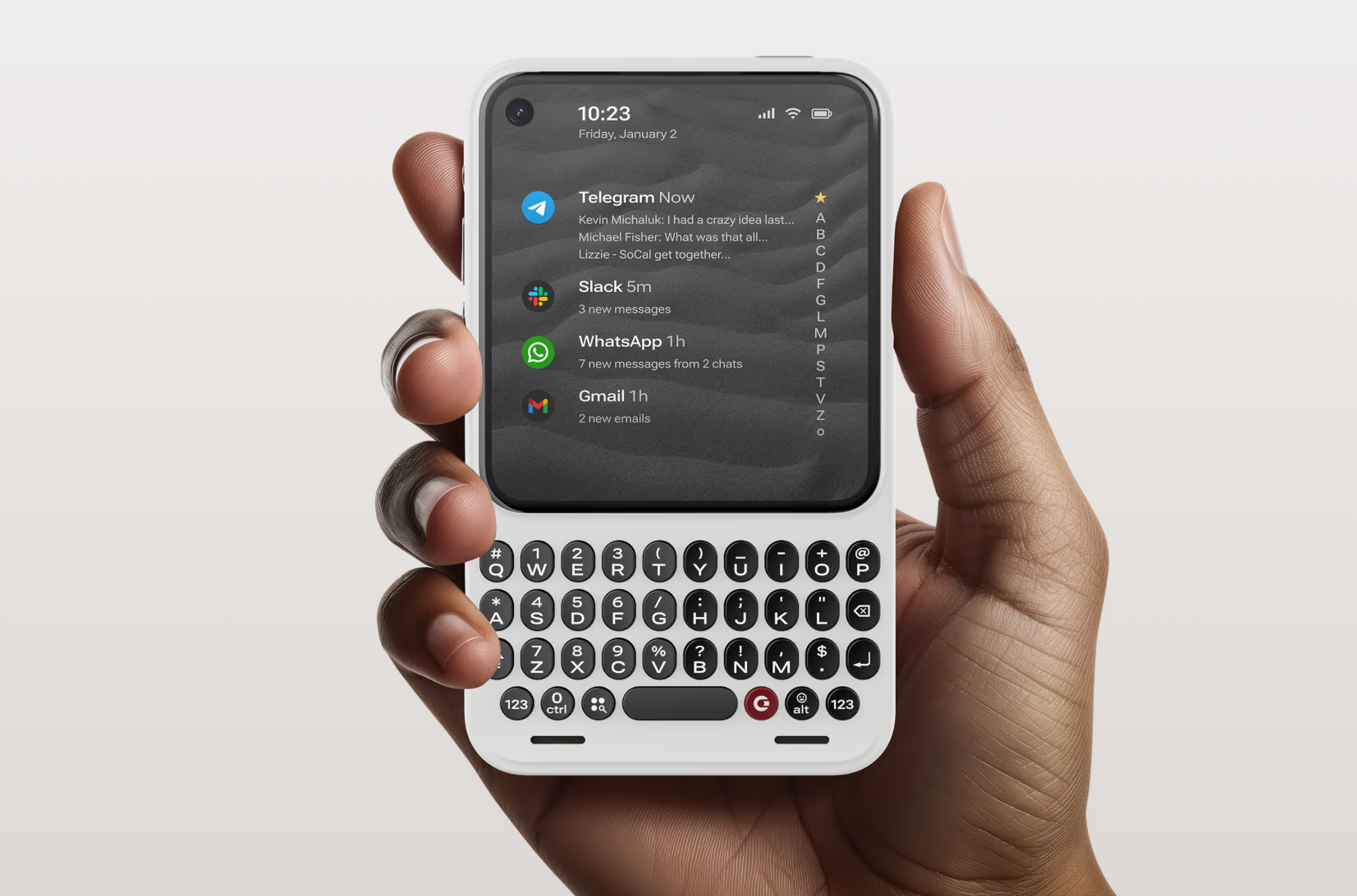
The Clicks Communicator was supposed to arrive in December 2026, but buyers will have to wait a little longer. The keyboard phone has run into a supply problem involving a specialized material used in its motherboard, which has reportedly pushed the first deliveries into late January 2027.

Clicks Communicator

The problem comes down to the fiberglass fabric used in the phone’s 12-layer PCB. According to Clicks, only six independent factories worldwide can produce this particular material, and four of them are unable to handle the volume Clicks needs. Securing enough raw material has taken considerably longer than expected.

Clicks says the delay has nothing to do with the phone’s hardware design, which is already complete. FCC certification is also progressing as planned. The company clarified that the setback is a supply chain issue rather than a problem with the device itself.

Our picks
A hand holds the Minimal Phone 2 featuring a physical keyboard and AMOLED display.
The Minimal Phone 2 adds an AMOLED display, which makes it more practical than the original Minimal Phone.
Here are four keyboard phones worth buying in 2026 →

This is frustrating news for anyone who has been following the Communicator since its debut at CES 2026. We also ranked it as one of the standout products from the show.

When will the Clicks Communicator arrive?

According to the brand, assembly is scheduled to begin in early January 2027, leaving Clicks with a fairly narrow window before China’s Lunar New Year shutdown. Factories typically close for several weeks around the holiday, which falls in early February.

Clicks expects to ship roughly two-thirds of existing pre-orders before the Spring Festival break. The remaining third will have to wait until factories reopen at the end of February.

There is a small consolation for those who ordered early. Clicks will include a free 3.5mm wired headset with every pre-order placed before November 20. It matches the Communicator’s design and plugs directly into the phone, which retains a traditional headphone jack alongside its physical QWERTY keyboard.

Doogee Note 70 borrows design from Samsung, rear screen from Xiaomi

Rear displays are no longer limited to expensive flagships or rugged phones. Doogee is bringing the idea to its Note series with the upcoming Note 70, which pairs a 6.71-inch main screen with a smaller 1.8-inch rear display.

The Note 70 has a vertical camera arrangement with three lenses stacked on the left and a flash alongside two smaller sensors. The layout resembles the Galaxy S26 Ultra, while the square rear display sits beside the camera module, as on the Xiaomi 18 Pro Max.

Hands hold two Doogee Note 70 smartphones showing their rear camera modules and displays.

Xiaomi introduced a larger 2.9-inch rear display on the Xiaomi 18 Pro Max in September. Doogee’s version is smaller at 1.8 inches, but rear displays have mostly appeared on the company’s rugged phones until now. The Doogee S200 Plus arrived in 2025 with a 1.32-inch AMOLED panel on its back.

The teaser images show two color options: dark purple and silver.

Doogee Note 70 specifications

Doogee has already revealed several hardware details. The Note 70 will use a Unisoc T7250 processor, paired with a 6,500mAh battery. The chip is an entry-level 12nm platform for 4G phones, so this is unlikely to be a performance-focused device. Doogee also uses the same processor in its Note 58.

The battery is a more notable upgrade over some of its existing phones. Both the Note 58 and Note 59 have 6,250mAh batteries, meaning the Note 70 has an extra 250mAh of capacity.

Promotional graphic showcasing the Doogee Note 70 smartphone features and technical specifications.

Other confirmed specifications include a 13MP rear camera, an 8MP selfie camera, and Android 17. Memory configurations will include 4GB RAM with 128GB storage, 6GB RAM with 128GB storage, and 6GB RAM with 256GB storage.

Doogee hasn’t revealed the price or launch date yet. There are also several display details missing, including the panel type, resolution, and refresh rate for both screens. More information should arrive with the company’s next announcement.
Xiaomi launches new $8 Mijia Coffee Cup with premium stainless steel build and 6-hour insulation

Xiaomi has added another practical lifestyle product to its domestic lineup: the Mijia Coffee Cup. It is a minimalist stainless steel tumbler that prioritizes basic temperature control and a clean aesthetic, launching with a crowdfunding price of 59 yuan (~$8.8) before eventually moving to a standard retail price of 99 yuan (~$14.8).

Xiaomi Mijia Coffee Cup

Xiaomi Mijia Coffee Cup Specifications

From a design perspective, the Mijia Coffee Cup looks exactly like what you would expect from Xiaomi’s lifestyle brand. It comes in a matte white finish with a painted exterior that is meant to provide a bit of extra grip. The cup holds 510mL of liquid, which is roughly equivalent to a standard grande size at most coffee chains, making it large enough for typical iced or hot drinks. Despite the capacity, the base is tapered to fit into standard car cup holders that are 74mm or wider.

Xiaomi Mijia Coffee Cup

Inside, Xiaomi is using a 316L stainless steel liner. This specific grade of steel is common in decent drinkware because it holds up well against corrosion and doesn’t retain odors as easily as cheaper metals. The outer shell is made from standard 304 stainless steel. Between these layers, the cup uses a vacuum insulation setup with a copper-plated inner layer to manage temperature retention.

The cup can keep hot drinks above 53 degrees Celsius for up to six hours, assuming a starting temperature of 95 degrees. For cold drinks, it can maintain temperatures below 10 degrees Celsius for the same six-hour window. These tests were conducted in a standard 20-degree room, so real-world results will naturally vary depending on the environment.

Xiaomi Mijia Coffee Cup

The lid uses a triple-threaded design that opens and closes with a quick 90-degree quarter turn. Inside, there is a maximum fill line to prevent over-pouring, and the bottom of the cup features a silicone pad to keep it from sliding around on a desk.

However, there is a significant caveat to the design: the Mijia Coffee Cup is not leakproof. Xiaomi explicitly says that the cup is not fully sealed, meaning you cannot throw it into a backpack or turn it upside down. It is strictly designed to be carried upright, left on a desk, or placed in a car cup holder.

In related news, Xiaomi has recently launched an affordable electric toothbrush featuring an LED ring that detects missed brushing spots, alongside a stunning new Sand Gold variant of its 1,000-lumen flashlight priced at just $14.

(Xiaomi Youpin)

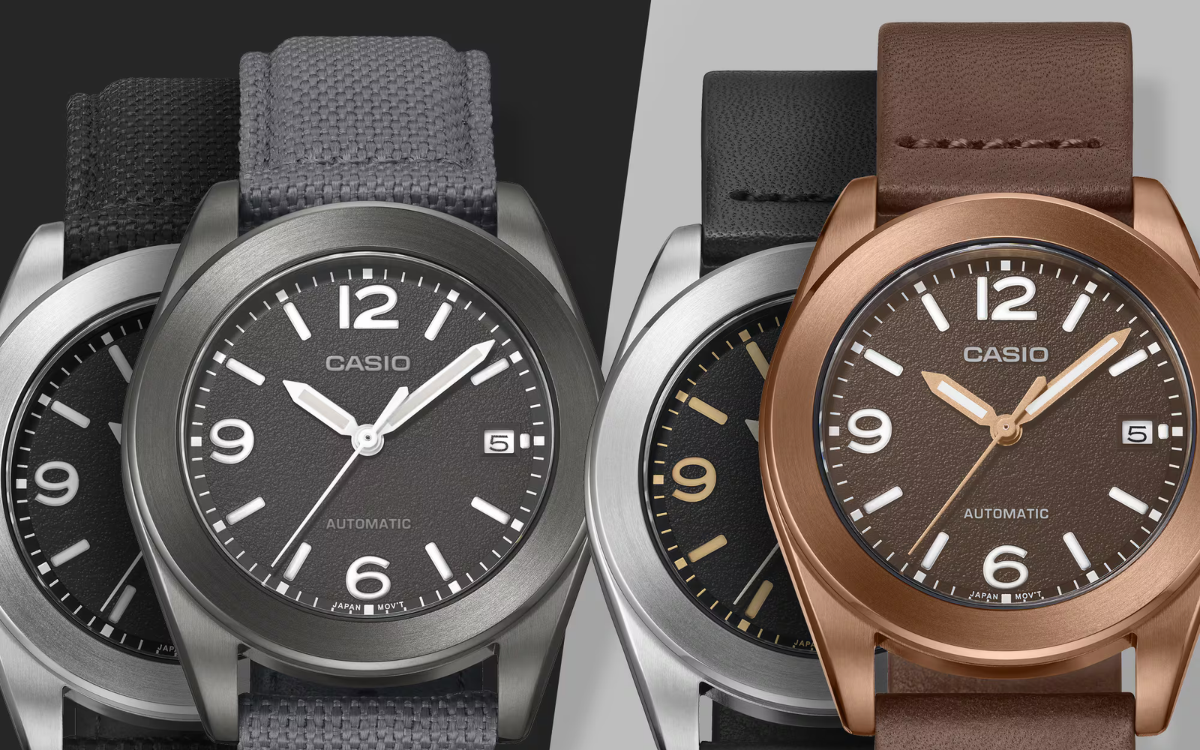
Casio’s new CMK100 titanium automatic watches are now available to buy in the US

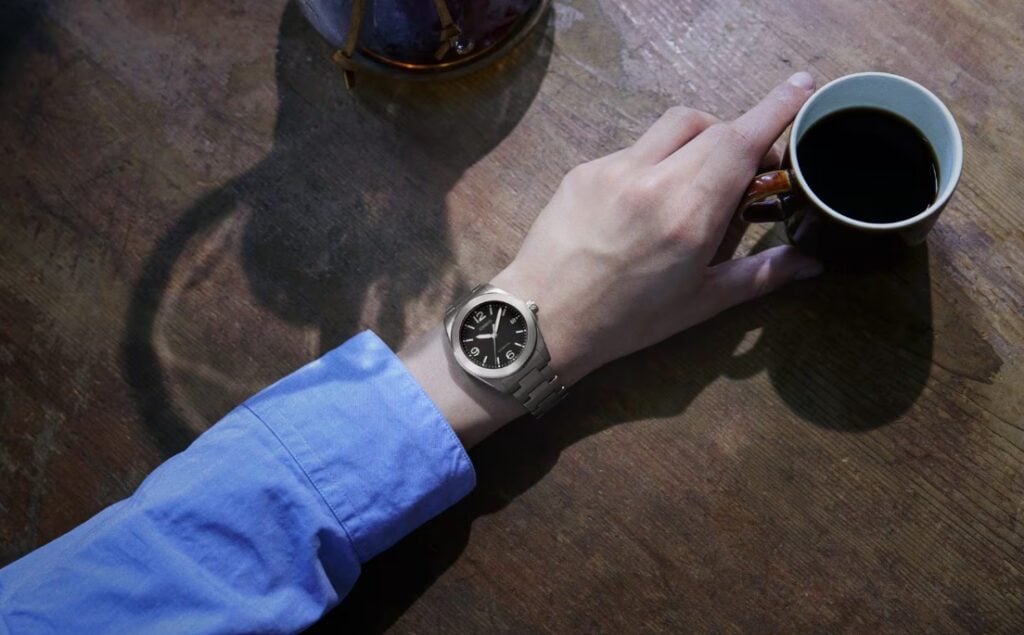
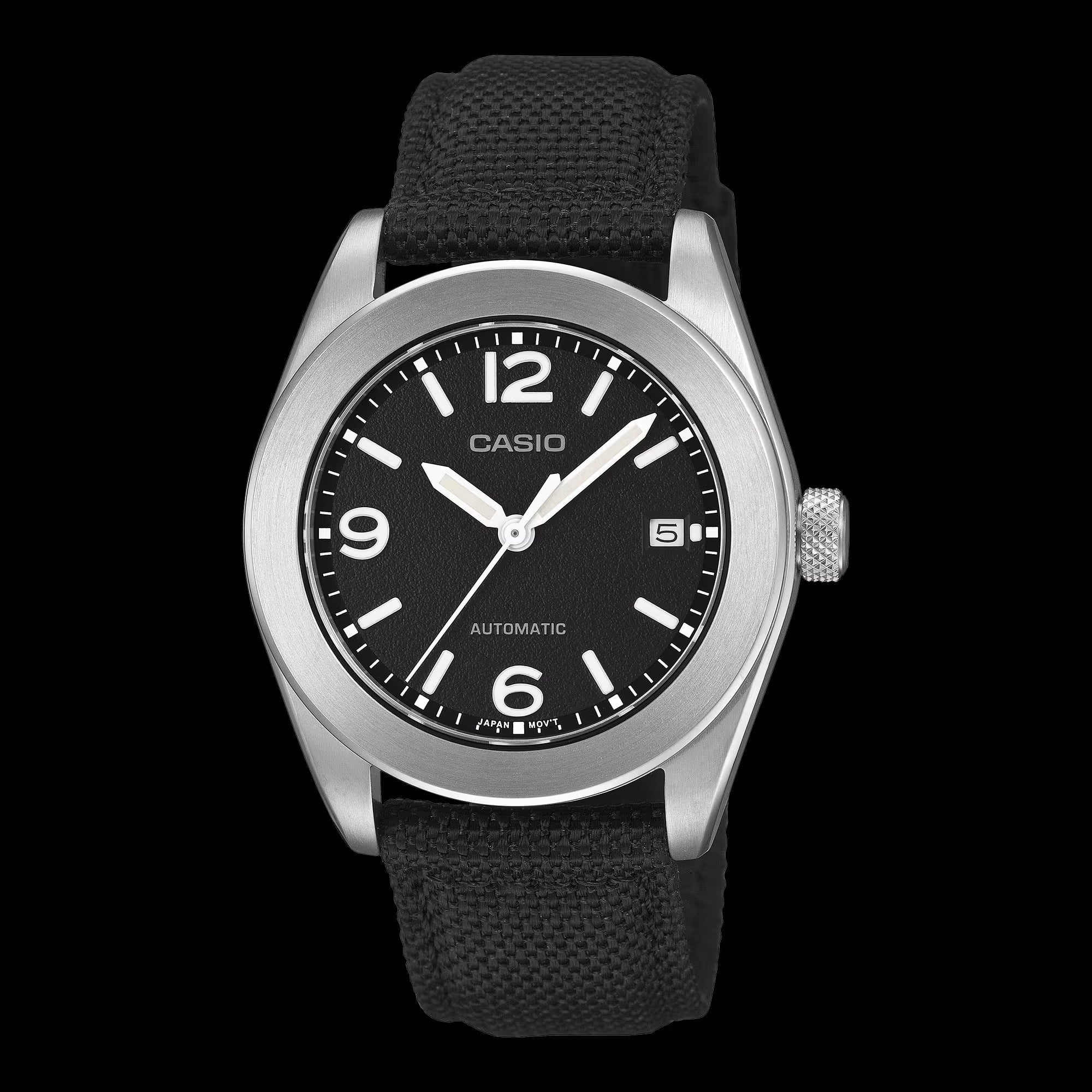
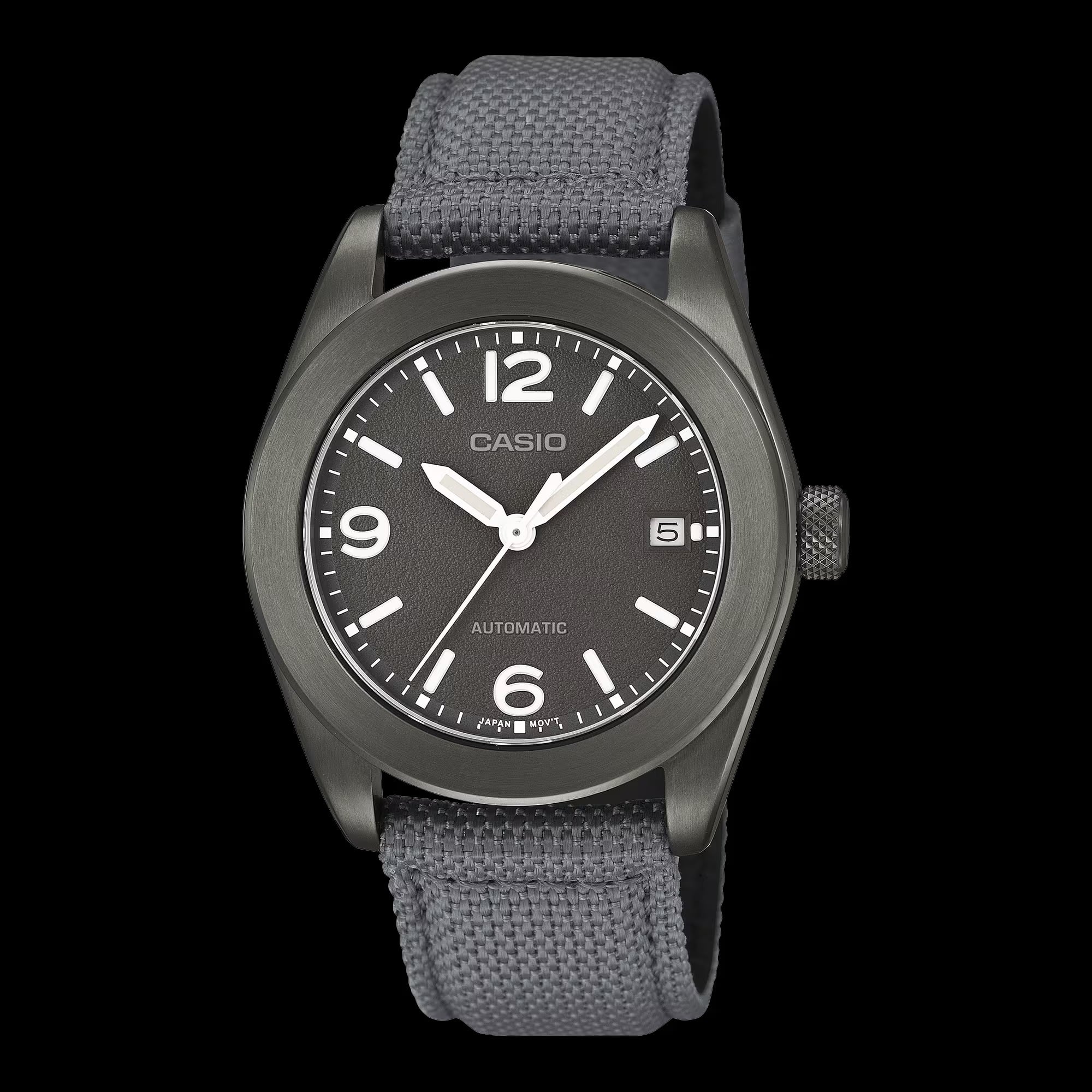
Following an initial rollout last month, Casio’s new CMK100 series of automatic field watches is now officially available for purchase in the US. The lineup offers a straightforward, tool-oriented design paired with a mechanical movement and a lightweight titanium build.

Casio CMK100 automatic field watches

Pricing and Design Details

Our picks
A Casio CMK100 automatic watch with a blue dial and titanium bracelet.
Citizen’s Zenshin Three-Hand gets a brushed titanium build and still fits a $500 budget.
Here are the other titanium watches we picked →

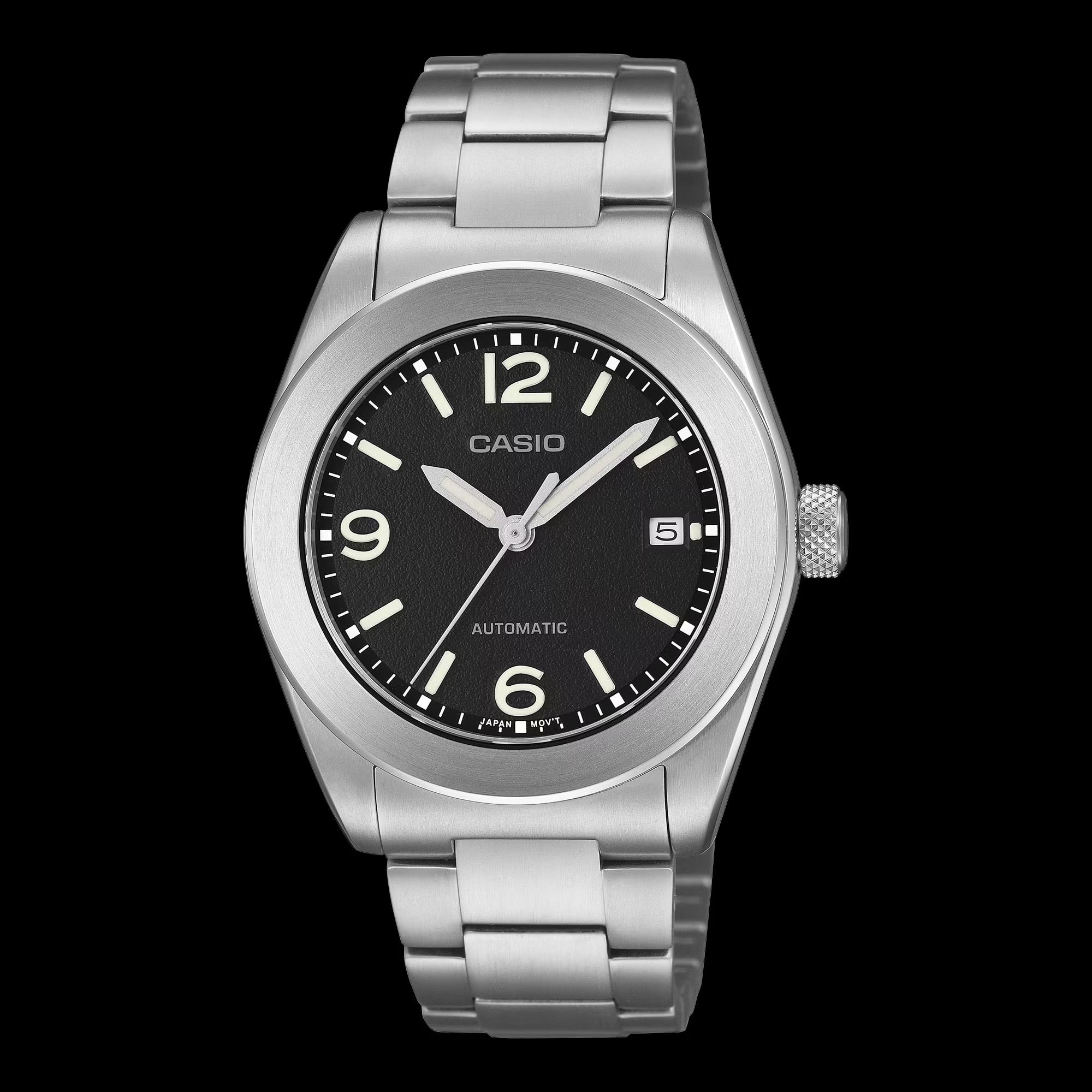
The series features a 38mm titanium case measuring 11.4mm thick and 44.7mm lug-to-lug, giving it a compact profile that stays true to traditional field watch designs. To improve durability and reduce scratches, Casio has applied a titanium carbide (TiC) coating across all models, along with a sapphire crystal to protect the dial. The watches also come with a screw-lock crown and case back, offering 100 meters of water resistance.

Casio-CMK100-automatic-field-watches

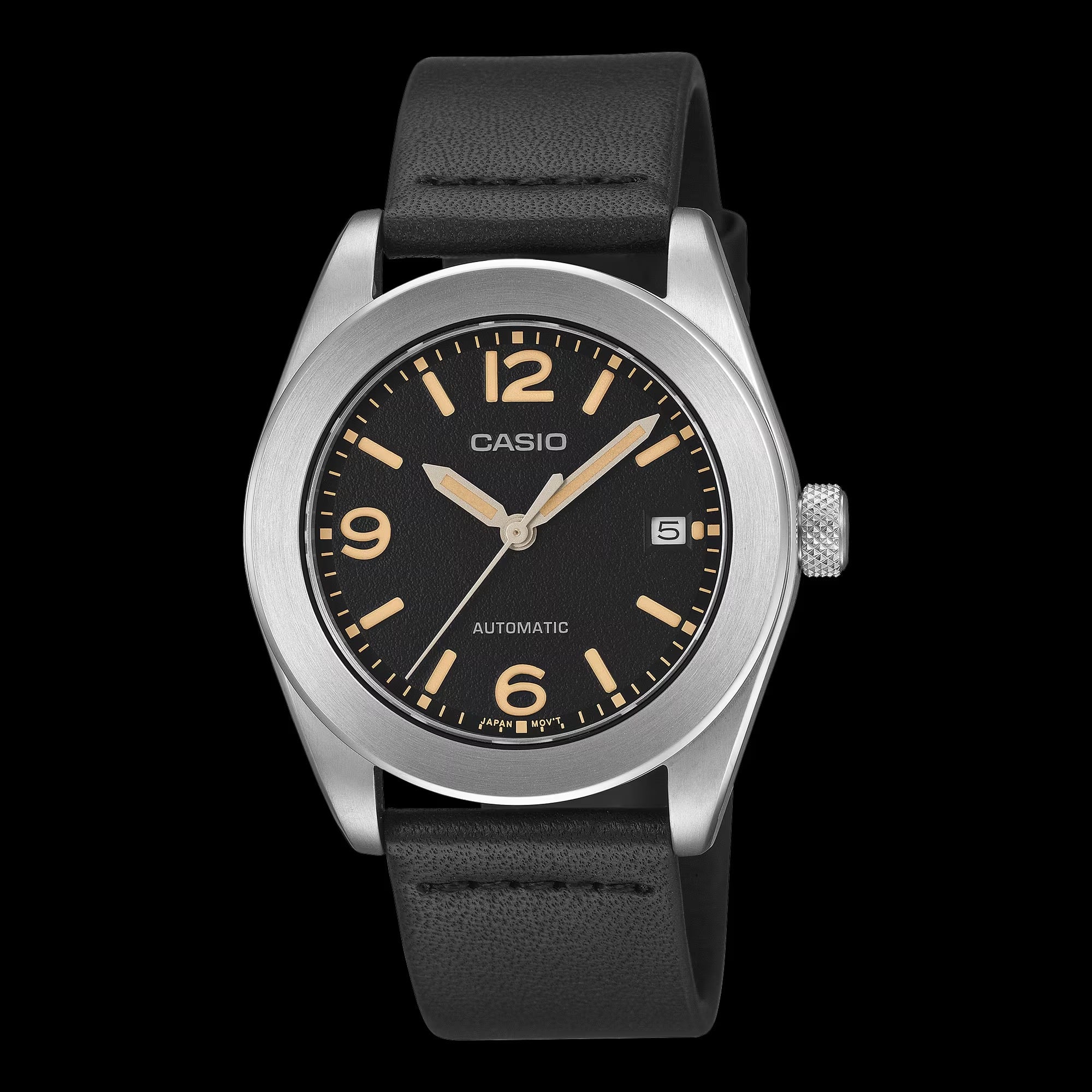
On the dial, Casio opted for a textured finish with large Arabic numerals. The numerals are printed with multiple layers of phosphorescent paint to give them a raised appearance and improve low-light visibility. Inside, the watches are powered by a Made-in-Japan automatic movement.

It is a standard mechanical caliber featuring 21 jewels, a beat rate of 21,600 vibrations per hour, and an approximate 42-hour power reserve. It includes a date display, manual winding capabilities, and a hacking seconds function. Casio rates the accuracy at -20 to +40 seconds per day, and the movement is shielded for magnetic resistance.

The series includes five specific models, differentiated primarily by their bands and bezel finishes. The entry-level CMK100TC-1A costs $330 and comes with a cloth and leather band. For $350, you can choose between the CMK100TCC-8A, which features a gray ion-plated bezel, or the CMK100TL-1A, which comes on a vegetable-tanned leather strap. The CMK100TCL-5A introduces a rose gold ion-plated bezel for $375.

The top-tier CMK100TD-1A is priced at $440. This model swaps the fabric or leather straps for a solid titanium bracelet with a one-touch three-fold clasp, bringing the total weight of the watch to 98 grams, a noticeable increase from the 54-gram weight of the strap-equipped models, but still relatively light for a metal bracelet watch.

All five models in the CMK100 lineup are available now directly through Casio’s US website.

In related news, Casio has recently launched the G-Shock GM2110HDN-8A in collaboration with Hidden NY, drawing inspiration from New York street culture. The company has also brought its three sushi-themed G-Shock watches to the US.

(Casio 1,2,3,4,5)

iPhone 20 Pro leaks hint at a 200MP main camera, with quad-curved display also expected

Apple’s 20th-anniversary iPhone is shaping up as more than a minor refresh, with reports pointing to a refined glass-heavy design and a potentially significant camera upgrade for the expected Pro models.

Apple's 20th anniversary iPhone

Mark Gurman of Bloomberg was among the first to outline Apple’s plans for a more ambitious, glass-centric look timed to the iPhone’s 20th anniversary. The device, widely expected to arrive as the iPhone 20 Pro or similar in September 2027, is said to pair a glass front that curves on all four sides with a metal frame and glass back. The result is described as more polished and less gimmicky than many of the aggressively curved Android devices we have seen in the past decade.

iPhone 20 Pro quad-curved glass

Leaker Ice Universe has provided some of the most detailed recent updates. He reports that Apple is developing four prototypes in parallel: two with the all-around curved glass and two with conventional flat displays as a possible fallback. The curved design has reportedly been refined over roughly three years, moving from more pronounced curves to subtler ones.

Our picks
Two hands hold white Vivo smartphones featuring large circular camera modules on the back.
Most 200MP phones don’t shoot at 200MP by default. Pixel binning saves the full count for heavy cropping.
Here are the best 200MP camera phones you can get in 2026 →

On paper the bezels measure around 1 mm, but the curvature is said to make them nearly invisible when viewed head-on. Screen-protector samples circulating online appear to match this shape.

Camera rumors are equally eye-catching. Ice Universe says that a new main sensor is in the works. YouTuber Sam Kohl has gone further in a recent video, claiming a 200MP sensor that uses LOFIC technology for substantially improved dynamic range. If accurate, it would mark a notable step forward in low-light and high-contrast performance.

iPhone 20 Pro tipped to get a new main sensor

Additional leaks circulating alongside the design talk include solid-state buttons, larger OLED panels (roughly 6.4 inches for the Pro and closer to 7 inches for the Pro Max), an A21 Pro chip building on the prior 2 nm process, and possible silicon-anode battery technology for higher energy density. The Dynamic Island is expected to remain, even if it shrinks further; under-display cameras are still not considered ready for flagship use.

None of these details are final. Apple continues to iterate, and the final hardware could shift before production locks in. Still, the combination of a carefully refined curved-glass design and a next-generation main camera suggests the anniversary models could stand out as one of the more meaningful iPhone updates in recent years.

One UI 9.5 Beta reveals Apple’s Dynamic Island-style Live Notification

One UI 9.5 Beta 1 has already begun rolling out to the Galaxy S26 series across eligible markets in a single wave rather than the usual staggered approach. Development on the next beta builds is underway. Early software builds reveal Samsung is experimenting with a refreshed Live Notification experience that echoes Apple’s Dynamic Island.

One UI 9.5 Beta reveals Dynamic Island-style Live Notification

In current One UI versions, the Live Notification pill sits on the left side of the status bar beside the clock. The new layout repositions it around the front-camera cutout. The pill itself appears smaller than before, with a revised overall look, though the edges have drawn some early notes for not feeling fully refined.

Functionality stays consistent: tapping the pill expands the Live Notification for more controls and details. Switching between multiple ongoing activities is also being adjusted, moving from vertical swipes to horizontal ones in the tested builds.

This change is expected to draw mixed reactions. Some users may see the centered placement as a practical upgrade that makes ongoing activities more visible and gives the interface a more modern feel.

Others are likely to view it as Samsung leaning further into an approach popularized by Apple, especially since Samsung introduced its Live Notification system after Dynamic Island arrived. Samsung’s existing Live Notifications already support a range of activities and third-party apps through Android’s Live Updates framework, so the core usefulness should carry over.

Beyond the notification redesign, the first One UI 9.5 beta already includes notable interface polish. The lock screen gains improved wallpaper blending and a glassier aesthetic for the Now Bar. These visual updates sit alongside other confirmed additions such as native App Lock, refined camera controls, and health-related tools.

The centered Live Notification design remains in active testing and is not confirmed for the current public beta builds. It is more likely to appear in a later beta or the stable One UI 9.5 release, which is expected to accompany the Galaxy S27 series in early 2027. As with any software still in development, the final shape, padding, and gesture behavior could still evolve before a wider rollout.

(Source: Sammobile)

Citizen launches two Attesa Eco-Drive watches with full sapphire bezels & mother-of-pearl dials

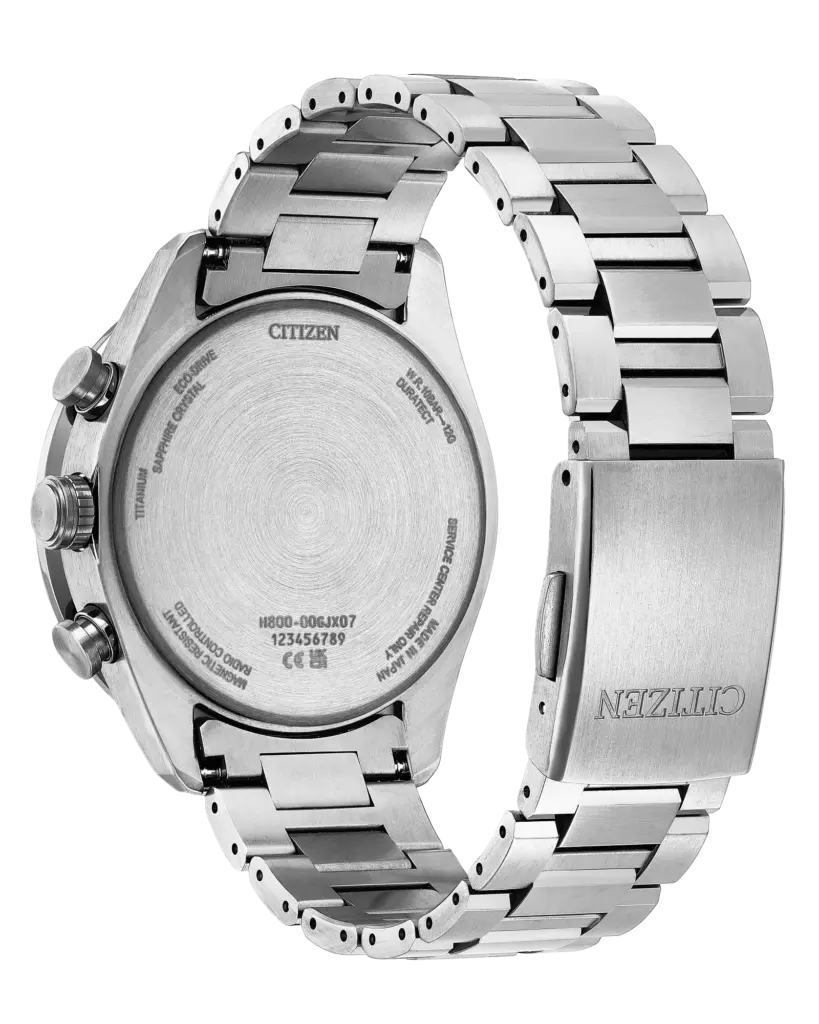
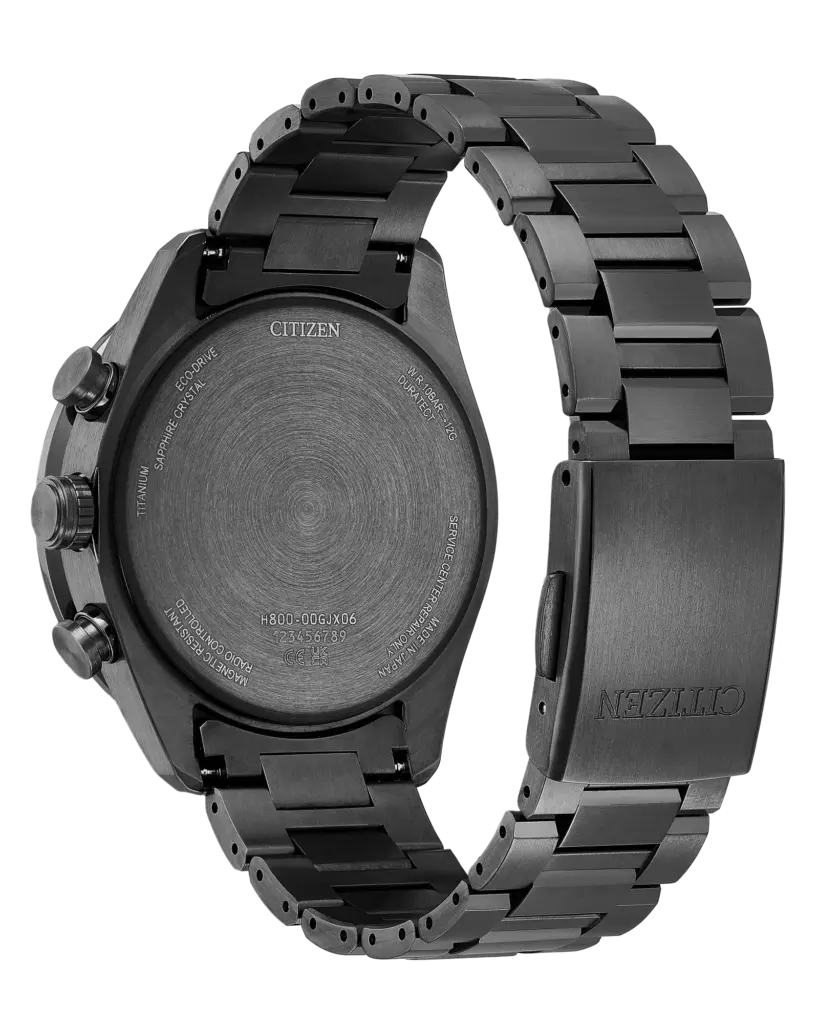
Citizen is expanding its Attesa lineup with two new limited-edition watches: the Hazy Black (AT8404-52E) and the Hazy White (AT8400-53L). The watches recently appeared on Citizen’s Canadian website, ahead of a scheduled global launch in December 2026.

Citizen Attesa AT84 watches
Edited

Design Details

Both models feature what Citizen calls a full sapphire bezel, which is one of their biggest design highlights. Instead of using a traditional metal or ceramic insert, the anti-reflective sapphire glass extends right to the edges of the case, covering the entire inner world-time bezel. Beneath the glass, Citizen has added a mother-of-pearl ring that gives the watches a more premium look.

The Hazy Black model utilizes a dark mother-of-pearl paired with a 43.1mm Super Titanium case. The titanium is treated with a black Diamond-Like Carbon (DLC) coating to improve scratch and corrosion resistance.

Citizen Attesa AT84 watches

The Hazy White version opts for a light blue dial, white mother-of-pearl subdials, and a Super Titanium case finished with Duratect Platinum for a brighter, traditional silver tone. Both watches measure 13.3mm thick and feature applied, lume-filled markers.

Inside, both watches are powered by Citizen’s Calibre H800 movement. This is an Eco-Drive caliber, meaning it charges via ambient light and can run for up to 10 months on a full charge when left in power-save mode, eliminating the need for standard battery replacements.

The movement also comes with multi-band radio-controlled atomic timekeeping, which automatically adjusts the time and date by receiving radio signals in supported regions, including the US, Europe, Japan, and China. For those who travel frequently, the crown allows manual switching between 26 time zones.

The watches also include a 1/20-second chronograph with a 60-minute measurement capacity, a perpetual calendar, a power reserve indicator, and a day/date display. Both models are rated for water resistance up to 100 meters.

Pricing and Availability

As limited editions, production numbers are strictly capped. The Hazy Black model is limited to 2,600 pieces worldwide and is priced at $1,900 USD ($2,695 CAD). The Hazy White model is slightly more restricted at 2,400 pieces and costs $1,790 USD ($2,495 CAD).

In related news, Citizen has recently launched a new Mickey Mouse watch featuring a football-inspired dial and Eco-Drive technology, along with a new Promaster Land GMT watch equipped with Eco-Drive and sapphire crystal.

(Citizen)

Galaxy S27 series could be priced higher than previously expected

Samsung is considering launch prices for its upcoming Galaxy S27 series that exceed earlier internal targets, as relentless increases in mobile memory costs continue to pressure smartphone margins.

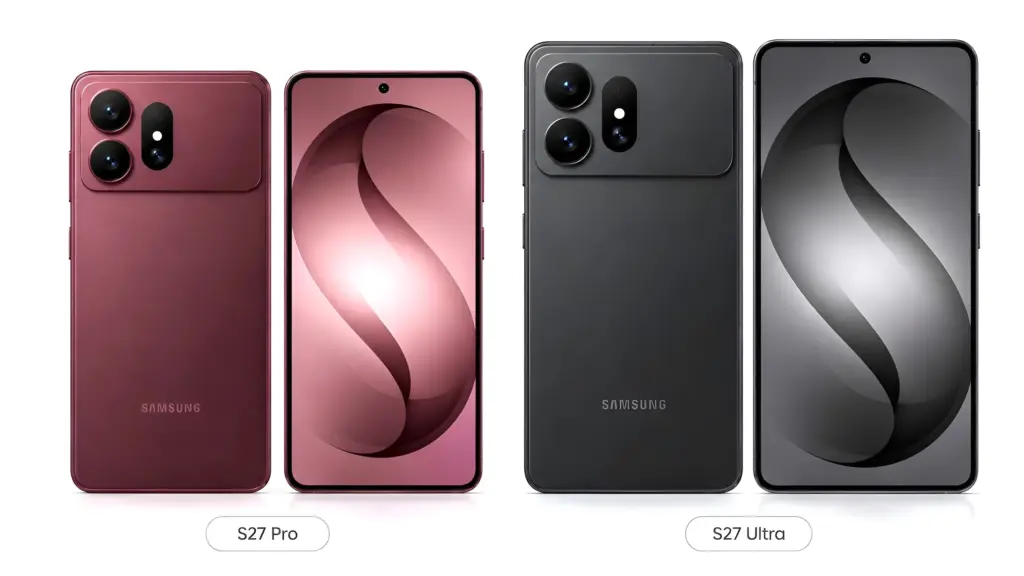
Galaxy S27 Pro (left), Galaxy S27 Ultra (right)

According to a report from ceoscoredaily, the company may have little choice but to adjust its pricing strategy upward for the 2027 flagships. Samsung’s Mobile eXperience (MX) and Networks divisions recorded a combined operating loss of 600 billion won in the third quarter on 37.3 trillion won in revenue. The shortfall occurred even after the company raised factory prices on the Galaxy S26 lineup, 8th-generation foldables, and even mid-range models.

Mobile memory has been the primary driver. Samsung’s cumulative average purchase price for mobile memory between January and September jumped 263% compared with the previous year’s annual average. External purchases of the components reached 7.6993 trillion won over the nine-month period, representing 12.3 percent of total raw-material spending in the Device eXperience division. Processor costs added further strain, rising 8 percent in the same window.

Leak
Back and front view of a black Samsung Galaxy S27 smartphone render.
The Galaxy S27 Pro may bring much of the Ultra’s hardware to a smaller phone, while the Ultra keeps the S Pen.
Here is which Galaxy S27 model is worth waiting for →

The broader industry backdrop offers little relief. Heavy investment in AI server infrastructure continues to constrain DRAM and NAND wafer supply, keeping mobile memory prices elevated.

During the recent earnings call, Samsung executives acknowledged that cost pressures would extend into 2027 and outlined plans to restore profitability by focusing more tightly on higher-margin flagship tiers. One element of that approach involves broader use of the in-house Exynos 2700 chipset across the base, Plus, and the rumored Pro model positioned below the Ultra. Introducing a Pro tier without the S Pen is expected to create a clearer pricing ladder that encourages buyers to step up.

Samsung has also simplified the camera system on the Galaxy S27 Ultra, moving away from its previous dual-telephoto setup in favor of a single 5x optical zoom telephoto lens.

Taken together, the cost environment and strategic adjustments point to a Galaxy S27 series that will likely arrive with higher starting prices than originally mapped out, reflecting the difficult component market Samsung and its rivals continue to navigate.

(Source)