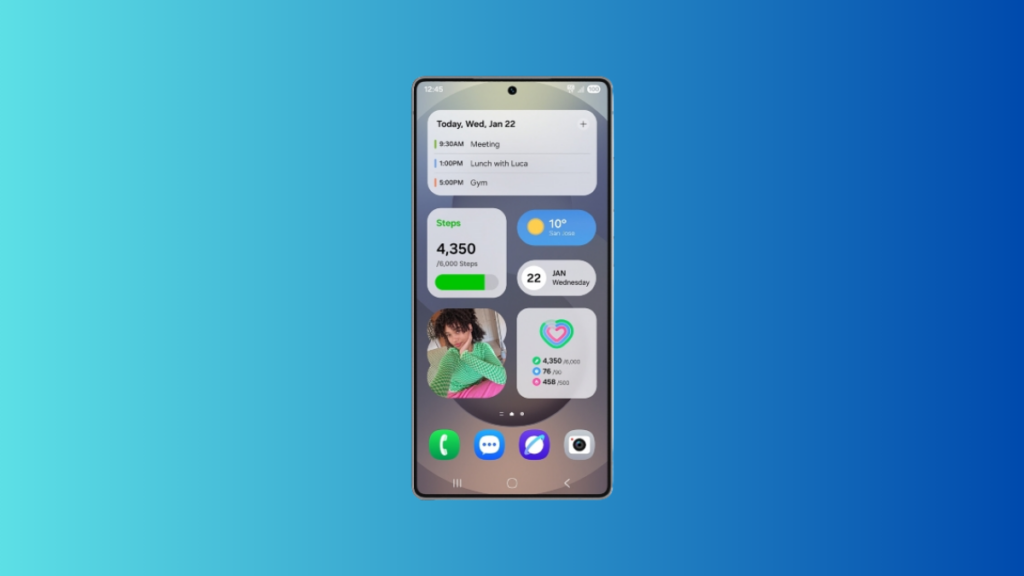
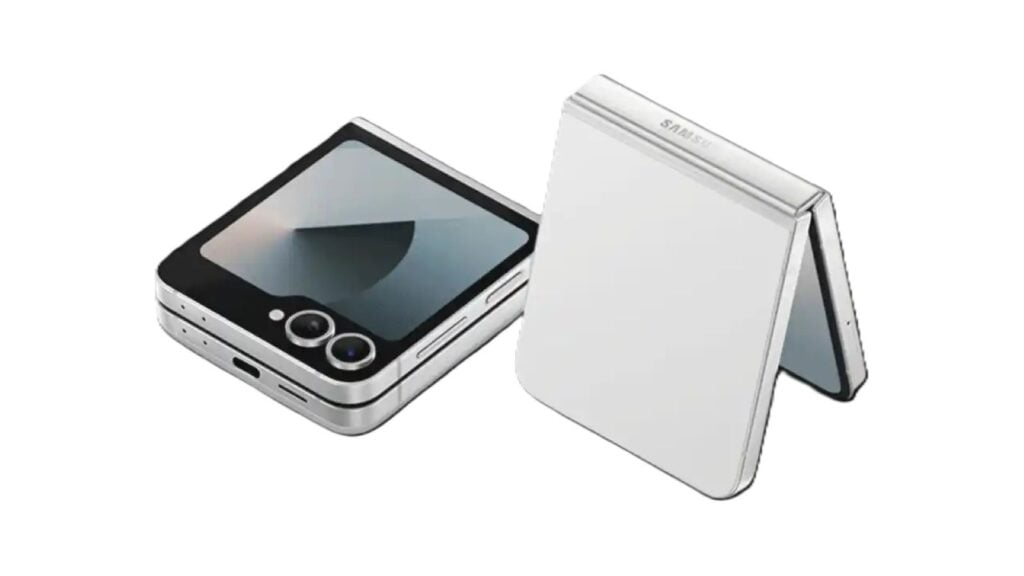
After a frustratingly long wait, Samsung finally started rolling out the stable One UI 7 update on April 7. The rollout was initially limited to the latest premium phones — the Galaxy S24 series, Galaxy Z Fold 6, and Galaxy Z Flip 6. Soon, it gradually started rolling out to more Galaxy phones and tablets.
We’ve created a list of all Galaxy phones and tablets that are getting the stable One UI 7 update. This list will make it easier to keep track of the rollout and know when to hit the update button on your Samsung device (if you haven’t already).
These Samsung devices are getting the stable One UI 7 update
Galaxy S24
Galaxy S24+
Galaxy S24 Ultra
Galaxy S24 FE
Galaxy S23
Galaxy S23+
Galaxy S23 Ultra
Galaxy S23 FE
Galaxy S22
Galaxy S22+
Galaxy S22 Ultra
Galaxy S21
Galaxy S21+
Galaxy S21 Ultra
Galaxy Z Fold 6
Galaxy Z Flip 6
Galaxy Z Fold 5
Galaxy Z Flip 5
Galaxy Z Fold 4
Galaxy Z Flip 4
Galaxy Z Fold 3
Galaxy Z Flip 3
Galaxy Tab S10+
Galaxy Tab S10 Ultra
Galaxy Tab S9
Galaxy Tab S9+
Galaxy Tab S9 Ultra
Galaxy Tab S8
Galaxy Tab S8+
Galaxy Tab S8 Ultra
These Samsung phones and tablets have started getting the Android 15-based One UI 7 update. Keep in mind that the updates are gradually rolling out across the globe, so it may take a few days to a few weeks to show up on your device.
If your Samsung device is on the list, go to Settings > Software updates and tap on Download and install button to check if the update is available for your device.
Samsung needs to quickly wrap up the One UI 7 rollout
With One UI 7, Samsung has lost the trust of many Galaxy fans. The brand has consistently provided timely software updates for years, but the One UI 7 rollout has been a complete disaster so far.
The beta program arrived with a delay, followed by a lengthy beta testing, only to test the patience of Galaxy fans. After a long wait, the stable rollout started earlier this month, with the latest premium phones getting the first bite.
The rollout will be completed by July 2025, as per the timeline published by Samsung. But by that time, Google would have released Android 16. According to the official timeline, the stable version of Android 16 will be released by June 2025, leaving Samsung little time to prepare for One UI 8.
One UI 7 is already too delayed, and another delay might push Samsung fans to choose a different brand. In fact, many Galaxy users have already made the switch, as per conversations on Reddit (1, 2, 3, 4). Samsung, however, wouldn’t want that to happen on a larger scale, and hence, we’re already seeing signs of One UI 8 internal testing. You can read more about One UI 8 on this page.
Now that Vivo has wrapped up its regular flagship cycle for the year, the company’s next big launch is expected to be a foldable. It’ll follow the X Fold 3, and depending on Vivo’s naming strategy, it could be called the X Fold 4 or possibly Fold 5, since the number 4 is often skipped due to cultural superstitions in China.
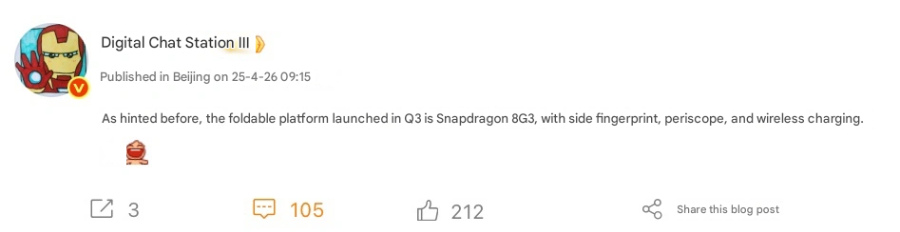
Reliable leaker Digital Chat Station has now hinted that a new foldable is on track for a Q3 launch. While they didn’t name the device outright, all signs point to an upcoming Vivo foldable.
According to the tipster, the device will be powered by the Snapdragon 8 Gen 3. This will be an expected jump from the Snapdragon 8 Gen 2 found in the current X Fold 3.
Vivo X Fold 4 Specifications (Rumored)
There’s no mention of the Pro variant yet, but if Vivo sticks to its usual playbook, the X Fold 3 Pro successor could pack the more powerful Snapdragon 8 Elite.
Other early details suggest the foldable will feature a side-mounted fingerprint scanner, a periscope-style telephoto camera, and support for wireless charging. As with the previous leak, the launch is expected sometime in Q3.
Likewise, a previous report claims the foldable will have a large AMOLED display with a high refresh rate and minimal bezels. The device is also expected to use a sophisticated hinge design to reduce the crease and improve durability.
In terms of cameras, the X Fold 4 is rumored to include a primary 50-megapixel sensor, a 50MP periscope telephoto lens, and an ultra-wide shooter. It’s also expected to pack a 6,000mAh battery and offer an IPX8 rating for water resistance.
For more daily updates, please visit our News Section.
Vivo has launched FunTouch OS 15, built on Android 15, making it one of the first companies to move to the new platform. FunTouch OS has steadily improved with each update, and version 15 focuses on making smartphones smoother, faster, and more useful for daily life. It also stays in line with Vivo’s goal of blending camera features, simple design, and smarter software.
The update brings a cleaner interface and new AI features that aim to make tasks faster and easier without needing extra apps or complicated steps.
Better Photos with AI Erase and AI LIVE Cutout
AI Erase allows users to remove unwanted objects from photos with a tap or swipe. Whether it’s a tourist in the background or a streetlight spoiling a sunset, users can clean up images quickly.
AI LIVE Cutout lets users isolate people or objects in a photo by long-pressing them. This makes it easy to create clean cutouts for work presentations, creative projects, or personal keepsakes without using other editing tools.
Voice Recordings Turned into Text with AI Transcript Assist
The Recorder app now comes with AI Transcript Assist. It automatically converts voice recordings into written text and smart summaries. Users can also search by keywords to find important parts of long recordings without listening to everything. This helps for meetings, interviews, or saving ideas on the go.
Real-Time Translations with AI Screen Translation and AI Call Translation
AI Screen Translation allows users to translate entire screens instantly. Whether reading an article in a different language or browsing international websites, users can get translations without switching apps.
AI Call Translation lets users talk across different languages in real time during a call. It listens, transcribes, translates, and shows the translated text on the call screen, making cross-language conversations smoother without pauses or misunderstandings.
Improve Photos with AI Photo Enhance
AI Photo Enhance helps fix photos that are blurry, too dark, or missing details. It sharpens faces, brightens low-light shots, and brings out missing details so that every photo looks sharper and more vivid. It works automatically, saving users from editing manually.
Search Smarter with Circle to Search
Circle to Search allows users to look up information by simply circling text, objects, or images on their screen. This triggers an instant smart search with results based on what was circled. It speeds up looking for product prices, definitions, or background details without needing to type anything.
Extract Text from Images with AI Live Text
With AI Live Text, users can take a photo of a document, flyer, or page from a book and instantly pull the text from the image. The extracted text can then be copied into notes, messages, or emails. It removes the need to type out information manually and cuts down errors.
Organize Notes Automatically with AI Note Assist
AI Note Assist makes unstructured notes better. It organizes text into clean formats, summarizes important points, extracts to-do lists, and even translates notes if needed. Whether taking meeting minutes or drafting weekly plans, users can turn rough drafts into usable documents faster.
It is worth pointing out that these new features will be coming to select models only, and availability may vary by device and region.
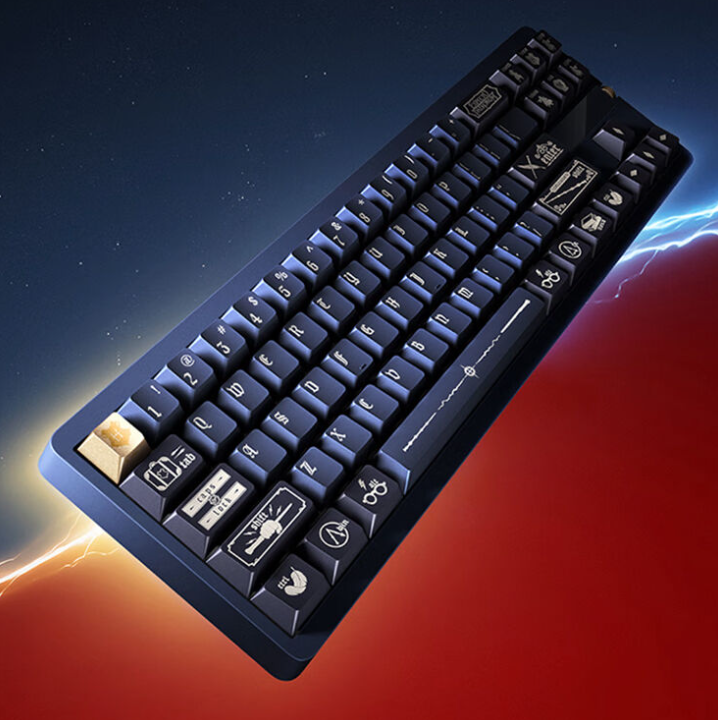
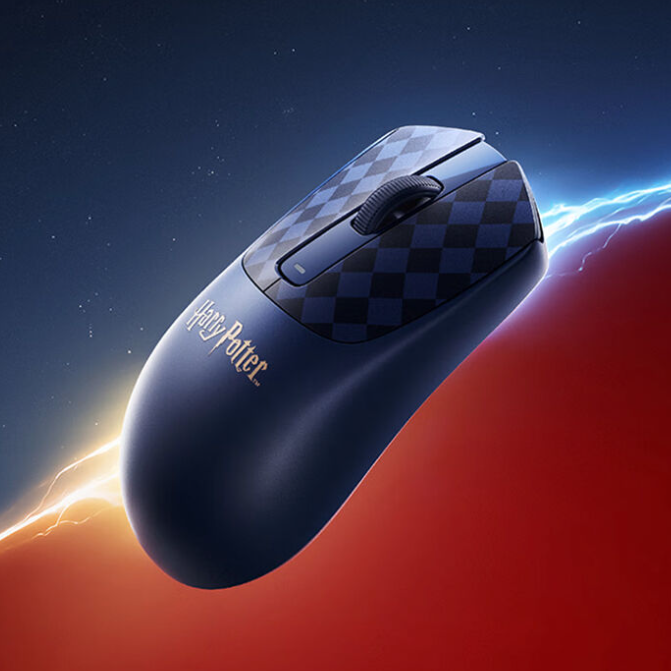
Xiaomi Mechanical Keyboard MK71 Pro and Mouse X1 Harry Potter Edition set is a stylish and high-performance combo designed for gamers and fans of the wizarding world. With advanced features, excellent build quality, and magical design touches, this bundle offers both form and function. Whether you’re gaming, working, or just showing off your setup, you can get this combo for just $199.99 at Giztop.
Premium Compact Keyboard Design
The MK71 Pro features a compact 71-key layout that saves desk space without sacrificing functionality. It’s built with a solid aluminum alloy frame, giving it a premium feel and lasting durability. The keyboard uses a gasket mount structure, which provides a soft, cushioned typing experience with less noise and more comfort. On top of that, it supports full RGB lighting with 16.8 million colors and multiple lighting effects, adding a vibrant touch to any setup.
Custom Typing Experience
One of the highlights of the MK71 Pro is its hot-swappable switch design. It supports TTC Gold switches in Red (linear), Brown (tactile), and Blue (clicky) variants, so users can pick their preferred typing feel. The PBT double-shot keycaps offer a textured surface for better grip and are resistant to wear and fading. A 1.14-inch color LCD screen shows connection status, battery life, and customizable animations, adding a modern touch to the keyboard.
Flexible Connectivity and Long Battery Life
The keyboard supports triple-mode connectivity, Bluetooth 5.1, 2.4GHz wireless, and USB-C wired. You can switch between devices seamlessly and enjoy low-latency performance. Its 7800mAh battery ensures long usage times, perfect for extended gaming sessions without constant charging.
Harry Potter-Themed High-Performance Mouse
The Mouse X1 Harry Potter Edition stands out with its magical design. It likely includes iconic Harry Potter symbols, appealing to fans of the franchise. Despite the themed look, the mouse is a serious gaming tool. Weighing just 65 grams, it supports all grip styles and ensures comfort during long use.
Advanced Sensor and Superfast Response
Inside, the mouse features the powerful PAW3395 sensor, which offers up to 26,000 DPI, fast tracking speeds of 650 IPS, and 50G acceleration. It also supports an impressive 8,000Hz polling rate, delivering lightning-fast response times. This makes it ideal for fast-paced gaming where every millisecond counts.
Reliable Switches and Dual Connectivity
Equipped with TTC Gold microswitches rated for 80 million clicks, the mouse ensures crisp and reliable button presses. It supports both wired and 2.4GHz wireless connections and comes with an 8KHz wireless receiver. The built-in 530mAh battery can run for up to 110 hours at 1,000Hz, so you won’t be charging it often.
Key Specs:
Keyboard:
Keyboard Layout: 71-key compact with aluminum alloy frame
Switches: TTC Gold Red, Brown, Blue (hot-swappable)
Mounting: Gasket structure
Keycaps: PBT double-shot
Backlighting: RGB, 16.8 million colors
Screen: 1.14” TFT color LCD
Connectivity: Bluetooth 5.1, 2.4GHz wireless, USB-C
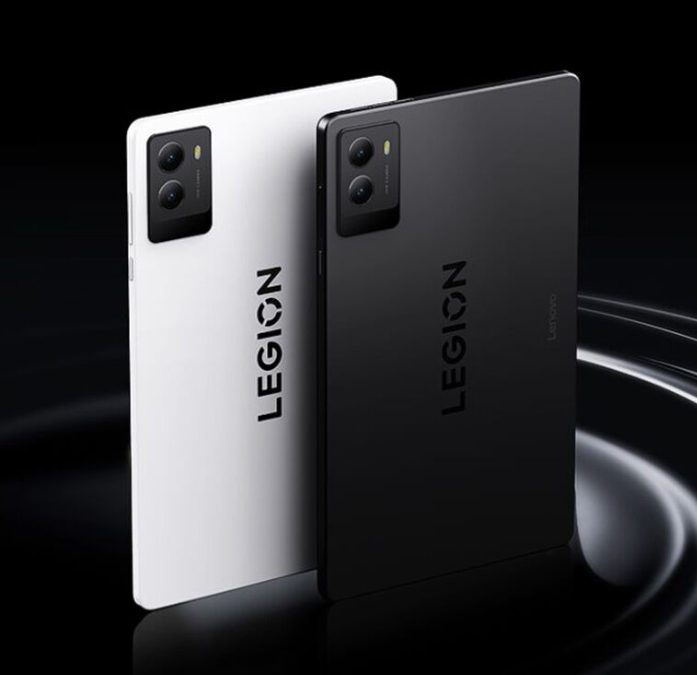
The new generation Lenovo Legion Y700 2025 is set to launch in May 2025 and will soon be available for purchase on Giztop. This powerful compact tablet is built for gamers, multimedia users, and performance lovers, offering an ideal balance of speed, portability, and vibrant visuals. With major upgrades in performance, display quality, and storage options, it continues the Legion series’ reputation for delivering strong Android gaming tablets.
Display and Design
The Legion Y700 2025 comes with an 8.8-inch IPS LCD display offering a sharp 3K resolution of 2560 x 1600 pixels. The 16:10 aspect ratio is ideal for both reading and gaming. With features like a 165Hz refresh rate, 500 nits brightness, DC dimming, Dolby Vision, and full DCI-P3 color gamut support, the display delivers fluid visuals with vibrant colors. The tablet’s compact size makes it easy to carry while still providing a rich visual experience.
Performance and Storage
Powering the device is the Qualcomm Snapdragon 8 Elite processor, which is one of the most advanced chipsets for mobile gaming and multitasking. It’s paired with either 12GB or 16GB of LPDDR5X RAM, and storage options include 256GB or 512GB of fast UFS 4.0 memory. Storage can be further expanded up to 1TB using a microSD card, giving users ample room for games, apps, and media.
Battery and Charging
The Legion Y700 2025 packs a 7600mAh battery which is supported by 68W super-fast charging. This ensures minimal downtime and long hours of usage. It also includes an Ultra Power Saving mode to extend battery life further when needed.
Camera and Connectivity
The tablet features a 13MP rear camera and an 8MP front camera with face support unlock. While not designed for heavy photography, these cameras are great for video calls, quick snapshots, and unlocking the device securely. For connectivity, it supports dual-band Wi-Fi (802.11a/b/g/n/ac), and Bluetooth 5.4, and comes with two USB Type-C 3.1 Gen 2 ports for fast data transfer and charging.
Audio and Multimedia
Dual JBL speakers with Dolby Atmos deliver rich and immersive sound, ideal for gaming or watching movies. Combined with the high refresh rate screen and powerful processor, the Y700 2025 provides a top-tier multimedia experience in a compact design.
DJI might be bringing multiple upgrades to its next gen compact drones. The DJI Mini 5 has just been leaked, revealing a couple of upgrades over its predecessor, the DJI Mini 4 Pro. So here’s everything you need to know about these upcoming improvements.
DJI Mini 5 Leak: New LiDAR & Stronger Motors
DJI Mini 4 Pro
The popular drone maker’s Mini 5 was just spotted being tested in the public streets in China, with images being shared by DroneXL. In the article from Jasper Ellens, a known drone industry source, the low quality image of a quadcopter shared online is the Mini 5. It appears similar to the Mini 4 Pro in terms of design, but we can see a larger front camera lens and what appears to be a pair of LiDAR sensors on the top.
In other words, there could be a camera upgrade along with the new LiDAR sensors. Back in December 2024, Ellens also shared a tweet that talks about how the new DJI Mini 5 will offer LiDAR sensors along with stronger motors. To recall, LiDAR sensors on the front are used on drones as a collision avoidance system. This allows for better obstacle navigation in low light situations as well.
DJI Mini 5 Leak
Considering how the DJI Mini 5 may weigh under 250 grams, this small drone could be the first of its category to offer this technology. Based on recent rumors, the Mini 5 may pack a 1-inch sensor and promise a flight time of up to 50 minutes. Both of these are major upgrades over the 1/1.3-inch sensor and 34 minute flight time over the DJI Mini 4 Pro.
For more daily updates, please visit our News Section.
Redmi Turbo 4 Pro Harry Potter Edition is a special smartphone designed for fans of both powerful devices and the magical Harry Potter universe. With premium specs, custom design elements, and advanced performance features, this phone brings a unique mix of style and function. Whether you’re a student, a gamer, or a professional on the go, this phone offers something for everyone.
Price and Availability
Redmi Turbo 4 Pro Harry Potter Edition is currently available for pre-sale and will begin shipping out very soon. Priced at $599 at Giztop, this special edition offers a magical blend of style and performance at a competitive flagship price point.
Design and Display
The Redmi Turbo 4 Pro Harry Potter Edition features a large 6.83-inch AMOLED display with 1.5K resolution and a smooth 120Hz refresh rate. The screen supports Dolby Vision and HDR10+, offering bright colors, rich contrast, and sharp details. With a peak brightness of 3200 nits, it stays clear even under direct sunlight. The design includes special Harry Potter-themed graphics and UI elements, making it a collector’s item for fans.
Performance and Cooling
This smartphone is powered by the Qualcomm Snapdragon 8s Gen 4 chipset, an advanced octa-core processor with strong AI and graphics processing capabilities. It comes with 16GB LPDDR5X RAM and 512GB of UFS 4.0 storage, providing smooth multitasking and fast app loading times. For better heat management, it features the LiquidCool 4.0 cooling system, which helps the device stay cool during intense gaming or video sessions.
Camera System
The phone includes a dual rear camera setup with a 50MP main Sony IMX882 sensor that has an f/1.5 aperture and OIS (optical image stabilization) for clear, steady shots. It’s paired with an 8MP ultra-wide-angle lens for capturing more in a single frame. On the front, there’s a 20MP selfie camera that delivers sharp and vibrant photos.
Battery and Charging
One of its highlights is the massive 7550mAh battery, which ensures long hours of use without worry. It also supports 90W fast charging, so you can quickly power up and get back to your tasks in no time.
Software and Features
The Redmi Turbo 4 Pro Harry Potter Edition runs on Xiaomi’s Hyper OS 2.0, a smooth and responsive interface that enhances daily productivity. It includes useful features and a side-mounted fingerprint sensor for fast and secure unlocking.
Back in June 2024, Samsung announced innovations in its foundry for 4nm, 2nm, and 1.4nm process nodes. Now, TSMC (Taiwan Semiconductor Manufacturing Company) has also shown off its latest cutting edge 1.4nm process technology, which will power future products from tech giants like Nvidia, Apple, AMD, and others.
TSMC 1.4nm process officially announced
The world’s largest contract chipmaker has revealed that the 1.4nm A14 process will enter production in 2028 with various improvements over the 2nm process. This includes a 30 percent reduction in power draw, while boosting performance by around 15 percent. For those unaware, TSMC’s 2nm process is set to hit production later this year.
TSMC’s 2nm node
Since TSMC has a varied client list, the next gen process would likely power future iPhones, Nvidia GPUs, AMD chips, and much more. According to TSMC, there is a 20 percent increase in logic density, which allows for the performance boost over the 2nm process. Comparing it to the current TSMC 3nm process, the 1.4nm is basically up to 30 percent faster and makes it 60 percent more efficient.
To recall, Apple’s new iPhone 17 lineup is expected to use the latest N3P node (3nm) for the A series chips, so the shift to 2nm might arrive a couple of years after. In other words, tech from the 1.4nm process is still a few generations away as well. This is all the information we have at the moment, so stick around for more.
For more daily updates, please visit our News Section.
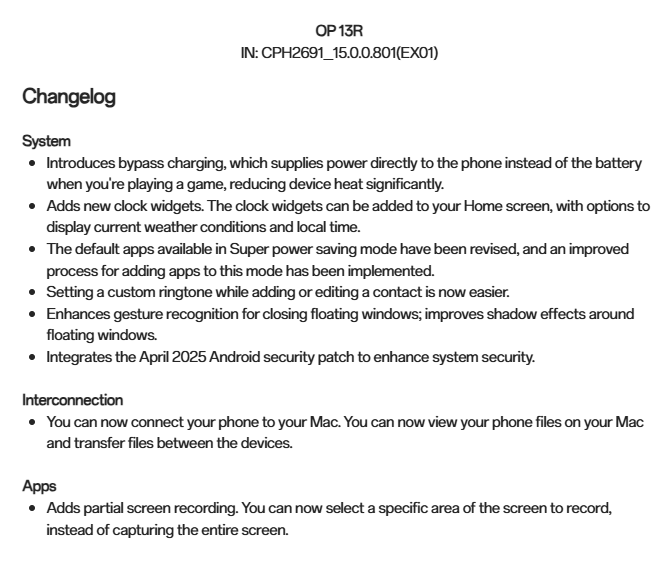
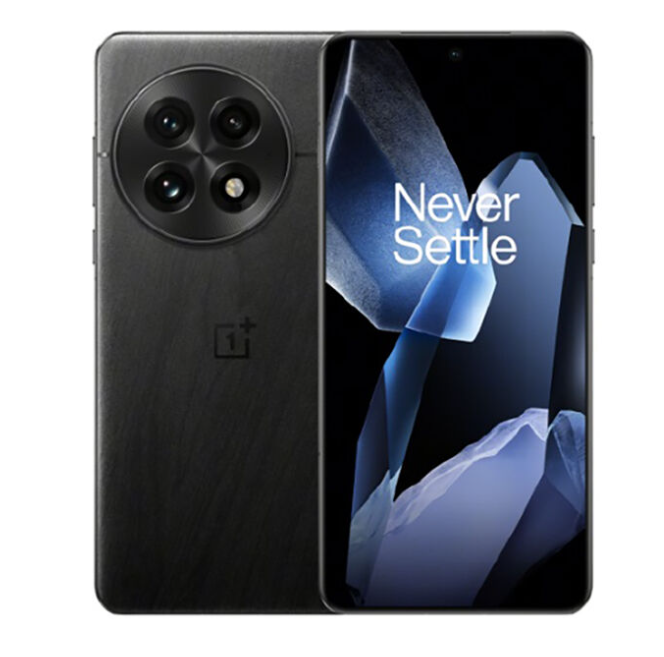
OnePlus has started rolling out the OxygenOS 15.0.0.801 update for the OnePlus 13R in India. The update, version CPH2691_15.0.0.801(EX01), is being released in batches and will gradually reach more users.
This update adds bypass charging, which lets power go directly to the phone instead of the battery while gaming. This helps keep the phone cooler. New clock widgets are also included. These can be added to the Home screen and show the current weather and local time.
In Super Power Saving Mode, the default apps have been updated. It’s now easier to add apps to this mode. You can now set a custom ringtone more easily when creating or editing a contact.
Gesture controls for floating windows have been improved. Closing them is now smoother, and shadow effects around them look better. The April 2025 Android security patch is also part of this update. In terms of device connection, the OnePlus 13R can now connect to a Mac. You can view and transfer files between the phone and Mac without any extra tools.
A new partial screen recording feature lets you record a selected part of the screen instead of the full display. This update is rolling out slowly. A small group of users will get it first, followed by a wider rollout.
If you’re in India and face any issues after updating, you can report bugs through the OnePlus Community App under the “Bug Report” section or by dialing *#800# to use the feedback tool.
For more daily updates, please visit our News Section.
OnePlus 13 is a high-end smartphone built for users who want cutting-edge performance, an advanced camera system, and long-lasting battery life. With its sleek design and premium materials, it offers a blend of style and strength, making it a great option for professionals, tech lovers, and mobile gamers alike. OnePlus has also upgraded its software with ColorOS 15 based on Android 15, giving users faster performance and smoother multitasking.
Price and Availability:
OnePlus 13 is available now on Giztop, starting at just $599, making it one of the most affordable flagship phones with top-tier specs. With this pricing, it offers incredible value for users looking for premium performance without a premium price tag.
Display and Design
The OnePlus 13 features a large 6.82-inch LTPO display with a 3.2K resolution and a 120Hz refresh rate. This makes scrolling and video playback feel extra smooth. The screen has earned a DisplayMate A++ rating, which means it delivers vibrant colors, high brightness, and accurate visuals. Whether you’re watching movies, playing games, or just browsing the web, the display is sharp and easy on the eyes. With its modern design and slim bezels, the phone looks sleek and feels premium in the hand.
Performance and Storage
Inside, the OnePlus 13 runs on the new Qualcomm Snapdragon 8 Elite processor. This chip brings faster speeds and better power efficiency, making it ideal for heavy tasks like gaming, video editing, or multitasking. The phone comes with up to 24GB of LPDDR5X RAM, allowing users to switch between apps effortlessly. You can choose from storage options of 256GB, 512GB, or even a massive 1TB, all using UFS 4.0 technology for super-fast data access.
Camera Capabilities
OnePlus has packed three 50MP cameras into the 13. The main lens uses the Sony LYT-808 sensor for detailed and vibrant shots. There’s also a 50MP ultra-wide lens for capturing landscapes and group photos, and a 50MP periscope telephoto lens for zooming in without losing clarity. This setup ensures sharp and versatile photography in various conditions, whether it’s daylight or low light.
Battery Life and Charging
With a huge 6000mAh battery, the OnePlus 13 is built to last all day and beyond. It supports 100W Super Warp charging, so you can top up the battery quickly and get back to using your phone without waiting long. This is ideal for busy users who rely on their phones throughout the day.
Software and User Experience
The phone comes with ColorOS 15, based on Android 15. This updated system is faster and more responsive. It includes features like Dark Mode 2.0, which supports more apps and offers better visibility at night. OnePlus has focused on delivering a smooth and clean user experience, making daily tasks more efficient.
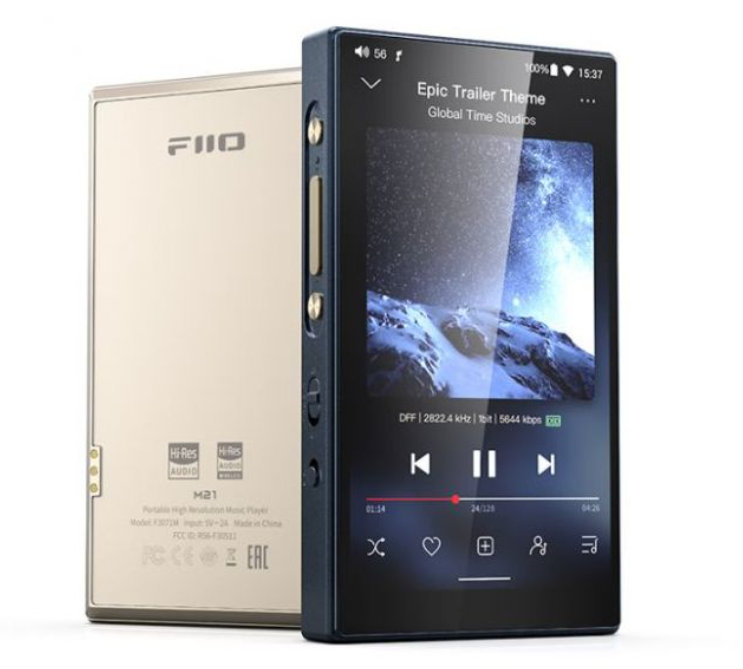
Fiio M21 is a high-resolution digital audio player made for music lovers who want premium sound quality on the go. Designed to be versatile and powerful, the M21 works not just as a standalone player but also as a USB DAC, Bluetooth decoder, and even a sound dongle for your computer or phone. With its strong audio capabilities and Android 13 support, the M21 offers a smooth and modern user experience.
Price and Availability
Fiio M21 is currently available for presale at a price of $359. Orders placed now will begin shipping from May 6th. This high-resolution digital audio player can be pre-ordered exclusively through Geekwills, making it an ideal time for audiophiles to secure their unit ahead of the official release.
Display and Build
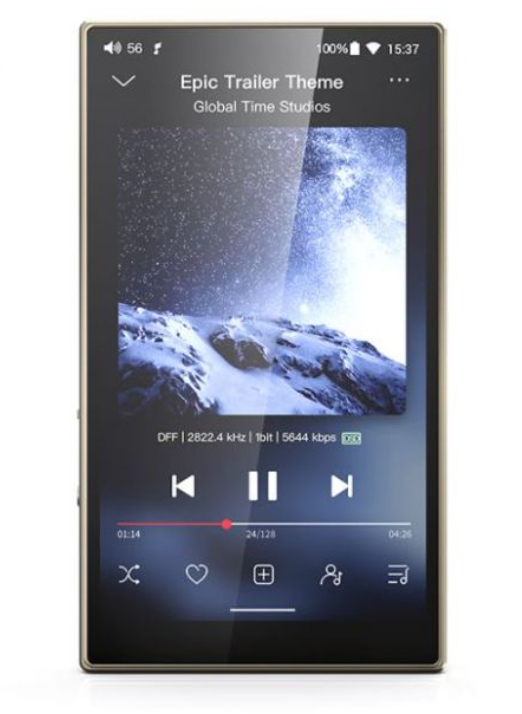
The Fiio M21 features a 4.7-inch IPS display with a resolution of 750×1334 pixels. While it’s compact, the screen is sharp and clear enough for easy navigation, music browsing, and app use. The body is designed to be solid and portable, with a sleek finish that fits comfortably in your hand or pocket. This small but functional screen size strikes a good balance for those who want an efficient, lightweight player without sacrificing usability.
Audio Quality and DACs
At the heart of the Fiio M21 are two high-end Cirrus Logic CS43198 DACs, paired with SGM8262 amplification. This dual-DAC setup offers detailed, low-noise sound and helps eliminate interference and crosstalk. The player also supports high-resolution playback up to 384kHz/32bit when used as a USB DAC. This ensures a clean, rich sound whether you’re listening through headphones or connecting to other gear.
Performance and System
Powered by an 8-core Qualcomm Snapdragon 680 chipset, built on a 6nm process, the Fiio M21 runs smoothly across applications and audio functions. With 3GB of RAM and 32GB of internal storage, it handles multitasking efficiently, while the Android 13 OS allows you to download your favorite music apps like Tidal, Spotify, or Apple Music directly.
Connectivity and Output Options
The Fiio M21 comes equipped with both 3.5mm single-ended and 4.4mm balanced headphone outputs, giving users flexibility with a wide range of headphones. It also supports SPDIF and USB audio output, making it easy to connect to other audio systems. Bluetooth 5.0 support ensures stable wireless listening with support for advanced codecs like LDAC, LHDC, aptX HD, and more.
Battery Life and Usage
The M21 offers up to 12.5 hours of battery life when using the 3.5mm output and about 9.5 hours with the 4.4mm balanced output. This makes it a reliable choice for long listening sessions without frequent recharging. It also includes an independent power system designed to support the strong amplification while keeping noise low.
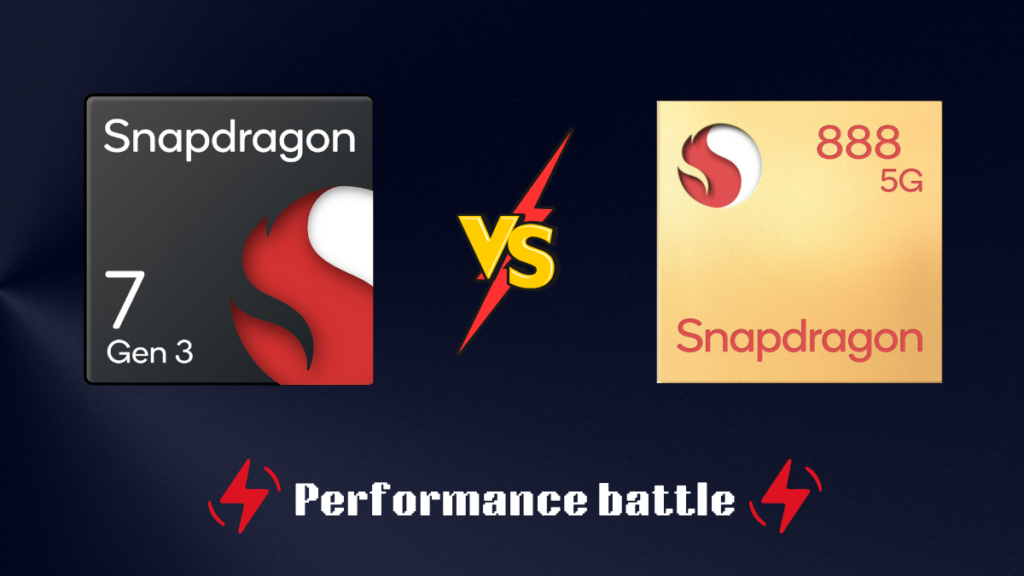
Announced in November 2023, the Snapdragon 7 Gen 3 is a mid-range chipset rocking an octa-core CPU with up to 2.63GHz maximum frequency. It’s a popular smartphone chipset that delivers excellent performance without breaking the bank.
On the other hand, the Snapdragon 888 is an older chip that was announced in November 2020. It arrived as a flagship chipset but can now be found in mid-range phones as well. The chip also has eight CPU cores but with a higher peak frequency.
Despite one being a flagship chip and the other one a mid-range chip, the performance gap isn’t as significant as you might think, thanks to rapid advancements in chip technology. Modern mid-range chips are capable of delivering the same level of performance that were exclusive to flagship chips a few years ago. Anyway, let’s put the Snapdragon 7 Gen 3 and the Snapdragon 888 to test on various benchmarks and see how they stack up against each other.
Snapdragon 7 Gen 3 vs Snapdragon 888: Benchmark comparison
Note: The tests were conducted on the OnePlus Nord CE4 (powered by Snapdragon 7 Gen 3) and OnePlus 9 Pro (powered by Snapdragon 888).
AnTuTu comparison
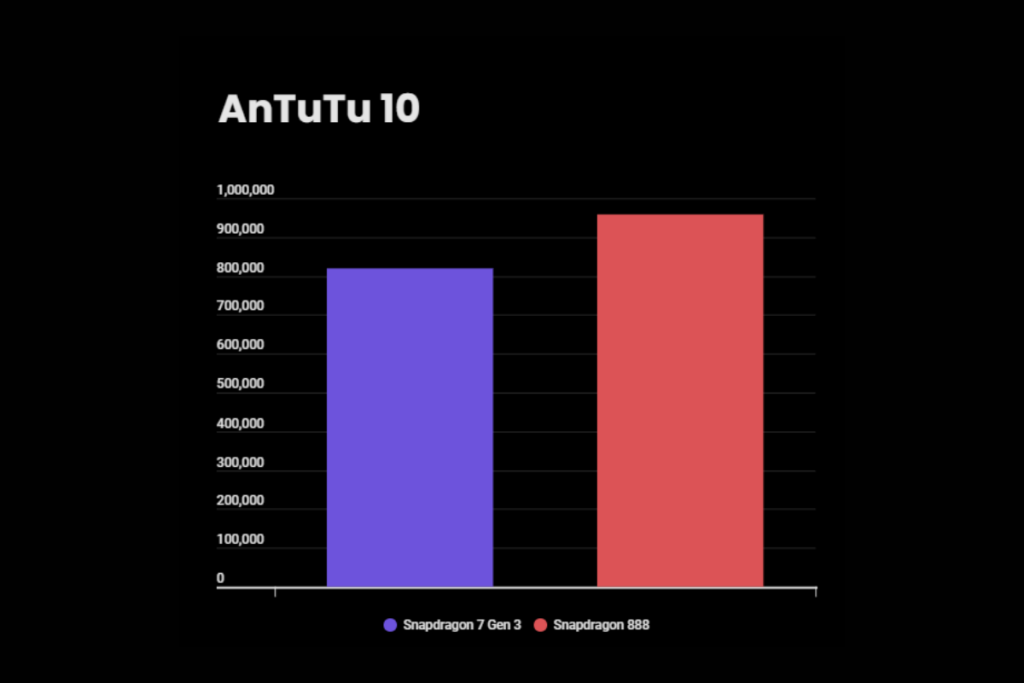
AnTuTu is a popular benchmarking tool that evaluates a device’s overall performance by running a series of tests. It measures four key areas: CPU (processing power), GPU (graphics performance), Memory (read/write speed and RAM efficiency), and UX (user experience, including smoothness and responsiveness). The final score is a combination of these factors — a higher score generally means better overall performance.
The Snapdragon 888 still holds a clear advantage over the Snapdragon 7 Gen 3 in the AnTuTu benchmark, with an overall score that’s around 17% higher. While the 7 Gen 3 edges ahead in CPU performance, the Snapdragon 888 dominates in GPU, memory, and UX — delivering 19% better graphics, 34% faster memory performance, and a 35% boost in user experience.
SD 7 Gen 3
SD 888
AnTuTu score
819,655
958,743
CPU
269,334
257,236
GPU
256,584
305,351
Memory
129,961
174,153
UX
163,776
222,003
Geekbench comparison
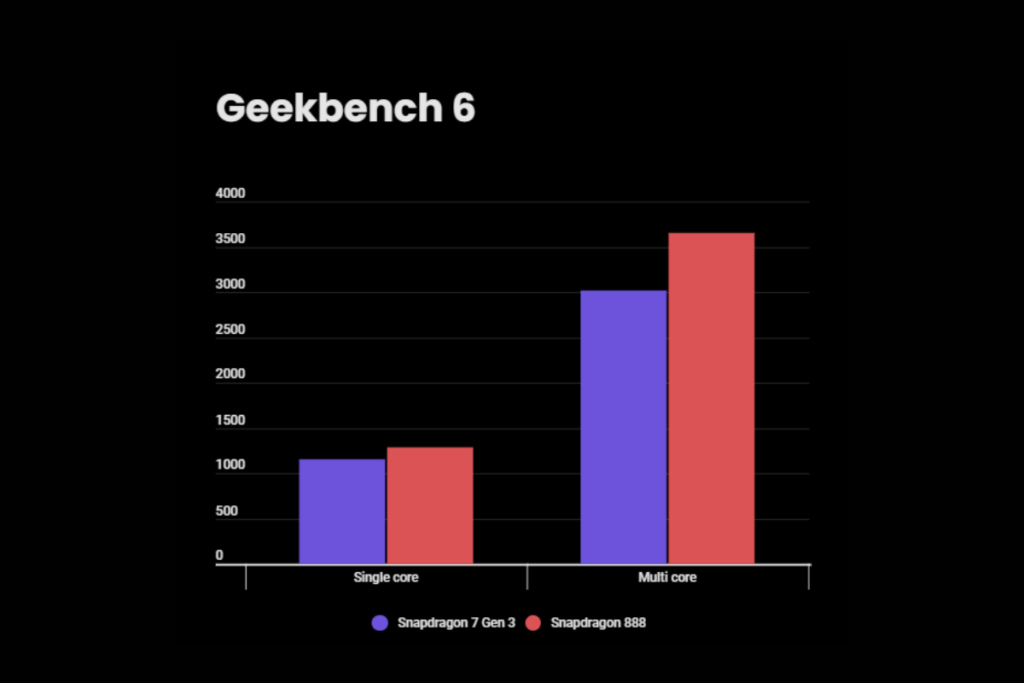
Geekbench is a widely used benchmarking tool that measures a device’s CPU performance. It runs a variety of real-world tests, like web browsing, image processing, and machine learning tasks. The results are split into two scores: Single-core (how fast a single core performs) and Multi-core (how well all cores work together). Higher scores indicate faster and more efficient performance, especially in demanding apps and multitasking.
In Geekbench 6, the Snapdragon 888 shows a modest 11% lead in single-core performance over the Snapdragon 7 Gen 3.. However, the gap widens in multi-core performance, where the 888 pulls ahead by 21%, offering noticeably better results in heavier workloads and multitasking scenarios.
SD 7 Gen 3
SD 888
Single core
1,154
1,286
Multi core
3,018
3,654
Snapdragon 7 Gen 3 vs Snapdragon 888: Key differences explained!
Now that we’ve seen benchmark results, let’s break down the differences between these two chips for better understanding.
CPU
Both Snapdragon 7 Gen 3 and Snapdragon 888 are octa-core processors, but they greatly differ in architecture, core design, and manufacturing process.
The 7 Gen 3, for instance, is built using TSMC’s 4nm process, which offers better power efficiency and thermal management compared to the older 5nm process used in the Snapdragon 888. The chip uses 1+3+4 core configuration, featuring one high-performance Cortex-A715 prime core, three Cortex-A715 performance cores, and four Cortex-A510 efficiency cores.
The Snapdragon 888 also uses the same core setup (1+3+4), but with older ARMv8 architecture (the 7 Gen 3 uses ARMv9). The CPU consists of one Cortex-X1 prime core, three Cortex-A78 performance cores, and four Cortex-A55 efficiency cores. For comparison, the Cortex-A715 offers nearly the same performance as Cortex-X1 but with a greater power efficiency.
GPU
The Snapdragon 7 Gen 3 is equipped with Adreno 732 GPU. It uses a newer architecture, offering better power efficiency and enhanced graphical performance compared to previous generations. It’s not a flagship GPU, but delivers a smooth and responsive gaming experience, even with some demanding games.
On the other hand, the Snapdragon 888 has Adreno 660. It doesn’t sound superior to the Adreno 732 at first glance, but this one actually delivers superior graphical performance because of higher FLOPS and shading units. This GPU also delivers higher frame rates and better graphics quality, making it a solid choice for gamers over Snapdragon 7 Gen 3.
Connectivity
The Snapdragon 7 Gen 3 packs a X63 5G modem, offering a solid 5G performance with a peak download speed of 5Gbps. It ensures fast and stable network connectivity. Additionally, the chip has Bluetooth 5.2 for reliable data transfer and Wi-Fi 6E support (with 2.9Gbps peak speed). Overall, the Snapdragon 7 Gen 3 offers excellent connectivity features for most users.
The Snapdragon 888, on the other hand, comes with a more advanced X60 5G modem with a higher 7.5Gbps peak download speed and 3Gbps peak upload speeds. This chip also supports Wi-Fi 6E with a higher peak speed of 3.6Gbps.
In terms of connectivity, the Snapdragon 888 takes the lead with faster speeds over 5G and Wi-Fi connections. The Snapdragon 7 Gen 3, however, is still very competitive and is more than sufficient for most users.
Snapdragon 7 Gen 3 vs Snapdragon 888: Verdict
The Snapdragon 888 is clearly the better performer, especially when it comes to GPU power, camera capabilities, and cutting-edge connectivity features like faster Wi-Fi 6E and 5G speeds. It’s ideal for users who prioritize high-end gaming, professional-grade photography, and overall flagship performance.
On the other hand, the Snapdragon 7 Gen 3 offers excellent performance for mid-range devices, with solid GPU and CPU performance, efficient connectivity, and competitive battery efficiency. It’s a great choice for users who want a well-rounded experience without breaking the bank.
SD 7 Gen 3
SD 888
Announced
November 2023
December 2020
Manufacturing
4nm (TSMC)
5nm (Samsung)
CPU
1 x 2.63 GHz — Cortex-A715 3 x 2.4 GHz — Cortex-A715 4 x 1.8 GHz — Cortex-A510
1 x 2.84 GHz — Cortex-X1 3 x 2.42 GHz — Cortex-A78 4 x 1.8 GHz — Cortex-A55
GPU
Adreno 720 GPU
Adreno 660
NPU
Hexagon NPU
Hexagon 780 NPU
Memory
LPDDR5, up to 3.2GHz
LPDDR5, up to 3.2GHz
Camera
Spectra triple 12-bit ISPs Up to 200MP single camera Up to 4K video recording
Spectra triple 14-bit ISP Up to 200MP single camera Up to 8K video recording
Connectivity
Snapdragon X63 5G modem Downlink: 5Gbps Qualcomm FastConnect 6700 Wi-Fi 6E (peak speed: 2.9Gbps) Bluetooth 5.4
Snapdragon X60 5G modem Downlink: 7.5Gbps Qualcomm FastConnect 6900 Wi-Fi 6E (peak speed: 3.6Gbps) Bluetooth 5.2
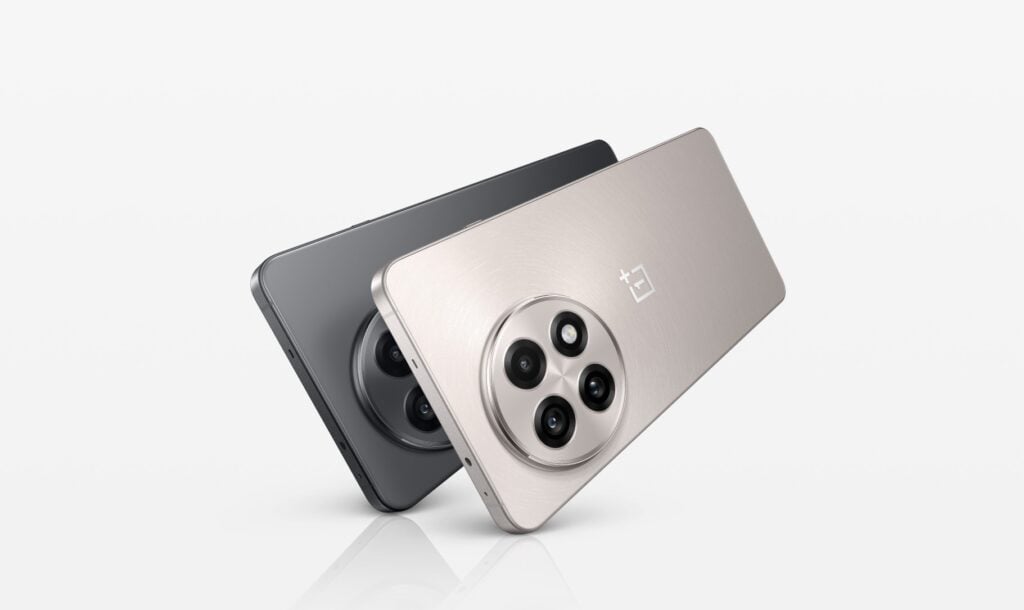
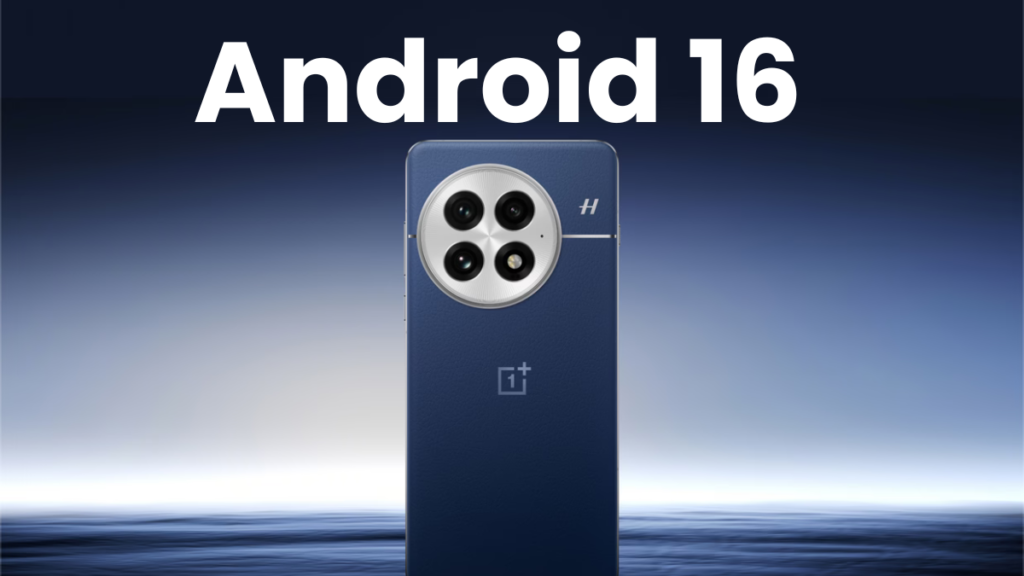
OnePlus was quick with the Android 15 release. It wrapped up the rollout in February 2025, while millions of Android users from other brands are still sitting on Android 14, waiting for their turn to experience Android 15. OnePlus, on the other hand, is already a few steps ahead as it has already released Android 16 beta for select devices.
The next Android OS version is dropping sooner than past releases — by June 2025. The beta versions have been rolled out as per the official schedule, meaning we’re indeed closer to the stable release. In the meantime, you would want to know if your OnePlus device is eligible for the Android 16-based OxygenOS 16 upgrade. So, here’s the list.
OnePlus Android 16 (OxygenOS 16) eligible devices list
OnePlus flagship phones
OnePlus 13
OnePlus 13s
OnePlus 13R
OnePlus 13T
OnePlus 12
OnePlus 12R
OnePlus 11
OnePlus 11R
OnePlus Nord series
OnePlus Nord 5
OnePlus Nord 4
OnePlus Nord 3
OnePlus Nord CE 4
OnePlus Nord CE 4 Lite
OnePlus foldables and tablets
OnePlus Open
OnePlus Pad
OnePlus Pad Lite
OnePlus Pad 2
OnePlus hasn’t released the official Android 15 update list yet, so we had to rely on the existing software update policy to prepare this list, which, by no means, should be incorrect. In addition to these, all upcoming devices launching with Android 15 will also get Android 16 update.
If you don’t have any of these OnePlus devices, you’ll likely miss out on Android 16 features. To enjoy the latest features and improvements, upgrade to a newer model with longer software support.
OnePlus’s software update policy
OnePlus offers a decent software update policy for its phones and tablets—neither too good nor too bad. Their flagship devices, such as the OnePlus 11, 12, and 13, promise four Android OS updates and five years of security patches, while their cheaper “R” variants, such as the OnePlus 11R and 12R, only get three. However, that recently changed to four with the OnePlus 13R.
So, all future flagship phones and their “R” models should get at least four Android updates. The same treat has been given to the latest Nord series model — the OnePlus Nord 4. However, older models only get up to three Android updates. The Nord CE devices promise two generations of OS updates.
Coming to the OnePlus tablets, the brand promises three generations of Android updates to the OnePlus Pad and OnePlus Pad 2, while the cheaper OnePlus Pad Go only gets one.
Although OnePlus has improved software support in recent years, it still can’t match Samsung and Google, which now offer a whopping seven years of Android updates and security patches.
Despite the many criticism faced by the Pierce Brosnan era of James Bond movies, the cool gadgets were definitely a big highlight. Exploding pens, special watches, and fast cars with rockets are some of the unique ones. However, Garmin is bringing a real life spy watch to reality with the Garmin Instinct 3 Tactical Edition. So let’s check it out.
Garmin Instinct 3 Tactical Edition: The Ultimate Spy Smartwatch
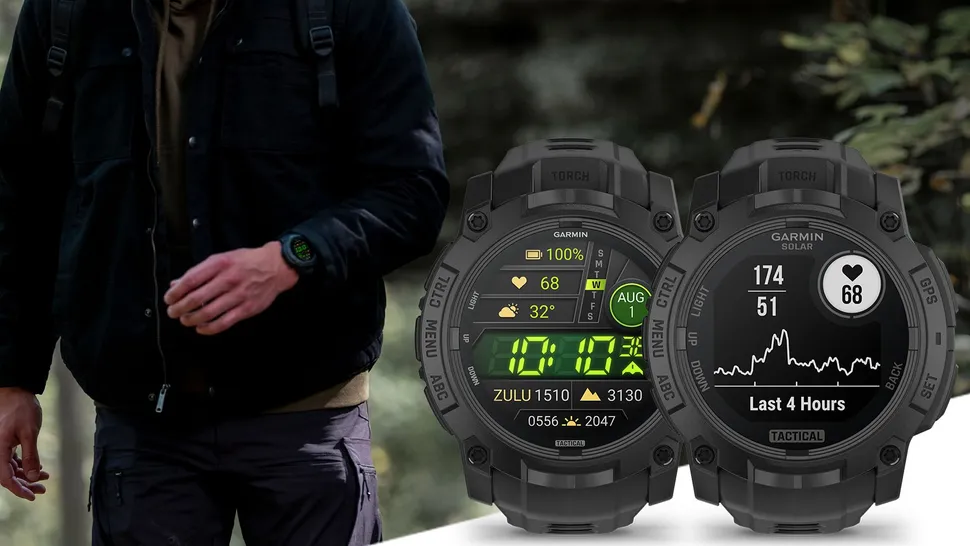
The word spy watch is not being used lightly here. Garmin packs the Instinct 3 Tactical Edition with some cool new specs and features. It arrives with a durable body that also has a solar charging model. But there are some standout features like the Stealth Mode (similar to Night Vision Goggles) that the dims the display to be visible only to the wearer, remaining nearly invisible to everyone else.
Garmin Instinct 3 Tactical Edition
While it supports GPS, a spy would never want to leak sensitive location data. So the Instinct 3 Tactical Edition features a Kill Switch that completely wipes all kinds of sensitive data from the watch. This wipes not only GPS data but also health metrics. One of the biggest features of this model is the Applied Ballistics solver. Put things simply, it is simply a shooting solutions feature that can share elevation and wind information that is key to long range shooters that need to take these parameters along with the type of gun and bullet profiles for better accuracy.
The feature appears similar to some golf watches, but is designed for shooting. Apart from these, the Tactical Edition offers the same features as the regular Garmin Instinct 3. So you still get a heart rate tracking, precise GPS, LED torch, TracBack, and much more. This model is available in two size variants, namely 45mm and 50mm. The former has solar charging support and costs $499, while the 50mm option has a bright AMOLED panel for $599.
For more daily updates, please visit our News Section.
At the end of Gizmochina’s OPPO Find X8 Ultra camera test video, we suggested that the Find X8 Ultra was our favorite camera phone in 2025, even at the fact that the team had already experienced the vivo X200 Ultra. But don’t get me wrong: The X200 Ultra is truly powerful. Everything blew my mind, whether it’s photography or videography, ultra-wide or telephoto cameras, and even that external lens. I’m sure your first reaction to seeing it was exactly the same as mine.
So why didn’t it take the top spot in my ranking? There’s just one simple reason. I won’t give you the answer right away. After I show you just how powerful this phone is, I’ll tell you why I ranked it second.
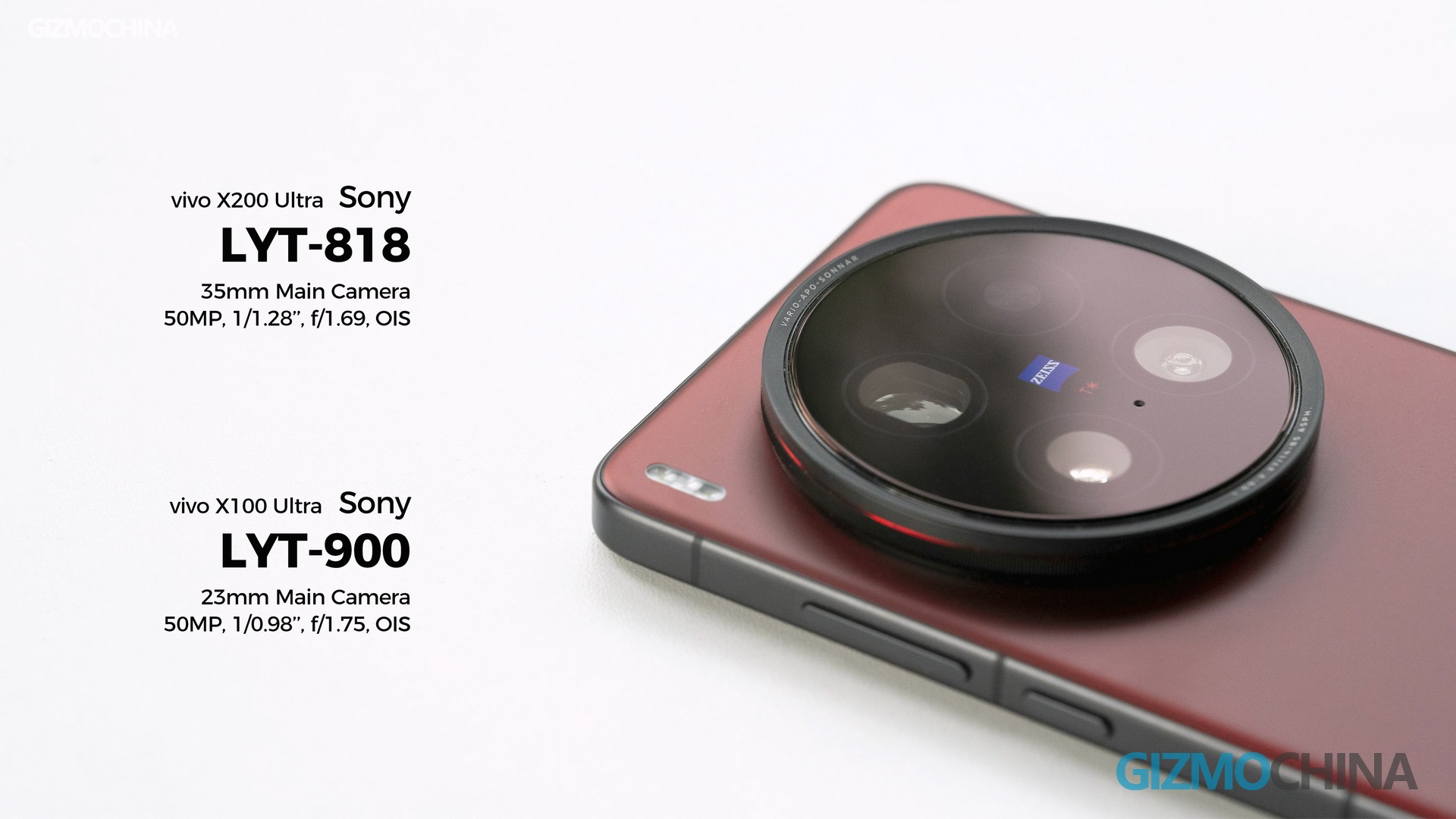
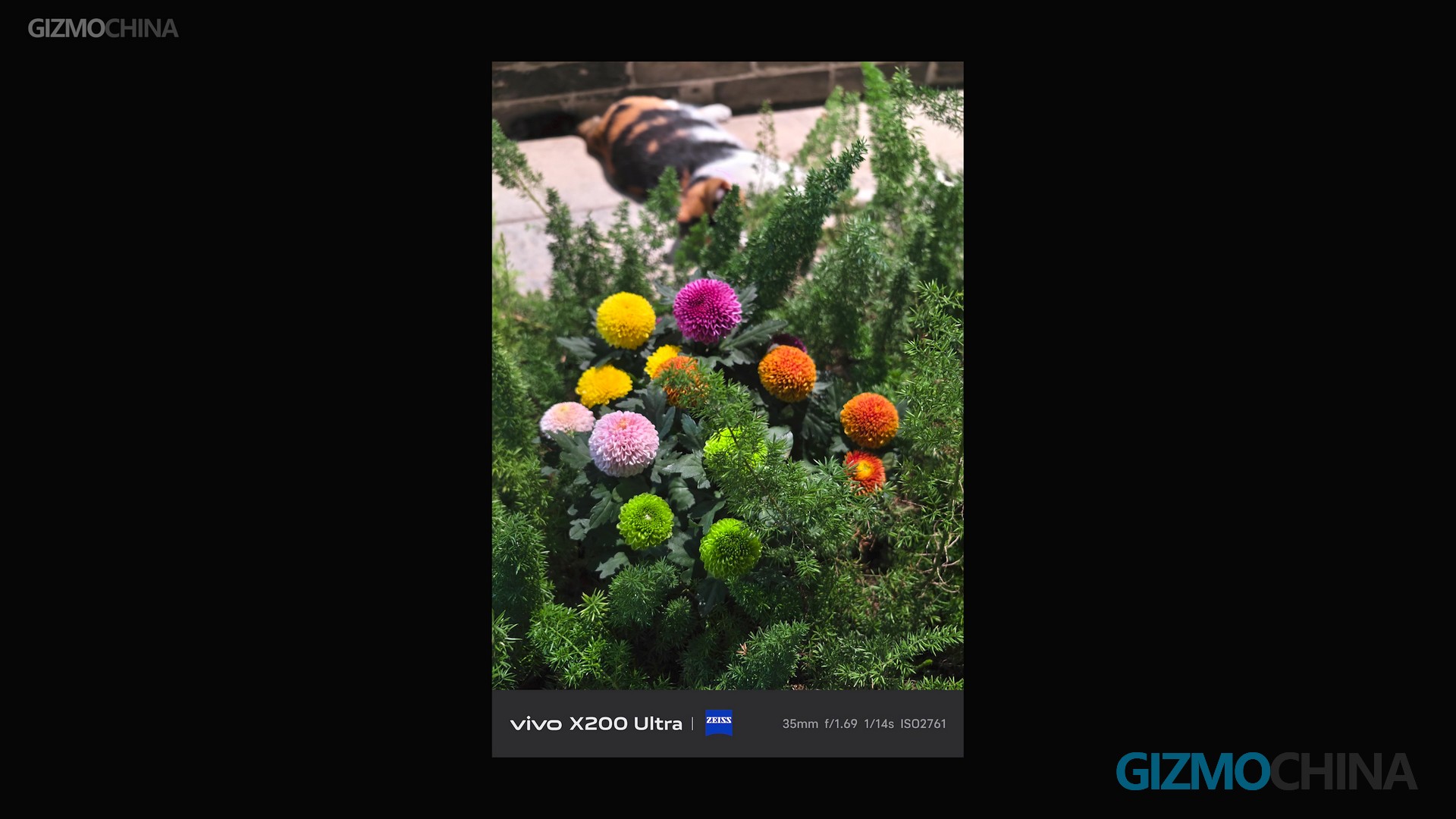
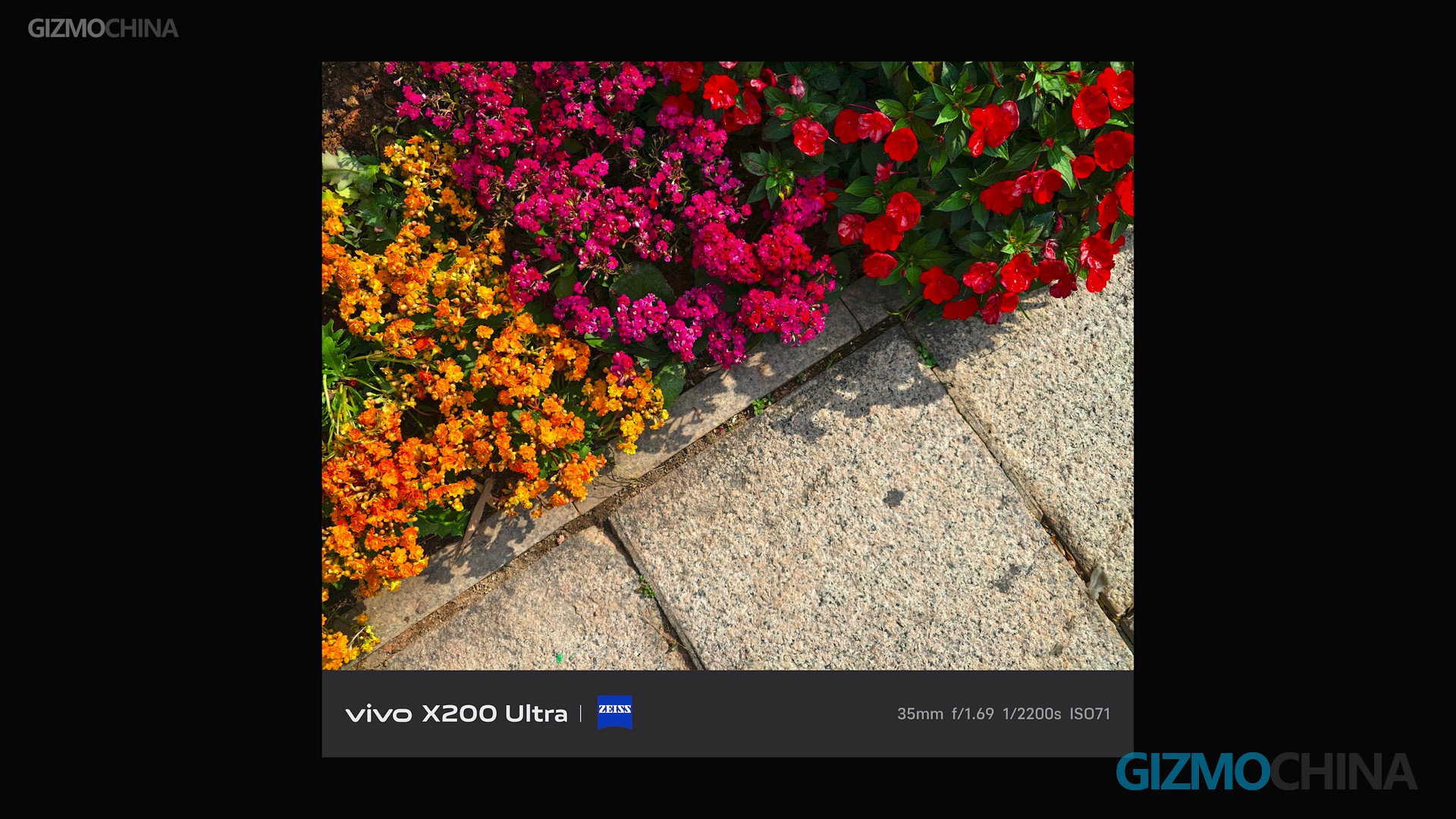
The main camera on the X200 Ultra is where the biggest updates are, and also the most debated. The focal length has shifted from the previous 23mm to 35mm. It’s not new, and we’ve seen this insistence in Nubia’s flagship lineup as well. And that’s a good thing.
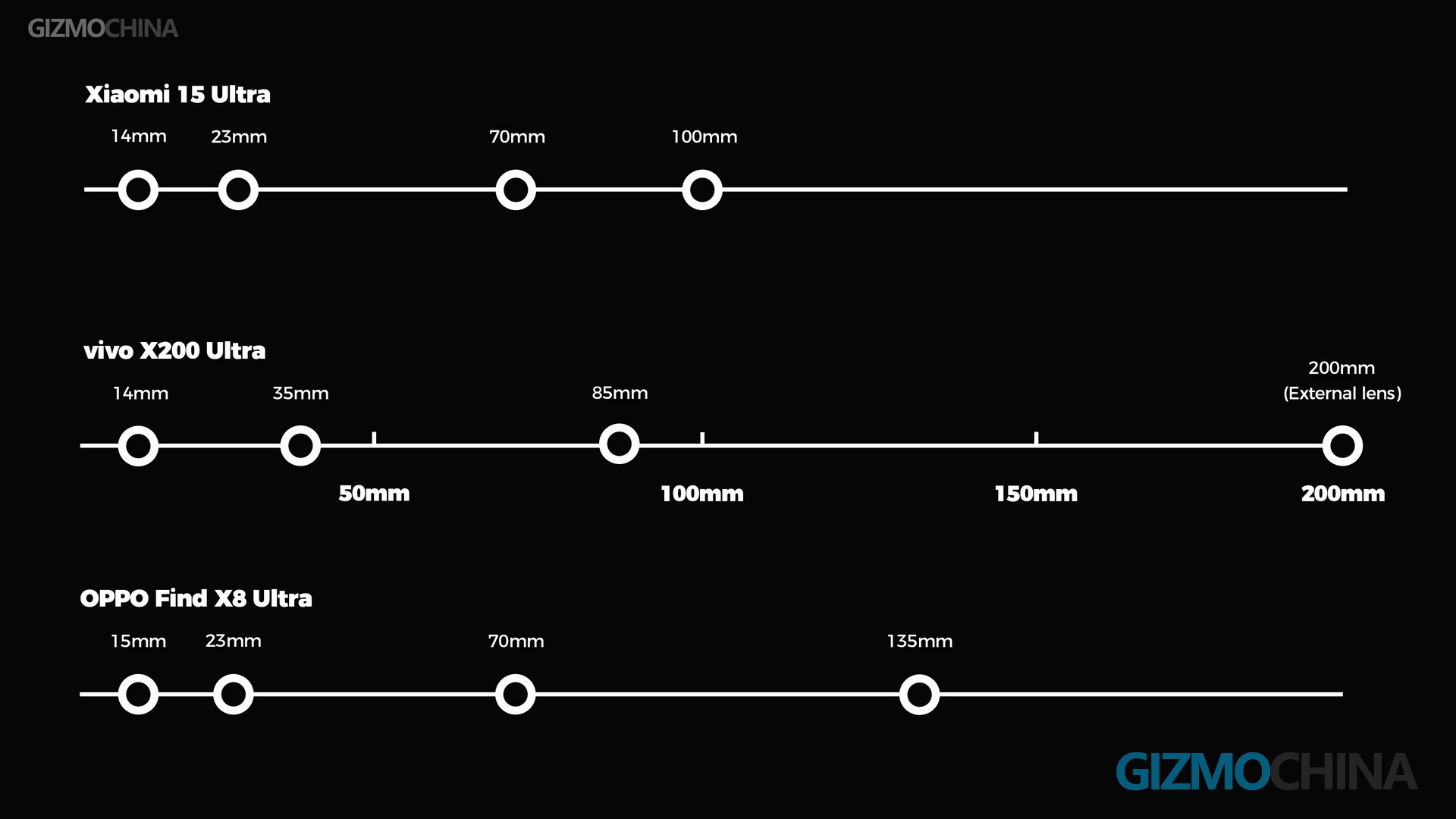
I made a chart so you can see at a glance how the X200 Ultra’s focal lengths are now more logically spaced. On other brands, the ultra-wide and main cameras are often too close to each other. But the bad news is, the 1-inch sensor is gone. If you don’t want your phone to turn into a hammer, shrinking the sensor was inevitable for such a 35mm lens.
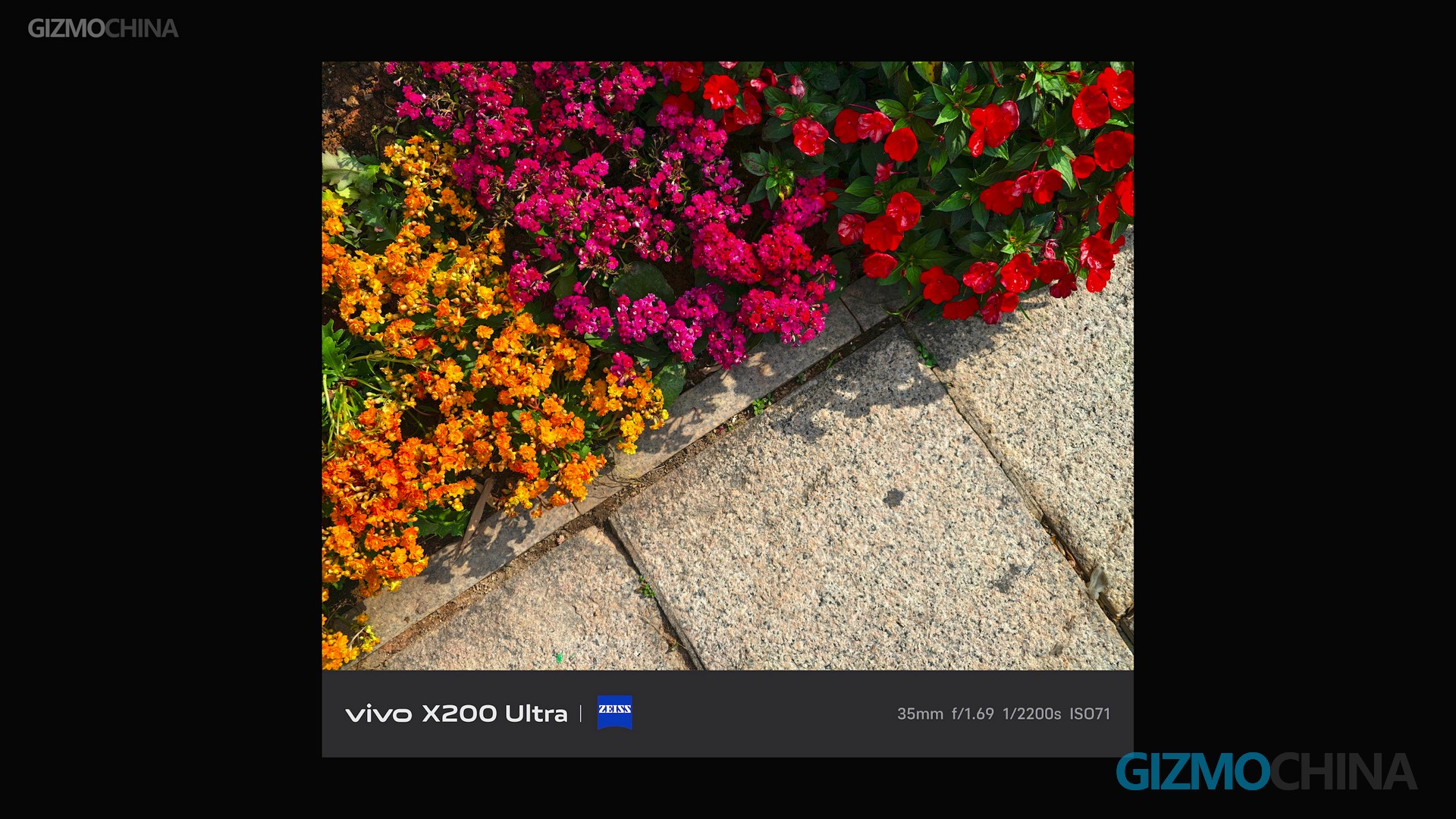
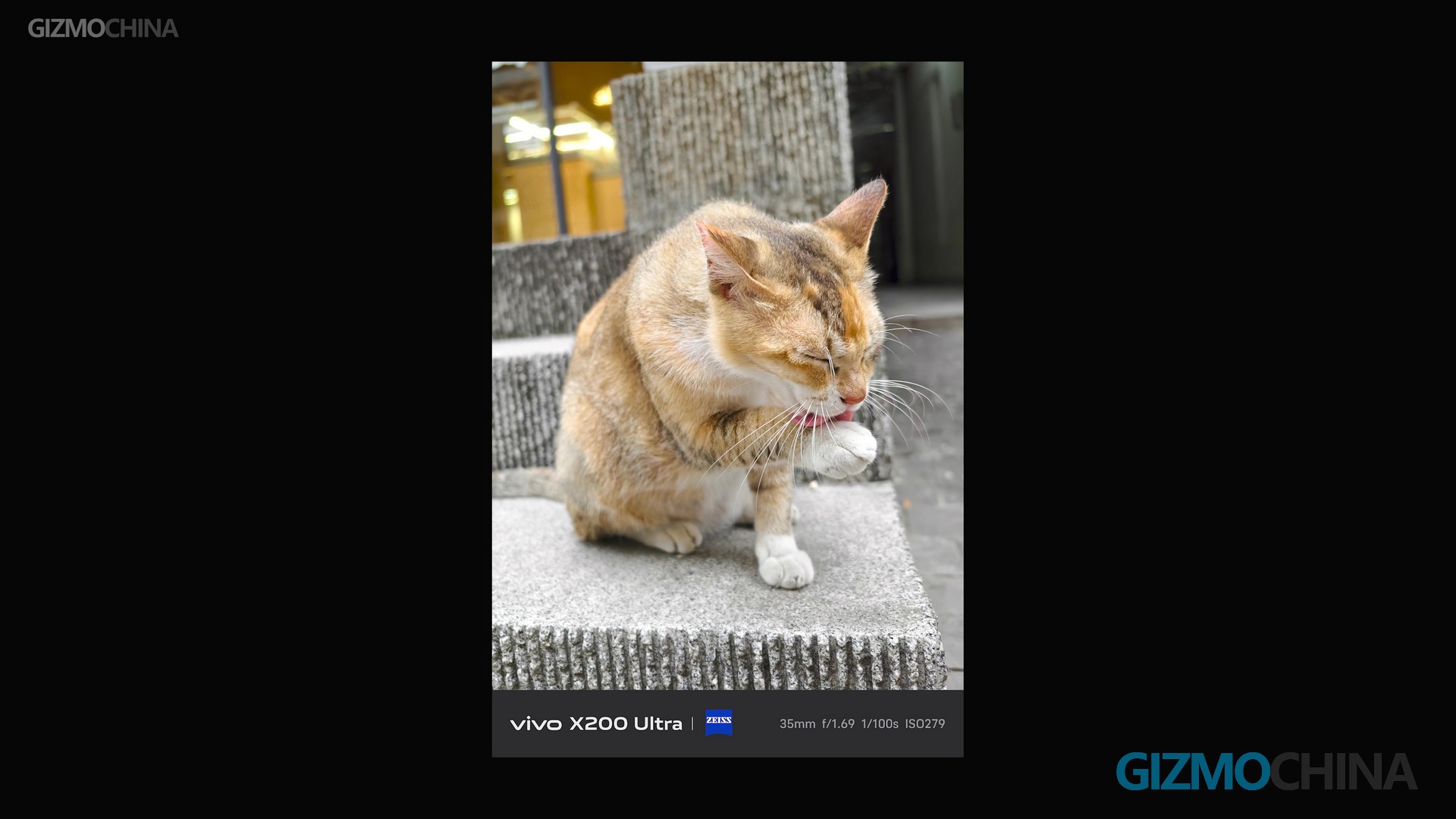
So, between 35mm lens and a 1-inch sensor, vivo chose the former. There must be a reason, right? They say 35mm is the ideal focal length for street and documentary photography. But I’m not a professional street photographer, and most of you probably aren’t either. So, for an everyday shooter, the main advantage of a 35mm lens is that you can frame & compose your shots without taking extra steps for a more natural perspective (closer to what you see). Plus, compared to the old 23mm + 1-inch sensor setup, edge sharpness has improved.
As for the downside of the smaller sensor, honestly, it’s hard to notice. When I shot in near-dark conditions, without a comparison in depth, I couldn’t even tell how much worse it was. Let me put it this way: If I didn’t tell you the sensor was downgraded, you probably wouldn’t spot the difference. And compared to the ultra-wide cameras on Xiaomi and OPPO’s latest flagships, the downgrade here is almost negligible.
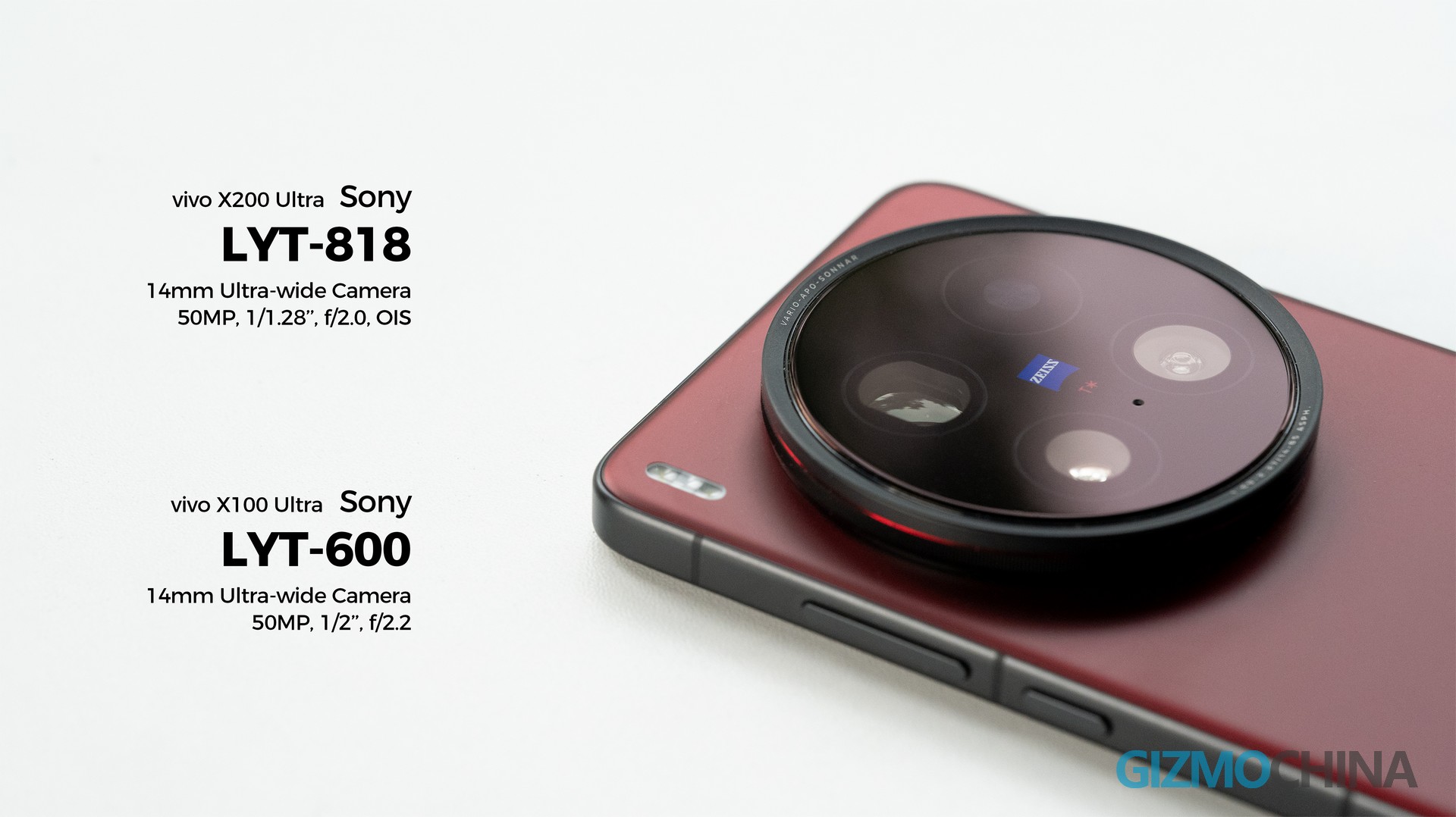
If you’re not used to the 35mm main camera, you can also crop the 14mm ultra-wide lens to 28mm instead. There will be some loss in image quality, but it’s still within acceptable limits—after all, it uses the same sensor as the 35mm camera.
You might wonder: Why not crop to 23mm instead? Because 28mm is exactly double 14mm, which means the In-Sensor-Zoom feature only works properly at this focal length. Even though it’s just a 5mm difference, the clarity gap is huge. So, avoid to use the 23mm one. The same logic applies when shooting at medium telephoto: stick to 70mm instead of 50mm. That said, since these shots are still digitally cropped, low-light performance won’t match phones with a native 23mm main camera.
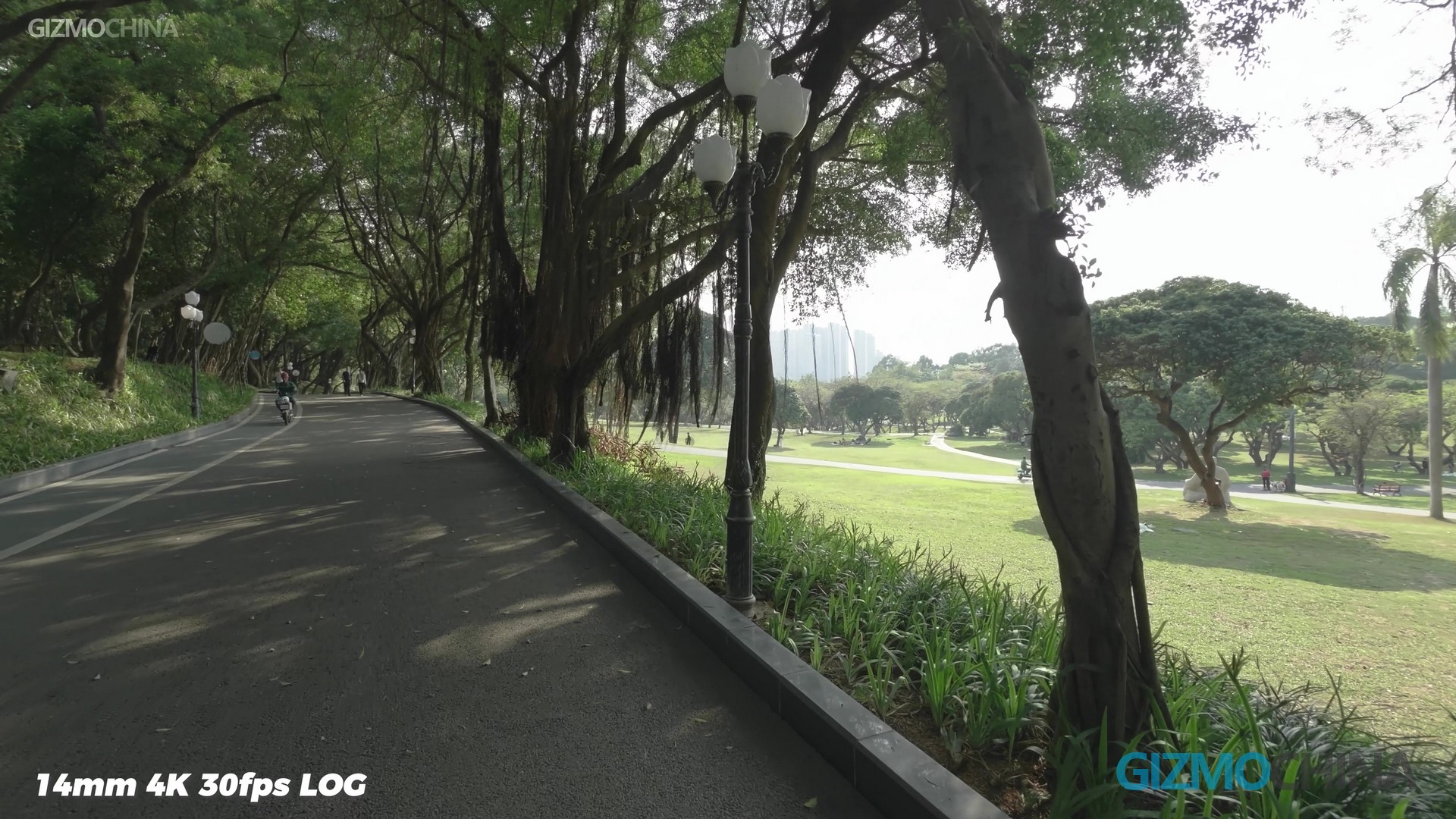
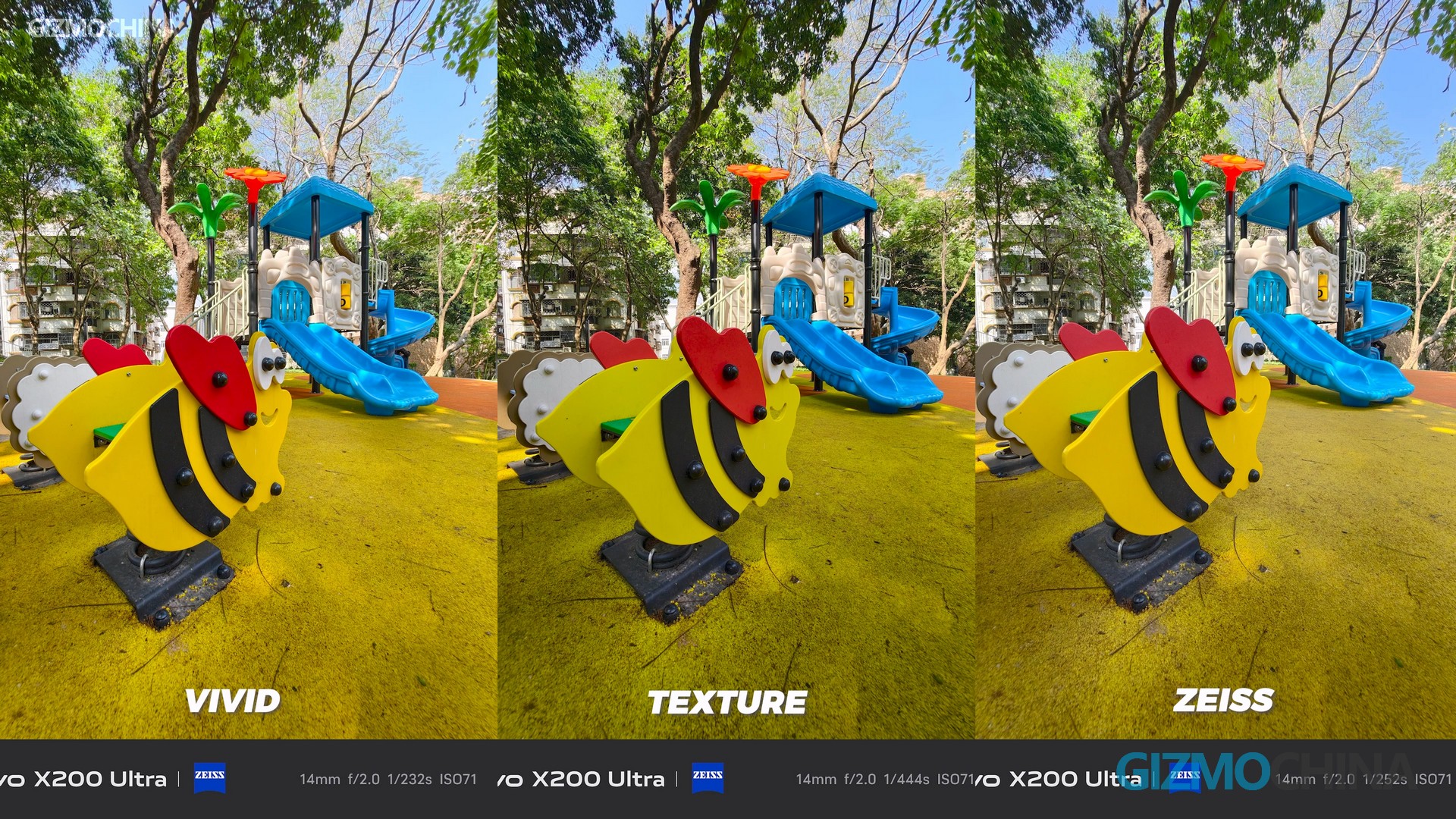
14mm
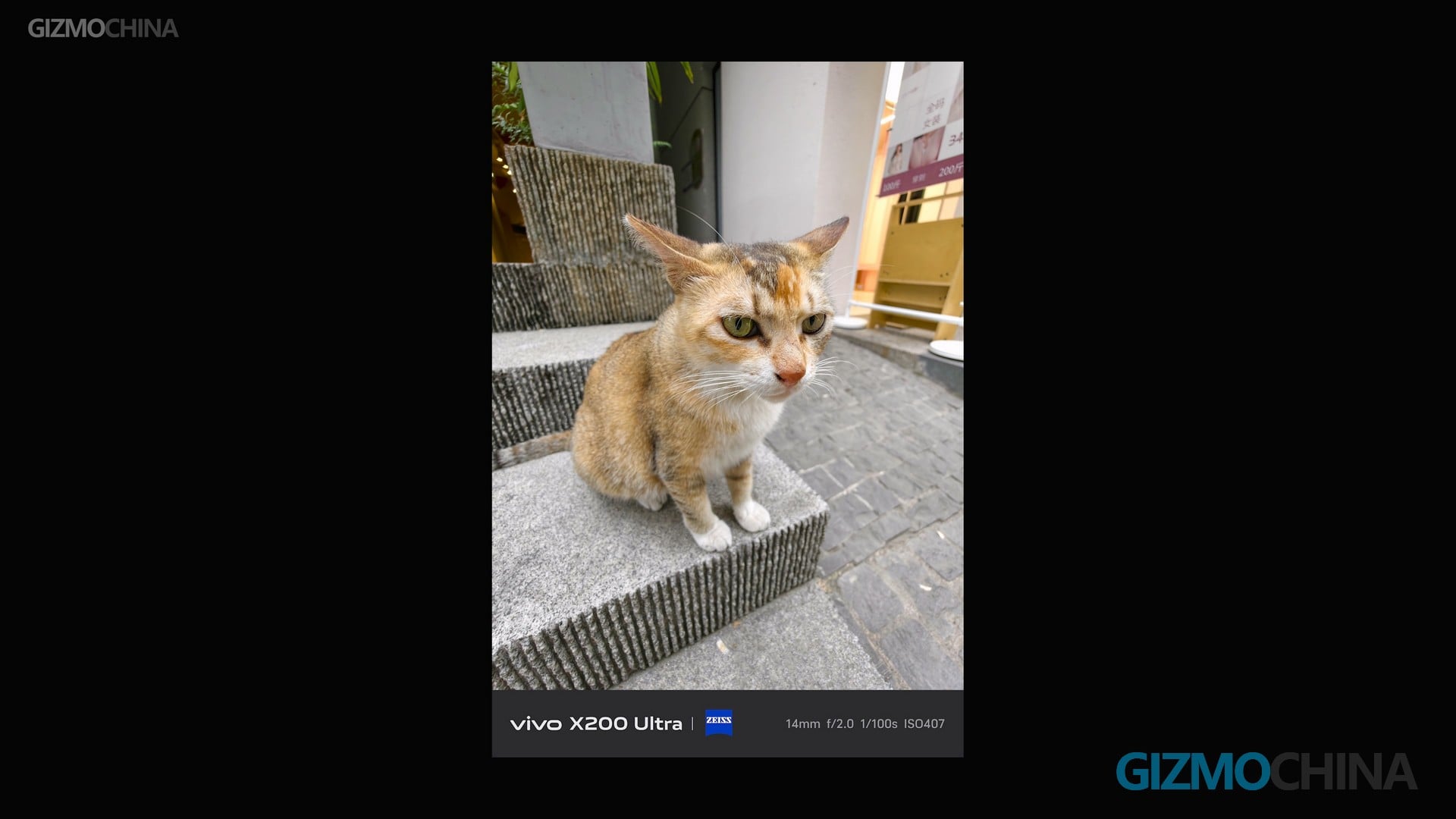
This 14mm camera is the best ultra-wide shooter in recent Ultra models—especially after trying the Xiaomi 15 Ultra and Find X8 Ultra, I realize how satisfying it is to have a good ultra-wide camera.
I rarely used ultra-wide before because, usually, the image quality lags behind the other two cameras. Plus, framing is tricky—it captures way more than you intend. But since I paid so much for all three cameras, skipping one feels like wasting $300. So lately, I’ve been practicing ultra-wide composition. For example, with pets, I used to rely on a telephoto for close-ups to capture the motions of their cuteness.
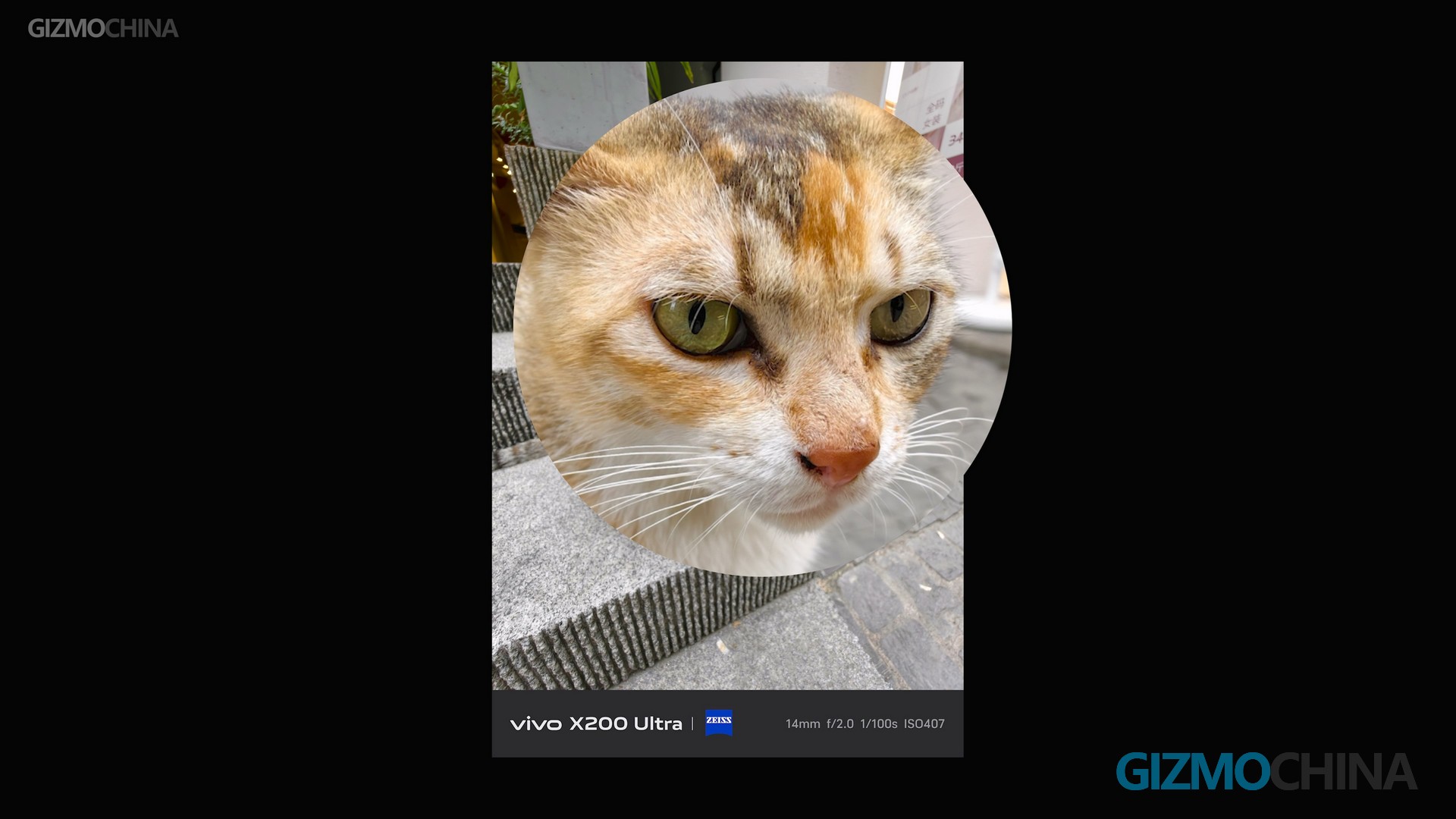
But after switching to ultra-wide, a completely different perspective—big heads, tiny paws, a whole new kind of adorable. And the fur details are still sharp. Trust me, once you see how good the image quality is, you’ll fall in love with this camera.
Of course, there are downsides: lens limitations mean edge sharpness isn’t perfect, and coma or chromatic aberration can be noticeable in some scenes. But overall, it outperforms most smartphones, especially in night shots and video. If you get this phone, experiment with it. You might discover a whole new creative world.
Video & Selfies
When it comes to video, a great ultra-wide camera matters even more than for photos. Thanks to OIS and a larger sensor, I’d say the X200 Ultra’s video quality and stabilization are close to the iPhone’s—and it even surpasses the iPhone thanks to that bigger sensor at night. The X200 Ultra also supports 4K 60fps 10-bit Log recording—yes, without needing an external SSD—and all three cameras can do it!
Rarely, the X200 Ultra is currently the few flagship Ultra models with an autofocus-enabled selfie camera. Combined with its wide range of beauty filters and modes, you never have to worry about a bad selfie with a Vivo phone. It even supports 4K 60fps video recording. While it doesn’t have as many settings as the rear cameras, vivo has done an impressive job with the front-facing camera.
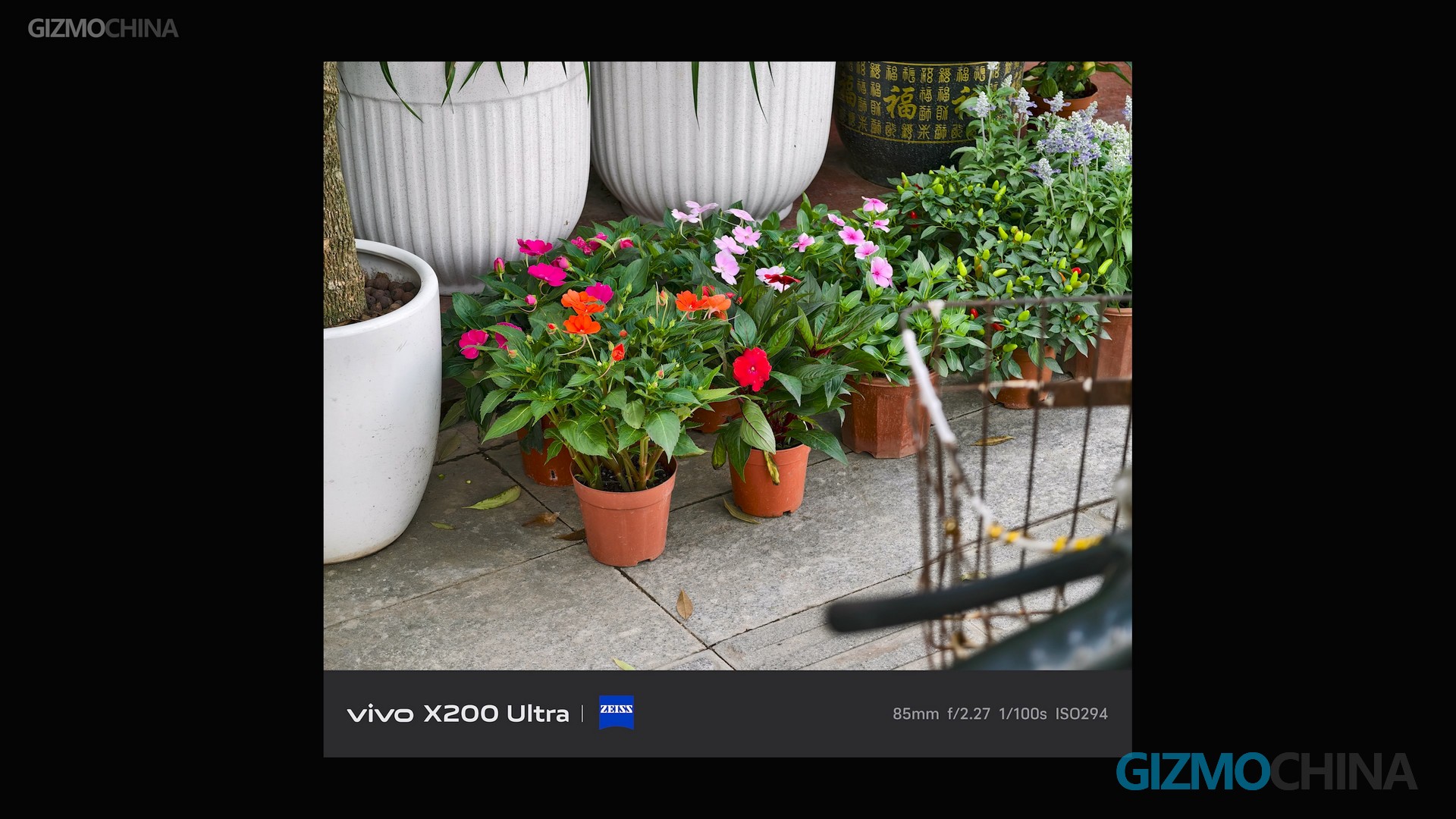
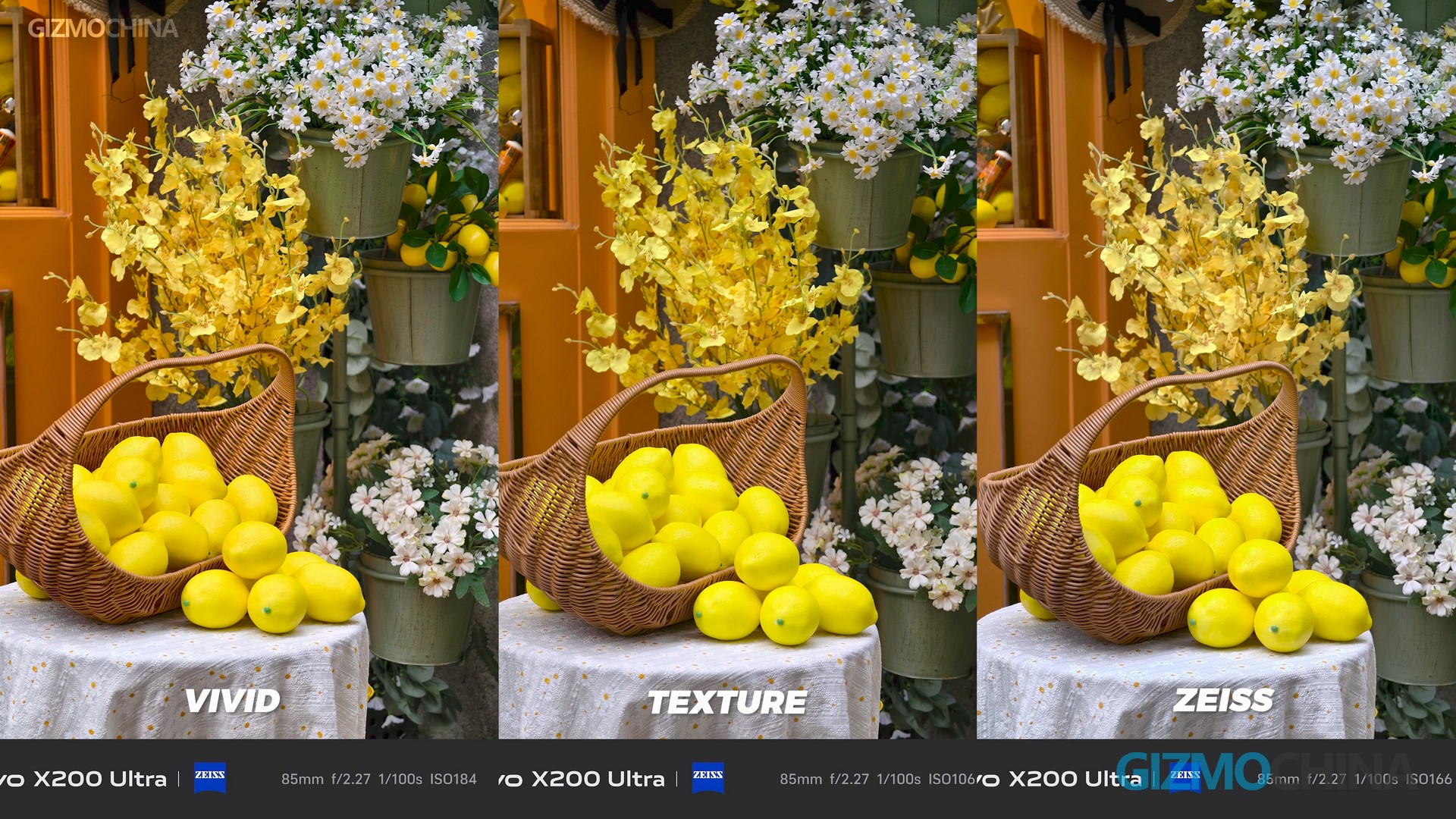
85mm
The 200MP HP9 sensor is an old friend at this point. This time, the only upgrade is a slightly larger aperture—everything else remains the same. Sure, it’s powerful, but we’ve already seen its capabilities in so many phones that the “wow” factor is gone. Just know this: Whether it’s photos or videos, day or night, landscapes or portraits, this camera delivers exceptional results. Even at 170mm zoom, the quality stays decent.
It also supports macro mode, and I’d argue it’s the best telephoto lens on any smartphone—no debate. Like OPPO, the AI enhancement in Portrait or Stage modes sharpens subjects noticeably. Beyond 460mm, equivalent to 10x zoom on other phones, the AI kicks in to polish everything. If you hate AI processing, you can either disable it in settings or grab the $230 Photography Kit for a more natural look.
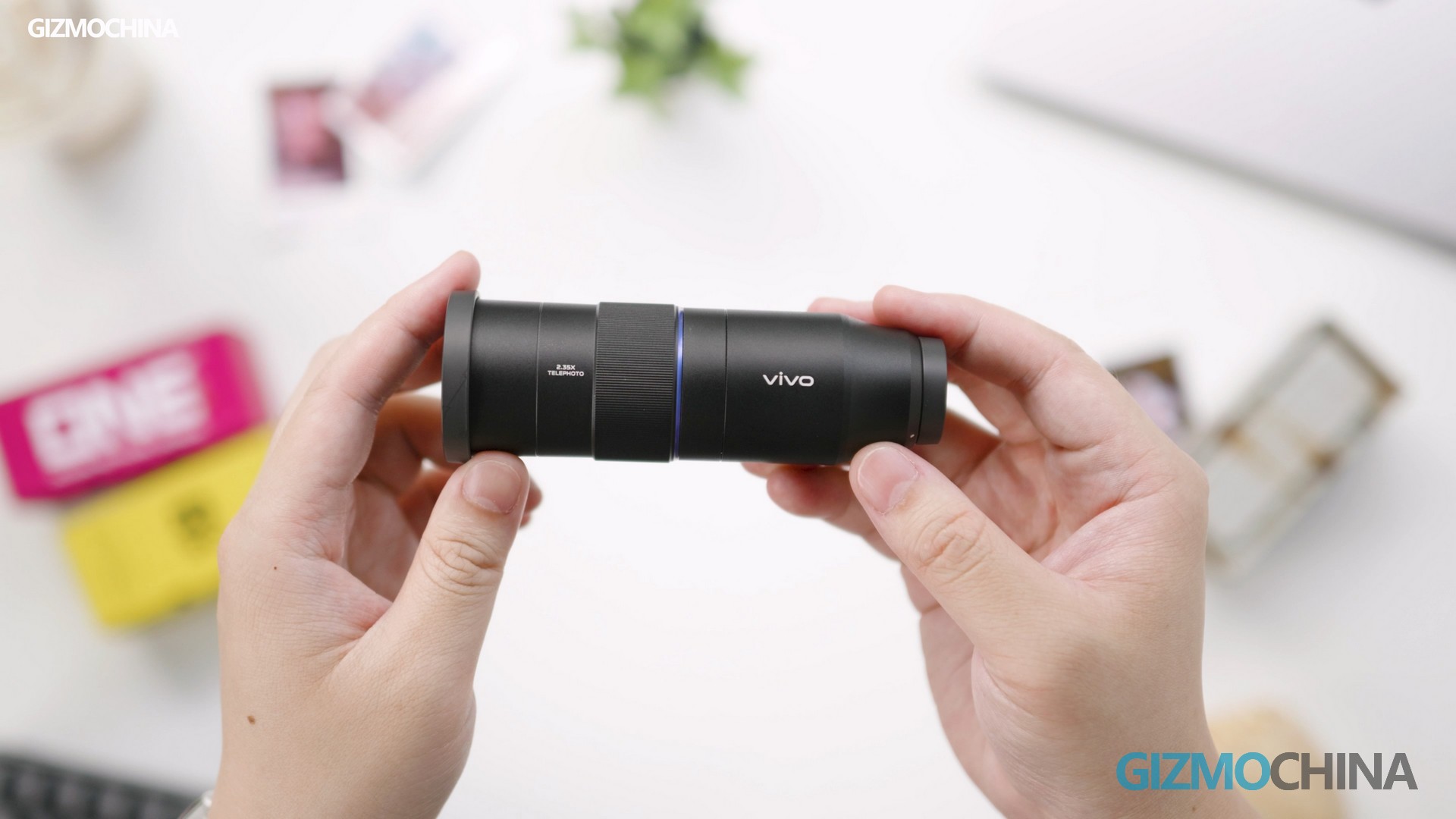
Photography Kit
Every time I review Xiaomi’s Ultra series, I recommend their photography kit. Now that vivo has its own version, I’m doing the same, because the premium kit includes a telephoto extender that boosts the optical zoom to 200mm.
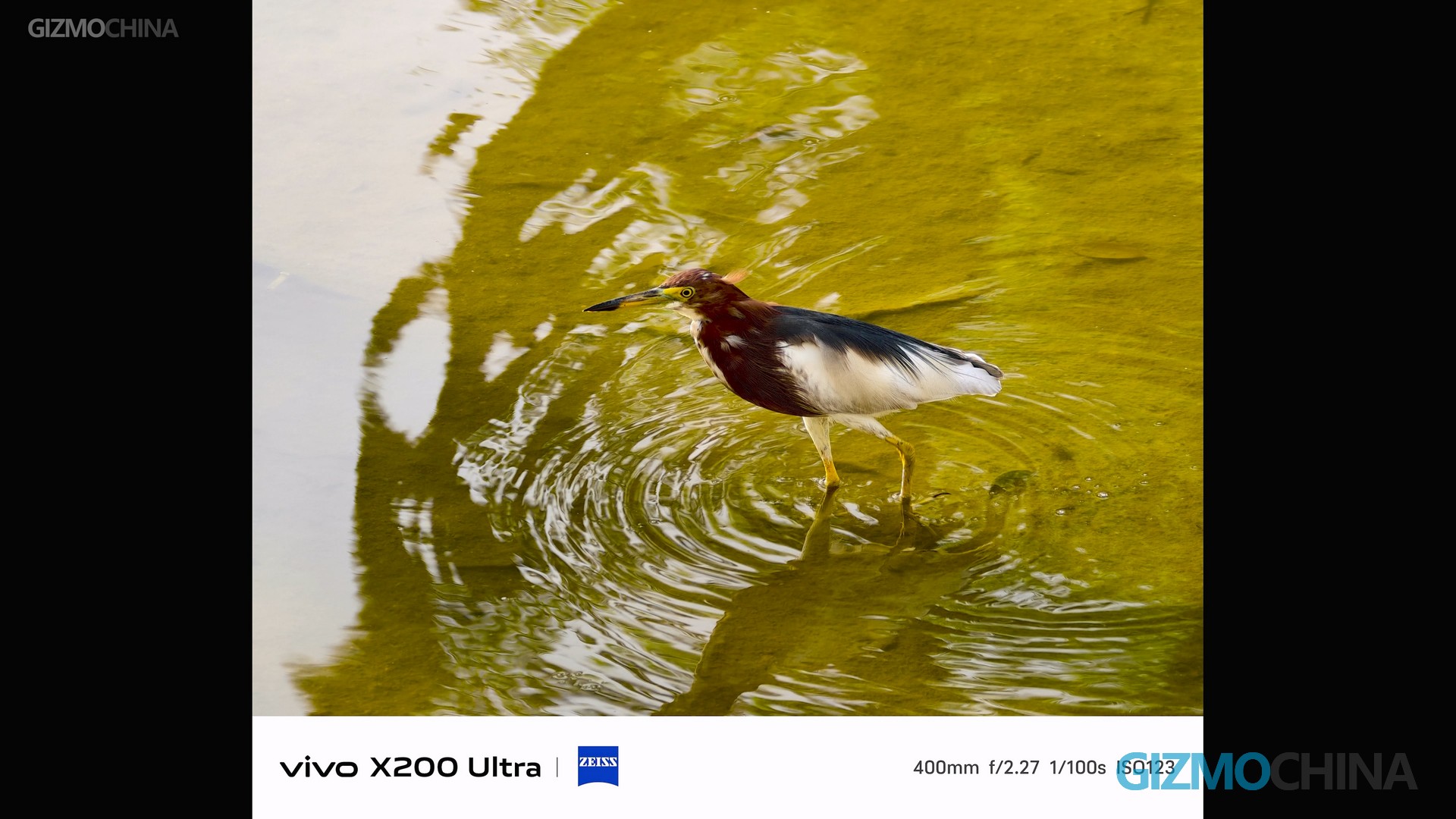
Yes, this Zeiss lens lets you capture distant subjects effortlessly. You could literally use this phone to shoot wildlife on an African safari—I’m not joking. That said, beyond 400mm, AI processing becomes overly aggressive, and the viewfinder shows noticeable jelly effect (Rolling Shutter Effect) when panning quickly. Though oddly, this doesn’t happen in video recording.
Since the lens flips the image upside down, you must use a special mode to shoot, but this disables RAW shooting, LOG video, and color mode adjustments. There are also occasional bugs, like camera unresponsive, or untranslated Chinese UI elements. Despite these flaws, if you are a wildlife or concerts person, it’s still worth buying.
Too expensive? Wait a few months. The lens attaches via a standard threaded mount without electronic contacts, meaning third-party clones will inevitably appear at lower prices. Does this mean it will be the best expandable model in the camera phone category? We will see.
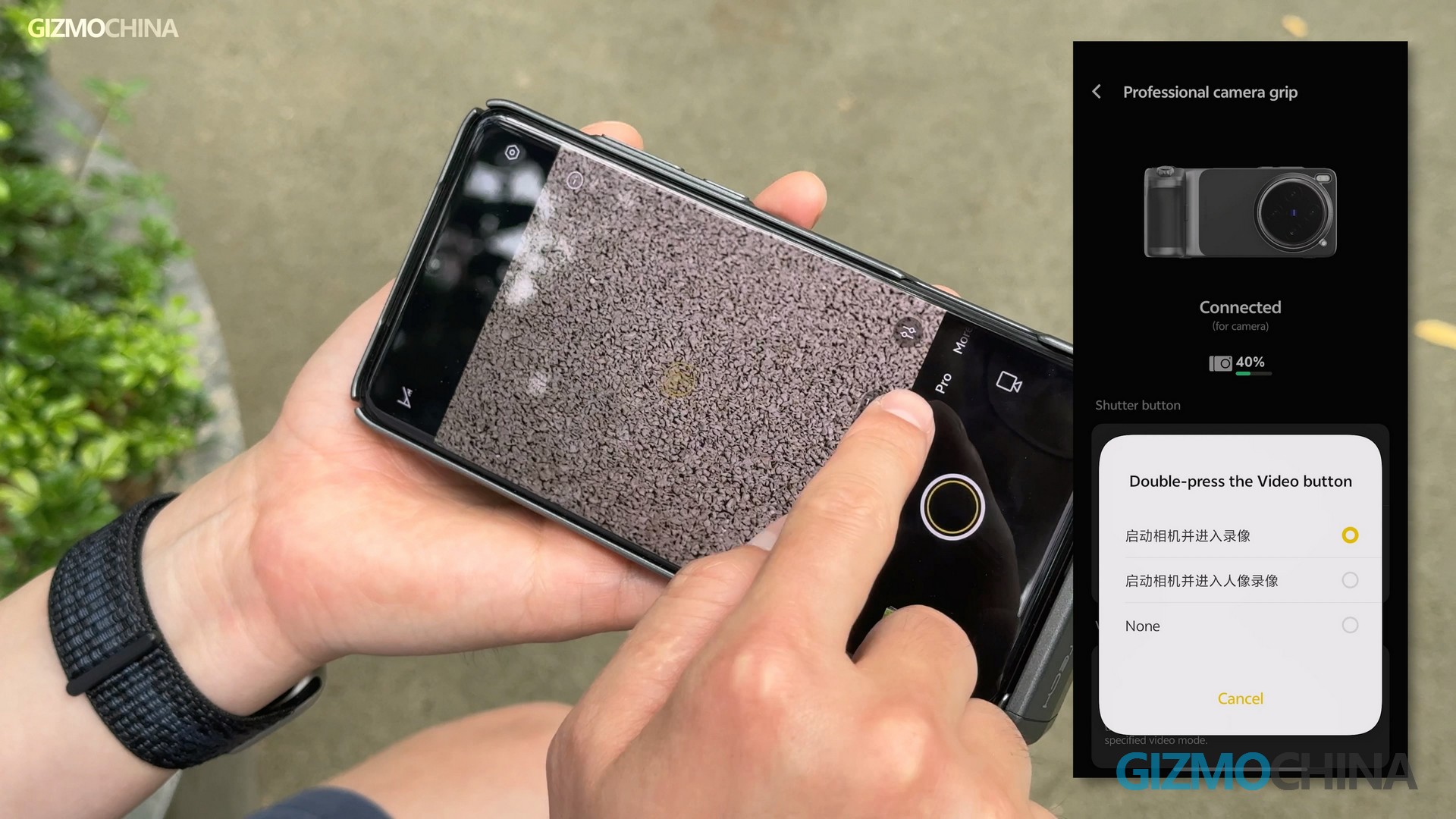
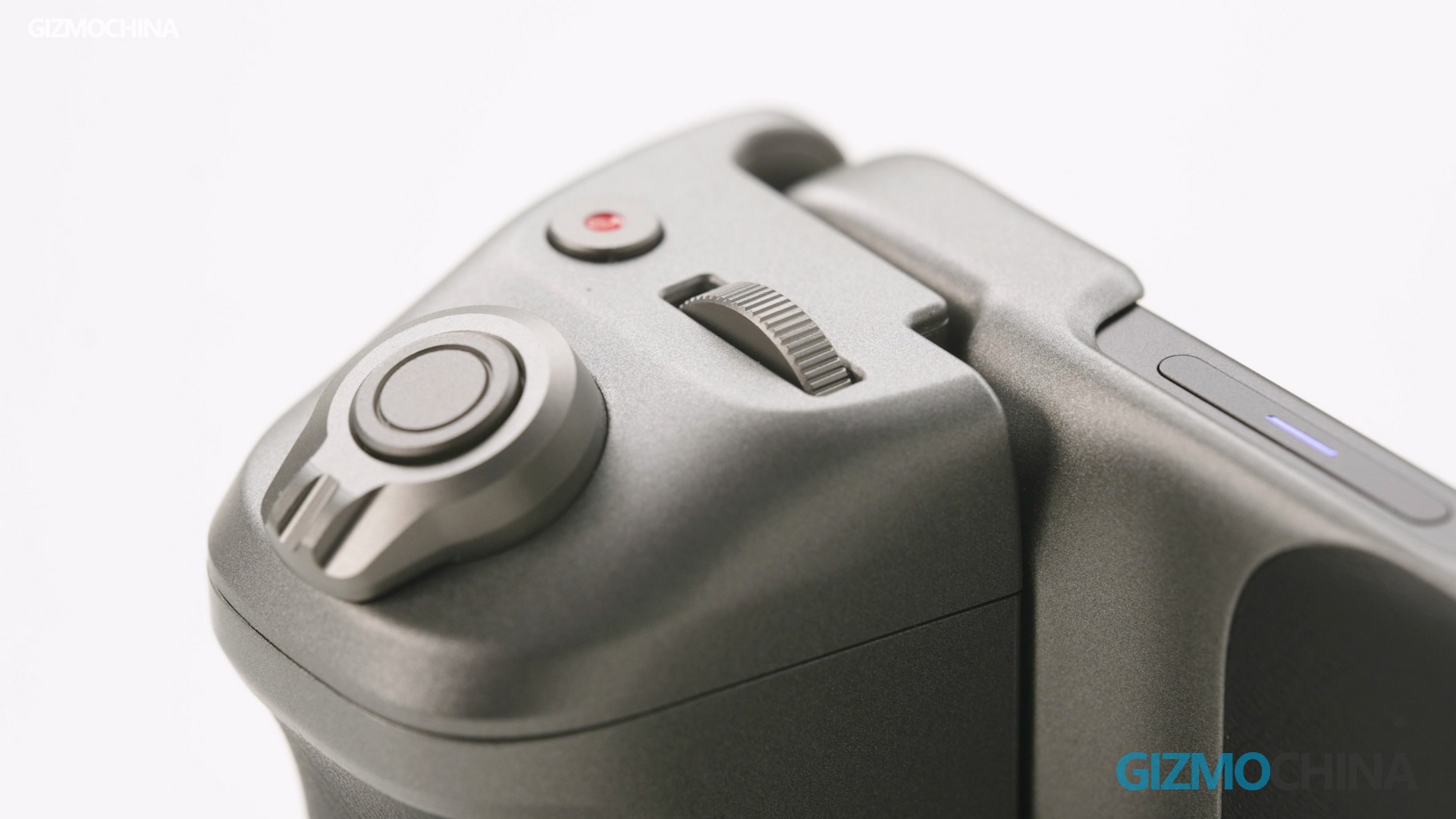
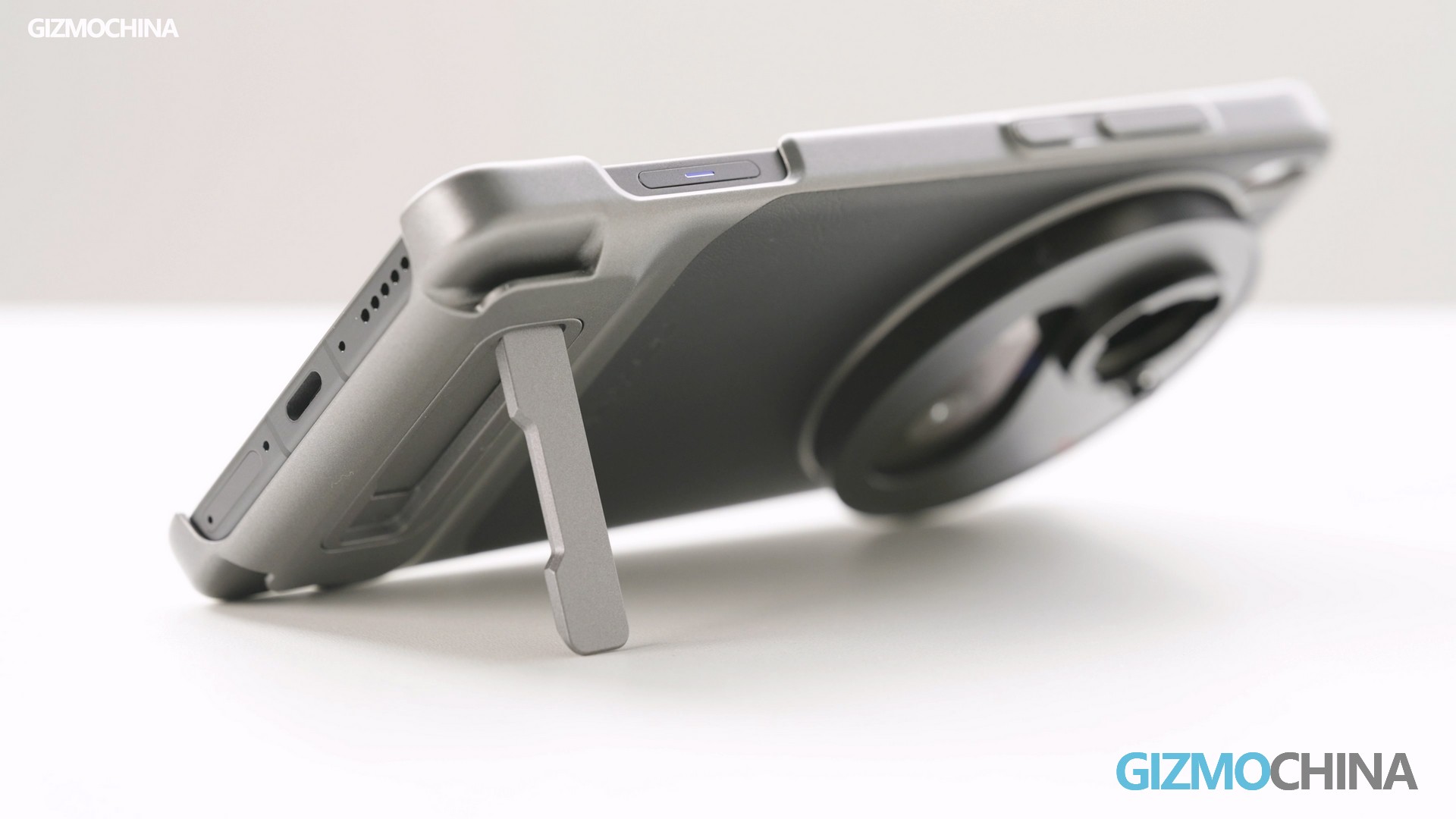
Now let’s talk about the other accessories in the photography kit. The grip and phone case are functionally flawless. The grip is significantly bulkier than Xiaomi’s version, providing a much more secure hold. It connects via Type-C and even features a built-in battery that can reverse-charge your phone. The kit includes an adapter ring that allows the X200 Ultra to use 67mm filters. It has all the necessary buttons, even including a tripod screw mount that Xiaomi’s version lacks. When detached from the grip, the case itself has a built-in kickstand. Sounds perfect, right?
However, vivo falls short in one area: build quality. The connection between the external lens and adapter ring isn’t as stable as expected. Plus, the plain plastic exterior lacks any premium finishing, making it feel noticeably cheaper than Xiaomi’s metal-clad version. Although I shouldn’t ask for more, the fact has to be pointd out that the bird lens has a fixed aperture and does not support manual focusing. Final verdict: For this photography kit, I’d give it 8 out of 10. Just refine those details in the next generation, and it could be perfect.
Camera Experience
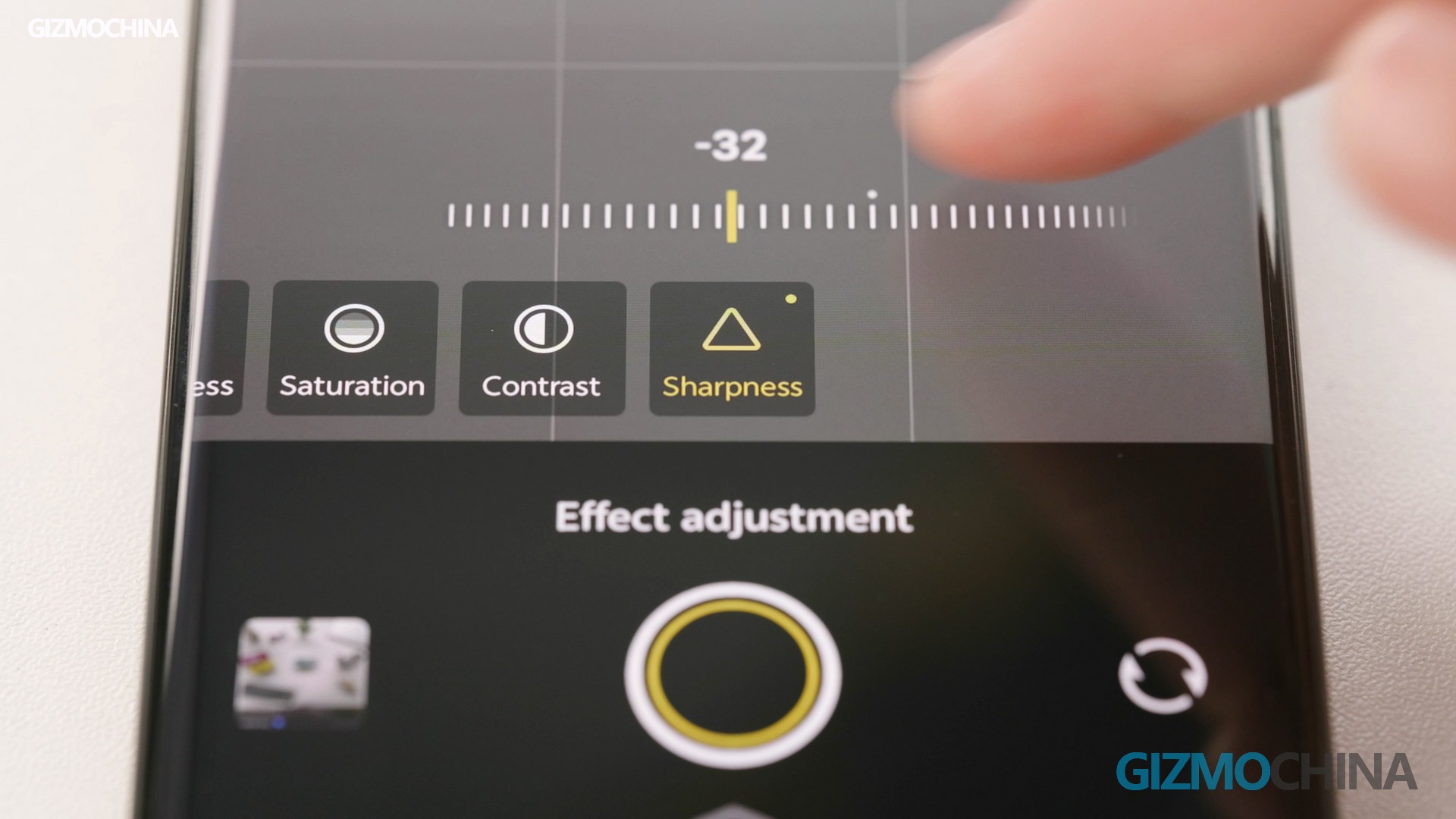
Yeah, the X200 Ultra delivers a solid camera experience overall. It introduces more customization options, like finally letting you adjust that oversharpening we’ve often complained about. The ultra-wide field of view, previously cropped too aggressively by EIS, now allows you to sacrifice some stabilization for a wider perspective.
So, time to answer the opening question: What’s my real gripe with it? The answer is Tonality—the color character of photos. While the X200 Ultra offers multiple color modes, none truly satisfy me. Simply put, I can’t achieve that cinematic look Xiaomi and OPPO deliver effortlessly. No matter how I tweak settings, something always feels missing. Even Zeiss modes fall short of Leica or Hasselblad’s tonal richness. This might not matter to everyone, but it matters to me.
Most of vivo’s default color styles lean too vibrant—great for snapshots, but tiresome over time. They excel at everyday documentation but easily get bored for a long time.
While the X200 Ultra isn’t my favorite phone this year, that doesn’t mean I dislike it—in fact, I’m quite fond of it. Its perfect balance of three cameras is likely the main reason for its popularity. There’s no “main camera” here—or rather, every camera can be the main camera. You simply choose the focal length that best suits your scene, then capture it, no overthinking required. This feeling of just focusing on what’s right in front of you is fantastic.
LG is expanding its smart monitor lineup with the brand new Smart Monitor Swing. It offers some notable specs and features, all of which are housed in a stand with wheels for added mobility. This model is clearly inspired from the brand’s StanbyMe series, so here’s what we know.
LG Smart Monitor Swing: Specs and Features
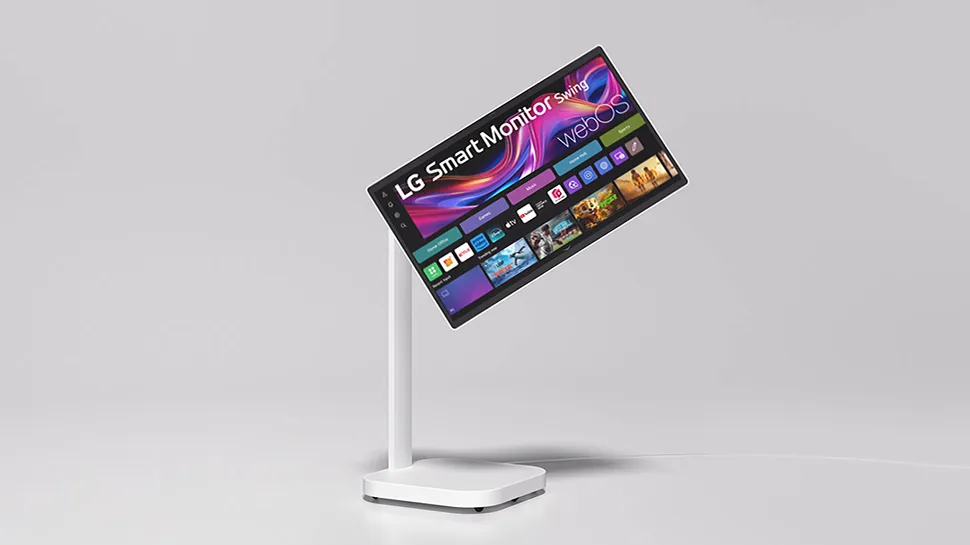
The South Korean tech giant’s latest smart monitor is a 32-inch monitor that supports touchscreen and offers 4K resolution. It is an IPS LCD panel that is housed on a stand that helps in portability, thanks to tiny wheels on the bottom. The Smart Monitor Swing features three USB Type-C ports and two HDMI ports for connectivity. One of these USB-C ports offers 65W power delivery, which allows it to charge typical business laptops as well.
LG Smart Monitor Swing
There is a concealed adapter on the back to help reduce cable clutter. The LG Smart Monitor Swing runs on the company’s webOS platform, which brings access to YouTube, Microsoft Office, and more. Similar to LG’s MyView Smart Monitors, the Smart Monitor Swing also runs on cloud PC services. In other words, it can function as a standalone device and doesn’t require a computer.
Apart from the screen on wheels bit, the latest LG smart monitor also borrows some design elements from the StanbyMe lineup. You are missing out on a remote control and a built-in battery. As of right now, global availability is still unconfirmed, but the LG Smart Monitor Swing has been announced in South Korea for 1,049,000 won or roughly around 735 US Dollars. This launch also arrives days after the brand unveiled another 32-inch 4K smart monitor in India.
For more daily updates, please visit our News Section.
Reliable tipster Digital Chat Station released a Weibo post today to reveal the existence of a new iQOO flagship dubbed the iQOO Neo 10 Pro+. The post, which has already been deleted, revealed the key details about the display, cameras, and chipset of the device.
iQOO Neo 10 Pro+ specifications (rumored)
iQOO Neo 10 Pro+ key specifications leaked
The iQOO Neo 10 Pro+ will feature the Snapdragon 8 Elite chipset, as per the leak. This device, which bears the V2463A model number, has already appeared on Geekbench with the said chipset. It has already received 3C certification in China, which revealed it may support 120W fast charging.
Earlier reports have dubbed the device with different names like iQOO Neo 10S and iQOO Neo 10S Pro/Pro+. However, it remains to be seen whether the iQOO Neo 10 Pro+ mentioned in the new leak will be its final moniker.
As per the leak, the iQOO Neo 10 Pro+ is rumored to have a 6.82-inch 2K flat OLED screen, a large battery with 120W fast charging (potentially over 7,000mAh), and the Snapdragon 8 Elite processor. A dual-chip platform, possibly including a dedicated display chip, is also mentioned.
The leak further states that the Neo 10 Pro+ will include a 16-megapixel front camera and a rear setup with a 50-megapixel main sensor and an 8-megapixel secondary lens (likely ultrawide). The previously seen Geekbench listing revealed that it will have 12GB of RAM and Android 15.
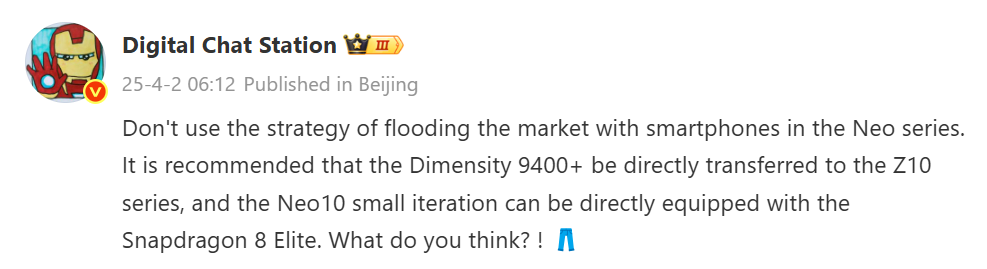
Historically, iQOO releases two Neo flagships (Snapdragon and Dimensity) mid-year in China. However, this year might see only a Snapdragon model. As per another Weibo post from DCS, a Dimensity 9400 Plus-powered flagship is now reported to be part of the Z10 series, suggesting a future Z10 Turbo phone with that chipset.
For more daily updates, please visit our News Section.
Motorola finally unveiled its Razr 60 series of premium foldable smartphones and a new Moto Watch Fit wearable. But alongside these two devices, the company has also announced the Moto Buds Loop, which is a pair of truly wireless earbuds with a premium new design.
Moto Buds Loop: Open-ear design with a little bling
The Moto Buds Loop is the brand’s first even open ear earbuds that promises to offer a premium sound quality and build. These house a 12mm ironless drivers that support spatial sound and a design for better surrounding awareness. It has a loop design for a snug fit on the user’s ears and arrives in two color options. This includes Pantone-curated French Oak, which has crystal embedded in them from Swarovski, and Trekking Green.
Moto Buds LoopWith Crystals By Swarovski and Sound by Bose
Motorola packs the new earbuds with Moto AI for voice commands and even brings Smart Connect for quick switching between Motorola and Lenovo branded devices. On a single full charge, the Moto Buds Loop can last for up to 8 hours with the charging case bumping the number to 37 hours. It supports fast charging, with a 10 minute charge offering up to 3 hours of audio playback. Other notable features include a water repellant design and CrystalTalk AI for noise reduction for an improved calling experience.
Pricing and Availability
The Moto Buds Loop has just been announced in select countries in the Pantone French Oak and Trekking Green. It has an official price tag of £129, which is roughly around $171. With the design, this easily doubles as a fashion accessory that adds an eye catching flair to your outfit.
For more daily updates, please visit our News Section.
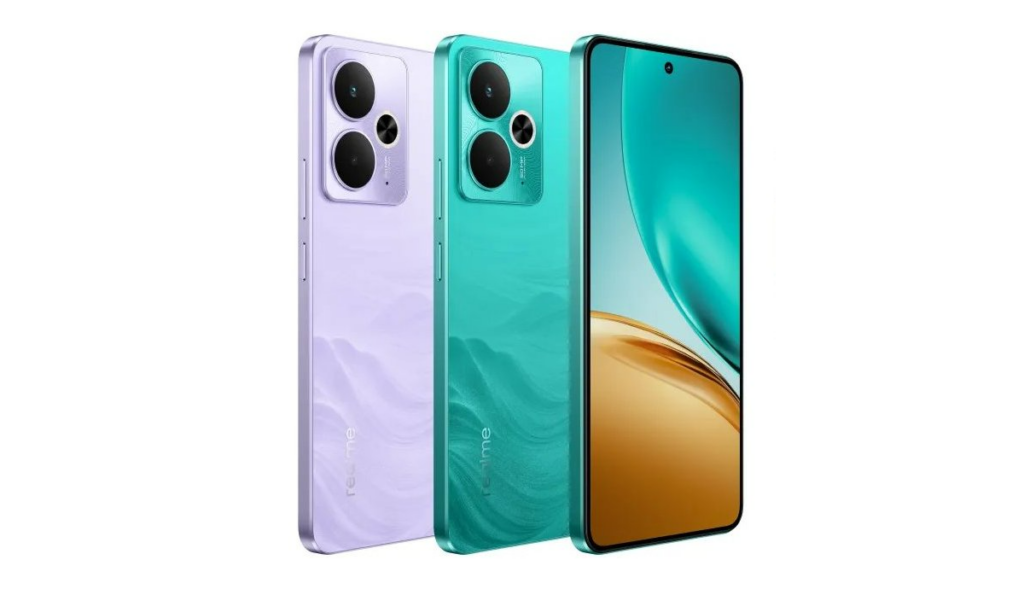
Realme has introduced the Realme 14T 5G in India. It is the second 14-series phone to launch in the country after the Realme 14x 5G, which went official in December 2024. The phone features a satin-textured finish and is available in three appealing shades. With a slim 7.97mm profile and a vibrant AMOLED display, the 14T 5G is designed to impress both in looks and everyday performance.
Realme 14T 5G specifications and features
Realme 14T 5G
The Realme 14T 5G comes with a 6.67-inch AMOLED screen with Full HD+ resolution, a 120Hz refresh rate, 1200 nits high brightness mode, and a peak brightness of 2000 nits. It covers 111% of the DCI-P3 colour gamut and is certified for eye comfort.
Powering the device is the MediaTek Dimensity 6300 chip, paired with LPDDR4x RAM, UFS 2.2 storage, and up to 10GB virtual RAM. The phone runs on Android 15 with Realme UI 6 and includes a 6,000mAh battery with 45W fast charging.
Photography is handled by a 50-megapixel OmniVision OV50D40 main camera and a 2-megapixel monochrome sensor on the rear, while the front features a 16-megapixel Sony IMX480 sensor for selfies.
Realme 14T 5G
Additional highlights include an in-display fingerprint sensor, dual stereo speakers, 300% Ultra Volume Mode (for speaker use only), dual-mic noise cancellation, and a hybrid microSD slot. Durability is enhanced with IP66, IP68, and IP69 water and dust resistance.
Realme 14T 5G price in India, availability
The Realme 14T 5G is priced at Rs 17,999 for the 8GB+128GB variant, and Rs 19,999 for the 8GB+256GB model. It comes in three shades, such as Surf Green, Lightning Purple, and Obsidian Black.
For online buyers, Realme is offering a choice between a flat Rs 1,000 bank discount or a Rs 2,000 exchange bonus. Offline buyers can avail a Rs 1,000 bank discount on both models. First sale of the 14T will run between April 25 at 12 PM and runs until April 30 on Flipkart, realme.com and offline stores.
For more daily updates, please visit our News Section.
Samsung’s budget-friendly Galaxy Z Flip FE, long expected to launch alongside the Galaxy Z Flip7 in July 2025, might ditch its “Fan Edition” name for something new: Galaxy Z Flip Xe. This news, still unconfirmed, has folks wondering why Samsung would stray from the well-known FE branding for its affordable foldable.
For months, the Galaxy Z Flip FE—sometimes called the Z Flip7 FE—has been hyped as Samsung’s wallet-friendly take on flip-style foldables, set to debut with the premium Z Flip7. The FE label, tied to recent hits like the Galaxy S24 FE, screams “great value,” but this recent rumor suggests Samsung might call it the Galaxy Z Flip Xe instead.
Why the switch to a new name?
Maybe Samsung wants to avoid the budget stigma of FE to keep its foldable lineup feeling fancy, or they’re just testing a fresh vibe. Nothing’s set in stone yet, so take it with a pinch of salt.
Previously leaked specs point to the Exynos 2400e chipset powering the device, paired with a 12MP main camera, 12MP ultrawide, and 10MP selfie shooter—pretty much a Galaxy Z Flip5 with a newer processor. It’s likely to keep the Flip6’s 6.7-inch AMOLED main display and 3.4-inch cover screen to cut costs, but other tweaks could surprise us.
Sticking with “Fan Edition” would instantly signal “affordable flagship,” while Xe feels like a wildcard—maybe a nod to “exclusive” or “experimental.” Recent X posts spotted the device as Z Flip Xe in Samsung’s GSMA database, though it flipped back to FE later, adding to the mystery. Will Samsung play it safe or go bold? Onlt time will tell.
We use cookies on our website to give you the most relevant experience by remembering your preferences and repeat visits. By clicking “Accept”, you consent to the use of ALL the cookies.
This website uses cookies to improve your experience while you navigate through the website. Out of these, the cookies that are categorized as necessary are stored on your browser as they are essential for the working of basic functionalities of the website. We also use third-party cookies that help us analyze and understand how you use this website. These cookies will be stored in your browser only with your consent. You also have the option to opt-out of these cookies. But opting out of some of these cookies may affect your browsing experience.
Necessary cookies are absolutely essential for the website to function properly. This category only includes cookies that ensures basic functionalities and security features of the website. These cookies do not store any personal information.
Any cookies that may not be particularly necessary for the website to function and is used specifically to collect user personal data via analytics, ads, other embedded contents are termed as non-necessary cookies. It is mandatory to procure user consent prior to running these cookies on your website.