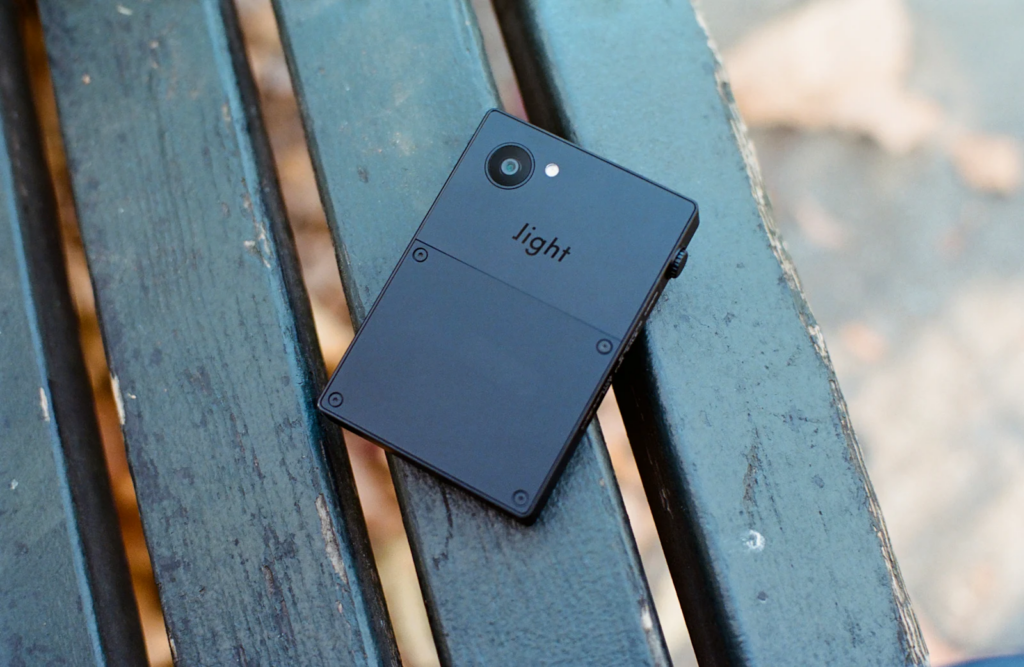
The Minimalist Light Phone 3 has officially launched, significantly upgrading its predecessor while staying true to its minimalist roots. The new model replaces the E Ink display with an AMOLED panel, adds a camera, and supports 5G, making it more functional. However, with a starting price of $599 (early sale) and a standard retail price of $799, the cost is notably higher than that of the previous Light Phone 2.
Minimalist Light Phone 3 specifications and features
Minimalist Light Phone 3
The Light Phone 3 features a 3.92-inch AMOLED display with a matte glass finish, offering a faster and smoother experience than its predecessor. It is powered by the Snapdragon 4 Gen 2 (SM4450) chipset, paired with 6GB of RAM and 128GB of storage. The device has a 50-megapixel rear sensor that captures 12-megapixel images by default and an 8-megapixel front camera for video calls.
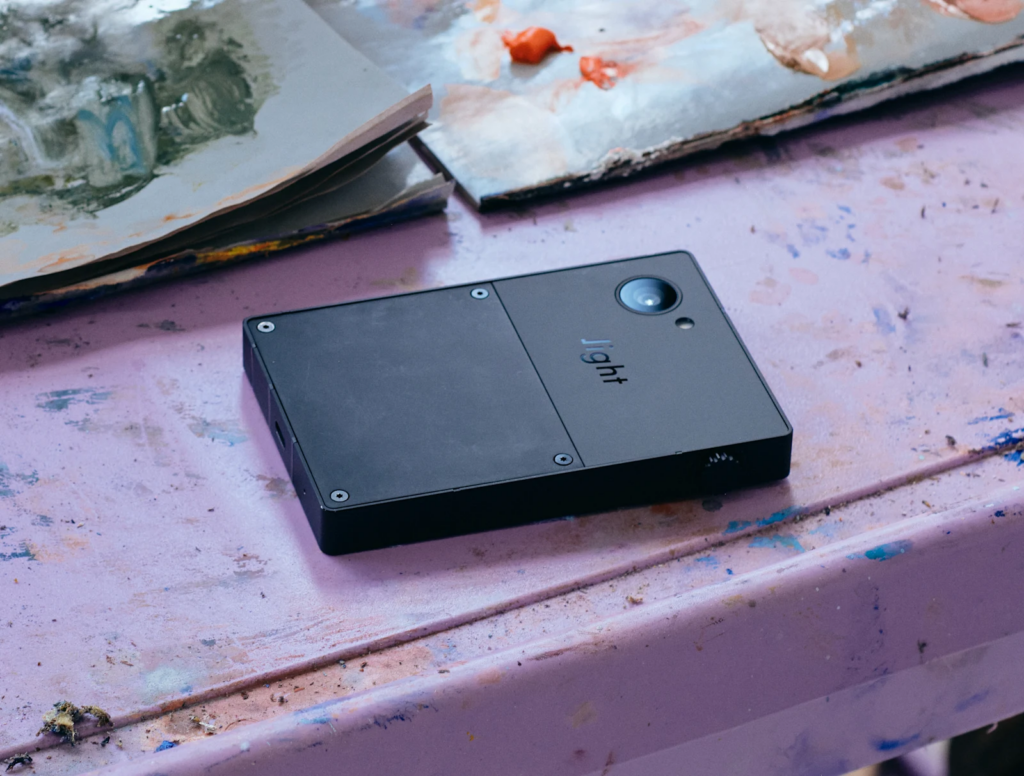
Minimalist Light Phone 3
In terms of build, the Light Phone 3 is made from a mix of aluminium, glass, and recycled plastic, and includes a fingerprint sensor, a two-step shutter button, and a scroll wheel for brightness adjustment. A 1,800mAh battery powers the phone, though its endurance remains to be tested.
Minimalist Light Phone 3
Light Phone 3 runs a custom Android-based interface but lacks an app store. It includes built-in tools like calling, messaging, navigation, alarms, notes, music, podcasts, a calculator, and hotspot functionality. The phone also has NFC hardware, though features like digital payments are yet to be activated. Finally, the device measures 106 x 71.5 x 12mm and weighs 124 grams.
Minimalist Light Phone 3 price and availability
Minimalist Light Phone 3
The Light Phone 3 is available for an early sale price of $599, with the retail price set at $799. Pre-orders have started shipping, and new orders are expected to arrive by June. The phone is also getting a limited in-store release at select Boost Mobile locations in New York.
For more daily updates, please visit our News Section.
Huawei has been pushing boundaries in foldable smartphone design. It has dabbled in everything from book-style and clamshell devices to wild tri-fold concepts and recently a side-folding wide-screen foldable. Now, it looks like the Chinese tech giant is taking that same experimental approach to the PC space.
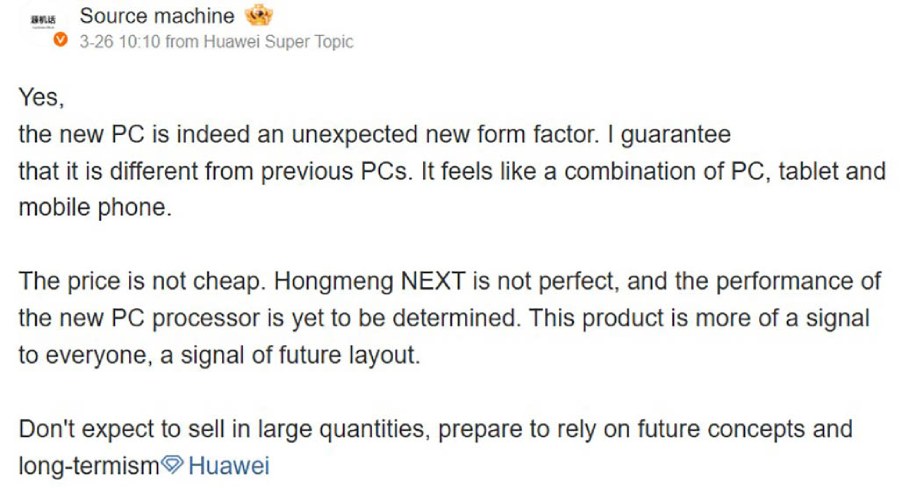
According to a tipster on Weibo, Huawei is developing a new PC with an “unexpected new form factor.” It apparently feels like a combination of PC, tablet, and mobile phone, though there are no images to clarify exactly what that means.
If the leak is accurate, this mystery PC will run on Huawei’s HarmonyOS NEXT, a version of its in-house operating system designed to move away from Android roots. But the software reportedly isn’t fully optimized yet, meaning Huawei could still be ironing out issues before a commercial launch.
The processor is another big question mark. The leak claims the device will use a new Huawei-made chip, but details are scarce. However, a separate report last week revealed a PC processor called the Kirin X90 recently via a Chinese listing. The upcoming PC could be using this same chip.
However, if that is the chip in question, do not expect cutting-edge performance. It is rumored to be built on SMIC’s 7nm process, which lags behind the latest chips from Apple, Qualcomm, and Intel.
Huawei has a history of experimenting with ambitious designs, often releasing them in limited quantities. If this hybrid PC is real, it could be more of a tech showcase than a mainstream product. Still, if Huawei manages to merge PC, mobile, and tablet functionality into a seamless package, it might just redefine what a personal computer can be.
While the two models are from the same family, there are plenty of differences like design and display. From the back, you can easily differentiate the two over their camera modules. But apart from just the look, the Oppo F29 Pro also has a stronger Corning Gorilla Glass Victus 2 glass for protection over the Gorilla Glass 7 on the F29. The F29 Pro is both lighter and slimmer, measuring 7.6mm in thickness and 180 grams in weight (over F29’s 7.7mm + 185 gram body).
The vanilla model sports a tall 6.7-inch AMOLED display with an FHD+ resolution, a 120Hz refresh rate, and up to 1200 nits of peak brightness. Meanwhile, the Oppo F29 Pro has a slightly smaller 6.67-inch screen AMOLED panel with a 120Hz refresh rate and FHD+ resolution as well. But this screen also has a higher 2,100 nits peak brightness.
Please Note: When you buy something using the links in our articles, we may earn a small commission at no cost to you.
2. Specifications
Under the hood, the more expensive variant packs the MediaTek Dimensity 7300 SoC, which is paired with up to 12GB of RAM and 256GB of internal storage. However, the Oppo F29 is equipped with Qualcomm’s Snapdragon 6 Gen 1 SoC. A massive 6,500mAh battery pack powers the more affordable model along with 45W wired fast charging.
On the other hand, you get a smaller (but still huge) 6,000mAh cell on the F29 Pro with faster 80W wired fast charging. For photography, both devices feature a 50MP + 2MP dual camera setup on the rear and a 16MP shooter for selfies and video calls on the front. The duo run on the Android 15 OS based ColorOS 15 custom skin out of the box with 2 years of guaranteed OS upgrades and 3 years of security patches.
3. Pricing
Despite their rugged bodies, both smartphones are pretty thin and light. Although, pricing is another factor that differentiates the two. You can get your hands on the Oppo F29 right now for just 23,999 INR. But for a couple of thousand more, the Oppo F29 Pro can be purchased for a 27,999 INR starting price.
For more daily updates, please visit our News Section.
MediaTek has officially confirmed that the Dimensity 9400+ will launch on April 11. It’s a minor refresh of last year’s Dimensity 9400, but the real upgrade is coming with the Dimensity 9500. And if a new leak is accurate, we may already know what to expect from MediaTek’s next flagship chip.
A now-deleted post from tipster Digital Chat Station suggests that the Dimensity 9500 will be built on TSMC’s N3P process and feature an all-big-core ARM CPU design.
Dimensity 9500 Specifications
The core configuration reportedly includes one Travis core, three Alto cores, and four Gelas cores, while the GPU is said to be the Immortalis Drage.
According to the leak, Travis and Alto are part of ARM’s upcoming X9 generation and support Scalable Matrix Extension (SME) which should deliver improved multi-thread performance.
Meanwhile, Gelas is believed to be ARM’s next-gen A7 series core. Based on the leak, the Dimensity 9500 will have a 1+3+4 CPU setup with:
1x Cortex-X930
3x Cortex-X930 (lower clocked)
4x Cortex-A730
That’s a shift from a previous leak which suggested a 2+6 CPU structure for 9500 consisting of two Travis cores and six Gelas cores. It was “early specifications” for the chip though, so it looks like MediaTek’s plans have evolved since then.
The Dimensity 9500 is expected to launch in mid-2025 which will give it a head start over over Qualcomm’s next flagship chip. The Snapdragon 8 Elite 2 is rumored to debut in October 2024.
Interestingly, a leak from earlier today suggests that MediaTek is also working on a second all-big-core Dimensity chip. Allegedly called the Dimensity 9450, it will reportedly share the same 3nm process from TSMC. However, details about it are relatively scarce at the moment.
For more daily updates, please visit our News Section.
Amazon Spring Sale is in full swing, and the users are saving the most by captivating on the deals. We have also pulled some best deals in the list below, so you can save the most without wasting any time to get the best deal. This Spring Sale, Amazon is offering exciting deals on the Anker 321 MagGo, iPad 10th-gen, iPad Air M3, Sony WH-1000XM5, Bose QuietComfort, and Amazon Fire TV Stick HD.
The interested users can maximise the savings by shopping for their favourite device during the Amazon Spring Sale. Amazon is offering Anker 321 MagGo for the price of $20, which is $6 down from the usual price. Meanwhile, the Apple 10th-gen iPad is retailing for the price of $279 with a 20% discount. Meanwhile, the Apple iPad Air M3 is now available at the price of $549.
The interested users can grab a favourite phone case from Spigen as there are some dedicated discounts on the eve of the Amazon Spring Sale. Further, a major discount of up to 20% is now applicable on the Sony WH-1000XM5 headphones. Meanwhile, the Bose QuietComfort headphones are on sale for $249, with a $100 discount.
Amazon is also offering dedicated discounts on the Amazon Fire TV Stick HD, which is now retailing at a 43 percent discount. It is currently retailing for the price of $20.
Please Note: When you buy something using the links in our articles, we may earn a small commission at no cost to you.
Realme has just announced the brand new Realme 14 5G in the global market. This mid range smartphone was unveiled in Thailand with a massive battery and a new chipset, so here are all the details like its specs, features, pricing, and more.
Realme 14 5G Specs
The Chinese smartphone maker has launched the Realme 14 5G with a 6.67-inch AMOLED with a 120Hz refresh rate, FHD+ resolution, 180Hz touch sampling rate, and 2000 nits of peak brightness. It is equipped with the Qualcomm Snapdragon 6 Gen 4 SoC, which is paired with 12GB of RAM and up to 512GB of internal storage. A massive 6,000mAh battery pack powers this device, which supports 45W wired fast charging.
Realme 14 5G
The Realme 14 5G runs on the Android 15 OS based Realme UI 6.0 custom skin out of the box. For optics, the rear features a 50MP Sony primary sensor along with a secondary camera. Meanwhile, the front houses a 16MP shooter for selfies and video calls. Realme packs this model with a bunch of AI features for the camera system like AI Eraser, AI Clear Face, and AI Snap Mode. Other notable features include an IP69 rating for water and dust resistance, dual stereo speakers, and UFS 3.1 storage.
Pricing and Availability
The company has launched the Realme 14 5G in three color options, which includes Warrior Pink, Storm Titanium, and Mecha Silver. In Thailand, the smartphone can be purchased for a starting price tag of 13,900 TBH for the base 12GB + 256GB from Shopee, Lazada, and even the TikTok Shop. Meanwhile, the higher end 12GB + 512GB is available for 15,999 TBH.
For more daily updates, please visit our News Section.
ASUS has announced a brand new mouse that offers a wireless mouse for an affordable price tag. Thanks to its silent and nonintrusive design, the new ASUS Bluetooth Silent Mouse MW105 is a great choice if you’re a student or an office worker. So here’s what you need to know.
ASUS Bluetooth Silent Mouse MW105 Specs
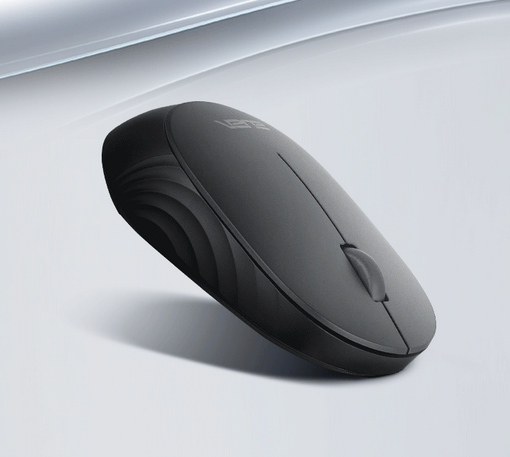
As the name suggests, the popular PC maker built the Bluetooth Silent Mouse MW105 with the aim of being lightweight and quiet. It features a compact, wireless, and ambidextrous design that fits both left and right handed users. Thanks to its low noise switches, the MW105 doesn’t have those clicking sounds. The silent switches makes it great for users who work in offices, libraries, homes, classrooms, or other such settings. Weighing just 48 grams, it is quite portable as well.
ASUS Bluetooth Silent Mouse MW105
The ASUS Bluetooth Silent Mouse MW105 features an adjustable DPI setting, allowing users to switch between 800, 1200, and 1600 DPIs from a dedicated button on the bottom. ASUS promises smoother operations with accurate tracking. It connects via Bluetooth 5.0 for low latency performance. The mouse has a simple setup, skipping any driver or app installation process. So you can just plug in and use this. A single AA battery can power this MW105.
Pricing and Availability
The ASUS Bluetooth Silent Mouse MW105 was announced in the Indian market for just 899 INR. You can purchase this mouse in a single black color option from Amazon India, quick commerce platforms, the brand’s official website, and offline retailers. Meanwhile, you can even click here to check out our pick for the 5 best ASUS laptops in the US market.
For more daily updates, please visit our News Section.
Unlike Android flagship users, Apple fans have long been waiting for 8K video recording. While the iPhone 16 series capped out at 4K, a reliable tipster now claims the iPhone 17 lineup (likely the Pro models) will leap to 8K recording—a first for iPhones. This upgrade could signal a big shift in Apple’s approach to smartphone videography.
iPhone 17 Pro render by FrontPageTech
Support for 8K recording suggests the iPhone 17 Pro models will include a high-resolution telephoto
Currently, the iPhone 16 and 16 Plus handle up to 4K recording at up to 60fps, with the Pro and Pro Max reaching up to 120fps. Rumors suggest Apple had the tech for 8K in the iPhone 16 but held back due to the telephoto sensor’s insufficient resolution. At just 12MP, the sensor falls short of the number of pixels (roughly 33MP) required for 8K recording.
As per industry sources, Apple scrapped the feature last year to maintain a seamless recording experience across different lenses—imagine shooting at 8K but being unable to switch to the telephoto lens mid-shot. Yes, this is very common in Android devices, which, quite reasonably, Apple didn’t want to follow. For the iPhone 17 to hit 8K, a beefier telephoto sensor is likely in the works, possibly aligning all lenses for ultra-high-res video.
This move would mark a rare catch-up play for Apple, which has lagged behind Android OEMs flaunting 8K for years. It’s also a nod to creators demanding more from iPhone cameras, though some might chuckle at Apple’s late pivot after years of touting “quality over specs.” If the leak holds, the iPhone 17 series could redefine mobile videography for Apple users, blending that signature polish with ultra-high resolution. Details remain scarce, but an upgraded sensor could finally let iPhones flex 8K recording—without the awkward compromises that held many of its Android counterparts back.
Xiaomi is sweetening the deal for its latest smartphone buyers with a fresh promotion. The company has confirmed that owners of the Xiaomi 15, 15 Pro and 15 Ultra can now claim four months of Spotify Premium at no cost, which expands its partnership with the streaming giant. This perk brings ad-free music, offline listening, and more to Xiaomi fans across a slew of global markets.
The offer isn’t exclusive to the Xiaomi 15 series, though
The offer spans a wide range of devices. Four months of Spotify Premium are up for grabs with the Xiaomi Mix Flip, Xiaomi 14T and 14T Pro, Xiaomi 14 and 14 Ultra, plus the Xiaomi 13T and 13T Pro and, of course, the Xiaomi 15 series.
Meanwhile, three months are available for the Redmi Note 12, 13, and 14 series, alongside accessories like Xiaomi Buds 5, Buds 5 Pro, Xiaomi Watch 2, Watch 2 Pro, and OpenWear Stereo. Entry-level devices such as the Redmi 13C, 13C 5G, Redmi 13, Redmi A3, A3x, and Redmi Buds 6 variants snag two months.
The promotion covers the following markets: France, Germany, Hong Kong, Indonesia, Japan, Malaysia, Mexico, Poland, Spain, Taiwan, Thailand, Turkiye, the United Kingdom, Brazil, Nigeria, Kazakhstan, Egypt, Colombia, Philippines, Peru, Hungary, Austria, Argentina, Greece, Chile, Singapore, Czechia, United Arab Emirates, Vietnam, South Korea, and Serbia. However, earbuds and smartwatch eligibility is limited to Croatia, Lithuania, Moldova, Paraguay, and Panama.
This tiered approach ties the perk’s duration to device price tiers, a clever nod to the company’s value-driven ethos. For new Spotify users with a qualifying Xiaomi device, it’s a solid bonus, which enhances the appeal of their purchase with months of uninterrupted tunes.
Vivo has just launched a new budget smartphone in India that brings a tough body and a massive battery pack. The model in question is the Vivo Y39 5G which also arrives with AI powered features. So here are all the details regarding its specs, features, pricing, and more.
Vivo Y39 Specs
The Chinese brand announced the Vivo Y39 with a 6.68-inch LCD screen with an HD+ resolution, a 120Hz refresh rate, and up to 1000 nits of peak brightness. Under the hood, the Vivo Y39 5G is equipped with the Snapdragon 4 Gen 2 SoC, which is paired with 8GB of RAM and up to 256GB of internal storage. This device is powered by a massive 6,500mAh battery pack, which supports 44W wired fast charging.
Vivo Y39 5G
The Vivo Y39 has a 50MP + 2MP dual camera setup on the rear, while the front houses an 8MP selfie shooter. Other notable features include military grade MIL-STD-810H certification, IP64 rating for water and dust resistance, a side mounted fingerprint scanner, dual SIM, Bluetooth 5, and SCHOTT Xensation α glass protection. The latest device also runs on the Android 15 OS based FuntouchOS 15 custom skin out of the box.
Pricing and Availability
Vivo unveiled the Y39 5G model in two color options, namely Ocean Blue and Lotus Purple. This device has a starting price tag of 16,999 INR for the 8GB + 128GB model and the 8GB + 256GB configuration will sell for 18,999 INR. The new Vivo Y39 will go on sale on 6th April 2025 with a 1,500 INR cashback. Interested buyers can purchase the new budget phone from Amazon India, Flipkart, the brand’s official website, and partner retail stores.
For more daily updates, please visit our News Section.
With just a few months between their releases, the Xiaomi 15 (October 2024) and Xiaomi 15 Ultra (February 2025) may seem like close siblings, but the differences go far beyond just a minor upgrade. The Xiaomi 15 set a strong foundation as a flagship, delivering top-tier performance at a competitive price. Then came the Ultra, pushing boundaries with cutting-edge cameras, a bigger battery, and premium features designed for power users.
But is the Ultra’s higher price worth the leap, or does the Xiaomi 15 still offer the best balance of performance and value? Let’s find out in this comparison.
Xiaomi 15 Ultra and Xiaomi 15 share premium build quality, but the Ultra version stands out with a more rugged design featuring aerospace-grade glass fiber and an eco-leather option, making it feel more luxurious. Both have IP68 water and dust resistance, but the Ultra’s materials offer better durability. In terms of display, both use LTPO AMOLED panels with a 120Hz refresh rate and a peak brightness of 3200 nits. However, the Xiaomi 15 Ultra edges ahead with a larger 6.73-inch screen and a sharper 1440p resolution, making content more immersive compared to the Xiaomi 15’s 6.36-inch 2670p display. The Ultra also features the upgraded Xiaomi Shield Glass 2.0, adding extra protection.
Xiaomi 15’s slightly smaller form makes it more comfortable for one-handed use, but for those who prefer a more expansive and immersive experience, the Ultra’s display is the clear winner.
Please Note: When you buy something using the links in our articles, we may earn a small commission at no cost to you.
2. Specifications
Xiaomi 15
Both devices share the Snapdragon 8 Elite chipset, ensuring flagship-level performance. The Xiaomi 15 Ultra has more advanced memory configurations, offering up to 1TB storage with 16GB RAM and using the faster UFS 4.1, whereas the Xiaomi 15 maxes out at 1TB but with slightly slower UFS 4.0.
Battery-wise, the Ultra offers a larger 5410mAh (global) or 6000mAh (China) battery compared to the Xiaomi 15’s 5240mAh (global) or 5400mAh (China) capacity. While both support 90W wired charging, the Ultra pulls ahead with an 80W wireless charging capability compared to the Xiaomi 15’s 50W. This makes the Ultra a better choice for power users who need longer battery life and faster wireless charging.
3. Camera
Xiaomi 15 Ultra
The Xiaomi 15 Ultra dominates in the camera department, featuring a quad-camera setup with a massive 200MP periscope lens capable of 4.3x optical zoom, alongside its 50MP main, telephoto, and ultrawide lenses. The Xiaomi 15, while still powerful, has a triple-camera system with a 50MP main sensor and a 2.6x optical zoom telephoto lens.
The Ultra’s larger 1-inch main sensor ensures better low-light performance and sharper details. Additionally, its advanced TOF 3D depth sensor and optional 67mm filter ring holder make it more appealing to photography enthusiasts.
If camera quality is a priority, the Ultra easily justifies its higher price tag. However, for casual users, the Xiaomi 15 still offers excellent image quality with Leica tuning.
4. Pricing
Xiaomi 15
At $1,099, the Xiaomi 15 Ultra commands a significant premium over the Xiaomi 15, which starts at just $669. The Ultra’s additional cost is justified by its superior camera system, higher-resolution display, and enhanced battery capabilities.
However, for those who want flagship performance without the premium price tag, the Xiaomi 15 offers tremendous value. The $430 price gap means users should consider if they truly need the Ultra’s added features or if the Xiaomi 15 provides enough power and versatility for everyday use.
The Xiaomi 15 Ultra brings several unique features, including a quad-camera setup with a 200MP periscope lens, a larger 1-inch main sensor, and advanced computational photography features. It also offers superior wireless charging at 80W and a more durable aerospace-grade build.
Another standout feature is the two-way satellite communication, which can be crucial in emergency situations. While the Xiaomi 15 lacks these high-end extras, it still delivers top-tier performance, a premium design, and an excellent camera system at a much lower price.
If you prioritize cutting-edge features and the best camera experience, the Ultra is the obvious choice. However, for most users, the Xiaomi 15 strikes a better balance between price and performance.
The Oppo F29 series made its official debut in India earlier this week. While the higher end F29 Pro model is set to go on sale next month, the base Oppo F29 5G has just gone on sale in the region. So here are all the details like its specs, pricing, offers, and more.
Oppo F29: Pricing and Availability
The Chinese tech giant’s F29 5G model just went on sale in India from Amazon, Flipkart, brand’s official website, and retail outlets as well. It is listed in two color options, namely Solid Purple and Glacier Blue. The Oppo F29 has a starting price tag of 23,999 INR for the 8GB + 128GB variant, while the higher end 8GB + 256GB model costs 25,999 INR. Oppo is offering up to 10 percent instant cashback to HDFC, SBI, Bank of Baroda, IDFC First Bank, and Axis credit card holders along with a 10 percent exchange bonus as well.
Oppo F29 5G (Left) and Oppo F29 Pro 5G (Right)
Specs and Features
Oppo’s vanilla F29 model sports a tall 6.7-inch AMOLED display with a 120Hz refresh rate, FHD+ resolution, Gorilla Glass 7i, and 1200 nits of peak brightness. Under the hood, it is equipped with the Snapdragon 6 Gen 1 SoC. A massive 6,500mAh battery pack powers this device, which supports 45W wired fast charging. The rear packs a 50MP + 2MP dual camera setup on the back, with the front housing a 16MP selfie shooter.
Out of the box, the Oppo F29 runs on the Android 15 OS based ColorOS 15 custom skin. There is also the promise of 2 years of OS updates and 3 years of security updates. Other notable features include an in-display fingerprint scanner, MIL-STD certification, and IP66 + IP68 + IP69 rating for water and dust resistance.
For more daily updates, please visit our News Section.
The POCO F7 Ultra has just been announced globally with cutting edge hardware. But this model wasn’t announced alone, making its debut along with the POCO F7 Pro, which is an affordable flagship model. It packs some high end specs and features for a competitive price tag, so here are all the details.
POCO F7 Pro Specs
The Chinese smartphone brand announced the POCO F7 Pro with a 6.67-inch AMOLED display with a 2K resolution, a 120Hz refresh rate, 2160Hz touch sampling rate, DC dimming, HDR10+, and 3200 nits of peak brightness. Under the hood, it is equipped with the Snapdragon 8 Gen 3 SoC, which supports up to 12GB of RAM and 512GB of internal storage. A massive 6,000mAh battery pack powers this model, which supports 90W wired fast charging. The POCO F7 Pro also packs the Surge G1 battery and Surge P3 charging chips.
POCO F7 Pro
For optics, the rear packs a dual camera module with a 50MP Light Fusion 800 main sensor (OIS) + 8MP ultra wide setup, while the front houses a 20MP shooter for selfies and video calls. Other notable features include a 3D ultrasonic fingerprint scanner, infrared sensor, stereo speakers with Dolby Atmos support, IP68 rating for water and dust resistance, Bluetooth 5.4, WiFi 7, and dual SIM support (nano + nano).
Pricing and Availability
The POCO F7 Pro was just announced in the global market in three color options, namely Silver, Blue, and Black. It has a starting price tag of $499 for the 12GB + 256GB configuration, while the 12GB + 512GB variant costs $549. Early bird buyers are getting a special discount, which brings the price down to $449 and $499 respectively.
For more daily updates, please visit our News Section.
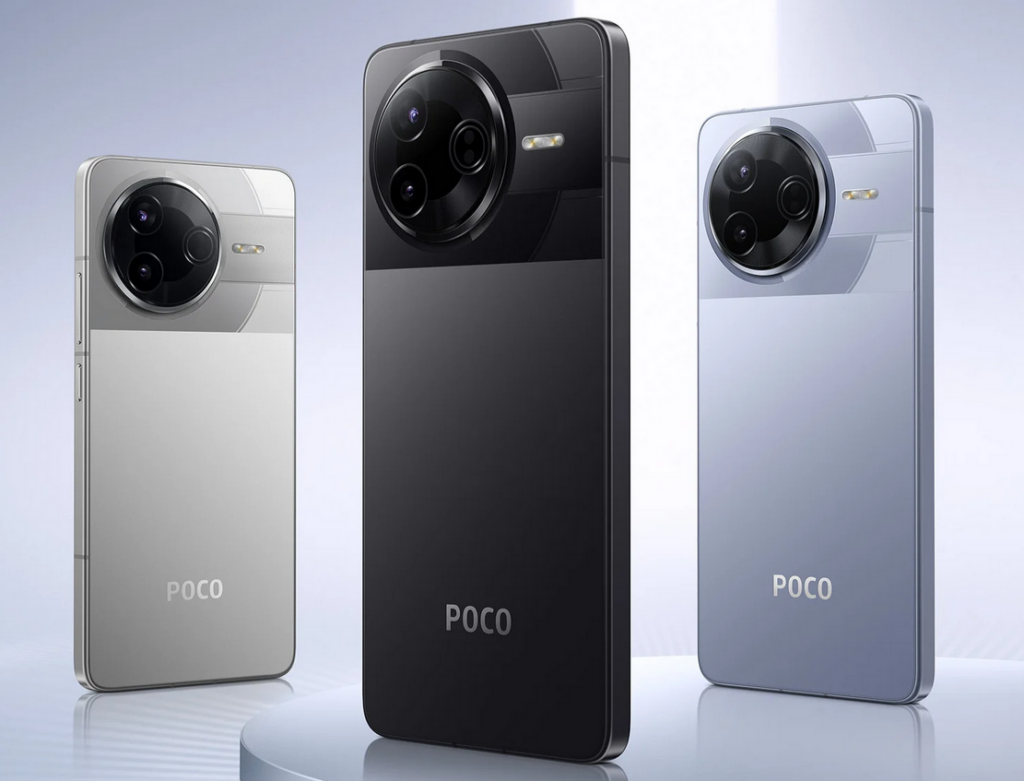
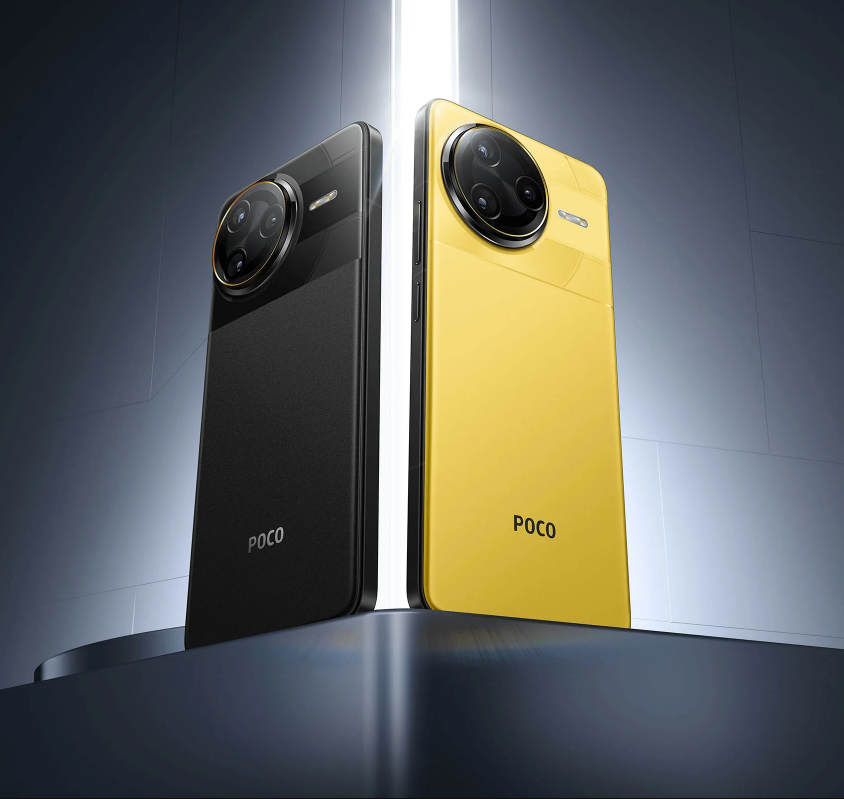
POCO has globally launched the F7 Ultra along with the F7 Pro, positioning it as the brand’s flagship smartphone designed to offer exceptional value.
POCO F7 Ultra features
The POCO F7 Ultra has a 6.67-inch 2K AMOLED screen boasting 3200 nits peak brightness, a 120Hz refresh rate, and Dolby Vision support. The device debuts POCO’s first ultrasonic fingerprint scanner and slims its bottom bezel by 21% compared to earlier models.
At its core, the F7 Ultra packs Qualcomm’s 3nm Snapdragon 8 Elite chipset paired with a VisionBoost D7 graphics chip, enabling 120fps gaming and 2K resolution upscaling. Thermal management is handled by a dual-channel IceLoop cooling system spanning 5400mm², ensuring sustained performance. Configurations include up to 16GB of LPDDR5X RAM and 512GB of UFS 4.0 storage.
The triple-camera setup features a 50MP Light Fusion 800 primary sensor with OIS, a 32MP ultra-wide lens, and a 50MP 2.5x telephoto camera capable of 10cm macro shots. Xiaomi’s AISP 2.0 enhances imaging with a 13.2EV dynamic range, while the Surge T1S signal chip improves cellular, Wi-Fi, and Bluetooth connectivity.
A 5300mAh battery supports 120W wired charging (50% in 13 minutes) and 50W wireless charging. The IP68-rated glass-and-metal build houses stereo speakers, Hi-Res audio, and an IR blaster. Running Xiaomi HyperOS 2.0 based on Android 15, POCO promises four OS upgrades and six years of security updates.
Pricing & availability
The F7 Ultra starts at US$649 / €749.90 for the 12GB + 256GB model. The 16GB + 512GB model is priced at $US699 / €799.90. Early buyers can pick these configurations at a discounted price of US$599 and $US649, respectively. The device is already on sale in select countries.
For more daily updates, please visit our News Section.
Qualcomm’s upcoming Snapdragon 8 Elite 2 has already been rumored to use TSMC’s third-generation 3nm process, known as N3P. Now, a new leak suggests it won’t be the only Qualcomm chipset on this node.
Qualcomm’s expanding 3nm lineup
According to reliable leaker Digital Chat Station (DCS), another Qualcomm chipset, codenamed SM8845, will also be built on TSMC’s 3nm fabrication. While its exact identity remains unclear at the moment, it could be the successor to the Snapdragon 8s Gen 4, which is expected to launch soon.
An early report hinted that SM8845 will feature a fully custom architecture, and today’s leak reinforces that claim. DCS says the chipset will use Qualcomm’s self-developed Oryon cores which if true will distinguish it from the Snapdragon 8s Gen 4 that is expected to stick with ARM’s standard core designs.
Moreover, since the 8s Gen 4 relies on ARM cores, it likely won’t carry the Elite branding that Qualcomm has reserved for its custom-core chips. But if SM8845 does indeed feature Oryon cores, it could end up as another Elite-branded SoC.
Performance-wise, a previous report claimed that SM8845 is designed to match the benchmark scores of the Snapdragon 8 Elite (SM8750). It’s also expected to debut in the Redmi K90.
Dimensity 9500 and Dimensity 9450
Beyond Qualcomm, the leak also shares new details on MediaTek’s upcoming chips. According to Digital Chat Station, the flagship Dimensity 9500 will also be built on TSMC’s 3nm process.
More interestingly, it is said to be accompanied by another chip called the Dimensity 9450 which will use the same fabrication technology. The similarities might go beyond just the manufacturing process, as both chipsets are reportedly designed with a big-core architecture.
According to reports, both the Snapdragon 8 Elite 2 and Dimensity 9500 might arrive early this year. MediaTek is expected to launch the Dimensity 9500 around mid-2025, while Qualcomm is might unveil the Snapdragon 8 Elite 2 in early October.
For more daily updates, please visit our News Section.
Samsung is now bringing more clarity to the One UI 7 release schedule. It has now detailed when and which Galaxy devices will get the One UI 7 update. So now, we’ve more clarity on when to expect the update to hit our phones.
Samsung’s Czech Republic website has published (via) a detailed One UI 7 rollout plan. The rollout will begin on April 10 for the Galaxy S24 series, Galaxy Z Fold 6, and Galaxy Z Flip 6. A week later, the update will expand to the Galaxy S24 FE, Galaxy S23 series, Galaxy Z Fold 5, and Galaxy Z Flip 5.
The update will then expand to the Galaxy S22 series and Galaxy S23 FE in the following weeks.
Samsung has also revealed the update rollout plan for the Galaxy tablets. According to which, the Galaxy Tab S10 series models will get the update in mid-April 2025. A week later, the Galaxy Tab S9 series will join the party. The Galaxy Tab S8 series models will get the One UI 7 update towards the end of April. Samsung says other Galaxy tablets will get the update in May 2025.
This One UI 7 rollout plan was published on Samsung’s Czech Republic website, meaning it applies specifically to that region. However, Samsung may follow a similar schedule for the US, as the rollout there is also set to begin on April 10. That said, there’s no official confirmation that both regions will follow the exact same timeline.
Samsung’s recent handling of One UI 7 updates has raised some doubts. Last week, the company announced the One UI 7 release date for the US, only to remove the post shortly after. While it was republished the next day (without any changes), this inconsistency has made users question whether Samsung is fully prepared for the rollout.
Additionally, the company has backtracked on One UI 7 promises in the past, so the Czech Republic schedule may not necessarily align with Samsung’s plans for other countries.
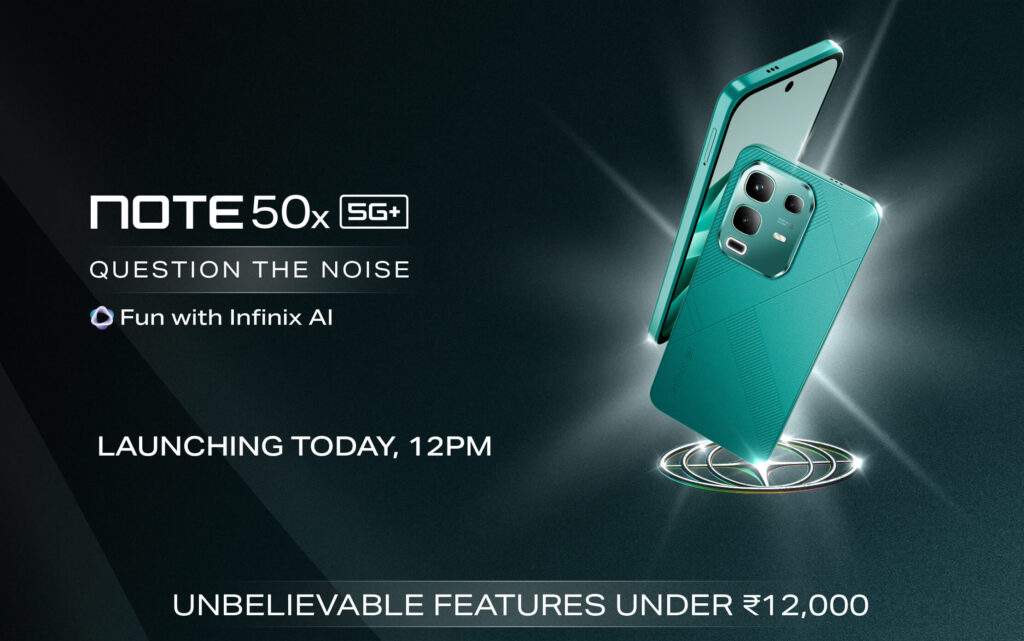
A week after the launch of the Infinix Note 50 Pro+ 5G smartphone in the global market, the brand has now launched the Note 50x 5G+ smartphone for its Indian customers. The Note 50x 5G+ is a budget-range smartphone that packs some serious power under its hood.
Infinix Note 50x 5G+ features
The Note 50x 5G features a 6.67-inch HD+ LCD display offering a 120Hz refresh rate and up to 672 nits peak brightness. The phone runs on MediaTek’s 4nm Dimensity 7300 Ultimate chipset, which supports 90fps gaming. It comes with up to 8GB of LPDDR4x RAM and 128GB of UFS 2.2 storage, expandable via microSD.
The device runs XOS 15 based on Android 15 and includes features like Floating Window, Dynamic Bar, and specific modes for gaming, privacy (Peek Proof), and child safety. Infinix has committed to two Android version updates and three years of security patches.
AI is used across several areas, including photography and software functions. AIGC Portrait Mode is available for the camera, while tools like AI Wallpaper Generator, Note Assistant, and the Folax voice assistant support daily tasks. The AI Gallery includes an Eraser, Cut-out, and Search functions. Google’s Circle to Search is also integrated. The phone features a 50MP main camera with f/1.6 aperture and 4K video support, along with an 8MP front camera.
The Note 50x 5G+ has MIL-STD-810H certification for durability and an IP64 rating for dust and water resistance. It has a 5500mAh battery that supports 45W wired charging (adapter included), 10W reverse wireless charging and bypass charging to manage heat during use. Infinix states that the battery is designed to retain 80% of its original capacity after 2,300 charge cycles.
Design options include a vegan leather finish in Sea Breeze Green and metallic finishes in Titanium Grey and Enchanted Purple. Connectivity options include 5G bands (n1/n3/n5/n8/n28b/n38/n40/n41/n77/n78), Wi-Fi 6, Bluetooth 5.4, an IR blaster, stereo speakers, USB Type-C audio, and a side-mounted fingerprint sensor.
Pricing & availability
The phone will be available on Flipkart starting April 3, 2025. Pricing is set at ₹11,499 for the 6GB+128GB model and ₹12,999 for the 8GB + 128GB variant. Launch offers include a ₹1,000 discount for ICICI Bank cardholders and exchange deals.
When you think of Xiaomi, what comes to mind first? The Xiaomi 12S Ultra? Perhaps the Xiaomi 15 series phones? Or could it be the Xiaomi Pad 7 Pro? We unboxed this tablet two months ago to take a quick look. It features significant upgrades from the 6 Pro in several areas: the display is much better, it has the latest system, and it’s equipped with powerful AI features. However, it still faces some issues.
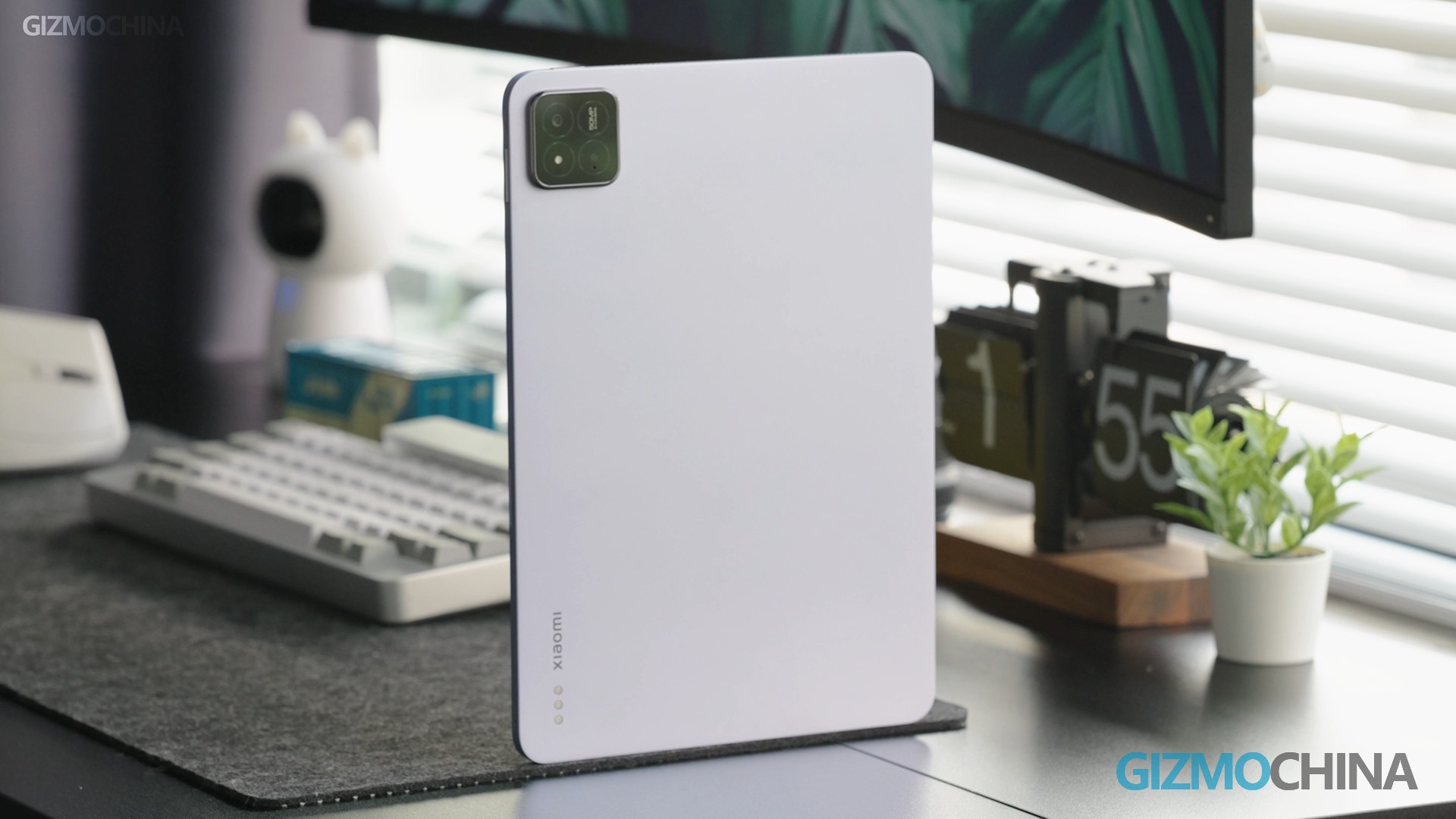
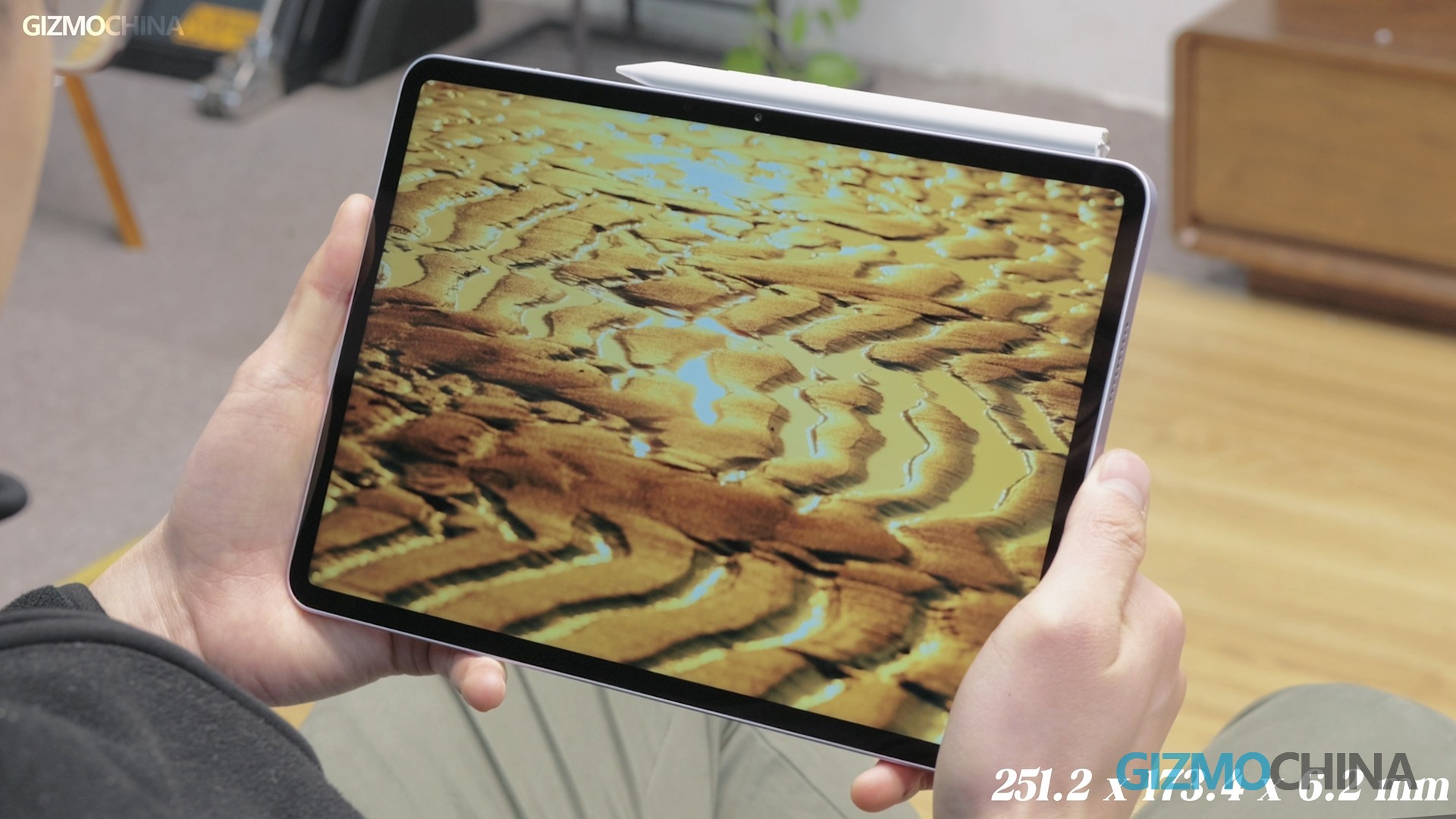
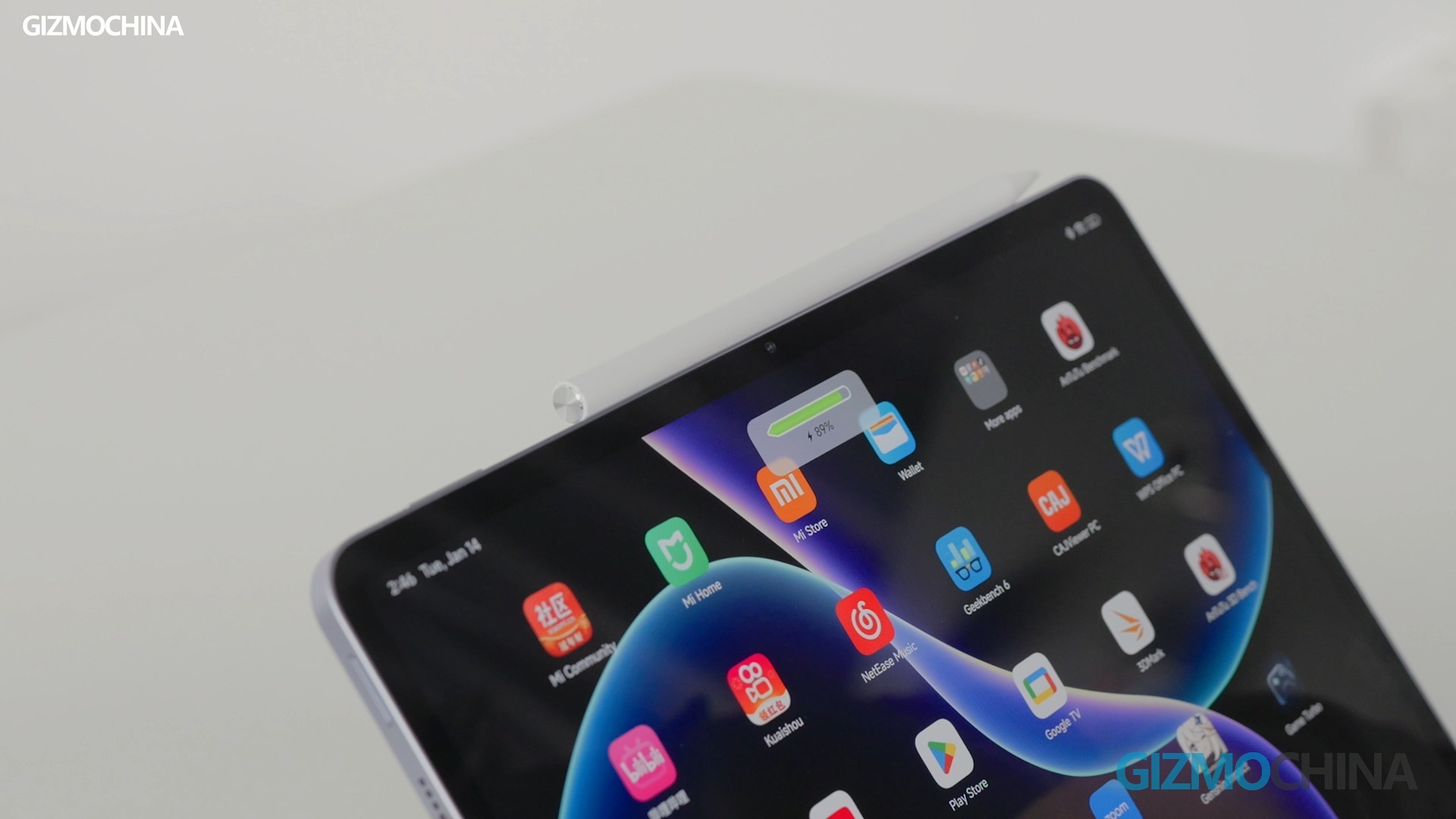
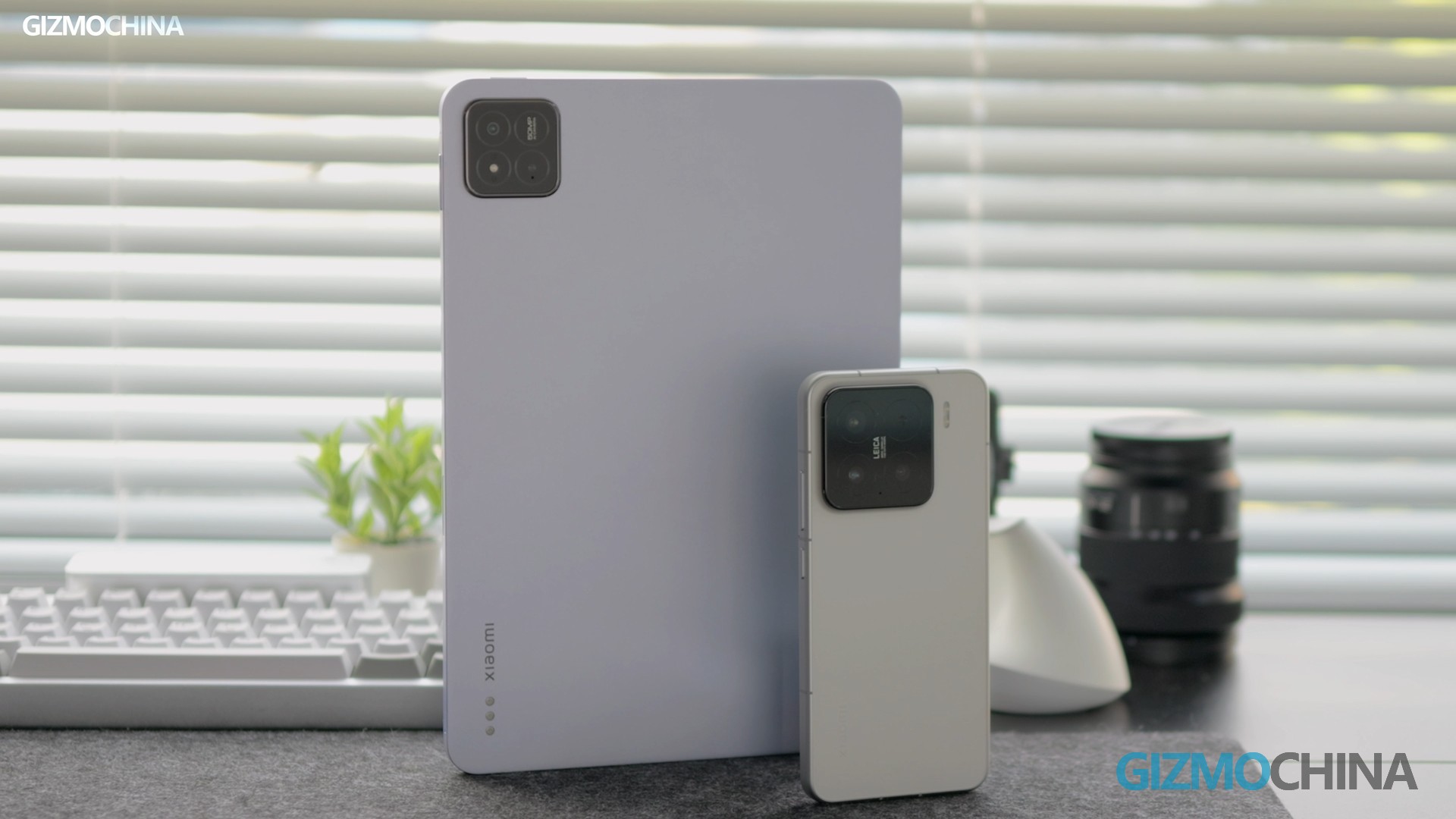
This model retains the same design as before, featuring an aluminum back and frame. It feels very much like an iPad when you hold it. The size of the Pad 7 Pro lies between the 6 Pro and 6S Pro, and it’s surprisingly lightweight.
It is available in three colors and has two speakers located at the top and bottom. However, compared to the 6S Pro, you’ll see that the 6S Pro has six speakers. It still supports Dolby Vision Atmos, though.
The power button remains on top and facilitates fingerprint unlock. At the bottom, there is a Type-C charging port. However, I wish Xiaomi would align the charging port and speakers at the same level. Wouldn’t that look so much nicer? The volume buttons and the slot for charging the stylus are on the right side. The magnet is just right; you can gently place the pen, and it sticks perfectly.
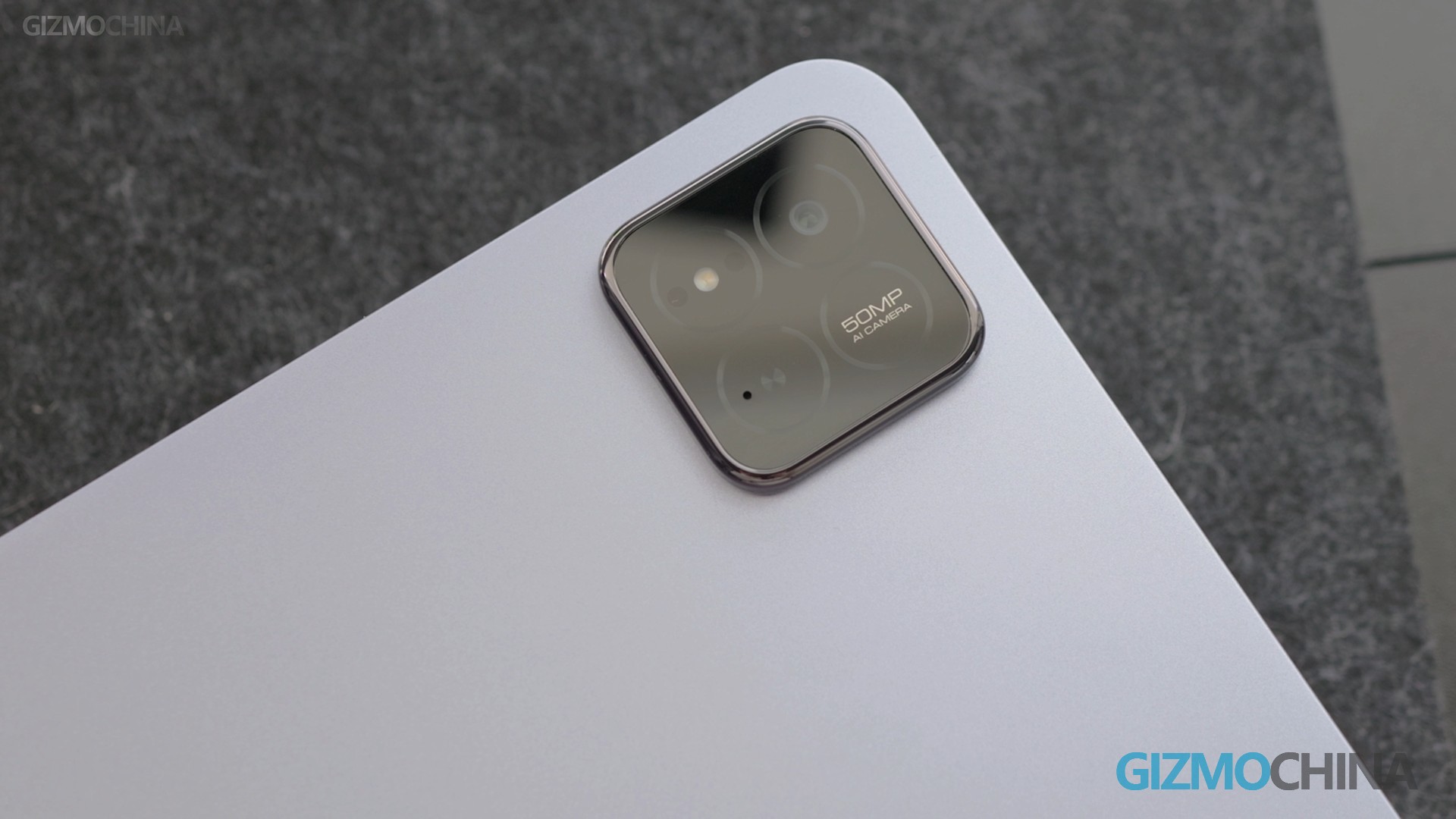
On the back, there’s the camera module. I’m not a huge fan of it unless it’s on a phone because when placed flat on a table without a case, it wobbles. But if you share this concern like I do, just use a protective case. I was hoping there would be a SIM card slot, but there isn’t.
Display:
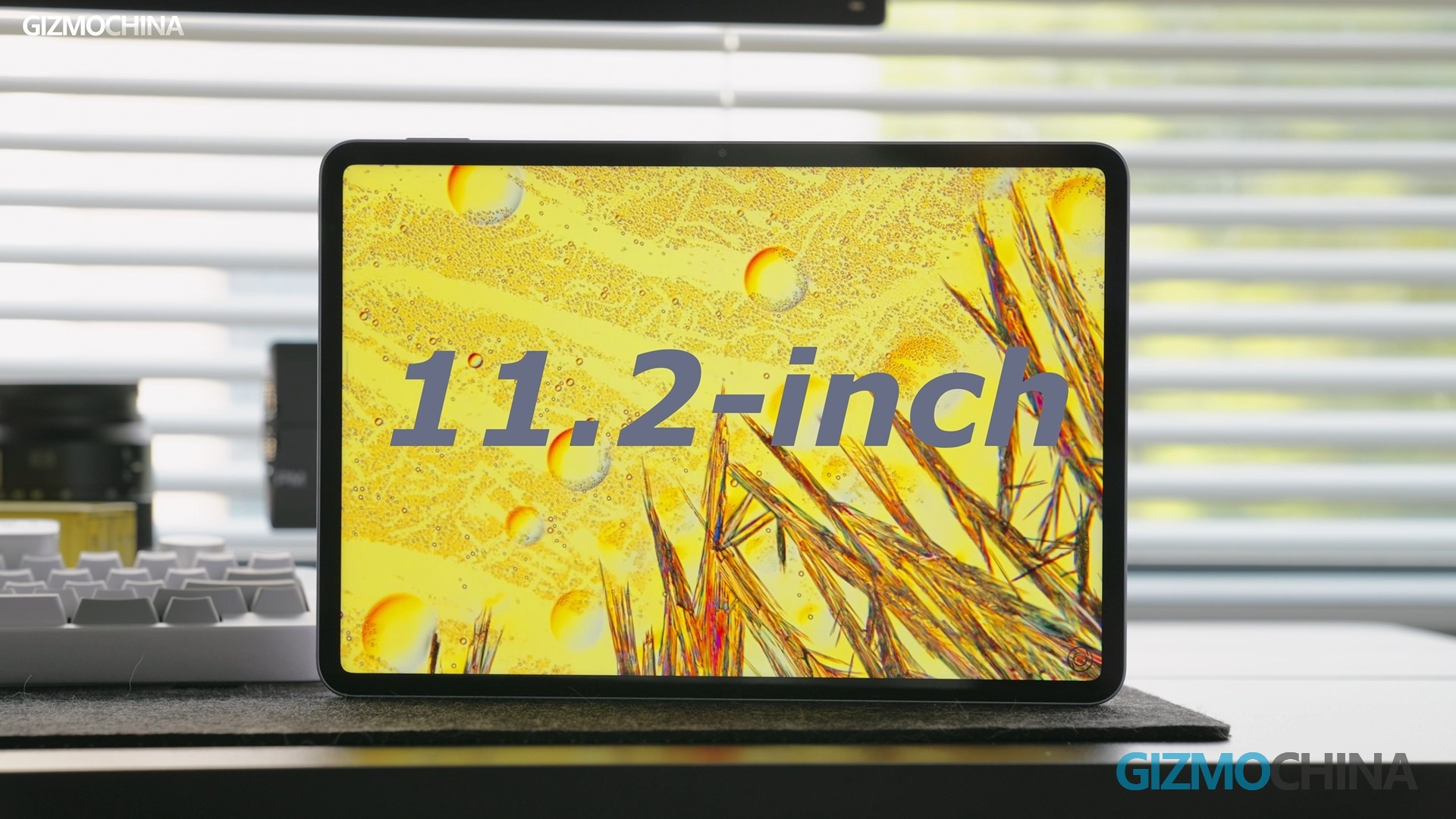
It’s got an 11.2-inch screen. The 3:2 aspect ratio gives you more room to watch videos or movies, and it’s perfect for reading and writing. Plus, it’s an eye-protecting screen with that German TÜV triple certification.
Now, it’s still an IPS screen, and I remember people asking Xiaomi, “Why still IPS on the 7 Pro?” Lots of other brands are all about OLED screens, but choosing IPS doesn’t mean it’s bad. IPS screens are better for color accuracy, viewing angles, and they last longer. When it comes to watching movies, this tablet is top-notch. Whether you’re lying down or watching on the side, the picture’s always clear.
System:
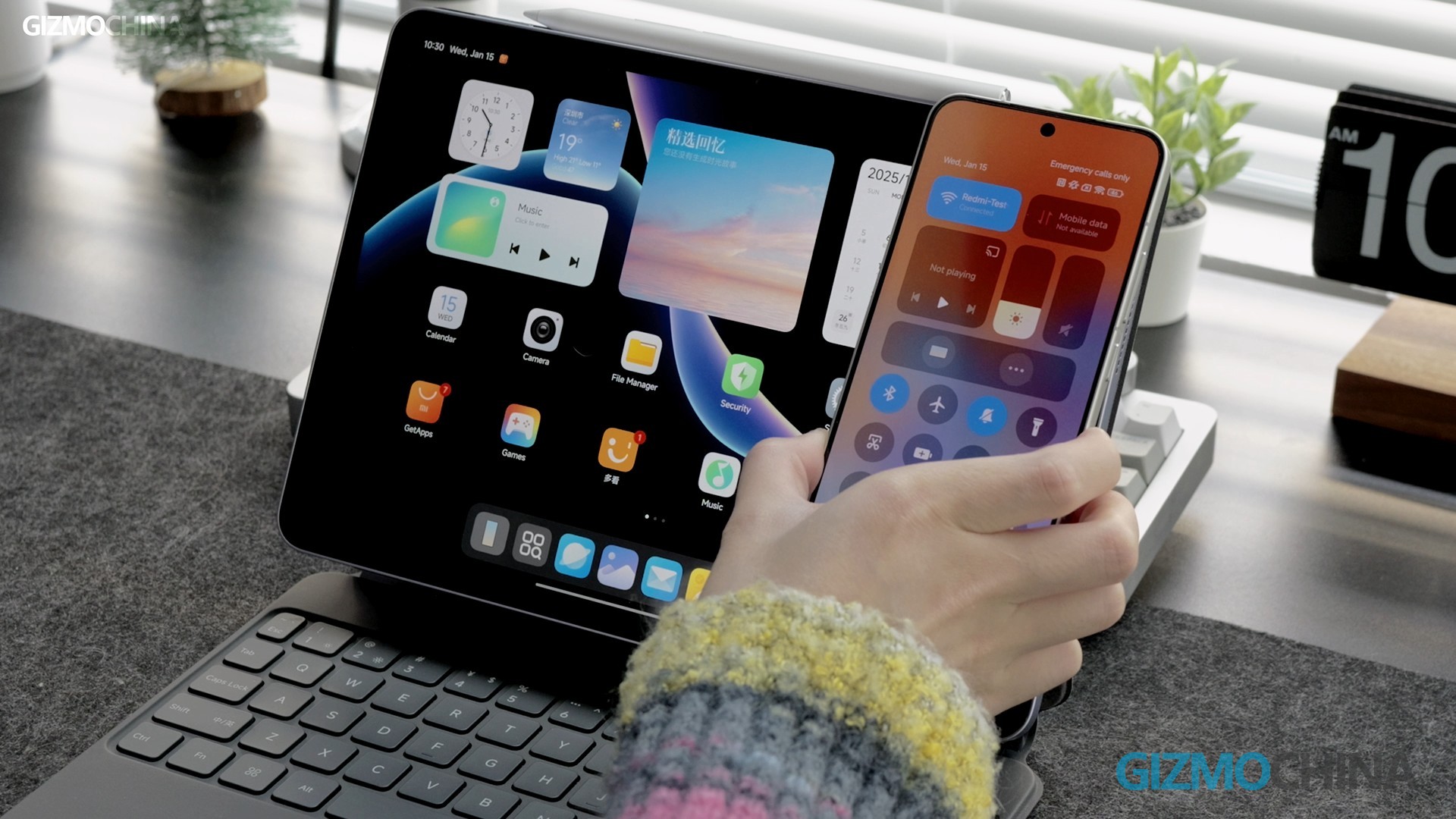
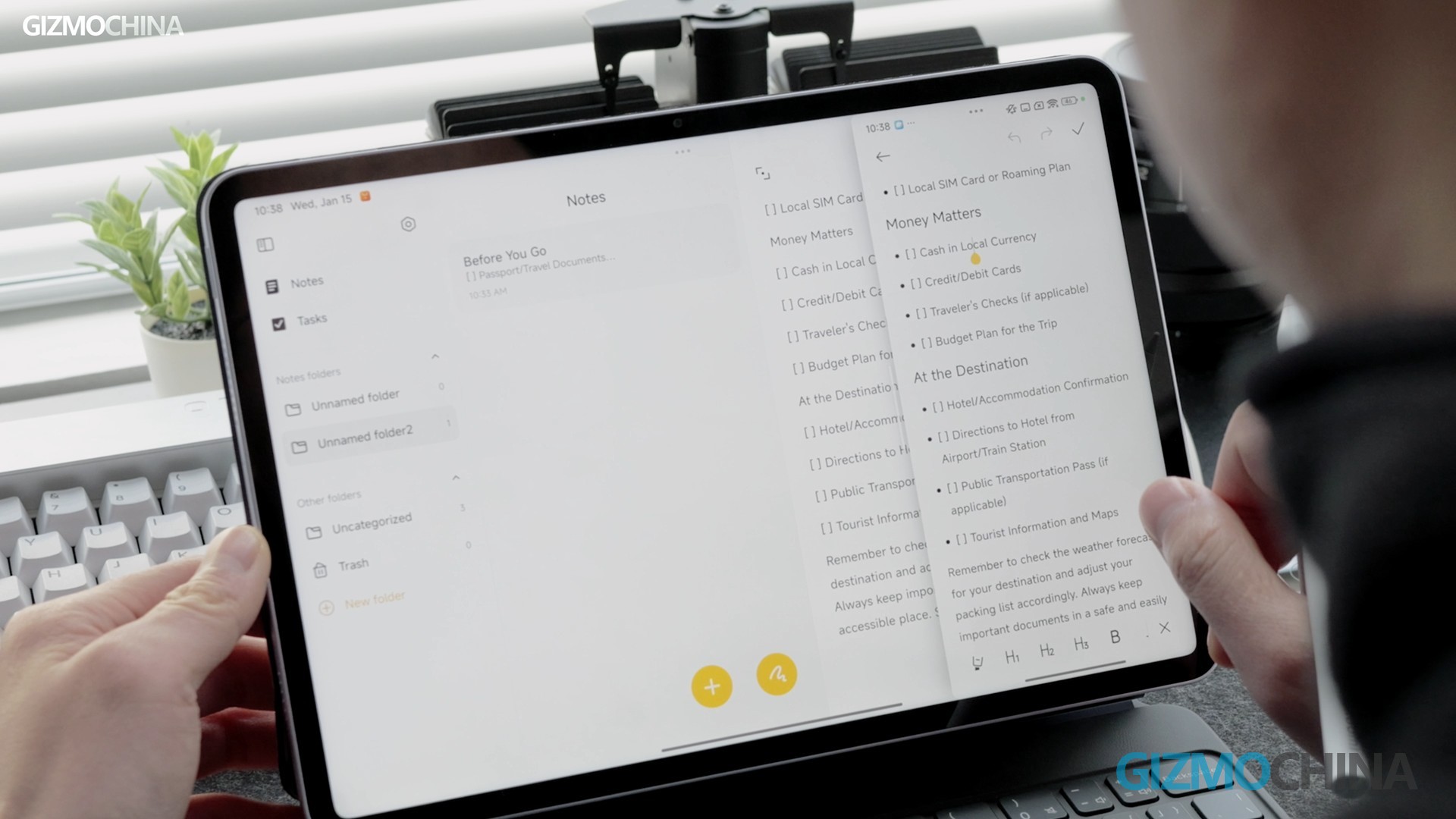
So, HyperOS 1 was all about setting the foundation and working on the behind-the-scenes features. But HyperOS 2 is stepping up the parts you can feel and use. The cross-system and cross-screen experience still lets you connect your phone and tablet without the internet, it’s a one-touch connection.
You can control your phone right from the tablet, and moving files around for work is a breeze. Just drag and drop them onto the tablet. When you need to check your phone messages, just tap to open a little window, and you can drag it to the side to make it a tiny icon.
But I have a suggestion for Xiaomi: I hope you can operate the phone screen after it’s connected. Right now, the phone interface only shows up on the right and can’t be moved around. If I want to see what it’s covering, I need to minimize it. If you could drag it around like a split screen, it would be much better.
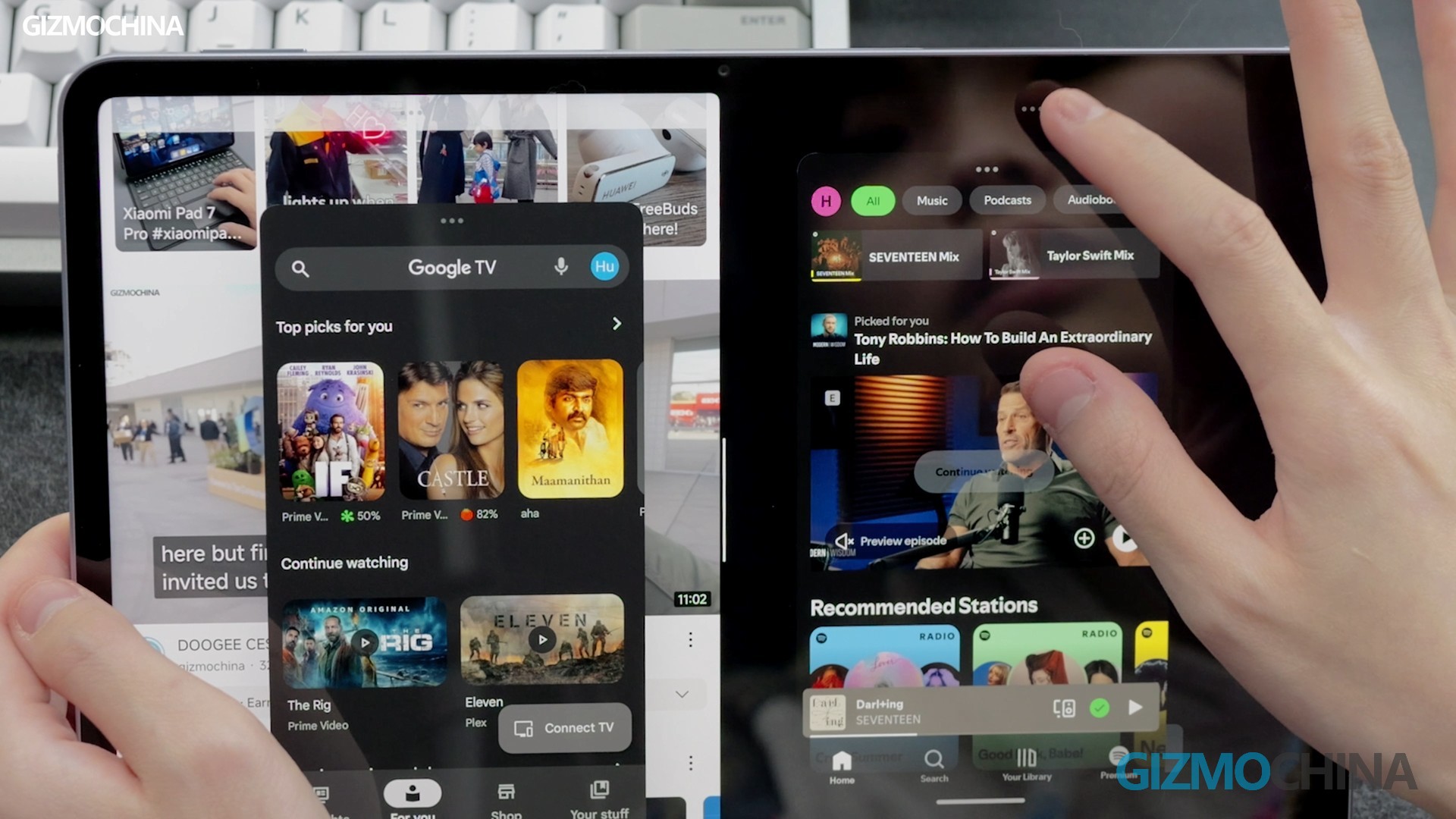
Plus, the tablet’s interface is way smoother than before, fixing all those laggy and frame-drop issues. No lag when you’re opening and closing apps fast. Even that old problem of lag after splitting the screen is gone. The animations when you slide the notification and control center are super smooth, which is awesome.
AI Features:
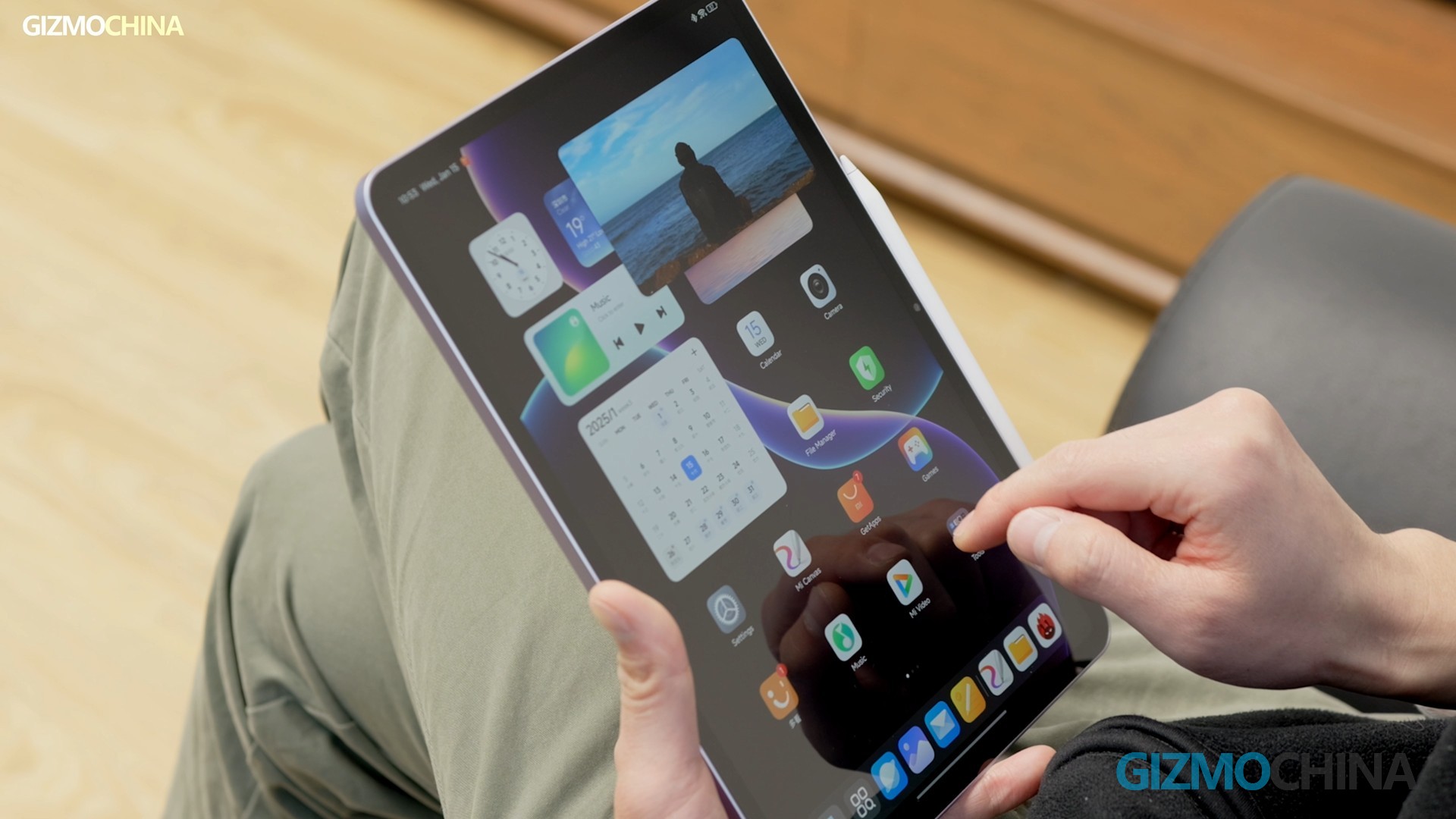
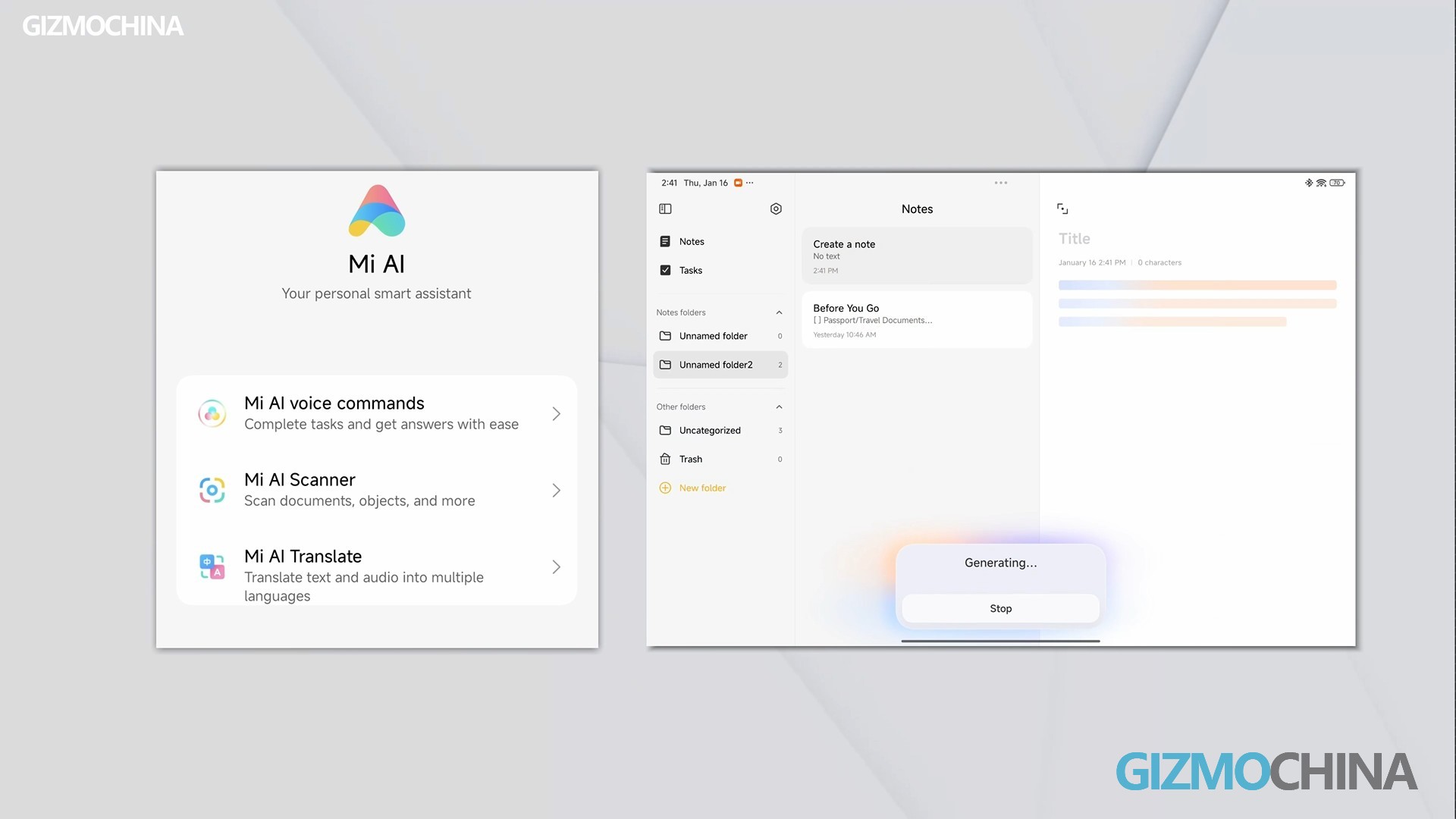
HyperOS 2 has a lot of AI in daily use, even in the basic wallpaper settings. It uses AI to make static photos move. There are landscapes, cities, and plants, you can pick pics from your album and make them into dynamic wallpapers. And then there’s AI Writing, AI Translate, AI Voice Commands, all that typical AI app stuff.
But I like the AI Art in Mi Canvas. Unlike other brands, it helps you create. Let’s say you draw an apple and use AI Art; you can pick from seven styles, and each one gives you three drawings. You can download them straight to your album or use them right away.
Unfortunately, this app is not great for professional painting. First off, no layers. Second, not many brush types, which puts it behind Huawei’s GoPaint and iPad’s Procreate. If you’re using it for drawing, it’s more for quick sketches and everyday doodles. Just like the 6S Pro, the split-screen function lets you have up to four apps open at once.
Accessories:
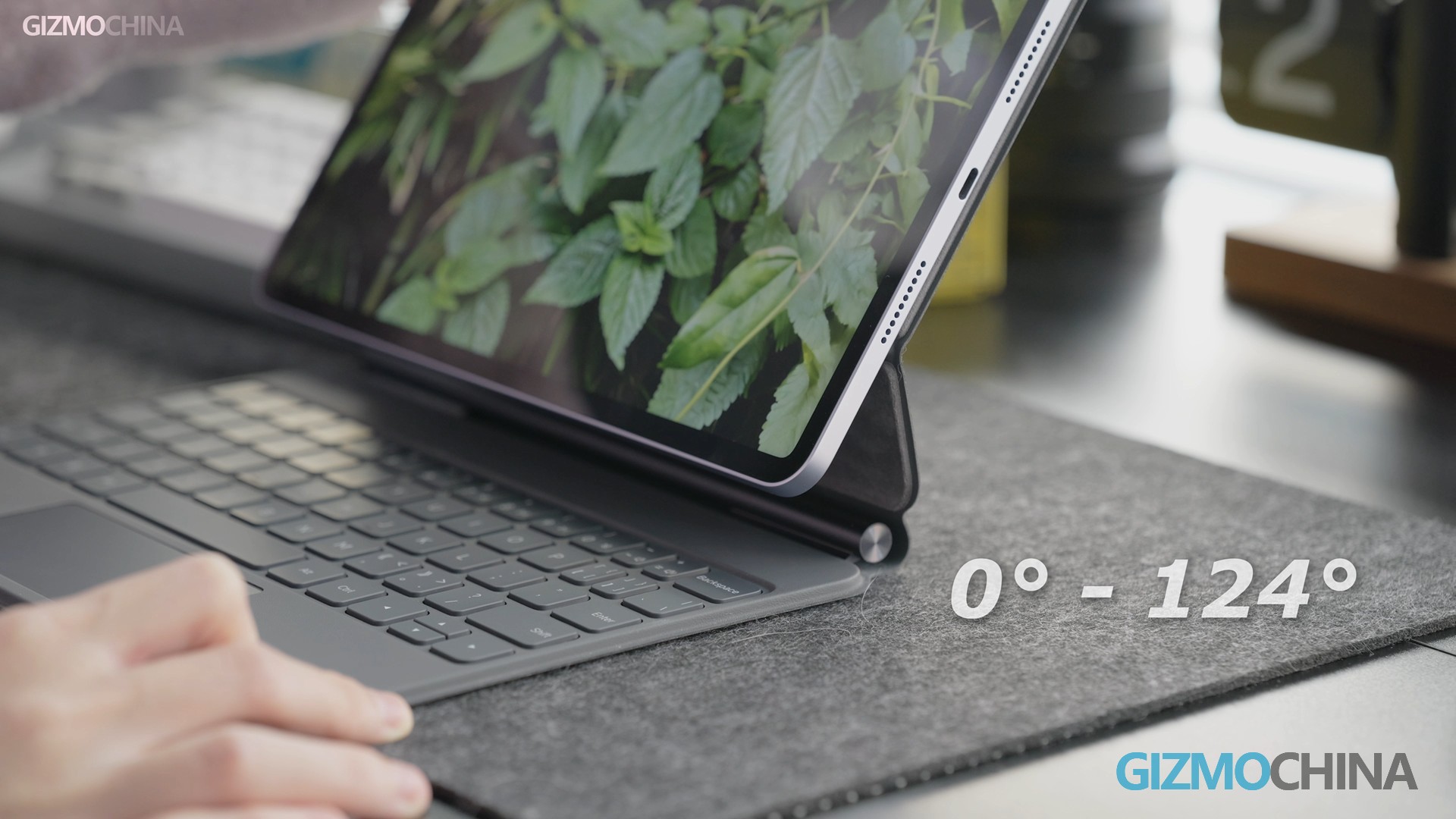
When it comes to drawing or writing, the latest focus stylus has awesome pressure sensitivity and low latency. But the pen’s output stability could be better when you’re writing or drawing slowly. Overall, with the latest floating keyboard, creating and working on this tablet is pretty sweet. The keyboard connection is super fast, adjusts from 0° to 124° seamlessly, and has a full-area mechanical pressure touchpad. The typing feel is solid too. But you have to buy these accessories separately.
Performance:
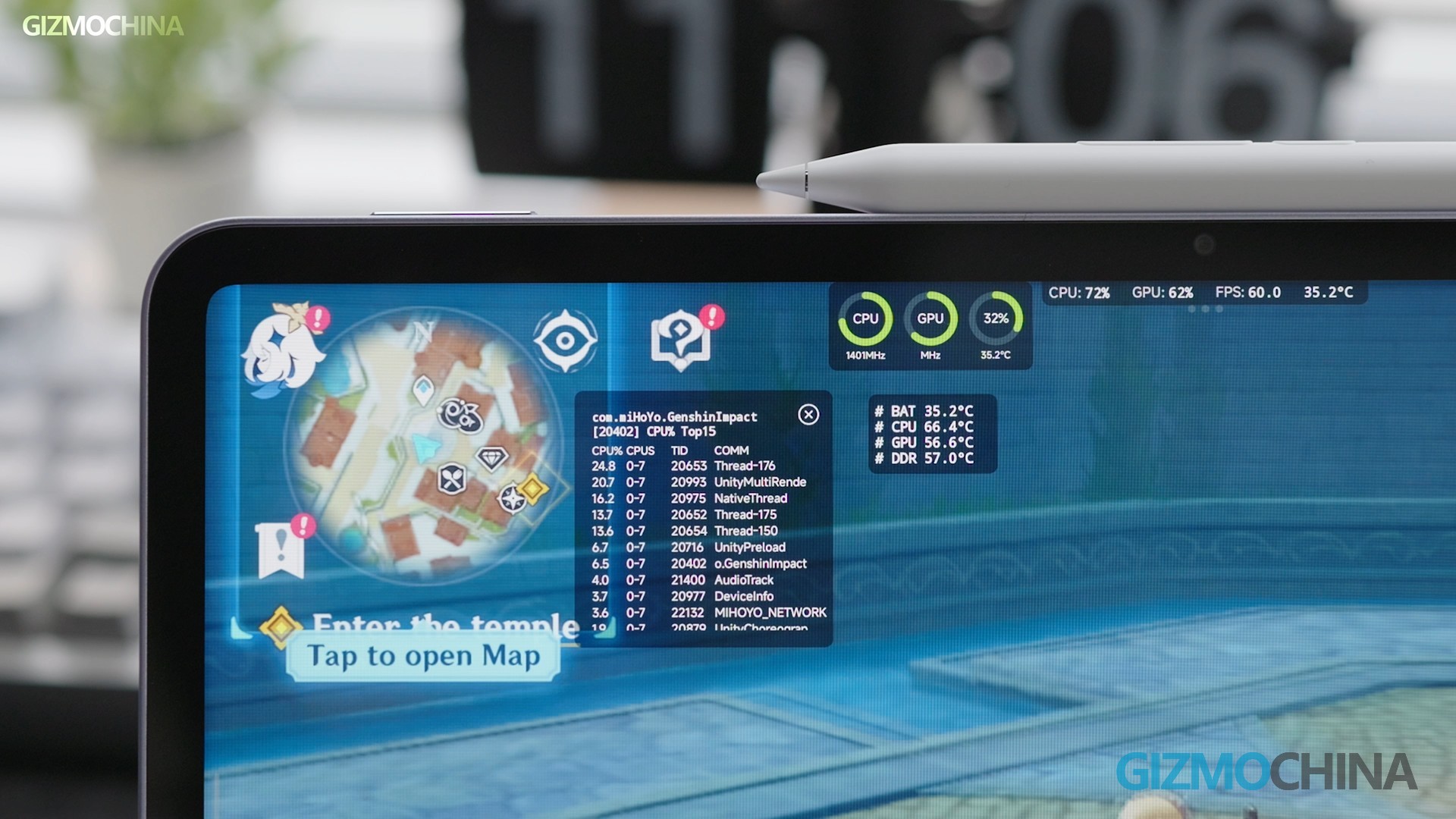
This time around, there is a new chip, with the Pad 7 Pro jumping from Gen 2 to Gen 3. But even with the new chip, the CPU and GPU performance are not as great as I hoped. It can keep at around 60FPS in Genshin Impact on max settings, but when you hit those complex maps in Star Rail, it starts dropping frames badly.
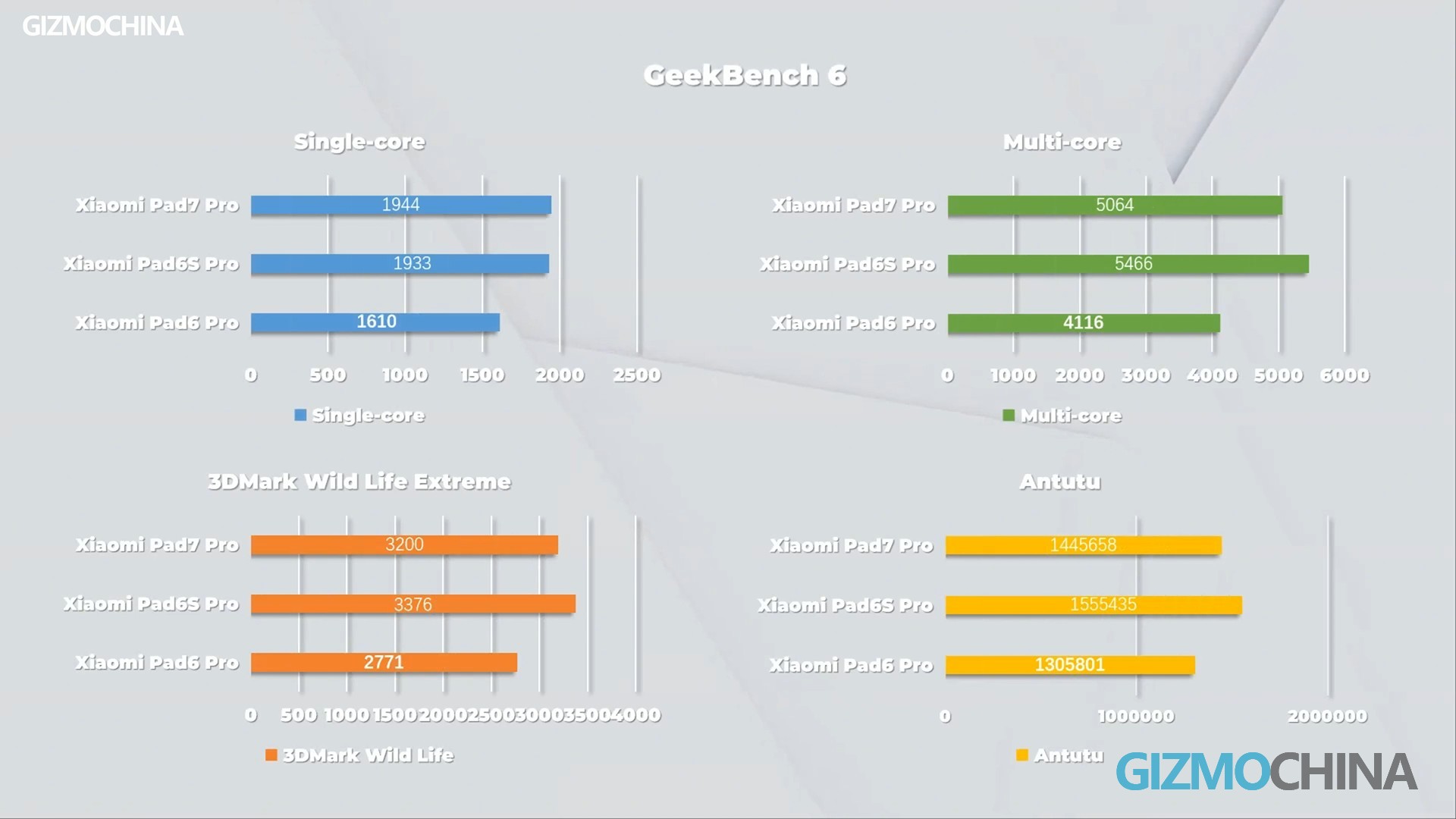
And the battery drains fast during those times. It’s a common problem with most tablets these days. The scores on Geekbench 6, 3D Mark, and AnTuTu look good, but this Gen3 might be a bit worse than the last one in some tests.
Camera:
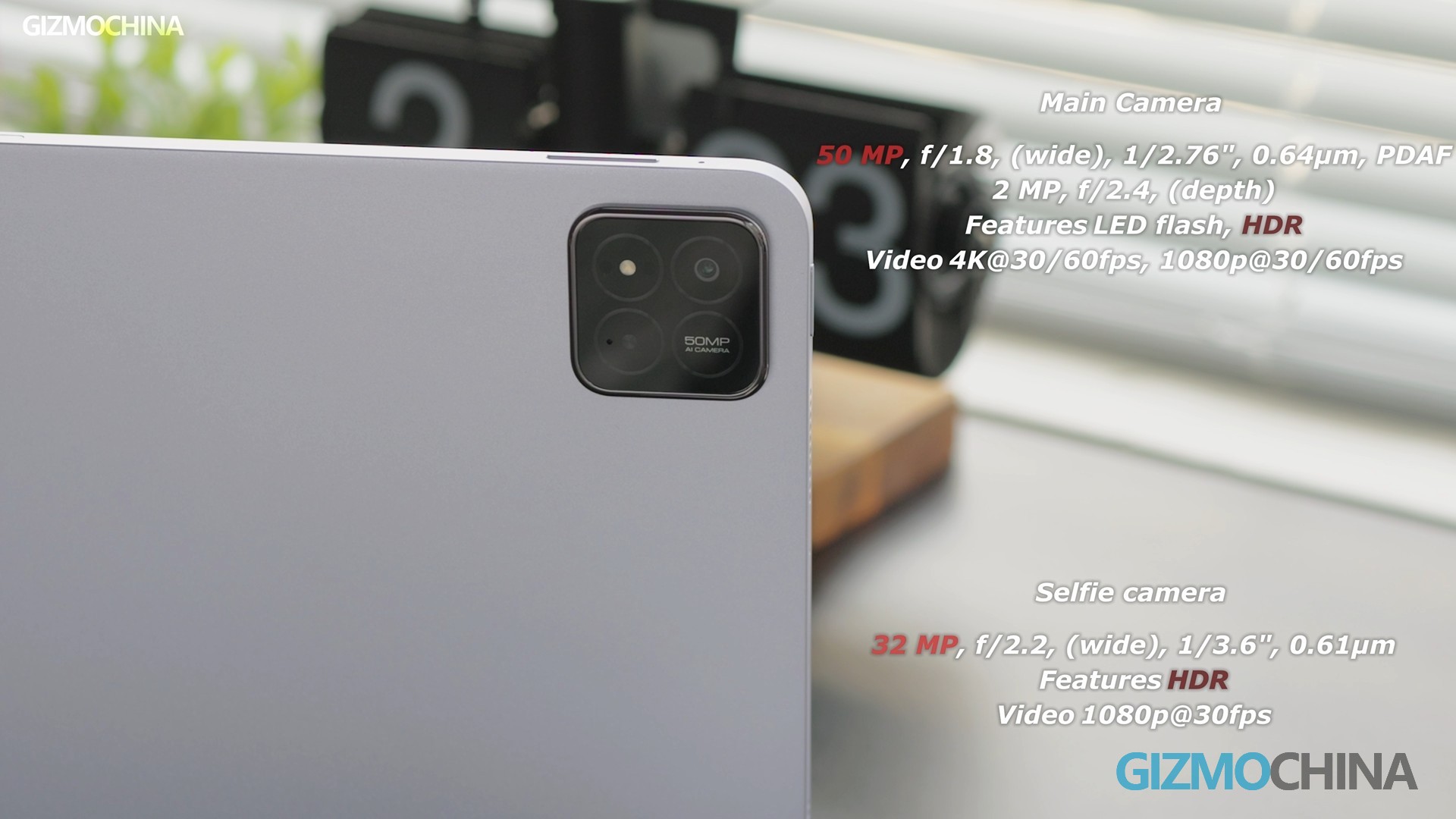
Now, even though I griped about the camera before, the photos and videos it takes are top-notch. Check out these samples… They’re good enough for most everyday shooting. Plus, the Pad 7 Pro’s specs are higher than the Pad 7 for front camera video recording. But don’t you think it looks a lot like the camera module on the Xiaomi 14?
Battery and Charging:
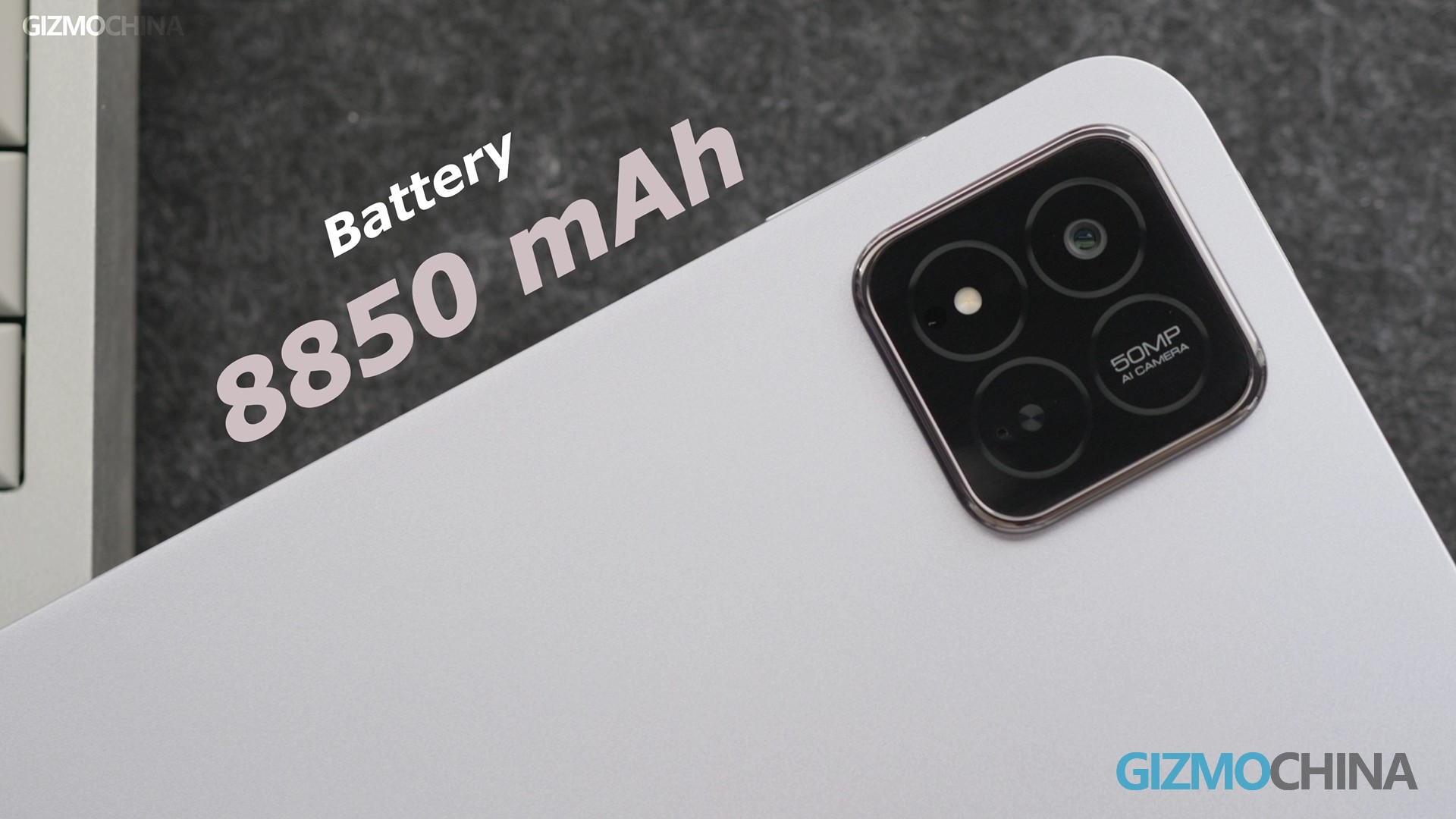
The one big difference with the 7 Pro is the battery life. This time, the Pad 7 Pro has an 8850mAh battery and can charge fast with 67W wired charging.
Conclusion:
All in all, the Xiaomi tablet still needs specific tuning here and there, like fixing up some Mi Home software and making the system smoother with a more aesthetic UI. But the price and how useful it is are the big reasons consumers might buy it. The Pad 7 Pro is a real bang-for-your-buck option for learning, working, and chilling out with some entertainment.
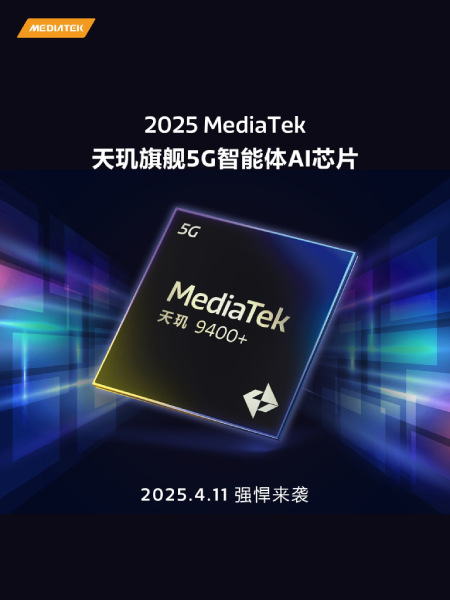
MediaTek’s Dimensity 9400+ finally has a launch date: April 11. That’s the same day as the company’s Dimensity Developer Conference in Shenzhen, China, setting the stage for its official debut.
The Dimensity 9400+ will keep the same core architecture as the 9400 but dial up the clock speed. In particular, the prime Cortex-X925 core could see a speed bump to 3.7GHz, up from the 3.62GHz on the standard 9400.
This will be joined by the three Cortex-X4 cores at 3.30GHz and four Cortex-A720 cores, which now operate at 2.4GHz instead of 2.0GHz. The GPU remains the ARM Immortalis G925 MP12.
MediaTek Dimensity 9400+ Geekbench
The chip has also surfaced in Geekbench confirming these specs. It scored 2,770 in single-core and 8,500 in multi-core tests. That translates to a 6% improvement in single-core performance and a 5% boost in multi-core, compared to the standard Dimensity 9400’s averages of 2,605 and 8,078, respectively, according to NotebookCheck.
With the official announcement, several smartphone makers are preparing to launch devices powered by the Dimensity 9400+. A leaked list suggests the following models will feature the new chip:
Among them, the Oppo Find X8S, Find X8S+, and Vivo X200S are expected to launch in China as early as April. The iQOO Neo 10S could follow in May, while Realme, OnePlus, and Redmi’s offerings are also slated to debut in the first half of the year.
Meanwhile, Xiaomi is reportedly preparing the Xiaomi 15T Pro, expected to launch a few months later in global markets. If the company follows last year’s trend—where the Xiaomi 14T Pro featured the Dimensity 9300+—the 15T Pro will likely carry the Dimensity 9400+ as well.
For more daily updates, please visit our News Section.
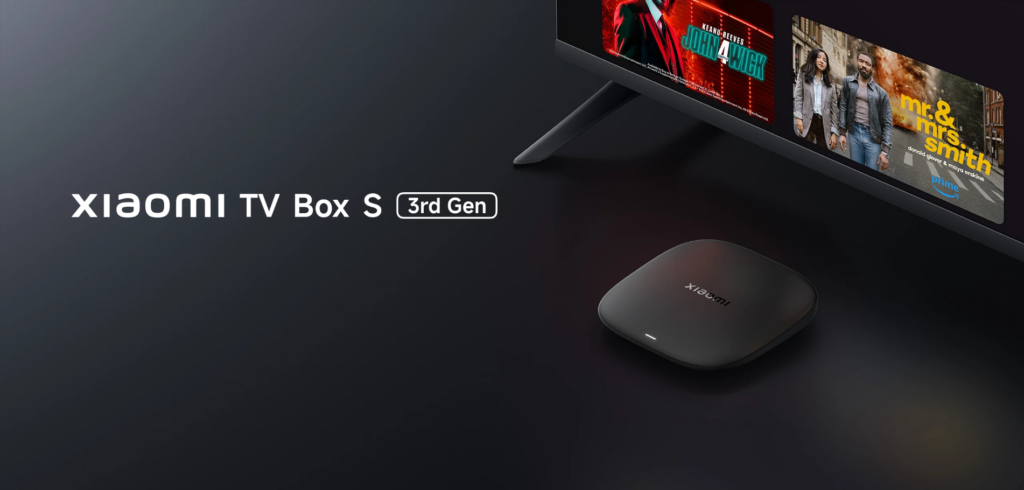
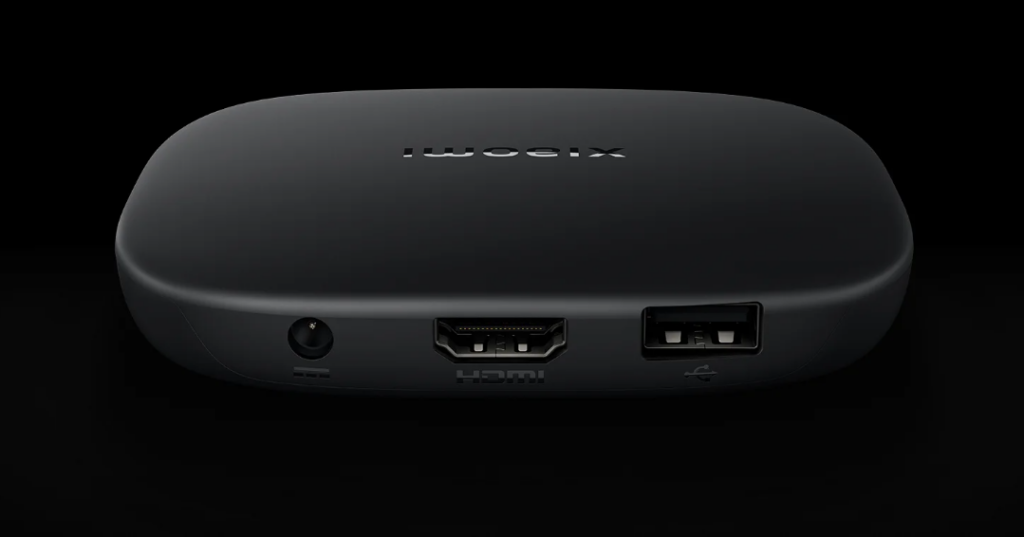
Xiaomi has introduced its TV Box S (3rd Gen), a compact streaming device now listed globally. The device supports 4K UHD (3840 x 2160p) playback with Dolby Vision and HDR10+ and offers Dolby Atmos and DTS:X audio. Pricing and regional availability have not been announced.
The TV Box is powered by a 6nm quad-core ARM CPU (up to 2.5GHz) and an ARM G310 V2 GPU. Xiaomi claims this results in 25% better CPU and 130% better GPU performance compared to the previous generation. It comes with 2GB RAM and 32GB internal storage.
Connectivity features include Wi-Fi 6 (router compatibility required) and Bluetooth 5.2 for connecting accessories. Physical ports include HDMI 2.1, USB 2.0, and a power input. A Bluetooth remote with voice control supports 360° input using Google Assistant and provides direct access to Google TV features.
The device runs on Google TV, which organizes content across apps and subscriptions, supporting personalized user profiles. It also allows media casting via Google Cast and voice-based playback commands. Availability of certain apps or functions may vary by region.
The TV Box S (3rd Gen) measures 97 x 97 x 17mm, weighs 91.2g, and ships with a remote, HDMI cable, power adapter, and user manual. The design is compact and rounded, focused on portability.
The device competes with similar products like Amazon Fire TV and Google Chromecast. Its main hardware advantages include Wi-Fi 6 support and Dolby format compatibility. However, Xiaomi has not provided HDMI 2.1 bandwidth specifications, such as support for 4K at 120Hz. A release timeline and targeted regions are yet to be confirmed, though a global launch is expected due to multilingual support through Google TV.
We use cookies on our website to give you the most relevant experience by remembering your preferences and repeat visits. By clicking “Accept”, you consent to the use of ALL the cookies.
This website uses cookies to improve your experience while you navigate through the website. Out of these, the cookies that are categorized as necessary are stored on your browser as they are essential for the working of basic functionalities of the website. We also use third-party cookies that help us analyze and understand how you use this website. These cookies will be stored in your browser only with your consent. You also have the option to opt-out of these cookies. But opting out of some of these cookies may affect your browsing experience.
Necessary cookies are absolutely essential for the website to function properly. This category only includes cookies that ensures basic functionalities and security features of the website. These cookies do not store any personal information.
Any cookies that may not be particularly necessary for the website to function and is used specifically to collect user personal data via analytics, ads, other embedded contents are termed as non-necessary cookies. It is mandatory to procure user consent prior to running these cookies on your website.