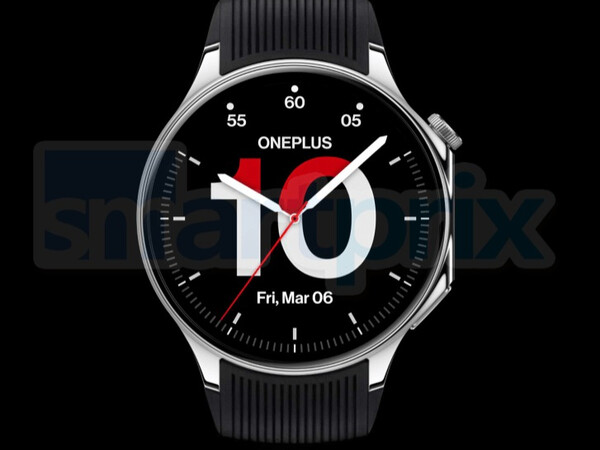
Oppo is reportedly planning to launch a couple of new devices in the first half of 2025. These include the Find N5 foldable phone and a couple of Find X8-series smartphones, which include the Find X8 Ultra, Find X8 Mini or Next, and Find X8S. A new leak by Digital Chat Station reveals that the Oppo Watch X is also in the works. The source has revealed the key specifications of the new smartwatch.
According to DCS, the Oppo Watch X2 series will feature a 46mm OLED round display, come equipped with eSIM support, and run on ColorOS. The battery capacity has been upgraded to 631mAh/648mAh, with a 10W fast charging capability. To recall, the Oppo Watch X from last year packed a 500mAh battery.
Health features of the Watch X2 will comprise ECG electrocardiogram support, a 60-second health check feature, wrist temperature measurement, and exercise tracking. It will also support GPS, NFC, and offer high-level water resistance.
The overall design direction remains similar to the Oppo Watch X from last year, with only minor adjustments.
2. Oppo Watch X2 launch timeframe(rumored)
DCS revealed that the Oppo Watch X2 will launch alongside the Find N5 foldable phone, which is expected to launch after the upcoming Chinese Spring Festival. This indicates that the Find N5 and Watch X2 may debut as early as February 2025.
3. OnePlus Watch 3 rebrand?
The Oppo Watch X, which debuted in China and some Asian markets, was a rebranded version of the OnePlus Watch 2. It should be noted that the tipster has mentioned the Oppo Watch X2 “series,” indicating there could be at least two variants, likely called the Watch X2 and Watch X2 Pro.
Rumors suggest that OnePlus is working on the OnePlus Watch 3 and Watch 3 Pro, which will feature the Snapdragon W5 chip, 2 GB of RAM, and 32 GB of storage. While there is no clarity about the differences between the Watch 3 and Watch 3 Pro, these models may be rebranded as the Oppo Watch X2 and Watch X2 Pro. Like the predecessor model, the OnePlus Watch 3 series could be restricted to markets like India, Europe, and the US, whereas the Oppo Watch X2 lineup will be aimed at China and some Asian markets.
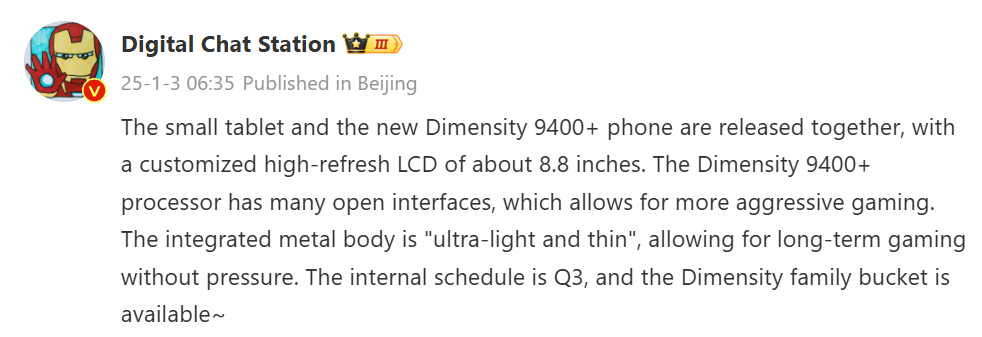
Last year, Redmi launched a couple of tablets in China, such as the Redmi Pad Pro, Pad Pro 5G, and Redmi Pad SE 8.7. This year too, the brand is expected to launch multiple tablets in the home market. A new leak, courtesy of tipster Digital Chat Station, has revealed initial details about what appears to be a compact, gaming-focused tablet. Here’s a look at the early information about this new tablet.
According to tipster Digital Chat Station, the upcoming Redmi tablet will be equipped with an 8.8-inch LCD panel. While the leak has not revealed more details about the display, it is said to support a customized high refresh rate.
2. Powerful performance
At present, the Dimensity 9400, which powers the Vivo X200 series and Oppo Find X8 series, is the most powerful MediaTek chipset. The Dimensity 9400, which is built on TSMC’s advanced 3nm process, features a 1+3+4 CPU configuration. It includes a powerful Cortex-X4 core clocked at 3.63 GHz, supported by three Cortex-X4 cores and four Cortex-A720 cores for balanced performance.
Reports suggest that the Taiwanese chipmaker will launch the Dimensity 9400 Plush in the second quarter of this year as an overclocked version of the D9400. The new leak states that Redmi’s 8.8-inch tablet will offer stellar gaming performance, as it will feature the Dimensity 9400 Plus SoC.
3. Compact design
Considering that the tablet has an 8.8-inch display, it will sport a compact and sleek design. The leak indicates that the device will have a metal unibody design, making it “ultra-light and thin” for extended hours of gaming without causing discomfort due to weight.
4. Launch timeframe
The Redmi gaming tablet is expected to launch alongside a new Dimensity 9400+-powered smartphone by the early third quarter of 2025. While the name of the phone has not been mentioned, this device could be the rumored Redmi K80 Ultra. Speaking of the K80 Ultra, it is expected to power upcoming D9400 Plus-powered smartphones, such as the Vivo X200s, Oppo Find XS, iQOO Neo 10S, and more.
The Redmi Turbo series has evolved significantly, transforming from mid-range offerings to performance-driven devices with competitive pricing. With each iteration, the series has adopted new branding, powerful chipsets, and enhanced features. The latest Redmi Turbo 4 introduces a fresh positioning, balancing affordability and performance, while setting the stage for the upcoming Turbo 4 Pro.
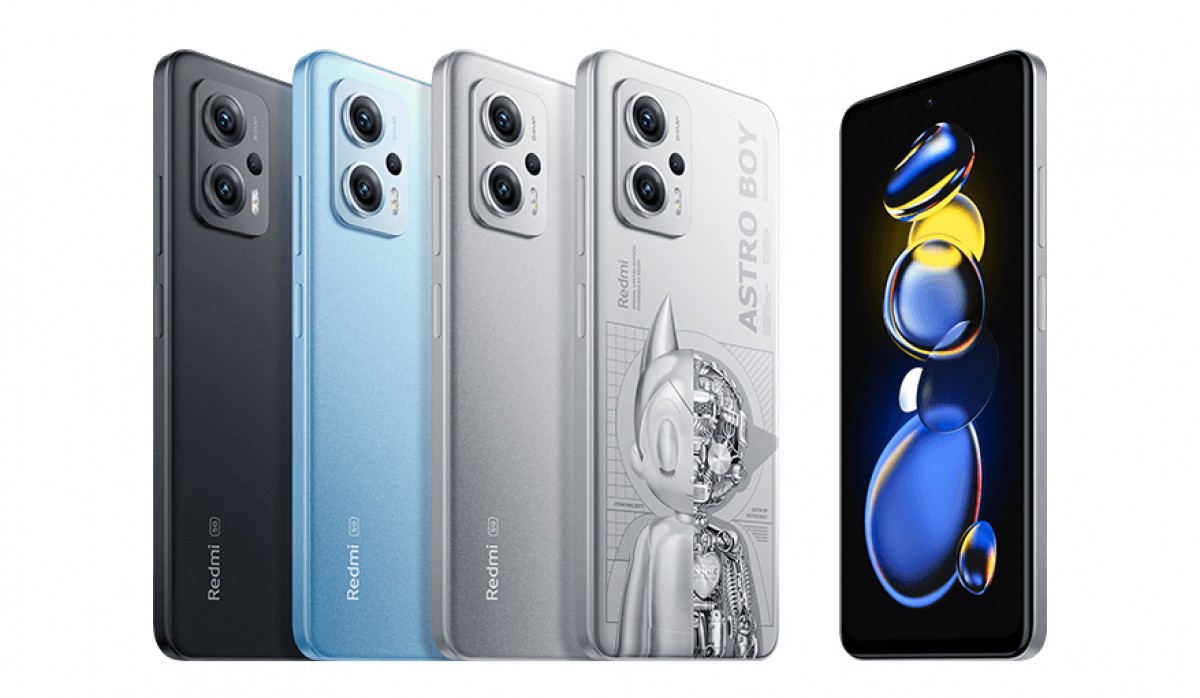
Redmi has a history of launching “T” branded phones as updated iterations of its Note series. Notable examples include older models, such as the Redmi Note 8T, Note 9T, and Note 10T, which were enhancements of the Redmi Note 8, Note 9, and Note 10, respectively. These models typically featured mid-range chipsets, offering solid performance at affordable prices. This naming convention allowed the brand to expand its portfolio while catering to consumers seeking slightly improved versions of the earlier Note devices.
2. T-series gains more power with Note 11T Pro series
Redmi Note 11T Pro
The Redmi Note 11T Pro series marked a turning point for the “T” lineup. Unlike the previous iterations, this series introduced “Pro” branded variants, namely the Redmi Note 11T Pro and Note 11T Pro+. These devices were equipped with the powerful Dimensity 8100 chipset, a significant upgrade over the mid-range chips found in earlier “T” models.
The inclusion of this high-performance chipset elevated the Note 11T Pro series to a new level, offering faster charging and superior overall performance. This shift made the “T” branding synonymous with “Turbo,” hinting at enhanced speed and capabilities, all while retaining the value proposition of a mid-range price tag.
3. Adopts Turbo branding
Redmi Note 12 Turbo
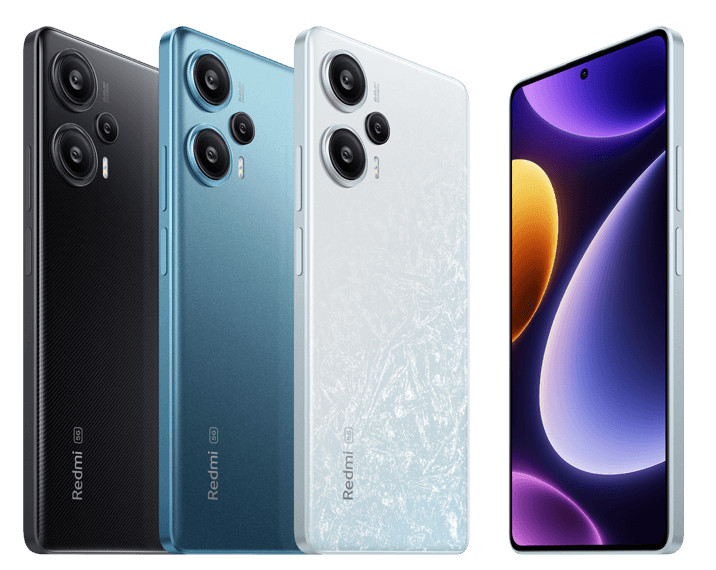
Building on the success of the Note 11T Pro series, Redmi transitioned to a new naming strategy by launching the Redmi Note 12 Turbo instead of following up with the Note 12T Pro series. This marked the official adoption of the “Turbo” moniker.
The Note 12 Turbo came equipped with the Snapdragon 7+ Gen 2 chipset, a standout performer in the mid-range segment. Other key specifications included a 6.67-inch OLED screen with a 120Hz refresh rate, a 5,000mAh battery with 67W fast charging, a 64-megapixel triple camera setup, and a sleek design with a focus on lightweight construction. This phone was globally rebranded as the Poco F5, further extending its reach and popularity.
4. Redmi Turbo 3 gains more power with Snapdragon 8s Gen 3
Redmi Turbo 3
The evolution continued with the Redmi Turbo 3, which abandoned the “Note” branding altogether. This device featured the Snapdragon 8s Gen 3 chipset, bringing flagship-level performance to the series. The Turbo 3 boasted a 6.67-inch OLED screen with a 1.5K resolution, a 5,500mAh battery with 90W fast charging, a 50-megapixel + 8-megapixel dual-camera setup, and a robust design. Globally, it was rebranded as the Poco F6, while the Poco X6 Pro featuring the Dimensity 8300 was a rebranded version of the Redmi K70e.
5. Redmi Turbo 4 arrives with different positioning
Redmi Turbo 4
In November 2024, Redmi launched the Redmi K80 series in China. Unlike previous years, the lineup did not include a K80e variant. Instead, the Redmi Turbo 4, which launched recently, filled this gap, introducing the Dimensity 8400 chipset. The Turbo 4 may not be as powerful as its predecessor, the Redmi Turbo 3 with its Snapdragon 8s Gen 3, but it still offered strong performance. Key specifications of the Turbo 4 include a 6.6-inch OLED screen with a 120Hz refresh rate, a massive 6,550mAh battery with 67W fast charging, and a 50-megapixel + 8-megapixel dual-camera setup.
The Turbo 4’s positioning diverged from earlier models, as it sat below the K80 series in terms of pricing and specifications. Its starting price of 1,999 Yuan (~$275) made it a competitive mid-range offering. The device is expected to be rebranded globally as the Poco X7 Pro. This shift in positioning reflects Redmi’s strategy to expand its portfolio, catering to consumers looking for capable devices that balance performance and affordability.
As per reports, Redmi is planning to bring a new model called the Redmi Turbo 4 Pro as a filler between the Redmi Turbo 4 and Redmi K80 series.
6. Redmi Turbo 4 Pro incoming
Redmi Turbo 4
Looking ahead, the Redmi Turbo 4 Pro is expected to debut in April 2025. Reports suggest it will feature a 1.5K resolution OLED display, the Snapdragon 8s Elite chipset, a massive 7,000mAh battery, and 90W fast charging. This device promises to bring flagship-level capabilities to the Turbo lineup, potentially setting new standards for performance and battery life in the mid-range segment. As per reports, this device is likely to get rebranded as the Poco F7 for the global market.
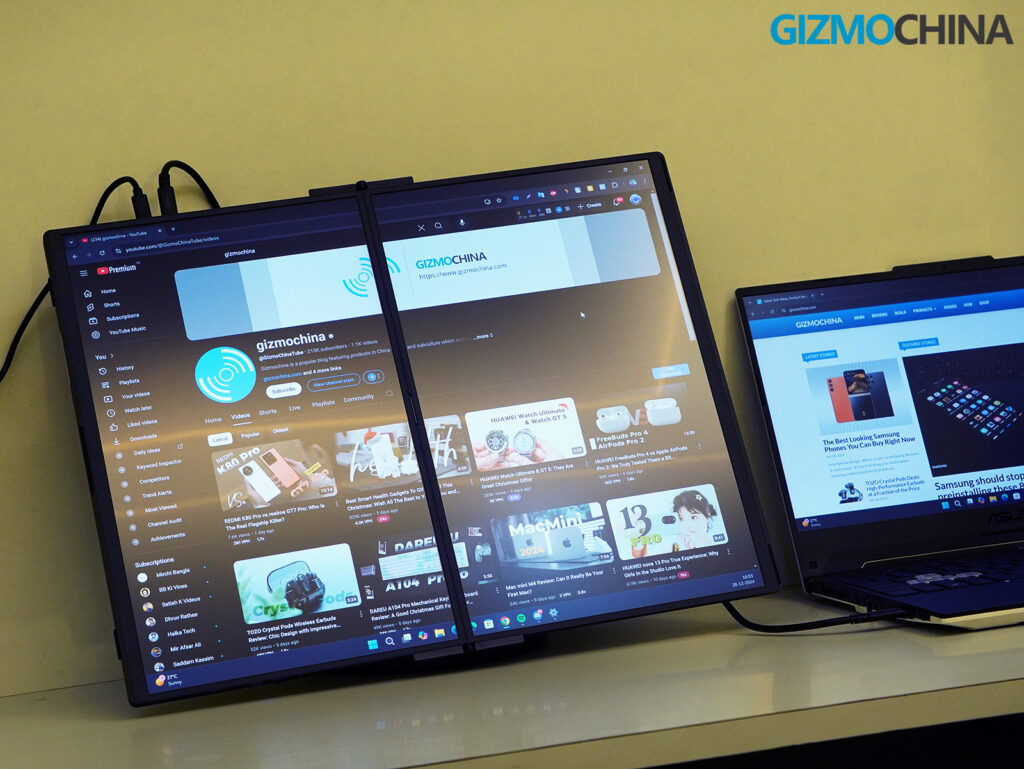
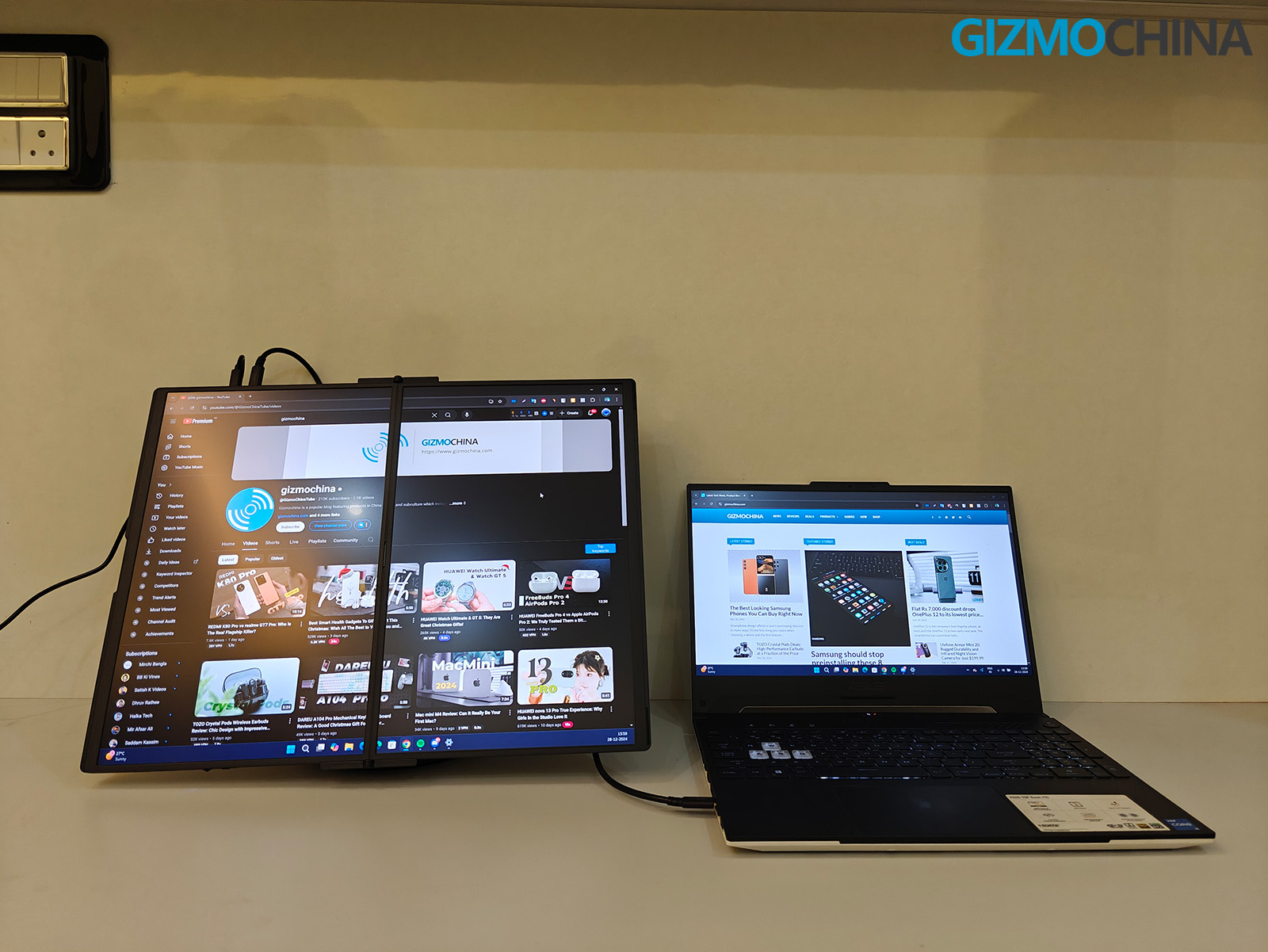
When I first came across the FlipGo Portable Dual Monitor, its concept intrigued me. A vertically stacked dual-screen setup designed for portability is not something you come across often. With its promise to boost productivity and its portable form factor, I was curious to see if it would live up to its claims. I tested the 16-inch Pro model, priced at $599, which is on the higher side for portable monitors. Here’s my experience with the device.
The portable monitor has a distinctive design that immediately sets it apart from traditional portable monitors. At first glance, it resembles a compact laptop when folded, but unfolding it reveals its true nature: two stacked screens designed for vertical/horizontal productivity. The overall build quality reflects a balance between durability and portability, but there are several elements worth discussing in detail.
The monitor’s main body is constructed from a combination of aluminum alloy and high-grade plastic. The aluminum gives the device a premium feel while adding durability, particularly for the outer casing. The plastic bezels around the screens are slightly thicker than those on many modern monitors, particularly at the top and bottom. While this isn’t an issue for usability, it does give the monitor a slightly dated aesthetic when viewed head-on.
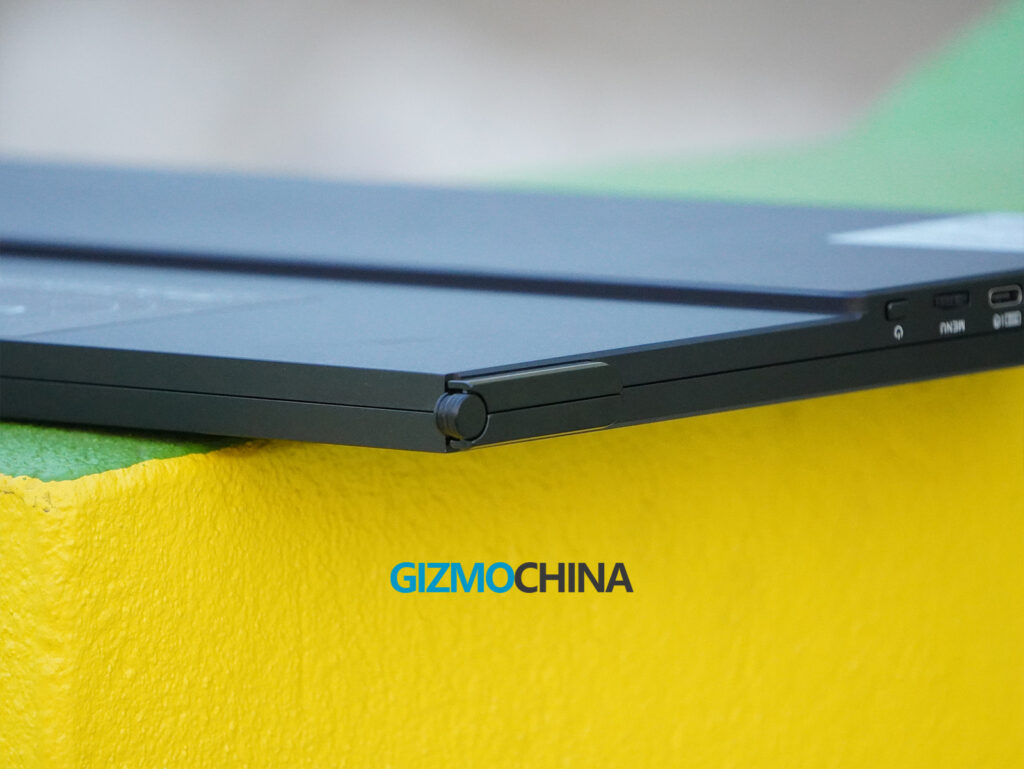
The hinge mechanism is sturdy and allows for smooth opening and closing of the device. However, the hinge protrudes noticeably when the monitor is folded, which impacts the overall sleekness of the design. The hinge also houses a visible ribbon cable, which is a potential vulnerability. Although the cable is well-secured and protected, its visibility detracts slightly from the overall polished look.
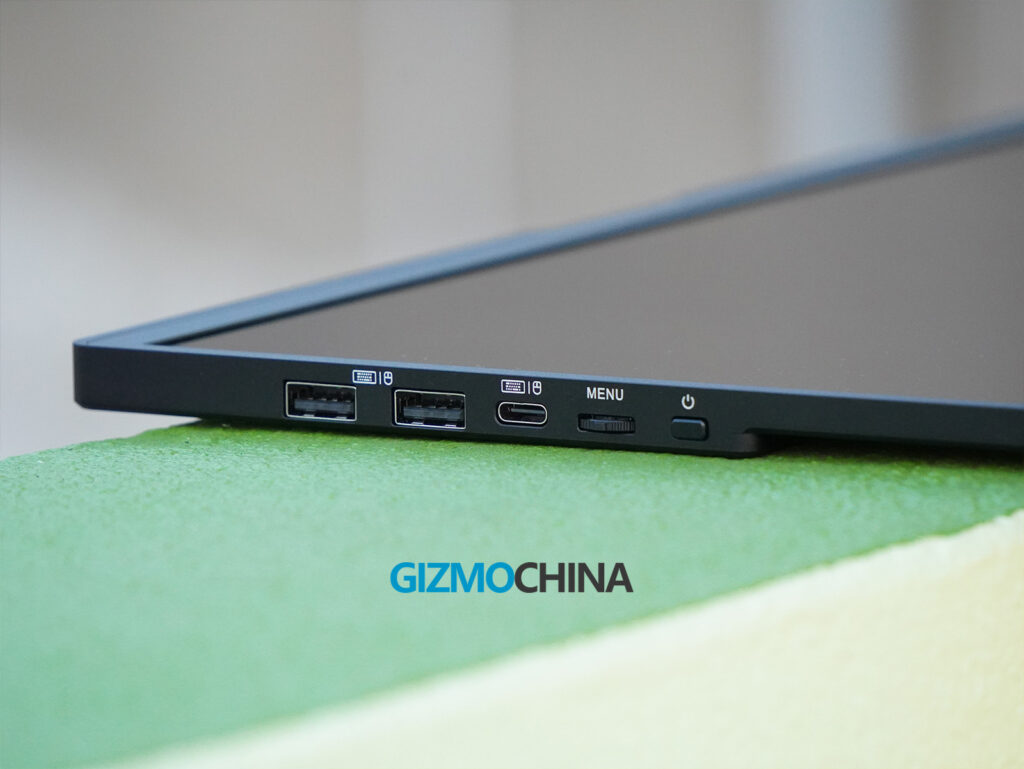
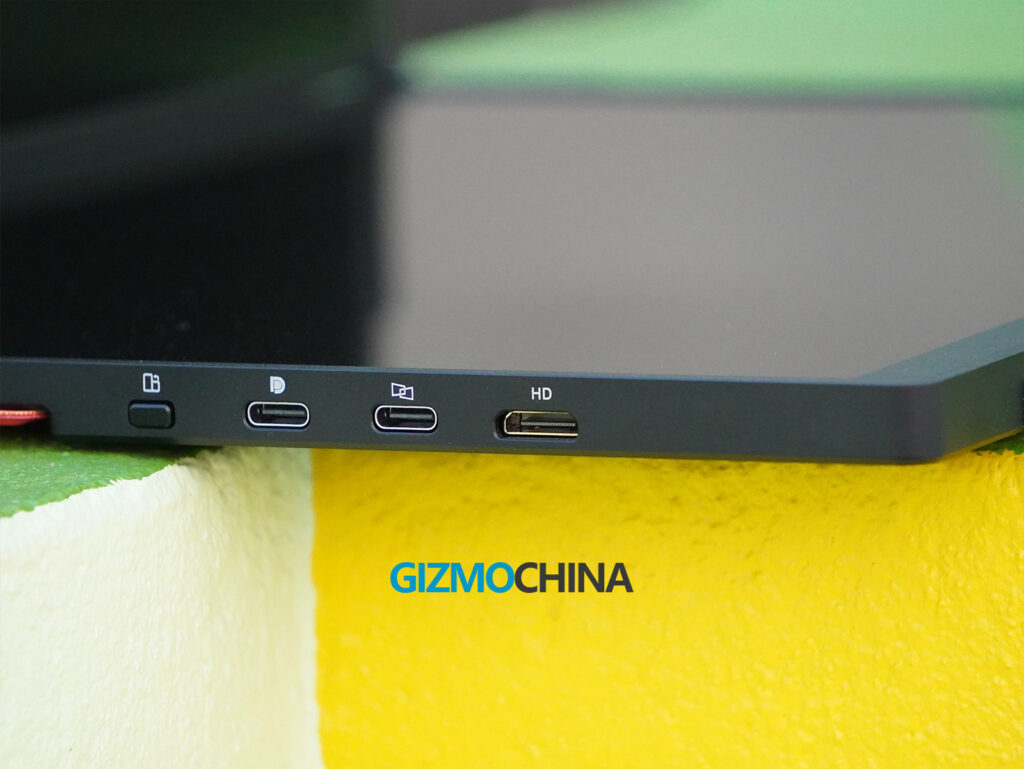
The ports are strategically placed along both sides of the device, ensuring they are easy to access regardless of how the monitor is positioned. On one side, you’ll find two USB-C ports, one for DisplayPort alt mode and another for DisplayLink functionality, along with a Mini HDMI port. The opposite side houses an additional USB-C port, two USB-A ports, a power button, and a rocker-style menu navigation switch.
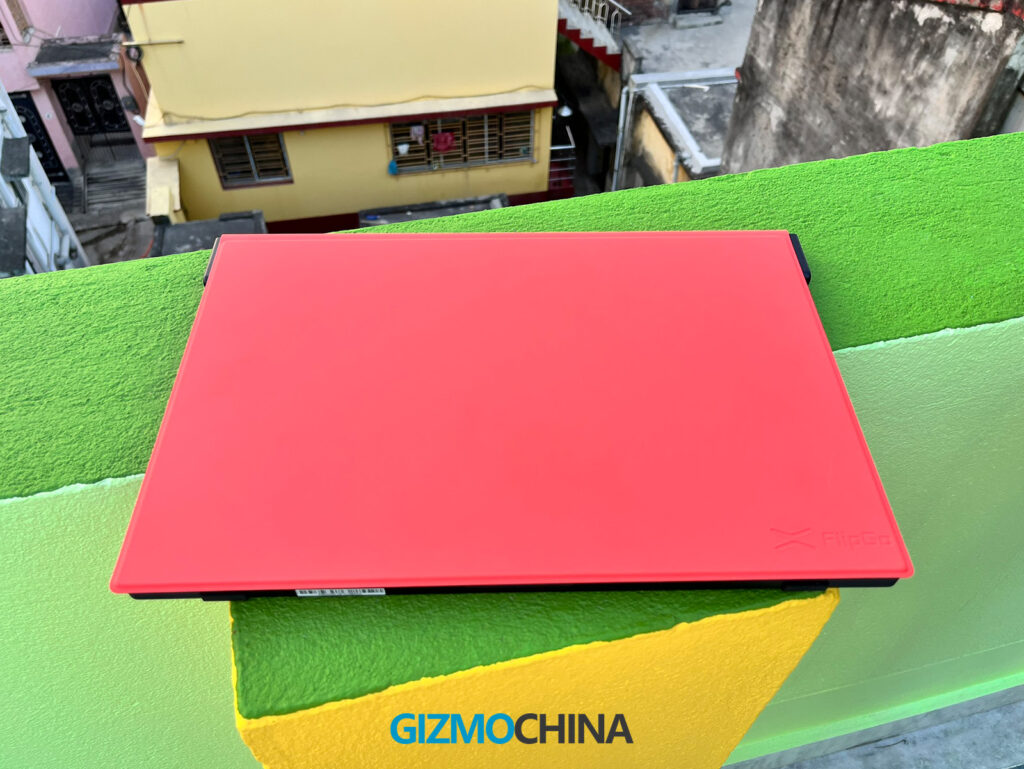
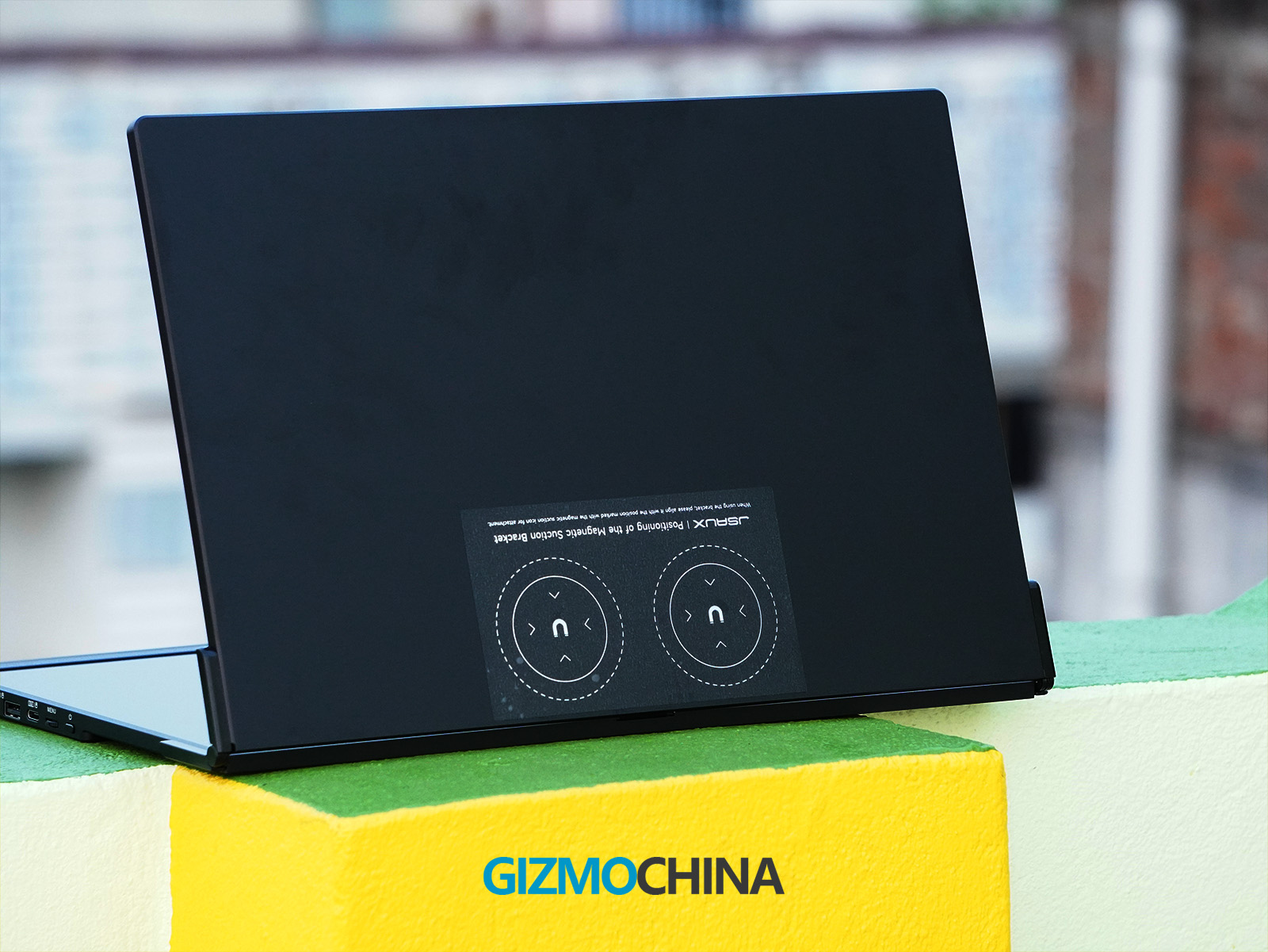
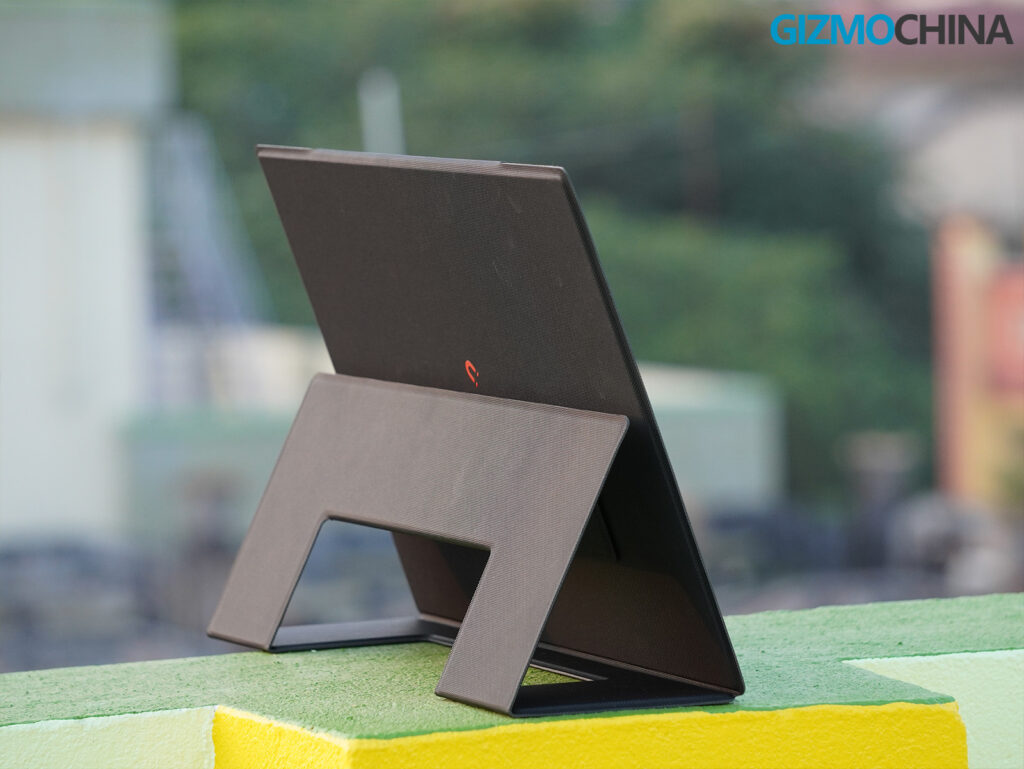
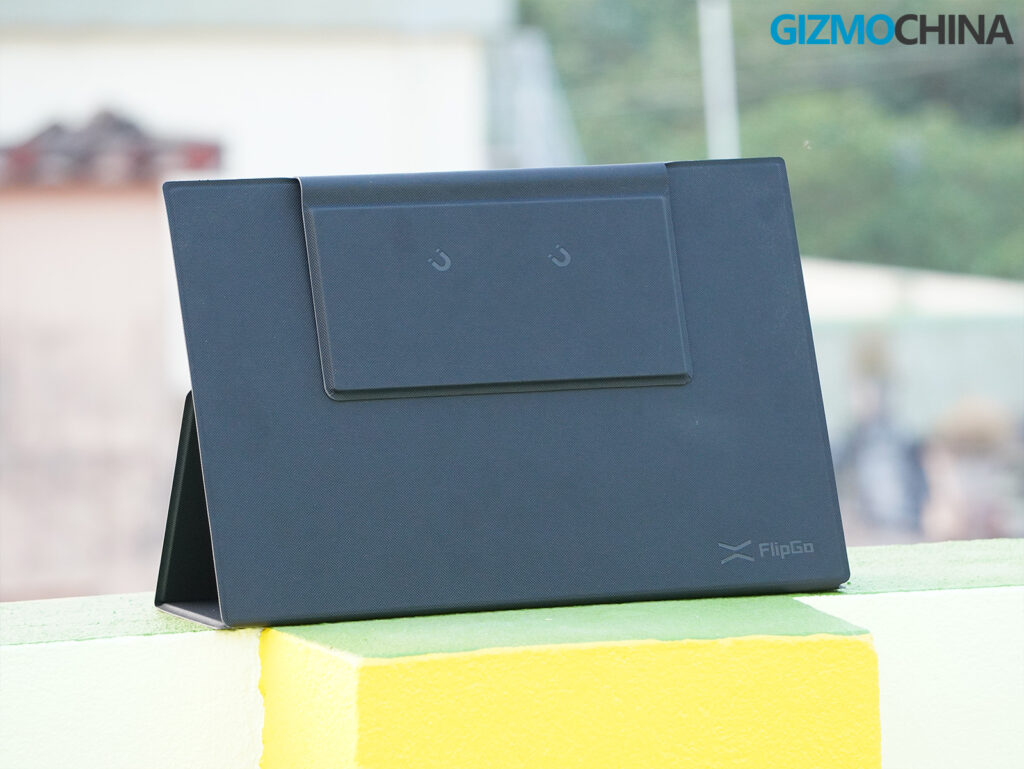
FlipGo features a magnetic strip along the back panel, designed to attach accessories like stands or folio cases, enhancing the monitor’s versatility. The magnets are impressively strong, ensuring secure attachments and a seamless snap-on experience with accessories. To address the exposed strip, the back panel comes with a stylish soft leather protective cover that not only looks fantastic but also adds a layer of sophistication and protection. This thoughtful design detail ensures the FlipGo remains functional and visually appealing whether the magnetic strip is in use or not.
Weighing approximately 1.6 kilograms (3.5 pounds), the FlipGo is heavier than many single-screen portable monitors. This is understandable, given the dual-screen design, but it does impact its portability. Carrying it alongside a laptop and other essentials can make for a heavier load, which may deter frequent travelers. When folded, it measures about the same size as a 16-inch laptop, making it compact enough to fit into most laptop bags or backpacks.
The FlipGo feels solid and well-built overall, with no noticeable flexing in the frame or screens. The hinge mechanism seems durable enough to withstand frequent adjustments, but the exposed ribbon cable near the hinge could be a concern for long-term use. The choice of materials ensures that the monitor can handle occasional bumps and knocks, but it’s best to use the protective cover during travel to prevent potential damage.
2. Connectivity and Setup
Setting up the FlipGo was surprisingly straightforward. The monitor connects to most modern laptops using a single USB-C cable that simultaneously handles both power and display signals. However, if your laptop doesn’t support DisplayPort over USB-C, you’ll need to use the included Mini HDMI cable for video and connect the monitor to a power adapter for power.
For macOS users, the process is slightly more involved, as FlipGo requires installing DisplayLink software to enable dual-screen functionality. While this adds an extra step, the software integration is seamless once installed, making it easy to configure the screens.
It’s also worth noting that the FlipGo doesn’t achieve full brightness when powered solely through USB-C. To utilize the monitor at its maximum brightness, you’ll need to connect it to a power adapter.
3. Features
FlipGo Portable Dual Monitor is packed with features designed to enhance productivity and versatility for users on the go. While I have mentioned some of these features earlier, let’s take a moment to recap.
Display Modes
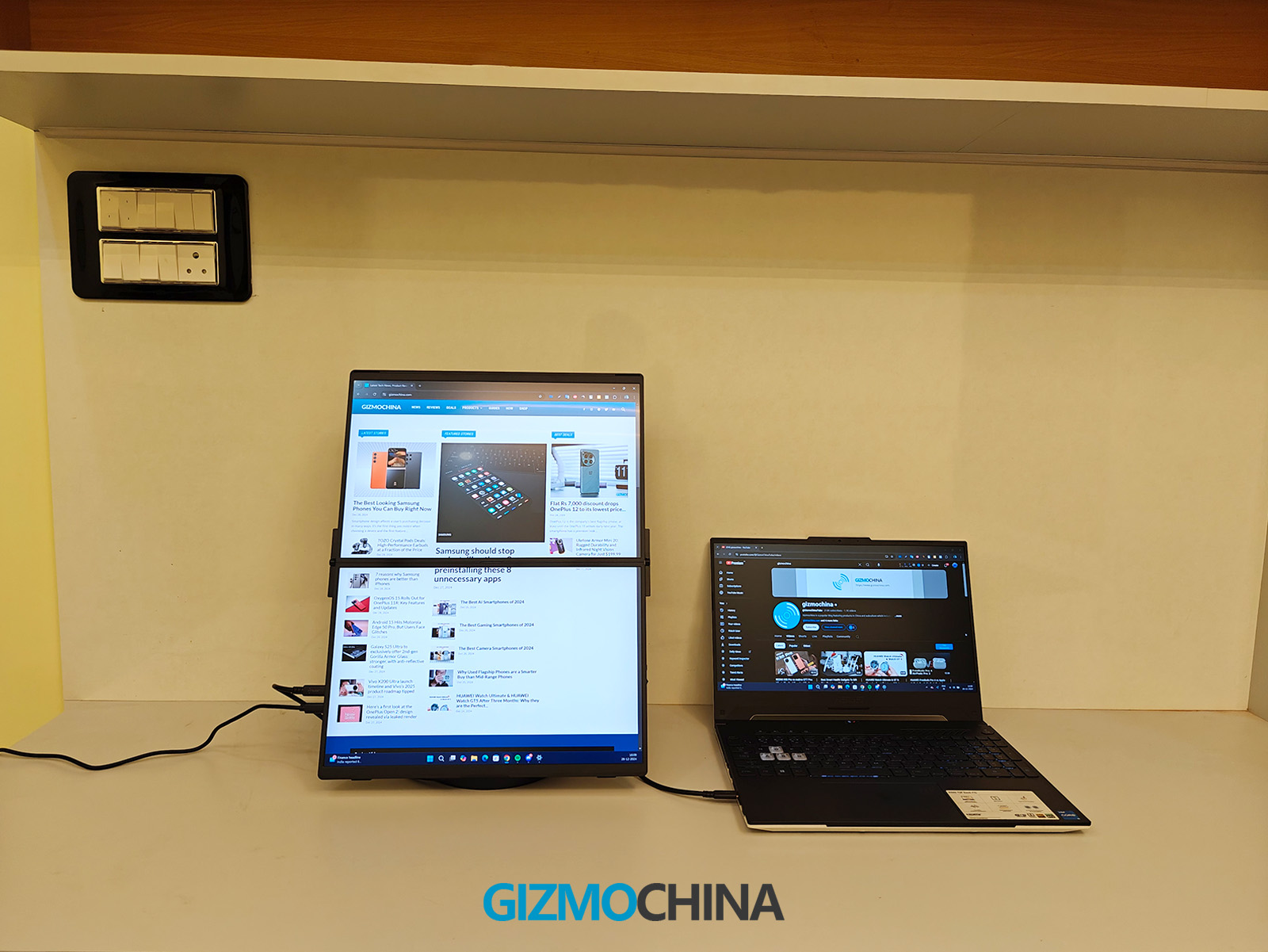
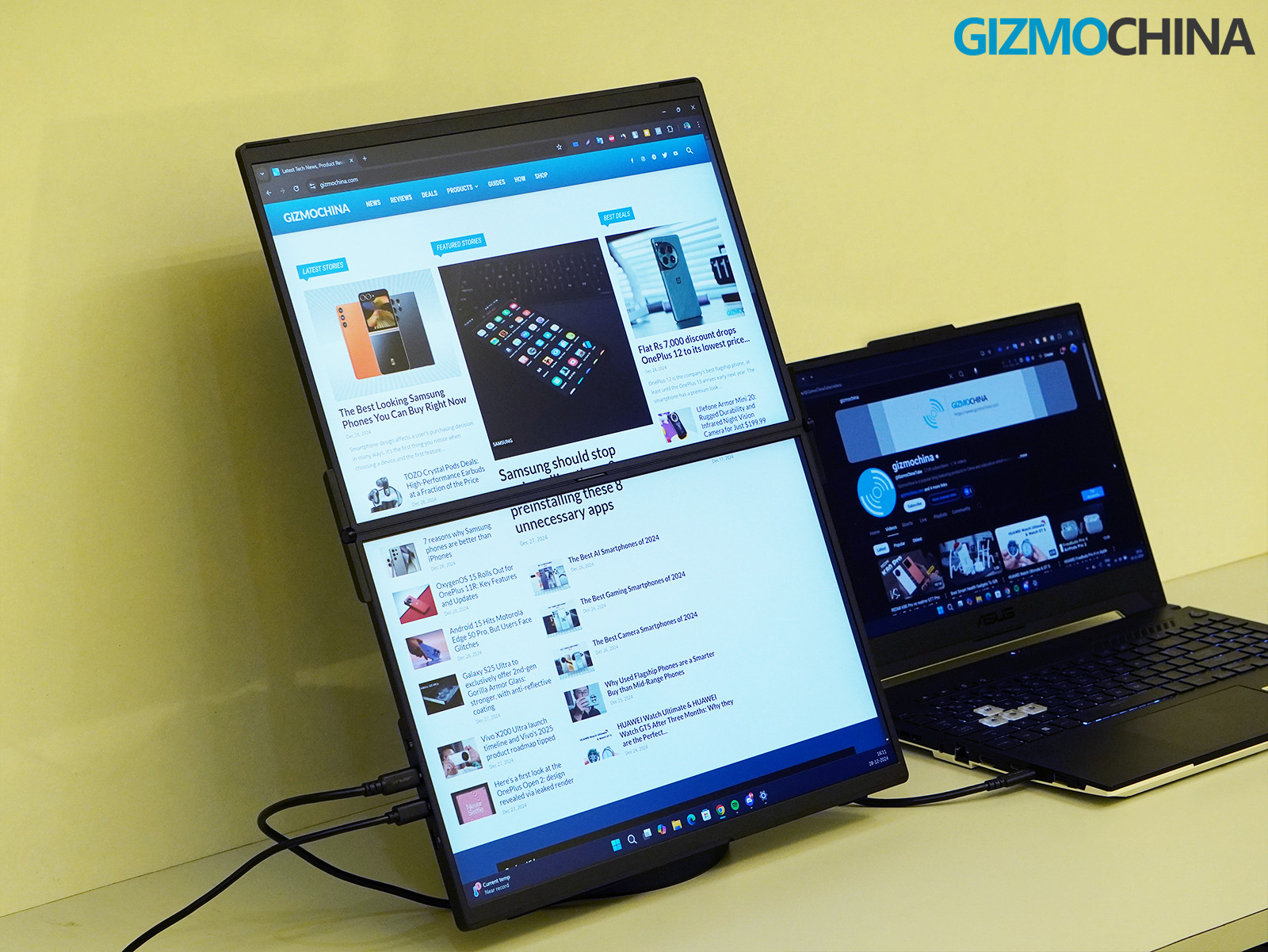
UltraView Mode: In this mode, both screens act as a single continuous display, providing a large vertical workspace. This is ideal for tasks like coding, editing long documents, or working on video timelines where scrolling can be minimized. The content spans seamlessly across both screens, giving the impression of one extended monitor. UltraView mode is particularly useful for applications that benefit from vertical real estate, making it a powerful tool for productivity-focused workflows.
DuoView Mode: This mode enables each screen to function as an independent display. It allows multitasking by letting users run different applications or tasks on each screen simultaneously. For example, you can host a video call on the top screen while taking notes, editing files, or referencing documents on the bottom one. DuoView mode enhances flexibility and helps streamline workflows by reducing the need to switch between windows or applications frequently.
USB Hub and Peripheral Support
Beyond acting as a dual monitor, the FlipGo includes two USB-A ports for connecting peripherals such as a mouse, keyboard, or USB drives. It also features an additional USB-C port for data transfer or connecting other accessories. This USB hub functionality reduces desk clutter and makes the monitor a practical addition to multi-device setups.
Power Delivery and Battery Use
While the FlipGo does not have a built-in battery, it supports 60W reverse charging, allowing it to power connected devices such as a laptop via its USB-C port. For optimal use, an external power source is required.
On-Screen Adjustments
The FlipGo includes basic on-screen display (OSD) controls for adjusting brightness, contrast, and color temperature. However, the navigation system uses a rocker-style button that feels outdated and cumbersome, making frequent adjustments less convenient. Despite this, once the settings are configured, the device performs reliably.
4. Display and Performance
The FlipGo Portable Dual Monitor delivers a solid visual experience with its dual QHD (2560 x 1600) IPS panels, each featuring a 3:2 aspect ratio. This aspect ratio is particularly advantageous for productivity-focused tasks, offering more vertical space than the typical 16:9 displays. The screens provide crisp and detailed visuals, making text sharp and easy to read, whether you’re working with documents, coding, or analyzing data.
The color reproduction is vibrant and accurate, covering 100% of the sRGB gamut, which is sufficient for most creative tasks such as photo editing or graphic design. However, the lack of support for wider color spaces like AdobeRGB or DCI-P3 means it might not meet the needs of high-end color-critical professionals.
Brightness levels peak at 500 nits, which is adequate for indoor use but struggles under bright lighting or in direct sunlight. The matte finish on the screens helps to reduce glare, improving usability in varied lighting conditions, but the overall brightness limits outdoor usability. Viewing angles are wide, typical of IPS technology, ensuring consistent color and contrast when viewed from different positions, which is helpful when collaborating or presenting work.
In terms of performance, the screens operate at a 60Hz refresh rate, which is more than sufficient for general productivity tasks like office work, web browsing, and content creation. However, the refresh rate and response times make the FlipGo less suited for gaming, particularly fast-paced or competitive titles that benefit from higher refresh rates and quicker response times.
During testing, the FlipGo handled multitasking scenarios with ease. The screens maintained consistent performance, even when connected to devices with limited graphical power, thanks to its efficient DisplayLink technology.
The device’s ability to handle dual QHD displays through a single USB-C connection is commendable, but this does come with power demands. When powered via a laptop, the FlipGo significantly increased battery drain, necessitating the use of an external power source for longer sessions. Paired with a high-capacity power bank or a direct power adapter, the performance remained steady, but the reliance on external power may be a limitation for users seeking a completely mobile solution.
5. Accessories
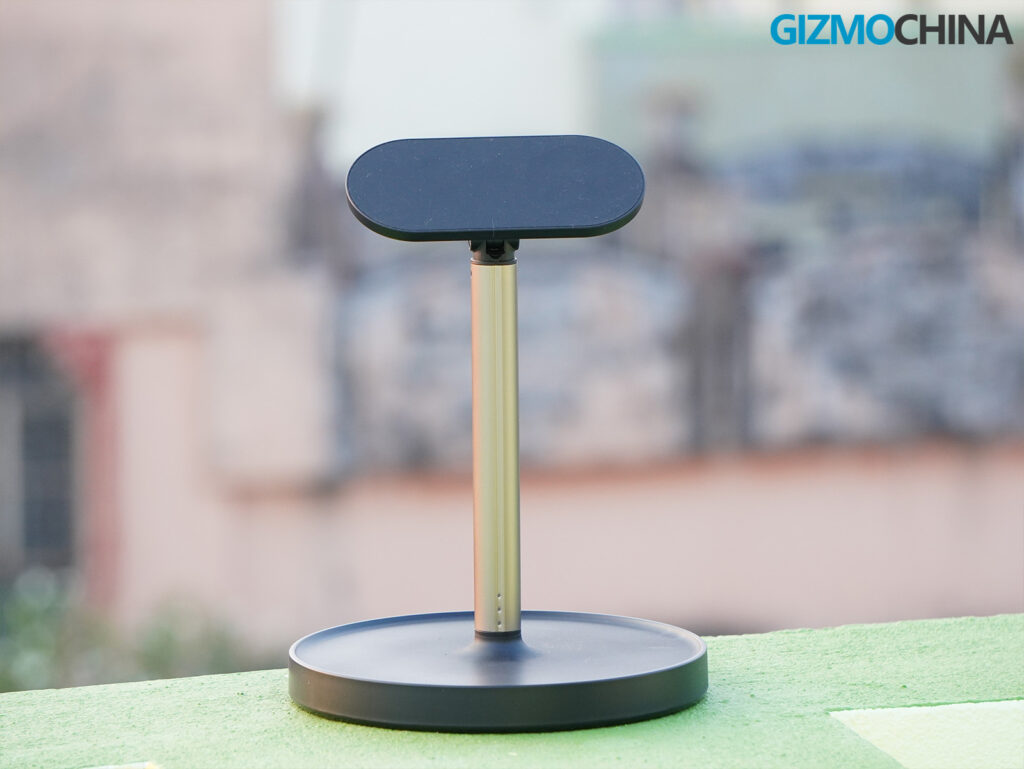
FlipGo offers several accessory options that significantly improve its usability. The SnapStand, a magnetic stand designed specifically for the monitor, is one of the most practical additions. It securely attaches to the back of the monitor using strong magnets, allowing the screen to stand upright in both vertical and horizontal orientations. The stand features a telescopic arm that provides adjustable viewing angles, making it ideal for desk setups. However, the alignment process can be finicky, and users need to ensure the stand clicks firmly into place for stability. On uneven surfaces, the stand’s stability might be compromised, so it’s best suited for flat workspaces.
For users seeking a more lightweight and portable option, the Folio Case serves as both a protective cover and a folding stand. The folio’s magnetic attachment mechanism is simple and reliable, making it easy to switch between transport and setup modes. While not as adjustable as the SnapStand, the folio stand is adequate for casual use and excels in mobile setups, such as working in libraries or coffee shops. Additionally, the folio doubles as a mouse pad in a pinch, adding to its versatility.
For more permanent or adjustable setups, the FlipGo is compatible with VESA mounts, allowing it to integrate seamlessly into existing desk configurations. The VESA adapter accessory is easy to install and works well with most monitor arms or wall mounts, making it ideal for users who want a clean and organized workspace.
Lastly, FlipGo offers a Flex Folio, a more robust version of the standard folio case. The Flex Folio provides stronger magnetic attachment points and improved stability, making it a suitable choice for users who frequently switch between portable and stationary setups. It also allows for more varied angles, enhancing its usability for different tasks.
6. Is It Worth It?
At $599, the FlipGo Pro is an investment. For users who frequently multitask and need more screen real estate without committing to a traditional dual-monitor setup, it’s a compelling option. The stacked design is unique and genuinely useful for productivity-focused workflows. However, it’s not for everyone. If you’re looking for a simple portable monitor, more affordable options exist.
For me, the FlipGo Pro added noticeable convenience to my workflow, especially for tasks involving extensive research and writing. That said, I wouldn’t recommend it to casual users or gamers. It’s a niche product that excels in specific scenarios but doesn’t try to be an all-rounder – and that’s perfectly fine.
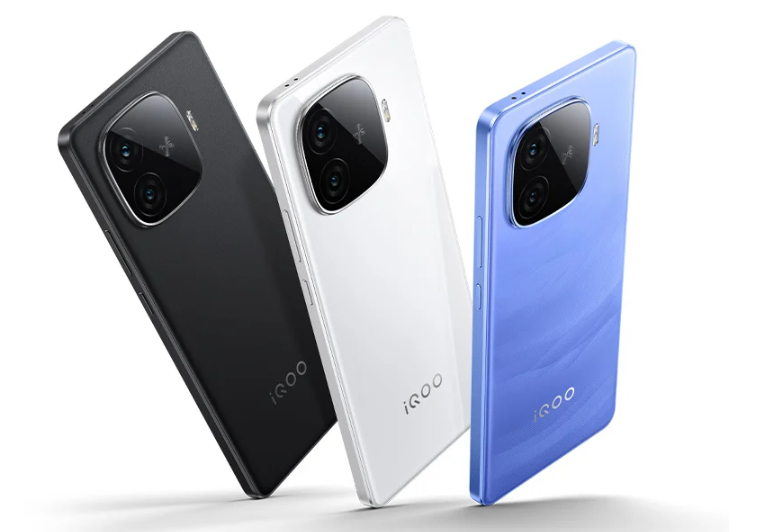
iQOO Z9 Turbo Endurance Edition has been launched in China. The new phone is the last addition to the Z9 series, which already includes a couple of models, such as the iQOO Z9x, iQOO Z9, iQOO Z9 Turbo, and iQOO Z9 Turbo Plus. To be specific, the Endurance Edition is an updated version of the existing Z9 Turbo featuring a larger battery, better GPS connectivity, and a new blue variant.
iQOO Z9 Turbo Endurance Edition specifications and features
iQOO Z9 Turbo Endurance Edition
The iQOO Z9 Turbo Endurance Edition has a 6.78-inch flat OLED panel that offers a 1.5K resolution, a 144Hz refresh rate, and 4,500 nits of peak brightness. For security, it has an optical-type in-screen fingerprint sensor.
Under the hood, the iQOO Z9 Turbo Endurance Edition has the Snapdragon 8s Gen 3 chipset, LPDDR5x RAM, UFS 4.0 storage, and a 6,400mAh battery with 80W fast charging support. The device runs on OriginOS 5-based Android 15.
iQOO Z9 Turbo Endurance Editino
For selfies, the Endurance Edition features a 16-megapixel front camera. On the back, it has a 50-megapixel Sony LYT-600 main camera with OIS support and an 8-megapixel ultra-wide lens. The phone comes with other features, such as dual speakers, NFC, an x-axis linear motor, an IR blaster, an IP64-rated chassis, and dual-frequency GPS for enhanced location accuracy.
iQOO Z9 Turbo Endurance Edition price
The iQOO Z9 Turbo Endurance Edition has arrived in four variants, such as 12GB+256GB, 12GB+512GB, 16GB+256GB, and 16GB+512GB. These variants are priced at 1,899 Yuan (~$260), 2,199 Yuan (~$290), 2,099 Yuan (~$300), and 2,399 Yuan (~$330), respectively. It comes in three shades, such as Midnight Black, Starlight White, and Voyage Blue.
In 2024, there a bunch of smartphones with great selfie cameras that continue to push the boundaries of smartphone photography. Thanks to AI-powered enhancements and hardware improvements, these devices make capturing stunning self-portraits effortless. So here’s a look at the best selfie camera smartphones of the year.
1. Huawei Nova 13 Pro: Best Selfie Camera Smartphone 2024
Huawei Nova 13 Pro
The Huawei Nova 13 Pro claims the top spot as the best selfie camera smartphone of 2024. The Chinese brand is known for cutting edge photography on its flagships, and the Nova 13 Pro is a notable model for those that love taking selfies. It houses a 60MP main selfie camera that offers auto focus and is powered by Huawei’s XD Portrait Engine. This helps refine facial features, smoothen out skin tones, and adjust lighting as well.
But that’s not all, the Nova 13 Pro has a dual selfie camera setup, which includes an 8MP portrait shooter as well that offers 2x optical zoom and up to 5x digital zoom for close up portraits and macro shots. This is unique for smartphones and offers better functionality as well. So it is our pick for the best selfie camera smartphone of 2024.
2. Vivo S20 Pro
Vivo S20 Pro
The Vivo S20 Pro is another strong contender in the selfie game. While most models only offer auto focus on the rear cameras, the S20 Pro brings this feature to its selfie camera as well. For selfies and video calls, you get a 50MP shooter that brings support for HDR and even 4K video recording as well.
This camera promises to deliver sharp selfies. Apart from this, it is a well rounded smartphone with an AMOLED display, sleek and elegant design, and Dimensity 9300+ for flagship level performance as well.
3. Honor 300 Pro
Honor 300 Pro
The Honor 300 Pro is a great standout option like the other two models in this list. Just like the Huawei Nova 13 Pro, the 300 Pro packs a dual camera setup on the front. This already adds more layers to its photography experience. The front packs a pill shaped cutout that houses a 50MP main selfie camera that supports autofocus for sharper images.
Along with this shooter, you get a 2MP 3D depth sensor for improved selfie portraits. It even offers 4K resolution recording from the selfie camera.
4. Xiaomi Civi 4 Pro
Xiaomi Civi 4 Pro
Rounding out our list is the Xiaomi Civi 4 Pro (Aka Xiaomi 14 Civi). Huawei’s Nova 13 Pro is our pick for the best selfie camera smartphone thanks to both front cameras being usable. But it is not alone since the Xiaomi Civi 4 Pro also offers a dual camera system. But unlike the Nova 13 Pro, the Civi brings two 32MP selfie shooters.
One of a 32MP main wide sensor that supports auto focus, while the latter is a 32MP ultra wide angle lens with a 100 degree FOV. Apart from HDR and panorama, there is also support for 4K video recording as well. This phone excels in capturing selfies with accurate skin tones and vibrant backgrounds.
Chinese smartphone maker Redmi launched its latest flagship phone, the Turbo 4, yesterday afternoon. The phone went on sale immediately following the launch, with a starting price of 1,999 yuan ($302).
Now, according to official data from Redmi, first-day sales of the Turbo 4 were double those of the previous generation, with a 220% increase.
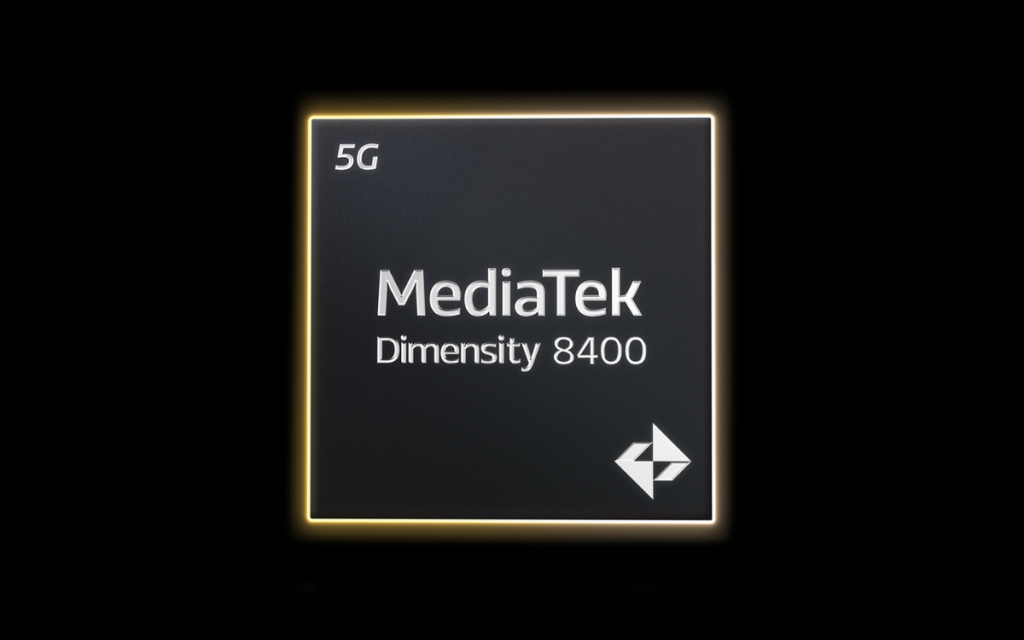
The centerpiece of the Redmi Turbo 4 is its performance. The phone is the world’s first to be powered by the MediaTek Dimensity 8400-Ultra processor, which is also the first in its class to adopt a full-big-core CPU architecture. As a result, the chip delivers an AnTuTu benchmark score exceeding 1.8 million.
The revolutionary full-core architecture integrates an octa-core Arm Cortex-A725 CPU. This configuration includes one 3.25GHz Cortex-A725 large core, three 3.0GHz Cortex-A725 large cores, and four 2.1GHz A725 large cores.
The Dimensity 8400-Ultra is further complemented by a flagship-level Mali-G720 MC7 GPU. Compared to the previous generation chip, the GPU offers a 24% improvement in peak performance while reducing power consumption by 42%.
Other Key Specifications
Beyond the impressive processor and GPU, the Redmi Turbo 4 boasts a range of other compelling features. The phone sports a 6.67-inch 1.5K resolution screen, a 20-megapixel front camera, and a rear camera system consisting of a 50-megapixel main sensor and an 8-megapixel ultra-wide-angle sensor.
Keeping the phone powered is a large 6550mAh Xiaomi Jinshajiang battery. This battery boasts a 6% silicon content and an energy density of 825Wh/L. Additionally, the Turbo 4 supports 90W fast charging that juices up the phone tp 100% in just 45 minutes.
The Redmi Turbo 4 is also built to withstand the elements as it comes with three IP certifications: IP66, IP68, and IP69. The phone also supports triple-band Beidou positioning and dual-frequency GPS for accurate navigation. The software side is covered by HyperOS 2, Xiaomi’s custom user interface based on the Android 15 operating system.
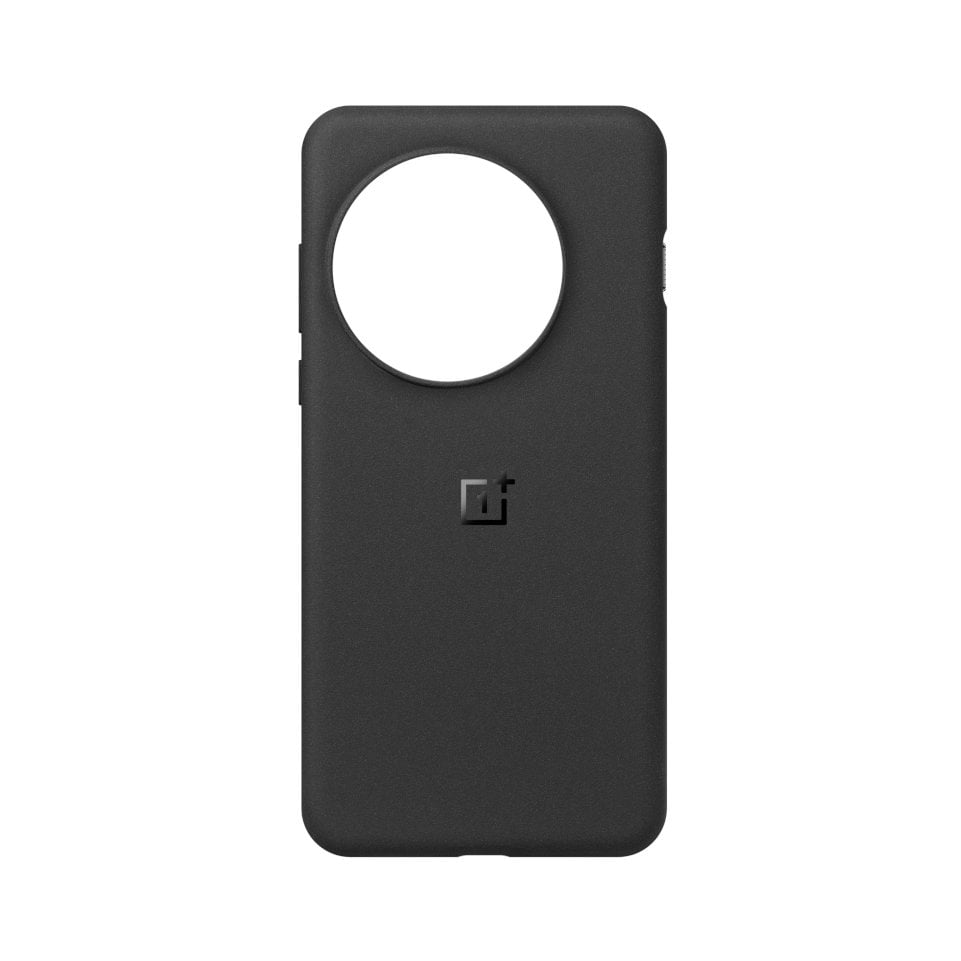
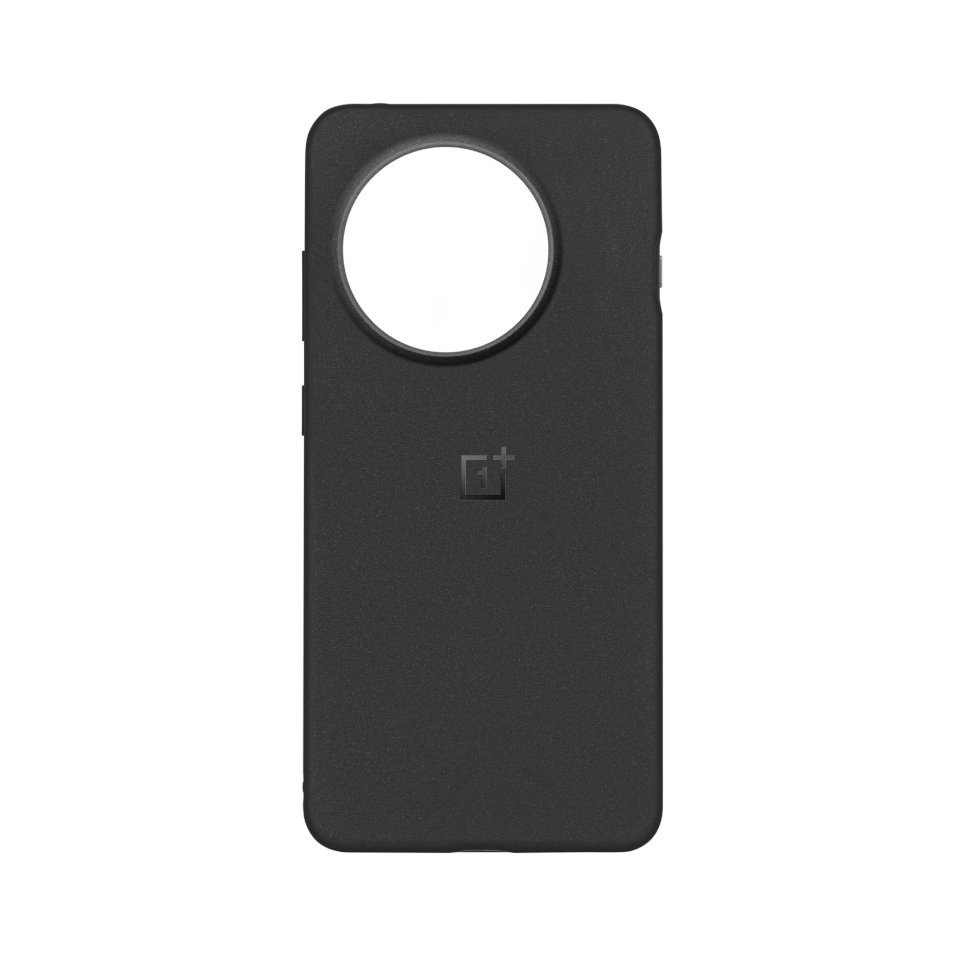
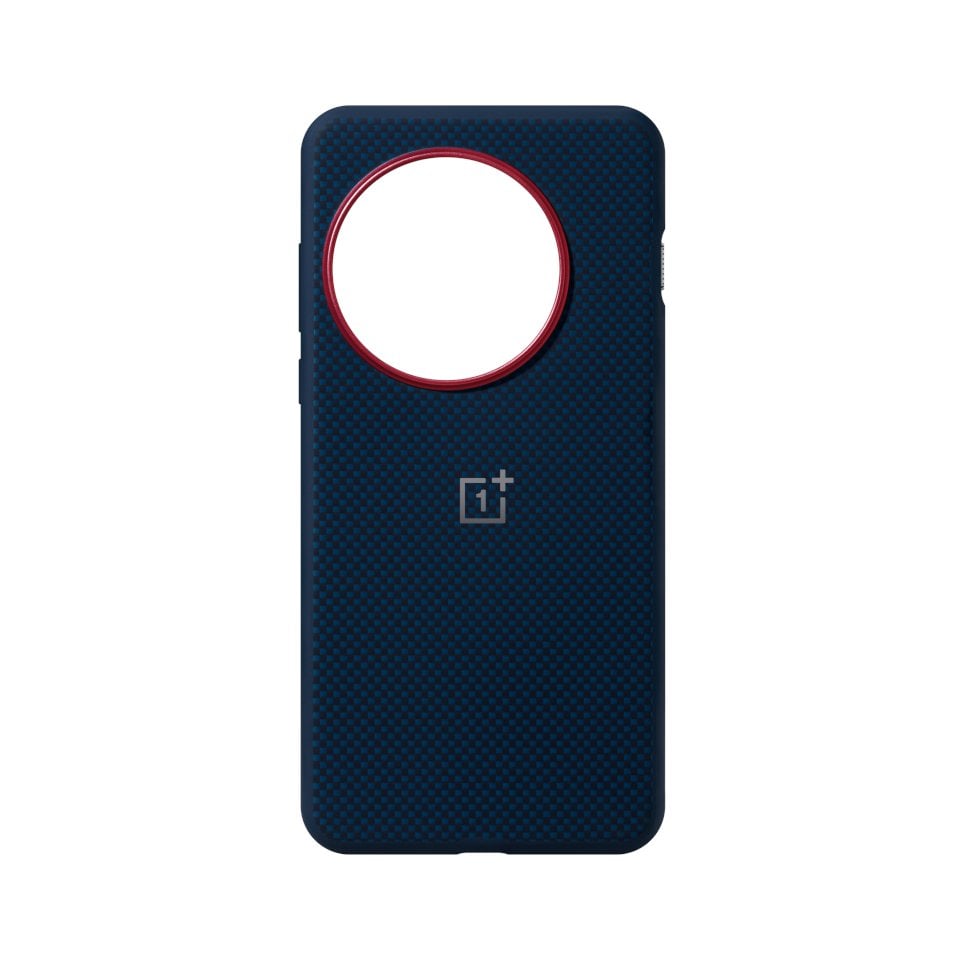
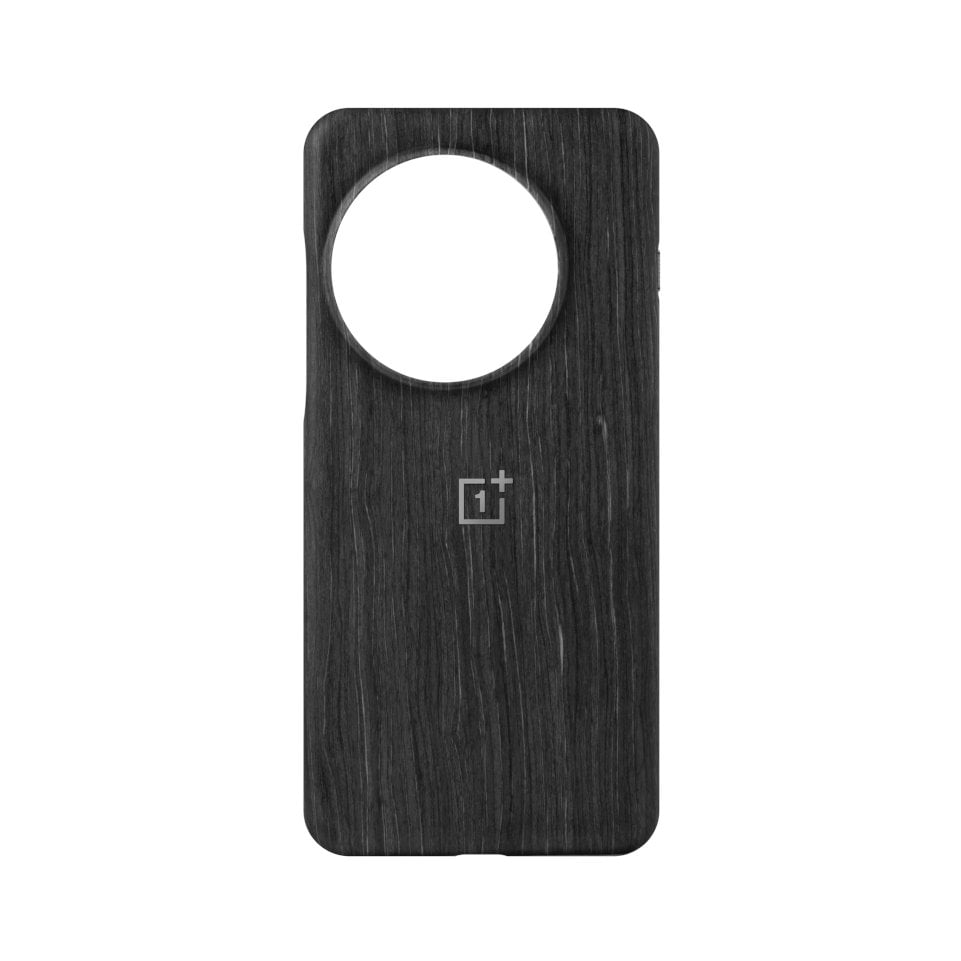
OnePlus is gearing up for the global launch of its flagship 13 series, which includes the OnePlus 13 and OnePlus 13R (rebranded Ace 5), on January 7, 2025. Ahead of the Winter Launch Event, the official smartphone cases for the series have been leaked by tipster Sudhanshu Ambhore.
OnePlus 13 Sandstone Magnetic CaseOnePlus 13R Sandstone Magnetic CaseOnePlus 13 Aramid Fiber Magnetic CaseOnePlus 13 Wood Grain Magnetic Half-pack Case
Three case options are expected for the OnePlus 13 series. Both the OnePlus 13 and 13R models will feature a Sandstone Magnetic Case, while the OnePlus 13 will also have an Aramid Fiber Magnetic Case and a Wood Grain Magnetic Half-Pack Case. All cases incorporate magnetic functionality, allowing seamless attachment of wireless chargers or accessories. The cases are already available in China.
OnePlus 13ROnePlus 13
The OnePlus 13 will come in two storage variants: 12GB/256GB and 16GB/512GB, while the OnePlus 13R will offer a single 12GB/256GB configuration. Indian pricing for the OnePlus 13 is expected to range between ₹67,000 and ₹70,000, with availability hinted at through Amazon India’s landing page, which highlights key specifications.
The OnePlus 13R is confirmed to feature the Snapdragon 8 Gen 3 chipset like the OnePlus Ace 5 smartphone, which this device is based on. That said, it will feature a 6,000mAh battery, which is a bit smaller than the 6,400mAh battery included in the Ace 5. The OnePlus 13 will rock the latest Snapdragon 8 Elite processor, paired with a 6,000mAh battery and IP68/IP69 water and dust resistance. Other specifications are expected to be similar to the Chinese variant of the device which was launched back in October 2024.
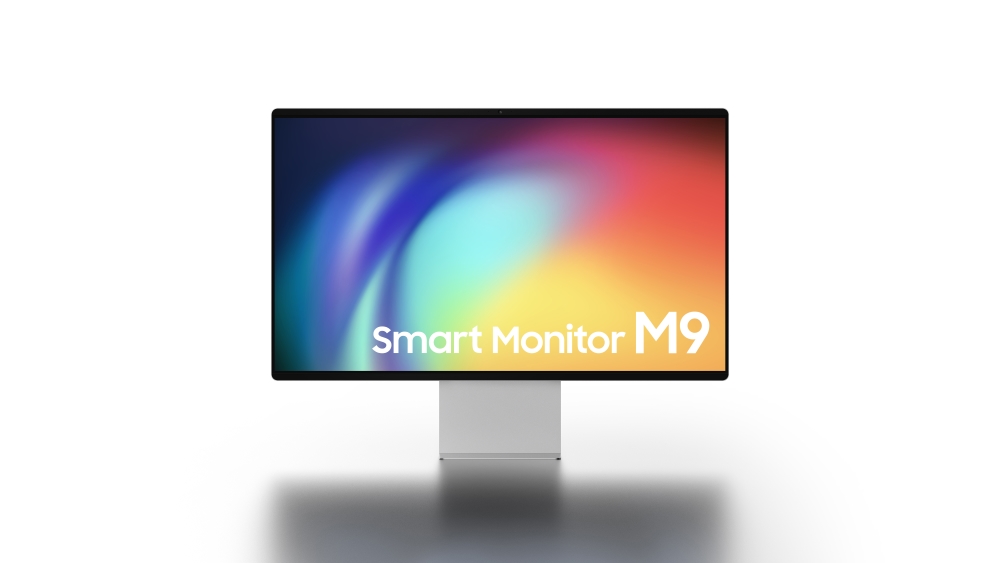
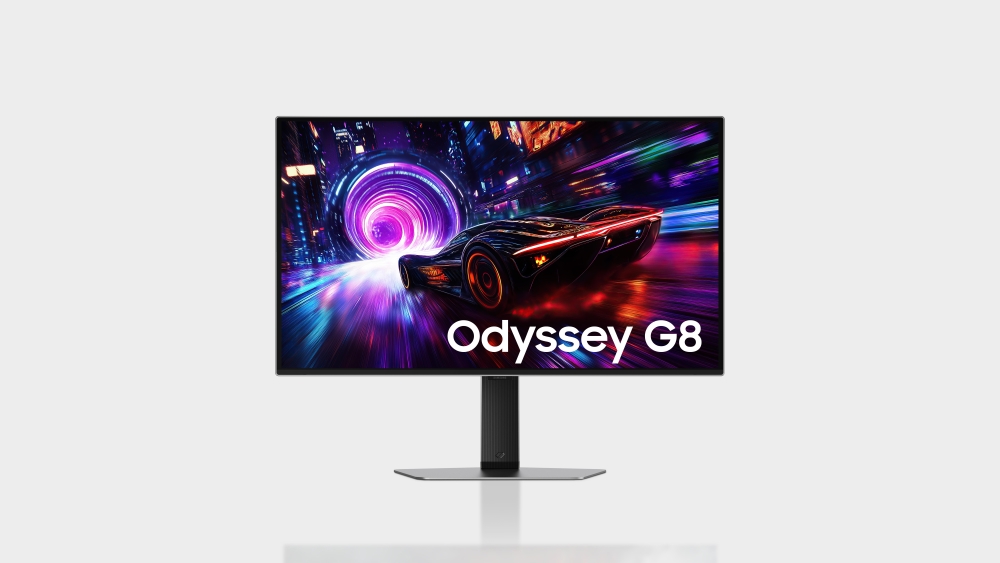
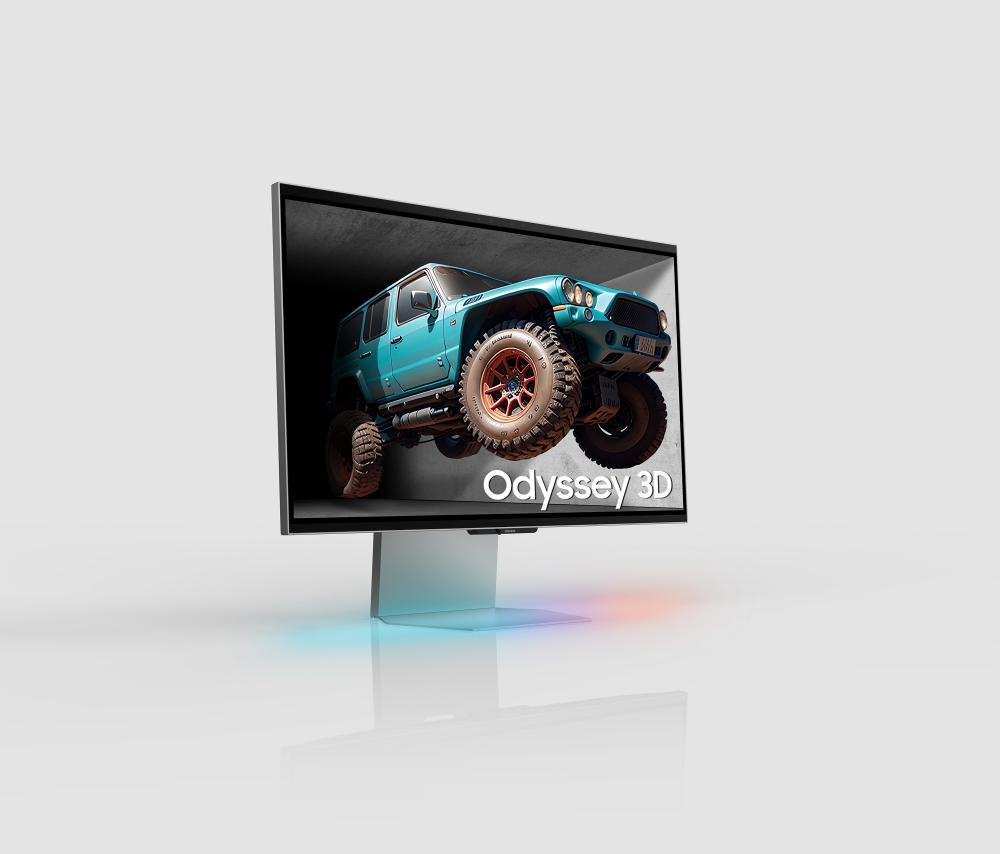
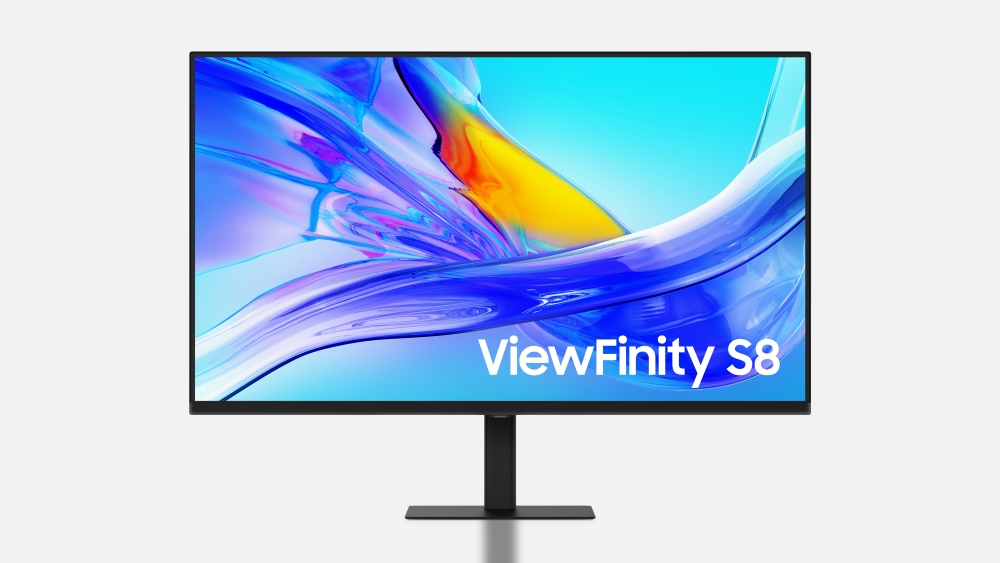
Samsung Electronics has introduced its 2025 monitor lineup, featuring the Smart Monitor M9, Odyssey Gaming Monitors, and ViewFinity S8, all of which will debut at CES on January 5.
Smart Monitor M9: AI Features for Everyday Use
The Smart Monitor M9 (M90SF) uses on-device AI to adjust settings for tasks such as gaming, video playback, and productivity. It includes 4K AI Upscaling Pro for clearer visuals and features a 32-inch 4K OLED display with VESA DisplayHDR™ True Black 400 for better color and contrast. The monitor also has a compact design, an Easy Setup Stand, and a built-in 4K camera, making it suitable for both work and personal use.
The Odyssey Gaming Monitors include several new models. The Odyssey OLED G8 (G81SF) is a 27-inch 4K OLED gaming monitor with a 240Hz refresh rate and high pixel density for detailed and smooth visuals. The Odyssey OLED G6 (G60SF) introduces a 500Hz refresh rate and 0.03ms response time, designed for fast-paced gaming.
Samsung Odyssey 3D
The Odyssey 3D (G90XF) offers glasses-free 3D gaming with AI-based 2D-to-3D conversion. These monitors also include AMD FreeSync™ Premium Pro, NVIDIA G-Sync™, and VESA DisplayHDR™ True Black 400 for improved performance and visual quality.
ViewFinity S8: A Larger Screen for Professionals
Samsung ViewFinity S8
The ViewFinity S8 (S80UD) is Samsung’s largest 16:9 4K monitor at 37 inches. It supports 99% of the sRGB color spectrum for accurate color reproduction and includes eye care features to minimize strain during extended use. The monitor’s design is TÜV Rheinland certified and includes a built-in KVM switch for multitasking across multiple devices. It also has a 90W USB-C port for charging and connectivity.
We can expect to find out more details about these new monitors, along with their prices and availability details at CES 2025, which is scheduled to kick off on January 7, 2025.
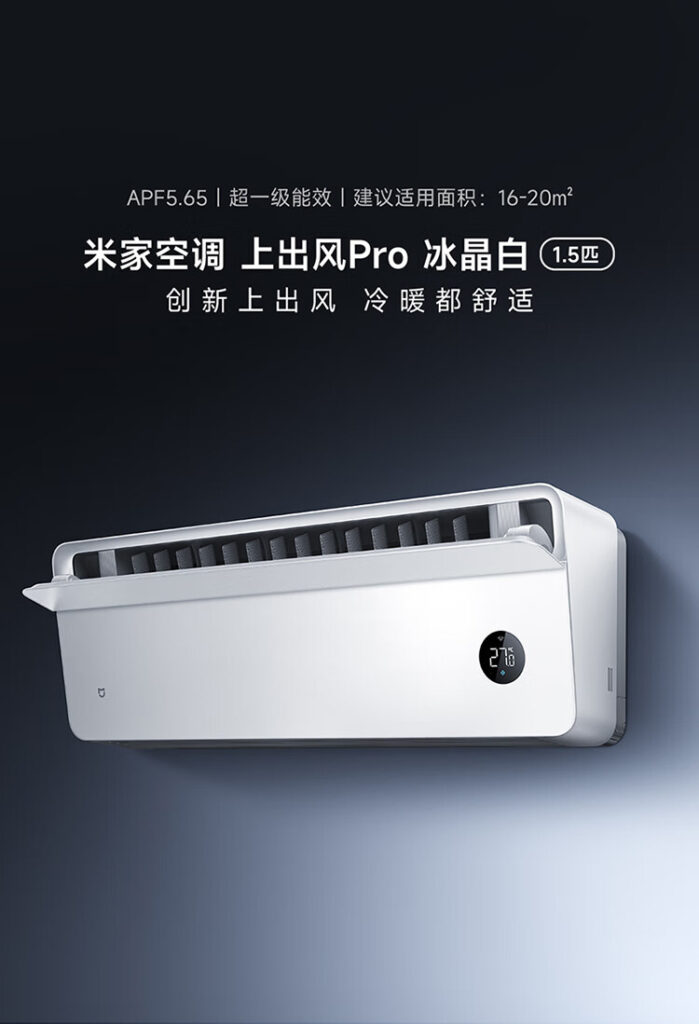
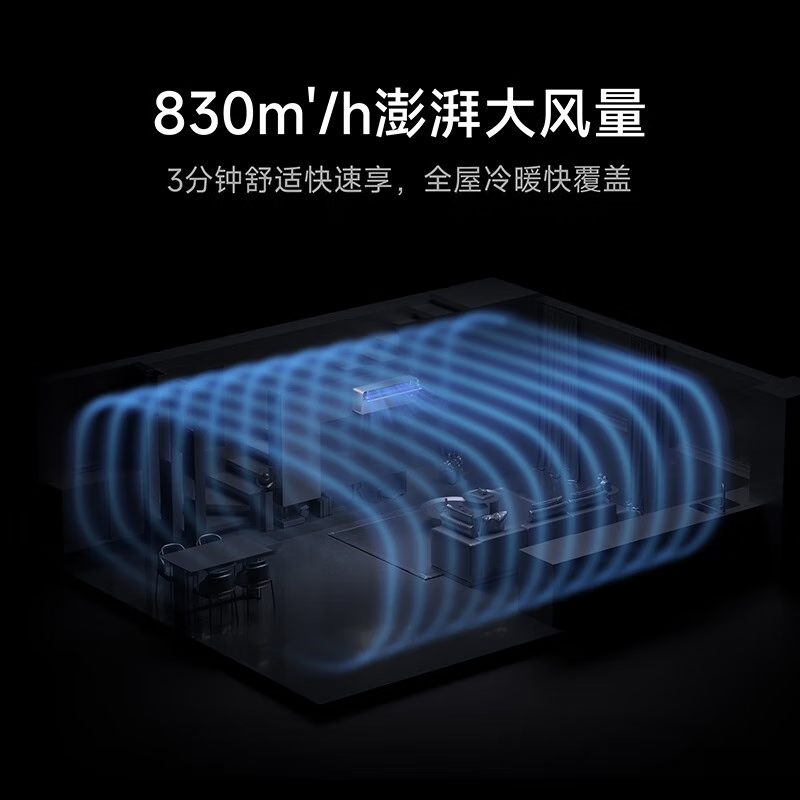
Xiaomi has unveiled its latest offering, the Mijia Top-Flow Pro Air Conditioner, in a sleek Crystal White finish for the Chinese market. Priced competitively at 3,699 yuan ($506), the air conditioner is now available for purchase on JD.com. Let’s check out its key specs.
Specifications
The Mijia Top-Flow Pro Air Conditioner boasts an impressive airflow rate of 830 m³/h. It features a dual-cylinder compressor, delivering superior low-frequency stability, 30% higher than traditional single-cylinder models, while operating with 5% less noise. This ensures a quiet yet powerful performance, making it ideal for various room settings.
The unit is designed to adapt seamlessly to different environments. Its compact installation height of just 35cm requires a minimal top clearance of only 2cm, allowing it to fit into spaces with low ceilings effortlessly. With the capability to cool in just 30 seconds and heat within 60 seconds, it covers areas ranging from 16 to 20m² efficiently.
The air conditioner comes equipped with Xiaomi’s self-developed tilted panel technology and an innovative 11.3° deflection design. The result is a “carpet-like airflow” that creates a gentle and uniform temperature throughout the room, avoiding direct drafts and discomfort. Its unique top air outlet design mimics central air-conditioning systems by promoting circular airflow, ensuring a balanced climate across the space.
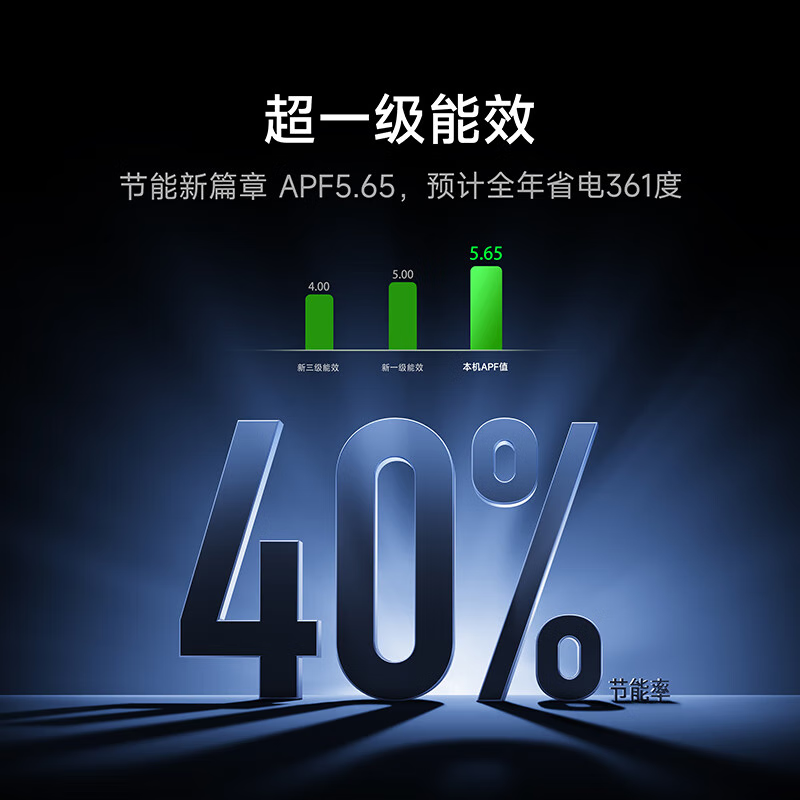
The AC also boats ultra-level energy efficiency with an APF value of 5.65. This sets a new benchmark in energy-saving capabilities, offering up to 40% savings compared to traditional models. Users can potentially save up to 361 kWh annually, making it a cost-effective and eco-friendly choice.
To enhance user convenience, the air conditioner integrates Mijia’s Lingyun Intelligent Control Engine. This smart feature enables scene-based mode selection and seamless connectivity through Xiaomi’s HyperOS Connect system. Additionally, it supports the Mi Home app and Xiao AI voice assistant, offering intuitive remote control and customization options.
The unit is designed to withstand extreme temperatures, operating efficiently in conditions as high as 65°C for cooling and as low as -35°C for heating. Furthermore, its adaptive defrost technology ensures consistent heating during the colder months. The built-in self-cleaning mechanism utilizes high-temperature sterilization to eliminate up to 99% of bacteria, ensuring a hygienic and healthy environment for all users.
Earlier today, Xiaomi unveiled the Redmi Book 14/16 2025, featuring the Intel Core 5-220H processor and offering display options of 2.5K and 2.8K resolutions. Additionally, the company introduced the Redmi Turbo 4, powered by the Dimensity 8400 Ultra chipset and equipped with a massive 6,550mAh battery.
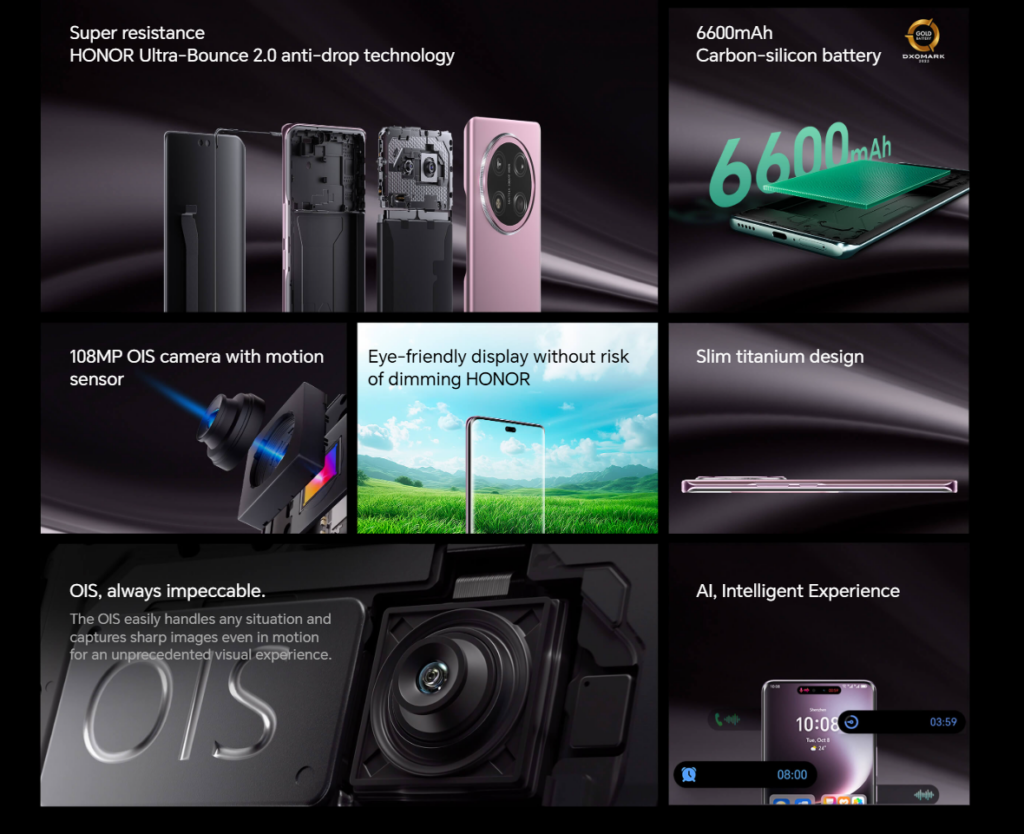
Honor has officially launched the Magic 7 Lite smartphone in the Italian market, expanding its Magic 7 series lineup. This follows the October 2024 release of the Magic 7 and Magic 7 Pro in China, and the recent appearance of the Magic 7 Pro and Magic 7 Lite on an Italian shopping platform, signaling their European debut. The Magic 7 Lite is essentially a rebranded version of the Honor X9c which launched in Malaysia and Singapore a couple of months back.
Honor Magic 7 Lite Features
The Honor Magic 7 Lite boasts a curved 6.78-inch AMOLED display capable of rendering 1.07 billion colors with a peak brightness of 4000 nits and a resolution of 2700 × 1224 pixels. It is powered by the Qualcomm Snapdragon 6 Gen 1 processor paired with an Adreno A710 GPU. The device operates on MagicOS 8.0, based on Android 14, and offers configurations of up to 8GB RAM and 512GB storage.
The smartphone features a dual rear camera setup, including a 108MP main sensor with Optical Image Stabilization (OIS) and a 5MP wide-angle camera. For selfies, it includes a 16MP front camera. The primary camera system is capable of 4K video recording and up to 10x digital zoom, whereas the front camera can shoot videos in 1080p and offers 2D facial recognition. The phone is backed by a massive 6600mAh Silicon-carbon battery supporting 66W fast charging.
Additional features include a fingerprint sensor, Ultra Bounce 2.0 anti-drop technology, and IP64 water and dust resistance. The device supports dual SIM, dual-band WiFi, Bluetooth 5.1, NFC, GPS (with AGPS, GLONASS, BeiDou, and Galileo), and dual stereo speakers. It also integrates AI capabilities, Magic Capsule, and Portal features. The phone measures 162.8×75.5×7.98mm and weighs 189g.
Availability and Pricing
The Magic 7 Lite is available in Titanium Purple and Titanium Black color options. It is priced at €369.90 for the 8GB/256GB variant and €399.90 for the 8GB/512GB model. Customers can purchase the device directly through the Honor Italy website.
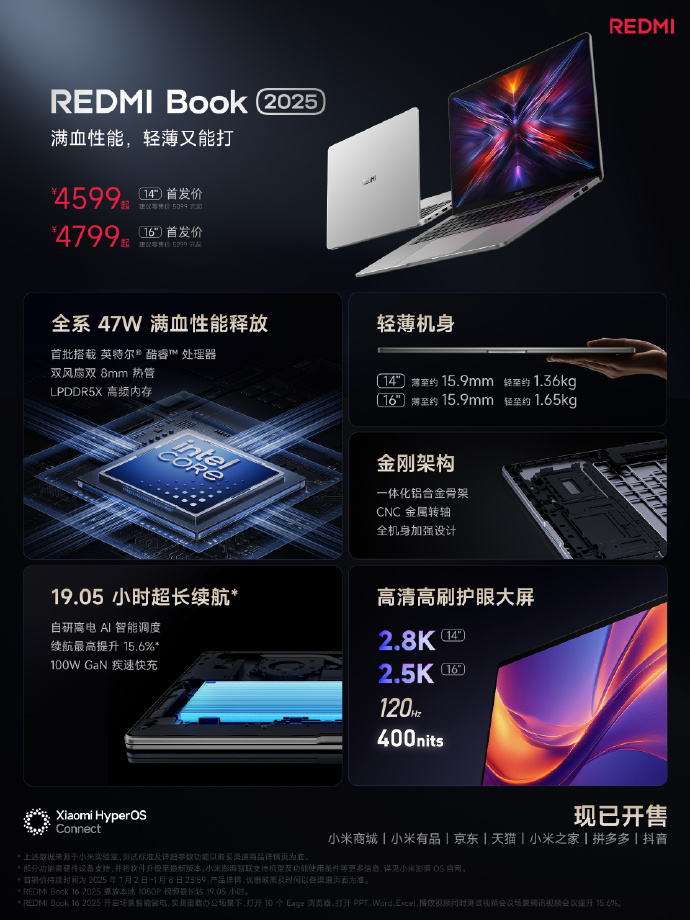
Xiaomi has expanded its product lineup with the launch of the Redmi Book 14 and 16 2025 laptops at the Turbo 4 launch event. These laptops aim to deliver premium performance and innovative features at competitive prices, making them an attractive choice for tech enthusiasts and professionals alike.
The Redmi Book 14 and 16 2025 laptops are powered by the Intel Core 5-220H processor, a rebranded version of the 13th Gen i5-13500H, offering a total system performance output of 47W.
This high-performance chip is complemented by up to 32GB of LPDDR5X RAM and up to 1TB PCIe 4.0 SSD storage, ensuring smooth multitasking and fast data access. Additionally, it comes with an extra M.2 slot allowing for further storage expansion.
Both models boast high-resolution displays tailored to different preferences. The Redmi Book 14 features a 2.8K 120Hz display, while the Redmi Book 16 offers a 2.5K 120Hz screen. Both displays support 100% sRGB color gamut and provide a peak brightness of 400 nits. They are also certified by TÜV Rheinland for low blue light and flicker-free performance, ensuring eye comfort during extended usage.
The laptops also incorporate an advanced cooling system with dual fans and dual 8mm heat pipes, maintaining thermal stability even during intensive tasks.
The Redmi Book 2025 series comes with a robust 72Wh battery, offering up to 19.05 hours of uninterrupted usage. It features 100W GaN fast charging technology, allowing the battery to reach 50% in just 32 minutes.
Running on Windows 11, the laptops are optimized for Xiaomi’s HyperOS 2, which sports advanced power management and AI-powered task scheduling for extended battery life. Additionally, it equips the Xiaomi HyperOS Connect for seamless interaction with other Xiaomi devices, including the newly introduced automotive hotspot auto-connect feature for the Xiaomi SU7 car.
In terms of design, the laptops feature a sleek metal chassis. The Redmi Book 16 weighs 1.65kg and is 15.9mm thick, while the Redmi Book 14 is slightly lighter at 1.36kg with the same thickness. The devices also debut a bold uppercase Redmi logo on the A-side, reflecting a modern aesthetic.
For connectivity, the laptops are equipped with dual USB-C 3.2 Gen 2 ports, USB-A 3.2 Gen 1, USB-A 2.0, HDMI 2.1, and a 3.5mm audio jack. Additionally, they also feature a full-size backlit keyboard, a large touchpad, a fingerprint sensor, Dolby Atmos-enabled audio, and a 1080p camera.
2. Pricing & Availability
Xiaomi has priced the Redmi Book 14 and 16 2025 laptops competitively, making them accessible to a broad audience. Here is the detailed pricing:
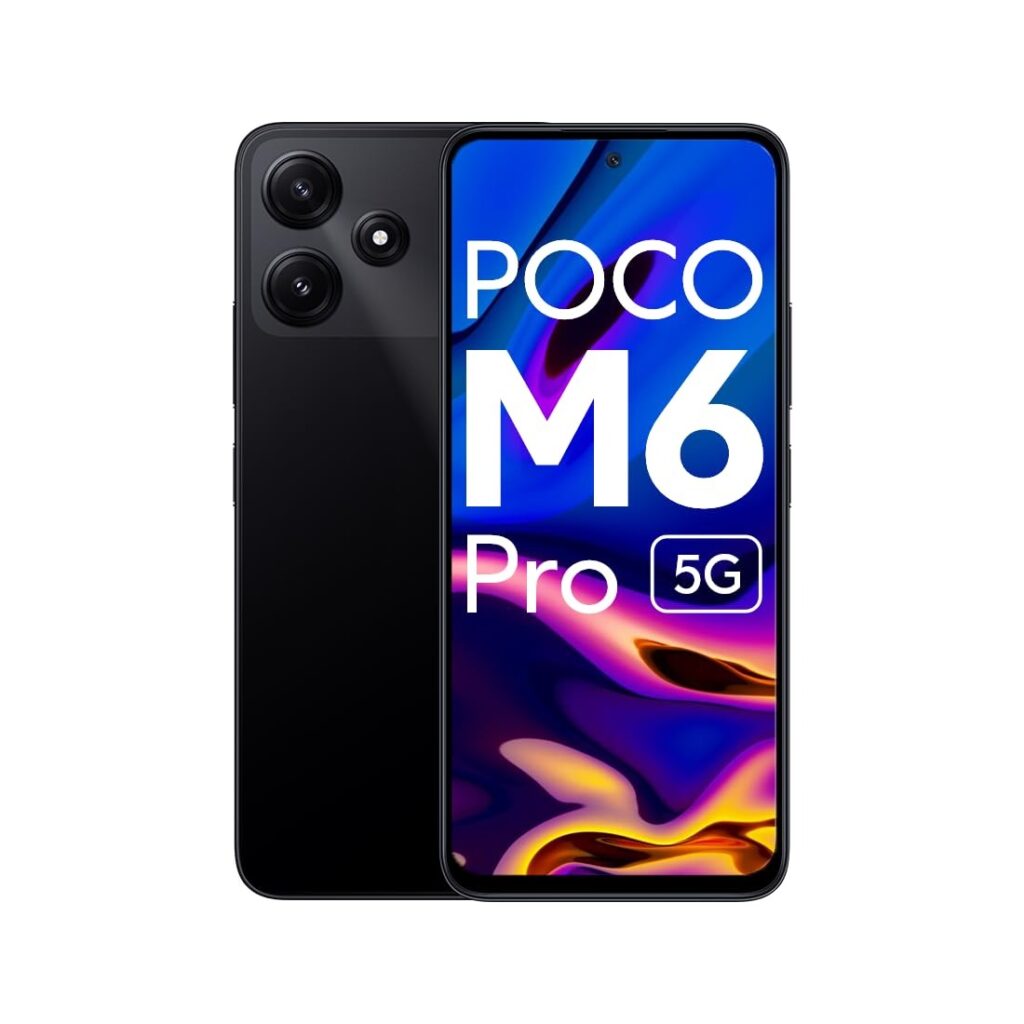
It’s a New year and here comes the new attractive deal on Amazon India. The affordable smartphone Poco M6 5G is available to purchase for just ₹9,999 effectively. It was launched back in August 2023 as the successor to the last year’s M4 Pro 5G. Poco M6 Pro 5G comes powered with Qualcomm Snapdragon 4 Gen 2 SoC. If you are looking for a good budget smartphone then Poco M6 Pro 5G is the best pick for you.
POCO M6 Pro 5G Discount Details
At the time of Launch smartphone’s price was Rs. 11,999 and now the list price on Amazon is Rs. 10,999. The List price of POCO M6 Pro is already Rs. 1000 less than the launch price. Moreover, you will get Rs 1000 if you select the SBI Debit/Credit card as a payment option. So the effective price of POCO M6 Pro 5G is Rs. 9,999.
Please Note: When you buy something using the links in our articles, we may earn a small commission at no cost to you.
POCO M6 Pro 5G Features and Specifications
The smartphone features a stunning 6.79-inch FHD+ display with a 120Hz refresh rate. POCO M6 Pro 5G is powered by a Qualcomm Snapdragon 4 Gen 2 processor and supports 5G connectivity. It has multiple variants which include various options in RAM and storage i.e. 4GB/6GB/8GB of RAM and 128GB/256GB internal storage option. Moreover, the phone supports up to 1TB of Storage via a MicroSD card.
POCO M6 Pro 5G comes with a dual-camera setup that includes a 50MP primary sensor and a 2MP depth sensor, ensuring crisp and detailed photos in various lighting conditions. The 8MP front camera caters to high-quality selfies and video calls. The smartphone is backed by a 5,000mAh battery unit with support for 18W fast charging. Software-wise, it runs on Android 13 OS out of the box.
For more Deals on Smartphones, Tablets, and Laptops go through our deals section.
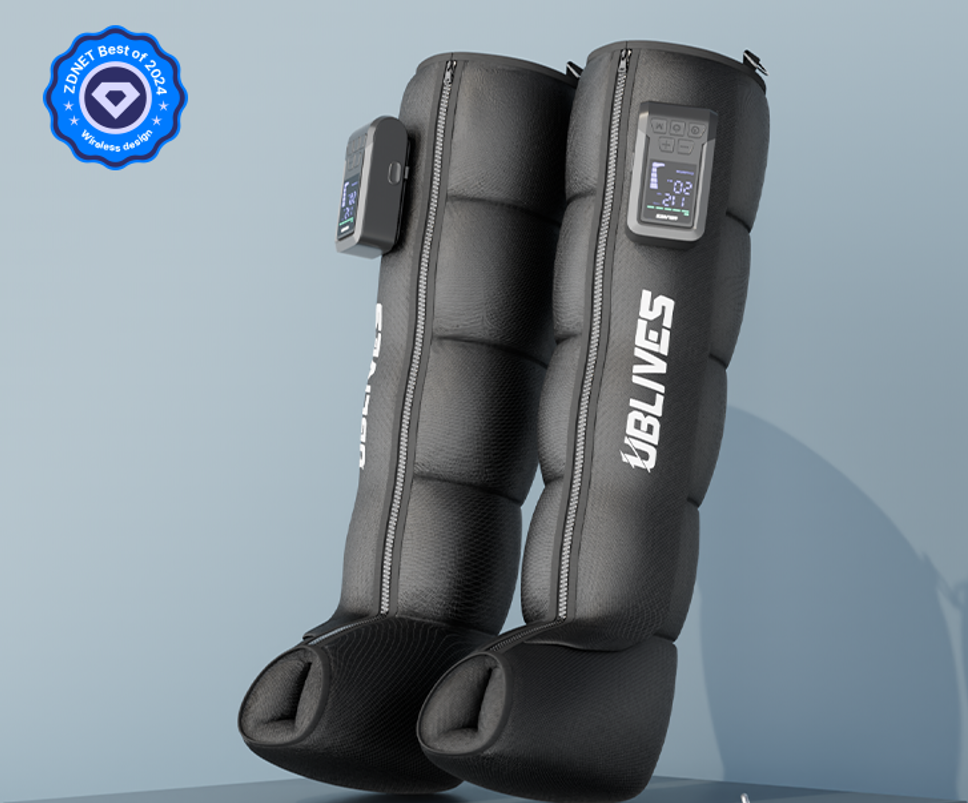
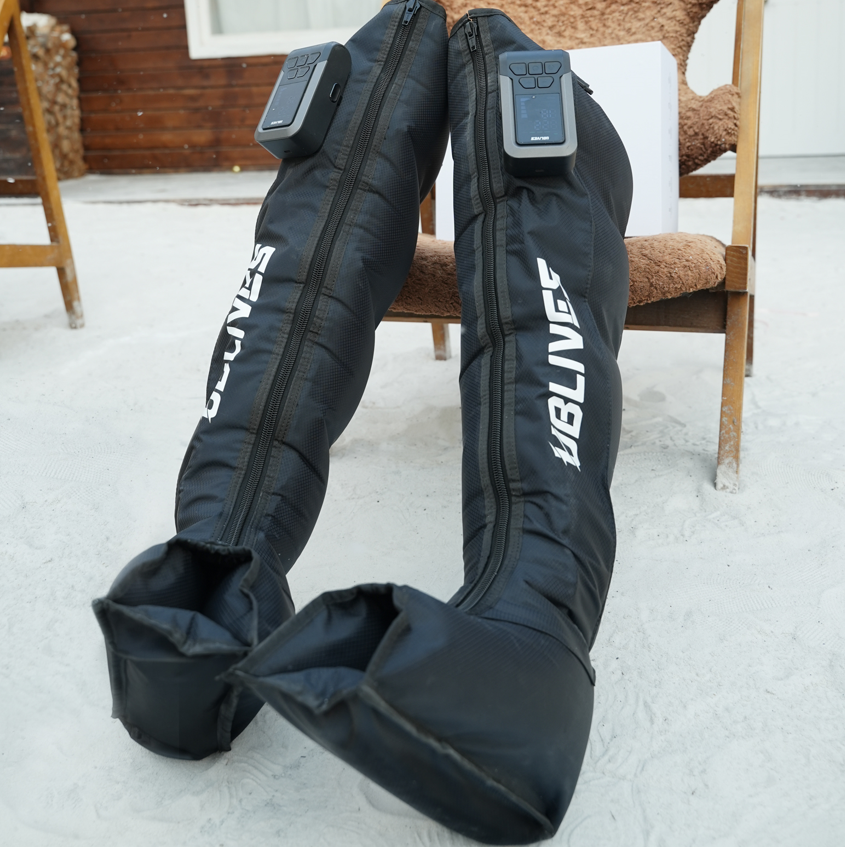
SoleFlux Relax Compression System is a revolutionary portable device designed to simulate a leg massage and promote overall leg health. With its innovative design and state-of-the-art technology, the SoleFlux Relax stands out as a superior choice for anyone seeking enhanced blood circulation, faster recovery, and relief from leg-related discomfort.
Advanced Technology for Better Circulation
At the heart of the SoleFlux Relax is TruGrade Technology™, which ensures precise and safe application of pressure. This portable, battery-powered intermittent pneumatic compression (IPC) device features a unique design where the bottom air chamber pressure is always higher than the top air chamber pressure. This arrangement mimics a professional leg massage, promoting efficient blood flow from the feet to the heart. The calibrated air compression massage not only boosts arterial circulation but also enhances lymphatic detoxification, contributing to healthier legs and overall well-being.
Tailored to Your Needs
The SoleFlux Relax offers unparalleled customization to meet individual preferences. With five levels of compression intensity (67 mmHg to 165 mmHg) and four unique massage modes, users can easily adjust the settings to suit their specific requirements. Whether you need a gentle warm-up for weak muscles, an intense recovery session after a workout, or relief from muscle fatigue, this device has a mode for you. The intuitive, cable-free design ensures ease of use without the hassle of complicated connections or apps.
Portable and Convenient
Weighing just 2.8 kg per set, the SoleFlux Relax is 1.6 times lighter than most competitors, making it an ideal choice for on-the-go wellness therapy. The extended battery life, up to 300 minutes on a single charge, ensures up to 10 days of use with daily 20-minute sessions. Its fully cable-free design and support for Type-C charging provide unmatched convenience, allowing users to power the device even with a portable power bank.
Designed for Comfort and Hygiene
The SoleFlux Relax comes in a one-size-fits-all design, accommodating leg circumferences of 29.53 to 33.46 inches (75 to 85 cm). The boots are made with an easy-to-clean, hygienic material, ensuring a fresh experience with every use. The 2.8-inch visual controller provides a real-time display and simple controls, allowing users to easily monitor and adjust their therapy sessions.
Benefits:
Using the SoleFlux Relax Compression Boots offers numerous health advantages, including:
Boosting blood circulation and lymphatic drainage
Accelerating physical recovery and reducing delayed onset muscle soreness
Preventing leg issues such as cramps, varicose veins, blood clots, DVT, edema, numbness, tightness, and restless leg syndrome
Decreasing swelling and stiffness
Relieving muscle fatigue and leg pain
Enhancing flexibility and improving movement
Exclusive Deal
Don’t miss out on this exclusive opportunity to own the SoleFlux Relax Compression Boots at a fantastic price. Use the coupon code: gizmochina28 for an incredible 28% discount, bringing the price down to just $431.28 per pair. For even greater value, purchase the Boots + Bag Bundle for only $503.30 and save 30%. This special offer is valid until 31st January 2025.
Modes: Muscle Relief (Sequence mode), Sport Recovery (Circulation mode), Deep Care (Whole mode), Targeted Massage Area
Battery Life: 300 minutes (up to 10 days with 20-minute daily sessions)
Weight: 2.8 kg per set (1.6x lighter than competitors)
Design: Cable-free with Type-C charging
Size: Fits 29.53–33.46 inches (75–85 cm)
Controller: 2.8-inch visual display with real-time monitoring
Hygiene: Easy-to-clean design
Certifications: FDA approved
The SoleFlux Relax Compression Boots combine advanced technology, portability, and user-centric features to deliver an unmatched leg massage experience. Whether you’re recovering from a workout, addressing leg health issues, or simply seeking a relaxing massage, this device is your perfect companion for better leg health.
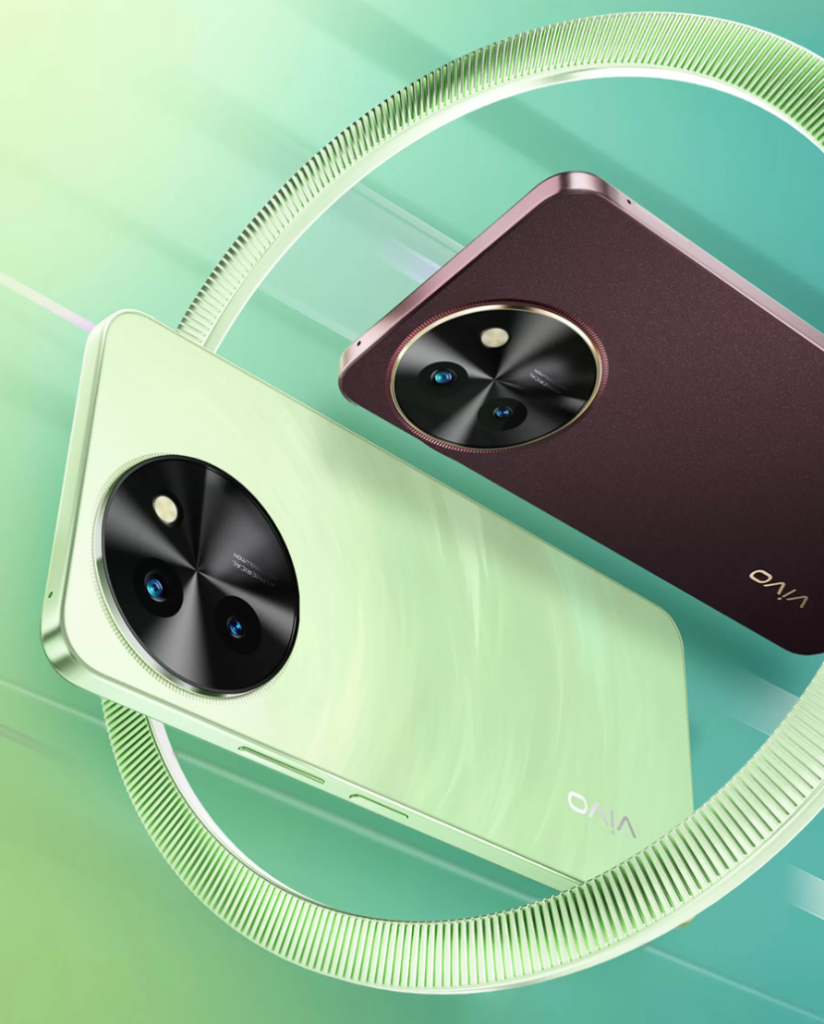
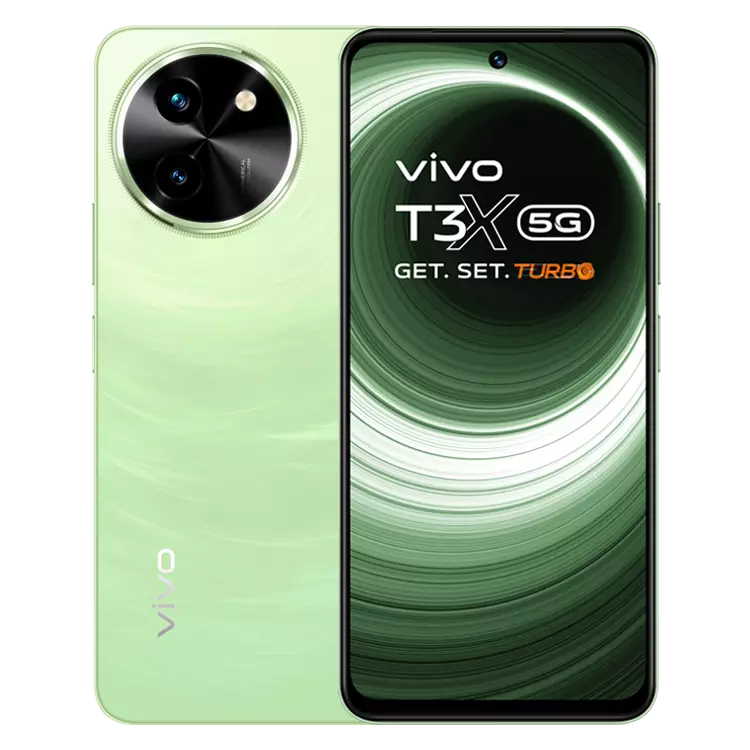
Vivo has reduced the prices of its budget-friendly Vivo T3x 5G smartphone in India by ₹1,000 across all variants. Launched in April last year as part of the T series, the device now offers even more value for users seeking affordable 5G options.
Vivo T3x 5G discount details
The revised pricing positions the 4GB + 128GB variant at ₹12,499, the 6GB + 128GB variant at ₹13,999, and the 8GB + 128GB model at ₹15,499. Customers can purchase the smartphone at these new rates through vivo India’s e-store, Flipkart, and authorized retail outlets.
Vivo T3x 5G features
The Vivo T3x 5G has a 6.72-inch Full HD+ display, offering a 120Hz refresh rate and peak brightness of up to 1000 nits. Powered by the Snapdragon 6 Gen 1 mobile platform and Adreno 710 GPU, the device comes with three RAM options—4GB, 6GB, and 8GB—and 128GB of UFS 2.2 storage, expandable up to 1TB.
Running Android 14 with FuntouchOS 14, the phone features a 50MP primary rear camera, a 2MP depth sensor, and an 8MP front camera. Notably, the 8GB RAM variant supports 4K video recording. The Vivo T3x also includes a side-mounted fingerprint sensor, stereo speakers, and a 3.5mm audio jack.
Measuring 165.7×76×7.99mm and weighing 199g, the smartphone boasts an IP64 rating for dust and water resistance. Connectivity options include 5G, dual 4G VoLTE, Wi-Fi 6, Bluetooth 5.1, and USB Type-C. It houses a 6000mAh battery with 44W fast charging support.
This price reduction reinforces Vivo’s commitment to delivering competitive features in the budget 5G segment, making the Vivo T3x 5G a compelling choice for consumers.
The phone competes with models like the Realme P1 and the POCO X6 Neo, which are equipped with the Dimensity 7050 and Dimensity 6080 chipsets, respectively. Among the two, the POCO X6 Neo 5G is the more affordable option, starting at ₹12,999, while the Realme P1 5G starts at ₹14,999. We’ve previously provided a detailed comparison of the Realme P1 5G and POCO X6 Neo 5G against the Vivo T3x 5G to help you decide which device suits your needs best.
Google Pixel A-series has long been offering great value for the money. They are basically a toned-down version of the flagship models while not going deep into the pockets. The Pixel 8a is no different, offering the best bang for the buck. However, the Nothing Phone 2a, with its eye-catching rear design and impressive offerings, poses a strong challenge to the Pixel 8a.
The Pixel 8a is a solid phone but doesn’t outshine the Nothing Phone 2a in every aspect. The latter also wins some battles. So, to make things simpler, I have outlined some critical points about both phones that will help you pick the right one that suits your needs.
4 Reasons to choose Pixel 8a over Nothing Phone 2a
1. A brighter and vibrant display
The Pixel 8a’s screen is slightly smaller than the Nothing Phone 2a. This may be an advantage or disadvantage, depending on how you’re going to use it. So, I’ll leave that to you. For the rest part, the Pixel almost wins over the Nothing Phone 2a.
The Pixel 8a has an OLED panel that has vibrant colors and better color accuracy than the AMOLED panel fitted inside the Nothing’s phone. Plus, the higher pixel density on the Pixel offers an enhanced visual experience. One battle that goes in Nothing’s favor is better display protection (GG5 vs GG3 on the Pixel 8a). While both phones have excellent visibility, the Pixel 8a, with a higher peak brightness, has better clarity outdoors.
Please Note: When you buy something using the links in our articles, we may earn a small commission at no cost to you.
2. Excellent cameras
The Pixel 8a is superior to Nothing Phone 2a in terms of camera quality. It produces detailed images with good color accuracy across various lighting conditions.
There is no optical sensor on either phone, but the zoom shots using the main camera are still excellent. I’d still prefer the Pixel 8a because it captures more details.
Both smartphones take excellent ultrawide shots. However, the Pixel 8a allows more people in a frame because of a higher field of view. The Nothing Phone 2a’s ultrawide shots look brightened up more than the Pixel 8a’s, which hurts the highlights in high-contrast scenes, while the Pixel outputs a more realistic picture.
The color reproduction, closeup shots, and dynamic range are better handled by Pixel 8a than Nothing Phone 2a. It also does a better job with selfies and portraits.
3. Faster chipset
Pixel 8a has the Tensor G3 chip at its core, whereas the Nothing Phone 2a is powered by the MediaTek Dimensity 7200 Pro. Both are excellent chipsets and hold up very well to everyday tasks without lag. However, when you play high-end games, the Pixel 8a tends to perform better than the Nothing Phone 2a.
The Tensor G3 has more powerful CPU and GPU performance than the Dimensity 7200 Pro. That’s because the Tensor chip has a Cortex-X3 big core, while the Dimensity 7200 Pro lacks big cores. The latter has two mid cores and six small cores.
4. Longer software support
The Pixel 8a will get seven years of OS updates, security updates, and Pixel Feature Drops. That’s the best software support on any Android smartphone. The Nothing Phone 2a, on the other hand, only promises three Android updates and four years of security patch updates.
Both phones come with Android 14 out of the box. So, Android 17 will be the final OS upgrade for Phone 2a, while the Pixel 8a will continue to receive updates until Android 21. Google Pixels not only provides longer software updates but also gives you the cleanest Android experience.
These were four strong reasons to pick the Pixel 8a over the Nothing Phone 2a. However, there are two areas where the latter takes the lead. Let’s talk about that.
2 Reasons to avoid Pixel 8a over Nothing Phone 2a
1. Unique rear design
Although smartphones are much more powerful and feature-rich than ever, there haven’t been significant design innovations in recent years. They are similar on both sides. Nothing aims to bring something new to its phones that makes them stand out from the crowd. The Phone 2a has a transparent back that separates it from other brands. Plus, the Glyph Interface makes it visually appealing.
The Glyph Interface consists of an array of LED lights on the back, which work with incoming notifications, ringtones, charging indicators, volume indicators, and music visualization. The Glyph lights can also be used as a fill light to provide additional illumination for better shots in low-light conditions.
2. Bigger battery, faster charging
The Nothing Phone 2a, with a 5,000mAh battery, offers a longer battery backup than the Pixel 8a, which has a 4,492mAh battery. Another plus point for the Nothing phone is lesser charging time, as it supports 45W wired charging (vs. 18W on the Pixel 8a). The Nothing phone only takes about an hour to completely refill the battery, while the Pixel 8a needs an extra hour to reach 100%. The Pixel 8a also supports 7.5W wireless charging, though.
Pixel 8a vs Nothing Phone 2a: Verdict
Both the Pixel 8a and Nothing Phone 2a are excellent mid-range phones. However, it’s not difficult to pick the right one if you know your needs. The Pixel 8a excels at display quality, camera, performance, and longer software support. Nothing Phone 2a, on the other hand, offers an eye-catching rear design and a bigger battery that takes half the time to refill compared to the Pixel 8a.
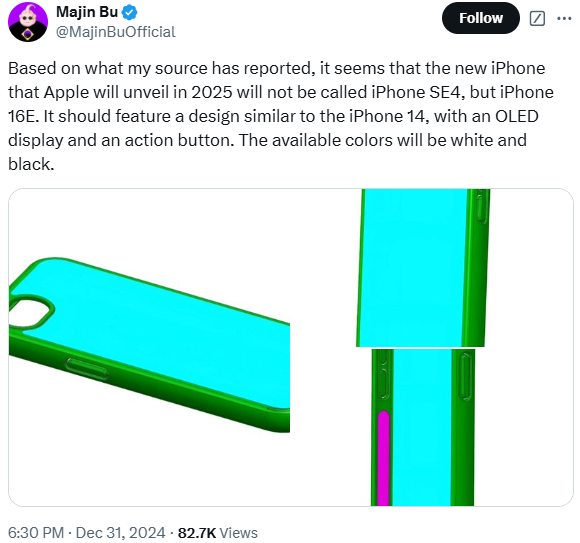
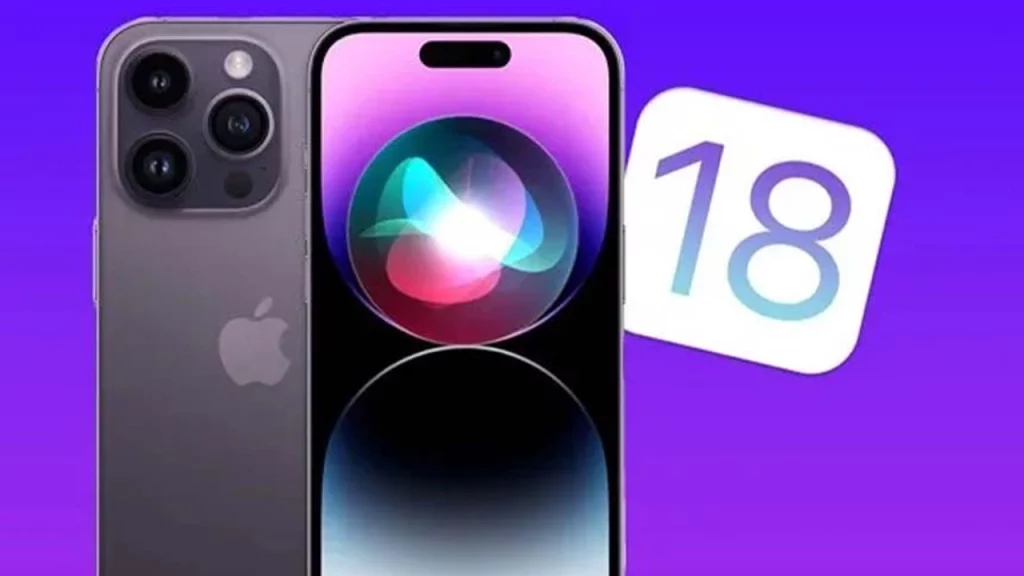
Apple is gearing up to release the fourth-generation iPhone SE in March 2025, but recent rumors suggest the device could ditch the familiar “SE” branding in favor of a new name: iPhone 16E.
According to a post by Fixed Focus Digital on Weibo and later supported by leaker Majin Bu on X, Apple is expected to rebrand its next affordable iPhone as the iPhone 16E. While the exact styling of the name—whether “16E,” “16e,” or something else—is still unclear, the change signals a possible shift in Apple’s marketing strategy for its budget lineup.
Expected features and design
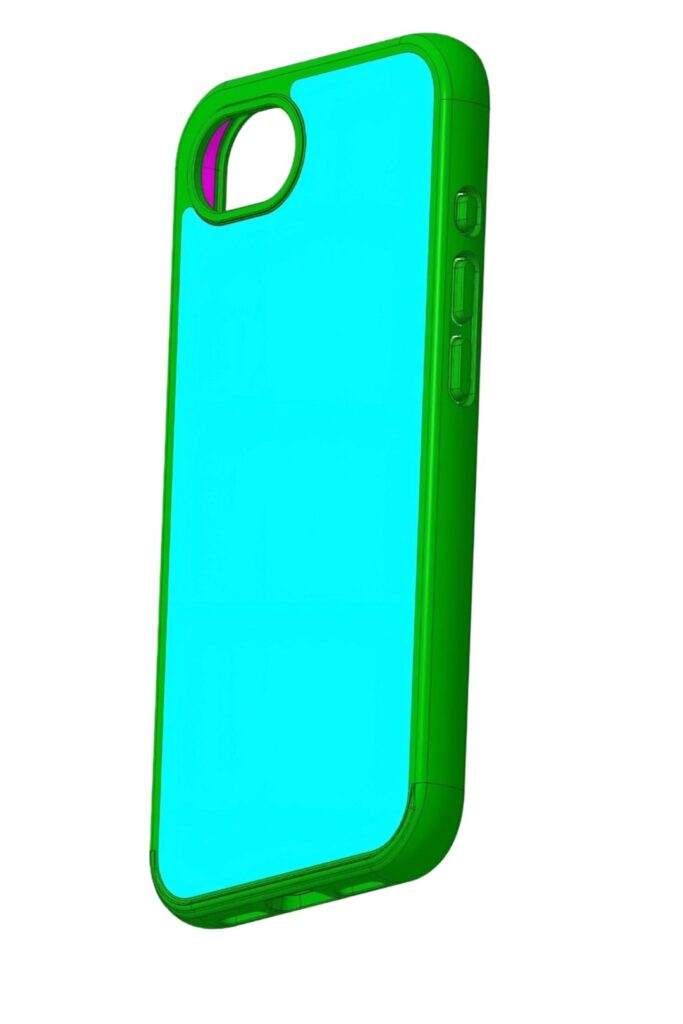
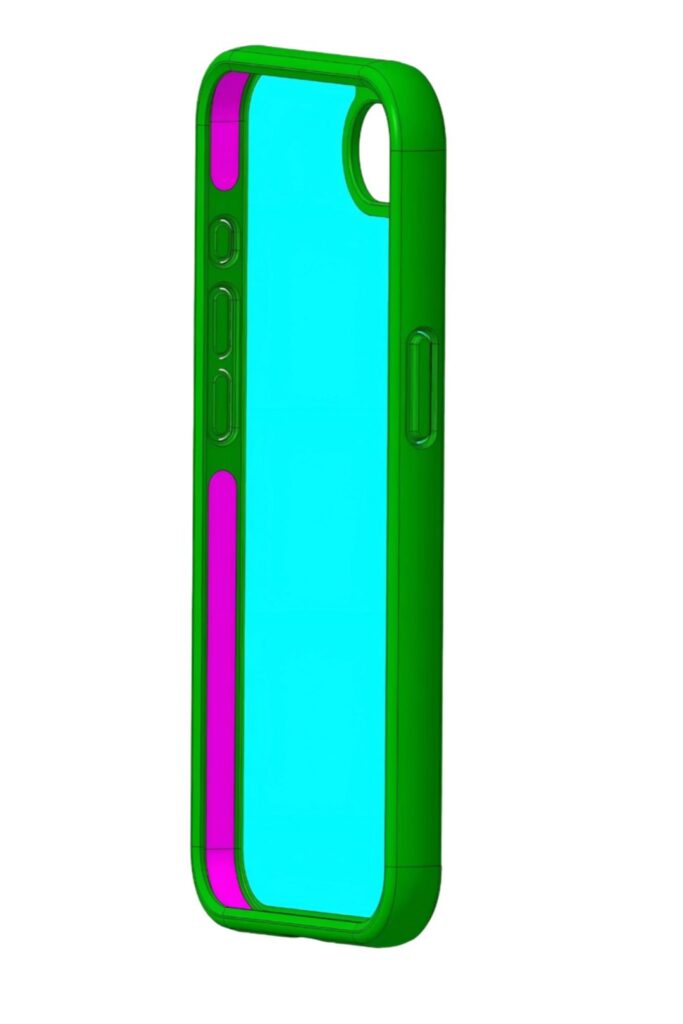
The rumored iPhone 16E is expected to adopt a design similar to the base iPhone 14, which aligns with the iPhone 16 series’ aesthetic. This includes a modern 6.1-inch OLED display, replacing the outdated LCD screens used in previous SE models. The phone is also said to feature Face ID, a USB-C port, and a single 48-megapixel rear camera, ensuring it delivers a more premium experience than its predecessor.
Apple is likely to equip the device with a newer A-series chip, 8GB of RAM, and its first in-house 5G modem, signaling a significant performance boost over the current iPhone SE. However, it remains unclear whether the device will include the Action button, introduced on the iPhone 15 Pro models.
The current iPhone SE, iPhone SE (2022), is based on the iPhone 8 design, featuring thick bezels, a Touch ID button, and a Lightning port. These elements are expected to be replaced by modern features in the upcoming model, making it more competitive in 2025’s mid-range smartphone market.
The iPhone SE 2022 starts at $429 in the US, but with all these upgrades, a price increase seems inevitable. Apple’s decision to rebrand the SE lineup may also indicate plans to position the device differently in its portfolio.
A recent study by Boston-based cloud security firm Lookout has revealed that iOS devices face a higher risk of phishing and web content threats compared to Android devices. The study, which analyzed data from the third quarter of 2024, uncovered significant trends and alarming statistics regarding mobile security threats.
Rising threats and increased phishing attempts
iOS
Lookout’s Threat Lab researchers reported a 17 percent rise in enterprise-focused credential theft and phishing attempts compared to the previous quarter. Additionally, there was a 32 percent increase in the detection of malicious apps. One notable finding was the greater exposure of iOS devices to phishing and web content threats. Specifically, 19% of enterprise iOS devices encountered at least one mobile phishing attack in each of the first three quarters of 2024, whereas the figure for Android devices stood at 10.9 percent.
The evolving mobile threat landscape is a growing concern as cybercriminals increasingly target mobile devices during the early stages of their attacks. Lookout’s research highlights the need for heightened vigilance and robust security measures to protect sensitive data on mobile platforms.
Moreover, Lookout’s Threat Lab has recently uncovered two critical families of mobile surveillanceware, linked to advanced persistent threat (APT) groups operating out of China and Russia. These discoveries underscore the sophistication and persistence of cyber threats targeting mobile devices.
Leveraging AI-driven data for mobile threat prevention
Lookout’s extensive AI-driven dataset, encompassing over 220 million devices, 360 million apps, and billions of web items, plays a crucial role in identifying global trends. This dataset provides valuable insights for security teams across various industries, helping them safeguard data from mobile threats. It also highlights areas where mobile vulnerabilities pose significant risks. By integrating mobile device telemetry into enterprise endpoint security strategies through systems like SIEM, SOAR, or XDR, organizations can enhance their defences against these evolving threats.
Xiaomi is known for launching smartphones with great specs at competitive pricing, and the new Redmi Turbo 4 holds true to this. On paper, this model packs some impressive specs and features and it finally made its debut in China. So let’s check out its features, design, pricing, and more.
Redmi Turbo 4: What makes it special?
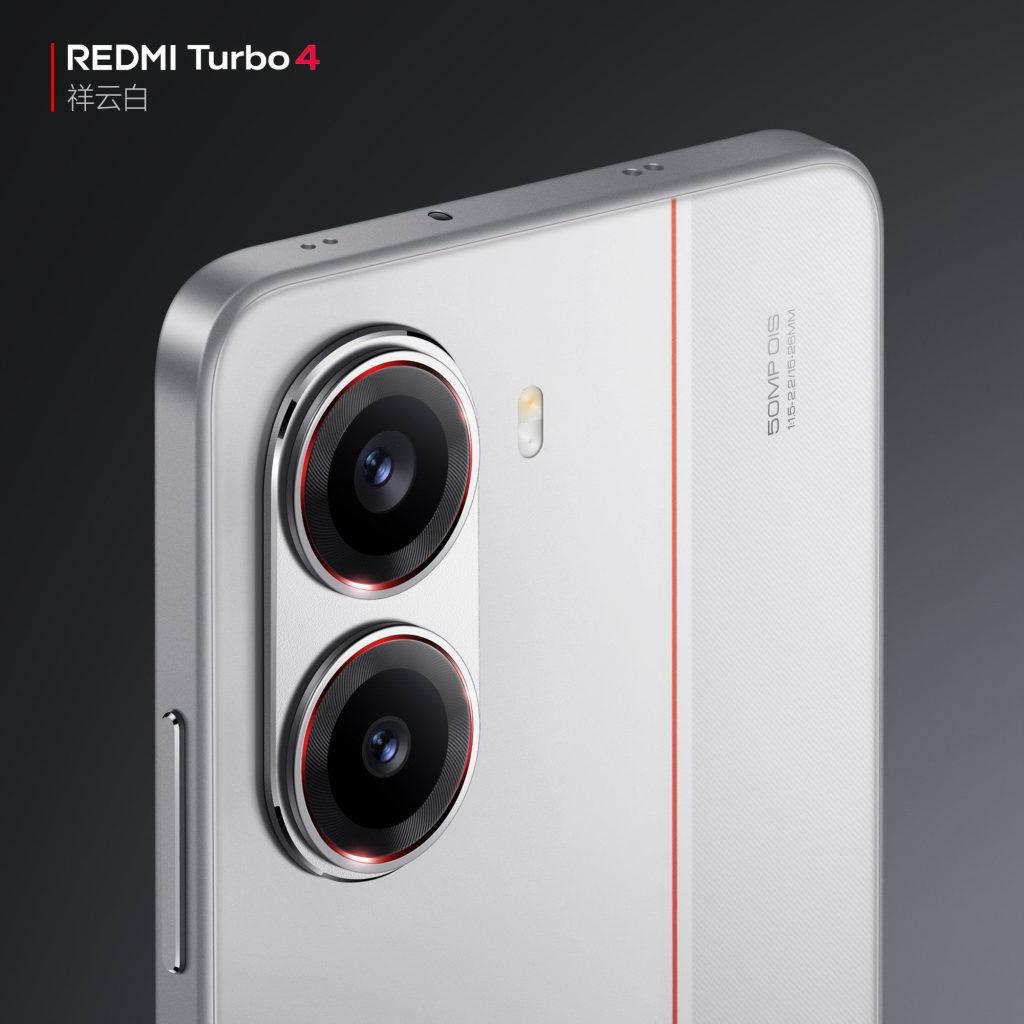
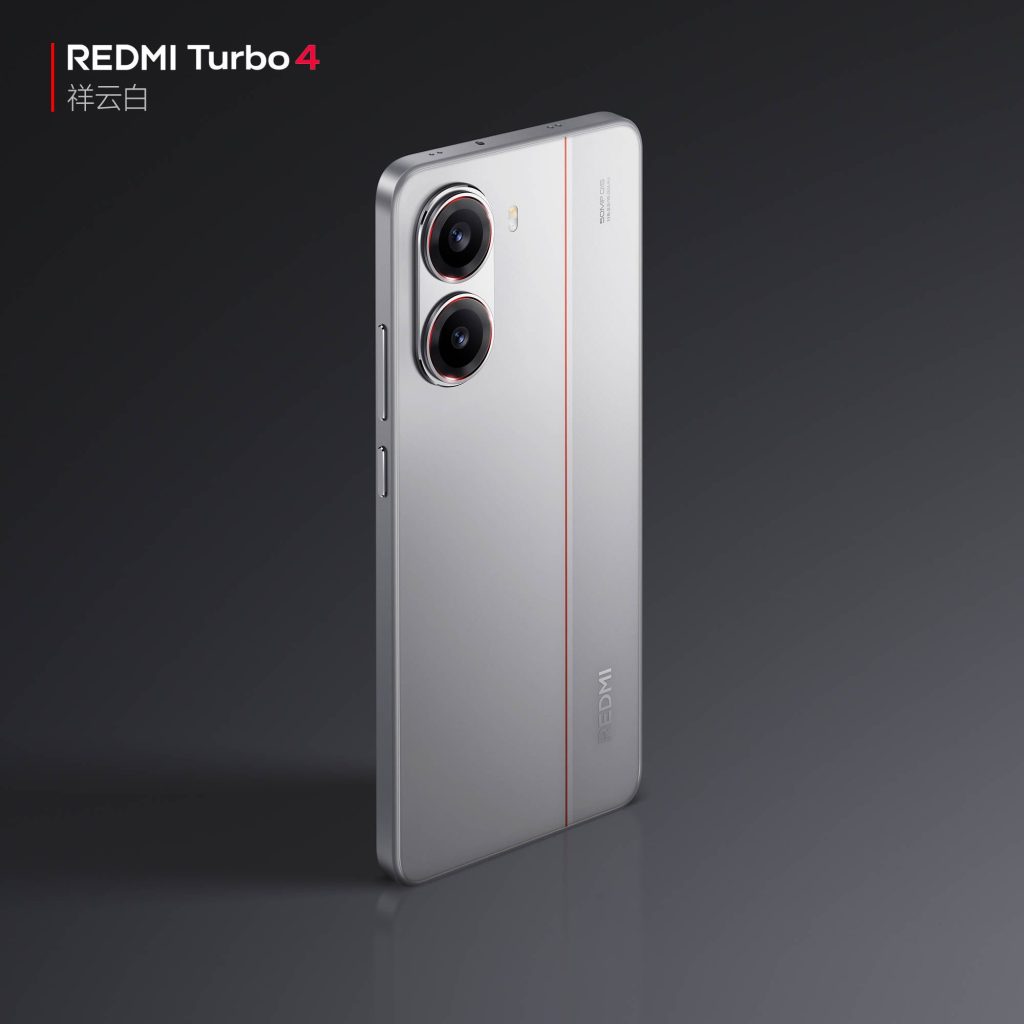
The Chinese tech giant unveiled the Redmi Turbo 4 with a design that looks quite similar to the iPhone 16. It has a 2.5D frame with a glass body and plastic side frames. The back also has an iPhone 16-like camera module. On the front, you get a 6.67-inch LTPS OLED display with an FHD+ resolution, 120Hz refresh rate, 1920Hz PWM dimming, Dolby Vision, HDR10+, and up to 3200 nits of peak brightness.
Redmi Turbo 4 in Cloud White
This screen is protected via a Corning Gorilla Glass 7i. Another notable design aspect of this device is the impressive waterproof and dustproof protection. It offers IP66, IP68, and IP69 rating. Under the hood, the Redmi Turbo 4 is the first to launch with the Dimensity 8400 Ultra SoC. This chip is based on the same architecture as MediaTek’s flagship Dimensity 9400. A massive 6,550mAh battery pack powers this device, which supports 90W wired fast charging.
For photography, the rear packs a 50MP main Sony LYT600 camera, along with an 8MP ultra wide angle lens. Meanwhile, the front houses a 20MP shooter for selfies and video calls. Other notable features include Bluetooth 6, WiFi 6, NFC, infrared sensor, in-display fingerprint scanner, and Android 15 OS based HyperOS 2 custom skin.
Pricing and Availability
The Redmi Turbo 4 is available in multiple color options, namely cloud white, light sea blue, and shadow black. It is available in four storage configurations as well, which include:
12GB + 256GB – 1999 yuan (roughly $274)
16GB + 256GB – 2199 yuan (roughly $301)
12GB + 512GB – 2299 yuan (roughly $315)
16GB + 512GB – 2499 yuan (roughly $342)
This model is already on sale in China, with the global launch set for next week as the POCO X7 Pro in India.
One of Samsung‘s upcoming flagship phones has just flexed its muscles in a popular benchmarking platform. The vanilla Galaxy S25 visited GeekBench with a custom version of Qualconmm’s Snapdragon 8 Elite. So here’s everything we know so far.
Samsung Galaxy S25 spotted on GeekBench
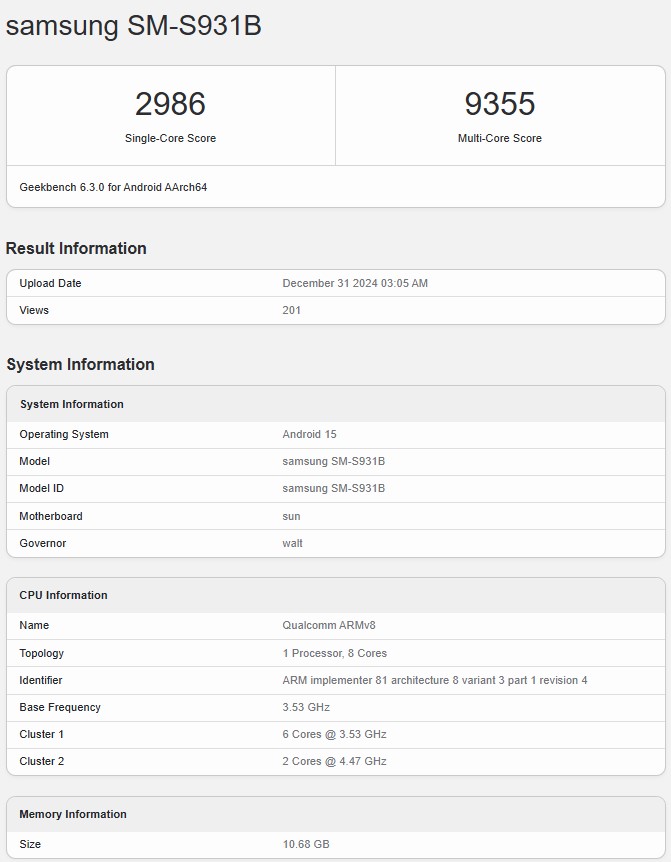
The South Korean tech giant’s Galaxy S25 model surfaced on the GeekBench, revealing its synthetic performance and other key details. It appears that the base storage variant of the Galaxy S25 visited the benchmarking platform with 12GB of RAM. This basically confirms one of our earlier reports regarding Samsung bumping the base RAM of the Galaxy S25. Looking at the listing, the Galaxy S25 can be seen running an overclocked version of the Snapdragon 8 Elite.
This upgraded version or ‘Snapdragon 8 Elite for Galaxy’ runs at 4.47GHz, which is higher than the default 4.32GHz clock speed of the regular Snapdragon 8 Elite. The configuration on the base Galaxy S25 carries the model number SM-S931B. Qualcomm’s custom chip helped the Galaxy S25 achieve a score of 2986 points in the single core test and 9355 points in the multi core test.
We use cookies on our website to give you the most relevant experience by remembering your preferences and repeat visits. By clicking “Accept”, you consent to the use of ALL the cookies.
This website uses cookies to improve your experience while you navigate through the website. Out of these, the cookies that are categorized as necessary are stored on your browser as they are essential for the working of basic functionalities of the website. We also use third-party cookies that help us analyze and understand how you use this website. These cookies will be stored in your browser only with your consent. You also have the option to opt-out of these cookies. But opting out of some of these cookies may affect your browsing experience.
Necessary cookies are absolutely essential for the website to function properly. This category only includes cookies that ensures basic functionalities and security features of the website. These cookies do not store any personal information.
Any cookies that may not be particularly necessary for the website to function and is used specifically to collect user personal data via analytics, ads, other embedded contents are termed as non-necessary cookies. It is mandatory to procure user consent prior to running these cookies on your website.