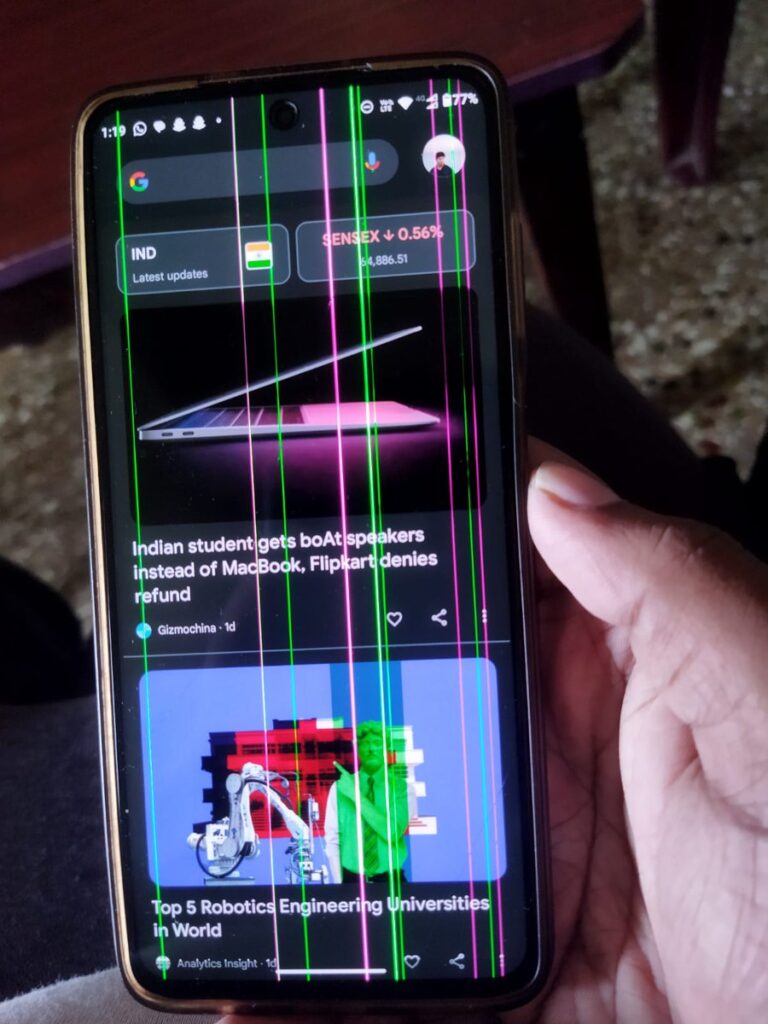
Motorola is known for offering reliable, budget-friendly, and premium smartphones with near-stock Android experiences. However, like many brands using OLED and AMOLED displays, some Motorola users have reported encountering the dreaded green line issue where a vertical green line appears on the screen (even without physical damage).
The green line problem is commonly linked to display degradation, software updates, or screen hardware failures, affecting multiple smartphone brands, including Samsung and OnePlus. So now, here’s a list of Motorola phones that have been reported to experience the same problem.
Motorola G82 With the Green Line Issue
Moto Edge 30 Series
Among the various models that are plagued Motorola’s smartphones, the Edge 30 series is one of the earliest models from the Edge family to have this issue. Due to various reports of green lines surfacing on Edge 30, Edge 30 Fusion, and Edge 30 Ultra, the company faced backlash in Asian markets like India. This was incredibly frustrating for buyers of the Edge 30 Ultra, which was a flagship device with a premium price tag.
Moto Edge 40 Series
After the entire green line fiasco surrounding the Edge 30 series, Motorola had seemingly prevented this issue on the premium Edge 40 Pro. But the Edge 40 and Edge 40 Neo weren’t so lucky. Around a year after their release, these devices started being affected by those frustrating green lines. Affected users were left disappointed as these issues typically surfaced right after their Motorola phones went out of warranty.
Moto G82 & Moto G52
Last but not least we had some Motorola G series smartphones from 2022. This includes the Moto G52 and Moto G82. Unlike the Edge 40, some buyers faced green line issues on the Moto G82 within 24 hours of making their purchase. So it was evident that there was no physical damage. Owners of the Moto G52 also shared images on social media of their devices with multiple green lines on the display.
Just like Motorola, we recently covered a list of every Samsung smartphone that has the green line problem. We even made a similar list for OnePlus, which has become infamous for this display issue. There might be more lists like these in the near future, so stick around for more.
For more daily updates, please visit our News Section.
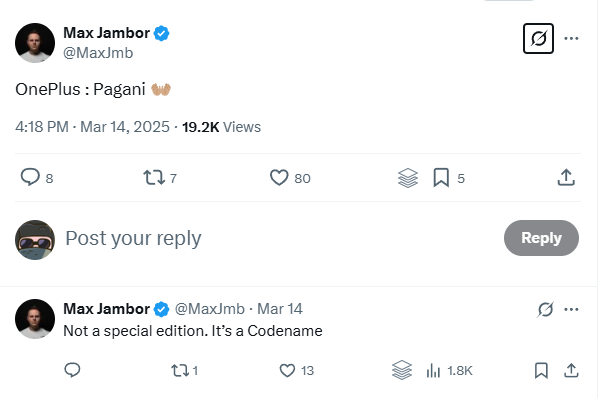
Tipster Max Jambor recently shared the codename “OnePlus Pagani” on X, speculated to be a foldable smartphone. While it could be the internal codename for the OnePlus Open 2, this seems unlikely since OnePlus has officially confirmed that the Open 2 will not be launching in 2025.
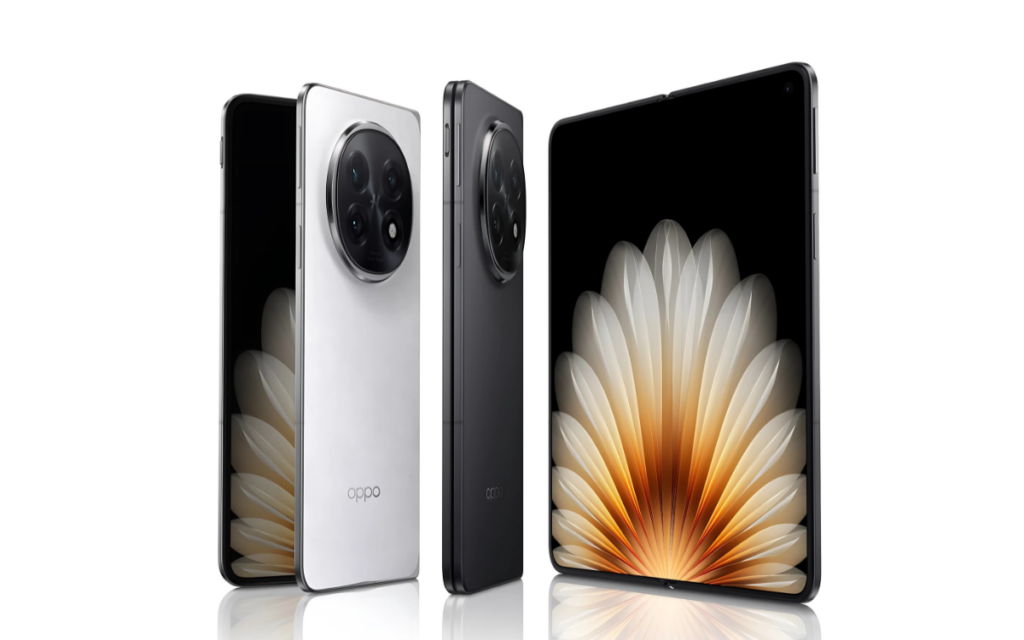
This raises the possibility that “Pagani” might be a completely different foldable device. It could either be a sub-flagship foldable or a flip-style phone. Notably, Oppo recently scrapped its plans for the Oppo Find N5 Flip and limited the launch of the Find N5 due to weak sales and surplus inventory. As a result, Oppo might turn to its sister brand, OnePlus, to introduce the flip phone under its name to improve its mainstream appeal. However, this remains speculative, as no concrete information is available. If OnePlus releases a foldable this year, it will contradict its own statement from last month, when the company announced that it had “made the decision not to release a foldable this year.”
In related news, OnePlus is reportedly working on a smaller variant of the OnePlus Watch 3, which is expected to launch in India soon. According to tipster Abhishek Yadav, this new model will feature a 43mm case size with an 18mm strap, compared to the original 46mm version. Additionally, rumors suggest that an Oppo Watch X2 Mini, possibly rebranded as the OnePlus Watch 3 Mini, could launch globally in a 42mm size.
While these details remain unconfirmed, the OnePlus Watch 3, which debuted in China last month, boasts a 1.5-inch LTPO AMOLED display with 2,200 nits peak brightness, housed in a titanium alloy bezel with a stainless steel body. It includes advanced health-tracking features such as an eight-channel heart rate sensor, a 16-channel blood oxygen sensor, a temperature sensor, and a 60-second Health Check function.
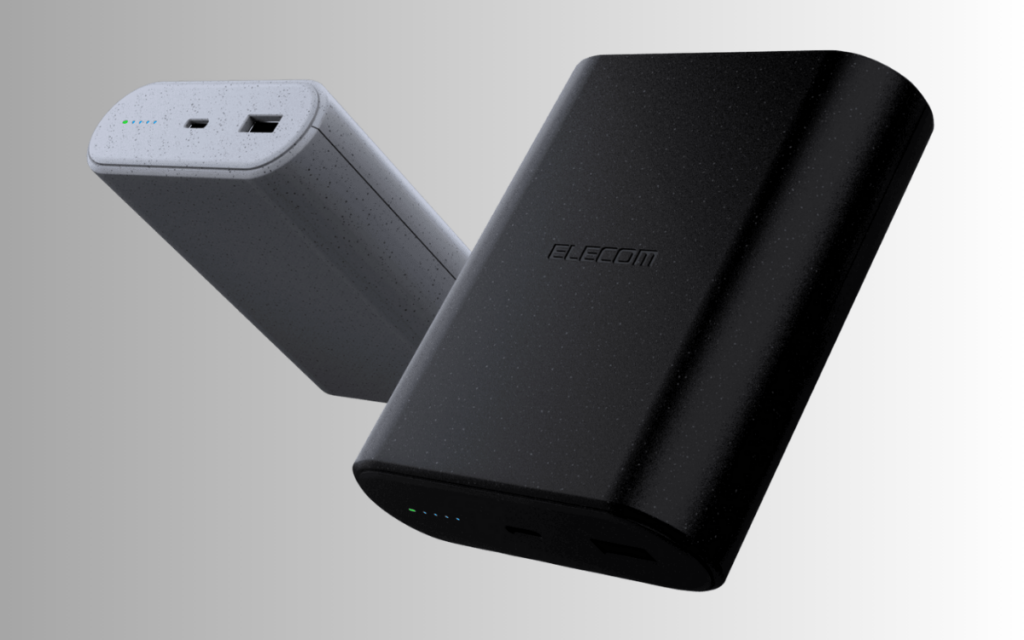
Elecom just dropped what it claims is the world’s first consumer-grade sodium-ion power bank, a potential game-changer for portable batteries. Dubbed the Na+ Sodium-Ion Mobile Battery, this 9,000mAh pack ditches lithium in favor of sodium, a cheaper, more abundant alternative that’s also safer and better for the environment.
A Greener Alternative to Lithium-Ion Batteries
Unlike traditional lithium-ion batteries, which depend on scarce metals like lithium and cobalt, sodium-ion batteries use sodium, an element that’s way easier to source. That means less destructive mining, fewer ethical concerns, and a cleaner disposal process. If sodium-ion tech catches on, it could ease supply chain pressures and make battery production less of an environmental nightmare.
One of the biggest perks of Elecom’s new power bank? It works in extreme temperatures. While lithium-ion cells tend to shut down in the cold, this one can function at a bone-chilling -35°C (-31°F) or in heat up to 50°C (122°F). That makes it a solid pick for anyone spending time outdoors in harsh climates, whether you’re hiking in the snow or sweating through a desert trek.
Sodium-ion tech also brings major safety benefits. Lithium-ion batteries are prone to overheating and, in worst-case scenarios, catching fire. Sodium-ion cells? Much more stable, meaning a lower risk of thermal runaway. Plus, Elecom claims this power bank is rated for 5,000 charge cycles, about ten times what a typical lithium-ion battery can handle before degrading.
Despite its next-gen chemistry, Elecom isn’t skimping on modern charging features. The power bank comes with USB-C PD support, delivering up to 45W, which is enough to power smartphones, tablets, and even some laptops. There’s also an 18W USB-A port for added flexibility. The trade-off? It’s heavier than your average power bank at 350g because sodium-ion batteries aren’t as energy-dense as lithium. But at 87×31×106mm, it’s still compact enough to carry around.
As for real-world usage, a fully charged 9,000mAh battery can juice up a 1,800mAh smartphone approximately 2.9 times or a 3,000mAh smartphone about 1.7 times.
Pricing and Availability
Elecom is launching the Na+ Sodium-Ion Mobile Battery in black (DE-C55L-9000BK) and light grey (DE-C55L-9000LGY) for 9,980 yen (~$68). It’s up for preorder on Elecom’s Direct Shop now, with a limit of three per customer. No word yet on when (or if) it’ll be available internationally.
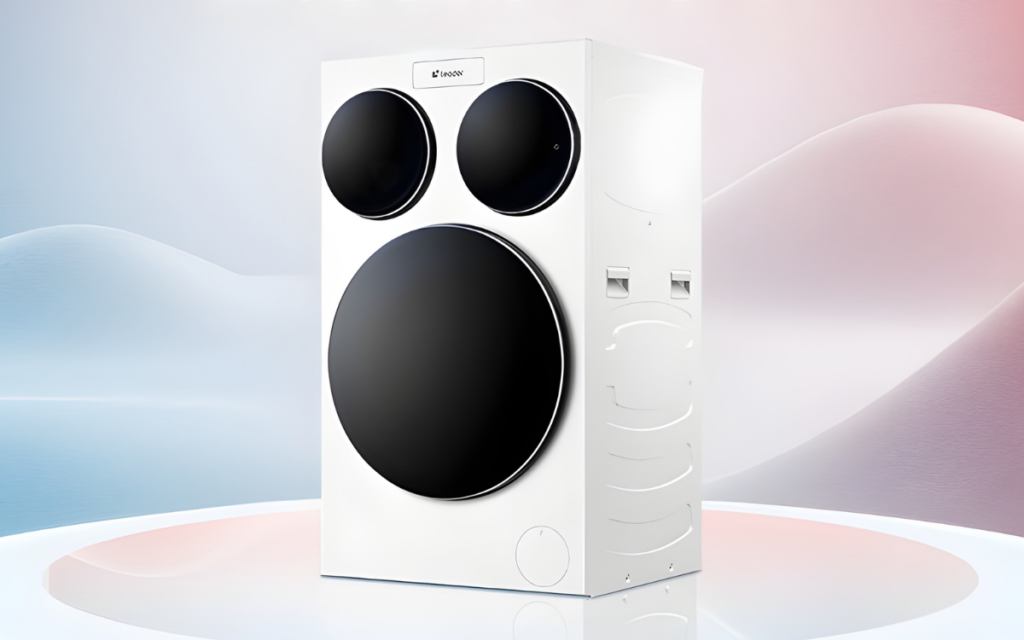
Haier has just dropped what it’s calling the “world’s first lazy washing machine” – the Leader Three-Tub Washing Machine (Model XQGL125-MBLDE697WU1). Available for pre-order now on JD.com, it’s priced at 4,999 yuan ($690). It is officially launching in China on April 17.
Haier Three-Tub Washing Machine Specs
The standout feature here is its unique three-tub design, which lets you wash different types of clothes simultaneously. The main tub handles standard laundry, while two smaller, laundromat-style drums are meant for socks, shorts, and other small items. Haier says you can get through an entire load in just 22 minutes, a serious time-saver compared to traditional machines.
The smaller drums measure 216mm in diameter and each hold up to 1kg of laundry, but Haier hasn’t disclosed the exact size of the main drum. What we do know is that the entire unit is designed for maximum efficiency while saving space. It measures 600mm wide, 570mm deep, and 1070mm tall, making it easy to fit into tight laundry setups. Plus, it only requires a single power and water connection, so no extra installation headaches.
Beyond just speed and convenience, Haier is pushing hygiene and smart features with this washing machine. It includes medical-grade UV sterilization to kill bacteria, AI-powered controls for easier operation, and a Bra wash program that protects delicate fabrics. The AI dynamic balance technology helps keep vibrations and noise to a minimum, with a max spin speed of 1400 rpm to speed up drying.
For those who hate dealing with half-full laundry loads, there’s a ‘tap-to-wash’ function that lets you quickly start a small wash in one of the upper tubs without firing up the whole machine. And if you’re worried about detergent cross-contamination, Haier has that covered too; its 12-route water circulation system keeps everything separate.
The washing machine runs on a power consumption of 1850W and a Level 1 energy efficiency rating. Noise levels are surprisingly low, with just 48dB during washing and 66dB when spinning—good news if your laundry area is close to your bedroom or living space.
In related news, we recently covered the best JBL alternatives in 2025, including speakers, soundbars, headphones, and earbuds—feel free to check it out.
For more daily updates, please visit our News Section.
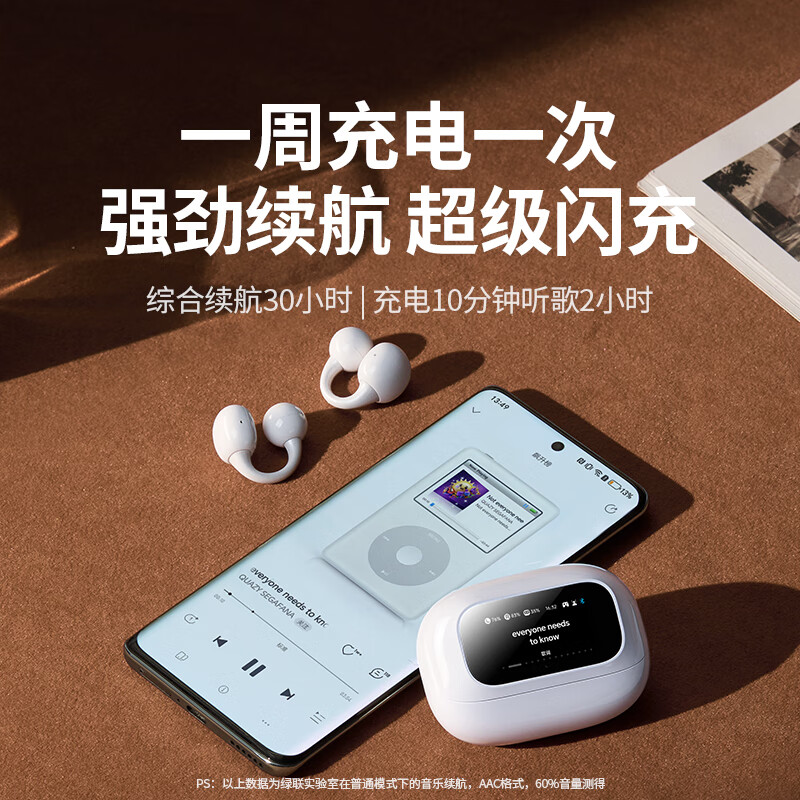
Ugreen’s HiTune S6 Magic clip-on earbuds put a new spin on open-ear audio with a lightweight design and a 1.6-inch touchscreen on the charging case. You can control music, snap photos, and even scroll through short videos without touching your phone. At just 219 yuan ($30) on JD.com, dropping to 212 yuan ($29) with an early discount, they offer a budget-friendly take on wireless audio.
Ugreen HiTune S6 Magic Specifications
Unlike traditional earbuds that rely on silicone tips or over-ear hooks, the S6 Magic clips onto the ear with a U-shaped bridge and a flexible titanium wire frame, making them comfortable yet secure. Each bud weighs just 5.6 grams, meaning you’ll barely notice them even after hours of use. Whether you’re hitting the gym, out for a run, or just lounging, these won’t fall off.
The real standout feature here is the touch-sensitive color display on the charging case, which offers 13 different functions. You can check lyrics, control playback, adjust volume, and even customize wallpapers. It also doubles as a remote shutter for your phone’s camera, which could be a fun feature for content creators or selfie lovers.
Under the hood, the S6 Magic packs a 12mm dynamic driver with a bio-composite diaphragm, tuned for deep bass and a wide soundstage. Ugreen’s AI spatial stereo algorithm enhances the listening experience, while an adaptive low-frequency compensation algorithm helps keep sound leakage to a minimum.
For calls, the earbuds use dual microphones with a deep neural network (DNN) noise-reduction system, filtering out background noise for clear conversations. There’s also micro-level directional sound wave tech designed to prevent audio from leaking out, handy if you’re listening to something private in public.
The S6 Magic runs on Bluetooth 5.4, ensuring a stable connection with ultra-low latency, which is a plus for mobile gaming. It supports dual-device pairing, meaning you can seamlessly switch between your phone and laptop. Codec support includes AAC and SBC, with a 10-meter range in open spaces.
Battery life is solid, offering 6 hours of playback per charge, with the charging case extending it to 30 hours. A 10-minute charge gives you 2 hours of playback, and a full charge via USB-C takes around 2 hours. There’s also IPX5 water resistance, so you don’t have to worry about sweat or a little rain.
In related news, we recently covered the best JBL alternatives in 2025, including speakers, soundbars, headphones, and earbuds—feel free to check it out.
For more daily updates, please visit our News Section.
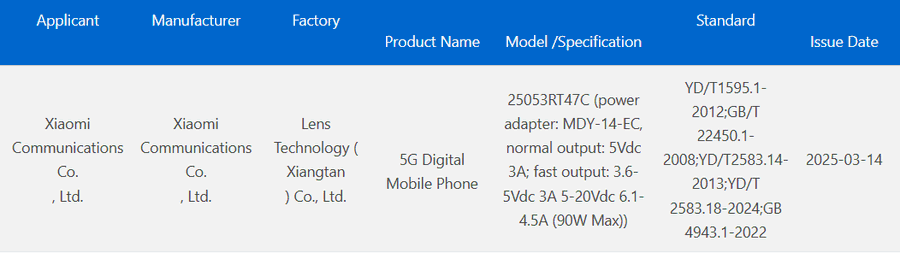
A new Xiaomi smartphone, identified by model number 25053RT47C, has received 3C certification in China. The device is expected to be the upcoming Redmi Turbo 4 Pro, which is set to launch next month. According to Digital Chat Station, this phone is the much-awaited Redmi Turbo 4 Pro, which will be positioned above the Dimensity 8400-powered Turbo 4 that debuted in January 2025.
Redmi Turbo 4 Pro 3C certified
Redmi Turbo 4 Pro 3C certified
According to the certification listing, the Redmi Turbo 4 Pro may ship with 90W fast charging. Reports surrounding the device have claimed that it will pack a 7,000mAh battery, making it the largest battery ever in a Redmi smartphone.
The Redmi Turbo 4 Pro could be one of the first phones to feature the upcoming Snapdragon 8s Elite SoC. The new chip is said to be built on the same architecture and process as the Snapdragon 8 Gen 3. Early benchmarks suggest that the Turbo 4 Pro could achieve an AnTuTu score exceeding the 2 million mark.
The device is expected to feature a 6.8-inch 1.5K flat OLED display with high-frequency PWM dimming for eye protection. It will sport narrow bezels and rounded corners, enhancing its premium feel. The metal middle frame further adds to its durability.
On the back, the Turbo 4 Pro is likely to include a 50-megapixel dual-camera setup in a vertical layout, though camera performance is not its primary focus. Instead, the device will prioritize raw performance, battery life, and an immersive display experience.
Reports indicate that the Turbo 4 Pro will be positioned between the Turbo 4 and the Redmi K80, offering flagship-level features at a competitive price. Therefore, it is likely that the device will be priced at around 2,300 Yuan (~$320). It will likely be rebadged as the Poco F7 in markets outside of China.
For more daily updates, please visit our News Section.
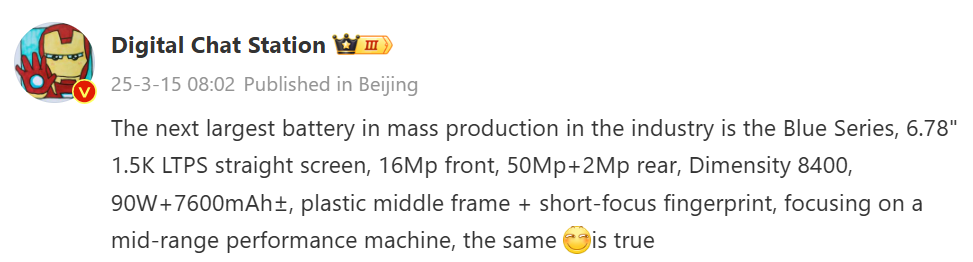
iQOO is expected to unveil the iQOO Z10 and Z10 Turbo smartphones in China next month. While the standard model will feature the Dimensity 8400 chip, the Turbo variant will have the Snapdragon 8s Elite onboard. Therefore, these devices are expected to rival the Redmi Turbo 4 and the forthcoming Turbo 4 Pro, which are equipped with the same chipsets. A new leak, courtesy of tipster Digital Chat Station, has revealed the key specifications, detailing its display, cameras, chipset, battery, and charging capabilities.
iQOO Z10 Turbo specifications (rumored)
iQOO Z10 Turbo specs leak
Recent reports have revealed that the upcoming Z10 Turbo will feature a 7,600mAh battery with 90W fast charging support. While DCS has not specified the name of the phone he is referring to in the leak, the battery and charging details suggest that he could be talking about the Z10 Turbo.
The leak suggests that the iQOO Z10 Turbo will feature a 6.78-inch flat OLED LTPS panel that offers a 1.5K resolution. The device is expected to come with a 16-megapixel front-facing camera and a 50-megapixel + 2-megapixel dual-camera setup.
Under the hood, the Z10 Turbo will feature the Dimensity 8400 chip and a 7,600mAh battery with 90W charging. The leaker further states that the device will be equipped with a short-focus in-screen fingerprint sensor and a plastic middle frame.
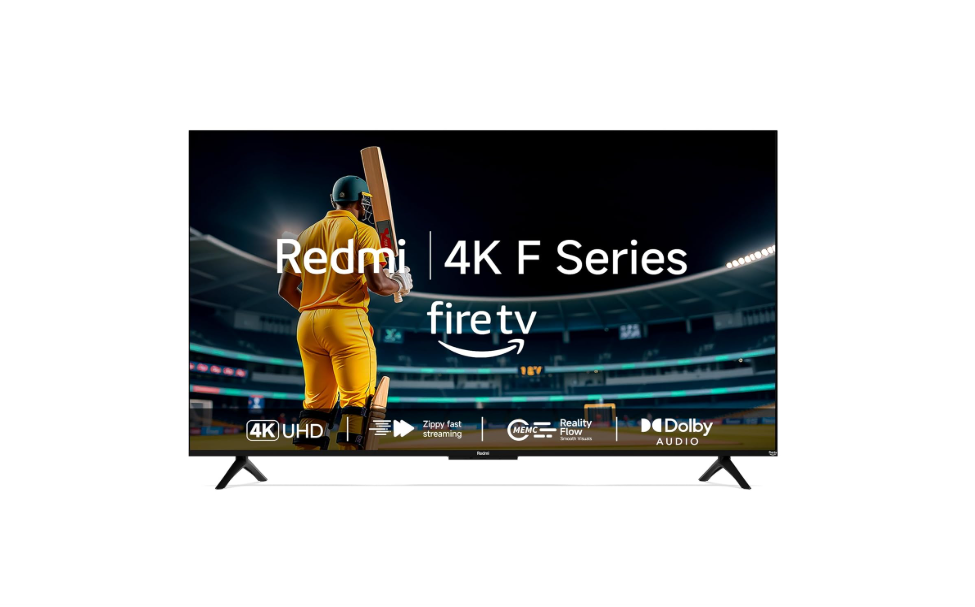
If you’re looking to grab a new 4K TV at an affordable price, then you should have a look at the Xiaomi’s Redmi 55-inch F Series Ultra HD Smart TV which is on sale for Rs 32,999. With Rs 4000 Instant discount from SBI Credit Card, the user can get the Smart TV at the final price of Rs 28,999. The discount applies only to SBI Card users. Meanwhile, ICICI card users can also get an Rs 2000 instant discount, and HDFC bank credit card users can get an Rs 1000 instant discount.
While purchasing the Xiaomi 55-inch UHD TV, the users should select the respective card while on the checkout to grab the maximum discount. Furthermore, there are No-Cost EMI options also, which further enable easy payments.
Xiaomi’s Redmi 55-inch F Series 4K TV runs FireOS 7, and supports Prime Video, Netflix, and 12000+ other apps on the store. It supports Dual-Band WiFi, and Bluetooth 5.0. The TV supports 2 USB ports, ARC, Ethernet, 3.5mm Audio Jack and 2x HDMI ports. Built-in Fire TV offers support for all the Apps, and also supports direct DTH Set-Top Box integration. It supports AirPlay 2 and Miracast Display Mirroring.
On the hardware front, the Redmi Xiaomi 55-inch TV packs a Quad core ARM Cortex-A55 CPU, 2GB RAM, and 8GB internal Storage.
Bezel-less display offers immersive experience, the Picture Engine helps to offer vivid, well-saturated photos on the display. The Smart TV ships with a 1-year comprehensive warranty and 1 year additional on Pabel warranty.
It is already available at a competitive pricing, and the recent SBI Card discount seems like a cherry on the cake.
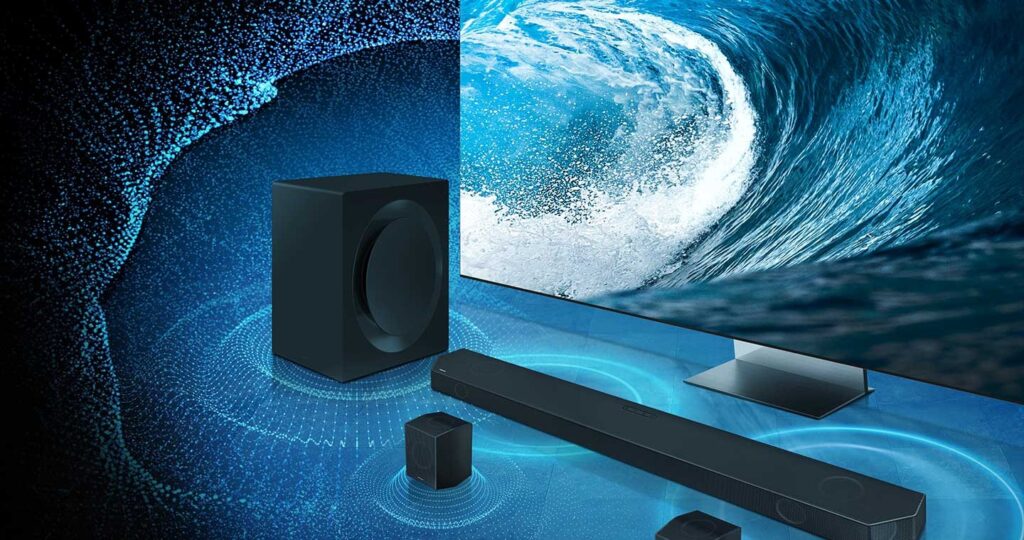
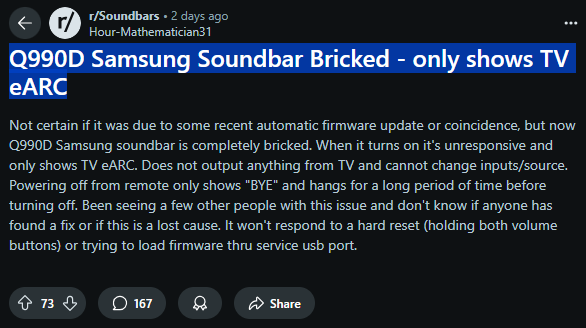
Samsung is facing backlash from customers of its soundbars as a recent software update bricked a significant number of units of those products. It even includes high-end models like the Q800D, Q990D, and Q995D, which is a shame as most of the users think of quality and reliability as the two key aspects of a Samsung product.
Samsung Q990D
The update was rolled out earlier last week
The update, which carried firmware version 1020, was rolled out earlier last week without a changelog, which left uses in the dark about what was going to happen. While it’s certainly unintentional, it does shed some light on the lack of quality control of the entire process.
According to numerous complaints on Samsung’s Community forum and Reddit, the issue begins after the soundbar displays a welcome message (“Hello”) and the input source. It fails to connect to the TV, forcing the TV to revert to its built-in speakers. Attempts to troubleshoot the problem by adjusting the volume or turning the soundbar off using the remote or physical buttons have proven futile. Even disconnecting and reconnecting the power cable couldn’t resolve the issue.
Customers who reached out to Samsung’s customer support reportedly received little assistance. Representatives acknowledged the problem but stated that it had been escalated to the warranty team, with no immediate solution provided.
The faulty update has effectively bricked the affected soundbars, which has rendered them unusable. Many are now asking Samsung to replace the devices regardless of their warranty status, as the problem stems directly from the company’s software update. And it’s not only the software. A Galaxy Buds FE exploded last year while in use.
Samsung has yet to issue an official statement or solution, and the growing number of complaints suggests that the brand will need to take swift action to maintain the trust it has earned over the years.
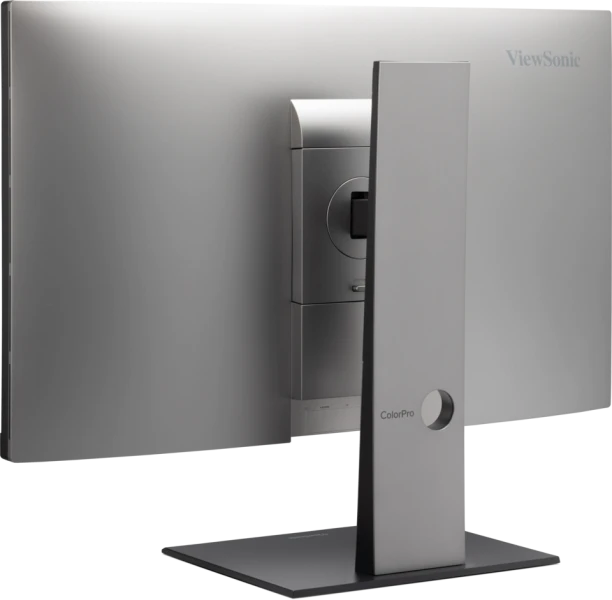
ViewSonic has started shipping its ColorPro VP2788-5K, a 27-inch monitor with 5K resolution (5120×2880), priced at $799.99. The display is aimed at creative professionals and businesses requiring high-resolution visuals and Mac compatibility.
ColorPro VP2788-5K
The monitor features a 99% DCI-P3 color gamut, critical for photo and video editing. Its 218 pixels-per-inch density provides sharp text and image detail, using Apple’s scaling technology for clear visuals. Thunderbolt 4 support allows 100W charging, 40Gbps data transfer, and connecting up to two 5K monitors in a daisy-chain setup, useful for multi-screen environments. HDMI 2.1, DisplayPort, USB-C, and USB-A ports ensure compatibility with various devices. A built-in hub supports peripheral connections.
The adjustable stand enables height, tilt, and swivel adjustments for extended use. The 75Hz refresh rate and 14ms response time are suitable for creative tasks, though gamers may prioritize higher refresh rates. Positioned as a budget-friendly alternative to Apple’s Studio Display, the VP2788-5K targets professionals seeking 5K resolution without premium costs. Jeff Muto, ViewSonic’s business line director, stated that the monitor meets user expectations for visual quality and flexibility.
Pricing and Availability
The VP2788-5K is priced at $799.99 and is now available globally through ViewSonic’s sales channels. By comparison, Apple’s Studio Display retails for $1,599. The monitor’s combination of color accuracy, Thunderbolt 4 connectivity, and competitive pricing makes it a practical upgrade for creative or office setups.
For more daily updates, please visit our News Section.
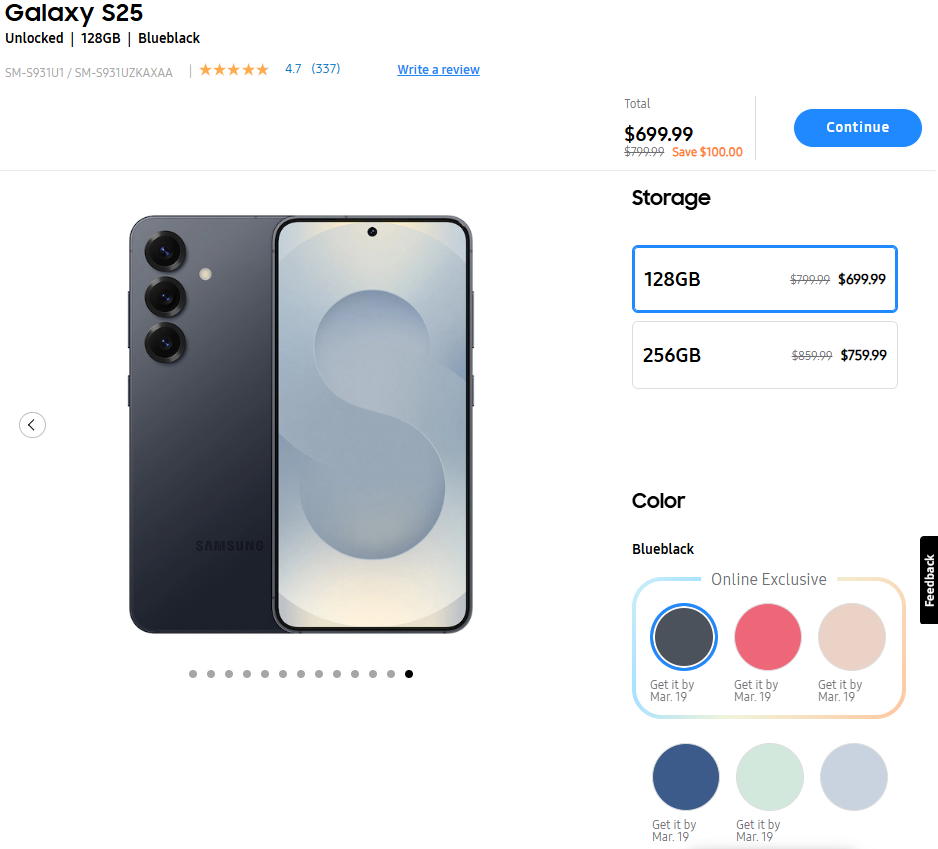
Samsung US has introduced a series of enticing limited-time discounts on its latest flagship lineup, the Galaxy S25 series, where the offers make the flagships more affordable than ever, as long as you’re not planning to trade your existing device for it.
The no-trade-in offers:
The base model Galaxy S25 now starts at just $699, a significant $100 reduction from its original price of $799. This brings the price of the Galaxy S25 remarkably close to that of the more budget−friendly Galaxy S24FE, which retails for $649.
The discounts don’t stop there. The Galaxy S25+ is available for $849, a $150 reduction. But it’s only available for the online-exclusive Blueblack or Pinkgold colors. Meanwhile, the top-tier Galaxy S25 Ultra sees the most substantial discount, with a $300 price cut bringing its starting price down to $999 from $1,299. However, this deal is currently limited to the Titanium Jetblack color variant.
For those unfamiliar, all the S25 series devices come with the Snapdragon 8 Elite chip, which is not only more capable but also more power-efficient than the Snapdragon 8 Gen 3 of the predecessors. This indeed results in an improved battery life for all the models despite the battery capacity remaining the same as their predecessors. These are also some of the few devices that are currently running on One UI 7, which includes improved AI features and redesigned UI elements and animations.
However, those who prefer to take advantage of Samsung’s trade-in program can save even more. You can save up to $500 on the Galaxy S25, $700 on the Galaxy S25+, and a whopping $900 on the Galaxy S25 Ultra with the trade-in program.
Additionally, Samsung is offering bundle deals that include discounts on accessories like the Galaxy Buds 3 Pro, Galaxy Buds FE, Galaxy Ring, Galaxy Watch 7, and Galaxy Watch Ultra when purchased alongside an S25 model.
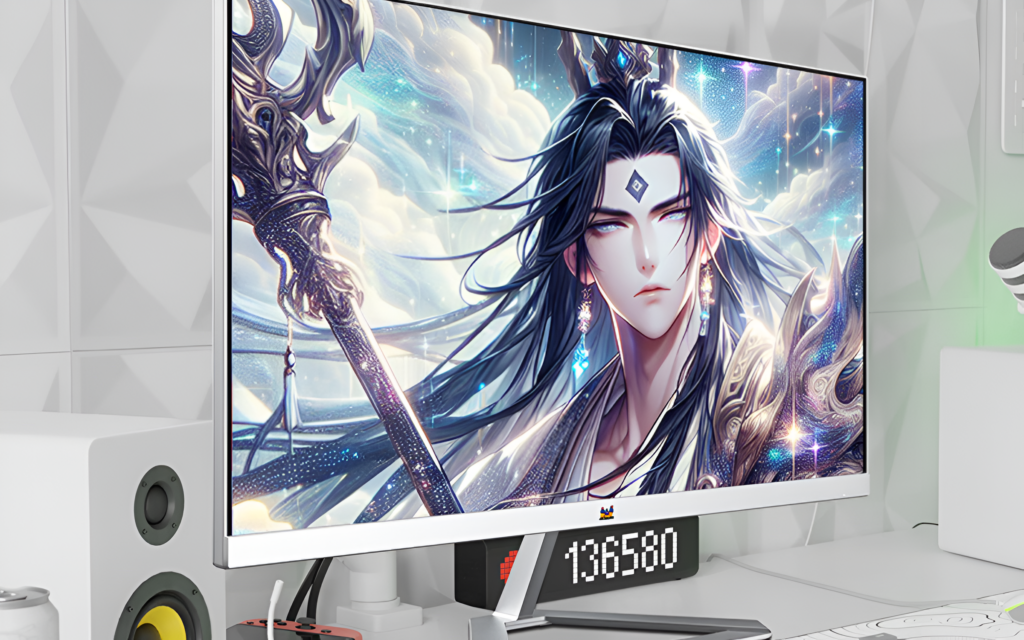
ViewSonic has quietly introduced its latest gaming monitor, the VX27G81-4K-W, in the Chinese market, offering impressive specifications. Priced at 1,699 yuan ($234), the monitor is set to launch on March 18 and is currently listed on JD.com. Let’s check out its key specs.
ViewSonic VX27G81-4K-W Specifications
The gaming monitor features a 27-inch Fast IPS panel with 4K UHD (3840×2160) resolution. It features a dual-mode refresh rate, allowing users to switch between 4K at 160Hz and Full HD (1920×1080) at 320Hz with a joystick button, providing flexibility for different gaming and viewing preferences.
The monitor offers a 1ms GTG response time for smooth motion, HDR support for better brightness and contrast, and a 450-nit peak brightness with a 1000:1 contrast ratio for clear visuals.
The VX27G81-4K-W also excels in color accuracy with 100% sRGB and 95% DCI-P3 coverage, making it ideal for content creation and gaming. It offers multiple color presets like Adobe RGB and Rec.709, while ViewMode enhances visuals with adjustable image modes.
For an enhanced gaming experience, it is compatible with both AMD FreeSync and Nvidia G-Sync technologies, ensuring tear-free and stutter-free gameplay. The monitor also integrates multiple gaming features, including an FPS crosshair overlay, black stabilizer for improved visibility in dark scenes, and preset gaming modes tailored for different genres such as FPS, RTS, and MOBA.
Designed with user comfort in mind, it features 2nd gen hardware-level low blue light technology, which reduces harmful blue light exposure by 30% without compromising color accuracy. It also includes a flicker-free display with DC dimming technology, eliminating screen flickering to minimize eye strain during extended use.
The VX27G81-4K-W also supports PIP (Picture-in-Picture) and PBP (Picture-by-Picture) modes, enabling efficient multitasking by displaying content from two different sources simultaneously. This feature makes it an excellent choice for productivity, gaming, and content creation.
In terms of connectivity, it comes equipped with two HDMI 2.1 ports and two DisplayPort 1.4 inputs, ensuring compatibility with modern gaming consoles, such as the PlayStation 5 and Xbox Series X, as well as high-end gaming PCs. An audio output port is also included for external sound devices.
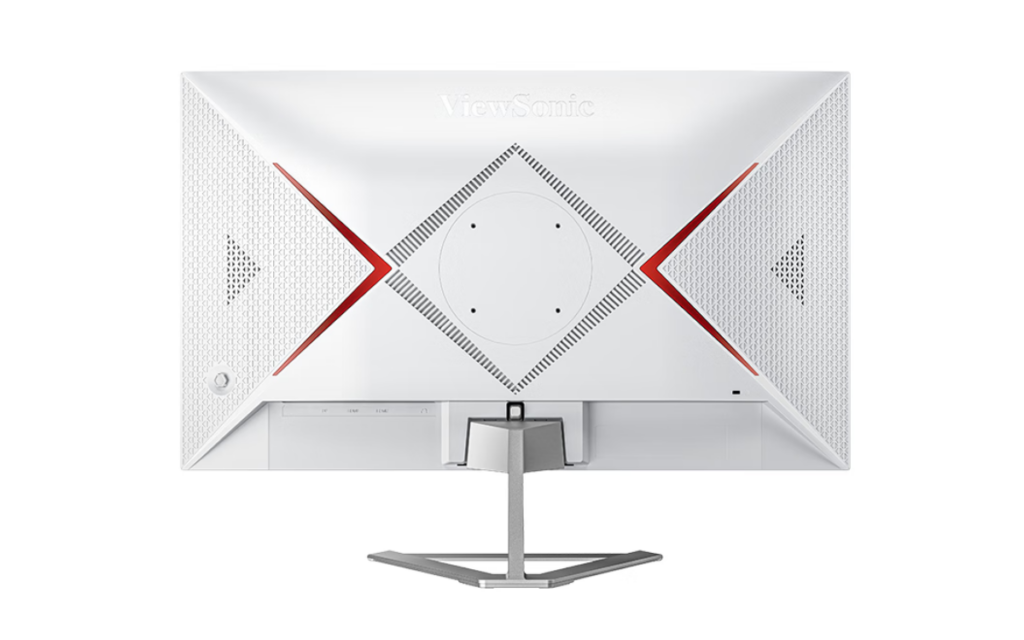
The design of the VX27G81-4K-W is sleek and functional. It sports a compact, space-saving metal stand that provides stability without occupying too much desk space. The built-in power supply further contributes to a clutter-free setup by eliminating the need for an external power brick.
OnePlus might be planning on launching a new mini variant of the OnePlus Watch 3 in India soon. A new leak has hinted at the brand’s plan to release a new smaller version of the Oppo Watch X2/OnePlus Watch 3 in the global markets in the coming months. However, an Indian tipster has claimed that the Indian release of this mini OnePlus Watch 3 is right around the corner. So here’s what we know.
OnePlus Watch 3 mini 43mm in the works
To recall, the Chinese smartphone maker debuted the OnePlus Watch 3 in China last month. Now, its global release is near with a fresh leak hinting at a new 43mm size variant. The news arrives from known tipster Abhishek Yadav who shared the details on X (formerly Twitter). In the tweet, he also adds that this new model will have an 18mm strap. To recall, this model was initially released in a single 46mm size option.
There are also rumors circulating of an Oppo Watch X2 Mini model, which could arrive in a 42mm size. So this could be rebranded as the upcoming OnePlus Watch for the global market. It is worth noting that this is still just an unconfirmed report, take this news with a pinch of salt for now. The OnePlus Watch 3 released in China sports a 1.5-inch LTPO AMOLED display with a bright 2,200 nits peak brightness. This display is housed in a titanium alloy bezel with a stainless steel body for added durability and a sleek design.
OnePlus Watch 3
Being a flagship grade model, it houses a temperature sensor, an eight channel heart rate sensor, and 16 channel blood oxygen sensor. The smartwatch has a 60 second Health Check in feature that provides a quick assessment of heart rate, blood oxygen, wrist temperature, sleep quality, and vascular health as well. There is support for more than 100 sports modes, which includes 11 professional modes. The OnePlus Watch 3 is powered by a 631mAh battery pack that promises to offer up to five days of battery life in smart mode and 48 hours endurance with heavy use.
For more daily updates, please visit our News Section.
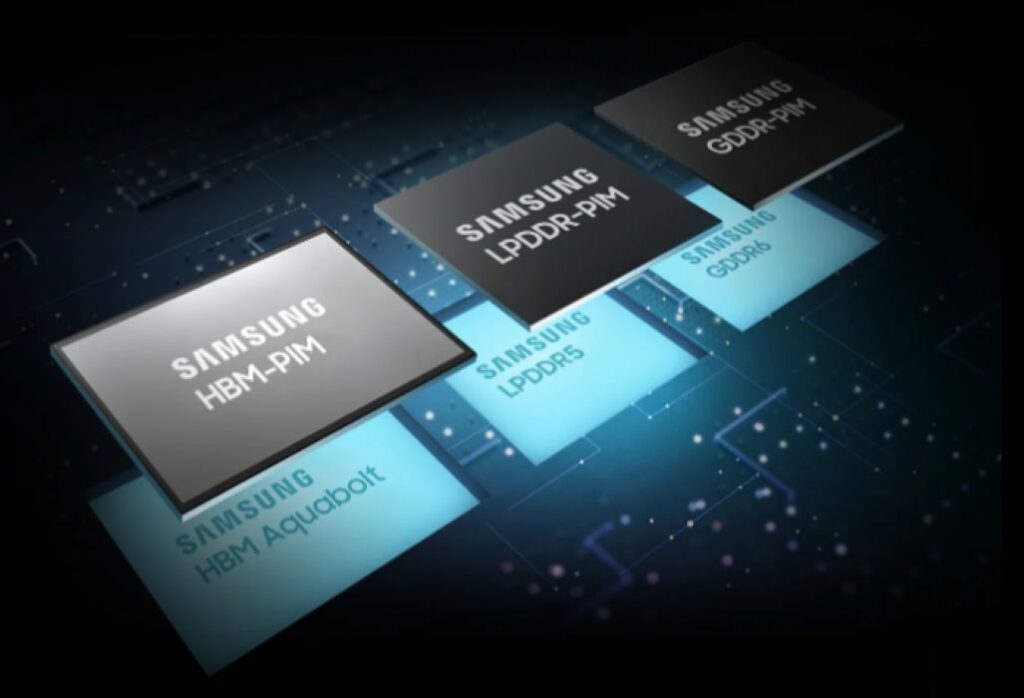
Despite Samsung‘s negligible presence in China’s smartphone market, the South Korean tech giant has emerged as a key player in supplying memory chips to the country. A recent report reveals that Samsung exported $44.6 billion worth of chips to China in 2023, surpassing its exports to the United States, which stood at $42.1 billion. This marks a significant 53.9% year-over-year increase, driven by China’s economic stimulus policies aimed at boosting demand for newer devices.
China’s aggressive economic measures, which injected over $20 billion into the market, have spurred the replacement of older smartphones and home appliances with newer models. This has created a surge in demand for memory chips, which benefits suppliers like Samsung and SK Hynix.
It’s not Exynos—mostly memory chips and image sensors
Samsung primarily supplies NAND flash, LPDDR memory, image sensors, and display driver ICs to China, along with some high-bandwidth memory (HBM) modules. The company has adopted a dual-track strategy, where it sells legacy memory products in China and advanced HBM modules in Western markets like the US.
Nonetheless, with Samsung making this information public, its growth in China could soon hit hurdles due to the ongoing US-imposed chip sanctions. These restrictions may prevent the company from selling some of its most advanced and lucrative memory products in China in the near future.
As the trade war between the US and China continues, industry analysts warn that these sanctions could expand, which will force Samsung and other memory manufacturers to navigate a delicate balance between the two economic superpowers. For now, Samsung remains a critical player in China’s tech supply chain, but the company’s future success will depend on how it adapts to the evolving geopolitical landscape.
Google is replacing Google Assistant with Gemini, an AI-powered assistant designed to enhance productivity and interactivity. The shift, driven by advancements in generative AI, aims to provide users with a more capable and adaptable assistant.
Over the coming months, the legacy Google Assistant will no longer be available on most mobile devices, with tablets, cars, wearables, and smart home gadgets (speakers, TVs) transitioning to Gemini later this year. The update follows positive feedback from users who have adopted Gemini’s upgraded features, including music playback, timer settings, and lock-screen controls—core Assistant functions now backed by generative AI.
Since its launch, Gemini has expanded to over 40 languages in more than 200 countries. Google is refining its functionality to match and exceed Google Assistant’s core features, including music playback, timers, and lock screen actions.
Beyond these basic functions, Gemini introduces AI-driven features such as Gemini Live for interactive, multimodal conversations and Deep Research for advanced information gathering. These tools extend Gemini’s capabilities beyond traditional virtual assistants.
Google is positioning Gemini as an evolution of digital assistance, integrating generative AI to improve user experience across devices. As the transition progresses, Google Assistant will continue to operate on supported devices until Gemini is fully implemented.
For more daily updates, please visit our News Section.
Samsung has a history of introducing innovative features in its smartphones, only to discontinue them later. However, one such feature—variable aperture—might be making a comeback with the upcoming Galaxy S26 Ultra.
Huawei Mate 50 Pro variable aperture
According to prolific leaker Ice Universe, Samsung is considering adding a variable aperture mechanism to the main camera of the S26 Ultra. For those unfamiliar, it adjusts the light intake based on the environment for optimal quality. As a biproduct, it also lets you control the background blur, while the brightness can be managed by adjusting the ISO. So for the users, it is a good thing to have as it adds some flexibility that helps in certain conditions.
Is Samsung finally prioritizing innovation again?
The Galaxy S9 and S9+ were one of the first smartphones to pack this feature, where the main camera could switch between two different aperture values – f/1.5 and f/2.4. The f/1.5 setting was ideal for low-light conditions, which allows more light into the sensor for brighter and less noisy images. On the other hand, the f/2.4 aperture was better suited for well-lit scenarios, which offers a wider field of focus. The f/2.4 or a similar setting is beneficial when you want to capture a closeup shot of a relatively larger object and you want the entire object to be in focus.
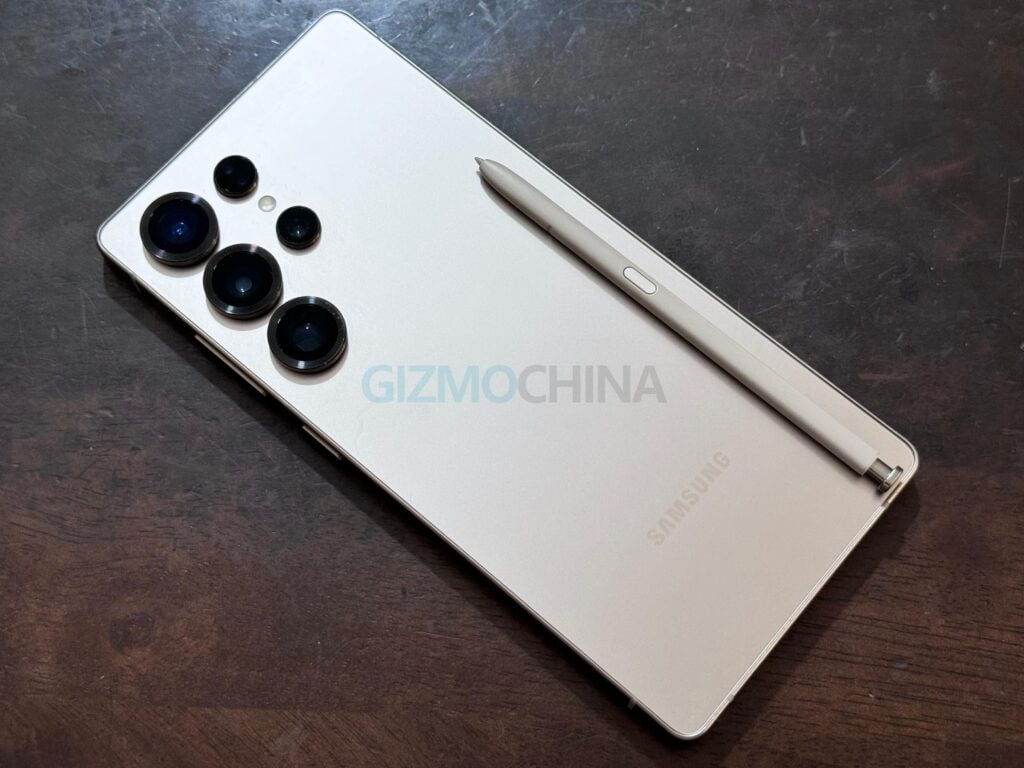
Samsung Galaxy S25 Ultra – S Pen
Although this variable aperture mechanism was carried over to the Galaxy S10 series, Samsung removed this feature starting with the Galaxy S20 series.
Later on, Huawei has adopted and improved the technology. The Mate 50 Pro, for instance, can adjust between f/1.4 to f/4.0 with a total of 10-stop range.
Now, rumors suggest that Samsung is planning to reintroduce it with the Galaxy S26 Ultra. But it remains unclear whether it will be a true variable aperture system (with multiple settings) or a dual-aperture setup like the one seen on the Galaxy S9.
In addition to the camera upgrades, the Galaxy S26 Ultra is expected to feature a couple improvements in other areas as well. The device is rumored to include a 50MP sensor for its 3x zoom telephoto camera, which builds on the 50MP telephoto and ultrawide cameras introduced in the Galaxy S24 Ultra and S25 Ultra, respectively.
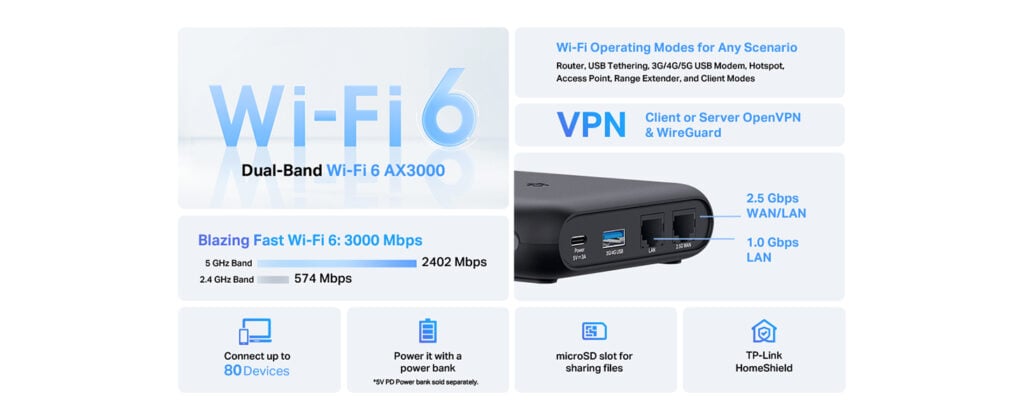
TP-Link has introduced the TL-WR3002X, its fastest Wi-Fi 6 travel router, designed for travelers and remote workers needing reliable, portable connectivity.
The dual-band router offers speeds up to 2402 Mbps (5 GHz) and 574 Mbps (2.4 GHz), optimizing streaming, gaming, and downloads. A 2.5 Gbps WAN port and 1 Gbps LAN port provide fast wired connections, while USB 3.0 and a 512GB microSD slot support file sharing and backups.
Security features include OpenVPN, WireGuard, PPTP, and L2TP VPN support, ensuring encrypted connections on public networks. The router also simplifies captive portal authentication through TP-Link’s Tether app, making logins at hotels, airports, and cafes more secure.
Designed for travel, the TL-WR3002X has a USB-C port compatible with power banks, laptops (PD/QC), or its included adapter. Its compact, durable build makes it suitable for frequent use, and Mesh support extends coverage when needed.
The Tether app allows quick setup, network management, and parental controls. TP-Link highlights its usefulness not just for travel but also for smart homes that require stable, high-speed connections.
Pricing & availability
The TL-WR3002X is now available on Amazon for $99.99, with a discounted price of $79.99 using the code 20WA3002.
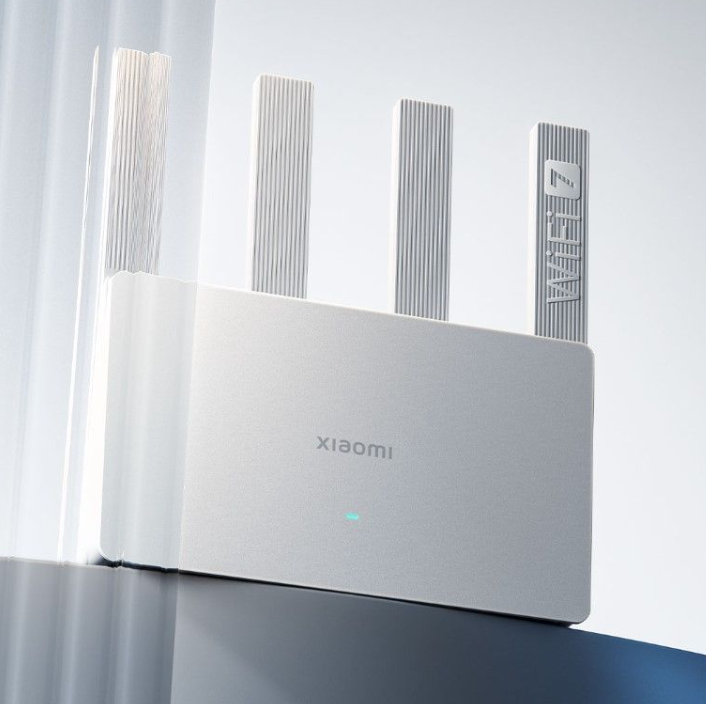
In other news, Xiaomi has launched the BE3600 WiFi 7 router in Europe for €64.99/PLN 299, available in Germany and Poland. It features dual-band WiFi 7 with up to 3.6 Gbps speeds, MLO dual-channel integration, and a 2.5 Gbps WAN/LAN port.
For more daily updates, please visit our News Section.
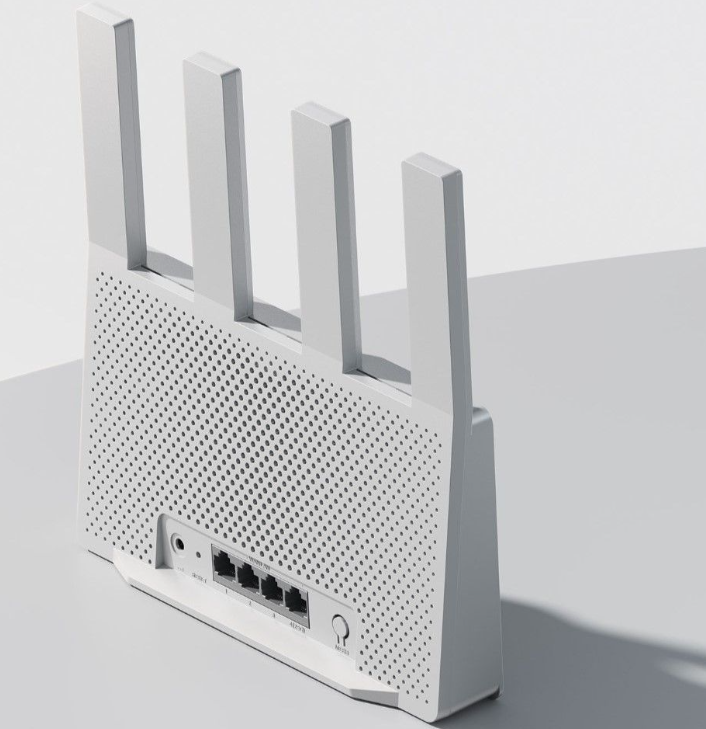
Xiaomi has officially introduced the BE3600 WiFi 7 router in Europe. Previously available in China and listed on Xiaomi’s global store, the router is now on sale in countries like Germany and Poland for €64.99/PLN 299. It is also listed on the Mi UK store but is not yet available for purchase there.
The BE3600 offers dual-band WiFi 7 with speeds up to 3.6 Gbps, supporting high-bandwidth activities such as 4K/8K streaming, AR/VR gaming, and large file downloads. The MLO dual-channel integration allows devices to connect to both 2.4G and 5G bands simultaneously, optimizing performance in high-interference environments.
Connectivity includes a 2.5 Gbps WAN/LAN port and three 1 Gbps WAN/LAN ports, ensuring high-speed data transmission for multiple devices. Four external antennas with Beamforming technology enhance coverage and signal strength throughout the home.
Powered by a Qualcomm 4-core 1.1GHz processor, the router supports up to 128 devices simultaneously, maintaining stable performance for smart homes and heavy internet usage. Mesh support allows up to 10 Xiaomi/Redmi routers to form an extended network, ensuring seamless coverage across large spaces.
The BE3600 also integrates with Xiaomi’s smart home ecosystem, providing one-click networking for smart devices. Security features include parental controls, URL filtering, and protection against cyber threats, all managed via the Mijia App.
For more daily updates, please visit our News Section.
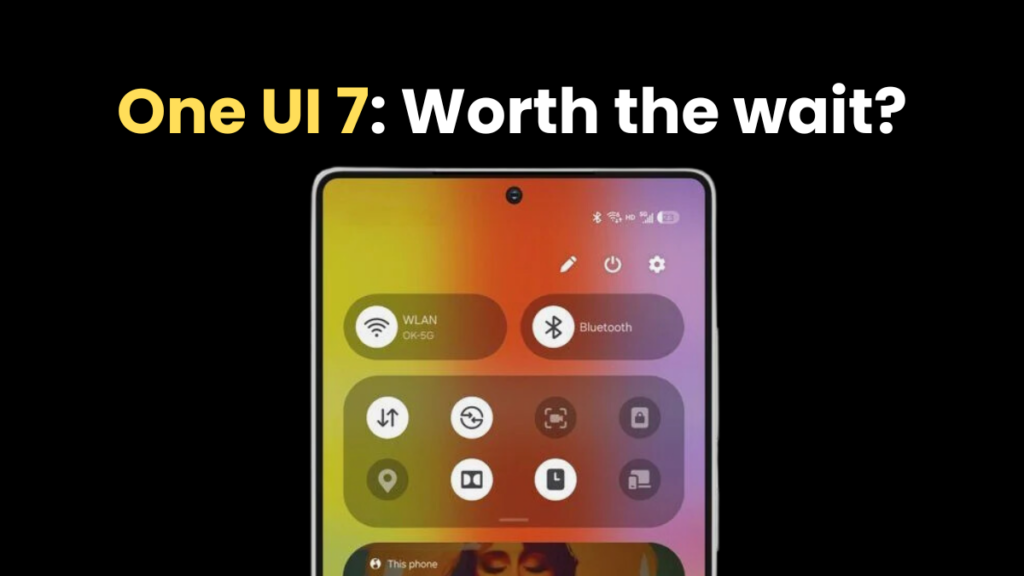
Samsung’s One UI is one of the most popular custom Android skins, offering a clean and smooth software experience with plenty of customization. Every new version brings a new set of features and improvements. However, the last few releases felt almost the same, as there weren’t significant visual upgrades. However, One UI 7 promises a major visual refresh, as well as many new features and dozens of improvements.
The One UI 7 software took longer than usual to cook in the oven. Samsung says it took more than two years on planning and development. However, the rollout has been sluggish so far. Not even a single Galaxy device has received the stable One UI 7 update yet. The stable rollout will begin in April. This significant delay makes people question if waiting for the One UI 7 update makes sense. Is One UI 7 just another upgrade with minor tweaks, or are there significant changes? The answer seems to be a yes because of these five reasons.
1. Significant visual redesign
One UI 7 is Samsung’s biggest visual redesign in recent years, giving users a fresh feel. The update brings bold aesthetics with vibrant, colorful app icons that look visually appealing. The animations feel smoother throughout the interface, creating a fluid experience when switching apps and multitasking.
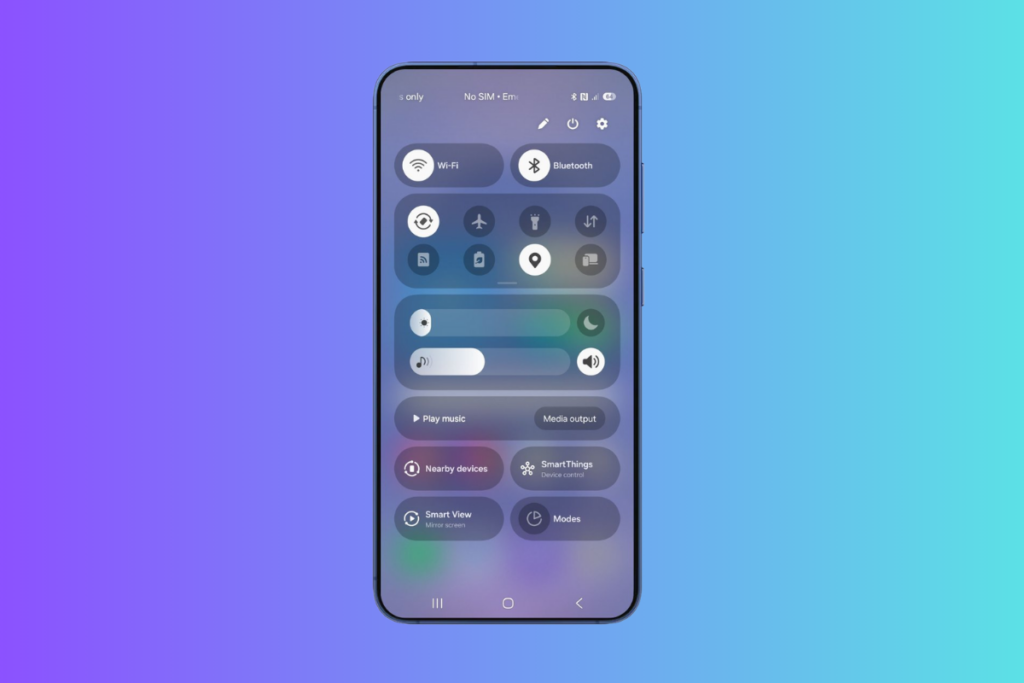
Samsung has separated the notification panel and Quick Settings for easier access—swiping down from the left reveals the notification panel, and the other side opens the Quick Settings. You can reverse the change at any point, though. The notifications themselves have been upgraded to a pill-shaped design and increased size, making them easier to look at and interact with.
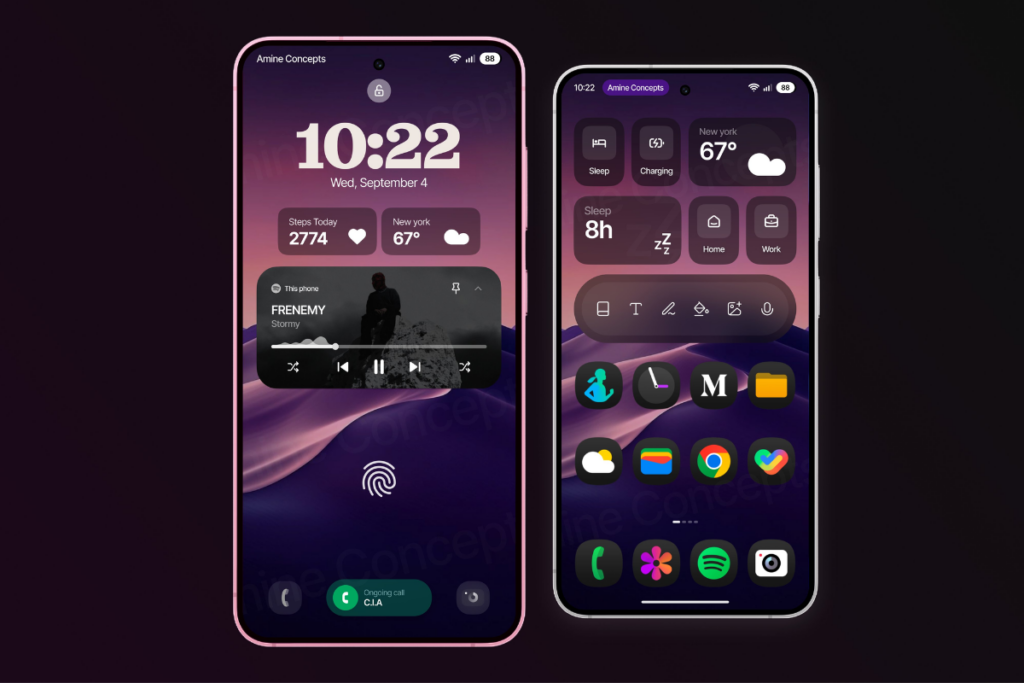
Perhaps the most innovative addition is the new “Now Bar” — a pill-shared dynamic element that appears at the bottom of the lock screen and provides quick access to ongoing activities, such as music playback, timers, and navigation updates. This interactive element reduces the need to switch between apps for common tasks.
One UI 7 also brings new charging animations that look cool and enhance the visual experience. In an unlocked state, the device uses the Now Bar to display the charging status and battery level, and when it’s locked, the battery icon turns green and shows a “Charging” text when connecting the charger.
There are many more visual changes that contribute to a more interactive and enjoyable software experience.
One UI 7 takes customizations to new heights with new options and improvements throughout the interface. It brings many new widgets that can be customized in many ways to give your home screen a new look.
Speaking of the home screen, it now includes the Home Up options for additional customizations without the need for a separate app. The latest One UI skin lets you add stickers on the home screen and supports free-form layouts, breaking away from grid layouts.
The lock screen has also been updated for improved personalization. There are new clock designs with more control over their placement and sizing. The update also brings new widgets for the lock screen for a more personalized experience. You can also customize the two shortcuts at the bottom.
You can also rearrange the different segments and widgets any way you want. Just hit the pencil icon at the top to go into the editing mode. The brightness and volume slider position can’t be changed, though.
3. Advanced Galaxy AI integration
One UI 7 expands AI capabilities that make Galaxy devices smarter and more helpful than before. The Writing Assist now works across the UI and with any keyboard (previously restricted to Samsung Keyboard). This enables seamless text improvisation on the go without needing to switch the keyboard or the app.
With One UI 7, Samsung has introduced automatic call transcripts in 20 different languages. When call recording is enabled, the device automatically creates a transcript of the conversation, so you don’t need to manually note important details from the conversation.
There’s also an AI audio eraser that improves the audio quality of videos by removing unwanted background sounds. The object eraser tool now also works with videos. It lets users select and remove unwanted objects from video frames.
One UI 7 also introduces Now Brief, which can analyze your habits to present relevant information and suggest helpful actions. Since it requires extensive on-device processing, Samsung might not bring it to less-powerful devices.
4. Cleaner Camera UI
The Camera app in One UI 7 looks less cluttered and provides easier access to controls. The top menu now has fewer options, while the remaining controls are hidden inside an expandable button.
The camera modes have moved below the shutter button, making switching between photo, video, and other modes easier. Another essential addition is a zoom slider in the Pro Video mode.
Samsung has also added an “Audio playback” feature that lets users record videos while playing music in the background. This could be particularly useful for creating dance or lip-sync videos.
5. Essential improvements
One UI 7 brings plenty of other changes, but there are some you should know about. First is the vertical app drawer — yes, it’s here, finally. You can now scroll in a single motion with a sidebar that lets you jump directly to specific letters to find apps even faster.
You can go back to the old horizontal layout anytime, but with how intuitive and effortless the new design feels, I doubt many will want to. Samsung has also improved the existing multitasking feature for better productivity.
One UI 7 brings new battery protection modes to optimize battery health. Samsung phones also get the app archiving feature to save some storage by uninstalling the app while keeping the user data around. Although it’s an Android 15 feature, it can be a reason to upgrade to the newest software.
Whether you like visual upgrades, personalizing your phone with new customizations, or using AI to make things easier, there are a host of new features and improvements to look forward to. Which One UI 7 feature are you excited for the most? Share your thoughts in the comments below.
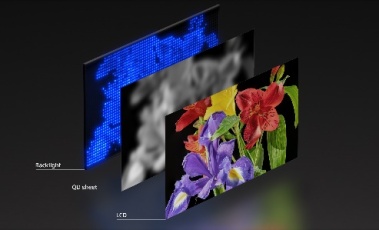
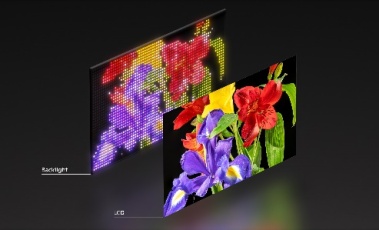
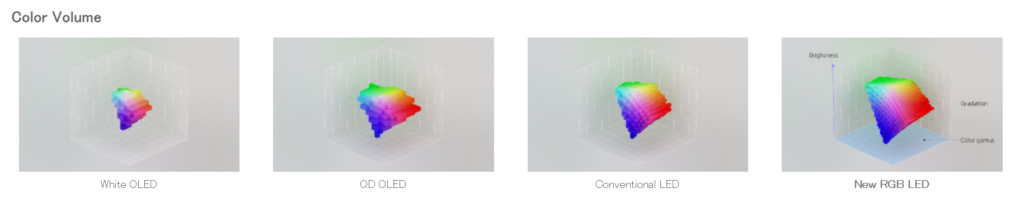
Sony has introduced a new display system with an independent RGB LED backlight, allowing separate control of red, green, and blue light. This enhances color accuracy and vibrancy, making it suitable for both film production and home entertainment. The technology, designed for large screens, uses high-density LEDs and proprietary backlight algorithms to achieve precise color gradations.
Conventional LED backlight systemNew independent drive RGB LED system
Mass production is set for 2025, with plans to integrate the system into consumer TVs and professional monitors. It builds on Sony’s RGB LED innovations dating back to 2004 and features a 99% DCI-P3 and 90% BT.2020 color gamut coverage. Peak brightness exceeds 4,000 cd/m², matching Sony’s professional-grade displays. It also has a 96-bit signal processor that ensures deep blacks, bright whites, and improved mid-tone saturation compared to OLED technology.
A key feature is scene-specific dynamic power allocation, which adjusts luminance for each RGB channel without overemphasizing highlights. This helps maintain smooth color transitions in uniform scenes like skies or foliage. A dense backlight structure and a dedicated control processor—twice as powerful as standard systems—prevent details from being lost in bright highlights or dark shadows.
Sony partnered with MediaTek for the control processor, ROHM for LED drive ICs, and Sanan Optoelectronics for LED components. This technology is designed for professionals who need precise color grading and for everyday users who want theater-quality visuals at home. It fits within Sony’s dual focus on high-end production tools, like BRAVIA reference monitors, and mainstream entertainment.
For more daily updates, please visit our News Section.
We use cookies on our website to give you the most relevant experience by remembering your preferences and repeat visits. By clicking “Accept”, you consent to the use of ALL the cookies.
This website uses cookies to improve your experience while you navigate through the website. Out of these, the cookies that are categorized as necessary are stored on your browser as they are essential for the working of basic functionalities of the website. We also use third-party cookies that help us analyze and understand how you use this website. These cookies will be stored in your browser only with your consent. You also have the option to opt-out of these cookies. But opting out of some of these cookies may affect your browsing experience.
Necessary cookies are absolutely essential for the website to function properly. This category only includes cookies that ensures basic functionalities and security features of the website. These cookies do not store any personal information.
Any cookies that may not be particularly necessary for the website to function and is used specifically to collect user personal data via analytics, ads, other embedded contents are termed as non-necessary cookies. It is mandatory to procure user consent prior to running these cookies on your website.