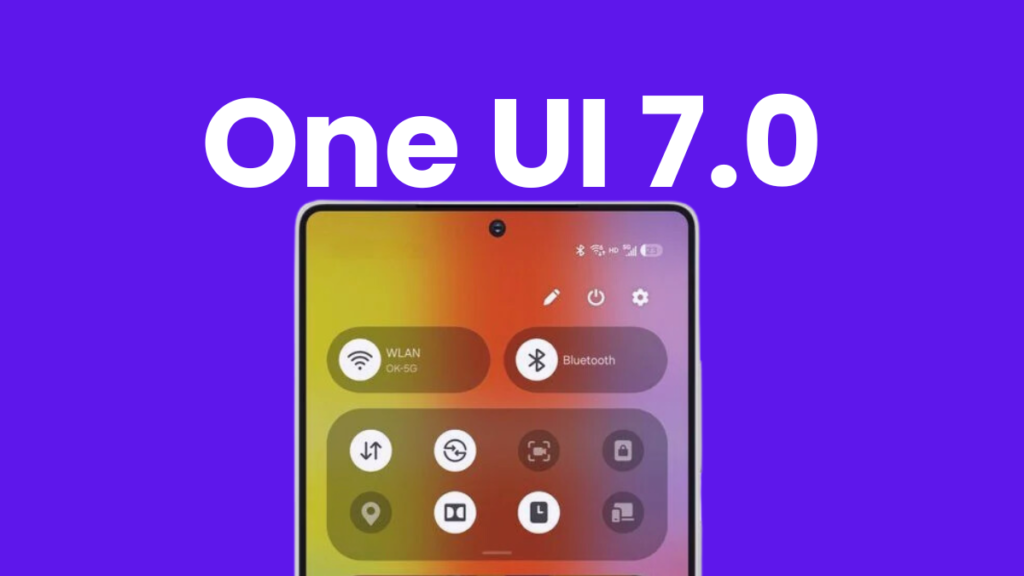
Samsung has been majorly disappointing so far with the One UI 7 rollout. The beta program for the Galaxy S24 series, which kicked off in early December 2024, is still running, with no official announcement regarding the stable version, leaving fans frustrated. However, according to recent reports, the stable rollout could begin sometime in March.
While Samsung has disappointed Galaxy fans with a sluggish One UI 7 rollout, the more disappointing thing is seeing your device running out of major OS updates quota. Some Galaxy devices will receive Android 15 as their last major OS upgrade. We’ve curated the list of those devices below. Review it to know if you’ll need to upgrade to a newer model soon.
Galaxy devices that will stop getting OS updates after Android 15
Galaxy S21
Galaxy S21+
Galaxy S21 Ultra
Galaxy Z Fold 3
Galaxy Z Flip 3
Galaxy A14
Galaxy A14 5G
Galaxy M33
Galaxy M14
Galaxy M14 5G
Galaxy F14
Galaxy Tab S6 Lite (2022)
Galaxy Tab Active 4 Pro
We have prepared this list based on the existing software update policy. While Android 15 will be the final OS upgrade for these Galaxy devices, these should receive incremental One UI updates such as One UI 7.1. Security patch updates will keep coming in for a while.
If a device has received its final major software upgrade, it’s obviously recommended to get a newer model. But you don’t need to rush for it. The Android 15-based One UI 7 rollout is going to take the first half of the year to finish.
Once the One UI 7 rollout is over, Samsung might start rolling out the One UI 7.1 update, though rumors are that the massive One UI 7 delay is forcing Samsung to cancel One UI 7.1. We’ll know in the coming weeks or months, but if it rolls out, then all devices that get the One UI 7 update should also get the One UI 7.1 update, including devices from the above list. Beyond that, those devices on the above list will become ineligible for One UI upgrades, but they’ll keep getting security patches for a while.
The good thing with Samsung is that it has extended OS updates for many devices in the past by rolling out an extra major upgrade. So, if luck goes in your favor, your device may get an additional major update.
If you aren’t usually in a rush to get new software updates, wait until the One UI 8 rollout is complete before upgrading to a newer model. You may not have to wait until next year for that as the stable Android 16 version is dropping sometime around June, and Samsung will reportedly not delay the One UI 8 rollout, at least not as much as One UI 7.
Circle to Search has been one of Google’s biggest successes in recent years. Initially exclusive to Google and Samsung phones, the feature rolled out to more Android devices in late 2024. Now, Google is extending the functionality to Apple devices—but with some notable limitations.
On Android, Circle to Search works across virtually any app or screen. Users can simply long-press the navigation bar to activate it, then circle, scribble, or tap anything on the display to search for more details.
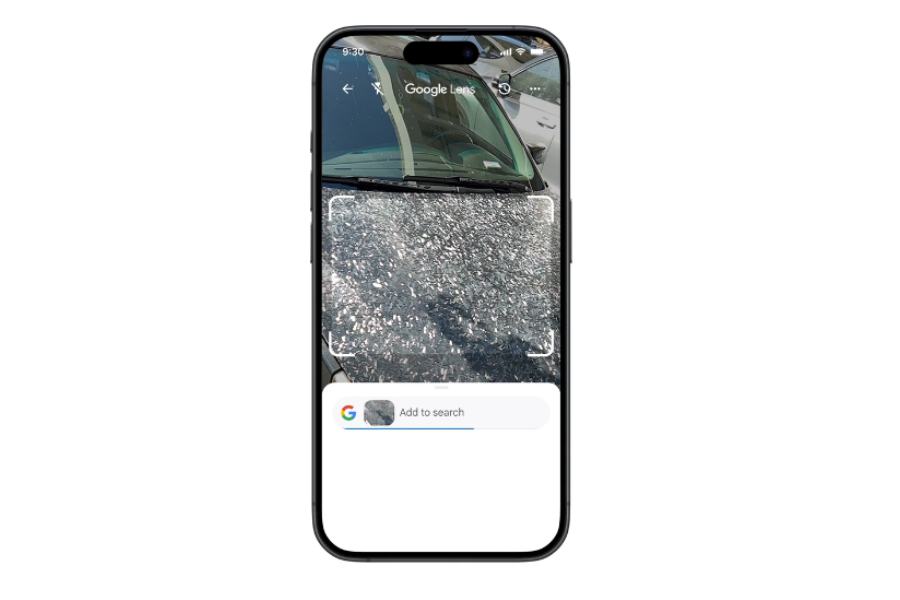
On iPhones, though, the experience is far more restricted. The feature is only available within the Google app and Chrome, and instead of a seamless long-press gesture, users have to tap the three-dot menu and select “Search this Screen” to begin a search.
Rather than fully porting Circle to Search, Google is essentially integrating its functionality into Google Lens as an add-on for Chrome and the Google app on iOS.
It makes sense as Lens has long offered similar capabilities, but users typically have to open the app and upload a screenshot to identify what’s on their screen. The new update makes the process a little more seamless, though it is still not as smooth as on Android.
Google says a new Lens icon will roll out in the coming months to make accessing the feature even easier. But deep system-wide integration, like on Android, still isn’t on the table.
Google Lens is getting AI overviews
While Lens will now help iPhone users search what’s on their screen, the standalone Google Lens app for both Android and iOS is also getting an upgrade with AI overviews.
So for instance, if you search for a flower or a vehicle with Google Lens, you will now see an AI overview (basically an AI-generated description) of the object in your Lens result, along with links to resources on the web.
The update is rolling out to English-language users in countries where AI overviews are available.
For more daily updates, please visit our News Section.
The smartphone industry is rapidly adopting silicon-carbon battery technology, offering higher energy density, faster charging speeds, and improved durability. Compared to traditional lithium-ion batteries, silicon-carbon batteries allow for larger capacities in compact designs, ensuring longer-lasting battery life without increasing the phone’s weight or thickness.
Several flagship smartphones launched in late 2024 and in early 2025 feature this advanced battery technology, bringing significant improvements in power efficiency, heat management, and charge cycles. Here’s a detailed look at the top 10 latest smartphones equipped with silicon-carbon batteries and what makes them stand out.
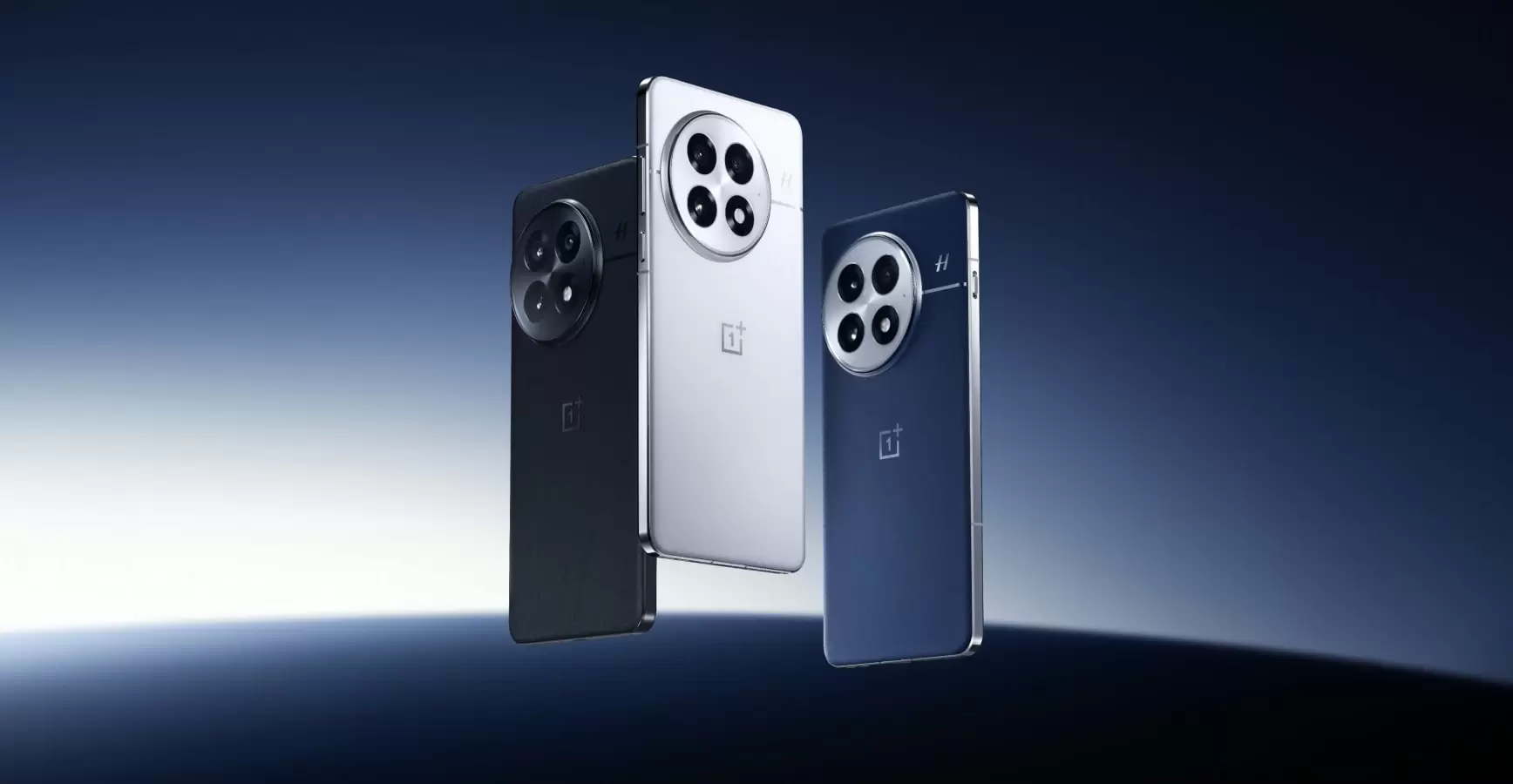
OnePlus 13 features a 6000mAh dual-cell silicon-carbon battery with an energy density of 805Wh/L, the highest for a dual-cell design. This allows the phone to maintain a compact form factor while offering longer endurance. It supports 100W SuperVOOC wired charging, which takes the phone from 0 to 100% in just 36 minutes, along with 50W wireless flash charging and magnetic charging support.
Apart from the battery, OnePlus 13 comes with a 6.82-inch BOE X2 2K+ AMOLED display boasting 4500 nits peak brightness and DisplayMate A++ certification. It is powered by the Snapdragon 8 Elite SoC, paired with up to 24GB LPDDR5X RAM and 1TB UFS 4.0 storage. The phone retains the 50MP Sony LYT-808 main camera, a 50MP 3X periscope telephoto lens, and a 50MP ultra-wide camera. It is also IP68 and IP69 rated, making it highly resistant to dust and water.
Please Note: When you buy something using the links in our articles, we may earn a small commission at no cost to you.
2. iQOO 13
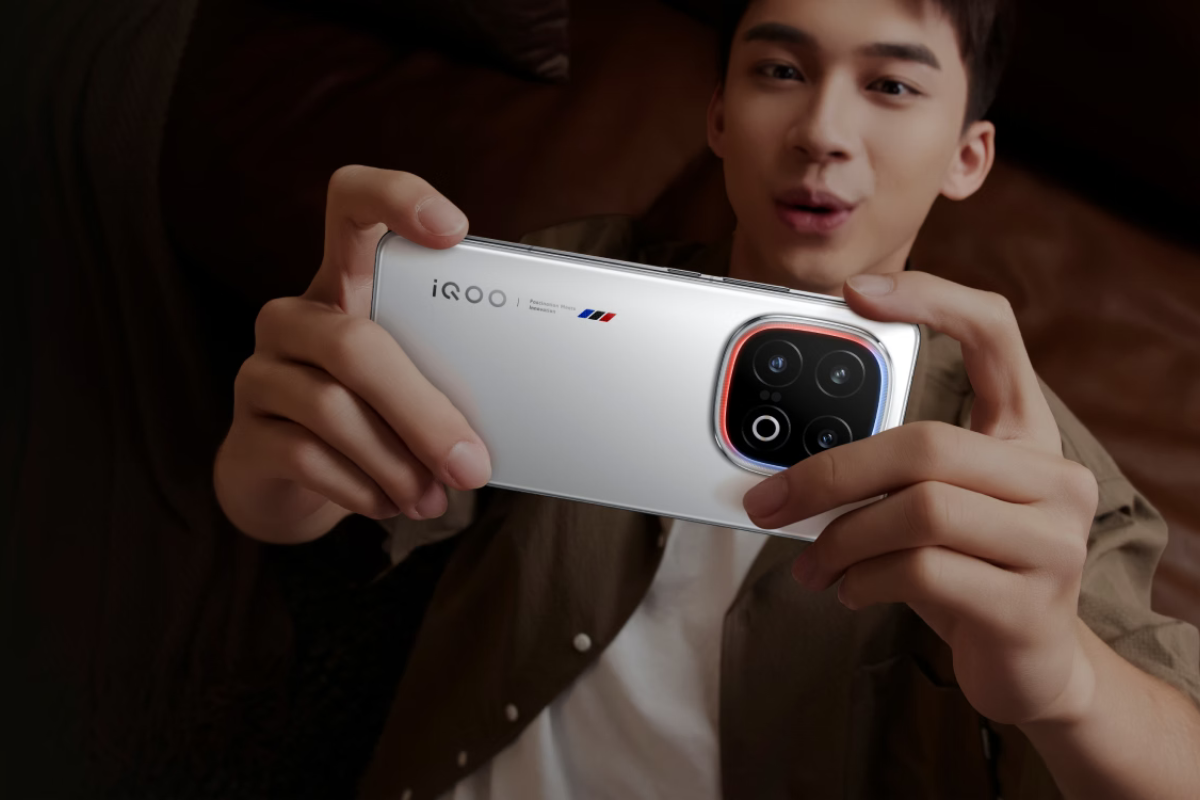
iQOO 13 is equipped with a 6150mAh third-generation silicon-carbon battery, supporting 120W wired fast charging that fills the battery in just 30 minutes. While it lacks wireless charging, it features 44W UFCS and 100W PPS charging, ensuring a versatile and efficient power management system. The phone also integrates a 360° surround antenna system, optimizing network performance for mobile gaming.
The device sports a 6.82-inch BOE Q10 2K+ AMOLED display with 144Hz refresh rate and 4500 nits peak brightness. It runs on the Snapdragon 8 Elite SoC, paired with up to 16GB LPDDR5X RAM and 1TB UFS 4.0 storage. On the camera front, it has a 50MP Sony IMX921 main sensor, a 50MP ultra-wide camera, and a 50MP 2x telephoto lens.
Please Note: When you buy something using the links in our articles, we may earn a small commission at no cost to you.
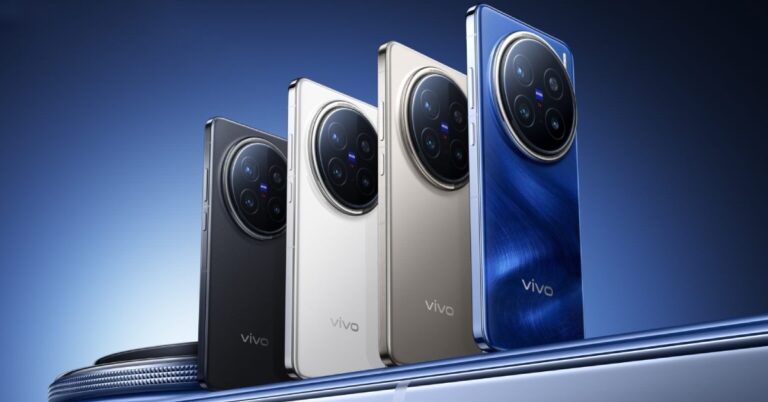
3. Vivo X200 & X200 Pro
The Vivo X200 features a 5800mAh silicon-carbon battery with 90W wired fast charging, while the Vivo X200 Pro comes with a 6000mAh battery supporting 90W wired and 30W wireless charging.
Both phones are powered by MediaTek’s Dimensity 9400 SoC and feature up to 16GB LPDDR5X RAM and up to 1TB UFS 4.0 storage. The X200 Pro also includes a 200MP Samsung HP9 periscope telephoto camera with Zeiss APO certification, delivering 3.7x optical zoom and OIS. The series comes with IP69+IP68 dust and water resistance ratings, making them highly durable.
Please Note: When you buy something using the links in our articles, we may earn a small commission at no cost to you.
4. Redmi K80 & K80 Pro
The Redmi K80 Pro packs a 6000mAh silicon-carbon battery supporting 120W fast charging and 50W wireless charging, while the standard Redmi K80 houses a 6550mAh battery with 90W fast charging but lacks wireless support. Xiaomi claims the new silicon-carbon material increases battery lifespan and reduces heat generation during high-performance tasks.
The K80 Pro is powered by the Snapdragon 8 Elite SoC, while the K80 runs on Snapdragon 8 Gen 3, both paired with up to 16GB LPDDR5X RAM and 1TB UFS 4.0 storage. The Pro variant features a 50MP Light Fusion 800 main sensor with OIS, a 50MP 2.5x telephoto camera, and a 32MP ultra-wide camera, whereas the standard K80 swaps the telephoto lens for an 8MP ultra-wide camera. Both phones have IP68 + IP69 ratings for dust and water resistance.
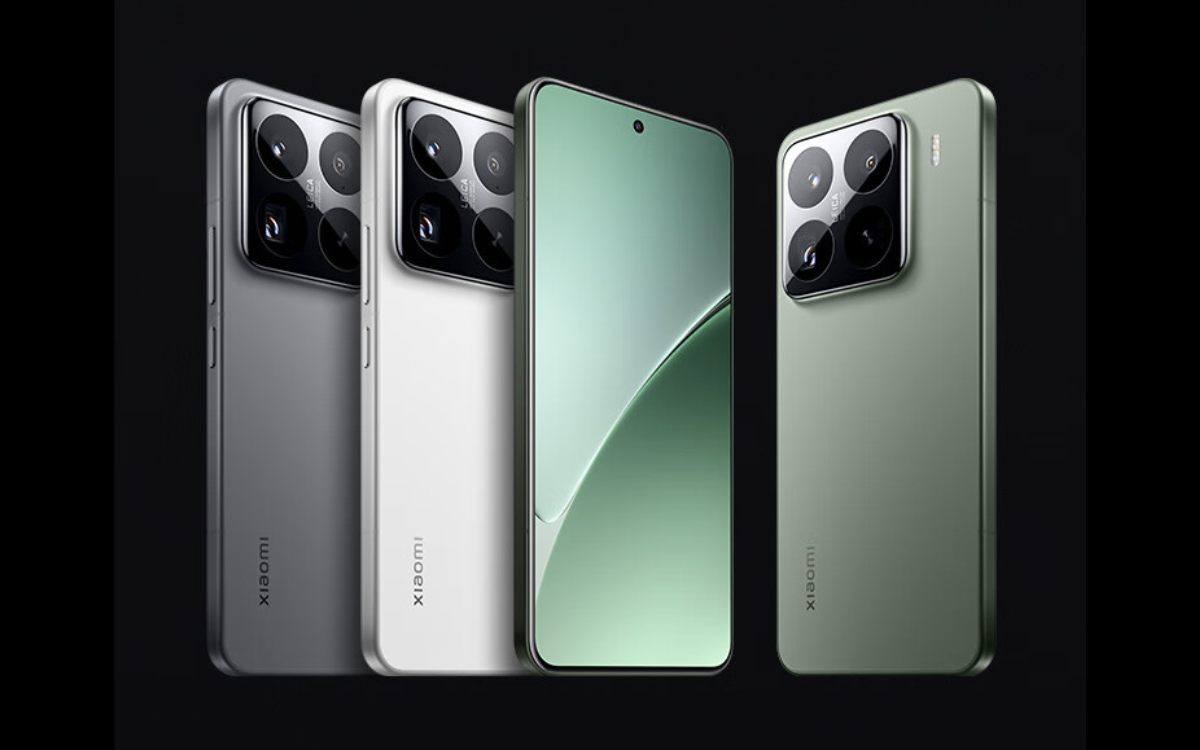
5. Xiaomi 15 & 15 Pro
Xiaomi 15 is powered by a 5400mAh silicon-carbon battery, supporting 90W wired and 50W wireless charging, while the 15 Pro ups the capacity to 6100mAh, featuring 90W wired and 50W wireless charging. The Pro model’s battery also has an ultra-high energy density of 850Wh/L, ensuring longer lifespan and higher efficiency.
Both devices feature Snapdragon 8 Elite SoC, up to 16GB LPDDR5X RAM, and up to 1TB UFS 4.0 storage. The Xiaomi 15 boasts a 50MP Light Fusion 900 main sensor, a 50MP ultra-wide lens, and a 50MP 2.6X telephoto camera, while the 15 Pro features a 5X periscope telephoto lens. Both models include ultrasonic fingerprint scanners and IP68 water resistance.
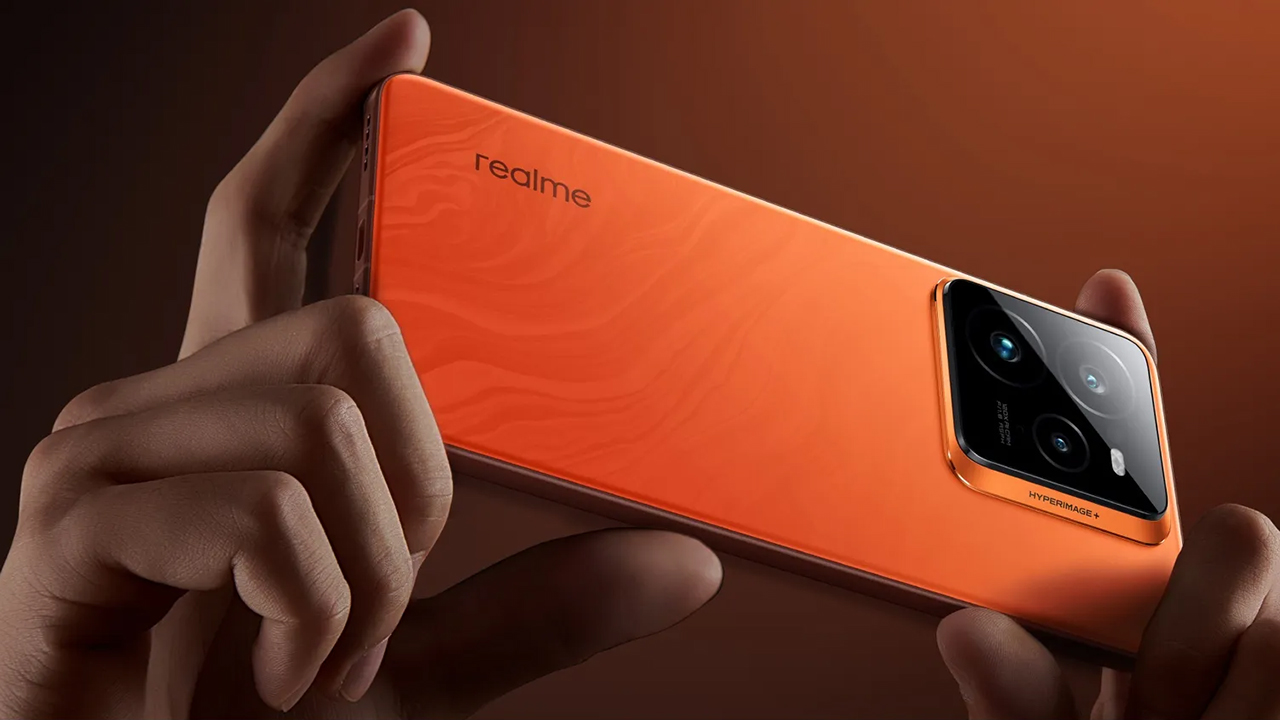
6. Realme GT 7 Pro
The Realme GT 7 Pro is equipped with a 6500mAh silicon-carbon battery, featuring 120W fast charging that achieves 50% charge in just 14 minutes. It boasts the industry’s highest 10% silicon content, extending battery durability for up to four years. However, in India it only features a 5800mAh battery.
The device runs on Snapdragon 8 Elite SoC, with a 6.78-inch 1.5K OLED display featuring 6000 nits peak brightness. It comes with a 50MP main camera, an 8MP ultra-wide lens, and a 50MP 3x periscope telephoto camera.
Please Note: When you buy something using the links in our articles, we may earn a small commission at no cost to you.
7. Redmi Note 14 Pro+
Redmi Note 14 Pro+ comes with a 6200mAh silicon-carbon battery, featuring an energy density of 814Wh/L and a 6% silicon content, allowing for a compact design with extended longevity. It supports 90W wired fast charging and features Surge G1 and Surge P2 battery management chips for better power efficiency.
The phone runs on Snapdragon 7s Gen 3, paired with up to 12GB RAM and 512GB storage. It features a 6.67-inch 1.5K OLED display, a 50MP main camera, an 8MP ultra-wide sensor, and a 50MP 2.5X telephoto lens. The device also includes IP66, IP68, and IP69 ratings for added durability.
Please Note: When you buy something using the links in our articles, we may earn a small commission at no cost to you.
8. Honor 300 & 300 Pro / Ultra
The Honor 300 packs a 5300mAh silicon-carbon battery, supporting 100W fast charging that reaches 59% in 15 minutes and 100% in 35 minutes. The Honor 300 Pro and Ultra models also feature 5300mAh silicon-carbon batteries but include 80W wireless charging, ensuring fast and efficient power delivery. The high-density silicon-carbon composition enables extended battery life with improved power retention.
The Honor 300 series is powered by Snapdragon 7 Gen 3 (Standard) and Snapdragon 8 Gen 3 (Pro and Ultra). The devices feature 6.7-inch and 6.78-inch OLED displays with up to 4000 nits peak brightness and 3840Hz PWM dimming for eye protection. The camera setup includes a 50MP main sensor, a 12MP ultra-wide lens, and a 50MP front camera, with the Pro and Ultra models featuring a 50MP 3x or 3.8X periscope telephoto lens. They also come with IP65 dust and splash resistance.
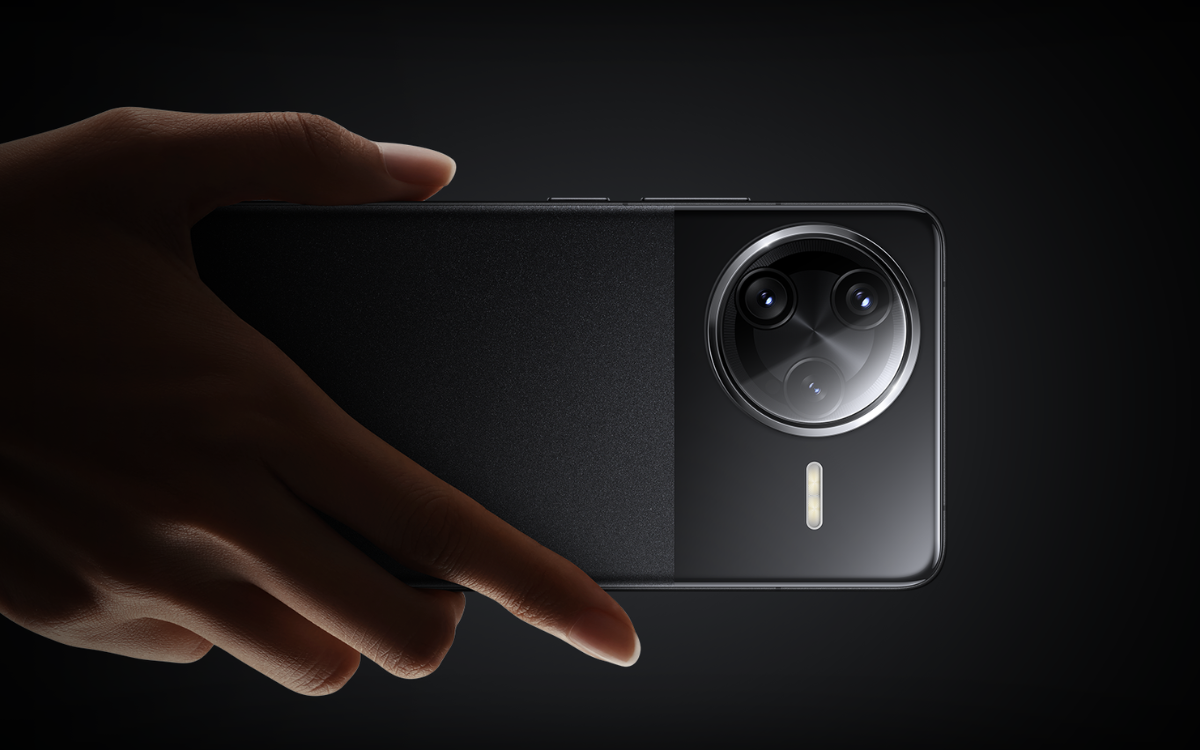
9. Oppo Find X8 & X8 Pro
The Oppo Find X8 is powered by a 5630mAh silicon-carbon battery, while the Find X8 Pro features a larger 5910mAh silicon-carbon battery, both supporting 80W SuperVOOC wired charging, 50W wireless charging, and 10W reverse wireless charging. The Find X8 Pro’s battery is designed with ultra-high silicon content, ensuring longer durability and better thermal management during fast charging.
Both devices are powered by MediaTek Dimensity 9400 SoC, paired with up to 16GB LPDDR5X RAM and 1TB UFS 4.0 storage. The Find X8 features a 6.59-inch AMOLED display, while the Find X8 Pro offers a 6.78-inch LTPO AMOLED screen with 4500 nits peak brightness and Dolby Vision support. The camera system includes a 50MP main sensor, a 50MP ultra-wide camera, and a 50MP 3x periscope telephoto lens, while the X8 Pro adds an additional 50MP 6x periscope zoom lens. Both models are IP68 + IP69 rated for water and dust resistance.
Please Note: When you buy something using the links in our articles, we may earn a small commission at no cost to you.
10. Honor Magic 7 & Magic 7 Pro
The Honor Magic 7 is powered by a 5650mAh silicon-carbon battery, while the Magic 7 Pro features a 5850mAh silicon-carbon battery, both offering 100W wired fast charging and 80W wireless charging. The use of silicon-carbon technology ensures higher energy density, enabling longer runtimes while maintaining sleek designs. The enhanced battery efficiency is complemented by advanced cooling systems, including stainless steel VC cooling and graphite sheets, ensuring optimal performance during intensive tasks.
Both phones run on the Snapdragon 8 Elite SoC, paired with up to 16GB LPDDR5X RAM and 1TB UFS 4.0 storage. The Magic 7 Pro distinguishes itself with a 200MP periscope telephoto camera, capable of 3x optical zoom and 100x digital zoom, along with a 50MP main sensor and ultra-wide lens. The Magic 7 shares a similar camera setup but lacks the advanced telephoto capabilities. With IP68 and IP69 ratings, 1-120Hz LTPO OLED displays, and Magic UI 9.0, the Honor Magic 7 Series combines cutting-edge technology with superior durability, solidifying its position as a flagship contender in 2025.
11. Final Thoughts
Chinese smartphone makers have rapidly embraced silicon-carbon battery technology, integrating 6,000mAh and above capacities into their flagship devices, while Samsung and Apple remain limited to 5,000mAh batteries. With brands like Xiaomi, OnePlus, Vivo, Oppo, Realme, and Honor pushing the limits of battery efficiency, Samsung is reportedly developing its own silicon-carbon batteries, though its implementation timeline remains unclear. Apple, known for its slow adoption of new technologies, may take even longer to integrate these advancements.
While software optimizations and power-efficient chips help extend battery life, they cannot overcome the limitations of small battery capacities. As Chinese manufacturers continue to set new industry benchmarks, it is inevitable that Samsung and Apple will have to adopt silicon-carbon batteries to remain competitive. The future of smartphone battery technology is already here, it’s only a matter of time before the rest of the industry catches up.
For more daily updates, please visit our News Section.
Motorola has been in the mobile game for decades, and while it might not be the first brand that comes to mind when you think of smartphones today, we can’t deny its influence in the early days of mobile tech.
From bringing Android to the mainstream to setting the standard for budget phones, Motorola has done it all at some point. Here’s a look at some of the most influential Motorola phones of all time.
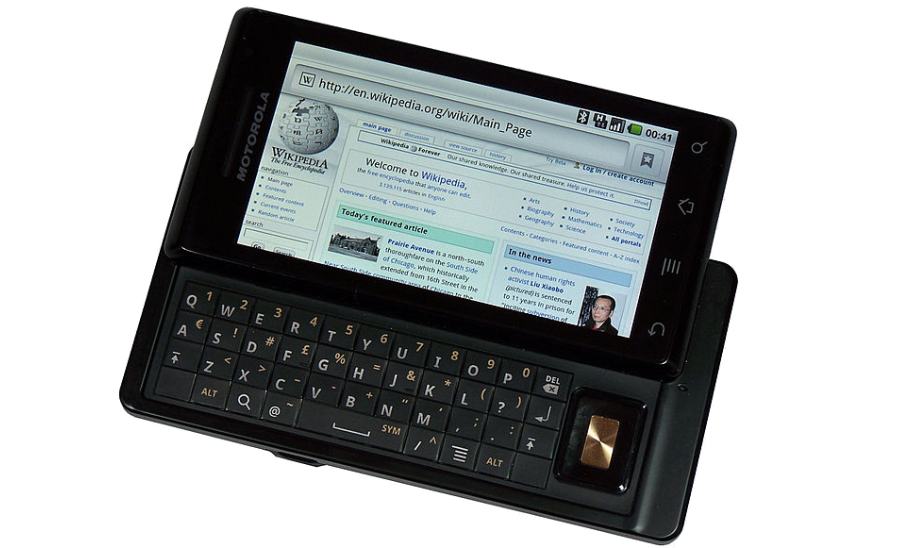
Before Android became the dominant smartphone platform, Motorola helped put Google’s operating system on the map with the Motorola Droid. Launched in 2009, the Droid was the first Android phone to get serious carrier backing in the U.S., thanks to a high-profile partnership with Verizon.
The phone featured a slide-out QWERTY keyboard—something that was still in demand at the time—alongside a 3.7-inch display, a 5MP camera, and a relatively sleek design for its era. But more importantly, the Droid was the first phone to introduce Android 2.0 which brought significant improvements like turn-by-turn Google Maps navigation.
While it may not seem like much today, the Droid’s marketing campaign, headlined by the aggressive “Droid Does” tagline positioned it as the anti-iPhone and helped Android gain mainstream attention. Without the success of the Motorola Droid, Android’s rise might have taken much longer.
2. Moto X (2014)
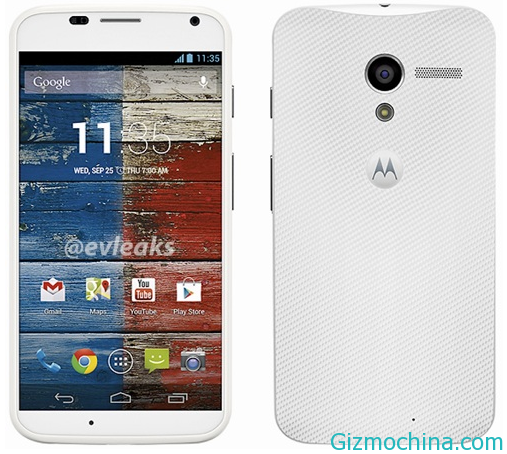
After its acquisition by Google in 2012, Motorola was trying to make its mark in the flagship space. The result was the Moto X which launched in 2013 with high hopes, but it didn’t quite perform as the company expected it to. Its successor, the second-gen Moto X, however, got things right with better specs, refined software, and a level of customization that was rare in smartphones.
It had a 5.2-inch AMOLED display, a Snapdragon 801 processor, and a 13MP camera—all respectable for a 2014 device—but what set it apart was its focus on user experience and customization.
The Moto X (2014) was one of the first phones to embrace always-on voice commands. And it as expected allowed users to activate Google Now (later Google Assistant) without touching the device. It also introduced Moto Display, which showed notifications in a minimal, power-efficient way. And not to forget, Motorola offered a one-of-a-kind customization feature with Moto X called the Moto Maker.
For those unaware, Moto Maker was a service that allowed customers to personalize their devices with custom back materials, colors, and even engravings. The best part is that it was all free, and included with every purchase of Moto X.
3. Moto G (2014)
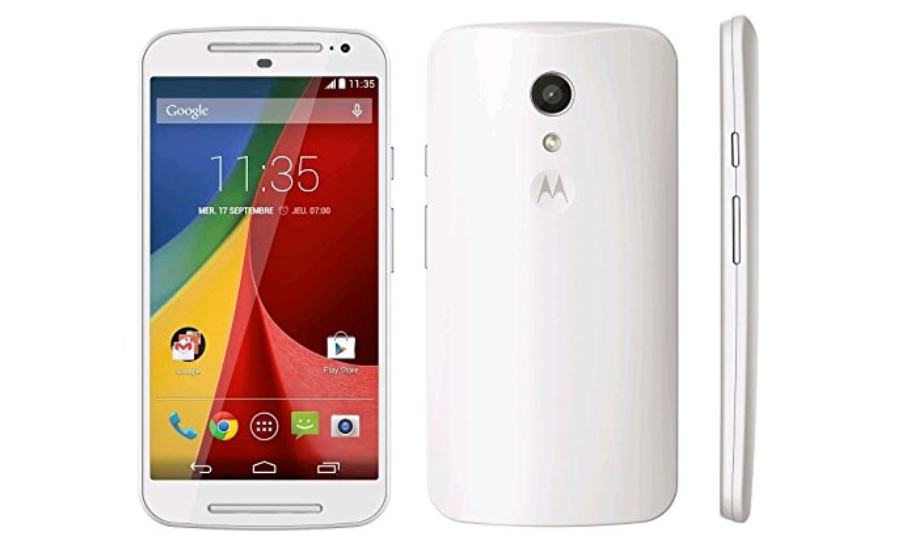
Motorola introduced the Moto G line in 2013 to fill a void in the budget smartphone market that was long dominated by compromises—cheap materials, sluggish performance, and outdated software.
The original Moto G flipped that script by offering fast, responsive Android software in a solidly built handset with all-day battery life. This all made Moto G the most successful smartphone in Motorola’s history at the time.
The second-gen Moto G refined that formula with a slightly larger 5-inch 720p display, stereo front-facing speakers, and a quad-core Snapdragon 400 for solid everyday performance. But what truly set it apart was Motorola’s near-stock Android experience—free from the bloated skins and unnecessary features that weighed down other budget phones.
More importantly, the Moto G proved that companies could build quality devices without sacrificing usability. It redefined what a budget phone could be and forced competitor to step up their game.
4. Moto E (2014)
The Moto E took what the Moto G did for budget phones and pushed it even further down the price scale. Before this, “cheap” smartphones were usually slow, clunky, and barely functional. Motorola flipped that expectation on its head.
It wasn’t flashy, but the Moto E delivered a smooth experience at just $129. It offered a respectable 4.3-inch display, Gorilla Glass protection, and even a water-resistant coating in an entry-level phone at the time. And like its pricier sibling, it ran a near-stock version of Android, ensuring a clean and responsive user experience.
More than just a budget phone, the Moto E helped bring first-time smartphone users into the fold. In emerging markets, the device helped millions of people transition from feature phones to smartphones without frustration.
Today, low-cost smartphones from brands like Xiaomi and Realme offer impressive value, but Motorola was one of the first to prove that cheap didn’t have to mean bad.
5. Motorola Razr 40 Ultra
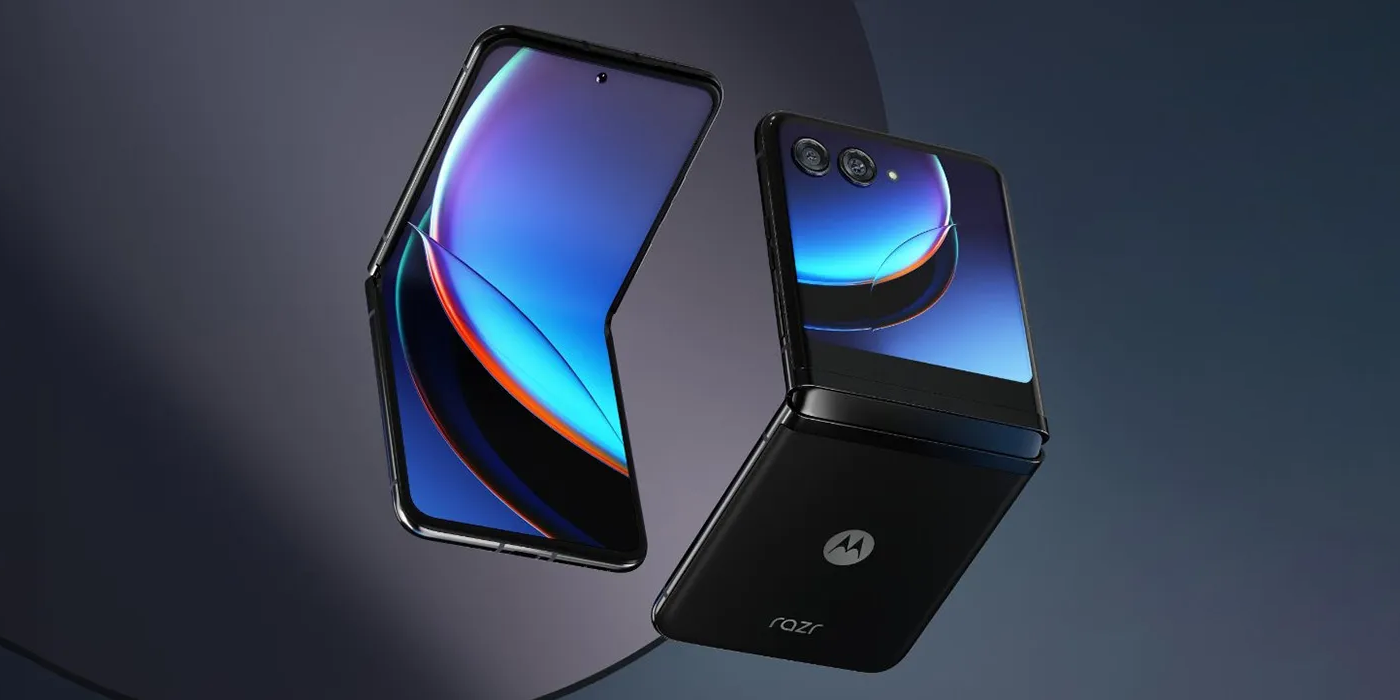
The Razr has long been Motorola’s iconic phone line, and when it finally had the opportunity to revive it in the modern smartphone era while preserving the nostalgic flip style, Motorola surely didn’t hesitate. And just like that the Razr line was alive again featuring the company’s new clamshell foldable phones.
The first model aka the Motorola Razr 5G was announced in 2020, but we feel the Razr 40 Ultra is the first truly good flip phone from Motorola since its entry into foldable space.
Most flip-style foldable before this had small, limited cover screens that were only good for notifications. The Razr 40 Ultra changed that with a sizeable, fully functional outer display. It wasn’t just for checking the time—it could run full apps, take selfies properly, and even be used as a mini smartphone without opening the device.
This made the Razr 40 Ultra one of the first foldables that felt practical rather than nostalgic. Samsung followed suit with a bigger cover screen on the Galaxy Z Flip 5, but Motorola led the charge in making cover displays actually useful.
Aside from this, the Razr 40 Ultra also had a capable Snapdragon 8+ Gen 1 chip, a 165Hz LTPO main display, and a 12MP dual rear camera setup, all powered by a 3800mAh cell.
For more daily updates, please visit our News Section.
HONOR has announced that its AI Deepfake Detection feature will be available worldwide starting in April 2025. This move aims to help users identify manipulated audio and video content in real time.
Deepfake technology—which uses AI to produce highly realistic but fake media—has become a growing concern for businesses and individuals. The Entrust Cybersecurity Institute found that in 2024 alone, a deepfake attack occurred every five minutes. Deloitte’s 2024 Connected Consumer Study also reported that 59% of respondents struggled to tell the difference between content created by humans and material generated by AI. Meanwhile, 84% of people using generative AI said they want clearly labeled AI-generated content.
HONOR first introduced its AI Deepfake Detection tech at IFA 2024. The system uses advanced AI algorithms to pick up on minor inconsistencies that are hard for the human eye to spot. These can include pixel-level flaws, issues with border compositing, irregularities between video frames, and unusual facial features like face-to-ear ratios or hairstyle anomalies. When the system identifies manipulated content, it sends an alert so users can steer clear of possible risks.
This global rollout comes at a time when deepfake attacks are on the rise. Between 2023 and 2024, digital document forgeries increased by 244%. Sectors such as iGaming, fintech, and crypto have been especially hard-hit, with deepfake incidents growing year-over-year by 1520%, 533%, and 217%, respectively.
HONOR’s initiatives are part of a wider industry effort to address deepfake concerns. Organizations like the Content Provenance and Authenticity (C2PA), founded by Adobe, Arm, Intel, Microsoft, and Truepic, are working on technical standards to verify digital content authenticity. Microsoft has introduced AI tools to help prevent deepfake misuse, including an automatic face-blurring feature in images uploaded to Copilot. Additionally, Qualcomm’s Snapdragon X Elite NPU supports local deepfake detection using McAfee’s AI models, maintaining user privacy.
Marco Kamiya of the United Nations Industrial Development Organization (UNIDO) praised this technology, noting that AI Deepfake Detection is a critical security measure on mobile devices and can help shield users from digital manipulation.
For more daily updates, please visit our News Section.
Apple just announced the iPhone 16e as its latest budget model. It arrives with various improvements over the older iPhone SE, but how does it compare to its more expensive sibling? While it shares many similarities with the flagship iPhone 16, the iPhone 16e brings its own unique set of features and compromises for the more affordable price tag. So here’s everything that is different between the two.
From the front, the iPhone 16e is quite similar to the vanilla iPhone 16 on paper. They both sport a 6.1-inch Super Retina XDR OLED display with Ceramic Shield glass and a 60Hz refresh rate. However, the more expensive iPhone 16 has a more advanced display thanks to the Dynamic Island.
This was a feature that was exclusive to Pro models up until the iPhone 15 and made its return on the iPhone 16 as well. On the other hand, the iPhone 16e carries a large notch that was found in the older iPhone 14 model. So one misses out on some features and functionality around the Dynamic Island, although you still get Face ID functionality.
Please Note: When you buy something using the links in our articles, we may earn a small commission at no cost to you.
2. Camera: You’re lacking one
The camera system is another major aspect that one can immediately tell is different between the devices. On the back, the iPhone 16e features a lone camera while the iPhone 16 offers a dual camera setup. The main sensor on both models is a 48MP camera with OIS support (Optical Image Stabilization), however, the budget model enables 2x optical quality zoom for magnified shots. But you’re getting a dedicated 12MP ultra wide angle lens on the iPhone 16. Both iPhones get a 12MP shooter for selfies and video calls on the front.
3. New C1 Modem
While the iPhone 16e is clearly a cut down version of the iPhone 16. Apple has included one new chipset inside the iPhone 16e. As of right now, this is the only phone to pack the C1 modem, which is basically a proprietary chip that enables 5G connectivity. The Cupertino based giant has been working on this chip for a while, to move away from Qualcomm’s Snapdragon X series modems. Future generation of iPhones would likely bring this processor as well.
4. Cost
Apple announced the iPhone 16 last year with a 799 US Dollar starting price tag. This is a flagship grade model that offers the new dedicated camera button, the powerful A18 chipset, and much more. But for just 599 US Dollars, you’re getting most of these features on the iPhone 16e. These are available in multiple storage options as well as color variants.
For more daily updates, please visit our News Section.
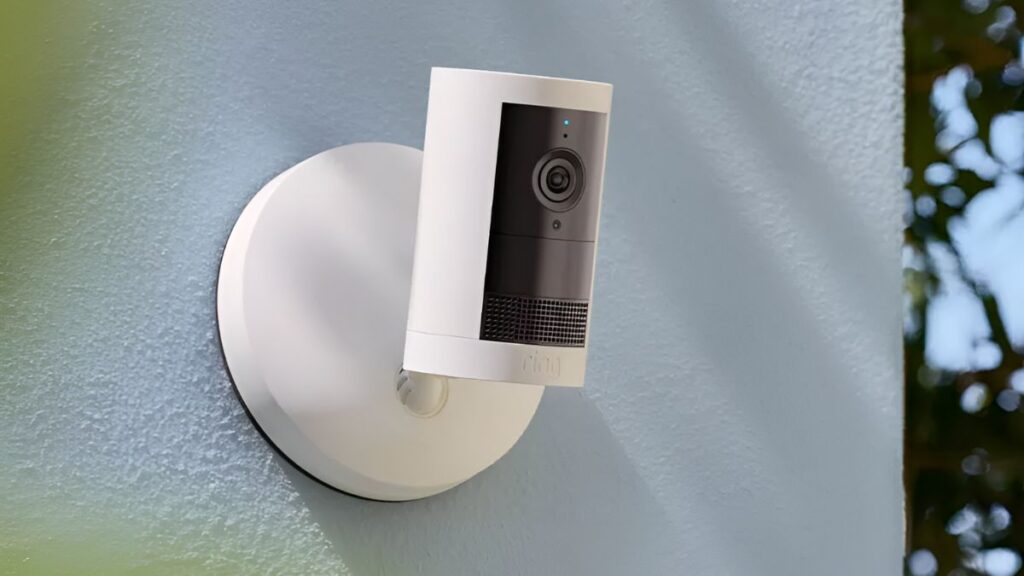
Ring has just announced a brand new outdoor camera for improved home security. The company’s latest model is dubbed the Ring Outdoor Cam Plus, which offers high resolution and a bunch of useful features. So here are its specs, pricing, and other details.
Ring Outdoor Cam Plus: Specs and Features
The new Ring Outdoor Cam Plusarrives with an expanded field of view and Ring Low Light Sight Technology. Thanks to its 2K video recording, users can expect higher resolution footage. This model can be charged with a USB-C port, or even use a battery or the solar panel accessory for power. It features a convenient mount system for easy installation and offers dual band WiFi support for wireless control as well.
Ring Outdoor Cam Plus
The wireless connection allows the Ring Outdoor Cam Plus to live stream, offer real time alerts, and two way communication via audio. Users can even pay a small subscription fee of 4.99 US Dollars for the Ring Home Basic option to enable other features like saving motion captures and package detection as well. There is even a plug-in version that allows for 24 x 7 video recording and AI powered Smart Video search.
Meanwhile, the Ring Home premium subscription can go up to 19.99 US Dollars per month. The Ring Outdoor Cam Plus is currently available for pre-orders on the brand’s official website in the US and on Amazon. It is listed for 99.99 US Dollars and will go on sale in two color options, namely Black and White. The company will start shipping the outdoor camera on the 26th of March 2025.
For more daily updates, please visit our News Section.
The Galaxy Z Fold 7 has been in the conversation for a while and the S Pen has recently taken center stage. While previous rumors hint at further reduction of S Pen features the latest leak talks about something positive.
A redesigned tip for better writing experience
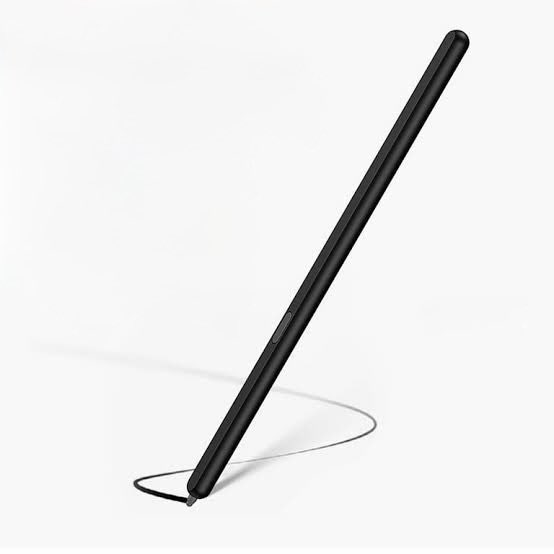
According to leaker PandaFlashPro, Samsung has redesigned the stylus to be thicker than the one used with the Galaxy Z Fold 6. It reportedly packs enhanced pen tips that promise a superior writing experience.
With the changes, the new, thicker S Pen for the Galaxy Z Fold 7 is expected to deliver better ergonomics and smoother input. Although exact details about the new pen tips remain undisclosed, the improvements suggest that Samsung is making a strong push to refine its foldable device ecosystem.
According to previous leaks and rumors, Samsung is finally working on a new hinge mechanism that makes the phone much slimmer than its predecessor. The phone is expected to be 4.2 mm thick when unfolded which is a significant improvement over the 5.6 mm Z Fold 6.
What else to expect from Z Fold 7?
While Samsung has one of the best custom skins for large-screen phones, the visual experience takes a hit as soon as you look at the display from the side. Thankfully, the crease is expected to improve with the new hinge mechanism, which is currently one of the deepest and most visible among all the foldable phones available on the market.
As for the performance, the Z Fold 7 will reportedly be powered by the 8-core Snapdragon 8 Elite and a 4,400 mAh battery, the same as last year’s model.
Samsung achieved a thinner body for the Special Edition by removing the digitizer required for S Pen functionality. However, this appears to have been a temporary trade-off, as the Galaxy Z Fold 7 is confirmed to bring back S Pen support. Production of the updated stylus is reportedly scheduled for June, aligning with a planned July release for the smartphone itself.
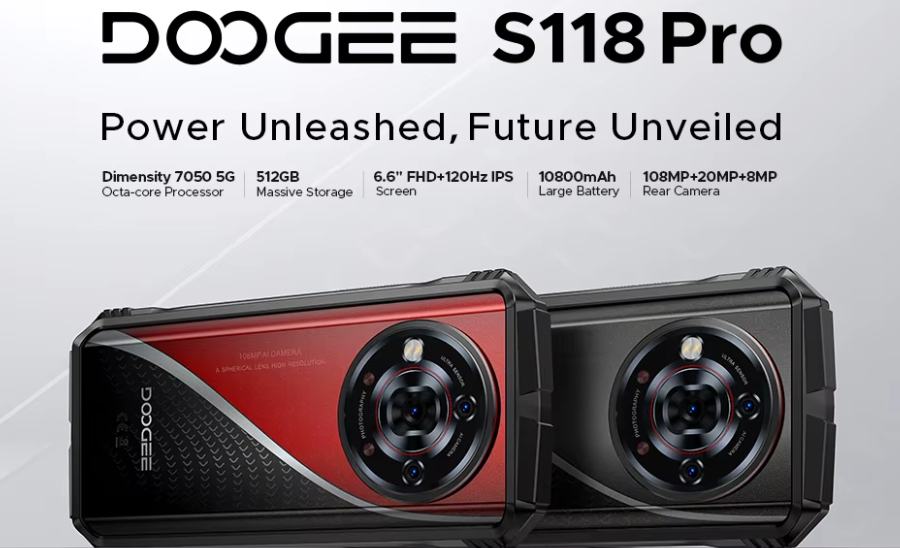
Doogee is back with two new rugged smartphones—the S118 Pro and S119. As expected from the brand, both devices pack massive batteries, durable exteriors, and hardware built for the outdoors.
While they share the same DNA, the two models take slightly different approaches when it comes to display, performance, and cameras. Here’s a closer look at what they bring to the table.
Doogee S118 Pro
The S118 Pro is powered by MediaTek’s Dimensity 7050 chipset, paired with a whopping 24GB of RAM. That’s a surprising amount of memory for a rugged phone—even flagships don’t have that much—which is paired with 512GB of storage.
Up front, there’s a 6.6-inch Full HD+ display with a smooth 120Hz refresh rate. As expected, durability is a priority in a Doogee phone. It is rated IP68 and IP69K for dust and water resistance and meets the military-grade MIL-STD-810H standard.
On the back, you’ll find a 108MP main camera, a 20MP night vision sensor, and a 32MP front-facing shooter. Night vision cameras are a rare sight outside the rugged phone category, but they can be useful for low-light situations like camping or security monitoring.
For audio, the S118 Pro packs a dual-speaker setup. Keeping everything running is a massive 10,800mAh battery. Charging, however, is a bit on the slower side at 33W—reasonable but not exactly fast given the battery size. Still, a full charge will last significantly longer than your average smartphone.
Doogee S119
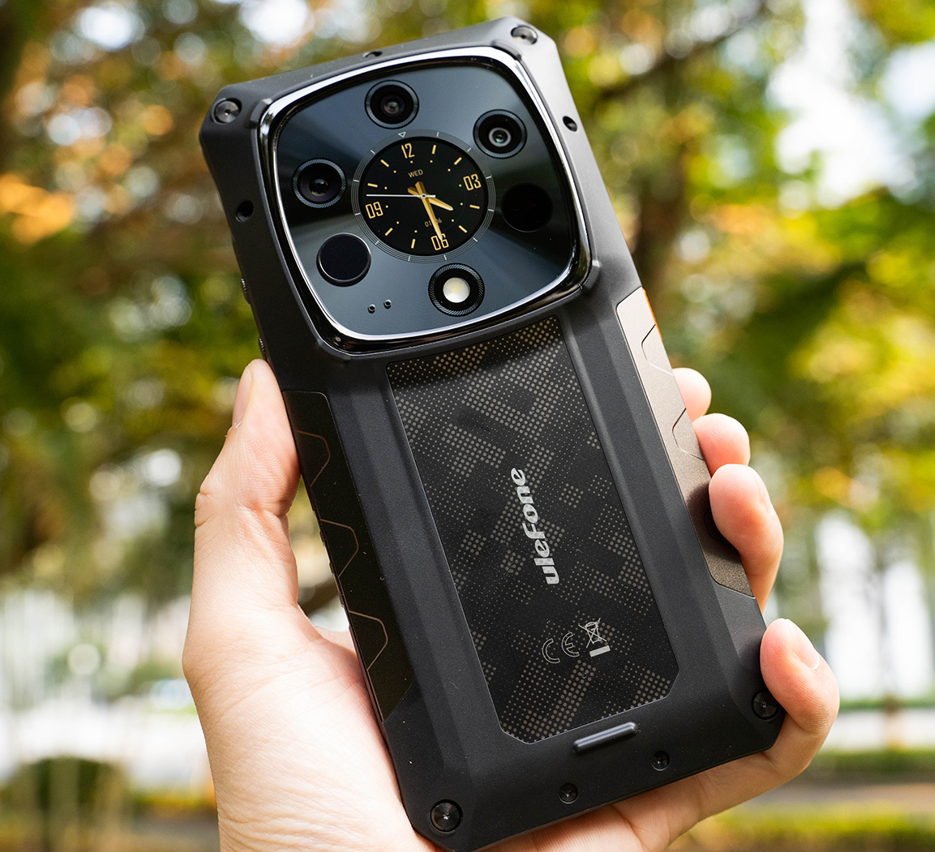
The S119 brings something unusual to the rugged phone category—a 1.32-inch rear secondary display. It can show notifications, call alerts, battery status, and even custom watch faces. A secondary display is rare in smartphones, especially rugged ones, but if you’ve ever wanted one, here’s your chance.
The device is built around a 6.72-inch IPS panel with a Full HD+ resolution. However, the company is still sticking with a waterdrop notch, which feels a bit dated in 2025.
Under the hood, it’s powered by MediaTek’s MT8788 processor—yes, that’s literally the name—paired with 8GB of RAM and 16GB of onboard storage, expandable up to 2TB.
The MT8788 is a 4G-only SoC with four Cortex-A73 and four Cortex-A53 cores, all clocked at 2GHz. It’s not exactly built for gaming or intensive tasks, so don’t expect flagship-level performance.
Software-wise, both the phone runs Android 14 out of the box. That’s a bit outdated for the 2025 phone while Doogee hasn’t shared any details about its update policy either.
Like the S118 Pro, the S119 packs a massive battery, though slightly smaller at 10,200mAh. And it supports the same 33W charging, which should keep things going for a while.
As for cameras, the S119 features a 100MP main sensor, a 20MP night vision camera, and a 5MP ultra-wide lens. Durability features include the same IP68, IP69K, and MIL-STD-810H certifications.
Availability
Both models are now available for purchase on Amazon. And if you’re looking for a deal, you can grab the Doogee S118 Pro with code VXDJSO82 for 30% off, or use 9GGBR278 to get the same discount on the S119.
For more daily updates, please visit our News Section.
Infinix has finally announced the launch date for its new mid range smartphone lineup. The Infinix Note 50 series had its launch date revealed in a fresh teaser in Indonesia, confirming the March release. So here’s everything you need to know.
Infinix Note 50 Series Launches on March 3
As per the official teaser image poster on Instagram, the smartphone maker plans to unveil the Infinix Note 50 series in the Indonesian market on 3rd March 2025. This is the brand’s latest Note series models and will likely include at least a base Note 50 and Note 50 Pro variant. These new smartphones will launch with the Infinix AI technology that brings useful features thanks to AI powered tools.
Infinix Note 50 Series Teaser
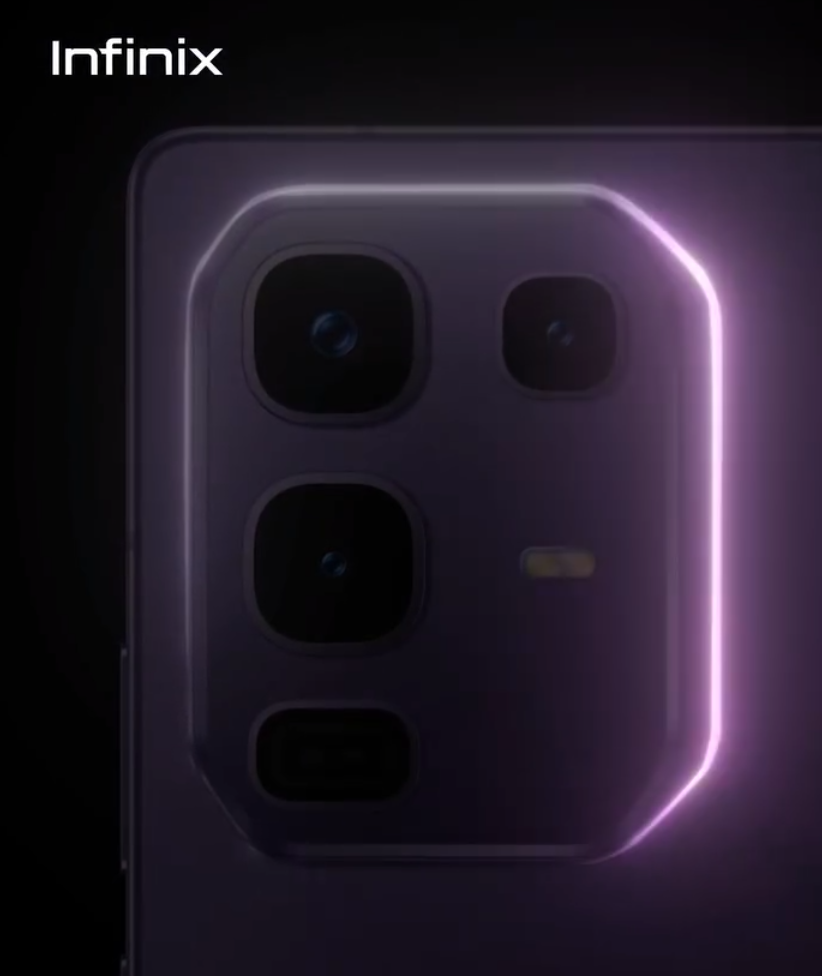
Notably, this launch also arrives after the Infinix Note 50 Pro model grabbed the SDPPI certification in Indonesia earlier this month. While the teaser doesn’t reveal finer details regarding these devices, an earlier FCC sighting confirmed a lot more details. This listing has confirmed that the Infinix Note 50 will measure 9mm in thickness, support NFC, dual band WiFi, and 45W wired fast charging. In the teaser trailer video, the camera module of one of the models can be seen, that confirms a triple camera setup on the rear.
Based on what we know so far, Infinix plans to launch multiple models from the lineup including the Note 50X, Note 50, Note 50 Pro, and Note 50 Pro+ 5G. The company has yet to confirm the official pricing or availability details, and even the specs and key features are still unknown. So stick around for more as we will be covering the Infinix Note 50 series launch next month.
For more daily updates, please visit our News Section.
Samsung is struggling this year to provide stable One UI 7 software for its Galaxy devices. It started the One UI 7 beta program for the Galaxy S24 series in early December, and since then people have just been cluelessly waiting for the stable update. However, now it seems Samsung wants to wrap up the beta program and begin the stable rollout of One UI 7, starting with the Galaxy S24 series.
This week, Samsung released the fourth One UI 7 beta to the Galaxy S24 series. That brings a host of fixes and some new camera additions, such as AI filters and log video recording. Just a day after the fourth beta, the brand has released another beta update for the Galaxy S24 series, while the gap between the third and fourth beta was around one and a half months. This could mean Samsung wants to quickly fix all those existing issues and bring the stable update soon to the Galaxy S24 series.
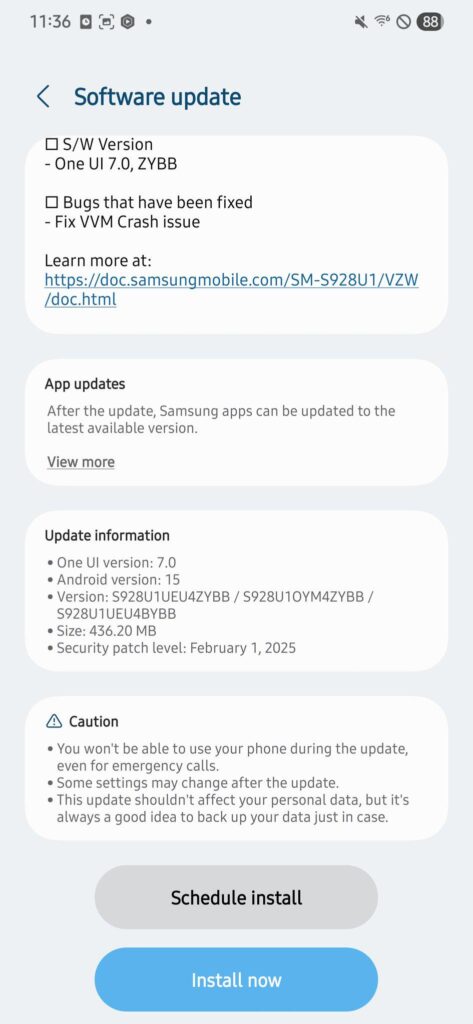
The latest One UI 7, which just rolled out today, is tagged with firmware version ZYBB and has a download size of around 436MB. According to the changelog, it fixes an issue with the visual voicemail (VVM) crash. Is this the fifth beta or a hotfix for the fourth beta? Well, we can’t say for sure. But it’s good to see Samsung rolling out another update in just a day.
Recently, a One UI beta moderator on the Samsung Community said the stable version will be released very soon. He didn’t reveal anything about the release date or timeline, but if his words are true, the Galaxy S24 series may get the stable One UI 7 update in March. However, recent leaks say otherwise. According to leaks, Samsung might release at least two more One UI 7 beta updates to the Galaxy S24 series, and the stable version might arrive sometime in April once the Galaxy S25 Edge is released.
The One UI 7 stable rollout is already massively delayed. Samsung hasn’t updated a single Galaxy device to One UI 7, which is only frustrating users. This isn’t good for the brand, as many people are talking about switching to a different brand and questioning its future software rollouts. I strongly believe that Samsung should at least announce the One UI 7 rollout timeline.
Apple has launched the iPhone 16e with a price tag of $599, with an unexpected omission of MagSafe. The absence of this signature charging technologies has, quire reasonably, made headlines.
Rumors initially suggested that Apple’s new C1 5G modem might be the reason, but the company has now stepped in to set the record straight.
The speculation originated from sources within the accessories industry, with claims that the iPhone 16e’s built-in magnets for MagSafe might have interfered with Apple’s in-house C1 modem. For those unfamiliar, this modem is a key milestone in Apple’s shift away from Qualcomm, whuch just made its debut with the iPhone 16e.
Given the importance of seamless connectivity, some believed that Apple had chosen to prioritize 5G performance over magnetic charging.
Apple has denied the speculated theory
When asked for clarification, the company confirmed (via Macworld) that the C1 modem has nothing to do with their decision to exclude MagSafe from the iPhone 16e. Although the company didn’t offer an alternative explanation, it’s assumed that the omission is a strategic move, aimed at distinguishing the iPhone 16e from higher-end models in the lineup.
It makes sense because not everyone is looking for the best performance or camera. With the large display and new design, the iPhone 16e could appear as a more appealing option than the more expensive models.
Although the iPhone 16e lacks the magnets and the ease of use offered by them, it still supports the Qi standard of wireless charging. Learn more about the iPhone 16e here.
While Apple’s reasoning remains unclear, its statement dismisses any concerns that its first-generation C1 modem is experiencing technical difficulties. Instead, this move may simply be part of Apple’s strategy to create differentiation within its product lineup.
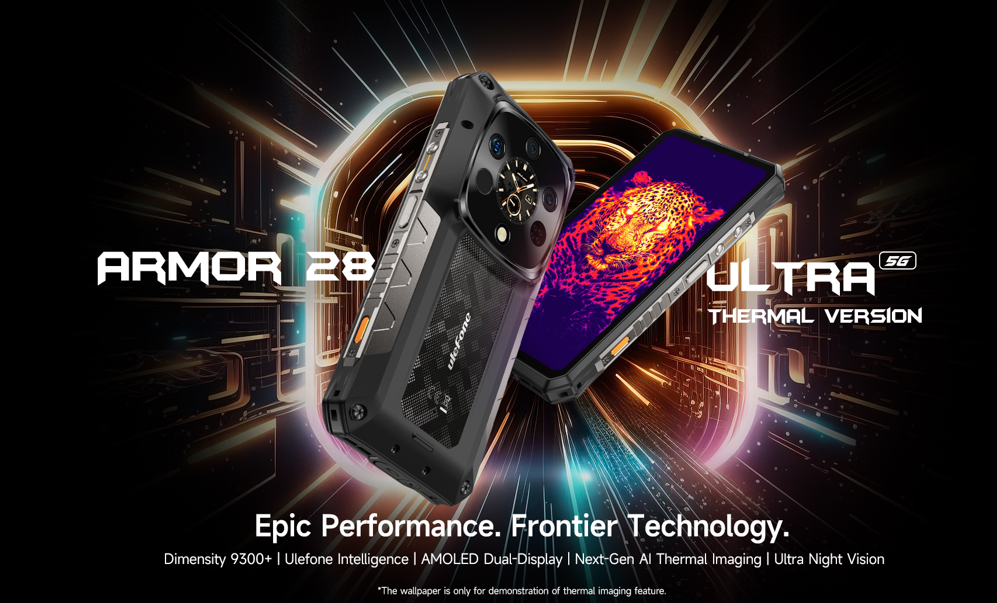
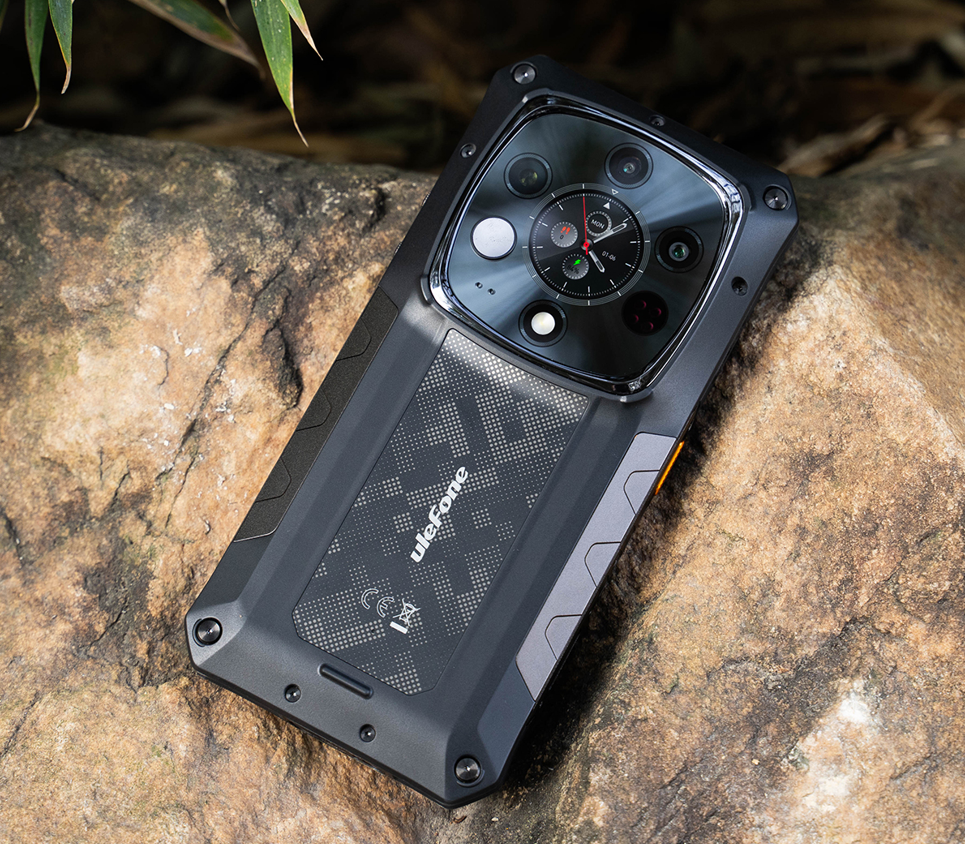
Ulefone has officially announced the launch of its latest rugged smartphones, the Armor 28 Ultra and Armor 28 Ultra Thermal. These new models will be available for purchase starting March 17, 2025, through Amazon, AliExpress, and the Ulefone Official Store.
Powerful Performance and Ample Storage
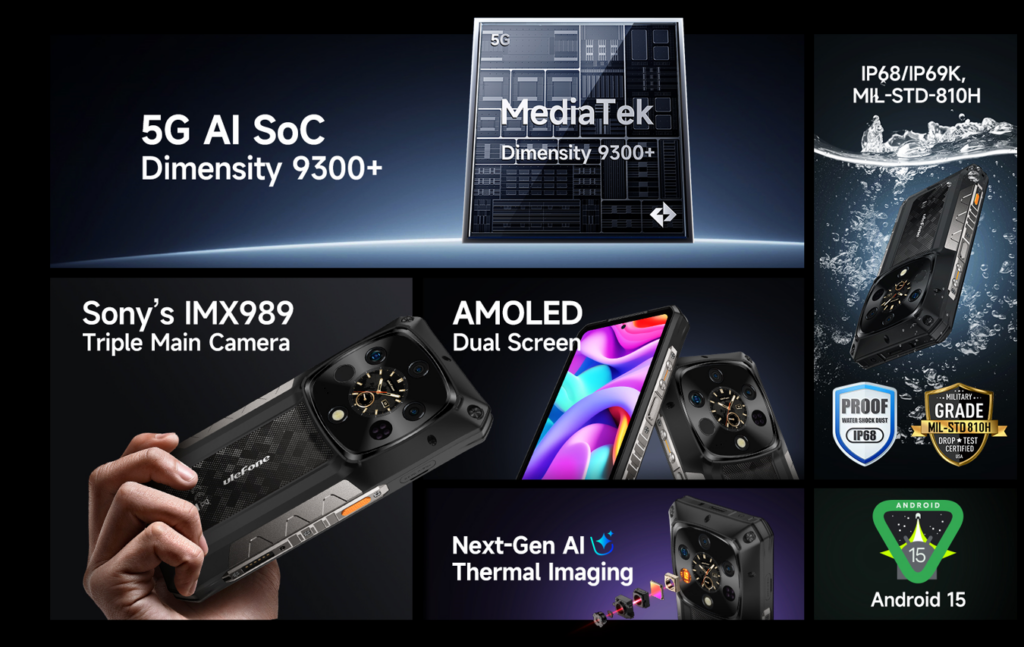
The Armor 28 Ultra series is powered by the MediaTek Dimensity 9300+ 5G AI SoC, ensuring top-tier performance and efficiency. It comes with 16GB of LPDDR5X RAM and a massive 1TB of UFS4.0 storage, making multitasking seamless and providing ample space for users’ needs.
High-Quality Camera System
For photography enthusiasts, Ulefone has equipped the Armor 28 Ultra with a powerful camera system. The primary rear sensor is a 50MP Sony IMX989 with a 1-inch sensor, delivering professional-grade image quality. The device features a triple-camera setup on the back, while the front houses a 50MP ultra-clear selfie camera. Additionally, the phone supports 8K video recording, ensuring high-resolution video capture.
Exclusive Thermal Imaging Feature
The Armor 28 Ultra Thermal stands out with its built-in AI-powered thermal imaging system. It boasts a high-resolution 640×512-pixel thermal sensor with independent ISP and ±2% accuracy, making it superior to some professional thermal imaging devices. This feature is exclusive to the Thermal version, while all other specifications remain identical to the standard Armor 28 Ultra.
Dual AMOLED Display and High Brightness
Ulefone has introduced dual AMOLED screens in this series, with one display on the front and another on the back. The screens support Always-On Display (AOD) functionality and reach a peak brightness of 2200 nits, ensuring clear visibility even in bright environments.
Rugged Durability and Build
The Armor 28 Ultra series is built to withstand tough conditions. It is IP68 and IP69K certified, making it resistant to high water pressure and dust. This ensures durability for users who need a rugged smartphone for outdoor adventures or demanding work environments.
Massive Battery and Fast Charging
Battery life is another strong point of the Armor 28 Ultra series. It comes with a huge 10,600mAh battery, providing extended usage time. The device supports 120W wired flash charging and 50W wireless charging, ensuring quick power-ups.
Pricing and Availability
While the official prices have not yet been announced, the expected price for the Armor 28 Ultra Thermal is under $1500. Ulefone is offering exclusive discounts for those who subscribe via their official website.
Giveaway Event
To celebrate the launch, Ulefone is hosting a giveaway event. The grand prize is an Armor 28 Ultra Thermal, valued at up to $1500. Interested users can participate by visiting the official giveaway page.
With its powerful hardware, advanced camera system, and rugged build, the Ulefone Armor 28 Ultra series is set to make a significant impact in the market.
Apple debuted the iPhone 16e with its first in-house cellular modem that has been rumored for months now. The C1 model reduced the brand’s reliance on Qualcomm’s Snapdragon modems for connectivity. But it seems like Apple is set to take things even further with the next gen iPhone 17.
Apple developing an in-house WiFi chip for the iPhone 17
The Cupertino based giant could have plans to make its very own WiFi chips, as per known analyst Ming-Chi Kuo on X (formerly Twitter). The Apple iPhone 16’e C1 modem enabled the brand to move away from Qualcomm and its Snapdragon modems. Meanwhile, the WiFi chips used in Apple devices are from Broadcom. So Apple could soon be replacing them with its own in-house chips.
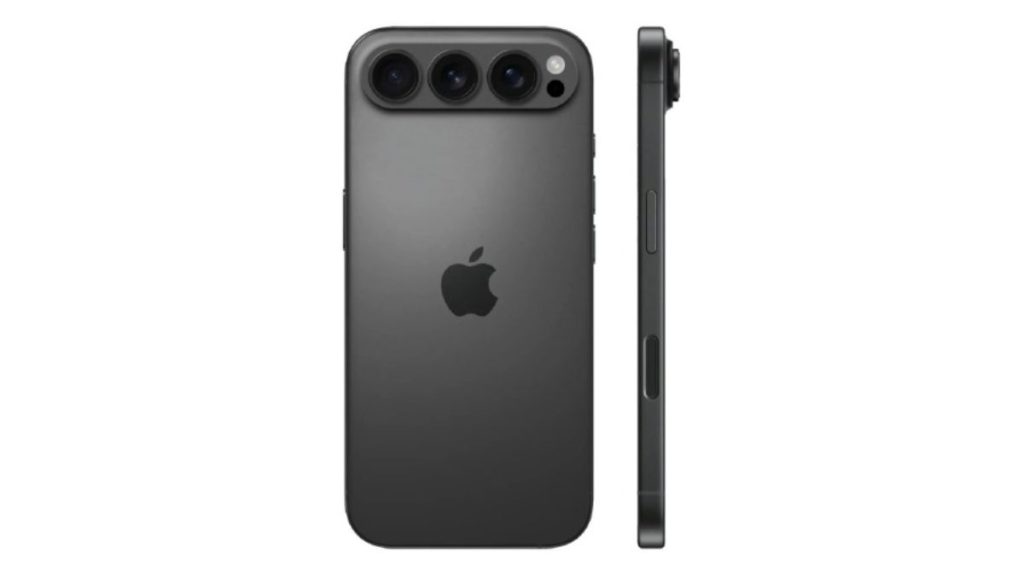
Apple iPhone 17 Series Renders
Ming-Chi Kuo further added that his latest industry survey has hinted that the iPhone 17 series could be the first to launch with Apple’s in-house WiFi chips. The iPhone 17 lineup is expected to launch in the second half of this year, but only the iPhone 17 Air model may adopt the Apple C1 modem chip. The company using its self developed WiFi chips would help it reduce the cost by removing its reliance on other manufacturers. However, one of the bigger benefits might be related to the Apple ecosystem.
Over time, Apple could use its in-house WiFi chips across all of its devices like the MacBook, iPad, iPhones, and more, allowing for enhanced multiplatform connectivity. Keep in mind that this is still just an unconfirmed report, so take this news with a pinch of salt and stick around for more.
For more daily updates, please visit our News Section.
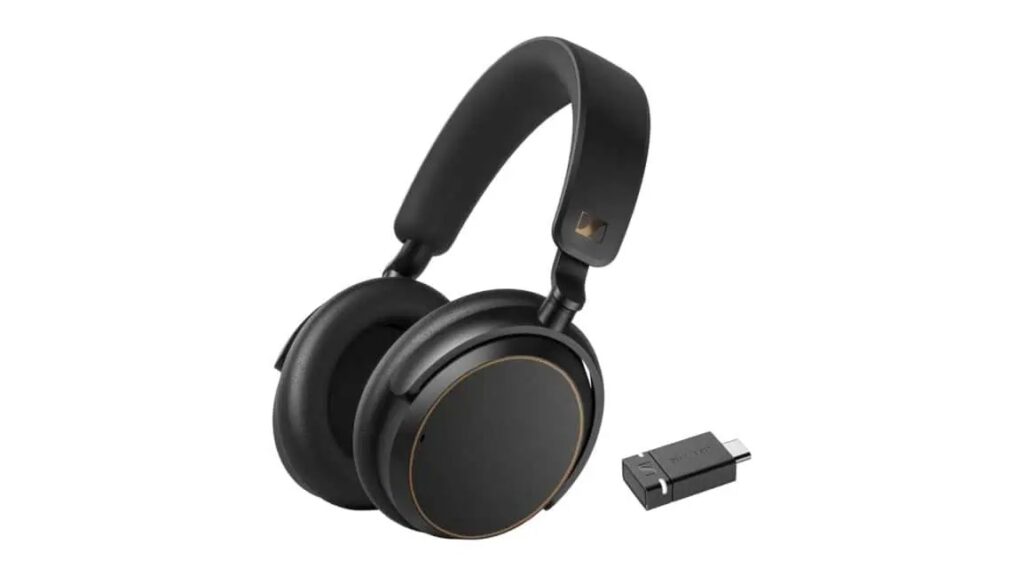
Sennheiser Accentum Wireless Headphones are on sale at a record-low price of $99.99. It is the first time that the Bluetooth Headphones are retailing at such a low price, the lowest we saw in December was $109.99, but over the past few months, it never went down from $139.99.
Sennheiser Accentum Wireless offers up to 50 hours of battery life once fully charged with the USB Type-C. It is engineered to offer premium sound, to the 37mm driver, hybrid ANC, and 5 Band Equalizer to offer a more personalized experience. The headphones weigh 350 grams and are not water resistant.
It comes bundled with a wireless dongle, that helps to establish a low-latency connection. The dongle can be plugged into both the USB-C and USB-A ports.
ACCENTUM SE wireless headphones deliver high-fidelity audio with dynamic drivers and an impressive 50-hour battery life. Featuring Bluetooth 5.2 for seamless connectivity and touch controls for easy media handling, these over-ear headphones ensure all-day comfort with plush faux leather earcups.
Perfect for music, workouts, and calls, the ACCENTUM SE is your go-to companion for an immersive audio experience. It stays on your eyes no matter if you’re commuting, running, or sitting pleasantly.
At such a price, it is worth considering the deal as it is a fully packed headphone coupled with ANC.
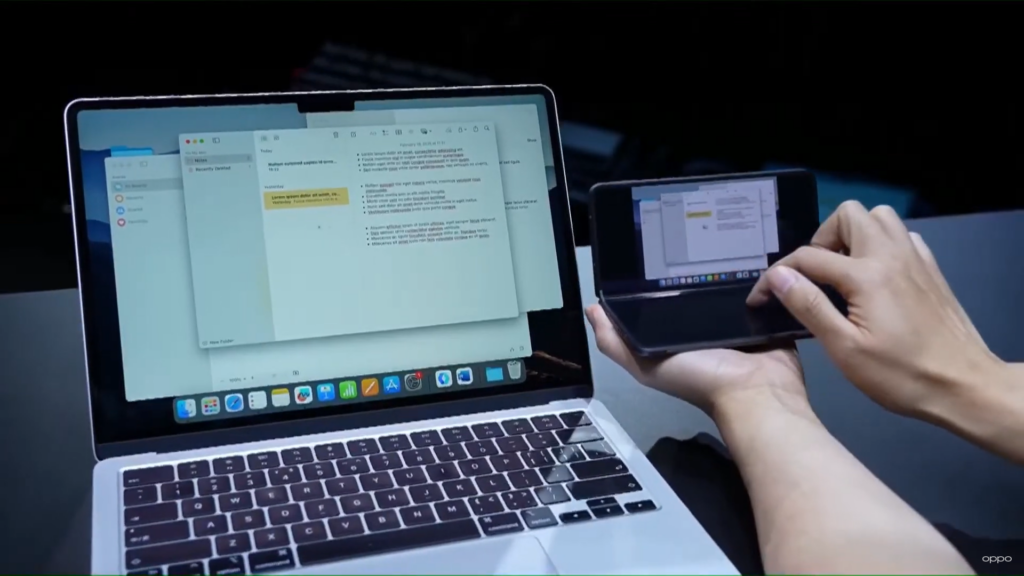
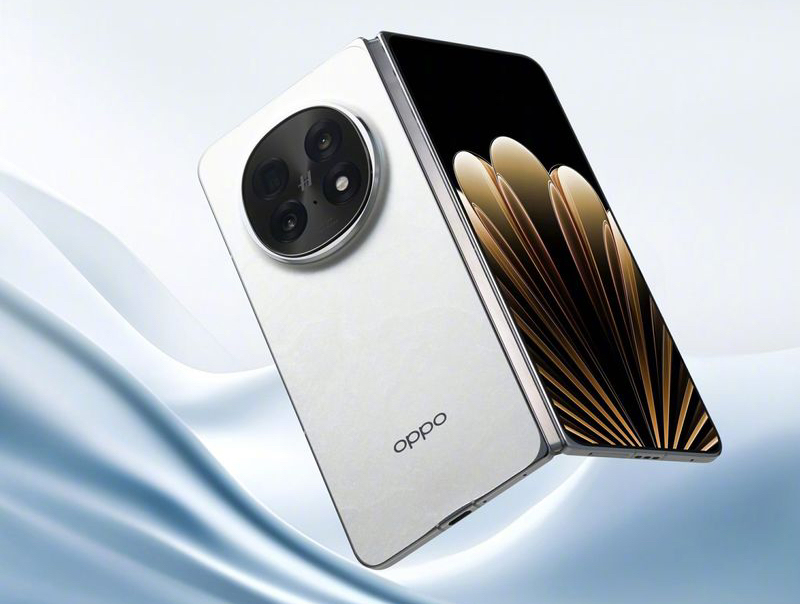
Oppo has expanded its O+ Connect feature to Mac with the launch of the Oppo Find N5, which offers seamless file sharing and a remote desktop experience for macOS users. Originally introduced with ColorOS 15 on the Oppo Find X8 series, O+ Connect made it easier for Oppo devices to interact with iPhones and iPads.
Now, Mac users can also enjoy smooth cross-device connectivity, making it easier to manage files and even control their Mac remotely.
Oppo’s O+ Connect for Mac: cross-platform made simpler than ever
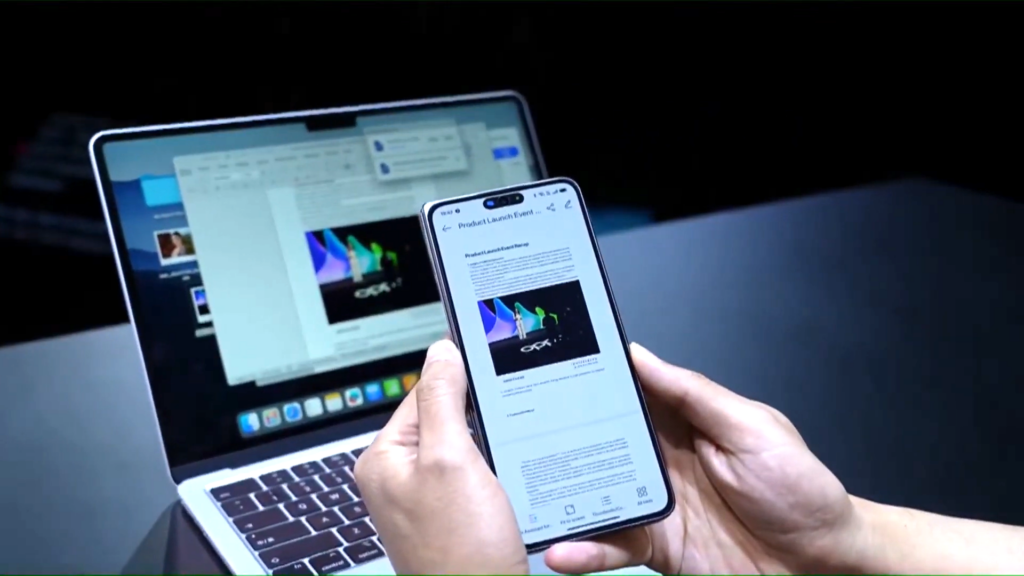
With O+ Connect for Mac, Oppo Find N5 users can view, move, search, and delete files on their phone directly from their Mac or MacBook. Unlike traditional file transfer methods, this feature lets users access their phone’s files without copying them, which means you can browse through recent photos or documents on your Mac in real-time.
Notably, O+ Connect for Mac does not require your data to be uploaded to a server. All the data sharing happens between your phone and Mac and you only need to connect them to the same Wi-Fi network.
Aside from photos or videos, you can also access notes and documents without touching your phone. File transfers are also fast—Oppo claims that 100 photos can be moved from the phone to the Mac in just 8 seconds.
Remote Mac Control
O+ Connect for Mac isn’t just about file sharing—users can also control their Mac from this Android foldable. The foldable phone’s 8.12-inch inner display offers a full-screen macOS view, or users can fold the phone at 90 degrees for a more ergonomic experience:
The top half of the screen displays the Mac desktop.
The bottom half becomes a touchpad, supporting Apple’s multi-touch gestures.
Alternatively, the bottom half can be used as a keyboard.
Oppo even showcased a split-screen mode, where users could drag a file from macOS and drop it directly into WhatsApp on their phone, making file-sharing incredibly intuitive.
Oppo has also announced an upcoming update for O+ Connect for Mac, which will allow users to access files stored on their Mac directly from the phone’s Files app—eliminating the need for a remote desktop session for basic file transfers.
While it may seem like just another feature on an Oppo phone—one of the Chinese brands with a much smaller market share than Apple or Samsung in the US and many other global markets—this is actually a significant development. It lets Apple users experience innovation without sacrificing the core functionalities of Apple’s ecosystem.
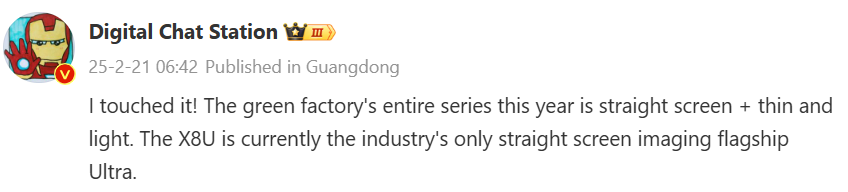
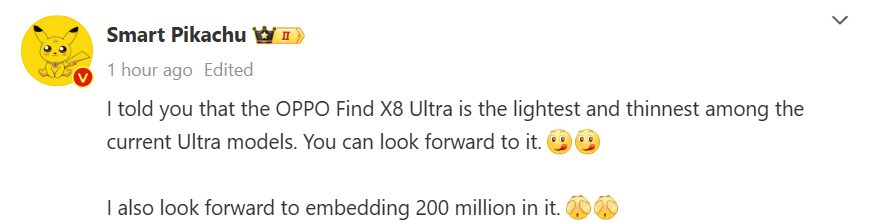
According to reports, Oppo is gearing up to launch its next-generation Find X8 Ultra and an X8-series phone with a compact design. Now that Oppo has launched the Find N5 in China, the X8 Ultra and the other models are expected to launch in March in China. Tipsters Digital Chat Station and Smart Pikachu have released new Weibo posts to share some information about these upcoming devices.
Find X8 Ultra to be slimmer than its rivals
According to DCS, the Oppo Find X8 Ultra is set to be the only Ultra-branded flagship from a Chinese smartphone manufacturer to feature a flat display. Its upcoming rivals, such as Xiaomi 15 Ultra and Vivo X200 Ultra, are expected to feature a micro-quad-curved screen.
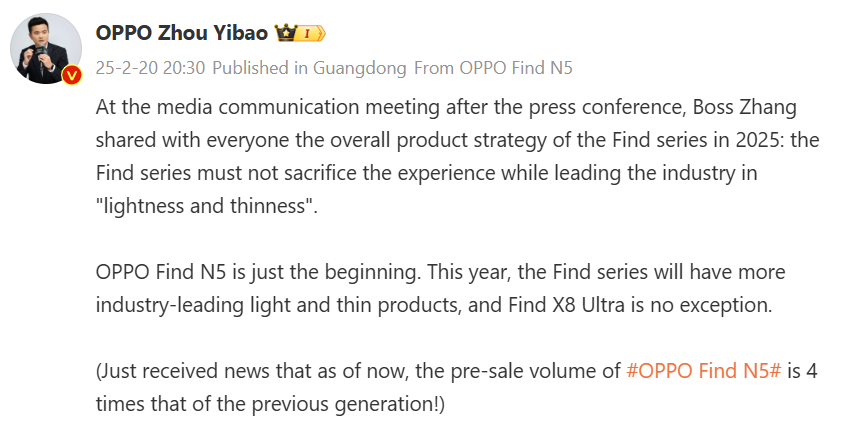
Both tipsters have also claimed that the Find X8 Ultra is the thinnest and lightest among the upcoming Ultra models. This is in line with a recent confirmation from Oppo’s Find Series Product Manager, Zhou Yibao, who said that Oppo is prioritising thin and lightweight designs this year, and the X8 Ultra is no exception.
Oppo to offer thin and lightweight design upcoming phones
Reports have revealed that the Find X8 Ultra will have a 6.8-inch 2K OLED display and feature the Snapdragon 8 Elite chipset. The Hasselblad-branded quad-camera system will undoubtedly be the X8 Ultra’s major highlight. This setup includes a 50-megapixel 1-inch primary sensor, dual 50-megapixel periscope telephoto lenses, and a 50-megapixel ultra-wide sensor. Additionally, the device will house a 6,000mAh battery with 80W wired and 50W wireless charging support.
A slim, lightweight Find X8 mini is also coming
DCS leaks about the slim profile of alleged Find X8 Mini
Alongside the Ultra variant, Oppo is reportedly preparing a compact model with a 6.3-inch 1.5K LTPO OLED flat display. While earlier leaks referred to this model as the Find X8 Mini, new reports suggest it might launch under a different name. This device is said to have a thickness of around 7mm, making it one of the slimmest flagships in its size category.
It is expected to feature a MediaTek Dimensity 9400 chipset, a metal frame, and a 50-megapixel triple camera setup. The latter is expected to include an OIS-assisted 50-megapixel primary camera, an 8-megapixel ultra-wide lens, and a 50-megapixel Samsung JN5 periscope telephoto camera with 3.5x optical zoom. It is said to feature a new push-type Alert Slider.
The exact battery size of the device is not known. However, it is expected to support 80W wired and 50W wireless charging. Lastly, it may weigh around 180 grams.
For more daily updates, please visit our News Section.
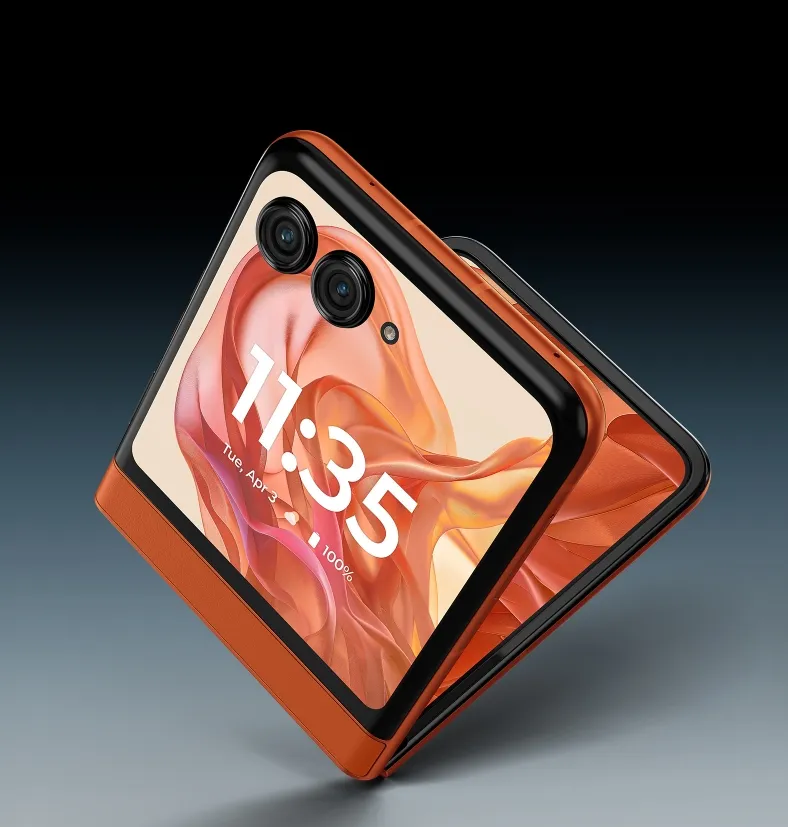
Motorola’s Razr+ (2025)/ Razr 60 Ultra has been making the rounds online, with rumors and reports revealing some of the key specs of the brand’s flagship flip phone. But now, a fresh certification sighting has revealed that Motorola is also working on the Motorola Razr 60 model as well.
Motorola Razr 60 Launch Seems Imminent
Motorola Razr 50
The company’s next gen flip phone, the Razr 60, has just spotted on China’s 3C certification carrying the XT2553-2 model number. As the name suggests, this model is the base model in the Razr 60 series and will be more affordable than the Razr 60 Ultra. The sighting on the online database did not reveal many details regarding the Razr 60, but it did list the device with a 33W charging adapter that carries the MC-338L model number (Via TheTechoutlook).
To recall, the Motorola Razr 50 launched with 30W wired fast charging and 15W wireless fast charging. So the Razr 60 could be getting a slight bump in charging rates this year. This is one of the earliest sighting of the Razr 60 Ultra (Aka Razr+ 2025) as we have mostly spotted the Razr 60 Ultra online. The Ultra variant visited the GeekBench platform with the Snapdragon 8 Elite.
Since the Razr 50 came with the Dimensity 7300X, we could expect a similar just in performance with the new Razr 60. The brand could make the shift to Snapdragon or use a better MediaTek chip for this model. Unfortunately, this is all the information we have at the moment, so stick around for more.
For more daily updates, please visit our News Section.
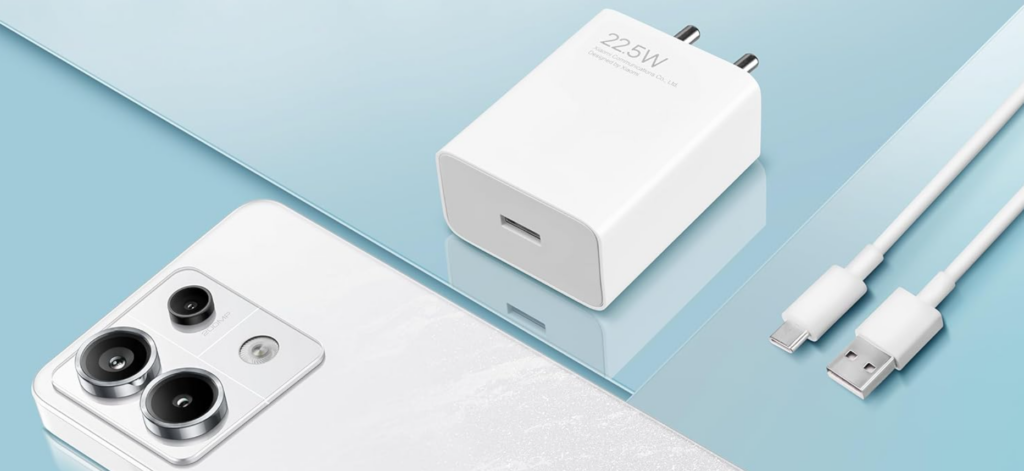
Xiaomi has reduced the price of its 22.5W Fast Charger to Rs 599. It is a limited-time price discount, and later the price will be back to the usual retail. The Quick Charge 3.0 Power adapter is available in White color options.
Xiaomi 22.5W Fast Charger supports Quick Charge 3.0. It is compatible with almost all smartphones, including Xiaomi, Redmi, Poco, Mi Series, Samsung, and others. The Power Adapter is well protected against overcurrent and overvoltage and has proper arrangements to secure the device from any short circuit.
Xiaomi Fast Charger has a durable design that is built with quality materials and robust manufacturing. Further, the USB-C charging cable power adapter comes with a 100cm Type-C Cable for all your charging needs. Furthermore, the 33W Fast Charger can charge your 6000 mAh battery smartphone within 55 minutes.
It is a highly cost-effective adapter, that offers exceptional value for money, and is even ideal for use in the home and while traveling. Xiaomi Mi 33W improves the charging experience with its rapid, and secure charging.
Please Note: When you buy something using the links in our articles, we may earn a small commission at no cost to you.
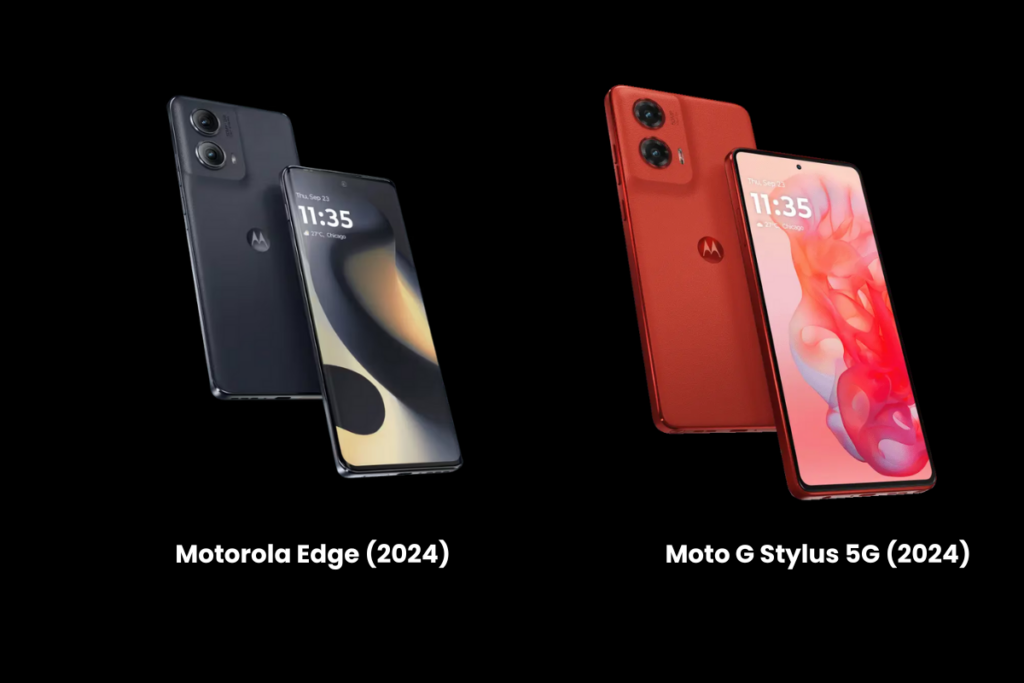
Motorola’s 2024 Edge and Stylus offerings are excellent mid-range options. Both smartphones offer compelling features, but the Motorola Edge (2024) offers a more premium experience. From a more powerful chipset to faster charging, it brings plenty to the table.
The Moto G Stylus 5G (2024) isn’t without its perks. This might actually be the better pick for some buyers. In this post, we’ll tell you four strong reasons why the Edge (2024) is a smarter choice — but also two reasons that might push you to think twice.
4 reasons to choose Motorola Edge (2024) over Moto G Stylus (2024)
1. Better durability
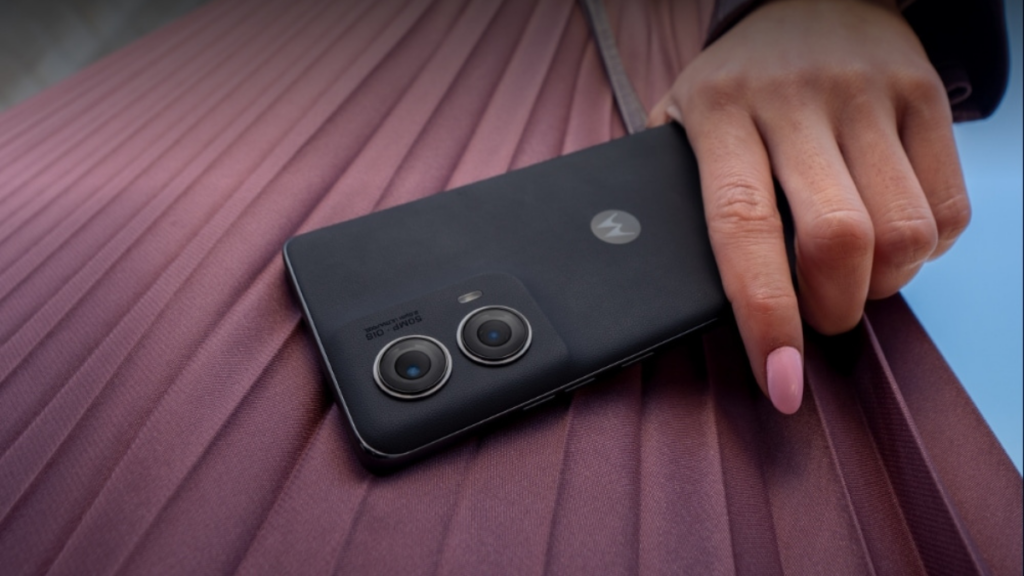
Both smartphones have eco-leather backs that make holding the device a good experience. The added texture makes me more confident about carrying any of the two Motorola phones without putting on a case.
What differentiates them here is the aluminium frame on the Motorola Edge (2024), which makes it look more premium and offers added protection compared to the plastic frame on the Moto G Stylus 5G (2024). The former also has an IP68 rating for protection against dust and water, while the Stylus lacks any IP rating. For additional protection, the Edge (2024)’s display has Corning Gorilla Glass 3 protection.
2. Better gaming performance
The Edge (2024) is powered by the Snapdragon 7s Gen 2, which is slightly more powerful than the Snapdragon 6 Gen 1 that drives the Moto G Stylus 5G (2024). Both chipsets have been fabbed on TSMC’s 4nm process node and have the same CPU cores — four Cortex-A78 and four Cortex-A55. It’s just the higher clock speed on the Snapdragon 7s Gen 2 that brings the difference. The same goes for GPU; both have Adreno 710, but the 7s Gen 2 operates at a slightly higher frequency.
Take a look the benchmark scores below.
AnuTu (v10) result:
Motorola Edge (2024)
Moto G Stylus 5G (2024)
AnTuTu score
599,463
553,893
CPU
198,077
197,228
GPU
116,988
94,029
Memory
132,817
118,788
UX
151,580
143,848
On AnTuTu v10, The Edge (2024) with Snapdragon 7s Gen 2 has scored close to 600,000 points, while the Moto G Stylus 5G (2024) has scored 553,892 points. While the CPU scores are almost similar, the Edge (2024) is ahead on the GPU front.
Geekbench (v6) result:
Motorola Edge (2024)
Moto G Stylus 5G (2024)
Single core
892
916
Multi core
2,764
2,754
Much like AnTuTu, Geekbench shows a similar CPU performance for the Motorola Edge (2024) and Moto G Stylus 5G (2024) in both single-core and multi-core tests.
3DMark Extreme result:
Motorola Edge (2024)
Moto G Stylus 5G (2024)
3DMark Extreme (High)
794
736
3DMark Extreme (Low)
614
608
In both 3DMark Extreme tests, the Snapdragon 7s Gen 2-powered Motorola Edge (2024) is ahead of the Moto G Stylus 5G (2024).
These benchmark scores suggest that while the CPU performance may be similar on both phones, the Motorola Edge (2024) has better GPU performance. So, this phone will have better gaming performance than the other. However, for everyday tasks like browsing the internet, reading emails, and scrolling through social media feeds, both phones do a very good job.
3. Excellent connectivity
While both Motorola phones have necessary connectivity features, the Edge (2024) benefits from newer Wi-Fi and Bluetooth standards. This phone supports Wi-Fi 6E, which provides additional channels that reduce congestion and improve performance in crowded environments. Thus, it offers faster speed and lower latency. This also means the Edge (2024) is more future-proof.
The Motorola Edge (2024) also benefits from a newer Bluetooth 5.2 standard compared to Bluetooth 5.1 on the Moto G Stylus 5G (2024). The former is more power efficient and reduces latency. Bluetooth 5.2 also supports multi-stream capability, allowing the device to send audio to multiple outputs simultaneously.
4. Less charging time
The two Motorola phones have the same 5,000mAh battery. However, they bring considerable differences in terms of charging speeds. The Motorola Edge (2024), for example, supports 68W wired charging, while the Moto G Stylus 5G (2024) peaks at 30W. The wireless charging, however, is the same on both phones — 15W.
2 reasons to choose Moto G Stylus 5G (2024) over Motorola Edge (2024)
The built-in stylus is one of the biggest reasons to choose the Moto G Stylus 5G (2024) over the Edge (2024). It brings a whole new level of functionality, such as taking quick notes, marking up documents, or sketching. It also improves touch accuracy and overall usability.
Motorola has also been improving the stylus experience to make it more intuitive and responsive, making tasks like writing, drawing, and even navigating the UI smoother and more enjoyable.
2. A microSD slot, headphone jack
One could argue that people are shifting to cloud storage, but there’s nothing better than having files on the device itself, as accessing them is always going to be faster and easier and doesn’t require an internet connection. Thus, many people still look for a microSD slot. It’s also a cheaper way to get additional storage. The Moto G Stylus 5G (2024) has a card slot, but the Edge (2024) doesn’t.
The Moto G Stylus 5G (2024) also has a 3.5mm headphone jack. This is still a big deal for many smartphone users and might affect their purchase decisions. Wired headphones are believed to offer better sound quality and do not have latency issues that sometimes occur with Bluetooth devices.
Motorola Edge (2024) vs Moto G Stylus 5G (2024): Conclusion
The Edge (2024) has an aluminum frame that makes it look more premium and improves protection against accidental drops. The IP68 rating and Corning Gorilla Glass 3 protection make it a sound choice over the Moto G Stylus (2024), which lacks any of these.
Please Note: When you buy something using the links in our articles, we may earn a small commission at no cost to you.
The Edge (2024) benefits from a faster chipset, particularly in GPU performance. Thus, gaming will be better on this device. The smartphone also offers newer standards of Bluetooth and Wi-Fi connectivity systems that enhance the connection speed and reduce latency. Further, it’s getting faster wired charging, resulting in less charging time.
Please Note: When you buy something using the links in our articles, we may earn a small commission at no cost to you.
The Moto G Stylus 5G (2024) has its own benefits. The built-in stylus itself is a big deal for many people. The device also has a microSD card slot and a 3.5mm headphone jack. One must also note that the Edge (2024) has a curved display, while the Moto G Stylus 5G (2024) brings a flat display. Set your priorities, and go for the one that ticks most boxes.
We use cookies on our website to give you the most relevant experience by remembering your preferences and repeat visits. By clicking “Accept”, you consent to the use of ALL the cookies.
This website uses cookies to improve your experience while you navigate through the website. Out of these, the cookies that are categorized as necessary are stored on your browser as they are essential for the working of basic functionalities of the website. We also use third-party cookies that help us analyze and understand how you use this website. These cookies will be stored in your browser only with your consent. You also have the option to opt-out of these cookies. But opting out of some of these cookies may affect your browsing experience.
Necessary cookies are absolutely essential for the website to function properly. This category only includes cookies that ensures basic functionalities and security features of the website. These cookies do not store any personal information.
Any cookies that may not be particularly necessary for the website to function and is used specifically to collect user personal data via analytics, ads, other embedded contents are termed as non-necessary cookies. It is mandatory to procure user consent prior to running these cookies on your website.