Advertisement

Oppo A6k 5G launches in China with Dimensity 6300, 7000mAh battery, starting at around $290

Oppo has added another model to its A-series lineup in China, the Oppo A6k, and this one seems clearly aimed at users who care more about battery life than anything else. Yes, it’s a budget phone, with a few practical compromises along the way.

Up front, there’s a 6.75-inch LCD display with HD+ resolution (1570 × 720). Not exactly sharp, and Oppo isn’t really trying to sell it that way either. Instead, the focus is on smoothness. The panel supports a 120Hz refresh rate and 240Hz touch sampling, so general navigation should feel relatively fluid compared to some of its competitors. Brightness goes up to 900 nits typically, with a peak of 1125 nits. Anything over 1000 nits is quite impressive for an IPS panel and should be enough for comfortable outdoor use.

The phone runs on the MediaTek Dimensity 6300, a fairly familiar 5G chip in this segment. It’s paired with LPDDR4X RAM and UFS 2.2 storage, so nothing unusual there.

In terms of actual use, this should handle everyday tasks like calling, messaging, web browsing, video streaming, and even some lightweight games just fine. It’s not built for heavy workloads, but that’s kind of expected here. Benchmark numbers land roughly around 530K on AnTuTu v11 and about 770 / 1980 on Geekbench 6, which is about where you’d expect it to be.

Cameras are fairly straightforward. There’s a 50MP main sensor, along with a 2MP monochrome lens, and an 8MP front camera. Nothing particularly ambitious, but it covers the basics. A side-mounted fingerprint sensor is also here, which honestly still feels quicker than in-display options at this price.

The main talking point, though, is the battery. Oppo has gone with a 7000mAh unit, which is hard to ignore. For most users, that should comfortably last more than a day, maybe even stretch into a second depending on usage. Charging is rated at 45W SuperVOOC, with support for UFCS and a few other standards, so it’s not locked to one ecosystem.

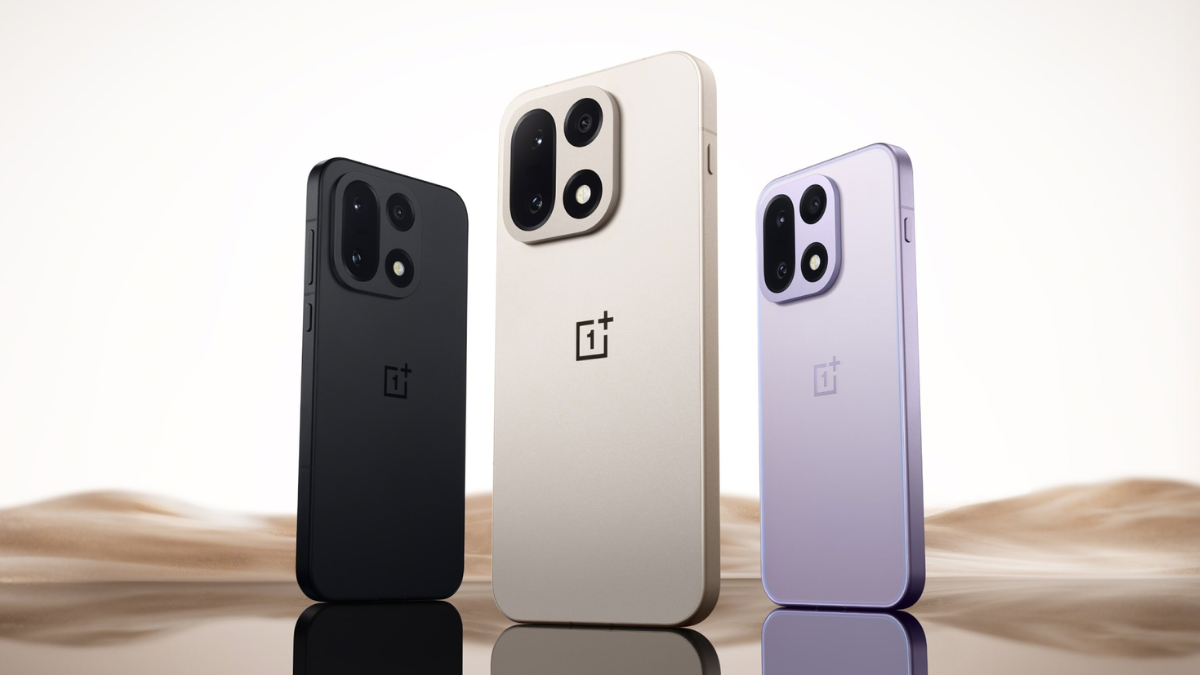
It comes in Dawn Gold, Twilight Blue, and Seashell White in the home country.

Pricing and availability:

The phone is currently available for sale in China.

  • 8GB + 256GB at 1999 yuan (~$290)
  • 8GB + 512GB at 2199 yuan (~$319)
  • 12GB + 256GB at 2399 yuan (~$348)

Don’t miss a thing! Join our Telegram community for instant updates and grab our free daily newsletter for the best tech stories!

For more daily updates, please visit our News Section.

(Source)

Xiaomi’s New Electric Shaver Pro Set is Insane – 95 Days Battery & Smart Cleaning

Xiaomi Mijia Electric Shaver Pro Set is available for purchase on the Chinese Platform Youpin for 699 yuan (approximately $95–$100 USD). It is offered as a premium gift box package that includes multiple grooming attachments for everyday use. 

Pros: Smart features, long battery life, hygienic charging base, multi-use kit

Cons: Slightly premium pricing, may feel complex for basic users, limited global availability 

What You Get & How It’s Used

This set includes an electric shaver, a multi-functional wireless charging base, a sideburn trimmer, and a nose hair trimmer. It’s ideal for users who want a single device for full face grooming. The charging base is a key highlight; it doesn’t just charge the shaver but also sterilizes and air-dries it automatically when placed on the dock. This makes daily maintenance effortless and hygienic.

Performance & Shaving Technology

The shaver uses a double-ring corrugated blade net, which covers more surface area compared to traditional designs. Combined with stainless steel blades and a cross + reciprocating cutting system, it delivers faster and cleaner shaves. The high-speed motor performs around 5 million cuts per minute, while a smart chip adjusts power based on beard thickness.

Comfort & Smart Protection

For sensitive skin, the silicon-based microbead coating reduces friction and gives a smoother glide. The built-in pressure sensor prevents you from pressing too hard, reducing irritation and skin damage.

Battery & Usability

With Type-C charging and up to 95 days of battery life, it’s highly convenient. The color display shows battery, mode, and travel lock status clearly.

Read More:

(via)

Oppo Find X9s Pro’s dual 200MP cameras to be powered by these Samsung sensors

Last week, Oppo revealed that the Oppo Find X9s Pro, which is slated to launch on April 21 in China, will be equipped with dual 200-megapixel cameras. The rumor mill has been speculating that this phone could be equipped with a pair of Samsung HP5 sensors that have been previously used on some flagships and even mid-range phones. However, a new Weibo post from reliable tipster Digital Chat Station has revealed the exact sensors that will be powering the X9s Pro’s dual 200-megapixel cameras.

Oppo Find X9s Pro’s key details leaked

According to the tipster, the Find X9s Pro will have a 200-megapixel primary camera based on a 1/1.4-inch HPE sensor. To put into context, the sensor is slightly smaller the X9 Pro’s Sony IMX828 (1/1.7-inch) 50-megapixel primary camera.

The leak also reveals the existence of a 200-megapixel periscope telephoto lens using the HP5 sensor with around 2.8x optical zoom and an f/2.6 aperture. While the tipster has not mentioned in the leak, the X9s Pro’s rear setup will also have a 50-megapixel camera for ultra-wide shots.

On the front, the Find X9s Pro will sport a 6.32-inch 1.5K flat display with a 144Hz refresh rate and LIPO technology. It will be powered by the Dimensity 9500 chipset and include a large 7,025mAh battery with support for 80W wired and 50W wireless charging. Additional features could include a second-generation multispectral sensor, an ultrasonic fingerprint scanner, IP68 rating, and a Hasselblad-branded external telephoto accessory.

Oppo Find X9 Ultra’s new details leaked

In a related update, DCS revealed that the Find X9 Ultra is said to arrive in three versions. Both the standard and the 16GB+1TB satellite communication variants are expected to be offered in colour options such as Earth Tundra, Canyon Sand, and Polar Glacier.

A special Hasselblad “Explorer Master Kit” is reportedly tied to the 16GB + 1TB satellite edition in the Earth Tundra finish, aligning with earlier rumours about the device’s positioning.

For more daily updates, please visit our News Section.

Stay ahead in tech! Join our Telegram community and sign up for our daily newsletter of top stories! 💡

Dimensity 9600 Pro tipped to deliver insanely powerful desktop-level 5GHz performance

MediaTek is reportedly working on the Dimensity 9600 series of flagship chipsets. Recent reports have revealed that the brand may unveil 2nm chips, namely the Dimensity 9600 and 9600 Pro, later this year. Today, tipster Digital Chat Station released a Weibo post to reveal the performance leap the D9600 series will offer.

Dimensity 9600 Pro performance details tipped

According to DCS, the Dimensity 9600 and 9600 Pro may introduce a dual ultra-core CPU setup, marking a notable change from previous designs. The chip is said to reach peak clock speeds close to 5GHz, which places it in a new league for smartphone processors.

The architecture is expected to follow a 2+3+3 core configuration, with two ultra-large cores leading performance-heavy tasks. This approach could bring desktop-level processing capabilities to mobile devices. The chipset is also believed to be based on TSMC’s advanced N2P process, which may result in a 25 to 30 percent drop in power consumption, but this is yet to be verified, claims the tipster.

Earlier reports suggest that MediaTek could segment the lineup into multiple tiers. The standard version may be based on an enhanced Dimensity 9500+, while the Pro and Pro Max variants are likely to adopt the newer 2nm-class architecture. This layered strategy could allow brands to target different price segments while maintaining flagship-grade performance.

MediaTek Dimensity 9600 AI-generated image
MediaTek Dimensity 9600 (AI-generated image)

The Dimensity 9600 series is also expected to benefit from MediaTek’s involvement in developing advanced AI chips, including work related to Google’s TPU platform. This could translate into better on-device AI capabilities and improved power efficiency in real-world usage.

Leaks indicate that the Vivo X500 series and the Oppo Find X10 lineup may adopt the Dimensity 9600 series, particularly in their Pro Max models. Meanwhile, competing Snapdragon 8 Elite Gen 6 series chipsets from Qualcomm are expected to be reserved for select ultra-premium devices, setting up an interesting battle in the flagship segment.

For more daily updates, please visit our News Section.

Stay ahead in tech! Join our Telegram community and sign up for our daily newsletter of top stories! 💡

OnePlus 15T vs Nothing Phone (4a) Pro – Don’t Buy Before Reading This

Choosing between the OnePlus 15T and the Nothing Phone (4a) Pro highlights a classic dilemma: raw flagship power vs balanced value with standout design. One targets performance-focused users who want top-tier specs and battery life, while the other appeals to those who prioritize aesthetics, camera versatility, and price. This comparison matters because both phones sit in competitive segments, making it important to understand which one actually delivers the better overall experience for your needs.

Please Note: When you buy something using the links in our articles, we may earn a small commission at no cost to you.

Major Features:

FeatureOnePlusNothingWinner
Build & ProtectionIP68/IP69K, glass front, alloy frame, reinforced backIP65, aluminum unibody, LED backOnePlus – stronger protection
Display6.32″ AMOLED, 165Hz, Dolby Vision, 3600 nits peak6.83″ AMOLED, 144Hz, 5000 nits peakTie – OnePlus smoother, Nothing brighter
ChipsetSnapdragon 8 Elite Gen 5 (3nm)Snapdragon 7 Gen 4 (4nm)OnePlus – flagship vs midrange
GPUAdreno 840Adreno 722OnePlus – much more powerful
Storage TypeUFS 4.1UFS 3.1OnePlus – faster storage
Max RAM/Storage16GB / 1TB12GB / 256GBOnePlus – higher ceiling
Main Camera50MP + 50MP (telephoto)50MP + 50MP (periscope) + 8MP UWNothing – more versatile
Zoom3.5x telephoto3.5x periscopeNothing – periscope advantage
Selfie Camera16MP32MPNothing – higher resolution
Video8K, 4K@120fps4K@30fpsOnePlus – higher capability
Battery7500mAh5400mAh (India)OnePlus – much larger
Charging100W wired, 50W wireless50W wiredOnePlus – faster + wireless
Wireless ChargingYes (50W)NoOnePlus – clear win
ConnectivityWi-Fi 7, Bluetooth 6.0Wi-Fi 6, Bluetooth 5.4OnePlus – newer tech
Price₹58,000₹40,000Nothing – cheaper
Disclaimer: Specs are based on available data. Actual performance may vary. Verify details from official sources before buying.

1. Design and Display

Build and Feel

The OnePlus 15T focuses on durability with IP68/IP69K protection and a clean, performance-first design. The glass-fiber back keeps things practical while still feeling premium enough. In contrast, the Nothing Phone (4a) Pro leans heavily into visual identity with its transparent-style back and signature LED lighting system. The aluminum unibody adds a more industrial, standout look. It feels more expressive, while the OnePlus stays minimal and serious.

Display Quality

OnePlus pushes a 165Hz AMOLED panel with Dolby Vision and extreme brightness control, making it smoother and more consistent for gaming and HDR content. Nothing counters with a larger 144Hz AMOLED panel and a much higher peak brightness, which helps outdoors and gives it a more immersive feel. However, the refresh rate edge and better PWM dimming on OnePlus subtly improve long-term comfort.

Verdict

Nothing wins on uniqueness and visual appeal, but OnePlus feels more refined and premium overall. For everyday usability and smoother visuals, OnePlus has the edge.

2. Specifications Including Battery

Performance

The OnePlus 15T runs on the Snapdragon 8 Elite Gen 5, which sits firmly in flagship territory. It delivers significantly better raw power, GPU performance, and long-term stability. The Nothing Phone (4a) Pro, powered by Snapdragon 7 Gen 4, handles daily tasks well but lacks the headroom for heavy gaming or sustained performance. The gap is noticeable, especially for power users.

Battery and Charging

OnePlus takes a massive lead with a 7500mAh battery, paired with 100W wired and 50W wireless charging. It’s built for heavy usage with minimal downtime. Nothing offers a respectable 5400mAh battery (India) with 50W charging, which is decent but not exceptional in this segment. The difference becomes clear during long gaming or travel days.

Verdict

This section clearly favors OnePlus. It feels like a performance beast with unmatched battery endurance, while Nothing remains more balanced but less ambitious.

3. Camera

Main and Secondary Lenses

OnePlus keeps things simple with a dual 50MP setup, focusing on consistency and strong telephoto performance with 3.5x optical zoom. Image processing is reliable, and video capabilities go up to 8K, which adds flexibility. Nothing, however, brings a more versatile triple camera system, including an ultrawide lens alongside its 50MP main and periscope zoom. This gives it more shooting options, especially for landscapes and creative framing.

Selfie Camera

Nothing takes a clear lead with a 32MP front camera, producing sharper and more detailed selfies. OnePlus sticks to a 16MP sensor, which is usable but less impressive in comparison, especially in social media scenarios.

Verdict

Nothing wins for versatility and selfie quality, while OnePlus holds an edge in video capabilities. For most users, Nothing feels more complete in the camera department.

4. Pricing

The OnePlus 15T is priced at around ₹58,000, positioning it in the flagship killer category. Meanwhile, the Nothing Phone (4a) Pro comes in at approximately ₹40,000, making it significantly more affordable. The price gap of nearly ₹18,000 changes the conversation entirely.

Is the Price Justified?

OnePlus justifies its price with flagship-level performance, a massive battery, and premium durability. It’s clearly built for users who prioritize power and longevity. Nothing, on the other hand, offers strong value with a unique design, capable cameras, and a solid everyday experience at a much lower price. It feels like a smarter buy for most casual and mid-level users.

Verdict

Nothing delivers better value for money, while OnePlus targets those willing to pay extra for top-tier performance and battery.

Disclaimer:
Prices are approximate and may vary based on country, region, and applicable taxes.

5. Conclusion

OnePlus 15T stands out with its flagship chipset, massive 7500mAh battery, ultra-fast charging, and superior durability ratings. It feels engineered for performance-heavy users who want reliability over flair. The Nothing Phone (4a) Pro differentiates itself with its iconic LED back design, larger immersive display, and a more versatile camera setup. It leans into personality and balance rather than raw power.

Verdict

The choice depends heavily on priorities. OnePlus 15T is the clear winner for performance, battery life, and long-term usage. Nothing Phone (4a) Pro makes more sense for users who value design, camera flexibility, and affordability. Overall, OnePlus feels like the more powerful device, but Nothing offers the smarter value proposition for the majority.

Disclaimer: This comparison is based on the specifications provided and is intended for general informational purposes. Actual performance, camera results, battery life, and overall experience may vary depending on real-world usage, software updates, and individual preferences.

Read More:

Nothing hikes Phone (3a) Lite prices across all variants

Nothing has quietly increased the price of the Nothing Phone (3a) Lite in India. According to a report by 91Mobiles, the price has been raised by Rs 3,000 across all variants.

As a result, the base 8GB RAM and 128GB storage model now costs Rs 24,999, up from Rs 21,999. The 8GB RAM and 256GB variant has increased from Rs 23,999 to Rs 26,999.

According to a circular from Nothing to retailers, the change is effective from April 6. However, it will only apply to new stock purchased from that date. Older stock will continue to sell at the original launch price.

Nothing Phone (3a) Lite

The shift isn’t happening in isolation. Industry-wide component costs, especially memory, have been trending upward, prompting brands to reconsider pricing even after launch. Instead of waiting for a new product cycle, companies are increasingly making mid-cycle corrections to protect margins.

This trend has already been visible across several brands. Redmi and Realme have adjusted pricing on select models, while Samsung introduced newer A-series devices at noticeably higher starting points compared to previous generations.

Nothing Phone (3a) Lite Specs

The phone features a 6.77-inch FHD+ Super AMOLED display with a 120Hz adaptive refresh rate and up to 3000 nits peak brightness. It also comes with Panda Glass protection.

The device runs on the MediaTek Dimensity 7300 Pro processor. Its triple rear camera setup includes a 50MP main camera using a 1/1.57 inch Samsung sensor, an 8MP ultra-wide camera, and a 2MP macro camera. On the front, there is a 16MP camera that records up to 1080p at 60fps.

For now, buyers should be able to get the Phone (3a) Lite for the original launch price, given they can find older inventory. Once that stock clears out, the higher price is likely to become standard across channels.

For more daily updates, please visit our News Section.

Stay ahead in tech! Join our Telegram community and sign up for our daily newsletter of top stories!

(Source)

Vivo launches Android 17 Developer Preview: Supported devices and installation steps

Vivo Android 17 beta program

Vivo finally joins its Chinese rivals, Oppo, OnePlus, and Realme, to offer its users early access to Android 17 via the Developer Preview program. This preview program build is based on Android 17 Beta 2 and is currently limited to the newest flagships, Vivo X300 Pro and iQOO 15.

The company has already begun accepting applications for its Android 17 Developer Preview program, although it’s currently live in mainland China. We can expect its expansion to other regions in the coming days and weeks. We’ll keep you posted in the Vivo section.

If you have an eligible device and live in a supported region, you can sign up for Android 17 Developer Preview and get early access to the latest features and upgrades. Keep in mind that these early builds are intended for developers and advanced users. Below is a list of issues in the current beta build shared by Vivo.

Known issues:

Vivo X300 Pro
1. Fingerprint cannot be used
2. Screenshot function is unavailable.
3. Some built-in and third-party applications may crash.
4. Some system settings (system style, easy mode, privacy system, etc.) cause crashes.

iQOO 15
1. Fingerprint cannot be used
2. Screenshot function is unavailable.
3. There is a chance that the small window cannot be opened.
4. Facial recognition is temporarily unavailable.
5. The Home button may occasionally malfunction; it is recommended to use the navigation keys.

Before you upgrade to Android 17 beta, note that you can’t go back to the preview stable build without doing a full factory reset. Make sure to back up important data. Also, ensure that your phone has at least 5GB of free storage and is charged to at least 40% before installing the beta build.

How to install Android 17 beta on Vivo and iQOO phones?

Back up your important data by navigating to Settings > Additional settings > Back Up and Reset > Backup & Restore and choosing what to back up. Once done, download the required firmware file from the official website.

Now, follow these steps:

  1. Connect your Vivo phone to a computer via a USB cable.
  2. Switch the phone’s USB settings to file transfer mode.
  3. Copy the downloaded software firmware to the phone’s internal storage. (if it isn’t already there)
  4. On your phone, go to Settings > System Management and Upgrade > System Upgrade > Upgrade Settings > Local Upgrade
  5. Choose the downloaded firmware file and start the upgrade.
  6. Once the upgrade is complete, tap Restart.

If you encounter any problems with the beta build, submit your feedback through the Feedback application. This will help the brand in addressing those bugs. You can also downgrade to the stable Android 16 build. Check the Vivo developer site for the required package and steps.

Remember to visit the Vivo section on Gizmochina regularly for the latest information. Or, you can join our Telegram channel to get instant notifications about the latest software updates and breaking tech news.

Xiaomi 17 Fold launch is reportedly delayed, here’s the expected specs

Xiaomi took a year off from its foldable lineup. The company last unveiled the Xiaomi Mix Fold 4 in 2024 and didn’t follow it up in 2025. Now, it looks like that pause might finally be ending.

A new rumor suggests Xiaomi will launch its next foldable in early July.

According to tipster Kartikey Singh, the next-generation Xiaomi foldable was initially expected to debut alongside the Xiaomi 17 Max next month. That timeline, however, has reportedly slipped to early July.

There’s also growing uncertainty around the name. It may not be called the Mix Fold 5 at all.

A previous IMEI database listing revealed a Xiaomi foldable with the model number 26023PN08C and the codename “pecan.” 

Why this is noteworthy is that Xiaomi’s Mix Fold devices have traditionally carried “PX” identifiers in model code. The Xiaomi Mix Fold 4, for example, uses the model number 24072PX77C. By contrast, the “PN” tag is typically associated with Xiaomi’s mainline number series, like the Xiaomi 17.

This suggests Xiaomi could be rethinking its branding entirely. Instead of Mix Fold 5 — or even the Fold 6 — the company’s next foldable might land as the Xiaomi 17 Fold.

Xiaomi 17 Fold specifications (expected)

As for what’s inside, the tipster claims the device will be powered by the Snapdragon 8 Elite Gen 5.

Xiaomi Mix Fold 4

Camera details are still based on earlier reports. According to them, the foldable will have a 200-megapixel main sensor (Samsung S5KHP5), a 50-megapixel ultra-wide (OV50M), and another 50-megapixel auxiliary sensor (OV50M). On the front, the device could feature a 16-megapixel selfie camera (OV16F).

Apart from this, details about Xiaomi’s upcoming foldable are still pretty thin. But with the rumored launch window not too far off, we likely won’t have to wait long before more leaks start to fill in the gaps.

For more daily updates, please visit our News Section.

Don’t miss a thing! Join our Telegram community for instant updates and grab our free daily newsletter for the best tech stories!

Google Pixel 10a Isai Blue Edition Announced in Japan With Custom Design and 256GB Storage

Google has introduced a new Japan-exclusive version of the Pixel 10a, called the Isai Blue edition. The release marks the 10th anniversary of the Pixel lineup and brings a design collaboration with Heralbony, a company known for promoting diverse artistic expression. The device is now available for pre-order in Japan and will go on sale starting May 20.

Google Pixel 10a

Unlike the standard Pixel 10a colors such as Lavender, Berry, Fog, and Obsidian, this variant focuses on a concept rather than nature-inspired tones. The name “Isai” translates to individuality. The blue finish reflects Heralbony’s corporate identity and its message of embracing uniqueness. The design extends beyond the exterior, combining hardware, accessories, and software elements.

On the software side, the device uses Google’s Material You system to integrate artwork into the user interface. The Isai Blue edition includes three themed design sets created by Heralbony artists Shigaku Mizukami, Midori Kudo, and Kaoru Iga. Users can select from nine wallpapers, and the system automatically adjusts app icons and color schemes to match the chosen design.

The customization continues with physical accessories. The box includes a set of original stickers designed by Nozomi Fujita, featuring letters and motifs inspired by the Pixel brand. A color-matched bumper case is also included. This frame-style case protects the sides while leaving the back visible, allowing users to showcase the blue finish and applied stickers.

In terms of build, the Pixel 10a introduces improved front glass durability compared to the Pixel 9a. It also adopts a completely flat rear camera layout, removing protrusions to reduce the risk of scratches and damage from drops.

The packaging reflects the collaboration as well. The box sleeve features artwork by Midori Kudo, offering a visual preview of the partnership.

The Pixel 10a Isai Blue edition is priced at 94,900 yen (~US$594) and is available in a single 256GB configuration.

Galaxy Z Fold 8 Wide leaks again, this time inside One UI 9

After flirting with a tri-fold concept, Samsung is now rumored to be working on a wider foldable, much like the Huawei Pura X. We’ve already seen early CAD renders, and the device has even cleared India’s BIS certification

Now, the rumored Galaxy Z Fold 8 Wide has also surfaced in the One UI 9 codebase. Newly discovered graphics reveal an outer display mirroring function, along with a form factor that clearly diverges from Samsung’s current Galaxy Z Fold lineup. 

Dig into the image assets, and you’ll find filenames referencing the codename “H8” which has previously been tied to Samsung’s so-called Wide Fold project.

As for the shape of things to come, previous reports hint at a 4:3 aspect ratio for the internal display. Demo images and animations show an aspect ratio hovering around 1.3:1, which is effectively 4:3 in practice. 

For context, the existing Galaxy Z Fold 8 leans closer to a 1.11:1 ratio, giving it a more square-like profile. 

Now, that’s not to say there won’t be the regular Galaxy Z Fold 8. The Wide is a new addition to the lineup. 

Samsung Galaxy Z Fold 8 Wide Specifications

Based on CAD renderings, the Galaxy Z Fold 8 Wide measures 123.9 x 82.2 x 9.8 mm when folded. When opened, it thins down to just 4.9 mm at its slimmest point.

The outer screen is said to be 5.4 inches, while the inner display stretches to 7.6 inches. Under the hood, the Galaxy Z Fold 8 Wide is expected to mirror the standard model. That includes a custom Snapdragon 8-series chip, up to 16GB of RAM, and as much as 1TB of storage.

It’s also expected to come with a 5000mAh battery with support for 45W wired and 25W wireless charging.

Don’t miss a thing! Join our Telegram community for instant updates and grab our free daily newsletter for the best tech stories!

For more daily updates, please visit our News Section.

(Source)

Samsung may not begin One UI 8.5 update rollout anytime soon

Samsung One UI 8.5 update rollout

One UI 8.5 debuted with the Galaxy S26 series in February and was expected to begin rolling out to older Galaxy devices in March, but users received a series of beta updates instead. It appears we’re still nowhere near the stable rollout, as the company has reportedly planned a few more beta releases this month.

According to the leaked One UI 8.5 beta timeline shared by a user on X, the Galaxy S25 series will receive at least two more beta updates in April. The Galaxy S24 and Galaxy S23 phones may also receive two beta updates this month, while the Galaxy Z Fold 6 and Galaxy Z Flip 6 may receive one.

Here’s the leaked beta timeline:

  • Galaxy S25 series
    • Beta 9: This week
    • Beta 10: Third week of April
    • Stable: Not determined
  • Galaxy S24 series
    • Beta 2: April 9, 2026
    • Beta 3: April 20, 2026
  • Galaxy Z Fold 6, Flip 6
    • Beta 2: April 9, 2026
  • Galaxy S23 series
    • Beta 1: April 9, 2026
    • Beta 2: April 23, 2026

If this leaked beta timeline turns out to be accurate, the stable rollout won’t begin this month. This may certainly disappoint Galaxy S25 owners and would also result in a delayed rollout for other Galaxy devices.

Also read: Here’s the complete list of One UI 8.5 eligible devices

It’s surprising to see Samsung is still stretching the beta phase, given that recent beta builds had no critical bugs. The One UI 8.5 build for the Galaxy S25 appears stable enough for a wider rollout. That could mean Samsung is intentionally delaying the stable rollout.

We’ll update you on this when we have more details to share. You can visit the One UI 8.5 section on Gizmochina in a few days to check for fresh details. Or, if you prefer instant updates, don’t forget to join our Telegram channel.

Vivo X300 FE’s exclusive green variant for Indian market revealed

While the Vivo X300 FE has already launched in a few markets, it is yet to arrive in India. A new report suggests that the Indian variant could bring a slight refresh, including a new colour option, offering an early look at what to expect.

Vivo X300 FE color variants, launch timeframe for India (rumored)

Vivo X300 FE's green variant leaked byy SmartPrix
Vivo X300 FE’s green variant leaked byy SmartPrix

According to a report by Smartprix, citing tipster Yogesh Brar, the Vivo X300 FE could debut in India in the first week of May 2026. The report claims that the device will be available in Black, Purple, and an exclusive Green shade, which is showcased in the leaked image.

The Green variant appears to feature a refined finish that adds a fresh visual identity to the device. Notably, this colour option was not part of the global lineup, which included Moonlight White, Cool Purple, and Graphite Black. This indicates that the Indian version may come with a slightly different colour strategy, possibly skipping the white variant altogether.

Vivo X300 FE specifications

The Vivo X300 FE is expected to feature a 6.31-inch AMOLED display with a 1.5K resolution and a 120Hz refresh rate, offering a compact yet premium viewing experience. It is likely to be powered by the Snapdragon 8 Gen 5 chipset, positioning it as a performance-focused device.

On the camera front, the phone is tipped to include a triple rear setup with a 50-megapixel primary sensor, a 50=megapixel telephoto lens with 3x zoom, and an 8-megapixel ultra-wide camera. The imaging system is expected to benefit from Vivo’s collaboration with Zeiss.

The device could pack a 6,500mAh battery with support for 90W wired and 40W wireless charging. It is also expected to run Origin OS 6 out of the box and may offer IP68 and IP69 ratings for durability.

For more daily updates, please visit our News Section.

Stay ahead in tech! Join our Telegram community and sign up for our daily newsletter of top stories! 💡

Vivo X300 Ultra vs Sony A7 III camera test: can a phone really compete?

A new camera comparison making the rounds is putting a smartphone up against a full-frame mirrorless setup, and the results are interesting to say the least. Chinese creator fenibook has shared a side-by-side camera comparison between the Vivo X300 Ultra and a Sony A7 III paired with the 24–70mm GM II lens, along with the original RAW files for anyone who wants to take a closer look.

On paper, the comparison feels a bit uneven. The Sony setup costs significantly more once you factor in both the body and lens, while the Vivo sits around the $2,000 mark depending on the variant. But that’s also part of the point: how close a phone can get to dedicated camera gear in certain situations.

Vivo X300 Ultra (left) vs Sony A7 III (right)

In good lighting, the Vivo actually holds up better than some might expect. Its 200MP sensor produces images with a lot of detail, and in all the image samples shown in the video, they appear sharper than what comes out of the A7 III’s 24MP sensor. Colors are also fairly well controlled, though in some tricky lighting situations the Vivo samples can look slightly less natural compared to the dedicated camera. Vivo is likely relying on heavy post-processing here, but it’s handled well enough that the images don’t come across as overly processed.

That said, it’s not a complete picture. The test doesn’t really cover more challenging scenarios like low light or a wider range of focal lengths. And realistically, pixel-peeping 200MP images isn’t something most people will do regularly. A full-frame camera still has a clear advantage when it comes to flexibility, especially with zoom lenses, where it can deliver results that a smartphone setup struggles to match. Even with Vivo’s optional 400mm G2 teleconverter, there are limits. With that accessory, the X300 Ultra is expected to retail at around €2,300 in Europe.

Vivo X300 Ultra (left) vs Sony A7 III (right) under tricky lighting

But the point here isn’t to replace a dedicated camera in every situation. It’s more about how close a smartphone can get while staying portable. And from that perspective, the Vivo X300 Ultra does quite well. The images are highly detailed, colors are mostly consistent, and there’s no obvious noise or artifacts. For users who want more flexibility, there’s also the option to add the teleconverter kit, which is relatively compact.

Don’t miss a thing! Join our Telegram community for instant updates and grab our free daily newsletter for the best tech stories!

For more daily updates, please visit our News Section.

(Source: @fenibook on YouTube)

Honor Win 2 key specs out, 10,000mAh battery still in cards

Honor is gearing up to launch a new gaming laptop, the Honor Win, in China later this month. But that might not be the only “Win” on stage. Early details about a follow-up smartphone, the Honor Win 2, have also begun to leak online.

According to tipster Digital Chat Station, the Honor Win 2 could feature a 6.89-inch flat display with a 2K resolution and a 185Hz refresh rate. 

The bigger talking point, though, is the battery. The leak suggests the smartphone will retain the 10,000mAh cell from its predecessor. 

Moreover, the first-gen Win also comes with an ultrasonic fingerprint sensor and IP68/IP69-level dust and waterproof protection. The Win 2 doesn’t seem interested in changing that formula.

As for the performance, the leak suggests the Qualcomm Snapdragon 8 Elite Gen 6 Pro chip, which hasn’t been officially announced yet. It’s an iterative upgrade since the Honor Win comes with a Snapdragon 8 Elite Gen 5 chip. 

Honor Win 2 could be more of an iterative upgrade

Looking back at the first Honor Win, the device features a slightly smaller 6.83-inch AMOLED display with the same 185Hz refresh rate, along with Qualcomm’s Snapdragon 8 Elite Gen 5 chip. It also includes a built-in cooling fan to help sustain performance during extended gaming sessions.

The predecessor also packed a triple-camera system, including a 50-megapixel main sensor, a 50-megapixel telephoto lens with 3x optical zoom, and a 12-megapixel ultrawide.

Honor Win
Honor Win

It’s 10,000mAh battery supports 100W wired charging, 80W wireless charging, and even reverse wired charging.

There’s no official launch date for the Honor Win 2 yet, but with the company already expected to unveil a gaming laptop this month, it wouldn’t be surprising to see both devices announced together.

For more daily updates, please visit our News Section.

Stay ahead in tech! Join our Telegram community and sign up for our daily newsletter of top stories! 💡

Honor Win gaming laptop set to launch April 23, read leaked specs

In December last year, Honor announced the Win and Win RT gaming-focused phones equipped with powerful chipsets and built-in cooling fan. Reports that surfaced a few weeks after the launch of the first Win-branded phones revealed that Honor is planning a Win-named gaming laptop. Today, it officially confirmed that the said device will be announced later this month. Here’s a look at what to expect from the device.

Honor Win gaming laptop launch and positioning

Honor Win gaming laptop launch date

Honor has officially announced that the Win gaming laptop will debut on April 23 in China. Ahead of this confirmation, the device had already appeared in teasers and leaks, hinting at a strong focus on performance. It has also been associated with esports, having been selected as the official notebook for a Delta Force tournament league.

Recent leaks suggest that the laptop may arrive in multiple configurations. One version is expected to feature an Intel Core i7-14650HX processor paired with an RTX 5060 GPU, along with 16GB DDR5 RAM and up to 1TB SSD storage. Another higher-end variant could include an Ultra 9 290HX processor combined with an RTX 5070 GPU. Reports indicate that the system may deliver over 250W of performance output, pointing towards aggressive thermal tuning.

The Honor Win gaming laptop is also expected to include a range of gaming-focused features. Teasers have hinted at custom lighting effects and a dedicated control hub that allows users to manage performance settings, refresh rate adjustments, and touchpad controls. The device is likely to include a 360W GaN power adapter, which may support multiple compatibility modes for other gaming laptops as well.

In addition to the Win series, Honor is preparing to introduce several other PC products this month, including updated MagicBook Pro and standard MagicBook models. These devices have already opened for pre-orders, suggesting a broader push in the PC category.

For more daily updates, please visit our News Section.

Stay ahead in tech! Join our Telegram community and sign up for our daily newsletter of top stories! 💡

Xiaomi Mijia Robot Vacuum Mop 4 launches with 10000Pa suction, LDS system, long battery life

Xiaomi has expanded its smart home lineup with the launch of the Mijia Robot Vacuum Mop 4. The new model brings a mix of improved cleaning power, smarter navigation, and longer runtime. It builds on the brand’s existing ecosystem while focusing on practical upgrades that matter in daily use.

Xiaomi Mijia Robot Vacuum Mop 4 specifications and features

Xiaomi Mijia Robot Vacuum Mop 4

The Mijia Robot Vacuum Mop 4 comes with a notable jump in suction capability, reaching up to 10000Pa. This increase should help in handling fine dust, debris, and pet hair more effectively across different floor types. The device also includes a redesigned dual anti-tangle side brush, which reduces hair wrapping and improves edge cleaning.

It carries a 520ml dustbin and a 270ml water tank, allowing both vacuuming and mopping in a single run. Xiaomi claims that in open spaces, the robot can cover areas up to 300 square meters, making it suitable for larger homes.

Powering the device is a 5200mAh battery, which can deliver up to 180 minutes of operation in standard cleaning mode. The robot can also cross obstacles up to 20mm, helping it move smoothly across door thresholds and carpets.

Xiaomi Mijia Robot Vacuum Mop 4

The robot relies on LDS laser navigation for mapping and route planning. This enables it to create accurate room layouts, avoid obstacles, and follow efficient cleaning paths. The system is designed to reduce missed spots and unnecessary repetition during cleaning cycles.

Users can control the device through the Mijia app, which allows scheduling, remote operation, and custom cleaning modes. Multiple cleaning patterns are supported, giving flexibility depending on the type of surface or level of dirt.

Xiaomi Mijia Robot Vacuum Mop 4 price and availability

In terms of pricing, the Xiaomi Mijia Robot Vacuum Mop 4 is listed at 1,699 Yuan (~$250). There’s no confirmation on whether this device will be released globally.

For more daily updates, please visit our News Section.

Stay ahead in tech! Join our Telegram community and sign up for our daily newsletter of top stories! 💡

Redmi K90 Max with built-in cooling fan launching this month, to be most powerful K-series phone

Redmi has been preparing to introduce a new K-series smartphone in China this month, and fresh details have now clarified what to expect. While earlier speculation pointed towards the arrival of a Redmi K90 Ultra, the company has confirmed that the Redmi K90 Max will be unveiled instead. The upcoming device is positioned as a performance-focused offering, with early teasers hinting at several key upgrades.

Redmi K90 Max positioning and core highlights

Redmi K90 Max

The Redmi K90 Max is being introduced as a gaming performance flagship and is said to be the most powerful device in the K-series so far. The brand is focusing on delivering sustained performance rather than short bursts of peak power, which suggests improvements in thermal management and system stability. It is expected to feature a next-generation flagship chipset, along with a dual-chip architecture designed to improve gaming efficiency and responsiveness.

Redmi has also highlighted improvements in core gaming areas such as touch response, network stability, and audio output. These enhancements indicate that the device is tuned for demanding gaming scenarios where consistency plays a crucial role. The company’s approach appears to focus on delivering a well-rounded experience without noticeable compromises.

Focus on cooling and display experience

One of the key highlights of the Redmi K90 Max is its redesigned active air-cooling system. The company claims to have integrated a large 18.1mm fan, which is said to deliver up to 1.3 times higher airflow compared to conventional designs. The setup uses a vertical air intake structure to allow greater air volume while reducing resistance, which can help maintain performance during extended usage.

In addition, Redmi mentions a specialized airflow channel design that improves cooling efficiency by up to 40 percent, based on internal testing. These changes suggest a strong emphasis on keeping temperatures under control during heavy gaming sessions. The device is also confirmed to feature a 165Hz high refresh rate display aimed at delivering smoother visuals and improved responsiveness.

Redmi K90 Ultra still in the works

According to tipster Experience More, the Redmi K90 Max will feature the Dimensity 9500, and its base model will offer 8GB+256GB. In terms of positioning, it will be slotted between the existing Redmi K90 and K90 Pro Max. He added that the Redmi K90 Ultra is also in the works. Expected to hit the Chinese market later, the Ultra edition will be slotted between K90 and K90 Max.

What do you think about Redmi focusing heavily on advanced cooling and sustained gaming performance with the K90 Max?

For more daily updates, please visit our News Section.

Stay ahead in tech! Join our Telegram community and sign up for our daily newsletter of top stories! 💡

Skyworth launches ultra-affordable 1080p 144Hz IPS gaming monitor

Skyworth has launched its G27 SE gaming monitor in the Chinese market. The 27-inch monitor is priced affordably at 549 yuan ($80) and is now available on Jd.com.

Skyworth G27 SE Monitor

Skyworth G27 SE Specifications

The G27 SE features a Full HD (1920 x 1080) IPS panel. It boasts a 144Hz refresh rate for smooth motion and includes Adaptive Sync technology to minimize screen tearing and motion blur.

The monitor offers 100% sRGB color gamut coverage, with factory calibration ensuring a ΔE of less than 1. It supports multiple color modes such as sRGB, DCI-P3, Adobe RGB, Rec.709, and BT.2020, making it suitable for both gaming and content creation. The display achieves a peak brightness of 380 nits.

Skyworth equipped the G27 SE with several gaming-focused tools. It includes on-screen crosshairs, a frame rate display, a timer function, and dark area balance. The display uses an anti-glare matte coating to reduce reflections and maintain clarity under various lighting conditions.

Skyworth G27 SE Monitor

Skyworth addresses eye strain with hardware-level low blue light technology, which reduces harmful light emissions without altering colors. The monitor also supports DC dimming to eliminate flicker.

The G27 SE features a slim build with a metal back panel and narrow 1.2mm bezels on three sides. It supports VESA wall mounting (75 x 75 mm) and includes a stand that allows tilt (-5° to +21°) and swivel (-8° to +8°) adjustments.

For connectivity, the monitor comes with one HDMI 1.4 port and one VGA port.

In related news, ZTE has recently introduced a versatile 5G smart screen featuring touch support, a built-in camera, and a wheeled design, while Xiaomi has launched the Redmi Monitor G25 300Hz with a 24.5-inch Fast IPS panel.

For more daily updates, please visit our News Section.

Stay ahead in tech! Join our Telegram community and sign up for our daily newsletter of top stories! 💡

(JD)

Xiaomi launches new affordable 186L double-door and 216L triple-door refrigerators

Xiaomi has introduced two new additions to its Mijia appliance lineup: the 186L double-door refrigerator and the 216L triple-door refrigerator. The products are priced competitively, with the double-door model costing 849 yuan ($123) and the triple-door model priced at 949 yuan ($138). Both models aim to deliver functionality, energy efficiency, and modern design for small households or compact living spaces.

Mijia 186L double-door refrigerator

Specifications

The Mijia 216L triple-door refrigerator offers a total storage capacity of 216 liters. Xiaomi has divided the interior into three distinct temperature zones to help users organize food efficiently. The main refrigeration compartment provides 129 liters of storage space with a temperature range of 2°C to 8°C.

The middle soft-freeze zone adds 30 liters of capacity and operates between -7°C to 0°C, supporting the storage of delicate and semi-frozen items. The freezer section at the bottom offers 57 liters of space with temperatures between -24°C and -18°C, suitable for long-term frozen goods.

The Xiaomi 216L refrigerator includes a five-level temperature control system (2°C to 8°C), a sleek one-piece design with a concealed handle, and a Level 1 energy efficiency rating, using only 0.43 kWh daily. Its quiet 36dB(A) operation makes it ideal for small or shared spaces.

The Mijia 186L double-door refrigerator suits smaller households or rental spaces. It features a 129-liter refrigerator compartment and a 57-liter freezer section. Both compartments maintain consistent cooling, matching the temperature ranges of the triple-door model. The multi-layer adjustable shelves offer flexible storage options, while the dual-drawer freezer design enhances frozen food organization.

Xiaomi gave the 186L model a similar clean exterior design, featuring a PCM metal panel and a hidden handle. The refrigerator also achieves a Level 1 energy efficiency rating and consumes 0.41 kWh per day. It operates at a noise level of 36dB(A), comparable to the triple-door version.

Xiaomi has focused on compact, space-saving designs for both models. Each unit occupies less than 0.3 square meters of floor space and has a width of 505mm, making them suitable for tight kitchen layouts. Both refrigerators come with practical features like durable door hinges, LED interior lighting, removable door seals, and additional temperature control options.

In related news, Xiaomi has also introduced a new 10kg ultra-slim front-load washing machine recently, alongside the launch of the Mijia Garment Steamer 2 featuring 120g/min steam output and six fabric modes.

For more daily updates, please visit our News Section.

Stay ahead in tech! Join our Telegram community and sign up for our daily newsletter of top stories! 💡

(JD 1,2)

YouTube took down NVIDIA’s own DLSS 5 trailer following a copyright issue

NVIDIA’s DLSS 5 rollout hasn’t exactly been smooth, and now there’s another twist. The company’s own promotional trailer has disappeared from YouTube, but not for the reason you’d expect.

The video, which was first shown at GTC last month, highlighted DLSS 5’s new neural rendering capabilities. The demo clips, including scenes from Resident Evil: Requiem, drew attention for their lighting and overall visual quality. At the same time, though, the tech quickly became a talking point for less positive reasons.

A lot of the criticism has focused on how DLSS 5 affects visuals, especially character faces. Some players feel the AI processing smooths things out too much, giving scenes a slightly artificial look. The reaction online has been fairly divided, and in some cases quite harsh. Reports suggested the official trailer had a low like ratio despite pulling in millions of views.

NVIDIA CEO Jensen Huang has addressed those concerns more than once, saying developers still have control over how the tech is used and that it’s meant to support, not override, a game’s original style. Still, the debate hasn’t really settled.

Now the situation has taken a more unusual turn. The DLSS 5 trailer on NVIDIA’s GeForce YouTube channel was removed, but it wasn’t taken down by NVIDIA itself. Instead, it was pulled following a copyright claim.

According to reports, Italian broadcaster La7 used parts of the trailer in a program and then ended up triggering a copyright claim through YouTube’s system. The result was that not only NVIDIA’s original video, reportedly with over 2 million views, but also other uploads using the same footage were blocked.

It’s the kind of issue that points back to YouTube’s automated Content ID system, which doesn’t always get things right. In this case, the trailer is clearly NVIDIA’s own content, so the takedown is likely temporary. Still, it adds another layer to what has already been a somewhat messy rollout for DLSS 5.

For now, the conversation around the technology, and how it’s being used, doesn’t seem to be slowing down anytime soon.

Don’t miss a thing! Join our Telegram community for instant updates and grab our free daily newsletter for the best tech stories!

For more daily updates, please visit our News Section.