Advertisement

ZTE launches multi-use 5G smart screen with touch, camera and wheels

ZTE has introduced its latest smart display, the Free Screen F10, a 27-inch device that combines the functionality of a tablet, portable TV, and cloud computer. The device is now available on Tmall, with an official retail price of 3,699 yuan ($537) and a limited-time introductory price of 3,499 yuan ($508).

ZTE Free Screen F10

ZTE Free Screen F10 Specifications

The ZTE Free Screen F10 features a Full HD LCD display with a resolution of 1920 x 1080 pixels. The screen supports a 100Hz refresh rate, ensuring smoother visuals during casual gaming and video playback.

ZTE has equipped the panel with 85% NTSC color gamut coverage and a brightness level exceeding 300 nits, which makes it ideal for indoor use. The display includes support for a 10-point touch system, enabling users to interact with the interface like they would on a large tablet.

The device is powered by an octa-core Unisoc T8300 chipset, paired with 6GB of RAM and 128GB of storage. It supports Android apps for streaming, social media, productivity, and fitness. Additionally, a cloud computer mode delivers a Windows-like desktop environment for professional and office tasks.

The Free Screen F10 supports full 5G connectivity with SIM card internet access and basic calling. It features dual-band Wi-Fi, Bluetooth 5.0, and ports like USB, HDMI 2.0, and Type-C for compatibility with external devices like keyboards, mice, and storage drives.

ZTE Free Screen F10

The device has an 8MP camera mounted at the top, which includes a physical privacy shutter for security. The audio system features two 5W full-range speakers and a 20W subwoofer.

The Free Screen F10 features a 9500mAh battery with 8.8 to 12 hours of runtime. It includes a movable base with 360-degree caster wheels for easy mobility, a height-adjustable stand (up to 20 cm), and supports ±25° tilts and ±90° rotations.

In related news, Xiaomi has recently introduced the Redmi Monitor G25 300Hz, featuring a 24.5-inch Fast IPS panel, while also unveiling the more affordable Redmi G27Q 2026 with a 2K 320Hz Fast IPS display.

For more daily updates, please visit our News Section.

Stay ahead in tech! Join our Telegram community and sign up for our daily newsletter of top stories! 💡

The Best Dumb Phones to Buy in 2026

Dumb phones, also known as feature phones, continue to attract users who value simplicity, long battery life, and a distraction-free experience. These devices focus on essential functions, providing an alternative to the overwhelming nature of modern smartphones.

Whether you’re in need of a basic secondary device, planning a digital detox, or simply prefer a no-frills approach to communication, the latest feature phones of 2026 deliver practicality and reliability. Here’s a detailed look at some of the best options available.

1. Nokia 110 Power

Nokia-110-Power

The Nokia 110 Power delivers outstanding battery life with up to 15.5 days of standby time. It comes with a 1750mAh battery that lasts longer than most feature phones on the market. The device focuses on durability, offering a compact build that feels sturdy and reliable for everyday use.

Nokia included an MP3 player, FM radio, and support for MicroSD cards up to 32GB for users who want basic entertainment options. It has a 2-inch QQVGA display, a tactile keypad for easy use, and a rear camera with LED flash for simple photos. This phone is available in three colors: Blue, Grey, and Purple.

2. HMD Touch 4G

HMD Touch 4G

The HMD Touch 4G offers touchscreen functionality and 4G LTE connectivity, setting itself apart as a hybrid between feature phones and smartphones. It features a 3.2-inch touchscreen for smooth navigation and apps like Express Chat for video calls and text messaging.

The HMD phone offers WiFi hotspot functionality, GPS, and expandable storage up to 32GB. It features a 1950mAh battery with up to 30 hours of life, combining basic functionality with limited internet connectivity in a stylish, compact design.

3. Nokia 2660 Flip 4G

Nokia-2660-Flip-4G

The Nokia 2660 Flip provides a return to the classic flip-phone design. It includes a 2.8-inch QVGA internal display and a 1.77-inch external screen for notifications. Nokia designed this phone with ease of use in mind, offering large, tactile buttons and simple navigation for users of all ages.

The phone comes with an emergency button for contacting up to five people, making it ideal for seniors. It also features a 1450mAh removable battery for long-lasting use, VoLTE 4G for clear calls, FM radio, and a 0.3MP rear camera.

4. HMD 102

HMD-102

The HMD 102 is a solid, no-frills option for those who want a simple and affordable phone for basic communication. It features a compact and ergonomic design for comfortable handling. The device provides a long-lasting 1000mAh removable battery, offering several days of standby and talk time on a single charge.

The phone comes with a classic 1.8-inch color display, a physical keypad for easy dialing, and an FM radio for entertainment. It also includes support for multiple languages, a handy flashlight, and an MP3 player. HMD has designed this phone with durability in mind, ensuring it works well for users of all ages, especially those who prefer a straightforward device for calls and texting.

5. JioPhone Prima 2

JioPhone-Prima-2

The JioPhone Prima 2 targets Indian users who want modern functionality in a feature phone. The device includes a curved design with a leather-like back panel. It runs on Qualcomm’s SoC and the KaiOS platform, giving users access to apps like YouTube, Google Assistant, and Jio-specific services such as JioCinema and JioTV.

Jio added features like UPI payments through JioPay and support for 23 regional languages. The 2000mAh battery provides long standby and talk times, while 4GB of internal storage (expandable to 128GB) handles multimedia needs. This phone balances affordability with modern capabilities.

6. Nokia 3210 4G

Nokia-3210-4G

Nokia brought back the iconic 3210 with a modern twist. The new 3210 4G includes Bluetooth support, cloud-hosted app shortcuts, and Snake, the classic game many users still love. The phone supports 4G connectivity, making it compatible with modern networks, and its long-lasting battery ensures days of use between charges.

The device retains its rugged build and simple form factor, making it a reliable secondary phone or a perfect choice for nostalgia-seekers. Nokia also added expandable storage of up to 64GB to support photos, music, and other basic media.

7. TCL Flip 4 5G

TCL Flip 4 5G

The TCL Flip 4 5G combines a modern flip-phone design with powerful 5G connectivity. It has dual displays, with a 3.2-inch internal screen for menu navigation and a 1.77-inch external screen for notifications. The large navigation keypad makes texting and calling easy, while a 5MP rear camera provides simple photo and video tasks.

The TCL device features a 3000mAh battery with up to 40 hours of talk time and 2-hour full charging via USB-C. It includes WiFi hotspot support, Bluetooth 5.0, and expandable storage up to 1TB, making it perfect for users seeking advanced connectivity in a compact design.

For more daily updates, please visit our News Section.

Stay ahead in tech! Join our Telegram community and sign up for our daily newsletter of top stories! 💡

Honor 600 Pro surfaces in live images, Geekbench scores also revealed

Honor’s upcoming 600 series is starting to take shape, and new live images of the Honor 600 Pro have now surfaced online. It’s probably the clearest look so far, and if the timing of recent leaks is anything to go by, the launch might not be too far off.

The images were shared by DigitalChatStation on Weibo, showing the phone in an orange finish. The biggest change is on the back. The phone uses a horizontal triple-camera layout, which feels a bit different from what Honor has done recently. It looks clean, though opinions will likely depend on taste.

From the front, things are more familiar. The device appears to have a 6.57-inch OLED display with slim bezels and slightly rounded corners. There’s a single punch-hole camera at the top, which keeps the overall look fairly minimal.

The Honor 600 series has already appeared in Geekbench and TUV certification listings. The standard model scored 1318 in single-core and 4075 in multi-core tests on Geekbench 6.6.0, while the Pro variant posted 2951 and 8869, respectively. Based on the core layout and clock speeds, the standard and Pro models are likely powered by the Snapdragon 7 Gen 4 and Snapdragon 8 Elite.

Honor 600 Pro Geekbench CPU scores

The TUV certification points to IP68 and IP69 ratings for dust and water resistance. The display is expected to offer a 1.5K resolution with a 120Hz refresh rate, and the main camera on both the standard and Pro models could jump to 200MP. There’s also talk of a 9,000mAh battery, which sounds unusually large for a handset.

Not much has been officially confirmed yet, but with real-world images now out and certifications already in place, the launch doesn’t seem too far away. More details, especially around performance and pricing, should start to surface soon.

Don’t miss a thing! Join our Telegram community for instant updates and grab our free daily newsletter for the best tech stories!

For more daily updates, please visit our News Section.

(Source: DigitalChatStatio on Weibo)

OnePlus 16’s 200MP periscope telephoto camera could feature this image sensor

OnePlus appears to be preparing the OnePlus 16 flagship with a strong focus on imaging, as the previous generation featured subpar cameras. A new leak reveals that the OnePlus 16 may bring a notable upgrade to its telephoto camera setup. Here’s a look at what to expect from the OnePlus 16’s cameras.

OnePlus 16 to feature familiar 200MP periscope telephoto camera

According to Smart Pikachu on Weibo, a 200-megapixel imaging solution originally associated with Realme has now appeared in OnePlus’ development pipeline. Earlier reports have indicated that this 200-megapixel periscope unit may use the Samsung HP5 sensor, which Realme has used on phones like the Realme 16 Pro series and Realme GT 8 Pro.

Other reports have revealed that the OnePlus 16’s camera system is also likely to include two additional 50-megapixel sensors for the main and ultra-wide lenses, forming a balanced triple-camera setup.

In addition to camera upgrades, the OnePlus 16 is expected to bring significant improvements in performance. Its display is likely to support 1.5K resolution with a high refresh rate, possibly reaching up to 200Hz or higher.  The device could be powered by the Snapdragon 8 Elite Gen 6 Pro chipset, built on an advanced 2nm process.

The chipset is expected to be paired with LPDDR6 RAM, which may offer a substantial increase in bandwidth compared to current standards. This could improve multitasking, gaming, and on-device AI processing. Additional features may include an ultrasonic fingerprint sensor and OxygenOS 17 based on Android 17.

There is a possibility that the rising component costs may result in higher pricing, with early estimates suggesting a starting price of around 5,000 Yuan (~$725). It is expected to launch in China around October, followed by a global rollout in November.

For more daily updates, please visit our News Section.

Stay ahead in tech! Join our Telegram community and sign up for our daily newsletter of top stories! 💡

Redmi A7 Pro India launch date revealed

Xiaomi has already announced the Redmi A7 Pro across markets in Europe and Asia. The company is finally bringing the model to India on April 13th — next Monday. 

The teaser says Redmi A7 Pro is the “King of Power and Style.” Here’s what you can expect from the device. 

Redmi A7 Pro Specifications

The Redmi A7 Pro comes with a 6.9-inch IPS LCD panel with a 120Hz refresh rate. It is powered by a 12nm Unisoc T7250 processor, coupled with 4GB of RAM and 128GB of storage. 

Software is handled by Android 16-based Xiaomi HyperOS 3. In day-to-day use, this setup is enough for basic tasks like apps, social media, and light multitasking, but it is not meant for heavy gaming.

In terms of camera, the Redmi A7 Pro comes with a 13-megapixel AI dual rear setup and an 8-megapixel front camera. 

The device centers around a 6000mAh battery designed for extended usage across streaming, browsing, and calls. It charges at 15W, which isn’t fast by 2026 standards, but this is what you get in this segment. 

The smartphone comes in four color options: Black, Blue, Green, and Orange. The latter features a distinctive wavy rear panel. Fortunately, Redmi has teased this exact model in a teaser, although we are not sure if the company has all the remaining options for India. 

In Italy, the Redmi A7 Pro pricing starts at €129.90 for the 4GB RAM and 64GB storage version. The 4GB RAM and 128GB model is priced at €149.90. Prices in Europe are usually higher, so we can expect the device to launch at around Rs 10,000 in India. 

For more daily updates, please visit our News Section.

Stay ahead in tech! Join our Telegram community and sign up for our daily newsletter of top stories.

Snapdragon 8 Elite Gen 6 Pro might not even deliver 20% performance improvement over predecessor

Qualcomm is expected to unveil its next flagship mobile platform, the Snapdragon 8 Elite Gen 6 series, in September 2026. And if a new leak is to be believed, this generation will not deliver the CPU gains we might expect from it.

Qualcomm Snapdragon 8 Elite Gen 6 Pro Block Diagram

According to Chinese leaker Fixed Focus Digital, the Snapdragon 8 Elite Gen 6 Pro — which is said to be built on a 2nm process — will deliver less than 20% CPU performance improvement. Instead, the bigger story could be on the GPU side.

Snapdragon 8 Elite Gen 6 Pro will have better incremental performance in GPU

The report suggests Qualcomm will stick with a dual Prime core setup, but could change how its performance cores are arranged.

Rather than pairing the Prime cores with six identical performance cores running at the same clock speeds, the company is rumored to split them into two clusters with different frequencies in a 3+3 layout. 

Interestingly, even MediaTek’s upcoming Dimensity 9600 chip is said to follow a similar 2+3+3 CPU configuration

There are a couple of possible explanations for this change. One is that mobile CPU clock speeds are starting to hit practical limits, especially under tight power constraints. Another is that companies like Qualcomm may now be choosing to invest more in efficiency and sustained performance, rather than chasing short bursts of higher benchmark numbers.

In terms of GPU, the Snapdragon 8 Elite Gen 6 Pro is rumored to feature an upgraded Adreno A850 GPU, with a larger cache and support for LPDDR6 memory. These changes could translate into more noticeable improvements in gaming performance and on-device AI tasks, even if raw CPU gains are just modest.

Not to forget, there is even said to be the vanilla Snapdragon 8 Elite Gen 6, which might bring even a modest performance bump. 

For more daily updates, please visit our News Section.

Stay ahead in tech! Join our Telegram community and sign up for our daily newsletter of top stories! 💡

Oppo Find X9s Pro spotted with external telephoto extender

Oppo will unveil the Find X9s Pro, a compact flagship phone, later this month in China. This compact phone will be one of the first phones to come equipped with dual 200-megapixel cameras. The company confirmed today that the X9s Pro will also arrive with support for an optional telephoto extender for an enhanced photography experience.

Find X9s Pro’s Hasselblad teleconverter kit revealed

Ahead of the April 21 launch event, Oppo has showcased the Find X9s Pro paired with a new silver-colored Hasselblad telephoto lens. This external accessory features a full metal build and attaches to the phone through a rotating mechanism, allowing quick and secure mounting.

The accessory is designed to handle long-distance photography scenarios such as sports events and wildlife capture. When paired with the phone’s camera system, it aims to extend zoom capabilities while maintaining image clarity and color consistency associated with Hasselblad tuning.

The silver finish and premium materials give it a look similar to professional camera lenses, making it more than a typical smartphone attachment.

The Find X9s Pro is expected to feature a dual 200-megapixel camera system, including a high-resolution primary sensor and a telephoto lens. This setup positions it among the few smartphones offering dual 200-megapixel cameras, focusing heavily on imaging performance.

On the front, the device may come with a 6.32-inch 1.5K flat display with a 144Hz refresh rate and narrow bezels. It is also tipped to use a new display material aimed at improving brightness and efficiency.

Performance is likely to be handled by the Dimensity 9500 chipset, paired with a 7,025mAh battery. The phone is expected to support 80W wired and 50W wireless charging, offering a balance between endurance and fast charging.

Additional features such as an ultrasonic fingerprint sensor and dual speakers are also expected, indicating a premium overall package. Oppo will unveil the device alongside the Find X9 Ultra at its upcoming event. While the X9 Ultra will release globally, the X9s Pro may remain exclusive to the Chinese market.

For more daily updates, please visit our News Section.

Stay ahead in tech! Join our Telegram community and sign up for our daily newsletter of top stories! 💡

Redmi K90 Ultra’s arrival seemingly teased, another K90 series phone may join

A new Redmi flagship appears to be on the horizon for the Chinese market, with recent leaks pointing towards multiple additions to the K90 lineup. The Redmi K90 Ultra is expected to debut soon, but it may not arrive alone.

Redmi K90 Ultra incoming

The Redmi K90 Ultra has reportedly cleared certification and is expected to launch this month. Wei Siqi, General Manager of Xiaomi China Marketing Department, recently hinted at the device through a Weibo post shared from a new phone.

One of its standout features is likely to be an internal cooling fan, marking Xiaomi’s first smartphone with active cooling. This system is expected to maintain stable performance during heavy workloads such as gaming. The fan may also adjust automatically based on temperature and usage, helping balance performance and efficiency.

The Redmi K90 Ultra is tipped to feature the Dimensity 9500 chipset, built on TSMC’s third-generation 3nm process, offering noticeable performance improvements. It is also expected to pack an 8500mAh battery with 100W wired fast charging, focusing on both endurance and quick charging.

At the same time, a separate leak from Digital Chat Station that emerged a few weeks ago revealed that another K90 series device is in development. While the exact name is unclear, it is believed that this model could launch as the Redmi K90 Pro, potentially alongside the Ultra variant.

The alleged K90 Pro said to be powered by the Snapdragon 8 Elite chip. It may include a high refresh rate display, an 8000mAh battery, and an internal cooling fan for sustained performance. Additional features could include an ultrasonic in-screen fingerprint sensor, dual speakers, and a water-resistant build.

Reports indicate that this Snapdragon-powered model could be positioned between the existing Redmi K90 and K90 Pro Max. Earlier rumors had also hinted that both the K90 Pro and K90 Ultra could launch together.

For more daily updates, please visit our News Section.

Stay ahead in tech! Join our Telegram community and sign up for our daily newsletter of top stories! 💡

Honor Magic 9 series to feature ARRI co-developed camera system, launch in October

Honor’s next flagship phone is reportedly working on the side of Android that it isn’t particularly known for: video.

According to a new leak from tipster “Factory Manager is Guan,” the upcoming Honor Magic 9 series will come with an ARRI co-branded imaging system.

For those unaware, ARRI is the world’s leading designer of professional motion picture cameras, lenses, lighting systems, and post-production equipment. Founded in 1917 and based in Germany, the company’s gear shows up in films, documentaries, and high-end productions. 

And FYI, this partnership didn’t come out of nowhere. At the 2026 Mobile World Congress, Honor and ARRI officially announced a strategic collaboration to bring ARRI Image Science into next-generation consumer devices. 

According to the tipster, the Magic 9 series will offer “ exceptional video capabilities.” It won’t be quite at the level of Honor’s experimental “Robot Phone,” but potentially enough to challenge the long-standing perception that Android phones lag in video recording. 

Honor Magic 9 series could launch in October 

The tipster also says that if a phone can handle video well, still photography tends to follow. The suggestion is that the Magic 9 series could deliver a more complete imaging upgrade. 

Honor CEO Li Jian previously hinted that this new imaging system could surpass Apple’s current camera performance. 

Beyond cameras, the Magic 9 series is also expected to debut with the Qualcomm Snapdragon 8 Elite Gen 6, built on a 2nm process from TSMC. 

Last but not least, the tipster suggests the Honor Magic 9 series will launch in October. That’s right after the expected announcement of the iPhone 18 series. 

For now, it’s still a leak. But if even part of it holds up, the Magic 9 series could end up being less about specs and more about changing how Android phones are judged, particularly when it comes to video.

For more daily updates, please visit our News Section.

Stay ahead in tech! Join our Telegram community and sign up for our daily newsletter of top stories! 💡

(Source)

Red Magic Gaming Tablet 5 Pro launch timeframe officially confirmed

Red Magic looks set to update its gaming tablet lineup soon. The upcoming Red Magic Gaming Tablet 5 Pro has now been teased with an official launch window.

Jiang Chao, a senior executive at the company, said on Weibo that the tablet will arrive sometime in April or May 2026. He didn’t share an exact date, but did say the device should be worth the wait. It will follow last year’s Gaming Tablet 3 Pro, which marked Red Magic’s push into compact, performance-focused tablets.

One thing that’s already been confirmed is a global rollout. The previous model launched in China first and later arrived internationally under the name Red Magic Astra, so something similar could happen again. If the timing holds, a global version might show up a month or two after the initial release.

As for upgrades, RedMagic is hinting at a few key changes. The tablet is expected to feature an OLED display with a very high refresh rate. Some early talk suggests it could go beyond 165Hz, possibly even touching 200Hz, though that’s still unconfirmed.

For performance, Red Magic is expected to use the Snapdragon 8 Elite Gen 5 chipset. Cooling also seems to be a big focus. The company is reportedly working on a more advanced system using PC-grade materials, which should help keep performance stable during longer gaming sessions.

Pricing is still unclear, but with component costs rising, a slight increase wouldn’t be surprising.

For now, most of the information is still coming from early teasers and hints. But with the launch window already confirmed, more details should start to appear soon.

Don’t miss a thing! Join our Telegram community for instant updates and grab our free daily newsletter for the best tech stories!

For more daily updates, please visit our News Section.

(Source)

Oppo Find X9 Ultra telephoto system detailed: Built-in 10x zoom, Hasselblad external lens

Reports have revealed that one of the periscope telephoto cameras of the forthcoming Oppo Find X9 Ultra will offer up to 10x optical zoom. Like its previous generation, the company is expected to offer more powerful zooming capabilities by providing an optional Hasselblad telephoto extender system. Recently, Oppo Find Series product manager Zhuo Shijie shared the details about Find X9 Ultra’s telephoto extender.

Oppo Find X9 Ultra promises a top-notch photography experience

Oppo Find X9 Ultra

According to Oppo Find Series product manager Zhuo Shijie, the idea of a “complete telephoto experience” begins with something that is always available. As mentioned above, the Find X9 Ultra is said to feature an integrated 10x optical zoom telephoto lens, developed in collaboration with Hasselblad. This built-in system is designed to capture moments instantly without requiring any additional accessories.

He explained that most real-life moments are fleeting, and users should not have to depend on external gear. Whether it is shooting sports or distant portraits, the built-in telephoto aims to deliver detailed output with a refined colour tone inspired by Hasselblad imaging.

For users who seek higher optical performance, Oppo is also working on an external telephoto kit. Unlike typical add-ons, this is positioned as a full-fledged optical system. It reportedly uses 16 precision glass elements to improve light intake and overall image clarity.

The external module is said to match the finish and design standards of Hasselblad lenses, offering a more premium and durable feel. When combined with the phone’s internal telephoto camera, especially the mid-range zoom lens, this setup is expected to deliver a higher level of image quality.

This dual approach reflects Oppo’s attempt to balance convenience and professional-grade performance. The built-in lens covers everyday needs, while the external kit caters to specialised use cases where maximum optical precision matters.

For more daily updates, please visit our News Section.

Stay ahead in tech! Join our Telegram community and sign up for our daily newsletter of top stories! 💡

DJI Osmo Pocket 4 retail packaging reveals everything you need to know before launch

The DJI Osmo Pocket 4 has been leaking for a while now, but things are starting to look a lot more official. We now have the first high-resolution images of the retail packaging for the Osmo Pocket 4 Creator Combo and All-in-One Kit, along with core specs. 

As you can see, the Osmo Pocket 4 packs a 1-inch sensor with up to 14 stops of dynamic range. There’s also 107GB of built-in storage, paired with transfer speeds of up to 800MB/s, and notably, no visible microSD card slot this time around. 

Images shared by leaker OsitaLV show both the standard package and the all-in-one bundle, with the rear of the box essentially acting as a full spec sheet. The Osmo Pocket 4 includes support for 10-bit D-Log, 2x lossless zoom (likely enabled by new hardware), and Intelligent Follow 7.0 for improved subject tracking.

Other listed features round out the specs. The pocket camera supports OsmoAudio quad-channel output, three-axis stabilization, and a rotatable touchscreen designed for flexible shooting angles.

None of this comes completely out of the blue; the specs align closely with a previously leaked quick-start guide. But seeing them printed on final retail packaging makes this the most concrete evidence yet that the Osmo Pocket 4 is already in mass production.

DJI Osmo Pocket 4 Creator Combo

The Creator Combo appears just as stacked. According to the packaging, it includes the camera itself alongside a long list of accessories: a gimbal clamp, threaded handle, mini tripod, wireless microphone transmitter, magnetic clip, windshields, fill light, extended lens, and multiple carrying options. 

The box art also highlights the camera’s rotating display and showcases a sample shot of dramatic mountain scenes. 

If the leaks are accurate, the wait won’t be long. Chinese distributors reportedly already have stock in hand, and multiple sources point to a global launch on April 20th, 2026, with availability in the US expected at the same time.

Don’t miss a thing! Join our Telegram community for instant updates and grab our free daily newsletter for the best tech stories!

For more daily updates, please visit our News Section.

(Source)

Galaxy Z Fold 8, Flip 8 and Wide Fold clear BIS in India

Samsung’s next foldables seem to be moving closer to launch, with a new round of certifications in India giving a clearer picture of what’s coming. The Galaxy Z Fold 8, Z Flip 8, and what appears to be a wider Fold variant have all shown up, along with a new pair of earbuds.

Battery units for these devices recently cleared India’s BIS certification, which usually happens fairly late in the process. The listings include multiple battery model numbers tied to the Fold 8, Flip 8, and the so-called Galaxy Z Wide Fold, though Samsung hasn’t officially confirmed that name yet. The new audio product is expected to be the recently leaked Galaxy Buds Able (model SM-U600).

The Galaxy Z Fold 8 and the wider Fold variant are both expected to move up to 5,000mAh batteries (advertised capacity). That would be a noticeable jump from the 4,400mAh Samsung has stuck with for a while. The Z Flip 8, on the other hand, is rumored to stay closer to its current setup, with a battery around 4,300mAh.

Charging could see a small upgrade too. The Fold 8 and Wide Fold are tipped to support 45W wired charging, while the Flip 8 may continue with 25W, which is more or less what we’ve seen before.

The Wide Fold is probably the most interesting part of this. Leaks suggest it could use a wider 4:3 aspect ratio when unfolded, which might make it feel a bit more like a tablet than the usual Fold design. It’s still early, but it does sound like Samsung is experimenting a little this time.

There were also a few extra battery model numbers listed that don’t clearly match any of the main devices. These could be test units or alternate versions, though it’s hard to say for sure.

With CAD renders already out and certifications now in place, the launch timeline seems to be lining up. Samsung is expected to unveil the new foldables sometime in July 2026. The appearance of the new earbuds in these listings adds to that. Details are still limited, but if they’re showing up here, there’s a good chance they’ll be announced around the same time.

Don’t miss a thing! Join our Telegram community for instant updates and grab our free daily newsletter for the best tech stories!

For more daily updates, please visit our News Section.

(Source)

Xiaomi launches Redmi Monitor G25 300Hz with 24.5-inch Fast IPS display

Xiaomi has recently unveiled the Redmi G25 2026 monitor, which features a 1080p 240Hz Fast IPS panel. In addition to this 240Hz model, the company has introduced another variant in the series, the Redmi Monitor G25 300Hz. This new model boasts a higher refresh rate and comes with a slightly increased price, retailing at 749 yuan ($108).

Redmi Monitor G25 300Hz

Redmi Monitor G25 300Hz Specifications

The Redmi Monitor G25 300Hz comes with a 1920 x 1080 resolution display. It delivers a wide 178° viewing angle and uses Fast IPS technology to minimize response times while maintaining consistent image quality.

The monitor supports HDR with a peak brightness of 400 nits and holds the VESA DisplayHDR 400 certification. Xiaomi claims the monitor achieves a color accuracy rating of ΔE < 2. The display supports 8-bit color depth and covers 100% of the sRGB color gamut, along with 95% of the DCI-P3 color space.

Xiaomi has included Adaptive Sync technology in the monitor to eliminate issues such as screen tearing and stuttering. It works with both Nvidia G-Sync and AMD FreeSync.

Redmi G25 2026 Monitor

Xiaomi has added eye comfort features to enhance usability during long hours of use. The monitor comes with TÜV Rheinland-certified low blue light technology to reduce harmful blue light exposure. It also uses DC dimming to eliminate flickering, reducing eye strain over extended periods.

The Redmi Monitor G25 300Hz features a minimalist design with slim bezels. The stand allows users to adjust the tilt, and the monitor supports wall mounting with a separately purchased mount.

The connectivity options include one DisplayPort 1.4 and one HDMI 2.0 port. Xiaomi has equipped the monitor with a joystick-style OSD controller, making it easy to navigate menus and adjust settings.

In related news, LG is set to launch the UltraGear 39GX950B OLED monitor on April 9, featuring a 5K2K resolution and dual-mode support with refresh rates going up to 330Hz.

For more daily updates, please visit our News Section.

Stay ahead in tech! Join our Telegram community and sign up for our daily newsletter of top stories! 💡

(JD)

Xiaomi 17 Max Launch Timeline Leaked Along With Key Specs and Features

The Xiaomi 17 Max is back in discussion after a fresh leak pointed to its launch timeline and key specifications. Tipster Kartikey Singh indicates that the device is likely to launch in China in May and will serve as the final model in the Xiaomi 17 lineup, which already includes the Xiaomi 17, 17 Pro, 17 Pro Max, and 17 Ultra.

Xiaomi 17

New details suggest that the Xiaomi 17 Max is not just a bigger version of the standard model. It is expected to come with a 6.9-inch OLED display that supports a 120Hz refresh rate. Powering the device will be the Snapdragon 8 Elite Gen 5 chipset. The phone is also tipped to include a large 8,000mAh battery, with support for 100W wired charging and 50W wireless charging.

The camera system is expected to be one of its main highlights. Reports point to a 200MP primary sensor with a 1/1.4-inch size, alongside a 50MP ultra-wide lens and a 50MP periscope telephoto camera with a 1/1.95-inch sensor. This setup places it close to the Pro Max variant in terms of camera capability, while possibly skipping features like a secondary rear display.

Earlier coverage had already outlined several of these specifications while adding more details. The device is said to feature a flat 6.9-inch 1.5K OLED panel with an ultrasonic in-display fingerprint sensor. It is expected to run HyperOS 3 based on Android 16 and include a 50MP front-facing camera.

Other expected specifications include up to 16GB of LPDDR5x RAM and up to 1TB of UFS 4.1 storage. The phone may also feature an x-axis linear motor and dual symmetric 1115 speakers. While initial leaks suggested an April debut, newer information now points to a May launch in China. Availability in other regions has not been confirmed.

For more daily updates, please visit our News Section.

Stay ahead in tech! Join our Telegram community and sign up for our daily newsletter of top stories!

(Source)

QCY launches C50S clip-on earbuds with LDAC and real-time translation

QCY has launched its new C50S clip-on earbuds in the Chinese market. The earbuds are priced at 229 yuan (~$33) and come in two color options: Dune Gray and Milkshake White.

QCY C50S Earbuds

QCY C50S Earbuds Specifications

The QCY C50S earbuds feature a premium design with a metallic ring accent, textured surface, and 13.5mm compact size. They offer a secure and comfortable fit with a three-point support structure and memory titanium wire.

The earbuds feature 96kHz/24-bit LDAC technology with a 990kbps bitrate for enhanced audio clarity. These come with carbon fiber dual-magnet drivers, delivering 100% stronger bass and 90% improved mid and high-frequency clarity.

QCY C50S Earbuds

The QCY C50S earbuds feature 360-degree spatial audio for immersive sound and a 4.6-degree directional sound structure, reducing sound leakage by 99.7%. They also include AI-powered capabilities, with real-time translation in 30+ languages through a partnership with iFlytek, as well as voice/text translation, meeting transcription, and voice assistant compatibility.

In terms of battery life, the earbuds provide 7.5 hours of playback on a single charge and up to 35 hours with the charging case. Fast charging is also there and a 10-minute quick charge offers 2 hours of use. They also feature Bluetooth 6.0, dual-device pairing, and low latency.

The earbuds feature IPX5 water resistance, making them ideal for workouts. Touch controls manage playback, calls, and voice assistants, while app support allows customizable EQ settings.

In related news, Baseus has recently introduced a new pair of ultra-affordable earbuds featuring Bluetooth 6.0 connectivity and up to 40 hours of total battery life.

For more daily updates, please visit our News Section.

Stay ahead in tech! Join our Telegram community and sign up for our daily newsletter of top stories! 💡

(JD)

Xiaomi Introduces Bluetooth Remote 2 Pro with NFC Casting and Custom Button

Xiaomi has launched the Xiaomi Bluetooth Remote 2 Pro in China, focusing on simplifying how users interact with TVs and connected devices. The remote introduces NFC-based screen casting, allowing users to mirror their smartphone display to a TV with a single tap. This removes the need for navigating menus or pairing devices through multiple steps, which is common with standard casting methods.

Xiaomi Bluetooth Remote 2 Pro

The device supports Bluetooth 5.4, which Xiaomi says ensures stable and responsive connectivity. It is designed to work with a wide range of Redmi and Xiaomi TVs and TV boxes, making it a flexible option within the company’s ecosystem.

In terms of design, the remote follows a minimal layout with only essential buttons. It includes a dedicated AI voice assistant button for hands-free control. Xiaomi has kept the build slim and lightweight to improve comfort during extended use.

Xiaomi Bluetooth Remote 2 Pro

One of the practical additions is a customizable button. Users can assign specific functions based on their needs. For example, it can be set to switch between input sources, which is useful for setups with multiple devices such as gaming consoles, streaming boxes, or set-top boxes.

The remote is powered by a 300 mAh battery and charges via a USB Type-C port. This setup avoids the need for replaceable batteries and aligns with current charging standards used across devices.

Xiaomi has priced the Bluetooth Remote 2 Pro at CNY 99, which is roughly $14.38. There is no confirmation yet on a global release.

For more daily updates, please visit our News Section.

Stay ahead in tech! Join our Telegram community and sign up for our daily newsletter of top stories.

(via: Notebookcheck)

Samsung Galaxy S26 vs Nothing 4a Pro: Is the Price Gap Worth It?

When two phones target completely different price segments yet overlap in features, the comparison becomes more interesting than expected. Samsung Galaxy S26 represents a polished flagship experience focused on performance, longevity, and ecosystem benefits, while Nothing Phone (4a) Pro pushes aggressive hardware and standout design at a more accessible price. For buyers deciding between long-term reliability and feature-packed value, this comparison highlights where each device truly stands and which one makes more sense depending on priorities.

Major Features:

FeatureSamsung Galaxy S26Nothing Phone (4a) ProWinner
Build & ProtectionGorilla Glass Victus 2, Armor Aluminum 2, IP68Gorilla Glass 7i, Aluminum, IP65Galaxy S26 – Better durability & water resistance
DisplayLTPO AMOLED, 120Hz, 2600 nitsAMOLED, 144Hz, up to 5000 nitsNothing 4a Pro – Higher refresh rate & brightness
Resolution & SharpnessFHD+ (~411 ppi)1260p (~440 ppi)Nothing 4a Pro – Sharper panel
ChipsetSnapdragon 8 Elite Gen 5 / Exynos 2600Snapdragon 7 Gen 4Galaxy S26 – Flagship-level performance
GPUAdreno 840 / Xclipse 960Adreno 722Galaxy S26 – Much more powerful graphics
RAM & StorageUp to 12GB + UFS 4.XUp to 12GB + UFS 3.1Galaxy S26 – Faster storage
Main Camera50MP (OIS)50MP (OIS)Tie – Similar primary sensor
Telephoto10MP 3x OIS50MP periscope 3.5x OISNothing 4a Pro – Better zoom hardware
Ultrawide12MP8MPGalaxy S26 – Better secondary lens
Video Recording8K, 4K60, HDR10+4K30, Dolby VisionGalaxy S26 – More advanced video
Selfie Camera12MP, 4K32MP, 1080pGalaxy S26 – Better video & autofocus
Battery4300 mAh5080 / 5400 mAhNothing 4a Pro – Larger battery
Charging Speed25W wired, wireless + reverse wireless50W wired, reverse wiredNothing 4a Pro – Faster charging
Wireless ChargingYesNoGalaxy S26 – Premium feature
ConnectivityWi-Fi 7, USB 3.2, DeXWi-Fi 6, USB 2.0Galaxy S26 – More advanced connectivity
Software Support7 years updates3 years updatesGalaxy S26 – Much longer support
Price₹88,000 (~$900)Much cheaperNothing 4a Pro – Better affordability
Disclaimer: Specs are based on available data. Actual performance may vary. Verify details from official sources before buying.

1. Design and Display

Build and Feel

Samsung Galaxy S26 brings a refined flagship feel with Gorilla Glass Victus 2 on both sides and an Armor Aluminum 2 frame. The IP68 rating adds strong durability, making it more reliable for long-term use. In contrast, Nothing Phone (4a) Pro leans toward a bold, expressive design with its aluminum unibody and signature mini-LED Glyph interface. However, IP65 protection feels slightly less reassuring. The Nothing device stands out visually, but Samsung feels more premium and durable in hand, especially for users who prioritize longevity over aesthetics.

Display Quality

The Galaxy S26 uses a Dynamic LTPO AMOLED panel with HDR10+ and strong brightness, delivering consistent colors and efficiency. The Nothing Phone (4a) Pro counters with a larger AMOLED display, a higher 144Hz refresh rate, and extremely high peak brightness. It feels more immersive and smoother, especially for content consumption and scrolling. However, Samsung’s tuning often appears more balanced and natural in real-world use.

Verdict

Nothing wins on visual flair and refresh rate, but Samsung offers a more premium build and reliable display tuning.

2. Specifications Including Battery

Performance

The Galaxy S26 is in a completely different league with Snapdragon 8 Elite Gen 5 / Exynos 2600 chips, delivering flagship-level speed, better AI handling, and long-term performance stability. The Nothing Phone (4a) Pro uses Snapdragon 7 Gen 4, which is solid for daily tasks but lacks the raw power for heavy gaming or future-proofing. Over time, Samsung’s performance advantage will feel more noticeable, especially with demanding apps.

Battery and Charging

Nothing Phone (4a) Pro clearly focuses on endurance, offering a larger battery (especially in India) and faster 50W charging. It feels more convenient for heavy users who need quick top-ups. Samsung’s battery is smaller with slower 25W charging, but its efficiency and wireless charging support add flexibility. Reverse wireless charging is also a premium touch missing on Nothing.

Verdict

Samsung dominates performance, while Nothing wins on battery size and charging speed. Overall, Samsung feels more future-proof.

3. Camera

Main and Secondary Lenses

Samsung Galaxy S26 delivers a well-balanced triple camera setup with a reliable 50MP main sensor, a dedicated telephoto lens with OIS, and an ultrawide with strong stabilization. It also supports 8K video and advanced HDR formats, making it more versatile for serious photography and videography. Nothing Phone (4a) Pro impresses with a 50MP periscope lens offering 3.5x zoom, which is rare in this segment, but its ultrawide sensor is weaker and video capabilities are more limited. Samsung’s consistency across lenses feels more polished.

Selfie Camera

Nothing offers a higher-resolution 32MP front camera, which may appeal to selfie-focused users. However, Samsung’s 12MP sensor with autofocus and 4K recording delivers more reliable results, especially in video and low light. It feels more tuned for real-world usage rather than just numbers.

Verdict

Nothing stands out with Periscope Zoom, but Samsung wins overall with better balance, video, and consistency.

4. Pricing

Samsung Galaxy S26 is priced around ₹88,000 (~$900), clearly targeting the premium flagship segment. Nothing Phone (4a) Pro comes significantly cheaper, making it a more accessible option for mid-range buyers. The price gap is substantial and immediately shapes the buying decision.

Value for Money

Samsung justifies its price with top-tier performance, longer software support (up to 7 years), better durability, and flagship-grade cameras. It feels like a long-term investment. Nothing Phone (4a) Pro, on the other hand, offers strong features like a periscope camera, a large battery, and a unique design at a lower cost, making it an excellent value for budget-conscious users. However, the shorter software support and weaker chipset slightly reduce long-term value.

Verdict

Nothing wins on affordability and value, but Samsung justifies its premium with longevity and flagship experience.

Disclaimer:
Prices are approximate and may vary based on country, region, and applicable taxes.
5. Conclusion

Samsung Galaxy S26 stands out with Samsung DeX, wireless DeX, flagship chipset, advanced camera system, and long-term software support. It feels like a complete premium ecosystem device. Nothing Phone (4a) Pro differentiates itself with its Glyph lighting system, bold design, larger battery, and periscope zoom, features rarely seen at its price point. It feels more experimental and visually unique.

Verdict

Samsung Galaxy S26 is the better choice for users seeking performance, longevity, and a true flagship experience. Nothing Phone (4a) Pro is ideal for those who want a standout design, strong battery life, and good features at a lower price. The decision ultimately comes down to budget versus long-term value, but Samsung clearly leads in overall refinement and future-proofing.

Disclaimer: This comparison is based on the specifications provided and is intended for general informational purposes. Actual performance, camera results, battery life, and overall experience may vary depending on real-world usage, software updates, and individual preferences.

Read More:

Edifier launches stylish Aurora speaker that fits under your monitor and lights up your desk

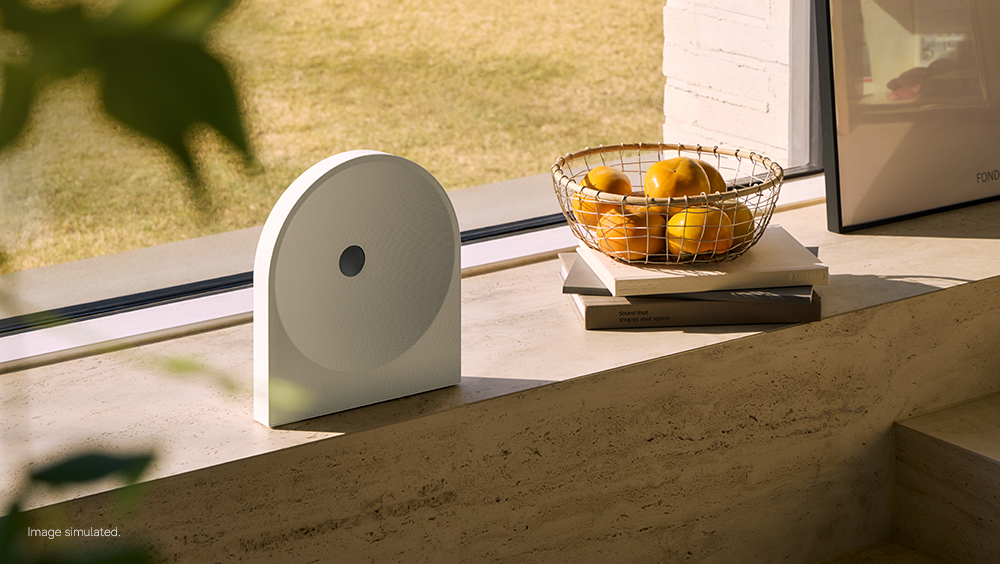
Edifier has launched its new Hecate Aurora Light-Cooling compact desktop speaker in China. The speaker is priced at 269 yuan ($39) and targets gamers and desktop users who value both audio performance and visual appeal.

Edifier Hecate Aurora

Edifier Hecate Aurora Specifications

The Hecate Aurora features a clean and minimalist design. It has a compact form factor, measuring 225 x 76 x 55mm, which allows it to fit easily under most monitors. The design takes inspiration from the Braun Audio 300 turntable. Edifier combines a high-transparency acrylic front panel with a metallic rear case to deliver a retro yet industrial aesthetic suited for modern desk setups.

Edifier Hecate Aurora

The speaker uses dual 56mm cone drivers and a racetrack-shaped passive radiator. This configuration delivers up to 20W peak power for balanced audio, with strong bass and clear mids and highs. The speaker supports a frequency range of 120Hz to 20kHz, which covers audio for gaming, music, and movies.

The device supports Bluetooth 6.0 for wireless audio streaming and an AUX input for wired connections. It is compatible with smartphones, laptops, desktops, tablets, and even gaming consoles such as the Nintendo Switch. The speaker also includes physical buttons for power, volume control, and multifunction operations.

Edifier Hecate Aurora

The Hecate Aurora features a 5200mAh built-in battery for portability. The battery provides up to 5 hours of playback with RGB lighting enabled or up to 11 hours with lighting disabled. The speaker supports charging while in use, and a full charge takes approximately 3 hours.

The speaker includes RGB lighting with 14 effects, such as rainbow and static colors, customizable through onboard controls or the Edifier app. The app also allows users to adjust volume, switch sound modes, monitor the battery, and set timers.

In related news, Xiaomi has recently introduced the Desktop Speaker Pro globally, debuting first in Singapore, while Philips has unveiled its 80s-inspired Moving Sound lineup, which includes speakers, on-ear headphones, and TWS earbuds.

For more daily updates, please visit our News Section.

Stay ahead in tech! Join our Telegram community and sign up for our daily newsletter of top stories! 💡

(JD)

Oppo F33’s premature Amazon listing reveals key specs before launch

Oppo is reportedly preparing to launch its new F-series smartphones in India this month. According to a recent report, the company may introduce the Oppo F33 5G and Oppo F33 Pro 5G soon. 

Even before the official announcement, the standard Oppo F33 5G has appeared in a premature Amazon listing, revealing some of its key specifications and design details.

Oppo F33 and F33 Pro Specifications (Expected)

The listing suggests that the Oppo F33 5G will feature an AMOLED display. It is also expected to come with a 50MP front camera. 

The device may pack a large 7000mAh battery with support for 80W fast charging. In terms of memory, the phone is likely to include 6GB RAM and 128GB storage.

Meanwhile, tipster PassionateGeekz has shared a poster of the Oppo F33 series, giving us a proper look at the design. The phone appears to have a wide camera module on the back with two prominent camera rings. One of these is said to house a 50MP ultra-wide camera.

The Oppo F33 series is expected to launch in Red and Blue color options. The blue variant, in particular, features a gradient finish with a pattern on the lower half.

Both the Oppo F33 5G and F33 Pro 5G are also rumored to come with an IP69K rating for durability and will likely be available via Amazon.

The Oppo F33 series is the successor to the Oppo F31 series, which was launched back in September 2025. The company usually refreshes the F-series every six months, so the new lineup shouldn’t be far off. As usual, more details should emerge soon. We will keep you in the loop as we get more information.

Don’t miss a thing! Join our Telegram community for instant updates and grab our free daily newsletter for the best tech stories!

For more daily updates, please visit our News Section.

(Source)