Advertisement

Philips Introduces ProPix Projectors: High Brightness and Quiet Operation for Businesses and Schools

Philips, in collaboration with Screeneo Innovation SA, is introducing its new ProPix series of projectors. The ProPix 850 and 650 models offer excellent brightness, low noise levels, and easy setup, making them a practical solution for those seeking professional-grade projection at a reasonable price.

Philips ProPix 850

UHP Lamp Technology for Modern Workspaces

The ProPix projectors feature Philips’ Ultra High Performance (UHP) lamp technology, an innovation that has been in use since 1994. UHP technology is known for its durability and efficiency, helping the ProPix projectors deliver clear, vibrant visuals while maintaining compact designs and preventing overheating.

Designed for Different Environments

The ProPix 650 features a WXGA (1280×800 px) resolution with a 2,000:1 contrast ratio, while the ProPix 850 offers a 1080p (1920×1080 px) resolution and a 1,600:1 contrast ratio. Both models are built to deliver bright and clear visuals across different lighting conditions, boasting 4000 ANSI lumens to perform well in both dark and well-lit spaces. Additionally, the ProPix projectors are designed for quiet operation, with an Eco Mode noise level of 29 dBA, making them some of the quietest in their category.

Flexible and Easy to Set Up

These projectors provide flexible installation options, featuring a 1.49:1 throw ratio and manual focus, making it easy to adjust for different room sizes and screen needs.

Connectivity for Modern Devices

The ProPix projectors offer a range of connectivity options, including HDMI, VGA, RS232, and USB ports, ensuring compatibility with a variety of devices. This makes it easy to connect laptops, tablets, and other media sources without any hassle.

Long Lamp Life and Support

The UHP lamp in the ProPix projectors can last up to 10,000 hours in Eco Mode, which reduces the need for frequent replacements and lowers long-term maintenance costs. Both models come with a two-year warranty and access to Philips’ professional support.

Pricing and Availability

The ProPix 850 will be available in December 2024 for £599, while the ProPix 650 will follow in January 2025, priced at £449.

(via)

Red Magic 10 Pro and 10 Pro+ launched with Snapdragon 8 Elite, 144Hz OLED display, 7050mAh battery & more

As expected, Red Magic has officially unveiled its new flagship gaming smartphones, the Red Magic 10 Pro and 10 Pro+ in the Chinese market. Let’s check out the specs of these devices.

RedMagic 10 Pro Plus

1. Red Magic 10 Pro Series Specifications

RedMagic-10-Pro-Plus

The Red Magic 10 Pro series features a 6.85-inch 1.5K OLED Wukong display co-developed with BOE, providing a 2688×1216 resolution, and a 95.3% screen-to-body ratio on a hole-free, full-screen design.

It supports up to 144Hz refresh rate and a touch sampling rate of 960Hz for smooth gameplay. The display reaches a peak brightness of 2000 nits, covers 100% DCI-P3 color gamut, and offers 10-bit color depth. Additionally, it includes DC dimming and 2592Hz PWM dimming for eye comfort.

Under the hood, the Red Magic 10 Pro and 10 Pro+ are powered by the latest Snapdragon 8 Elite SoC. This octa-core processor is combined with the Adreno 830 GPU, LPDDR5X Ultra RAM, and UFS 4.0 Pro storage which delivers top-of-the-line performance. To further optimize performance, Red Magic has developed the Red Core R3 gaming chip, which supports 2K + 120FPS super-resolution and super-frame concurrency, compatible with over 200 games.

The Red Magic 10 Pro series runs on Red Magic’s AI OS 10.0, based on Android 15. The software is tailored for gaming, offering features that enhance responsiveness and reduce input lag, optimizing the gaming experience.

The camera setup includes a 50MP OmniVision OV50E40 primary sensor with an f/1.88 aperture and OIS, along with a 50MP ultra-wide lens with a 120-degree field of view, and a 2MP macro sensor for close-up shots. On the front, it comes with a 16MP under-display OmniVision camera which promises better selfies and video quality through AI under-screen camera technology.

In terms of power, the 10 Pro+ features a 7050mAh Bull Demon King silicon-carbon battery, supporting 120W fast charging, allowing it to reach 50% in just 11 minutes and a full charge in 30 minutes. The standard 10 Pro model comes with a slightly smaller 6500mAh battery and 80W fast charging.

The device features high-performance additions like 520Hz gaming shoulder keys, X-axis linear motors, DTS ULTRA stereo speakers, and NFC for access cards and smart car keys. It retains a 3.5mm audio jack, a rare inclusion in flagships.

The Red Magic 10 Pro series optimizes gaming performance with composite liquid metal cooling offering 80W/mK thermal conductivity and a new ‘Hot Wheels’ centrifugal fan, boosting cooling efficiency by 13x. It includes a 12,000mm² 3D ice-step VC area, complemented by graphene, high-conductivity copper foil, and aerospace-grade materials for consistent high-performance gaming.

2. Pricing & Availability

The Red Magic 10 Pro and 10 Pro+ come in multiple colors along with a special edition.

Red Magic 10 Pro

Dark Knight, Day Warrior

  • 12GB + 256GB: 4,999 yuan ($693)
  • 12GB + 512GB: 5,499 yuan ($762)

Deuterium Front Transparent Dark Night, Deuterium Front Transparent Silver Wing

  • 12GB + 256GB: 5,299 yuan ($735)
  • 12GB + 512GB: 5,799 yuan ($804)

Red Magic 10 Pro+

Dark Knight, Day Warrior

  • 16GB + 512GB: 5,999 yuan ($832)

Deuterium Front Transparent Dark Night, Deuterium Front Transparent Silver Wing

  • 16GB + 512GB: 6,299 yuan ($873)

Dark Knight

  • 24GB + 1TB: 7,499 yuan ($1,040)

Red Magic also launched the X Golden Saga Limited Edition, priced at 9,699 yuan ($1,315) for the 24GB + 1TB version, featuring industry-first innovations like a gold VC cooling chamber, gold & silver air duct, and carbon fiber cooling. It includes a sapphire glass back, gold-plated details, and exclusive brand privileges.

Both models are available for order in China starting today, with an official release on November 18. The international release is expected in December.

If you’re thinking about buying a new flagship smartphone, check out this article to find the best times to make your purchase.

Xiaomi HyperOS 2 update: Eligible devices and rollout timeline

HyperOS 2 eligible devices and rollout timeline

HyperOS 2 is a big step forward, bringing an array of powerful new features and enhancements for a great software experience. It brings three key innovations: HyperCore, HyperConnect, and HyperAI, along with a bunch of AI and non-AI features, such as an AI-powered lock screen, a new desktop layout, a 3D real-time weather system, dynamic effects across screens, and more.

The latest HyperOS software has plenty to offer, leaving Xioami users eager to experience it. However, not every Xiaomi device is in luck. The HyperOS 2 update will roll out to select Xiaomi, Redmi, and Poco devices which we’ve outlined below, along with the official release timeline.

Xiaomi HyperOS 2 eligible devices

These devices are officially confirmed to receive HyperOS 2 update:

[Xiaomi]

  • Xiaomi 14
  • Xiaomi 14 Ultra
  • Xiaomi 14T
  • Xiaomi 13
  • Xiaomi 13 Pro
  • Xiaomi 13 Ultra
  • Xiaomi 13 Lite
  • Xiaomi 13T
  • Xiaomi 13T Pro
  • Xiaomi 12
  • Xiaomi 12 Pro
  • Xiaomi 12T
  • Xiaomi 12T Pro
  • Xiaomi Mi 11
  • Xiaomi Mi 11 Ultra
  • Xiaomi 11 Lite 5G NE
  • Xiaomi MIX Flip
  • Xiaomi Pad 6
  • Xiaomi Pad 6S Pro 12.4
  • Xiaomi Smart Band 9 Pro

[Redmi]

  • Redmi Note 13
  • Redmi Note 13 5G
  • Redmi Note 13 Pro
  • Redmi Note 13 Pro 5G
  • Redmi Note 13 Pro+ 5G
  • Redmi Note 12
  • Redmi Note 12 5G
  • Redmi Note 12S
  • Redmi Note 12 Pro 5G
  • Redmi Note 12 Pro+ 5G
  • Redmi K50i
  • Redmi 13
  • Redmi 13C
  • Redmi 13C 5G
  • Redmi 12
  • Redmi 12 5G
  • Redmi Pad Pro
  • Redmi Pad Pro 5G
  • Redmi Pad SE
  • Redmi Pad SE 8.7 4G
  • Redmi Pad SE 8.7

[Poco]

  • Poco F6
  • Poco F6 Pro
  • Poco F5
  • Poco F5 Pro
  • Poco X6
  • Poco X6 Pro
  • Poco X5 Pro 5G
  • Poco X4 GT
  • Poco F4 GT
  • Poco M6
  • Poco M6 Pro
  • Poco C75
  • Poco C65
  • Poco Pad

Also Read: Top 5 features of HyperOS 2 you should know

Xiaomi’s HyperOS 2 rollout plan

Xiaomi will rollout HyperOS 2 update to the eligible devices in batches. These are the first set of devices that will start to get the update in November 2024:

  • Xiaomi MIX Flip
  • Xiaomi 14T Pro
  • Xiaomi 14T
  • Xiaomi 14 Ultra
  • Xiaomi 14
  • Xiaomi 13T Pro
  • Xiaomi Pad 6S Pro 12.4
  • Xiaomi Smart Band 9 Pro
  • Redmi Note 13 Pro+ 5G
  • Redmi Note 13 Pro 5G
  • Redmi Note 13 Pro
  • Redmi Note 13 5G
  • Redmi Note 13
  • Poco F6 Pro
  • Poco X6 Pro
  • Poco X6
  • Poco M6 Pro

Xiaomi promises to release HyperOS 2 update for these devices starting December 2024:

  • Xiaomi 13 Ultra
  • Xiaomi 13 Pro
  • Xiaomi 13
  • Xiaomi 13T
  • Xiaomi 13 Lite
  • Xiaomi 12T Pro
  • Xiaomi 12T
  • Xiaomi 12 Pro
  • Xiaomi 12
  • Xiaomi Mi 11 Ultra
  • Xiaomi Mi 11
  • Xiaomi 11 Lite 5G NE
  • Xiaomi Pad 6
  • Redmi K50i
  • Redmi 13
  • Redmi 13C
  • Redmi 13C 5G
  • Redmi Note 12 Pro+ 5G
  • Redmi Note 12 Pro 5G
  • Redmi Note 12
  • Redmi Note 12 5G
  • Redmi Note 12S
  • Redmi 12 5G
  • Redmi 12
  • Redmi Pad Pro 5G
  • Redmi Pad Pro
  • Redmi Pad SE 8.7 4G
  • Redmi Pad SE 8.7
  • Redmi Pad SE
  • Poco F6
  • Poco M6
  • Poco F5 Pro
  • Poco C75
  • Poco C65
  • Poco X5 Pro 5G
  • Poco F5
  • Poco X4 GT
  • Poco F4 GT
  • Poco Pad

Which Xiaomi device do you have? And what are your expectations for HyperOS 2? Share your thoughts in the comments below.

Thinking of Buying an iPhone in India? Here’s Why You Should Reconsider

Apple’s iPhones are one of the most popular smartphone series across the globe. These models are known for their hefty price tags, premium design, capable cameras, and much more. But if you’re thinking of buying an iPhone in India, you might want to think twice. Here’s every reason that you might want to consider an iPhone purchase.

iPhone 16 series camera control button-
iPhone 16 series

1. The Apple Tax in India: High Pricing

Apple is perhaps infamous for exorbitant pricing for some of its products. While the iPhone isn’t the only expensive premium phone in the market, it still carries a hefty price tag. In the US, the base iPhone 16 was announced for a starting price tag of 799 US Dollars. This is around 150 US Dollars cheaper than its Indian launch price. In India, the same configuration sells for Rs 79,900 INR.

This is largely due to import duties, taxes, and Apple’s own pricing strategy. So it already becomes less attractive to Indian buyers who traditionally look for value in expensive purchases and flagship Android devices can offer better or similar specs for a lower price tag.

2. Expensive Repairs and Lack of AppleCare+

The costly purchase is also followed by an equally expensive repair bill. Fixing your iPhone in India is notorious for being expensive. Apple’s authorized centers often charge a premium for out of warranty repairs, making it costly for even minor issues. Furthermore, AppleCare+ in the region isn’t as widespread or affordable as it is in other regions. For those unaware, it is basically a service that lets you extend a warranty and get accidental damage protection. So iPhone owners have to be extra careful to avoid these hefty charges.

3. Restricted Features and Services

One aspect which is a little more frustrating than the pricing is the lack of certain iPhone features and services in India. A great example of this is Apple Pay, which is a popular mobile payment service in the US. It is still not fully supported in India. My colleague Sudarshan (who owns an iPhone 15) put this point across well in his tweet saying “Lockdown of NFC is a crime in regions where Apple Pay doesn’t exist. What’s the point of paying for the hardware when you can’t use it?”

With contactless payments, UPI, and digital wallets like Google Pay becoming more widely adopted, it is a shame that Apple Pay integration is still sorely lacking. He also stated that the iPhone makes more sense if you’re planning on entering the Apple ecosystem. Once again, you’ll find yourself spending more to buy stuff like MacBooks or Apple Watches for this complete experience.

4. Better Alternatives from Android

The Indian smartphone market is absolutely dominated by Android devices. Unlike Apple’s iPhones, these Android smartphones are available in multiple price segments, making them more accessible. Brands like Samsung, Xiaomi, OnePlus, and others are great examples of this as they provide both flagship and budget smartphones.

For a similar price point, one can easily find Android phones with a faster charging rate, higher resolution displays, more customization, and even better cameras. iPhone does offer a polished user experience and strong software support, but Android are better value for money for budget-conscious Indian consumers. The iPhone 16 and iPhone 16 Plus still have a 60Hz refresh rate is inexcusable and Apple’s iPhones are generations behind in terms of charging.

You only have one last time if you want to buy Nothing Phone (2a) Plus Community Edition

The wait is over, and for some, it’s already over again. The Nothing Phone (2a) Plus Community Edition, a special version designed in collaboration with its fanbase, sold out in just 15 minutes during its first and last online sale.

This unique glow-in-the-dark edition was limited to only 1,000 units, available exclusively to pre-registered customers on Nothing’s official website. With an overwhelming 19,000 registrations from 48 countries, demand for the Community Edition far exceeded supply, and stock was gone within minutes.

For those who missed out, there’s still hope. A limited number of Phone (2a) Plus Community Edition devices will be available at a “limited drop” event at the Nothing Store Soho in London on Saturday, November 16, starting at 11:00 AM local time—offering one last chance to grab this highly sought-after phone.

Nothing Phone (2a) Plus Community Edition Specifications

The Nothing Phone (2a) Plus Community Edition features a 6.7-inch FHD+ flexible OLED display with 120Hz refresh rate, 2160Hz PWM dimming, and HDR10+ certification.

Powered by a MediaTek Dimensity 7350 Pro processor, it includes 12GB of LPDDR4X RAM and 256GB of UFS 2.2 storage. Its camera setup includes a 50MP Samsung GN9 main camera with a 1/1.57″ sensor, f/1.88 aperture, and OIS, plus a 50MP 114° Samsung JN1 ultra-wide camera with a 1/2.76″ sensor and f/2.2 aperture, capable of 4K video at up to 30fps. 

A front-facing 50MP Samsung JN1 camera with a 1/2.76″ sensor, f/2.4 aperture, and 4K recording at up to 30fps completes the camera suite.

Additional features include an in-display optical fingerprint scanner, USB Type-C audio, and stereo speakers. The phone measures 161.74 x 76.32 x 8.55mm, weighs 190g, and has an IP54 rating for dust and splash resistance. Its 5000mAh battery supports 50W wired charging for quick power-ups.

Perhaps most surprisingly, the Community Edition is priced the same as the standard Nothing Phone (2a) Plus, at Rs 29,999.

(Source)

G-SHOCK MOVE DWH5600 Watch Combines Classic Toughness with Health Monitoring

Casio’s newest addition to the G-SHOCK MOVE series offers durability along with fitness tracking features. The DW-H5600MB-8A9 (Grey) and DW-H5600MB-1A4 models blend G-SHOCK’s renowned toughness with useful health-monitoring tools, making them practical for both fitness and daily wear.

Timeless Design with Sustainable Materials

Retaining the iconic octagonal shape and metal bezel, the DWH5600 brings the G-SHOCK aesthetic with eco-friendly construction. Its bio-based resin strap reflects Casio’s commitment to sustainable materials while maintaining the brand’s renowned durability.

Fitness Tracking for Everyday Use

G-SHOCK DW H5600MB 1A4

The DWH5600 includes key fitness features suited for casual and dedicated athletes. Its sensors provide real-time health insights, including:

  • Heart Rate Monitoring: An optical sensor tracks heart rate throughout workouts to help monitor intensity.
  • Step and Calorie Tracking: An accelerometer records steps and estimates calories burned, supporting fitness goals.

Expanded Health Monitoring

A blood oxygen sensor measures oxygen saturation, offering users a clearer view of daily health and recovery—ideal for anyone seeking comprehensive health data.

Enhanced Workouts with Polar

Casio has partnered with Polar to add advanced performance tools to the DWH5600:

  • Running Index: Assess performance and identify areas for improvement.
  • Cardio Load and Load Status: Monitor workout intensity to avoid over- or undertraining.
  • Energy Source Breakdown: See the types of energy your body uses during exercise, helpful for optimizing training.
  • Nightly Recharge: Evaluate sleep and recovery to ensure readiness for the next workout.

User-Friendly Display and Charging

The high-resolution LCD display offers clear readability even in bright light, and the interface allows easy navigation between health data, activity tracking, and smart notifications. The DWH5600 also provides dual charging via USB and solar, reducing the need for frequent recharging.

Availability and Pricing

The Casio G-SHOCK MOVE DWH5600 models—DWH-5600MB-1A4 and DWH-5600MB-8A9—are now available in the U.S. for $320.

Report: Apple’s Budget iPhone SE 4 Set for an Early 2025 Launch

Apple has long been rumored to be working on a new iPhone SE model. While we have covered various leaks regarding the iPhone SE 4, the latest report hints at the launch timeline of the upcoming budget iPhone. So here is everything we know so far.

Will the Apple iPhone SE 4 launch in Q1 2025?

According to a South Korean publication (Aju News), the Cupertino based giant is expected to hit mass production soon with the announcement reportedly set for March 2025. The iPhone SE 3 was announced back in 2022 and Aju News stated that the iPhone SE 4 will also have a similar launch timeframe. To recall, we covered a report back in October, which also claimed that the iPhone SE 4 will have a March 2025 launch. So the latest rumor is also in line with our previous report.

Apple iPhone SE (2025)
iPhone SE 2025

The fresh publication report also adds that Apple is partnering with LG Innotek to supply the iPhone SE 4 camera module. Its supplier is expected to start mass production in December. As of right now, the company is apparently performing key tests ahead of the commercial production stage. LG reportedly supplies Apple with camera modules around three months ahead of the iPhone’s launch. So the March 2025 release might have been confirmed.

Lastly, the report also added that the iPhone SE 4 will feature a lone 48MP camera on the back, which is a major upgrade from the 12MP sensor on its predecessor. It is worth noting that this is still just speculation at this point so take this news with a pinch of salt for now. Other notable features include the A18 Bionic chipset, a larger 3,279mAh battery pack, Apple Intelligence support, Face ID support, 20W wired charging, Qi2 wireless charging, and MagSafe charging.

QRing Titan SE smart ring launched; Offers SpO2 monitoring, sleeping tracking, and more at affordable price

The QRing Titan SE smart ring has been launched globally. It offers an exceptional suite of health monitoring features at a cost-effective price. Here’s a look at the key features and price of the Titan SE.

QRing Titan SE key features

QRing Titan SE - Deep Grey
QRing Titan SE – Deep Grey

This QRing Titan SE offers a battery life of 5 to 7 days and includes comprehensive sleep stage tracking, real-time pulse tracking, body stress monitoring, and blood oxygen saturation (SpO2) measurements. Users can gain valuable insights into their sleep quality by monitoring light and deep sleep stages, while also keeping tabs on heart rate, resting heart rate, and overall body health.

 The Titan SE comes with support for women’s health tracking features, such as menstrual and ovulation prediction, allowing for better reproductive health management. The smart ring also excels in activity tracking, recording steps, active minutes, distance walked, calories burned, and workout specifics. This ensures users have a detailed overview of their physical activity.

QRing Titan SE - Rose Gold
QRing Titan SE – Rose Gold

The Titan SE is designed for durability and comfort, made from high-quality materials including a titanium layer, stainless steel, and PVC. It comes in a new size option (size 12), measures 8mm in width and 2.7mm in thickness and weighs approximately 4g.

The ring’s accompanying QRing app is available for both iOS and Android, and it’s permanently free of charge. The app’s interface supports multiple languages, making it accessible to a global audience. Users can view their health metrics, set goals, and receive reminders to stay active directly from the app. With the latest update, the app supports offline recording, syncing health data once reconnected to the internet.

The QRing Titan SE also integrates with Apple Health and Google Fit, enhancing its utility. Its detailed activity tracker helps users set and achieve fitness goals, while smart notifications alert users to vital signs that need attention.

Q Ring Titan SE with charging case
QRing Titan SE with charging case

Beyond its comprehensive health and activity tracking, the Titan SE stands out with its ease of use. The ring is designed to be worn 24/7 without discomfort, and its waterproof rating of 5ATM ensures it can withstand daily activities, including swimming and showering. Charging the ring is convenient and quick, taking about one hour with the included magnetic charger, and the ring’s standby time extends up to 15 days.

QRing Titan SE price

The Titan SE is priced at $69, but at present, it is available at a special discounted price of $59 for new users. Interested buyers can take advantage of the company’s global free shipping service. It can be bought in shades like Deep Grey and Rose Gold.

iQOO 13 Confirmed in Nardo Grey and Legend Edition Colors for December 3 India Launch

iQOO has confirmed the launch of its new flagship called the iQOO 13 is set for December 3 in India. Ahead of the launch, iQOO has confirmed the two color options headed to the sub-continent.

As per a press release and teasers on Amazon India, the iQOO 13 will be launched in Nardo Grey and Legend Edition color options. The Nardo Grey color option draws inspiration from the ionic racetrack of Italy and embodies the spirit of power and speed. Meanwhile, the Legend Edition reflects iQOO’s partnership with BMW M Motorsport, featuring a fresh, sporty design.

iQOO 13 specs

In terms of specifications, the iQOO 13 Indian model is likely to be identical to the already launched iQOO 13 Chinese model. With that in mind, the Indian model will likely come with a 6.78-inch Quad HD+ curved BOE Q10 LTPO AMOLED display, with a resolution of 3168×1440, a 20:9 aspect ratio, HDR10+ support, and an ultra-smooth 144Hz refresh rate. It will have a peak brightness of 4500 nits (1800 nits in HBM mode), and 2592Hz PWM dimming.

Under the hood, it will be powered by a flagship Snapdragon 8 Elite 3nm processor, with options for either 12GB or 16GB of LPDDR5X RAM and storage choices of 256GB or 512GB UFS 4.0. The iQOO 13 will run on Android 15-based Funtouch OS 15 for the global version.

Its rear camera system will include a 50MP main sensor (1/1.49″ Sony IMX921) with an f/1.88 aperture, OIS, and LED flash; a 50MP ultra-wide lens offering a 150° field of view with an f/2.0 aperture; and a 50MP telephoto lens with a 119.4° field of view, f/1.85 aperture, IMX816 sensor, and up to 4x lossless zoom with OIS. For selfies, it sports a 32MP front camera with an f/2.45 aperture. The device also features an in-display ultrasonic fingerprint sensor, 5G connectivity, Wi-Fi 6E, Bluetooth 5.3, GPS, NFC, and USB Type-C.

It will feature a robust 6150mAh battery and 120W fast charging, the iQOO 13 is built for endurance. Additional features include an infrared sensor, stereo speakers, Hi-Fi audio, and an IP68/IP69 rating for dust and water resistance.

Vivo Y18t launched in India: Affordable phone with the brightest display under Rs 10,000

Vivo has just released a brand new affordable smartphone in India. The device is dubbed the Vivo Y18t, which features impressive specs for its budget price tag. It has the brightest display for under Rs 10,000, so here’s everything you need to know about this model.

Vivo Y18t: What makes it special?

The Chinese brand unveiled the Vivo Y18t was announced with a 6.56-inch LCD display that offers 840 nits of peak brightness, 90Hz refresh rate, HD+ resolution, 2.5D glass, TUBU Rheinland Blue Light certification, and a water drop notch, which houses an 8-megapixel selfie shooter. On the rear, it features a 50-megapixel dual camera setup. Under the hood, the smartphone is equipped with the UNISOC T612 SoC, which is paired with the Mali-G67 MP1 GPU, 4GB of RAM, and 128GB of internal storage.

Vivo Y18t
Vivo Y18t

Apart from the bright screen, the Vivo Y18t debuted in India with a sleek body that has a gradient like finish and flat edges. Even the camera lenses are surrounded by a gold colored ring. It measures just 8.3mm in thickness and weighs 185 grams in weight. A massive 5,000mAh battery pack powers this device, which supports 15W wired fast charging.

Other notable features include 4G LTE support, 2.5D glass, Android 14 OS based FunTouchOS 14 custom skin out of the box, Bluetooth 5.2, FM Radio, and users can even expand storage via a dedicated MicroSD card slot. There is also a side mounted fingerprint scanner, a 3.5mm headphone jack, and an IP54 rating for water and dust resistance.

Pricing and Availability

Vivo was announced in India for just Rs 9,499 (roughly 113 US Dollars). It arrives in a single storage configuration but can be purchased in two color options. This includes a Space Black and Gem Green color variant. The company is selling the Vivo Y18t in India from its official website and offline retail stores.

Xiaomi reportedly working on AI Glasses with Goertek, set for release in Q2 2025

Xiaomi is reportedly gearing up to enter the AI glasses market, partnering with Goertek for its upcoming wearable, which is expected to debut in the second quarter of 2025. This product launch is speculated to coincide with the Mi Fan Festival in April.

According to sources, Xiaomi CEO Lei Jun has set an ambitious goal for the glasses, with expected shipment volumes reaching at least 300,000 units. The new AI glasses reportedly aim to rival Meta’s Ray-Ban models, integrating both AI capabilities and advanced hardware features.

Key features and market positioning

According to the report from “Intelligent Emergence,” Xiaomi’s AI glasses will feature an array of cutting-edge technology-driven modules, including AI integration, audio headphone components, and camera modules, all designed to compete directly with Meta’s high-tech eyewear lineup.

Notably, the new device is likely to fall under the company’s primary brand, marking a significant step in Xiaomi’s expansion within the wearable tech industry.

Other companies such as OPPO, Vivo, Huawei, Tencent, and ByteDance are also exploring possibilities in the AI glasses market, although sources indicate their projects currently remain in earlier developmental stages. Many industry experts expect that these other tech giants will begin launching their AI glasses closer to late 2025.

The competitive landscape in AI and AR glasses

Xiaomi’s move comes as competition in the smart glasses sector heats up, both globally and domestically in China. Meta’s recent AR offering, the Meta Orion, launched in September 2024, boasts cutting-edge AR capabilities and will reportedly enter mass production by 2027.

Meanwhile, other Chinese companies are pushing forward with innovative glasses products of their own. Meizu, for instance, has released multiple smart glasses, while Baidu’s recently introduced “Xiaodu AI Glasses” will hit the market in early 2025 launch.

Xiaomi isn’t new to the smart glasses market though. Earlier this year, the brand introduced its Mijia Smart Audio Glasses, focused primarily on delivering an audio experience through air conduction technology. Priced at a budget-friendly $63, these glasses deliver sound through ultrasonic speakers embedded in the frame, creating a unique audio experience without bulky headphone attachments. You can learn more about the Mijia Smart Audio Glasses here.

As Xiaomi continues to invest in the wearable tech market, its upcoming AI glasses are likely to offer an affordable alternative to premium offerings from Meta and other competitors.

(Via)
Comparing Xiaomi 15 vs Xiaomi 15 Pro: Which is better?

Xiaomi’s latest releases, the Xiaomi 15 and 15 Pro, bring powerful specs and sleek designs to the table, each tailored to unique user preferences. While the Xiaomi 15 focuses on delivering core essentials in a compact build, the 15 Pro offers enhanced features like a superior display, upgraded camera system, and extended battery life. This comparison explores each model’s design, specs, and standout features to help you decide which best meets your needs.

1. Design and Display

Xiaomi 15 vs Xiaomi 15 Pro

The Xiaomi 15 and Xiaomi 15 Pro both offer premium design with IP68 water and dust resistance, but the Pro’s larger 6.73-inch screen and higher 1440 x 3200 resolution provide a more immersive experience. The Xiaomi 15’s compact 6.36-inch display, with a 90% screen-to-body ratio, is more comfortable for one-handed use. However, the Pro’s LTPO AMOLED display supports 68 billion colors versus the 1 billion on the Xiaomi 15, giving it richer and more vibrant colors, which enhances media consumption and overall visual appeal. The Pro’s display stands out as the better choice for users who prioritize exceptional visual quality, making it ideal for video streaming, gaming, or photography.

2. Specifications

Xiaomi 15 vs Xiaomi 15 Pro
Xiaomi 15

Both models are powered by the Snapdragon 8 Elite chipset, delivering strong performance for multitasking and gaming. The Xiaomi 15 Pro, with its larger 6100 mAh battery compared to the Xiaomi 15’s 5400 mAh, offers more power for extended usage, a key benefit for users frequently on the go. Both support 90W wired and 50W wireless charging, providing equally rapid recharge times. Additionally, the Pro’s two-way satellite communication adds emergency connectivity, which is useful for remote or challenging environments. The Pro is better suited for users needing a longer-lasting device with added connectivity options in diverse conditions.

3. Camera

Xiaomi 15 vs Xiaomi 15 Pro
Xiaomi 15 Pro

The Xiaomi 15 and 15 Pro both feature impressive triple 50 MP rear cameras with Leica optics, yet the Pro takes it further with a periscope telephoto lens that offers 5x optical zoom—a major upgrade over the Xiaomi 15’s standard telephoto. This zoom range enables sharper close-ups, which is ideal for capturing distant details. The Pro’s main wide camera also has a brighter f/1.4 aperture compared to the f/1.6 on the Xiaomi 15, significantly improving low-light performance. For photography enthusiasts or those who take photos in various lighting conditions, the Pro’s flexibility with the periscope lens and brighter aperture make it the superior choice in camera quality.

4. Pricing

With the Xiaomi 15 priced around €590 and the Xiaomi 15 Pro starting at approximately €690, there’s a €100 difference. Both offer strong value for their specs, but the Pro’s additional features—such as the enhanced display, advanced camera capabilities, larger battery, and satellite communication—justify the higher price. For users focused on top-tier visuals, robust camera performance, and added connectivity, the Pro’s price difference is worth it. Meanwhile, the Xiaomi 15 serves those who want strong performance and essential features at a more budget-friendly rate, making it an excellent balance of functionality and cost.

5. Conclusion

Xiaomi 15 vs Xiaomi 15 Pro
Xiaomi 15 Pro

The Xiaomi 15 Pro shines with unique features like 5x optical periscope zoom, two-way satellite communication, and an expanded color range on the display, making it a more versatile and future-ready device. For power users or frequent travelers, the Pro’s combination of high-end performance, connectivity, and camera improvements make it the better choice. The Xiaomi 15, however, remains a high-quality option that combines core functionality and affordability, appealing to users who don’t need every advanced feature. The Pro is ideal for those seeking top-tier specs, while the Xiaomi 15 excels as a premium, well-rounded smartphone that delivers value without the added frills.

Boult AmpVault V20, AmpVault V10 power banks with up to 20,000mAh capacity launched in India, starts at Rs 1,099 (~$13)

Boult has introduced two new power banks, the AmpVault V10 and AmpVault V20, designed to cater to high-capacity charging needs with advanced protection features. These power banks are designed for users who are always on the go, offering reliability and sleek design.

Boult AmpVault V20, AmpVault V10 key features

Boult AmpVault V20, AmpVault V10 key features

The AmpVault V20 boasts a 20,000 mAh capacity with 22.5W fast charging, making it capable of charging an iPhone 15 up to 4.9 times and a Samsung Galaxy S24 up to 4.1 times. It features multiple ports, including micro-USB, Type-C (both input and output), and USB, allowing for the simultaneous charging of multiple devices such as smartphones, tablets, smartwatches, and wireless earbuds. The power bank comes in Teal, Red, and Pure Black with a premium metallic finish, combining elegance with functionality. Additionally, it is equipped with a digital LED display and multiple protection layers, including overcurrent protection, short circuit protection, and smart shutdown, ensuring the safety of your devices during fast charging.

For those who prefer a more compact option, the AmpVault V10 offers a 10,000 mAh capacity with the same 22.5W boosted speed charging and multilayer protection as the V20. This model is ideal for quick charging needs without compromising performance, making it a convenient portable power source.

Varun Gupta, Co-Founder of Boult, emphasized the importance of power banks in daily life, whether for office use or general travel. He highlighted that the AmpVault V10 and V20 not only deliver fast and efficient charging but also incorporate essential safety features and sophisticated design that Boult customers expect. He expressed confidence in the new power bank category, anticipating strong performance in the coming years.

Boult AmpVault V20, AmpVault V10 pricing for India

The AmpVault V10 and V20 are now available exclusively on Flipkart, Amazon, and Boult India’s official website, priced at Rs 1,099 (~$13) for the V10 and Rs 1,499 (~$17) for the V20.

iQOO Neo10 series’ design and display specifications leaked

While the iQOO 13 is yet to make its global debut, iQOO is already preparing for the launch of its next-generation Neo10 series in China. Although the exact launch date remains under wraps, the iQOO Neo10 series is already generating buzz, especially among gaming enthusiasts. Now tipster DCS has shared the schematic of the iQOO Neo10 series along with the display specifications.

Schematic shows a redesigned camera module and more

According to DCS, the Neo10 series will sport a 6.78-inch flat display with a smaller punch-hole for the front camera and thinner bezels, providing a clean and immersive display experience. The design of the rear camera module has been slightly modified, incorporating a more textured decorative finish, adding a premium feel to the device.

Additionally, the Neo10 series has reportedly inherited software features from iQOO 13, which may include optimizations for display quality and touch responsiveness alongside the new animation and other visual enhancements of the Android 15-based OriginOS 5 skin.

Key specifications and features of the iQOO Neo10 series

In terms of internal specs, the iQOO Neo10 series has recently passed its 3C certification, marking a significant step toward its release. Reports suggest that the standard Neo10 model will be powered by the Snapdragon 8 Gen 3, while the Pro variant may come equipped with the Dimensity 9400 processor. This is also a reasonable upgrade from the Snapdragon 8 Gen2/Dimensity 9300 chips of the Neo9 series. Both models are expected to support 120W super flash charging.

The fast charging is rumored to be paired with a larger 6100mAh battery, a noticeable upgrade from the 5160mAh capacity of the previous generation. This increase in battery size, combined with efficient power management of the more efficient chips should significantly improve battery life, which will be beneficial for intense gaming sessions.

Additionally, the device is rumored to come with a Goodix ultrasonic fingerprint scanner, offering faster and more reliable unlocking.

On the camera front, the iQOO Neo10 series is rumored to feature a 16MP front camera, alongside a dual rear setup consisting of a 50MP primary sensor and an additional 50MP lens. The primary sensor is anticipated to be 1/1.56” in size, slightly smaller than the 1/1.49″ main sensor of the Neo9 Pro. However, both the chips come with improved ISPs. So we cannot classify the camera segment as a downgrade yet.

As pricing remains a concern, Digital Chat Station reassured users that the Neo10 series will be positioned competitively. With the iQOO 13 rumored to start at 3,999 yuan, the Neo10 series could offer a high-value alternative for users seeking flagship-level features (such as iQOO 13’s SuperComputing Chip Q2) without the premium price.

Overall, the iQOO Neo10 series appears to bring a couple of enticing features and improvements, especially for mobile gamers and performance-focused users.

(Source)

Samsung’s tri-fold patent provides a peek at its design and folding mechanism

Samsung’s tri-fold smartphone project has taken a significant step forward with a recent patent approval, offering a glimpse into what could be an innovative new addition to the foldable market.

Although the company remains quiet about the project, this patent—filed with the United States Patent and Trademark Office (USPTO)—gives some clues as to Samsung’s vision for this next-generation foldable. While a patent doesn’t guarantee a product release, it often hints at a company’s development direction.

Samsung’s tri-fold appears to follow Huawei’s footsteps for the Mate XT

This particular patent filed more than three years ago but only approved in early November this year, describes a tri-fold design that resembles the Huawei Mate XT. Samsung appears focused on perfecting the tri-fold design, prioritizing functionality and quality over rushing to be first to market, a shift from its pioneering role with the original Galaxy Fold.

The patent outlines a Z-shaped folding mechanism, something we have already seen with the Huawei Mate XT. It remains unclear when Samsung might introduce its tri-fold.

What to expect from Samsung’s tri-fold

While Samsung’s tri-fold is still in early development, Huawei’s Mate XT (review) offers some insight into what consumers might expect from this form factor. The Mate XT’s unique Z-shaped fold opens to reveal a spacious 10.2-inch 3K display, transforming the device into a tablet. This design adds versatility, with the Mate XT unfolding into a fully functional tablet experience, enhanced by an optional keyboard accessory.

Samsung

The Mate XT’s design also helps us imagine the engineering challenges Samsung may face. Huawei’s tri-fold folds with one side inward and the other side outward, creating a thin, 12.8mm profile when closed. While this design minimizes bulk, it introduces a noticeable crease, which could become more prominent over time. Samsung’s approach may involve innovations to address such creasing, ensuring longevity and smooth usability.

Samsung has opted for the latest Snapdragon flagship chips for its foldables so far. Given the possibility of multitasking, the upcoming Samsung tri-fold could also boast the latest and best Snapdragon chipset. While there’s still time for details about the Samsung tri-fold to surface, readers can check out the leaked renders of the next top-of-the-line bar flagship, the Galaxy S25 Ultra.

(Source | Via)

Why shouldn’t you buy the Galaxy S24 Ultra now?

The Samsung Galaxy S24 Ultra is undoubtedly a powerful and feature-packed flagship smartphone. But with the rumor mill churning out exciting leaks about its successor, the Galaxy S25 Ultra, and other upcoming ultra-flagships, you might want to hold off on that purchase. Here’s why:

Samsung Galaxy S24 Ultra

1. Galaxy S25 Ultra: A New and Improved Ultra

Early leaks and rumors suggest that the Galaxy S25 Ultra could bring some significant upgrades that might make your Galaxy S24 Ultra feel a tad outdated. Here’s what we’ve gathered so far:

Camera Overhaul: The Galaxy S25 Ultra’s rear camera setup is expected to continue to feature the same 200-megapixel primary camera from the previous generation. However, the setup is expected to include a new 50-megapixel ultra-wide snapper coupled with a 10-megapixel telephoto camera with 3x optical zoom and a 50-megapixel periscope telephoto camera with 5x optical zoom. This could translate to significantly better image quality, especially in low-light conditions and at high zoom levels.

Enhanced Display: While the S24 Ultra’s display is already impressive, the S25 Ultra might take it up a notch with even higher peak brightness and improved color accuracy.

Next-Gen Processor: Samsung typically equips its Ultra models with the latest and greatest processors. The S25 Ultra is expected to pack the latest Snapdragon 8 Elite chipset, promising a noticeable performance boost over the S24 Ultra.

New OS Experience: The Galaxy S25 Ultra will be the first Samsung phone to come preloaded with the latest One UI 7-based Android 15. Apart from an updated Galaxy AI experience, the new One UI 7 will new features, such as a redesigned control centre, new animations and icons, and better background blur effects. Like the S24 series, the S25 lineup may arrive with up to seven years of OS upgrade support.

If these rumored upgrades turn out to be true, the Galaxy S25 Ultra could offer a significantly better user experience compared to the S24 Ultra. Reports suggest that the S25 series will be announced by early January.

2. The Competition is Heating Up

Samsung isn’t the only player in the ultra-flagship game. Several other brands are gearing up to launch their contenders, each with its unique strengths and features. Here’s a quick look at what we can expect:

  • Oppo Find X8 Ultra: Oppo is known for its innovative camera technology and fast charging solutions. The Snapdragon 8 Elite-powered Find X8 Ultra is expected to feature dual periscope telephoto like the Find X8 Pro.
  • Honor Magic 7 Ultimate: Honor has been making a strong comeback in the premium smartphone segment. The Magic 7 Ultimate is rumored to feature a cutting-edge camera system with advanced AI capabilities and a unique design language.
  • Xiaomi 15 Ultra: Xiaomi’s Ultra models are known for their impressive camera performance and aggressive pricing. The Xiaomi 15 Ultra is expected to feature a large Sony sensor and Leica-branded lenses.
  • Vivo X200 Ultra: Vivo has been pushing the boundaries of smartphone photography with its X-series. The X200 Ultra with its advanced camera setup will be a strong contender for mobile photography enthusiasts.

Among the above-mentioned devices, only the Xiaomi 15 Ultra is expected to be released globally. The rest of the flagships are likely to remain confined to the Chinese market.

3. Should You Wait?

Ultimately, the decision of whether to buy the Galaxy S24 Ultra now or wait depends on your individual needs and priorities. If you need a new phone urgently and can’t wait for the S25 Ultra or other upcoming flagships, the S24 Ultra is still an excellent choice. However, if you’re willing to be patient and want the latest and greatest technology, waiting a few months might be worth it.

Keep in mind that these are just rumors and leaks, and the final specifications and features of the S25 Ultra and other upcoming flagships may vary. It’s always best to wait for official announcements before making a purchase decision.

4. Why the S24 Ultra Might Still Be the One for You

Despite the exciting prospects of the S25 Ultra and its competitors, the current S24 Ultra still holds its own as a top-tier flagship. The S24 Ultra is readily available, both online and in stores. You can often find attractive deals, discounts, and trade-in offers, making it a more affordable option compared to waiting for the newer models. Furthermore, with the arrival of the S25 Ultra and other flagships, Samsung is expected to slash the S24 Ultra’s price.

The S24 Ultra has already been thoroughly tested and reviewed, and it consistently receives high praise for its performance, camera quality, and overall user experience. You can be confident that you’re getting a reliable and capable device. Additionally, Samsung is confirmed to receive seven years of Android updates and security patches. It will be one of the first Samsung phones to get treated with the upcoming One UI 7-based Android 15.

Is OnePlus 13 really better than Xiaomi 15 Pro?

When comparing the Xiaomi 15 Pro and the OnePlus 13, two flagship smartphones launched in China, we see that both devices deliver top-of-the-line specifications, aiming to appeal to tech enthusiasts with their advanced displays, powerful processors, high-resolution cameras, and fast charging capabilities.

Let’s break down the differences and similarities between these two premium smartphones to help potential buyers make an informed decision.

Xiaomi 15 Pro

1. Display and Design

The Xiaomi 15 Pro boasts a quad-curved 6.73-inch 2K M9 OLED LTPO display with a peak brightness of 3200 nits and a dynamic refresh rate of 1-120Hz. It supports HDR10+ and Dolby Vision and features 1920Hz PWM dimming.

In contrast, the OnePlus 13 offers a slightly larger 6.82-inch BOE X2 2K+ LTPO flat AMOLED screen with an impressive 4500 nits peak brightness, achieving the first-ever DisplayMate A++ rating. It also supports a 1-120Hz refresh rate and is protected by Crystal Shield super ceramic glass, giving it an advantage in brightness.

The Xiaomi 15 Pro’s design includes a rounded, one-piece aluminum frame with a ceramic finish and is available in Rock Ash, White, Spruce Green, and Bright Silver. The OnePlus 13 features an ultra-narrow middle frame with an integrated antenna and the signature Alert Slider, available in unique finishes: Obsidian Ebony Wood Grain Glass, Velvet Leather in Blue, and Silk Glass in White, catering to diverse style preferences.

2. Performance

Both devices are powered by the latest Snapdragon 8 Elite SoC. However, OnePlus has optimized performance further, promising 3.18 million points on AnTuTu, a metric it attributes to improved heat management.

OnePlus employs a 9925mm² VC cooling area and the AAC CSA+ 0916 X-axis linear motor, enhancing haptic feedback with 4D gaming vibration effects. Xiaomi, on the other hand, utilizes a wing-shaped cold pump cooling system with a vapor-liquid separation design for efficient heat dissipation, covering a 4053mm² area.

Both devices offer up to 1TB of UFS 4.0 storage, with the OnePlus 13 providing up to 24GB of LPPDDR5x RAM, while the Xiaomi 15 supports up to 16GB. For those seeking future-proof, high-performance options, choosing the OnePlus 13’s highest variant is recommended.

3. Camera

On the camera front, Xiaomi and OnePlus both offer triple 50MP rear setups, but with some differences. The Xiaomi 15 Pro includes a 50MP main camera with a large 1/1.31-inch sensor, a 50MP ultra-wide camera, and a 50MP 5x periscope telephoto camera – all with Leica Summilux lenses and supported by Xiaomi’s AISP 2.0 computational photography platform.

OnePlus has its 50MP Sony LYT-808 main sensor, a 50MP 3x periscope telephoto lens, and a 50MP ultra-wide camera, leveraging Hasselblad’s camera system and a unique multi-prism reflection structure for sharper telephoto shots. On the front, both devices have a 32MP lens to take care of the selfies.

The Xiaomi 15 Pro supports 8K video recording, 10x lossless zoom, and has an ultrasonic fingerprint scanner. The OnePlus 13 also enables 8K video recording, features a 120x digital zoom, and includes an in-display ultrasonic fingerprint sensor.

4. Battery and Charging

Xiaomi 15 Pro comes with a 6100mAh battery and supports 90W wired charging, along with 50W wireless and magnetic charging. The battery boasts an energy density of 850Wh/L, enhancing capacity without increasing size significantly.

In contrast, the OnePlus 13 has a slightly smaller 6000mAh dual-cell battery, which supports 100W SuperVOOC fast charging and promises a full charge in just 36 minutes. This device also supports 50W wireless charging and magnetic charging, providing comparable flexibility to the Xiaomi 15 Pro. However, the OnePlus 13’s charging speed gives it a slight edge for users who need rapid power-ups.

5. Software

The Xiaomi 15 Pro runs on Xiaomi’s HyperOS 2.0, while the OnePlus 13 operates with ColorOS 15 in China and OxygenOS 15 for global markets. Both brands are offering four years of OS updates and five years of security patches.

6. Special Features and Durability

The Xiaomi 15 Pro introduces the Xiaomi Surge T1S signal enhancement chip, which allows it to support Xiaomi Xingchen networkless communication, enabling two-way calls up to 3.5km away without a network. OnePlus has also integrated a proprietary antenna solution that enhances signal performance, particularly during gaming.

OnePlus also offers superior protection with IP68 + IP69 ratings, providing enhanced dust and water resistance compared to Xiaomi’s IP68-only certification. Both devices offer comprehensive 5G support, Wi-Fi 7, Bluetooth 5.4, and NFC.

7. Price and Availability

Price-wise, both phones target the high-end market. The Xiaomi 15 Pro starts at 5299 yuan ($732) for the base 12GB + 256GB model, going up to 6499 yuan ($898) for the 16GB + 1TB model. Meanwhile, the OnePlus 13 starts at 4499 yuan ($622) and tops out at 5999 yuan ($830) for the 24GB + 1TB model. This makes the OnePlus 13 slightly more affordable across configurations, particularly with its 24GB RAM option.

8. Conclusion

Both the Xiaomi 15 Pro and the OnePlus 13 (check out the unboxing & quick review of OnePlus 13) are excellent choices with flagship specifications. The Xiaomi 15 Pro may appeal to those who prioritize camera versatility and advanced computational photography features, alongside Xiaomi’s unique networkless communication tech.

Meanwhile, the OnePlus 13 excels in display brightness, faster charging, and durability with IP69 protection. The choice will ultimately come down to personal preference, as both phones offer powerful and competitive features for 2024’s high-end smartphone market.

If you’re considering upgrading to the OnePlus 13, you can also check out this article detailing the repair costs for its display, cameras, battery, and other parts.

Galaxy S25 series could launch earlier than expected

Samsung launched its Galaxy S24 series in the second half of January this year, marking a highly anticipated release. Now, based on new evidence, it appears the Galaxy S25 series could arrive even earlier—potentially within the first week of January 2025. If correct, Samsung may be targeting a pre-CES 2025 premiere, an unusual move that could give it a strategic advantage in the competitive smartphone market.

Galaxy-S25-Ultra-render-3

Vietnamese retailer’s survey suggests the early release

A Vietnamese retailer’s survey recently surfaced online, suggesting that pre-orders for the Galaxy S25 lineup could open as early as January 5. This survey, which was machine-translated and shared widely, hints that Samsung may release its new flagship series, including the Galaxy S25, Galaxy S25 Plus, and Galaxy S25 Ultra, sooner than last year’s models.

In contrast, the Galaxy S24 series was announced on January 17 and hit shelves a week later. The retailer’s survey also includes discount vouchers for the S25 models, adding weight to the likelihood of an early January debut. Notably, according to a recent rumor, the Galaxy S25 Slim will be released later in the year.

However, it’s worth noting that the date listed in the survey does not guarantee a January 5 launch, and Samsung may choose to formally announce the exact date later.

For consumers interested in what’s new, leaked information has already provided insights into the S25 series’ design and performance improvements. Aluminum dummy units reveal slimmer profiles for each model in the series. You can read more about the dimensions here. Closeup renders of the Ultra model also showcase the new design and reveal possible color options.

On the performance side, the Galaxy S25 Ultra is expected to house Qualcomm’s Snapdragon 8 Elite chipset worldwide, bringing significant improvements. Early benchmarks for this chipset show a 45% boost in peak CPU performance, a 44% gain in power efficiency, and a 40% improvement in both GPU performance and power efficiency. Notably, Samsung will likely include a “For Galaxy” version of this chip, optimized specifically for the Ultra model. Meanwhile, the Galaxy S25 and S25+ are rumored to carry Samsung’s Exynos 2500/MediaTek Dimensity 9400 processor.

With these anticipated upgrades in design and power, the Galaxy S25 series is set to offer a streamlined look and robust performance improvement. Samsung fans can expect more information soon, with the potential of an official reveal just around the corner.

(Via)
Oppo Reno 13’s first image leaked, reveals iPhone-like design

Oppo recently unveiled the Find X8 and Find X8 Pro smartphones in China. While the brand is currently preparing for the global launch of the Find X8 series, its Chinese division is reportedly preparing to introduce the Reno 13 series for the domestic market. Reliable leaker Digital Chat Station recently claimed that the next-generation Reno models may go official on Nov. 25. Today, the leaker is back with the first image of the series, revealing its design.

Oppo Reno 13 design revealed

Oppo Reno 13 series real-image

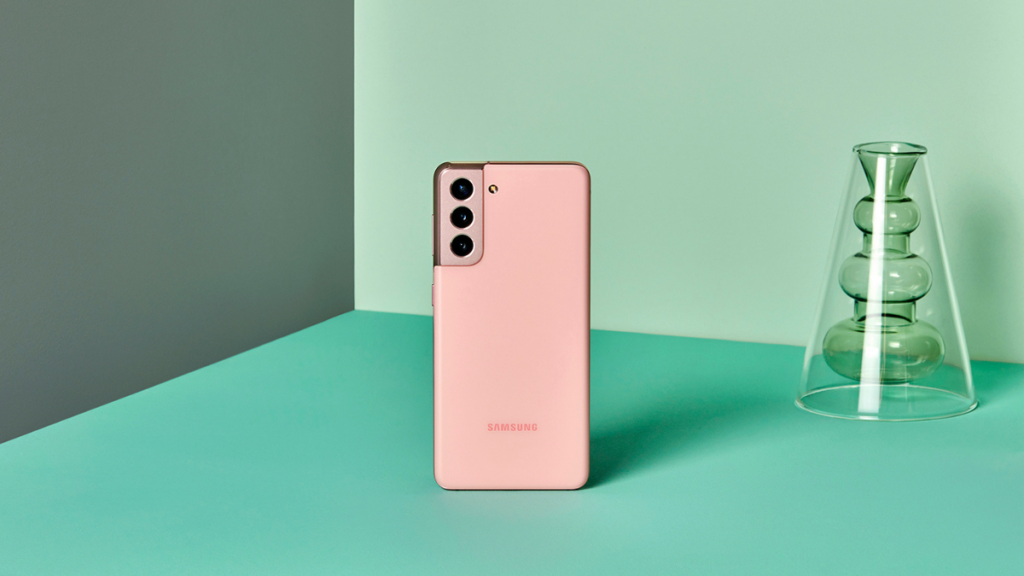
The above image shared by DCS seems to showcase the iPhone 15 series phone on the left and the Reno 13 on the right. The image reveals that the Reno 13 series will have an iPhone-inspired design.

Similar to the iPhone, the Reno 13’s camera island features integrated cold-craved glass, contributing to its seamless and sleek appearance. The lens’s smooth, one-piece construction adds a refined, high-quality feel, closely mirroring the sophisticated aesthetic of iPhones. The Reno 13 model can be seen sporting a triple camera setup.

The tipster previously claimed that the Reno 13 has a metal middle frame. WHY LAB, another source, has clarified that the series features an aluminum alloy metal middle frame.

Oppo Reno 13 series specifications (rumored)

According to reports, the Reno 13 and Reno 13 Pro will feature micro-quad-curved displays measuring 6.59-inch and 6.83-inch, respectively. Both phones are expected to support a 1.5K resolution, a 120Hz refresh rate, and an optical in-screen fingerprint sensor.

The Reno 13 Pro will be powered by the forthcoming Dimensity 8350. However, there is no accurate information about the Reno 13’s chipset. It is likely that the Reno 13 may pack a 5,600mAh battery, whereas the Pro variant may feature a larger 5,900mAh battery. Both devices may fast wired and wireless charging.

The Reno 13 and 13 Pro are expected to feature a 50-megapixel front camera. At present, there is no information about the standard model’s rear camera setup. As far as the Pro model is concerned, it is expected to feature an OIS-enabled 50-megapixel main camera, an 8-megapixel ultra-wide snapper, and a 50-megapixel telephoto or periscope telephoto camera.

The Reno 13 series will run on Android 15 and ColorOS 15. When it comes to durability, both devices are expected to offer a high standard of dust and water resistance. Additionally, the lineup will offer dual speakers, an x-axis linear motor, and a thin and lightweight design.

As far as global launch is concerned, a new report has revealed that the Reno 13 series will be announced in January 2025 in India.

Vivo X200 series global launch date leaks, Pro mini to remain exclusive to China

The Vivo X200 series is set to make its global debut soon. Vivo has begun teasing the launch in Malaysia, though it hasn’t confirmed an exact date.

However, tipster Paras Gugalni on X (formerly Twitter) shared an image revealing that the X200 series will launch in Malaysia on November 19. That’s just around the corner—next Tuesday—so we can expect official confirmation from Vivo itself, within a day or two.

Additionally, the leak suggests that Vivo will launch its new flagships in Thailand on November 28.

No Pro mini for global

The Vivo X200 series includes three models: the Vivo X200, X200 Pro, and X200 Pro mini. While some reports speculated that Vivo might launch the Pro Mini globally, especially since the official teaser featured a green color exclusive to the Pro Mini in China, it turns out the Pro Mini won’t be available in global markets.

In another post, tipster Paras Guglani shared the global color options for these phones. Vivo will release the standard X200 in Copper Green instead, alongside Moonlight White, Cobalt Blue, and Carbon Black. Meanwhile, the X200 Pro will come in Titanium Grey, Carbon Black, and Cobalt Blue. 

Specifications

The Vivo X200 sports a 6.67-inch OLED display with a smooth 120Hz refresh rate and a remarkable peak brightness of 4,500 nits. The Pro model offers a slightly larger 6.78-inch display with similar specs, adding an ultrasonic fingerprint sensor beneath the screen for added security.

Both models are powered by the MediaTek Dimensity 9400 chipset, paired with LPDDR5x RAM and UFS 4.0 storage. 

The standard X200 features a triple-camera setup with three 50MP lenses for wide, ultrawide, and 3x zoom shots. The Pro model upgrades the telephoto lens to a 200MP sensor that offers a longer 3.7x zoom for more detailed shots.

Fueling the X200 is a 5,800mAh battery and the Pro model goes further with a 6,000mAh capacity. Both models support 90W wired charging, while the Pro adds 30W wireless charging for added convenience.

(Source)